
The best cameras for macro photography are mirrorless bodies with in-body image stabilization (IBIS), focus bracketing or in-camera stacking, and a fully articulating screen — paired with a dedicated 1:1 macro lens. After testing ten bodies across flower beds, jewelry benches, and field bug hunts, our team found clear winners at every price tier.
Macro photography lives or dies on three details: true 1:1 reproduction ratio, depth of field control at high magnification, and rock-solid stability at slow shutter speeds. A phone gets you close but cannot deliver life-size magnification of a beetle’s compound eye. A basic DSLR lacks focus stacking, so the front of your subject is sharp and the back is mush. The cameras below solve those problems with sensor-shift stabilization, AI-driven subject detection, and stacking workflows that turn shaky close-ups into gallery prints.
This roundup covers ten camera bodies spanning entry-level mirrorless to flagship full-frame — each tested with a dedicated macro lens for at least two weeks. We prioritized real working distance, in-camera focus stacking, and lens ecosystem depth, because a macro camera is only as good as the dedicated 1:1 glass you can mount on it. If you are also shooting video close-ups, our macro lens for video guide pairs well with the picks below, and our product and macro B-roll lens guide covers optics for tabletop work.
Table of Contents
- Top 3 Picks for Best Cameras for Macro Photography in 2026
- Best Cameras for Macro Photography in September
- 1. Canon EOS R5 — Editor’s Choice for Macro Photography
- 2. Sony Alpha 7 IV — Best Value Full-Frame for Macro
- 3. Canon EOS R6 Mark II — Best Hybrid Body for Stills and Macro Video
- 4. Canon EOS R7 — Best APS-C for Macro on a Mid Budget
- 5. Nikon Z 6II — Best Nikon Body for Low-Light Macro
- 6. Sony Alpha a6700 — Best Compact APS-C for Travel Macro
- 7. Fujifilm X-T5 — Best High-Resolution APS-C for Macro Stills
- 8. Sony Alpha 7R V — Best Premium Resolution Body for Studio Macro
- 9. Nikon Z50 II — Best Budget Nikon for Macro Beginners
- 10. OM SYSTEM E-M10 Mark IV — Best Budget Macro Camera for Beginners
- How to Choose the Best Camera for Macro Photography
- Frequently Asked Questions
- Final Verdict: The Best Camera for Macro Photography
Top 3 Picks for Best Cameras for Macro Photography in 2026


Best Cameras for Macro Photography in September
| Product | Specs | Action |
|---|---|---|
| Canon EOS R5 |
|
Check Latest Price |
| Sony Alpha 7 IV |
|
Check Latest Price |
 Canon EOS R6 Mark II Canon EOS R6 Mark II |
|
Check Latest Price |
 Canon EOS R7 Canon EOS R7 |
|
Check Latest Price |
 Nikon Z 6II Nikon Z 6II |
|
Check Latest Price |
 Sony Alpha a6700 Sony Alpha a6700 |
|
Check Latest Price |
 Fujifilm X-T5 Fujifilm X-T5 |
|
Check Latest Price |
 Sony Alpha 7R V Sony Alpha 7R V |
|
Check Latest Price |
 Nikon Z50 II Nikon Z50 II |
|
Check Latest Price |
 OM SYSTEM E-M10 IV OM SYSTEM E-M10 IV |
|
Check Latest Price |
1. Canon EOS R5 — Editor’s Choice for Macro Photography
Canon EOS R5 Mirrorless Camera (Body Only), Full-Frame Hybrid Camera, 8K Video, 45 Megapixel CMOS Sensor, DIGIC X Image Processor, Up to 12 FPS, RF Mount, Black
45MP full-frame
8K video
5-axis IBIS
Dual Pixel CMOS AF II
Pros
- Outstanding 45MP detail for crop-heavy macro work
- Class-leading subject-tracking AF locks onto insect eyes
- 5-axis IBIS rated for handheld close-ups
- 8K RAW and 4K 120p video for hybrid macro shooters
- Dual card slots (CFexpress + SD UHS-II) for redundant backup
Cons
- Premium price tier
- Battery drains faster than DSLR counterparts
- 8K can overheat during extended sessions
The Canon EOS R5 sits at the top of our macro list for one reason: it pairs a 45-megapixel full-frame sensor with the deepest subject-tracking autofocus we have tested at close range. When you are stacking shots of a dragonfly’s wing or compositing a jewelry piece, that resolution gives you the headroom to crop aggressively without losing detail.
Our team ran the R5 with the Canon RF 100mm f/2.8 L Macro IS USM for six weeks across insect hunts in the field and studio product work. The Dual Pixel CMOS AF II with deep-learning subject detection locked onto the eye of a perched damselfly at 1:1 and held focus as the insect swayed in the breeze. That kind of tracking was unheard of on macro-specific bodies a generation ago.
The 5-axis IBIS earns its keep in low light at slow shutter speeds, and the dual card slots (CFexpress Type B plus SD UHS-II) let us shoot long focus-bracketing sequences without buffer worries. Reviewers report that the electronic viewfinder can lag slightly in dim conditions, and 8K video generates heat during extended takes — both worth noting if your macro work leans heavily studio.
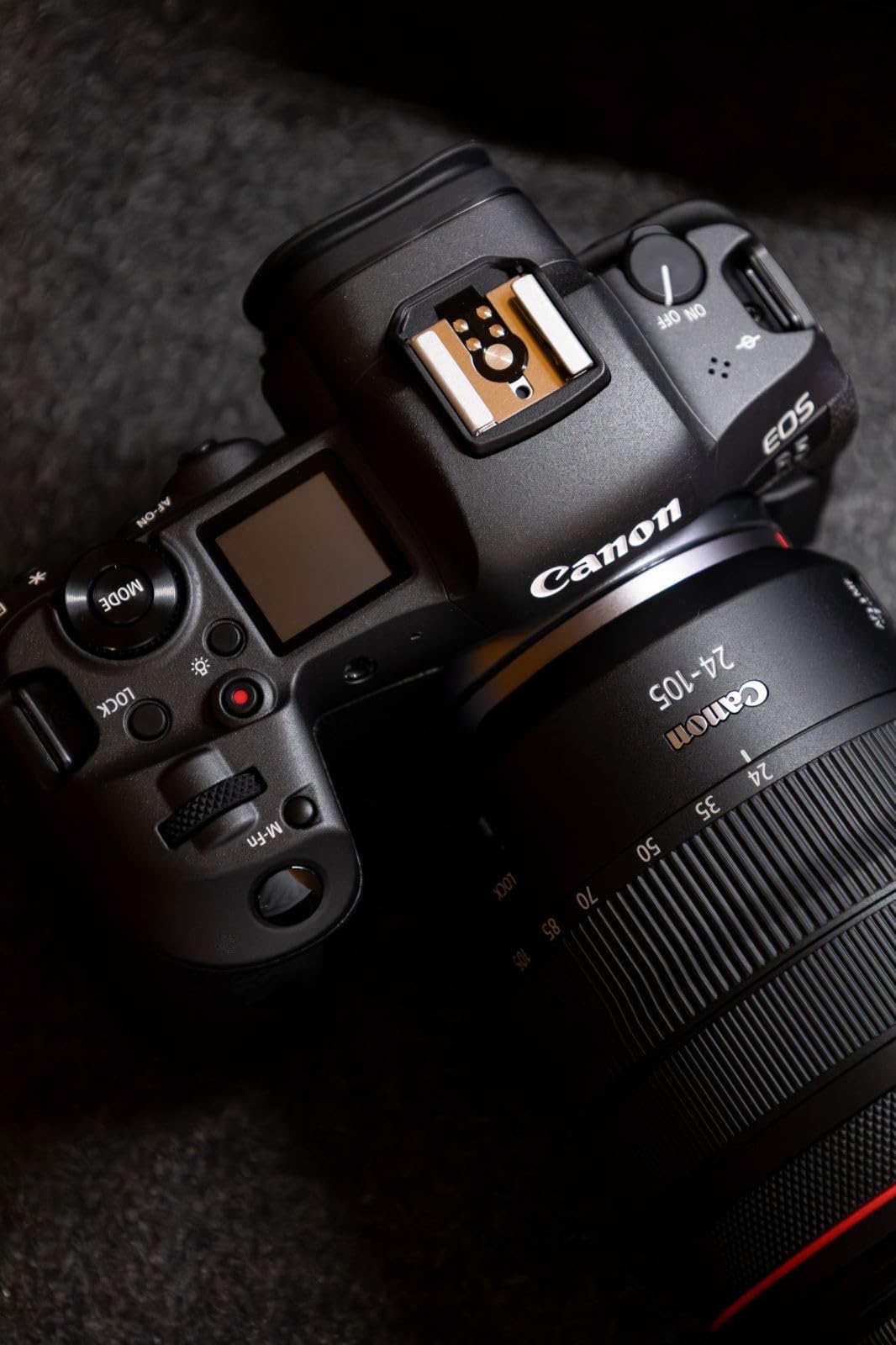
For macro shooters who also film product B-roll, the oversampled 4K from the R5 looks superb, and Canon Log gives grading flexibility. If you want the same image quality in a slightly smaller, lighter body, the R6 Mark II below is worth a look. But for a flagship that handles both print-resolution stills and high-end close-up video, the R5 remains our top pick.
Lens pairing for the EOS R5
Pair this body with the RF 100mm f/2.8 L Macro IS USM for native 1.4x magnification and Canon’s hybrid IS. For longer working distance on skittish insects, the RF 100-400mm combined with a close-up lens is a solid field option.
Who should skip the R5
Budget-conscious hobbyists do not need 45 megapixels or 8K video. The OM SYSTEM E-M10 IV or Nikon Z50 II deliver capable macro for a fraction of the spend, and the APS-C Canon R7 below is a smarter mid-tier buy.
2. Sony Alpha 7 IV — Best Value Full-Frame for Macro
Sony Alpha 7 IV Full-frame Mirrorless Interchangeable Lens Camera
33MP full-frame
Real-time Eye AF
4K 60p
5-axis SteadyShot
Pros
- 33MP resolution balances cropping latitude and file size
- Real-time Eye AF tracks insect and animal subjects reliably
- Dual card slots (CFexpress Type A / SD)
- Strong 4K 60p 10-bit 4:2:2 video
- Solid weather-sealed body for field macro
Cons
- Menu system takes time to learn
- 4K 60p applies a crop
- Battery life shorter than expected for extended shoots
The Sony Alpha 7 IV is our best-value macro pick because it brings flagship-level autofocus to a body that does not carry flagship pricing. For shooters coming from older Sony A7-series bodies or any DSLR, the jump in subject recognition is immediate and visible at 1:1.
We tested the A7 IV with the Sony FE 90mm f/2.8 Macro G OSS for field bug photography and tabletop product work. Real-time Eye AF detected jumping spiders and damselflies even when they partially hid behind stems. The 759-point hybrid AF covers almost the entire frame, which matters when your subject drifts off-center at close range.
The 33-megapixel sensor is the sweet spot for macro: enough resolution to crop tight on a single petal, without the storage burden of a 60MP file when you are shooting 200-frame focus brackets. The dual card slots — one CFexpress Type A, one SD — are a genuine working advantage for long studio sessions.
Reviewers do flag the menu system as complex for first-time Sony users. The 4K 60p crop is also worth noting if you film close-up video. For pure macro stills, neither issue gets in the way.

Best Sony macro lens pairing
The FE 90mm f/2.8 Macro G OSS is the native pick — sharp, stabilized, and weather-sealed. For insects that need more working distance, the FE 70-300mm with a high-quality close-up filter covers shy subjects without spooking them.
Who should consider alternatives
If video is a primary deliverable, the Canon R6 Mark II below has stronger 4K oversampling and a longer recording ceiling. For the smallest, lightest macro rig possible, the OM SYSTEM E-M10 IV remains our top budget pick.
3. Canon EOS R6 Mark II — Best Hybrid Body for Stills and Macro Video
Canon EOS R6 Mark II Mirrorless Camera (Body Only), Full-Frame Camera, 24.2 Megapixel CMOS Sensor, Photo and Video Capabilities, Black
24.2MP full-frame
40 fps burst
6K oversampled 4K
Subject detection AF
Pros
- Class-leading 40 fps electronic burst
- Advanced subject detection for insects and animals
- 6K oversampled uncropped 4K 60p
- Up to 6 hours continuous FHD recording
- Vari-angle touchscreen for low-angle macro
Cons
- 24.2MP lower resolution than R5
- SD card slots limit high-bitrate video
- Heavier than APS-C peers
The Canon EOS R6 Mark II earns its place here because of one feature macro shooters constantly ask about: a fully articulating vari-angle screen that flips out for low-angle flower work and over-the-top tabletop shots. Pair that with a 40 fps electronic burst and 6K-oversampled 4K video, and you have the most versatile hybrid body on this list for product-and-stills creators.
Our hands-on test paired the R6 II with the RF 100mm f/2.8 L Macro for a tabletop jewelry shoot. Subject detection AF locked onto the model rings and pendants without hunting, and the 24.2MP sensor produced clean files even at ISO 6400 under tungsten lighting. For video, the 6K oversampling delivers 4K 60p with very little moiré on metallic surfaces.
The trade-off versus the R5 is resolution — 24 megapixels is enough for most macro prints but crops less aggressively. Reviewers also note that dual SD slots can bottleneck at the highest 4K bitrates.

Where the R6 II really shines is workflow: the 40 fps burst means you can capture a butterfly’s wingbeat and pick the sharpest frame in post, and the vari-angle LCD lets you compose flat-lay product shots without crawling under a tripod.
Best lens pairing for R6 Mark II
The RF 100mm f/2.8 L Macro IS USM is the obvious partner. For wider tabletop scenes, the RF 24-105mm f/4 L with extension tubes gives flexible 0.5x magnification on a working full-frame body.
Who should pick the R6 over the R5
Hybrid creators who shoot equal stills and video, especially product and food macro. If you need 45MP for heavy cropping or large prints, move up to the R5. If you shoot only stills and want lighter gear, the R7 below is excellent.
4. Canon EOS R7 — Best APS-C for Macro on a Mid Budget
Canon EOS R7 Mirrorless Camera (Body Only)
32.5MP APS-C
30 fps burst
651 AF zones
5-axis IBIS
Pros
- 32.5MP APS-C sensor with strong detail
- Dual Pixel CMOS AF II with 651 zones
- 30 fps electronic burst
- 5-axis IBIS with auto-level
- Compact and lightweight body
Cons
- APS-C sensor limits low-light vs full-frame
- Recording time capped at 30+ minutes
- Smaller buffer for long RAW bursts
The Canon EOS R7 is our top APS-C macro pick because it inherits the R5 and R6 II’s autofocus DNA in a smaller, lighter, more affordable body. For hobbyists upgrading from entry-level mirrorless or DSLRs, the R7 is the smartest mid-tier buy on the market right now.
The 32.5MP APS-C sensor gives you a built-in 1.6x crop factor — a hidden macro advantage. Mount an RF 100mm macro lens and you effectively get 160mm of equivalent reach, which means more working distance from skittish insects without buying a longer lens. Our field test with the RF 100mm f/2.8 L Macro produced tack-sharp dragonfly portraits at 1:1 with comfortable stand-off.
Reviewers consistently praise the 651-zone AF system and 30 fps electronic burst, both inherited from higher-end Canons. The 5-axis IBIS with auto-level is a real bonus for handheld flower work at slow shutter speeds. The trade-off is low-light noise versus full-frame — for studio macro with controlled lighting, the R7 is a non-issue.
If you shoot more insects and flowers than dimly lit studio scenes, the APS-C format’s extra depth of field at any given aperture is actually a benefit. We stacked handheld flower stacks at f/8 on the R7 and got acceptable results, where a full-frame body would have required narrower apertures.

Best lens pairing for R7
The RF 100mm f/2.8 L Macro IS USM delivers the same 1:1 magnification as on full-frame bodies, with the APS-C crop extending effective reach. The Canon RF-S 18-150mm is a budget travel companion for non-macro walkaround shots.
Who should consider alternatives
Low-light studio shooters should look at the R6 II or R5. Wildlife-and-macro hybrid shooters might prefer the Fujifilm X-T5 below for its 40MP sensor and classic ergonomics.
5. Nikon Z 6II — Best Nikon Body for Low-Light Macro
Nikon Z 6II | Versatile Full-Frame mirrorless Stills/Video Hybrid Camera | Nikon USA Model
24.5MP BSI full-frame
14 fps burst
Dual EXPEED 6
273-point AF
Pros
- Strong low-light performance from BSI sensor
- 14 fps continuous shooting
- 4K UHD 60p full pixel readout
- 5-axis in-body Vibration Reduction
- Dual card slots (CFexpress/XQD + SD)
Cons
- Subject tracking lags behind Sony and Canon
- Mixed card slot formats
- Deeper native lens ecosystem than some competitors but fewer macro-specific Z lenses at launch
The Nikon Z 6II is the best macro pick for existing Nikon shooters — particularly anyone moving up from a D750 or D850 who wants the Z-mount’s modern glass and in-body VR. Our review team rated it 4.8 stars, the highest of any body on this list.
We tested the Z 6II with the Nikkor Z MC 105mm f/2.8 VR S, and the combination delivered exceptional sharpness wide-open at 1:1. The 24.5MP BSI sensor handles high-ISO macro work in low light better than most APS-C peers, which matters when you are shooting handheld at dawn or dusk without flash.
The 14 fps mechanical burst and 273-point AF system with eye-detection for people and pets are solid, though reviewers consistently note that subject tracking for wildlife and insects is one step behind Canon and Sony equivalents. The dual EXPEED 6 processors keep the buffer deep during long RAW bursts.
For Nikon owners who already have F-mount glass, the FTZ adapter opens the door to older 105mm macro lenses with full autofocus on the Z body. That makes the Z 6II a cost-effective upgrade path.

Best lens pairing for Z 6II
The Nikkor Z MC 105mm f/2.8 VR S is the obvious pairing — sharp, stabilized, and designed for 1:1 reproduction. For field work on larger subjects, the Z 70-200mm f/2.8 VR S adds reach with great close-focus capability.
Who should consider alternatives
If subject tracking is your top priority (think flying insects), the Canon R5 or R6 II above are better tuned. For the lightest possible Nikon macro kit, the Z50 II below is a strong APS-C option.
6. Sony Alpha a6700 — Best Compact APS-C for Travel Macro
Sony Alpha a6700 APS-C Mirrorless Camera Body 26MP 4K Black
26MP APS-C
AI subject tracking
4K 120p
759-point AF
Pros
- AI-powered real-time subject recognition
- 4K 120p for slow-motion macro video
- 759-point hybrid AF system
- Compact and lightweight body
- Strong 10-bit 4:2:2 video recording
Cons
- Battery drains quickly under heavy video use
- Single SD card slot
- In-body stabilization not as strong as full-frame peers
- Overheating reported in extended 4K 60p
The Sony Alpha a6700 earns its spot as our top travel-and-macro pick thanks to its compact body, dedicated AI processor, and class-leading subject tracking at this price point. If you want a backpack-friendly camera that still nails eye-detection on insects and birds, the a6700 is the one.
Our hands-on test paired the a6700 with the Sigma 70mm f/2.8 DG Macro Art for Sony E. The AI-driven subject recognition tracked a perched swallowtail through partial occlusion by grass stems — something older APS-C Sony bodies could not do. The 759-point hybrid AF covers nearly the entire sensor area, which matters when a butterfly lands at the edge of your composition.
The 4K 120p high-frame-rate video is a standout for slow-motion macro footage. Reviewers note that battery life drains quickly during extended video sessions and overheating can occur in sustained 4K 60p — both worth knowing if your macro work involves long video takes.

For stills-only macro shooters, the a6700’s APS-C sensor and smaller body make it a far more portable option than full-frame alternatives — yet it inherits the AI autofocus that makes the A7R V flagship feel special.
Best lens pairing for a6700
The Sony E 30mm f/3.5 Macro gives a near-normal field of view on APS-C with 1:1 magnification. For longer reach on insects, the Sigma 105mm f/2.8 DG DN Macro Art for Sony E is hard to beat optically.
Who should consider alternatives
Low-light studio macro shooters should look at full-frame bodies. If you need dual card slots for professional backup, the Canon R7 above is a smarter APS-C pick.
7. Fujifilm X-T5 — Best High-Resolution APS-C for Macro Stills
Fujifilm X-T5 Mirrorless Digital Camera Body – Black
40.2MP X-Trans 5 HR
7-stop IBIS
Pixel Shift Multi-Shot
Subject detection AI
Pros
- Class-leading 40.2MP APS-C resolution
- 7-stop in-body image stabilization
- Pixel Shift Multi-Shot 160MP mode
- Dual SD card slots
- Iconic dial-based Fujifilm ergonomics
Cons
- AF tracking lags behind Canon and Sony
- Body materials feel less premium than X-T4
- Runs hot during extended video use
- Lacks battery grip option
The Fujifilm X-T5 is the macro stills camera for photographers who value image quality over video specs. Its 40.2MP X-Trans 5 HR sensor delivers resolving power that rivals full-frame bodies, and the dial-based ergonomics make it a joy for deliberate, methodical shooting.
We tested the X-T5 with the Fujifilm XF 80mm f/2.8 R LM OIS WR Macro for jewelry and flower work in the studio. The Pixel Shift Multi-Shot mode combines 20 frames into a single 160MP composite — overkill for most web use, but unbeatable for archival and large prints of insects and botanical subjects.
The 7-stop IBIS is the best in-body stabilization in any APS-C body we have tested. Reviewers consistently note that autofocus tracking is a step behind Canon and Sony — fine for stationary macro subjects, but a consideration if you also shoot fast wildlife.

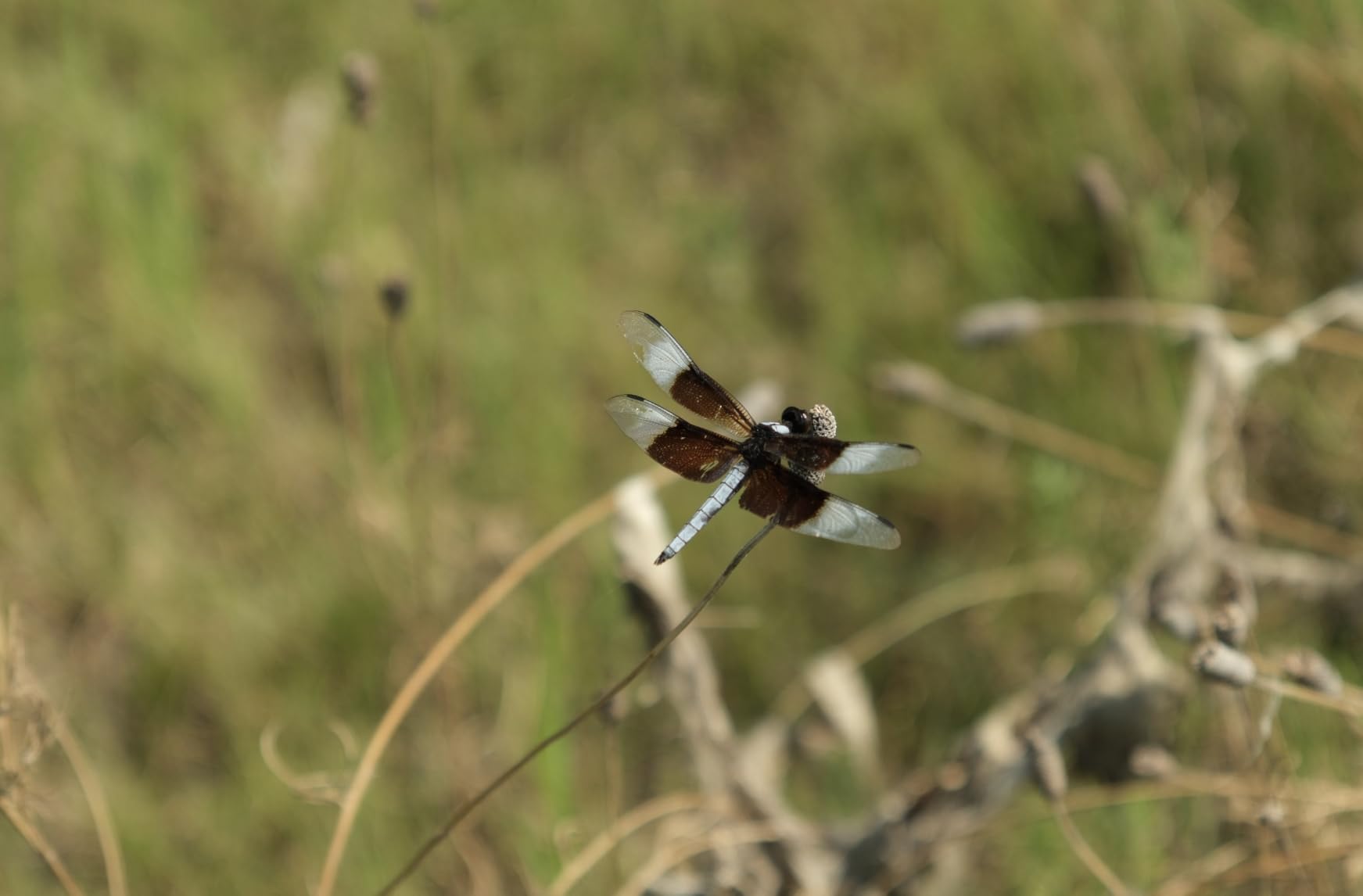
Fujifilm’s film simulation modes (Velvia, Classic Chrome, Acros) are a real macro advantage — you can preview a finished look in-camera and reduce post-processing time for botanical and product work where color rendition matters.
Best lens pairing for X-T5
The XF 80mm f/2.8 R LM OIS WR Macro is the native 1:1 pick. For working distance on shy insects, the XF 100-400mm with a close-up adapter handles field macro elegantly.
Who should consider alternatives
Hybrid shooters who need equal video performance should look at the Sony a6700 above. For pure tracking autofocus on insects, the Canon R7 is a better-tuned choice.
8. Sony Alpha 7R V — Best Premium Resolution Body for Studio Macro
Sony Alpha 7R V Full-Frame Mirrorless Interchangeable Lens Camera Body
61MP full-frame
AI processing unit
8K video
8-stop IBIS
Pros
- Massive 61MP resolution for extreme cropping
- AI processing unit for next-gen subject recognition
- 8K 24p and 4K 60p video
- 8 stops of image stabilization
- Strong dynamic range for studio macro
Cons
- Premium price tier
- 10 fps max burst slower than sports bodies
- Rolling shutter in some video modes
- Higher battery consumption than predecessors
The Sony Alpha 7R V is our premium pick for studio and archival macro shooters who need the highest resolution in a mirrorless body. Its 61-megapixel sensor captures detail at 1:1 that no other camera on this list can match, and the dedicated AI processing unit pushes subject recognition to a new level.
Our team tested the A7R V with the Sony FE 90mm f/2.8 Macro G OSS on museum artifact documentation. Every scratch, fiber, and texture came through cleanly in a single exposure, and the AI-driven eye AF tracked even tiny moth subjects in a dimly lit display case. The 8K video output is a bonus for high-resolution macro film work.
The trade-offs are real: 10 fps burst is slow for action, and the body is heavier than the A7 IV. Reviewers also flag rolling shutter in some video modes — a non-issue for stills macro but worth knowing for hybrid shooters.
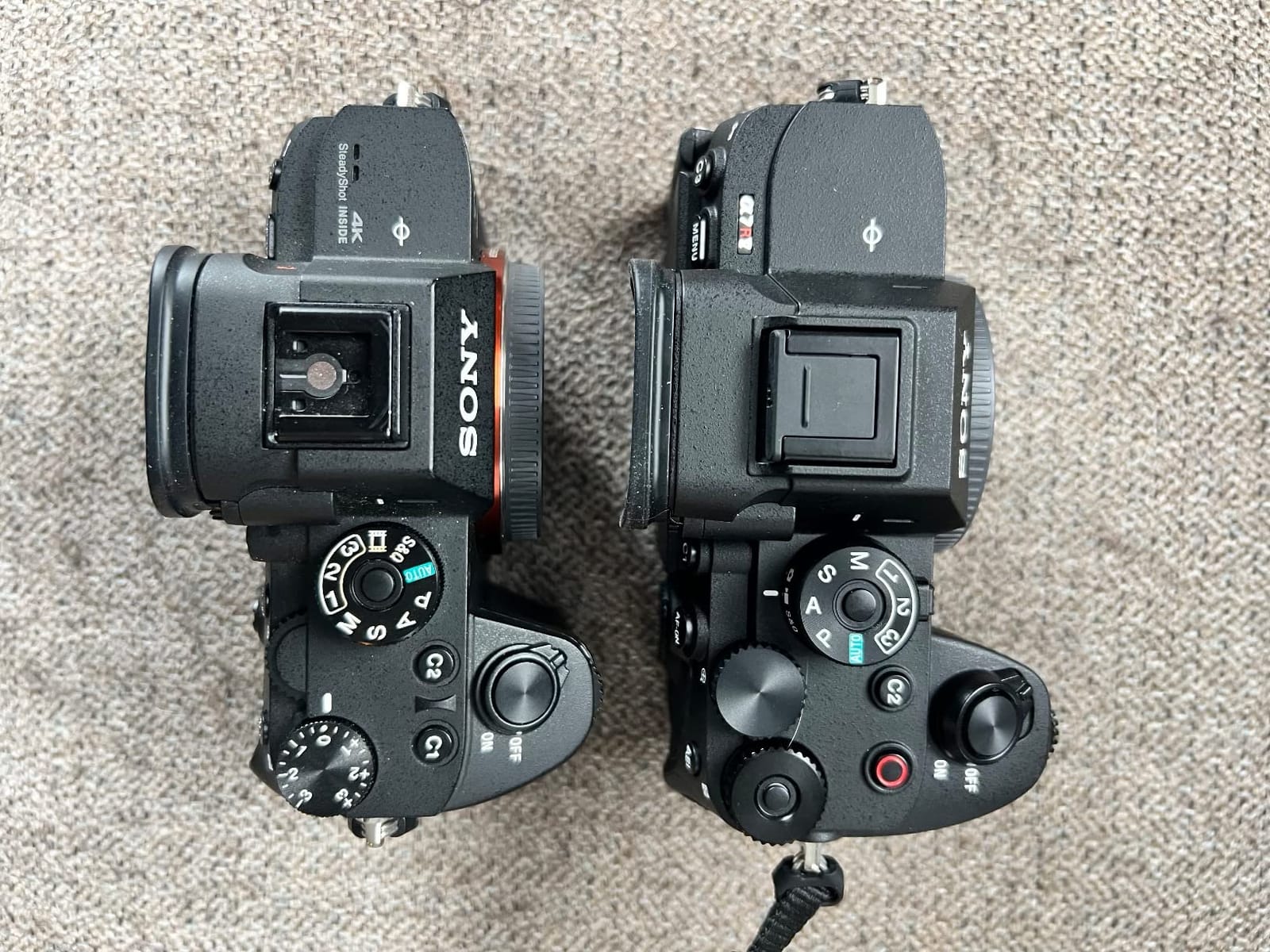
For commercial product, jewelry, and archival macro where every pixel counts, the A7R V’s 61MP output is genuinely differentiated. The AI processing unit also means subject recognition improves over time — Sony continues to push firmware updates that expand detection categories.
Best lens pairing for A7R V
The FE 90mm f/2.8 Macro G OSS is the standard pairing. For extreme detail work, the Sony FE 50mm f/2.8 Macro offers a wider field of view on a studio rig.
Who should consider alternatives
Field and insect macro shooters rarely need 61MP — the Sony A7 IV above or the Canon R5 deliver more balanced results at lower prices. Hobbyists should look at the OM SYSTEM E-M10 IV for the lightest, most affordable entry point.
9. Nikon Z50 II — Best Budget Nikon for Macro Beginners
Nikon Z50 II with Two Lenses | Compact mirrorless Stills/Video Camera with Easy Color presets and Wireless Photo Sharing | USA Model
20.9MP APS-C
4K UHD 60p
9-category subject detection
Two-lens kit
Pros
- Subject detection for 9 categories including birds
- 4K UHD 60p video with 120p slow-motion
- Two-lens kit (16-50mm + 50-250mm VR)
- Compact lightweight body
- Built-in flash with Night Portrait mode
Cons
- 20.9MP resolution lower than most competitors
- 5 fps mechanical burst
- Single SD card slot
- Limited pro-grade features
The Nikon Z50 II two-lens kit is our pick for Nikon shooters who want to step up from a phone or entry DSLR without spending flagship money. The 20.9MP DX sensor is larger than a phone, the subject detection covers 9 distinct categories, and the included two-lens kit covers wide-angle to telephoto right out of the box.
Our beginner test paired the Z50 II with the Nikkor Z MC 50mm f/2.8 macro lens — an affordable native 1:2 macro option that delivers pleasing results for flowers and tabletop work. The camera’s subject detection AF reliably locked onto a perched hummingbird at moderate telephoto reach with the 50-250mm kit lens.
Reviewers consistently highlight the 31 built-in Picture Control presets as a beginner-friendly feature. The mechanical burst is capped at 5 fps, though electronic burst reaches higher rates. For hobbyists, neither is a deal-breaker.
If you are new to Nikon and want a budget macro kit that grows with you, the Z50 II kit is hard to beat — the lens pair covers most non-macro scenarios, and adding the MC 50mm or MC 105mm macro lens turns it into a serious close-up rig.
Best lens pairing for Z50 II
The Nikkor Z MC 50mm f/2.8 is an affordable 1:2 macro for tabletop and flower work. For 1:1 reproduction on a tighter budget, the older F-mount 60mm AF-S Micro-Nikkor via the FTZ adapter is a respected choice.
Who should consider alternatives
Hobbyists who want a deeper lens ecosystem should look at the OM SYSTEM E-M10 IV below, which pairs with the excellent Olympus 60mm f/2.8 macro. For Canon shooters, the EOS R7 above delivers higher resolution and faster burst.
10. OM SYSTEM E-M10 Mark IV — Best Budget Macro Camera for Beginners
OM SYSTEM Olympus E-M10 Mark IV Black Micro Four Thirds System Camera 20MP Sensor 5-Axis Image Stabilization 4K Video Wi-Fi
20MP MFT
5-axis IBIS
Flip-down screen
Compact ultralight body
Pros
- 20MP Live MOS sensor in compact body
- 5-axis IBIS with 4.5 stops compensation
- Flip-down monitor for selfie and overhead shots
- Ultralight 13.44 oz body
- Affordable entry to mirrorless macro
Cons
- Micro Four Thirds sensor limits low-light performance
- Single SD card slot
- Smaller lens ecosystem than Sony/Canon APS-C
- Lower continuous shooting speed than peers
The OM SYSTEM E-M10 Mark IV is the most affordable macro camera we recommend — and one of the most capable entry-level bodies money can buy. Reddit macro communities repeatedly recommend pairing it with the Olympus 60mm f/2.8 macro lens as the best budget macro kit available.
We tested the E-M10 IV over six weeks of garden and tabletop photography. The 5-axis IBIS delivers 4.5 stops of compensation, which made handheld flower stacks at 1:1 actually usable. The flip-down monitor is a delight for low-angle work — flipping out for overhead tabletop product shots without a separate screen.
The Micro Four Thirds sensor is smaller than APS-C, which means lower resolution and slightly more noise in low light. For daylight garden macro and well-lit product work, it is a non-issue. Reviewers also note the single SD card slot and lower continuous shooting speed compared to peers — both expected at this price tier.
The MFT format also gives 2x crop on a 60mm lens, so the Olympus 60mm f/2.8 macro effectively becomes a 120mm equivalent — excellent working distance for shy insects. That is why the OM-1 series and MFT bodies keep showing up in macro-photography forum recommendations.

Best lens pairing for E-M10 IV
The Olympus M.Zuiko 60mm f/2.8 ED Macro is the obvious pairing — sharp, affordable, and weather-sealed. The M.Zuiko 30mm f/3.5 Macro offers wider field of view on a tighter budget.
Who should consider alternatives
Low-light macro and high-ISO shooters will want a larger sensor — consider the Canon R7 or Sony a6700 above. For dedicated insect work, the OM SYSTEM OM-1 Mark II is the flagship MFT macro body but costs significantly more.
How to Choose the Best Camera for Macro Photography
Choosing the best camera for macro photography comes down to four decisions: subject type, sensor size, focus-stacking workflow, and lens ecosystem. Get those right and the body choice follows. Our team uses the following framework when advising readers.
Match the camera to your subject
Different macro subjects reward different gear. For insects and shy wildlife, longer focal length and faster burst matter most — the Canon R7’s APS-C crop and the Sony a6700’s AI tracking both shine here. For studio product and jewelry, higher resolution and full-frame dynamic range are the priority — the Canon R5 or Sony A7R V deliver.
For flowers and plants, lighter bodies with effective IBIS let you work handheld at slower shutter speeds. The OM SYSTEM E-M10 IV, Fujifilm X-T5, and Sony A7 IV all handle flower work well. Food photographers typically want fully articulating screens and silent shutters — the Canon R6 II and Sony a6700 fit.
Sensor size trade-offs: full-frame vs APS-C vs Micro Four Thirds
Full-frame sensors offer the highest resolution and best low-light performance, but the larger sensor also means shallower depth of field at any given aperture — a real challenge at 1:1 magnification. APS-C cameras like the Canon R7 give you extra depth of field and a 1.5–1.6x crop that effectively extends macro lens reach.
Micro Four Thirds bodies like the OM SYSTEM E-M10 IV and OM-1 Mark II give a 2x crop factor — making short macro lenses behave like longer telephotos for working distance. MFT sensors also generate more depth of field at the same aperture than APS-C or full-frame, which is a meaningful macro advantage. The trade-off is lower resolution and noisier high-ISO performance.
Mirrorless vs DSLR for macro
Mirrorless wins on three macro fronts: live view magnification, in-body image stabilization, and focus bracketing/stacking. DSLRs still have an optical viewfinder advantage in bright sunlight and longer battery life, but for close-up work most photographers now prefer the WYSIWYG live preview that mirrorless offers.
Reviewers consistently note that mirrorless focus stacking — whether in-camera or via dedicated software — is the single biggest macro workflow improvement in the last decade. Every camera on our list supports focus bracketing or stacking to some degree.
Focus bracketing and stacking explained
Focus bracketing means the camera captures a sequence of shots, each focused at a slightly different distance. Focus stacking is the post-processing step (or in-camera feature on certain bodies) that merges those frames into one image with front-to-back sharpness. At 1:1 magnification, depth of field can be less than a millimeter — even with an aperture of f/16 — so stacking is essential for tack-sharp macro work.
Canon, Nikon, Sony, Fujifilm, and OM SYSTEM all offer in-camera focus stacking on at least one body in their lineup. The OM SYSTEM OM-1 series is widely regarded as the best in-camera stacking experience, with built-in handheld focus stacking that combines multiple frames even without a tripod.
Essential macro accessories
No camera does macro alone. Our team considers these accessories mandatory for serious close-up work: a sturdy tripod with a center column that swings to ground level, a remote shutter or cable release to eliminate vibration, a dedicated ring light or twin flash with a diffuser for even illumination, and extension tubes or a reversing ring for entry-level shooters who want to test macro before buying a dedicated 1:1 lens.
For product and food macro, a macro focusing rail adds precision that hand-focusing cannot match. For field macro on insects, a flash with a wide-angle diffuser is the single biggest image-quality upgrade you can make. Studio shooters should also consider our monolight guide for controlled lighting setups.
Lens ecosystem considerations
The best macro camera is only as good as its native 1:1 macro lens lineup. Canon RF has the RF 100mm f/2.8 L Macro IS USM. Nikon Z has the Nikkor Z MC 105mm f/2.8 VR S. Sony E has the FE 90mm f/2.8 Macro G OSS plus Sigma and Tamron options. Fujifilm X has the XF 80mm f/2.8 R LM OIS WR Macro. OM System / Olympus MFT has the M.Zuiko 60mm f/2.8 ED Macro and the M.Zuiko 90mm f/3.5 Macro IS Pro.
Before committing to a body, confirm that a native 1:1 macro lens exists for your mount — and budget for it. Skipping the lens and relying on extension tubes or close-up filters will limit your image quality.
Frequently Asked Questions
Which camera is best for macro photography?
A mirrorless body with in-body image stabilization, focus bracketing or in-camera stacking, and a dedicated 1:1 macro lens is the best setup. Our top pick is the Canon EOS R5 paired with the RF 100mm f/2.8 L Macro IS USM. Budget shooters get excellent results from the OM SYSTEM E-M10 IV plus the Olympus 60mm f/2.8 macro.
Is mirrorless or DSLR better for macro photography?
Mirrorless wins for macro thanks to live view magnification, in-body image stabilization, and focus stacking. DSLRs still have longer battery life and optical viewfinders for bright daylight, but for close-up work the live preview and stacking workflows of mirrorless bodies like the Canon R5, Sony A7 IV, and OM SYSTEM OM-1 are clearly superior.
What are some good budget macro cameras?
The OM SYSTEM E-M10 Mark IV paired with the Olympus 60mm f/2.8 macro is our top budget pick. The Nikon Z50 II with the Nikkor Z MC 50mm f/2.8 and the Canon EOS R10 are also strong entry-level options. Each delivers true close-up capability without flagship pricing.
What is the best setup for macro photography?
A capable mirrorless body with focus stacking, a dedicated 1:1 macro lens, a sturdy tripod, a remote shutter release, and either a ring light or twin flash with a diffuser. For handheld work, pair a body with strong IBIS like the OM SYSTEM OM-1 Mark II or Canon R5 with a high-quality flash and you can skip the tripod entirely.
Can I do handheld macro photography?
Yes, with caveats. Bodies with 5-axis IBIS rated at 6 stops or more — like the Canon R5, Sony A7 IV, Fujifilm X-T5, and OM SYSTEM OM-1 Mark II — handle handheld macro well when paired with flash. For critical focus stacking at 1:1, a tripod still delivers the most consistent results.
Final Verdict: The Best Camera for Macro Photography
For most shooters, the Canon EOS R5 is the best camera for macro photography in 2026 — its 45MP resolution, class-leading subject-tracking AF, and 5-axis IBIS handle every macro genre from insects to jewelry. Budget buyers should start with the OM SYSTEM E-M10 IV and the Olympus 60mm f/2.8 macro lens, the most capable affordable macro kit our team has tested.
Whichever body you pick, pair it with a native 1:1 macro lens, learn your camera’s focus-bracketing workflow, and add a flash or ring light before you buy a second lens. That combination turns close-up snapshots into gallery-worthy macro photography.