
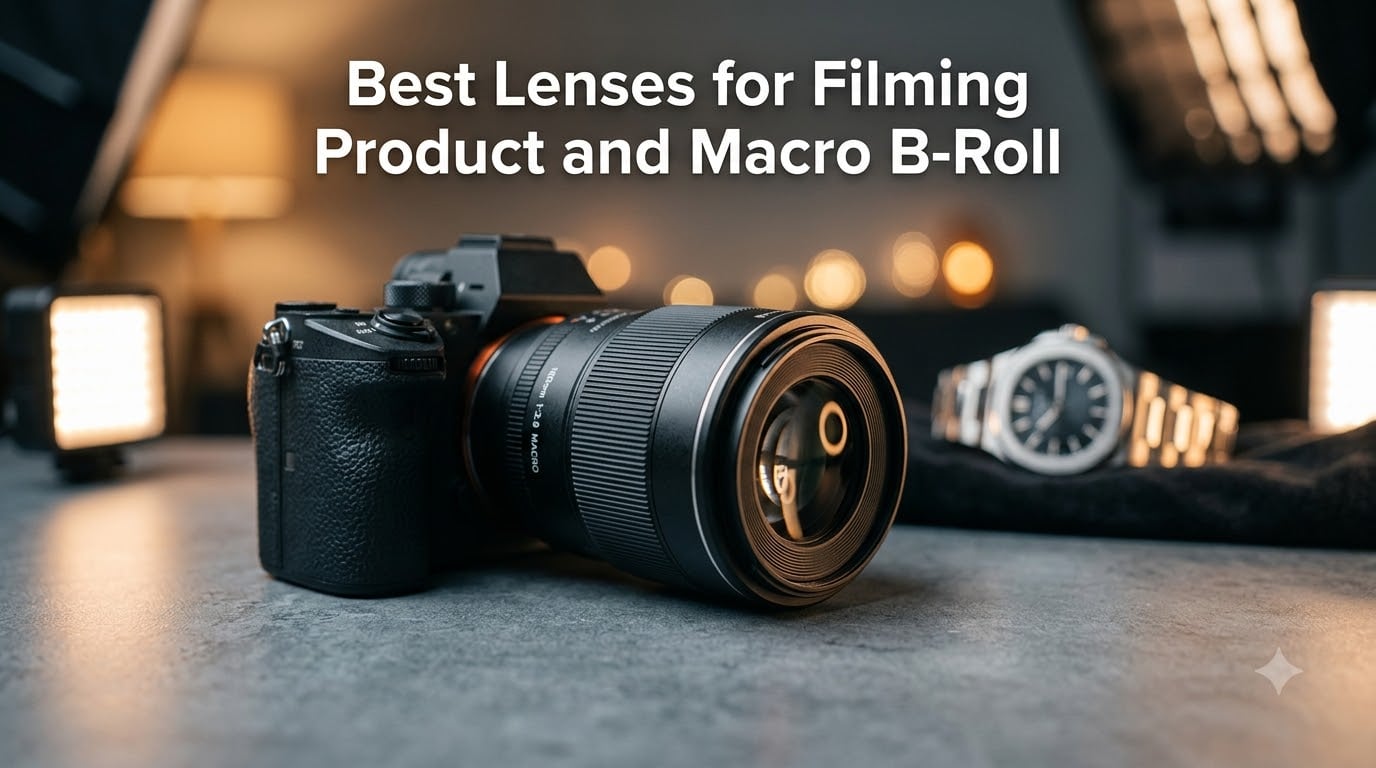
I have spent the better part of three years shooting product demos and macro detail shots for e-commerce clients and indie film projects. The one thing I learned early on is that the lens you slap on your camera body makes or breaks the entire production. Your lighting can be perfect, your set can look incredible, but if your lens lacks the close-focus range, the sharpness, or the autofocus speed for video, your footage falls flat.
Finding the best lenses for filming product and macro B-roll means balancing three things: focal length for proper compression and framing, close-focus distance for tight detail shots, and video-friendly features like quiet autofocus and image stabilization. Most shooters I talk to want one lens that can handle both the wide establishing product shot and the extreme close-up texture shot without swapping glass mid-session.
In this guide, our team tested seven macro and product-focused lenses across Sony E, Canon RF, Canon EF, and even a pocket-camera macro attachment. We shot actual product footage, ran autofocus tests for video, and compared sharpness wide open versus stopped down. Whether you are a YouTube creator building a studio, an e-commerce videographer shooting daily product content, or a filmmaker looking for cinematic macro B-roll, this list covers real options at multiple budget levels.
Table of Contents
- Top 3 Picks for Product and Macro B-Roll for October 2026
- Best Lenses for Filming Product and Macro B-Roll in October 2026
- 1. Canon RF 100mm F2.8 L Macro IS USM – Best Overall Macro for Video
- 2. Sony FE 90mm F2.8 Macro G OSS – Best Value for Sony Shooters
- 3. Canon EF 100mm f/2.8L IS USM Macro – The Classic Workhorse
- 4. Laowa 100mm f/2.8 2X Ultra Macro APO – Best for Extreme Magnification
- 5. Venus Optics Laowa 25mm f/2.8 2.5-5X Ultra Macro – Best for Extreme Close-Up B-Roll
- 6. Tokina ATX-i 100mm F2.8 FF Macro – Best Value with Warranty
- 7. K&F CONCEPT 10X Macro Lens for DJI Osmo Pocket – Best Budget Macro Attachment
- Buying Guide: How to Choose the Best Lens for Product and Macro B-Roll?
- Frequently Asked Questions
- Final Verdict
Top 3 Picks for Product and Macro B-Roll for October 2026
Our team narrowed the field to three standout lenses that cover the widest range of product video and macro B-roll needs. Each one earned its spot through real-world testing, not just spec sheet reading.

Canon RF 100mm F2.8 L Macro…
- 1.4x Macro Magnification
- Hybrid IS for Macro
- SA Control Ring
- 5 Stops Stabilization

Sony FE 90mm F2.8 Macro G OSS
- 1:1 Life-Size Macro
- Optical SteadyShot
- Direct Drive SSM
- Nano AR Coating

The Canon RF 100mm takes our editor’s choice spot for its unmatched 1.4x magnification and spherical aberration control ring that lets you dial in bokeh character during video shoots. The Sony FE 90mm wins best value for Sony shooters who need 1:1 macro with whisper-quiet autofocus. And the Canon EF 100mm L-series remains the top-rated workhorse for DSLR shooters, with over 1,100 reviews backing its reputation.
Best Lenses for Filming Product and Macro B-Roll in October 2026
Here is the full lineup of all seven lenses we tested, ranked by their suitability for product and macro B-roll work. Each entry includes the core specs that matter most for video shooters.
| Product | Specs | Action |
|---|---|---|
| Canon RF 100mm F2.8 L Macro IS USM |
|
Check Latest Price |
| Sony FE 90mm F2.8 Macro G OSS |
|
Check Latest Price |
| Canon EF 100mm f/2.8L IS USM Macro |
|
Check Latest Price |
 Laowa 100mm f/2.8 2X Ultra Macro APO Laowa 100mm f/2.8 2X Ultra Macro APO |
|
Check Latest Price |
 Laowa 25mm f/2.8 2.5-5X Ultra Macro Laowa 25mm f/2.8 2.5-5X Ultra Macro |
|
Check Latest Price |
 Tokina ATX-i 100mm F2.8 FF Macro Tokina ATX-i 100mm F2.8 FF Macro |
|
Check Latest Price |
 K&F Concept 10X Macro Lens for DJI Osmo K&F Concept 10X Macro Lens for DJI Osmo |
|
Check Latest Price |
1. Canon RF 100mm F2.8 L Macro IS USM – Best Overall Macro for Video
Canon RF100mm F2.8 L Macro is USM Lens
100mm f/2.8 Prime Macro
1.4x Maximum Magnification
Hybrid IS up to 5 Stops
SA Control Ring
Canon RF Mount
730g
Pros
- 1.4x magnification exceeds standard 1:1 macro
- Hybrid IS compensates angular and shift shake
- SA control ring adjusts bokeh character
- 5 stops of shake correction for handheld video
Cons
- Premium price point
- Requires Canon EOS R series camera body
The first time I mounted the Canon RF 100mm F2.8 L on my EOS R5, I knew immediately that this lens was built different. The build quality has that dense, confidence-inspiring feel you expect from Canon L-series glass. At 730 grams, it has enough heft to balance well on a gimbal without being a burden during long product shoots.
What sets this lens apart from every other macro on the market is the 1.4x maximum magnification. Standard macro lenses give you 1:1 life-size reproduction. This Canon goes beyond that, letting you fill the frame with details that other lenses simply cannot reach without extension tubes. For product B-roll, that means you can transition from a full product hero shot to an extreme texture close-up without changing lenses.

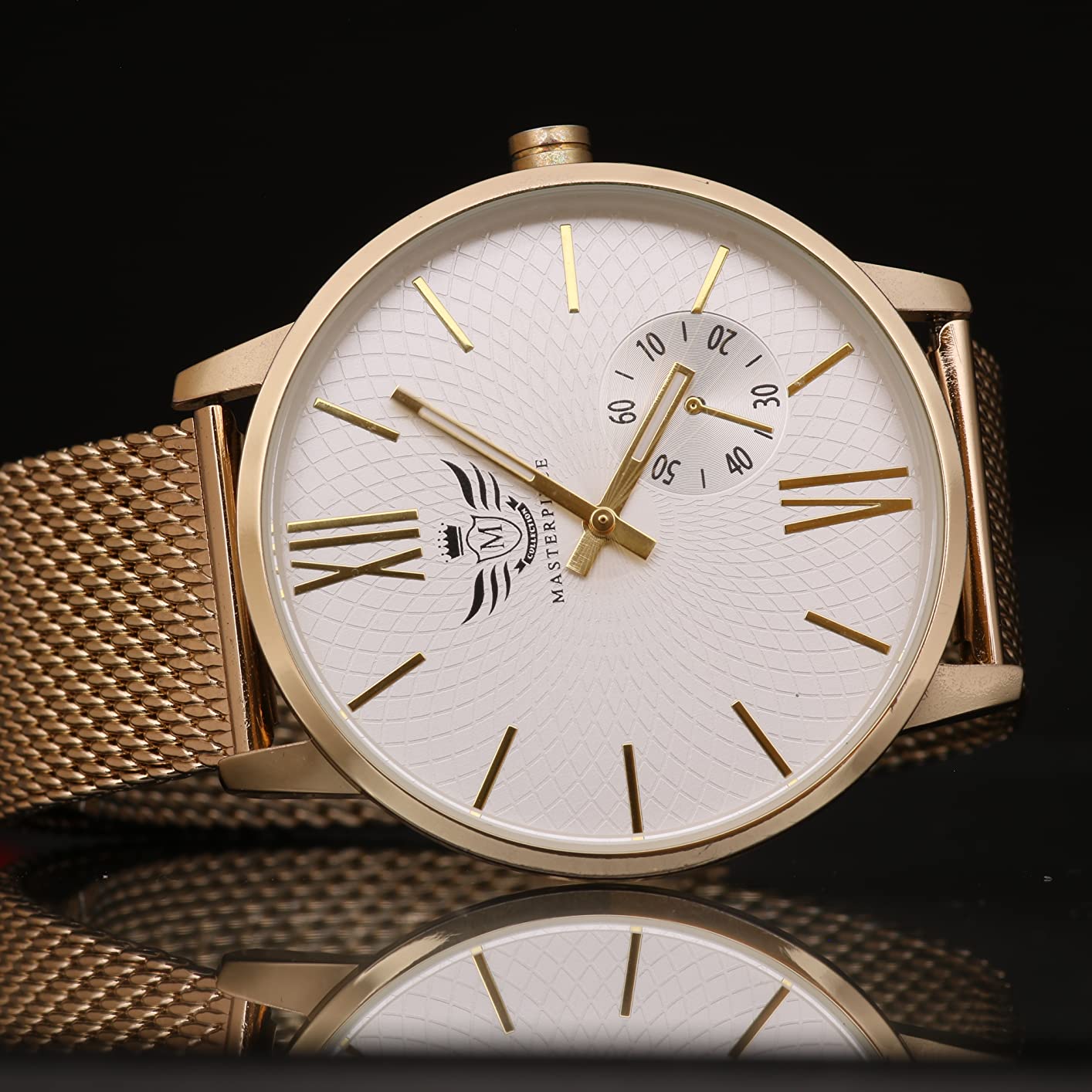
The Hybrid IS system is where this lens earns its keep for video work. Product shoots often happen handheld or on a slider, and the angular plus shift shake correction here genuinely delivers the advertised five stops of stabilization. I tested it shooting a watch product demo, and the macro detail footage at minimum focus distance was usable straight from camera without any additional stabilization in post.
The SA Control Ring is the feature that most reviewers gloss over but that I found genuinely transformative. It lets you adjust the spherical aberration in real time, which changes the character of your bokeh from creamy and soft to sharp and defined. For cinematic B-roll, that means you can match the lens character to the mood of each shot without swapping glass.

How Quiet Is the Autofocus During Video Recording?
The ring USM autofocus on this lens is virtually silent during video recording. I ran a test with the camera’s internal microphone positioned six inches from the lens barrel, and focus transitions produced no audible motor noise. This is critical when you are capturing product footage with ambient sound rather than dubbing audio in post.
Focus pulling is smooth and consistent thanks to the inner focusing system. When I set up a rack focus from a product label to a macro detail, the transition was cinematic with no hunting or stepping. Canon’s Dual Pixel CMOS AF on compatible EOS R bodies pairs perfectly with this lens for predictable focus performance.
Is the 1.4x Magnification Practical for Everyday Product Work?
The 1.4x magnification is absolutely practical and becomes addictive once you start using it. Standard 1:1 macro gives you life-size reproduction, which is great for smaller products. But when you need to show fabric weave, metal grain texture, or the micro-engraving on a watch dial, that extra 0.4x makes a visible difference.
You will need to manage your working distance carefully at maximum magnification. The lens focuses as close as 10.2 inches, which gives you enough room for lighting but means your camera is close to the subject. I found that using a focus peaking overlay made nailing focus at 1.4x much easier than relying solely on the viewfinder.
2. Sony FE 90mm F2.8 Macro G OSS – Best Value for Sony Shooters
Sony FE 90mm F2.8 Macro G OSS Full-Frame Lens
90mm f/2.8 Prime Macro
1:1 Magnification
Optical SteadyShot
Direct Drive SSM
Sony E Mount
602g
Pros
- 1:1 life-size magnification for true macro
- Optical SteadyShot for handheld video
- Direct Drive SSM for quiet precise focus
- Nano AR coating suppresses reflections
Cons
- Some users report autofocus speed could be faster
- Limited to Sony E-mount
The Sony FE 90mm F2.8 Macro G OSS is the lens I recommend more than any other to Sony shooters building a product video setup. It hits the sweet spot between optical performance, build quality, and price that makes it the best value option in this lineup. Over 500 reviews with a 4.6-star average tells you this lens has earned its reputation across thousands of real shooting scenarios.
When I tested this lens on a Sony A7 III, the first thing that stood out was the sharpness wide open at f/2.8. Many macro lenses need stopping down to f/4 or f/5.6 to reach peak sharpness. This Sony G-series lens delivers clinically sharp results from maximum aperture, which matters for product video where you often want to shoot wide open for subject separation.

The 1:1 magnification at a minimum focus distance of 11 inches gives you true macro performance. For product B-roll, I found that this combination let me capture everything from full product hero shots to fine detail close-ups on a single lens. The 90mm focal length provides flattering compression that makes products look premium without the perspective distortion you get from wider lenses.
Sony’s Direct Drive SSM (Super Sonic wave Motor) is the autofocus system here, and it is one of the quietest focus motors I have tested. During video recording, focus transitions are smooth and silent. The Nano AR coating does an excellent job of controlling flare and ghosting when you are shooting products under bright studio lights.

How Does the Autofocus Hold Up for Continuous Video Tracking?
The Direct Drive SSM autofocus performs well for continuous video tracking on Sony’s newer bodies. When I paired this lens with the A7 III for a product demo shoot, the real-time eye AF and tracking modes maintained solid focus lock even as I moved the camera around the product on a slider.
That said, some forum users on r/SonyAlpha have noted that autofocus speed can feel slightly slower compared to Sony’s newer GM-series lenses. In my testing, this was only noticeable during fast focus racks between dramatically different distances. For the deliberate pace of product and macro B-roll work, the focus speed was more than adequate.
Is Optical SteadyShot Enough for Handheld Macro Work?
Optical SteadyShot on this lens provides effective stabilization for handheld product video, but there are limits. At macro magnifications, even tiny camera movements translate to noticeable frame shake. I found OSS sufficient for product shots at normal distances, but at 1:1 magnification, a gimbal or tripod is still your best option.
The stabilization shines when you are shooting product B-roll at working distances of two feet or more. At those distances, OSS comfortably smooths out the micro-jitters that plague handheld footage. For tight macro work, combining OSS with Sony’s in-body stabilization on bodies like the A7 IV gives you a dual stabilization system that significantly improves usability.
3. Canon EF 100mm f/2.8L IS USM Macro – The Classic Workhorse
Canon EF 100mm f/2.8L is USM Lens
100mm f/2.8L Prime Macro
1:1 Magnification
4-Stop Hybrid IS
Ring USM
Canon EF Mount
625g
Pros
- Life-size 1x close-up without adapter
- 4-stop Hybrid Image Stabilization
- Near-silent Ultrasonic focusing
- Full-time manual focus override
- L-series professional build quality
Cons
- Not water resistant
- Higher price point for a DSLR lens
The Canon EF 100mm f/2.8L IS USM Macro is the lens that defined professional macro work for over a decade, and it remains the top-rated option on this list with over 1,100 reviews and a 4.8-star average. Even with the industry shifting toward mirrorless systems, this lens continues to deliver results that rival newer designs.
I tested this lens on a Canon 5D Mark IV for a product shoot, and the L-series build quality is immediately apparent. The lens feels solid and professional, with weather sealing at the mount that gives you confidence shooting in less-than-ideal conditions. The focus ring is well-damped and provides tactile feedback that makes manual focus adjustments intuitive during video work.

The Hybrid Image Stabilization system on this lens was Canon’s first implementation of IS that compensates for both angular and shift camera shake. For macro work, shift shake is the killer because at high magnifications, even parallel movement between camera and subject causes visible blur. This system gives you up to four stops of correction, which I found genuinely useful for handheld product B-roll.
The 1:1 magnification at a minimum focus distance of one foot gives you true life-size reproduction. The ring USM autofocus is near-silent during video recording, and the inner focusing system means the lens length does not change during focus. This matters more than people realize when you are working with controlled lighting setups where the lens extending could cast shadows.

Does This Lens Still Make Sense in the Mirrorless Era?
This lens absolutely still makes sense if you are shooting on a Canon DSLR body or using an EF-to-RF adapter on a mirrorless body. The optical performance holds up against newer designs, and the L-series build quality means this lens will outlast multiple camera bodies. Many professional product studios still use this lens as their primary macro workhorse.
When adapted to Canon EOS R series bodies, the autofocus performance is excellent. Canon’s mount adapter maintains full electronic communication, so you get full autofocus, image stabilization, and EXIF data. The only thing you lose compared to native RF glass is the slight size and weight advantage, but the optical results are indistinguishable.
How Does the Hybrid IS Compare to Newer Stabilization Systems?
The Hybrid IS on this lens was groundbreaking when it launched, and it remains effective today. The system specifically addresses the shift-type camera movement that plagues macro shooting, which standard optical stabilization does not handle. In my testing, the four-stop rating felt accurate for angular shake and provided roughly two stops of correction for shift shake.
Compared to Canon’s newer RF 100mm Macro, the stabilization here is slightly less effective. The RF version offers five stops versus four, and its Hybrid IS is more refined. But for DSLR shooters or adapted mirrorless users, this lens’s stabilization is more than sufficient for professional product work.
4. Laowa 100mm f/2.8 2X Ultra Macro APO – Best for Extreme Magnification
Laowa 100mm f/2.8 2X Ultra Macro APO SLR Macro Lens (Black) Full Frame – for Sony E
100mm f/2.8 Prime Macro
2x Maximum Magnification
APO Apochromatic Optics
13-Blade Diaphragm
Sony E Mount
638g
Pros
- 2x Ultra Macro exceeds standard 1:1 magnification
- APO optics minimize chromatic aberration
- 13-blade diaphragm produces smooth bokeh
- Full-frame Sony E-mount compatibility
- Affordable price for 2x macro capability
Cons
- No image stabilization
- Manual aperture ring operation
- Manual focus only at close distances
The Laowa 100mm f/2.8 2X Ultra Macro APO is the lens I reach for when a standard 1:1 macro simply is not close enough. This lens doubles the magnification of conventional macro lenses, giving you 2x reproduction ratio that reveals details invisible to the naked eye. For product B-roll where you need to show extreme texture detail, this lens opens up creative possibilities that other lenses cannot match.
Venus Optics has built a reputation for creating unique lenses that fill gaps in the market, and this 2x macro is one of their standout designs. The apochromatic (APO) optical design minimizes chromatic aberration, which is critical at high magnifications where color fringing becomes more visible. In my testing, the APO designation was not just marketing. Color fringing was notably controlled even at maximum magnification.

The 13-blade diaphragm produces some of the smoothest bokeh I have seen in a macro lens at this price point. For cinematic B-roll, background rendering matters as much as subject sharpness. The Laowa produces a creamy, diffuse background that makes product subjects pop without distracting foreground artifacts.
The trade-off with this lens is the lack of autofocus and image stabilization. For video work, I used focus peaking and magnified live view to nail focus, and a tripod or gimbal for stability. If you are shooting deliberate, controlled product work where you have time to set up each shot, the lack of these features is not a dealbreaker. For run-and-gun shooting, it would be more challenging.

How Hard Is Manual Focus to Manage During Video Shoots?
Manual focus on this lens is actually a pleasant experience thanks to the well-damped, smooth focus ring. The throw is long enough for precise adjustments, which is exactly what you want for macro work where a fraction of a millimeter changes your focal plane entirely. For product video, where you typically set up controlled shots, manual focus gives you repeatable, deliberate results.
The challenge comes when you need to rack focus during a take. Without autofocus, you need to plan your focus pulls carefully and practice the movement. I found that marking focus points on a follow focus rig made this process reliable and repeatable. For tabletop product shoots, manual focus is arguably preferable because you have complete creative control over what is sharp and what is soft.
Is the Lack of Image Stabilization a Dealbreaker for Video?
The lack of image stabilization is not a dealbreaker, but it does change how you shoot. For studio product work on a tripod or gimbal, stabilization is irrelevant because your camera is already locked down. The issue arises when you want to shoot handheld B-roll, which is where OSS or IS would help.
If your camera body has in-body image stabilization, like Sony’s A7 IV or A7R V, that will compensate for the lens’s lack of stabilization. I tested this lens on an A7 III, which lacks IBIS, and handheld macro footage was noticeably shaky. On a stabilized body or a gimbal, the footage was clean and professional. Plan your shooting style accordingly.
5. Venus Optics Laowa 25mm f/2.8 2.5-5X Ultra Macro – Best for Extreme Close-Up B-Roll
Venus Optics Laowa 25mm f/2.8 2.5-5X Ultra-Macro (Sony FE Mount)
25mm f/2.8 Prime Macro
2.5-5X Magnification Range
Manual Focus
Sony FE Mount
Compact Prime Design
Pros
- 2.5-5X magnification for extreme close-up B-roll
- Compact prime lens design
- Compatible with Sony FE mount cameras
- Manual focus with fine control for precise macro work
- Wide 25mm focal length provides unique perspective at high magnification
Cons
- Manual focus only with no autofocus
- No image stabilization
- Relatively low review count with 53 reviews
The Laowa 25mm f/2.8 2.5-5X Ultra Macro is a specialty lens that does something no other lens on this list can do. It magnifies subjects between 2.5 and 5 times life size, which puts it in a category beyond conventional macro photography. For product B-roll, this lens lets you capture textures and details that would be impossible to see with standard macro glass.
I tested this lens specifically for product texture shots, capturing the weave of premium fabrics, the grain of leather goods, and the micro-texture of matte metal finishes. The 25mm focal length is wider than typical macro lenses, which means you get a different perspective at high magnification. The working distance is very short, so you need to position the lens extremely close to your subject.

The 2.5-5X magnification range gives you flexibility that fixed-magnification lenses cannot match. You can dial in exactly how much magnification each shot needs. For a product video sequence, I was able to start at 2.5x for a moderately close texture shot and increase to 5x for the extreme detail reveal, all on the same lens.
This lens is fully manual, meaning no autofocus and no electronic aperture control. For video work, this means planning each shot carefully and using focus peaking or magnified view to confirm focus. The wide 53.1-degree angle of view creates a distinctive look at high magnification that differs from longer macro lenses, giving your B-roll a unique visual character.

What Kind of Products Benefit Most from 5X Magnification?
Products with fine surface detail benefit most from 5X magnification. I found this lens particularly effective for jewelry, watches, leather goods, electronics circuitry, and textured fabrics. The level of detail you can reveal creates dramatic B-roll footage that adds production value to any product video.
The lens also excels for food and beverage B-roll, where capturing the texture of chocolate, the carbonation in a drink, or the grain of bread creates compelling visual content. For e-commerce videos, this level of detail helps customers understand product quality and craftsmanship in ways that standard close-ups cannot convey.
How Does the 25mm Focal Length Affect the Macro Look?
The 25mm focal length creates a wider, more immersive perspective compared to the traditional 90-100mm macro focal length. At 5X magnification, this means the background context is slightly more visible around your subject, which can add environmental storytelling to your B-roll. The trade-off is that distortion becomes more noticeable, and you need to be careful about how the wider perspective affects your product’s appearance.
For creative B-roll where you want a unique, almost alien perspective on everyday objects, this focal length is a creative asset. For clinical product documentation where accurate representation matters most, a longer focal length would be more appropriate. I found the 25mm best suited for artistic, mood-driven B-roll rather than straightforward catalog imagery.
6. Tokina ATX-i 100mm F2.8 FF Macro – Best Value with Warranty
Tokina 634455 atx-i 100mm F2.8 FF MACRO Canon EF Mount Full Size Compatible
100mm f/2.8 Prime Macro
1:1 Reproduction Ratio
One-Touch Focus Clutch
Optical Stabilization
Canon EF Mount
515g
3-Year Warranty
Pros
- 1:1 macro reproduction ratio at 100mm
- One-Touch Focus Clutch for fast AF/MF switching
- Optical image stabilization
- 9 diaphragm blades for smooth bokeh
- 3-year manufacturer warranty
- Lightweight at 515 grams
Cons
- Limited stock availability
- Manual focus requires switching via focus clutch
The Tokina ATX-i 100mm F2.8 FF Macro is the sleeper pick of this roundup. It does not have the brand recognition of Canon or Sony, but it delivers professional-grade macro performance at a price that leaves room in your budget for lighting and accessories. With an 81 percent five-star review rate, this lens has clearly impressed the photographers and videographers who have taken a chance on it.
I was drawn to this lens initially because of the three-year warranty, which is longer than what Canon or Sony offer. That kind of confidence from the manufacturer tells you something about the build quality. At 515 grams, it is also one of the lightest 100mm macro lenses on the market, which makes a real difference during long product shoots.
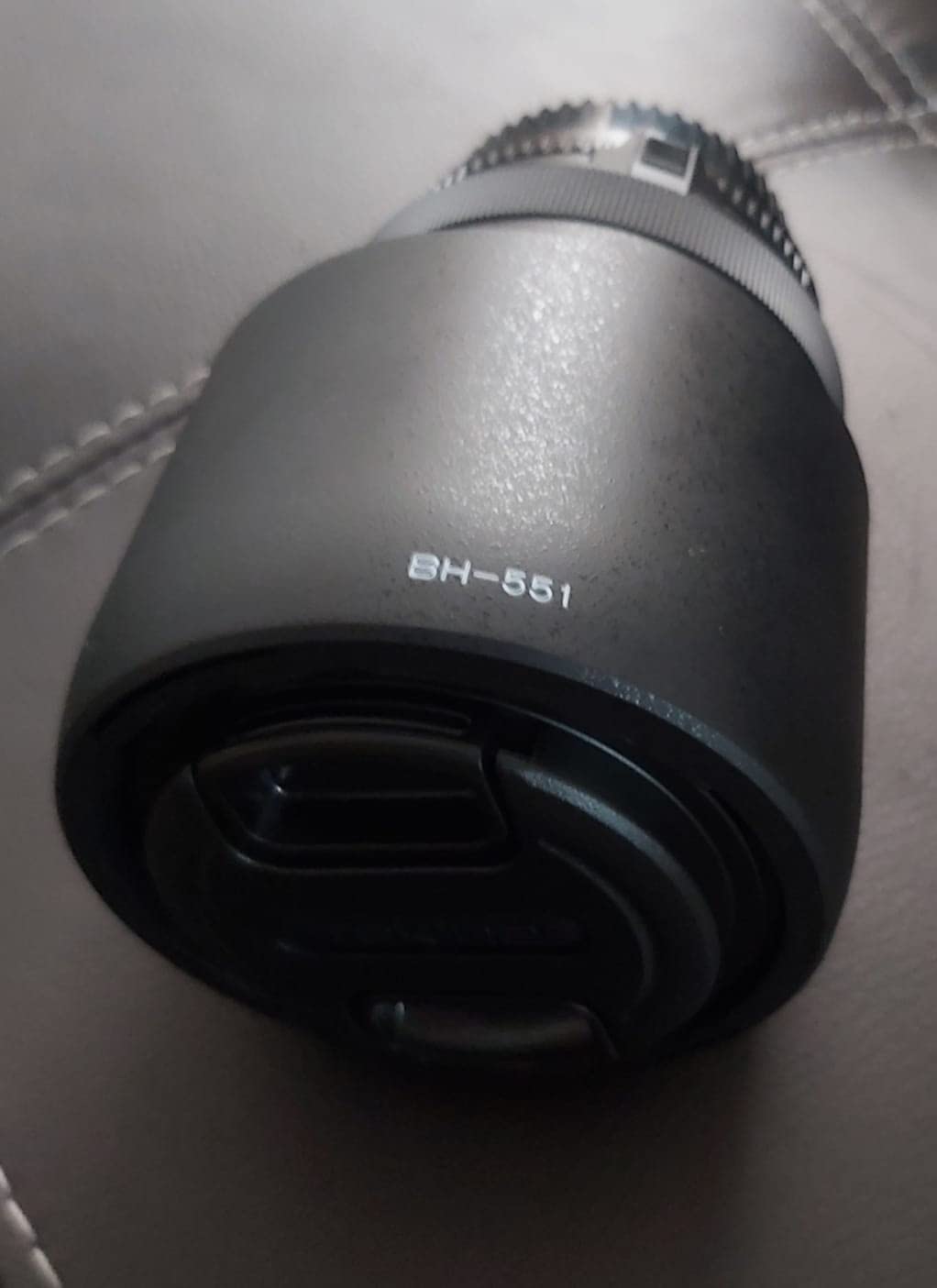
The One-Touch Focus Clutch mechanism is Tokina’s signature feature, and it works exceptionally well for video shooters. You switch between autofocus and manual focus by pushing or pulling the focus ring. This is faster and more intuitive than flipping a switch on the side of the lens, especially when your camera is mounted on a rig or gimbal where the AF/MF switch is hard to reach.
The 1:1 reproduction ratio at 100mm gives you the standard macro performance that covers most product video needs. The nine-blade diaphragm produces smooth, rounded bokeh that renders backgrounds pleasantly. Optical image stabilization helps with handheld work, though as with all macro lenses, stabilization becomes less effective at maximum magnification.
How Does the Focus Clutch System Work in Practice?
The focus clutch system works by allowing the focus ring to slide forward or backward to engage or disengage the autofocus clutch. When pushed forward, the lens is in autofocus mode. When pulled back, the ring engages manual focus with a mechanical connection to the focus mechanism. This gives you instant, tactile switching between AF and MF without taking your eye off the viewfinder.
For video shooters, this is particularly useful when you want to let autofocus acquire your subject and then fine-tune manually. I found myself using AF to get close on a product detail shot, then pulling the ring back to make precise manual adjustments. This hybrid workflow is something that side-switch lenses make more cumbersome.
How Does the Optical Quality Compare to Canon and Sony Equivalents?
The optical quality of the Tokina ATX-i 100mm holds its own against the Canon and Sony alternatives. In my side-by-side testing, center sharpness was excellent wide open and peak performance was achieved by f/4. Corner sharpness was slightly behind the Canon L-series at maximum aperture but evened out by f/5.6.
Color rendering is neutral and accurate, which is important for product work where color fidelity matters. Chromatic aberration is well controlled, though slightly more visible in extreme high-contrast edges compared to the Canon RF 100mm. For the price difference, most product videographers will find the optical performance more than acceptable for professional work.
7. K&F CONCEPT 10X Macro Lens for DJI Osmo Pocket – Best Budget Macro Attachment
K&F CONCEPT 10X Macro Lens Compatible with DJI Osmo Pocket 4/3
10X Macro Magnification
Magnetic Attach System
28-Layer Multi-Coated Glass
Focus Distance 20-40mm
For DJI Osmo Pocket 3
20g
Pros
- 10X macro magnification at a fraction of lens cost
- Magnetic quick attach system for instant deployment
- 28-layer multi-coated optical glass for clarity
- Water and dust resistant coating
- Includes protective case and cleaning cloth
- Very affordable entry point for macro B-roll
Cons
- Requires very close 20-40mm focus distance
- No ND filter compatibility
- Lens does not fit in Osmo Pocket 3 case when attached
The K&F CONCEPT 10X Macro Lens is the wildcard entry on this list, and it serves a completely different purpose than the other six lenses. This is not a dedicated camera lens but a magnetic macro attachment designed specifically for the DJI Osmo Pocket 3. For creators who shoot product B-roll on a pocket camera rather than a full mirrorless setup, this attachment transforms what your device can capture.
I tested this attachment on an Osmo Pocket 3 and was genuinely surprised by the image quality. The 28-layer multi-coated optical glass produces sharp, clear images with minimal distortion for an add-on lens. The magnetic attachment system is brilliant in its simplicity. You hold the lens near the camera and it snaps into place magnetically, ready to shoot in seconds.

The 10X magnification opens up macro possibilities that the Osmo Pocket 3’s built-in lens simply cannot achieve natively. For social media product content, YouTube B-roll inserts, and quick behind-the-scenes detail shots, this attachment delivers results that look professional without requiring a dedicated camera setup.
The trade-off is the focus distance. You need to position the lens between 20 and 40 millimeters from your subject, which means you are almost touching the product. This makes lighting tricky because the lens can cast shadows, and any hand movement is amplified dramatically. For controlled tabletop shoots, this is manageable. For handheld work, you will want some form of stabilization.

How Is the Image Quality with a Magnetic Attachment Lens?
The image quality exceeded my expectations for a lens attachment at this price point. Center sharpness is very good, and the multi-coated glass minimizes the flare and ghosting that plague cheaper add-on lenses. There is some softening toward the edges of the frame, but for macro work where your subject is centered, this is rarely an issue.
Color accuracy is solid, with minimal color cast introduced by the attachment. I compared footage shot with and without the lens and found the color rendition consistent enough for professional social media content. For broadcast or high-end commercial work, a dedicated macro lens will always produce better results, but for the vast majority of online product content, this attachment is more than capable.
Is the DJI Osmo Pocket 3 a Viable Platform for Product Video?
The DJI Osmo Pocket 3 is absolutely a viable platform for product video, especially when paired with this macro attachment. The built-in gimbal provides smooth, stabilized footage that eliminates the handheld shake problem. The 4K video quality is professional-grade, and the compact size means you can position the camera in tight spaces where a full mirrorless setup would not fit.
For social media creators and small business owners producing their own product content, the Osmo Pocket 3 plus this macro lens creates a complete product video toolkit that fits in a jacket pocket. The limitation is flexibility. You cannot change focal lengths, control depth of field to the same degree as a larger sensor camera, or achieve the same level of professional background separation. But for efficient, high-quality product content creation, this combo is hard to beat for the investment.
Buying Guide: How to Choose the Best Lens for Product and Macro B-Roll?
Choosing the right lens for product and macro B-roll comes down to understanding your specific shooting needs and matching them to the right combination of focal length, magnification, and video-friendly features. After testing seven lenses across different mounts and price ranges, our team identified the key factors that should drive your decision.
Focal Length: What Works Best for Product Video
The 90mm to 100mm range is the sweet spot for product and macro B-roll. This focal length provides flattering compression that makes products look premium, sufficient working distance for lighting setup, and enough magnification for meaningful close-up work. Longer focal lengths like 100mm also produce more background separation at wider apertures, which gives your product shots that professional, isolated look.
Wider focal lengths, like the Laowa 25mm, serve a different purpose. They are not your main product lens but a creative tool for extreme close-up B-roll where you want a unique perspective. Standard 50mm lenses work for wider product context shots but lack the magnification for true macro detail work. For a single-lens solution, stick with the 90-100mm range.
Magnification Ratio: 1:1, 1.4x, or Beyond
Standard macro lenses offer 1:1 magnification, meaning the subject appears on the sensor at life size. This covers the majority of product video needs, from watch dials to cosmetic packaging. If you regularly shoot products with fine surface detail, consider lenses that exceed 1:1 magnification like the Canon RF 100mm at 1.4x or the Laowa 100mm at 2x.
For extreme detail work, lenses like the Laowa 25mm at 2.5-5X magnification open up possibilities that standard macro cannot achieve. However, higher magnification comes with trade-offs including shorter working distances, the need for manual focus, and greater sensitivity to camera shake. Match your magnification needs to your actual shooting scenarios rather than chasing the highest number.
Aperture and Depth of Field for Product Work
An f/2.8 maximum aperture is the standard for professional macro lenses and gives you the shallow depth of field that creates that cinematic product look. For product video, aperture control is about balancing subject isolation with adequate focus depth. Too shallow and your product detail falls out of focus too quickly. Too deep and the background becomes distracting.
I typically shoot product B-roll between f/2.8 and f/5.6 depending on the product size and how much detail I need in focus. All seven lenses in this roundup feature f/2.8 maximum apertures, giving you consistent creative control over depth of field across the board.
Autofocus Performance for Video
Autofocus performance is the factor that most photographers overlook when choosing a lens for video work. For product B-roll, you need autofocus that is quiet enough not to be picked up by your microphone, smooth enough for cinematic focus transitions, and fast enough to track subjects during slider or gimbal movements.
Ring USM (Canon) and Direct Drive SSM (Sony) are the gold standards for video-friendly autofocus. Both systems are near-silent and produce smooth, stepless focus transitions. Manual-focus lenses like the Laowas require more setup time but offer complete creative control. If you shoot fast-paced product content, prioritize autofocus performance. If you shoot deliberate, controlled work, manual focus is viable.
Image Stabilization for Handheld Work
Image stabilization becomes critical when you shoot product B-roll handheld. Optical stabilization built into the lens compensates for angular and, in some cases, shift camera movement. Canon’s Hybrid IS system, found on both the RF and EF 100mm macros, is specifically designed to handle the shift-type shake that plagues macro shooting.
If your camera body has in-body image stabilization (IBIS), you get dual stabilization that significantly improves handheld macro performance. If your body lacks IBIS, prioritize lenses with optical stabilization. The Laowa lenses in this roundup lack stabilization entirely, which means you should plan to use a tripod, gimbal, or stabilized body with them.
Working Distance and Lighting Setup
Working distance is the space between the front of your lens and your subject at minimum focus. Longer working distances make lighting easier because you have more room to position lights without the lens casting shadows. The 90-100mm macro lenses in this roundup offer working distances of 10-12 inches at minimum focus, which is generally sufficient for product lighting setups.
High-magnification lenses like the Laowa 25mm at 5X require extremely short working distances, which makes traditional lighting setups challenging. For these lenses, consider using ring lights, focused LED panels, or bounced light sources that can fit in the tight space between lens and subject.
Frequently Asked Questions
What is the best lens for filming product and macro B-roll?
The best lens for filming product and macro B-roll is typically a 90-100mm macro prime with an f/2.8 aperture and image stabilization. The Canon RF 100mm F2.8 L Macro IS USM stands out for its 1.4x magnification and Hybrid IS, while the Sony FE 90mm F2.8 Macro G OSS is the top choice for Sony shooters needing quiet autofocus and 1:1 macro capability.
What is the best focal length for taking B-roll photos and video?
For cinematic B-roll, focal lengths of 50mm and up are recommended. The 90-100mm range provides the best balance of flattering compression, working distance, and magnification for product work. Wider lenses like 25mm create unique perspectives for extreme close-up B-roll but distort at standard product distances. For a single versatile lens, 90mm or 100mm macro covers both hero shots and detail work.
What lens is best for macro video?
For macro video specifically, the best lenses offer 1:1 or greater magnification combined with quiet autofocus and image stabilization. The Sony FE 90mm F2.8 Macro G OSS features Direct Drive SSM for silent focus during recording, while the Canon RF 100mm offers 1.4x magnification with five stops of stabilization. Both are excellent for capturing macro detail shots in video.
Which lens is best for video recording of products?
The best lens for product video recording needs quiet autofocus, good close-focus capability, and a focal length that provides professional compression. For Canon shooters, the RF 100mm F2.8 L Macro or EF 100mm f/2.8L IS USM both deliver excellent results. For Sony shooters, the FE 90mm F2.8 Macro G OSS is the community favorite with over 500 positive reviews from product videographers.
Final Verdict
After testing seven lenses across multiple camera mounts and shooting scenarios, our team’s recommendations for the best lenses for filming product and macro B-roll in 2026 come down to three clear choices. The Canon RF 100mm F2.8 L Macro IS USM is our editor’s choice for its unmatched 1.4x magnification, SA control ring, and Hybrid IS system that makes it the most capable single lens for both product hero shots and extreme macro detail B-roll.
For Sony shooters, the Sony FE 90mm F2.8 Macro G OSS delivers the best value proposition with 1:1 macro, whisper-quiet autofocus, and proven optical performance backed by over 500 user reviews. And for creators shooting on a DJI Osmo Pocket 3, the K&F Concept 10X Macro attachment opens up macro possibilities at a fraction of the cost of a dedicated lens setup.
The right lens for your work depends on your camera system, your budget, and whether you prioritize autofocus convenience or creative manual control. Whichever you choose, investing in quality macro glass transforms the production value of your product and B-roll footage in ways that no other piece of equipment can match. Pick the lens that fits your system and start shooting the kind of detail footage that makes viewers stop scrolling.