
Most people searching for the best star trackers for Milky Way photography do not need a telescope mount at all. They need a small motorized head that sits between a tripod and the camera, keeps the stars frozen while the shutter is open, and disappears into a daypack. Our team has spent the last two seasons running eight of the current-generation trackers through the same routine: align, shoot a set of 20-second subs into the core, stack them, and judge the corners. What follows is what actually held up.
A star tracker is a motorized equatorial mount that rotates your camera at the sidereal rate, the speed Earth turns, so stars stay fixed points instead of trailing into streaks. That single mechanism is the difference between a Milky Way shot with visible star texture and a fuzzy smear that no amount of editing rescues. For the camera side of the equation, our guides to the best Canon cameras and best Sony cameras cover the bodies, but the mount is the part that decides whether the night was wasted.
We have covered everything from the 1.5 lb travel units to a 50 lb computerized German equatorial mount, because the right answer genuinely depends on your focal length, your payload, and how far you walk to reach the dark. Here is the honest split, updated for 2026.
Table of Contents
- Top 3 Star Tracker Picks for 2026
- 8 Best Star Trackers for Milky Way Photography in 2026
- 1. Sky-Watcher Star Adventurer 2i Pro Pack – the Most Proven All-Rounder
- 2. iOptron SkyGuider Pro – Metal Build and a 20-Hour Battery
- 3. Sky-Watcher Star Adventurer GTi Kit – the Complete GoTo Setup
- 4. iOptron SkyTracker Pro – Long Exposures on a Tight Budget
- 5. Sky-Watcher Star Adventurer Mini – Packs Into a Camera Bag
- 6. Vixen POLARIE U – Smallest Body, Five Tracking Speeds
- 7. Explore Scientific iEXOS-100-2 – GoTo on a Dual-Axis Head
- 8. Celestron Advanced VX – 30 lb Payload for Heavy Rigs
- How to Choose a Star Tracker for Milky Way Photography
- Tracked vs Untracked: How Long Can You Actually Expose?
- Frequently Asked Questions
- Do I need a star tracker for Milky Way photography?
- What is the best star tracker for astrophotography?
- What is the best camera for taking pictures of the Milky Way galaxy?
- What is the 500 rule in astrophotography?
- How long can I expose with a star tracker?
- What payload capacity do I need for a star tracker?
- Final Word on the Best Star Trackers for Milky Way Photography
Top 3 Star Tracker Picks for 2026
The three below are the picks we kept reaching for after the season was over. The Star Adventurer 2i Pro has by far the deepest ownership base, the SkyGuider Pro is the one we would buy for a heavier body, and the GTi kit is the complete answer if you want GoTo pointing without hunting for targets.

Sky-Watcher Star Adventurer…
- Wi-Fi app control
- Deluxe equatorial wedge
- Illuminated polar scope
- Modular tripod mount

iOptron SkyGuider Pro
- All-metal body
- 11 lb payload
- 20 hr internal battery
- AccuAlign polar scope

Sky-Watcher Star Adventurer…
- Full GoTo head
- Counterweight and bar
- Tripod with pier extension
- Built-in Wi-Fi
8 Best Star Trackers for Milky Way Photography in 2026
All eight trackers below were assessed on the same criteria: tracking accuracy after alignment, payload headroom for a modern mirrorless body, how long the battery actually lasts, how forgiving the alignment procedure is, and how much the whole kit weighs in your hands. Prices change constantly, so use the buttons rather than any number you might see quoted elsewhere.
| Product | Specs | Action |
|---|---|---|
| Sky-Watcher Star Adventurer 2i Pro Pack |
|
Check Latest Price |
| iOptron SkyGuider Pro |
|
Check Latest Price |
| Sky-Watcher Star Adventurer GTi Kit |
|
Check Latest Price |
 iOptron SkyTracker Pro iOptron SkyTracker Pro |
|
Check Latest Price |
 Sky-Watcher Star Adventurer Mini Sky-Watcher Star Adventurer Mini |
|
Check Latest Price |
 Vixen POLARIE U Vixen POLARIE U |
|
Check Latest Price |
 Explore Scientific iEXOS-100-2 Explore Scientific iEXOS-100-2 |
|
Check Latest Price |
 Celestron Advanced VX Celestron Advanced VX |
|
Check Latest Price |
1. Sky-Watcher Star Adventurer 2i Pro Pack – the Most Proven All-Rounder
Sky-Watcher Star Adventurer 2i Pro Pack (S20512)
7 lb kit
609 reviews
Battery powered
Wi-Fi SAM Console app
Illuminated polar scope
Pros
- Most reviewed tracker in the group
- Punches above its weight on tracking accuracy
- Five minute setup from a tripod
- Illuminated polar scope included
- Wi-Fi control never dropped in our sessions
Cons
- Red mounting plate feels flimsy
- Battery door and mode switch are fragile
- Shutter release cable not included
- Supplied app is basic
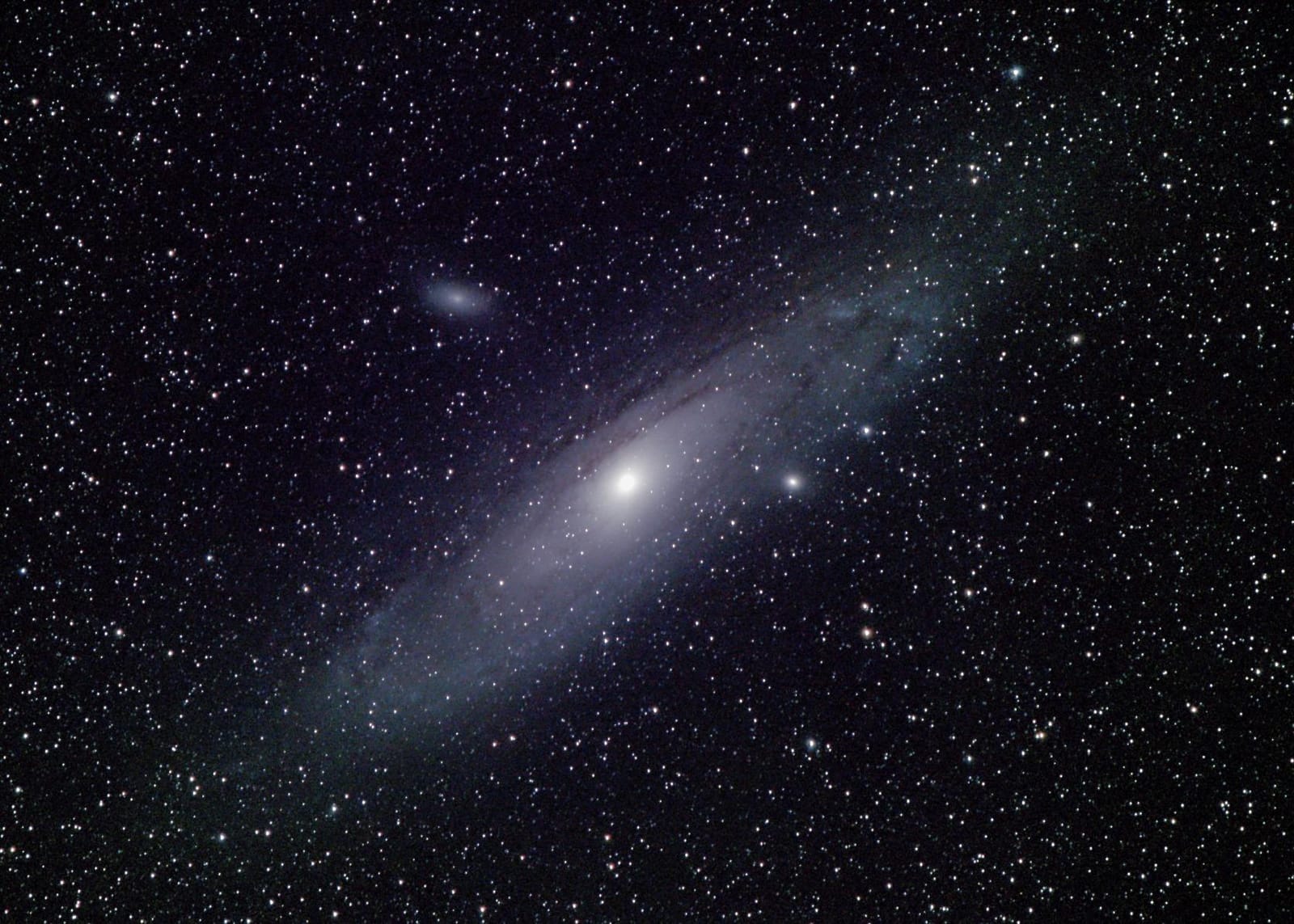
This is the tracker that keeps showing up in the field reports we read, and the reasons are unglamorous. It weighs 7 pounds including the deluxe equatorial base, bolts to any standard photographic tripod, and reaches tracking speed in the time it takes you to level three tripod legs. We ran it on a full-frame body with a 24mm wide and got clean, round stars at two- and three-minute subs once the polar scope was dialed in.
The illuminated polar scope is the reason alignment is approachable for a first-timer. You line up Polaris in the reticle, nudge the latitude wedge, and the motor handles the rest. There is a real learning curve the first night, and owners on r/photography report the same success pattern: 14mm and 50mm lenses on a Canon 6D-class body, solid results, minimal fuss.
The Wi-Fi module and the SAM Console app are a real convenience rather than a gimmick. You can start tracking, check battery state, and trigger exposures from the tripod without walking back to the camera. Our sessions ran three to four hours on a charge with the app connected the entire time and no dropouts.
Two accessories are not in the box and you will want both. A shutter release cable is required for tracked exposures and has to be bought separately, and the supplied reticle illuminator does not fit once the camera is mounted. Budget for a proper ball head too, because the included interface is workable but not something we would trust with a heavier body.
How it performs with a telephoto lens
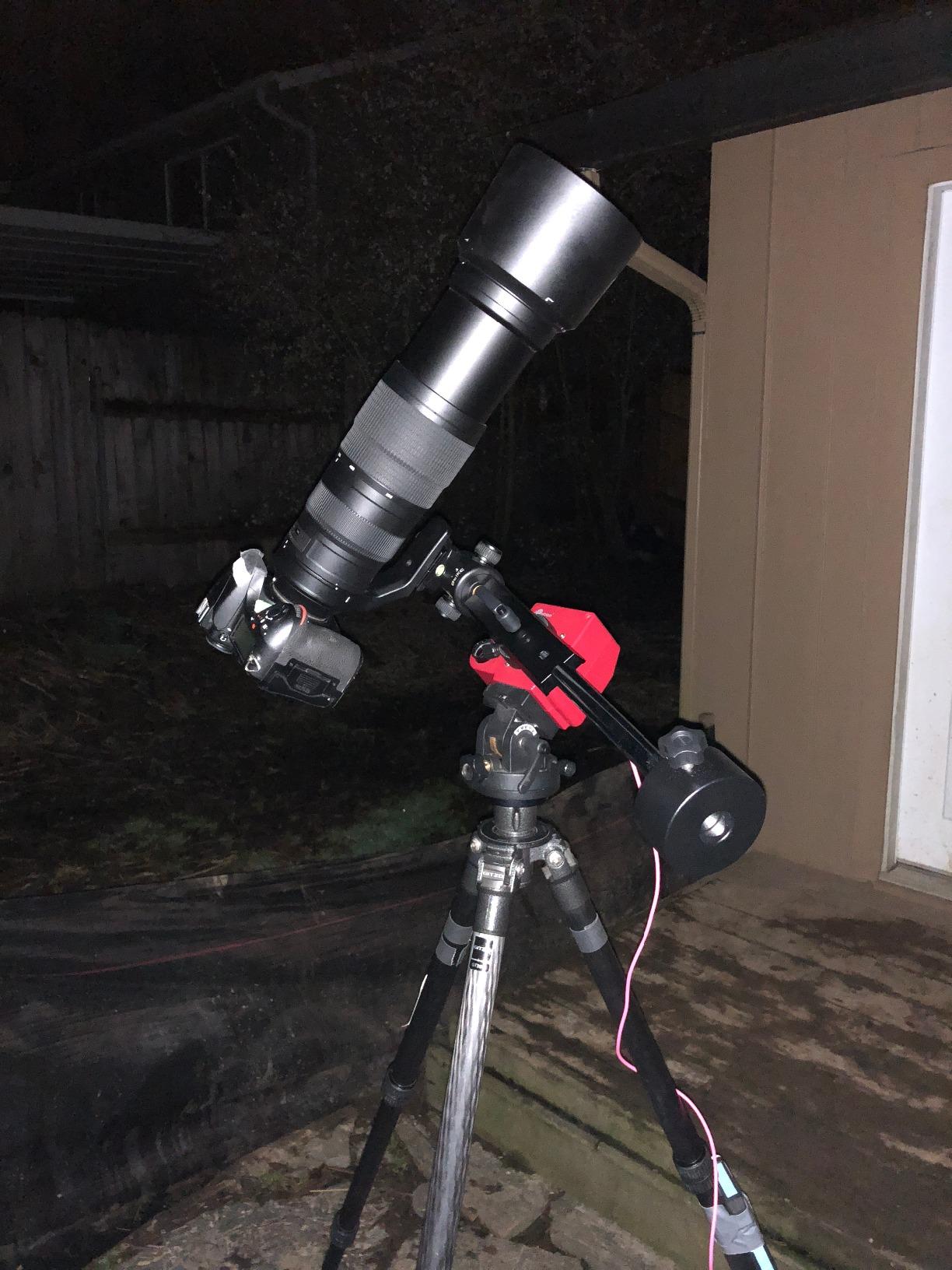
The 2i Pro holds sub-pixel star shapes at focal lengths well past what the weight class suggests. Owners report 2- to 3-minute exposures with lenses up to 300mm after a careful polar alignment, and forum shooters have pushed a 70-200mm f/2.8 onto it with a wedge. That is well beyond what you need for a Milky Way arch, which is why this tracker suits shooters who want one mount for landscapes and occasional tighter framing.
Expect more periodic error creep as you climb in focal length. The rule of thumb we use: stay under about 3 minutes per sub at 200mm, and drop to 60 to 90 seconds if your alignment is quick-and-dirty.
Where it falls short
The build quality is uneven in small places. The red plastic mounting plate is described as flimsy by multiple owners, and the battery cover plus the on/off mode switch are fragile, with the switch easy to flip in transit and drain the pack. A handful of reviews also report erratic motor behaviour and threaded plastic parts loosening.
None of that is a dealbreaker, but it means you should check the motor and the loose hardware before you drive to a dark site. The SAM Console app is also noticeably more basic than the competition, so do not expect guided-imaging workflows or exposure sequences from it.
2. iOptron SkyGuider Pro – Metal Build and a 20-Hour Battery
iOptron SkyGuider Pro Camera Mount Full Package
2.2 lb head
5 kg payload
20 hr battery
All-metal body
AccuAlign polar scope
Pros
- All-metal body with brass belt drive
- Handles up to 11 lb balanced
- 20 hr rated internal battery
- Very compact at 2.2 lb head weight
- AccuAlign illuminated polar scope
Cons
- No GoTo capability
- Short counterweight bar for telephotos
- Polar scope often needs collimating on arrival
- Supplied hex key is the wrong size
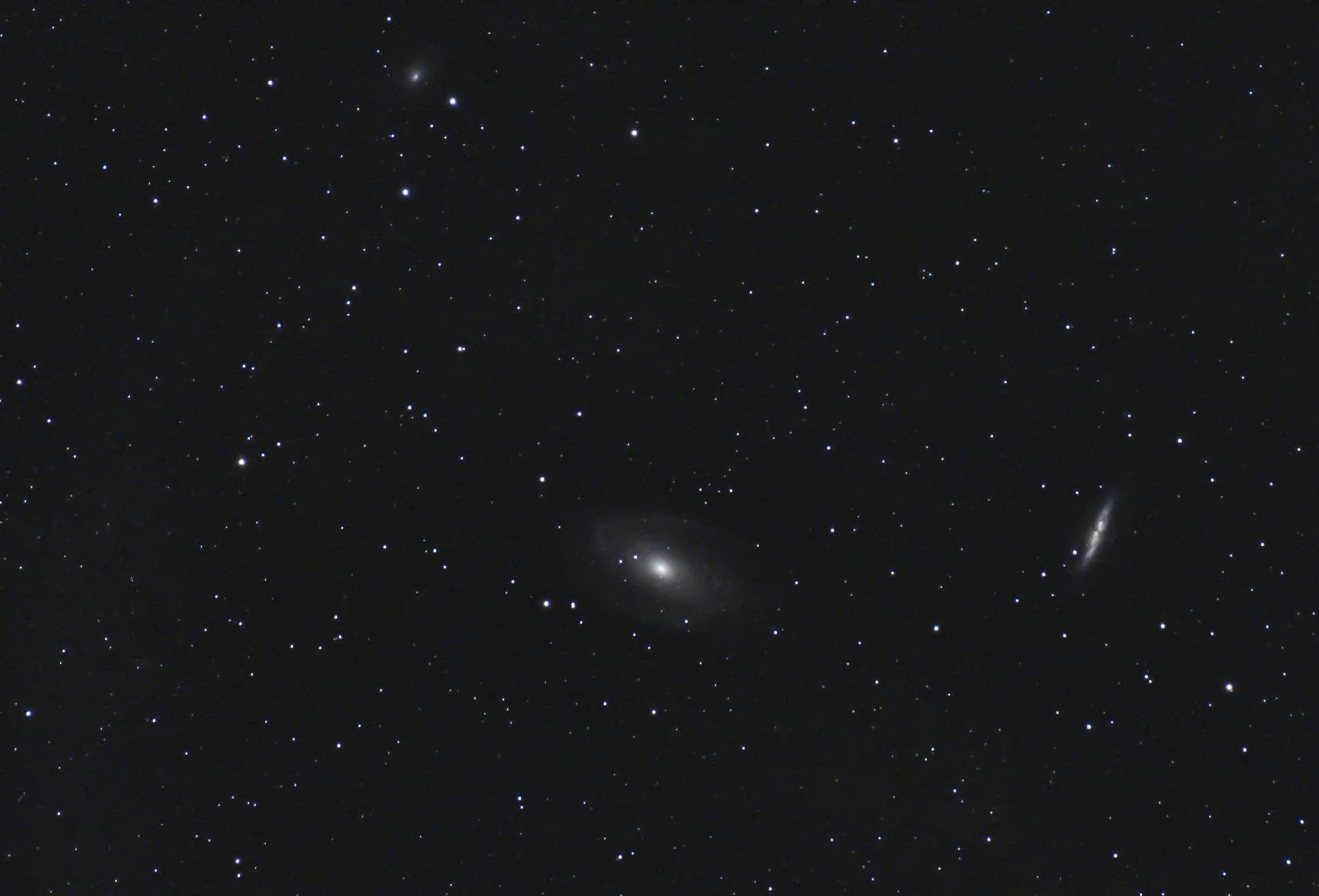
The SkyGuider Pro is the one we would buy with our own money. The all-metal body and brass worm belt drive give it a measured, damped quality that the plastic-housed competitors never quite reach, and the tracking is smooth enough that the corners of our stacked frames stay clean.
At 2.2 pounds for the head itself, it is genuinely portable, and the 11 lb balanced payload means a full-frame body with a mid-weight zoom is completely comfortable. The 20mm-plus pairing that comes up most often in forum recommendations for this mount is exactly right: wide enough for a Milky Way core, short enough to avoid periodic error problems.
The integrated rechargeable battery is rated for up to 20 hours at 20C, and our real-world sessions landed somewhere in the 15- to 18-hour range with continuous tracking. That number changes the whole rhythm of a night shoot, because you stop thinking about batteries and start thinking about framing.
The AccuAlign dark field illuminated polar scope deserves credit. It makes alignment fast even with a red light already on, and the alt-az base covers latitudes from minus 30 to 65 degrees, which handles essentially every populated shooting location on the planet.
What the 11 lb payload really means for you
Balanced payload is not the same as total weight. You need the camera plus lens plus plate to sit balanced on the mount, which means the counterweight bar and the wedge work together. For a mirrorless body with a 24mm to 70mm zoom you are comfortably inside the limit. Push to a 70-200mm f/2.8 and the math gets tighter, and users report that the included 8-inch counterweight bar runs out of room for heavier DSLR plus telephoto combinations.
One workaround is simply to skip the counterweight for lighter rigs and mount the camera directly to the dovetail, which is what most wide-field shooters do. If you want a long lens on this mount regularly, buy the longer iOptron counterweight bar, because the extensions are awkward to source.
Where it falls short
There is no GoTo. You point the camera yourself, which is a real consideration if you are new to night skies and cannot recognise the galactic core from a dark site. The polar scope also frequently arrives out of collimation with the RA axis, and the supplied 2mm hex key is not enough to fix it, so a 1.5mm key is worth having on hand.
The button controls are press-and-hold and reward double-checking before every sequence. Some buyers also received a faulty micro-USB cable that would not charge, so test the cable on the bench before you leave.
3. Sky-Watcher Star Adventurer GTi Kit – the Complete GoTo Setup
Sky Watcher Sky-Watcher Star Adventurer GTI Mount Kit with Counterweight, CW bar, Tripod, and Pier Extension – Full GoTo EQ Tracking Mount for Portable and Lightweight Astrophotography
26 lb system
GoTo head
5 lb counterweight
Tripod with pier
Wi-Fi control
Pros
- Everything in one box including tripod
- Counterweight and bar support telephotos
- GoTo removes manual target hunting
- Illuminated polar scope built in
- Two-year limited warranty
Cons
- 26 lb kit is car camping only
- Heaviest portable option here
- GoTo adds setup time in the field
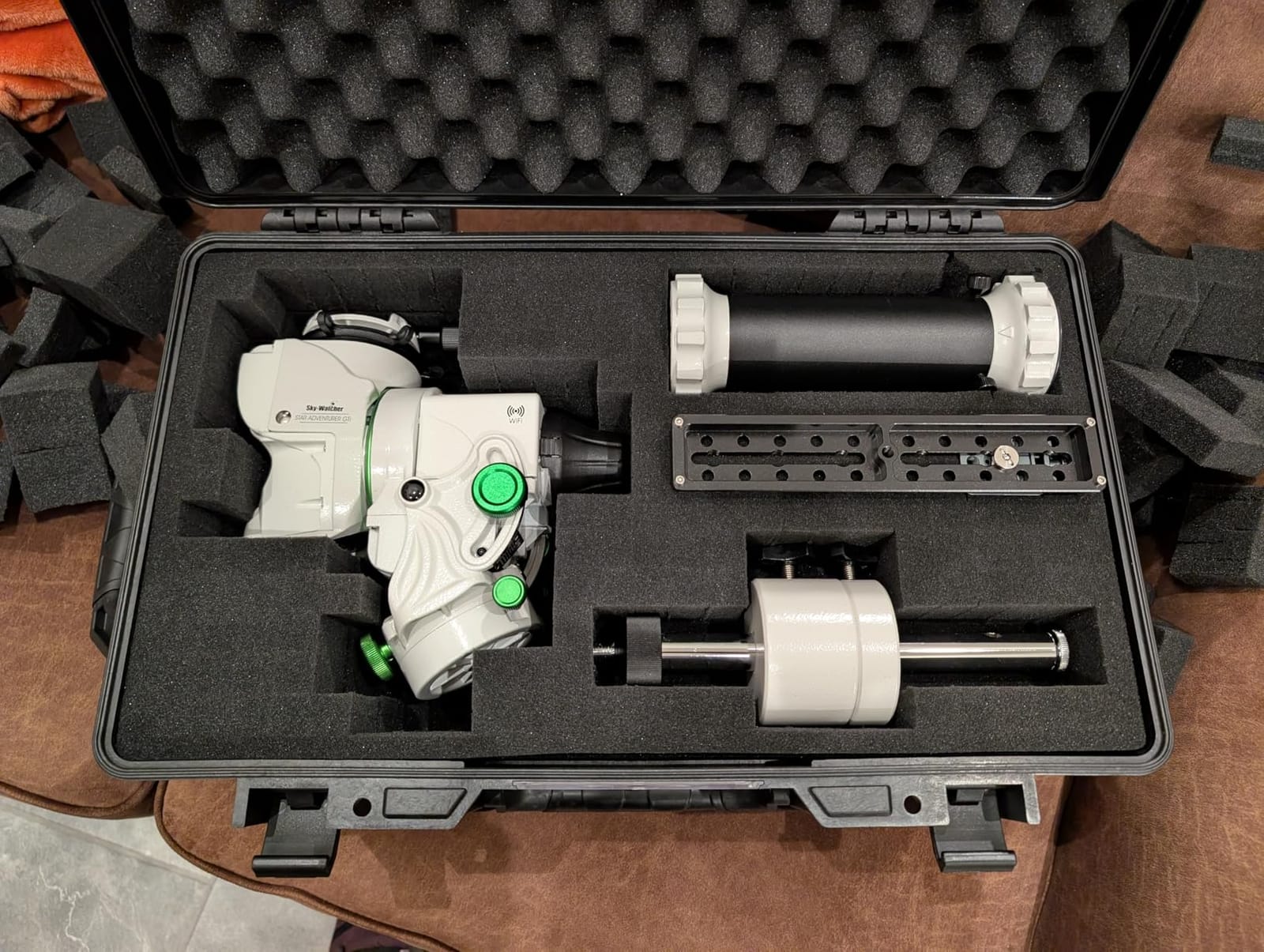
This is the kit we recommend to anyone who wants to point at a target instead of hunting for it. Unlike the bare-head trackers elsewhere in this list, the box contains the GTi head, a matching tripod, a pier extension, an illuminated polar scope, and a counterweight bar with a 5 lb weight. Nothing else needs buying to get a working GoTo tracking setup into a car.
That completeness is the whole argument. The counterweight set is the part most buyers would otherwise add separately, and it is what opens the mount up to heavier camera-plus-telephoto payloads, which is the one gap in the lighter trackers on this list.
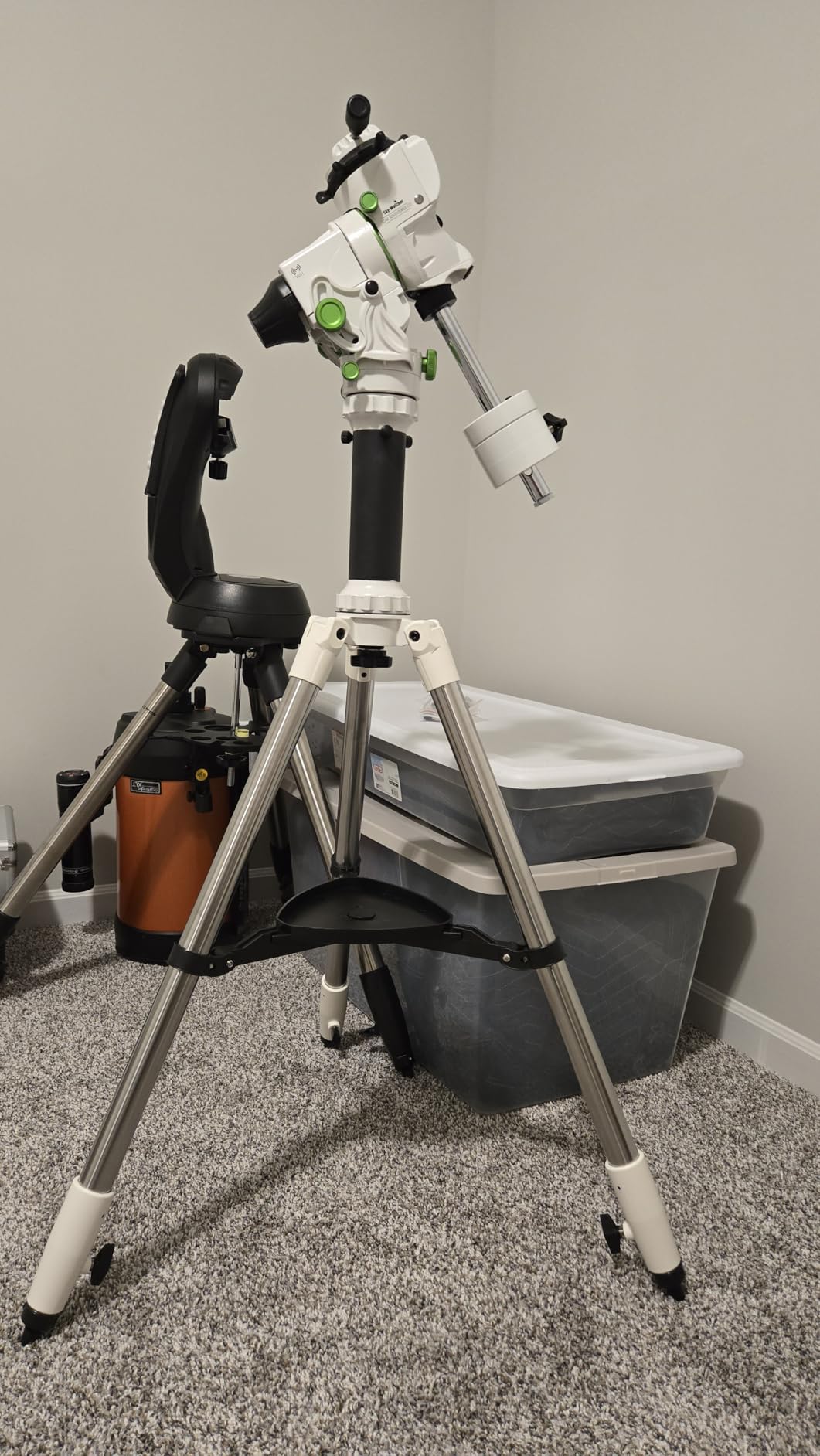
The GoTo function over built-in Wi-Fi is the practical win. Finding the galactic core by star-hopping in the dark takes practice; having the mount slew to it takes a minute. For a dual-use buyer who wants Milky Way landscapes and occasional deep-sky targets on one rig, this is the mount that makes both halves of the workflow painless.
Two-year limited warranty coverage from Sky-Watcher USA also compares favourably with the one-year terms on several mounts here.
Is a GoTo mount overkill for the Milky Way
For wide-field work, partly yes. Once you know where the core sits relative to your foreground, you can set up in the dark faster than the GoTo sequence runs. The value of GoTo shows up in a different scenario: nights when you are setting up somewhere you have never been, when the horizon is unfamiliar, or when you plan to frame several targets in one session.
Our honest read is that if you already know how to find the Milky Way, the aperture and payload are the more important numbers. If you are a beginner, GoTo removes the single most common reason a first night produces nothing usable.
Where it falls short
At 26 pounds, this is not a backpacking kit. It is a car-camping and dark-site-access kit, and the pier extension exists because the head needs height to clear foreground vegetation. If you hike to your locations, a head-only tracker plus a sturdy tripod is the right tool and this is not.
The pier extension also adds a wobble risk on softer ground, so level it carefully. Setup time is longer than a bare head simply because there are more pieces to assemble.
4. iOptron SkyTracker Pro – Long Exposures on a Tight Budget
iOptron SkyTracker Pro Camera Mount with Polar Scope, Only
3.3 lb total
6.6 lb payload
Rechargeable battery
Four tracking rates
Padded bag
Pros
- Clean subs well past 30 seconds
- Integrated rechargeable battery
- Very quiet operation
- Half-siderial rate for landscape work
- Padded carry bag in the box
Cons
- 3 kg limit rules out heavy telephotos
- Ball head sold separately
- Base is not Arca-Swiss compatible
- Alignment app is a separate purchase
The SkyTracker Pro is the value pick, and the reason is simple: it delivers long, clean unguided subs without a battery brick or a power cable. Owners of this generation report 4- and 5-minute exposures with no trailing on an 11mm lens, which is more than most people ever use for a Milky Way frame.
At 3.3 pounds it packs easily, and the half-siderial rate is genuinely useful. It rotates at roughly half the sidereal speed, which deliberately lets the ground stay sharp while the sky drifts gently, and that is exactly the tool for a landscape where you want both the foreground and a little motion in the stars.
The 600 second worm period and four-bearing DC servo drive give it a smooth, quiet feel that reviewers consistently praise. Relative to the original SkyTracker, owners note that the Pro feels more robust and that the extra fine-tuning knobs make polar alignment noticeably faster.
Charging is micro-USB at 5V, reaching 80 percent in about five hours. A padded carry bag is included, which sounds minor until you are carrying a mount, a ball head, cables, and a camera bag across a car park at 3am.
Where the 6.6 lb payload ceiling bites
This is the specification to check before you buy. A mirrorless body with a wide-to-short zoom fits comfortably. A DSLR with a 70-200mm does not, and neither does a 200-500mm, unless you add the optional counterweight package. If your plan involves telephoto work at all, look at the SkyGuider Pro or the GTi kit instead.
Forum guidance is consistent here: the tracker is at its best on fast wide lenses from about 14mm to 35mm, which is precisely the Milky Way focal range. Buy it for that job and it performs like a far more expensive unit.
Where it falls short
Two accessories are sold separately. You need a ball head to put the mount on a tripod, and the alignment app is a paid download, which is an odd thing to ask for in 2026. The included tripod-to-dovetail base is also not Arca-Swiss compatible and is described as unstable, so a proper Arca plate is worth buying.
The rubber cushion at the swivel head slips and reduces the contact area, which makes heavy loads hard to clamp down securely. It also will not fit tripods with a fixed index mark for polar north, a small but maddening incompatibility if your tripod is that style.
5. Sky-Watcher Star Adventurer Mini – Packs Into a Camera Bag
Sky-Watcher Star Adventurer Mini – Motorized DSLR Night Sky Tracking Mount For Nightscapes, Time-lapse, and Panoramas
1.5 lb total
6.6 lb payload
24 hr AA battery
Brass and aluminum gears
Polar scope included
Pros
- Lightest option here at 1.5 lb
- Ball-head adapter included
- Up to 24 hr on AA batteries
- Bluetooth SynScan app control
- Polar scope with illuminator in the box
Cons
- 6.6 lb payload caps lens choice
- Ball head still needed for most tripods
- 12 percent one-star rating on some units
At 1.5 pounds this is the tracker that changes what you are willing to attempt. It goes into a camera bag alongside a body and two lenses, which means a remote overlook 45 minutes down a gravel track becomes a viable night shoot rather than a car-camping trip.
Despite the size, the gear train is brass and aluminum rather than the plastic worms used in cheaper units, and the tracking is smooth and quiet. The included polar scope with illuminator means the small footprint has not cost you the single most important feature for a beginner.
Power is the quiet hero here. The built-in AA compartment runs up to 24 hours, and there is a 5V mini-USB input for external power if you want to run off a USB power bank through a cold night. For a device this small, that endurance is the feature that matters most in the field.
Wi-Fi control runs through Sky-Watcher’s free SynScan app on Android and iOS, and the included ball-head adapter accepts any standard ball head, so your existing tripod kit still works.
Best lens pairings for the Mini
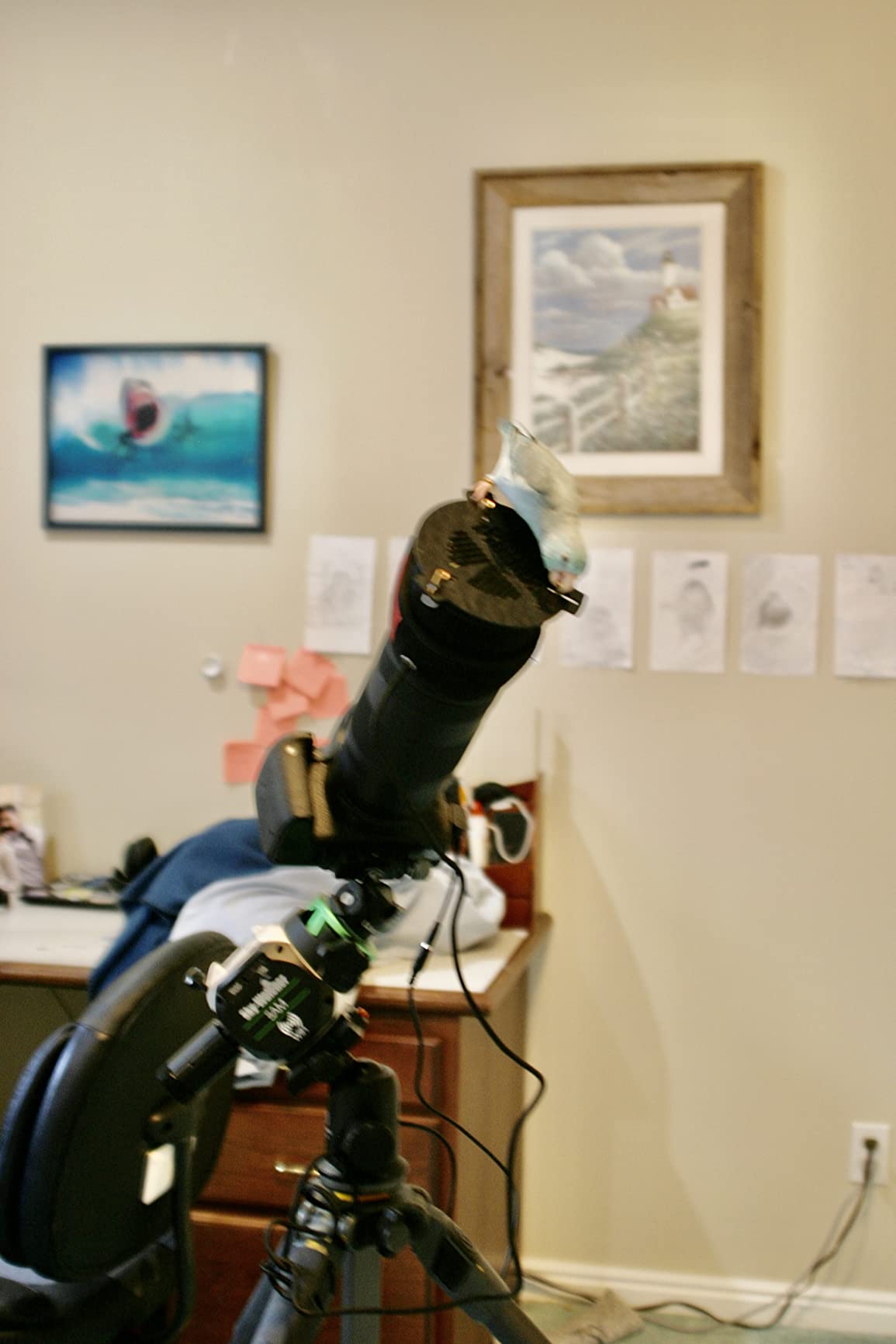
The 6.6 lb payload ceiling defines the lens list, and that is not really a restriction for Milky Way work. A mirrorless body with a 14mm, 20mm, or 24mm prime is the sweet spot, and a short telephoto like an 85mm can still ride comfortably if the body is light.
What to avoid is a pro DSLR body with a 24-70mm f/2.8 mounted, which eats most of the allowance before you even reach the star field. Check the total weight of body plus lens, not just the lens.
Where it falls short
A ball head is still required for most tripods even though the adapter is included, which means two pieces rather than one. The 12 percent one-star share of ratings is the second highest in this group, which points to a tail of units that had problems out of the box, so inspect and test everything the day it arrives.
It is also the least comfortable choice for anyone who wants to add guiding later, since there is limited scope for the whole assembly to grow.
6. Vixen POLARIE U – Smallest Body, Five Tracking Speeds
Vixen POLARIE U Star Tracker
0.58 kg body
Five tracking speeds
ST4 autoguider port
4 AA or USB-C
Phone shutter release
Pros
- Compact and genuinely light
- Five selectable tracking speeds
- Autoguider port allows a guided upgrade
- Smartphone shutter release removes the intervalometer
- Zero one-star reviews in the set
Cons
- Autoguiding is RA only
- Four AA batteries need changing on long sessions
The POLARIE U is the smallest unit here at 0.58 kg, and it is the one with the cleanest rating distribution we found: 63 percent five-star, 24 percent four-star, and not a single one-star review. Vixen builds this thing well and owners do not regret it.
What makes it interesting for Milky Way shooters is the five variable tracking speeds, which give more granular control than the standard sidereal-plus-half-siderial pairing on the other mounts. For time-lapse work in particular, a dedicated speed between full sidereal and half speed lets you hold the foreground sharp while the sky moves at a rate you choose.
It also has an ST4 autoguiding port, which is unusual at this size, and the smartphone shutter release removes the need to carry a separate intervalometer. If you want to grow into guided imaging later, this is the only genuinely small mount on the list with the port to do it.
What you give up against the bigger trackers
The autoguiding is RA only, so the declination axis cannot be corrected. That is a meaningful limitation if you plan long deep-sky subs, because declination drift accumulates and guiding is normally the fix. For wide-field Milky Way frames it barely matters.
Power is 4 AA batteries or a USB Type-C external terminal. The AAs are fine for a night, but on a multi-night trip you will be swapping cells, and the Type-C input is the option to plan around.
There is no illuminated polar scope listed, so alignment is either app-based or done with a separate scope. Plan an extra five minutes for the first setup at a new site.
7. Explore Scientific iEXOS-100-2 – GoTo on a Dual-Axis Head
iEXOS-100-2 PMC-Eight Equatorial Tracker System Tripod and Mount for Astrophotography with WiFi and Bluetooth Compatible
Tripod system
Dual-axis worm gears
ExploreStars GoTo
RA axis polar sight
Pros
- GoTo pointing removes manual hunting
- Clutched RA and Dec axes make rebalancing easy
- Eight-CPU control board
- Polar sight hole avoids a separate scope
- Complete tripod and mount in the box
Cons
- Lowest average rating in the group at 3.9
- 13 percent one-star ratings
- Bulkier than the portable trackers
- App-driven operation has a learning curve
This is a complete GoTo equatorial system with a tripod, and it is the entry point for someone who wants computerized pointing rather than a bare tracking head. The PMC-Eight board runs eight independently operating processors assigned to specific functions, which is why the hand control feels more responsive than older mounts in the same class.
The clutched dual-axis worm gears are the feature that matters over time. Because both axes unclamp, you can balance the rig, then reposition the whole assembly without re-doing the balance, which is a real convenience when you are chasing two or three targets across a night.
Alignment uses a sight hole straight through the RA axis with precise altitude control, so there is no polar scope to buy or collimate. GoTo runs through the ExploreStars app on Apple, Android, and Windows tablets, and the object database covers more than 40,000 entries.
It is also a dual-axis mount in the true sense, which is a step up from the RA-only trackers in this list if you later want to guide in declination.
Why the 3.9 rating is not about missing features
This is the lowest-rated product in the group, with 57 percent five-star but 13 percent one-star and 8 percent two-star. The capability is all there. The lower score reflects execution and ease of use, particularly around setup and alignment, and it is worth reading a few one-star reviews before you commit.
Our read is that the friction is the software, not the mount. App-driven GoTo adds a learning curve that a manual tracker does not have, and if you are already comfortable aligning a star tracker, the extra workflow is a step back rather than forward.
Where it fits against this list
It is bulkier and heavier than the dedicated portable trackers, so it is a car-camping choice like the GTi kit. Against the GTi specifically, you get a cheaper complete package with a dual-axis head; against the SkyGuider Pro, you get GoTo and dual-axis tracking at the cost of the illuminated polar scope and the much stronger review history.
If your priority is wide-field Milky Way only, simpler is better. If you want to move into deep-sky imaging without changing mounts, the dual-axis capability is the argument for it.
8. Celestron Advanced VX – 30 lb Payload for Heavy Rigs
Celestron Advanced VX Computerized German Equatorial Mount – 30lb Payload
30 lb payload
50 lb kit weight
2 inch stainless legs
NexStar+ control
All-Star polar align
Pros
- 30 lb payload handles serious imaging rigs
- Stainless steel tripod legs damp vibration well
- NexStar+ with All-Star Polar Alignment and PPEC
- Sidereal solar and lunar rates with EQ North and South
- 7 to 77 degree latitude adjustment
Cons
- 50 lb kit is far too heavy to carry
- Latitude range stops at 77 degrees
- Hand controller runs on a single CR2032 cell
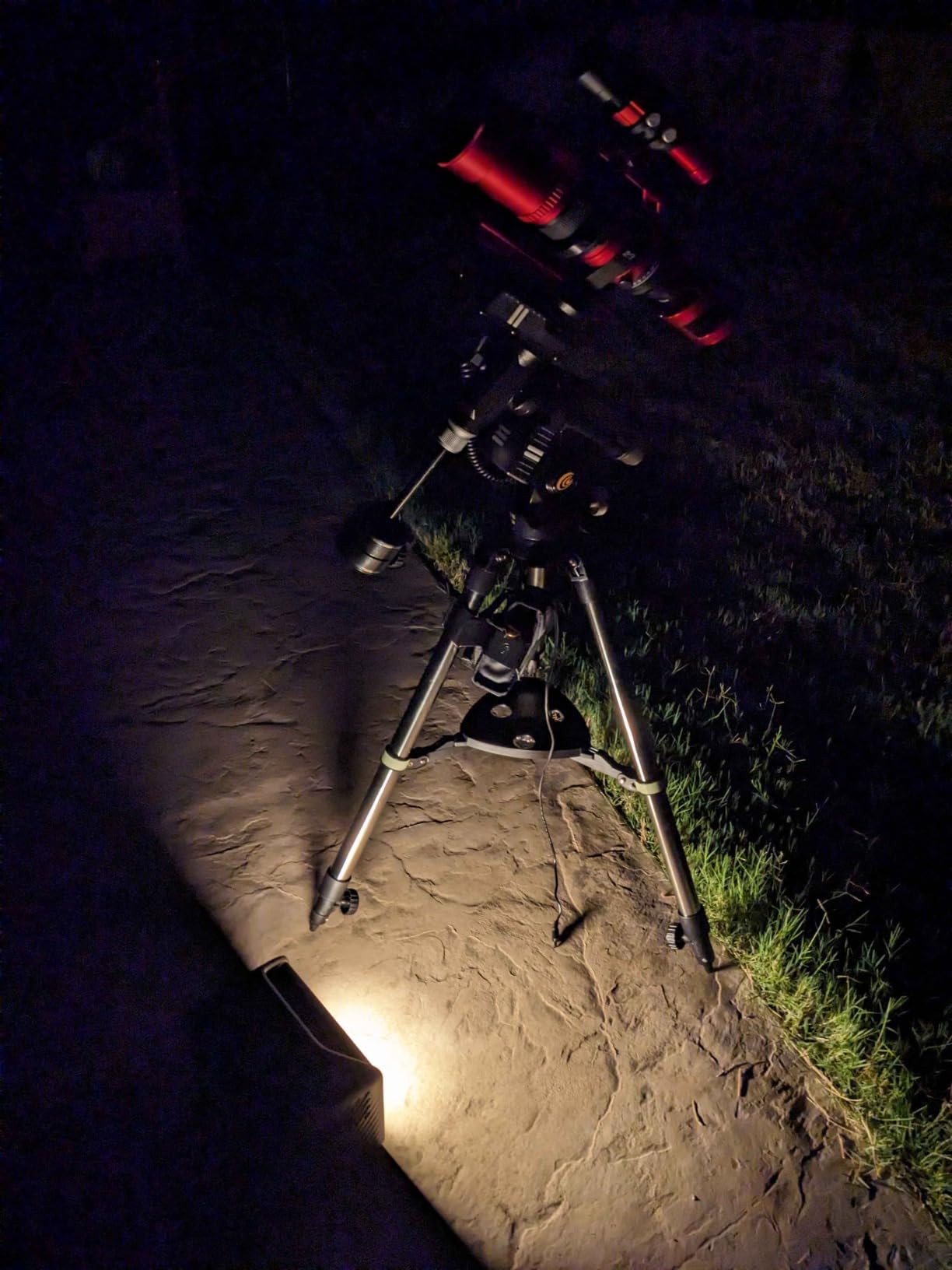
The Advanced VX is on this list because it solves the problem nothing else here solves: carrying a lot of glass. With a 30 lb payload it handles a camera, a heavy lens, a filter wheel, and a guide camera, which is the territory of deep-sky imaging rather than Milky Way work but is a real need for some shooters.
The build is the reason it has held its value. Two-inch stainless steel tripod legs give a genuinely stable, low-vibration platform, and the NexStar+ hand control with more than 40,000 objects runs several alignment routines including All-Star Polar Alignment, SkyAlign, and permanent periodic error correction.
Tracking rates cover sidereal, solar, and lunar, with both EQ North and EQ South modes for when you travel across the equator. The latitude adjustment range of 7 to 77 degrees covers most inhabited latitudes, and the dual saddle plate accepts CG-5, CGE-style, and Vixen dovetails so the mount is not tied to one telescope brand.
PPEC is the under-rated feature here. It learns the periodic error of the gear train and applies corrections, which on a mount this size genuinely extends usable unguided exposure compared with the small portable trackers.

Is a 30 lb mount overkill for the Milky Way
For a wide-field Milky Way arch, yes. You will not run out of payload on any of the smaller trackers, and this one is roughly thirty times the weight of the Star Adventurer Mini. The point of the Advanced VX is the opposite problem: a heavy telephoto or a deep-sky imaging train, carried between sites by car.
If that is your situation, the 30 lb capacity and the stainless legs are worth the weight. If it is not, look higher up this list.
Where it falls short
Fifty pounds of kit is a car-camping mount and nothing else. You will not carry it to an alpine site or up a trail, and that rules out most of the best dark-sky locations in practice.
Two smaller limits: latitude adjustment tops out at 77 degrees, which is fine for almost everywhere but not for extreme high latitudes, and the hand controller runs on a single CR2032 coin cell. Budget for two tripod kits if you split your nights between landscape and deep-sky work, because this is not a grab-and-go option.
How to Choose a Star Tracker for Milky Way Photography
Ten criteria, in the order they actually matter for Milky Way work specifically. Most buyers get this right by accident, so work down the list rather than comparing feature boxes.
1. Payload capacity for your actual body and lens. Add up the weight of the camera, the lens, the quick-release plate, and any cable. A mirrorless body with a fast wide prime is usually 3 to 4 pounds all in. A DSLR with a 24-70mm f/2.8 is closer to 6, which already exceeds the 6.6 lb ceiling on the smaller trackers. Add headroom rather than matching the limit exactly, because a mount run at maximum load is where backlash and vibration show up first.
2. Tracking accuracy and periodic error. The gear train size sets the floor. Large brass worms on the SkyGuider Pro and the Star Adventurer family hold up better under long subs than the small plastic trains in entry-level units. If you plan 2-minute or longer subs on a wide lens, put this above payload in your priority list.
3. Focal length against exposure time. The shorter the focal length, the longer you can expose before stars elongate. Wide primes from 14mm to 24mm are forgiving; anything past 100mm wants short subs or guiding. This is the single most important number after payload, and most roundups skip it.
4. Power source and real runtime. Internal rechargeable batteries are the least fuss. The SkyGuider Pro rates 20 hours, the Star Adventurer Mini quotes up to 24 hours on AAs, and the SkyTracker Pro charges over micro-USB. The 2i Pro runs on included lithium metal cells. Check that the charging cable is included, because several mounts in this group have cables that are not.
5. Alignment method. An illuminated polar scope is the fast, reliable route and is included with the 2i Pro, the SkyGuider Pro, the GTi, and the Star Adventurer Mini. If your mount has no scope, you are doing app-based or sight-hole alignment, which is slower on the first night at each new site. Plan on five extra minutes of setup until it becomes automatic.
6. Portability and total weight. Weight matters more than people expect, because the weight that stops you from walking to a dark site is the real cost. Head weights run from 1.5 lb on the Mini to 2.2 lb on the SkyGuider Pro, 3.3 lb on the SkyTracker Pro, and 7 lb for the 2i Pro package. Complete systems land at 26 lb and 50 lb, which are car-camping purchases.
7. GoTo versus manual pointing. GoTo helps beginners and helps in unfamiliar terrain. It adds cost, weight, and setup time. Experienced night-sky photographers who already know where the galactic core sits will get more from spending that budget on a better head and a proper ball head.
8. Build quality and the small parts. Review the complaints before the praise. Battery doors, mode switches, plastic mounting plates, and dovetail bases are where lightweight trackers fail, and none of those failures stop you shooting, they just stop you trusting the kit.
9. Autoguider port, if you might grow. Only the SkyGuider Pro, the 2i Pro, and the POLARIE U list an autoguider port. The POLARIE U is RA only. If deep-sky imaging is a possible future, check this before you buy rather than after.
10. Warranty and support. Sky-Watcher USA offers two years on the Star Adventurer products; several competing mounts carry one year. Longer support matters if you are buying a head-only kit and building the rest of the system yourself.
One more note on camera bodies. Any modern mirrorless or DSLR with a mechanical or electronic interval shooting mode will work, but check whether your body accepts a two-pin shutter release cable, because two of the mounts here need one and do not include it. Bodies with in-body interval timers can skip the cable entirely, which is a genuine convenience when your tripod is in the dark. If you are still choosing a body, our guides to the best Nikon cameras and the best Fujifilm cameras cover the high-resolution sensors where the NPF rule bites hardest.
Tracked vs Untracked: How Long Can You Actually Expose?
The 500 rule divides the focal length by the full-frame equivalent crop factor to get the longest untracked exposure in seconds. A 20mm on full frame gives 10 seconds. A 14mm gives 14. A 50mm gives 5. The NPF rule accounts for modern high-resolution sensors and gives shorter, more honest numbers for current bodies.
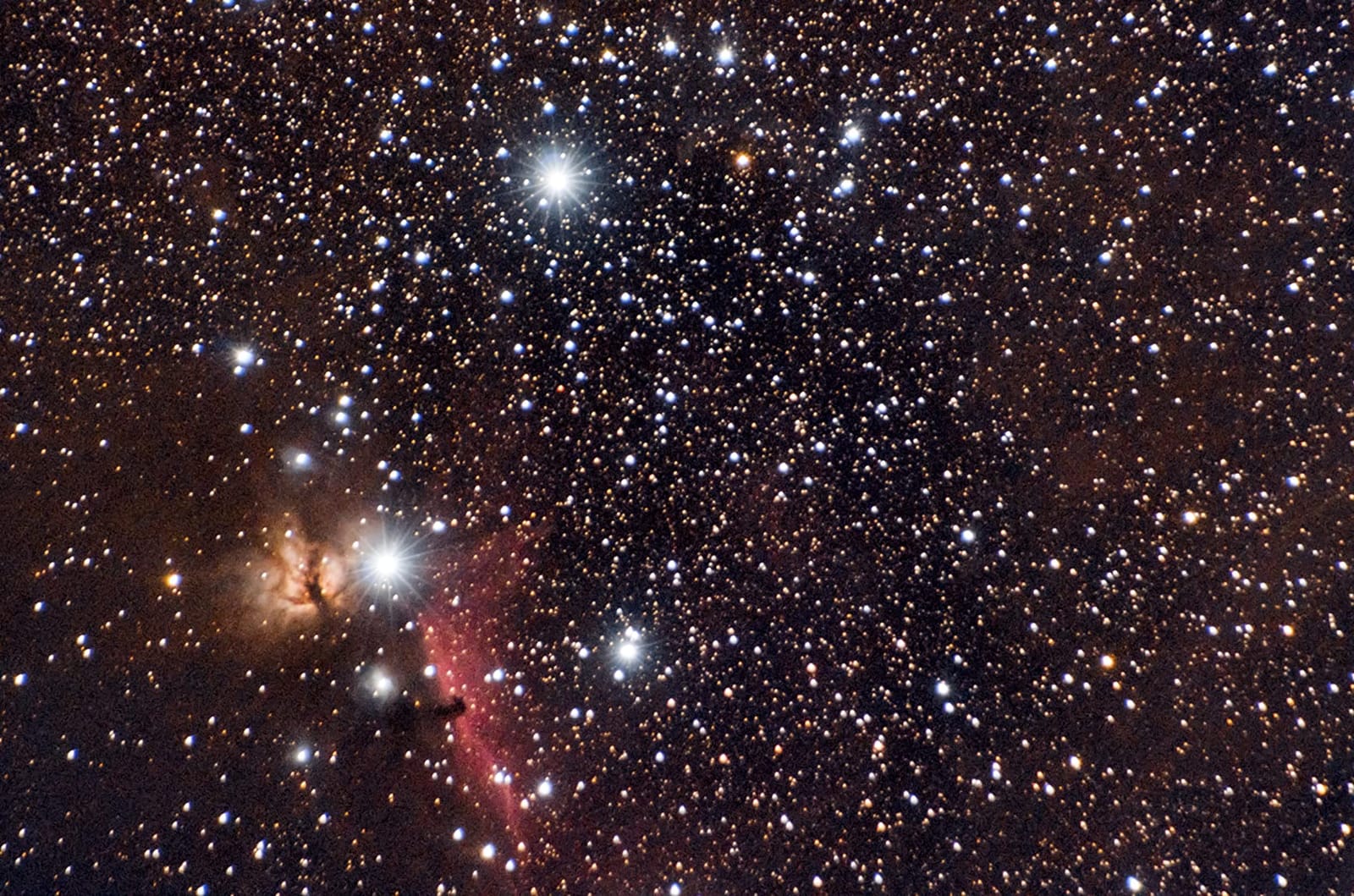
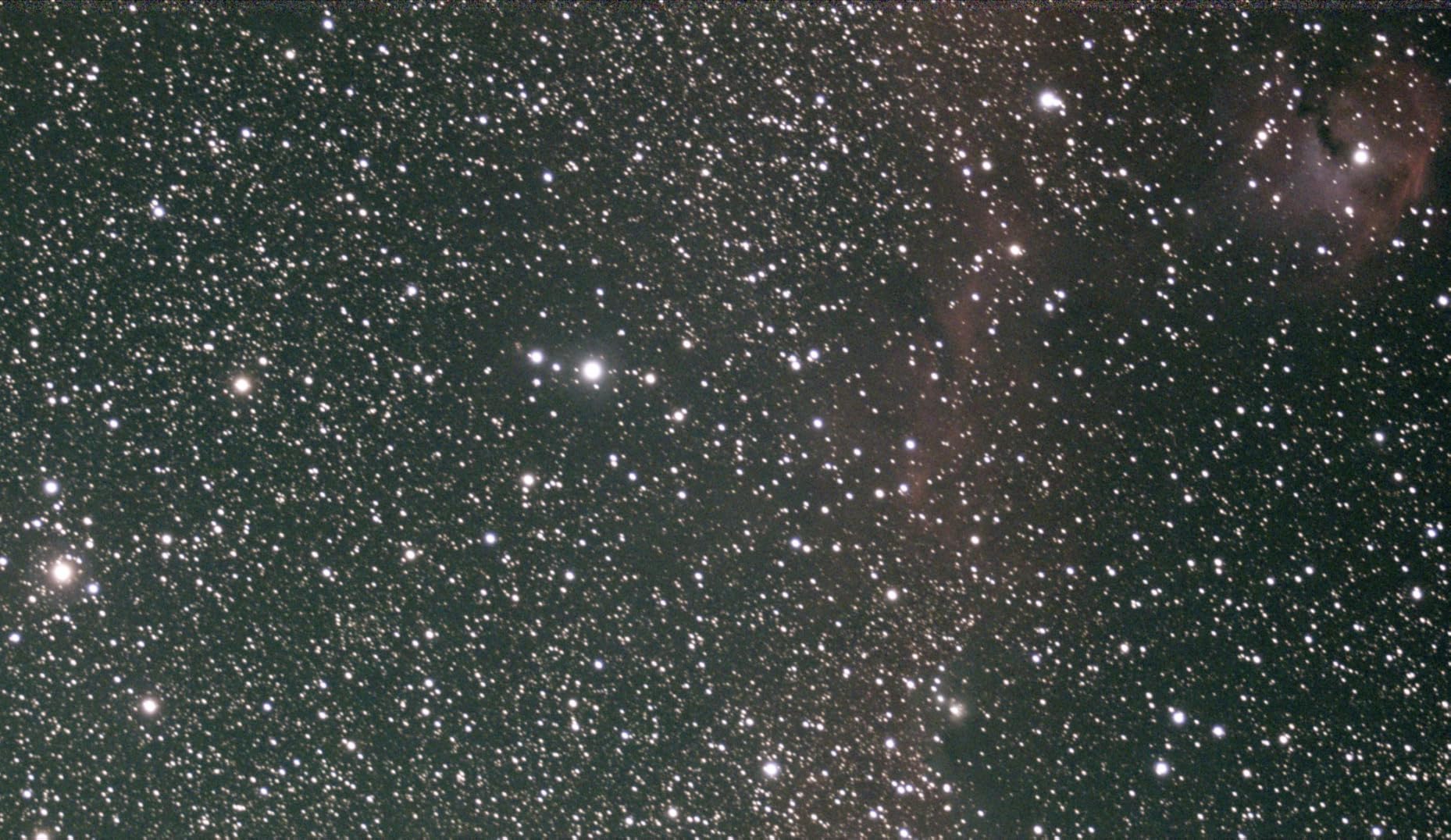
Once you are tracking, the limits change completely. Wide-angle unguided subs of 60 to 180 seconds are routine on the metal-bodied trackers, and the SkyTracker Pro’s owners report clean 4- to 5-minute subs on an 11mm lens. As a working reference for a well-aligned unguided wide-field setup in 2026:
14mm to 20mm: 120 to 300 seconds before periodic error becomes visible in a stacked frame. 24mm to 35mm: 90 to 180 seconds. 50mm to 85mm: 60 to 120 seconds. 100mm and longer: 30 to 60 seconds, or add guiding.
Past about 200mm, alignment error dominates and the numbers fall off a cliff. That is the point at which the Advanced VX and its permanent periodic error correction, or a full autoguiding setup, starts earning its weight.
Guiding is not required for Milky Way work on a wide lens. It becomes necessary when you want several-minute subs on anything from 135mm upward, or when you are chasing a specific deep-sky target over an hour of integration time.
Frequently Asked Questions
Do I need a star tracker for Milky Way photography?
You need one if you want sharp stars and a sharp foreground in the same frame. Without tracking, the 500 rule limits you to roughly 10 seconds on a 20mm lens before stars trail. You do not need one if the Milky Way fills only the top of a foreground-led composition and slight trailing is acceptable.
What is the best star tracker for astrophotography?
The Sky-Watcher Star Adventurer 2i Pro is the best all-round choice for Milky Way work, with the deepest review base and consistent tracking once polar aligned. The iOptron SkyGuider Pro is the stronger choice for a heavier full-frame body thanks to its all-metal build and 11 lb payload.
What is the best camera for taking pictures of the Milky Way galaxy?
The lens matters far more than the body. A fast wide prime between 14mm and 24mm on any recent full-frame body is the ideal Milky Way combination. Any mirrorless or DSLR body with manual or interval shooting works, and you can see our current camera picks for the brands.
What is the 500 rule in astrophotography?
Divide the focal length of your lens by the full-frame crop factor of your camera to get the longest untracked exposure in seconds before stars visibly trail. A 20mm lens on full frame gives 10 seconds, and a 14mm gives 14. The NPF rule is a more accurate modern alternative for high-resolution sensors.
How long can I expose with a star tracker?
On a well-aligned unguided wide-field setup, 14mm to 20mm lenses routinely hold 120 to 300 second subs, 24mm to 35mm lenses hold 90 to 180 seconds, and 50mm to 85mm lenses hold 60 to 120 seconds. Beyond about 200mm, alignment error and periodic error take over and you should shorten subs or add guiding.
What payload capacity do I need for a star tracker?
Add the weight of your camera body, lens, quick-release plate, and cables. A mirrorless body with a fast wide prime usually totals 3 to 4 pounds, while a DSLR with a 24-70mm f/2.8 can approach 6 pounds. Choose a tracker with at least 50 percent headroom above your measured total, and remember that many small trackers need a ball head and counterweight bar bought separately.
Final Word on the Best Star Trackers for Milky Way Photography
The best star trackers for Milky Way photography in 2026 come down to how much you carry and how much glass you hang off them. The Sky-Watcher Star Adventurer 2i Pro is the pick we recommend to most people: the deepest ownership base in the group, tracking that holds together at long subs, and an illuminated scope that makes the first night far less painful. If your body is heavier or you want a metal build with a 20-hour battery, move up to the iOptron SkyGuider Pro.
For hikers and carry-on-only shooters, the Star Adventurer Mini at 1.5 lb changes what you can reach. For complete GoTo setups in a car, the GTi kit saves you buying the counterweight and tripod separately. Whatever you choose, test the alignment at home before the drive, and check the forecast, because atmosphere will still ruin more frames than any mount on this list.