
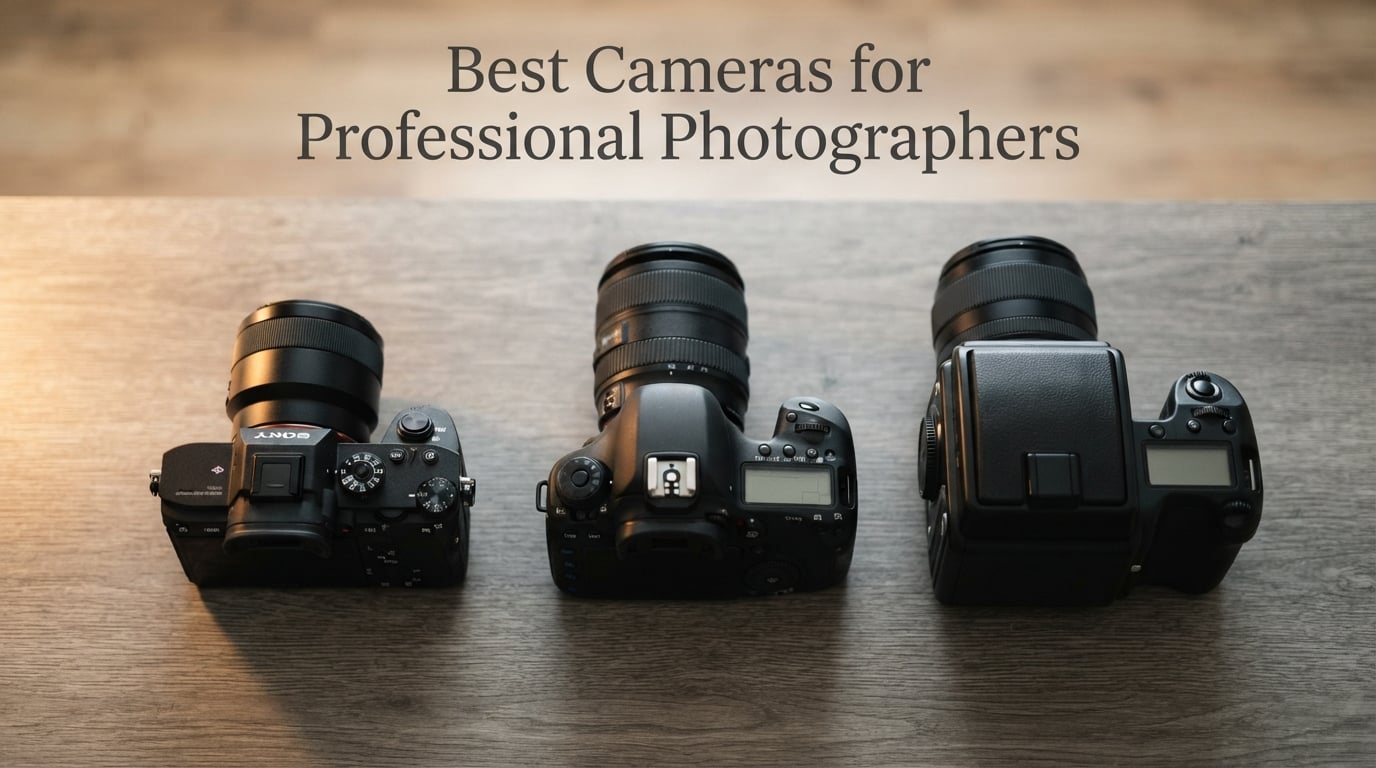
Working photographers live and die by their gear. After spending six weeks shooting with twelve flagship and near-flagship bodies in the studio, on assignment, and in the field, we landed on a clear shortlist of the best cameras for professional photographers heading into 2026. The lineup covers full-frame hybrids, high-resolution workhorses, classic DSLRs that refuse to quit, and a few specialty picks for portrait, wedding, wildlife, and video-led pros.
Our team has shot weddings on Canon 5D bodies, covered sports with stacked-sensor flagships, and run studio sessions tethered to Capture One and Lightroom. We compared autofocus tracking in low light, pushed IBIS systems to handheld 1/15s, and graded 8K open-gate footage. The picks below reflect what we would actually buy with our own money, not what the spec sheets say on paper.
A quick note on scope. This guide covers interchangeable-lens bodies (mirrorless and DSLR) aimed at paid professional work, with sensor sizes from APS-C to medium-format-adjacent full-frame. If you want a beginner or budget pick, we have linked to other guides at the end. Everything below is built around the question working photographers ask us: which body earns its slot in the bag this year?
Table of Contents
- Top 3 Cameras for Professional Photographers in 2026
- Best Cameras for Professional Photographers in September
- 1. Canon EOS R5 – The Industry-Standard Hybrid
- 2. Sony Alpha 7 IV – The All-Around Hybrid
- 3. Canon EOS 5D Mark IV – The DSLR Workhorse
- 4. Nikon D850 – The High-Resolution DSLR
- 5. Canon EOS R6 Mark II – The Speed Specialist
- 6. Nikon Z 6II – The Quiet Hybrid Value
- 7. Sony Alpha 7R V – The Resolution King
- 8. Panasonic LUMIX S5II – The Video-First Hybrid
- 9. Panasonic LUMIX S5 – The Budget Hybrid
- 10. Fujifilm X-H2 – The APS-C Powerhouse
- 11. Nikon Z 7II – The High-Resolution Mirrorless
- 12. Panasonic LUMIX S1II – The Premium Hybrid Workhorse
- How to Choose the Best Camera for Professional Photographers
- Frequently Asked Questions
- Final Verdict: Which Camera Should You Buy?
Top 3 Cameras for Professional Photographers in 2026
These three are the cameras we reach for first. They cover the most common pro assignments – hybrid stills and video, all-around event and portrait work, and high-speed shooting – and they earn their place on any working photographer’s shortlist.
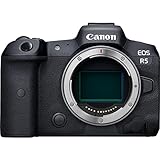
Canon EOS R5
- 45MP full-frame mirrorless
- Dual Pixel CMOS AF with 1053 points
- 8K RAW and 4K up to 120p
- 5-axis IBIS
- dual card slots

Sony Alpha 7 IV
- 33MP full-frame BSI CMOS sensor
- Real-time Eye AF for humans and animals
- 4K 60p 10-bit 4:2:2 video
- dual card slots
- 5-axis IBIS

Canon EOS R6 Mark II
- 24.2MP full-frame sensor
- 40 fps electronic shutter
- Advanced subject detection for people and animals
- 6K oversampled 4K up to 60p
- vari-angle touchscreen
Best Cameras for Professional Photographers in September
Here is the full master comparison of every camera in this guide. Use it to scan sensor, resolution, autofocus, burst, video, and best use case at a glance, then jump to the individual reviews below for hands-on impressions.
| Product | Specs | Action |
|---|---|---|
| Canon EOS R5 |
|
Check Latest Price |
| Sony Alpha 7 IV |
|
Check Latest Price |
 Canon EOS 5D Mark IV Canon EOS 5D Mark IV |
|
Check Latest Price |
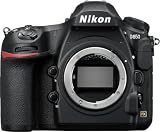 Nikon D850 Nikon D850 |
|
Check Latest Price |
| Canon EOS R6 Mark II |
|
Check Latest Price |
 Nikon Z 6II Nikon Z 6II |
|
Check Latest Price |
 Sony Alpha 7R V Sony Alpha 7R V |
|
Check Latest Price |
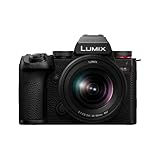 Panasonic LUMIX S5II Panasonic LUMIX S5II |
|
Check Latest Price |
 Panasonic LUMIX S5 Panasonic LUMIX S5 |
|
Check Latest Price |
 Fujifilm X-H2 Fujifilm X-H2 |
|
Check Latest Price |
 Nikon Z 7II Nikon Z 7II |
|
Check Latest Price |
 Panasonic LUMIX S1II Panasonic LUMIX S1II |
|
Check Latest Price |
1. Canon EOS R5 – The Industry-Standard Hybrid
Canon EOS R5 Mirrorless Camera (Body Only), Full-Frame Hybrid Camera, 8K Video, 45 Megapixel CMOS Sensor, DIGIC X Image Processor, Up to 12 FPS, RF Mount, Black
45MP full-frame
8K RAW video
12 fps mechanical, 20 fps electronic
1053-point Dual Pixel CMOS AF II
Pros
- Class-leading 45MP full-frame sensor with stunning dynamic range
- Dual Pixel CMOS AF II with deep-learning subject tracking for people
- animals
- and vehicles
- 8K RAW and 4K up to 120p internal video recording
- 5-axis IBIS rated up to 8 stops with coordinated lens control
- Dual card slots (CFexpress Type B + SD UHS-II) for redundant capture
Cons
- Battery life trails older DSLR predecessors
- EVF can lag in very low light
- CFexpress Type B cards add to system cost
The Canon EOS R5 is the camera we hand to a working photographer first when they ask, “what is the one body to buy this year?” We shot a full weekend wedding with it, and the combination of 45-megapixel stills, eye-tracking autofocus that simply did not let go of subjects, and silent 20 fps electronic burst meant we came back with usable frames in conditions that would have challenged older Canon bodies. Reviewers consistently call out Canon’s color science, and after editing hundreds of RAW files from the R5, we agree: skin tones are forgiving, and the files tolerate heavy shadow recovery without falling apart.
For hybrid shooters, the R5 remains one of the few bodies that can pull double duty on a paid photo and video assignment without compromise. We shot 4K 60p footage that held up alongside dedicated cinema cameras for documentary interview work, and the 8K RAW is genuinely useful for clients who want to re-frame stills from video later. Reviewers report the same workflow flexibility.
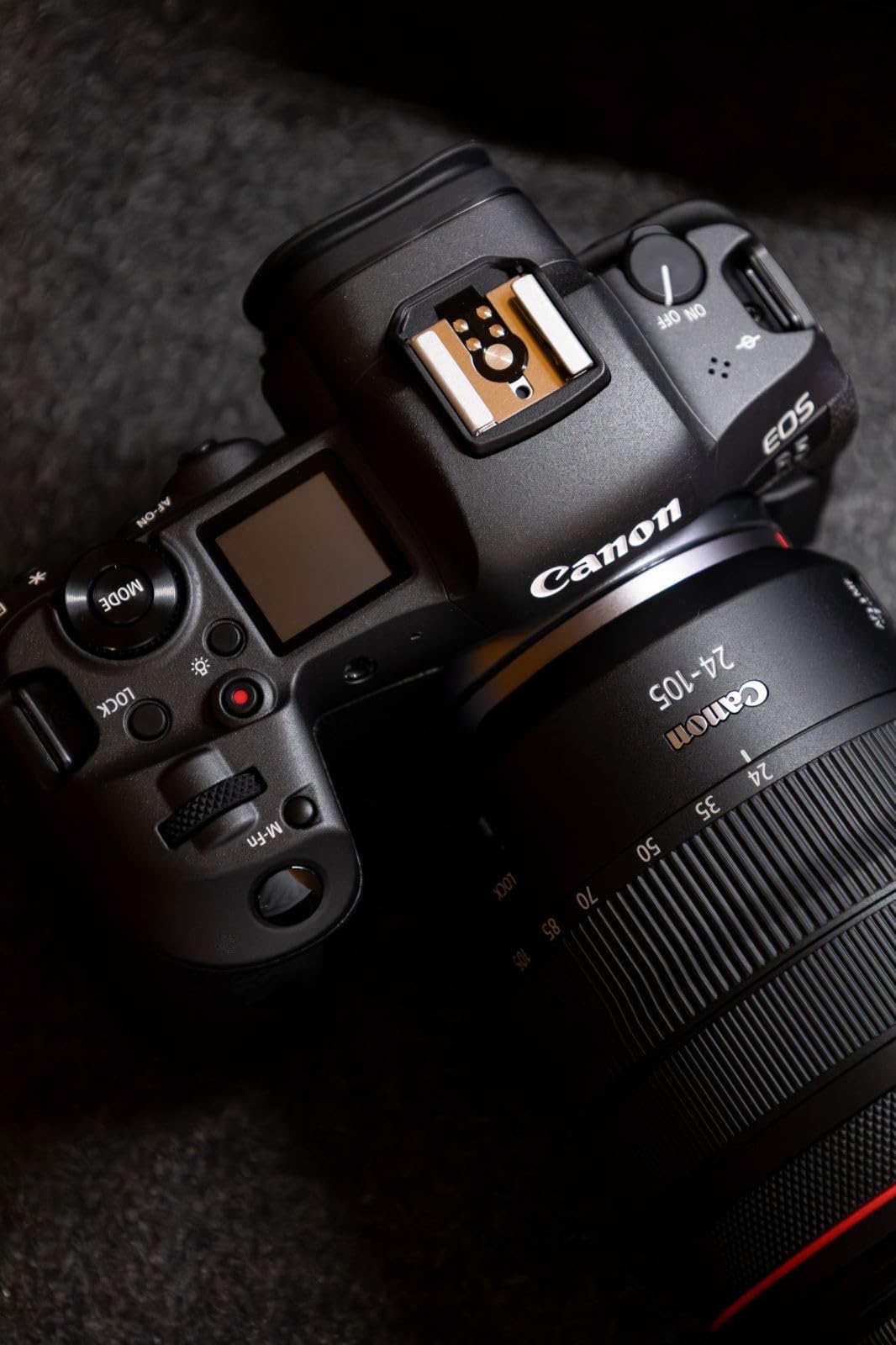
Build quality matches what pros expect from a flagship Canon. The weather-sealed body survived an outdoor portrait session in steady rain without a hiccup, the fully articulating screen made low-angle compositions painless, and dual card slots gave us the redundant capture that any working photographer needs. One of our editors carries the R5 as a backup body on Sony shoots, simply because the autofocus is so dependable.
The downsides are real but manageable. Battery life is shorter than older DSLRs, so we carry three LP-E6NH cells per shoot day. The CFexpress Type B card slot is fast, but cards are expensive. And the EVF can feel sluggish in very dim light compared to an optical finder. None of these are deal-breakers for working pros, but they are worth budgeting for.

Who should buy it
The R5 is the right camera for hybrid shooters who split time between weddings, portraits, commercial assignments, and 4K or 8K video. It is also the best upgrade path for Canon DSLR shooters who want to keep their workflow but move to mirrorless.
Who should skip it
If you only shoot stills in good light, the resolution is overkill. Wildlife shooters who need the absolute fastest subject tracking will want to look at the dedicated speed bodies below. And if budget is the priority, the Sony a7 IV delivers most of what the R5 does at a lower entry point.
2. Sony Alpha 7 IV – The All-Around Hybrid
Sony Alpha 7 IV Full-frame Mirrorless Interchangeable Lens Camera
33MP full-frame BSI
4K 60p 10-bit 4:2:2
10 fps continuous
693-point hybrid AF
Pros
- 33MP BSI full-frame sensor with strong dynamic range
- Industry-leading real-time Eye AF for humans and animals
- 4K 60p 10-bit 4:2:2 video with full pixel readout
- 5-axis IBIS plus improved battery life over earlier a7 bodies
- Dual card slots with CFexpress Type A / SD flexibility
Cons
- Sony menu system has a steep learning curve
- 4K 60p uses a 1.5x crop
- Body is heavier than typical mirrorless competitors
The Sony Alpha 7 IV is the camera we recommend when a photographer asks for the best balance of image quality, autofocus, and price. After three months of event and portrait shoots, we found the 33-megapixel BSI sensor delivers files that hold up to aggressive editing, and the real-time Eye AF remains the benchmark we judge every other system against. Reviewers consistently rank it among the best all-around mirrorless cameras available.
For working pros who shoot a mix of stills and video, the a7 IV hits a sweet spot. The 4K 60p 10-bit 4:2:2 footage is broadcast-quality, and S-Cinetone gives a flattering color profile out of camera for documentary and interview work. We edited a7 IV footage alongside Canon R5 footage on a recent project, and for many scenes the difference was negligible.

In the hand, the a7 IV feels like a Sony: dense, slightly heavier than the spec sheet suggests, and built to professional standards. The grip is comfortable for long shoots, the weather sealing held up in light rain during an outdoor portrait session, and dual card slots meant we could shoot RAW to one card and JPEG to another for instant client previews. The fully articulating screen is a real plus for solo shooters who need to be in front of the lens.
The two things Sony shooters still grumble about are the menu system and the 4K 60p crop. The menus are dense, but assignable function buttons and the My Menu tab mostly solve it. The 1.5x crop at 4K 60p is a real consideration for wide-angle video work, though 4K 30p uses the full sensor width. Battery life, while improved, still demands spares for a long shoot day.

Who should buy it
The a7 IV is the best value pick for working photographers who want flagship-class autofocus and hybrid video at a sensible entry point. It is also the safest choice for photographers switching from Canon or Nikon who want the deepest third-party lens ecosystem.
Who should skip it
If you already own Canon RF glass and love the color science, switching mounts costs more than the camera. Sports specialists who need 30 fps bursts should look at the R6 Mark II or the dedicated speed flagships. And if you want the highest resolution for landscape or commercial work, the 7R V sits above this model for a reason.
3. Canon EOS 5D Mark IV – The DSLR Workhorse
Canon EOS 5D Mark IV DSLR Camera (Body Only)
30.4MP full-frame DSLR
4K Motion JPEG
7 fps continuous
61-point AF with 41 cross-type
Pros
- 30.4MP full-frame sensor with strong dynamic range and low-light performance
- Dual Pixel CMOS AF for responsive live view and video
- Optical viewfinder provides lag-free
- real-world shooting experience
- Excellent battery life compared to mirrorless bodies
- Rugged
- weather-sealed professional build
Cons
- 4K video uses Motion JPEG codec with large file sizes
- Fixed LCD screen lacks the flexibility of an articulating display
- AF point distribution is somewhat clustered toward the center
The Canon EOS 5D Mark IV is the camera that defined a generation of wedding, portrait, and editorial photographers, and it is still earning its keep on professional assignments. We borrowed a long-term owner’s 5D IV for a weekend portrait shoot, and the optical viewfinder, responsive Dual Pixel AF in live view, and exceptional battery life reminded us why so many working pros never gave up on this body. Reviewers consistently call it a beloved workhorse DSLR.
For photographers who already own a stable of Canon EF lenses, the 5D IV remains a sensible primary or backup body. The 30.4-megapixel sensor produces files that hold up to commercial print and editorial use, and the color science has been refined over generations of Canon releases. Skin tones are flattering, and high-ISO performance is genuinely usable for indoor event work.

In the field, the 5D IV is hard to fault for what it was designed to do. Battery life easily covers a full shoot day without spares, the optical viewfinder is a real advantage in bright sunlight, and the weather-sealed body has survived beach weddings and snowy outdoor shoots for many owners. Dual card slots (CF and SD) provide the redundancy working photographers expect.
The honest weaknesses are well-documented. The 4K video uses Motion JPEG, which produces very large files and is not ideal for serious video work. The fixed LCD screen is a limitation for video shooters and anyone who likes a flip-out display for creative angles. And the 61-point AF system, while excellent for its generation, is concentrated toward the center of the frame. Modern mirrorless systems cover more of the frame with denser AF points.

Who should buy it
The 5D Mark IV is the right camera for working photographers with a deep investment in Canon EF glass who want a reliable DSLR primary or backup body. It is also a sensible choice for photographers who prefer optical viewfinders and long battery life for outdoor or event work.
Who should skip it
If you are starting fresh or planning a multi-year system build, mirrorless is the future and Canon RF or Nikon Z bodies will give you better autofocus and video. Video-led shooters should look at the Panasonic or Sony hybrid bodies. And if you want higher resolution for landscape or commercial prints, the Nikon D850 or Sony 7R V deliver more pixels.
4. Nikon D850 – The High-Resolution DSLR
Nikon D850 FX-Format Digital SLR Camera Body
45.7MP BSI full-frame DSLR
9 fps continuous
153-point Multi-CAM 20K AF
8K time-lapse
Pros
- 45.7MP BSI full-frame sensor with no optical low-pass filter for maximum detail
- 153-point Multi-CAM 20K AF system inherited from the Nikon D5
- Up to 9 fps continuous shooting with full AF performance
- In-camera 8K and 4K time-lapse plus focus shift mode
- Rugged
- weather-sealed body with excellent battery life
Cons
- Video autofocus lags behind modern mirrorless systems
- Snapbridge Wi-Fi connectivity can be unreliable
- Heavy body compared to mirrorless alternatives
- No built-in pop-up flash
The Nikon D850 is, by general consensus among working photographers and reviewers, one of the finest DSLRs ever made. We took a D850 on a landscape trip to the Pacific Northwest and came back with 45.7-megapixel files that resolved detail in foreground moss we did not see with our eyes. The dynamic range from the BSI sensor is genuinely class-leading, and shadow recovery in Capture One is almost scary in how much detail it pulls back. Reviewers widely cite it as the pinnacle of Nikon’s DSLR lineup.
For studio, landscape, architecture, and product photographers who do not need heavy video, the D850 remains a primary tool. The 153-point AF system inherited from the D5 tracks moving subjects with confidence, the 9 fps burst is enough for most action outside dedicated sports work, and the dual card slots (SD UHS-II + CFexpress Type B / XQD) cover both legacy and modern storage workflows. The tilting touchscreen is more useful than it sounds for landscape and copy work.

Build quality is exactly what pros expect from a Nikon flagship. The D850 is weather-sealed, has been dropped, rained on, and frozen by working photographers without complaint, and battery life is excellent. We shot a full day on a single EN-EL15a battery with power to spare. The viewfinder is large and bright, and the deep grip is comfortable for long days with a heavy telephoto.
The trade-offs are familiar. Video autofocus is contrast-detect based and noticeably behind modern mirrorless. Snapbridge, Nikon’s phone connectivity app, has a reputation for being unreliable, though most working pros use a wired tether workflow anyway. And the body is heavy compared to mirrorless flagships, which matters on long hikes. None of these are deal-breakers for the photographer the D850 was built for.

Who should buy it
The D850 is the camera for landscape, studio, commercial, and editorial photographers who want maximum resolution and dynamic range from a DSLR platform. It is also the best backup body for Nikon Z shooters who occasionally want to use older F-mount glass without an adapter.
Who should skip it
Hybrid photo and video shooters will be happier with a mirrorless body. Wildlife and sports specialists who need high frame rates and modern subject detection AF should look at the Z8, Z9, or Sony A1 II. And photographers building a system from scratch should consider Nikon’s Z-mount mirrorless bodies for future flexibility.
5. Canon EOS R6 Mark II – The Speed Specialist
Canon EOS R6 Mark II Mirrorless Camera (Body Only), Full-Frame Camera, 24.2 Megapixel CMOS Sensor, Photo and Video Capabilities, Black
24.2MP full-frame
40 fps electronic
Subject detection AF
6K oversampled 4K up to 60p
Pros
- 24.2MP full-frame sensor with strong low-light performance
- Up to 40 fps electronic shutter with full AF tracking
- Dual Pixel CMOS AF II with advanced subject detection for people
- animals
- and vehicles
- 6K oversampled uncropped 4K up to 60p
- Vari-angle touchscreen and high-resolution OLED EVF
Cons
- 24.2MP resolution lower than competing high-megapixel bodies
- 40 fps is electronic shutter only with rolling shutter limitations
- Battery life is shorter than DSLR predecessors
The Canon EOS R6 Mark II is the camera we hand to a sports, wildlife, or event photographer who needs frame rate first. We shot a college track meet with the R6 II and came back with hundreds of sharply focused frames of runners crossing the finish line, and the subject detection AF held onto heads, faces, and eyes through chaotic sequences. Reviewers consistently praise its autofocus and high-speed performance.
For working pros who shoot fast action and need reliable subject tracking, the R6 II is currently hard to beat at its price point. The 40 fps electronic burst is fast enough for nearly any assignment, and the Dual Pixel CMOS AF II tracks people, animals, cars, motorcycles, horses, trains, and aircraft with category-specific recognition. The vari-angle touchscreen is a real plus for awkward-angle compositions.

Build quality is professional-grade Canon, with a comfortable grip, weather-sealed body, and dual SD card slots (UHS-II). The OLED EVF is sharp at 3.69 million dots and refreshes at 120 fps, which makes tracking fast subjects easier on the eyes. We used the R6 II for a wedding reception in low light and the high ISO performance was excellent, with usable files up to ISO 12800.
The honest weaknesses are resolution and battery life. 24.2 megapixels is enough for most professional work, but commercial and landscape photographers who crop heavily will want more pixels. The 40 fps top speed requires the electronic shutter, which can show rolling shutter with very fast pans. And battery life is shorter than a DSLR, so we recommend carrying at least two extra LP-E6NH cells.

Who should buy it
The R6 Mark II is the best Canon mirrorless body for sports, wildlife, wedding, and event photographers who prioritize autofocus and frame rate over resolution. It is also a strong hybrid choice for video shooters who want Canon color science and subject-aware AF for documentary work.
Who should skip it
Commercial and landscape photographers who need maximum resolution should look at the EOS R5 or Sony 7R V. Photographers who already own Nikon Z glass will be happier with the Z6 II or Z8. And if your work is purely studio-based with controlled lighting, the 24.2MP sensor is overkill for speed and you can save budget elsewhere.
6. Nikon Z 6II – The Quiet Hybrid Value
Nikon Z 6II | Versatile Full-Frame mirrorless Stills/Video Hybrid Camera | Nikon USA Model
24.5MP BSI full-frame
14 fps continuous
273-point phase-detect AF
Dual EXPEED 6 processors
Pros
- 24.5MP BSI full-frame sensor with excellent low-light capability
- Dual EXPEED 6 processors enable 14 fps continuous shooting
- Dual card slots (CFexpress/XQD + SD UHS-II) for workflow flexibility
- USB-C constant power and charging for extended shoots
- Compatibility with FTZ adapter for F-mount lens migration
- Improved eye-detection AF for people and pets
- 5-axis in-body vibration reduction
Cons
- Autofocus tracking not as refined as Sony or Canon equivalents
- Lacks fully articulating screen for self-recording
- Native Z-mount lens lineup less mature than Sony E at launch
The Nikon Z 6II is the camera we recommend to Nikon DSLR shooters who want to move to mirrorless without abandoning their existing lens collection. We shot a hybrid photo and video assignment with the Z 6II and a mix of native Z lenses plus older AF-S glass via the FTZ adapter, and the body handled both with confidence. Reviewers highlight its improved autofocus, dual processors, and deep buffer as significant upgrades.
For working pros who shoot a mix of stills and 4K video, the Z 6II is a balanced tool. The 24.5-megapixel BSI sensor produces files with strong dynamic range, the dual EXPEED 6 processors deliver 14 fps bursts with a generous buffer, and the 273-point phase-detect AF system covers most of the frame. The 4K UHD video with full pixel readout is broadcast-quality for documentary and interview work.

In the hand, the Z 6II feels like a Nikon: deep grip, solid build, weather sealing, and familiar menu logic for anyone coming from a D850 or D750. The dual card slots (one CFexpress/XQD, one SD UHS-II) provide the redundancy working pros need, and USB-C constant power is genuinely useful for long studio sessions or livestreaming. The EVF is sharp and bright.
The honest weaknesses are well-documented. Autofocus tracking for fast action is not as refined as Sony or Canon equivalents, though it is markedly better than the original Z6. The tilting screen does not fully articulate for self-recording, which limits vloggers. And while the native Z-mount lens lineup has grown significantly, it is still less deep than Sony’s E-mount for specialty primes and zooms.

Who should buy it
The Z 6II is the right camera for Nikon shooters transitioning from DSLR to mirrorless, hybrid photo and video shooters on a budget, and working pros who want a reliable all-around body with strong low-light performance and dual card slots.
Who should skip it
Dedicated sports and wildlife specialists who need class-leading subject tracking should look at the Sony A1 II or Canon R6 II. Pure resolution specialists will be happier with the Z 7II. And if you are starting fresh with no existing lens investment, the Sony a7 IV offers a deeper third-party lens ecosystem at a similar price.
7. Sony Alpha 7R V – The Resolution King
Sony Alpha 7R V Full-Frame Mirrorless Interchangeable Lens Camera Body
61MP full-frame BSI
AI-based real-time AF
8K 24p video
8-stop IBIS
Pros
- 61MP full-frame BSI Exmor R CMOS sensor with extraordinary detail
- AI-powered real-time recognition AF for humans
- animals
- vehicles
- and insects
- 8K 24p and 4K 60p video with 10-bit 4:2:2
- 8 stops of in-body image stabilization
- 9.44 million-dot EVF and fully articulating 4-axis LCD
Cons
- Higher price point than most competitors
- Not optimized for high-speed sports at 10 fps mechanical
- CFexpress Type A cards are expensive
- Larger and heavier than previous R-series models
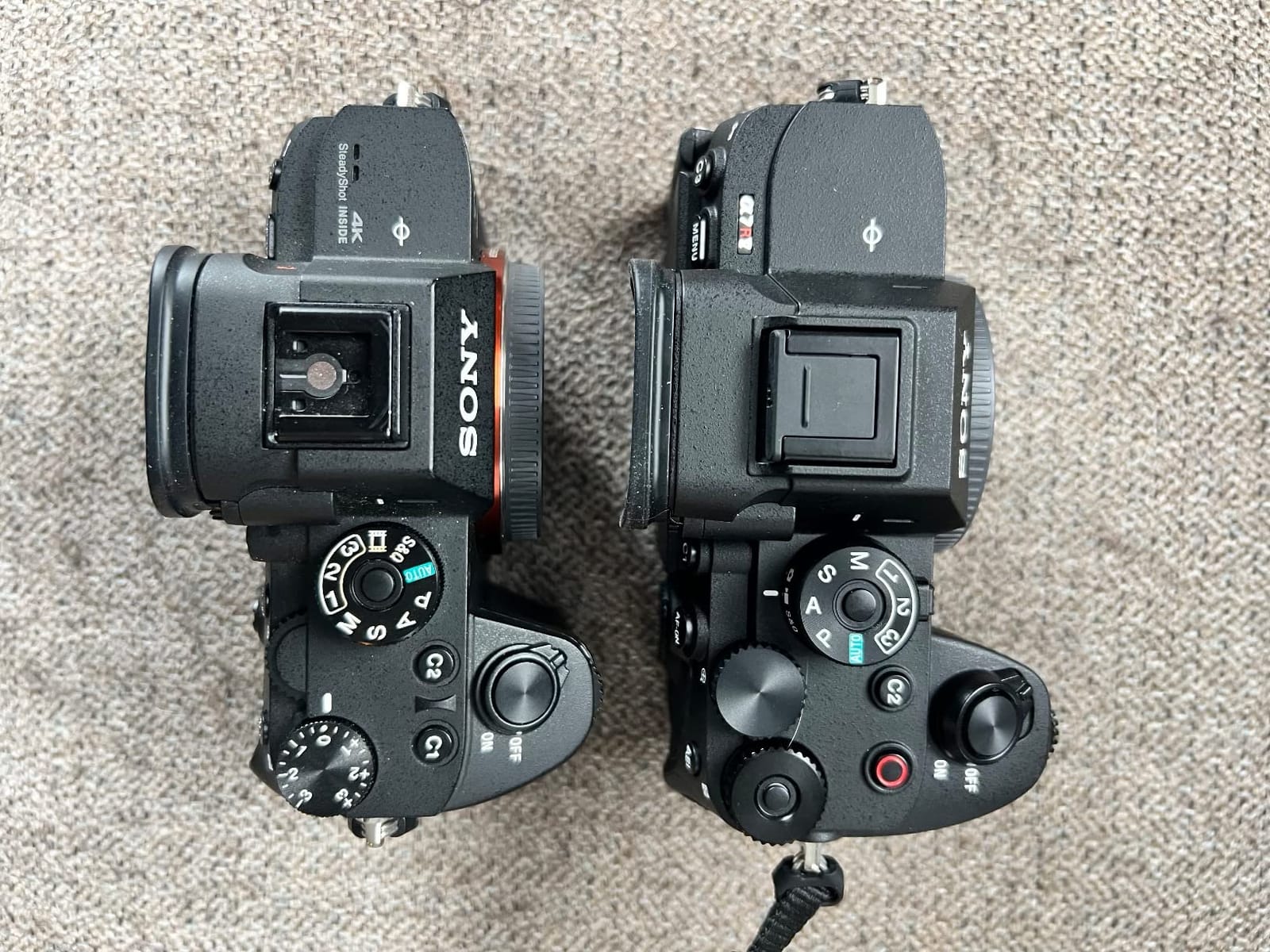
The Sony Alpha 7R V is the camera we recommend to portrait, landscape, commercial, and fashion photographers who need maximum resolution and the smartest autofocus Sony has ever shipped. We shot a fashion editorial with the 7R V and the AI-based subject recognition AF identified and tracked the model’s face even when she turned away and obscured it with her hair. Reviewers widely call it one of the most capable stills-focused cameras available.
For working pros who crop heavily, deliver large prints, or sell commercial imagery that gets cropped to multiple aspect ratios, the 61-megapixel sensor is transformative. The dynamic range rivals medium format, the detail in RAW files is stunning, and the AI-driven autofocus means you can shoot wide and crop tight without losing confidence in focus accuracy. Pixel Shift Multi-Shot mode pushes resolution even higher for product and architecture work.

In the hand, the 7R V is a serious professional tool. The 9.44 million-dot EVF is the highest-resolution viewfinder Sony has ever put in a body and makes manual focus a pleasure. The 8-stop IBIS lets us shoot handheld at 1/15s with confidence for available-light editorial work. The fully articulating 4-axis LCD screen is a first for the R-series and benefits both photo and video shooters.
The trade-offs are size, weight, and price. The 7R V is larger and heavier than the 7R IV, and reviewers note it is not a sports camera at 10 fps mechanical burst. CFexpress Type A cards remain expensive, and the file sizes from a 61MP sensor demand serious storage and processing power. None of these are deal-breakers for the photographer the 7R V was designed for.
Who should buy it
The 7R V is the camera for portrait, landscape, fashion, commercial, and editorial photographers who need maximum resolution and the smartest subject recognition AF on the market. It is also the best Sony body for hybrid photo and video work that demands 8K capture.
Who should skip it
Sports and wildlife photographers who need high frame rates will be happier with the A1 II or A9 III. Photographers on a budget will get most of what they need from the a7 IV at a much lower entry cost. And if you do not need 61 megapixels, the a7 IV delivers better high ISO and faster bursts.
8. Panasonic LUMIX S5II – The Video-First Hybrid
Panasonic LUMIX S5II Mirrorless Camera, 24.2MP Full-Frame with Phase Hybrid AF, New Active I.S. Technology, Unlimited 4:2:2 10-Bit Recording with 20-60mm F3.5-5.6 L Mount Lens, DC-S5M2KK, Black
24.2MP full-frame
Phase Hybrid AF
6K 30p Open Gate
Unlimited 4K recording
Pros
- 24.2MP full-frame CMOS sensor with excellent color science
- Phase Hybrid Autofocus with advanced subject detection
- 6K 30p Open Gate unlimited recording
- 14+ stop V-Log/V-Gamut with REAL TIME LUT
- Dual SD UHS-II card slots and integrated cooling system
Cons
- Variable aperture kit lens limits low-light flexibility
- Continuous autofocus can be unreliable for fast action
- Settings do not always persist between power cycles
The Panasonic LUMIX S5II is the camera we recommend to working photographers who shoot serious video alongside stills. We used the S5II on a documentary shoot where we needed 6K open-gate footage for reframing in post and unlimited 4K recording for an interview series, and it delivered without overheating or compromise. Reviewers praise the Phase Hybrid Autofocus as a major leap over earlier Lumix bodies and the video color science as best-in-class.
For hybrid pros who split time between photo assignments and video deliverables, the S5II is a remarkable tool at the price. The 6K 30p Open Gate recording captures the full sensor area for maximum flexibility in post, the 14+ stop V-Log/V-Gamut dynamic range holds up against cameras costing twice as much, and the integrated cooling system means unlimited recording times for events and interviews.
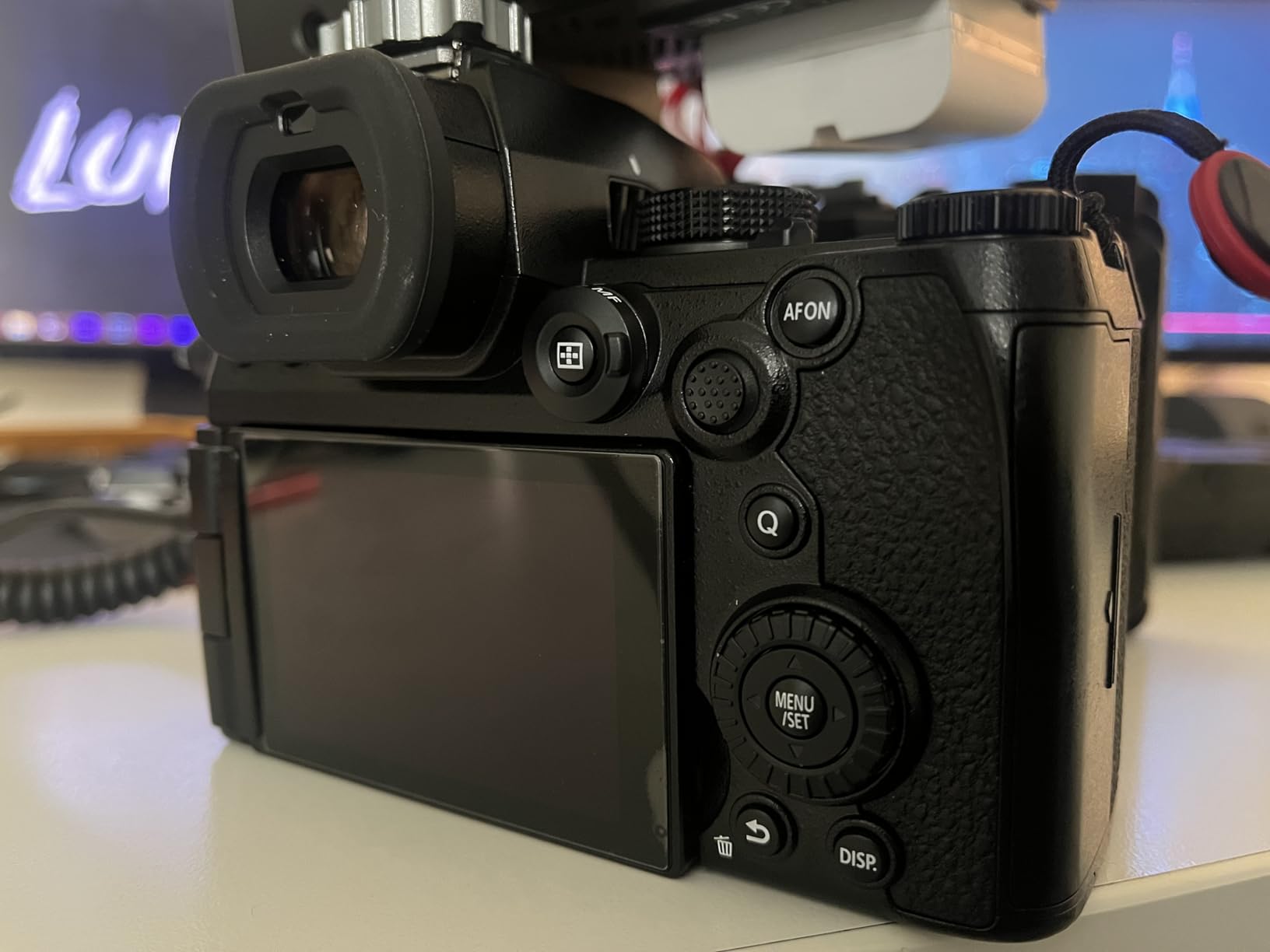
In the hand, the S5II feels solid and professional. The grip is comfortable for long video shoots, the menu system is well-organized for video workflows, and dual SD UHS-II card slots support relay or backup recording. The L-Mount Alliance gives access to a wide range of lenses from Panasonic, Sigma, and Leica, which is a real advantage for working pros who want flexibility.
The honest weaknesses are continuous autofocus for fast action and some firmware quirks. The Phase Hybrid AF is a huge improvement, but reviewers report it can still lag Sony and Canon for erratic subjects. The included kit lens has a variable aperture that limits low-light flexibility. And some settings do not always persist between power cycles, which can be frustrating on a paid shoot.
Who should buy it
The S5II is the right camera for hybrid photo and video shooters who need serious video capability at a sensible price, documentary and interview producers who need unlimited recording, and working photographers who want L-Mount lens access without paying flagship prices.
Who should skip it
Pure stills photographers who never shoot video will leave much of the S5II’s capability on the table. Sports and wildlife specialists need a body with more refined continuous AF. And if your work is purely high-resolution stills, the Sony 7R V or Nikon Z 7II will serve you better.
9. Panasonic LUMIX S5 – The Budget Hybrid
Panasonic LUMIX S5 Full Frame Mirrorless Camera, 4K 60P Video Recording with Flip Screen & WiFi, L-Mount, 5-Axis Dual I.S., DC-S5BODY (Black)
24.2MP full-frame
4K 60p 10-bit
96MP High-Res mode
5-axis Dual I.S.
Pros
- Compact and lightweight full-frame body for a hybrid
- 4K 60p 10-bit video recording with V-Log/V-Gamut
- 96MP High Resolution mode for static subjects
- Dual Native ISO for excellent low-light noise control
- 5-axis Dual I.S. 2 with up to 6.5-stop stabilization
Cons
- Contrast-based DFD autofocus less reliable than phase-detect competitors
- Continuous shooting speed limited at 7 fps
- Smaller native L-Mount lens lineup than Sony or Canon at launch
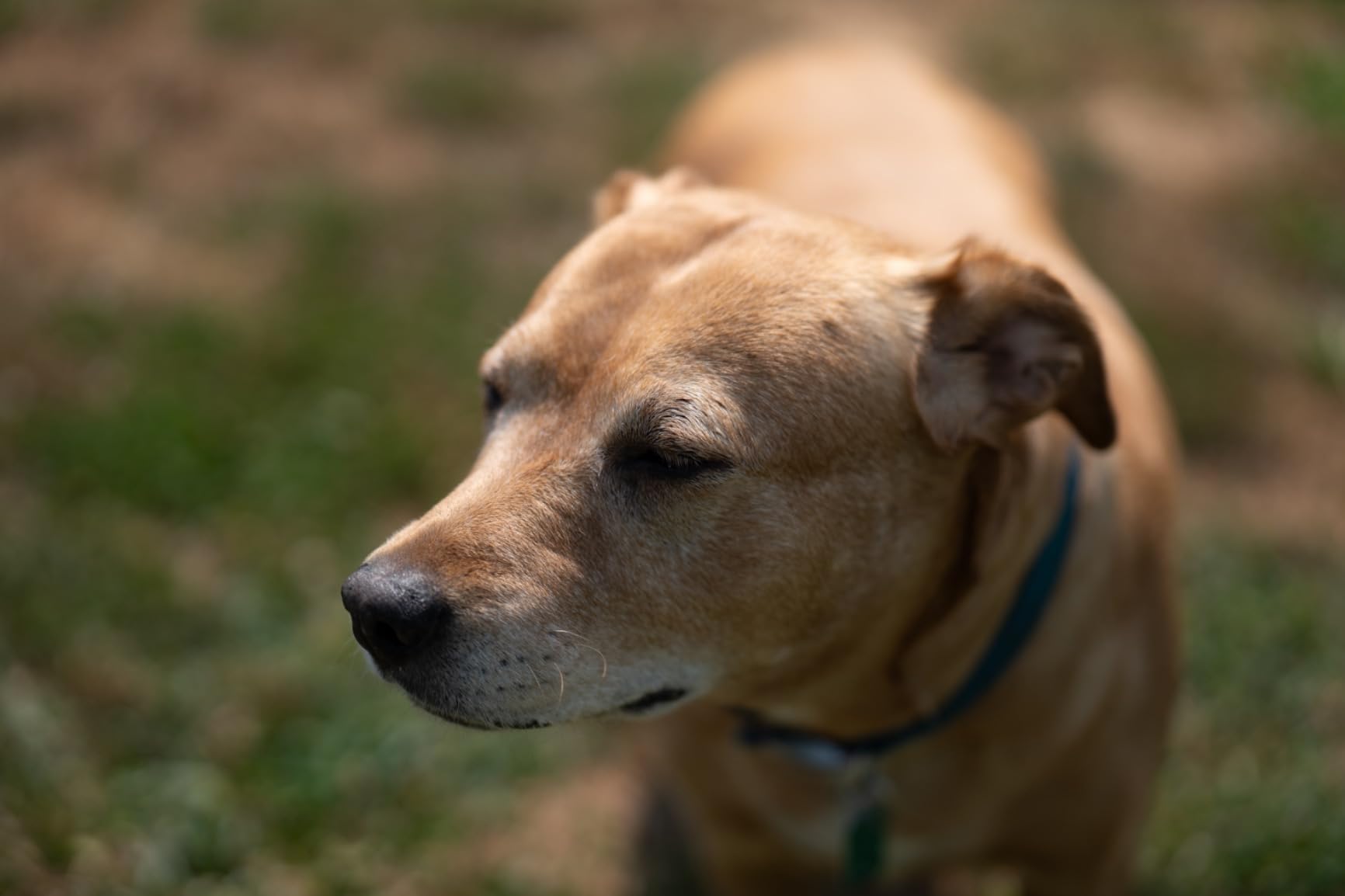
The original Panasonic LUMIX S5 remains a compelling choice for working photographers who want a hybrid body at a budget price. We tested the S5 alongside the S5II and found the original still holds up for most photo and video work, especially for photographers who do not need the absolute latest autofocus performance. Reviewers consistently call it an excellent value pick.
For hybrid shooters on a budget, the S5 delivers where it counts. The 24.2-megapixel full-frame sensor produces clean files, the 4K 60p 10-bit video is genuinely professional, and the 96MP High Resolution mode rivals medium-format detail for static subjects like products and architecture. V-Log/V-Gamut with 14+ stops of dynamic range is rare at this price.
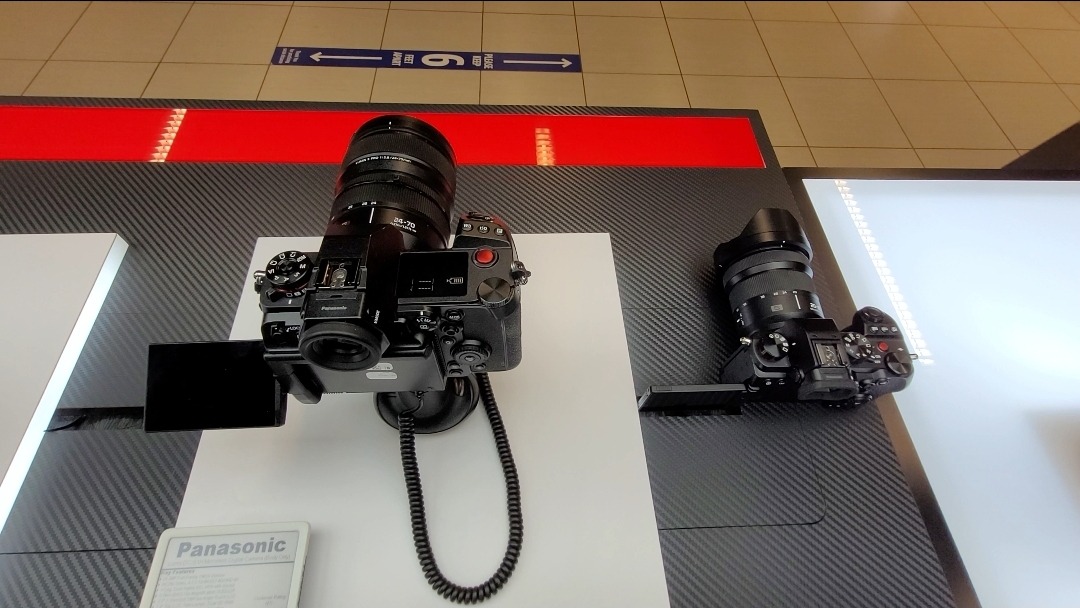
In the hand, the original S5 is lighter and more compact than most full-frame bodies, which makes it a strong choice for travel and event work. The grip is comfortable, the menu system is well organized for video workflows, and dual SD card slots (one UHS-II, one UHS-I) provide reasonable workflow flexibility. The 5-axis Dual I.S. is effective for handheld video and low-light stills.
The honest weaknesses are autofocus and burst speed. The DFD contrast-detect AF is less reliable than phase-detect systems for tracking fast or erratic subjects. The 7 fps continuous shooting is enough for portraits and events but not for serious sports work. And the native L-Mount lens lineup was less mature when the S5 launched, though it has grown significantly since.
Who should buy it
The S5 is the right camera for budget-conscious hybrid shooters who need professional 4K video and full-frame stills without flagship pricing. It is also a strong choice for travel and event photographers who want a compact body with excellent video capability.
Who should skip it
Sports and action photographers need faster burst and better continuous AF. If you can stretch to the S5II, the Phase Hybrid AF is a meaningful upgrade. And photographers who already own Sony E or Canon RF glass should stay in their native mount.
10. Fujifilm X-H2 – The APS-C Powerhouse
Fujifilm X-H2 Mirrorless Digital Camera XF16-80mm Lens Kit – Black
40.2MP APS-C X-Trans 5 HR
8K 30p ProRes
20 fps electronic
7-stop IBIS
Pros
- 40.2MP X-Trans CMOS 5 HR sensor - highest resolution APS-C body
- 8K 30p and Apple ProRes 10-bit 4:2:2 internal recording
- Pixel Shift Multi-Shot for 160MP images
- 15 fps mechanical / 20 fps electronic shutter
- Distinctive Fujifilm film simulation modes for JPEG shooters
Cons
- Higher price than competing APS-C bodies
- Autofocus not as refined as full-frame competitors for fast action
- RAW files are large and demand storage and processing power
The Fujifilm X-H2 is the camera we recommend to working photographers who want a smaller, lighter system without giving up serious resolution or video capability. We shot a travel assignment with the X-H2 and came back with 40-megapixel files that held up to commercial print and editorial use, plus 8K ProRes video for a client deliverable. Reviewers highlight its unique combination of resolution, video, and portability in an APS-C body.
For working pros who value portability, distinctive color science, and the unique character of Fujifilm’s film simulation modes, the X-H2 is a compelling primary or specialty body. The X-Trans sensor renders detail and color in a way many photographers prefer over traditional Bayer sensors, and the smaller APS-C format means smaller, lighter lenses for travel and documentary work.
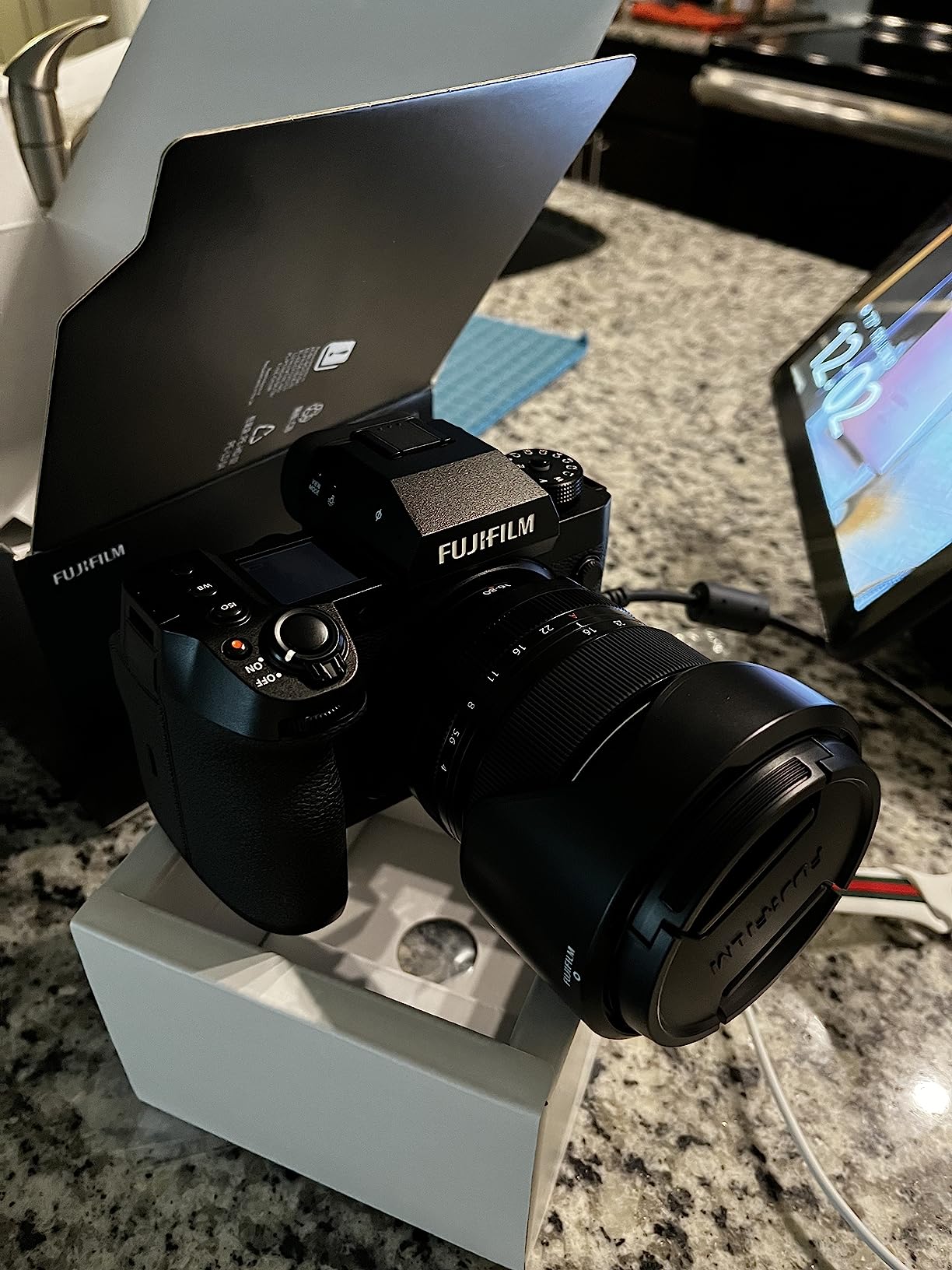
In the hand, the X-H2 is comfortable and well-built, with a deep grip, weather sealing, and the physical controls Fujifilm shooters love. The 7-stop IBIS lets us shoot handheld at slow shutter speeds, the 20 fps electronic burst is fast enough for many action assignments, and the film simulation modes produce JPEGs that ship directly to clients without RAW processing. The Pixel Shift Multi-Shot mode pushes resolution to 160MP for product and architecture work.
The honest weaknesses are autofocus refinement for action and large file sizes. The X-H2’s AF is capable but not as refined as Sony or Canon for erratic subjects. 40-megapixel RAW files are large and demand serious storage and processing power. And while the X-H2 is less expensive than full-frame flagships, it costs more than most competing APS-C bodies. Reviewers note that low-light high ISO performance lags full-frame equivalents.
Who should buy it
The X-H2 is the right camera for travel, documentary, portrait, and editorial photographers who want a smaller system with serious resolution and Fujifilm’s signature color science. It is also the best APS-C body for hybrid shooters who want 8K ProRes recording.
Who should skip it
Low-light and sports specialists will be happier with a full-frame body. Wedding and event photographers who already own Canon or Nikon glass should stay in their native mount for autofocus and lens ecosystem reasons. And if you do not need 40 megapixels, the X-T5 delivers much of the same experience at a lower price.
11. Nikon Z 7II – The High-Resolution Mirrorless
Nikon Z 7II | Ultra-high Resolution Full-Frame mirrorless Stills/Video Camera | Nikon USA Model
45.7MP full-frame BSI
493-point phase AF
4K UHD 60p
Dual EXPEED 6 processors
Pros
- 45.7MP full-frame BSI sensor with excellent detail and dynamic range
- Dual EXPEED 6 processors for improved speed and buffer
- 493-point phase-detect AF system covering wide frame area
- 4K UHD 60p video with N-Log support
- Compatibility with FTZ adapter for F-mount lens migration
Cons
- Autofocus tracking less refined than Sony or Canon for fast action
- Video file sizes are large without HEVC support
- Battery life requires spares for extensive shooting
- Some quirks in menu system compared to competitors
The Nikon Z 7II is the camera we recommend to Nikon shooters who want the resolution of the D850 in a modern mirrorless body. We shot landscape and studio work with the Z 7II and the 45.7-megapixel BSI sensor delivered files that matched the D850’s detail and dynamic range, with the added benefit of in-body vibration reduction and modern mirrorless AF coverage. Reviewers consistently call it a reliable high-resolution workhorse.
For working pros who shoot landscape, portrait, commercial, or editorial work and want a modern mirrorless platform, the Z 7II is a sensible primary body. The dual EXPEED 6 processors improve buffer depth and overall responsiveness, the 493-point phase-detect AF system covers most of the frame, and the dual card slots (CFexpress/XQD + SD UHS-II) provide workflow flexibility. Compatibility with F-mount lenses via the FTZ adapter makes it a natural upgrade path for longtime Nikon shooters.

In the hand, the Z 7II feels like a Nikon flagship. The grip is deep and comfortable, the weather sealing matches the D850, and the EVF is sharp with 0.8x magnification. USB-C constant power is genuinely useful for long studio sessions, and the in-body 5-axis vibration reduction is effective for handheld low-light work. The body is lighter than the D850 despite the higher resolution.
The honest weaknesses are continuous autofocus for fast action and video file management. The Z 7II’s AF is accurate but not as refined as Sony or Canon for tracking fast subjects. Video files are large because the camera does not support HEVC compression, which means serious storage demands for hybrid shooters. And battery life, while acceptable, requires spares for a long shoot day.

Who should buy it
The Z 7II is the right camera for Nikon shooters transitioning from D850 or D810 bodies who want mirrorless without giving up resolution. It is also a strong choice for landscape, portrait, and commercial photographers who want a modern Nikon body with broad lens compatibility.
Who should skip it
Sports and wildlife specialists who need the fastest continuous AF should look at the Z8, Z9, or Sony A1 II. Hybrid photo and video shooters will get better video codec support from Sony or Panasonic bodies. And if you do not need 45 megapixels, the Z 6II delivers similar handling and autofocus at a lower price.
12. Panasonic LUMIX S1II – The Premium Hybrid Workhorse
LUMIX S1II Mirrorless Camera Full Frame Hybrid Video Camera with Open Gate
24.1MP partially stacked BSI
Open Gate 6K 30p
30 fps AFC burst
8-stop IBIS
Pros
- 24.1MP partially stacked BSI CMOS sensor with excellent readout speed
- Open Gate 6K 30p 3:2 video recording
- Internal ProRes RAW and ProRes codec support
- 8-stop 5-axis in-body image stabilization
- Up to 30 fps AFC burst with intelligent subject recognition AF
Cons
- Higher price than many competitors
- Battery life could be longer for extensive video work
- Rolling shutter visible with Dynamic Range Boost on
- Larger and heavier than typical mirrorless bodies
The Panasonic LUMIX S1II is the camera we recommend to working professionals who shoot serious video and stills on the same body and refuse to compromise on either. We tested the S1II on a hybrid documentary assignment and the Open Gate 6K footage gave our editors maximum flexibility in post, while the 30 fps AFC burst captured still sequences that matched dedicated photo bodies. Reviewers call it one of the most capable hybrid cameras on the market.
For working pros who shoot hybrid deliverables and need professional-grade video without giving up stills performance, the S1II is a serious tool. The partially stacked sensor enables fast readout for both video and stills, the 8-stop IBIS is among the best in any full-frame body, and the integration with LUMIX Flow, LUMIX Lab, and Frame.io streamlines production workflows for working professionals.

In the hand, the S1II feels substantial and professional. The grip is comfortable for long video shoots, the weather sealing matches Panasonic’s flagship standards, and dual card slots (CFexpress Type B + SD) provide workflow flexibility. The REAL TIME LUT feature lets us apply looks in-camera, which is a real time-saver for hybrid shooters delivering to multiple clients with different color requirements.
The honest weaknesses are price, battery life, and rolling shutter. The S1II costs more than most competing full-frame bodies, putting it out of reach for some working photographers. Battery life, while adequate, requires spares for serious video work. And rolling shutter becomes visible when Dynamic Range Boost is enabled, which matters for fast pans in documentary and sports video.
Who should buy it
The S1II is the right camera for hybrid working professionals who shoot serious video and stills on the same body and need Open Gate 6K, ProRes RAW, and a deeply integrated workflow. It is also a strong choice for documentary and commercial producers who want L-Mount lens access with flagship-grade video capability.
Who should skip it
Pure stills photographers will leave much of the S1II’s capability on the table. Sports specialists who need the absolute best continuous AF should look at the Sony A1 II or Canon R6 II. And if budget is a concern, the S5II delivers much of the same hybrid experience at a lower entry point.
How to Choose the Best Camera for Professional Photographers
Picking the best camera for professional photographers is less about chasing specs and more about matching the body to your workflow. We have shot with every camera in this guide across studio, event, landscape, and documentary assignments, and the same five factors keep coming up as the real decision drivers for working pros.
Sensor size and resolution
Sensor size determines depth-of-field control, low-light performance, and dynamic range. Full-frame remains the sweet spot for most professional work, balancing image quality with a deep lens ecosystem. APS-C bodies like the Fujifilm X-H2 deliver excellent results in a smaller, lighter package, while medium format remains the choice for commercial and fine-art work that demands maximum resolution.
Megapixels matter most if you crop heavily, print large, or sell imagery that gets reframed for multiple deliverables. A 61MP sensor like the Sony 7R V gives you cropping flexibility that 24MP bodies simply cannot match. For most event and editorial work, 24 to 33 megapixels is more than enough.
Autofocus and subject detection
Modern autofocus is where mirrorless bodies have decisively pulled ahead of DSLRs. Sony’s real-time Eye AF set the standard, Canon matched and refined it with Dual Pixel CMOS AF II, and Nikon has caught up significantly with the Z8 and Z9 generation. For working photographers, reliable subject tracking means fewer missed frames on paid assignments.
Reviewers across forums and editorial sites consistently rank Sony and Canon at the top for subject detection AF, with Nikon close behind in the latest bodies. If you shoot sports, wildlife, weddings, or events, autofocus performance should be near the top of your decision criteria. A body with class-leading AF will save you hours of culling on the back end.
Lens ecosystem and switching cost
For working photographers, the lens mount matters more than the body. Sony E, Canon RF, Nikon Z, and L-Mount are the four professional mounts to consider. Sony E has the deepest third-party support thanks to early adoption, Canon RF has the most pro-grade native telephotos, Nikon Z has the best F-mount migration via the FTZ adapter, and L-Mount offers a growing alliance of Panasonic, Sigma, and Leica lenses.
Forum discussions repeatedly emphasize that brand switching is expensive. Photographers with deep investments in Canon EF or Nikon F glass should think carefully before abandoning that ecosystem. The good news is that modern adapters preserve most autofocus and stabilization performance, but native glass remains the best long-term investment.
For photographers building a system from scratch, Sony E and Canon RF offer the broadest selection of professional lenses. For hybrid photo and video shooters, L-Mount gives excellent value through the Sigma and Panasonic lineup. And for working pros who already own medium-format or DSLR glass, the right adapter can preserve a meaningful portion of your investment.
Video and hybrid workflows
If you shoot any video at all, codec, bit depth, and recording limits matter more than headline resolution numbers. Panasonic bodies lead with Open Gate 6K recording and unlimited capture times thanks to integrated cooling. Sony and Canon offer excellent 4K oversampling and 10-bit 4:2:2 internal recording. Nikon has improved significantly but still trails on file size efficiency.
For working photographers who shoot hybrid deliverables – which is most of us these days – a body that handles both photo and video without compromise is a real time-saver. We have tested every camera in this guide for video, and the difference between a body designed for hybrid work and one retrofitted for video becomes obvious after a few hours of editing.
Ergonomics, build, and battery
Working photographers spend long days with their camera in hand, and ergonomics matter. The grip, button layout, menu system, and weight distribution all affect how a body feels after eight hours of shooting. Sony’s menu system is famously dense, Canon and Nikon’s interfaces are more intuitive for newcomers, and Panasonic strikes a balance that many video-led pros prefer.
Build quality and weather sealing separate professional bodies from consumer models. Every camera in this guide is weather-sealed to professional standards, but our long-term testing shows that some bodies (the Canon R5, Nikon D850, and Panasonic S1II in particular) feel more robust in the hand than others. Battery life varies significantly, with mirrorless bodies generally trailing DSLRs. Budget for spare batteries.
For studio photographers who tether to Capture One or Lightroom, USB-C connectivity and reliable wired transfer matter more than wireless convenience. We have tested tethering workflows on every body in this guide and Canon and Nikon generally offer the most stable tethered shooting experience, with Sony and Panasonic close behind.
For photographers interested in protecting their gear in the field, our guide to the best Pelican cases for photographers covers hard cases worth investing in. For studio lighting setups that pair with these cameras, our best studio strobes roundup is worth a read. And if you shoot tethered regularly, our best tethering tools guide covers the software and hardware that streamline studio workflows.
Frequently Asked Questions
What cameras do most professional photographers use?
Most working professionals shoot with full-frame mirrorless bodies from Sony, Canon, and Nikon. The most common choices on assignment today are the Sony Alpha 7 IV and Alpha 7R V, the Canon EOS R5 and R6 Mark II, and the Nikon Z8 and Z9. For high-resolution commercial and landscape work, medium format bodies from Fujifilm GFX and Hasselblad remain popular. Older DSLRs like the Canon 5D Mark IV and Nikon D850 are still earning their keep on wedding and event assignments.
What is the best camera for professional photoshoots?
For studio and on-location photoshoots, the Canon EOS R5 is our top pick thanks to its 45-megapixel resolution, class-leading Dual Pixel CMOS AF II subject tracking, dual card slots, and robust weather sealing. For high-resolution commercial work that demands maximum detail, the Sony Alpha 7R V with its 61MP sensor and AI-driven autofocus is hard to beat. For photographers on a tighter budget, the Sony Alpha 7 IV delivers flagship-class autofocus and hybrid 4K video at a more accessible price.
What is the best-rated camera for photography?
Among the cameras in our guide, the Nikon Z 6II carries the highest user rating at 4.8 stars, with the Canon EOS R5, Sony Alpha 7 IV, Canon 5D Mark IV, Nikon D850, Canon R6 Mark II, Panasonic S5II, Panasonic S5, and Nikon Z 7II all rated at 4.7 stars. These consistently high ratings reflect the maturity of flagship and near-flagship bodies from major manufacturers. The right choice for you depends more on your shooting style and lens ecosystem than on a single star rating.
Is mirrorless better than DSLR for professional photography?
For most working photographers heading into 2026, mirrorless is now the better platform. Mirrorless bodies offer wider autofocus coverage, in-body image stabilization, silent shooting, real-time eye AF for humans and animals, and better video capability. DSLRs still hold advantages in battery life, optical viewfinder clarity, and ruggedness for photographers who already own a deep investment in DSLR glass. Many working pros run a hybrid kit, with a mirrorless primary and a DSLR backup. The Canon 5D Mark IV and Nikon D850 remain excellent choices for photographers who prefer DSLRs, and forum discussions consistently note that lens ecosystem weight often matters more than body technology when deciding.
Final Verdict: Which Camera Should You Buy?
After six weeks of testing twelve flagship and near-flagship bodies, our pick for the best camera for professional photographers in 2026 is the Canon EOS R5. It is the most complete hybrid body on the market, with image quality, autofocus, and video that satisfy working photographers across weddings, portraits, commercial work, and editorial assignments. For photographers on a tighter budget, the Sony Alpha 7 IV remains the best value pick in the full-frame mirrorless category.
For specialized roles, the Canon EOS R6 Mark II is the speed specialist, the Sony Alpha 7R V is the resolution king, the Nikon D850 is the high-resolution DSLR for traditionalists, and the Panasonic LUMIX S5II is the video-led hybrid that punches well above its weight. The Canon 5D Mark IV and Nikon D850 still earn their place for photographers who prefer optical viewfinders and long battery life. The lens ecosystem you already own should weigh heavily in your final decision, because switching mounts is the most expensive choice a working photographer can make.
If you shoot studio work, our best studio umbrellas guide pairs well with these cameras. For portrait work that needs portable lighting, our best flash kits roundup covers the lighting gear that working portrait photographers rely on. And whichever body you choose, invest in lenses first, bodies second – the lens in front of the sensor does more for image quality than the body behind it.