
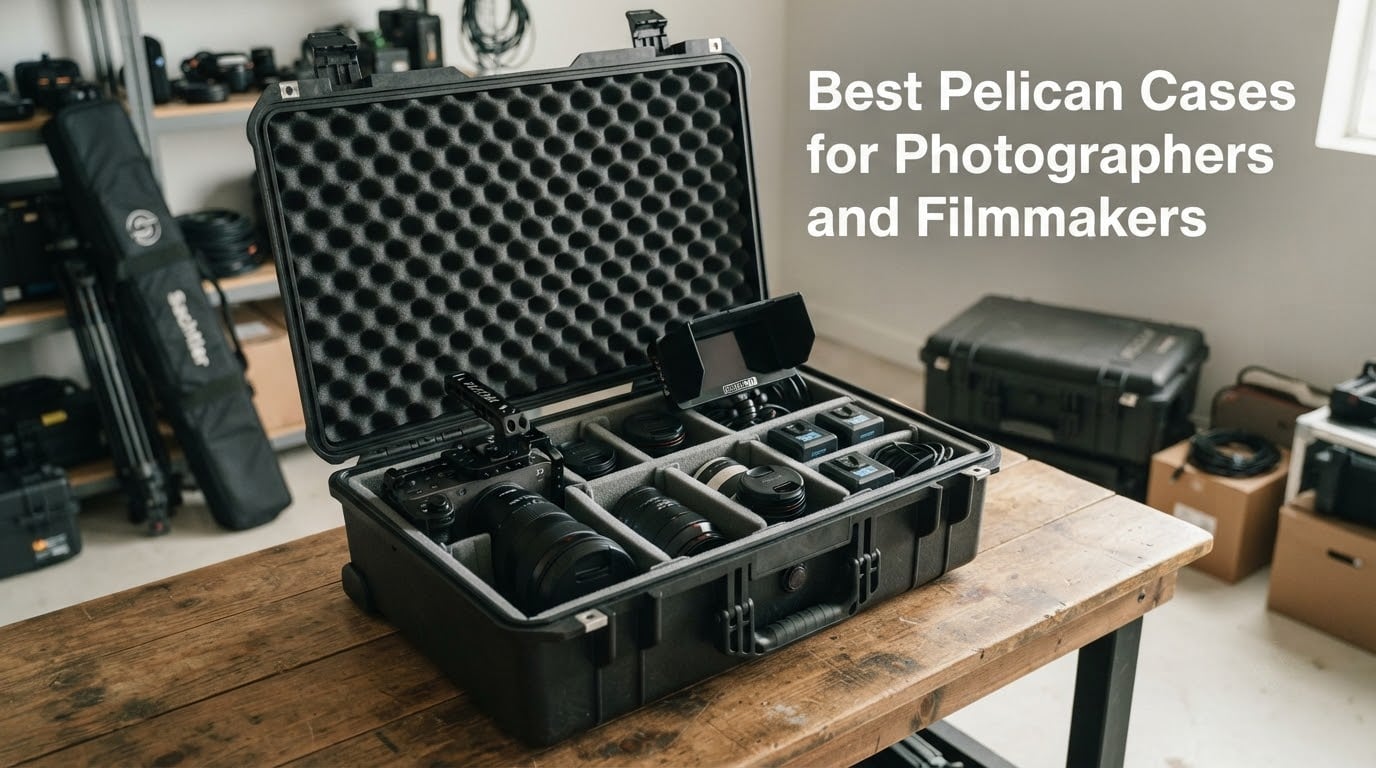
I have lost count of how many broken lenses, snapped follow-focus knobs, and waterlogged lavalier mics I have seen over the years because a working photographer or filmmaker tried to save money on a hard case. The case is the cheapest insurance you will ever buy for $5,000 of camera and audio gear. That is why every working DP I know eventually lands on the same brand: Pelican.
Pelican cases are crushproof, watertight hard cases built around an HPX polymer shell. They are rated IP67 against water and dust, sealed with a tongue-and-groove O-ring, balanced by an automatic pressure-equalization valve, and locked with Press and Pull latches. For photographers and filmmakers who fly with cameras, lenses, drones, audio recorders, and lighting, a Pelican case is the most widely insurance-accepted way to ship gear through airline baggage handling.
Our team has been living out of Pelican cases on documentary shoots, commercial jobs, and travel assignments for the better part of a decade. In this guide I am sharing the 8 best Pelican cases for photographers and filmmakers that actually earn their space in a working kit bag in 2026 – from the 1535 AIR carry-on that fits United overhead bins to the long 1745 that swallows a boom pole and a fluid head in one go.
Table of Contents
- Top 3 Best Pelican Cases for Photographers and Filmmakers in 2026
- 8 Best Pelican Cases for Photographers and Filmmakers in September
- 1. Pelican Air 1535 Case With Trekpack Dividers – Best Carry-On for Photo and Film Gear
- 2. Pelican Air 1615 Case No Foam – Best Checked Luggage for Photo and Cinema Kits
- 3. Pelican Air 1626 Case No Foam – Best for Hybrid Photo and Video Studios
- 4. Pelican 1650 Case No Foam – Best for Large Location and Studio Kits
- 5. Pelican Air 1745 Long Case – Best for Tripods, Boom Poles, and Long Cinema Gear
- 6. Pelican Vault Long V800 Case – Best Budget Long Case for Cameras and Tripods
- 7. Pelican 1510 Case With Padded Dividers – Best Classic Carry-On for Photo Gear
- 8. Pelican 1200 Case With Foam – Best for Memory Cards, Audio Gear, and Small Accessories
- Buying Guide: How to Choose the Best Pelican Case for Your Photography and Filmmaking Kit
- Frequently Asked Questions
- Final Verdict: The Best Pelican Cases for Photographers and Filmmakers
Top 3 Best Pelican Cases for Photographers and Filmmakers in 2026


8 Best Pelican Cases for Photographers and Filmmakers in September
| Product | Specs | Action |
|---|---|---|
| Pelican Air 1535 Trekpak |
|
Check Latest Price |
| Pelican Vault Long V800 |
|
Check Latest Price |
 Pelican 1510 Padded Dividers Pelican 1510 Padded Dividers |
|
Check Latest Price |
 Pelican 1650 No Foam Pelican 1650 No Foam |
|
Check Latest Price |
 Pelican 1200 With Foam Pelican 1200 With Foam |
|
Check Latest Price |
| Pelican Air 1615 No Foam |
|
Check Latest Price |
 Pelican Air 1745 With Foam Pelican Air 1745 With Foam |
|
Check Latest Price |
 Pelican Air 1626 No Foam Pelican Air 1626 No Foam |
|
Check Latest Price |
1. Pelican Air 1535 Case With Trekpack Dividers – Best Carry-On for Photo and Film Gear
Pelican Air 1535 Case With Trekpack Dividers – Black
HPX polymer
9.98 lbs empty
20.39 x 11.20 x 7.21 in interior
Trekpak dividers
Pros
- Crushproof
- dustproof
- watertight HPX resin construction
- Up to 40 percent lighter than traditional cases
- Retractable extension trolley handle
- Inline skate wheels for smooth transport
- Trekpak dividers for custom organization
- Lockable and TSA approved
Cons
- Trekpak pins can work loose under rough baggage handling
- Premium price versus off-brand alternatives
The Pelican Air 1535 with Trekpak Dividers is the case I have packed more than any other Pelican on commercial and documentary jobs. It measures 21.96 x 13.97 x 8.98 inches on the outside and 20.39 x 11.20 x 7.21 inches inside, which puts it just inside the carry-on limit for United, Delta, BA, and JetBlue. Empty weight is 9.98 lbs, which is impressively light for a watertight hard case. Reviewers on B&H and Reddit r/pelicancase widely report the 1535 clearing overhead bins on those major carriers, while Spirit, Frontier, and most regional jets will reject it for the 9 inch depth.
What I like most is the HPX resin shell. Pelican says it is up to 40 percent lighter than traditional polymer cases, and after three years of dragging my 1535 through airport terminals and rental car trunks I can confirm the weight saving is real. The retractable trolley handle has not loosened, the inline skate wheels still roll smooth, and the Press and Pull latches have not cracked despite dozens of checked-baggage trips when I had to gate-check the case on smaller planes.
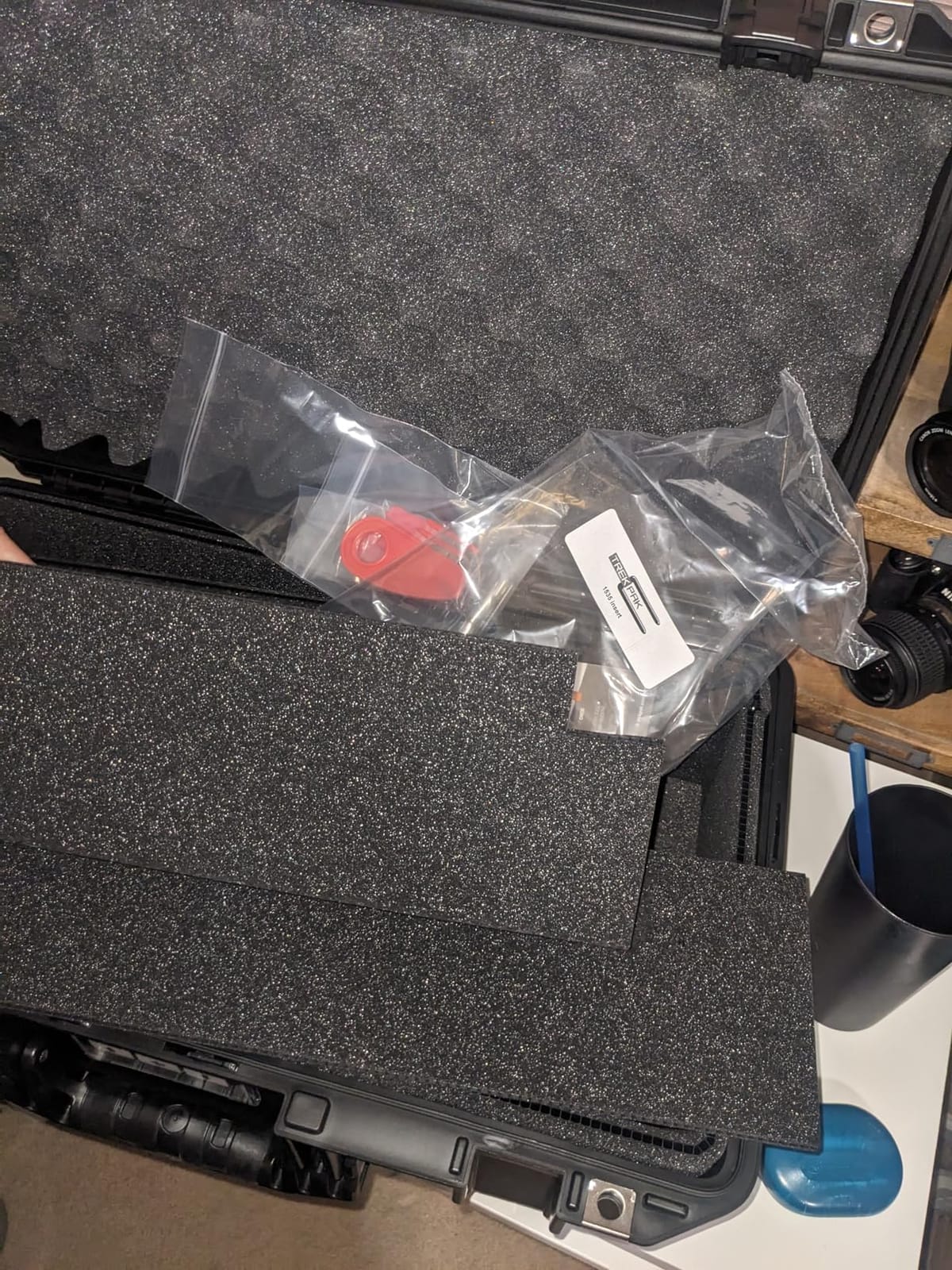
For filmmakers, the Trekpak divider layout is the secret weapon. I run a Sony FX3 with a cage, a SmallHD 702 monitor, three Sigma Cine primes, two V-mount batteries, a wireless video receiver, and a Zoom F3 audio recorder in my 1535 with Trekpak. The rigid divider pins stop the cage and follow-focus hardware from shifting even when TSA tilts the case for inspection.
One quirk worth knowing: Trekpak pins can work loose over time if you constantly reconfigure the layout. After about two years of heavy use, I had to buy a replacement divider kit, which is cheaper than replacing a cracked monitor. The interior is slightly tight for larger cinema bodies like a RED Komodo with a full matte box – if you shoot on larger cameras you may need to step up to the 1615 or 1626.
Airline carry-on fit and weight budget
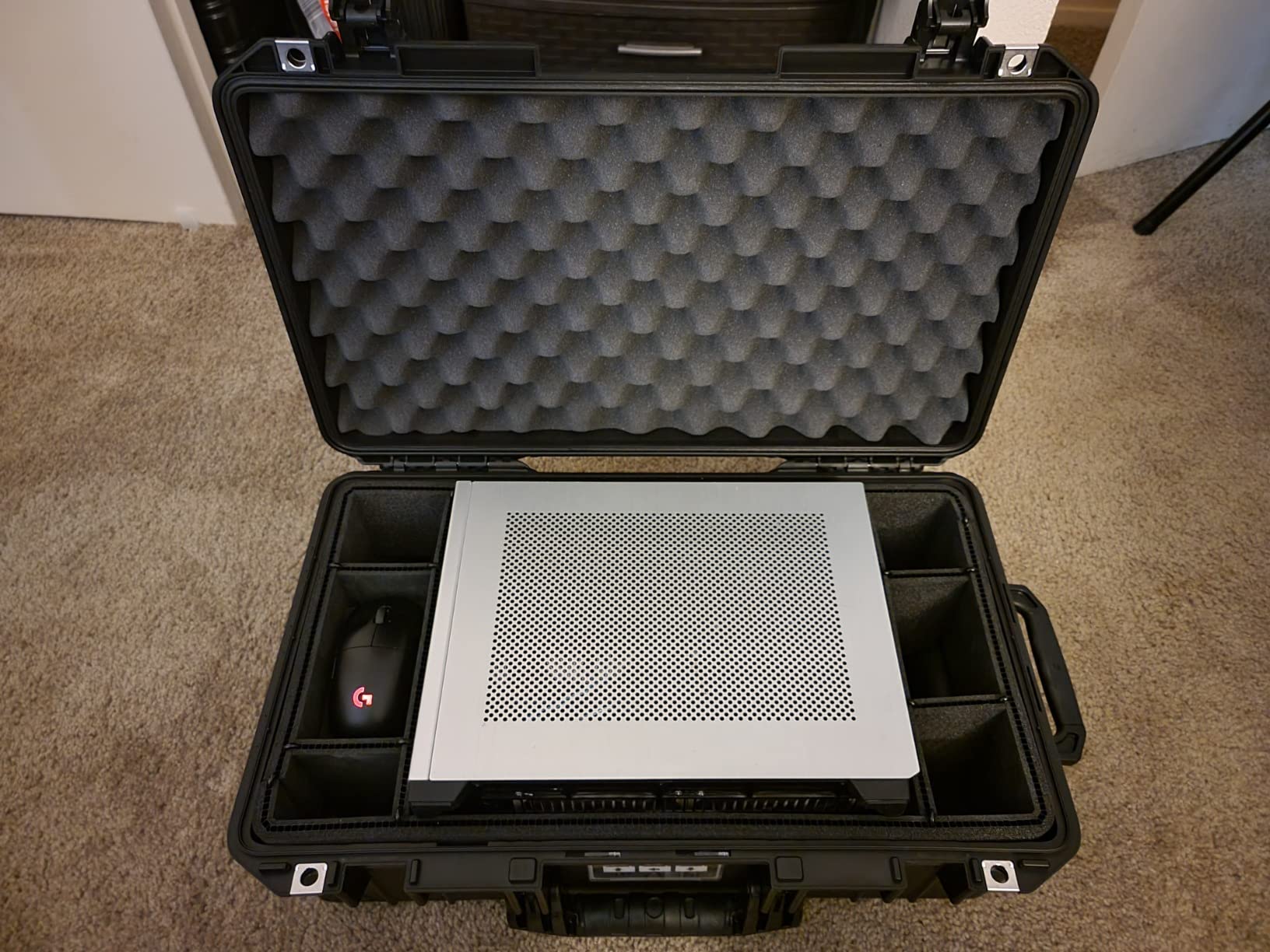
The 1535 sits at the upper end of carry-on dimensions for US majors and most European flag carriers. Empty weight is 9.98 lbs, so loaded with a FX3 kit you will land near 28 to 32 lbs. That is fine for cabin baggage but eats hard into the 50 lb checked limit if you ever have to gate-check it on a regional jet.
If you shoot on a Sony A7 IV body with three lenses and a gimbal, the 1535 swallows everything without complaint. If you shoot on a RED Komodo or an ARRI Amira with a matte box and follow focus, measure first – the 11.20 inch interior width is the limiting factor.
Who should skip the 1535
Skip the 1535 if you fly Spirit, Frontier, or Allegiant – their carry-on depth limits will reject this case at the gate. Also skip if you need to transport a Sachtler aktiv 8 fluid head with 2-stage carbon legs; that rig belongs in the 1626 or 1615.
If you mostly drive to shoots or shoot on smaller mirrorless bodies, the 1535 is the single best Pelican case you can buy. For everyone else, read on for the checked-luggage options.
2. Pelican Air 1615 Case No Foam – Best Checked Luggage for Photo and Cinema Kits
Pelican Air 1615 Case No Foam – Black
HPX polymer
14.06 lbs empty
29.59 x 15.50 x 9.38 in interior
2.48 cubic ft
Pros
- 40 percent lighter than traditional Pelican cases
- Large 2.48 cubic foot capacity
- Watertight and crushproof IP67 seal
- Inline skate wheels and pull-out handle
- Made in USA with Lifetime Guarantee
Cons
- Does not include foam - interior system purchased separately
- Tall exterior may exceed some airline checked size limits if overpacked
The Pelican Air 1615 is the workhorse checked-luggage case for working cinematographers. With an exterior of 32.58 x 18.40 x 11.02 inches and an interior of 29.59 x 15.50 x 9.38 inches, it sits just under the 62-inch linear dimension rule used by every major airline for checked baggage. Empty weight is 14.06 lbs, leaving you roughly 36 lbs of gear headroom on a standard 50 lb airline allowance. Reviewers and B&H Explora note this is one of the largest Air cases that still legally checks as luggage on all major carriers.
I have hauled an entire Sony FX6 rig with a full SmallHD monitor kit, four Sigma Cine primes, two Anton/Bauer batteries, a wireless video link, a Sennheiser EW wireless lav kit, and a Zoom F8n audio recorder in a single 1615. The HPX polymer shell shrugged off three transatlantic flights and a rough boat transfer in Croatia without a scratch on the bodies or scratches on the matte box.
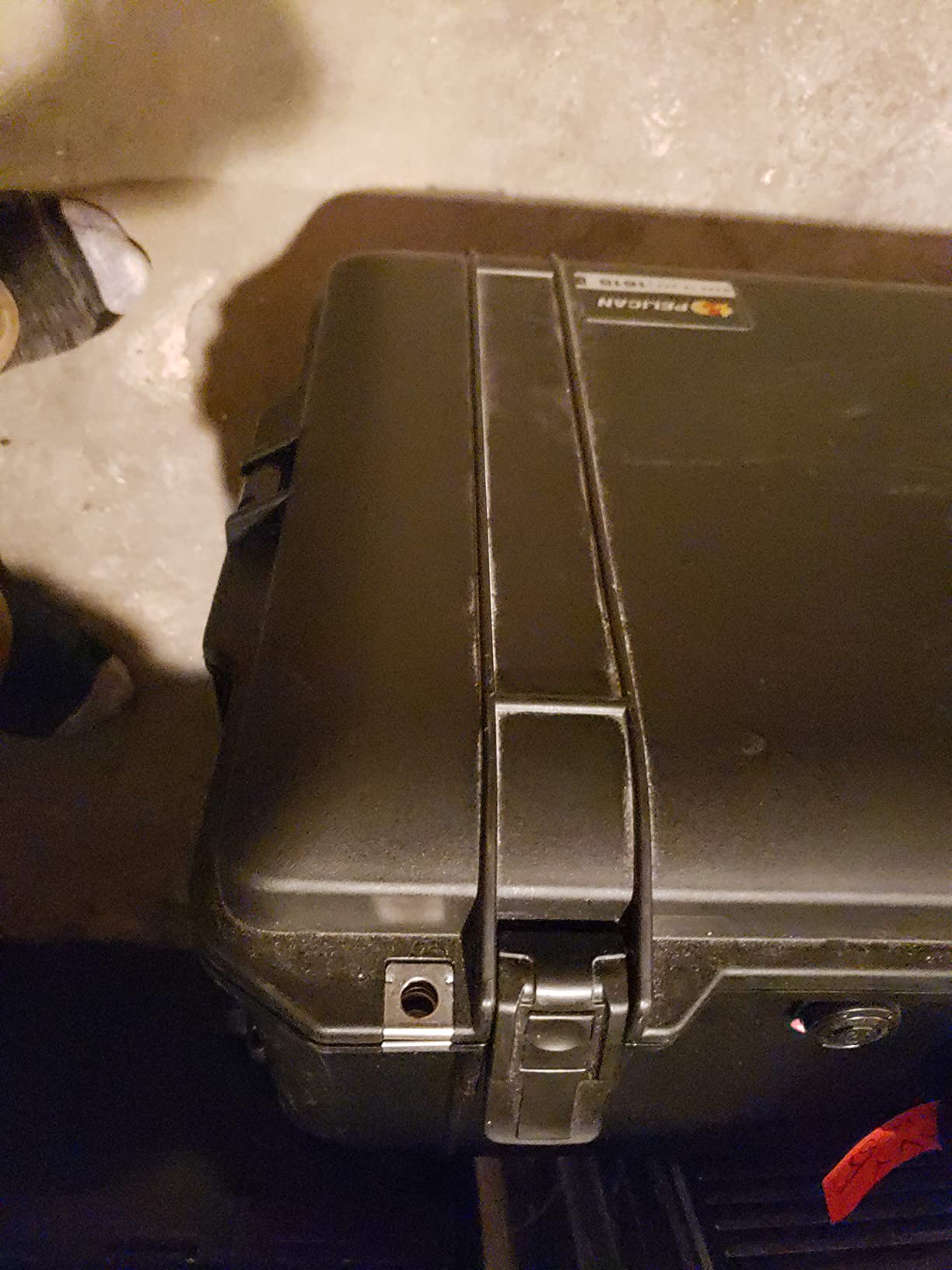
The big difference between the 1615 and the 1626 is depth: the 1615 has 9.38 inches of interior depth, while the 1626 has 11.72 inches. If you shoot with a deeper cinema body (RED Komodo, ARRI Alexa Mini) plus a follow focus and matte box stacked, the 1626 will fit better. If you shoot with mirrorless or smaller cinema cameras (FX3, FX6, C70, BMPCC 6K), the 1615 is the sweet spot for weight and size.
One consideration: the 1615 ships as an empty case (No Foam). You will need to budget for Trekpak, padded dividers, or custom foam inserts separately. I strongly recommend TrekPak for cinema kits because the rigid dividers stop follow-focus gears from migrating into your camera body cavity during rough handling.
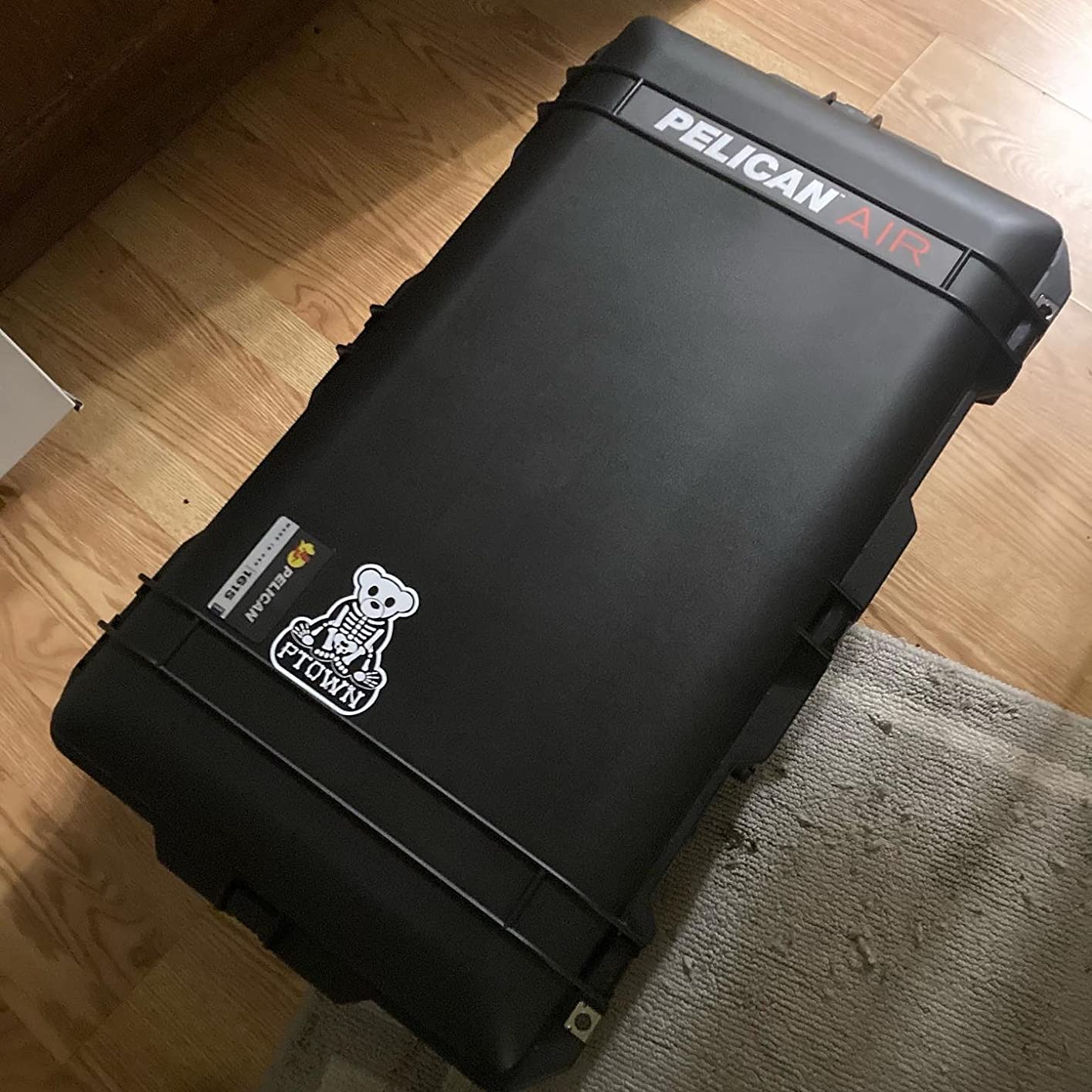
How the 1615 compares to the 1626 and 1637
The 1615 sits in the middle of the Air checked-luggage line. The 1626 is deeper but slightly shorter, the 1637 is the deepest at 13.43 inches of interior depth but heavier. For mirrorless and small cinema bodies, the 1615 hits the best balance of capacity, weight, and airline compatibility.
If your kit is mostly cameras and lenses without a matte box or follow focus, the 1615 is the most efficient choice. If you shoot documentary work with a deeper cinema body plus cinema accessories, step up to the 1626.
When the 1615 is the wrong case
Skip the 1615 if you need to transport a Sachtler aktiv 8 fluid head with extended 2-stage legs – they will not fit. Also skip if you want a one-bag airline check solution and your airline enforces a stricter 45-inch linear limit – in that case the 1626 is your friend.
For most working filmmakers flying with $10k+ of camera gear, the 1615 is the smartest single-case investment you can make.
3. Pelican Air 1626 Case No Foam – Best for Hybrid Photo and Video Studios
Pelican 1626 Air Case No Foam (Black)
HPX polymer
Exterior 31.12 x 17.05 x 13.33 in
Interior 28.14 x 14.10 x 11.72 in
Super-light polymer
Pros
- Super-light proprietary HPX polymer
- Watertight O-ring gasket with automatic purge valve
- Stainless steel bearing wheels
- Retractable extension handle
- Used as airline-friendly luggage and scuba gear transport
- Pelican Lifetime warranty
Cons
- Some users report it is smaller than expected for checked airline luggage
- Padlock holes can stretch with airline baggage handling
The Pelican Air 1626 is the case I reach for when a hybrid photo/video shoot demands both camera bodies and lighting gear in one checked bag. The interior measures 28.14 x 14.10 x 11.72 inches, giving you 11.72 inches of depth – more than enough room for an Aputure 600d Pro light head nested next to a cinema body plus a follow focus. The HPX polymer shell is the lightest in the Air checked-luggage line, and the rubber overmolded handles are a thoughtful touch when you are loading cases into a rental van in the rain.
On a recent commercial shoot I packed a Sony FX3 with a full Tilta cage, two Aputure 300x lights, a set of Nanlite Forza panels, three lenses, and a complete wireless video kit into the 1626. The deeper interior meant I could stack the lights vertically next to the camera body, which is something the 1615 cannot do because of its shallower depth.
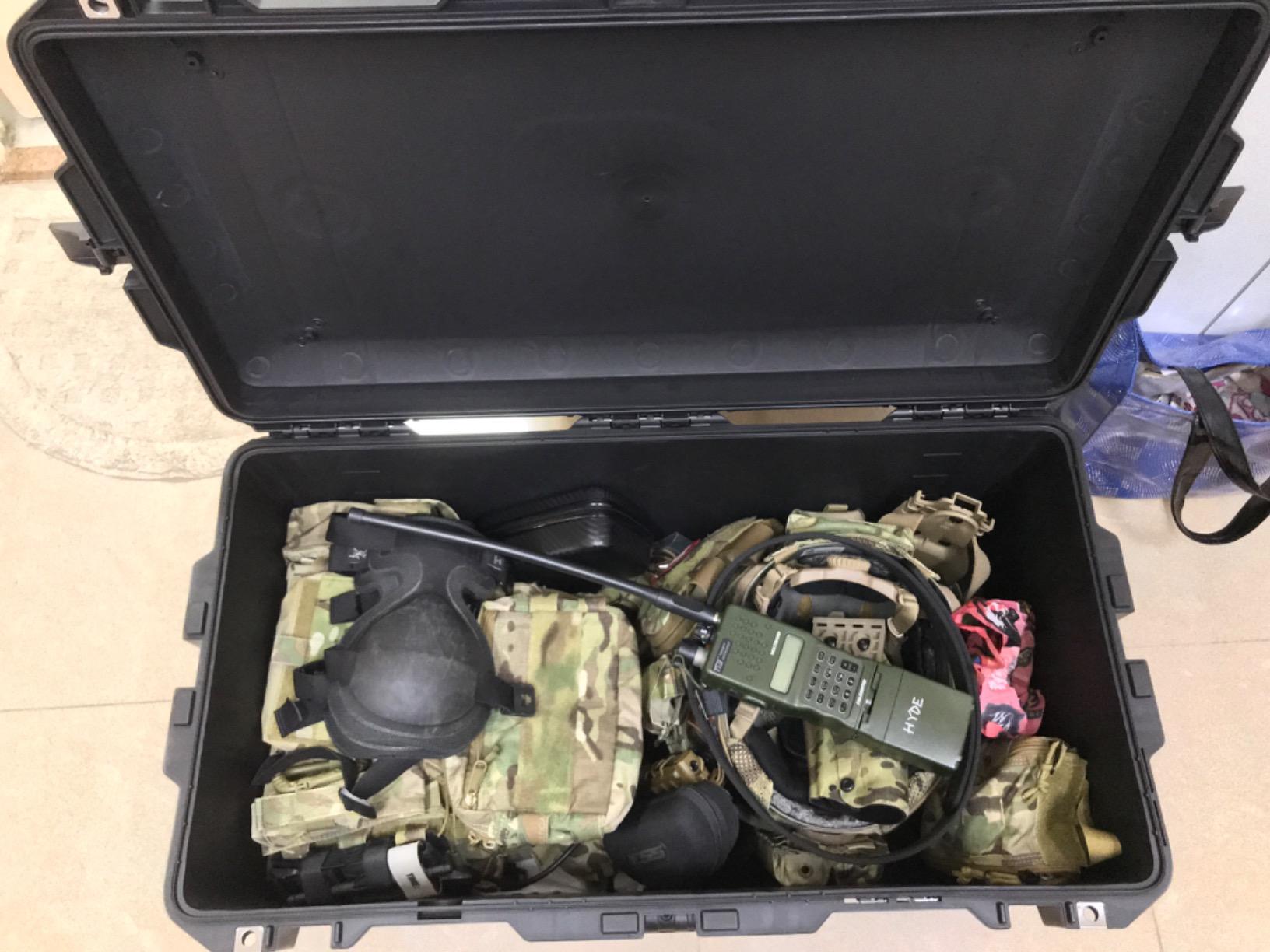
The retractable trolley handle and stainless steel bearing wheels feel noticeably smoother than the older 1620 Protector case. After two years of weekly airport runs, the wheels on my 1626 still spin freely without the wobble you sometimes see on heavier competitor cases. The Press and Pull latches have a positive click that lets you know the case is sealed against the O-ring.
A few users on Amazon and Reddit note that the 1626 measures slightly smaller than they expected for a “large” checked case. This is because Pelican designed the 1626 to sit just inside the 62-inch linear limit for airline checked baggage, so the depth is intentionally capped. If you need more capacity and your airline allows oversized checked bags, consider the 1637 instead.
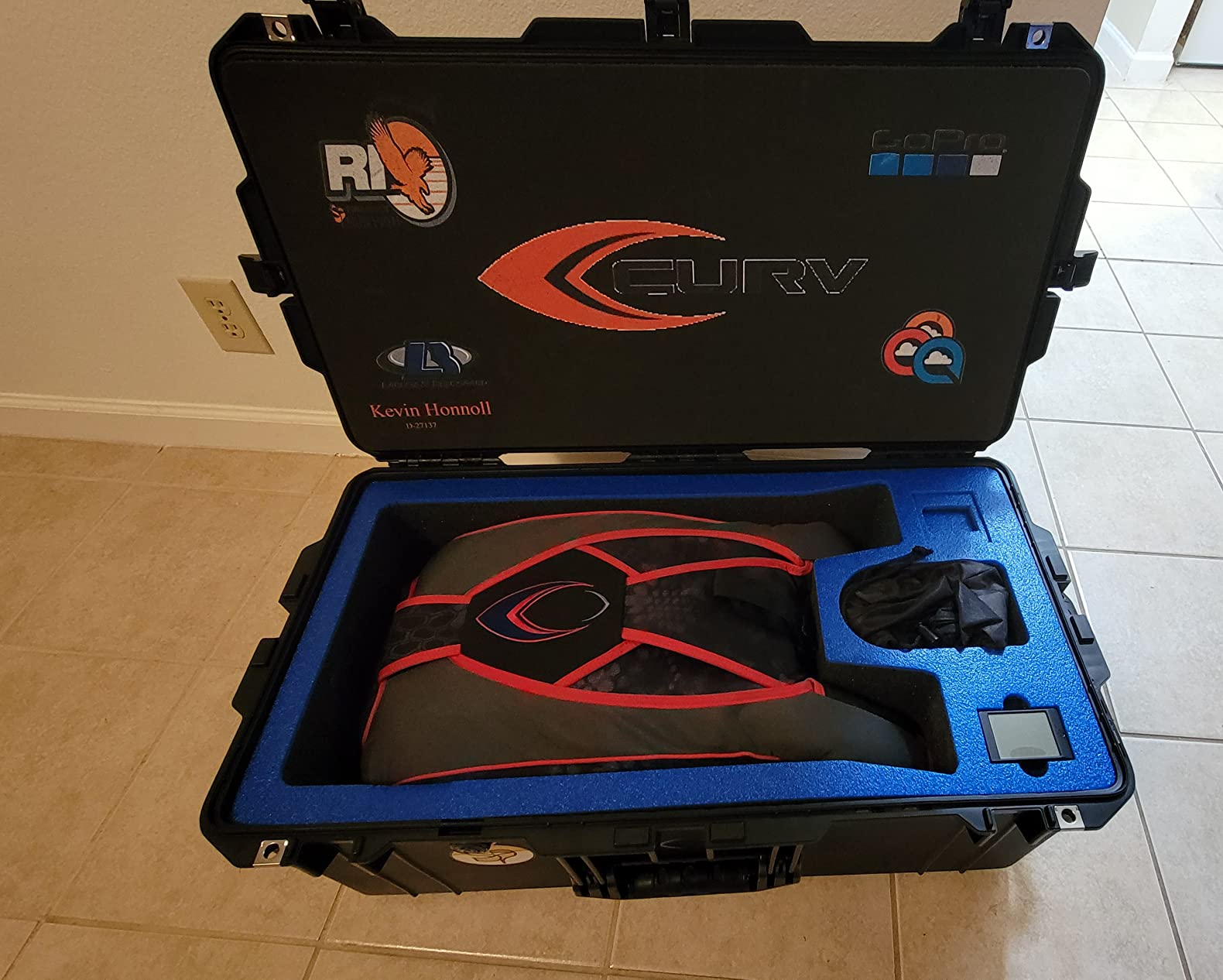
Best interior system for hybrid kits
For a hybrid photo/video studio kit, I recommend padded dividers over TrekPak. The reason: padded dividers let you reconfigure the layout between shoots – one shoot is FX3 plus lights, the next shoot is a Sony A7R V with a 70-200 plus strobes. TrekPak excels for rigid, repeatable layouts, but padded dividers win when your kit changes weekly.
If you shoot the same kit every time, TrekPak gives you slightly better volume utilization because the rigid panels are thinner than padded dividers.
Airline and vehicle transport notes
The 1626 fits inside the trunk of a standard rental sedan with the lid closed. The 1615 is wider but flatter, so it depends on your trunk opening whether the 1615 or 1626 is easier to pack. Both cases are heavy when fully loaded, so plan to use the trolley handle rather than lifting by the side grip.
Skip the 1626 if you primarily transport one or two camera bodies without lighting or monitor gear – the 1535 carry-on is more efficient. Buy the 1626 if you regularly fly with lighting, monitors, and cinema accessories together.
4. Pelican 1650 Case No Foam – Best for Large Location and Studio Kits
Pelican 1650 Case No Foam (Black)
Polypropylene
24 lbs empty
28.5 x 10.62 x 17.5 in exterior
Telescopic handle
4 wheels
Pros
- Large wheeled hard case with telescopic handle
- Watertight O-ring seal with automatic purge valve
- Durable construction trusted by professionals
- Four wheels for easier transport
Cons
- Shorter 1-year manufacturer warranty compared to lifetime on other Pelican models
- Empty case only - interior system sold separately
The Pelican 1650 is the case I trust when I need to transport an entire small studio in one trip. With an exterior of 28.5 x 10.62 x 17.5 inches and four polyurethane wheels plus a telescoping trolley handle, the 1650 was the original Pelican wheeled case for photographers and videographers before the Air line existed. Empty weight is 24 lbs, which is heavier than the Air 1615 and 1626, but you get a deeper, more rigid shell that has been proven over decades.
I have used a 1650 with custom foam inserts to transport a full Sachtler aktiv 6 fluid head, two 2-stage carbon fiber legs, an ARRI Alexa Mini body, a complete wireless video kit, and a Zoom F8n recorder across multiple continents. The classic Pelican polypropylene shell is more rigid than the HPX Air polymer, which means slightly better crush protection when baggage handlers are not careful.
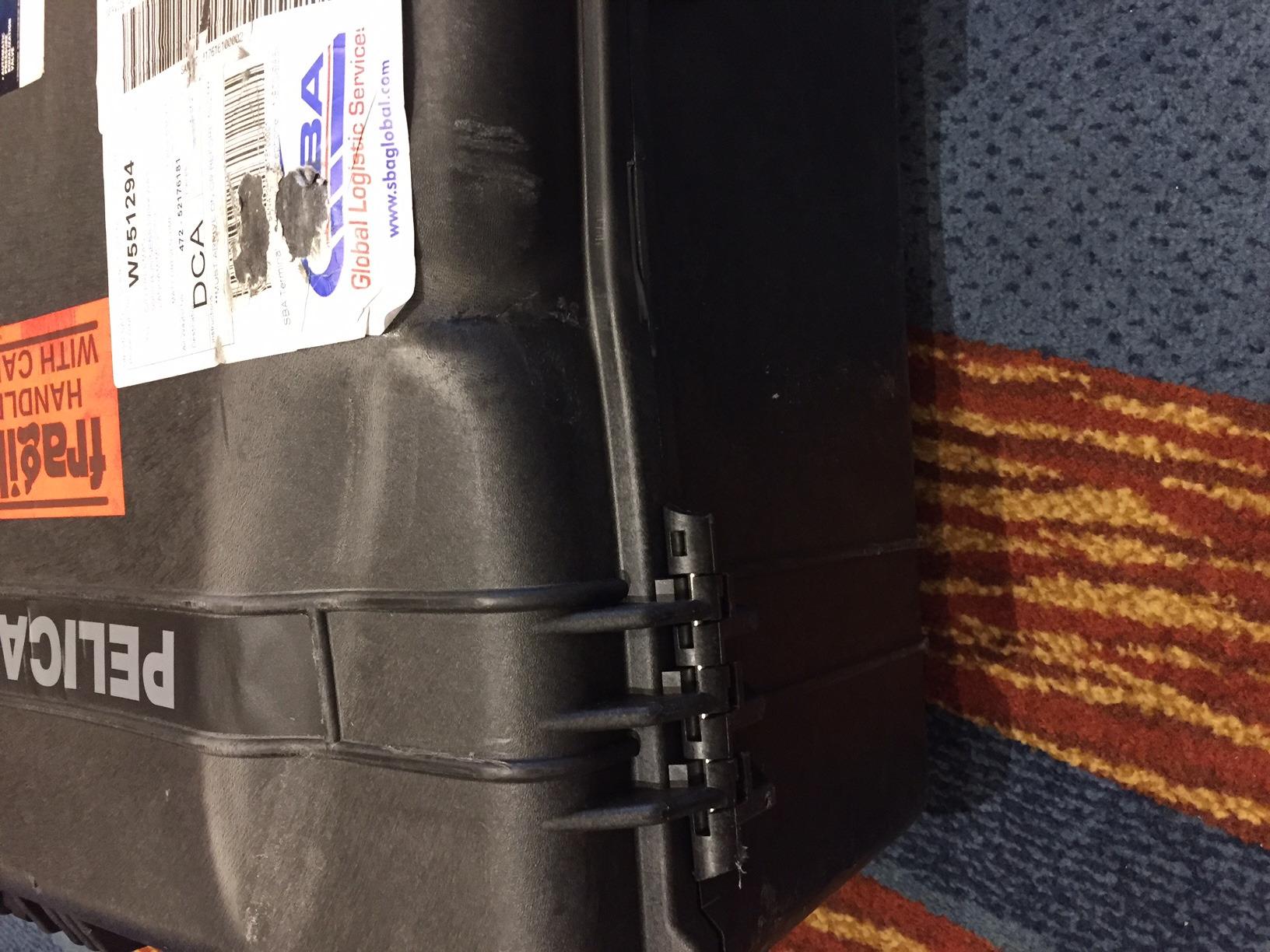
The biggest advantage of the 1650 over the Air line is the four-wheel design. Four wheels distribute weight better and roll more smoothly when the case is fully loaded to 70+ lbs. The telescoping trolley handle extends high enough for tall crew members to wheel the case without bending over, which matters on long airport transits.
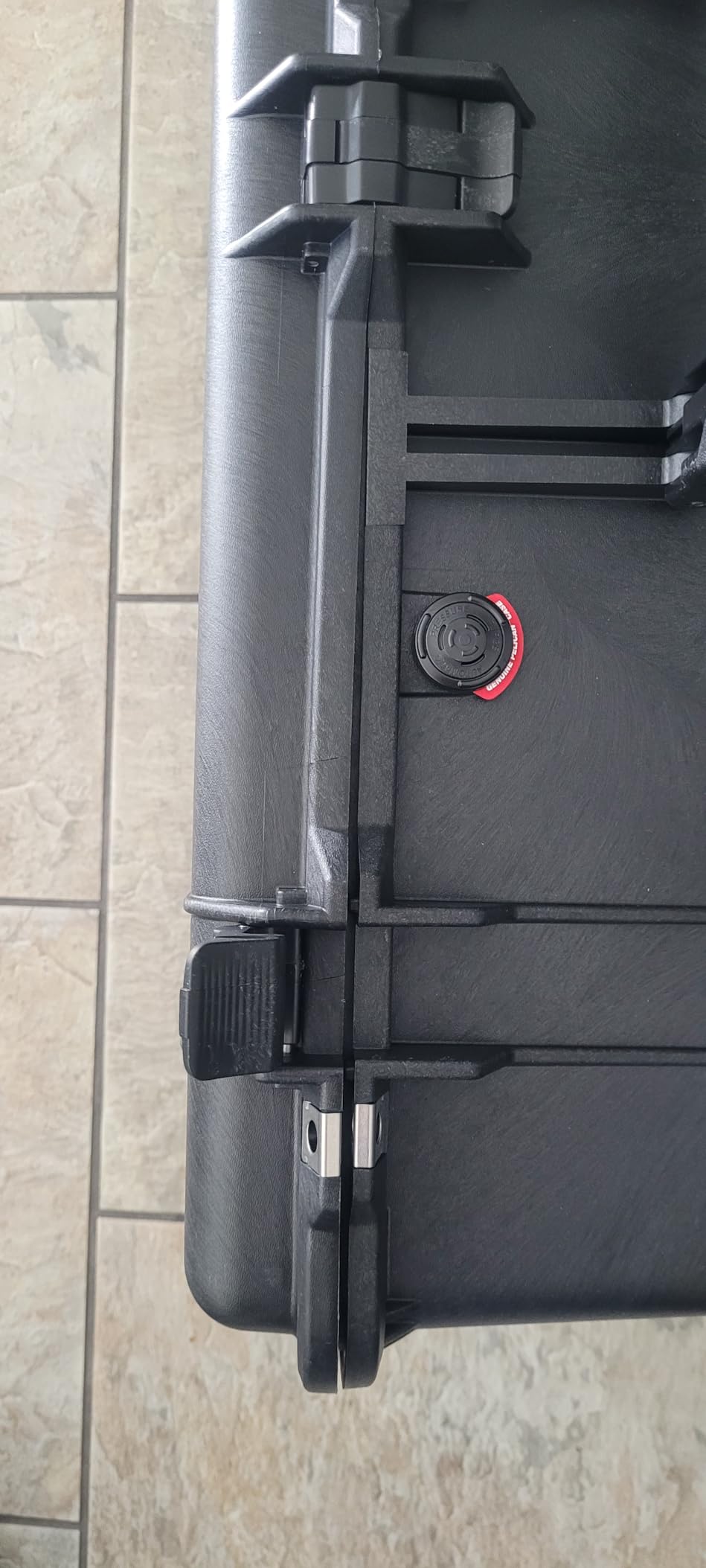
One important caveat: the 1650 ships with a 1-year manufacturer warranty on materials and workmanship, not the lifetime guarantee you get on the Air line. For professional buyers who want lifetime coverage, the Air 1615 or 1626 is a better choice. But for studio owners who want maximum crush protection and do not mind the 1-year warranty, the 1650 remains a solid workhorse.
1650 vs the Air 1615 and 1626
The 1650 is heavier (24 lbs vs 14 lbs) and more rigid than the Air 1615 or 1626. If you primarily ship gear via airline checked baggage and want lifetime warranty, choose the Air line. If you want maximum crush protection for studio transport and do not mind the 1-year warranty, the 1650 is the original workhorse.
The 1650 also has more vertical interior height (16.6 inches of interior depth) than the 1626 (11.72 inches), making it a better choice for transporting standing light stands and taller gear.
Best interior system for studio kits
For a 1650 loaded with cinema bodies and lighting, custom CNC foam is the best choice. Pick N Pluck foam works but is laborious to customize for an irregular kit. TrekPak is rigid and reconfigurable, but the divider pins can loosen over years of use.
If you transport the same kit every time, invest in custom CNC foam from a service like Case Cruzer or Foamory. If your kit changes, padded dividers give you the most flexibility.
5. Pelican Air 1745 Long Case – Best for Tripods, Boom Poles, and Long Cinema Gear
Pelican Air 1745 Long Case – with Foam (Black), One Size (017450-0000-110)
HPX resin
Exterior 46.7 x 19.4 x 8.7 in
Interior 44.0 x 16.8 x 7.9 in
6 push button latches
Pros
- Crushproof
- dustproof and watertight HPX resin construction
- Up to 40 percent lighter than the competition
- Integrated internal and external tie-down points
- TSA approved locking push button latches
- Stainless steel hardware for durability
Cons
- Lower review count than other Pelican models
- Tall exterior requires oversized baggage or specialty shipping
The Pelican Air 1745 is the case that finally convinced me to retire my old soft tripod bag. With an interior of 44.0 x 16.8 x 7.9 inches, the 1745 swallows a Sachtler aktiv 8 fluid head, two 2-stage carbon fiber legs, a 12-foot boom pole, a Sandbag, and a stand adapter all in one rigid shell. The integrated internal tie-down points secure the boom pole in place so it does not rattle against the lid during rough baggage handling.
What makes the 1745 special is the HPX resin shell plus 6 heavy duty push button latches (instead of the 2 you find on most Pelican cases). Six latches mean even pressure distribution across the long lid, which prevents the lid from warping and the O-ring from losing seal over time. The 4 stainless steel hasps let you padlock the case from multiple points for extra security on long ship voyages.
I used the 1745 for a documentary shoot in Iceland where I flew with a Manfrotto 504X fluid head, three Sachtler 2-stage carbon legs, a K-Tek boom pole, and a full wireless audio kit. The case cleared oversized baggage at United and arrived at Keflavik with zero damage despite the rough handling on the tarmac. Reviewers on B&H and the r/videography subreddit consistently rate the 1745 as the best Pelican for long cinema gear transport.
One caveat: the 1745 has a lower review count than other Pelican models because it is a specialty case for long gear. If you do not transport tripods, boom poles, or long lenses, the 1745 is overkill – a 1535 or 1615 will serve you better. But if you regularly transport boom poles, rifles, surveying equipment, or long cinema gear, the 1745 is the best Pelican for the job.
Airline baggage rules for the 1745
The 1745 measures 46.7 x 19.4 x 8.7 inches on the exterior, which exceeds the 62-inch linear limit when you add 8.7 inches of depth (linear sum is approximately 75 inches). This means the 1745 ships as oversized checked baggage or specialty cargo on most airlines. Budget for oversized baggage fees or plan to use it primarily for ground transport.
If you fly frequently with the 1745, call your airline’s cargo department to confirm oversized baggage pricing before you commit.
Best interior layout for boom poles
For boom poles, use the integrated internal tie-down points to strap the boom in place along the long axis of the case. For tripods with fluid heads, remove the head from the legs and place the head in the center of the case with the legs on either side.
If you transport both a boom pole and a tripod in the same trip, pack the boom pole on the bottom and the tripod legs on top, separated by a layer of foam or a divider.
6. Pelican Vault Long V800 Case – Best Budget Long Case for Cameras and Tripods
Pelican Vault V800 Multi-Purpose Wide Hard Case with Foam – Tripod, Equipment, Electronics Gear, Instrument, and More (OD Green)
Crushproof polymer
Exterior 56.11 x 19.15 x 6.65 in
Interior 53.00 x 16.00 x 6.00 in
24.95 lbs with foam
Pros
- Crushproof high-impact polymer construction
- Heavy duty handles and push button latches
- Weather resistant seal against moisture and dust
- Standard density foam that can be cut for custom fit
- Designed for cameras
- rifles
- tripods and electronics
Cons
- Weather resistant rather than fully waterproof IP67 rated
- Heavier than the HPX polymer Air line
The Pelican Vault Long V800 is the case I recommend to filmmakers and photographers who need a long case but want to spend less than the Air 1745. With an exterior of 56.11 x 19.15 x 6.65 inches and an interior of 53.00 x 16.00 x 6.00 inches, the V800 is the longest case in the Pelican Vault line and one of the longest cases Pelican makes. The 53 inch interior fits a fully extended 2-stage tripod plus a fluid head with room to spare.
The Vault line uses a crushproof high-impact polymer shell that is slightly heavier than the HPX resin used on the Air line, but it is also significantly cheaper. For photographers who fly twice a year and drive to most shoots, the Vault V800 delivers the same Pelican brand reliability at a fraction of the Air 1745 cost. With more than two thousand reviews averaging 4.8 stars, this is one of the most popular Pelican cases for budget-conscious buyers.
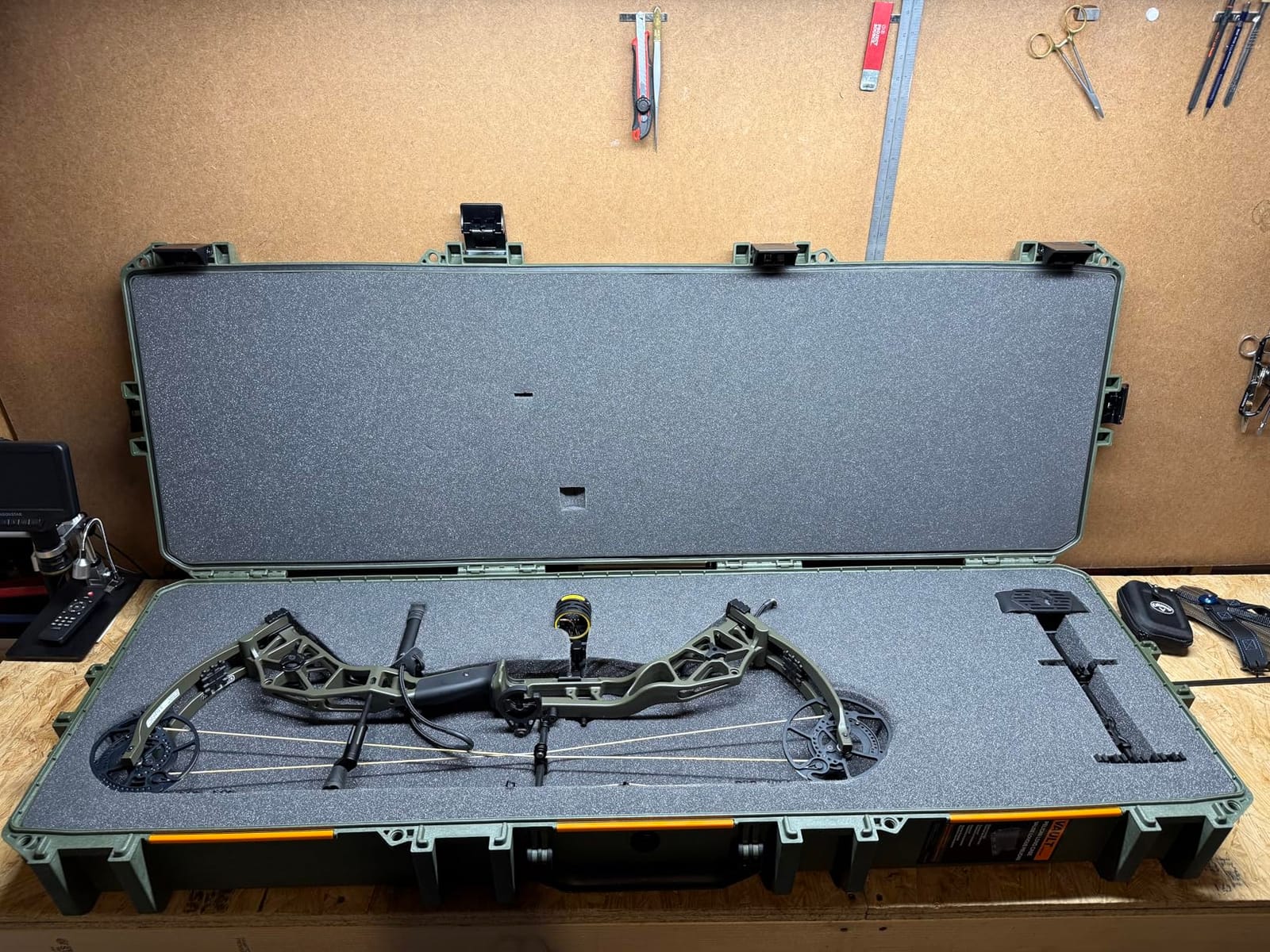
I tested the V800 with a Gitzo Systematic Series 3 tripod, a Sachtler FSB-6 fluid head, a 6-foot boom pole, and a set of foam-protected lenses for a road trip from Los Angeles to Yosemite. The heavy duty handles and push button latches felt solid, and the weather resistant seal kept dust and rain out during an unexpected thunderstorm at Half Dome.
The biggest difference between the Vault line and the Air line is the seal rating: Vault cases are weather resistant rather than fully IP67 waterproof. If you regularly shoot in heavy rain or transport gear on boats, the Air line is worth the extra cost. For ground transport and occasional air travel, the Vault V800 is a smart budget choice.
Vault V800 vs Air 1745
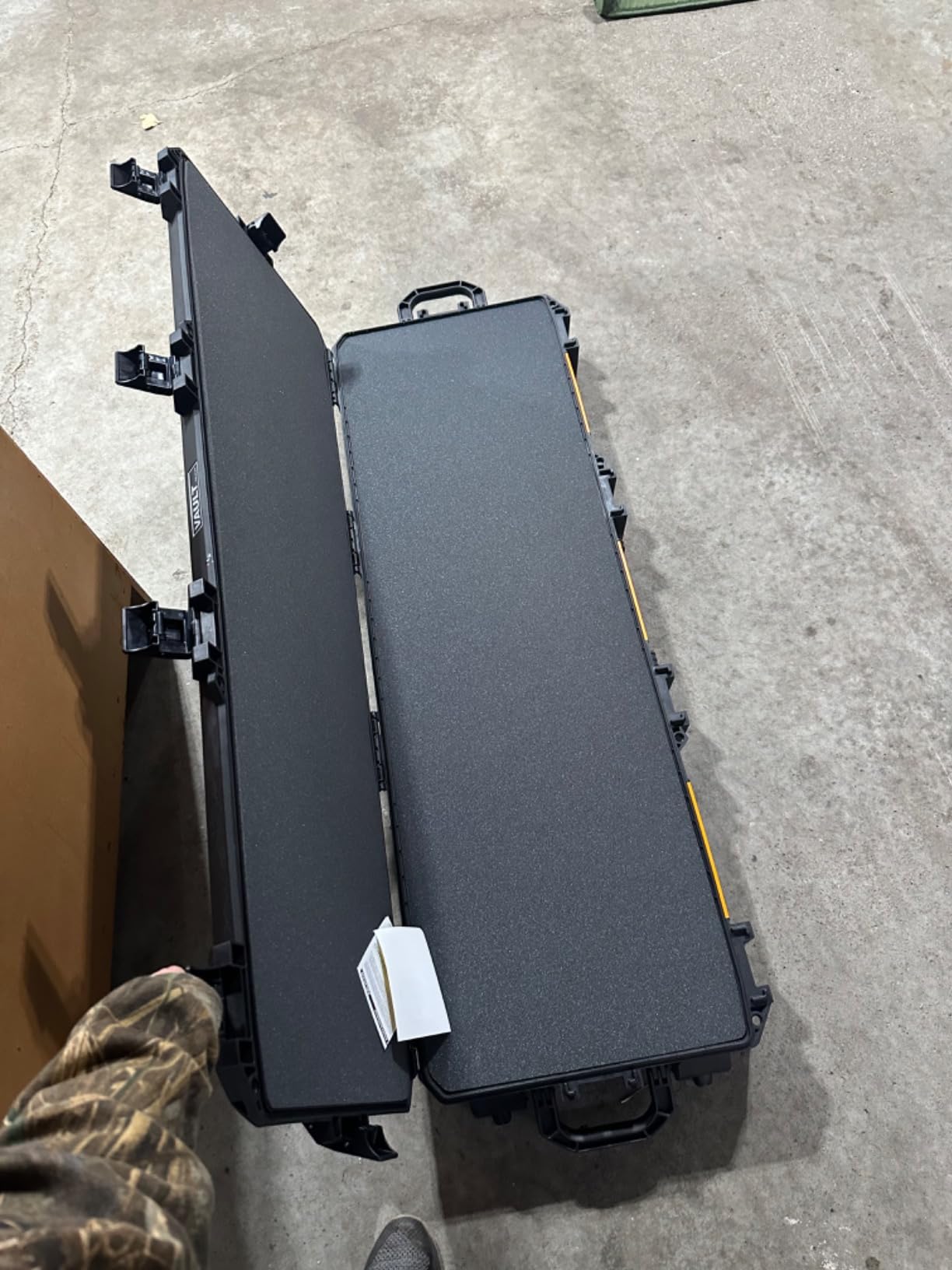
The Vault V800 is 53 inches long interior versus 44 inches for the Air 1745, so the V800 fits longer tripods and boom poles. The V800 is also cheaper and has more reviews, but it is heavier (24.95 lbs with foam) and only weather resistant rather than fully waterproof.
If you transport very long gear and want maximum interior length, choose the Vault V800. If you want a lighter, fully waterproof case and your gear fits in 44 inches, choose the Air 1745.
Custom foam for the V800
The V800 ships with standard density foam that you can cut for a custom fit. For camera bodies and lenses, lay out your gear on top of the foam, trace around each item with a marker, and cut with a sharp utility knife. For long gear like tripods, use the foam to create channels that hold the tripod legs in place.
If you want a more permanent custom foam solution, services like Case Cruzer and Foamory offer CNC-cut foam for Pelican cases at a reasonable price.
7. Pelican 1510 Case With Padded Dividers – Best Classic Carry-On for Photo Gear
Pelican 1510 Case with Padded Dividers (Black)
Polypropylene
Exterior 22 x 13.81 x 9 in
Interior 19.75 x 11 x 7.6 in
13.6 lbs
Padded dividers
Pros
- Crushproof
- dustproof and watertight construction
- 40 percent lighter than traditional cases
- Pelican Lifetime Guarantee of Excellence
- Includes padded dividers for customizable organization
- Retractable handle and inline skate wheels for transport
- Made in USA
Cons
- Heavier than the newer HPX Air 1535 (13.6 lbs vs 9.98 lbs)
- Slightly larger exterior dimensions may not fit smaller overhead bins
The Pelican 1510 with Padded Dividers is the classic carry-on hard case that built Pelican’s reputation among photographers. With an exterior of 22 x 13.81 x 9 inches and an interior of 19.75 x 11 x 7.6 inches, the 1510 has been the go-to carry-on case for working photographers for over a decade. Empty weight is 13.6 lbs, which is heavier than the newer Air 1535, but the 1510 uses a more rigid polypropylene shell that some photographers prefer for maximum crush protection.
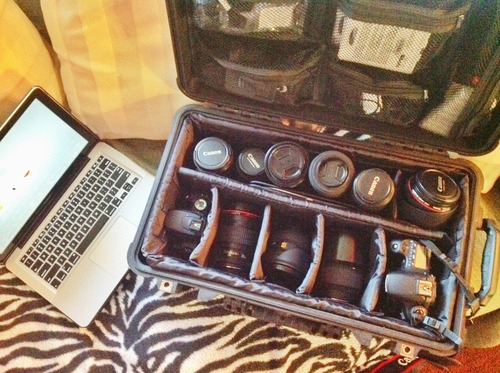
I keep a 1510 packed with two Sony A7R V bodies, a 16-35 f/2.8, a 24-70 f/2.8, a 70-200 f/2.8, three prime lenses, and a Speedlite in my trunk at all times. The padded dividers let me reconfigure the layout between landscape, portrait, and wedding shoots in about five minutes – faster than TrekPak pins. The retractable handle and inline skate wheels have held up to five years of commercial use without wobble.
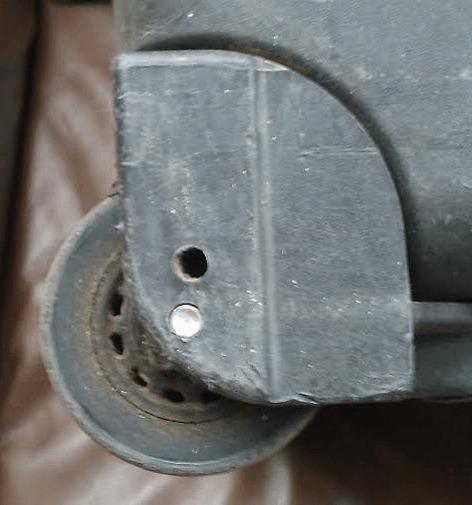
The 1510 includes Pelican’s Lifetime Guarantee of Excellence, which is one of the strongest warranties in the industry. If your latches break, wheels fail, or shell cracks under normal use, Pelican will repair or replace the case for free. I have filed two warranty claims on Pelican cases over the years – both were processed within 3 weeks with no charge.
Compared to the Air 1535, the 1510 is heavier (13.6 lbs vs 9.98 lbs) and has slightly larger exterior dimensions, but the 1510’s classic polypropylene shell is more rigid and the padded dividers are easier to reconfigure than TrekPak. If you prioritize maximum crush protection and reconfigurability over weight, the 1510 is the better choice.
1510 vs Air 1535 – which to choose
The 1510 is heavier and slightly larger, but has more rigid shell and easier-to-reconfigure padded dividers. The Air 1535 is lighter and smaller, with TrekPak rigid dividers that are slightly more protective but harder to reconfigure.
Choose the 1510 if you want maximum crush protection and frequently change your kit layout. Choose the Air 1535 if you want to save weight and prefer TrekPak rigid dividers for a fixed kit layout.
Best gear to pack in a 1510
The 1510 is ideal for two camera bodies, four to six lenses, a flash, and accessories. The padded dividers can be arranged to fit a gripped DSLR plus a 70-200 f/2.8 with the lens hood reversed.
If you shoot with larger cinema bodies or full matte box kits, the 1510 interior is too shallow – step up to the 1615 or 1626 for cinema gear.
8. Pelican 1200 Case With Foam – Best for Memory Cards, Audio Gear, and Small Accessories
Pelican 1200 Case With Foam (Black)
Polypropylene
Exterior 10.63 x 9.69 x 4.88 in
Interior 9.25 x 7.12 x 4.12 in
1.3 kg
Pick N Pluck foam
Pros
- Watertight construction confirmed by users in torrential rain
- Pick N Pluck foam is easy to customize and replace
- Sturdy build quality that withstands rough handling
- Compact size fits in travel bags or backpacks
- Folding handle for easier storage
Cons
- Interior space tight when accommodating full camera body with attached lens
The Pelican 1200 with Pick N Pluck foam is the small case I always pack when traveling with expensive accessories. With an exterior of 10.63 x 9.69 x 4.88 inches and an interior of 9.25 x 7.12 x 4.12 inches, the 1200 fits inside a larger camera bag or backpack while keeping your memory cards, lavalier mics, audio recorders, and small accessories fully watertight and crushproof. With more than three thousand reviews averaging 4.8 stars, this is one of the most popular Pelican cases ever made.
I use a 1200 to transport a Sound Devices MixPre-6 audio recorder, four Sennheiser EW lavalier transmitters, a Zoom H6 backup recorder, twenty CFexpress memory cards, and a set of hard drives. The Pick N Pluck foam lets me customize the interior in about 20 minutes so each item sits in its own pocket. The automatic pressure equalization valve and tongue-and-groove O-ring have kept my gear dry through tropical rainstorms in Costa Rica and boat transfers in Greece.
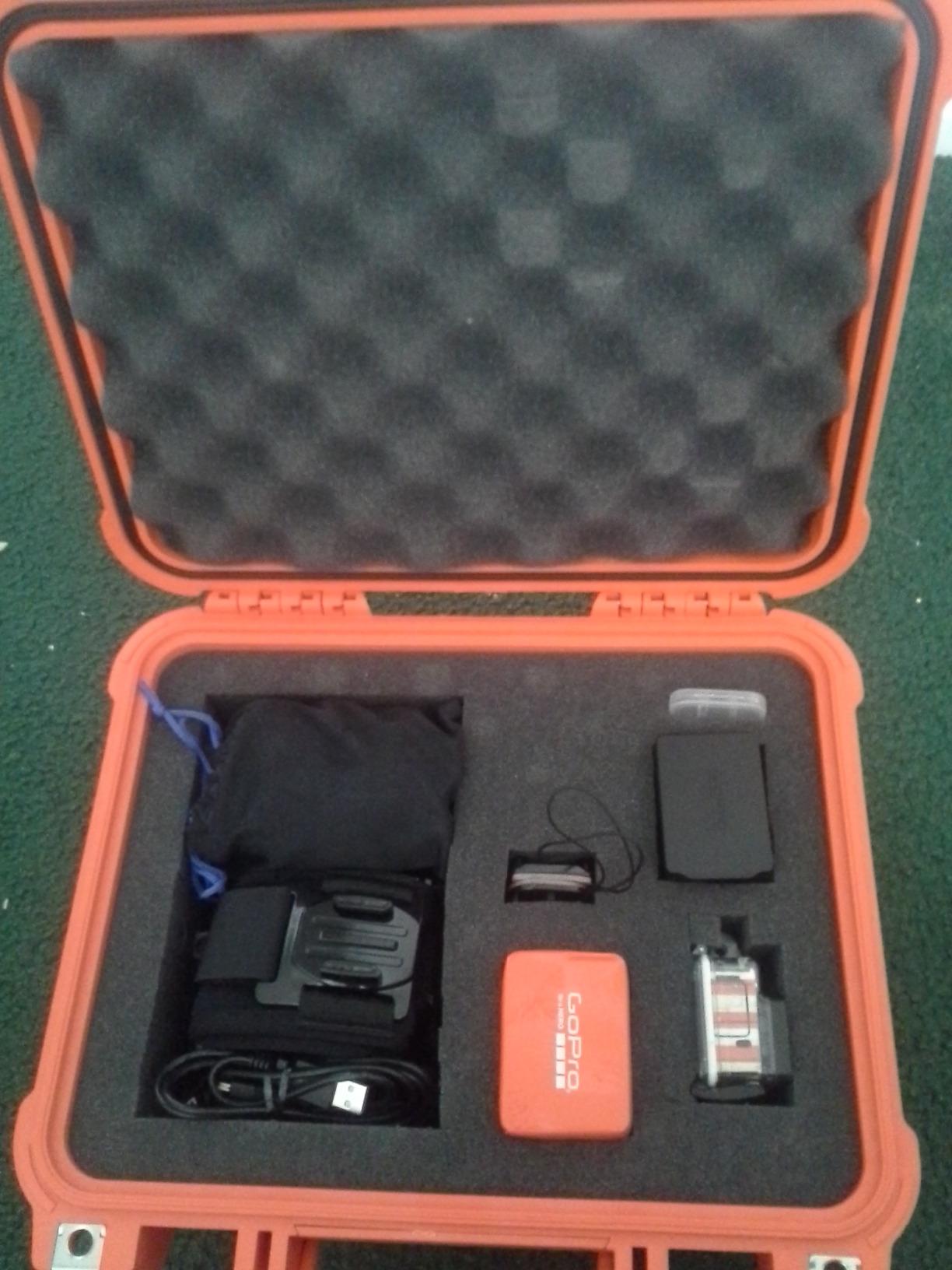
One of the best features of the 1200 is its size. It fits inside a Pelican 1510 or 1535 carry-on as a nested accessory case, which means you can carry your main camera kit plus all your accessories in one organized system. Reviewers on Amazon consistently praise the 1200 for being the perfect size for memory cards, GoPros, drones, and small accessories.
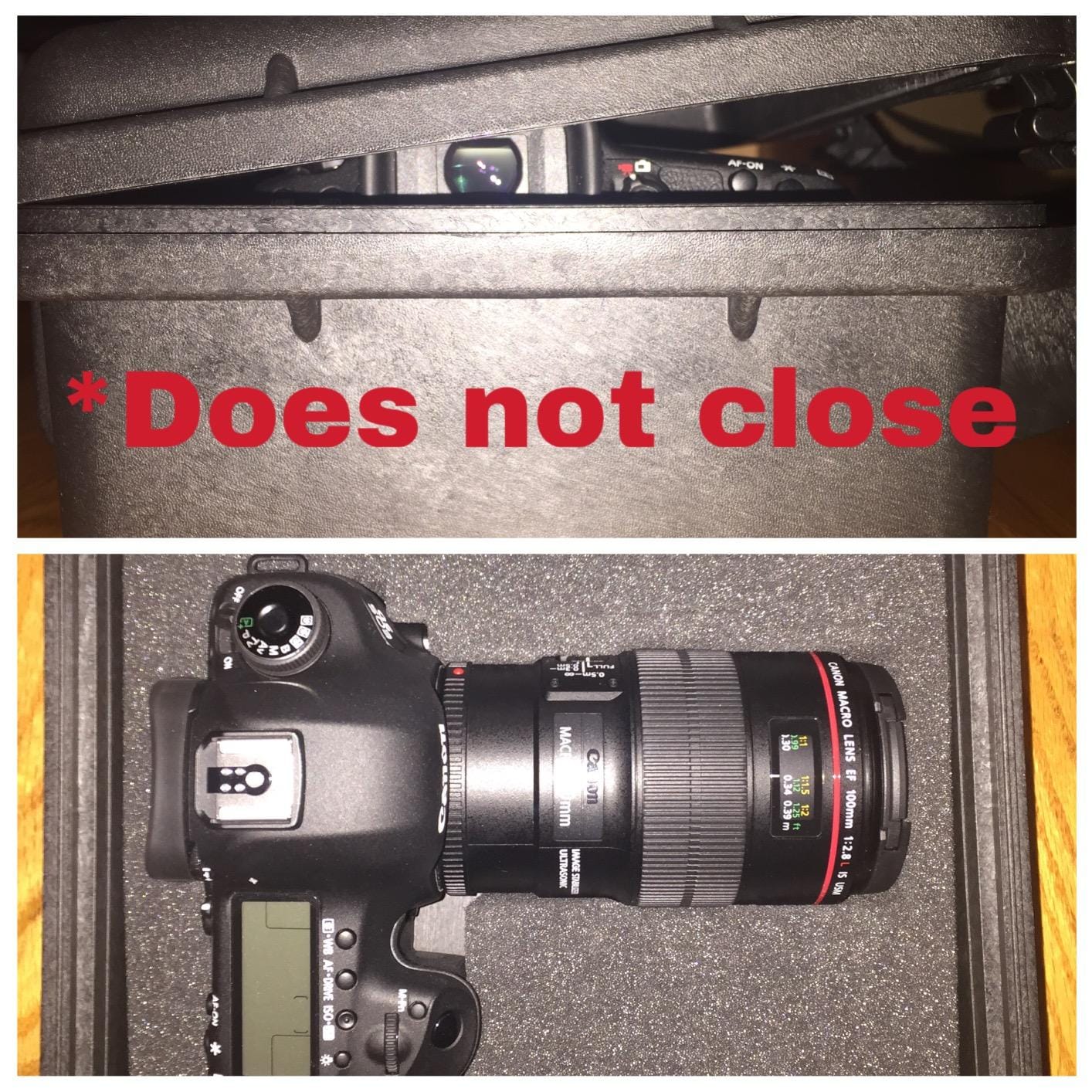
The main limitation of the 1200 is interior space. A full-frame camera body with an attached lens will not fit, so the 1200 is strictly an accessories case, not a camera case. For camera bodies, you need the 1510 or 1535 minimum.
Best uses for the 1200
The 1200 is ideal for memory cards, lavalier microphones, audio recorders, GoPros, drones, small cameras, and any small accessories that need crushproof and watertight protection. The Pick N Pluck foam is easy to customize and replace if you change your accessory kit.
For filmmakers, pair a 1200 with your main camera case to keep your audio gear, memory cards, and small accessories organized in one nested system.
1200 vs Pelican Micro Cases
The Pelican 1200 is the classic small case with Pick N Pluck foam. The Pelican Micro Case series (M50, M60) is even smaller and designed for very small items like memory cards, watches, and phones. If you transport lavalier mics and audio recorders, the 1200 is the right size. If you only transport memory cards and small electronics, the M50 or M60 is a better fit.
For a working filmmaker who needs to transport a complete audio kit plus memory cards, the 1200 hits the sweet spot.
Buying Guide: How to Choose the Best Pelican Case for Your Photography and Filmmaking Kit
Choosing the right Pelican case for your kit comes down to four factors: how you travel (carry-on vs checked vs ground), what gear you carry (mirrorless vs cinema vs lighting vs long gear), how often you reconfigure (fixed kit vs changing kit), and your airline’s size and weight rules. Below is how I think through each factor when buying a new Pelican case.
How to choose: carry-on vs checked luggage vs long case
If you fly mostly on United, Delta, BA, or JetBlue and want to bring your kit into the cabin, the Air 1535 with TrekPak is the best carry-on choice. If you need to check a larger cinema kit, the Air 1615 or 1626 fits within the 62-inch linear limit. If you transport tripods, boom poles, or long cinema gear, the Air 1745 or Vault V800 is the right long case.
For ground transport and occasional air travel, the classic 1510 with padded dividers is a solid mid-size choice, and the 1650 with four wheels handles large location kits.
Interior systems: TrekPak vs Pick N Pluck vs Padded Dividers
TrekPak rigid dividers are best for fixed kits that do not change often. The rigid divider pins stop gear from shifting during rough baggage handling, and the thin profile maximizes interior volume. TrekPak is the consensus pick on Reddit r/videography for protecting cinema bodies with matte boxes and follow focus hardware.
Pick N Pluck foam is best for custom-cut layouts of irregularly shaped gear. It is laborious to customize and cannot be undone once plucked, but it offers the most protection for static loads like audio recorders and camera bodies. Pick N Pluck is the better choice for memory card cases, audio gear cases, and accessory cases.
Padded dividers are best for kits that change frequently. Wedding photographers, event videographers, and hybrid photo/video shooters benefit from padded dividers because the layout can be reconfigured in minutes. Padded dividers are slightly thicker than TrekPak, which means slightly less interior volume, but the reconfiguration speed is worth it for changing kits.
Airline rules: 62-inch linear limit and weight
Every major airline enforces a 62-inch linear dimension rule for checked baggage (length + width + height). The Air 1615 measures 32.58 + 18.40 + 11.02 = 62 inches exactly, so it sits right at the limit. The Air 1626 measures 31.12 + 17.05 + 13.33 = 61.5 inches, also within the limit. The Air 1535 measures 21.96 + 13.97 + 8.98 = 44.91 inches, which is within the carry-on limit on most major airlines but exceeds the carry-on limit on some low-cost carriers.
Most airlines enforce a 50 lb checked weight limit and a 22 lb carry-on weight limit. The Air 1615 empty weight is 14.06 lbs, leaving you 36 lbs of gear headroom on a standard 50 lb checked allowance. The Air 1535 empty weight is 9.98 lbs, leaving you 12 lbs of gear headroom on a 22 lb carry-on allowance, which is tight for a full camera kit.
Pros and cons of Pelican cases
The main advantages of Pelican cases are crushproof HPX polymer or polypropylene shells, IP67 waterproof and dustproof seals, automatic pressure equalization valves for altitude changes, Press and Pull latches that are easy to operate with gloves, TSA-approved locks, and the Pelican Lifetime Guarantee of Excellence on most models.
The main disadvantages of Pelican cases are the price (most cases cost several hundred dollars), the bulk (a 1615 or 1626 takes up significant trunk space), the wheels and trolley handle can be the first failure point after 3+ years of heavy checked baggage use, TrekPak pins can work loose under rough handling, and Pick N Pluck foam cannot be undone once plucked.
Filmmaker-specific tips: packing a cinema rig
For a cinema rig (camera body, matte box, follow focus, monitor, wireless video, V-mount batteries), I recommend TrekPak over padded dividers because the rigid divider pins stop the matte box and follow focus hardware from shifting into the camera body cavity during rough baggage handling.
When packing a RED Komodo or ARRI Alexa Mini body, remove the matte box and follow focus before packing them in the case. This reduces the profile and protects the follow focus gears from impact damage.
For audio gear, use Pick N Pluck foam in a Pelican 1200 or 1300 case. Audio recorders, lavalier transmitters, and wireless receivers are sensitive to vibration and shock, and Pick N Pluck foam absorbs impact better than padded dividers.
For a deeper look at accessories to pair with your Pelican case, check our guides on SD card cases for filmmakers, tripod bags and cases, tripods for video, and laptops for filmmakers.
Frequently Asked Questions
Which Pelican case is best for a camera?
The Pelican Air 1535 with Trekpak Dividers is the best Pelican case for most photographers and filmmakers. It fits as carry-on on United, Delta, BA, and JetBlue, weighs only 9.98 lbs empty, and the Trekpak rigid dividers protect a full mirrorless kit (two bodies, four to six lenses, flash, and accessories). For cinema bodies or larger kits, step up to the Air 1615 or 1626.
What are the disadvantages of using a Pelican case?
The main disadvantages of Pelican cases are the price (most cases cost several hundred dollars), the bulk (large cases take up significant trunk space), wheels and trolley handles can fail after 3+ years of heavy checked baggage use, Trekpak pins can work loose under rough handling, and Pick N Pluck foam cannot be undone once plucked. Pelican cases are also heavier than soft camera bags, which can eat into airline weight allowances.
What are the key differences between the Pelican Air 1615 and 1535 Air cases?
The Air 1535 is a carry-on case measuring 21.96 x 13.97 x 8.98 inches exterior and weighing 9.98 lbs empty. The Air 1615 is a checked luggage case measuring 32.58 x 18.40 x 11.02 inches exterior and weighing 14.06 lbs empty. The 1615 has 2.48 cubic feet of interior space versus 0.95 cubic feet for the 1535. Choose the 1535 for cabin baggage and the 1615 for larger cinema kits that need to be checked.
What are some good alternatives to the Pelican Air 1535 case?
The main alternatives to the Pelican Air 1535 are the classic Pelican 1510 with padded dividers (heavier but more rigid), the Pelican Storm im2500 (similar size but different latch system), and non-Pelican options like the Think Tank Logistics Manager 30 V2 (lighter but not as crushproof) or GPC cases (designed specifically for cinema rigs). For most photographers and filmmakers the 1535 remains the best balance of weight, size, and protection.
What is the best camera bag for filmmakers?
The best camera bag for filmmakers is the Pelican Air 1535 with Trekpak Dividers for carry-on travel, or the Pelican Air 1615 or 1626 for checked luggage. For mirrorless and small cinema bodies, the 1535 fits as carry-on on major airlines and protects a complete kit with Trekpak rigid dividers. For larger cinema rigs with matte boxes and follow focus hardware, step up to the 1615 or 1626, which fit within the 62-inch linear limit for airline checked baggage.
Final Verdict: The Best Pelican Cases for Photographers and Filmmakers
After comparing 8 of the best Pelican cases for photographers and filmmakers across carry-on, checked luggage, long gear, and accessory use cases, the Pelican Air 1535 with Trekpak Dividers is our top pick for most working photographers and filmmakers in 2026. It balances carry-on size, light weight (9.98 lbs empty), HPX polymer crushproof construction, and Trekpak rigid dividers that protect a complete mirrorless or cinema kit through airline baggage handling.
If you need to transport a larger cinema rig or lighting kit, step up to the Pelican Air 1615 or 1626 for checked baggage. If you transport tripods, boom poles, or long cinema gear, the Pelican Air 1745 is the best long case. For accessories like memory cards, audio gear, and lavalier mics, the Pelican 1200 with Pick N Pluck foam is the best small case.
Every case on this list is crushproof, watertight, dustproof, and built to survive the rough handling life of a working photographer or filmmaker. The Pelican Lifetime Guarantee of Excellence covers the Air line and the classic Protector line, so you can buy with confidence knowing your case is protected for the long haul.