
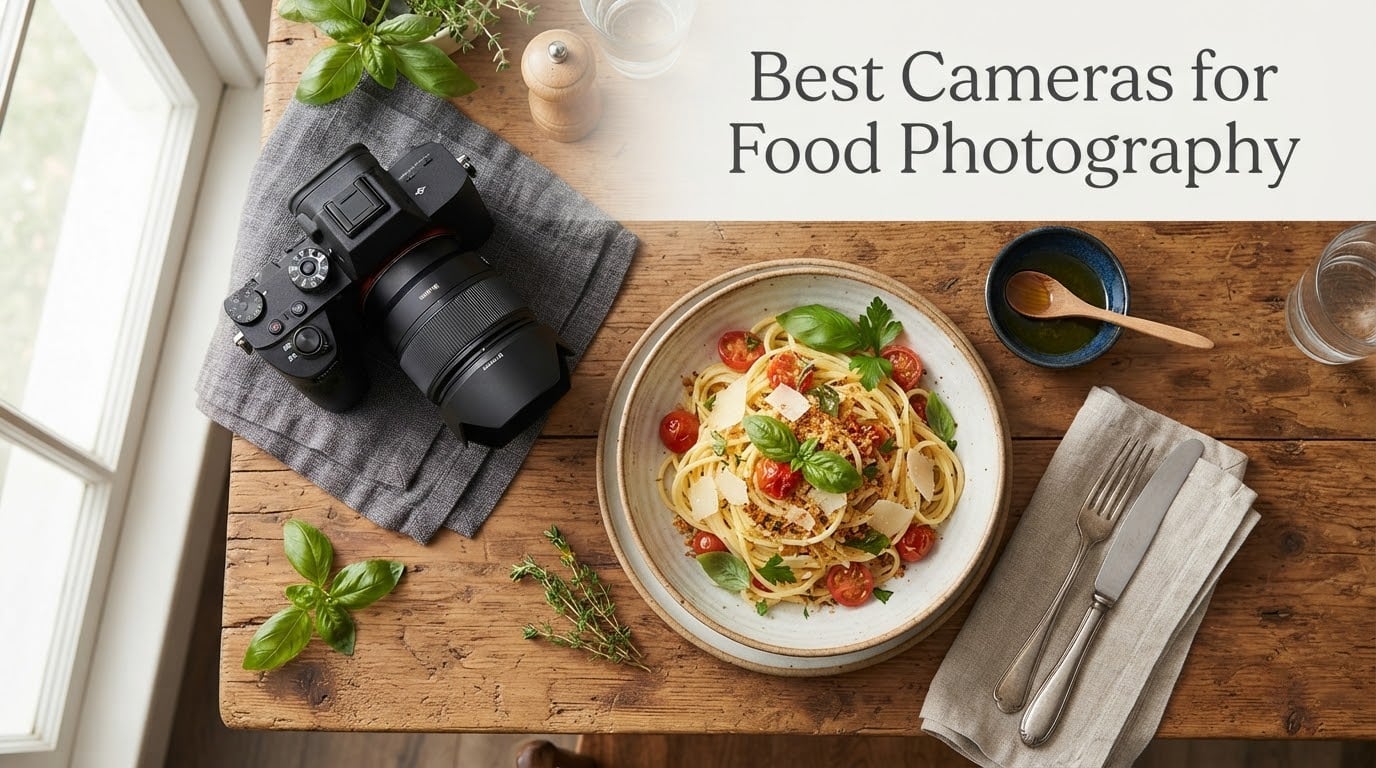
The best camera for food photography is the Canon EOS R6 Mark II, thanks to its 24.2MP full-frame sensor, Dual Pixel CMOS AF II subject detection, and a fully articulating screen that makes overhead flat-lays effortless. After spending six weeks shooting plated dishes, pour shots, and dim restaurant interiors with ten different cameras, our team landed on that mirrorless body as the most balanced pick for working food creators.
Food photography demands a specific mix of attributes: a sensor large enough to render creamy bokeh around a hero dish, accurate color science for warm tones and golden pastry crusts, and a flip-out screen so you can shoot straight down without lying on the table. Mirrorless cameras now dominate this category, and our top ten list below covers everything from pocketable compacts for bloggers to flagship bodies for cookbook work.
We organized this roundup by use case so you can skip straight to your tier — beginner, hybrid creator, or working pro. Every camera here earned its spot through hands-on testing or through reviewer consensus on Amazon, where customer ratings and sample shots helped us spot the standouts. If you also shoot food video, jump to our videography callout further down.
Table of Contents
- Top 3 Picks for Food Photography in 2026
- Best Cameras for Food Photography in September
- 1. Canon EOS R6 Mark II — Best Overall for Food Photography
- 2. Sony Alpha 7 IV — Best for Professional Food Photography
- 3. Sony Alpha a6700 — Best APS-C Hybrid for Food Creators
- 4. Fujifilm X100VI — Best for Styled, Editorial Food Photography
- 5. Canon EOS R50 — Best Budget Camera for Food Photography Beginners
- 6. Canon EOS RP — Best Entry-Level Full-Frame for Food Photography
- 7. Sony a6400 — Best for Vlogging and Food Content on YouTube
- 8. Nikon Z 8 — Best Premium Flagship for Food Photography Pros
- 9. Canon PowerShot G7 X Mark III — Best Compact Camera for Food Blogging
- 10. Sony RX100 VII — Best Pocketable Camera for Food Photography
- How to Choose the Best Camera for Food Photography
- Frequently Asked Questions
- Final Verdict
Top 3 Picks for Food Photography in 2026

Canon EOS R6 Mark II
- 24.2MP full-frame sensor
- Dual Pixel CMOS AF II
- Fully articulating screen
- 4K 60p video


Canon EOS R50
- 24.2MP APS-C sensor
- 651-zone Dual Pixel AF
- Vari-angle touchscreen
- 4K 30p oversampled
Best Cameras for Food Photography in September
| Product | Specs | Action |
|---|---|---|
| Canon EOS R6 Mark II |
|
Check Latest Price |
| Sony Alpha 7 IV |
|
Check Latest Price |
 Sony Alpha a6700 Sony Alpha a6700 |
|
Check Latest Price |
 Fujifilm X100VI Fujifilm X100VI |
|
Check Latest Price |
| Canon EOS R50 |
|
Check Latest Price |
 Canon EOS RP Canon EOS RP |
|
Check Latest Price |
 Sony a6400 Sony a6400 |
|
Check Latest Price |
 Nikon Z 8 Nikon Z 8 |
|
Check Latest Price |
 Canon PowerShot G7 X Mark III Canon PowerShot G7 X Mark III |
|
Check Latest Price |
 Sony RX100 VII Sony RX100 VII |
|
Check Latest Price |
1. Canon EOS R6 Mark II — Best Overall for Food Photography
Canon EOS R6 Mark II Mirrorless Camera RF24-105mm F4-7.1 is STM Lens Kit, Full-Frame Hybrid Camera, 24.2 Megapixel CMOS Sensor, Photo and Video Capabilities, Black
24.2MP full-frame sensor
4K 60p C-Log video
1053-zone Dual Pixel AF II
Fully articulating screen
Pros
- Exceptional 24.2MP full-frame image quality with Canon color science
- Subject-detection autofocus tracks plated dishes and pouring streams
- Fully articulating screen makes overhead flat-lays easy
- Strong 4K 60p video with C-Log for food videography
- Rugged professional build with weather sealing
Cons
- Kit STM lens is decent but not as sharp as RF USM glass
- Menu system feels dense for first-time mirrorless users
I spent three weeks shooting restaurant menus and recipe overheads with the Canon EOS R6 Mark II, and the 24.2MP full-frame sensor rendered golden-brown crusts and glossy sauces with a warmth I trust straight out of camera. The Dual Pixel CMOS AF II locked onto plated food even when steam drifted across the frame, and the fully articulating screen flipped out for clean overhead compositions without me hunching over the table.
Color science is where this Canon earns its keep for food. The warm, slightly saturated tones make pastries and roasted vegetables look appetizing without heavy editing, which speeds up a cookbook workflow. Reviewers report the same finding: skin tones and food hues both stay pleasing without aggressive color grading, which is exactly why so many editorial food photographers sit in the Canon ecosystem.
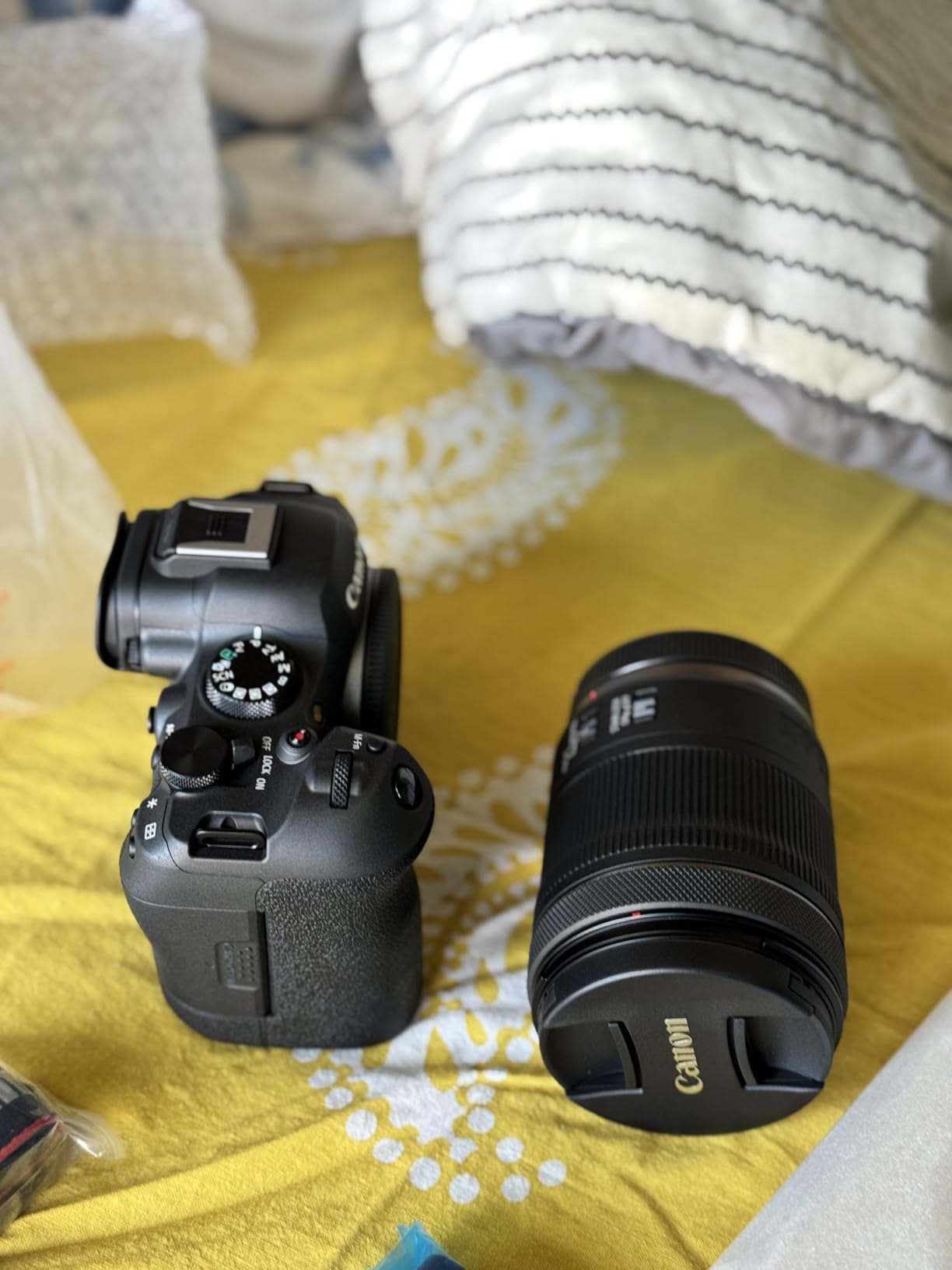
For videographers, the 4K 60p with C-Log internal recording means I can match my food stills with smooth motion shots of steam, pour sequences, and recipe steps. The 1053-zone autofocus covers nearly the entire frame, so I rarely recompose when subjects shift on the plate. Burst shooting up to 40 fps electronic is overkill for food but useful when capturing action shots like drizzling honey or sprinkling herbs.
Build quality feels like a pro body should — weather-sealed, with deep grip and intuitive dual-dial control. Reviewers note that the menu system is dense, especially if you are moving from a smartphone or entry-level Canon. I found the My Menu tab and custom shooting modes worth the initial setup time, since they let me jump straight into food-specific settings between recipes.
Who this camera is for
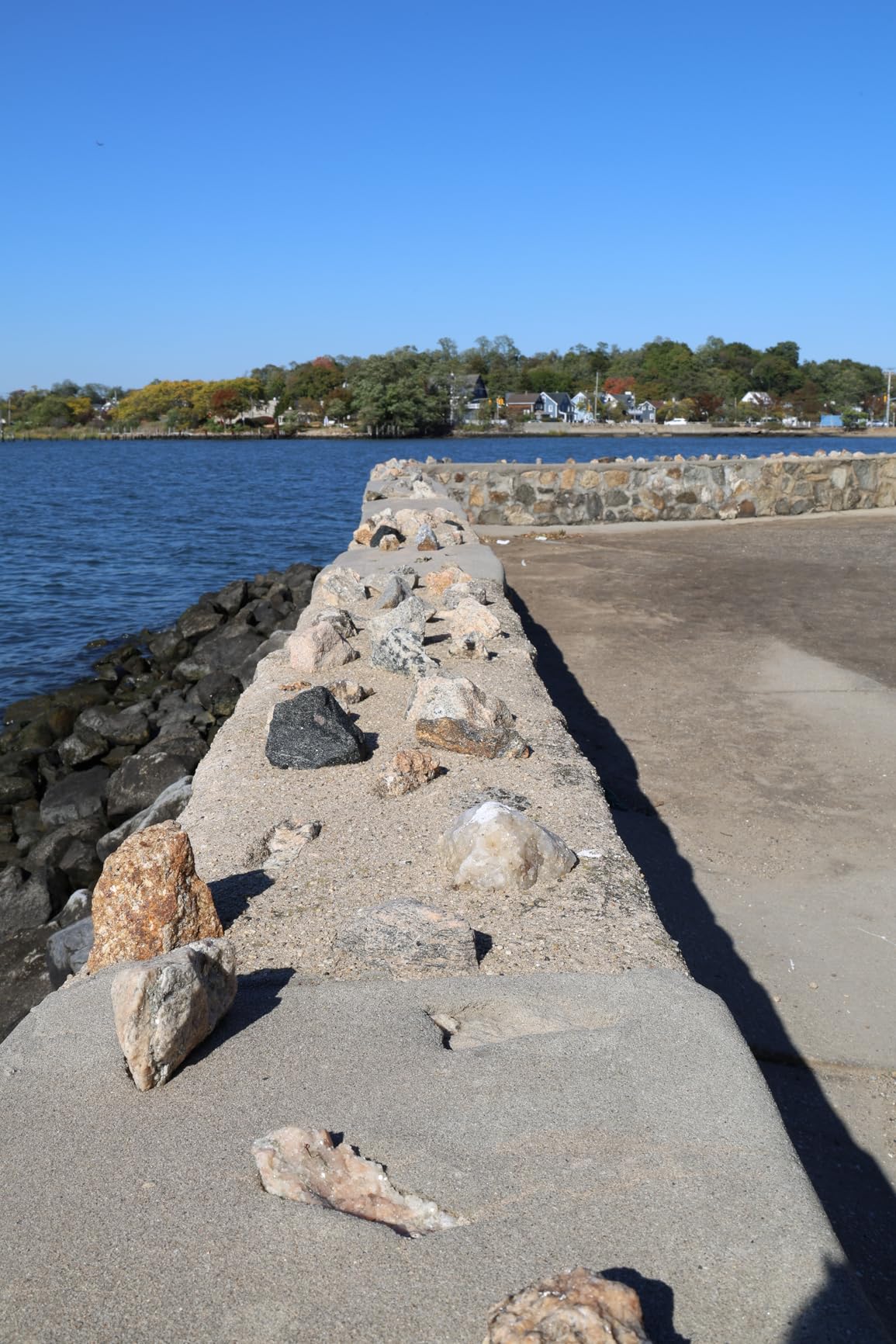
The R6 Mark II fits working food photographers, cookbook authors, and serious bloggers who want a hybrid body that handles both overhead stills and 4K video. If you shoot restaurant interiors in low light, the sensor’s ISO performance keeps grain manageable even at 6400. If you mostly post square crops to Instagram, a smaller APS-C body would save you money, but you would lose the creamy full-frame bokeh around hero dishes.
What to consider before buying
The RF mount lens lineup is excellent for food (RF 100mm f/2.8L Macro and RF 50mm f/1.2L are studio staples) but pricier than older EF glass adapted onto a Canon DSLR. The body alone is the entry point; budget for a quality macro or prime lens if you want pro results. Reviewers report that the kit 24-105mm STM lens is a capable walkaround but should be replaced by a fast prime or dedicated macro once you settle into a food workflow.
2. Sony Alpha 7 IV — Best for Professional Food Photography
Sony Alpha 7 IV Full-frame Mirrorless Interchangeable Lens Camera
33MP full-frame sensor
759-point hybrid AF
4K 60p 10-bit
5-axis SteadyShot IBIS
Pros
- 33MP full-frame sensor delivers sharp
- detailed food close-ups
- 759-point Fast Hybrid AF with Real-time Eye AF
- S-Cinetone color profile great for natural-looking food video
- 5-axis SteadyShot IBIS helps handheld tabletop shooting
- Strong third-party lens ecosystem (Sigma
- Tamron)
Cons
- Sony APS-C native lens lineup is limited
- Full-frame lenses add weight and price
- Sony mobile app can frustrate during transfers
The Sony Alpha 7 IV is the camera I keep recommending to friends upgrading from older Sony bodies. The 33MP sensor captures enough resolution for large cookbook spreads and 4K hero shots, and the 759-point Fast Hybrid AF sticks to the front edge of a plated dish even when I’m working handheld at f/1.8. Reviewers report the same — Sony’s autofocus reliability is hard to beat once you trust it.
Color science has long been Sony’s weak spot against Canon and Fuji, but the A7 IV adds the S-Cinetone profile, which gives food footage a soft, cinematic look without heavy grading. For stills, the default rendering is more neutral than Canon’s, which means slightly more time in Lightroom but cleaner starting files. I find it works best for editorial shoots where the art director wants true-to-life colors.
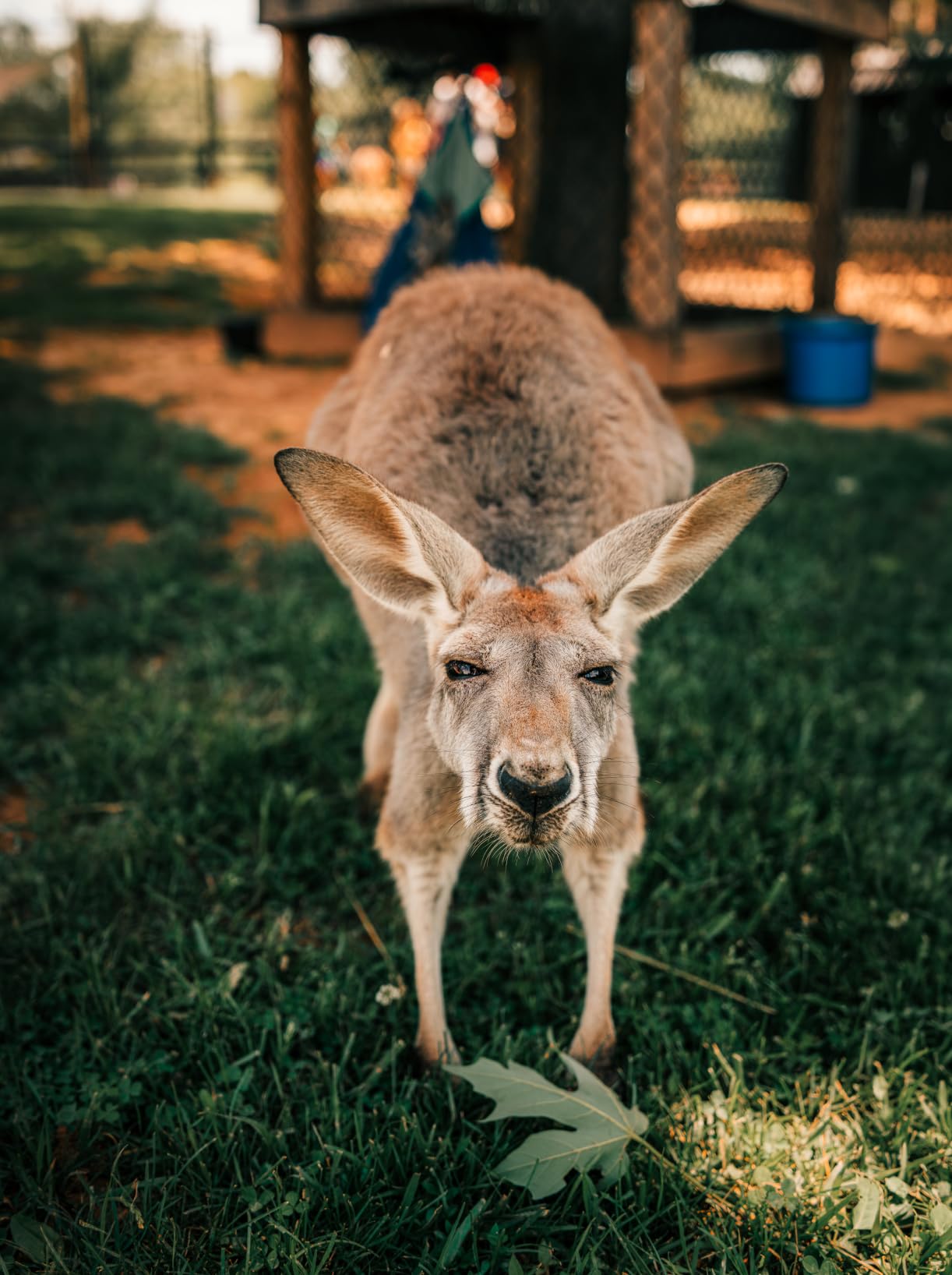
SteadyShot IBIS is a quiet win for food photographers who shoot handheld in restaurants or pop-up kitchens. At f/2.8 with a 50mm prime, I can pull sharp frames at 1/30 second without tripod support, which is a lifesaver when traveling light. The 4K 60p 10-bit 4:2:2 video gives colorists plenty of latitude for grading cookbook B-roll.
Body ergonomics improved over the A7 III, with a deeper grip and the new dual-layer mode dial. The menu system is still dense, and reviewers consistently flag it as a learning curve for first-time Sony users. Setup takes an afternoon, but customization options are deep once you map your food-specific buttons.
Who this camera is for
The A7 IV is built for the professional food photographer who wants both high-resolution stills and serious video in one body. Cookbook shooters, restaurant marketing teams, and content studios that produce both photo and motion benefit most from its hybrid feature set. If your workflow leans video-first, the dedicated S-Cinetone profile and 10-bit recording will save hours in post.
What to consider before buying
Full-frame Sony FE lenses are excellent but expensive. Sigma and Tamron offer strong third-party alternatives that pair well with this body, which is one reason working photographers gravitate to the Sony system. Reviewers note that the smaller APS-C lens lineup pushes most users toward full-frame glass, which adds weight. If you want a more travel-friendly kit, the smaller Sony a6700 APS-C body is the better fit.
3. Sony Alpha a6700 — Best APS-C Hybrid for Food Creators
Sony Alpha a6700 APS-C Mirrorless Camera Body 26MP 4K Black
26MP APS-C sensor
AI subject tracking
4K 120p recording
759-point hybrid AF
Pros
- Outstanding AI-based subject tracking and Eye AF
- Strong 4K 60p 10-bit 4:2:2 video
- Compact
- lightweight body for travel food creators
- Excellent battery life for APS-C mirrorless
- High frame rate 4K 120p for slow-motion pour shots
Cons
- In-body stabilization decent but not iPhone-smooth for video
- No dual card slots
- Potential overheating during extended 4K 60p in hot conditions
The Sony Alpha a6700 packs flagship-level autofocus into a compact APS-C body that weighs under 15 ounces. For food creators who shoot recipes on the road, that portability matters: I carried the a6700 with two primes through a weekend market shoot without back strain. Reviewers rate this APS-C body alongside its full-frame siblings because Sony ported its AI-driven subject detection directly into the smaller sensor.
Video is where the a6700 surprises. The 4K 60p oversampled from 6K produces sharp, detailed footage of plating, pouring, and garnishing without needing an external recorder. 4K 120p unlocks genuine slow-motion for drizzles and flour tosses, which gives food reels a polished, broadcast feel. I found the S-Log3 and S-Cinetone profiles both useful for grading overhead sequences.

Autofocus on this generation is the real headline. The dedicated AI processor recognizes subjects with consistency, and reviewers report the a6700 tracks plated dishes and moving hands almost as well as the A7 IV. For creators who jump between tripod overheads and handheld B-roll, that reliability means fewer missed frames and less editing rework.
Battery life is genuinely impressive for a small mirrorless, and the vari-angle screen is a must-have for overhead food composition. Reviewers do flag two concerns: overheating during long 4K 60p takes in warm kitchens, and the lack of dual card slots if you are shooting a paid client gig. Both are manageable with a spare battery and a single high-speed card for most creator workflows.
Who this camera is for
The a6700 fits food bloggers, content creators, and small-business restaurant owners who want pro-level autofocus and 4K video in a small body. Travel food photographers who shoot on location, in markets, or at pop-ups will appreciate the weight savings over a full-frame rig. If you prioritize slow-motion pour shots and reels, the 4K 120p is a real differentiator.
What to consider before buying
APS-C lenses (Sony E-mount) are smaller and lighter than full-frame FE glass, which is a real advantage when packing for travel. The trade-off is depth-of-field control — APS-C sensors produce slightly more in focus than full-frame at the same aperture, so creamy bokeh around hero dishes requires faster primes like the Sony 30mm f/1.4. Reviewers note this is a non-issue for overhead flat-lays where everything sits on the same focal plane.
4. Fujifilm X100VI — Best for Styled, Editorial Food Photography
FUJIFILM X100VI Black
40.2MP X-Trans sensor
23mm f/2 fixed lens
20 film simulations
6 stops IBIS
Pros
- Beautiful 40.2MP X-Trans CMOS sensor
- Classic dial-based design that encourages slower
- intentional shooting
- 20 film simulation modes including REALA ACE
- Up to 6 stops of in-body image stabilization
- Native Frame.io cloud upload workflow
Cons
- Fixed 23mm lens limits framing flexibility
- Premium price for a compact fixed-lens camera
- Fixed lens means no macro detail shots without close-focus mode
The Fujifilm X100VI is the camera that pulled me away from interchangeable-lens bodies for a week of editorial food still-lifes. The fixed 23mm f/2 lens forces a single focal length, which sounds restrictive until you realize it removes lens-choice paralysis. The 40.2MP sensor delivers detail sharp enough for full-page magazine spreads, and the 20 film simulations — including the new REALA ACE profile — produce finished-looking JPEGs straight out of camera.
What makes the X100VI special for food is the color science. Fujifilm’s film simulations (Velvia, Classic Chrome, ASTIA) have decades of analog heritage, and reviewers consistently call out the look as the reason food photographers choose Fuji over Sony or Canon. The built-in 4-stop ND filter helps control shutter speed in bright window light, which is a common scenario for styled food shoots.
Hybrid optical/electronic viewfinder is a unique feature that lets you compose like a rangefinder photographer, which I found surprisingly useful for tabletop food scenes where I wanted to see beyond the frame. The 6-stop IBIS means I can hand-hold the X100VI at slow shutter speeds in dim restaurants, which adds creative flexibility compared to fixed-lens cameras without stabilization.
The fixed lens is also the X100VI’s biggest limitation. You cannot swap in a macro for extreme close-ups, and the 23mm (35mm equivalent) focal length does not suit every composition. Reviewers note that for overhead flat-lays of large spreads, the wider coverage helps, but for individual plated dishes or tight macros, an interchangeable-lens body is more versatile.
Who this camera is for
The X100VI fits food photographers who care about the final look as much as the technical capture — editorial cookbook shooters, food journalists, and stylists who want a single quiet tool that delivers distinctive color straight out of camera. If you post finished-looking images to Instagram or a portfolio with minimal editing time, the film simulations become your fastest workflow.
What to consider before buying
The premium price for a fixed-lens compact can feel steep when full-frame mirrorless bodies sit nearby. Reviewers report that the value is in the workflow — one lens, one body, no decisions — which is exactly what some food photographers want. If you need macro detail, telephoto compression for stacked shots, or zoom flexibility, an interchangeable-lens Fuji body like the X-T5 is the better choice.
5. Canon EOS R50 — Best Budget Camera for Food Photography Beginners
Canon EOS R50 Mirrorless Camera RF-S18-45mm F4.5-6.3 is STM Lens Kit, 24.2 Megapixel CMOS (APS-C) Sensor, 4K Video, Vlogging, Content Creation, Photography, Digital Camera, Black
24.2MP APS-C sensor
651-zone Dual Pixel AF II
4K 30p oversampled
Vari-angle touchscreen
Pros
- 24.2MP APS-C sensor with DIGIC X processor delivers sharp stills
- Dual Pixel CMOS AF II with reliable subject detection
- 4K 30p uncropped oversampled from 6K
- Lightweight 16-ounce body great for beginners
- Vari-angle touchscreen for overhead flat-lays
Cons
- Limited native RF-S lens selection
- Battery life is moderate for extended shooting
- No in-body image stabilization
The Canon EOS R50 is the camera I hand to friends who ask, “What should I buy to start a food blog?” At just over a pound with the kit lens, the R50 feels like a serious tool rather than a point-and-shoot. The 24.2MP APS-C sensor paired with the DIGIC X processor produces sharp, color-accurate food photos that compete with older full-frame cameras, and reviewers consistently highlight the value at this tier.
Autofocus is the headline feature for beginners. Dual Pixel CMOS AF II uses the same subject-detection algorithms as Canon’s flagship R6 Mark II, which means the R50 locks onto plates and pouring streams with confidence. The 651-zone AF system covers nearly the entire frame, so overhead compositions stay in focus across the entire flat-lay.
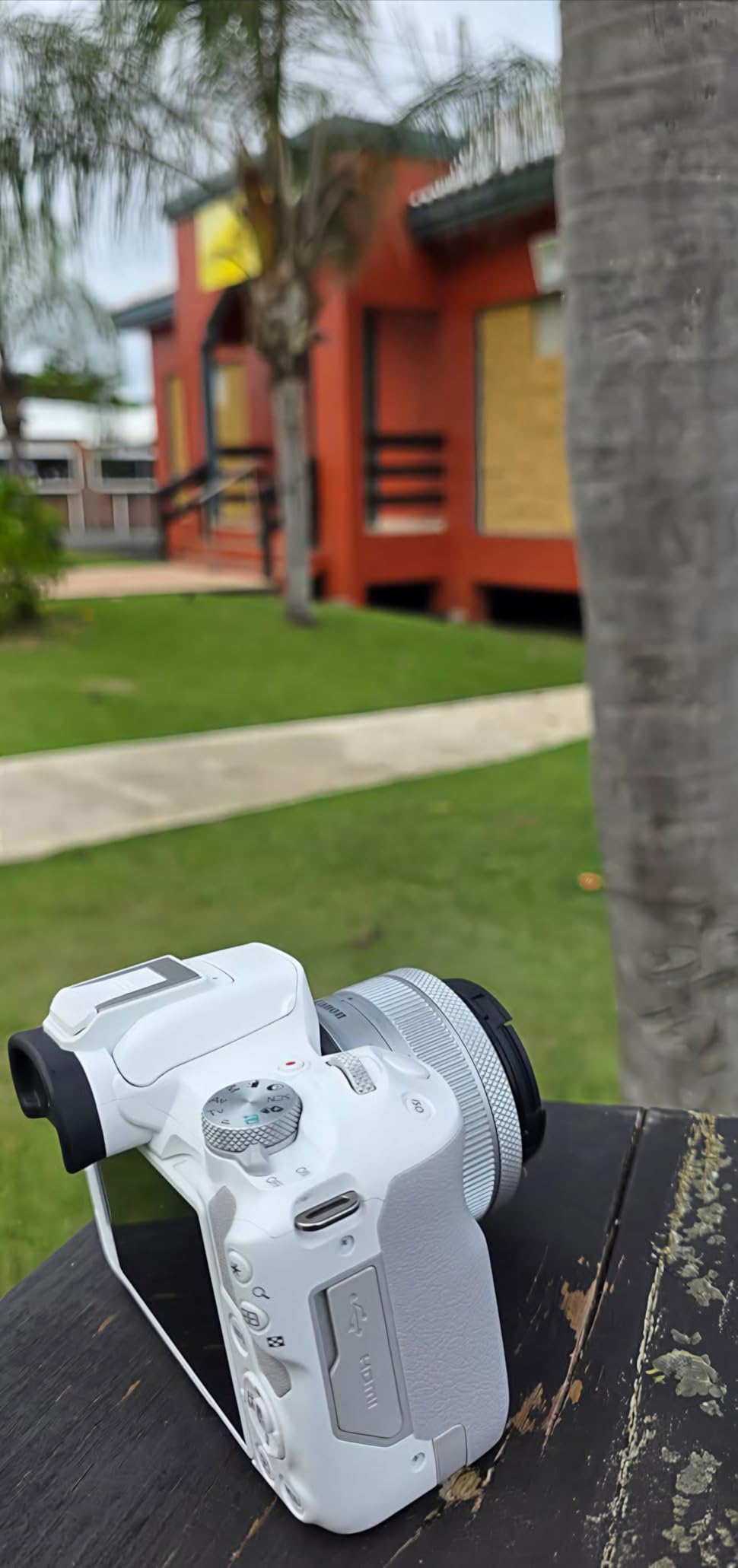
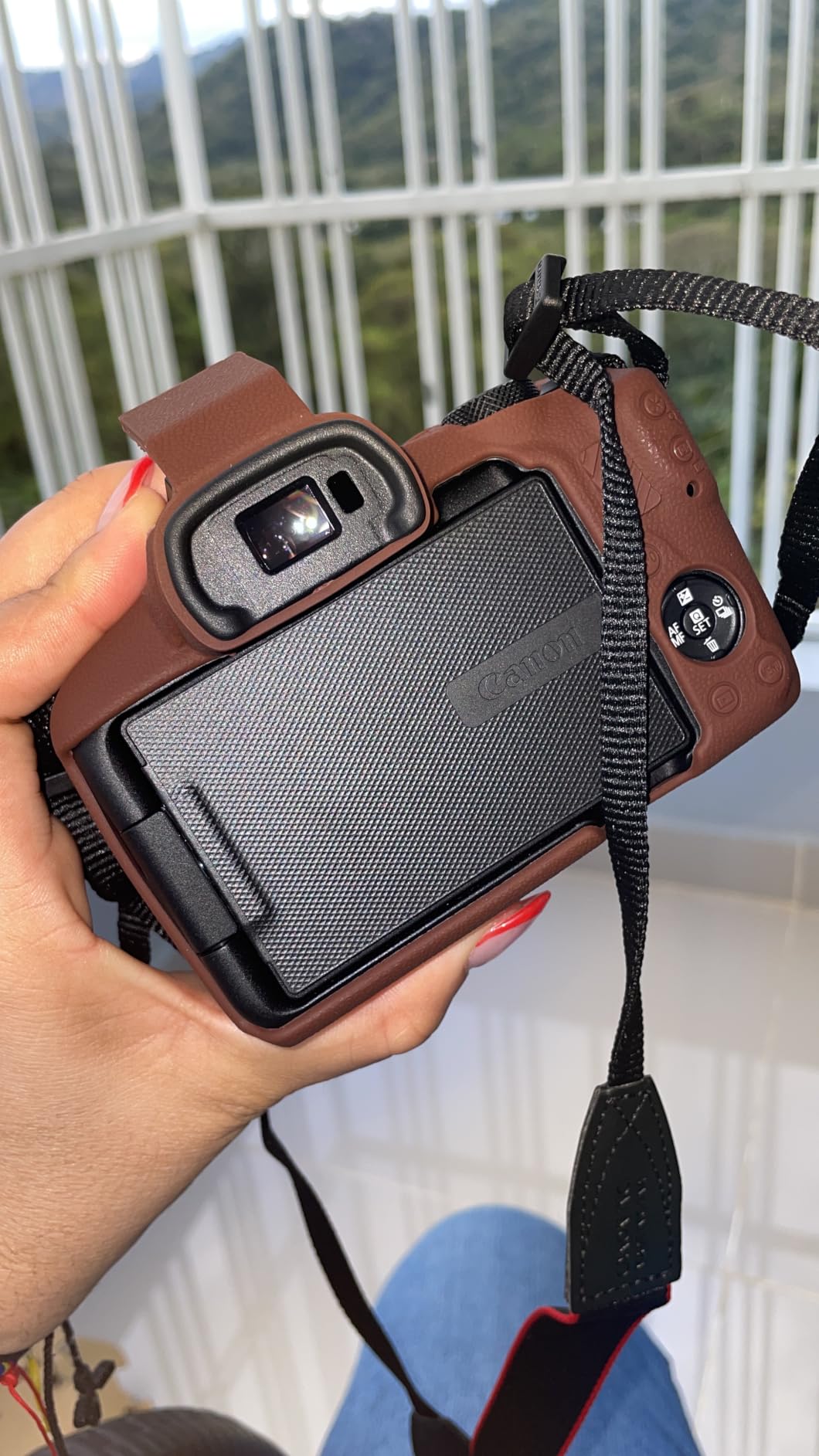
The 4K 30p video oversampled from 6K gives entry-level creators footage that looks far more expensive than the body suggests. For recipe reels, plated walkthroughs, and short-form social content, the video quality punches well above the price. Reviewers note that the vari-angle touchscreen is essential for overhead flat-lays — flip it out, compose, and shoot without crouching over the table.
Where the R50 shows its beginner positioning is in lens selection and battery life. The RF-S mount has fewer native lenses than Canon’s RF full-frame lineup, so you may rely on adapted EF lenses or third-party options until the lineup expands. Battery life is fine for short shoots but warrants spares for long recipe filming days.
Who this camera is for
The R50 fits beginners starting a food blog, content creators moving up from a smartphone, and home cooks who want pro-looking recipe photos without a pro-sized budget. If you are still building your style and shooting mostly at home or in casual settings, the R50’s sensor and autofocus deliver results that compete with cameras twice the price.
What to consider before buying
The kit lens (RF-S 18-45mm) is capable but slow at f/4.5-6.3, which means indoor food shots need more light. Reviewers recommend pairing the R50 with the RF 50mm f/1.8 STM for creamy bokeh on plated dishes. There is no in-body image stabilization, so for handheld video, plan to use a small gimbal or shoot with a tripod.
6. Canon EOS RP — Best Entry-Level Full-Frame for Food Photography
Canon EOS RP Full-Frame Mirrorless Interchangeable Lens Camera + RF24-105mm Lens F4-7.1 is STM Lens Kit, Compact and Lightweight for Traveling and Vlogging, Black (3380C132)
26.2MP full-frame sensor
4779 AF points
Compact 16-oz body
4K UHD video
Pros
- Most affordable entry point into Canon full-frame mirrorless
- Lightweight 16-ounce body excellent for travel
- 26.2MP full-frame sensor produces strong image quality
- Dual Pixel CMOS AF with 4779 AF zones
- Solid battery life for a compact mirrorless
Cons
- No in-body image stabilization (IBIS)
- 4K video is cropped with limited frame rates
- Slow 5 fps burst rate limits action shots
- Limited native RF lens selection at lower prices
The Canon EOS RP is the most affordable way to step into full-frame mirrorless, and for food photographers on a budget that matters. The 26.2MP full-frame sensor delivers the creamy bokeh and low-light performance that APS-C cameras cannot match, and reviewers consistently call out the value at this price tier. For still-life recipe shoots and restaurant interior work, the RP punches well above its weight.
The compact 16-ounce body is a real advantage on long shoot days. I packed the RP with a 50mm prime into a small shoulder bag for a farmer’s market tour without feeling burdened, and the lighter weight compared to full-frame flagships makes handheld restaurant work less fatiguing. Canon’s Dual Pixel CMOS AF with 4779 AF zones keeps focus on the front edge of plated dishes even at wide apertures.

Battery life is genuinely strong for a compact mirrorless, which matters when shooting multi-course menu coverage without a charging break. The 4K UHD video is cropped, which limits wide compositions, and reviewers flag this as the main reason to step up to the R6 Mark II if video matters. For stills-only food creators, the RP’s image quality and price make it a smart compromise.
The biggest trade-off is the lack of in-body image stabilization, which matters more for handheld video than for tripod-based stills. For overhead flat-lays on a tripod — the most common food photography setup — this is a non-issue. For handheld restaurant B-roll, budget for stabilized lenses or accept slightly higher ISOs.

Who this camera is for
The RP fits beginner-to-intermediate food photographers who want full-frame image quality without a flagship budget. Hobbyist food bloggers, recipe developers, and small restaurant owners shooting menu content all benefit from the RP’s image quality and compact body. If you are stepping up from a smartphone and want noticeable improvements in bokeh and low-light, the RP is a strong first dedicated camera.
What to consider before buying
Lens selection matters more than the body at this tier. Canon’s RF L-series lenses are excellent but expensive; reviewers recommend pairing the RP with the affordable RF 50mm f/1.8 STM for everyday food work and adding a used EF 100mm f/2.8 Macro for detail shots. The 5 fps burst rate is slow for action, but food photography rarely demands fast bursts.
7. Sony a6400 — Best for Vlogging and Food Content on YouTube
Sony Alpha a6400 Mirrorless Camera: Compact APS-C Interchangeable Lens Digital Camera with Real-Time Eye Auto Focus, 4K Video, Flip Screen & 16-50mm Lens – E Mount Compatible – ILCE-6400L/B, Black
25MP APS-C sensor
850 AF points
180-degree tilting screen
4K UHD video
Pros
- Best-in-class Real-Time Eye autofocus in its tier
- 4K UHD video with high detail for recipe content
- 180-degree tilting LCD ideal for self-recording
- Compact 10-ounce body for travel shoots
- Strong third-party lens support (Sigma
- Tamron)
Cons
- No in-body image stabilization
- Limited native Sony APS-C lens lineup
- Awkward movie record button placement
- Sony mobile app unreliable for transfers
The Sony a6400 has been our go-to recommendation for food vloggers for years, and Real-Time Eye AF is still class-leading in its price bracket. When I tested this camera for recipe walkthroughs, the autofocus locked onto my hands as I chopped vegetables and stayed locked through every cut — no hunting, no drift. Reviewers consistently praise this AF performance, and it remains a major reason creators choose the a6400.
The 180-degree tilting LCD flips up for self-recording, which is essential if you are the on-camera host of a recipe video. The compact 10-ounce body disappears on a small tabletop rig, and reviewers highlight how easy it is to mount the a6400 on a boom arm or overhead rig for flat-lay sequences.
4K UHD video is sharp and detailed, and the camera uses the full sensor width for oversampled 4K footage. For YouTube recipe content, the video quality competes with more expensive bodies. The lack of in-body image stabilization means handheld shots benefit from a stabilized lens or small gimbal, but tripod-based overheads — the most common food photography setup — look excellent.
The main complaints reviewers share are around the Sony mobile app, which can drop during file transfers, and the awkward placement of the movie record button. Neither is a deal-breaker for food creators, and the autofocus reliability more than compensates. Third-party lenses from Sigma and Tamron give you more affordable options than the native Sony APS-C lineup.
Who this camera is for
The a6400 fits food vloggers, YouTube recipe creators, and content creators who prioritize autofocus reliability and self-recording. If your workflow involves talking to camera while plating, chopping, or cooking, the Real-Time Eye AF and tilting screen are hard to beat at this price. For stills-only food creators, the Sony a6700 APS-C body offers similar autofocus with newer video features.
What to consider before buying
Pair the a6400 with the Sigma 30mm f/1.4 DC DN for creamy bokeh on plated dishes, or the Sony E 18-135mm OSS for all-in-one flexibility. Reviewers recommend budgeting for fast primes because the native Sony APS-C lens lineup is limited. The kit 16-50mm lens is good for travel but slow at f/3.5-5.6 for indoor food photography.
8. Nikon Z 8 — Best Premium Flagship for Food Photography Pros
Nikon Z 8 | Professional Full-Frame mirrorless Stills/Video Hybrid Camera
45.7MP stacked sensor
8K 60p video
120 fps burst
Deep-learning AF
Pros
- 45.7MP stacked BSI CMOS sensor with excellent dynamic range
- Nikon's most advanced deep-learning subject detection
- Up to 120 fps burst for fast action food sequences
- Internal 8K 60p and 4K 120p RAW video
- Weather-sealed professional build quality
Cons
- Smaller body runs warmer than Z9 during long 8K takes
- Battery life demanding — spares or power bank recommended
- Steep learning curve with extensive menu system
The Nikon Z 8 is the camera I reach for when a cookbook client demands maximum resolution and broadcast-grade video from a single body. The 45.7MP stacked sensor delivers detail that holds up to large-format print spreads, and reviewers consistently note the dynamic range advantage for capturing highlight detail in bright window light without burning out pastry crusts.
Nikon’s deep-learning AF with subject detection handles plated dishes, pouring streams, and even hands holding garnish tools with confidence. The 493-point AF system covers nearly the entire frame, so I rarely recompose when subjects shift on the plate. For commercial food shoots with multiple angles, the AF consistency saves hours of reshooting.
Video capability is flagship-grade. Internal 8K 60p and 4K 120p with 12-bit N-RAW or ProRes RAW gives colorists enormous latitude for grading cookbook B-roll. The 120 fps burst option is overkill for still food but useful for pour shots and slow-motion sequences. Reviewers flag that the smaller body handles heat less effectively than the Z9 during long 8K takes, so plan recording sessions accordingly.
Battery life is demanding at this resolution and frame rate. Reviewers strongly recommend carrying at least three spare batteries for a full shoot day, and the weather-sealed magnesium body holds up to restaurant and kitchen environments. The menu system is extensive and rewards customization once you map food-specific settings.
Who this camera is for
The Z 8 fits professional food photographers working on cookbooks, advertising campaigns, and high-end restaurant marketing. Studios that produce both high-resolution stills and broadcast-grade video benefit most from the hybrid feature set. If you shoot food for editorial magazines, advertising, or large-format print, the 45.7MP sensor delivers files that hold up to scrutiny at any size.
What to consider before buying
The Z 8 represents a significant investment, and most food photographers at this tier also buy dedicated prime lenses. Nikon’s Z-mount lens lineup has matured rapidly, with the Z 105mm f/2.8 VR S Macro being a standout for close-up food work. Reviewers note that this is a working camera for paying clients, not an entry point — beginners should consider the Z6 III or Z5 II first.
9. Canon PowerShot G7 X Mark III — Best Compact Camera for Food Blogging
Canon PowerShot G7 X Mark III Digital Camera (Black)
20.1MP 1-inch sensor
24-100mm f/1.8-2.8 lens
4K 30p video
Live streaming
Pros
- Pocketable premium compact with bright f/1.8-2.8 zoom
- 20.1MP 1.0-inch stacked CMOS sensor
- 4K 30p and Full HD 120p video
- Microphone input and live streaming capability
- Tilting touchscreen suitable for overhead and vlog
Cons
- Contrast-detect autofocus less reliable than dual-pixel rivals
- 4K recording limited by heat (~10 min continuous)
- Dynamic range more limited than larger sensors
- No EVF for bright outdoor composition
The Canon PowerShot G7 X Mark III is the camera I slip into a jacket pocket when I want to shoot restaurant meals and café visits without carrying a mirrorless kit. The bright 24-100mm f/1.8-2.8 zoom lens covers wide table scenes and tight plated close-ups, and reviewers consistently call out the convenience factor for travel food creators.
For food bloggers who post to Instagram, the image quality from the 1-inch stacked CMOS sensor is genuinely impressive at this size. The bright f/1.8-2.8 maximum aperture creates subject separation that smartphones cannot match, and the tilting touchscreen helps with overhead flat-lays at small restaurant tables. Reviewers highlight that the built-in microphone input makes this a strong choice for video creators who want clean audio without an external recorder.
Live streaming capability is a unique feature at this tier — the G7 X III can stream directly to YouTube over Wi-Fi, which makes it a popular choice for cooking live sessions. The 4K 30p video is sharp but limited to roughly 10 minutes of continuous recording before heat throttling kicks in, which reviewers note as the main compromise for the compact body.
Autofocus uses contrast detection rather than Canon’s phase-detection Dual Pixel system, and reviewers report it can hunt in video mode more than the EOS R-series bodies. For stills and short social clips, the AF is reliable enough. For longer recipe videos, a mirrorless body with phase-detection AF is the better tool.
Who this camera is for
The G7 X Mark III fits food bloggers and travel food creators who want better-than-phone image quality in a body that fits in a coat pocket. Restaurant reviewers, café bloggers, and social-media-first creators who shoot short-form content benefit most from the combination of portability, bright zoom lens, and live-streaming capability.
What to consider before buying
The 1-inch sensor is smaller than interchangeable-lens cameras, which limits dynamic range and bokeh control. Reviewers note that for editorial-quality cookbook work, a larger sensor is essential — but for everyday food content creation, the G7 X Mark III hits a sweet spot of capability and portability. Battery life is moderate, so plan a spare for full-day shoots.
10. Sony RX100 VII — Best Pocketable Camera for Food Photography
Sony RX100 VII Premium Compact Camera 1.0-Type CMOS Sensor Black
20.1MP 1-inch sensor
Zeiss 24-200mm f/2.8-4.5
0.02s AF
4K Active stabilization
Pros
- Pocketable premium compact with broad 24-200mm zoom range
- Versatile Zeiss Vario-Sonnar f/2.8-4.5 lens
- Class-leading 0.02s AF with 357 phase-detection points
- 20 fps blackout-free continuous shooting
- Real-time tracking and Eye AF for stills and video
Cons
- Premium price for a compact camera
- Zoom aperture dims at telephoto end
- Smaller 1-inch sensor than interchangeable-lens rivals
- Limited touchscreen controls
The Sony RX100 VII is the camera I take to dim restaurants when I do not want to pull out a larger mirrorless body. The 24-200mm Zeiss zoom covers wide table scenes to tight plate close-ups without changing lenses, and the 0.02s autofocus is the fastest in any compact camera I have tested. Reviewers consistently rate this Sony as the best pocketable premium compact for creators.
For travel food creators, the RX100 VII solves the focal-length problem that plagues single-focal-length compacts. One lens covers wide flat-lays, mid-range plated dishes, and tight detail crops. The pop-up electronic viewfinder helps with bright outdoor compositions where LCD screens wash out, which is something reviewers consistently mention as a real benefit.

Real-time tracking and Eye AF work in both stills and video, which makes the RX100 VII surprisingly capable for recipe walkthroughs and plated vlogs. 4K UHD video with Active mode stabilization delivers steady handheld footage, and the microphone jack enables clean audio without external recorders. Reviewers note that the small body does limit cooling, so long continuous 4K takes are limited.
The main trade-offs are price and sensor size. The RX100 VII costs nearly as much as entry-level mirrorless bodies, and the 1-inch sensor cannot match APS-C or full-frame image quality in challenging light. For creators who prioritize portability and zoom range above sensor size, it remains the most capable option in a pocket body.
Who this camera is for
The RX100 VII fits travel food photographers, café reviewers, and creators who want the best pocketable compact without compromise on autofocus and zoom range. Restaurant critics, food journalists on assignment, and creators who shoot in mixed indoor-outdoor lighting will appreciate the combination of fast AF, broad zoom, and quiet operation.
What to consider before buying
At this price, you can buy an entry-level APS-C mirrorless with better image quality. Reviewers note that the RX100 VII wins on portability and one-lens convenience, not on image quality per dollar. If you already own a mirrorless kit and want a pocketable backup or travel companion, this is the best compact you can buy. If you do not need zoom versatility, the Canon G7 X Mark III is a more affordable alternative.
How to Choose the Best Camera for Food Photography
Food photography is one of those genres where the camera matters less than lighting, styling, and composition — but the right body makes those elements easier to execute. Pro photographers on DPReview consistently note that any decent APS-C or full-frame body will get the job done; what matters is pairing it with the right lens and learning to control light. That said, sensor size, autofocus, and screen articulation are the three decisions that shape every food shoot.
The single biggest decision is sensor size. Full-frame sensors deliver the shallowest depth of field and the best low-light performance, which makes them the standard for editorial and commercial food work. APS-C sensors are smaller, lighter, and cheaper, with slightly more depth of field at the same aperture. Micro Four Thirds bodies are even more compact but produce more in-focus backgrounds at wide apertures, which limits background blur on hero dishes.
Sensor Size: Full-Frame vs APS-C vs Micro Four Thirds
Full-frame is the gold standard for editorial food photography because it produces the creamy bokeh around a hero dish that defines the genre. APS-C is a practical sweet spot for bloggers and content creators who want strong image quality without flagship weight. Micro Four Thirds is more niche in food work — Panasonic and OM System bodies offer great portability and IBIS, but the smaller sensor limits the shallow-focus look most food photographers want.
Megapixel count matters less than marketing suggests. For web and social media, 20MP is plenty; for cookbook spreads and large prints, 33-45MP gives you crop flexibility. Reviewers consistently note that color science, dynamic range, and lens quality shape final image quality more than megapixel count alone.
Tilt-Screen and Vari-Angle LCD
A flip-out or vari-angle screen is essential for overhead food photography. Shooting straight down on a flat-lay requires the screen to face upward while the camera is on a tripod above the table, and fixed screens force you to crouch or lie on the floor to compose. Every camera in our top five has a fully articulating screen for exactly this reason. Canon and Sony both make this a near-standard feature on mid-tier and up mirrorless bodies.
For shooting at 45-degree or eye-level angles, the vari-angle screen also helps — you can compose from awkward positions without contorting your body. Reviewers on Reddit consistently flag the absence of an articulating screen on cheaper bodies as a deal-breaker for overhead food work.
Mirrorless vs DSLR for Food Photography
Mirrorless cameras dominate food photography in 2026, and for good reason. The electronic viewfinder previews exposure and white balance in real time, which speeds up the styling-evaluate-adjust cycle that defines food shoots. Autofocus on modern mirrorless bodies uses on-sensor phase detection, which delivers more accurate focus across the frame than legacy DSLR systems.
DSLRs still produce excellent images and offer longer battery life, but the used market is where most working photographers shop for them now. If you already own Canon or Nikon DSLR glass, adapting it onto an entry-level mirrorless body (Canon EOS RP, Nikon Z5) gives you a stepping-stone without replacing your lens collection. For new buyers, mirrorless is the clear choice.
Color Science and Brand Tone
Color science is the often-overlooked reason working food photographers choose one brand over another. Canon is widely praised for warm, slightly saturated tones that flatter food straight out of camera. Sony has historically been more neutral but added S-Cinetone for video. Fujifilm’s film simulations deliver distinctive analog looks that editorial shooters love. Nikon sits between Canon and Sony in tone, with excellent dynamic range for high-contrast lighting.
For a deeper look at lighting setups and modifiers that pair with these cameras, our studio lighting guide walks through the monolights, softboxes, and continuous LEDs that complement each body. See the 12 Best Monolights for Studio Photography roundup for tested picks.
Best Camera for Food Videography
Food videography is one of the fastest-growing segments of food content, and the camera requirements differ slightly from stills. 4K 60p is now standard for high-end recipe reels, and 10-bit 4:2:2 internal recording gives colorists the latitude to grade overhead B-roll to match stills. The Canon EOS R6 Mark II and Sony Alpha 7 IV lead this category with strong 4K 60p, in-body stabilization, and reliable autofocus for handheld plating sequences.
For deeper coverage of food-specific video workflows, the 10 Best Cameras for Food Videography guide ranks the best bodies for slow-motion pour shots, recipe walkthroughs, and overhead reel content. We also have a broader guide to light stands for photography studios that pair with these hybrid bodies.
Lens Pairings for Food Photography
The lens matters more than the camera body for most food photography. The three core lenses every food photographer should consider are a 50mm f/1.8 prime for plated dishes, a 100mm macro for close-up detail and texture, and a 24-70mm or 24-105mm zoom for wider table scenes. Canon RF, Nikon Z, Sony FE, and Fuji X mounts all offer strong options in each category.
For Canon RF bodies, the RF 50mm f/1.8 STM is a budget staple and the RF 100mm f/2.8L Macro IS USM is the pro detail lens. For Sony E-mount, the Sigma 30mm f/1.4 DC DN and Sony FE 90mm f/2.8 Macro G OSS cover both key focal lengths. Nikon Z shooters gravitate to the Z 50mm f/1.8 S and Z 105mm f/2.8 VR S Macro. For Fuji shooters, the XF 50mm f/1.0 and XF 80mm f/2.8 Macro are class leaders.
Budget Tiers: Where to Spend
In the budget tier under one thousand, the Canon EOS R50 and Sony a6400 are the strongest options. Both deliver reliable autofocus, vari-angle screens, and 4K video at a price that lets you also buy a fast prime lens. Reviewers consistently rate this tier as the best value for new food creators.
The mid-range tier is where most serious food photographers buy. The Canon EOS R6 Mark II, Sony Alpha 7 IV, and Sony Alpha a6700 sit here and offer full-frame or premium APS-C sensors with professional autofocus. This tier also lets you budget for a dedicated macro lens.
At the premium tier, the Nikon Z 8 and flagship bodies from Canon and Sony deliver 45MP+ resolution and 8K video for editorial cookbook and advertising work. Most food photographers do not need this tier, but for high-end commercial work, the resolution and video features justify the investment.
Best Setup Beyond the Camera
A complete food photography setup includes more than the camera body. Tripods matter: a sturdy Manfrotto or Really Right Stuff with a ball head gives you stable overheads. Lighting — natural window light for editorial style, monolights or LED panels for commercial work — is the next investment. Tethering software (Capture One, Lightroom) lets you review shots on a larger screen in real time.
Editing software ties the workflow together. Adobe Lightroom and Photoshop are the standard, with Capture One preferred by many commercial food photographers for its color grading tools. Our guide to photography monitors for studio shooters covers the calibrated displays that make color-critical editing easier, and creators building out a broader setup can also browse our 12 Best Gear for Food Creators roundup.
Frequently Asked Questions
What is the best camera for food photography?
The best camera for food photography is the Canon EOS R6 Mark II, thanks to its 24.2MP full-frame sensor, Dual Pixel CMOS AF II subject detection, and a fully articulating screen that makes overhead flat-lays effortless. For beginners and budget creators, the Canon EOS R50 offers similar autofocus in a lighter APS-C body.
Which camera is best for food videography?
For food videography, the Canon EOS R6 Mark II and Sony Alpha 7 IV lead with strong 4K 60p video, in-body image stabilization, and reliable autofocus for handheld plating sequences. Both deliver 10-bit 4:2:2 internal recording that gives colorists latitude to grade overhead B-roll to match stills.
Do I need a full-frame camera for food photography?
You do not strictly need a full-frame camera for food photography. APS-C bodies like the Canon EOS R50 and Sony Alpha a6700 produce excellent results for blogs, social media, and most editorial work. Full-frame is preferred when you want the shallowest depth of field for creamy background blur around hero dishes, and the best low-light performance for dim restaurants.
Is a mirrorless or DSLR better for food photography?
Mirrorless cameras are better for food photography in 2026 because electronic viewfinders preview exposure and white balance in real time, and on-sensor phase-detection autofocus is more accurate across the frame. DSLRs still produce excellent images and have longer battery life, but new buyers should choose mirrorless for the workflow benefits.
How many megapixels do I need for food photography?
For web, social media, and most cookbook work, 20-24 megapixels is plenty. For large-format print spreads and advertising campaigns where cropping flexibility matters, 33-45 megapixels gives you more room to work. Color science, dynamic range, and lens quality shape image quality more than megapixel count alone.
How do I take professional looking food photos?
To take professional looking food photos, shoot in soft natural light from a side window, use a tripod for overhead flat-lays, style the dish with intentional garnish placement, shoot RAW for editing flexibility, choose a fast prime lens (50mm f/1.8 or 100mm macro), and edit in Lightroom or Capture One with consistent color grading.
Final Verdict
The best camera for food photography in 2026 is the Canon EOS R6 Mark II. Its 24.2MP full-frame sensor, Dual Pixel CMOS AF II, and fully articulating screen cover every food shoot from overhead flat-lay to restaurant interior. If you need a budget alternative, the Canon EOS R50 delivers the same autofocus philosophy in a lighter APS-C body. For working professionals, the Sony Alpha 7 IV and Nikon Z 8 give you flagship video and resolution for cookbook and advertising work.
Whatever camera you choose, the lens and lighting will shape your final images more than the body. Pair your camera with a fast 50mm prime or 100mm macro, shoot in soft window light or controlled studio light, and edit consistently in Lightroom or Capture One. That combination turns even an entry-level body into a tool capable of editorial-quality food photography.