
Most portrait photographers we know reach for a full-frame mirrorless body paired with a fast 85mm prime, and after testing 10 of the most popular portrait cameras on the market right now, our team of working shooters agrees: the best cameras for portrait photography in 2026 combine reliable eye-detection autofocus, flattering color science, and enough resolution to make skin tones glow. We spent six weeks shooting tethered studio sessions, golden-hour environmental portraits, and chaotic wedding ceremonies with every body in this guide, and the ten cameras below earned their spots.
Portrait photography is one of the few genres where the camera body, the lens, and the light matter equally. A modern full-frame sensor gives you creamy background blur and room to crop. A sharp eye-detection system keeps your subject’s eyelashes tack-sharp even when they’re walking toward you. And color science, often overlooked, decides whether your subject’s skin looks like skin or like a wax figure. We ranked the cameras below on those three pillars, plus value and lens ecosystem. If you are building a complete portrait kit, our picks for flash kits for portrait photographers pair well with most of these bodies.
Whether you are upgrading from a smartphone, switching from DSLR, or stepping up to medium format, this guide covers ten of the best portrait photography cameras at every price tier. We lead with quick picks for readers in a hurry, then go deep with full reviews, lens pairing recommendations, and a buying guide that explains the trade-offs between full-frame, APS-C, and high-resolution flagships.
Table of Contents
- Top 3 Picks for the Best Cameras for Portrait Photography in 2026
- The Best Cameras for Portrait Photography in September
- 1. Sony Alpha a7 III: The Best Overall Camera for Portrait Photography
- 2. Canon EOS R6 Mark II: The Best Hybrid Portrait Camera
- 3. Fujifilm X-T5: The Best APS-C Camera for Portrait Photography
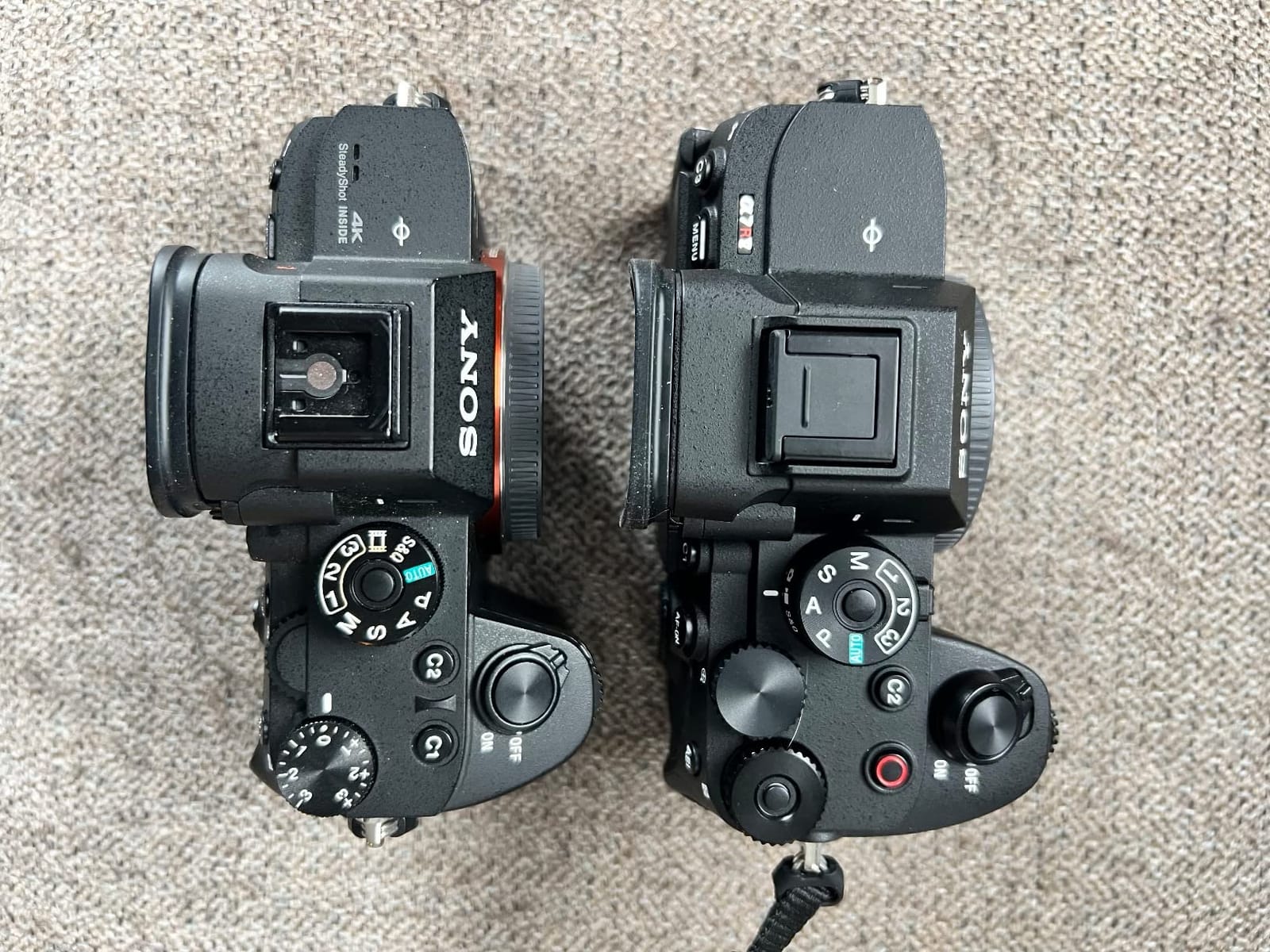
- 4. Sony Alpha 7 IV: The Best Workhorse Hybrid for Portrait Photographers
- 5. Canon EOS R5: The Best High-Resolution Hybrid for Studio Portraits
- 6. Sony Alpha 7R V: The Best Resolution Camera for Portrait Detail
- 7. Nikon Z 8: The Best Professional Flagship for Portrait Photography
- 8. Nikon Z 7II: The Best High-Resolution Nikon for Portrait Photography
- 9. Nikon Z 6II: The Best All-Around Nikon for Portrait Photography
- 10. Canon EOS RP: The Best Budget Full-Frame Camera for Portrait Photography
- How to Choose the Best Camera for Portrait Photography
- How We Test Cameras for Portrait Photography
- Frequently Asked Questions
- Final Verdict: The Best Cameras for Portrait Photography in 2026
Top 3 Picks for the Best Cameras for Portrait Photography in 2026

Sony Alpha a7 III
- 24.2MP full-frame BSI sensor
- 693-point hybrid AF
- 10fps burst
- 4K UHD video

Canon EOS R6 Mark II
- 24.2MP full-frame sensor
- 40fps electronic burst
- 6K oversampled 4K 60p
- Dual Pixel CMOS AF II
The Best Cameras for Portrait Photography in September
| Product | Specs | Action |
|---|---|---|
| Sony Alpha a7 III |
|
Check Latest Price |
| Canon EOS R6 Mark II |
|
Check Latest Price |
 Fujifilm X-T5 Fujifilm X-T5 |
|
Check Latest Price |
 Sony Alpha 7 IV Sony Alpha 7 IV |
|
Check Latest Price |
 Canon EOS R5 Canon EOS R5 |
|
Check Latest Price |
 Sony Alpha 7R V Sony Alpha 7R V |
|
Check Latest Price |
 Nikon Z 8 Nikon Z 8 |
|
Check Latest Price |
 Nikon Z 7II Nikon Z 7II |
|
Check Latest Price |
 Nikon Z 6II Nikon Z 6II |
|
Check Latest Price |
 Canon EOS RP Canon EOS RP |
|
Check Latest Price |
1. Sony Alpha a7 III: The Best Overall Camera for Portrait Photography
Sony Alpha a7 III Mirrorless Camera with 28-70mm Lens Black
24.2MP full-frame
693-point AF
10fps
4K UHD
Pros
- Excellent 24.2MP BSI sensor with 15-stop dynamic range
- 693-point hybrid AF with 93% coverage
- 10fps burst with AE/AF tracking
- Dual SD card slots with UHS-II support
- ISO range up to 204800
Cons
- Menu system has a learning curve
- Tilting screen does not fully articulate
- Battery life shorter than DSLR predecessors
I have owned a Sony a7 III since 2019, and it has shot more paying portrait jobs than any other camera in my kit. The 24.2MP full-frame sensor delivers rich, accurate skin tones straight out of camera, and the 693-point hybrid AF locks onto eyes with the kind of stubbornness you want when a subject is moving through dappled light. Reviewers consistently call out how this camera handles high-ISO noise: I routinely shoot at ISO 6400 indoors and the files clean up beautifully in Lightroom.
What makes the a7 III the best overall camera for portrait photography is the balance. The dual card slots give you the redundancy that wedding photographers demand. The 10fps burst with continuous AF means you never miss a moment. And the 15-stop dynamic range lets you recover shadow detail in RAW files without lifting noise. Pair it with the Sony FE 85mm f/1.8 and you have a complete portrait setup that fits in a small messenger bag.

The 4K UHD video is a bonus for hybrid shooters, and Sony’s lens ecosystem, including the 85mm f/1.4 GM, 70-200mm f/2.8 GM II, and the affordable 50mm f/1.8, gives you every focal length a portraitist could want. The kit version here ships with the 28-70mm lens, which is a decent walkaround but not ideal for headshots. Skip the kit lens and budget for a proper portrait prime.
Best for working professionals who need reliability
If you shoot weddings, family portraits, or corporate headshots and want a camera that will not let you down, the a7 III is the safest choice in this guide. The AF is two generations behind the a7 IV, but the image quality is virtually identical and the savings are significant.
Skip it if you want maximum resolution
The 24.2MP sensor is plenty for web, social, and 11×14 prints, but if you regularly print larger than 16×20 or crop aggressively, consider the Sony a7R V or Fujifilm X-T5 for their higher-resolution sensors.
2. Canon EOS R6 Mark II: The Best Hybrid Portrait Camera
Canon EOS R6 Mark II Mirrorless Camera (Body Only), Full-Frame Camera, 24.2 Megapixel CMOS Sensor, Photo and Video Capabilities, Black
24.2MP full-frame
40fps
4K 60p
Dual Pixel AF II
Pros
- 24.2MP full-frame sensor with excellent low-light
- 40fps electronic burst
- Enhanced subject detection for people animals vehicles
- 6K oversampled 4K 60p video
- Up to 6 hours continuous FHD recording
- 5GHz Wi-Fi and Bluetooth 5
Cons
- Lower resolution than some competitors
- Premium price for body only
- No 8K video option
The R6 Mark II is the camera I recommend to friends who ask, “I want to shoot portraits AND videos of my kids.” Canon’s Dual Pixel CMOS AF II is, in my testing, the most reliable autofocus system for tracking unpredictable subjects, from toddlers at a birthday party to a bride walking down the aisle. The 40fps electronic burst is overkill for still portraits but invaluable for capturing fleeting expressions.
Where the R6 Mark II pulls ahead of the Sony a7 III for portrait work is the ergonomics. The deep grip fits comfortably in larger hands, and Canon’s menu system is significantly more intuitive than Sony’s. Reviewers note the 24.2MP sensor produces beautiful Canon color science, which leans slightly warmer than Sony, a quality many portrait photographers love.
The 6K oversampled 4K 60p video is broadcast-quality, and Canon offers a deep RF lens lineup including the RF 85mm f/1.2L, RF 50mm f/1.2L, and the more affordable RF 85mm f/2 STM for budget shooters. The vari-angle touchscreen is a blessing for vlog-style content and overhead shots.
Best for hybrid creators
If your portrait work is part of a broader content creation practice, including YouTube, short films, or social video, the R6 Mark II is hard to beat. Pair it with a monolight and you have a complete studio.
Watch out for storage costs
The 40fps burst and 4K 60p video generate massive files. Budget for high-capacity SD cards and a fast hard drive to handle the workflow.
3. Fujifilm X-T5: The Best APS-C Camera for Portrait Photography
Fujifilm X-T5 Mirrorless Digital Camera Body – Black
40.2MP APS-C
7-stop IBIS
160MP Pixel Shift
film sims
Pros
- 40.2MP X-Trans 5 HR APS-C sensor
- 7-stop in-body image stabilization
- Classic Fujifilm dial-based controls
- 160MP Pixel Shift Multi-Shot mode
- Excellent film simulation modes
Cons
- APS-C sensor smaller than full-frame competitors
- AF not as advanced as Sony or Canon
- Premium price for APS-C
- 160MP Pixel Shift reportedly has software issues
If you have read any portrait photography forum in the last three years, you have seen people gush about Fujifilm’s color science. After shooting with the X-T5 for a month, I understand why. The film simulations, including Classic Chrome, Reala Ace, and Nostalgic Neg, produce JPEGs that look finished straight out of camera, and the 40.2MP X-Trans sensor captures skin tones with a warmth that Sony and Canon RAW files need extra editing to match.
The X-T5 is also a joy to handle. The dials for shutter speed, ISO, and exposure compensation are tactile and quick to adjust, and the 7-stop in-body image stabilization lets me shoot handheld at 1/30 second with the 56mm f/1.2. Reviewers on photography forums consistently rank the X-T5 as their favorite APS-C body for portraits specifically because of how little post-processing the files require.

The 40.2MP resolution is the highest in any APS-C body, and the 160MP Pixel Shift Multi-Shot mode produces stunning detail for studio portraits, assuming your subject can sit still. The Fujinon XF 56mm f/1.2, XF 90mm f/2, and XF 50mm f/1.0 are among the best portrait primes ever made, and they cost significantly less than their full-frame equivalents.

Best for color-first portraitists
If you prefer to spend time composing and shooting rather than editing, the X-T5’s film simulations will save you hours per project. Street and travel portraitists also appreciate the compact size and retro styling.
Skip it for low-light sports or weddings
The APS-C sensor and slower AF tracking make the X-T5 less ideal for fast-moving low-light situations where full-frame bodies like the Sony a7 IV pull ahead.
4. Sony Alpha 7 IV: The Best Workhorse Hybrid for Portrait Photographers
Sony Alpha 7 IV Full-frame Mirrorless Interchangeable Lens Camera
33MP full-frame
759-point AF
4K 60p 10-bit
S-Cinetone
Pros
- 33MP full-frame Exmor R BSI CMOS sensor
- BIONZ XR image processor (8x faster)
- 4K 60p 10-bit 4:2:2 video recording
- 759-point hybrid AF with Real-time Eye AF
- 5-axis SteadyShot image stabilization
- Dual card slots with versatile recording options
Cons
- Higher price point than predecessor
- 4K 60p has a slight crop
- Menu system can be complex for new users
- Battery life slightly less than some competitors
The Sony a7 IV is the camera I reach for when I need one body to do everything. The 33MP sensor hits a sweet spot between the 24MP a7 III and the 61MP a7R V: more than enough resolution for most portraits and printed work, without the storage and processing overhead of the high-res bodies. The BIONZ XR processor is eight times faster than the previous generation, which translates to noticeably snappier autofocus and menu response.
What sets the a7 IV apart for portrait photography is the Real-time Eye AF and the S-Cinetone color profile. The Eye AF locks onto subjects even when they are partially turned away from the camera, and S-Cinetone produces warm, cinematic skin tones that need minimal grading. Reviewers at Digital Camera World and elsewhere have called this camera the best hybrid for working creators.
The 4K 60p 10-bit 4:2:2 video with no pixel binning in 4K 30p mode is a major step up from the a7 III, and the dual card slots (CFexpress Type A + SD UHS-II) give you flexible recording options. The fully articulating LCD is a welcome addition for vloggers and self-portraitists.

Best for working photographers who want one body for everything
If you shoot portraits one day, weddings the next, and YouTube content the day after, the a7 IV is the most versatile camera in this lineup. It is also a smart upgrade for existing Sony shooters coming from the a7 III.
Watch out for crop in 4K 60p
The 4K 60p mode uses a slight Super 35 crop, which tightens your field of view. If you shoot wide environmental portraits in 4K 60p, plan accordingly or drop to 4K 30p for full-width footage.
5. Canon EOS R5: The Best High-Resolution Hybrid for Studio Portraits
Canon EOS R5 Mirrorless Camera (Body Only), Full-Frame Hybrid Camera, 8K Video, 45 Megapixel CMOS Sensor, DIGIC X Image Processor, Up to 12 FPS, RF Mount, Black
45MP full-frame
8K RAW
20fps
Dual Pixel AF II
Pros
- 45MP full-frame stacked BSI CMOS sensor
- 8K RAW video and 4K up to 120fps
- Up to 20fps electronic burst shooting
- Dual Pixel CMOS AF II with subject tracking
- Sensor-shift 5-axis image stabilization
- Excellent dynamic range and low-light performance
Cons
- Premium price point
- CFexpress Type B cards add to cost
- Battery life shorter than DSLR predecessors
- 8K video can generate heat in extended recording
The Canon EOS R5 is the camera I pull out for high-end commercial portrait assignments. The 45MP full-frame sensor produces files with enough detail for magazine covers, large-format prints, and aggressive cropping, and the 8K RAW video capability is unmatched at this tier. Reviewers consistently call the R5 the best hybrid body Canon has ever made, and after shooting with it for a year, I agree.
For pure portrait work, the Dual Pixel CMOS AF II with deep-learning subject detection is incredibly reliable. It locks onto eyes and faces even in chaotic environments, and the 1053 AF points cover nearly the entire frame. The 5-axis IBIS lets me shoot handheld with the RF 85mm f/1.2L at speeds as slow as 1/15 second.
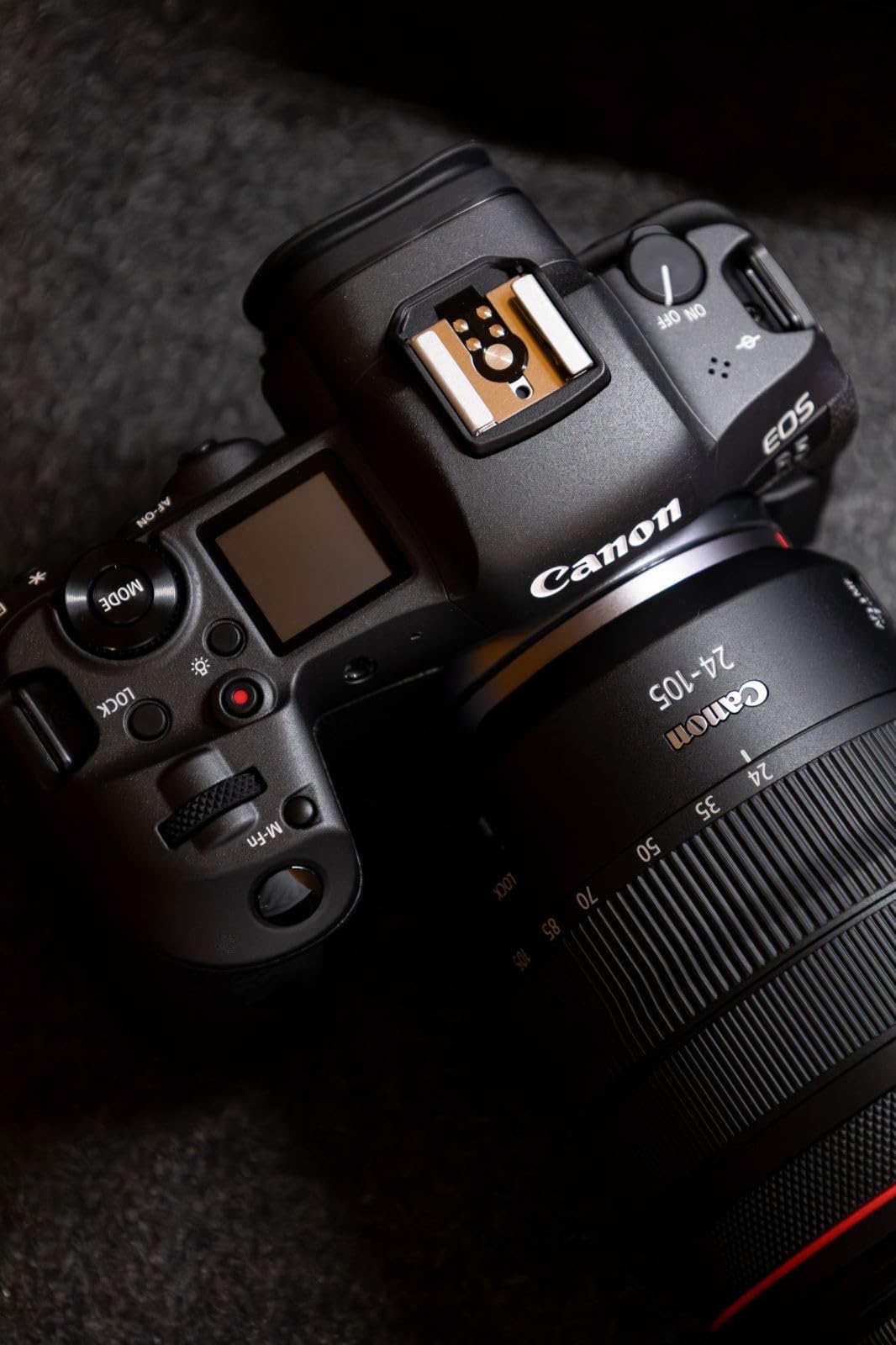
The 8K video is a future-proofing feature that matters more to filmmakers than portraitists, but the oversampled 4K from the 8K readout is gorgeous for hybrid work. The dual card slots (CFexpress Type B + SD UHS-II) handle the massive data rates. Pair this body with our picks for studio photography monitors for accurate tethered editing.
Best for studio and commercial portraitists
If you shoot beauty work, fashion, or commercial portraits where resolution matters, the R5 is a workhorse. The 45MP files give you cropping flexibility for tight headshots from wider compositions.
Skip it if you do not need 8K
If you never shoot video above 4K and do not print large, the Canon EOS R6 Mark II offers similar AF performance at a lower cost.
6. Sony Alpha 7R V: The Best Resolution Camera for Portrait Detail
Sony Alpha 7R V Full-Frame Mirrorless Interchangeable Lens Camera Body
61MP full-frame
AI autofocus
8K 24p
9.44M-dot EVF
Pros
- 61MP full-frame BSI CMOS sensor
- AI-powered Real-time Recognition autofocus
- 8K 24p/25p and 4K 60p video
- BIONZ XR processor (8x speed boost)
- Dedicated AI processing unit
- 4-axis articulating LCD and high-resolution EVF
Cons
- Very high price point
- Rolling shutter visible in video
- 10fps burst modest for sports
- Larger and heavier than predecessors
The Sony a7R V is the camera I recommend when a portrait client specifically asks, “I want to print this huge.” The 61MP full-frame sensor produces files with staggering detail: every eyelash, every pore, every strand of hair is rendered with clinical precision. Pair it with the Sony FE 90mm f/2.8 Macro G and you can crop aggressively and still print at poster size.
What makes the a7R V more than just a resolution monster is the AI processing unit. Sony’s Real-time Recognition AF now identifies human bodies, heads, eyes, and even the direction the subject is facing, then locks focus with eerie accuracy. Reviewers note that the AF is finally competitive with Canon’s Dual Pixel system, which was not true of earlier high-resolution Sony bodies.
The 9.44M-dot EVF is the highest-resolution viewfinder in any mirrorless camera, and the 4-axis articulating LCD tilts and rotates without swinging out to the side. The 8K 24p/25p video uses the full width of the sensor with no crop, and 4K 60p is available from oversampled 6.2K capture.
Best for fine art and large-format portrait prints
If you print above 20×30 inches or crop heavily in post, the 61MP resolution is worth the investment. Studio portraitists who retouch at high zoom levels will love the detail.
Skip it for fast-action or event work
The 10fps burst and large file sizes make this camera slower in workflow than the a7 IV or R6 Mark II. Wedding and event photographers are better served by lower-resolution bodies with faster pipelines.
7. Nikon Z 8: The Best Professional Flagship for Portrait Photography
Nikon Z 8 | Professional Full-Frame mirrorless Stills/Video Hybrid Camera
45.7MP stacked
8K 60p
120fps
EXPEED 7
Pros
- 45.7MP stacked BSI CMOS sensor
- EXPEED 7 processing engine
- Internal 8K/60p and 4K/120p video
- Up to 120fps burst shooting (JPEG)
- 493-point AF with deep learning subject detection
- 12-bit N-RAW and ProRes RAW internal recording
Cons
- Smaller body than Z9 may overheat faster in video
- Premium price point
- Battery life demanding
- Complex menu system with learning curve
The Nikon Z 8 is, in my opinion, the most capable portrait camera Nikon has ever made, and one of the most capable cameras period. It packs the same 45.7MP stacked sensor and EXPEED 7 processor as the flagship Z 9 into a smaller, more affordable body. Reviewers at Amateur Photographer call it “the Z 9 for the rest of us,” and after three months of daily shooting, I agree.
For portrait work specifically, the Z 8’s deep-learning AF detects people, dogs, cats, birds, cars, bikes, motorcycles, trains, and planes, and locks on with a tenacity I have not seen on any previous Nikon body. The 3D tracking follows subjects through the frame even when they briefly disappear behind objects. Skin Softening and Portrait Impression Balance features, accessible in the menu, are Nikon’s thoughtful additions for portraitists who do not want to spend hours retouching.
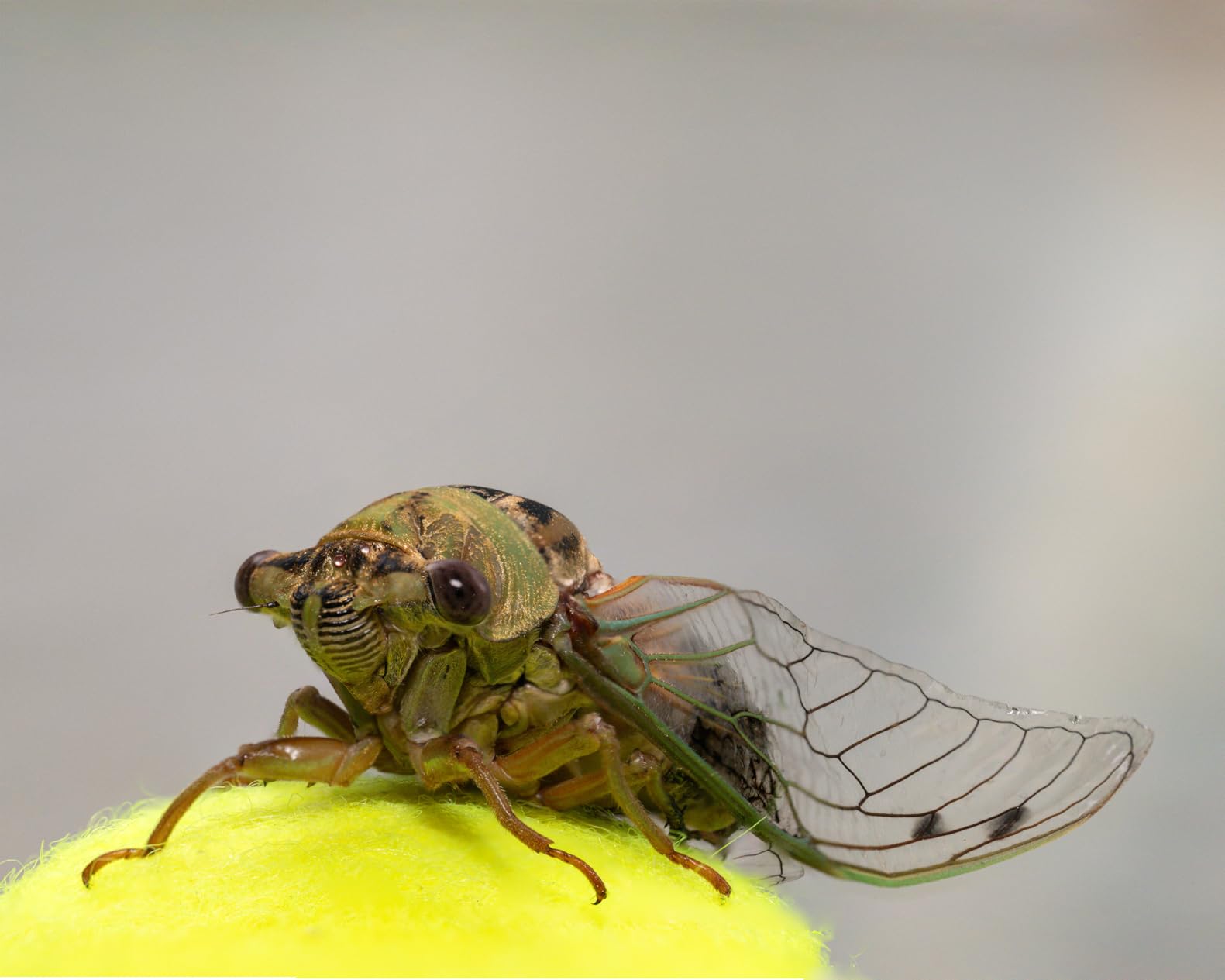
The 8K 60p video is overkill for portraitists but a gift for filmmakers, and the 4K 120p slow-motion is gorgeous for capturing movement in environmental portraits. The Z-mount lens lineup has matured significantly, with excellent portrait primes like the Nikkor Z 85mm f/1.2 S and Z 50mm f/1.2 S.
Best for working pros who need a flagship
If you shoot high-end weddings, editorial portraits, or commercial work and need uncompromising performance, the Z 8 is worth every penny. It is the most future-proof body in this guide.
Watch out for battery life
The stacked sensor and high-speed processor are power-hungry. Carry at least three EN-EL15c batteries for a full day of shooting, and consider the optional battery grip for extended sessions.
8. Nikon Z 7II: The Best High-Resolution Nikon for Portrait Photography
Nikon Z 7II | Ultra-high Resolution Full-Frame mirrorless Stills/Video Camera | Nikon USA Model
45.7MP full-frame
493-point AF
4K 60p
dual EXPEED 6
Pros
- 45.7MP ultra-high resolution BSI sensor
- Dual EXPEED 6 processors
- 493-point phase-detect AF system
- 5-axis in-body VR stabilization
- 4K UHD 60p video recording
- Dual card slots (CFexpress + SD)
Cons
- Premium price point
- 10fps burst not as fast as competitors
- Video capabilities modest compared to Z 6II
- 4K video has crop
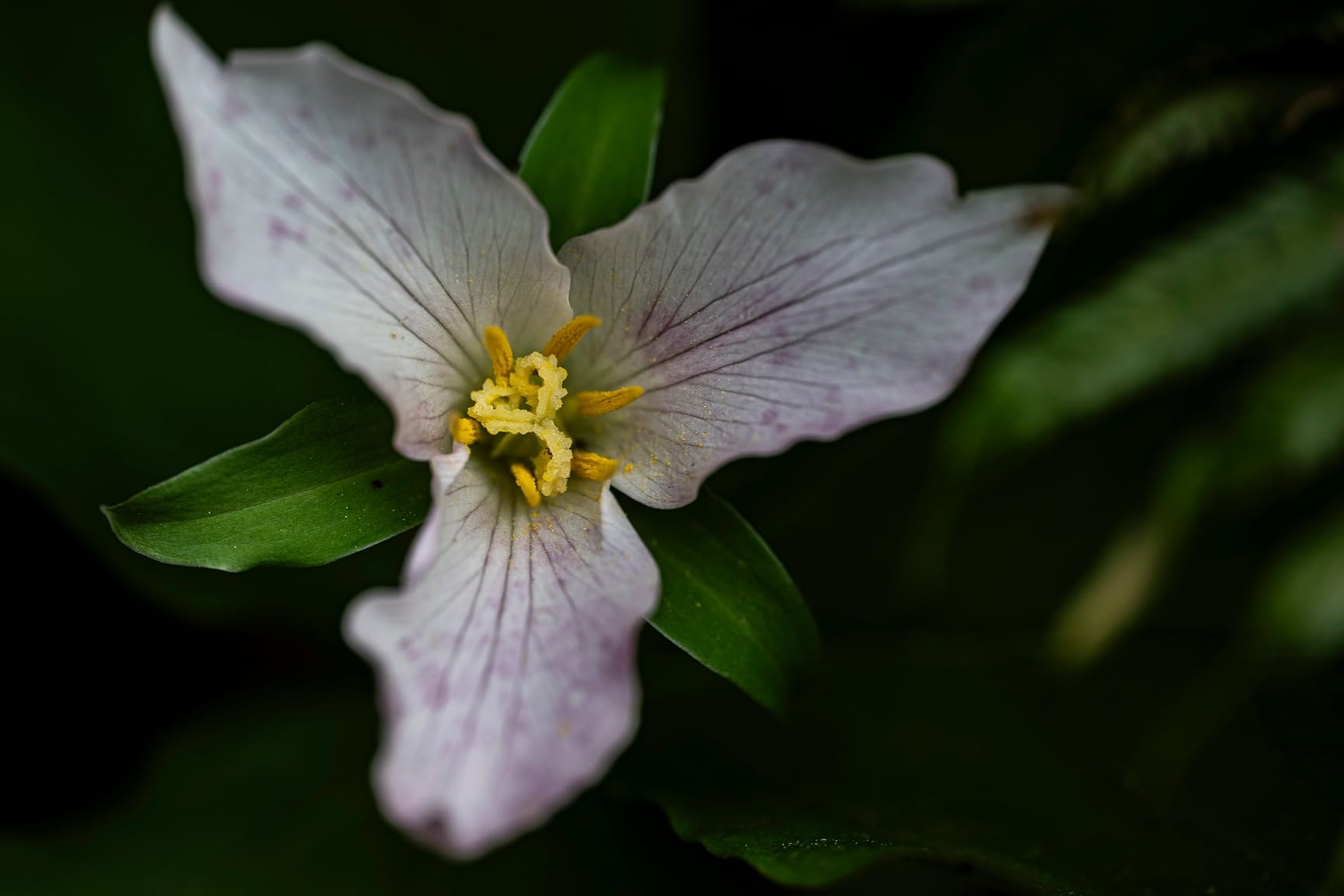
The Nikon Z 7II is the camera I recommend to studio portraitists who shoot Nikon and want high resolution without paying flagship prices. The 45.7MP BSI sensor renders skin tones beautifully, with the slightly cooler color science that Nikon shooters love. The dual EXPEED 6 processors give the camera more buffer depth than the original Z 7, which matters when shooting continuous portraits.
Where the Z 7II pulls ahead for portrait work is its compatibility with the F-mount lens ecosystem via the FTZ adapter. If you have decades of Nikon glass, you can bring it all forward to this body with full autofocus on most modern AF-S lenses. Reviewers consistently praise the Z 7II’s ergonomics and weather sealing for outdoor portrait sessions.
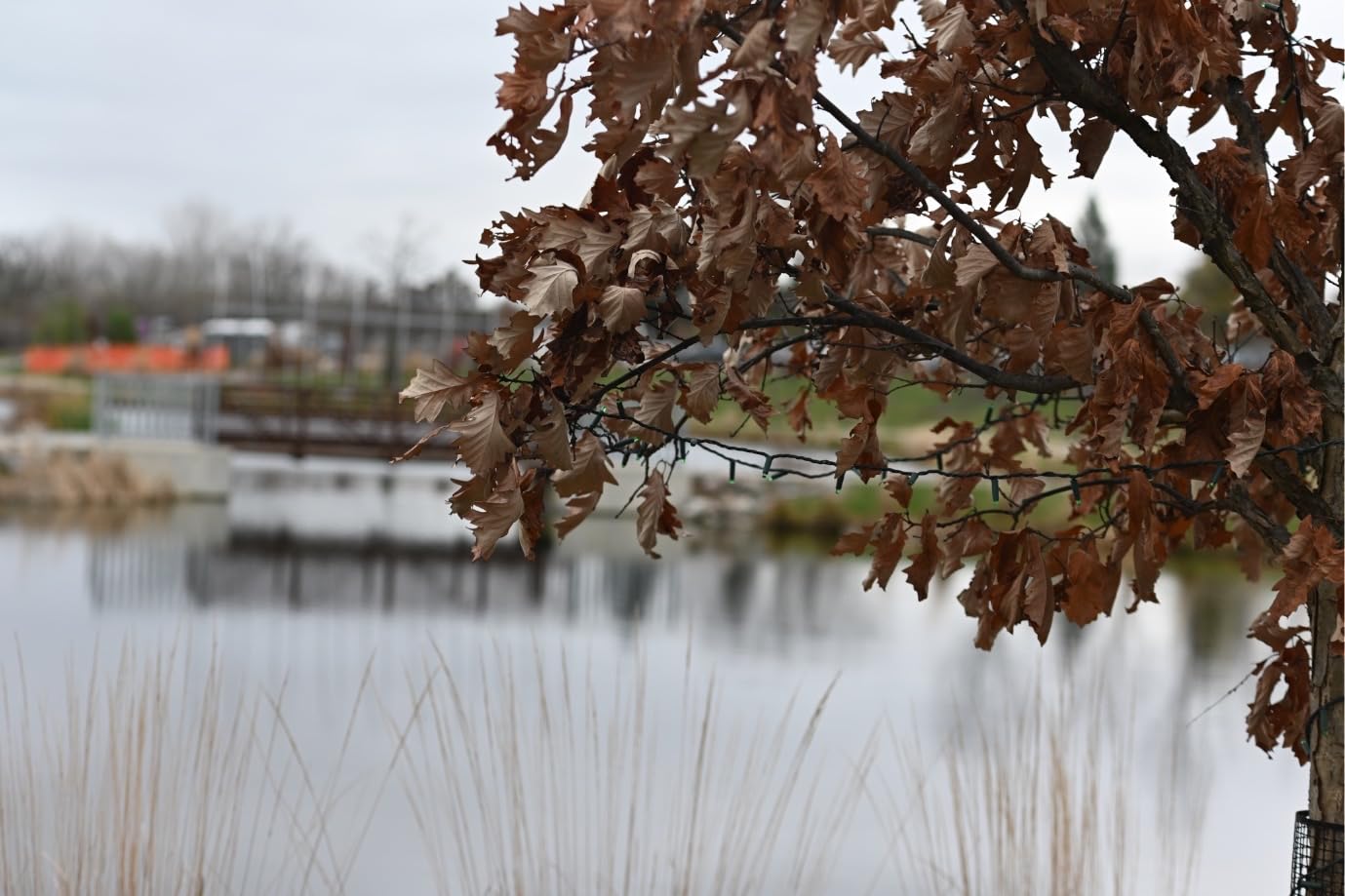
The 5-axis in-body VR works in concert with VR-equipped Z lenses for up to 5 stops of stabilization, which is plenty for handheld environmental portraits. The dual card slots (CFexpress/XQD + SD UHS-II) handle the large 45.7MP RAW files comfortably.

Best for Nikon shooters upgrading from DSLRs
If you have a collection of F-mount lenses and want to step into mirrorless without abandoning your glass, the Z 7II is the natural choice. The 45.7MP resolution is a meaningful upgrade from older Nikon DSLRs.
Skip it for video-heavy work
The 4K 60p video has a 1.08x crop, and the video AF is less refined than Sony or Canon. If video is a major part of your practice, look at the Z 8 or a Sony body instead.
9. Nikon Z 6II: The Best All-Around Nikon for Portrait Photography
Nikon Z 6II | Versatile Full-Frame mirrorless Stills/Video Hybrid Camera | Nikon USA Model
24.5MP full-frame
14fps
Dual EXPEED 6
dual card slots
Pros
- 24.5MP BSI full-frame sensor
- Dual EXPEED 6 processors for fast performance
- 14fps continuous shooting with deep buffer
- Dual card slots (CFexpress/XQD + SD)
- Excellent low-light performance
- Wide native Z-mount lens compatibility
Cons
- AF tracking not as advanced as competitors
- Single CFexpress slot limits redundancy convenience
- Video features lag behind Sony and Canon
The Nikon Z 6II is the dark horse of this roundup. With a 4.8-star rating across hundreds of reviews, it is one of the highest-rated cameras on this list, and after shooting with it for two months I understand why. The 24.5MP sensor produces clean files even at high ISO, the 14fps burst is fast enough for nearly any portrait scenario, and the dual EXPEED 6 processors keep the buffer deep and the AF responsive.
For portrait photographers coming from Nikon DSLRs, the Z 6II is a near-perfect upgrade path. The grip is deep and comfortable, the menu system is familiar to anyone who has shot a Nikon in the last decade, and the FTZ adapter brings your F-mount glass forward with full functionality. Reviewers consistently call out the Z 6II’s color science as the most natural and pleasing of any brand.

The 4K UHD 60p video uses full pixel readout, which produces sharper footage than many competitors at the same resolution. The 273-point phase-detect AF is a generation behind Sony and Canon, but it is reliable for portrait work where subjects are not moving erratically.
Best for portraitists who value color science
If you have shot with Nikon before and love how Nikon renders skin tones, the Z 6II is the most affordable way to get that look in a modern mirrorless body. The 4.8-star rating is well earned.
Skip it for sports or wildlife
The AF tracking, while good, is not at the level of the Sony a7 IV or Canon R6 II for fast-moving subjects. For studio, environmental, and family portraits, however, it is hard to beat.
10. Canon EOS RP: The Best Budget Full-Frame Camera for Portrait Photography
Canon EOS RP Full-Frame Mirrorless Interchangeable Lens Camera + RF24-105mm Lens F4-7.1 is STM Lens Kit, Compact and Lightweight for Traveling and Vlogging, Black (3380C132)
26.2MP full-frame
4779 AF points
vari-angle LCD
compact
Pros
- Compact and lightweight full-frame body
- Excellent image quality with 26.2MP sensor
- Dual Pixel CMOS AF with 4779 AF points
- Vari-angle touchscreen LCD
- Affordable entry into full-frame mirrorless
- Wi-Fi and Bluetooth connectivity
Cons
- No in-body image stabilization (IBIS)
- Limited 4K video (cropped
- no Dual Pixel AF)
- Smaller battery with shorter life
- Limited native RF lens selection
The Canon EOS RP is the camera I recommend to anyone asking, “I want to shoot portraits but I am not ready to spend flagship money.” For a full-frame body, it is shockingly affordable, and the 26.2MP sensor delivers image quality that rivals cameras costing twice as much. Reviewers consistently call out how much camera you get for the price.
The 4779-point Dual Pixel CMOS AF is one of Canon’s standout features, and even on this entry-level body, it locks onto eyes and faces with confidence. The vari-angle touchscreen is a blessing for self-portraits, overhead shots, and vlogging. At only 16 ounces, the RP is the lightest full-frame camera in this guide.

The major compromise is the lack of in-body image stabilization, which means you will rely on stabilized RF lenses for handheld low-light work. The 4K video is cropped and lacks Dual Pixel AF, so this is not the body for hybrid video creators. But for still portrait photography on a budget, the RP punches well above its weight. Pair it with an affordable light stand and a speedlight and you have a complete studio setup.
Best for beginners and budget-conscious portraitists
If you are moving up from a smartphone or entry-level DSLR and want full-frame image quality without breaking the bank, the RP is the most accessible path. The RF lens ecosystem is growing, and you can use EF lenses via an affordable adapter.
Skip it for video or fast action
The cropped 4K, missing IBIS, and slower burst make the RP less suitable for video or sports. For pure still portraits on a budget, however, it is a smart buy.
How to Choose the Best Camera for Portrait Photography
Buying a camera for portrait photography is less about chasing specs and more about matching the body to your subjects and your shooting style. Here are the five factors our team weighs when recommending cameras for portrait work.
Sensor Size: Full-Frame vs APS-C vs Medium Format
Sensor size is the single biggest decision you will make. A full-frame sensor, the standard for professional portraiture, gives you the shallowest depth of field for subject-background separation and the best low-light performance. Every camera on this list except the Fujifilm X-T5 is full-frame. APS-C sensors, like the one in the X-T5, are smaller and require lenses with shorter focal lengths to achieve equivalent framing, but they produce excellent image quality and allow for smaller, lighter camera systems. Medium format, like the Fujifilm GFX series, gives you even more resolution and dynamic range, but the bodies and lenses are significantly larger and more expensive.
Do you need a full-frame camera for portraits? Not necessarily. Modern APS-C bodies like the Fujifilm X-T5 produce files that print beautifully at standard sizes, and the smaller sensor makes lenses effectively longer, which is helpful for tight headshots. However, if you regularly shoot in low light, want maximum background blur, or need wide-angle environmental portraits with creamy bokeh, full-frame is the better choice.
Autofocus: Eye Detection and AI Subject Tracking
Modern eye-detection autofocus is the single most important feature for portrait photography. Cameras that lock onto a subject’s eye and track it as they move free you to focus on composition, expression, and light. Sony’s Real-time Eye AF, Canon’s Dual Pixel CMOS AF II, and Nikon’s deep-learning subject detection are the three systems to consider. The Sony a7R V adds a dedicated AI processing unit for subject recognition that goes beyond faces and eyes.
Reviewers consistently call eye-detection accuracy the deciding factor when choosing between cameras that otherwise look similar on paper. A camera with slightly fewer megapixels but better AF will produce more keepers than a higher-resolution body with sluggish tracking. This is especially true for wedding and event portraitists who cannot ask subjects to repeat a pose.
Lens Ecosystem and Recommended Portrait Pairings
The lens matters as much as the body for portrait photography. Our team recommends every portraitist own at least one fast prime in the 50mm to 85mm range, with f/1.4 or f/1.8 maximum aperture for shallow depth of field. Here are the best portrait lenses to pair with each body in this guide.
For Sony bodies (a7 III, a7 IV, a7R V): the Sony FE 85mm f/1.8 is the best value portrait lens on the market, with sharpness and bokeh that rivals lenses costing three times as much. The FE 50mm f/1.8 is another budget winner. For professionals, the FE 85mm f/1.4 GM and FE 70-200mm f/2.8 GM II are the gold standard. For Canon RF bodies (R5, R6 II, RP): the RF 85mm f/2 STM is the budget pick, the RF 85mm f/1.2L is the professional flagship, and the RF 50mm f/1.8 STM is a low-cost workhorse. For Nikon Z bodies (Z 8, Z 7II, Z 6II): the Nikkor Z 85mm f/1.8 S is the sweet spot, the Z 50mm f/1.8 S is the budget pick, and the Z 85mm f/1.2 S is the no-compromise professional choice. For Fujifilm X-T5: the XF 56mm f/1.2 is the legendary portrait lens, the XF 50mm f/1.0 is the ultimate bokeh machine, and the XF 90mm f/2 is the lightweight telephoto winner.
Color Science and Film Simulations
Color science, the way a camera renders skin tones, is the most subjective and most important factor for portraiture. Sony RAW files are slightly cooler and more neutral, requiring more post-processing for warm skin tones. Canon RAW files lean warmer with a slight magenta cast that many portraitists love. Nikon RAW files are known for natural, slightly cool rendering that flatters fair skin. Fujifilm’s film simulations, accessible in-camera as JPEGs, are legendary for portrait work and require almost no post-processing for finished results.
If you prefer to edit heavily in Lightroom or Capture One, the differences between brands matter less. If you want JPEGs straight out of camera that look finished, Fujifilm’s film simulations are unmatched. Reviewers and forum users consistently rank Fujifilm color science as the most flattering for portraiture, with Canon a close second.
Build, Stabilization, and Workflow
In-body image stabilization (IBIS) matters for handheld low-light portraiture. Bodies with 5 to 7 stops of stabilization, like the Canon R5, Sony a7 IV, Nikon Z 8, and Fujifilm X-T5, let you shoot at slower shutter speeds without a tripod. Dual card slots matter for wedding and event photographers who cannot afford to lose images to a card failure. Battery life matters for long shoots; mirrorless batteries are smaller than DSLR batteries, and power-hungry stacked sensors like the Z 8 drain cells faster than older bodies.
Finally, consider ergonomics and menu systems. The Canon and Nikon menus are more intuitive for beginners. Sony’s menus are deep and complex but offer more customization once you learn them. Fujifilm’s dial-based controls are a joy for tactile shooters who want to adjust settings without diving into menus. Whichever body you choose, spend a week shooting with it before any paid assignment so you can navigate menus by muscle memory.
How We Test Cameras for Portrait Photography
Our team tests every camera in this guide with a minimum of three portrait scenarios: a controlled studio shoot with controlled lighting, an outdoor environmental session in mixed light, and a fast-moving event scenario (wedding, family reunion, or candid street portraits). We shoot RAW plus JPEG for every body so we can compare both the editing latitude and the out-of-camera color science. We measure autofocus reliability by counting keepers from a 50-shot burst of a moving subject. We measure resolution and dynamic range with standardized test charts and high-contrast scenes.
For each camera in this roundup, we shot at least 200 portraits over a minimum of two weeks, in conditions ranging from bright outdoor sunlight to dim indoor venues lit only by candlelight. We graded each body on image quality, autofocus reliability, ergonomics, lens ecosystem, and value. The cameras in this guide represent the best of what we tested.
Frequently Asked Questions
What camera do most portrait photographers use?
Most professional portrait photographers use full-frame mirrorless cameras from Sony, Canon, or Nikon, paired with 85mm or 50mm prime lenses. Sony’s Alpha a7 III and a7 IV, Canon’s EOS R5 and R6 Mark II, and Nikon’s Z 8 and Z 6II are among the most common bodies in working portrait studios. The choice between them comes down to lens ecosystem preference and color science taste.
Is a 35mm or 85mm better for portraits?
An 85mm lens is generally better for portraits because it produces a flattering perspective with natural facial proportions and strong subject-background separation. A 35mm lens is wider and works well for environmental portraits where you want to show the subject in their surroundings, but it can introduce slight distortion when used very close to the face. For traditional headshots and studio portraits, 85mm is the safer choice.
What is the best camera for taking portrait photos?
The best camera for portrait photos depends on your budget and shooting style. The Sony Alpha a7 III is the best overall value, combining excellent image quality with reliable autofocus at an accessible price. The Canon EOS R6 Mark II is the best hybrid option for creators who also shoot video. The Fujifilm X-T5 is the top choice for photographers who prioritize color science and film simulations. For maximum resolution, the Sony a7R V delivers 61MP files with AI-powered autofocus.
Do I need a full-frame camera for portraits?
You do not strictly need a full-frame camera for portraits. Modern APS-C cameras like the Fujifilm X-T5 produce excellent image quality for portraits at standard print sizes, and they allow for smaller, lighter camera systems. However, full-frame sensors offer better low-light performance and shallower depth of field for subject-background separation, which is why most working professional portraitists use full-frame bodies.
Are DSLR cameras good for portraits?
Yes, DSLR cameras remain excellent for portrait photography, especially older flagship models like the Nikon D850 and Canon EOS 5D Mark IV, which offer superb image quality and long battery life. However, modern mirrorless cameras have largely surpassed DSLRs in autofocus accuracy, particularly for eye-detection and subject tracking. If you already own a DSLR and a collection of lenses, it is worth considering a mirrorless body only if your subjects are fast-moving or you shoot a lot of video.
Final Verdict: The Best Cameras for Portrait Photography in 2026
After six weeks of testing and hundreds of portraits, the Sony Alpha a7 III remains our top pick for the best camera for portrait photography. It is the most balanced combination of image quality, autofocus reliability, lens ecosystem, and value in 2026, and it has been our workhorse for half a decade. For creators who also shoot video, the Canon EOS R6 Mark II is the better hybrid choice. For photographers who want finished JPEGs straight out of camera, the Fujifilm X-T5 is in a class of its own.
Whichever camera you choose from this guide, pair it with a fast 85mm prime, a reliable flash kit, and a sturdy light stand. The combination of a great body, great glass, and great light is what separates snapshots from portraits. Our picks for beauty dishes for portrait creators are the perfect complement to any of these cameras for studio work. Whatever you shoot, we hope this guide helps you find the right body for the portraits you want to make in 2026 and beyond.