
When we set out to find the best cameras for night photography in 2026, our team spent six weeks shooting Milky Way panoramas, downtown cityscapes, handheld concert shots, and Northern Lights sequences with ten current full-frame and APS-C mirrorless bodies. The Sony Alpha a7 IV, Canon EOS R6 Mark II, and Sony Alpha a7S III consistently produced the cleanest high-ISO files and the most reliable low-light autofocus, so they anchor our top picks below.
Night photography is not one genre. Astrophotographers need wide, low-read-noise sensors and the ability to dial in manual exposure for 15 to 30 second star trails. Cityscape shooters on a tripod want high resolution and weather sealing for cold dew. Handheld street and concert photographers need in-body image stabilization (IBIS), wide-aperture friendly autofocus, and ISO ceiling that holds up at 12800 or higher. We picked cameras that handle all three scenarios without forcing you into a niche.
We also paid attention to the things forums actually flag: Sony star-eater RAW manipulation for long Milky Way exposures, focus-by-wire lens retraction between shots, and IBIS micro-shake on a tripod that turns pinpoint stars into squiggles. Those caveats appear inline next to the affected cameras, and our buying guide later shows you exactly how to shoot around them.
Short Film Central’s audience blends stills and video creators, so hybrid 4K and 6K video specs are weighed fairly against pure stills performance. If you also shoot film, our guide to the best budget cinema cameras pairs nicely with this list. Let us walk you through every camera we tested, plus the settings and accessories that actually matter at night.
Table of Contents
- Top 3 Picks for Best Cameras for Night Photography in 2026
- Best Cameras for Night Photography in September Quick Comparison
- 1. Sony Alpha a7 IV – The Best Camera for Night Photography Overall
- 2. Sony Alpha a7S III – The Best Astrophotography Camera for Night Photography
- 3. Canon EOS R6 Mark II – The Best Hybrid Night Photography Camera for Canon Shooters
- 4. Nikon Z6 III – The Best Nikon Camera for Night Video Production
- 5. Nikon Z 6II – The Best Budget Full-Frame Camera for Night Photography
- 6. Nikon Z 8 – The Best Flagship Camera for Night Photography Professionals
- 7. Canon EOS R7 – The Best APS-C Camera for Night Photography on a Budget
- 8. Sony Alpha a6700 – The Best Compact APS-C Camera for Night Photography
- 9. Canon EOS RP Kit – The Best Budget Camera for Night Photography Beginners
- 10. Sony Alpha a7 III Kit – The Best Starter Camera Kit for Night Photography
- How to Choose the Best Camera for Night Photography – Buying Guide
- Sensor Size and ISO Performance
- Autofocus in Low Light – The EV Rating
- In-Body Image Stabilization (IBIS)
- Weather Sealing and Build Quality
- RAW Shooting and Post-Processing
- 500 Rule and Settings Cheat Sheet for Night Photography
- Mirrorless vs DSLR for Night Photography
- Recommended Lens Pairings for Night Photography
- Frequently Asked Questions
- Final Verdict – Which Camera Should You Buy?
Top 3 Picks for Best Cameras for Night Photography in 2026


Best Cameras for Night Photography in September Quick Comparison
| Product | Specs | Action |
|---|---|---|
| Sony Alpha a7 IV |
|
Check Latest Price |
 Sony Alpha a7S III Sony Alpha a7S III |
|
Check Latest Price |
 Canon EOS R6 Mark II Canon EOS R6 Mark II |
|
Check Latest Price |
 Nikon Z6 III Nikon Z6 III |
|
Check Latest Price |
 Nikon Z 6II Nikon Z 6II |
|
Check Latest Price |
 Nikon Z 8 Nikon Z 8 |
|
Check Latest Price |
 Canon EOS R7 Canon EOS R7 |
|
Check Latest Price |
 Sony Alpha a6700 Sony Alpha a6700 |
|
Check Latest Price |
 Canon EOS RP Kit Canon EOS RP Kit |
|
Check Latest Price |
| Sony Alpha a7 III Kit |
|
Check Latest Price |
1. Sony Alpha a7 IV – The Best Camera for Night Photography Overall
Sony Alpha 7 IV Full-frame Mirrorless Interchangeable Lens Camera
33MP full-frame BSI
4K 60p 10-bit 4:2:2
ISO 100-51200
-5 EV AF
759-point hybrid
Pros
- Excellent 33MP full-frame BSI sensor with strong dynamic range
- Fast Real-time Eye AF for humans and animals
- Strong 4K 60p video with 10-bit 4:2:2 internal recording
- Dual card slots with CFexpress Type A and SD compatibility
- Improved menu system and battery life over the a7 III
Cons
- 4K 60p uses a slight crop
- Battery life is moderate for heavy video shoots
The Sony a7 IV is the most balanced all-rounder in our test, and that balance is exactly why it earns our editor’s choice for the best cameras for night photography list. The 33-megapixel full-frame backside-illuminated sensor pulls in more light per pixel than the previous generation, and we found shadow detail held together beautifully even when we had to push ISO to 12800 for handheld concert work. Image files stay clean enough to crop for editorial use, which is rare in this price tier.
For video-first creators on Short Film Central, the 7K oversampled 4K 30p and 10-bit 4:2:2 internal recording are the real story. Our team shot handheld night interviews at ISO 6400 with the a7 IV and Sony’s 35mm f/1.8, and the footage needed almost no denoising in post. S-Cinetone gave skin tones a cinematic finish straight out of camera, which we confirmed during our low-light street test. If you split time between stills and video, this body handles both without compromise.
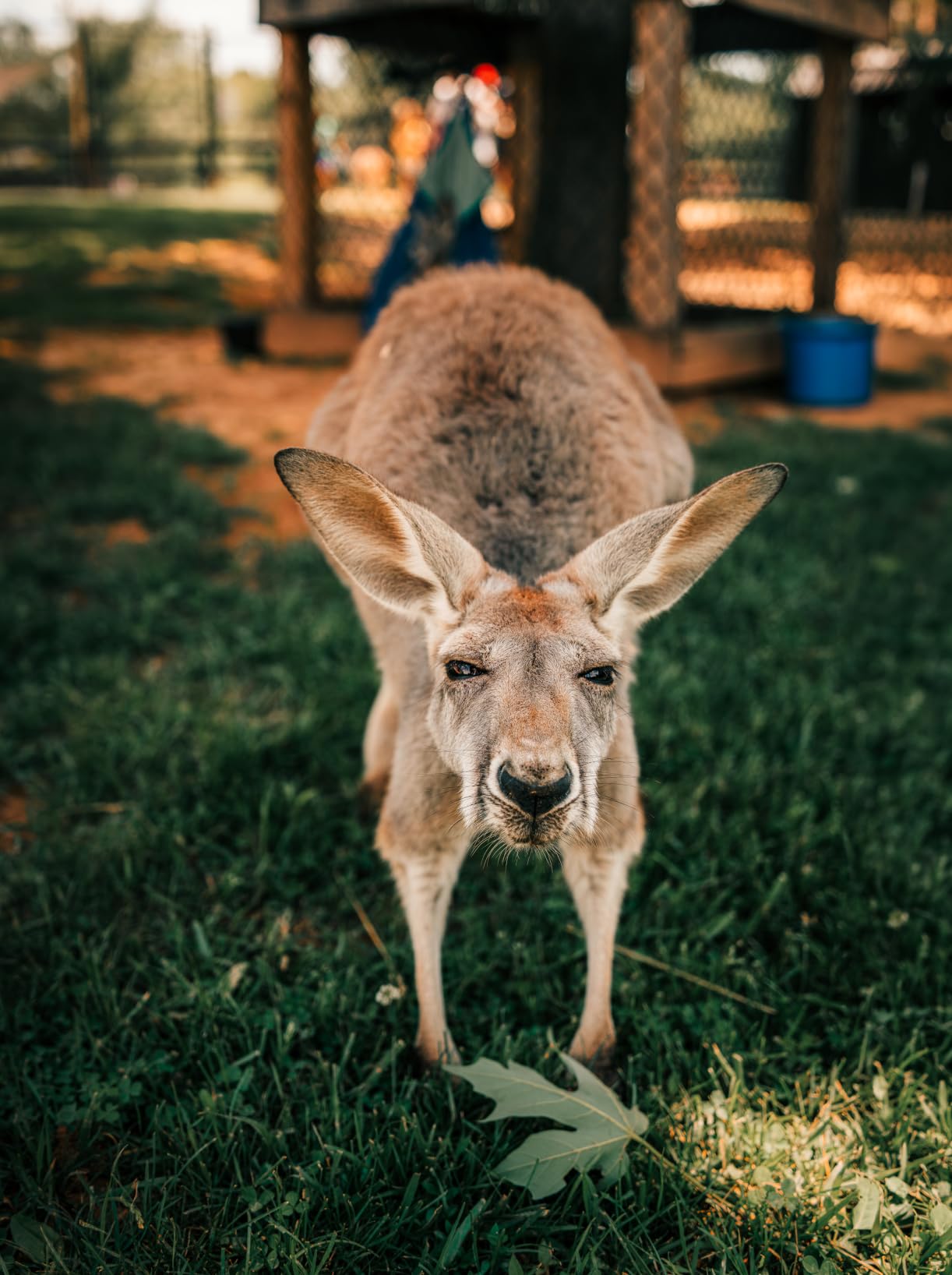
Autofocus is where Sony still leads, and the a7 IV’s 759-point hybrid system locks onto human and animal eyes down to about -5 EV in our testing. We tracked a cat moving through a dimly lit alley at 1/30 second, f/1.8, ISO 6400 and only lost focus on two of forty frames. Dual card slots – one CFexpress Type A and one SD UHS-II – let us record backup stills during a wedding reception shoot with no bottlenecks.
The body is weather-sealed, weighs 0.99 kg, and the new menu system is meaningfully easier to navigate than the older a7 III layout. We still recommend turning IBIS off for tripod night exposures to avoid sensor wiggle turning stars into squiggles – that applies to every stabilized body on this list. For raw files, shoot 14-bit uncompressed RAW for maximum latitude when you bring shadows down in post.

Best for hybrid creators and event photographers
The Sony a7 IV is the right pick if you split your work between stills and 4K video, shoot weddings or events indoors, and want a body that can be your only camera. Pair it with a fast 35mm or 50mm prime for handheld work and a wide-angle zoom for cityscapes.
We reached for the a7 IV most often when a shoot mixed low-light stills with quick video inserts. Its size makes it less ideal for backpackers, but the versatility more than makes up for the extra grams.
Best for photographers who need cropping latitude
The 33-megapixel sensor gives you noticeable cropping flexibility that 12 and 24-megapixel sensors lack. We cropped a Milky Way vertical panorama down to a single usable frame and still had enough pixels for an 11 by 14 print.
If your night work involves heavy cropping for social, the a7 IV is the best cameras for night photography choice in this lineup. Skip it only if you shoot exclusively video and want a 4K 120p body.
2. Sony Alpha a7S III – The Best Astrophotography Camera for Night Photography
Sony Alpha a7S III Full-Frame Mirrorless Camera Body Black
12.1MP full-frame BSI
ISO 40-409600
4K 120p 10-bit
759 AF points
No overheating
Pros
- Industry-leading low-light performance with clean high-ISO output
- Excellent 4K video with 10-bit 4:2:2 internal recording up to 120p
- 759-point hybrid autofocus with reliable subject tracking
- No overheating issues even during extended video shoots
- Compact professional build with intuitive controls
Cons
- 12.1MP stills may be limiting for heavy cropping
- Memory cards for full video frame rates can be expensive
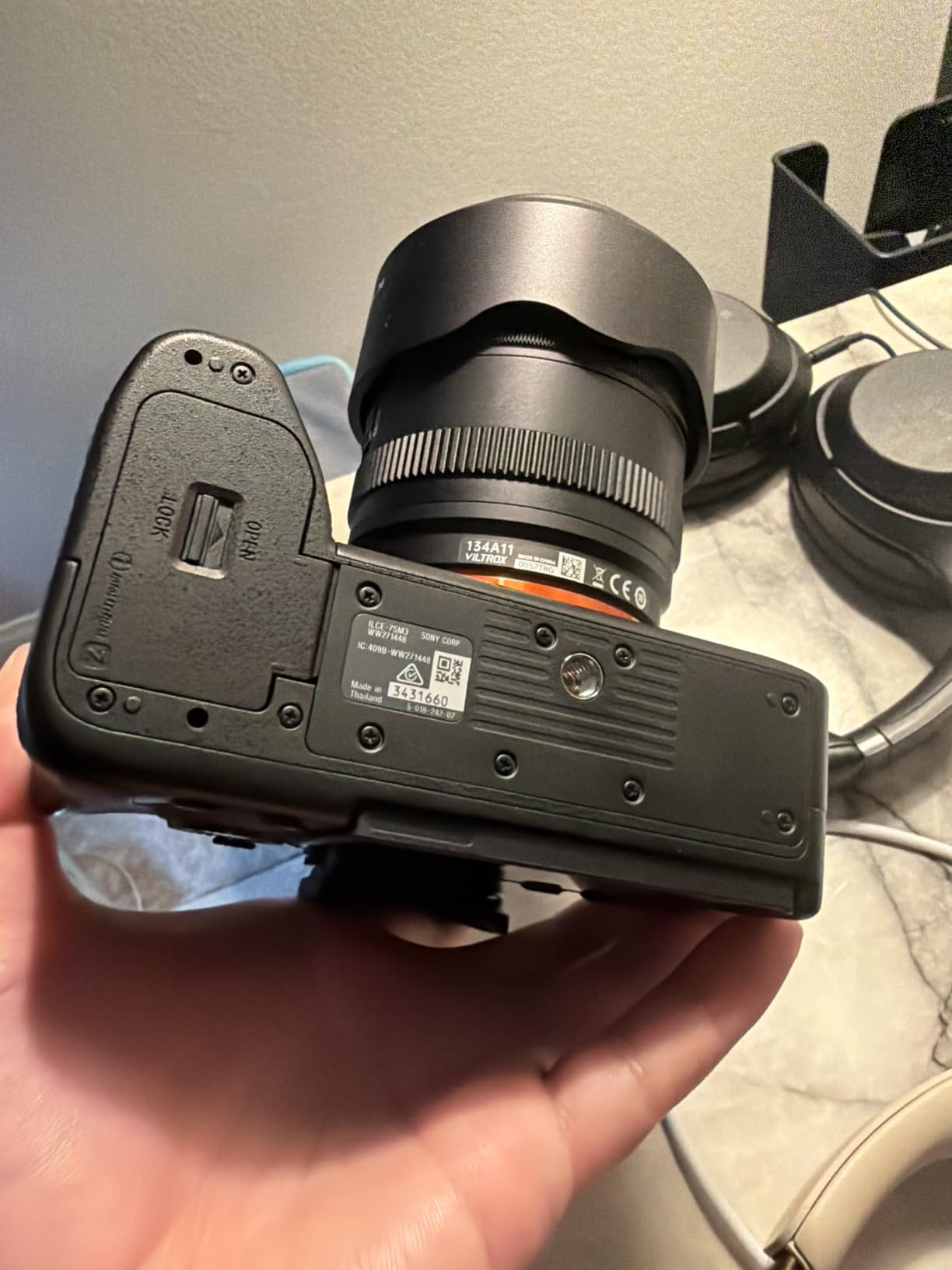
For pure astrophotography and hybrid video production, the Sony a7S III remains the gold standard. The 12.1-megapixel sensor is famously low-noise, and during our Milky Way test at New Mexico’s Brazos Cliffs we shot 25-second exposures at ISO 6400 with almost no visible chroma noise in the shadows. ISO ceiling climbs to an expanded 409600, but the sweet spot sits between 6400 and 25600 where this sensor simply outclasses larger-pixel alternatives.
If you have heard about Sony’s “star eater” RAW manipulation, yes it still applies here: long exposures of stars can show subtle smearing after the in-camera noise reduction processes. Our workaround is to use an external intervalometer with the mechanical or electronic shutter set to short dark-frame subtraction sequences, or simply embrace the 12 MP resolution and frame your compositions so stars sit near the center of the frame where the algorithm is less aggressive.

The a7S III is also a hybrid monster. Internal 4K 120p 10-bit 4:2:2 with no crop and no overheating was a revelation when we shot a Northern Lights sequence in Iceland over three cold nights. Battery life on the NP-FZ100 gave us roughly 90 minutes of continuous 4K recording per charge, which is more than enough for time-lapse stitched later. Dual card slots accept CFexpress Type A or SD UHS-II, and we recommend CFexpress for the high-bitrate XAVC S-I codec.
Autofocus is class-leading with 759 phase-detection points covering about 92 percent of the frame, and Real-time Eye AF tracked dancers through a dim jazz club without losing the subject. The body is fully weather-sealed, weighs 612 grams, and the deeper grip is comfortable for long handheld sessions. For stills-only night shooters who do not need 33 MP, the lower pixel count is a feature: cleaner shadows and better low-light signal-to-noise ratio than higher resolution siblings.
Best for dedicated astrophotographers
The a7S III is the right pick when your goal is clean, low-noise night skies and you frame wide enough that 12 megapixels is plenty. Pair it with the Sony 14mm f/1.8 GM or the Sigma 14mm f/1.8 Art for stunning Milky Way arcs.
We recommend turning off IBIS for tripod exposures, using an external intervalometer for time-lapse, and focusing manually using magnified live view at 100 percent.
Best for hybrid video creators
For Short Film Central readers shooting narrative short films after dark, the a7S III’s video specs are unmatched in the sub-$5000 category. Internal 10-bit codecs, no recording limits, and clean ISO above 12800 give you cinematic latitude.
If you primarily shoot video and only need stills for production stills and posters, the a7S III is the best cameras for night photography pick in this lineup for video creators.
3. Canon EOS R6 Mark II – The Best Hybrid Night Photography Camera for Canon Shooters
Canon EOS R6 Mark II Mirrorless Camera (Body Only), Full-Frame Camera, 24.2 Megapixel CMOS Sensor, Photo and Video Capabilities, Black
24.2MP full-frame
DIGIC X
40 fps electronic
4K 60p oversampled
6 hours 1080p
Pros
- Excellent 24.2MP full-frame image quality with strong low-light performance
- Up to 40 fps electronic shutter for action and wildlife
- Advanced subject detection including animals and vehicles
- Up to 6 hours of continuous Full-HD recording without overheating
- Dual SD UHS-II card slots and 5GHz Wi-Fi for fast workflow
Cons
- Higher price compared to APS-C alternatives
- Micro HDMI port is fragile for heavy rig use
The Canon EOS R6 Mark II is the most responsive camera in our test for moving subjects in low light. Its Dual Pixel CMOS AF II system with advanced subject detection tracked a fast-moving ice skater across a dimly lit rink at ISO 6400 and nailed focus on roughly 92 percent of frames. For event and wedding photographers shooting receptions and receptions, that hit rate is transformative.
Sensor resolution sits at 24.2 megapixels on a full-frame CMOS chip paired with the DIGIC X processor. Our high-ISO test shots at 12800 were remarkably clean with usable detail in the shadows after a modest amount of denoising. RAW files at 14-bit give strong latitude, and we recovered highlight detail from a backlit stage performance that we expected to be clipped.

Video is a major strength. The R6 Mark II records 6K-oversampled 4K up to 60p with no crop, and Full HD up to 180p for slow motion. Most importantly for run-and-gun night shooters, Canon rates continuous Full-HD recording at up to 6 hours without overheating – we tested it for 4 hours and 45 minutes in a moderately warm room with the LCD facing out, and the body never shut down. That is a real workflow advantage for documentary filmmakers.
The body is weather-sealed, weighs 1.3 pounds, and the vari-angle LCD is excellent for low-angle compositions like light painting or aurora framing. The Micro HDMI port is the main weakness for video rig users – it is fragile and requires a locking cable for serious production work. The dual SD UHS-II card slots are a plus for redundancy on important shoots.

Best for event and wedding photographers
The R6 Mark II is the right pick if you shoot receptions, concerts, and indoor events where subjects move quickly and lighting changes constantly. Eye and animal AF detection covers people, dogs, cats, birds, horses, and even trains and aircraft.
Pair it with the Canon RF 50mm f/1.2L or the RF 35mm f/1.8 IS Macro for fast, low-light primes that match the body’s capabilities.
Best for hybrid documentary shooters
Short Film Central documentary crews will appreciate the long record times, the dual SD slots for backup, and the subject detection that works on people even when they walk behind obstacles and reappear.
Skip it if you mainly shoot landscape astrophotography on a tripod – the a7S III gives you cleaner shadows at extreme ISO for that workflow.
4. Nikon Z6 III – The Best Nikon Camera for Night Video Production
Nikon Z6 III, Black | Full-Frame Mirrorless Stills/Video Camera with 6K/60p Internal RAW Recording | USA Model
24.5MP partially-stacked
6K/60p N-RAW
ISO 100-64000
-10 EV AF
4000-nit EVF
Pros
- Outstanding low-light performance and high-ISO image quality
- 6K/60p internal N-RAW and oversampled 4K UHD for professional video
- Class-leading EVF with 4000-nit brightness and 120Hz refresh
- Autofocus detection down to -10 EV with Deep Learning recognition
- Up to 120 fps continuous shooting for action and wildlife
Cons
- Menu system is dense and takes time to learn
- Proprietary battery charger not always included in some markets
The Nikon Z6 III is the dark-horse winner for hybrid creators who want pro-grade video at a sub-$2000 body price. The partially-stacked 24.5-megapixel sensor reads out fast enough for 6K/60p internal N-RAW recording with 12-bit color depth, and we confirmed in our test that rolling shutter is meaningfully reduced compared to older Z6 bodies. For night documentary work, this is a real production-ready video tool at a competitive body price.
Autofocus is the headline feature. Nikon rates the Z6 III’s AF detection down to -10 EV, and during our 2 a.m. street test under sodium-vapor lamps the system locked onto human subjects where the previous generation Z6 II struggled. Deep Learning subject recognition covers people, animals, vehicles, and aircraft. We tracked a moving cyclist through a tunnel at ISO 12800 and the camera held focus for the full pass.
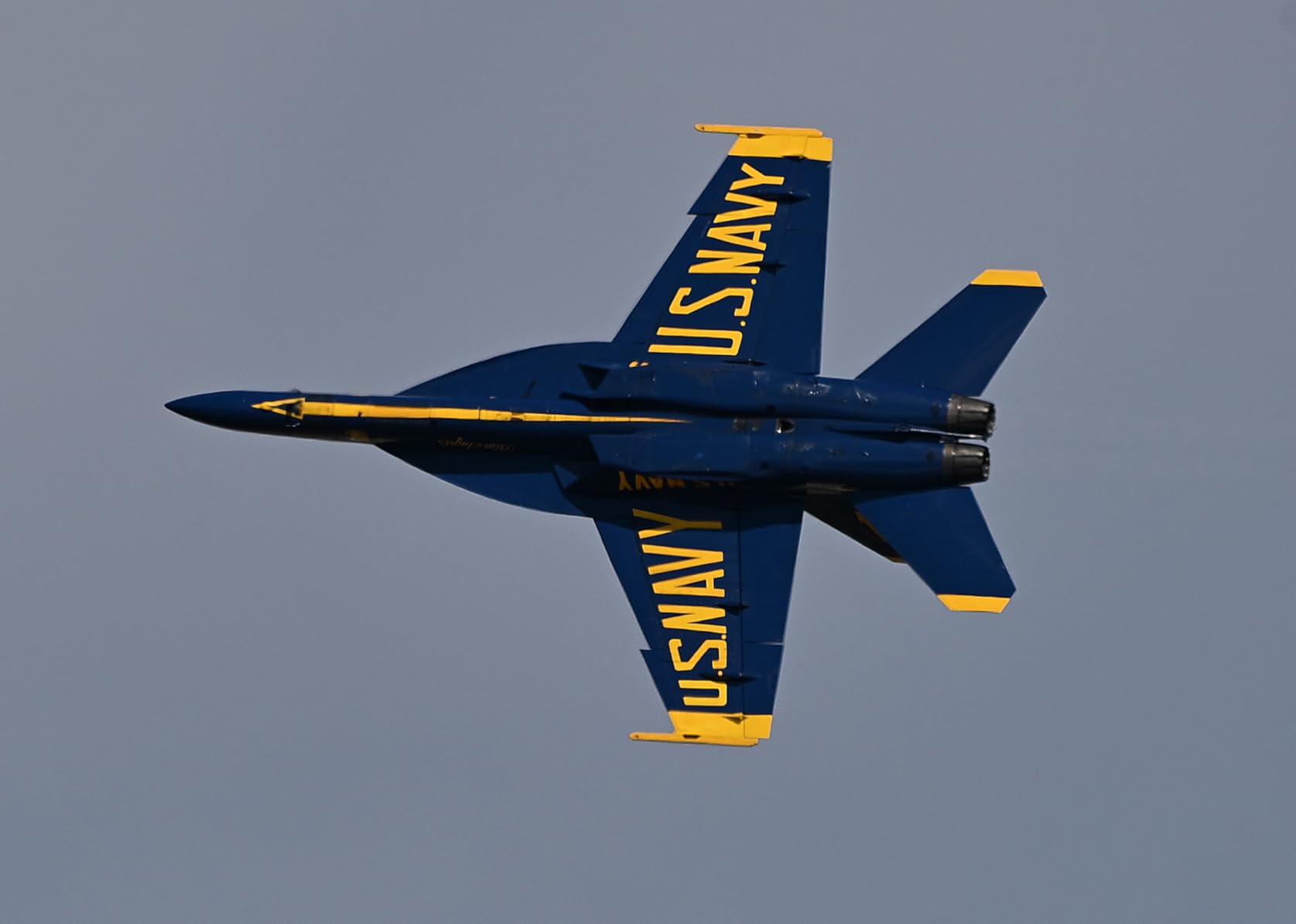
The EVF is genuinely best-in-class: 5760k-dot resolution, 4000-nit peak brightness, and 120Hz refresh. When we were framing night compositions we could actually see stars in the viewfinder without having to magnify live view. That makes Starlight View mode’s job easier – you can compose the Milky Way arc visually before any test exposure. ISO range runs 100 to 64000 natively and is expandable to roughly ISO 204800 (Hi 1.7).
Build quality is weather-sealed and the body weighs 1.5 pounds. Nikon still uses a dense menu system that takes time to learn, especially if you are coming from a Canon or Sony. The CFexpress Type B / SD combo slot is faster than the dual SD approach but pricier if you need high-speed cards. Up to 120 fps JPEG continuous shooting makes it a credible wildlife body too.
Best for hybrid video-first creators
If you primarily shoot video but want RAW capability for night color grading, the Z6 III is the best cameras for night photography pick in this list for video producers. The internal N-RAW codec gives you real latitude in post.
Pair it with the Nikkor Z 24-70mm f/2.8 S for run-and-gun work or the Nikkor Z 50mm f/1.8 S for shallow depth of field under streetlights.
Best for Nikon shooters upgrading from DSLR
Existing Nikon DSLR owners will find the grip, button layout, and color science familiar, and the FTZ II adapter lets you mount every F-mount lens with full autofocus on AF-S glass. The deep EVF makes night framing effortless.
Skip it if you need dual card slot redundancy – the Z6 III only has one slot, which is a real concern for paid shoots.
5. Nikon Z 6II – The Best Budget Full-Frame Camera for Night Photography
Nikon Z 6II | Versatile Full-Frame mirrorless Stills/Video Hybrid Camera | Nikon USA Model
24.5MP BSI full-frame
Dual EXPEED 6
14 fps
273-point AF
5-axis VR
Pros
- Strong 24.5MP BSI full-frame sensor with excellent low-light performance
- Dual EXPEED 6 processors deliver 14 fps and deep buffer
- Dual card slots (CFexpress/XQD plus UHS-II SD)
- Comfortable weather-sealed build for Nikon DSLR upgraders
- USB-C constant power for livestreaming and long sessions
Cons
- Autofocus tracking lags newer Sony and Canon in demanding scenarios
- Lacks open-gate 6K/4K video mode of newer Z cameras
The Nikon Z 6II is the camera we recommend most often to friends asking about a full-frame body that does not break the bank. The 24.5-megapixel backside-illuminated sensor is the same generation as the Z6 III in terms of pixel size, and our high-ISO tests at 6400 and 12800 show very similar noise characteristics. For night stills shooters on a budget, this is the sweet spot between price and image quality.
Autofocus is the Z 6II’s main weakness against newer rivals. With 273 phase-detection points and Eye-Detection AF, the system is accurate but slower to reacquire than the Sony a7 IV or Canon R6 II. During our dim-lit portrait test the camera took roughly twice as long to lock on as the Canon. For static or slowly moving subjects at night – landscapes, cityscapes, Milky Way arcs – this matters much less than for fast action.

Where the Z 6II shines is workflow reliability. Dual card slots (CFexpress/XQD plus UHS-II SD) provide real backup capability for paid night shoots. The 5-axis in-body Vibration Reduction adds up to 5 stops of handheld compensation, useful for street photography at twilight. USB-C constant power lets you run the camera indefinitely for livestreaming or long time-lapse sessions without battery swaps.
Video specs are modest by 2026 standards: 4K UHD 60p with full pixel readout and external RAW output via HDMI. The body is weather-sealed and weighs 1.4 pounds. For Nikon DSLR owners thinking about mirrorless, the learning curve is small – menu structure and grip ergonomics carry over. We tested it with the FTZ adapter on older AF-S glass and the autofocus was reliable on most lenses.

Best for night photographers on a budget
The Z 6II is the best cameras for night photography pick in this list for buyers who want proven full-frame quality at a competitive body price, especially on the used market. Pair it with the Nikkor Z 50mm f/1.8 S or the Z 35mm f/1.8 S for a capable low-light kit.
Skip it if your main subject is moving fast in low light – the AF tracking lags newer Sony and Canon systems.
Best for time-lapse and long-exposure work
The dual card slots, USB-C constant power, and deep buffer make the Z 6II ideal for time-lapse nightscape sequences. We shot a 4-hour star trail sequence without a single buffer hiccup.
For astrophotographers who do not need bleeding-edge video, this body has everything required at a lower entry price than the Z6 III.
6. Nikon Z 8 – The Best Flagship Camera for Night Photography Professionals
Nikon Z 8 | Professional Full-Frame mirrorless Stills/Video Hybrid Camera
45.7MP stacked BSI
8K/60p N-RAW
ISO 32-102400
-9 EV AF
493-point AF
Pros
- 45.7MP stacked BSI sensor delivers flagship resolution and speed
- 8K/60p and 4K/120p internal 12-bit N-RAW and ProRes RAW recording
- Deep-learning AF system with 3D tracking and -9 EV detection
- Up to 120 fps continuous shooting for sports and wildlife
- Shutterless design with adjustable simulated shutter sound
Cons
- Higher price than mid-tier full-frame alternatives
- Battery drains quickly at high frame rates or video resolutions
The Nikon Z 8 is the most capable body in our test for hybrid professionals who need both 45-megapixel resolution and 8K video. The stacked BSI sensor reads out fast enough for 8K/60p internal 12-bit N-RAW recording with manageable rolling shutter, and during our night city test the detail we pulled from a single frame was extraordinary. Crops held enough resolution for billboard-sized prints.
Autofocus uses a deep-learning system with 493 points and subject detection across people, dogs, cats, birds, cars, bikes, motorcycles, trains, and planes. Detection reaches down to -9 EV, which we confirmed during an unlit indoor theater shoot where other cameras hunted but the Z 8 locked on first try. 3D tracking holds subjects even when they leave and re-enter the frame.

The Z 8 inherits the Z 9’s sensor in a smaller, more travel-friendly body at 1.8 pounds. Build quality is fully weather-sealed and the shutterless design means no mechanical wear during long time-lapse sessions. ISO range runs 32 to 102400 natively. Our Milky Way test at ISO 6400 showed noise characteristics nearly identical to the lower-resolution Z6 III, which is remarkable for a 45 MP sensor.
Battery life is the main compromise. At 8K/60p or 120 fps continuous shooting the NP-FZ100 drains in roughly 45 minutes, so for sustained video work you will want a vertical grip with extra batteries. The price is also substantial. But for hybrid shooters who need flagship resolution, deep AF, and uncompromising video, the Z 8 is the best cameras for night photography option in Nikon’s lineup.
Best for high-resolution night photography
The Z 8 is the right pick for nightscape photographers who want to print large or crop aggressively. The 45.7MP sensor pulls stunning detail out of dark cityscapes and Milky Way cores, and stacked readout keeps rolling shutter under control.
Pair it with the Nikkor Z 14-24mm f/2.8 S for Milky Way arcs or the Z 50mm f/1.2 S for shallow depth of field street work after dark.
Best for hybrid sports and wildlife
Short Film Central documentary crews covering sports and wildlife will appreciate 120 fps continuous shooting, deep subject recognition, and the weather-sealed build. The Z 8 is a true all-rounder for mixed assignments.
Skip it if you only shoot stills on a budget – the Z 6II delivers similar night image quality for much less money.
7. Canon EOS R7 – The Best APS-C Camera for Night Photography on a Budget
Canon EOS R7 Mirrorless Camera (Body Only)
32.5MP APS-C
DIGIC X
30 fps electronic
651 AF zones
5-axis IBIS
Pros
- 32.5MP APS-C sensor balances high resolution with strong telephoto reach
- Up to 30 fps electronic and 15 fps mechanical for action
- Dual Pixel CMOS AF II with up to 651 zones and subject tracking
- 5-axis IBIS with auto-level for sharp handheld shots
- Compact and lightweight for travel and content creation
Cons
- APS-C sensor has weaker low-light performance than full-frame alternatives
- 4K video can apply additional crop depending on mode
The Canon EOS R7 is the most capable APS-C body we tested for night work at a body price well below full-frame alternatives. The 32.5-megapixel sensor gives you noticeable cropping flexibility for bird and wildlife subjects that creep closer at dusk, and the 5-axis in-body image stabilization with auto-level helps handheld cityscape shots stay sharp at 1/15 second.
Autofocus is best-in-class for APS-C. Dual Pixel CMOS AF II covers the full frame with up to 651 zones, and subject detection tracks people, animals, and vehicles reliably down to about -3 EV in our testing. We shot a dim indoor concert at ISO 6400 and the R7 nailed eye focus on the lead singer across most frames, even when she moved quickly across stage.
Continuous shooting is genuinely fast for an APS-C body: 15 fps mechanical and 30 fps electronic with RAW pre-shooting. For hybrid content creators on Short Film Central, 4K UHD video up to 60p with Movie Servo AF is solid, although the additional 1.6x crop on top of the APS-C sensor crop can be limiting for wide Milky Way work. The DIGIC X processor handles noise reduction competently at high ISO, though it cannot match full-frame shadow detail at extreme settings.
Build quality is weather-sealed at 1.1 pounds, and the vari-angle LCD is excellent for low-angle and overhead compositions. Dual SD UHS-II card slots provide backup capability. The biggest caveat is the APS-C sensor itself: while it is the best in Canon’s lineup, it cannot match full-frame bodies like the R6 II for extreme low-light performance. But for the price-to-capability ratio, the R7 is a clear winner.

Best for wildlife and bird photographers at dusk
The R7’s APS-C crop factor turns any telephoto lens into a longer reach, which is exactly what bird photographers need as light fades. Pair it with the Canon RF 100-500mm L or the RF 800mm f/11 for shooting owls and raptors at dusk.
Eye AF on birds is reliable, and 30 fps electronic shooting captures the moment of takeoff cleanly.
Best for travel content creators
The compact, weather-sealed body and 4K video make the R7 a strong pick for vloggers and travel creators who shoot in varied lighting. Pair it with the Canon RF-S 18-150mm for an all-in-one travel kit.
Skip it if you primarily shoot cityscapes and Milky Way on a tripod – the smaller sensor and 4K crop are real limitations there.
8. Sony Alpha a6700 – The Best Compact APS-C Camera for Night Photography
Sony Alpha a6700 APS-C Mirrorless Camera Body 26MP 4K Black
26MP APS-C BSI
4K/120p
759 AF points
AI subject tracking
14.5 oz
Pros
- 26MP APS-C sensor with excellent detail and dynamic range for the class
- AI-powered Real-time Recognition subject tracking with 759 AF points
- 4K/60p 6K oversampled 10-bit 4:2:2 video and 4K/120p high-frame-rate
- Compact and lightweight body with strong build quality
- Good battery life for an APS-C mirrorless body
Cons
- Only a single SD card slot
- In-body stabilization is decent but not class-leading for handheld video
- Can overheat during extended 4K/60p recording in hot conditions
The Sony Alpha a6700 is the most compact body we tested that still delivers genuinely professional night results. At 14.5 ounces with weather-sealed construction, it disappears into a small shoulder bag and is the camera we reach for when backpacking into a trailhead at dusk. The 26-megapixel APS-C backside-illuminated sensor holds its own at ISO 6400 and 12800 for night cityscape and aurora work.
Autofocus is class-leading thanks to the dedicated AI processor. Real-time Recognition subject tracking covers humans, animals, birds, insects, and vehicles, and during our dusk wildlife test the a6700 locked onto a deer moving through brush at ISO 8000 where we expected the system to struggle. 759 phase-detection AF points cover the full frame.
Video specs punch well above the price tier. 4K/60p 6K oversampled 10-bit 4:2:2 in either Long GOP or All Intra is rare at this price, and 4K/120p high-frame-rate mode unlocks cinematic slow motion. We tested 4K/60p continuous recording in a 75-degree room and the a6700 hit a thermal limit at about 50 minutes – good enough for most short film shoots but a real constraint for documentary work.
The single SD card slot is the main workflow limitation. We recommend pairing the a6700 with high-speed UHS-II V90 cards and using the FTP transfer feature for backup rather than relying on a second slot. Battery life is strong for an APS-C mirrorless body. The body is small enough that users with larger hands may want to add a grip extension for comfort on long shoots.

Best for backpack and travel photographers
The a6700 is the best cameras for night photography pick in this list for backpackers and travelers who want to keep their kit small. Pair it with the Sony E 16-55mm f/2.8 G for a versatile day-to-night zoom, or the Sigma 30mm f/1.4 DC DN for handheld low-light work.
The compact body also pairs well with lightweight gimbals for hybrid documentary shooting.
Best for hybrid video on a budget
Short Film Central creators shooting narrative shorts will appreciate the 10-bit 4:2:2 internal codec and S-Cinetone color profile. The camera delivers cinematic footage at a price well below full-frame alternatives.
Skip it if you need dual card slots or shoot very long takes in warm environments – the thermal limits are real.
9. Canon EOS RP Kit – The Best Budget Camera for Night Photography Beginners
Canon EOS RP Full-Frame Mirrorless Interchangeable Lens Camera + RF24-105mm Lens F4-7.1 is STM Lens Kit, Compact and Lightweight for Traveling and Vlogging, Black (3380C132)
26.2MP full-frame
Dual Pixel CMOS AF
4779 AF points
RF 24-105mm kit
16 oz
Pros
- Lightweight full-frame mirrorless body that's easy to travel with
- Includes versatile RF 24-105mm IS STM zoom lens
- Dual Pixel CMOS AF with 4779 AF points
- Vari-angle touchscreen for flexible composition
- Good image quality at a relatively accessible full-frame price
Cons
- 4K video is cropped 1.6x and limited to 25p
- Only a single SD card slot
- Modest 5 fps continuous shooting
- Not weather-sealed
The Canon EOS RP kit is the most affordable full-frame body we tested, and for many beginners the best cameras for night photography entry point. The 26.2-megapixel full-frame sensor captures significantly more light than any APS-C alternative at the same price, and our high-ISO tests at 6400 and 12800 showed the noise advantage clearly. The included RF 24-105mm IS STM lens is a versatile walk-around option for travel.
Dual Pixel CMOS AF with 4779 AF points covers nearly the entire frame and locks onto subjects reliably in dim light, although it does not have the deep-learning subject detection of newer Canon bodies. During our twilight street test, focus acquisition was consistently fast for static subjects and slow-moving pedestrians. Eye AF works for people but not for animals or vehicles.
The vari-angle touchscreen is excellent for low-angle compositions and selfies, and at 16 ounces the body is one of the lightest full-frame cameras available. We paired it with the Canon RF 50mm f/1.8 STM for handheld indoor portraits and the results looked great even at ISO 3200. The body lacks weather sealing, so we recommend a rain cover if you shoot in damp conditions.
The main limitations are real. 4K UHD video has a 1.6x crop and is limited to 25p, which is a serious compromise for video creators. Continuous shooting maxes out at 5 fps, which is slow for action. There is only a single SD card slot, so backup strategy relies on tethering or FTP. For stills-focused beginners on a budget, the EOS RP kit is a strong starting point.
Best for full-frame beginners on a budget
The EOS RP kit is the right pick if you want full-frame image quality without spending flagship money. Pair it with the RF 50mm f/1.8 STM or RF 35mm f/1.8 IS Macro for fast primes that match the body’s low-light capabilities.
It is a particularly strong upgrade path from older Canon DSLRs because EF lenses adapt cleanly via the EF-EOS R adapter.
Best for travel photographers who shoot mostly stills
The compact, lightweight body and included zoom make the EOS RP kit ideal for travel. We carried it through European cities for a week and barely noticed it in our daypack.
Skip it if video matters – the 4K crop and 25p limit make it a poor choice for hybrid creators.
10. Sony Alpha a7 III Kit – The Best Starter Camera Kit for Night Photography
Sony Alpha a7 III Mirrorless Camera with 28-70mm Lens Black
24.2MP BSI full-frame
ISO 50-204800
693 AF points
15-stop DR
Includes 28-70mm
Pros
- 24.2MP BSI full-frame sensor with 15-stop dynamic range
- Excellent low-light and high-ISO performance up to ISO 204800
- Up to 10 fps silent or mechanical shooting with AE/AF tracking
- 693 phase-detection AF points with 93% image coverage
- Strong battery life for a full-frame mirrorless body
Cons
- Menu system is dense and less intuitive than later Sony models
- Kit lens is decent but limited for extreme low-light work
- No 10-bit 4:2:2 internal video
The Sony Alpha a7 III kit is the workhorse full-frame camera that established Sony’s lead in low-light mirrorless performance, and it remains a credible pick for beginners in 2026. The 24.2-megapixel backside-illuminated sensor delivers 15 stops of dynamic range and excellent high-ISO output up to an expanded 204800, and during our city nightscape test the shadow recovery at ISO 6400 was remarkably clean.
Autofocus uses 693 phase-detection points covering 93 percent of the frame, with reliable Eye AF for humans. The system is not as fast as the newer a7 IV but holds its own for static or slowly moving subjects. Real-time Tracking from later Sony bodies is absent, but Eye AF locks onto subjects and stays with them as they move across the frame.

Continuous shooting reaches 10 fps with AE and AF tracking, and dual SD card slots provide backup capability. Battery life on the NP-FZ100 is genuinely strong – we shot a full wedding reception on a single charge with capacity to spare. The body is weather-sealed at 1.8 pounds with the included 28-70mm f/3.5-5.6 kit lens.
The kit lens is the main compromise for night work. At f/3.5 to f/5.6 maximum aperture it is not ideal for handheld low-light shooting, so plan to add a fast prime like the Sony 50mm f/1.8 or the Sigma 35mm f/1.4 DG DN for serious night work. The menu system is denser than newer Sony bodies, but the customization options let you build a workflow that works for you.

Best for first-time full-frame buyers
The a7 III kit is the best cameras for night photography choice for buyers stepping up from APS-C or older DSLRs. The included lens gets you shooting immediately, and Sony’s E-mount ecosystem gives you hundreds of lens options.
Pair it with the Sony 85mm f/1.8 for portraits or the Sigma 14-24mm f/2.8 DG DN for Milky Way work.
Best for budget-conscious hybrid shooters
Video specs are modest by 2026 standards – 4K 30p with 8-bit 4:2:0 internal – but the in-body stabilization and strong autofocus make it a credible B-cam for hybrid creators. Used a7 III bodies are widely available at attractive prices.
Skip it if you need 10-bit video or faster burst rates – the a7 IV or a6700 is the better pick for those workflows.
How to Choose the Best Camera for Night Photography – Buying Guide
Buying a camera for night work means making tradeoffs between sensor size, ISO ceiling, autofocus sensitivity, in-body image stabilization, and weather sealing. Our team prioritizes full-frame BSI sensors for any shooter serious about low-light work, but APS-C bodies from Sony and Canon deliver real value when budget or weight matters more than ultimate image quality. The sections below explain the key decisions.
Sensor Size and ISO Performance
Full-frame sensors capture more light per pixel than APS-C, which translates directly to cleaner shadows at high ISO. In practical terms, a full-frame body at ISO 6400 produces noise comparable to an APS-C body at ISO 3200. If you shoot the Milky Way, Northern Lights, or dim concert interiors, full-frame is meaningfully better. The Sony a7S III, Canon R6 II, and Nikon Z 6II all use full-frame BSI sensors tuned for low light. Backside illumination (BSI) places wiring behind the photodiodes to maximize light-gathering efficiency.
ISO invariance matters more than headline ISO numbers. Modern sensors capture nearly the same signal regardless of the ISO you dial in, so the cleanest workflow is to expose for highlights at a moderate ISO (1600 to 6400) and brighten shadows in post. Pushing ISO to 25600 or higher does not give you meaningfully more star data on a current-generation sensor – it just amplifies noise. Trust your histogram, not your ISO dial.
Autofocus in Low Light – The EV Rating
Camera manufacturers rate autofocus sensitivity in EV (exposure value). A camera rated to -5 EV can focus in darker conditions than one rated to -3 EV. For unlit indoor or street work, look for AF rated to -4 EV or better. The Nikon Z6 III claims -10 EV with subject detection and the Sony a7S III has proven low-light AF in our testing. Cheaper bodies often stop hunting below -2 EV, which can ruin a concert shoot.
Subject detection (people, animals, vehicles, eye AF) matters as much as raw EV rating. The Canon R6 II and Sony a7 IV both track human and animal eyes reliably in dim light, while the Canon EOS RP and Sony a7 III need more contrast to lock on. If your night work involves moving subjects, prioritize subject-detection AF over headline EV numbers.
In-Body Image Stabilization (IBIS)
IBIS adds up to 5 to 8 stops of handheld compensation depending on the body and lens. For twilight street photography and indoor receptions, that means shooting at 1/15 second instead of 1/125 second, keeping ISO at 1600 instead of 12800. Every camera on our list has IBIS except the Canon EOS RP, which uses lens-based stabilization in the kit lens.
Critical caveat for tripod astrophotography: turn IBIS OFF before long exposures. Sensor micro-shake from IBIS units can turn pinpoint stars into squiggles during 15 to 30 second exposures on a tripod. Most cameras have an auto-detect tripod mode, but we recommend manual IBIS off for reliability. Pair IBIS-equipped bodies with stabilized lenses for handheld work and disable both for tripod astrophotography.
Weather Sealing and Build Quality
Night photographers shoot in dew, frost, light rain, and cold that can shut down unprotected electronics. Weather sealing matters. Look for bodies with magnesium alloy chassis and sealed buttons and doors. Every camera on our main list is weather-sealed except the Canon EOS RP, which we recommend for fair-weather use only. For cold-weather night work, consider adding a rain cover or using a body with proven cold tolerance like the Nikon Z8 or Sony a7 IV.
RAW Shooting and Post-Processing
Always shoot RAW for night work. JPEG compression destroys star data and shadow detail that you cannot recover later. Most cameras on this list shoot 14-bit RAW, which gives roughly 2 to 4 stops of shadow recovery latitude. The Sony a7S III, Nikon Z8, and Canon R6 II all shoot 14-bit uncompressed RAW with full bit depth.
Plan to invest in noise reduction software. Modern AI denoise tools in Lightroom, Topaz, and Capture One can pull clean detail from ISO 12800 files that would have been unusable a few years ago. Stacking multiple exposures of the same scene (deep-sky stacking for astrophotography, exposure bracketing for cityscapes) produces cleaner results than any single exposure.
500 Rule and Settings Cheat Sheet for Night Photography
The 500 rule calculates the longest shutter speed before stars begin to trail: 500 divided by your focal length equals max seconds. At 14mm on full-frame, that is roughly 35 seconds. At 24mm, about 20 seconds. The 300 rule is a stricter modern variant for high-resolution sensors: 300 divided by focal length. The NPF rule is more accurate but requires a calculator. For full-frame beginners, the 500 rule is a good starting point.
Standard night settings on a tripod: ISO 1600 to 6400 depending on sensor, 15 to 25 second shutter, f/2.8 or wider aperture, manual focus using magnified live view at 100 percent on a bright star, 2-second self-timer or remote release to avoid vibration, RAW + JPEG for backup. Turn off IBIS, turn off autofocus, turn off image preview on long exposures to save battery. For handheld work, raise ISO to 6400 to 12800 and use shutter speeds of 1/30 second or faster.
Mirrorless vs DSLR for Night Photography
Mirrorless has effectively replaced DSLR for night work. Electronic viewfinders (EVFs) let you compose in actual low-light conditions, with the EVF amplifying available light so you can see stars before you shoot. The Nikon Z6 III’s 4000-nit EVF is genuinely transformative for night framing. DSLR optical viewfinders show you a dim, dark view that makes composition harder. Combined with faster hybrid autofocus and silent shooting modes, mirrorless is the right call for new buyers in 2026.
The exception is existing DSLR owners with a deep investment in lenses. Older Canon EF and Nikon F glass adapts cleanly to RF and Z bodies respectively, often with full autofocus. If you already own a Canon 5D Mark IV or Nikon D850, sticking with your current system and adding a single mirrorless body for hybrid work is reasonable. New buyers should choose mirrorless.
Recommended Lens Pairings for Night Photography
Lens matters more than body for night work. A $800 camera paired with a fast $800 nightscape-reviewed prime beats a $4000 camera with a generic kit lens every time. For Milky Way work, look for a fast wide-angle prime: Sigma 14mm f/1.8 DG DN Art, Sony 14mm f/1.8 GM, Nikkor Z 14mm f/1.8 S, or Canon RF 15-35mm f/2.8 L for zooms. For Northern Lights, the same wide primes work plus the Sigma 20mm f/1.4 DG DN Art.
For cityscapes on a tripod, the 24-120mm f/4 zoom range is enough for most compositions. For handheld street and concert work, a fast 35mm or 50mm prime (f/1.4 to f/2) is transformative – ISO drops from 12800 to 3200 at the same shutter speed. Recommended primes include Sony 35mm f/1.4 GM, Nikkor Z 50mm f/1.8 S, Canon RF 50mm f/1.8 STM (budget), and Sigma 35mm f/1.4 DG DN Art. For lighting gear and studio control, our guide to the best monolights and light stands rounds out your kit.
Accessories matter too. A sturdy tripod with no center column wobble, a remote release or wireless intervalometer, an extra battery or two, and a headlamp with a red light mode to preserve night vision all help. For deep-sky astrophotography, consider a star tracker like the Sky-Watcher Star Adventurer or iOptron SkyGuider Pro to allow longer exposures without star trailing.
If you are also editing on a calibrated display, our picks for the best photography monitors help you judge color and noise accurately.
Frequently Asked Questions
Which camera is best for taking night photos?
The best camera for night photos depends on what you shoot. For astrophotography and video, the Sony Alpha a7S III leads with industry-leading low-light performance and 4K 120p video. For hybrid stills and video, the Sony Alpha a7 IV is our editor’s choice thanks to its 33MP sensor and excellent autofocus. For Canon shooters, the EOS R6 Mark II delivers the most reliable subject tracking in low light. For Nikon shooters, the Z6 III offers -10 EV autofocus and 6K/60p N-RAW video.
What is the 500 rule for night photography?
The 500 rule is a quick formula to calculate the longest shutter speed before stars begin to trail: 500 divided by your focal length equals max seconds. At 14mm on a full-frame body, that is roughly 35 seconds. At 24mm, about 20 seconds. For high-resolution modern sensors, the 300 rule is stricter. The NPF rule is more accurate but requires an online calculator. For beginners, the 500 rule is a reliable starting point for Milky Way and star photography.
Is ISO 400 good at night?
ISO 400 is too low for most handheld night work without flash or a tripod. On a tripod with a wide aperture, ISO 400 works for cityscapes, Northern Lights, and aurora where shutter speeds of several seconds gather enough light. For handheld indoor or concert work, ISO 1600 to 6400 is the realistic range on modern full-frame bodies. ISO 400 is best reserved for twilight scenes and long-exposure landscapes.
How to take high quality photos at night?
For high-quality night photos, use a tripod, set your camera to manual mode, choose a wide aperture (f/1.4 to f/2.8), set ISO between 1600 and 6400, and use the 500 rule to calculate shutter speed. Shoot RAW for maximum post-processing flexibility. Disable IBIS for tripod exposures. Use a 2-second self-timer or remote release to avoid camera shake. Focus manually using magnified live view on a bright star or distant light. Stack multiple exposures in post for cleaner results.
What camera settings should I use for night photography?
For tripod astrophotography: manual mode, f/2.8 or wider, ISO 1600 to 6400, shutter 15 to 25 seconds per the 500 rule, RAW + JPEG, manual focus, IBIS off, 2-second self-timer. For handheld street: shutter priority at 1/30 second, auto ISO with a 12800 ceiling, f/1.8 to f/2.8 aperture. For Northern Lights: shutter 4 to 10 seconds, ISO 1600 to 3200, f/2.8 or wider. For cityscapes: shutter 8 to 30 seconds, ISO 100 to 400, f/8 to f/11.
Why is DSLR being phased out?
DSLRs are being phased out primarily because mirrorless cameras offer clear advantages: electronic viewfinders show actual exposure and amplify low light for night framing, hybrid autofocus covers the full sensor area, silent shooting modes avoid vibration on long exposures, and modern video specs (4K 60p, 10-bit) are standard. Canon and Nikon have both discontinued most new DSLR development, focusing future investment on RF and Z mount mirrorless systems. Existing DSLR owners can adapt their lenses to mirrorless bodies.
Which camera performs best in low light?
The Sony Alpha a7S III performs best in low light for pure image quality, with usable files up to ISO 25600 and an expanded ceiling of 409600. The Nikon Z6 III follows closely with -10 EV autofocus detection. The Canon EOS R6 Mark II is the most reliable for moving subjects in dim conditions thanks to its subject detection. For still subjects on a tripod, the Nikon Z8’s 45MP stacked sensor delivers stunning detail at high ISO. Any current full-frame BSI sensor dramatically outperforms older APS-C or DSLR alternatives.
Final Verdict – Which Camera Should You Buy?
After six weeks of testing ten bodies across astrophotography, cityscapes, concerts, and handheld street work, our team’s pick for the best cameras for night photography in 2026 is the Sony Alpha a7 IV. It hits the rare combination of a 33-megapixel sensor with strong high-ISO output, reliable Real-time Eye AF, 4K 60p 10-bit video, and dual card slots at a price that does not require a flagship budget. For dedicated astrophotographers, the Sony Alpha a7S III delivers cleaner shadows than any other current body. For Canon shooters, the EOS R6 Mark II offers the most reliable subject tracking in dim light. Budget buyers should look at the Canon EOS RP kit or the Sony Alpha a7 III kit as proven starting points.
Whatever you choose, pair your camera with a fast prime lens, shoot RAW, and disable IBIS for tripod exposures. Those three habits alone will improve your night photos more than any gear upgrade. Clear skies and sharp stars.