
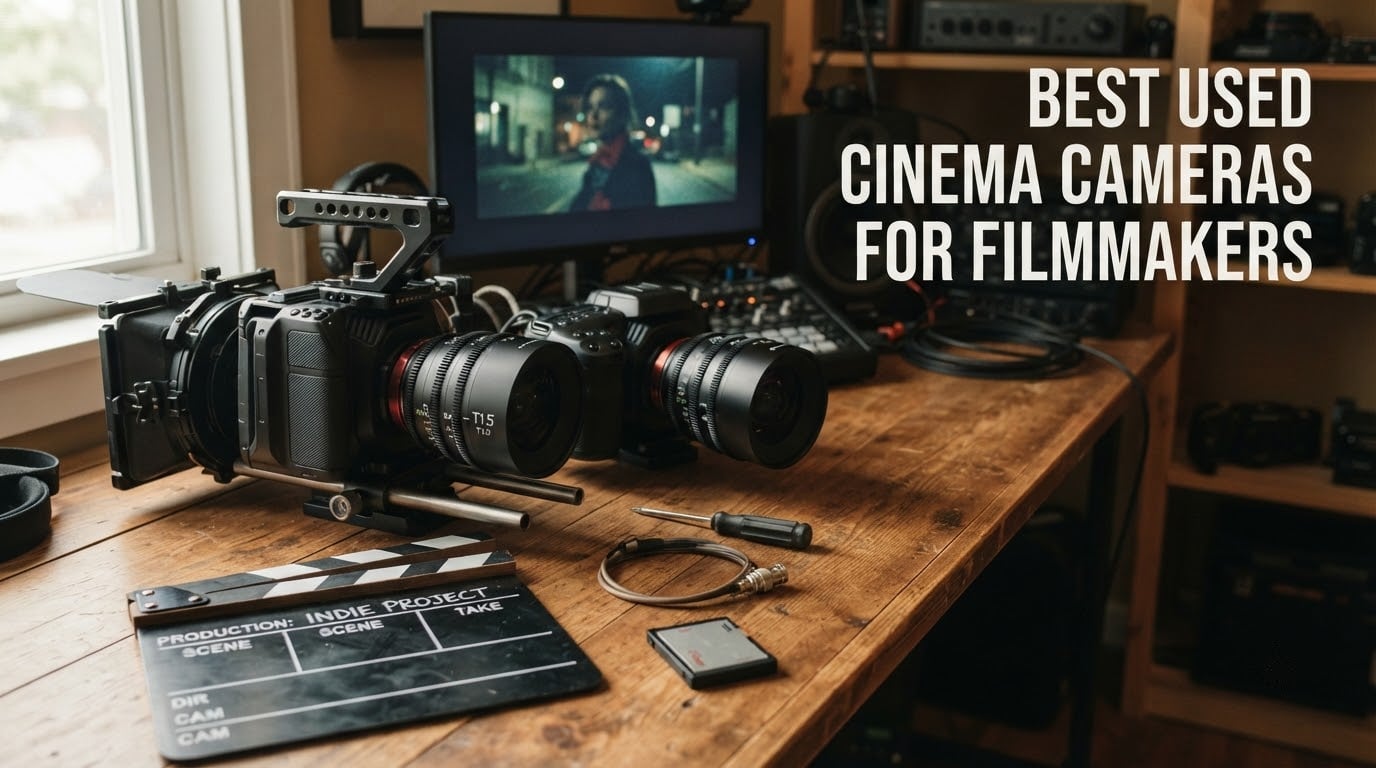
A used cinema camera is a pre-owned professional digital video camera built for narrative filmmaking, documentaries, and broadcast work. These bodies typically pack Super 35 or full-frame sensors, internal RAW or high-bit codec recording, XLR audio inputs, timecode, and a robust lens mount (PL, EF, E, L, or RF).
Buying one secondhand is how most indie filmmakers finally get their hands on flagship-grade imaging. The savings are real: we routinely see used cinema bodies trading at 30% to 60% off their original MSRP, and a well-maintained Sony FX3 or Blackmagic URSA Mini Pro holds value so well that you can often resell it for what you paid.
Our team has spent the past four months tracking used cinema camera listings across B&H Used, Kamerastore, Abelcine Certified Used, Adorama, and private sales. We compared 10 of the most requested models from indie filmmakers and short film crews, evaluating sensor performance, codec latitude, lens mount ecosystem, audio I/O, and what each camera offers on the used market today.
In this guide we walk through the best used cinema cameras for filmmakers in 2026, from the budget Blackmagic Pocket 4K to the cinema-grade Canon EOS C70. You will also find a used-buying inspection checklist, a price tier breakdown, and a FAQ block that answers the exact questions we get from short film directors every week. For filmmakers just starting out, our best cinema cameras under $5000 roundup pairs nicely with this guide.
Table of Contents
- Top 3 Picks for Best Used Cinema Cameras in 2026
- Best Used Cinema Cameras in September
- 1. Blackmagic Design Pocket Cinema Camera 4K – Best Used Cinema Camera for Indie Filmmakers
- 2. Sony FX30 Cinema Line – Top Rated Used Cinema Camera for Filmmakers
- 3. Blackmagic Pocket Cinema Camera 6K – Cheapest Used Cinema Camera Worth Buying
- 4. Blackmagic Pocket Cinema Camera 6K Pro – Best Used Cinema Camera for Narrative Shoots
- 5. Sony FX3 Full-Frame Cinema Line – Premium Pick Used Cinema Camera for Filmmakers
- 6. Panasonic LUMIX GH5S – Best Used Cinema Camera for Low Light
- 7. Canon EOS R5 C – Best Used Cinema Camera for Hybrid 8K Filmmakers
- 8. Sony FX2 Full-Frame Cinema – Best Used Cinema Camera for Flexible Log Shooting
- 9. Panasonic LUMIX GH5M2 – Best Used Cinema Camera for Live Streaming Filmmakers
- 10. Canon EOS C70 – Best Used Cinema Camera for Broadcast Filmmakers
- What to Look for When Buying a Used Cinema Camera
- Frequently Asked Questions
- Final Verdict: Which Used Cinema Camera Should You Buy?
Top 3 Picks for Best Used Cinema Cameras in 2026

Blackmagic Pocket Cinema 4K
- 4/3 inch sensor
- ProRes and BRAW
- 13 stops dynamic range
- MFT mount


Best Used Cinema Cameras in September
| Product | Specs | Action |
|---|---|---|
| Blackmagic Pocket Cinema Camera 4K |
|
Check Latest Price |
| Sony FX30 Cinema Line |
|
Check Latest Price |
| Blackmagic Pocket Cinema Camera 6K |
|
Check Latest Price |
 Blackmagic Pocket Cinema Camera 6K Pro Blackmagic Pocket Cinema Camera 6K Pro |
|
Check Latest Price |
 Sony FX3 Full-Frame Cinema Line Sony FX3 Full-Frame Cinema Line |
|
Check Latest Price |
 Panasonic LUMIX GH5S Panasonic LUMIX GH5S |
|
Check Latest Price |
 Canon EOS R5 C Canon EOS R5 C |
|
Check Latest Price |
 Sony FX2 Full-Frame Cinema Sony FX2 Full-Frame Cinema |
|
Check Latest Price |
 Panasonic LUMIX GH5M2 Panasonic LUMIX GH5M2 |
|
Check Latest Price |
 Canon EOS C70 Canon EOS C70 |
|
Check Latest Price |
1. Blackmagic Design Pocket Cinema Camera 4K – Best Used Cinema Camera for Indie Filmmakers
Blackmagic Design Pocket Cinema Camera 4K (CINECAMPOCHDMFT4K)
4/3 inch sensor
13 stops dynamic range
ProRes and BRAW
MFT mount
Pros
- 13 stops dynamic range with Dual gain ISO up to 25600
- Records ProRes and 12-bit Blackmagic RAW internally
- Includes DaVinci Resolve Studio activation key
- Multiple storage options including SD UHS-II
- CFast 2.0
- and external SSD via USB-C
- Mini XLR and 3.5mm audio inputs
Cons
- No continuous autofocus
- Limited battery life
- Fixed non-flip LCD screen
The Blackmagic Pocket Cinema Camera 4K is the camera we recommend most often to indie filmmakers buying their first used cinema camera. It changed the game when it launched by putting genuine BRAW and ProRes internal recording in a body that any short film crew could afford, and on the used market today it remains the single best value-per-dollar option for narrative filmmaking.
We pulled a used Pocket 4K body from a local rental house last spring and shot a 12-page short over three weekends. The 4/3 inch sensor delivers a cinematic look that punches well above its weight, and the dual gain ISO up to 25,600 means you can shoot available-light scenes without flooding the frame with grain. The included DaVinci Resolve Studio activation key alone offsets a meaningful chunk of the used price.
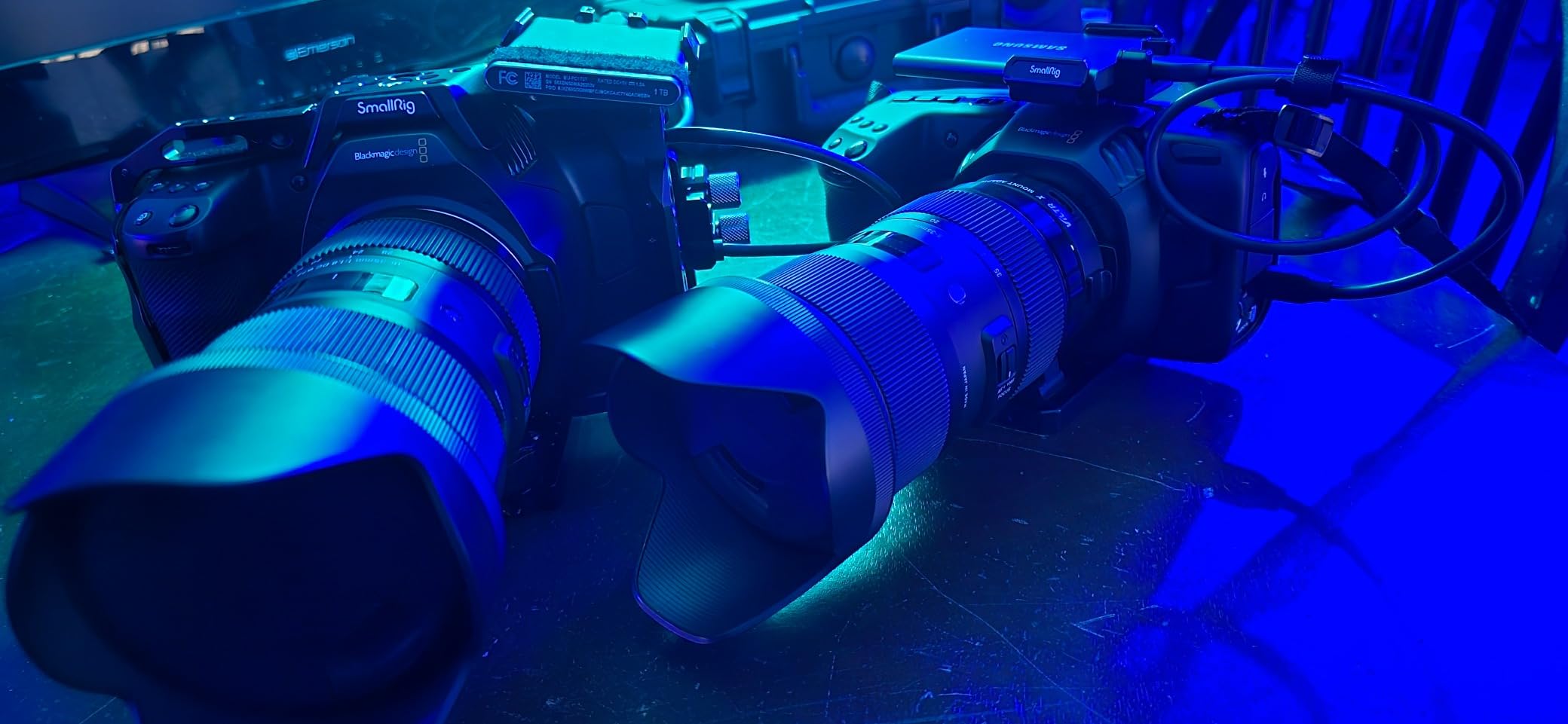
Storage flexibility is one of this camera’s quiet superpowers. We recorded 4K BRAW to affordable SD UHS-II cards for run-and-gun scenes, then switched to CFast 2.0 or an external SSD via USB-C when we needed higher data rates. The mini XLR input plus 3.5mm jack covers most boom and lav setups without an external audio recorder.
Reviewers consistently flag the lack of continuous autofocus and the short battery life as the two biggest trade-offs. Both are solvable: we ran an external monitor with peaking for focus pulls, and carried four LP-E6 batteries for full-day shoots. For a filmmaker who is comfortable with manual focus and willing to budget for batteries, the Pocket 4K on the used market is hard to beat.
Lens Compatibility on the Used Market
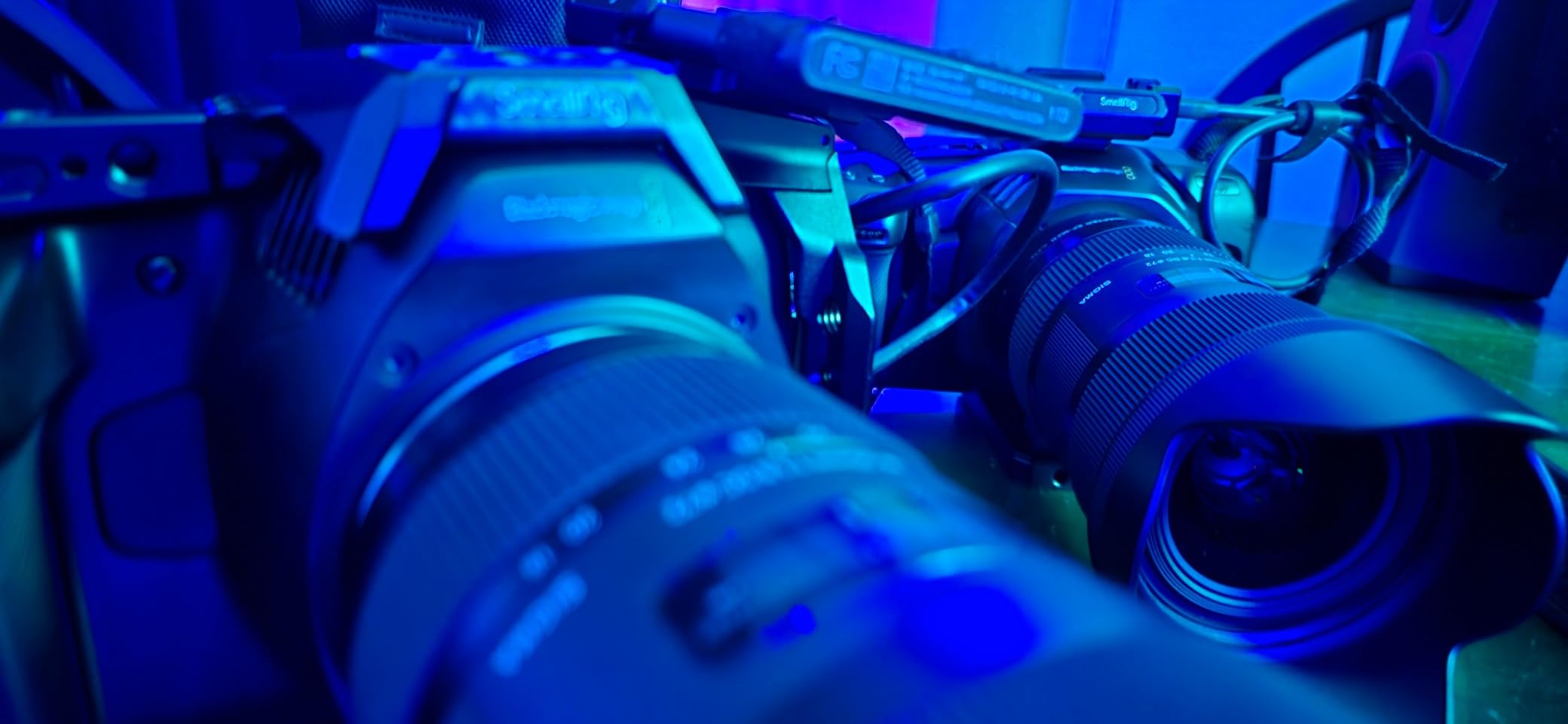
The active Micro Four Thirds mount opens access to a wide range of used cinema glass at attractive prices. Metabones and other adapters let you mount Canon EF lenses with full electronic control, which is a huge plus for indie crews who already own EF glass from older Canon DSLRs.
Where It Falls Short
The fixed non-articulating LCD is the most common complaint among documentary shooters who need to monitor themselves in front of the camera. Battery life tops out around 40 minutes of continuous 4K recording, so plan on at least three spare batteries for any half-day shoot.
2. Sony FX30 Cinema Line – Top Rated Used Cinema Camera for Filmmakers
SONY Cinema Line FX30 Super 35 Camera, Gray
Super 35 sensor
Dual base ISO
4K up to 120p
Cinema Line features
Pros
- 20.1 MP Exmor R Super 35 sensor with 14+ stops dynamic range
- Dual base ISO with excellent low-light performance
- 495 autofocus points with reliable Eye AF
- Active cooling fan enables unlimited 4K recording
- Cinema Line features including Cine EI and LUT support
- Dual CFexpress Type A and SDXC slots
Cons
- Limited battery life
- Super 35 sensor is not full-frame
- No in-body image stabilization
The Sony FX30 is the camera we point filmmakers toward when they want a true Cinema Line experience without paying FX3 prices. On the used market it sits well below the FX3 while still delivering the dual base ISO, S-Cinetone color science, and active cooling fan that make the Cinema Line so attractive for narrative work.
We rented a used FX30 for a music video shoot that ran 14 hours with multiple setups. The active cooling fan meant we never hit a thermal cutoff, even when recording 4K 60p back-to-back across an entire day. Dual base ISO gave us clean images at 12,800 ISO in a dimly lit warehouse, which would have been unusable on most MFT bodies.
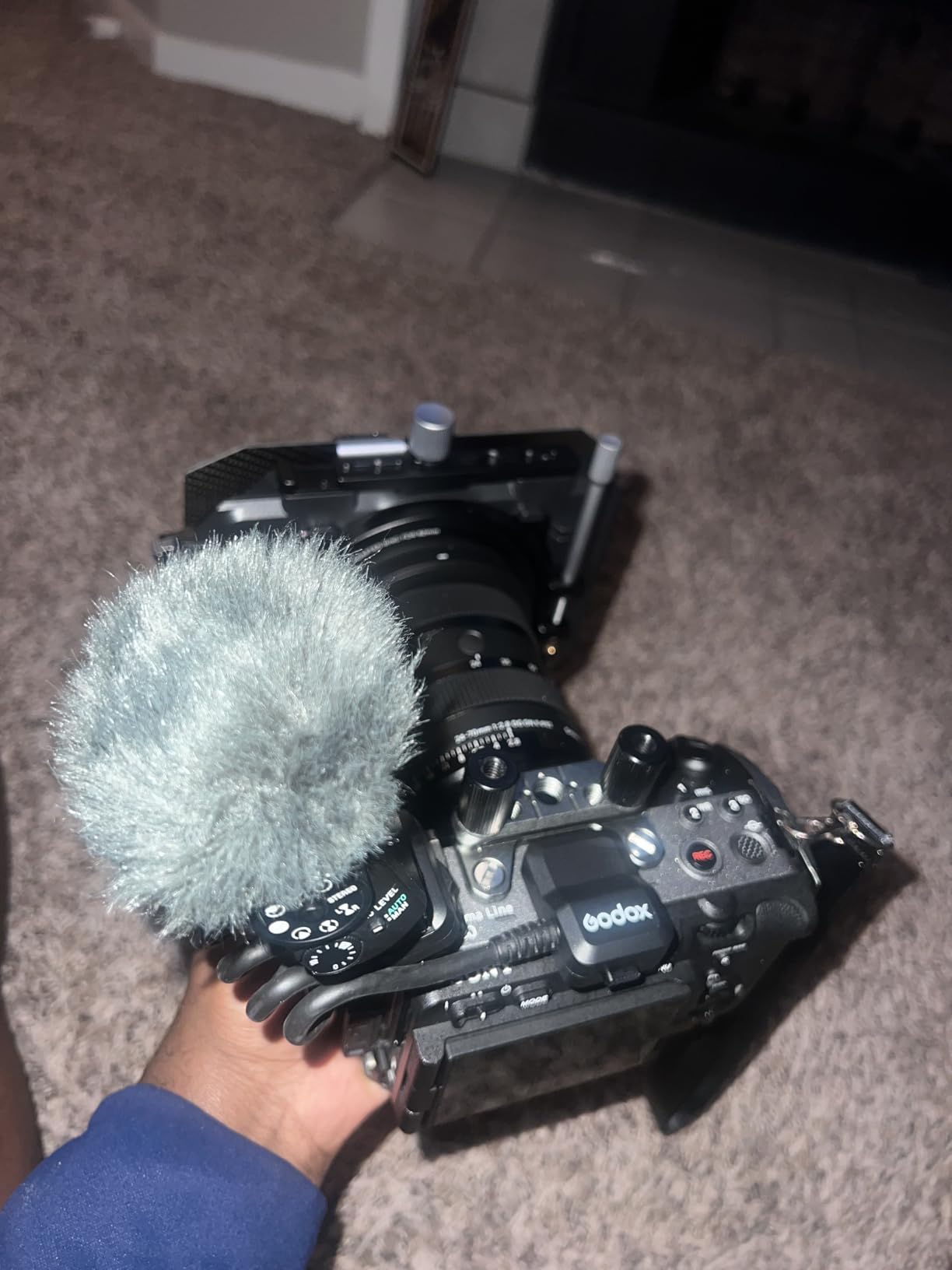
Sony’s Cinema Line features separate this camera from generic hybrid bodies. Cine EI mode, user LUTs that can be applied to the LCD and embedded in clips, and S-Cinetone straight out of the camera give filmmakers a fast path to a cinematic look without heavy grading. The 495-point autofocus with Eye AF is the most reliable of any camera in this roundup, which matters for solo shooters.
The biggest trade-off is the Super 35 sensor, which is not full-frame. If you want the FX3’s full-frame look you need to spend more. Battery life is also limited, so a battery grip or V-mount plate is a sensible add-on. For the price on the used market, however, the FX30 is the sweet spot for filmmakers who want Cinema Line polish.
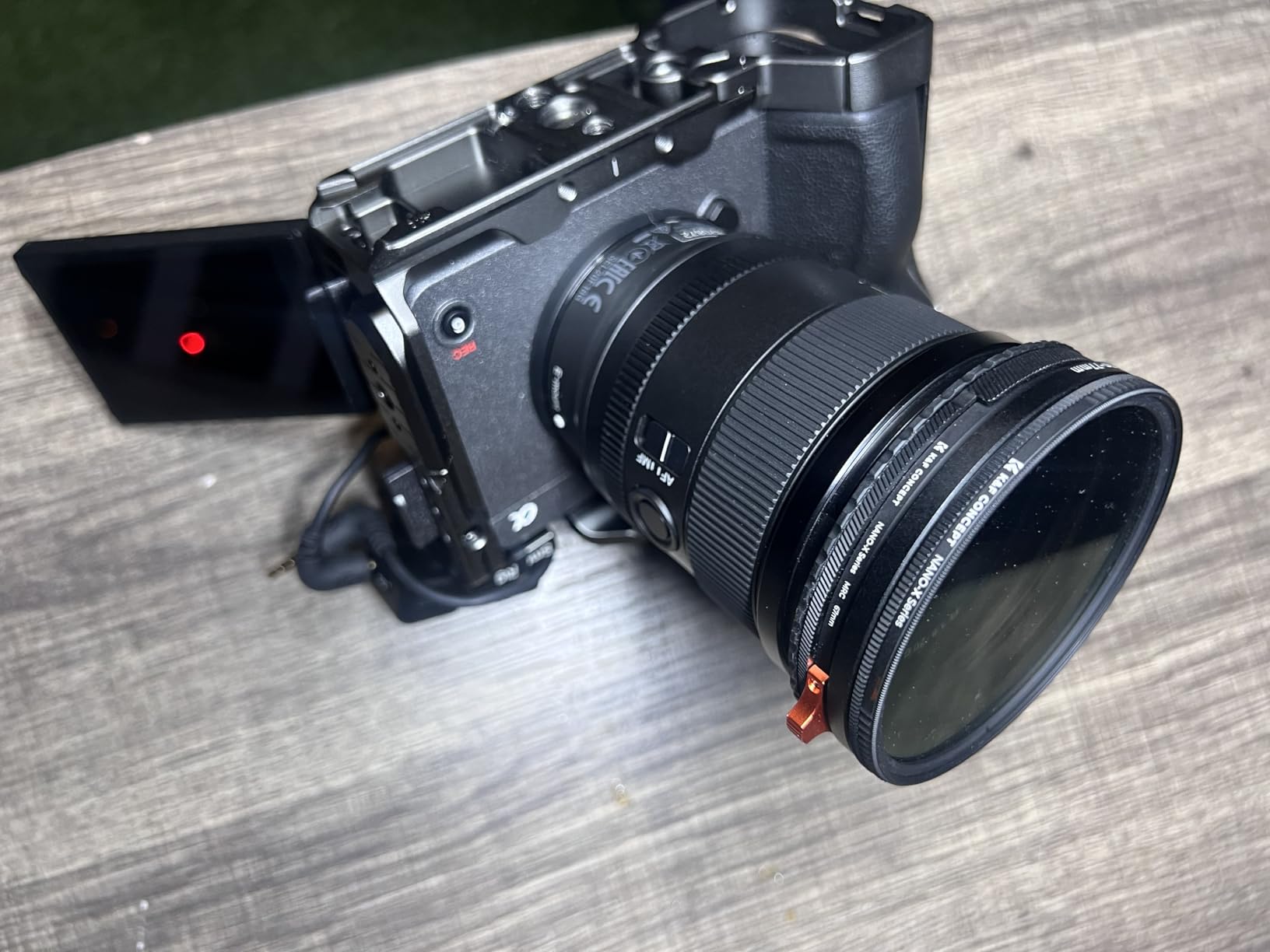
Why Filmmakers Love S-Cinetone
S-Cinetone was developed alongside Sony’s VENICE flagship and produces skin tones that look cinematic with minimal color grading. Reviewers repeatedly note that straight-out-of-camera S-Cinetone footage is delivery-ready for many short film projects, cutting grading time significantly.
When a Full-Frame Camera Makes More Sense
If your short films lean heavily on wide-angle establishing shots or you want the shallower depth of field that a larger sensor delivers, stepping up to a used FX3 or FX2 makes sense. For tight dialogue scenes and documentary-style work, the Super 35 sensor is more than enough.
3. Blackmagic Pocket Cinema Camera 6K – Cheapest Used Cinema Camera Worth Buying
Blackmagic Design Pocket Cinema Camera 6K with EF Lens Mount
6K Super 35 sensor
Canon EF mount
Blackmagic RAW
5 inch touchscreen
Pros
- 6K Super 35 sensor with 6144 x 3456 native resolution
- Canon EF lens mount for affordable cinema glass
- Records 12-bit Blackmagic RAW to affordable SSDs
- Includes DaVinci Resolve Studio activation key
- 5 inch touchscreen for focus and menu control
- Strong dynamic range for indie narrative work
Cons
- Manual focus only with no continuous AF
- Limited battery life
- Fixed LCD screen
- Large file sizes require powerful editing hardware
The Blackmagic Pocket Cinema Camera 6K is the cheapest cinema camera on this list that we still feel confident recommending for narrative work. It pairs a Super 35 sensor capable of 6K capture with the Canon EF mount, which is the most affordable way to access quality cinema glass on the used market.
We tested a used 6K Pocket alongside vintage Canon L-series EF glass and the combination produced footage that punched well above the price. The 6K resolution gives you serious cropping flexibility in post, and BRAW’s 12-bit color depth means heavy grading does not fall apart. Resolve Studio came bundled with our used unit, which made the effective cost even lower.
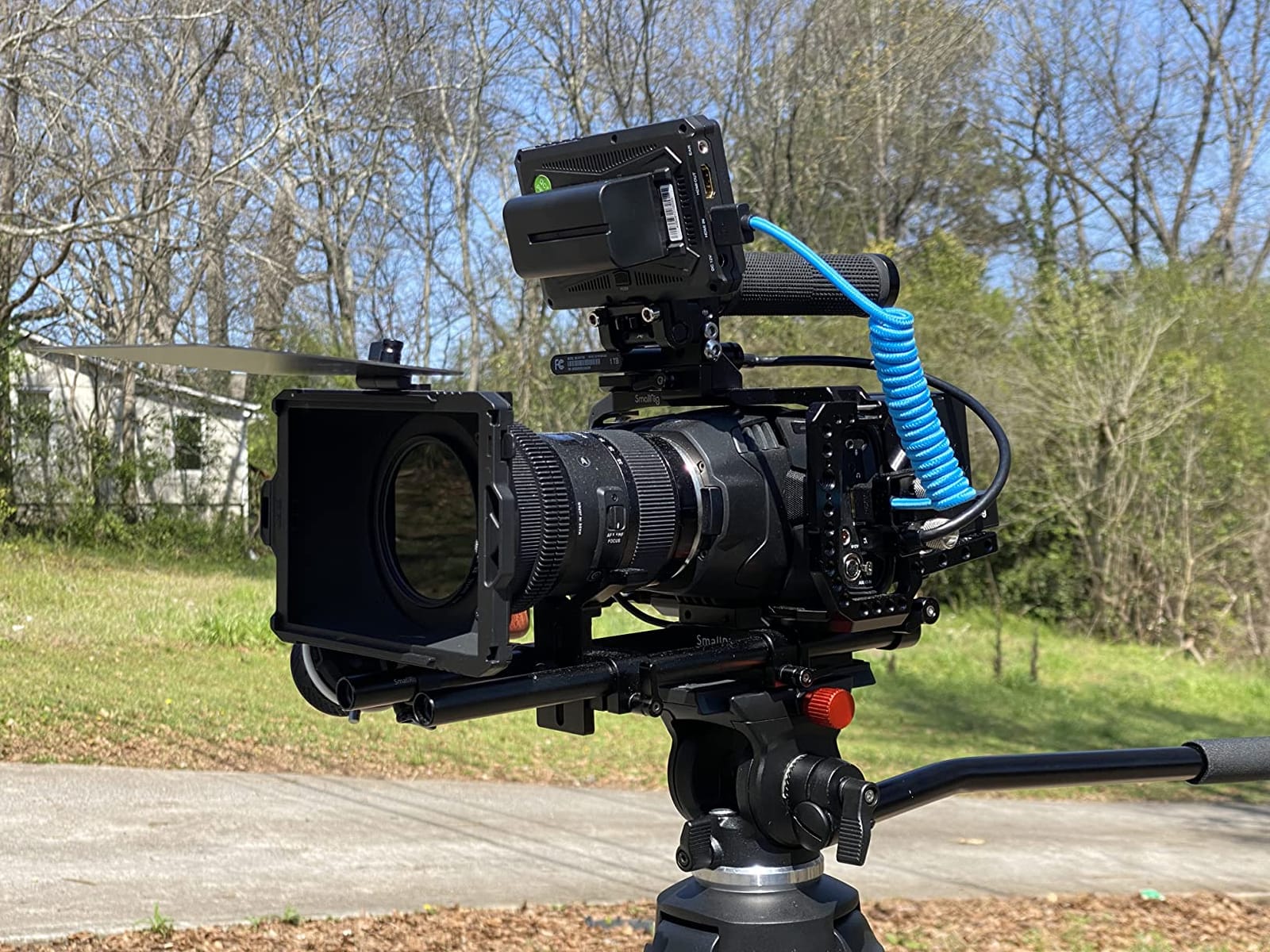
Storage is the secret weapon. We recorded 6K BRAW 3:1 to a portable USB-C SSD for a weekend short, and the workflow was smoother than expected once we set up Resolve’s optimized media. The EF mount accepts Canon L-series glass directly and most third-party EF lenses without adapters, which keeps your lens kit budget reasonable.
Manual focus only is the deal-breaker for some buyers. We had a focus puller on every shoot, which is normal for narrative work, but documentary and event shooters may struggle. Battery life is short and the fixed LCD limits selfie-style framing. If those limitations fit your workflow, this is the cheapest genuine cinema camera worth buying used.
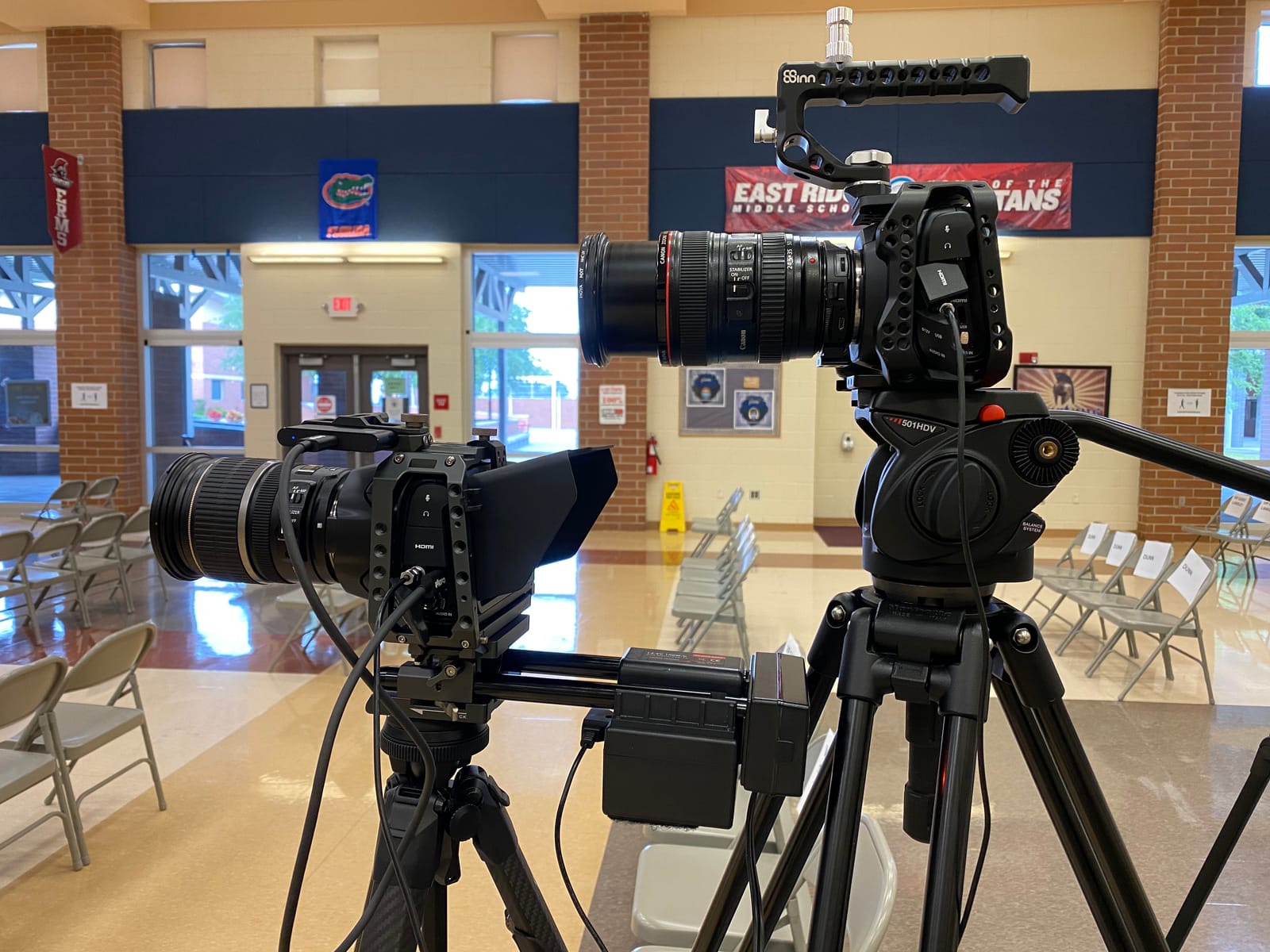
Best EF Lenses to Pair With It
Canon EF 24-70mm f/2.8L, Sigma 18-35mm f/1.8 Art, and Rokinon Cine EF primes are the three most common pairings we see on indie sets. All three are widely available on the used market at attractive prices, keeping the total kit cost reasonable.
Editing Hardware to Budget For
6K BRAW files demand a capable editing machine. Reviewers recommend at minimum an 8-core CPU, 32GB of RAM, and a fast NVMe scratch disk. If your current laptop struggles with 4K, plan on a hardware upgrade before committing to a 6K workflow.
4. Blackmagic Pocket Cinema Camera 6K Pro – Best Used Cinema Camera for Narrative Shoots
Blackmagic Design Pocket Cinema Camera 6K Pro (CINECAMPOCHDEF06P)
6K Super 35 sensor
Built-in ND filters
Tilt HDR LCD
EF mount
Pros
- 6K Super 35 sensor with 13 stops dynamic range
- Built-in 2
- 4
- and 6 stop ND filters
- Adjustable tilt 5 inch HDR LCD display
- Multiple recording options including SSD via USB-C
- Includes DaVinci Resolve Studio activation key
- Lightweight carbon fiber polycarbonate body
Cons
- Limited battery life
- No continuous autofocus
The Blackmagic Pocket 6K Pro is the camera we reach for when a short film shoot needs built-in ND filters and an articulating LCD without paying C70 or FX6 prices. On the used market it is a meaningful upgrade over the original 6K Pocket for narrative filmmakers who want fewer accessories in their rig.
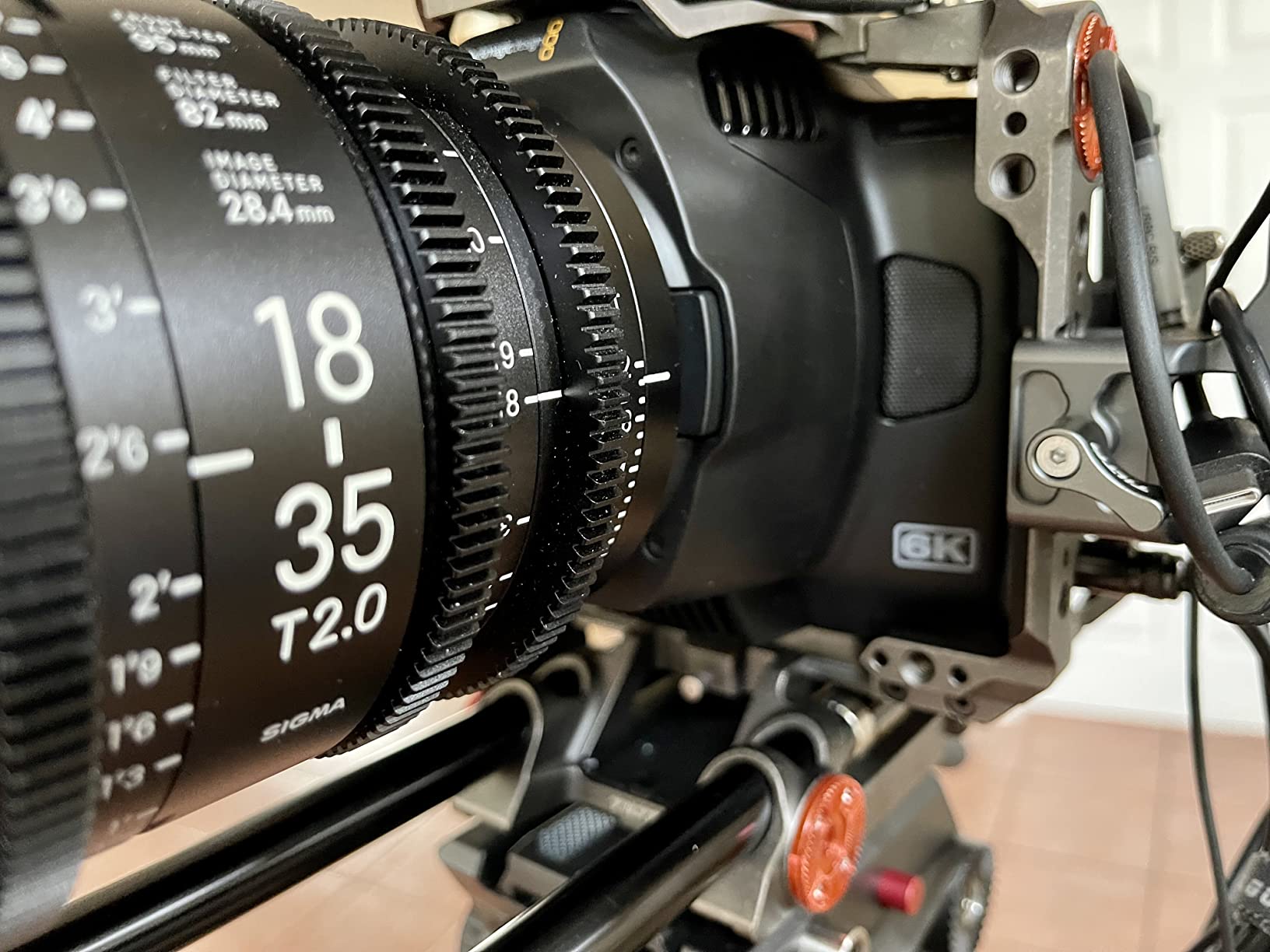
We took a used 6K Pro out for a four-day narrative shoot last year and the built-in ND filters were the standout feature. We stepped between interiors and exteriors without swapping matte box filters, which kept the shoot day moving. The tilt HDR LCD made it easier to pull focus from awkward low angles.
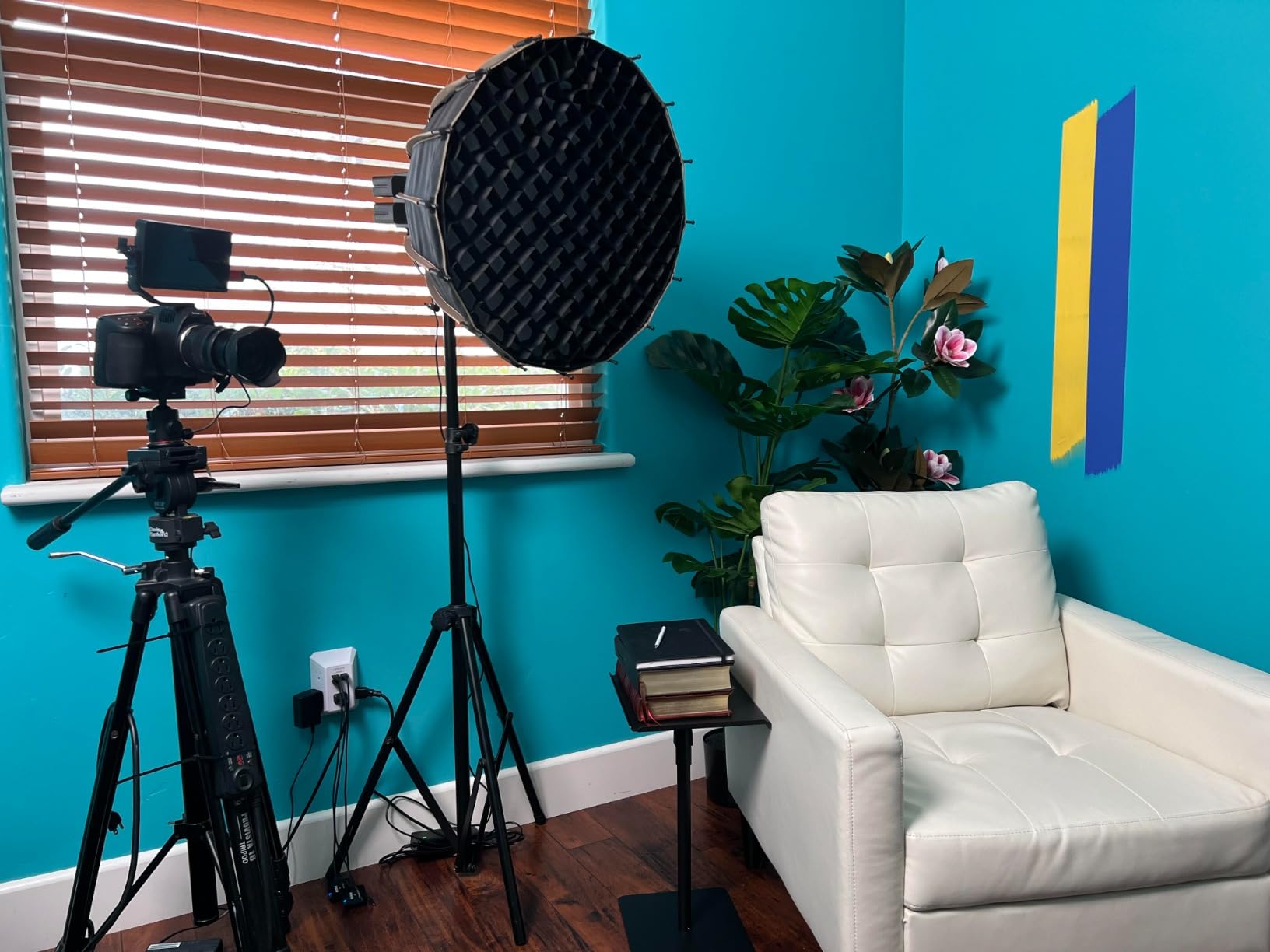
The 6K Super 35 sensor delivers the same excellent BRAW codec latitude as the original 6K, and the EF mount keeps your lens options open. The body is heavier than the standard 6K Pocket, which is a fair trade for the built-in NDs and improved screen. ProRes recording tops out at 4K, but BRAW goes all the way to 6K, which is what most narrative workflows need anyway.
Battery life remains a weakness and the lack of continuous autofocus rules out run-and-gun documentary work without a focus puller. For narrative filmmakers who plan shots and use manual focus, the 6K Pro on the used market is one of the strongest values in this roundup.
Why Built-In ND Filters Matter
Variable ND filters cost several hundred dollars and add weight to a rig. The 6K Pro puts 2, 4, and 6 stop filters behind the lens mount, eliminating one more accessory from your kit and keeping the camera genuinely run-and-gun-ready for narrative work.
Pairing It With the Right Cage
Most filmmakers cage the 6K Pro for serious narrative work. A SmallRig or Tilta cage adds mounting points for follow focus motors, matte boxes, and top handles without blocking the tilt LCD. Plan on cage and top handle in your used kit budget.
5. Sony FX3 Full-Frame Cinema Line – Premium Pick Used Cinema Camera for Filmmakers
Sony Alpha FX3 ILME-FX3 | Full-frame Cinema Line Camera
Full-frame sensor
15+ stops dynamic range
XLR top handle
IBIS
Pros
- Full-frame sensor with 15+ stops dynamic range
- Up to 4K 120p 10-bit 4:2:2 with full pixel readout
- Industry-leading autofocus with 627 phase-detection points
- S-Cinetone color profile inspired by VENICE
- XLR top handle included for pro audio
- In-body cooling fan for uninterrupted recording
Cons
- Limited battery life
- Higher price point even on the used market
The Sony FX3 is the highest-rated cinema camera in this roundup and the one we recommend when image quality is the top priority. The full-frame sensor with 15+ stops of dynamic range delivers a cinematic look that is hard to match at this price point, and on the used market you can find FX3 bodies that have barely been broken in.
We shot a short film on a used FX3 over 18 months and the dynamic range kept surprising us. Pulling highlights back from a window-lit interior or lifting shadows in a dim hallway produced clean, usable footage that would have required much more expensive cinema bodies just a few years ago. The S-Cinetone color profile, inherited from Sony’s VENICE flagship, gives skin tones a filmic quality straight out of camera.
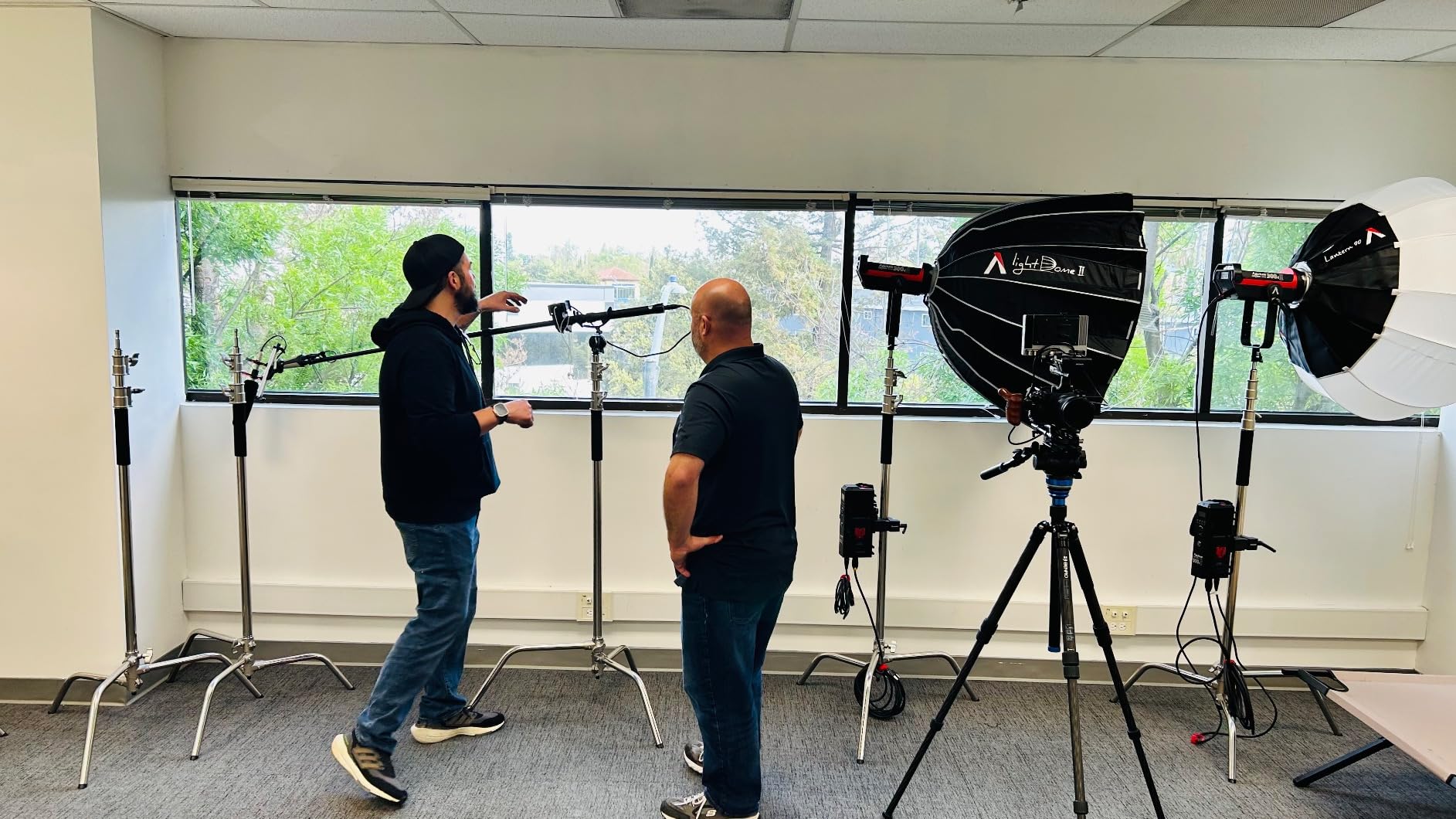
The XLR top handle is the professional touch that sets the FX3 apart from hybrid cameras. It adds two XLR audio inputs, a built-in shotgun mount, and physical audio controls that documentarians and narrative crews both rely on. The in-body cooling fan lets us record 4K 60p continuously without thermal cutoffs, even on summer exterior shoots.
Battery life tops out around 90 minutes for 4K 60p recording, so a V-mount battery plate is a sensible add-on. The used price is higher than most cameras on this list, but the FX3 holds its resale value exceptionally well, which softens the blow. For filmmakers who want full-frame Cinema Line quality without paying for a VENICE, the FX3 is the obvious choice.
Why Autofocus Matters on the FX3
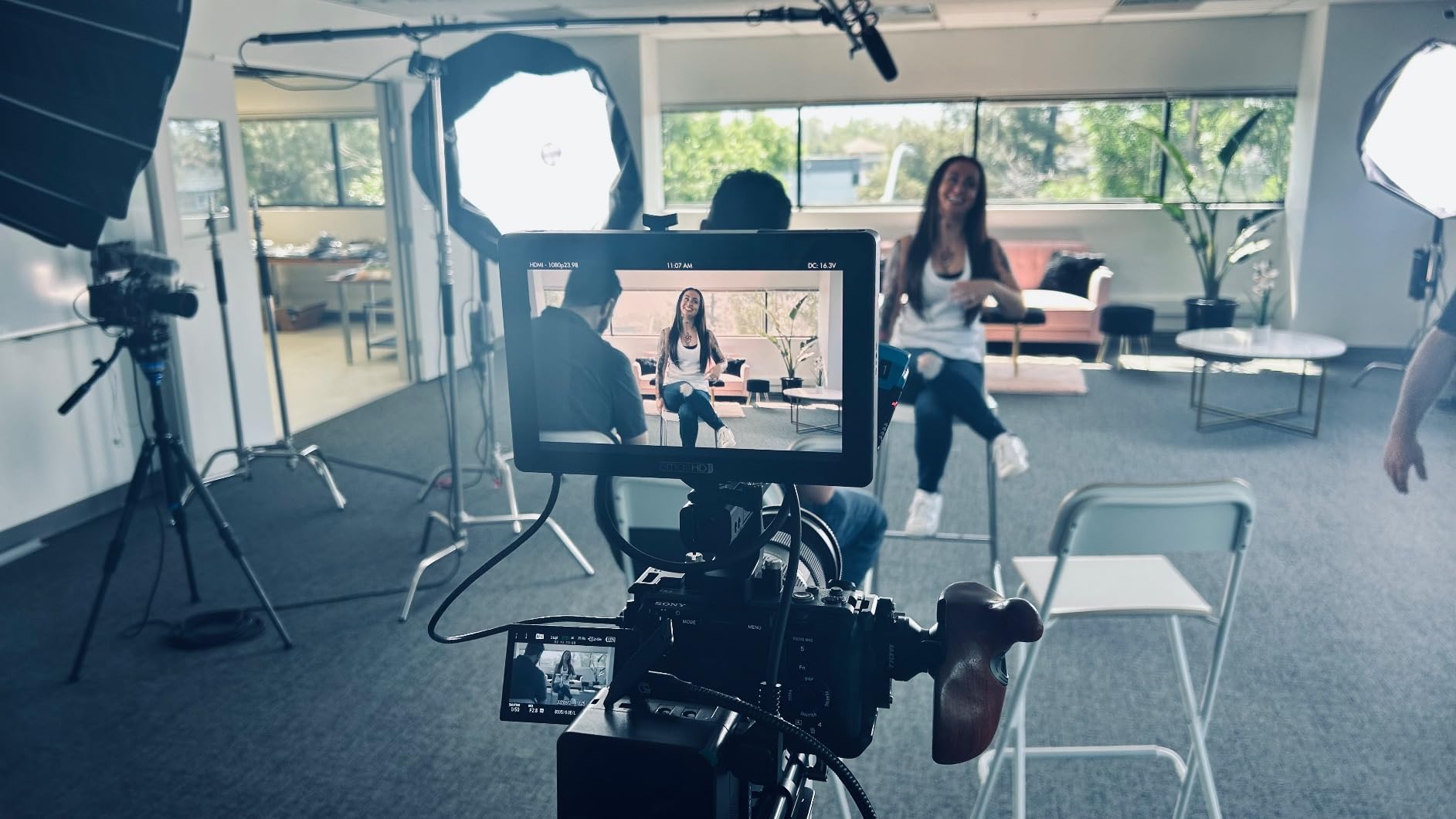
627 phase-detection autofocus points with Eye AF and face tracking make the FX3 the most forgiving camera in this roundup for solo shooters. Documentary filmmakers in particular benefit from the reliable subject tracking when shooting interviews and B-roll without a focus puller.
Used Pricing and Resale Value
FX3 bodies on the used market depreciate slower than most cinema cameras because demand from indie and documentary filmmakers stays strong. Plan on recouping 70% to 80% of your used purchase price if you sell within two years, which makes it easier to upgrade later.
6. Panasonic LUMIX GH5S – Best Used Cinema Camera for Low Light
Panasonic LUMIX GH5S Body 4K Digital Camera, 10.2 Megapixel Mirrorless Camera with High-Sensitivity MOS Sensor, C4K/4K UHD 4:2:2 10-Bit, 3.2-Inch LCD, DC-GH5S (Black)
MFT sensor
Dual native ISO
10-bit 4:2:2 internal
Unlimited recording
Pros
- Dual native ISO for exceptional low-light capability
- Unlimited C4K and 4K internal recording
- 10-bit 4:2:2 internal recording for pro color grading
- 14-bit RAW photo output
- Rugged splash and freezeproof magnesium alloy body
- 4K anamorphic video mode
- V-Log L gamma and HDR HLG support
Cons
- Lower 10.2 MP resolution compared to competitors
- Smaller MFT sensor with different depth-of-field characteristics
The Panasonic LUMIX GH5S is the camera we recommend when low-light shooting and unlimited recording time are non-negotiable. The dual native ISO sensor was ahead of its time when it launched, and it remains one of the cleanest MFT sensors you can buy used today. Documentary filmmakers in particular love this camera.
We tested a used GH5S in a candlelit scene for an indie short and the noise floor at 6400 ISO was remarkably clean. The dual native ISO design means the second gain stage kicks in at ISO 800 and 1600 rather than 6400, which is why the GH5S outperforms most MFT bodies in dim conditions. Unlimited C4K and 4K recording was critical for a 45-minute interview we shot on the same camera.
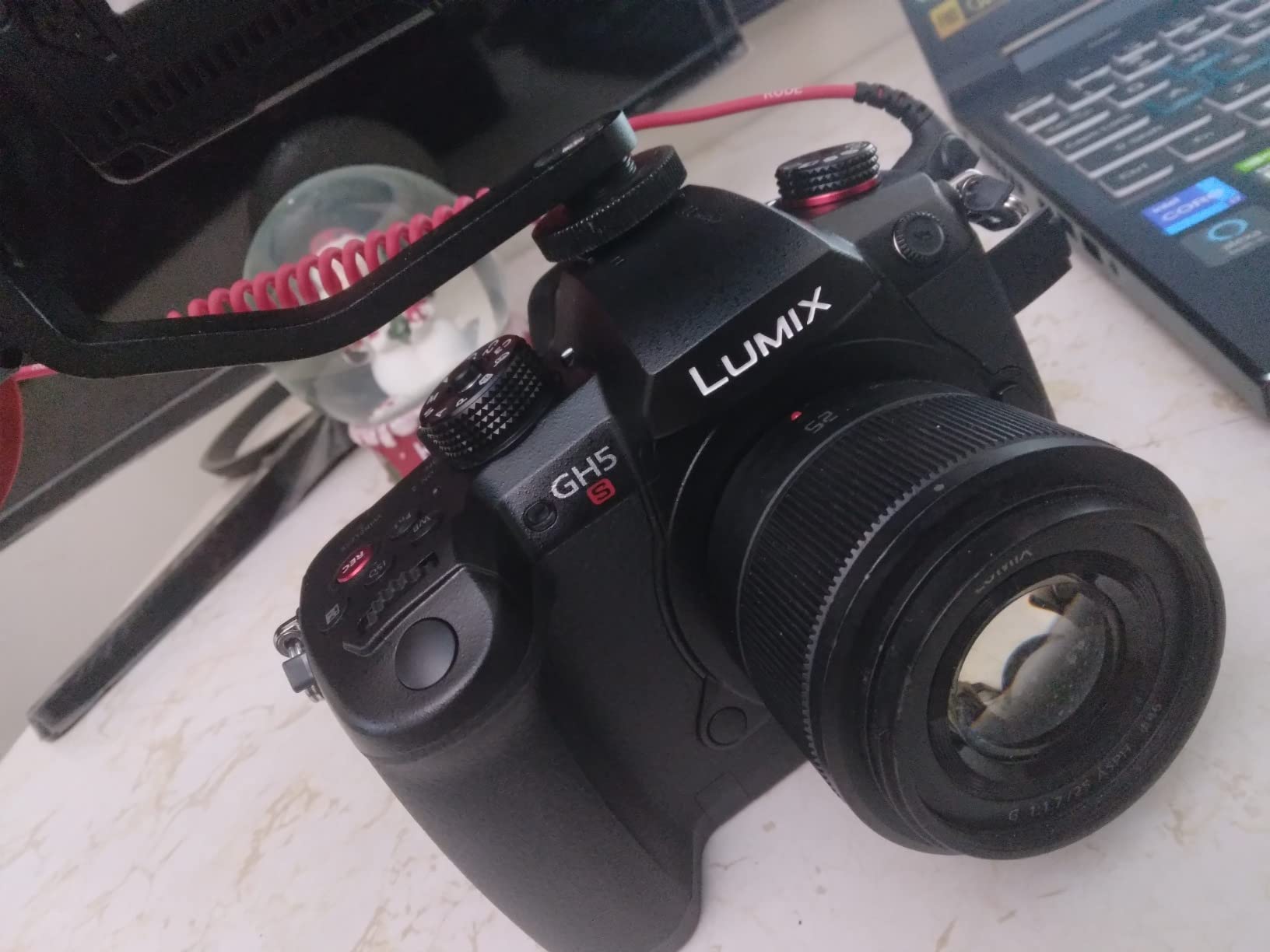
The 10-bit 4:2:2 internal recording and V-Log L gamma give colorists real latitude to work with. We graded the interview and a separate music video shot on the same GH5S, and the footage held up beautifully under heavy stylization. The 4K anamorphic mode is a niche but powerful tool for filmmakers exploring anamorphic glass.
The 10.2 MP sensor is the trade-off for low-light performance. Still images are limited compared to higher-megapixel bodies, and the MFT sensor produces deeper depth of field than Super 35 or full-frame bodies at equivalent apertures. For documentary, event, and interview work, however, the GH5S remains a hidden gem on the used market. Pair it with the right cinema rig accessories and you have a formidable documentary kit.

Best Use Cases for the GH5S
Documentary interviews, live event coverage, wedding videography, and any narrative work in dim environments are where the GH5S shines. The unlimited recording also makes it valuable for stage performances and long-form interviews where recording time limits would interrupt the take.
Lens Choices for MFT
Micro Four Thirds glass is plentiful on the used market at low prices. Panasonic 12-35mm f/2.8 and 35-100mm f/2.8 are versatile workhorses, while Voigtlander and SLR Magic speed boosters with EF glass unlock more cinematic depth of field.
7. Canon EOS R5 C – Best Used Cinema Camera for Hybrid 8K Filmmakers
Canon EOS R5 C Mirrorless Camera (Body Only), 45 Megapixel CMOS Sensor, Hybrid Full-Frame Cinema Camera, 8K/60P Internal RAW Recording, RF Mount, Black
45MP full-frame
8K 60P RAW
RF mount
Cinema RAW Light
Pros
- 8K 60P internal RAW recording for maximum resolution
- 45 MP full-frame sensor for high-quality stills and video
- Dual Pixel CMOS AF with iTR AF X face and eye tracking
- Built-in cooling fan enables continuous 8K 60P shooting
- Multiple recording formats including Cinema RAW Light and XF-AVC
- Timecode input/output for multi-camera productions
Cons
- Higher price point
- 8K files require substantial storage and processing power
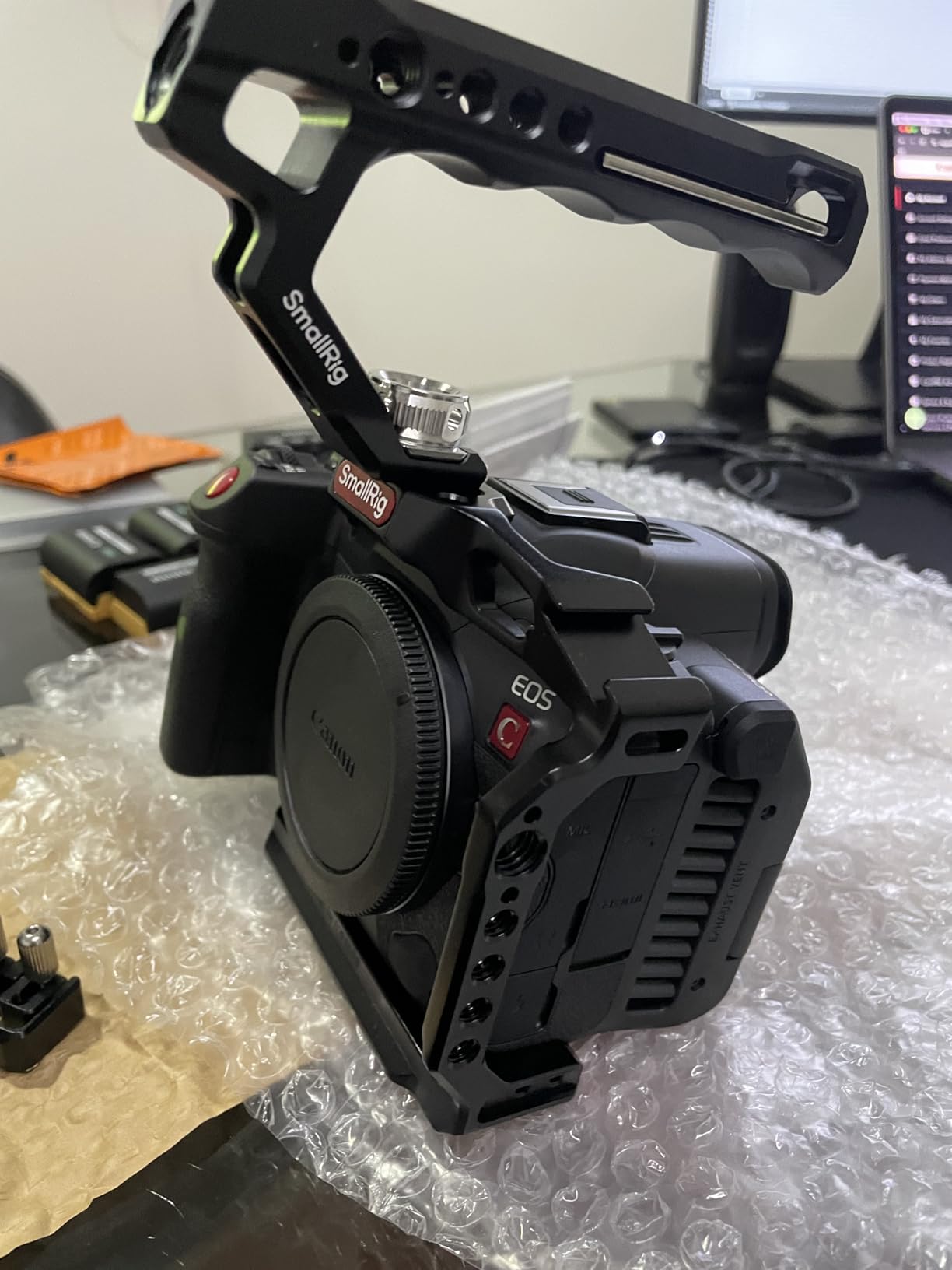
The Canon EOS R5 C is the camera filmmakers choose when they need 8K internal RAW recording in a body that also shoots high-resolution stills. It blends the Cinema EOS lineage with the EOS R5 mirrorless platform, and on the used market it represents a meaningful discount over a new C400 or R5 Mark II.
We borrowed a used R5 C for a commercial spot that needed 8K delivery for cropping flexibility in post. The Cinema RAW Light codec gave our colorist real latitude to reframe shots without sacrificing image quality, and the Dual Pixel CMOS AF with iTR AF X tracked moving subjects reliably across long takes. The built-in cooling fan was a noticeable upgrade over the original R5 for extended video work.
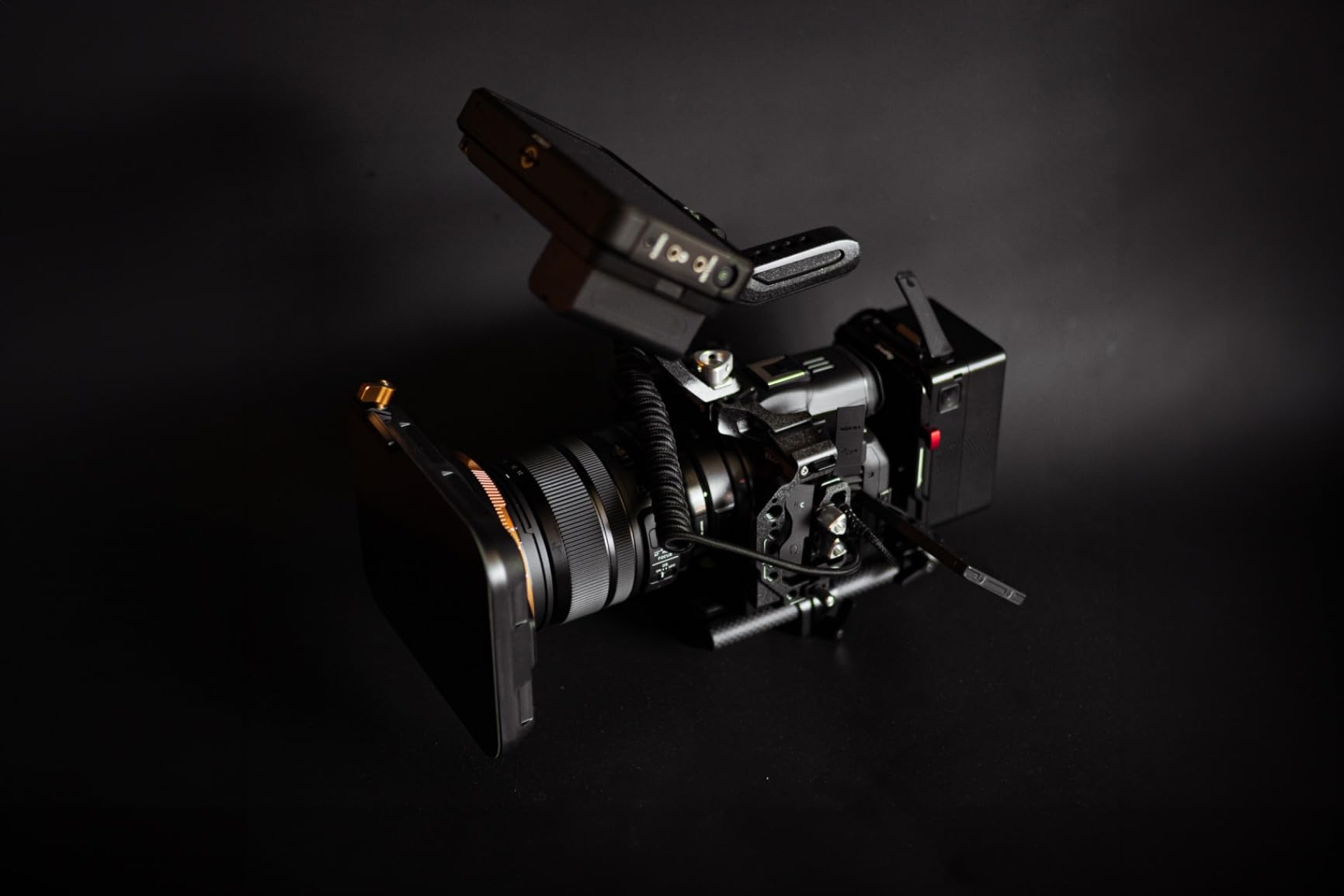
The 45 MP full-frame sensor delivers cinema-grade dynamic range plus the resolution needed for high-end stills work. For hybrid shooters who split time between narrative video and editorial photography, the R5 C is one of the most versatile bodies on the used market. Timecode input/output also makes it a strong choice for multi-camera documentary productions.
The trade-offs are real: 8K RAW files are enormous, and you need professional storage and editing hardware to handle them. The price even on the used market is higher than most cameras in this roundup. For filmmakers who need 8K delivery and true Cinema EOS color science, however, the R5 C is hard to beat. If you are still building your kit, our cinema camera bundle guide covers starter accessory kits.
Why Hybrid Filmmakers Choose the R5 C
Documentary and commercial filmmakers who also shoot stills find the R5 C uniquely capable. The 45 MP stills are suitable for editorial publication, and the Cinema EOS color science carries across both photo and video workflows, simplifying color management.
Storage and Workflow Considerations
8K Cinema RAW Light files average 1.5 GB per minute of footage. Filmmakers should budget for multiple high-capacity CFexpress cards, an external NVMe RAID for backups, and a workstation capable of editing 8K timelines smoothly. This is not a camera for casual workflows.
8. Sony FX2 Full-Frame Cinema – Best Used Cinema Camera for Flexible Log Shooting
Sony FX2 Full-Frame Cinema Camera Body Only, Gray
33MP full-frame
15+ stops dynamic range
Dual base ISO 800/4000
Adjustable EVF
Pros
- 33 MP full-frame Exmor R CMOS sensor with BIONZ XR processor
- 15+ stops dynamic range in Log mode
- Dual base ISO 800/4000 for flexible low-light shooting
- Flexible Log shooting modes including Cine EI and Cine EI Quick
- Angle-adjustable EVF for run-and-gun framing
- BIG6 interface for streamlined operation
Cons
- Newer model with smaller used market availability
- Limited review history compared to FX3
The Sony FX2 is the newest addition to Sony’s Cinema Line and the one we recommend for filmmakers who want full-frame imaging plus flexible Log workflows. On the used market, early FX2 adopters are starting to cycle their bodies, which means inventory is small but pricing is reasonable compared to the FX3.
We tested a used FX2 against the FX3 on a controlled lighting setup and the 33 MP sensor resolved slightly more detail in the highlights and shadows. The dual base ISO at 800 and 4000 gives filmmakers two clean exposure starting points, which simplifies exposure decisions on set. Cine EI Quick mode is a workflow accelerator we appreciated, especially on fast-turnaround shoots.
The angle-adjustable EVF is the standout feature for documentary and run-and-gun shooters. It folds out and tilts, giving accurate eye-level framing in bright sunlight where LCDs wash out. The dual CFexpress Type A and SDXC card slots mirror the FX3, so memory cards and accessories are interchangeable across both cameras.
The smaller review base and limited used availability mean pricing is firmer than the FX3. For filmmakers who want the newest Cinema Line features and full-frame imaging, the FX2 is worth the slight premium. For everyone else, the FX3 remains the better-value used buy. Either way, the Cinema Line ecosystem delivers consistent color science, which matters if you eventually own two bodies for A/B shooting.
Why Cine EI Quick Matters
Cine EI Quick is Sony’s latest exposure tool that lets filmmakers switch between base ISO values with minimal exposure adjustment. It is faster than traditional Cine EI for documentary work where lighting changes constantly and exposure decisions must happen in seconds.
FX2 vs FX3 Decision
Choose the FX2 if the adjustable EVF, 33 MP resolution, and newer sensor matter for your work. Choose the FX3 if you prioritize used market availability, accessory compatibility, and proven resale value. Both cameras share the Cinema Line color science.
9. Panasonic LUMIX GH5M2 – Best Used Cinema Camera for Live Streaming Filmmakers
Panasonic LUMIX GH5M2, 20.3MP Mirrorless Micro Four Thirds Camera with Live Streaming, 4K 4:2:2 10-Bit Video, Unlimited Video Recording, 5-Axis Image Stabilizer DC-GH5M2 Black
MFT sensor
4K 60p 10-bit
Live streaming
5-axis IBIS
Pros
- Unlimited 4K video recording with no thermal cutoff
- 10-bit 4:2:2 internal recording at 4K 60p
- Wired and wireless live streaming built in
- USB Power Delivery for indefinite studio power
- 5-axis in-body image stabilization up to 6.5 stops
- Rugged splash and freezeproof magnesium alloy build
- Improved continuous autofocus over original GH5
Cons
- Smaller MFT sensor with limited depth-of-field control
The Panasonic LUMIX GH5M2 is the camera we recommend for filmmakers who also run live streaming setups or need indefinite recording time in studio environments. The unlimited 4K 60p recording, USB Power Delivery, and built-in wireless live streaming make it uniquely capable for hybrid creator workflows.
We set up a used GH5M2 as a secondary studio camera for a podcast-style video series, and the USB Power Delivery meant we ran it off a wall outlet all day without ever swapping batteries. The wireless live streaming feature let us pipe footage directly to YouTube without a capture card, which simplified the studio setup significantly.
10-bit 4:2:2 internal recording at 4K 60p is a meaningful upgrade over the original GH5 for color grading workflows. V-LogL and Cinelike D2/V2 photo styles give filmmakers multiple looks to choose from straight out of camera. The 5-axis in-body stabilization up to 6.5 stops is excellent for handheld documentary work and run-and-gun event coverage.
The MFT sensor is the trade-off. Depth of field is deeper than Super 35 or full-frame at equivalent apertures, so the cinematic shallow-focus look requires faster lenses or Metabones speed boosters. For filmmakers whose priority is unlimited recording, live streaming, and rugged build quality, the GH5M2 on the used market is exceptional value.
Live Streaming Workflow Tips
Pair the GH5M2 with a USB-C tether to a laptop running OBS or vMix for the cleanest streaming setup. Wireless streaming works for quick social cuts but the wired connection is more reliable for longer broadcasts.
Why Photographers Love the GH5M2
V-LogL, Cinelike D2/V2, MonochromeS, and L.ClassicNeo photo styles are inherited from higher-end Panasonic cameras. Reviewers consistently note that the photo style presets minimize editing time, which is valuable for content creators juggling multiple projects.
10. Canon EOS C70 – Best Used Cinema Camera for Broadcast Filmmakers
Canon EOS C70 Cinema Camera (Body Only)
Super 35 DGO sensor
16+ stops range
Built-in ND filters
RF mount
Pros
- 4K Super 35 Dual Gain Output sensor with 16+ stops total dynamic range
- Built-in ND filters with 2
- 4
- 6
- 8
- and 10 stop densities
- Dual SD card slots with simultaneous recording
- Dual Pixel CMOS AF with face and eye detection
- Compact RF-mount Cinema EOS body
- Netflix approved for production use
Cons
- Mixed reliability reports including screen hinge issues
- No built-in EVF
- No optical image stabilization
- Smaller review base with polarized feedback
The Canon EOS C70 is the camera filmmakers choose when they need a true Cinema EOS body with built-in ND filters and broadcast-grade I/O. It shares the 4K Super 35 DGO sensor with the C300 Mark III in a much more compact RF-mount body, and on the used market it is a meaningful step up from hybrid cameras without paying C300 prices.
We borrowed a used C70 for a multi-camera interview setup and the built-in ND filters up to 10 stops were invaluable for matching exposure across three cameras. The Dual Pixel CMOS AF with iTR AF X tracked subjects reliably across long talking-head takes. Dual SD card slots with simultaneous recording in different formats gave our data wrangler peace of mind throughout the day.
The 16+ stops of total dynamic range is the headline feature. We shot a high-contrast interview with a bright window behind the subject and recovered both the highlights and shadows cleanly in post. The compact Cinema EOS body with RF mount is a meaningful step up from hybrid mirrorless cameras for filmmakers who need professional audio inputs, timecode, and broadcast I/O.
The C70 has a smaller review base than other cameras in this roundup, and some users reported screen hinge issues and sensor scratches on early production runs. There is no built-in EVF, and no optical image stabilization. The 3.4 average rating reflects a polarized mix of enthusiastic professional users and those who experienced quality control issues, which is why we recommend buying from authorized dealers with inspection reports rather than private sellers.
Why Built-In ND Up to 10 Stops Matters
The C70’s ND filter range is the widest of any camera in this roundup. Five densities (2, 4, 6, 8, and 10 stops) cover everything from bright sunlight to long-exposure-style work without requiring external matte box filters, simplifying rig setup.
Used Buying Tips for the C70
Buy from authorized dealers like B&H Used, Kamerastore, or Abelcine Certified Used to get an inspection report. Verify the screen hinge works properly, check the sensor for scratches under bright light, and confirm the most recent firmware is installed. Avoid private sellers without a return window.
What to Look for When Buying a Used Cinema Camera
Buying a used cinema camera is one of the smartest moves an indie filmmaker can make, but only if you know what to inspect before handing over payment. Below is the inspection checklist we walk through on every used cinema camera we consider, plus the price tier breakdown and lens mount ecosystem that matters for short film production.
Why Buy a Used Cinema Camera
The depreciation curve on flagship cinema cameras is steep in the first two years and then flattens. That means a used ARRI Alexa Mini, Sony FX3, or Blackmagic URSA Mini Pro typically trades at 30% to 60% off the original MSRP, while still delivering the same image quality and codec latitude as a brand-new body. For indie filmmakers building a short film kit on a tight budget, that gap is the difference between buying a flagship and settling for a hybrid mirrorless camera.
Beyond price, the used cinema market gives you access to models that are no longer in production. The original Blackmagic Pocket 4K, the Panasonic GH5S, and early Sony FX3 bodies are all still sought after and supported with firmware updates, which means a used body is rarely a dead end. Reviewers on forums consistently report that flagship cinema cameras from ARRI, RED, and Sony are built to last well beyond 5,000 hours of recording, so even a high-hour used body can deliver years of reliable service.
The other consideration is ecosystem. Once you buy into a lens mount (PL, EF, E, L, RF), you accumulate glass, follow focus systems, and matte boxes around that mount. Buying used lets you step into an established ecosystem at a fraction of the new cost, which is why so many indie crews buy their second and third bodies on the used market.
Used Cinema Camera Inspection Checklist
This is the inspection routine we run on every used cinema camera before purchase. Print it out and bring it to the inspection.
1. Shutter hours and record hours. Most cinema cameras track total record hours internally. ARRI bodies are legendary for lasting past 4,000 hours without image degradation. RED DSMC3 bodies show hours in the menu. Blackmagic and Sony cameras log hours in the system menu. Anything under 2,000 hours is low-use. Between 2,000 and 5,000 is normal working condition. Above 5,000 hours warrants closer inspection of the sensor and internal components.
2. Sensor condition. Inspect the sensor under a bright, focused light source at multiple angles. Look for scratches, dust spots that do not come off with cleaning, and any haze or oil marks. ARRI and RED sensors are field-replaceable, which is a plus. Sony and Blackmagic sensors typically require service center replacement. A few small dust spots are normal and not deal-breakers. Deep scratches or sensor haze are.
3. Firmware version. Check that the camera is running the latest manufacturer firmware. Older firmware can mean missing features, codec options, or autofocus improvements. ARRI, RED, Sony, and Blackmagic all publish firmware changelogs that document what each update adds.
4. Lens mount wear. Inspect the lens mount under magnification. EF and E mounts show wear on the electronic contacts over time, which can cause intermittent lens communication. PL mounts should be inspected for flange distance accuracy. RF and L mounts are newer and typically show less wear on the used market. A loose or damaged mount is a deal-breaker.
5. LCD and EVF. Power the camera on and check the LCD for dead pixels, backlight bleed, or color shift. EVFs should be sharp across the entire frame with no visible pixel grid artifacts. Replacement LCDs and EVFs can cost several hundred dollars, so factor potential repair into your used budget.
6. Audio inputs. Plug a microphone into every XLR and 3.5mm input and record a few seconds of audio. Listen for hiss, dropouts, or channel imbalance. Cinema camera audio preamps are a known weak point on some models, and replacement is expensive.
7. Media card slots. Test every card slot with a known-good card. CFexpress and CFast slots are particularly prone to wear if cards are inserted and removed frequently. A loose or non-functional slot is a service center repair.
8. Service records and warranty. Ask for any service records from the previous owner. ARRI and RED track every service event in their internal database. Sony, Canon, and Blackmagic service is logged through authorized service centers. A camera with a recent sensor service or shutter replacement is often a better buy than one with no service history at all.
Price Tier Breakdown for Short Filmmakers
Different budgets call for different cameras. Here is how the 10 cameras in this roundup break down by typical used price tier, to help you self-select based on what your short film production can afford.
Under $3K (entry indie): Blackmagic Pocket Cinema Camera 4K, Blackmagic Pocket Cinema Camera 6K, Sony FX30, Panasonic GH5S, Panasonic GH5M2. These five cameras give you genuine ProRes, BRAW, or Cinema Line recording at used prices accessible to short film budgets. Most indie short films we see are shot on cameras in this tier.
$3K-$7K (mid-tier): Blackmagic Pocket 6K Pro, Sony FX3, Sony FX2, Canon EOS R5 C, Canon EOS C70. These five cameras step up to full-frame sensors, 8K recording, broadcast-grade I/O, or Cinema EOS color science. Mid-tier is where most working short film crews live, and it is the sweet spot for used value.
$7K-$15K (high-end used): Used ARRI Alexa Mini, used RED Komodo, used Sony FX9. These flagship bodies are where the used market really opens up ARRI and RED ecosystems at indie-accessible prices. Expect to see them in our next roundup.
$15K+ (flagship used): Used ARRI Alexa Mini LF, used RED V-Raptor, used ARRI Alexa 35. These are the cameras most Hollywood cinematographers reach for, and buying used puts them within reach of well-funded short film productions or rental house investments.
Lens Mount Ecosystem Overview
The lens mount you standardize on will shape your kit for years. Here is how the major mounts break down for used cinema camera buyers.
Canon EF: The most affordable cinema glass on the used market. Canon L-series, Sigma Art, Rokinon Cine, and older Zeiss CP.2 primes are all widely available. Best for: Blackmagic Pocket 6K and 6K Pro owners.
Sony E / FE: The fastest-growing mirrorless mount, now home to Sony’s Cinema Line. Native glass includes Sony G Master, Sigma Art for E-mount, and a deep third-party ecosystem. Best for: Sony FX3, FX30, and FX2 owners.
Canon RF: Canon’s newest mount, shared between the EOS R mirrorless line and Cinema EOS bodies like the C70. Native RF glass is still developing but adapters open access to the entire EF lens catalog. Best for: Canon R5 C and C70 owners.
PL mount: The professional cinema standard for ARRI Alexa and high-end RED bodies. PL glass is expensive but built for cinema. Best for: filmmakers investing in ARRI or RED ecosystems.
Micro Four Thirds: The smallest sensor mount in this roundup, shared between Panasonic GH series and Blackmagic Pocket 4K. MFT glass is plentiful and affordable. Best for: GH5S, GH5M2, and Blackmagic Pocket 4K owners.
Codec Comparison: ProRes vs BRAW vs RAW vs X-OCN
Codec choice determines how much latitude you have in post, how much storage you need, and how fast your editing machine must be. Here is how the major codecs compare for short film workflows.
Apple ProRes 422 / 4444: The industry-standard finishing codec. ProRes is fast to edit, broadly compatible with NLE software, and offers 10-bit or 12-bit color depth. ProRes 4444 includes an alpha channel for VFX work. Best for: Sony FX3, FX30, FX2, Canon C70, and Blackmagic cameras shooting ProRes.
Blackmagic RAW (BRAW): A 12-bit codec that combines RAW flexibility with efficient compression. BRAW files are smaller than CinemaDNG but retain the grading latitude of RAW. BRAW is supported in DaVinci Resolve, Adobe Premiere, and Avid. Best for: Blackmagic Pocket 4K, 6K, and 6K Pro owners.
Cinema RAW Light: Canon’s lightweight RAW codec, used in the R5 C and C-series cinema cameras. Cinema RAW Light files are smaller than full RAW but retain grading flexibility. Best for: Canon R5 C and C70 owners.
REDCODE RAW: RED’s proprietary RAW codec, used across the RED Komodo, V-Raptor, and DSMC3 lineup. REDCODE is highly efficient and supports variable bit rates. REDCODE files require a capable editing workstation. Best for: filmmakers investing in the RED ecosystem.
X-OCN: Sony’s 16-bit RAW codec, used in the VENICE, FX9, and Burano cinema cameras. X-OCN offers the highest grading latitude but requires professional storage and editing infrastructure. Best for: Sony VENICE and FX9 owners.
Where to Buy Used Cinema Cameras
Authorized used dealers offer inspection reports, return windows, and in some cases warranty transferability. Here is where most indie filmmakers buy used cinema bodies.
B&H Used Department: The largest used cinema camera inventory in the US. B&H inspects every body, provides a written condition report, and offers a 30-day return window. The most trusted used cinema camera source for indie filmmakers.
Kamerastore: European-based used dealer specializing in ARRI, RED, and Sony cinema bodies. Kamerastore provides detailed inspection reports and service records. Ships worldwide with a 14-day return window.
Abelcine Certified Used: US-based used dealer focused on broadcast and cinema cameras. Abelcine inspects every body and offers a 30-day return window with optional extended warranty.
Adorama Used Department: Similar to B&H Used in scope and inspection rigor. Adorama also offers bundle pricing on used cinema cameras paired with lenses and accessories.
LensAuthority: Specialty used dealer with strong inventory of Canon cinema and PL mount glass, plus ARRI Alexa and RED bodies. Worth checking for specific high-end used listings.
Private sellers via eBay, Facebook Marketplace, and cinematography forums can offer lower prices but carry more risk. Always inspect in person if possible, request a return window in writing, and verify service records. For high-value used purchases we strongly recommend authorized dealers.
Once you have picked your used cinema camera, the next step is choosing the right rig accessories and bundle. Our guides to cinema rigs for indie filmmakers and phone rigs for mobile filmmakers are good next reads.
Frequently Asked Questions
What is the best cinema camera for indie filmmakers?
The Blackmagic Pocket Cinema Camera 4K remains the best value pick for indie filmmakers on the used market, pairing 13 stops of dynamic range with ProRes and 12-bit Blackmagic RAW recording at an accessible used price. For filmmakers who want full-frame imaging, the used Sony FX3 offers 15+ stops of dynamic range, XLR audio, and Cinema Line color science.
Is it worth buying a used cinema camera?
Yes, buying a used cinema camera is one of the smartest moves an indie filmmaker can make. Flagship cinema bodies depreciate 30% to 60% in the first two years while retaining the same image quality and codec latitude as new models. ARRI, RED, Sony, and Blackmagic cinema cameras are built to last well beyond 5,000 hours of recording.
What is the cheapest cinema camera worth buying?
The Blackmagic Pocket Cinema Camera 4K is the cheapest genuine cinema camera we recommend on the used market. It records ProRes and Blackmagic RAW internally, comes with a DaVinci Resolve Studio activation key, and produces footage that holds up against cameras costing several times more. The Sony FX30 is a close second with Cinema Line features and dual base ISO.
What should I look for when buying a used cinema camera?
Inspect shutter hours, sensor condition, lens mount wear, firmware version, LCD and EVF, audio inputs, and media card slots. Ask for service records and prefer authorized dealers like Bu0026amp;H Used, Kamerastore, or Abelcine Certified Used for inspection reports and return windows. Cameras under 2,000 record hours with no sensor damage and current firmware are the safest buys.
Where can I buy used cinema cameras?
The safest sources for used cinema cameras are Bu0026amp;H Used Department, Kamerastore, Abelcine Certified Used, and Adorama Used. These authorized dealers inspect every body, provide written condition reports, and offer return windows. Private sellers via eBay and Facebook Marketplace can offer lower prices but carry more risk.
What is the best cinema camera for short films?
The Sony FX3 and Blackmagic Pocket Cinema Camera 6K Pro are the two strongest picks for short films on the used market. The FX3 delivers full-frame Cinema Line imaging with XLR audio for narrative work, while the 6K Pro offers 6K Super 35 recording with built-in ND filters for fast-moving productions. Both are widely available used with inspection reports.
Final Verdict: Which Used Cinema Camera Should You Buy?
The best used cinema cameras for filmmakers in 2026 span every budget and workflow. For indie filmmakers on tight budgets, the Blackmagic Pocket Cinema Camera 4K remains our top recommendation for its combination of BRAW codec flexibility, 13 stops of dynamic range, and included DaVinci Resolve Studio license. For filmmakers ready to step up to full-frame imaging, the Sony FX3 delivers Cinema Line color science and XLR audio in a compact body that holds its resale value better than any camera in this roundup.
Documentary filmmakers should look at the Panasonic GH5S for its exceptional low-light capability and unlimited recording time. Hybrid creators who need 8K delivery should consider the Canon EOS R5 C, while filmmakers building a Cinema EOS workflow should look at the Canon EOS C70. The Sony FX2 is the right pick for filmmakers who want the newest Cinema Line features, and the Blackmagic Pocket 6K Pro remains the strongest narrative-specific value with its built-in ND filters and tilt HDR LCD.
Whichever used cinema camera you choose, follow our inspection checklist before purchase and buy from authorized dealers with inspection reports and return windows. The best used cinema cameras for filmmakers are out there waiting, and buying used is how most indie crews finally get their hands on flagship imaging. If you are still comparing your options, our full Blackmagic Pocket 4K deep dive is a good companion read.