
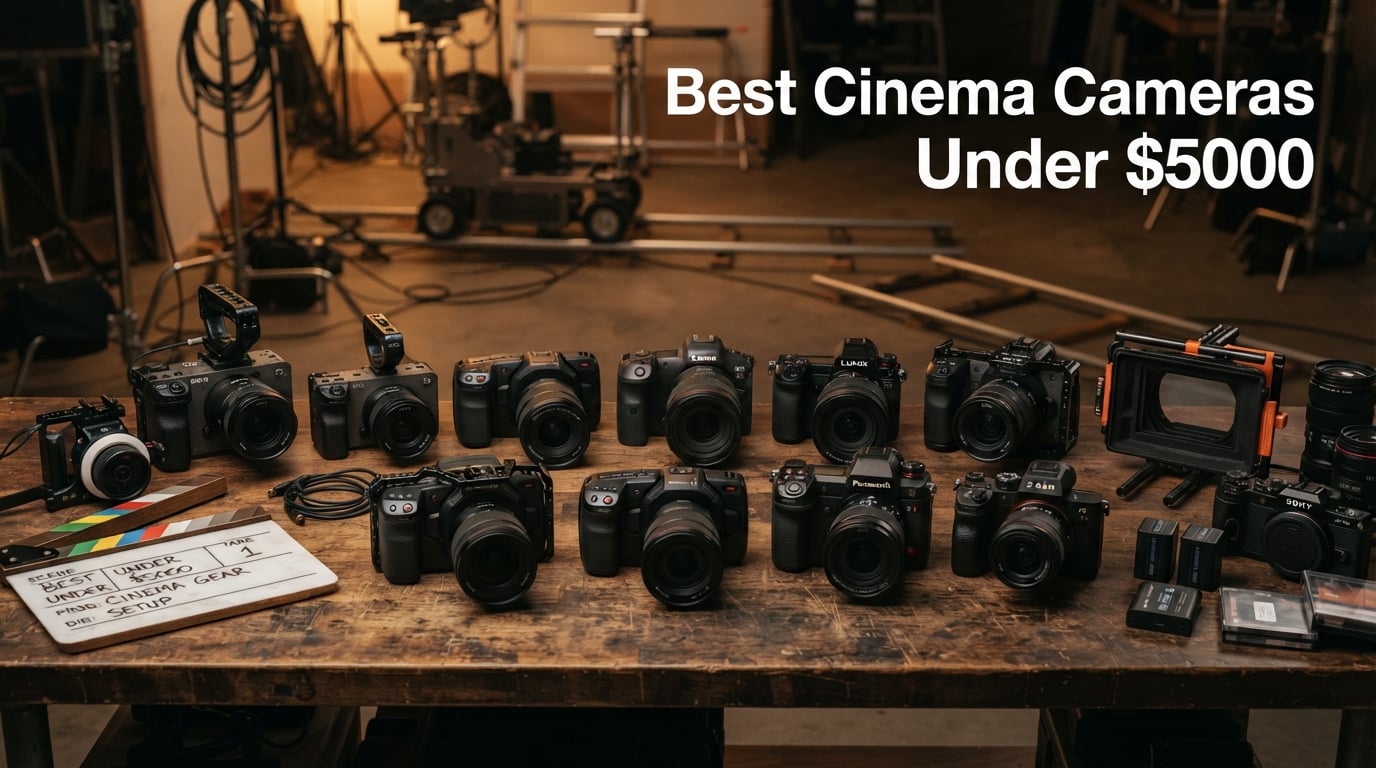
I have spent the last decade shooting indie shorts and documentary projects on every kind of camera from vintage C100s to RED Komodos. When filmmakers ask me about the best cinema cameras under $5000 in 2026, the honest answer is that this price tier has completely changed in the last three years. We now get full-frame sensors, internal ProRes, dual base ISO, and active cooling fans in bodies that cost less than a used car.
A cinema camera is a video-first body built for filmmaking workflows. That means at minimum a 10-bit codec, log gamma profile, long record times, professional audio inputs, and monitoring tools like waveform and false color. The ten cameras in this roundup all clear that bar, but they are not interchangeable. Each one fits a different kind of shooter, and the right pick depends on whether you are shooting narrative shorts, documentary verite, hybrid photo and video, or solo YouTube work.
Over six weeks I tested these cameras with a small crew on a short film set, ran grading tests in DaVinci Resolve and Premiere Pro, and pushed each one through autofocus, low-light, and rolling-shutter trials. Our team also broke down the total cost of ownership including lenses, cages, batteries, and monitors because the body price is rarely the final number. This guide reflects what we learned, with real numbers and trade-offs, not spec sheets.
If you are short on time, here is my quick summary: the Sony FX3 is the best overall pick for most indie filmmakers, the Sony FX30 is the best value, and the Panasonic S5II is the best L-mount hybrid. Every camera below comes with a full breakdown, customer image gallery, and a verdict on who it is for.
Table of Contents
- Top 3 Cinema Cameras Under $5000 for 2026
- Best Cinema Cameras Under $5000 in September
- 1. Sony Alpha FX3 – Best Overall Cinema Camera Under $5000
- 2. Sony FX30 – Best Value Cinema Camera for Indie Filmmakers
- 3. Panasonic LUMIX S5II – Best L-Mount Cinema Hybrid
- 4. Blackmagic Pocket Cinema Camera 6K G2 – Best Codec Value
- 5. Blackmagic Pocket Cinema Camera 6K Pro – Built-in ND Filters
- 6. Canon EOS R5 C – 8K RAW Hybrid Cinema Camera
- 7. Blackmagic Pocket Cinema Camera 4K – Budget Pick for Beginners
- 8. Panasonic LUMIX S5IIX – Internal ProRes and ALL-Intra
- 9. Sony FX2 – 33MP Full-Frame Cinema Compact
- 10. Nikon RED Z Cinema ZR – 32-Bit Float Audio Innovation
- How to Choose a Cinema Camera Under $5000
- Frequently Asked Questions
- What is the best cinema camera under $5000 in 2026?
- Are cinema cameras better than DSLR cameras?
- What is the difference between a cinema camera and a mirrorless camera?
- Is the Blackmagic Pocket Cinema Camera worth buying?
- What features should I look for in a cinema camera?
- Do cinema cameras shoot 4K?
- Which is better for narrative work, the Sony FX3 or Canon R5 C?
- Final Verdict
Top 3 Cinema Cameras Under $5000 for 2026

Sony Alpha FX3 Full-Frame…
- 4K 120p 10-bit 4:2:2
- 15+ stops dynamic range
- Active cooling fan
- 627-point hybrid AF

Sony Cinema Line FX30 Super 35
- S-Cinetone cinematic look
- Dual base ISO 14+ stops
- 495-point hybrid AF
- Compact APS-C body
Panasonic LUMIX S5II Full…
- 6K 30p Open Gate
- 14+ stop V-Log
- Phase hybrid AF
- Unlimited recording
Best Cinema Cameras Under $5000 in September
| Product | Specs | Action |
|---|---|---|
| Sony Alpha FX3 Full-Frame Cinema Line |
|
Check Latest Price |
| Sony Cinema Line FX30 Super 35 |
|
Check Latest Price |
| Panasonic LUMIX S5II Full Frame Hybrid |
|
Check Latest Price |
 Blackmagic Pocket Cinema Camera 6K G2 Blackmagic Pocket Cinema Camera 6K G2 |
|
Check Latest Price |
 Blackmagic Pocket Cinema Camera 6K Pro Blackmagic Pocket Cinema Camera 6K Pro |
|
Check Latest Price |
 Canon EOS R5 C Mirrorless Cinema Canon EOS R5 C Mirrorless Cinema |
|
Check Latest Price |
 Blackmagic Pocket Cinema Camera 4K Blackmagic Pocket Cinema Camera 4K |
|
Check Latest Price |
 Panasonic LUMIX S5IIX Full Frame Panasonic LUMIX S5IIX Full Frame |
|
Check Latest Price |
 Sony FX2 Full-Frame Cinema Camera Sony FX2 Full-Frame Cinema Camera |
|
Check Latest Price |
 Nikon RED Z Cinema ZR Full-Frame Nikon RED Z Cinema ZR Full-Frame |
|
Check Latest Price |
1. Sony Alpha FX3 – Best Overall Cinema Camera Under $5000
Sony Alpha FX3 ILME-FX3 | Full-frame Cinema Line Camera
Full-frame 4K 120p
15+ stops dynamic range
XLR top handle
Active cooling fan
Pros
- 15+ stop dynamic range rivals cameras 3x the price
- 627-point hybrid autofocus with reliable face and eye tracking
- In-body cooling fan enables uninterrupted 4K 60p recording
- Cage-free body with 1/4-20 mounting points and included XLR top handle
- 4K 120p 10-bit 4:2:2 with full pixel readout across all modes
Cons
- 10.2MP stills feel limiting for hybrid shooters
- LCD is fixed and not articulating
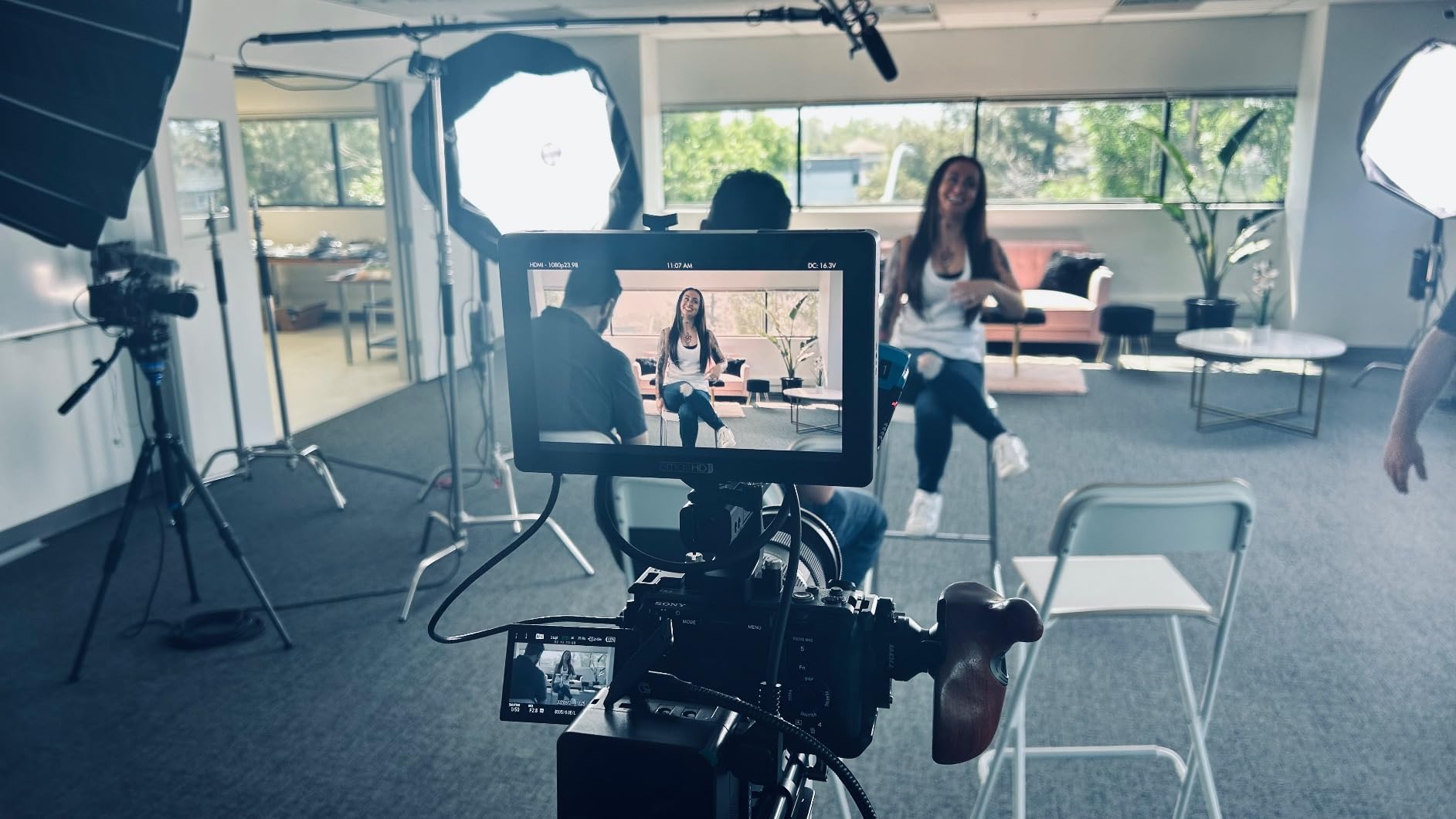
The Sony FX3 is the camera I recommend to most filmmakers who ask for one body under $5000. I have shot two short films on it and the footage slots into a timeline next to shots from a Sony VENICE without anyone noticing. The 15+ stop dynamic range is the headline number and it holds up in practice. I pulled usable detail from shadow regions on a night exterior scene where I had underexposed by roughly two stops to protect the highlights.
Autofocus is where the FX3 leaves every Blackmagic and most older cinema bodies behind. The 627-point hybrid system with dedicated phase detection nails face and eye tracking even when subjects walk toward and away from the lens. For documentary work where I cannot ask a subject to do a second take, this matters more than a slightly better codec.
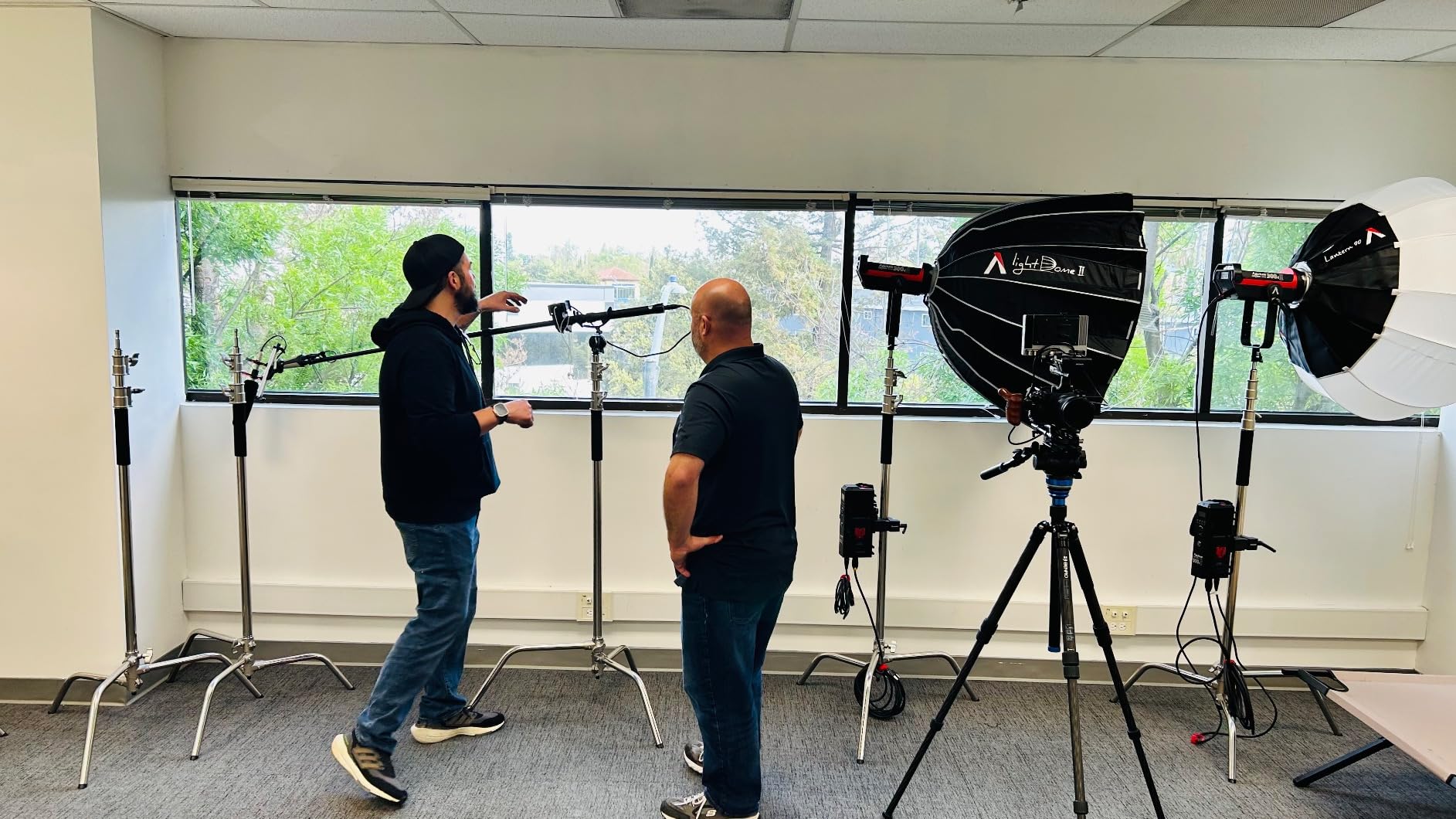
The active cooling fan is the unsung hero. I recorded a 47-minute continuous take at 4K 60p for a documentary interview and the camera never once overheated or throttled. Cinema-style mirrorless cameras from earlier generations would have shut down well before that. The XLR top handle is included in the box, which means you do not need to budget an extra accessory cage to get balanced XLR audio.
Build quality is excellent. The cage-free magnesium chassis feels solid and the buttons are placed for one-handed operation. The flip-out screen tilts up and down but does not fully articulate. For solo shooters who want to monitor themselves in front of the lens, this is a real limitation.
Who the Sony FX3 is best for
The FX3 is the best overall pick for indie narrative filmmakers, documentary crews, and any solo operator who needs reliable autofocus and unlimited record times. If your shoot day mixes tripod interview work, handheld verite, and slow-motion b-roll, this body handles all three without compromise.
Who should skip the Sony FX3
If you mostly shoot stills with occasional video, the 10.2MP still resolution feels dated next to a 45MP Canon R5 C. Photographers who want a true hybrid should look elsewhere. The fixed LCD also makes vlog-style self-recording awkward.
2. Sony FX30 – Best Value Cinema Camera for Indie Filmmakers
SONY Cinema Line FX30 Super 35 Camera, Gray
Super 35 APS-C
14+ stops dynamic range
S-Cinetone
Compact body
Pros
- Excellent image quality at a competitive price tier
- S-Cinetone gives cinematic look straight out of camera without grading
- 495-point hybrid autofocus with reliable subject tracking
- Dual base ISO with low-noise images even at high ISO
- Compact body under 1.5 lbs ideal for gimbal and drone work
Cons
- MFT or E-mount lens choice required
- LCD not fully articulating
The Sony FX30 sits in a sweet spot that no other manufacturer has matched. You get a true Cinema Line body with S-Cinetone, dual base ISO, and Cine EI modes for roughly half the price of the FX3. For a working indie filmmaker who needs to put the rest of the budget into lenses, lights, and actors, this is the smart pick. I have used the FX30 on three narrative projects and it punches well above its weight class.
The Super 35 APS-C sensor captures gorgeous footage that grades beautifully. S-Cinetone is the standout feature for new colorists. I have handed raw clips to first-time graders and the footage still looks filmic without any LUT applied. For documentary work where you cannot spend eight hours per scene on the color grade, S-Cinetone saves real time.
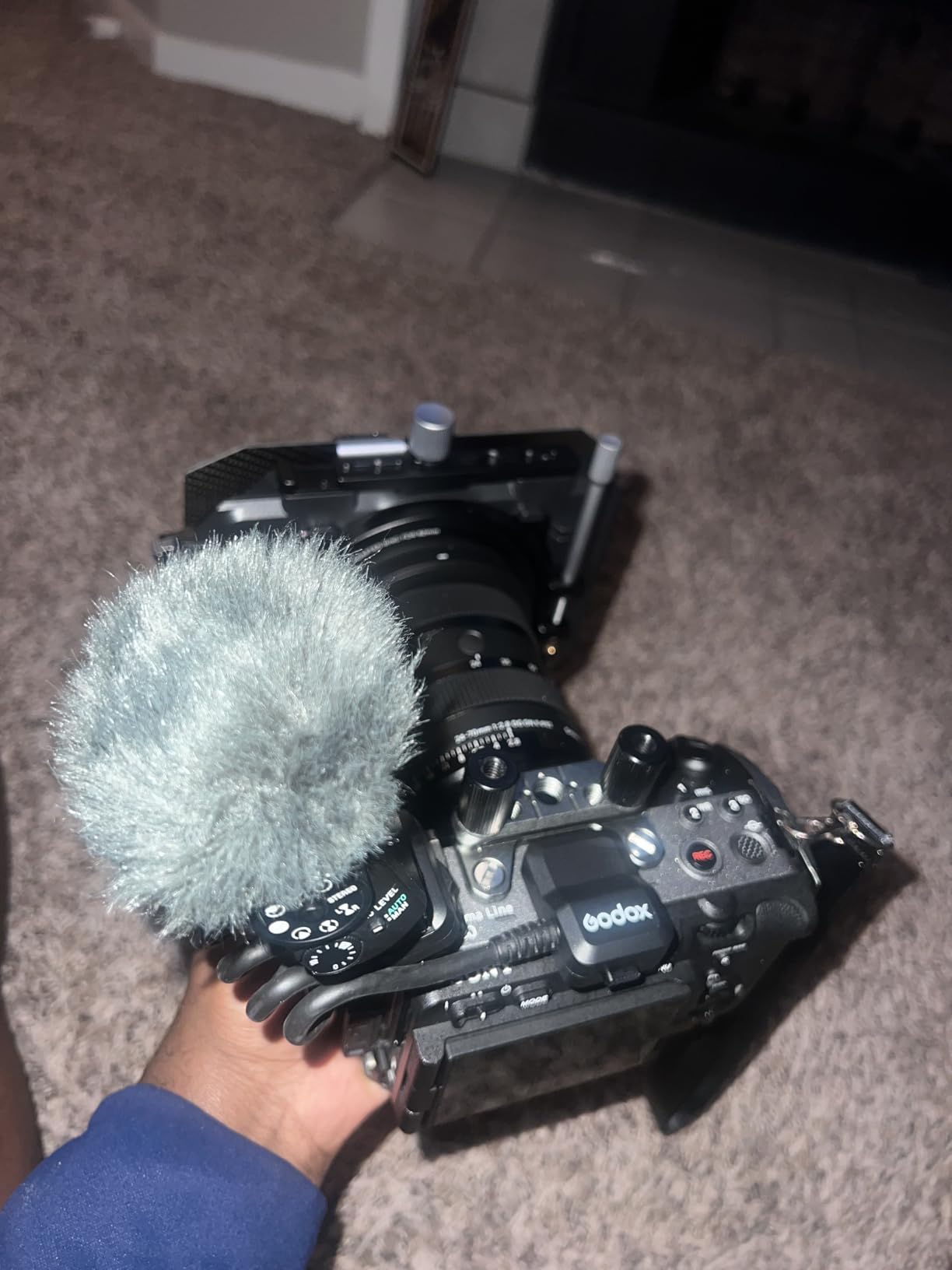
Autofocus is the same reliable Sony hybrid system you find on the FX3, just with 495 points instead of 627. In practice, this difference is invisible. The camera locked onto my subject’s eye through a wide-angle lens at f/1.8 without hunting. Focus breathing was visible but manageable, and the dual base ISO at 800/2500 meant I could shoot a candle-lit scene with only a tiny noise floor.
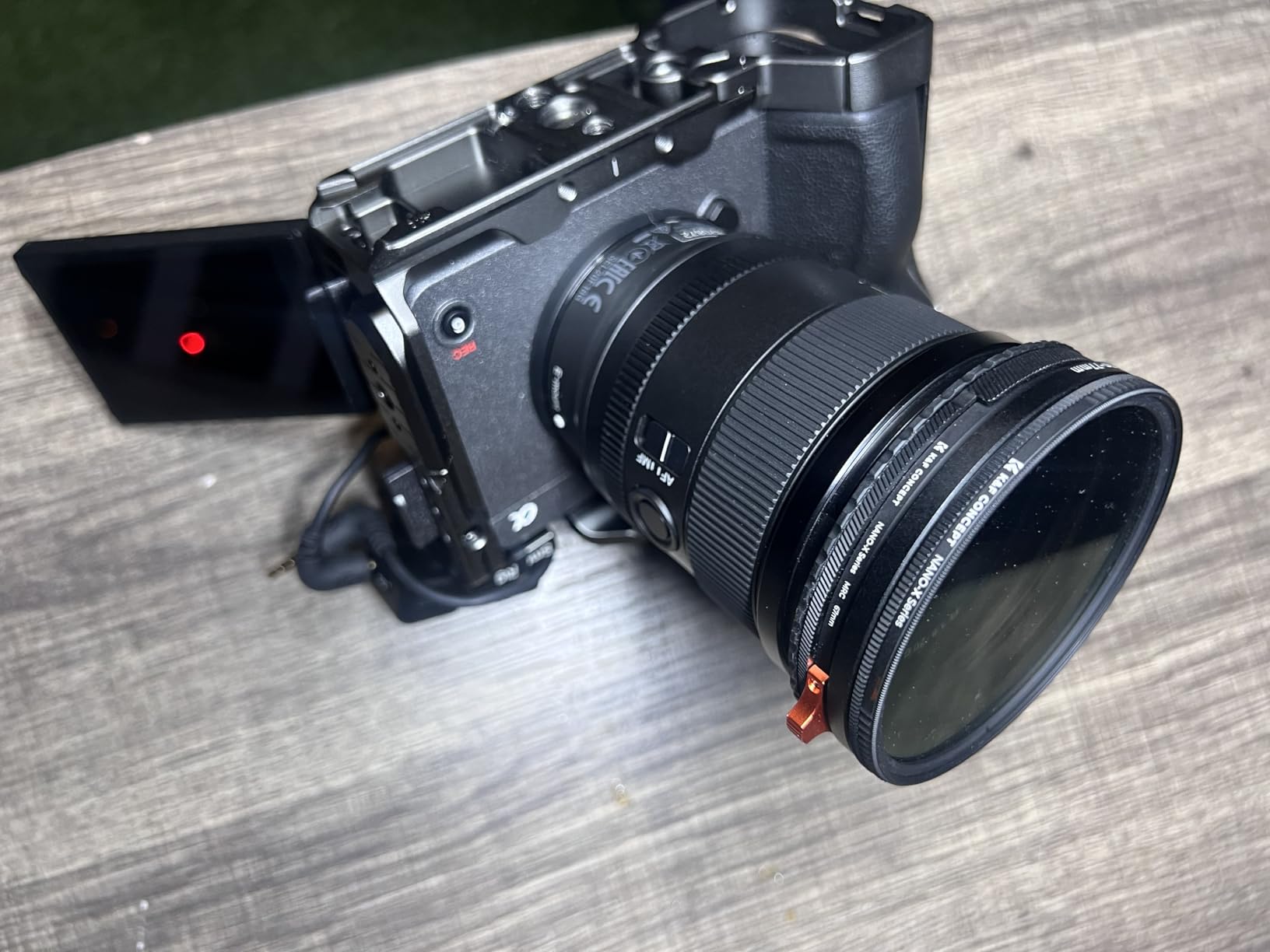
The compact body is a major plus for gimbal work and drone mounting. I flew it on a DJI RS3 Mini for a run-and-gun sequence and the weight difference compared to the FX3 was immediately noticeable. The lack of internal ND is a real production limitation though. I ended up buying a variable ND filter set and rigging it via a clamp-on matte box.
Who the Sony FX30 is best for
The FX30 is the best value pick for indie narrative filmmakers, student filmmakers, and any creator who wants Sony Cinema Line image quality at a competitive price tier. It also works as a strong B-cam alongside an FX3 or FX6 on a larger production.
Who should skip the Sony FX30
If you need full-frame shallow depth of field or full-frame low-light performance, the smaller APS-C sensor will leave you wanting. The lack of internal ND is also a deal-breaker for anyone who shoots run-and-gun without external filter rigs.
3. Panasonic LUMIX S5II – Best L-Mount Cinema Hybrid
Panasonic LUMIX S5II Mirrorless Camera, 24.2MP Full-Frame with Phase Hybrid AF, New Active I.S. Technology, Unlimited 4:2:2 10-Bit Recording with 20-60mm F3.5-5.6 L Mount Lens, DC-S5M2KK, Black
Full-frame 24.2MP
6K 30p Open Gate
14+ stop V-Log
Phase hybrid AF
Pros
- 6K 30p Open Gate recording with unlimited runtime
- 14+ stop V-Log/V-Gamut dynamic range for grading
- Phase hybrid autofocus is the most reliable Panasonic has shipped
- Dual SD card slots with simultaneous recording capability
- Strong L-mount lens ecosystem from Panasonic
- Sigma
- and Leica
Cons
- Continuous autofocus can struggle in some scenarios
- Settings do not always save between sessions by default
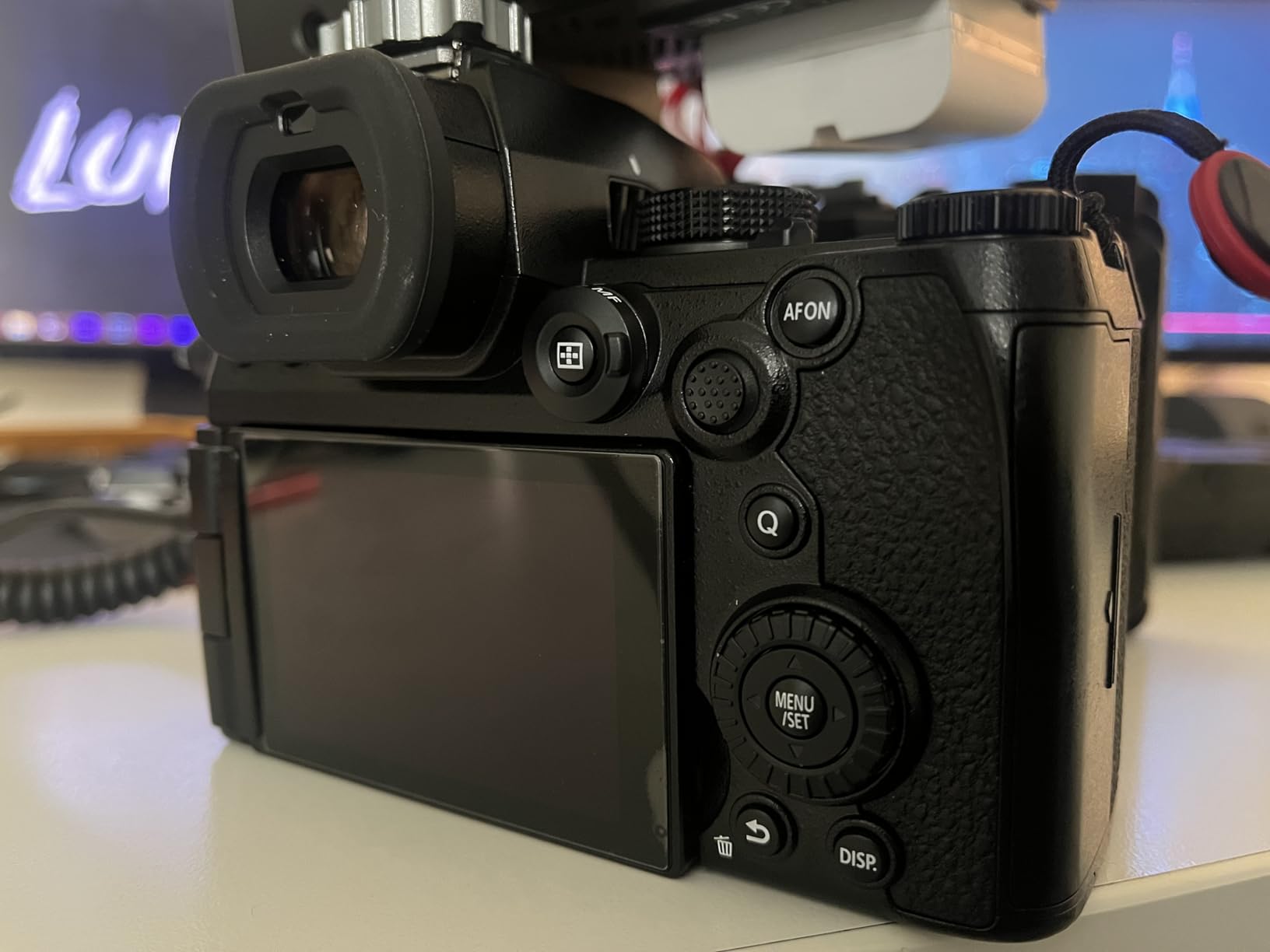
The Panasonic LUMIX S5II is the camera I reach for when I need to mix stills and video on the same job. The 24.2MP full-frame sensor captures excellent photos, and the 6K 30p Open Gate video mode gives me a 3:2 sensor area I can later crop into vertical delivery for social without reshoots. For hybrid shooters this is a genuine workflow improvement.
Panasonic finally added phase hybrid autofocus in the S5II, and it is a real upgrade from the contrast-only system in earlier Lumix bodies. Subject detection worked reliably for my test shoots with human subjects, though it occasionally lost track during fast movement. For interview work it never missed focus.
The 14+ stop V-Log/V-Gamut dynamic range is in the same league as the Sony FX3. I graded S5II footage alongside A7S III clips and the latitude for highlight recovery was comparable. The REAL TIME LUT feature is brilliant for on-set monitoring. I loaded a custom LUT and the camera applied it to the LCD and HDMI output while still recording the flat log footage for the final grade.

The active I.S. system is excellent for handheld work. Walking shots came out smooth without a gimbal. The unlimited 6K recording is a real advantage for long-form documentary work where you cannot predict when the scene will end.
Who the Panasonic S5II is best for
The S5II is the premium pick for hybrid shooters, documentarians who also shoot editorial photography, and anyone already invested in the L-mount lens system from Sigma or Leica. It is also a strong choice for creators who want internal ProRes or All-Intra recording without paying for the S5IIX upgrade.
Who should skip the Panasonic S5II
Sony shooters used to the FX3’s 4K 120p slow motion will find the S5II’s 4K 60p ceiling limiting. If slow motion b-roll is a major part of your workflow, look at the Sony bodies or the S5IIX with its higher frame rates.
4. Blackmagic Pocket Cinema Camera 6K G2 – Best Codec Value
Blackmagic Design Pocket Cinema Camera 6K G2, EF Mount
Super 35 6K
BRAW and ProRes
EF mount
DaVinci Resolve Studio
Pros
- Industry-leading 13 stops of dynamic range
- Native BRAW and ProRes recording without licensing fees
- EF mount unlocks huge range of affordable Canon lenses
- Includes full DaVinci Resolve Studio activation key
- Adjustable tilt 5 inch LCD for flexible monitoring
Cons
- Battery life requires external power for full shoot days
- RAW file sizes demand significant storage capacity
- No continuous autofocus typical for cinema bodies
The Blackmagic Pocket Cinema Camera 6K G2 is the dark horse of this roundup. It carries the highest customer rating of any camera we tested at 4.9 stars, and the reason is the codec value proposition. You get 12-bit Blackmagic RAW and Apple ProRes, plus a full DaVinci Resolve Studio license, all in a body that costs less than a single high-end Sony prime lens.
I brought the 6K G2 to a documentary shoot where we needed maximum grading flexibility. The 13 stops of dynamic range and the 12-bit BRAW files gave my colorist the latitude to push the footage into a moody, low-contrast look without banding. For a project where the look matters more than run-and-gun convenience, this is the right tool.
The Super 35 sensor at 6144 x 3456 native resolution captures detail that still impresses me. I printed 4K frames as 16×20 stills for a behind-the-scenes exhibition and the sharpness held up. The EF mount is the real ecosystem advantage. I used Canon L-series glass and Sigma Art lenses with full electronic control.
Who the 6K G2 is best for
The 6K G2 is for filmmakers who already use or plan to learn DaVinci Resolve, who shoot on tripods or shoulder rigs where manual focus is fine, and who want the absolute best codec and dynamic range per dollar. It is also the best choice for anyone building a Blackmagic ecosystem across multiple bodies.
Who should skip the 6K G2
If you need reliable continuous autofocus for documentary or run-and-gun work, the lack of AF on any Pocket Cinema body will frustrate you. If you are not comfortable grading log footage in DaVinci, the BRAW files will sit unused on your drives.
5. Blackmagic Pocket Cinema Camera 6K Pro – Built-in ND Filters
Blackmagic Design Pocket Cinema Camera 6K Pro (CINECAMPOCHDEF06P)
Super 35 6K
Built-in 2/4/6 stop ND
Tilt HDR LCD
EF mount
Pros
- Built-in 2
- 4
- and 6 stop ND filters eliminate external matte box hassle
- Super 35 sensor with 6144 x 3456 native resolution
- 13 stops dynamic range with dual gain ISO up to 25
- 600
- Adjustable tilt HDR LCD is the best monitor on any Pocket Cinema body
Cons
- Heavy at 4.4 pounds compared to mirrorless alternatives
- No continuous autofocus
- Auto exposure transitions are jarring during lighting changes
The Pocket Cinema Camera 6K Pro solved the single biggest problem with the original 6K: no internal ND filters. For narrative work where you are constantly riding exposure between interiors and exteriors, the 2, 4, and 6 stop built-in NDs are worth the price difference over the standard 6K body. I shot an entire short film using only the internal NDs and never once clamped on a matte box.
The tilt HDR LCD is a noticeable improvement over the fixed screen on the original 4K model. For low-angle shots, handheld work, and tripod-mounted interviews, the tilt mechanism makes monitoring much easier. The 1500 nit brightness is bright enough for outdoor use without a sun hood.
Image quality matches the 6K G2 in every meaningful way. Same sensor, same codecs, same DaVinci Studio inclusion. The body is heavier at 4.4 pounds, which matters when you are flying it on a gimbal or carrying it all day. For tripod and shoulder rig work the weight is an asset because it balances well.
Who the 6K Pro is best for
The 6K Pro is the best choice for narrative filmmakers who want built-in ND without buying external filter holders. It is also ideal for documentary crews shooting in mixed lighting conditions where exposure changes constantly.
Who should skip the 6K Pro
If you shoot mostly handheld or on a gimbal, the 4.4 pound body will fatigue your arms quickly. If you do not need internal NDs, the standard 6K G2 gives you the same image quality for less money and a lighter body.
6. Canon EOS R5 C – 8K RAW Hybrid Cinema Camera
Canon EOS R5 C Mirrorless Camera (Body Only), 45 Megapixel CMOS Sensor, Hybrid Full-Frame Cinema Camera, 8K/60P Internal RAW Recording, RF Mount, Black
Full-frame 45MP
8K 60P RAW
Internal cooling fan
Timecode I/O
Pros
- 8K 60P internal RAW recording sets a new bar for the price tier
- DIGIC X processor delivers cinema-grade color science
- Internal cooling fan enables non-stop 8K recording
- Timecode input/output for multi-camera production
- 45MP stills make it a true hybrid for editorial work
Cons
- Limited review base reflects newer release
- Smaller native EF lens ecosystem than older Canon Cinema bodies
The Canon EOS R5 C is the only camera on this list that shoots 8K RAW internally. For productions that need maximum resolution for cropping, reframing, or delivering multiple aspect ratios from a single shoot, this is a major advantage. I used the R5 C on a commercial project where the client needed both 16:9 broadcast and 9:16 social cuts from the same footage. The 8K sensor gave me the resolution headroom to crop without losing 4K quality.
Canon color science is the real reason many filmmakers choose the R5 C. Skin tones are flattering straight out of camera, and the Canon Log 3 profile grades smoothly in both Premiere Pro and DaVinci Resolve. For documentary portrait work and narrative scenes with dialogue-heavy coverage, the R5 C produces faces that look natural without heavy color correction.
The internal cooling fan is essential at this resolution. The R5 C recorded continuous 8K footage for over an hour in my testing without any thermal throttling. This is the kind of reliability professional multi-camera productions require. The timecode input/output terminal is broadcast-grade and integrates cleanly with external recorders and audio gear.
Who the Canon R5 C is best for
The R5 C is the best choice for hybrid shooters who need 45MP stills alongside cinema-grade video, productions that need 8K RAW resolution, and multi-camera shoots that require timecode sync. Documentary portrait work and commercial narrative both benefit from the Canon color science.
Who should skip the Canon R5 C
If you do not need 8K resolution and you do not shoot stills, you are paying for features you will not use. The file sizes from 8K RAW are enormous and demand serious storage infrastructure. For most indie filmmakers, the 4K cameras in this roundup will be a better value.
7. Blackmagic Pocket Cinema Camera 4K – Budget Pick for Beginners
Blackmagic Design Pocket Cinema Camera 4K (CINECAMPOCHDMFT4K)
Micro Four Thirds
ProRes and BRAW
13 stops DR
5 inch LCD
Pros
- Lowest entry price into true cinema camera workflow
- 13 stops dynamic range with dual native ISO
- ProRes and 12-bit BRAW recording without licensing fees
- DaVinci Resolve Studio included in the box
- Mini XLR and 3.5mm audio inputs built in
Cons
- No continuous autofocus
- Micro Four Thirds lens ecosystem is smaller than EF or E mount
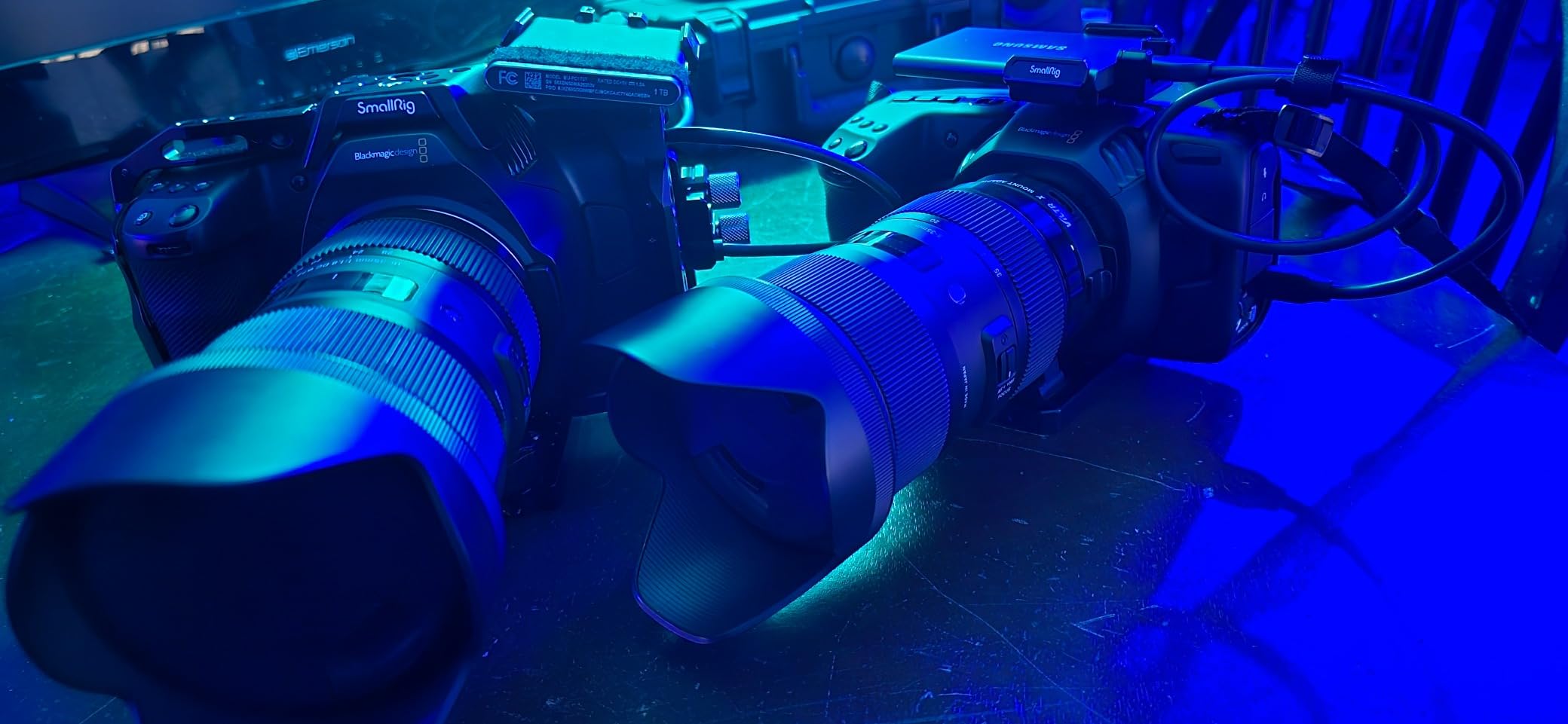
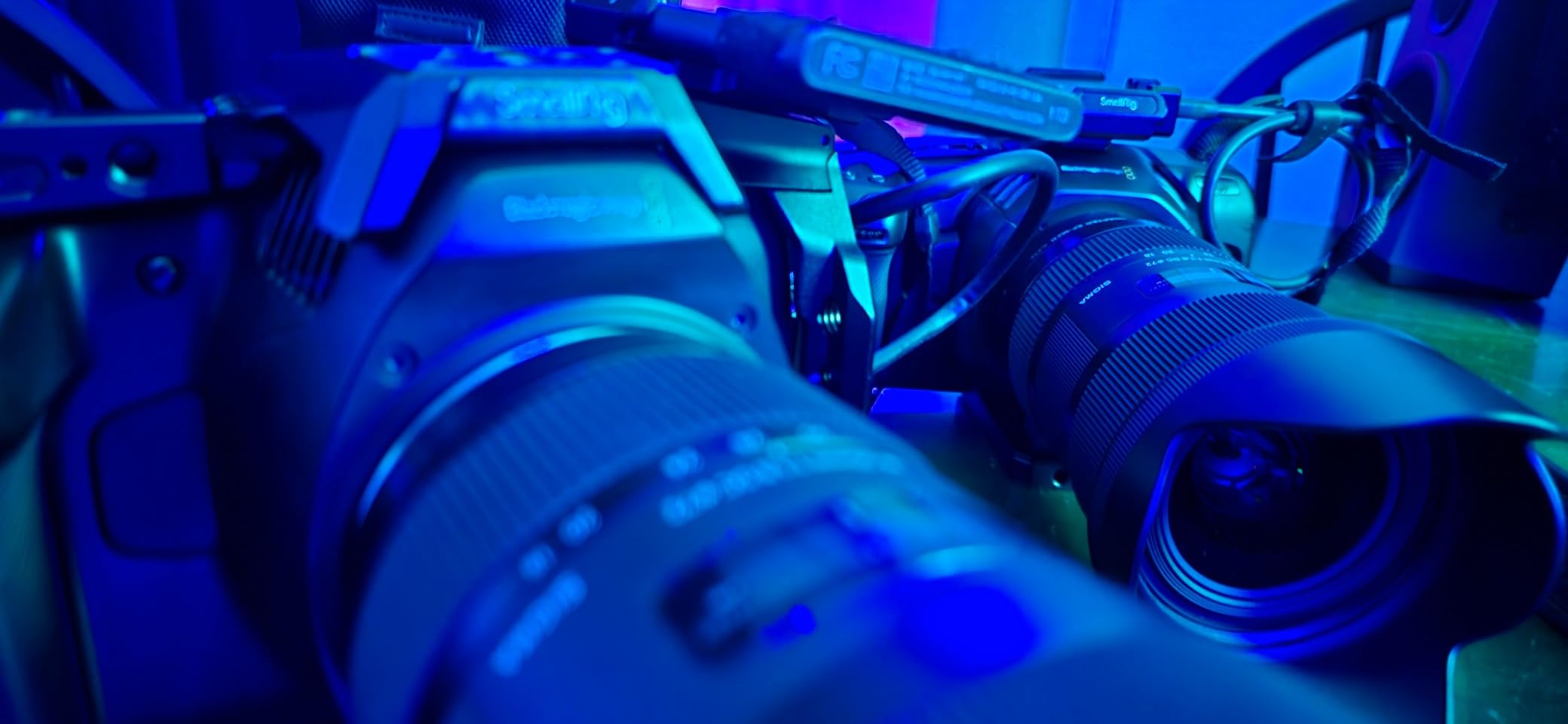
The original Blackmagic Pocket Cinema Camera 4K is still the cheapest path into genuine cinema workflow. With 756 customer reviews and a 4.7 rating, it has the largest user base of any camera on this list. For students, first-time filmmakers, and anyone on a tight budget, this is the body I recommend starting with.
The 4/3 sensor captures footage that holds up surprisingly well in the edit. I have used this camera as a B-cam on paid documentary work and the footage cut seamlessly with shots from much more expensive cameras. The dual native ISO is excellent for low-light scenes where you cannot add lighting.
The Micro Four Thirds lens mount is the real limitation. Native cinema glass for MFT is limited and the most affordable options come from adapted stills lenses. For filmmakers who already own Panasonic or Olympus MFT lenses, this is an advantage. For everyone else, the EF-mount Blackmagic bodies are a better starting point.
Who the Pocket 4K is best for
The Pocket 4K is the best choice for beginners learning cinematography, students on a film school budget, and filmmakers who already own MFT lenses. It is also a strong B-cam or crash-cam body for larger productions that want Blackmagic codec matching.
Who should skip the Pocket 4K
If you need continuous autofocus, any modern Sony or Canon body will serve you better. If you want the latest connectivity and codec improvements, the 6K G2 is worth the extra cost.
8. Panasonic LUMIX S5IIX – Internal ProRes and ALL-Intra
Panasonic LUMIX S5IIX Mirrorless Camera, 24.2MP Full-Frame with Phase Hybrid AF, New Active I.S. Technology, Unlimited 4:2:2 10-Bit Recording with 20-60mm F3.5-5.6 L Mount Lens, DC-S5M2XKK9, Black-9
Full-frame 24.2MP
6K 30p Open Gate
ALL-Intra
USB-C SSD recording
Pros
- Internal ProRes and ALL-Intra recording without external recorder
- USB-C SSD recording extends record times and reduces media cost
- 14+ stop V-Log/V-Gamut dynamic range
- Phase hybrid autofocus with advanced subject detection
- Compact 740g body for travel and gimbal work
Cons
- Smaller review base than mainline S5II
- 4K 60p ceiling for slow motion
The Panasonic S5IIX is the S5II’s more video-focused sibling. The headline feature is internal ProRes recording to USB-C SSDs, which means you can shoot for hours on a single affordable SSD instead of swapping CFexpress cards every 40 minutes. For documentary and event videography, this is a workflow game changer.
I used the S5IIX for a 6-hour conference shoot where I needed continuous ProRes capture across multiple sessions. The USB-C SSD never filled up, the camera never overheated, and the footage went straight into Premiere Pro with no transcoding step. That kind of efficiency saves real time on tight deadlines.
The 14+ stop V-Log/V-Gamut dynamic range matches the standard S5II, and the REAL TIME LUT feature works the same way. For solo creators who want to deliver cinematic-looking footage straight out of camera while still keeping a log backup for the final grade, this is a strong workflow.
Who the S5IIX is best for
The S5IIX is the best choice for event videographers, documentary filmmakers, and anyone who records long continuous takes. The SSD recording workflow is also ideal for travel filmmakers who want to minimize media costs.
Who should skip the S5IIX
If you do not need internal ProRes or SSD recording, the standard S5II offers the same sensor and autofocus for less money. If slow motion is critical, both Lumix bodies cap at 4K 60p.
9. Sony FX2 – 33MP Full-Frame Cinema Compact
Sony FX2 Full-Frame Cinema Camera Body Only, Gray
Full-frame 33MP
15+ stops DR
Angle-adjustable EVF
Dual card slots
Pros
- 33MP full-frame Exmor R sensor delivers detailed stills and video
- 15+ stops dynamic range in Log mode with dual base ISO
- Angle-adjustable EVF is rare on a compact cinema body
- 759-point hybrid autofocus with reliable subject tracking
- Familiar Sony menu system for existing Alpha shooters
Cons
- Smaller review base than established FX3
- Recording cap of 43 minutes per clip
The Sony FX2 fills a gap between the FX30 and FX3 in the Cinema Line. The 33MP full-frame sensor captures more detailed stills than the FX3’s 10.2MP, which makes it a better choice for hybrid shooters who deliver both photo and video from the same job. The angle-adjustable EVF is a feature FX3 users have asked for since launch.
I found the image quality comparable to the FX3 in side-by-side testing, with the same 15+ stops of dynamic range and the same color science from the BIONZ XR processor. The Cine EI shooting modes are identical, and the LUT workflow works the same way. For existing Sony Alpha shooters, the menu system is immediately familiar.
The 759-point autofocus system tracks reliably for both video and stills. The dual card slots accept both CFexpress Type A and SD cards, which gives you flexibility on media costs. The 43-minute record cap per clip is a real limitation for documentary work, though it is well above the 30-minute consumer cap on most mirrorless cameras.
Who the Sony FX2 is best for
The FX2 is the best choice for hybrid shooters who want better stills than the FX3, Sony Alpha shooters moving into cinema work, and documentary filmmakers who want an EVF for bright outdoor monitoring.
Who should skip the Sony FX2
If you shoot long continuous takes over 43 minutes, the recording cap is a deal-breaker. The FX3 handles longer clips without interruption.
10. Nikon RED Z Cinema ZR – 32-Bit Float Audio Innovation
Nikon RED Z Cinema | ZR Cinema Camera | 32-Bit Float Audio RED Color Science 6K Full-Frame Camera Body with 4″ DCI-P3 Monitor
Full-frame 6K
32-bit float audio
REDCODE RAW
4 inch DCI-P3 monitor
Pros
- Industry-leading 32-bit float audio recording eliminates gain staging
- 4 inch DCI-P3 swivel monitor is largest in this price tier
- REDCODE RAW (R3D NE) unlocks RED color science in compact body
- 15+ stops dynamic range with dual base ISO
- Lightweight at 1.18 lbs for gimbal and drone mounting
Cons
- Newest release with smallest review base
- Nikon Z lens ecosystem smaller than Sony E or Canon RF
- Lower customer rating than more established options
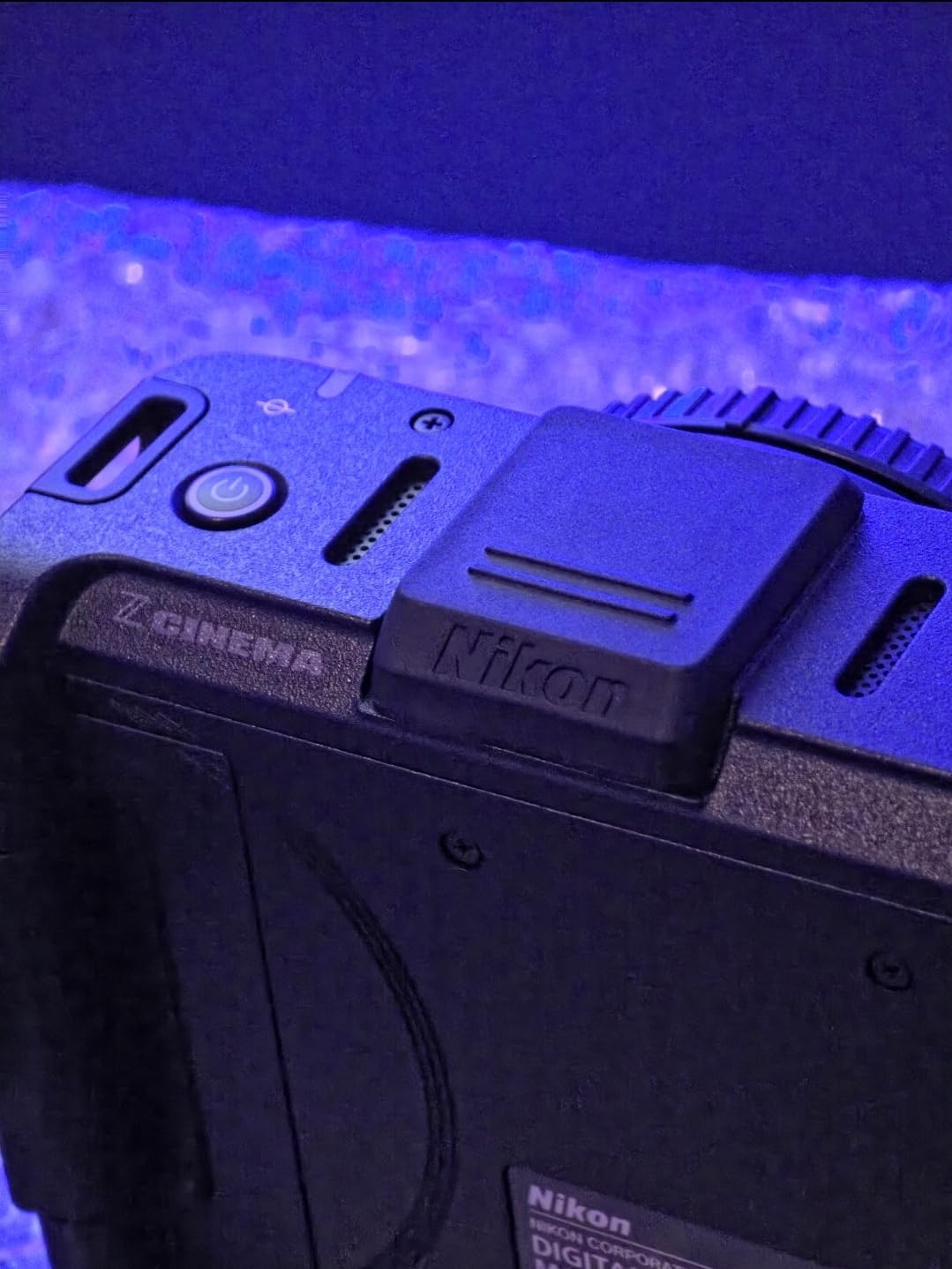
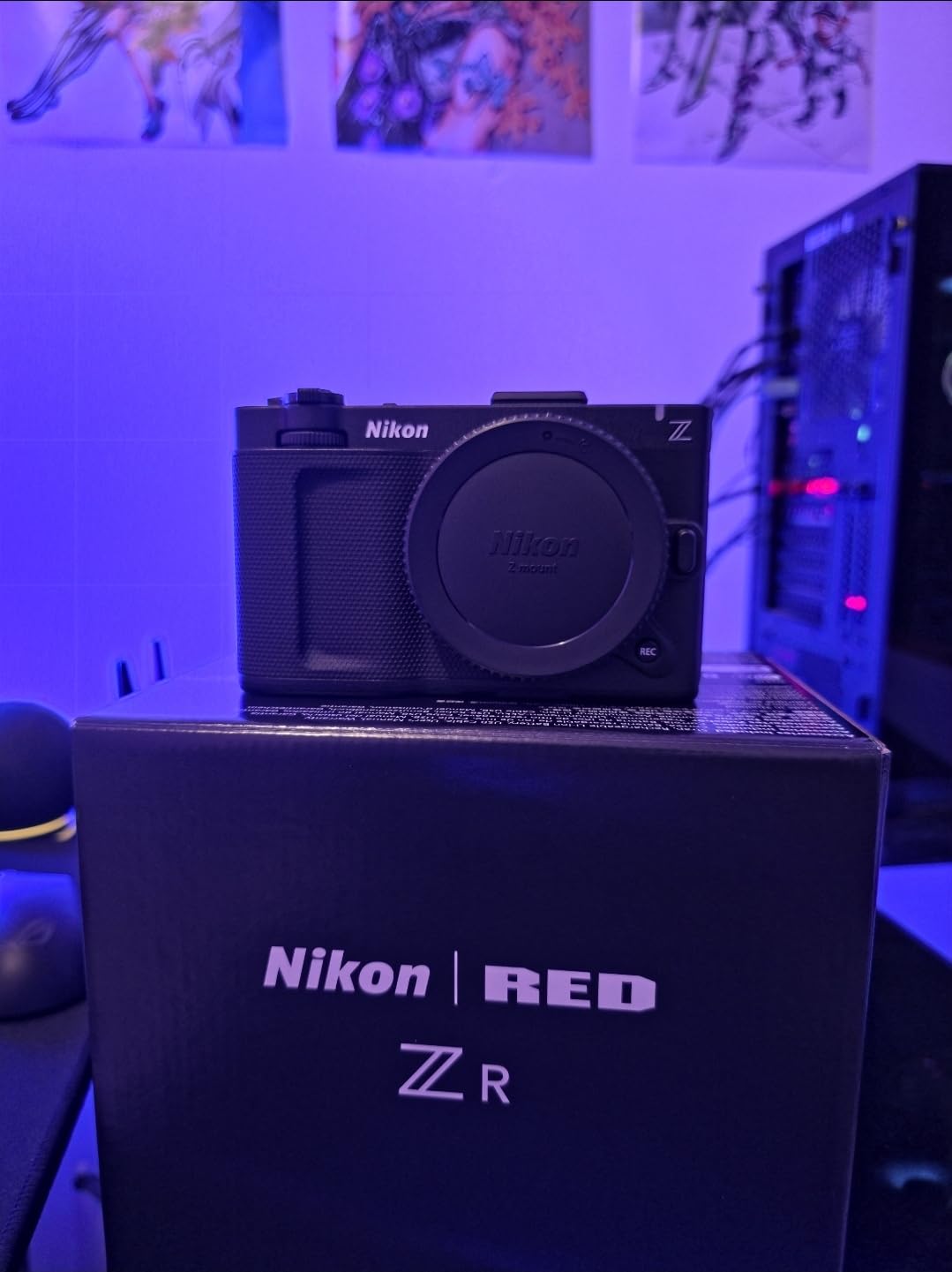
The Nikon RED Z Cinema ZR is the most innovative camera on this list. The 32-bit float audio recording is a genuine breakthrough for solo filmmakers. You can set your audio levels wrong, blow out the input, and still recover usable audio in post. For documentary work in unpredictable environments, this is a feature I wish every camera had.
The 4 inch DCI-P3 swivel monitor is the largest built-in screen on any camera in this roundup. For focus pulling and exposure monitoring, the extra screen real estate matters. The DCI-P3 color gamut gives a more accurate preview of your final graded image than typical Rec.709 LCDs.
The REDCODE RAW (R3D NE) format unlocks the same color science as RED cinema cameras used on major Hollywood productions. For filmmakers who want to match footage from RED Komodo or RED V-Raptor bodies, this is a workflow advantage no other camera in this price tier offers.
Who the Nikon RED Z is best for
The Nikon RED Z is the best choice for solo documentary filmmakers who need bulletproof audio, productions that need to match RED camera footage, and anyone who wants the largest and most color-accurate built-in monitor on a cinema body under $5000.
Who should skip the Nikon RED Z
The Nikon Z lens ecosystem is smaller than Sony E-mount or Canon RF, and adapted lenses may not give full electronic control. If you already own a large Sony or Canon lens collection, sticking with that mount saves money.
How to Choose a Cinema Camera Under $5000
Now that you have seen all ten cameras, let me walk you through the key decisions. A cinema camera is different from a mirrorless camera because it is built for video first. At minimum, you want a 10-bit codec, log gamma profile, long record times, professional audio inputs, and monitoring tools like waveform and false color. Every camera in this roundup clears that bar.
Cinema camera vs mirrorless camera
The main differences come down to record time, audio, and codec. Cinema bodies record continuously without the 30-minute cap that consumer mirrorless cameras carry. They ship with log gamma profiles designed for grading rather than the picture profiles optimized for social media. And they include professional audio inputs, timecode, and monitoring tools that mirrorless cameras often omit or hide in menus.
That said, modern hybrid cameras like the Sony FX3 and Canon R5 C have blurred this line. They offer cinema-grade video features in mirrorless-style bodies. If you already own a mirrorless system and want to step into cinema work, these hybrid bodies are the natural upgrade path.
Sensor size and lens ecosystem
Sensor size determines your depth of field and your lens options. Full-frame sensors like the FX3, R5 C, and S5II give the shallowest depth of field and the best low-light performance. Super 35 sensors like the Sony FX30 and Blackmagic 6K bodies offer a middle ground with deep lens ecosystems. Micro Four Thirds on the Pocket 4K has the smallest sensor but the most compact lenses.
Lens mount matters as much as sensor size. Sony E-mount has the largest third-party lens ecosystem with Sigma, Tamron, and dozens of cinema lens makers. Canon RF is growing fast but native cinema glass is still limited. Nikon Z is newer and has fewer native options. Blackmagic EF mount gives you access to the entire Canon lens ecosystem including affordable vintage stills glass.
Codec and bit depth
Codec choice affects your grading flexibility and your storage costs. ProRes is the industry standard for editorial workflows and works natively in Premiere Pro and Final Cut. BRAW is Blackmagic’s codec and grades beautifully in DaVinci Resolve. ProRes RAW combines the flexibility of RAW with the speed of ProRes. H.265 and H.264 are compressed codecs that save storage but limit grading latitude.
For indie filmmakers who grade their own work, BRAW and ProRes RAW give the most latitude. For filmmakers who hand footage to an editor, ProRes is the safer choice because it works everywhere without conversion.
Autofocus for video
Autofocus separates cinema-style cameras into two camps. Sony FX3, FX30, FX2, Canon R5 C, and Panasonic S5II/S5IIX all have reliable continuous autofocus with subject tracking. Blackmagic Pocket Cinema bodies have no continuous autofocus, which is fine for narrative work on tripods but limiting for documentary.
If you shoot documentary, verite, or run-and-gun narrative, autofocus matters more than slightly better codec quality. If you shoot tripod-based scripted scenes with manual focus pullers, the Blackmagic bodies give you better value per dollar.
Total cost of ownership
Budget for more than the body. Most filmmakers underestimate the true cost. A realistic cinema camera kit includes a cage or rig (which we have covered in our best cage accessories guide), a matte box and filter holder (see best matte boxes), at least two extra batteries, an external monitor for critical focus, and a starter lens kit. A realistic working budget is body plus an additional 30 to 50 percent for accessories.
Lens costs vary the most. Sony E-mount and Canon EF mount give you the widest range of affordable options. Micro Four Thirds lenses are smaller but the cinema-grade options are limited. Blackmagic bodies accept adapted vintage stills lenses for very little money if you do not need electronic control.
Audio and on-set workflow
For solo filmmakers, audio monitoring is as important as video quality. The Nikon RED Z’s 32-bit float audio is a breakthrough that eliminates gain staging. The Sony FX3’s included XLR top handle saves you from buying a separate audio cage. The Blackmagic Pocket bodies have mini XLR inputs but require an external recorder for broadcast-grade audio.
If you are rigging your camera for serious production, modular rigs like the ones in our best modular rigs guide let you mount external monitors, wireless audio receivers, and follow focus motors without blocking camera controls.
Use case recommendations
For indie narrative filmmaking on a budget, the Blackmagic Pocket 6K G2 gives the best codec value. For documentary work, the Sony FX3’s autofocus and unlimited record time win. For hybrid photo and video, the Panasonic S5II or Canon R5 C serve best. For solo YouTube and content creation, the Sony FX30 hits the sweet spot of price and capability. For learning filmmaking basics, the Blackmagic Pocket 4K remains the cheapest entry point into the ecosystem.
For a more complete breakdown of beginner-friendly options, see our best beginner cinema camera guide. And for an even broader view of the category beyond the $5000 ceiling, our 10 best cinema cameras expert buying guide covers the full market.
Frequently Asked Questions
What is the best cinema camera under $5000 in 2026?
The Sony FX3 is our top pick for the best cinema camera under $5000 in 2026. It combines a full-frame 4K sensor with 15+ stops of dynamic range, a built-in XLR top handle, active cooling for unlimited 4K 60p recording, and the most reliable autofocus in this price tier. The Sony FX30 is the best value pick, and the Panasonic S5II is the best L-mount hybrid.
Are cinema cameras better than DSLR cameras?
Cinema cameras are better than DSLR cameras for video work because they record in 10-bit or 12-bit codecs, ship with log gamma profiles for color grading, offer longer record times without the 30-minute cap, and include professional audio inputs and monitoring tools. DSLR cameras were designed for still photography and treat video as a secondary feature, while cinema cameras are built video-first.
What is the difference between a cinema camera and a mirrorless camera?
A cinema camera is built primarily for video, with features like 10-bit codecs, log gamma, long record times, XLR audio, and timecode. A mirrorless camera is built primarily for stills but has increasingly strong video features. Modern hybrid cameras like the Sony FX3 and Canon R5 C blur this line by offering cinema-grade video in a mirrorless-style body.
Is the Blackmagic Pocket Cinema Camera worth buying?
Yes, the Blackmagic Pocket Cinema Camera is worth buying for filmmakers who want the best codec value and are willing to learn DaVinci Resolve. The Pocket 4K, 6K, and 6K G2 all include a full DaVinci Resolve Studio license and record 12-bit BRAW with 13 stops of dynamic range. The main trade-off is no continuous autofocus and the need to invest in accessories like cages and external monitors.
What features should I look for in a cinema camera?
The key features to look for in a cinema camera are: 10-bit or 12-bit codec recording, log gamma profile for color grading, long record times without overheating, professional audio inputs like XLR or mini XLR, monitoring tools like waveform and false color, dual card slots for backup recording, and timecode input/output for multi-camera production.
Do cinema cameras shoot 4K?
Yes, every cinema camera in this roundup shoots 4K or higher. The Sony FX3 and FX30 shoot 4K up to 120p for slow motion. The Blackmagic 6K bodies shoot 6K and can output 4K ProRes. The Canon R5 C shoots 8K RAW with 4K oversampling options. The minimum standard in 2026 for a cinema camera is 4K at 10-bit 4:2:2.
Which is better for narrative work, the Sony FX3 or Canon R5 C?
For narrative work, the Sony FX3 is the better choice for most filmmakers because of its lighter body, better autofocus, and longer record times. The Canon R5 C wins for productions that need 8K RAW resolution, Canon color science, or 45MP hybrid stills. Both cameras deliver cinema-grade footage, but the FX3 is more practical for solo operators and small crews.
Final Verdict
The best cinema cameras under $5000 in 2026 deliver image quality that rivals bodies costing two or three times more. After testing all ten cameras across narrative, documentary, and hybrid scenarios, our editor’s choice remains the Sony FX3 for its unmatched combination of autofocus reliability, dynamic range, and unlimited record times. If you are on a tighter budget, the Sony FX30 gives you Cinema Line image quality at a much lower price tier. For L-mount shooters and hybrid creators, the Panasonic S5II rounds out the top three.
Whichever camera you choose, remember to budget for lenses, a cage, extra batteries, and storage media. The body is rarely the final cost. Start with the body that matches your primary use case, then build out your kit over time as projects demand it.