
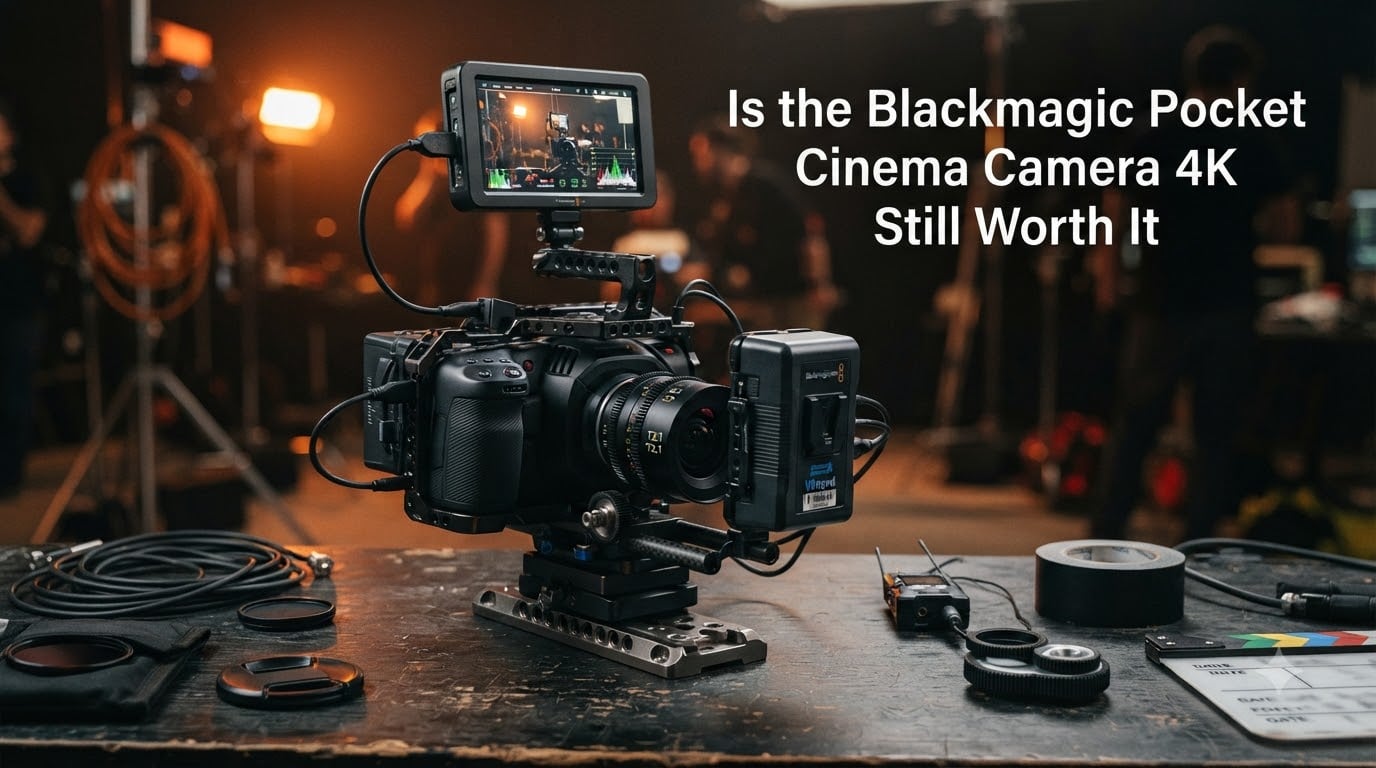
I have been shooting with the Blackmagic Pocket Cinema Camera 4K since it first landed, and here in 2026 I still reach for it on a regular basis. The question of whether the BMPCC 4K is still worth it comes up constantly on filmmaking forums, and the short answer is yes, absolutely, with some caveats you need to understand before spending your money.
What makes this conversation interesting in 2026 is the competition. We now have cameras from Sony, Panasonic, Canon, and Fujifilm that pack serious video features into compact bodies. The BMPCC 4K faces off against mirrorless hybrids, full-frame cinema cameras, and even its own newer siblings like the 6K G2 and 6K Pro.
In this article, our team breaks down whether the Blackmagic Pocket Cinema Camera 4K still holds its ground as an indie filmmaking camera. I tested it alongside nine competing cameras to give you a real-world perspective on image quality, ergonomics, battery life, and overall value. Whether you are looking for the best cinema camera under 2000 or trying to decide between the Pocket 4K and its bigger siblings, this guide covers everything you need to know.
Table of Contents
- Top 3 Picks for Cinema Cameras Worth Considering for October 2026
- Best Cinema Cameras in October 2026
- 1. Blackmagic Design Pocket Cinema Camera 4K – The Camera That Started a Revolution
- 2. Blackmagic Design Pocket Cinema Camera 6K G2 – The Bigger Sibling
- 3. Blackmagic Design Pocket Cinema Camera 6K Pro – The Premium Upgrade
- 4. Panasonic LUMIX GH6 – The MFT Hybrid Powerhouse
- 5. Panasonic LUMIX GH7 – The Next Generation MFT Flagship
- 6. Panasonic LUMIX S5IIX – Full Frame Flexibility
- 7. Sony ZV-E1 – Full Frame in a Compact Body
- 8. Sony Alpha 7 IV – The Hybrid King
- 9. Canon EOS R5 C – 8K Cinema Power
- 10. Fujifilm X-S20 – The Color Science Contender
- How to Choose the Right Cinema Camera in 2026?
- Frequently Asked Questions
- Final Verdict
Top 3 Picks for Cinema Cameras Worth Considering for October 2026

Best Cinema Cameras in October 2026
| Product | Specs | Action |
|---|---|---|
| Blackmagic Pocket Cinema Camera 4K |
|
Check Latest Price |
 Blackmagic Pocket Cinema Camera 6K G2 Blackmagic Pocket Cinema Camera 6K G2 |
|
Check Latest Price |
 Blackmagic Pocket Cinema Camera 6K Pro Blackmagic Pocket Cinema Camera 6K Pro |
|
Check Latest Price |
 Panasonic LUMIX GH6 Panasonic LUMIX GH6 |
|
Check Latest Price |
 Panasonic LUMIX GH7 Panasonic LUMIX GH7 |
|
Check Latest Price |
 Panasonic LUMIX S5IIX Panasonic LUMIX S5IIX |
|
Check Latest Price |
 Sony ZV-E1 Full-Frame Sony ZV-E1 Full-Frame |
|
Check Latest Price |
 Sony Alpha 7 IV Sony Alpha 7 IV |
|
Check Latest Price |
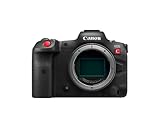 Canon EOS R5 C Canon EOS R5 C |
|
Check Latest Price |
 Fujifilm X-S20 Fujifilm X-S20 |
|
Check Latest Price |
1. Blackmagic Design Pocket Cinema Camera 4K – The Camera That Started a Revolution
Blackmagic Design Pocket Cinema Camera 4K (CINECAMPOCHDMFT4K)
4/3 Sensor
13 Stops DR
Dual Native ISO
BRAW and ProRes
DaVinci Resolve Included
Pros
- Incredible image quality with 13 stops of dynamic range
- Dual gain ISO up to 25600 for low light
- Multiple recording options SD CFast SSD USB-C
- Lightweight carbon fiber polycarbonate body
- Includes DaVinci Resolve Studio activation key
Cons
- No built-in image stabilization
- Not water resistant
I have been shooting with the BMPCC 4K for years, and the first thing that hits you every time you pick it up is the image quality versus the price. Blackmagic packed a 4/3 sensor with 13 stops of dynamic range into a body that costs less than many consumer mirrorless cameras. When you grade BRAW footage in DaVinci Resolve, you get a level of flexibility that most cameras at this price point simply cannot match.
The dual native ISO at 400 and 3200 is where this camera shines for indie filmmakers shooting in challenging lighting. I have shot night exteriors that looked clean and cinematic, something I never expected from a camera in this price bracket. The color science matches Blackmagic’s higher-end URSA cameras, which means your footage cuts together beautifully if you are using the Pocket 4K as a B-camera.
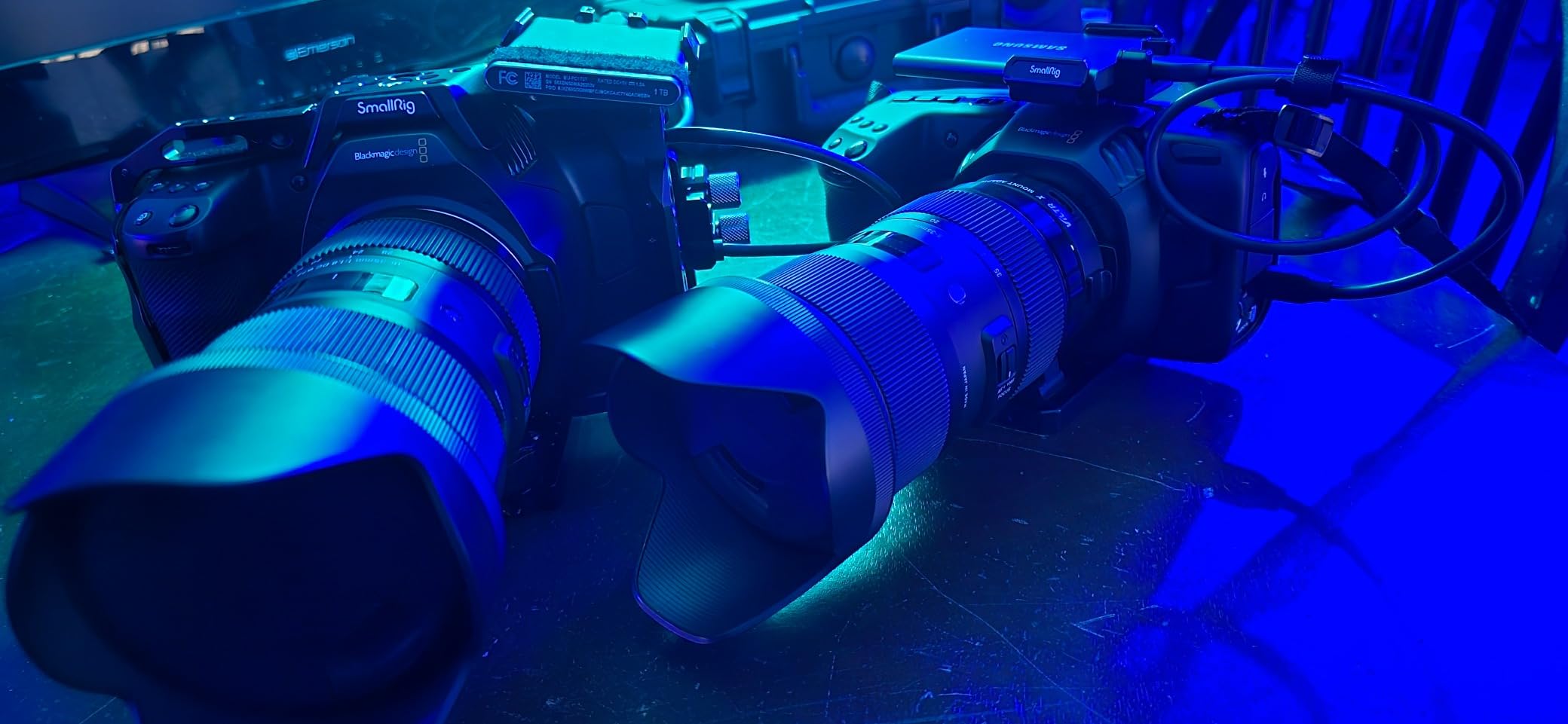
On the ergonomics side, the 5-inch touchscreen is genuinely useful for framing and focus pulling. The carbon fiber polycarbonate body is lightweight at just 695 grams, making it comfortable for handheld work and gimbal stabilizer setups. I will say the fixed screen is a pain in bright sunlight, and many users on Reddit report needing an external monitor for outdoor shoots.
The recording options are where the BMPCC 4K still outclasses most competitors in 2026. You can record to SD cards, CFast 2.0, or even an external SSD via USB-C. That USB-C SSD recording was a firmware addition that breathed new life into this camera, giving you affordable high-capacity storage for long BRAW shoots.
Battery Life and Power Solutions
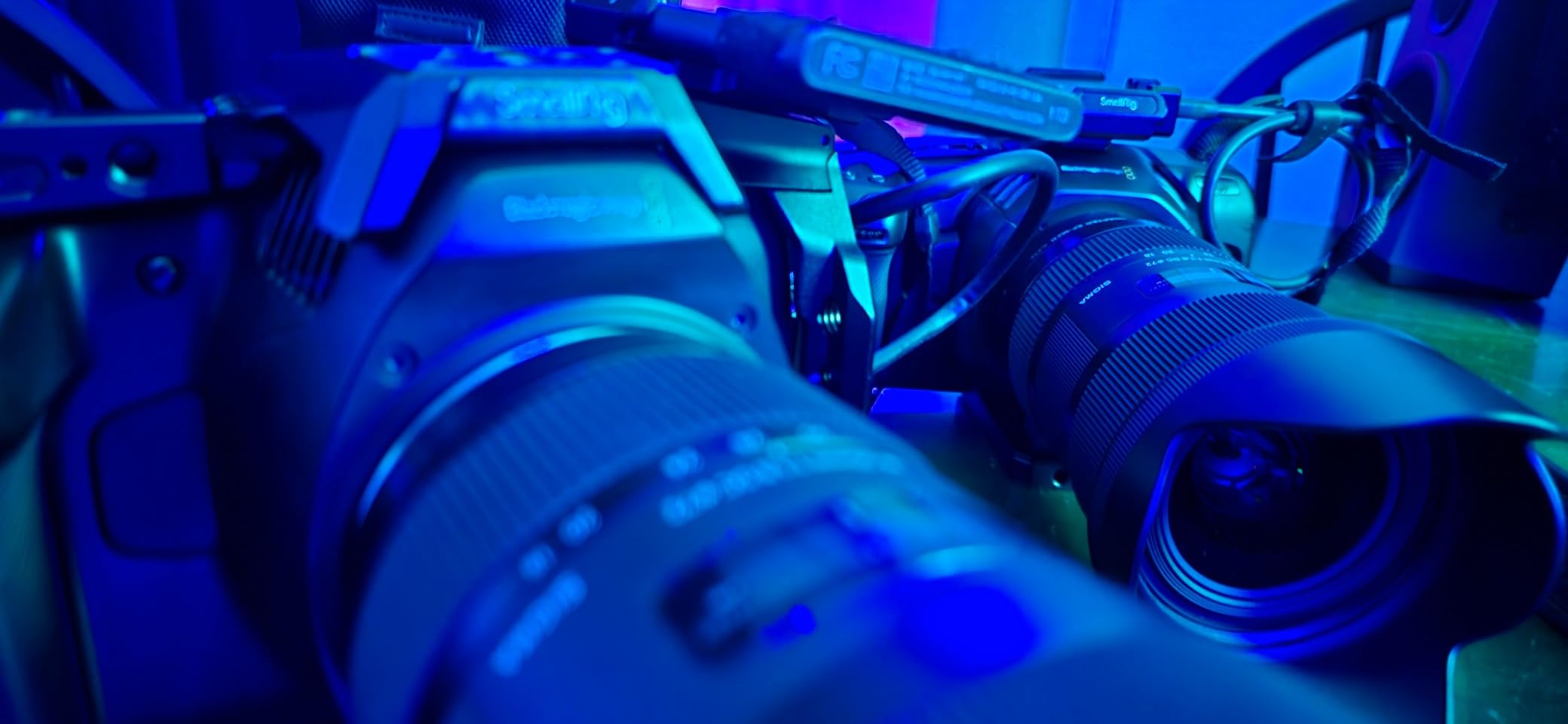
This is the elephant in the room. The BMPCC 4K uses Canon LP-E6 batteries, and you will get roughly 45 to 50 minutes of recording time per charge. That sounds bad, and it is if you are coming from a mirrorless camera that lasts all day. Most users on the r/bmpcc subreddit recommend buying a CoreSWX Powerbase EDGE or using a dummy battery with a V-mount plate for extended shoots.
I carry at least four LP-E6 batteries for a half-day shoot and a USB-C power bank for longer sessions. Once you build a power solution that works for you, the battery issue becomes manageable rather than a dealbreaker.
Lens Ecosystem and Speed Booster Compatibility
The Micro Four Thirds mount on the BMPCC 4K is one of its greatest strengths because you can adapt almost any lens to it. I use a Metabones Speed Booster XL with Canon EF lenses, which gives you roughly a Super 35 field of view and an extra stop of light. That combination dramatically improves low light performance and shallow depth of field.
Without a speed booster, the 2x crop factor can feel limiting for wide-angle work. But the adaptability of MFT means you have access to an enormous range of vintage lenses, cinema lenses, and modern glass at every price point.
2. Blackmagic Design Pocket Cinema Camera 6K G2 – The Bigger Sibling
Blackmagic Design Pocket Cinema Camera 6K G2, EF Mount
Super 35 6K Sensor
EF Mount
13 Stops DR
Tilt LCD
Dual Native ISO
Pros
- Super 35 sensor with 6144x3456 resolution
- 13 stops of dynamic range
- Dual gain ISO up to 25600
- Active EF EF-S lens mount
- Adjustable tilt 5-inch LCD display
Cons
- No built-in image stabilization
- Not water resistant
When Blackmagic released the 6K G2, I was curious whether the Super 35 sensor and EF mount would make it a more practical choice than the Pocket 4K. After spending time with both, the 6K G2 offers a genuinely different shooting experience that many filmmakers will prefer.
The Super 35 sensor gives you that classic cinema crop factor that most filmmakers are already used to. You get 6K resolution at 6144 x 3456, which means you can reframe in post or deliver downsampled 4K that looks incredibly sharp. The EF mount is a big deal because it opens up Canon’s massive lens ecosystem without needing adapters or speed boosters.
The adjustable tilt LCD is the feature BMPCC 4K users have been begging for. Being able to tilt the screen for low-angle or overhead shots makes a real difference on set. The image quality shares the same Blackmagic color science and 13 stops of dynamic range, so footage cuts perfectly with the 4K model if you are running both.
Who Should Choose the 6K G2 Over the 4K
If you already own Canon EF lenses, the 6K G2 is a no-brainer over the 4K. You get native mounting, full electronic lens control, and a larger sensor without the adapter hassle. The 6K resolution also gives you more room for cropping and reframing in post-production.
The trade-off is size and weight. The 6K G2 is noticeably larger and heavier than the 4K, which matters if you do gimbal work or run-and-gun shooting. Battery life is similar, so you still need an external power solution for long shoots.
EF Mount vs MFT Adaptability
The EF mount is fantastic if you live in the Canon ecosystem, but it is less flexible than the MFT mount on the Pocket 4K. With MFT, you can adapt virtually any lens ever made. With EF, you are mostly limited to Canon and Sigma glass plus a few adapters.
For filmmakers who value lens flexibility above all else, the Pocket 4K still wins. For those who want native cinema lens integration and a bigger sensor, the 6K G2 is the better investment.
3. Blackmagic Design Pocket Cinema Camera 6K Pro – The Premium Upgrade
Blackmagic Design Pocket Cinema Camera 6K Pro (CINECAMPOCHDEF06P)
Super 35 6K
Built-in ND Filters
EF Mount
HDR LCD
13 Stops DR
Pros
- Super 35 sensor with 6144x3456 resolution
- Built-in 2 4 and 6 stop ND filters
- 13 stops of dynamic range
- Dual gain ISO up to 25600
- 5-inch HDR LCD display
Cons
- No built-in image stabilization
- Not water resistant
The 6K Pro is the camera I recommend when someone asks me what the BMPCC 4K should have been from the start. Blackmagic took the 6K platform and added the features professional shooters actually need, most importantly built-in ND filters.
Having 2, 4, and 6 stop neutral density filters built into the camera body changes everything about how you shoot. No more stacking filter adapters, no more screwing and unscrewing NDs when light conditions change. You can shoot wide open outdoors without any hassle, and that alone justifies the premium price for many working professionals.
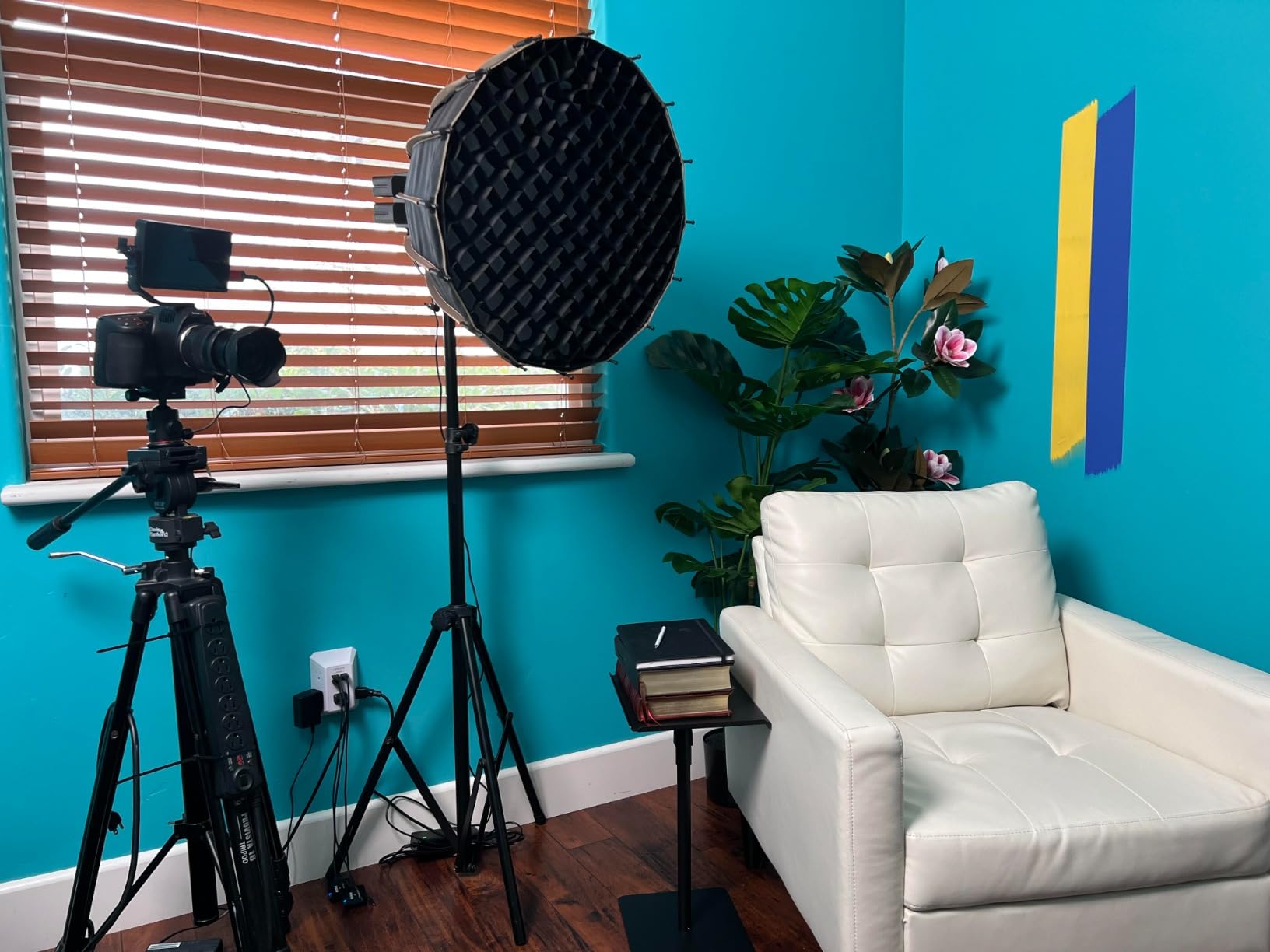
The HDR LCD display is brighter and more accurate than the standard screen on the other Pocket models. I found it usable outdoors in situations where the 4K screen was washed out. The dual native ISO and 13 stops of dynamic range deliver the same filmic image quality that makes the entire Pocket lineup special.
The 6K Pro also includes two mini XLR inputs with phantom power, full-size HDMI, and timecode input. These are the professional connectivity features that make it viable as a primary camera on paid productions, not just passion projects.
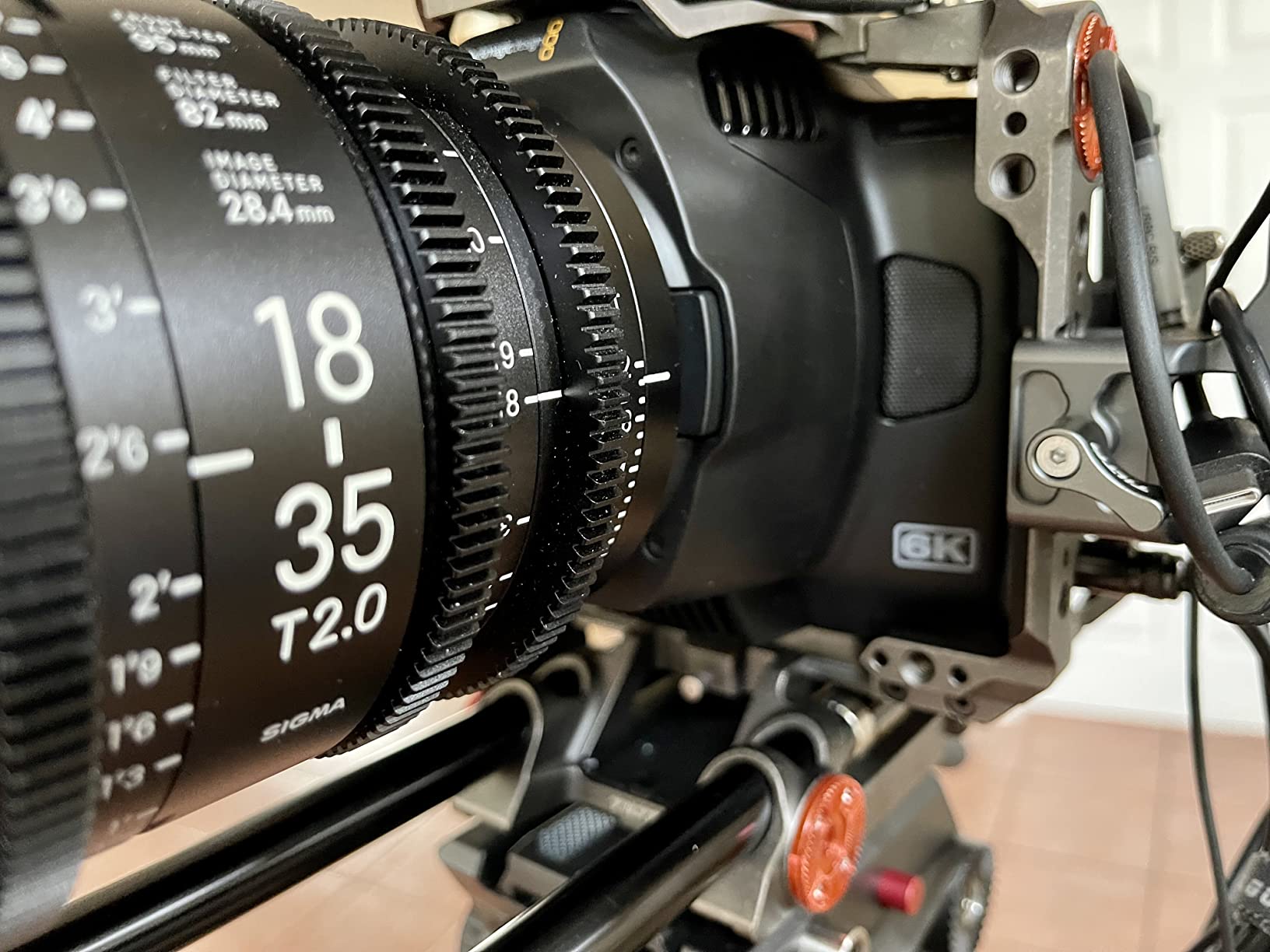
Built-in ND Filters – A Game Changer
The integrated ND filter system on the 6K Pro is the single biggest reason to choose it over the 4K or 6K G2. On the BMPCC 4K, I carry a set of variable ND filters and constantly swap them when moving between indoor and outdoor locations. The 6K Pro lets you toggle NDs with a physical switch.
For documentary shooters, event videographers, and anyone working in uncontrolled lighting, built-in NDs save enormous amounts of time and reduce the risk of missing a shot while fumbling with filters.
Netflix Approval and Professional Certification
The Pocket Cinema Camera 6K Pro is Netflix approved, meaning it meets the capture requirements for Netflix original productions. This matters if you are shooting content that may end up on major streaming platforms or if you want to future-proof your investment for professional work.
The BMPCC 4K is not Netflix approved, which is worth noting if professional certification is part of your decision-making process. For most indie filmmakers, this distinction does not matter, but for working cinematographers, it can be a deciding factor.
4. Panasonic LUMIX GH6 – The MFT Hybrid Powerhouse
Panasonic LUMIX GH6, 25.2MP Mirrorless Micro Four Thirds Camera with Unlimited C4K/4K 4:2:2 10-bit Video Recording, 7.5-Stop 5-Axis Dual Image Stabilizer – DC-GH6BODY Black
25.2MP MFT Sensor
ProRes 422 HQ
7.5-Stop IBIS
4K 120p
13+ Stops DR
Pros
- 25.2MP sensor with Venus Engine
- Unlimited C4K 4K 422 10-bit recording
- 7.5-stop 5-axis dual image stabilization
- Internal Apple ProRes 422 HQ and 422 recording
- Pre-installed V-Log V-Gamut with 13+ stops DR
Cons
- Only 16 left in stock
The Panasonic GH6 is the camera that BMPCC 4K owners look at when they want IBIS, autofocus, and hybrid stills capability without leaving the Micro Four Thirds ecosystem. I tested the GH6 extensively alongside the Pocket 4K, and the differences are revealing.
Where the BMPCC 4K is a dedicated cinema camera, the GH6 is a true hybrid that handles both photography and video with equal competence. The 7.5-stop 5-axis dual image stabilization is the feature BMPCC 4K users dream about, and it makes handheld shooting dramatically smoother without a gimbal.
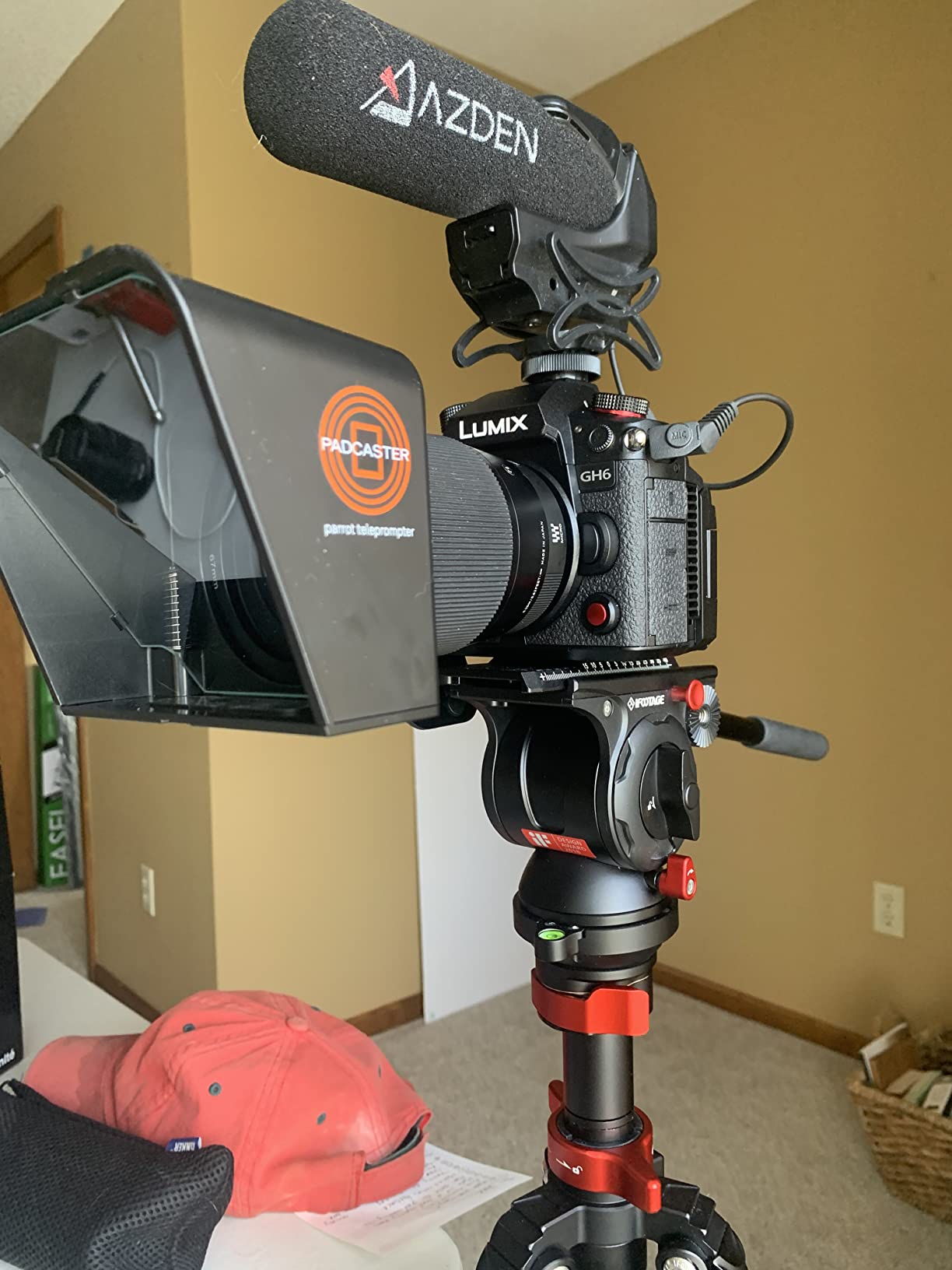
Internal Apple ProRes 422 HQ recording gives you professional codecs without needing an external recorder. With V-Log pre-installed, you get 13+ stops of dynamic range right out of the box. The image quality is excellent, though I still prefer the filmic look of Blackmagic RAW and color science for narrative work.
The GH6 can shoot 5.7K at 60p and 4K at 120p with no recording time limits. That is a significant advantage over the BMPCC 4K for action and sports content where high frame rates matter.

IBIS vs Cinema Image Quality
The GH6’s in-body stabilization is the biggest practical advantage it has over the BMPCC 4K. For documentary, event, and run-and-gun shooters, IBIS eliminates the need for a gimbal in many situations. The Pocket 4K has no stabilization at all, which means you need gimbals, tripods, or very steady hands.
However, the BMPCC 4K still produces a more cinematic image with its BRAW recording and Blackmagic color science. The GH6 image is clean and professional, but it has a more video-centric look that some filmmakers find less filmic.
Hybrid Shooting vs Dedicated Cinema
If you need a camera that shoots great stills and video, the GH6 wins easily. The 25.2MP sensor, fast autofocus, and vari-angle screen make it a capable photography tool. The BMPCC 4K can technically capture stills via its grab button, but it is not a practical photography camera.
For pure cinema work, the BMPCC 4K still offers superior color science and RAW workflow. For hybrid creators who need both worlds, the GH6 is the smarter choice.
5. Panasonic LUMIX GH7 – The Next Generation MFT Flagship
Panasonic LUMIX GH7 Mirrorless Micro Four Thirds Camera with Enhanced Video Speed and Quality, Optimized Workflows from Shooting to Post-Production, Adobe Cloud Compatible & Real-Time LUT, DC-GH7BODY9
ProRes RAW Internal
32-bit Float
Phase Detection AF
13+ Stops DR
Open Gate
Pros
- Apple ProRes RAW internal recording
- 32-bit float recording capability
- 25.2MP BSI CMOS sensor with 13-plus stop dynamic range
- Adobe Cloud compatible for direct upload to Frame.io
- Open Gate for all aspect ratios
Cons
- Very limited stock
- Limited reviews
The Panasonic GH7 is the newest camera in this lineup, and it brings features that directly address the weaknesses of both the GH6 and the BMPCC 4K. With ProRes RAW internal recording and 32-bit float audio, this is a serious contender for anyone considering a cinema camera purchase in 2026.
Phase Detection Autofocus with 315 points is the upgrade GH6 users wanted, and it brings Panasonic’s AF performance into competitive territory with Sony and Canon. Real-time recognition AF handles humans, animals, cars, and motorcycles with impressive accuracy. The BMPCC 4K’s autofocus, by comparison, is barely usable for professional work.
The Open Gate recording mode captures the full sensor area, giving you maximum flexibility for delivering content in any aspect ratio from widescreen to vertical social media. This is a workflow advantage that neither the BMPCC 4K nor any of the other Pocket cameras offer.
ProRes RAW vs BRAW Workflow
The GH7 records ProRes RAW internally, which is a significant advantage for editors working in Final Cut Pro or Premiere Pro. The BMPCC 4K records Blackmagic RAW, which integrates perfectly with DaVinci Resolve but can be less convenient in other NLEs.
Both RAW formats offer excellent image quality and grading flexibility. Your choice depends largely on your editing software preference. Resolve users will prefer BRAW, while Final Cut users will appreciate ProRes RAW on the GH7.
32-bit Float Audio Recording
The GH7 is the world’s first camera with 32-bit float recording, which means you effectively never need to set audio levels. The camera captures such a wide dynamic range that you can adjust levels in post without clipping or noise. For solo shooters handling their own audio, this is a transformative feature.
The BMPCC 4K has good audio inputs with mini XLR, but you still need to monitor and set levels carefully. The 32-bit float advantage alone makes the GH7 worth considering for documentary and event work.
6. Panasonic LUMIX S5IIX – Full Frame Flexibility
Panasonic LUMIX S5IIX Mirrorless Camera, 24.2MP Full Frame Phase Hybrid AF, Unlimited Recording, 5.8K ProRes, RAW, IP Streaming, 20-60mm F3.5-5.6 + 50mm F1.8 Lenses, LUMIX Digital Camera, DC-S5M2XWK9
24.2MP Full Frame
5.8K ProRes
Phase Hybrid AF
IP Streaming
14+ Stops DR
Pros
- Full frame sensor for high resolution images
- Phase Hybrid AF with 779 autofocus points
- Unlimited video recording with heat management
- 5.8K ProRes internal recording
- Strong image stabilization for vlogging
Cons
- Relatively low review count
- Digital image stabilization not optical
The Panasonic S5IIX moves us into full-frame territory, and the difference in depth of field and light gathering is immediately noticeable. I found the full-frame sensor gives you that shallow depth of field look that filmmakers often try to achieve with speed boosters on the BMPCC 4K.
With 14+ stops of dynamic range in V-Log, the S5IIX actually exceeds the BMPCC 4K’s 13 stops on paper. In practice, both cameras produce excellent images, but the full-frame sensor gives the S5IIX a natural advantage for low light and subject separation.

The Phase Hybrid AF with 779 autofocus points is a massive upgrade over anything in the Blackmagic lineup. For event shooters, documentary filmmakers, and anyone who relies on autofocus, this is where mirrorless cameras pull far ahead of dedicated cinema cameras like the Pocket 4K.
Active I.S. for walking shots and unlimited recording time with proper heat management make the S5IIX a practical tool for content creators who need to shoot all day without worrying about overheating or battery swaps.
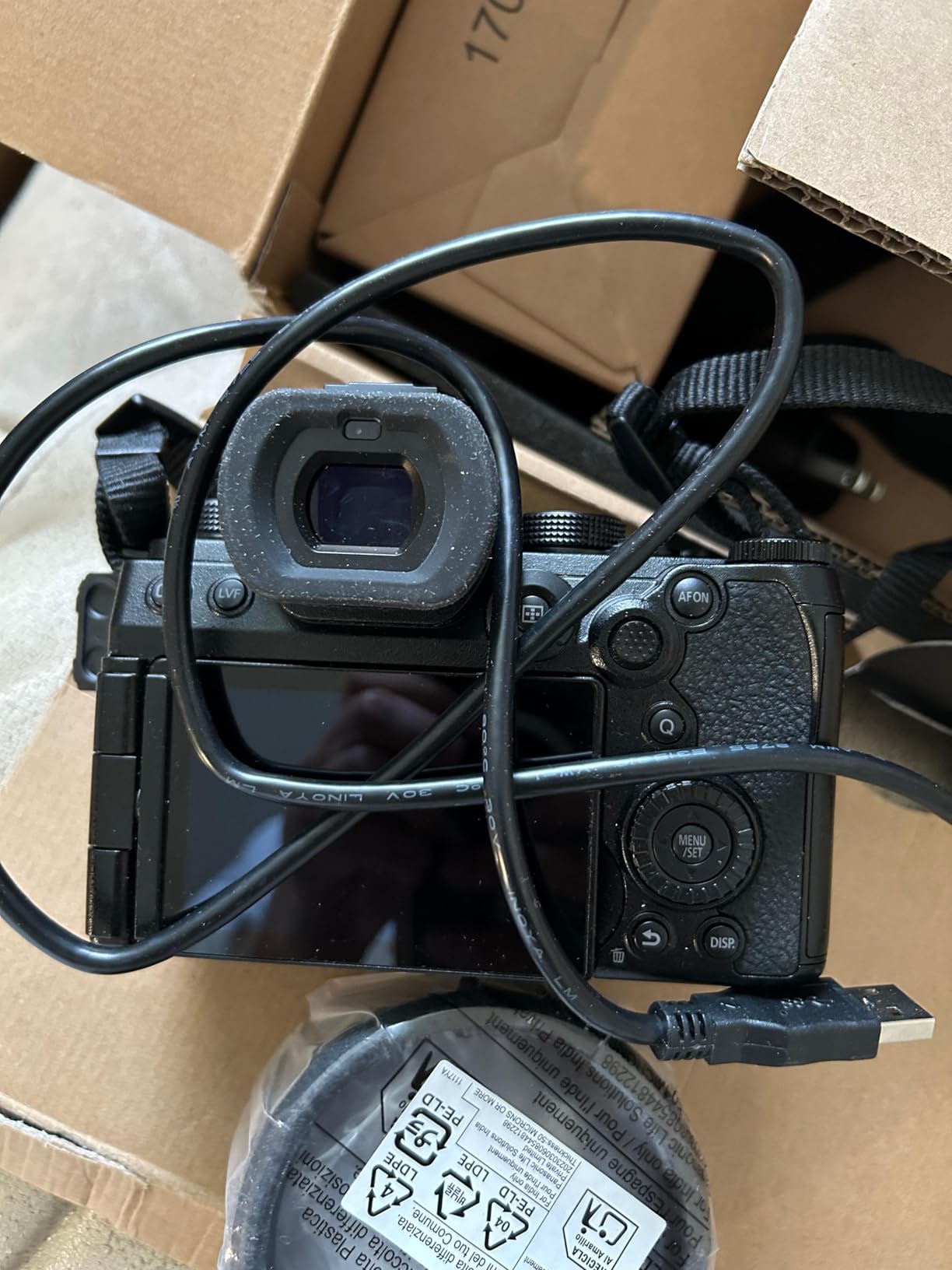
Full Frame vs Micro Four Thirds for Cinema
Full frame sensors give you shallower depth of field and better low light performance, but they also make focus pulling harder and require more expensive lenses. The MFT sensor on the BMPCC 4K has a deeper depth of field that can actually be an advantage for documentary work where keeping subjects in focus is critical.
For narrative filmmakers who want maximum subject separation and bokeh, full frame is appealing. For practical shooting where depth of field matters, MFT still has real advantages.
Hybrid Workflow with Leica L Mount
The L mount on the S5IIX gives you access to Leica, Sigma, and Panasonic lenses, which is a growing but still smaller ecosystem than Canon EF or Sony E. Sigma has been aggressive about releasing affordable L mount glass, so the lens situation is improving rapidly.
If you are invested in the L mount system, the S5IIX is an outstanding cinema-capable hybrid. If you want maximum lens flexibility, the MFT mount on the BMPCC 4K still offers more options.
7. Sony ZV-E1 – Full Frame in a Compact Body
Sony ZV-E1 Full-Frame Mirrorless Camera Body Black
12.1MP Full Frame
4K 60p
5-Axis IBIS
AI Tracking
10-bit 422
Pros
- Full-frame sensor optimized for 4K video
- Excellent AI-based subject tracking
- 5-axis IBIS for stable footage
- Cinematic Vlog Setting simplifies recording
- 10-bit 422 for professional color grading
Cons
- Only 1 left in stock
- Limited to microSD memory cards
- No built-in flash
The Sony ZV-E1 takes a full-frame sensor and puts it in a body designed specifically for video creators. With only 12.1 megapixels, this sensor is optimized for video rather than stills, which is an interesting philosophical choice that echoes the cinema-first approach of the BMPCC 4K.
Sony’s AI-based subject tracking is among the best I have used in any camera. The real-time recognition autofocus locks onto subjects and holds focus with remarkable consistency. This is the kind of autofocus performance that BMPCC 4K users can only dream about.
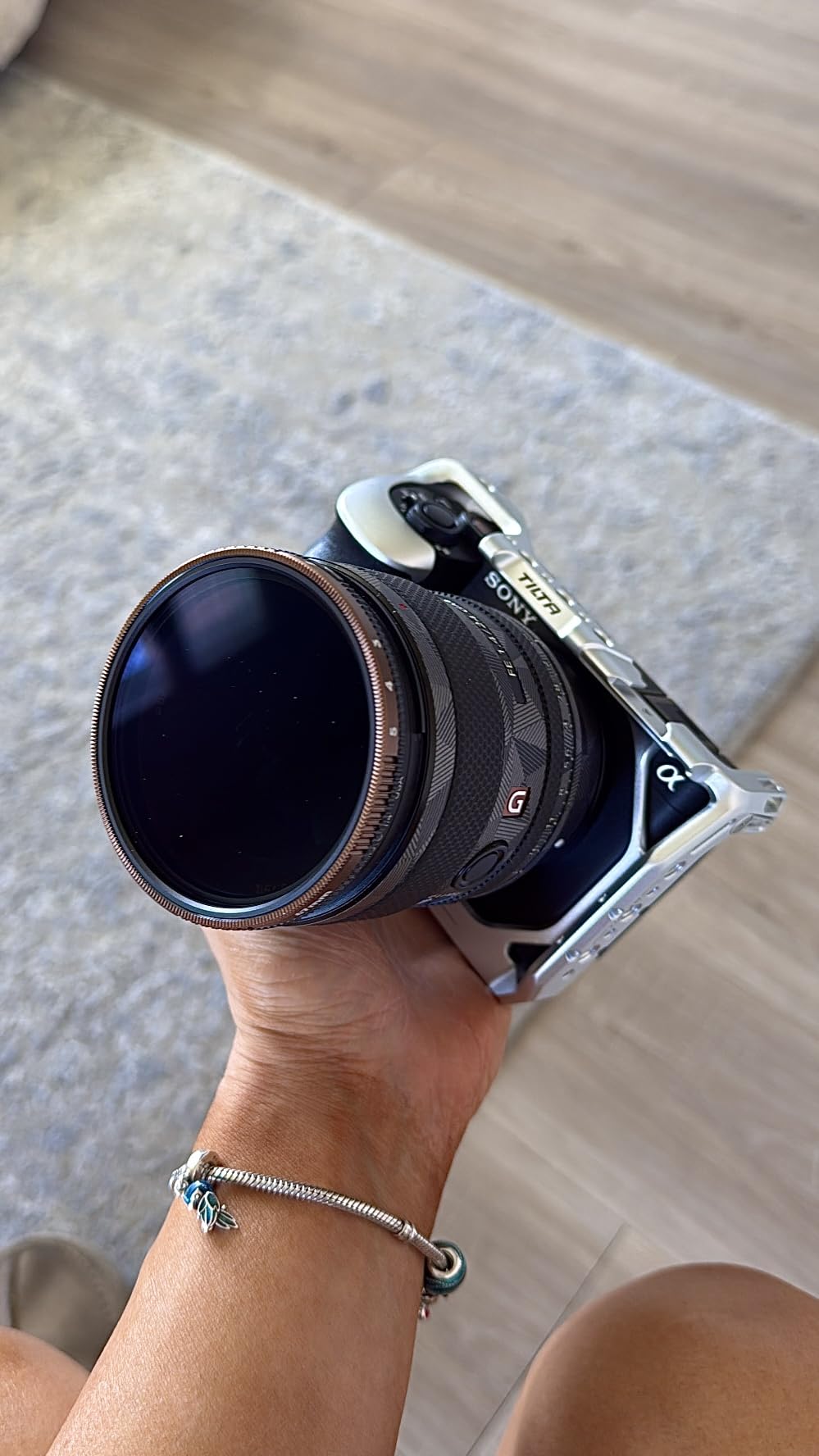
The Cinematic Vlog Setting is surprisingly useful for quick content creation. It applies a shallow depth of field look, auto frame rate adjustments, and S-Cinetone color science to produce footage that looks cinematic without any grading. For creators who want great-looking video without post-production, this is a real advantage.
The 5-axis IBIS works well for handheld shooting, and the Dynamic Active Mode provides additional stabilization for walking shots. The BMPCC 4K has no stabilization, so this is another area where the ZV-E1 offers a practical advantage for solo creators.
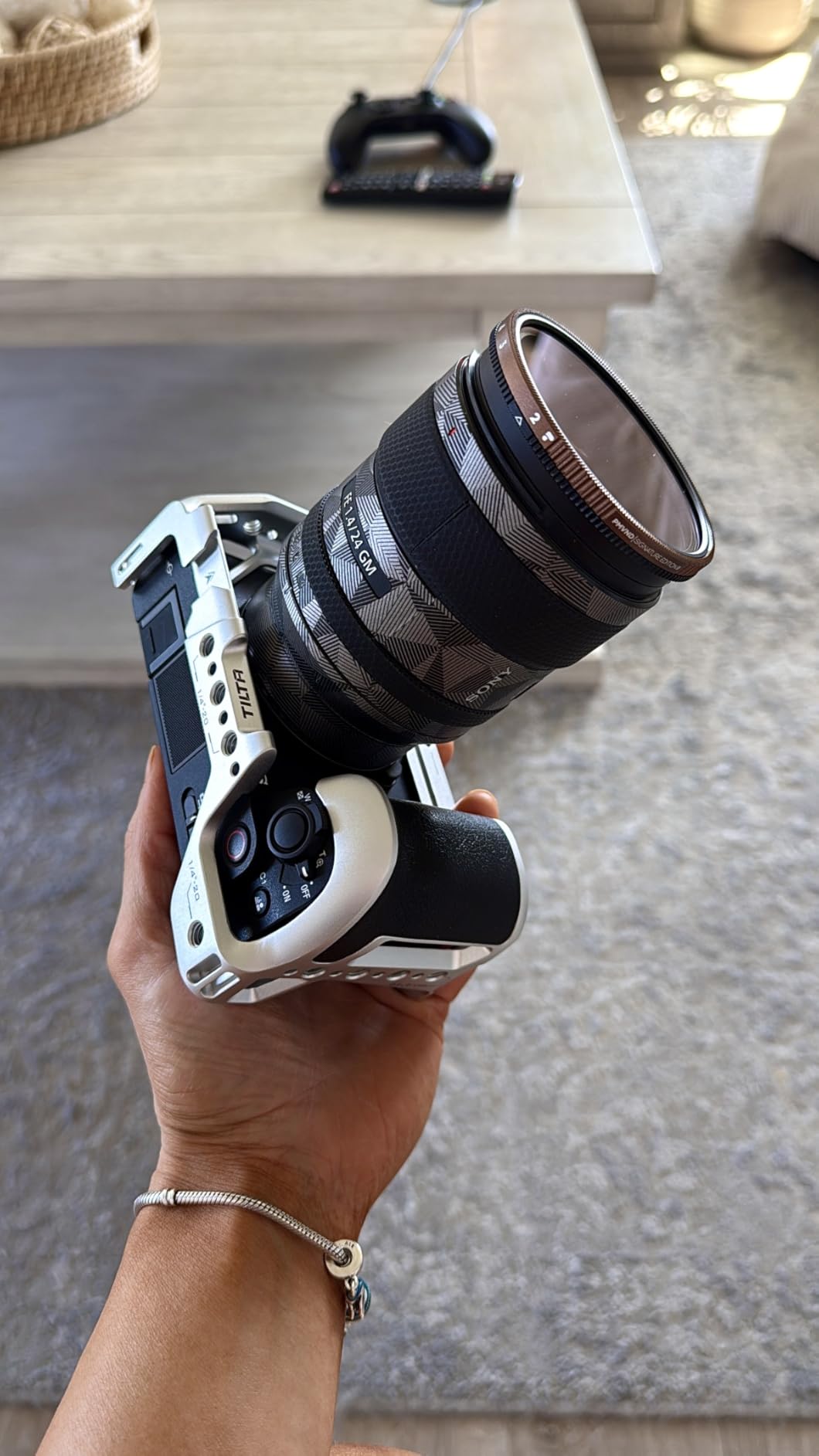
Sensor Resolution and Video Optimization
The 12.1MP sensor on the ZV-E1 is a deliberate choice for video. Fewer megapixels mean larger individual pixels, which translates to better low light performance and less rolling shutter. The BMPCC 4K has a similar philosophy with its 4/3 sensor optimized for 4K video rather than high-megapixel stills.
For pure video work, both approaches make sense. The ZV-E1 reads out its full sensor for 4K, while the BMPCC 4K uses its entire 4/3 sensor for native 4K DCI recording.
MicroSD Limitation and Storage
The ZV-E1 uses microSD cards, which is a significant limitation compared to the dual card slots and multiple recording media options on the BMPCC 4K. The Pocket 4K can record to SD, CFast 2.0, and external SSDs via USB-C, giving you far more storage flexibility.
For long shoots or high-bitrate recording, the BMPCC 4K’s storage options are a real advantage. The ZV-E1 is designed for content creators who work in shorter clips and transfer footage frequently.
8. Sony Alpha 7 IV – The Hybrid King
Sony Alpha 7 IV Full-frame Mirrorless Interchangeable Lens Camera
33MP Full Frame
4K 60p 10-bit
759-Point AF
5-Axis IBIS
S-Cinetone
Pros
- Excellent 33MP full-frame sensor
- Powerful BIONZ XR processor
- Outstanding autofocus with 759 points
- 4K 60p 10-bit 422 video
- S-Cinetone color science
- In-body image stabilization
Cons
- Heavy for some users
- Menu system can be complex
The Sony A7 IV is one of the most popular hybrid cameras on the market, and for good reason. With 763 reviews and a 4.7 rating on Amazon, this is a camera that has earned its reputation among both photographers and filmmakers.
The 33MP full-frame sensor delivers outstanding image quality for both stills and video. Sony’s S-Cinetone color profile produces skin tones that look natural and filmic straight out of camera, which is the closest thing I have seen to the Blackmagic color science in a mirrorless body.

With 759 autofocus points and Real-time Eye AF, the A7 IV focuses faster and more reliably than any camera in the Blackmagic lineup. For event videography, documentary work, and any situation where autofocus matters, Sony is in a different league.
The 4K 60p 10-bit 4:2:2 recording with full pixel readout gives you professional video quality. The 7K oversampling for 4K 30p produces exceptionally detailed footage without pixel binning artifacts.

S-Cinetone vs Blackmagic Color Science
Sony’s S-Cinetone is designed to produce cinematic skin tones without grading, and it does an admirable job. However, Blackmagic’s color science still produces a more filmic look that many cinematographers prefer, especially when grading BRAW in DaVinci Resolve.
The A7 IV gives you a more polished straight-out-of-camera look, while the BMPCC 4K rewards color grading with a more flexible and cinematic final image. Your preference depends on your post-production workflow.
Still Photography Capability
The A7 IV absolutely crushes the BMPCC 4K for still photography. With 33 megapixels, fast burst shooting, and Sony’s autofocus system, it is a legitimate professional photography camera. The BMPCC 4K can grab still frames from video, but it is not designed for still photography.
If you need a camera that handles both stills and cinema work at a professional level, the A7 IV is one of the best options available. The BMPCC 4K remains a dedicated cinema tool that excels at one thing.
9. Canon EOS R5 C – 8K Cinema Power
Canon EOS R5 C Mirrorless Camera (Body Only), 45 Megapixel CMOS Sensor, Hybrid Full-Frame Cinema Camera, 8K/60P Internal RAW Recording, RF Mount, Black
45MP Full Frame
8K 60p RAW
Internal Cooling
Dual Pixel AF II
Cinema RAW Light
Pros
- Exceptional 45MP full-frame sensor
- 8K RAW video recording
- Internal cooling enables unlimited recording
- Excellent Dual Pixel CMOS AF II
- Professional Cinema RAW Light format support
Cons
- Expensive for most consumers
- No built-in flash
- Single memory card slot
The Canon EOS R5 C is a proper cinema camera in a mirrorless body, and it sits at the premium end of this comparison. With 8K RAW internal recording and an internal cooling fan for unlimited recording time, this camera directly addresses the overheating and recording limit issues that plague many mirrorless cameras.
The 45MP full-frame sensor gives you both high-resolution stills and 8K video from the same camera. Canon’s Cinema RAW Light format is a professional codec that gives you tremendous grading flexibility, comparable to BRAW from the Blackmagic ecosystem.
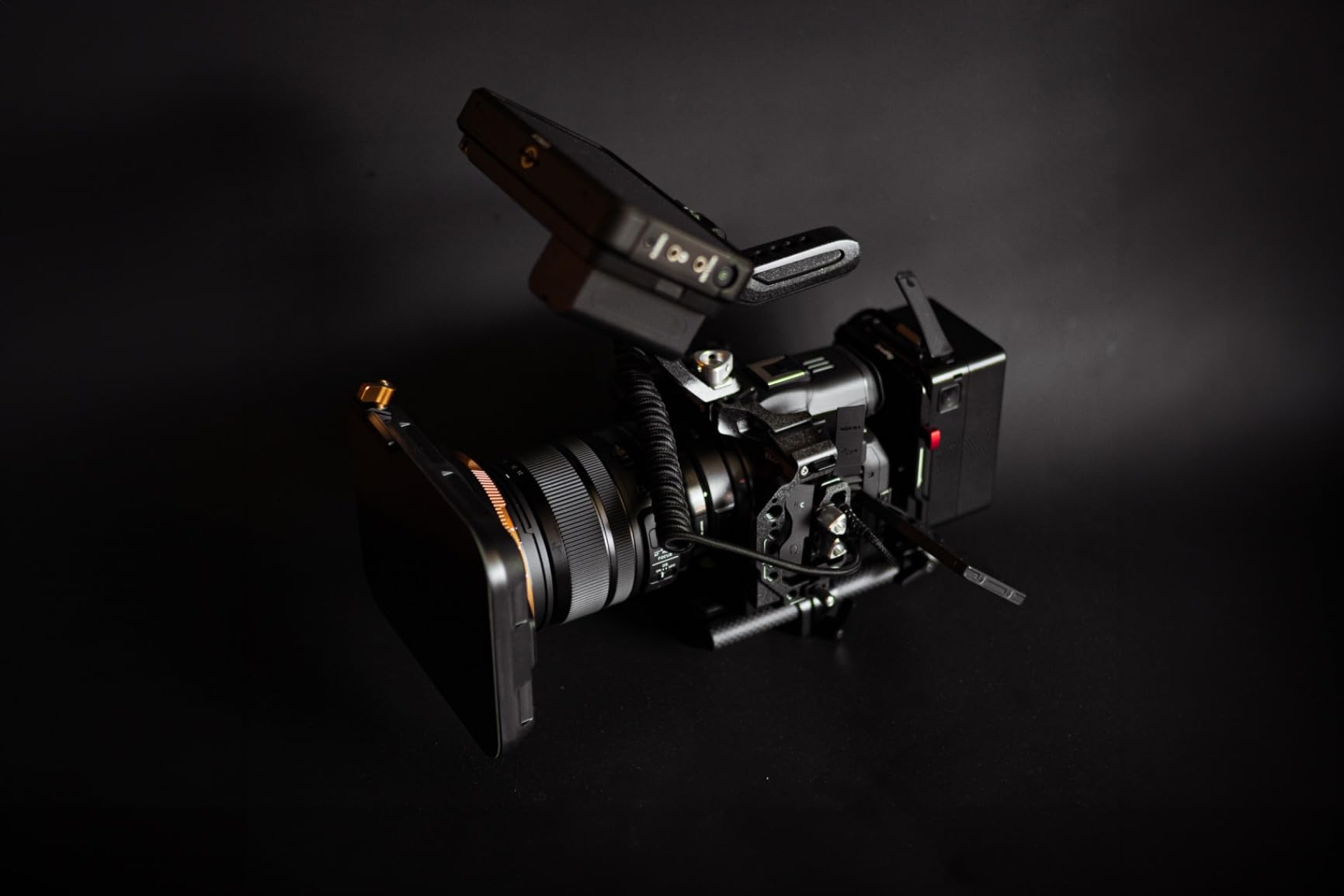
Dual Pixel CMOS AF II is Canon’s latest autofocus technology, and it is excellent for video. With 8-way multi-controller and fast, smooth focus transitions, the R5 C handles autofocus better than any Blackmagic camera by a wide margin.
The internal cooling fan means you can shoot 8K RAW for extended periods without overheating. This is something no other camera in this lineup can match, and it makes the R5 C viable for long-form production work.
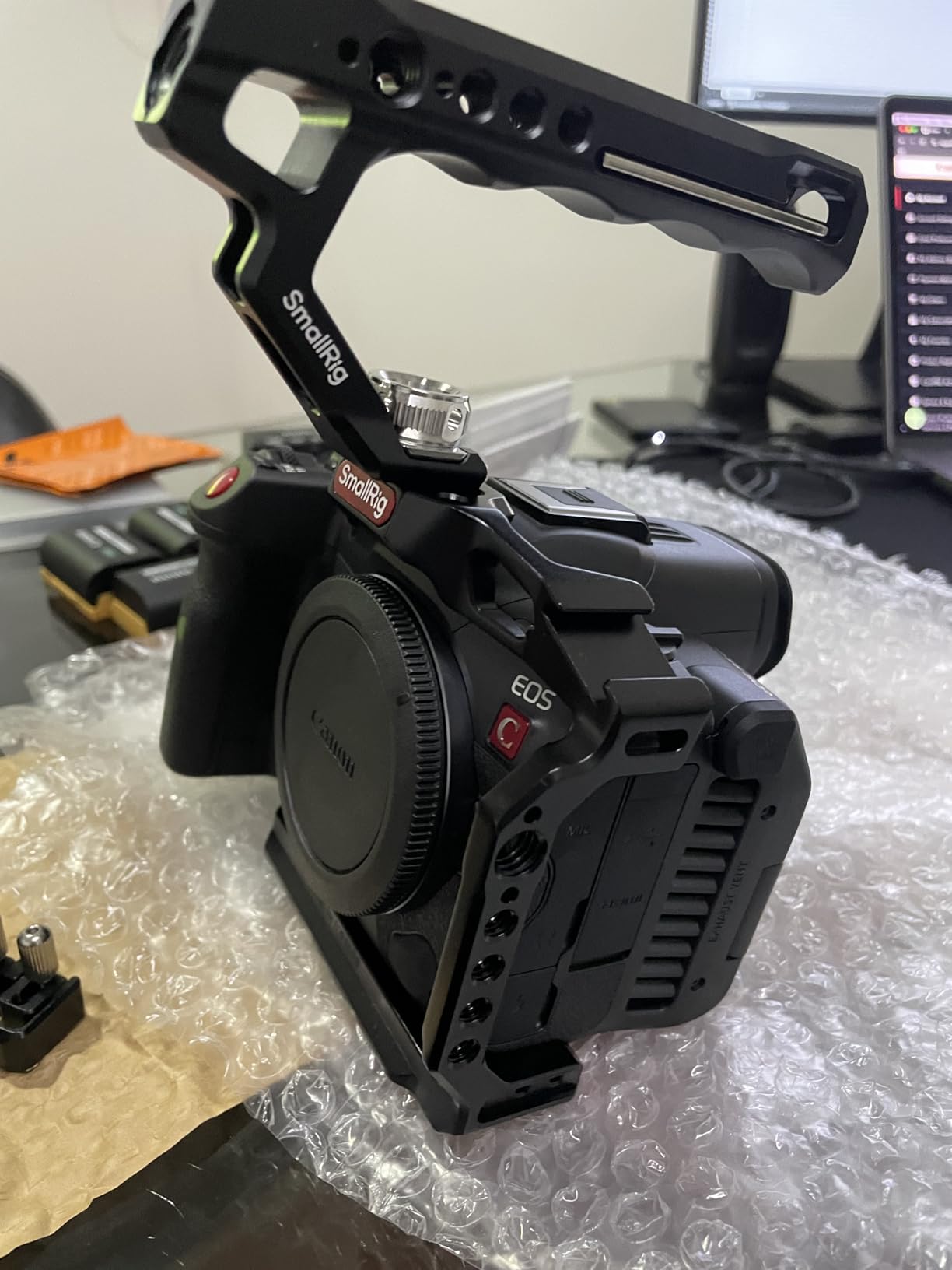
8K RAW vs 4K BRAW Workflow
The R5 C records 8K RAW at 60p, which is resolution headroom the BMPCC 4K cannot touch. However, 8K RAW files are enormous and require serious storage and computing power. For most productions, 4K delivery is still the standard, and the BMPCC 4K’s 4K BRAW workflow is more practical.
The R5 C gives you future-proofing with 8K, while the BMPCC 4K gives you a more efficient 4K RAW workflow. Most indie filmmakers do not need 8K today, but having the option is appealing for high-end work.
Price and Value Proposition
At its price point, the R5 C costs significantly more than the BMPCC 4K. You are paying for the full-frame sensor, 8K capability, Canon autofocus, and internal cooling. For working professionals who need all of these features in one body, the R5 C justifies its premium price.
For budget-conscious indie filmmakers, the BMPCC 4K delivers 90 percent of the cinema image quality at a fraction of the cost. The R5 C is the better professional tool, but the BMPCC 4K is the better value.
10. Fujifilm X-S20 – The Color Science Contender
Fujifilm X-S20 Mirrorless Camera Body
26.1MP APS-H
6.2K 10-bit
7-Stop IBIS
Film Simulations
X-Processor 5
Pros
- Excellent image quality with Fujifilm color science
- Great value for hybrid content creators
- 6.2K 10-bit video is impressive
- Auto Subject Detection AF works well
- Improved IBIS over previous models
- Film simulations for beautiful out-of-camera JPEG
Cons
- No weather sealing
- Overheating issues during extended recording
- Single card slot
- Small buttons and limited customization
Fujifilm is known for film simulations and color science that rivals Blackmagic’s cinema look. The X-S20 brings 6.2K 10-bit video recording and a 26.1MP APS-H sensor to a compact body that appeals to content creators and indie filmmakers alike.
The film simulations are Fujifilm’s secret weapon. Being able to apply classic film looks like Classic Chrome, Eterna, and Nostalgic Negative directly in camera gives you a finished look without grading. For creators who want cinematic color without post-production, this is a genuine alternative to the BMPCC 4K workflow.
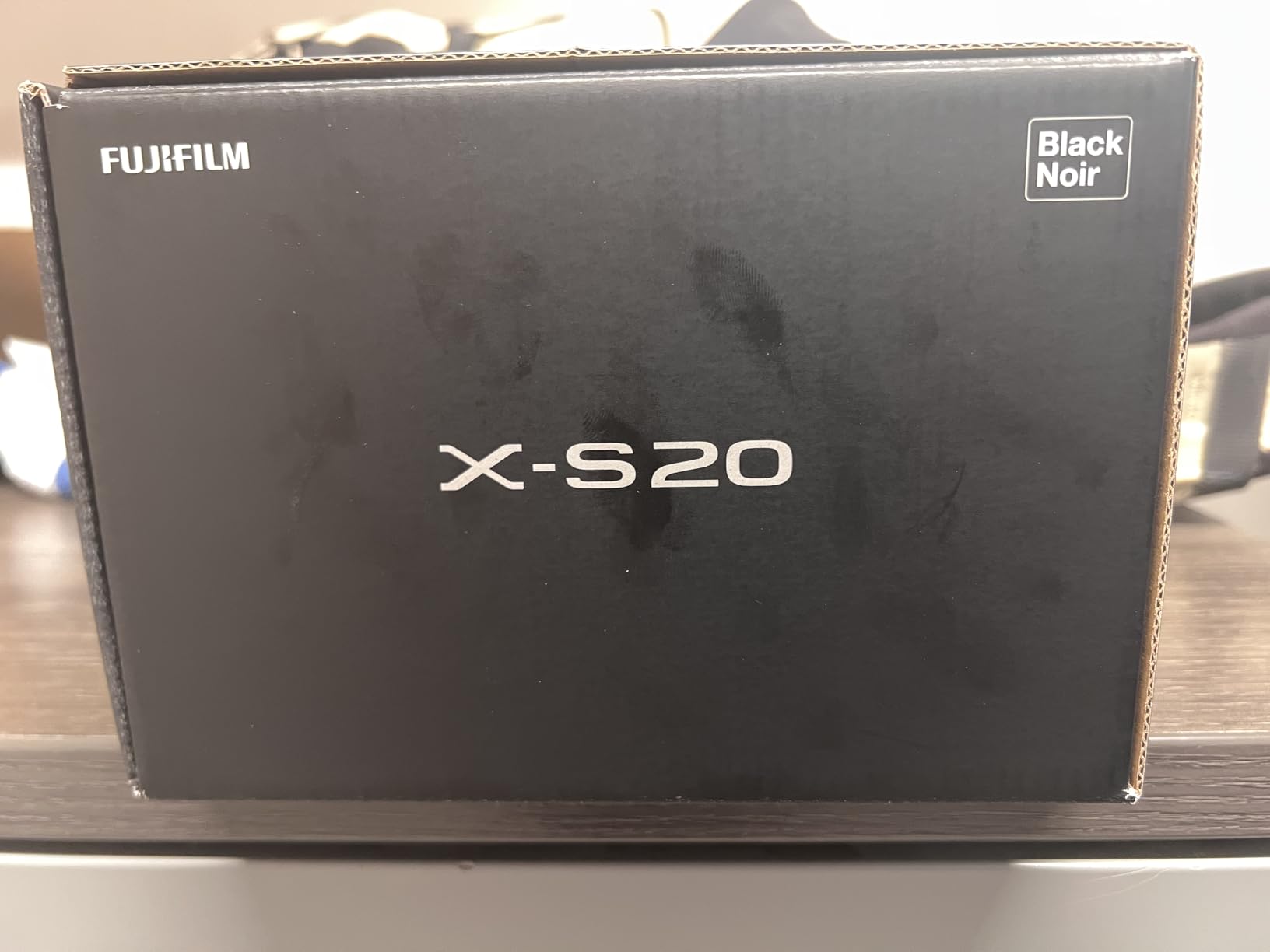
The X-Processor 5 brings improved autofocus with Auto Subject Detection that handles humans and animals well. The 5-axis IBIS with up to 7 stops of compensation is excellent and completely outclasses the BMPCC 4K’s lack of stabilization.
At just 491 grams, the X-S20 is lightweight and compact with a deep handgrip that makes it comfortable for handheld shooting. The vari-angle LCD is far more practical than the fixed screen on the BMPCC 4K.

Film Simulations vs RAW Grading
Fujifilm’s film simulations give you beautiful color straight out of camera, which is the opposite approach to the BMPCC 4K’s RAW grading workflow. The Pocket 4K assumes you will grade your footage in DaVinci Resolve, while the X-S20 gives you a finished look immediately.
Both approaches have merit. If you enjoy color grading and want maximum control, the BMPCC 4K and BRAW are superior. If you want cinematic looks without spending hours in post, Fujifilm’s film simulations are incredibly appealing.
Overheating Concerns for Video
The X-S20 has documented overheating issues during extended video recording, which is a real concern for filmmakers. The BMPCC 4K, despite its flaws, can record for extended periods when you have adequate power, because the passive cooling design does not overheat like higher-resolution mirrorless cameras.
If your shooting involves long takes or recording in hot environments, the BMPCC 4K is actually more reliable than the X-S20 for extended video work.
How to Choose the Right Cinema Camera in 2026?
Choosing between the BMPCC 4K and its competitors comes down to understanding your specific needs as a filmmaker. After testing all ten cameras in this comparison, I can offer some practical guidance based on real-world shooting scenarios.
Start with your primary use case. If you are shooting narrative films, music videos, or any project where image quality and color grading are your top priorities, the BMPCC 4K remains an outstanding choice. Its BRAW recording and Blackmagic color science deliver a filmic look that is hard to beat at any price point.
If you need a hybrid camera that handles both stills and video, look at the Panasonic GH6, Sony A7 IV, or Fujifilm X-S20. These cameras offer IBIS, autofocus, and photography capability that the BMPCC 4K simply does not have. You sacrifice some cinema-specific features but gain enormous versatility.
Consider your lens ecosystem carefully. The MFT mount on the BMPCC 4K gives you the most adapter options, but if you already own Canon EF or Sony E lenses, staying within your mount system saves money and headaches. The Blackmagic 6K models with EF mount are excellent if you have Canon glass.
Think about power and storage needs. The BMPCC 4K’s short battery life is a known weakness that requires external power solutions. If you shoot long days without access to power, cameras like the Sony A7 IV or Canon R5 C with better battery management may be more practical.
Factor in your post-production workflow. The BMPCC 4K includes a DaVinci Resolve Studio license, which is a significant value. If you plan to edit in Resolve, BRAW is the ideal format. If you use Final Cut Pro or Premiere, ProRes formats from Panasonic or Sony cameras may integrate more smoothly.
Frequently Asked Questions
Is the Blackmagic Pocket Cinema Camera 4K worth it?
Yes, the BMPCC 4K is still worth it in 2026 for filmmakers who prioritize image quality and RAW recording flexibility. It offers 13 stops of dynamic range, dual native ISO, and Blackmagic RAW recording at a price point that undercuts most competitors. The main trade-offs are short battery life, no image stabilization, and limited autofocus.
What are the Blackmagic Pocket 4K weaknesses?
The main weaknesses of the BMPCC 4K are short battery life at 45 to 50 minutes per charge, no built-in image stabilization, limited autofocus performance, a fixed non-articulating screen that is hard to see in bright sunlight, and no weather sealing. These issues can be addressed with external battery solutions, gimbals, and external monitors, but they add cost and complexity to your rig.
Is the Blackmagic Pocket 4K camera approved by Netflix?
The Blackmagic Pocket Cinema Camera 4K is not Netflix approved. The Pocket Cinema Camera 6K Pro is Netflix approved and meets the capture requirements for Netflix original productions. For most indie filmmakers, Netflix approval is not a practical concern, but it matters for professional cinematographers shooting content for major streaming platforms.
Can you take pictures with a Blackmagic Pocket Cinema Camera 4K?
The BMPCC 4K has a still image grab button that lets you capture 4K resolution still frames from the live sensor, but it is not designed for photography. It lacks features like fast burst shooting, an electronic viewfinder, and photography-focused autofocus. If you need both stills and video, a hybrid mirrorless camera like the Sony A7 IV or Panasonic GH6 is a much better choice.
Final Verdict
After comparing the BMPCC 4K against nine competing cameras, our team’s verdict is clear: the Blackmagic Pocket Cinema Camera 4K is still worth it in 2026 for filmmakers who prioritize cinema image quality above all else. Its BRAW recording, 13 stops of dynamic range, and Blackmagic color science remain genuinely competitive with cameras costing two and three times as much.
The camera has real weaknesses that you need to work around, including short battery life, no stabilization, and limited autofocus. But for dedicated cinema work where you control the lighting, use manual focus, and build a proper rig, the BMPCC 4K delivers a filmic image that is hard to beat at this price. If you want the best budget cinema camera in 2026, this is still the one to buy.