
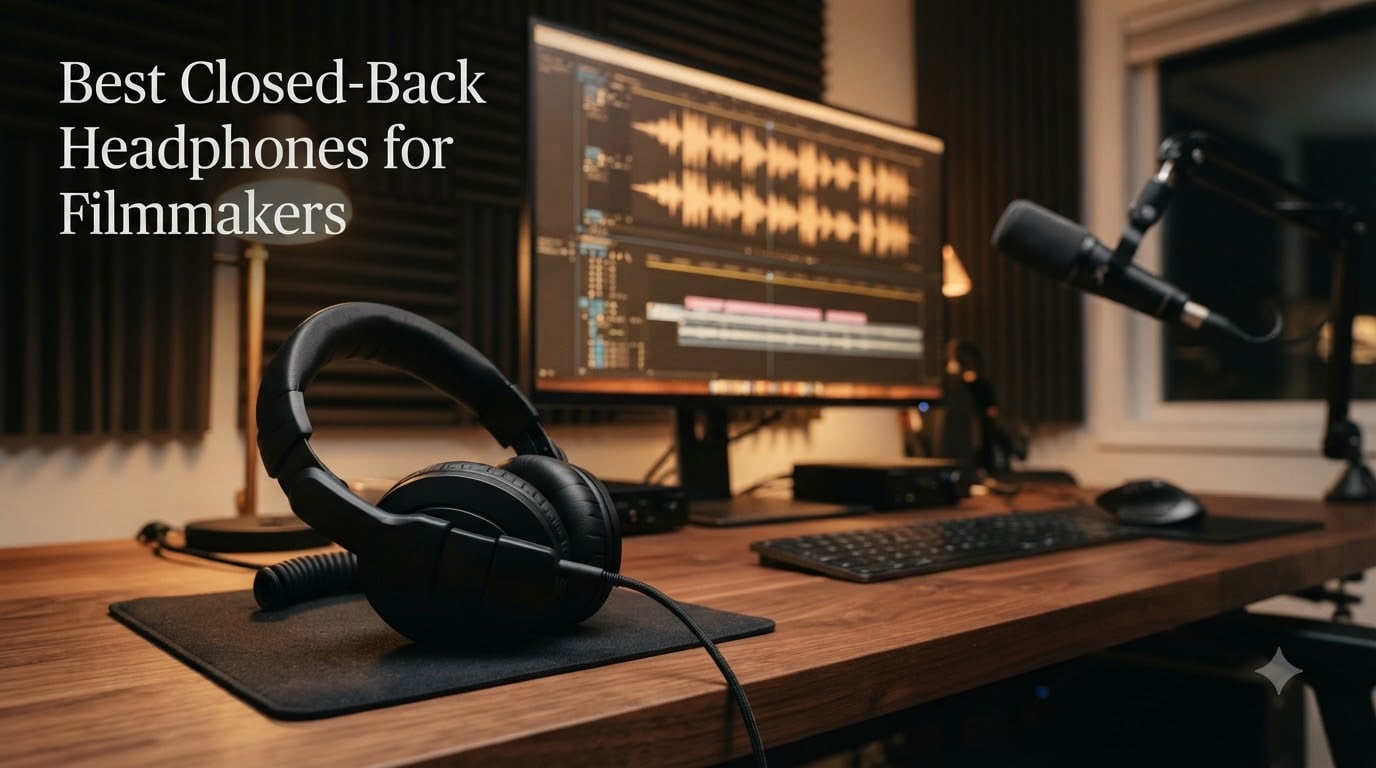
Finding the best closed-back headphones for filmmakers in 2026 comes down to one question: will your cans survive both the set and the edit bay? Our team has spent years behind the camera, and we’ve learned the hard way that the wrong headphones leak dialogue into the boom mic or hype the mid-bass so badly that your final mix sounds hollow on every other system.
Closed-back headphones seal the ear cups so sound stays inside and ambient noise stays outside. That isolation matters for production sound mixers who need clean playback on a noisy set, for editors working 8-hour days in shared rooms, and for sound designers reviewing ADR takes without disturbing the rest of the house. We pulled together eight pairs that handle those very different jobs, from the legendary Sony MDR7506 that lives in every post house to planar-magnetic flagships like the Audeze LCD-XC that show up in Atmos mix rooms.
Every pick on this list has been evaluated for sound isolation, frequency response accuracy, comfort over long edit sessions, and the practical realities of filmmaking — detachable cables for travel, replaceable pads for daily use, and enough impedance efficiency to run off a laptop when you don’t have a monitor controller handy. If you’re shopping for a single pair to do it all, the Sony MDR7506 still earns the top slot. If you need a budget second pair for the bag, the OneOdio Pro or ATH-M20x will surprise you.
Table of Contents
- Top 3 Best Closed-Back Headphones for Filmmakers in 2026
- Best Closed-Back Headphones for Filmmakers in September
- 1. Sony MDR7506 Professional Large Diaphragm Headphone — Editor’s Choice
- 2. Audio-Technica ATH-M50x Professional Studio Monitor Headphones — Top Rated
- 3. beyerdynamic DT 770 Pro 80 Ohm Studio Headphones — Premium Pick
- 4. Sennheiser HD 280 Pro Headphone — Best for Production Sound
- 5. Audio-Technica ATH-M20x Professional Studio Monitor Headphones — Best for Indie Creators
- 6. OneOdio Wired DJ Hi-Res Over-Ear Headphones — Budget Pick
- 7. OneOdio A71 Hi-Res Wired Over-Ear Studio Headphones — Best for Portability
- 8. AKG Pro Audio K371 Closed-Back Studio Headphones — Best Value Reference
- Buying Guide: How to Choose Closed-Back Headphones as a Filmmaker
- Frequently Asked Questions
- Final Recommendation
Top 3 Best Closed-Back Headphones for Filmmakers in 2026

Sony MDR7506
- Industry-standard studio monitor
- 40mm drivers
- 63 ohm
- Lightweight foldable design

Audio-Technica ATH-M50x
- 45mm drivers
- 38 ohm easy to drive
- Detachable cable
- 90 degree swivel cups

Best Closed-Back Headphones for Filmmakers in September
| Product | Specs | Action |
|---|---|---|
| Sony MDR7506 Professional |
|
Check Latest Price |
| Audio-Technica ATH-M50x |
|
Check Latest Price |
 beyerdynamic DT 770 Pro 80 Ohm beyerdynamic DT 770 Pro 80 Ohm |
|
Check Latest Price |
 Sennheiser HD 280 Pro Sennheiser HD 280 Pro |
|
Check Latest Price |
 Audio-Technica ATH-M20x Audio-Technica ATH-M20x |
|
Check Latest Price |
| OneOdio Wired DJ |
|
Check Latest Price |
 OneOdio A71 Hi-Res OneOdio A71 Hi-Res |
|
Check Latest Price |
 AKG Pro Audio K371 AKG Pro Audio K371 |
|
Check Latest Price |
1. Sony MDR7506 Professional Large Diaphragm Headphone — Editor’s Choice
Sony MDR7506 Professional Large Diaphragm Headphone
40mm drivers
63 ohm
9.8ft cord
Folds flat
Pros
- Industry-standard pro monitor trusted by broadcasters
- Detailed and accurate reproduction
- Strong passive isolation from closed-back design
- Lightweight 8oz for all-day comfort
- Includes soft carrying case and 1/4 inch adapter
Cons
- Non-detachable cable limits replacement
- Ear pads wear out over time
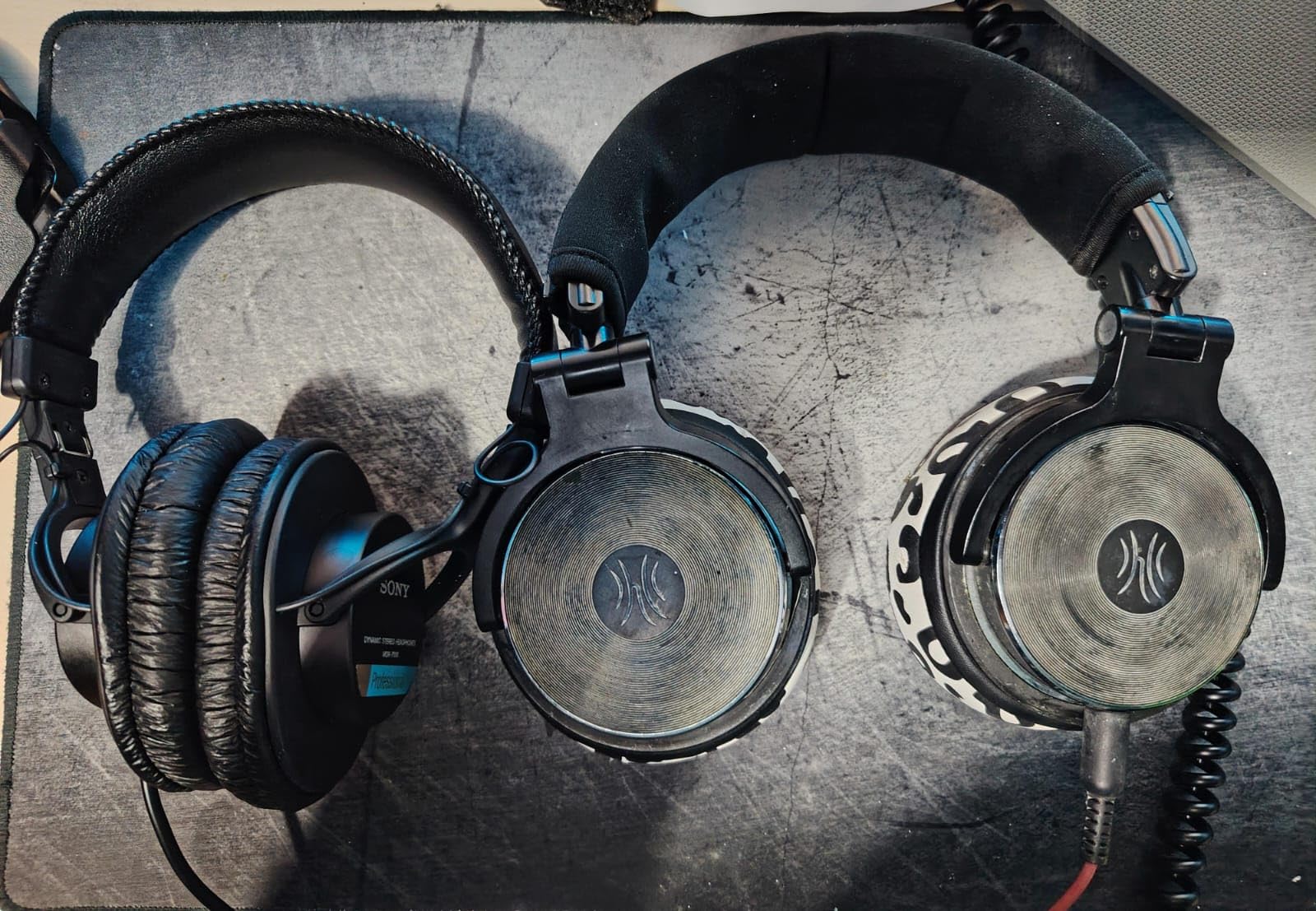
I keep a pair of Sony MDR7506 headphones in my edit bay at all times. The 40mm drivers deliver an honest, slightly forward midrange that makes dialogue editing faster — you hear mouth clicks and room tone without cranking the level. The 63 ohm impedance is friendly enough that they get loud from any laptop headphone jack, which matters when you’re reviewing cuts on location.
What really sells me on the MDR7506 for filmmaking is the isolation. The closed-back design knocks down enough ambient noise that I can mix dialogue in a coffee shop without pulling the faders up to mask the espresso machine. The 9.8-foot coiled cable reaches across any edit suite, and the gold-plated 3.5mm plus the included screw-on 1/4 inch adapter means I never have to dig for a dongle when I’m plugging into a rack of outboard gear.
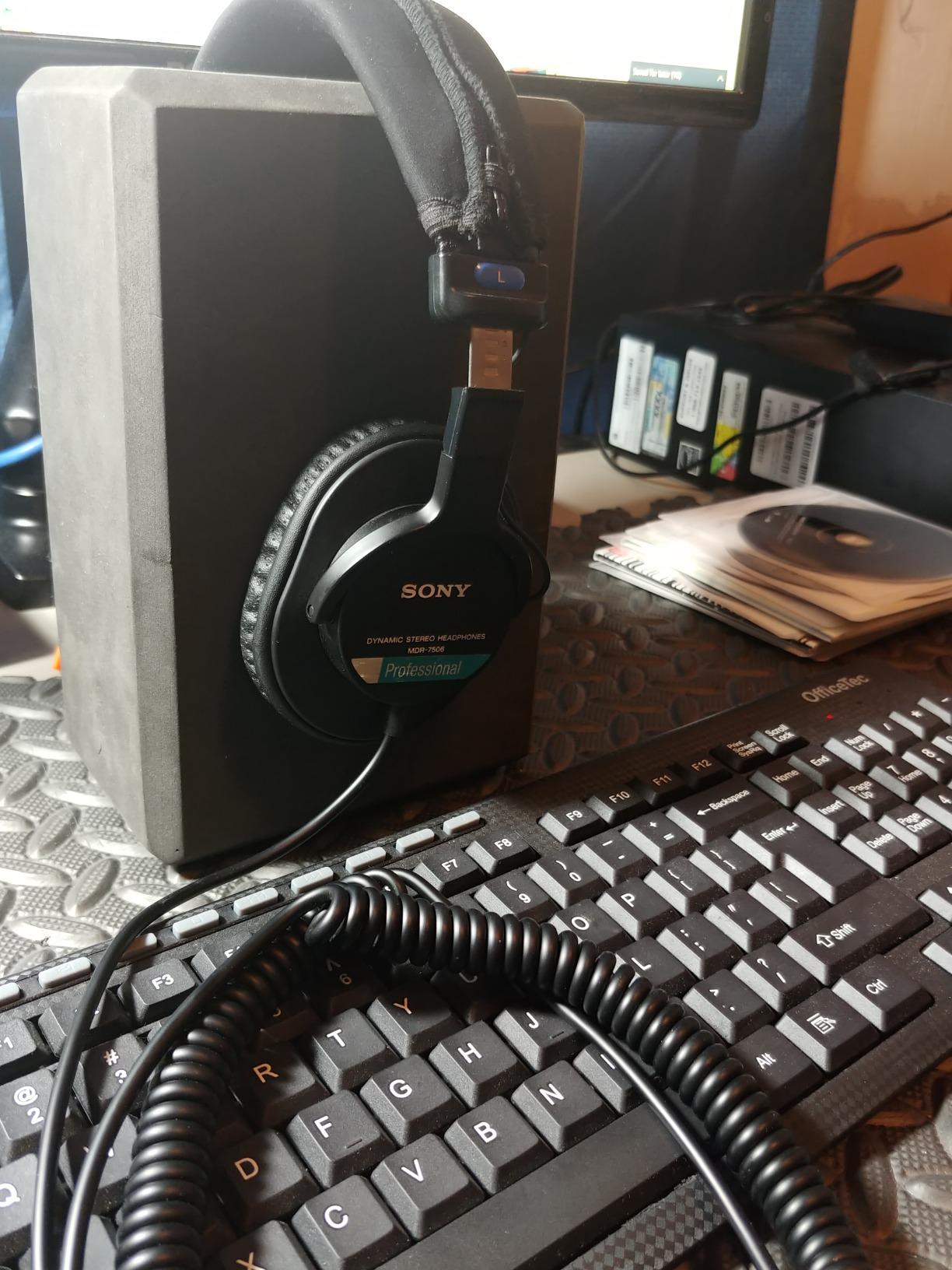
Comfort is where the MDR7506 separates itself from heavier planar magnetic options. At 8 ounces, it disappears on your head after a few minutes, and the closed-ear pads seal well enough for long color sessions without the heat buildup that plagues some leather-bound competitors. The frequency response runs from 10 Hz to 20 kHz — wide enough for film scoring reference, honest enough for dialogue work.
Build quality is the only real compromise. The plastic headband joint can crack under heavy daily use, and the cable is permanently attached, so a yank means soldering or replacement. Ear pads are user-replaceable and inexpensive, though. After 28,000+ reviews averaging 4.7 stars, this is still the safest pair to recommend to any filmmaker who needs one dependable closed-back workhorse.
Best for indie film editors and post-production sound mixers
If you cut indie features or do the dialogue edit yourself, the MDR7506 is the most reliable choice. It translates mixes accurately to consumer speakers and survives travel in a camera bag better than anything else in this price tier.
It’s also the right pair to hand off to a client for a remote approval session. The familiar sound signature means their comments will be informed rather than confused by a colored response curve.
Who should skip it
Planar magnetic purists who want the deepest sub-bass extension for Atmos mixing will want something more resolving. And if you routinely swap cables between an audio interface and a field recorder, the fixed cable will frustrate you.
Traveling boom operators on multi-week shoots may also prefer a detachable cable option for quick field replacement.
2. Audio-Technica ATH-M50x Professional Studio Monitor Headphones — Top Rated
Audio-Technica ATH-M50X Professional Studio Monitor Headphones, Black, Professional Grade, Critically Acclaimed, with Detachable Cable
45mm drivers
38 ohm
Detachable cable
3 cables included
Pros
- Critically acclaimed balanced sound
- Detachable cable with three included options
- 90 degree swivel earcups for one-ear monitoring
- Excellent passive isolation in loud environments
- Solid metal-reinforced build
Cons
- Ear pads can flake and shed over time
- Clamping force tight for smaller heads
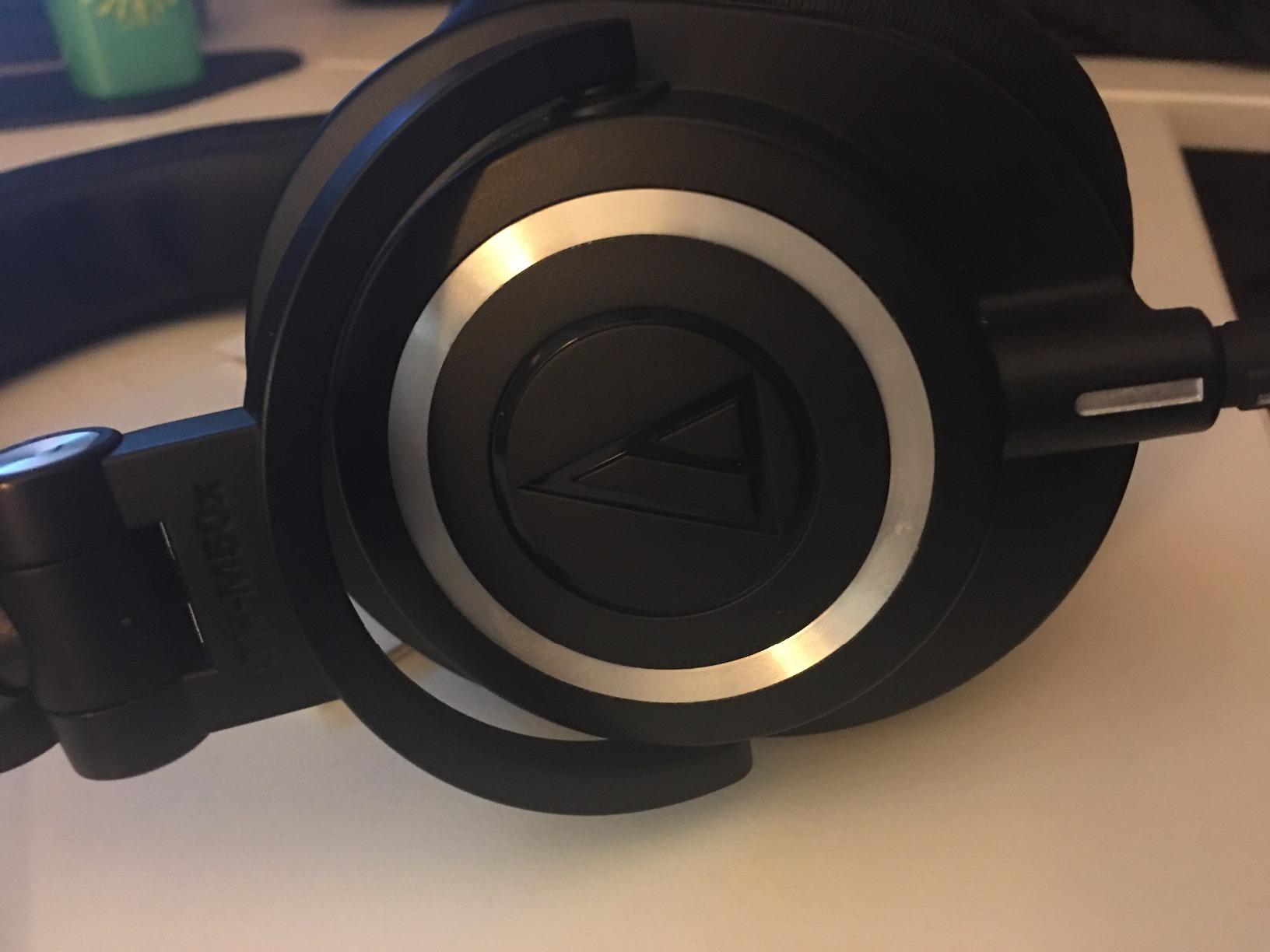
The ATH-M50x is the headphone I see most often hanging in production offices and on DIT carts. With 33,000+ reviews and a 4.7-star average, Audio-Technica’s flagship closed-back has earned its place through sheer consistency. The 45mm drivers with rare earth magnets push a slightly warmer, fuller sound than the Sony MDR7506, which makes it ideal for dialogue editors who want a touch more weight in the chest when cutting VO.
The detachable cable is the headline feature for filmmakers on the move. Three cables ship in the box — a coiled studio cable, a straight short cable, and a long straight cable. That covers every situation from a tight hotel-room edit suite to a sprawling Avid bay. The 38 ohm impedance means you don’t need a dedicated amp; your camera’s headphone output or a portable recorder drives them to safe listening levels.
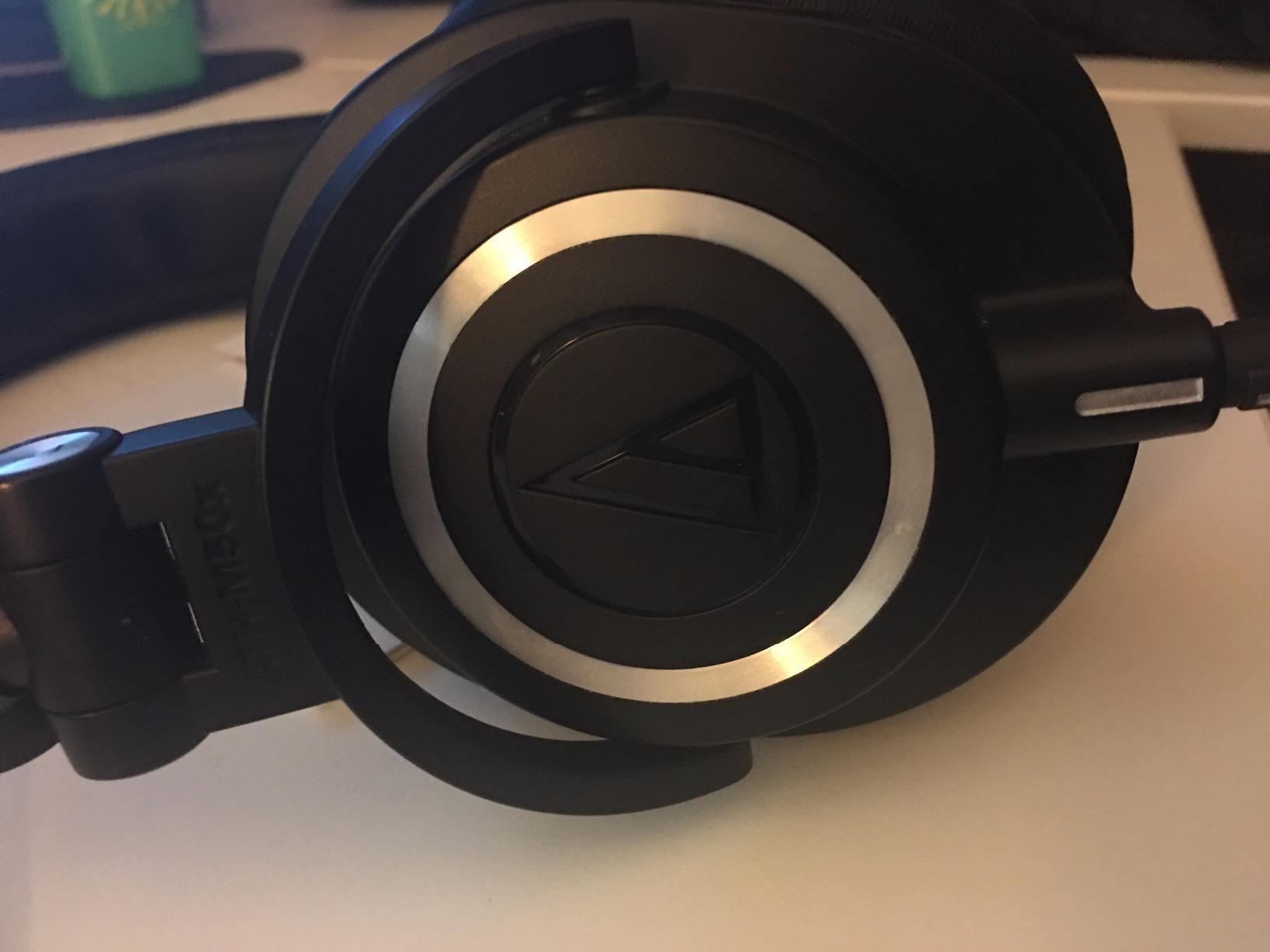
I reach for the M50x when I’m doing one-ear monitoring on set. The 90-degree swiveling earcups let me flip one cup off and listen to the room while still catching program audio — perfect for boom operators who need to keep one ear on the talent. Sound isolation is excellent in loud environments; the circumaural seal cuts more room noise than you’d expect from a pair at this tier.
The downsides are familiar. The pleather ear pads eventually flake and shed, which is annoying in a quiet edit suite. The clamping force feels aggressive out of the box, though it relaxes after a week of break-in. And the non-detachable headband padding material can disintegrate after years of daily use. None of these are dealbreakers — they’re the trade-offs you accept for studio-grade sound at a working filmmaker’s price.
Best for production sound mixers and on-set monitoring
The M50x’s detachable cable and swiveling cups make it the most versatile on-set pick on this list. It handles boom-op duty, playback monitoring for the director, and quick ADR reference checks with equal grace.
For traveling editors, the included coiled cable and folding design fit neatly in a carry-on without adding bulk.
Who should skip it
If you do critical Atmos mixing and need the absolute widest soundstage and imaging precision, the M50x’s warm signature can flatter problematic recordings. Consider a planar magnetic flagship instead.
Users with smaller heads may find the clamp uncomfortable for sessions longer than four hours.
3. beyerdynamic DT 770 Pro 80 Ohm Studio Headphones — Premium Pick
beyerdynamic DT 770 Pro Studio Headphones (80 Ohm, Black)
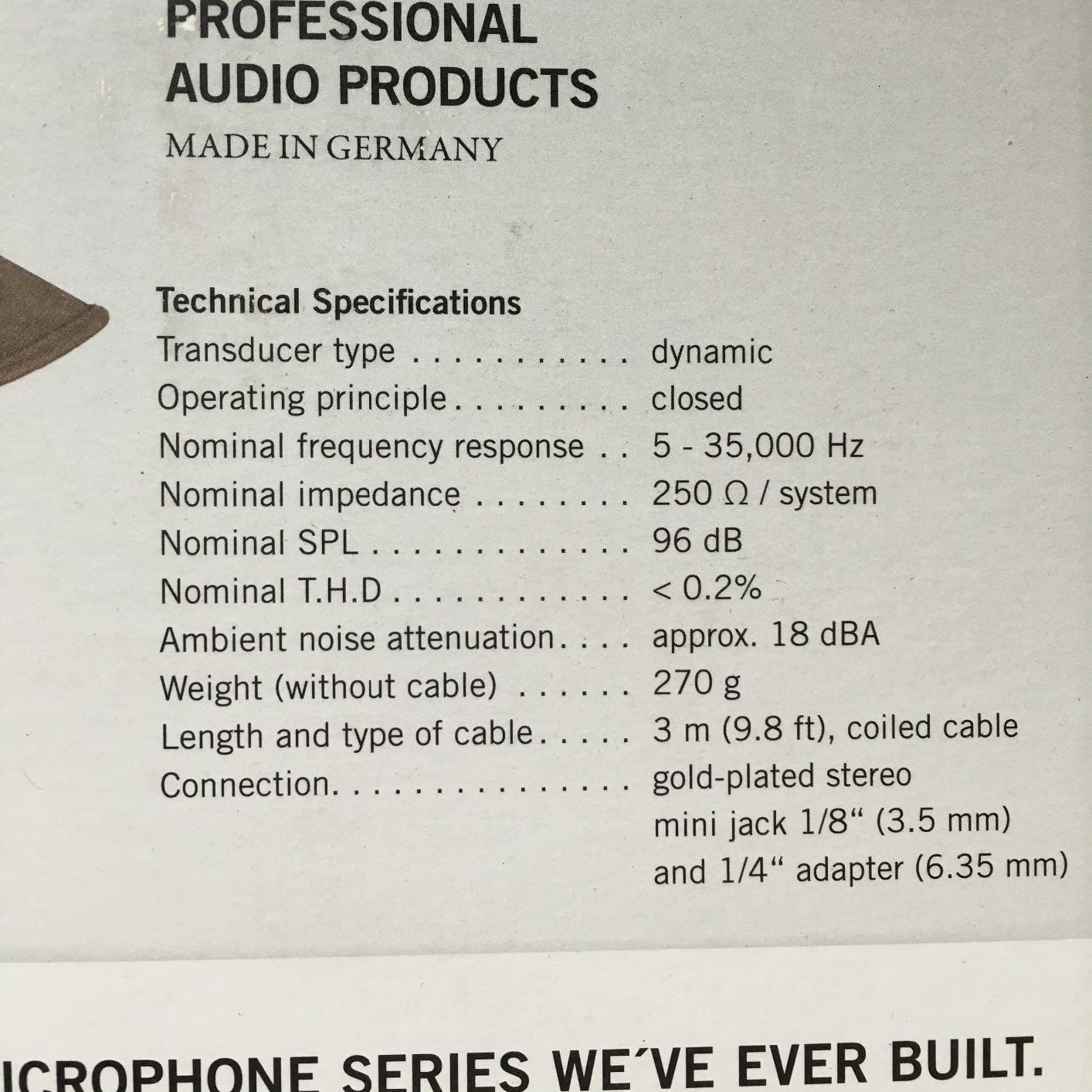
80 ohm
5Hz to 35kHz
Velour pads
Replaceable parts
Pros
- Studio-standard accuracy for vocal tracking
- Plush velour pads for long sessions
- Fully serviceable German build
- Replaceable pads and headband
- Excellent passive isolation with minimal leakage
Cons
- Fixed 3m straight cable
- Bass presence slightly less than competitors
The beyerdynamic DT 770 Pro is the pair I recommend when filmmakers ask me for “the pro studio choice.” The 80 ohm version strikes the right balance for typical recording interfaces — it gets plenty loud from any preamp with headphone output, and the balanced frequency response is the closest you can get to a measurement-grade reference at this tier.
What sets the DT 770 Pro apart for filmmakers is the velour ear pads. They breathe, which sounds like a small thing until you’ve worn leather-bound headphones through a 12-hour color session. The plush circumaural seal is comfortable for the longest edit days, and the bass-reflex ports on the side housings give the low end a slight lift that helps when checking subwoofer-heavy Atmos mixes.
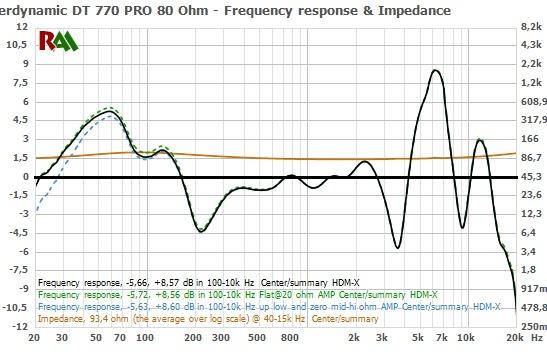
I used the DT 770 Pro 80 Ohm for several months of dialogue editing on a feature and came away impressed with how unforgiving it was. Bad EQ choices revealed themselves immediately; my mixes translated cleanly to the dub stage. Sound isolation is excellent — the closed-back design with the DT 770’s tight seal blocks enough ambient noise that I could work next to a noisy HVAC unit without pulling up the level.
Build quality is German-engineered and fully serviceable. Replacement pads, headbands, and even drivers are available from Beyerdynamic, which means a working pair can last a decade. The fixed cable is the main compromise — at 3 meters, it’s generous for an edit bay but awkward for travel. The 80 ohm impedance does benefit from an interface with a real headphone amp; a laptop output will work but won’t reach max SPL.
Best for film sound designers and post-production reference work
The DT 770 Pro’s accurate midrange and replaceable parts make it the long-term investment pick. It holds calibration over years of use, and you can rebuild it when pads wear out instead of replacing the whole unit.
Mixing for theatrical release or Atmos? This is the reference I trust most at this price.
Who should skip it
If you need a portable rig for travel and quick on-set checks, the fixed cable is a real limitation. Look at the M50x or AKG K371 instead.
Users sensitive to clamping force should budget a few days for break-in before committing to marathon sessions.
4. Sennheiser HD 280 Pro Headphone — Best for Production Sound
Sennheiser HD 280 Pro Headphone, Black
32 dB isolation
64 ohm
Collapsible
Replaceable pads
Pros
- Up to 32 dB of passive noise isolation
- Warm natural sound reproduction
- Replaceable earpads and headband padding
- Collapsible design for compact transport
- Strong value at sub-$100
Cons
- Tight clamping force out of the box
- Stock ear pads feel low-quality
The Sennheiser HD 280 Pro is the unsung hero of location sound kits. With up to 32 dB of passive attenuation from the closed-back design, this is the pair I want on my head when I’m pulling focus in a club scene and the production sound mixer needs to play back takes under crushing ambient noise. The isolation is genuinely class-leading at this price point.
Sound signature is warm and natural — slightly fuller in the low end than the MDR7506, more forgiving than the DT 770 Pro. That makes the HD 280 Pro a forgiving pair for boom operators and production sound mixers who are monitoring takes live rather than mixing for theatrical release. You’re less likely to make a panicked EQ adjustment that you later regret on the dub stage.
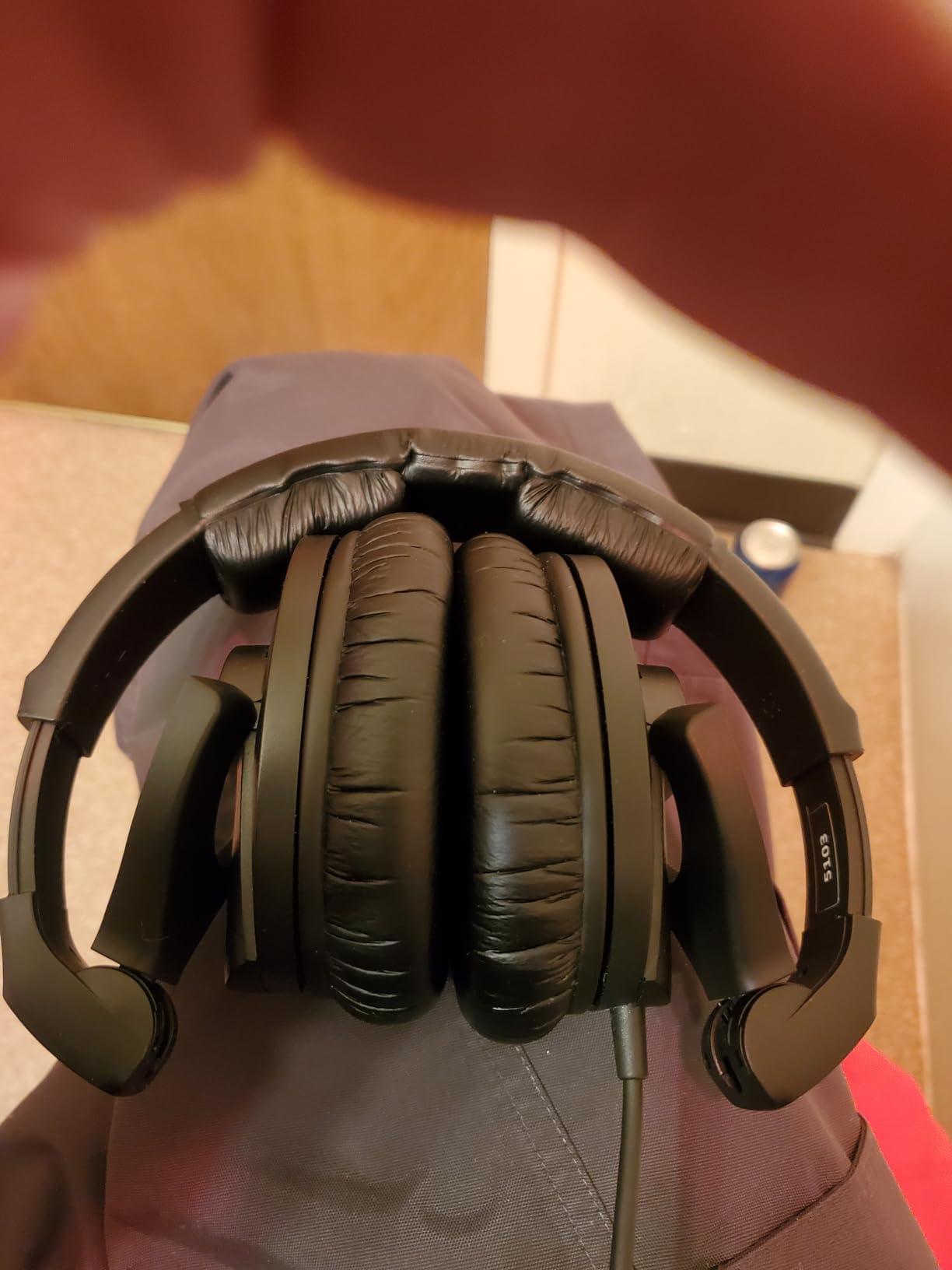
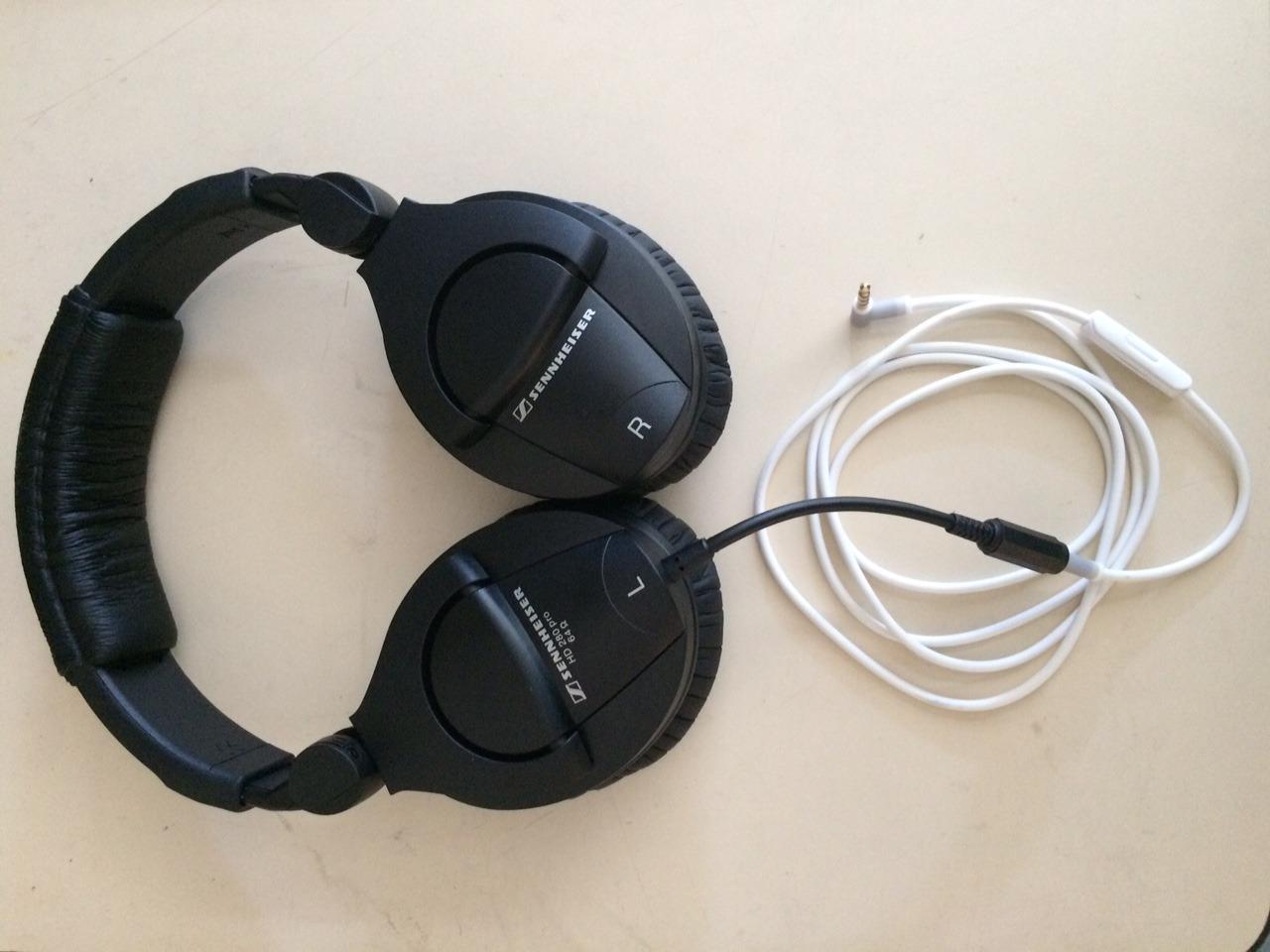
Comfort is the trade-off. The HD 280 Pro clamps hard out of the box — the tight fit is part of why it isolates so well, but you’ll feel it during the first few long sessions. After a week of break-in, the clamping relaxes and the pads settle. The collapsible design is a real benefit for location work; the cups fold flat into a gear bag without adding bulk.
Repairability is the long-term win. The ear pads, headband padding, and cable are all replaceable through Sennheiser’s service network. Production sound crews have been running these as daily drivers for over a decade because the parts keep them alive. The 1.3-pound weight is on the heavier side, but the weight is the price you pay for that impressive isolation.
Best for boom operators and location sound mixers
The 32 dB isolation figure isn’t marketing — the HD 280 Pro genuinely closes out enough ambient noise that you can monitor takes in loud environments without cranking the level. For documentary work, run-and-gun shoots, and concert footage, this is the pair.
Replacement parts are cheap and easy to source, so a working pair can survive years of daily use.
Who should skip it
Long-stint colorists and post-production editors who work 8+ hour sessions in quiet rooms will find the clamp and weight uncomfortable. The AKG K371 or MDR7506 are better all-day choices.
The coiled cable pulls on one side when standing; if you move around a lot during edits, the M50x’s straighter cable is friendlier.
5. Audio-Technica ATH-M20x Professional Studio Monitor Headphones — Best for Indie Creators
Audio-Technica ATH-M20x Professional Studio Monitor Headphones, White
40mm drivers
47 ohm
Enhanced low end
Single-side cable
Pros
- Affordable entry into M-series studio line
- Enhanced low-frequency tuning for bass content
- Lightweight at 261g for extended wear
- Good sound isolation from circumaural design
- Durable build at the price point
Cons
- Non-detachable cable limits longevity
- Plastic build less premium than higher siblings
The Audio-Technica ATH-M20x is the pair I recommend to indie filmmakers who are building their first post-production kit on a tight budget. With 27,000+ reviews and a 4.6-star average, it’s one of the most popular entry-level studio monitors on the market — and for good reason. You get the same Audio-Technica build quality and sound philosophy as the M50x, just without the detachable cable and swiveling cups.
The 40mm drivers with rare earth magnets deliver enhanced low-frequency performance, which is genuinely useful when you’re cutting on consumer laptops and TV speakers. You hear the bass that will actually translate, not the boosted mid-bass hype that masks problems. The 47 ohm impedance plays nicely with any laptop or interface headphone output.
Weight is where the M20x shines. At 261 grams, it’s lighter than almost anything else in this roundup. I wore a pair for a six-hour podcast edit and barely noticed them on my head — a real advantage for solo creators who do their own color, edit, and mix work in marathon sessions. The circumaural design contours around the ears and provides better isolation than you’d expect at this tier.
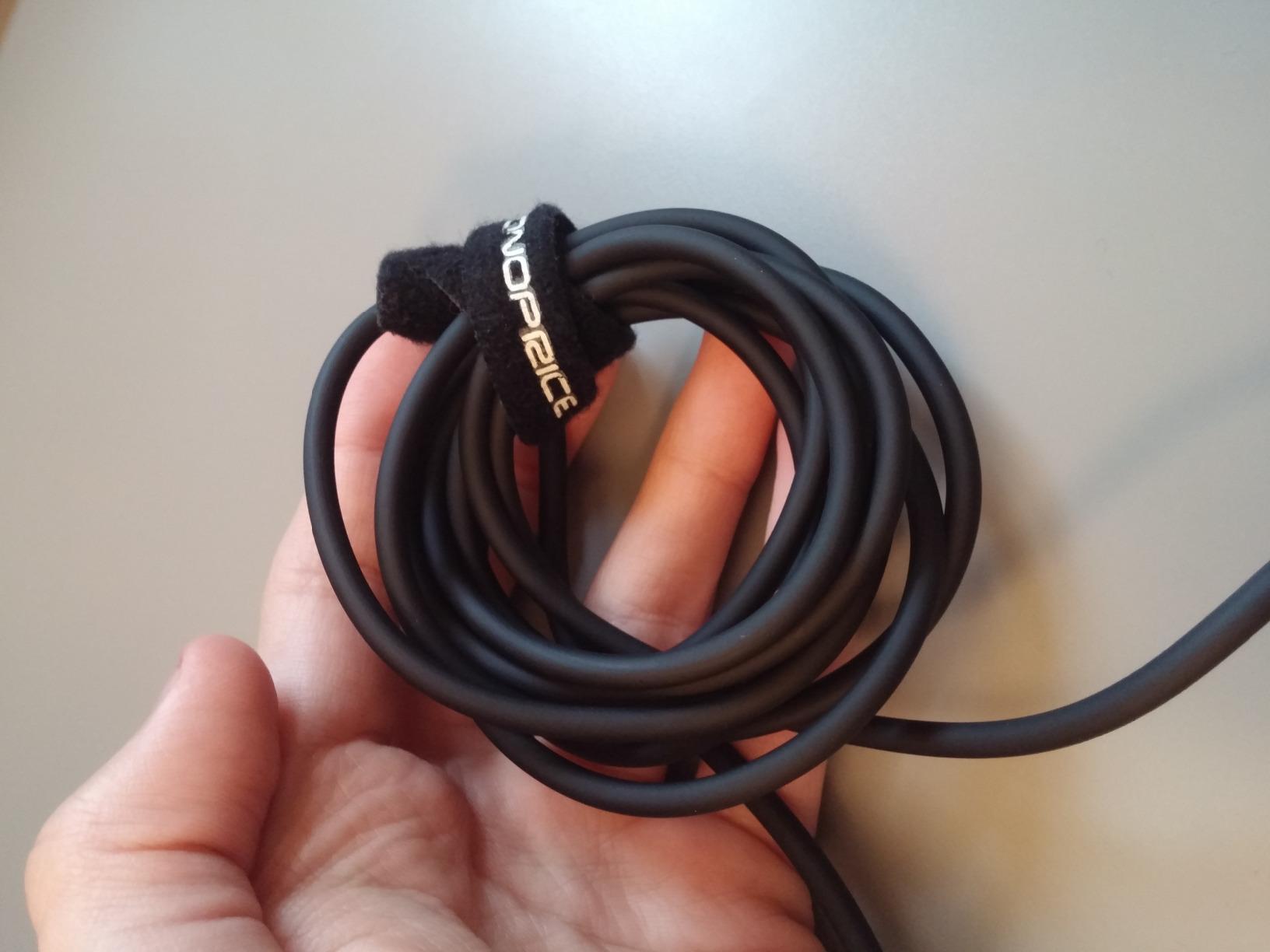
The downsides are the predictable budget compromises. The cable is fixed and exits from one side, which can feel awkward for some setups. The plastic construction doesn’t feel as substantial as the M50x or DT 770 Pro, and you lose the swiveling cups that make one-ear monitoring easier. For the price, though, none of those limitations matter — the M20x is a workhorse that gets the job done.
Best for solo creators and budget-conscious filmmakers
If you’re editing short films, indie features, or documentary work on your own and don’t have a dedicated audio interface, the M20x is the smartest starting point. It delivers honest sound without demanding amplifier investment.
It’s also the right pick for a backup pair that lives in your gear bag — cheap enough to risk on set, good enough to use as a reference.
Who should skip it
Production sound mixers and boom operators who need real isolation will want the HD 280 Pro. Critical mixing for theatrical release demands something more resolving like the DT 770 Pro.
Anyone who needs to swap cables between devices will be frustrated by the fixed cable design.
6. OneOdio Wired DJ Hi-Res Over-Ear Headphones — Budget Pick
OneOdio Wired DJ Hi-Res Over-Ear Headphones for PC, Keyboard Guitar – Black
50mm drivers
32 ohm
Two detachable cables
Share port
Pros
- Exceptional value at sub-$30 price point
- 50mm drivers deliver rich punchy bass
- Two cables included with 3.5mm and 6.35mm plugs
- 90 degree swivel earcups for single-ear DJ use
- Comfortable padded cushions for extended wear
Cons
- Bass-forward signature less suited to critical mixing
- Plastic build less premium than higher tiers
The OneOdio Pro over-ear headphones are the budget wildcard of this roundup. With 77,000+ reviews and a 4.4-star average, they’ve earned a massive following from beginner podcasters, indie musicians, and yes, filmmakers who need a second pair that doesn’t cost much to lose. The 50mm drivers deliver a punchy, bass-forward sound that’s actually useful when you’re checking how your mix translates to earbuds and consumer headphones.
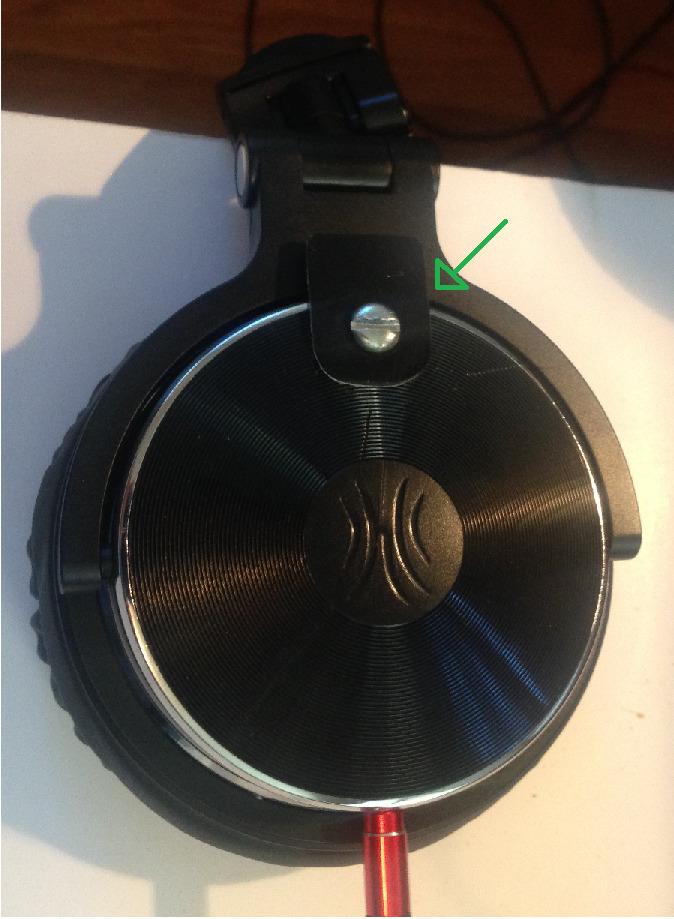
What surprised me about the OneOdio Pro is the cable situation. You get two detachable cables in the box — a 3.5mm and a 6.35mm — plus a share audio port that lets you daisy-chain another pair for monitoring with a partner. For indie filmmakers doing two-person edit sessions or remote director reviews, that share port is a feature you’d usually have to pay three times more to get.
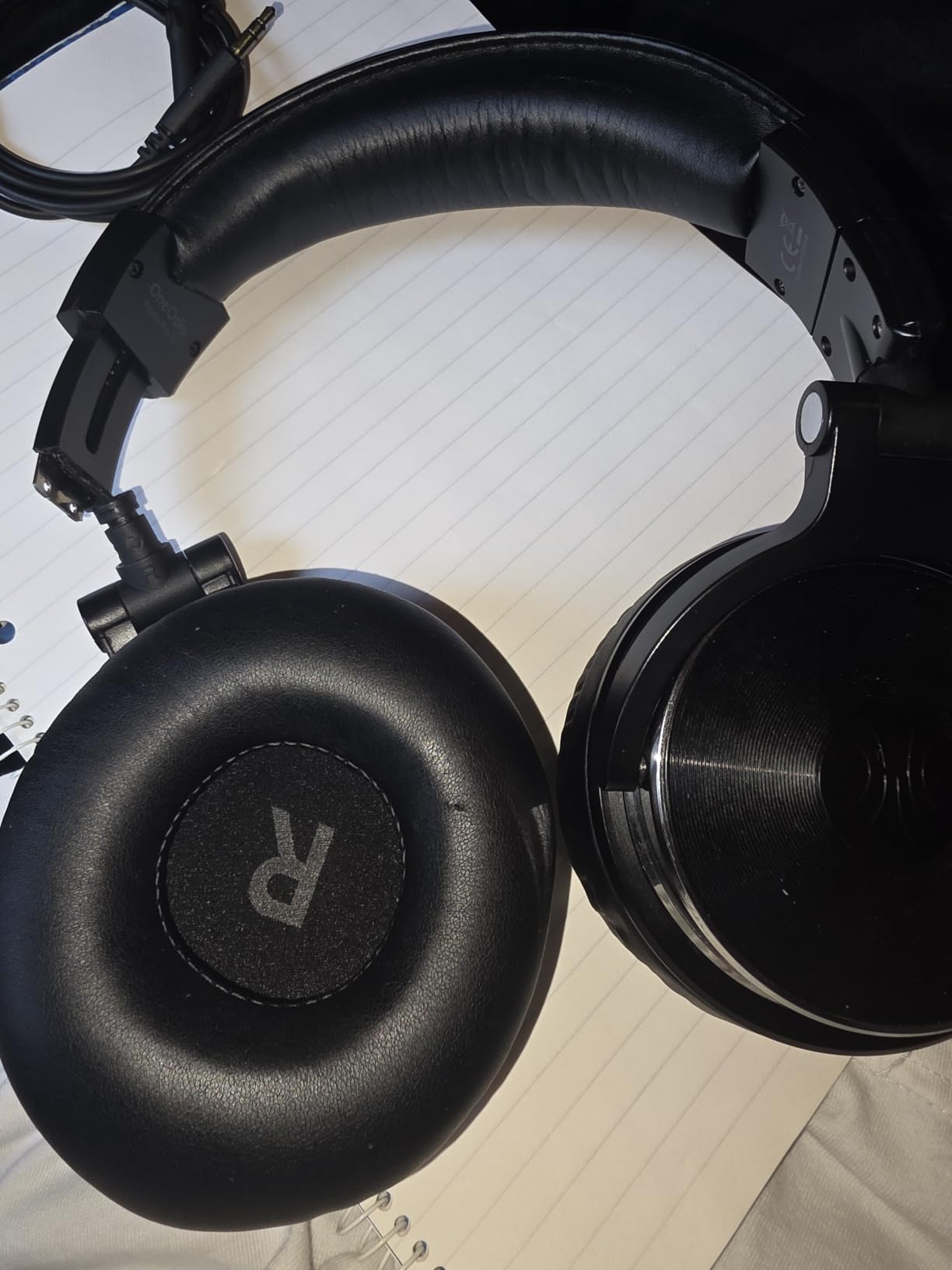
Comfort is decent for the price. The padded cushions are generous, and the 90-degree swiveling earcups make one-ear monitoring possible. At 10.56 ounces, the OneOdio Pro is light enough for multi-hour sessions without noticeable fatigue. The 32 ohm impedance means it drives to full volume from any laptop, phone, or portable recorder.
The compromises are predictable. Bass-forward tuning means critical mix decisions will favor the low end in ways that won’t translate to flat consumer systems. The plastic build doesn’t have the premium feel of the M50x or DT 770 Pro. The stock cables can be fragile with heavy movement. But at sub-$30, this is a perfectly serviceable backup or starter pair for filmmakers working on a tight budget.
Best for budget backup and beginner filmmaker kits
The OneOdio Pro is the right second pair for your gear bag. If your primary headphones fail on a shoot or in an edit session, these get you through without breaking the budget.
It’s also a solid choice for film school students or indie creators building their first kit who need to learn the basics of monitoring without a major investment.
Who should skip it
Sound designers doing critical Atmos work and re-recording mixers need a more accurate reference. The bass-forward signature will hide problems you need to hear.
Production sound mixers on professional sets will want the HD 280 Pro’s proven isolation pedigree.
7. OneOdio A71 Hi-Res Wired Over-Ear Studio Headphones — Best for Portability
OneOdio A71 Hi-Res Wired Over-Ear Studio Headphones for DJ, Mixing – Black
40mm Hi-Res drivers
32 ohm
Foldable
6.6 to 9.8ft coiled cable
Pros
- Hi-Res audio clarity with extended frequency response
- Long coiled cable reaches across any edit suite
- Two cables with 3.5mm and 6.35mm plugs included
- 90 degree swivel cups for single-ear monitoring
- Foldable design for compact travel
Cons
- Stock cables prone to strain at the connectors
- Plastic build less premium than competitors
The OneOdio A71 is the updated successor to the popular Pro-10, and it addresses several of the original’s weaknesses while staying at a budget price. With 17,000+ reviews averaging 4.5 stars, it’s a step up from the OneOdio Pro for filmmakers who want Hi-Res audio tuning in a portable, foldable design.
The 40mm drivers deliver a slightly more balanced sound than the bass-forward OneOdio Pro — closer to a true reference response, which makes the A71 more useful for actual mix decisions. The 32 ohm impedance drives effortlessly from any laptop or audio interface, and the extended 20 Hz to 40 kHz frequency response is overkill for filmmaking but nice to have for film scoring review work.
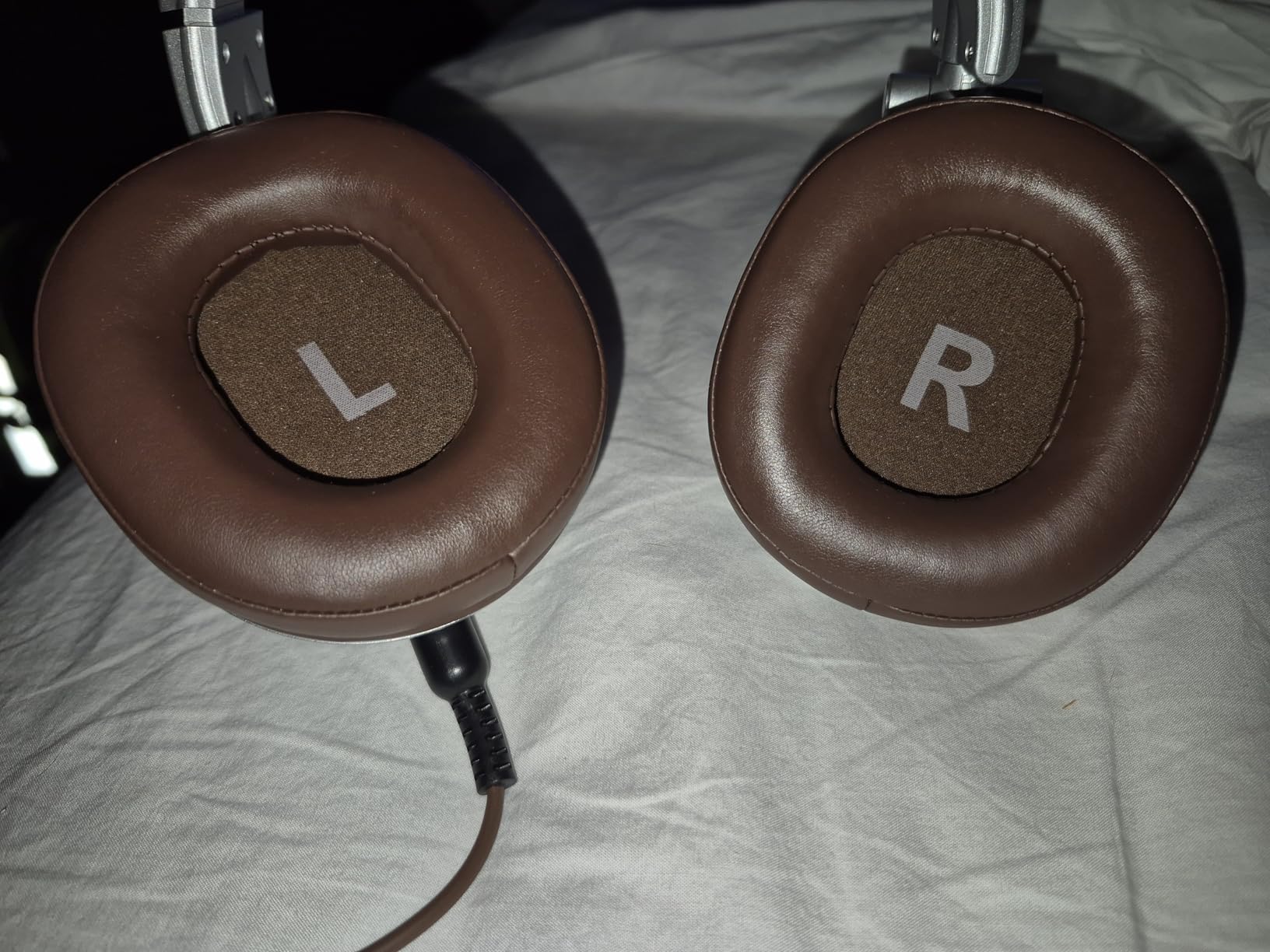
Where the A71 wins for filmmakers is the cable and foldability. The coiled cable extends from 6.6 to 9.8 feet — long enough for any edit suite layout. The folding hinges tuck the cups flat into a bag-friendly footprint. The 90-degree swiveling earcups allow one-ear monitoring for boom operators and dialogue editors.
The compromises are familiar OneOdio territory. The plastic build feels less substantial than the M50x or DT 770 Pro. The stock cables have known strain issues at the connectors, so handle them gently or plan to replace. The bass emphasis is milder than the Pro version but still slightly forward — fine for most filmmaking tasks, less ideal for pure critical mixing.
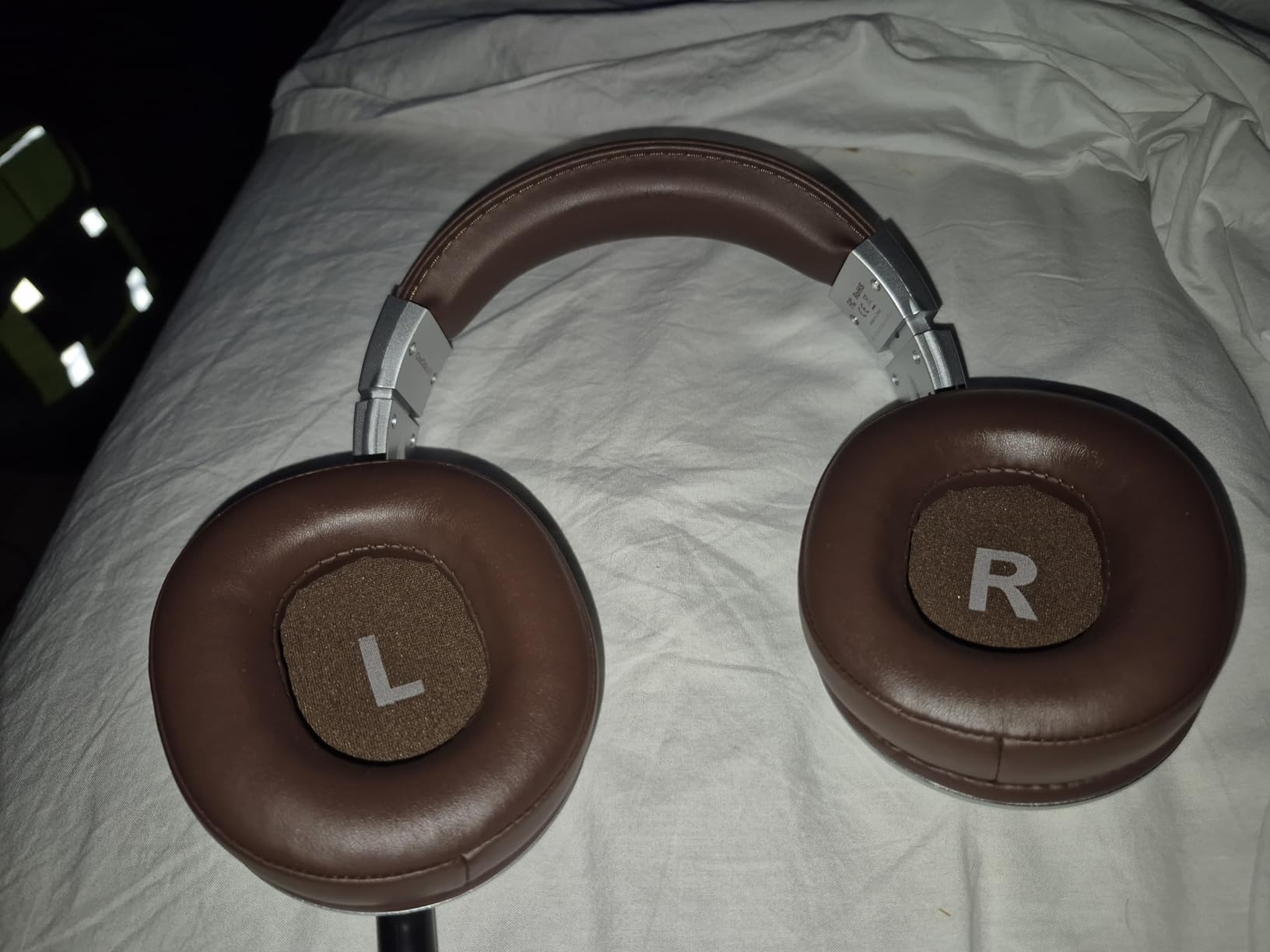
Best for traveling filmmakers and remote edit sessions
The A71’s foldable design and long coiled cable make it the most travel-friendly pair on this list. It folds into a backpack without taking much space and reaches across hotel-room desks with cable to spare.
For documentary filmmakers on extended shoots, the A71 is a reliable daily driver that survives travel better than bulkier options.
Who should skip it
Critical mix engineers and re-recording mixers will want the DT 770 Pro’s accuracy. The A71’s mild bass forwardness will hide subtle problems in the low end.
If cable reliability is mission-critical, plan to buy a third-party cable or upgrade to the M50x.
8. AKG Pro Audio K371 Closed-Back Studio Headphones — Best Value Reference
AKG Pro Audio K371 Wired Over-Ear, Closed-Back, Foldable Professional Recording Studio Headphones, Studio Monitor Mixing, Podcast, DJ Stereo Headsets, Black
50mm titanium drivers
32 ohm
Harman target
Foldable Mini-XLR
Pros
- Harman-tuned neutral reference sound
- Easy to drive at 32 ohms without a dedicated amp
- Lightweight 255g with plush leather pads
- Folds to compact size for travel
- Wide 5Hz to 40kHz frequency response
Cons
- Plastic-heavy build prone to wear over time
- Known QC issues with cable and driver longevity
The AKG K371 is the most accurate headphone on this list for filmmakers who need a true reference sound. The 50mm titanium-coated drivers are engineered to match the Harman target curve — the response profile that acoustic researchers have identified as the most universally preferred tonal balance. For dialogue editors and sound designers who want their mixes to translate to any playback system, the K371 is the right tool.
The 32 ohm impedance and 114 dB sensitivity mean the K371 plays loud from any laptop, phone, or portable recorder without needing an external amp. That’s a real advantage for indie filmmakers editing on the road without a full audio interface setup. The 255-gram weight is light enough for all-day sessions, and the plush leather ear pads provide a comfortable seal.
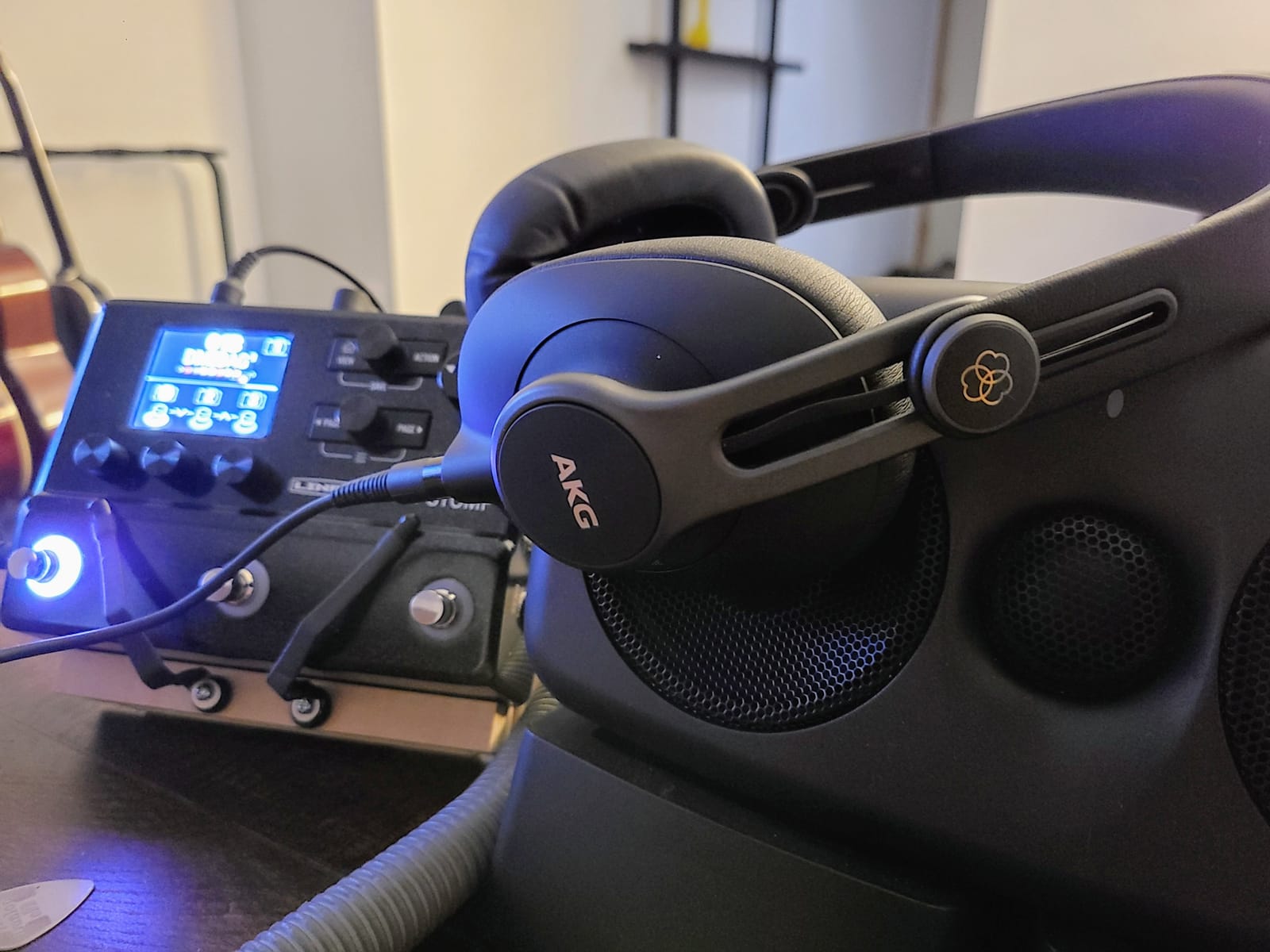
I used the K371 for a tracking session on a documentary and was impressed by how honest the midrange sounded. Bad room reflections in the source recording revealed themselves immediately — exactly what you want in a reference headphone. The closed-back design provides good isolation for a tracking pair, and the oval ear cup shape seals better than round cups for some head shapes.
The trade-offs are around durability. The K371 has known QC issues with cable connections and driver degradation over time. The plastic-heavy hinge mechanism can wear with daily use. The Mini-XLR cable is replaceable, but sourcing a quality third-party cable takes effort. If you need a long-term daily driver, the DT 770 Pro’s replaceable parts give more peace of mind.
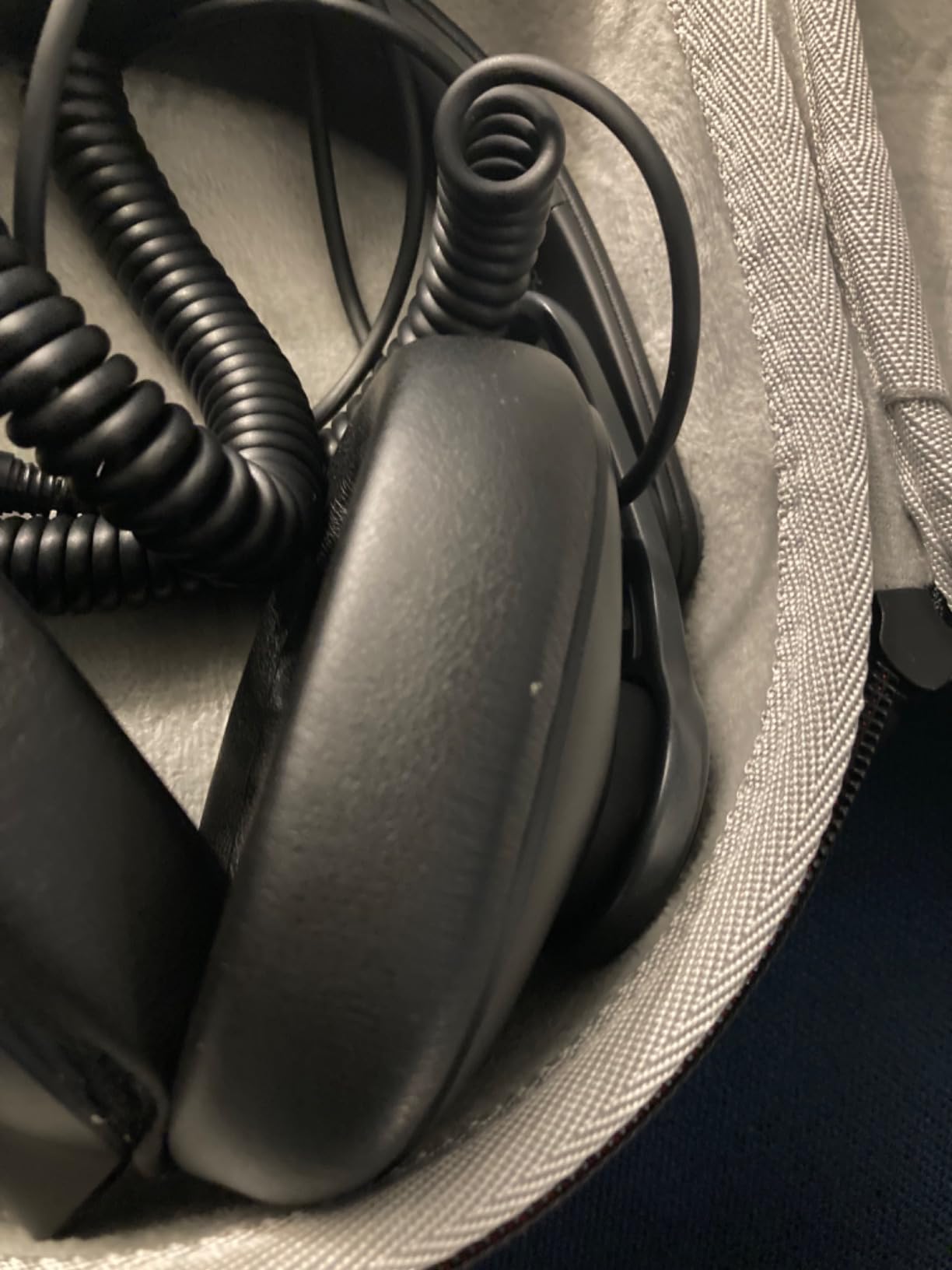
Best for film sound designers and reference mixing
The K371’s Harman-tuned response makes it the most accurate choice for critical listening. If you’re mixing dialogue, ADR, or scoring for a theatrical or streaming release, this is the pair that will tell you the truth about your mix.
It’s also the right pick for colorists who want a headphone reference that matches what consumers hear on properly tuned systems.
Who should skip it
Field production crews who need a daily driver that survives heavy travel should look at the HD 280 Pro or M50x. The K371’s QC issues make it less reliable for run-and-gun use.
Users with glasses may have trouble getting a complete seal with the K371’s ear pads.
Buying Guide: How to Choose Closed-Back Headphones as a Filmmaker
Filmmakers don’t buy headphones the way musicians do. A guitarist needs a flat response for tracking; a re-recording mixer needs accuracy for theatrical translation; a production sound mixer needs raw isolation for noisy sets. The right closed-back pair depends on which job you’re asking it to do. Here’s how to think about the trade-offs.
Match the headphones to the filmmaking role
Production sound mixers and boom operators need isolation first. The Sennheiser HD 280 Pro’s 32 dB attenuation is hard to beat at its price tier, and replacement parts mean a working pair can survive years of daily location work. If you’re running sound on documentaries or run-and-gun shoots, prioritize isolation above all else.
Film editors and dialogue editors need comfort and an honest midrange. The Sony MDR7506 and Audio-Technica ATH-M50x both deliver accurate dialogue reproduction and the comfort to wear for 8+ hour sessions. The M50x’s detachable cable is a plus if you swap between an audio interface and a portable recorder.
Sound designers and re-recording mixers need reference accuracy. The AKG K371’s Harman-tuned response is the most universally preferred tonal balance, while the beyerdynamic DT 770 Pro’s replaceable parts make it the best long-term investment for daily studio use.
Indie creators and solo filmmakers need one pair that does everything acceptably. The Sony MDR7506 remains the safest all-rounder — accurate enough for mixing, isolating enough for casual on-set use, and cheap enough to treat as semi-disposable gear.
Impedance, sensitivity, and whether you need a DAC or amp
Impedance (measured in ohms) tells you how much electrical resistance the headphones present to your source. Low-impedance cans (under 50 ohm) like the AKG K371, OneOdio models, and Audio-Technica ATH-M20x play loud directly from a laptop or phone headphone jack. Mid-impedance models like the Sony MDR7506 (63 ohm) and Sennheiser HD 280 Pro (64 ohm) work with most audio interfaces but benefit from a real headphone amp.
The beyerdynamic DT 770 Pro comes in multiple impedance versions. The 80 ohm version is the sweet spot for typical recording interfaces and laptop outputs — it gets loud enough without demanding a dedicated amplifier. The 250 ohm version requires a proper headphone amp to reach full volume, which is overkill for most indie filmmaker setups.
If you’re editing on a laptop with no audio interface, prioritize low-impedance headphones. If you’re working through an interface with a quality headphone amp, you have more flexibility to use higher-impedance models for their typically better damping and lower distortion.
Comfort and weight for long edit sessions
Comfort is the single most-cited requirement from working editors on r/editors and r/audioengineering. Planar magnetic flagships are accurate but heavy; leather-bound ear pads seal well but trap heat; clamping force that feels fine for an hour becomes torture after six. The lightest pair on this list is the Audio-Technica ATH-M20x at 261 grams, followed by the AKG K371 at 255 grams and the Sony MDR7506 at 8 ounces (227 grams).
Velour pads (like those on the DT 770 Pro) breathe better than leather, which matters for colorists and editors who wear headphones for most of a working day. Replaceable pads are also a real long-term cost factor — every pair on this list except the MDR7506 has user-replaceable pads, and the MDR7506 pads are inexpensive aftermarket parts.
Sound isolation versus sound leakage
Closed-back headphones prevent sound leakage both ways: outside noise stays out, and your program audio stays in. This matters on set, where open-back cans would bleed into dialogue microphones and ruin takes. It also matters in shared edit rooms and home offices where your playback would disturb housemates or coworkers.
The Sennheiser HD 280 Pro is the isolation champion on this list at up to 32 dB of attenuation. The Audio-Technica M50x and beyerdynamic DT 770 Pro are close behind. The MDR7506 and AKG K371 provide solid isolation for typical edit suite noise. None of these are as isolating as active noise-cancelling headphones, but active noise cancellation introduces its own coloration that filmmakers should avoid.
Build quality, repairability, and on-set durability
Filmmakers are harder on their gear than most consumers. Cables get yanked, headphones get tossed in camera bags, and pads wear out from daily use. The beyerdynamic DT 770 Pro and Sennheiser HD 280 Pro are the most repairable pairs on this list — both have user-replaceable pads, headbands, and cables available through manufacturer service networks.
The Audio-Technica M50x has a detachable cable but a non-replaceable headband pad that can degrade over time. The Sony MDR7506 has the famous fixed cable that frustrates many users, but the rest of the build holds up well. Planar magnetic flagships are accurate but heavier and more fragile than the dynamic-driver workhorses favored by working sound crews.
The two-pair strategy many filmmakers actually use
One thing the competitor roundups miss is that working filmmakers often use two pairs of headphones for two different jobs. A common setup is one workhorse pair for tracking and on-set monitoring (the MDR7506 or HD 280 Pro) and a more resolving reference pair for editing and mixing (the AKG K371 or DT 770 Pro). The tracking pair survives travel and forgives bad room reflections; the reference pair tells you the truth about your mix.
If your budget allows, splitting across two pairs gets you more capability than a single mid-tier flagship. The MDR7506 for the gear bag and the K371 for the edit bay is a classic combination used by indie filmmakers and small post houses.
For more gear recommendations tailored to indie production, check out our best laptops for filmmakers guide and our roundup of best tripods for video. If you’re focused on audio capture rather than monitoring, our best closed-back headphones for field sound recording and best closed-back headphones for editing guides cover those workflows in more depth.
Frequently Asked Questions
What are the best closed-back headphones for studio recording?
The best closed-back headphones for studio recording are the Audio-Technica ATH-M50x for versatility, the beyerdynamic DT 770 Pro 80 Ohm for accuracy, and the Sony MDR7506 as an affordable industry standard. The M50x offers a detachable cable and 90-degree swiveling earcups for one-ear tracking, while the DT 770 Pro delivers the most balanced frequency response for vocal work and the MDR7506 is the trusted workhorse found in post houses worldwide.
What headphones do filmmakers use?
Filmmakers typically use one of two pairs of closed-back headphones depending on their role. Production sound mixers and boom operators gravitate to the Sennheiser HD 280 Pro for its 32 dB passive isolation and replaceable parts. Film editors, dialogue editors, and post-production sound mixers use the Sony MDR7506, Audio-Technica ATH-M50x, or beyerdynamic DT 770 Pro for accurate midrange and long-session comfort. Many working filmmakers keep two pairs: one workhorse for on-set monitoring and one reference pair for the edit bay.
What is the 60-60 rule for headphones?
The 60-60 rule for headphones recommends listening at no more than 60 percent of maximum volume for no more than 60 minutes at a time, followed by a short break. The rule protects hearing over years of daily headphone use, which is especially important for filmmakers who spend 8+ hours a day editing or mixing on headphones. Most audio professionals also take a longer break every two to three hours to let their ears recalibrate.
What headphones do professional studios use?
Professional studios use a mix of industry-standard and reference-tier closed-back headphones. The Sony MDR7506 is the most widely deployed workhorse, found in nearly every post-production house and broadcast facility. For critical mixing and mastering, studios rely on the beyerdynamic DT 770 Pro, Sennheiser HD 600 series, AKG K371, and Audeze LCD-XC for planar magnetic reference work. Many studios mix on multiple pairs to check translation across different playback signatures.
Final Recommendation
Choosing the best closed-back headphones for filmmakers in 2026 comes down to the job you’re asking them to do. For most indie filmmakers and post-production editors, the Sony MDR7506 remains the safest Editor’s Choice — it’s the industry-standard workhorse trusted by every post house, comfortable enough for all-day sessions, accurate enough for honest mix decisions, and priced for working budgets. Pair it with the Audio-Technica ATH-M50x as a versatile second pair, and you have a kit that handles everything from on-set playback to final mix review.
If you work in production sound or run a location sound kit, the Sennheiser HD 280 Pro’s 32 dB isolation is the right investment. If you’re mixing dialogue or scoring for theatrical release, the beyerdynamic DT 770 Pro 80 Ohm or AKG K371 will give you the reference accuracy you need. And if budget is the primary concern, the OneOdio Pro or Audio-Technica ATH-M20x deliver genuine value without breaking the bank.
For a deeper dive into specific workflows, check out our guides to studio headphones for filmmakers and closed-back headphones for editing. Whatever pair you choose, buy for the role you do most often, and consider adding a second pair to cover the gaps.