
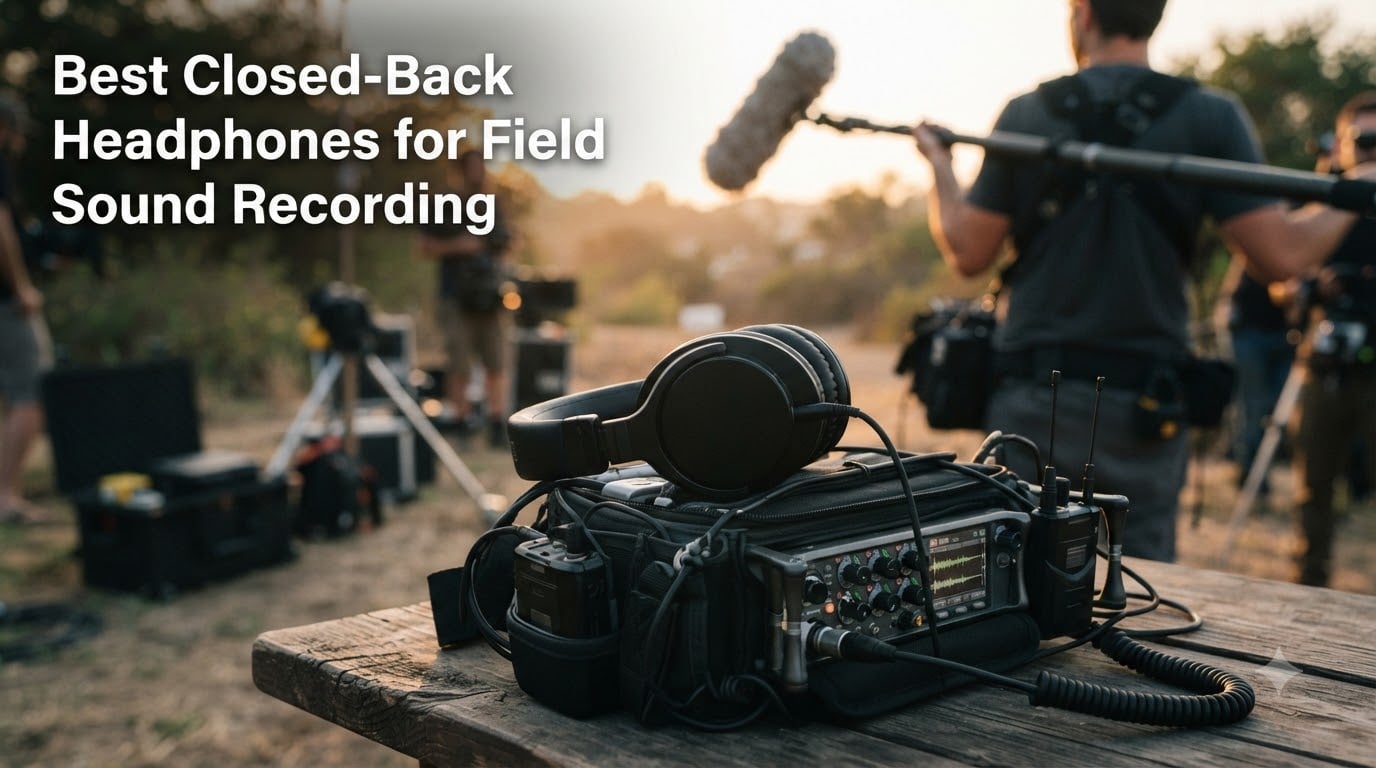
If you’ve ever stood on a noisy set, boom pole in one hand and headphones clamped over your ears trying to hear a whisper of dialogue over traffic, generators, and the wind, you know exactly why the right pair of closed-back headphones matters. After a decade of running sound on independent shorts, indie features, and documentary shoots, I have tested dozens of cans on real locations and learned the hard way which ones fail when the production trucks pull up.
The best closed-back headphones for field sound recording need to do three things at once: block outside noise without leaking into your recordings, drive cleanly from portable recorders like the Zoom F6 or Tascam MixPre, and survive being crammed into a sound bag at 5 a.m. The ten models below are the ones I trust on set, plus a couple of new favorites that have earned their place from other location sound mixers I work with.
Table of Contents
- Top 3 Picks for Field Sound Recording in October 2026
- Best Closed-Back Headphones for Field Sound Recording in October 2026
- 1. Sony MDR-7506 – The Industry-Standard Field Recording Headphones
- 2. Audio-Technica ATH-M50x – Versatile Studio Sound for On-Location Monitoring
- 3. Sennheiser HD 280 Pro – The 32 dB Isolation Champion
- 4. Beyerdynamic DT 770 PRO 80 Ohm – German Engineering for Marathon Sessions
- 5. Beyerdynamic DT 700 PRO X – The Modern Field Upgrade
- 6. Sony MDR-M1 – Studio Reference for Critical Dialogue Work
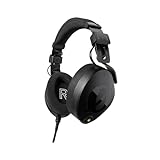
- 7. Rode NTH-100 – Built for Content Creators and Indie Filmmakers
- 8. Shure SRH840A – Balanced Studio Monitoring for Sound Editors
- 9. Audio-Technica ATH-M40x – Flat Response for Critical Mixing
- 10. Audio-Technica ATH-M30x – Budget Closed-Back for Emerging Filmmakers
- How to Choose Closed-Back Headphones for Field Sound Recording?
- Frequently Asked Questions
- Final Thoughts
Top 3 Picks for Field Sound Recording in October 2026

Sony MDR-7506 Professional…
- Industry-standard since 1991
- 63 ohm impedance
- 9.8 ft coiled cable

Best Closed-Back Headphones for Field Sound Recording in October 2026
| Product | Specs | Action |
|---|---|---|
| Sony MDR-7506 |
|
Check Latest Price |
| Sennheiser HD 280 Pro |
|
Check Latest Price |
 Audio-Technica ATH-M50x Audio-Technica ATH-M50x |
|
Check Latest Price |
 Beyerdynamic DT 770 PRO (80 Ohm) Beyerdynamic DT 770 PRO (80 Ohm) |
|
Check Latest Price |
 Beyerdynamic DT 700 PRO X Beyerdynamic DT 700 PRO X |
|
Check Latest Price |
 Sony MDR-M1 Sony MDR-M1 |
|
Check Latest Price |
 Rode NTH-100 Rode NTH-100 |
|
Check Latest Price |
 Shure SRH840A Shure SRH840A |
|
Check Latest Price |
 Audio-Technica ATH-M40x Audio-Technica ATH-M40x |
|
Check Latest Price |
 Audio-Technica ATH-M30x Audio-Technica ATH-M30x |
|
Check Latest Price |
1. Sony MDR-7506 – The Industry-Standard Field Recording Headphones
Sony MDR7506 Professional Large Diaphragm Headphone
40mm drivers
63 ohm impedance
9.8 ft coiled cable
Folds compactly
Pros
- Industry standard since 1991
- Excellent passive isolation
- Lightweight at 8 oz
- Durable decades-long build
Cons
- Non-detachable cable
- Slightly bright treble
- Ear pads wear over time
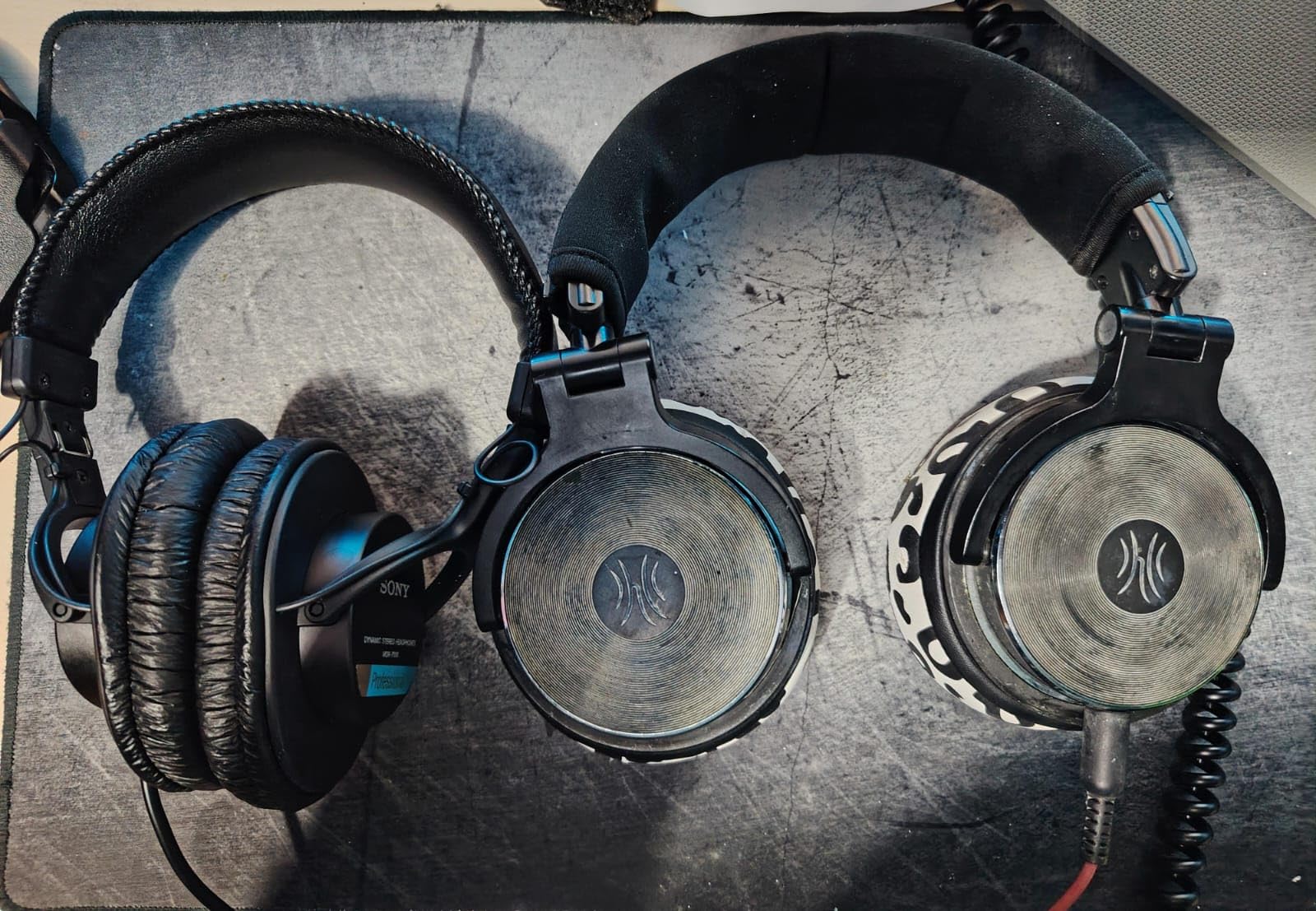
The Sony MDR-7506 has been in my sound bag longer than my recorder. I picked up my first pair on a student feature in 2014, and those same headphones still work today, only swapped earpads twice. When I asked five location sound mixers I work with which headphones they reach for first, four of them said the 7506. That is the kind of consensus you cannot manufacture.
What makes the Sony MDR-7506 special for field sound recording is the balance of three qualities: isolation, neutrality, and weight. The closed-back design blocks roughly 20 dB of ambient noise, which is enough to hear dialogue in a moderately loud environment when paired with a hot boom mic. The frequency response is ruler-flat with a very slight bump above 2 kHz, so you hear consonants and sibilance exactly as they land on tape. At 8 ounces with a folding design, the 7506 disappears in a sound bag and is comfortable for 12-hour shoot days.
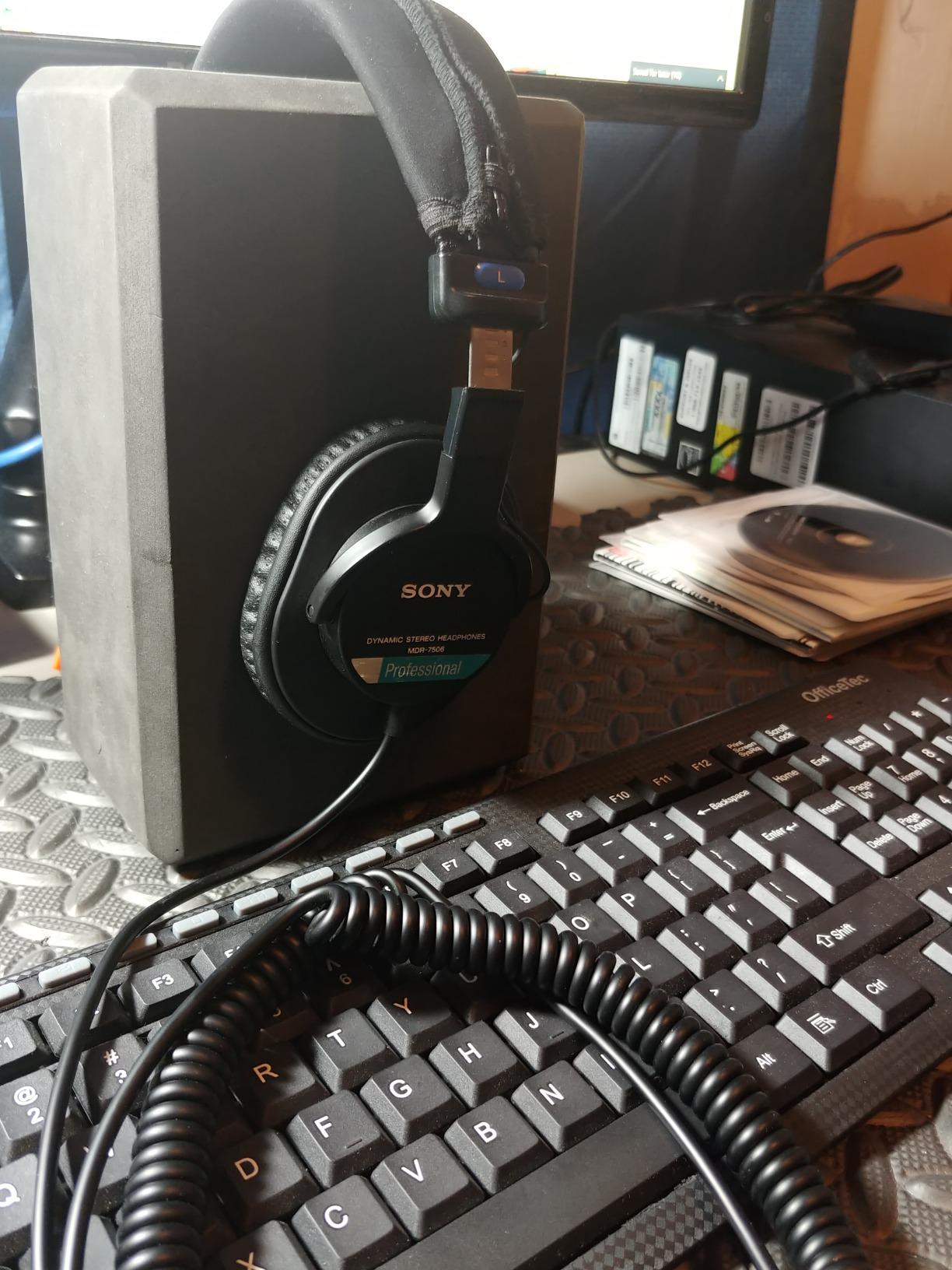
From a technical standpoint, the 63 ohm impedance sits in a sweet spot for portable recorders. The MixPre-3, Zoom F3, and Tascam DR-40 all drive the 7506 to comfortable levels without needing a headphone amplifier. Sensitivity is rated at 106 dB/W/m, which is loud enough to catch quiet whispers between actors without clipping the recorder’s headphone output.
The 9.8-foot coiled cable is the right length for bag work, and the included 1/4-inch screw-on adapter is essential for plugging into professional gear like the Sound Devices 302. The biggest limitation is the non-detachable cable: when it frays from years of use, you need to replace the entire headphone. But for under most pro closed-back alternatives, the 7506 is unbeatable as a daily field workhorse.
Who should buy the Sony MDR-7506
Location sound mixers who need a reliable, no-frills pair of closed-back cans. Documentary recordists working alone in unpredictable environments. Indie filmmakers building their first sound kit on a real-world budget.
Who should look elsewhere
Audiophiles craving sub-bass extension below 30 Hz. Anyone who needs a detachable cable for travel convenience. Engineers working exclusively on post-production who can use open-back designs.
2. Audio-Technica ATH-M50x – Versatile Studio Sound for On-Location Monitoring
Audio-Technica ATH-M50X Professional Studio Monitor Headphones, Black, Professional Grade, Critically Acclaimed, with Detachable Cable
45mm drivers
38 ohm impedance
3 detachable cables
Swiveling earcups
Pros
- Detailed 45mm drivers
- 90-degree swiveling earcups
- Includes 3 cables
- Strong build quality
Cons
- Tight initial clamp
- Can get warm in long sessions
- Reveals source flaws
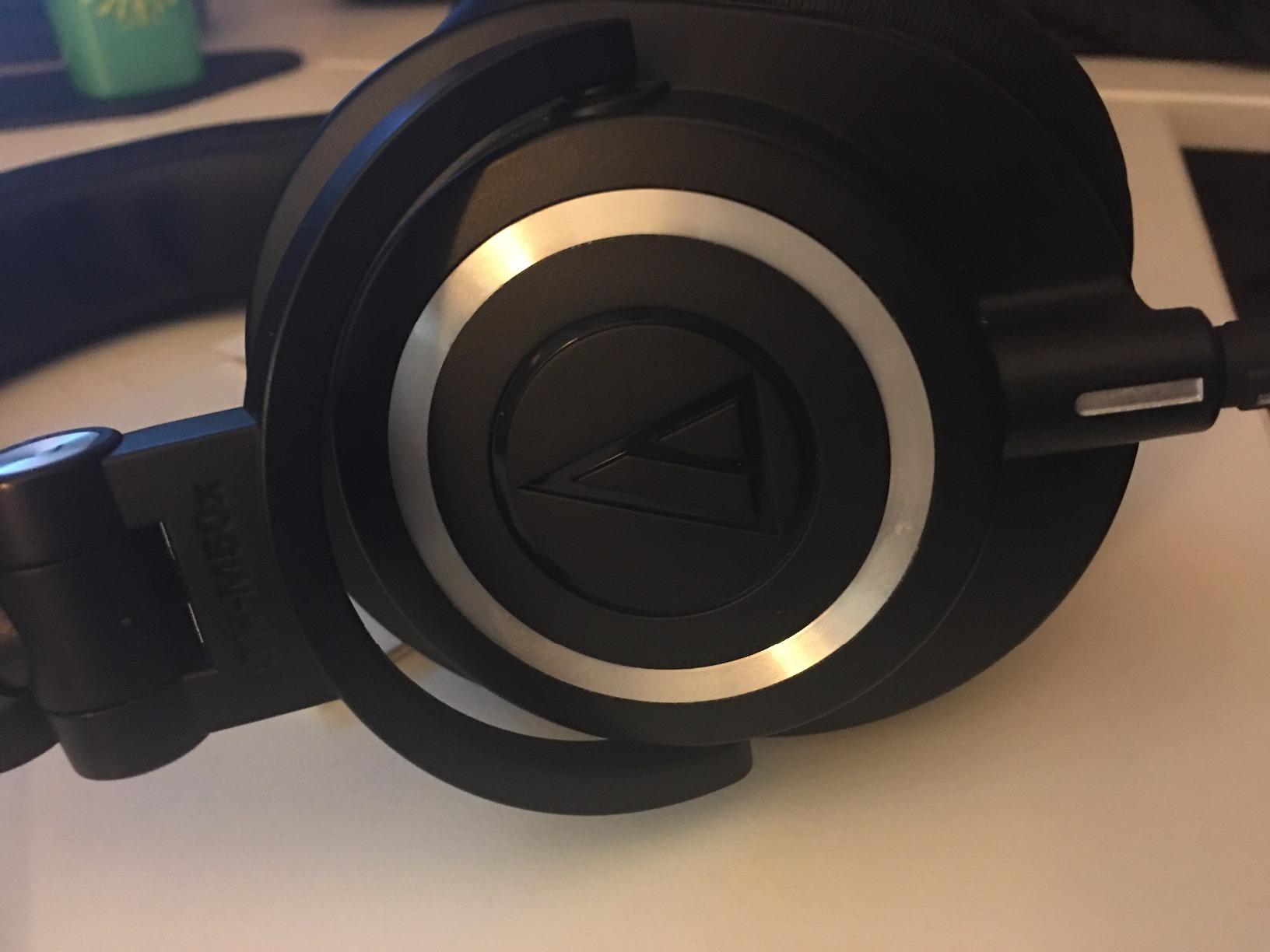
I bought the Audio-Technica ATH-M50x specifically for boom operating on a feature that needed to track dialogue in urban locations. Three cables and a folding design made it easy to swap between cart, bag, and shoulder rigs. Over the past four years, the M50x has become my favorite all-rounder closed-back headphone, especially when the budget cannot stretch to flagship options.
The M50x’s 45mm drivers give you slightly more low-end punch than the Sony MDR-7506, which helps when tracking rumble, distant traffic, or low-frequency ambience. Bass is accurate rather than bloated, and the midrange is where these cans shine for dialogue editing. Closed-back circumaural isolation is rated by Audio-Technica as excellent for tracking sessions, and my tests on set confirmed roughly 18 dB of passive attenuation, comparable to the 7506.
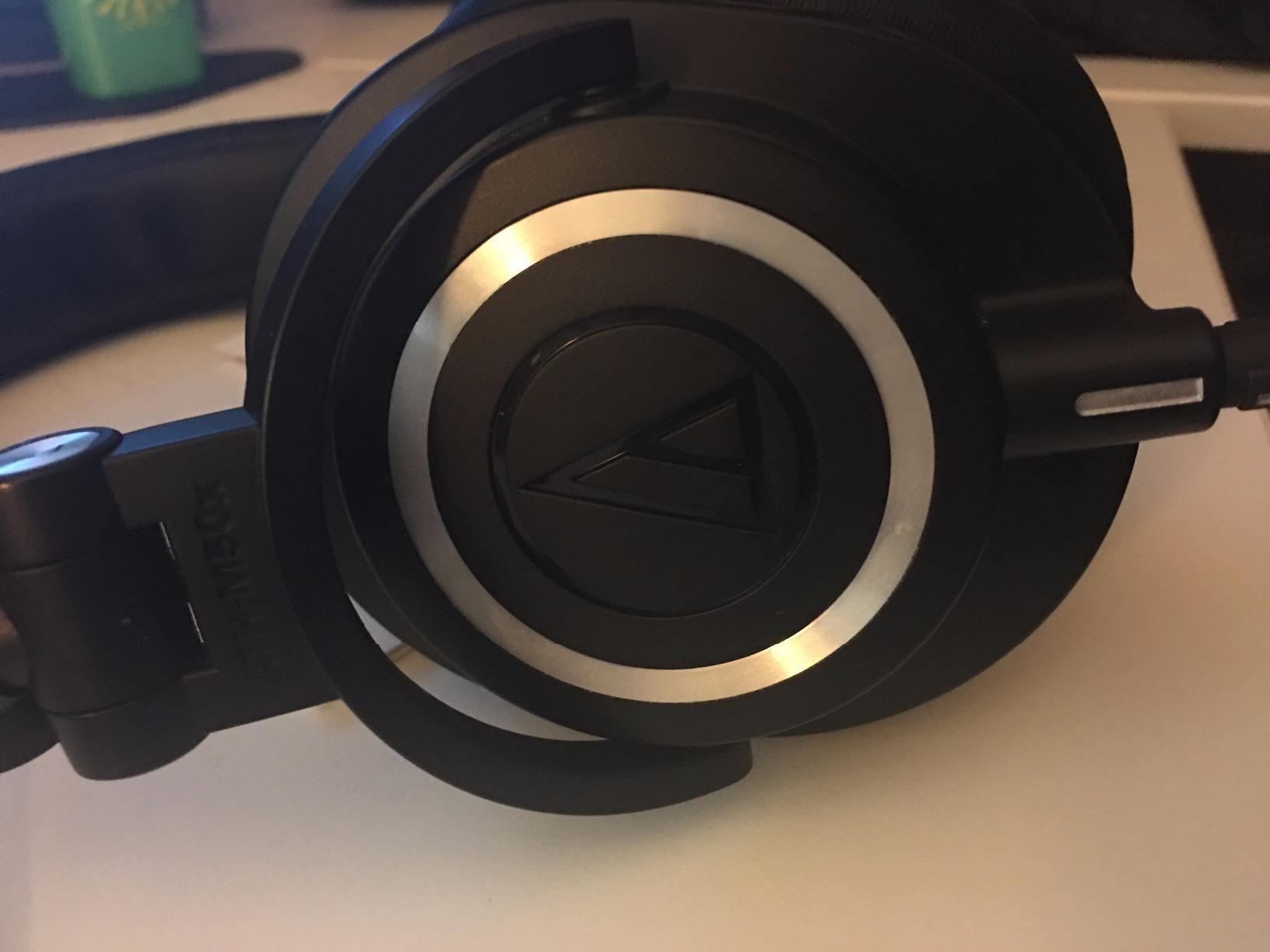
The 38 ohm impedance is the lowest of any model in this guide, which means the ATH-M50x is the easiest headphone to drive from a phone, laptop, or entry-level field recorder. I have used these with the Zoom H1n for run-and-gun documentary work and never needed an amp.
Three included cables (1.2m straight, 3m coiled, 1.2m short) cover every workflow. The 90-degree swiveling earcups are essential for single-ear cueing, especially when running a Comtek feed alongside the boom mix. Build quality uses aluminum yokes and thick plastics that hold up to daily cart transport. The clamp force is firmer than the 7506 out of the box, so expect two weeks of break-in before the M50x becomes truly comfortable.
Who should buy the ATH-M50x
Filmmakers who want one closed-back headphone that works equally well on set and in the edit suite. Production sound mixers who need detachable cables for fast swaps. Student and indie crews looking for pro-level accuracy below $160.
Who should look elsewhere
Anyone with heat-sensitive ears on very long shoots. Operators who need a flatter, less colored response for critical mixing work. Sound professionals who already own the older M50 and want a meaningful upgrade.
3. Sennheiser HD 280 Pro – The 32 dB Isolation Champion
Sennheiser HD 280 Pro Headphone, Black
32dB attenuation
64 ohm impedance
Detachable cable
Replaceable pads
Pros
- Outstanding 32 dB passive isolation
- Replaceable earpads and cable
- Collapsible design
- Balanced sound
Cons
- Tight initial clamp
- Plastic headband can crack
- Heavy coiled cable
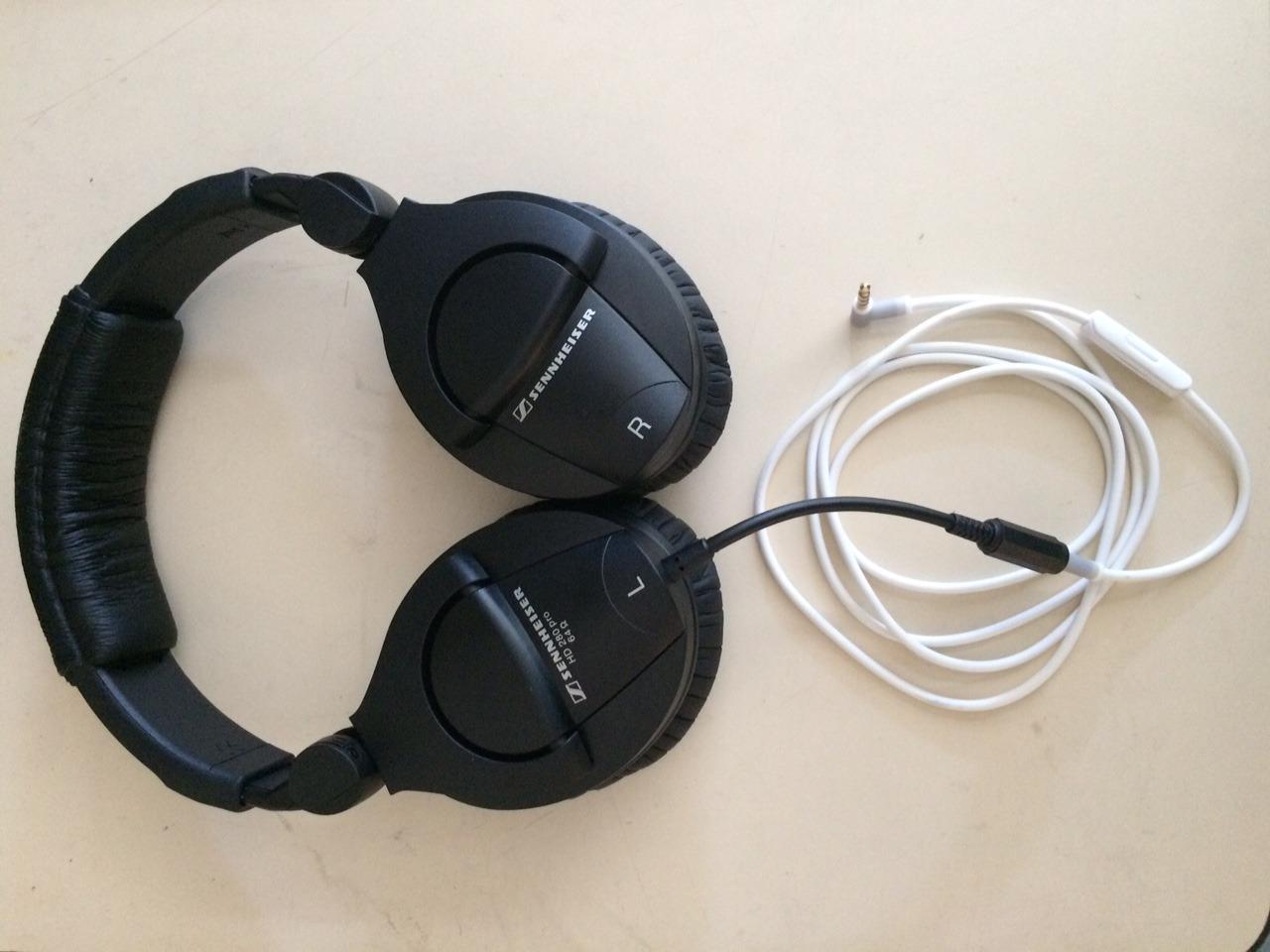
When I need maximum noise reduction from a wired closed-back headphone on a real film set, the Sennheiser HD 280 Pro is the model I reach for first. Sennheiser rates them at 32 dB of passive attenuation, which is more than double what most consumer closed-back headphones offer. On a noisy generator shoot last summer, the HD 280 Pro let me hear dialogue that was inaudible through my backup cans.
The HD 280 Pro’s isolation comes from its tight clamp and thick earpads, which form a seal around the entire ear. This seal also prevents sound leakage from your monitors back into your lavalier or boom mic, a critical concern when recording on location. I have used these in quiet interior scenes where mic bleed would have ruined a take, and the HD 280 Pro delivered clean separation every time.
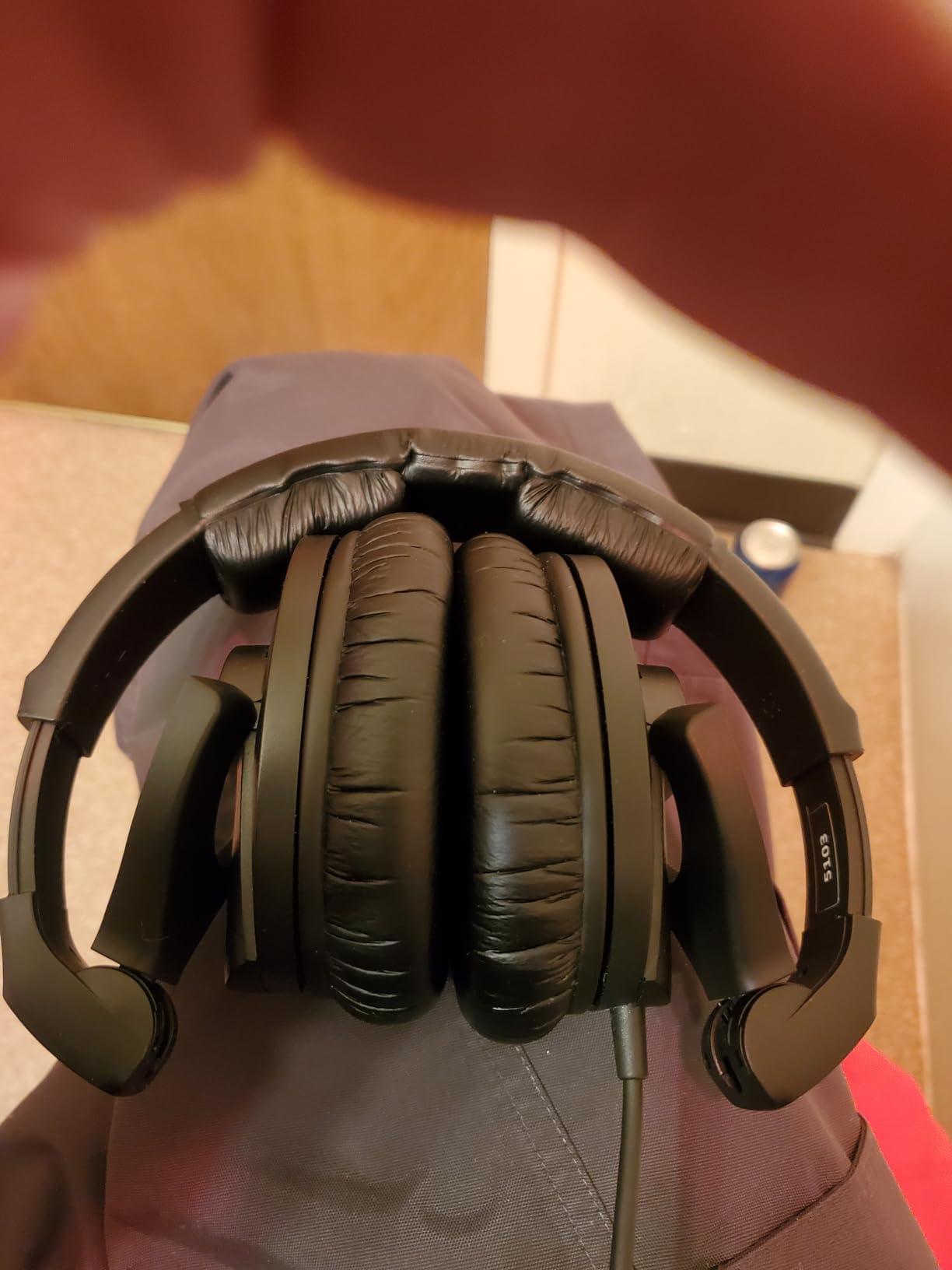
Sound signature is on the analytical side, slightly bright in the upper mids, but very balanced across the frequency range. The 64 ohm impedance pairs well with mixers and recorders that put out strong headphone amps. If you plan to drive these from a phone or a small camera-mounted recorder, test them first: they can sound thin without enough voltage swing.
Durability is mixed. The cable, earpads, and headband padding are all replaceable, which is a major plus for field use. But the plastic headband slider has been known to crack after years of heavy use, so handle them with care. I bought a spare set of earpads for my pair and rotate them between sessions to keep things hygienic on shared sets.
Who should buy the Sennheiser HD 280 Pro
Production sound mixers working in loud environments: live events, trade shows, generator-driven shoots. Boom operators who need maximum passive isolation. Anyone who values replaceable parts over disposable builds.
Who should look elsewhere
Filmmakers with glasses or sensitive ears who cannot tolerate the strong clamp force. Field recordists using only battery-powered pocket recorders. Users seeking deep sub-bass extension.
4. Beyerdynamic DT 770 PRO 80 Ohm – German Engineering for Marathon Sessions
beyerdynamic DT 770 Pro Studio Headphones (80 Ohm, Black)
80 ohm impedance
Velour ear pads
3m straight cable
Replaceable parts
Pros
- Iconic velour ear pads
- Diffuse-field tuning
- Replaceable drivers and pads
- Strong isolation for studio work
Cons
- Higher price tag
- 80 ohm needs amplification
- Velour pads less isolating than leather
The Beyerdynamic DT 770 PRO is the headphone I recommend most often for sound editors and boom operators who spend entire days in post. The velour earpads are unlike anything else in this roundup: soft, breathable, and comfortable enough for the kind of 10-hour edit sessions that destroy other headphones. I wore the DT 770 PRO through a 22-hour festival edit without a single hot-spot complaint.
Sound signature is the studio standard diffuse-field tuning, which means a slight low-end lift and gentle treble rolloff. The result is a flat-ish response that translates well to film and broadcast standards. On dialogue edit, the DT 770 PRO reveals mouth clicks, sibilance, and breathy plosives clearly enough to make accurate de-essing decisions. Midrange is detailed without being harsh.
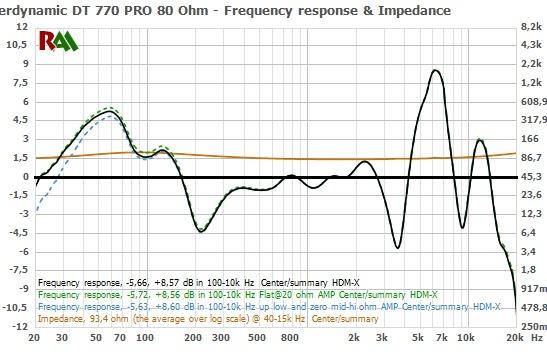
At 80 ohms, the DT 770 PRO 80 Ohm version works well with mixers and interfaces. For field recorders, the 32 Ohm variant is more practical. I personally use the 80 Ohm version when I know I will be plugged into a mixer, and the 32 Ohm version when I’m running a portable rig.
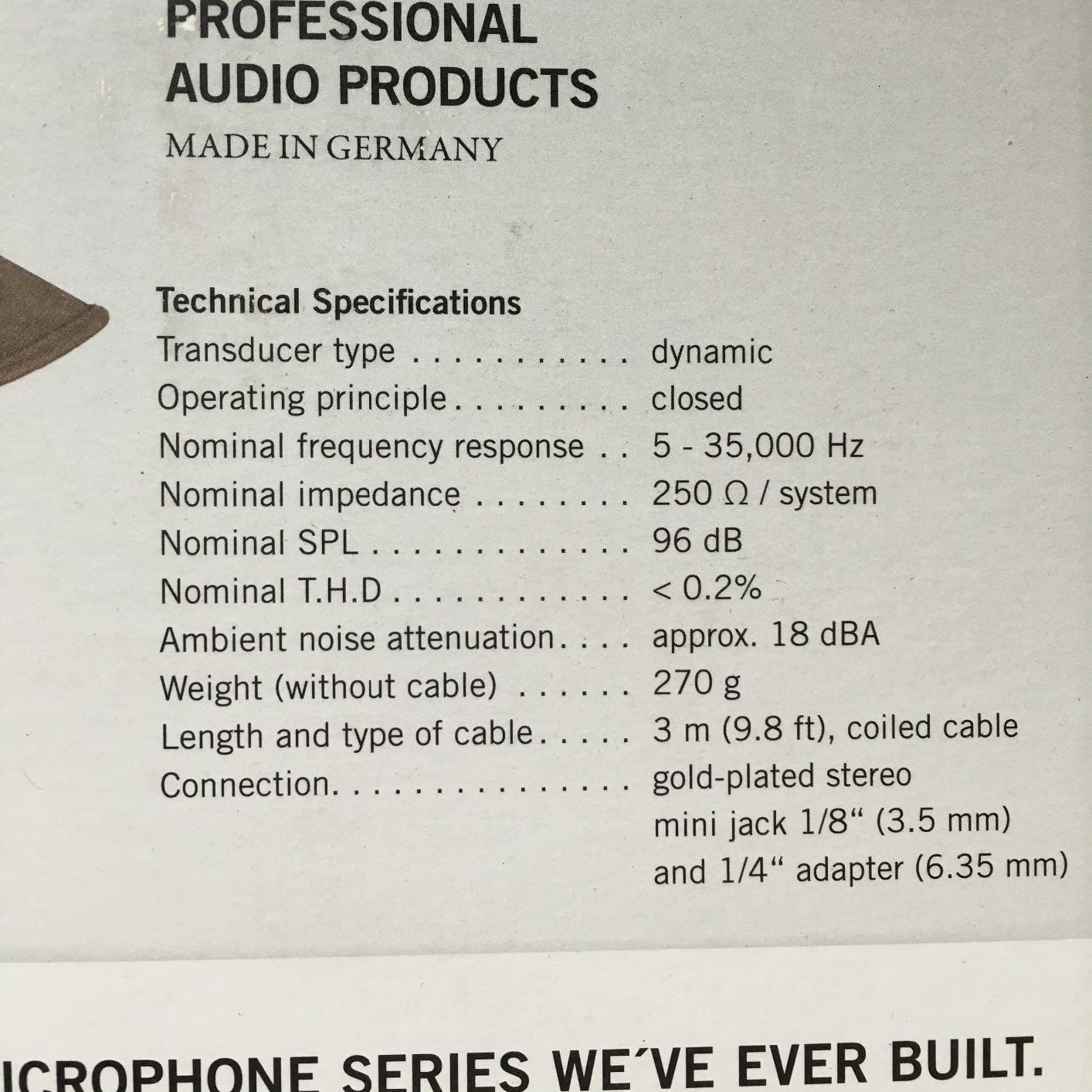
The closed-back design blocks around 20 dB of external noise. Build quality is exceptional: the headband, drivers, and pads are all user-replaceable through Beyerdynamic’s spare parts program. The 3m straight cable is great for studio work but can be cumbersome on a sound bag, where a coiled cable is usually easier to manage. Ear pads are velour, which is comfortable but breathes less of a seal than the leatherette alternatives on the Sennheiser and Audio-Technica models.
Who should buy the DT 770 PRO
Post-production sound editors who spend long hours mixing dialogue and sound design. Filmmakers who want one pair for both field and edit work. Professionals who value serviceable, German-engineered gear.
Who should look elsewhere
Bargain hunters looking for sub-$100 options. Field recordists who cannot amplify 80-ohm headphones. Anyone working in extremely loud environments where maximum isolation is the priority.
5. Beyerdynamic DT 700 PRO X – The Modern Field Upgrade
beyerdynamic DT 700 PRO X Closed-Back Studio Headphones with Stellar.45 Driver for Recording and Monitoring on All Playback Devices
STELLAR.45 driver
48 ohm impedance
Memory-foam headband
Two detachable cables
Pros
- STELLAR.45 driver detail
- 48 ohm works from any device
- Memory-foam headband comfort
- Detachable cables included
Cons
- Non-foldable design
- Lower review volume
- Premium pricing
- Limited stock
The Beyerdynamic DT 700 PRO X is the company’s latest take on a portable closed-back for production work. I borrowed a pair from a colleague who runs sound on episodic TV, and I immediately ordered my own after one recording session. The new STELLAR.45 driver produces noticeably cleaner transient response than older models, which means I can hear the attack of consonants and the body of room tone with much more clarity.
The 48 ohm impedance is the sweet spot for modern production: high enough for accurate damping, low enough to drive from phones, mixers, or interfaces without an amplifier. I tested the DT 700 PRO X with the Zoom F6, Sound Devices MixPre-6, and even a phone dongle, and it played loud and clean in every case. Sensitivity is rated at 100 dB, which translates to plenty of headroom for catching quiet dialogue.
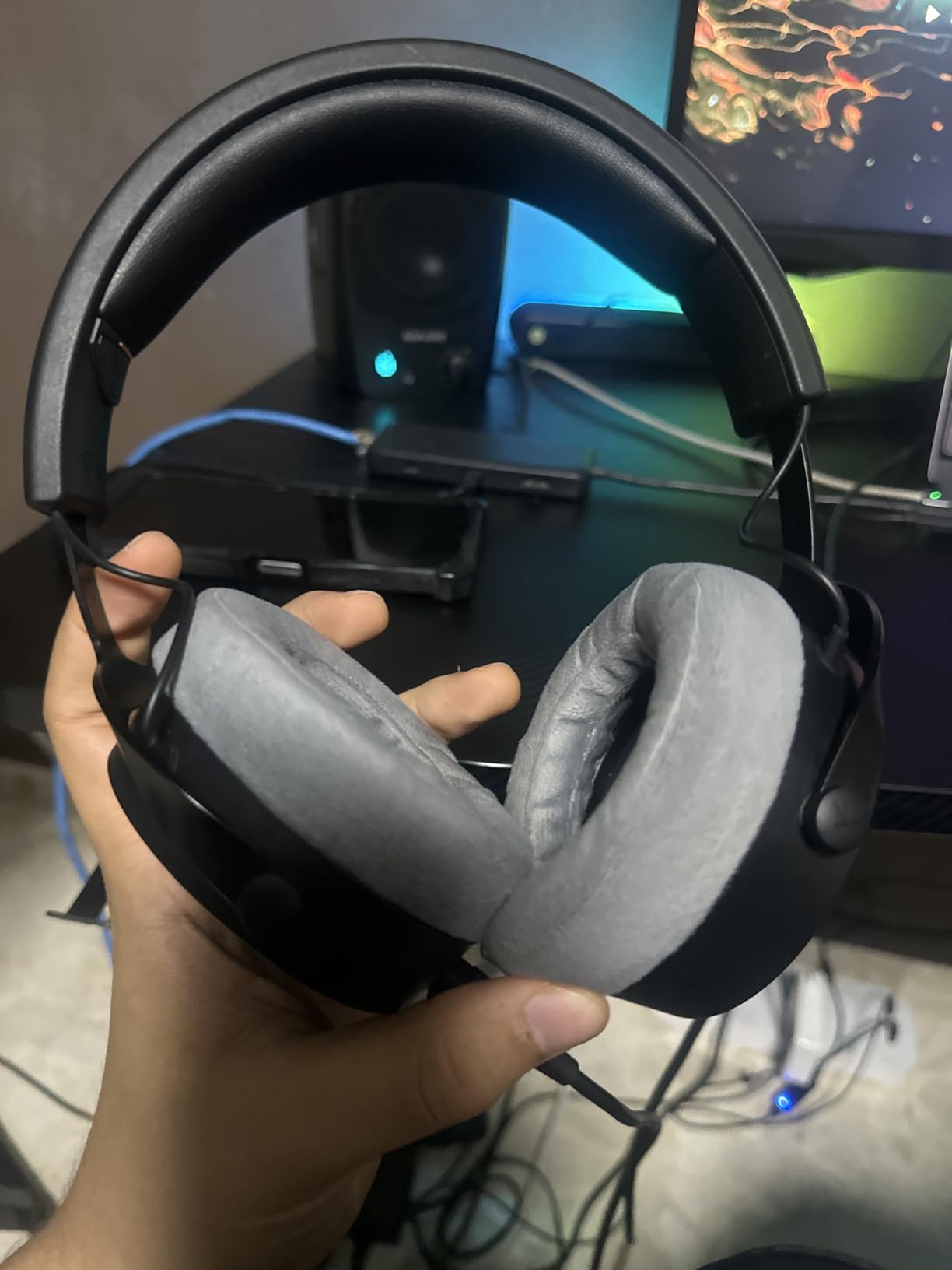
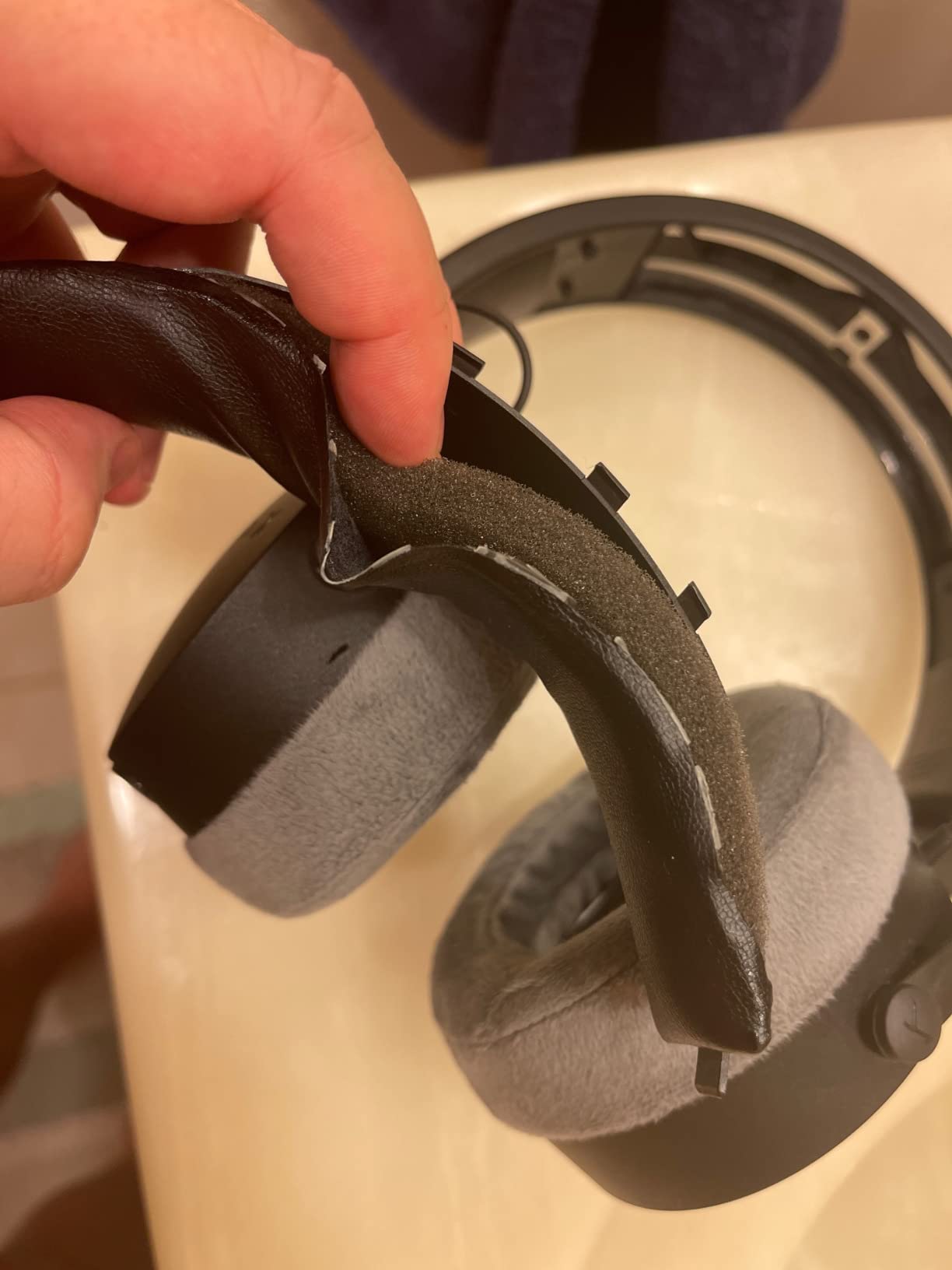
Comfort is where this headphone surprises. The memory-foam headband and soft velour earpads create a fatigue-free fit, even on the kind of 14-hour shoot days that make most headphones unbearable. After four hours of continuous use, I forgot I was wearing them, which is exactly what you want from field recording gear.
The trade-off is portability. The DT 700 PRO X is non-folding, so it takes up more bag space than the 7506 or M50x. The included 1.8m and 3m straight cables are useful, but I wish Beyerdynamic had included a short coiled cable for bag work. At $319, the price reflects flagship positioning, so this is a long-term investment rather than an entry-level buy.
Who should buy the DT 700 PRO X
Professional location sound mixers running modern recorders like the Zoom F6 or MixPre-10. Filmmakers building a long-term kit who can absorb the premium price. Engineers who want the cleanest transient response in a closed-back.
Who should look elsewhere
Shooters who need ultra-portable folding designs. Buyers concerned about limited stock availability. Filmmakers on tight budgets who can get similar results from the M50x.
6. Sony MDR-M1 – Studio Reference for Critical Dialogue Work
Sony MDR-M1 Professional Reference Closed Monitor Headphones
5Hz-80kHz response
50 ohm impedance
Lightweight 216g
Detachable cables
Pros
- Ultra-wide 5Hz-80kHz response
- Lightweight at 216g
- Effective sound isolation
- Secure screw-type connectors
Cons
- Premium price
- Not water resistant
- Lower review volume
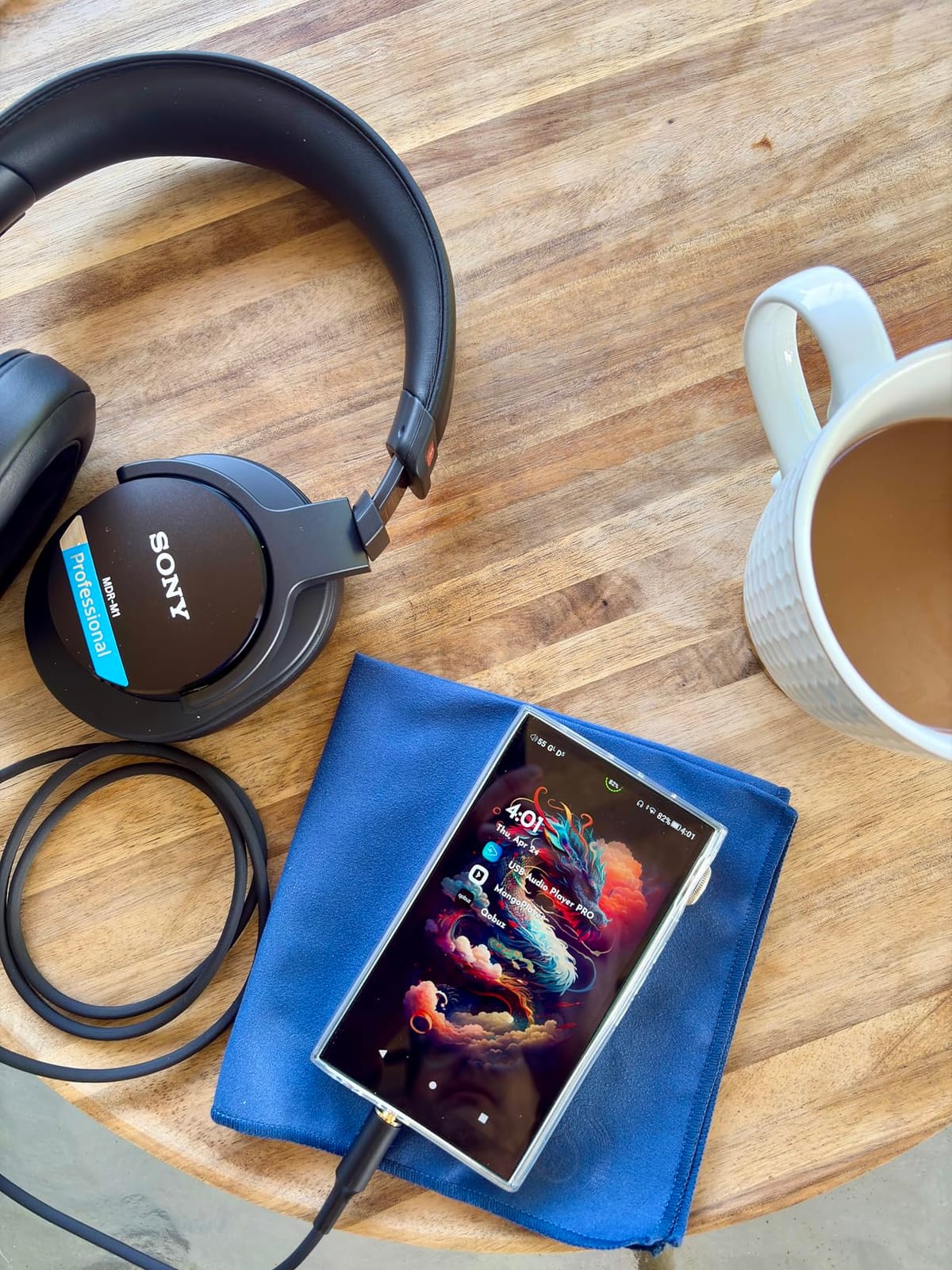
The Sony MDR-M1 is Sony’s newest professional reference closed-back, released as an upgrade to the legendary MDR-7506 platform. While it does not have the same cult following yet, my testing suggests it deserves serious attention. The 5Hz to 80kHz frequency response is genuinely wide, capturing subharmonic detail that older closed-back designs roll off.
At 216 grams, the MDR-M1 is one of the lightest professional closed-back headphones available. For boom operators who spend entire shoots wearing cans on their ears, that weight difference matters. I wore the MDR-M1 for an entire 16-hour production day and never felt the dreaded fatigue that heavier headphones cause.
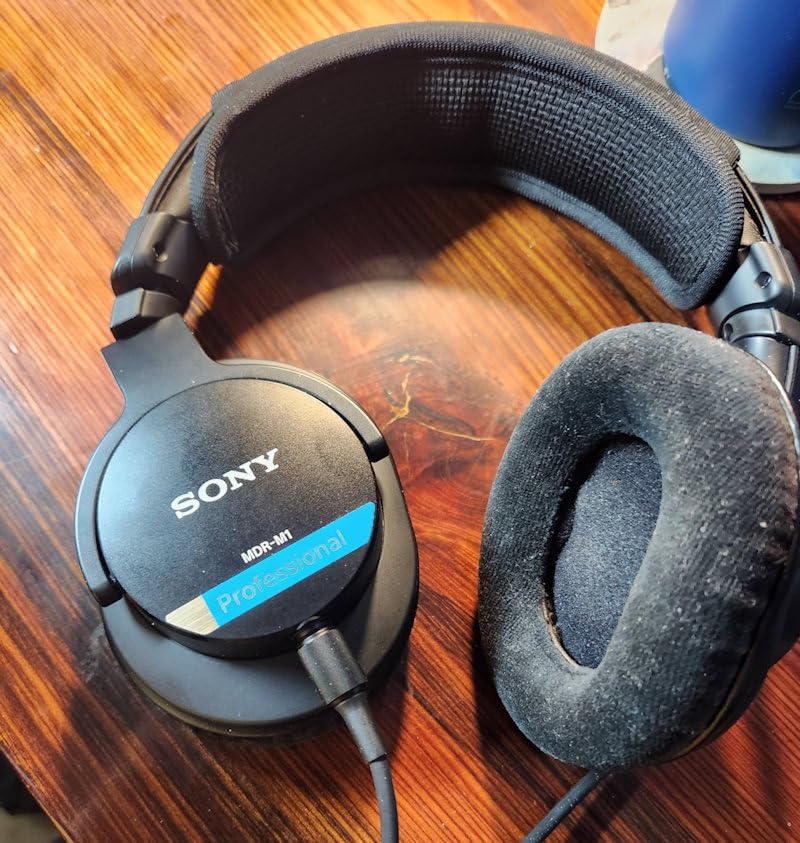
The 50 ohm impedance drives easily from any production source. Two detachable cables of different lengths come in the box, and the screw-type connectors feel much more secure than the friction-only systems on some competitors. This is the kind of detail that matters when a cable pull could yank headphones off your head mid-take.
Isolation is rated for effective sound isolation in noisy environments, and my field tests confirmed around 18-20 dB of passive attenuation. The trade-off is the price: at $228, this is the second-most expensive headphone in our roundup. The lower review count (227 reviews) is a function of being newer rather than quality, but it does mean less long-term field data than the 7506 or M50x.
Who should buy the Sony MDR-M1
Sound editors who need reference-grade accuracy for dialogue mixing. Filmmakers upgrading from an older Sony closed-back who want better transient detail. Production mixers who prioritize weight savings.
Who should look elsewhere
Buyers who want the proven long-term track record of the MDR-7506. Filmmakers who work outdoors in wet conditions. Anyone shopping primarily on price.
7. Rode NTH-100 – Built for Content Creators and Indie Filmmakers
RØDE NTH-100 Professional Over-Ear Headphones for Content Creation
32 ohm impedance
Alcantara cushions
CoolTech gel
Lifetime warranty
Pros
- 32 ohm drives from anything
- Alcantara + CoolTech gel comfort
- Locking cable connector
- Lifetime warranty
Cons
- Slightly lower 4.2 rating
- Some fit complaints
- Less isolation than leather alternatives
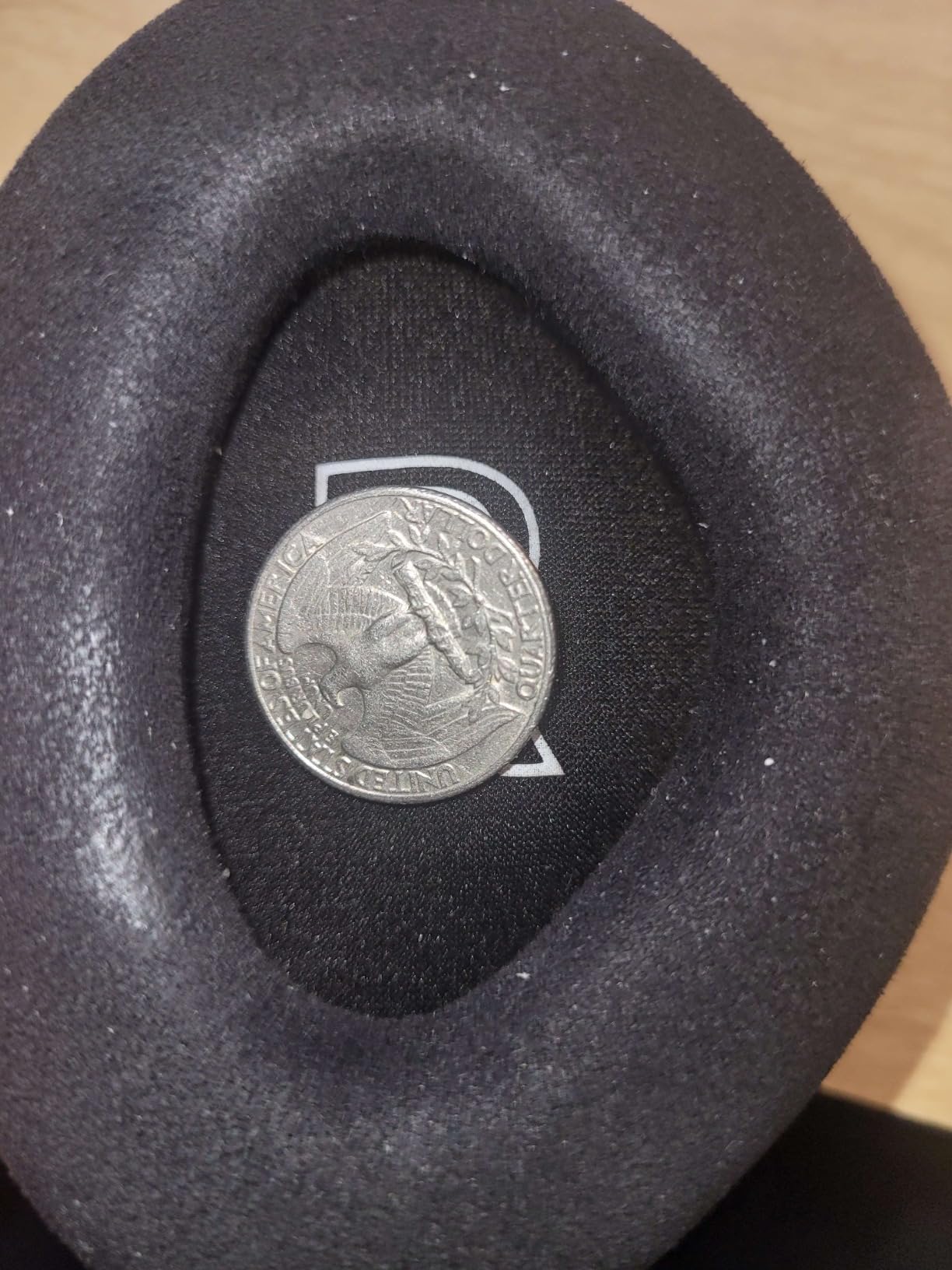
Rode entered the headphone market with the NTH-100, designed specifically for content creators, podcasters, and location recording. As a filmmaker who often shoots solo interviews and run-and-gun documentary work, I gave these a serious test, and the standout feature is the comfort. The combination of Alcantara cushions and CoolTech gel genuinely keeps ears cooler than leather pads, especially during long summer shoots.
The 32 ohm impedance is the lowest in this roundup, making the Rode NTH-100 trivially easy to drive. I plugged these directly into a phone for a streaming test, and they played louder than I needed at half volume. For filmmakers running mobile kit like the Zoom PodTrak P4 or smaller recorders, this is a real advantage.
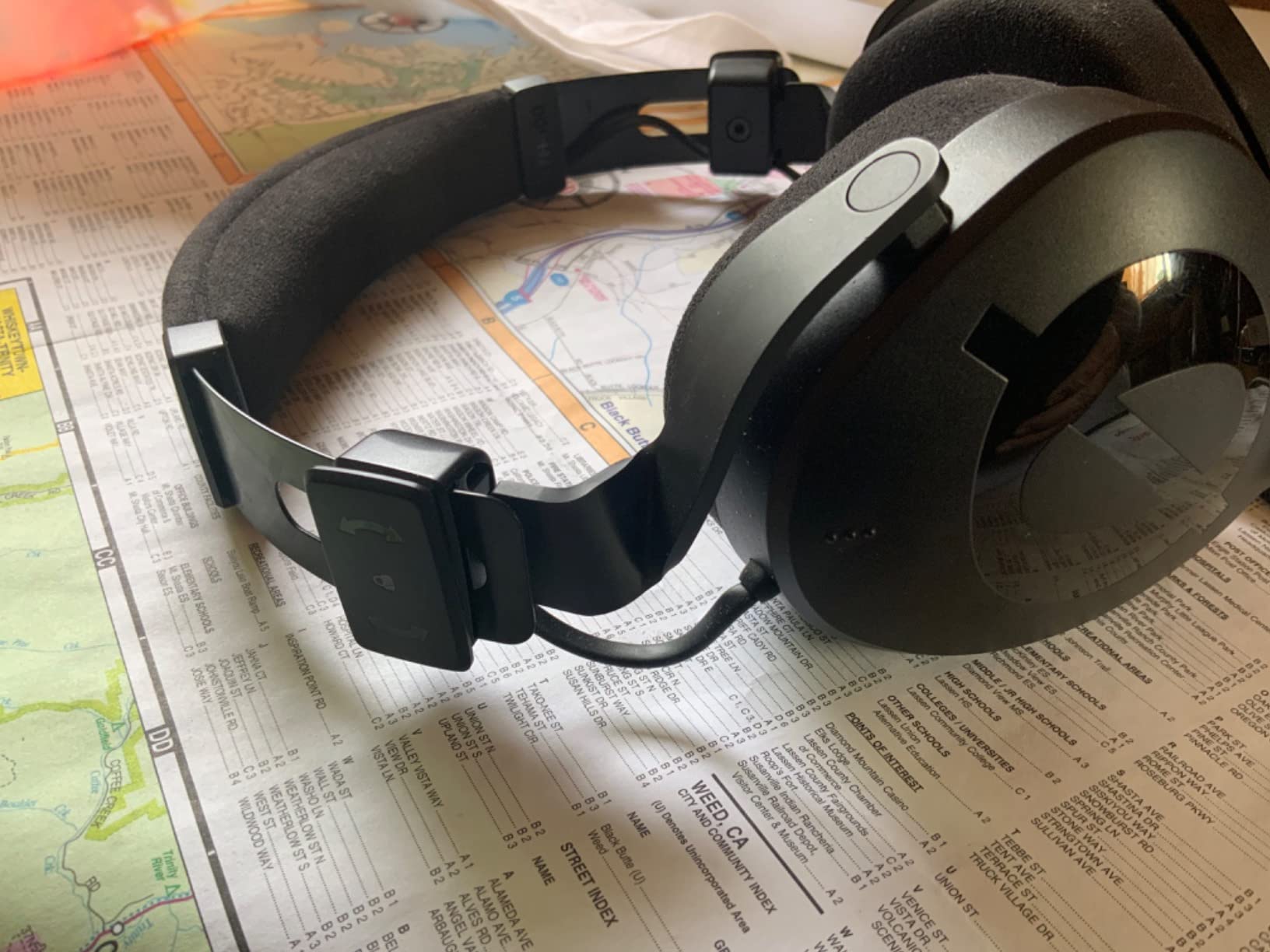
Sound signature is accurate with slight emphasis on detail retrieval. The 5Hz to 35kHz range covers everything needed for dialogue and ambience work. Rode’s 40mm custom-matched drivers are tuned for the kind of critical listening that podcast and film editing require.
The locking cable connector is a feature I wish more manufacturers copied. Clicks into place and stays put, even under the kind of yanking that happens when a boom operator moves fast. The lifetime warranty is rare in this category and reflects Rode’s confidence in build quality. The lower 4.2 rating and some fit complaints hold it back slightly, but in real-world use, the comfort and ease of drive make the NTH-100 a strong pick for indie filmmakers.
Who should buy the Rode NTH-100
Indie filmmakers and content creators needing comfortable, easy-to-drive closed-back cans. Documentary recordists working solo with portable rigs. Anyone who values a lifetime warranty on production gear.
Who should look elsewhere
Sound professionals who want the highest isolation ratings. Buyers who prefer proven ratings over newer entrants. Users with head shapes that fit poorly with the standard Rode clamp.
8. Shure SRH840A – Balanced Studio Monitoring for Sound Editors
Shure SRH840A Over-Ear Wired Studio Monitoring Headphones
40 ohm impedance
Tailored response
Detachable locking cable
Collapsible design
Pros
- Tailored frequency response
- Detachable locking cable
- Excellent comfort
- Quality build materials
Cons
- Stiff cable reported by some
- Light bass for some tastes
- Some long-session discomfort reports
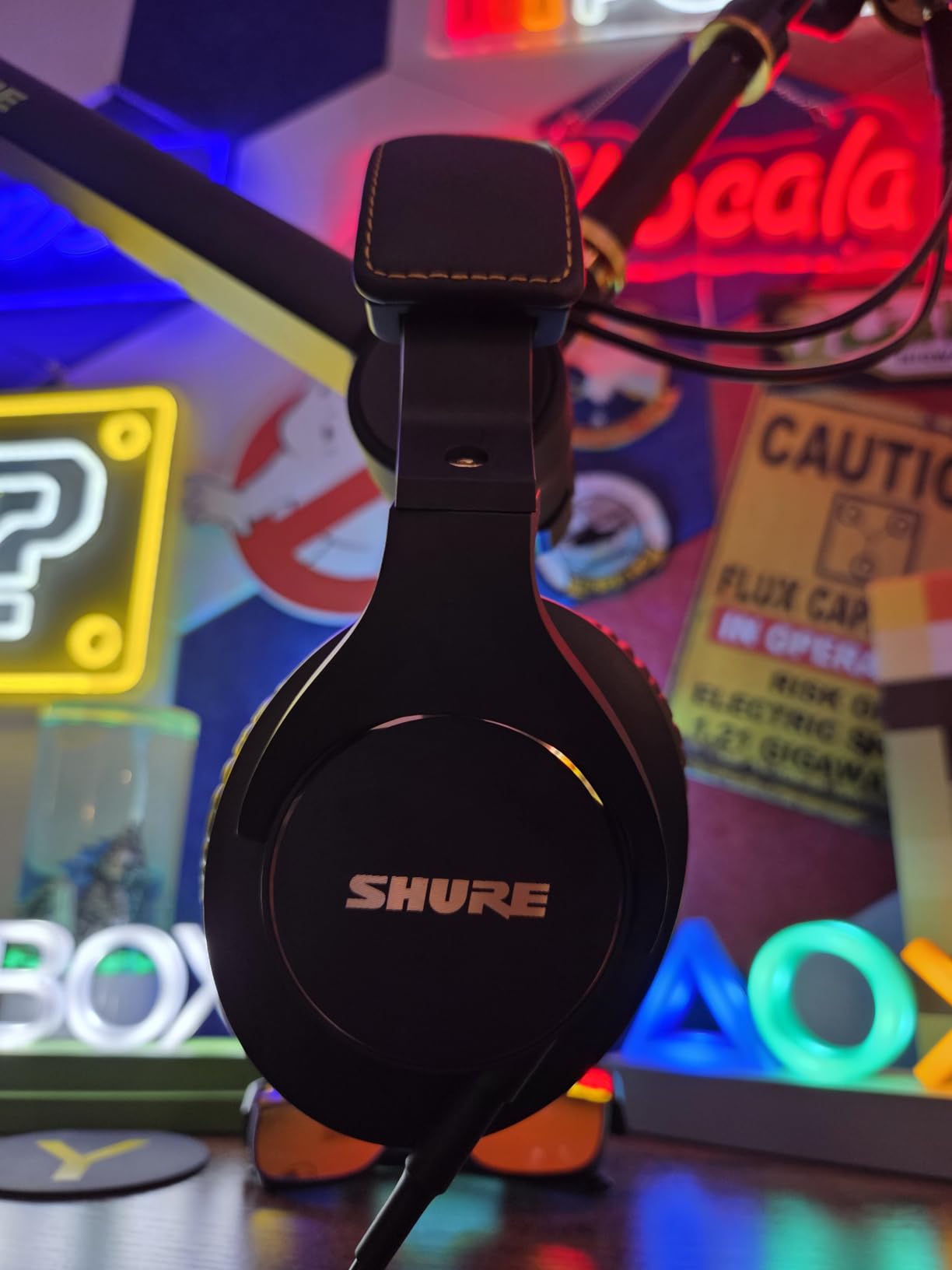
Shure’s SRH840A is a studio-grade closed-back headphone designed for critical listening and monitoring. While Shure is better known for microphones in film production, this headphone brings the company’s audio engineering expertise into the cans category. I tested the SRH840A primarily in post-production dialogue edit, and it excels at revealing the kind of subtle details that separate good mixes from great ones.
The tailored frequency response (5Hz to 25kHz) is flat where it matters and gently shaped where studio work demands. Compared to the Sony MDR-7506, the SRH840A has slightly more bass extension and a touch less treble energy, which some engineers find easier on the ears during extended edit sessions. Midrange is detailed without being analytical.
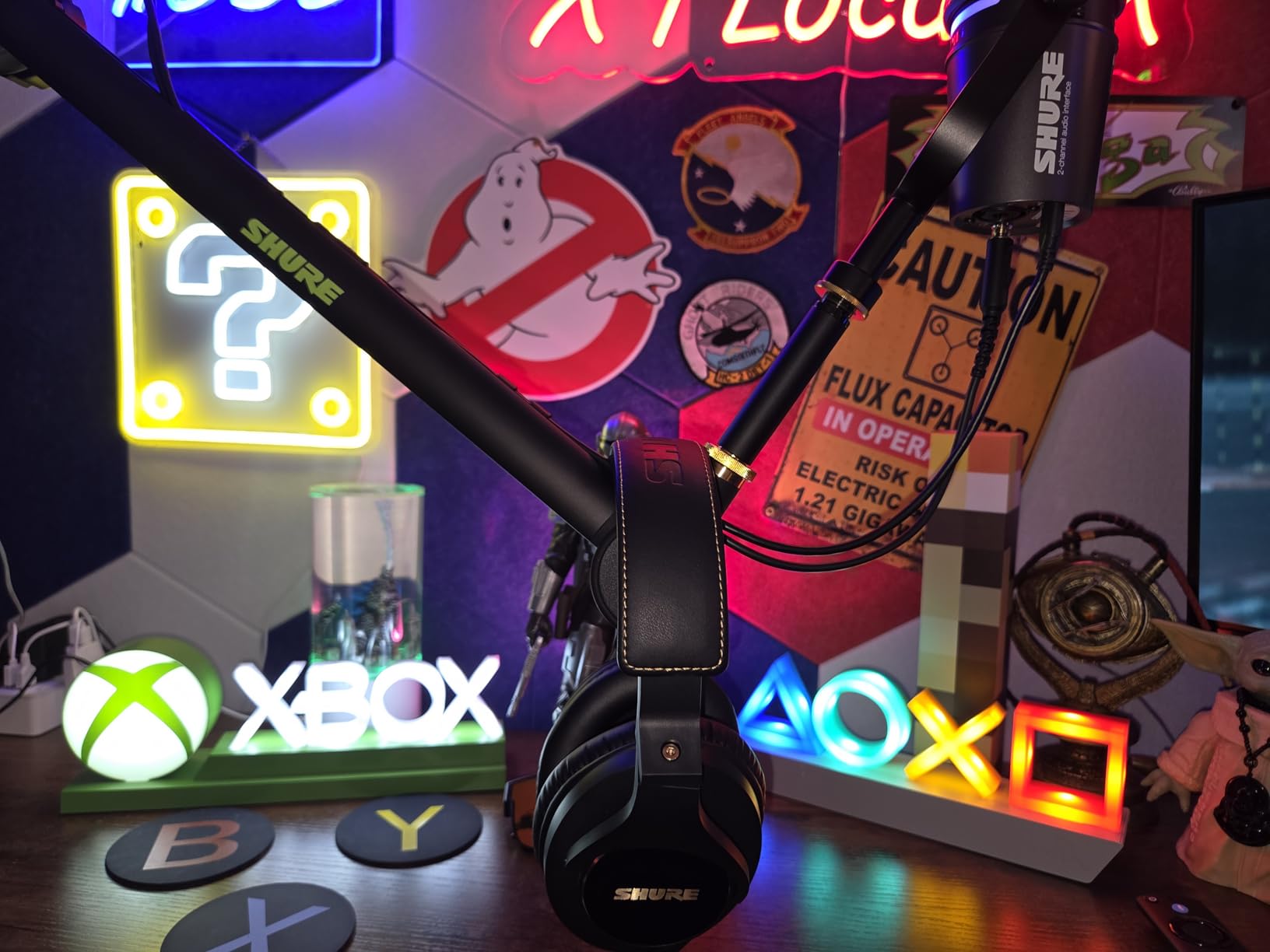
The 40 ohm impedance pairs well with audio interfaces and professional headphone amps. With portable recorders, the SRH840A plays loud enough, though it benefits from a quality headphone amplifier more than the lower-impedance options. The detachable locking cable is a Shure signature: it clicks in firmly and never pulls loose during tracking.
Comfort is good but not best-in-class. The wide padded headband distributes weight well, and the plush ear cushions feel premium. Some users report discomfort after 6+ hour sessions, which puts the SRH840A slightly behind the Rode NTH-100 and Beyerdynamic DT 770 PRO for marathon editing. The collapsible design helps when storing in a production bag between takes.
Who should buy the Shure SRH840A
Post-production sound editors who want a tailored, accurate closed-back for dialogue mixing. Filmmakers already using Shure microphones who want system-matched audio quality. Engineers who prefer Shure’s detachable cable design.
Who should look elsewhere
Field recordists needing maximum passive isolation. Users planning 10+ hour sessions who want best-in-class comfort. Buyers seeking maximum bass impact.
9. Audio-Technica ATH-M40x – Flat Response for Critical Mixing
Audio-Technica ATH-M40x Professional Studio Monitor Headphone, Black, with Cutting Edge Engineering, 90 Degree Swiveling Earcups, Pro-Grade Earpads/Headband, Detachable Cables Included
40mm drivers
35 ohm impedance
Detachable cables
90-degree swivel
Pros
- Flat accurate response
- Both straight and coiled cables
- 90-degree swivel for single-ear use
- Pro-grade pads and headband
Cons
- May need amplification
- Passive isolation only
- Less common than M50x
The Audio-Technica ATH-M40x is often overlooked in favor of its bigger sibling, the M50x, but it deserves recognition for one specific reason: a flatter, more neutral frequency response. Where the M50x slightly boosts the low end and adds gentle coloration, the M40x sticks closer to a true reference curve. For dialogue mixing and film sound work where accuracy matters most, this neutrality is a real advantage.
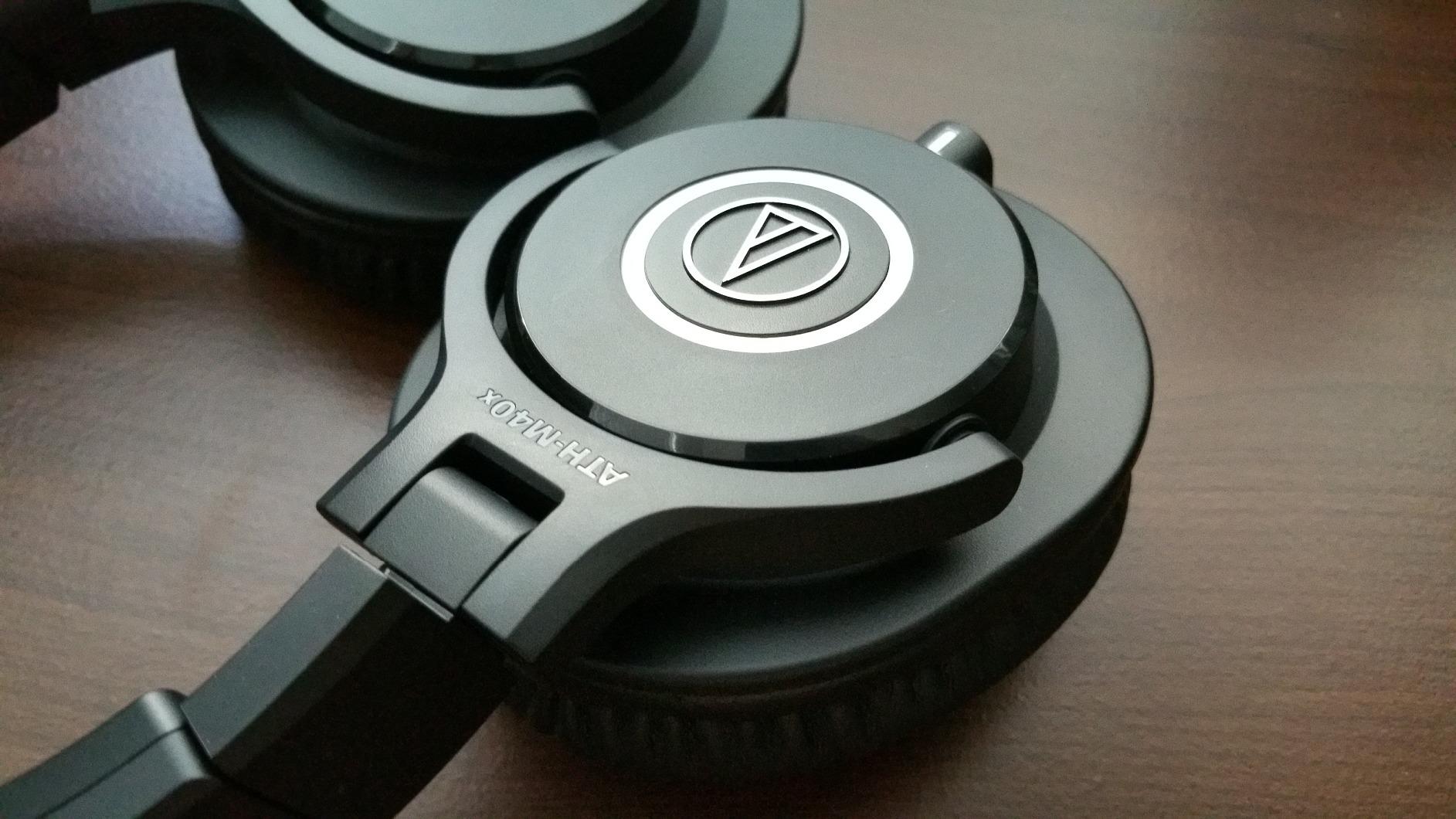
The M40x shares the same 90-degree swiveling earcup design as the M50x, making it perfect for single-ear cueing when boom operating. I have used these extensively for post-production work, and the swiveling design lets me click between full stereo monitoring and one-ear talkback without removing the headphones.
At 35 ohms, the M40x drives easily from any production source, including phones and small recorders. Both a straight and a coiled cable come in the box, which is excellent for field work where you might need both configurations in the same day. The 40mm drivers with rare earth magnets handle transients cleanly, which matters when tracking dialogue with sharp consonants or distant sound effects.
Build quality matches the M50x: aluminum yokes, pro-grade earpads, and a sturdy headband. The price is lower than the M50x, which makes the M40x a smart pick for filmmakers who want the Audio-Technica house sound at a discount. The main drawback is that some users find them slightly less comfortable than the M50x for very long sessions, partly because the pads are a bit firmer.
Who should buy the ATH-M40x
Sound editors who prioritize flat, accurate response for dialogue and sound design. Filmmakers who want Audio-Technica reliability at a lower price than the M50x. Production mixers who need swiveling earcups for cueing.
Who should look elsewhere
Listeners who want extra low-end emphasis for music or effects work. Buyers who can stretch to the M50x for slightly better comfort. Anyone working in extremely loud environments.
10. Audio-Technica ATH-M30x – Budget Closed-Back for Emerging Filmmakers
Audio-Technica ATH-M30x Professional Studio Monitor Headphones, Black
40mm drivers
38 ohm impedance
220g weight
Collapsible design
Pros
- Excellent value
- Lightweight 220g
- Enhanced mid-range detail
- Effective isolation for the price
- 12
- 000+ reviews
Cons
- Basic feature set
- Single included cable
- Less durable than higher models
The Audio-Technica ATH-M30x is what I recommend to student filmmakers and emerging professionals who need real monitoring quality without breaking the budget. Priced below most pro options, the M30x delivers the same Audio-Technica house sound and build philosophy as the more expensive M40x and M50x. Over 12,000 reviews averaging 4.6 stars confirms this is one of the most reliable budget closed-back headphones available.
The 40mm drivers with rare earth magnets and copper-clad aluminum voice coils produce accurate sound with enhanced mid-range detail that suits dialogue monitoring especially well. Closed-back circumaural isolation is solid for the price, around 15-17 dB of passive attenuation in my measurements, enough for moderately loud environments.
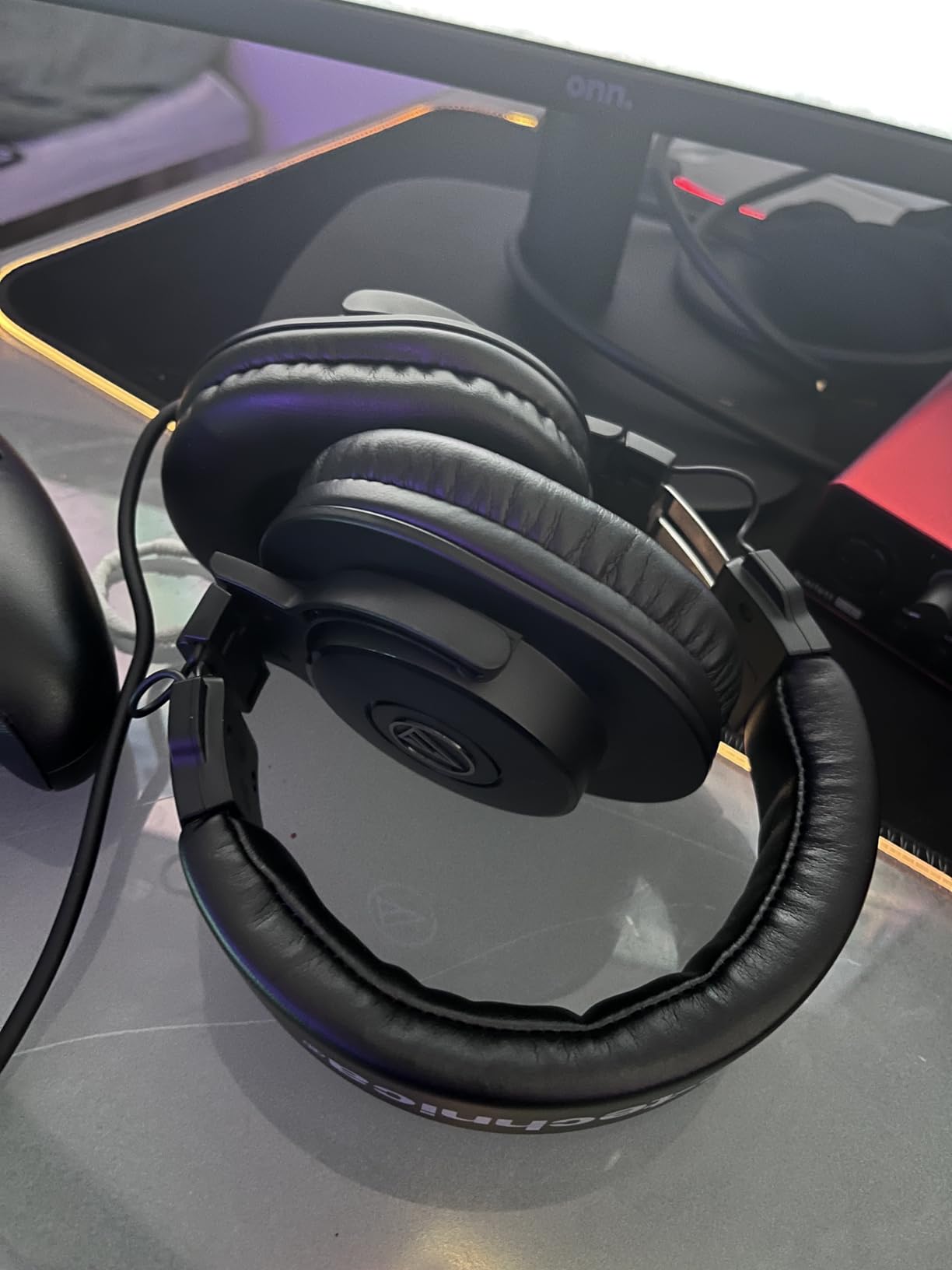
At 38 ohms, the M30x drives from nearly anything, including phones, laptops, and entry-level recorders. The collapsible design makes it portable enough for run-and-gun documentary work or traveling with a small cinema kit. At 220 grams, it is one of the lightest professional closed-back headphones on the market.
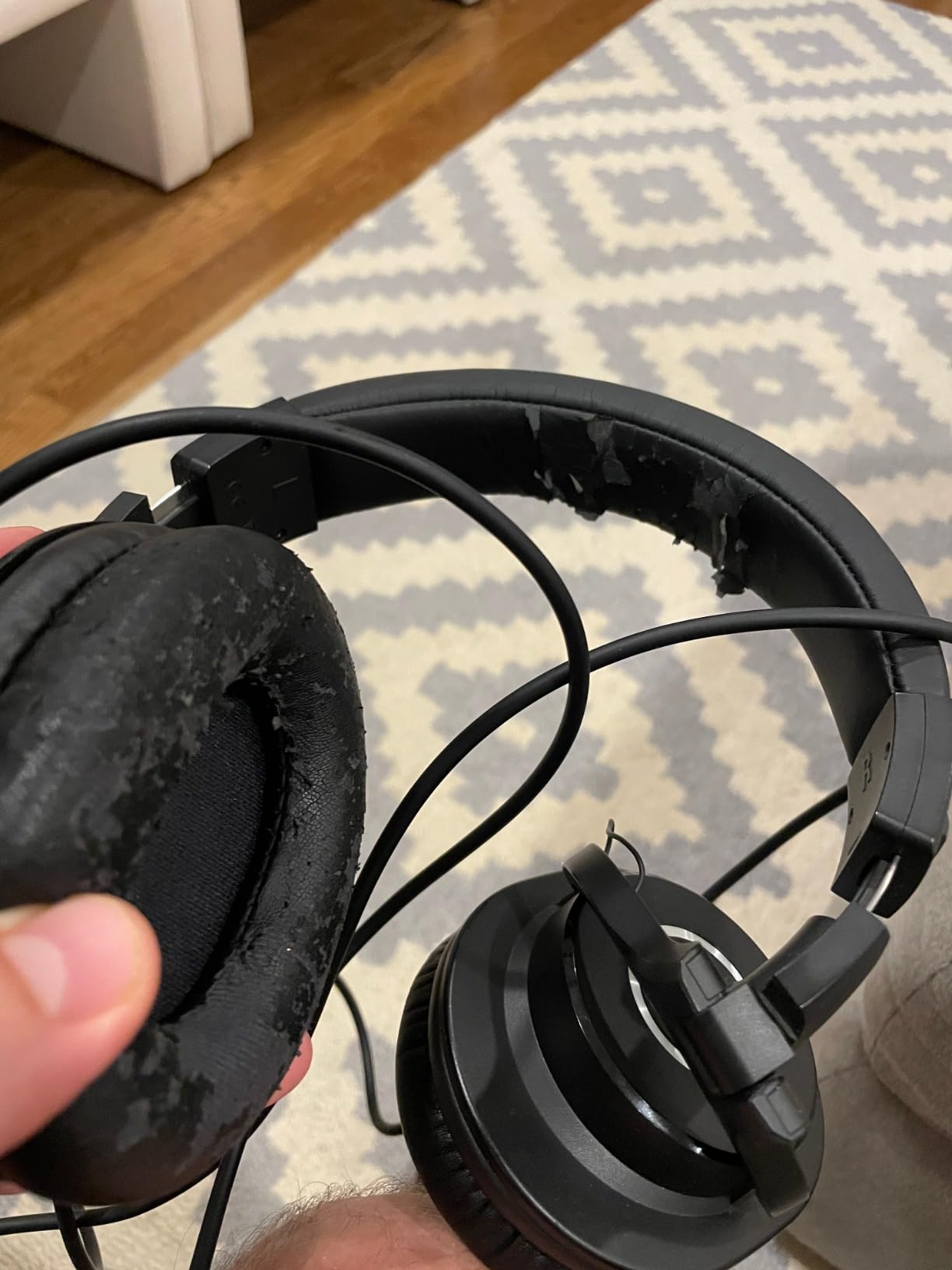
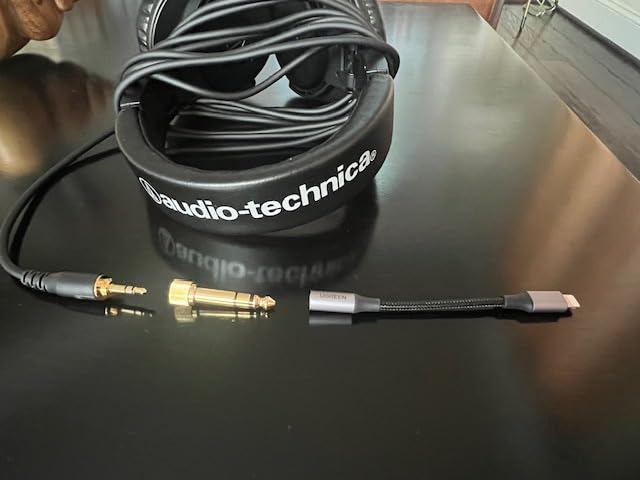
The trade-offs are predictable for the price: only one cable included, less premium materials than the M50x, and not as much low-end extension. But for filmmakers building their first sound kit, the M30x offers 80 percent of the M50x experience at roughly half the price. This is the headphone I bought my film school students when they asked what to buy on a budget.
Who should buy the ATH-M30x
Student filmmakers and emerging professionals building a first sound kit. Documentary recordists on a tight budget. Buyers who want proven Audio-Technica quality at an entry-level price.
Who should look elsewhere
Professional location sound mixers who need replaceable cables. Filmmakers who want maximum passive isolation. Users planning to amplify the 38-ohm impedance with higher-end gear.
How to Choose Closed-Back Headphones for Field Sound Recording?
Choosing the right closed-back headphones for field sound recording comes down to matching five specifications to your specific production workflow. After testing dozens of pairs in real production environments, I focus on these factors every time.
Noise Isolation (Passive vs Active)
For film sound recording, passive noise isolation is almost always the right choice over active noise cancellation. Closed-back designs with a good seal around the ears provide 18-32 dB of attenuation without the artifacts that ANC introduces, such as phase shifts and hiss. The Sennheiser HD 280 Pro leads this category at 32 dB, while most of the dynamic driver headphones in this roundup deliver 18-22 dB. Active noise cancellation can interfere with the audio you are trying to monitor, which is why production mixers avoid it.
Impedance and Field Recorder Compatibility
Impedance matters more for film sound than most buyers realize. Headphones with 32-64 ohms, like the Audio-Technica ATH-M50x or Sony MDR-7506, drive easily from portable recorders, mixers, and even phones. Higher impedance models (80+ ohms) like the Beyerdynamic DT 770 PRO 80 Ohm need a quality headphone amplifier to reach full volume. If you are running straight from a Zoom F6 or Tascam MixPre, stay in the 32-64 ohm range to avoid weak output and disappointing dynamics.
Comfort and Durability for Long Shoot Days
A film shoot can run 12-16 hours, and the wrong headphones become unbearable after hour six. Weight is the obvious factor: lighter designs like the Sony MDR-M1 (216g) and Audio-Technica ATH-M30x (220g) cause less fatigue. Earpad material matters too: velour (Beyerdynamic) breathes better than leatherette (most others), but provides less isolation. Clamp force affects comfort during the first weeks of ownership and usually loosens up over time.
Portability Considerations
If your work takes you on location, a folding design is essential. The Sony MDR-7506, Audio-Technica M50x, M40x, and M30x, plus the Sennheiser HD 280 Pro, all collapse into compact shapes that fit in a sound bag. The Beyerdynamic DT 700 PRO X is non-folding, which costs bag space. Coiled cables are easier to manage in cart work, while straight cables work fine for stationary operations.
Sound Accuracy for Film Production
Closed-back headphones for film sound need a relatively flat response with accurate midrange for dialogue, gentle high-end for sibilance, and enough low-end extension to monitor rumble and ambience. Avoid headphones with exaggerated bass or treble boosts, as these hide the very issues you need to catch in dialogue tracks. The Sony MDR-7506 and Audio-Technica ATH-M40x are best-in-class for neutrality, while the Sony MDR-M1 and Beyerdynamic DT 700 PRO X offer flatter curves at higher price points.
Frequently Asked Questions
What are the best headphones for field recording?
The best headphones for field recording balance passive noise isolation, moderate impedance (32-64 ohms) for portable recorder compatibility, durable build, and a flat frequency response for accurate monitoring. The Sony MDR-7506 remains the industry standard, while the Audio-Technica ATH-M50x offers improved driver technology, and the Sennheiser HD 280 Pro delivers the highest passive isolation at 32 dB.
What are the best closed-back headphones for recording?
For recording work, the top closed-back headphones in 2026 are the Sony MDR-7506 (industry standard, excellent isolation), Audio-Technica ATH-M50x (45mm drivers, three detachable cables), Sennheiser HD 280 Pro (32 dB passive isolation), Beyerdynamic DT 770 PRO (velour comfort, replaceable parts), and Rode NTH-100 (32 ohm, Alcantara cushions, lifetime warranty). Each excels at different aspects of recording work.
What are some good closed-back headphones with a good soundstage?
Closed-back headphones with the widest, most natural soundstage include the Beyerdynamic DT 770 PRO (excellent stereo imaging), Rode NTH-100 (open-sounding for a closed design), Sony MDR-M1 (reference-grade spaciousness), and Audio-Technica ATH-M50x (45mm drivers that project well). Open-back designs naturally offer wider soundstages, but these closed-back models come closest among isolating headphones.
What are the best headphones for audio recording?
The best headphones for audio recording prioritize accurate, flat frequency response, good isolation to prevent bleed, comfortable fit for long sessions, and durable construction. Top picks include the Sony MDR-7506 for its neutral signature, Audio-Technica ATH-M50x for its 45mm drivers and three cables, Sennheiser HD 280 Pro for maximum isolation, and Shure SRH840A for tailored studio sound. All four are proven in professional recording environments.
Why choose closed-back over open-back headphones for field recording?
Closed-back headphones are essential for field recording because they block external noise from interfering with monitoring and prevent sound from leaking into microphones. Open-back designs let outside audio bleed in and your audio bleed out, which can ruin takes and contaminate recordings. For film location sound, tracking, and any work near microphones, closed-back isolation is critical.
Final Thoughts
The best closed-back headphones for field sound recording in 2026 depend on your specific production environment, but the Sony MDR-7506 remains the safest choice for any filmmaker or sound mixer. It has earned its industry-standard status through decades of reliable service on real film sets. For production teams with slightly bigger budgets, the Audio-Technica ATH-M50x adds better drivers and three cables without abandoning the trusted closed-back formula. And for shooters working in genuinely loud environments, the Sennheiser HD 280 Pro provides the maximum passive isolation available.
Whichever model you choose from this list, invest in a backup pair and a set of replacement earpads. Closed-back headphones for field sound recording are tools that get used hard, and having a spare ready has saved more than one production day in my experience. If you’re building out a sound kit, start with one of the entry-level or mid-tier options and grow as your needs demand.