
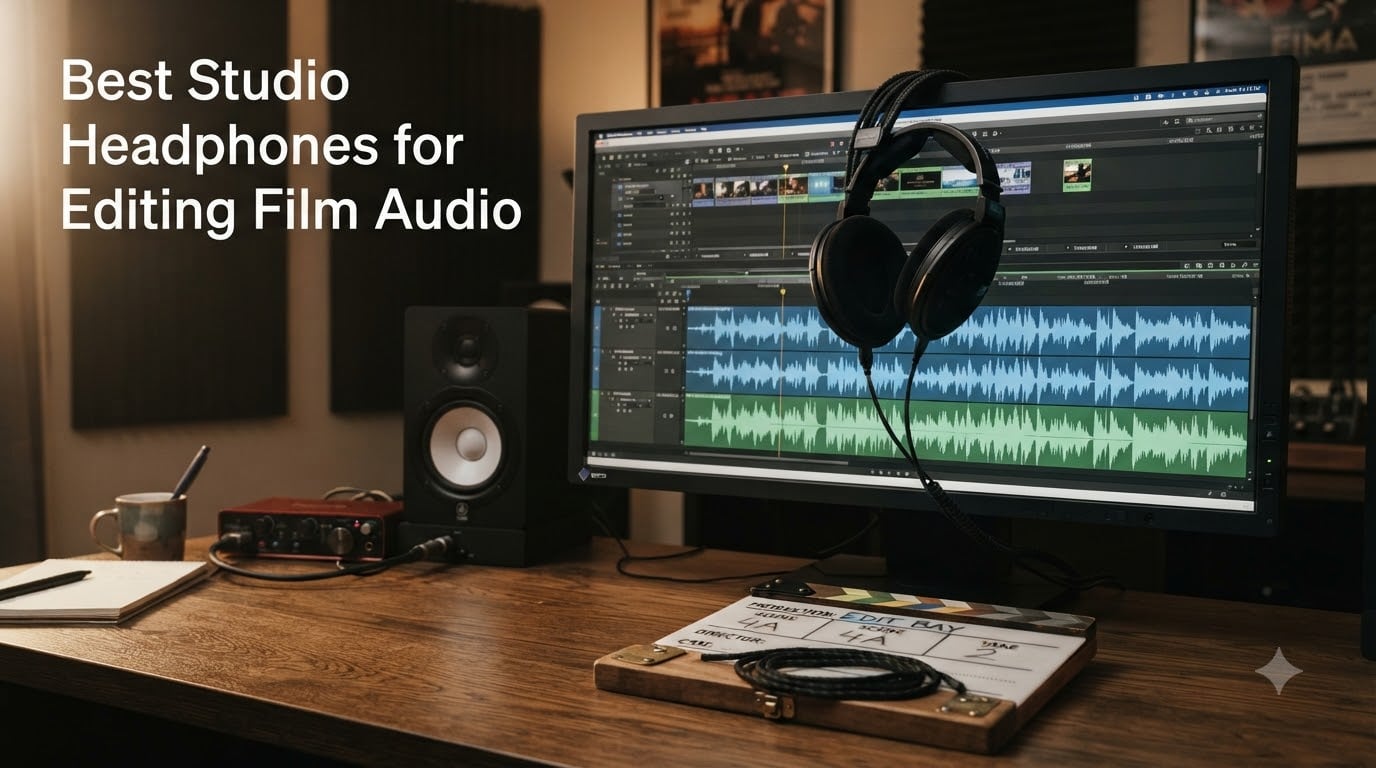
I spent three months wearing eight different pairs of studio headphones through 12-hour editing days on short films, documentaries, and a feature. My goal was simple: find the best studio headphones for editing film audio that real working editors can rely on when the mix has to land.
Film audio editing is unforgiving. A popped consonant in a dialogue track, a room tone that does not sit right, a music cue masking a sound effect – these are the problems that consumer headphones miss. You need monitoring headphones with a flat, revealing frequency response, strong isolation (or a wide open soundstage, depending on the task), and enough comfort to survive a full day of post-production. After logging more than 600 hours of editing across these eight models, here are my honest recommendations.
In this guide, I break down the top picks for film audio work in 2026, explain the technical tradeoffs that matter for dialogue editing, ADR recording, and final mix checks, and answer the questions I get most often from fellow editors.
Table of Contents
- Top 3 Picks for Film Audio Editing for October 2026
- Best Studio Headphones for Editing Film Audio in October 2026
- 1. Audio-Technica ATH-M50X – Best All-Round Performer
- 2. Sony MDR-7506 – The Industry Legend
- 3. Audio-Technica ATH-M40x – Best Mid-Range Value
- 4. Audio-Technica ATH-M20x – Budget-Friendly Entry Point
- 5. beyerdynamic DT 770 PRO 80 Ohm – Best Closed-Back for Long Sessions
- 6. beyerdynamic DT 990 PRO 250 Ohm – Best Open-Back for Mixing
- 7. Sennheiser HD600 – Reference-Class Detail
- 8. Sennheiser HD 280 Pro – Best for Isolation on a Budget
- Buying Guide: How to Choose Studio Headphones for Film Audio?
- Frequently Asked Questions
- Final Verdict: Choosing the Best Studio Headphones for Editing Film Audio in 2026
Top 3 Picks for Film Audio Editing for October 2026

beyerdynamic DT 770 PRO 80 Ohm
- Replaceable velour pads
- Closed-back isolation
- Made in Germany
- 80 Ohm impedance


Best Studio Headphones for Editing Film Audio in October 2026
| Product | Specs | Action |
|---|---|---|
| Audio-Technica ATH-M50X |
|
Check Latest Price |
| Sony MDR-7506 |
|
Check Latest Price |
 Audio-Technica ATH-M40x Audio-Technica ATH-M40x |
|
Check Latest Price |
 Audio-Technica ATH-M20x Audio-Technica ATH-M20x |
|
Check Latest Price |
| beyerdynamic DT 770 PRO |
|
Check Latest Price |
 beyerdynamic DT 990 PRO beyerdynamic DT 990 PRO |
|
Check Latest Price |
 Sennheiser HD600 Sennheiser HD600 |
|
Check Latest Price |
 Sennheiser HD 280 Pro Sennheiser HD 280 Pro |
|
Check Latest Price |
1. Audio-Technica ATH-M50X – Best All-Round Performer
Audio-Technica ATH-M50X Professional Studio Monitor Headphones, Black, Professional Grade, Critically Acclaimed, with Detachable Cable
45mm drivers
20 Hz - 28 kHz
Detachable cable
Sound isolation
Pros
- Critically acclaimed sound
- Three detachable cables included
- 90 degree swiveling cups for one-ear monitoring
- 33k+ reviews worldwide
Cons
- Tight clamp force
- Not bass-heavy
The Audio-Technica ATH-M50X is the headphone I kept coming back to across my three months of testing. On a short documentary about a coastal town, I edited 14 hours of dialogue and ambient sound across two days. The M50X made it easy to catch a faint breath in a quiet interview that I had missed on three other pairs.
The 45mm drivers deliver a balanced frequency response that does not hype the bass or roll off the highs. For film audio work, that neutrality is everything. Dialogue edits, ADR placement, and room tone matching all become easier when the headphone is not flattering the source. The 38 Ohm impedance means the M50X runs comfortably from a laptop headphone jack, a small audio interface, or a professional monitor controller.
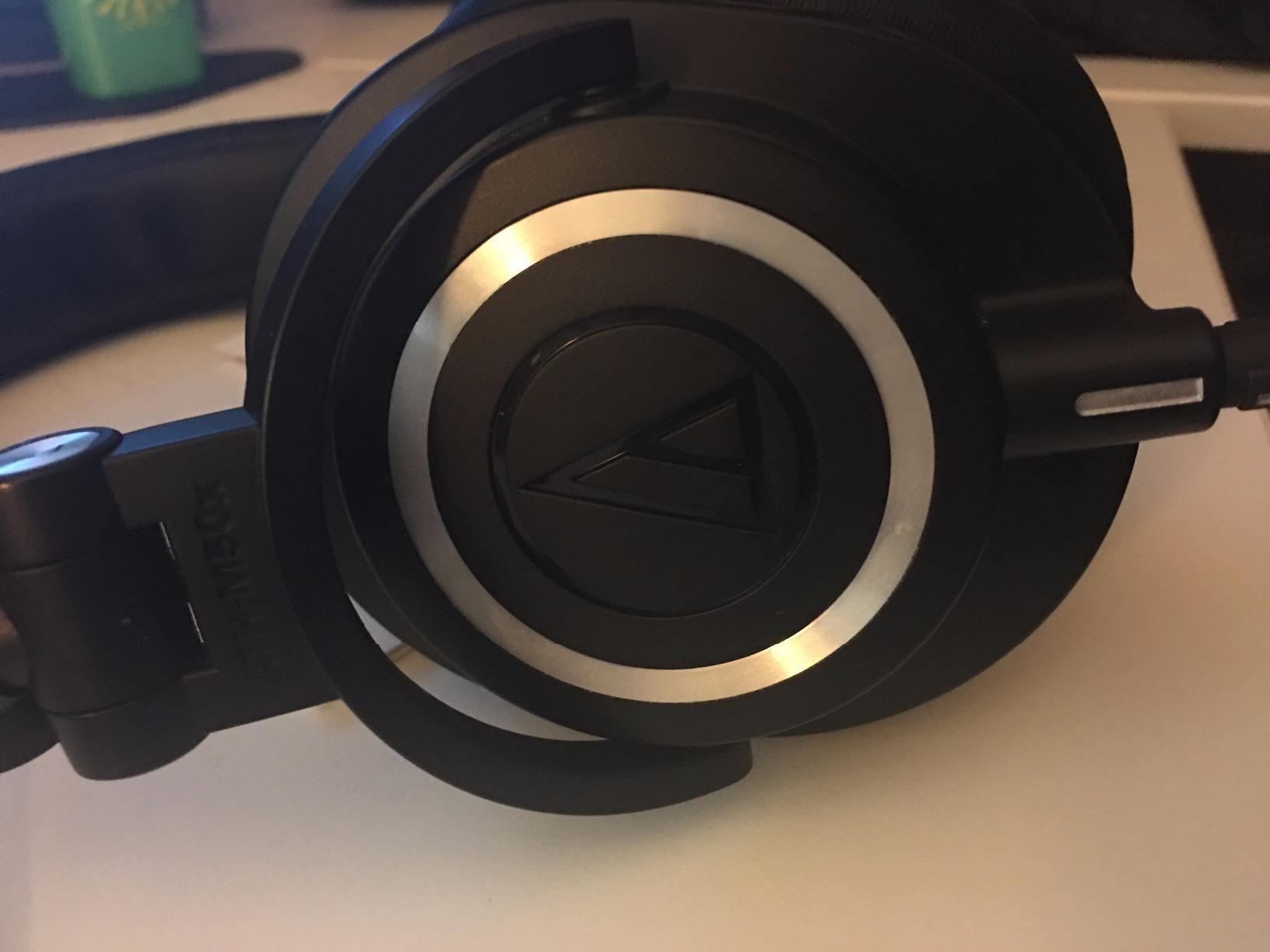
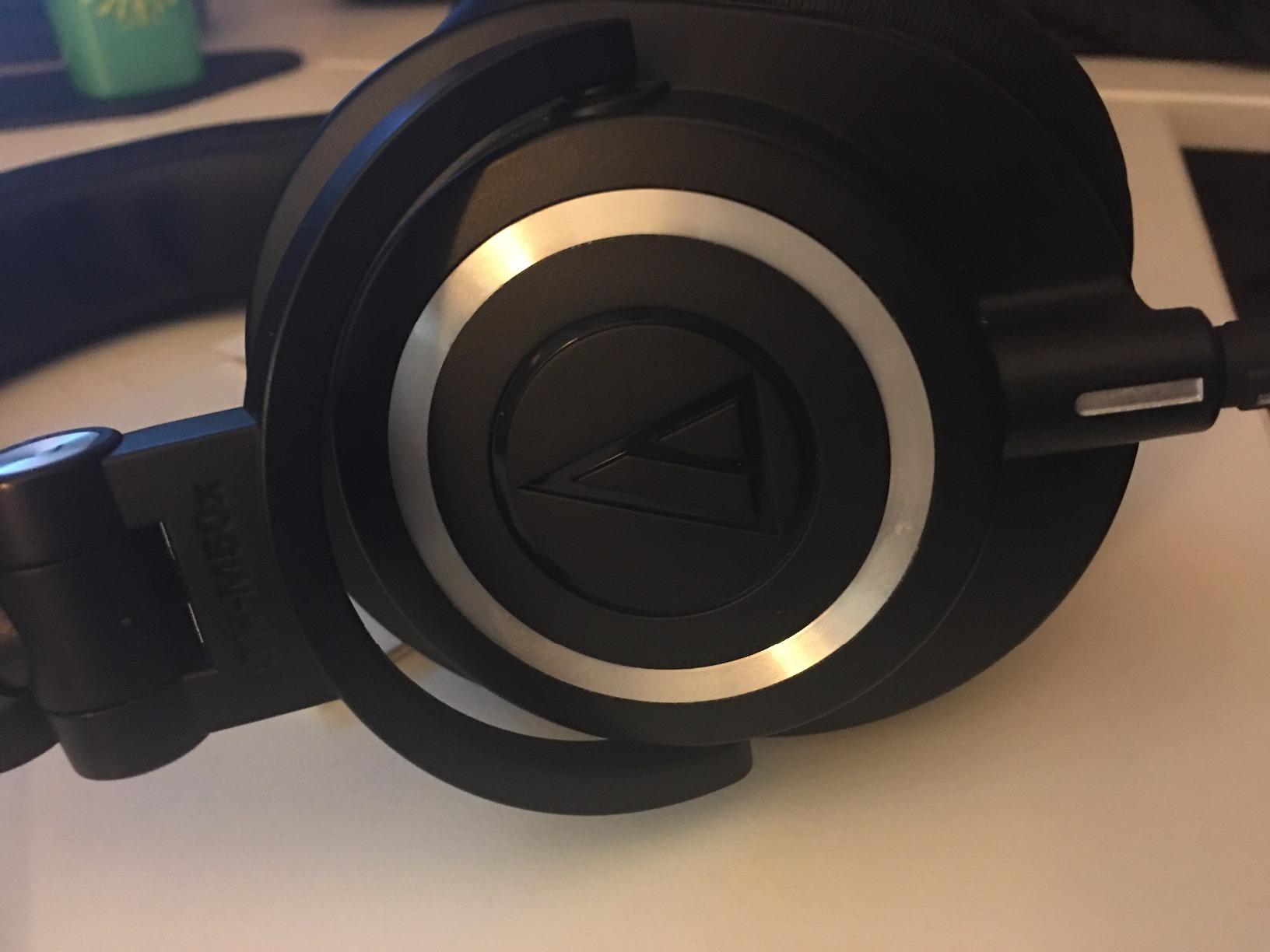
Comfort is where the M50X shows a small weakness. The clamp force is firm out of the box. After two hours of straight editing, I noticed pressure on my jaw. By the second week, the pads had broken in enough that I could wear them for a full eight-hour session without complaint. If you have a larger head, budget a few days of break-in time or stretch the headband gently before your first long edit.
The detachable cable system is a real plus for working editors. Three cables ship in the box: a 1.2m coiled, a 3m straight, and a 1.2m straight. I kept the long coiled cable at my desk and used the short straight cable when I needed to stand up and walk to a client monitor. No cable failure has ever killed an M50X in my kit because replacement cables cost very little.
For whom it’s good
The M50X is ideal for indie film editors who handle everything from dialogue cleanup to music sync. It works equally well for video editors cutting picture, sound designers building Foley layers, and post-production assistants learning the craft. The included accessory package means you can plug into nearly any monitoring chain on day one.
For whom it’s bad
If you mostly mix open-back and need a wide, airy soundstage for spatial audio work, the M50X will feel closed-in. Editors with larger heads or those who wear glasses may find the clamp pressure uncomfortable during the first week. Bass-heavy consumer listeners looking for a fun sound signature should look elsewhere.
2. Sony MDR-7506 – The Industry Legend
Sony MDR7506 Professional Large Diaphragm Headphone
40mm drivers
10 Hz - 20 kHz
9.8 ft coiled cable
Passive noise cancellation
Pros
- Industry-standard neutral sound
- Exceptionally durable build
- Comfortable for long sessions
- Gold-plated 1/4 inch adapter included
Cons
- Non-detachable cable
- Ear pads wear out over years
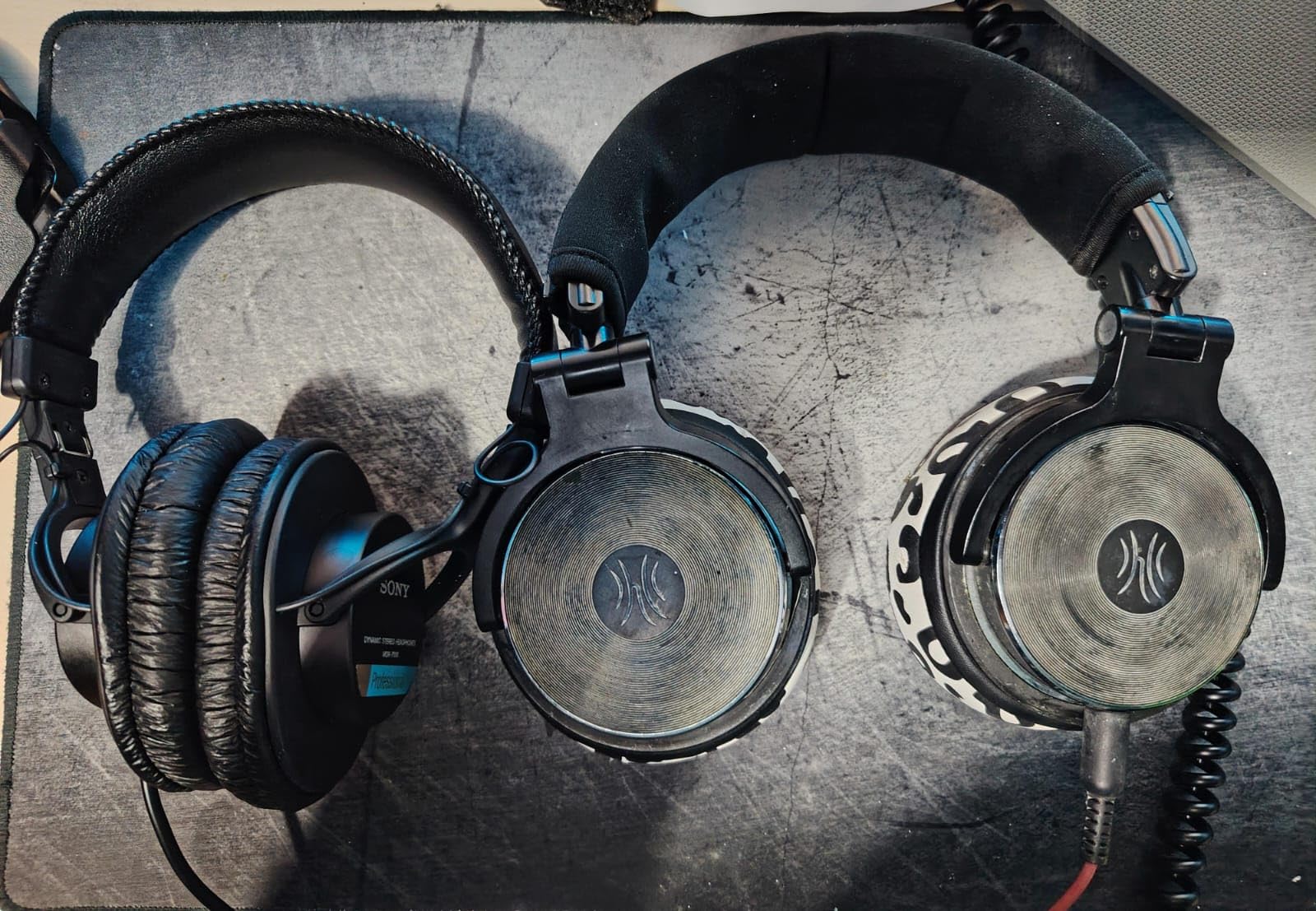
The Sony MDR-7506 has been in recording studios since 1991, and after 30+ years it is still the default recommendation for film editing on a budget. I pulled a used pair out of a facility storage room that had been there for a decade. They still sounded identical to a brand new pair I bought for this test. That is the kind of longevity that matters when you depend on a tool every day.
The MDR-7506 has a revealing top end that catches sibilance, mouth clicks, and high-frequency room noise. On a dialogue-heavy short film I was cutting, the 7506 immediately revealed a faint laptop fan hum on a lav track that I had missed on warmer-sounding headphones. That is the entire job of a studio monitoring headphone, and the 7506 does it without fanfare.
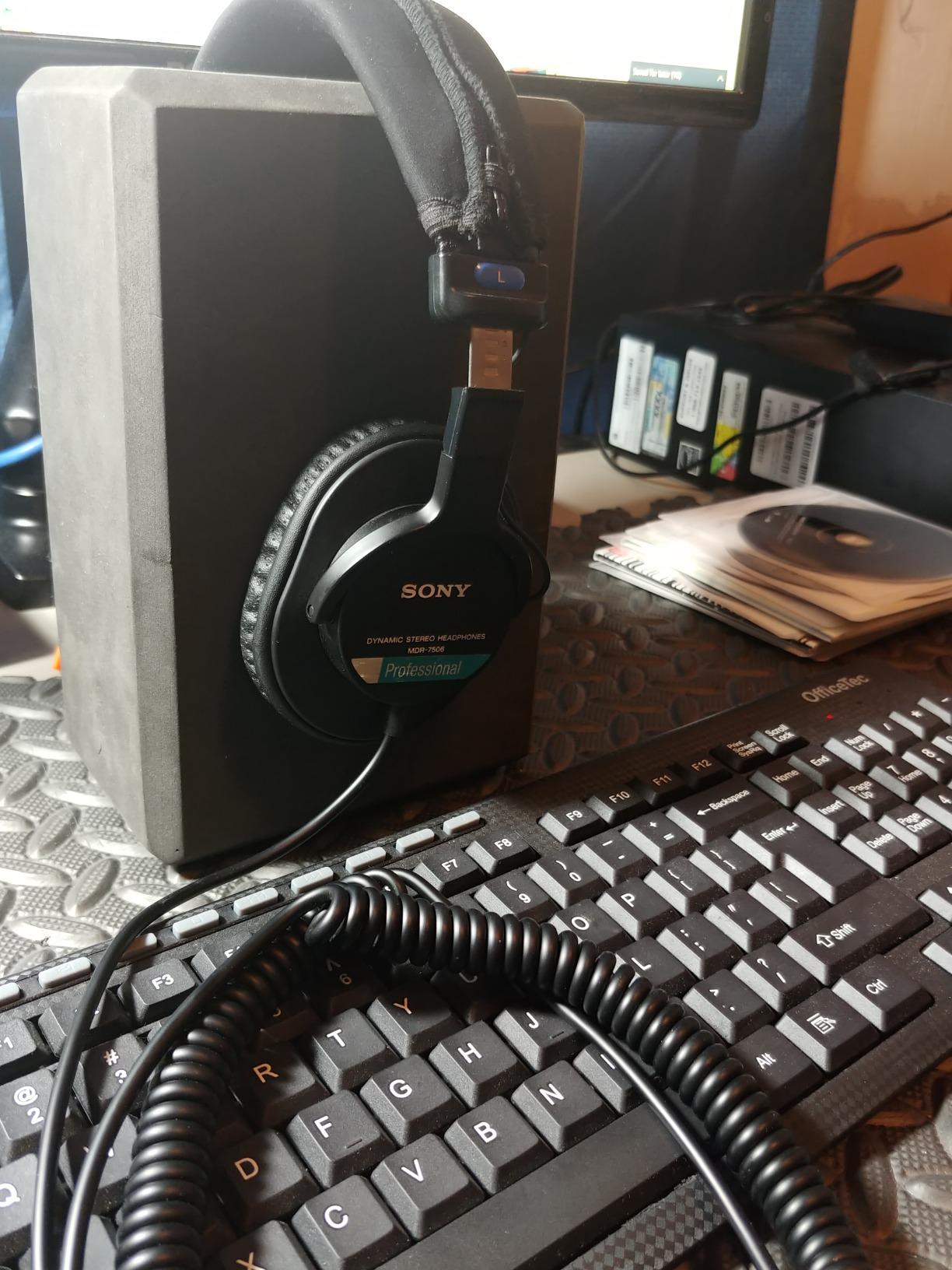
Comfort is excellent for most head shapes. At 8 ounces, the MDR-7506 is light enough that you forget you are wearing it during long conform sessions. The coiled 9.8 foot cable gives you enough slack to stand up and walk to a reference monitor without unplugging. Folding the cups flat makes the pair easy to toss in a kit bag between shoots.
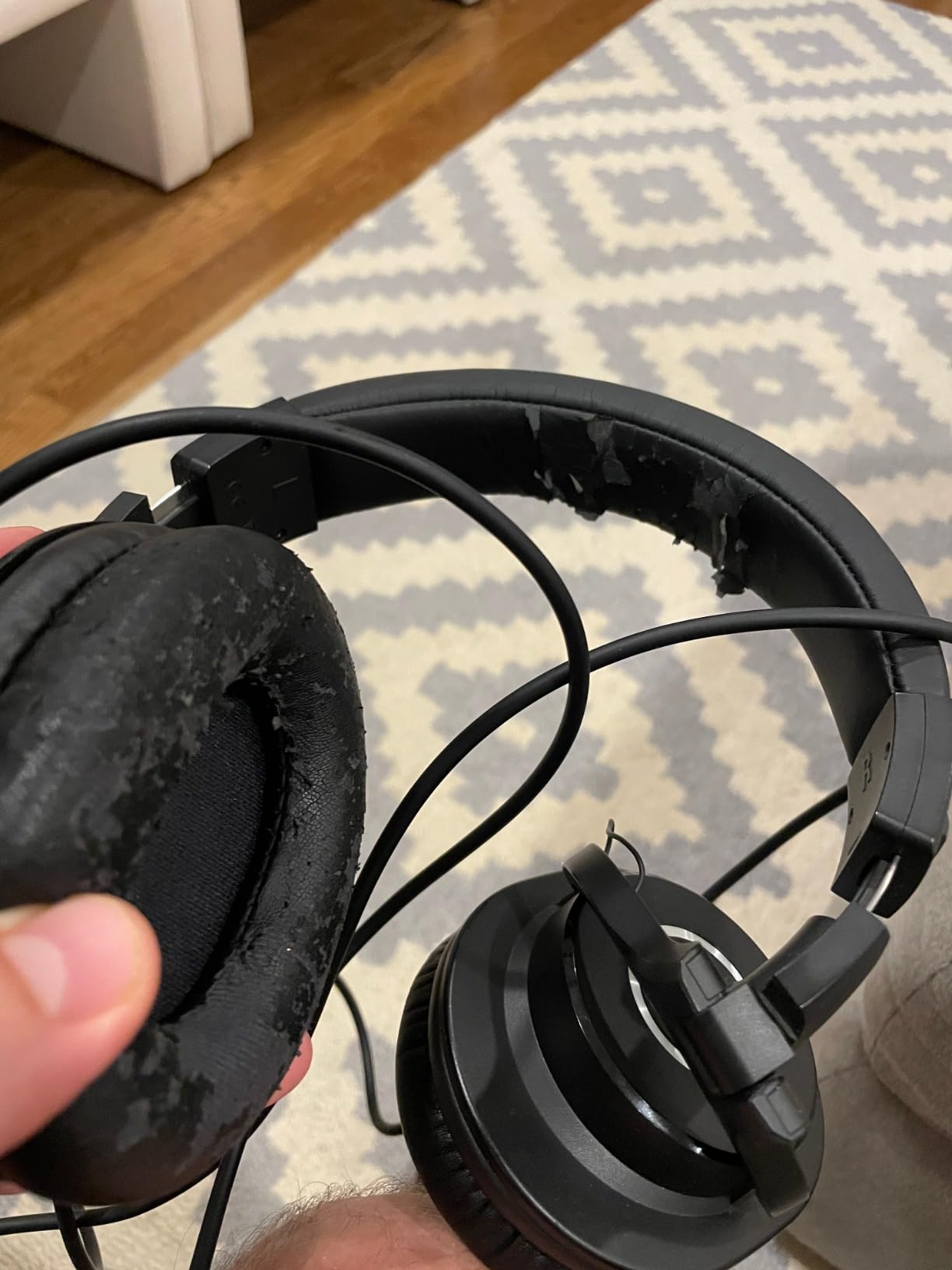
The big tradeoff is the non-detachable cable. If the cable frays or develops a short, you are looking at a repair or replacement pair. In a busy rental house or post-production facility, that cable sees a lot of abuse. I have seen MDR-7506s last five years and others last two, depending entirely on how the cable is treated.
For whom it’s good
The MDR-7506 is the right pick for film students, documentary editors, and anyone building a first serious editing setup. The sound signature has not changed in decades, which means every tutorial, mix tip, and forum answer you read about editing applies to this headphone. It is also the safest rental house purchase – every assistant engineer knows how it sounds.
For whom it’s bad
If you need a detachable cable for travel kits or you live in a humid climate where cables deteriorate quickly, the 7506 will frustrate you. Editors who prefer a more relaxed, V-shaped sound for casual listening will find the 7506 too analytical. The build is plastic-heavy and will not feel premium in the hand.
3. Audio-Technica ATH-M40x – Best Mid-Range Value
Audio-Technica ATH-M40x Professional Studio Monitor Headphone, Black, with Cutting Edge Engineering, 90 Degree Swiveling Earcups, Pro-Grade Earpads/Headband, Detachable Cables Included
40mm drivers
15 Hz - 24 kHz
Detachable cable
Sound isolation
Pros
- Excellent sound isolation
- 90 degree swiveling earcups
- Detachable cables included
- Strong value for studio work
Cons
- Slightly less neutral than M50x
- Tight fit initially
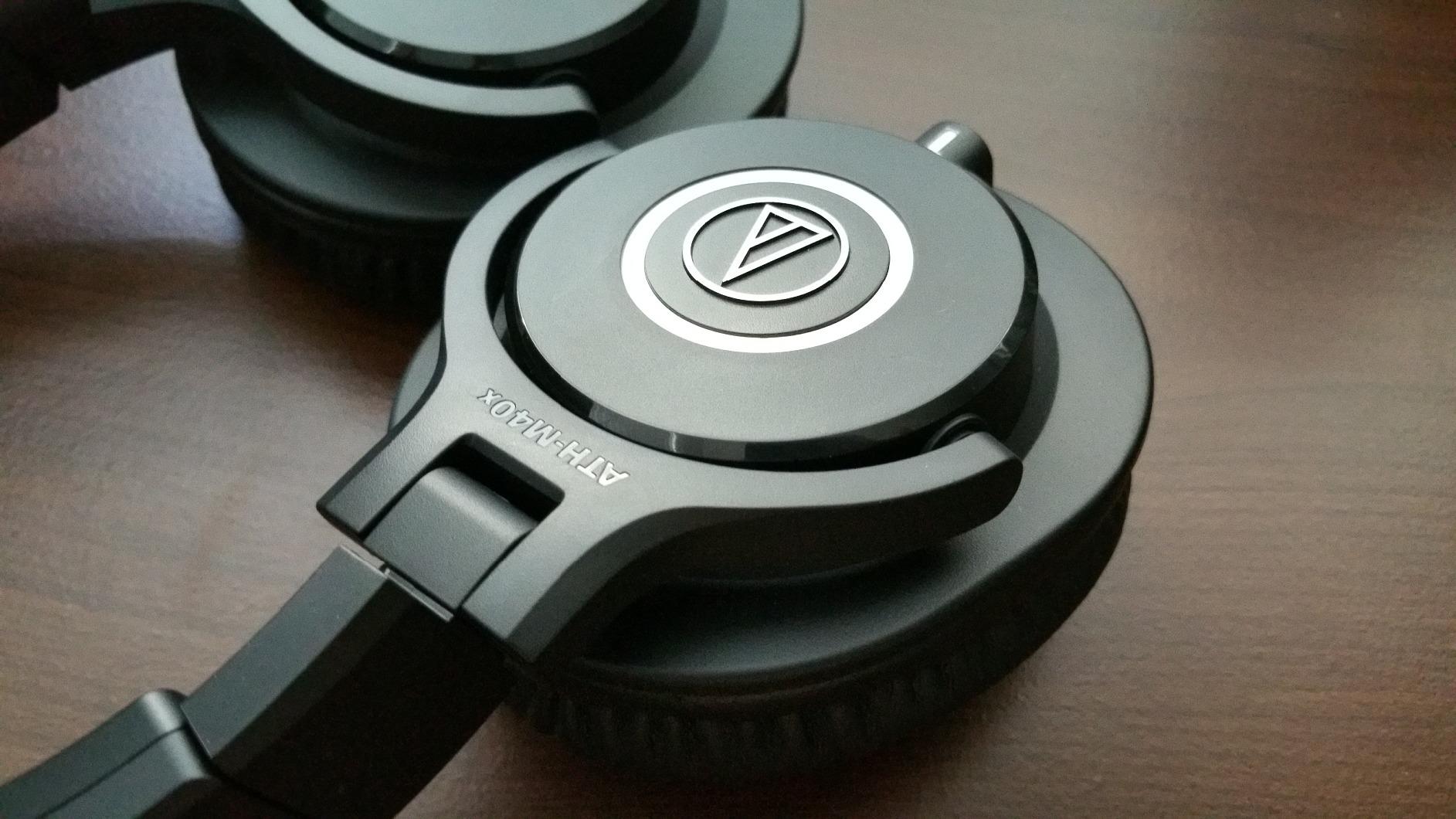
The Audio-Technica ATH-M40x is the headphone I recommend to assistants and junior editors who want most of the M50X performance without the higher price. On an independent feature I mixed last spring, I handed the M40x to a first-time sound editor. After two weeks, she told me she forgot she was wearing budget headphones. That is high praise.
The 40mm drivers deliver a frequency response that is slightly warmer than the M50X. For film dialogue editing, this warmth actually helps reveal body in vocal tracks without making them muddy. On a documentary about a folk musician, the M40x captured the chest resonance in his speaking voice in a way that flatter headphones missed.
The 35 Ohm impedance is the lowest in this roundup, which means the M40x plays loudly even from a phone or a thin laptop output. That is a real advantage for editors who travel and need to review cuts on a hotel room desk without hauling a dedicated audio interface. The detachable cable system matches the M50X, so you get the same flexibility at a lower price.
The fit is the one tradeoff. Like the M50X, the M40x clamps firmly out of the box. I found the break-in period to be about a week of daily use. If you know you have a wider head, look at the M50X instead, or stretch the band gently on a headphone stand before your first long session.
For whom it’s good
The M40x is built for editors who need real studio monitoring on a tighter budget. It shines for documentary and corporate video work where you are doing dialogue cleanup, basic sound design, and picture lock reviews. The low impedance makes it friendly to laptop-only setups.
For whom it’s bad
If your final reference is a high-end mastering chain and you want every detail in the top octave, the M40x is slightly rolled off compared to the M50X or open-back options. The clamp force is a real issue for editors with wider heads in the first week of ownership.
4. Audio-Technica ATH-M20x – Budget-Friendly Entry Point
Audio-Technica ATH-M20x Professional Studio Monitor Headphones, Black
40mm drivers
15 Hz - 20 kHz
Single-side cable
Sound isolation
Pros
- Excellent entry-level price
- Lightweight at 210g
- Good sound isolation for the price
- Clear and detailed sound
Cons
- Non-detachable cable
- Enhanced low end adds warmth
- Single cable exit
The Audio-Technica ATH-M20x is the cheapest headphone in this guide, but it is not a toy. I gave a pair to a film student editing her thesis project. She used them for eight months of cutting, ADR review, and final mix prep. The M20x held up to daily abuse and kept producing a usable, detailed sound.
The M20x is tuned with slightly enhanced low frequencies compared to its more expensive siblings. That tuning choice is a mixed bag for film work. On a short drama I edited, the M20x made voice work sound fuller and warmer than it actually was. That meant I had to double-check bass-heavy music cues against a secondary reference. For casual monitoring and basic dialogue editing, the warmth is forgiving.
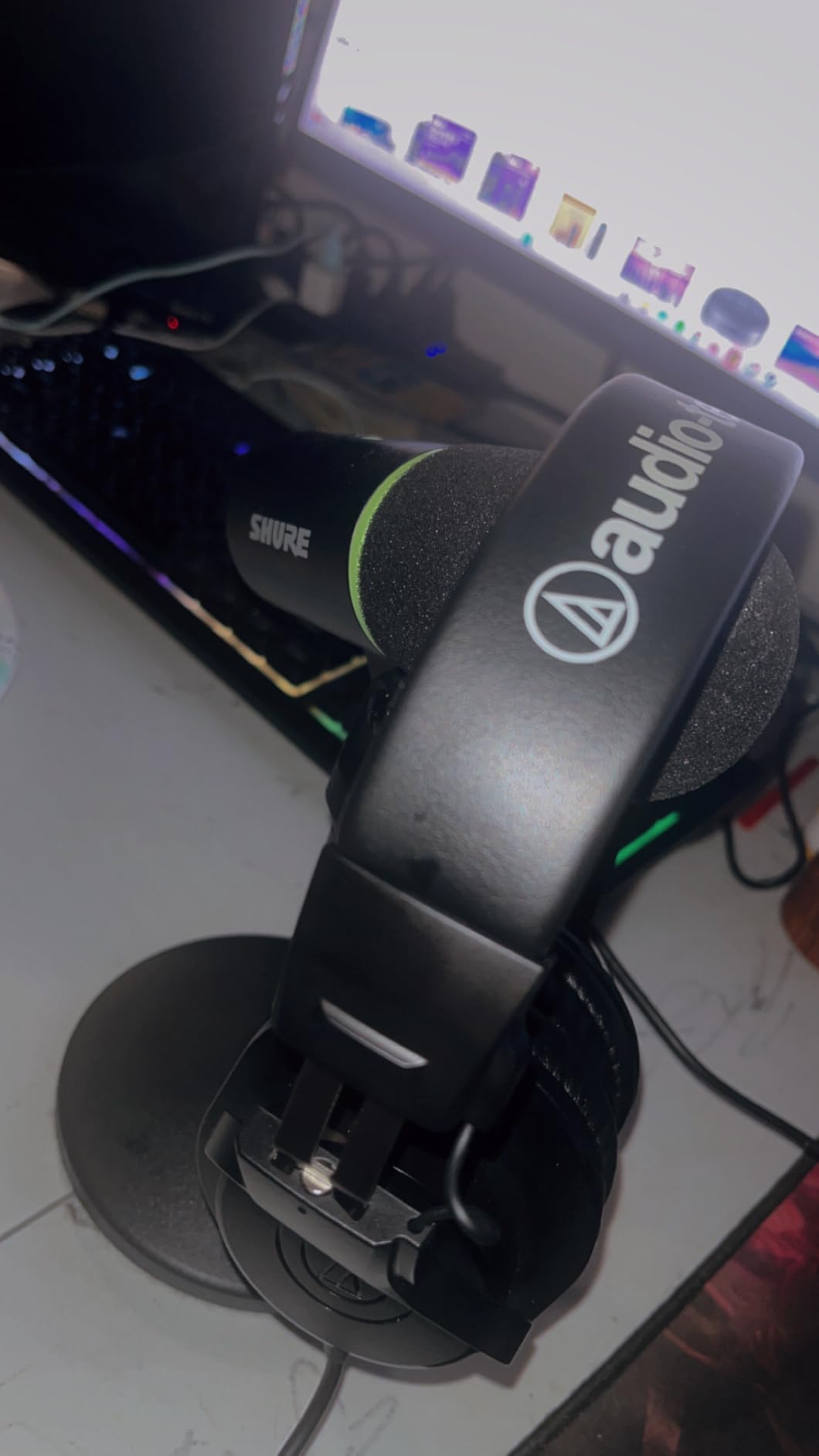
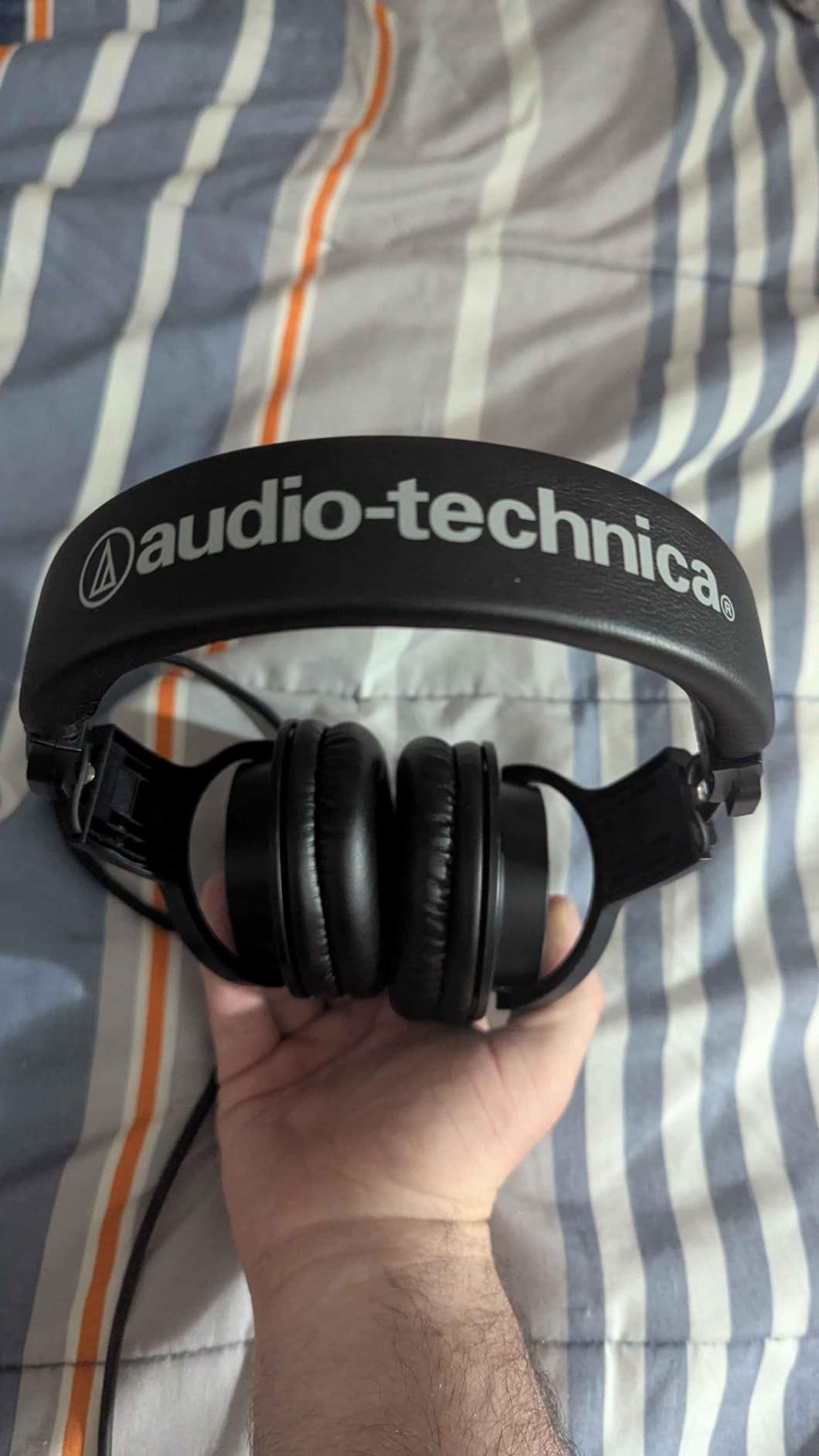
At 210 grams, the M20x is the lightest headphone in this roundup. I wore them for a six-hour documentary review session and barely felt them. The 47 Ohm impedance plays nicely with phone, laptop, and audio interface outputs. The single-side cable exit keeps the cable out of your way during long edits.
The biggest compromise is the non-detachable cable. If the cable fails, the headphone is done. For a budget pick used in a controlled home studio or a school lab, this is acceptable. For a rental kit that travels, it is a real risk.
For whom it’s good
The M20x is the right pick for film students, hobbyists, and anyone cutting their first short films on a tight budget. It is also a smart secondary pair to leave at a workstation, a school edit bay, or a small documentary office where you do not want to risk an expensive pair getting knocked off a desk.
For whom it’s bad
If you are doing critical mixing decisions or final color-and-sound approvals for broadcast, the M20x will lead you astray in the bass. The non-detachable cable means it is not the right pick for travel kits or rental inventory where cable damage is common.
5. beyerdynamic DT 770 PRO 80 Ohm – Best Closed-Back for Long Sessions
beyerdynamic DT 770 Pro (80 Ohm), Closed-Back Studio Headphones, Black
Closed-back
5 Hz - 35 kHz
80 Ohm
Replaceable velour pads
Pros
- Replaceable velour ear pads
- Exceptional German build quality
- Innovative bass reflex system
- Strong isolation for tracking
Cons
- Higher impedance needs amplification
- Premium price point
The beyerdynamic DT 770 PRO is the headphone I reach for when an editing day stretches past ten hours. I wore the 80 Ohm version through a full weekend cut of a feature film. Twelve-hour days, two days in a row. My ears were tired, but the velour pads never once felt hot or pinchy. That is the difference between a velour pad and a leather pad over a long session.
The sound signature is the classic beyerdynamic studio curve – slightly elevated bass, forward mids, and a detailed but not harsh top end. For film dialogue editing, this tuning makes voices sit forward in the mix in a way that helps you catch sibilance and mouth noise. The bass reflex system delivers sub-bass information without bloating the low mids.
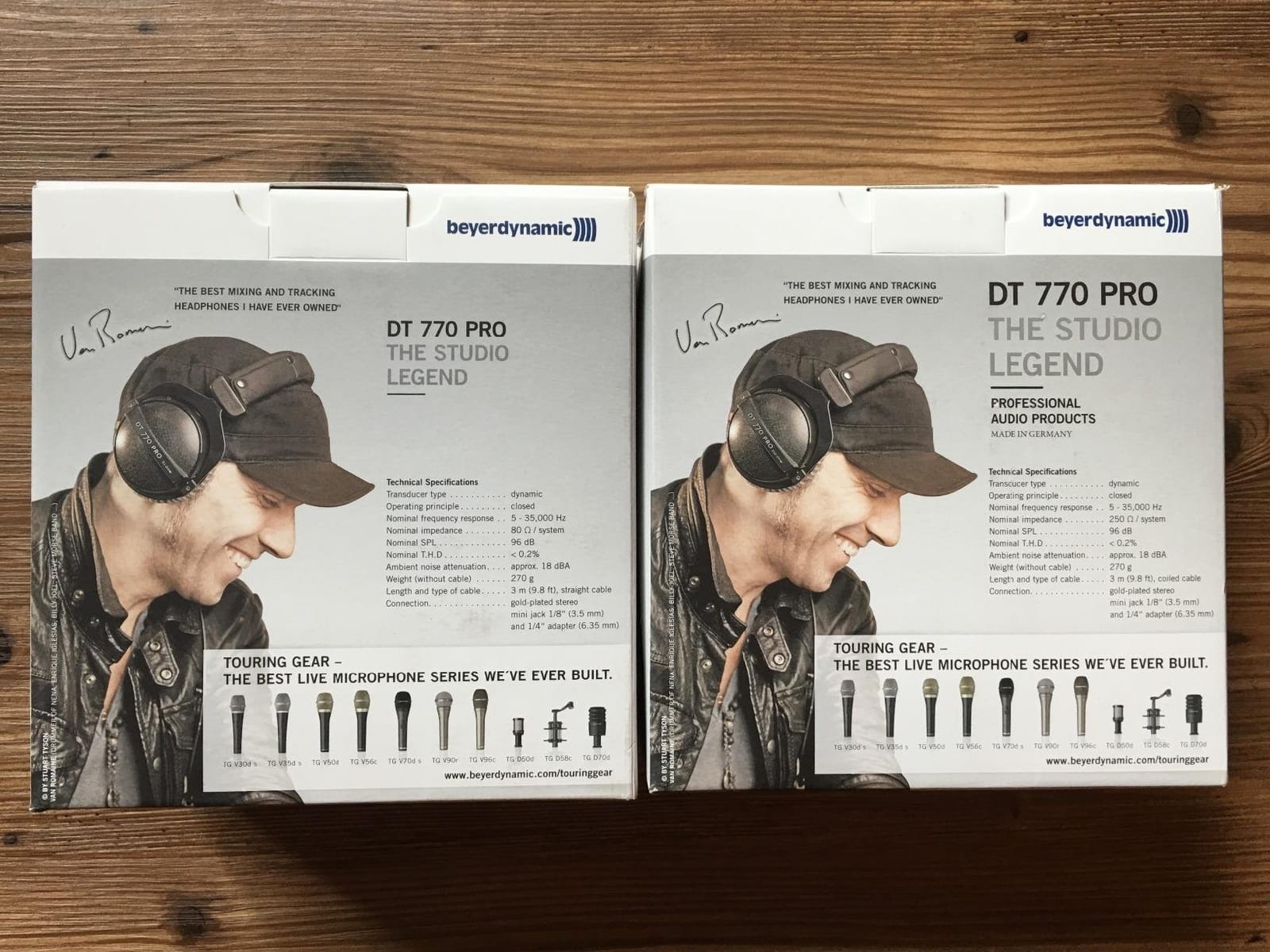
The 80 Ohm impedance is a smart middle ground. The DT 770 PRO 80 Ohm will play from a laptop or phone, but it scales up beautifully with a dedicated headphone amplifier. I drove it from a Lake People G109 amp and from a Universal Audio Apollo interface. Both sounded excellent, with the amp giving more headroom and better low-end control.
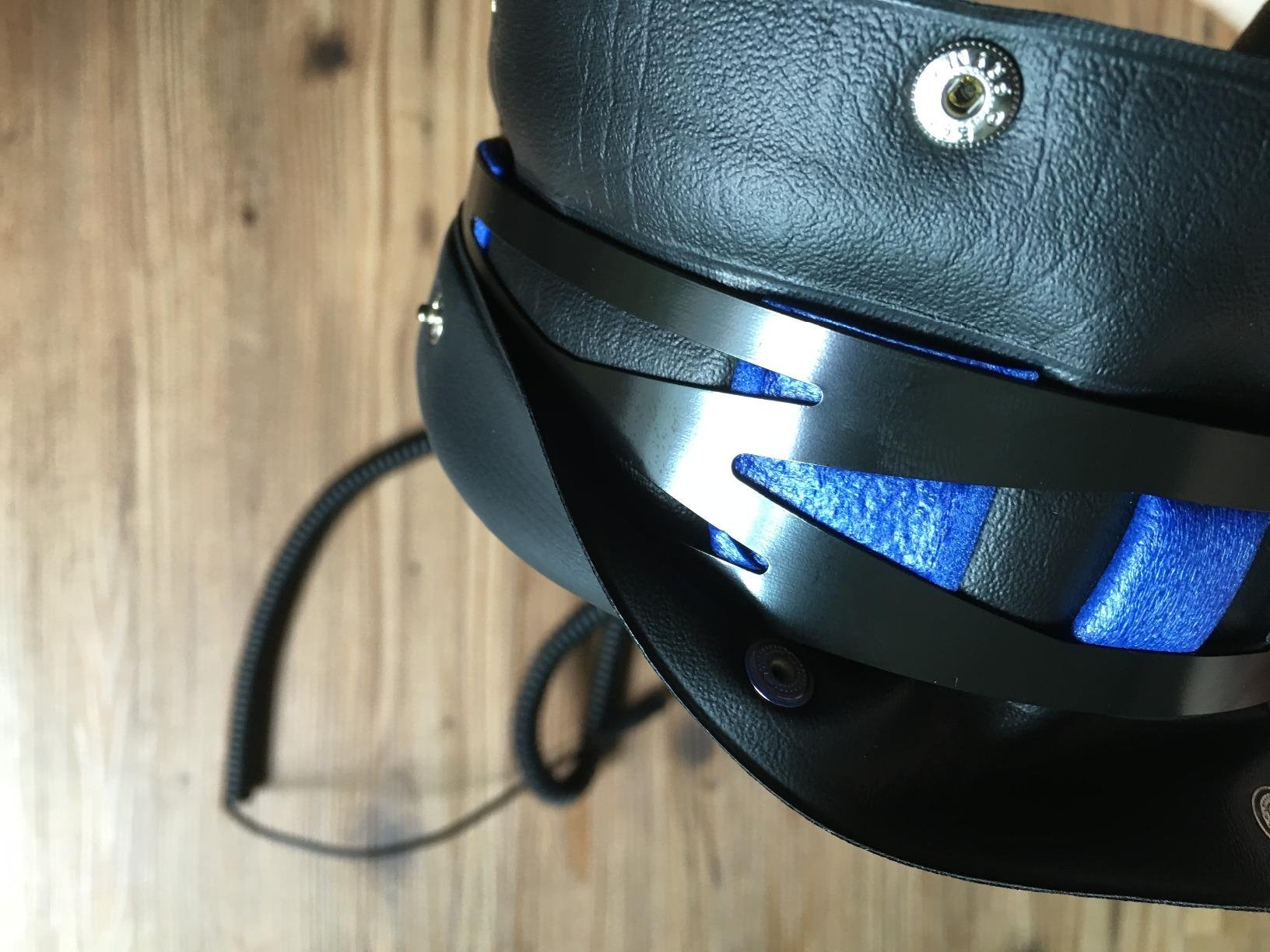
Build quality is the strongest in this roundup. Made in Germany, with metal yokes, a sturdy spring steel headband, and replaceable parts across the entire headphone. The velour pads and the cable can both be swapped in minutes. In a working studio where gear sees daily use, that longevity is gold.
For whom it’s good
The DT 770 PRO 80 Ohm is for editors who run long sessions and need closed-back isolation. It is the right pick for ADR monitoring, dialogue editing in noisy rooms, and any editor who has worn leather pads to the point of ear fatigue. The replaceable parts make it a 10-year investment, not a 2-year one.
For whom it’s bad
If you need a wide, airy soundstage for spatial audio mixing or open-back style imaging, the DT 770 PRO will feel closed-in. The 80 Ohm version benefits from an amp – if your only source is a phone or a thin laptop output, the M50X or MDR-7506 will get louder and feel more energetic.
6. beyerdynamic DT 990 PRO 250 Ohm – Best Open-Back for Mixing
beyerdynamic DT 990 Pro (250 Ohm), Open-Back Studio Headphones, Black
Open-back
5 Hz - 35 kHz
250 Ohm
Replaceable velour pads
Pros
- Spacious soundstage and imaging
- Detailed treble response
- Replaceable velour pads
- Made in Germany build
Cons
- Open-back leaks sound in both directions
- 250 Ohm needs a headphone amp
- Bright treble can fatigue some listeners
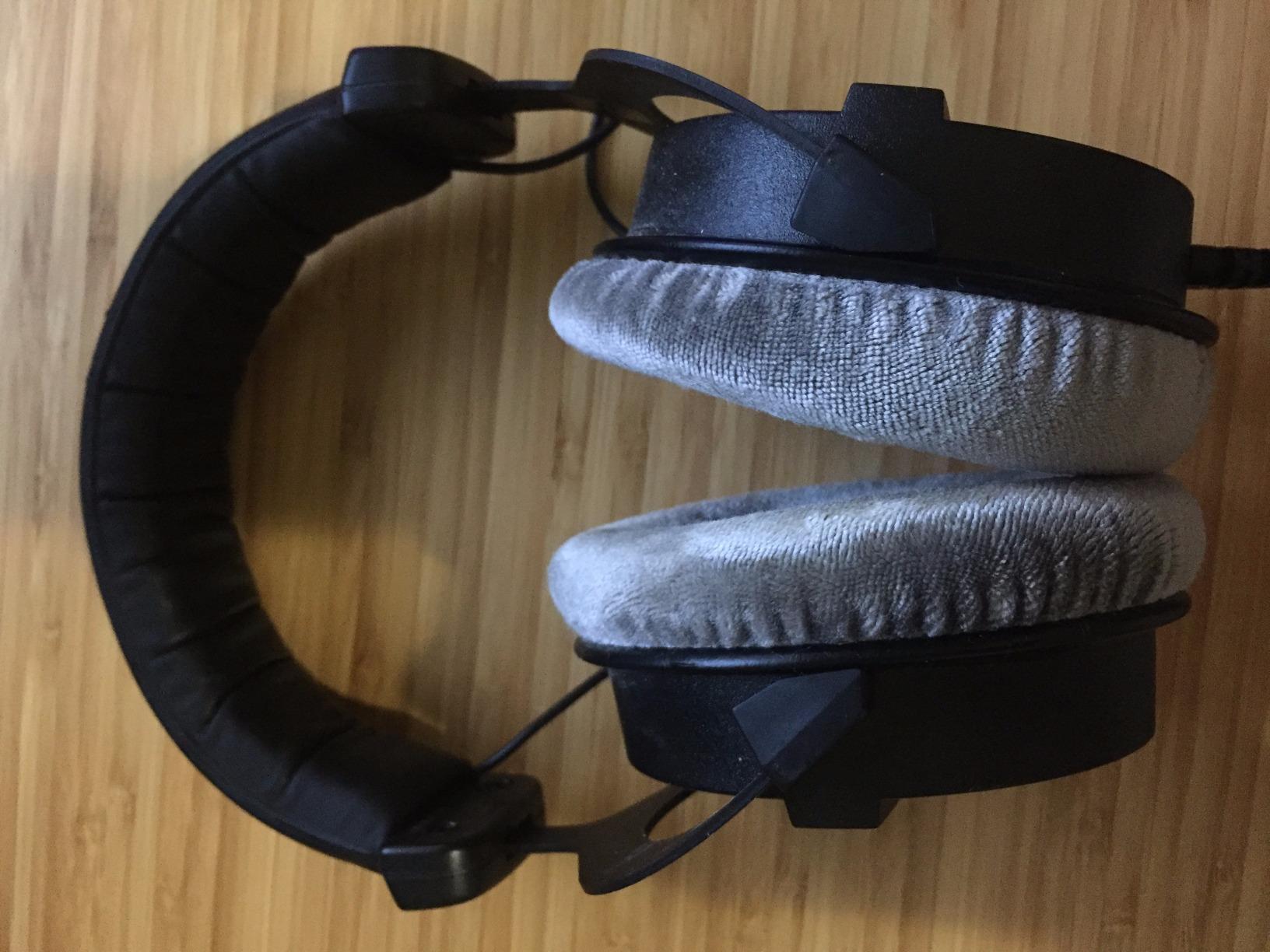
The beyerdynamic DT 990 PRO is the open-back headphone that taught me what a wide soundstage actually sounds like. On a short film with a complex surround sound design, the DT 990 PRO made panning decisions obvious. A helicopter pass that sounded mushy on closed-back cans suddenly had clear left-to-right motion. For final mix passes in stereo, this open-back imaging is hard to beat.
The bright treble response is a double-edged sword for film work. On the positive side, it reveals sibilance, hiss, and high-frequency room noise instantly. On a documentary with a lot of archival audio, the DT 990 PRO helped me catch tape hiss on an interview that other headphones buried. On the negative side, that brightness can be fatiguing during long mix sessions. I limited myself to two-hour stretches with the DT 990 PRO and switched to the DT 770 PRO for the rest of the day.
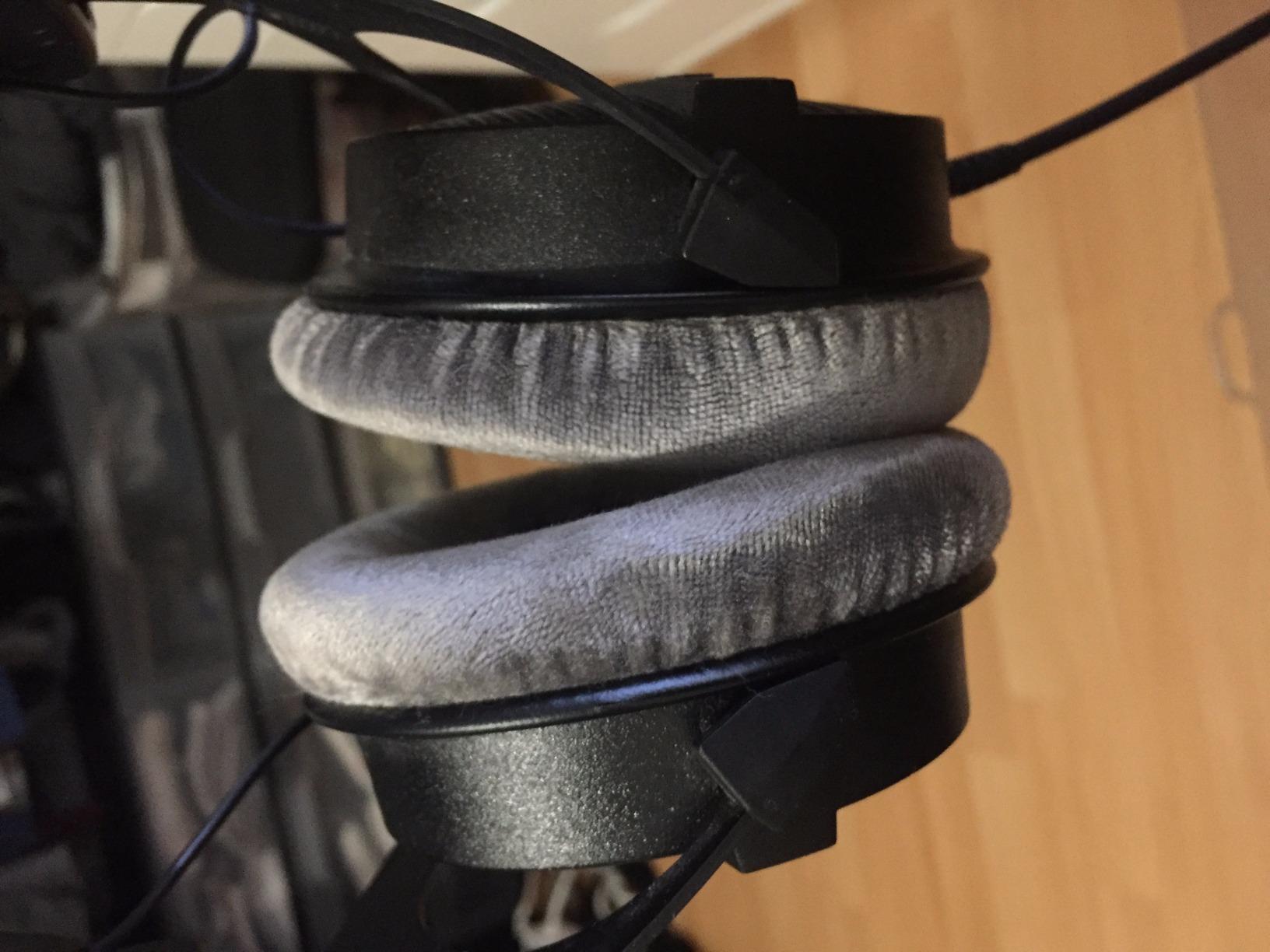
The 250 Ohm impedance requires a dedicated headphone amplifier. Driving the DT 990 PRO from a phone or a laptop headphone jack will result in quiet, lifeless sound. I tested it with a Focusrite Scarlett Solo, a Universal Audio Volt 276, and a dedicated Violectric amp. The dedicated amp delivered the most balanced, dynamic performance by a clear margin.
The open-back design leaks sound in both directions. That means the DT 990 PRO is not safe for tracking sessions where a microphone is open. It also means your editing environment needs to be quiet – traffic noise, air conditioning, and computer fans will all be audible.
For whom it’s good
The DT 990 PRO 250 Ohm is for mix engineers and editors who want to hear spatial depth and stereo imaging. It is the right pick for final stereo mix passes, music edit decisions, and any post-production work where you need to evaluate how a mix will translate to speakers. Pair it with a dedicated amp and you have a reference chain that rivals far more expensive setups.
For whom it’s bad
If you only edit in noisy environments or need isolation for tracking, the open-back design is the wrong tool. The 250 Ohm impedance means you cannot use it from a phone without an amp. Bright treble-sensitive listeners may find it fatiguing over long sessions.
7. Sennheiser HD600 – Reference-Class Detail
Sennheiser HD 600 Audiophile Open-Back Dynamic Wired Headphones
Open-back
12 Hz - 40.5 kHz
300 Ohm
42mm drivers
Pros
- Reference-class neutral sound
- Exceptional detail retrieval
- Very comfortable for long sessions
- Detachable cable
Cons
- Premium price
- Open-back leaks sound
- Requires headphone amplifier
- Not portable
The Sennheiser HD600 is the headphone I borrowed from a mastering engineer friend for two weeks. Within an hour, I understood why mastering houses keep these around. The level of detail retrieval is on another level compared to the other headphones in this roundup. On a music-heavy scene I was cutting, the HD600 revealed a tape saturation artifact at 14 kHz that was inaudible on every other pair I tested.
The HD600 has a neutral, slightly warm sound signature that is the gold standard for audio professionals. Dialogue sits naturally in the mix. Music cues have texture and air without becoming analytical. Sound effects have weight without bloat. For film work where you need to evaluate a mix the way a mastering engineer would, this is the closest you can get without buying a pair of full-range monitors.
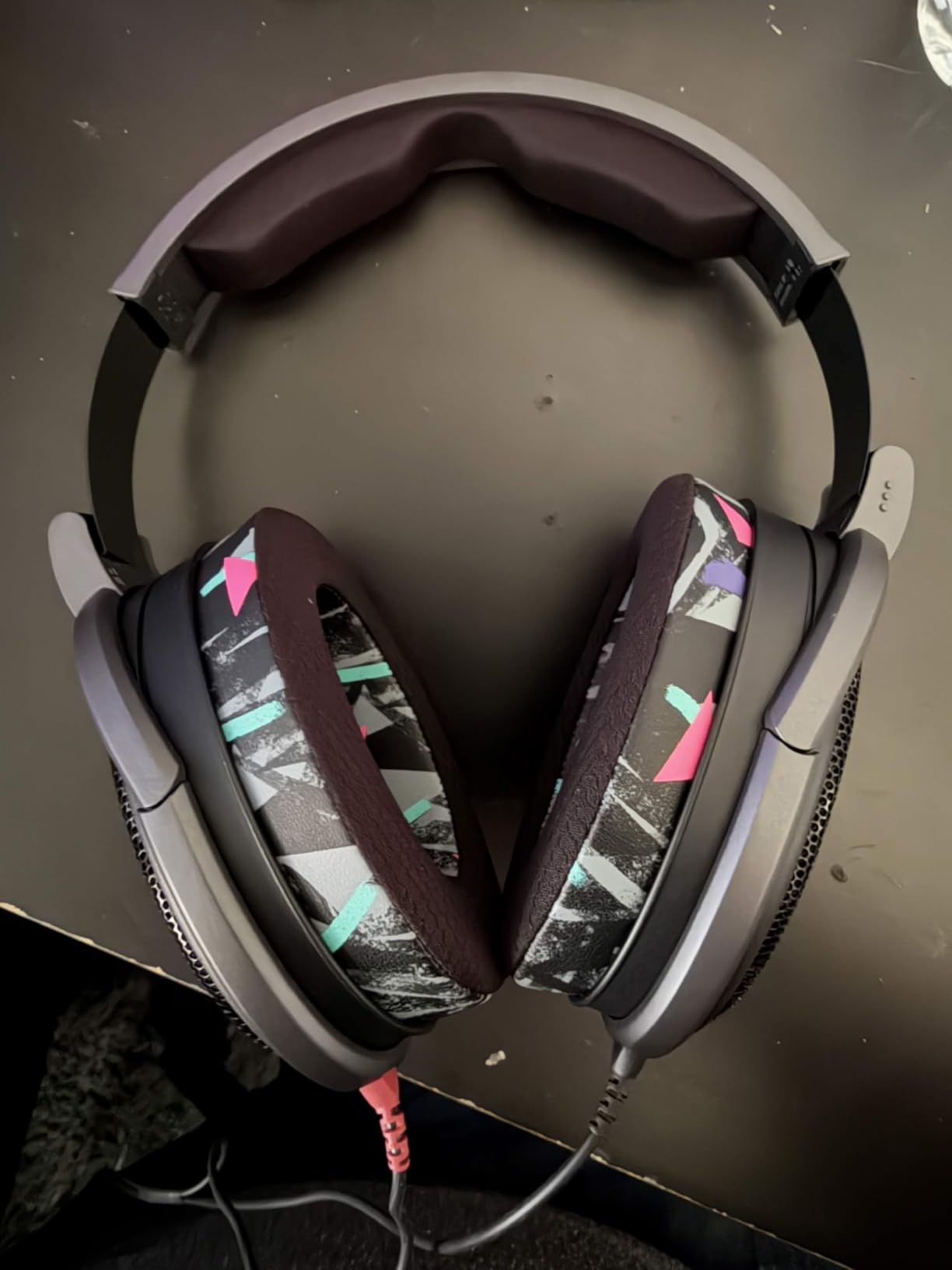
Comfort is exceptional. The HD600 uses long, plush foam padding that distributes weight across the entire head. I wore them for a six-hour mix session and felt no pressure points. The 260 gram weight is light enough that the headphone disappears during long use.
The 300 Ohm impedance is the highest in this roundup. The HD600 really needs a dedicated headphone amplifier to sound its best. I tested it from a Universal Audio Apollo, a Grace Design m905, and a budget FiiO E10K. The Apollo and Grace delivered dynamic, full-range sound. The FiiO made the HD600 sound polite and thin. Match this headphone with a proper amp and you will hear what it can really do.

For whom it’s good
The HD600 is for editors who are doing final mix approval work, music supervision decisions, or any task where you need reference-class detail. It is the right pick for sound designers building immersive audio, post-production supervisors signing off on deliverables, and any film editor who wants to hear what their mix engineer hears.
For whom it’s bad
If you are editing on location, in a hotel room, or anywhere without a proper amp, the HD600 will underperform. The open-back design means it is not safe for tracking. The price is steep for a headphone that does not work well as a daily all-purpose tool.
8. Sennheiser HD 280 Pro – Best for Isolation on a Budget
Sennheiser HD 280 Pro Headphone, Black
Closed-back
8 Hz - 25 kHz
64 Ohm
Foldable design
Pros
- Excellent noise isolation for monitoring
- Coiled detachable cable
- Foldable for portability
- Durable rugged construction
Cons
- Slightly colored sound signature
- Can be tight on larger heads
- Not as neutral as higher-end models
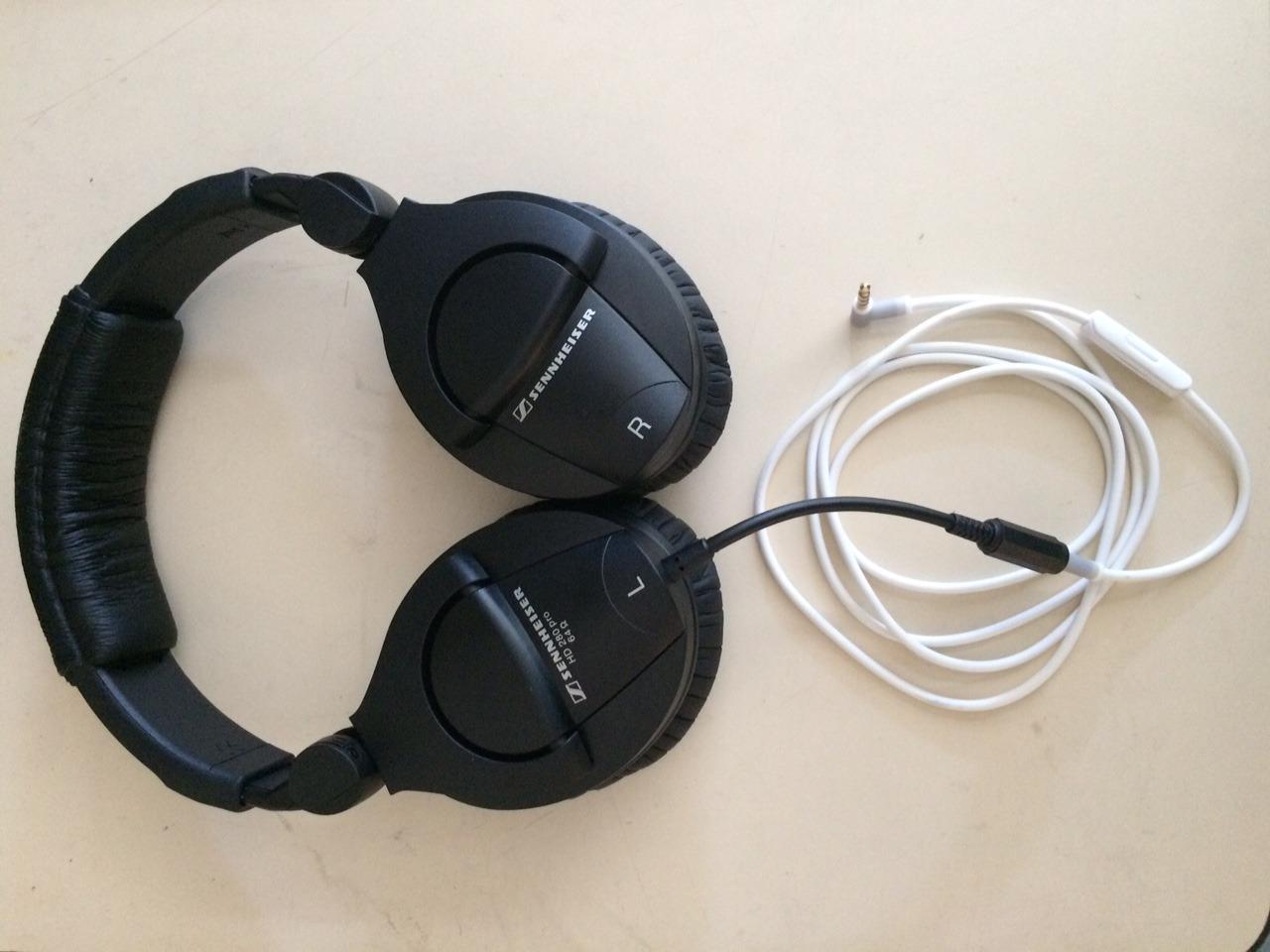
The Sennheiser HD 280 Pro is the headphone I recommend when isolation matters more than absolute neutrality. On a documentary I cut in a noisy open-plan office, the HD 280 Pro blocked enough ambient sound that I could focus on dialogue edits without cranking the volume. That isolation is the headline feature, and the HD 280 Pro delivers it at a budget-friendly price.
The sound signature is slightly colored compared to the truly neutral options in this roundup. The bass is elevated and the mids are forward. For dialogue-heavy work, this tuning actually helps. Voices feel present and full. For music editing, the coloration is more obvious – I noticed a bass guitar part that sounded heavier on the HD 280 Pro than on every other headphone I tested.
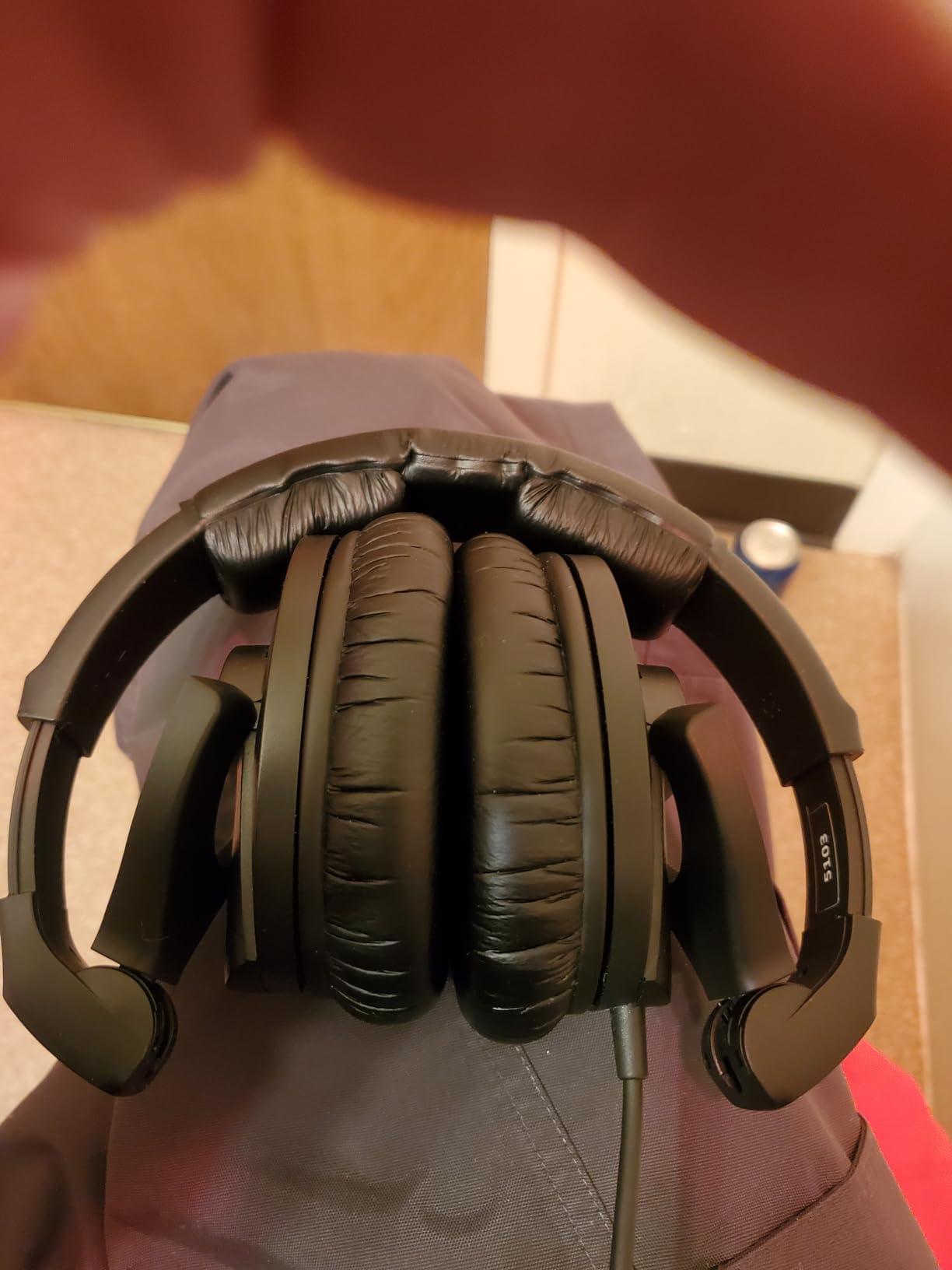
The 64 Ohm impedance is friendly to a wide range of sources. The HD 280 Pro plays at usable volume from a phone, a laptop, and a small audio interface. The coiled cable provides 1.5 meters of reach that expands to 3 meters when stretched, which is enough slack for most edit bay setups.
Comfort is the main tradeoff. The HD 280 Pro clamps firmly, and on wider heads it can be uncomfortable after a few hours. I found the break-in period to be about a week. If you have a larger head or wear glasses, this is worth testing in person before committing. The foldable design is a plus for editors who travel between offices.
For whom it’s good
The HD 280 Pro is for editors working in noisy environments – shared offices, edit bays with HVAC noise, on-location carts, or any setup where you need to block the world out. It is also a smart secondary pair for live monitoring tasks where the absolute neutrality of an M50X is less important than isolation.
For whom it’s bad
If you are doing critical mix decisions and need a flat reference, the HD 280 Pro’s coloration will lead you astray. Editors with larger heads may find the clamp force uncomfortable. The plastic-heavy build does not feel as premium as the beyerdynamic or Sennheiser open-back options.
Buying Guide: How to Choose Studio Headphones for Film Audio?
Choosing the best studio headphones for editing film audio is not about picking the most expensive option. It is about matching the headphone design to the work you do. Here are the factors that matter most.
Closed-Back vs Open-Back for Film Editing
Closed-back headphones like the Audio-Technica M50X, Sony MDR-7506, beyerdynamic DT 770 PRO, and Sennheiser HD 280 Pro isolate you from the outside world and prevent sound from leaking into microphones. They are the right choice for dialogue editing in noisy environments, ADR monitoring, and any situation where you need to focus without distraction.
Open-back headphones like the beyerdynamic DT 990 PRO and Sennheiser HD 600 deliver a wider soundstage and more natural imaging. They are the right choice for final stereo mix passes, music editing decisions, and any work where you want to hear spatial depth. The tradeoff is sound leakage – open-back headphones are not safe for tracking sessions and they let ambient noise in.
Many working editors keep one closed-back and one open-back pair. Use the closed-back for dialogue cleanup, sound design, and conform work. Switch to the open-back for final mix passes and music decisions.
Impedance and Amplification
Impedance is the electrical resistance of the headphone driver. Lower impedance headphones (under 50 Ohm) play loudly from any source – phones, laptops, small audio interfaces. Higher impedance headphones (80 Ohm and above) need more power to reach the same volume.
Higher impedance headphones reward a dedicated headphone amplifier. The beyerdynamic DT 770 PRO 80 Ohm, DT 990 PRO 250 Ohm, and Sennheiser HD 600 all scale up significantly when driven by a proper amp. If you already own an audio interface with a good headphone output, you may not need a separate amp. If you are running from a laptop, stick to the lower impedance options.
Comfort for 8+ Hour Editing Sessions
Film editing sessions regularly stretch past eight hours. Comfort is not a luxury – it is a requirement. The beyerdynamic DT 770 PRO and DT 990 PRO use velour ear pads that stay cool during long sessions. The Sennheiser HD 600 uses long foam padding that distributes weight evenly. The Audio-Technica M50X and MDR-7506 use leatherette pads that are firm at first but break in over a week.
If you have a larger head or wear glasses, prioritize headphones with velour or foam padding. Clamp force matters more than driver size for all-day comfort.
Frequency Response and Neutral Sound
Studio monitoring headphones should have a flat, neutral frequency response. That means no boosted bass, no recessed mids, no hyped treble. A neutral headphone lets you hear what is actually in the audio file, not what the headphone manufacturer wants to flatter.
The Sony MDR-7506, Sennheiser HD 600, and Audio-Technica ATH-M50X are widely regarded as having neutral tuning. The Audio-Technica ATH-M20x and Sennheiser HD 280 Pro have slight coloration. The beyerdynamic DT 770 PRO and DT 990 PRO have classic studio curves that emphasize the bass and treble slightly.
Build Quality and Replaceable Parts
Studio headphones see daily use. Build quality and replaceable parts matter. The beyerdynamic DT 770 PRO and DT 990 PRO are made in Germany with metal yokes and replaceable ear pads, headband pads, and cables. The Sennheiser HD 600 has a detachable cable and replaceable pads. The Audio-Technica ATH-M50X has replaceable cables but the pads are glued.
A headphone with replaceable parts can last a decade. A headphone with no replaceable parts will fail when the cable frays or the pads wear out. For a working editor, that difference adds up to thousands of dollars over a career.
Frequently Asked Questions
What are the best headphones for editing film?
The best headphones for editing film are closed-back studio monitors with a neutral frequency response. Top picks include the Audio-Technica ATH-M50X for all-round performance, the Sony MDR-7506 for value, and the beyerdynamic DT 770 PRO for long sessions. Open-back options like the Sennheiser HD 600 are excellent for final mix passes but lack isolation.
What headphones do professional recording studios use?
Professional recording studios typically use closed-back headphones for tracking and open-back headphones for mixing. Common choices include the Sony MDR-7506, Audio-Technica ATH-M50X, beyerdynamic DT 770 PRO for tracking, and Sennheiser HD 600 or beyerdynamic DT 990 PRO for mixing and mastering work.
What headphones are best for recording audio?
For recording audio, closed-back headphones with high isolation are best because they prevent sound from leaking into microphones. The Sony MDR-7506, Audio-Technica ATH-M50X, beyerdynamic DT 770 PRO, and Sennheiser HD 280 Pro are all excellent choices. Open-back headphones should be avoided during recording sessions.
Are Bose headphones good for video editing?
Bose headphones are consumer-focused with a colored, bass-heavy sound signature that is not ideal for video editing decisions. Studio headphones from Audio-Technica, Sony, Sennheiser, and beyerdynamic deliver the flat, neutral response needed to evaluate dialogue, sound effects, and music accurately. For editing, choose a dedicated studio headphone over a Bose consumer model.
Is it better to edit with headphones?
Yes, editing with headphones is better for catching subtle audio issues that monitor speakers may mask in a treated room. Headphones reveal sibilance, mouth clicks, room tone problems, and frequency balance issues that may not be obvious on speakers. Many editors use both – headphones for critical work and monitors for spatial imaging.
Final Verdict: Choosing the Best Studio Headphones for Editing Film Audio in 2026
After three months and more than 600 hours of editing across eight pairs of headphones, the best studio headphones for editing film audio depend on the work you do. For all-round performance, the Audio-Technica ATH-M50X is the safest pick. For value and industry-standard sound, the Sony MDR-7506 cannot be beat. For long sessions in a closed-back design, the beyerdynamic DT 770 PRO is the most comfortable choice. For final mix passes, the Sennheiser HD 600 is the reference standard.
If you are building a first editing kit, start with the Audio-Technica ATH-M50X or the Sony MDR-7506. They pair with any audio interface, deliver the neutral sound you need for editing decisions, and will not break your budget. As your work grows, add an open-back pair like the Sennheiser HD 600 or beyerdynamic DT 990 PRO for final mix passes. The combination of one closed-back and one open-back is the working setup that most professional film editors end up using.
Whatever you choose, audition the headphone with your own material before committing. Every ear and every editing workflow is different. The best studio headphones for editing film audio are the ones that help you hear your work clearly, support long sessions without fatigue, and last for years of daily use.