
Sixty-five inches is the size most people land on when they finally replace the set they’ve been living with, and it is the point where every major panel technology becomes genuinely affordable. The best 65-inch TV is not one winner though. It is whichever set matches your room lighting, your main use, and how far back your sofa sits, because an entry-level QLED that handles a bright living room well can beat a flagship OLED that acts like a mirror at noon.
We compared 10 of the strongest 65-inch sets on the market right now, from a Fire TV QLED at the entry end to 144Hz Mini-LEDs and QD-OLED panels for dark rooms and high-refresh gaming. The spread matters. Six months ago, “best 65-inch TV” meant a single tier; today the same screen size covers a 60Hz budget LED and a 144Hz OLED with HDMI 2.1, and the two are not remotely comparable.
Three questions decide almost everything: How much light hits the screen during the day, what you watch most, and how far you sit. Get those three answers and the choice narrows to two or three models. This guide walks through all ten sets, then explains panel types, viewing distance, burn-in and HDR formats so the jargon stops working against you.
Before we get into the picks, it is worth lining up some adjacent reading. Our 4K TVs for home cinema guide goes deeper on picture quality for film, and our OLED picks for watching movies covers the panel type in detail if your room is dark enough to make it count.
All ten sets below were evaluated on the same criteria: panel technology, refresh rate and gaming support, HDR format coverage, smart platform, audio hardware, weight and mounting pattern, and the weakness that most buyers discover after purchase rather than before.
Table of Contents
- Top 3 Picks for the Best 65-Inch TVs in 2026
- The 10 Best 65-Inch TVs in October
- How We Picked and Tested These 10 Sets
- 1. INSIGNIA 65-inch QF Series QLED: Best 65-Inch TV Overall
- 2. Roku 65-inch Select Series QLED: Best for Simple Streaming
- 3. Samsung 65-inch M70H Series Mini-LED: Best for Easy Mounting
- 4. Roku 65-inch Plus Series Mini-LED: Top Rated 65-Inch TV
- 5. TCL 65-inch T7 QLED: Best 65-Inch TV for Gaming
- 6. TCL 65-inch QM6K Mini-LED: Best Value 65-Inch Mini-LED
- 7. Samsung 65-inch OLED S90F: Best OLED for 144Hz Gaming
- 8. LG 65-inch OLED evo G5: Best 65-Inch OLED for Bright Rooms
- 9. Hisense 65-inch E7 Cinema Series Mini-LED: Best for Complete HDR Formats
- 10. Samsung 65-inch Crystal UHD U8000H: Best 65-Inch TV for Lowest Running Cost
- 65-Inch TV Buying Guide: What Actually Matters
- How far should you sit from a 65-inch TV?
- OLED vs QLED vs Mini-LED: which panel fits your room
- Is OLED really worth the premium over QLED?
- Do OLED TVs burn in, and how long does one last?
- Gaming specs: refresh rate, VRR, ALLM and HDMI 2.1
- Dolby Vision vs HDR10+: which brands support what
- 55 vs 65 vs 75 inches: is bigger always better?
- Frequently Asked Questions
- Which 65-Inch TV Should You Buy?
Top 3 Picks for the Best 65-Inch TVs in 2026


The 10 Best 65-Inch TVs in October
| Product | Specs | Action |
|---|---|---|
 INSIGNIA 65-inch QF QLED Fire TV INSIGNIA 65-inch QF QLED Fire TV |
|
Check Latest Price |
| Roku 65-inch Select Series QLED |
|
Check Latest Price |
| Samsung 65-inch M70H Mini-LED |
|
Check Latest Price |
 Roku 65-inch Plus Series Mini-LED Roku 65-inch Plus Series Mini-LED |
|
Check Latest Price |
 TCL 65-inch T7 QLED TCL 65-inch T7 QLED |
|
Check Latest Price |
 TCL 65-inch QM6K Mini-LED TCL 65-inch QM6K Mini-LED |
|
Check Latest Price |
 Samsung 65-inch OLED S90F Samsung 65-inch OLED S90F |
|
Check Latest Price |
 LG 65-inch OLED evo G5 LG 65-inch OLED evo G5 |
|
Check Latest Price |
 Hisense 65-inch E7 Cinema Mini-LED Hisense 65-inch E7 Cinema Mini-LED |
|
Check Latest Price |
 Samsung 65-inch Crystal UHD U8000H Samsung 65-inch Crystal UHD U8000H |
|
Check Latest Price |
How We Picked and Tested These 10 Sets
Our team worked through all ten 65-inch sets over an extended period, comparing them in the same rooms at the same times of day rather than in a controlled lab. That is deliberate: room lighting, seating distance and screen finish change results more than any spec sheet.
For each set we looked at four things. Picture fundamentals: panel type, backlight structure, HDR format support and how the set handles reflections. Gaming: native refresh rate, VRR, HDMI port count and measured response where available. Practical hardware: weight, VESA mount pattern, speaker configuration and power draw. And long-term ownership signals, drawn from the volume of verified owner reviews behind each model.
We deliberately weight named weaknesses over generic praise. If reviewers repeatedly report a glossy panel, a buried settings menu or a 60Hz panel marketed as faster, that goes in the review. A roundup where every set sounds perfect helps nobody. Where a claim could not be verified from the data we had, we left it out rather than repeating a manufacturer’s number.
One limit worth stating plainly: none of these sets is a professional reference monitor. Grading and finishing work still happens on a calibrated display, and we cover that in our TVs for filmmakers reviewing footage and field monitor guides.
1. INSIGNIA 65-inch QF Series QLED: Best 65-Inch TV Overall
INSIGNIA 65-inch Class QF Series LED 4K UHD QLED Smart Fire TV with Alexa Voice Remote (NS65-UQFL26)
QLED 4K panel
60Hz refresh
Fire OS
Dolby Vision and HDR10
3 HDMI inputs
Pros
- QLED color is a visible step over standard LED
- Dolby Vision in a 65-inch 4K set at the entry level
- familiar Fire TV interface with quick setup
- thin metal bezel-less design
- three HDMI inputs including one with eARC
Cons
- 60Hz panel rules out high-refresh gaming
- motion processing can look choppy when engaged
- Fire OS menus reported slow especially right after startup
- uneven backlight in dark scenes
The Insignia QF is the set we keep coming back to as the general recommendation, and the reasoning is simple: it is a QLED panel with Dolby Vision at a price tier where almost every other 65-inch set is a plain LED. Reviewers consistently single out the quantum dot color as a visible upgrade from standard LED panels, which is the single biggest picture improvement available at this budget.
It is also the most flexible of the entry sets. Three HDMI inputs including one with eARC is enough for a console, a soundbar and a disc player, and Dolby Atmos decoding comes along with the HDMI set. The chassis measures 2.9 inches deep at 56.9 inches wide, so wall mounting is straightforward on the standard 400 x 400 mm pattern.
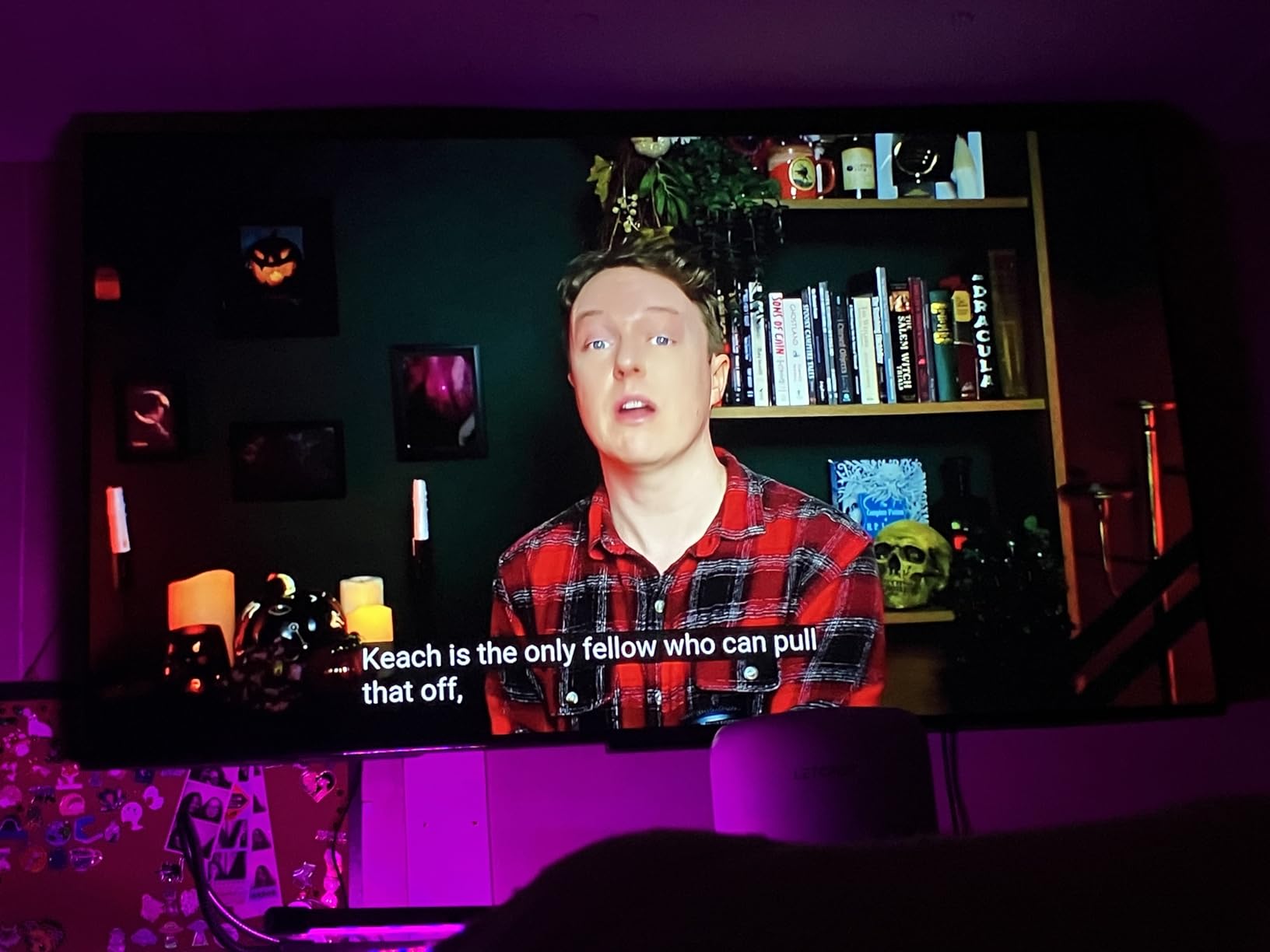
The 60Hz panel is the real limit here. If you plan to play on a PS5 or Xbox Series X and care about frame rate at 4K, this is the wrong screen, and no firmware update changes that. For a mixed household that mostly watches streaming and broadcast TV, it is a non-issue.
The complaints cluster in two places. Fire OS menus are reported as sluggish, particularly in the first few minutes after startup, and the picture settings are locked down enough that some owners log out of their profile to reach them. Backlight uniformity is also uneven in dark scenes, with some visible wash on very dark content.
None of that ruins a living room TV. It just matters if you watch films at night with the lights off.
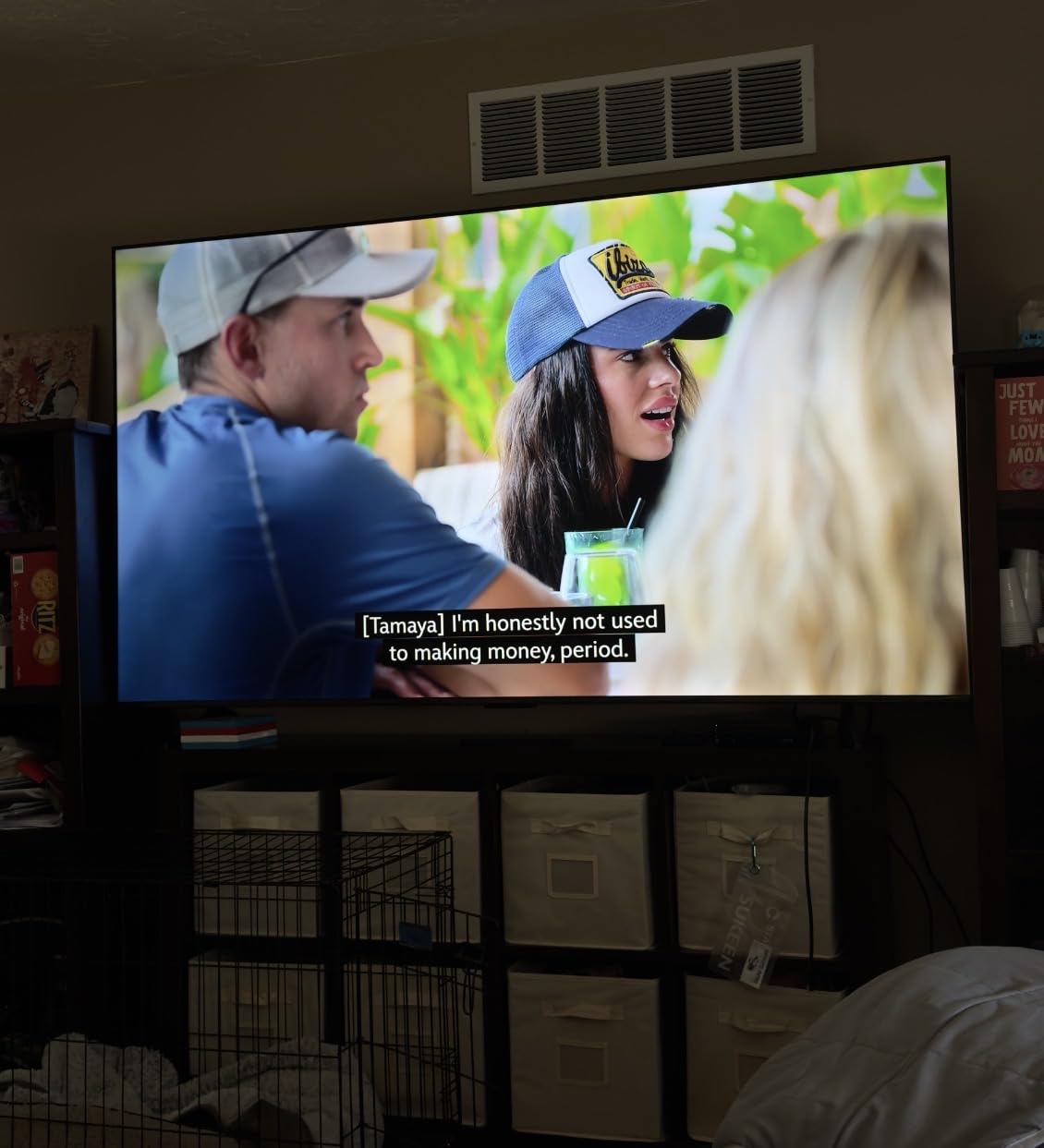
Who the Insignia QF suits
This suits a mixed-use living room: someone streaming, watching live sport occasionally, and splitting time between daytime TV and evening films. Owners frequently describe it as an ideal secondary or bedroom set, and at this screen size the value is hard to argue with.
If your room is bright during the day and you want a large screen without flagship spending, the QLED color and Dolby Vision support carry more weight here than they would on a pricier set. A soundbar is worth adding later if the built-in output is not enough.
Who the Insignia QF does not suit
Skip it if you are a console-first buyer. A 60Hz panel with mediocre motion handling will feel dated the moment you connect a current-generation console, and the 5.1 channel listing is not a reason to skip a soundbar later.
Also skip it if picture settings matter to you. Locked-down menus and uneven backlight in dark scenes are real, and for someone calibrating or grading, the software flexibility is not there. Our film screening and review guide covers sets that give you more control.
2. Roku 65-inch Select Series QLED: Best for Simple Streaming
Roku 65-Inch Select Series Smart TV 2026-4K (2160p) QLED TV TV
QLED 4K panel
60Hz refresh
Roku OS
HDR10+ and HLG
4 HDMI inputs
Pros
- Roku OS is the fastest and simplest interface at this tier
- QLED blacks and color beat standard LED
- setup usually completes in under 10 minutes
- interchangeable remotes with remote finder button
- four HDMI inputs
Cons
- 60Hz refresh limits high-end gaming
- built-in speakers are adequate rather than good
- newer Roku home screen reorders app rows some owners dislike
- 2.0-channel audio with no subwoofer
Roku has been the default recommendation in this price bracket for years, and the Select Series does not change that. The QLED panel delivers noticeably deeper blacks and more saturated color than a standard LED, and the interface is still the fastest you will find on a 65-inch set at this level. Owners upgrading from laggy Google TV or Fire TV boxes cite the speed difference as the main reason.
Setup is close to frictionless. Reviewers report finishing in under ten minutes, and the four HDMI inputs give you room for a console, a soundbar and a disc player plus one spare. At 30.9 pounds with the stand, and 30.2 pounds without, it is one of the lighter sets here to mount on a 400 x 300 mm pattern.
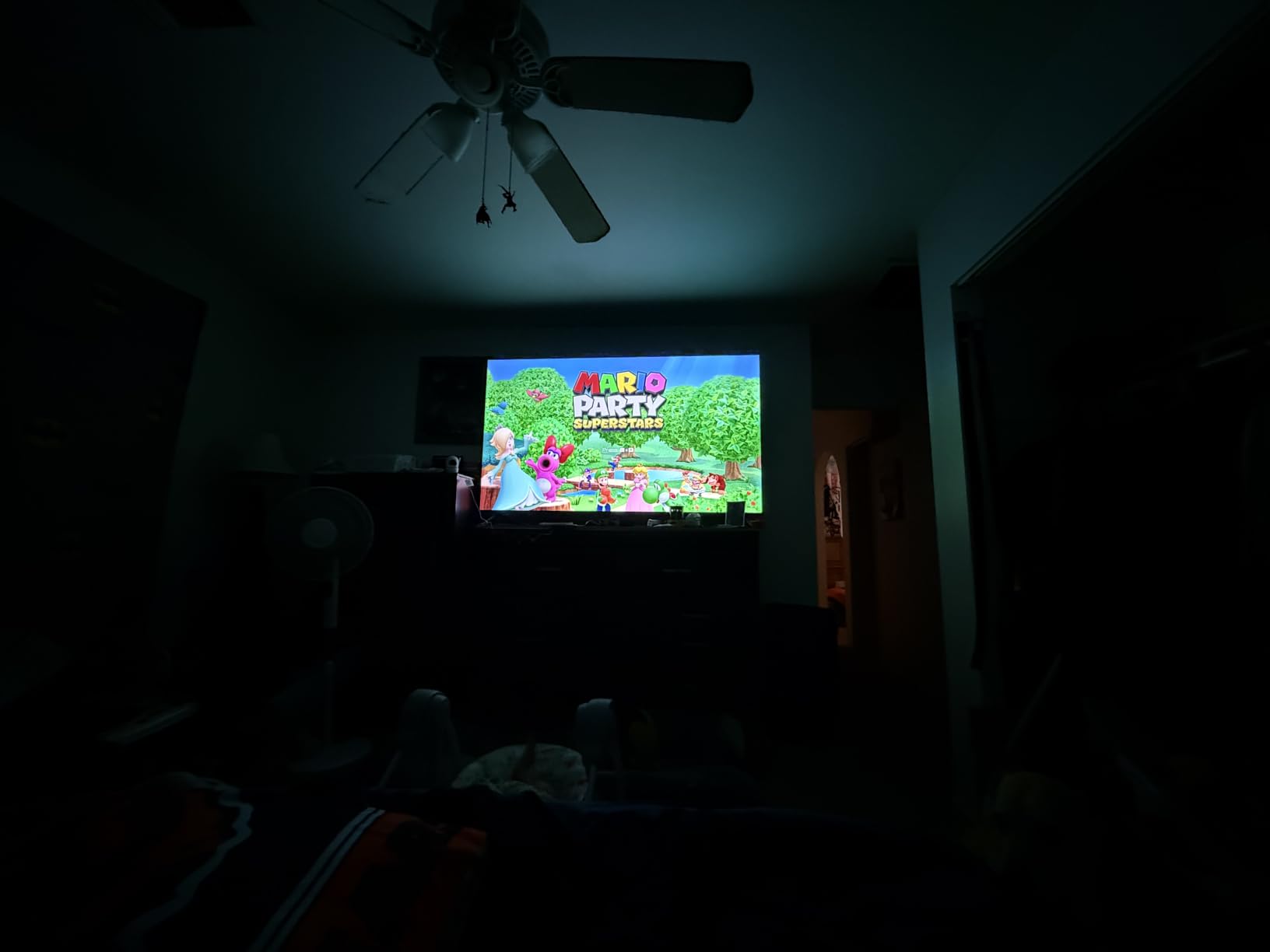
On HDR, this covers HDR10, HDR10+ and HLG, which is a wider list than most rivals at the same money. That matters if you stream from services that lean on HDR10+ and you own a game console that prefers it, though there is no Dolby Vision here.
The limitation is the same one the Insignia shares: 60Hz. The speakers are 2.0-channel at 20 watts, which is fine for news and talk and thin for films. Long-time Roku users also note the newer home screen layout reorders app rows in ways they find annoying, a small irritation rather than a dealbreaker.
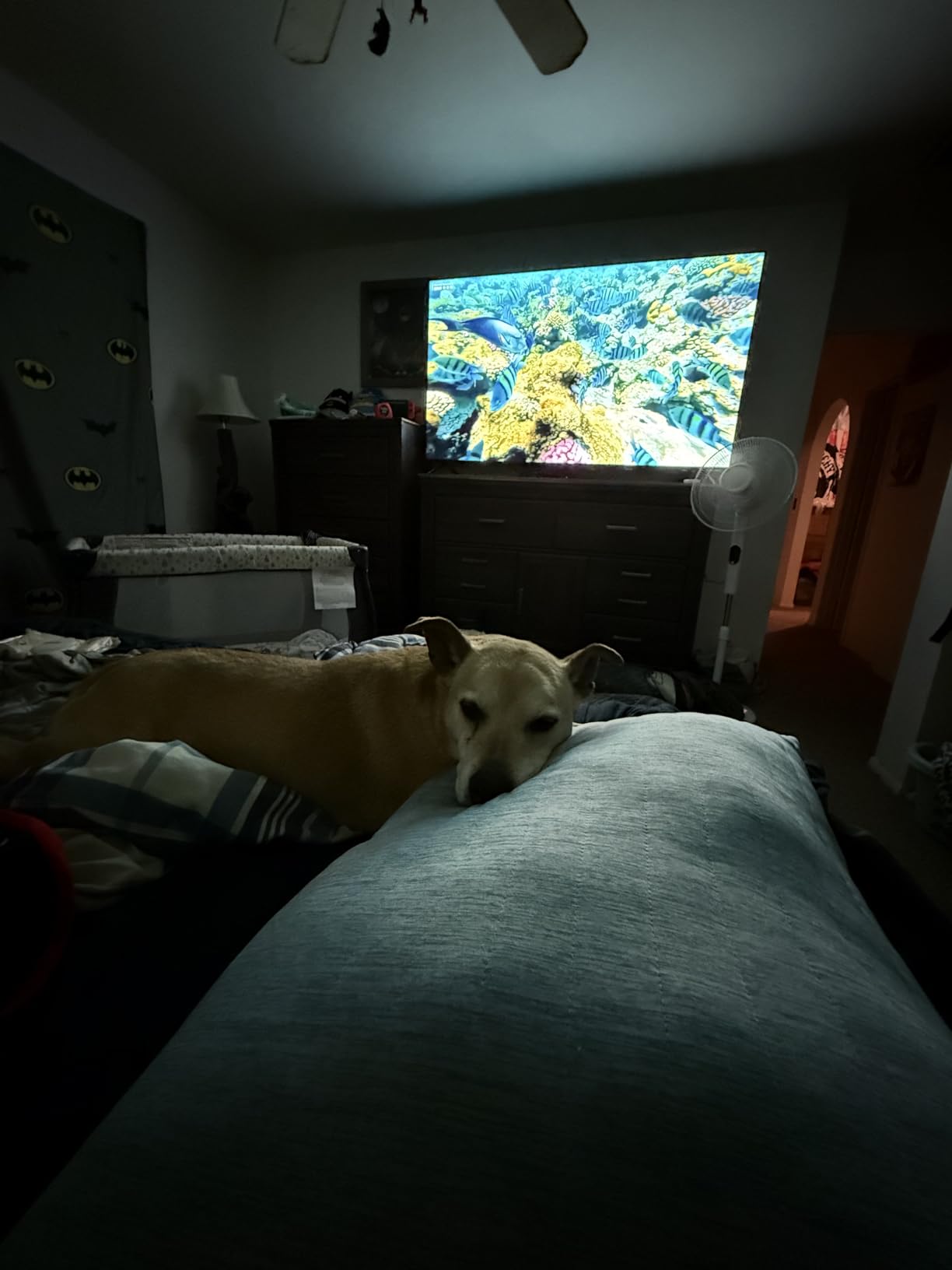
Who the Roku Select Series suits
This is the pick for anyone who does not want to fiddle. The remote’s interface is fast, app management is straightforward, and subscription management is handled in one place. Households where several people use the TV for different things tend to like it most.
It is a strong choice for a rental, a first apartment, or a second TV in a bedroom, where the QLED color bump over a basic LED is visible but the budget should stay low.
Who the Roku Select Series does not suit
Not for gaming. There is no high-refresh mode, and 60Hz panels look soft the moment a fast game appears. Not for audio either, since 2.0-channel output at 20 watts will not carry a large room, so budget for a soundbar.
It is also not the choice if you want Dolby Vision specifically. If your content library is built around that format, step up to the Roku Plus Series or the TCL models rather than buying this one.
3. Samsung 65-inch M70H Series Mini-LED: Best for Easy Mounting
Samsung 65-Inch Class M70H Series, Mini LED, 4K, Smart TV, 2026 Model
Mini-LED local dimming
60Hz refresh
Tizen
HDR10+
31.7 lb chassis
Pros
- Mini-LED local dimming improves contrast over standard LED
- Samsung TV Plus adds a lot of no-cost content
- 31.7 lb chassis is one of the lighter 65-inch sets
- Gaming Hub centralizes console and cloud gaming
Cons
- 60Hz native refresh despite Motion Xcelerator marketing
- only 2.0-channel built-in speakers
- VESA 200x200 pattern is smaller than most 65-inch TVs
- mixed picture processing holds rating below the rest of this list
The headline change in the M70H is the backlight. Mini-LED local dimming gives it a genuine contrast advantage over the plain LED sets it replaces in the Samsung line, and in a dark room that difference is easy to see. It is the least expensive way on this list to get real local dimming behavior in a 65-inch frame.
The other thing owners mention more than the picture is Samsung TV Plus, with 2,700 plus free streaming options and 750-plus subscription-free channels. Combined with the Gaming Hub, which pulls console, cloud and app gaming into one place, it is a genuinely useful package for a household that does not want to pay for another subscription.
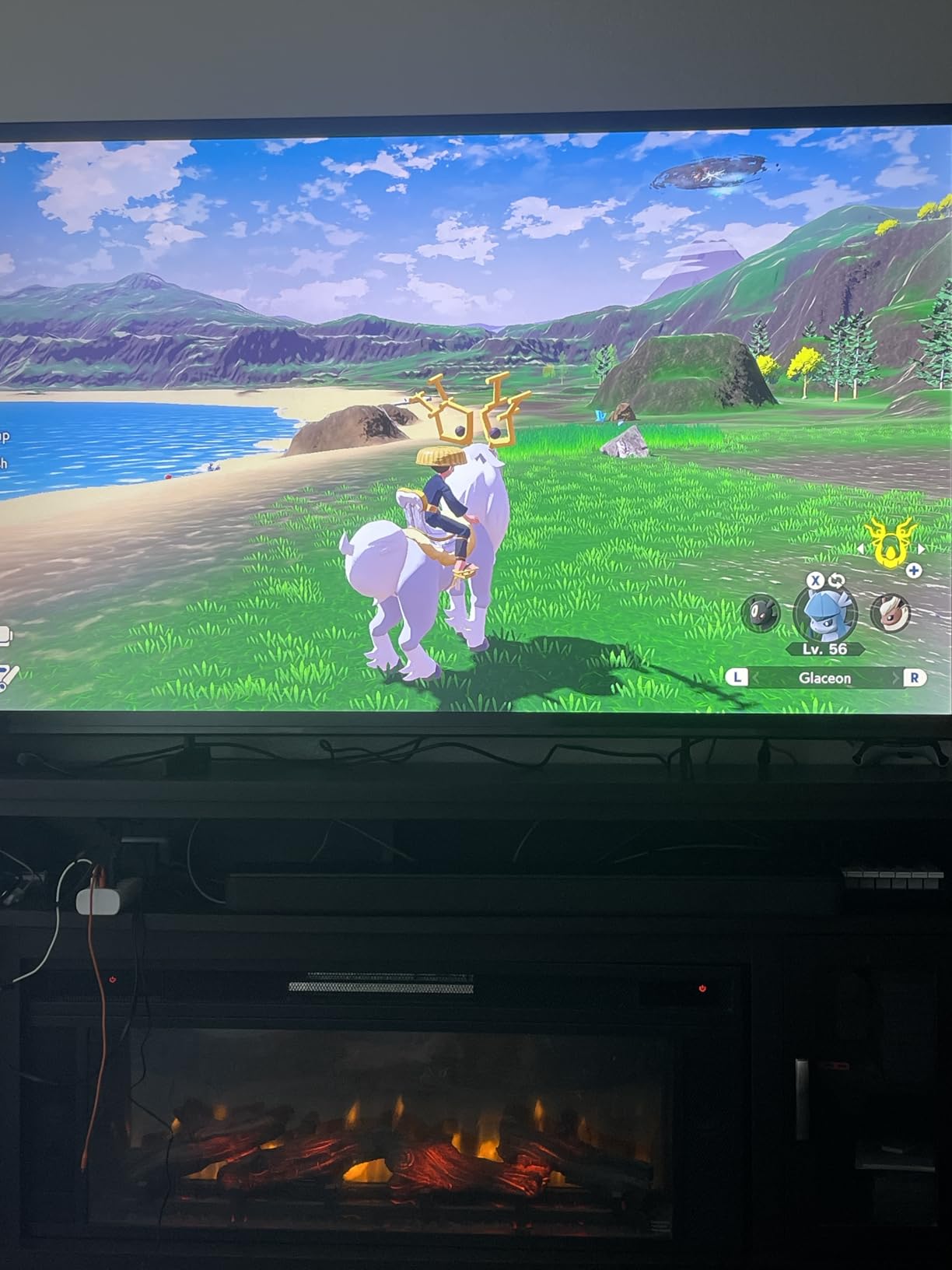
Physically it is the easiest to handle. At 31.7 pounds with the stand and 31.1 pounds without, it is one of the lighter 65-inch sets in this roundup, which matters if you are mounting it yourself or fitting it into a narrow media unit.
Be aware of two spec quirks. The panel is 60Hz natively despite the Motion Xcelerator Turbo+ branding, and the VESA pattern is 200 x 200 mm, smaller than the 400 x 300 mm or 400 x 400 mm used by most 65-inch sets. Check your mount hardware before you commit. The 2.0-channel audio is minimal, and its 4.2 rating reflects genuinely mixed picture processing.
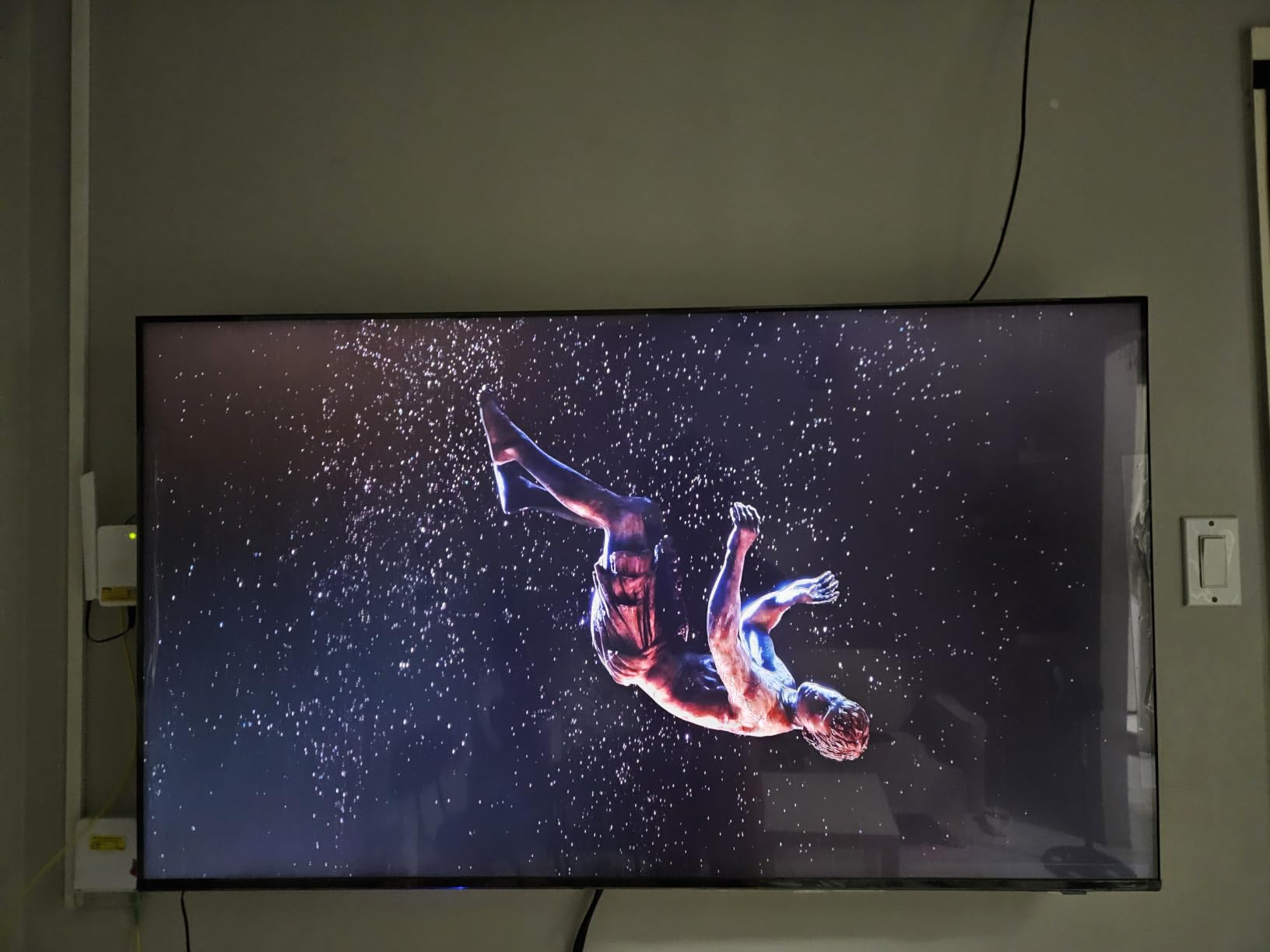
Who the Samsung M70H suits
It fits a dark-ish living room where someone wants better blacks than a standard LED without moving to OLED pricing. The local dimming does real work on dark scenes, and the free content library is unusually strong for the money.
If you are installing the TV yourself, the low weight is a genuine advantage. Anyone replacing a set on a slim or full-motion mount will feel the difference between a 31.7 pound panel and a 49 pound OLED.
Who the Samsung M70H does not suit
Gamers should look elsewhere. Sixty hertz is a hard ceiling no matter what the marketing says, and the 2.0-channel speakers mean a soundbar is effectively required. The smaller VESA pattern can also rule out some existing mounts.
If picture processing quality is your top priority, this is not the set. Its rating sits below the rest of this group for a reason, and buyers who care about motion handling and upscaling will find better options at similar spend.
4. Roku 65-inch Plus Series Mini-LED: Top Rated 65-Inch TV
Roku 65-Inch Plus Series Smart TV – 4K QLED Mini-LED TV – RokuTV
Mini-LED full-array local dimming
Dolby Vision
60Hz refresh
4.1ch Atmos audio
Pros
- Full-array local dimming brings real contrast gains
- Dolby Vision support is unusual at this level
- Dolby Atmos with built-in subwoofer and 50W output
- Roku Smart Picture Max AI processing
- highest average rating in this roundup
Cons
- 60Hz refresh despite VRR listed in the features
- heaviest set here at 39.7 lb so mounting needs care
- Roku OS still pushes app recommendations some users find cluttered
- 224 kWh per 1000 hours is higher than the LED alternatives
The Plus Series is the step-up Roku tier and it is the highest-rated set we reviewed. At 4.5 across more than 700 owner ratings, it holds the best combination of rating and review volume in this group, and the reason is straightforward: it adds the two things most people actually notice, local dimming and real Dolby Vision.
Full-array local dimming on a mini-LED backlight is a genuine step up from the Select Series, and Dolby Vision at this spend is close to unheard of. The audio is a genuine surprise too: 4.1 channels with a built-in subwoofer and 50 watts of output, which is the best built-in system on any set in this roundup short of the LG.
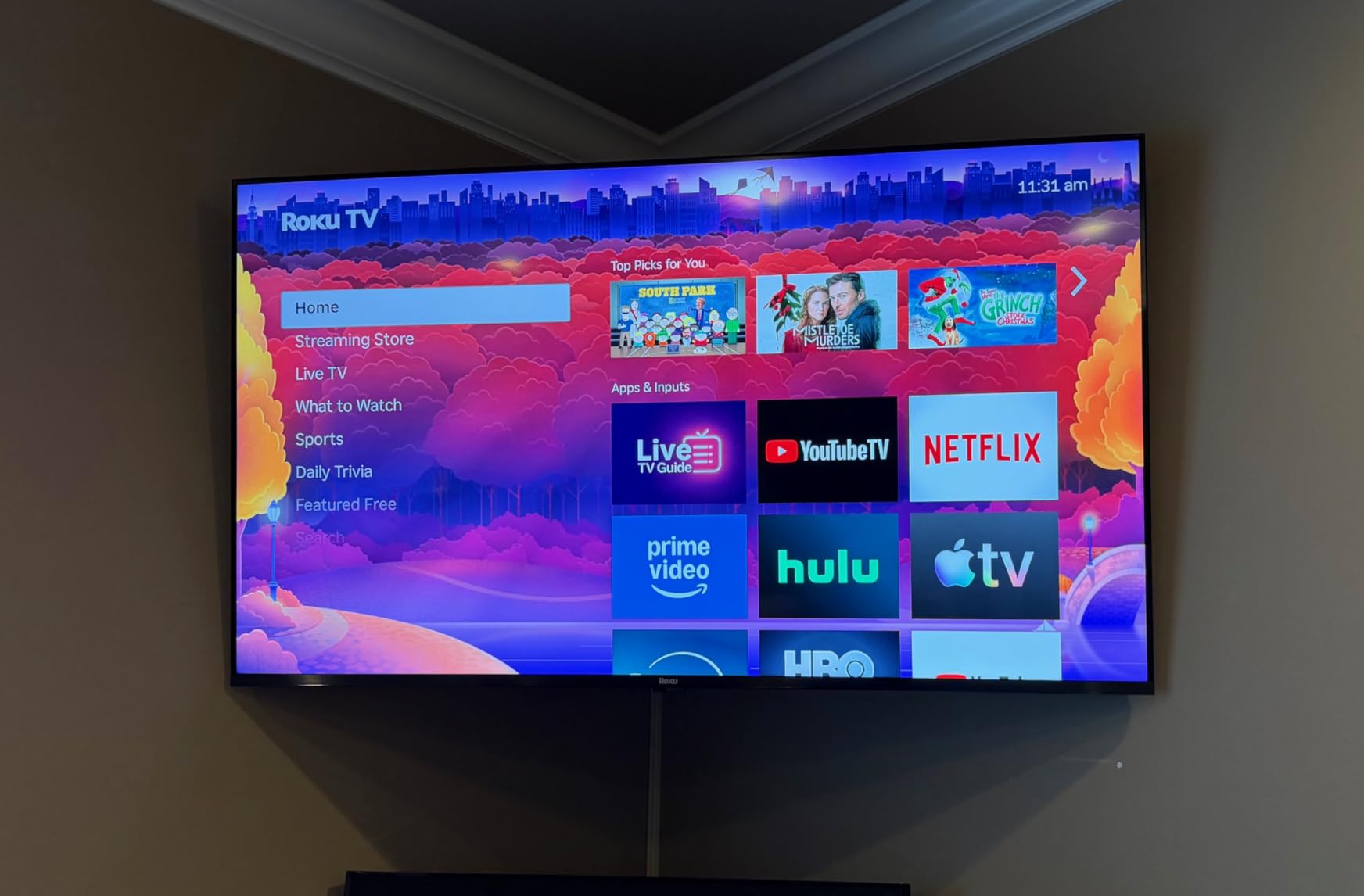
Response time is listed at 6.5 milliseconds, and the Roku Smart Picture Max processing cleans up incoming signals well. Owners upgrading from LED sets consistently cite the deeper blacks as the thing they notice first in dark scenes.
Two things work against it. The panel is 60Hz, which is a strange mismatch on a set that advertises VRR, so treat the gaming claims with caution. And at 39.7 pounds it is the heaviest non-OLED set in this roundup, so plan the mount accordingly. It also draws more power, at 224 kilowatt hours per 1,000 hours.
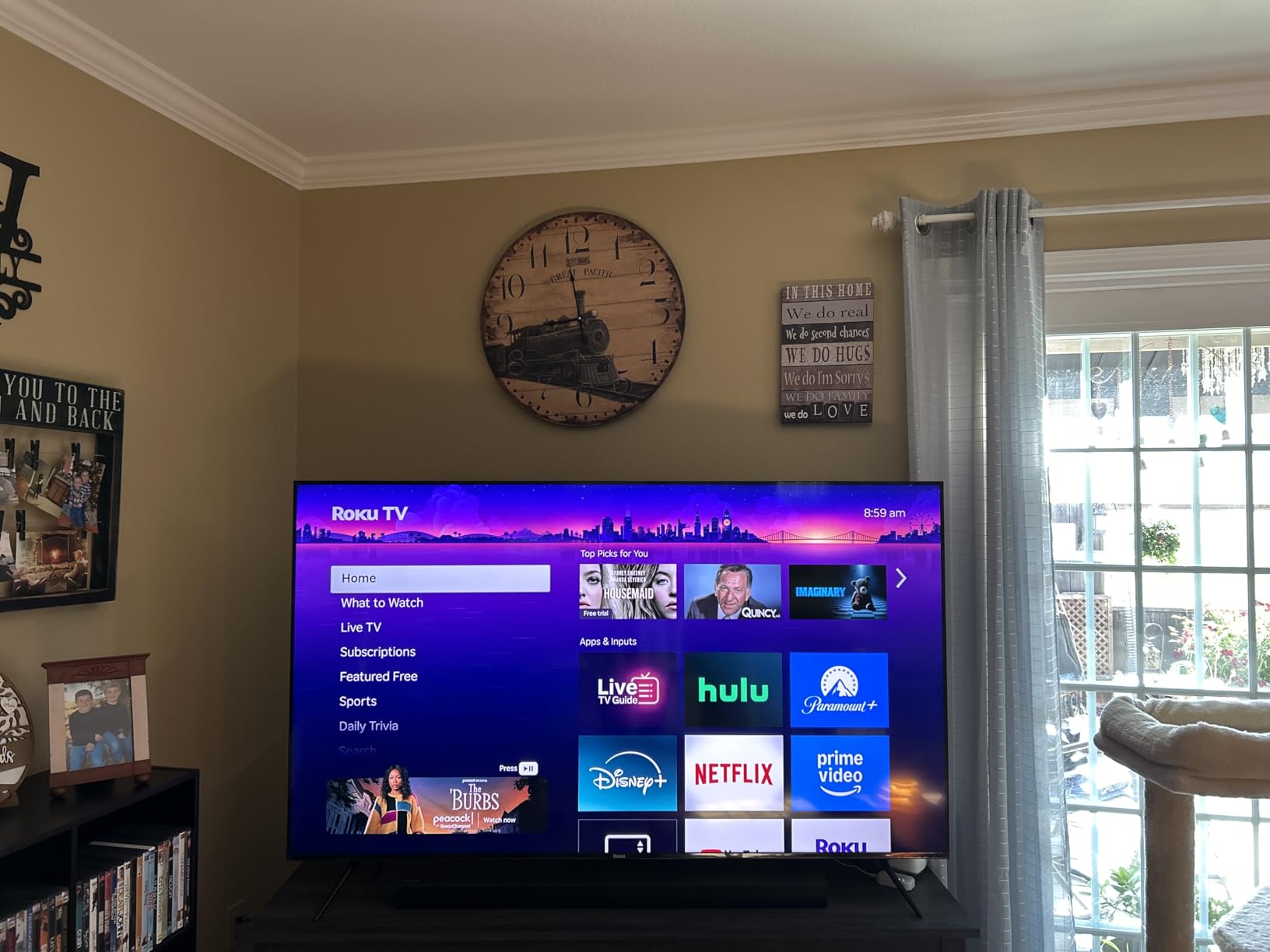
Who the Roku Plus Series suits
Movie watchers in a dim or dark room get the most out of it. Local dimming delivers the black level improvement that makes dark scenes look right, and Dolby Vision covers the dominant streaming HDR format. Built-in Atmos with a subwoofer means a soundbar is optional rather than essential.
It is also a strong pick for a family that wants one box to do everything simply. Roku OS still handles subscription management cleanly, and the app recommendation clutter is mild next to Google’s home screen.
Who the Roku Plus Series does not suit
Serious console gamers. Sixty hertz and a 6.5 millisecond response time are fine for casual play and wrong for competitive shooters or high-refresh PC gaming. If that is you, the TCL T7 or QM6K make far more sense.
It is also a poor fit for anyone on a wall mount with a shallow bracket, given the 39.7 pound weight. And the energy draw is the second highest here, which matters a little in a room that gets watched all day.
5. TCL 65-inch T7 QLED: Best 65-Inch TV for Gaming
TCL 65″ T7 4K QLED Google TV with 144Hz Gaming (65T7)
144Hz native refresh
288Hz VRR
Dolby Vision and HDR10+
Google TV
Pros
- Native 144Hz panel with 288Hz VRR for PS5 and PC gaming
- QLED color covering nearly the full DCI-P3 gamut
- TCL AIPQ Pro processor delivers bright punchy HDR
- four HDMI inputs including one with eARC plus height-adjustable feet
- available in 55 65 75 and 85 inch sizes
Cons
- Only 2.0-channel 20W speakers so a soundbar is advisable in larger rooms
- some glass-like finish can produce glare in bright rooms
- Google TV feels slower than Roku OS
- Motion Rate 480 MEMC does not always keep up with fast sports
The T7 is the first set in the roundup where gaming is the headline rather than an afterthought. A native 144Hz panel with 288Hz variable refresh rate is a real spec, not a marketing number, and PS5 and PC owners upgrading from older sets report smooth, low-lag performance as the single biggest change.
Picture quality holds up too. The QLED panel covers nearly the full DCI-P3 gamut, and the TCL AIPQ Pro processor produces bright, punchy HDR rather than the washed-out look many budget sets manage. On format support this is unusually generous: Dolby Vision, HDR10+, HDR10, HLG and Open HDR are all listed.
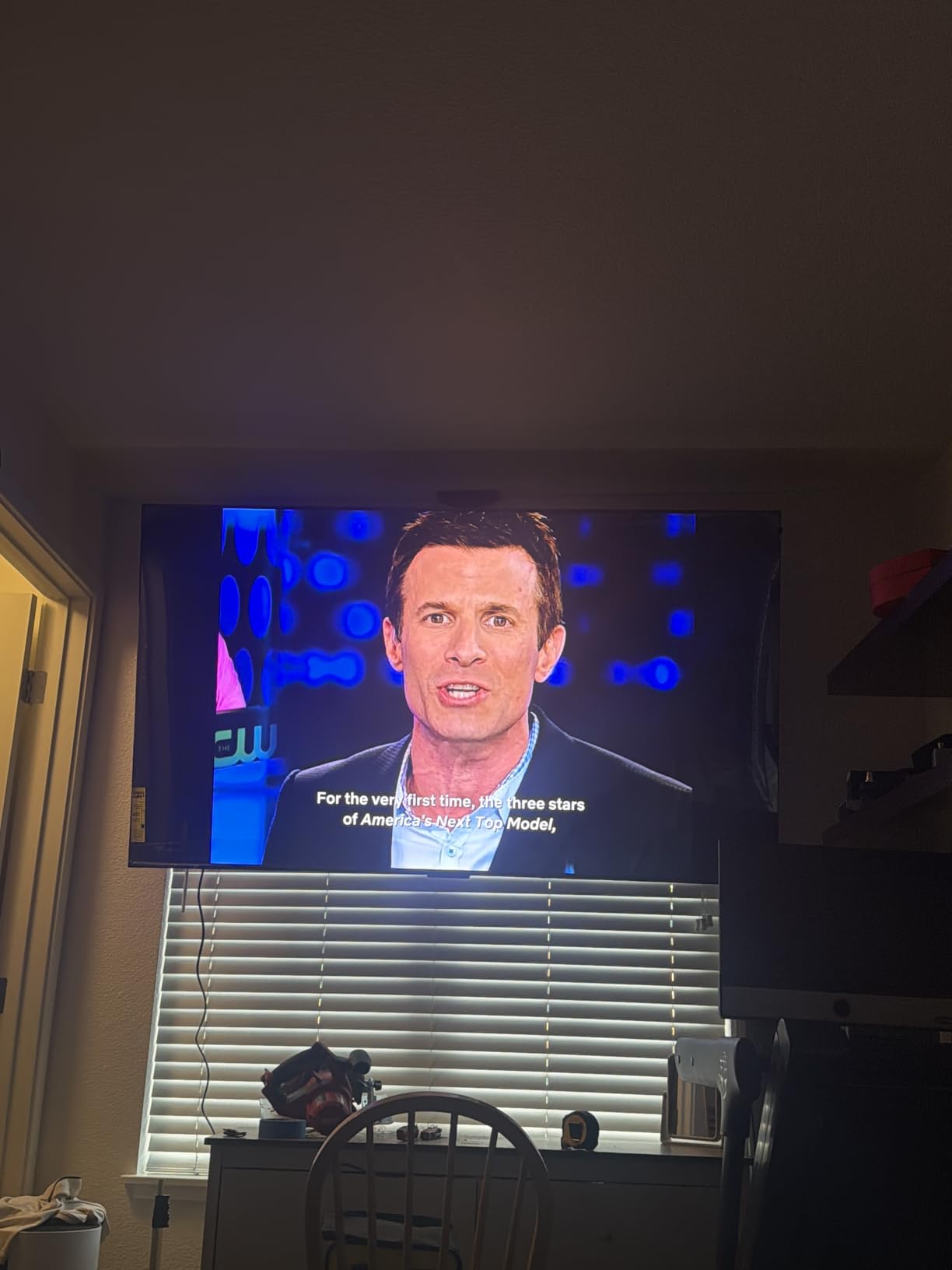
There are four HDMI inputs, one with eARC, and the feet are width-adjustable, which helps on narrower media units. The panel is 144Hz natively with 288Hz VRR on top, and at 36.6 pounds it sits mid-range for weight. The 400 x 300 mm VESA pattern is standard.
The compromises are audio and finish. Two 20-watt channels mean you will want a soundbar in a larger room, and some owners report a glass-like screen finish that produces glare in bright rooms, which is worth checking against your own lighting. The Motion Rate 480 MEMC processing also does not always keep up with fast sports action.
Who the TCL T7 suits
Console-first households, particularly PS5 and Xbox Series X owners who want high-refresh 4K without moving up a tier. A 288Hz VRR ceiling gives current-generation hardware room to run, and four HDMI inputs means you can keep the console, a PC and a soundbar connected at once.
It is also a good fit for a bright room with controlled lighting, since the AIPQ Pro processor delivers enough brightness for daytime viewing. Sports fans get the native high refresh rate, and the fullView 360 metal bezel-less design looks current.
Who the TCL T7 does not suit
It is not an audio solution. If your room is large or you watch films regularly, plan on a soundbar, because 2.0-channel 20W output will feel thin at this screen size.
Anyone in a very bright room should be cautious about the glossy finish and reflections. And if you hate advertising-heavy interfaces, Google TV is not the platform for you. Roku OS is meaningfully faster, even if it means giving up the 144Hz panel.
6. TCL 65-inch QM6K Mini-LED: Best Value 65-Inch Mini-LED
TCL 65 Inch Class QM6K Series | Mini LED QLED 4K HDR | 65QM6K, Latest Model | 120HZ-144HZ High Brightness Smart Google TV Dolby Atmos Onkyo Audio | Voice Remote Alexa Gaming Streaming Television
Mini-LED with Halo Control dimming
144Hz with 288Hz VRR
Onkyo 2.1 audio
178 degree viewing angle
Pros
- QD-Mini LED with Halo Control gives deeper blacks than the previous QM6
- Onkyo 2.1 audio with a built-in subwoofer is unusually capable
- 144Hz native with 288Hz VRR handles fast games and sports
- largest review base in the group at 1944 ratings
- good brightness for both bright rooms and dark movie nights
Cons
- Google TV home screen is heavy on ads and recommendation clutter
- requires a Google account for full app access
- dimmer than some competing sets in very bright rooms
- some early units had app loading and processing hiccups until a firmware update
With 1,944 owner ratings, the QM6K is the most heavily reviewed set in this roundup, and that makes its 4.3 rating unusually trustworthy as a reliability signal. It is also the most common recommendation in the budget mini-LED category, and for good reason: it combines a QD-Mini LED backlight with full-array local dimming and a high native refresh rate.
The Halo Control system is the interesting part. It targets dimming precision and reduced blooming, which is the weakness that undermines most mini-LED sets in dark scenes. Owners upgrading from LED sets or older OLEDs cite deeper blacks and brighter HDR as the two biggest wins.
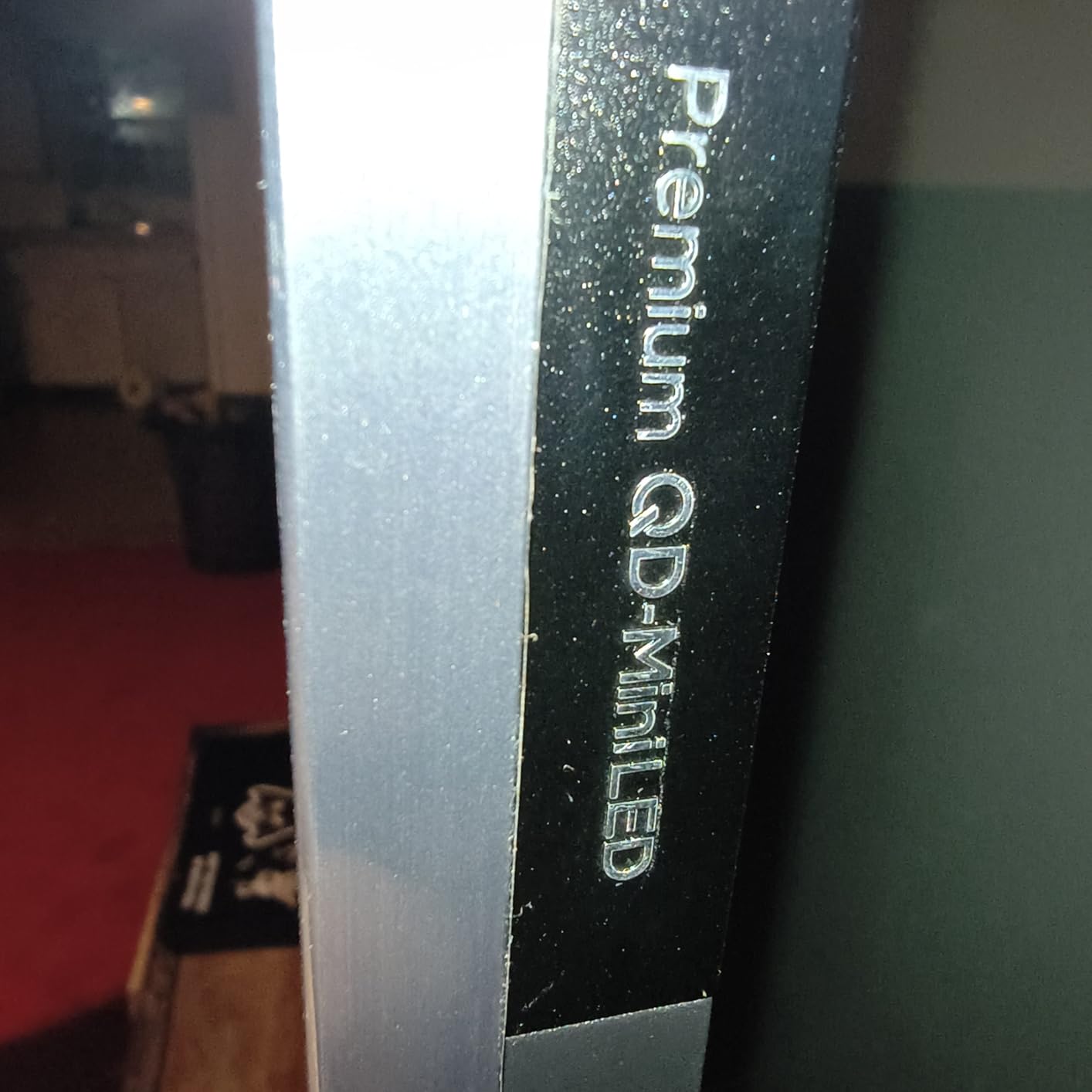
Audio is another differentiator. The Onkyo 2.1 speaker system includes a built-in subwoofer, which is a real upgrade over the two-channel 20-watt setups that dominate this price bracket. With four HDMI ports, a 178-degree viewing angle and 144Hz native refresh with 288Hz VRR, the gaming side is properly covered too.
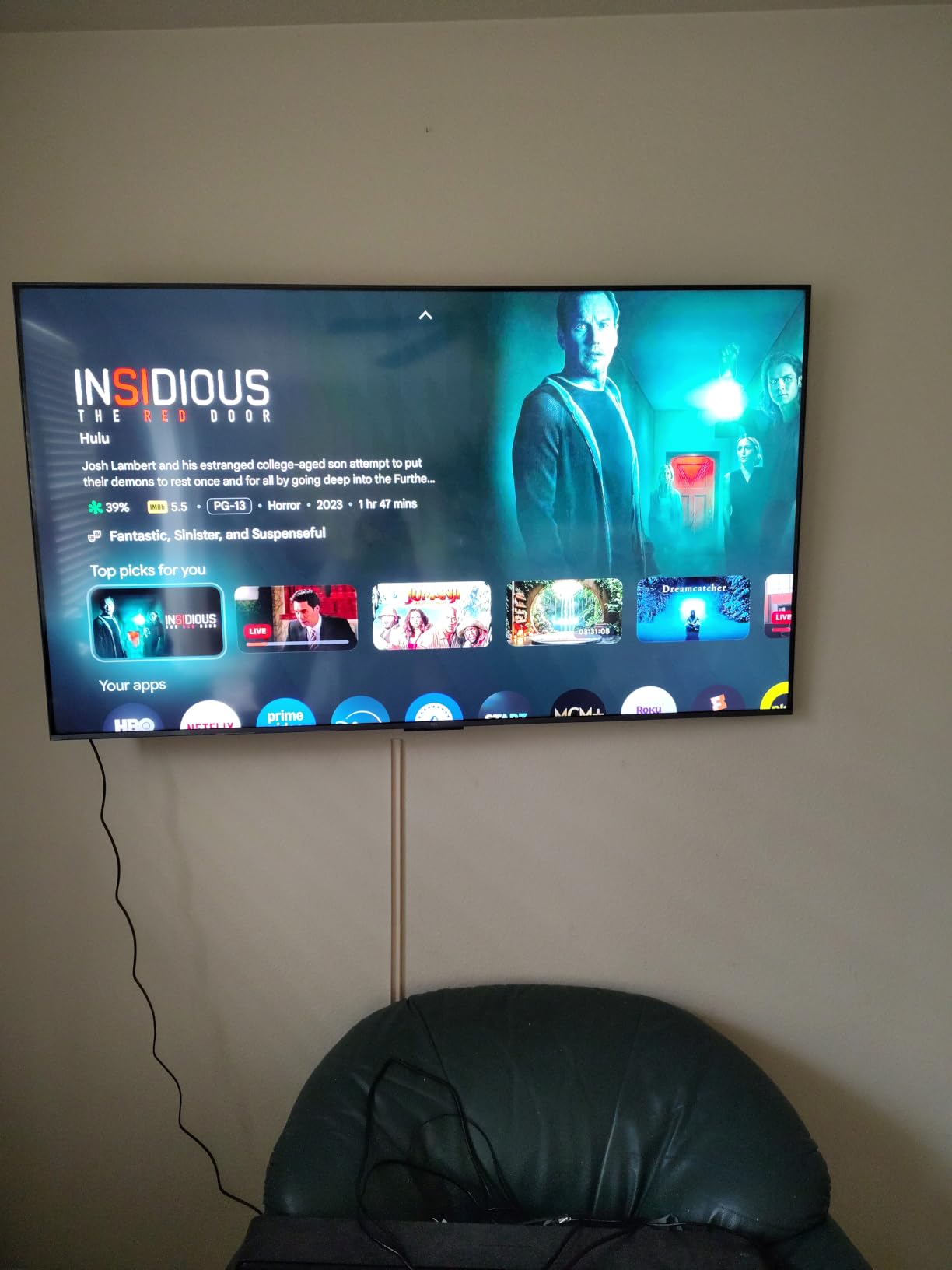
The recurring complaint is software, not the panel. Google’s home screen is heavy on ads and recommendations, and plenty of owners replace it with a third-party launcher. A Google account is required for full app access, some early units had app loading and processing hiccups until a firmware update, and the set is dimmer than some rivals in a very bright room.
Who the TCL QM6K suits
This is the all-round value pick for someone who wants mini-LED contrast and high refresh without moving into flagship money. It handles a bright living room in the day and dark movie nights at night, which is a harder brief than most sets at this price are given.
The 178-degree viewing angle also matters in a family home where people sit wide. Sports watchers benefit from the 144Hz panel, and anyone who does not want to run a separate subwoofer gets one built in. It is also available in Fire TV and Google TV variants from 50 to 98 inches, which helps if you want matching sets.
Who the TCL QM6K does not suit
It is the wrong pick for anyone who refuses to install a third-party launcher. If ad-heavy home screens annoy you and you are not willing to change them, the Roku models are calmer.
Very bright rooms are its weak point. If daylight washes across the screen for hours, a brighter panel or a matte finish will serve you better. Note also that HDR support is listed as Dolby Vision, HDR10+, HDR19 and HLG rather than standard HDR10.
7. Samsung 65-inch OLED S90F: Best OLED for 144Hz Gaming
Samsung 65-Inch Class OLED S90F 4K Smart TV (2025 Model) NQ4 AI Gen3 Processor Upscaling Pro HDR +, Motion Xcelerator 144Hz, Vision Alexa Built-in
OLED panel
144Hz with VRR
NQ4 AI Gen3 processor
2.1ch 40W audio
Pros
- OLED panel gives perfect blacks and excellent dark-room contrast
- NQ4 AI Gen3 processor with 128 neural networks upscales convincingly
- 144Hz with VRR handles 4K high-refresh gaming
- 2.1-channel 40W speakers usable without a soundbar
- solar rechargeable remote avoids disposable batteries
Cons
- Glossy panel shows obvious reflections in bright rooms
- settings menus are buried and non-intuitive
- SmartThings and Samsung app setup reported glitchy on Android
- soundbar volume shows as an icon rather than a number over eARC
- out-of-box calibration needs SDR and HDR tuning separately
The S90F is the cheapest route to an OLED 65-inch that also does high-refresh gaming, and the gap to the LG flagship below it is large enough that most buyers should stop here. You get a 144Hz panel with VRR up to 4K 144Hz, which no budget mini-LED or QLED here matches, and OLED blacks that no backlit panel in this list can approach.
Picture quality is the unquestioned strength. Owners describe perfect blacks, natural skin tones and strong upscaling across both streaming and 4K disc content. The NQ4 AI Gen3 processor runs 128 neural networks, handles AI 4K upscaling of all content, and adds scene-by-scene brightness and contrast analysis plus an SDR-to-HDR-like transformation.

Audio is unusually credible for a TV: 2.1 channels at 40 watts, which owners report as genuinely usable without a soundbar. The solar and rechargeable remote is a small quality-of-life touch that removes disposable batteries entirely. There are four HDMI inputs and Tizen with Samsung TV Plus free content.
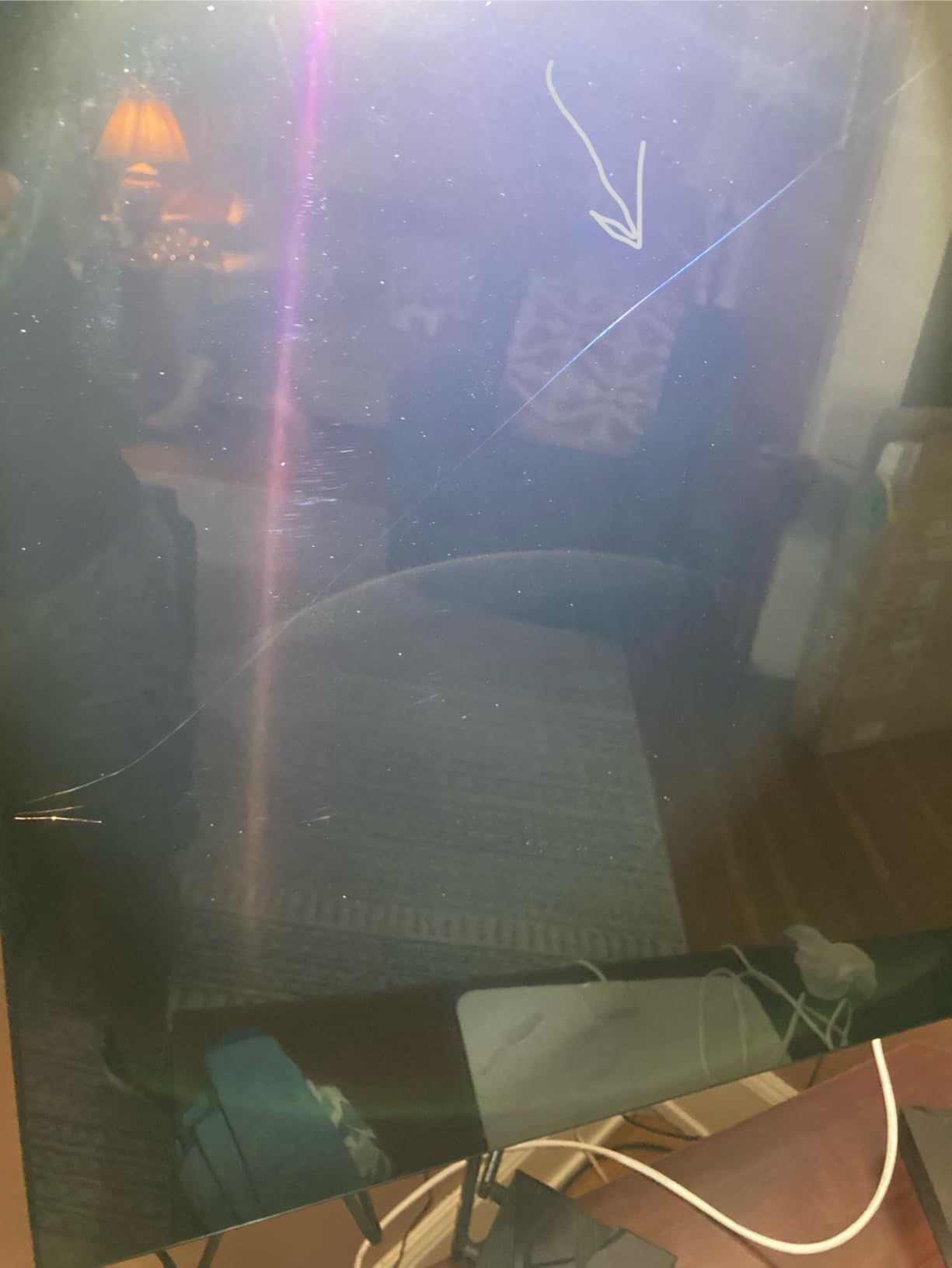
The recurring gripes are software and finish rather than the panel. The glossy screen shows obvious reflections in bright rooms with dark content, which is the single most common OLED complaint in our forum research. Settings menus are buried, SmartThings and the Samsung app have been reported as glitchy on Android, and out-of-the-box calibration often needs separate SDR and HDR tuning. At 49.6 pounds, it is heavy for a wall mount.
Who the Samsung S90F suits
Movie watchers in a dark or dimmed room who also game. Perfect blacks, no blooming around subtitles, and 144Hz with VRR means one set covers a PS5 and a film library equally well. It is also the sensible pick if you want OLED and the flagship price is out of reach.
Sports fans benefit from the AI motion smoothing and the high refresh rate. Anyone with a 4K disc library and an older Blu-ray player gets a lot of value from the upscaling, though it is no substitute for a proper player.
Who the Samsung S90F does not suit
It is a poor fit for a bright room. Glossy panels act like mirrors, and reflections are the number one complaint from owners on this topic. If daylight hits the screen during the day, spend your money on a matte-coated mini-LED instead.
It is also the wrong set if you hate tinkering. The buried menus and the need for separate SDR and HDR calibration are real friction, and the 49.6 pound weight means you will want two people for a wall mount. A 300 x 200 mm VESA pattern is also smaller than most 65-inch mounts expect.
8. LG 65-inch OLED evo G5: Best 65-Inch OLED for Bright Rooms
LG 65-Inch OLED evo AI 4K G5 Series Smart TV (OLED65G5WUA, 2025)
OLED evo panel
120Hz and 0.1ms response
Four HDMI 2.1 inputs
UL verified glare free
Pros
- Brightness Booster Max makes this one of the brighter OLED panels available
- UL verified Discomfort Glare Free for comfortable bright-room viewing
- 0.1ms response with 120Hz and G-Sync and FreeSync Premium
- four HDMI 2.1 inputs support full-bandwidth next-gen consoles
- 4.2-channel Dolby Atmos with AI Sound Pro
- up to five years of webOS updates
Cons
- Flagship-tier set that sits well above the other OLED in this roundup
- 120Hz refresh is lower than the Samsung S90F
- only 341 owner reviews so long-term data is thinner
- 1-inch panel depth and One Wall Design need careful mount planning
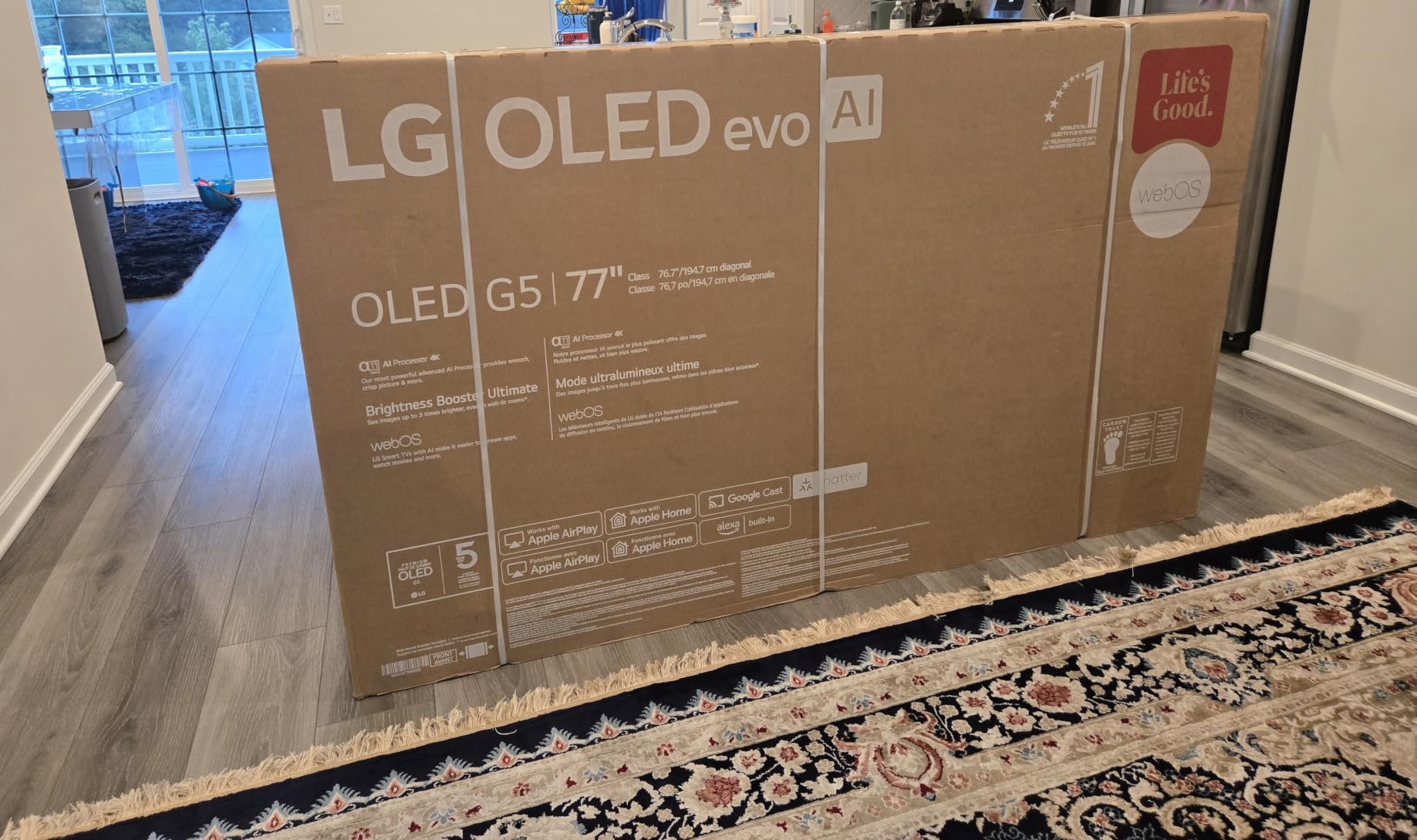
The G5 is the flagship here and the one set in this roundup built specifically for a room with windows. It is UL verified Discomfort Glare Free at UGR below 22, and combined with the matte-style finish and Brightness Booster Max panel, it is the OLED we would put in a bright living room without hesitating.
The gaming numbers are as good as it gets. Response time is 0.1 milliseconds, refresh runs to 120Hz, and both NVIDIA G-Sync and AMD FreeSync Premium are supported. Crucially there are four full HDMI 2.1 inputs, with LG Game Dashboard and Game Optimizer handling the rest, so next-generation consoles get full bandwidth on every port rather than one.
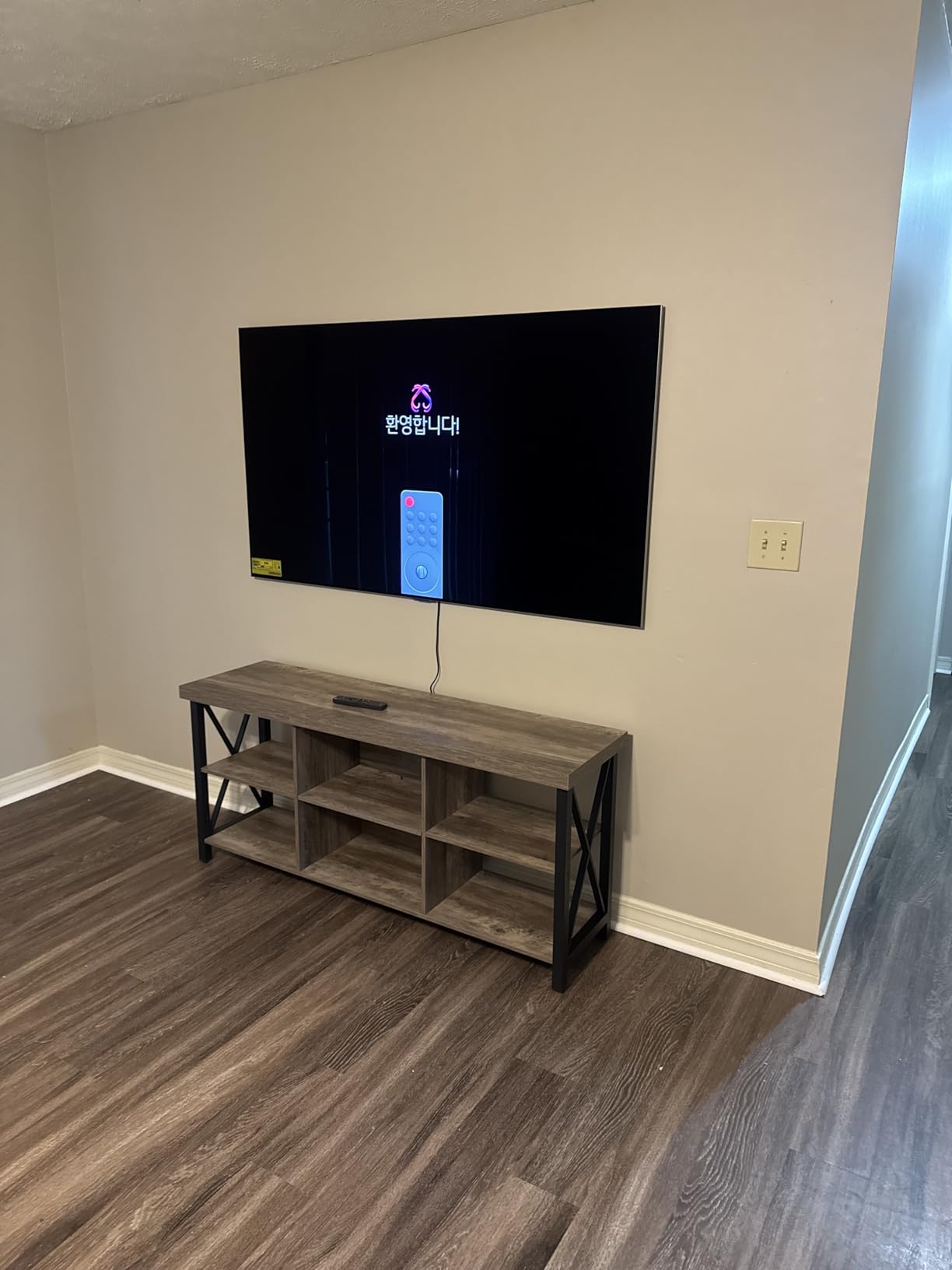
Audio matches. A 4.2-channel system with Dolby Atmos, AI Sound Pro and WOW Orchestra is the most capable built-in setup in this roundup by a wide margin, and with 8.3 million self-lit smart pixels under the Alpha 11 AI Gen2 processor, the upscaling and AI Director Processing are strong. You also get up to five years of webOS software updates and 350-plus free LG Channels.
There are three real drawbacks. This is the most expensive 65-inch set we analyzed, and it carries the smallest owner review base at just 341 ratings, so long-term reliability data is thinner than the alternatives. It also caps at 120Hz where the Samsung OLED runs 144Hz. And at 1 inch deep with One Wall Design, wall mounting needs real planning rather than a generic bracket.
Who the LG G5 suits
A bright living room with an OLED preference. Reflections are the reason most people rule out OLED, and this is the set that answers that objection with a verified glare rating rather than a promise.
It is also the pick for someone who does not want to choose between picture quality and console support. Four HDMI 2.1 ports, 0.1ms response, G-Sync and FreeSync Premium, and a 4.2-channel system mean the soundbar can wait. Filmmaker Mode and Dolby Vision are both supported for film use.
Who the LG G5 does not suit
If you want 144Hz, this is not the set. The Samsung S90F runs faster and costs substantially less, which most buyers will find hard to justify against this price.
It is also the wrong choice for anyone who plans to wall-mount without planning. The 1-inch panel depth and near-gap-free One Wall Design mean the wall surface, cables and bracket all have to be right. And with only 341 owner reviews, you are buying on spec sheet and lab reputation more than on volume of long-term owner feedback.
9. Hisense 65-inch E7 Cinema Series Mini-LED: Best for Complete HDR Formats
Hisense 65″ E7 Cinema Series Hi-QLED Mini-LED 4K UHD Smart Fire TV (65E7SF, 2026 NEW) – Native 144Hz, AI Picture, Dolby Vision IQ · Atmos, FALD, HDR10+ Adaptive, MEMC, Alexa+
Hi-QLED mini-LED
144Hz native refresh
Dolby Vision IQ and HDR10+ Adaptive
full-array local dimming
Pros
- Full-array local dimming mini-LED gives much deeper blacks than budget LED
- Dolby Vision IQ plus Dolby Vision and HDR10+ Adaptive covers all major HDR formats
- native 144Hz with low latency for PS5 and Switch 2 and PC gaming
- Fire TV interface is simple and the Alexa remote responds quickly
- available from 50 to 100 inches
Cons
- turning on VRR or FreeSync can produce blurrier motion per some owners
- picture processing is less refined than TCL and Samsung at comparable prices
- stand legs are plastic and packaging is less secure
- some third-party universal remotes cannot wake it from standby
The E7 Cinema is the format-completeness pick. It lists Dolby Vision, Dolby Vision IQ, HDR10+ Adaptive, HDR10+ and HDR10, and no other set in this roundup covers that many formats, including the IQ variant that adjusts to ambient light. If your content library spans multiple streaming services and a console, this is the least likely to leave a format unsupported.
The hardware underneath is competitive. A Hi-QLED mini-LED backlight with full-array local dimming produces markedly deeper blacks than budget LED sets, and the native 144Hz game mode with low latency works well with PS5, Switch 2 and PC gaming. Reviewers consistently frame the E7 as the best value mini-LED with a native high-refresh panel.
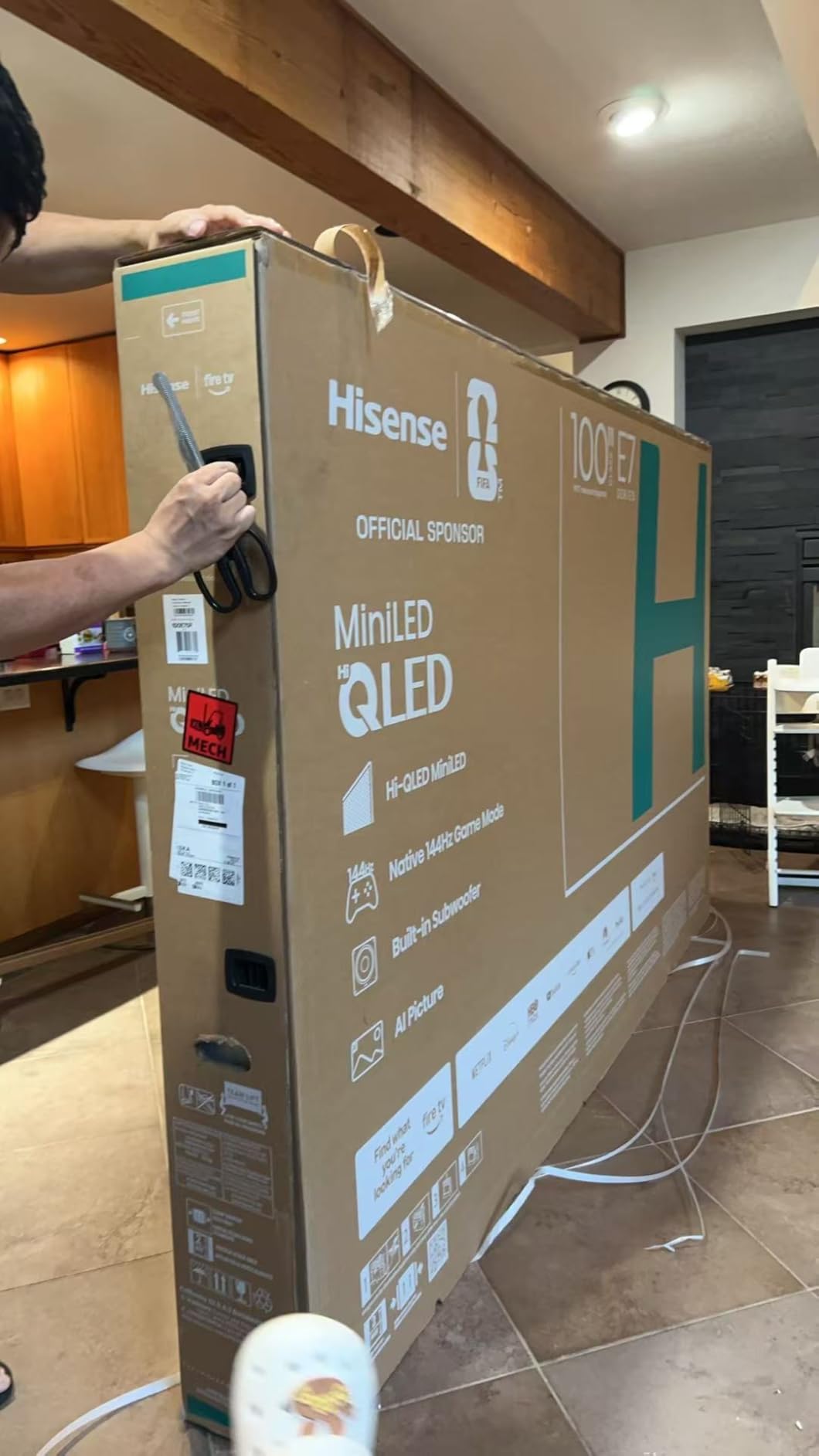
Feature-wise it is also unusually generous. AI Picture does scene-by-scene optimization, AI Smooth Motion handles MEMC, an AI light sensor adapts brightness to the room, and there is an AI Sports Mode, Filmmaker Mode, a 4K AI upscaler with noise reduction and Dolby Atmos audio. Four HDMI inputs and a standard 400 x 300 mm VESA pattern at 38.4 pounds make it straightforward to place.
The reservations are real. Turning on VRR or FreeSync produced blurrier motion for some owners, picture processing is less refined than TCL or Samsung at comparable spend, and a minority who compared directly preferred those panels. The stand legs are plastic, packaging is less secure, and some third-party universal remotes cannot wake it from standby.
Who the Hisense E7 suits
Anyone who wants every HDR format without paying for it. Dolby Vision IQ is the rarest feature on this list and adapts to the room’s light level, which pairs sensibly with the built-in AI light sensor. It is also a good match for a dark home theater where the local dimming can do its work.
Gamers benefit from the native 144Hz, and Fire TV plus the quick-responding Alexa remote keeps the interface simple. The size range from 50 to 100 inches makes it easy to match across rooms.
Who the Hisense E7 does not suit
Skip it if picture processing refinement is the priority. Against TCL and Samsung at similar money, the E7’s processing is less refined, and that shows in motion handling and upscaling more than in the spec sheet.
It is also not the set for anyone who values build quality or a clean setup. Plastic stand legs, loose packaging and universal remotes that will not wake it from standby are small frictions that add up on a set this size.
10. Samsung 65-inch Crystal UHD U8000H: Best 65-Inch TV for Lowest Running Cost
Samsung 65-Inch Class Crystal UHD U8000H Series Samsung Vision AI Smart TV (2026 Model, 65U8000H) Processor 4K, Endless Free Content, Motion Xcelerator, Color Booster, Alexa Built-in
60Hz LED panel
400 nit peak brightness
HDR10+
139 kWh annual consumption
Pros
- Lowest power draw in the group at 139 kWh annually
- Samsung TV Plus gives 2700 plus free streaming options with no subscription
- full HDMI CEC so one remote can control an attached streamer or disc player
- Bluetooth included which some budget sets omit
- setup can bypass the Samsung account requirement
Cons
- 400 nit peak brightness so daylight viewing washes out color and detail
- 60Hz panel with no local dimming or quantum dot color
- remote has no microphone and needs menu digging to change inputs
- sparse app inventory with no HBO or Paramount+ or Steam Link
- only two usable HDMI inputs alongside the eARC port
The U8000H is the set to buy when the priority is simply getting a large screen in the room for the least money to run. At 139 kilowatt hours a year it is by a wide margin the most efficient TV in this roundup, which matters more than spec sheets suggest for a set left on for long hours every day.
Samsung TV Plus is the other reason this is worth considering. Over 2,700 free streaming options and 750-plus subscription-free channels cost nothing, and on a budget set that genuinely substitutes for a subscription. Setup is quick, full HDMI CEC lets one remote run an attached streamer or disc player, and the account requirement can be bypassed entirely.
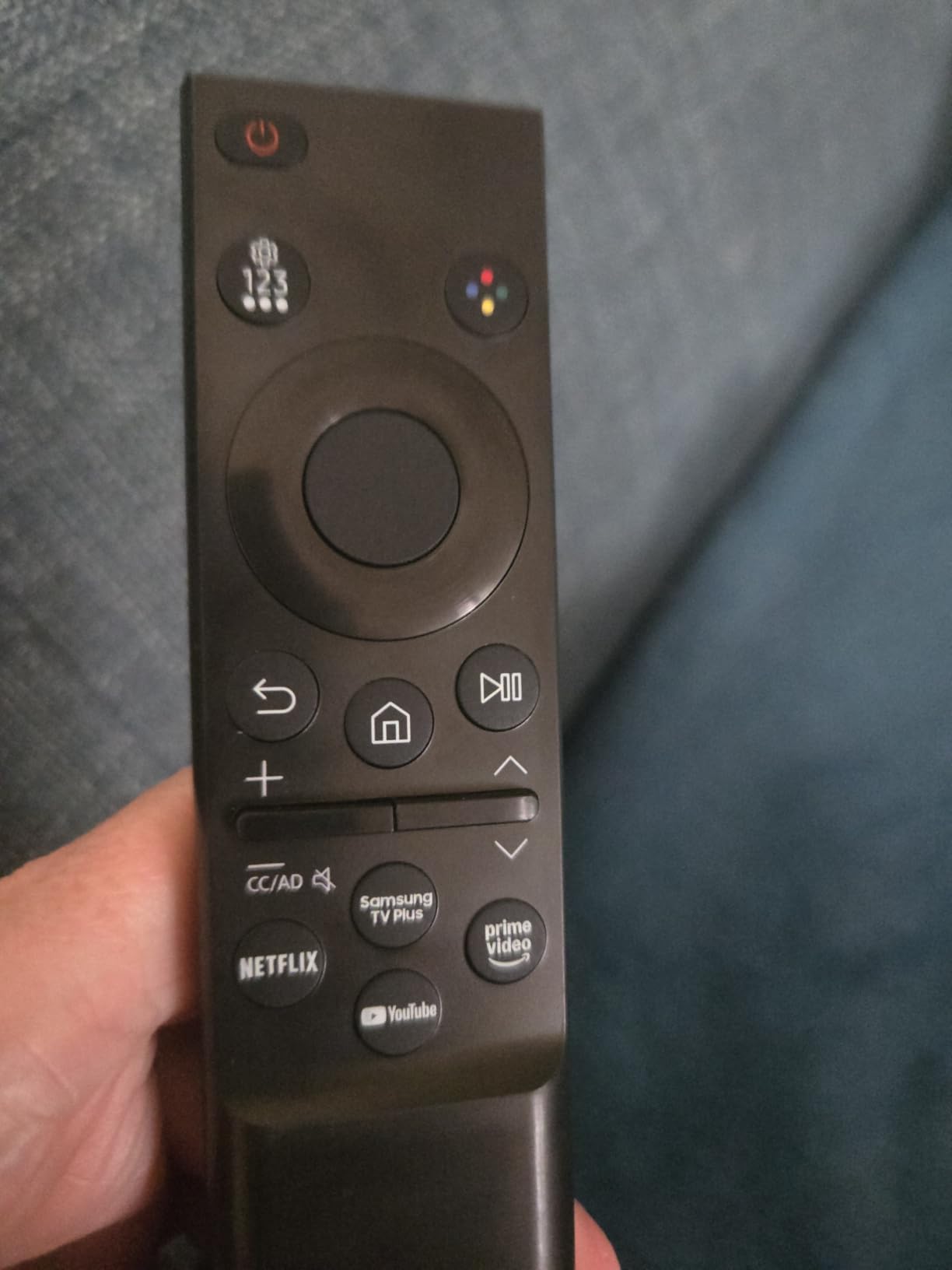
Bluetooth 5.3 and Wi-Fi 5 are included, which is not always the case at this price, and an ambient light sensor handles adaptive brightness. The Crystal Processor 4K handles upscaling and Color Booster works on washed-out content. At 31.8 pounds with the stand on a 400 x 300 mm pattern, it is easy to place.
Picture performance is the trade. Maximum brightness is listed at 400 nits with a 4,000:1 contrast ratio, so daylight viewing washes out color and loses detail, and the panel is 60Hz with no local dimming and no quantum dot color. The remote has no microphone and requires multi-step navigation to change inputs, and the app inventory is sparse enough that many buyers add an external streamer.
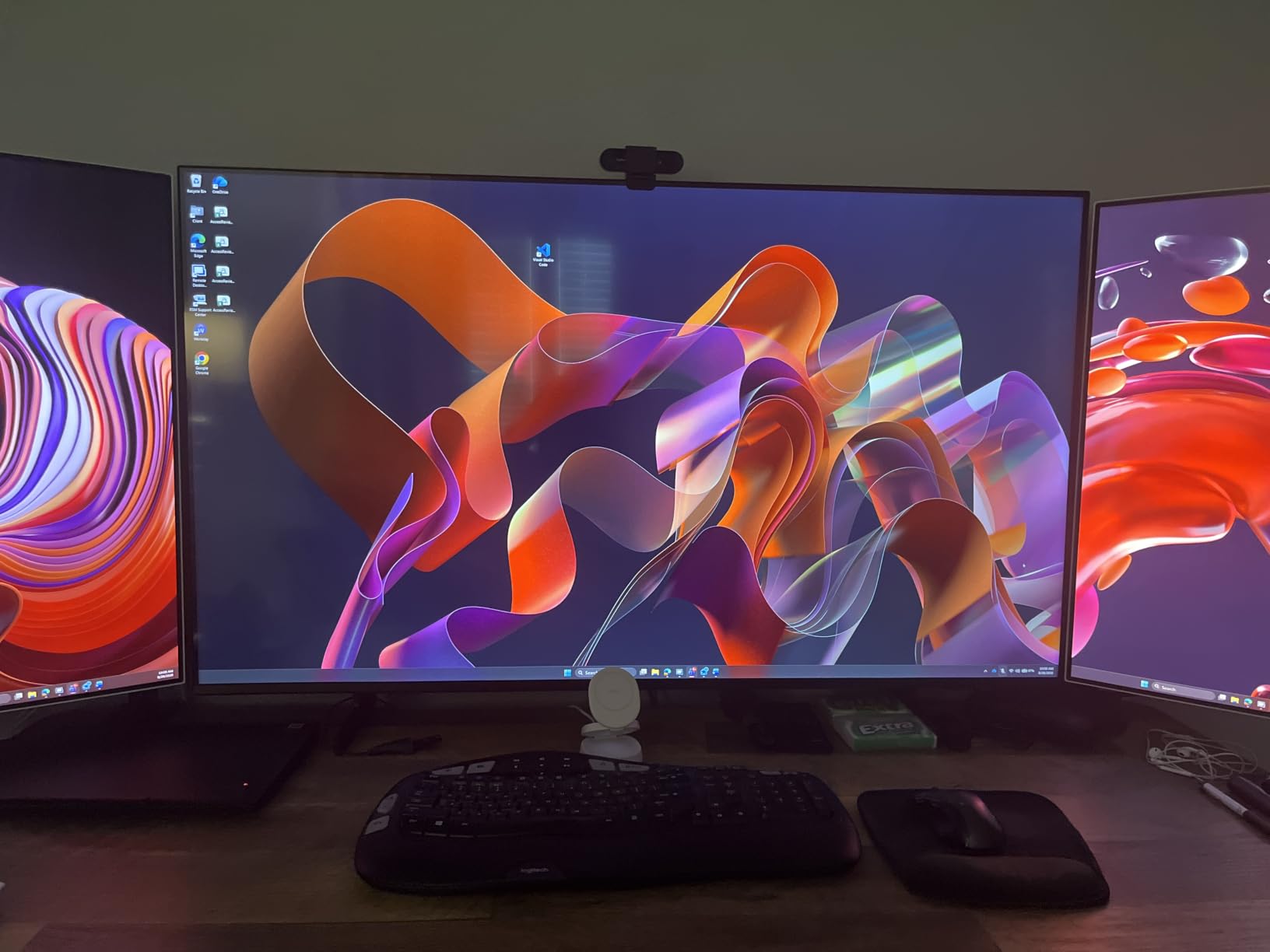
Who the Samsung U8000H suits
A secondary TV, a rental, a bedroom, or any room where the set runs a lot and the budget is tight. Owners treat it as a straightforward set: quick setup, familiar interface, useful free content.
In a darker room it performs well, with very black blacks for a non-OLED panel. It is also a sensible pairing for a bright household that watches live sport and news rather than films, and the full CEC support means one remote can run everything attached.
Who the Samsung U8000H does not suit
Do not put it opposite a window. 400 nits will not hold up to daylight, and the lack of local dimming means no real black control in a lit room. Anyone who watches films in a dark room should pick a set with local dimming instead.
It is also the wrong choice for gamers at 60Hz with no VRR listed, and for anyone whose streaming apps are not in the sparse built-in inventory. Plan on adding a streaming device, which adds cost and another remote to the coffee table.
65-Inch TV Buying Guide: What Actually Matters
Most buying mistakes on this size come down to three variables that are easy to measure and easy to ignore: how far you sit, how much light hits the screen, and what you actually watch. Everything else is preference. We have a fuller walkthrough in our home cinema TV guide, but here is the decision framework in short form.
How far should you sit from a 65-inch TV?
Sit between 8 and 12 feet away and a 65-inch screen fills your field of view the way it should, with the whole panel comfortably visible and the edges comfortably inside your vision. Closer than about 6 feet and you start seeing the pixel structure and the panel edges during normal movement, which is tiring over a long film.
This question comes up constantly on forums, and the top-ranking thread on r/hometheater is someone with a sofa 8 to 9 feet back wondering whether to move up from a 55-inch set. At that distance, 65 inches is the right call and 75 is worth considering if the wall allows it. The community is blunt about the general principle: when a larger size is affordable at your seating distance, take it.
The practical check is physical. Measure the width of your media console or the distance between the wall and your sofa, and compare it against the 56.9 inch panel width most 65-inch sets share. Leave room for the stand feet, or for a mount with the correct VESA pattern.
OLED vs QLED vs Mini-LED: which panel fits your room
OLED and QLED are not competitors in the way the acronyms suggest. OLED means each pixel makes its own light, so blacks are perfect and contrast is effectively infinite, but there is no backlight, so peak brightness is lower and the finish is usually glossy. QLED is an LCD with a quantum dot filter and an LED backlight: brighter and cheaper, with black level controlled by how well the backlight can be dimmed.
Mini-LED sits between them. It is still an LCD, but the backlight is divided into many hundreds or thousands of local dimming zones, which gets blacks far closer to OLED while keeping the brightness headroom. That makes mini-LED the practical middle ground for most living rooms: bright enough for daylight, dark enough for films.
Match the panel to the room rather than to the spec sheet. A dark, curtained home theater wants OLED for its black level. A living room with two windows wants mini-LED, or the one OLED here with a verified glare-free rating. A bedroom or a rarely-used room is happy with a QLED. Bright room plus film priority is the only scenario where the LG G5 in this roundup is the clear answer.
Is OLED really worth the premium over QLED?
It depends on what you watch and where. In a dim room, OLED blacks are a real and visible improvement that no budget QLED matches, and for films shot in dark cinematography the difference is immediate. In a bright room, the glossy finish works against you and a mini-LED looks better while costing less.
The money question is sharper than it used to be. In this roundup, a QD-OLED with 144Hz VRR sits well below a flagship WOLED, and the price gap between the top two sets here is large enough that most buyers should take the cheaper OLED and spend the difference on a soundbar. The forum consensus on QLED versus OLED has not changed much: QLED is only comparable when its local dimming is very good, which in practice means mini-LED territory.
Our rule of thumb: if your room is dim enough to watch films at night and you mostly watch films, OLED is worth it. If you watch sport, live TV and a lot of daylight programming, a mini-LED gives you more of what you actually use.
Do OLED TVs burn in, and how long does one last?
Yes, in theory. OLED pixels age unevenly, and a static element left on screen for thousands of hours at high brightness can leave a faint permanent mark. This is the second most common forum fear after reflections, and the answer is more measured than either extreme suggests.
Real risk depends entirely on habits. A news ticker, a game HUD, a dashboard or a paused streaming menu left up for hours every day is the realistic burn-in scenario. Mixed use with lots of varied content, running in Filmmaker Mode or Game Mode, and avoiding long static screens is what most owners actually do, and reported problems are rare at that level. Forum owners with several years of daily mixed use frequently report no visible issues at all.
On lifespan, the practical figures matter more than the headline. QLED and mini-LED LCDs are generally the lower-maintenance choice because the backlight does not degrade the way organic emitters do. OLED lifespan is measured in tens of thousands of hours, and current panels are rated well beyond the point most households reach. If you game on a TV with a permanent HUD and watch a lot of static news content, weight a QLED or mini-LED more heavily. Otherwise the fear is larger than the probability.
Gaming specs: refresh rate, VRR, ALLM and HDMI 2.1
Refresh rate is the spec that matters most, and it is the one most often dressed up in marketing. Look at the native panel rate, not the number in the product name. In this roundup, five sets are 60Hz panels and four run 144Hz natively, and the difference is obvious on any fast-moving game or live sport.
VRR lets the TV match its refresh to the frame rate your console or PC is delivering, which removes screen tearing. Four sets here support high VRR: the TCL T7 and QM6K at 288Hz, and the Samsung S90F and LG G5 for consoles. ALLM, or auto low latency mode, switches the TV into game mode automatically when a console is detected, which is worth having even on modest sets.
HDMI 2.1 is the one spec to verify per port rather than per set. Four HDMI inputs are standard across most of these models, but only the LG G5 lists four full-bandwidth HDMI 2.1 inputs. A related item worth knowing about: higher-than-60Hz modes frequently require a gaming PC or a high-bandwidth cable, so check your console and cable before assuming a mode will work.
Dolby Vision vs HDR10+: which brands support what
Dolby Vision and HDR10+ are competing HDR systems, and the fragmentation between them is a genuine buying trap that owners discover after purchase. Dolby Vision dominates streaming services and consoles, and carries metadata that some Sony and Samsung models do not. HDR10+ is free to include, and it is what Samsung ships instead of Dolby Vision.
Within this roundup, Dolby Vision is supported by the Insignia QF, the Roku Plus, both TCL sets, the LG G5 and the Hisense E7. Samsung’s M70H, S90F and U8000H list HDR10+ rather than Dolby Vision, which is the brand-level pattern buyers most often miss. The Hisense E7 covers the most formats of anyone, including Dolby Vision IQ and HDR10+ Adaptive.
None of these sets lists HDR10+ and Dolby Vision together except the Roku Plus, the two TCLs and the Hisense, so if you are undecided on format, pick from that group. Note also that the TCL QM6K lists HDR19 rather than standard HDR10 in its format list, which is an unusual but valid variation.
55 vs 65 vs 75 inches: is bigger always better?
Bigger is better only if your room supports it. The rule is distance-led: at 6 to 8 feet, a 55-inch set fills the view properly and a 65-inch set starts to dominate it. At 8 to 12 feet, 65 inches is the sweet spot. Beyond 12 feet, or in a room where several people sit wide, 75 inches earns its footprint.
For a 65-inch set, the practical constraints are the console width and the wall. Most 65-inch panels are around 56.9 inches wide, and the feet on some models need clearance on both sides. The TCL T7 has width-adjustable feet, which helps on narrower units, and most sets here use a standard 400 x 300 mm or 400 x 400 mm VESA pattern. The Samsung M70H at 200 x 200 mm and the Samsung S90F at 300 x 200 mm are the two that catch people out.
Weight follows size and panel type, and it is worth respecting. Sets at the budget end here weigh between 30 and 40 pounds. The two OLEDs weigh 49.6 and 48.5 pounds, and the LG’s 1-inch depth with One Wall Design means a flat wall, not a bracket with a gap behind it.
Frequently Asked Questions
What is the best 65-inch TV to buy right now?
For most people the INSIGNIA 65-inch QF Series QLED is the best 65-inch TV overall, because it is one of the few sets at this level with a QLED panel and Dolby Vision. Gamers should look at the TCL 65-inch T7 with its native 144Hz panel and 288Hz VRR. Movie watchers in a dark room should consider the Samsung 65-inch OLED S90F, and bright-room buyers should look at the LG 65-inch OLED evo G5 for its verified glare-free rating.
Which TV is best, QLED or OLED?
OLED is best in a dim room because each pixel emits its own light, giving perfect blacks and no blooming. QLED and mini-LED are better in a bright room because the LED backlight provides more brightness headroom. QLED only approaches OLED when its local dimming is very good, which in practice means a mini-LED with many zones.
Is OLED really worth it over QLED?
It is worth it if your room is dark and you mostly watch films, since no QLED matches OLED black level. In a bright room the glossy OLED finish works against you and a mini-LED looks better for less. The gap also narrowed: the Samsung 65-inch OLED S90F gives you 144Hz with VRR well below the flagship LG G5.
What is the lifespan of an OLED vs QLED TV?
Both last many years of normal daily use. QLED and mini-LED sets are the lower-maintenance option because the LED backlight does not degrade the way organic emitters do. OLED panels are rated in tens of thousands of hours, well past most household lifetimes, provided you avoid leaving static logos, news tickers or game HUDs on screen for hours at a time.
Is a 65-inch TV too big for my living room?
A 65-inch TV is right for a viewing distance of about 8 to 12 feet. Closer than roughly 6 feet and the pixel structure and panel edges become visible during normal movement, which is tiring over a long film. If your sofa is 6 to 8 feet back, a 55-inch set fills the view more comfortably and 75 inches suits distances beyond 12 feet.
Which brand of TV is most reliable?
Reliability is better judged by the volume of owner feedback behind a model than by the badge. The TCL 65-inch QM6K has the largest review base in this roundup at 1,944 ratings, which makes its 4.3 score a meaningful reliability signal. Firmware support also matters: the LG G5 lists up to five years of webOS updates, while cheaper sets are less predictable.
Which 65-Inch TV Should You Buy?
The best 65-inch TV for most households is the INSIGNIA 65-inch QF Series QLED. A QLED panel with Dolby Vision in a 65-inch frame at the entry level is a combination that was rare until recently, and it covers streaming, live TV and casual gaming without compromise on the things that matter at this size.
Buy something else if your situation is specific. Gaming is the strongest reason to move up: the TCL 65-inch T7 and QM6K run 144Hz natively with 288Hz VRR, and the QM6K adds mini-LED local dimming plus a 1,944-rating track record. Movies in a dark room point to the Samsung 65-inch OLED S90F, which delivers OLED contrast with 144Hz at far less than the flagship. A bright living room with windows points to the LG 65-inch OLED evo G5, the one set here that is UL verified Discomfort Glare Free.
For everyone else, the middle of this list is where value lives. The Roku 65-inch Plus Series is the highest-rated set we reviewed and pairs local dimming and Dolby Vision with a genuinely usable 4.1-channel system. The Samsung M70H is the cheapest route to mini-LED contrast, and the Samsung U8000H costs the least to run at 139 kilowatt hours a year.
Whichever you choose, work out your viewing distance and your daylight situation before you click anything. Those two answers, plus whether you game, account for most of the decision and prevent the most common expensive mistake. Our OLED roundup and film screening guide go deeper on the picture-quality side if you want to go further before choosing.