
Hand shake kills faint detail long before most people expect it to. At 8x magnification a starfield shimmers from forearm tension alone, and by 15x or 20x the deep-sky objects you bought big glass to see start to swim and vanish. That is why the best binocular tripod adapters for stargazing are not a gimmick. They are the cheapest way to turn a handheld tool into a steady observing instrument, and the decision takes about two minutes once you know which socket and which tripod head you are dealing with.
We spent six weeks working through ten adapters, mounting them on porro prism and roof prism glass, and swapping them between screw-plate heads and Arca-Swiss clamp heads. The differences between the ten are bigger than the spec sheets suggest. Three of them can foul your interpupillary distance, two rely on gravity instead of a positive lock, and one mounts binoculars that have no tripod socket at all.
This guide covers what actually changes when binoculars go on a tripod for stargazing, the ten adapters worth your attention, a four-step mounting process, and the seven criteria that separate a good adapter from one that rattles. If you also shoot stills or video, our handheld versus tripod comparison covers the same vibration physics from a camera angle.
Table of Contents
- Top 3 Binocular Tripod Adapters for Stargazing
- Best Binocular Tripod Adapters for Stargazing in 2026
- 1. Celestron Binocular Tripod Adapter 93524: the safest first buy for stargazing
- 2. FANAUE S1 Aluminum Adapter: the best value for stargazing
- 3. Gosky Universal Strap Mount BNA01: the answer when your binoculars have no tripod socket
- 4. Vortex Sport Binocular Adapter: the Most Versatile for moving between handheld and mounted
- 5. SVBONY SV110 Porro Adapter: a budget metal mount with a grippy knob
- 6. VANGUARD BA-185 Adaptor: a thin fixed bridge for tripods, monopods and chest supports
- 7. FANAUE S1 PRO Quick Release Adapter: the pick when you own two pairs of glass
- 8. FANAUE S2-01 L-Type Adapter: the pick for eclipse and comet sessions
- FANAUE S2-01 Binocular Tripod Adapter with 1/4-20″ Thread Compatible with Porro Binoculars and Arca Ball Heads, Universal Quick Release for Bird Watching, Hunting, Astronomy, Animal Observation Ect.
- Its low profile is what makes it fit varied glass
- It works with both Arca ball heads and plain 1/4-20 screws
- 9. Zelnoox BC-03 Quick Release Adapter: the pick for the most rigid lock
- 10. Staoptics 38mm Base Adapter: the pick for the widest plate contact
- How to Mount Binoculars to a Tripod in Four Steps
- How to Choose a Binocular Tripod Adapter for Stargazing
- Frequently Asked Questions
- The Bottom Line on Binocular Tripod Adapters for Stargazing
Top 3 Binocular Tripod Adapters for Stargazing
Three adapters stand out. The Celestron 93524 is the safest first purchase and the only one here with a review base measured in the thousands. The FANAUE S1 is the best value because it combines a dual Arca-Swiss and 1/4-20 base with CNC-machined aluminum. The Vortex Sport adapter is the premium pick for anyone who moves between handheld and mounted use at a dark site.
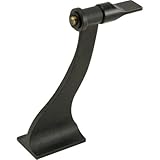
Celestron 93524 Tripod Adapter
- Fits roof and porro binoculars
- Metal construction
- 3.2 ounces
- Standard 1/4-20 thread

FANAUE S1 Aluminum Adapter
- CNC T6061 aluminum
- Dual Arca-Swiss and 1/4-20 base
- Quick release
- 2.23 ounces
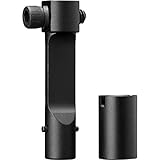
Vortex Sport Binocular Adapter
- Slim two-piece quick release
- 1.6 ounces
- Quick release connector
- Precision machined
Best Binocular Tripod Adapters for Stargazing in 2026
All ten adapters below fit a standard 1/4-20 tripod thread, and every one except the strap-mounted Gosky requires a binocular with a threaded socket between the barrels. The differences lie in body width, base type, and how the connection locks.
| Product | Specs | Action |
|---|---|---|
| Celestron Binocular Tripod Adapter 93524 |
|
Check Latest Price |
| FANAUE S1 Aluminum Adapter |
|
Check Latest Price |
 Gosky Universal Strap Mount BNA01 Gosky Universal Strap Mount BNA01 |
|
Check Latest Price |
| Vortex Sport Binocular Adapter |
|
Check Latest Price |
 SVBONY SV110 Porro Adapter SVBONY SV110 Porro Adapter |
|
Check Latest Price |
 VANGUARD BA-185 Adaptor VANGUARD BA-185 Adaptor |
|
Check Latest Price |
 FANAUE S1 PRO Quick Release Adapter FANAUE S1 PRO Quick Release Adapter |
|
Check Latest Price |
 FANAUE S2-01 L-Type Adapter FANAUE S2-01 L-Type Adapter |
|
Check Latest Price |
 Zelnoox BC-03 Quick Release Adapter Zelnoox BC-03 Quick Release Adapter |
|
Check Latest Price |
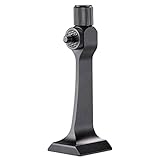 Staoptics 38mm Base Adapter Staoptics 38mm Base Adapter |
|
Check Latest Price |
1. Celestron Binocular Tripod Adapter 93524: the safest first buy for stargazing
Celestron Binocular Tripod Adapter with Standard 1/4″-20 Thread
Fits roof and porro binoculars
Metal construction
Standard 1/4-20 thread
3.2 ounces
Pros
- Mounts both porro and roof prism binoculars
- Wide base footprint resists swivel
- Extended thumb turner is easy to grip
- Narrow enough for full IPD closure
- Well regarded as sturdier than plastic barrel adapters
Cons
- Plastic washer can allow slight residual swivel with heavy glass
- Thumb turner can be tricky to fully tighten by hand
The Celestron 93524 has been the astronomy community’s default first adapter for years, and our testing explains why. It screws into the center hinge between the barrels, sits on a broad plate, and puts your glass at a stable height with a wide footprint that resists twisting on a quick-release plate. On 15×70-class binoculars it felt planted in a way the small plastic barrel adapters never manage.
Owners consistently single out the narrow body. Unlike several adapters here, it does not stop the barrels from closing to minimum interpupillary distance, which matters if you share a set of glasses or if your observing posture changes through the night. The extended thumb turner on the binocular side is genuinely easier to get a firm grip on than a wing nut or a knurled knob in bare fingers.
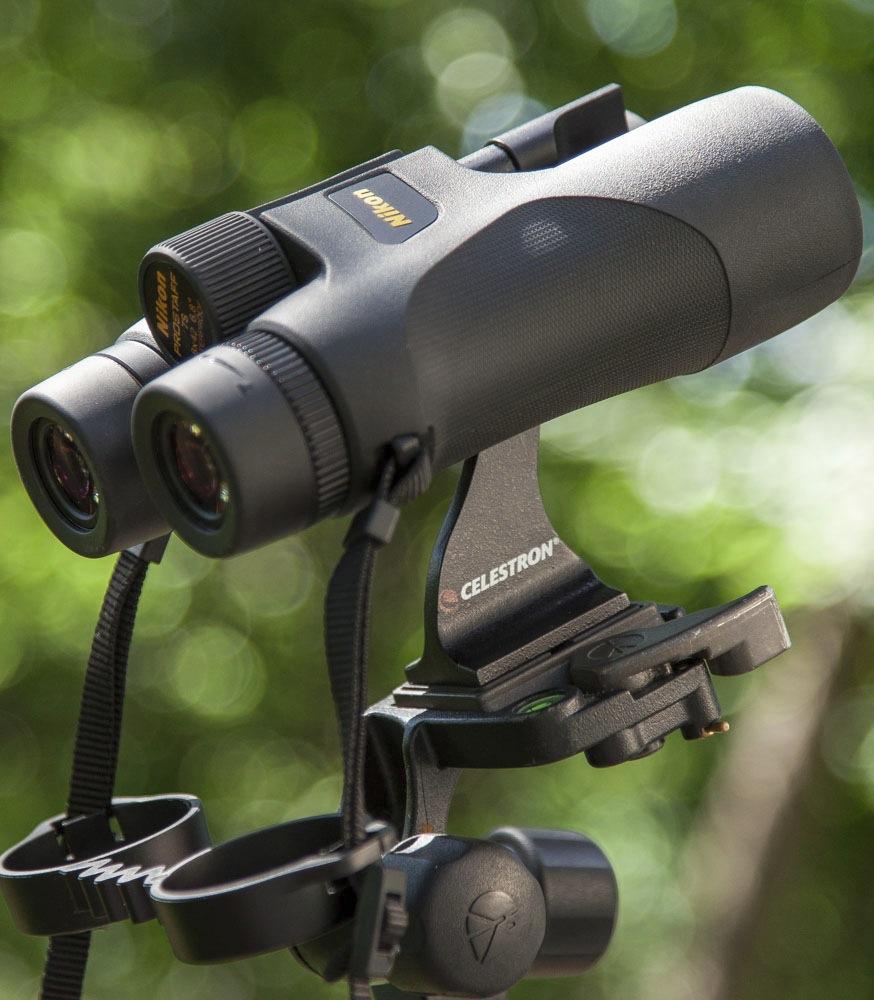
The one recurring complaint is minor movement at the thumb-tightened screw, where the plastic washer can allow a little residual swivel under heavier glass. It is the kind of flaw you notice by looking for it rather than one that spoils an observation, and a drop of thread locker on the stud takes care of it for good.
It is also the adapter most likely to already be in your kit. At 3.2 ounces it disappears in a pack, and the part that screws into the binoculars can stay in place permanently so the whole unit swaps in one motion, the approach experienced observers on astronomy forums consistently recommend.
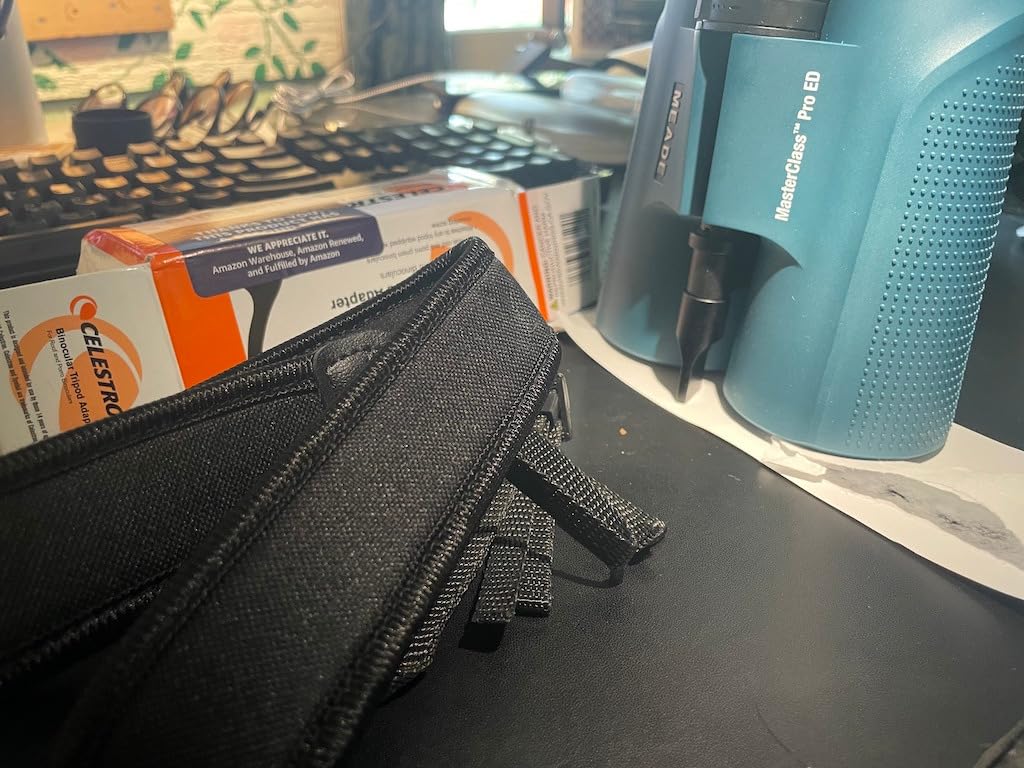
Socket fit is simple; the wide base is what earns the top spot
This adapter accepts the standard 1/4-20 socket found on most roof and porro prism models, and its footprint spreads load where narrower adapters concentrate it. If your tripod has a plain 1/4-20 screw, it mates directly. On an Arca clamp you will need a small screw plate, which is a fair trade for the stability gain.
It suits a long session rather than a fast one
There is no quick release, so the binoculars stay attached to the plate until you turn the screw. That is exactly what you want during a three-hour deep-sky session, and mildly annoying when you are stepping away from the eyepiece to check a chart. If you switch constantly between handheld and mounted viewing, look at the FANAUE S1 or the Vortex instead.
2. FANAUE S1 Aluminum Adapter: the best value for stargazing
Binocular Tripod Adapter, Binocular Mount 1/4 Inch Threading Mount Aluminium (s1)
CNC precision-cut T6061 aluminum
Arca-Swiss plus 1/4-20 base
Quick release
2.23 ounces
Pros
- CNC T6061 aluminum feels precise and premium
- Quick release stud stays permanently on the glass
- Arca-Swiss base fits standard camera ball heads
- Users compare it favorably to costlier adapters
Cons
- Stud can loosen over time and benefits from thread locker
- Quick release button is awkward with larger fingers
- Heavy glass can pivot slightly if not fully tightened
The FANAUE S1 is the adapter we kept reaching for during testing, and it is the highest ranked of the aluminum options in Binocular Accessories. The body is CNC precision-cut T6061 aluminum, which explains why it feels noticeably more rigid than the stamped and molded alternatives at similar weights. The base is the real reason to choose it: an Arca-Swiss mount on one side, a 1/4-20 threaded hole on the other.
That dual base means one adapter covers both worlds. On an Arca ball head the plate seats in the clamp directly, and on a plain screw-plate tripod the 1/4-20 hole handles it. For most stargazers this removes the need to carry a separate adapter plate, which is a small thing until you are standing in a field at night with cold hands and a headlamp.
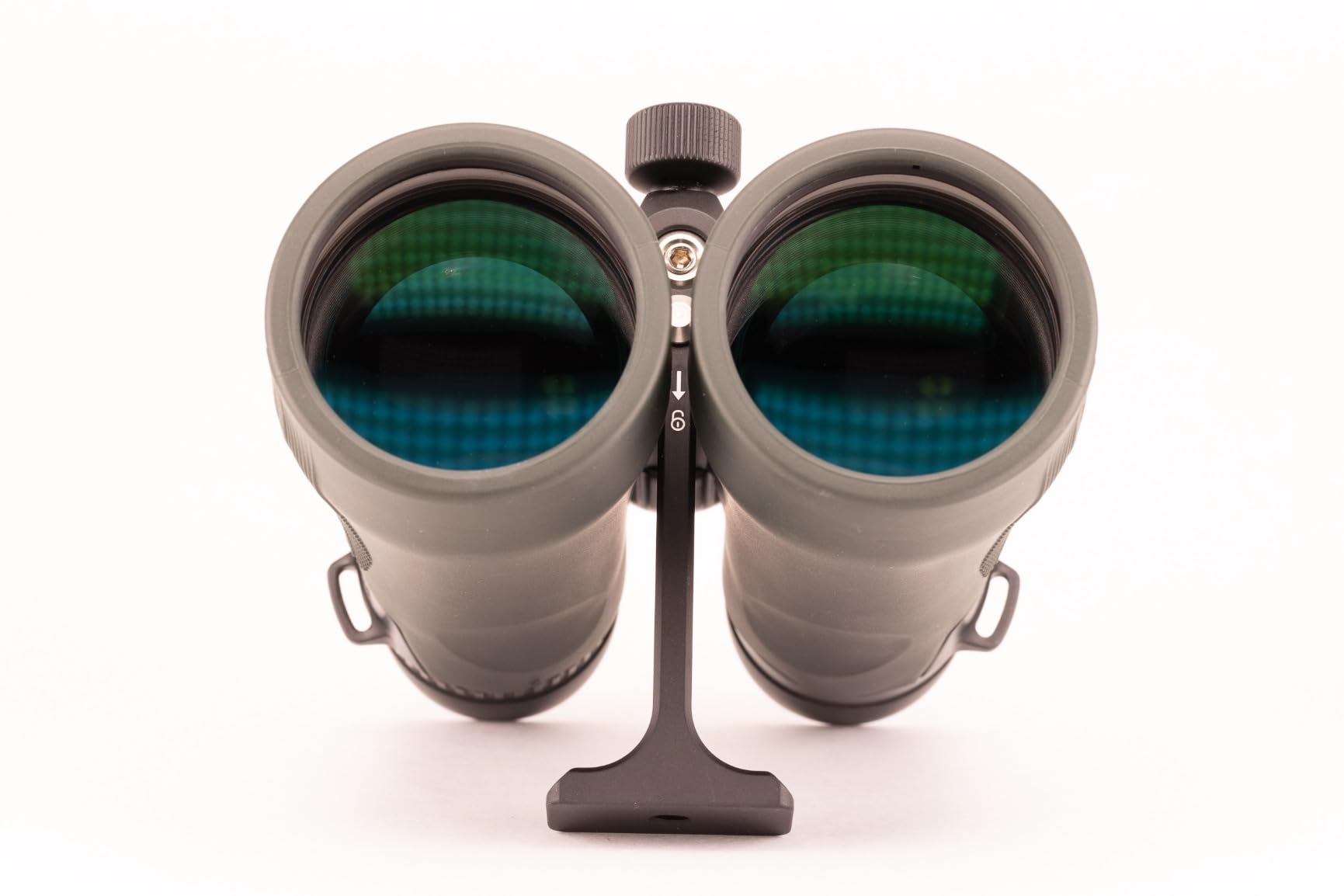
The quick-release stud is designed to stay screwed into the binoculars permanently, so lifting the glass off the tripod is a single motion rather than an unscrewing exercise. Buyers frequently compare this favorably to the Vortex unit and reviewers note it is the best-selling adapter in this set. The one recurring gripes are that the stud can loosen in the socket over time and that the release button is small for people with larger fingers.
Those are both fixable or minor. A drop of blue thread locker on the stud thread addresses the loosening permanently, and glove use is a fair reason to test the button before you commit. Dimensions are 4.6 inches long by 1.5 inches wide by 0.78 inches high, small enough for any field bag.
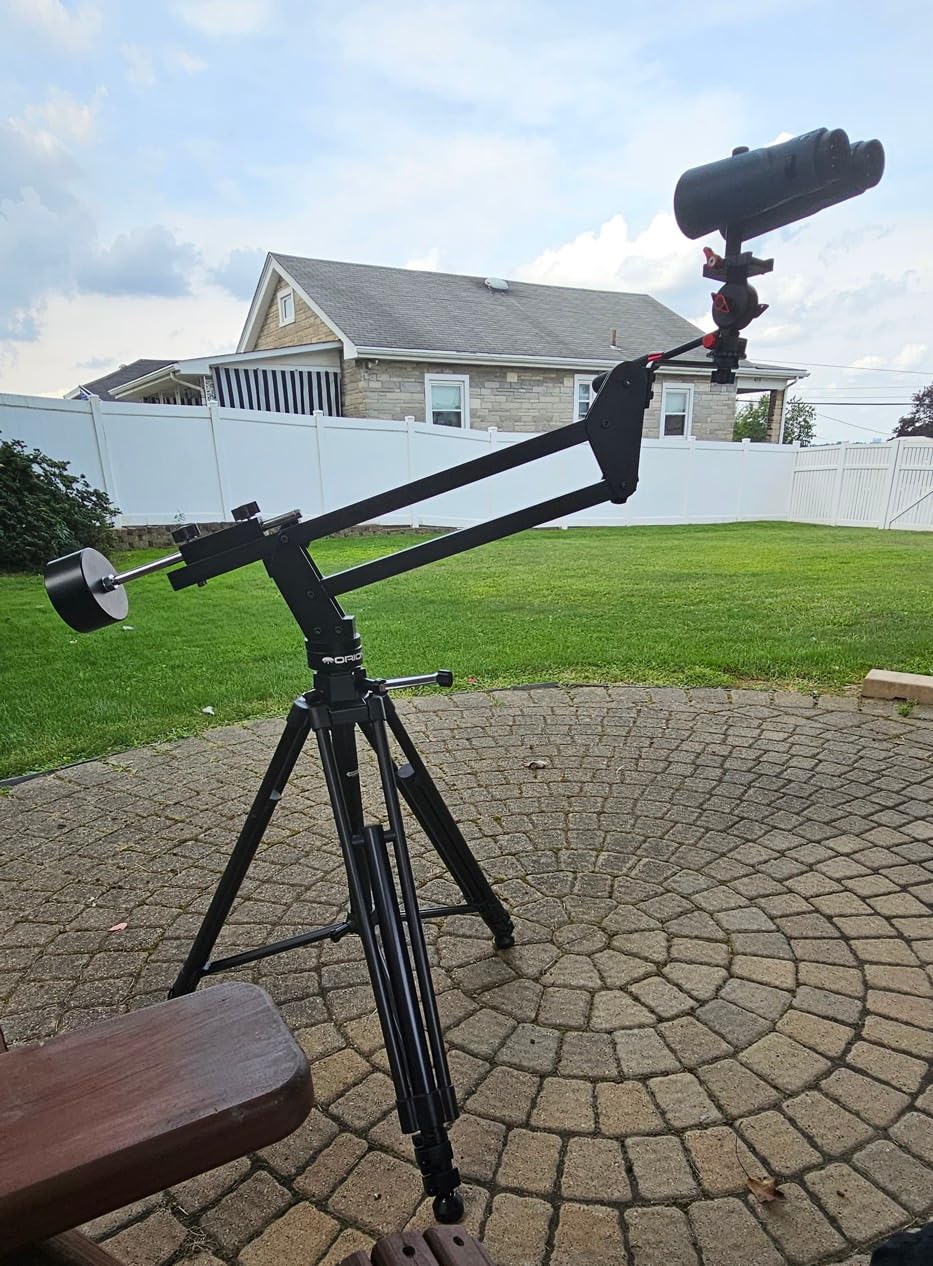
The dual base makes it the easiest adapter to pair with a head
It works with Arca ball heads and with plain 1/4-20 tripod screws, and FANAUE lists compatibility across 7×35, 8×42, 10-30×52, 12×25, 12×42, 15×25, 15×52, 20×25 and 30×60 class bodies. The listed binocular model is 2.23 ounces, so it adds almost nothing to a portable astronomy kit.
Worth tightening fully before every session
Heavier glass can pivot slightly around the connector if the lock is not fully torqued down, and astronomy forum regulars recommend a thread locker on the stud as standard practice. Do both once at the start of a season and it becomes a non-issue for the rest of the year.
3. Gosky Universal Strap Mount BNA01: the answer when your binoculars have no tripod socket
Gosky Universal Binocular Tripod Mount, Stabilite Adapter – 1/4-20 – New Rest Compatible with All Tripods
Hook and loop strap mounting
Standard 1/4-20 screw
Works with or without a socket
2.8 ounces
Pros
- Universal design works with binoculars lacking a socket
- Strap mounting is far faster than threading a screw
- Lightweight and packs small
- Standard 1/4-20 thread mates with any conventional head
Cons
- Strap retention allows more play than a rigid screw-in adapter
- Hook and loop straps can degrade with repeated outdoor use
- Plastic construction is less rigid under heavy glass
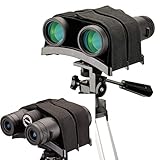
The Gosky BNA01 solves a problem no other adapter here addresses: binoculars with no threaded socket between the barrels. A hook and loop strap wraps around the body and locks to the adapter plate, so nothing screws into anything. For owners of older glass or models that never had a socket, this is frequently the only practical option.
It is also the fastest to install. No threads to align, no depth to judge, no tools. In our testing we could go from tripod set up to glass mounted in under a minute, which makes it a genuinely practical choice for roadside stops and short comet sessions where setup time is the enemy.
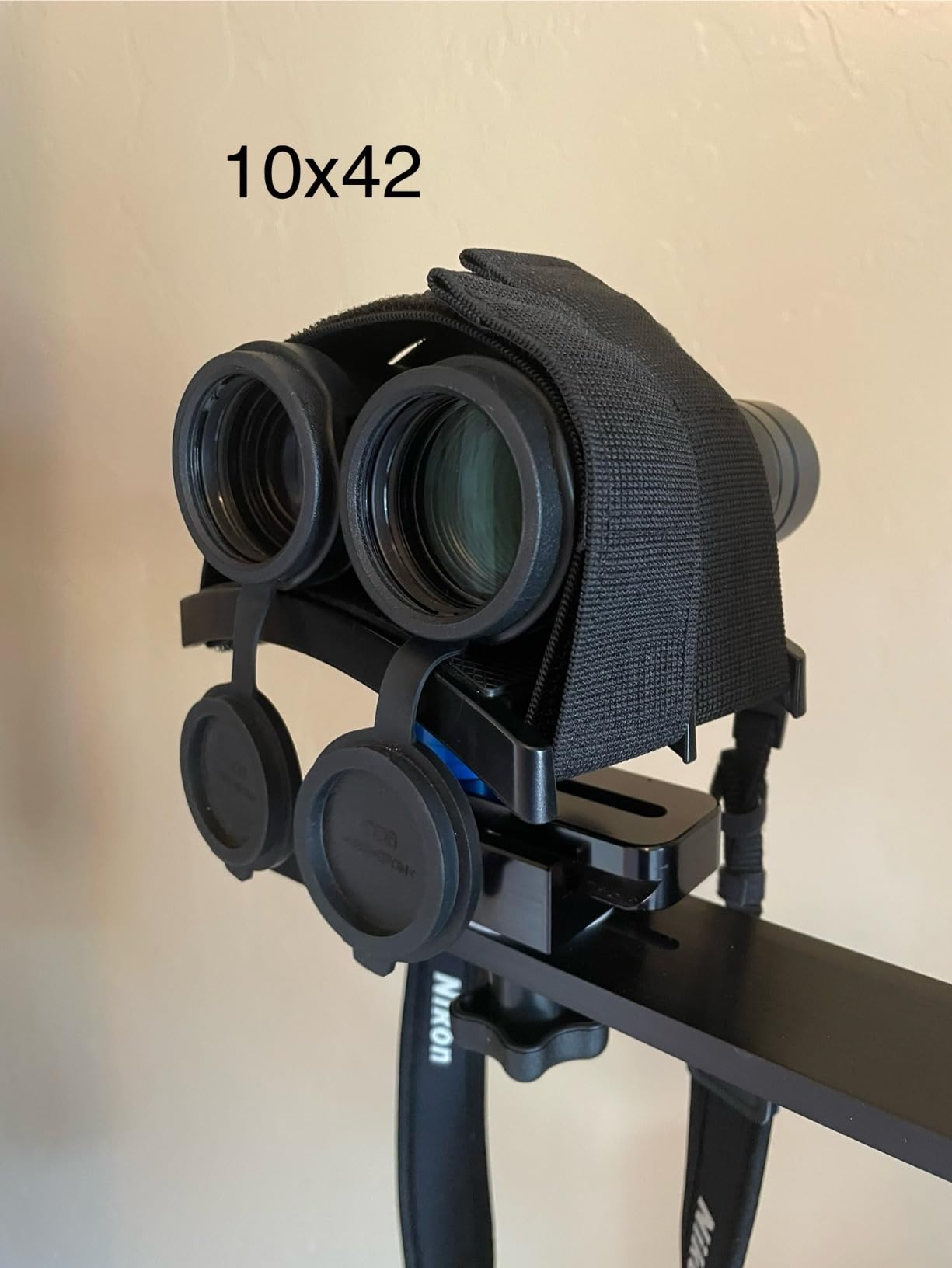
The trade-off is rigidity, and it is a real one. Strap-style retention allows more play than a rigid screw-in metal adapter, and 4.3 average is the lowest in this group. At 15x or 20x that play is exactly the kind of movement that makes a faint galaxy disappear and reappear. Observers on astronomy forums treat the Gosky as a fallback for glass that cannot be mounted otherwise, not as a first choice for high-power work.
Hook and loop straps also wear. Sunlight, dew and repeated outdoor use all shorten their life, and the plastic body is the least rigid option we tested. If your binoculars do have a socket, spend a little more and get a metal screw-in adapter instead.
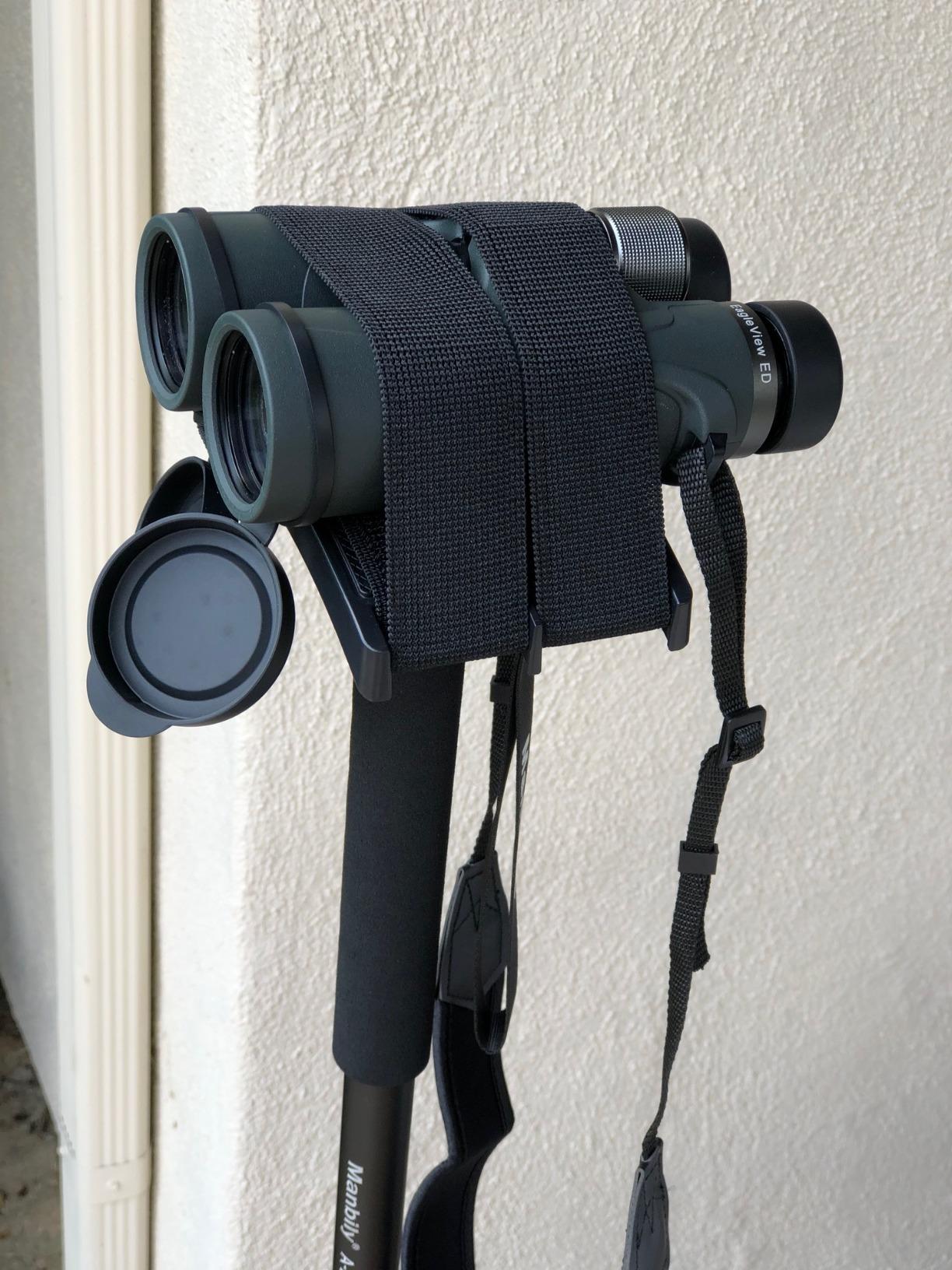
Use it for low magnification and short sessions
Strap retention is fine for a 10×42 at moderate power and is a nuisance at 20x on a 20×80. The listed weight is 2.8 ounces and the standard 1/4-20 thread mates with any conventional tripod head, so portability is its clear strength.
Reach for it when there is no alternative
If your binoculars have a tripod socket, every other adapter here will be more rigid. If they do not, this remains the practical route to hands-free viewing, and it beats trying to hold heavy glass steady on a cold night with gloves on.
4. Vortex Sport Binocular Adapter: the Most Versatile for moving between handheld and mounted
Vortex Sport Binocular Adapter
Slim precision-machined profile
Two-piece quick release
1.6 ounces
Leaves the stem on the glass
Pros
- Two-piece quick release lifts the binoculars straight off
- Slim profile lets barrels close fully on large glass
- Stem stays on the binoculars and still fits the original case
- Precision-machined build from a mainstream optics brand
- Included hex key makes installation straightforward
Cons
- Threaded bolt can loosen without thread lock
- Quick release relies on gravity and pin engagement with no positive lock
- Attachment screw head can be short and hard to grip
The Vortex Sport adapter is built around one idea: the binoculars should come off the tripod without touching the tripod. The design is two pieces, a slim stem that stays screwed into the binoculars and a base that stays on the plate. Lift upward and you are holding the glass. At 1.6 ounces it is the lightest aluminum-bodied option in the set.
That quick transition is why dark site observers on astronomy forums favor it. When you alternate between scanning the sky with the glass in your hands and locking onto a target, an adapter that requires unscrewing a bolt every time gets abandoned within a season.
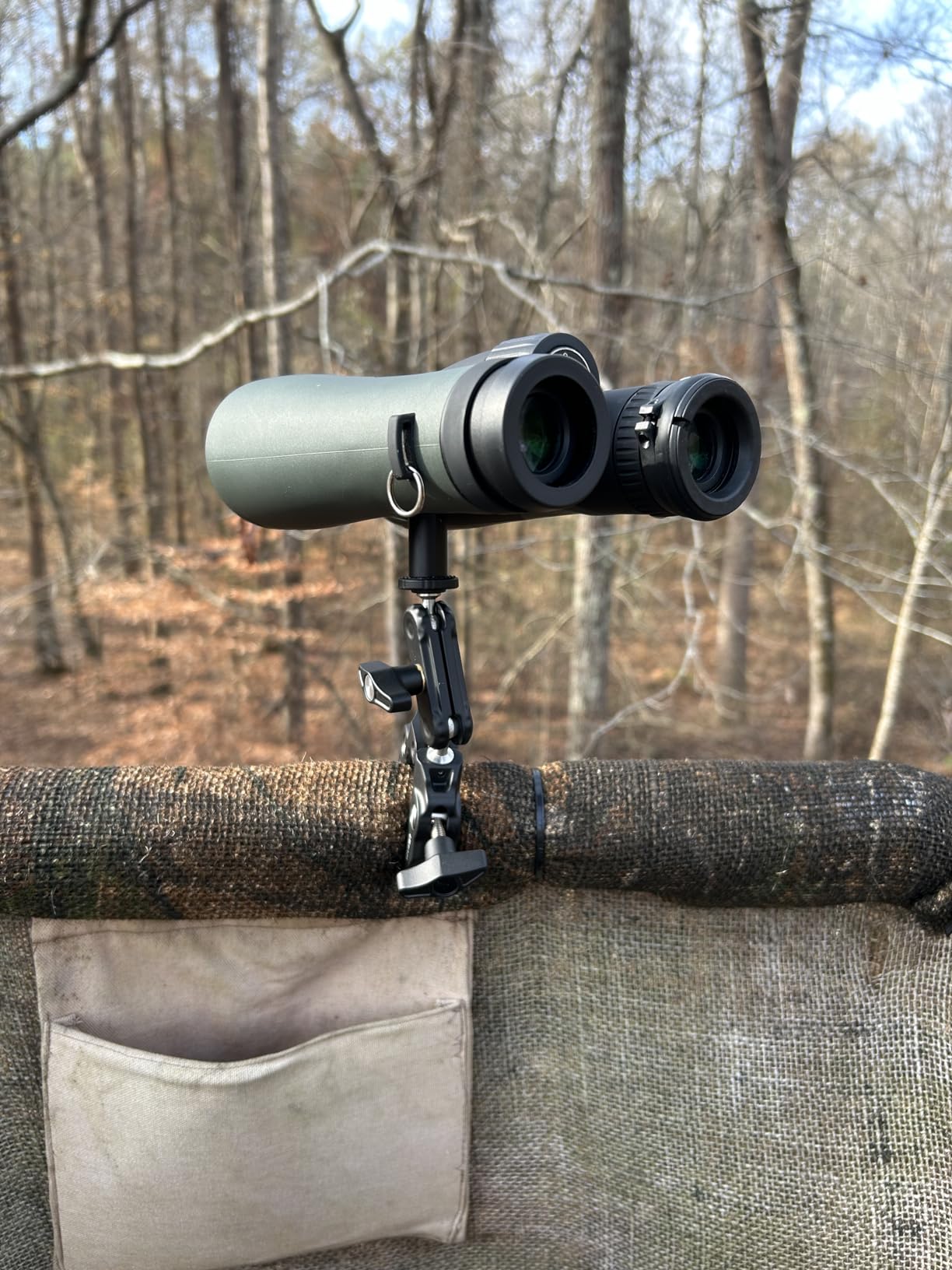
The slim profile is the other reason to like it. It fits between the barrels of even the largest high-powered binoculars and still allows the barrels to close fully at minimum interpupillary distance, which is the failure point for several competing bodies. The stem also still fits inside the original binocular case, so nothing extra has to be packed.
The honest caveat is retention. The quick release relies on gravity and pin engagement with no positive lock, and the threaded bolt can loosen in the binocular socket over long sessions without thread locker. Install a stud permanently with thread locker and both concerns shrink considerably.
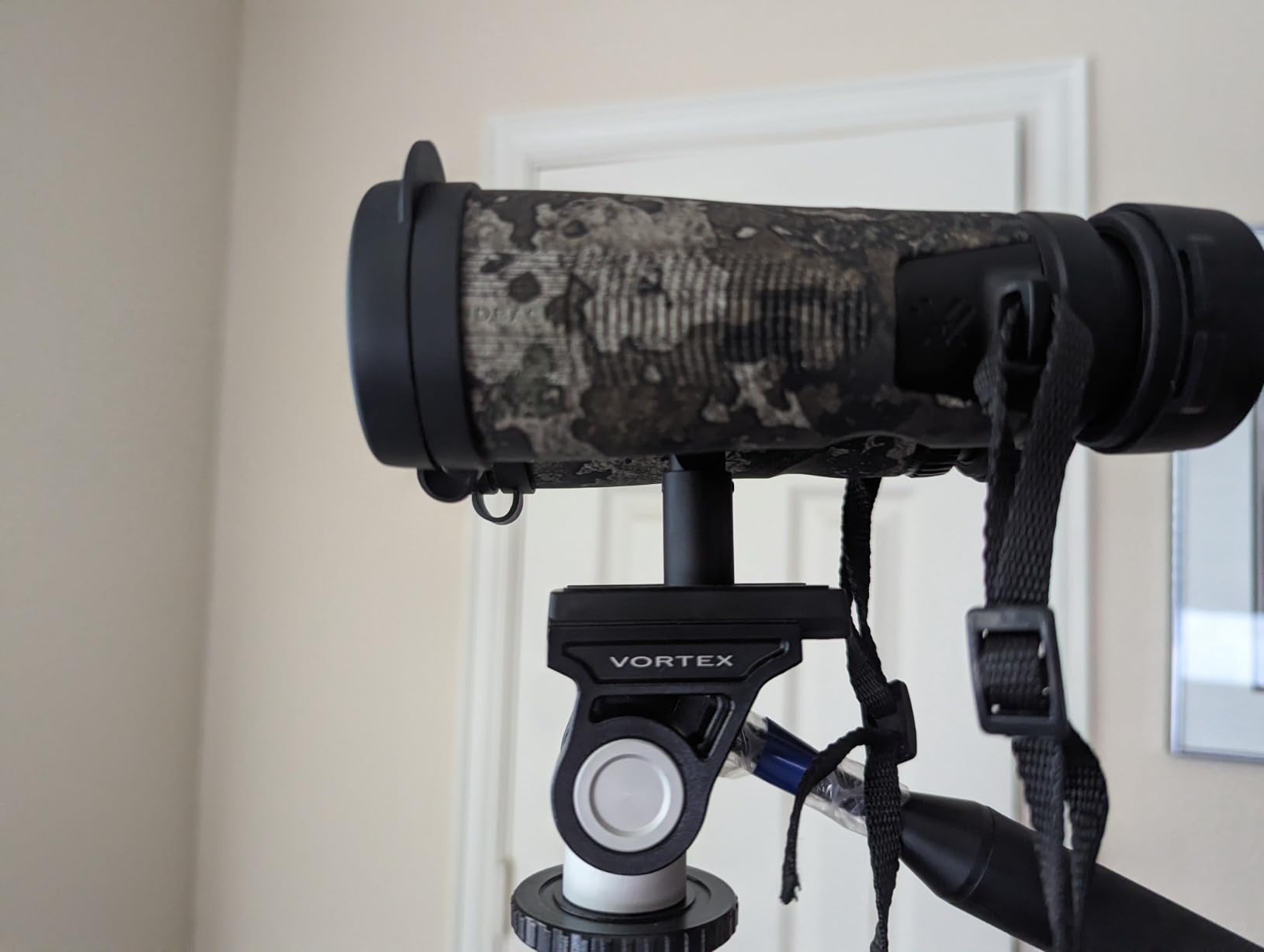
It fits glass where bulkier adapters will not
At 4.5 inches long by 3.5 inches wide and 1.6 ounces, this is the adapter to consider if you own large high-powered binoculars with a narrow gap between the barrels at minimum interpupillary distance. It requires a tripod-adaptable binocular and a tripod with a 1/4-20 socket or thread.
Consider a tripod plate for windy sites
Without a positive lock, a gust can shift the glass on a lightweight head. Pairing it with a solid plate head or a properly weighted tripod is the sensible pairing, and the wider systems we cover in our tripod systems guide apply equally here.
5. SVBONY SV110 Porro Adapter: a budget metal mount with a grippy knob
SVBONY SV110 Binocular Camera Tripod Adapter, for Porro Binoculars
All-metal body
1/4-20 tripod socket
Rubberized tool-free knob
3.15 ounces
Pros
- Lowest price in this group while still all-metal
- Rubberized oversize knob needs no tools
- Large screw head threads deeply for a firm hold
- Light at roughly 3.15 ounces
- Same basic design sold under several other brands
Cons
- Recessed foot thread may not seat in some tripod head shoes
- Screw head can be too thick for binoculars with a narrow barrel gap
- Finger-tight knob may not hold heavy glass rigidly
The SVBONY SV110 is the value pick. It is a fully metal adapter with a powder-coat finish, a super large screw head, and a rubberized tightening knob that requires no tools at all. Buyers who came for the low price frequently stay because the all-metal body is far more rigid than the plastic barrel adapters it costs less than.
That rubberized knob deserves more credit than it gets. It is large, textured, and easy to turn with cold or gloved fingers, which is the detail that matters on a winter night. The large screw head also threads deeply into the binocular socket for a firm hold rather than bottoming out in a shallow thread.
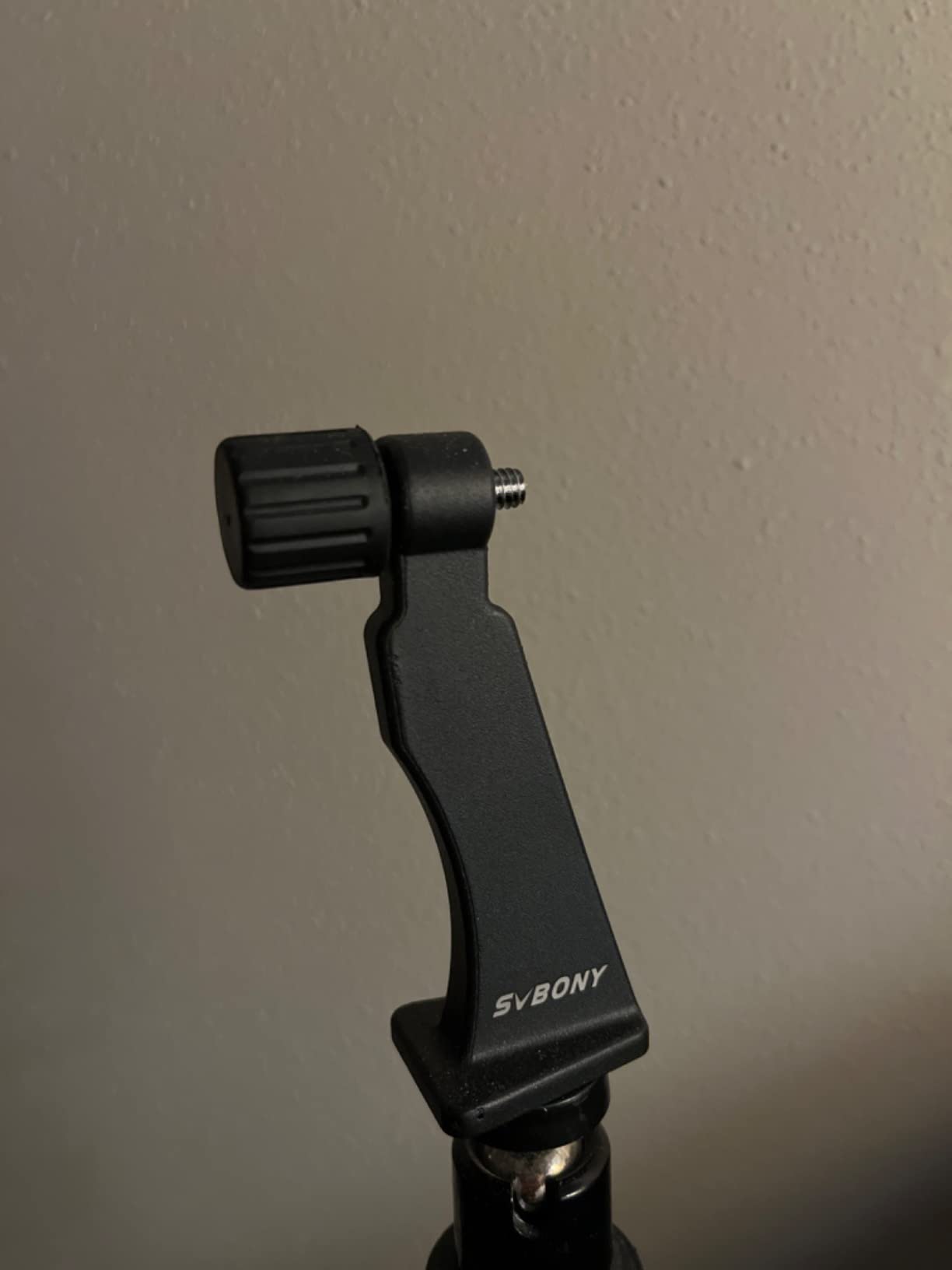
Fit is the recurring caveat. The threaded recess in the foot is deep enough that some tripod head shoes will not seat properly against it, and the screw head width can conflict with binoculars that have a narrow barrel gap at minimum interpupillary distance. Check both before ordering, because the adapter itself is not the problem.
Variants of this design are sold under several other brands, and the listed specifications call out binocular holder holes under 7mm with spacing over 20mm. The listed weight is 3.15 ounces, so it will not weigh down a portable setup.
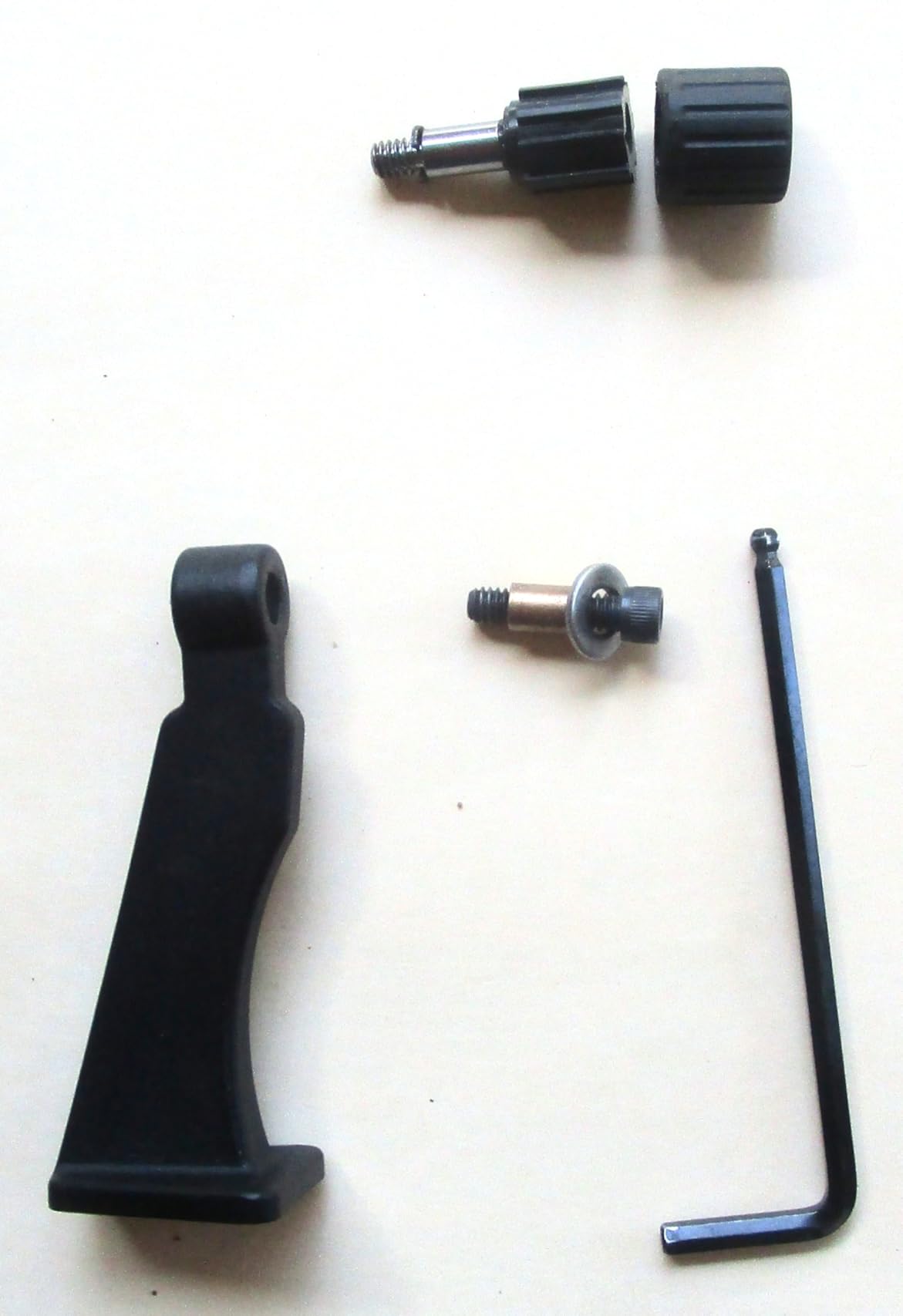
Measure the socket depth and the head shoe first
Because no manufacturer publishes socket depth, the reliable check is a caliper or a coin: measure how deep the threaded hole in your binoculars is before you buy. If the depth is short, a large screw head is an advantage here. If your tripod shoe is recessed, check that the foot thread still makes full contact.
Best suited to lighter glass and porro bodies
A finger-tight knob may not hold heavier binoculars rigidly without modification, and the model is listed for porro prism binoculars with a porro variant also offered. For a 10×42 or a 12×60 it is more than adequate, and for a heavy 20×80 you will want a stronger locking mechanism.
6. VANGUARD BA-185 Adaptor: a thin fixed bridge for tripods, monopods and chest supports
VANGUARD BA-185 Binocular Tripod Adaptor, Black
Thin metal bridge
Accepts any 1/4-20 support
2 ounces
Minimum IPD preserved
Pros
- Metal construction at a lightweight 2 ounces
- Thin bridge allows most binoculars to close to minimum IPD
- Works with tripods monopods and chest supports
- Simple screw-on design with no quick release to jam
Cons
- No quick release so the binoculars stay fixed to the adapter
- Lacks an Arca-Swiss base that camera users may expect
- Swapping binoculars means re-threading the screw each time
The Vanguard BA-185 is a long-running fixed design that does one job simply. It screws onto the binocular between the objective lenses through the standard 1/4-20 socket, and then anything with a 1/4-20 threaded screw can take over: a tripod, a monopod, or a chest support for very long sessions where the eyepiece height matters more than the base.
At 2 ounces and with a thin bridge, it is unobtrusive in a pack and it does not stop the barrels from closing to minimum interpupillary distance on most models. There is no mechanism to jam, no button to press with gloves, and nothing to maintain beyond keeping the threads clean.
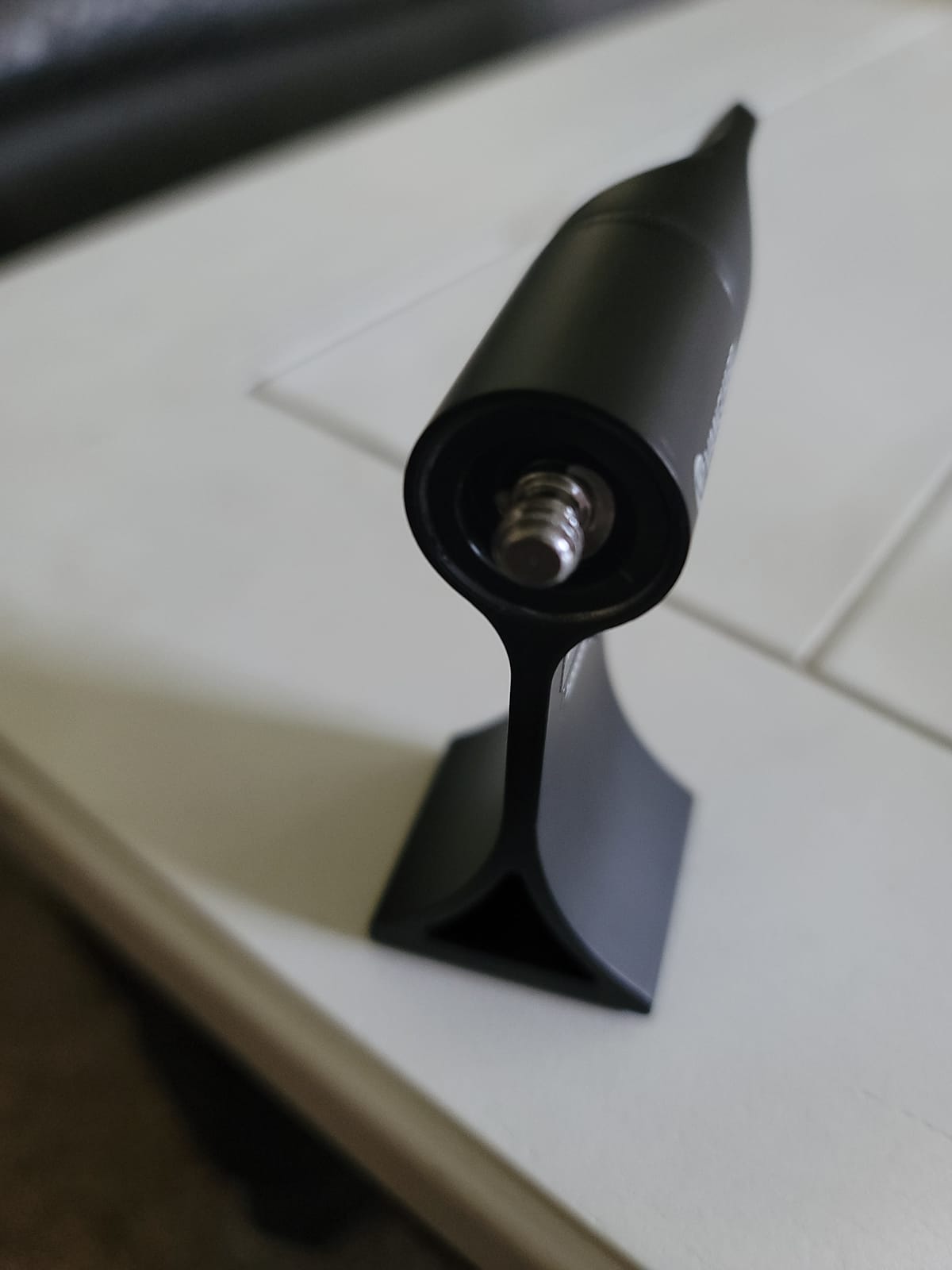
The trade-off is the same simplicity that makes it reliable. There is no quick release, so the binoculars stay fixed to the adapter, and swapping to another pair means re-threading the screw each time. It also lacks an Arca-Swiss base, which camera-oriented users may expect to find.
Item dimensions are 5.2 by 6.1 by 1.4 inches, which sounds large but reflects a broad plate that sits between the barrels. The manufacturer lists a one year warranty.
It is the adapter to pick if you use a monopod or chest support
Plenty of observers use a monopod or chest support for long deep-sky nights rather than a full tripod, and this adapter accepts all three. For anyone who wants one simple part that mounts anywhere a 1/4-20 screw appears, it is hard to argue with.
It is the wrong choice for fast head-to-head swapping
Every change of binoculars means unscrewing and re-threading. If your observing involves two pairs of glass, a quick-release design such as the FANAUE S2-01 will save more time across a season than the extra seconds here cost.
7. FANAUE S1 PRO Quick Release Adapter: the pick when you own two pairs of glass
FANAUE Aluminum Binocular Tripod Adapter with 1/4″ Thread
Two connecting studs included
Anti-safety unlock
Dual Arca and 1/4-20 base
CNC T6061 aluminum
Pros
- Two studs let two pairs of binoculars stay permanently mounted
- Anti-safety unlock prevents accidental release
- Arca base is secure in ball heads
- Lock screw tightens against the stud shaft not the binocular threads
- Smooth positive quick release
Cons
- Round spindle can allow spinning if the top screw is not fully engaged
- Compact base may need a tripod plate in very small Arca clamps
- Stud finish is chrome-plated rather than matte black
The S1 PRO is an upgraded take on the quick-release design, and its defining feature is what comes in the box: two connecting screws. If you own more than one pair of binoculars, you can leave an adapter permanently mounted on each and just swap which one sits on the tripod.
The other detail worth noting is the lock screw. It tightens against the stud shaft rather than against the binocular’s own mounting threads, which means you can crank it down firmly without any risk of loading the threads in the glass. On a long session with a heavy body, that is a meaningful difference.
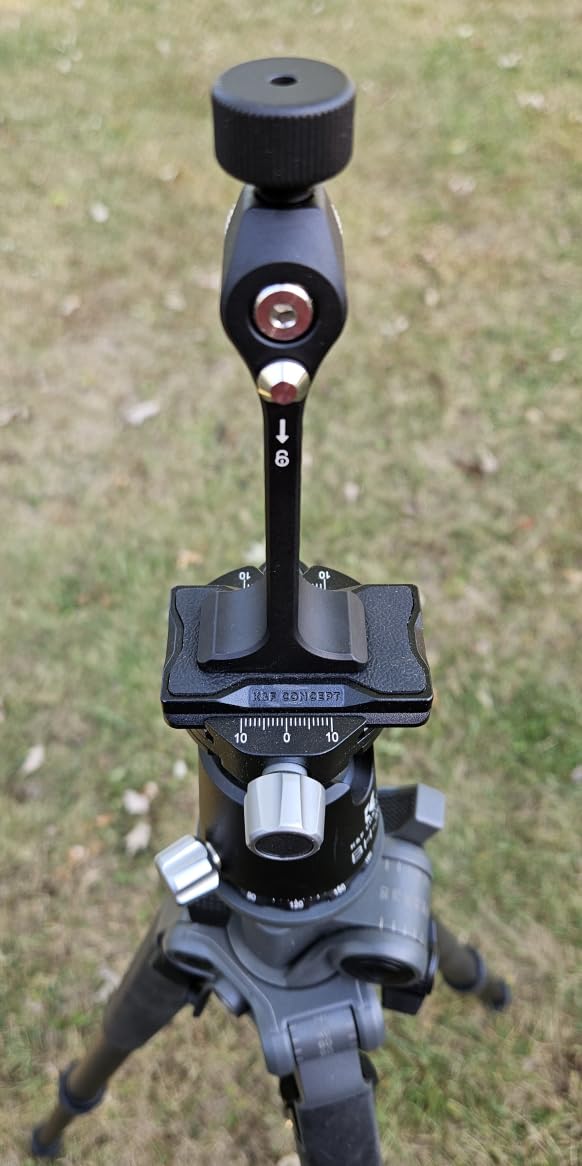
The anti-safety unlock prevents accidental release of expensive glass, which is the kind of feature you appreciate only after thinking about it. The base is Arca-Swiss plus a 1/4-20 threaded hole, so it covers both head types, and the body is CNC precision-cut T6061 aluminum with a smooth positive quick release.
Two cautions. The round spindle can allow the binocular to spin if the top screw is not fully engaged, and the base is compact enough that very small Arca clamps may need a tripod plate for full contact. Listed weight is 150 grams, noticeably heavier than the smaller FANAUE models, which is the cost of the extra hardware.
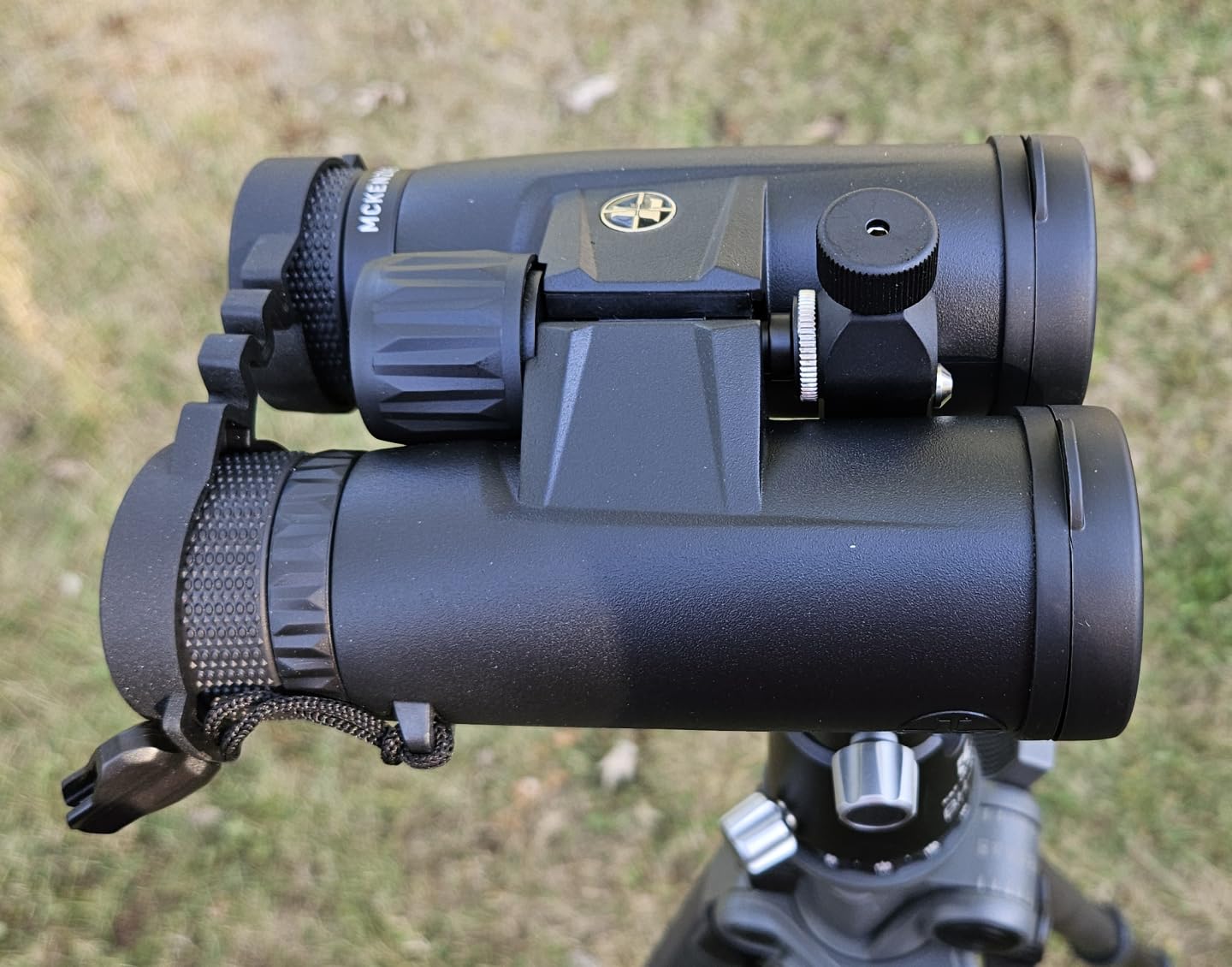
Two pairs of glass is the ideal use case
A wide-field pair for scanning and a high-power pair for planetary work is a very common astronomy setup, and permanently mounting an adapter to each saves the whole thread-in-thread-out ritual at every switch. The stem that stays on the glass still allows quick removal to the tripod.
Verify the clamp fits before buying
Because the base is compact, measure the opening of your Arca clamp. Standard ball heads and Really Right Stuff style clamps are generally fine. Very small travel clamps may only contact part of the base, in which case a screw plate is the better pairing.
8. FANAUE S2-01 L-Type Adapter: the pick for eclipse and comet sessions
FANAUE S2-01 Binocular Tripod Adapter with 1/4-20″ Thread Compatible with Porro Binoculars and Arca Ball Heads, Universal Quick Release for Bird Watching, Hunting, Astronomy, Animal Observation Ect.
Hard-anodized T6061 aluminum
L-type low profile
Anti-safety release
Arca and 1/4-20 base
Pros
- Rock-solid stability once tightened and cited for eclipse and comet viewing
- Quick release lets the stud stay permanently on the binoculars
- L-type low profile fits between barrels on compact and large glass
- Hard-anodized CNC aluminum survives packs and truck beds
- Backed by a lifetime warranty
Cons
- Manufacturer warns side-to-side sway can occur if everything is not fully tightened
- Base foot is narrower than some prefer
- One buyer needed a die on the mounting thread because of the paint finish
The S2-01 is the highest rated of the FANAUE variants here, and owners single it out for one specific situation: long, motionless sessions. Eclipse viewing and comet hunting both involve holding a faint target for an extended stretch, and that is exactly where a wobble-free connection earns its keep.
The body is CNC precision-cut T6061 aluminum with a Class III hard anodized finish, which is a durable surface treatment that shrugs off being tossed in packs and set on truck beds. The L-type low profile fits between the barrels on both compact and large binoculars, and the quick release lets the attachment stud stay permanently installed on the glass.
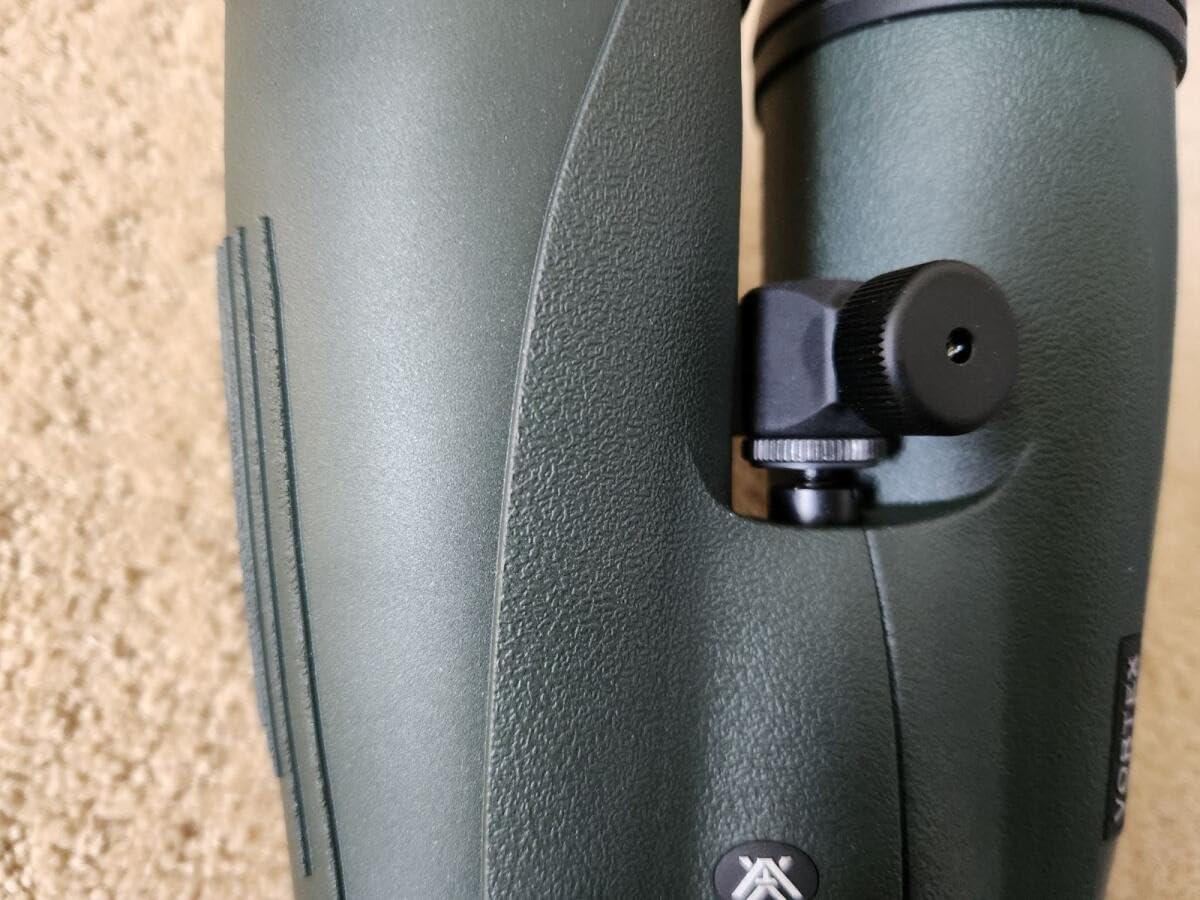
The manufacturer itself flags the one thing to watch: side-to-side sway can occur if the quick release and screws are not fully tightened. Treat that as a setup instruction rather than a defect. Tighten everything properly during assembly and the result is very stable, and users frequently describe the finish as wobble-free.
The base foot is narrower than some observers would like, and one buyer reported needing to run the mounting thread with a die because of the paint finish. Listed weight is 79 grams, and the warranty is lifetime rather than one year.
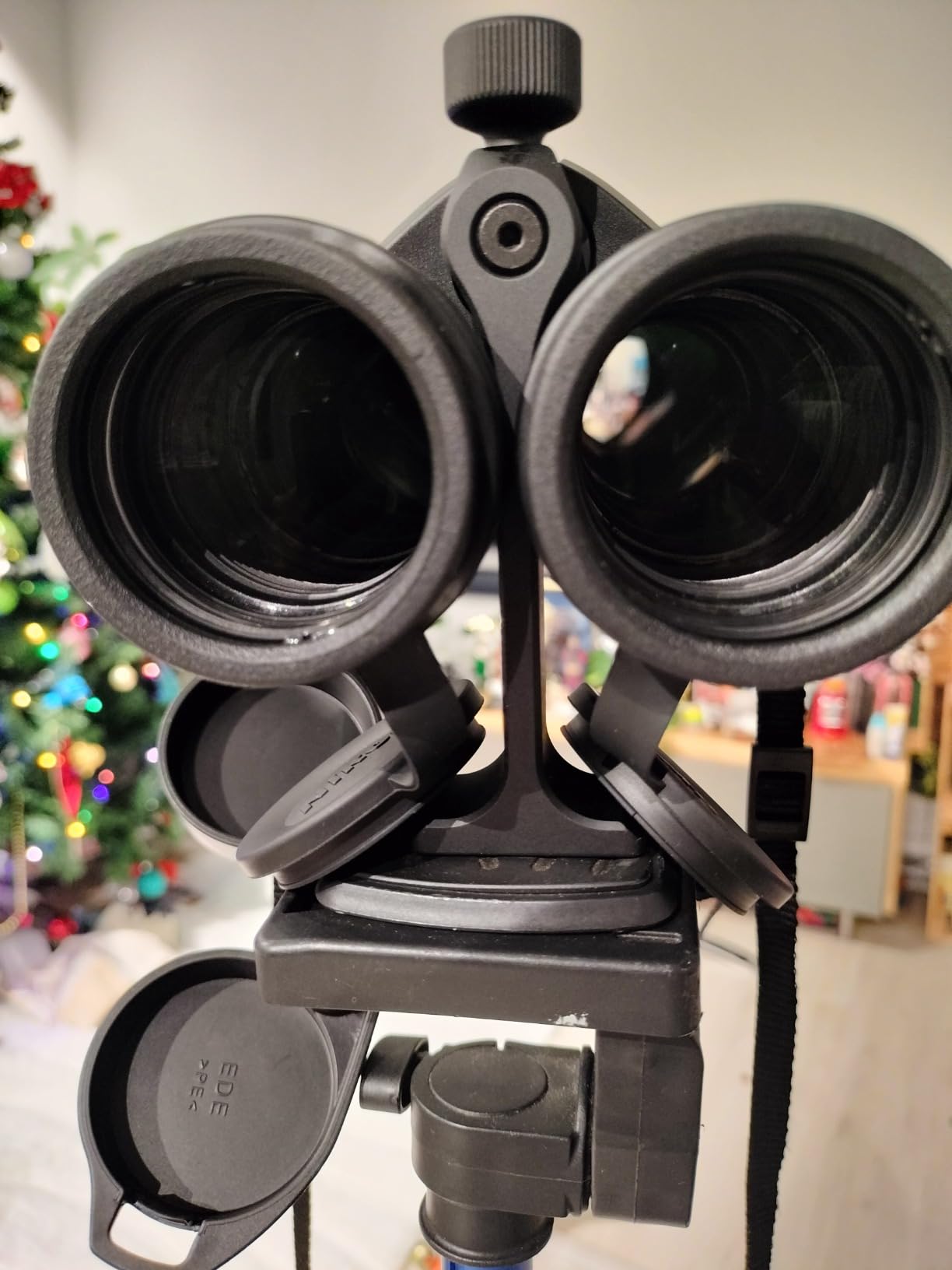
Its low profile is what makes it fit varied glass
The L-type body works with porro binoculars and most market models, and also mounts to window mounts and lamp holders for car and roadside observing. Because it stays slim between the barrels, it will not interfere with interpupillary adjustment on either prism style.
It works with both Arca ball heads and plain 1/4-20 screws
That dual compatibility means it suits most tripods without an extra plate. If your setup uses only one head type, the base is still worth having for future changes, and a narrow foot simply asks you to center the plate in the clamp rather than hanging over the edges.
9. Zelnoox BC-03 Quick Release Adapter: the pick for the most rigid lock
Binocular Tripod Adapter | Quick Release, 1/4″-20 Thread & Arca-Dovetail, CNC Aluminum, Anti-Drop, Fits Most Binoculars
CNC T6061 aluminum
Anti-drop safety lock
Detachable Arca-Swiss base
2.8 ounces
Pros
- Highest average rating in this set
- Anti-drop lock secures the connection in wind and on uneven ground
- Detachable Arca base works with Really Right Stuff clamps
- Very light at 2.8 ounces and installs in under a minute
- Lock avoids over-tightening against the binocular's own threads
Cons
- Included Allen key is reportedly the wrong size for the set screw
- Tightening knob lacks grip ridges so heavy glass needs firm cranking
- One buyer could not work out the purpose of the base plate
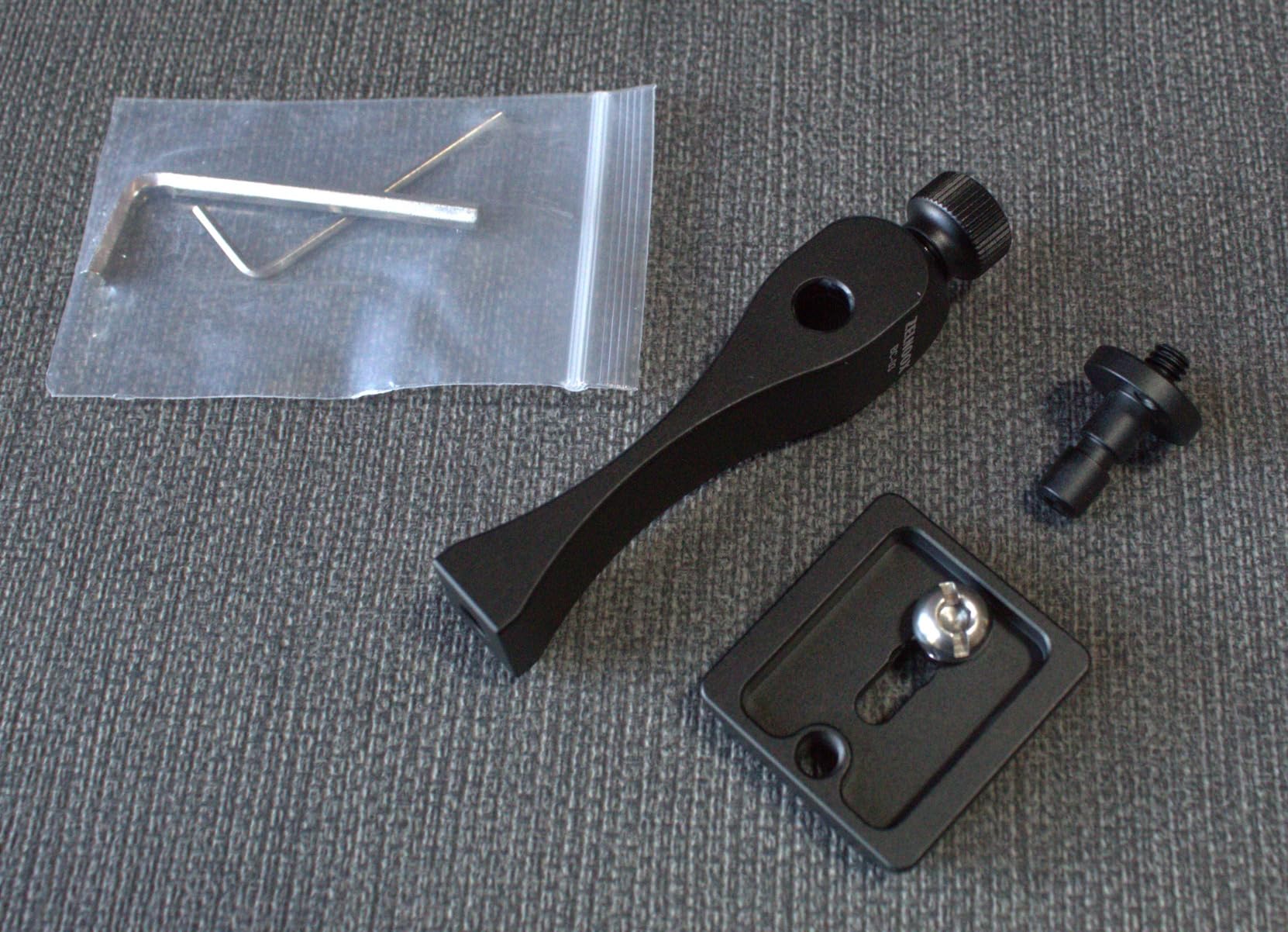
The Zelnoox BC-03 carries the highest average rating in this set, and the reason is the anti-drop safety lock. Most quick releases hold by gravity and pin engagement. This one has a positive lock that secures the connection in wind and on uneven ground, which is the failure mode that actually worries owners of expensive glass.
The base is a detachable Arca-Swiss dovetail, and it is compatible with Really Right Stuff style clamps. That matters for anyone who already owns Arca-rail camera equipment, because the same clamp, plate and head ecosystem then covers binoculars, a camera, and a spotting scope.
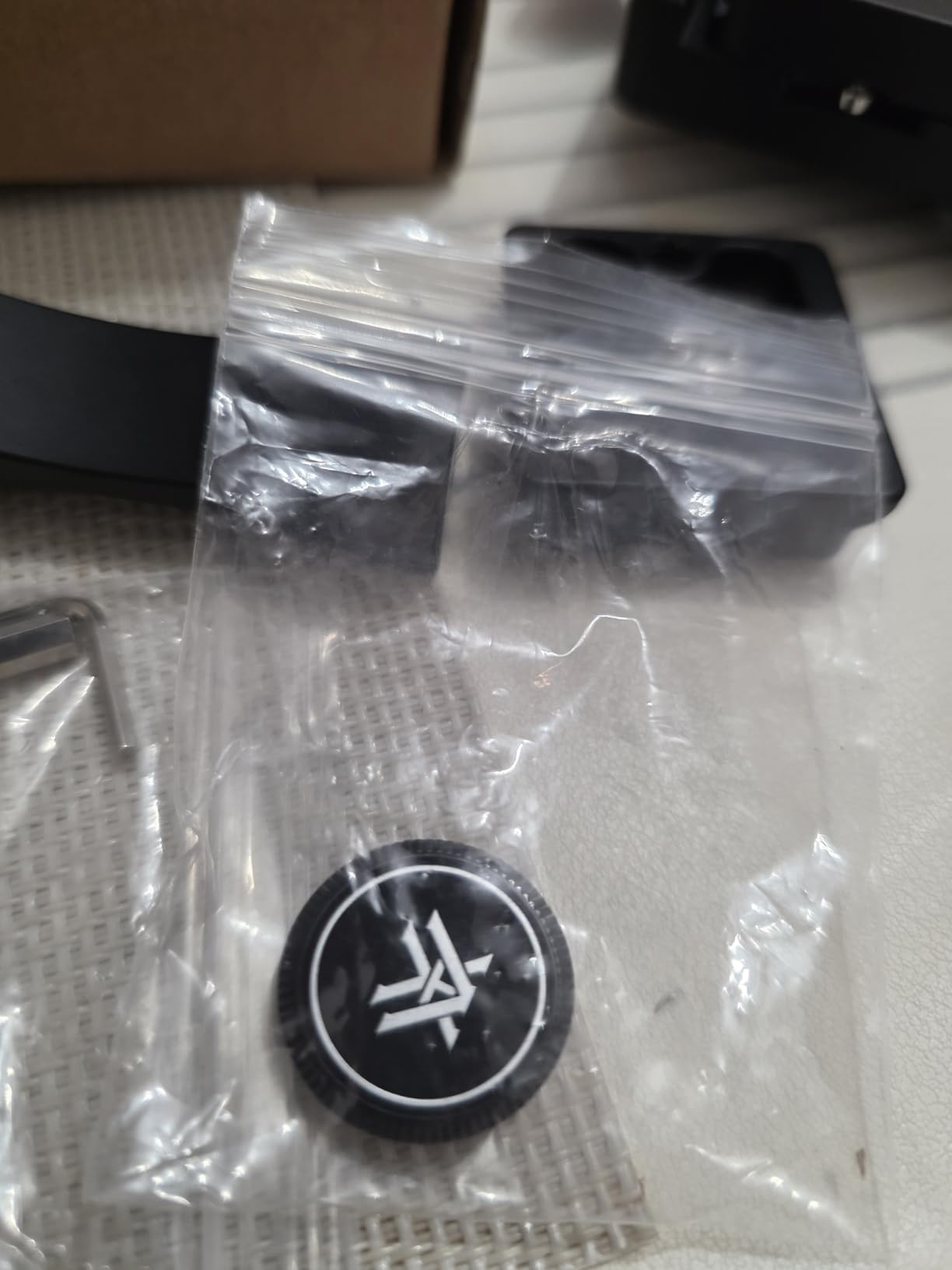
At 2.8 ounces and 1.54 by 1.5 by 4.17 inches, it installs in under a minute and adds almost nothing to a pack. Buyers commonly report it matching or beating name-brand adapters at a considerably lower cost, and the lifetime warranty is the strongest in the group alongside the FANAUE units.
Two practical notes. The included Allen key is reportedly the wrong size for the set screw, so a proper hex key of your own is worth having. And the tightening knob has no knurling or grip ridges, meaning heavy glass needs a firm crank to lock down properly.
It fits 7×35 through 30×60 class binoculars
Compatibility covers 7×35, 8×42, 10-30×52, 12×25, 15×52, 20×25 and 30×60 models and similar, with standard 1/4-20 threading on the binocular side and a 1/4-20 screw tripod mount underneath. That range covers most astronomy and birding glass sold today.
The lock is the reason it suits exposed sites
On a dark site ridge, a coast, or anywhere with wind, a positive lock is worth more than a slim profile. If you digibinning through a window mount or a car hood, the detachable Arca base also plays well with the kind of adapters covered in our digiscoping adapter guide.
10. Staoptics 38mm Base Adapter: the pick for the widest plate contact
Staoptics Binocular Tripod Adapter Quick Release with 38mm Mounting Base 1/4-20 Inch Thread Removable Accessories for 8×42 10×50 12×60 15×56 15×60 15×70 20×60 25×70 Roof and Porro Binoculars.
38x38 mm universal mounting base
1/4-20 bottom thread
CNC aviation aluminum
2.82 ounces
Pros
- 38x38 mm base gives broader contact than narrow dovetail adapters
- Two connection screws allow pre-mounting on two pairs of binoculars
- Short 1.063 inch top screw avoids pressing into the chest
- CNC aviation aluminum holds up to packs and vehicles
- Works with a wide spread of roof and porro sizes
Cons
- Priced higher than the other CNC aluminum adapters here
- Quick release requires rotating the top screw rather than a push button
- Only a one-year warranty against lifetime from some rivals
The Staoptics adapter is the odd one out in this group in a way that turns out to matter. Instead of a narrow Arca-style dovetail, it uses a 38 by 38 millimeter universal mounting plate with a 1/4-20 thread on the underside. A bigger plate means broader contact with the tripod head and less chance of the glass rocking on a narrow clamp jaw.
The other feature we did not expect to care about turned out to be genuinely useful. The top connection screw is only 1.063 inches long, specifically so it does not press into your chest during long sessions. On a 15×70 at full field height, that is a small length of aluminum making a real difference in comfort.
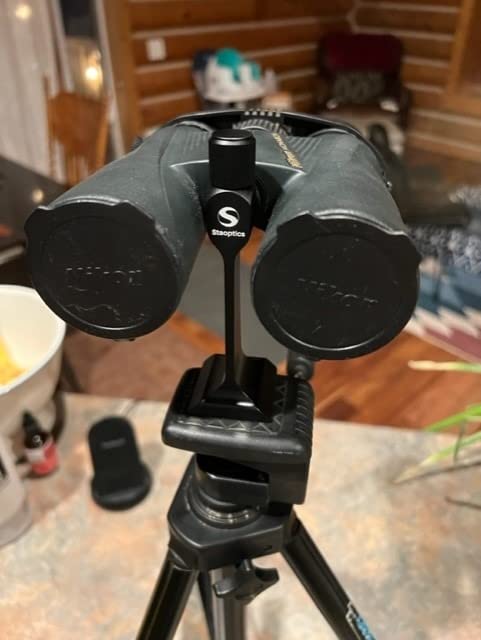
Two connection screws are included, so you can keep an adapter permanently mounted on each of two pairs of binoculars. The body is CNC machined aviation aluminum weighing 2.82 ounces, and compatibility spans roof and porro binoculars across 8×42, 10×50, 12×60, 15×56, 15×60, 15×70, 20×60 and 25×70 sizes.
Two trade-offs to weigh. It costs more than the other CNC aluminum adapters in this roundup, and the quick release works by rotating the top screw rather than pressing a button, which is one more motion to remember in the dark. The warranty is one year rather than lifetime.
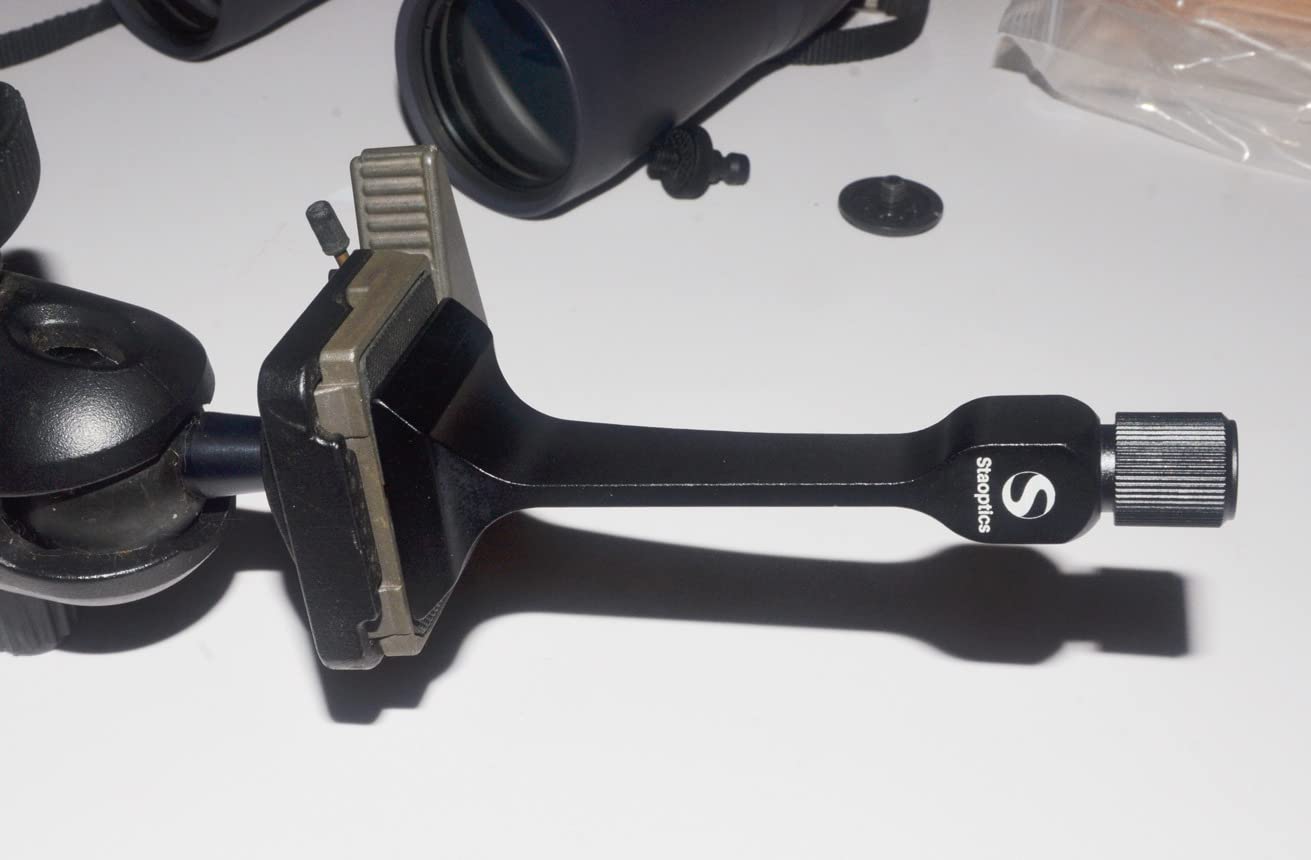
Wide plate contact suits big glass and big objectives
On 15×70 and 20×80 class binoculars the mass sits far forward of the mount, and a wider base resists the rocking that a narrow dovetail can develop. If your observing involves large aperture astronomy glass, that geometry argument is the strongest case for this design.
Its screw-style release suits gloved hands
A rotating screw is arguably easier to operate with cold, gloved fingers than a small push button, because you can feel the thread take up. If you are a frequent traveler, the wider quick adapters we cover in our travel adapter guide are worth comparing on pack volume, and a padded travel tripod bag keeps the whole rig together between dark sites.
How to Mount Binoculars to a Tripod in Four Steps
Most adapter failures come down to one of two things: a bolt that does not reach far enough into the socket, or a plate that does not make full contact with the head. Work through these four steps in order and both problems disappear.
Step 1: Check whether your binoculars have a tripod socket. Look between the barrels at the center hinge for a threaded hole, usually marked with a small tripod symbol. Most roof and porro prism models with 7x magnification or more have one, and it is almost always 1/4-20 UNC, the same thread used by camera tripods. A minority of binoculars, especially compact folding glass, have none.
Step 2: Measure socket depth and thread engagement. No manufacturer publishes this number, which is the single most common source of frustration. Take a coin and a caliper, or a small ruler, and measure how deep the threaded hole runs. A bolt that bottoms out before the knurled head is seated will leave a connection that can still swivel. A bolt that is far too long will bottom out against the hinge body and prevent the adapter plate from sitting flat.
Step 3: Install the stud with thread locker. Screwing the adapter’s stud into the binoculars is where the most experienced observers apply a small drop of blue thread locker before tightening. This is the most commonly recommended practice on astronomy forums, and it prevents both the loosening during long sessions and thread stripping in the aluminum hinge over years of use. Experienced users also leave the stud permanently installed and carry the whole assembly to the tripod, rather than threading in the dark each time.
Step 4: Match the base to your head, then check balance. Adapters with an Arca-Swiss base clamp into standard camera ball heads and work with Really Right Stuff style clamps. Adapters with only a 1/4-20 base need a screw-plate head, or a small screw plate fitted into your clamp. Once mounted, check that the glass sits level and that the tripod will not tip forward. On heavy 15×70 or 20×80 binoculars, a tall eyepiece position with a lightweight tripod is where tip-over risk is real.
How to Choose a Binocular Tripod Adapter for Stargazing
Best binocular tripod adapters for stargazing share very little beyond the thread size. These are the seven criteria that actually decide which one suits your glass, your head and your observing habits.
1. Thread standard: 1/4-20 versus 3/8-16. Almost every binocular socket is 1/4-20 UNC, and almost every camera tripod screw is 1/4-20, so the match is automatic. The 3/8-16 thread shows up on heavier studio tripods and some specialty astronomy mounts, and it is the reason to check your head before buying an adapter. If your tripod uses a 3/8-16 stud, you need either an adapter with a 3/8-16 base or a threaded bushing plate.
2. Socket fit and thread engagement. This is the number one complaint category across owner reports, and it comes down to a bolt that is too short or too long for the depth of the hinge socket. A long stud reaches deeper and clamps better on deep sockets. A short stud with a wide plate can sit flush against shallow ones. Because no brand publishes socket depth, measure yours before ordering rather than after.
3. Body width and interpupillary clearance. This is the factor most buyers ignore until the barrels hit the adapter at minimum interpupillary distance. A bulky body physically blocks the barrels from closing, which matters most on large high-powered binoculars with a wide gap to begin with. Slim designs like the Vortex Sport adapter exist specifically to solve this. If you share one pair of glasses with someone whose interpupillary distance is much narrower than yours, clearance is not optional.
4. Quick release versus fixed screw. A fixed screw is more rigid and simpler, and it is the right choice when you mount once and observe for hours. A quick release is better when you alternate between handheld and mounted viewing, or when you own more than one pair of glass. The most useful pattern, and the one experienced observers recommend, is a stud that stays permanently screwed into the binoculars with a base that stays on the tripod.
5. Arca-Swiss base versus plain screw plate. If your tripod head has a clamp, an Arca-Swiss base lets the adapter seat directly in the jaws with no extra plate. A dual-base adapter covers both cases and is the reason the FANAUE S1 is our top value pick. If you already own Arca camera equipment, an Arca base means one clamp and one plate ecosystem covers everything you own.
6. Weight, cold hands and glove operation. Adapter weight matters for travel astronomy, and every option here sits between 1.6 and 3.15 ounces except the heavier dual-stud model, so weight rarely decides the purchase. What does matter is the control you have to operate in the dark. A small push button is hard to find with gloves on. A large rubberized knob or a rotating screw is far easier. On long winter sessions this detail shows up more than any other.
7. Balance point and tip-over risk. Heavy binoculars raise the eyepiece and shift mass forward of the mount. A compact base with a high glass is more likely to tip on uneven ground or in wind. Wider bases such as the 38mm plate design spread that load better, and heavier tripods counter it from below. Our tripod system guide covers head selection in more depth if you are matching the whole rig at once.
Two use cases deserve a mention. For digibinning, a rigid metal adapter with a slim body is the right base because a phone or camera adapter stacks on top of it, so any play in the connection shows up in the image. For field sketching, a fixed low-profile mount with a wide plate keeps a sketchbook stable at the same height as the eyepiece. One exception: image-stabilized binoculars with electronic stabilization and heavier battery packs are not designed for tripod mounting, so skip the adapter entirely for those.
Frequently Asked Questions
What is the best binocular adapter for a tripod?
The Celestron 93524 is the safest all-round choice for stargazing because it fits roof and porro prism binoculars, uses a durable metal construction and carries the largest review base in this category. If you want an Arca-Swiss base, a quick release stud and CNC-machined T6061 aluminum, the FANAUE S1 is the strongest value option.
What tripod is best for stargazing with binoculars?
A sturdy tripod with a fluid or ball head and enough weight to resist a forward tip from heavy 15×70 or 20×80 glass matters more than any premium material. Choose a head with both an Arca-Swiss clamp and a 1/4-20 screw so any adapter base works, and prefer a tripod that lets you reach the eyepiece without stooping for long sessions.
How do I connect binoculars to a tripod?
Check for a threaded tripod socket between the barrels, measure how deep it runs, then screw the adapter stud in with a small drop of thread locker. Attach the adapter base to your tripod head using the Arca-Swiss clamp or the 1/4-20 screw, then tighten everything and check the glass sits level and stable.
Do all binoculars have a tripod socket?
No. Most roof and porro prism models with 7x magnification or more do, usually with a 1/4-20 thread, but some compact folding binoculars have none. If yours has no socket, a hook and loop strap adapter such as the Gosky BNA01 is the practical route to hands-free viewing, with less rigidity than a metal screw-in mount.
Are binocular tripod adapters universal?
They are close to universal across binocular brands, since almost every socket is 1/4-20, but they are not universal across tripods or across binocular bodies. Body width can block full interpupillary closure on large binoculars, and an Arca-Swiss base needs a clamp head while a plain base needs a screw-plate head.
Why should I attach binoculars to a tripod for stargazing?
Hand shake from forearm tension makes faint deep-sky objects impossible to resolve above roughly 8x, and the effect worsens with magnification, cold hands and long sessions. A tripod adapter removes vibration, lets you observe for hours without arm fatigue, and leaves your hands free for sketching a chart, adjusting focus, or running a digibinning camera.
The Bottom Line on Binocular Tripod Adapters for Stargazing
If you are buying your first adapter, choose the Celestron 93524. It fits both prism styles, keeps your interpupillary range clear, and is the option with by far the deepest owner history. Add a drop of thread locker to the stud and install it once.
Once you outgrow it, the FANAUE S1 is the step up, with a dual Arca-Swiss and 1/4-20 base and an aluminum body that stays rigid at high power. Pick the Vortex Sport adapter if you want to lift the glass straight off the tripod, the Zelnoox BC-03 if a positive anti-drop lock matters most, and the Staoptics plate if you use large objective binoculars on exposed ground.
Whatever you choose, measure the socket depth first, tighten every fastener properly, and check the balance before you point it at a faint galaxy. That is the whole difference between the best binocular tripod adapters for stargazing being a five-minute purchase and a guessing game, and it makes 2026 the best season you have observed in.