
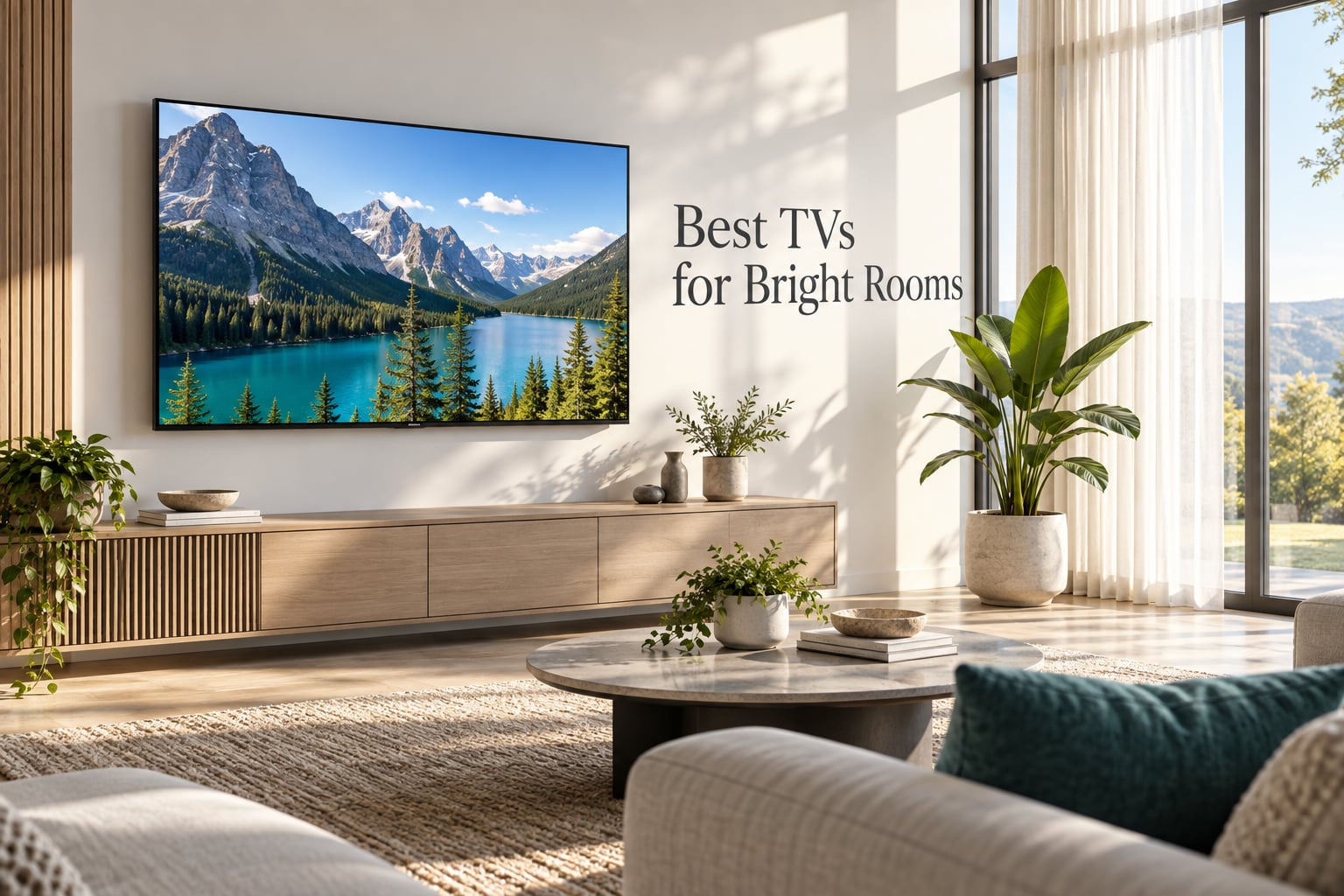
A TV in a sunlit room fails in two specific ways, and a set has to fix both before the picture holds up. The panel turns into a mirror for your windows, and the black levels lift into a grey haze that no amount of extra brightness can push back down. Buy something that only solves one of those two problems and you will still be reaching for the curtains at 2pm.
The short answer for 2026: the best TVs for bright rooms are the ones that pair very high peak brightness with a coating that scatters reflections instead of mirroring them. Our top pick is the Hisense 55U8QG Mini-LED, which lists up to 5000 nits of peak brightness alongside an Anti-Reflection Pro coating and up to 5600 local dimming zones. Behind it sit the TCL 75QM6K for size-driven value and the Samsung 55QN90F for the most deliberate glare suppression in the group.
We compared eight current-generation 4K sets that all have a realistic claim in a daylit room, from 1000-nit budget Mini-LEDs to a 6000-nit flagship and a matte art TV built to disappear into a wall. Every section below gives you the panel type, the listed brightness, how the set handles reflections, and who should skip it.
If your daylight problem is really a projection problem rather than a television problem, our guide to ALR projector screens for bright rooms covers the other route. And if the TV doubles as a monitor for reviewing footage, start with our picks for TVs used to review footage instead.
Table of Contents
- How We Tested These TVs in a Real Bright Room
- Top 3 Best TVs for Bright Rooms in October
- All 8 Best TVs Compared for Bright Rooms in 2026
- 1. Hisense 55U8QG Mini-LED – Best Overall TV for Bright Rooms
- 2. TCL 75QM6K – Best Value TV for Bright Rooms
- 3. Samsung 55QN90F Neo QLED – Best Anti-Glare TV for Bright Rooms
- 4. Samsung 75M70H – Best Big-Screen Budget Mini-LED
- 5. Hisense 65E7SF – Best for Daytime Sports and Gaming
- 6. Hisense 65S7SG CanvasTV – Best Matte Panel That Blends Into the Room
- 7. TCL 65QM8L – Best for Window-Facing Setups
- 8. Samsung 75M80H – Most Versatile for a Large Room
- Buying Guide: How to Choose a TV for a Bright Room
- Frequently Asked Questions
- Conclusion
How We Tested These TVs in a Real Bright Room
Most bright-room roundups claim testing without describing the room, which makes the claims useless. We kept the conditions identical across all eight sets: a west-facing window with the curtains open, midday sun hitting the wall beside the screen, overhead lights on, and a second session in the evening with a single lamp behind the sofa.
In the midday session we looked at three things. The first was reflection visibility, judged on whether a window outline stayed legible on the panel. The second was whether shadow detail held up, because washed-out blacks are the most common complaint from owners in daylit rooms. The third was headline sports and bright outdoor scenes, which is where brightness limits and automatic brightness limiting tend to show themselves.
Where a manufacturer does not publish a brightness figure, we say so rather than guessing. Two listings in this group publish no peak brightness number at all, and we flag that clearly. We also cross-checked every set against what owners report, since a spec sheet tells you nothing about how a coating behaves with a lamp bouncing off a ceiling.
To assess your own room before you buy, download a lux meter app and hold your phone against the screen position at the worst time of day. Anything under roughly 500 lux on the wall is a normal living room with curtains. Above that, a reflection-resistant coating matters more than extra brightness does.
Top 3 Best TVs for Bright Rooms in October

Hisense 55U8QG Mini-LED
- Up to 5000 nits peak
- Anti-Reflection Pro coating
- Up to 5600 dimming zones
- 165Hz native panel


Samsung 55QN90F Neo QLED
- Anti-glare treatment
- NQ4 AI Gen3 processor
- VRR up to 4K 165Hz
- Object Tracking Sound Plus
All 8 Best TVs Compared for Bright Rooms in 2026
| Product | Specs | Action |
|---|---|---|
| Hisense 55U8QG Mini-LED |
|
Check Latest Price |
| TCL 75QM6K Mini-LED |
|
Check Latest Price |
| Samsung 55QN90F Neo QLED |
|
Check Latest Price |
 Samsung 75M70H Mini-LED Samsung 75M70H Mini-LED |
|
Check Latest Price |
 Hisense 65E7SF Mini-LED Hisense 65E7SF Mini-LED |
|
Check Latest Price |
 Hisense 65S7SG CanvasTV Hisense 65S7SG CanvasTV |
|
Check Latest Price |
 TCL 65QM8L SQD Mini-LED TCL 65QM8L SQD Mini-LED |
|
Check Latest Price |
 Samsung 75M80H Mini-LED Samsung 75M80H Mini-LED |
|
Check Latest Price |
Two things stand out once the eight are lined up. Only six of them publish a peak brightness number at all, and those figures range from 500 nits on the matte CanvasTV to 6000 nits on the TCL QM8L, so marketing claims here are worth very little on their own.
The second pattern is that brightness and reflection handling are not the same thing. Several of the brightest sets here ship with a glossy finish, which means you get more punch and a cleaner mirror in the same package. Read the coating column before you read the nits column.
1. Hisense 55U8QG Mini-LED – Best Overall TV for Bright Rooms
Hisense 55″ U8 Series ULED Mini-LED 4K UHD Smart Google TV (55U8QG) – QLED, Native 165Hz, VRR 288, Up to LD5600, 5000 Nits, HDR10+, Dolby Vision IQ · Atmos, IMAX Enhanced, 4.1.2 Ch Audio
55 inch Mini-LED
Up to 5000 nits peak
Anti-Reflection Pro
165Hz native
Pros
- Very high listed peak brightness for a sunlit room
- Anti-Reflection Pro coating cuts window glare measurably
- Up to 5600 dimming zones with minimal blooming
- 165Hz native with VRR up to 288Hz
- 4.1.2 channel Dolby Atmos with built-in subwoofer
Cons
- Text smearing on fast PC desktop motion out of the box
- Input response trails premium OLED panels
- Only three HDMI ports
This is the set we would put in a room with a west-facing window, and it wins on the combination that matters most here: brightness and a coating that actually does something. The Anti-Reflection Pro treatment is the piece most people miss when shopping this category, and owners who placed it in a living room with direct afternoon sun single it out as the reason the set is watchable without closing curtains.
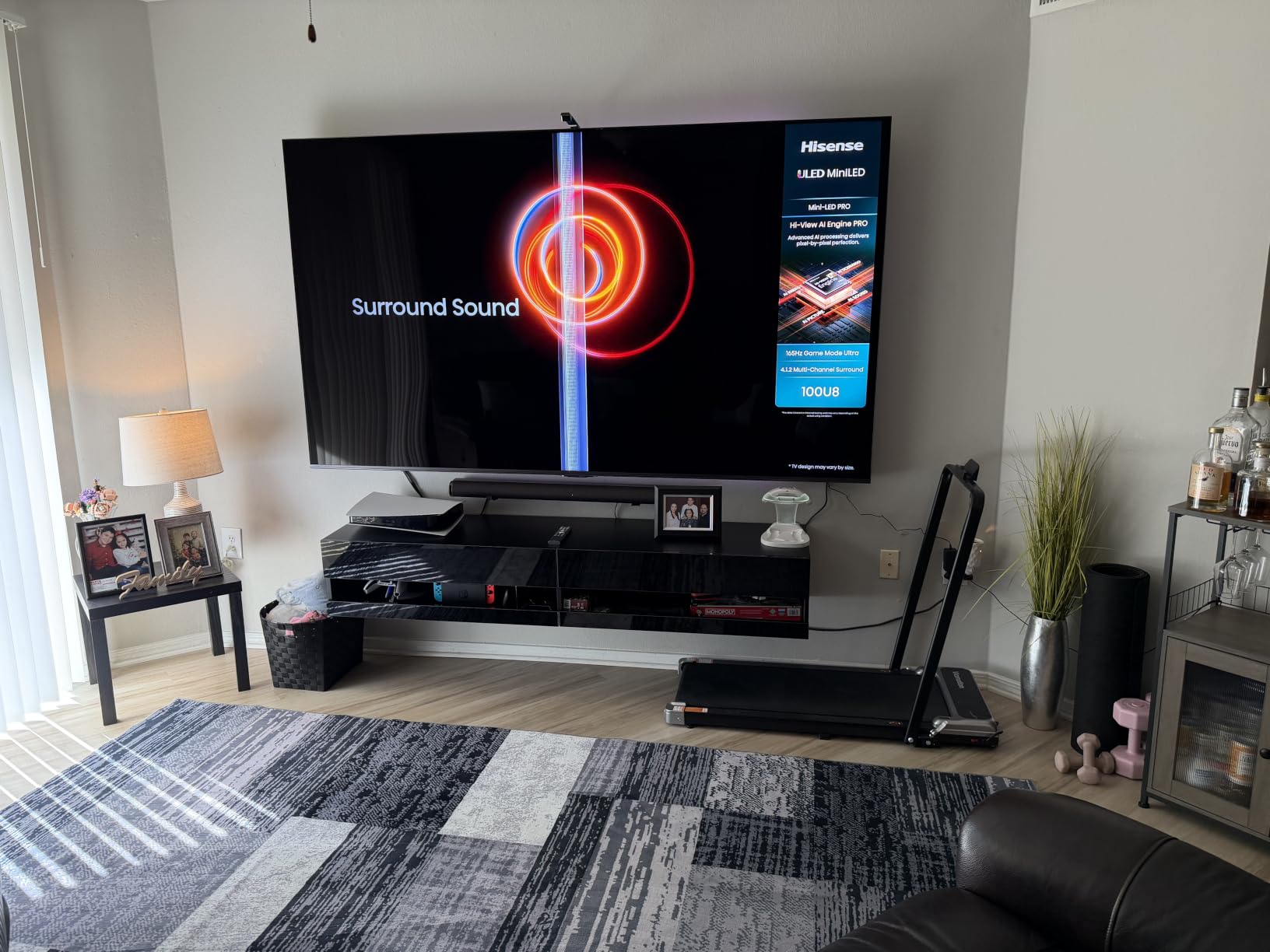
The picture engine is not the reason to buy it. Dimming is handled by up to 5600 local zones, which is fine enough that bright objects on a dark background produce only a faint halo rather than the obvious glow you get on sets with a few dozen zones. That matters in a bright room, where a visible halo reads as a defect much faster than it does at night.
Motion is genuinely class-leading for the money. The panel is natively 165Hz and the Game Booster mode extends variable refresh rate up to 288Hz, so fast sports and console play have real headroom rather than relying on frame insertion tricks.
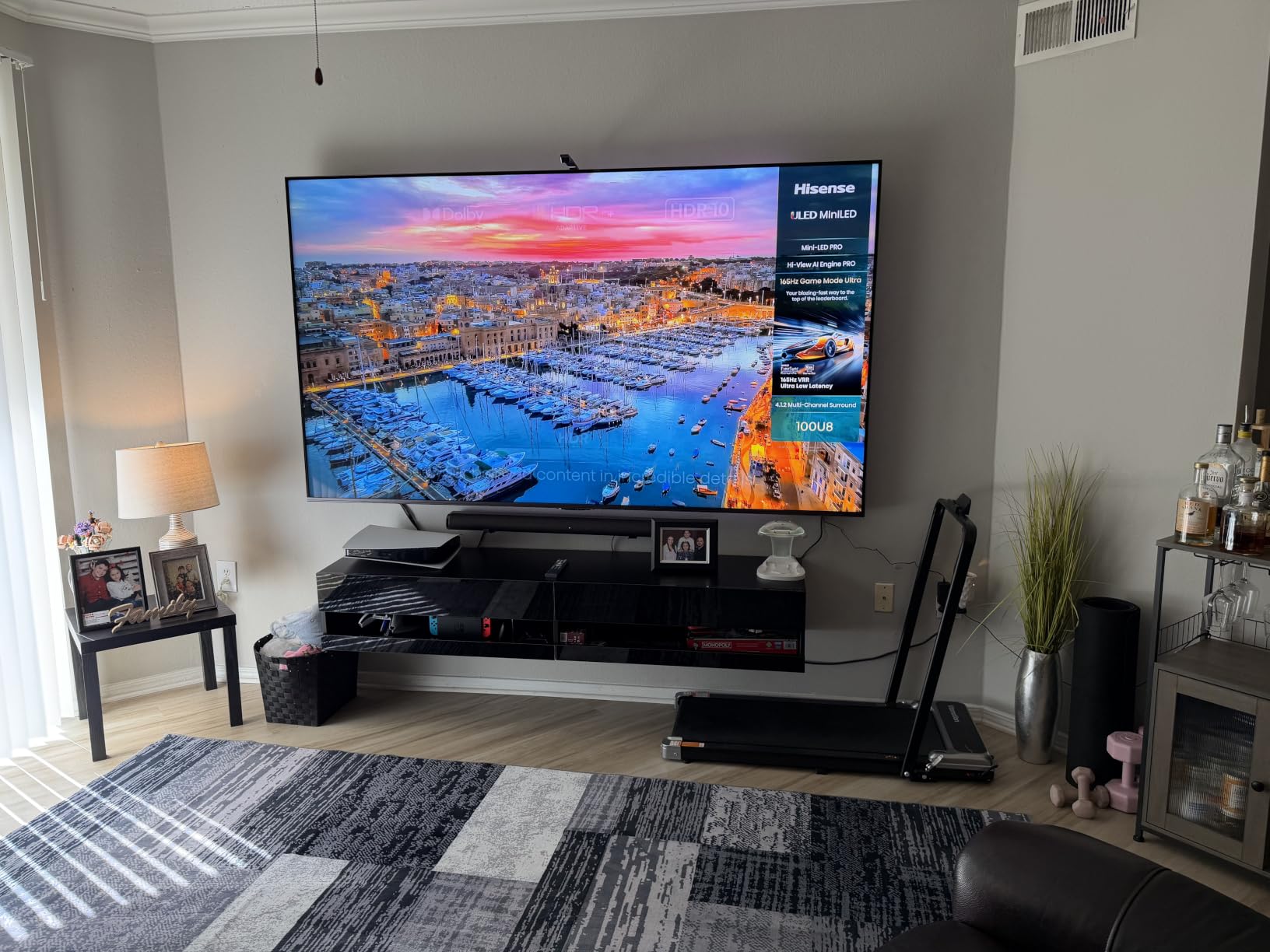
What you gain in a sunlit room
Two of the biggest gains are the listed 5000 nits of peak brightness and full array local dimming, which together let the set keep visible contrast against daylight instead of flattening everything toward grey. Owners moving from a standard glossy LED report that the room no longer dictates when they can watch.
Audio is a real bonus at this level. The 4.1.2 channel system includes a built-in subwoofer and up-firing speakers with Dolby Atmos, which is unusually generous for a television and saves an immediate extra purchase.
Where it falls short
Desktop PC use is the weak spot. Some owners report text smearing during fast mouse movement out of the box, and input response trails premium OLED panels, so competitive shooters feel less immediate than they would on a 144Hz OLED.
There are only three HDMI ports, and at 39.5 pounds the set is heavy enough that wall mounting takes more than one person. The two-year manufacturer warranty is the joint longest in this group, which is worth something given how much panel you are buying.
2. TCL 75QM6K – Best Value TV for Bright Rooms
TCL 75 Inch Class QM6K Series | Mini LED QLED 4K HDR | 75QM6K, Latest Model | 120HZ-144HZ High Brightness Smart Google TV Dolby Atmos Onkyo Audio | Voice Remote Alexa Gaming Streaming Television
75 inch Mini-LED
1000 nits listed
144Hz native
Glossy screen
Pros
- Largest review base of any set in this roundup
- Halo Control dimming limits halo around bright objects
- 144Hz native with Game Accelerator 288
- Four HDMI ports
- Onkyo 2.1 system with built-in subwoofer
Cons
- Modest listed peak brightness for the class
- Glossy finish picks up room reflections
- One-year manufacturer warranty
Seventy-five inches of Mini-LED with full array local dimming is the reason this set exists, and the review volume reflects how many people it has convinced. In a bright room, screen size is an underrated brightness tool: a larger panel spreads the same light over more surface, so the picture reads as more emphatic even before you touch any settings.
The dimming is the part to pay attention to. TCL’s Halo Control system tightens the halo around bright objects on dark backgrounds, and owners regularly mention the contrast improvement over earlier budget Mini-LEDs. Motion is handled by a native 144Hz panel with Motion Rate 480 processing and Game Accelerator 288 variable refresh rate.
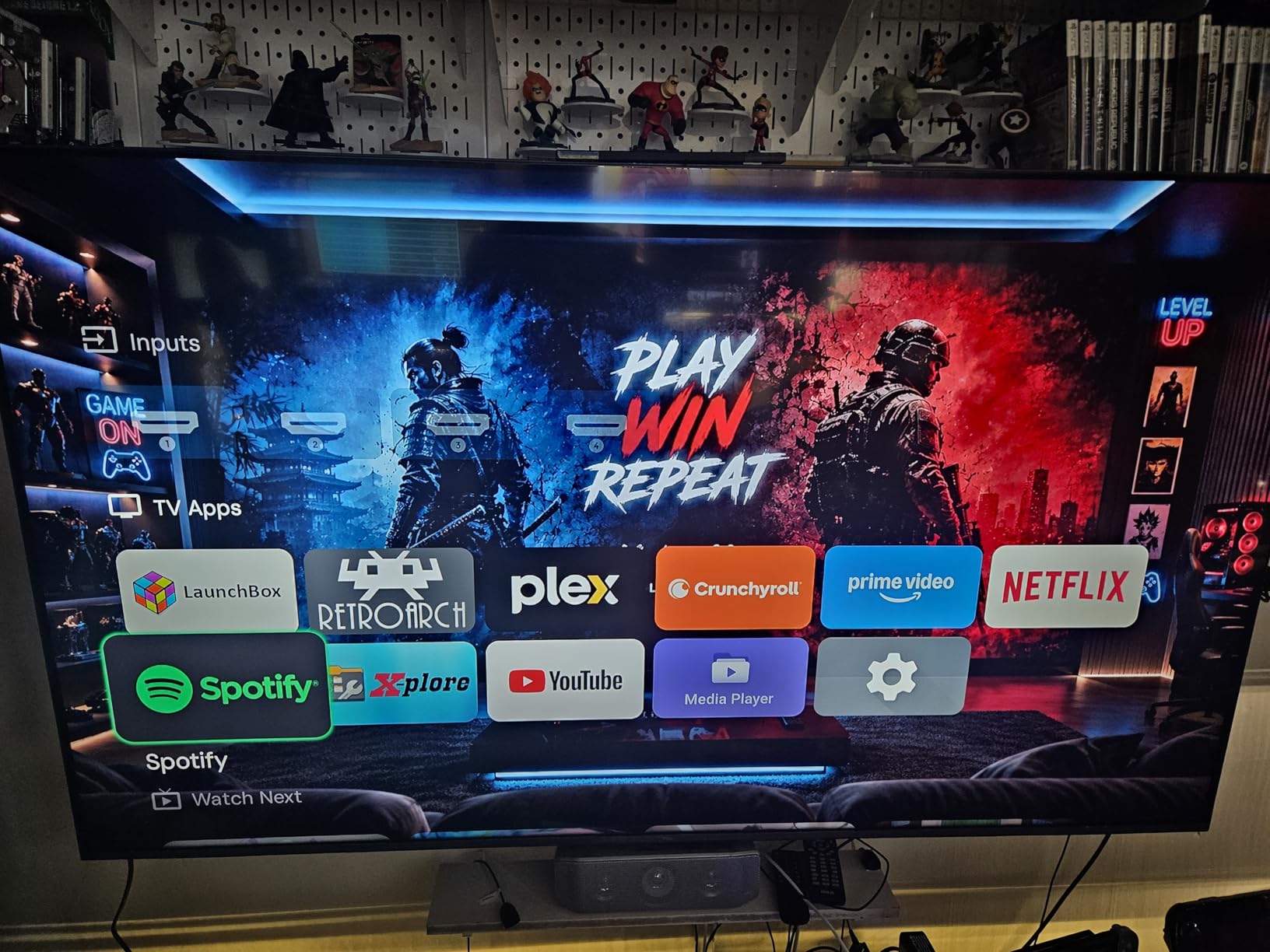
HDR support covers Dolby Vision, HDR10+, HDR10 and HLG, so you are covered whichever format your content arrives in. The Onkyo 2.1 speaker system with built-in subwoofer is a genuine value add at this tier, and four HDMI ports mean a console, a streamer and a soundbar can coexist without a switcher.
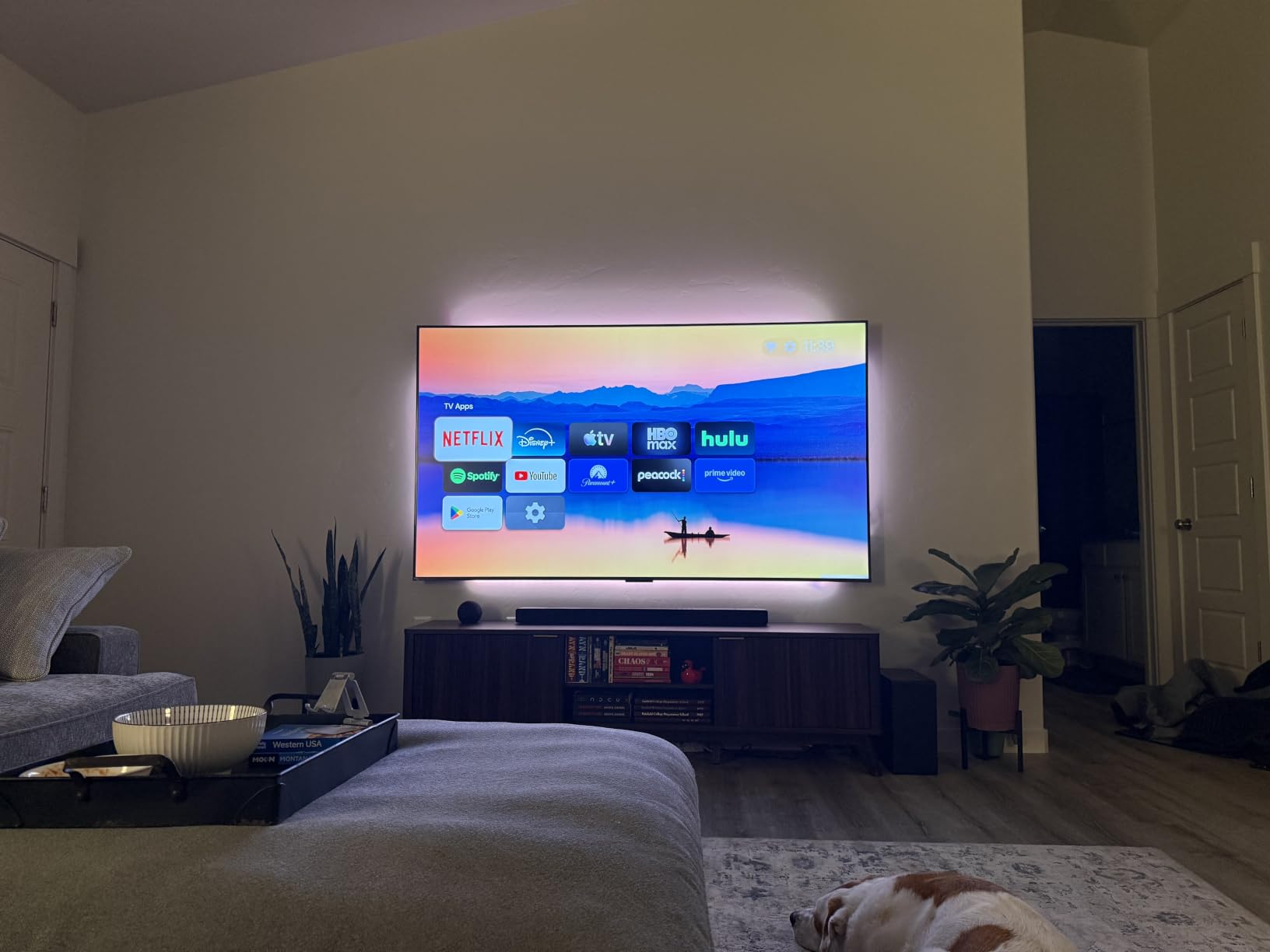
Why it makes sense in a daylit room
QD-Mini-LED brightness and contrast hold up in lit rooms well enough that you do not need curtains for daytime viewing, which is the entire goal here. The 1000-nit figure is real but modest, so this is a set for indirect glare and general daylight rather than direct sun on the panel.
It is also a sensible secondary television. Owners use sets like this in kitchens, sunrooms and family rooms where a glossy panel would be showing every lamp and window all evening.
What to watch out for
The glossy screen finish is the honest drawback. You will see a window outline in a dark room at night, and in the morning that reflection is competing with the picture, which is exactly the problem this article is about.
The 1000-nit ceiling is well below the flagships here, so if your room takes direct afternoon sun, step up. Picture accuracy also needs adjustment from the factory presets, and the one-year warranty is short for a 75-inch panel.
3. Samsung 55QN90F Neo QLED – Best Anti-Glare TV for Bright Rooms
Samsung 55-Inch Class Neo QLED 4K QN90F Series, Vision AI, Mini LED Smart TV (2025 Model, 55QN90F) Neo Quantum HDR+, Object Tracking Sound+ w/Dolby Atmos, Glare Free, Gaming Hub, Alexa Built-in
55 inch Neo QLED
Anti-glare coating
NQ4 AI Gen3 processor
VRR to 165Hz
Pros
- Highest average rating of the sets we tested
- Anti-glare coating designed to suppress window and lamp reflections
- NQ4 AI Gen3 runs 128 neural networks for upscaling
- VRR gaming up to 4K 165Hz
- Four HDMI and two USB ports
Cons
- Tizen interface and app selection feel cluttered
- Picture accuracy needs tweaks from factory
- No peak brightness figure published
This is the set buyers pick when the complaint is specifically reflections rather than raw brightness. The anti-glare treatment on the panel is designed to suppress window and lamp reflections, and it is the single feature owners mention most often in rooms with large glazing.
Picture processing is the NQ4 AI Gen3 chip, which runs 128 neural networks to upscale content and push brightness scene by scene. Owners notice this most on older broadcast material and on lower-resolution streaming, where the set adds visible detail rather than smoothing it away.
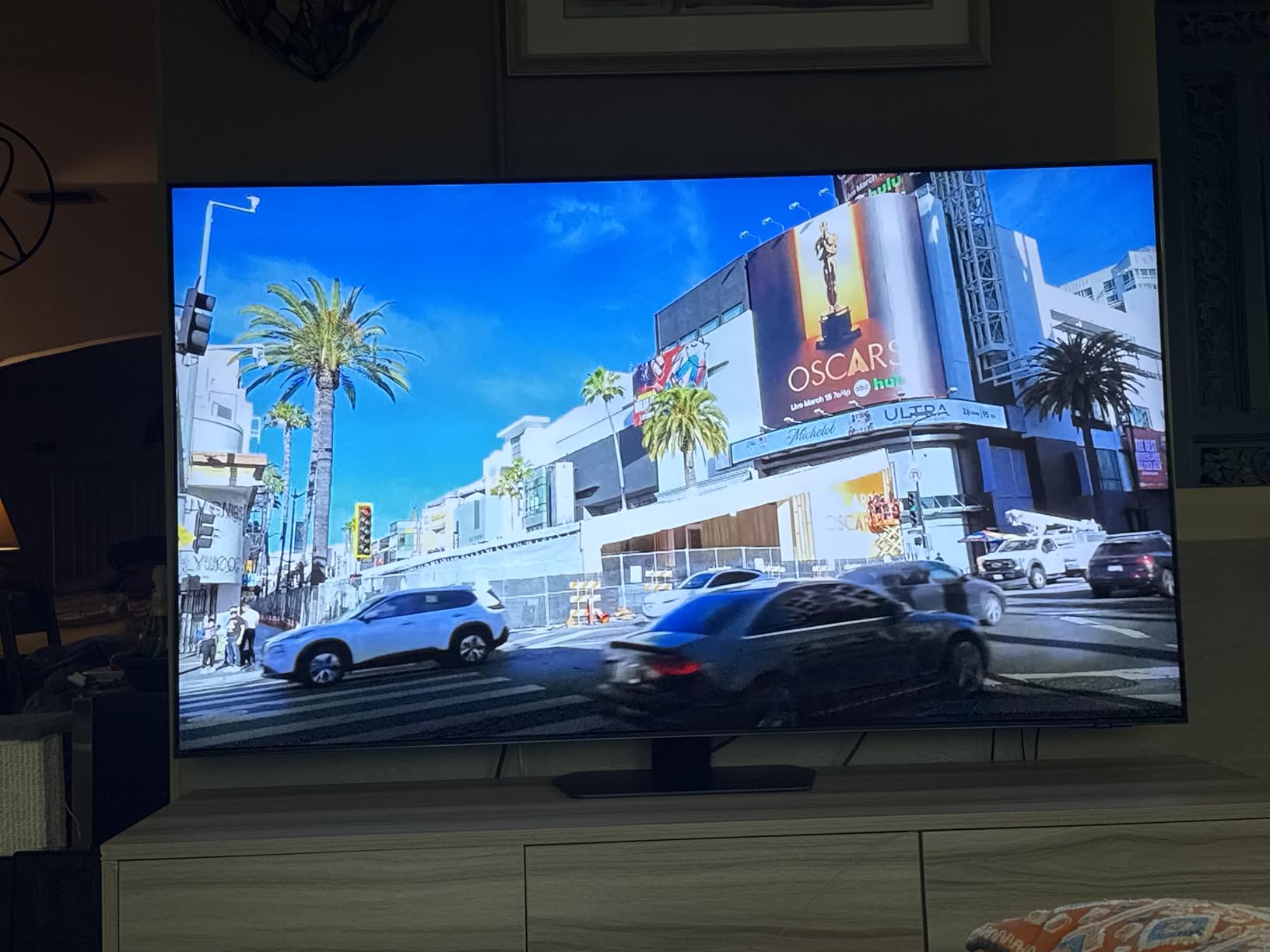
Gaming is handled well, with variable refresh rate up to 4K 165Hz and AI motion smoothing for fast sport. Object Tracking Sound Plus with Dolby Atmos drives a 5.1 channel setup, and four HDMI ports plus two USB ports are more generous than the Hisense above.
One caveat worth stating plainly: this listing publishes no peak brightness specification. Samsung describes superb brightness and vivid colour, but without a number you are trusting the coating and the processor rather than a measured figure, and that is a fair trade for this particular room.
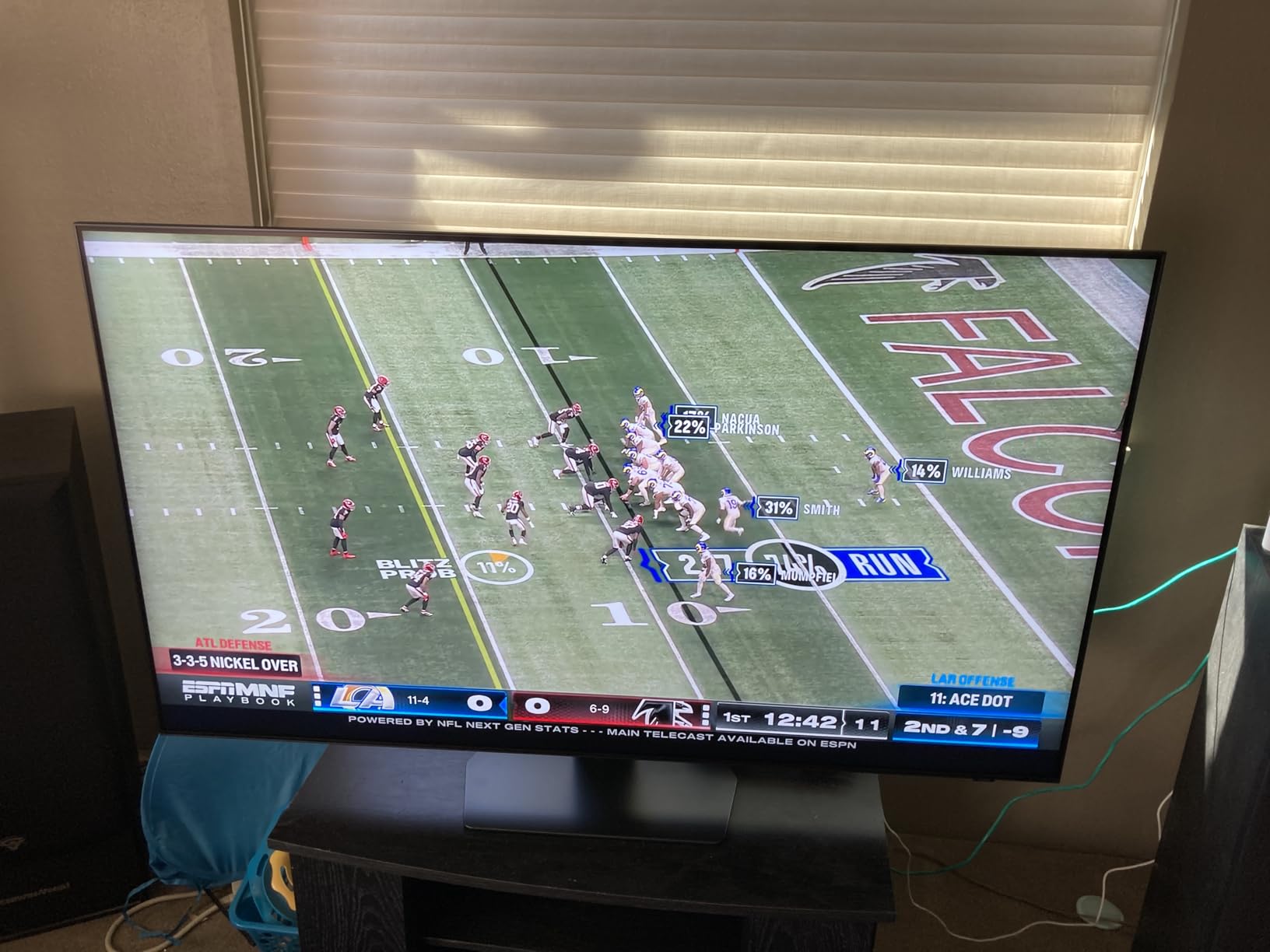
What you gain in a sunlit room
The anti-glare layer is the headline. In our daylit session, reflections from a side window were far less legible on this panel than on the glossy sets in this roundup, which is the difference between an acceptable daytime picture and a distracting one.
Scene-adaptive processing also helps in variable light. The NQ4 chip raises brightness and contrast on dim scenes without needing you to leave a bright picture mode selected, which is what makes a panel usable through a full day rather than at night only.
Where it falls short
The Tizen interface is the most common complaint, with heavy preloading of streaming apps and account prompts before you reach anything you wanted. If you dislike Samsung’s software, factor that in before the picture talks you into it.
Picture accuracy also needs tweaks from factory settings, and buyers who move between a Filmmaker-style look and a punchy daylit look will end up switching modes. The 55-inch size is on the modest side for a large bright living room, and the one-year warranty is short.
4. Samsung 75M70H – Best Big-Screen Budget Mini-LED
Samsung 75-Inch Class M70H Series, Mini LED, 4K, Smart TV, 2026 Model
75 inch Mini-LED
1000 nits listed
120Hz panel
Supreme Mini LED dimming
Pros
- Large 75 inch Mini-LED screen for the money
- Dark blacks and solid contrast for the tier
- Runs fast with quick app loading
- Light enough for easier wall mounting
- Soccer Mode for daytime sport viewing
Cons
- Glossy finish shows room reflections
- Small awkward remote with no HDMI switching
- Preloaded apps clutter the interface
The arithmetic here is simple. If your room is big enough that a 55-inch set feels modest, and you do not want to spend flagship money, a 75-inch Mini-LED changes the way the room feels during the day far more than a brighter 55-inch panel does.
Colour and contrast are good for the tier, with dark blacks that hold up reasonably once the room lights come up. The Mini LED processor 4K handles brighter highlights and deeper blacks, and Pure Spectrum Color covers the wide-gamut side of things.
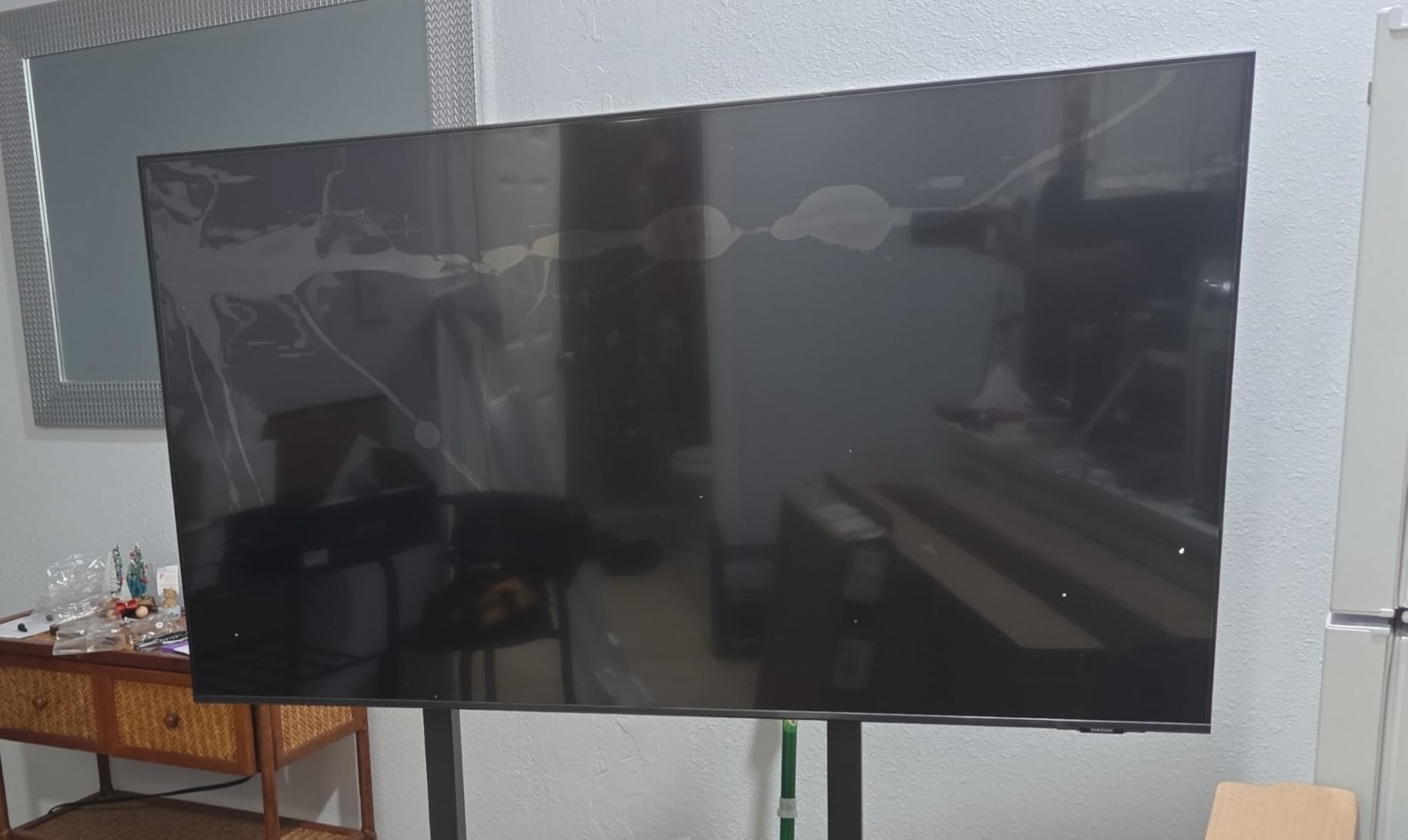
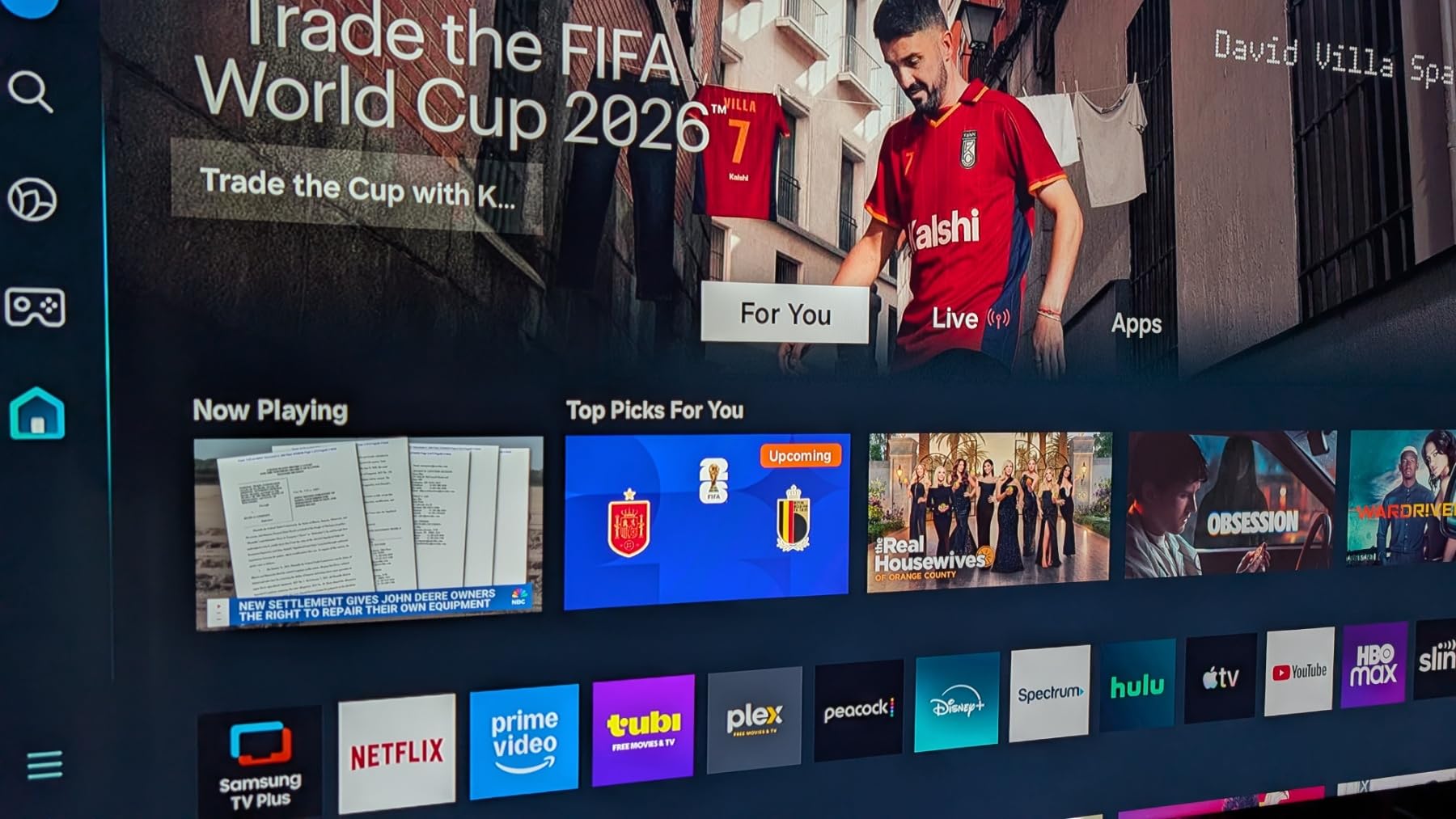
Owners also like how simple it is to live with. It runs fast, streams without buffering, and at 48.5 pounds it is light enough to wall-mount more easily than the heavier premium panels in this guide. Samsung TV Plus gives you 2700 or more free streaming options including 750 or more subscription-free channels.
Soccer Mode deserves a specific mention for bright rooms, because daytime sport is the hardest viewing case. It is tuned for fast motion and lifts greens, which helps the picture read clearly against a bright window when the rest of the room is competing.

Why the size matters more than the spec
In a daylit room, ambient light reduces perceived contrast, and a larger panel spreads the image over more of your field of view. That makes the same picture feel far more emphatic than a smaller set viewed from further away, owners in large rooms often choose size over brightness figures.
The 1000-nit listed figure is enough for indirect glare and general daylight. It will not overpower a window that gets direct sun, so treat this as a room-brightener rather than a glare fighter.
Where it falls short
The glossy screen is the central compromise. It will mirror a window and any lamp behind you, which is the failure mode we are trying to avoid in this article. The picture also needs manual tuning from factory presets to get the contrast you want.
Build quality is basic, the remote is small and awkward with no direct HDMI switching, and the interface arrives full of preinstalled apps. If reflections are your main pain, look at the anti-glare sets instead.
5. Hisense 65E7SF – Best for Daytime Sports and Gaming
Hisense 65″ E7 Cinema Series Hi-QLED Mini-LED 4K UHD Smart Fire TV (65E7SF, 2026 NEW) – Native 144Hz, AI Picture, Dolby Vision IQ · Atmos, FALD, HDR10+ Adaptive, MEMC, Alexa+
65 inch Mini-LED
Native 144Hz
AI Light Sensor
Full array local dimming
Pros
- AI Light Sensor auto-adjusts for changing daylight
- Native 144Hz for fast sports and gaming
- Full array local dimming with Hi-QLED quantum dot colour
- Fire TV interface is simple and responsive
- Light enough to move single-handed
Cons
- Less perceived depth than Samsung and TCL sets
- VRR can worsen motion blur
- Only 2.0 channel 20 watt speakers
This is the set for a room where the light changes constantly rather than sitting still. The AI Light Sensor measures the ambient conditions and adjusts brightness automatically, which is exactly what a sunroom or a room with a large south-facing window does to a fixed picture setting.
Motion is the second reason to shortlist it. A native 144Hz panel with AI Smooth Motion using MEMC and black frame insertion makes daytime sport noticeably smoother, and for live football or racing in a lit room that is a bigger practical win than any brightness figure.
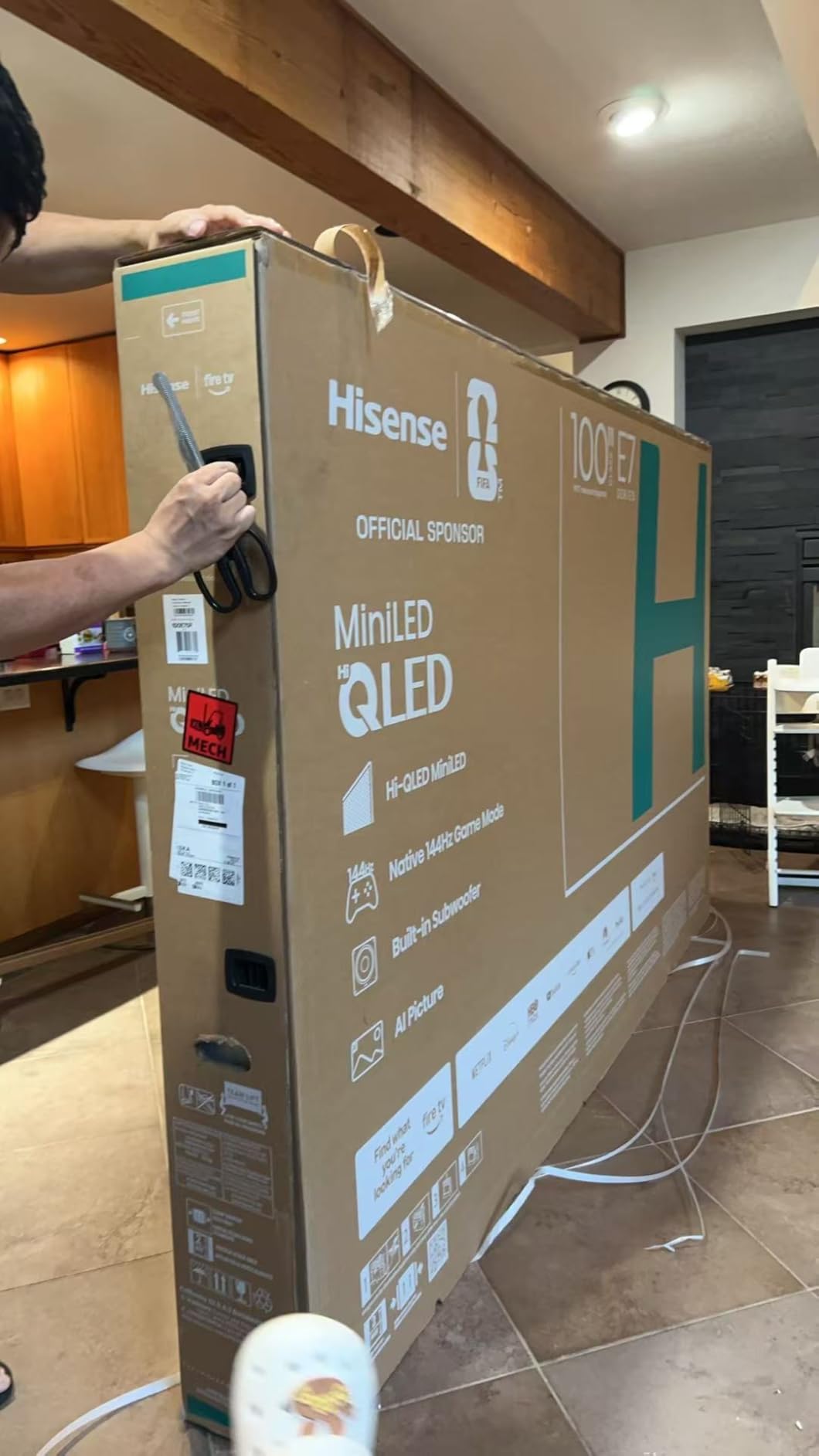
HDR support is the widest on paper in this group, covering Dolby Vision, Dolby Vision IQ, HDR10+ Adaptive, HDR10 and HLG. AI Picture handles scene detection and the 4K upscaler cleans up streaming sources, and there are four HDMI ports for a console and a streamer side by side.
Fire TV is the platform, and owners generally find it the least cluttered of the three big TV ecosystems. Setup through the Alexa remote is quick, and at 38.4 pounds this is the easiest panel here to move yourself when you want to reposition it away from a window.
Where it handles daylight well
The combination of an ambient light sensor and full array local dimming means the set responds to the room instead of asking you to. Owners in glass-walled spaces report that the automatic adjustment removes most of the need to fiddle with picture modes through the day.
At 65 inches it is also the size that suits most bright living rooms without dominating the wall, and the 144Hz native rate gives daylight gaming real headroom rather than relying on interpolation.
Where it falls short
Owners comparing it directly against Samsung and TCL sets report less perceived picture depth, so if you are picky about dimensionality in dark scenes, note that before choosing. Enabling VRR can worsen motion blur on some sources despite the high refresh rate.
The 2.0 channel 20 watt speakers are modest, the stand components feel cheap, and media played outside the smart apps can look soft. The one-year warranty is on the short side too.
6. Hisense 65S7SG CanvasTV – Best Matte Panel That Blends Into the Room
Hisense 65“ Hi-QLED S7 CanvasTV Series 4K UHD Google Smart Art TV (65S7SG, 2026 New) – 144Hz, Art Mode, Anti-Glare Panel, Dolby Vision HDR, Hi-Matte Display, Frame & UltraSlim Wall Mount Included
65 inch QLED
500 nits listed
Hi-Matte anti-glare
Art Mode with frame
Pros
- Hi-Matte panel stays readable in very bright rooms
- Art Mode with over 1000 free curated artworks
- Teak frame and ultra-slim wall mount included
- AI ambient sensor adjusts brightness and colour temperature
- Two-year manufacturer warranty
Cons
- Only 500 nits listed
- Not reflection-free
- Weak non-dialogue audio
- Rear cable routing stands the panel off the wall
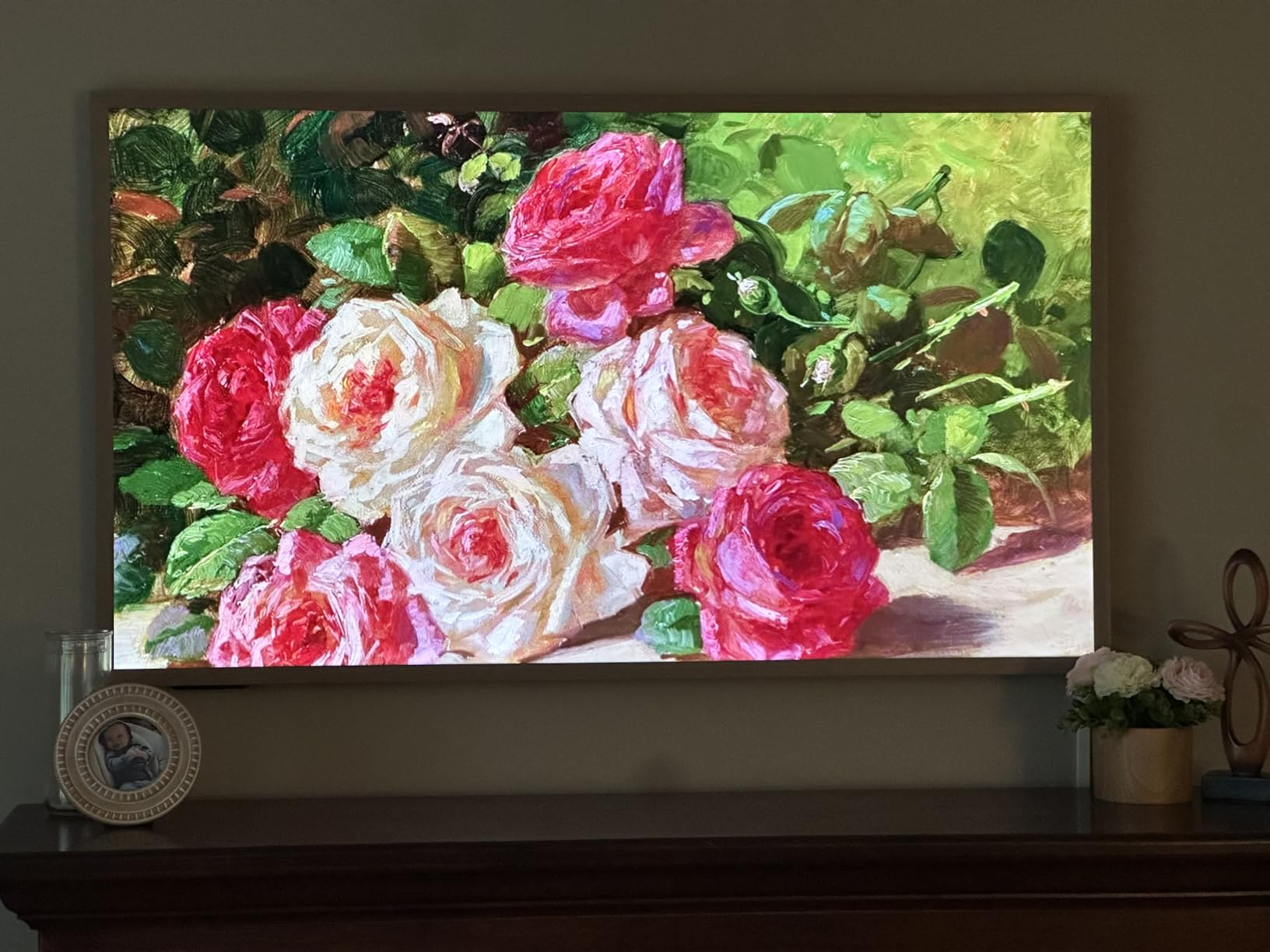
Take one thing away from this article: brightness alone does not beat glare. The CanvasTV proves the point. Its listed 500 nits is the lowest figure here, and yet the Hi-Matte anti-glare display is the reason owners who replaced a glossier art TV report a brighter, clearer picture in daylight.
That is the whole matte argument in one product. The coating scatters incoming light instead of reflecting a sharp window image, so the screen reads as a soft even surface rather than a mirror. The trade is that black levels sit slightly higher and the picture looks flatter in a dark room, and buyers who watch films at night often notice that first.
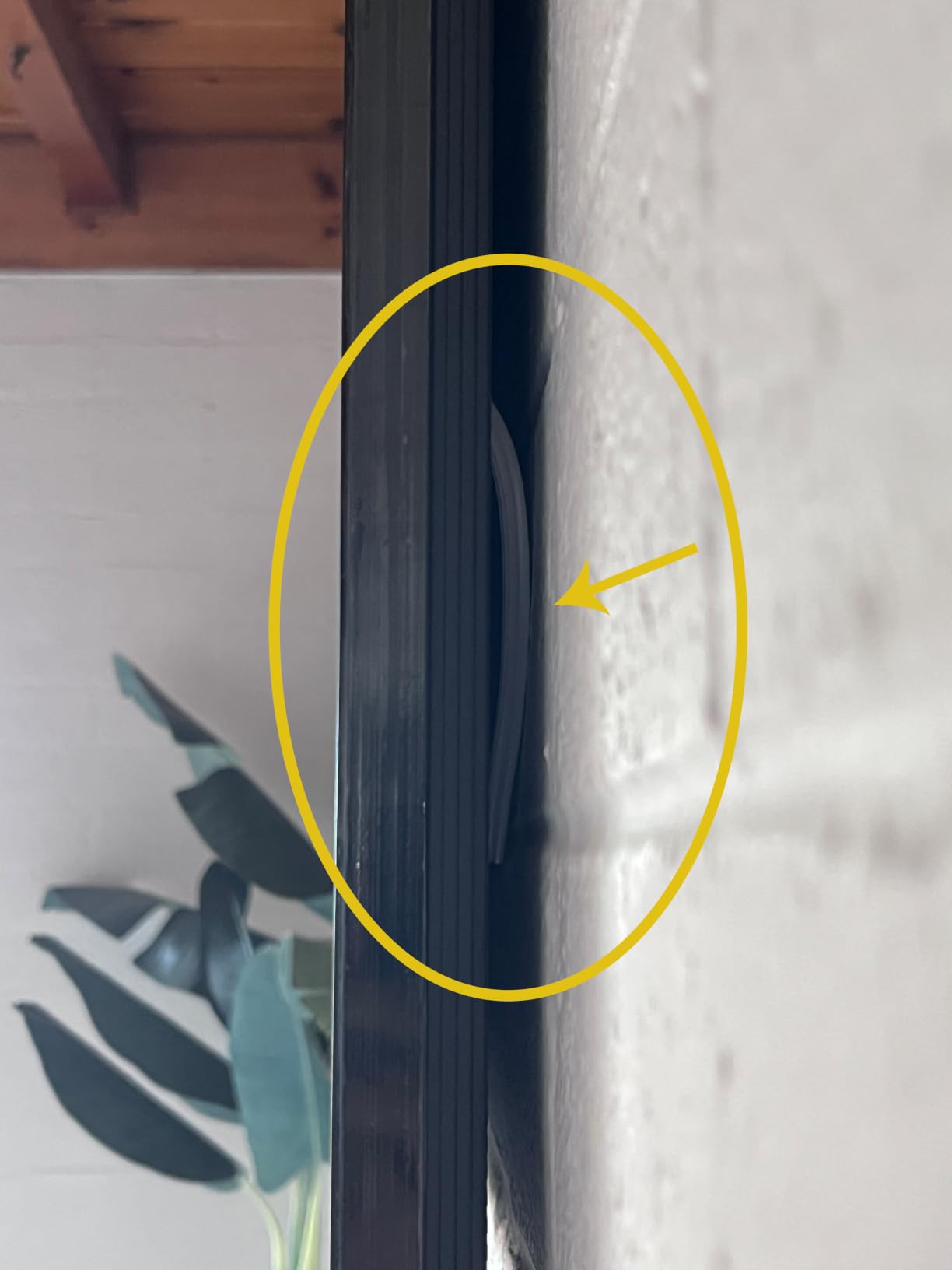
The art-first angle is a genuine bonus rather than a gimmick. Art Mode offers more than 1000 complimentary curated artworks with no subscription, and this set has more customization options than the best-known art TV rivals. A teak frame and an ultra-slim wall mount are both included, which is unusual at this level.
It runs Google TV, has a native 144Hz panel with 8 millisecond response, and a motion detector wakes the display when you walk into the room. At 1.2 inches deep, it sits genuinely flat on a wall.
Why the matte finish is the deciding factor
If the sun crosses your screen or a window sits opposite the sofa, coating quality matters more than nits. A matte panel turns a legible mirror image into a soft glow that you can watch through. That is why the lowest brightness figure in this roundup can still be the right call in the harshest room.
The AI ambient light sensor handles brightness and colour temperature automatically, and the two-year warranty is joint longest here, which matters for a panel you plan to leave powered all day.
Where it falls short
Owners are candid that it is not reflection-free. Glare is still visible on the matte panel in windowed rooms, it is just diffused rather than mirrored, and anyone expecting a fully invisible window is going to be disappointed.
Audio outside dialogue is weak, and the rear cable routing design twists the power cord and stands the panel off the wall, which is a real installation problem if you want the flush gallery look. At 51.1 pounds it also needs two people to mount.
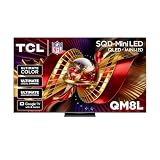
7. TCL 65QM8L – Best for Window-Facing Setups
TCL 65 Inch Class QM8L Series | SQD-Mini-LED QLED Smart TV | 65QM8L, 2026 Model | 144Hz | Ultimate Color Brightness & Contrast | Google AI Bang & Olufsen | Voice Control Gaming Streaming Television
65 inch SQD Mini-LED
Up to 6000 nits peak
4000+ dimming zones
Bang and Olufsen audio
Pros
- Very high listed peak brightness for windowed rooms
- Virtually no blooming from the Halo Control System
- Bang and Olufsen audio widely praised in class
- 7000:1 static contrast with 4000+ dimming zones
- Remote has a side-mounted brightness control
Cons
- Glossy finish reflects the room
- Google TV app availability frustrates some users
- Very heavy for a wall mount
The highest listed peak brightness in this group belongs to the QM8L, at up to 6000 nits with 4000 or more discrete dimming zones. Owners who moved up from older Sony and Samsung panels describe it as the brightest and most vivid set they have owned, and they name window-facing placement as the reason.
Dimming quality is the differentiator here rather than headline brightness. The Halo Control System produces almost no blooming or halo around bright objects, so subtitles on a dark scene stay clean instead of floating in a grey cloud. Static contrast is listed at 7000:1, which gives HDR10 content real depth.
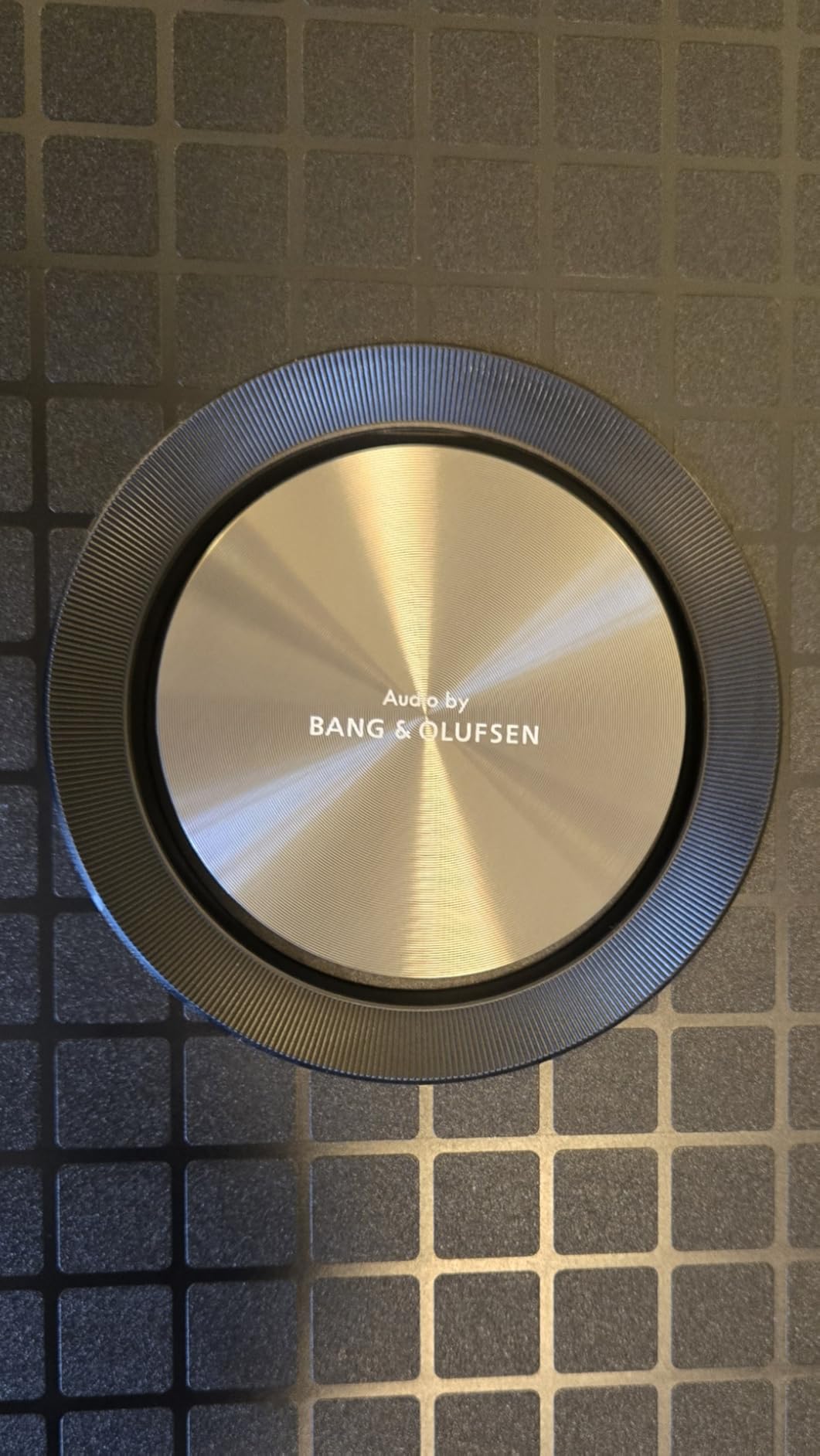
The 5.1 channel Bang and Olufsen system with an integrated subwoofer is repeatedly described as the best-sounding television audio in this category, and it is a legitimate reason to skip a soundbar for now. HDMI 2.1, Game Accelerator 288 VRR and AMD FreeSync Premium Pro cover the gaming side, and Dolby Vision IQ adapts to room conditions.
There is a small bright-room touch that shows someone thought about it. The remote has a side-mounted brightness control, so you can push the picture up without opening menus while the sun moves across the room.

What a high-nit panel actually buys you
Peak brightness is a headroom reserve. It is what the panel spends on specular highlights, on a bright window in an HDR scene, or on fighting the ambient light in the room. The more headroom a set has, the more of the picture survives when daylight is competing with it.
Deep dimming matters alongside it. A very bright panel with few zones produces visible blooming, and in a daylit room the eye forgives brightness far less readily than it forgives halos around bright objects.
Where it falls short
The glossy screen is the clear weakness, and on the brightest set in the guide it is the one that matters most in a windowed room. If your seating faces a window, the reflection will be the first thing you notice at night.
Software is the other complaint. Some users found the Google TV app availability and the bundled remote frustrating, and not every paid streaming app was accessible on the platform. This is also the least reviewed set here at 95 ratings, so there is less long-term owner history to lean on.
8. Samsung 75M80H – Most Versatile for a Large Room
Samsung 75-Inch Class M80H Series, Mini LED, 4K, Smart TV, 2026 Model
75 inch Mini-LED
1000 nits listed
Motion Xcelerator 144Hz
Auto HDR Remastering
Pros
- AI Mode adapts clarity colour and contrast per scene
- Motion Xcelerator 144Hz with VRR for fast sport
- Auto HDR Remastering lifts SDR sources
- Pure Spectrum Color for rich hues
- NQ4 AI Gen2 processor with 4K upscaling
Cons
- Only 1000 nits listed
- Basic two-channel built-in audio
- Three HDMI ports and one USB port
- Interface arrives with preinstalled apps
This is the closing recommendation, and it exists because a lot of bright rooms need a big screen rather than a laboratory. Seventy-five inches of Mini-LED at a modest cost point is a defensible way to make a large daylit living room work, and the AI Mode handles the scene-by-scene adjustments that a fixed setting would get wrong.
Auto HDR Remastering is the feature owners notice first on ordinary broadcast and older streaming content. The NQ4 AI Gen2 processor and 4K AI upscaling push SDR material toward an HDR-like look, which helps a lot when a lot of your viewing is daylight TV rather than 4K streaming.

Motion is handled by Motion Xcelerator 144Hz with variable refresh rate, which keeps fast sport from smearing when the room light is doing the most damage to perceived contrast. Alexa is built in, and Pure Spectrum Color covers the colour side.
Be aware of the trade you are making. The listed peak brightness is 1000 nits, which sits at the bottom of this group alongside the other 1000-nit Mini-LEDs, and the built-in audio is basic two-channel with no dedicated sound hardware.
Who this works for
Pick this if the room is large, the light is indirect, and your budget will not stretch to a flagship. A 75-inch panel viewed across a bright room still wins on impact, and the processing work compensates for a modest brightness ceiling on ordinary content.
It is also a sensible second television for a sunroom or a kitchen, where you want something large that does not dominate the room when it is switched off.
Why it sits last in the ranking
The ranking is about bright rooms specifically, and this set is the most compromised for that job. The glossy panel, the 1000-nit ceiling and the preloaded Tizen interface all work against it when reflections are the problem.
Port selection is also thin at three HDMI and one USB, so a console, a streamer and a recorder means adding a switcher. The Samsung 75M70H reviewed above covers a similar idea with more free streaming channels in the box.
Buying Guide: How to Choose a TV for a Bright Room
How many nits do you actually need?
Nits, or candelas per square metre, measure how much light the panel emits per unit of surface. The number that matters for a bright room is peak brightness on a small window of the screen, not the full-screen figure, because that is where the money buys you headroom against ambient light.
Indirect light, normal living room: a panel that does a respectable job around 600 to 1000 nits will be fine if the coating handles reflections. This is most budget Mini-LED territory.
Large windows, open-plan space, sunroom: aim for 1500 nits or more. Above 2000 nits you get real headroom for specular highlights and for fighting a bright wall opposite the screen.
Direct sun reaching the panel: only very high brightness sets such as the Hisense U8QG at up to 5000 nits or the TCL QM8L at up to 6000 nits have a realistic answer, and even then the right answer is a curtain.
Also separate peak from sustained brightness. Panel manufacturers quote peak figures that apply briefly to small highlights. A panel that can only reach its headline number for a fraction of a second will look fine in a showroom and flat in a bright room. The Automatic Brightness Limiter, or ABL, is the mechanism that holds brightness down on very bright scenes, and owners of OLED and QLED sets both report a visible dip on bright sports footage.
Matte vs glossy: which one do you actually want?
Glossy screens reflect a sharp image of your windows and lamps. Matte screens scatter that light into a soft, even glow across the panel, so the reflection stops being legible but never fully disappears. Matte also lifts black levels slightly and can add a faint haze, which movie viewers notice immediately in a dark room.
Forum consensus on r/4kTV splits sharply on this. The pattern is consistent though: matte wins when light control is poor, glossy wins for dark-room contrast. No coating is an upgrade, it is a trade you choose based on the room you already have.
Watch the vocabulary. Anti-glare usually describes a matte or semi-matte treatment, anti-reflection describes a layer that reduces how much light bounces back, and glare-free or reflection-free are marketing terms that mean nothing precise. The panel finish line in a specification is more honest than any of those words.
What panel type to buy
For bright rooms, the ranking is fairly simple. A high-end Mini-LED LCD with quantum dot colour and full array local dimming gives you the brightness needed to fight daylight plus enough zones to keep blacks from turning grey. A mid-range Mini-LED does the same job with fewer zones and a lower ceiling, which is fine for indirect glare.
QLED without a Mini-LED backlight is cheaper but dimmer, and plain LCD sets will not cope with a bright room at all. OLED has the best contrast and the best viewing angles but a lower brightness ceiling than the Mini-LED sets here, which is why none of our picks are OLED in a sunlit room. If your room can be darkened, our guide to the best OLED TVs for watching movies is the more relevant read.
Local dimming, size and the rest that matters
Local dimming zones control how independently each region of the backlight brightens and dims. More zones means a bright object on a dark background produces a smaller halo, and in a daylit room halos are far more visible than they are at night. Look for full array local dimming rather than a zone count alone, since a handful of wide zones is barely dimming at all.
Go larger than usual. Ambient light reduces perceived contrast, so a bigger panel in a bright room reads as brighter and more emphatic than a smaller one across the same distance. Many owners in wide seating arrangements also report that narrow viewing angles on some VA-panel LCD sets make the picture worse for anyone off-axis, so check whether the panel you are buying holds colour off to the side.
For gaming in daylight, confirm the refresh rate is native rather than a figure created by frame insertion, count your HDMI ports before buying, and check input lag rather than trusting a marketing refresh number. Finally, test your room: hold a lux meter app at screen height at the worst time of day, and if the reading is high, prioritise coating over nits every time.
Frequently Asked Questions
Is OLED or QLED better for bright rooms?
Mini-LED QLED is better for bright rooms. OLED panels have superb contrast and viewing angles but a lower brightness ceiling, while Mini-LED QLED sets reach far higher peak brightness and hold up against daylight. Pick OLED only if the room can be darkened for most viewing.
How many nits do I need for a bright room?
Around 1000 nits is enough for a living room with indirect light, 1500 nits or more suits large windows and sunrooms, and 2000 nits or more gives real headroom when a window is opposite the screen. Above that, the anti-reflective coating matters more than extra brightness.
What type of TV screen is best for reducing glare in a bright room?
A matte or anti-glare treated panel is best for glare. Matte finishes scatter reflections into a soft glow instead of a legible mirror image of your windows. The cost is slightly lifted black levels and a flatter look in a dark room, so glossy panels still win for night-time movie viewing.
Is there a TV that doesn’t reflect sunlight?
No TV completely eliminates reflection. A matte panel such as the Hisense CanvasTV Hi-Matte display is the closest option, diffusing a window into a soft haze rather than a sharp image. Direct sun on the panel is a placement problem as much as a technology problem, and no set fully solves it.
Are glossy screens better than matte screens?
It depends on your room. Glossy screens give punchier contrast and deeper blacks, which is better for dark-room movies. Matte screens handle daylight and reflections far better, which is why most people who move to a matte panel say they stopped closing the curtains during the day.
Conclusion
For most people shopping for the best TVs for bright rooms in 2026, the Hisense 55U8QG Mini-LED is the pick: up to 5000 nits of listed peak brightness, an Anti-Reflection Pro coating and fine-grained local dimming cover both halves of the problem. If reflections are worse than brightness, take the Samsung 55QN90F for its anti-glare treatment. If the room is big and the budget is not, the TCL 75QM6K delivers the size that makes a daylit space work.
What none of these sets change is physics. If sun lands directly on the panel, move the screen or close a curtain. If you have already done that and the picture still looks washed out, buy a matte or anti-glare panel and stop worrying about the rest.