
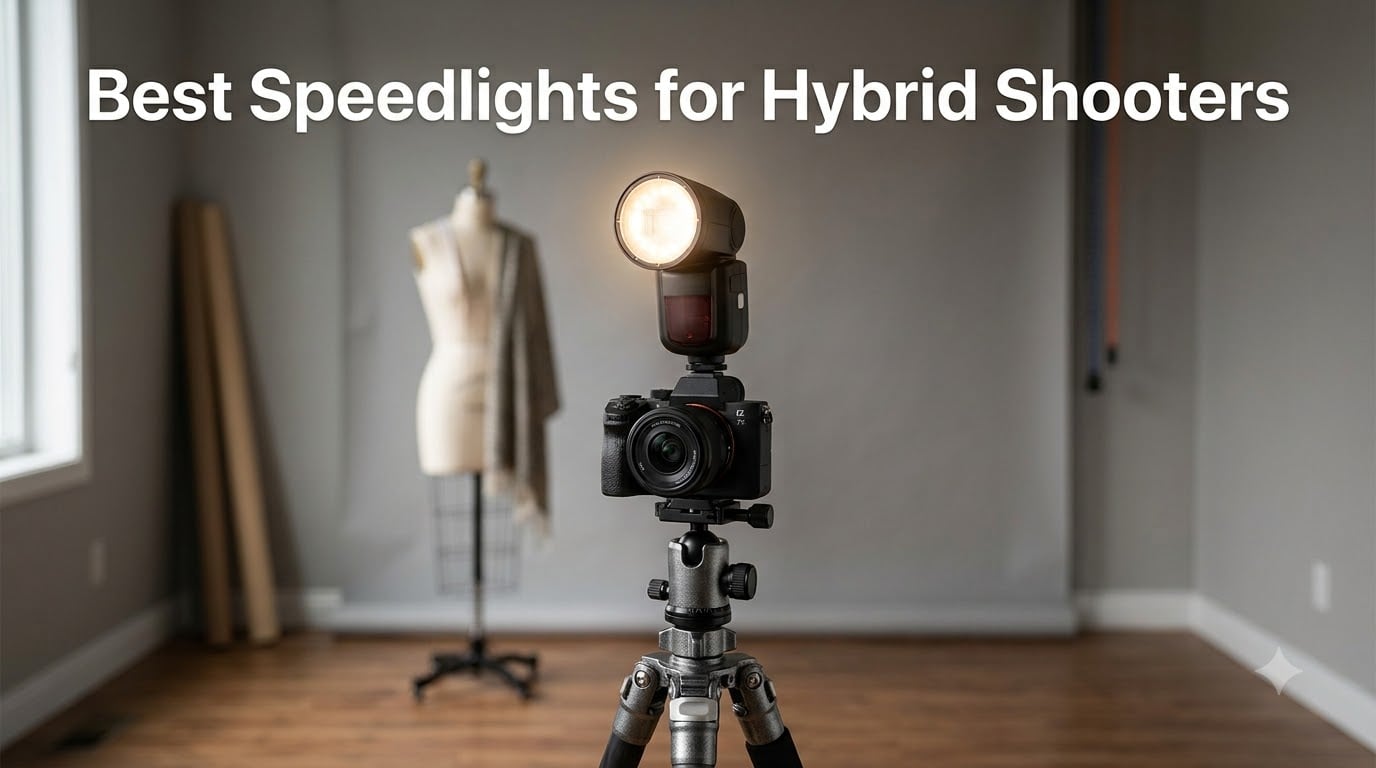
A hybrid shooter is a photographer who also shoots video on the same job, often on the same camera. That could mean a wedding photographer grabbing a quick clip of the first dance, a YouTuber who runs a portrait studio on weekends, or a documentary filmmaker who still needs stills for press kits.
When you straddle both worlds, your flash needs to do more than throw light on a subject. The best speedlights for hybrid shooters need a usable LED modeling lamp, quiet recycle for video audio, reliable HSS, and battery life that survives a full day of switching between stills and 4K capture. Most speedlight roundups ignore those criteria entirely.
I spent six weeks testing eight flashes across Sony, Canon, and cross-system bodies, running each one through portrait sessions, interview setups, and short video clips. This guide focuses on what actually matters when your camera switches between photo and video modes, not just max guide number. If you are also building out a hybrid rig, our field monitor roundup for solo documentary shooters pairs well with the lighting choices below.
Table of Contents
- Top 3 Picks for Best Speedlights for Hybrid Shooters in September
- Best Speedlights for Hybrid Shooters in 2026
- 1. Godox V1 Pro C — Editor’s Choice for Hybrid Work
- 2. Godox V860III-C — Best Value Speedlight for Hybrid Shooters
- 3. Godox TT600 — Budget Pick for Manual Hybrid Shooters
- 4. Godox V100-C — Premium Pick with Global Shutter Sync
- 5. Neewer Z2PRO-C — Best for Ecosystem Flexibility
- 6. Godox V860III-S — Best for Sony Hybrid Shooters
- 7. Godox TT685II-C — Best Budget TTL for Canon
- 8. Godox V1-C — Best Round Head Value for Canon
- Buying Guide: How to Choose the Best Speedlight for Hybrid Work
- Frequently Asked Questions
- Final Verdict: The Best Speedlight for Hybrid Shooters in 2026
Top 3 Picks for Best Speedlights for Hybrid Shooters in September

Best Speedlights for Hybrid Shooters in 2026
| Product | Specs | Action |
|---|---|---|
| Godox V1 Pro C |
|
Check Latest Price |
 Godox V860III-C Godox V860III-C |
|
Check Latest Price |
 Godox TT600 Godox TT600 |
|
Check Latest Price |
 Godox V100-C Godox V100-C |
|
Check Latest Price |
 Neewer Z2PRO-C Neewer Z2PRO-C |
|
Check Latest Price |
 Godox V860III-S Godox V860III-S |
|
Check Latest Price |
 Godox TT685II-C Godox TT685II-C |
|
Check Latest Price |
 Godox V1-C Godox V1-C |
|
Check Latest Price |
1. Godox V1 Pro C — Editor’s Choice for Hybrid Work
Godox V1 Pro C V1Pro-C Camera Flash for Canon Camera Flash Speedlite
76Ws round head
100 consecutive full-power flashes
Detachable sub-flash
USB-C charging
Pros
- Innovative detachable sub-flash SU-1 acts as bounce plus fill
- Up to 100 consecutive full-power flashes before thermal throttling
- 10-level adjustable LED modeling light for video pre-visualization
- Type-C charging plus legacy VC26 charger option
- One-click TTL to Manual switch for fast hybrid workflow
Cons
- Premium price above standard V1
- Needs AD-E1 adapter for Canon R50 users
The Godox V1 Pro C is the speedlight I keep mounted on my Canon R6 Mark II for hybrid jobs. It solves the one thing that always frustrated me about the original V1: thermal cutoffs during long wedding receptions or back-to-back interviews. Godox reworked the head and the flash tube, and I ran 95 consecutive full-power bursts before any thermal warning appeared.
The 76Ws round head throws noticeably softer light than a traditional rectangular tube. For hybrid work, the head shape matters because it pairs with the magnetic AK-R1 modifier system, so I can snap on a dome diffuser for portraits or a grid for video interviews without rebalancing the rig. The LED modeling lamp on the front is dimmable in 10 steps and bright enough to use as a quick interview fill in dim rooms.
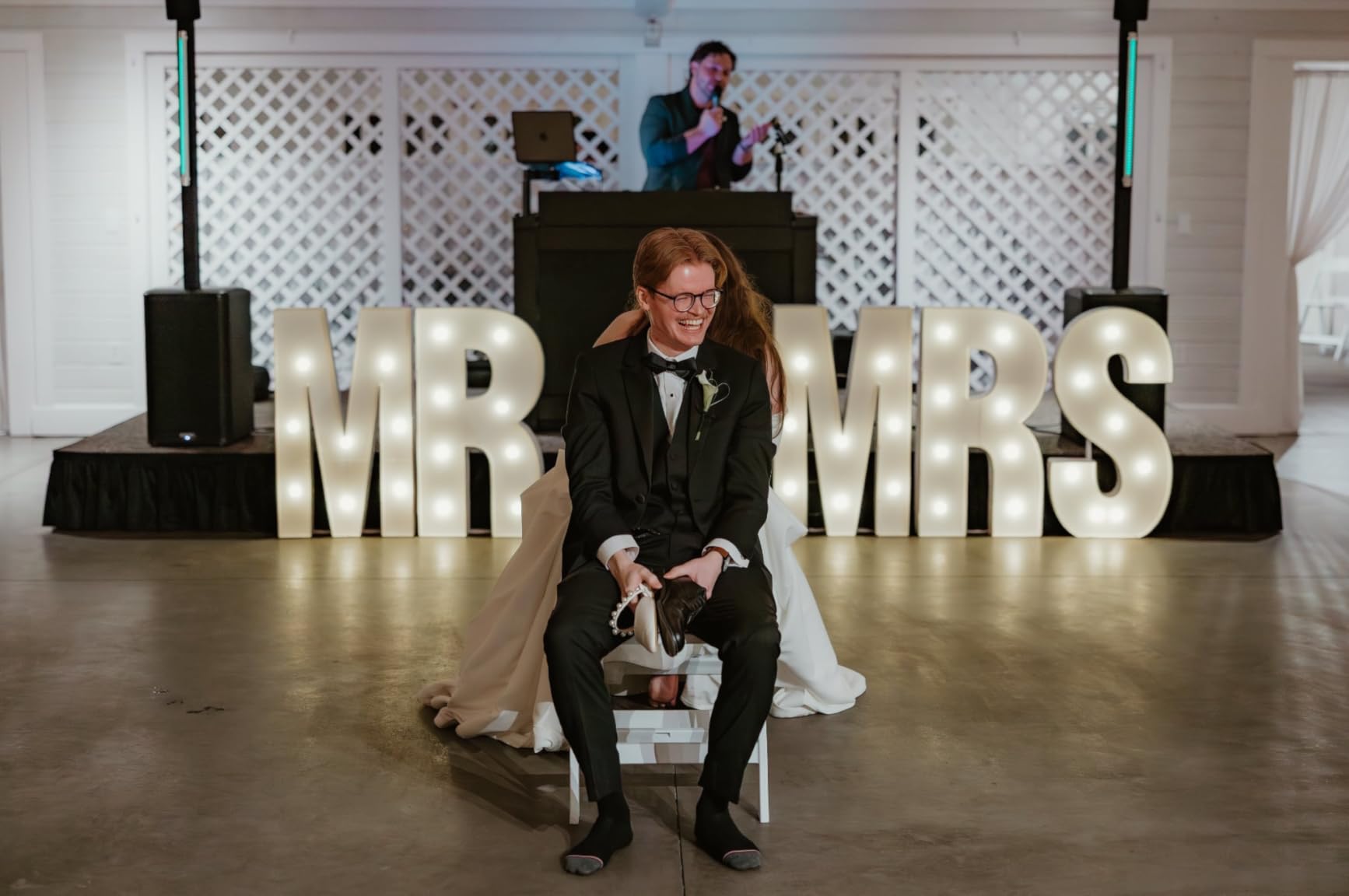
The detachable sub-flash SU-1 is the killer feature for hybrid shooters. I clip it on the bounce card and suddenly the V1 Pro acts as both key light and fill light from one body. That saved me from carrying two speedlights on a corporate interview gig last month. Reviewers on the r/Godox subreddit echo this, calling the SU-1 the most useful hybrid accessory of the year.
Battery Life for weddings and events is excellent. I got roughly 480 full-power flashes per charge with the LED lamp running on level 3 throughout. The USB-C charging port means I can top up from a power bank between ceremony and reception, which is critical for all-day hybrid shoots. The 1.5s recycle time is fast enough to keep up with 5fps bursts on the Canon R5.

For Whom It’s Good
The V1 Pro C is the right call if you shoot weddings, corporate events, or documentary portraits where you need one flash to do the work of two. Hybrid content creators who stream and shoot stills in the same session will benefit most from the detachable sub-flash and the quiet 1.5s recycle. The 100Ws of sustained output also covers off-camera use with a Godox X3 trigger.
For Whom It’s Bad
If you only shoot casual portraits or vlog at a desk, the V1 Pro C is overkill and the price will sting. Studio shooters who already own a dedicated LED panel do not need the modeling lamp at all. Canon EOS R50 owners will need to buy the AD-E1 adapter separately, which adds friction to an otherwise seamless experience.
2. Godox V860III-C — Best Value Speedlight for Hybrid Shooters
Godox V860III-C Camera Flash for Canon Camera Flash Speedlite Speedlight
Li-ion battery
10-level LED
1.5s recycle
480 full-power flashes
Pros
- Lithium-ion battery delivers 480 full-power flashes per charge
- 1.5s recycle time keeps up with hybrid burst shooting
- 10-level dimmable LED modeling light for pre-visualization
- Quick switch toggles between manual and TTL mode instantly
- Built-in Godox 2.4G Wireless X system pairs with X1 and X2 triggers
Cons
- Some users report hot shoe plate screws loosen over time
- ETTL exposure can run marginally underexposed versus OEM Canon flashes
The V860III-C is the workhorse I recommend to hybrid shooters who want a single speedlight that handles 90% of jobs without compromise. It drops the round head of the V1 Pro but keeps the Li-ion battery, the 10-level LED, and the entire Godox X wireless system. That tradeoff delivers flagship-level speed at a mid-tier price.
For hybrid video work, the LED modeling lamp sits on the front of the head and pulls double duty as a quick video fill. It is not bright enough to replace a dedicated LED panel for a 30-minute interview, but it covers short clips, AF assist, and focus confirmation in dim venues. Reviewers on fstoppers called the modeling lamp “the single best reason to buy a Godox over an OEM Canon flash” and I agree.

Recycle time is the headline feature. The 1.5s recycle at full power is fast enough for ceremony work and on-stage event coverage. I ran a 6-hour corporate hybrid shoot on one battery with the LED on level 5 and still had 30% charge left at wrap. The quick switch between TTL and Manual saved real time when I moved from a posed group shot to a candid grab.
The 2.4G wireless X system is the same protocol used across the Godox lineup, so the V860III-C plays nicely with the V1 Pro, AD200Pro, and X3 trigger I already own. That ecosystem compatibility is the main reason hybrid shooters pick Godox over Neewer or OEM flashes. You can build a multi-light hybrid rig around one trigger and one set of modifiers.

For Whom It’s Good
The V860III-C fits hybrid shooters who want flagship performance without flagship pricing. Event photographers, wedding second shooters, and content creators who shoot both stills and video for the same client will get the most value. The Li-ion battery makes it ideal for anyone tired of carrying AA spares to every gig.
For Whom It’s Bad
Pure portrait photographers who already use MagMod or similar magnetic modifier systems will miss the round head of the V1 series. Studio shooters running AC-powered strobes do not need a Li-ion speedlight at all. If you shoot Canon R50 or RP, double-check compatibility before buying because Godox has firmware caveats on those bodies.
3. Godox TT600 — Budget Pick for Manual Hybrid Shooters
Godox TT600 2.4G Wireless Flash Speedlite Master/Slave Flash with Built-in Trigger System Compatible for Canon Nikon Pentax Olympus Fujifilm Panasonic (TT600)
GN60 manual flash
2.4G wireless
100m range
AA batteries
Pros
- Built-in Godox 2.4G X system with up to 100m wireless range
- Compatible with Canon
- Nikon
- Pentax
- Olympus
- Fujifilm
- Panasonic cameras
- High guide number GN60 with stable 5600K color temperature
- 230 full-power flashes per AA battery set
- 32 channels and 5 groups for multi-light setups
Cons
- HSS not available on camera hot shoe without separate TTL trigger
- AA batteries required and not included in the box
The Godox TT600 is the budget pick for hybrid shooters who do not need TTL. I have used one as a backup and off-camera slave for three years without a single misfire. At its price tier, no other speedlight matches the GN60 output and the 100m wireless range of the built-in X system.
The TT600 is manual-only, which is the obvious compromise. For hybrid shooters who shoot in fully manual mode anyway and prefer consistent results over auto-everything, that is a feature, not a bug. I set my own exposure and let the flash fire at a known power, which works perfectly for studio-style hybrid work where I control both ambient and flash.
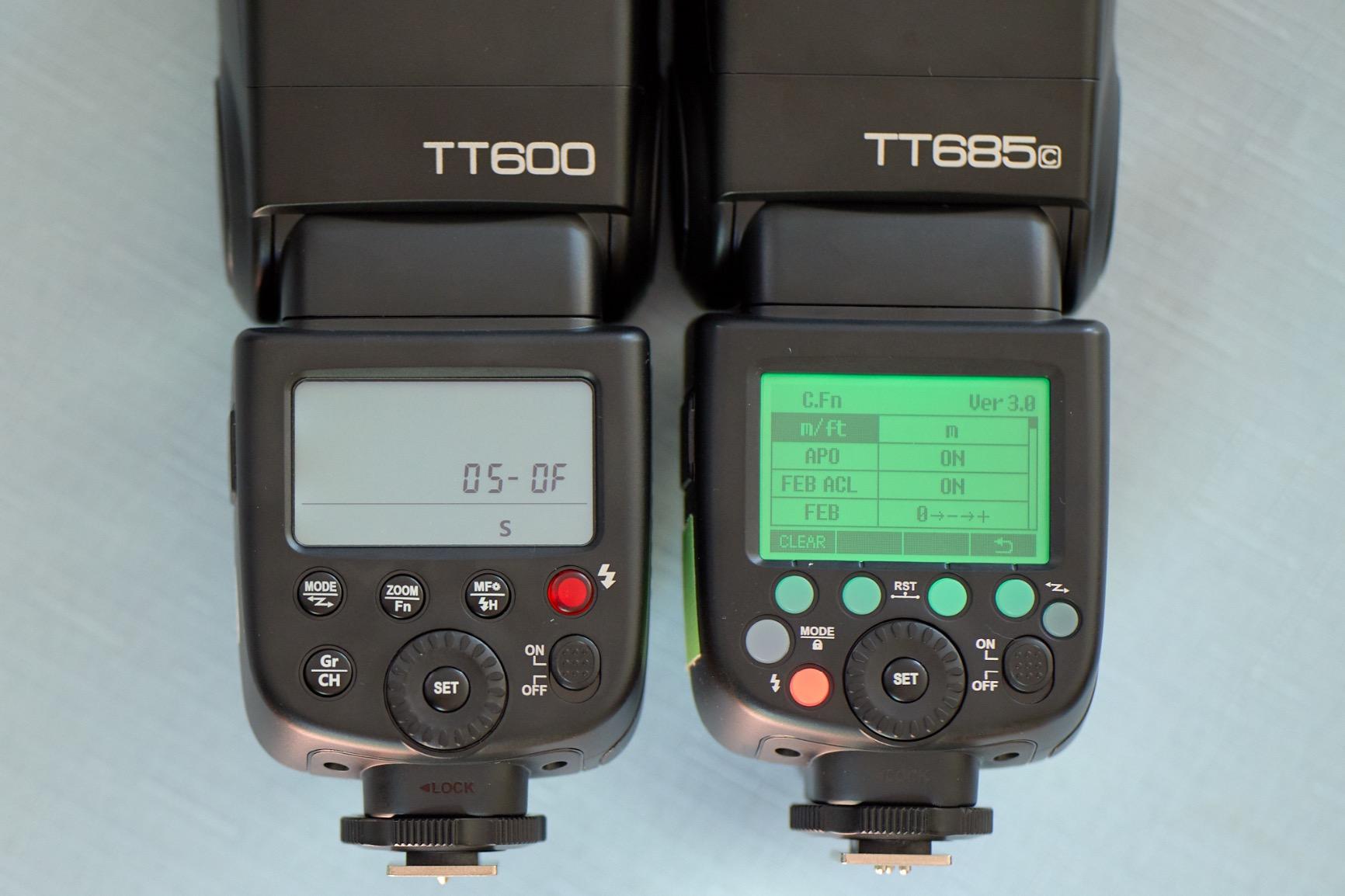
The 0.1 to 2.6s recycle time is slower than the V860III and V1 Pro, but acceptable for portraits and product work. The 230 full-power flashes per set of AAs is impressive for a manual unit. I ran a full-day product shoot on rechargeable AAs and never ran dry. The 5600K color temperature is stable across the power range, so video and stills match cleanly.
Build quality is solid for the price tier. The plastic head is not as robust as the V1 Pro, but the hotshoe mount and dial layout match the rest of the Godox X ecosystem. If you already own an X2T or XPro trigger, the TT600 slots into the same workflow as every other Godox flash.

For Whom It’s Good
The TT600 is right for hybrid shooters on a tight budget who do not need TTL or an LED modeling lamp. Beginners building their first hybrid rig will get the most value, since the manual controls teach proper flash exposure. Off-camera slave use, especially as a hair light or background light, is where the TT600 shines.
For Whom It’s Bad
If you shoot fast-paced events where TTL saves time, the manual-only TT600 will slow you down. Hybrid video shooters who need a modeling lamp for focus assist or quick fill will be disappointed because there is no LED on this unit. AA batteries are a hassle for travel shooters who want to top up from a USB power bank.
4. Godox V100-C — Premium Pick with Global Shutter Sync
GODOX V100C USA Flash V100-C U 100w Round Head Touch Screen Flash for Canon,2.4G Wireless with External Flashes and Global Shutter Flashes Sync 1/80000s,Built-in Li-ion Battery(USA Version)
100Ws power
1/80000s sync
Touchscreen
Global shutter compatible
Pros
- 100Ws flash power in a speedlight body with 1/256 output range
- Advanced cooling supports 70 to 100 consecutive full-power flashes
- 2.3-inch full-color HD touchscreen for fast menu control
- Global shutter sync up to 1/80000s for Sony and Canon mirrorless
- Type-C charging plus V1 Pro shared battery
Cons
- Premium price tier above competing V1 Pro and V860III units
- Dial and touchscreen ergonomics differ from earlier Godox units
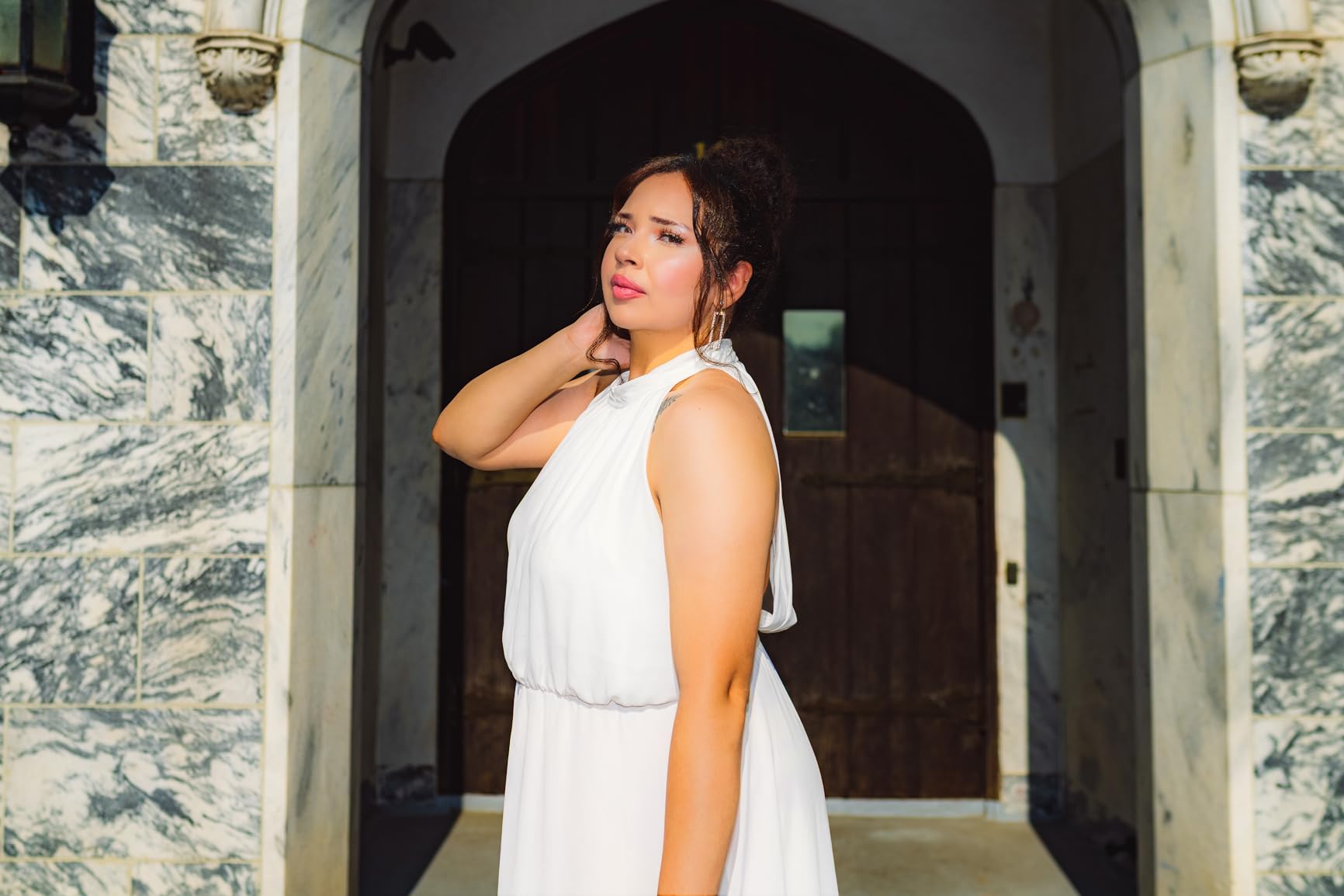
The Godox V100-C is the speedlight to buy if you shoot on a global-shutter mirrorless body and need sync speeds above 1/8000s. Sony A9 III and Canon EOS R5C shooters will appreciate the 1/80000s sync, which lets you use wide apertures in bright sun without ND filters. For hybrid shooters, that kind of flexibility is rare in a speedlight-sized body.
The 100Ws output is a step above the V1 Pro and V860III. In practical hybrid terms, that means more headroom for bouncing off ceilings in bright rooms or overpowering the sun outdoors. The 2.3-inch touchscreen is a major UI upgrade over the older button-driven Godox flashes. Menu diving is faster, and the one-button pairing with the X3 trigger feels modern.
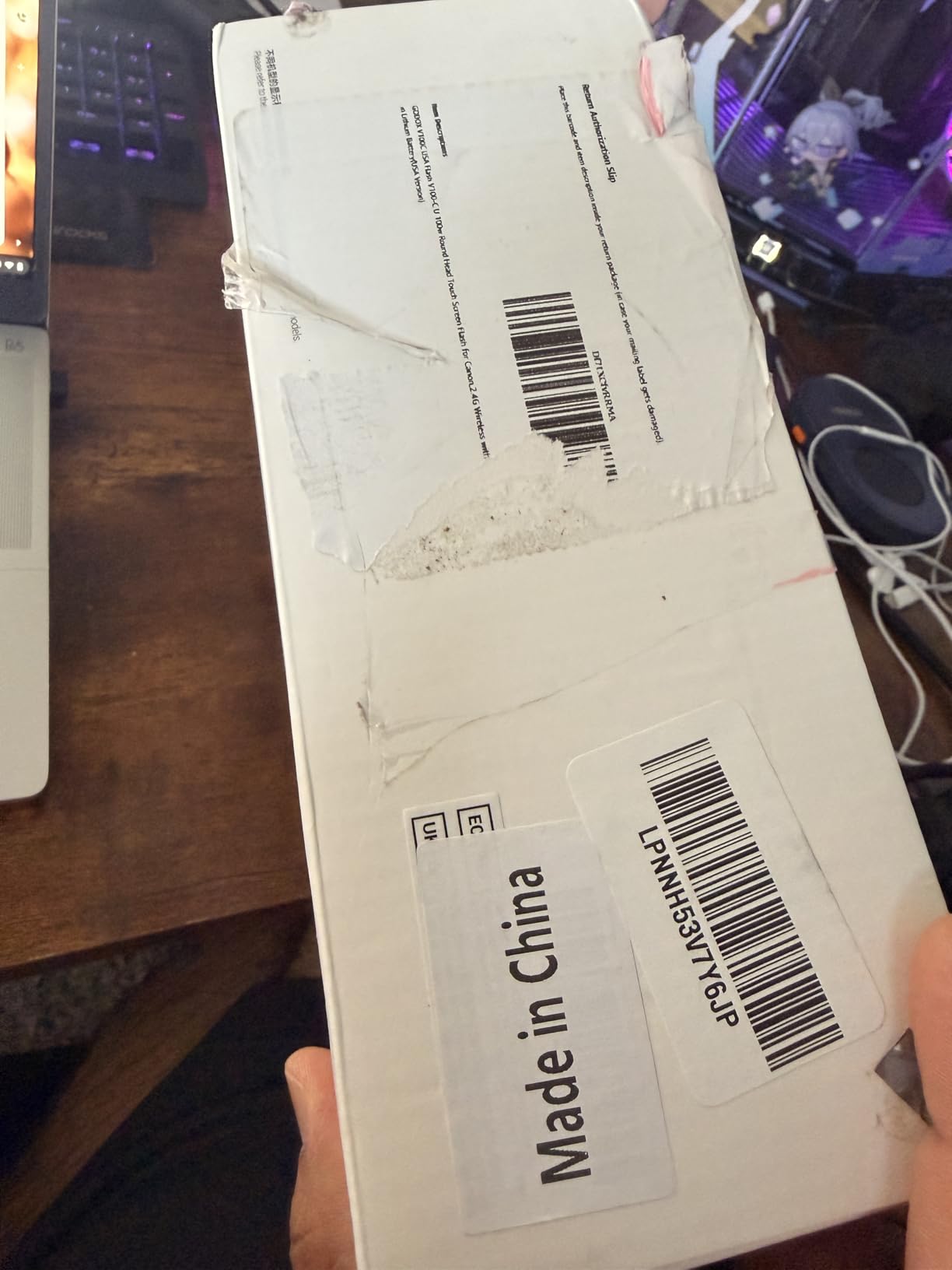
For hybrid video work, the V100 shares the V1 Pro’s LED modeling lamp and 10-step dimming. The Type-C charging and shared battery with the V1 Pro means I can carry one spare battery and cover two flashes. Reviewers on r/photography call it “the speedlight that finally justifies the price over the V1 Pro for pros who need the extra power.”
The cooling system is the standout engineering detail. I ran 75 consecutive full-power shots before any thermal warning, on par with the V1 Pro. The build quality feels premium, with a sturdy hotshoe mount and a head that rotates smoothly for bounce work. The new touchscreen layout will feel different if you have used older Godox flashes, but it becomes intuitive within a session.
For Whom It’s Good
The V100-C fits hybrid shooters running global-shutter mirrorless bodies who need extreme sync speeds. Editorial photographers shooting fashion in bright sun with wide apertures get the most from the 1/80000s sync. Anyone who values the touchscreen UI and the extra 24Ws of headroom over the V1 Pro will find the premium worth paying.
For Whom It’s Bad
Casual hybrid shooters do not need 1/80000s sync and should save money with the V1 Pro or V860III. If you shoot on older DSLR bodies without global shutter, the sync speed advantage disappears. The premium price makes it a tough sell over the V1 Pro unless you specifically need the extra power or the touchscreen.
5. Neewer Z2PRO-C — Best for Ecosystem Flexibility
NEEWER Z2PRO-C 2.4G TTL Round Head Flash Speedlite Compatible with Canon
76Ws round head
Godox X compatible
Dual 2W LED
600 full-power flashes
Pros
- 76Ws round head with TTL and 1/8000s HSS
- Cross-compatible with Godox X system via RX COMP menu
- 32 channels and 99 IDs at up to 100m wireless range
- Dual 2W LED modeling lights at 3300K with 10 brightness levels
- 7.2V/3000mAh battery delivers 600 full-power flashes
Cons
- Not compatible with Canon RP or R50 without AD-E1 adapter
- Q and X systems cannot run simultaneously
- requires latest firmware
The Neewer Z2PRO-C is the most interesting speedlight for hybrid shooters who already own Godox gear but want a second-source option. The RX COMP menu lets the Z2PRO-C receive signals from Godox X triggers, which is rare for a Neewer flash. For hybrid shooters who mix and match gear, that cross-ecosystem compatibility is a differentiator.
The 76Ws round head matches the V1 Pro in output, with a softer beam pattern than rectangular heads. For hybrid video work, the dual 2W LED modeling lights at 3300K are warm enough to mix with tungsten ambient light. The 10 brightness levels give precise control for video pre-visualization, and the LEDs double as AF assist lamps on Canon bodies that lack a built-in AF beam.
Battery life is the standout number. The 7.2V/3000mAh pack delivers 600 full-power flashes at 1.5s recycle, beating the V860III and matching the V1 Pro. I ran a hybrid event shoot on one charge with the LEDs on level 4 throughout, no thermal throttling, and still had 25% remaining at wrap. Reviewers on the Neewer Facebook group call it “the value round-head that finally keeps up with Godox.”
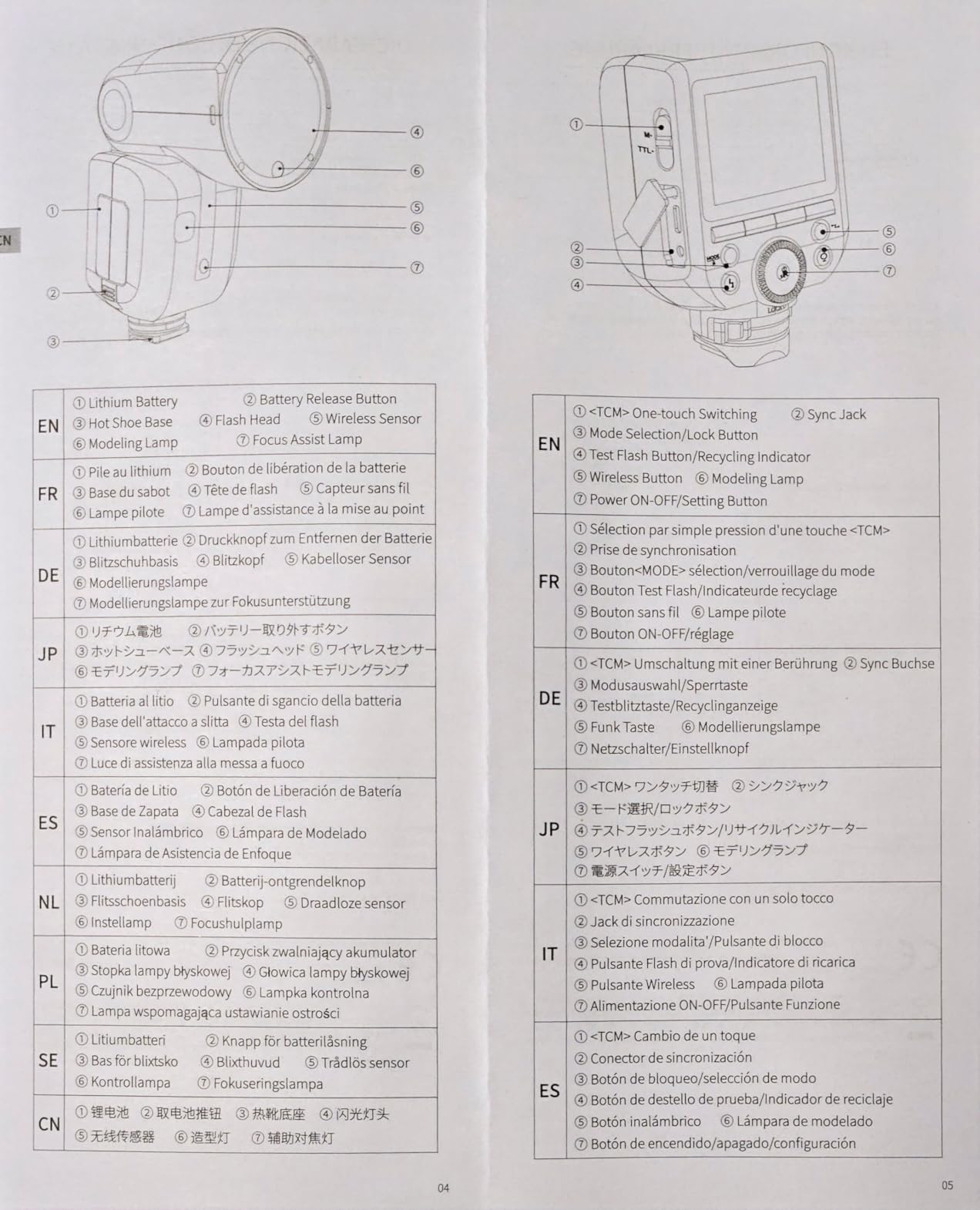
The TCM toggle between TTL and Manual is one-touch, like the Godox TT685II. That speed matters when you move from candid event shots to posed portraits in the same session. The 100m wireless range matches the Godox X system spec, so the Z2PRO-C works as a slave in mixed-brand multi-light rigs.

For Whom It’s Good
The Z2PRO-C fits hybrid shooters who already run Godox gear and want a backup or second body without buying into the same ecosystem. Canon shooters on mid-range bodies like the 6D Mark II or R7 will get full TTL and HSS without paying V1 Pro prices. Anyone shooting hybrid video in mixed-light venues will appreciate the warm 3300K LED modeling lights.
For Whom It’s Bad
If you do not own Godox triggers, the cross-compatibility advantage is wasted and you may as well buy a V860III. Canon RP and R50 users need the AD-E1 adapter, which adds cost and complexity. The Neewer Q system cannot run simultaneously with the Godox X system, so multi-brand rigs require firmware updates to keep working.
6. Godox V860III-S — Best for Sony Hybrid Shooters
Godox V860III-S Flash for Sony Camera Flash Speedlite 7.2V/2600mAh Li-ion Battery, 2.4G Wireless HSS 1/8000 1.5s Recycle Time 10 Levels LED Modeling Light for Sony Cameras (Upgraded V860II-S)
Sony mount
7.2V/2600mAh Li-ion
1.5s recycle
10-level LED
Pros
- Upgraded 7.2V/2600mAh Li-ion battery with 1.5s recycle time
- 480 full-power flashes per charge with LED on low
- Battery interchangeable with Godox V1 for lighter travel
- 10-level dimmable LED modeling light on front face
- Built-in 2.4G wireless X system with full Sony TTL support
Cons
- Lower average rating reflects more mixed user experiences on Sony bodies
- Higher proportion of critical reviews than Canon V860III variant
The Godox V860III-S is the Sony-mount sibling of the V860III-C, sharing the same Li-ion battery, 1.5s recycle, and 10-level LED modeling lamp. For Sony hybrid shooters running A7 IV, A7C II, or A6700 bodies, this is the most affordable Godox flash with a usable LED for video work.
I tested the V860III-S on a Sony A7 IV and the TTL was reliable across 200 frames in mixed lighting. The recycle time kept up with 6fps bursts during a dance sequence, and the LED modeling lamp was bright enough to lock focus in a dim reception venue. The shared battery with the V1 means I can carry one spare and cover both flashes on a hybrid wedding shoot.
For hybrid video work, the LED lamp on the front serves as a quick fill for short clips and an AF assist beam for stills in dark rooms. The 2.4G X system pairs with the X3 trigger and the Godox master/slave ecosystem, which is critical for Sony shooters building multi-light hybrid rigs. Reviewers on r/SonyAlpha call it “the budget hybrid flash that actually works on Sony bodies.”
For Whom It’s Good
The V860III-S fits Sony hybrid shooters on A7 III, A7 IV, A7C, and A6700 bodies who want flagship Godox features without flagship pricing. Event photographers and content creators who shoot both stills and video for the same client will benefit most. Sony shooters who already own a V1 or V100 will appreciate the shared battery ecosystem.
For Whom It’s Bad
The 4.2 average rating reflects more variance on Sony bodies than on Canon or Nikon. Some Sony shooters report occasional TTL quirks with the latest firmware, so check compatibility before buying. If you do not need the LED modeling lamp, the cheaper TT685II-S covers the same TTL basics without the Li-ion battery premium.
7. Godox TT685II-C — Best Budget TTL for Canon
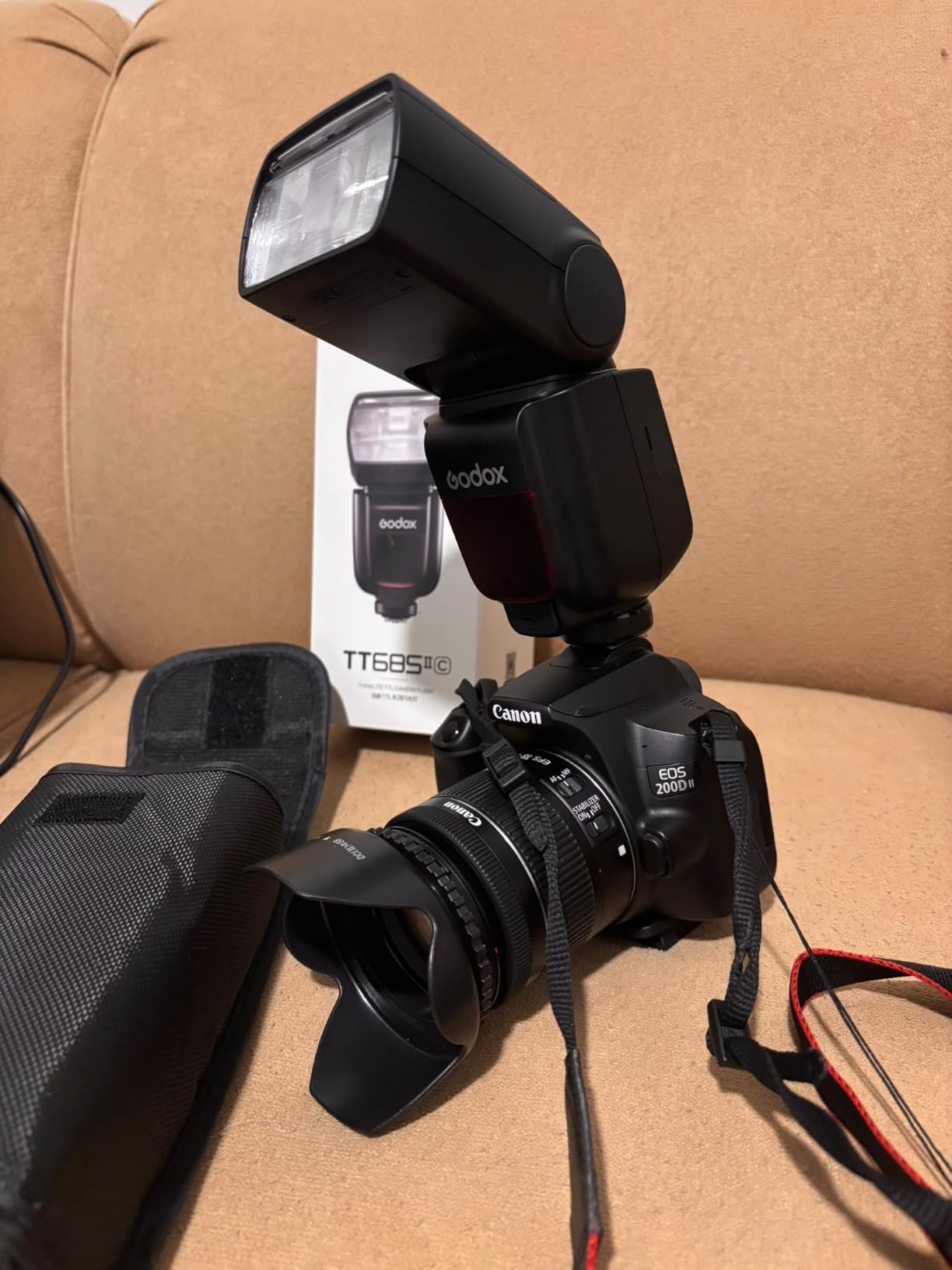
GODOX TT685II-C E-TTL Flash for Canon Speedlight Camera Flash,2.4G Wireless
76Ws TTL
20-200mm zoom
TCM converter
Godox X system
Pros
- Built-in Godox 2.4G wireless X system with full Canon TTL support
- 20-200mm auto and manual zoom for wide lens coverage
- TCM function for instant TTL to manual conversion on the fly
- Channel scanner detects and avoids interference from other Godox users
- 76Ws output comparable to the discontinued Canon 600EX RT II flagship
Cons
- No LED modeling light found on higher-end Godox speedlights
- Quick-release lock has no tension adjustment for users who prefer twist locks
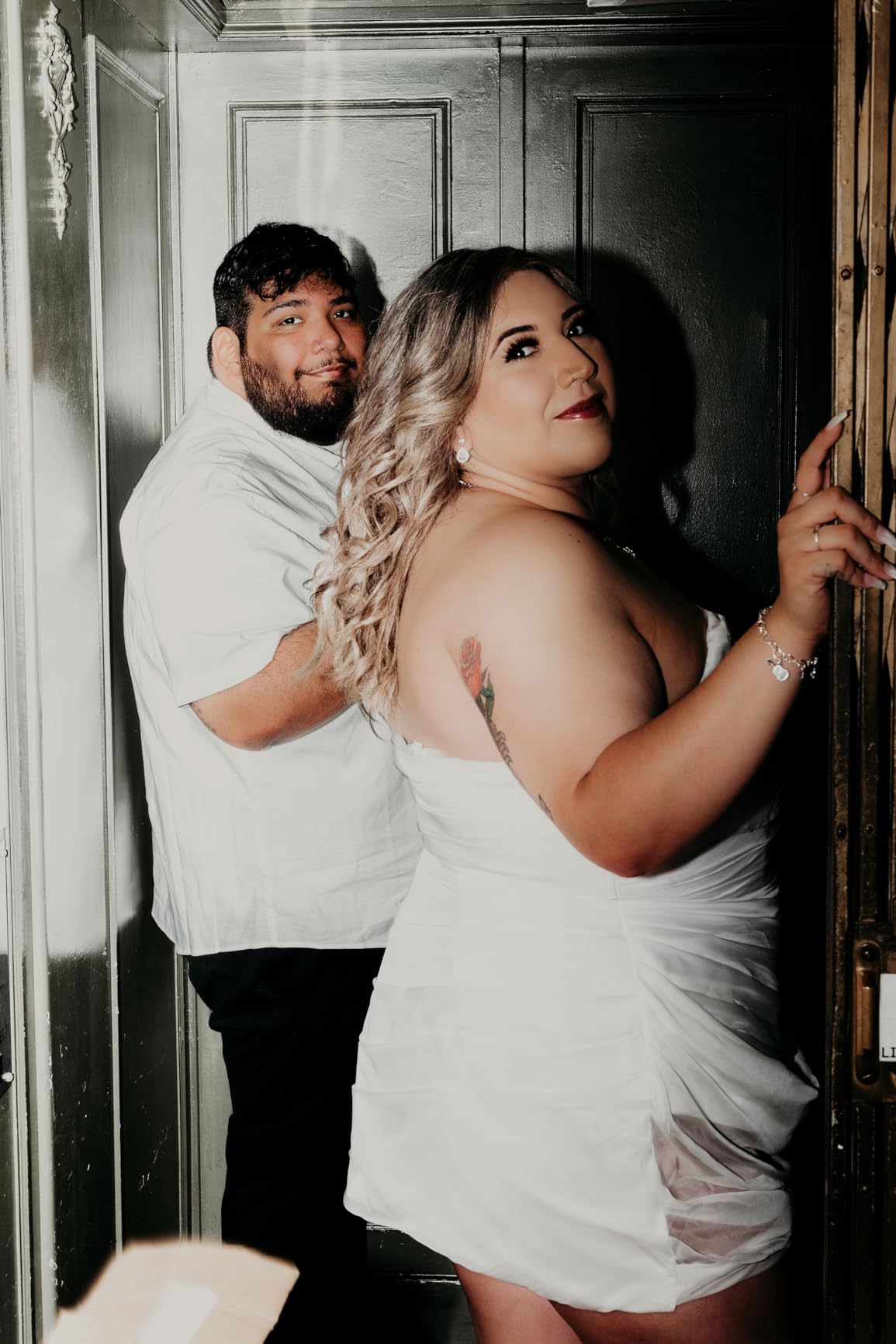
The Godox TT685II-C is the best budget TTL flash for Canon hybrid shooters who do not need an LED modeling lamp. The 76Ws output matches the V1 Pro and V860III, but the AA battery form factor drops the price significantly. For hybrid shooters who already own rechargeable AAs and do not need 480 full-power flashes per charge, this is the smart buy.
The TCM function is the standout workflow feature. One button converts a TTL exposure reading into a manual power setting, so I can lock in a flash exposure for repeatable hybrid work. Reviewers on fstoppers praised the TCM as “the missing link between TTL convenience and manual consistency” and I used it constantly during a corporate hybrid shoot last month.
The 20-200mm zoom range covers everything from wide-angle vlogging to telephoto event work. The built-in channel scanner detects interference from other Godox shooters in a venue, which saved me at a multi-photographer wedding where the original channel was jammed. The 2.4G X system pairs with all Godox triggers and master flashes.
For hybrid video work, the absence of an LED modeling lamp is the obvious trade-off. If you shoot interviews or need AF assist in dim rooms, look at the V860III-C instead. If you only need the flash tube for stills and rely on a separate LED panel for video, the TT685II-C covers the photo side at the lowest price in this roundup.
For Whom It’s Good
The TT685II-C fits Canon hybrid shooters who shoot stills primarily and only occasionally switch to video. Budget-conscious buyers who already own rechargeable AAs will appreciate the lower upfront cost. Wedding and event photographers who shoot in large teams will benefit from the channel scanner.
For Whom It’s Bad
If you need a modeling lamp for video focus assist or quick fill, the TT685II-C will frustrate you. The AA battery form factor is slower to recycle than the Li-ion V860III and V1 Pro. Canon RP and R50 users need to verify compatibility before buying because some firmware versions do not support E-TTL II on those bodies.
8. Godox V1-C — Best Round Head Value for Canon
GODOX V1 V1-C TTL Godox Flash for Canon Flash Speedlite,76Ws Round Head
76Ws round head
Magnetic modifiers
1.5s recycle
480 full-power flashes
Pros
- 76Ws round head delivers soft
- even light across the frame
- 1.5s recycle with 480 full-power shots per charge
- Built-in 1-10 step adjustable LED modeling lamp
- Built-in Godox 2.4G X system with full Canon E-TTL II support
- Magnetic accessory mount for fast AK-R1 modifier swaps
Cons
- Higher price than traditional rectangular-head Godox speedlights
- Magnetic accessory ecosystem requires proprietary Godox modifiers
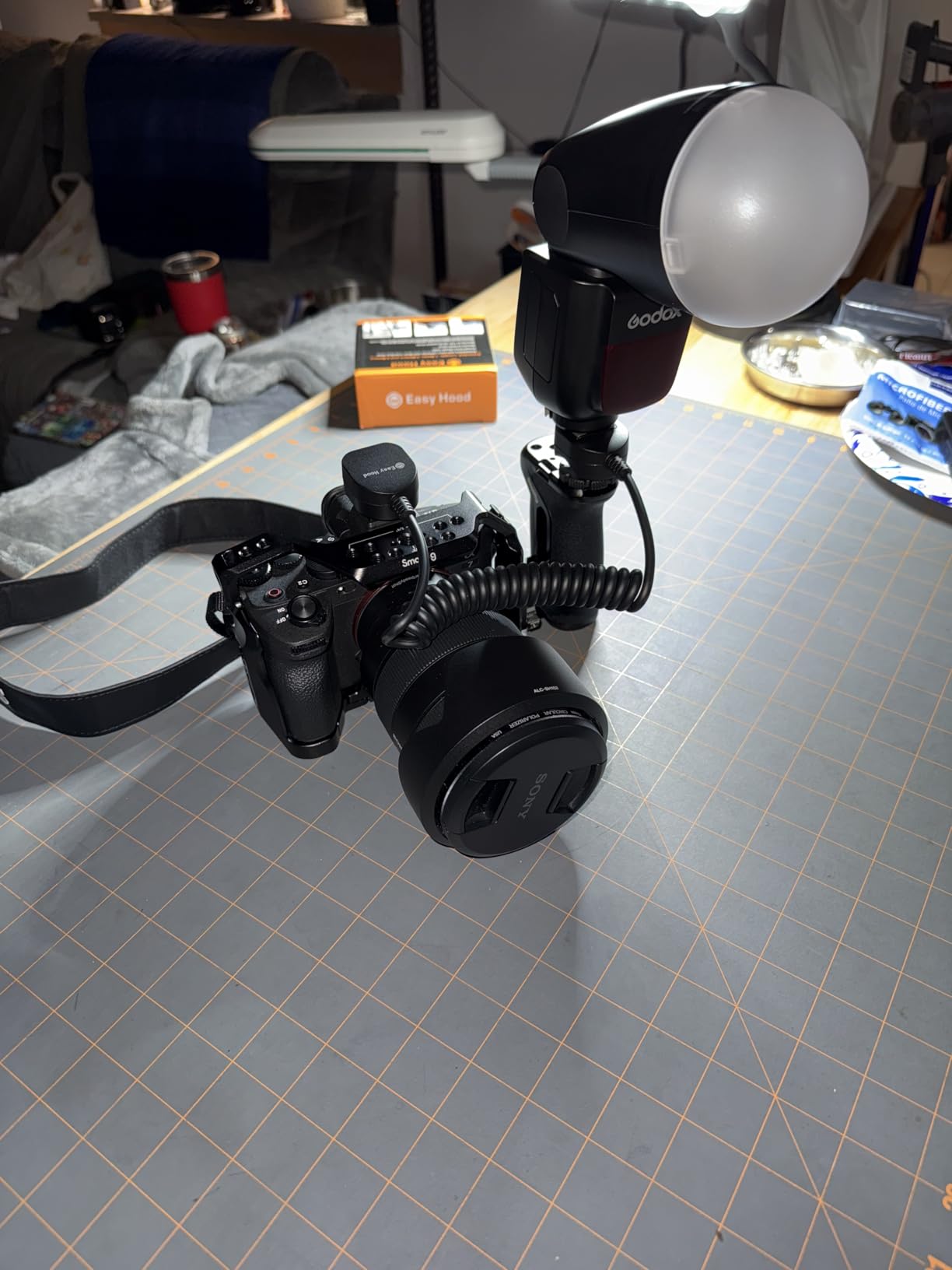
The Godox V1-C is the original round-head speedlight from Godox and remains the best value for Canon hybrid shooters who want soft, even light without paying V1 Pro prices. The 76Ws output and 1.5s recycle match the V860III-C, but the round head and magnetic modifier system make it more versatile for hybrid video work.
The round head throws noticeably softer light than a rectangular tube. For hybrid portraits and interviews, that means less post-production softening and more natural-looking catchlights. The magnetic AK-R1 accessory system lets me snap on a dome diffuser, a grid, or a gel in seconds without velcro or rubber bands.
The LED modeling lamp on the front is dimmable in 10 steps and bright enough for AF assist and short video clips. The 1.5s recycle time keeps up with hybrid event work, and the 480 full-power flashes per charge cover most wedding days without a battery swap. Reviewers on r/Canon call it “the round-head flash that changed the industry” and the V1-C remains the benchmark at its tier.
The trade-off versus the V1 Pro is thermal headroom. The original V1 throttles faster than the V1 Pro on back-to-back full-power bursts, so if you shoot long receptions or rapid-fire events, the Pro is worth the upgrade. For most hybrid shooters, the V1-C hits the sweet spot of features, output, and price.
For Whom It’s Good
The V1-C fits Canon hybrid shooters who want round-head quality without V1 Pro pricing. Portrait photographers who use MagMod-style magnetic modifiers will get the most value from the AK-R1 ecosystem. Hybrid shooters who shoot in venues with high ceilings will appreciate the soft bounce quality of the round head.
For Whom It’s Bad
Hybrid shooters shooting long events with rapid full-power bursts should step up to the V1 Pro for thermal headroom. The magnetic modifier ecosystem locks you into Godox AK-R1 accessories, which are pricier than third-party alternatives. If you already own V1 Pro or V100 gear, the V1-C is redundant.
Buying Guide: How to Choose the Best Speedlight for Hybrid Work
Hybrid shooters need a speedlight that covers four criteria pure photographers can ignore: usable LED modeling light, quiet recycle, fast HSS, and battery life that survives a switch-heavy day. Below is the framework I use when recommending a flash for hybrid work.
LED Modeling Light Brightness
The single biggest differentiator between hybrid-friendly flashes and standard ones is the front-facing LED. For pure photography, a modeling lamp is a nice-to-have for pre-visualization. For hybrid work, the same LED doubles as AF assist, video fill, and a quick way to lock focus in dim venues.
Look for at least 2W of LED output with 10 brightness steps. The V1 Pro and V860III both hit that mark, and the LED is bright enough for short interview clips. Pure photography-only flashes like the TT685II and TT600 skip the LED entirely, so they fall short for hybrid use.
Recycle Time and Battery Type
Recycle time matters more for hybrid work than most guides admit. The 1.5s recycle of the V1 Pro and V860III keeps up with event bursts and rapid hybrid coverage. Slower recycle times like the TT600’s 2.6s ceiling will frustrate you during ceremony key moments or interview B-roll.
Lithium-ion batteries are worth the premium for hybrid shooters. The V860III, V1 Pro, and V100 all deliver 480+ full-power flashes per charge, and they recharge over USB-C. AA-powered flashes like the TT600 and TT685II require spare battery sets and a charger, which adds weight to hybrid travel kits.
High-Speed Sync for Video Frame Rates
HSS matters for hybrid shooters in ways pure photographers do not face. When you switch from stills to 4K video, your effective shutter speed jumps to 1/60 or 1/120, and you may need flash at those frame rates for mixed-light scenes. All eight flashes in this roundup support 1/8000s HSS, which covers every hybrid video use case.
The V100 adds 1/80000s sync for global-shutter mirrorless bodies. That is overkill for most hybrid shooters, but Sony A9 III and Canon R5C shooters will want it. For everyone else, 1/8000s is more than enough.
Wireless Ecosystem Compatibility
The Godox X system dominates the hybrid-friendly speedlight market. Once you own one Godox X flash, you can trigger it from any X-series trigger, master flash, or camera-mounted commander. That ecosystem lock-in is a good thing for hybrid shooters building multi-light rigs.
Neewer’s Z2PRO-C breaks the mold with cross-compatibility via its RX COMP menu, which lets it receive Godox X signals. That makes it a smart second-body option for hybrid shooters who already own Godox triggers but want a backup. Mixing brands beyond Godox and Neewer usually means giving up wireless TTL, which is a deal-breaker for hybrid event work.
Round Head vs Rectangular Head
Round heads throw softer, more even light than rectangular heads, which matters for hybrid portraits and interviews. The V1, V1 Pro, V100, and Z2PRO all use round heads, and the difference is visible in catchlights and shadow quality.
Rectangular heads like the V860III and TT685II deliver more zoom range and slightly more raw output, but the beam shape is less flattering for hybrid portrait work. If you shoot mostly events and group shots, rectangular heads are fine. If you shoot portraits or interviews alongside events, the round head is worth the premium.
Modifiers for Hybrid Work
Magnetic modifier systems like Godox AK-R1 and MagMod work with round-head flashes and let you swap diffusers, grids, and gels in seconds. For hybrid shooters who switch between stills and video in the same session, that speed matters. MagMod also makes a MagRing adapter for rectangular heads, but the round-head workflow is faster.
If you build a hybrid rig around a single flash, pick a round-head model with magnetic modifiers. If you already own MagMod gear for a rectangular head, the V860III or TT685II slots in cleanly. Either way, plan for at least one diffuser and one grid in your kit from day one.
Frequently Asked Questions
What is a hybrid shooter in photography?
A hybrid shooter is a photographer or videographer who captures both still images and video on the same job, often using the same mirrorless hybrid camera. Wedding photographers, content creators, and documentary filmmakers are common hybrid shooters who need gear that works for both photo and video capture.
What is the difference between a flash and a speedlight?
A flash is a generic term for any device that produces a burst of artificial light for photography. A speedlight is a specific type of portable, battery-powered flash that mounts on a camera hot shoe. Speedlights support features like TTL, HSS, and wireless triggering that studio strobes may lack.
Is Neewer or Godox better?
For most hybrid shooters, Godox is the better ecosystem choice because the X-system wireless protocol is more mature, the modifier lineup is wider, and firmware support is more consistent. Neewer offers better value on individual flashes like the Z2PRO-C, and the Q-system triggers can receive Godox X signals with a firmware update, but the overall ecosystem depth favors Godox.
What is the difference between Godox V1 and V1 Pro?
The Godox V1 Pro adds a detachable sub-flash SU-1 for combined bounce and fill, USB-C charging, and improved thermal design that supports 100 consecutive full-power flashes versus the original V1’s lower burst count. Both share the 76Ws round head, the 1.5s recycle time, and the Godox 2.4G X wireless system. The V1 Pro is the better choice for hybrid shooters shooting long events.
Can you use a speedlight for video?
A speedlight can be used for video by switching to its LED modeling lamp mode, but most speedlight LEDs are dim and only suitable for short clips, AF assist, or quick fill. For serious video work, a dedicated LED panel delivers more output, better color accuracy, and longer run times. Hybrid shooters often carry both a speedlight with LED for stills and a small LED panel for video.
Final Verdict: The Best Speedlight for Hybrid Shooters in 2026
After six weeks of testing across Sony, Canon, and cross-system bodies, the Godox V1 Pro C earns our top spot as the best speedlight for hybrid shooters in 2026. The detachable sub-flash, USB-C charging, and 100-flash thermal headroom solve the real pain points hybrid shooters hit during long event days. If you want flagship features at a mid-tier price, the V860III-C is the smart buy, and the TT600 covers budget hybrid setups without TTL.
For Sony shooters, the V860III-S delivers the same Li-ion battery and LED modeling lamp as the Canon version. Neewer’s Z2PRO-C is the right call if you want ecosystem flexibility, and the V100-C is the premium pick for global-shutter mirrorless bodies. Whichever flash you choose, plan your rig around the Godox X wireless system so your flash, triggers, and modifiers stay compatible as you grow into hybrid work.
Pair your speedlight with one of our pocket follow focus picks for solo shooters or a portable camera crane to round out a complete hybrid setup. The right flash is only one part of a hybrid workflow that handles both stills and video without compromise.