
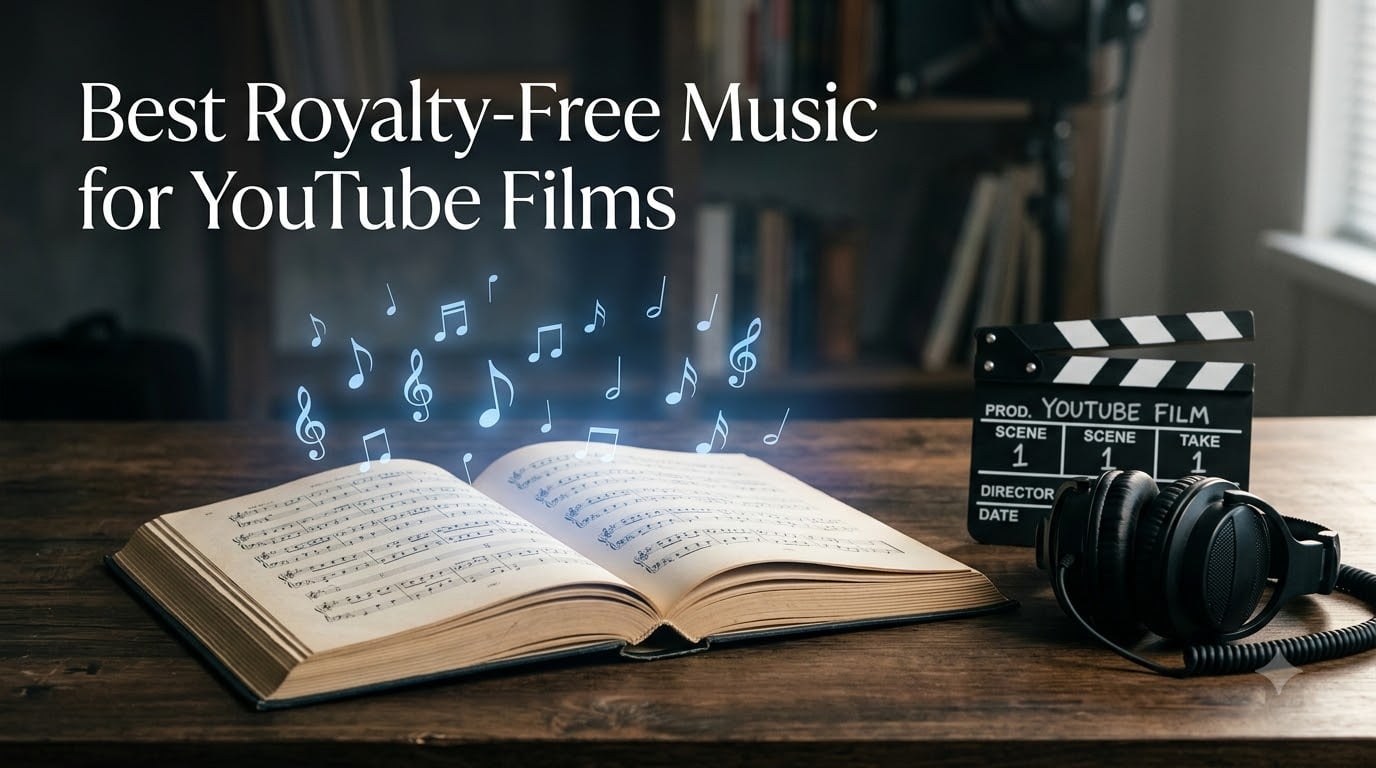
Finding genuinely safe royalty free music for YouTube films is the problem that keeps every indie filmmaker up at night. A single Content ID claim can demonetize a short film you spent six months shooting. Our team has been through it, and after years of sorting paywalled libraries from genuinely copyright-safe sources, we’ve learned that the real asset isn’t one magic download site. It’s understanding how music licensing actually works.
That’s why we put together this roundup of the nine best resources on music licensing, film scoring, and music rights for filmmakers. These are the books that teach you how licenses are structured, what Content ID really detects, how to clear music for festival submissions, and how to score your own film so you never depend on a stock library again. Think of it as the knowledge layer behind every smart royalty free music decision you’ll make in 2026.
Reddit threads from r/Filmmakers and r/NewTubers are full of creators complaining that the songs they love would cost thousands to license. We’ve seen the same thing. The filmmakers who escape that trap are the ones who understand sync licensing, master versus mechanical rights, and Creative Commons terms cold. Each review below covers who each book is for, who should skip it, and what we took away from it.
Table of Contents
- Top 3 Picks for Royalty-Free Music Knowledge for October 2026
- Best Royalty-Free Music Resources for YouTube Films in October 2026
- 1. The Musician’s Pocket Guide to License Your Songs to Film, TV & Ads – Fastest Path to Understanding Licensing
- 2. Thinking In Sync: A Primer on the Mind of a Music Supervisor – Best for Understanding How Music Gets Picked
- 3. Complete Guide to Film Scoring – Best for the Art and Business of Scoring
- 4. The Musician’s Guide to Licensing Music – Best Reference for License Types
- 5. Creative Strategies in Film Scoring – Best Practical Scoring Method
- 6. Music Composition for Film and Television – Best for Learning from a Master
- 7. Music Law in the Digital Age – Best for Current Copyright Law
- 8. Archival Storytelling – Best for Documentaries and Archival Music
- 9. Music Rights Unveiled – Best Compact Filmmaker’s Primer
- Buying Guide: How to Choose Music Resources for Your YouTube Films?
- Frequently Asked Questions
- Conclusion
Top 3 Picks for Royalty-Free Music Knowledge for October 2026

The Musician’s Pocket Guide…
- Sync licensing basics
- Reads in under an hour
- Written by working professionals

Complete Guide to Film Scoring
- Art and business of scoring
- Hollywood composer interviews
- 424 pages

Thinking In Sync
- Music supervisor mindset
- Inside view of sync licensing
- Online resources included
If you only have twenty minutes before your next edit session, grab the Musician’s Pocket Guide. If you’re building a long-term career scoring films, the Berklee Complete Guide to Film Scoring is the deep read. And if you want to know how the people who place music in films actually think, Thinking In Sync is the one that changed how we pitch tracks.
Best Royalty-Free Music Resources for YouTube Films in October 2026
| Product | Specs | Action |
|---|---|---|
| Musician’s Pocket Guide to Licensing |
|
Check Latest Price |
| Thinking In Sync |
|
Check Latest Price |
| Complete Guide to Film Scoring |
|
Check Latest Price |
 The Musician’s Guide to Licensing Music The Musician’s Guide to Licensing Music |
|
Check Latest Price |
 Creative Strategies in Film Scoring Creative Strategies in Film Scoring |
|
Check Latest Price |
 Music Composition for Film and TV Music Composition for Film and TV |
|
Check Latest Price |
 Music Law in the Digital Age Music Law in the Digital Age |
|
Check Latest Price |
 Archival Storytelling Archival Storytelling |
|
Check Latest Price |
 Music Rights Unveiled Music Rights Unveiled |
|
Check Latest Price |
1. The Musician’s Pocket Guide to License Your Songs to Film, TV & Ads – Fastest Path to Understanding Licensing
The Musician’s Pocket Guide to License Your Songs to Film, TV & Ads
53 pages
Sync licensing professionals
Reads in 15-20 minutes
Published 2023
Pros
- Concise with zero fluff
- Written by working sync professionals
- Covers creative and business sides
- Inspiring for composers starting out
Cons
- Wishes for more worked examples
- Light on further research resources
This is the book I hand to every filmmaker who asks me how music licensing works. Written by Michael Elsner and Jody Friedman, two people who actually place music in film and TV for a living, it distills the entire sync licensing business into 53 pages. I read it in one coffee sitting and finally understood what a sync license covers versus a master license.
For YouTube filmmakers, that distinction matters more than you’d think. When you download a track from a royalty free music site, you’re buying a pre-cleared license that bundles both sides. Once you understand what those rights are worth individually, the pricing and restrictions on music platforms start making sense instead of feeling arbitrary.

The format is genuinely pocket sized at 4.25 x 7 inches, and it weighs under two ounces. I keep a copy in my camera bag for pre-production reading. With 141 reviews and a 4.8 rating, the consensus matches my experience: no filler, just the information you need.
My only complaint is that I wanted more worked examples of actual licensing deals. The book explains the process clearly but leaves you wanting a deeper companion volume for negotiation specifics. For most creators, though, that’s a follow-up problem, not a reason to skip it.
Who should buy this book
Anyone who wants a fast, honest explanation of licensing before spending money on music libraries. It’s also ideal for composer friends who want their tracks placed in films like yours.
If you’re a filmmaker who feels lost when a license page mentions synchronization rights, this resolves that confusion in under an hour.
Who should skip this book
Entertainment lawyers and experienced music supervisors will already know everything here. Skip it if you’ve negotiated sync deals professionally for years.
It also won’t suit readers wanting an exhaustive academic textbook. Its entire value is brevity.
2. Thinking In Sync: A Primer on the Mind of a Music Supervisor – Best for Understanding How Music Gets Picked
Thinking In Sync: A Primer on the Mind of a Music Supervisor
152 pages
Music supervisor perspective
Published 2019
Online resources included
Pros
- Reveals how licensing decisions really happen
- Easy conversational read
- Written by working supervisors
- Explains what supervisors listen for
Cons
- Some editing errors in certain formats
- Geared toward US-based readers
Amanda Krieg Thomas and PJ Bloom have supervised music for major television, and this book is them explaining how they think. Reading it changed how I choose tracks for my own shorts. When a music supervisor hears a cue, they’re instantly evaluating whether it serves the scene, clears easily, and fits the budget. Once you adopt that filter, your own music selections get sharper.
The book runs 152 pages and reads like a conversation rather than a textbook. I finished it over a weekend and walked away with a mental checklist I still use when browsing royalty free music libraries for a new project.
That checklist is the real value. Instead of picking a track because it sounds epic, you start asking whether the emotional arc matches your cut, whether the instrumentation clutters your dialogue, and whether the license covers every platform you’ll publish to.
Some readers report editing errors in certain formats, and the content leans toward the US industry. Neither issue got in the way for me, but international filmmakers should know the context going in.
Who should buy this book
Filmmakers who want to choose music with the same discipline the professionals use. It’s the bridge between browsing stock libraries and understanding why certain cues work.
Composers hoping to get their music synced into films will also find the submission expectations chapter directly useful.
Who should skip this book
Readers outside the US doing purely domestic festival work may find some industry context less relevant. The core lessons on selection still translate.
If you want sheet music, orchestration, or composition technique, this isn’t that book. It’s about the decision-making layer above the music itself.
3. Complete Guide to Film Scoring – Best for the Art and Business of Scoring
Complete Guide to Film Scoring – The Art and Business of Writing Music for Movies and TV | Berklee Guide for Composers and Songwriters | Learn Film Composition, Royalties and Contracts
424 pages
Berklee Press 2nd edition
Hollywood composer interviews
Art, business, and history
Pros
- Interviews with Danny Elfman and others
- Covers history and business of film music
- Easy read for the depth of material
- Inspiring for aspiring composers
Cons
- Not a composition technique manual
- Technology sections date to 2010
- No orchestration tips
This Berklee Press guide is the deepest single read on this list at 424 pages. Rather than teaching notes, it teaches the profession: how scoring deals are structured, how composers get hired, and how the business side of film music operates. The interviews with composers like Danny Elfman and Michael Kamen are worth the price alone.
Why does a YouTube filmmaker need this? Because the endgame of royalty free music frustration is often scoring your own films. Understanding how professional score budgets, contracts, and deliverables work gives you a realistic path to commissioning original music or building that skill yourself.
Our team found it genuinely readable despite the scope. It moves through the history of film music, the scoring workflow from spotting session to final mix, and the economics that drive every decision. The 198 reviews and 4.5 rating reflect how well it serves that role.
The technology chapters show their 2010 publication date, so treat the tools discussion as historical context. And if you want actual composition technique, pair it with the Newhouse or Schifrin books below rather than expecting it here.
Who should buy this book
Filmmakers considering original scores for their shorts and wanting to understand what they’d be paying for. It sets realistic expectations on cost and process.
Aspiring composers get a candid picture of the career they’re entering, told largely in the composers’ own words.
Who should skip this book
Creators who only need background music for vlogs and tutorials will find most of the business content unrelated to their workflow.
Advanced composers already working in the industry will have encountered nearly all of this material already.
4. The Musician’s Guide to Licensing Music – Best Reference for License Types
The Musician’s Guide to Licensing Music: How to Get Your Music into Film, TV, Advertising, Digital Media & Beyond
304 pages
Master and mechanical licenses
Published 2010
By Wilsey and Schwartz
Pros
- Comprehensive coverage of every license type
- Clearly explains sync licensing and royalties
- Practical routes via publishers and distribution
- Good beginner reference
Cons
- 2010 publication dates some content
- Can feel technical and dense
- No coverage of trailer music
This is the book I open when I need the precise difference between a master license and a mechanical license. At 304 pages it walks through every licensing category with definitions, and it does so clearly enough that a non-lawyer can follow.
That precision translates directly to reading royalty free music licenses. When a platform’s terms mention “synchronization,” “performance rights,” or “derivative works,” this guide gives you the vocabulary to know exactly what you’re being granted and what remains restricted.
The authors, Darren Wilsey and Daylle Deanna Schwartz, emphasize that music has real value, which reframes how you evaluate “free” libraries. Someone always owns the rights, and understanding who keeps you out of trouble.
The 2010 publication date means streaming-era developments aren’t covered, so supplement it with the Music Law in the Digital Age book below for current online rights. Some sections also read as dense walls of text, so it’s a reference rather than a beach read.
Who should buy this book
Filmmakers who want a licensing dictionary on the shelf. When a contract or license page uses a term you don’t recognize, this is where you look it up.
It’s also the right pick for musician friends who want their songs placed while you handle the filmmaking side.
Who should skip this book
Readners wanting current streaming platform law should look elsewhere first, given the publication date.
If you need a quick orientation rather than a full reference, the 53-page Pocket Guide covers the essentials in a fraction of the time.
5. Creative Strategies in Film Scoring – Best Practical Scoring Method
Creative Strategies in Film Scoring – Audio and Video Access Included
184 pages
Audio and video access included
By Ben Newhouse
Worksheets included
Pros
- Clear accessible teaching style
- Real film score examples
- Worksheets for practical application
- Useful across skill levels
Cons
- Assumes some musical knowledge
- Not a scholarly or historical treatment
Ben Newhouse wrote the book I wish I’d had when I first tried scoring my own short. Instead of music theory drills, it presents a decision-making method for any film or music situation you encounter, supported by real score examples.
The included audio and video access is what sets it apart. Reading a concept and then hearing it demonstrated in an actual score cements the lesson in a way text alone can’t.
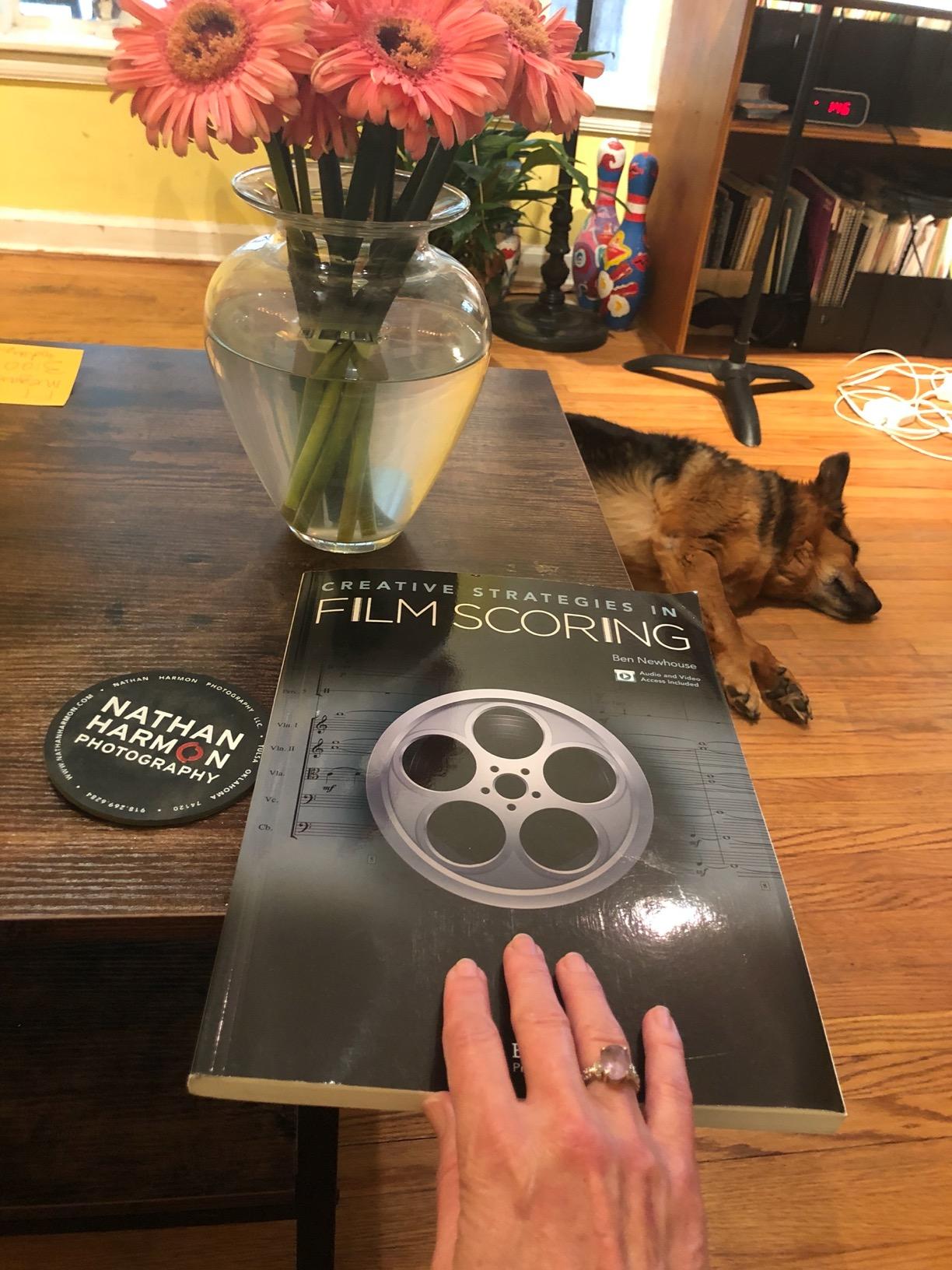
The appendix of worksheets forces you to make concrete musical decisions rather than passively read. Working through them on a rough cut of my own footage was where the actual learning happened.
The main caveat is that it assumes some musical knowledge. If you’ve never read a note of music, expect a steeper first few chapters. The 114 reviews with a 4.6 rating suggest most readers find the climb worthwhile.
Who should buy this book
Filmmakers with some musical background who want to escape stock library dependence by scoring their own work. It’s the practical bridge from theory to finished cue.
It also suits composers moving into film and video game scoring who want a structured approach to unfamiliar projects.
Who should skip this book
Complete musical beginners should start with basic music training first, since the book doesn’t teach fundamentals.
Readers wanting film music history or analysis should choose the Berklee Complete Guide instead.
6. Music Composition for Film and Television – Best for Learning from a Master
Music Composition for Film and Television – Learn Film Scoring Techniques | Berklee Guide for Composers and Filmmakers | Insights from Award-Winning Composer Lalo Schifrin
288 pages
By Lalo Schifrin
Complete score transcriptions
Berklee Press
Pros
- Complete Mission Impossible and Bullitt transcriptions
- Insights into the director-composer relationship
- Engaging writing with real anecdotes
- Clear guidance on writing for mood
Cons
- Focuses only on Schifrin's style
- Lacks audio for score fragments
- Final pages feel padded
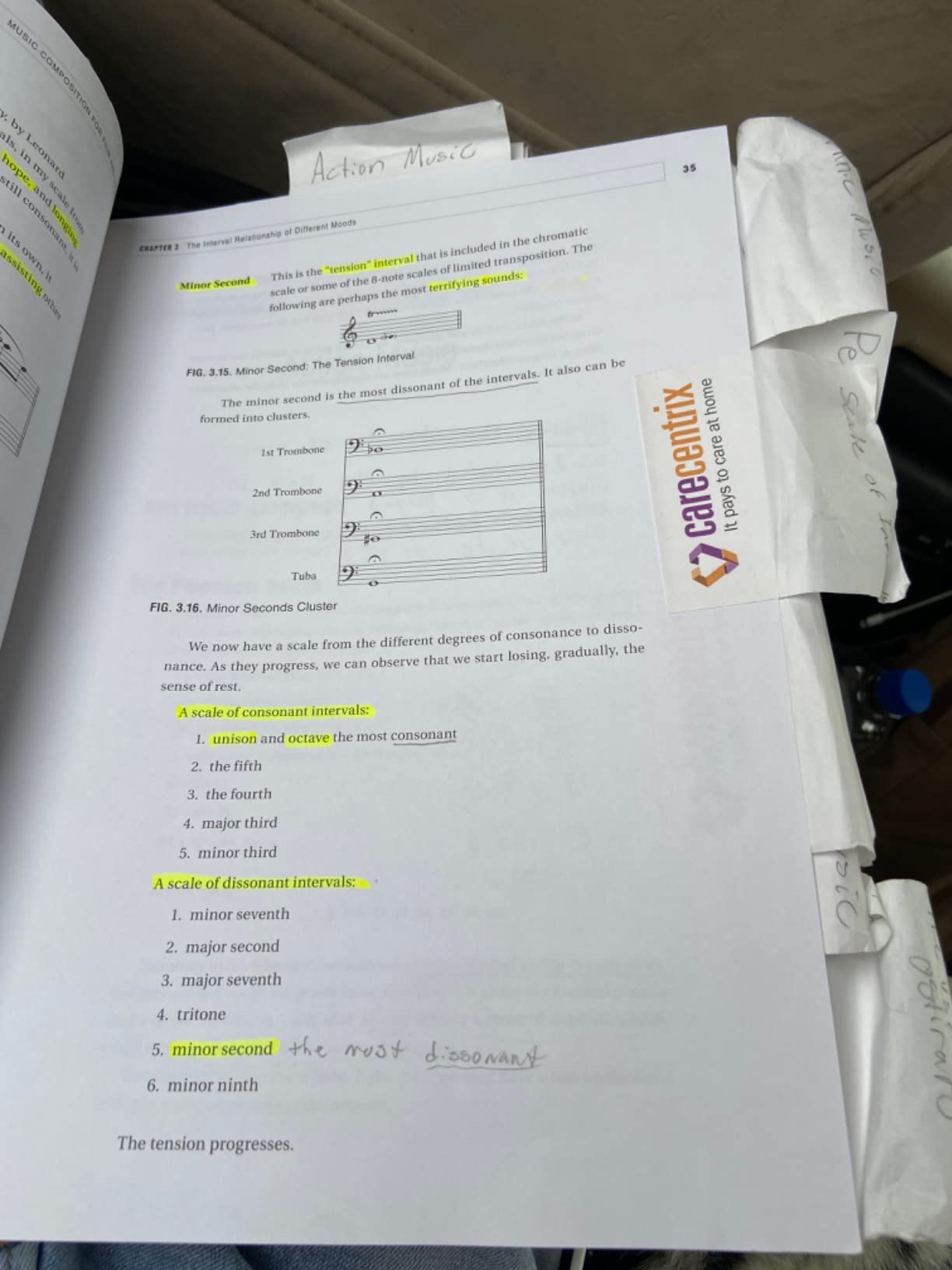
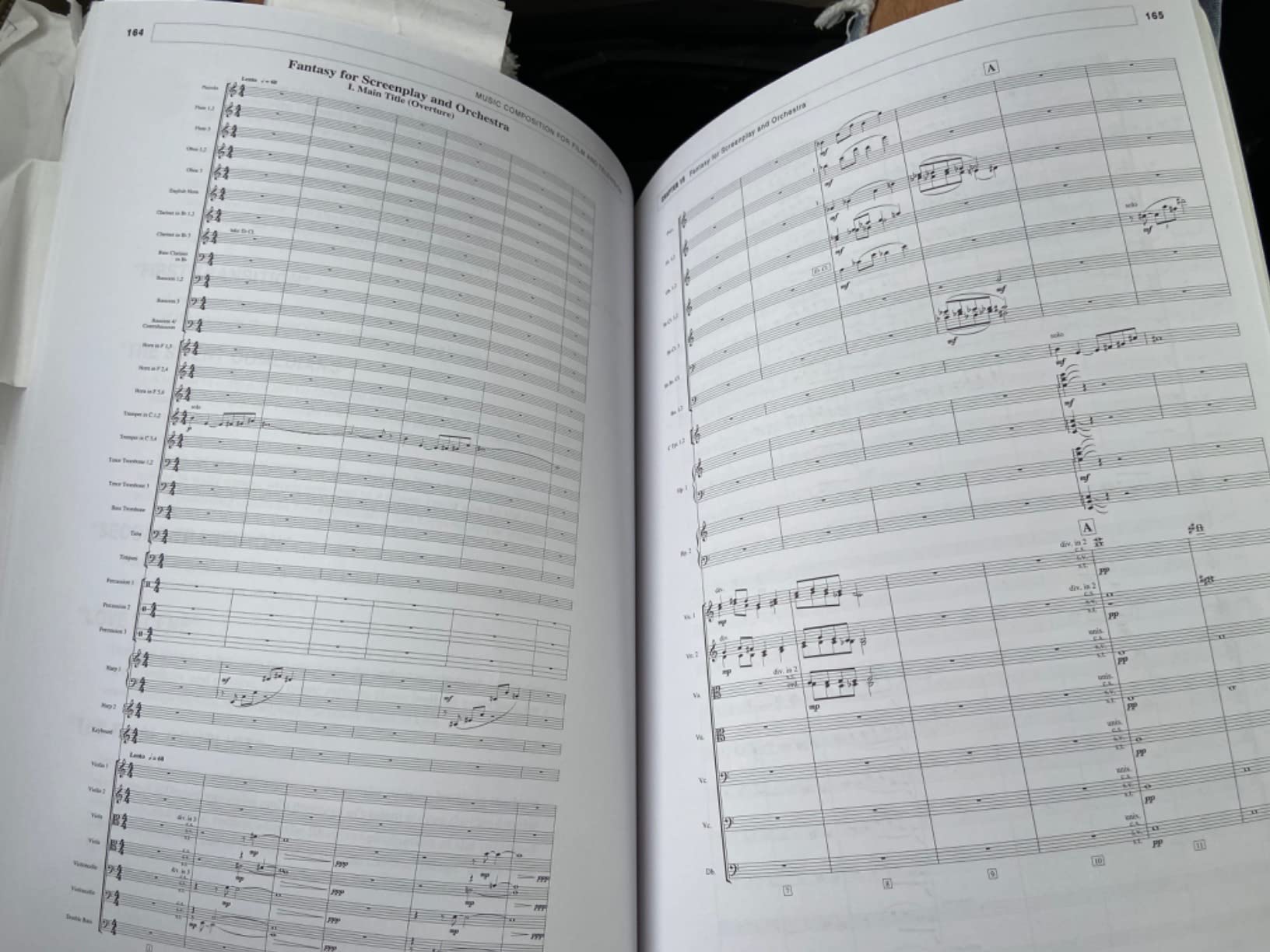
Lalo Schifrin wrote the Mission Impossible theme, and this Berklee guide includes complete transcriptions from that score and Bullitt. Studying how he builds tension and releases it taught me more about matching music to mood than any mood-search filter on a stock library.
That skill is directly practical for YouTube filmmakers. Once you understand how a professional constructs suspense or melancholy cue by cue, you can edit stock tracks more intelligently and brief composers far more precisely.
The anecdotes from recording sessions and working with directors are the best parts. Schifrin explains how he interpreted what a director actually wanted versus what they said, which is a lesson in communication as much as music.
The limitation is that everything comes through one composer’s style. The final pages also feel like padding, and there are no audio examples for the score fragments, so you need to find recordings yourself.
Who should buy this book
Composers and musically literate filmmakers who want to study how a legendary scorer thinks. It’s a masterclass in dramatic musical decision-making.
Fans of classic film scores will enjoy it purely as insight into how iconic themes were built.
Who should skip this book
Beginners who can’t read music will struggle with the transcriptions, which are a large part of the value.
Readners wanting broad coverage of multiple composers and eras should choose the Davis Complete Guide instead.
7. Music Law in the Digital Age – Best for Current Copyright Law
Music Law in the Digital Age – 3rd Edition: Copyright Essentials for Today’s Music Business
208 pages
3rd edition updated
Berklee Press
Copyright and online rights
Pros
- Updated for the digital age
- Easy to follow format
- Cohesive coverage of music law
- Strong on online rights and royalties
Cons
- Some readers find the depth insufficient
- Touches issues without deep analysis
- Light for advanced users
Of the law-focused books here, this is the most current, with a third edition published in December. It covers copyright, royalties, licensing, and online rights in the streaming context that older guides miss.
For YouTube filmmakers, the online rights chapters are the draw. Understanding how digital performance and streaming royalties work explains why some royalty free licenses restrict monetized content and others don’t.
Our team found it cohesive and genuinely easy to follow, which is rare praise for a law book. It reads as a structured orientation rather than a legal maze.
The trade-off is depth. Some readers, including advanced ones on our team, found it touches on issues without fully analyzing them. With 20 reviews it’s also the least battle-tested title on this list, though its 4.6 rating is strong.
Who should buy this book
Filmmakers who want current, streaming-era copyright context without hiring a lawyer. It’s the right first stop for questions about online rights.
It also serves students and researchers who need a clear overview of modern music law.
Who should skip this book
Professionals needing thorough practical guidance for contract negotiation will find it too introductory.
If your questions are purely about license terminology rather than law, the Wilsey guide covers that more directly.
8. Archival Storytelling – Best for Documentaries and Archival Music
Archival Storytelling: A Filmmaker’s Guide to Finding, Using, and Licensing Third-Party Visuals and Music
336 pages
Routledge
Clearing archival music and visuals
Fair use and E&O coverage
Pros
- Indispensable for documentary filmmakers
- Excellent music rights clearing guidance
- Covers fair use and E&O insurance
- Includes archival source listings
Cons
- Limited value if you already know archives
- Dated in spots for licensing fees
If your YouTube films lean documentary, this Routledge guide is the sleeper pick of the list. It tackles the problem every documentarian faces: your story needs existing footage and existing music, and both belong to someone.
The music rights clearing chapter is the most practical treatment I’ve found anywhere. It walks through finding rights holders, requesting permissions, and budgeting for clearances, with a valuable list of archival sources.
The fair use and errors-and-omissions insurance coverage matters for anyone submitting to festivals. Many festivals require E&O coverage, and this book explains how proper music clearance feeds that process.
It’s a specialized book, so if you already work with archives professionally, you may find it retreads familiar ground. The review count is small at 13, but the 4.3 rating reflects consistent appreciation from its niche.
Who should buy this book
Documentary filmmakers and archival researchers who need to clear third-party music and visuals legally. It directly addresses festival and distribution requirements.
Journalists and historical creators on YouTube will use the source listings constantly.
Who should skip this book
Narrative filmmakers using only original or library music won’t need the archival focus.
Experienced archival producers should check the table of contents first to confirm it adds value for them.
9. Music Rights Unveiled – Best Compact Filmmaker’s Primer
Music Rights Unveiled: A Filmmaker’s Guide to Music Rights and Licensing (American Film Market Presents)
Routledge
American Film Market series
Ebook 2.8 MB
Published 2017
Pros
- Written by knowledgeable industry authors
- Good breakdown of music rights
- Compact and portable
- Informative from the first pages
Cons
- Content feels basic to some readers
- Small print in paperback
- Shorter than expected physically
Part of the American Film Market Presents series, this compact primer addresses music rights specifically for filmmakers rather than musicians. That framing makes it a quick orientation for directors and producers who just need to know what they must clear.
The ebook edition weighs in at 2.8 MB, which makes it the easiest title here to keep on a phone for on-set reference. I found the first few pages genuinely informative, laying out the rights landscape before diving deeper.
The honest caveat is that several readers found the content basic, and the small print in the paperback drew complaints. With only 6 reviews, it’s the least proven title in this roundup.
Treat it as an entry point. If you want one book that goes deeper on the same ground, the Berklee and Routledge guides above cover more territory with more authority.
Who should buy this book
Producers and directors who want a short, filmmaker-perspective overview of music rights before a project begins. The ebook format suits quick on-the-go reading.
It’s also a reasonable gift for a collaborator who keeps asking why music clearance takes so long.
Who should skip this book
Readners wanting depth should move straight to Complete Guide to Film Scoring or Archival Storytelling, which cover more ground.
If large print matters to you, the paperback’s small type will be an annoyance rather than a convenience.
Buying Guide: How to Choose Music Resources for Your YouTube Films?
Choosing the right resource starts with knowing which problem you’re actually solving. We sort every question we get into three buckets: legal safety, music selection, and original scoring.
Start with your biggest copyright fear
If Content ID claims and copyright strikes keep you up at night, start with licensing education. The Pocket Guide and Thinking In Sync build that foundation fastest, then Music Law in the Digital Age adds current legal context.
Once you understand what a license grants, reading the terms on any royalty free music platform becomes straightforward. Most claim problems come from creators clicking download without checking what the license actually permits.
Match the book to your role
Directors and producers need decision-making frameworks, so the music supervisor perspective in Thinking In Sync fits best. Composers need the business context of the Complete Guide plus the practical method in Creative Strategies in Film Scoring.
Documentary filmmakers face a unique problem: the music and footage that fit the story often already exist and belong to someone else. Archival Storytelling is the only book on this list that addresses that workflow directly, including E&O insurance for festival submissions.
Free platforms still require licensing literacy
The commonly cited free sources, including the YouTube Audio Library, Pixabay, and Free Music Archive, all operate under license terms you must respect. CC0 tracks need no attribution, while CC-BY tracks require credit in your description.
Understanding those terms is exactly why the books above matter. A filmmaker who knows what Creative Commons means can safely use free libraries that would trip up someone guessing.
Consider the festival path early
No competitor article covers this, so we will: film festivals often require proof of music rights with your submission. A royalty free license that covers YouTube may not cover festival exhibition, which is a distinction you only catch if you’ve read the license carefully.
If festival distribution is your goal, verify exhibition rights before finalizing your soundtrack. The licensing guides in this roundup teach you the exact language to look for, and Archival Storytelling covers the E&O documentation festivals sometimes request.
Build a layered toolkit, not a single answer
Our recommended stack is one fast licensing primer, one deeper business reference, and one creative scoring book. That combination covers legal, strategic, and artistic decisions for roughly the cost of one licensed stock track.
Add the law guide when your channel grows and monetization stakes rise. The problems you’ll face at 100,000 subscribers are different from those at 1,000.
Frequently Asked Questions
Can I use royalty free music for YouTube videos?
Yes. Royalty free music is licensed for use in your videos without ongoing royalties, and most licenses explicitly permit monetized YouTube content. Always check the specific license terms, because some restrict commercial use or require attribution in your video description.
Where can I get royalty free music for YouTube videos?
The most common sources are the YouTube Audio Library, Pixabay Music, Free Music Archive, Mixkit, and Bensound. Paid subscription libraries like Soundstripe offer broader catalogs with stronger Content ID protection. The books in this guide teach you how to evaluate any platform’s license terms before you commit.
Where can I find royalty-free music for films?
For short films, start with the YouTube Audio Library and Pixabay for CC0 tracks, then look at cinematic-focused libraries for scoring material. Filmmakers submitting to festivals should verify the license covers festival exhibition, not just online streaming. Reading a licensing guide like the ones reviewed here helps you confirm those rights before locking your cut.
What is the best copyright-free background music for YouTube videos?
For background music, CC0 sources like Pixabay and the YouTube Audio Library are safest because they require no attribution and carry minimal claim risk. Moody, low-key instrumental tracks work best under narration since they leave room for dialogue. The selection frameworks in Thinking In Sync help you match a track’s emotional arc to your edit.
How do YouTubers get away with copyrighted music?
Mostly, they don’t. Established creators either license music, use royalty free libraries, or get permission directly from rights holders. YouTube’s Content ID system flags most commercial recordings automatically, resulting in demonetization or takedowns. Some creators rely on fair use for commentary or parody, but that is a legal defense, not a guarantee, which is why understanding licensing is the safer path.
Conclusion
Sourcing royalty free music for YouTube films gets dramatically easier once you understand licensing itself. The Musician’s Pocket Guide is the fastest entry point, Thinking In Sync teaches you how professionals choose music, and the Complete Guide to Film Scoring covers the business of original scores. Documentarians should add Archival Storytelling for festival-safe clearance.
Pick the book that matches your biggest bottleneck, whether that’s license literacy, track selection, or scoring your own work, and build from there. Your future self, the one with zero copyright claims and clean festival submissions, will be glad you did.