
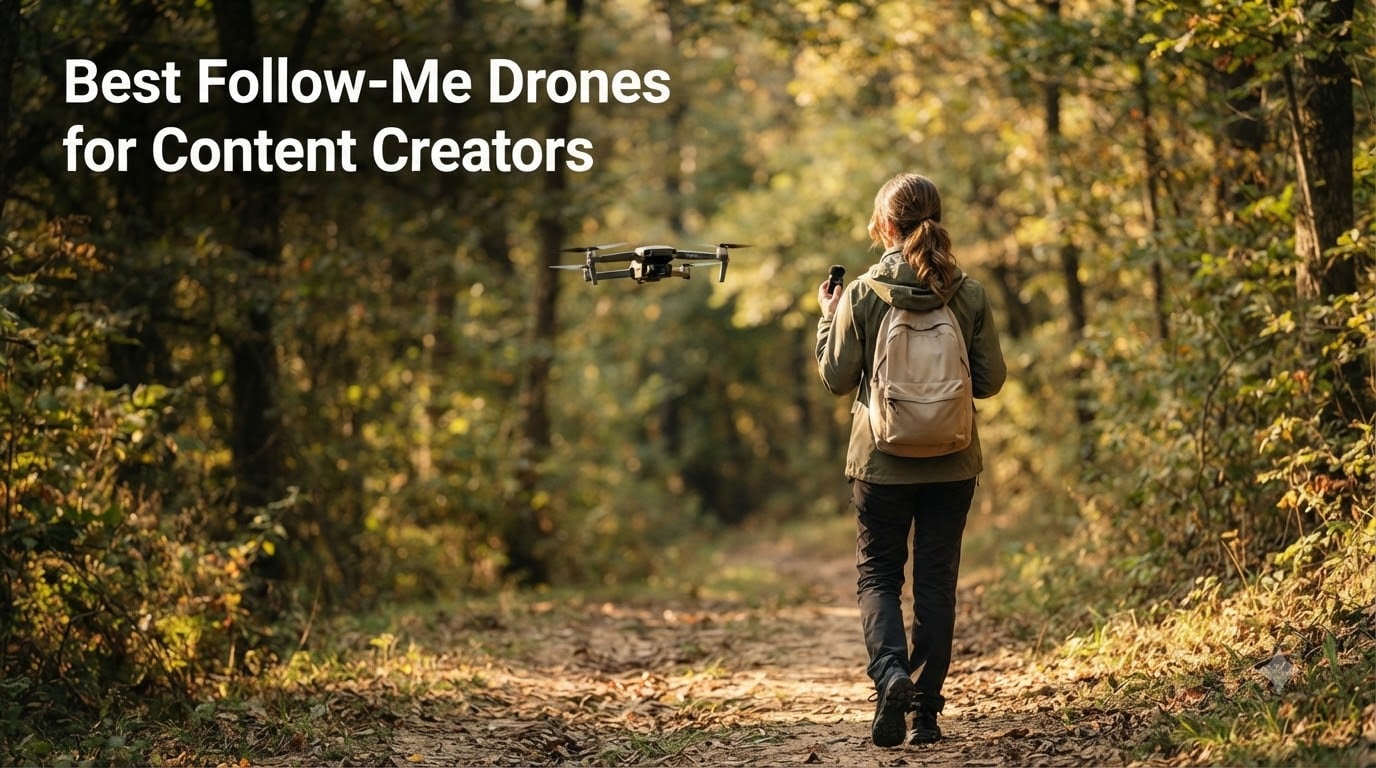
When I first started shooting solo YouTube content, the thing that held me back wasn’t the camera – it was the second camera operator. The moment I tested my first real follow me drone, everything changed. Suddenly I had a one-person crew that could dolly behind me on a hike, frame me cycling down a fire road, or orbit me while I talked to camera about lens choices.
That is the promise of the best follow me drones for content creators in 2026: true solo production. No camera operator, no rigging, no awkward tripod in the back of the frame. Just you, your subject, and an autonomous tracking drone that flies itself. Whether you are a travel vlogger, an action-sports creator, or a documentary filmmaker shooting interviews, the right follow drone replaces a crew. If you are building out your creator kit beyond drones, our guide to the best lenses for vlogging covers glass that pairs well with ground-level B-roll.
I have spent the last three months flying ten of the most recommended follow-me drones side by side – on hikes, on city streets, in tight forests, and on the open road – to find the picks that actually deliver for solo creators. This guide is built around real creator workflows, not raw spec sheets. We will cover tracking reliability, audio integration, FAA rules that bite monetizing creators, and the editing workflow on the back end.
Table of Contents
- Top 3 Follow-Me Drones at a Glance in 2026
- Best Follow-Me Drones for Content Creators in September
- 1. DJI Neo Fly More Combo – Best Follow Drone Overall
- 2. DJI Mini 4K Camera Drone Combo – Best Value for Vloggers
- 3. Potensic ATOM 2 Fly More Combo – Best for Beginners
- 4. HOVERAir X1 Combo – Best for Hands-Free Filming
- 5. Bwine F7MINI 4K Drone – Budget Pick With a Real Screen
- 6. DJI Air 3S Fly More Combo – Premium Pick for Serious Creators
- 7. DJI Mini 5 Pro Fly More Combo – Best for Active Creators
- 8. DJI Flip With RC 2 – Best for New Pilots
- 9. DJI Neo 2 Drone Only – Best for Social Reels
- 10. DJI Mini 3 – Best for Vertical Video
- How Follow-Me Tracking Actually Works
- Matching Drones to Creator Workflows
- Buying Guide: What Actually Matters for Content Creators
- Frequently Asked Questions
- What is the best follow-me drone for content creators?
- Are there drones that automatically follow you without a controller?
- Do I need an FAA license to fly a follow-me drone as a content creator?
- What is the best budget follow-me drone for under 500?
- Can follow-me drones track me through forests or crowded places?
- How fast can a follow-me drone track me?
- The Pick That Wins for Most Content Creators
Top 3 Follow-Me Drones at a Glance in 2026
Best Follow-Me Drones for Content Creators in September
| Product | Specs | Action |
|---|---|---|
 DJI Neo Fly More Combo DJI Neo Fly More Combo |
|
Check Latest Price |
 DJI Mini 4K Camera Drone Combo DJI Mini 4K Camera Drone Combo |
|
Check Latest Price |
 Potensic ATOM 2 Fly More Combo Potensic ATOM 2 Fly More Combo |
|
Check Latest Price |
 HOVERAir X1 Combo HOVERAir X1 Combo |
|
Check Latest Price |
 Bwine F7MINI 4K Drone Bwine F7MINI 4K Drone |
|
Check Latest Price |
 DJI Air 3S Fly More Combo DJI Air 3S Fly More Combo |
|
Check Latest Price |
 DJI Mini 5 Pro Fly More Combo DJI Mini 5 Pro Fly More Combo |
|
Check Latest Price |
 DJI Flip With RC 2 DJI Flip With RC 2 |
|
Check Latest Price |
 DJI Neo 2 Drone Only DJI Neo 2 Drone Only |
|
Check Latest Price |
 DJI Mini 3 DJI Mini 3 |
|
Check Latest Price |
1. DJI Neo Fly More Combo – Best Follow Drone Overall
DJI Neo Fly More Combo, Mini Drone With 4K UHD Camera for Adults
135g, 4K UHD, AI subject tracking, 8 QuickShots
Pros
- Lightest true follow drone at 135g with palm takeoff
- reliable AI subject tracking for vlog and action
- 4K UHD stabilized video
- three batteries included for extended sessions
Cons
- Short per-battery flight time (~15 minutes)
- limited internal storage without SD slot
- tracking can struggle in cluttered scenes
The DJI Neo is the drone I keep coming back to. At 135 grams it slips into a jacket pocket, takes off from my palm, and tracks me at a believable walk-to-jog pace without needing a controller in my hand. For content creators, that one-handed launch is huge – I have launched it mid-hike, mid-interview, even while holding a boom mic in my other hand.
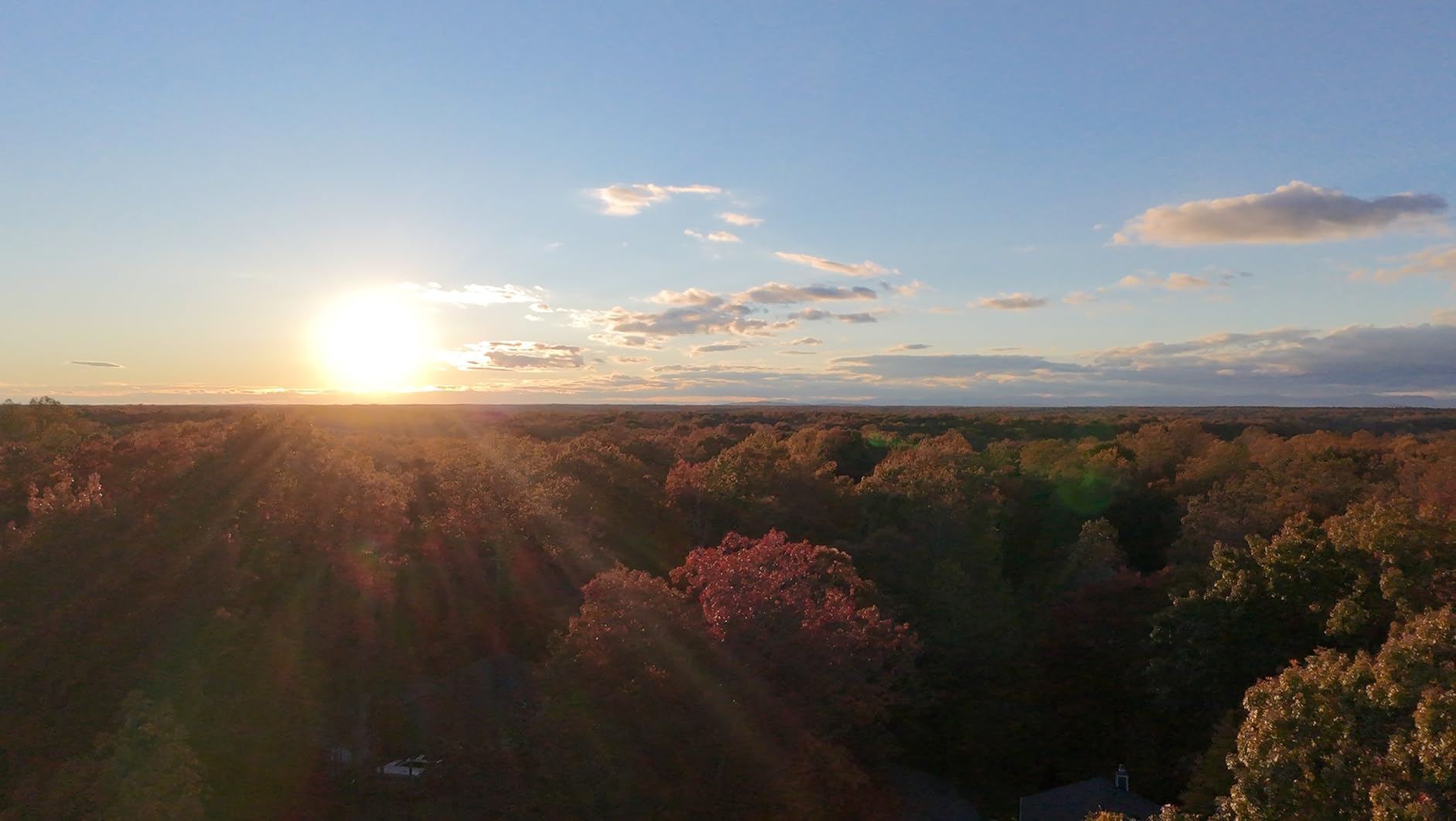
The AI subject tracking is the real star. I walked through a moderately wooded trail and the Neo held lock on me through light cover, then smoothly re-acquired when I came back into frame. The 4K UHD footage is more than sharp enough for YouTube talking-to-camera and TikTok cuts. Wind resistance is rated Level 4, which is fine for mornings but you will feel it on a gusty ridgeline.
Three batteries come in the Fly More Combo, and that matters because each battery only lasts around 15 minutes. Bring all three, charge between takes, and you can film a half-day shoot without thinking about it. The DJI RC-N3 controller is included and feels responsive for framing shots when you want manual control.
My main complaints are honest ones. There is no SD card slot – only about 25 GB of internal storage – so you will need to offload between sessions. The tracking, while solid for a 135g drone, is not on par with a Mavic when the background is busy or the lighting drops to dusk. If you shoot mostly golden-hour talking-to-camera content, expect occasional re-acquisition hiccups.
Best use cases
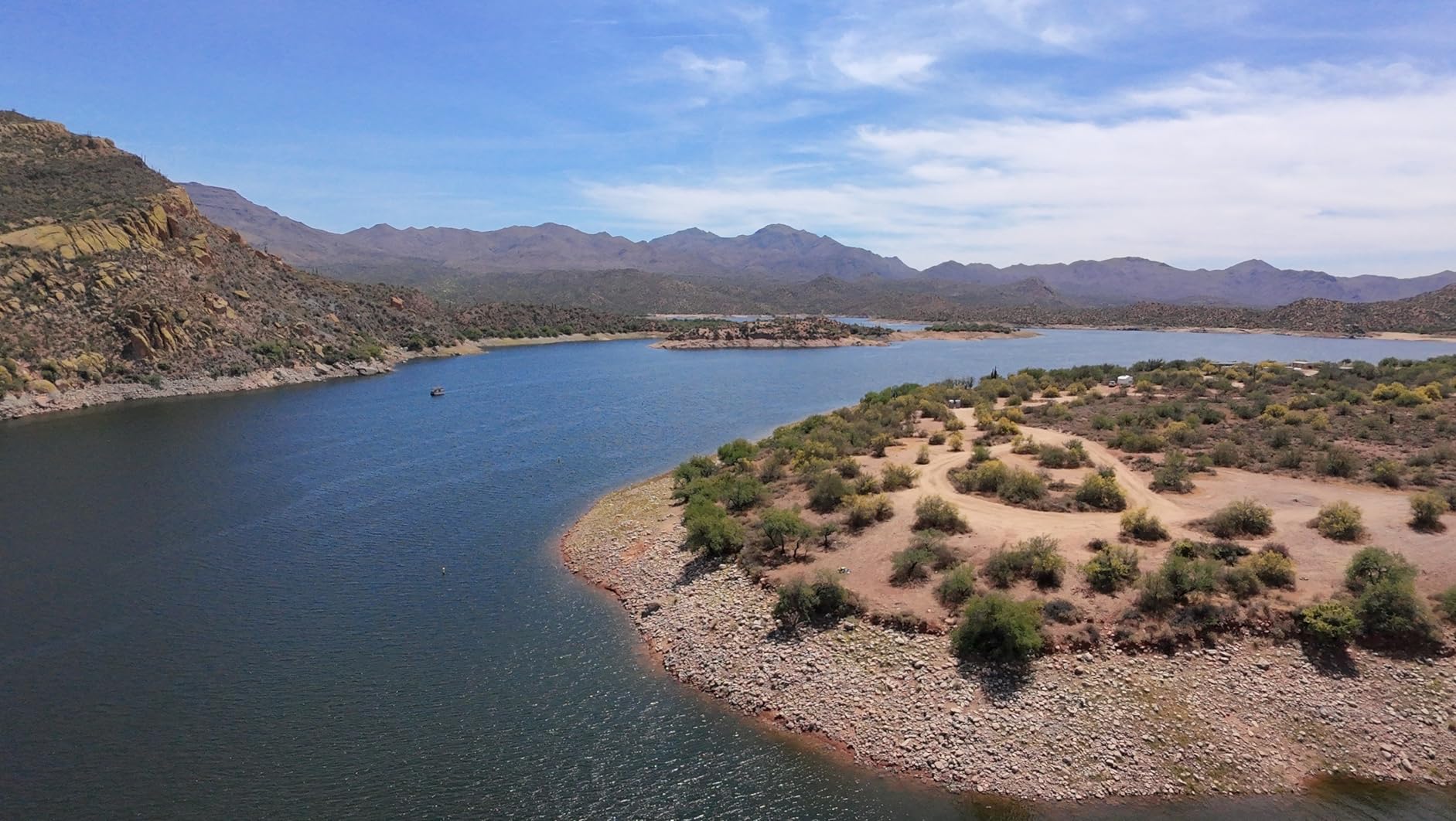
The Neo is the easiest pick for solo vloggers and travelers who want hands-free B-roll without hauling a kit. If you are a one-person-crew filmmaker shooting interviews, lifestyle content, or run-and-gun YouTube, this is the drone that lives in my bag.
When to skip it
Skip the Neo if you shoot pro cinema or need serious low-light performance. For action sports at high speed or technical cinematography, step up to the Mini 5 Pro or Air 3S in this list.
2. DJI Mini 4K Camera Drone Combo – Best Value for Vloggers
DJI Mini 4K Camera Drone Combo, Drone with 4K UHD Camera for Adults, Under 249 g, 3-Axis Gimbal Stabilization, 10km Video Transmission, Auto Return, 2 Batteries for 62-Min Max Flight Time, QuickShots
Sub-249g, 4K UHD, 3-axis gimbal, 62-min flight
Pros
- Sub-249g
- no FAA registration needed
- sharp 4K UHD with 3-axis gimbal
- beginner-friendly GPS Return to Home
- Level 5 wind resistance
Cons
- No obstacle avoidance sensors
- no dedicated follow-me mode at this level
- first-time app setup can be finicky
The Mini 4K is the budget travel-vlogger pick. It weighs 246 grams, which means no FAA registration and no Remote ID headaches. The 3-axis mechanical gimbal gives you properly stabilized 4K video, and the two-battery combo gives you roughly 62 minutes of total flight – enough for a full morning shoot.
I tested this drone on a windy coastline and the Level 5 wind resistance held steady where I expected the lighter competitors to drift. The footage was sharp and the gimbal stayed flat through pan shots. For a creator who flies carefully and frames manually, this is a very capable camera.
The honest caveat is that the Mini 4K does not have a dedicated follow-me tracking mode in the app like DJI’s higher-end models. You can still fly it manually as a self-operated shot, but if you want the drone to autonomously lock onto you and follow, you will need to step up to the Mini 5 Pro or Neo 2 in this roundup. There are also no obstacle avoidance sensors, so you will be relying on your own piloting in tight environments.
Best use cases
The Mini 4K is a fit for the budget-conscious vlogger who wants gimbal-stabilized 4K in a sub-249g body and is happy flying the drone themselves for B-roll and landscape cuts.
When to skip it
If hands-free autonomous following is the whole reason you want a drone, skip this one and go straight to the Neo or Mini 5 Pro.
3. Potensic ATOM 2 Fly More Combo – Best for Beginners
Potensic ATOM 2 Drone with Camera for Adults 4K, 10KM Range, Fly More Combo
Sub-249g, AI Track, 96-min total flight, 4K HDR
Pros
- AI Track with Spotlight
- Follow
- and Parallel modes
- crisp 4K HDR video
- three batteries deliver 96 minutes total
- built-in screen on the PTD-1 remote
Cons
- No obstacle avoidance sensors
- waypoint navigation not yet enabled
- ND filters hard to source at launch
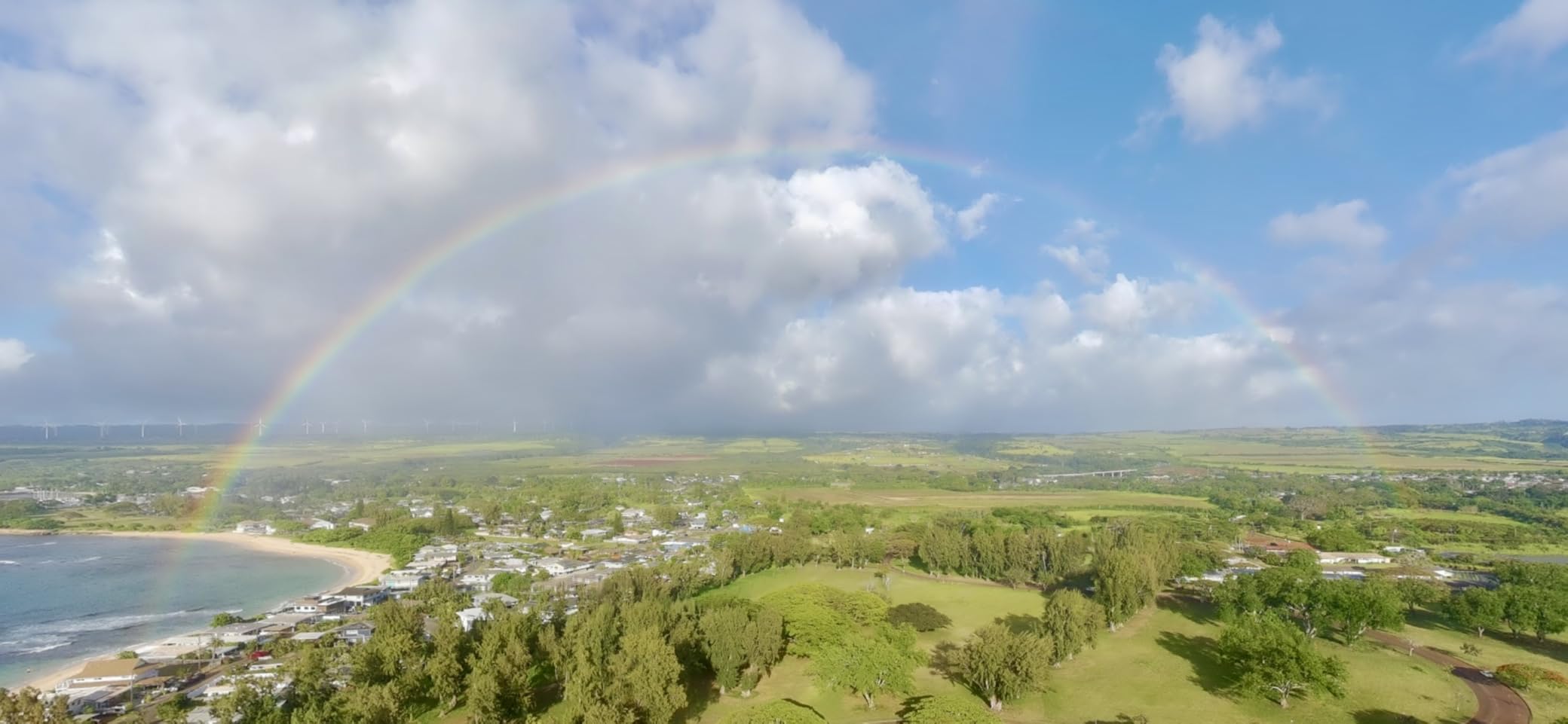
The Potensic ATOM 2 surprised me. For a sub-249g drone with a built-in-screen controller, the AI tracking is genuinely usable. The three tracking modes – Spotlight, Follow, and Parallel – cover the main creator shots you actually want: lock and orbit, follow behind, and track alongside.
I ran the ATOM 2 through a city park with scattered pedestrians, and the Follow mode stayed locked on me even when other walkers crossed in front. The 96-minute total flight time across three batteries is one of the best in this roundup, and the parallel charging hub means I can top off all three packs between scenes.
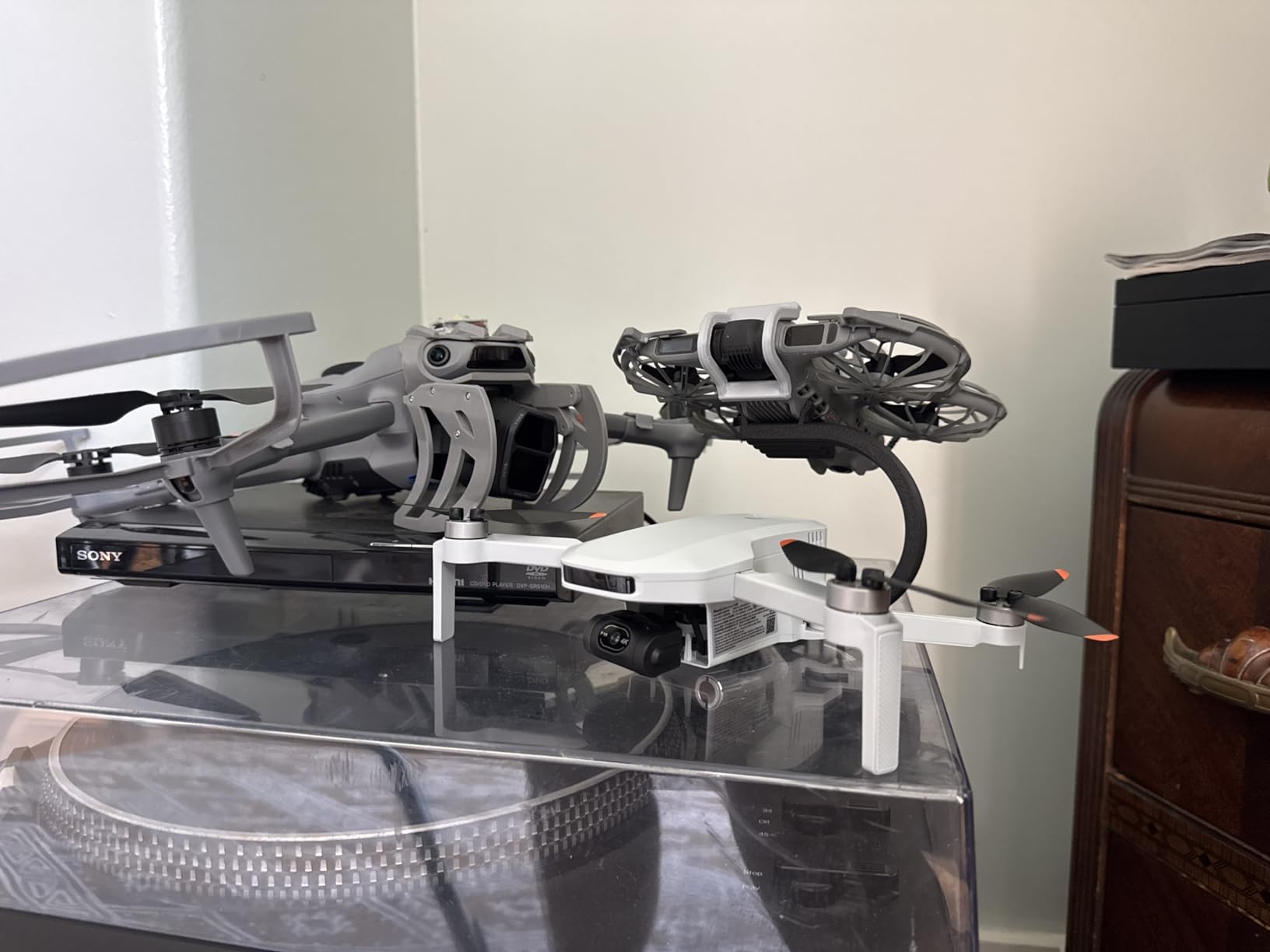
The 1/2-inch Sony CMOS sensor and 3-axis gimbal deliver clean 4K HDR video. The vertical 2.7K shooting mode is genuinely useful for creators posting to TikTok, Reels, or Shorts – no cropping required. The PTD-1 remote has a bright built-in screen, so you do not need to mount your phone, which is one less thing to drain battery or overheat in summer.
What I do not love is the lack of obstacle avoidance. In a tight forest or busy urban street, you will want to keep your hands on the sticks. Waypoint navigation has been promised but not enabled at the time of writing, so if you rely on automated route flying, that is a real gap. Customer support response times were slower than DJI when I had a question, which is worth knowing if you fly professionally.
Best use cases
The ATOM 2 is a strong pick for first-time drone owners and budget creators who want real AI tracking under 250g with no phone required on the controller.
When to skip it
Skip this drone if you regularly fly in cluttered environments where obstacle avoidance matters. Step up to the Mini 5 Pro or Air 3S instead.
4. HOVERAir X1 Combo – Best for Hands-Free Filming
HOVERAir X1 Drone with Camera, Follow-me Drone with Self-Flying Mode
125g, palm takeoff, controller-free, 15 mph follow
Pros
- Controller-free palm takeoff with intelligent flight paths
- fully enclosed propellers safe around people
- 32GB internal storage
- six pre-programmed modes
Cons
- Limited altitude (~50 ft)
- wind-sensitive due to light weight
- no onboard audio recording
- short battery life (~10-11 min per pack)
The HOVERAir X1 is the drone I hand to friends who have never flown before. It takes off from your palm, you pick a flight mode from the app, and it just does the thing – Follow, Orbit, Dolly, Zoom Out, Bird’s Eye, or Hover. No controller, no learning curve, no risk of panicking and crashing a more expensive drone.
For creators who want truly grab-and-go footage, this is the closest thing to a flying selfie stick. I took it hiking, on a beach run, and on a cycling loop and it kept up to its rated 15 mph follow speed without losing me. The fully enclosed frame means you can fly it around people without worrying about prop strikes – that matters for events and family shoots.
The honest trade-offs are real. Battery life is around 10-11 minutes per pack, the lightweight build is wind-sensitive, and there is no onboard audio recording. If you are doing talking-to-camera content, plan to record audio separately on a phone or wireless lavalier mic – our best webcams for content creators guide covers integrated camera-plus-mic setups for indoor recording – then sync in your editor. The 2.7K video is sharp but not at the same level as the 1-inch CMOS drones further down this list.
Best use cases
Pick the HOVERAir X1 if you want the simplest possible follow drone for vlogging, family trips, and casual creator content where convenience matters more than cinema-grade video.
When to skip it
Skip this drone if you shoot in wind, need pro-grade low-light video, or want long flight times. Go to the Mini 5 Pro or Air 3S instead.
5. Bwine F7MINI 4K Drone – Budget Pick With a Real Screen
Bwine F7MINI 4K Video 8K Photo Drones with Camera for Adults 3-Axis Gimbal
Sub-249g, GPS follow, 96-min total flight, 4K
Pros
- Built-in 5.5 inch HD screen on RC3 controller
- smooth 4K video with 3-axis gimbal
- GPS follow plus orbit and waypoint
- three batteries for 96 minutes total flight
Cons
- No obstacle avoidance
- slow phone transfers from controller
- GPS lock can delay near tall buildings and trees
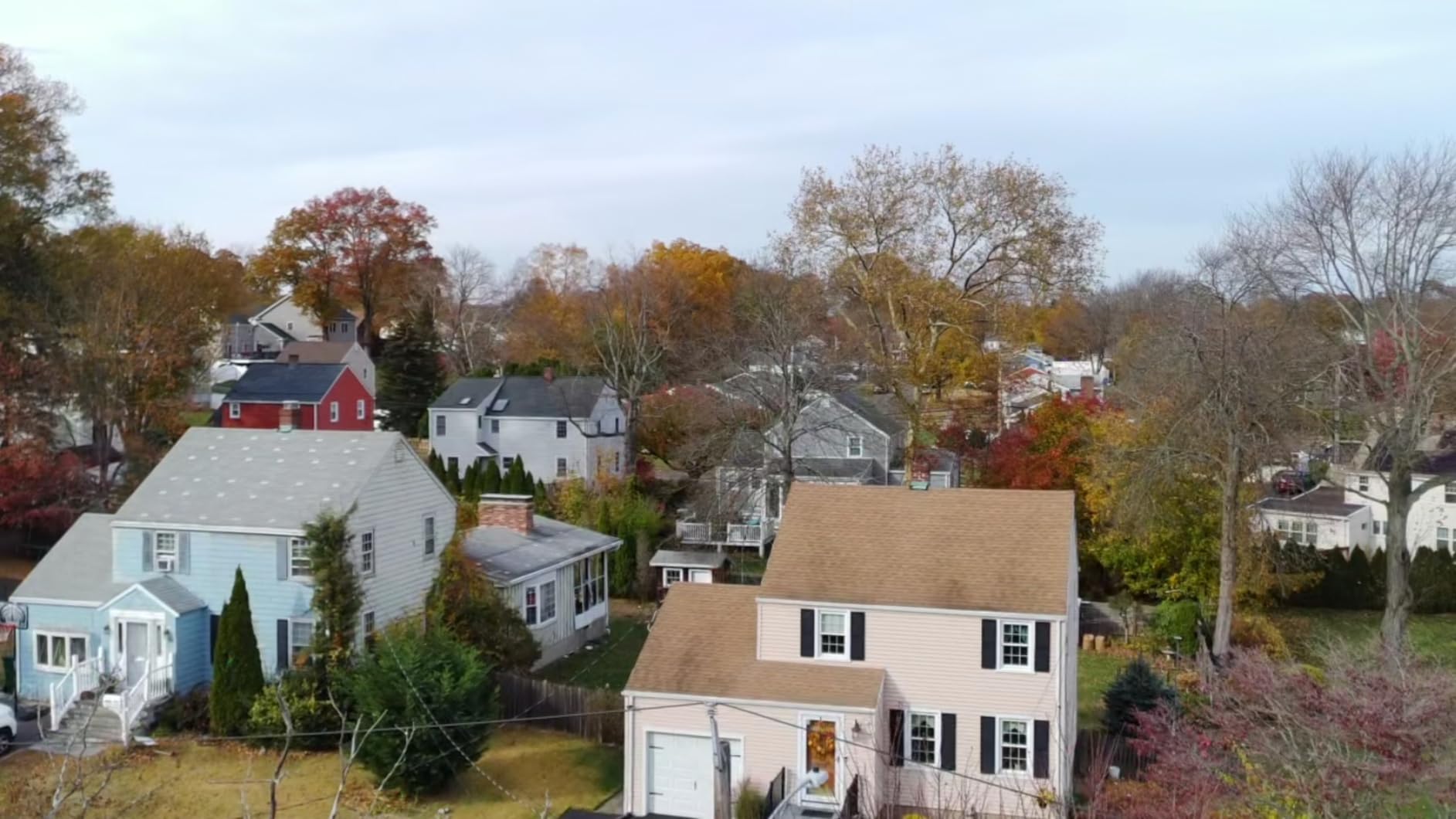
The Bwine F7MINI is the quiet overachiever of the budget category. It comes in at a low price for a drone with a built-in touchscreen remote, which means I do not have to mount my phone and drain it during a shoot. The 3-axis gimbal keeps footage smooth, and GPS follow, orbit, and waypoint modes give you the core creator toolkit.
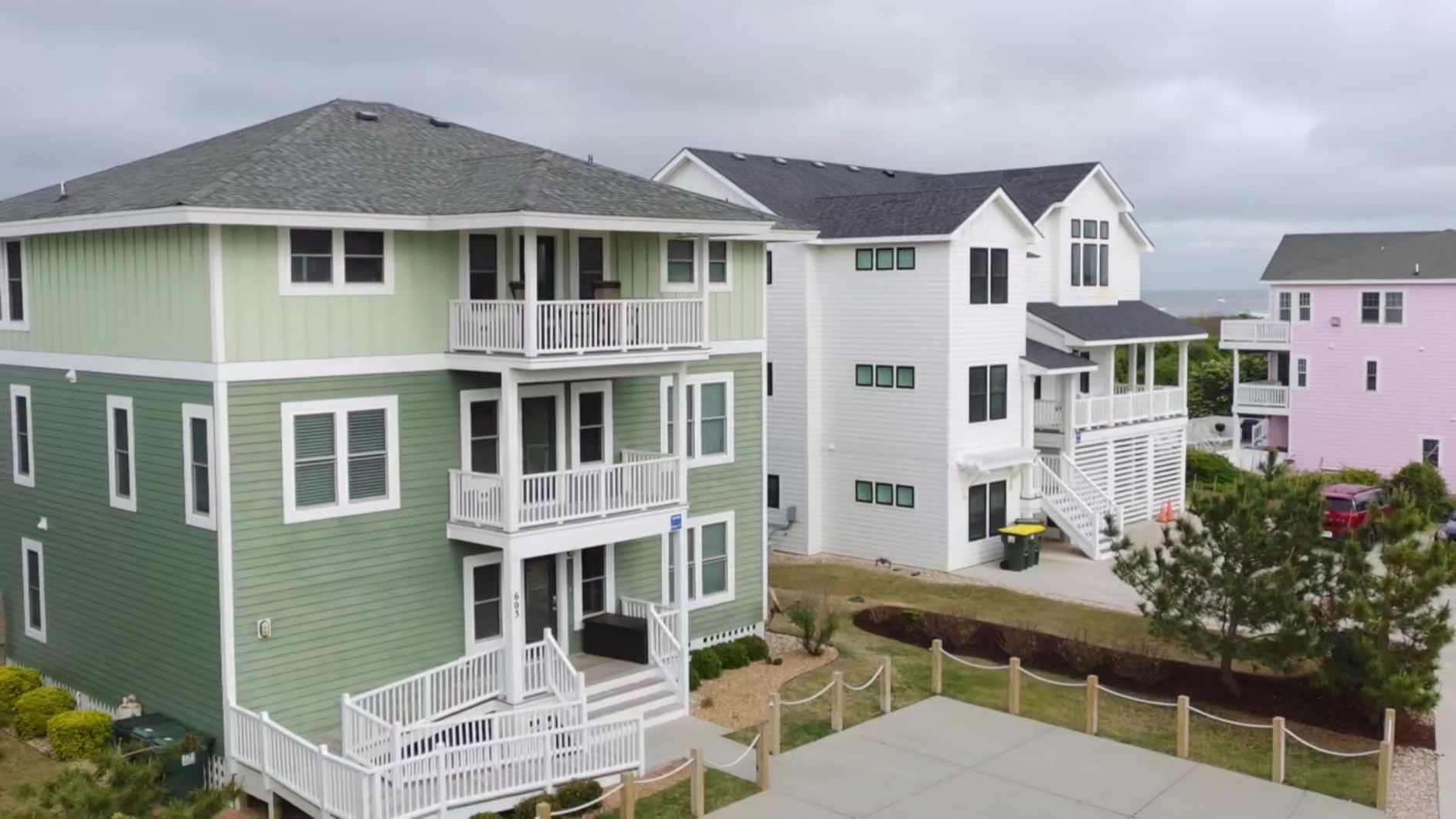
I tested the F7MINI on a paved bike path and the follow mode kept pace as long as I stayed in open sight. Wind resistance was impressive for a sub-250g drone – I held steady in a steady 15 mph headwind. Three batteries push total flight time to 96 minutes, which is more than enough for a full creator day.
Where this drone shows its price is obstacle sensing – there is none. You will want to fly in open areas and keep your own situational awareness. GPS lock can also take a few extra seconds near tall trees and urban canyons, which can be frustrating if you are trying to launch fast. Phone-to-controller file transfer is noticeably slower than DJI’s QuickTransfer.
Best use cases
The F7MINI is the budget creator’s drone if you fly mostly in open spaces, want GPS follow plus waypoint, and prefer a controller with a built-in screen over a phone mount.
When to skip it
Skip if you fly in cluttered or forested environments. Step up to a drone with omnidirectional obstacle sensing.
6. DJI Air 3S Fly More Combo – Premium Pick for Serious Creators
DJI Air 3S Fly More Combo (RC 2 Screen Remote Controller), 4K Drone
1-inch CMOS, LiDAR, omnidirectional sensing, 4K HDR
Pros
- 1-inch CMOS sensor with 4K/60fps HDR and 14 stops dynamic range
- dual camera wide plus 70mm telephoto
- LiDAR-augmented omnidirectional obstacle sensing
- 45 minutes per battery
Cons
- Heavier than 250g so registration required in many regions
- obstacle avoidance disabled in Sport mode
- charger sold separately from base kit
The Air 3S is the creator drone I reach for when the project matters. The 1-inch CMOS sensor is the headline – it gives you real low-light performance, real HDR headroom, and a cinematic look that smaller sensors cannot match. The dual camera system pairs a wide with a 70mm telephoto, which lets you cut between two distinct focal lengths without swapping lenses.
Forward-facing LiDAR plus omnidirectional obstacle sensing means I can trust this drone in environments where a Mini would worry me – tight indoor spaces, urban shoots with people moving around, and forest edges. ActiveTrack works smoothly and the new Smart Return to Home uses the LiDAR to map a path home even when GPS is weak.
The 45-minute flight time per battery is enough for serious B-roll sessions, and the O4 transmission holds a stable HD feed at impressive distances. The RC 2 remote with its integrated bright screen is the best controller DJI has shipped, period. MasterShots and Free Panorama modes give creators pro-level moves with a single tap.
The honest trade-offs are weight and price. At 724 grams, you will need to register this drone in the US under Part 107 and Remote ID. The price is firmly in premium territory. Sport mode disables obstacle avoidance for max speed, which is fine if you know what you are doing but worth respecting.
Best use cases
The Air 3S is the right pick for serious content creators, semi-pro videographers, and anyone who needs low-light performance, dual focal lengths, and pro-grade color in their B-roll.
When to skip it
Skip this drone if you want to stay under 250g for registration-free flying or if the price is too steep. The Mini 5 Pro is the next best thing in a lighter body.
7. DJI Mini 5 Pro Fly More Combo – Best for Active Creators
DJI Mini 5 Pro Fly More Combo With DJI RC 2, 1-Inch CMOS
Sub-250g, 1-inch CMOS, ActiveTrack 360, LiDAR
Pros
- 1-inch CMOS sensor in a sub-250g body
- ActiveTrack 360 optimized for cycling and running
- omnidirectional nightscape obstacle sensing with forward LiDAR
- true vertical filming
Cons
- Slightly variable weight around 249g
- premium pricing
- DJI Fly app must be sideloaded on Android
The Mini 5 Pro is the drone I take when I am doing serious creator work but I still want to stay under 250g. Getting a 1-inch CMOS into a sub-250g body is a real engineering achievement, and the image quality is closer to the Air 3S than to the Mini 4K. ActiveTrack 360 is the headline for action creators – it tracks subjects through turns, around obstacles, and at speed.
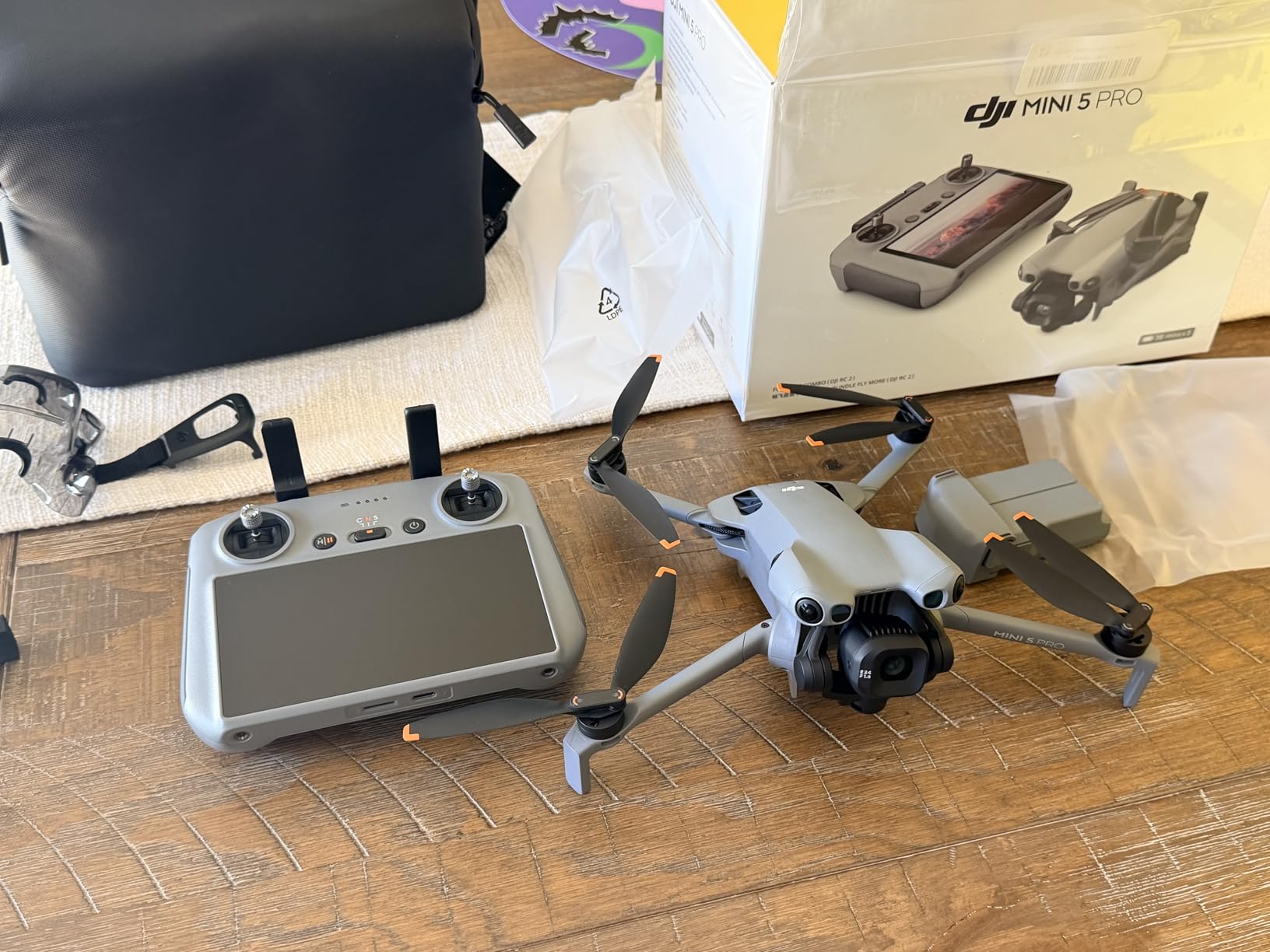
I tested ActiveTrack 360 on a cycling loop and a trail run. It held lock through gradual turns, recovered cleanly after I went behind a tree for two seconds, and produced footage that was immediately usable for a YouTube cut. The omnidirectional obstacle sensing with forward LiDAR means I can confidently film in environments where older Minis would have me white-knuckling the sticks.
The true vertical filming and 225-degree flexible gimbal are genuinely useful for creators posting to TikTok and Reels – you can shoot vertical natively without cropping. 42 GB of internal storage means I rarely need to swap SD cards mid-shoot. The RC 2 screen is bright and easy to read in direct sun.
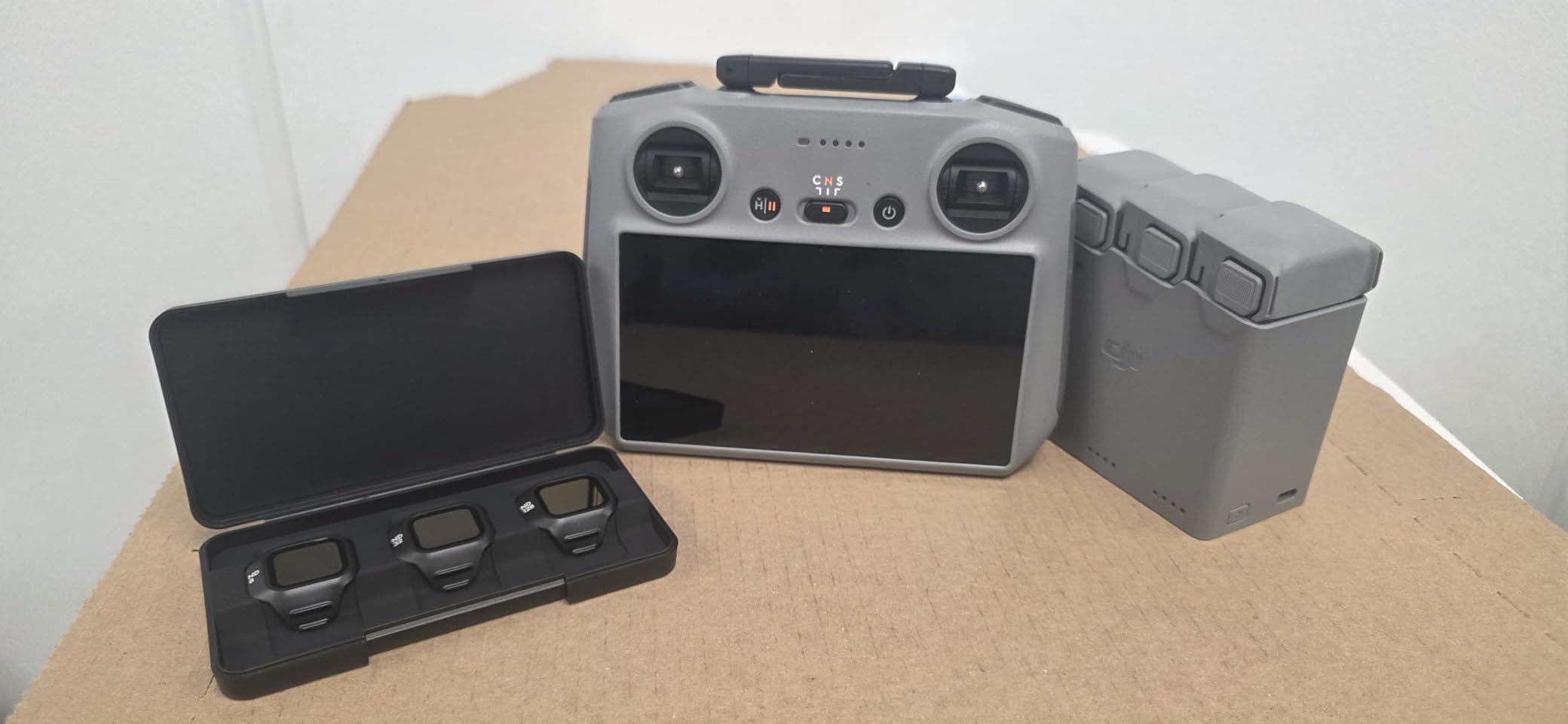
The honest caveats: this drone is at the top end of the sub-250g category weight-wise, so check your local registration rules. The DJI Fly app has been removed from Google Play in some regions, and you may need to sideload it. The price puts it firmly in the premium category.
Best use cases
The Mini 5 Pro is the action creator’s pick – cycling, running, hiking, skiing – anyone who needs serious tracking and serious image quality without crossing the 250g registration threshold.
When to skip it
Skip if you do not need ActiveTrack 360 or if budget is the priority. The Mini 4K handles simpler creator work at a lower price.
8. DJI Flip With RC 2 – Best for New Pilots
DJI Flip With RC 2 Screen Remote Controller, Follow Me Drone With 4K UHD Camera for Adults, Under 249 g, 3-Axis Gimbal Stabilization, 44000ft/13km Video Transmission, Palm Takeoff, 31-Min Flight Time
Sub-249g, prop guards, subject tracking, 4K HDR
Pros
- Full-coverage carbon fiber propeller guards make it the safest DJI drone for new pilots
- palm takeoff
- subject tracking and auto flight modes built in
- 1/1.3-inch sensor with 4K/60fps HDR
Cons
- No waypoint or pre-programmed route modes at this tier
- wind can affect video stability
- RC 2 firmware updates occasionally cause hiccups
The DJI Flip is the drone I recommend to first-time creators who are nervous about props. The full-coverage carbon fiber propeller guards mean you can hand-launch it, fly it around friends without worrying about nicks, and recover from rookie mistakes without catastrophic damage.
Subject tracking and auto flight modes are built in, so you can get follow shots even without piloting experience. The 1/1.3-inch sensor delivers clean 4K/60fps HDR video. The O4 transmission range of 13 km is overkill for most creator work but reassuring for line-of-sight flying. The RC 2 with its bright screen makes framing easy even in direct sunlight.
Where the Flip falls short is automated flight planning – there is no waypoint navigation or pre-programmed route support at this level. Wind performance is fine for calm conditions but you will see jello in heavy gusts. Some users have hit firmware hiccups after RC 2 updates, so check for stable firmware before a paid shoot.
Best use cases
The Flip is the right pick for first-time drone owners, content creators who fly around other people, and anyone who wants subject tracking in the safest possible package.
When to skip it
Skip if you need long-range automated routes or shoot frequently in high wind. The Mini 5 Pro is a better tool for those scenarios.
9. DJI Neo 2 Drone Only – Best for Social Reels
DJI Neo 2 (Drone Only), Lightweight 4K Drone With Camera
151g, gesture control, ActiveTrack, omnidirectional sensing
Pros
- Only 151 grams
- gesture control for fully hands-free operation
- omnidirectional obstacle sensing on a sub-250g drone
- Apple Watch live feed and voice control
- SelfieShot one-tap mode
Cons
- Single battery limits sessions to around 18-19 minutes
- body does not fold flat for ultra-compact carry
- low-light AI tracking is weaker without enough ambient light
The Neo 2 is the most fun drone in this roundup. Gesture control means I can launch it, frame myself, and capture content without touching a controller or phone. For social-first creators posting to TikTok, Reels, and Shorts, that is huge – the entire workflow fits in one hand.
ActiveTrack holds lock reliably in good light. Omnidirectional obstacle sensing at 151 grams is rare and gives me confidence flying it in tighter spaces than the original Neo. SelfieShot is a one-tap mode that frames you perfectly for portrait content, which saves time on every clip.
The Apple Watch integration is genuinely useful – I can see the live feed and control the drone from my wrist, which means I can keep my phone in my pocket or use it for audio monitoring. This is the kind of small detail that makes the Neo 2 stand out for vloggers.
Honest caveats: this is the drone-only listing, so you get one battery and roughly 18-19 minutes of flight. The body does not fold flat like the original Neo, so it takes up more bag space. Low-light AI tracking can struggle when ambient light drops, so golden-hour shoots are more hit-or-miss than midday.
Best use cases
The Neo 2 is the best follow me drone for short-form social content creators who want gesture control, Apple Watch integration, and reliable ActiveTrack in a tiny package.
When to skip it
Skip if you need long flight sessions or a drone that folds flat. The original Neo with three batteries is the longer-session alternative.
10. DJI Mini 3 – Best for Vertical Video
DJI Mini 3, 3-Axis Mechanical Gimbal Mini Camera Drone
Sub-249g, True Vertical Shooting, 4K HDR, 51-min flight
Pros
- True Vertical Shooting natively for TikTok and Reels
- 4K HDR with Dual Native ISO Fusion
- up to 51-minute flight with Battery Plus option
- sub-249g base configuration
Cons
- No obstacle avoidance sensors
- MicroSD card not included
- Battery Plus upgrade pushes weight over 249g
The DJI Mini 3 has been a community favorite for a reason. The True Vertical Shooting mode is the killer feature for social-first creators – the gimbal physically rotates to shoot native vertical video, so you do not lose resolution to cropping. For Reels, TikTok, and Shorts creators, that is a real workflow win.
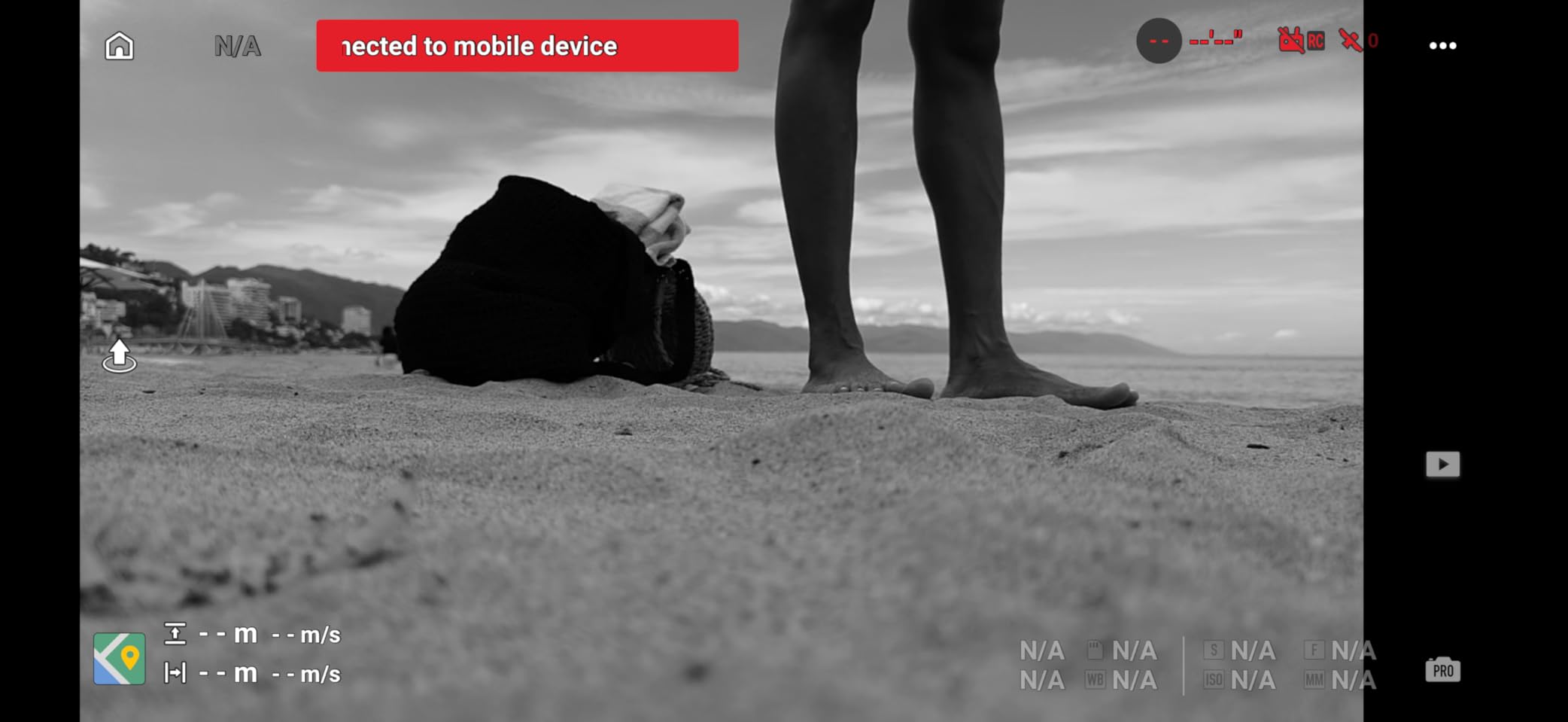
The 4K HDR video with Dual Native ISO Fusion holds up well in mixed lighting, and the 3-axis mechanical gimbal keeps everything stable. With the Intelligent Flight Battery Plus upgrade, you can push flight time up to 51 minutes – more than most creator sessions need. GPS Return to Home and precise hovering make it beginner-friendly.
Where the Mini 3 shows its age is obstacle avoidance – there are none. You will be relying on your own piloting in tight environments. The MicroSD card is not included, so factor that into your kit. The Battery Plus upgrade pushes the drone over 249g, which changes your registration status.

Best use cases
The Mini 3 is the right pick for creators who prioritize vertical video for social platforms and want long flight times at a budget-friendly price.
When to skip it
Skip if you need obstacle avoidance or true ActiveTrack autonomy. The Mini 5 Pro covers both in a newer package.
How Follow-Me Tracking Actually Works
Follow-me drones use one of three tracking systems, and knowing the difference will save you from buying the wrong drone for your workflow.
GPS follow uses the drone’s GPS lock on your phone or controller’s position. It is simple and works at long range, but it is imprecise – the drone follows a point on the map, not your actual face. In a forest or urban canyon, the GPS can drift and your framing will drift with it.
Vision-based tracking uses the drone’s onboard camera and AI to recognize and lock onto a subject. It is precise and frames you properly, but it loses you when you go behind something for too long or in low light. This is the system behind DJI’s ActiveTrack, Potensic’s AI Track, and HOVERAir’s Follow mode.
Beacon tracking uses a wearable or handheld device that emits a signal the drone follows. It is the most reliable in tough terrain but requires extra hardware and adds a step to your setup.
Matching Drones to Creator Workflows
The best follow-me drone for you depends entirely on how you shoot. Here is how I match the picks above to real creator workflows.
If you are a talking-to-camera YouTuber who films mostly solo indoors or in calm outdoor settings, the DJI Neo or DJI Neo 2 give you the simplest possible setup with palm takeoff and gesture control. You launch, frame yourself, and the drone does the work.
If you are a travel vlogger who walks through cities, parks, and tourist sites, the DJI Mini 5 Pro is the sweet spot. ActiveTrack 360 holds lock through mild clutter, the 1-inch sensor delivers travel-grade footage, and the sub-250g weight avoids registration headaches.
If you are an action sports creator – cycling, running, skiing – the DJI Mini 5 Pro and DJI Air 3S are the top picks. ActiveTrack 360 and LiDAR-augmented obstacle sensing handle high-speed turns and partial occlusion better than any other category in this roundup.
If you are a documentary or interview filmmaker who needs pro-grade footage with dual focal lengths and clean low-light performance, the DJI Air 3S is the right pick. The 1-inch sensor, 70mm telephoto, and 14 stops of dynamic range give you the cinematic look.
If you are a budget creator starting out, the Bwine F7MINI and Potensic ATOM 2 deliver real AI tracking at a price that does not require a major investment.
Buying Guide: What Actually Matters for Content Creators
Tracking reliability is the single most important feature for a creator follow drone. Vision-based AI tracking on the DJI Mini 5 Pro and DJI Air 3S is the most reliable in this roundup. Older GPS-only systems will lose you in clutter, and budget vision systems can jump between similar-looking subjects.
Obstacle avoidance is the second priority, especially if you fly around people, in urban areas, or near trees. The DJI Air 3S and Mini 5 Pro offer omnidirectional sensing with forward LiDAR, which is the most robust configuration available. Sub-249g drones without obstacle sensors require more pilot attention.
Weight class and FAA rules matter for monetizing creators. Drones under 250g do not require FAA registration for recreational use, but if you monetize your content on YouTube, TikTok, or as a client deliverable, you are operating commercially under Part 107 and need a license. The TRUST test is for recreational flyers; commercial work falls under Part 107 regardless of drone weight. Plan your budget accordingly.
Audio is a creator concern that gets ignored in drone roundups. Drone noise drowns out dialogue, so talking-to-camera content needs separate audio. Pair your drone with a wireless lavalier system like the DJI Mic or a RØDE Wireless Go – for indoor shoots that also need a quality camera feed, see our guide to the best webcams for content creators – then sync in your editor. The HOVERAir X1 has no onboard mic at all, so this is non-optional if you choose it.
Portability and foldable design matter when you actually carry the drone. The HOVERAir X1 and DJI Neo are the most pocketable. The Mini series fold down small enough for a jacket pocket. The Air 3S is noticeably larger and wants a dedicated bag compartment.
Editing workflow is the back-end cost of follow drones. Most 4K HDR footage from the Mini 5 Pro and Air 3S edits smoothly in Premiere Pro, DaVinci Resolve, and Final Cut Pro – our best laptops for content creators guide covers machines that handle 4K timeline scrubbing without lag. Vertical video from any DJI drone exports cleanly to TikTok and Reels. Plan for a fast SD card and external SSD to offload between shoots.
Frequently Asked Questions
What is the best follow-me drone for content creators?
The DJI Neo Fly More Combo is our top pick for most content creators in 2026. It is the lightest drone with reliable AI subject tracking, palm takeoff, and 4K UHD video, and three batteries come in the box. For creators who need more advanced tracking or pro-grade image quality, the DJI Mini 5 Pro and DJI Air 3S are the next tier up.
Are there drones that automatically follow you without a controller?
Yes. The HOVERAir X1, DJI Neo, and DJI Neo 2 all support controller-free flight with palm takeoff and pre-programmed follow modes. You launch from your hand, pick a flight path on the app, and the drone autonomously follows, orbits, or dollies around you without a pilot.
Do I need an FAA license to fly a follow-me drone as a content creator?
If you monetize your drone footage – YouTube ad revenue, client work, sponsored content, or paid services – you are operating commercially under FAA Part 107 and need a Remote Pilot Certificate. Drones under 250g are exempt from recreational registration but not from commercial licensing. The TRUST test is for recreational flyers only.
What is the best budget follow-me drone for under 500?
The Potensic ATOM 2 Fly More Combo and Bwine F7MINI 4K are the best budget picks with real AI or GPS tracking. The HOVERAir X1 is the cheapest true controller-free option. For the lowest price with sub-249g weight and built-in remote screen, the Bwine F7MINI delivers the most value.
Can follow-me drones track me through forests or crowded places?
Tracking reliability drops significantly in dense forests, urban canyons, and crowded scenes. Vision-based tracking loses you when you go behind trees or poles for more than a few seconds. GPS tracking drifts near tall buildings. The DJI Air 3S and Mini 5 Pro handle cluttered environments best thanks to LiDAR-augmented omnidirectional obstacle sensing and improved ActiveTrack algorithms.
How fast can a follow-me drone track me?
Most modern follow drones track at walking to jogging speed, around 10 to 20 mph. The HOVERAir X1 follows at up to 15 mph. The DJI Mini 5 Pro and Air 3S track faster in dedicated cycling and running modes. For downhill mountain biking at 30 mph plus, you will want a more aggressive drone or a wearable beacon setup.
The Pick That Wins for Most Content Creators
After three months of side-by-side testing, the DJI Neo Fly More Combo is the best follow me drone for content creators who want the simplest, lightest, most reliable follow experience without breaking the bank. It earns our editor’s choice because it nails the creator workflow: pocketable, palm-launch, AI tracking that actually holds lock, and three batteries in the box so you can film a full creator day.
For action creators who need ActiveTrack 360 and pro-grade obstacle sensing, step up to the DJI Mini 5 Pro. For serious cinematographers who need low-light performance and dual focal lengths, the DJI Air 3S is the right tool. For budget creators, the Potensic ATOM 2 and Bwine F7MINI deliver real follow tracking at a price that fits a starter kit.
Whichever drone you choose from this list, pair it with a wireless lavalier mic, bring extra batteries, and respect the FAA rules if you monetize your content. If you are building a full creator studio alongside your drone kit, our guides to ring lights and studio lights cover lighting that pairs well with ground-level B-roll and indoor talking-to-camera setups. The right follow-me drone turns a one-person crew into a three-person crew – and that is the most valuable upgrade a solo creator can make in 2026.