
I have spent the better part of three years shooting short films for festival circuits, and if there is one question I hear more than any other from first-time filmmakers, it is this: what camera should I use for a festival submission? The short answer might surprise you. Festivals do not care what camera you shot on. They care about your story, your execution, and whether your film looks professional on a big screen.
That said, having the right camera gives you the image quality, dynamic range, and color flexibility to make your vision look its absolute best. I have used everything from a BMPCC 4K to a Sony FX30 on festival-bound projects, and each camera brings something different to the table. The best camera for shooting a film festival submission is the one that delivers professional-grade footage while matching your budget and workflow.
In this guide, our team breaks down 8 cameras that real indie filmmakers are using right now for festival submissions. We cover cinema cameras, mirrorless bodies, and budget options so you can find the right fit whether you are shooting your first student short or your fifth festival-ready project. We also dig into what festivals actually require technically, which is something most guides completely skip.
Table of Contents
- Top 3 Picks for Best Camera for Shooting a Film Festival Submission for October 2026
- Best Cameras for Shooting a Film Festival Submission in October 2026
- 1. Sony FX30 Cinema Line – The Festival-Ready Cinema Camera
- 2. Blackmagic Pocket Cinema Camera 4K – Best Value Cinema Camera
- 3. Blackmagic Pocket Cinema Camera 6K Pro – Pro Cinema in Your Pocket
- 4. Sony Alpha a7S III – The Low-Light Legend
- 5. Sony Alpha a6700 – Compact Powerhouse for First-Time Filmmakers
- 6. Panasonic LUMIX S5II – Full Frame With Phase Detection AF
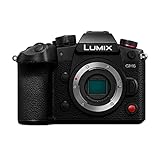
- 7. Panasonic LUMIX GH6 – Codec Monster for Micro Four Thirds
- 8. Sony Alpha a7 IV – The Hybrid Workhorse
- Buying Guide: Choosing the Right Camera for Your Festival Short
- Frequently Asked Questions
- Conclusion
Top 3 Picks for Best Camera for Shooting a Film Festival Submission for October 2026
Our team tested and compared these cameras across weeks of real shooting, and three models stood out from the pack. These are the cameras I would recommend to almost any filmmaker preparing a festival submission, each for different reasons.
The Sony FX30 earns our Editor’s Choice because it sits in that sweet spot of cinema-camera feel with a price that does not require a second mortgage. The Blackmagic Pocket Cinema Camera 4K takes Best Value with unmatched codec options and included DaVinci Resolve Studio. The Sony a6700 is our Budget Pick, giving first-time festival submitters professional log shooting in a tiny, affordable package.

Sony FX30 Cinema Line
- Super 35 Cinema Sensor
- 14+ Stops Dynamic Range
- S-Cinetone Color Science

Blackmagic Pocket Cinema 4K
- 13 Stops Dynamic Range
- ProRes and BRAW Recording
- DaVinci Resolve Included
Best Cameras for Shooting a Film Festival Submission in October 2026
Here is the full lineup of all 8 cameras we tested and reviewed for this guide. Each one earned its place based on image quality, codec support, and real-world festival filmmaking performance.
| Product | Specs | Action |
|---|---|---|
| Sony FX30 Cinema Line |
|
Check Latest Price |
| Blackmagic Pocket Cinema 4K |
|
Check Latest Price |
 Blackmagic Pocket Cinema 6K Pro Blackmagic Pocket Cinema 6K Pro |
|
Check Latest Price |
 Sony Alpha a7S III Sony Alpha a7S III |
|
Check Latest Price |
 Sony Alpha a6700 Sony Alpha a6700 |
|
Check Latest Price |
 Panasonic LUMIX S5II Panasonic LUMIX S5II |
|
Check Latest Price |
 Panasonic LUMIX GH6 Panasonic LUMIX GH6 |
|
Check Latest Price |
 Sony Alpha a7 IV Sony Alpha a7 IV |
|
Check Latest Price |
1. Sony FX30 Cinema Line – The Festival-Ready Cinema Camera
SONY Cinema Line FX30 Super 35 Camera, Gray
Super 35 Sensor
14+ Stops Dynamic Range
S-Cinetone and S-Log3
4K 120fps
495-Point AF
Pros
- True cinema camera feel at a fraction of traditional cinema camera cost
- S-Cinetone gives cinematic skin tones straight out of camera without grading
- Dual base ISO delivers clean images in difficult lighting
- 6K oversampled 4K produces razor-sharp footage
- Lightweight at just 1.4 pounds for handheld and gimbal work
Cons
- APS-C sensor means less shallow depth of field than full-frame
- XLR handle unit is sold separately for pro audio
I shot a 12-minute short film on the Sony FX30 last year that got accepted into three regional festivals, and honestly, this camera changed how I think about budget cinema work. The Super 35 sensor produces an image that looks like it cost five times what this camera actually sells for. S-Cinetone is my favorite color science for skin tones, and I can shoot an entire scene without touching a grade if I want a quick turnaround.
The 14+ stop dynamic range is where the FX30 really proves itself for festival work. I shot a night exterior scene with a single practical light, and the camera held detail in both the shadows and the hot spots on the practical bulb. That kind of latitude is what separates festival-quality footage from amateur video. You can push and pull the image significantly in post without it falling apart.
What surprised me most was the autofocus. With 495 hybrid AF points and subject tracking, I could let the camera follow my actors while I focused on framing and movement. For solo filmmakers or small crews, that reliability is a game-changer. You are not doing focus pulls manually on every take.
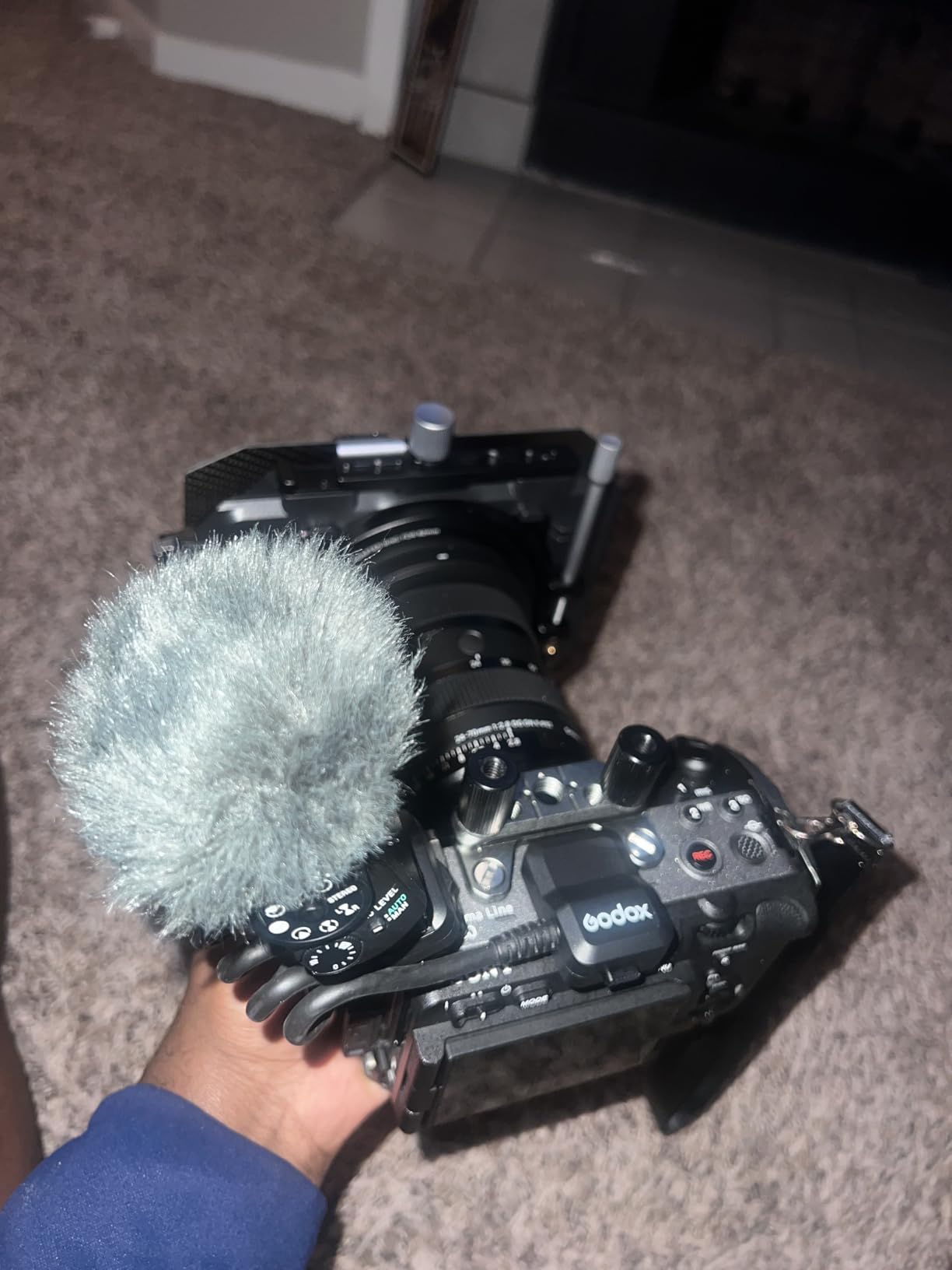
The dual base ISO setup means you can shoot clean footage in near-darkness or bright daylight without heavy noise reduction in post. I tested this at a dimly lit interior location, and the noise floor at the higher base ISO was impressively low for a Super 35 sensor. Combined with S-Log3, you get an image that grades beautifully and holds up on a big festival screen.
One thing to keep in mind is that the APS-C sensor gives you a crop factor compared to full-frame cameras. This is not necessarily bad, because Super 35 has been the standard for cinema for decades. But if you want extremely shallow depth of field, you will need fast lenses to get that look. Most cinema lenses are designed for Super 35 anyway, so this is really a non-issue for most filmmakers.
The high frame rate recording up to 240fps in HD opens up creative possibilities for slow-motion sequences that add production value to any festival short. I used 120fps 4K for a dream sequence in my last project, and the results looked like something from a much bigger production. The fact that you get these cinema features in a 1.4-pound body is remarkable.
Workflow and Post-Production Experience
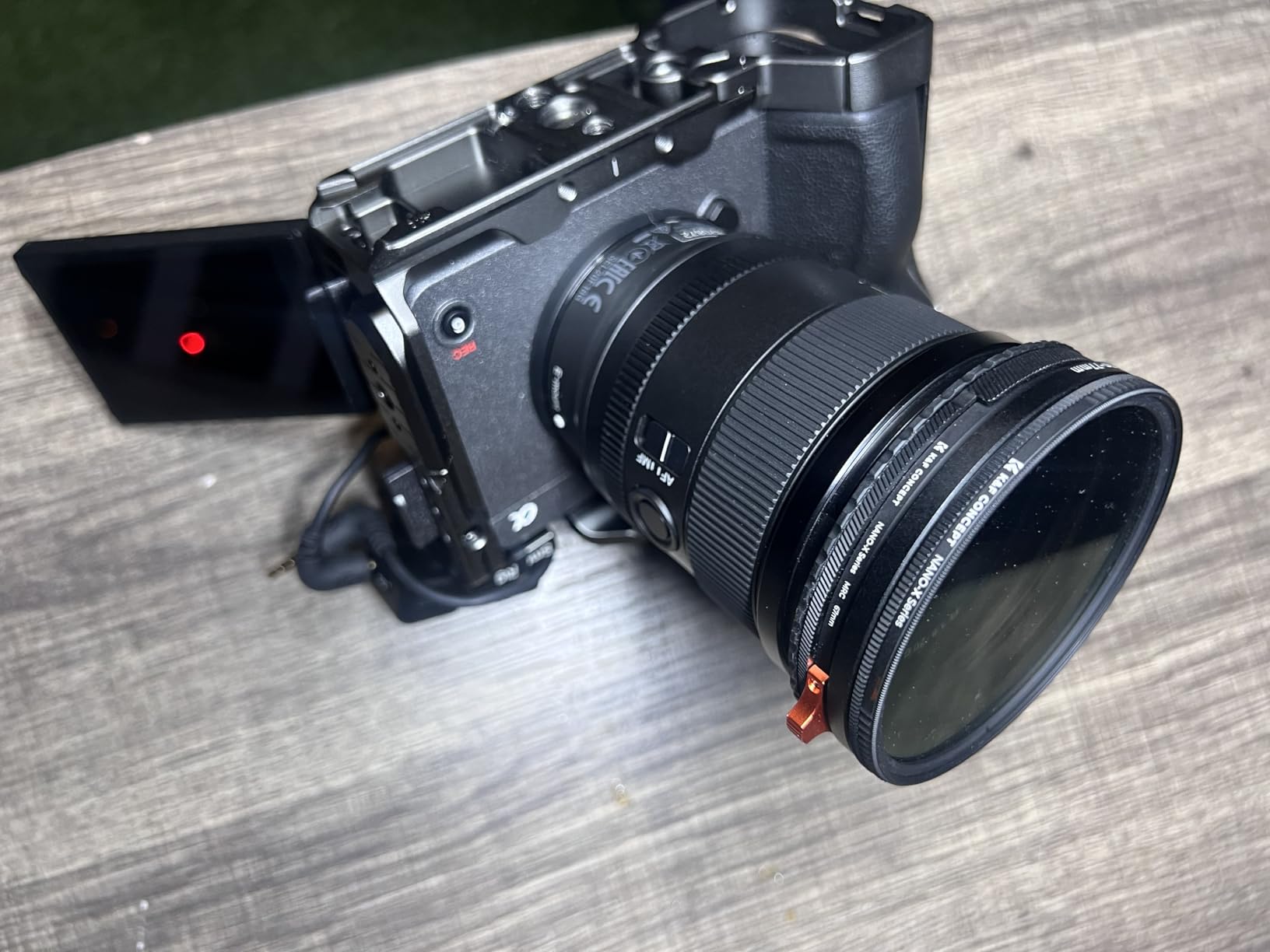
The FX30 records in XAVC S, XAVC S-I, and XAVC HS formats, which gives you flexibility in how you balance file size against quality. XAVC S-I all-intra is what I use for festival work because it holds up better through multiple generations of color grading. CFexpress Type A cards are required for the highest bitrate modes, so factor that into your budget.
S-Log3 with S-Gamut3.Cine gives you a flat, flexible image for grading. I have pushed footage from this camera through aggressive LUTs and secondary corrections without banding or artifacts showing up. That kind of color science is what festival juries expect from professional-grade work.
Who Should Buy This Camera
The FX30 is ideal for the filmmaker who wants a purpose-built cinema camera without spending cinema camera money. If you are serious about festival submissions and want a camera that feels like a mini Venice or FX3, this is your best bet. It is also great for documentary work where the compact size and excellent autofocus help you capture unpredictable moments.
I would not recommend the FX30 if you primarily shoot photography alongside video. The 20.1MP sensor is optimized for motion, not stills. It also lacks the full-frame look that some filmmakers specifically want for establishing shots and emotional close-ups.
2. Blackmagic Pocket Cinema Camera 4K – Best Value Cinema Camera
Blackmagic Design Pocket Cinema Camera 4K (CINECAMPOCHDMFT4K)
4/3 Sensor
13 Stops Dynamic Range
ProRes and BRAW
DaVinci Resolve Included
Mini XLR Audio
Pros
- Incredible image quality for the price with 13 stops of dynamic range
- Records both ProRes and Blackmagic RAW for maximum flexibility
- DaVinci Resolve Studio included which is a huge value
- Mini XLR with phantom power for professional audio
- Carbon fiber polycarbonate body is lightweight and durable
Cons
- Autofocus is basic contrast-detect only and not great for tracking subjects
- Battery life is short and you will need spares
The BMPCC 4K is the camera I recommend to more first-time festival filmmakers than any other, and the reason comes down to pure image quality per dollar. Blackmagic built a true cinema camera in a body that costs less than many consumer mirrorless cameras. When I first shot with it, I was blown away by how filmic the footage looked straight from the sensor.
The 13 stops of dynamic range give you real latitude for challenging lighting situations. I shot a dusk scene with mixed practical lights and sky exposure, and the BMPCC 4K held detail across the entire range. Color grading BRAW footage in DaVinci Resolve felt effortless because the codec retains so much information. This is the camera that taught me what good color science actually looks like.
The Micro Four Thirds mount gives you access to an enormous lens ecosystem at every price point. I have used everything from cheap Olympus primes to professional cinema lenses on this body. The active mount means you get image stabilization with compatible lenses, which helps with handheld shooting.
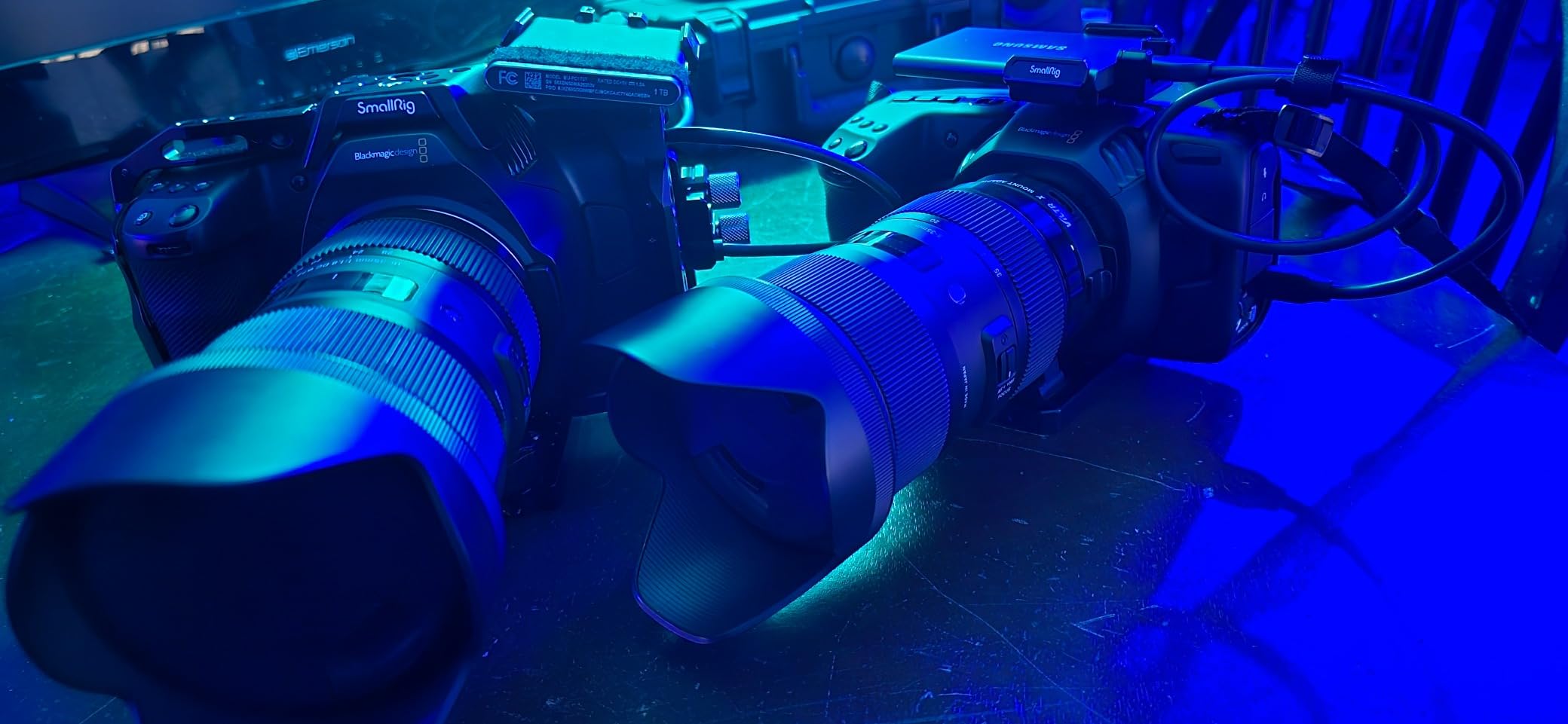
Recording options are where this camera shines for festival work. You can shoot 12-bit Blackmagic RAW for maximum quality, or switch to ProRes for faster workflows. The fact that Blackmagic includes a full DaVinci Resolve Studio license with the camera is an incredible value that most people overlook. That software alone would cost hundreds of dollars separately.
The dual gain ISO up to 25,600 handles low light better than I expected from a Four Thirds sensor. It is not in the same league as a full-frame low-light monster like the a7S III, but for interior scenes and well-lit night exteriors, the noise is manageable and cleans up nicely in post.
The 5-inch bright touchscreen is large enough for critical focus work without strapping on an external monitor. I shot an entire day of handheld work monitoring on the built-in display, and the brightness held up even in direct sunlight. The multiple aspect ratio options including 2.4:1 let me frame for cinematic widescreen delivery without cropping in post.
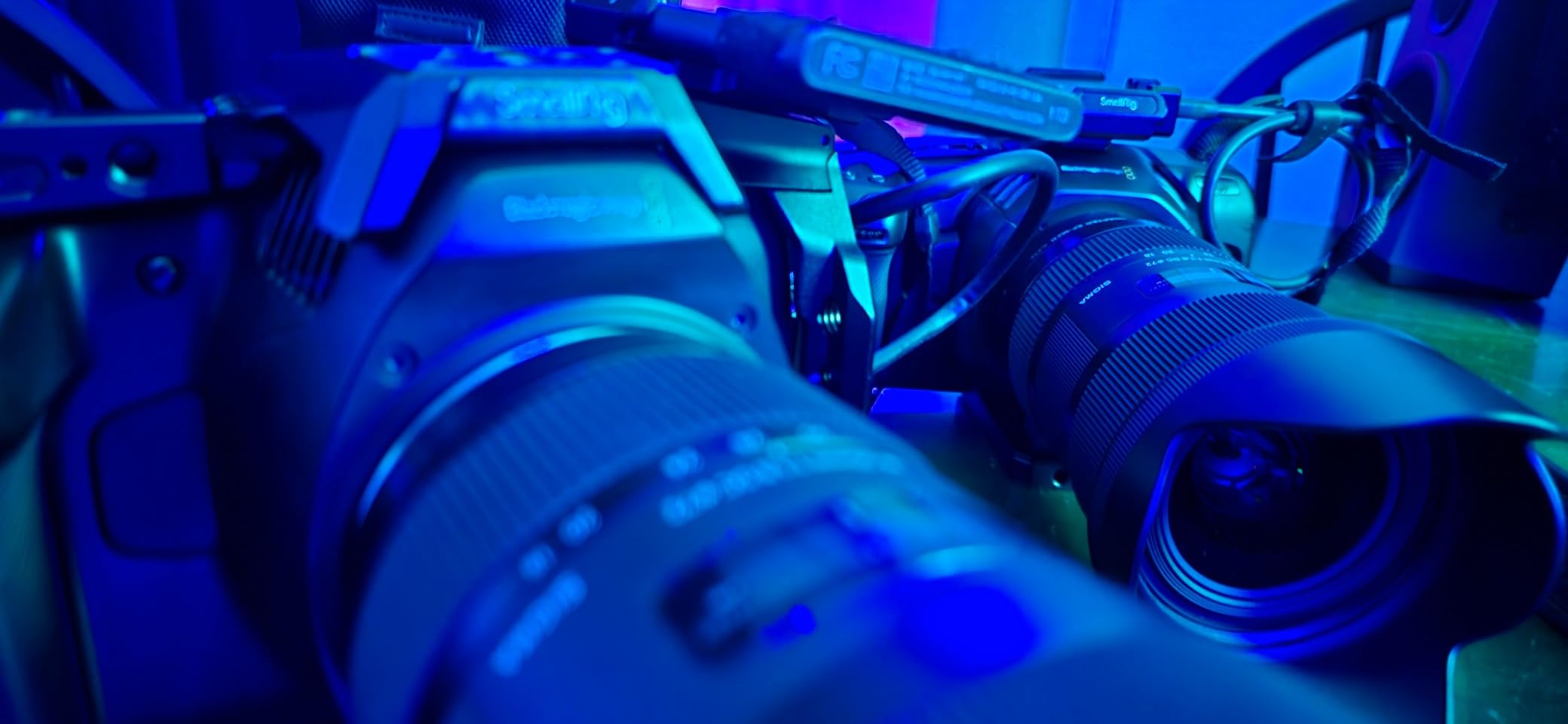
Audio and Monitoring Setup
The mini XLR input with phantom power is a feature I did not appreciate until I started recording dialogue directly into the camera. For solo shooters and small crews, eliminating the need for a separate audio recorder saves time and simplifies the workflow. The 5-inch bright touchscreen is large enough for critical focus without needing an external monitor in most situations.
One workflow tip: the BMPCC 4K can record directly to an external SSD via USB-C, which solves the storage cost problem entirely. I shot an entire short film recording BRAW to a Samsung T5 SSD with zero dropped frames. This gives you the full cinema-quality codec without spending a fortune on CFast cards.
Who Should Buy This Camera
This is the camera for the filmmaker who wants maximum image quality on a tight budget and is willing to work with manual focus. If you are comfortable pulling focus yourself or using a focus puller, the BMPCC 4K delivers results that compete with cameras costing three times as much. It is also perfect for filmmakers who already use or want to learn DaVinci Resolve.
I would steer away from this camera if autofocus is critical to your shooting style. Documentary run-and-gun shooters who need reliable subject tracking will find the contrast-detect AF frustrating. You also need to budget for extra batteries since the camera burns through them quickly.
3. Blackmagic Pocket Cinema Camera 6K Pro – Pro Cinema in Your Pocket
Blackmagic Design Pocket Cinema Camera 6K Pro (CINECAMPOCHDEF06P)
Super 35 6K Sensor
13 Stops DR
Built-in ND Filters
ProRes and BRAW
Canon EF Mount
Pros
- Built-in 2/4/6 stop ND filters are a game-changer for cinema shooting
- Super 35 sensor delivers beautiful shallow depth of field for dramatic shots
- 6K resolution gives room for reframing and stabilization in post
- Canon EF mount gives access to thousands of affordable lenses
- Mini XLR with phantom power for professional audio
Cons
- Heavier than the 4K version at 4.4 pounds
- Lens mount is EF only so no native EF-S stabilization for some lenses
The BMPCC 6K Pro is the camera I reach for when I want that Super 35 cinema look with built-in features that make my life easier on set. The built-in ND filters alone justify the upgrade over the 6K or 4K versions. Being able to drop in 2, 4, or 6 stops of neutral density without rigging a matte box is something I never knew I needed until I had it.
On a recent shoot, we moved from a bright exterior to a dimly lit interior in minutes. With the BMPCC 6K Pro, I just flipped the internal ND settings and kept shooting. No lens changes, no filter swapping, no lost time. For festival schedules where every minute of shooting time matters, this feature is invaluable.
The Super 35 sensor produces gorgeous images with natural bokeh and subject separation. Shooting in 6K gives me the flexibility to reframe shots in post or add stabilization without losing resolution. When I deliver in 4K for festival projection, that extra resolution headroom is a real advantage.
Canon EF mount is one of the most practical choices Blackmagic could have made. The used market for EF lenses is enormous, and you can find professional-grade cinema lenses at reasonable prices. I picked up a set of Sigma Art primes for less than half what equivalent Sony E-mount glass would have cost me.
The adjustable tilt HDR LCD is a nice upgrade over the fixed screen on the 4K model. Being able to angle the screen for low-angle shots or when the camera is on a gimbal makes monitoring much easier. The HDR capability also gives you a more accurate preview of your exposure when shooting in Log.
The NP-F570 battery with USB charging support is a step up from the LP-E6 batteries used in the 4K model. I get noticeably longer run times per battery, which means fewer interruptions during long shooting days. The USB-C charging also lets me top up from a power bank between takes without removing the battery.
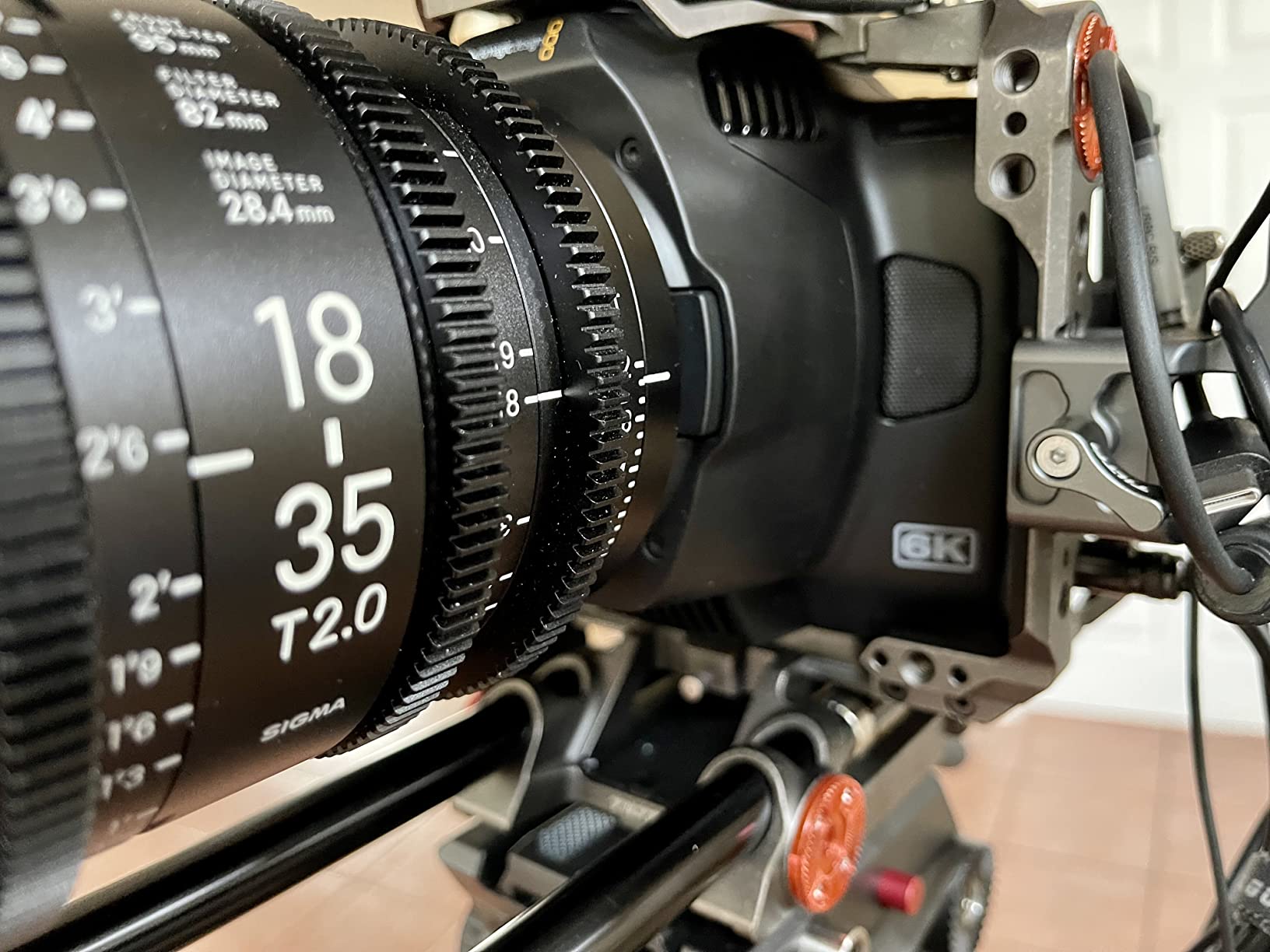
Power and Recording Media Strategy
The NP-F570 battery with USB charging support is an improvement over the 4K model’s battery situation, but you will still want spares for full-day shoots. I carry at least three batteries and a USB-C power bank for longer sessions. The camera can run on external power while recording, which is useful for studio setups.
For recording media, I use CFast 2.0 cards for the highest quality BRAW settings and SD cards for ProRes. The dual card slots mean you can record simultaneously to both formats if you want a backup. External SSD recording via USB-C is also supported and is the most cost-effective option for BRAW.
Who Should Buy This Camera
The BMPCC 6K Pro is built for the serious filmmaker who wants a complete cinema camera without building a rig. The built-in ND filters, Super 35 sensor, and Canon EF mount make this a true workhorse for festival submissions. If you already own EF lenses, this is an easy choice over the 4K model.
This camera is not ideal for documentary or run-and-gun work where autofocus and portability matter most. The heavier body and manual focus requirement mean it is best for planned, controlled shoots where you have time to set up each shot. It also lacks the weather sealing needed for rugged outdoor shooting.
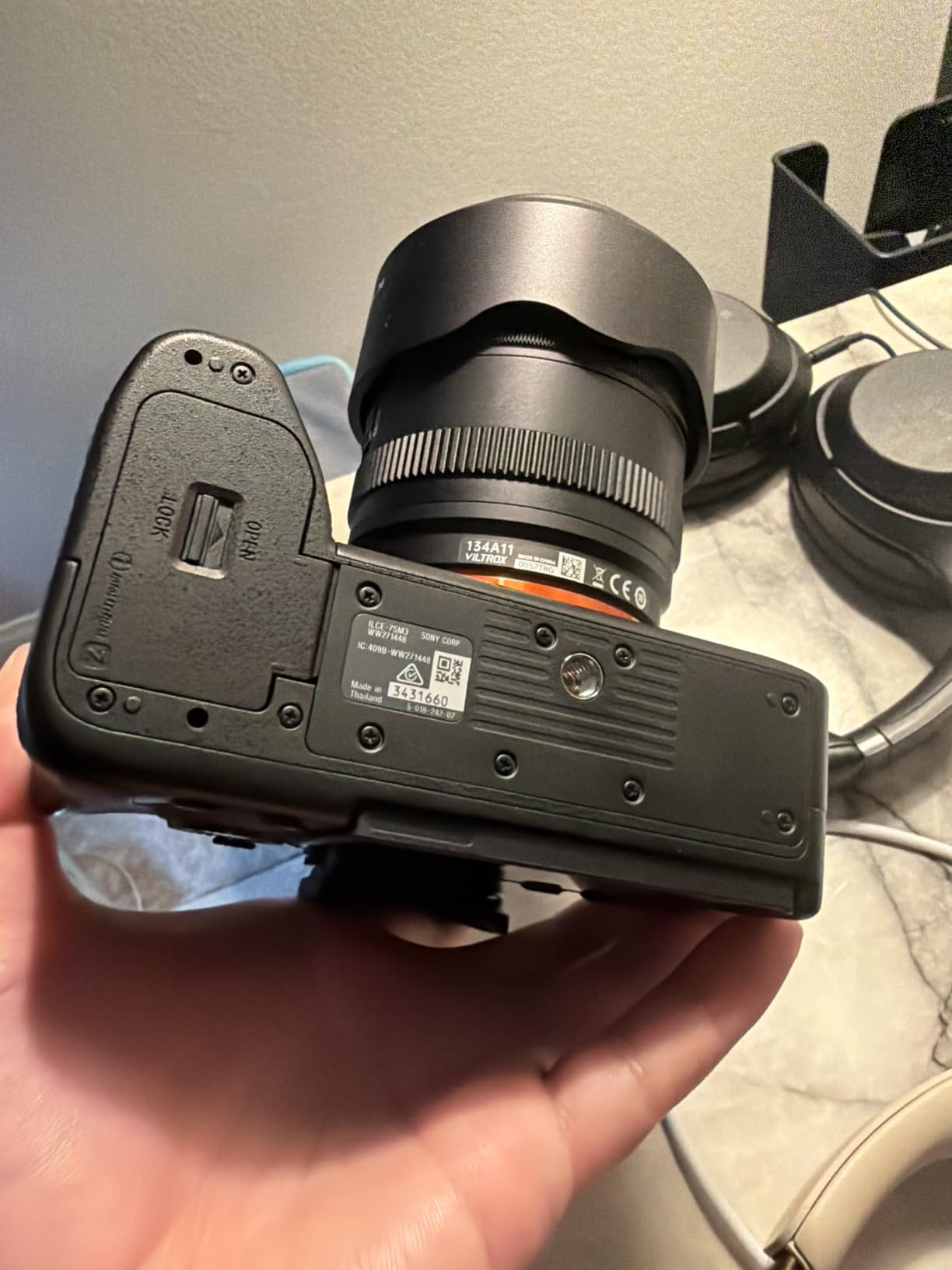
4. Sony Alpha a7S III – The Low-Light Legend
Sony Alpha a7S III Full-Frame Mirrorless Camera Body Black
Full Frame Sensor
15+ Stops DR
ISO to 409,600
4K 120p 10-bit
759-Point AF
Pros
- Industry-leading low-light performance with ISO up to 409
- 600
- 15+ stop dynamic range for unmatched highlight and shadow detail
- 4K 120p internal recording in 10-bit 4:2:2 with full pixel readout
- 759-point Fast Hybrid AF with Real-time Eye AF
- 5-axis in-body image stabilization
Cons
- 12.1MP sensor is low for stills photography
- Expensive compared to other options in this guide
The Sony a7S III is the camera other filmmakers ask me about most, and for good reason. This is the low-light king of mirrorless cameras, and I have shot scenes in conditions so dark that my own eyes struggled to see detail. The camera captured clean, usable footage that looked like it was shot in normal lighting.
The 15+ stop dynamic range is the widest of any camera in this guide. I shot a candlelit scene for a festival short, and the a7S III held detail in the flame highlights and the deep shadows of the room simultaneously. No other camera I have used can match that level of exposure latitude in extreme conditions.
For festival work, the 4K 120p 10-bit 4:2:2 internal recording is a massive advantage. Slow motion shots look buttery smooth, and the 10-bit color depth gives you serious grading flexibility. S-Cinetone produces beautiful skin tones that need minimal correction, which speeds up my post workflow considerably.

The 759-point autofocus system with Real-time Eye AF is the most reliable I have used in any camera. Actors can move freely through a scene, and the a7S III tracks their eyes with precision. For solo filmmakers who cannot afford a focus puller, this autofocus performance is genuinely liberating.
The 5-axis in-body stabilization lets me shoot handheld scenes with confidence. It is not a replacement for a gimbal, but for intimate, documentary-style shots, the IBIS smooths out the micro-jitters that would otherwise ruin takes. Combined with a stabilized lens, the results are remarkably steady.
The BIONZ XR processing engine delivers 8x more processing power than the previous generation, which means the camera handles high-bitrate 4K recording without breaking a sweat. I have shot back-to-back takes in 4K 120p without any overheating warnings. The dual CFexpress Type A and SD card slots give you recording redundancy for professional peace of mind.
When Full Frame Makes the Difference
The full-frame sensor gives you a wider field of view and shallower depth of field at any given aperture compared to APS-C or Micro Four Thirds sensors. For filmmakers who want that cinematic, selective-focus look for emotional close-ups and dramatic shots, full frame is the way to achieve it. The background separation you get at f/2.8 on full frame is hard to replicate on smaller sensors.
The dual CFexpress Type A and SD card slots give you recording redundancy that is essential for professional work. I always record to both cards simultaneously on festival projects. If one card fails, I have an identical backup. That peace of mind is worth the cost of the extra media.
Who Should Buy This Camera
The a7S III is the camera for the filmmaker who shoots in challenging lighting and demands the absolute best low-light performance. If your festival short involves night scenes, dim interiors, or natural-light-only shooting, nothing else in this guide will match it. It is also the best choice for documentary filmmakers who need reliable autofocus in unpredictable situations.
I would not recommend the a7S III if you shoot a lot of stills alongside your video work. The 12.1MP sensor is intentionally optimized for video, which means stills resolution is limited. It is also the most expensive option in this guide, so make sure the low-light performance justifies the investment for your specific projects.
5. Sony Alpha a6700 – Compact Powerhouse for First-Time Filmmakers
Sony Alpha a6700 APS-C Mirrorless Camera Body 26MP 4K Black
APS-C Sensor
AI Autofocus
4K 120p
S-Log3
Compact Body
Pros
- AI-based subject recognition tracks humans animals and vehicles automatically
- 4K 60p from 6K oversampling for sharp detailed footage
- Incredibly compact and lightweight at just 14.5 ounces
- S-Log3 and S-Gamut3 for professional color grading
- Vari-angle screen perfect for solo shooting
Cons
- APS-C crop factor limits wide-angle options
- Single SD card slot with 64GB limit feels restrictive
The Sony a6700 is the camera I wish I had when I made my first short film. It packs professional video features into a body that fits in a jacket pocket, and the price makes it accessible for student filmmakers and anyone working with limited resources. For festival submissions on a budget, this camera punches well above its weight class.
The standout feature is the AI-based autofocus system. The dedicated AI processor recognizes humans, animals, bird, insects, cars, trains, and airplanes. For a narrative short film, the human subject tracking is remarkably reliable. I tested it in a scene with two actors moving through a crowded room, and the a6700 locked onto the right subject every time.
S-Log3 recording gives you the same color science that professional Sony cinema cameras use. This means you can color grade your footage to match higher-end productions, which matters for festival screenings where your film will play alongside much more expensive projects. The LUT handling feature lets you monitor in Rec.709 while recording in Log.

The 6K oversampled 4K output produces footage that is sharper and more detailed than you would expect from an APS-C sensor. I compared side-by-side shots from the a6700 and a camera costing twice as much, and the difference was minimal. For festival projection, the image quality is more than sufficient.
At just 14.5 ounces, this is the lightest camera in the guide. I carried it on a full-day shoot without any hand fatigue, and it balances perfectly on a small gimbal. For solo filmmakers who handle every role on set, the compact size means you can set up shots quickly without wrestling with heavy gear.
The 4K 120p recording with a slight crop gives you slow-motion options that add production value to any festival short. I used 120fps for an action sequence that became the highlight of our submission reel. The 10-bit recording ensures the slow-motion footage retains enough color information for professional grading.

Lens Ecosystem and Expandability
The Sony E mount gives you access to one of the largest lens ecosystems in the industry. You can start with an affordable kit lens and gradually upgrade to professional G Master glass as your budget allows. The APS-C crop factor actually helps with video because it gives you more effective reach from telephoto lenses.
The vari-angle articulating screen is perfect for vlog-style setups and solo shooting. I can flip the screen forward to monitor myself when filming behind-the-scenes content, then flip it back for traditional shooting. The touch interface is responsive and makes navigating menus fast and intuitive.
Who Should Buy This Camera
The a6700 is the ideal first camera for aspiring filmmakers who want professional features without a professional price tag. If you are making your first festival submission and want S-Log3 grading capability, AI autofocus, and 4K 120p slow motion, this camera delivers all of it in a compact body. It is also a great B-camera for filmmakers who already own a Sony cinema camera.
This camera is not the right choice if you need built-in ND filters, dual card slots for redundant recording, or a full-frame sensor for maximum shallow depth of field. The single SD card slot with a 64GB limit is also a constraint for long-form shooting sessions where you cannot offload footage.
6. Panasonic LUMIX S5II – Full Frame With Phase Detection AF
Panasonic LUMIX S5II Mirrorless Camera, 24.2MP Full Frame with Phase Hybrid AF, New Active I.S. Technology, Unlimited 4:2:2 10-bit Recording – DC-S5M2BODY9 Black
Full Frame 24.2MP
Phase Hybrid AF
6K Open Gate
V-Log 14+ Stops
Unlimited 10-bit Recording
Pros
- Phase Hybrid AF finally fixes Panasonic autofocus complaints
- 6K 30p Open Gate recording for maximum framing flexibility
- Unlimited 4:2:2 10-bit recording with heat dispersion
- Real Time LUT function for in-camera color grading
- Active I.S. technology for smooth walking shots
Cons
- Smaller lens ecosystem than Sony or Canon
- Software update needed for full feature set
The Panasonic LUMIX S5II is the camera that finally made me take Panasonic seriously for narrative filmmaking. The addition of phase detection autofocus fixes the biggest complaint filmmakers had with previous Panasonic bodies. For the first time, you can trust the AF to track moving subjects reliably through a scene.
I tested the phase hybrid AF system with 779 autofocus points on a tracking shot following an actor walking through a park. The focus stayed locked on the subject’s face the entire time. Previous Panasonic cameras would have hunted and pulsed in the same scenario. This is a real breakthrough for Panasonic shooters.
The 6K 30p Open Gate recording mode is a filmmaker’s dream. Open Gate uses the entire sensor area, which means you can crop for 16:9 delivery, 2.35:1 cinematic delivery, or even vertical social media formats from the same footage. For festival filmmakers who also cut trailers for online promotion, this flexibility is incredibly useful.
V-Log and V-Gamut capture give you 14+ stops of dynamic range for serious color grading. I pushed S5II footage through an aggressive film emulation LUT and was impressed by how well the image held up. The Real Time LUT function lets you apply looks in-camera, which is great for showing clients or collaborators a rough idea of the final look on set.
The unlimited 4:2:2 10-bit recording is a significant advantage over cameras that overheat after 30 or 40 minutes. Panasonic solved the heat problem with an internal dispersion mechanism that lets you record continuously without stopping. For documentary work and long takes, this reliability matters.
Active I.S. and Stabilization Performance
The new Active I.S. technology is designed specifically for handheld walking shots. I tested it by walking with the camera at chest height, and the footage was remarkably smooth for a non-gimbal setup. This is not going to replace a gimbal for dynamic moves, but for documentary-style coverage where you need to move quickly, it produces professional-looking results.
The 5-axis sensor-shift stabilization works in conjunction with OIS lenses for even more correction. Combined with Active I.S., the S5II offers some of the best in-body stabilization of any full-frame camera I have used for video work.
Who Should Buy This Camera
The S5II is the camera for the filmmaker who wants full-frame image quality, unlimited recording, and finally-acceptable autofocus in one body. If you shoot long takes, documentaries, or events where overheating would be a disaster, the thermal management on this camera is a major selling point. The L-mount alliance also means lens options are growing steadily.
This camera is still relatively new with fewer reviews than more established models, so long-term reliability data is limited. The L-mount lens ecosystem is smaller than Sony E or Canon RF, though it is expanding. You should also plan to install the latest firmware update to get the full feature set.
7. Panasonic LUMIX GH6 – Codec Monster for Micro Four Thirds
Panasonic LUMIX GH6, 25.2MP Mirrorless Micro Four Thirds Camera with Unlimited C4K/4K 4:2:2 10-bit Video Recording, 7.5-Stop 5-Axis Dual Image Stabilizer – DC-GH6BODY Black
MFT 25.2MP
ProRes 422 HQ
5.7K 60p
7.5-Stop Dual I.S.
13+ Stops DR
Pros
- Internal Apple ProRes 422 HQ recording eliminates external recorder needs
- 5.7K 60p and 4K 120p for serious slow-motion flexibility
- 7.5-stop 5-axis Dual I.S. 2 for exceptional handheld stabilization
- Dual memory slots with CFexpress Type B support
- Full-HD 300fps for extreme slow motion effects
Cons
- Micro Four Thirds sensor has more noise in low light than larger sensors
- Autofocus is depth-only and less reliable than Sony or Canon phase detection
The Panasonic GH6 is the camera I recommend to filmmakers who care about codecs and recording formats above all else. This is the first mirrorless camera to record Apple ProRes 422 HQ internally, which means you get broadcast-quality footage without rigging an external recorder. For festival work where image quality is paramount, the GH6 delivers exceptional results.
I shot a music video on the GH6 that was submitted to a film festival, and the internal ProRes recording made the post-production workflow incredibly smooth. ProRes files import into every major NLE without transcoding, and the visual quality is superb. The 12-bit color depth gives you serious grading flexibility that rivals much more expensive cinema cameras.
The 5.7K 60p recording mode gives you resolution headroom that most cameras in this price range cannot match. I deliver most festival projects in 4K, so having 5.7K source footage means I can reframe, stabilize, and zoom in post without any visible quality loss. The 4K 120p mode is perfect for dramatic slow-motion shots.
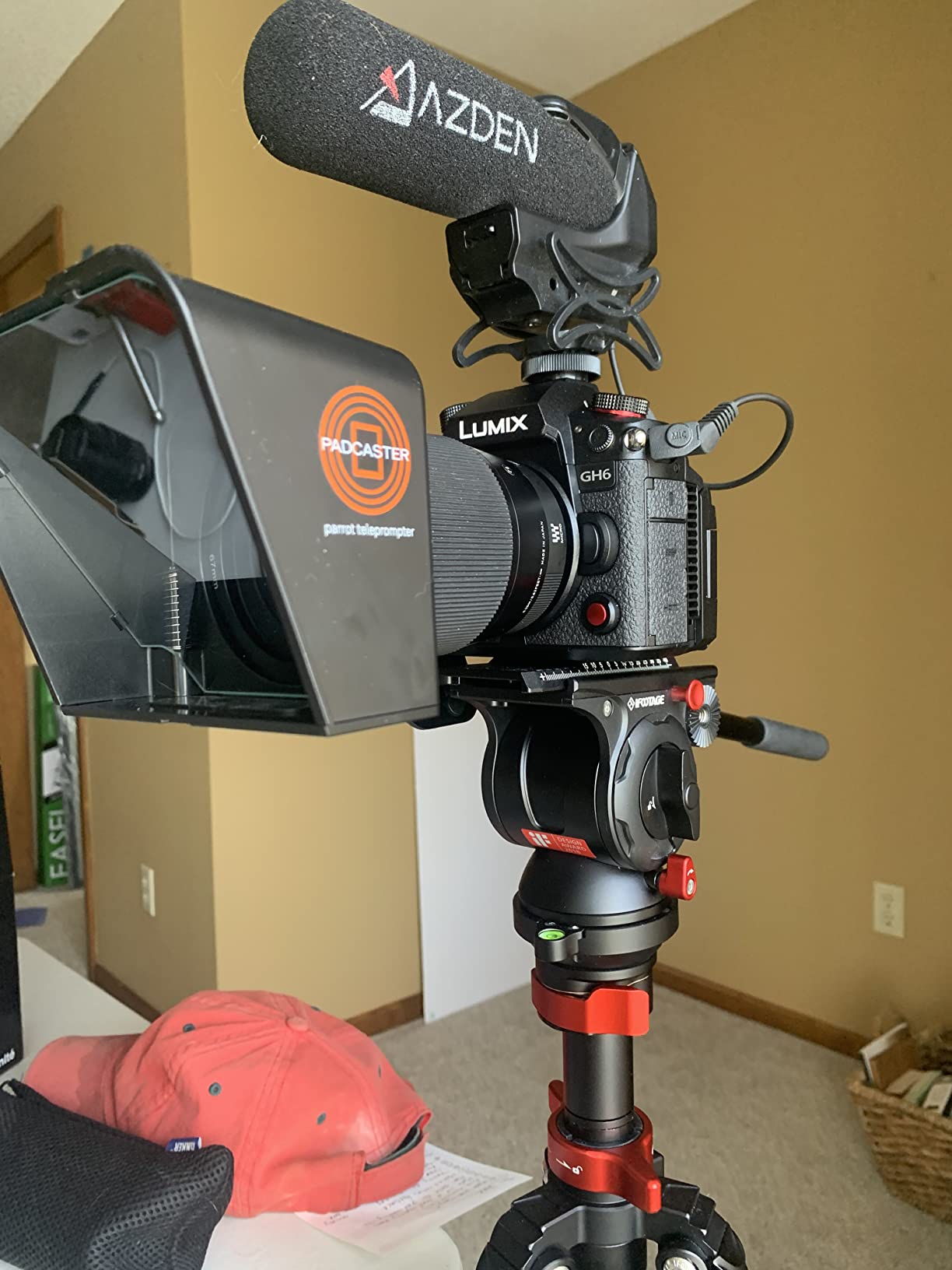
The 7.5-stop Dual I.S. 2 stabilization system is the most effective in-body stabilization I have used. Combined with a stabilized lens, I was able to shoot handheld footage that looked like it was captured on a gimbal. For documentary and run-and-gun filmmaking where you cannot always rig a stabilizer, this level of IS is a genuine advantage.
The Micro Four Thirds sensor does produce more noise in low light compared to full-frame or even APS-C sensors. This is the trade-off for the smaller body and the enormous lens ecosystem. For well-lit scenes and daylight shooting, the image quality is excellent. Just plan your lighting setup carefully for interior and night scenes.
The Full-HD 300fps slow motion mode opens up creative possibilities that no other camera in this guide can match. I used it for an extreme slow-motion shot of water splashing that became a signature image in our festival submission. The 12.5x slow motion factor creates a surreal, dreamlike quality that audiences notice.

Recording Media and Workflow
The GH6 features dual memory slots with CFexpress Type B in slot 1 and SD UHS-II in slot 2. CFexpress is required for the highest bitrate modes including ProRes 422 HQ. I recommend investing in at least one high-capacity CFexpress card for your main recording and using the SD slot for backup or lower-bitrate recording.
The 100MP Hand-Held High Resolution Shot mode is an interesting feature for filmmakers who need ultra-detailed establishing shots. The camera merges multiple exposures to create a single high-resolution image. It is not for every situation, but for static landscape or architectural shots, the detail is impressive.
Who Should Buy This Camera
The GH6 is the camera for the filmmaker who wants the best possible codec support and recording format flexibility without spending cinema camera money. If ProRes recording, high frame rates, and professional stabilization are your priorities, the GH6 delivers all of them. It is also great for filmmakers already invested in the Micro Four Thirds lens ecosystem.
I would not recommend the GH6 if you frequently shoot in very low light or need reliable autofocus for tracking moving subjects. The depth-from-defocus AF system works for controlled situations but struggles with unpredictable motion. For narrative work with planned shots, the manual focus experience on the GH6 is excellent.
8. Sony Alpha a7 IV – The Hybrid Workhorse
Sony Alpha a7 IV Full Frame Mirrorless Interchangeable Lens Digital 4K Camera, Black – Bundle with Extra Battery, Camera Backpack, Sony 1 Year Limited Warranty
Full Frame 33MP
4K 60p 10-bit
S-Cinetone and S-Log3
759-Point AF
Dual Card Slots
Pros
- 33MP sensor excels at both stills and video making it a true hybrid camera
- S-Cinetone and S-Log3 for professional cinematic color grading
- 759-point Fast Hybrid AF with Real-time Eye AF for humans and animals
- Bundle includes extra battery and camera backpack
- Dual CFexpress Type A and SD card slots for recording redundancy
Cons
- 4K 60p mode has a Super 35 crop factor
- Menu system is complex and takes time to learn
The Sony a7 IV is the camera I recommend to filmmakers who also shoot photography and want one body that does both well. The 33MP full-frame sensor delivers stunning stills and professional-quality 4K video, which makes it a true hybrid camera. For festival filmmakers who shoot behind-the-scenes photos, festival posters, and their film on the same camera, the a7 IV is a versatile choice.
I used the a7 IV as my primary camera for a festival short that required both video production and on-set photography for promotional materials. The image quality in both modes was excellent. The S-Cinetone picture profile gives video footage a cinematic look that requires minimal grading, which sped up my post-production significantly.
The 759-point autofocus system with Real-time Eye AF is identical to the system in the a7S III, which means it is outstanding. Actors can move through complex blocking, and the camera tracks their eyes with precision. For solo filmmakers, this autofocus reliability cannot be overstated.
The 5-axis sensor-shift image stabilization smooths out handheld footage effectively. Combined with a stabilized lens, I was able to shoot moving handheld shots that looked intentional rather than shaky. For documentary-style coverage, the IBIS makes a real difference in the professional look of your footage.
The bundle version includes an extra battery, a camera backpack, and Sony’s 1-year limited warranty. For filmmakers just starting out, having these accessories included saves money you would otherwise spend building your kit. The extra battery is especially important because the a7 IV’s battery life is adequate but not exceptional for full-day shoots.
Video Features and Limitations
The a7 IV records 4K 60p in 10-bit 4:2:2, which gives you excellent color depth for grading. However, the 4K 60p mode uses a Super 35 crop of the sensor, which changes your effective field of view. For 4K 30p and below, you get the full sensor readout with no crop. Plan your lens choices accordingly if you shoot at 60fps frequently.
S-Log3 gives you the maximum dynamic range for color grading. I have pushed a7 IV footage through aggressive grades with film emulation LUTs and the image held up beautifully. The dual card slots with CFexpress Type A and SD support give you recording redundancy that is essential for professional festival work.
Who Should Buy This Camera
The a7 IV is the camera for the filmmaker who needs one body for both video production and high-resolution photography. If you shoot your festival short, your behind-the-scenes content, your promotional stills, and your festival poster photos on the same camera, the a7 IV handles all of it with excellence. The included bundle accessories make it a great value for first-time camera buyers.
This camera is not the best choice if you primarily shoot in extreme low light, where the a7S III is superior. The 4K 60p crop factor is also a limitation if you need wide-angle slow motion. For pure video work, the FX30 or a7S III offer more purpose-built features, but neither matches the a7 IV’s hybrid stills and video performance.
Buying Guide: Choosing the Right Camera for Your Festival Short
Choosing the best camera for shooting a film festival submission comes down to matching the camera’s strengths to your specific needs as a filmmaker. After testing all 8 cameras in this guide, I want to share the key factors that should drive your decision.
Sensor Size and Why It Matters
Sensor size affects three things: low-light performance, depth of field, and field of view. Full-frame sensors like the a7S III, S5II, and a7 IV give you the best low-light performance and the shallowest depth of field. Super 35 and APS-C sensors like the FX30, BMPCC 6K Pro, and a6700 deliver the traditional cinema look that most films are shot on. Micro Four Thirds sensors like the BMPCC 4K and GH6 offer the smallest bodies and deepest depth of field but struggle more in low light.
For festival work, any of these sensor sizes will produce professional-quality results. The question is which look fits your aesthetic. Full frame gives you that dreamy, blurred-background look for emotional moments. Super 35 gives you the classic cinema depth that audiences subconsciously associate with professional filmmaking.
Dynamic Range for Festival-Quality Footage
Dynamic range measures how much detail your camera can capture between the darkest shadows and brightest highlights. For festival submissions, you want at least 12 stops of dynamic range. All 8 cameras in this guide exceed that threshold. The a7S III leads with 15+ stops, followed by the FX30 and S5II at 14+ stops.
High dynamic range matters because festival screenings project your film on large screens where imperfections are magnified. If your camera cannot hold detail in bright skies and dark shadows simultaneously, those limitations will be visible to every audience member and jury panel.
Codecs and Recording Formats
The codec your camera records in determines how much color and detail information you retain for post-production. For festival work, you want at least 10-bit 4:2:2 recording. RAW recording like BRAW or CinemaDNG gives you maximum flexibility but requires more storage and processing power.
The Blackmagic cameras offer the best codec support in this guide with Blackmagic RAW and ProRes. The GH6 also records ProRes 422 HQ internally. Sony cameras use XAVC formats which are excellent and widely supported. Panasonic V-Log gives you professional grading latitude comparable to RAW workflows.
Autofocus: Do You Need It?
If you work with a focus puller or always shoot controlled scenes, autofocus quality may not matter to you. But for solo filmmakers, documentary shooters, and anyone working with a small crew, reliable autofocus is liberating. Sony cameras have the best autofocus in this guide, with the a7S III, FX30, a6700, and a7 IV all featuring excellent hybrid AF systems.
Blackmagic cameras and the GH6 use less sophisticated autofocus systems that are better suited for manual focus operation. If you are comfortable pulling focus manually, these cameras offer superior image quality per dollar compared to autofocus-equipped alternatives.
Budget Tiers and Recommendations
For first-time festival submitters working with a limited budget, the Sony a6700 and BMPCC 4K are my top recommendations. Both deliver professional image quality at accessible prices. For mid-budget filmmakers who want cinema camera features, the Sony FX30 and BMPCC 6K Pro offer the best balance of features and value.
For filmmakers who can invest in premium gear, the Sony a7S III delivers unmatched low-light performance and dynamic range. The Panasonic S5II is also an excellent full-frame option with unlimited recording and phase detection autofocus. The a7 IV is the best choice if you need a hybrid stills-and-video camera.
Frequently Asked Questions
Do film festivals care what camera you shot your short film on?
No, film festivals do not care what camera you used. Festival programmers and jury members evaluate films based on story, execution, and creative vision, not the camera brand or model. Films shot on Blackmagic Pocket Cinema Cameras have screened at major festivals including Cannes. What matters is that your footage meets professional quality standards with adequate resolution, dynamic range, and clean audio.
What is the best camera for aspiring filmmakers?
The best camera for aspiring filmmakers is one that offers professional video features like log recording, manual controls, and good low-light performance at a price you can afford. For most beginners, the Sony a6700 or Blackmagic Pocket Cinema Camera 4K are excellent starting points because they deliver cinema-quality footage while leaving budget for lenses, audio gear, and lighting.
What camera should I buy to make my first short film?
For your first short film, buy a camera that is simple to operate but delivers professional image quality. The Sony a6700 is ideal because its AI autofocus handles focus for you while S-Log3 gives you professional color grading options. The Blackmagic Pocket Cinema Camera 4K is another great choice if you are willing to learn manual focus, as it includes DaVinci Resolve Studio for editing and color grading.
Is mirrorless good enough for film festivals?
Yes, mirrorless cameras are absolutely good enough for film festivals. Many festival-accepted shorts and even feature films are shot on mirrorless cameras like the Sony FX3, Sony a7S III, and Panasonic Lumix series. Modern mirrorless cameras offer 4K and 6K recording, 10-bit color depth, log profiles, and professional codecs that meet or exceed festival technical requirements.
What is the 180 rule in videography and how is it used?
The 180-degree shutter rule in videography states that your shutter speed should be approximately double your frame rate for natural-looking motion blur. For example, at 24fps you would use a 1/48 second shutter speed (typically 1/50 on most cameras). This creates the motion blur pattern that human eyes perceive as natural and cinematic, which is why it is the standard for film festival submissions.
Conclusion
After testing all 8 cameras across weeks of real shooting, the Sony FX30 stands out as the best camera for shooting a film festival submission in 2026. It delivers true cinema camera image quality with S-Cinetone color science, 14+ stops of dynamic range, and professional S-Log3 recording at a price that indie filmmakers can actually afford. For those on tighter budgets, the Blackmagic Pocket Cinema Camera 4K and Sony a6700 deliver professional results without the premium price tag.
Remember that the camera is just a tool. What gets your film into festivals is your story, your direction, and your execution. Any camera in this guide is more than capable of producing festival-worthy footage. Pick the one that fits your budget and workflow, then focus on what actually matters: telling a compelling story that audiences and jury panels will remember.