

Most 6×9 speakers that get returned were never a sound problem. They simply did not fit. The spec that decides whether a 6×9 lives in your door is mounting depth, and it is worth checking before you spend anything.
We compared 12 of the most widely reviewed 6×9 coaxial speakers on the market, with the emphasis on the numbers that decide real door fitment: mounting depth, cutout width, sensitivity, and continuous RMS power. Our top pick is the Pioneer F-Series TS-F6935R, for reasons we explain below. If your door well is very shallow, we also call out the designs that clear three inches.
Around the edges we covered what product pages usually skip: what to do when your door has a round 6.5 opening, how a factory sail-panel tweeter interacts with a multi-driver coaxial, and why sensitivity matters more than peak wattage on a stock head unit. Panel work matters here too, and the same noise-control logic behind our guide to soundproofing panels for video studios applies to a metal door shell.
Table of Contents
- Top 3 Best 6×9 Car Speakers for Door Panels (October 2026)
- All 12 Picks at a Glance in 2026
- 1. Pioneer F-Series TS-F6935R 3-Way Coaxial 6×9
- 2. Rockford Fosgate P1692 Punch 2-Way Full Range 6×9
- 3. BOSS Audio Systems CH6930 3-Way 6×9 Coaxial
- 4. Pioneer G-Series TS-G6930F 3-Way 6×9 Coaxial
- 5. KICKER DSC6930 Hi-Res 3-Way 6×9
- 6. Rockford Fosgate Prime R169X3 3-Way 6×9
- 7. Pioneer A-Series TS-A6961F 4-Way 6×9
- 8. Kenwood KFC-6966S 3-Way 6×9 Coaxial
- 9. DS18 G6.9Xi GEN-X 3-Way 6×9
- 10. JVC CS-J6930 3-Way 6×9
- 11. KICKER CS Series 46CSC6934 Coaxial 6×9
- 12. Sound Storm Laboratories EX369 3-Way 6×9
- Will a 6×9 Actually Fit Your Door?
- Spacers, Rings and Adapter Mounts
- Factory Radio vs Amplifier
- 6×9 vs 6.5 and 2-Way vs 3-Way
- How We Picked and Ranked These Speakers
- Frequently Asked Questions
- The Best 6×9 Car Speakers for Door Panels in 2026
Top 3 Best 6×9 Car Speakers for Door Panels (October 2026)

Pioneer F-Series TS-F6935R
- Shallow 2.75 inch depth
- 3-way coaxial
- 87 dB sensitivity
- 230W max with 30W nominal
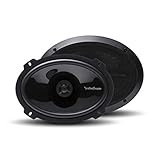
Rockford Fosgate P1692
- 75W RMS
- FlexFit slotted basket
- PEI dome tweeter
- OEM adapter plate included

The Pioneer F-Series leads because it does the least harm in a real door: a shallow frame, a 4-ohm load any factory system accepts, and enough sensitivity to be heard clearly without an amplifier. The Rockford Fosgate P1692 is the stronger amplified option, and the BOSS CH6930 is the cheapest reliable fix for a blown factory driver.
All 12 Picks at a Glance in 2026
| Product | Specs | Action |
|---|---|---|
| Pioneer TS-F6935R 3-Way |
|
Check Latest Price |
| Rockford Fosgate P1692 2-Way |
|
Check Latest Price |
| BOSS CH6930 3-Way |
|
Check Latest Price |
 Pioneer TS-G6930F 3-Way Pioneer TS-G6930F 3-Way |
|
Check Latest Price |
 KICKER DSC6930 3-Way KICKER DSC6930 3-Way |
|
Check Latest Price |
 Rockford Fosgate R169X3 3-Way Rockford Fosgate R169X3 3-Way |
|
Check Latest Price |
 Pioneer TS-A6961F 4-Way Pioneer TS-A6961F 4-Way |
|
Check Latest Price |
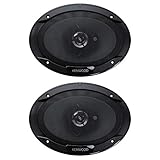 Kenwood KFC-6966S 3-Way Kenwood KFC-6966S 3-Way |
|
Check Latest Price |
 DS18 G6.9Xi 3-Way DS18 G6.9Xi 3-Way |
|
Check Latest Price |
 JVC CS-J6930 3-Way JVC CS-J6930 3-Way |
|
Check Latest Price |
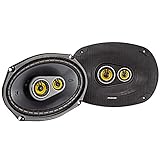 KICKER CS Series 46CSC6934 KICKER CS Series 46CSC6934 |
|
Check Latest Price |
 Sound Storm EX369 3-Way Sound Storm EX369 3-Way |
|
Check Latest Price |
Two numbers in that table outrank the rest. Mounting depth decides whether the speaker physically goes in. Sensitivity decides whether you need an amplifier. Everything else is preference.
1. Pioneer F-Series TS-F6935R 3-Way Coaxial 6×9
PIONEER F-Series TS-F6935R 6″ x 9″ 3-Way Coaxial Car Speakers 230W Max
4 ohm
87 dB sensitivity
230W max with 30W nominal
2.75 inch deep
6 x 9 door mount
Pros
- Shallow frame suits tight door wells
- Clear balanced output on factory power
- Lightweight at 1.52 kg per speaker
- Deep 3-way driver layout in one frame
Cons
- 30W nominal needs an amplifier for full volume
- Some vehicles need separate spacers
- One reviewer reported early failure
This is the one we recommend to someone replacing a factory door driver and nothing else. It measures 2.75 inches deep and 9.3 inches wide, one of the friendlier envelopes here when the door well is tight.
At 1.52 kg per speaker it is light enough that the factory bracket and screws hold without complaints about flexing. The 87 dB sensitivity is mid-pack, so it will not shout off a factory radio, but reviewers describe it as clear and balanced rather than harsh, which is the right character for a door.
The gap between the 230W headline and the 30W nominal rating catches people out. Peak power is a momentary surge. Nominal power is what the driver handles continuously, and it is the figure that matters when sizing an amplifier.
The frame is a conventional 3-way coaxial with woofer, midrange, and tweeter on one basket. That layout helps imaging in a door, because the midrange handling vocals sits in the same place as the woofer rather than up in the sail panel.
How it fits a door panel in practice
Owners describe a straightforward drop-in into recessed factory locations, including truck and SUV openings. The depth that matters is the 2.75 inch rear measurement plus terminal clearance, not the 9.3 inch width on the box.
When a different pick makes more sense
On an amplified build, the Rockford Fosgate P1692 below handles 75W RMS and is the better long-term buy. On a tighter budget, the BOSS CH6930 gives up low end but gains efficiency at 92 dB.
2. Rockford Fosgate P1692 Punch 2-Way Full Range 6×9
Rockford Fosgate P1692 Punch 6×9 2-Way Coaxial Full Range Speakers (Pair)
75W RMS / 150W max
4 ohm
PEI dome tweeter
FlexFit slotted basket
OEM adapter plate included
Pros
- 75W RMS gives real headroom on an amp
- FlexFit basket absorbs misaligned OEM holes
- Mineral filled polypropylene cone
- Grilles and adapter plate ship in the box
Cons
- Limited deep bass without a subwoofer
- Not built for sustained high volume
- Some 6x8 factory openings need trimming
The P1692 is the pick for anyone already running an amplifier and wanting clarity rather than sheer volume. Seventy-five watts RMS is roughly two and a half times the continuous rating of our top pick, so it stays composed when you push the gain on a highway drive.
Reviewers consistently call the mids and highs clear with punchy, separated bass lines. The motor assembly is heavy for a driver this size, and the injection-moulded mineral-filled polypropylene cone with a butyl rubber surround stays controlled rather than boomy.
The FlexFit basket is the feature installers care about most. Slotted mounting holes let you slide the frame a few millimetres so the screws line up with an existing factory casting, which answers one of the most common complaints in car audio forums.
Two things temper it. Deep low end is limited without a subwoofer, which is normal for a 2-way door coaxial, and the manufacturer is candid that this is not a driver to push at very high sustained volume.
What the FlexFit basket actually solves
Factory 6×9 castings are frequently slightly oval or off-centre, so a speaker with fixed holes may not line up even when the cutout width is correct. Slotted holes turn a hard failure into a short adjustment, and they also let you align the tweeter consistently left to right.
When a different pick makes more sense
If you are staying on factory power, this is more speaker than you need. The Pioneer TS-F6935R or the BOSS CH6930 will get further per watt, and the BOSS publishes a 3.2 inch depth and cutout figure for fitment planning.
3. BOSS Audio Systems CH6930 3-Way 6×9 Coaxial
BOSS Audio Systems CH6930 6 x 9 Car Speakers, 400 Watts Per Pair, 3 Way
92 dB sensitivity
3.2 inch mounting depth
8.9 x 6 inch mounting hole
400W per pair
3 year warranty
Pros
- 92 dB sensitivity is excellent on factory power
- Published cutout and depth figures aid fitment
- True 3-way with 2 inch midrange driver
- Three year warranty is unusually long here
Cons
- Modest bass compared with premium brands
- Stamped steel basket feels basic
- Some vehicles need adapters
This is the efficiency pick. At 92 dB sensitivity the CH6930 converts amplifier watts into volume more effectively than most of this list, so a factory head unit can push it harder than the build suggests.
It is also one of the few here with published fitment numbers. A 3.2 inch mounting depth and an 8.9 by 6 inch hole let you check compatibility with a tape measure before the box arrives, which removes most of the guesswork from a door install.
The layout is a real 3-way: a 0.75 inch piezo tweeter and a 2 inch polyimide midrange above the main cone, on a stamped steel basket with a poly-injected cone and rubber surround. The 1 inch high-temperature voice coil is a sensible size for a daily-heated door.
The 400W figure is peak, not continuous, and the honest reading of the reviews is that bass output is modest. The warranty is the surprise, at three years of parts and labour coverage.
Why sensitivity decides a no-amp install
Sensitivity is the decibels of output you get per watt of input, and every 3 dB of extra sensitivity is roughly double the perceived volume. A 92 dB speaker and an 87 dB speaker are not close to equal off a weak factory amplifier.
When a different pick makes more sense
With an amplifier and a taste for low-end weight, move up to the KICKER CS Series and its extended voice coil motor. If the door well is tight, the 3.2 inch depth here may not clear it, and the R169X3 at 2.85 inch is the shallower option.
4. Pioneer G-Series TS-G6930F 3-Way 6×9 Coaxial
PIONEER G-Series TS-G6930F 6″ x 9″ 3-Way Coaxial Car Speakers 400W Max
90 dB sensitivity
400W max / 45W RMS
32 Hz to 32 kHz
4 ohm
flush mount
Pros
- Flush frame disappears behind the original grille
- 90 dB sensitivity suits factory radios
- 45W RMS is a genuine continuous rating
- Response extends to 32 kHz
Cons
- Some vehicles need brackets or adapters
- Occasional reports of thin midrange
- Occasional missing wiring adapter
Owners of this model describe the same experience repeatedly: an instant improvement over aged factory drivers, with a flush frame that vanishes behind the original grille. That is why it takes the direct-replacement slot.
It is the least involved swap on this list for a car that already has a proper oval opening. At 90 dB sensitivity and 45W RMS it splits the difference between the ultra-efficient budget options and the higher-ceiling picks.
The published 32 Hz to 32 kHz response is unusually wide for a door coaxial in this class, so you are not giving up treble extension to save money. Grilles, mounting screws, and a warranty sheet are in the box, and it is rated for cars, trucks, and motorcycles.
Fitment is the caveat. A recurring theme in the reviews is that some vehicles still need a bracket or adapter even when the cutout is nominally 6×9, usually because of an off-pattern factory casting rather than the speaker.
How to tell if your door is a true 6×9 opening
Measure the opening at its widest and tallest, then check the screw pattern rather than the cutout alone. An oval casting can be the right size while the holes sit off-centre by a few millimetres, which is exactly what slotted baskets correct.
When a different pick makes more sense
If your head unit is weak, the 92 dB BOSS CH6930 plays louder from the same power. If depth is the constraint, the Sound Storm EX369 measures 2.38 inches behind the frame, the shallowest figure we found in this group.
5. KICKER DSC6930 Hi-Res 3-Way 6×9
KICKER DSC6930 6×9-Inch (160x230mm) 3-Way Speakers, 4-Ohm (Pair)
92 dB sensitivity
30 Hz to 20 kHz response
360W peak
4 ohm
Hi-Res rated
Pros
- Hi-Res designation shows real high-frequency detail
- 92 dB plays loud on modest power
- 30 Hz extension is unusual for a coaxial
- Efficient 4-ohm load pairs easily on a 4-channel
Cons
- Costs more than most entry-level rivals
- Deep bass still limited without a subwoofer
The DSC6930 is the detail pick. Its 92 dB sensitivity and 30 Hz to 20 kHz response put it among the speakers that reveal texture in vocals and acoustic instruments rather than presenting a smooth, generic delivery.
Owners cite clean high-end detail as the reason to move up from a factory driver. The 4-ohm load is also efficient enough that pairing it with a large amplifier mostly buys distortion rather than volume.
The 30 Hz lower figure means the cone moves low enough to add real weight to kick drums and bass lines, which is what a 6×9’s larger cone area is meant to deliver over a 6.5. In practice a modest four-channel at roughly 50W per channel is the sensible match.
The main reservation is cost relative to entry-level coaxials, plus the reminder that a door coaxial is still not a subwoofer. With a sub handling the bottom end, this speaker stops competing for low frequencies and starts sounding very good.
How to set the high-pass after installing
Set the amplifier high-pass at 80 Hz with a 12 dB per octave slope, or 100 Hz if a subwoofer shares the signal. Doors are poor enclosures, and asking a 6×9 to reproduce 40 Hz mostly produces port noise and distortion.
When a different pick makes more sense
If bass extension matters more than detail, the KICKER CS Series uses an extended voice coil motor for deeper lows. If you want four drivers rather than three, the Pioneer TS-A6961F splits the frequency bands further.
6. Rockford Fosgate Prime R169X3 3-Way 6×9
Rockford Fosgate Prime R169X3 6″x9″ 3-Way Full Range Speakers (Pair)
2.85 inch mounting depth
65W RMS / 130W max
silk dome piezo tweeter
5.93 x 8.59 inch cutout
crossovers included
Pros
- Shallow 2.85 inch depth suits tighter doors
- Includes crossovers grilles and mounting hardware
- 65W RMS is a real continuous rating
- Clean balanced three-way tonal balance
Cons
- 65W RMS is modest at high volume
- Not the deepest bass in this group
The R169X3 wins on completeness. The box contains grilles, mounting hardware, and high-pass crossovers, so one order gives you everything needed for a proper install. Very few manufacturers at this tier include crossovers at all.
Its 2.85 inch mounting depth makes it one of the shallower designs here, and the 5.93 by 8.59 inch cutout is close to the common factory oval. Both figures are published, which is rarer than it should be.
Sixty-five watts RMS sits in the same band as the Rockford P1692, so it takes an amplifier happily without needing a large one. The polypropylene cones and silk dome pole-mounted piezo tweeter with midrange give a smooth presentation that suits long drives.
The practical limit is volume. Push a four-channel hard into these and the driver runs out of headroom before the listeners do. Paired with a subwoofer, the shortfall largely disappears.
Why the included crossovers matter
A coaxial relies on its own internal network, and a third crossover from an amplifier would fight it. The crossovers shipped with this pair let you set your own slope, which protects the midrange driver from bass excursion and keeps the door consistent.
When a different pick makes more sense
If you want shallower depth, the Sound Storm EX369 measures 2.38 inches. If you want more continuous power, the Pioneer TS-A6961F is rated at 90W RMS, and the KICKER DSC6930 is the more efficient of the two on a weak head unit.
7. Pioneer A-Series TS-A6961F 4-Way 6×9
Pioneer A-Series Standard TS-A6961F 6″ x 9″ 4-Way Coaxial Speakers 450W Max
450W max / 90W RMS
92 dB sensitivity
29 Hz to 28 kHz
multi-fit adapters included
4 ohm
Pros
- Highest continuous power rating in this group
- Four separate drivers for wide coverage
- 92 dB sensitivity for strong factory-radio output
- Multi-fit adapters grilles and wire in the box
Cons
- Some vehicles still need separate brackets or wiring
- Low end limited without a subwoofer
The TS-A6961F has the most headroom of any speaker here at 90W continuous. That is the number you match to an amplifier, and it makes a four-channel in the 75W to 100W per channel range a genuine match rather than an oversized purchase.
Its four-way layout adds a driver band that three-way designs lack, which is why owners describe the coverage as wide and accurate. The carbon and mica reinforced IMPP cone adds rigidity that lighter cones miss when driven.
At 92 dB sensitivity this is one of the most efficient speakers we analysed, and the 4-ohm load pairs two per channel without impedance concerns. Multi-fit installation adapters ship in the box, handling a surprising number of factory patterns before you shop for a bracket.
Do not expect the extra drivers to create bass. The 29 Hz lower figure is respectable for a door coaxial, but nothing in a 6×9 frame substitutes for a subwoofer when the goal is chest-thump.
Does a 4-way sound better than a 3-way?
More drivers means narrower bands per driver and in theory less intermodulation distortion. In practice the gap is modest and only shows when the tweeter sits close to a good listening position. A well-installed 3-way in a door beats a badly installed 4-way every time.
When a different pick makes more sense
Its 4.38 inch depth is the deepest in this group, so a shallow door will rule it out. The Rockford R169X3 at 2.85 inches or the BOSS CH6930 at 3.2 inches are safer choices when clearance is tight.
8. Kenwood KFC-6966S 3-Way 6×9 Coaxial
Kenwood KFC-6966S 6 x 9 Inch 400-Watt 3-Way Flush Mount Coaxial Car Speaker Easy Installation – Pair
400W peak power
polypropylene cone
1 inch tweeter
3-way coaxial
flush mount
Pros
- Punchy low-end output for the class
- Flush frame sits neatly in factory openings
- Polypropylene cone chosen for durability
- Hardware and instructions in the box
Cons
- No published sensitivity or frequency response
- Some vehicles need an adapter ring
- Peak rating is the only power figure given
The Kenwood is the one to choose on instinct rather than on a spec sheet. Owners repeatedly mention punchy low-end output at this level, and the flush-mount frame seats neatly in factory openings without fuss.
It is also the product where missing data matters most. There is no published sensitivity figure and no frequency response, so you are buying on reputation rather than on a number you can size an amplifier against.
A 1 inch tweeter sits alongside the midrange and woofer in a conventional 3-way layout, and the 400W peak rating tells you the driver absorbs short transients without complaint. Hardware and instructions ship with the pair.
If you like quantifying an install, the Pioneer G-Series and the Rockford R169X3 both publish depth and cutout dimensions, and the Pioneer A-Series publishes sensitivity. That makes them easier to plan around when you are unsure what your door will take.
Handling the factory tweeter conflict
If your door has a separate tweeter in the sail panel, it is usually wired in parallel with the factory woofer. Add a 6×9 with its own tweeter and you have two treble sources at different locations and different delays, which smears the top end.
When a different pick makes more sense
If you plan to run an amplifier, an unspecified peak rating is not enough to size against. Choose a published RMS figure such as the Pioneer TS-A6961F at 90W or the Rockford P1692 at 75W.
9. DS18 G6.9Xi GEN-X 3-Way 6×9
DS18 G6.9Xi GEN-X 6×9 3-Way Coaxial Speakers 180 Watts 4-Ohm with Mylar Dome Tweeters – Grill Included – Full Range Speaker Great for Car Stereo Sound System – Pair
180W max / 60W RMS
4 ohm
twin Mylar dome tweeters
steel basket
response down to 35 Hz
Pros
- Two Mylar balanced dome tweeters per speaker
- Crisp and sharp high-frequency output
- Steel basket feels durable and long-lasting
- Speaker wire and grilles included in the box
Cons
- Weak bass compared with higher-powered rivals
- Best kept under about 50W RMS
- Occasional tweeter damage in transit
The G6.9Xi is unusual in that each speaker carries two Mylar balanced dome tweeters rather than one. That spreads high-frequency energy across the top of the frame, and owners describe the result as crisp and sharp.
That suits vocal-heavy music and acoustic recordings. Durability is a real strength too, with a steel basket heavier and more rigid than stamped steel, plus a manual, grilles, and speaker wire in the box.
The power handling story needs care. Sixty watts RMS is the real figure, and owners report that staying under roughly 50W RMS protects the drivers. Feed it more and the reward is distortion rather than volume.
Bass is the other limitation, with a 35 Hz lower figure that is respectable but modest, and some buyers reporting the mounting tabs need trimming for certain openings.
Pairing a bright speaker with the front stage
Twin dome tweeters deliver energy across a wider area, which helps a front stage because the sound arrives from more than one point in the cabin. That brightness needs matching at the rear, because pairing it with a dark speaker behind you pulls the stage backwards.
When a different pick makes more sense
If you want bass and efficiency, the KICKER DSC6930 at 92 dB and 30 Hz covers both. If you want published fitment figures, the BOSS CH6930 gives you a 3.2 inch depth and an 8.9 by 6 inch cutout.
10. JVC CS-J6930 3-Way 6×9
JVC CS-J6930 6″x9″ 3-Way Car Audio Speakers for Enhanced Sound Experience. Powerful Bass and Clear Vocals. Easy Installation & Durable Design. 400 Watts max Power. Perfect OEM Upgrade
92 dB sensitivity
3 inch top mount depth
30 Hz to 22 kHz
400W peak
carbon mica woofer
Pros
- 92 dB sensitivity is strong on factory power
- Carbon mica woofer built for heat and sun
- Light at 4.4 pounds for easy handling
- 30 Hz response beats most rivals
Cons
- Some buyers question the third driver
- Bulged basket may not seat flush in every opening
- Only a 30 day warranty
A car door is a hostile place for a driver: temperatures swing from freezing to well over 100 degrees, and UV light is constant. JVC builds this one to be left there, with a carbon mica woofer and a cloth and rubber hybrid surround specified for extreme door temperatures.
At 4.4 pounds it is the easiest pair in the group to lift into a card. It is also efficient, playing loudly from factory power at 92 dB, with a 30 Hz to 22,000 Hz response giving more low-end reach than most competitors.
The driver stack is a 6×9 carbon mica woofer, a 2-1/16 inch PEI midrange, and a 9/16 inch polyetherimide dome tweeter. Buyers sometimes question whether that third driver is functional, and the honest answer is that it is a separate driver, even if the crossover slopes are steep.
Two practical notes. The 3 inch top mount depth is measured to the front of the frame, so allow extra clearance for the basket bulge behind. The included speaker wire is also short for a long front door run.
What a short warranty actually tells you
Warranty length is a rough proxy for manufacturer confidence, not a quality score on its own. Thirty days covers transit damage and initial fitment problems. A multi-year warranty suggests the company expects the product to survive.
When a different pick makes more sense
If warranty length matters to you, the BOSS CH6930 and the Sound Storm EX369 both carry three years of parts and labour. If you want more continuous power for an amplified build, the Pioneer TS-A6961F is rated at 90W RMS.
11. KICKER CS Series 46CSC6934 Coaxial 6×9
Kicker CS Series 150 Watt 6 x 9 Inch Car Audio Coaxial Speaker Pair, Black
300W maximum output
extended voice coil motor
reduced mounting depth
UV-treated surround
4 ohm
Pros
- Highest average rating of the twelve at 4.7 stars
- Extended voice coil motor delivers deep clean lows
- Reduced depth fits nearly any vehicle door
- UV-treated poly-foam surround resists heat and sun
Cons
- Needs real amplification to reach its potential
- Buyers wanting detail may prefer the KICKER DSC6930
This is the best-sounding 6×9 we analysed, with a 4.7 star average. The reason is the extended voice coil motor structure, which moves more air at low frequency than a conventional motor of the same size, and owners describe the low end as deep and clean.
The details are aimed squarely at doors. Reduced mounting depth is designed to clear almost any vehicle, the zero-protrusion PEI tweeters sit flush so a factory grille goes back on, and the UV-treated poly-foam surround survives sunlight that would harden plain rubber.
Neodymium tweeter magnets add high-frequency volume without extra amplifier power, and the stamped steel framework with a rigid polypropylene cone keeps the structure stable. It is a 4-ohm load, so a standard four-channel handles a pair without impedance concerns.
The catch is that it needs a competent amplifier to sound the way its reviews describe. Pair it with a weak factory head unit and you waste the engineering.
How much power this one actually wants
Because the motor is built for excursion, this speaker benefits from headroom rather than surviving on it. A four-channel amp delivering roughly 75W to 100W per channel gives it enough current to stay controlled at high listening levels.
When a different pick makes more sense
With no amplifier and no plan to add one, this is not the speaker. The BOSS CH6930 or JVC CS-J6930, both at 92 dB, play louder on the power you already have. On fitment, the reduced depth here is the least risky frame in the group.
12. Sound Storm Laboratories EX369 3-Way 6×9
Sound Storm Laboratories EX369 6 x 9 3 Way Car Speakers, 300 Watts Per Pair
2.38 inch mounting depth
8.79 inch mounting hole
87 dB sensitivity
75 Hz to 18 kHz
4 ohm
Pros
- Shallowest published depth in this comparison
- Three year parts and labour warranty
- Grilles screws and pigtails in the box
- Noticeably crisper once properly sealed
Cons
- 87 dB is the lowest sensitivity here
- Distorts when driven hard with a powerful amp
- 75 Hz lower limit is shallow for bass
If your door well is genuinely tight, this is the one to measure against first. The published 2.38 inch mounting depth is the shallowest figure in this comparison, and the 8.79 inch mounting hole tells you exactly how much opening it needs.
Both numbers being published at all is unusual, and it makes a two-minute measurement worthwhile before ordering. The 2.5 inch height in the dimensions gives a second reference for grille clearance.
Sound is where the compromises show. The 87 dB sensitivity is the lowest here, and a 75 Hz lower limit means less bass reach than any other pick. Owners also report distortion when it is driven hard with a powerful amplifier.
Against that, it is a large step up from a factory paper-cone driver for very little money, and the three-year parts and labour warranty is the second longest in this group.
Why sealing changes the result more than the spec sheet
A 6×9 mounted to bare sheet metal leaks the bass it produces, and leaked low frequencies waste amplifier power while smearing the midrange. A thin foam gasket between the frame and the door shell often produces a larger perceived improvement than moving up a price bracket.
When a different pick makes more sense
If depth is not your constraint, extra efficiency will serve you better on factory power. The BOSS CH6930 shares the 3-way layout with far more sensitivity, a three year warranty, and a 3.2 inch depth that still clears most factory door wells.
Will a 6×9 Actually Fit Your Door?
Measure before you order. Depth is the number one reason a 6×9 does not go in, and it takes two minutes to check.
First, measure the cutout at its widest and tallest points, not the nominal label on the old speaker. Most factory ovals measure close to 5.9 by 8.6 inches of actual cutout, which is why a 6×9 frame is typically around 6 by 9 inches overall.
Second, measure available depth from the mounting face of the door shell to the first obstruction behind it. A window regulator, a wiring loom, or the door card pocket is often the limiting factor, and it is why a shallow published depth saves an installation.
Third, check the screw pattern by comparing the spacing between the four mounting tabs with the factory holes. Several 6×9 castings in popular trucks and SUVs are slightly oval or off-centre by a hair, and slotted mounting holes absorb that where a fixed pattern cannot.
Fourth, confirm the card refits. A speaker that is technically the right size but bulges behind the frame can stop the plastic trim clipping back on. This is the difference between a cutout that fits and a door that reassembles with clearance, and it is the step most product pages skip.
Spacers, Rings and Adapter Mounts
Three methods solve a mismatched opening and they are not equally difficult. A screw-on spacer ring is least invasive, using existing factory holes to hold a ring that presents a 6×9 pattern. Nothing is cut, and it is reversible.
A glued ring is the second option. It lets you build up from a smaller factory opening without removing metal, and a wood or composite ring bedded in sealant is enough to hold a speaker. The trade-off is that it is semi-permanent and the seal depends on your workmanship.
Fiberglass over a cut opening is the last resort. Cutting a 6.5 hole to make a 6×9 fit removes structure, and the resulting ring needs shaping, sealing, and a grille to hide the exposed edge. Forum builders do it regularly, but it is a project rather than an upgrade.
Two picks here shorten the path. The Rockford Fosgate P1692 includes an OEM adapter plate, and the Pioneer TS-A6961F includes multi-fit 6×9 adapters plus grilles, brackets, screws, and speaker wire. Checking box contents against your door pattern first saves an extra order.
Factory Radio vs Amplifier
Yes, you can install door speakers without an amplifier, and with the right pair it is a genuine upgrade. What changes is the volume ceiling and the low end, not basic quality.
The rule we use: if you want the top three-quarters of your volume range filled with clean sound, look at 90 dB sensitivity or higher. The BOSS CH6930, KICKER DSC6930, Pioneer TS-A6961F, and JVC CS-J6930 all publish 92 dB, which makes them the no-amp-friendly group.
For an amplifier, match continuous power rather than peak. Published RMS figures here run from 30W nominal on the Pioneer F-Series to 90W RMS on the Pioneer A-Series. A four-channel at 50W to 75W per channel covers most of these speakers well.
On wiring, every speaker in this comparison is a 4-ohm load, as most factory door speakers are. That makes two per channel straightforward, and it is why a 4-channel amplifier beats a 2-channel here, so each door keeps its own channel instead of sharing a stretched pair.
Once installed, set a high-pass filter on the door channels. Around 80 Hz at 12 dB per octave is a sensible start, and it protects the driver from frequencies a door cannot produce cleanly.
6×9 vs 6.5 and 2-Way vs 3-Way
A 6×9 has roughly 30 percent more cone area than a round 6.5 of similar depth, and that extra surface is why it plays lower and louder from the same amplifier. If your door already has a true oval opening, the 6×9 wins by default.
If the opening is round, forcing a 6×9 in means an adapter ring, and a good 6.5 component set through a proper baffle can beat a 6×9 crammed behind a shallow card. Fitment should decide this, not the size on the box.
On driver count, more is not automatically better. A 2-way passes a wide band through one driver for fast, even output. A 3-way adds a dedicated midrange, which usually improves vocal clarity. A 4-way divides the range further for modest gains.
Mounting quality, sealing, and the amplifier feeding them matter more than driver count. Extra feedback, as our guide to acoustic panels for podcast rooms explains for rooms, applies equally to a metal door shell. Diffusing the reflections that return to your ears is a separate problem again, and our diffusion panels for filmmaking guide covers the theory without a door in the way.
How We Picked and Ranked These Speakers
Our ranking puts weight on the specifications that decide real use: mounting depth and cutout dimensions first, then sensitivity and continuous RMS, then build and included hardware. Ratings act as a consistency check rather than the ranking itself.
A 4.7 average across a thousand reviews tells you less than a 4.5 across several thousand, which is why the KICKER CS Series takes our sound quality slot and the Pioneer F-Series takes the overall slot on fitment and suitability for factory power.
Each entry states published figures alongside the trade-offs owners actually report, including fitment complaints. Where a manufacturer publishes no continuous rating, we say so rather than estimating one, and we do not rank on peak wattage, which is marketing rather than engineering.
Frequently Asked Questions
Do 6×9 speakers fit in car doors?
Most 6×9 speakers fit a factory oval door opening directly, but two things decide it. The cutout needs to be roughly 5.9 by 8.6 inches with screw holes that line up, and the frame depth has to clear whatever sits behind the door shell. A round 6.5 opening or a separate tweeter pod means you need an adapter ring instead.
How deep does a 6×9 speaker need to be?
Most factory door wells accept between 2.5 and 3.5 inches, and the shallower designs measure around 2.4 to 2.9 inches behind the frame. Measure from the door shell to the first obstruction such as a window regulator or wiring loom. Under 2.5 inches of clearance, check a shallow-mount model before ordering.
What are the best 6×9 speakers without an amp?
Sensitivity decides this, and anything at 90 dB or higher works well on factory power. The BOSS Audio CH6930, KICKER DSC6930, Pioneer TS-A6961F, and JVC CS-J6930 all publish 92 dB. Among those, the Pioneer TS-G6930F is the easiest direct replacement, and the BOSS CH6930 pairs efficiency with a published mounting depth.
Can you install door speakers without an amp?
Yes, and most people should start that way. A factory head unit produces enough clean power for an efficient 6×9, and the difference shows up as a lower volume ceiling and less low end rather than distorted sound. Add an amplifier later and set a high-pass filter around 80 Hz so the door speaker is not asked to reproduce bass it cannot handle.
Which 6×9 speaker has the most bass?
The KICKER CS Series 46CSC6934 leads here, and its extended voice coil motor moves more air at low frequency than a conventional motor of the same size. The Pioneer TS-A6961F follows with the highest continuous rating at 90W RMS. Neither replaces a subwoofer, since no 6×9 coaxial produces the output a dedicated subwoofer does.
Which 6×9 car speakers offer the best sound quality?
The KICKER CS Series 46CSC6934 has the highest average rating of the twelve at 4.7 stars, with the extended voice coil motor and UV-treated surround aimed at door use. For an already amplified build, the Rockford Fosgate P1692 at 75W RMS is the strongest alternative, and for detail on modest power the KICKER DSC6930 is hard to argue with.
The Best 6×9 Car Speakers for Door Panels in 2026
The Pioneer F-Series TS-F6935R is our pick for the best 6×9 car speakers for door panels, because a shallow 2.75 inch frame, a 4-ohm load, and 87 dB sensitivity produce a clean result from the power most people already have.
On an amplified build, the Rockford Fosgate P1692 handles 75W RMS and sounds noticeably better, and the KICKER CS Series goes furthest on low end. Whatever you choose, measure your door well depth and check the screw pattern first. Two minutes with a tape measure is the difference between an afternoon install and a return.