
A bedroom is the hardest room in a house to cool and the easiest one to ruin with noise. A window unit rattles the glass, a central duct blows cold air across the whole floor, and a portable unit takes up the space you need for a nightstand. A 12,000 BTU ductless mini split fixes all three problems in a single wall-mounted head, and that is why it has become the default choice for primary bedrooms, nurseries and home offices.
After spending weeks reading owner reviews and comparing specs across the twelve systems below, the short answer for most people is the Senville LETO 12K: it runs at a published 28 dB indoors, draws standard household power at 110V so no panel work is needed, and carries by far the deepest owner review base in the group. For anyone who needs more efficiency, colder-climate heating or deeper smart controls, there are better fits further down the list.
This guide ranks every pick on the things that actually decide whether a mini split works in a bedroom: published indoor noise, sleep behavior, electrical requirements, seasonal efficiency and how much the warranty really covers. It also explains the sizing rule, what a decibel number does and does not tell you, and where the marketing copy and the specification sheet disagree. If you are weighing hardware for a small production setup instead, our picks for the best mini LED TVs and the best mini drones for vlogging are separate buying guides with their own testing behind them.
Table of Contents
- Top 3 Picks for Bedrooms
- Best 12000 BTU Mini Split for Bedroom (October 2026)
- 1. Senville LETO 12K – The Best Overall Mini Split for a Bedroom
- 2. COSTWAY 12K 115V – Best Value for a Quiet Bedroom
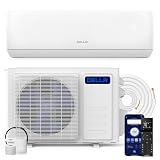
- 3. DELLA Motto 12K – Best for Alexa and App Control
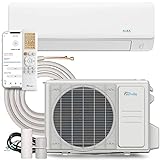
- 4. Senville AURA 12K – Best Premium Pick for Cold Climates
- 5. Albott 12K 115V – Best Budget-Focused Pick on Standard Power
- 6. Rellytech 12K – Best 115V Pick with a Long Warranty
- 7. Cooper and Hunter MIA 12K – Best 230V Pick for Efficiency
- 8. Temprium 12K – Best Smart Features for a Bedroom
- 9. Nexaro 12K 19 SEER2 – Best Lightweight Pick for Solo Mounting
- 10. Nexaro 12K 17 SEER2 – Best for Sleep and Mute Modes
- 11. Manastin 12K 230V – Best for Fast Heating and Cooling Response
- 12. Garvee 12K 115V – Best for Sun-Heated or Uninsulated Rooms
- Is 12,000 BTU the Right Size for Your Bedroom?
- What to Check Before You Buy a Bedroom Mini Split
- Frequently Asked Questions
- What is the best split AC for a bedroom?
- How many sq ft is a 12000 BTU mini split good for?
- Which mini split system is the quietest?
- What is the most reliable brand of mini splits?
- Which mini splits should I avoid?
- Why is my electric bill so high with a mini split?
- Do 12000 BTU mini splits get louder at night?
- How much does it cost to install a 12,000 BTU mini split system?
- Is it hard to install a mini split by yourself?
- Final Verdict
Top 3 Picks for Bedrooms
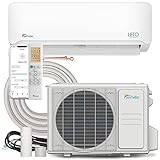
Senville LETO 12K
- 20.8 SEER efficiency
- 28 dB indoor
- 110V power
- 700 sq ft rated
- 4.4 stars from 2185 owners

Best 12000 BTU Mini Split for Bedroom (October 2026)
Every row below is a full 12,000 BTU inverter heat pump. Coverage figures are the manufacturer’s maximum, so read them as a marketing ceiling rather than a promise, and treat the noise column as the published low-speed indoor sound pressure figure.
| Product | Specs | Action |
|---|---|---|
| Senville LETO 12K |
|
Check Latest Price |
| COSTWAY 12K 115V |
|
Check Latest Price |
 DELLA Motto 12K DELLA Motto 12K |
|
Check Latest Price |
 Senville AURA 12K Senville AURA 12K |
|
Check Latest Price |
 Albott 12K 115V Albott 12K 115V |
|
Check Latest Price |
 Rellytech 12K Rellytech 12K |
|
Check Latest Price |
 Cooper and Hunter MIA Cooper and Hunter MIA |
|
Check Latest Price |
 Temprium 12K Smart Temprium 12K Smart |
|
Check Latest Price |
 Nexaro 12K Lightweight Nexaro 12K Lightweight |
|
Check Latest Price |
 Nexaro 12K 17 SEER2 Nexaro 12K 17 SEER2 |
|
Check Latest Price |
 Manastin 12K 230V Manastin 12K 230V |
|
Check Latest Price |
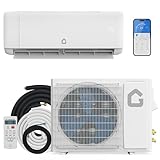 Garvee 12K 115V Garvee 12K 115V |
|
Check Latest Price |
1. Senville LETO 12K – The Best Overall Mini Split for a Bedroom
Senville LETO Mini Split Air Conditioner, Heat Pump, White, 12000 BTU
20.8 SEER
28 dB indoor
110V
700 sq ft
AHRI certified inverter
Pros
- Quiet inverter operation suited to sleep
- 20.8 SEER with 4-in-1 heating and dehumidifying
- 110V supply so no panel work
- 16 ft line set and install kit included
- 2185 owner reviews to draw on
Cons
- Professional installation required
- 2 year parts and 5 year compressor warranty
- set point drift reported in cold weather
This is the unit I keep coming back to because it solves the three problems that decide a bedroom install: noise, wiring and cost of being wrong. The inverter compressor modulates rather than cycling, and owners describe the transition from low fan speed to full output as barely perceptible, which is the difference between sleeping beside a head and sleeping beside a machine.
What makes it stand out from the other 115V options here is efficiency. A 20.8 SEER rating with a rotary scroll compressor and R-454B refrigerant puts it ahead of most of the field, and the listed 1,020 watt draw is modest for a 12,000 BTU load. The 16 ft line set, communication wire and install kit are in the box, which cuts the parts list your contractor has to order.
The honest complaint from owners is control, not capacity. A recurring theme in the reviews is the displayed temperature drifting roughly five degrees from the actual room temperature, and a small number of owners report the indoor head going unresponsive until the breaker is reset. Neither issue affects cooling output, but both are annoying at 2am.
Heating runs down to 5F ambient, which covers shoulder seasons in most of the country. In deep winter it is a comfort system rather than a primary heat source, so if you are in a cold climate, look at the AURA instead.
What to check before you buy the LETO
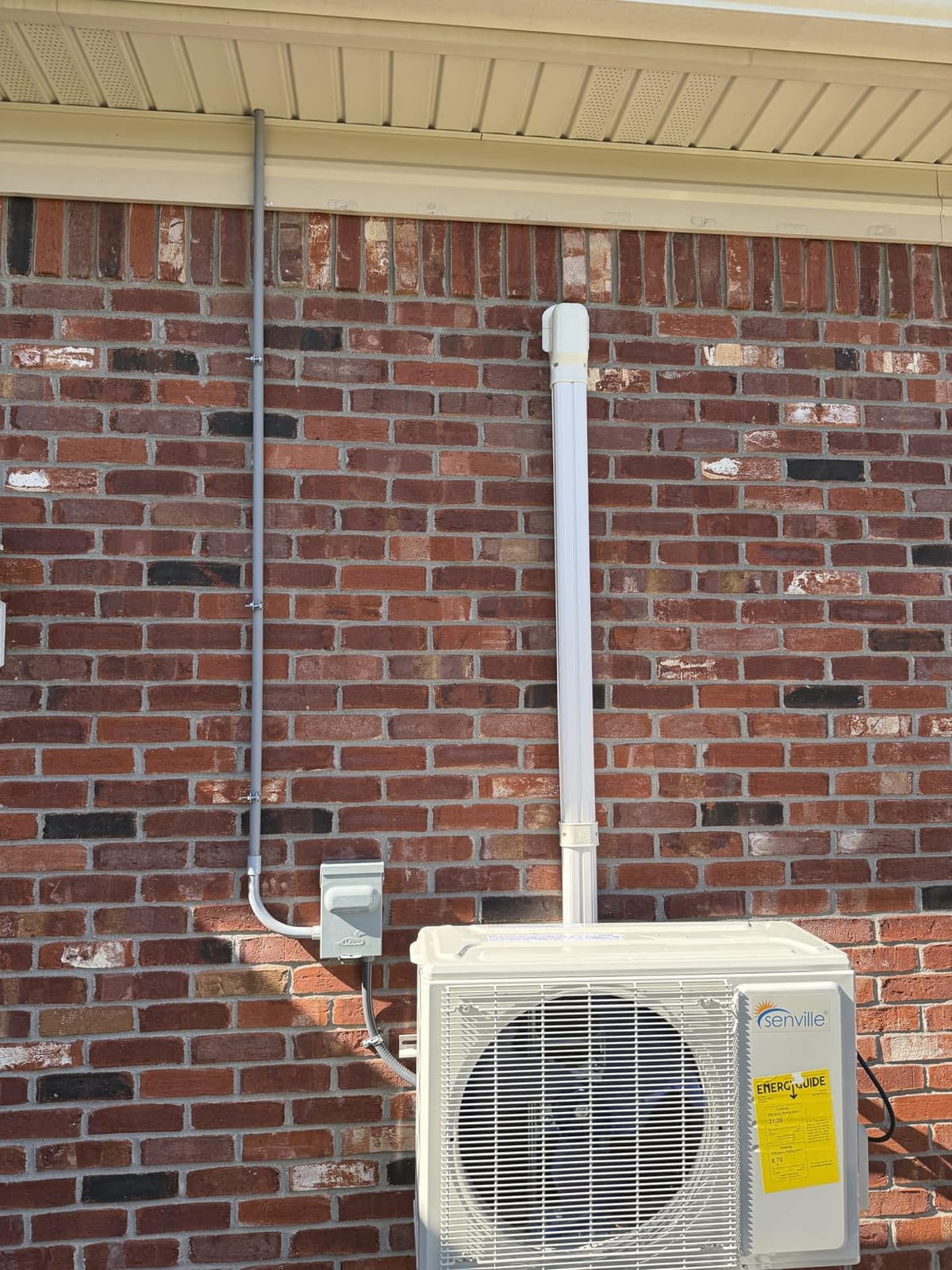
Count on hiring an installer. The manufacturer requires professional installation, and reviewers consistently describe a confident DIYer managing the mechanical steps while still needing a licensed tech to vacuum, charge and commission the system.
Confirm your panel can take it. At 110V the electrical requirement is the easiest in this group, but you still need a dedicated circuit and a proper disconnect, which is where most of the surprise cost in a bedroom install actually lands.
Where the LETO falls short
The warranty is the weak point: two years on parts, five years on the compressor, and labor is not covered. If the compressor fails in year six, you are looking at parts and freight rather than a repair visit.
Coverage is rated at 700 sq ft, which is below several competitors and only matters if your bedroom is unusually large or badly exposed. In a standard 12 by 12 room, that ceiling is irrelevant.
2. COSTWAY 12K 115V – Best Value for a Quiet Bedroom
COSTWAY 12000BTU Mini Split Air Conditioner& Heater
20 SEER
23 dB indoor
115V
750 sq ft
5 yr parts 8 yr compressor
Pros
- Among the lowest published noise figures in the group
- 5 operating modes plus sleep and ECO
- self-cleaning coil at 134.6F with washable filter
- 115V power with 750 sq ft coverage
- 8 year compressor warranty
Cons
- Listed 1970W draw is high for the capacity
- professional installation mandated
- remote display auto-off
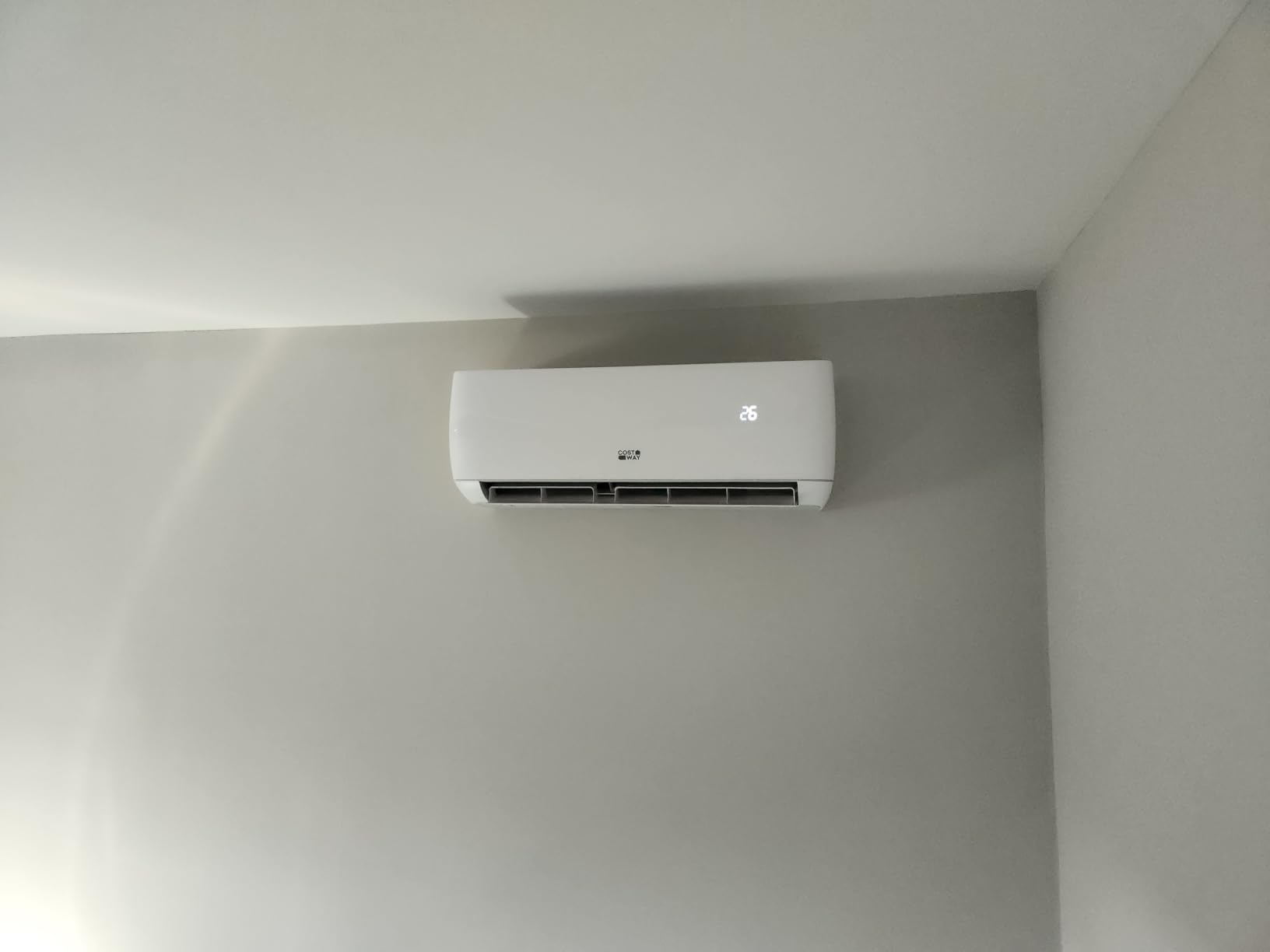
The COSTWAY is the sleeper of this list. It publishes a 23 dB indoor sound level, among the lowest in the roundup, and pairs that with 20 SEER efficiency at standard 115V supply. For a sleep-sensitive buyer working within a normal bedroom budget, that pairing is hard to argue with.
Feature-wise it is generous: five modes, four fan speeds, a sleep mode, an ECO mode, an iFEEL comfort sensor and a self-cleaning coil cycle that runs at 134.6F. The self-clean function is a genuine convenience in a bedroom, where you would rather not climb a ladder to wipe a coil every season.
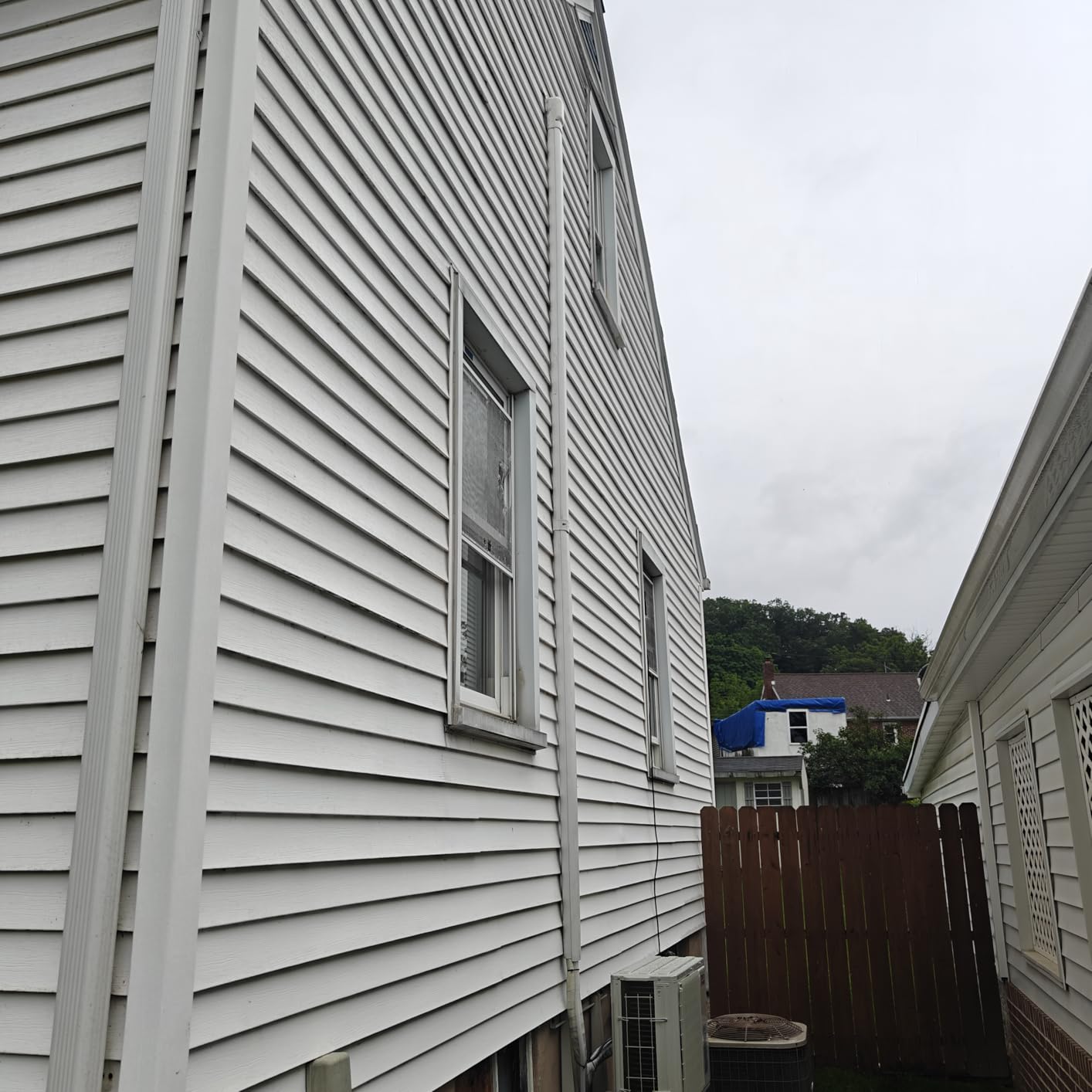
The trade-off is electrical draw. Its listed 1,970 watts is high for a 12,000 BTU load, well above several comparable units, which pushes running cost up even though the SEER rating is respectable. Owners who track bills should factor that in.
Warranty is a real strength here: five years on parts and eight years on the compressor, an eight-year compressor term that few of the value tier matches. Just remember that labor is still not part of that promise.
What to check before you buy the COSTWAY
Ask your installer about real draw, not the SEER sticker. With 1,970 watts listed, this unit will pull more at part load than the 19 SEER2 rivals, though inverter modulation means it rarely runs at that peak for long.
Check the outdoor unit’s night sound. A quiet indoor head tells you nothing about the compressor outside, which sits near or under the window in most bedroom retrofits.
Where the COSTWAY falls short
The remote display auto-off frustrates some owners who want to glance at the set point in the dark. It is a small thing, but in a bedroom you read that display more than in a living room.
Professional installation is required by the manufacturer, and reviewers point out that support generally means contacting the seller rather than a local technician with a stocked truck.
3. DELLA Motto 12K – Best for Alexa and App Control
Pros
- Quiet 27 dB indoor and outdoor
- strong sub-zero heating reports
- Alexa and WiFi with a well-liked printed manual
- smart remote sensor
- 4D airflow with 24 hour timer
Cons
- 230V supply needs a dedicated circuit
- 16.4 ft line set is short for many bedrooms
- no physical on/off button and no daily schedule
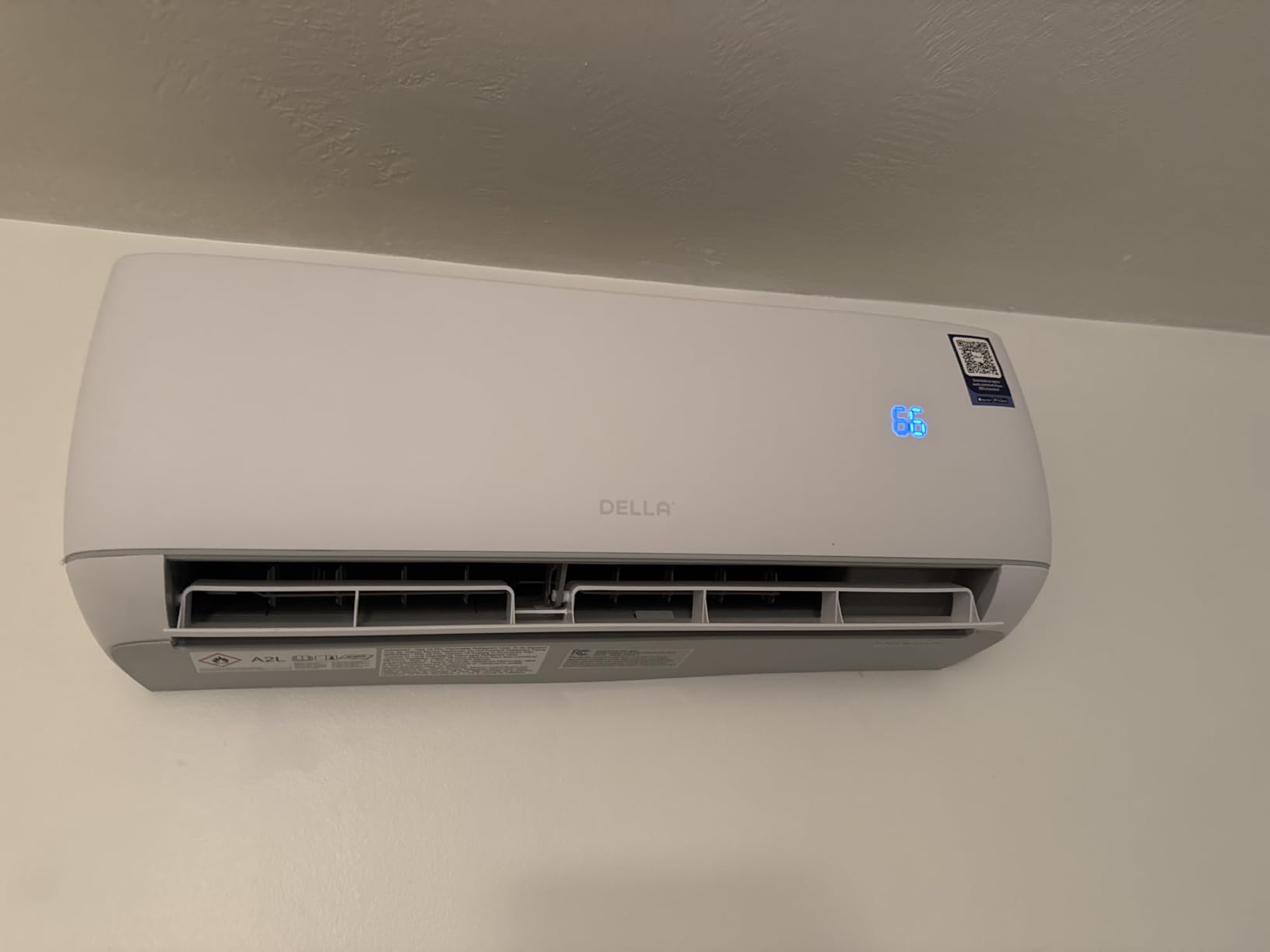
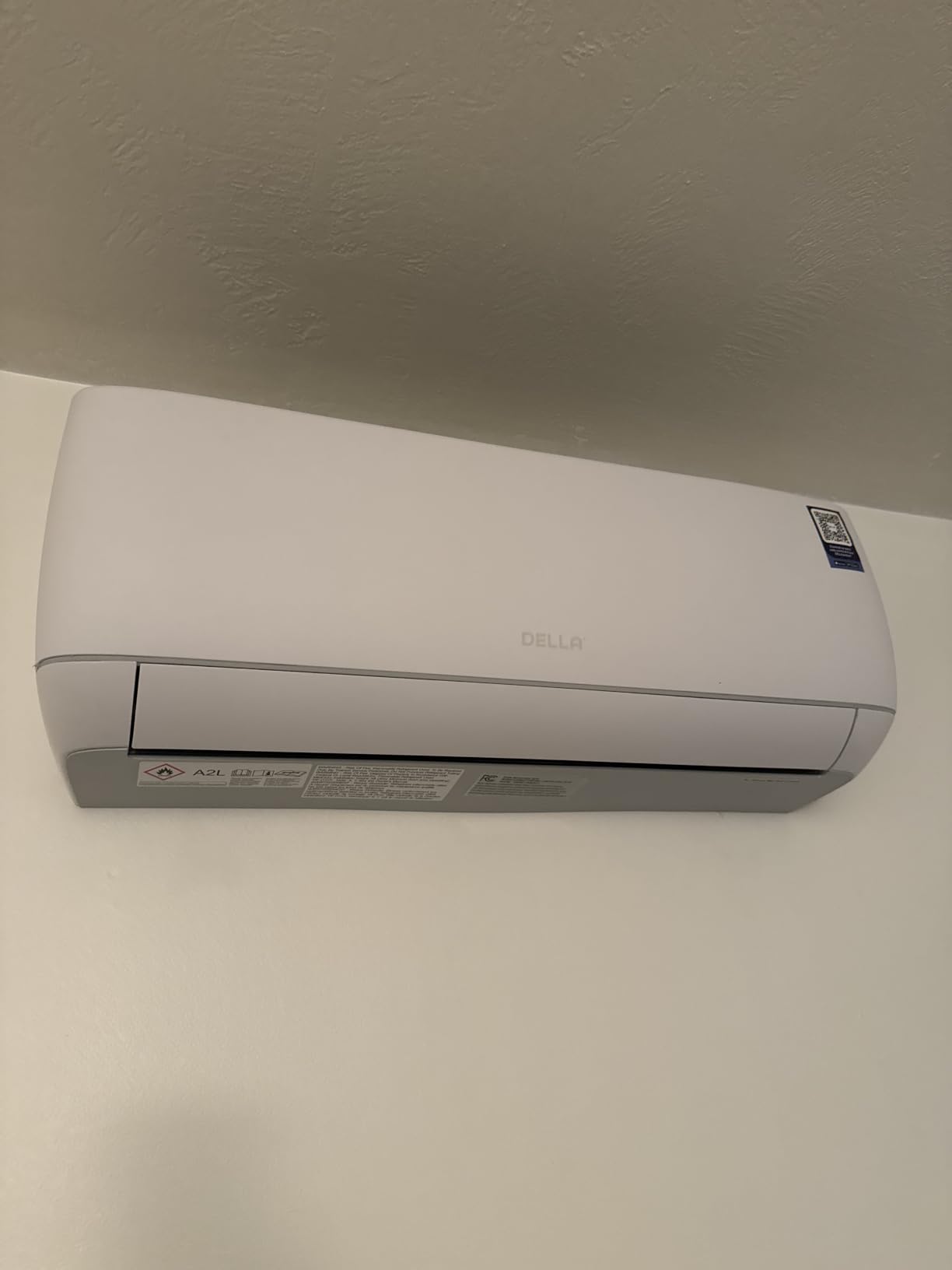
The Motto is the pick if control is the deciding factor for you. It ships with working WiFi and Alexa support rather than making you buy a separate module, and the printed installation manual is repeatedly singled out in reviews as clear and usable, which matters when you are drilling into a bedroom wall.
Noise is a 27 dB figure on both the indoor and outdoor units, and owners report genuinely low output in normal use. The 4D airflow swings vertically and horizontally, and the follow-me sensor on the remote reads room temperature where the remote is rather than at the head.
Here is the practical problem: it is a 230V system, so you need a dedicated circuit and likely some panel work before it goes in. For a house with an older panel and no spare breaker space, that changes the arithmetic of the whole project.
Coverage is rated at 550 sq ft, the more conservative figure in this group, and the included 16.4 ft copper line set is short. A bedroom with 8 to 10 ft ceilings and an outdoor pad at ground level can eat that length fast, and a longer run adds cost.
What to check before you buy the Motto
Measure the path from the head to the outdoor location before ordering. If your line run exceeds what ships in the box, you are paying for additional copper, insulation and flare fittings on top of labor.
Confirm a 230V circuit with proper ampacity is available. A bedroom on an old panel can require a subpanel, and that is the single biggest cost surprise reported by buyers in this category.
Where the Motto falls short
Scheduling is thin. You get a 24 hour countdown timer but no daily routine, and there is no physical on-off button on the head, so turning it off means reaching for the remote or the app.
It cannot mount flush to a ceiling because the filter pulls out from the top, and a small number of reviewers report a compressor failure inside 19 months along with unresponsive warranty support.
4. Senville AURA 12K – Best Premium Pick for Cold Climates
Senville AURA Mini Split Air Conditioner, Heat Pump, White, 12000 BTU
25.5 SEER
13 HSPF
24 dB
208-230V
operates to -22F
Pros
- 25.5 SEER and 13 HSPF lead this group
- heating rated to -22F
- 24 dB indoor operation
- ENERGY STAR certified with 7 year compressor warranty
- responsive technical support
Cons
- 208-230V supply needs a new circuit
- Alexa needs a separate controller module
- set point drift widens in cold weather
- tight working clearance at the connections
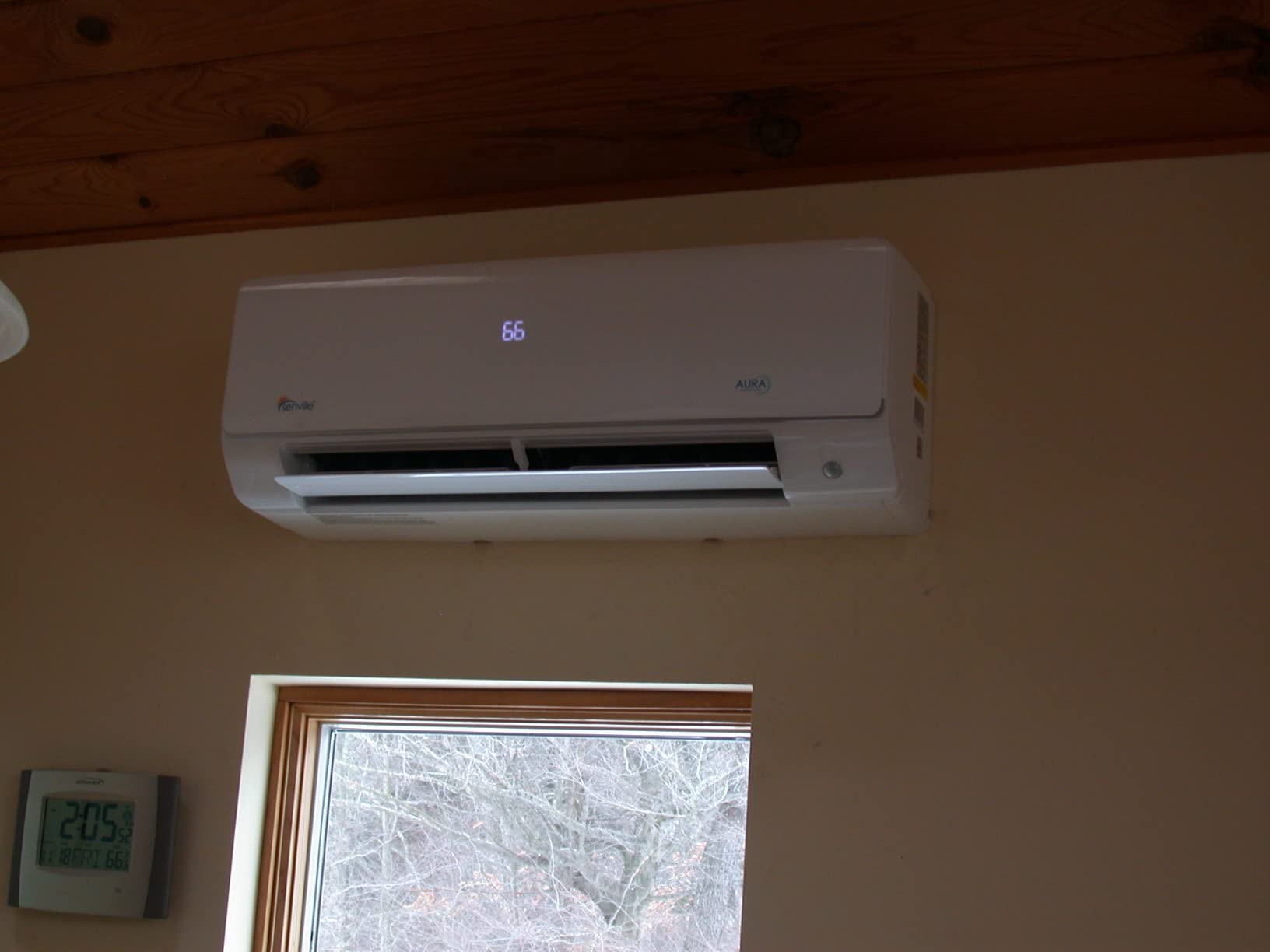
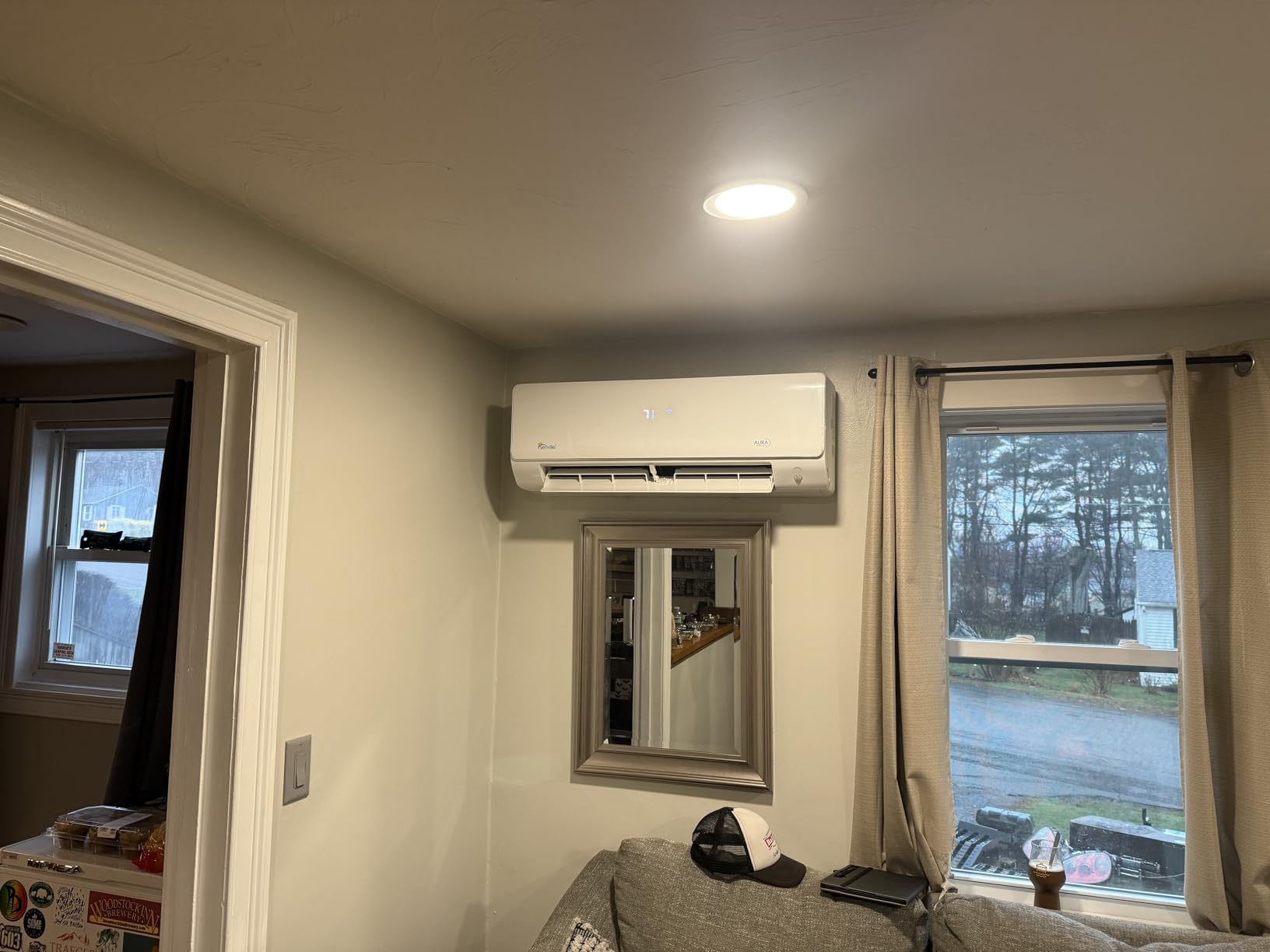
The AURA is the efficiency and cold-climate answer. At 25.5 SEER and 13 HSPF it sits well above everything else here, and it is rated to operate down to -22F, which is a real specification rather than a marketing phrase. So if you are heating a bedroom through a northern winter, this is the one I would shortlist first.
It also publishes 24 dB indoors, a low figure for a 25.5 SEER system, draws a modest 960 watts and is ENERGY STAR certified. Owners report using it as the sole heat source for much larger spaces than a bedroom, which is a reasonable read of the capacity behind the rating.
Two things give me pause. First, the warranty is conditional: if the system is not vacuumed and charged by a licensed professional, coverage can be voided, so a cheap install is not a cheap install. Second, the set point drift that some owners mention gets worse in cold weather.
Alexa support requires a separate smart controller module for true app control, which is an add-on most buyers discover after purchase. Working clearance around the refrigerant connections and drain line is tight, so plan the wall location with the installer rather than after.
What to check before you buy the AURA
Have a licensed tech install it, in writing. The warranty terms make this non-negotiable in a way that is not true for every product on this list, and it is the main reason to spend more on labor here.
Verify the 208-230V requirement and MOCA with an electrician before the equipment arrives. A 25.5 SEER unit will hide its cost in the electrical work more than anywhere else.
Why we would skip it
It carries the highest equipment price of the twelve units we analyzed, and the premium is partly for efficiency you may not fully realize in a small, well-insulated bedroom. If your room is modest and your winters are mild, the running-cost difference shrinks considerably.
App control is not included out of the box, which undercuts the smart-home appeal for a product at this level.
5. Albott 12K 115V – Best Budget-Focused Pick on Standard Power
Albott 12,000 BTU Mini Split Air Conditioner and Heater SEER2 18, 115V
18 SEER2
29 dB
115V
5F to 122F
750 sq ft
Pros
- Entry point into a 12K inverter heat pump on 115V with no panel work
- quiet below 29 dB
- heats and cools from 5F to 122F
- app plus remote with sleep mode
- self-cleaning function
Cons
- SEER2 18 runs well below the 19 to 22 range here
- lowest average rating in the group
- 151 lb is the heaviest listed weight here
- warranty text is inconsistent across the listing
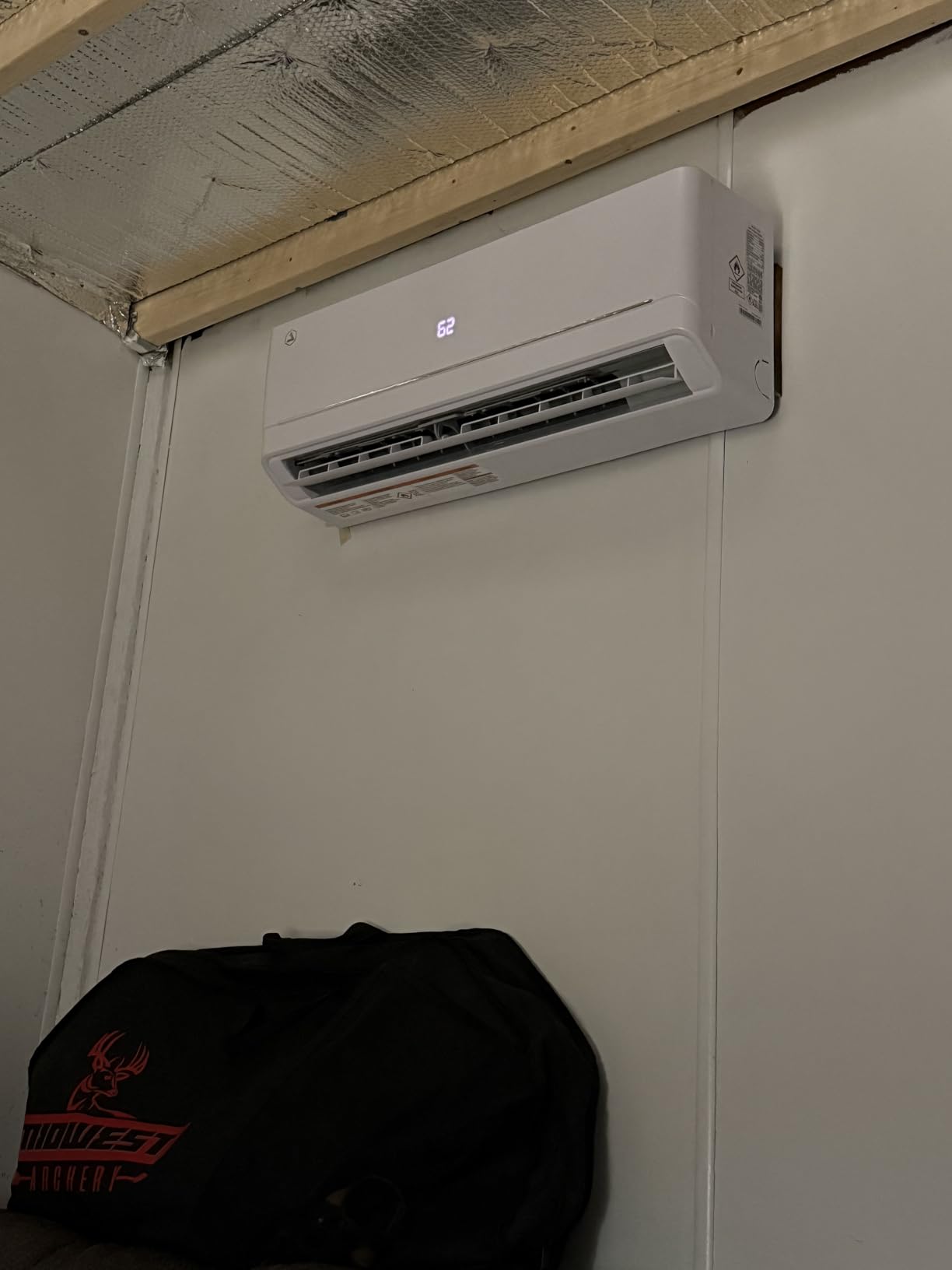
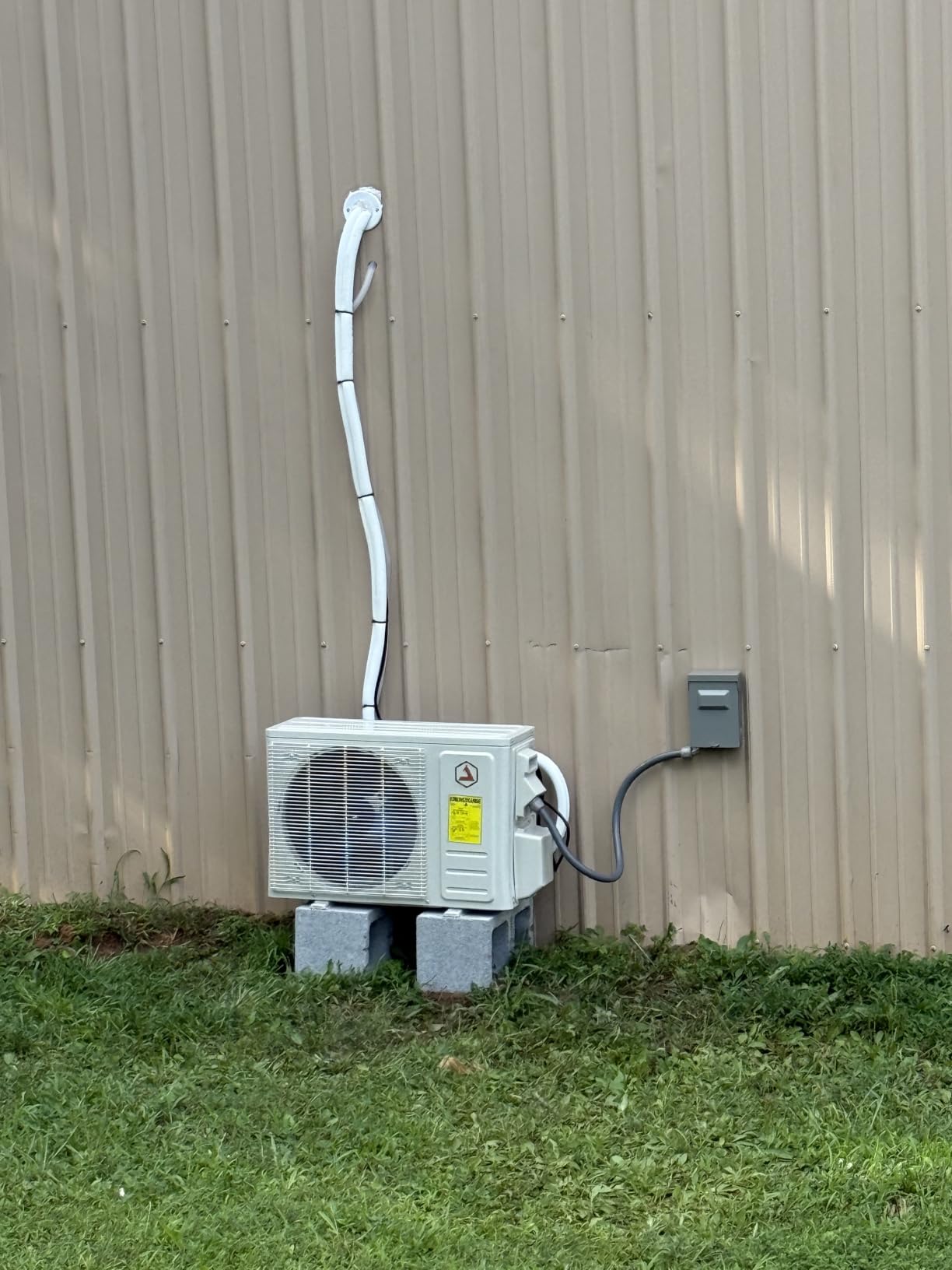
The Albott does the basic bedroom job on standard power at the low end of this roundup’s pricing. It is a 12,000 BTU inverter running on 115V, quoted at 29 dB, with a sleep mode, a 24 hour timer and app control. For a small, shaded bedroom, that is enough to do the job.
Its listed operating range runs from 5F to 122F and the coverage claim is 750 sq ft. The self-cleaning function and removable filters cut down on maintenance, and the listed annual consumption of 700 kWh sits below several higher-rated units in this roundup.
The efficiency is the honest weakness. An 18 SEER2 rating is well below the 19 to 22 range most competitors sit in, and the average rating of 4.1 with 391 reviews is the lowest in the group, including a 14 percent share of one-star reviews. That spread suggests a meaningful number of buyers had trouble.
Documentation is also inconsistent. The specification area says a 3 year warranty while the feature list says 5 years on the compressor and 7 years on parts, so get the answer in writing before you rely on either number.
What to check before you buy the Albott
Confirm the warranty terms directly with the seller. When a listing lists two different coverage periods, the shorter one is the only one you should plan around.
Plan for the weight. At 151 pounds listed, the indoor head is the heaviest in this roundup, so the mounting location needs solid framing rather than a single drywall screw.
Where the Albott falls short
Running cost is the trade-off. An 18 SEER2 compressor works noticeably harder per hour of cooling than a 22 or 25.5 unit, so a long cooling season will show up over multiple years.
The lower average rating means more unknown failure histories, and long-term serviceability for this brand is harder to verify locally than for an established name.
6. Rellytech 12K – Best 115V Pick with a Long Warranty
Rellytech Mini Split AC/Heating System, 12000 BTU, 19 SEER2 115V/110V
19 SEER2
8.5 HSPF2
26 dB
115V
8 year warranty
Pros
- 19 SEER2 and 8.5 HSPF2 on 115V power
- 8 year warranty
- strong humidity control in practice
- 4 fan speeds with 90 degree swing
- full install kit and mounting template
Cons
- Marketing copy quotes 42 dB against a 26 dB spec
- vacuum pump and gauges needed to commission
- short copper line set
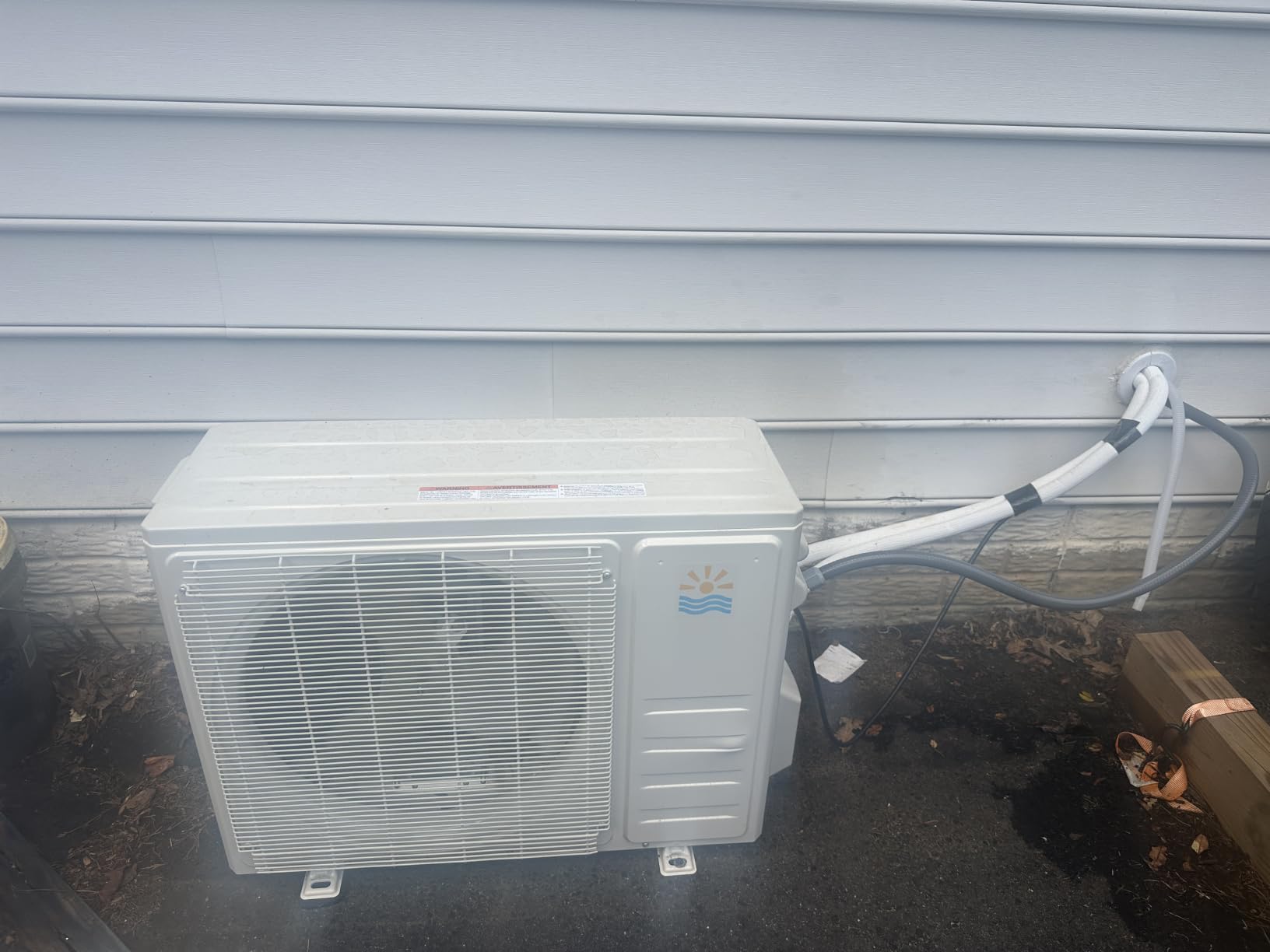
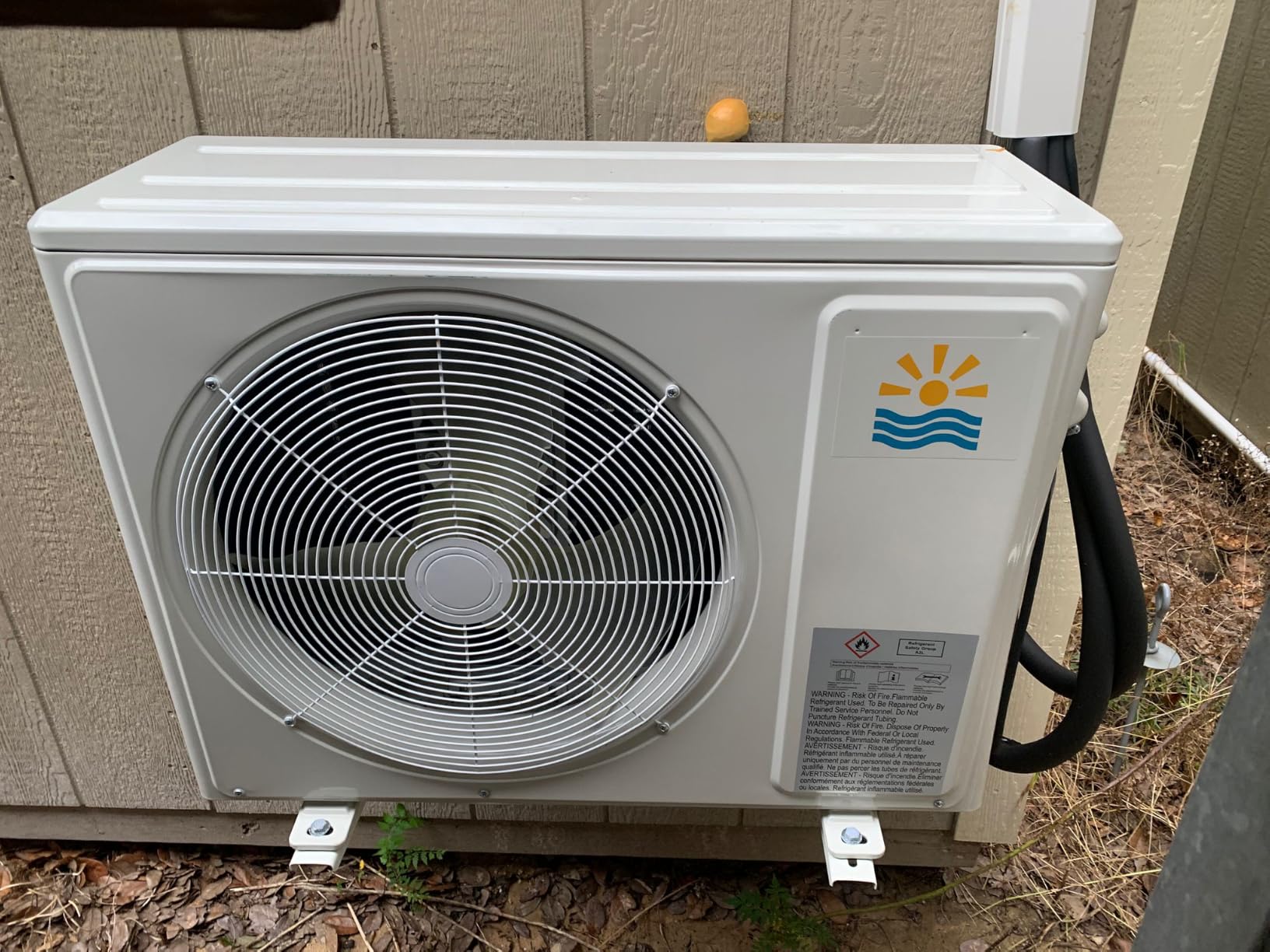
The Rellytech pairs 19 SEER2 with 8.5 HSPF2 on standard 115V power, a step up in cooling efficiency from the 18 SEER2 budget units without moving you to a 230V circuit. Owners also single out its humidity control as noticeably better than a window unit, which matters in a summer bedroom.
It covers four modes plus ECO and sleep, four fan speeds, a 24 hour timer and LED-off for sleeping, and it is ETL and AHRI certified. Several owners use it in RVs, trailers and garages alongside bedrooms, which says something about how flexible the format is.
The noise figure needs care. The specification lists 26 dB while the marketing copy says 42 dB operating noise, and that gap is exactly the kind of inconsistency that trips up bedroom buyers. Ask for the sound pressure at low fan speed specifically.
Commissioning requires a vacuum pump and gauge set, and the included copper line is short enough to constrain where the outdoor section can sit. Both are solvable at install time, but they are not free.
What to check before you buy the Rellytech
Get the low-speed indoor dB confirmed in writing rather than relying on either published number. For a bedroom, that single figure matters more than any other spec on the page.
Walk the line-set route before the install date. The included pipe is on the short side, and adding length later means adding copper, insulation and labor.
Where the Rellytech falls short
The set point floor can be limited at very low temperatures, so it is not a cold-climate primary heat source in the way the AURA is.
With 355 reviews the long-term reliability record is thinner than the LETO’s, so you are buying on current owner experience rather than on a decade of data.
7. Cooper and Hunter MIA 12K – Best 230V Pick for Efficiency
Cooper & Hunter MIA 12,000 BTU 230V Wall Mount Mini Split, 21.3 SEER2
21.3 SEER2
230V
550 sq ft
heats to 5F
7 year warranty
Pros
- 21.3 SEER2 sits among the higher efficiency figures here
- 7 year warranty with free US based support
- complete 16 ft line set cable and drain kit
- smart kit and remote included
- UL listed and AHRI certified
Cons
- 230V needs a new breaker and panel work
- 56 dB listed noise is the highest figure in the set
- 550 sq ft coverage is conservative
- freight delivery
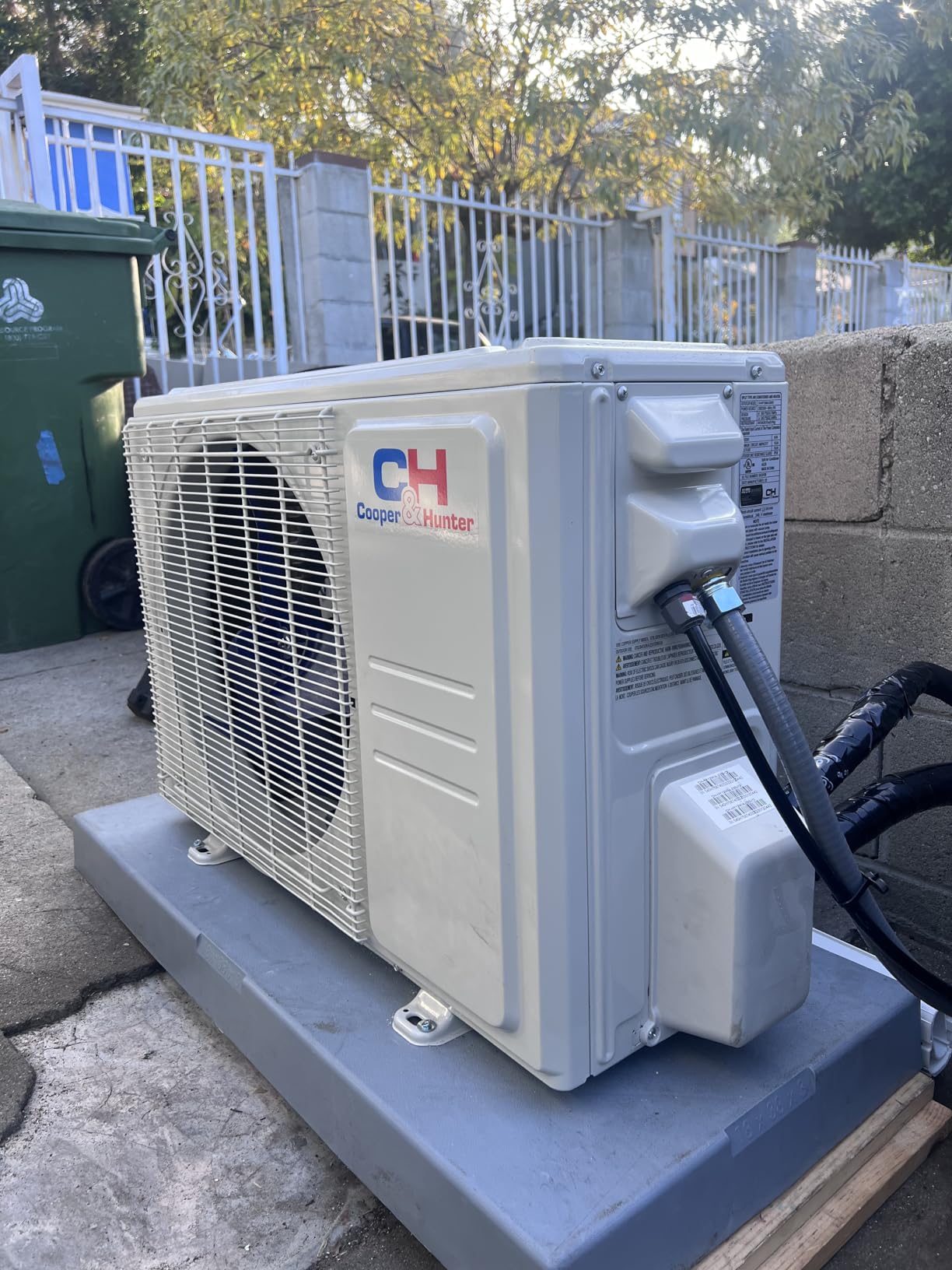
The MIA is a 21.3 SEER2 system that also heats down to 5F ambient, which suits a bedroom that has to work hard in both seasons. The hardware package is complete: a pre-charged system with a 16 ft insulated copper line set, 16 ft communication cable and 16 ft drainage extension, plus a smart kit and remote. Seven-year warranty coverage and free US based technical support are better than most of the value tier.
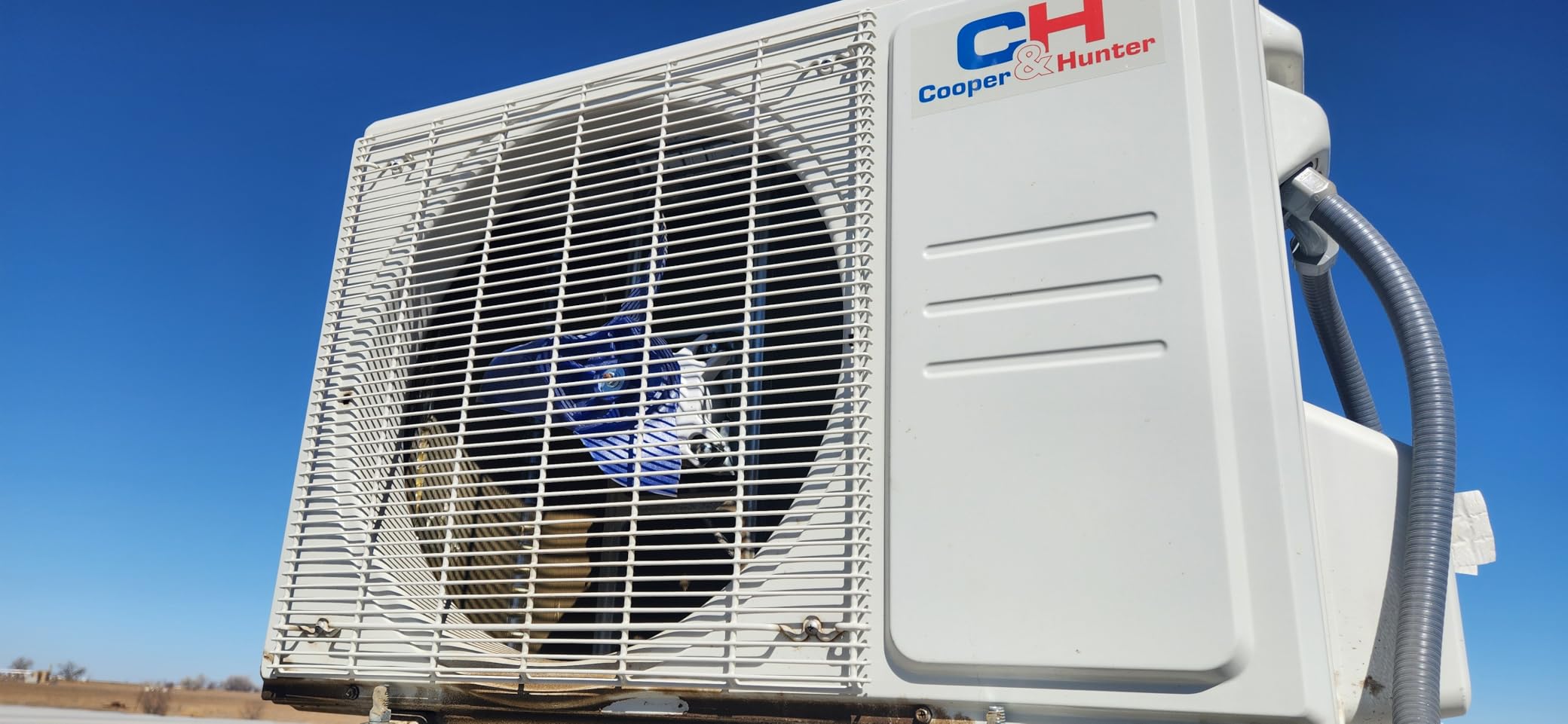
The listed noise figure is 56 dB, the highest in the set. That is a package specification rather than a documented low-speed indoor measurement, so treat it cautiously, but if your bedroom is tight and the head sits near your pillow, noise deserves a real conversation with the installer.
Two practical notes. It is a 230V configuration, so a dedicated breaker and possible panel work are on your schedule. And the coverage rating of 550 sq ft is the more conservative number here, which is fine for a normal bedroom but tight for a large one.
What to check before you buy the MIA
Get the electrician involved first. On a 230V install the electrical work can rival the equipment cost, and knowing that early prevents the classic mid-project surprise.
Ask the seller to confirm the indoor sound pressure at the lowest fan speed. A single package-level number is not enough to judge sleep suitability.
Where the MIA falls short
It is explicitly not a DIY system, and the warranty assumes professional installation. Budget for that rather than treating the equipment figure as the project cost.
Freight delivery to a curb-accessible point means you still have to move the section indoors, which is a real issue when stairs are involved.
8. Temprium 12K – Best Smart Features for a Bedroom
Temprium 12000 BTU Mini Split Air Conditioner, 115V 22 SEER2 AC & Heat Pump
22 SEER2
23 dB
115V
750 sq ft
app plus voice control
Pros
- 22 SEER2 on 115V
- 23 dB figure designed for bedrooms and nurseries
- WiFi app plus Alexa and Google Assistant
- 7 modes and 7 fan speeds
- 133F self-cleaning cycle
Cons
- 1 year warranty
- small 165 review base leaves less long-term data
- washable standard filter rather than a purification grade filter
- professional installation needed for rated performance
On features per watt of specification the Temprium stands out. It runs 22 SEER2 on 115V power, hits a published 23 dB with a sleep mode and dimmed display, and lists bedroom, nursery, home office, sunroom, garage and addition as target rooms. That combination of efficiency and quietness is exactly the bedroom brief.
Controls are among the deepest in this roundup: app, remote and voice through both Alexa and Google Assistant, seven operating modes, seven fan speeds, 4D auto swing, turbo and follow-me. The self-cleaning cycle at 133F keeps coil upkeep off your seasonal list.
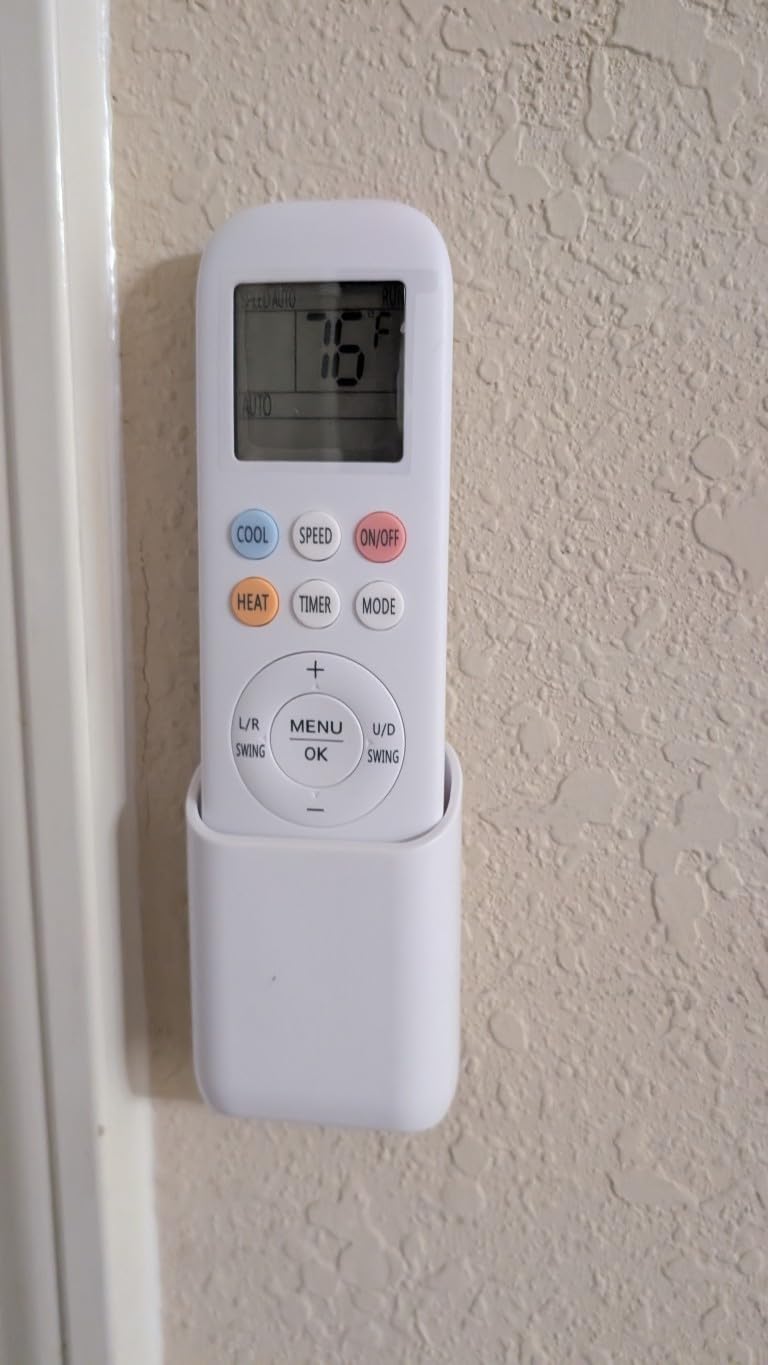
Warranty is the concern. One year of manufacturer coverage is the joint-shortest here, and on a component-heavy product like a heat pump, a one-year term is a thin place to be standing at year three.
The review base is also small at 165, which means the owner feedback is positive but recent. There is very little multi-year data behind the current ratings, and the filter is a washable standard unit despite what the listing implies.
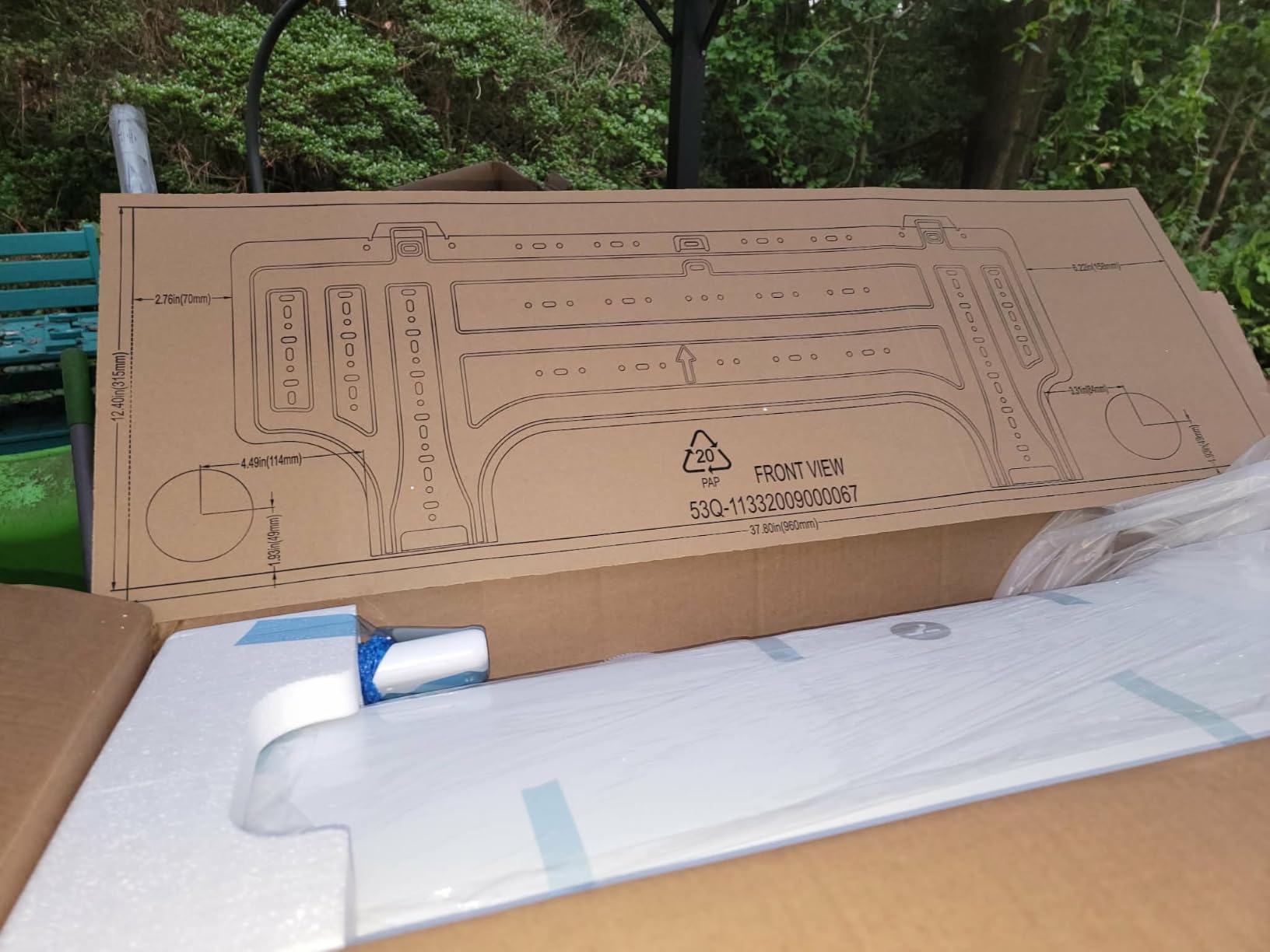
What to check before you buy the Temprium
Ask what the warranty looks like in writing and whether registration is required. One year is workable only if you are comfortable replacing a failed unit out of pocket.
Confirm your smart network will cooperate. App control needs a stable home network, and voice setup adds a second layer of configuration you will only do once.
Where the Temprium falls short
Rated performance assumes professional installation, so the lower equipment figure does not translate directly into a lower installed cost.
Long-term durability is unproven rather than poor, which is a different problem: you simply have less information to base the decision on than you do with the LETO or the AURA.
9. Nexaro 12K 19 SEER2 – Best Lightweight Pick for Solo Mounting
Pros
- Among the lightest listed components here at 25.5 lb
- strong cooling reported by owners
- quiet enough for bedroom use in practice
- clear wiring labels and a mounting template
- auto defrost and anti-mildew
Cons
- Copper line set is only about 10 ft
- extra parts needed beyond the kit
- poorly written installation instructions
- remote control only
- one early failure report
At 25.5 pounds listed, the components are light enough for a single installer to handle on a ladder, which cuts labor on a bedroom where access is awkward. Owners who install it themselves repeatedly mention how much easier that made the job.
Cooling output gets real praise, including reports of pulling a hot shed down in high heat. It is a 19 SEER2 unit on 115V with five modes, four fan speeds, a 24 hour timer, sleep and ECO modes, and auto defrost on the outdoor section.
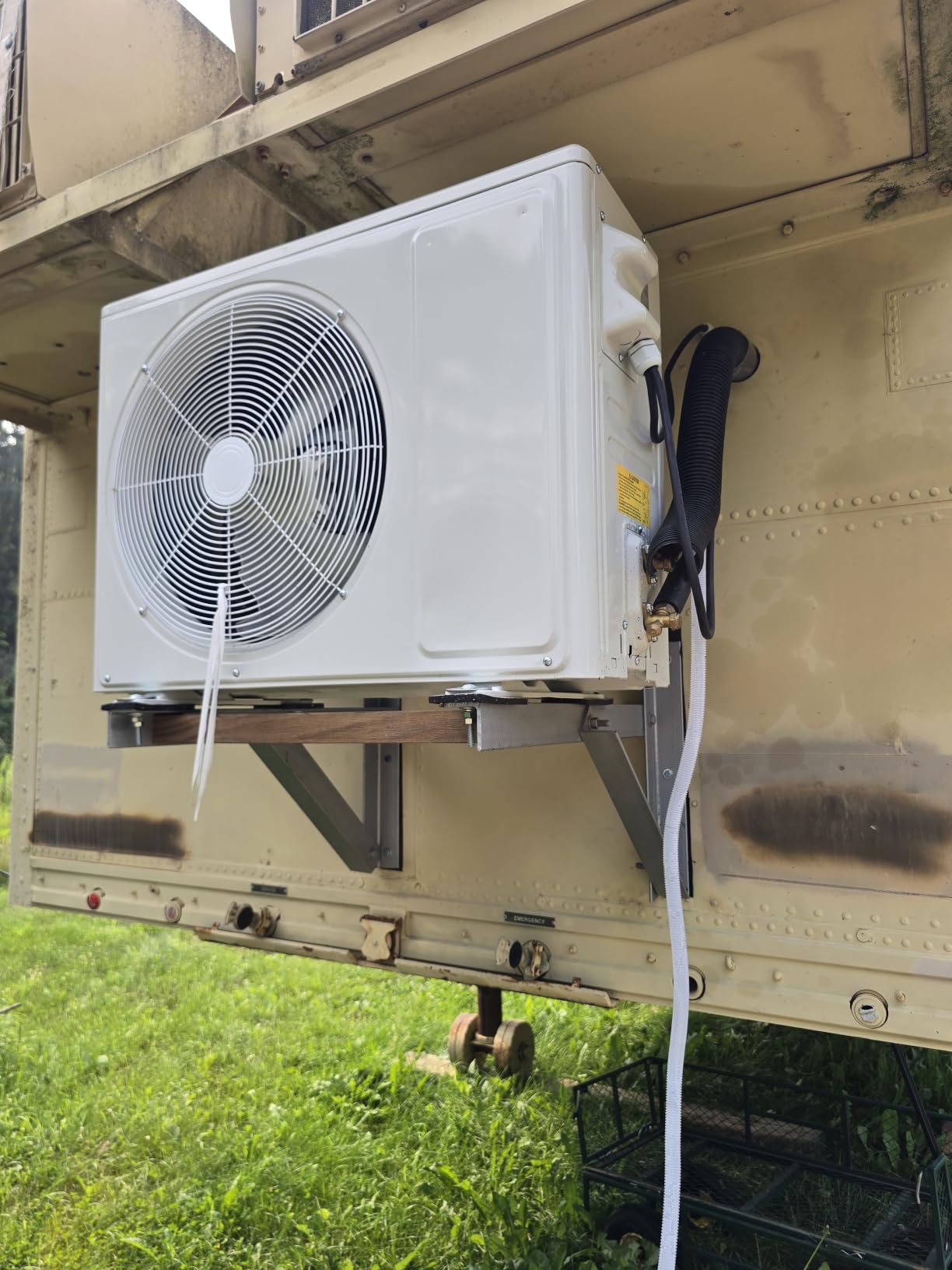
There are listing inconsistencies worth knowing. The capacity field describes it as 1.5 tons while the cooling figure is 12,000 BTU, and the noise specification is listed at 38 dB, which is higher than the other 115V units here even though owners describe it as quiet in normal use.
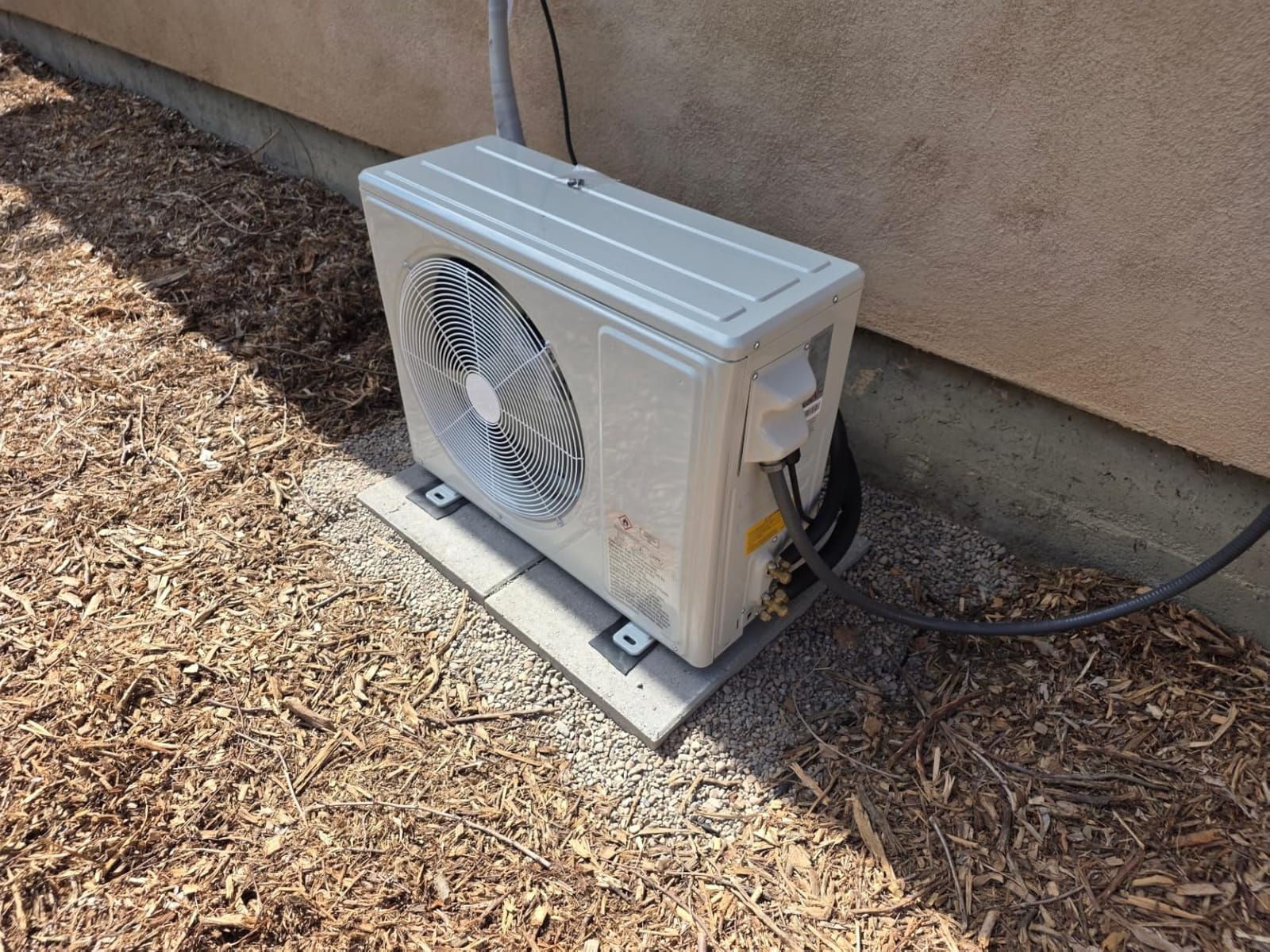
The line set is only about 10 ft, and the kit does not include a disconnect, outdoor base, cable glands or wall covers, so budget for those separately. Installation instructions are also described as thin, with owners falling back on video walkthroughs.
What to check before you buy the Nexaro 19 SEER2
Measure your line run and plan for extra copper if it exceeds about 10 ft. A short line set plus a long path is the most common source of added cost on these installs.
List the parts the kit does not include before the installer arrives. Disconnects, pads and covers are standard line items and much easier to source in advance.
Where the Nexaro 19 SEER2 falls short
There is no app or smart control, remote only, so scheduling and voice control are off the table even if you want them later.
There is at least one report of a unit failing within three weeks with no reachable customer support, which is the kind of risk you accept with a thin support network rather than a quantifiable fault.
10. Nexaro 12K 17 SEER2 – Best for Sleep and Mute Modes
Nexaro 12000BTU Mini Split Air Conditioner& Heater, 17 SEER2 𝟏𝟏𝟓𝐕 Wall-Mounted AC Unit Cools Rooms up to 750 Sq. Ft, Energy Efficient Inverter AC with Heat Pump
17 SEER2
26 dB
115V
5 star BEE
sleep and mute modes
Pros
- 26 dB with dedicated sleep and mute modes
- 115V avoids a 230V circuit
- 5 star BEE efficiency rating
- self-cleaning at 135F plus washable filter
- complete kit with 9.8 ft line set
Cons
- SEER2 17 is the lowest figure in the roundup
- 1 year warranty
- listing claims 450 sq ft against 750 sq ft in specs
- may arrive in two packages on different days
Sleep behavior is this unit’s reason to exist. It publishes 26 dB and adds both a sleep mode and a mute mode, which is more control over nighttime sound than most units in this roundup offer. For light sleepers, having a dedicated low-noise mode is worth more than a slightly better efficiency number.
It is a 115V system, so it avoids the 230V conversation entirely, and it carries a 5 star separate energy efficiency rating with R-32 refrigerant. The inverter compressor is claimed to cut consumption by up to 35 percent against a conventional fixed-speed unit.
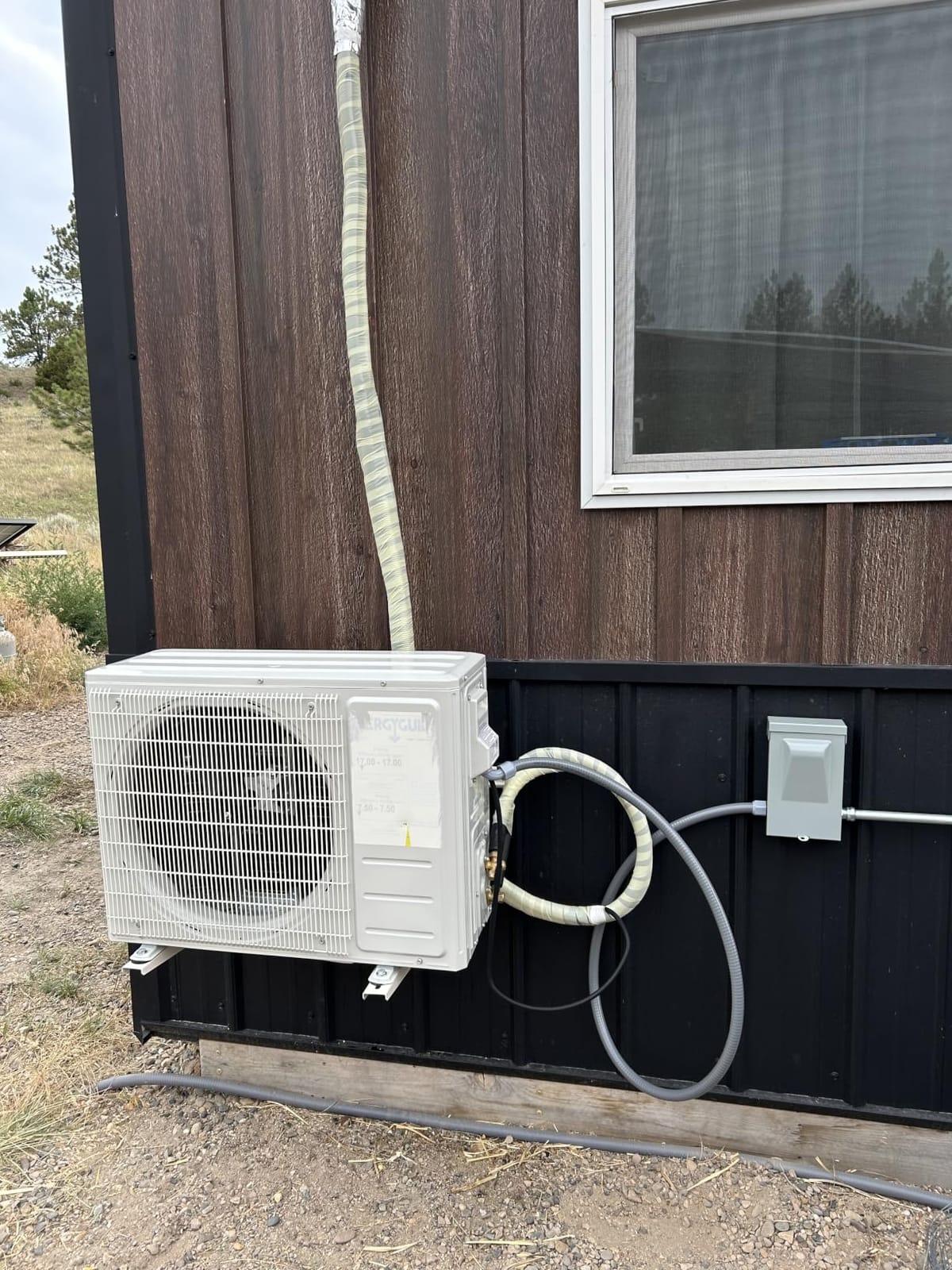
Efficiency is where it gives ground. A 17 SEER2 rating is the lowest in the roundup, and that shows up in running cost over a long cooling season more than any other spec on this page. If your bedroom cools easily, the trade may be worth it. If it is a west-facing top-floor room, it probably is not.
Watch the listing for contradictions. The feature copy claims 450 sq ft of coverage while the specification block says 750 sq ft, and the warranty is one year. Both need a straight answer before you order.
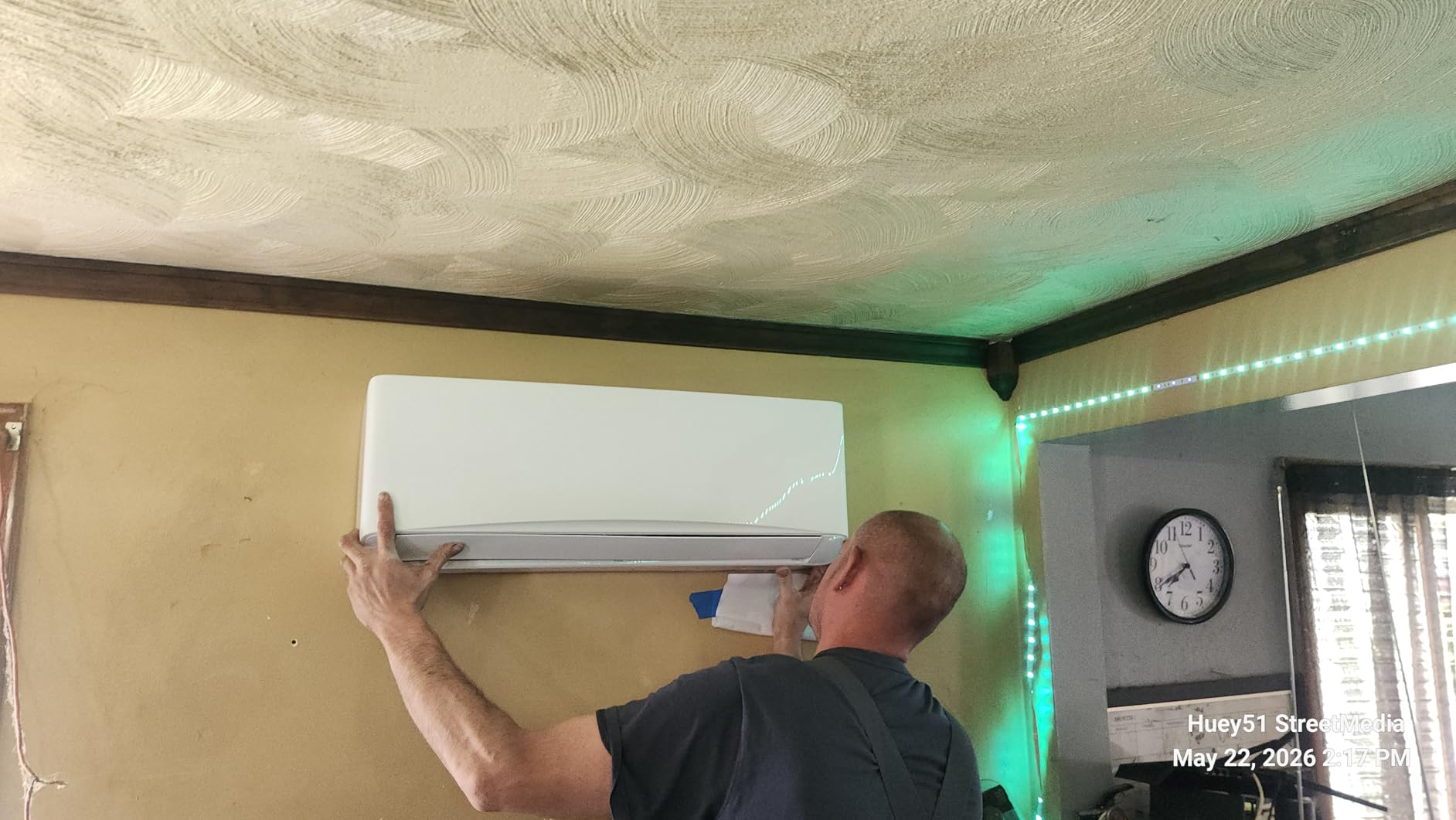
What to check before you buy the Nexaro 17 SEER2
Ask which coverage figure is the real one. A 450 sq ft claim would rule this unit out for a larger room, so resolve it before it arrives rather than after.
Confirm what the 26 dB figure is measured at. If it is the low-speed indoor sound pressure rather than a package figure, it is directly comparable to the other picks here.
Where the Nexaro 17 SEER2 falls short
One year of warranty on a sealed-system heat pump is the joint-shortest protection in this group, and compressor failures are the failure you most want covered.
The included line set is 9.8 ft, which constrains placement, and the components can arrive as two separate packages, so plan for a delivery window rather than a single drop.
11. Manastin 12K 230V – Best for Fast Heating and Cooling Response
Manastin 12000BTU Mini Split AC & Heating System, 19 SEER2, 230V
19 SEER2
41 dB
230V
750 sq ft
30 second cooling claim
Pros
- Manufacturer claims cooling in 30 seconds and heating in 60 seconds
- 19 SEER2 with R-32 and a 5 star BEE rating
- 750 sq ft coverage on 230V
- 5 modes with 24 hour timer
- auto defrost and washable filters
Cons
- 41 dB listed noise sits at the high end of the figures here
- 230V needs a dedicated circuit
- 1 year warranty
- professional installation required
Manastin’s pitch is response time. The manufacturer claims cooling in 30 seconds and heating in 60 seconds, which is a compressor-output claim rather than a room-comfort claim, but it does point to a system that moves air aggressively when you ask it to.
The rest of the package is conventional and solid: 19 SEER2, R-32 refrigerant, a 5 star BEE rating, 12,300 BTU of heating for rooms up to 750 sq ft, five operating modes with four fan speeds, a 24 hour timer, sleep, ECO and turbo, plus automatic defrost and washable filters.
What to check before you buy the Manastin
Line up the 230V circuit first. A dedicated circuit and possible panel work are required, and that electrical step is where budget bedroom installs most often overrun.
Ask for the indoor sound pressure at the lowest fan speed. A 41 dB listed figure is not what governs your sleep, but it is also not a number to dismiss without context.
Where the Manastin falls short
Warranty coverage is one year, which is the joint shortest in this roundup. On an inverter compressor system that is a thin margin.
The 41 dB specification sits at the high end of the noise figures here, and the components can arrive in two packages on separate dates, which complicates scheduling a single install visit.
12. Garvee 12K 115V – Best for Sun-Heated or Uninsulated Rooms
Garvee 12,000 BTU Mini Split Air Conditioner & Heater, 22 SEER2, 115V
22 SEER2
115V
750 sq ft
4.8 average rating
mute mode
Pros
- 4.8 average rating with no one- or two-star reviews
- 22 SEER2 on 115V
- owners report cooling larger uninsulated spaces than costlier rivals
- measured discharge air in the 45F range
- reusable filters needing only seasonal cleaning
Cons
- Spec sheet conflicts with the title on BTU and voltage
- display defaults to Celsius
- app needs a 2.4 GHz network
- evaporator airflow reported as weak even on turbo
- small 45 review base
The Garvee posts the strongest satisfaction signal in the data, a 4.8 average with no one- or two-star reviews. The reason owners give is real output: several report cooling large, uninsulated rooms better than more expensive machines, and one measured 45.5F discharge air with a 70F room and 90F outdoors.
It is a 22 SEER2 system on 115V, rated for rooms up to 750 sq ft, with five modes, app and remote control, eco and sleep modes, and a mute mode claimed as low as 23 dB. For a west-facing top-floor bedroom or a sunroom bedroom, that capacity figure is the reason to look here.
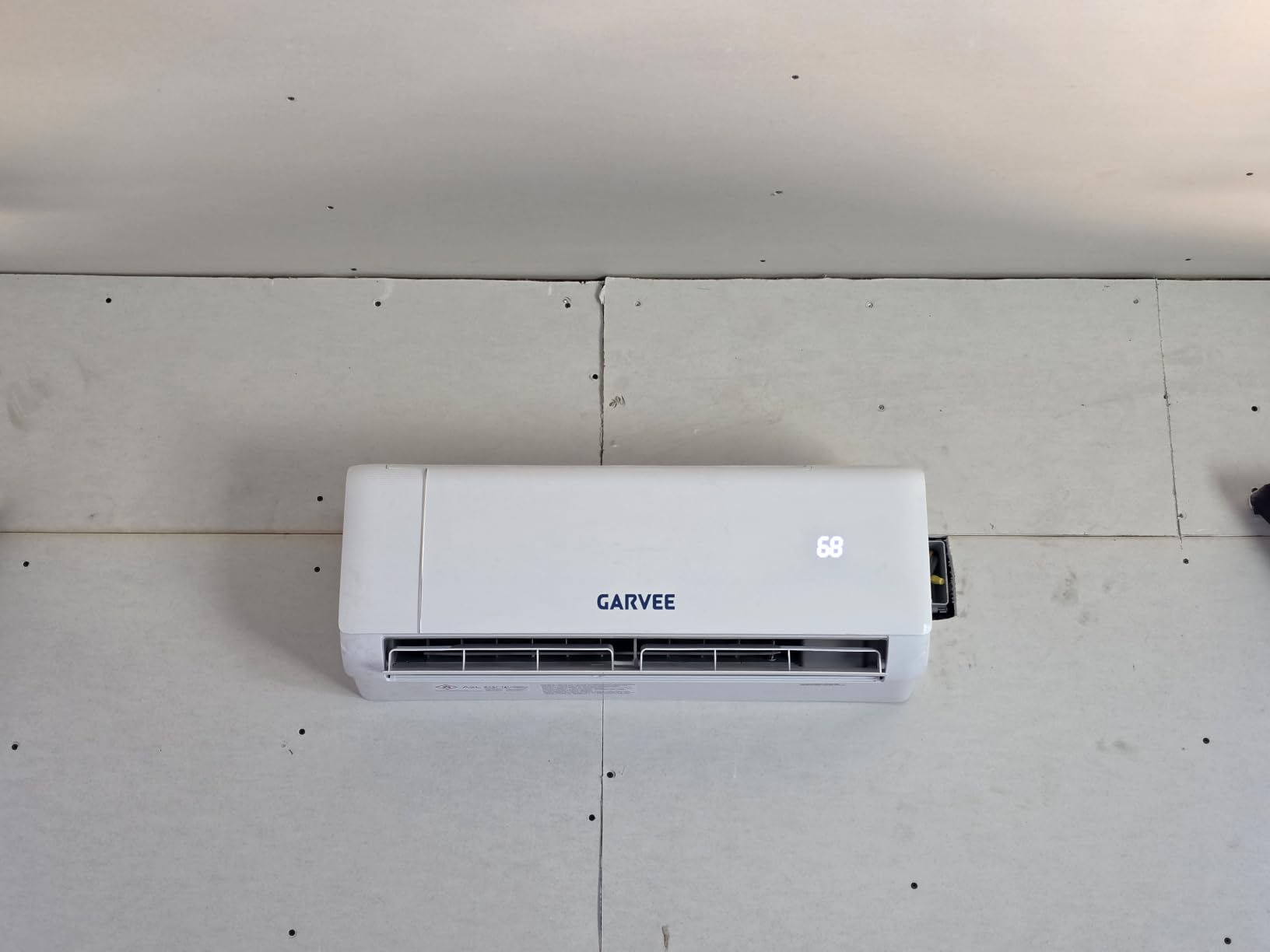
The specification sheet contradicts the listing. The cooling power field reads 18,000 BTU and the voltage field reads 230 against a title and feature set that say 12,000 BTU and 115V. Internal contradictions like this are a reason to confirm both numbers with the seller before you commit.
Practical friction points are documented too: the display defaults to Celsius with no obvious switch for some users, the app requires a 2.4 GHz network so a 5 GHz-only router will not connect, and evaporator fan airflow is reported as weak even on turbo.
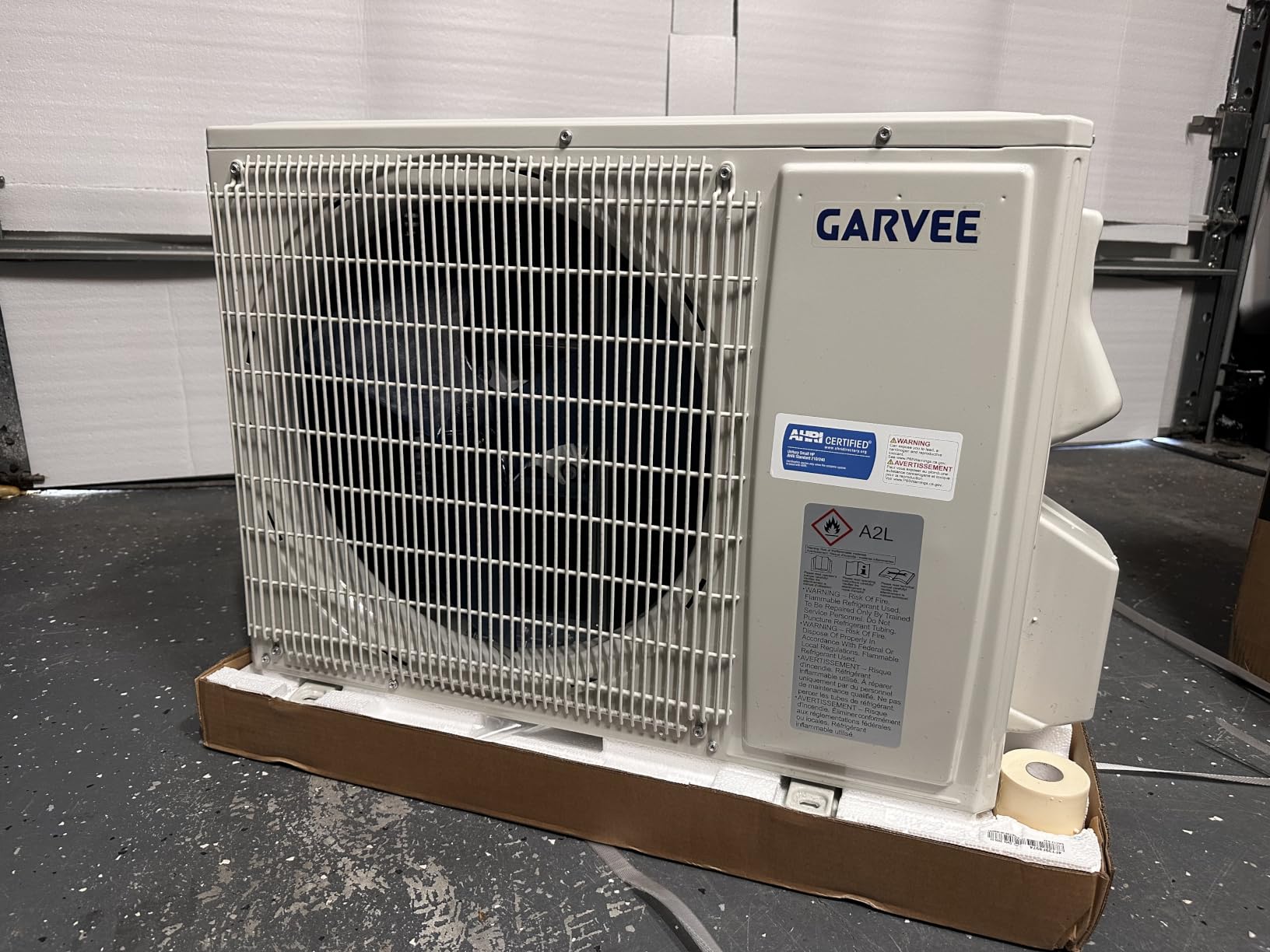
What to check before you buy the Garvee
Resolve the spec conflict in writing. Confirm the actual cooling capacity, the actual voltage, and that your network can see the app before the equipment is on a truck.
Check your router band. If your home network is 5 GHz only, you will spend the first evening troubleshooting something the listing does not mention.
Where the Garvee falls short
With 45 reviews the rating is impressive but the sample is small, so there is very little long-term durability evidence behind it. Treat the score as early owner enthusiasm rather than a proven record.
One installer reported factory flare fittings that would not seal and had to be re-flared by hand, which is a reminder that a flaring check during commissioning is worth requesting on any system.
Is 12,000 BTU the Right Size for Your Bedroom?
One sentence for the sizing rule: a 12,000 BTU one-ton system is the correct choice for a typical insulated bedroom between roughly 400 and 600 square feet with standard ceiling height, and square footage is only the starting point.
Room size is the first filter. A 10 by 12 bedroom is 120 sq ft and a 9,000 BTU unit may serve it well, while a 16 by 16 room at 256 sq ft is asking a lot of a 12K. Most 12K listings claim 700 or 750 sq ft, which is a maximum under ideal conditions, not a target.
The bedroom types that actually need the full 12,000 BTU are the exposed ones. A top-floor west-facing room, a finished basement bedroom without egress windows, a room over a garage, and a sunroom converted to a sleeping space all carry a higher load than their square footage suggests. A small, shaded, well-insulated bedroom on a middle floor does not.
Oversizing is a real and under-discussed problem. A system that is too large for the room cycles on and off more often, which wastes energy, raises wear on the compressor, and can produce uneven comfort with drafts. Experienced installers routinely push a marginal bedroom down to 9,000 BTU, and they lean toward higher-efficiency inverter units when they do.
For anything non-standard, a Manual J load calculation is the correct answer rather than a rule of thumb. It accounts for insulation, window area, orientation, ceiling height and occupancy, and it is exactly what a competent contractor will run before quoting a bedroom.
What to Check Before You Buy a Bedroom Mini Split
Read the decibel figure correctly
A published dB number is almost always the indoor unit at its lowest fan speed, measured as sound pressure at a fixed distance. It is the number that governs whether you can sleep beside the head, and it is the number to compare across products.
Two traps exist. Package or outdoor noise figures are higher because they include the condenser running, and sound power is a different measurement from sound pressure, so numbers from different methods cannot be mixed. Buyers comparing a 23 dB spec against a 26 dB spec are comparing like for like; a buyer comparing 26 dB against a 42 dB package figure is not.
Decide 115V or 230V before anything else
115V and 110V units run on an ordinary household branch circuit, which is dramatically easier and cheaper to serve. The 230V units here need a dedicated 208-230V circuit and, in an older home, panel work that can rival the equipment cost.
Check your panel before you choose. If a spare 230V breaker slot with the right ampacity exists, the premium-efficiency units open up. If it does not, the 115V shortlist here is the smarter buy, and the difference in running cost usually pays for the electrical work within a few seasons.
Understand SEER2, EER2 and HSPF2
SEER2 is seasonal cooling efficiency across a full year. EER2 is instantaneous cooling efficiency at a specific condition. HSPF2 is the heating-season equivalent. Higher numbers mean less electricity for the same comfort, and the spread between the 18 and the 25.5 in this roundup is a real difference over multiple summers.
Ratings only count when they belong to a specific matched indoor and outdoor combination on the AHRI certificate. That is why you should confirm the exact pair rather than trusting a category page, and why a 25.5 figure on an AHRI-matched AURA is a different claim from a 25.5 printed on a brochure.
In practice, room load, thermostat setting and hours of use dominate your bill more than the rating. Buyers comparing a 19 SEER2 unit against a 22 SEER2 unit should also compare the compressor’s minimum modulation, because a unit that cycles between very low and full output wastes the advantage.
Consider heating only if you will use it
Most of these units heat down to 5F ambient, which is comfortable shoulder-season heating rather than cold-climate capability. The AURA is the outlier here, rated to -22F. If you plan to run the bedroom through winter, a minimum operating temperature well below your local design temperature is the spec that matters.
Watch for the gap between can-operate and performs-well. A unit may technically keep running below its rated floor while delivering a fraction of its rated heating capacity there, and capacity measured at 5F is a more honest comparison than a minimum temperature claim.
Budget for the install, not the equipment
Every one of these systems requires professional commissioning, including the ones marketed toward do-it-yourself buyers. Refrigerant work falls under EPA Section 608 certification, so the vacuum, charge and leak check are not optional steps.
The cost drivers beyond the equipment are predictable: electrical upgrades, a line-set run longer than the included pipe, a concrete mounting pad, extra fittings and higher labor rates for tight attic or basement access. Long-running owner threads in HVAC forums put installed projects well above the equipment figure, with electrical work as the biggest variable.
Read the warranty past the number of years
Coverage here splits into parts, compressor and labor, and only a handful of products in this roundup carry compressor warranties of five years or more. Several carry one or two years, and the Temprium’s single year is among the shortest.
Registration requirements matter, as do conditions. The AURA warranty can be voided if the system is not vacuumed and charged by a licensed professional, and most of the value tier here sells with labor excluded entirely.
Weigh serviceability before you fall for a price
Forums repeatedly steer buyers toward brands with local technicians rather than the lowest listing, and the reasoning is sound. In ten years, a control board or a capacitor is a routine repair, and its cost depends entirely on whether a technician can get parts and whether your warranty covers the labor.
The two Senville models and the Cooper and Hunter carry the longest compressor coverage in this group, and the LETO’s 2,185-review history is the best available proxy for how a system behaves after a few seasons. Buyers weighing a bedroom install against other gear for a small production setup will find our picks for the best mini sliders for tabletop video and the best ATEM mini switchers for creators built the same way.
Frequently Asked Questions
What is the best split AC for a bedroom?
The Senville LETO is the best split AC for a bedroom in this roundup. It combines a published 28 dB indoor level, 20.8 SEER efficiency and standard 110V power, so it needs no panel work, and its 2,185 owner reviews make it the most proven option here. For colder climates, step up to the Senville AURA for its 25.5 SEER rating and heating down to -22F.
How many sq ft is a 12000 BTU mini split good for?
A 12,000 BTU mini split suits a typical insulated bedroom of roughly 400 to 600 square feet with standard ceiling height. Most listings claim 700 to 750 sq ft, but that is a maximum under ideal conditions. A small shaded middle-floor room can often use a 9,000 BTU unit instead, while a top-floor west-facing room or a room over a garage needs the full 12K.
Which mini split system is the quietest?
Among these picks, the COSTWAY and the Temprium both publish a 23 dB indoor figure, the lowest published numbers among the twelve, followed by the Senville AURA at 24 dB and the Rellytech and Nexaro at 26 dB. Always confirm the number is the indoor sound pressure at the lowest fan speed, since package figures and outdoor noise run much higher and are not comparable.
What is the most reliable brand of mini splits?
Within this roundup, Senville stands out for reliability signals: the LETO carries 2,185 owner reviews at 4.4 stars, the deepest review base here, and the AURA holds a 4.5 average across 681 reviews. Reliability also depends on installation quality and on whether a local technician can service the brand years from now, which is why the established names are worth a premium.
Which mini splits should I avoid?
No brand here is outright bad, but three warning signs justify caution. Watch for listings whose spec sheet contradicts the title, as several in this roundup do on voltage or capacity. Watch for one year warranties on a sealed refrigerant system. And watch for products sold without local service, because a control board or capacitor repair a decade from now depends entirely on parts availability.
Why is my electric bill so high with a mini split?
The usual causes are not the SEER rating. A unit oversized for the room short-cycles, so it draws power without removing heat efficiently. Setting the thermostat too low in summer, leaving the room uninsulated, or a leaking door that lets cool air escape all raise consumption. Comparing real bills across SEER2 levels, buyers find room load and hours of use dominate the outcome.
Do 12000 BTU mini splits get louder at night?
They get quieter, provided you use the sleep mode. Inverter modulation means the compressor ramps down rather than cycling on and off, so a well-sized unit at low fan speed is often quieter at night than during the afternoon peak. A few units add a dedicated mute mode, which is worth having if you sleep beside the head or the outdoor section is near an open window.
How much does it cost to install a 12,000 BTU mini split system?
The equipment is only part of the project. Every system here needs professional commissioning, so budget for the indoor and outdoor section, a dedicated circuit, a line set longer than the included pipe if your layout requires it, a mounting pad, and labor. Electrical upgrades and longer line runs are the two variables that push an otherwise modest bedroom install well past the equipment figure.
Is it hard to install a mini split by yourself?
It is manageable mechanically but not legally optional. Blowing refrigerant, evacuating and charging the system falls under EPA Section 608 certification, so a licensed technician has to do that part. Several brands also void warranty coverage on a homeowner install. The lighter units with 115V power and a pre-charged line set are the most realistic candidates, with electrical work being the usual sticking point.
Final Verdict
The best 12000 BTU mini split for bedrooms is the Senville LETO, and it wins on the combination that matters most: quiet inverter operation, 20.8 SEER efficiency, 110V power that avoids panel work, and by far the deepest owner review base we analyzed. The COSTWAY 12K is the value alternative at 23 dB with an eight-year compressor warranty, and the Senville AURA is the pick when efficiency and heating to -22F justify the premium.
Before you order anything, check your electrical panel and measure your line-set route. Those two steps eliminate most of the cost surprises before they happen. Then pick the unit whose published indoor dB figure suits your sleep, install it properly, and you will have the most comfortable room in the house in 2026.