
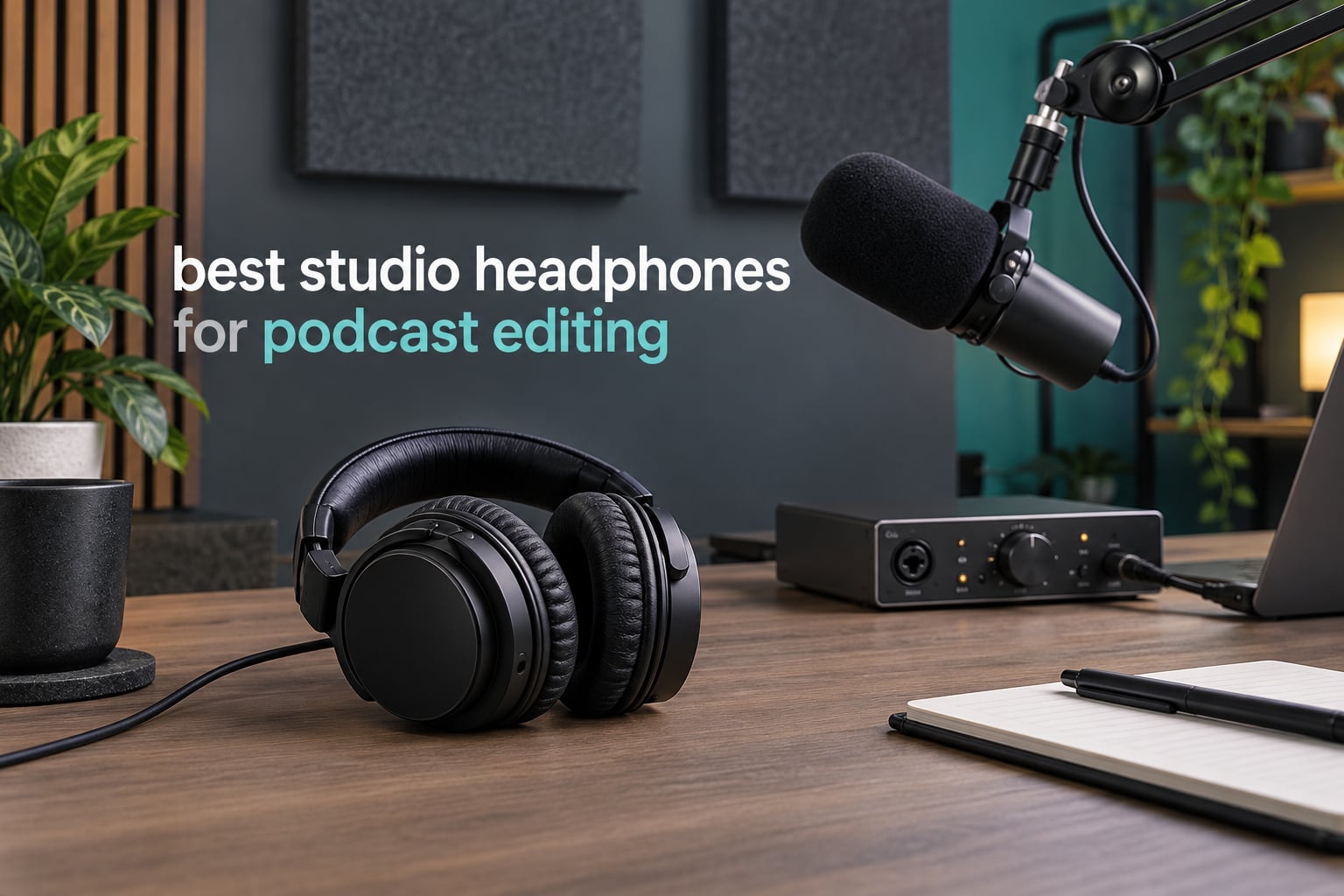
Bad edits rarely come from a lack of talent. They come from hearing a slightly boxy voice and thinking it sounds fine, or from cutting a breath you could not actually hear. Choosing the right pair among the best headphones for podcast editing is what removes that guesswork, because monitoring accuracy decides every EQ move, every noise reduction setting and every fade you make afterwards.
Podcast editing demands a narrow set of things from a headphone: a flat frequency response so nothing is flattered, enough isolation that a desk fan or an air conditioner stops leaking into your takes, and a wired connection so there is zero delay between the click track and what you hear. Wireless headphones fail the third test outright, and consumer headphones with boosted bass fail the first one in a way that quietly ruins mixes.
We spent 2026 going through the pairs that professional podcasters, editors and small broadcast studios actually keep on their desks. The list below covers every budget tier, from a lightweight starter closed-back to an open-back reference used purely for critical listening. For those who also cut picture, our picks sit comfortably alongside our guides to the best headphones for audio editing and the best headphones for video editing.
Table of Contents
- Top 3 Best Studio Headphones for Podcast Editing in October
- Best Studio Headphones for Podcast Editing in 2026
- 1. Audio-Technica ATH-M50x: the flat, dependable all-rounder
- 2. Sony MDR-7506: the broadcast reference that never gets replaced
- 3. beyerdynamic DT 990 Pro: the open-back reference for critical editing only
- 4. Audio-Technica ATH-M40x: the flattest M-series for mix decisions
- 5. Audio-Technica ATH-M30x: the portable midrange monitor
- 6. AKG K240 Studio: the semi-open classic for long days
- 7. Sennheiser HD 280 Pro: the isolation champion
- 8. Sennheiser HD 200 Pro: the easy-driving laptop editor’s choice
- 9. Shure SRH440A: the dialogue specialist
- 10. Yamaha HPH-MT5W: the lightest long-session option
- 11. PreSonus HD9: the loud-session workhorse
- 12. AKG K92: the light starter closed-back
- How to Choose Studio Headphones for Podcast Editing
- Frequently Asked Questions
- What type of headphones are best for podcast recording?
- Do I really need headphones for podcasting?
- Should I choose open-back or closed-back headphones for podcasting?
- Are wireless headphones good for podcast recording?
- What is the difference between 32 ohm, 80 ohm, and 250 ohm headphones?
- Are noise-cancelling headphones good for podcasting?
- Conclusion
Top 3 Best Studio Headphones for Podcast Editing in October
Three pairs cover almost every podcast workflow. The Audio-Technica ATH-M50x is the all-rounder, the Sony MDR-7506 is the broadcast standard with an unbeatable review history, and the beyerdynamic DT 990 Pro is the open-back option for people who edit in a treated room.

Audio-Technica ATH-M50x
- Flat 45 mm monitor sound
- 38 ohm easy drive
- Swivelling earcups for one-ear cueing
- Detachable cable

Sony MDR-7506
- Broadcast standard closed-back
- 40 mm neodymium drivers
- Only 8 ounces
- Folds flat with case

beyerdynamic DT 990 Pro
- Wide open-back soundstage
- 250 ohm studio impedance
- Velour pads
- German build
- 2-year warranty
Best Studio Headphones for Podcast Editing in 2026
All twelve pairs below are wired studio monitors. We sorted them by how well they serve the two jobs podcasters actually juggle: tracking in real time and editing critically afterwards.
| Product | Specs | Action |
|---|---|---|
| Audio-Technica ATH-M50x |
|
Check Latest Price |
| Sony MDR-7506 |
|
Check Latest Price |
| beyerdynamic DT 990 Pro 250 Ohm |
|
Check Latest Price |
 Audio-Technica ATH-M40x Audio-Technica ATH-M40x |
|
Check Latest Price |
 Audio-Technica ATH-M30x Audio-Technica ATH-M30x |
|
Check Latest Price |
 AKG K240 Studio AKG K240 Studio |
|
Check Latest Price |
 Sennheiser HD 280 Pro Sennheiser HD 280 Pro |
|
Check Latest Price |
 Sennheiser HD 200 Pro Sennheiser HD 200 Pro |
|
Check Latest Price |
 Shure SRH440A Shure SRH440A |
|
Check Latest Price |
 Yamaha HPH-MT5W Yamaha HPH-MT5W |
|
Check Latest Price |
 PreSonus HD9 PreSonus HD9 |
|
Check Latest Price |
 AKG K92 AKG K92 |
|
Check Latest Price |
1. Audio-Technica ATH-M50x: the flat, dependable all-rounder
Audio-Technica ATH-M50X Professional Studio Monitor Headphones, Black, Professional Grade, Critically Acclaimed, with Detachable Cable
38 ohm
45 mm rare-earth drivers
20 Hz to 28 kHz
0.29 kg
2-year warranty
Pros
- Accurate flat monitoring sound
- Excellent passive isolation
- Swivelling cups for one-ear cueing
- Detachable and replaceable cable
- Two-year warranty
Cons
- Pads and headband padding wear with heavy daily use
- Can feel tight on unbroken long sessions
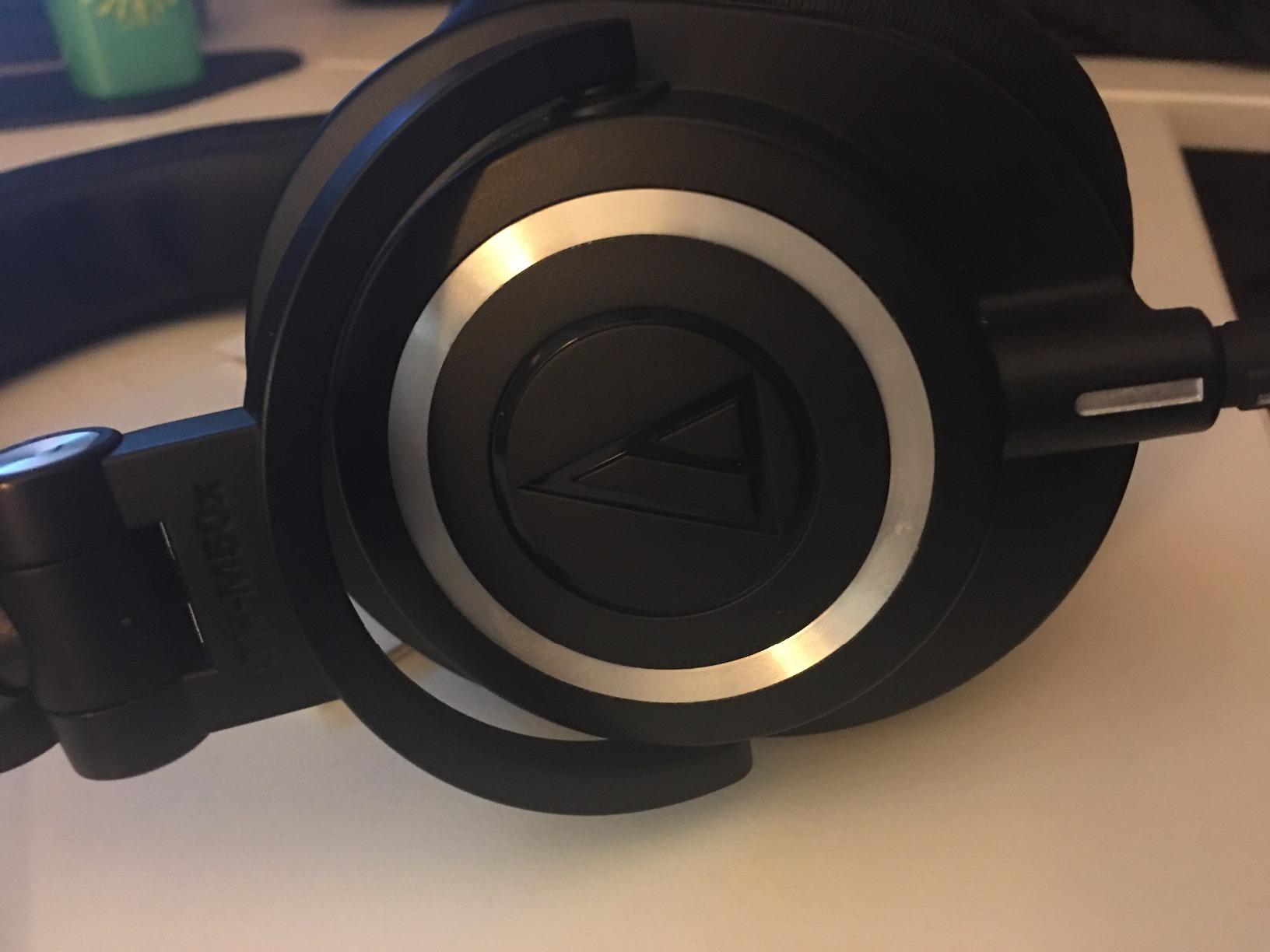
The ATH-M50x is the pair I put on any desk first, and it is the one I recommend without a caveat for most podcasters. It is a closed-back circumaural monitor at 38 ohm with 45 mm rare-earth drivers, and that low-ish impedance means it drives properly from a laptop, a USB interface or a podcast console without a separate amplifier.
What makes it the best studio headphones for podcast editing in our view is the tuning rather than the specification sheet. The response stays flat enough that a muddy low-mid, a sibilant mouth or a thin vocal reads as it really is, and the deep bass extension means you can hear rumble and HVAC noise that other closed-backs hide.
Passive isolation is good enough to record a host in a room with household noise without the headphone feeding that noise back into the microphone. The 90 degree swivelling earcups let you fold one cup back while tracking, a small detail that matters when you need to hear how the take sounds in the room.
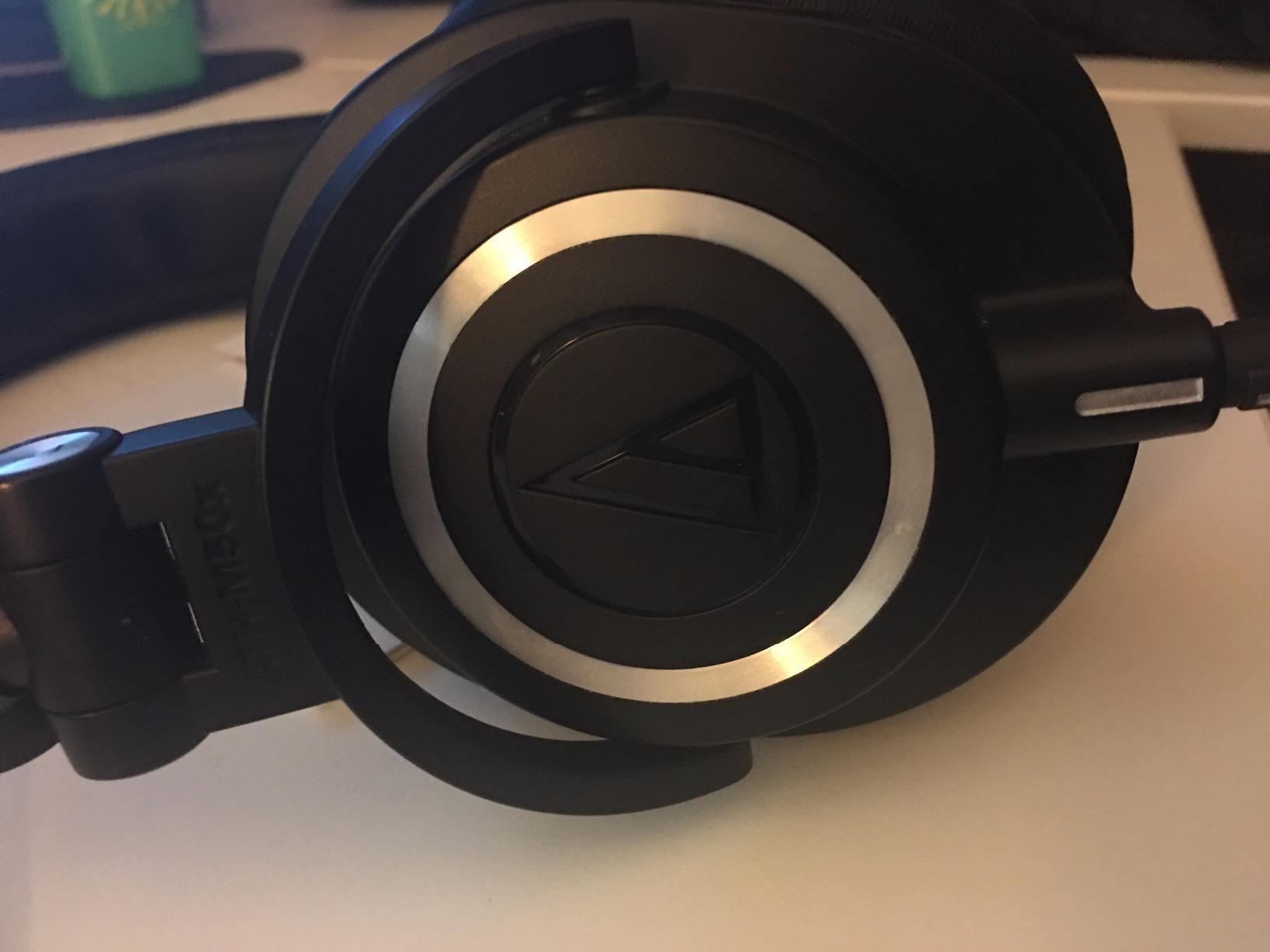
Durability is where the M-series shows its age. Owners report pad and headband padding wear after years of daily work, and a small number find the clamp tight on longer unbroken sessions. Both are consumable or fit issues rather than sound issues, and the detachable cable means a wiring failure is never a reason to replace the whole headphone.
We would pair it with anything in our best studio headphones for editing film audio roundup because the same accuracy serves dialogue work. If you want one pair that handles recording, editing and the occasional video podcast appearance, this is the one.
Why the ATH-M50x suits long editing sessions
The circumaural cups seal around the ear rather than pressing on it, which spreads contact pressure across a larger area. Combined with a sub-300 g weight, that is the difference between noticing you are wearing headphones after four hours and forgetting about them.
Because the response is uncoloured, you also avoid the fatigue that comes from a hyped low end pushing against your ears while you work at moderate levels. Listening at lower volume for long stretches is realistic when the mix is accurate, and that lowers the hearing risk discussed in our buying guide.
Where the ATH-M50x disappoints
The sound is deliberately unflattering. If you enjoy a bass lift or a warm vocal presence for casual listening, this tuning feels clinical, and some editors end up buying a second pair for fun.
It also does not isolate like the Sennheiser HD 280 Pro. In a genuinely noisy room, a very reflective voice or a rattling window will come through, and no amount of switching will fix the acoustics behind the microphone.
2. Sony MDR-7506: the broadcast reference that never gets replaced
Sony MDR7506 Professional Large Diaphragm Headphone
63 ohm
40 mm neodymium drivers
10 Hz to 20 kHz
8 ounces
Folds flat
Pros
- Decades of broadcast and studio use
- Extremely light for long sessions
- Closed design rejects external noise
- Folds flat with soft case and adapter
Cons
- Fixed cable means a cable failure ends the set
- Subtle treble emphasis complicates bass-heavy mixes
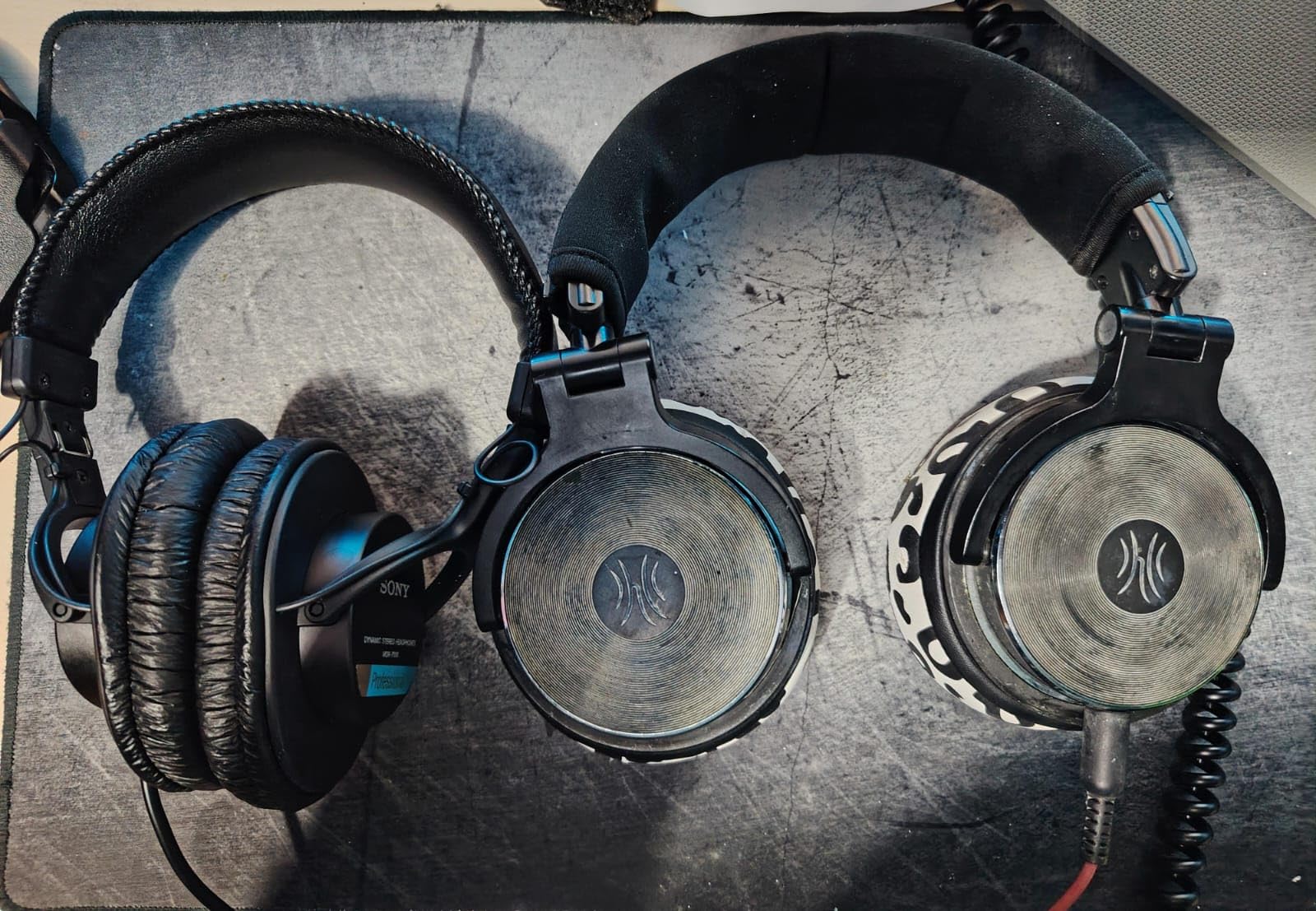
The MDR-7506 has been on broadcast desks for so long that finding one in a working studio means you will usually find several. That longevity is the point: it is a headphone that has been repaired, re-padded and re-cabled by owners for generations, and the 28k reviews reflect a very long user base.
At eight ounces with 40 mm neodymium drivers and a closed acoustic design, it is the lightest full-size monitor here. For a solo podcaster editing four hours of dialogue at a stretch, that low weight is the feature you notice most, and it is why the model keeps its position despite newer arrivals.
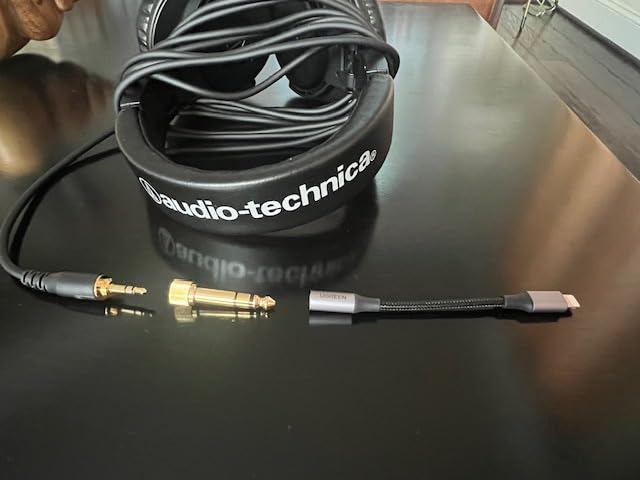
Sound is neutral and revealing, with enough low end to judge a voice properly and enough isolation to block a decent amount of room noise. It ships with a 9.8 foot cord, a gold-plated plug, a quarter-inch screw-on adapter and a soft case, and it folds flat for transport.
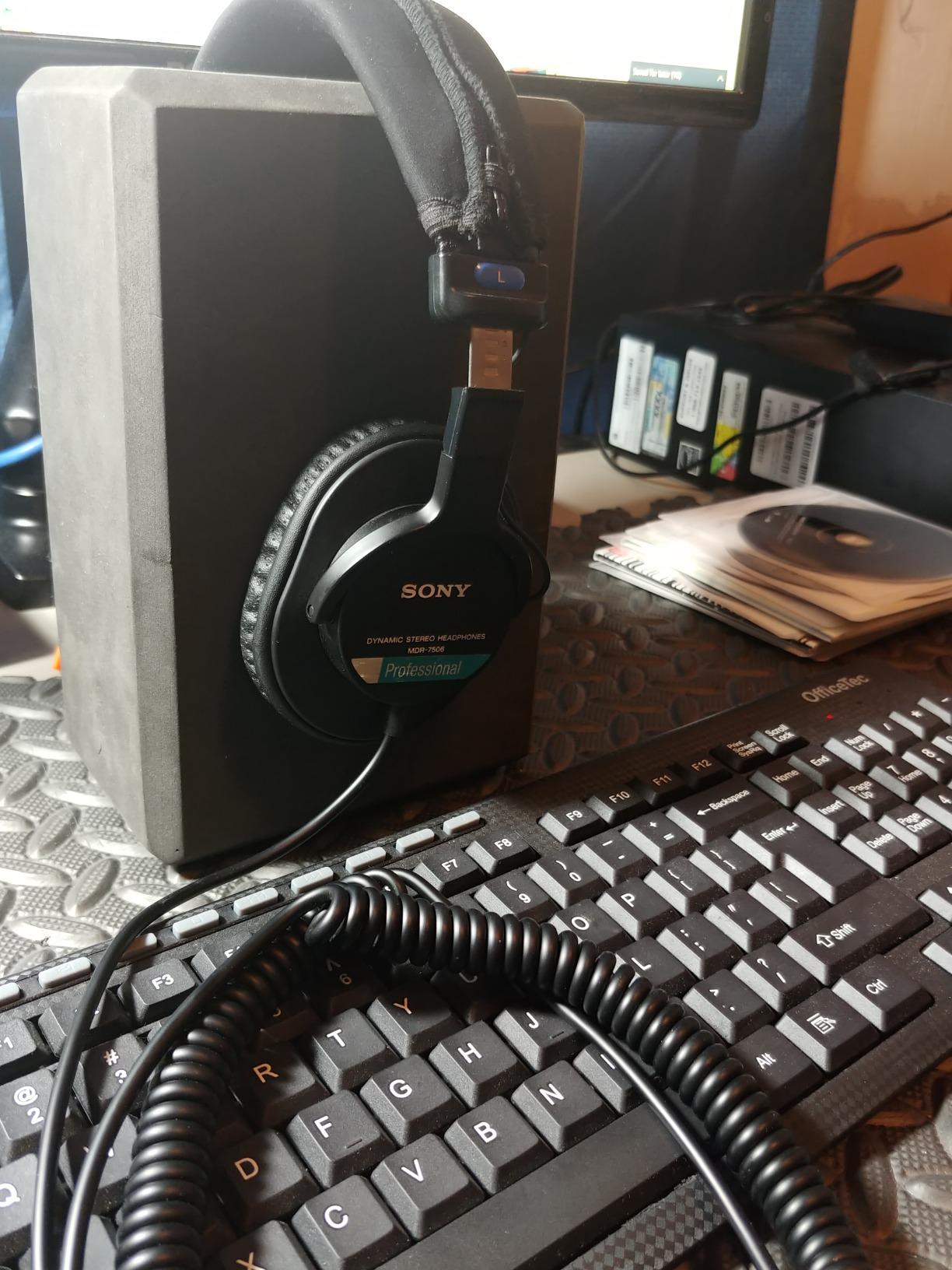
The two real drawbacks are structural. The cord is fixed, so once the internal conductors fatigue you are looking at a repair or a new set, which is exactly the failure mode that shows up on podcasters desks after a year or two of daily use. Pads are also a separate replacement, and they flatten over time.
Owners also mention a subtle treble lift that makes bass-heavy or dull mixes harder to judge at first listen. It is not a fault, but it is a reason to check your low-end decisions twice if you are used to a completely flat curve.
When the MDR-7506 is the right call
Choose it when you record in shared or variable environments, when you travel to remote interviews, or when you simply want a reference that will not change. Broadcast engineers trust its voicing because it is consistent across decades of production work.
It also suits anyone sensitive to headphone clamp force. The light body and modest cushioning mean less contact heat, which matters if you already deal with headaches or ear fatigue during long sessions.
Where the MDR-7506 frustrates owners
The fixed cable is the headline complaint, and it is unavoidable with this design. It also lacks any modern convenience such as a fold-flat hinge that locks, so the earcups can spring open during careless handling.
For editing on the move with a phone or a small recorder, the quarter-inch adapter and the long cord add bulk. It is a studio headphone first, and it expects a desk and a chair.
3. beyerdynamic DT 990 Pro: the open-back reference for critical editing only
beyerdynamic DT 990 Pro (250 Ohm), Open-Back Studio Headphones, Black
250 ohm
96 dB sensitivity
5 Hz to 35 kHz
8.8 ounces
2-year warranty
Pros
- Wide natural soundstage with precise placement
- Fast and detailed rather than bloated bass
- Treble reveals recording flaws
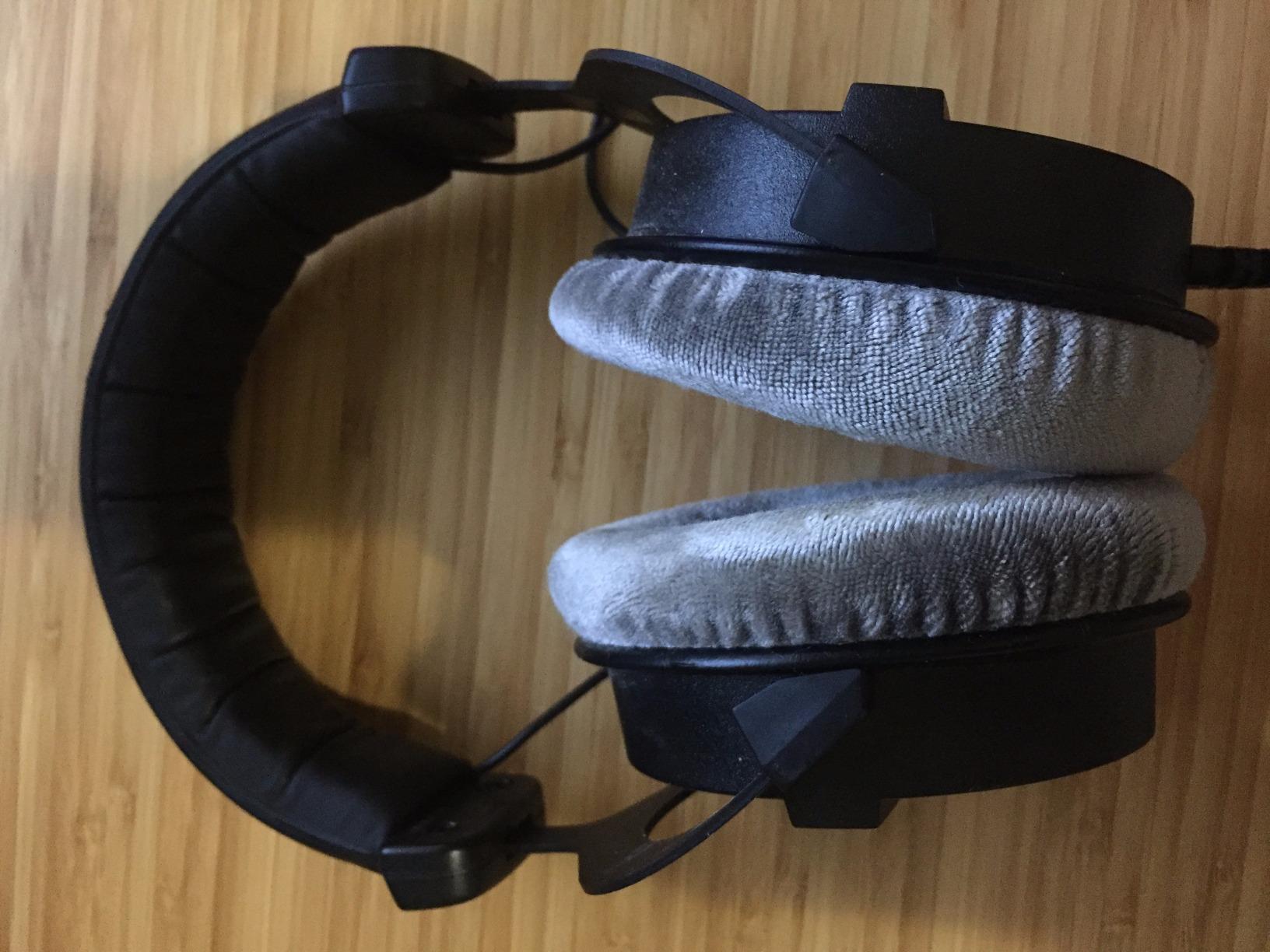
- Velour pads stay comfortable
- German build with two-year warranty
Cons
- 250 ohm needs an amp or powered output
- Leaks sound both ways so never use it while tracking
- Fixed coiled cable
The DT 990 Pro is the only open-back on this list, and that single fact determines when and how you can use it. The cup is acoustically open, so sound travels in and out freely. It is an editing headphone in a treated room, never a recording headphone in an untreated one.
What it delivers for editing is scale. The soundstage is wide and natural with precise instrument placement, which helps when you are judging a stereo ambience bed or a music intro under a voice. Bass is fast and tight rather than bloated, and the treble is clear enough to expose sibilance and mouth noise immediately.
This 250 ohm version wants real voltage. On a laptop jack or a phone it will go quiet and thin, so it needs an audio interface with a decent headphone output or a small headphone amplifier. The good news is that any podcast console with a powered output handles it comfortably.
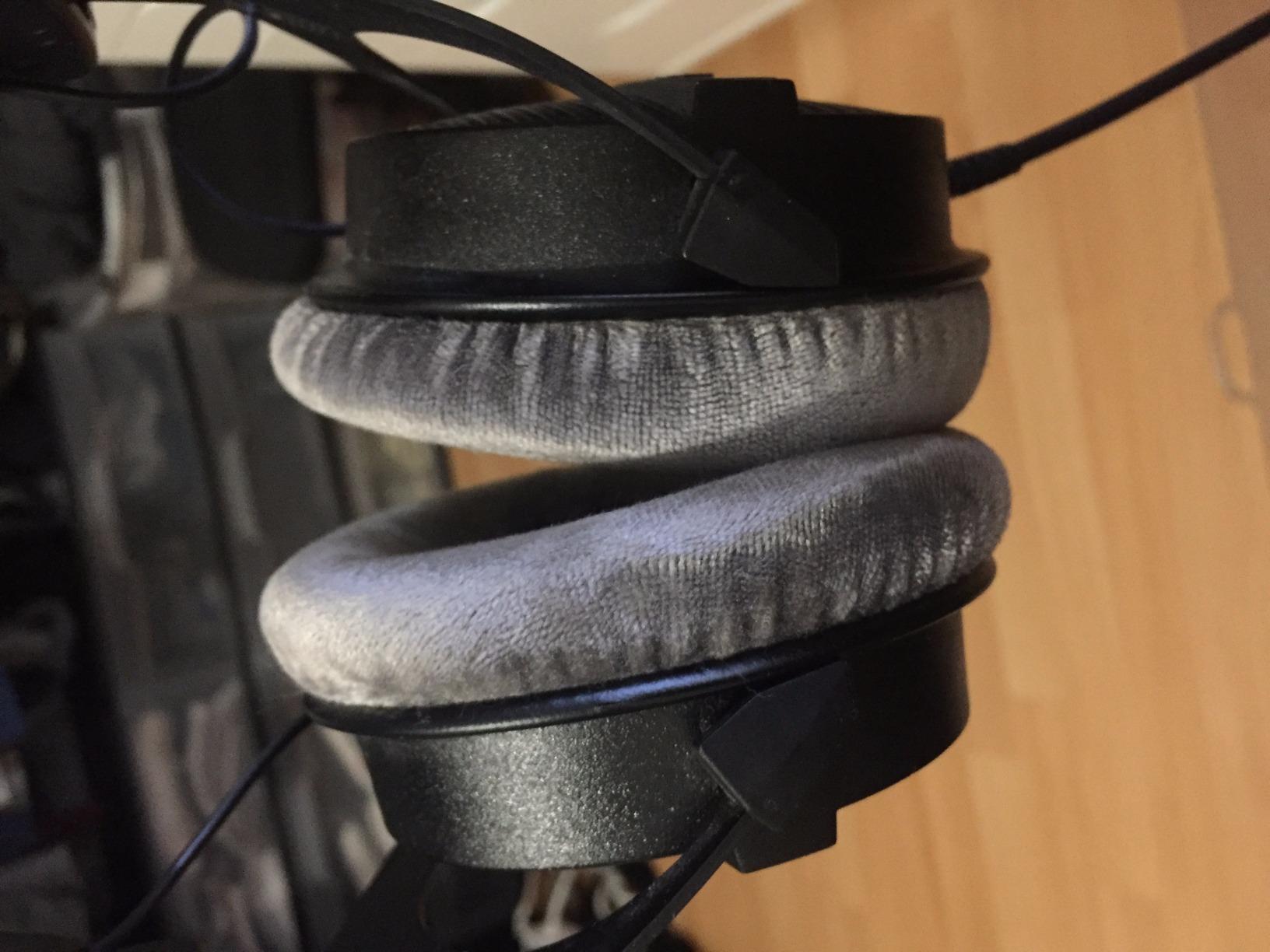
Replaceable velour pads and a spring-steel headband make it a long-term purchase, and the two-year warranty covers manufacturing faults. The pads do collect dust and need more care than leatherette, and the treble can feel bright on hiss-heavy material if your DAC adds noise of its own.
The fixed three-metre coiled cable is tidy at a desk but bulky to transport. If you record and edit in the same untreated room, choose a closed-back from this list instead and keep the DT 990 Pro for mastering days.
Why editors keep coming back to the DT 990 Pro
The reference point matters more than any spec. An open-back with a wide stage gives you a different perspective on a mix than any closed-back, and a second perspective is exactly what catches a mono compatibility problem or a misplaced vocal.
Velour pads also breathe better than leatherette over long sessions and stay cool, which is why this pair survives four-hour editing days where some closed designs leave the ears damp.
Where the DT 990 Pro does not belong
Never track a vocal while wearing them. The leakage is real and it lands straight in your microphone, and it also lets traffic noise into the mix where a closed-back would have blocked it.
The impedance is the second limit. If your only connection is a laptop or a phone, the 250 ohm version will not play at a comfortable level, so look at the 32 to 64 ohm models lower on this list instead.
4. Audio-Technica ATH-M40x: the flattest M-series for mix decisions
Audio-Technica ATH-M40x Professional Studio Monitor Headphone, Black, with Cutting Edge Engineering, 90 Degree Swiveling Earcups, Pro-Grade Earpads/Headband, Detachable Cables Included
35 ohm
98 dB sensitivity
15 Hz to 24 kHz
0.24 kg
2-year warranty
Pros
- Most accurate of the M-series for mixing
- Good instrument separation for a closed-back
- Drives easily with no DAC or amp
- Two detachable cables and a case included
Cons
- Floppy one-handed handling takes practice
- Plastic swivel hinges can crack with age
- Supplied studio cables are long for a desk
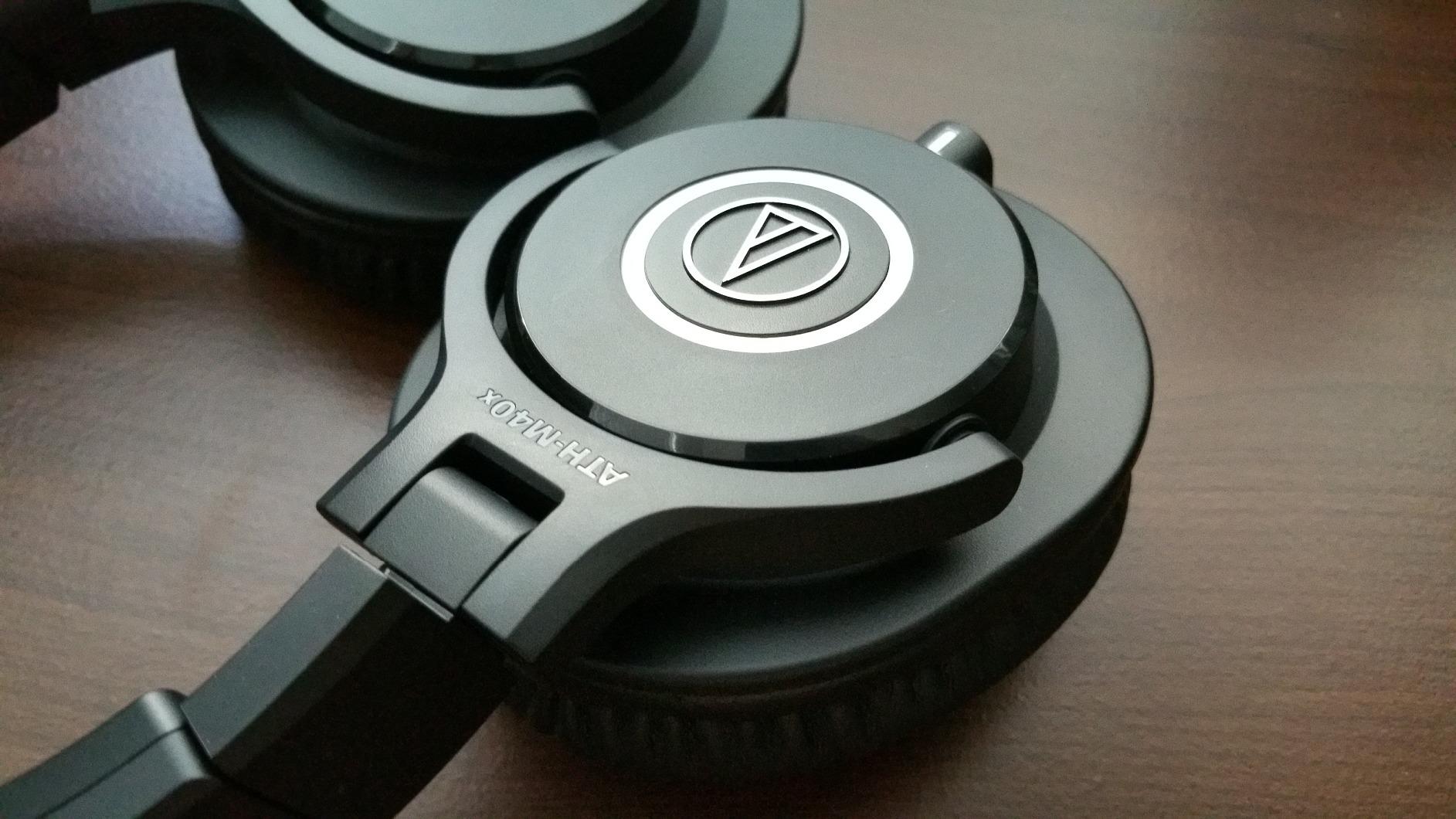
If your work is dominated by cutting dialogue and setting levels rather than producing music, the M40x is arguably a better tool than the flagship. Reviewers consistently describe it as the flattest of the three M-series closed-backs, and 98 dB sensitivity at 35 ohm means it plays cleanly from almost anything.
Separation between elements is good for a closed design, so when you are riding a noise reduction or setting a compression threshold you can still hear what is underneath. Isolation is strong enough for a room with a computer fan running.
Two detachable cables come in the box, one straight and one coiled, along with a protective case. That is a better bundle than most competitors offer and it means you can stop hunting for the right length.
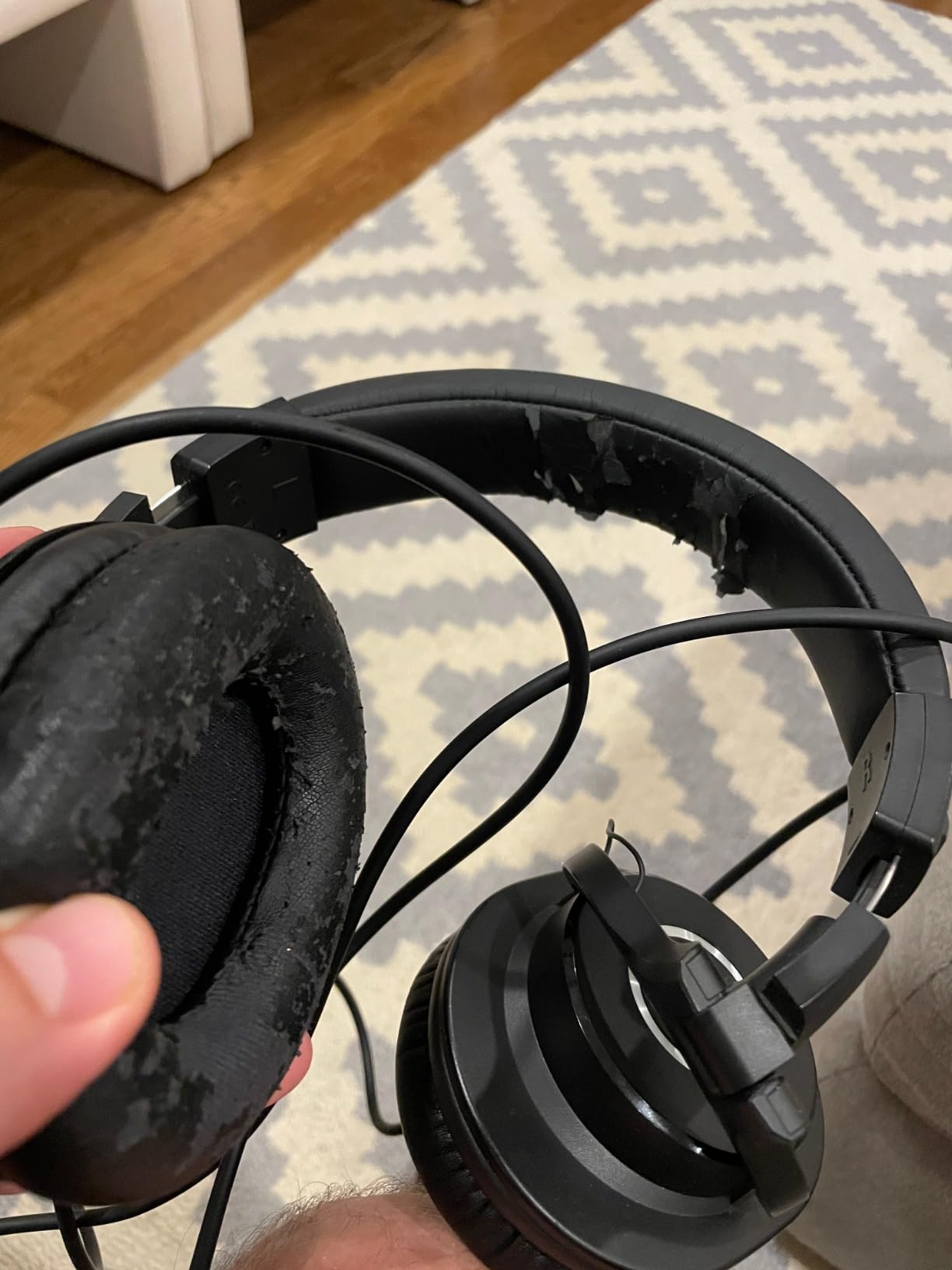
The criticisms are mechanical rather than acoustic. The construction is flexible enough that pulling it on one-handed takes practice, and the swivel hinges are largely plastic, which owners report cracking after years of daily folding. The studio-length supplied cables are also longer than most desk setups need.
Sub-bass rolls off around 70 Hz without EQ, so if your content is bass-heavy you will want to add low end deliberately rather than trusting what you hear. That is a small price for accurate midrange work.
Why the M40x beats the M50x for dialogue editing
A completely flat response means nothing sits on top of anything else. When you are choosing a de-esser frequency or deciding how much high-pass to add, a flattering curve gets in the way and an honest one does not.
It is also lighter than the M50x and easier to keep on for a whole session, which matters more than the extra bass extension when the material is speech.
Where the M40x falls short
Long-term hinge durability is the biggest risk. If you fold the headphone constantly to move between a desk and a booth, expect to replace hinges or the headphone eventually.
Those who want to hear the full low end of a music bed while editing should treat this as a midrange-first tool. Buy the M50x if full-spectrum monitoring matters to your work.
5. Audio-Technica ATH-M30x: the portable midrange monitor
Audio-Technica ATH-M30x Professional Studio Monitor Headphones, Black
38 ohm
100 dB sensitivity
20 Hz to 20 kHz
0.22 kg
Collapsible
Pros
- Clear detailed midrange tuned for voice work
- Lightest of the M-series at 0.22 kg
- Collapses flat for travel
- Case and adapter included
Cons
- Less low end extension than the M40x and M50x
- Firm fit can create pressure in very long sessions
- Pads flatten and affect the seal over time
The M30x is built around the part of the spectrum podcast editing depends on most. It is tuned for detail with an excellent midrange definition, which is the frequency band your entire show lives in, and 100 dB sensitivity means it gets loud enough without an amplifier.
It is the lightest headphone here at 0.22 kg and it collapses flat, so it moves between a home desk and a borrowed room without ceremony. The single-side cable exit keeps a straight run clear of your face when you turn your head.
Owners value it as a clean, neutral monitoring tool at a modest outlay. For a first podcast or a secondary pair for a second location, that is a genuinely complete package.
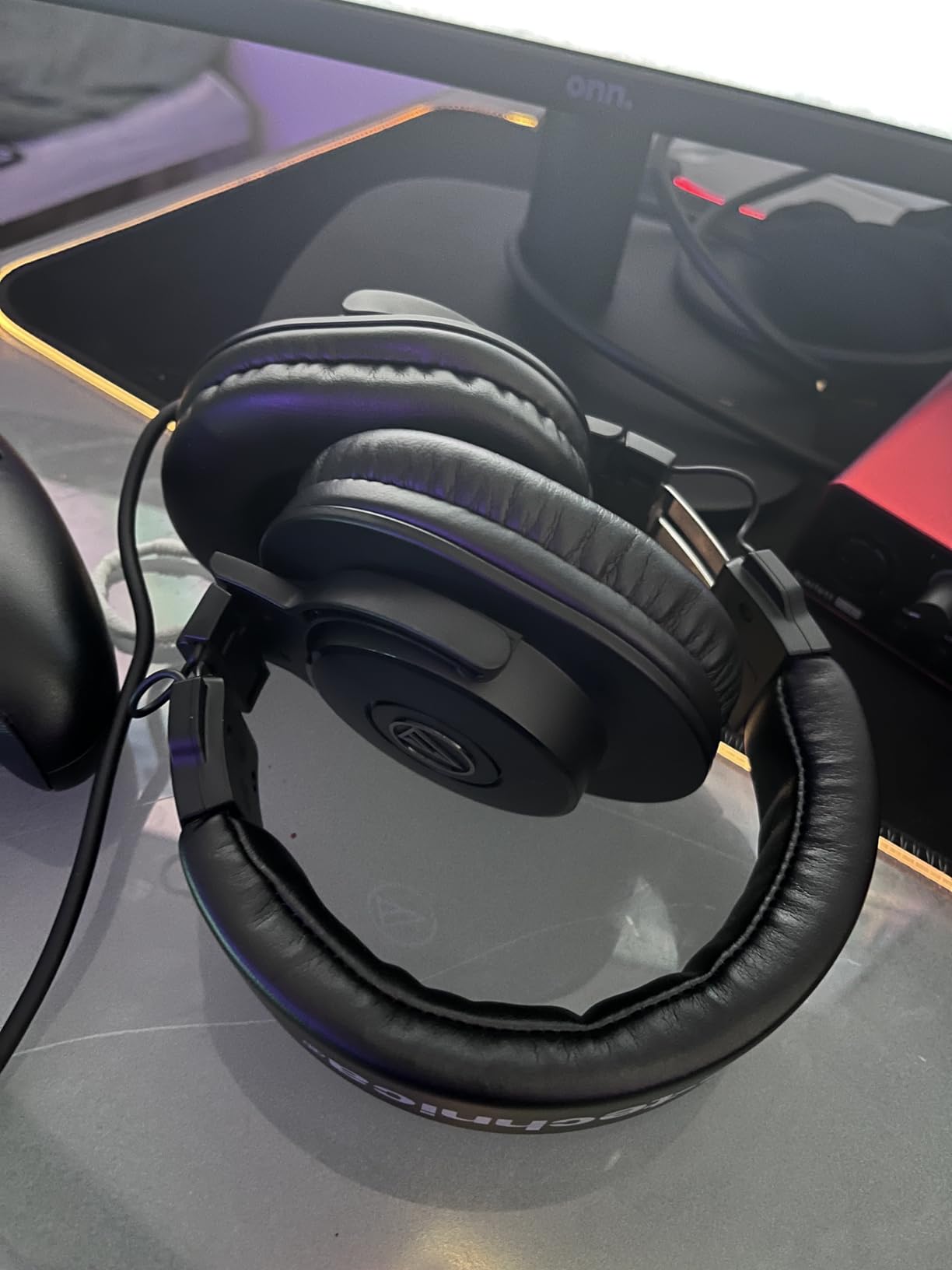
Where it stops is at the bottom end. Compared with the M40x and M50x the low frequency extension is reduced, so rumble reduction and body on the voice are harder to judge without reference. Earpads also flatten with use, and once they compress the seal and the bass go with them.
A firm fit is the other recurring note. Over short sessions that reads as secure. Across a full editing day, some users feel pressure around the ears and swap to lighter foam.
When the M30x is the right pick
It suits interview shows and narrative podcasting where the work is dialogue, cleanup and level matching rather than bass-heavy music editing. The midrange clarity makes sibilance and mouth noise easy to spot.
Travel and guest recording also suit it. The collapsible frame and low weight mean you can hand a guest a pair that is comfortable from the first minute, which matters for remote interviews done over video.
Where the M30x is not enough
If you produce a music-led show or need to judge HVAC rumble under a voice, the reduced low end will mislead you. Choose the M40x or M50x instead for full-spectrum work.
Long-session comfort is also model-dependent. People with larger heads report the clamp becoming noticeable, so test it if your editing days run past three hours.
6. AKG K240 Studio: the semi-open classic for long days
AKG K240STUDIO Semi-Open Studio Headphones
55 ohm
104 dB sensitivity
15 Hz to 25 kHz
240 g
Semi-open design
Pros
- Very neutral and revealing for mixing and podcast editing
- Excellent spoken-word clarity
- Exceptionally light and comfortable
- Self-adjusting headband fits many sizes
- Locking detachable cable
Cons
- Semi-open design leaks sound so avoid live vocal tracking
- Bass is light rather than extended
- On-ear pads can feel warm over long sessions
The K240 Studio is the oldest design here and still one of the most comfortable to wear. At 240 g with a self-adjusting gimbal headband, it fits a wide range of head sizes without a lot of clamping force, and the padded cups sit on the ear rather than pressing around it.
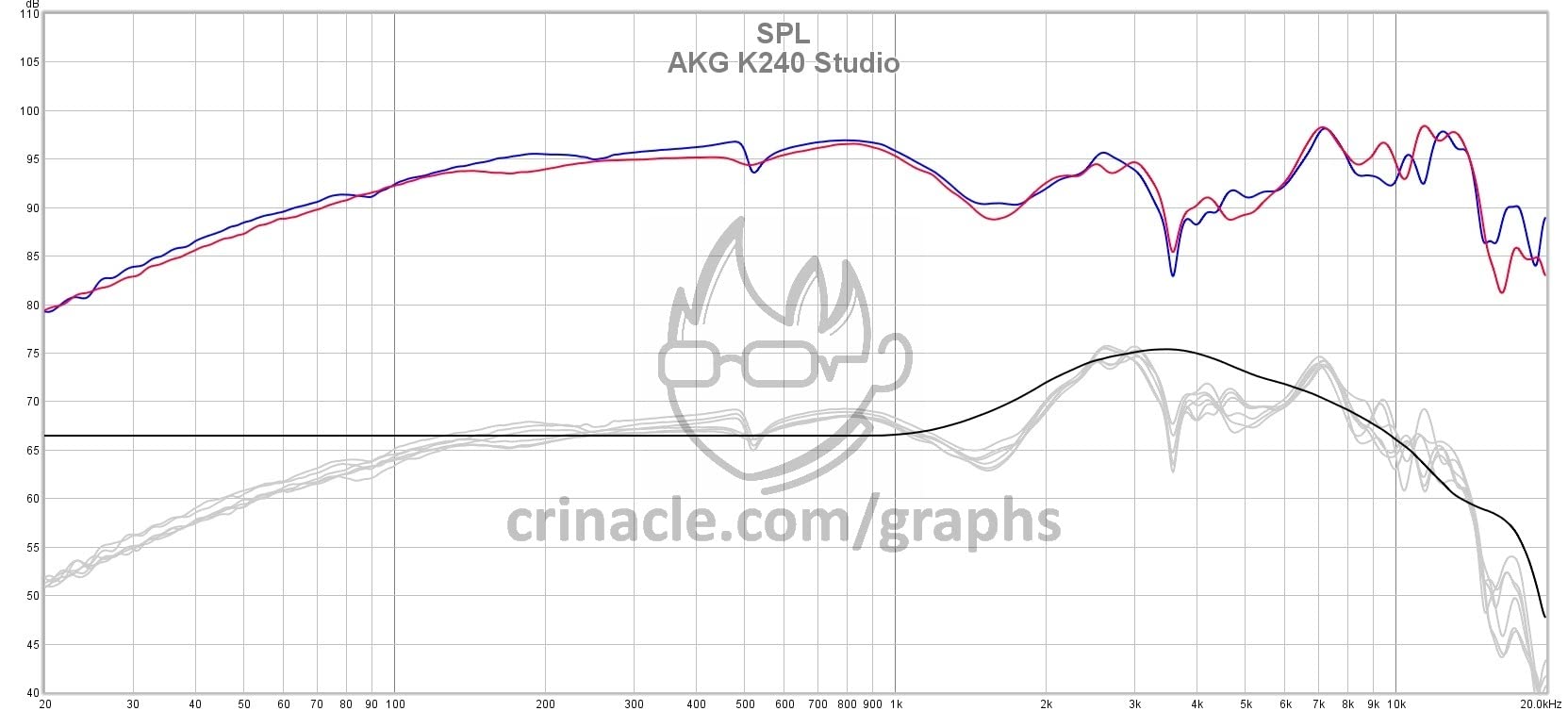
Sonically it is genuinely neutral and revealing, which is what you want for editing. Spoken-word clarity is the standout: consonants stay articulate, which makes cutting words apart much easier than on a pair that softens the upper midrange.
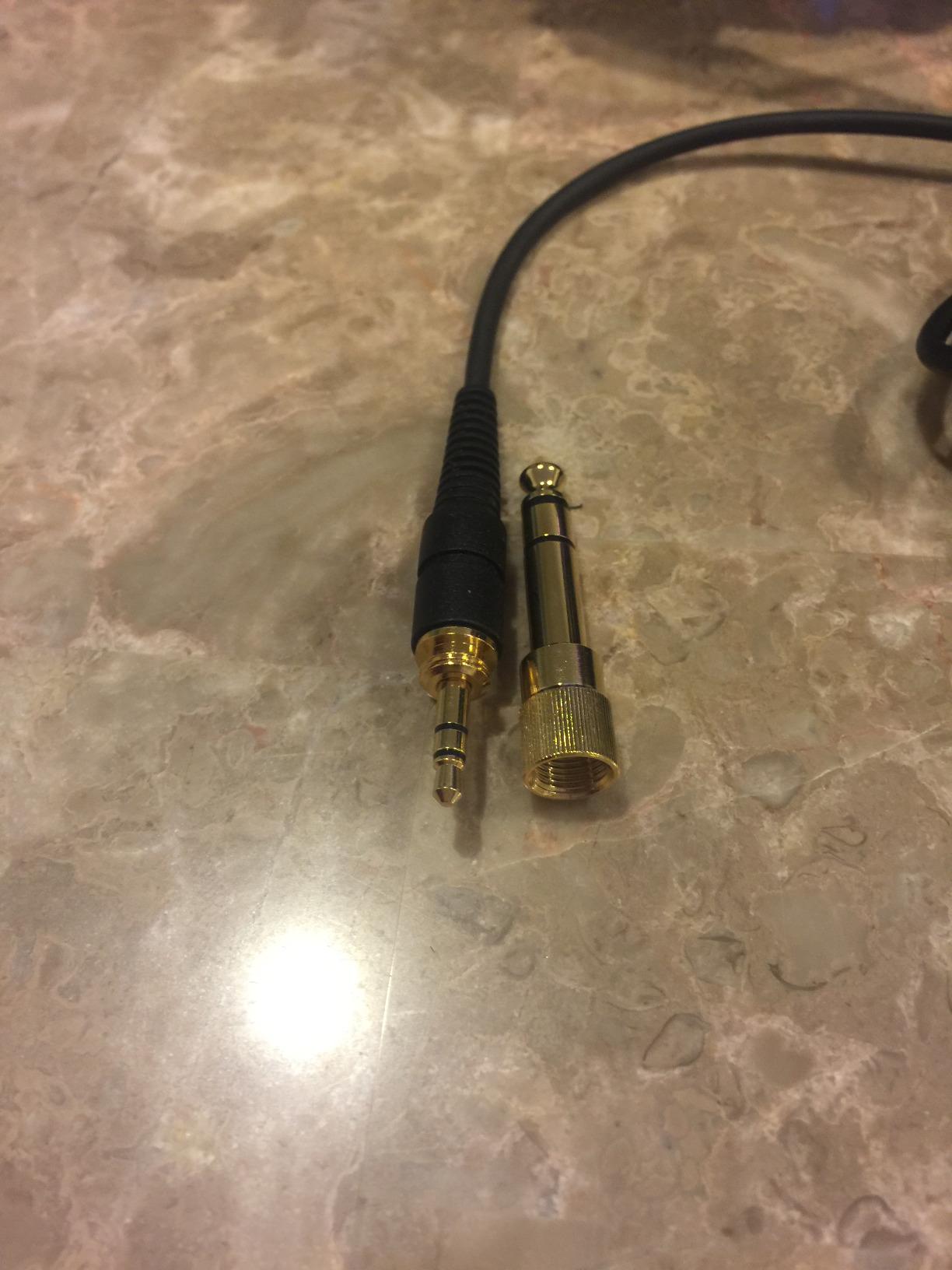
The 30 mm XXL transducers with Varimotion diaphragms give a wide dynamic range, and the 104 dB sensitivity means moderate volume is available from most sources. The 3 m locking cable is long enough to reach a rack without an extension.
The semi-open design is the compromise that defines this pair. Air moves through the cup, so it leaks sound in both directions and it is the wrong tool while a host is recording a live vocal. For editing in a quiet room, that same openness gives a roomier soundstage than most closed designs.
The pads are modest and can feel warm over long stretches, and the bass is light rather than extended. You will not get rumble detection from it, so noise work is less precise.
Why the K240 still gets recommended
Comfort is the deciding factor for many editors. If headphones give you a headache after two hours, no amount of measurement advantage matters, and this pair is one of the few that disappears entirely.
The self-adjusting band removes the fitting guesswork too, which makes it a good shared pair for a small studio where several different people need to use the same headphone through the day.
Where the K240 Studio disappoints
Leakage is the dealbreaker for recording. Never track a live vocal in it, and be careful using it in a room where you need to hear the quiet parts of a take, because outside sound will reach your ears.
Light bass also limits its usefulness if you need to judge low-frequency problems. It is a voice and mixing headphone, not a sub-bass monitor.
7. Sennheiser HD 280 Pro: the isolation champion
Sennheiser HD 280 Pro Headphone, Black
64 ohm
8 Hz to 25 kHz
Up to 32 dB attenuation
Collapsible cups
2-year warranty
Pros
- Attenuates outside sound by up to 32 dB
- Neutral tuning with no artificial bass
- Excellent imaging for a closed-back
- Pads headband pad and cord all replaceable
Cons
- Coiled cord is heavy and permanently attached
- Pad and headband materials pick up sweat and oil
- Replacement pads are a separate cost
Isolation is the HD 280 Pro’s whole argument. Sennheiser quotes attenuation of up to 32 dB, which reviewers describe as ear-defender territory, and in practice that means a noisy café, a shared office or an untreated room stops interfering with your monitoring.
For podcast editing in a domestic setting that is a genuine advantage. If your household noise is the reason you distrust your mixes, this pair removes the variable before you start judging anything.
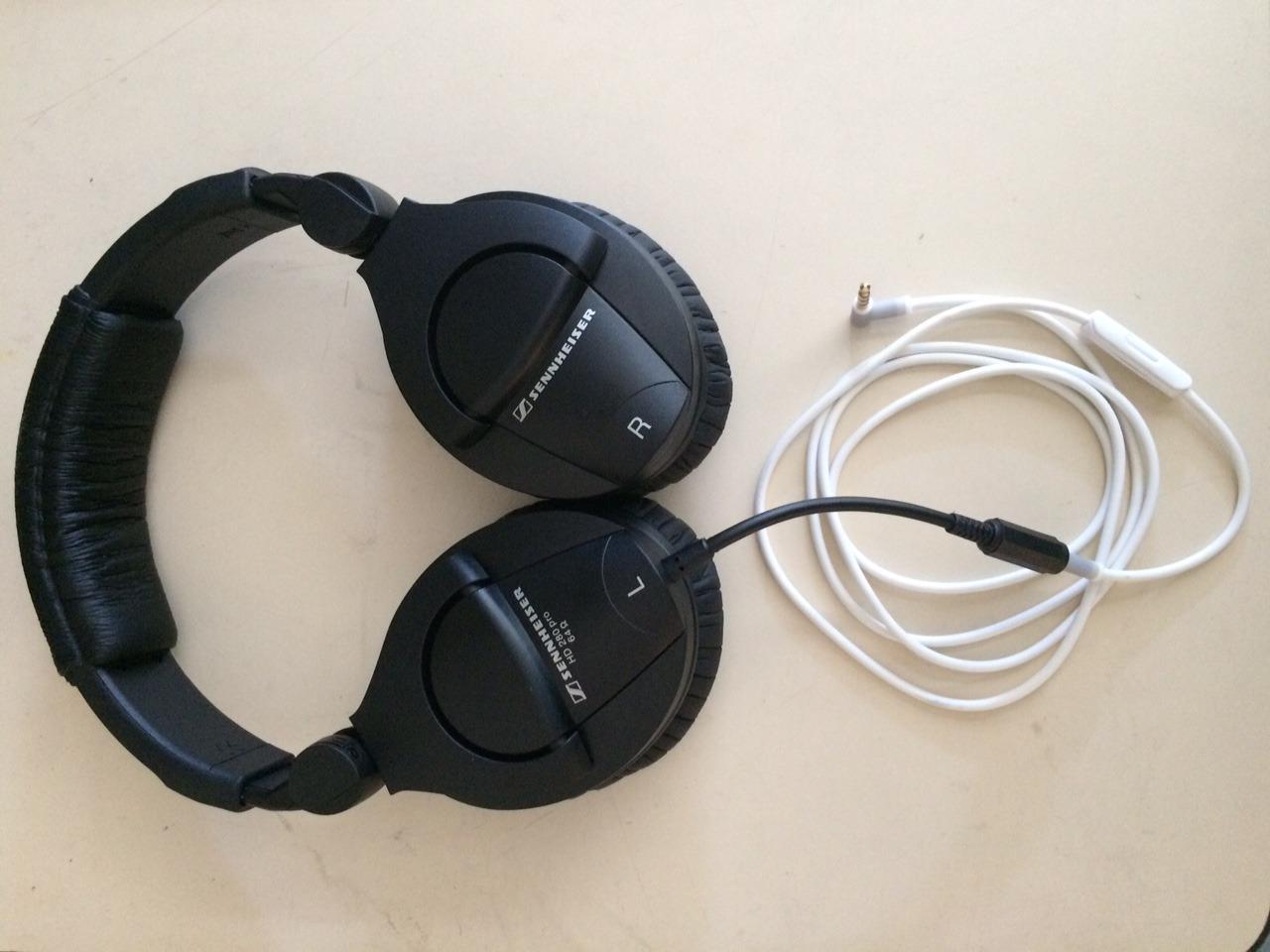
The tuning is warm and natural with no artificial bass lift, imaging is precise, and the soundstage is unusually good for a closed design. Swivelling cups give you single-ear cueing without wrestling the headband.
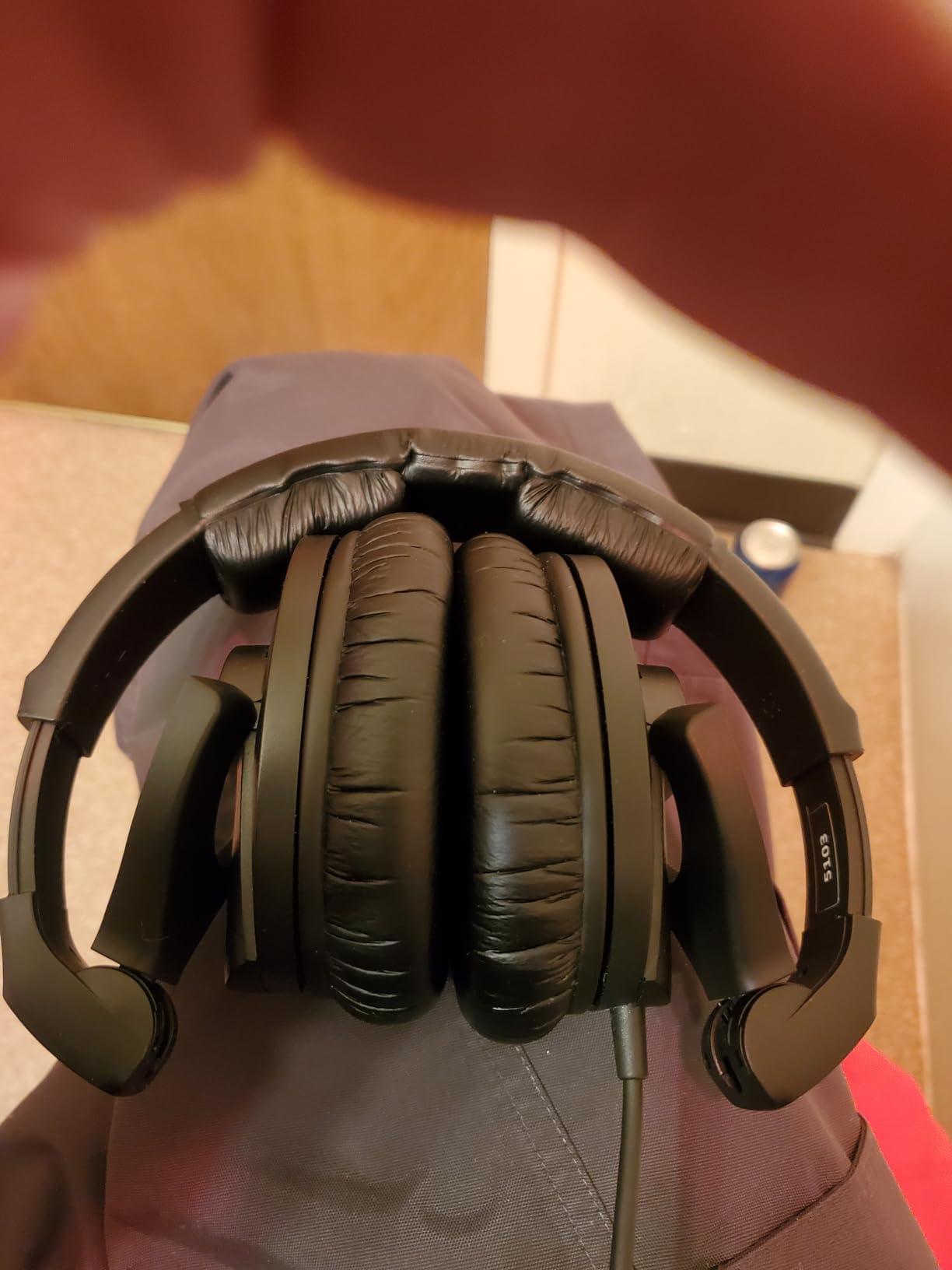
The physical design draws the criticism. The coiled cord is permanently attached, heavy, and it pulls on one side constantly, which some editors find irritating during long sessions. Pad and headband materials feel inexpensive and attract sweat and oil faster than leatherette alternatives.
Tone is also slightly recessed in the treble with under-emphasised midbass out of the box, so a little corrective EQ is normal for this pair. Everything wear-related is replaceable, which limits the downside.
When isolation decides the purchase
Recording in a live room, a café or an office is where this headphone earns its place. Guests wearing them do not move the microphone with a head turn, because they cannot hear the room change much.
It also suits headphone-monitored recording generally. The strong seal keeps tracking levels honest, since you hear what the microphone actually captures rather than what leaks past the cup.
Where the HD 280 Pro falls short
The fixed heavy coiled cord is the one thing that cannot be fixed by buying pads. If a cable failure happens, you are looking at a repair or a replacement, and that weight is there every day.
For pure listening comfort the pad materials are the weak point, particularly in warm rooms. Anyone who sweats heavily should consider third-party pads or a lighter alternative.
8. Sennheiser HD 200 Pro: the easy-driving laptop editor’s choice
Sennheiser Pro Audio Professional HD 200 PRO Over-Ear Studio Headphones
32 ohm
108 dB sensitivity
184 g
2.0 m single-side cable
2-year warranty
Pros
- 32 ohm drives easily from laptops phones and mixers
- Very light at 184 g with soft cushions
- Punchy bass gives the mix some weight
- Swivelling cups adapt to head shape
Cons
- Bass bias makes it less of a true reference
- Plastic build feels light
- No folding design and no case
The HD 200 Pro solves one specific problem well: getting usable volume out of a device with a weak headphone output. At 32 ohm and 108 dB sensitivity it needs almost nothing to drive, so a laptop, a phone or a basic mixer is genuinely enough.
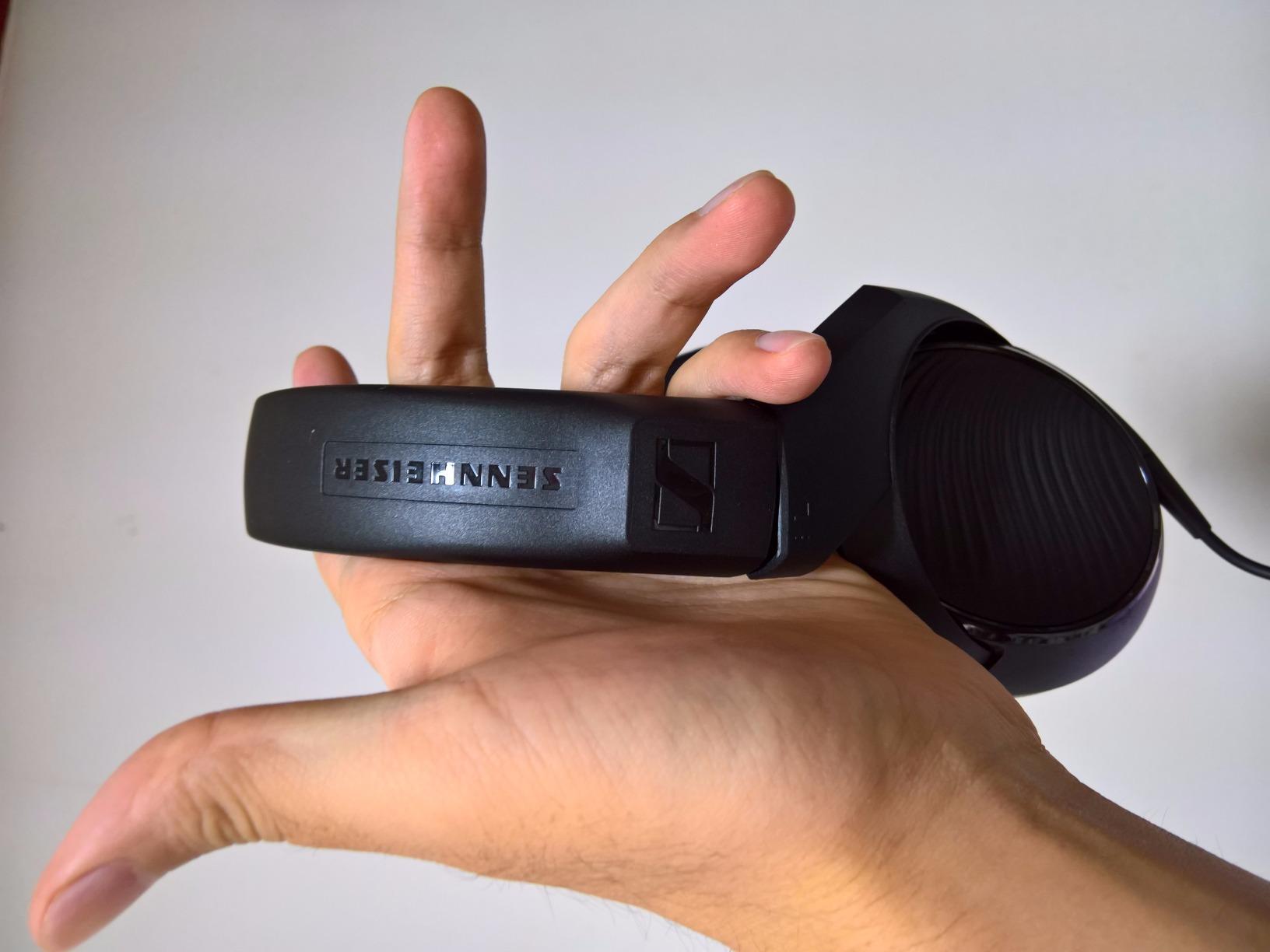
It is also very light at 184 g with soft ear cushions, and owners report wearing it for long stretches without fatigue. Swivelling earcups adapt to head shape, which helps the seal without extra clamp force.
Sound is punchy and full in the bass for a closed design, which gives a thin voice some body when you first hear it. For people who are new to editing, hearing their own material sound solid is an encouraging start.
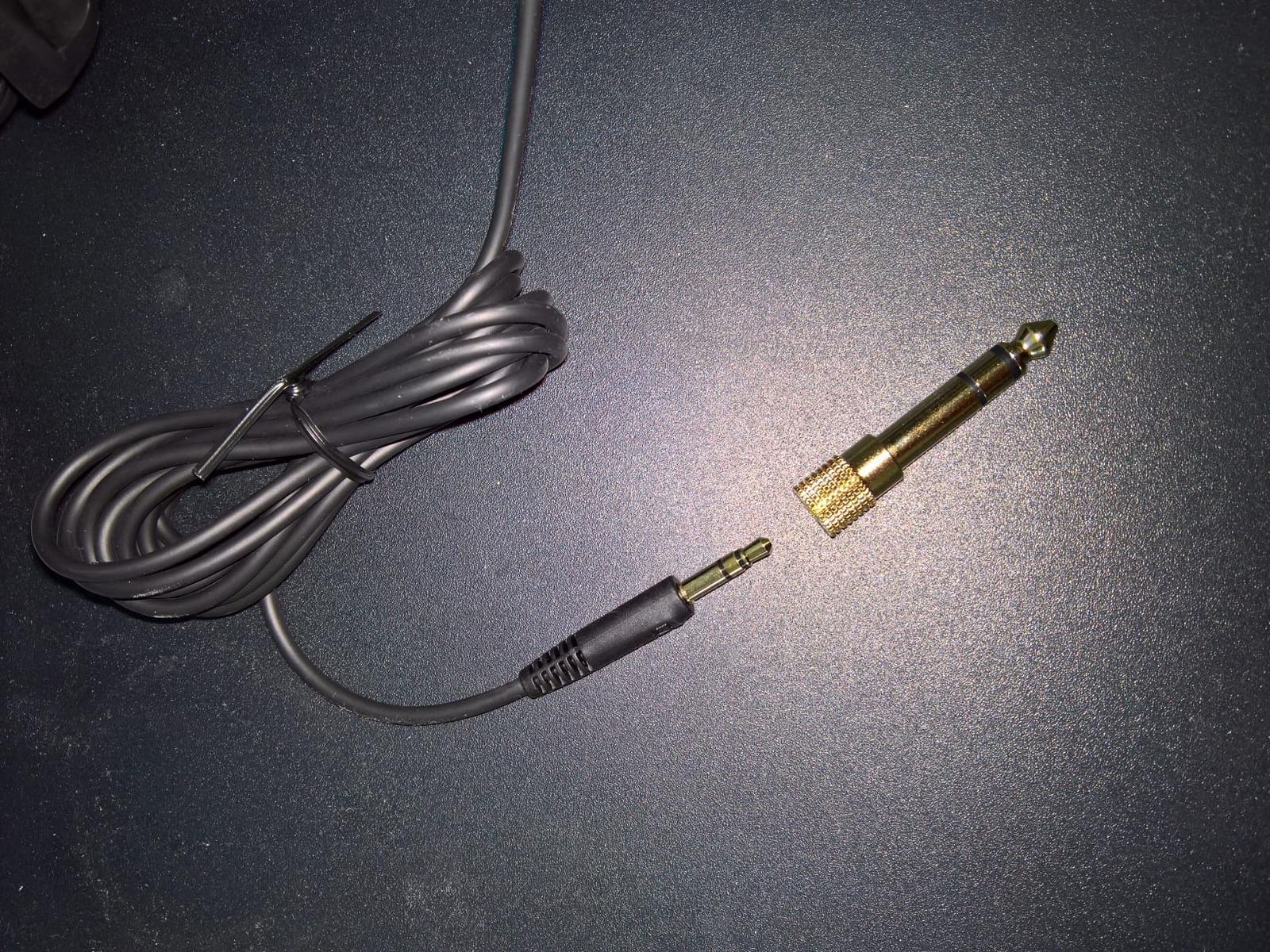
The bass bias is the honest caveat. An extended low end sounds good but it is not a neutral reference, so if you then cut in another pair you may find yourself undoing work. Plastic construction feels light in the hand as well as on the head, and the fixed cable has no locking connector.
It also does not fold and no case is included, which makes it a less convenient travel companion than the M30x or the MDR-7506 despite the similar weight.
Who should buy the HD 200 Pro
Beginners editing on a laptop with no interface are the clearest match. You get a full-size circumaural headphone that plays loudly enough to judge a recording without extra hardware.
It also works as a secondary pair for a guest at a live recording, where the priority is a comfortable, forgiving sound rather than reference accuracy.
Where the HD 200 Pro is the wrong choice
If your work demands accurate low-frequency decisions, the bass lift will work against you. That is the same weakness that makes it pleasant for casual listening.
Build quality is the other limit. A fixed cable on a mostly plastic frame is the combination that most often ends up at a repair bench, so treat it as a mid-life purchase rather than a long-term one.
9. Shure SRH440A: the dialogue specialist
Shure SRH440A Over-Ear Wired Studio Headphones for Recording
40 ohm
102 dB sensitivity
10 Hz to 22 kHz
8.96 ounces
2-year warranty
Pros
- Flat and transparent with no bass boost or harsh treble
- Excellent clarity for dialogue and voiceover
- Secure but not viselike circumaural fit
- Detachable locking cable
- Consistent across interfaces and laptops
Cons
- Isolation is modest for a closed-back
- Large cups with limited headband adjustment
- No case or coiled cable included
The SRH440A is tuned with spoken content in mind. The sound signature is balanced and detailed with no artificial bass and no harsh treble, which is precisely what you want when the whole deliverable is a human voice reading words.
Reviewers single out clarity on dialogue, voiceover and narration work, and that is not a marketing phrase here. At 102 dB sensitivity and 40 ohm it sits in the easy-drive zone, so it behaves the same on an interface, a mixer or a laptop.
The fit is circumaural and secure without feeling like a visor, and the 2 year warranty plus detachable locking cable make it a straightforward long-term purchase.
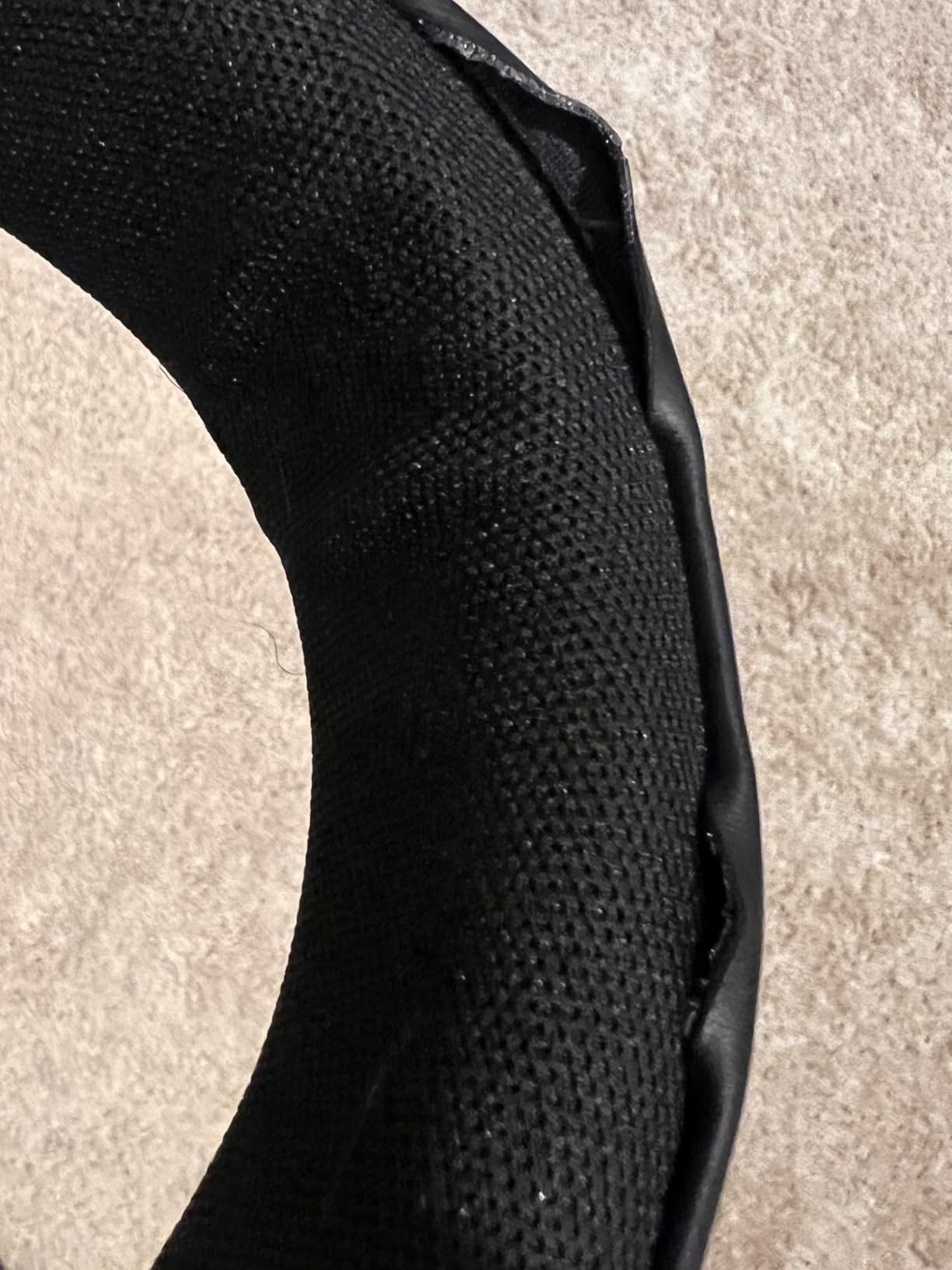
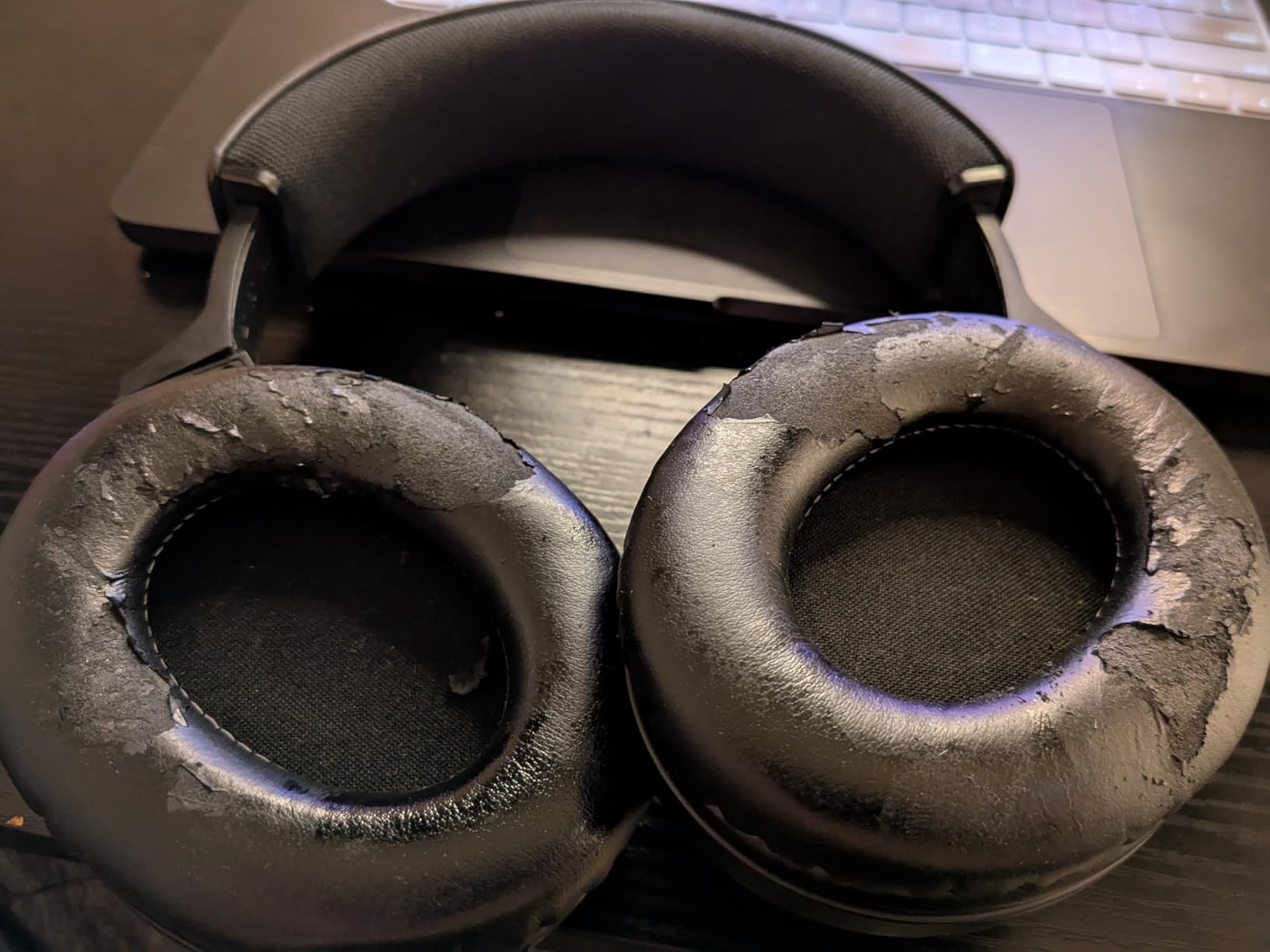
Isolation is the trade-off. For a closed-back, the cups leak more than average, so a loud room will intrude and the headphone will not stop a guest from rustling during a take. The cups are also large, and people with smaller heads may find the adjustment range limited.
There is no case and no coiled cable in the box, and the straight cable is long, so cable management on a small desk takes a moment to sort out.
Why Shure stands out for voice work
When your mix is one voice and a bed, tonal honesty in the midrange is everything. The SRH440A does not flatter or soften anything, so sibilance, mouth clicks and plosives are exactly as loud as they really are.
It is also one of the few pairs here that performs identically across very different output devices, which means a mix started on a laptop still translates when you move to the studio.
Where the SRH440A is limited
If you need to record in a noisy space, look at the HD 280 Pro instead. Modest isolation means you will be monitoring more of the room than you should.
Review volume here is much lower than for the Audio-Technica and Sennheiser flagships, which means fewer long-term ownership reports to draw on. The design is proven but younger.
10. Yamaha HPH-MT5W: the lightest long-session option
Yamaha HPH-MT5 Monitor Headphones, White, (HPH-MT5W)
51 ohm
40 mm custom drivers
20 Hz to 20 kHz
250 g
Closed-back
Pros
- Balanced and faithful with low distortion at high volume
- Only 250 g for long editing sessions
- Low clamping force suits headache-prone users
- Detachable cable and carrying bag included
Cons
- Limited bass extension versus open-back references
- Supplied pads are shallow for larger ears
- Build feels light compared with metal-headed rivals
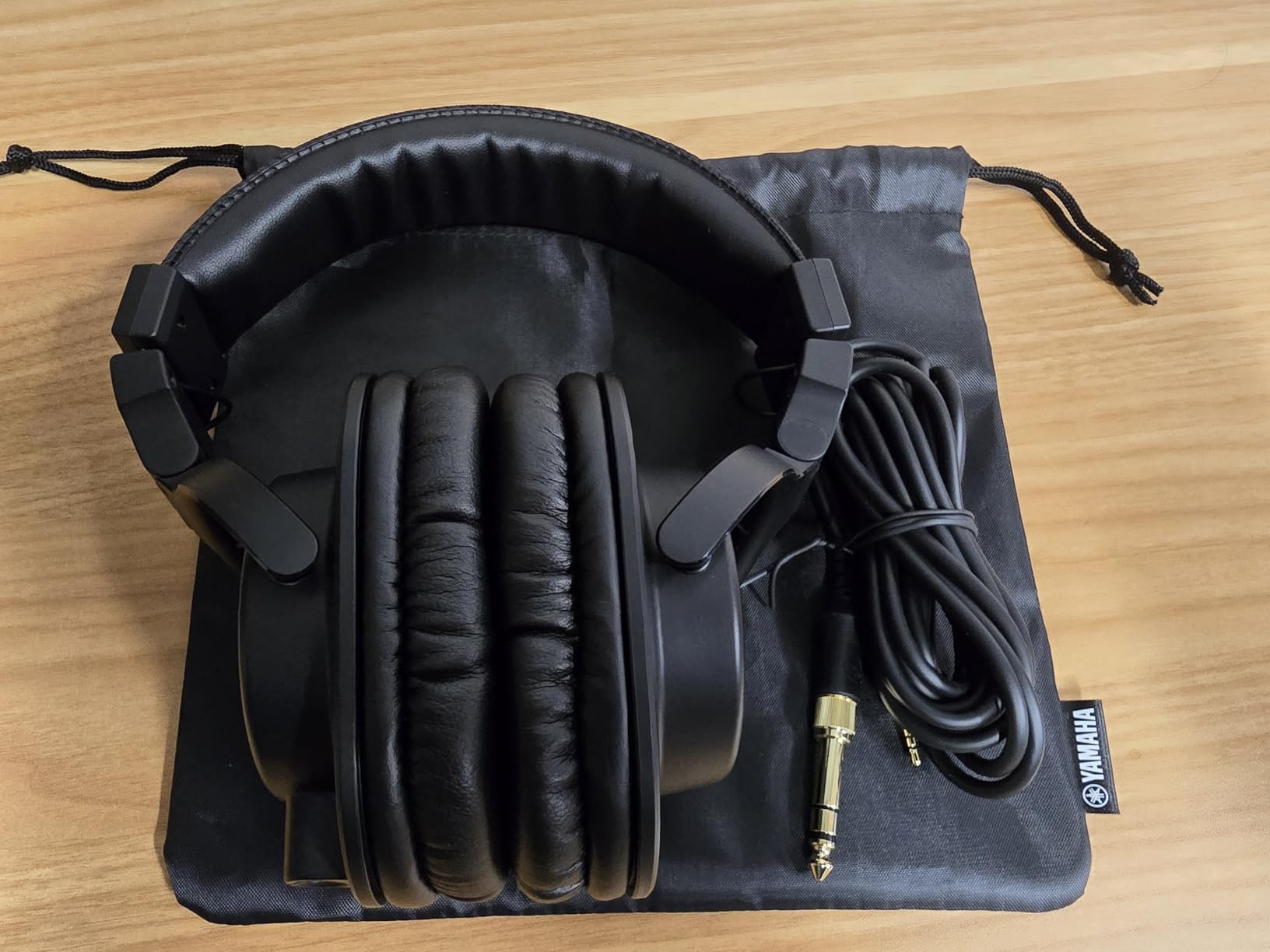
The Yamaha HPH-MT5W exists for one reason: weight. At 250 g with a low clamping force it is the pair we would hand to an editor who gets tension headaches from headphones, and owners consistently report that it stays comfortable through long sessions.
Sound is balanced and faithful with low distortion even at high volume, which matters when you are boosting a quiet voice to a consistent level and then checking for artefacts.
It is a closed-back circumaural design with good isolation, and at 51 ohm it drives acceptably from laptops, phones and amplifiers without a dedicated amp. A detachable cable, a gold-plated quarter-inch adapter and a carrying bag are included.
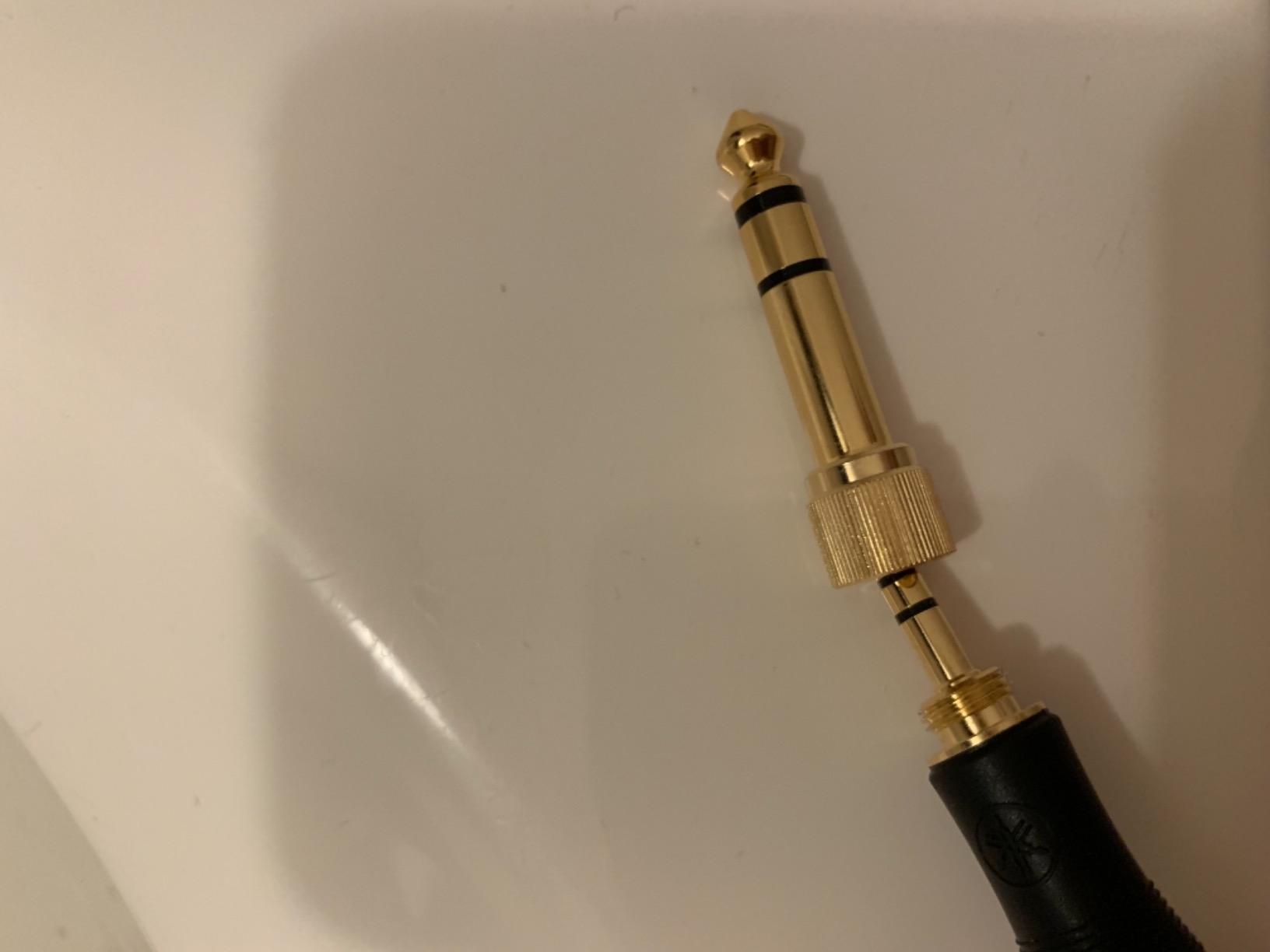
The trade-offs are predictable. Bass extension is limited compared with open-back references, so rumble detection is not its strength, and the supplied pads are shallow enough that larger ears get an incomplete seal.
Build feels light for a metal-headed design, and mids and highs can read slightly forward before any corrective EQ. Owners replacing the pads with deeper third-party cushions report a big comfort improvement.
When weight matters more than isolation
If you edit for hours daily, headset pressure becomes the limiting factor long before tonal accuracy does. This pair removes pressure from the equation without asking you to compromise on a flat response.
It is also a sensible guest headphone for a remote video interview, since a comfortable pair gets worn consistently instead of being taken off and left on a desk.
Where the HPH-MT5W is out of its depth
Low-frequency work is the weak spot. If you produce shows with music beds and need to judge sub content, this is the wrong tool even though the midrange is excellent.
The shallow supplied pads are the other practical issue. If you have larger ears or wear glasses, budget for replacement cushions before committing to long sessions.
11. PreSonus HD9: the loud-session workhorse
PreSonus HD9 Professional Monitoring Headphones — High-Power Handling, Closed-Back, Circumaural Acoustic Design Studio Recording Headphones for Professional Mixing and Monitoring
40 ohm
96 dB sensitivity
10 Hz to 26 kHz
45 mm drivers
1-year warranty
Pros
- Tight accurate bass without consumer exaggeration
- Clear highs and a natural midrange
- High power handling tolerates loud monitoring
- Lightweight for long work periods
- Bag and gold-plated adapter included
Cons
- Long straight cable is not replaceable
- Modest isolation in noisy rooms
- Comfort can fade after a few hours
The HD9 is built for people who monitor loudly. Power handling is rated at 1800 mW, so it takes high volume without the distortion that makes cheap headphones compress and colour the sound at the same time.
Reviewers treat it as a cost-effective alternative to the well-known closed-back flagships, and the tuning supports that: tight and accurate bass rather than exaggerated, clear highs without harshness, and a midrange that stays natural.
The two-way 180 degree cup rotation means you can fold either cup out of the way for one-ear cueing, which is unusual at this level. A storage bag and a gold-plated quarter-inch adapter are included.
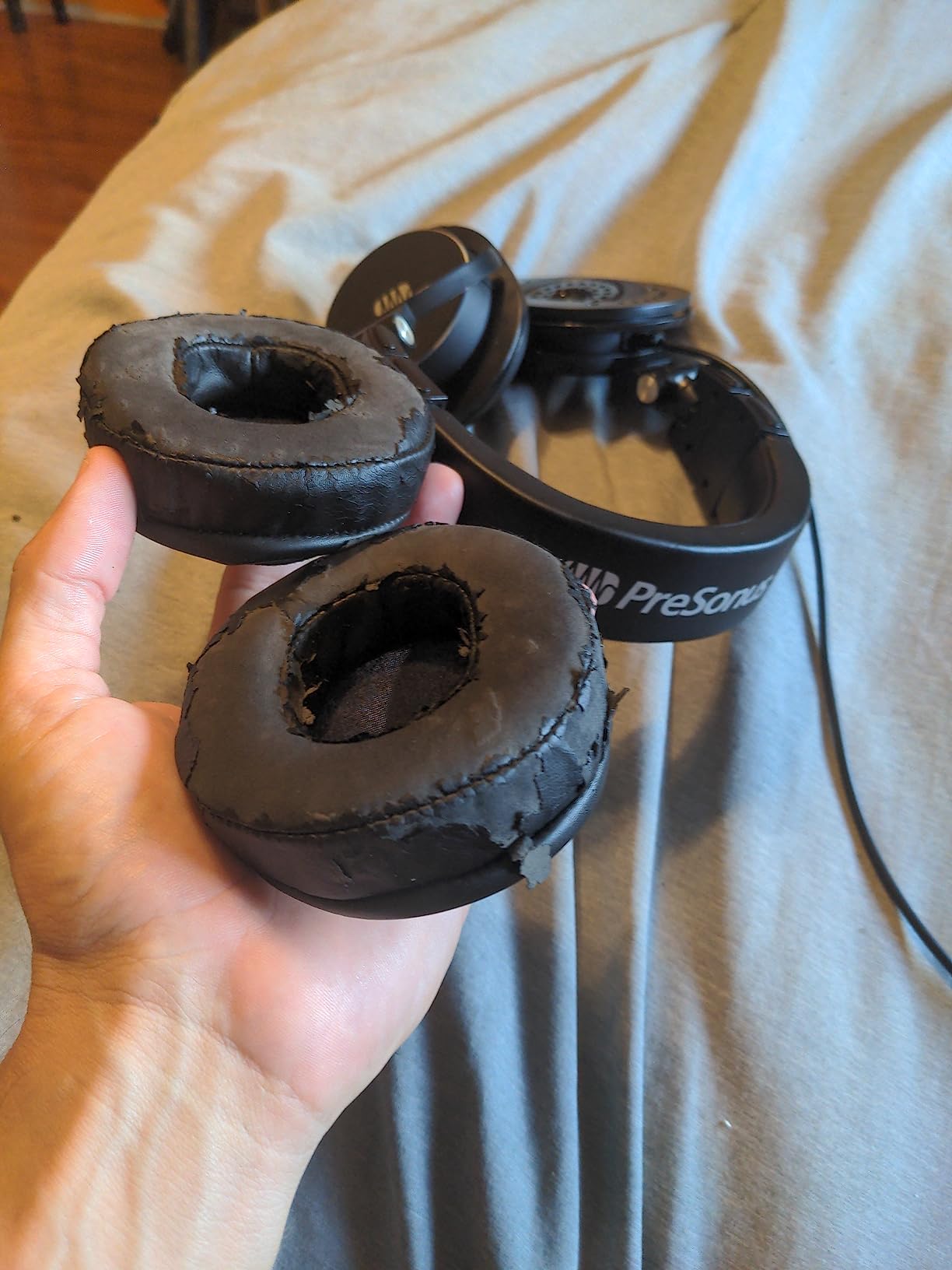
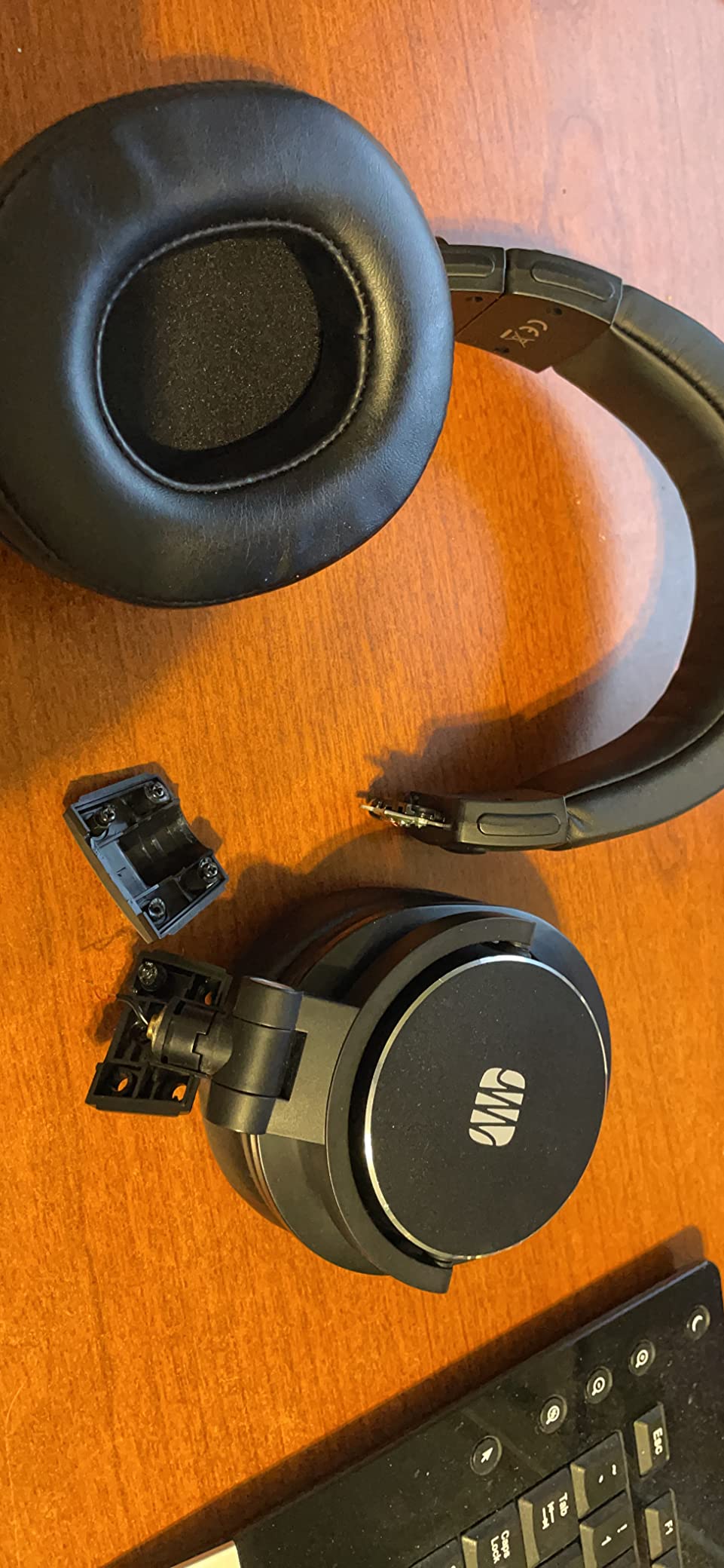
The cable is a long straight run with no replaceable option, and some owners report more leakage than the closed-back label suggests. Isolation in a genuinely noisy room is weak, so it is not the choice for a live recording space.
Comfort is also mixed across reviews. Several users report that it becomes uncomfortable after a few hours despite the light weight, so it may not suit very long editing days.
Why power handling matters for podcasters
Monitoring at moderate levels is better practice, but new editors often push volume to judge their own work, and reviewers who play shows loudly to check translation need headroom. Rated power handling keeps the response honest when you do that.
The 180 degree rotation is the sleeper feature. Checking how a take sits with one ear open is the fastest way to hear room noise and mic placement problems, and this pair makes it easy on either side.
Where the HD9 disappoints
The fixed cable is the practical weakness, and the one-year warranty is shorter than most of the brands here offer. For a headphone you might keep for a decade, both are worth weighing.
If your editing space is noisy, choose a pair with genuine attenuation instead. You will hear the room every time you raise the volume, which defeats the purpose.
12. AKG K92: the light starter closed-back
AKG Pro Audio K92 Over-Ear, Closed-Back, Critical Listening and Studio Headphones, Matte Black and Gold
32 ohm
40 mm drivers
16 Hz to 22 kHz
0.2 kg
Closed-back circumaural
Pros
- Very light at 200 g for hours of wear
- Neutral uncoloured tuning with detailed mids
- 32 ohm needs no amplifier
- Gold-plated plug and adapter included
- Matte black and gold suits a desk setup
Cons
- Bass is noticeably light and needs EQ
- Light clamp lets them slip and admits background noise
- Construction feels flimsy
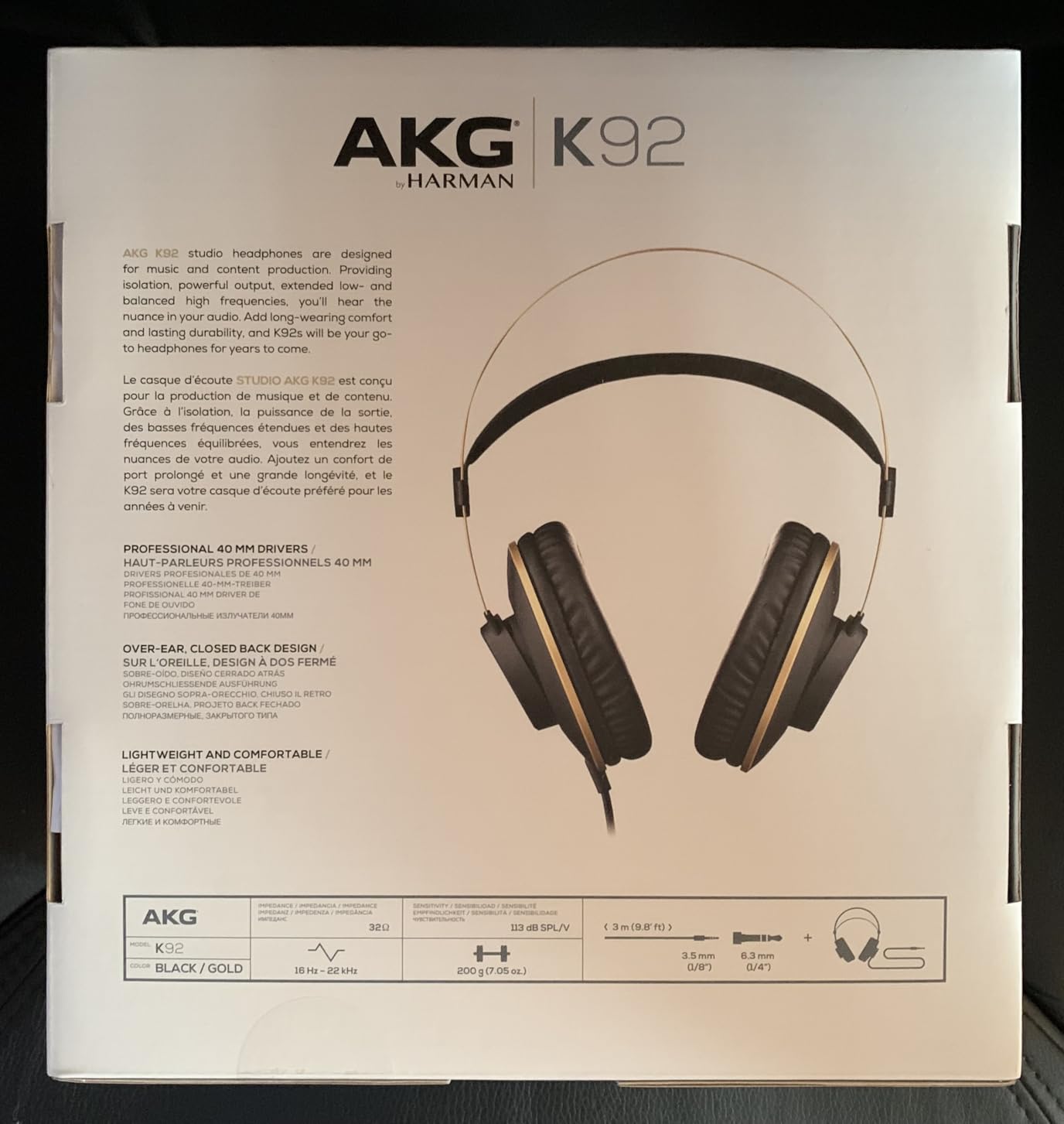
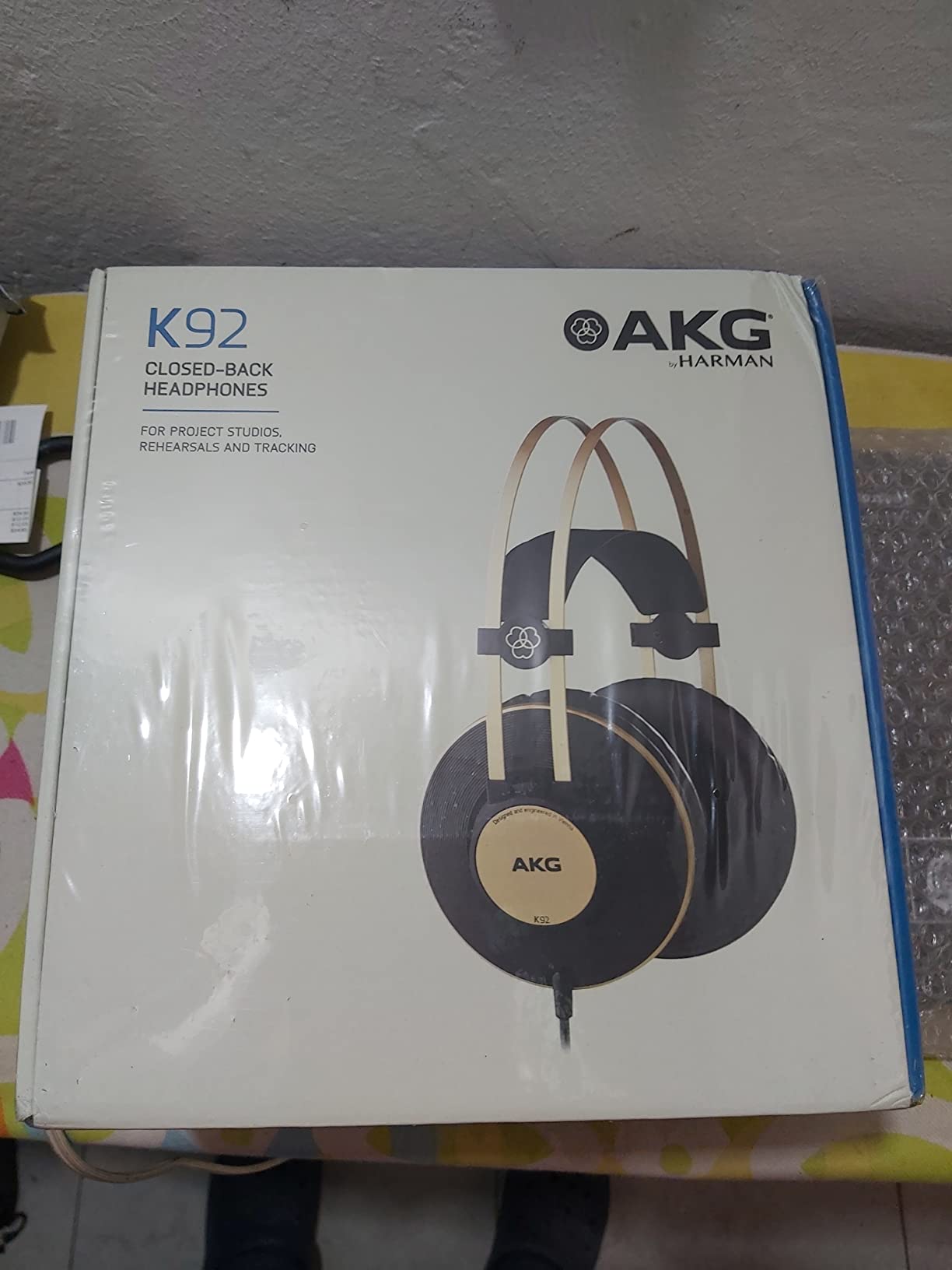
The K92 is the pair we recommend to someone starting a podcast this month with no interface. At 32 ohm and 200 g it plays loudly enough from a laptop and never becomes uncomfortable, which removes the two barriers that stop beginners monitoring properly.
Tuning is neutral and uncoloured with detailed mids and highs, and the drivers respond quickly enough for percussive material and edit points. It is a closed-back circumaural, so it blocks more external noise than an open design at this level.
The gold-plated plug, the screw-on quarter-inch adapter and the understated black and gold styling make it feel like real studio equipment without the weight or fuss. It is also a solid backup pair.
Bass is light and will need EQ for anything low-frequency heavy. The clamp is also light, which is comfortable but lets the cups slip during long sessions and admits more background noise than you would expect from a closed-back.
Construction feels flimsy, it does not fold for travel, and larger ears may find the cups snug. Those are honest limits rather than dealbreakers for a first pair.
Why the K92 works as a first purchase
It solves the practical entry problem completely. No amplifier, no adapter hunt, no fatigue, and a neutral enough response that you are not learning bad habits from day one.
It is also the easiest way to split headphone monitoring across two people. A host and a producer can each wear a pair, which answers the multi-host distribution problem better than a single headphone splitter.
Where the K92 is not enough
If you produce bass-heavy music or need reliable rumble detection, the light low end will send you chasing problems that are not there. Move up a tier for full-spectrum accuracy.
Light clamp also means poor isolation in a live room, so it is an editing headphone more than a tracking one. A sturdier pair is a better investment for recording.
How to Choose Studio Headphones for Podcast Editing
Specs only matter in context. The four decisions below are the ones that actually change the result of your edits, in the order most podcasters face them.
If you are also building out the room around your desk, the same flat-response logic carries over to speakers. Our guide to the best studio monitors for video editing suites is a useful companion read before you cross-check a mix on both.
Closed-back or open-back: recording and editing are different jobs
Use closed-back headphones whenever a microphone is live. A sealed cup keeps your monitoring signal out of the room and keeps room noise out of your ears, which protects the take and protects your judgement.
Open-back headphones belong to the editing side of the workflow only. They give a wider, more natural soundstage and reveal more detail, but they leak in both directions. Using the beyerdynamic DT 990 Pro while a host records a vocal is the fastest way to ruin a take.
Semi-open designs such as the AKG K240 Studio sit between the two. They leak less than a true open-back while sounding roomier than a closed design, which makes them a reasonable editing choice in a room that is not fully treated.
Wired or wireless: skip Bluetooth for monitoring
Bluetooth adds encoding delay between your interface and your ears. For monitoring that delay is harmless. For playback-latency monitoring while an artist performs to a click, it is a real problem, and it rules wireless out for tracking.
Wireless is acceptable for reviewing a finished mix away from the desk, and it is how most people consume a podcast anyway. But it is never the tool you should use to decide whether a noise reduction sounds natural.
Active noise cancellation is a separate question and mostly a negative one for monitoring. Cancellation circuits alter the frequency response, so the headphone is no longer telling you the truth about the recording.
Impedance explained: match the number to your output
Impedance is measured in ohms and describes how hard the headphone is to drive. Higher impedance draws less current but needs more voltage, which is why a 250 ohm model goes quiet on a laptop and plenty loud on a powered interface.
At 32 ohm, the AKG K92 and the Sennheiser HD 200 Pro drive from almost anything including a phone. Between 35 and 64 ohm you will find the Audio-Technica M30x, M40x and M50x, the Sony MDR-7506, the Shure SRH440A and the Yamaha HPH-MT5W, all comfortable on a laptop or a podcast console.
At 250 ohm, the beyerdynamic DT 990 Pro needs a proper headphone output. If your interface only drives 32 ohm headphones well, you will reach for the volume control and still find it too quiet, and turning up an amplifier is the fix rather than a different pair.
Comfort and repairability for four-hour sessions
Editing days are long, so weight and clamp force decide whether you keep a pair. Below roughly 250 g most people report no fatigue, and padded circumaural cups spread pressure better than on-ear designs. Glasses wearers should test the seal before committing.
Replaceable parts turn a purchase into an investment. The Audio-Technica M30x, M40x and M50x, the Sennheiser HD 280 Pro, the Shure SRH440A, the Yamaha HPH-MT5W and the AKG K240 Studio all let you change pads, headband padding or cable.
Fixed cables appear on the Sony MDR-7506, the Sennheiser HD 280 Pro and HD 200 Pro, and the PreSonus HD9. Cable fatigue is the most common reason studio headphones retire, so treat a detachable cable as insurance.
On hearing safety, the 60 rule is a useful baseline: keep volume below 60 percent of maximum for sessions under an hour. Neutral studio monitors make low-volume work practical, which removes the temptation to push the level up.
Frequently Asked Questions
What type of headphones are best for podcast recording?
Closed-back, wired, over-ear headphones are best. The sealed cups prevent your monitoring audio from bleeding into the microphone and block room noise from reaching your ears, while a wired connection gives you real-time monitoring with no delay. The Audio-Technica ATH-M50x and Sony MDR-7506 are the safest starting choices.
Do I really need headphones for podcasting?
If you record a host in the same room, yes. Headphones let you hear exactly what the microphone captured, catch problems like plosives or hum in real time, and judge noise reduction after the fact. Without them you are guessing, and guesses are what listeners notice.
Should I choose open-back or closed-back headphones for podcasting?
Use closed-back headphones whenever a microphone is live, because open designs leak sound into and out of the room. Reserve open-back models such as the beyerdynamic DT 990 Pro for editing and mixing in a treated space, where their wider soundstage helps you judge placement and ambience.
Are wireless headphones good for podcast recording?
Usually not. Bluetooth introduces delay between your interface and your ears, which makes real-time monitoring unreliable while a host speaks. Wireless is fine for reviewing a finished episode away from your desk, but decisions about noise, EQ and level should be made on a wired pair.
What is the difference between 32 ohm, 80 ohm, and 250 ohm headphones?
Impedance describes how hard a headphone is to drive. 32 ohm models such as the AKG K92 play loudly from laptops and phones. Models around 35 to 64 ohm, including the Audio-Technica M50x and Sony MDR-7506, suit interfaces and podcast consoles. A 250 ohm model such as the beyerdynamic DT 990 Pro needs an amplified output or a headphone amp to reach a comfortable volume.
Are noise-cancelling headphones good for podcasting?
Not for monitoring. Active noise cancellation circuits alter the frequency response so the headphone no longer reproduces the recording accurately, and some add audible processing noise. If you need to work in a noisy room, choose a closed-back with strong passive isolation instead.
Conclusion
For most podcasters the Audio-Technica ATH-M50x is the best studio headphones for podcast editing because it handles both jobs: flat enough monitoring to trust, isolated enough to record in, and light enough to wear all day. Pick the Sony MDR-7506 if you want the lightest option with a broadcast pedigree, and the Sennheiser HD 280 Pro if the room you work in is noisy.
Only move to the beyerdynamic DT 990 Pro when you have a treated room and a real editing phase. Whatever you choose, keep it wired, keep it closed during recording, and re-pad it before the pads stop sealing.