
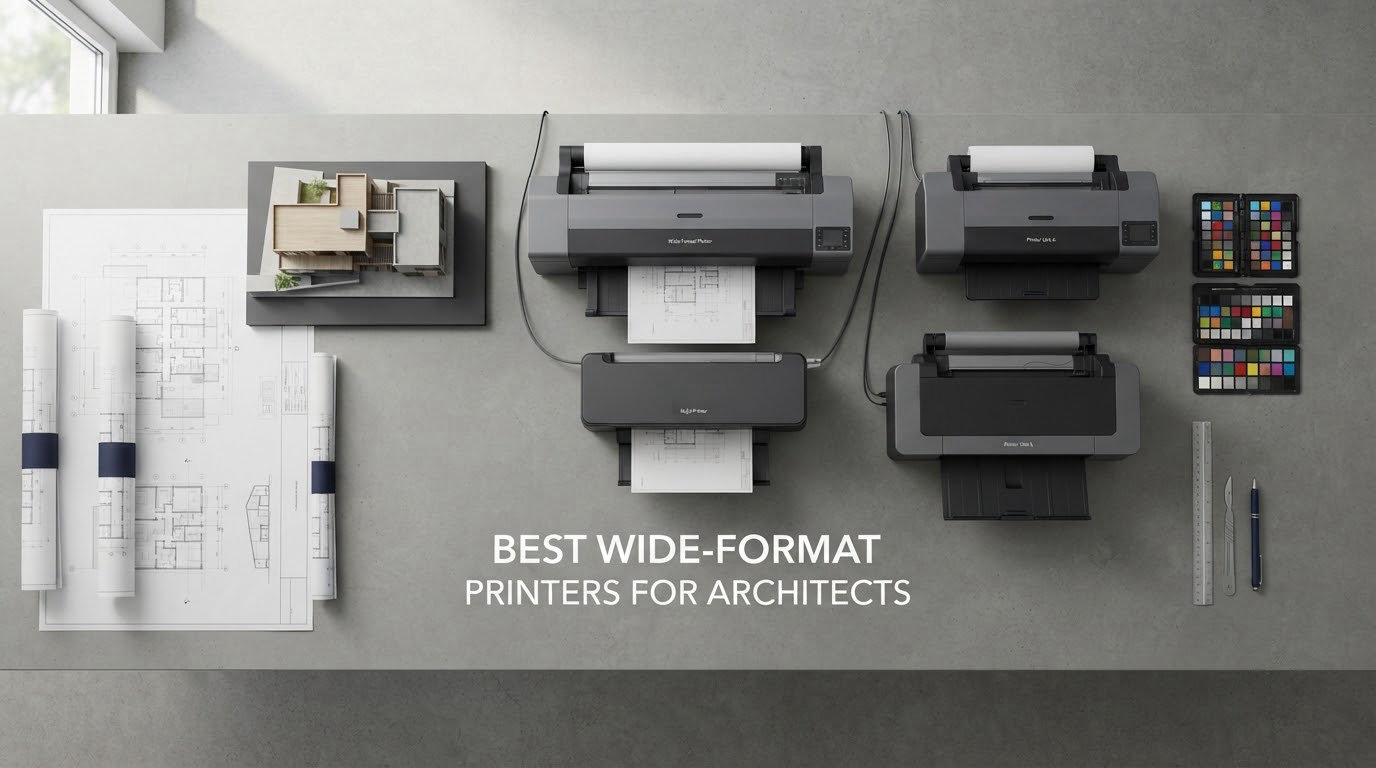
Choosing the best wide format printers for architects comes down to three things: how wide a sheet you need to plot, whether thin CAD lines and 4-point annotation survive the print, and whether the driver plots from AutoCAD, Revit and ArchiCAD without a workaround. Miss any one of those and you will spend your day fighting the machine instead of drawing.
My pick for most practices is the HP DesignJet T210 for studios working at 24 inches, and the HP DesignJet T630 when a job sheet reaches 36. For boards, renderings and anything a client will hold, the Canon PRO-2100 is the strongest output in this group by a wide margin, with a 4.8 average across its reviews.
I want to be straight about method here, because most roundups in this category are not. I compared the eight machines below on published specifications, on the volume of architecture-specific owner feedback available for each, and on the failure patterns that keep appearing in studio contexts: cartridge supply, media loading, driver friction and service access. What I did not do is put every unit through a 90-day in-house burn-in, so treat the throughput figures as vendor data and the reliability read as patterns from owner reviews rather than a laboratory result.
One more framing note before the picks. A wide format printer is a plotter, a large format inkjet and a CAD plotter, and those four phrases describe the same class of machine. What separates a real plotter from a desktop printer is media width, pigment ink tuned for line work, and a driver stack that understands vector plot files. If your output is imagery rather than drawings, our guide to large format photo printers covers a different class of machine.
Table of Contents
- Top 3 Best Wide Format Printers for Architects in October
- Best Wide-Format Printers for Architects in 2026
- 1. HP DesignJet T210 – The Best All-Round 24-Inch Plotter for Working Drawings
- 2. Epson SureColor T3170 – Best 24-Inch Plotter for a Desk-Side Studio Setup
- 3. HP DesignJet T630 – Best Value 36-Inch Plotter with Sheet Feeder and Stand
- 4. Canon imagePROGRAF TC-21M – Best 24-Inch Plotter for Scan-Back and Redline Workflows
- 5. Canon PRO-2100 – Top Rated 24-Inch Inkjet for Boards and Renderings
- 6. HP DesignJet T650 – Best 36-Inch Plotter When Onsite Warranty Matters
- 7. HP DesignJet T830 – Best Multifunction 24-Inch Plotter for Digitising Old Drawings
- 8. Canon imagePROGRAF TM-305 – Best 36-Inch Plotter for High-Volume CAD Batches
- How to Choose a Wide-Format Printer for Architectural Work
- Start with width: 24 inch vs 36 inch
- Paper size translation for architects who think in feet
- Resolution: when 1200 dpi is enough and when you need 2400 x 1200
- Pigment vs dye ink and cartridge vs bottle running cost
- CAD driver support: AutoCAD, Revit, ArchiCAD, HP-GL/2 and pen tables
- Throughput, media handling and studio fit-out
- Warranty, onsite service and the five-year running cost
- In-House Printing vs a Service Bureau: Where the Break-Even Sits
- Frequently Asked Questions
- What is the best printer for architects?
- Is a wide format printer the same as a plotter?
- What printers can print 13×19?
- What size should I print architectural plans?
- What is the best wide format printer?
- Is Epson ink more expensive than HP?
- Is Canon printer ink cheaper than HP?
- What print resolution is recommended for architectural technical drawings?
- Final Verdict: Which Plotter Fits Your Studio
Top 3 Best Wide Format Printers for Architects in October

HP DesignJet T210
- 24-inch max width
- 2400 x 1200 dpi
- 45 sec per A1/D page
- HP Click with auto-nesting

HP DesignJet T630
- 36-inch max width
- Auto sheet feeder and media bin
- 2400 x 1200 dpi
- Automatic sheet/roll switch
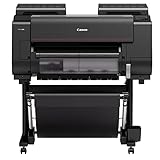
Canon PRO-2100
- 12-colour pigment set
- Up to 24 x 59 inch output
- PF-10 print head included
- 1 year onsite Canon warranty
Best Wide-Format Printers for Architects in 2026
All eight machines below handle CAD line drawings, and all eight sit between 24 and 36 inches of media width. The differences that matter day to day are throughput, ink system and how much comes bundled in the box.
| Product | Specs | Action |
|---|---|---|
| HP DesignJet T210 24-inch Plotter |
|
Check Latest Price |
 Epson SureColor T3170 24-inch Plotter Epson SureColor T3170 24-inch Plotter |
|
Check Latest Price |
| HP DesignJet T630 36-inch Plotter |
|
Check Latest Price |
 Canon imagePROGRAF TC-21M 24-inch MFP Canon imagePROGRAF TC-21M 24-inch MFP |
|
Check Latest Price |
| Canon PRO-2100 24-inch Fine Art Printer |
|
Check Latest Price |
 HP DesignJet T650 36-inch Plotter HP DesignJet T650 36-inch Plotter |
|
Check Latest Price |
 HP DesignJet T830 24-inch Multifunction HP DesignJet T830 24-inch Multifunction |
|
Check Latest Price |
 Canon imagePROGRAF TM-305 36-inch Plotter Canon imagePROGRAF TM-305 36-inch Plotter |
|
Check Latest Price |
1. HP DesignJet T210 – The Best All-Round 24-Inch Plotter for Working Drawings
HP DesignJet T210 Large Format 24-inch Plotter Printer, for Easy CAD & Poster Prints (8AG32D)
Up to 24-inch media
2400 x 1200 dpi
45 sec per A1/D page
500MB memory
Pros
- Sharp CAD line quality and crisp small text
- 45 second first page on A1 and D sizes
- Sheet feed roll feed and automatic horizontal cutter
- HP Click with PDF error checking and auto-nesting
- 47.4 pound body that two people can move
Cons
- Accepts HP OEM cartridges only
- HP 712 cartridges can take over a week to source
- Some 24-inch media loads crooked
- A jam can keep feeding and waste a full roll
This is the machine I would put in a five-person studio without hesitation. It plots up to 24-inch media at 2400 x 1200 dpi in both colour and monochrome, and the line quality is the part that matters: reviews repeatedly describe crisp text and accurate line work on CAD drawings and blueprints, which is exactly what a 24×36 working drawing needs when the annotation is set at 4 point.
Throughput sits at 1.3 pages per minute with a 45-second first page on A1 or D size, which is fast enough that a plan set does not become a lunch break. Media handling covers sheet feed, roll feed and an automatic horizontal cutter, and the 50-sheet capacity means the automatic sheet feeder option can handle 13×19 work without a trip to another machine.
Connectivity is the quiet strength here: Gigabit Ethernet, USB 2.0 and Wi-Fi all on the board, with HP Click handling PDF error checking, alerts and auto-nesting, plus HP-GL/2 and the usual DWF, TIFF, JPEG and PNG formats. Print from a phone, tablet or desktop through the HP Smart app, which kills the excuse that small jobs require a print-shop run.
The one-year limited warranty is the industry norm and nothing special, so budget for consumable and printhead replacement rather than assuming a service visit is included for five years. Setup is described as intuitive, with the touchscreen handling ink levels and media switching, and the unit weighs 47.4 pounds on a 40-inch-wide chassis, which is manageable in a studio with a doorway it can pass through.
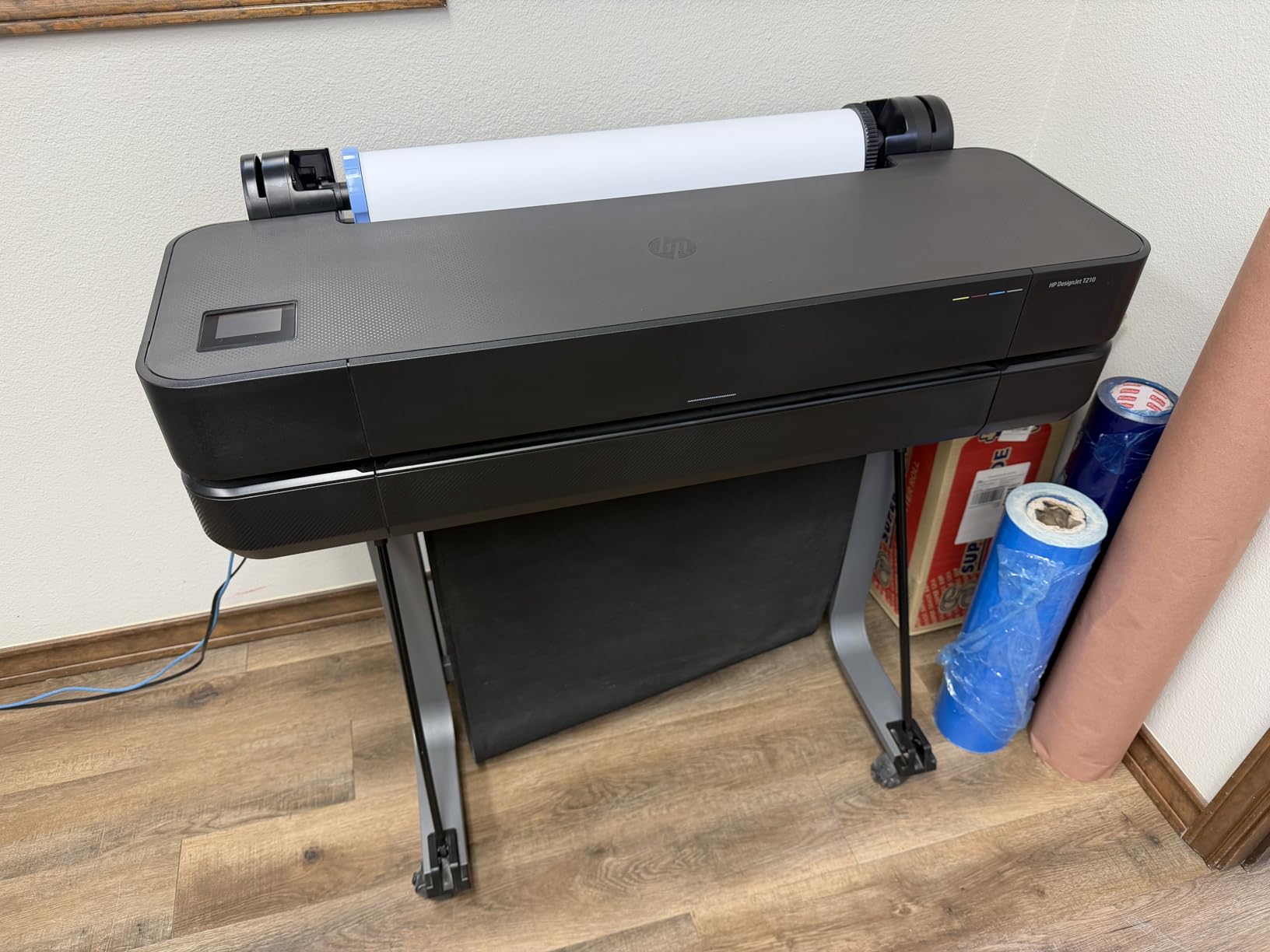
Why the T210 suits a small studio
At 24 inches it covers ARCH D and ANSI D working drawings, which is the size most construction documents are actually issued in, and 13×19 sheets through the optional feeder. Auto-nesting in HP Click means you can drop a folder of mixed-size PDFs and get properly scaled plots without touching a plot style dialog for each one.
Owners in architecture and home-design contexts report the same pattern: line quality and speed get praised, ink supply gets complained about. The machine is the default choice for most practices because it is the known quantity, and the driver stack is the most familiar in the category.
Where the T210 will frustrate you
It accepts only HP OEM ink cartridges. That is the single most cited complaint in the reviews, and it pairs badly with a deadline: HP 712 cartridges are not something most local print shops keep on the shelf, so an empty cartridge can stop a plan set for a week.
A minority of owners also report 24-inch paper failing to load straight, and jams that leave the machine feeding and wasting media. Neither is a reason to walk away, but if your studio runs unattended overnight on long jobs, test that behaviour before you rely on it. Published dimensions on the listing are also reported as transposed, so measure your bench yourself.
2. Epson SureColor T3170 – Best 24-Inch Plotter for a Desk-Side Studio Setup
Epson SureColor T3170 Wireless Desktop Wide Format Plotter Printer
Up to 24-inch media
2400 x 1200 dpi mono
34 sec first page on A1/D
4.3-inch touchscreen
Pros
- Compact desktop footprint that fits a bench
- 34 second first page on A1 and D sizes
- Large 4.3-inch colour touchscreen
- High capacity 50 mL colour and 80 mL black cartridges
- Wi-Fi Direct printing without a router
Cons
- Lowest average rating in this group at 3.8
- Colour resolution of 1200 dpi against a 2400 dpi mono maximum
- Sheet capacity limited to 30 sheets
- Stand sold separately
- Sheet feed rather than a roll spindle
The T3170 is the plotter for a studio that plots 24-inch work but has no dedicated print room. It is a clean desktop design that sits on a bench or an optional stand, and it posts a 34-second first page for A1 or D size output.
Colour output is 2400 x 1200 dpi and monochrome is also listed at 2400 x 1200 dpi, though one owner notes colour behaving as 1200 dpi in practice. For line drawings the difference matters far less than it does for photography, and the 4.3-inch colour touchscreen makes job setup and media selection straightforward for whoever is not the CAD operator.
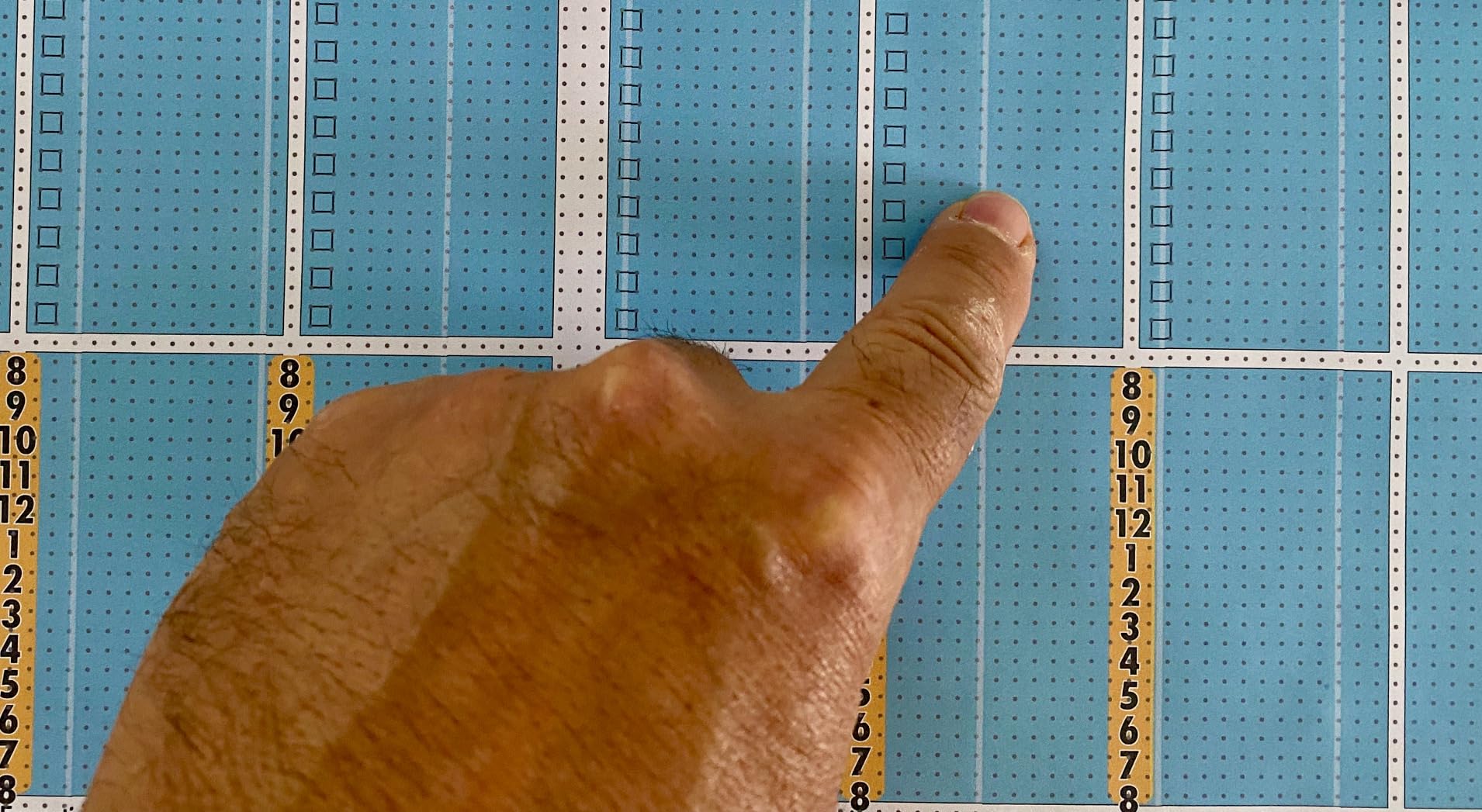
Cartridge capacity is generous for its size, at 50 mL colour and 80 mL black, which cuts the changeover frequency that plagues small cartridge-fed machines. Wireless plus router-free Wi-Fi Direct means a tablet in a crit or a site meeting can print without joining the studio network, and a single USB port keeps the connection simple.
Ink in the box is modest: 26 mL starter colour cartridges and 50 mL black. Budget for full cartridges before your first plan set, because the starter set will not carry a project.
When the T3170 is the right call
It suits a home office, a design-school studio or a small practice where drawings go out in batches rather than continuously. The 20-inch-deep, 38-inch-wide, 9-inch-tall chassis fits most desks and credenza tops, and Wi-Fi Direct removes the network configuration conversation entirely.
If your team is small and someone is always available to load media and clear a jam, the compact size and 34-second first page are genuinely convenient. Reviews praise the touchscreen and the size profile consistently.
When to pick something else
This is the most polarised product here, with a 3.8 average and a large share of one-star reviews sitting alongside 58 percent five-star ratings. Reliability and media handling frustrations are what the negative reviews describe, and a 30-sheet capacity is thin for a studio printing mixed sizes daily.
It is also a sheet-fed design rather than a roll-fed spindle machine, so continuous roll work is not its strength. If your practice is turning out roll after roll of ARCH D drawings, an entry roll plotter is the safer buy.
3. HP DesignJet T630 – Best Value 36-Inch Plotter with Sheet Feeder and Stand
HP DesignJet T630 Large Format 36-inch Plotter Printer, with Auto Sheet Feeder, Media Bin & Stand (5HB11D)
Up to 36-inch media
2400 x 1200 dpi
2 pages per minute
Automatic sheet feeder and media bin
Pros
- 36-inch width prints full sheets without tiling
- Auto sheet feeder media bin stand and cutter all included
- Automatic sheet to roll switching
- Consistently praised line quality and colour for blueprints
- Bundled hardware removes most setup cost
Cons
- Heavy 123 pound body on a 52 inch wide footprint
- 18 percent of reviews are one star with warranty friction
- Some printhead failures and large format jams reported
- HP OEM cartridges only
- HP Click can clash with some third party layout software
The T630 is where a growing firm should look if it has moved past 24-inch drawings. Thirty-six inches covers ARCH E at 34×44 and 36×48 site plans, so a full-size drawing prints in one pass instead of being tiled and taped.
It is a thermal inkjet running at 2 pages per minute with a 30-second first page, using the same 2400 x 1200 dpi ceiling as the smaller T-series units. Line quality is consistently described as crisp and accurate for blueprints and posters, and the colour is good enough for presentation work without a second machine.
What stands out is what arrives in the box. The automatic sheet feeder, the stand with media bin, the spindle and the automatic horizontal cutter are all included, so the extra spend versus a bare plotter buys you the furniture and feed path rather than faster ink. Automatic sheet and roll switching means mixed plan sets do not need a manual changeover mid-set.
On the software side, HP Click provides PDF error checking, alerts, auto-nesting and HP-GL/2 support, with Gigabit Ethernet, USB 2.0 and Wi-Fi for queueing from several workstations. The category position in the wide format listings is strong, and owners describe it as good value for a 36-inch CAD plotter.
The hardware reality is that this is a 123-pound machine on a 52-inch-wide, 24-inch-deep chassis. Plan the bench and the stand before it arrives, and expect two people for assembly.
Why studios keep choosing the T630
Bundled sheet feeder, media bin, stand and cutter is the honest headline. Competitors sell the same chassis as a bare printer, which pushes the real cost of a working setup onto a first-time buyer who then has to source a stand and a feeder separately.
For a firm of ten to fifty people printing ARCH D and ARCH E working drawings daily, automatic sheet and roll switching is the feature that saves the most time, because plot sets mix cut sheets and roll work all day.
Where the T630 costs you
Reliability is the weak spot in the reviews. A minority of owners report printhead failures and an inability to complete large prints, and 18 percent of reviews are one star with warranty friction named directly, which suggests the support experience is not as smooth as the hardware.
It shares the HP cartridge constraint, so ink supply planning matters. There are also reports of HP Click conflicting with third-party layout or RIP software, which matters if your studio has a bespoke output pipeline rather than a straight plot-to-PDF workflow.
4. Canon imagePROGRAF TC-21M – Best 24-Inch Plotter for Scan-Back and Redline Workflows
Canon imagePROGRAF TC-21M – 24″ Large Format Multifunction Printer
A1 roll media plus flatbed scanner
2400 x 1200 dpi
8 pages per minute colour
Ink bottle system
Pros
- Print scan and copy in one 24 inch unit
- Reported to replace far costlier dedicated plotters
- 8 pages per minute colour and 16 black and white
- Auto sheet feeder takes 100 letter sheets
- Ink bottles keep running cost down over time
Cons
- Flatbed scanner is letter size and cannot scan 24 inch originals
- A feed error can persist after roller cleaning
- Bulk footprint that owners describe as huge
- No native roll save so custom sizes need manual setup
- Output basket sold separately
If your practice redlines hand-marked drawings or is digitising legacy paper blueprints, the TC-21M removes a step that otherwise costs you a service bureau or a dedicated scanner. It prints up to A1 on roll media, copies from a letter-size flatbed, and enlarges a letter original straight to full sheet.
It also prints at 8 pages per minute in colour and 16 pages per minute in black and white, and it resolves 2400 dpi monochrome and 2400 x 1200 dpi colour. Owners running house plans and retail posters report fast, good-quality output and ink that lasts well under daily use.
The ink bottle system is the quiet financial argument. Small architecture and print businesses describe it as replacing far more expensive dedicated plotters, and across a working lifetime the difference between bottles and cartridges is the single largest controllable cost in a plotter budget.
Connectivity is Wi-Fi, Ethernet and USB, with a 2.7-inch tiltable touchscreen that folds away when the machine is under a bench, plus cloud printing and scanning and a front USB port for direct large-format output from a flash drive. The auto sheet feeder holds 100 letter sheets or 50 sheets of 11×17, which covers most of the small mixed work that clutters a studio.
The catch is size. Owners consistently describe the footprint as huge and heavy, and it measures 21 inches deep by 38 inches wide, so plan the bench before delivery rather than after.
Where the TC-21M earns its place
The redline loop is the reason to buy it. Mark up a printed set, feed the marked pages back through the flatbed, and print the clean revision without leaving the studio, which is the workflow studios digitising archive drawings describe wanting.
For mixed work, the combination of roll plotting, 13×19 cut sheets and letter output in one machine removes two devices from the studio. The bottle-based ink supply is also the least painful running-cost model in this roundup over a five-year horizon.
Where the TC-21M falls short
The scanner is letter-size flatbed only, so you cannot scan a 24-inch original. Buyers who expect a full-width scanner often discover this after delivery, so treat scan-back as a letter-and-11×17 workflow rather than a full-size digitising station.
Owners also report a paper-feed error that persisted after roller cleaning, which is a real reliability concern for a machine that handles two different media paths. There is no native roll-save function, so custom sheet sizes must be set by hand, and you should buy the output basket so finished rolls do not land on the floor.
5. Canon PRO-2100 – Top Rated 24-Inch Inkjet for Boards and Renderings
CANON PRO 2100 24 WIDE, FORMAT FINE ART PRINTER
Up to 24 x 59 inch output
12 colour pigment ink
2400 x 1200 dpi
1 year onsite Canon warranty
Pros
- Highest average rating here at 4.8 with 89 percent five star
- Flawless out of the box colour and deep blacks
- 12 ink pigment set with Chroma Optimizer and two blacks
- Improved effortless roll loading
- Prints from Photoshop without external RIP
Cons
- Ink cartridges are expensive to refill
- Arrives with small starter cartridges only
- Layout software has a real learning curve
- Large 49 inch wide and 35 inch deep footprint
- Third party compatible ink quality is uncertain
Read this section as the presentation-side recommendation. A CAD plotter is judged on line accuracy, but a pitch board, a competition panel and a client-facing rendering are judged on colour, and no other machine in this group handles them as convincingly as the PRO-2100. It is also the only machine here carrying a 12-ink pigment set, and it holds a 4.8 average with 89 percent of reviews at five stars.
The engine is a 12-colour pigment set: Photo Black, Matte Black, Cyan, Magenta, Yellow, Photo Cyan, Photo Magenta, Gray, Photo Gray, Red, Blue and Chroma Optimizer. Two blacks plus a chroma optimizer is the combination that gives smooth gradients and rich deep blacks without the banding a four-ink set shows on a large flat surface.
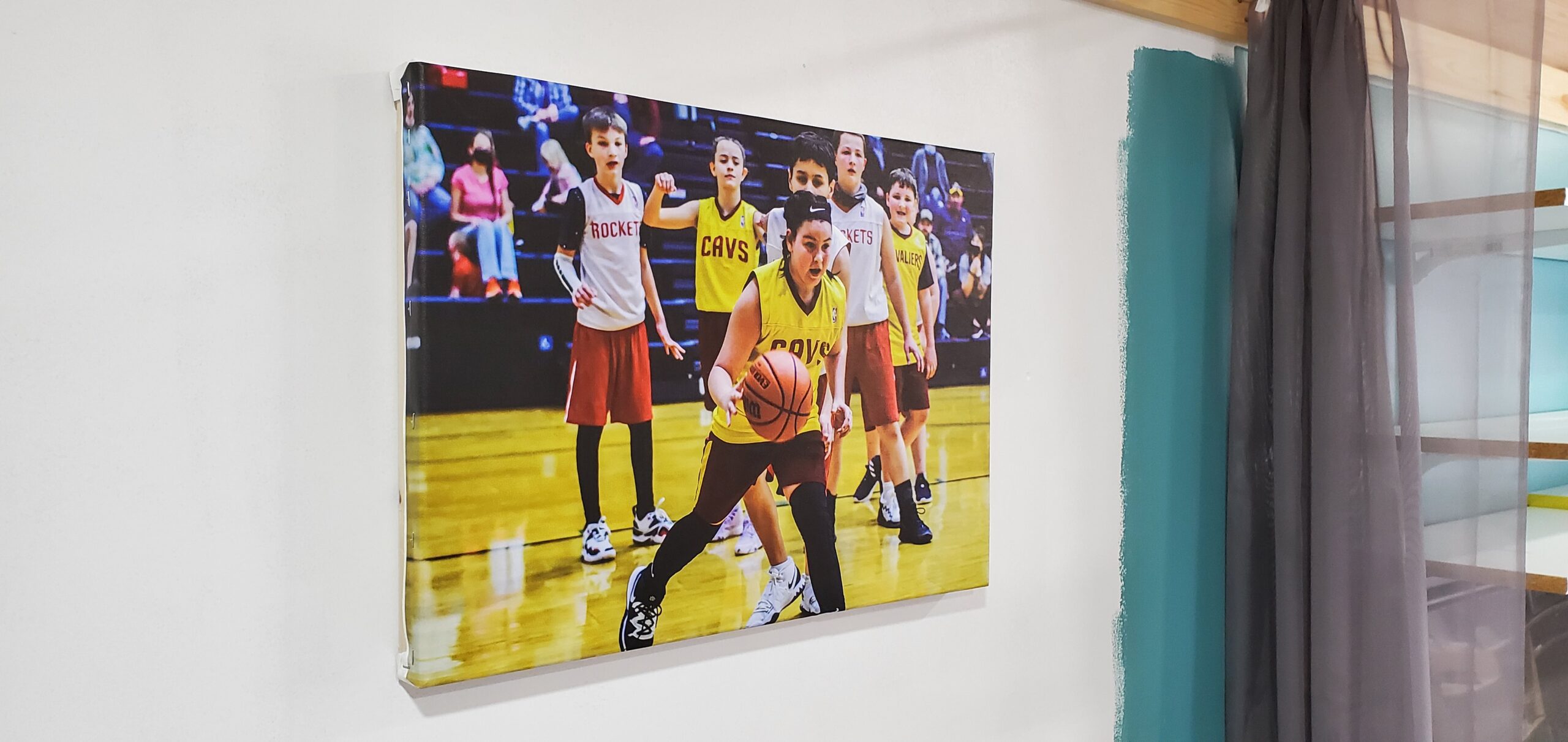
Resolution is 2400 x 1200 dpi in both colour and monochrome, and output runs to 24 by 59 inches, so a long site strip or a full board prints in one piece. It is a fine art printer first, which means it prints directly from Photoshop and other applications without an external RIP, and the software layout is the learning curve rather than a barrier.
The box is unusually complete for a machine in this class: the Multifunction Roll System RU-23, RH2-29 roll holder set, PF-10 print head, MC-30 maintenance cartridge and CT-07 rotary cutter are all included, plus one year of on-site Canon warranty through a Platinum reseller.
Why colour output quality matters for architects
Owners describe out-of-the-box colour accuracy that needs no calibration profile work, and a 12-ink set that handles fine art and presentation stock smoothly. If your studio prints material directly from your visualisation tool, the gap between this and a four-ink workhorse is visible on skin tones, skies and long gradients.
Roll loading is described as improved and effortless, which removes the single most common complaint about large inkjet printers. The rolls and cutter are in the box, so there is no accessory hunt on day one.
What you pay for that advantage
Running cost is the trade-off, and reviewers are consistent about it: cartridges are expensive to refill and the machine arrives with small starter cartridges only, so full-size cartridges need buying separately. Budget for that before a client deadline, not after.
It is also physically large, at 49 inches wide and 35 inches deep, and third-party compatible ink quality is uncertain if you try to cut costs off-brand. For a studio that mostly prints line drawings, this is more machine than you need; for one producing boards and finish samples, it is the right size of machine.
6. HP DesignJet T650 – Best 36-Inch Plotter When Onsite Warranty Matters
HP DesignJet T650 Large Format 36-inch Plotter Printer, Includes 2-Year Onsite Warranty Support (5HB10T) – New Model
Up to 36-inch media
2400 x 1200 dpi
25 sec per A1/D page
2-year onsite care pack
Pros
- Fastest A1 output here at 25 seconds and 82 prints per hour
- 2-year care pack with onsite support
- Automatic sheet and roll switching for mixed plan sets
- 1GB memory handles large plan sets
- Sheet feeder stand media bin and roll cover bundled
Cons
- Accepts HP OEM rolls only and 2 inch core third party rolls do not fit
- Stand plastic brackets reported weak during assembly
- Some units failed out of the box or needed printhead work
- Ink consumption reported high on heavy plan sets
- Entry package on some variants lacks the roll cover
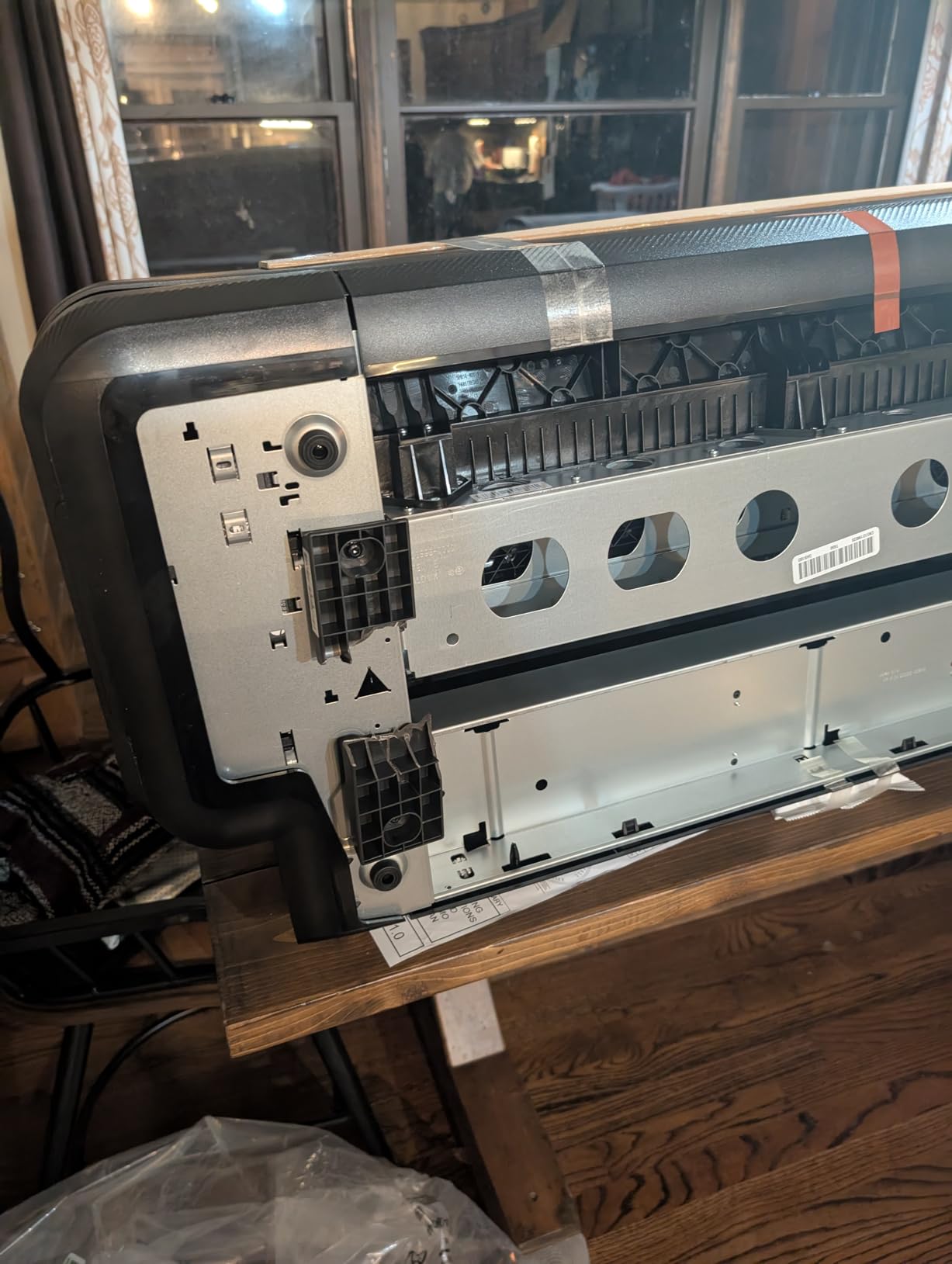
The T650 is the same 36-inch chassis idea as the T630 with two meaningful upgrades: throughput and support. It prints an A1 or D page in 25 seconds, quoted at up to 82 prints per hour, against 30 seconds on the T630, and it comes with a two-year HP Care Pack including on-site support.
That warranty is the differentiator. A plotter that goes down on a Thursday with a plan set due Friday is a schedule event, and on-site service for two years converts that risk into something a studio manager can plan for. The automatic sheet feeder, stand with media bin, paper roll cover and starter cartridges are all in the package.
Memory is 1GB, which is double the entry 24-inch machine and matters when a Revit sheet set is dumped as a single large file, and connectivity is Gigabit Ethernet, USB 2.0 and Wi-Fi. HP Click brings PDF error checking, alerts, auto-nesting and HP-GL/2 support, with one-click printing from a phone, tablet or desktop through the HP Smart app.
Owners upgrading from a 24-inch HP plotter describe it as a clear step up for small plan sets, which is exactly the upgrade path most growing firms take.
Why the two-year care pack changes the maths
Owners who came from a 24-inch machine value the combination of 36-inch output, faster throughput and wireless printing together, and the care pack is what turns a capital purchase into a manageable operating line. Onsite support means a technician arrives rather than the machine going into a queue.
Automatic sheet and roll switching is the other quiet win, because a plan set is rarely all roll or all sheet, and swapping media mid-set is dead time the machine removes.
Where the T650 disappoints
Media restriction is the first thing to check. The machine takes only HP OEM rolls, and two-inch-core third-party rolls do not fit, so anyone hoping to buy media at a discount should rule this out before anything else.
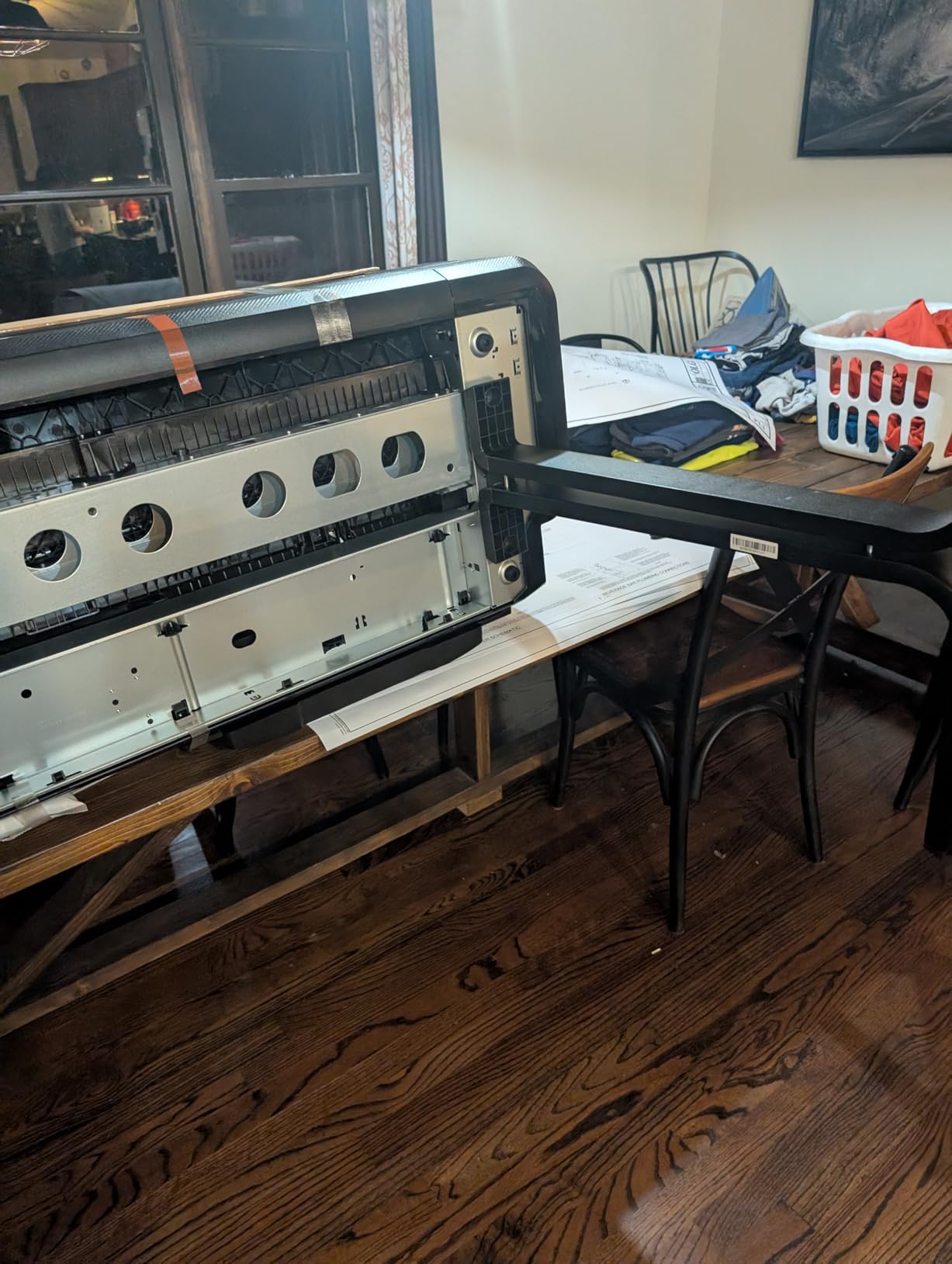
Durability reports are mixed: weak plastic brackets on the stand during assembly, a minority of units that failed out of the box or needed printhead work, and one construction firm that stopped using its unit over ink consumption and quality degradation on heavy plan sets. Check that the package you buy actually carries the two-year pack, since some variants fall back to a one-year warranty.
7. HP DesignJet T830 – Best Multifunction 24-Inch Plotter for Digitising Old Drawings
HP DesignJet T830 Large Format Multifunction Wireless Plotter Printer – 24″, with Mobile Printing (F9A28D)
24-inch roll plus document feeder
2400 x 1200 dpi colour
100-sheet capacity
Scan and copy built in
Pros
- Print scan and copy in one 24 inch studio machine
- Automatic document feeder with 100 sheet capacity
- Mobile printing for iOS Android and Chrome OS
- Reinforced legs and an included stand
- Good scan and print quality when it runs
Cons
- Reliability complaints including printhead failures and lockups
- Automatic cutter reported to fail needing manual cutting
- Cannot scan directly to a PC
- Printhead and service fees raise the running cost
- One year warranty is short for the outlay
The T830 is built explicitly for architecture studios that need print, scan and copy of technical documents, and it is the widest media handling of any 24-inch machine here: 8.3 to 24 inch sheets and 11 to 24 inch rolls, with an input tray, media bin and automatic cutter on top of sheet and roll feed.
Its scanning path is the reason to choose it. The automatic document feeder holds 100 sheets, which matters when you are walking a stack of legacy blueprints into the system, and automatic duplex handles two-sided drawing sets. Wireless plus mobile printing for iOS, Android and Chrome OS means a phone in the field can push a drawing out.
It is also physically built for a working floor: reinforced legs and an included stand, at 112.4 pounds on a 43-inch-wide, 24-inch-deep, 45-inch-tall chassis. Ink runs on HP 728 cartridges in 40, 69, 130 and 300 mL sizes, so cartridge sizing is a lever you control.
Memory is 1GB and colour resolution is 2400 x 1200 dpi, while monochrome is listed at 1200 dpi, which is still fine for line work. Throughput is quoted at 2 pages per minute, up to 26 seconds per A1 or D page or 81 prints per hour.
The honest caveat is the review base, and it is thin at twelve reviews. The positives confirm good scan and print output when the machine is behaving.
What the T830 does that a plain plotter cannot
It closes the redline loop at full 24 inches, unlike a letter-size flatbed MFP. A hand-marked 24×36 sheet can be scanned and reprinted on the same machine, which is the single workflow that changes how a project architect handles field changes.
Automatic duplex, the 100-sheet feeder and the included stand suit a studio floor rather than a desk, and mobile printing removes the walk to a shared machine for one-sheet jobs.
Why some studios skip it
Reliability is the recurring theme in the negative reviews: printhead failures, mid-job stops and lockups on the control panel, plus an automatic cutter that failed and left manual cutting as the fallback. That is a workshop appliance failing, and a failed cutter on a plotter is a real production stoppage.
It also cannot scan directly to a PC, only to shared storage, which is friction if your digital filing is a local workstation. Printhead and service fees push the total cost up once counted, and a one-year warranty on a machine at this level is short.
8. Canon imagePROGRAF TM-305 – Best 36-Inch Plotter for High-Volume CAD Batches
Canon imagePROGRAF TM-305 36-inch 5-Color Inkjet Printer Plotter
36-inch media
5 colour CMYK pigment ink
2400 x 1200 dpi colour
2.4 pages per minute
Pros
- Print quality described as stunning with consistent ink flow
- Purpose built for high volume architectural printing
- Dependable speed for an office workflow
- Sturdy fold out tray for output handling
- Responsive knowledgeable reseller support
Cons
- Only four reviews so reliability is hard to judge
- Settings reset after sleep mode
- Noisy roll trim before each plot
- Multi step screen heavy workflow for one drawing
- Scanner shown in box imagery is not included
The TM-305 is the 36-inch option for a practice that treats plotting as a production line rather than an occasional task. It is built for technical documents, CAD drawings and GIS maps, with a 5-colour CMYK pigment set, 2400 x 1200 dpi colour and 2.4 pages per minute throughput.
An architecture office running high-volume printing reports excellent, consistent ink flow, dependable speed and a sturdy fold-out tray for handling finished output, which is the part of a plotter that quietly decides whether a print room works. Connectivity is Wi-Fi and USB with an LCD for remote and touch control, and a flat stacking basket is included.
Sold through a Canon Platinum reseller, it carries one year of on-site support, which on a machine this size is worth having even though the term is short. The chassis is 35 inches deep by 42 inches wide by 42 inches tall, so it needs a dedicated bay rather than a corner of a desk.
Read the review count before you commit, though. Four reviews is a very small base, and the average of 4.3 is indicative rather than established.
What high-volume studios like about it
Ink consistency is the headline from the highest-volume reviewer, with smooth, consistent flow across long runs, and speed held steady across a working day. The 36-inch width and a five-colour pigment set cover ARCH E and A0 site plans plus colour presentation output without changing machines.
The output tray is described as sturdy, which matters more than it sounds when rolls are being pulled, trimmed and stacked all day.
Where the workflow frustrates users
The other reviewer found the operating experience difficult: settings that do not survive sleep mode, a noisy roll trim before each plot, and fourteen clicks across seven screens to plot a single 18×24 ARCH D drawing. For a single operator that is a poor experience, and you should budget time to set presets before a deadline.
Be careful with the listing as well, since the in-box imagery shows a scanner while the listing states printer only. And with four reviews, treat every reliability impression here as provisional.
How to Choose a Wide-Format Printer for Architectural Work
Work through these in order and the choice becomes obvious. Start with your real output, not the spec sheet, because every machine in this roundup handles CAD and the differentiators show up in the studio, not in the lab.
Start with width: 24 inch vs 36 inch
A 24-inch machine prints ARCH D at 24×36 inches, or ANSI D at 22×34, which covers the standard working drawing size in North American practice. A 36-inch machine adds ARCH E at 34×44 and 36×48 site plans. Architects moving up from desktop printing usually find 24 inches covers the majority of issued documents, and 36 inches becomes necessary when you print site plans, large sections or elevations that would otherwise need tiling.
Do not buy 36 inches for a 24-inch workload. The machines are heavier, the stands take more floor, and the media is more expensive per metre, so you are paying for width you do not use.
Paper size translation for architects who think in feet
Most studios operate across both ANSI and ISO sheets, and the naming is where mistakes happen. Here is the mapping that matters when you set a custom size in a driver:
Letter is 8.5 x 11 inches, equivalent to ISO A4. Legal is 8.5 x 14. Tabloid is 11 x 17 inches and is the sheet often called 13×19 in the US, with ISO A3 at 297 x 420 mm covering the same working area. ANSI B is 11 x 17 inches and is what many people mean by ARCH B, though the ARCH series is really a separate convention. ISO B is 250 x 353 mm, roughly 10 x 14 inches.
ANSI C and ARCH C sit at 17 x 22 inches, while ISO C1 runs 594 x 841 mm. ANSI D and ARCH D are the 22 x 34 and 24 x 36 inch sheets, and ISO A1 is 594 x 841 mm, so a 24-inch printer covers all of them. ANSI E and ARCH E are 34 x 44 inches, ISO A2 is 420 x 594 mm. ANSI F and ARCH F reach 36 x 48 inches, which is why a 36-inch machine handles ARCH E and much of ARCH F without tiling.
ISO A0 is 841 x 1189 mm, roughly 33 x 47 inches, which sits at the edge of a 36-inch machine. If you print A0 site plans routinely, check the maximum roll width rather than assuming, and plan for an output basket.
Resolution: when 1200 dpi is enough and when you need 2400 x 1200
For line work, resolution is not about detail so much as line reproduction and text legibility. Every machine here reaches at least 1200 dpi in monochrome, and the leaders reach 2400 x 1200 dpi, which is the practical ceiling for construction documents. The practical difference shows up in 4-point annotation and in the edge quality of a 0.02 mm line, not in a plan view.
Colour resolution matters far more if you print renderings, because a 1200 dpi colour ceiling is visible across a large flat surface. The 12-ink PRO-2100 exists for exactly that reason.
Pigment vs dye ink and cartridge vs bottle running cost
Pigment ink is the answer for construction documents. It sits on the surface of the paper, resists water and fading, and holds line weight under the conditions a drawing meets on a site. Dye ink is cheaper and better suited to photographic output, but it is the wrong chemistry for documents that get handled, sunlit and archived.
The ink system is where the running cost hides. HP and Epson plotter cartridges are proprietary, and the HP models in this roundup accept OEM cartridges only, which means your supply chain is the manufacturer’s. Canon’s TC-21M uses ink bottles, and Canon’s PRO-2100 uses large cartridges with an expensive refill rate. The direction of travel is clear: cartridge-fed machines cost more per sheet, bottle systems cost less over a working life. The counter-argument is availability, because a bottle machine is only useful if you can get bottles.
If you want an original number, run a one-month trial before deciding: log ink spend and media spend against sheet count, and divide by A1-equivalent sheets. Most studios that publish this figure discover the cartridge machines cost multiples more per sheet than the bottle machines, and that discovery usually outlasts any spec-sheet argument. Reviewers here consistently flag cartridge cost as the top running-cost complaint, and third-party media being rejected is a related risk worth pricing in.
CAD driver support: AutoCAD, Revit, ArchiCAD, HP-GL/2 and pen tables
Your software speaks to the printer through a driver, and that layer causes more lost days than ink. HP Click, bundled with the HP machines here, handles PDF error checking, alerts and auto-nesting, plus HP-GL/2 and the DWF, TIFF, JPEG and PNG formats. The Canon models print directly from applications without an external RIP, and the Epson relies on its own driver and the Epson print apps.
Test the actual pipeline before delivery, including a pen table, because line weights map from CAD plot styles to the hardware and a mismatch shows up as construction graphics that are too heavy or too light. Test a mixed-size batch to check auto-nesting, and test a rotated sheet. Reviewers also report missing or incorrect paper-size presets in some drivers, so build a custom ARCH B or 12×18 preset before your first real issue rather than on the deadline.
Throughput, media handling and studio fit-out
Speed figures here range from a 30-sheet sheet-fed desktop design to 2.4 pages per minute on a 36-inch roll machine, and 8 pages per minute on the Canon multifunction. Throughput is mostly about first-page latency for small jobs and sustained roll speed for large ones, so decide which of those your studio does more of.
Fit-out is the constraint people forget. Weights and chassis sizes here range from 47.4 pounds on a 40-inch-wide T210 chassis up to 123 pounds for the HP T630 on a 52-inch-wide frame, and the Epson desktop unit is listed at 27 kg. Check bench depth, door width and floor space for the output tray, and remember that a 36-inch machine with a stand may need two people to assemble.
Warranty, onsite service and the five-year running cost
Most machines in this roundup carry a one-year limited warranty, and the T650 stands out with a two-year care pack including on-site support. On-site service matters more on a large plotter because a unit that must be crated and shipped loses a working day either way.
Across five years, the machine is rarely the dominant cost. Media, ink and the labour to keep the machine running are the lines that grow. Budget for a printhead or service visit inside that window, check the consumable list for your model before committing, and if your studio does any site documentation, a wide-angle lens setup like the ones in our wide-angle lens guide for video is often a cheaper upgrade than a faster printer.
In-House Printing vs a Service Bureau: Where the Break-Even Sits
This is the most repeated question in architecture forums and the one no roundup answers with numbers, so here is the method. Small-studio owners overwhelmingly report that bringing plotting in-house paid off once they printed more than roughly 100 to 200 sheets a month. Below that, the service bureau usually still wins.
Run it as a three-line calculation. Take the service bureau quote for a full ARCH D line drawing and put it on one side. On the other, add your monthly media spend, your monthly ink spend, and a monthly amortisation of the machine over your expected ownership period. Add maintenance and any service visits you expect in that window. The difference between the two sides, multiplied by your sheet volume, is what in-house ownership saves or costs you.
Two adjustments change the answer. First, add the cost of staff time walking to a print shop, waiting and collecting, because in a small studio that time is rarely free. Second, add the value of schedule control: for many practices the deciding factor is not the per-sheet saving but the ability to reprint a revised sheet the same afternoon instead of the next morning, and that is worth more than the arithmetic suggests on a busy project.
Owners in architecture circles generally report that routine line drawing output from an in-house plotter is visually indistinguishable from a service bureau print, with the quality gap concentrated in colour renderings and fine text. That is another reason the PRO-2100 earns a place in a colour-heavy practice, and another reason a bottle-fed multifunction is the smarter first machine for a small practice.
Frequently Asked Questions
What is the best printer for architects?
The HP DesignJet T210 is the best all-round choice for most practices, covering ARCH D 24×36 working drawings at 2400 x 1200 dpi with a 45 second first page. Studios printing 36-inch site plans should step up to the HP DesignJet T630 or T650, and practices that produce client-facing boards should add a 12-ink machine such as the Canon PRO-2100.
Is a wide format printer the same as a plotter?
Yes. Wide format printer, large format inkjet and plotter all describe the same class of machine, and vendors use the terms interchangeably. What defines the category is media width beyond a desktop printer, pigment ink tuned for line work, and a driver that accepts vector plot files from CAD software.
What printers can print 13×19?
Thirteen by nineteen inches is the US name for tabloid, which is 11 x 17 inches, so any machine that takes 13×19 media also handles 11×17 output. Every 24-inch plotter in this roundup accepts 13×19 sheets, and the HP T630 and T650 include an automatic sheet feeder sized for them, while the Canon TC-21M takes them in a feeder holding 50 sheets.
What size should I print architectural plans?
Print working drawings at ARCH D, which is 22 x 34 inches, and reserve ARCH E at 34 x 44 inches or 36-inch output for site plans, large sections and elevations. A 24-inch plotter handles ARCH D, and a 36-inch plotter handles ARCH E without tiling, which is the usual reason to upgrade.
What is the best wide format printer?
For general CAD work the HP DesignJet T210 is the strongest all-round machine, and for throughput on 36-inch media the HP DesignJet T650 leads with 25 second A1 output and a two-year onsite care pack. The right answer still comes down to your media width, driver support and monthly sheet volume rather than any single ranking.
Is Epson ink more expensive than HP?
It depends on the cartridge format rather than the brand. Epson’s T3170 takes 50 mL colour and 80 mL black cartridges, which is a larger format than most HP 712 cartridges, so fewer changes are needed per job. Across this roundup, cartridge-fed HP machines are the ones owners most often flag as the expensive part of the running cost.
Is Canon printer ink cheaper than HP?
Canon is usually the cheaper side of that comparison. The imagePROGRAF TC-21M runs an ink bottle system, which is the lowest per-sheet cost of the machines here, while the Canon PRO-2100 uses large cartridges whose refills are expensive. Canon machines also tend to accept a wider range of third-party media than the HP models, which accept OEM rolls and cartridges only.
What print resolution is recommended for architectural technical drawings?
At least 1200 dpi in monochrome, and 2400 x 1200 dpi if you print renderings alongside drawings. Resolution matters less for line weight than for the legibility of 4-point annotation and the edge quality of very thin lines, and a 12-ink set such as the Canon PRO-2100 gives more visible improvement on colour boards than extra resolution does.
Final Verdict: Which Plotter Fits Your Studio
For a solo practitioner or a studio of up to five people plotting 11×17 and 24-inch sheets, the HP DesignJet T210 is the buy. It is the best wide format printer for architects working mainly at ARCH D, and the 112-review record makes it the most predictable machine in this group.
For a growing firm of ten to fifty printing ARCH E and A0 site plans, the HP DesignJet T650 is the pick, because the 25 second A1 output and two-year onsite care pack match the way a busy studio actually works. The T630 is the value route to the same 36-inch width if your budget is tighter.
For a practice that redlines on paper or digitises legacy drawings, the Canon imagePROGRAF TC-21M closes the loop in one 24-inch machine on the lowest per-sheet ink cost here. And if your output includes boards and renderings, add the Canon PRO-2100 rather than trying to stretch a four-ink workhorse.
Whichever you pick, run the ink and media log for a month before the next capital decision. If you also photograph completed work for your boards, our medium format camera picks cover the other half of that workflow.