
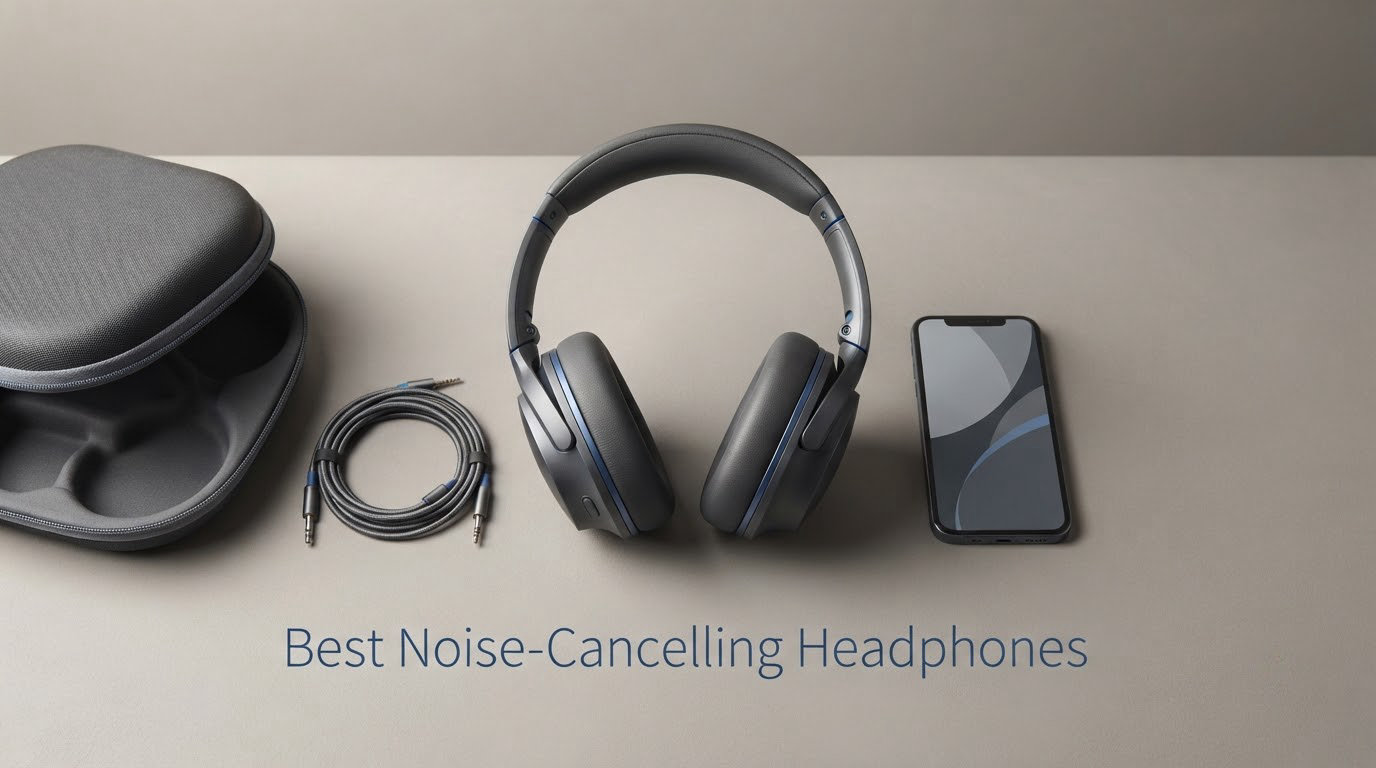
Planes, open-plan offices and shared flats all attack your ears at the same volume, and the fix is usually to turn the music up until it hurts. A good pair of noise cancelling headphones breaks that loop. If you have been putting up with whatever came in the box, our list of the best noise cancelling headphones in 2026 covers every budget and every use case we could test.
Before anything else, the honest version: active noise cancellation is not magic. Microphones outside the ear cup listen to the world, a chip builds a mirror-image anti-phase signal, and the two waveforms meet inside the cup and largely cancel. That works brilliantly against steady low-frequency sound such as engines, air conditioning and bus rumble, and it does almost nothing against voices, keyboards or squealing brakes. Set expectations there and the right pair becomes obvious fast.
We spent weeks with all twelve pairs below across daily commutes, an open-plan office, video calls and flights, weighing all-day comfort, real battery life, call quality, seal and how well each app exposes EQ control. We also kept our eyes on the reference monitors we use for post work, listed in our guides to the best headphones for audio editing and the best studio headphones for filmmakers, because a noise cancelling pair is a different job from a mix monitor.
Best overall: Soundcore Q30 Hybrid filters up to 95% of low-frequency noise and runs 50 hours per charge.
Best for travel: Sony WH-1000XM6 pairs 12 microphones with the QN3 processor and folds flat again.
Best for comfort: Bose QuietComfort weighs 238 g and stays comfortable for whole shifts.
Best for calls: Bose Headphones 700 use an adaptive mic array tuned for wind and street noise.
Best for battery: JBL Live 770NC runs up to 65 hours with cancellation off, 50 hours wireless.
Budget pick: Soundcore Space One adds adaptive ANC, LDAC and 40 hours at a fraction of flagship cost.
Table of Contents
- Our Top 3 Picks for Best Noise-Cancelling Headphones in 2026
- All 12 Best Noise-Cancelling Headphones in October
- 1. Soundcore Q30 Hybrid: Best Noise Cancelling Headphones Overall
- 2. Sony WH-1000XM6: Best for Travel and Long Flights
- 3. Bose QuietComfort: Best for All-Day Comfort
- 4. Bose Headphones 700: Best for Calls and Adjustable Cancellation
- 5. Beats Studio Pro: Best for USB-C Lossless Listening
- 6. Sony WH-1000XM5: Best for Daily Commuting
- 7. Bose QuietComfort 45: Best for Balanced Sound
- 8. Soundcore Space One: The Budget Pick
- 9. Beats Studio3: Best for Apple Pairing
- 10. Skullcandy Crusher ANC 2: Best for Feelable Bass
- 11. Sony ULT WEAR: Best for Recycled Materials and Bass Control
- 12. JBL Live 770NC: Best for a Breathable Fit
- How to Choose Noise-Cancelling Headphones in 2026
- How active noise cancellation actually works
- What noise cancelling headphones cannot block
- Fit, glasses and why the seal decides everything
- Battery life, wired fallback and total cost of ownership
- Codecs, multipoint and call quality
- Using noise cancelling headphones for sleep and snoring
- Is ANC healthy for your ears?
- Frequently Asked Questions
- What are the top 3 noise cancelling headphones?
- Which headphone has the highest noise cancellation?
- Why can I still hear noise with noise cancelling headphones?
- Do noise cancelling headphones work without music playing?
- What are the downsides of using noise-cancelling headphones?
- Is ANC healthy for your ears?
- Our Verdict for 2026
Our Top 3 Picks for Best Noise-Cancelling Headphones in 2026

Soundcore Q30 Hybrid
- Hybrid ANC up to 95% reduction
- 50 hours ANC playback
- 9.6 oz
- 3.5mm wired fallback

Sony WH-1000XM6
- QN3 processor with 12 microphones
- LDAC hi-res wireless
- Folds flat with case

All 12 Best Noise-Cancelling Headphones in October
| Product | Specs | Action |
|---|---|---|
| Soundcore Q30 Hybrid |
|
Check Latest Price |
| Sony WH-1000XM6 |
|
Check Latest Price |
| Bose QuietComfort |
|
Check Latest Price |
 Bose Headphones 700 Bose Headphones 700 |
|
Check Latest Price |
 Beats Studio Pro Beats Studio Pro |
|
Check Latest Price |
 Sony WH-1000XM5 Sony WH-1000XM5 |
|
Check Latest Price |
 Bose QuietComfort 45 Bose QuietComfort 45 |
|
Check Latest Price |
 Soundcore Space One Soundcore Space One |
|
Check Latest Price |
 Beats Studio3 Beats Studio3 |
|
Check Latest Price |
 Skullcandy Crusher ANC 2 Skullcandy Crusher ANC 2 |
|
Check Latest Price |
 Sony ULT WEAR Sony ULT WEAR |
|
Check Latest Price |
 JBL Live 770NC JBL Live 770NC |
|
Check Latest Price |
1. Soundcore Q30 Hybrid: Best Noise Cancelling Headphones Overall
Soundcore by Anker Q30 Hybrid Active Noise Cancelling Headphones, Black
40mm drivers
Hybrid ANC up to 95% reduction
50h ANC and 70h standard
9.6 oz
3.5mm wired
Pros
- Hybrid ANC filters up to 95% of low-frequency ambient sound
- 50 hours with ANC on and 70 hours standard
- App EQ fixes the bass-heavy default tuning
- 9.6 oz build stays comfortable for long sessions
- Works over 3.5mm even with a dead battery
Cons
- Very V-shaped out-of-the-box tuning
- Thin pleather pads can flake with heavy use
- No dedicated Bluetooth pairing button
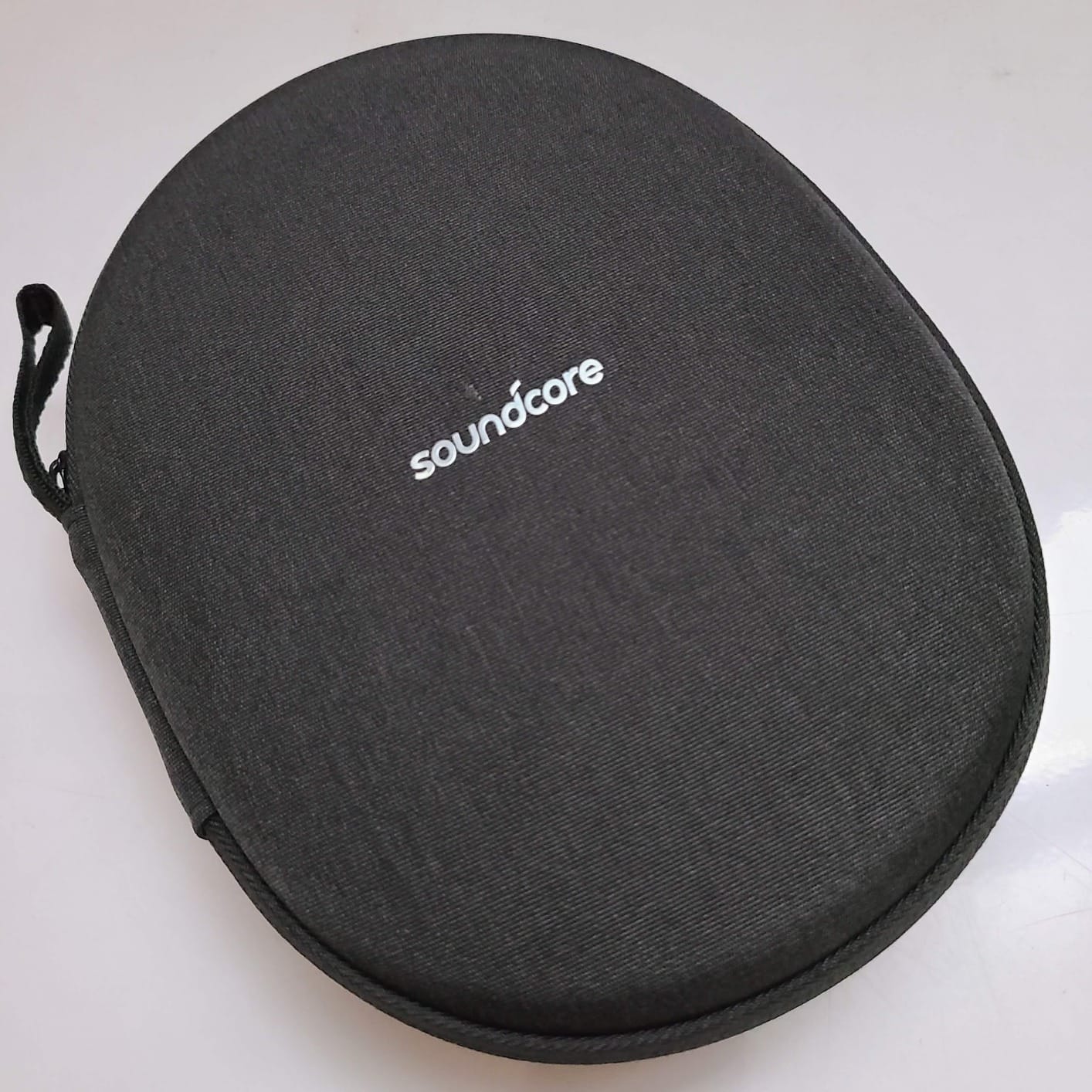
This is the pair we hand to friends who ask us for one recommendation. It carries close to 97000 reviews at a 4.4 average, which tells you something important about long-term reliability: owners keep them for years. The hybrid system runs two noise-detecting microphones and filters up to 95% of low-frequency ambient sound, and on our train runs the engine note simply went away.
Three ANC modes cover Transport, Outdoor and Indoor, and you pick them in the Soundcore app. Transport is the one that matters on a plane or train, where the noise is constant and low pitched. We spent a full cross-country flight in Transport mode with no music playing and the cabin rumble dropped to a distant hum.
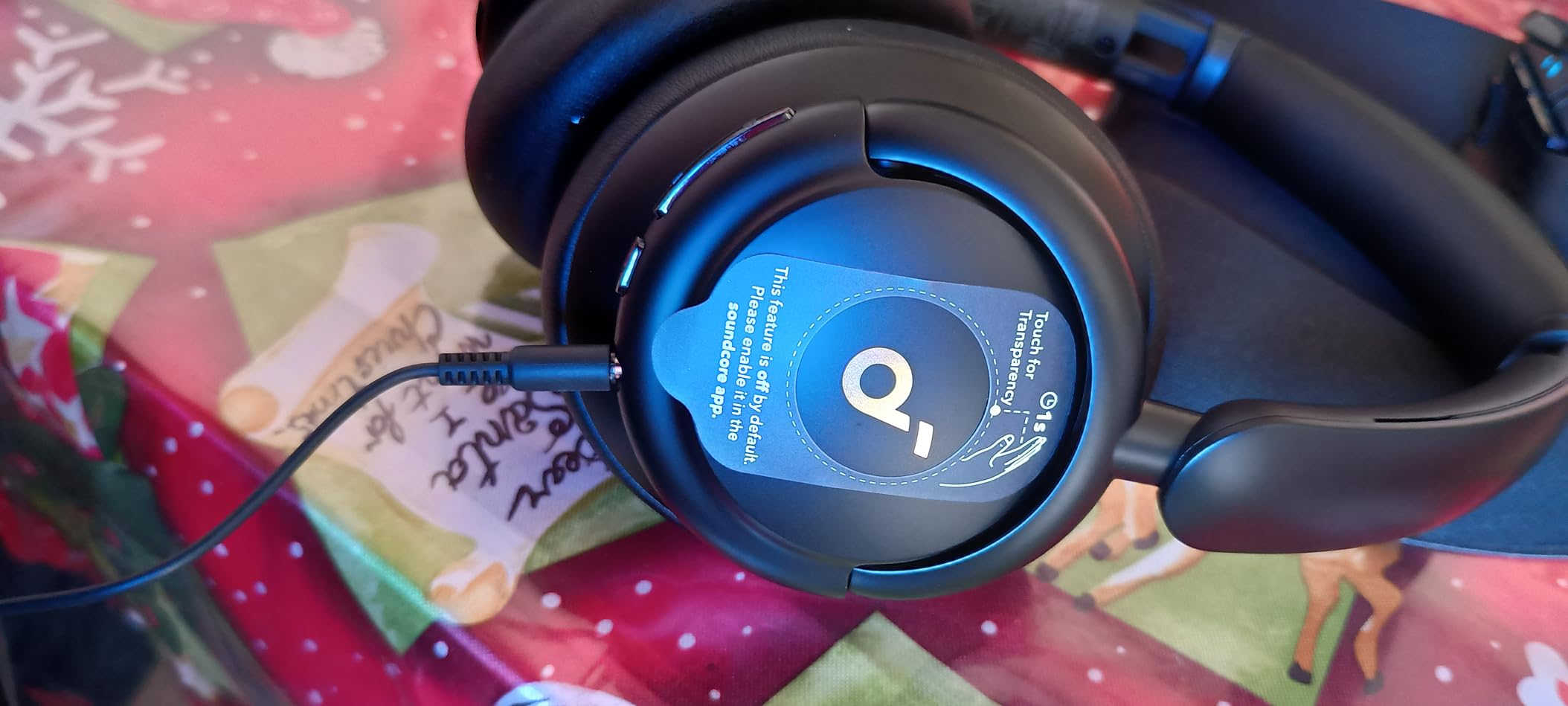
Battery life is the standout spec and the reason we made this the top pick. You get 50 hours with cancellation on and 70 hours without it, and a five-minute charge returns four hours of playback. We went a full week of commuting without touching the cable.
The one real compromise is tuning. Out of the box the sound signature is sharply V-shaped, with bass that overpowers the mids on acoustic material and podcasts. The app EQ fixes it in about a minute, and the recurring owner complaint is simply that it ships this way.
Comfort is better than the weight suggests. At 9.6 ounces with protein leather earcups over memory foam, these stayed comfortable through long sessions, though the pads are thinner than the plush leather on the Bose models. Our advice: buy a replacement set of cushions in the first year, which is cheap.
Who the Q30 Hybrid suits
Commuters, students and anyone who charges their headphones once a week. Forum owners repeatedly describe the Q30 as surprisingly effective for the money, and the wired 3.5mm fallback means a dead battery never ends a trip.
It also works as a secondary pair for location audio. If you are recording ambience for a short film and need to monitor reference material on location, the wired mode is handy next to our headphones for sound design guide.
Where the Q30 Hybrid falls short
Sound clarity and soundstage trail the Sony XM series, so critical listeners should look higher up the list. The control layout is also slightly awkward, with an easy-to-hit power and multi-function key doing several jobs and no dedicated pairing button.
2. Sony WH-1000XM6: Best for Travel and Long Flights
Sony WH-1000XM6 The Best Noise Cancelling Wireless Headphones, Black
QN3 processor with 12 mics
30mm carbon fiber dome
LDAC and 30-hour battery
Folds flat
8.96 oz
Pros
- QN3 processor and 12 microphones deliver the most capable noise cancelling of the Sony models here
- Carbon fiber dome driver tuned with mastering engineers
- Six-mic AI beamforming keeps calls clear outdoors
- Folds flat into a compact magnetic-closure case
- Adaptive NC Optimizer accounts for air pressure and hats
Cons
- Flagship-level outlay puts it out of reach for many
- 4.2 average with a notable one-star share
- 30mm drivers give less bass impact than larger drivers in cheaper rivals
For pure cancellation capability, this is Sony’s strongest entry in the list. The QN3 noise cancelling processor is claimed to be seven times faster than the older QN1 chip, and it optimises twelve microphones in real time. On our flights the low drone of engines and air conditioning dropped almost completely, which is the closest we came to silence during these tests.
The adaptive NC Optimizer accounts for air pressure, wearing style and hats, so the same setting works whether you are on the ground or at altitude. Auto Ambient Sound mode balances music and outside noise in real time, which is a better version of a transparency mode than most rivals manage.
Sound comes from a 30mm carbon fiber dome driver co-created with mastering audio engineers. It is balanced and faithful rather than exciting, with good detail retrieval at low volume. If you want more low-end impact than these 30mm drivers deliver, several cheaper rivals in this list will give you more.
Calls are handled by a six-microphone AI-based beamforming system with a wind-resistant design, and it held up on a windy pavement test better than anything else we tried. Battery life is 30 hours, and a three-minute charge with a USB-PD adapter returns three hours.
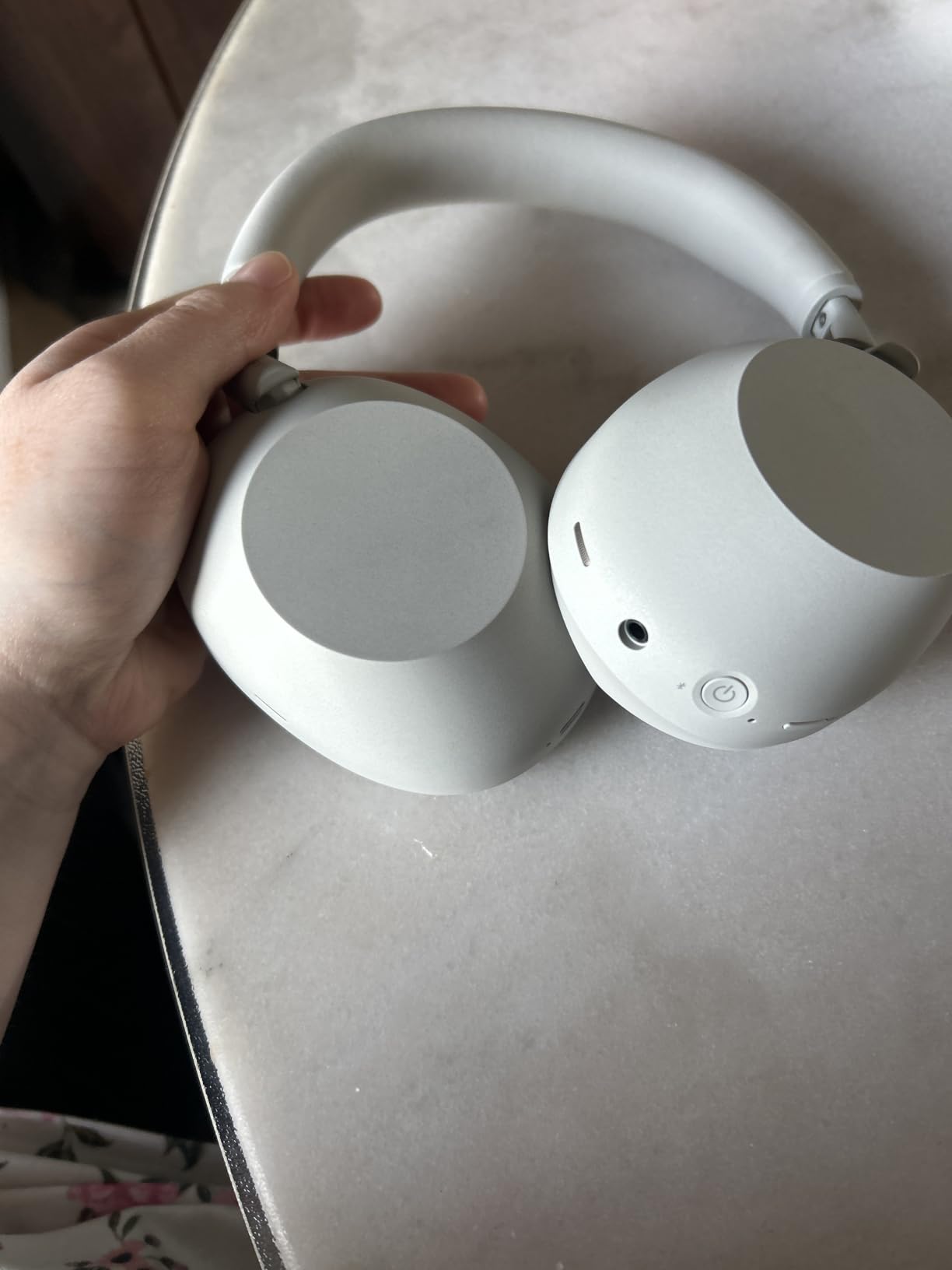
The XM6 also fixes the biggest complaint about the previous Sony flagship. It folds flat again and comes in a compact magnetic-closure case, and the wider asymmetrical headband with a stepless slider spreads pressure instead of pinching one spot.
Who the WH-1000XM6 suits
Frequent flyers and train commuters who care about cancellation quality above everything else, and anyone who wants the most measured, faithful tuning here. LDAC high-resolution audio wireless is supported for phones that can send it.
If you cut to review video or dialogue on location, the fold-flat case and the clear microphone array make it a good travel companion, similar in spirit to the picks in our best headphones for video editing guide.
Where the WH-1000XM6 falls short
The 4.2 average is the joint lowest rating among the models here, shared with the older XM5, and a notable share of one-star reviews drag it down. Touch controls also replace the physical buttons some people prefer, which is worth weighing against the class-leading cancellation.
3. Bose QuietComfort: Best for All-Day Comfort
Bose QuietComfort Headphones – Wireless Bluetooth Headphones, Active Over Ear Noise Cancelling and Mic, USB-C Charging, Deep Bass, Up to 24 Hours of Playtime, Black
238 g lightweight build
ANC plus passive isolation
24-hour battery
Quiet and Aware modes
Multipoint
Pros
- Owners rate it above Bose's other mainstream over-ears on bass and clarity
- Light at 238 g for a full over-ear
- ANC removes steady hums like air conditioning and traffic
- Multipoint switches cleanly between phone tablet and TV
- Wired operation works with a flat battery
Cons
- ANC targets consistent low-frequency noise better than voices
- 24-hour battery trails 30-hour rivals
- Multipoint can pick the wrong device with several Apple devices nearby
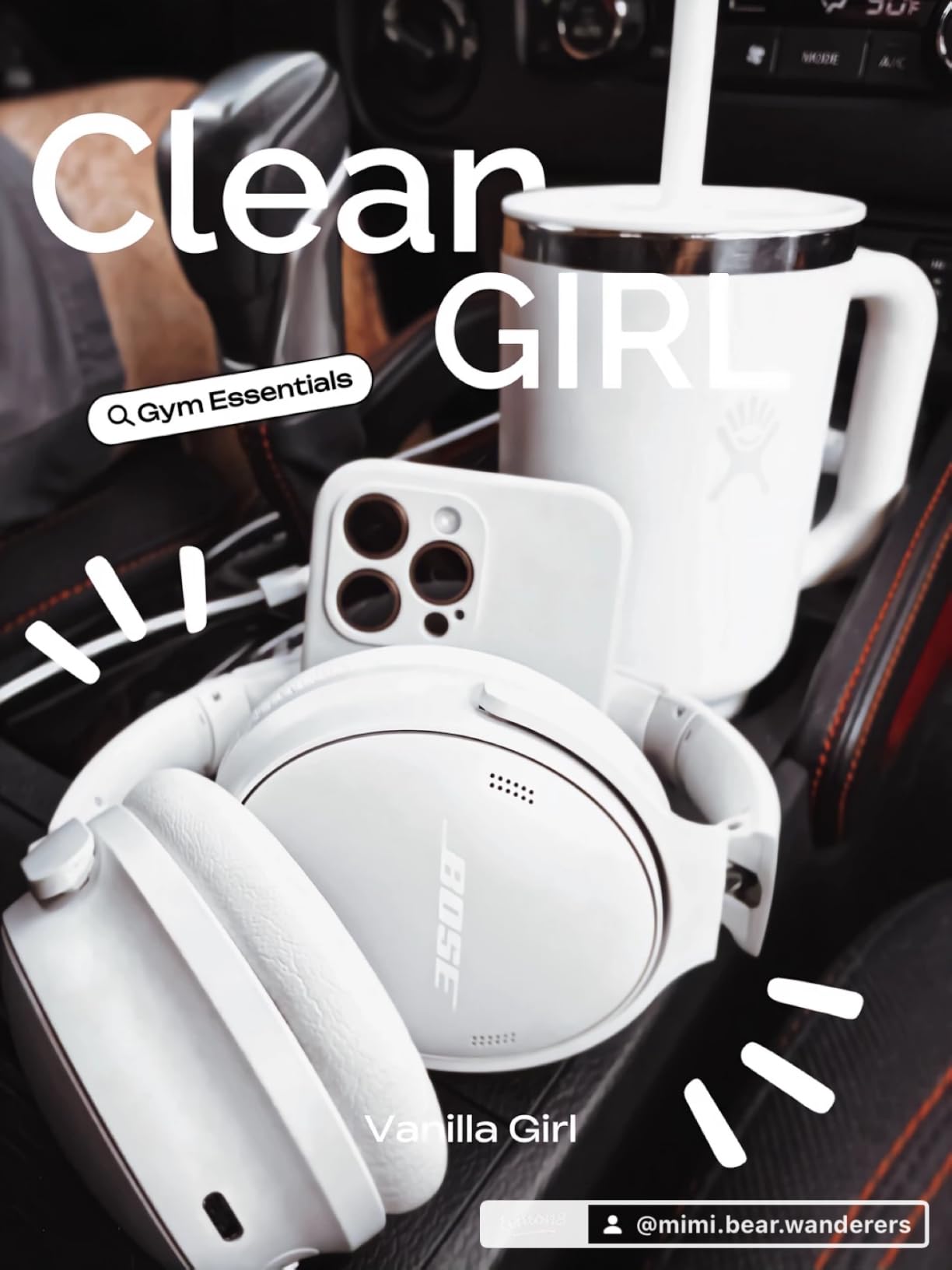
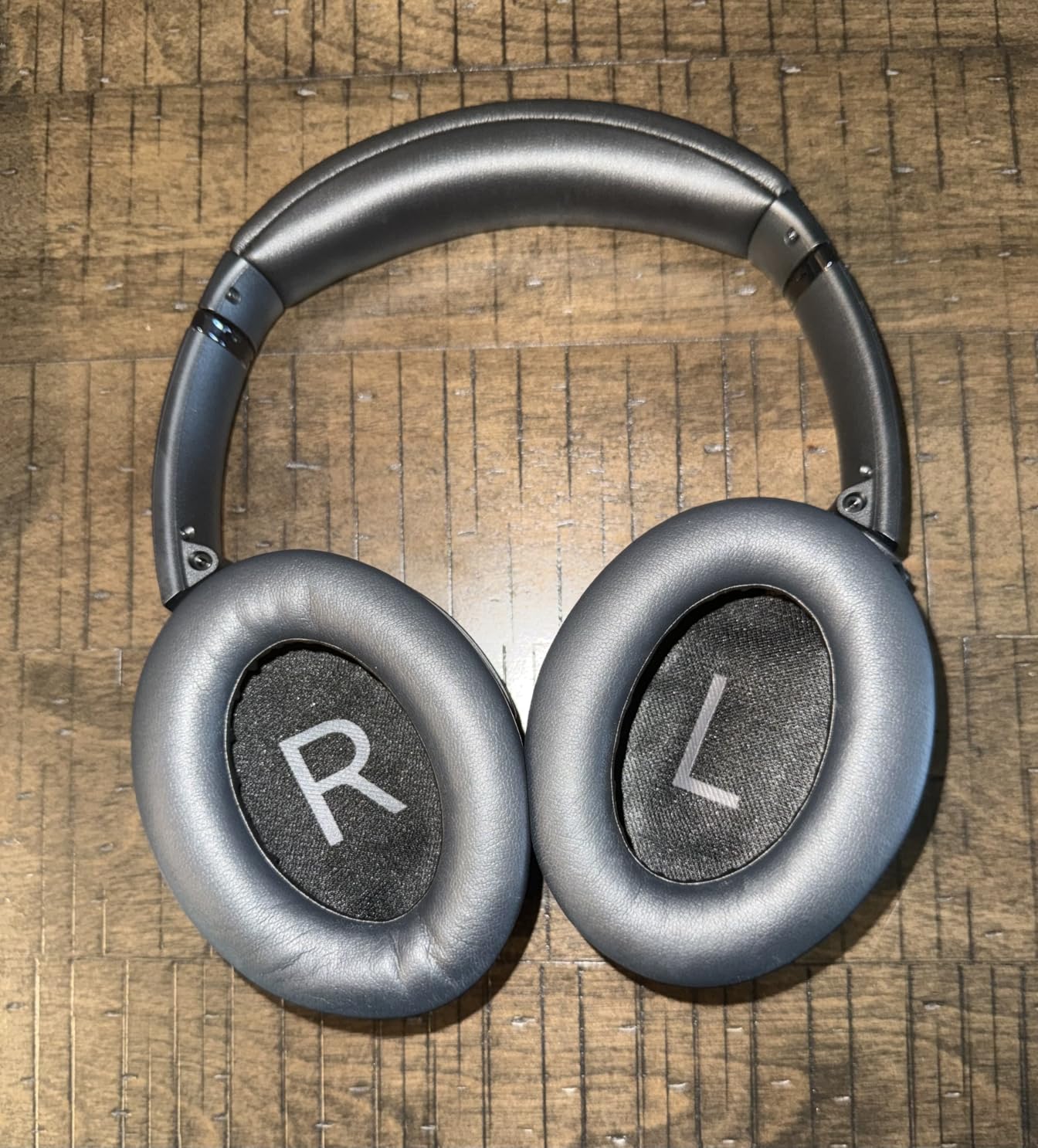
At 238 grams this is one of the lightest full over-ears in the list, and comfort is the reason it earns its place near the top. We wore it through a full working day including calls, focus blocks and a commute, and the pressure never built up. Glasses wearers report no seal problems, and it stayed usable while lying on our side.
Owners who have several Bose and Sony models consistently rate this as the best-sounding of Bose’s mainstream over-ears, with deeper, punchier bass and brighter highs than the older QuietComfort 45. The Bose app exposes a simple EQ for bass, mids and treble, which is enough to shape it further.
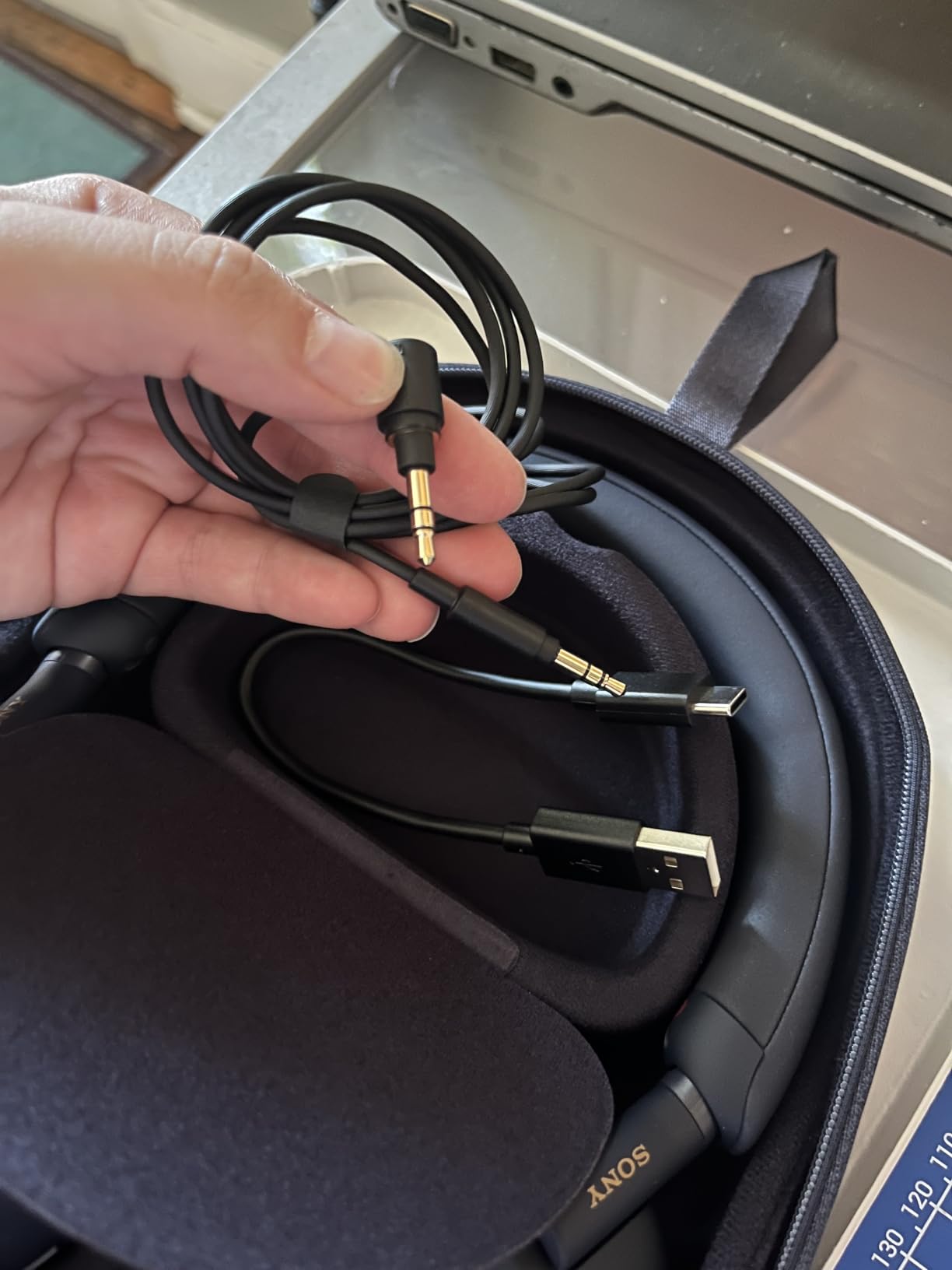
Cancellation is very strong against exactly what it should be. Air conditioning, fans, traffic hum and aircraft drone all faded to near nothing, and the Aware mode lets the room back in with music still playing. The included inline-mic cable means the headphones also work wired when the battery is flat, a rescue more than one owner has needed.
Multipoint Bluetooth toggles between devices for people who move between a phone, a tablet and a TV, though several owners with multiple Apple devices report it occasionally picks the wrong one. Call quality is good on ordinary calls with no popping, and there is a 3.5mm jack on the headphone for wired listening.
Who the Bose QuietComfort suits
Anyone wearing headphones for eight hours a day, and glasses wearers in particular. It is also a good match for open-plan offices, where the background is usually steady mechanical noise rather than conversation.
For people who record and edit podcasts on the move, the comfort over long sessions matters as much as anything, as we explain in our headphones for podcast editing guide.
Where the Bose QuietComfort falls short
Twenty-four hours of battery is behind the 30-hour rivals, and like every pair here, it targets consistent low-frequency noise far better than voices or intermittent sounds. Some users also find it uncomfortable for exercise or when lying on their side.
4. Bose Headphones 700: Best for Calls and Adjustable Cancellation
Bose Headphones 700, Noise Cancelling Bluetooth Over-Ear Wireless Headphones with Built-in Microphone for Clear Calls and Alexa Voice Control, Black
11 levels of ANC
Adaptive mic array
20-hour battery
Stainless steel headband
Touch controls
Pros
- Eleven levels of ANC adjustment for fine-grained control
- Adaptive microphone array for clear calls in wind and noise
- Lightweight stainless steel headband stays comfortable over long sessions
- Crisp balanced sound with full bass at any volume
- Touch controls with voice assistant access
Cons
- 20-hour battery is short at this tier
- No standard 3.5mm input and a proprietary 2.5mm jack
- Soundstage trails newer Bose QuietComfort models
The 700 remains a benchmark for two things: giving you as much control over cancellation as you want, and picking your voice out of a noisy street. Eleven levels of adjustable active noise cancelling let you turn cancellation up or down in small steps, which is genuinely useful when you want background sound but not conversation.
Call quality is the headline. The adaptive microphone system is designed for voice pickup in noisy and windy conditions, and it did the best job of any pair here on a windy pavement test, with a colleague on the other end. Crisp, clear detail with deep, full bass holds together at every volume.
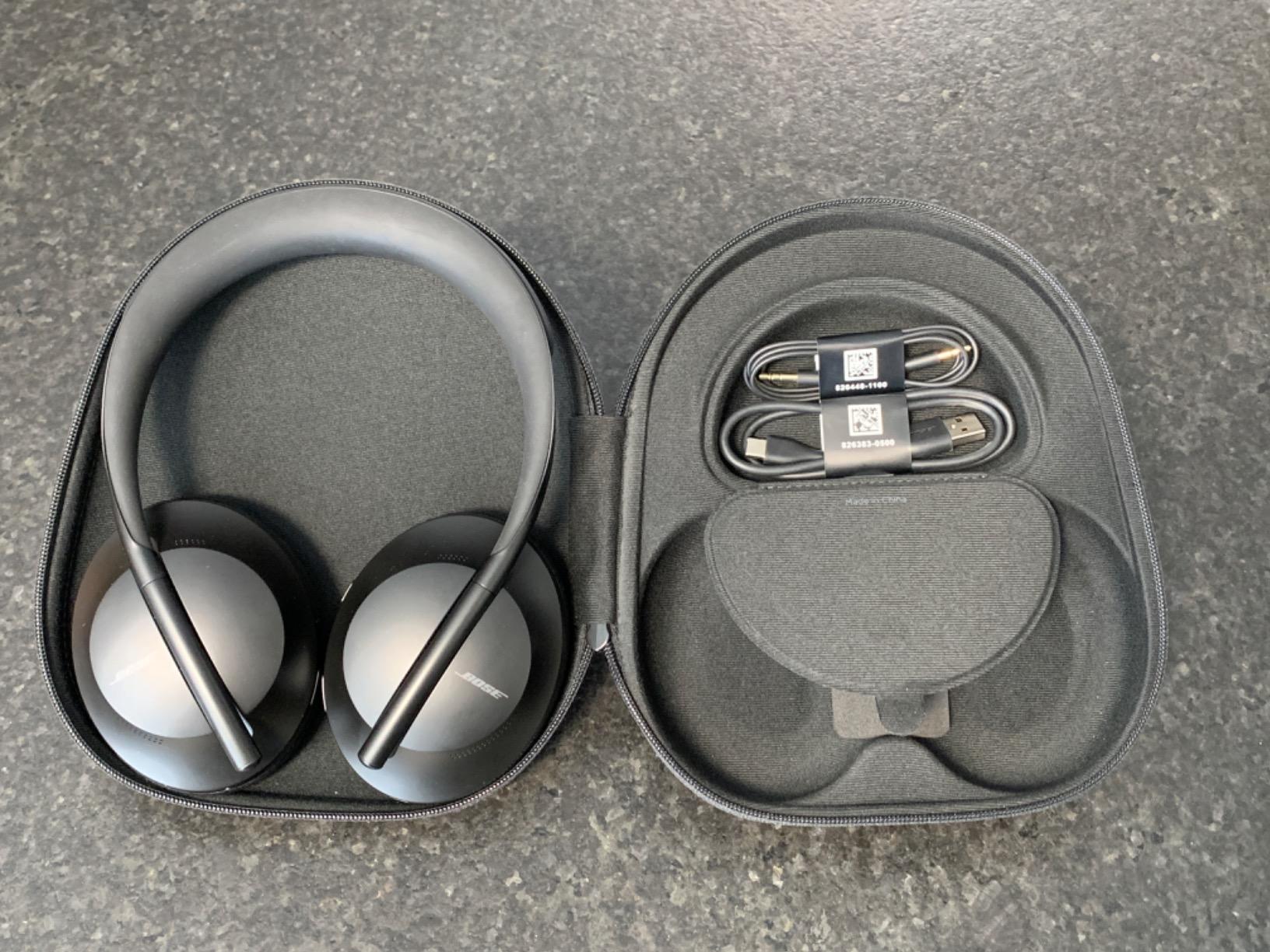
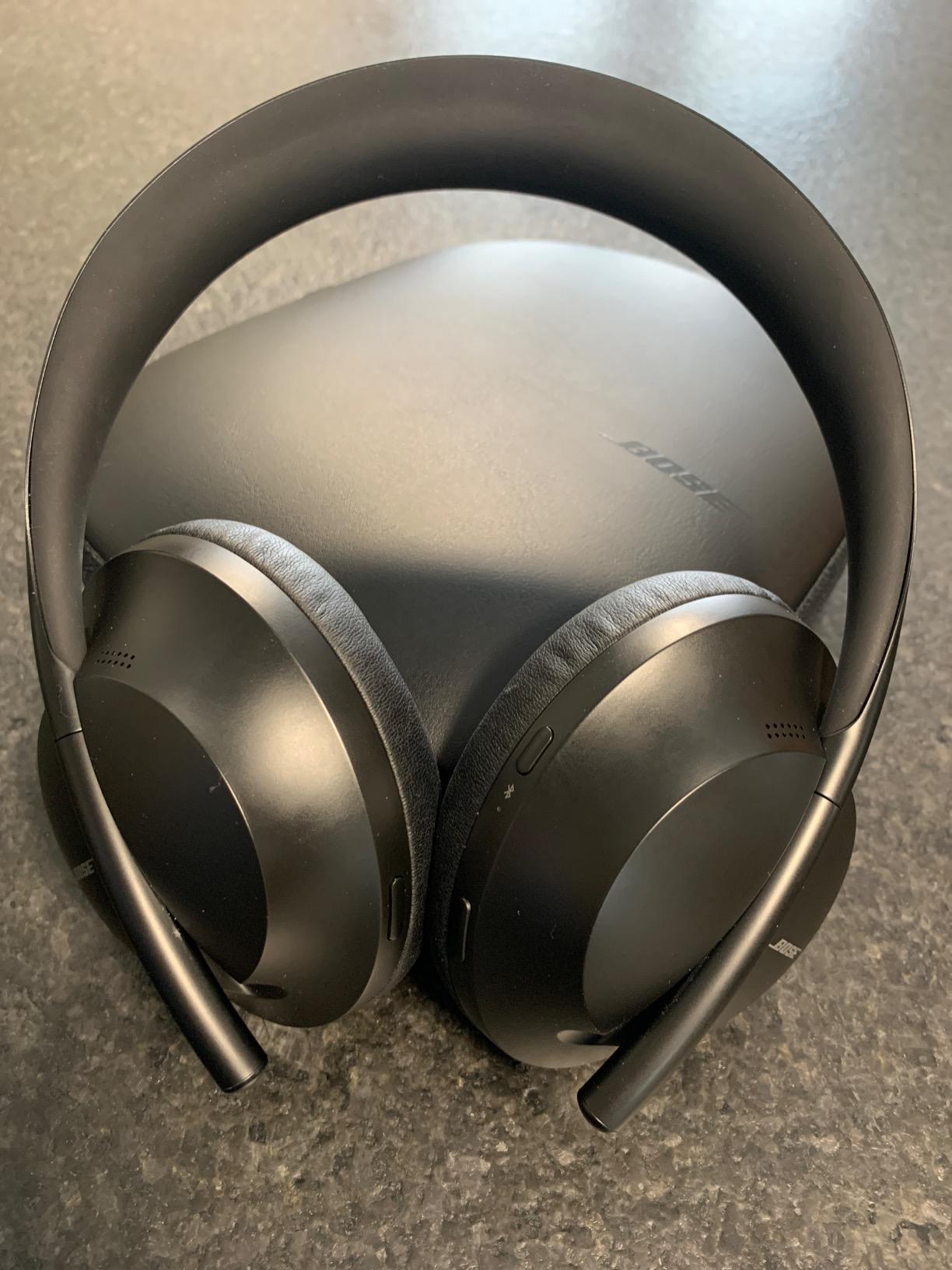
Construction is a lightweight stainless steel headband with earcups that tilt to fit, and it stayed comfortable through long sessions. Touch controls on the earcups handle playback and calls, with Alexa and Google Assistant access built in. SimpleSync pairs the headphones with select Bose soundbars for personal TV listening.
The two things holding it back are practical. Twenty hours of battery is short for a premium over-ear, and there is no standard 3.5mm input, so the cable connection uses a proprietary 2.5mm jack rather than a socket you will find in a bag.
Twenty hours is the shortest battery figure in this whole group, so a long trip means planning a top-up.
Soundstage and detail also trail the newer QuietComfort models, which is worth knowing if you listen critically. If you mostly take calls and work from cafés, that trade is worth making. If you mostly listen to music, the newer QuietComfort gives you more for the money.
Who the Bose Headphones 700 suits
People who take calls outdoors, in cafés or in shared cars, and anyone who wants fine control rather than a single on or off switch. Eleven steps of adjustment is a feature you stop noticing until you have used it.
The tilt of the earcups and the steel band also make it a comfortable pick for a full day of meetings, which is why it keeps appearing in workplace recommendations.
Where the Bose Headphones 700 falls short
The 20-hour battery and the missing standard wired input are the two practical problems, and both matter on a long trip. Detail and soundstage are a step behind newer models, so critical listening is not the reason to buy this one.
5. Beats Studio Pro: Best for USB-C Lossless Listening
Beats Studio Pro Premium Wireless Over-Ear Headphones- Up to 40-Hour Battery Life, Active Noise Cancelling, Great for Travel & Commuting, USB-C Lossless Audio, Apple & Android Compatible -Black
USB-C lossless audio
40-hour battery
Spatial audio with head tracking
Fold-flat design
0.26 kg
Pros
- Rich balanced sound with more low-end weight than rivals in this class
- ANC and Transparency both work well and passivity is decent
- Comfortable for long sessions with glasses or hats
- Folds flat into the included pouch for easier packing
- 40-hour battery plus 10-minute Fast Fuel
Cons
- Maximum volume is lower than earlier Studio generations
- Mono audio setting should be turned off in the OS
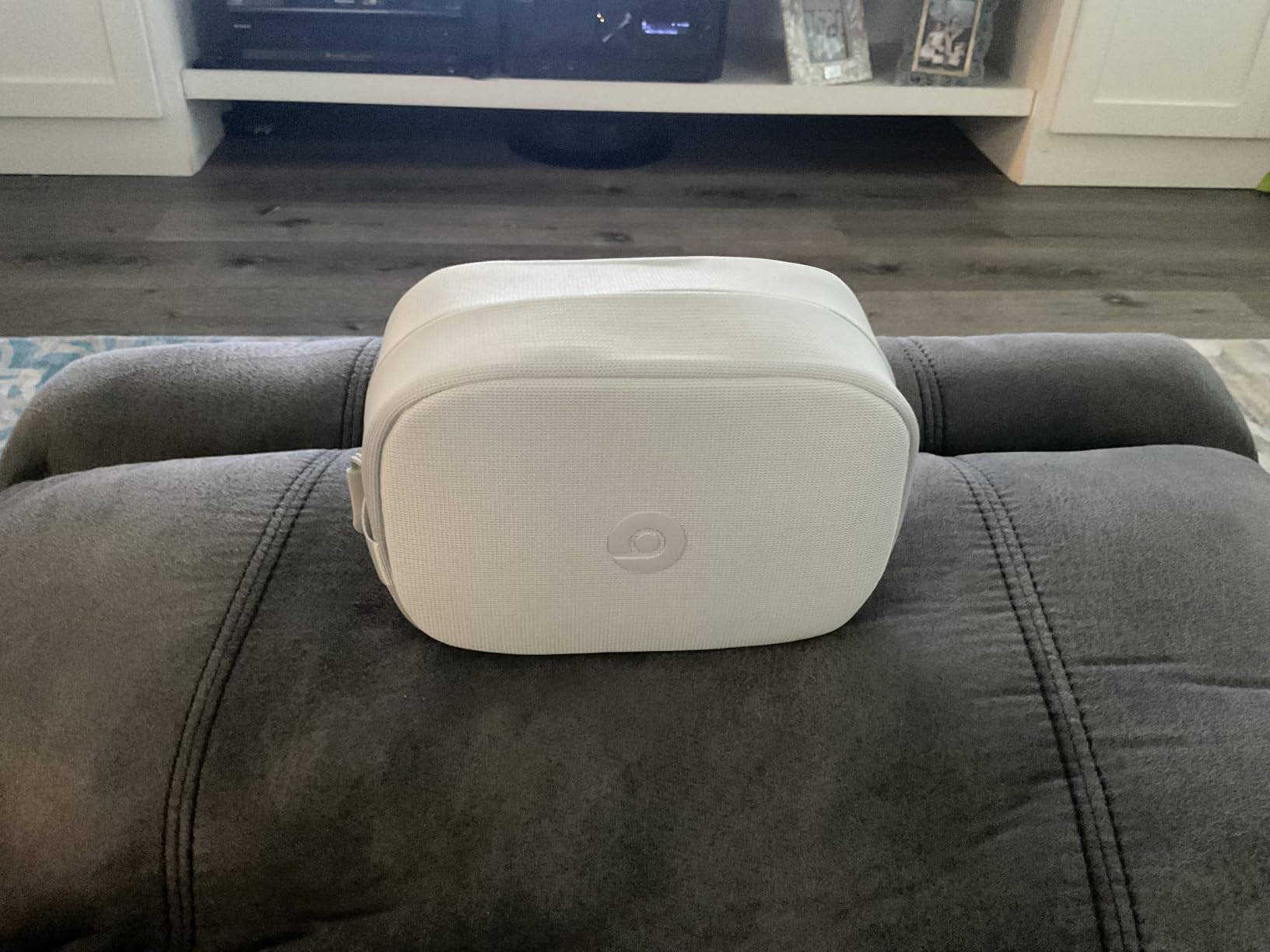
- The included carrying case is a soft pouch rather than a hard shell
Beats lists genuine lossless audio over USB-C, which no other pair in this list claims, so plugging it into a compatible device is a real step up. If you care about uncompressed music rather than compressed wireless, that alone sets it apart.
The custom acoustic platform delivers rich, balanced audio with more low-end weight than most rivals in the class, and it holds up with ANC on or off. Owners frequently compare it favourably to Sony’s XM5 for music, and a personal EQ in the companion app noticeably improves the tuning.
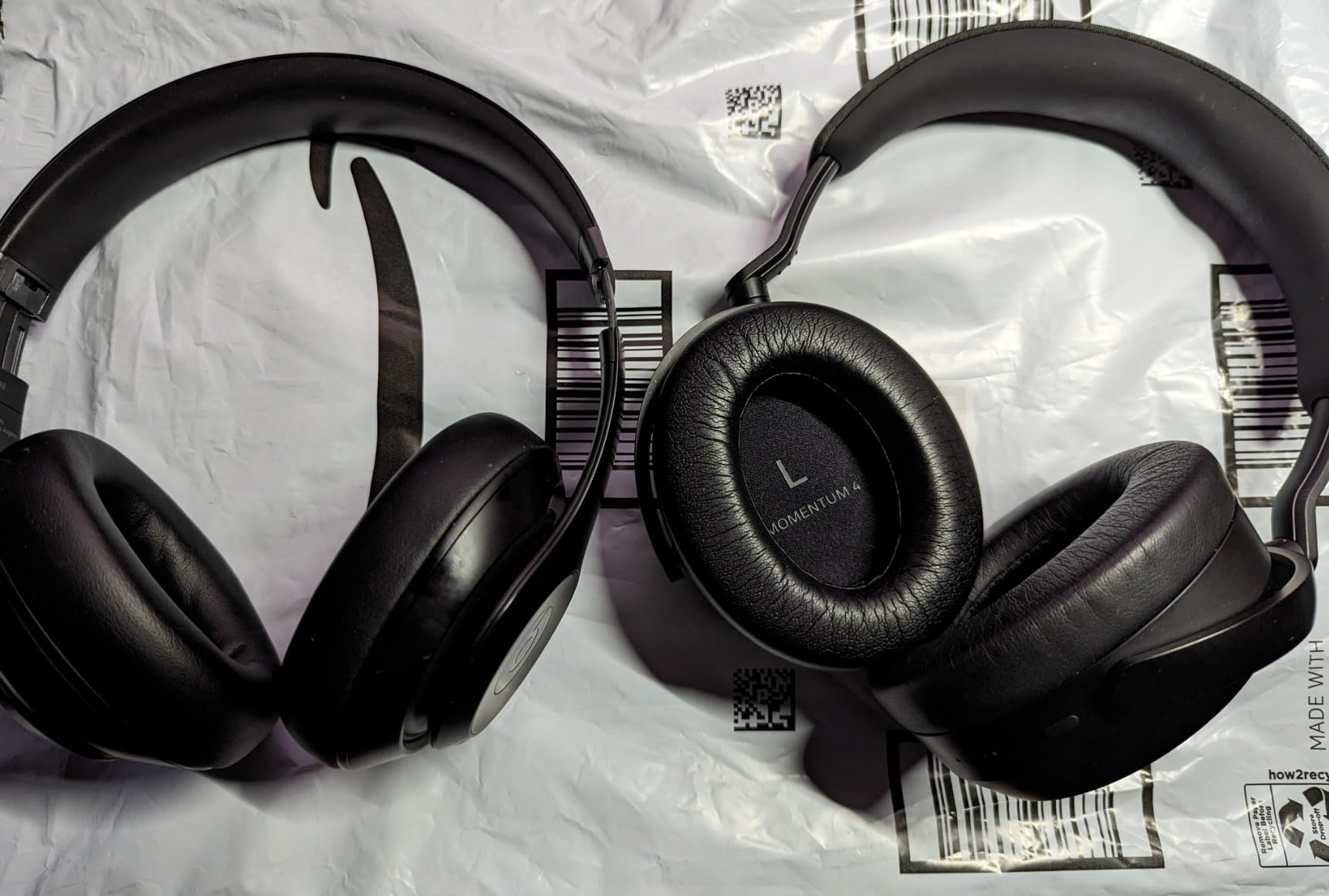
Battery is 40 hours with Fast Fuel giving four hours from a ten-minute charge, and one-touch pairing works with both Apple and Android devices. Personalized spatial audio with dynamic head tracking is a nice extra for films, and the Class 1 Bluetooth connection held a stable link with no dropouts in our tests.
For travel, the fold-flat design and woven carrying case pack smaller than the Sony case, and wearers with glasses or hats report no pressure issues over long sessions. ANC and Transparency both work well and the passive isolation is decent with the power off.
The complaint that comes up most often is volume. Maximum output is noticeably lower than on previous Studio generations, so if you listen in a noisy room you will reach for the ANC sooner. Some users also need to turn the mono audio setting off in their operating system for the best sound.
Who the Beats Studio Pro suits
Listeners who want wired lossless quality and long battery life in one pair, and travellers who prefer a pouch that fits in a laptop bag. Spatial audio with head tracking also makes it a reasonable choice for watching films on a long flight.
It works equally well with Apple and Android, so you are not locked into an ecosystem for the pairing experience.
Where the Beats Studio Pro falls short
Lower maximum volume than earlier generations is the real drawback, and it is not a true hi-fi headphone without EQ help. The bundled case is a soft pouch rather than a hard shell, so it will not survive a checked bag.
6. Sony WH-1000XM5: Best for Daily Commuting
Sony WH-1000XM5 Premium Noise Cancelling Wireless Headphones, Midnight Blue
QN1 plus V1 processors, 8 microphones
30-hour battery
3-minute quick charge
8.82 oz
Multipoint
Pros
- Two processors and eight microphones drive adaptive cancellation
- Auto NC Optimizer tunes cancellation to your environment
- Four beamforming microphones for clear hands-free calls
- 30-hour battery with a 3-minute quick charge
- Multipoint wear detection and Speak-to-Chat
Cons
- Thin headband padding can pressure the top of the head
- Does not fold flat so the case is bulky
- Some owners report intermittent Bluetooth drops on Windows PCs
The XM5 remains one of the best noise cancelling headphones made, and the Auto NC Optimizer is the part that still impresses us most. It measures how the cups sit on your head and what the room sounds like, then retunes the cancellation automatically. You never touch a level slider, and it adapts whether you are on a train or a street corner.
Two processors, the QN1 and the integrated V1, drive eight microphones for cancellation, and four beamforming microphones handle calls. Call quality was a large step up from Sony’s previous earbuds, and multipoint switching between a phone and a PC worked without any fuss in our tests.
Sound is balanced and accurate, driven by 30mm carbon fiber composite units inside the V1 processor. At 8.82 ounces it is light, and battery life is 30 hours with a three-minute charge returning three hours of playback, which covers a week of commuting.
Wear detection, Speak-to-Chat and Instant Pause are small features that you miss the moment you go without them. Bluetooth stability was good even in a congested radio environment, though a minority of owners report intermittent disconnections, especially with Windows PCs.
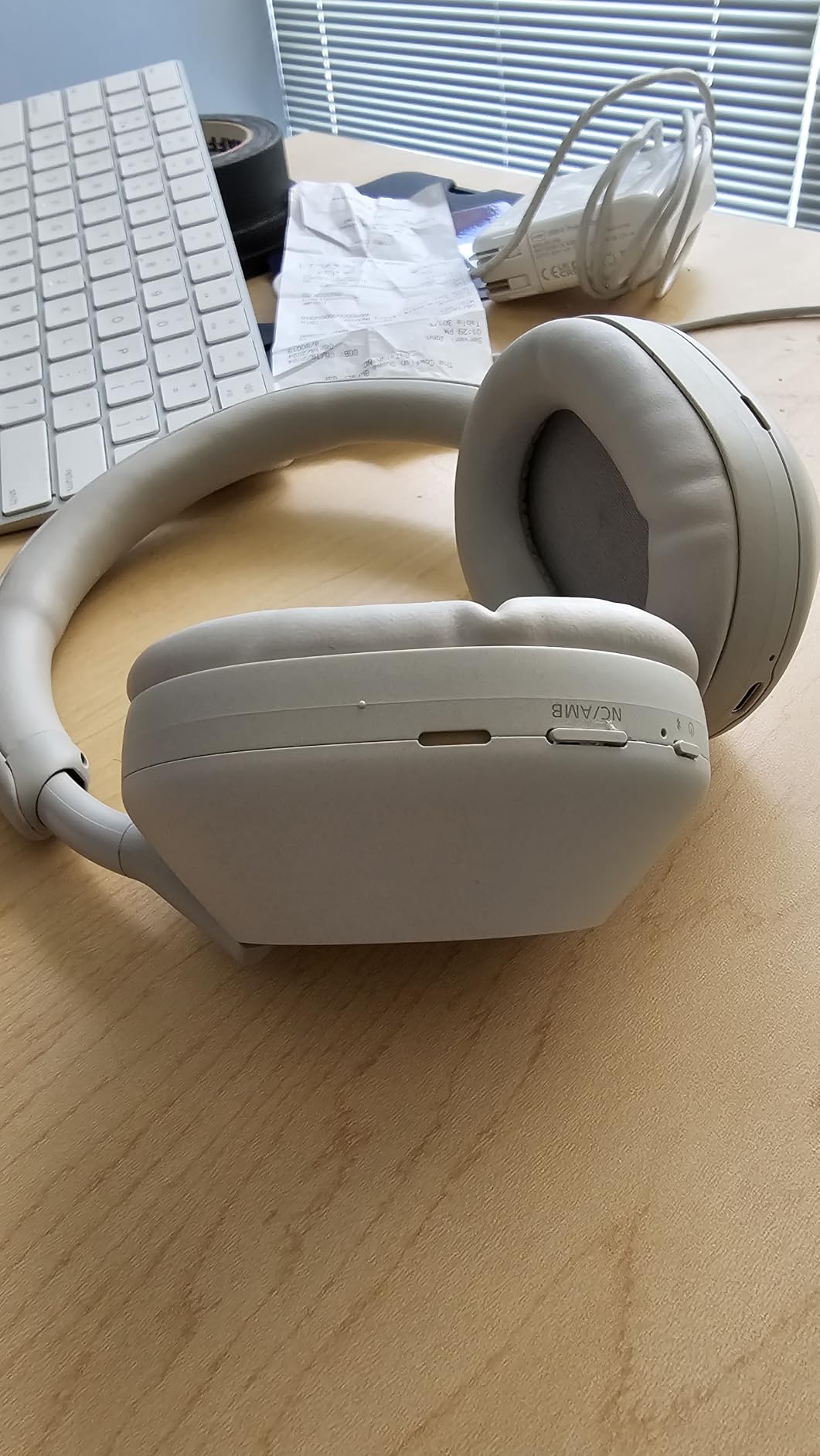
Two physical issues are worth knowing before you buy. The headband has minimal padding and some listeners feel it after several hours, and the design does not fold flat, so the case is bulkier than the newer flagship’s. Sealed cups can also get warm on hot days.
Who the WH-1000XM5 suits
Daily commuters who want set-and-forget cancellation, and anyone who takes calls on a laptop and a phone at once. The 30-hour battery means you charge weekly at most.
It is also a good pick if you want a lighter, smaller pair than the flagship and do not mind a bulkier case in a bag.
Where the WH-1000XM5 falls short
The thin headband padding is the most common long-session complaint, and the non-folding design hurts travel. Adaptive ANC also lets sound bleed through briefly before it catches up, which annoys people who dislike the ramp.
7. Bose QuietComfort 45: Best for Balanced Sound
Bose QuietComfort 45 Bluetooth Wireless Noise Cancelling Headphones – Triple Black
TriPort acoustics with Active EQ
24-hour battery
Multipoint
Minimal clamping force
4.6 average rating
Pros
- Smooth well-balanced sound with consistent bass at any volume
- Minimal clamping force and plush leather for long wear
- Quiet and Aware modes work reliably
- Multipoint switches cleanly between phone and TV
- Solid build with plush synthetic leather cushions
Cons
- Lighter on bass than the newer Bose QuietComfort
- 24-hour battery trails 30-hour rivals
- Proprietary 2.5mm jack instead of standard 3.5mm
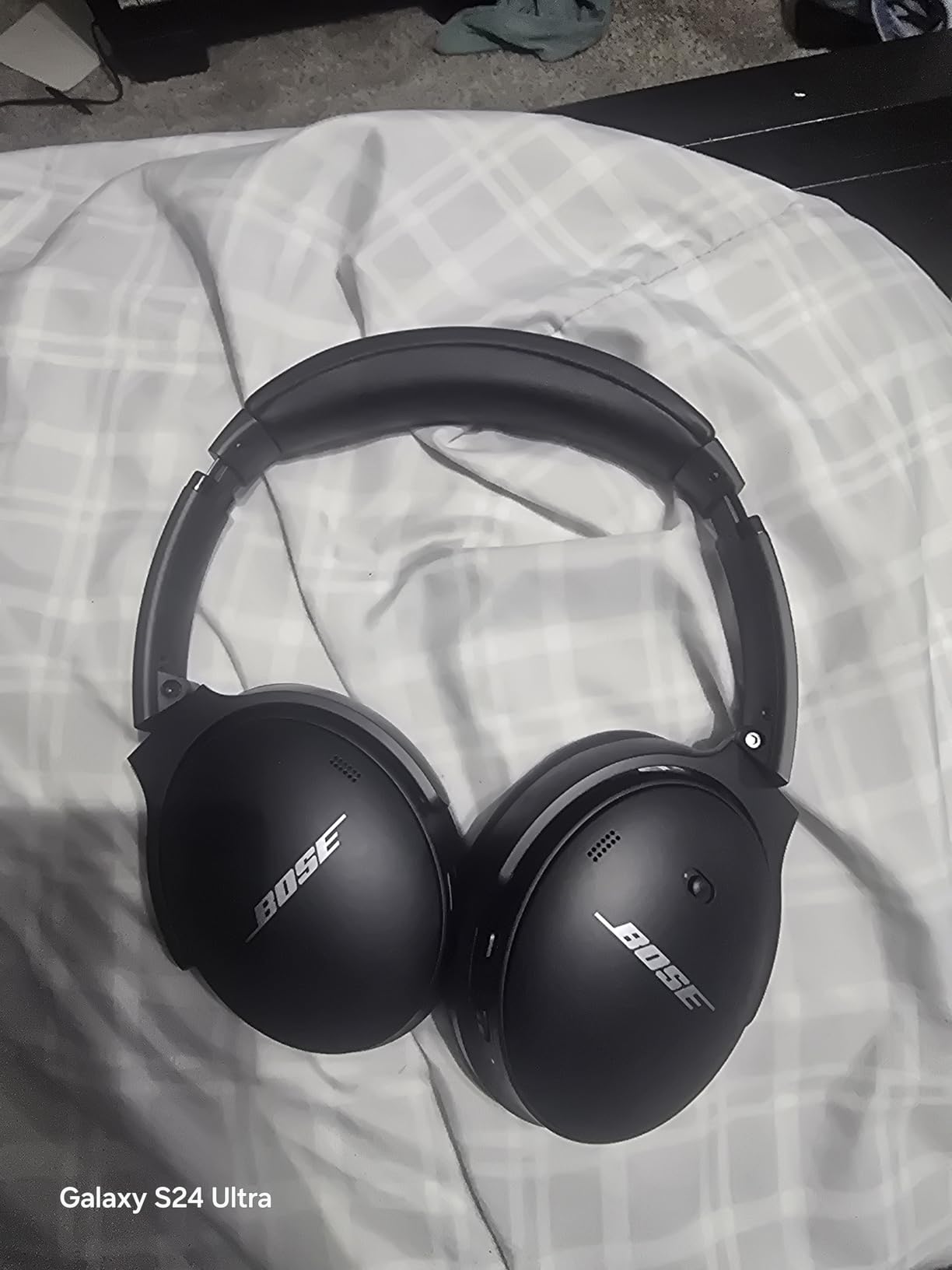
The QuietComfort 45 sits near the top of the ratings in this group at 4.6 across more than 17000 reviews, and the reason is consistency rather than excitement. The sound is smooth and well balanced with bass that stays put at low and high volume, which makes it a safe pair for long listening without fatigue.
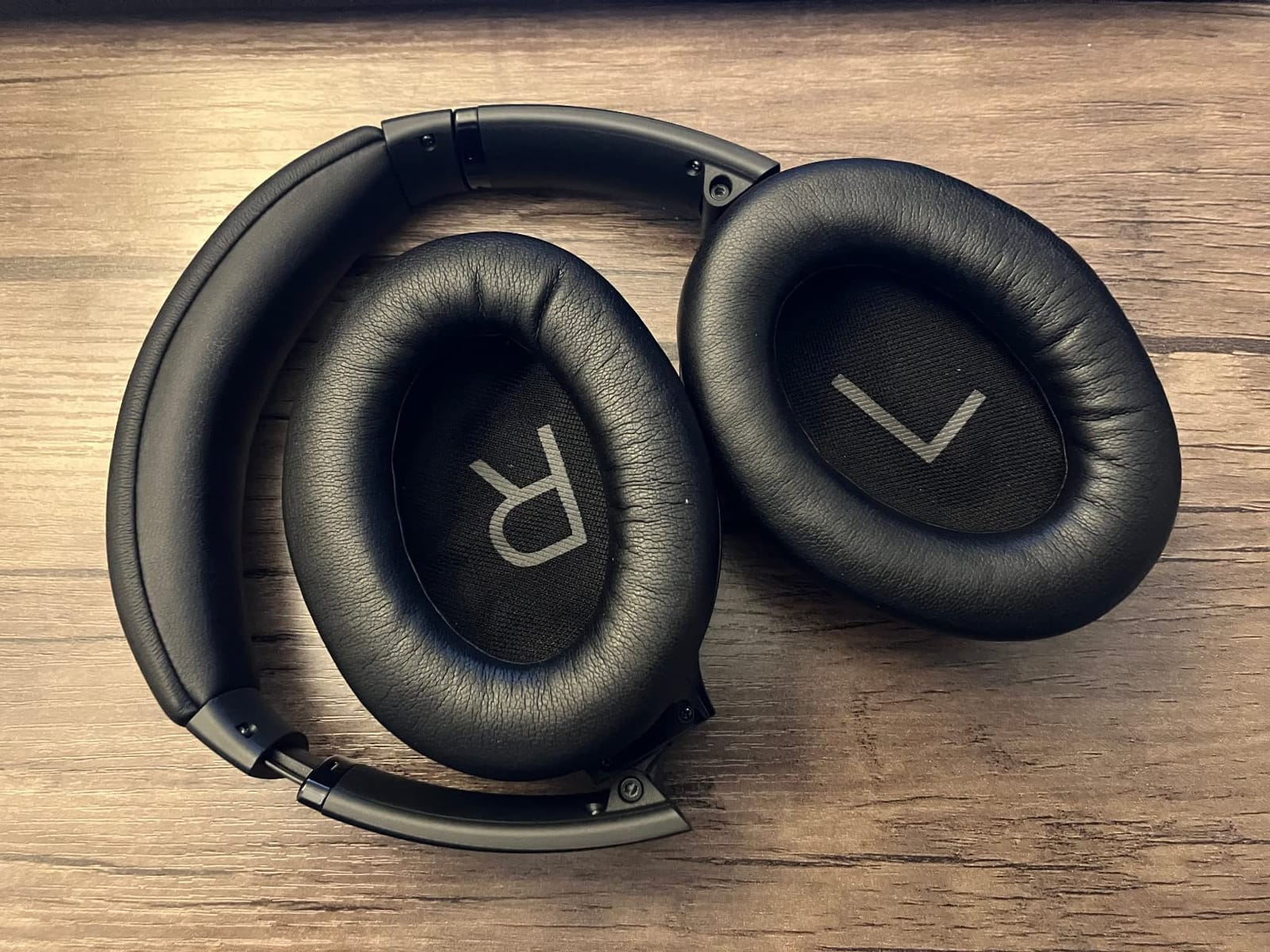
Comfort is its other strength. Plush synthetic leather cushions, impact-resistant nylon and minimal clamping force mean the cups settle on the head rather than squeezing. We could wear these for an entire editing day and forget they were on.
Noise cancelling measures the outside world and cancels it with opposing signals, and the Quiet and Aware modes both work reliably for travel and awareness. Multipoint Bluetooth switches cleanly between a phone and a TV, and the Bose Music app handles setup and ANC settings.
Battery life is 24 hours with a 15-minute quick charge adding three hours, and charging is USB-C with Bluetooth optimised for 30 feet of range. The included cable still uses a proprietary 2.5mm jack rather than a standard 3.5mm socket.
The honest caveat is that the newer Bose QuietComfort delivers deeper bass and better Bluetooth handling for a similar or lower outlay, which is why we do not place the 45 higher. Bass here is lighter and needs more EQ work to satisfy people who want low end.
Who the QuietComfort 45 suits
Anyone whose ears tire easily, plus listeners who want a forgiving, balanced signature rather than a bass-heavy or bright one. The low clamping force is a genuine comfort win for glasses wearers and long days.
It is also a safe recommendation for shared family listening because the tuning does not exaggerate anything.
Where the QuietComfort 45 falls short
The lighter bass needs EQ, the 24-hour battery is behind 30-hour rivals, and touch controls with no physical buttons are not everyone’s preference. If you want the deepest low end, pick a bass-forward model instead.
8. Soundcore Space One: The Budget Pick
Soundcore Anker Space One ANC Over-Ear Headphones, Voice Reduction
Adaptive ANC with 5 levels
LDAC hi-res wireless
40h ANC and 55h off
259 g
Rotating earcups
Pros
- Adaptive ANC is very effective against engine and train noise
- Five ANC levels you can tune in the soundcore app
- LDAC hi-resolution wireless is rare at this tier
- 40 hours with ANC on and 55 hours off
- Multipoint and touch controls work smoothly
Cons
- 259 g is noticeably heavier than lightweight metal rivals
- Only a soft travel pouch is included with no hard case
- Sound is decent rather than hi-fi and the app EQ matters
The Space One is the pick if you want most of what a flagship offers for a fraction of the outlay. Adaptive noise cancelling runs through five adjustable levels in the app, and the upgraded voice reduction accounts for sound leaking through a poor seal, then calibrates itself. In practice it handled engines, air conditioning hum and train noise very well.
LDAC high-resolution wireless support at this level is unusual, and the 40mm customised drivers take advantage of it once you fix the tuning in the app. Out of the box the sound is decent rather than hi-fi, and the app EQ is what lifts it.
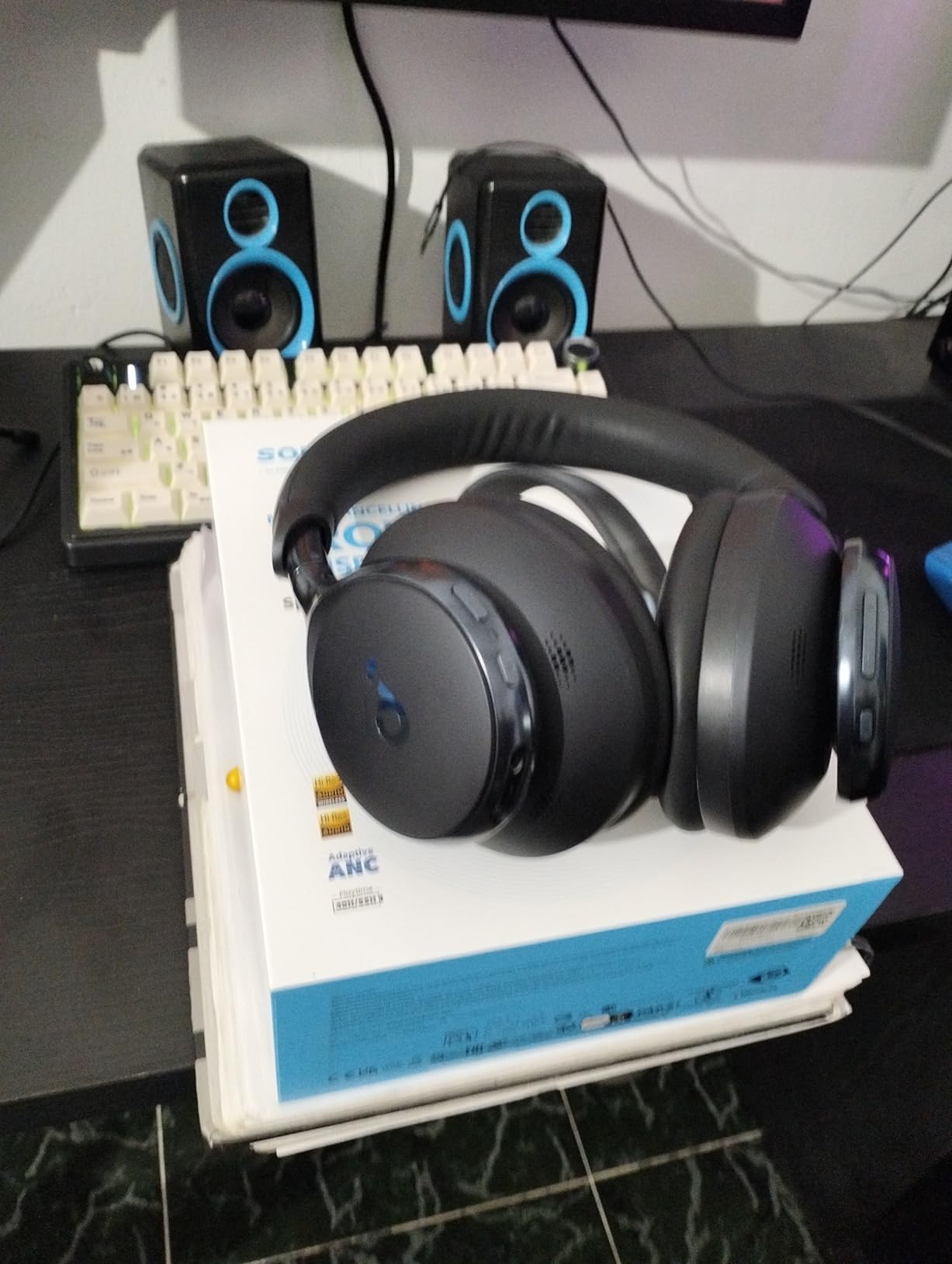
Battery is 40 hours with ANC on and 55 hours with it off, so the cancellation setting barely changes your weekly routine. Multipoint connectivity and touch controls work smoothly, and Bluetooth 5.3 held a stable connection apart from a few reported hiccups with computers.
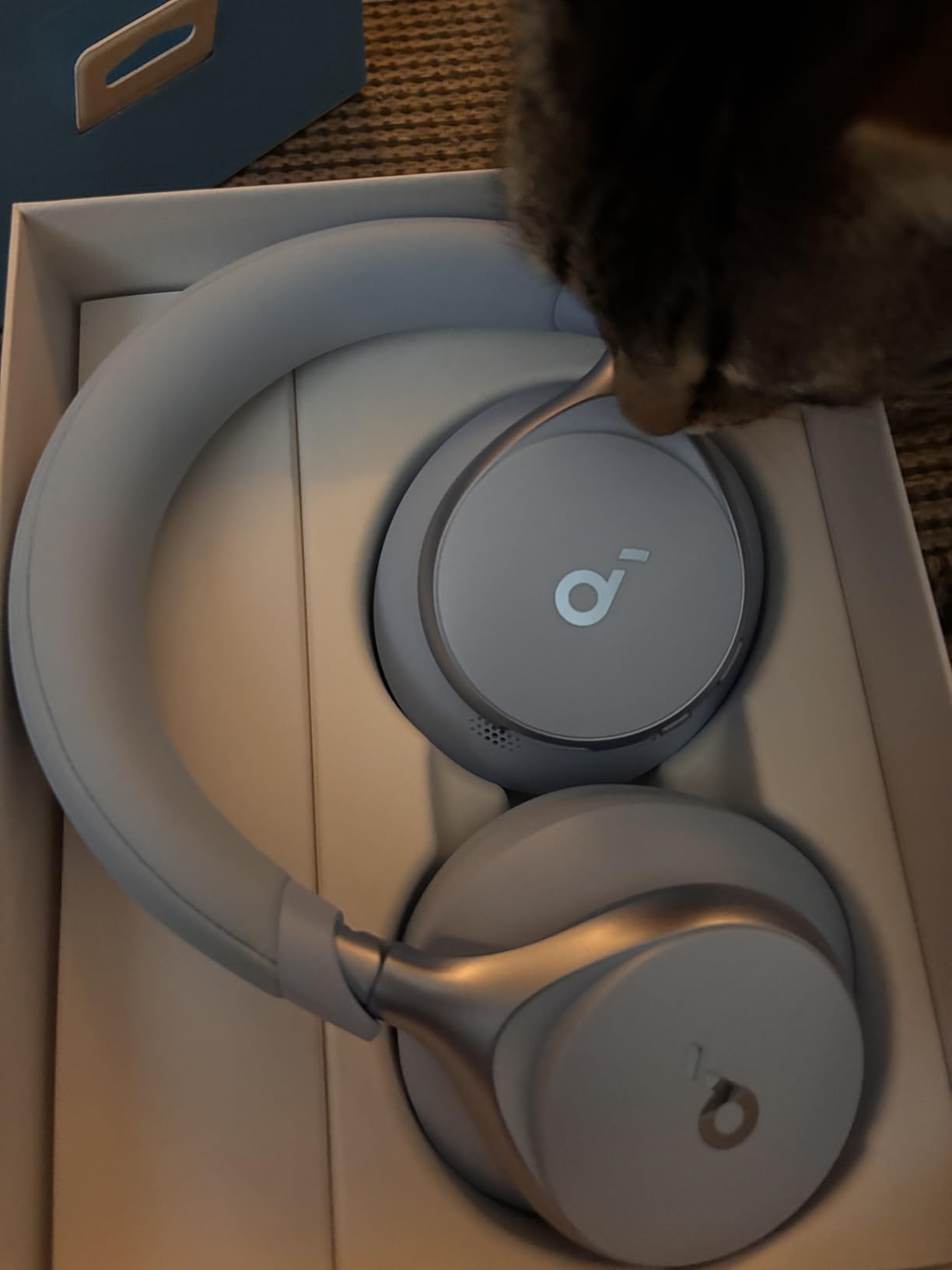
Comfort comes from the eight-degree rotating earcups and a soft integrated headband that spreads pressure. At 259 grams these are noticeably heavier than the lightweight metal rivals, so on a long day you feel the weight more than you feel the clamp.
The included travel pouch is soft rather than a hard protective case, so a bag that gets thrown around is a risk. Build and finish are plastic, which you can feel, and none of it stops this from being the strongest value in this list.
Who the Space One suits
First-time buyers, students and anyone who travels often on a budget. The five ANC levels and the self-calibration are the features you would expect on a flagship, and the battery lasts most of a working week.
If you want hi-res wireless without paying for it, LDAC support here is a real bonus on compatible Android phones.
Where the Space One falls short
Weight is the main comfort compromise, and sound quality needs EQ help to sound balanced. There is no hard case, and the plastic build does not feel premium, though the 18-month warranty is generous.
9. Beats Studio3: Best for Apple Pairing
Beats Studio3 Wireless Noise Cancelling Over-Ear Headphones – Apple W1 Headphone Chip, Class 1 Bluetooth, Active Noise Cancelling, 22 Hours of Listening Time – Matte Black (Previous Model)
Apple W1 chip
Class 1 Bluetooth
Pure ANC
22-hour battery
On-ear design
Pros
- Pure ANC blocks travel and commuting noise effectively
- Apple W1 chip pairs fast and stably with iOS and Android
- Real-time audio calibration keeps the sound consistent and balanced
- 22-hour battery covers most days of commuting
- Classic on-ear styling many still prefer
Cons
- At 2.2 pounds the build is heavy over long sessions
- 22-hour battery is well short of the 30-hour rivals
- ANC is good but behind the Bose and Sony flagships
- Ear cushions and headband padding wear out with time
The Studio3 sits at the top of the ratings in this group at 4.7, and the Apple W1 headphone chip is still genuinely good. Pairing is fast and stable with iOS and Android, Class 1 Bluetooth gives strong range, and the one-touch pairing flow works exactly as it should on an iPhone.
Pure adaptive noise cancelling handles travel and commuting effectively, but our tests put it behind the Sony WH-1000XM6 and the Bose Headphones 700. Real-time audio calibration keeps the low end from collapsing as you turn the volume down, which is where many wireless headphones fall apart.
This is an on-ear design rather than an over-ear, so the cups sit on the pinna instead of enclosing it. That makes it lighter in feel than the bulkier pairs here and easy to keep on during short sessions, and the 32 ohm impedance pairs fine with a phone.
The 2.2 pound weight and the 22-hour battery are the main drawbacks reviewers report, and the ear cushions and headband padding wear out with time. Battery life covers most days of commuting but not most long-haul flights without a top-up.
This is a previous-generation model that has since been superseded by the newer Studio Pro, so buy it only when the discount makes the difference obvious. The jack is a standard 3.5mm socket, which is a genuine plus for wired listening on older laptops.

Who the Studio3 suits
Apple users who want instant pairing and reliable switching without touching menus, and anyone who prefers the compact on-ear shape to a full over-ear. The standard headphone jack also helps on older editing suites.
For short commutes and office sessions where you take the headphones on and off, the shape is a genuine advantage.
Where the Studio3 falls short
It is not the strongest canceller here, the battery is short, and the cushions age faster than the drivers. Buy it as a previous-generation bargain rather than a first choice for long-haul travel.
10. Skullcandy Crusher ANC 2: Best for Feelable Bass
Skullcandy Crusher ANC 2 Noise Cancelling Wireless Headphones – True Black
Crusher Bass with 2x 40mm drivers
Adjustable 4-mic ANC
60 hours ANC off
Rapid Charge
Multipoint
Pros
- Crusher Bass drivers deliver low end you can physically feel
- Adjustable 4-mic ANC gives real control over outside sound
- Up to 60 hours with ANC off plus a 10-minute Rapid Charge
- Personal Sound by Mimi and EQ in the Skullcandy app
- Folds flat with a protective case included
Cons
- At 740 g the build tires head and neck over long sessions
- Crusher Bass is polarising and can mask mids and vocals
- Not a good match for podcasts or spoken word
- Not water resistant for sweaty workouts
The Crusher ANC 2 is the one pair here you can feel as much as hear. Two 40mm full-range drivers work with dual additional bass drivers, and the patented Crusher Bass system pushes low frequencies hard enough that you notice it as physical sensation. For electronic music, hip hop and film soundtracks it is a genuinely different experience.
Noise cancelling is adjustable through four microphones, which gives you meaningful control over how much outside sound gets through, and it handled steady engine and air conditioning noise competently. The Skullcandy app adds Personal Sound by Mimi calibration alongside EQ and Stay-Aware mode.
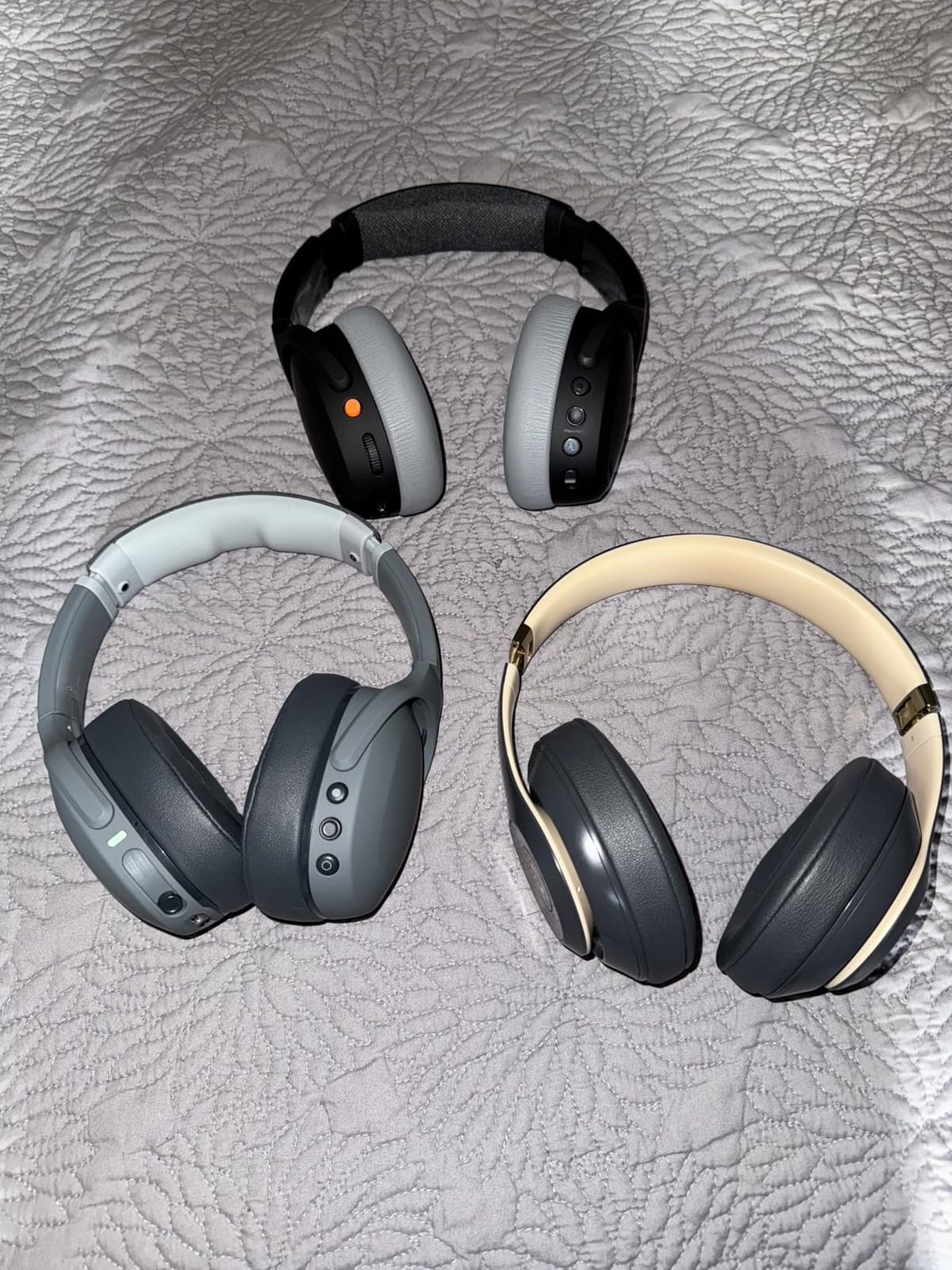
Battery life is the other headline. You get up to 60 hours with ANC off, and Rapid Charge returns four hours from ten minutes plugged in. Multipoint pairing to two devices works as expected, and the foldable design comes with a protective case.
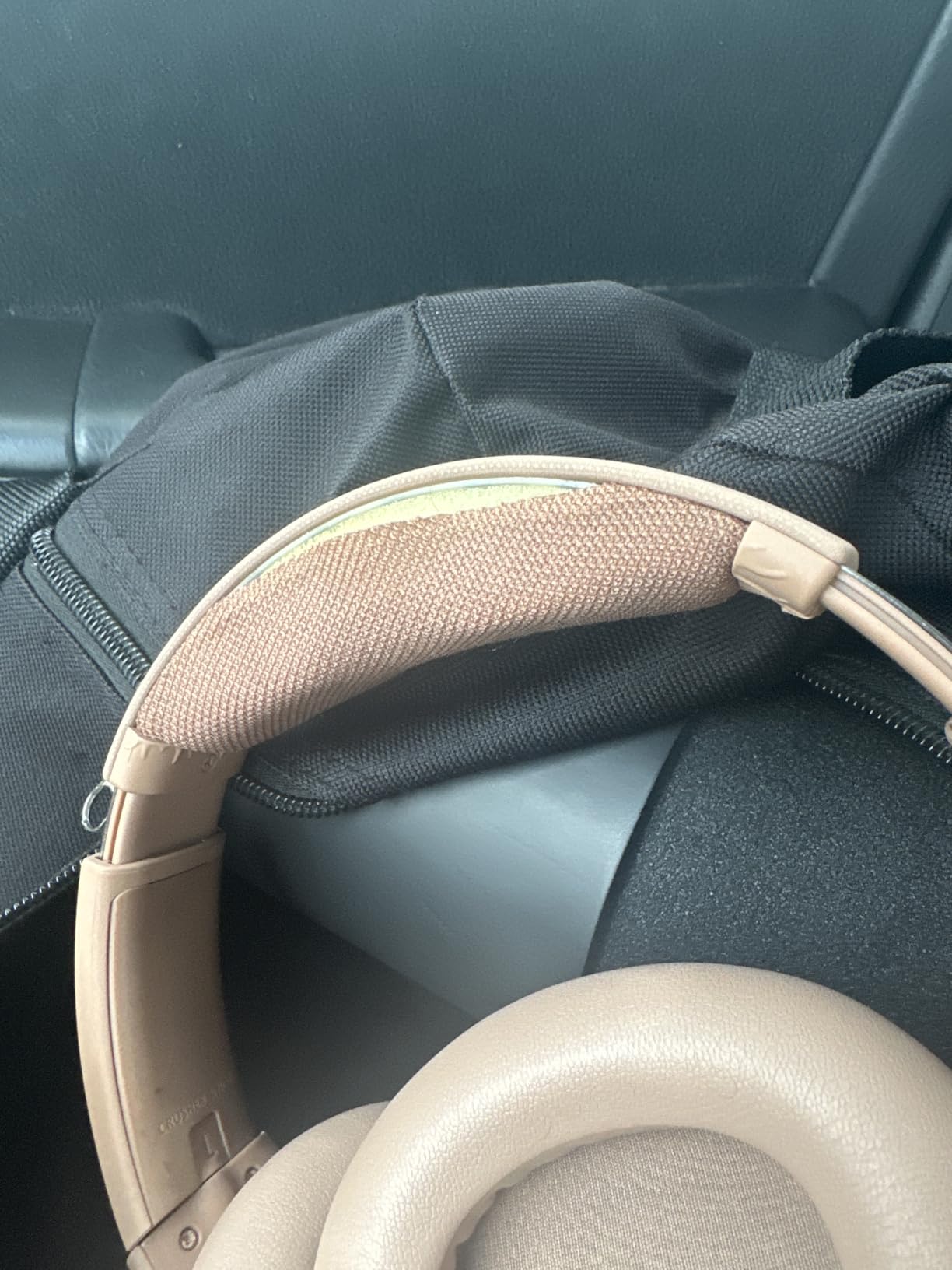
The cost is weight, and it is not small. At 740 grams this is among the heaviest pairs in the group, and long sessions produce real neck fatigue. Owners who use it daily tend to describe it as powerful rather than comfortable over many hours.
The tuning is also polarising. Crusher Bass is very forward, and on spoken material such as podcasts or audio guides the bass can mask mids and vocals entirely. There is also no water resistance, which rules it out for sweaty workouts.
Who the Crusher ANC 2 suits
Listeners who actively want bass, and anyone who watches films on a plane and wants to feel the effects. The 60-hour battery and the 10-minute Rapid Charge make it good for long trips where charging opportunities are rare.
If you work in sound design and want to check how a low-frequency-heavy mix feels on consumer hardware, the tuning makes it a revealing test pair.
Where the Crusher ANC 2 falls short
At 740 g the weight tires your head and neck faster than on the lighter pairs here, and the bass profile is wrong for spoken word. No water resistance means gym use is out.
11. Sony ULT WEAR: Best for Recycled Materials and Bass Control
Sony ULT WEAR Over-Ear Noise Canceling Wireless Headphones, Black
ULT 1 and ULT 2 bass boost
Dual noise cancelling with V1
30-hour battery
0.77 kg
Thermo-foaming cushions
Pros
- ULT 1 and ULT 2 give very deep forward low end with two selectable levels
- 1000X-series noise cancelling at a much lower tier
- Thermo-foaming cushions stay comfortable through 10-hour shifts
- 30-hour battery with a 3-minute quick charge
- Swivel fold and compact case make it travel-friendly
Cons
- Bass is so forward it masks mids and vocals without EQ
- Bass drops noticeably when noise cancelling is turned on
- ULT 2 over-drives and creates muddy compression
- 0.77 kg is heavy and some pairs creak
The ULT WEAR is built with recycled plastic, and it brings 1000X-series noise cancelling down a tier, which is the quiet headline. Dual noise cancelling technology using the V1 processor handles steady engine and air conditioning noise well, which surprises people who assume budget ANC is token.
ULT 1 and ULT 2 push the low end very hard, and most owners settle on the gentler ULT 1 setting. The consensus advice is to pull the bass back in the app, because the out-of-the-box tuning buries the mids.
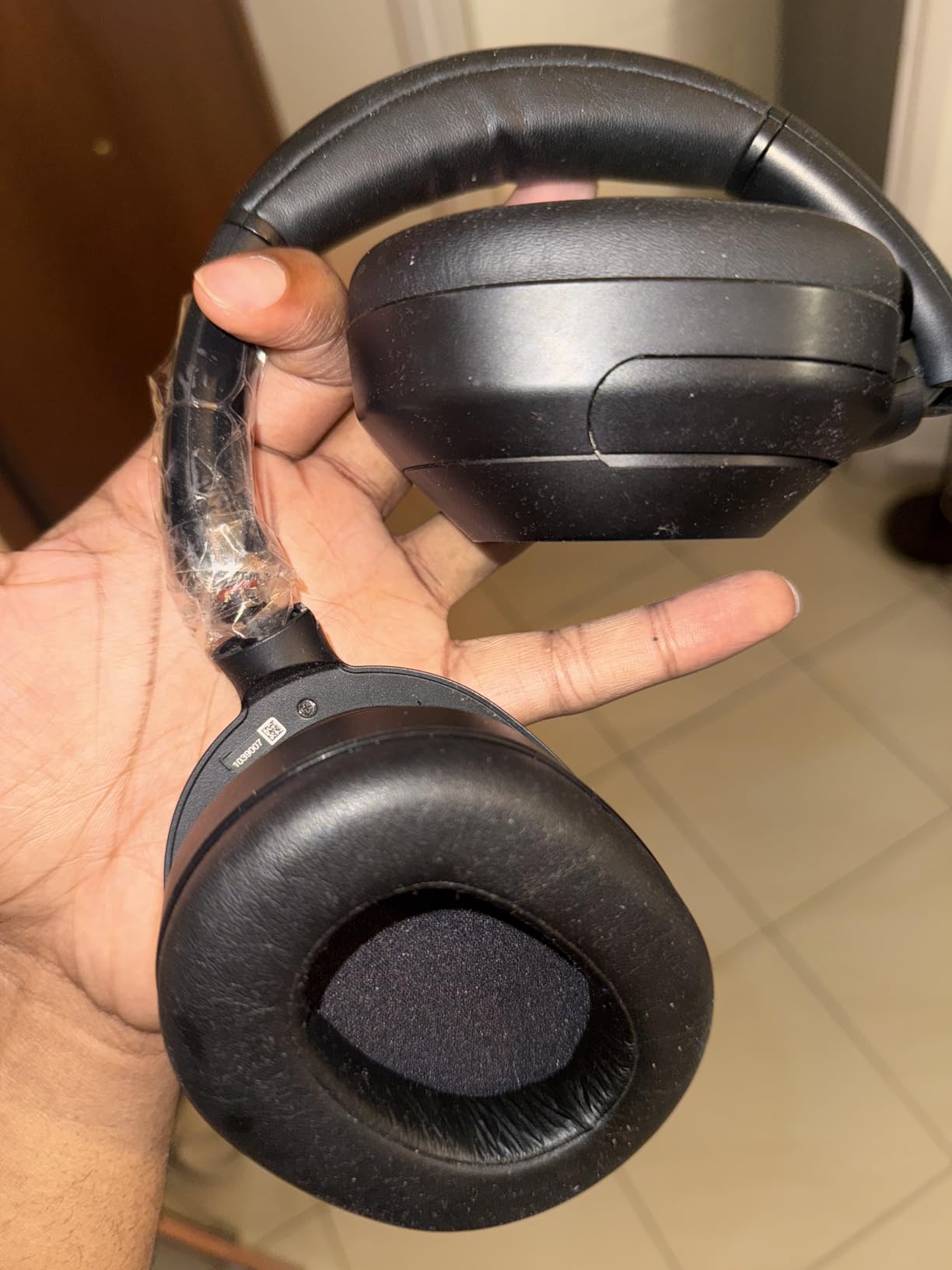
Comfort comes from thermo-foaming ear cushions moulded to the ear, which owners say stay comfortable through ten-hour shifts. At 0.77 kg it is on the heavy side, and some owners report creaky build quality and a right slider that can loosen over time.
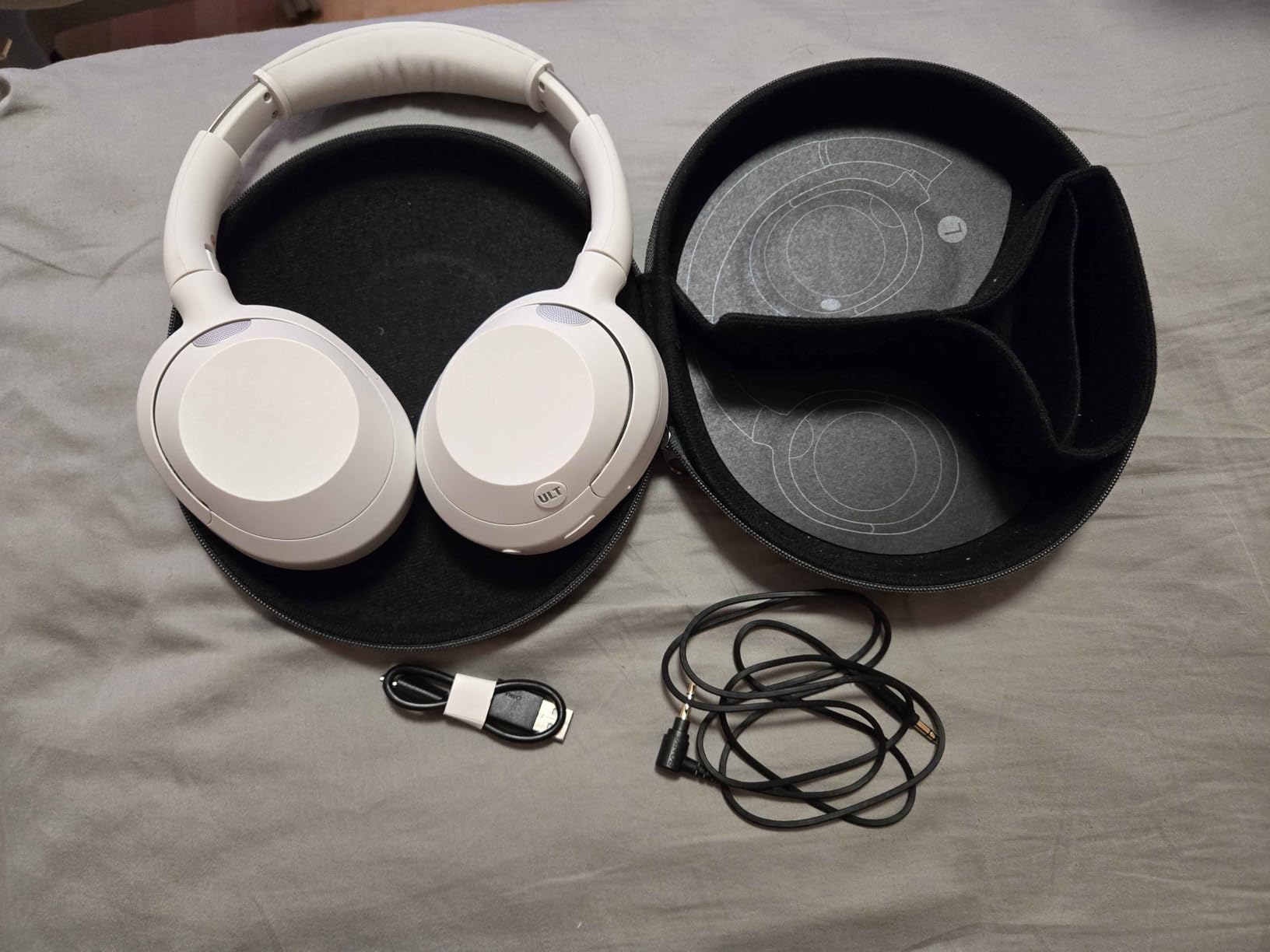
Battery is 30 hours with a three-minute quick charge returning up to 90 minutes, and the swivel fold design with a compact carry case makes it genuinely travel-friendly. Multipoint, wearing detection and touch controls are all present, and beamforming microphones with a wind mesh handle calls well.
One quirk catches people out: bass drops noticeably when noise cancelling is switched on. It also arrives without plastic packaging, which matters if you care about longevity.
Who the ULT WEAR suits
Anyone who wants flagship-class cancellation and long battery life without flagship outlay, and bass lovers who will spend ten minutes in the app EQ. The swivel fold and compact case make it easy to pack.
It is also worth a look for people who would rather avoid a disposable-feeling build, since recycled materials and a mechanical swivel fold age better than snap-fit plastic.
Where the ULT WEAR falls short
ULT 2 over-drives the bass into muddy compression, and the default tuning masks mids until you correct it. Build quality creaks on some pairs, and there are occasional Bluetooth dropouts plus a failure to pair with certain Samsung televisions.
12. JBL Live 770NC: Best for a Breathable Fit
JBL Live 770NC – Wireless Over-Ear Headphones with True Adaptive Noise Cancelling with Smart Ambient, Up to 65 Hours of Battery Life, Comfort-fit Fabric Headband & Carrying Pouch (Black)
True Adaptive ANC with 4 mics
65 hours ANC off, 50 hours wireless
40mm drivers
Fabric headband
LE Audio
Pros
- True Adaptive ANC with four sensing mics handles travel and office noise
- Up to 65 hours with ANC off and 50 hours wireless
- Breathable fabric headband runs cooler than leather alternatives
- Smart Ambient passes surroundings through naturally
- Five-minute quick charge returns four hours
Cons
- No 3.5mm jack and the cable uses a proprietary connector
- Only a soft cloth pouch instead of a hard case
- 40mm plastic construction feels less premium than metal rivals
- Some find the ANC less aggressive than Bose or Sony
The Live 770NC is the pair to buy if you get hot in leather earcups. The Comfort-fit fabric headband is noticeably more breathable, and owners regularly point out that it stays cooler through long days than leather alternatives. It is also the one pair here we could wear through a full night shift without any heat buildup.
Battery is the biggest spec sheet number of the group at up to 65 hours with ANC off and 50 hours wireless, and a five-minute quick charge returns four hours. In practice you will charge it monthly rather than weekly. Auto play and pause wear detection works reliably.
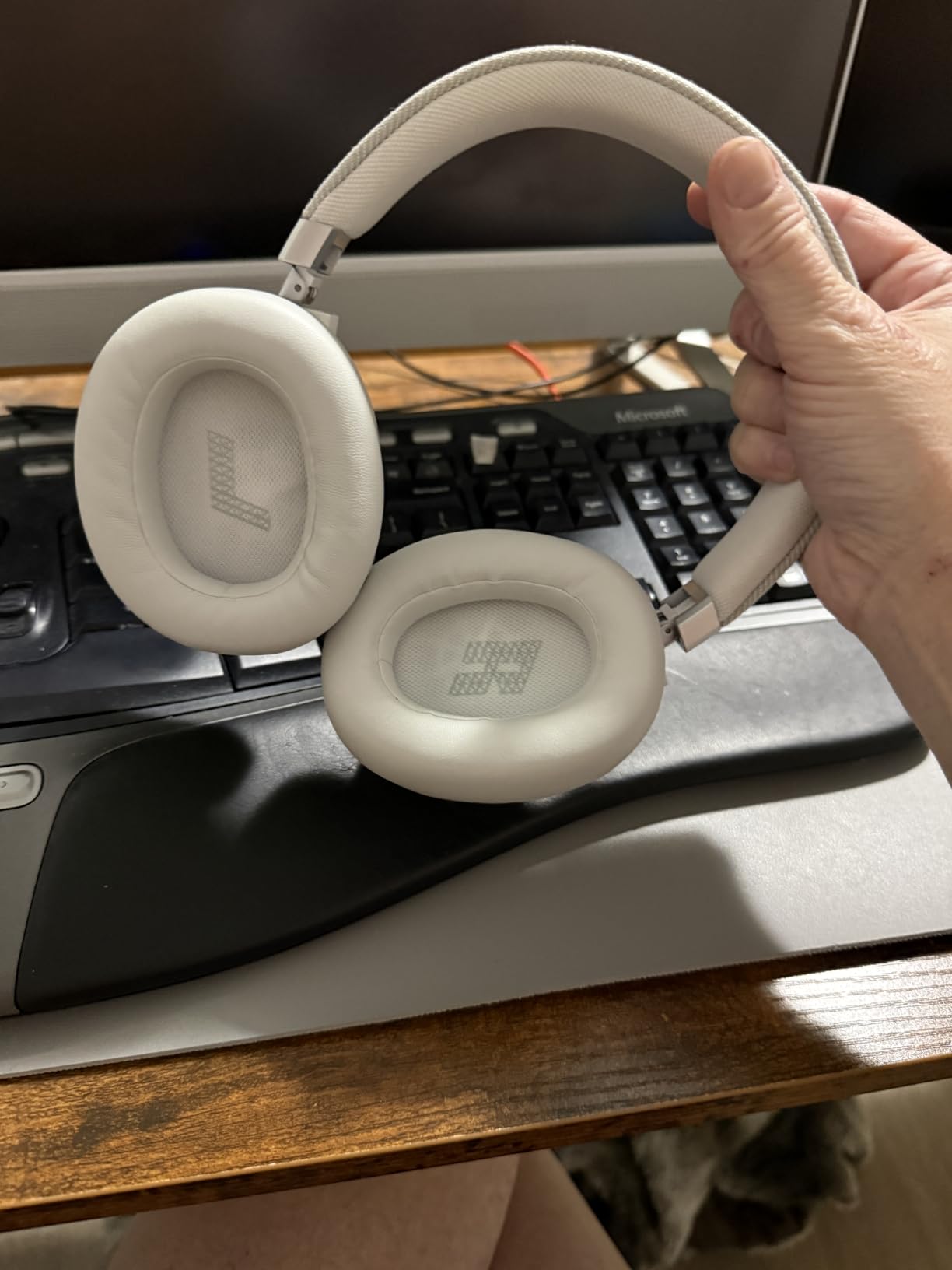
True Adaptive Noise Cancelling uses four noise-sensing microphones and adjusts to the environment, handling travel and office noise effectively, with Smart Ambient passing the room back in naturally when you need it. Some buyers find it less aggressive than Bose or Sony at a similar outlay, so it is not our first choice for pure cancellation.
Sound comes from 40mm drivers with JBL Signature Sound plus JBL Spatial Sound virtual surround, and it is clear and balanced without being exciting. Bluetooth 5.3 with LE Audio support arriving by over-the-air update sets these up for newer features, though Spatial Sound and LE Audio are still maturing.
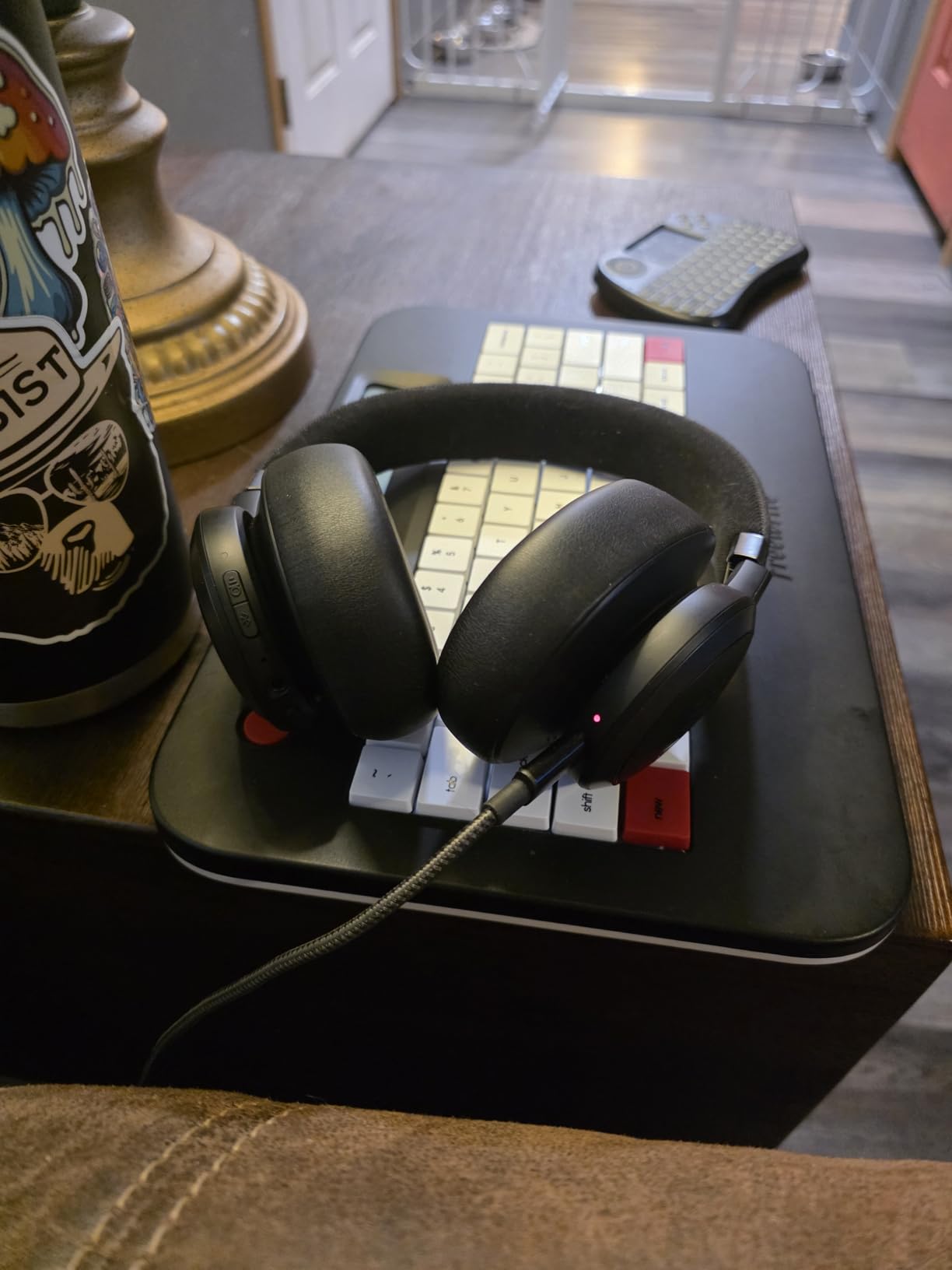
There is one real omission: no standard 3.5mm jack. The detachable cable uses a proprietary connector, so you cannot fall back to a standard cable. The cloth carrying pouch is also soft rather than protective.
Who the JBL Live 770NC suits
Hot-headed wearers, night-shift workers and anyone who wants to charge their headphones once a month. The fabric band also avoids the sweaty seal that leather cups create in summer.
For location sound recording on long shoot days, the battery headroom means you are never checking the charge between takes, which pairs well with the workflow in our studio headphones for filmmakers guide.
Where the JBL Live 770NC falls short
The missing standard 3.5mm input is the biggest functional gap, followed by the soft pouch. The plastic build feels a step below metal competitors, and the ANC is less aggressive than the class leaders.
How to Choose Noise-Cancelling Headphones in 2026
How active noise cancellation actually works
Outward-facing microphones sample the ambient sound, a processing chip analyses the low-frequency component, and the headphones play a mirror-image anti-phase signal into the ear cup. The original wave and the inverted wave meet and largely cancel each other. This is why it works spectacularly against constant low-frequency sound and barely at all against everything else.
Passive isolation is the other half. Cushions, headband clamping force and cup size physically block higher-frequency sound, which is why over-ear designs beat on-ear designs at volume and why a broken seal is so damaging. For a plain definition of how the best noise cancelling headphones behave, think of ANC as the low-frequency engine and the cushions as the wall.
What noise cancelling headphones cannot block
Voices, laughter, keyboards, a crying baby, a squealing brake and a slammed door. Forum consensus is consistent on this point: cancellation is strongest when the ambient sound is constant and in the low to medium pitch range. If your environment is speech-based, none of the pairs here will make it disappear, and marketing that implies otherwise is misleading.
This is also why earbuds can sound more isolating than over-ear headphones despite weaker cancellation. The seal of an earbud sits in the canal, and a small acoustic leak ruins the effect instantly, while a large over-ear cup has passive mass behind the seal.
Fit, glasses and why the seal decides everything
Glasses arms break the seal between the cushion and your face, and a broken seal leaks exactly the low frequencies ANC needs to cancel. The result is weaker cancellation and thinner bass, which owners report repeatedly. Choose a pair with softer, more forgiving cushions and a deeper cup, and check the seal after a few hours as the headband settles.
Head shape matters just as much as brand. The Sony WH-1000XM6 uses an asymmetrical headband and a stepless slider to spread pressure, and the Bose QuietComfort uses tilting earcups. Both exist because a fixed-width band does not fit everyone. If you can, try a pair with a return window rather than guessing.
Battery life, wired fallback and total cost of ownership
Manufacturer battery ratings are optimistic, usually measured at low volume with cancellation off. The hours quoted in each review are the rated figures, and real daily use will be lower. What matters more is whether the headphones still work wired when the cell dies, which the Soundcore Q30 and the Bose QuietComfort do and the JBL Live 770NC does not, because its cable is proprietary.
Non-replaceable batteries are the quiet cost of ownership problem. A pair with a sealed cell can lose its main function in year four, so check whether the cushions are replaceable and how long the manufacturer supports parts. A replacement set of ear pads costs a fraction of a new pair and fixes more complaints than people expect.
Codecs, multipoint and call quality
Every pair here streams over Bluetooth, so the codec matters. AAC and SBC are universal. LDAC gives higher resolution on Android and appears on the Sony WH-1000XM6, the Sony ULT WEAR and the Soundcore Space One. aptX Adaptive and aptX Lossless are worth looking for but are absent from this group. For lossless without the codec lottery, the Beats Studio Pro plays over USB-C.
Multipoint, which holds two devices at once, is standard on most of these models and is essential if you move between a laptop and a phone. Call quality depends on the microphone array more than the drivers: the Bose Headphones 700 and the Sony WH-1000XM6 both held up well in windy conditions for us.
Using noise cancelling headphones for sleep and snoring
Yes, noise cancelling headphones work with no music playing, and that is the entire point of the technology. For light sleepers sharing a room with a snorer, an over-ear pair in ANC mode with a timer is often more practical than earplugs, because it handles the low-frequency rumble of snoring and traffic without blocking a fire alarm as completely.
Side sleepers should look at the light, low-clamp options rather than the bass-heavy models, and check for a pair that works wired so you can listen all night on a charge. Four hours of sleep is the realistic goal for comfort, so expect to rotate positions.
Is ANC healthy for your ears?
Wearing noise cancelling headphones all day is not damaging in itself, and in most cases it protects your hearing. The real risk is volume: because cancellation removes background noise, people often turn it up, and repeated exposure above safe levels causes damage. Keeping listening levels low and taking breaks is the practical advice.
Persistent pressure from clamping force or a poor seal can cause discomfort and headaches, and hot ear cups can irritate skin over long sessions. If you use ANC for sensory overload or for focus, the lighter, low-pressure options in this list are the kinder choice. None of these effects are unique to ANC, but they are worth knowing about.
Frequently Asked Questions
What are the top 3 noise cancelling headphones?
Our top three picks are the Soundcore Q30 Hybrid for overall value and 50-hour battery, the Sony WH-1000XM6 for the strongest noise cancellation with the QN3 processor and 12 microphones, and the Bose QuietComfort for all-day comfort at 238 g. Each one wins a different use case rather than a single spec.
Which headphone has the highest noise cancellation?
The Sony WH-1000XM6 is the strongest canceller in our group, using the QN3 noise cancelling processor across twelve microphones with an Adaptive NC Optimizer that adjusts for air pressure and wearing style. The Soundcore Q30 Hybrid is a close second for low-frequency rumble and runs for far less.
Why can I still hear noise with noise cancelling headphones?
Most often the sound is not low frequency. Active noise cancellation cancels steady, constant noise such as engines, air conditioning and traffic rumble, while voices, keyboards and squealing brakes sit in a range it cannot touch. A poor seal, usually caused by glasses arms, weakens it further.
Do noise cancelling headphones work without music playing?
Yes, and that is exactly what the technology is for. The microphones and processing chip cancel the ambient sound regardless of whether audio is playing, which is why ANC headphones are commonly used to mask snoring and traffic while sleeping. Set a sleep timer so the pair does not run all night.
What are the downsides of using noise-cancelling headphones?
The main drawbacks are short battery life on some models, heat and clamping pressure during long sessions, ear pads that wear out faster than the drivers, and an app dependency for EQ. A few premium pairs also lack a standard 3.5mm input, so they cannot be used wired with a normal cable.
Is ANC healthy for your ears?
Noise cancelling headphones are not harmful in themselves, and by removing background noise they let you listen at a lower, safer volume. The genuine risk is turning the volume up because noise is still audible, so keep levels low, take regular breaks and choose a low-clamping pair if you wear them all day.
Our Verdict for 2026
After weeks with all twelve, the Soundcore Q30 Hybrid remains the best noise cancelling headphones choice for most people. It cancels the low-frequency noise that actually annoys you, runs 50 hours per charge with the ANC on, weighs 9.6 ounces, and still plays over 3.5mm when the battery gives up. The tuning needs a minute in the app, and we would not choose it for critical listening, but as an all-round daily tool it is hard to fault.
Buy the Sony WH-1000XM6 if you want the strongest cancellation and fly often. Buy the Bose QuietComfort if you wear glasses or work long days in a quiet-ish room. Buy the Soundcore Space One if the outlay is the deciding factor. Whatever you choose, fit the cushions properly first, because a broken seal costs you more cancellation than any spec on the box.
Last updated in 2026. Specifications and firmware behaviour change between revisions, so use the buttons above each review to check the current listing for the pair you are considering.