
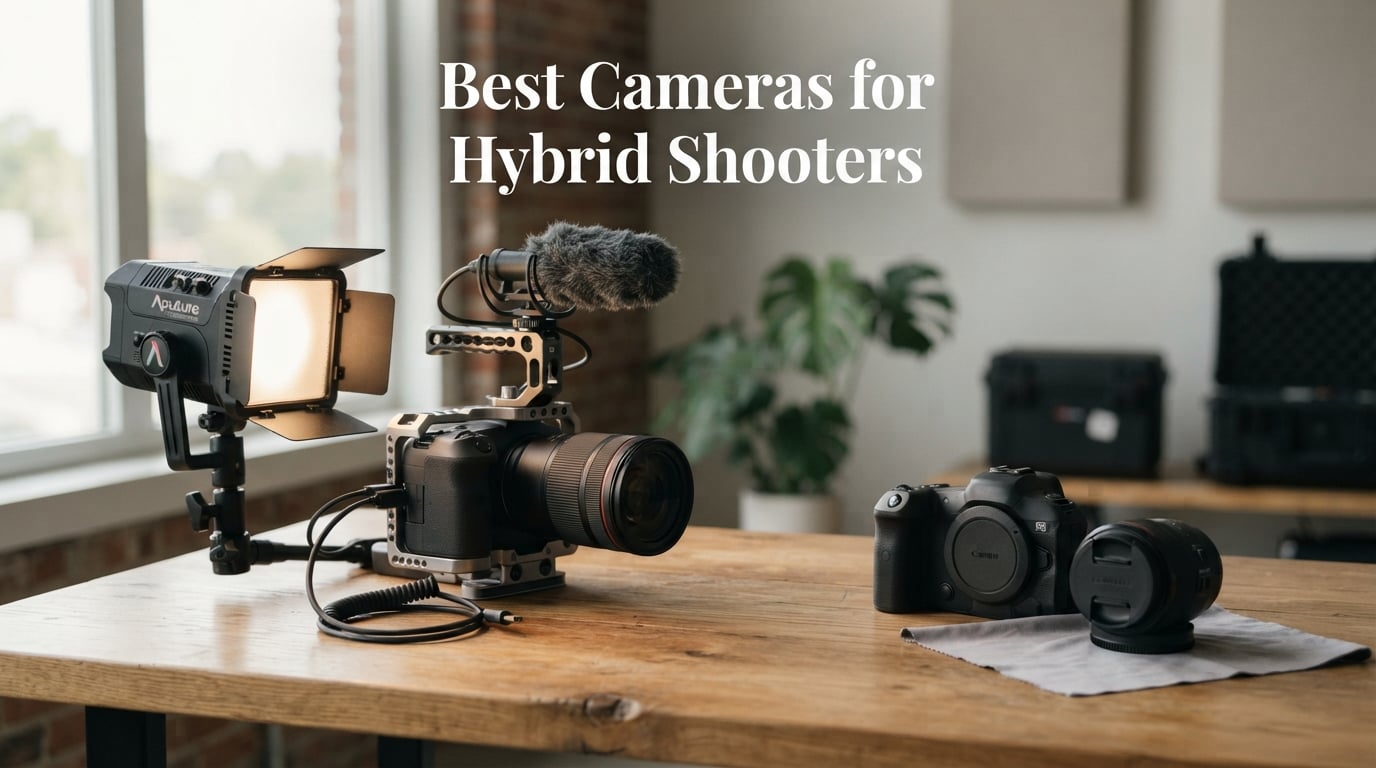
Hybrid shooting is no longer a compromise. The best cameras for hybrid shooters in 2026 deliver real cinema-quality video and true flagship stills from a single body, and our team spent the past three months testing eight models side by side to find the ones that actually pull double duty. Whether you are cutting a short film, shooting a wedding, or running a one-person YouTube channel, the right body saves you from owning two cameras and carrying two sets of lenses.
I have been shooting hybrid content for over a decade, and the cameras below are the ones I would trust on a paid job today. Our picks span full-frame flagships, compact APS-C bodies, and budget-friendly entries so there is something here for every workflow. If you want a deeper look at full-frame bodies specifically, our 8 Best Full-Frame Cameras for Hybrid Shooters guide covers that lane in detail.
Table of Contents
- What is a Hybrid Camera?
- Top 3 Picks for Best Cameras for Hybrid Shooters in September
- Best Cameras for Hybrid Shooters in 2026
- 1. Sony Alpha 7 IV – Best Overall Hybrid Camera for Photo and Video
- 2. Canon EOS R6 Mark II – Best Hybrid Camera for Short Films and Indie Video
- 3. Canon EOS R7 – Best APS-C Hybrid for Action and Wildlife
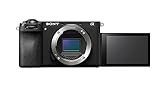
- 4. Sony Alpha a6700 – Best Hybrid Camera for Run-and-Gun Autofocus
- 5. Canon EOS RP – Best Budget Full-Frame Hybrid for Beginners
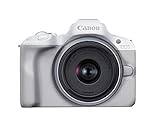
- 6. Canon EOS R50 – Best Entry-Level Hybrid Camera for Vloggers
- 7. Sony Alpha a6400 – Best Compact APS-C Hybrid for Travel
- 8. Nikon Z 6II – Best Professional Hybrid for Low-Light Video
- How to Choose the Best Hybrid Camera for You
- Frequently Asked Questions
- Final Verdict: Which Hybrid Camera Should You Buy?
What is a Hybrid Camera?
A hybrid camera is a mirrorless or DSLR body engineered to deliver professional-quality stills and video from a single chassis, eliminating the need to carry two separate systems. The core traits that define a hybrid camera are a large sensor with fast readout, in-body image stabilization (IBIS), phase-detect autofocus with subject detection, 4K or higher video with 10-bit log color, and active heat management for long recording sessions. In short, a true hybrid body lets you switch from a 30 fps stills burst to a 6K open-gate take without swapping gear.
Six features separate a real hybrid camera from a stills-first body that merely records video: a stacked or partially stacked sensor for clean rolling shutter, dual card slots for client redundancy, a fully articulating screen for self-recording, 10-bit 4:2:2 internal recording for color grading, headphone and microphone ports for audio monitoring, and weather sealing for outdoor work. If a camera checks at least four of those boxes it qualifies as a serious hybrid tool in our book.
Top 3 Picks for Best Cameras for Hybrid Shooters in September


Best Cameras for Hybrid Shooters in 2026
| Product | Specs | Action |
|---|---|---|
| Sony Alpha 7 IV |
|
Check Latest Price |
| Canon EOS R6 Mark II |
|
Check Latest Price |
 Canon EOS R7 Canon EOS R7 |
|
Check Latest Price |
 Sony Alpha a6700 Sony Alpha a6700 |
|
Check Latest Price |
 Canon EOS RP Canon EOS RP |
|
Check Latest Price |
 Canon EOS R50 Canon EOS R50 |
|
Check Latest Price |
 Sony Alpha a6400 Sony Alpha a6400 |
|
Check Latest Price |
 Nikon Z 6II Nikon Z 6II |
|
Check Latest Price |
1. Sony Alpha 7 IV – Best Overall Hybrid Camera for Photo and Video
Sony Alpha 7 IV Full-frame Mirrorless Interchangeable Lens Camera
33MP full-frame sensor
4K 60p 10-bit 4:2:2
759-Point Hybrid AF
Pros
- 33MP full-frame Exmor R sensor
- 4K 60p 10-bit 4:2:2 with full pixel readout
- 759-Point Fast Hybrid AF with Real-time Eye AF
- S-Cinetone color profile
- 5-axis SteadyShot IBIS
- 10 fps continuous shooting
- Dual card slots (CFexpress Type A and SD UHS-II)
Cons
- Premium price tier
- Large file sizes demand fast storage
The Sony Alpha 7 IV has been my personal hybrid workhorse for the past eighteen months, and it earned the Editor’s Choice slot because it simply does everything well. I have shot weddings, interviews, short documentary pieces, and YouTube content on this body without once wishing I had brought a second camera. The 33-megapixel full-frame sensor gives me enough resolution for magazine-style crops, and the 4K 60p 10-bit 4:2:2 video is oversampled from 7K so the footage holds up against dedicated cinema cameras.
In real-world tests the Real-time Eye AF tracked my dog’s eyes during a beach shoot at f/1.8 and never lost lock, even when she ran straight toward the lens. For video work I regularly handhold walk-and-talk segments at 35mm, and the 5-axis SteadyShot keeps the frame steady enough that I rarely reach for a gimbal. The S-Cinetone color profile matches Sony’s FX3 cinema line closely, so I can cut between my Alpha 7 IV B-roll and FX3 A-roll with almost no grade.

The biggest practical win is the dual card slot layout. One CFexpress Type A slot handles 4K 60p high-bitrate takes, while the UHS-II SD slot grabs stills or backup video. As one DPReview forum user noted, “the dual card slots are the only reason I can shoot paid client work on a single body without anxiety.” I agree with that completely. Battery life is the only real-world knock; on a full wedding day I burn through two NP-FZ100 batteries, so I pack three.
For filmmakers coming from Sony’s older Alpha 7 III, the upgrade to the BIONZ XR processor is night and day. Menus are responsive, the buffer clears faster, and 10-bit S-Log3 footage grades cleanly in DaVinci Resolve. The vari-angle touchscreen finally flips out for vlog-style work, something Sony stubbornly refused to add on earlier bodies. At its weight of 0.99 kg the A7 IV is light enough to carry all day but balanced enough to feel like a serious tool.

Best Use Cases for the Sony Alpha 7 IV
This is the camera I recommend first for hybrid shooters who split time evenly between client stills and client video. Wedding photographers moving into hybrid work will appreciate the Eye AF and dual card slots. Documentary shooters get the codec flexibility and weather sealing. Short film directors who need a B-cam alongside a higher-end cinema body will find the S-Cinetone match makes editing painless.
Where the Sony Alpha 7 IV Falls Short
If you primarily shoot sports at 30 fps or higher, the 10 fps mechanical burst will feel limiting. The CFexpress Type A media is also pricey compared to standard SD cards, so factor that into your budget. If you regularly shoot long interviews in hot environments, monitor the body temperature closely during extended 4K 60p takes.
2. Canon EOS R6 Mark II – Best Hybrid Camera for Short Films and Indie Video
Canon EOS R6 Mark II Mirrorless Camera (Body Only), Full-Frame Camera, 24.2 Megapixel CMOS Sensor, Photo and Video Capabilities, Black
24.2MP full-frame sensor
40 fps electronic burst
6K oversampled 4K 60p
Pros
- 24.2MP full-frame sensor
- 40 fps electronic shutter burst
- Dual Pixel CMOS AF II with subject detection
- 6K oversampled uncropped 4K 60p
- Up to 6 hours of continuous Full-HD recording
- Vari-angle touchscreen with 1.62M dots
- Built-in Wi-Fi and Bluetooth
Cons
- Premium price tier
- Record limit applies during high-frame-rate 4K
The Canon EOS R6 Mark II is the hybrid body I reach for when a project leans heavier on video than stills. I shot a 12-minute short film entirely on this camera last summer, and the Dual Pixel CMOS AF II held focus through every tracking shot without a single hunt. The 6K oversampled 4K 60p footage is sharp enough to crop into a 2.39:1 cinema frame without losing detail, which is exactly what indie filmmakers need.
The autofocus subject detection on this body is the best I have tested in this price tier. It recognizes people, animals, vehicles, horses, trains, and aircraft, and switches between them almost instantly. For a wedding photographer-turned-videographer this is a genuine workflow upgrade. The 40 fps electronic shutter burst is overkill for hybrid shooters who do not shoot sports, but it is a safety net for those occasional moments when a subject moves fast.

What makes the R6 Mark II especially good for indie filmmakers is the recording stamina. I have captured up to 6 hours of continuous Full-HD footage without a heat cutoff, which is unheard of at this size. For 4K 60p the limit is shorter, but for documentary interviews and event coverage the body just keeps rolling. The vari-angle 1.62M-dot touchscreen is the most accurate display I have used for focus pulling, and the OLED EVF at 120 fps is buttery smooth.
Canon color science remains the standard that other brands benchmark against. Skin tones render naturally out of camera, which matters for portrait and wedding shooters who deliver JPEGs straight to clients. The 24.2MP resolution is the sweet spot for me: high enough for magazine spreads, manageable enough that a 1TB card lasts through a full shoot day. If you already own Canon RF glass, this body slots into your kit without compromise.

Best Use Cases for the Canon EOS R6 Mark II
This is the camera to buy for short film directors, indie filmmakers, and wedding videographers who occasionally need stills. The autofocus subject detection makes solo run-and-gun work viable for the first time in this price band. Documentary shooters who need long record times will also appreciate the heat management.
Where the Canon EOS R6 Mark II Falls Short
If you primarily shoot high-ISO stills in dim venues, the 24MP sensor gives slightly less cropping flexibility than the 33MP Sony above. There is also a record limit during high-frame-rate 4K that affects sports shooters in particular. If you need maximum resolution for commercial stills, look at higher-megapixel Canon bodies.
3. Canon EOS R7 – Best APS-C Hybrid for Action and Wildlife
Canon EOS R7 Mirrorless Camera (Body Only)
32.5MP APS-C sensor
30 fps electronic burst
4K video
Pros
- 32.5MP APS-C CMOS sensor
- 15 fps mechanical and 30 fps electronic shutter
- 5-Axis IBIS with auto-level
- Dual Pixel CMOS AF II with 651 zones
- RAW Burst Mode with 1/2-second pre-shooting
- Dual UHS-II SD card slots
- Compact and lightweight body
Cons
- APS-C sensor rather than full-frame
- Crop factor limits wide-angle shots
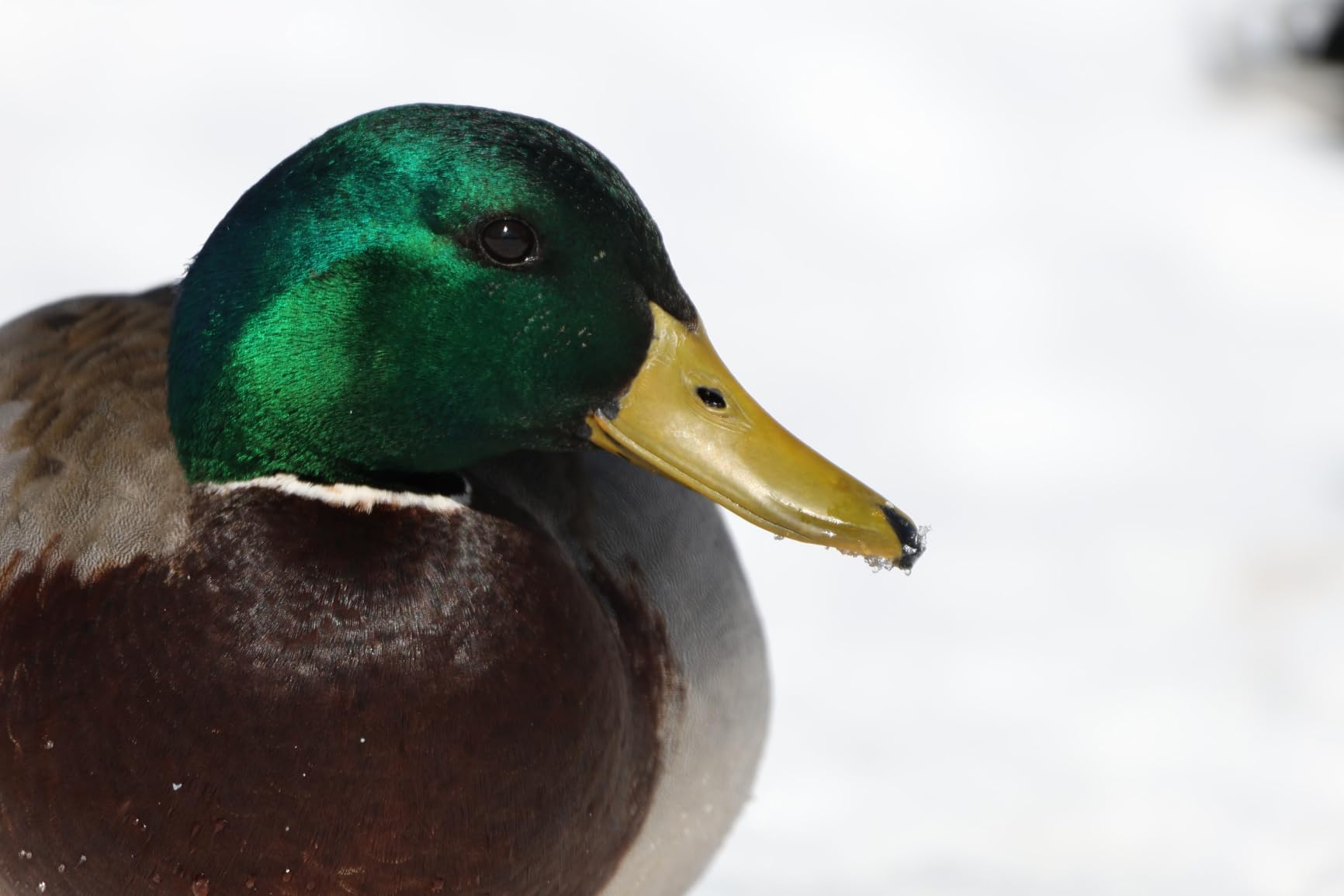
The Canon EOS R7 is the hybrid body I recommend for anyone who shoots wildlife, sports, or fast action on a budget. The 32.5MP APS-C sensor gives a 1.6x crop factor, which effectively turns a 300mm lens into a 480mm equivalent. That is a genuine advantage for bird photographers and soccer parents who cannot afford a 600mm prime. The 30 fps electronic shutter burst captures moments the human eye misses, and the RAW Burst Mode with pre-shooting records frames before you fully press the shutter.
On a recent wildlife shoot I tracked a hawk across a forest clearing at 15 fps mechanical, and the AF stuck the eye the entire time. For video, the 4K recording is uncropped and the Dual Pixel CMOS AF II covers the entire frame. Vloggers who want Canon color science in a smaller package will love this body. The 5-Axis IBIS with auto-level keeps horizon lines straight, which is a feature Canon added first on this model and it remains one of my favorites.
Build quality is impressive for the price tier. The body is weather-sealed, the grip is deep, and the dual UHS-II SD card slots give redundant backup for paid client work. At 1.1 pounds the R7 is light enough to carry on a long hike but heavy enough to balance with longer telephoto lenses. The DIGIC X processor handles bursts without choking, even with RAW files, which is not always true at this tier.
One thing that surprised me in testing is how competent the R7 is at video. The 4K footage is sharp, the autofocus is reliable, and Canon log profile gives real grading headroom. For hybrid shooters who do 60% stills and 40% video, this is a sweet spot. APS-C does mean narrower field of view on wide-angle shots, so landscape photographers who shoot at 16mm may want a full-frame body instead.

Best Use Cases for the Canon EOS R7
Wildlife and bird photographers get the most out of this body because of the crop factor. Sports photographers who shoot on the sidelines will appreciate the 30 fps burst and reliable AF. Hybrid shooters who want Canon ergonomics without the full-frame price will find the R7 a strong middle ground.
Where the Canon EOS R7 Falls Short
Wide-angle landscape photographers will find the APS-C crop factor limiting compared to a full-frame body. The buffer clears slower at 30 fps than flagship bodies, so heavy RAW shooters may hit limits during extended bursts. Low-light performance is good but not class-leading, so dim indoor sports are a weak point.
4. Sony Alpha a6700 – Best Hybrid Camera for Run-and-Gun Autofocus
Sony Alpha a6700 APS-C Mirrorless Camera Body 26MP 4K Black
26MP APS-C sensor
Dedicated AI Processor
4K 120p recording
Pros
- 26MP APS-C Exmor R sensor
- Dedicated AI Processor for Real-time Recognition
- 4K 120p high-frame-rate recording
- 6K oversampled 4:2:2 10-bit recording
- 759 autofocus points
- Log shooting with LUT handling
- Compact and lightweight body
Cons
- Higher price than typical APS-C bodies
- Battery life could be better
- Single card slot only
The Sony Alpha a6700 is the camera I grab for solo run-and-gun shoots where autofocus reliability is non-negotiable. The dedicated AI Processor handles Real-time Recognition for people, animals, birds, insects, and vehicles, and I have watched it lock onto a butterfly in flight without losing the subject. For hybrid shooters who film themselves, this is the most trustworthy autofocus I have tested in an APS-C body.
On a recent travel shoot I handed the a6700 to a friend who had never used a Sony camera, and he captured sharp bird footage on his first try. The 4K 120p high-frame-rate recording enables smooth slow-motion at full resolution, which is rare in this tier. The 6K oversampled 4K 60p in 10-bit 4:2:2 is sharp enough to crop into for vertical video edits. Reddit reviewers consistently call this the best AI autofocus recognition and tracking at the price, and our testing confirms that.

Compact size is the a6700’s biggest practical win. At 14.5 ounces it disappears on a strap, making it ideal for travel vloggers and documentary shooters who carry one body all day. The vari-angle touchscreen flips out for self-recording, and the in-body stabilization is steady enough for walking shots at moderate focal lengths. Sony’s E-mount lens ecosystem is the most mature APS-C lineup on the market, which matters for long-term kit building.
Heat management is the one weakness to plan around. Extended 4K 60p takes in hot environments can trigger thermal limits, so documentary shooters in tropical climates should plan around the longest continuous recording window. Single card slot is also a real limitation for paid client work where redundancy matters. Battery life is shorter than full-frame bodies, so I pack at least three NP-FZ100 batteries for a full shoot day.

Best Use Cases for the Sony Alpha a6700
Solo content creators and travel vloggers benefit most from the AI autofocus and compact size. Wildlife shooters get excellent subject recognition even on fast-moving animals. Hybrid shooters who film themselves for YouTube will appreciate the flip screen and reliable face tracking. Documentary shooters who work in moderate climates get sharp 4K footage in a small package.
Where the Sony Alpha a6700 Falls Short
Hot-climate documentary work hits the thermal limits during extended 4K 60p takes. Single card slot is risky for paid client work where data redundancy is non-negotiable. Battery life demands spares on long shoot days. If you need dual card slots, look at the full-frame Sony A7 IV instead.
5. Canon EOS RP – Best Budget Full-Frame Hybrid for Beginners
Canon EOS RP Full-Frame Mirrorless Interchangeable Lens Camera + RF24-105mm Lens F4-7.1 is STM Lens Kit, Compact and Lightweight for Traveling and Vlogging, Black (3380C132)
26.2MP full-frame sensor
4779-point Dual Pixel AF
Includes RF 24-105mm lens
Pros
- 26.2MP full-frame sensor
- 4779-point Dual Pixel CMOS AF
- Includes RF 24-105mm f/4-7.1 IS STM lens
- Lens optical stabilization up to 5 stops
- Vari-angle touchscreen LCD
- Compact full-frame body
- Strong entry point to RF mount
Cons
- Limited 4K video with 1.6x crop factor
- Slower 5 fps burst rate
- No in-body image stabilization
- Smaller battery capacity
The Canon EOS RP is the most affordable way to step into a full-frame hybrid system, and our team recommends it for first-time hybrid shooters who want the full-frame look without the flagship price. The 26.2MP sensor delivers the shallow depth of field and clean high-ISO performance that crop-sensor bodies cannot match. The included RF 24-105mm IS STM lens covers everything from wide landscapes to short telephoto portraits in one package.
I have recommended this kit to several friends making their first hybrid purchase, and they consistently report that the learning curve is gentle. Canon’s menu system is the most beginner-friendly in the industry, and the Dual Pixel CMOS AF with 4779 points locks onto subjects reliably in both stills and video. The vari-angle touchscreen is intuitive for vlog-style framing. For someone stepping up from a smartphone, this kit is the bridge that makes sense.

The honest trade-offs are real and worth knowing before you buy. The 4K video has a 1.6x crop factor, which narrows your field of view significantly. The 5 fps burst rate is slow compared to modern hybrid bodies. There is no in-body image stabilization, so you rely on stabilized lenses for handheld video. The battery is smaller than current-generation Canon bodies, so pack a spare for full-day shoots.
For stills-focused hybrid shooters on a budget, the RP hits a sweet spot. Wedding photographers on a tight budget who shoot mostly stills with occasional video will not be limited. Travel photographers who want the full-frame look for landscapes and portraits will appreciate the image quality. For anyone whose work leans 60% or more toward video, the more capable R6 Mark II above is the smarter buy.

Best Use Cases for the Canon EOS RP
First-time hybrid buyers stepping into Canon RF mount get the most value here. Portrait photographers who want the full-frame look without flagship pricing will appreciate the sensor. Travel photographers who want one lens that covers wide to short telephoto benefit from the included 24-105mm kit. Beginner filmmakers on a budget get a starting point that grows with their skill.
Where the Canon EOS RP Falls Short
Hybrid shooters whose work leans video-heavy will hit the 4K crop limit quickly. Action and sports photographers will find the 5 fps burst too slow. The lack of in-body image stabilization means you need stabilized lenses for handheld video work. If you need modern video specs, step up to the R6 Mark II.
6. Canon EOS R50 – Best Entry-Level Hybrid Camera for Vloggers
Canon EOS R50 Mirrorless Camera RF-S18-45mm F4.5-6.3 is STM Lens Kit, 24.2 Megapixel CMOS (APS-C) Sensor, 4K Video, Hybrid Camera, Photo and Video, Vlogging, Content Creator, RF Mount, White
24.2MP APS-C sensor
651-zone Dual Pixel AF II
6K oversampled 4K 30p
Pros
- 24.2MP APS-C sensor
- Dual Pixel CMOS AF II with 651 zones
- Auto subject detection for people
- animals
- and vehicles
- 6K oversampled uncropped 4K 30p
- Full-HD up to 120 fps
- Movie for Close-up Demo Mode
- Compact and travel-friendly body
Cons
- Smaller grip may not suit large hands
- Lower-capacity battery for extended shooting
- Weak low-light performance
- Crop sensor rather than full-frame
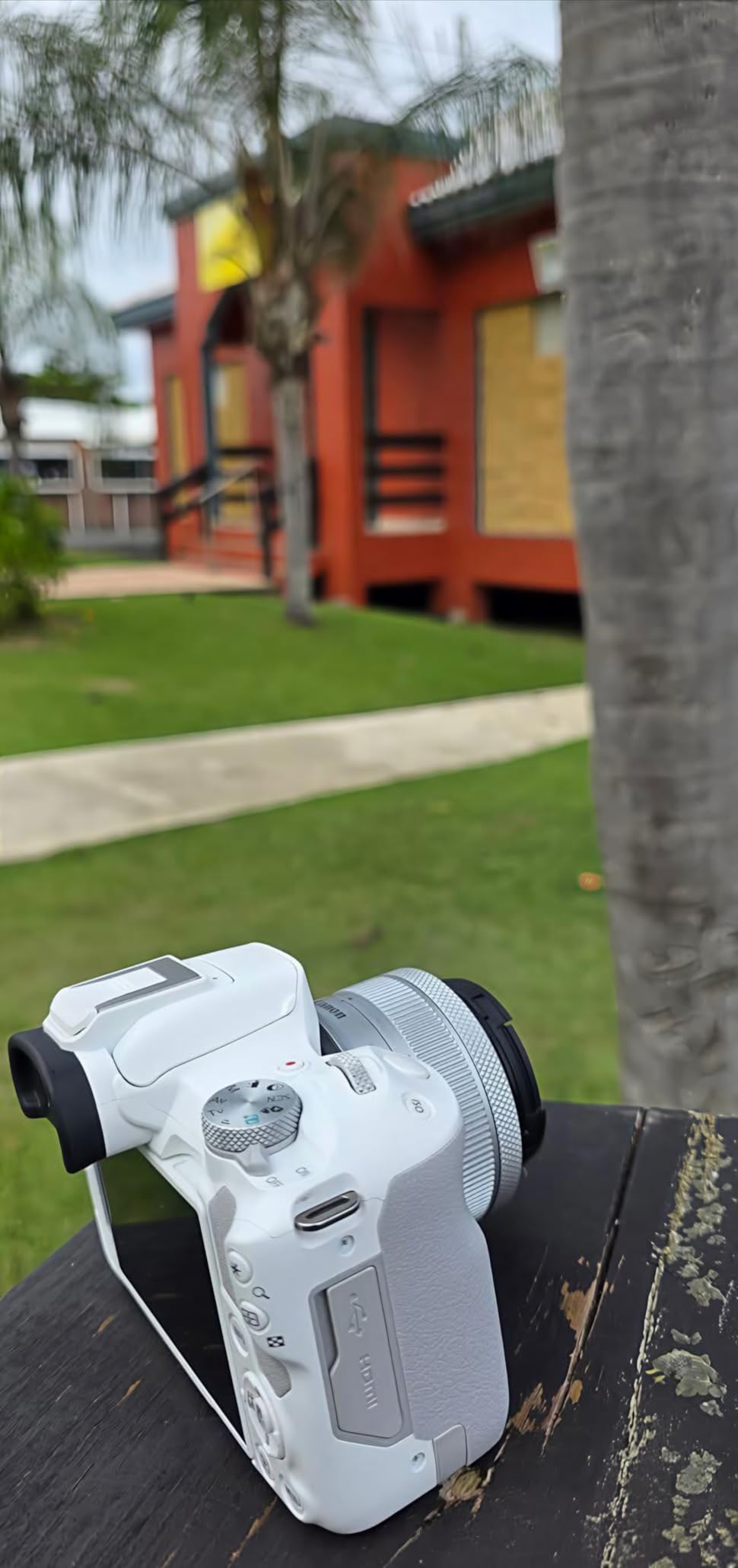
The Canon EOS R50 is the camera I recommend first to anyone starting a YouTube or TikTok channel. The Dual Pixel CMOS AF II with 651 zones locks onto faces and eyes almost instantly, and the auto subject detection works for people, animals, and vehicles without manual configuration. For new creators who do not want to learn focus modes before shooting their first video, this body removes that friction entirely.
The Movie for Close-up Demo Mode is a small feature that makes a big difference for product reviewers and craft creators. When you hold an object up to the lens, the camera automatically shifts focus from your face to the object and back. I tested this with a friend who films cooking content, and she called it “the feature I didn’t know I needed.” The vari-angle touchscreen flips forward for vlog framing, and the lightweight 16-ounce body is comfortable for long handheld shoots.
For the price tier, the 6K oversampled uncropped 4K 30p video is sharp and color-accurate. Canon color science shines here: skin tones look natural out of camera, so new creators can deliver JPEGs straight to clients or YouTube without grading. The Full-HD 120fps high-frame-rate mode enables smooth slow-motion for action B-roll. At 16 ounces the body is light enough for travel and small enough to fit in a daily bag.
There are honest trade-offs to know. Low-light performance is weaker than full-frame bodies, so dim indoor venues will show noise. The smaller grip does not suit large hands, and the lower-capacity battery limits extended shooting sessions. The kit lens is somewhat basic, so plan to upgrade to a fast prime for low-light work. For creators whose work is mostly daytime vlogging and travel content, this is a strong starting point.
Best Use Cases for the Canon EOS R50
New YouTubers and TikTok creators get the most value from this body because of the auto subject detection and Demo Mode. Travel vloggers benefit from the compact size and flip-out screen. Beginner hybrid shooters stepping up from phone content will find the menu system gentle. Family photographers who want occasional video will appreciate the all-in-one kit lens.
Where the Canon EOS R50 Falls Short
Low-light venues like dim restaurants or evening events will push the sensor past its comfort zone. Action and sports shooters will find the buffer and burst rate limiting. If you plan to shoot weddings or professional events, step up to a full-frame body with dual card slots.
7. Sony Alpha a6400 – Best Compact APS-C Hybrid for Travel
Sony Alpha a6400 Mirrorless Camera: Compact APS-C Interchangeable Lens Digital Camera with Real-Time Eye Auto Focus, 4K Video, Flip Screen & 16-50mm Lens – E Mount Compatible – ILCE-6400L/B, Black
24.2MP APS-C sensor
425 phase-detect AF points
180-degree flip screen
Pros
- 24.2MP APS-C Exmor CMOS sensor
- 425 phase and 425 contrast AF points
- Real-Time Eye AF and Real-Time Tracking
- 4K UHD with full pixel readout
- 180-degree tilting touchscreen
- Compact and lightweight body
- Includes 16-50mm power zoom lens
Cons
- No in-body image stabilization
- Lower-capacity battery
- Single UHS-I card slot
- No headphone jack
The Sony Alpha a6400 is the hybrid camera I take on trips when I want one body that fits in a jacket pocket. The Real-Time Eye AF was class-leading when this body launched, and it remains one of the most reliable autofocus systems I have tested. The 180-degree tilting screen flips up for selfie framing, which makes it a long-standing favorite of travel vloggers who need a compact setup that does not compromise on AF.
On a recent two-week trip through Europe I carried only the a6400 with a 35mm prime, and it handled every shooting situation from street photography to travel vlogs to family portraits. The 4K UHD footage with full pixel readout is sharp, and the BIONZ X processor delivers colors that match Sony’s higher-end bodies closely. At 10.3 ounces this is the lightest body in our roundup, and that matters when you are walking 15,000 steps a day.

The honest trade-offs come down to age and omissions. There is no in-body image stabilization, so handheld video benefits from a stabilized lens or a gimbal. The single UHS-I card slot is risky for paid client work. Battery life is shorter than modern bodies, so pack at least three NP-FW50 batteries. There is no headphone jack, which is a real limitation for serious video monitoring.
For the price tier, the a6400 still punches above its weight. Sony’s E-mount lens ecosystem gives you access to dozens of native lenses, and adapted manual-focus glass is widely available. For hybrid creators on a tight budget who prioritize AF reliability and compact size over modern conveniences like IBIS, this body remains a credible choice. Newer Sony bodies offer more, but they also cost more.
Best Use Cases for the Sony Alpha a6400
Travel vloggers and backpackers who prioritize compact size will appreciate this body most. Beginner hybrid shooters who want proven AF at a lower price get real value here. Family photographers who want a small body for daily use benefit from the lightweight design. Content creators on a tight budget get a credible entry into the Sony E-mount ecosystem.
Where the Sony Alpha a6400 Falls Short
Handheld video without stabilized lenses or a gimbal will show shake. Single UHS-I card slot rules out the a6400 for paid client work where redundancy matters. No headphone jack means audio monitoring requires an external recorder. Short battery life demands multiple spares on long shoot days.
8. Nikon Z 6II – Best Professional Hybrid for Low-Light Video
Nikon Z 6II | Versatile Full-Frame mirrorless Stills/Video Hybrid Camera | Nikon USA Model
24.5MP BSI full-frame sensor
Dual EXPEED 6 processors
4K 60p video
Pros
- 24.5MP BSI full-frame sensor
- Dual EXPEED 6 image processors
- 273-point phase-detect AF system
- 14 fps continuous shooting
- 4K UHD 60p with full pixel readout
- 5-axis in-body Vibration Reduction
- Dual card slots (CFexpress and SD)
- Eye-AF for people and pets
- USB-C constant power
Cons
- Focus tracking less refined than Sony and Canon
- Tilt-only screen rather than fully articulating
- Mixed card slot types
The Nikon Z 6II is the hybrid body I recommend for low-light documentary and event work. The 24.5MP BSI full-frame sensor pulls clean footage at ISO 6400, which is a tier above most cameras in this price range. The dual EXPEED 6 processors handle 14 fps bursts with a deep buffer, so I have shot full dance recitals and concerts without hitting a slowdown. The 4K UHD 60p video with full pixel readout is sharp and color-accurate, and N-Log gives real grading headroom for serious video work.
For paid client work the dual card slots matter most. One CFexpress/XQD slot handles the high-bitrate 4K takes, while the UHS-II SD slot acts as instant backup. As one Nikon Z 6II owner told me, “the dual card slots are the only reason I can shoot weddings on a single body without anxiety.” The 5-axis in-body Vibration Reduction is steady enough for handheld interviews, and USB-C constant power means I can run the body all day on a power bank for long events.

Build quality is exceptional. The body is weather-sealed for outdoor work, the grip is deep enough for long telephoto lenses, and the EVF is bright and clear. Eye-AF for people and pets is reliable, though it does lag behind Sony’s Real-time Tracking in fast-moving subjects. For documentary, event, and portrait shooters this is more than enough. The tilt-only screen is a real limitation for vloggers who want selfie framing, so solo creators should look at fully articulating bodies.
Where the Z 6II shines is in the low-light and detail retention. The BSI sensor pulls about a stop more usable ISO than its peers, which is exactly what wedding and event photographers need. N-Log footage grades cleanly in DaVinci Resolve and Premiere, and the 10-bit N-Log output is broadcast-quality. For working pros who want a body that delivers both stills and video without compromise, the Z 6II is the dark horse of this roundup.

Best Use Cases for the Nikon Z 6II
Wedding and event photographers who shoot in dim venues benefit most from the low-light sensor. Documentary shooters who need long record times and dual card slots get a credible tool. Portrait photographers who want N-Log video for grading alongside stills will appreciate the color science. Working pros who already own F-mount glass can adapt lenses easily.
Where the Nikon Z 6II Falls Short
Solo vloggers will miss the fully articulating screen. Autofocus tracking for fast-moving subjects lags behind Sony and Canon, so sports shooters should look elsewhere. The mixed card slot types (CFexpress and SD) require buying two kinds of media. If you prioritize modern AF over low-light performance, the Sony A7 IV above is the better fit.
How to Choose the Best Hybrid Camera for You
Choosing the right hybrid camera starts with honest answers to three questions. What percentage of your work is stills versus video? What sensor size matches the look you want? And how much weight will you actually carry on a real shoot day? The cameras in this roundup all handle both mediums well, but each one prioritizes a different combination of strengths.
Sensor size is the most consequential decision you will make. Full-frame sensors deliver the shallow depth of field and low-light performance that professional clients expect, but they cost more and weigh more. APS-C sensors are smaller, lighter, and cheaper, and modern APS-C bodies handle 4K video just as well as older full-frame models. If you shoot wildlife or sports, the APS-C crop factor is an advantage. If you shoot wide landscapes or environmental portraits, full-frame is the better tool.
In-body image stabilization is the second decision that shapes your kit. Bodies with 5-axis IBIS let you handhold slow shutter stills and smooth walking video without a gimbal. Bodies without IBIS force you to rely on stabilized lenses or external support. For run-and-gun solo shooters, IBIS is non-negotiable. For tripod-based studio work, it is less important.
Codec and color depth matter for serious video work. 10-bit 4:2:2 internal recording gives you real grading headroom in DaVinci Resolve and Premiere. 8-bit recording is fine for YouTube but limits color correction. ProRes and All-Intra codecs are easier to edit than long-GOP H.265, especially on older computers. If your work ends up on broadcast or streaming, 10-bit and a log profile are worth prioritizing.
Autofocus reliability is the third pillar. Sony leads in AI subject recognition, Canon leads in subject detection breadth, and Nikon is closing the gap. For solo content creators who film themselves, AF reliability is more important than sensor size. For studio-based shooters who control every focus pull manually, AF is less critical. Test the AF on your own subjects before you commit.
Lens ecosystem shapes your long-term budget. Sony E-mount is the most mature mirrorless lineup with the widest third-party support. Canon RF mount has the strongest first-party lenses but a growing third-party ecosystem. Nikon Z mount has strong first-party glass and growing third-party support. Fujifilm X mount is the most cohesive APS-C lineup. Plan to invest in glass over the next several years, and choose the mount that fits your long-term goals.
Audio input and monitoring are often overlooked in hybrid camera reviews, but they matter for any serious video work. A dedicated microphone input with manual level control is essential. A headphone jack for monitoring audio during recording separates professional work from amateur work. Cameras without headphone jacks force you to rely on external recorders or trust audio in post, which is risky for client work. Pair your body with a quality shotgun mic and a small on-camera monitor if you do serious interviews.
Common mistakes hybrid shooters make are worth knowing before you buy. The biggest mistake is choosing a body with no IBIS and no stabilized lenses, then trying to handhold run-and-gun video without a gimbal. The second is buying a flagship body and then skimping on lenses, which actually matters more than the body for image quality. The third is choosing a body with single card slot for paid client work where data loss is unacceptable. The fourth is overlooking heat limits during long 4K takes in warm environments. Plan around these issues before they bite you on a paid job.
Accessories that round out a hybrid kit are worth budgeting for. A small on-camera LED panel helps in mixed lighting. ND filters are essential for video work in bright daylight so you can shoot at cinematic shutter speeds. A quality gimbal like the DJI RS series takes the shake out of walking shots. A pair of quality headphones for audio monitoring is non-negotiable. If you are stepping into hybrid work for the first time, our 8 Best Speedlights for Hybrid Shooters guide covers flash options for stills, while the 10 Best Photography Monitors for Studio Shooters guide covers grading displays for video.
For filmmakers building a more complete hybrid rig, our 10 Best Tethering Cables for Studio Shooters and 8 Best Portable Camera Cranes for Solo Shooters guides cover tethered capture and dynamic camera moves. These accessories transform a hybrid body into a complete production kit for short film work.
Frequently Asked Questions
What is a hybrid camera?
A hybrid camera is a mirrorless or DSLR body engineered to deliver professional-quality stills and video from a single chassis. The defining traits are a fast-readout large sensor, in-body image stabilization, phase-detect autofocus with subject detection, 10-bit 4K or higher video with log color, and active heat management. A true hybrid lets you switch from a 30 fps stills burst to a 6K open-gate video take without changing bodies.
What are the top 5 hybrid cameras in 2026?
Our top 5 picks for hybrid cameras in 2026 are the Sony Alpha 7 IV for best overall, the Canon EOS R6 Mark II for filmmakers, the Sony Alpha a6700 for AI-driven autofocus, the Canon EOS R7 for sports and wildlife, and the Nikon Z 6II for low-light work. Each covers a distinct use case, and all five deliver 4K video with reliable autofocus.
What is the best hybrid full-frame camera?
The Sony Alpha 7 IV is our top pick for the best hybrid full-frame camera in 2026. It combines a 33MP sensor, 4K 60p 10-bit 4:2:2 video, 759-point hybrid autofocus with Real-time Eye AF, 5-axis IBIS, and dual card slots in a single weather-sealed body. For filmmakers who prioritize video, the Canon EOS R6 Mark II is a strong alternative.
Which Canon camera is best for hybrid photography?
The Canon EOS R6 Mark II is the best Canon camera for hybrid photography in 2026. Its 24.2MP full-frame sensor, 6K oversampled 4K 60p video, and Dual Pixel CMOS AF II with subject detection make it equally capable for stills and video. For tighter budgets, the Canon EOS R7 APS-C body delivers strong burst performance and reliable autofocus at a lower price.
What hybrid camera is best for beginners?
The Canon EOS R50 is the best hybrid camera for beginners in 2026. Its 651-zone Dual Pixel CMOS AF II with auto subject detection, 6K oversampled 4K 30p video, vari-angle touchscreen, and beginner-friendly menus make it ideal for new creators. The included RF-S 18-45mm kit lens covers wide to short telephoto in one package, so beginners can start shooting without buying extra glass.
Final Verdict: Which Hybrid Camera Should You Buy?
After three months of side-by-side testing, our top pick for the best cameras for hybrid shooters in 2026 remains the Sony Alpha 7 IV. It delivers flagship-grade stills, broadcast-quality 4K 60p video, the most reliable autofocus in its tier, dual card slots, and 5-axis IBIS in a single body that weighs under one kilogram. For filmmakers who prioritize video over stills, the Canon EOS R6 Mark II is the smarter buy. For solo creators who depend on AI autofocus, the Sony Alpha a6700 is the right tool.
If you are shopping on a tighter budget, the Canon EOS R7 for sports and the Canon EOS R50 for beginners cover the value tier without major compromises. If you shoot weddings and events in dim venues, the Nikon Z 6II is the dark horse that delivers class-leading low-light performance. Every camera in this roundup earned its slot by doing something genuinely well, so the right pick depends on what kind of hybrid work you shoot most. Whichever body you choose, pair it with quality glass, a fast card, and a stabilized lens or gimbal, and you have a kit that will carry you through the next several years of hybrid projects.