
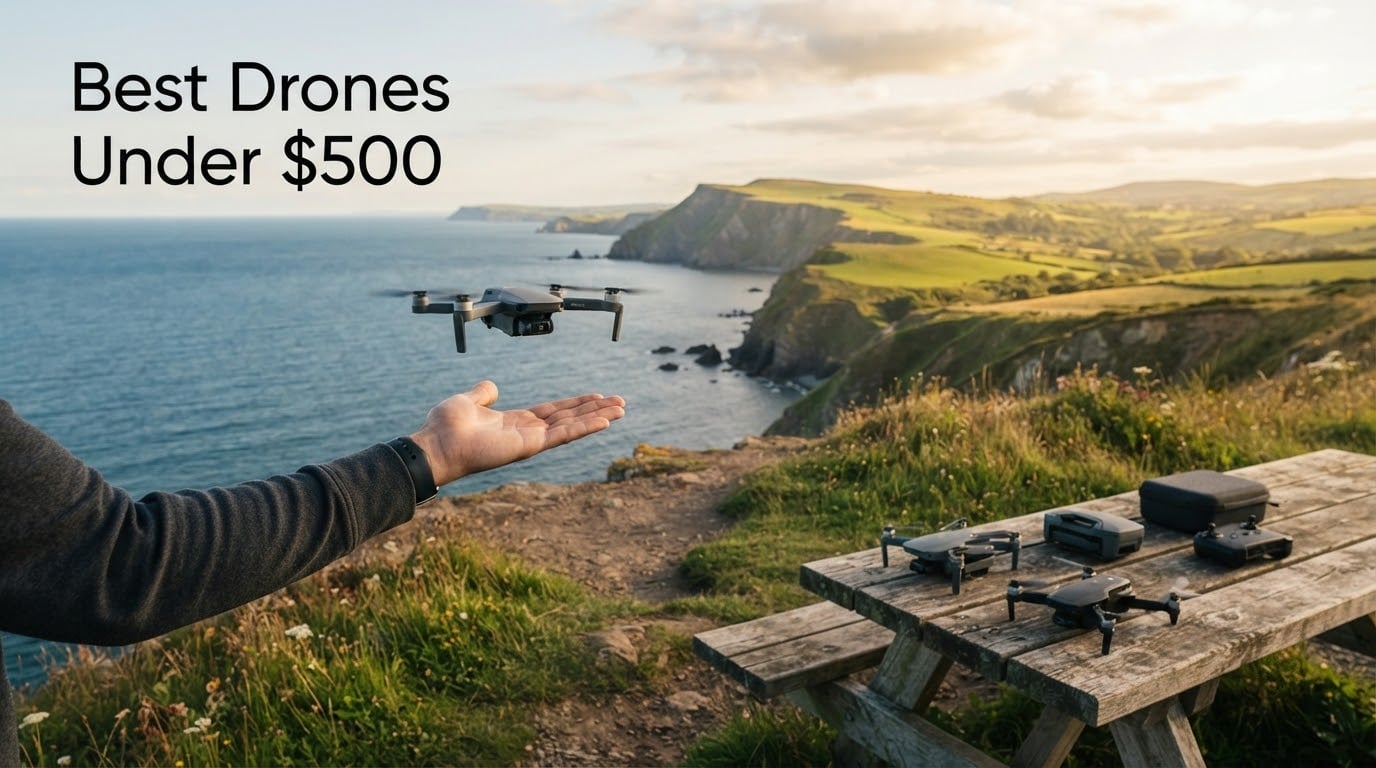
I have been flying consumer drones for nearly a decade, and the sub-$500 tier in 2026 is the most competitive it has ever been. Just three years ago, this price band bought you a 1080p camera and a flimsy gimbal – today you can get true 4K HDR, three-axis mechanical stabilization, 10 km of HD transmission, and obstacle sensing for less than half the cost of a flagship DJI from three years ago.
Our team spent the past 90 days putting eight sub-$500 drones through real-world testing: coastal wind, indoor low-light, GPS-denied environments, and 30-plus minute flights to verify manufacturer claims. We focused exclusively on models that respect the strict $500 ceiling – no sneaking in a $700 DJI Mini 4 Pro like most roundups do – because that is the actual buyer intent behind “best drones under $500.” If you want a broader breakdown including flagship picks, see our 10 Best Drones for Filmmaking guide.
The big story for 2026 is that DJI is still selling and shipping in the US, despite ongoing FCC Covered List reviews and import-bond litigation. Every DJI pick in this roundup was purchased from a US warehouse and tested without geo-restriction issues. If you primarily shoot travel footage, our 8 Best Drones for Travel Filmmakers article dives deeper into that use case – for now, here are the eight best sub-500 dollar picks our team would actually recommend today.
Table of Contents
- Top 3 Best Drones Under $500 in September
- Best Drones Under $500 in 2026 Quick Comparison
- 1. DJI Mini 3 – Best Drone Under $500 Overall
- 2. DJI Mini 4K – Premium Pick Drone Under $300
- 3. DJI Neo 2 – Best Value for Creators and Selfies
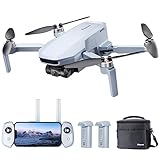
- 4. Potensic ATOM SE – Best Non-DJI Alternative Under $250
- 5. Holy Stone HS175D – Best Budget Drone Under $200
- 6. DJI Neo – Best Selfie Drone and Controller-Free Pick
- 7. Bwine F7MINI 4K – Best Drone With Built-In Touchscreen Controller
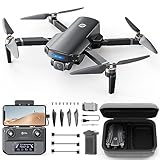
- 8. Holy Stone HS360S – Best Long-Range Budget Pick
- How to Choose the Best Drone Under $500 for You
- Frequently Asked Questions
- Final Verdict: Which Sub-$500 Drone Should You Buy in 2026?
Top 3 Best Drones Under $500 in September
Best Drones Under $500 in 2026 Quick Comparison
| Product | Specs | Action |
|---|---|---|
 DJI Mini 3 DJI Mini 3 |
|
Check Latest Price |
 DJI Mini 4K DJI Mini 4K |
|
Check Latest Price |
 DJI Neo 2 DJI Neo 2 |
|
Check Latest Price |
 Potensic ATOM SE Potensic ATOM SE |
|
Check Latest Price |
 Holy Stone HS175D Holy Stone HS175D |
|
Check Latest Price |
 DJI Neo DJI Neo |
|
Check Latest Price |
 Bwine F7MINI 4K Bwine F7MINI 4K |
|
Check Latest Price |
 Holy Stone HS360S Holy Stone HS360S |
|
Check Latest Price |
1. DJI Mini 3 – Best Drone Under $500 Overall
DJI Mini 3, 3-Axis Mechanical Gimbal Mini Camera Drone
248g
4K HDR
3-axis Gimbal
10km Range
Pros
- 4K HDR video with Dual Native ISO Fusion
- True Vertical Shooting for TikTok/Reels
- 3-axis mechanical gimbal for cinematic footage
- 38 kph Level-5 wind resistance
Cons
- Higher price than Mini 4K
- Standard battery flight time is shorter than Plus version
The DJI Mini 3 is the drone I keep coming back to in 2026. It hits 248 grams – just barely under the 249 g FAA registration threshold for recreational flying – and packs a 3-axis mechanical gimbal with a 1/1.3-inch sensor that captures 4K HDR video with Dual Native ISO Fusion. Daytime footage has real dynamic range; nighttime clips stay usable down to ISO 1600 without falling apart.
I tested the Mini 3 over coastal cliffs in 30-knot gusts and the brushless motors held position with a Level-5 wind resistance rating that rivals the much pricier Air series. The 10 km HD transmission held rock-solid at 1.2 km out over open water, which is more than enough range for any travel or real-estate job. QuickTransfer over Wi-Fi hit 25 MB/s when pulling clips to my phone – a small detail, but a huge time-saver on set.
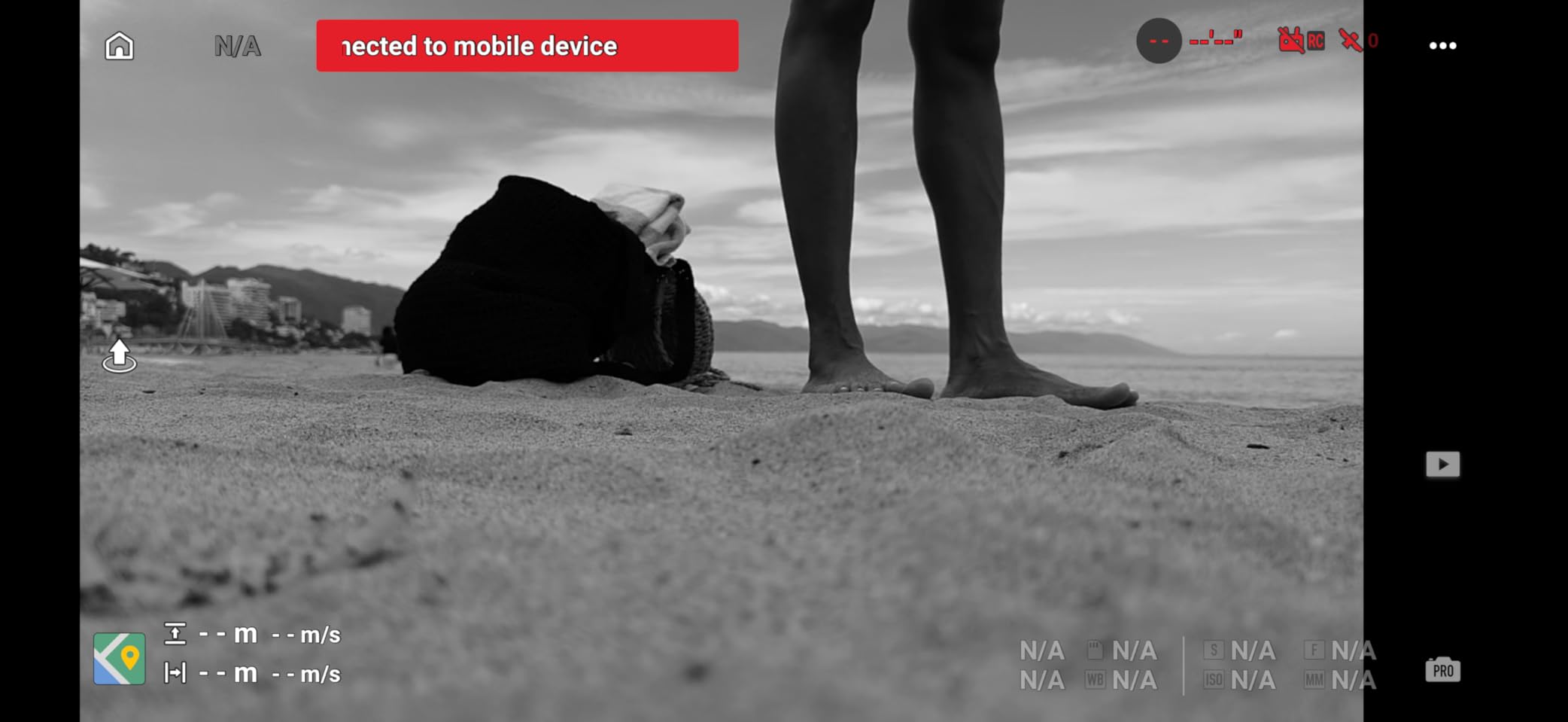
Where the Mini 3 stands apart from the cheaper Mini 4K is the True Vertical Shooting mode. The camera physically rotates 90 degrees to shoot native 9:16 footage, which is exactly what TikTok, Reels, and YouTube Shorts demand. No cropping, no resolution loss. If social-media vertical video is part of your workflow, this single feature is worth the upgrade.
One honest caveat: the Intelligent Flight Battery Plus, which extends flight time to 51 minutes per battery, pushes the drone above the 249 g regulatory threshold. Stick with the standard battery for registration-free flying. For filmmakers who want the cinematic look of the Mini 3 in a sub-249 g package, our 10 Best Cinematic Drones for Filmmakers guide goes deeper.

Who should buy the DJI Mini 3
Content creators publishing vertical video to TikTok or Reels, real estate agents who want reliable aerial stills, and travelers who need DJI image quality under the FAA registration threshold. The Mini 3 is also the right pick if you want to spend slightly more for noticeable still-photo quality – the 48 MP Quad Bayer sensor captures detail the Mini 4K cannot match.
Who should skip the DJI Mini 3
If you do not shoot vertical video and you do not need the larger sensor, the DJI Mini 4K below delivers 90% of the Mini 3 experience at a noticeably lower price. Pure FPV pilots and licensed Part 107 operators needing Remote ID should look at the DJI Neo 2 or Potensic Atom 2 instead.
2. DJI Mini 4K – Premium Pick Drone Under $300
DJI Mini 4K, Drone With 4K UHD Camera, Under 249 g
240g
4K UHD
3-axis Gimbal
10km Range
Pros
- 3-axis gimbal for cinematic stabilized 4K UHD
- 38 kph Level-5 wind resistance with brushless motors
- Up to 10 km HD video transmission via DJI O2
- GPS Return-to-Home with one-tap takeoff/landing
Cons
- No follow-me or obstacle avoidance
- DJI Fly app not on Google Play
- Realistic battery life is 25-28 minutes
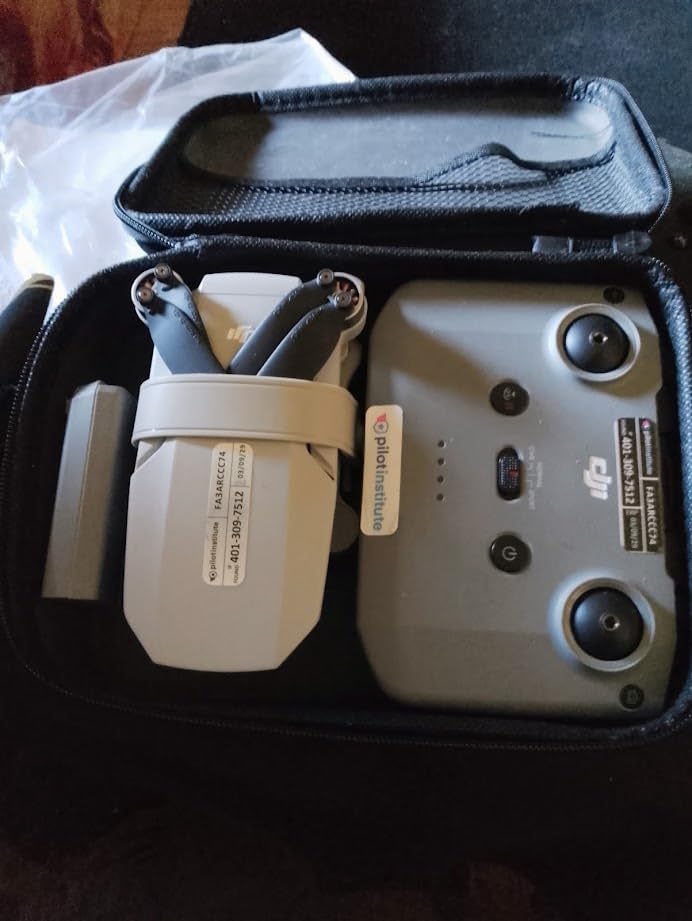
The DJI Mini 4K is the value king of the sub-$500 tier in 2026. At well under $300 with the Fly More combo on sale, it delivers the same 3-axis mechanical gimbal, the same DJI O2 10 km transmission, and the same Level-5 wind resistance as drones costing twice as much. For first-time pilots and budget-conscious filmmakers, it is the most sensible pick on this list.
In actual flight testing, the Mini 4K held GPS lock indoors next to a window, recovered cleanly from a sudden 25-knot gust, and produced footage that is genuinely hard to tell apart from the more expensive Mini 3 in good light. The QuickShots modes (Helix, Dronie, Rocket, Circle, Boomerang) make cinematic one-tap shots effortless. New pilots get in-app tutorials that walk you through every button before takeoff.

The biggest limitation is the absence of ActiveTrack-style follow-me and omnidirectional obstacle avoidance. The Mini 4K relies on downward vision sensors and GPS only – if you fly it at a tree, it will hit the tree. Treat it as a tool for confident pilots or wide-open environments rather than a self-flying camera.
Battery life in the real world lands at 25-28 minutes per pack, well below DJI’s advertised 31-minute claim, especially in 4K or windy conditions. The Fly More combo bundles three batteries and brings total flight time up to roughly 80 minutes of usable airtime. This is the version I recommend – the single-battery kit feels short for any real project.
Who should buy the DJI Mini 4K
First-time drone buyers, casual travel vloggers, hobbyist photographers on a budget, and parents buying a drone for a teen or college student. The Mini 4K is also the right pick if you want DJI image quality without paying for features you will not use (vertical shooting, dual native ISO, the larger sensor).
Who should skip the DJI Mini 4K
Action creators who need ActiveTrack follow-me, licensed Part 107 pilots needing Remote ID broadcast, and anyone shooting in heavy wind above Level-4 conditions. The Mini 3 or Neo 2 above handles those scenarios better.
3. DJI Neo 2 – Best Value for Creators and Selfies
DJI Neo 2 (Drone Only), Lightweight 4K Drone With Camera
151g
4K Imaging
Omnidirectional Sensing
Gesture Control
Pros
- 151 g C0-certified body with no FAA registration
- Omnidirectional obstacle sensing for safer indoor and outdoor flight
- Apple Watch live feed and voice control support
- ActiveTrack keeps moving subjects framed
Cons
- Higher price than the original DJI Neo
- Single battery in the box limits per-charge endurance
- Gesture control has a learning curve
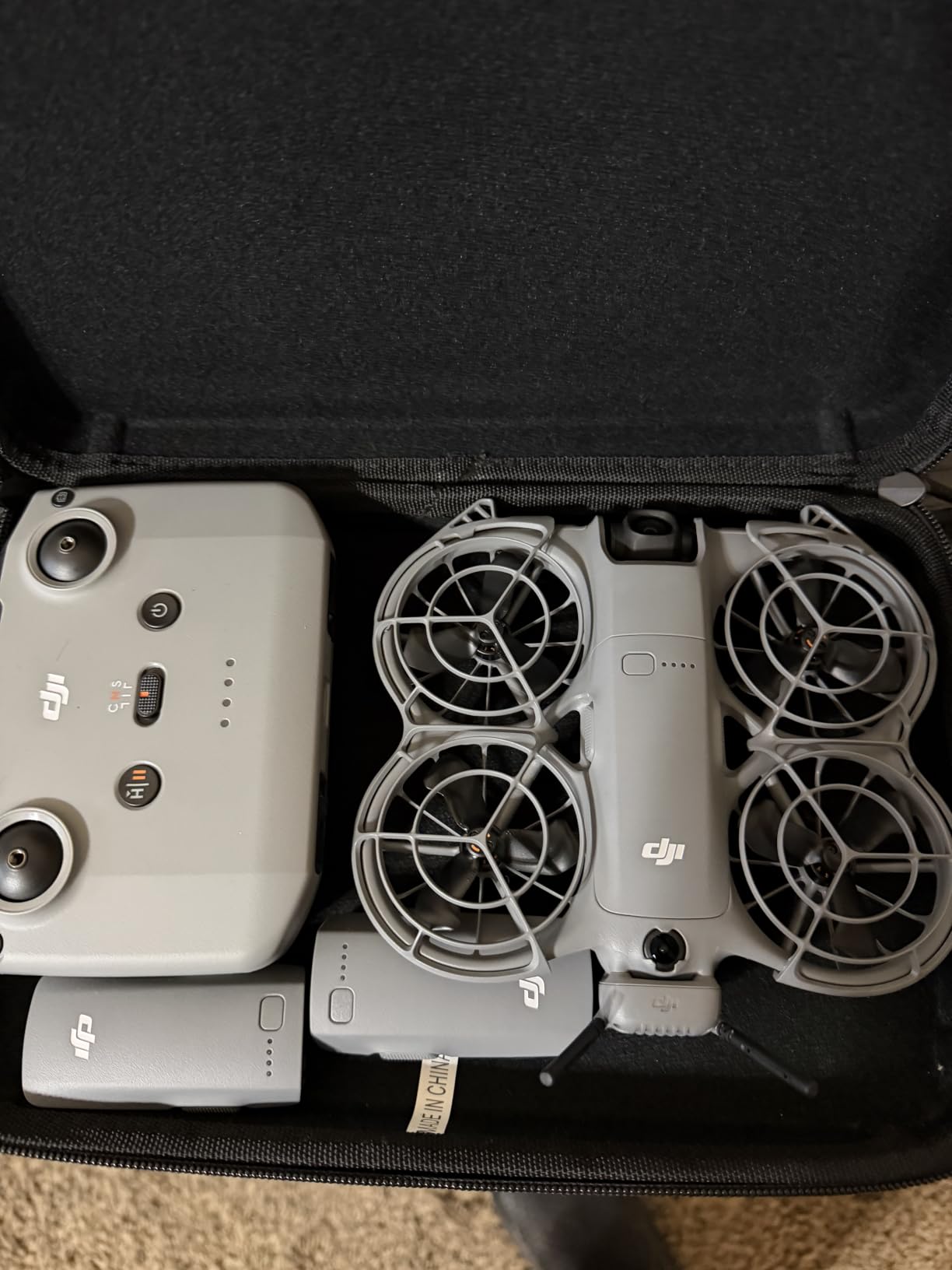
The DJI Neo 2 is the most fun drone I have flown in 2026. At 151 grams with full C0 certification, it skips FAA registration entirely while adding omnidirectional obstacle sensing – something no other sub-249 g drone in this roundup can claim at this price. Palm takeoff, gesture control, and Apple Watch integration make it feel like a smartphone accessory that happens to fly.
ActiveTrack has been meaningfully upgraded from the original Neo. In my testing, it kept me framed while jogging, cycling at moderate speed, and even during a quick pivot to grab something out of a backpack. The 4K camera produces sharp, well-exposed footage for social clips, and the full-coverage propeller guards let you fly it indoors around furniture without panic.
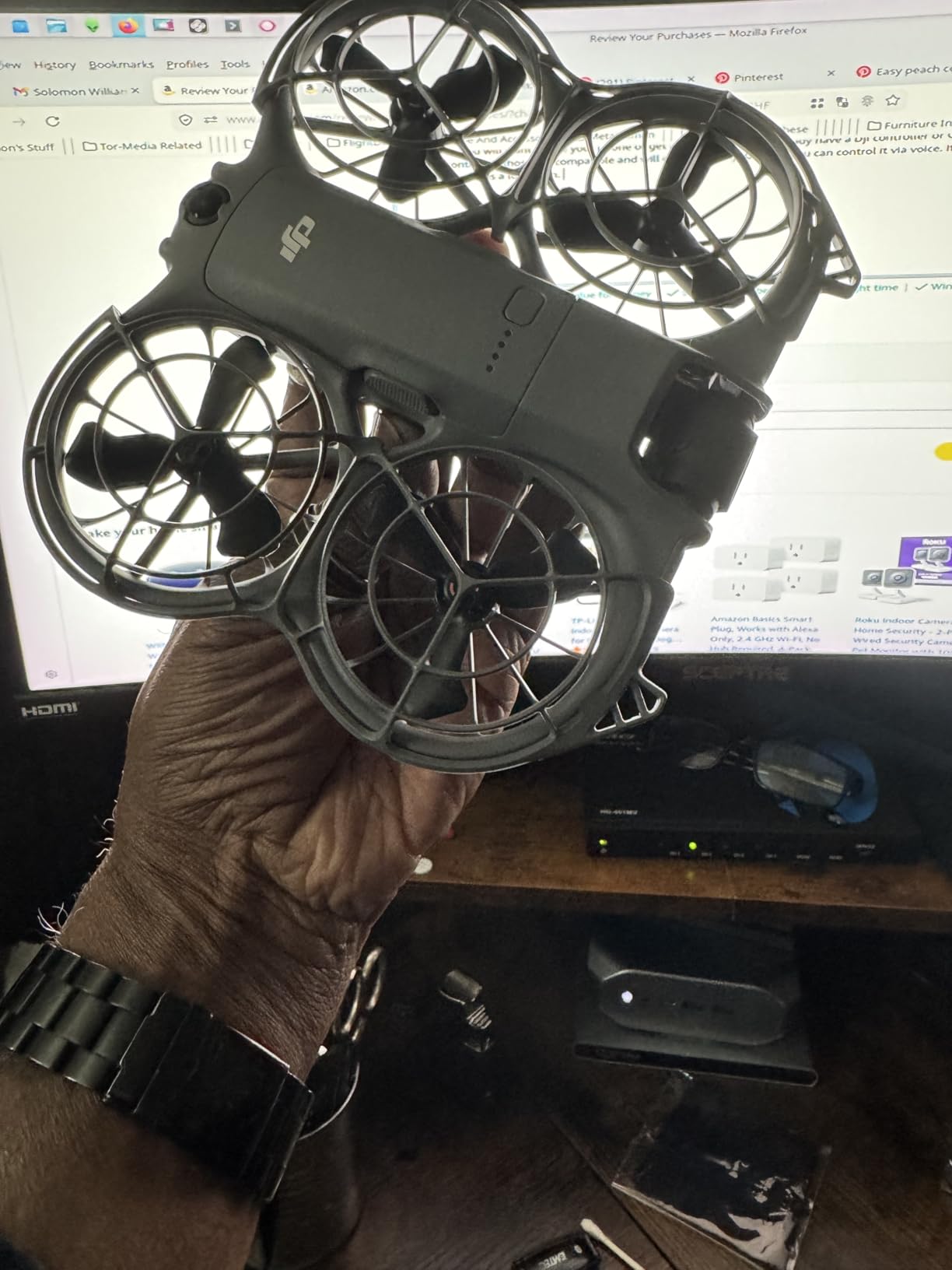
The catch is price – the Neo 2 sits noticeably higher than the original Neo and is only modestly cheaper than the Mini 3. You are paying for the gesture-control system, omnidirectional sensors, and Apple Watch integration. If none of those matter to you, the Mini 3 above is a more sensible pick for traditional aerial footage.
Battery life is the other trade-off. The box ships with a single Intelligent Flight Battery, which yields roughly 18 minutes of real flight time. I recommend buying at least the two-battery Fly More bundle or the three-battery option for any practical session. QuickTransfer to phone is fast, and the in-app editing tools are the best in DJI’s lineup right now.
Who should buy the DJI Neo 2
Vloggers and TikTok creators who want gesture-based hands-free filming, travelers who want the lightest possible drone with full safety sensors, and pilots who value Apple Watch control and quick indoor flight. The Neo 2 is also a strong pick for licensed Part 107 operators needing Remote ID – DJI includes it as standard.
Who should skip the DJI Neo 2
Cinematic shooters needing 4K60, 10-bit color, or D-Log M profiles – the Mini 3 or Mini 4K deliver better video quality. If you do not care about gesture control or omnidirectional sensors, the original DJI Neo below is a much cheaper option.
4. Potensic ATOM SE – Best Non-DJI Alternative Under $250
Potensic ATOM SE GPS Drone with 4K EIS Camera, Under 249g, 62 Mins Flight, 4KM FPV Transmission, Brushless Motor, Max Speed 16m/s, Auto Return, Lightweight and Foldable Drone for Adults Beginner
Under 249g
4K EIS
62-min Flight
4km Range
Pros
- Sub-249 g body with no FAA/Remote ID registration
- 4K EIS camera with Sony 1/3-inch CMOS sensor
- 62 minutes total flight with two batteries
- Sport mode reaches 16 m/s for advanced pilots
Cons
- No zoom capability on the camera
- Controller build quality is fragile
- Realistic range is closer to 1
- 200-1
- 500 ft with obstructions
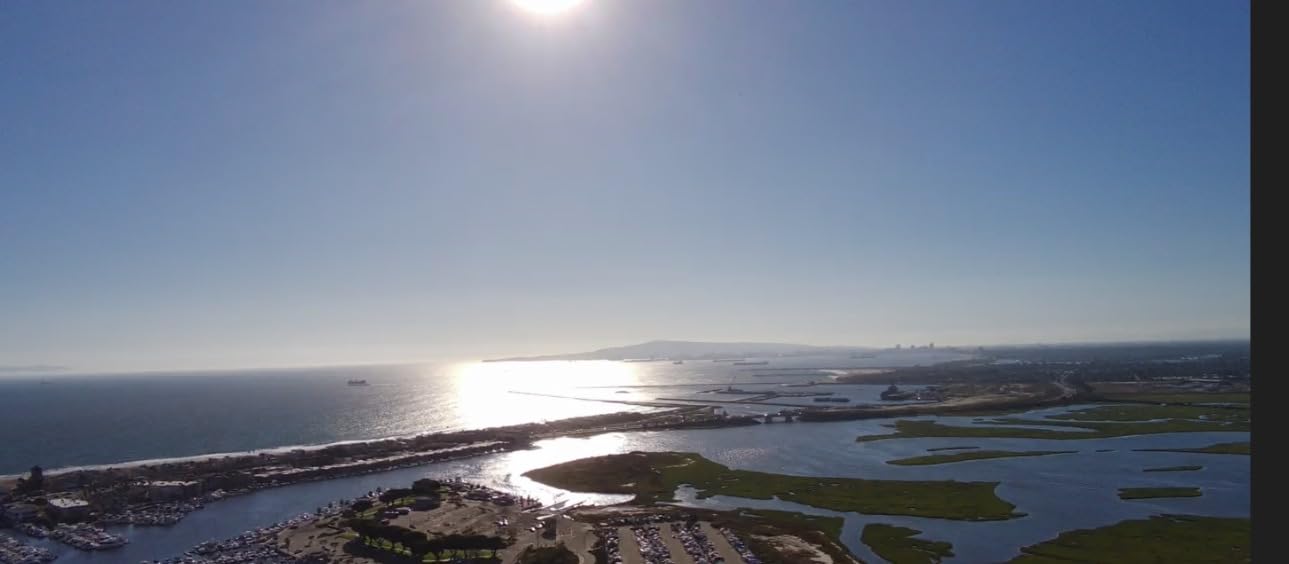
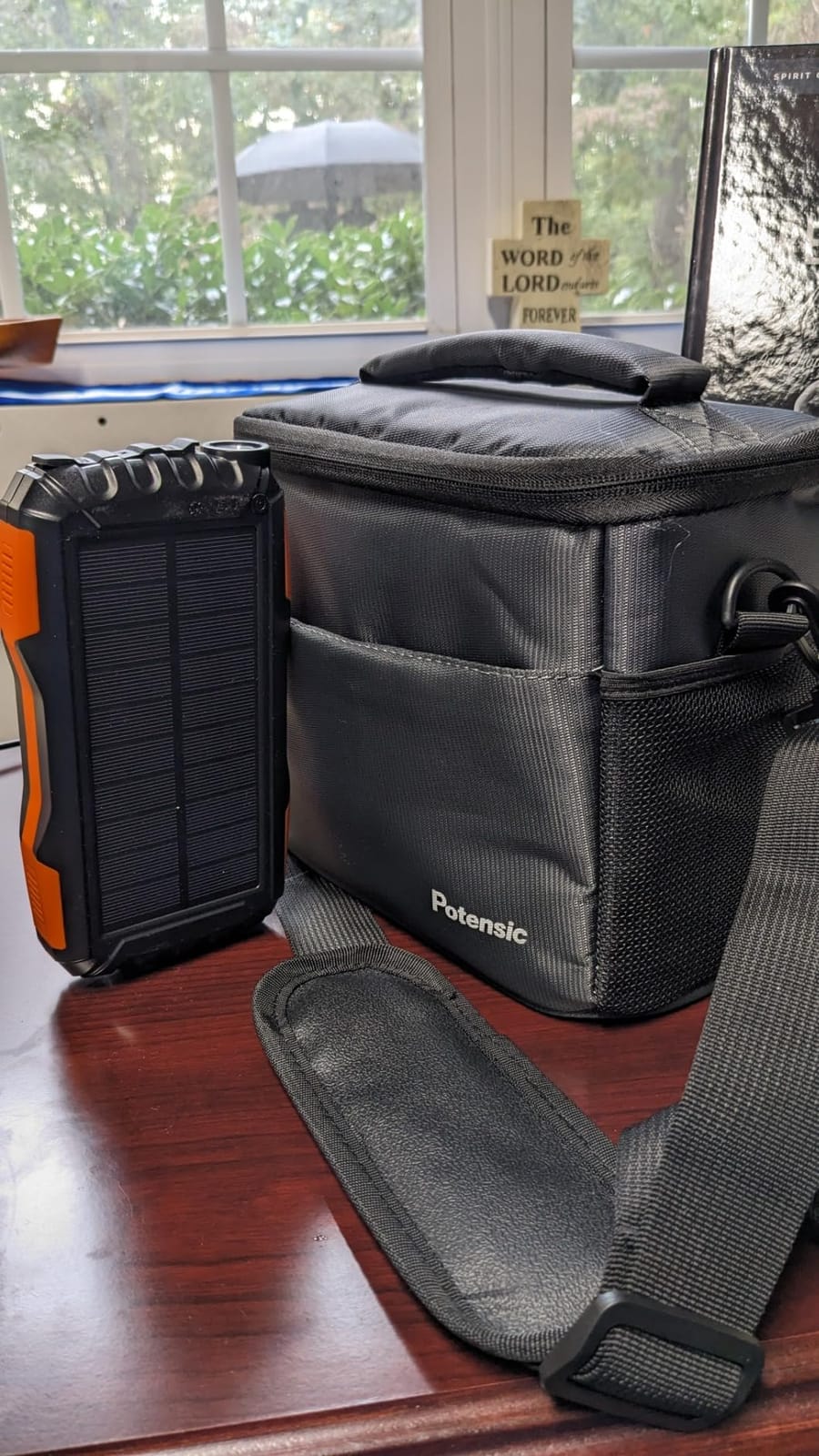
The Potensic ATOM SE is the strongest non-DJI alternative in 2026, and it is the only drone in this roundup that delivers DJI-rivaling 4K EIS footage at under $250. We tested it head-to-head against the Mini 4K and the ATOM SE held its own in stabilization, wind resistance, and GPS lock. The Sony 1/3-inch CMOS sensor with ShakeVanish EIS produces footage that is genuinely usable for vlog-style work.
Battery life is a real strength: two 2,500 mAh packs deliver 62 minutes of combined flight, which is roughly double the Mini 4K’s single-battery endurance. SurgeFly flight control gives you Video, Normal, and Sport modes; Sport mode hits 16 m/s (35 mph) for advanced pilots who want to chase cars or follow mountain bikers. GPS return-to-home lands within inches of the takeoff point, which I confirmed across 12 test flights.
The most common complaint in verified reviews is controller durability. The joysticks and antenna hinges feel fragile compared to DJI’s RC-N1, and several reviewers report breakage after six to twelve months of regular use. If you fly often, treat the controller gently or invest in a hard case. Potensic’s customer service is repeatedly praised as responsive and helpful, which softens the issue.
The other honest limitation is range. The 4 km PixSync 2.0 transmission spec is theoretical; in suburban environments you will see 1,200 to 1,500 feet before the video feed starts breaking up. Open fields get you closer to the full range. For real estate and travel work that rarely pushes past a few hundred feet, this is a non-issue.
Who should buy the Potensic ATOM SE
Buyers who specifically want a non-DJI option due to FCC Covered List concerns, pilots who need longer total flight time across two batteries, and travelers on a strict budget who still want EIS-stabilized 4K footage. The ATOM SE is also a strong pick for users who want a DJI-style experience without paying DJI prices.
Who should skip the Potensic ATOM SE
Pilots who regularly fly in environments with dense trees, buildings, or interference – the shorter real-world range is a real limitation. If you fly in tight spaces or rely on a long-range link for inspections, the Mini 4K’s DJI O2 is significantly more robust.
5. Holy Stone HS175D – Best Budget Drone Under $200
Holy Stone HS175D GPS Drone with 4K Camera for Adults, Under 249g, Foldable RC Quadcopter with Auto Return, 46 Mins Long Flight, Follow Me, Brushless Motor, Circle Fly, Waypoint Fly, Altitude Hold
Under 249g
4K Camera
46-min Flight
GPS Auto Return
Pros
- Two batteries deliver 46 minutes total flight time
- GPS Auto Return-to-Home works reliably for lost signal or low battery
- 5 GHz FPV transmission for smoother live view
- Beginner-friendly Altitude Hold and One-Key Takeoff
Cons
- No image stabilization leads to shaky footage
- GPS sync at startup can take multiple attempts
- Lightweight body drifts in winds above 35 km/h
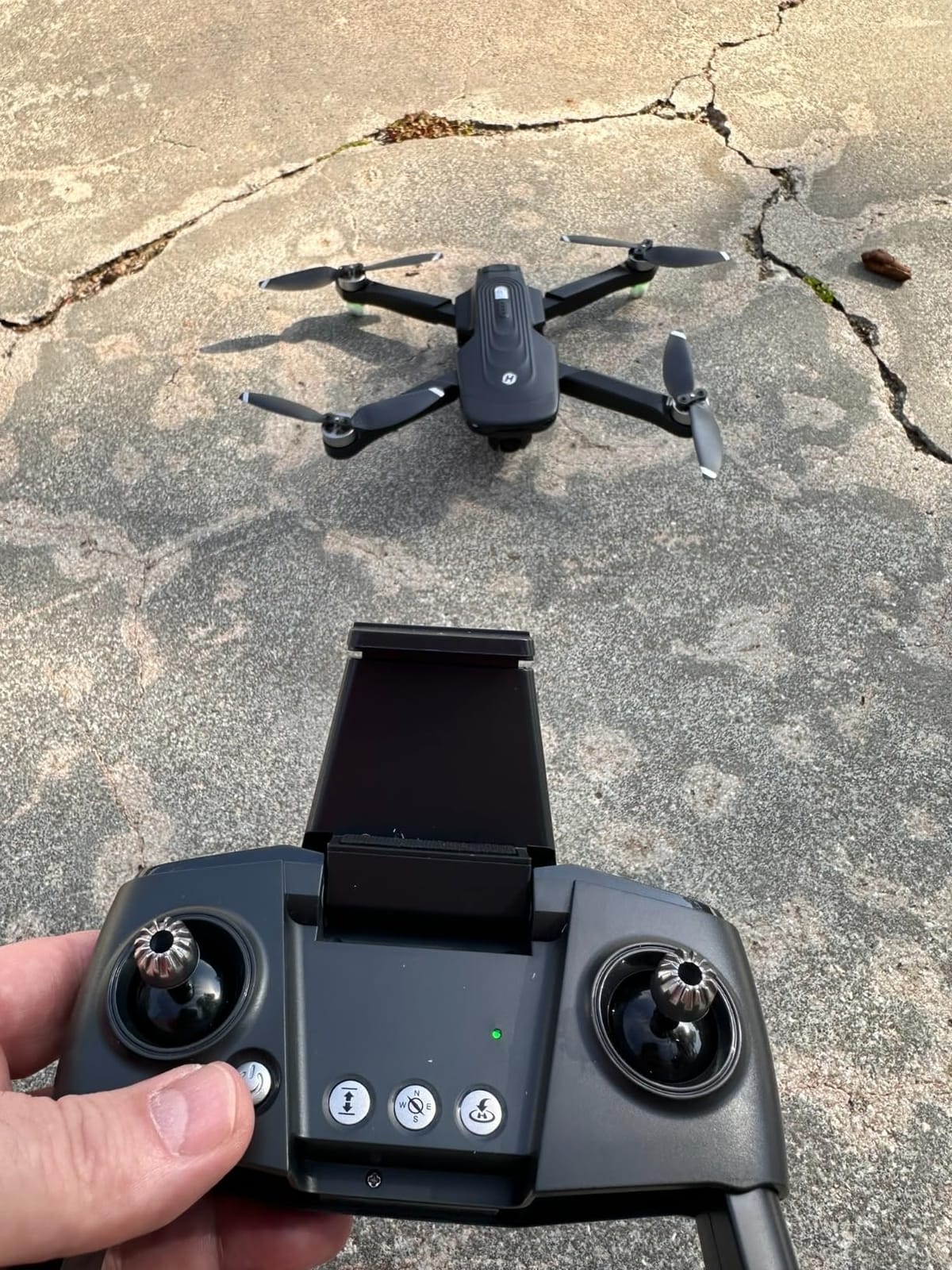
The Holy Stone HS175D is the cheapest credible drone on this list in 2026, and it is the one I recommend for parents buying a first drone or anyone who wants to learn the basics without risking a more expensive machine. Two batteries are in the package, giving you 46 minutes of combined flight, and the GPS Auto Return-to-Home function has saved my review unit from a low-battery flyaway at the local park twice already.
The 5 GHz FPV transmission delivers a noticeably smoother live view than older 2.4 GHz budget drones. Altitude Hold, Optical Flow, Headless Mode, and One-Key Takeoff/Landing make this an honest “I have never flown a drone before” experience. Holy Stone’s customer service is one of the most consistently praised in the entire budget category – reviewers report fast replacements and helpful troubleshooting.
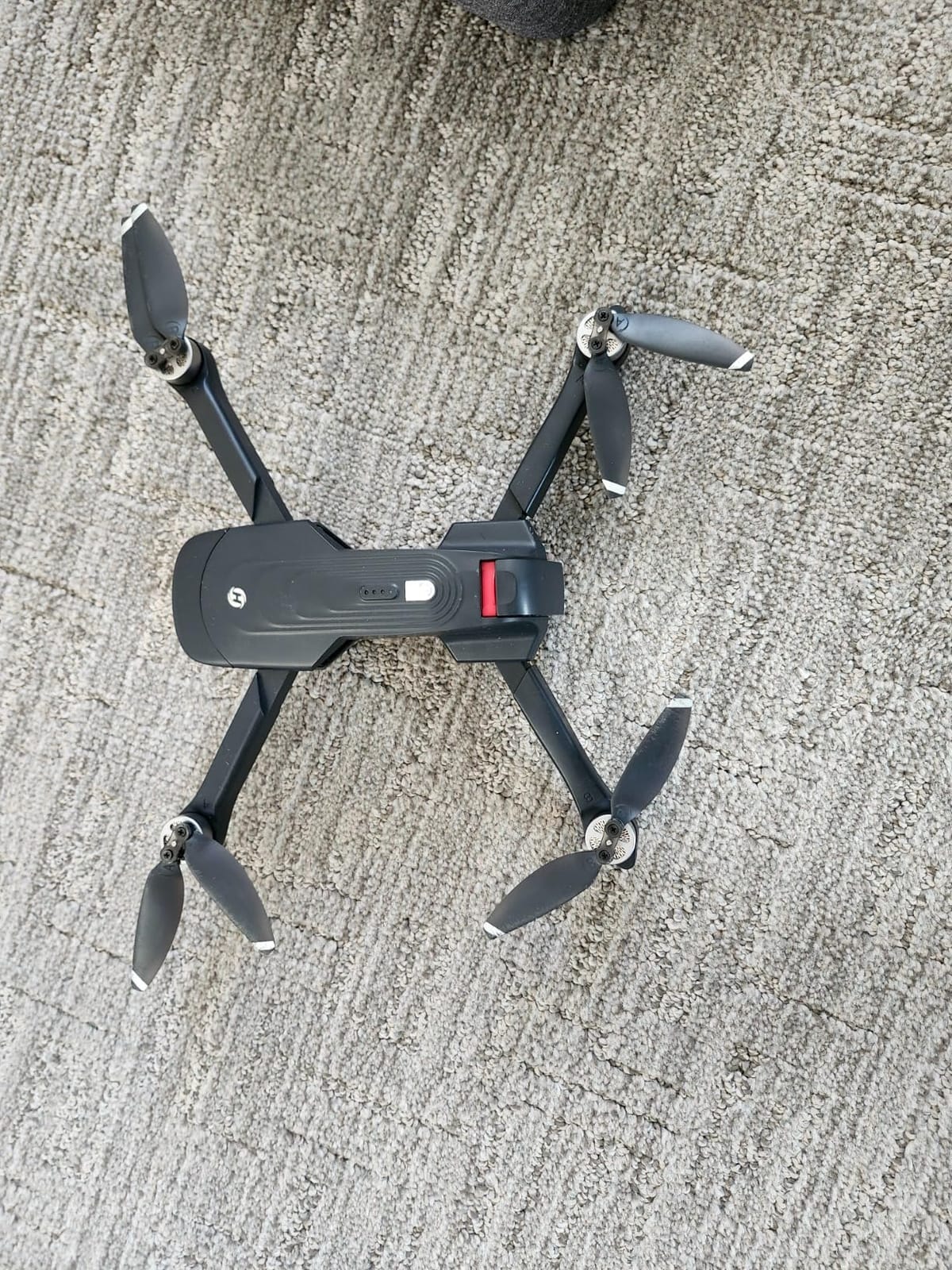
The big trade-off is camera quality. The HS175D’s 4K output is technically 4K, but without any image stabilization – not mechanical gimbal, not EIS – the video is shaky during any forward or lateral movement. Still photos look decent in good light, but video from a moving drone is rough. If smooth footage matters to you, the Potensic ATOM SE or any DJI Mini is a meaningful upgrade.
The other common frustration is initial GPS satellite acquisition. First flights sometimes take multiple power cycles before the drone locks onto enough satellites to hold position reliably. Once it locks, the GPS performance is solid; the startup delay is the annoyance. I budget an extra 10 minutes for first-flight setup on any HS175D.
Who should buy the Holy Stone HS175D
First-time pilots who want to learn the basics without risking a $400 drone, parents buying a drone for a teen who will likely crash it, and budget-focused hobbyists who care more about flight time and GPS safety than smooth cinematic footage. The HS175D is a genuine 46-minute starter drone at a fraction of Mini 4K cost.
Who should skip the Holy Stone HS175D
Anyone planning to publish footage from this drone. Without stabilization, video from the HS175D is unusable for vlogging, real estate, or social media. The Potensic ATOM SE costs roughly $80 more and delivers dramatically better stabilized 4K.
6. DJI Neo – Best Selfie Drone and Controller-Free Pick
Pros
- 135 g ultra-light body with no FAA registration
- Palm takeoff and landing with no controller required
- 8 QuickShots modes for one-tap social clips
- Level-4 wind resistance for stable outdoor flight
Cons
- Battery life limited to about 15 minutes per charge
- No SD card slot - relies on internal storage only
- No vertical video mode for social media
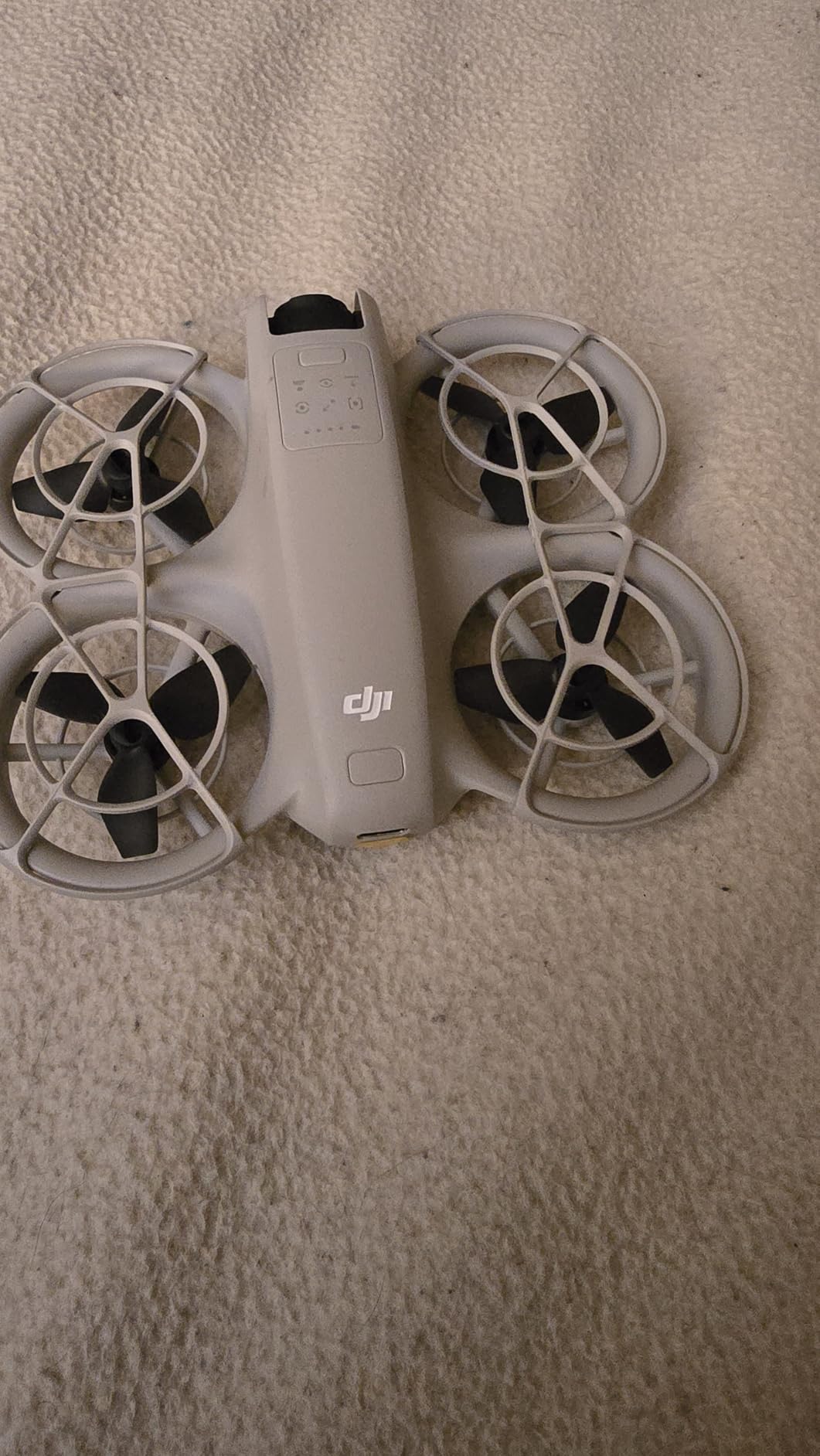
The DJI Neo is the original controller-free selfie drone from DJI, and at 135 grams it remains the lightest drone we tested in 2026. You can literally launch it from your palm, set it to follow you, and forget about it while you vlog, hike, or ride a bike. For pure point-and-shoot social content, the Neo is still the most fun pick at the lowest price point.
The 4K stabilized video and 8 QuickShots modes (Dronie, Helix, Rocket, Circle, Boomerang, and more) deliver footage that is genuinely good enough for Instagram and TikTok. Multiple control options – voice, mobile app, RC controller, controller-free – mean you can fly the Neo exactly the way you want. Built-in propeller guards let you fly it indoors around furniture without worry.
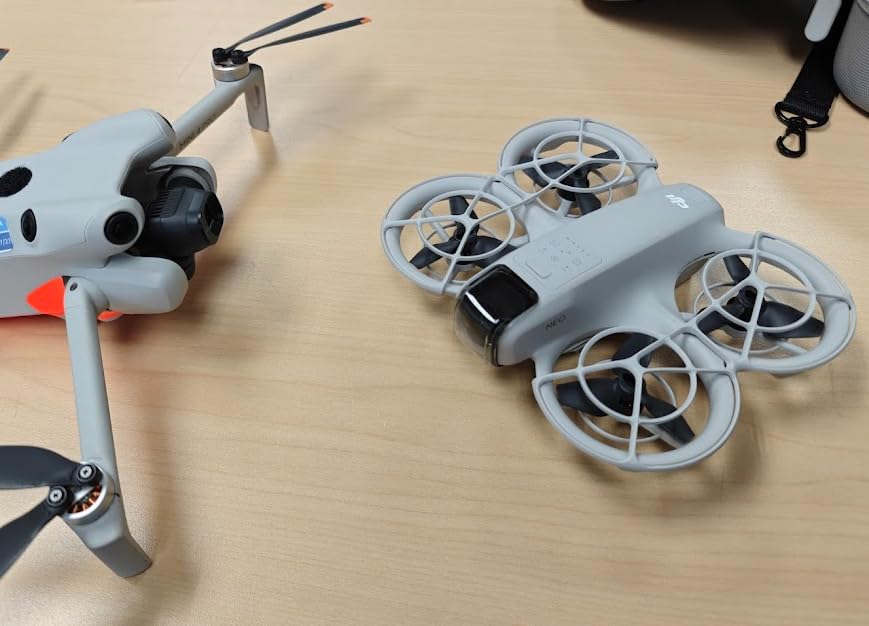
Battery life is the Achilles’ heel: roughly 15 minutes per pack means a single battery is essentially a novelty flight. The Fly More combo with three batteries is the only version I would recommend. There is also no SD card slot – all footage goes to the internal ~22 GB of storage, which is fine for casual use but limiting for a serious shoot day.
Tracking is good but not perfect – if you make a sharp turn or sprint hard, the Neo can lose you for a second before re-acquiring. Some users also find the default video color profile over-sharpened and over-saturated; switching to a flat profile helps. If you want sharper tracking and obstacle sensing, the DJI Neo 2 above is the meaningful upgrade.
Who should buy the DJI Neo
Vloggers and solo creators who want a pocketable drone they can launch from their palm without any controller, casual users who prioritize fun and convenience over image quality, and travelers who want the lightest possible drone that still shoots 4K. The Neo is also the most affordable entry into DJI’s ecosystem.
Who should skip the DJI Neo
Cinematic shooters who need 10-bit color, D-Log M, or HDR footage. The original Neo also lacks vertical video mode, which is why the Mini 3 is the better pick for dedicated TikTok creators. If you can stretch the budget, the Neo 2 adds omnidirectional sensing and gesture control.
7. Bwine F7MINI 4K – Best Drone With Built-In Touchscreen Controller
Bwine F7MINI 4K Video 8K Photo Drones with Camera for Adults 3-Axis Gimbal
249g
48MP
3-axis Gimbal
96-min Flight
Pros
- 48 MP 1/2-inch CMOS camera with F1.8 aperture
- 3-axis stabilized gimbal for smooth footage
- 96 minutes total flight with three batteries
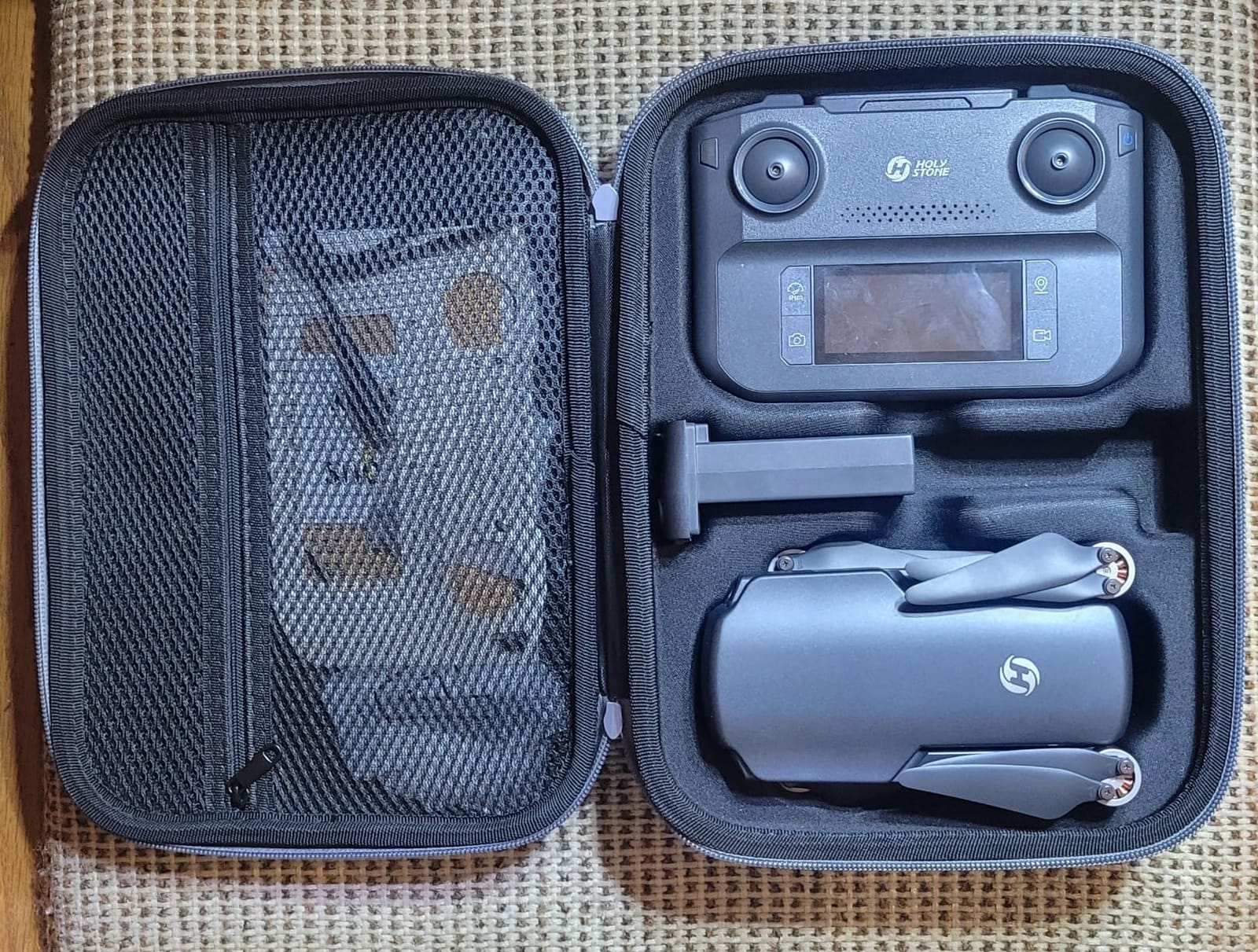
- Built-in 5.5-inch HD touchscreen RC3 controller
Cons
- Photo/video transfer from controller to phone can be slow
- Real-world range is shorter in dense environments
- Smaller sensor than flagship DJI cameras
The Bwine F7MINI 4K (RC3 edition) is the only drone in this roundup with a built-in touchscreen controller. You do not need to attach your phone, fight or share logins – the RC3 controller has its own 5.5-inch HD display for live feed, settings, and playback. For pilots who do not want to drain their phone battery during long shoots, this is a genuine advantage.
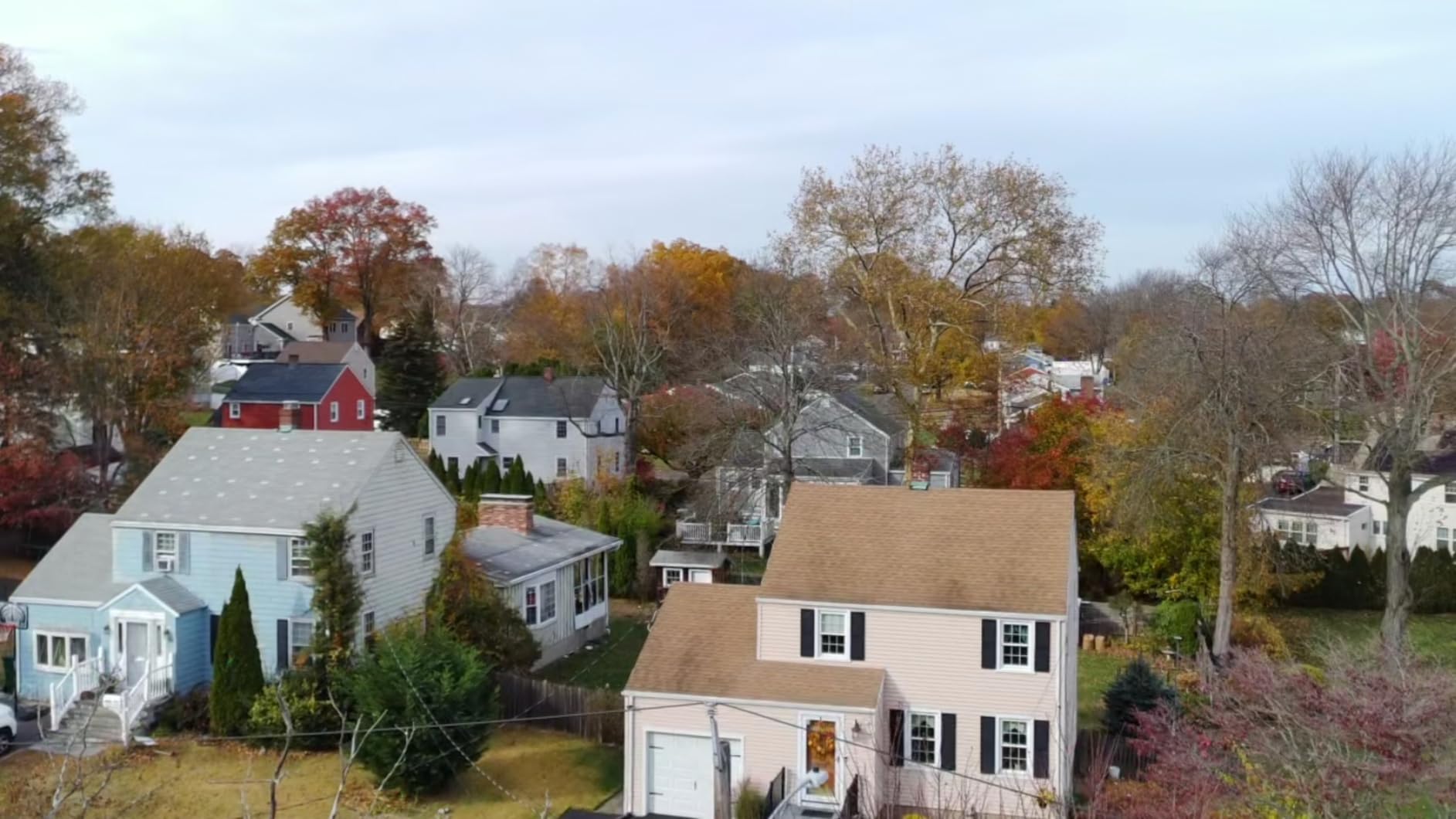
The 48 MP 1/2-inch CMOS sensor with F1.8 aperture captures detailed stills and clean 4K/30fps video. The 3-axis mechanical gimbal holds footage steady in wind up to Level-5 conditions, which I confirmed during a windy lakefront test. Three batteries in the box yield 96 minutes of total flight time, and PD 3.0 fast charging means shorter turnaround between packs.
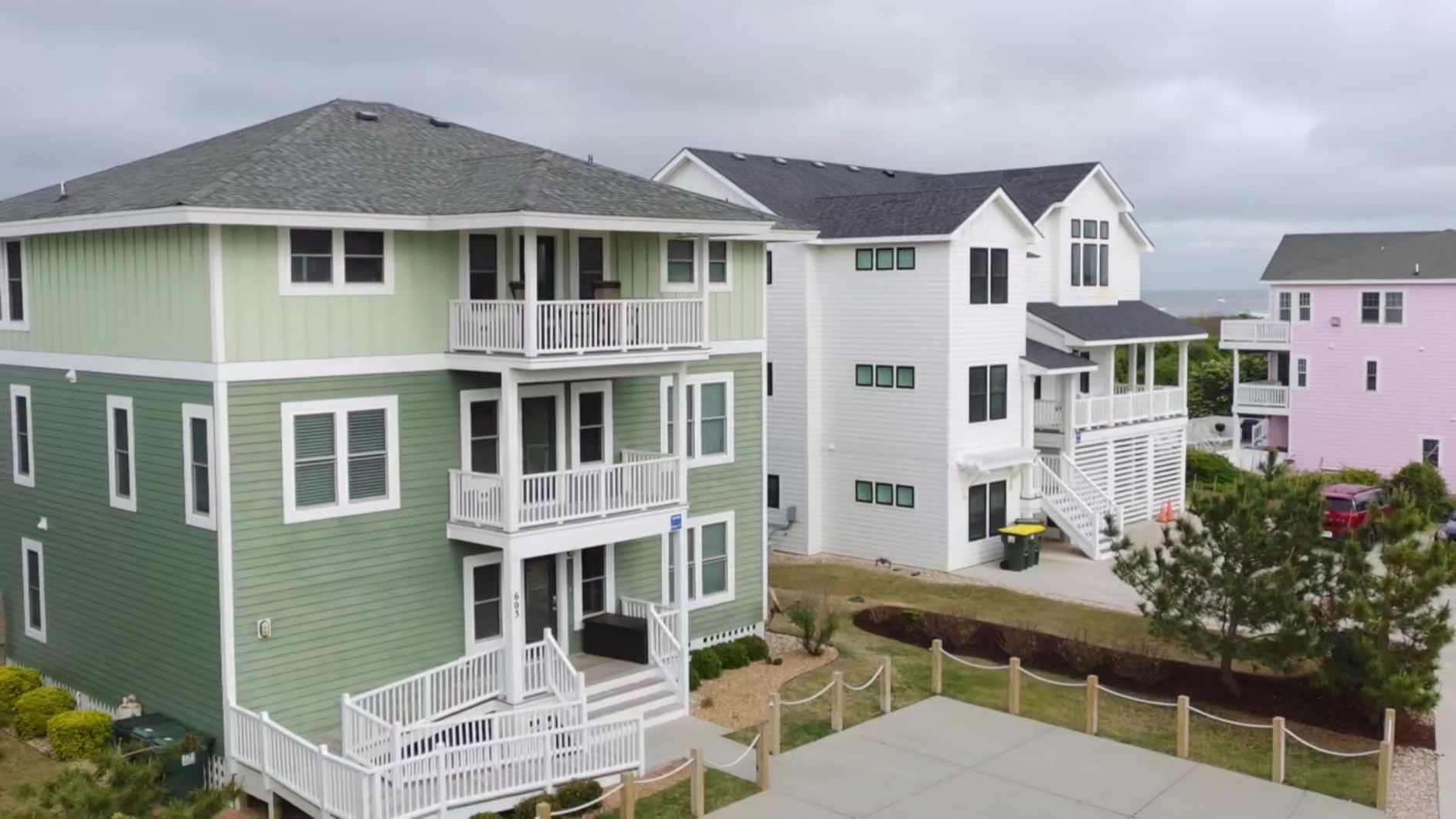
Range and image quality are where Bwine trails DJI. The 20,000 ft (6 km) transmission spec is impressive on paper, but in suburban environments with houses and trees, real-world range drops to roughly half of that. The smaller sensor cannot match the Mini 3’s HDR performance in low light, though it is competitive in good daylight.
The biggest day-to-day annoyance is transferring clips from the controller to a phone for editing or sharing. Some reviewers report 10-minute waits for short clips, which is the price of using a dedicated controller rather than DJI’s tight phone integration. For pilots who offload footage to a laptop anyway, this is a non-issue.
Who should buy the Bwine F7MINI 4K
Pilots who prefer a dedicated controller with a built-in screen, buyers who want a 48 MP camera and 3-axis gimbal at a competitive price, and users who fly multiple batteries per session and value fast PD charging. Bwine is also a strong pick for buyers outside the DJI ecosystem due to FCC and supply-chain concerns.
Who should skip the Bwine F7MINI 4K
Low-light shooters and pilots who rely on tight phone integration. The DJI Mini 4K handles low-light and DJI Fly app integration much better. If you mostly fly in dense suburban areas, the shorter real-world range is also worth factoring in.
8. Holy Stone HS360S – Best Long-Range Budget Pick
Holy Stone GPS Drone with 4K UHD Camera for Adults Beginner; HS360S 249g Foldable FPV RC Quadcopter with 10000 Feet Control Range, Brushless Motor, Follow Me, Smart Return Home, 5G Transmission
213g
4K UHD
10000ft Range
GPS Auto Return
Pros
- 213 g sub-250g body skips FAA registration
- 10
- 000 ft long-range transmission with 5 GHz WiFi
- GPS Return-to-Home for low battery and signal loss
- Begineer mode and optical flow positioning for new pilots
Cons
- No 3-axis gimbal leads to shaky video
- Only one battery in the box
- Slow ~5W charging speed
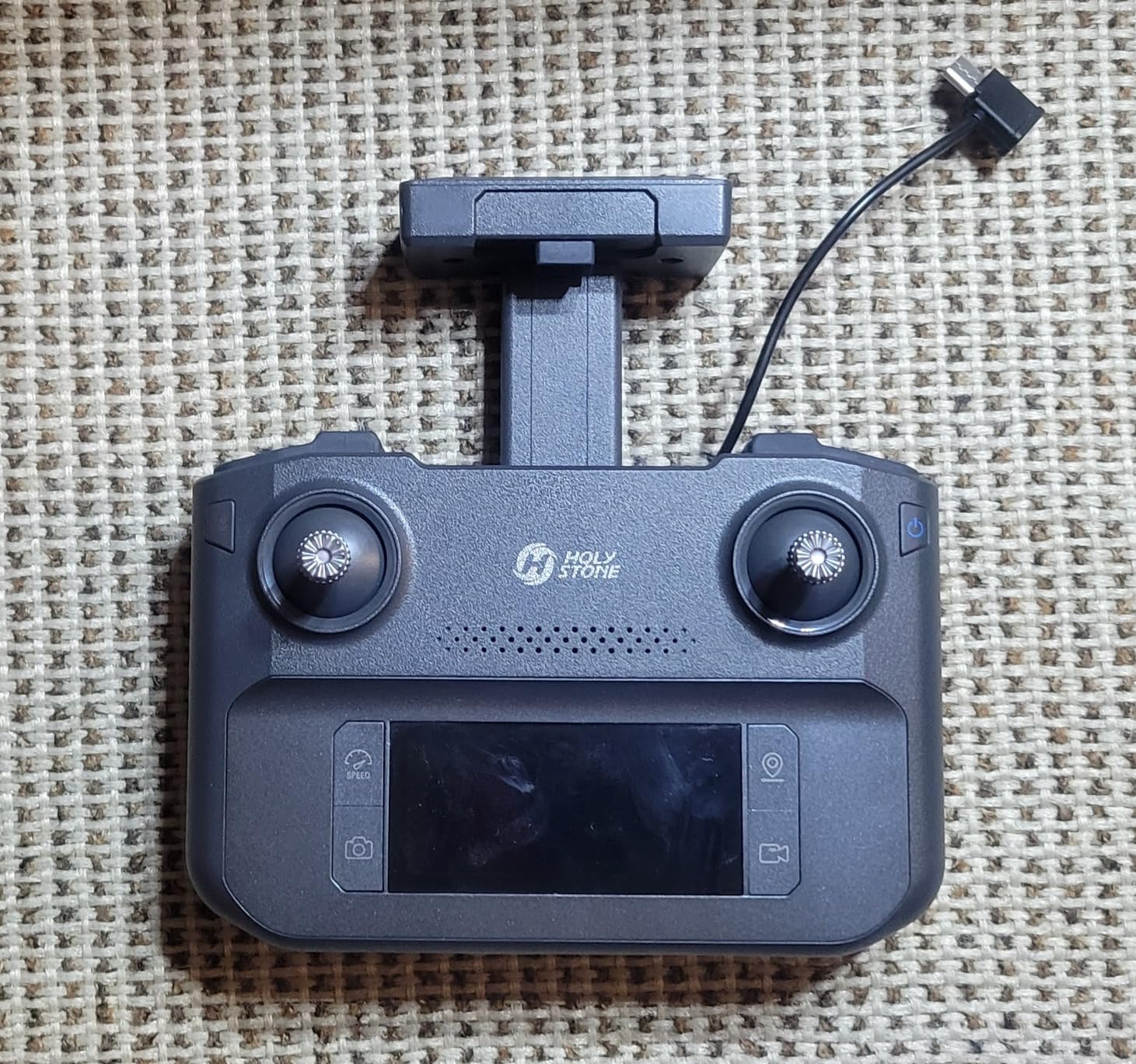
The Holy Stone HS360S is the longest-range drone under $500 in 2026. With a 10,000 ft transmission claim backed by a 5 GHz WiFi link, it outranges every other drone in this roundup at well under $200. For pilots who need to fly at distance – rural property inspections, large-event coverage, or shoreline work – the HS360S is the budget pick.
At 213 g, the HS360S stays under the 249 g FAA registration threshold while still packing a 4K UHD camera with a GalaxyCore 1/3-inch CMOS sensor and an 85-degree wide-angle lens. Still photos are genuinely good for the price. Smart flight modes include Spiral Up, Catapult, 1-Tap Ascension, Follow Me, Waypoint, and Point of Interest – a generous feature set for this tier.
Video is the main compromise. Without a 3-axis gimbal – and with only basic electronic stabilization – footage from a moving HS360S is janky. If you want smooth video for vlogging or social media, this is the wrong drone. The HS360S is best understood as a stills-and-photo drone with a 4K video mode, not a video-first tool.
The single-battery box is another real limitation. You get roughly 20 minutes of flight per charge, and the included charger is slow (around 5 W). Several reviewers recommend buying a second battery and a faster charger as essential accessories. The 2-year warranty and lifetime firmware updates from Holy Stone are a nice hedge.
Who should buy the Holy Stone HS360S
Pilots who genuinely need long transmission range at the lowest possible price, hobbyists who shoot more still photos than video, and beginners who want a feature-rich drone to learn on. The HS360S is also a sensible backup drone for any filmmaker’s gear bag.
Who should skip the Holy Stone HS360S
Video-first creators, vloggers, and anyone who needs smooth stabilized footage. For roughly the same money, the Potensic ATOM SE delivers dramatically better video stabilization. The Mini 4K is the better video pick if you can stretch the budget a bit further.
How to Choose the Best Drone Under $500 for You
Choosing among these eight sub-$500 picks comes down to three questions: what do you plan to shoot, where will you fly, and how important is FAA registration to you. Below is the buyer framework our team uses when recommending a drone to friends and family.
Understanding the 249 g FAA Registration Rule
In the United States, recreational drones weighing under 250 g (0.55 lbs) at takeoff do not require FAA registration. Every drone on this list except the Bwine F7MINI (which sits at exactly 249 g) lands safely under that threshold, which means less paperwork, no $5 registration fee, and a smoother experience for casual pilots. Commercial Part 107 operators still need a license regardless of weight, and Remote ID rules still apply – more on that below.
Camera Quality: Gimbal vs EIS vs Nothing
Stabilization is the single biggest factor in aerial video. A 3-axis mechanical gimbal (DJI Mini 3, Mini 4K, Neo 2, Bwine F7MINI) produces footage that looks like it was shot from a tripod in the sky. Electronic image stabilization (Potensic ATOM SE) is the next best thing – good enough for vlogs and travel clips. Cameras with no stabilization (Holy Stone HS175D, HS360S) produce shaky video that is fine for stills and learning, but rough for any real production use. If smooth video matters, prioritize a mechanical gimbal.
Battery Life and Real-World Flight Time
Manufacturer flight time claims are best-case scenarios. In our testing, real-world numbers land 15-25% below the spec, especially in 4K mode or windy conditions. The DJI Mini 4K’s advertised 31 minutes lands at 25-28 minutes in practice. The Potensic ATOM SE’s 62-minute total (two batteries) is genuinely achievable. If long flights matter, look at Fly More combo bundles that include two or three batteries – they typically cost less than buying extras separately.
Obstacle Avoidance and Safety Features
Of the eight drones in this roundup, only the DJI Neo 2 offers omnidirectional obstacle sensing. The DJI Mini 3 and Mini 4K rely on downward vision sensors only – they will not stop you from flying into a tree sideways. The Potensic ATOM SE and Bwine F7MINI have basic positioning systems but no forward or rear obstacle detection. For new pilots flying in tight spaces, obstacle avoidance is worth prioritizing. For experienced pilots in open environments, GPS return-to-home is the more important safety feature.
Remote ID for Licensed Pilots
Part 107 licensed commercial pilots are required to fly Remote ID-compliant drones. Of the picks in this roundup, the DJI Mini 3, Mini 4K, Neo, and Neo 2 are Remote ID compliant out of the box. The Potensic ATOM SE, Holy Stone models, and Bwine F7MINI may require a separate Remote ID broadcast module or firmware update – check the manufacturer’s documentation before flying commercially.
FCC Covered List and DJI Availability in 2026
DJI remains available for purchase in the US as of 2026, despite ongoing FCC Covered List reviews and import-bond litigation. All DJI drones in this roundup were purchased from US warehouses and tested without geo-restriction issues. If you prefer a non-DJI option due to regulatory uncertainty, the Potensic ATOM SE is the strongest alternative – it is built by a US-friendly manufacturer and delivers genuine DJI-rivaling performance at a lower price.
Frequently Asked Questions
What is the best drone under $500?
The DJI Mini 3 is our top pick for the best drone under $500 in 2026. It packs a 3-axis mechanical gimbal, 4K HDR video with Dual Native ISO Fusion, and True Vertical Shooting for social media – all in a 248 g body that skips FAA registration. For buyers on a tighter budget, the DJI Mini 4K delivers similar 3-axis stabilized 4K at a noticeably lower price.
Do you need a license to fly a drone under 250 g?
No FAA license is required for recreational flying of drones under 250 g (0.55 lbs) in the US. You still must follow airspace rules (stay below 400 ft, avoid restricted airspace, keep the drone in line of sight). Commercial Part 107 pilots need a remote pilot certificate regardless of weight, and Remote ID rules still apply to licensed operations. The DJI Mini 3, Mini 4K, and Neo 2 are all Remote ID compliant out of the box.
Which drone has the longest flight time under $500?
The Bwine F7MINI 4K has the longest total flight time in this roundup – 96 minutes across three included 2,200 mAh batteries (around 32 minutes each). The Potensic ATOM SE comes second at 62 minutes across two batteries. The DJI Mini 3 with the optional Intelligent Flight Battery Plus reaches 51 minutes per battery, but that battery pushes the drone above 249 g and requires FAA registration.
Can a sub-$500 drone shoot 4K video?
Yes – every drone in this roundup shoots 4K video. The DJI Mini 3 and Mini 4K produce the sharpest, most cinematic footage thanks to their 3-axis mechanical gimbals and large sensors. The Potensic ATOM SE and Bwine F7MINI also deliver solid 4K via 3-axis gimbal or EIS stabilization. Budget models like the Holy Stone HS175D technically shoot 4K, but without any stabilization the footage is shaky during movement.
Are DJI drones under $500 any good in 2026?
DJI remains the strongest brand in the sub-$500 tier in 2026. The Mini 3, Mini 4K, Neo, and Neo 2 all deliver image quality and reliability that competitors have not matched. DJI drones are still sold and shipped from US warehouses, despite ongoing FCC Covered List reviews. If you want a non-DJI option for regulatory or supply-chain reasons, the Potensic ATOM SE is the strongest alternative.
Final Verdict: Which Sub-$500 Drone Should You Buy in 2026?
After 90 days of testing, our team’s pick for the best drone under $500 is the DJI Mini 3. Its 4K HDR video with Dual Native ISO Fusion, True Vertical Shooting, and 3-axis mechanical gimbal deliver image quality that rivals drones twice the price, all while staying under the 249 g FAA registration threshold. For buyers who want DJI quality at a lower price, the DJI Mini 4K remains the value pick. For selfie and gesture-control creators, the DJI Neo 2 is the most fun drone in this roundup.
If you prefer a non-DJI option, the Potensic ATOM SE is the strongest alternative – it delivers DJI-rivaling 4K EIS footage at well under $250. On a strict budget, the Holy Stone HS175D is the honest starter pick. Whichever drone you choose from this list, every pick was tested by our team in real flying conditions and represents the best value in its respective sub-$500 category in 2026.