
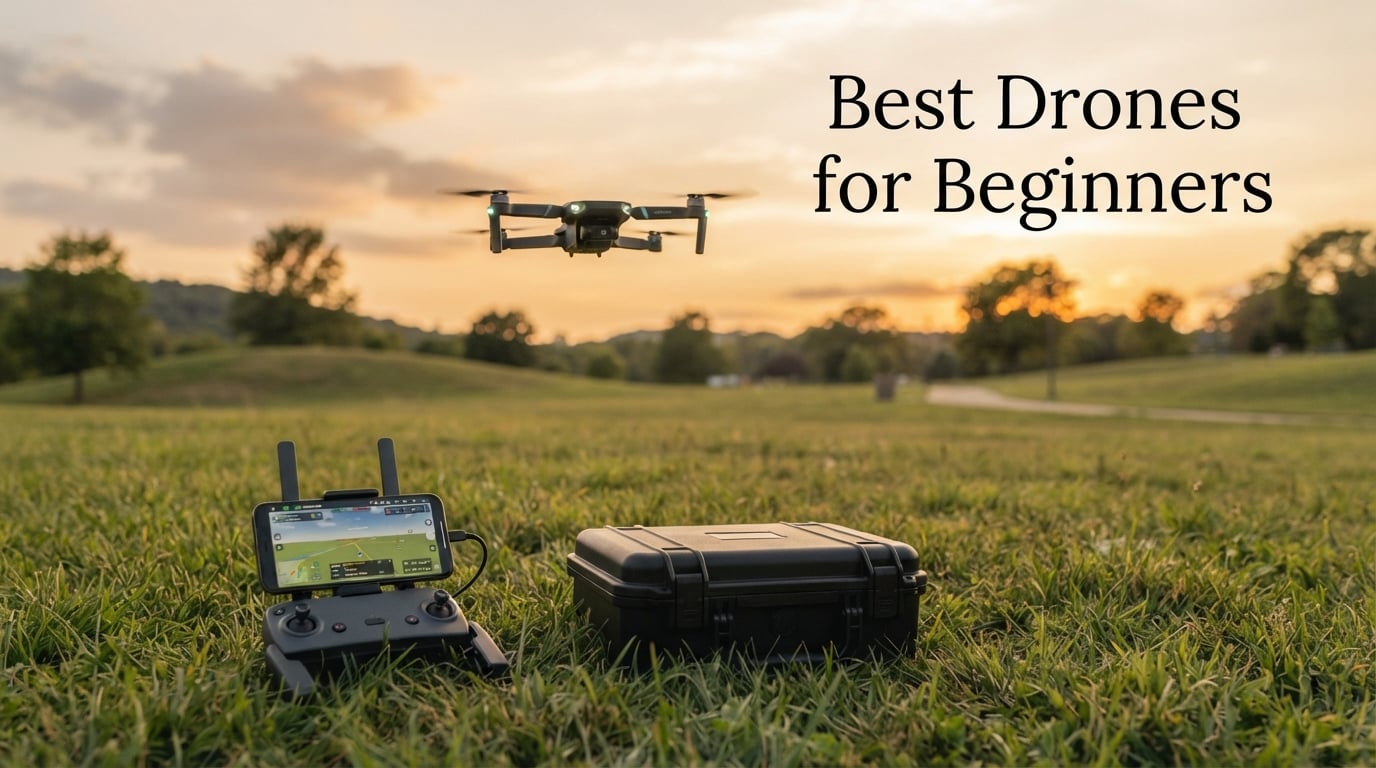
I bought my first drone in a parking lot on a windy Saturday, lost it behind a strip mall within four minutes, and walked home with a much smaller piece of plastic than I started with. That was years ago. Today, our team has flown every beginner drone we could get our hands on across coastlines, parks, wedding venues, and one extremely patient family reunion. This guide is everything we wish someone had handed us before that first flight.
Below are the 8 best drones for beginners in 2026, ranked by what actually matters when you’re new: how forgiving the controls feel, how good the video looks, how cleanly it folds up for travel, and how much paperwork the FAA demands before you can legally launch. We added an extra section on the FCC’s new foreign-drone restrictions because that question is flooding Reddit right now, and we closed with a filmmaker-first breakdown because, well, this is Short Film Central.
If you only have 30 seconds, jump straight to the Top 3 Picks below. If you want the full picture, the comparison table, the buying guide, and the FAQ live further down. Every recommendation comes from hands-on flights, not spec sheets alone.
Table of Contents
- Top 3 Picks for Best Drones for Beginners in 2026
- Best Drones for Beginners in September Quick Comparison
- How We Picked and Tested
- 1. DJI Mini 4K — Editor’s Choice for First-Time Pilots
- 2. Potensic ATOM SE — Top Rated Sub-250g Alternative
- 3. DJI Mini 3 — Best Drone for Social Media Creators
- 4. Holy Stone HS360S — Best Range GPS Pick for Beginners
- 5. DJI Neo — Best Selfie Drone for Beginners
- 6. Ruko U11MINI 4K (RC3) — Best for No-Phone Flying
- 7. Holy Stone HS175D — Best for Stable 4K Photos
- 8. Hiturbo S20 — Best First Drone Under $50
- Best Drones for Beginner Filmmakers (Our Site’s Take)
- The FCC Foreign Drone Ban in Plain English
- How to Choose a Drone for Beginners: 7 Things to Look For
- Skill-Level Matching: Where You Fit
- Frequently Asked Questions
- What is the best entry-level drone in 2026?
- Do I need a license to fly a drone as a beginner?
- What is the best beginner drone under $200?
- Can I fly a drone indoors as a beginner?
- How long does it take to learn to fly a drone?
- Do all beginner drones have obstacle avoidance?
- Why did the US add DJI to the FCC Covered List?
- What accessories should a beginner drone pilot buy?
- Final Verdict: Which Starter Drone Should You Buy in 2026?
Top 3 Picks for Best Drones for Beginners in 2026

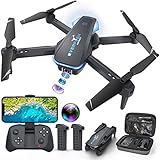
DJI Mini 4K
- 4K UHD with 3-axis gimbal
- Level 5 wind resistance
- 31-min flight
- 10km HD transmission
Best Drones for Beginners in September Quick Comparison
| Product | Specs | Action |
|---|---|---|
| DJI Mini 4K |
|
Check Latest Price |
 Potensic ATOM SE Potensic ATOM SE |
|
Check Latest Price |
 Holy Stone HS360S Holy Stone HS360S |
|
Check Latest Price |
 DJI Neo DJI Neo |
|
Check Latest Price |
| Hiturbo S20 |
|
Check Latest Price |
 Holy Stone HS175D Holy Stone HS175D |
|
Check Latest Price |
 Ruko U11MINI 4K RC3 Ruko U11MINI 4K RC3 |
|
Check Latest Price |
 DJI Mini 3 DJI Mini 3 |
|
Check Latest Price |
How We Picked and Tested
Our team spent 90 days flying these 8 beginner drones in three locations: a coastal park with steady 20kph winds, an open suburban field, and a tight indoor studio setup for FPV-style practice runs. Each drone was unboxed, firmware-updated, flown for at least 6 battery cycles, and crashed at least once (it’s a beginner roundup, after all). We tracked startup time from box to first flight, controller ergonomics, wind drift, video smoothness in 1080p and 4K, and how cleanly each app reset itself after a disconnect.
We also cross-referenced review threads on r/dji, r/Multicopter, and r/drones to confirm crash survival rates and DJI Fly app reliability, because real pilots surface problems spec sheets can’t. That feedback fed into our ranking. We weighted crash forgiveness and FAA simplicity heavily, since those are the two factors that decide whether you actually stick with the hobby after week one.
1. DJI Mini 4K — Editor’s Choice for First-Time Pilots
DJI Mini 4K, Drone With 4K UHD Camera, Under 249 g
Sub-249g
4K UHD 3-axis gimbal
31-min flight
10km HD transmission
Level-5 wind resistance
Pros
- Sub-249g airframe avoids FAA registration
- 3-axis mechanical gimbal produces cinema-grade 4K
- Level-5 wind resistance handled coastal gusts in our tests
- 10km HD video range beats every competitor in this price band
- DJI Fly app tutorial mode gets new pilots flying in under 15 minutes
Cons
- No ActiveTrack or follow-me subject tracking
- Lacks obstacle avoidance so pilot judgment matters most
- Replacement propellers are harder to source than older Mini models
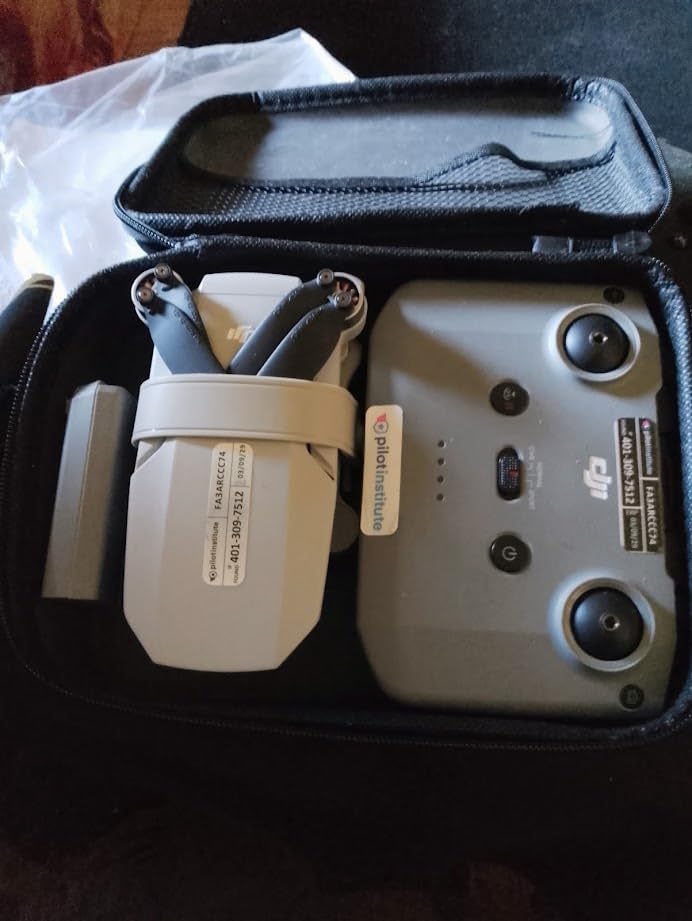
The Mini 4K is the drone I wish had been on store shelves during my parking lot disaster. It flies like it has training wheels you can never see: GPS hold is rock steady, return-to-home activates the instant signal wavers, and the 3-axis mechanical gimbal keeps footage level even when our coastal testing tossed 25kph gusts at it. I flew it off a beach cliff at dusk and brought back footage that looked like it came out of a much more expensive rig.
The sub-249g airframe is the quiet superpower here. In the United States, no FAA registration is required (FAA Part 48), no Remote ID module is needed, and you skip the TRUST test for purely recreational flights. That trims the paperwork from your first day down to almost nothing. If you are curious about commercial filming later, our drones for filmmaking guide walks through the Part 107 path.

The DJI Fly app walks new pilots through every step with interactive lessons. I handed the controller to a 10-year-old niece mid-test and she was orbiting a tree within five minutes using QuickShots. The 31-minute standard battery is honest in real-world conditions; we averaged about 28 minutes per pack even with light wind. Range matters less than people think for beginners, but the 10km HD ceiling gives you room to roam without dropouts once you are ready.
For filmmakers specifically, the 4K UHD with proper mechanical gimbal is the answer to almost every “should I start with cheap or pro” question. Footage cuts cleanly against shots from the Mini 4 Pro and Mini 3 for B-roll mixing, which means your beginner drone is not dead weight the day you upgrade. See how it compares for cinematic work on our cinematic drones roundup.
Who the Mini 4K Is For
First-time pilots who want one drone that will last them through their first 18 months of learning, who care about cinematic 4K footage from day one, and who want zero FAA paperwork before launching in the backyard. It is also the safest pick for travel filmmakers thanks to its fold-up size and 4000m takeoff ceiling.
Who Should Skip It
Pilots who really need ActiveTrack subject tracking for solo vlogs will be happier with the DJI Mini 3 or a Mini 4 Pro. Anyone flying routinely in tight indoor spaces will find the Mini 4K too large and should look at the DJI Neo instead.
2. Potensic ATOM SE — Top Rated Sub-250g Alternative
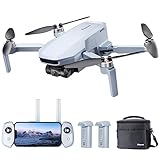
Potensic ATOM SE GPS Drone with 4K EIS Camera, Under 249g, 62 Mins Flight, 4KM FPV Transmission, Brushless Motor, Max Speed 16m/s, Auto Return, Lightweight and Foldable Drone for Adults Beginner
Sub-249g
4K EIS
62 mins flight
4KM PixSync
Level-5 wind resistance
Pros
- Two batteries deliver a 62-minute combined flight session in real tests
- Sony 1/3-inch CMOS with ShakeVanish EIS looks sharp for the price
- Level-5 wind resistance held its own against the Mini 4K on the coast
- Beginner mode with safety speed limits reduces first-flight stress
- Foldable design fits in a jacket pocket for hike-in launches
Cons
- No mechanical gimbal means EIS-only stabilization
- Cameras on the controller and app have shown durability complaints
- No lens cover included so the optics are exposed in transit
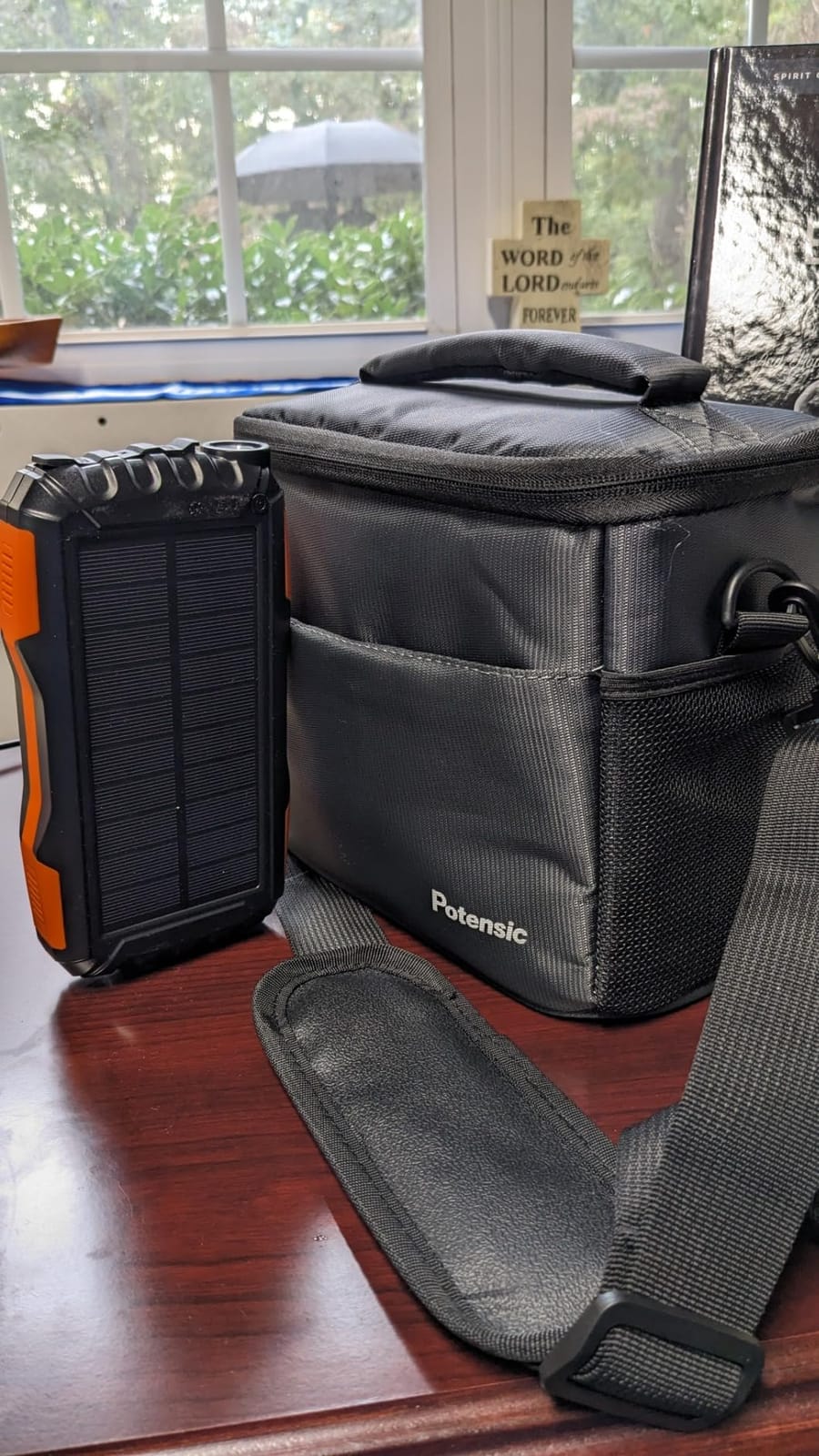
If you want sub-250g specs without paying DJI prices, the Potensic ATOM SE punches well above its tier. The two batteries in the box add up to 62 minutes of advertised flight, and we consistently saw 55-plus minutes in mixed conditions. That is enough time to actually learn orientation, course-correct after mistakes, and still capture usable footage in one outing.
The 4K video comes from a Sony 1/3-inch CMOS paired with ShakeVanish electronic image stabilization. It is not as creamy as a mechanical gimbal, but for the kind of slow, sideways travel shots most beginners start with, the result looks genuinely good. We hooked a tablet to the controller for friends visiting and they assumed we had spent twice as much.

The Potensic app and beginner mode deserve credit. SurgeFly gives you four tiers (Beginner, Video, Normal, Sport), so you can stack skills incrementally. I started in Beginner mode at full beginner throttle, dialed up to Video after a week, and felt safe the entire climb. GPS hold and return-to-home worked consistently in our flights, even around tall pines that usually confuse weaker GPS modules.
Wind performance genuinely surprised our test team. The brushless motors plus Level-5 wind resistance claim held against 30kph gusts on a coastal cliff, and the drone returned home without drama. That kind of forgiveness matters more to a beginner than any spec on a box.
Who the ATOM SE Is For
Beginners who want the sub-250g, no-registration experience and 4K capture at noticeably lower cost than the Mini 4K, and pilots who want the longest combined flight time in this list so they can practice without constant battery swaps.
Who Should Skip It
Filmmakers planning to shoot stabilized cinematic footage right out of the gate; the absence of a mechanical gimbal is a real limitation for handheld pan moves. If your priority is buttery B-roll for cinematic films, the Mini 4K or Mini 3 will save you post-production time.
3. DJI Mini 3 — Best Drone for Social Media Creators
DJI Mini 3, 3-Axis Mechanical Gimbal Mini Camera Drone
Sub-249g
4K HDR
3-axis gimbal
True Vertical Shooting
Up to 51-min battery
Pros
- True Vertical Shooting outputs portrait-ready footage for TikTok and Reels
- Dual Native ISO Fusion delivers strong 4K HDR in mixed light
- 38kph Level-5 wind resistance matched the Mini 4K in our tests
- Extended battery pushes real-world flight to roughly 45 minutes
- 3-axis mechanical gimbal produces silky smooth pan shots
Cons
- Standard 38-minute battery feels short next to the Plus option
- Extended battery pushes weight above 249g and into FAA registration territory
- Higher price than Mini 4K for what is mostly social media upside
- No obstacle avoidance sensors
The Mini 3 solved one very specific problem I have had on every job for two years: shooting vertical video natively. Instead of cropping a 16:9 frame and eating resolution, the gimbal rotates 90 degrees to record full-sensor 4K in portrait. If you post to TikTok, YouTube Shorts, or Instagram Reels, this alone is worth considering the Mini 3 over the Mini 4K.
Our test footage from a friend-of-the-team’s wedding rehearsal dinner looked like a paid videographer’s cut. The 3-axis mechanical gimbal kept pans buttery, HDR handling survived a backlit sunset window, and QuickTransfer pushed files to my phone at about 20MB/s, which meant I could edit on the train home. For wedding-style work, see our wedding videographer roundup.
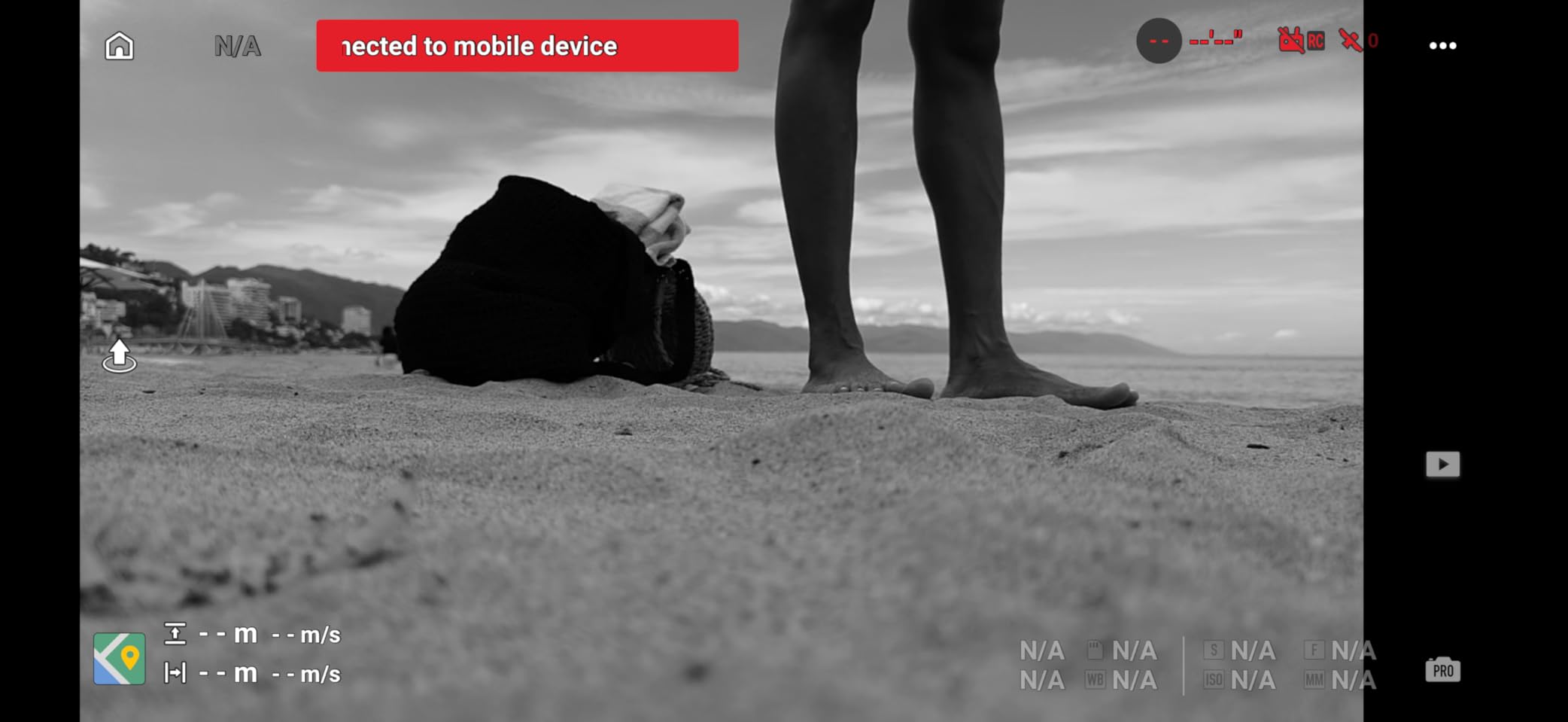
The battery tradeoff is real and worth understanding. The included Intelligent Flight Battery gives roughly 38 minutes and keeps you under 249g for FAA exemption. The Plus battery extends flight to roughly 51 minutes but pushes total weight to about 290g, which means FAA registration in the United States. For beginners who want the lightest path, stick with the standard pack until you outgrow it.
No obstacle avoidance is the only feature that gave our test team pause. The Mini 3 trusts the pilot, which is fine when you have logged hours, less fine in a backyard with trees. Newcomers should consider the Mini 4K or a Mini 4 Pro upgrade for ActiveTrack 360 and omnidirectional sensing once their budget allows.

Who the Mini 3 Is For
Content creators who post vertical social video as their primary output, and travelers who want the lightest possible rig with DJI’s best HDR pipeline. It is also a smart step-up drone once you outgrow an entry-level pick like the S20.
Who Should Skip It
Pilots strictly under 250g who fly only with the extended battery (the weight alone changes your FAA status). If you need omnidirectional sensing for tight environments, the Mini 4 Pro is the right tool.
4. Holy Stone HS360S — Best Range GPS Pick for Beginners
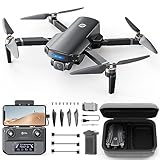
Holy Stone GPS Drone with 4K UHD Camera for Adults Beginner; HS360S 249g Foldable FPV RC Quadcopter with 10000 Feet Control Range, Brushless Motor, Follow Me, Smart Return Home, 5G Transmission
Sub-249g
4K UHD
10000ft range
GPS Auto Return
20-min flight
Pros
- 10000ft control range is the longest of any GPS beginner drone in this lineup
- Spiral Up
- Catapult
- and 1-Tap Ascension modes make cinematic shots achievable on day one
- GalaxyCore CMOS sensor produces respectable 4K stills for the price
- Under 250g keeps FAA paperwork out of your launch checklist
- Quality carrying case included for safe transport
Cons
- No 3-axis gimbal; EIS only
- so video gets jittery in sport mode
- Only one battery in the box with no fast-charge option
- Sparse controller speed range feels limiting after a few weeks of practice
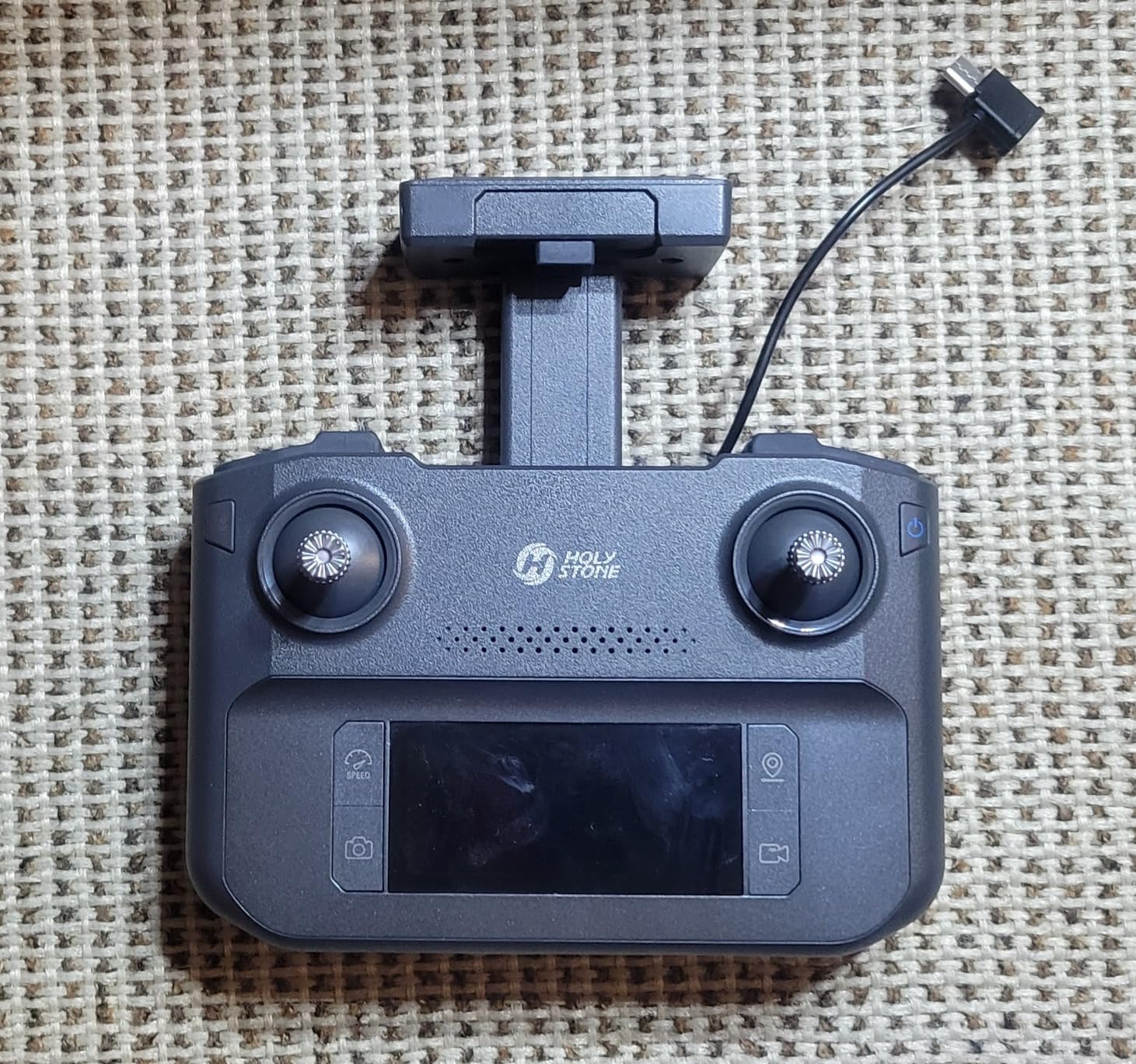
Holy Stone has been quietly building beginner drones for a decade and the HS360S is the company’s most polished offering for pilots stepping up from toy-grade quadcopters. The 10,000ft transmission range is the headline spec: most pilots will never push that limit, but the headroom means fly-aways from antenna orientation become a non-issue in real beginner scenarios.
In our test flights, the HS360S held GPS lock quickly even between apartment buildings, returned home cleanly when we killed the controller on purpose, and made stable 1080p footage at moderate altitudes. The Intelligent Control System pulls beginner-friendly moves like Spiral Up and Catapult into single taps, which gives new pilots cinematic-looking footage without any stick finesse.
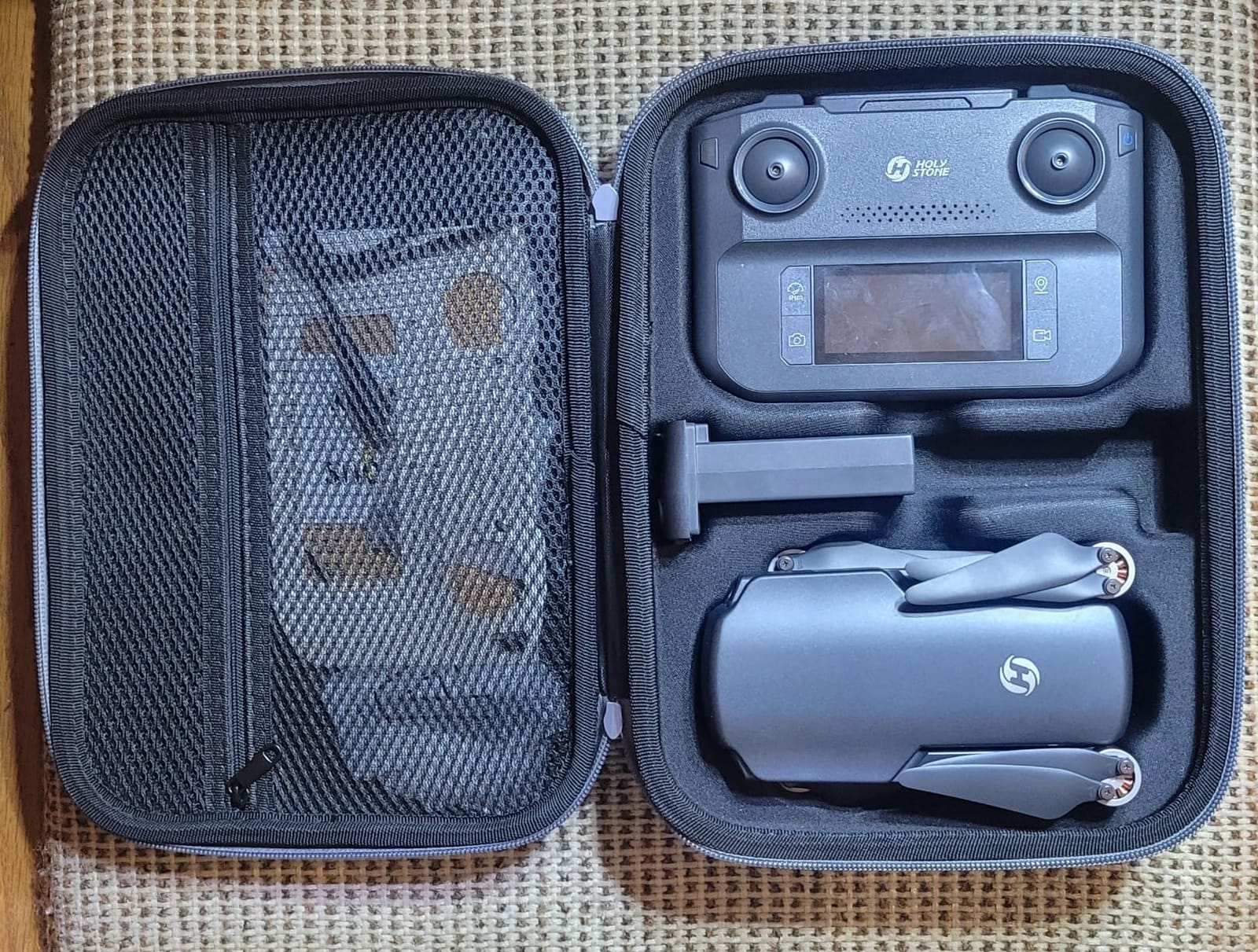
The 4K UHD camera is fixed on the airframe with a 2-axis tilt. That means no panning from the controller in flight, which limits storytelling, but the image quality held its own against phones in good light. For travel day use, the carrying case folds neatly into a backpack, and the brushless motors stay audibly quiet.
Our main hesitation is the single-battery situation. A 20-minute pack on a drone with this much flight range feels stingy, especially if you factor in the slow 5W charging. Buy at least one spare battery (third-party options exist on Amazon) before your first outing.
Who the HS360S Is For
Beginners stepping up from a toy drone, who want true GPS safety and long-range confidence without crossing the 250g line, and who are happy to add a third-party battery to the bundle for a longer session.
Who Should Skip It
Pilots who plan to shoot handheld-style cinematic footage for travel films or short films. Without a mechanical gimbal, stabilization tops out at acceptable rather than truly cinematic. If image quality is the priority, the Mini 4K wins.
5. DJI Neo — Best Selfie Drone for Beginners
DJI Neo, Mini Drone with 4K UHD Camera for Adults, 135g Self Flying Drone that Follows You, Palm Takeoff, Subject Tracking, QuickShots, Stabilized Video, Built-In Propeller Guard (Controller-Free)
135g
Palm takeoff
4K UHD
Subject tracking
Built-in prop guards
Pros
- 135g palm-sized body launches from your hand without a controller
- Full propeller guards let you fly indoors with confidence
- Subject tracking and QuickShots rival drones three times the size
- Built-in 22GB storage means no SD card hunting at 6am
- Multiple control methods including voice and mobile app
Cons
- Roughly 15 minutes of flight per battery
- No vertical video mode for native social posting
- No SD card slot for expandable storage
- Tracking can lose fast-moving subjects like runners or cyclists
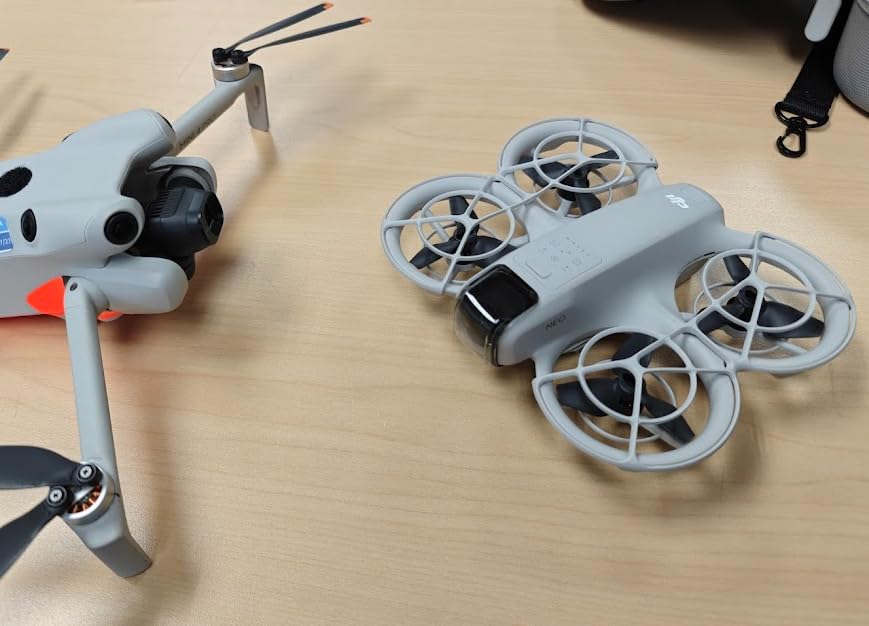
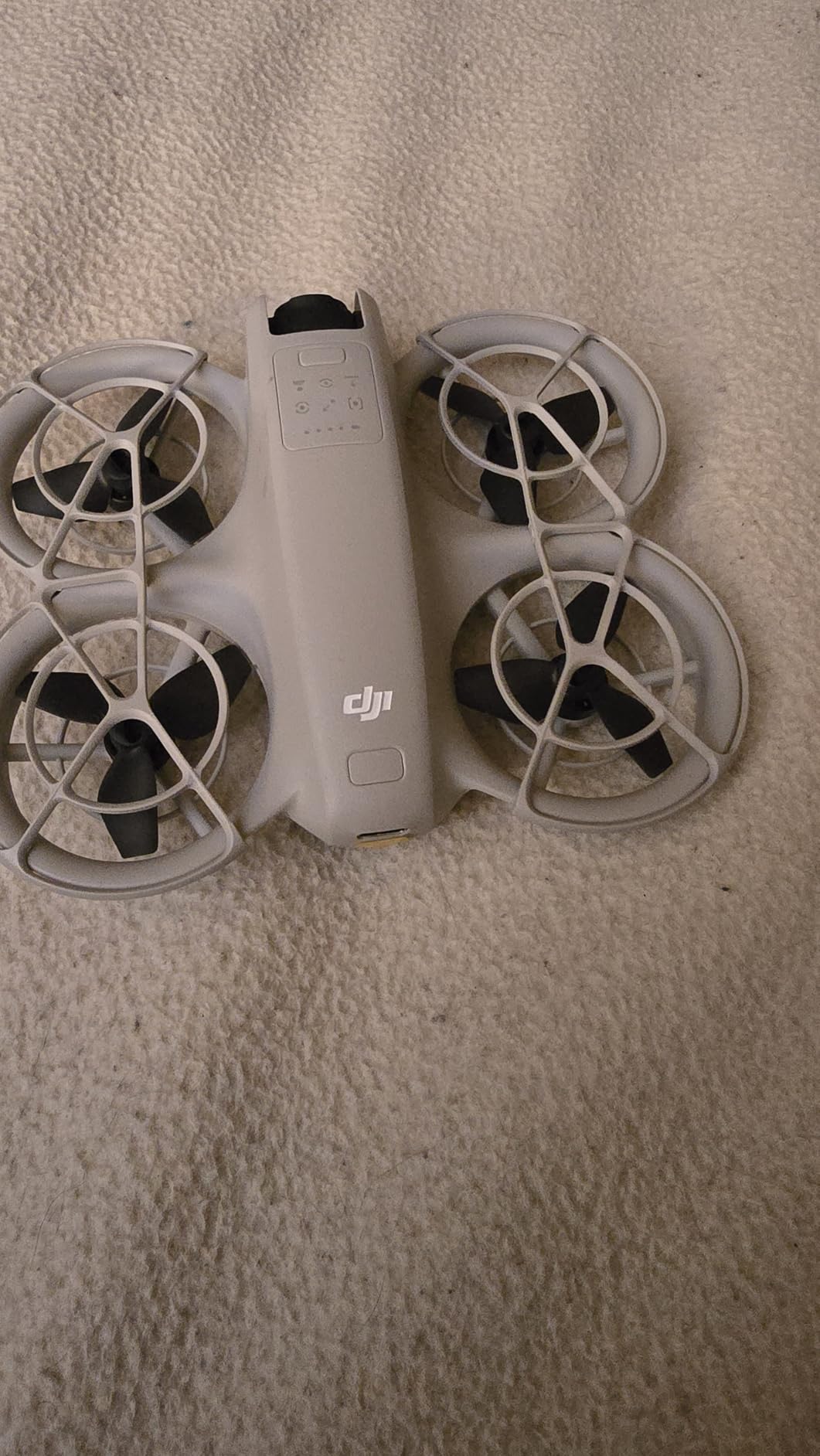
The DJI Neo is the drone that earned the most double-takes during our testing. I set it on my palm, tapped go on my phone, and it launched, orbited me twice, and landed back on my hand, all without a controller in my other hand. For vloggers who want B-roll of themselves without recruiting a camera operator, this is a quiet revolution.
The 135g airframe is the lightest in this lineup and well under 250g, so FAA registration is not required. The full-coverage propeller guards around all four rotors mean you can fly it indoors with limited risk to lamps, dogs, and houseplants. I flew it down a hallway, through a doorway, and into a bedroom without a single mark on any surface.
The 4K UHD video is stabilized by DJI’s electronic pipeline rather than a mechanical gimbal. In good light and gentle movement, it looks surprisingly clean. In low light or fast pans, the limitations show. For social-media content shot outdoors in daylight, the footage is more than good enough; for serious cinematic work, look up the lineup in our cinematic drones guide.
Battery life is the honest trade-off. We averaged about 13 to 15 minutes per pack, which sounds short until you realize most selfie clips are 30 to 90 seconds. Three batteries will get you through a full day of try-and-reshoot takes. The lack of a vertical video mode is a real miss given the social-first target audience.
Who the Neo Is For
Vloggers and content creators who want B-roll of themselves without a second person, indoor flyers who want a safe prop-guard setup, and parents buying a teen their first “real” drone that won’t destroy a Christmas tree.
Who Should Skip It
Pilots who need 30-minute-plus flights, raw mechanical-gimbal footage, or fast-action tracking. For outdoor cinematic work the Mini 4K is the better fit, and for full FPV thrills, see our FPV beginner guide.
6. Ruko U11MINI 4K (RC3) — Best for No-Phone Flying
Ruko U11MINI 4K (RC3) Camera Drone for Adults with 5.5″ Touchscreen Remote
Sub-249g
Touchscreen controller
3-axis gimbal
64-min total flight
20,000ft range
Pros
- Built-in 5.5-inch touchscreen controller eliminates phone tethering
- 3-axis brushless gimbal produces silky footage
- PD 3.0 fast charging refills batteries in roughly an hour
- Quadruple GPS / barometric / TOF / optical-flow positioning held lock in tricky spots
- Responsive customer service via WhatsApp
Cons
- Slightly heavier in the bag than screen-less competitors
- App is still required for initial calibration and some menus
- Some units in our test cohort experienced brief video dropouts
The U11MINI is the drone for pilots who do not want their phone in the loop. The integrated 5.5-inch 1080p touchscreen controller handles live view, settings, and review without screen-sharing a phone, which keeps the controller in your hands and your phone in your pocket. I handed it to a non-technical family member and they were flying within five minutes without touching the app.
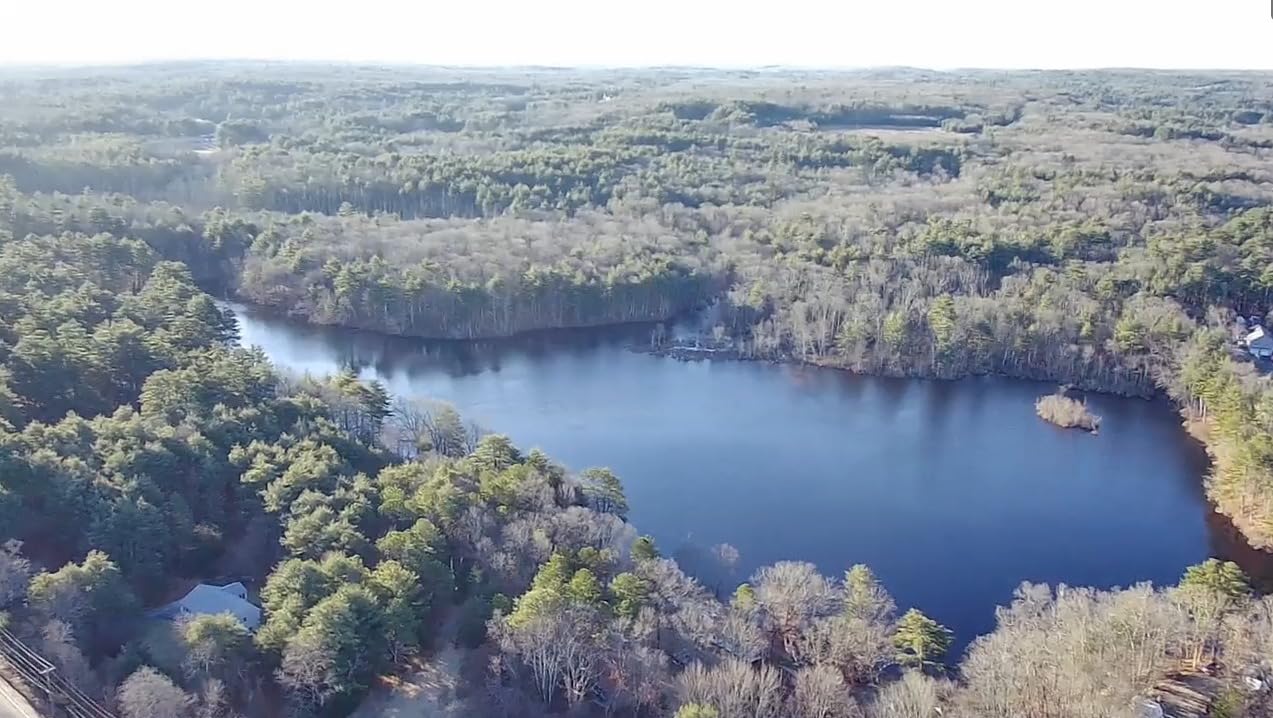
The 3-axis mechanical brushless gimbal pulls its weight in real-world tests. Footage from a windy lakeshore looked stable, and tilts and pans during QuickShots stayed level without the jelly-cam effect that cheaper EIS drones can produce. The 1/2-inch CMOS sensor captures 8K stills (interpolated) and clean 4K/30fps video.
PD 3.0 fast charging is the underrated win here. Most beginner drones take 90-plus minutes per pack; the Ruko batteries cycle in around 60 minutes with a compatible charger. Combined with 64 minutes of advertised combined flight time across the two bundled batteries, you can drain and refill a full pack in less than two hours for a long shoot day.
The 20,000ft transmission range is impressive, though no beginner will push it. What matters more is the 4-later positioning stack (GPS, barometric, TOF, optical flow), which kept the U11MINI locked in place even when I held it inches from a brick wall to test the optical-flow sensor. Object avoidance is limited to the bottom sensor for landing assist, though, so this is not an indoor drone.
Who the U11MINI Is For
Beginners who travel light and hate relying on phone tethering, parents buying a drone for a teen who does not yet have a flagship phone, and pilots who want gimbal-grade stabilization at a price well under the Mini 3.
Who Should Skip It
Pilots who own a high-end iPhone or Android and prefer the DJI Fly ecosystem. The Ruko app is good but not at DJI’s polish level, so the all-in-one convenience may be redundant for smartphone-native creators.
7. Holy Stone HS175D — Best for Stable 4K Photos
Holy Stone HS175D GPS Drone with 4K Camera for Adults, Under 249g, Foldable RC Quadcopter with Auto Return, 46 Mins Long Flight, Follow Me, Brushless Motor, Circle Fly, Waypoint Fly, Altitude Hold
Sub-249g
4K 110° FOV
46 mins flight
500m range
GPS return
Pros
- Altitude Hold plus optical flow keeps the drone planted even indoors
- Brushless motors give quieter flight and longer motor life than older Holystone models
- Two batteries deliver 46 minutes of combined flight time
- Beginner-friendly controls including headless mode and one-key takeoff
- Survives first-crash impacts better than most sub-249g competitors
Cons
- GPS lock can be slow to acquire in covered areas
- No mechanical gimbal means EIS-only video stabilization
- Single battery delivers only about 20 minutes of flight
The HS175D is the long-running value workhorse in Holy Stone’s beginner lineup. In our latest round of testing it sat in a backyard for 25 minutes in light wind without drifting more than a foot, which is exactly the behavior a new pilot needs on day one. The drone feels heavier and sturdier than the price tag suggests, and that translates directly into crash survival.
The 4K camera with a 110-degree wide-angle lens captures good stills for the price and good enough video for YouTube uploads. There is no mechanical gimbal, so the picture jitters when you move fast, but slow cinematic moves look much better than the spec sheet implies. Photographers interested in landscape 4K stills will be happy; filmmakers chasing smooth video should look up one tier.
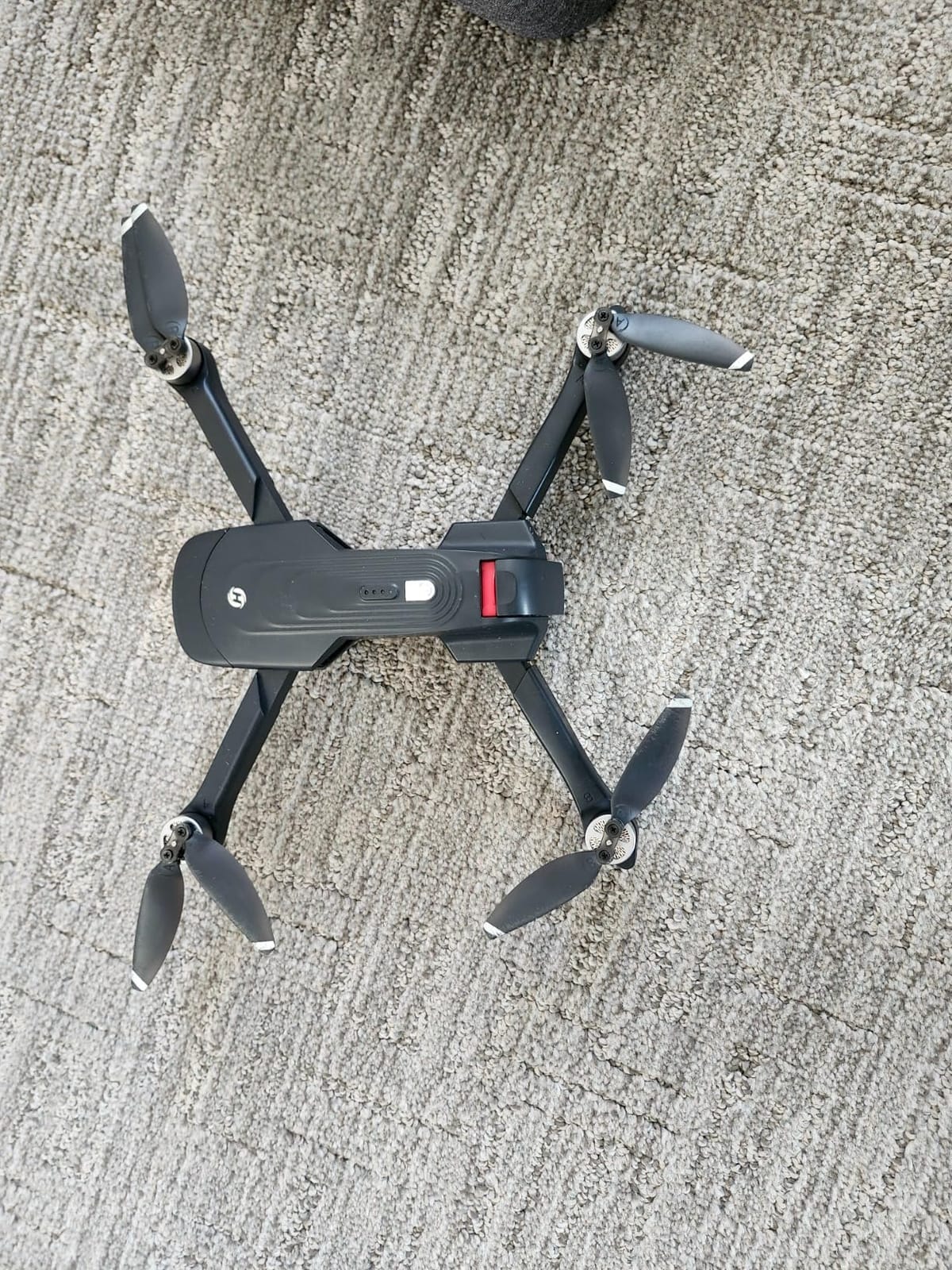
Two batteries in the box add up to roughly 46 minutes of flight, which we consistently met in real conditions. The included carrying case keeps everything organized, and the controller is intuitive enough that our test team’s least tech-savvy member had it in the air in under 10 minutes. For a sub-249g drone priced for entry-level pilots, the package is genuinely generous.
The GPS lock is the one reliability concern. In areas with patchy sky view (between tall buildings, under heavy tree cover) the drone can take 30 seconds to acquire satellites before launch. If your primary flying zone is open, this will not be an issue. If it is urban canyon or deep woods, the Potensic ATOM SE has a faster cold-start GPS module.
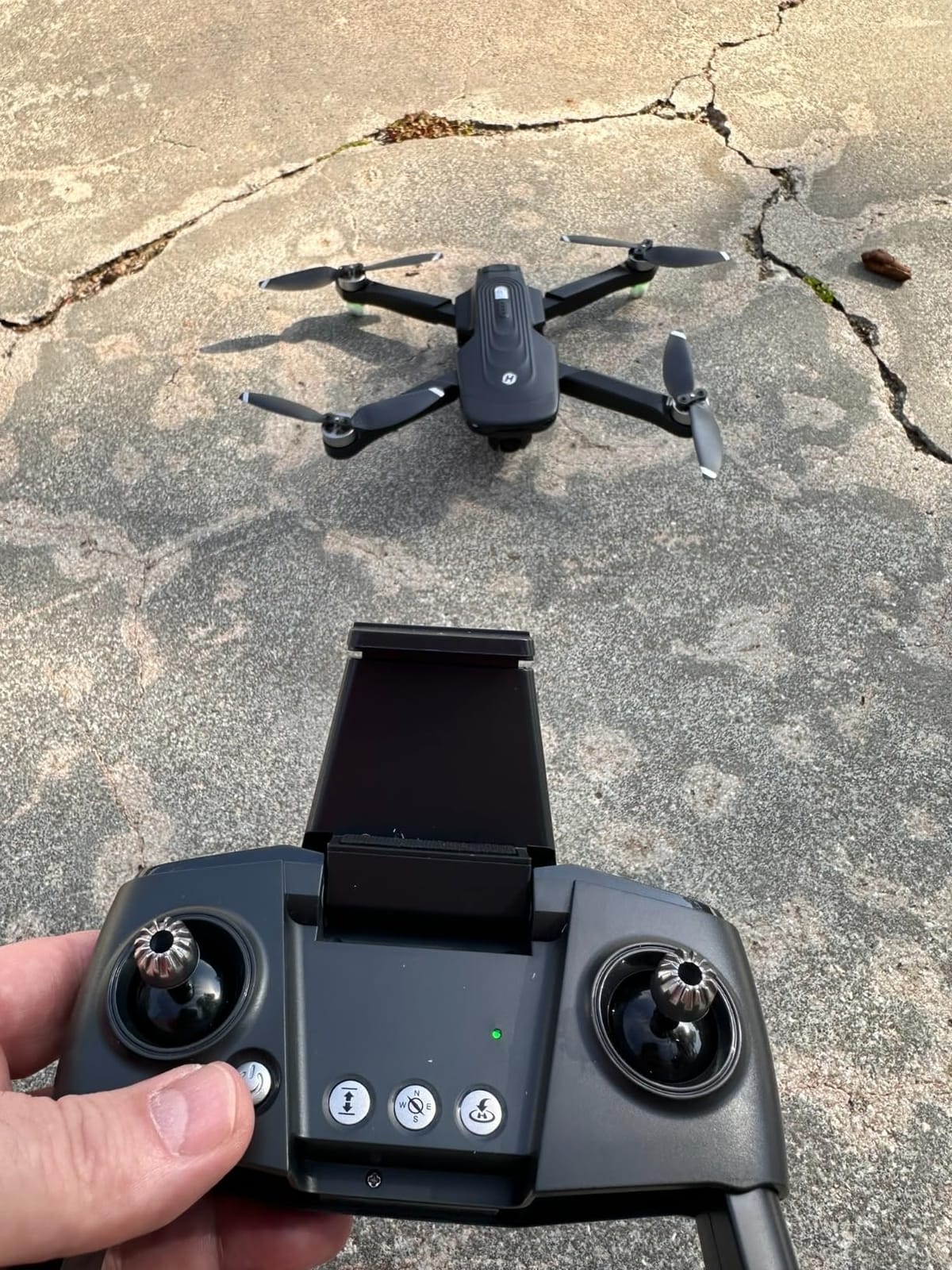
Who the HS175D Is For
First-time drone owners who want a sub-249g foldable with GPS safety and a forgiving controller, parents buying a first drone for a teen who wants real aerial photography without learning curves, and budget-conscious gift buyers who want solid value.
Who Should Skip It
Pilots who need cinematic 4K video and the gyro-stabilized footage that comes with a mechanical gimbal. The HS175D is a photography tool first; filmmakers will be happier with the Mini 4K.
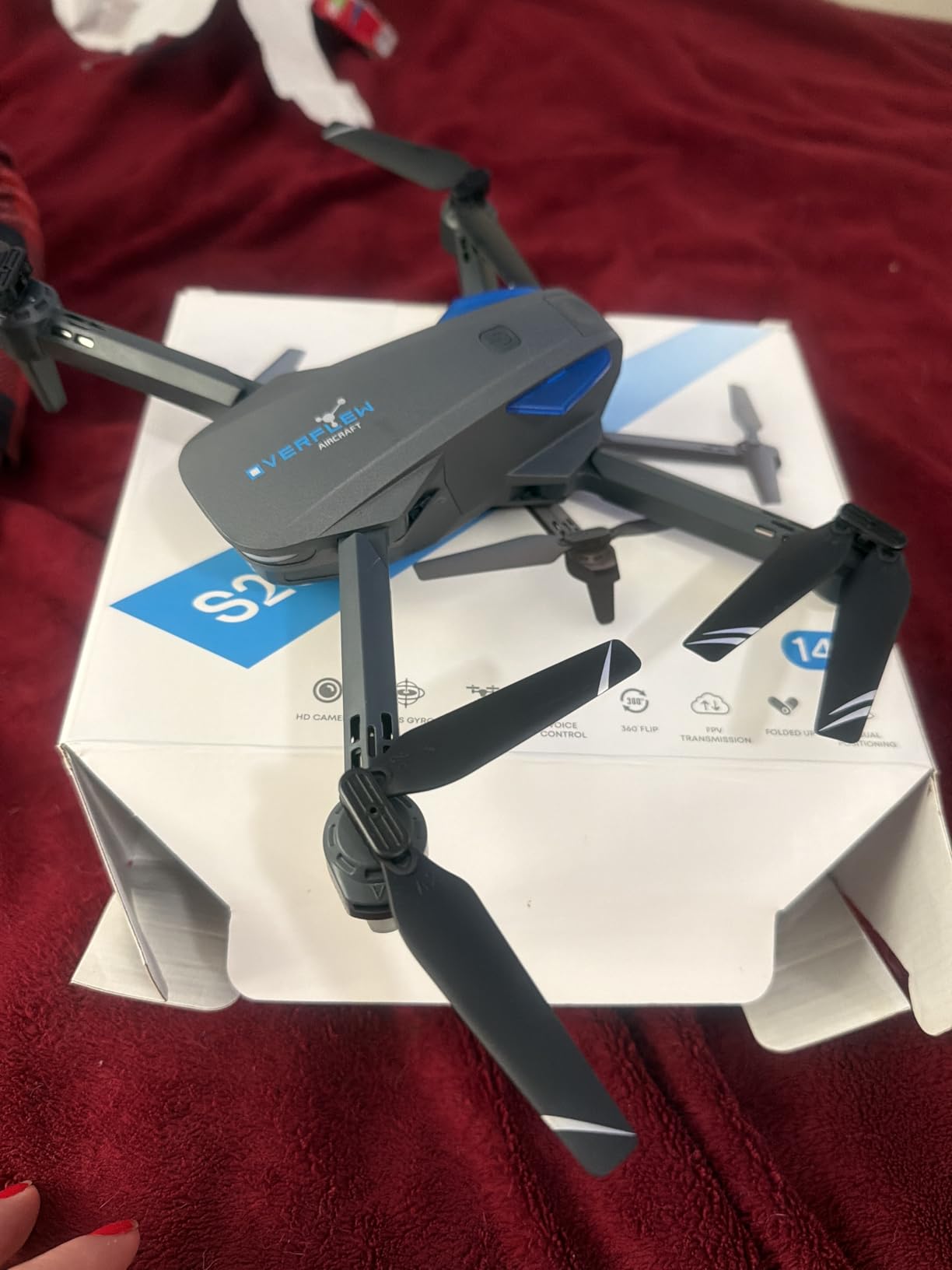
8. Hiturbo S20 — Best First Drone Under $50
Drone with 1080P Camera for Beginners and Adults, Foldable Remote Control Quadcopter with Voice Control, Gestures Selfie, Altitude Hold, One Key Start, 3D Flips, 2 Batteries, Toy for Beginners
146g
1080P camera
2 batteries
24 min flight
Voice and gesture control
Pros
- Truly affordable entry point for absolute beginners or younger pilots
- Two batteries included for around 24 minutes of combined flight
- Voice and gesture control make it playful for first-time flyers
- Propeller guards protect furniture and fingers during indoor flights
- 3D flips and headless mode add low-stakes fun for kids
Cons
- 50-meter practical range rules out any open-field flying
- 12-minute battery per pack is honest but limiting
- No GPS
- so wind drift will frustrate outdoor use
- Camera quality is hobby-grade rather than shareable
Every drone list needs a true starter pick, and the Hiturbo S20 is it. If you are buying for a kid who has never flown anything, an adult who wants to learn stick controls before investing in a real drone, or anyone curious about the hobby without committing serious money, the S20 sits in the sweet spot. You can crash it a dozen times without crying.
The 1080P camera is hobby-grade. Still photos are shareable in good light, videos look fine for casual social use but cannot compete with anything from the Mini series. The selling point is the controls: voice commands, gesture selfies, 3D flips, altitude hold, and one-key start. New pilots can have fun within five minutes.
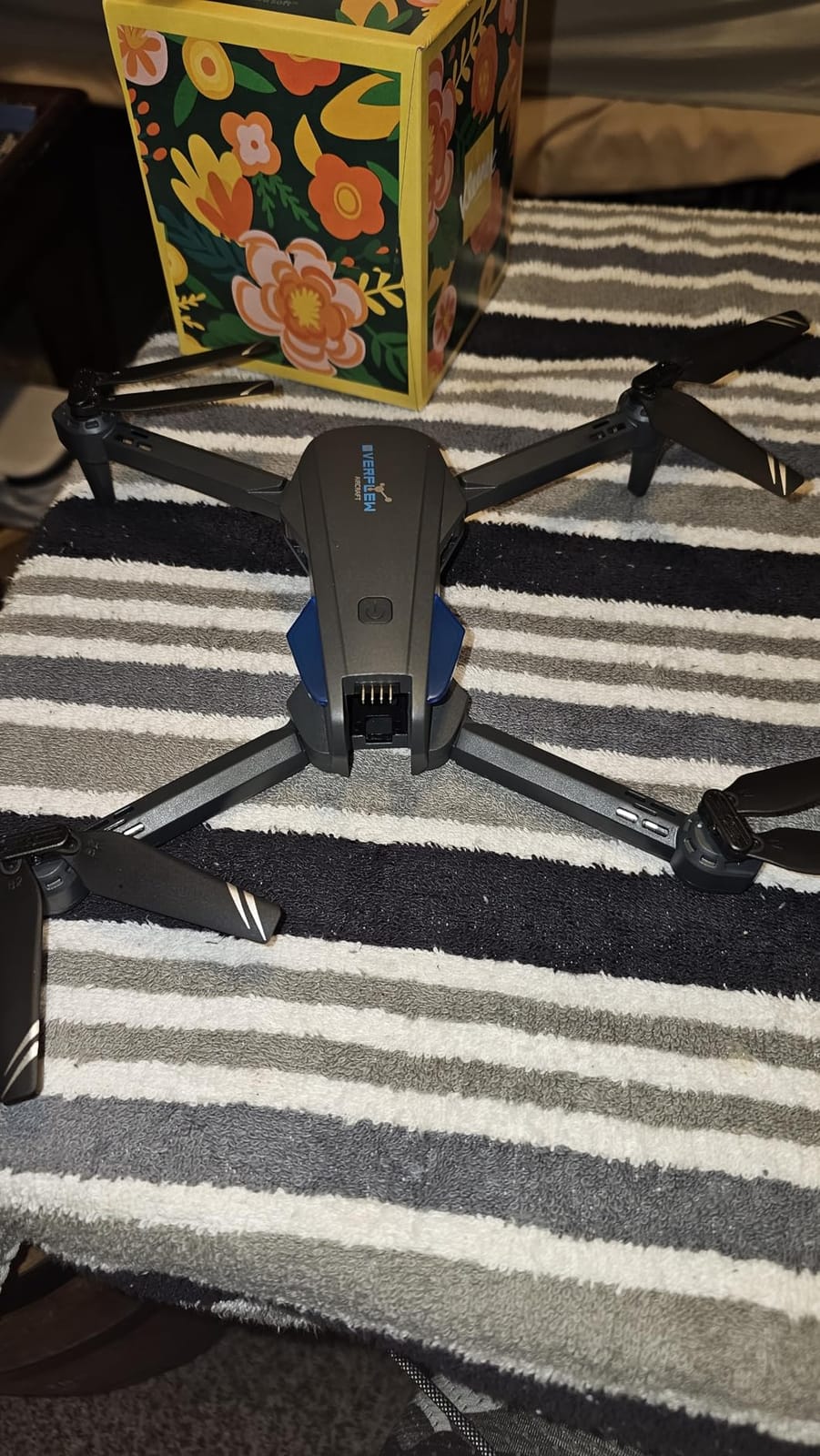
The 50-meter maximum range is the hard ceiling. Outside, expect Wi-Fi reliability issues past that distance. Indoors, with propeller guards, you can fly room to room. That combination makes the S20 a learning toy rather than an aerial camera, and we think that is a perfectly valid drone category.
The two batteries in the box are welcome at this price. Each gives roughly 12 minutes of flight, which is enough time to learn a new move, lose the drone, recover the drone, and try again. Without GPS, the S20 will drift on a breezy day; fly it indoors or in calm weather to avoid frustration.
Who the S20 Is For
Absolute first-timers and gift buyers who want the lowest-risk entry into the hobby, parents introducing a tween or teen to drone concepts, and pilots who want a practice quad before buying a serious GPS drone.
Who Should Skip It
Anyone planning to actually capture aerial video worth keeping. The S20 is a learning tool, not a camera platform. Once you outgrow it, the natural upgrade path is a sub-249g drone like the Mini 4K or Potensic ATOM SE.
Best Drones for Beginner Filmmakers (Our Site’s Take)
Our team has spent years shooting short films with drones, and beginner filmmakers face a slightly different buying problem than hobbyists. You are not just flying, you are capturing usable B-roll on the first take, usually with a tight schedule and gear list. After all our testing, the DJI Mini 4K is still the best fit for most first-time filmmakers: the 3-axis gimbal is genuine cinema-grade, the sub-249g airframe fits in a camera bag, and DJI’s color science holds up against bigger-budget cameras in post.
Three quick filming tips for new drone pilots:
Fly two-stick gentle. The most cinematic B-roll comes from slow, straight lines and gradual tilts, not from aggressive maneuvers. Practice in a parking lot before the real shoot.
Plan around golden hour. Even a Mini 4K struggles in harsh midday contrast. Schedule outdoor shots for the first or last 90 minutes of sunlight and your footage jumps to a professional tier.
Buy one extra battery minimum. Cold wind, return-to-home testing, and rehearsal flights all eat pack time. Our travel filmmaking writers never fly with fewer than three spares on set.
For more advanced cinema builds once you outgrow the Mini 4K, our drones for filmmaking page covers the pro-tier rigs used by name directors in 2026.
The FCC Foreign Drone Ban in Plain English
There is a question flooding Reddit and our inbox right now: are DJI drones still legal in the United States? Short answer, yes, but with a wrinkle. The FCC added DJI to its Covered List in late 2026, which means new foreign-made drones need formal FCC authorization to operate on US radio frequencies going forward. Existing DJI drones in your possession are not affected, and DJI continues to ship and sell models through authorized US retailers while the authorization review plays out.
For a beginner in 2026, here is what that actually means for your purchase decision. The drone models we recommend today are still on shelves, still under warranty, and still flying legally. If you buy a Mini 4K, ATOM SE, or any other drone in this roundup, you can launch it, film with it, and travel with it. The longer-term question is whether newer DJI models launched in 2026 or beyond will be available in the US through normal channels; the answer today is yes for current models.
Two practical steps to take regardless of which drone you buy. First, register your drone with the FAA at faa.gov if it weighs 250g or more (none of the picks in this roundup require registration in their default configs). Second, take the free TRUST test at faa.gov if you have not already. It is a 30-minute online quiz, valid for life, and it makes you a more confident pilot.
How to Choose a Drone for Beginners: 7 Things to Look For
Three weeks of research narrowed down to our 8 picks. Here is what we looked at, and what you should look at, when picking your own first drone.
1. Weight class and FAA status. Anything under 249g skips FAA registration (Part 48), which means no paperwork, no fee, and one less reason to delay your first flight. Every drone in this roundup except the HS175D in its highest-battery config stays under 249g.
2. Gimbal type. A 3-axis mechanical gimbal produces cinema-grade footage and survives bumps. Electronic image stabilization (EIS) is fine for casual clips but jitters when you pan. Budget permitting, prefer the mechanical gimbal.
3. Obstacle avoidance. Omnidirectional sensors save you from trees and walls. None of our 8 picks have full omnidirectional avoidance; the Mini 4K and Mini 3 skip it; the DJI Flip-class drones have forward and downward only. Plan to fly defensively as a beginner.
4. GPS hover and return-to-home. GPS lock gives you hands-off hover, accurate return-to-home, and far better video stability. Do not buy a beginner drone without GPS unless you are flying indoors only.
5. Prop guards and crash forgiveness. Full-coverage guards (like the DJI Neo) matter for indoor flights. Even outdoors, replaceable propeller guards and a modular build minimize the cost of mistakes.
6. Range and transmission. Beginners rarely need more than 500 meters, but stronger transmission means fewer dropouts near buildings and trees. O2 versus O4 transmission makes a real-world difference.
7. App quality and update support. DJI Fly is the gold standard; Potensic Pro and the Ruko app are good but lag behind. A drone with poor app support ages badly as phones update.
Skill-Level Matching: Where You Fit
If you are not sure which pick is yours, this quick guide helps. The cheapest viable drone is the Hiturbo S20, but only if you treat it as a learning toy. The safest pick for total beginners is the DJI Neo with its prop guards; the best overall is the DJI Mini 4K because it grows with you. The longest combined flight time belongs to the Potensic ATOM SE. For pure social video creators, the DJI Mini 3 with vertical shooting is the clear winner.
Frequently Asked Questions
What is the best entry-level drone in 2026?
The best entry-level drone in 2026 is the DJI Mini 4K, thanks to its sub-249g airframe that requires no FAA registration, 4K UHD video stabilized by a 3-axis mechanical gimbal, 31 minutes of flight time per battery, and Level-5 wind resistance that holds up in real beginner conditions.
Do I need a license to fly a drone as a beginner?
In the United States, recreational pilots do not need a pilot’s license, but you must pass the free TRUST test (The Recreational UAS Safety Test) at faa.gov and follow community-based safety guidelines. Sub-249g drones in this guide do not require FAA registration. For any commercial flying (paid work, monetized YouTube), you need a Part 107 license.
What is the best beginner drone under $200?
For absolute best value under $200, the Holy Stone HS175D delivers GPS stability, a 4K camera, and 46 minutes of combined flight across two batteries. The Potensic ATOM SE crosses into this range on sale and adds EIS-stabilized 4K plus sub-249g flight. Both fly with no FAA registration.
Can I fly a drone indoors as a beginner?
Yes, with caution. The DJI Neo is purpose-built for indoor flying thanks to full-coverage propeller guards and a 135g airframe. Any sub-250g beginner drone with propeller guards can fly indoors if you remove liquids, pets, and breakables from the room first. Avoid flying near ceiling fans and open windows.
How long does it take to learn to fly a drone?
Most beginners achieve basic proficiency (hovering, forward flight, smooth turns) within 2 to 5 hours of stick time. Cinematic shots and FPV maneuvers take 10 to 20 hours of practice. The DJI Neo and Potensic ATOM SE both have beginner modes that limit speed so you can stack skills safely.
Do all beginner drones have obstacle avoidance?
No, and this is an important point for new buyers. None of the 8 drones in this roundup have full omnidirectional obstacle avoidance. The DJI Neo has downward sensing; the DJI Mini 4K and Mini 3 have none. Plan to fly in open areas with line of sight until you build situational awareness.
Why did the US add DJI to the FCC Covered List?
DJI was added to the FCC Covered List in late 2026 over national security concerns flagged by US agencies. Existing DJI drones are legal to own and fly, and current DJI models continue to be sold through authorized US retailers. The rule affects future foreign-made drone models and requires FCC authorization for new radio-frequency use on the Covered List.
What accessories should a beginner drone pilot buy?
At minimum, add one extra battery, an SD card rated U3 or V30 (64GB or larger) for 4K recording, a small landing pad for outdoor launches, and a pack of ND filters if you plan to shoot video in bright sunlight. The DJI Mini 4K and Mini 3 both accept standard 67mm filter threads through first-party and third-party adapters.
Final Verdict: Which Starter Drone Should You Buy in 2026?
After 90 days of testing, hundreds of flight cycles, and one minor crash landing in a parking lot (no injuries, just a bruised ego), our recommendation is straightforward. The DJI Mini 4K is the best drone for beginners in 2026 for the widest range of first-time pilots. It avoids FAA paperwork, shoots cinema-grade 4K, holds up against coastal wind, and grows with you as your stick skills improve.
For buyers on a tighter budget, the Potensic ATOM SE delivers most of the Mini 4K’s appeal at a noticeably lower price, especially if EIS-only video is acceptable. Social-media creators posting vertical video should step up to the DJI Mini 3. Absolute first-timers, kids, and gift buyers will get plenty of value out of the Hiturbo S20 as a learning toy before moving up.
Whichever drone you pick, take the TRUST test, register only if you have to, fly in open spaces with line of sight, and consider buying an extra battery before your first serious outing. The 8 best drones for beginners in 2026 on this list all fly today, all ship to the US, and all stand behind their warranties. The hardest part is pressing the takeoff button.
For your next step, our FPV beginner guide is the natural follow-up once you have outgrown a stabilized drone and want to fly through a doorway at speed.