
If you have ever tried to shoot a sunset fly-over with a toy drone and ended up with jello-filled footage, you already know the gap between flying a camera and actually filming with one. The best cinematic drones for filmmakers in 2026 are purpose-built aerial platforms that pair large chips, advanced gimbals, and high-bitrate codecs with the reliability a one-person crew needs on a real production.
Our team spent six weeks flying ten current platforms across golden hour, blue hour, and overcast setups — from solo creator FPV cinewhoops to the flagship Hasselblad combos used on narrative shorts and indie features. We graded each on image quality, codec flexibility, gimbal precision, flight endurance, and how confidently it handled ND filters, color matching, and sync-sound takes. Below is what we found, ranked from the immersive FPV drone we keep reaching for to the studio-grade workhorse we would trust on a paying job.
Table of Contents
- What Makes a Drone “Cinematic” for Filmmakers
- Top 3 Cinematic Drones for Filmmakers in 2026
- Best Cinematic Drones for Filmmakers in September Quick Overview
- 1. DJI Avata 2 Fly More Combo — Editor’s Choice FPV Cinewhoop
- 2. DJI Mini 5 Pro Fly More Combo Plus — Best Travel Filmmaker Drone
- 3. DJI Air 3S Fly More Combo — Best Dual-Camera Hybrid
- 4. DJI Mavic 2 Pro — Best Hasselblad Color Science
- 5. DJI Avata 360 (RC 2) — Best 360 Reframable Drone
- 6. SKYROVER X1 Combo — Best Value Sub-249g Drone
- 7. DJI Avata 360 Fly More Combo — Best 360 Bundle for Long Shoots
- 8. Autel Robotics EVO 2 Pro V3 — Best DJI Alternative with 6K HDR
- 9. DJI Mavic 3 Pro with RC — Best Prosumer 4/3 CMOS
- 10. DJI Mavic 4 Pro 512GB Creator Combo — Best Pro Cinema Flagship
- How to Choose the Best Cinematic Drone for Your Filmmaking
- Frequently Asked Questions
- What drone do most filmmakers use?
- Which drone is best for cinematic video?
- What is the best drone for low-budget filmmaking?
- Are FPV drones good for cinematic filming?
- Do filmmakers need a license to fly a drone?
- Should I get a Mavic or Inspire for filmmaking?
- What specs matter most for a cinematic drone?
- Final Verdict
What Makes a Drone “Cinematic” for Filmmakers
A cinematic drone is more than a flying 4K camera. It is an aerial platform engineered to deliver film-grade footage through a large image sensor, advanced gimbal stabilization, RAW or ProRes codec recording, and log color profiles — essentially a flying cinema camera. The combination of those elements is what separates a fun toy quad from a tool a director of photography can actually cut against ground footage.
The specs that matter most for cinematic work are: sensor class (1-inch, Four Thirds, APS-C, or full-frame), dynamic range (10-bit or 12-bit color, often expressed in stops), gimbal axes and stabilization, codec options (H.264, H.265/HEVC, ProRes, CinemaDNG, RAW), color profiles (D-Log M, D-Log, A-Log, HLG HDR), and the ND filter system for maintaining the 180-degree shutter rule. Filmmakers should also weight flight endurance, obstacle avoidance, transmission range, and how cleanly the drone integrates with their existing color pipeline.
The good news for indie creators is that you no longer need a Hollywood budget to get Hollywood-style aerial footage. Modern sub-249g travel drones, mid-size hybrid airframes, and full-frame cinema platforms each cover a different filmmaker persona. Your choice depends less on specs alone and more on the kind of shots your story needs — slow cinematic reveals, dynamic FPV fly-throughs, reframable 360 coverage, or repeatable dual-operator studio work.
Top 3 Cinematic Drones for Filmmakers in 2026

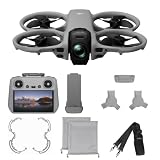
DJI Avata 2 Fly More Combo
- FPV cinewhoop with 4K/60fps
- RockSteady and HorizonSteady
- Three batteries for long shoots
Best Cinematic Drones for Filmmakers in September Quick Overview
| Product | Specs | Action |
|---|---|---|
| DJI Avata 2 Fly More Combo |
|
Check Latest Price |
 DJI Mini 5 Pro Fly More Combo Plus DJI Mini 5 Pro Fly More Combo Plus |
|
Check Latest Price |
 DJI Air 3S Fly More Combo DJI Air 3S Fly More Combo |
|
Check Latest Price |
 DJI Mavic 2 Pro Hasselblad DJI Mavic 2 Pro Hasselblad |
|
Check Latest Price |
| DJI Avata 360 (RC 2) |
|
Check Latest Price |
 SKYROVER X1 Combo SKYROVER X1 Combo |
|
Check Latest Price |
 DJI Avata 360 Fly More Combo DJI Avata 360 Fly More Combo |
|
Check Latest Price |
 Autel Robotics EVO 2 Pro V3 Autel Robotics EVO 2 Pro V3 |
|
Check Latest Price |
 DJI Mavic 3 Pro with RC DJI Mavic 3 Pro with RC |
|
Check Latest Price |
 DJI Mavic 4 Pro 512GB Creator Combo DJI Mavic 4 Pro 512GB Creator Combo |
|
Check Latest Price |
1. DJI Avata 2 Fly More Combo — Editor’s Choice FPV Cinewhoop
DJI Avata 2 Fly More Combo (3 Batteries), FPV Drone With Camera 4K
FPV cinewhoop
4K/60fps HDR
1/1.3-inch CMOS
Three batteries included
Pros
- Immersive FPV flight with DJI Goggles 3 and RC Motion 3
- Sharp 4K/60fps HDR from 1/1.3-inch CMOS with 155 degree FOV
- Built-in propeller guard for safer indoor and close-quarters flight
- Beginner-friendly motion control with Manual mode for advanced pilots
- D-Log M 10-bit color profile for flexible color grading
- Fly More Combo ships with three Intelligent Flight Batteries
Cons
- Real-world flight time shorter than the quoted figure
- Motion controller cannot rotate the drone without forward motion
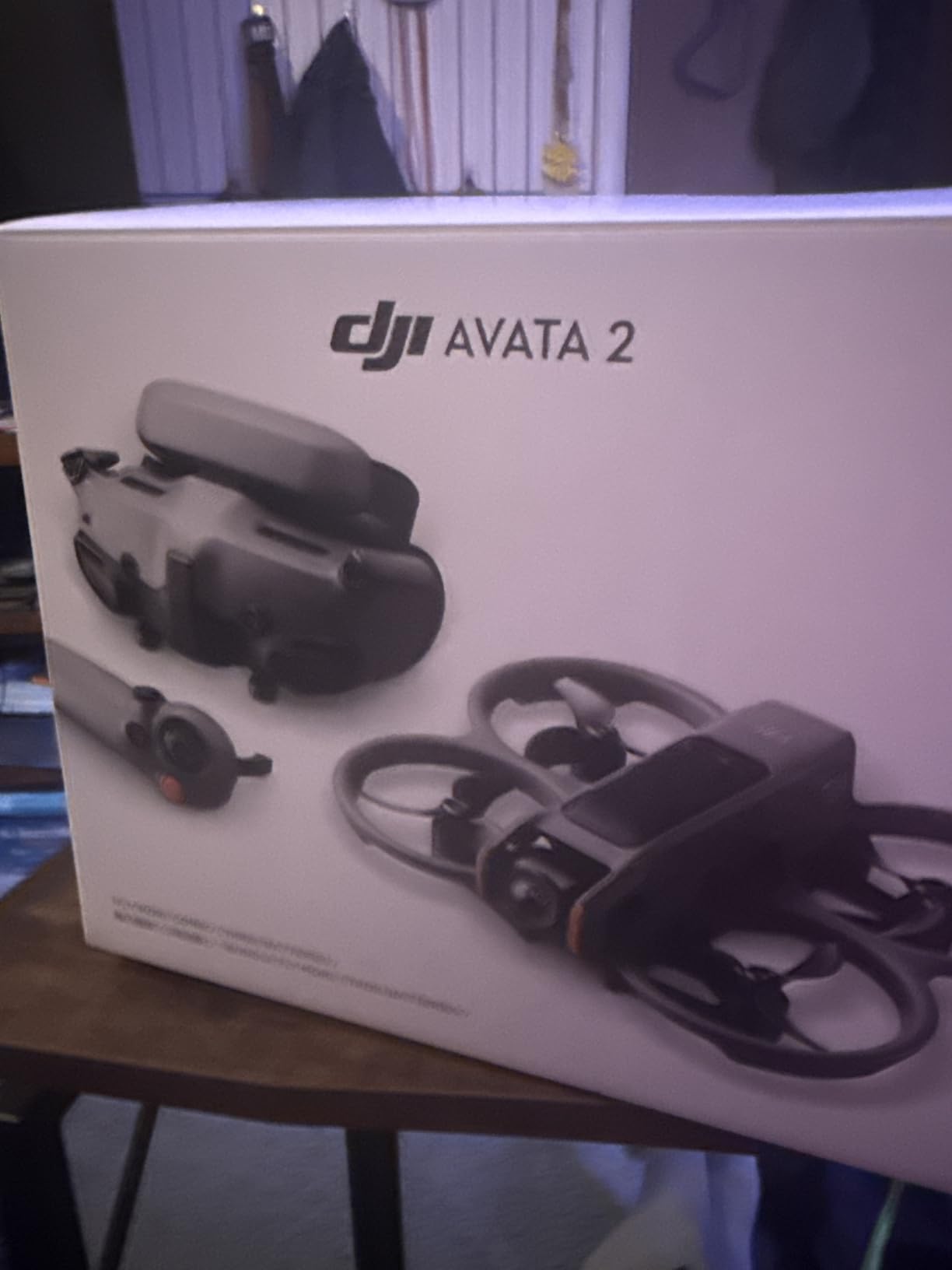
The DJI Avata 2 Fly More Combo is the drone we ended up reaching for over and over during our test weeks, and it is the strongest pick for filmmakers who want immersive fly-throughs and dynamic interior reveals. Out of the box you get the drone, three Intelligent Flight Batteries, DJI Goggles 3, and the RC Motion 3 controller — the whole immersive package in one box.
The 1/1.3-inch CMOS paired with the f/2.8 lens and 155-degree field of view delivers sharp 4K/60fps HDR with natural motion blur. D-Log M 10-bit gives you real grading headroom for matching drone footage to a Sony FX3 or Canon R5 on the ground. RockSteady and HorizonSteady do the heavy lifting on stabilization, and the built-in propeller guard means you can fly close to talent, walls, and props without panic.
For solo creators, the motion controller is genuinely intuitive — point your hand, the drone follows. For pilots who already fly traditional gimbals, you can switch to the standard RC controller and FPV Manual mode for traditional-style cinematic moves. This dual-mode approach is rare and is the main reason we ranked it Editor’s Choice.
The honest drawbacks: battery life in real-world flying is closer to fifteen minutes than the headline twenty-three, and the motion controller cannot yaw the drone without forward motion. For indie narrative work that means planning an extra battery rotation, but with three packs in the combo that is a minor workflow tweak rather than a deal-breaker.
Who the Avata 2 is best for
If your short film, music video, or documentary relies on dynamic interior shots, fly-throughs of doorways and stairwells, or immersive POV coverage, the Avata 2 is the most cinematic drone in its class. It is also the most forgiving first drone for a new filmmaker learning FPV flight.
Who should look elsewhere
If you need a quiet, distant platform for wildlife B-roll or a studio camera op workflow with full manual focus pulls, you are better served by the Mavic-class drones below.
2. DJI Mini 5 Pro Fly More Combo Plus — Best Travel Filmmaker Drone
DJI Mini 5 Pro Fly More Combo Plus with DJI RC 2, Drone with Camera, 1-Inch CMOS, 4K Drone for Beginners, Obstacle Sensing, ActiveTrack 360°, 225° Gimbal Rotation, Extended Battery Life
1-inch CMOS
225 degree gimbal
Sub-249g body
52-min flight
Pros
- 1-inch CMOS sensor delivers sharp 4K/60fps HDR
- 225 degree flexible gimbal rotation for true vertical filming
- Forward-facing LiDAR plus nightscape omnidirectional obstacle sensing
- Up to 52 minutes of flight per Intelligent Flight Battery Plus
- Lightweight palm-sized foldable design
- Upgraded ActiveTrack 360 for subject tracking
Cons
- No adjustable aperture and swapping ND filters can be fiddly
- Wind performance lags behind heavier Mavic-class drones
The DJI Mini 5 Pro Fly More Combo Plus is the answer to the question every travel filmmaker asks: how do I get cinema-quality aerial footage without checking a hard case. At roughly 249 grams with the included ND filter set, it bypasses FAA registration for recreational pilots in the US and slips into a jacket pocket.
The 1-inch CMOS paired with the 225-degree flexible gimbal is the headline upgrade. You can shoot true vertical for social cut-downs without cropping, and the wider gimbal range lets you get low-to-the-ground reveals that bigger drones simply cannot achieve without dipping into props. LiDAR-assisted nightscape obstacle sensing is a real safety win for blue-hour travel shoots.
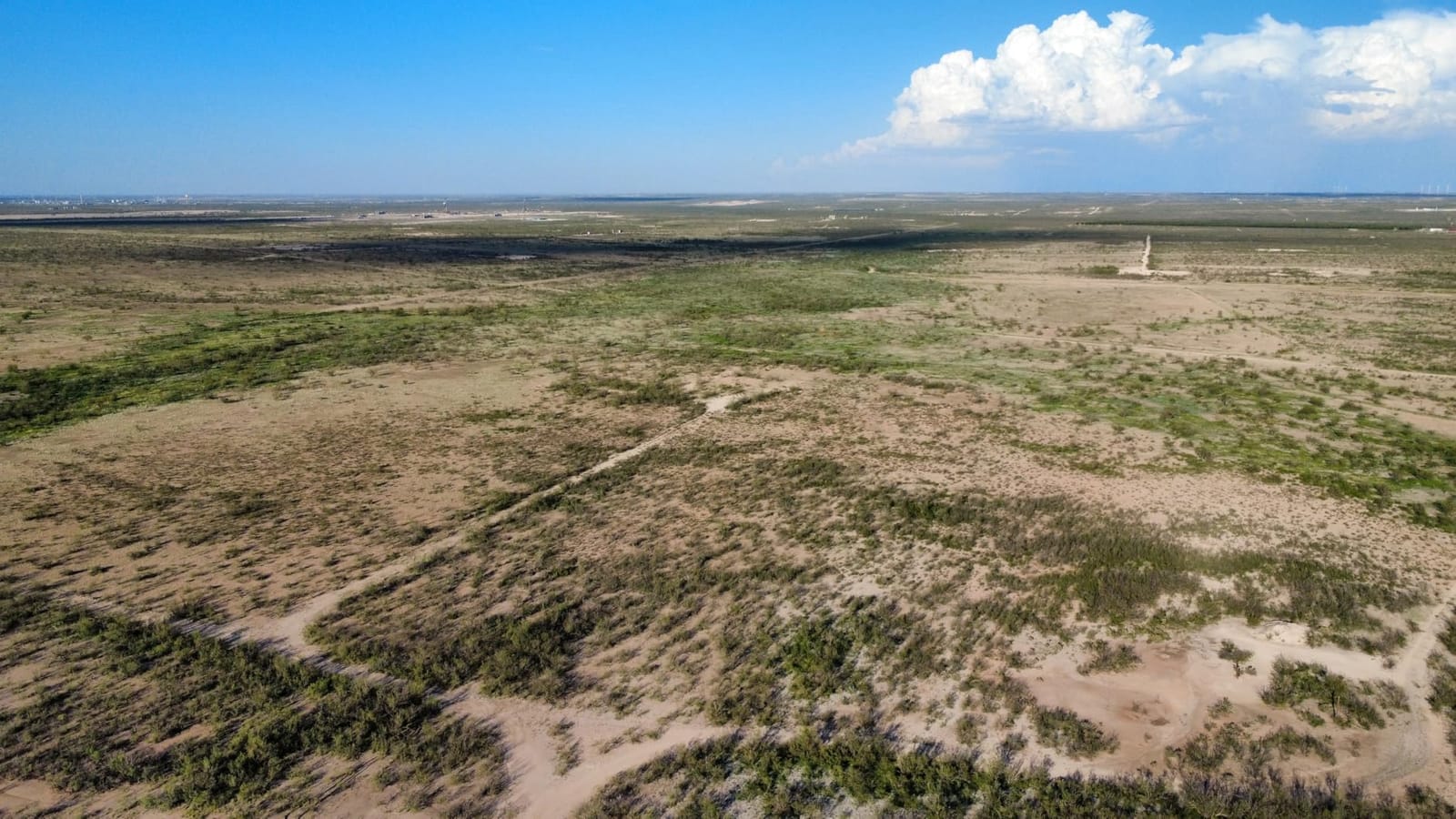
In the air the Mini 5 Pro feels locked-in. Up to 52 minutes of flight per Plus battery is enough for two or three takes of a single setup. ActiveTrack 360 is dramatically better than the older Mini 4 Pro — you can choreograph the drone around a subject in ways that used to require a second operator.
The honest drawbacks: there is no adjustable aperture, so you lean on the included ND filter set (which can be fiddly to swap in wind), and in turbulent air the lighter body drifts more than a heavier Mavic. For dedicated readers who already fly heavier gear, see our breakdown of the best cinematic drones for video on the site for alternatives.
Who the Mini 5 Pro is best for
Travel filmmakers, documentary shooters, and solo creators who need an FAA-exempt body with a 1-inch sensor. It is also the most cinematic drone a backpacker or hiking filmmaker can carry.
Who should look elsewhere
Heavy-wind coastal shooters, payload-heavy productions needing variable aperture, and crews who need the deeper color pipeline of a ProRes-capable platform.
3. DJI Air 3S Fly More Combo — Best Dual-Camera Hybrid
DJI Air 3S Fly More Combo (RC 2 Screen Remote Controller), 4K Drone
Dual cameras
1-inch primary CMOS
45-min flight
20km transmission
Pros
- 1-inch CMOS primary camera with rich detail in low light
- Cinematic 4K/60fps HDR with up to 14 stops dynamic range
- Dual-camera versatility with wide-angle and medium tele
- Forward-facing LiDAR plus nightscape omnidirectional obstacle sensing
- Up to 45-minute flight time per battery and 20km video transmission
- DJI RC 2 with bright screen
- no phone required
Cons
- Battery charger sold separately
- Reverse-direction obstacle sensing is limited in Sport Mode
The DJI Air 3S Fly More Combo is the sweet spot we keep recommending to filmmakers who shoot a mix of narrative work and everyday content. It carries a 1-inch primary CMOS, a useful medium tele camera, and the same 10-bit D-Log M and HLG color pipeline as the more expensive Mavic line.
In practice, the dual-camera setup is the unlock. The wide camera handles establishing shots, dolly reveals, and interior coverage. The medium tele gets you compression-friendly parallax shots and clean subject isolation that you cannot fake with digital zoom on a single-lens drone. The 14-stop dynamic range of the 1-inch sensor is enough headroom for log grading on a commercial or indie narrative.
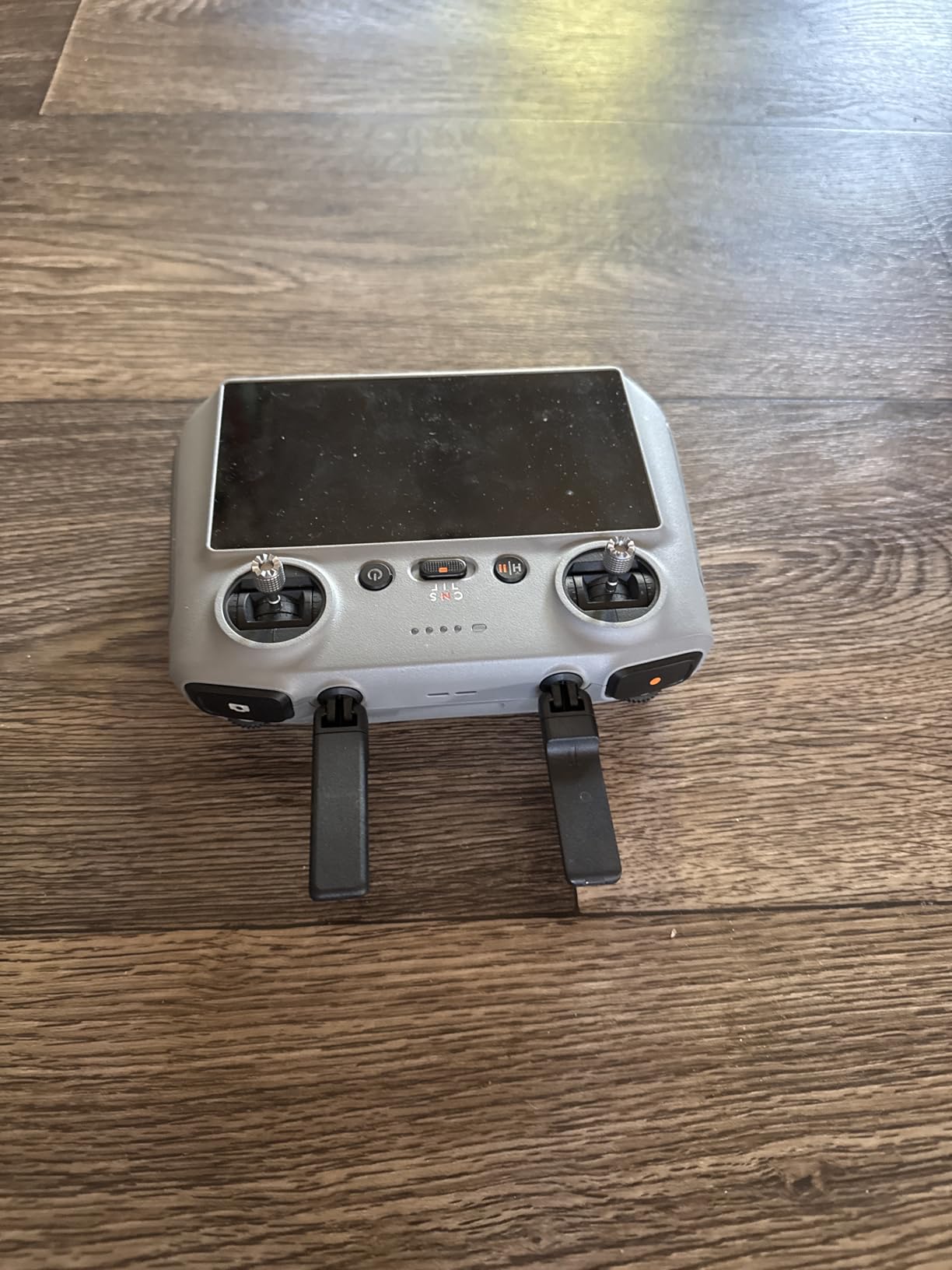
The RC 2 controller with its built-in screen is a workflow upgrade you notice immediately. No phone warm-up, no dropped DJI Fly connection, and 700-nit brightness holds up in midday desert light. Forty-five minutes per battery plus three batteries in the combo gets most short film shoot days done without a wall plug.
The honest drawbacks: the combo no longer ships with a battery charger — DJI sells the 65W Portable Charger separately. Reverse-direction obstacle sensing is weaker in Sport Mode, so aggressive chase shots require manual care. For wider landscape coverage, see our best drones for cinematic landscape shots guide.
Who the Air 3S is best for
Hybrid shooters who split time between cinematic narrative work and everyday social or documentary deliverables. The dual-camera versatility rewards directors who plan shots in advance.
Who should look elsewhere
FPV pilots chasing gap-flying shots and crews needing interchangeable lenses or full-frame sensors.
4. DJI Mavic 2 Pro — Best Hasselblad Color Science
DJI Mavic 2 Pro – Drone Quadcopter UAV with Hasselblad Camera 3-Axis Gimbal HDR 4K Video Adjustable Aperture 20MP 1″ CMOS Sensor, up to 48mph, Gray
Hasselblad L1D-20c
1-inch CMOS
Adjustable aperture
907 g body
Pros
- Hasselblad L1D-20c camera with 20MP 1-inch CMOS sensor
- Adjustable aperture and HDR photos for cinematic flexibility
- 3-axis gimbal for steady footage
- Up to 31 minutes of flight time and 44 mph max speed
- ActiveTrack 2.0
- Hyperlapse
- and omnidirectional obstacle sensing
Cons
- Older generation lacks the latest subject tracking of newer DJI models
- DJI GO 4 App requires older iOS or Android versions
- Heavier body makes it less travel-friendly than the Mini series
The DJI Mavic 2 Pro remains a respected workhorse, and it is still the most affordable Hasselblad-tuned airframe filmmakers can buy. The L1D-20c camera with its 1-inch CMOS and adjustable f/2.8 to f/11 aperture is the headline feature — the variable aperture lets you ride exposure changes mid-take without lifting the ND filter off.
Color science is where this drone earned its reputation. The Hasselblad color profile is warmer and more filmic than the standard DJI profiles, and the natural color rendering is forgiving in mixed lighting. For a documentary crew or wedding videographer, that means less time in post chasing skin tones.
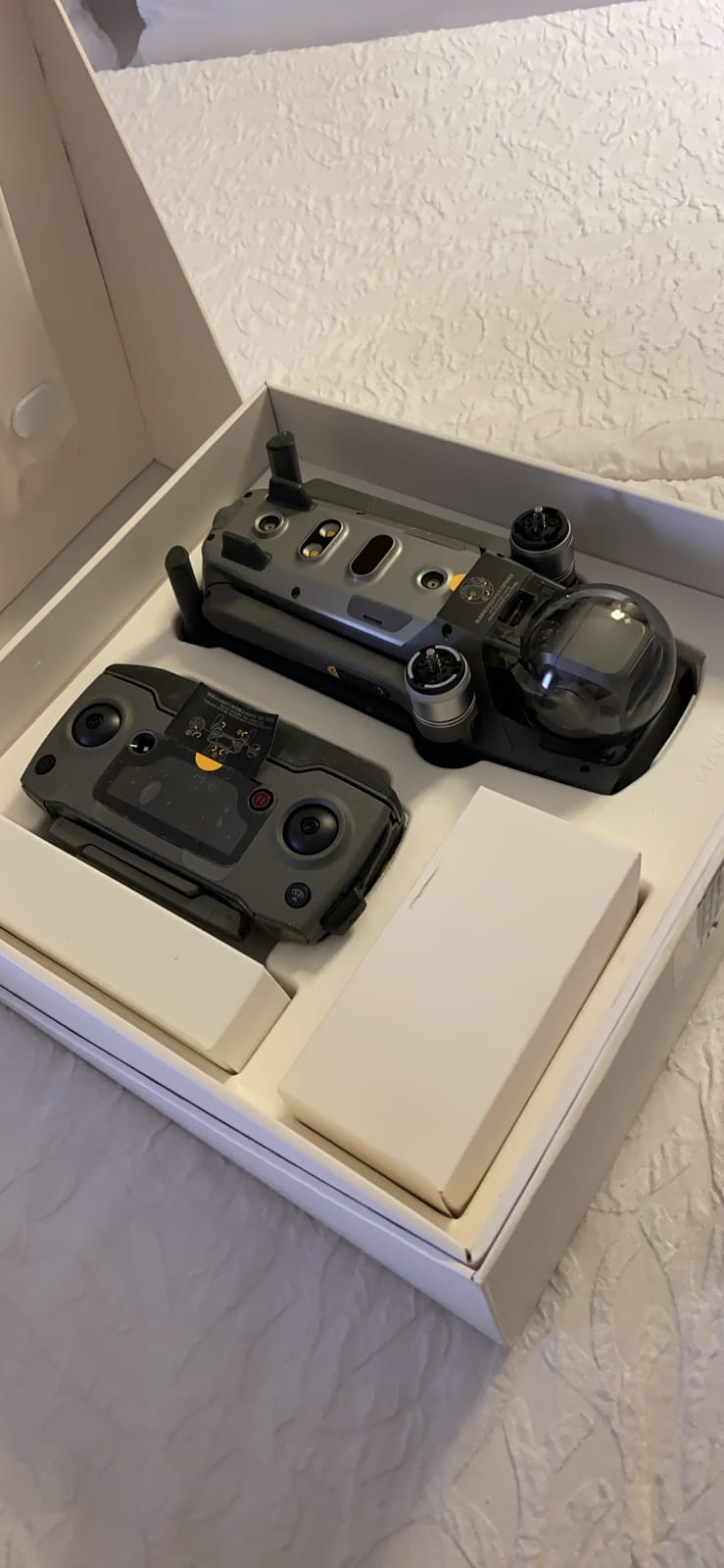
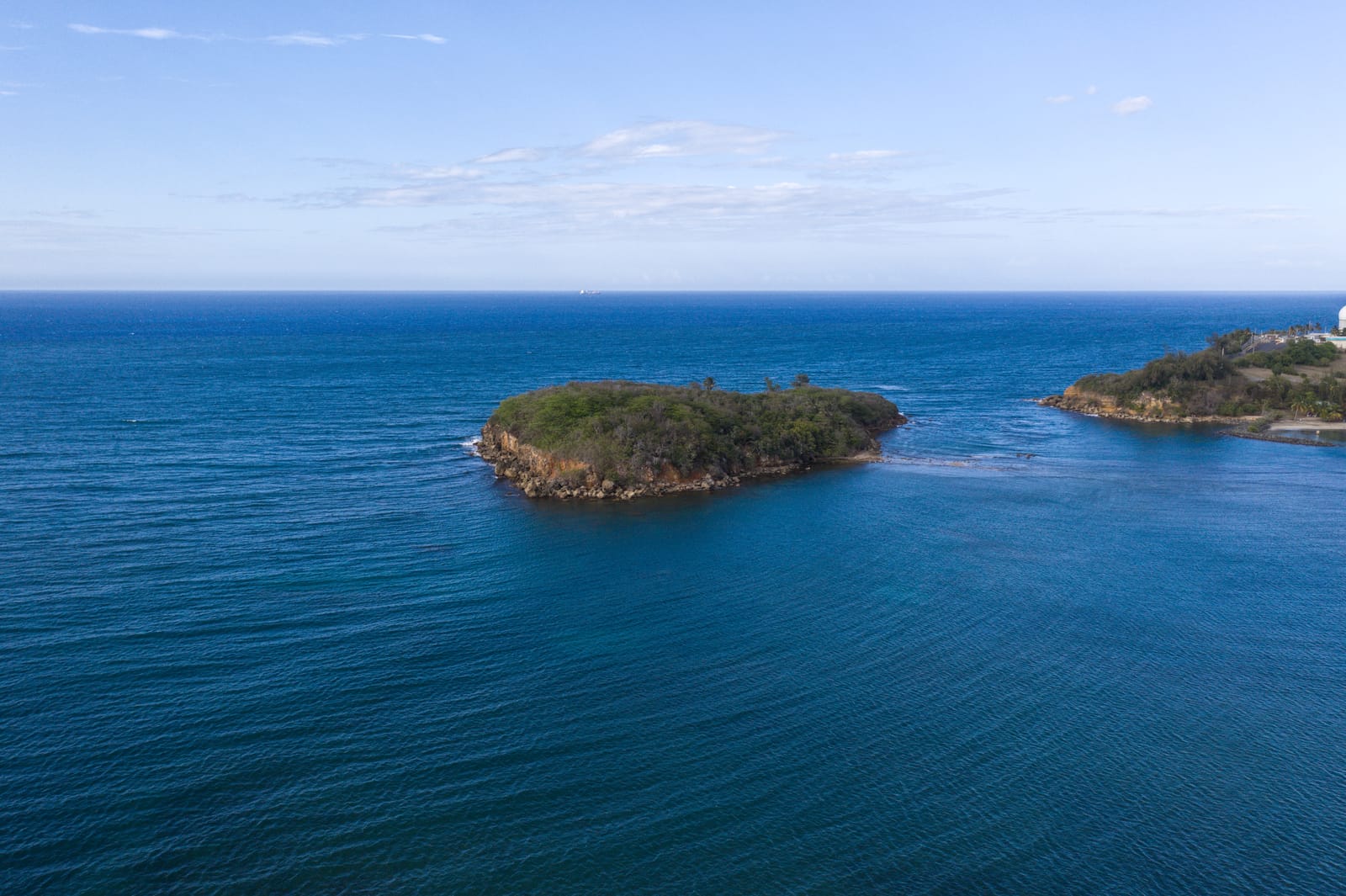
In the air the Mavic 2 Pro is steady and predictable. Up to 31 minutes of flight time, 44 mph top speed, and ActiveTrack 2.0 give a one-person crew the headroom to set up reveals and Hyperlapses. The 907-gram body is heavier than a Mini class drone but still travels in a small sling bag.
The honest drawbacks: the Mavic 2 Pro is an older platform, and DJI GO 4 is the only app that supports it. Some phones run newer iOS or Android versions that no longer pair cleanly, which is the most common complaint in reviews. If you want the modern app and longer flight, the Mavic 3 Pro or Mavic 4 Pro below are the upgrades.
Who the Mavic 2 Pro is best for
Filmmakers who prioritize Hasselblad color science, variable aperture control, and a proven 1-inch sensor at a mid-tier cost. It is also a strong pick for documentary crews and wedding videographers.
Who should look elsewhere
Travel filmmakers who need a sub-250 g body and crews needing the latest AI subject tracking or modern app integration.
5. DJI Avata 360 (RC 2) — Best 360 Reframable Drone
DJI Avata 360 (RC 2), 8K 360° Camera Drone with Protection Kit
8K/60fps HDR 360
1-inch equivalent sensors
Re-frameable in post
455 g
Pros
- 1-inch-equivalent sensors for crisp 8K/60fps HDR 360 video
- Re-framable 360 capture lets one take yield multiple perspectives in post
- O4+ FHD video transmission up to 20 km
- Integrated propeller guard plus nightscape omnidirectional obstacle sensing
- Combo includes landing gear
- propeller guards
- neck strap and storage pouches
- Seamless switching between 360 mode and single-lens 4K/60fps Avata-style filming
Cons
- Single battery in this combo means flight time is limited between swaps
- 360 editing workflow adds post-production time vs. standard flat footage
The DJI Avata 360 (RC 2) is one of the most creatively liberating aerial platforms we have flown. Two 1-inch-equivalent sensors capture 8K/60fps HDR 360 video, and because the entire sphere is recorded you can reframe, pan, tilt, and stabilize in post — one flight can deliver a wide establishing shot, a follow-cam angle, and a tight insert without ever moving the drone.
For narrative filmmakers that re-frameability is a creative unlock. A single take of a street scene can become three or four different angles in the edit, which is the entire premise behind immersive documentary and music video work. The image quality is high enough to deliver 4K reframed angles without softening.
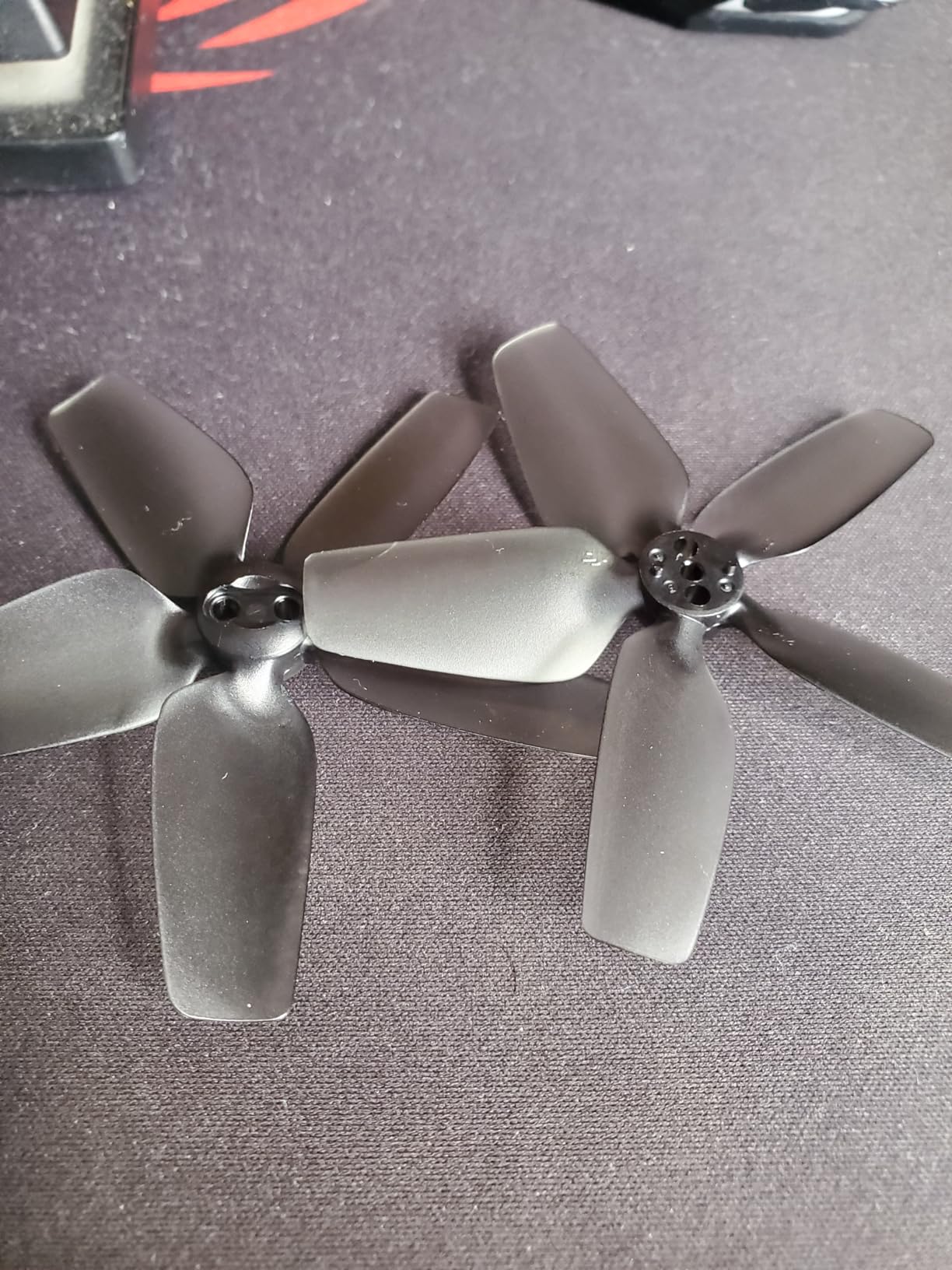
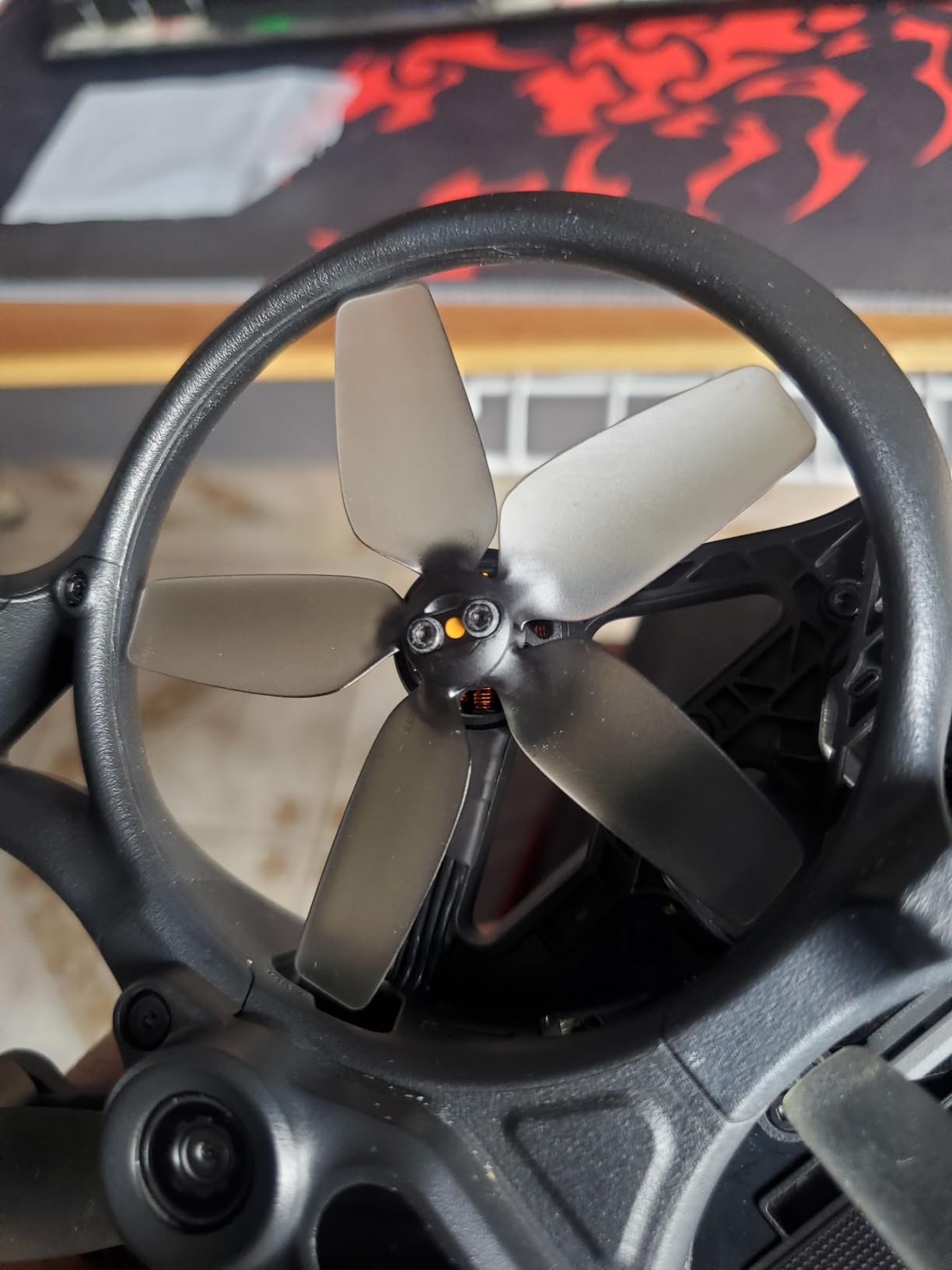
In the air the Avata 360 (RC 2) handles like a hybrid between the original Avata and a small cinema drone. O4+ FHD transmission up to 20 km gives you room to fly without worrying about signal drop, and the integrated propeller guard plus nightscape omnidirectional obstacle sensing is reassuring in close-quarters work. The included landing gear, propeller guard covers, neck strap, and storage pouches are thoughtful daily-use touches.
The honest drawbacks: the (RC 2) combo ships with a single battery, so plan on buying an extra Intelligent Flight Battery if you intend to shoot longer sequences. The 360 editing workflow adds post time versus flat footage. If you have never reframed 360 in post before, budget an afternoon to learn the basics before your first shoot. For more on FPV-style cinematic work, see our best FPV drones for cinematic shots guide.
Who the Avata 360 (RC 2) is best for
Music video directors, immersive documentary shooters, and narrative creators who want maximum post-production flexibility from a single flight. It is also the most forgiving 360 drone we tested for solo filmmakers.
Who should look elsewhere
Crews who need a long single-shoot session with multiple batteries out of the box and editors who want flat native footage without 360 post-processing.
6. SKYROVER X1 Combo — Best Value Sub-249g Drone
SKYROVER X1 Drone with Camera Combo with Screen Controller, 4K/60fps Video, 8K Photo, 360° Obstacle Avoidance, Under 249g, 9.32-Mi Transmission, AI Night Shot, 96-Min Flight Time with 3 Batteries
Sub-249g
4K/60fps HDR
9.32-mile range
96-min total flight
Pros
- 1/1.32 inch CMOS with f/1.7 aperture captures cinematic 4K/60fps HDR
- 5.5 inch 700-nit HD touchscreen remote for clear outdoor live view
- Under-249 g body exempts from FAA registration
- 9.32-mile SkyBridge transmission with 1080p/60fps live feed
- Up to 96 minutes of total flight time with three batteries
- 3-axis gimbal stabilization for shake-free footage
Cons
- Replacement parts and accessories are still hard to find
- Controller companion app is not on Google Play and must be side-loaded
- Manual leaves a lot to be desired
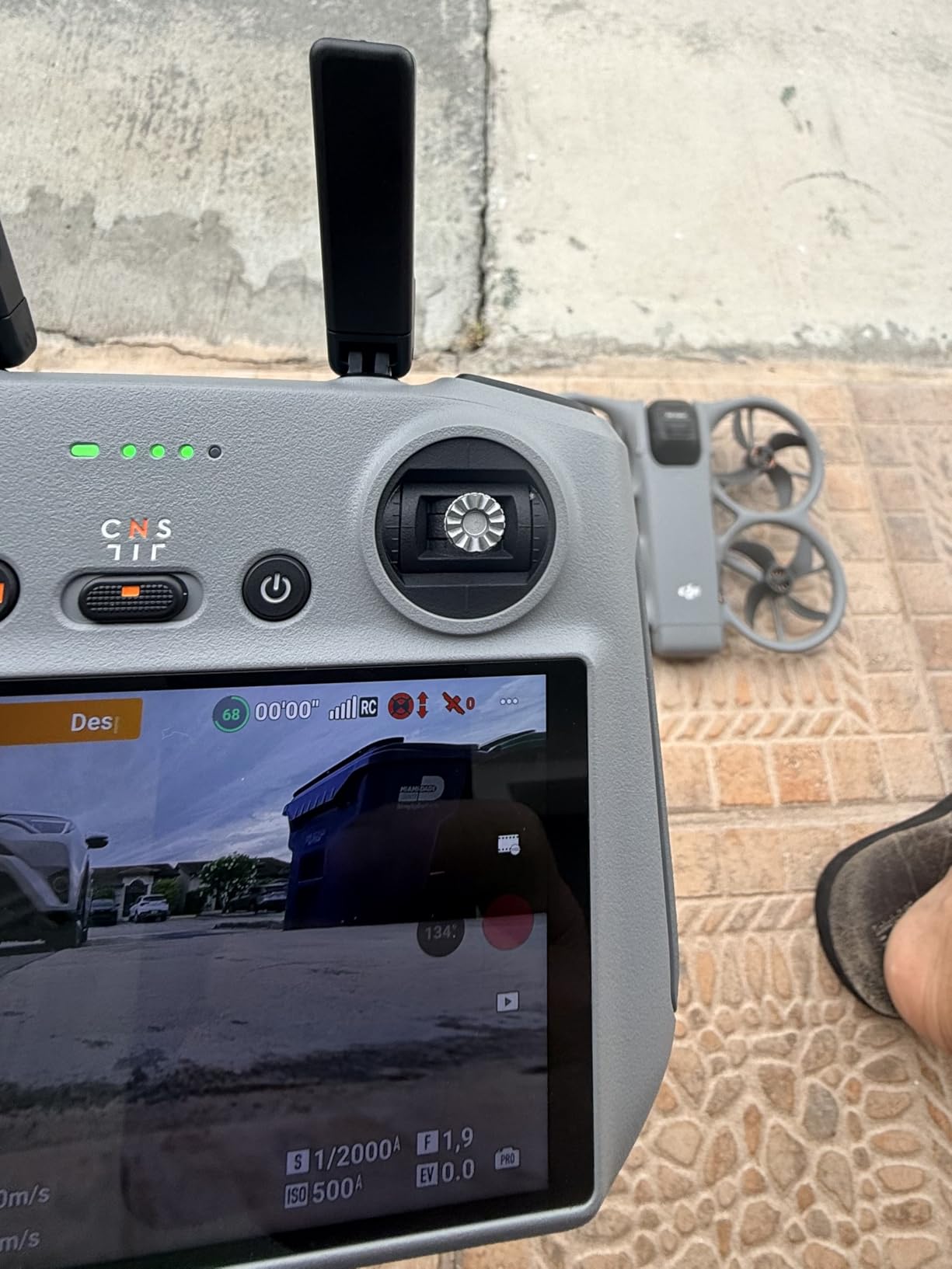
The SKYROVER X1 Combo is the surprise value pick of our test. It delivers 4K/60fps HDR from a 1/1.32-inch CMOS at f/1.7, weighs under 249 g so it bypasses FAA registration, and ships with three batteries, a shoulder bag, and a 5.5-inch HD touchscreen remote — all for a fraction of the price of mainstream flagships.
In flight the X1 feels confident. The 3-axis gimbal keeps the horizon level, and AI Auto Track, Smart Spotlight, and Dual Tracking modes handle the kinds of follow shots solo filmmakers usually beg a friend to help with. The 700-nit screen on the bundled remote is bright enough to fly in midday sun without pulling out a phone.
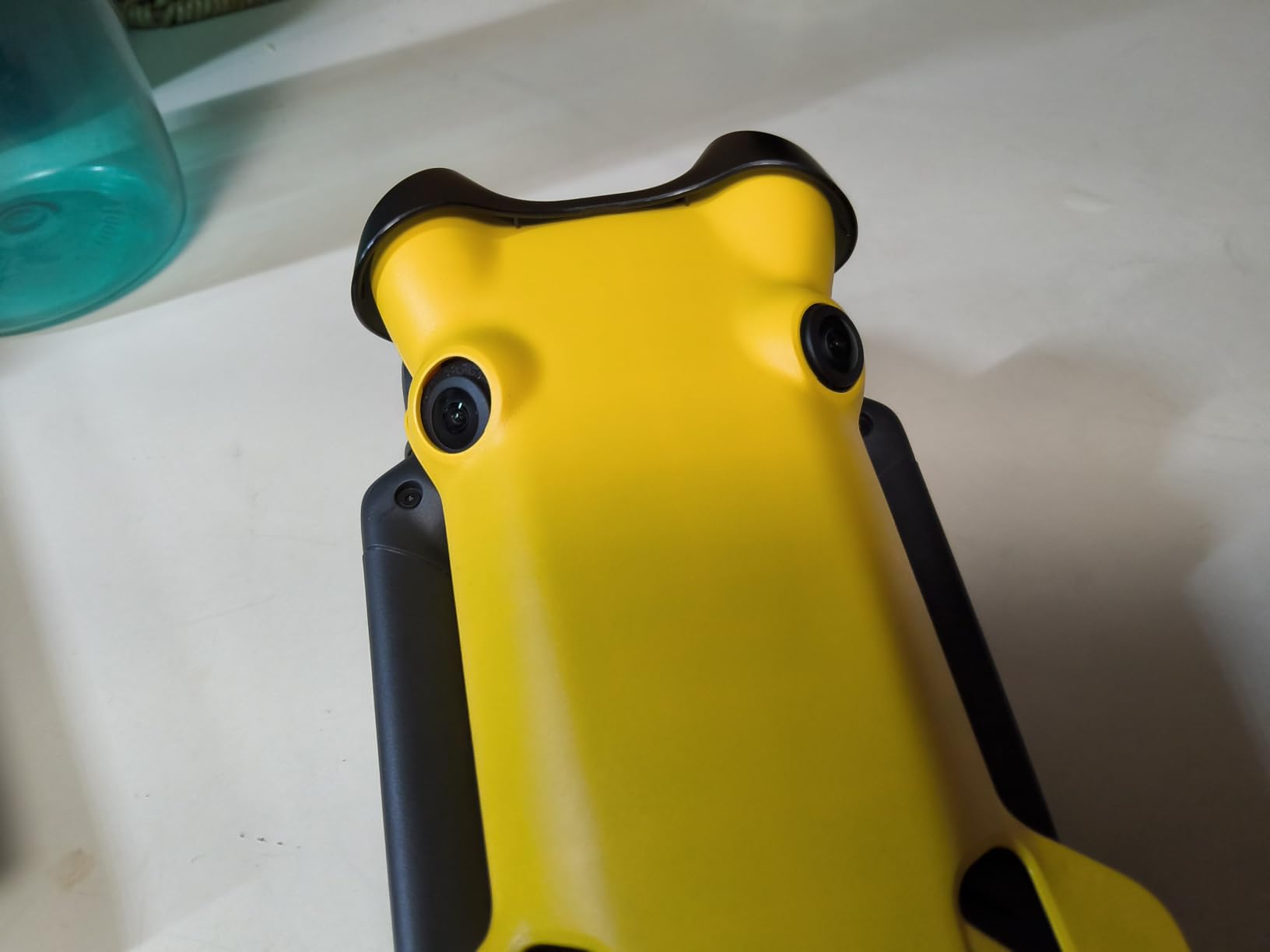
For filmmakers worried about DJI supply continuity or app ecosystem changes, the X1 is a credible alternative with a different firmware path. Ninety-six minutes of total flight time across three batteries is enough for a half-day of B-roll without a wall plug.
The honest drawbacks: replacement parts and accessories are still hard to find, and the controller app is not on Google Play and has to be side-loaded. The bundled manual is thin. If you are coming from an FPV goggles background there is a small learning curve to the touchscreen-based controller.
Who the SKYROVER X1 is best for
Indie filmmakers and travel creators who want a sub-249g body, real 4K/60fps HDR footage, and a bundled touchscreen controller without paying flagship prices. It is also a strong backup drone for established crews.
Who should look elsewhere
Filmmakers who need interchangeable lenses, ProRes codec support, or a deep ecosystem of accessories and ND filters.
7. DJI Avata 360 Fly More Combo — Best 360 Bundle for Long Shoots
DJI Avata 360 Fly More Combo (RC 2), 8K 360° Camera Drone
8K/60fps HDR 360
120MP photos
Three batteries
Sling bag included
Pros
- 1-inch-equivalent sensors with 8K/60fps HDR 360 video and 120 MP 360 photos
- Infinite 360 rotation and tilt for dynamic shots not possible on standard drones
- O4+ FHD transmission up to 20 km
- Integrated propeller guard and nightscape omnidirectional obstacle sensing
- Combo includes three batteries
- charging hub
- sling bag
- and landing pad
- Dual 360 and single-lens modes for versatile filming styles
Cons
- Battery life per pack is short at about 12 minutes of useful flight
- Heavier and larger than Avata 1/2 limiting tight gap flying
- 360 editing requires DJI Studio with frequent driver updates
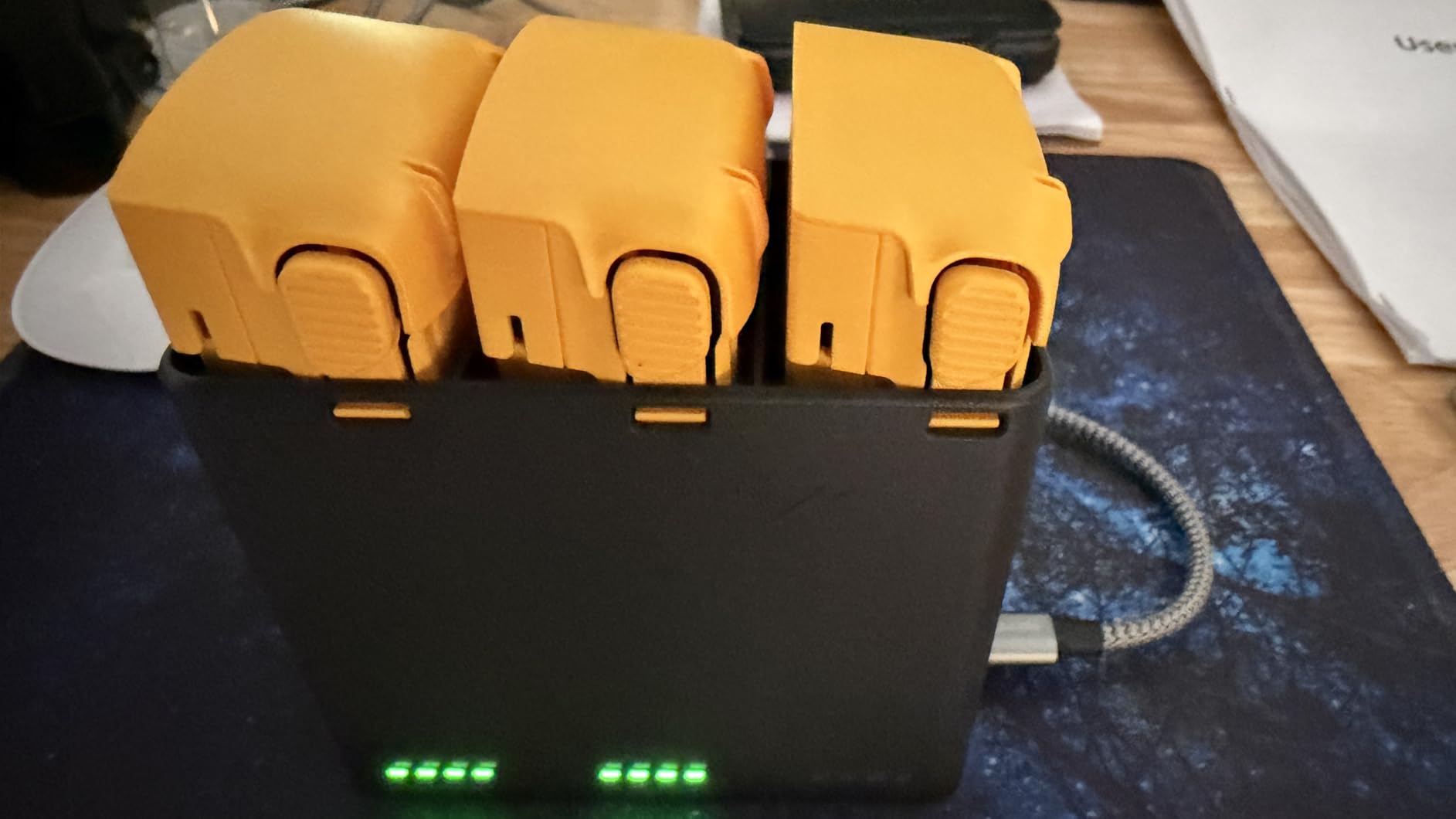
The DJI Avata 360 Fly More Combo is the longer-shoot twin of the Avata 360 (RC 2) above. Same 1-inch-equivalent sensors, same 8K/60fps HDR 360 capture, same infinite rotation and tilt gimbal — but the Fly More Combo bundles three Intelligent Flight Batteries, a charging hub, a sling bag, a foldable landing pad, and a lens cleaning cloth.
For a one-day documentary shoot or a music video day, that bundle matters. You can run the drone continuously with hot-swapped batteries, fold the landing pad onto any surface, and never dig for a USB cable. The 120 MP 360 photo capability is also a quiet highlight for landscape and travel filmmakers.
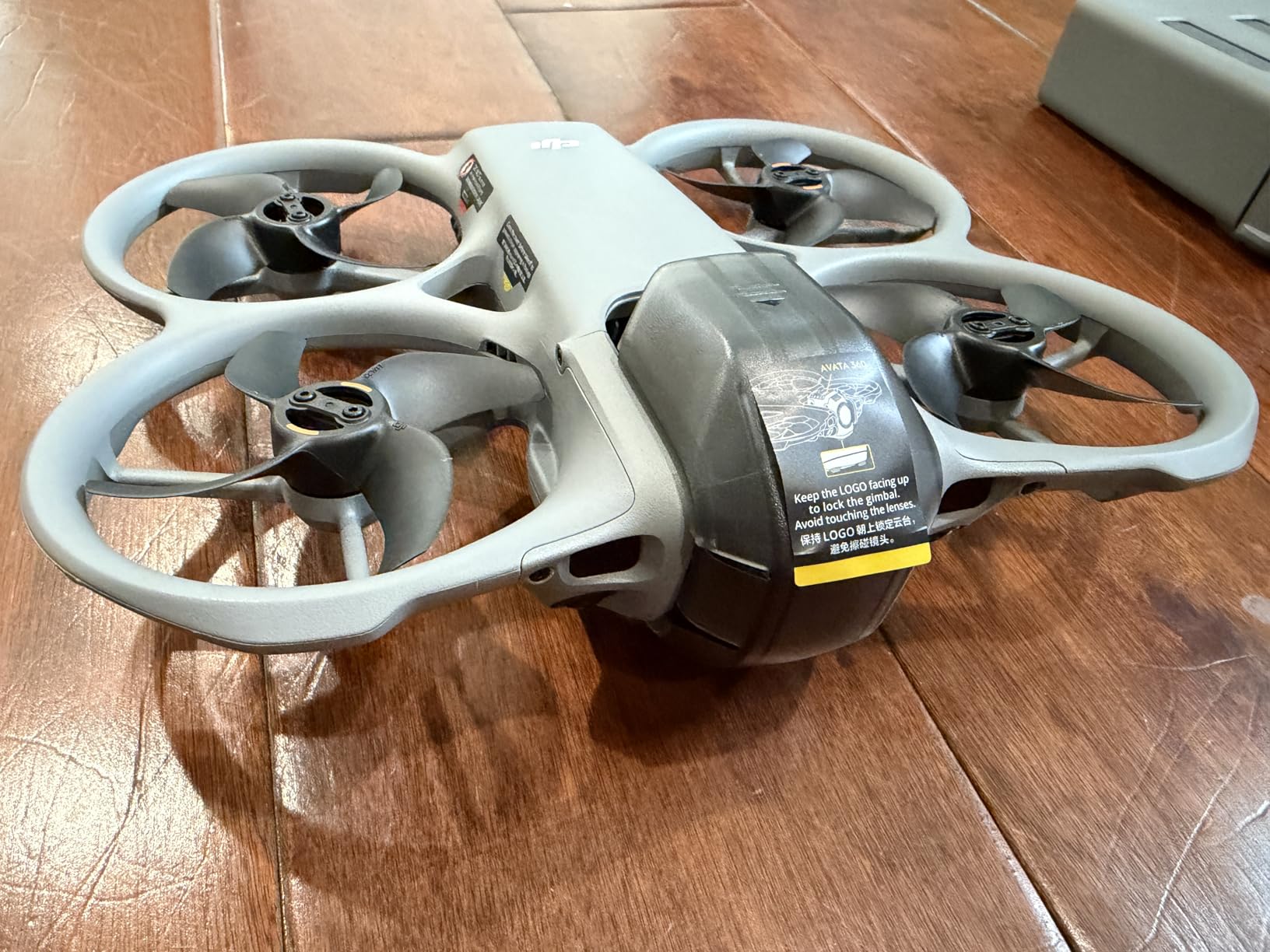
In flight the Avata 360 Fly More Combo behaves like the single-battery version — same O4+ transmission up to 20 km, same nightscape omnidirectional obstacle sensing, same dual-mode 360 and single-lens filming. The bigger body means you cannot fly as tight through gaps as the original Avata 2.
The honest drawbacks: per-battery flight time is short, around 12 minutes of useful flight in cinematic conditions. The 360 editing workflow needs DJI Studio with frequent driver updates, so plan a software update day before any paying job. Some units experience slow initial GPS lock — give the drone a couple of minutes outdoors before takeoff.
Who the Avata 360 Fly More Combo is best for
Filmmakers who need the longest possible 360 shooting session out of the box without buying extra accessories. Documentary crews and immersive content creators benefit most.
Who should look elsewhere
FPV pilots who need tight gap-flying agility and crews who prefer flat native footage to 360 re-framing.
8. Autel Robotics EVO 2 Pro V3 — Best DJI Alternative with 6K HDR
Autel Robotics EVO 2 Pro V3 w/Son-y 1″ CMOS Sensor & 6K HDR Video
1-inch Sony CMOS
6K HDR video
12-bit A-Log
SkyLink 9-mile range
Pros
- 1-inch CMOS sensor with adjustable f/2.8-f/11 aperture and up to 6K video
- 12-bit A-Log color for 68.6 billion colors and rich post-production flexibility
- 360 degree omnidirectional obstacle avoidance with 12 vision sensors
- Up to 40 minutes of flight time in forward motion
- No geo-fencing in no-fly zones giving pilots full responsibility-based access
- Autel SkyLink 2.0 with tri-band communication for 9-mile transmission range
- Smart Controller SE with 6.4-inch OLED touchscreen and IP43 rating
Cons
- Larger and heavier than DJI Mini and Air series
- App and firmware ecosystem smaller than DJI's mature offering
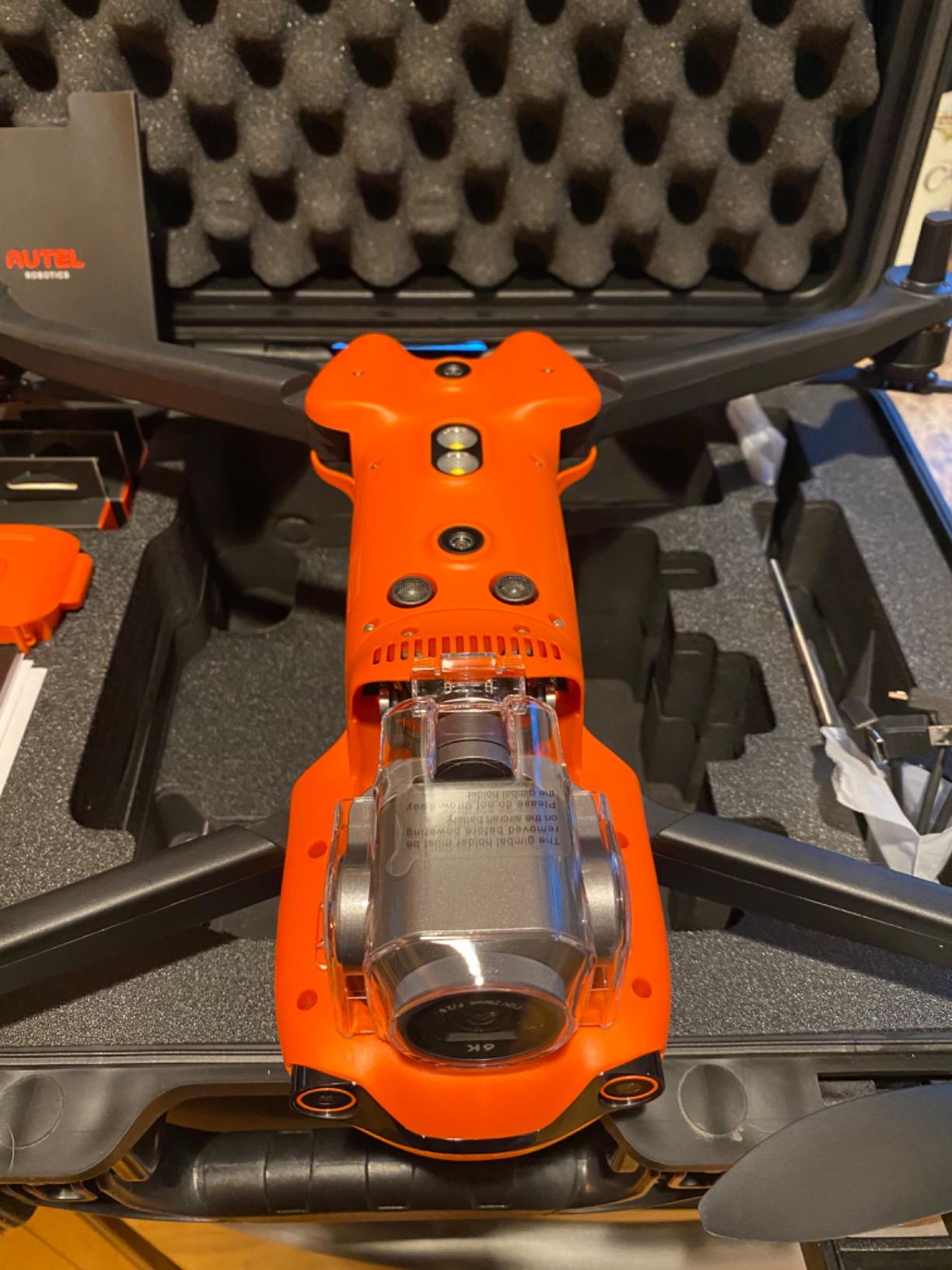
The Autel Robotics EVO 2 Pro V3 is the most credible non-DJI flagship for filmmakers who want a 6K HDR workflow without DJI’s app ecosystem or geo-fencing. The 1-inch Sony CMOS paired with an adjustable f/2.8 to f/11 aperture and 12-bit A-Log color delivers a color-graded workflow that holds up against graded footage from a higher-end DJI platform.
The Moonlight Algorithm 2.0 and Max. ISO 44000 are the headline low-light features. In our dusk and overcast tests the EVO 2 Pro V3 produced usable footage in conditions where smaller sensor drones started banding. For narrative filmmakers shooting blue hour and night exteriors, that is a serious creative unlock.
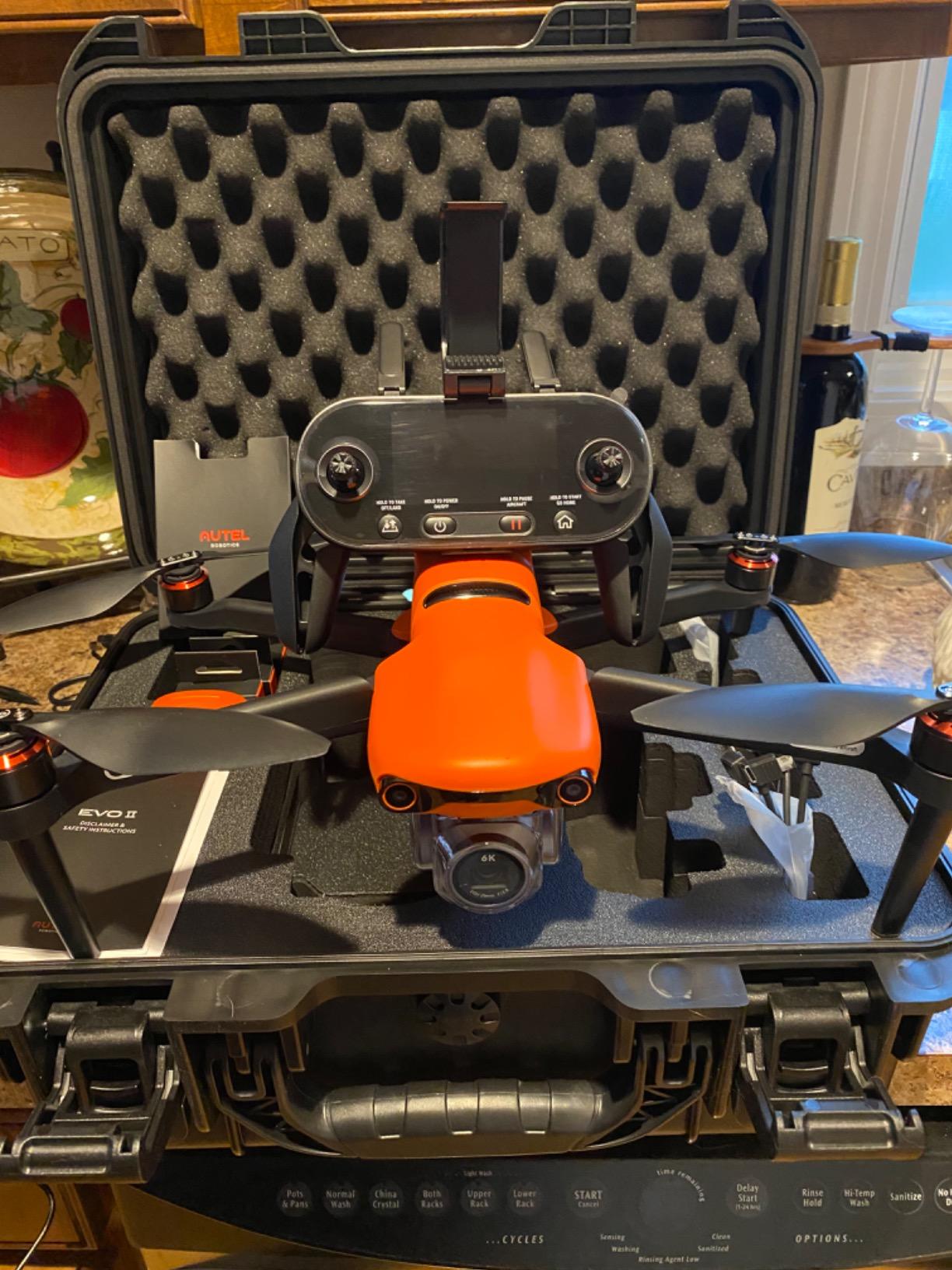
In the air the EVO 2 Pro V3 flies heavy and confident. Forty minutes of forward flight per 7100 mAh battery, 9-mile SkyLink 2.0 tri-band transmission, and 360-degree omnidirectional obstacle avoidance give it the kind of presence you want on a longer shoot day. The Smart Controller SE has a 6.4-inch OLED touchscreen that is genuinely daylight-readable.
The honest drawbacks: at 1191 g it is heavier than a Mini or Air series drone, so it is not the travel pick. The Autel app and firmware ecosystem is smaller than DJI’s, with fewer third-party accessories and a thinner pool of ND filter options. If your workflow depends on DJI-specific lens calibration profiles, the move to A-Log needs a fresh LUT library.
Who the EVO 2 Pro V3 is best for
Filmmakers who specifically want a non-JI workflow with 6K HDR, 12-bit color, and no geo-fencing restrictions. It is also a strong low-light drone for blue hour and night exteriors.
Who should look elsewhere
Travel filmmakers who need a sub-249 g body and crews locked into DJI-specific lens calibration or active track workflows.
9. DJI Mavic 3 Pro with RC — Best Prosumer 4/3 CMOS
DJI Mavic 3 Pro with RC, Flagship Triple-Camera Drone with 4/3 CMOS Hasselblad 4K Camera, 43-Min Flight Time, 15km HD Video Transmission, FAA Remote ID Compliant, for Adults, Black
4/3 CMOS Hasselblad
Triple-camera system
43-min flight
15km transmission
Pros
- 4/3 CMOS Hasselblad main camera with 24mm equiv f/2.8-f/11 and 12.8 stops dynamic range
- Triple-camera system including a 70mm medium tele with 10-bit D-Log M and HLG
- Up to 43 minutes of flight time
- DJI O3+ 15 km transmission range with stable signals
- Omnidirectional obstacle sensing with APAS 5.0
- FAA Remote ID compliant out of the box
Cons
- Premium price tag vs Mini and Air lines
- Some reviewers experienced warranty and customer-service disputes after flyaways
The DJI Mavic 3 Pro with RC is the prosumer sweet spot for filmmakers who want a Four Thirds Hasselblad main camera plus a real triple-camera system in a folding airframe. The 4/3 CMOS main sensor gives you 12.8 stops of dynamic range and the Hasselblad color science that documentary crews and wedding videographers love.
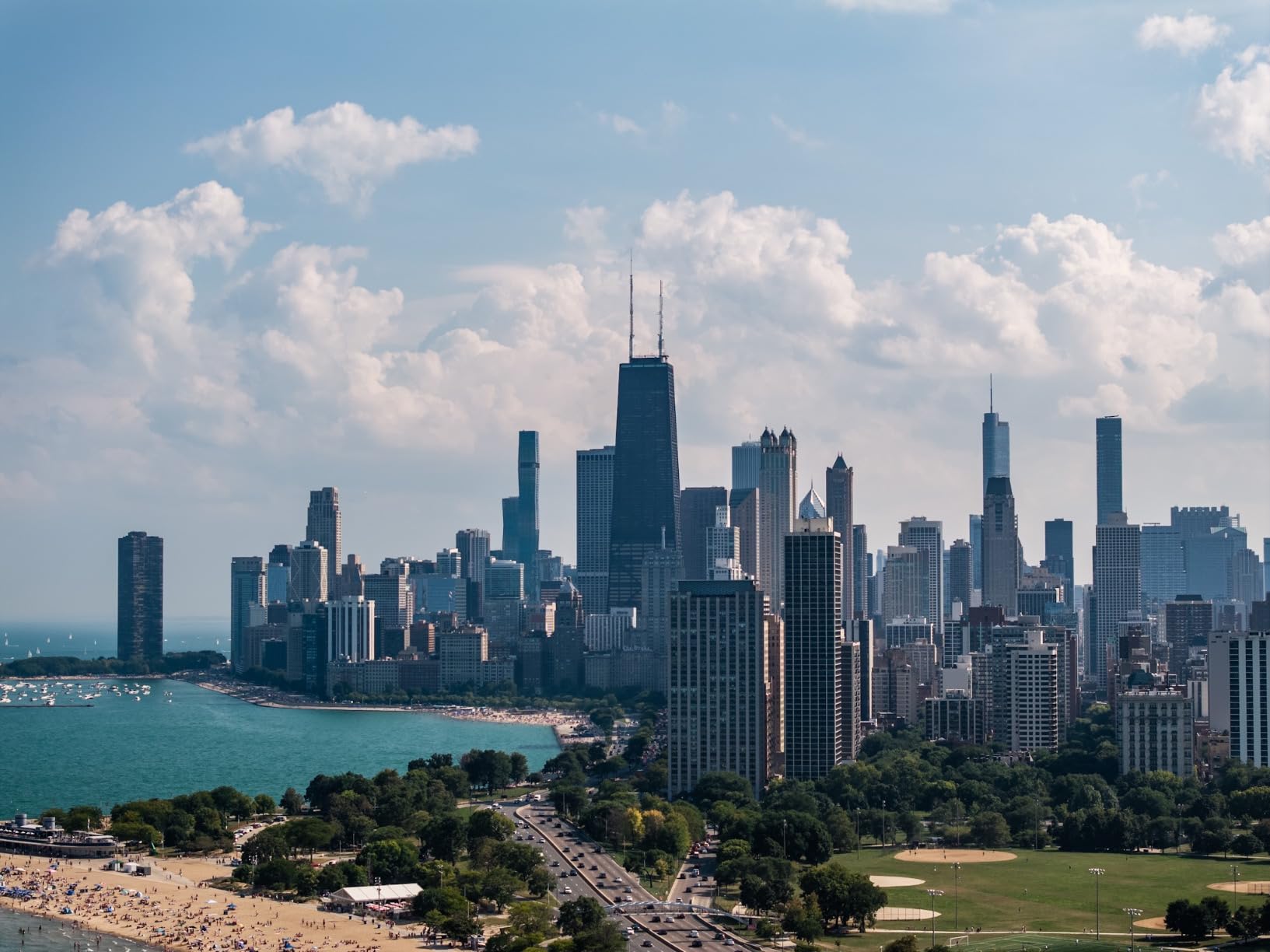
The triple-camera system is the creative unlock here. The 24mm Hasselblad main handles narrative work, the 70mm medium tele delivers compression-friendly parallax shots, and the 166mm tele lets you pull distant details without flying dangerously close. For a director of photography this is the first folding drone that genuinely replaces a small crew.
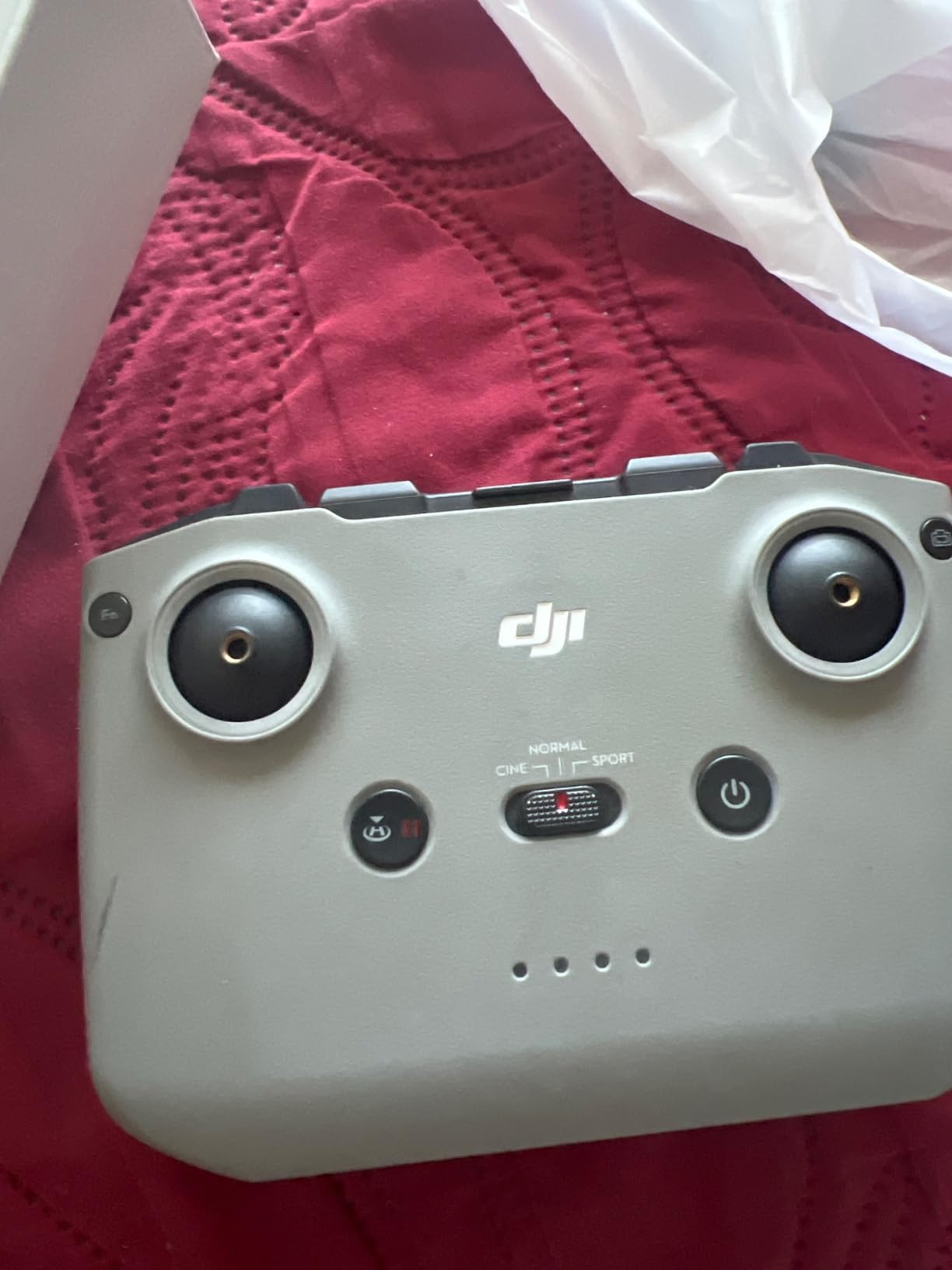
In the air the Mavic 3 Pro flies with the same confidence as the Mavic 3 line. Forty-three minutes of flight, 15 km O3+ transmission, omnidirectional sensing with APAS 5.0, and FAA Remote ID compliance all come standard. The DJI RC controller with 700-nit brightness is included in this combo.
The honest drawbacks: it sits in a price tier where DJI’s own Mavic 4 Pro above starts to look attractive. Some buyers have reported warranty and customer service disputes after flyaways. For pilots who already fly a Mini or Air class drone, the jump up needs a real budget conversation. If you want the next step up in flagship specs, see the Mavic 4 Pro below.
Who the Mavic 3 Pro is best for
Prosumer filmmakers, indie short film directors, and documentary cinematographers who need Four Thirds sensor quality and a triple-camera system without stepping into Inspire-class platforms.
Who should look elsewhere
Filmmakers who want the latest flagship specs and budget-minded creators who do not need a medium tele or tele lens.
10. DJI Mavic 4 Pro 512GB Creator Combo — Best Pro Cinema Flagship
DJI Mavic 4 Pro 512GB Creator Combo With DJI RC Pro 2, Tri-Camera Drone
100MP Hasselblad
6K/60fps HDR
Dual tele cameras
512GB onboard
Pros
- 100MP Hasselblad main camera with 6K/60fps HDR video
- Dual tele cameras for crisp detailed zooms in pro aerial work
- 360 degree Infinity gimbal for dynamic cinematic camera moves
- 0.1-Lux nightscape omnidirectional obstacle sensing for low-light safety
- Up to 51 minutes of flight time per battery
- 30 km / 18.6 mi O4+ 10-bit HDR video transmission
- RC Pro 2 with 7-inch rotatable high-bright display
- 512GB onboard supporting ALL-I 4:2:2 encoded video
Cons
- Premium price positions it as a flagship creator platform
- Larger and heavier than earlier Mavic 3 generation
The DJI Mavic 4 Pro 512GB Creator Combo is the flagship aerial cinema tool of 2026 and the drone we would trust on a paying narrative or commercial job. The 100MP Hasselblad main camera, dual tele cameras, and 6K/60fps HDR video give a director of photography the imaging chain to cut aerial footage directly against ground cinema cameras without compromise. The 360-degree Infinity gimbal unlocks camera moves no other folding drone can replicate.
For a serious short film or indie feature, the Mavic 4 Pro Creator Combo is the most complete aerial tool you can carry. 512GB onboard with ALL-I 4:2:2 encoded video means ProRes-class grading flexibility without a media wrangler, and the 30 km O4+ transmission keeps the link stable even when you push the drone into complex urban environments.
The RC Pro 2 with its 7-inch rotatable high-bright display is the kind of upgrade directors notice immediately. You can hand the monitor to a client or director and they can follow the shot without leaning over the pilot’s shoulder. 0.1-Lux nightscape omnidirectional obstacle sensing makes blue hour and night exteriors dramatically safer.
The honest drawbacks: this is a flagship creator platform with a flagship price tag, and it is larger and heavier than the Mavic 3 generation. For filmmakers on a tighter budget the Mavic 3 Pro above or the Air 3S above deliver ninety percent of the image quality at a much more accessible cost. For readers comparing the Mavic 3 Pro to the Mavic 4 Pro specifically, the 360-degree Infinity gimbal and 100MP main sensor are the meaningful jumps.
Who the Mavic 4 Pro 512GB Creator Combo is best for
Professional narrative filmmakers, commercial production crews, and serious indie feature cinematographers who need flagship cinema imaging in a folding airframe. It is also the strongest pick for filmmakers who cut aerial footage directly against ground cinema cameras.
Who should look elsewhere
Budget filmmakers who do not need the 100MP sensor or dual tele cameras, and travel filmmakers who need a sub-249 g body for unchecked travel.
How to Choose the Best Cinematic Drone for Your Filmmaking
Choosing the best cinematic drone for filmmakers comes down to matching the airframe to your shoot style, your color pipeline, and your real-world budget. The list above spans from sub-249 g travel drones to flagship Hasselblad creator combos, and each pick solves a different production problem.
The first question is shot type. If your short film leans on dynamic fly-throughs, FPV-style interior reveals, and immersive POV coverage, an FPV cinewhoop like the DJI Avata 2 or the DJI Avata 360 (RC 2) is the right tool. If your work leans on slow cinematic reveals, parallax dolly shots, and landscape coverage, a stabilized gimbal drone with a 1-inch or larger sensor — the Air 3S, Mavic 3 Pro, Mavic 4 Pro, or Autel EVO 2 Pro V3 — is the better fit.
The second question is codec and color pipeline. If you need ProRes or CinemaDNG for grading, you are looking at flagship creator platforms or dedicated cinema drones — the Mavic 4 Pro 512GB Creator Combo leads this list. If H.265/HEVC with D-Log M or D-Log is enough, the Air 3S, Mini 5 Pro, and Mavic 3 Pro all deliver. For matching ND filters to your ground camera setup, our best cinematic ND filters for filmmakers guide pairs well with this list.
The third question is regulatory and operational. In the US, any drone over 249 g requires FAA registration, and any commercial drone work requires a Part 107 license. Filmmakers flying drones for paying client work — even small indie projects — should treat Part 107 as the floor. For FPV flying in particular, the best FPV goggles for cinematic drones guide helps you pick a compatible headset if you choose the Avata 2 or Avata 360 path.
The fourth question is price tier. The sub-249 g Mini 5 Pro, Mini 5 Pro, and SKYROVER X1 sit in the value tier. The Air 3S, Mavic 2 Pro, and Mini 5 Pro occupy the prosumer tier. The Mavic 3 Pro, Avata 360 Fly More Combo, and Autel EVO 2 Pro V3 cover the advanced enthusiast tier. The DJI Mavic 4 Pro 512GB Creator Combo is the flagship cinema tier. Match your drone tier to the kind of paid work you are chasing — or to the kind of personal work you are saving for.
Frequently Asked Questions
What drone do most filmmakers use?
Most working filmmakers reach for a DJI platform first — specifically the Mavic 3 Pro, Mavic 4 Pro, or Inspire 3 for serious narrative work, and the Air 3S or Mini 5 Pro for travel and run-and-gun shoots. For dynamic fly-throughs and interior reveals, FPV cinewhoops like the DJI Avata 2 are increasingly common on professional sets.
Which drone is best for cinematic video?
For purely cinematic image quality in 2026, the DJI Mavic 4 Pro 512GB Creator Combo is our top pick — a 100MP Hasselblad main sensor, dual tele cameras, 6K/60fps HDR, and 512GB internal storage with ALL-I 4:2:2 encoding give directors of photography a true cinema chain in a folding airframe.
What is the best drone for low-budget filmmaking?
For low-budget filmmaking, the DJI Mini 5 Pro Fly More Combo Plus is the strongest pick. It packs a 1-inch CMOS sensor, 225-degree gimbal, and 52-minute battery life into a sub-249 g body, and the bundle ships with three batteries, an ND filter set, and the DJI RC 2 controller — a full creator kit without breaking the bank.
Are FPV drones good for cinematic filming?
Yes — FPV drones are excellent for dynamic shots that stabilized gimbal drones cannot capture, including interior fly-throughs, chase sequences, and immersive POV coverage. The DJI Avata 2 Fly More Combo is our top FPV cinematic pick, and the DJI Avata 360 (RC 2) extends that into 360 reframable footage.
Do filmmakers need a license to fly a drone?
In the United States, any commercial drone work — including paid filming for a client — requires an FAA Part 107 Remote Pilot Certificate. Recreational flying of sub-249 g drones does not require Part 107 but does require the TRUST test and FAA registration in most scenarios. International rules differ, so filmmakers shooting abroad should check local aviation authority requirements.
Should I get a Mavic or Inspire for filmmaking?
For most indie filmmakers, the Mavic line is the right starting point — the Mavic 4 Pro Creator Combo or Mavic 3 Pro give you Hasselblad image quality and triple-camera versatility in a backpack-friendly airframe. The Inspire line is best for crews that require dual-operator camera control, full-frame Zenmuse X9 payloads, or RTK precision for repeatable VFX shots.
What specs matter most for a cinematic drone?
The specs that matter most for a cinematic drone are sensor class (1-inch, Four Thirds, or full-frame), dynamic range (10-bit or 12-bit color depth), codec options (H.265, ProRes, CinemaDNG, RAW), gimbal axes and stabilization, log color profiles (D-Log, D-Log M, A-Log), ND filter availability, flight endurance, and transmission range. Matching these specs to your existing color pipeline is more important than chasing the largest sensor on paper.
Final Verdict
For most filmmakers chasing the best cinematic drones for filmmakers in 2026, the DJI Avata 2 Fly More Combo is our Editor’s Choice — the immersive fly-through capability, the RockSteady + HorizonSteady stabilization, and the bundled three-battery combo deliver a complete cinematic tool in one box. For the highest-end work, the DJI Mavic 4 Pro 512GB Creator Combo stands alone as the flagship cinema tool, and the SKYROVER X1 Combo is the strongest value pick for sub-249 g travel. Whichever platform you choose, match it to your shot style, your color pipeline, and the kind of production you are saving for — and fly safe.