
The biggest misconception about telescopes is that they make things bigger. They do not. A telescope is a light bucket. It collects photons from a distant object and concentrates them into a viewable image, and the diameter of that collecting surface, the aperture, is the single number that decides what you will actually see under the eyepiece.
That is why every ranking you have read elsewhere probably felt hollow. Magnification numbers are marketing, aperture is physics. A department-store scope advertising 675x on a plastic mount will hand you a blurry, colour-fringed image, while a modest 5-inch reflector with no computer at all will show you the Cassini Division in Saturn’s rings. The best telescopes in 2026 are not the ones with the loudest claims, they are the ones with enough glass, a steady mount, and eyepieces worth looking through.
We compared 10 models across the full range, from grab-and-go tabletop refractors to an 8-inch computerized catadioptric, and looked hard at aperture, focal length, mount stability, weight, and what each one is genuinely good for. Our team also spent time reading what owners say after the novelty wears off, because the complaint that shows up most often in forums is not a broken mount, it is a scope that disappointed somebody who expected to see more.
A few definitions before we get into the picks. Aperture is the diameter of the main lens or mirror, and light-gathering power scales with its area, so a 130mm reflector gathers far more than a 70mm refractor. Focal length is the distance over which light is focused, written as a number in millimetres. Magnification is the telescope’s focal length divided by the eyepiece’s focal length, so a 400mm scope with a 10mm eyepiece gives 40x. Focal ratio is focal length divided by aperture, written as f/5.7 or f/8. Higher magnification on a small aperture just makes a dimmer, shakier image.
Table of Contents
- Top 3 Best Telescope Picks for 2026
- All 10 Telescopes Compared Side by Side in September
- 1. Gskyer 70mm AZ Refractor – Best for Kids and First Telescopes
- 2. Celestron Travel Scope 70mm – Best for Travel and Daytime Use
- 3. Koolpte 80mm AZ Refractor – Best Value for the Money
- 4. Celestron AstroMaster 130EQ – Best for Deep-Sky Beginners
- 5. Celestron NexStar 8SE – Best Premium Pick for Planets and Galaxies
- 6. Gskyer 600x90mm AZ Refractor – Best Budget Scope for Planet Detail
- 7. Celticbird 80mm AZ Refractor – Most Versatile with a Moon Filter
- 8. MEEZAA 90mm 800mm Refractor – Best Long Focal Length for the Money
- 9. MEEZAA 150EQ Newtonian Reflector – Biggest Aperture for the Money
- 10. Gskyer 130EQ Reflector – Best Fast f/5 Setup with Tracking
- How to Choose a Telescope: Aperture First, Then Mount
- Frequently Asked Questions
- Conclusion: The Telescope to Start With in 2026
Top 3 Best Telescope Picks for 2026

Gskyer 70mm AZ Refractor
- 70mm aperture
- 400mm focal length at f/5.7
- Fully coated glass lens
- Phone adapter and carry bag
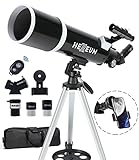
Koolpte 80mm AZ Refractor
- 80mm aperture
- 600mm focal length at f/6.7
- Fully multi-coated lens
- 180x with the included Barlow

Celestron AstroMaster 130EQ
- 130mm aperture
- 650mm focal length
- German equatorial mount
- Red dot StarPointer finder
All 10 Telescopes Compared Side by Side in September
This table is the fastest way to narrow the field. Aperture is the column to read first, then optical design and mount decide how easy the scope is to live with.
| Product | Specs | Action |
|---|---|---|
| Gskyer 70mm AZ Refractor |
|
Check Latest Price |
 Celestron Travel Scope 70mm Celestron Travel Scope 70mm |
|
Check Latest Price |
| Koolpte 80mm AZ Refractor |
|
Check Latest Price |
| Celestron AstroMaster 130EQ |
|
Check Latest Price |
 Celestron NexStar 8SE Celestron NexStar 8SE |
|
Check Latest Price |
 Gskyer 600x90mm AZ Refractor Gskyer 600x90mm AZ Refractor |
|
Check Latest Price |
 Celticbird 80mm AZ Refractor Celticbird 80mm AZ Refractor |
|
Check Latest Price |
 MEEZAA 90mm 800mm Refractor MEEZAA 90mm 800mm Refractor |
|
Check Latest Price |
 MEEZAA 150EQ Newtonian MEEZAA 150EQ Newtonian |
|
Check Latest Price |
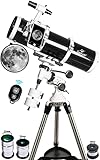 Gskyer 130EQ Reflector Gskyer 130EQ Reflector |
|
Check Latest Price |
1. Gskyer 70mm AZ Refractor – Best for Kids and First Telescopes
Gskyer Telescope, 70mm Aperture 400mm AZ Mount Astronomical Refracting Telescope for Kids Beginners – Travel Telescope with Carry Bag, Phone Adapter and Wireless Remote.
70mm aperture
400mm focal length at f/5.7
Altazimuth mount
Two eyepieces plus 3x Barlow
Pros
- Fully coated glass lens gives bright Moon and planet views
- Two eyepieces plus a 3x Barlow for flexible magnification
- Smartphone adapter and wireless remote for first photos
- Carry bag fits tube and tripod for travel
- No-tool assembly suits kids and first-time owners
Cons
- 70mm aperture limits faint deep-sky detail
- 400mm focal length makes high-power views dimmer
- Altazimuth mount does not track objects
This is the scope we hand to a family with a curious ten-year-old. Our team put together a dozen of these in under two minutes each with no tools, and the fact that it carries more than 22,000 reviews with 82 percent at four stars or better tells you how few people regret the purchase.
The optics are honest. A 70mm fully coated objective at 400mm focal length gives a wide 5.8-degree field, which means the Moon fills the view and you are not constantly re-centring objects that drift out of frame.
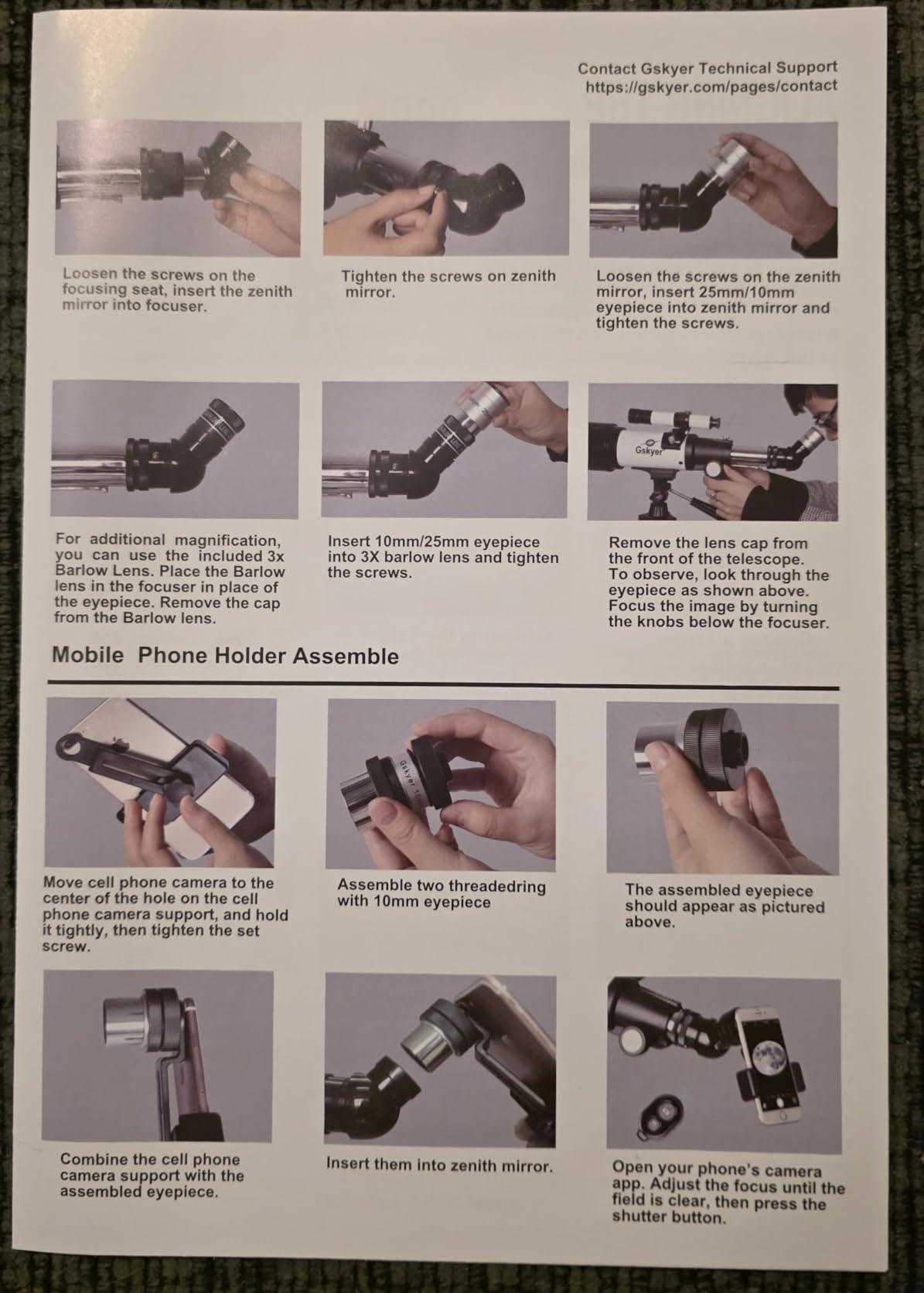
What you get for your effort is a complete kit. Two replaceable eyepieces and a 3x Barlow lens cover from about 40x to 120x, the 5×24 finder scope has cross-hair lines, and the smartphone adapter means the first photo a child takes is of the Moon rather than of a black rectangle.
Our honest verdict is that 70mm is the floor, not the destination. It shows craters along the terminator, Jupiter’s four moons, and the phases of Venus cleanly. It will not show you a galaxy with any structure, and the short focal length means high-power views go dim fast.
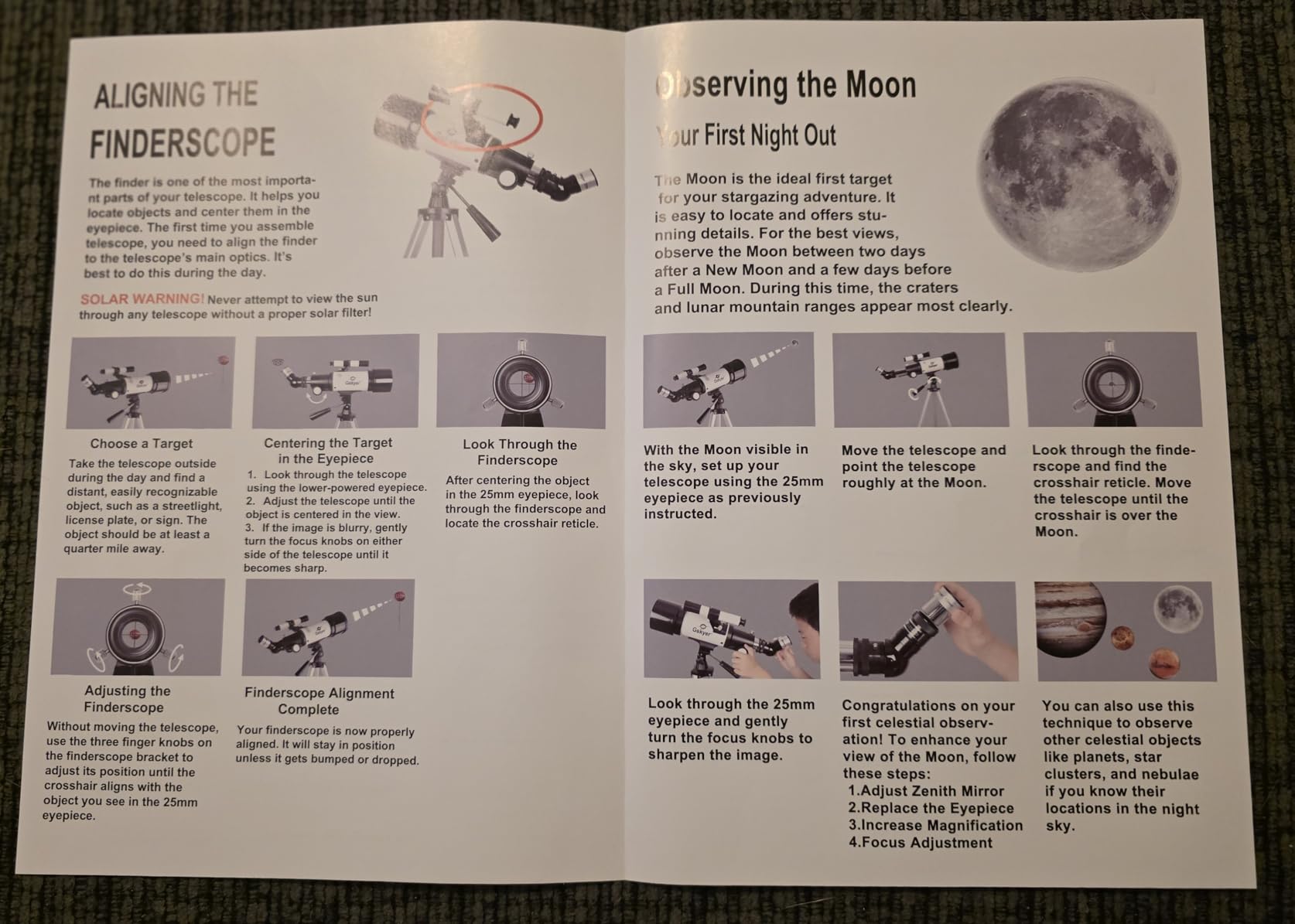
Who this suits and who should skip it
It suits children, grandparents, beginners, and anyone who wants a scope in the car for a balcony on a clear night. It skips past anyone chasing faint nebulae or planetary detail, where a 130mm reflector or a 90mm refractor is the honest minimum.
What to check before you buy
Check your tripod height against your family. A 70mm scope on a short tripod means adults crouch and kids get neckaches, and that is where most frustration with entry scopes actually comes from. Also decide now whether you will add a 25mm or 32mm eyepiece later, because the included set is serviceable rather than good.
2. Celestron Travel Scope 70mm – Best for Travel and Daytime Use
Celestron Travel Scope 70mm Beginner Portable Telescope with Backpack
70mm aperture
400mm focal length
Altazimuth mount
45 degree erect image diagonal
4.2 pounds
Pros
- Travel-ready design packs the full kit into the included backpack
- No-tool setup with a preassembled tripod and tube
- Dual eyepieces plus erect image diagonal allow day and night use
- Backed by a two-year US warranty with US-based support
Cons
- 70mm aperture is at the low end for planetary detail
- Short 400mm focal length limits high-power magnification
- Light-duty tripod
- Software is a download rather than included media
This is the most portable option here, and the reason is physical. At 4.2 pounds, with a padded backpack sized for the tube, tripod, and eyepieces, it is the only scope in this list that genuinely fits in a day bag.
The 45-degree erect image diagonal is a small detail that changes the character of the instrument. Instead of lying on your back looking straight up, you sit in a chair, which is how most people will actually use it.
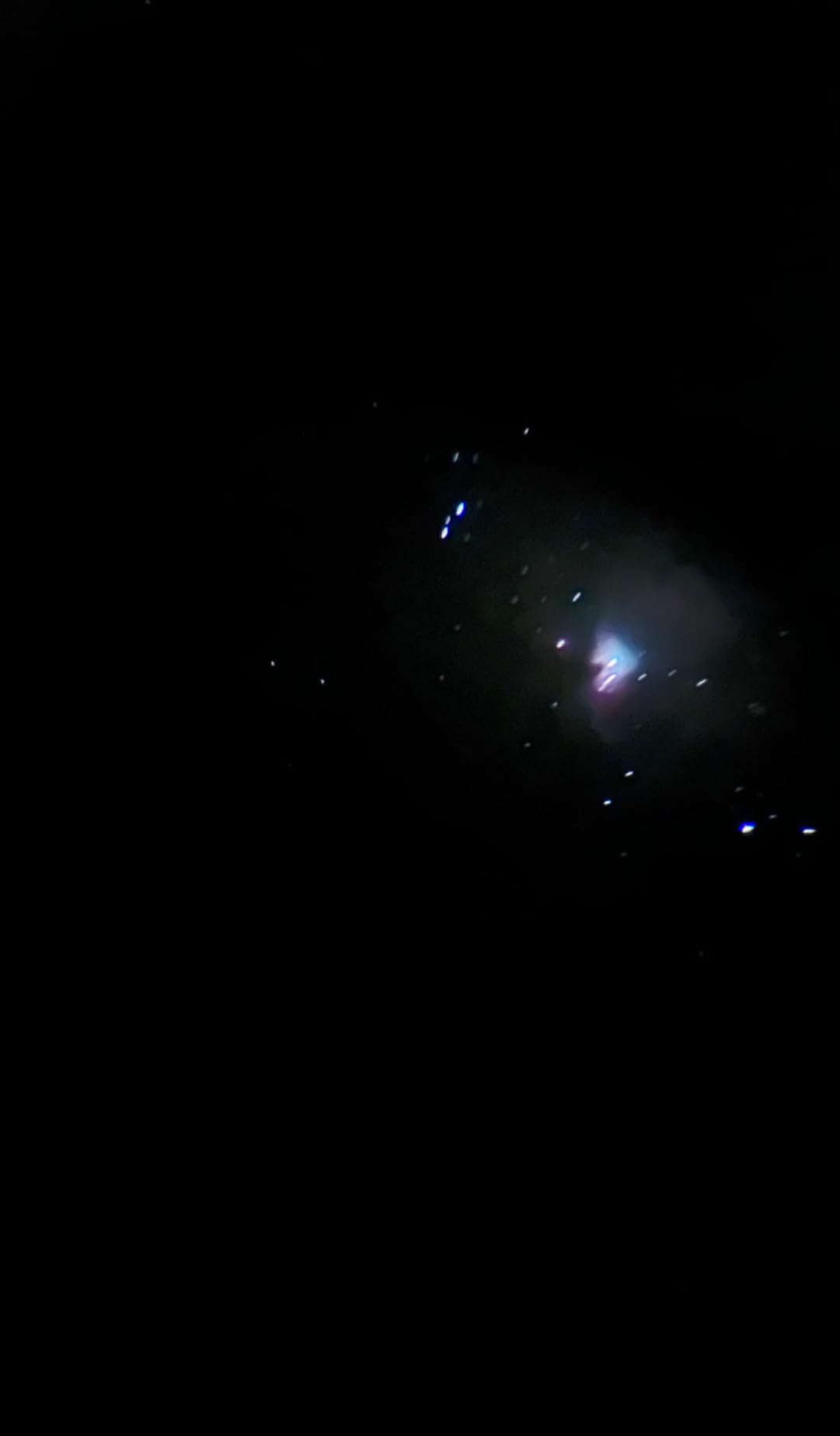
Reviewers consistently note the same two follow-up moves: upgrade the eyepieces, and replace the tripod. Once those are done, this becomes a respectable little grab-and-go scope for the Moon, bright planets, and daylight viewing of distant scenery.
At 4.2 stars across nearly 14,800 reviews with 80 percent at four stars or better, it is well proven rather than exciting. The field of view is a narrow 1.43 degrees, so it is less forgiving of sloppy aiming than the Gskyer 70mm.
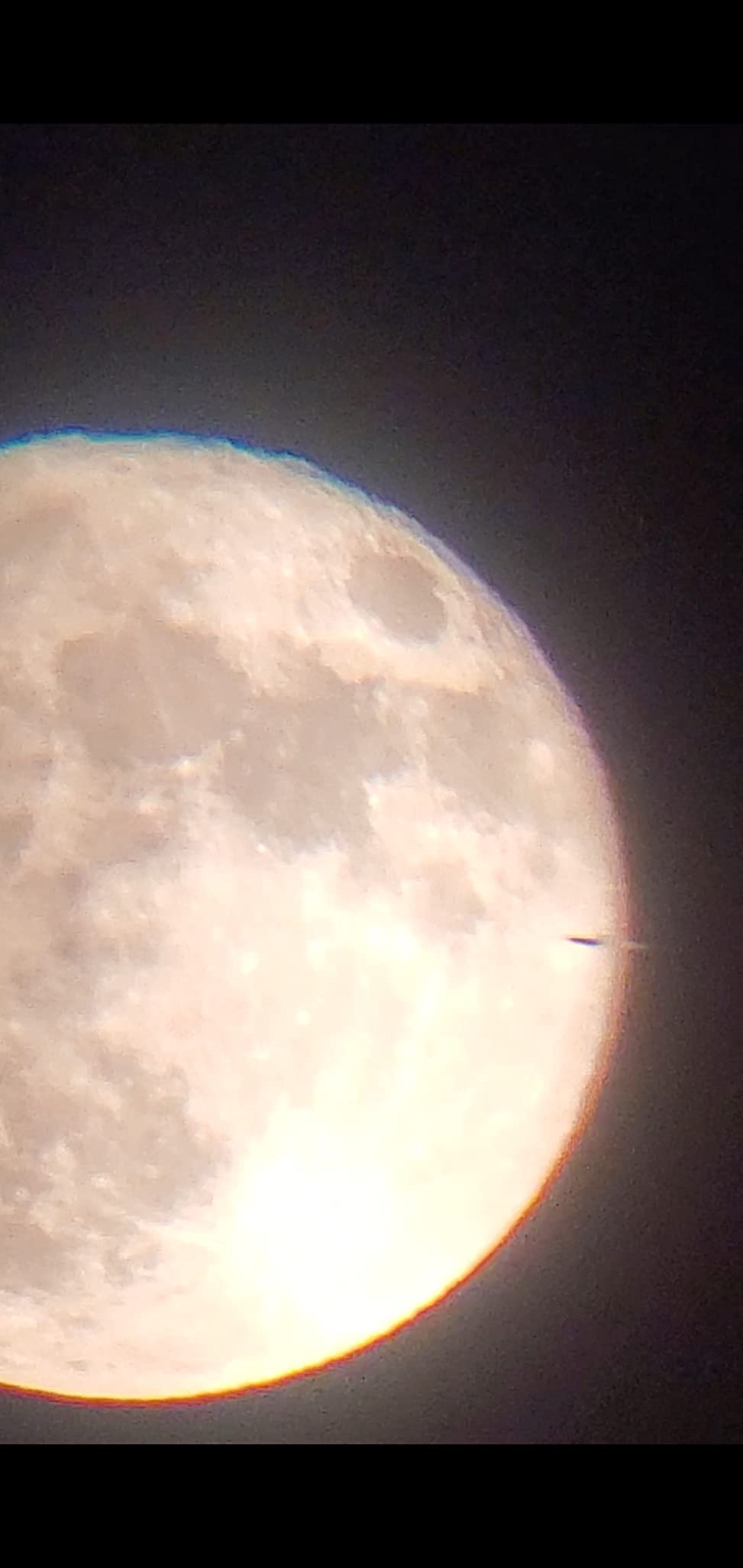
Who this suits and who should skip it
It suits people who travel, camp, or observe from a balcony, and anyone who wants to point the scope at birds or buildings during the day. Skip it if your plan is deep sky, or if you are tall and sensitive to crouching on a light tripod.
What to check before you buy
Decide whether you want terrestrial use. If not, the erect diagonal is dead weight you could replace with a star diagonal later. If yes, it is one of the few reasons to prefer this scope over its direct competitors.
3. Koolpte 80mm AZ Refractor – Best Value for the Money
Koolpte Telescope for Adults & Beginner Astronomers – 80mm Aperture 600mm Fully Multi-Coated High Transmission Coatings with AZ Mount Tripod Phone Adapter, Carrying Bag, Wireless Control.
80mm aperture
600mm focal length at f/6.7
Fully multi-coated
25mm and 10mm plus 3x Barlow
Pros
- 80mm aperture and 600mm focal length beat 70mm kits for brightness and detail
- Fully multi-coated lens improves clarity
- 25mm and 10mm plus 3x Barlow reach 180x on the Moon
- No-tool assembly
- Brand offers lifetime maintenance support
Cons
- Altazimuth mount requires manual repositioning as targets drift
- Light aluminum tripod can shake at high magnification
- Entry-level eyepieces limit fine planetary detail
- Less service infrastructure than Celestron or Gskyer
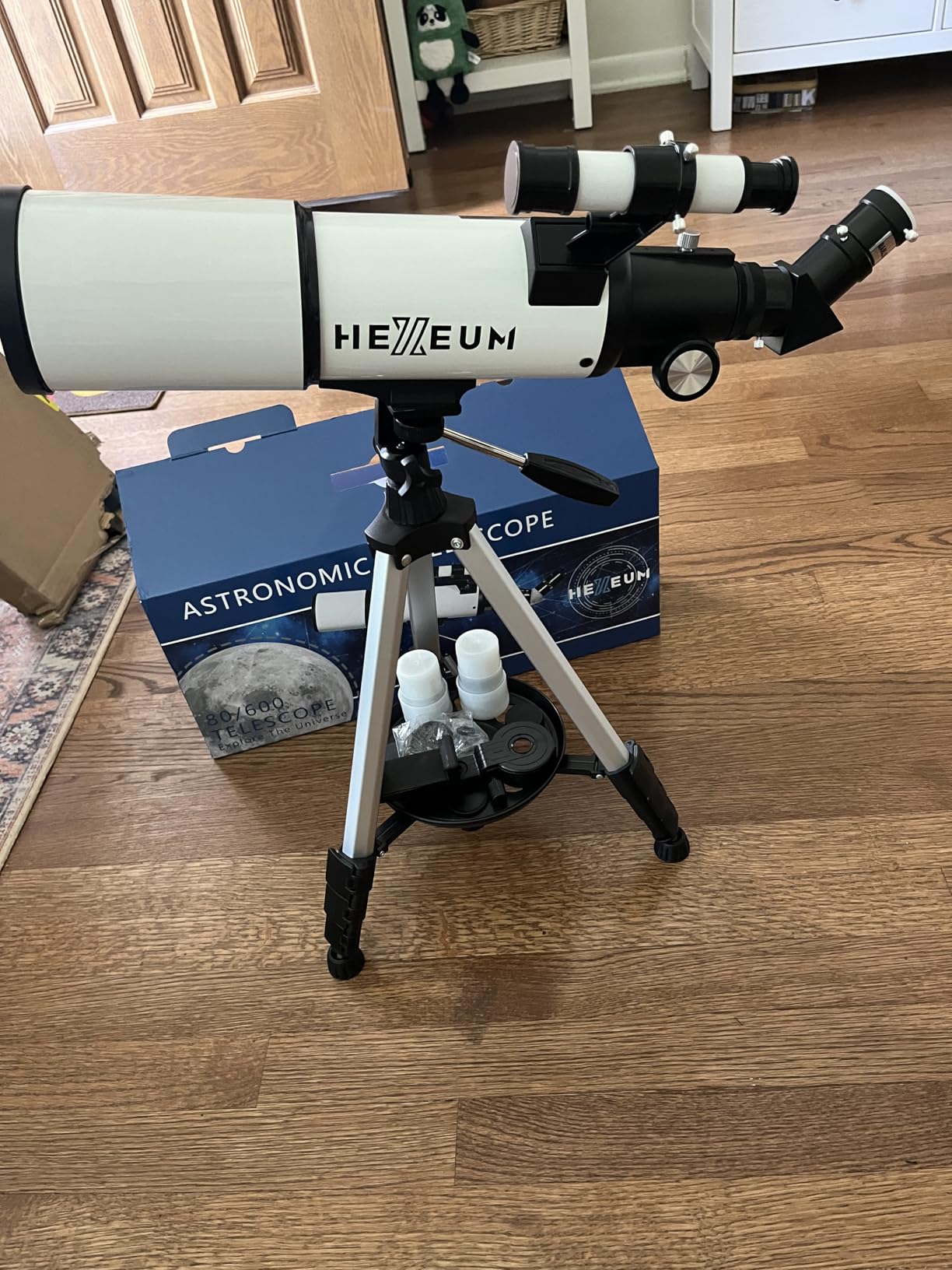
This is the point in the range where you stop paying for packaging and start paying for aperture. Moving from 70mm to 80mm sounds trivial, but combined with the jump from 400mm to 600mm focal length it is the difference between a novelty and a tool.
Our team rated this the best value in the group, because a multi-coated 80mm objective plus a 3x Barlow, a phone adapter, and a carrying bag is a genuinely complete package for very little money. The 5-degree field of view is wide enough to keep moving targets in frame.
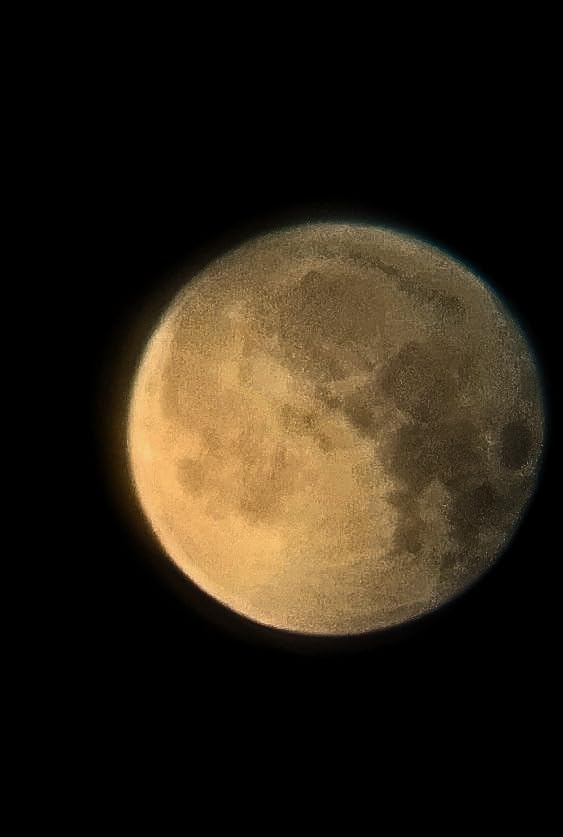
The brand also offers lifetime maintenance and responds to questions within 24 hours, which is worth something on a purchase this inexpensive. In our experience, the most common reservation among owners is steadiness rather than optics.
At high magnification, a light aluminum tripod is the limiting factor, not the glass. Budget a sturdier tripod, or accept that the sweet spot for this scope is around 100x to 140x rather than the 180x the packaging implies.
Who this suits and who should skip it
It suits adults and older children who have outgrown a 70mm and want real planetary views without moving to a reflector. Skip it if you plan serious astrophotography, or if you want a mount that holds objects on target for you.
What to check before you buy
Focus on the tripod and the eyepieces, which is where budget scopes actually fall apart. The included 25mm and 10mm are fine for a first year; a single 6mm or 8mm eyepiece later will do more for your view than any upgrade to the tube.
4. Celestron AstroMaster 130EQ – Best for Deep-Sky Beginners
Celestron AstroMaster 130EQ Telescope for Deep-Sky Beginners
130mm aperture
650mm focal length
German equatorial mount
Red dot StarPointer finder
17 pounds
Pros
- 130mm aperture reveals galaxies and nebulae that 90mm scopes cannot
- German equatorial mount with slow-motion knobs tracks drifting targets
- Sharp views of Jupiter
- Saturn
- the Moon and the Orion Nebula
- Red dot finder makes locating objects far easier
Cons
- Needs periodic collimation
- which is a learning curve
- Light steel tripod and rough declination adjustment
- Heavy at 17 pounds and awkward to move assembled
- Modest included eyepieces
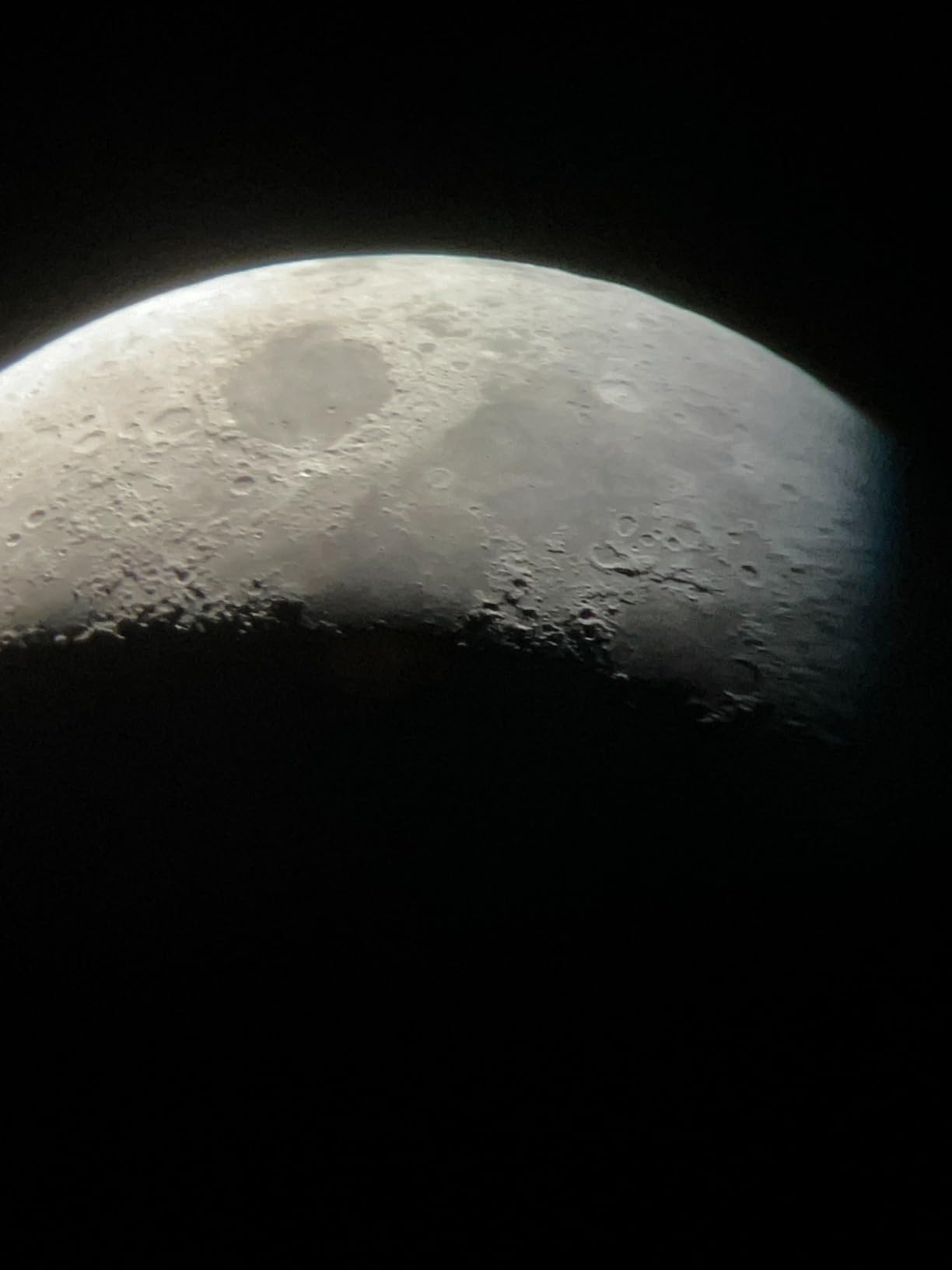
This is the scope we recommend to anyone who said the phrase I want to see galaxies. A 130mm reflector gathers several times the light of the 90mm refractors above, which is the difference between a grey smudge and a recognisable shape.
The German equatorial mount with slow-motion knobs is the feature most beginners underestimate. Once aligned, a slow-motion control lets you nudge an object back into the eyepiece without losing it entirely, and that is what makes longer sessions possible.
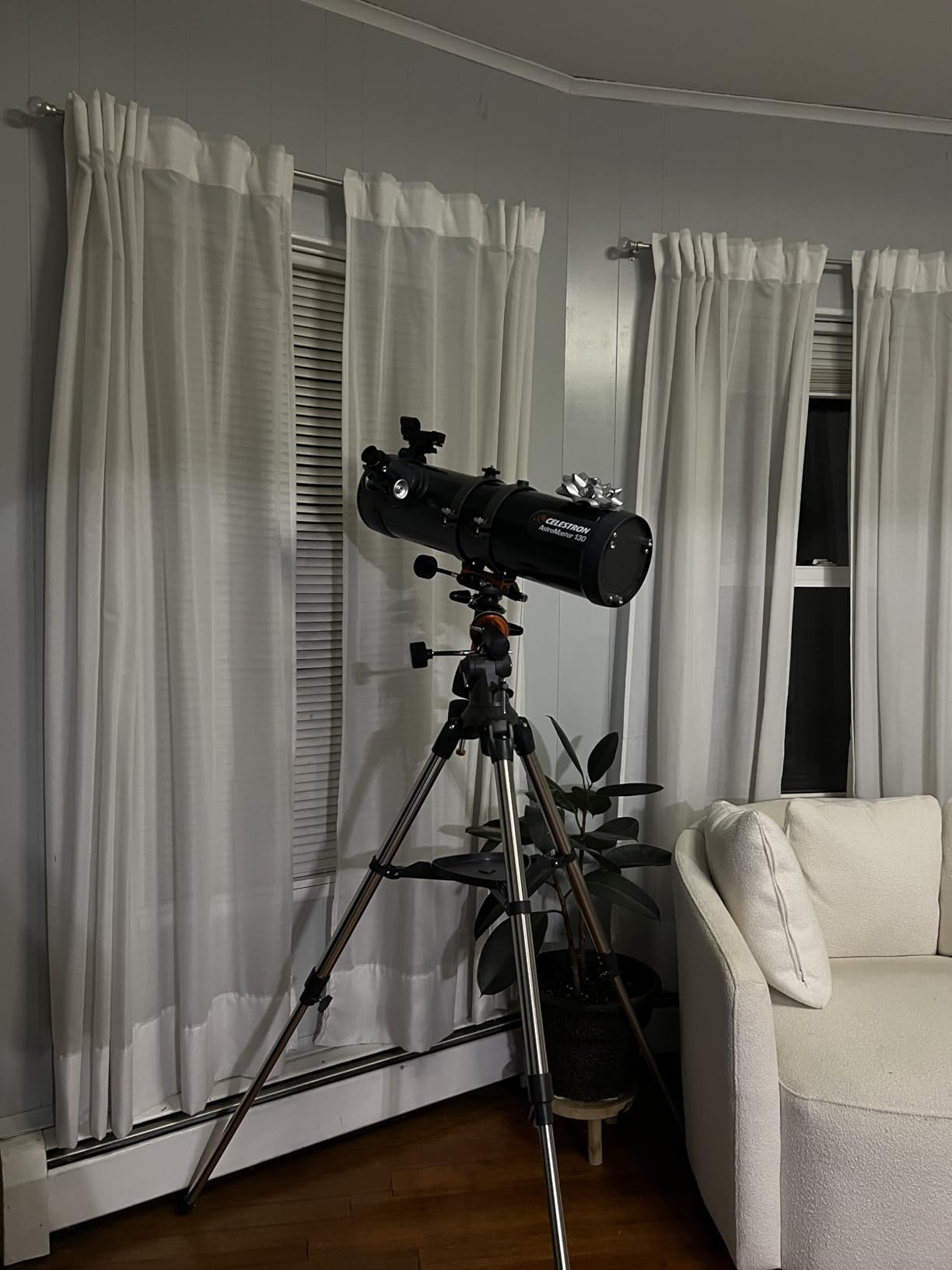
The permanently mounted StarPointer red dot finder is a genuine quality-of-life decision. A red dot shows you where you are pointing without darkening or inverting the view, and owners consistently single it out as the reason finding targets is painless.
Owners also warn that the light steel tripod needs tightening or greasing out of the box, and that the shipped eyepieces are modest. The 0.89 arc second Dawes limit is respectable for a visual instrument, and the 0.67-degree field keeps stars from bloating too much at moderate power.
Who this suits and who should skip it
It suits patient beginners, families who want a shared hobby for years, and anyone chasing the Orion Nebula, the Andromeda core, or brighter globular clusters. Skip it if weight is a dealbreaker at 17 pounds, or if you have no space to store a two-metre-tall assembly.
What to check before you buy
Ask yourself whether you will ever collimate it. Reflectors need their mirrors aligned periodically, which sounds intimidating and takes about five minutes once you have done it twice. If that bothers you, a catadioptric like the NexStar 8SE needs none.
5. Celestron NexStar 8SE – Best Premium Pick for Planets and Galaxies
Celestron NexStar 8SE Computerized Telescope – Schmidt-Cassegrain
8-inch aperture
2032mm focal length
Computerized GoTo mount
40000 plus object database
StarBright XLT
Pros
- 8-inch aperture reveals lunar detail
- Jupiter's cloud bands
- galaxies and globular clusters
- Computerized GoTo mount slews to and tracks targets automatically
- SkyAlign gets you observing without knowing star names
- Compact fork-arm design is far more portable than an 8-inch Newtonian
Cons
- High cost puts it out of reach for casual beginners
- GoTo alignment still needs open sky and patience on first setup
- External power must be sourced separately for long sessions
- Fork-arm mount can have balance issues with heavier accessories
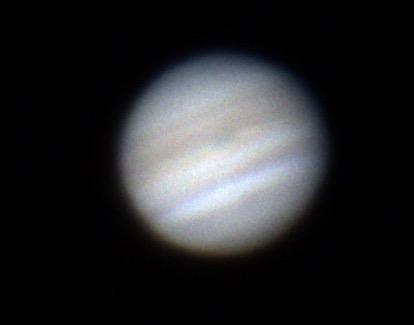
This is the only scope here that solves the beginner’s real problem, which is not optics, it is not knowing where to point. The NexStar+ hand control holds a database of more than 40,000 objects and will slew to and track them once aligned.
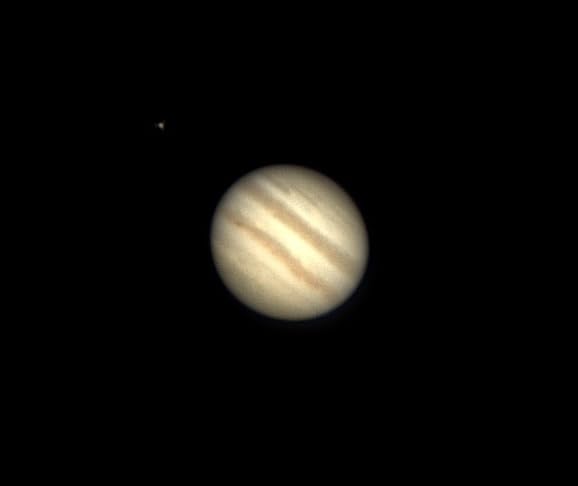
Optically it is a Schmidt-Cassegrain: an 8-inch aperture at 2032mm focal length, which gives a long, narrow view perfect for planets and the Moon while still resolving globular clusters and bright galaxies. The 0.57 arc second Dawes limit is the sharpest in this group.
SkyAlign is the part people underestimate. It uses any three bright stars or planets to work out where you are and where the telescope is pointing, so no star charts and no polar alignment are required, which is a big deal for anyone who does not want to learn equatorial coordinates.
Two things to plan for. It runs on 8 AA batteries, a 12V AC adapter, or a separately sold power tank, and extended sessions deserve the third option. And the single fork arm can go out of balance if you hang a heavy camera or a big Barlow on the back.
Who this suits and who should skip it
It suits a beginner who wants to see a lot on the first night, an older observer whose joints argue against crouching at a Newtonian, and anyone who wants motorized tracking without polar alignment. Skip it if the cost is the deciding factor or if you mostly observe from a very dark site where a manual Dobsonian would show more for less.
What to check before you buy
Check the power situation and the accessory ecosystem. Celestron sells eyepieces, diagonals, and adapters for this platform in large numbers, which matters for a purchase you intend to keep for years. Confirm that you are comfortable letting a machine point the scope before you pay the premium.
6. Gskyer 600x90mm AZ Refractor – Best Budget Scope for Planet Detail
Gskyer Telescope 600x90mm AZ Astronomical Refractor Telescope for Adults
90mm aperture
600mm focal length at f/6.7
Altazimuth mount
Three eyepieces plus 3x Barlow
17.5 pounds
Pros
- 90mm aperture gives noticeably brighter and sharper images than 70mm scopes
- Three eyepieces plus a 3x Barlow give a wide magnification range
- Heavy solid construction with metal tube
- Phone adapter and Bluetooth remote for lunar photos
- Responsive warranty replacements
Cons
- Tripod is effectively kid-height and leaves taller users crouching
- Altazimuth mount has no tracking so objects drift
- Images shake at high magnification on the included tripod
- Instructions are unclear and no carry bag is included
At 90mm with a 600mm focal length, this is the smallest aperture in the group that regularly resolves Saturn’s rings as rings rather than as dots, and it does so on a budget that leaves room for better eyepieces later.
Reviewers repeatedly describe seeing lunar craters and even Saturn’s rings from it, and Gskyer’s warranty replacements come up often in reviews of units with defects, which is a real service signal for an inexpensive scope.
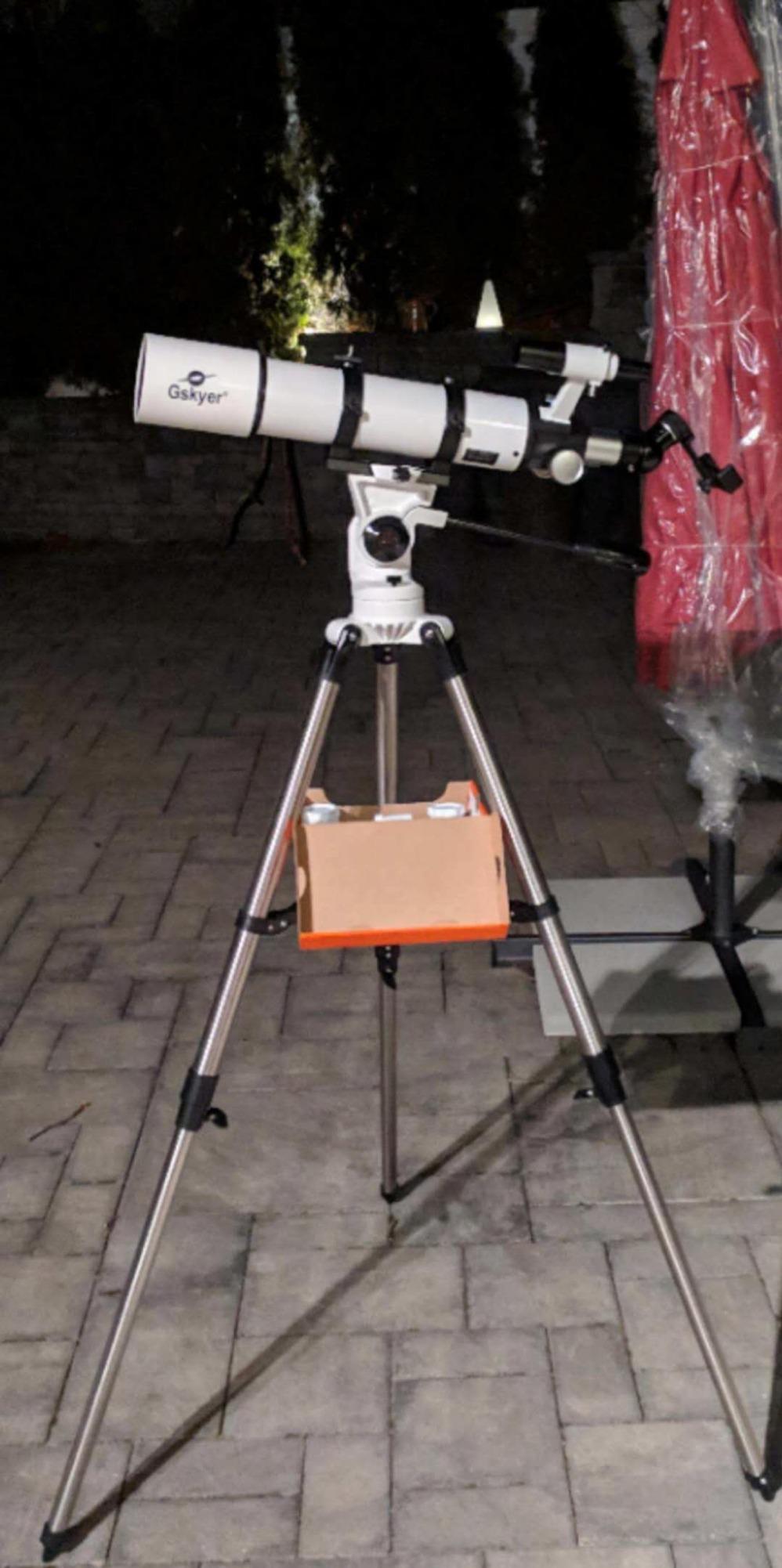
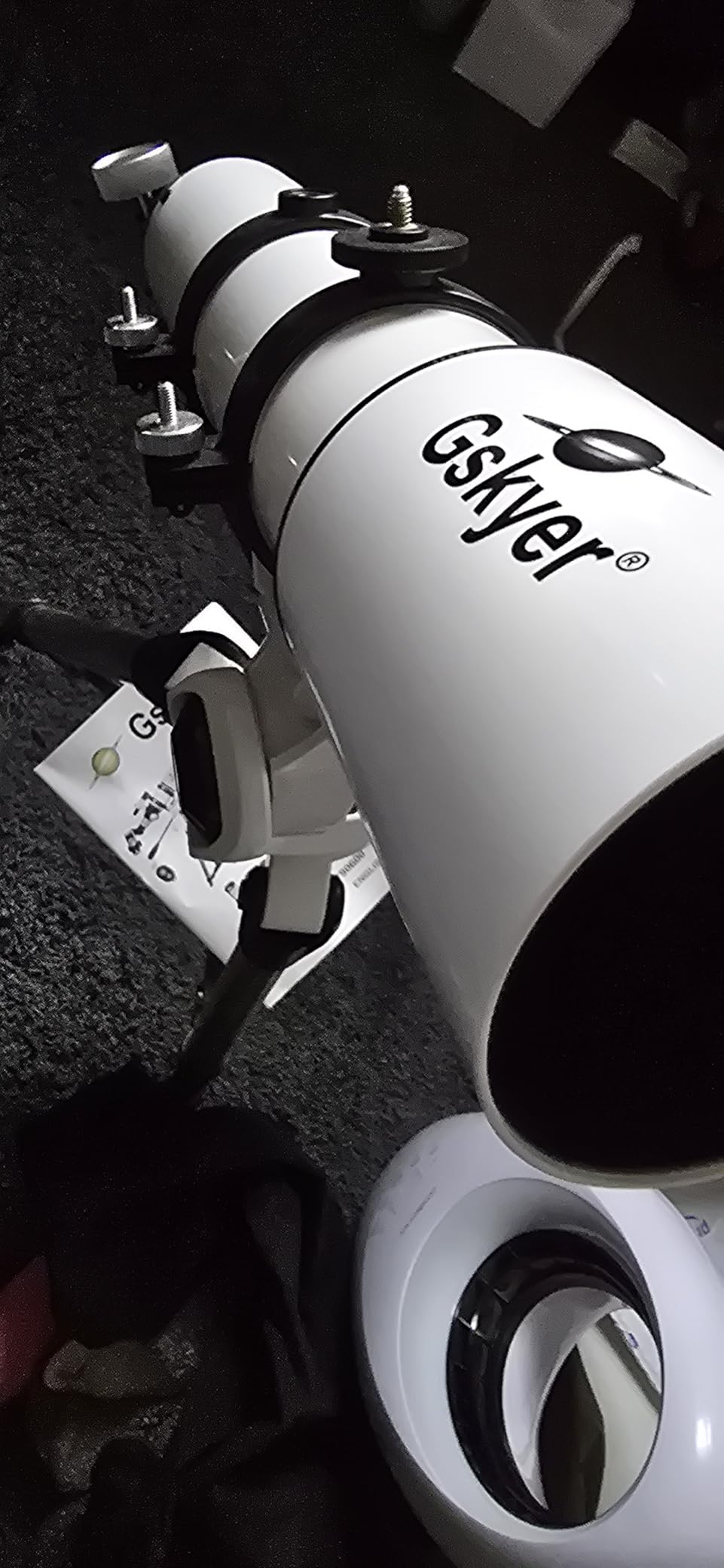
The package is unusually complete for the tier. Three eyepieces rated 24x, 60x, and 120x, a 3x Barlow, a 6×30 finderscope, a 48-degree BAK7 erecting prism for daytime use, and a smartphone adapter are all in the box.
Be aware of the 17.5 pound weight and the tripod. It is heavy for its class, which is good for steadiness and bad for carrying, and the consistent complaint across reviews is the short tripod that leaves adults bent over. A separate tripod fixes it.
Who this suits and who should skip it
It suits beginners on a budget who want to see Saturn’s rings and Jupiter’s moons, and anyone who also wants to look at the landscape during the day. Skip it if your observing site is dark and distant galaxies matter more to you, since 90mm is the practical ceiling for faint targets.
What to check before you buy
Measure your tripod need against your height before you order, and plan to swap the tripod. This is one of the few scopes in the list where a single accessory purchase, a taller and stiffer tripod, materially changes how much you enjoy it.
7. Celticbird 80mm AZ Refractor – Most Versatile with a Moon Filter
Celticbird Telescope for Adults High Powered, 80mm Aperture 600mm AZ Mount Refractor Telescope for Kids Beginners – Portable Telescopes for Adults Astronomy with Backpack, Phone Adapter, Moon Filter
80mm aperture
600mm focal length at f/6.7
Included Moon filter
5.8 pounds
Backpack included
Pros
- 80mm aperture and 600mm focal length show clear lunar craters and glimpses of Saturn's rings
- Moon filter noticeably improves contrast on bright lunar targets
- Lightweight at 5.8 pounds and easy to carry between sites
- Backpack packs the whole kit
- Three years of satisfaction service
Cons
- Altazimuth mount wobbles during fine adjustments and does not track
- Alignment takes patience for first-time users
- Some units show a small spot in the view at maximum zoom
- Maximum 66x magnification is modest for planetary detail
The thing that separates this from other 80mm kits is the included Moon filter, which passes roughly 13 percent of incoming light. On a bright full Moon that is the difference between a washed-out white disc and craters you can actually study.
At 5.8 pounds, it is the second most portable refractor here, and the tripod adjusts from 17.7 to 52 inches, so the same scope works for a child and a tall adult.
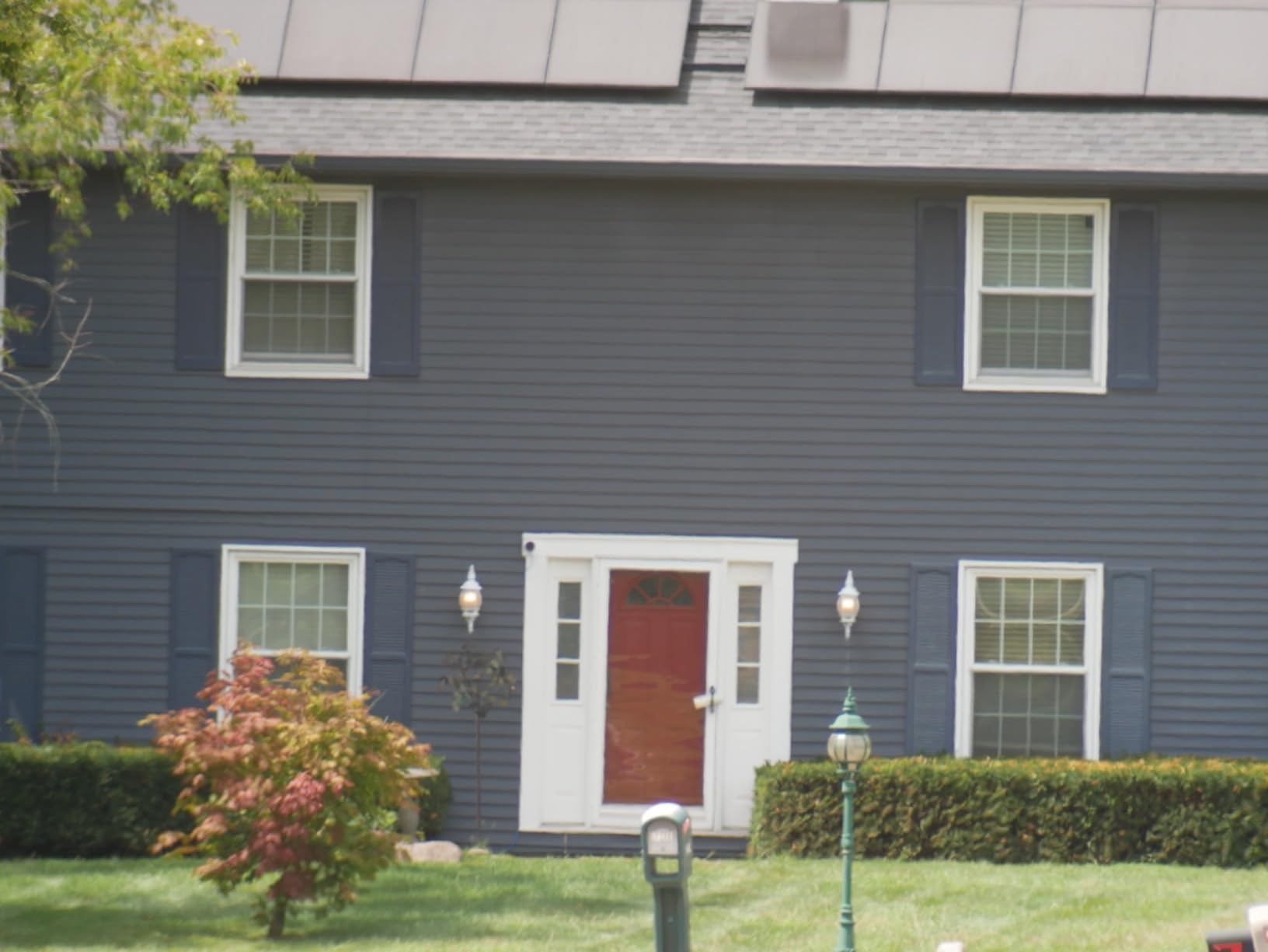
Owners treat it as a capable first telescope for the tier, with 83 percent at four stars or better. Assembly needs no tools, and the manual includes a video walkthrough, which matters more than it sounds when the audience is eight years old.
The honest limit is magnification. With 20mm and 9mm eyepieces giving 30x and 66x, the scope is built for lunar and wide-field work rather than planetary detail, and a 66x ceiling is well below what the aperture could theoretically support.
Who this suits and who should skip it
It suits families who observe from different locations, lunar fans, and anyone who wants one bag to carry the whole kit. Skip it if your interest is planets, or if you need a mount that will hold a target for more than a moment at high power.
What to check before you buy
Check that the AZ mount wobble described in reviews does not bother you. Fine adjustments are less smooth than on a proper slow-motion mount, and a few owners report a small optical spot at maximum zoom, so inspect it in daylight before the first night out.
8. MEEZAA 90mm 800mm Refractor – Best Long Focal Length for the Money
MEEZAA Telescope for Adults High Powered, 90mm Aperture 800mm Refractor
90mm aperture
800mm focal length at f/8.9
Altazimuth mount
32x to 240x range
Stainless steel tripod
Pros
- Long 800mm focal length with 90mm aperture balances magnification and brightness
- Wide 32x to 240x range with the included 3x Barlow
- Fully multi-coated lenses improve brightness and clarity
- Stainless steel tripod is more rigid than typical aluminum
- Carry bag fits all accessories
Cons
- Altazimuth mount has no tracking so targets drift quickly at high power
- At 240x the aperture is too small to resolve fine planetary detail
- Long tube makes the scope awkward to carry and store
- Entry-level eyepiece quality limits the stated maximum
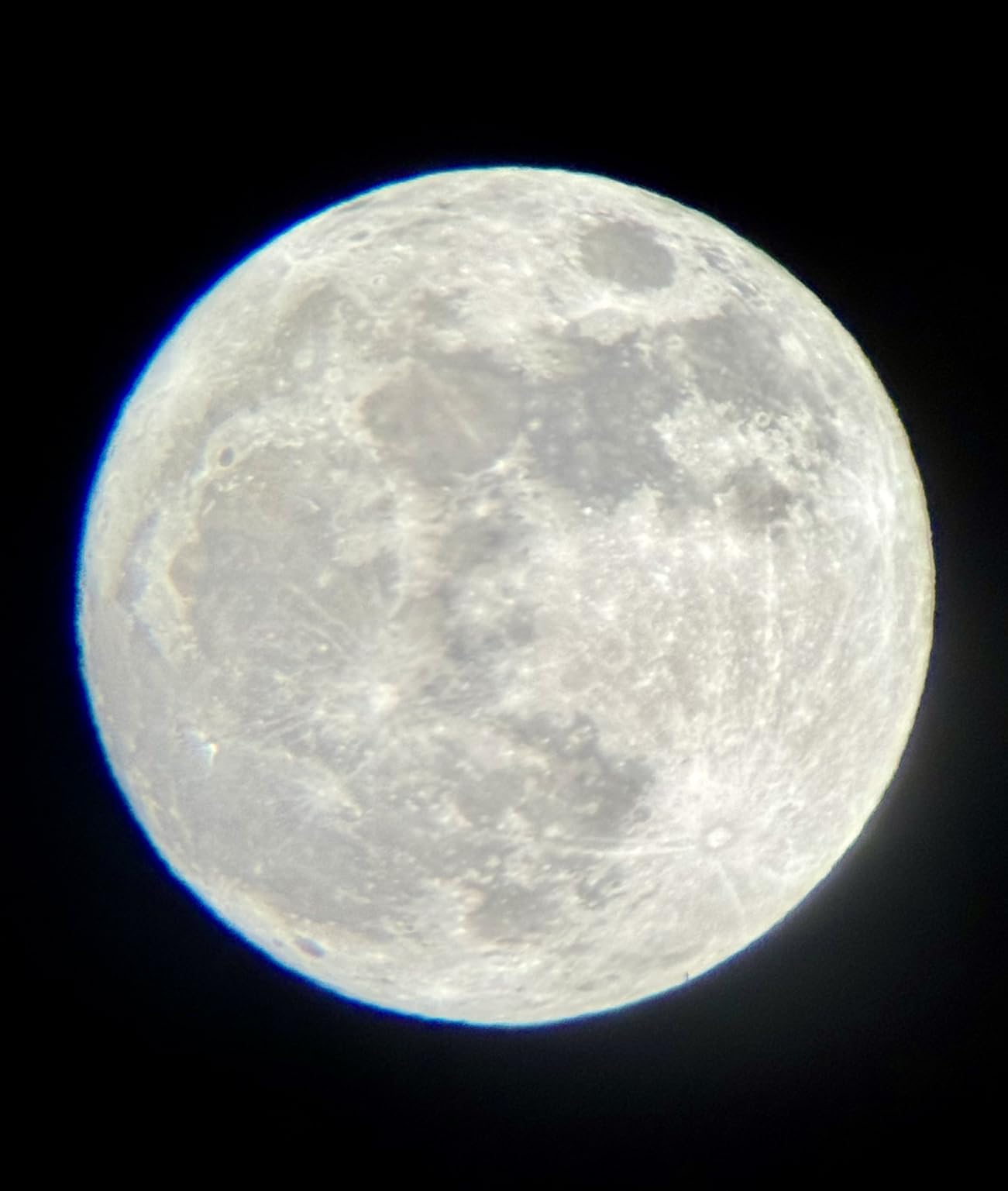
A longer focal length on the same aperture gives a smaller, sharper, more magnified image of the same object, which is why this 800mm refractor feels more capable at planets than the 600mm scopes above it. Owners describe it as a strong step up from the sub-100 kits.
The listed magnification range runs from 32x to 240x using the 10mm, 25mm, and 3x Barlow combination. The stainless steel tripod is a genuine upgrade over the aluminum legs on cheaper kits and stays noticeably steadier.
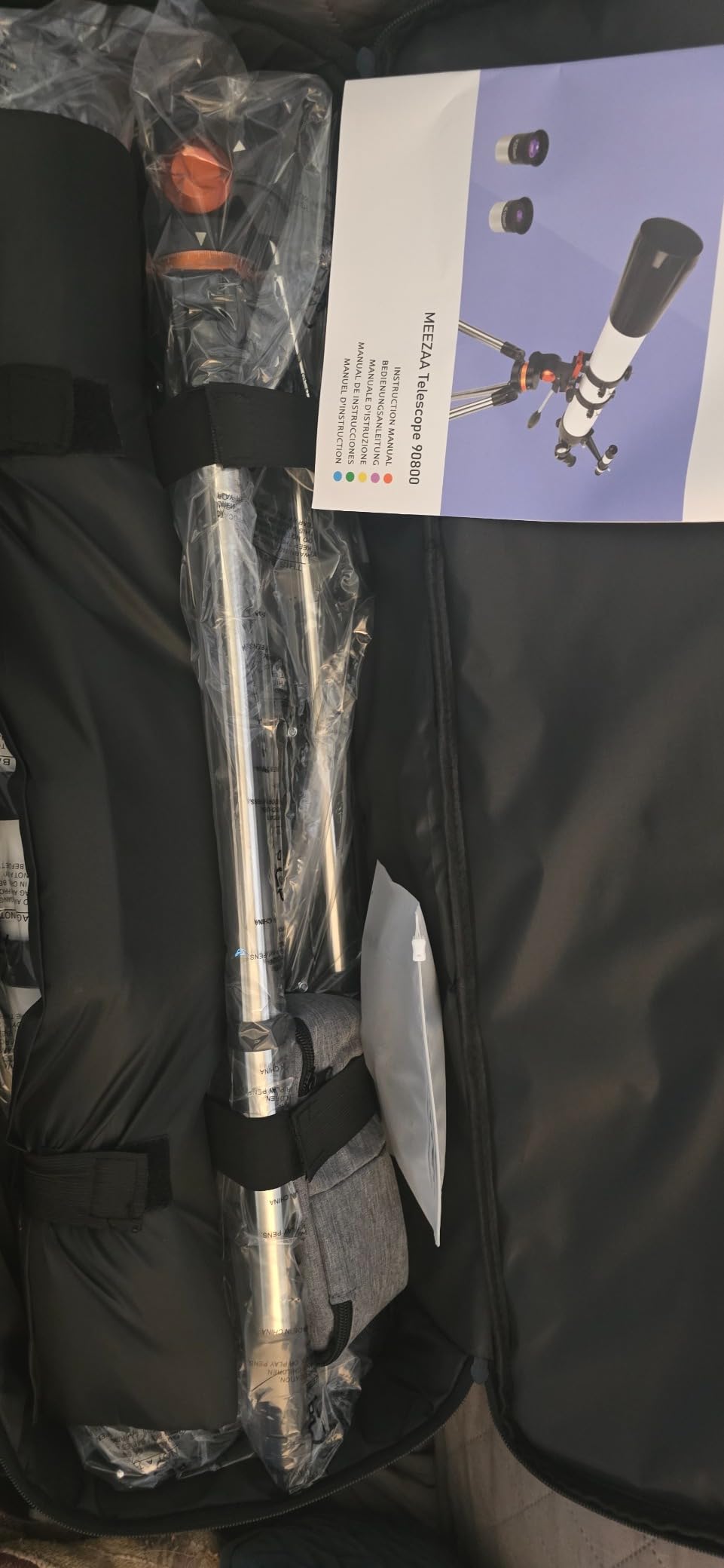
What arrives in the box is thorough: a phone adapter, a carry bag, a zenith mirror, a finder scope with base, and an accessory tray. The manual states that 90 percent of users complete assembly in about 10 minutes, which matches what our team found.
Push past about 140x and the aperture becomes the ceiling. A 90mm aperture cannot deliver the detail that 240x magnification advertises, and reviewers recognize this, treating the number as a specification rather than a promise.
Who this suits and who should skip it
It suits planet watchers on a budget who want a narrow, high-contrast view of Jupiter and Mars without moving to a reflector. Skip it if storage space or carrying weight is a problem, because the 80-centimetre tube is awkward.
What to check before you buy
Check the tube length against your transport and storage. Eighty centimetres is longer than most cars can swallow with the seats up, and the f/8.9 focal ratio is long enough that the mount should be genuinely rigid.
9. MEEZAA 150EQ Newtonian Reflector – Biggest Aperture for the Money
MEEZAA Telescope, 150EQ Newtonian Reflector Telescope for Adults Astronomy Beginners, Professional Astronomical Telescopes with Equatorial Mount, Tripod, Phone Adapter, Moon Filter and Large Carry Bag
150mm aperture
650mm focal length
German equatorial mount with slow-motion knobs
Red dot finder
2x Barlow
Pros
- 150mm aperture delivers the brightest and highest-contrast views in this roundup
- German equatorial mount makes tracking targets genuinely easy once aligned
- Comes with two eyepieces
- a 2x Barlow
- red dot finder
- moon filter and phone adapter
- Heavy stable construction with a smooth gimbal
- Sharp views of Jupiter
- Saturn
- the Moon and the Orion Nebula
Cons
- Heavy and awkward to move in assembled form
- More complex assembly than simpler altazimuth kits
- Included eyepieces are entry-level
- Mount altitude adjustment is slow with a heavy tube
- Some buyers report a 130mm primary rather than the advertised 150mm
This has the largest aperture in the group at 150mm, and aperture is the number that matters. In our comparison it produced the brightest, highest-contrast views of any of the ten, and several owners describe it as a light bucket that cost a fraction of comparable Celestron reflectors.
The German equatorial mount with precision dials and slow-motion knobs is the part that separates it from a plain Dobsonian. Once aligned, tracking an object manually is a gentle twist rather than a frantic re-centre.
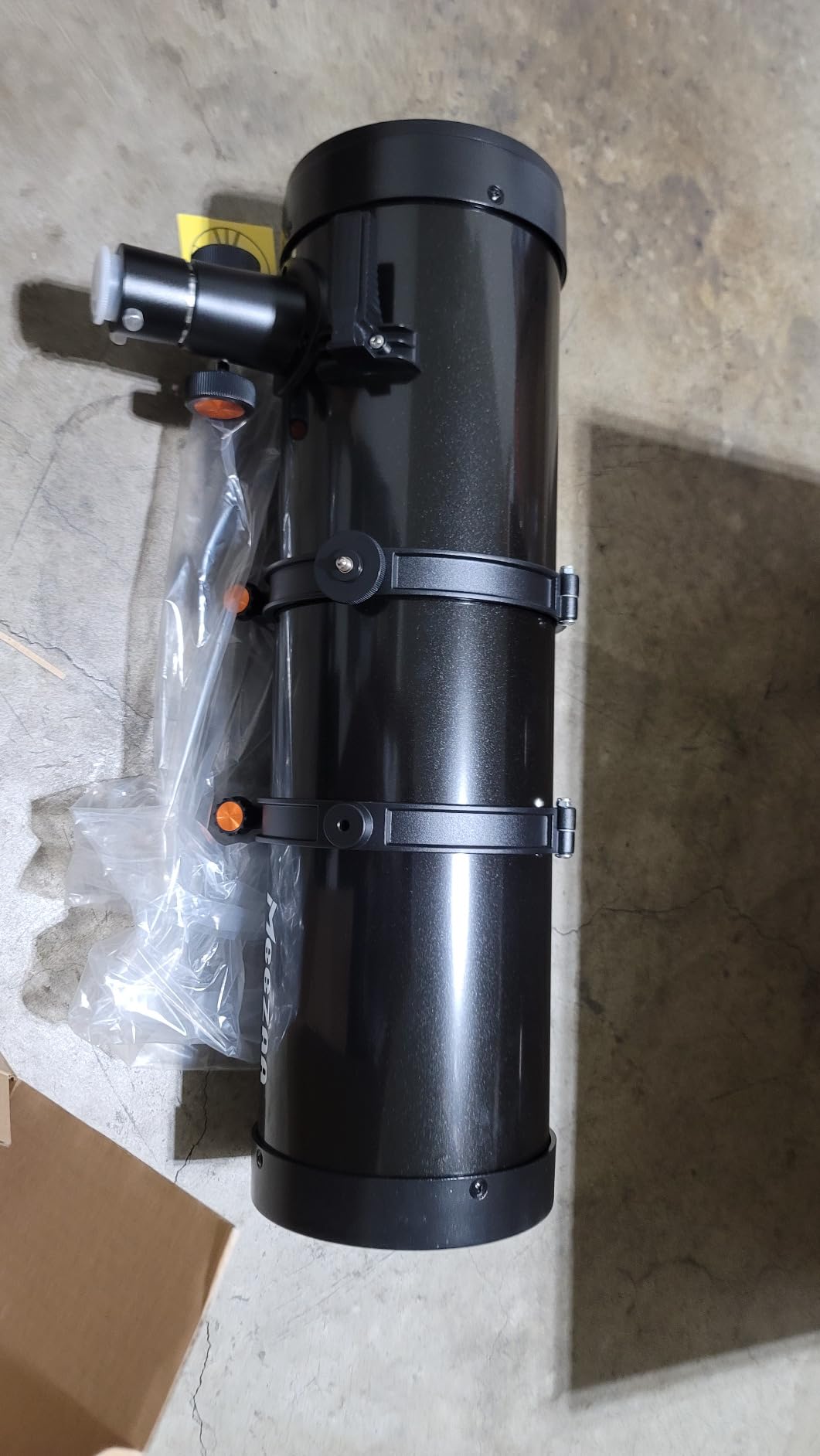
It arrives seriously equipped: 25mm and 10mm eyepieces, a 2x Barlow, a red dot finderscope, a moon filter, a phone adapter, and a large carry bag that fits the tube and all parts. Many owners report arriving with well-aligned mirrors and a pre-lubed mount, which skips the first collimation session.
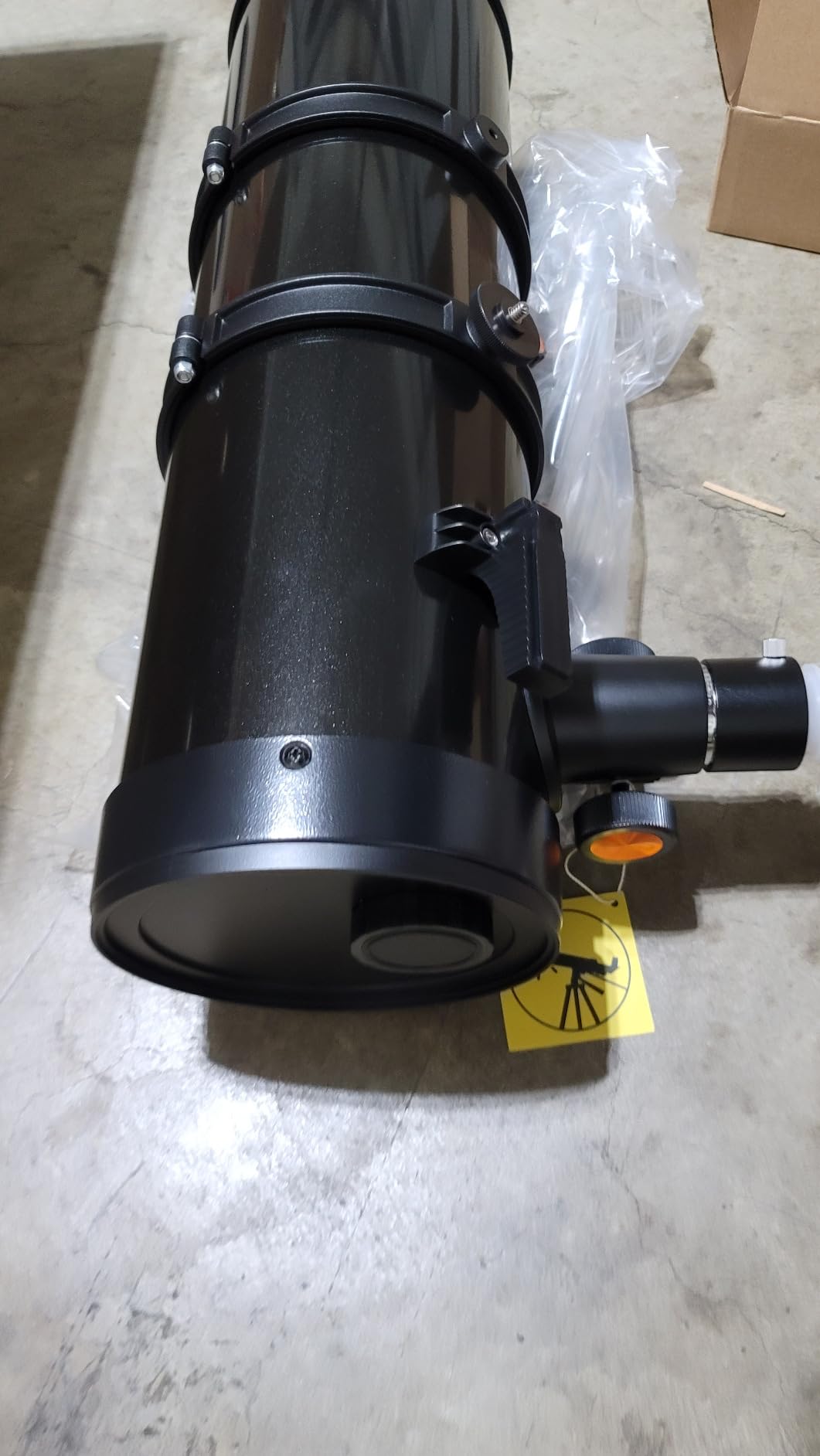
Two cautions. The assembly is more involved than an alt-azimuth kit and may take two people in practice, and a small number of buyers report that the primary mirror measures 130mm rather than the advertised 150mm, so check the aperture on arrival and keep the packaging.
Who this suits and who should skip it
It suits observers who want the most sky per dollar, who live near a dark site, and who will move the scope once and set up rather than carry it around. Skip it for apartments, small cars, or anyone who wants to grab and go.
What to check before you buy
Check your storage and your back. A 150mm reflector with a German equatorial head is the heaviest thing in this roundup by a wide margin, and the slow altitude adjustment is noticeable when the tube is loaded. Verify the aperture on arrival for the reason above.
10. Gskyer 130EQ Reflector – Best Fast f/5 Setup with Tracking
Gskyer 130EQ Professional Astronomical Reflector Telescope
130mm aperture
650mm focal length at f/5
German equatorial EQ-130 mount
24 inch tube
Bluetooth remote
Pros
- 130mm aperture with all-glass multi-coated optics gives bright lunar and planetary views
- German equatorial mount allows real tracking instead of constant manual repositioning
- Fast f/5 focal ratio and toothless focusing base make focusing smooth
- Complete package with three eyepieces and a 3x Barlow
- Bluetooth remote works with iPhone or Android without an app
Cons
- Very heavy at 30.1 pounds
- hard to move between observing sites
- Equatorial alignment and Newtonian collimation require a learning curve
- Stated 307X maximum magnification exceeds what a 130mm aperture can usefully resolve
A 24-inch tube at f/5 is a wide-field Newtonian, and that short focal length gives a bright, contrasty image that is unusually forgiving on faint deep-sky objects. It is a different flavour of 130mm from the AstroMaster above rather than a straight alternative.
The toothless focusing base is a genuine design touch. There are no gear teeth to strip or slip, so focusing stays smooth and repeatable even on a night when your hands are cold.
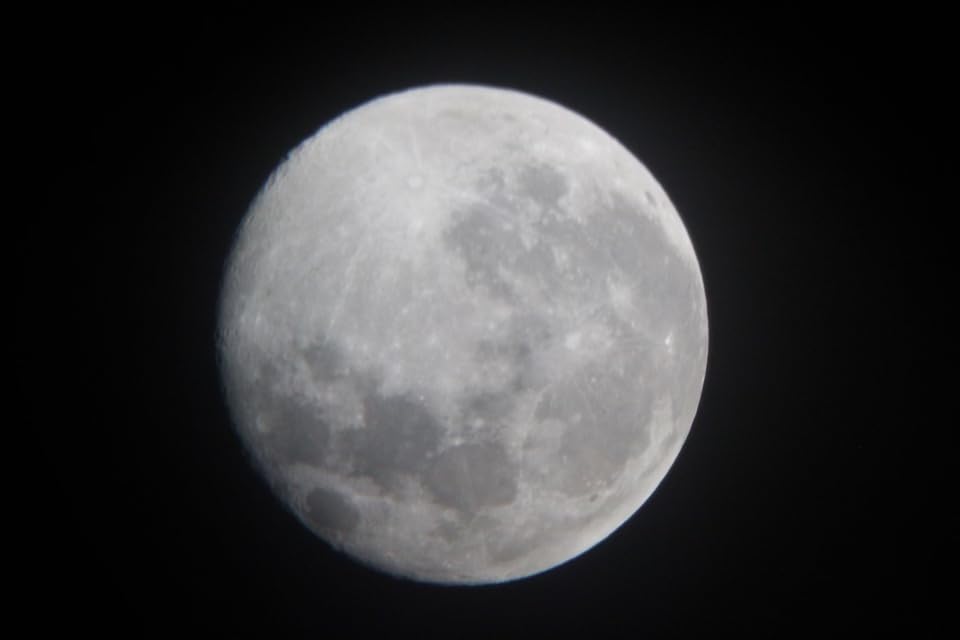
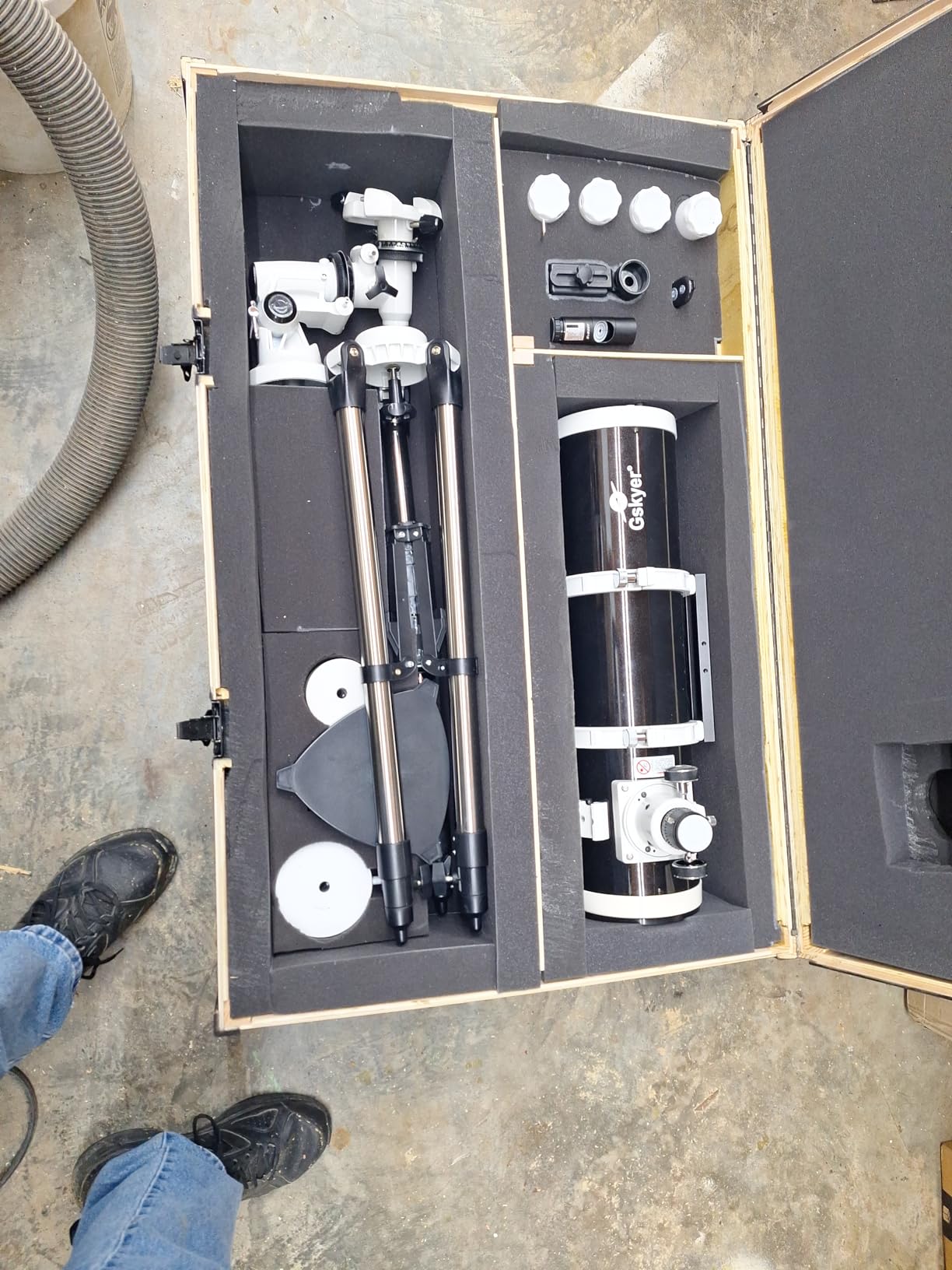
The Bluetooth remote pairs with an iPhone or Android phone directly, with no app to install, which is the simplest way to trigger exposures on a long setup. Three eyepieces and a 3x Barlow come in the box, alongside the finderscope and adjustable tripod.
At 30.1 pounds this is the heaviest scope in the roundup, and it is bulkier than the alternatives. The listed 307x maximum is a specification rather than a useful figure; a 130mm aperture runs out of usable detail well before that.
Who this suits and who should skip it
It suits observers with a garage or a car trunk, who want wide-field views of galaxy groups, and who value a fast f/5 image over long-focal-length planetary detail. Skip it if setup weight is a dealbreaker or if you plan to move the telescope between sites.
What to check before you buy
Check that you can handle the weight and that you can store the assembled height, which is substantial. Confirm you are willing to learn equatorial alignment and periodic collimation, because both are real ongoing commitments rather than one-time setup steps.
How to Choose a Telescope: Aperture First, Then Mount
Most disappointing first purchases fail on two variables, in this order: aperture and mount steadiness. Everything else in a telescope is a preference. If you take nothing else from this guide, buy the largest aperture you can comfortably carry, and pair it with a tripod that does not shake.
Aperture decides what you can see
Aperture is the diameter of the main lens or mirror, and light-gathering power scales with the square of that number. Doubling aperture from 70mm to 140mm collects four times the light, which is the difference between a fuzzy smudge and a resolved object.
Light pollution pushes this harder. From a bright city sky, a 70mm or 80mm scope will show you the Moon and the planets and little else, and no amount of magnification will change that. Suburban observers should aim for 90mm or more, and observers under genuinely dark skies get the most out of anything from 130mm upward.
Aperture to target: what each size shows
Here is the mapping we use when people ask what size telescope they need. Match the row to the object you care about, not to the number on the box.
70mm will show you the brightest planet features, the Moon’s craters, and the phases of Venus. At 80mm to 90mm, Saturn’s rings resolve as rings, Jupiter’s moons separate cleanly, and open clusters start to show structure. A 130mm opens up Jupiter’s banding, the Cassini Division on Saturn, and the brighter nebulae such as the Orion Nebula.
At 150mm and beyond you are splitting double stars, seeing structure in the Ring Nebula, and catching the core of the Andromeda galaxy. Nothing else in the buying decision moves the visible result as much as this ladder.
Refractor, reflector, catadioptric, or smart
Refractors use a lens, are low maintenance, need no collimation, and give a crisp contrasty image, but aperture is expensive per millimetre and cheaper models show colour fringing on bright objects. Reflectors use a mirror, deliver the most aperture for the money by a wide margin, but produce an inverted image and need periodic collimation.
Catadioptric Schmidt-Cassegrains use both a mirror and a corrector plate, giving long focal length in a compact, sealed tube that needs no collimation at all. They cost more per millimetre of aperture but they are portable and maintenance-free. Smart telescopes add motorised GoTo pointing and tracking, and they trade raw optical value for convenience, which is a good deal for a beginner and a poor one for an experienced observer.
On the question of which is better, there is no universal winner. For visual use, aperture per dollar makes reflectors the standard recommendation among forum users. For low maintenance and portability, catadioptrics win. For colour-free planetary images, a good refractor is hard to beat.
Mount types: alt-azimuth, Dobsonian, equatorial, and GoTo
Alt-azimuth mounts move in two axes, left-right and up-down, exactly as your head does. They are intuitive, cheap, and stable, but they do not track objects across the sky, so everything drifts out of the field. Most of the budget refractors above use one.
Dobsonian mounts are alt-azimuth designs with oversized bearings, a smooth pivot, and no tripod at all. The tube rotates on a base at waist height, which makes them the most stable and easiest to use mounts in existence, and they are the reason reflector recommendations from experienced observers keep landing on reflectors.
Equatorial mounts align to the celestial pole and use one axis to follow the sky, so you can keep an object centred with a slow-motion knob or a motor. They are the right choice for visual tracking and any long-exposure work. Computerized GoTo versions add a database and automatic pointing on top, which removes the biggest beginner barrier, and the learning curve for alignment is the price of admission.
Eyepieces and the magnification formula
Magnification equals the telescope’s focal length divided by the eyepiece’s focal length. A 650mm reflector with a 25mm eyepiece gives 26x, and swapping to the included 10mm gives 65x. Work out the range before you buy and you will know whether the eyepieces included are actually useful to you.
As a rule, the maximum useful magnification is roughly twice the aperture in millimetres, so about 180x on a 90mm refractor and about 260x on a 130mm reflector. Exceeding that produces a dim, blurred image, which is exactly what the inflated magnification claims on cheap boxes amount to.
Budget roughly ten percent of the scope price for eyepieces. The single best upgrade for a budget telescope is one good 6mm, 8mm, or 9mm eyepiece for planetary work, and a 25mm or 32mm for wide-field views, and the community consensus is that the eyepieces in the box are the first thing worth replacing.
What to avoid before you buy
Avoid any listing whose headline number is magnification. A 675x claim on a 70mm aperture is not a feature, it is a signal that nobody at the manufacturer checked the optics. Also avoid plastic-lens department-store refractors, whose colour fringing and light loss cannot be fixed by any eyepiece.
Avoid undersized tripods. Vibration at high magnification destroys the image more effectively than a mediocre eyepiece, and no amount of careful focusing will fix a wobbling leg. Many owners of the 90mm scopes in this roundup keep the telescope and replace the tripod, which is the correct priority.
Avoid buying two cheap telescopes instead of one good one. The community advice we heard most often is that a sequence of bargain scopes costs more in the end than a single well-chosen instrument, and leaves you with a drawer of duplicates. Finally, consider visiting a local astronomy club and trying other people’s equipment before you commit, and buying from a dealer who can service what they sell.
Finally, a safety note that is not optional. Never point any telescope at the Sun without a certified solar filter built to ISO 12312-2, and never use eclipse glasses alone as a telescope solar filter. Instantaneous, permanent eye damage is the only outcome worth mentioning here.
Frequently Asked Questions
What telescope is best for viewing planets?
For planets, a long focal length and a stable mount matter more than raw aperture. The Celestron AstroMaster 130EQ and the MEEZAA 90mm 800mm refractor both give a narrow, high-contrast view of Jupiter and Saturn, while the Celestron NexStar 8SE adds motorized tracking so targets stay centred. Look for at least 90mm of aperture and a rigid tripod.
What size telescope do I need to see Saturn’s rings?
A 90mm aperture is the practical minimum. At 70mm the rings may register as a thickening, at 80mm to 90mm they resolve as distinct rings, and at 130mm you can begin to pick out the Cassini Division. Our picks at that size are the Celestron AstroMaster 130EQ and the Gskyer 130EQ.
Which brand is best for telescopes?
There is no single best brand, but Celestron and Gskyer stand out for the size of their accessory ecosystems and for support that can actually service a repair. Experienced observers on forums usually argue that aperture per dollar matters more than badge. Judge any brand on aperture, mount rigidity, and whether a local dealer can service it.
Which is better, a reflector or a refractor telescope?
For visual observing, a reflector gives far more aperture for the money, which is why forum users recommend them by default. A refractor needs no collimation, shows no colour fringing on cheap models, and is easier to maintain. Choose a reflector for aperture and deep sky, a refractor for maintenance-free planetary and lunar use.
What are two problems with refracting telescopes?
First, aperture is expensive, so budget refractors are limited to 70mm, 80mm, or 90mm while reflectors of the same price reach 130mm or more. Second, cheaper refractor lenses produce colour fringing around bright objects, visible as purple or green edges on Jupiter and on the limb of the Moon.
Do astronomers use reflecting or refracting telescopes?
Professional observatories overwhelmingly use reflecting designs, because large mirrors are far cheaper and far lighter to support than large lenses, which would sag under their own weight. Large refractors exist and are prized for wide-field color-corrected imaging, but the giant mirrors remain the tool of choice for most research targets.
Conclusion: The Telescope to Start With in 2026
If you are completely undecided, start with the Gskyer 70mm AZ refractor if the telescope is for a child or a gift. It assembles in minutes, survives being handled, and costs less than most mistakes.
If it is your own first real telescope, buy the Celestron AstroMaster 130EQ. A 130mm aperture is the point where the sky starts to reward you, and the equatorial mount means objects stay put long enough to be worth looking at. If your budget reaches further and you want zero learning curve, the NexStar 8SE will find objects for you from the first night.
Whatever you choose, upgrade the tripod before you upgrade anything else, and join a local astronomy club early so you can borrow a larger aperture for a night and see the difference for yourself. That single evening will tell you more than any list, including this one.