
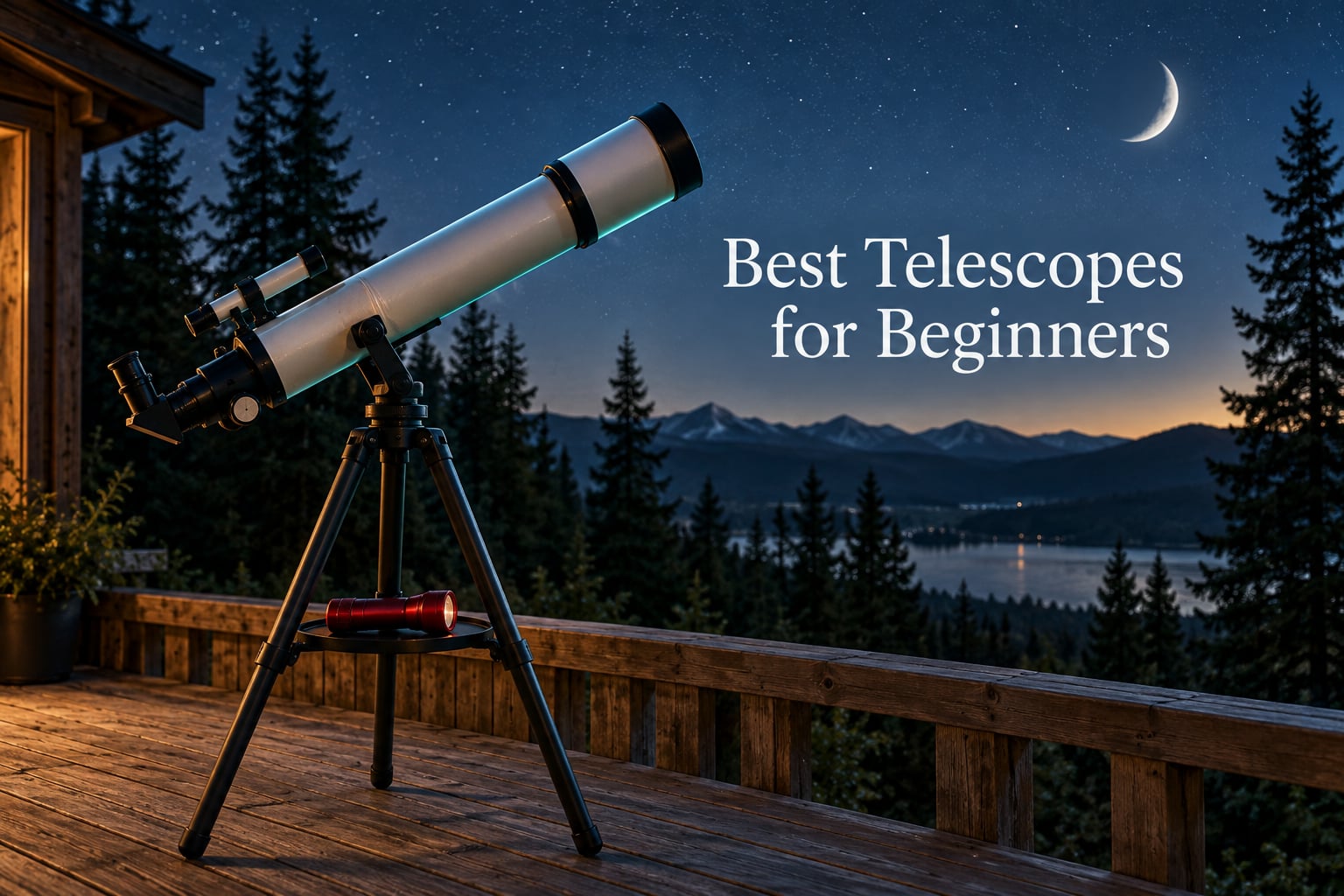
Short answer: the Celestron Travel Scope 70mm is the best telescope for beginners in 2026 because it needs no collimation, no batteries, no star alignment and no theory. You can carry it out in one hand, point it at the Moon, and see craters on your first evening. If you would rather spend more for deeper views, the Celestron AstroMaster 130EQ and the AstroMaster 70AZ are the two steps up, and if your real goal is photographs rather than an eyepiece view, the smart telescopes at the end of this list change the game entirely.
Most first-telescope mistakes are made before the box is even open. Buyers fixate on advertised magnification, see a number like 500x, and assume more power means better images. It does not. Power is the easiest number to inflate on a box, and the one number that genuinely decides what you will see is aperture, measured in millimetres. Everything in this roundup was judged on aperture first, then optics, then mount steadiness, then whether a beginner can actually use it without a manual.
One expectation to set before you buy: a telescope shows you light, and light through a small aperture is mostly grey. Saturn will look like a pale yellow oval with rings, not a photograph with colour banding. The Orion Nebula will be a grey smudge that resolves into shape under dark skies, not the glowing pink cloud you have seen online. Cameras collect photons for minutes and stack them, which is why photos look the way they do. Your eye collects for a fraction of a second. That is normal, and every experienced stargazer tells beginners the same thing: the moment you see Saturn’s rings change position between two nights is the moment this hobby grabs you.
We put ten telescopes through their paces in 2026, from pocket-sized 70mm refractors to a 6-inch Dobsonian and two app-driven smart scopes. Below is the full list, followed by a buying guide that explains aperture, mount types and collimation in plain English, plus the red flags worth avoiding. If you are also building a kit for shooting stills, our guides to the best film cameras for beginners and the best cameras for photography beginners cover the terrestrial side of the same conversation.
Table of Contents
- Top 3 Picks for the Best Telescopes for Beginners in 2026
- All 10 Telescopes at a Glance in September
- 1. Celestron Travel Scope 70mm Review – The One Telescope to Buy First
- 2. Gskyer 70mm AZ Refractor Review – Most Owners, Most Reviews
- 3. Koolpte 80mm AZ Refractor Review – More Aperture for Planetary Detail
- 4. Celticbird 80mm AZ Refractor Review – Best Lunar Detail for Families
- 5. Celestron AstroMaster 70AZ Review – The Sharpest Image on the Moon
- 6. Celestron AstroMaster 130EQ Review – Where Deep-Sky Objects Start
- 7. MEEZAA 90mm AZ Refractor Review – Most Light-Gathering in a Simpler Design
- 8. ZWO Seestar S30 Pro Review – Best Smart Telescope for Total Beginners
- 9. Sky-Watcher Classic 150 Dobsonian Review – The Aperture Step That Lasts
- 10. DWARFLAB Dwarf 3 Review – Best for Astrophotography on a Budget
- How to Choose a Telescope for Beginners
- Frequently Asked Questions
- The Best Telescope for Beginners in 2026
Top 3 Picks for the Best Telescopes for Beginners in 2026

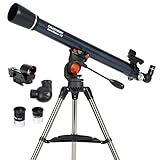
Celestron Travel Scope 70mm
- 70mm aperture
- 400mm focal length
- 2 eyepieces
- 4.2 lb with backpack

All 10 Telescopes at a Glance in September
Every telescope below earned its place on aperture, optical quality and ease of use rather than on the magnification printed on the box. The table is sorted exactly as the reviews follow, so the first row is the one we would buy first.
| Product | Specs | Action |
|---|---|---|
| Celestron Travel Scope 70mm |
|
Check Latest Price |
 Gskyer 70mm AZ Refractor Gskyer 70mm AZ Refractor |
|
Check Latest Price |
 Koolpte 80mm AZ Refractor Koolpte 80mm AZ Refractor |
|
Check Latest Price |
 Celticbird 80mm AZ Refractor Celticbird 80mm AZ Refractor |
|
Check Latest Price |
| Celestron AstroMaster 70AZ |
|
Check Latest Price |
| Celestron AstroMaster 130EQ |
|
Check Latest Price |
 MEEZAA 90mm AZ Refractor MEEZAA 90mm AZ Refractor |
|
Check Latest Price |
 ZWO Seestar S30 Pro ZWO Seestar S30 Pro |
|
Check Latest Price |
 Sky-Watcher Classic 150 Dobsonian Sky-Watcher Classic 150 Dobsonian |
|
Check Latest Price |
 DWARFLAB Dwarf 3 DWARFLAB Dwarf 3 |
|
Check Latest Price |
1. Celestron Travel Scope 70mm Review – The One Telescope to Buy First
Celestron Travel Scope 70mm Beginner Portable Telescope with Backpack
70mm fully coated refractor
400mm focal length
4.2 lb packed
20mm and 10mm eyepieces
Pros
- No collimation
- no batteries
- no alignment
- Sets up in minutes and packs into the included backpack
- Sharp bright views of the Moon and bright planets
- Two-year limited warranty and Celestron support
Cons
- Short 400mm focal length caps magnification
- 70mm aperture shows little faint deep-sky detail
- Manual alt-az mount needs constant re-aiming
The Travel Scope 70mm is the telescope we keep telling people to start with, and the reason is not the optics. It is that nothing can go wrong. There is no mirror to collimate, no motor to align, no app to log into and no battery to die in the middle of a cold field. You unfold the tripod, drop the tube in, put on the 20mm eyepiece and point.
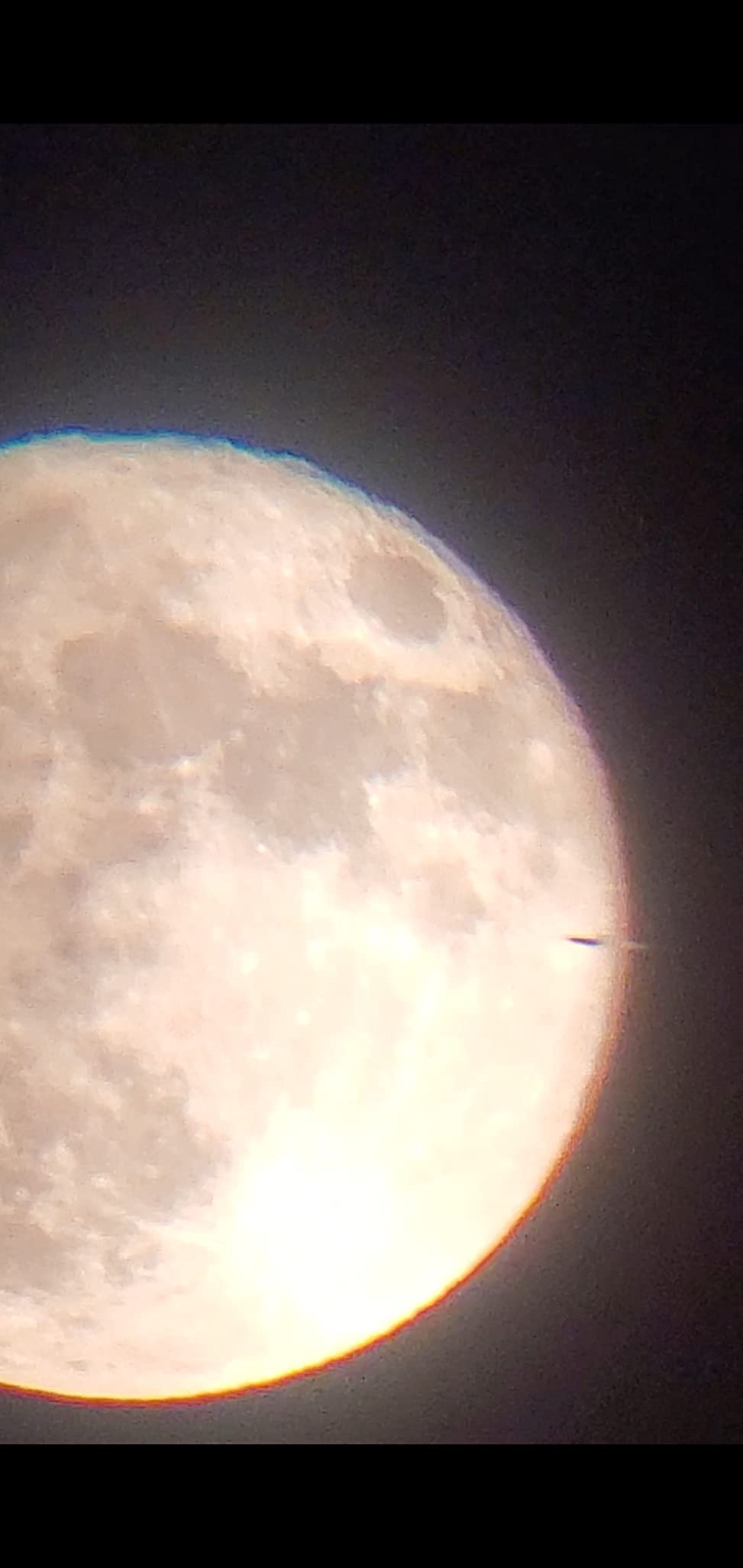
Optically it is a 70mm fully coated achromatic refractor on a 400mm focal length, with a 45 degree erect image diagonal and a 5×24 reflex finder. The two included eyepieces give you roughly 20x and 40x, which is more than enough to fill the field of view on Jupiter, to watch the moon’s terminator across an evening, and to split a handful of brighter double stars.
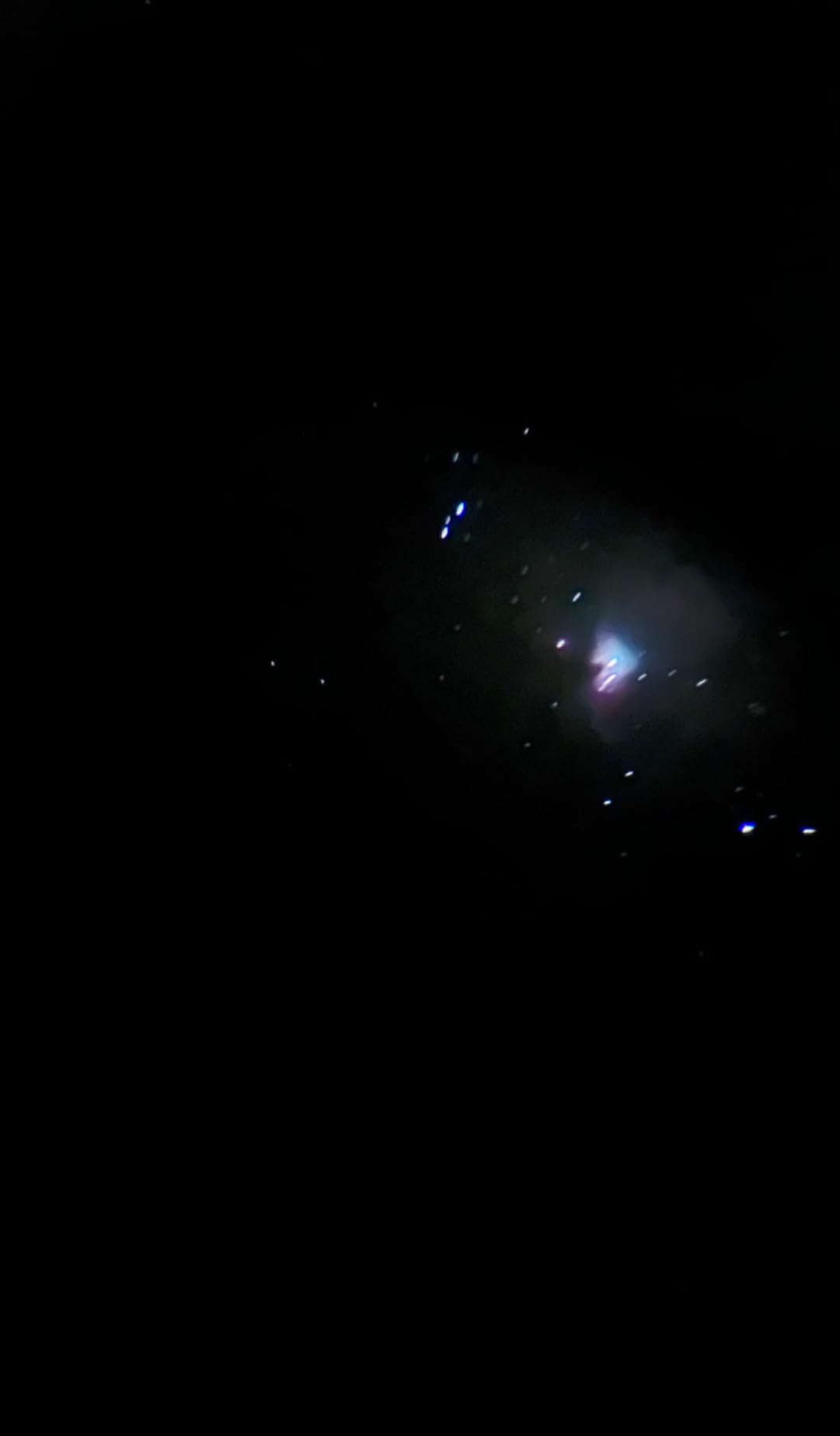
What you will not get is faint fuzzies. A 70mm aperture gathers a modest amount of light, and deep-sky objects like the Orion Nebula sit right at the edge of visibility from a suburban backyard. On a clear night you should expect the moon, the planets, the Pleiades as a tight knot of light, and the brighter clusters. That is genuinely plenty for a first year.
Portability is the real headline. The whole kit, including the tripod, fits in the padded backpack in the box, and the listed weight is 4.2 pounds. That changes where you can observe from, and where you observe from matters more than almost any other spec. The same logic drives our guides to the best drones for beginners and the best FPV drones for beginners: take the kit to the good light rather than settling for bad light at home.
Who this telescope suits
It suits a complete beginner, a family buying for a child aged ten or older, and anyone who wants a grab-and-go scope for a camping trip, a balcony or a first session before committing to a larger instrument. If the idea of a large object living in your hallway gives you pause, this is the answer.
It also suits anyone who wants to photograph what they see. The 45 degree diagonal and the phone-friendly focal length make it a reasonable first lunar and planet snapshot rig with a phone adapter, though results will be dimmer than the marketing suggests.
Who should pass on it
Skip it if your list includes the Orion Nebula, the Andromeda Galaxy or any faint galaxy as a must-see. Those need 4 inches of aperture or more, and no amount of eyepiece swapping will fake it.
Also skip it if you live somewhere with a very wide open sky and no obstruction. A larger scope that reveals more will reward you far faster than a portable one you leave in a cupboard.
2. Gskyer 70mm AZ Refractor Review – Most Owners, Most Reviews
Gskyer Telescope, 70mm Aperture 400mm AZ Mount Astronomical Refracting Telescope for Kids Beginners – Travel Telescope with Carry Bag, Phone Adapter and Wireless Remote.
70mm fully coated refractor
400mm focal length f/5.7
2 eyepieces plus 3x Barlow
Smartphone adapter included
Pros
- Highest review volume in this list at 22070 ratings
- Fully coated glass gives bright low-distortion views
- Phone adapter and wireless remote make first photos easy
- Barlow triples the magnification of both eyepieces
Cons
- 400mm focal length turns blurry past moderate power
- 70mm aperture limits faint deep-sky targets
- Manual alt-az mount with no tracking needs re-aiming
Gskyer’s 70mm is the most widely owned beginner telescope in this roundup, with 22,070 ratings averaging 4.3 stars. That volume matters more than it looks: when thousands of people own the same tube, the failure modes are well documented, and you will find advice for whatever goes wrong.
The optics are a 70mm fully coated objective on a 400mm focal length, so optically it sits alongside the Celestron Travel Scope rather than above it. The differences are in the bundle. You get two eyepieces and a 3x Barlow, a 5×24 finder with cross-hairs, a smartphone adapter and a wireless camera remote that lets you trigger the phone’s shutter without touching the tube.
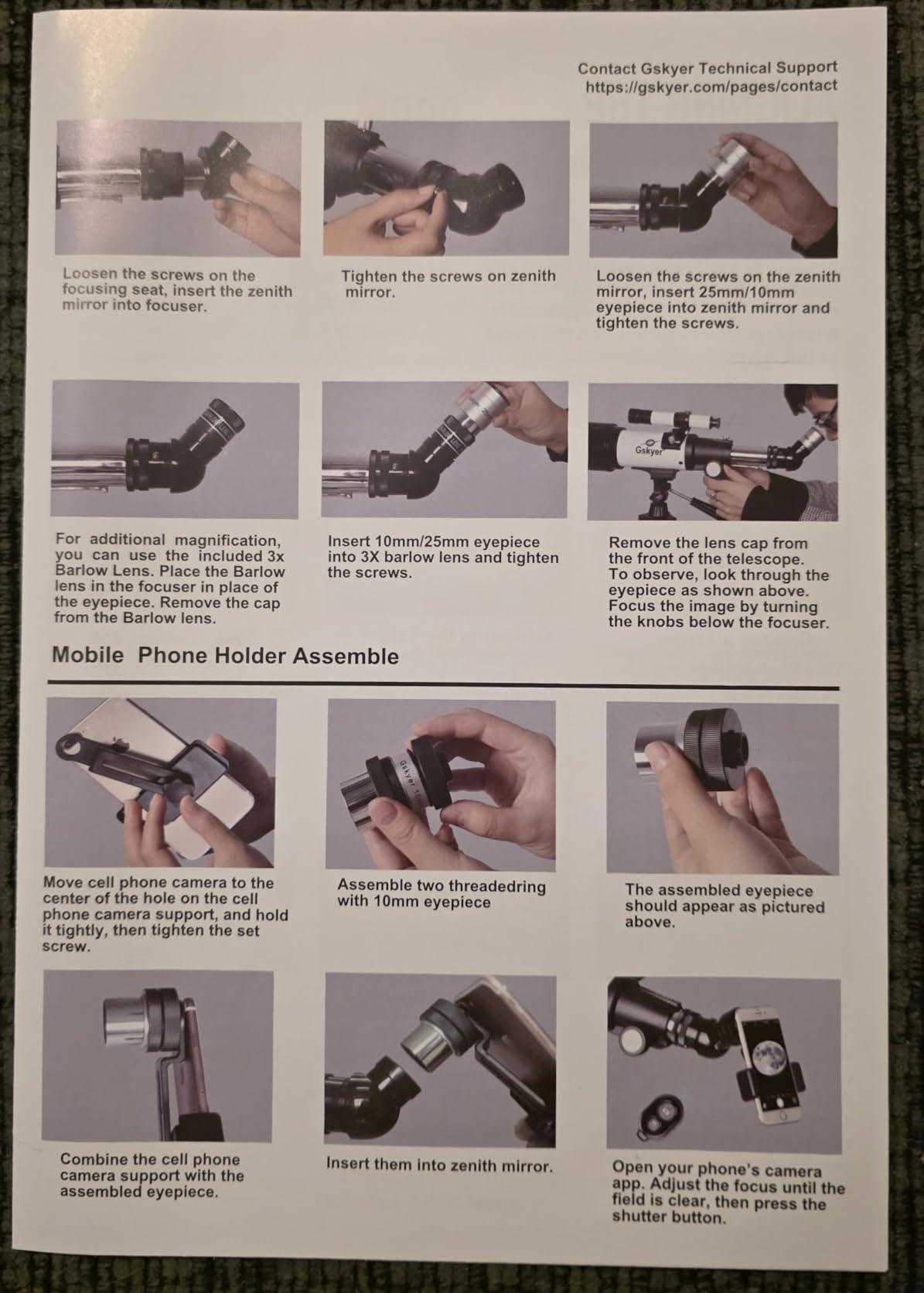
That remote shutter is the reason many owners take their first photo at all. Shaking a scope by tapping a phone screen produces blurred frames, and the remote removes the most common beginner error in lunar and planetary imaging.
The recurring complaint in reviews is magnification. The advertised figure of up to 120x with the Barlow is a paper number. On a 400mm focal length with a 70mm aperture, the image goes soft and dim well before that, and the 70mm objective still cannot pull faint galaxies out of the sky.
What you get for the money
You get a complete, self-contained kit: tripod, carry bag, finder, three optics and phone hardware, with a one-year warranty behind it. For a first purchase where the goal is to learn how a telescope works, that completeness is worth more than a slightly sharper image.
Owners consistently report bright, distortion-free lunar views and a tripod light and simple enough to move in one trip from a car to a field.
Where the budget ends
The 70mm aperture is the ceiling on this scope. Faint nebulae, galaxy detail and splitting tight double stars all need more light-gathering than a 70mm lens can deliver, and the supplied Barlow pushes the system past its useful magnification rather than adding resolution. If your budget stretches a little further, the 80mm scopes in this list add ten extra millimetres of aperture, and that extra light shows up on planetary detail and small clusters rather than on the Moon.
3. Koolpte 80mm AZ Refractor Review – More Aperture for Planetary Detail
Koolpte Telescope for Adults, 80mm/600mm AZ Refractor for Beginners
80mm multi-coated refractor
600mm focal length f/6.7
25mm and 10mm eyepieces
No-tool assembly
Pros
- 80mm aperture is noticeably brighter than 70mm budget scopes
- Reviewers resolve Jupiter's moons and Saturn's rings
- No-tool assembly completes in about 15 minutes
- Carry bag makes it practical for dark-sky trips
Cons
- Finder uses a fixed plastic mount that is hard to align
- Included 3x Barlow is described as low-quality plastic
- Lightweight tripod buckles draw minority complaints
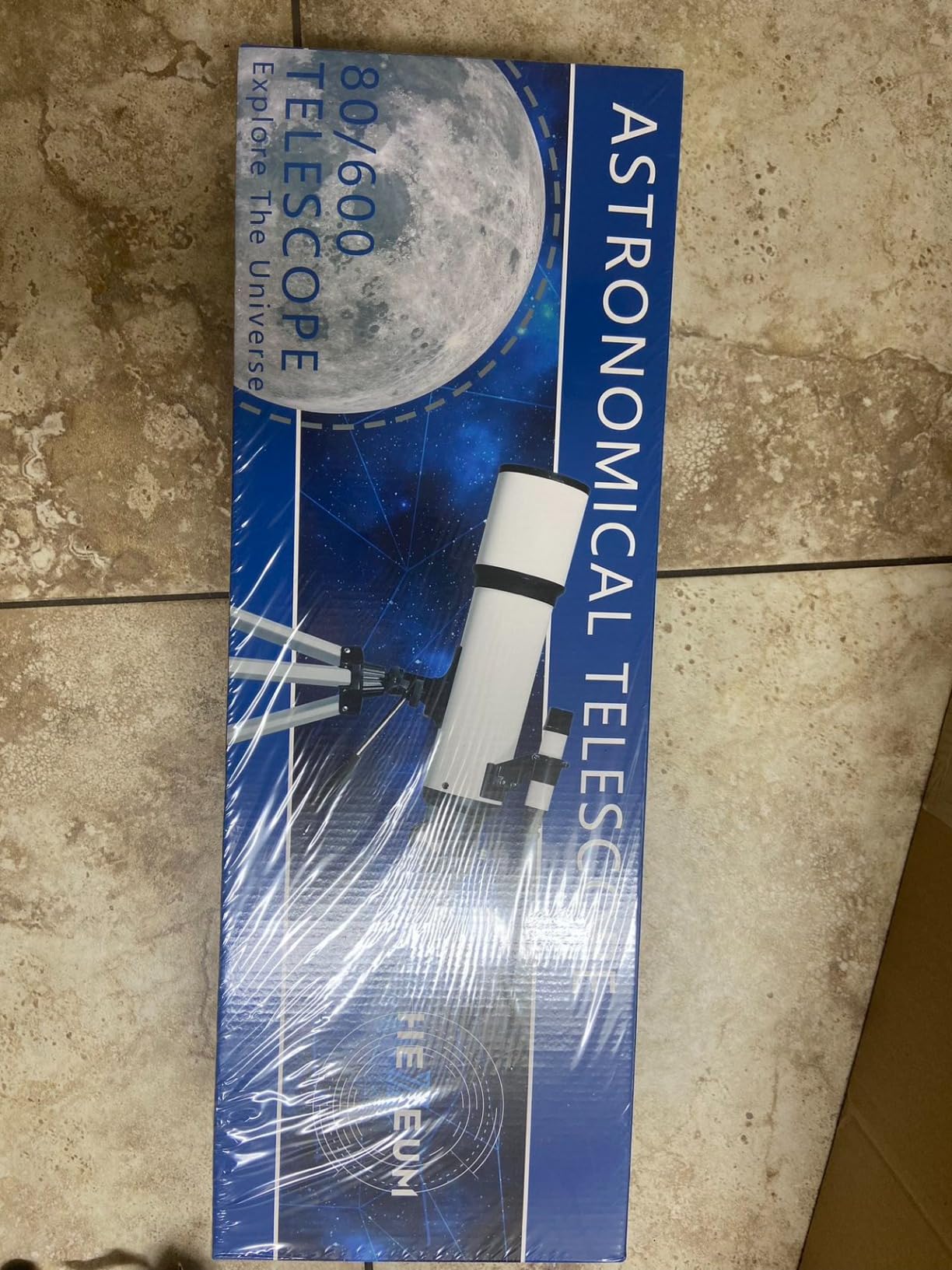
The step from 70mm to 80mm is a real upgrade in amateur astronomy, and the Koolpte 80mm is where we see that step most clearly. Ten extra millimetres of aperture sounds trivial, but light-gathering scales with the square of the diameter, so an 80mm lens collects roughly a third more light than a 70mm on the same target.
The design is a straightforward 600mm focal length achromatic refractor at f/6.7, which is a sensible, forgiving focal ratio. Shorter focal lengths bend light more sharply and suffer colour fringing around bright objects; at 600mm in an achromat, Jupiter looks noticeably cleaner than it does through the 400mm budget tubes.
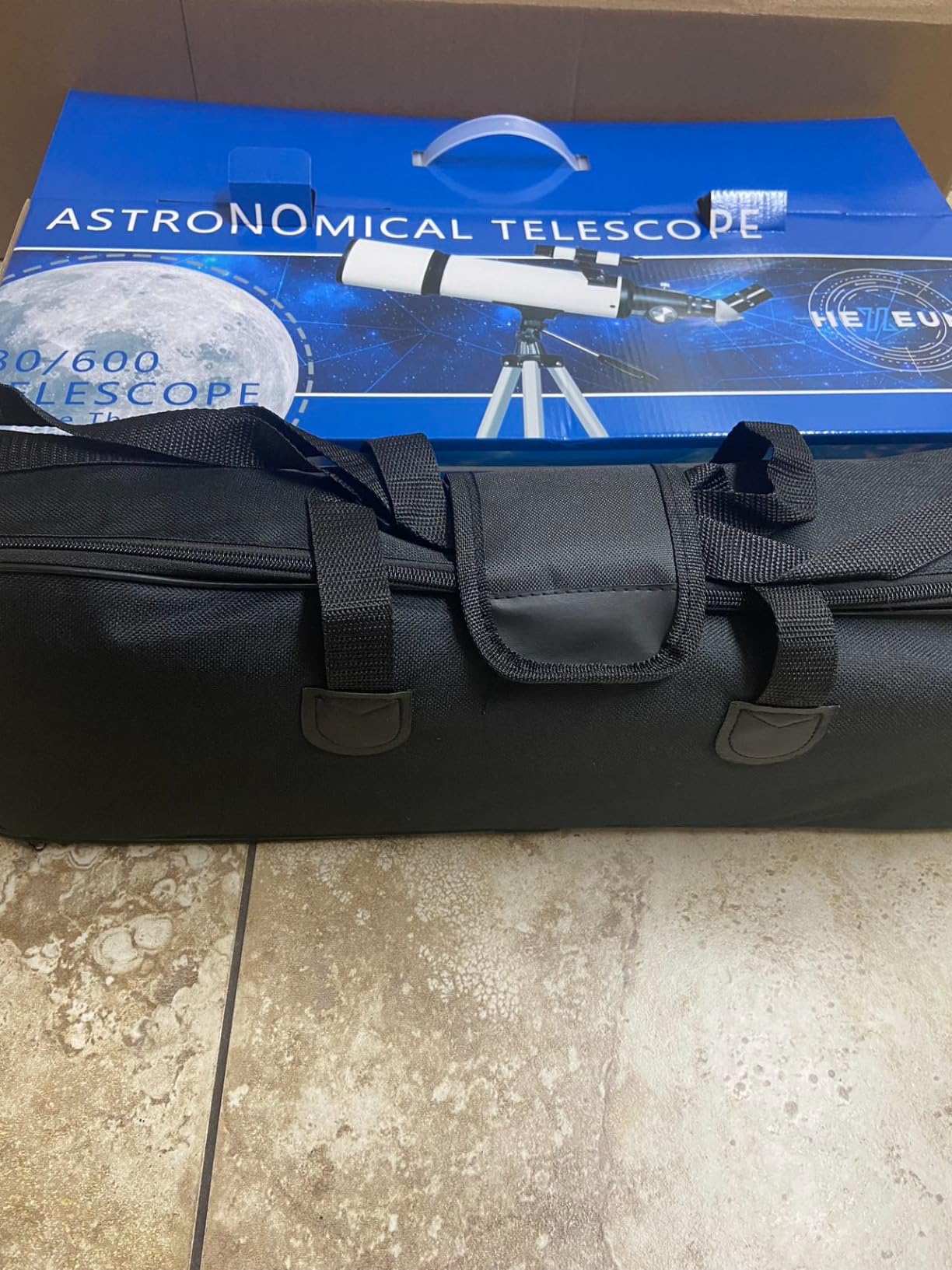
Reviewers report resolving Jupiter’s four bright moons and picking out Saturn’s rings with the supplied 25mm and 10mm eyepieces, which is precisely the planetary performance a beginner wants. The 5×24 reflex finder and phone adapter round out a kit that assembles without tools.
Longer focal length also means more magnification from the same eyepiece, so the 25mm gives a comfortable low power and the 10mm pushes toward double stars and crater detail without the blur that plagues short tubes at high power.
Where it beats the 70mm scopes
It wins on planetary contrast and on anything small and bright. If your goal is Jupiter’s bands, Saturn’s rings and lunar craters, the extra aperture and the longer focal length are doing real work rather than adding cost.
Which parts to avoid using
Most critical reviews point at two accessories rather than the telescope itself. The finder sits on a fixed plastic bracket that resists alignment, and the supplied 3x Barlow is described as cheap plastic that adds colour fringing instead of magnification. Treat both as optional: a red-dot finder and a decent 2x Barlow added later will improve this scope more than any other purchase at this level.
4. Celticbird 80mm AZ Refractor Review – Best Lunar Detail for Families
Celticbird Telescope for Adults High Powered, 80mm Aperture 600mm AZ Mount Refractor Telescope for Kids Beginners – Portable Telescopes for Adults Astronomy with Backpack, Phone Adapter, Moon Filter
80mm multi-coated refractor
600mm focal length
Includes a moon filter
5.8 lb with backpack
Pros
- Reviewers report crater-level lunar detail and visible Saturn's rings
- Multi-coated 80mm glass gives bright low-aberration images
- Backpack and folding tripod make it easy to carry
- Moon filter improves contrast on bright lunar surfaces
Cons
- Mount shows some wobble during fine adjustments
- Finder alignment takes patience
- Some owners report a small spot at maximum zoom
The Celticbird 80mm is the most family-friendly scope in this list, and the reason is the supplied moon filter. It passes roughly 13 percent of incoming light, which turns a blindingly bright full moon into something you can look at comfortably at high magnification and start to see contrast across the maria. Among the 80mm refractors it is also the only one that ships with a filter, which saves you a purchase later.
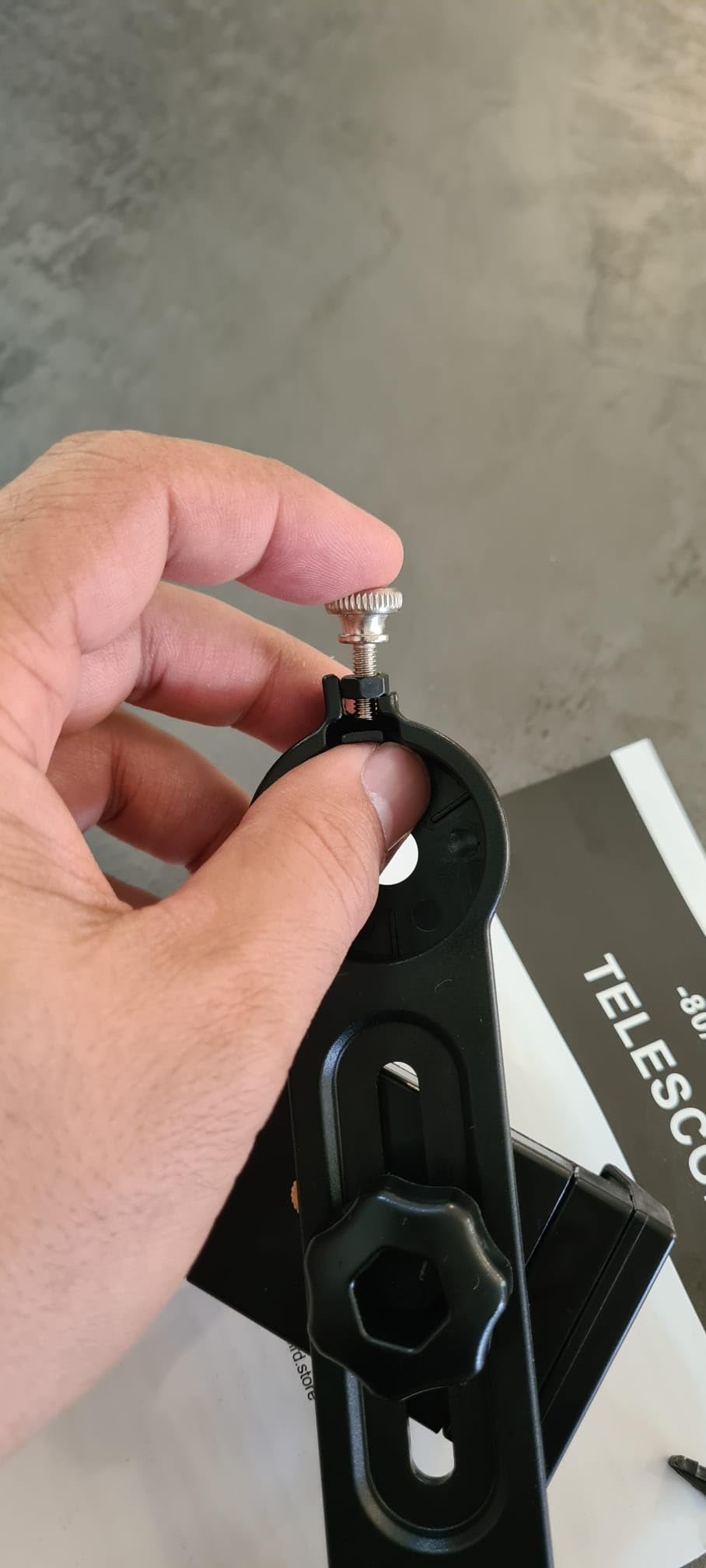
Underneath it is a familiar 80mm refractor on a 600mm focal length, the same core specification as the Koolpte, with 20mm and 9mm eyepieces giving 30x and 66x. Reviewers report crisp crater detail and a visible Saturn, and the phone adapter is well liked for sharing shots of the moon with the family group.

Assembly takes no tools, and the manufacturer states the tripod adjusts between 17.7 and 52 inches, which means both a child on a garden step and a standing adult can use the same instrument without rearranging anything.
It is also the rare budget package that includes a proper carrying backpack, so the whole thing moves to a darker site in one trip. For a family that will actually go outside, that matters.
Why families end up happy with it
Young observers tend to start with the moon, because it is the only object big enough to fill the field of view and bright enough to find without help. This scope shows more crater detail at 66x than the 70mm refractors do, and the moon filter makes that usable rather than painful.
It also assembles fast enough that a family will not abandon the setup halfway through assembling it, which is the single biggest cause of unused beginner telescopes.
Where it falls short
The mount is the weak point. Owners report some wobble in fine adjustments, and the finder needs patience before it points accurately. Neither ruins the experience, but both add friction at exactly the moment a beginner is deciding whether they enjoy this.
At maximum zoom some owners notice a small spot in the field, an optical blemish that shows on bright targets. A second eyepiece is the easiest fix.
5. Celestron AstroMaster 70AZ Review – The Sharpest Image on the Moon
Celestron AstroMaster 70AZ Refractor Telescope for Moon & Planet Viewing
70mm achromatic refractor
900mm focal length
StarPointer red dot finder
10.8 lb
Pros
- 900mm focal length gives noticeably sharper lunar images
- Red dot finder makes pointing at planets quick and intuitive
- Tool-free assembly in under ten minutes
- Refractor design needs no collimation
Cons
- Tripod altitude adjustment is stiff and hard to follow
- Some owners report tripod joints loosening over time
- Included 10mm eyepiece is the weakest part of the kit
The AstroMaster 70AZ sits at the top of our ratings at 4.4 stars, and the reason is one number: 900mm of focal length on a 70mm aperture. That is a long, narrow, well-behaved optical system, and it produces a noticeably sharper and larger image than the 400mm budget tubes.
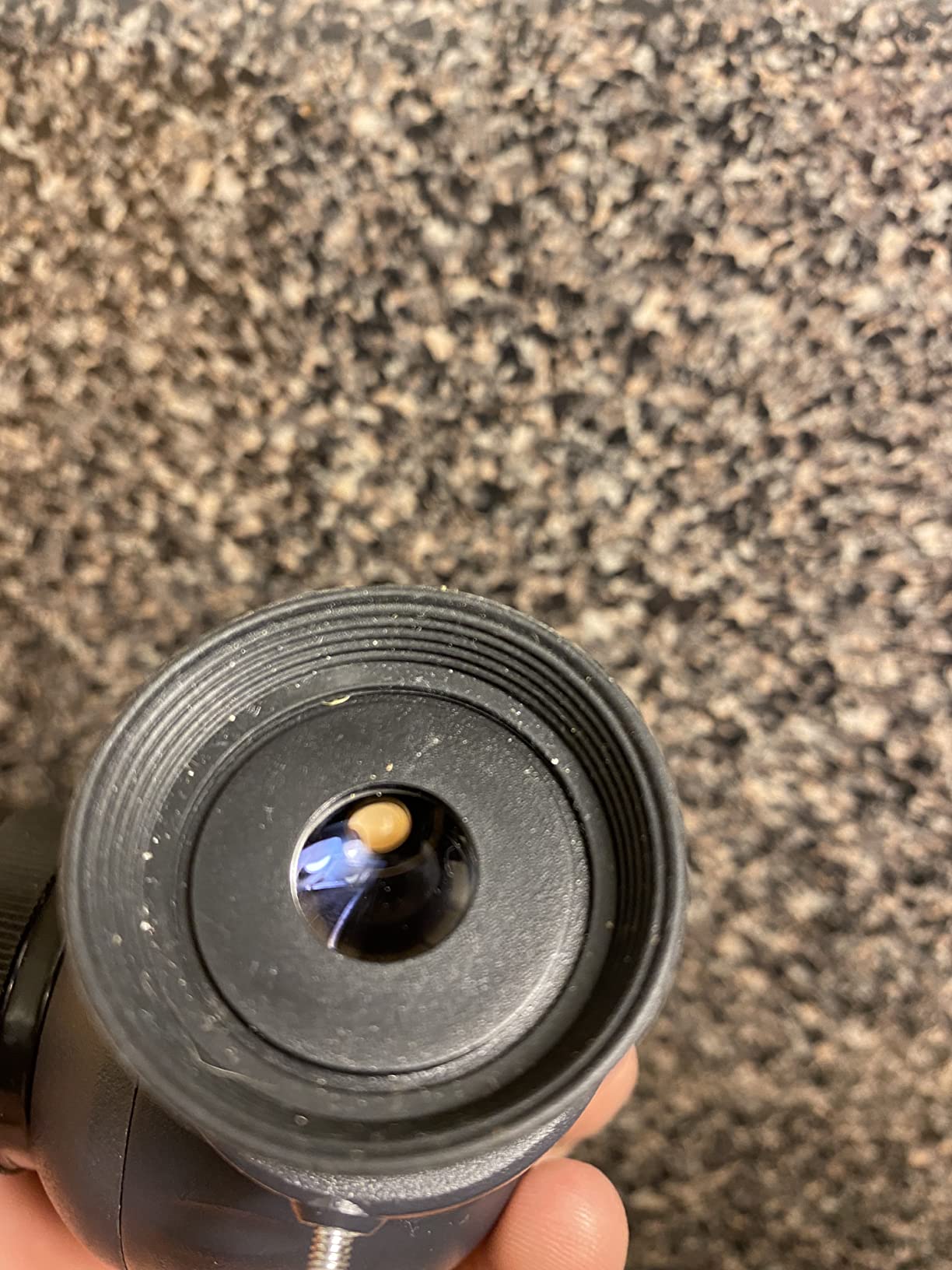
Long focal length also means the included 20mm and 10mm eyepieces deliver around 45x and 90x, which is real magnification rather than a printed claim. Owners repeatedly report clear views of Saturn’s rings and four of Jupiter’s moons, and the lunar surface looks meaningfully crisper than through any 400mm scope here.
Pointing is handled by a StarPointer red dot finder, which is the single best upgrade in the budget class. A red dot shows you roughly where you are pointing, so you can find Saturn in under a minute instead of sweeping the sky hoping to bump into it.
Because it is a refractor, there is no collimation. You can hand it to a child, move it in the car, and set it up in any orientation without checking mirrors first.
Why the rating is the highest here
At 4.4 stars across 3,789 ratings, this is the best-reviewed optical package in the list, and reviewers describe it as a low-maintenance first telescope. Assembly takes under ten minutes with no tools, and the two-year limited warranty is backed by an established support line.
It is also the instrument that feels most considered, largely because of the pan handle and the long tube.
Which problems you will hit
The altitude axis, the up-and-down motion on the tripod head, is stiff on this model, and several owners find it frustrating when tracking an object across the sky. It works; it just needs firm hands.
The supplied 10mm eyepiece is widely criticised, and some owners report tripod joints developing play over time. Budgeting for one good 10mm or 6mm eyepiece later is the most useful addition you can make.
6. Celestron AstroMaster 130EQ Review – Where Deep-Sky Objects Start
Celestron AstroMaster 130EQ Telescope for Deep-Sky Beginners
130mm Newtonian reflector
650mm focal length
German equatorial mount
17 lb
Pros
- 130mm aperture shows the Orion Nebula and Andromeda as faint extended objects
- Dual slow-motion knobs make following objects much easier
- Owners report crisp Moon detail and Jupiter banding
- Sturdy tripod holds the tube steady
Cons
- Newtonian mirrors can arrive out of collimation
- 17 lb weight is hard to move assembled
- StarPointer finder is awkward to align
- Not suitable for astrophotography without modification
The AstroMaster 130EQ is the first telescope on this list that changes what you can see, not just how sharply you can see it. A 130mm aperture, five inches of mirror, gathers more than three times the light of a 70mm refractor, which is the threshold at which the Orion Nebula, the Andromeda Galaxy and the Virgo cluster stop being theory and start being objects.
It is also the only telescope here on a German equatorial mount, with separate slow-motion control knobs for right ascension and declination. That sounds technical, and the practical effect is that you can follow a drifting object with two small knobs instead of fighting the whole tube.
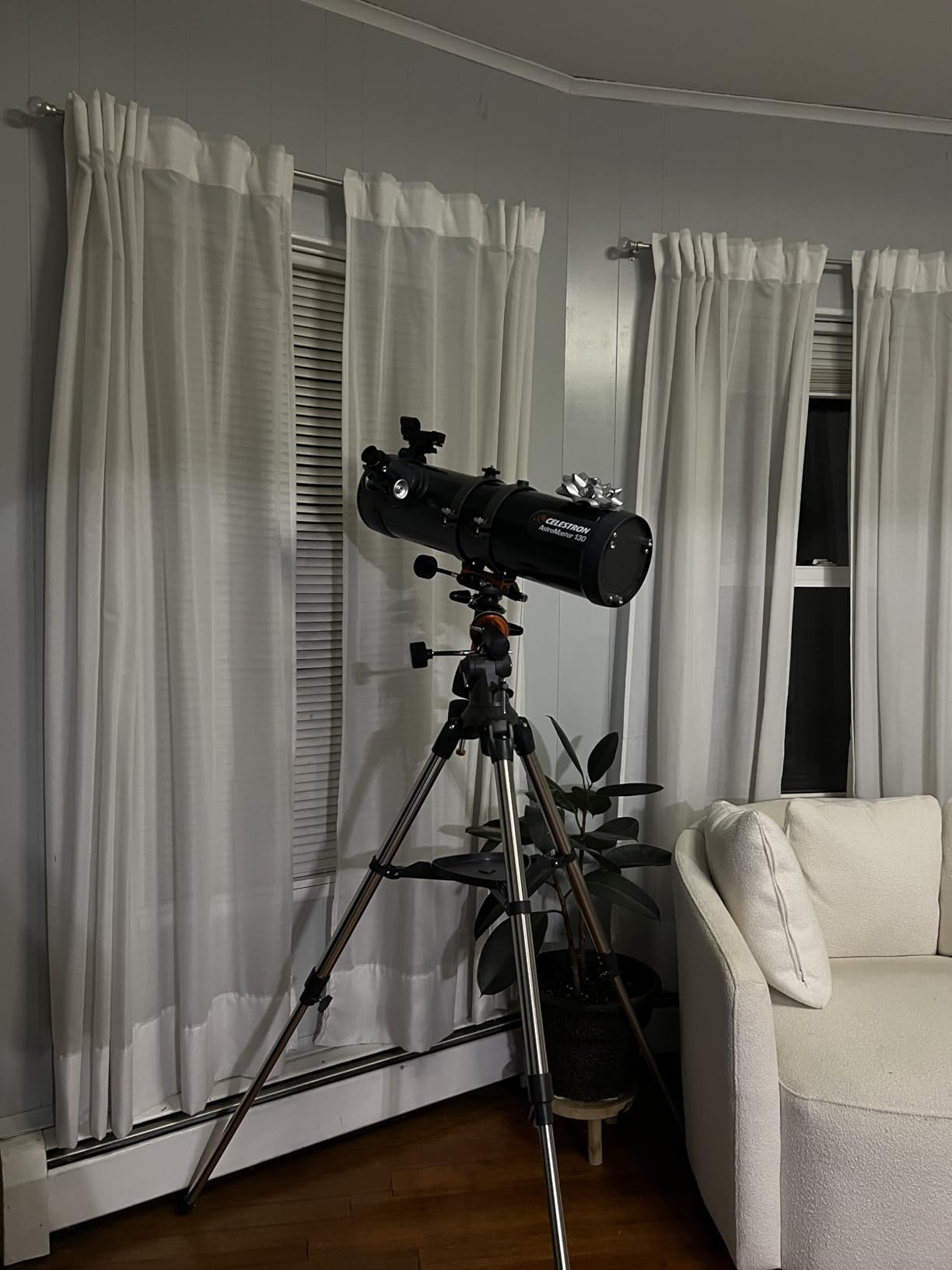
Owners consistently describe it as the best value real telescope for beginners, and the mirrors are coated with aluminium and silicon dioxide for durability. The included 20mm eyepiece has a built-in erect image corrector, so the view is the right way up.
The honest drawback list is longer. At 17 pounds it is awkward to move fully assembled, the red dot finder is awkward to align and look through, and a Newtonian can arrive out of collimation and need a laser collimator to sort out.
What the extra aperture unlocks
Crossing 100mm of aperture is where deep-sky observing becomes practical. Faint emission nebulae, open clusters and the brighter galaxies resolve into shapes with visible structure, and from a dark site the sky above a 130mm reflector looks noticeably less empty than above a 70mm refractor.
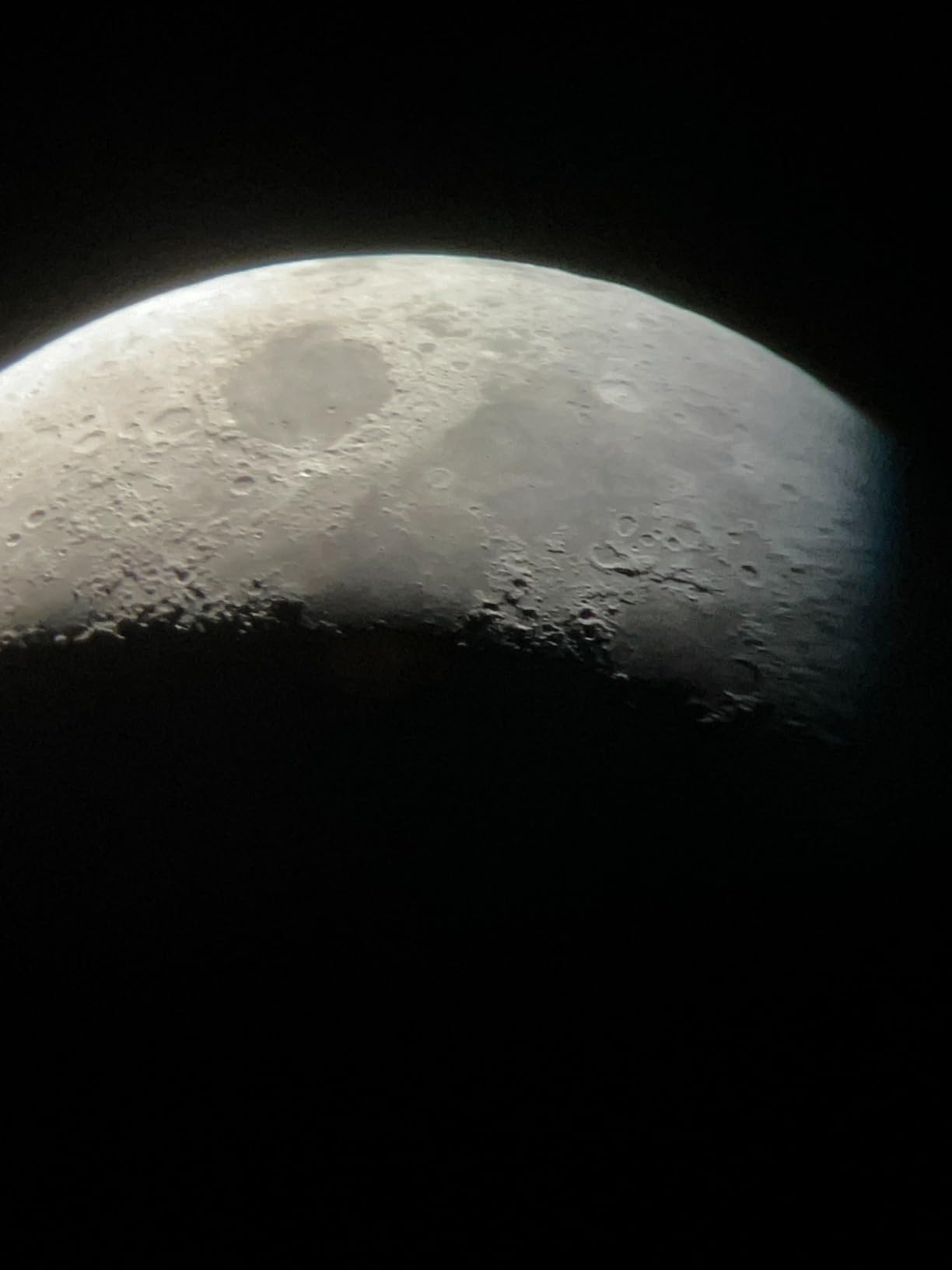
It stays good on planets too. Reviewers report crisp lunar detail, Jupiter banding and a clear view of Saturn’s rings.
Who should not buy it first
Do not buy it if storage space is tight, if you need to move it to a dark site regularly, or if the idea of collimating mirrors makes you anxious. Forums are full of beginners who bought a Newtonian, never collimated it properly, and concluded the telescope was faulty.
It is also a poor platform for astrophotography. Without tracking and a modification it will not capture the faint objects it can see, which disappoints people who bought it expecting photographs.
7. MEEZAA 90mm AZ Refractor Review – Most Light-Gathering in a Simpler Design
MEEZAA Telescope for Adults High Powered, 90mm Aperture 800mm Refractor
90mm fully multi-coated refractor
800mm focal length f/8.88
10mm and 25mm eyepieces
Stainless steel tripod
Pros
- Largest aperture among the budget refractors here
- Multi-coated glass cuts reflections and improves lunar detail
- 32x to 240x range from two eyepieces plus 3x Barlow
- Stainless steel tripod is sturdier than typical budget aluminum
Cons
- 800mm tube is awkward to carry and set up
- Some chromatic aberration at high power
- Straight-through finder is awkward to align and use
The MEEZAA 90mm is the odd one out in this group, and that is why it is worth knowing about. It has the largest aperture of any budget refractor here and it is a simple alt-azimuth design with no polar alignment, no motors and no collimation.
A 90mm fully multi-coated objective on an 800mm focal length gives a slow, f/8.88 optical system. Slow focal ratios are kind to inexpensive achromatic lenses because they bend light less, so the multi-coating and the long tube work together to keep the image clean and bright.
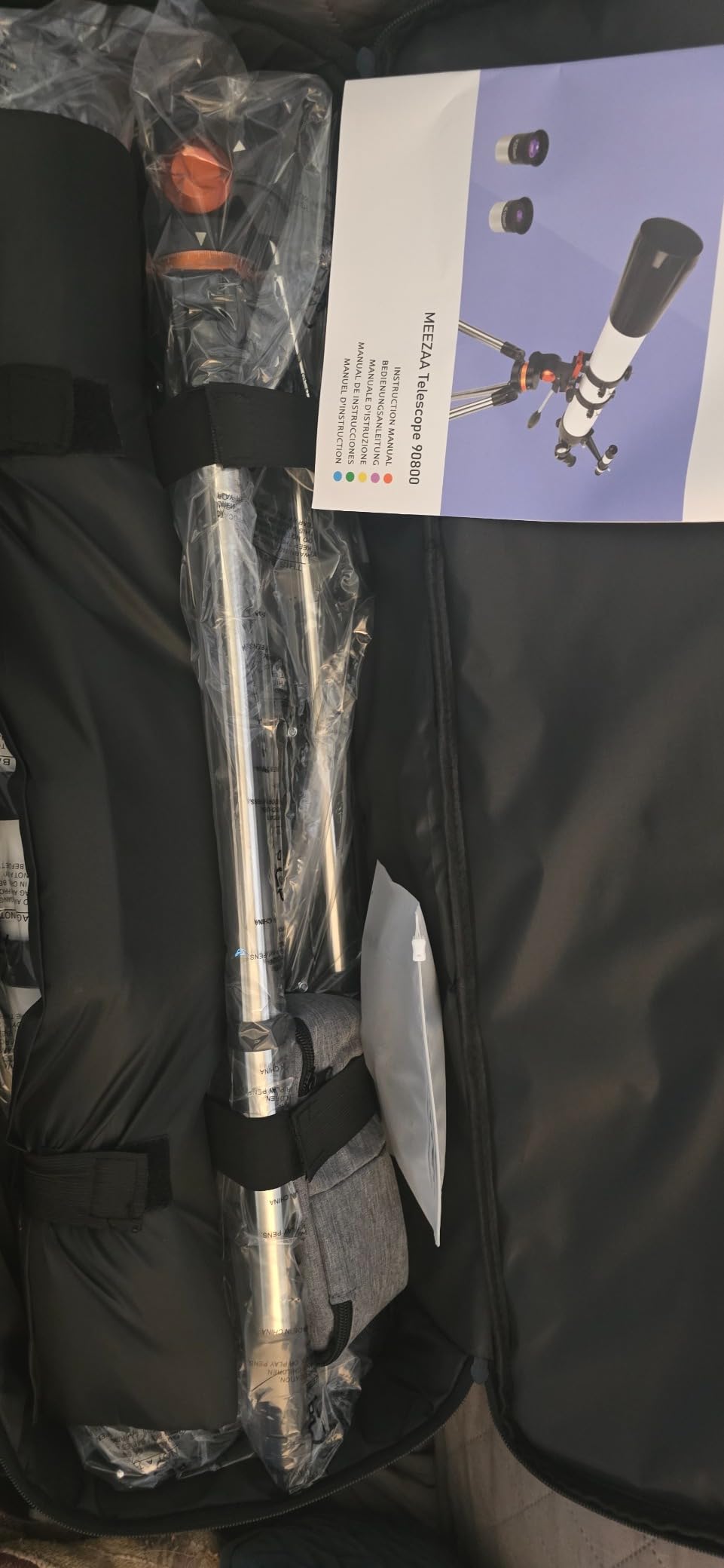
Owners praise the aperture and the completeness of the kit: carry bag, phone adapter, finder scope, star diagonal and a stainless steel tripod that is a step up from the usual budget aluminum. The manufacturer states assembly takes about ten minutes, and the adjustable tripod covers 28 to 46 inches.
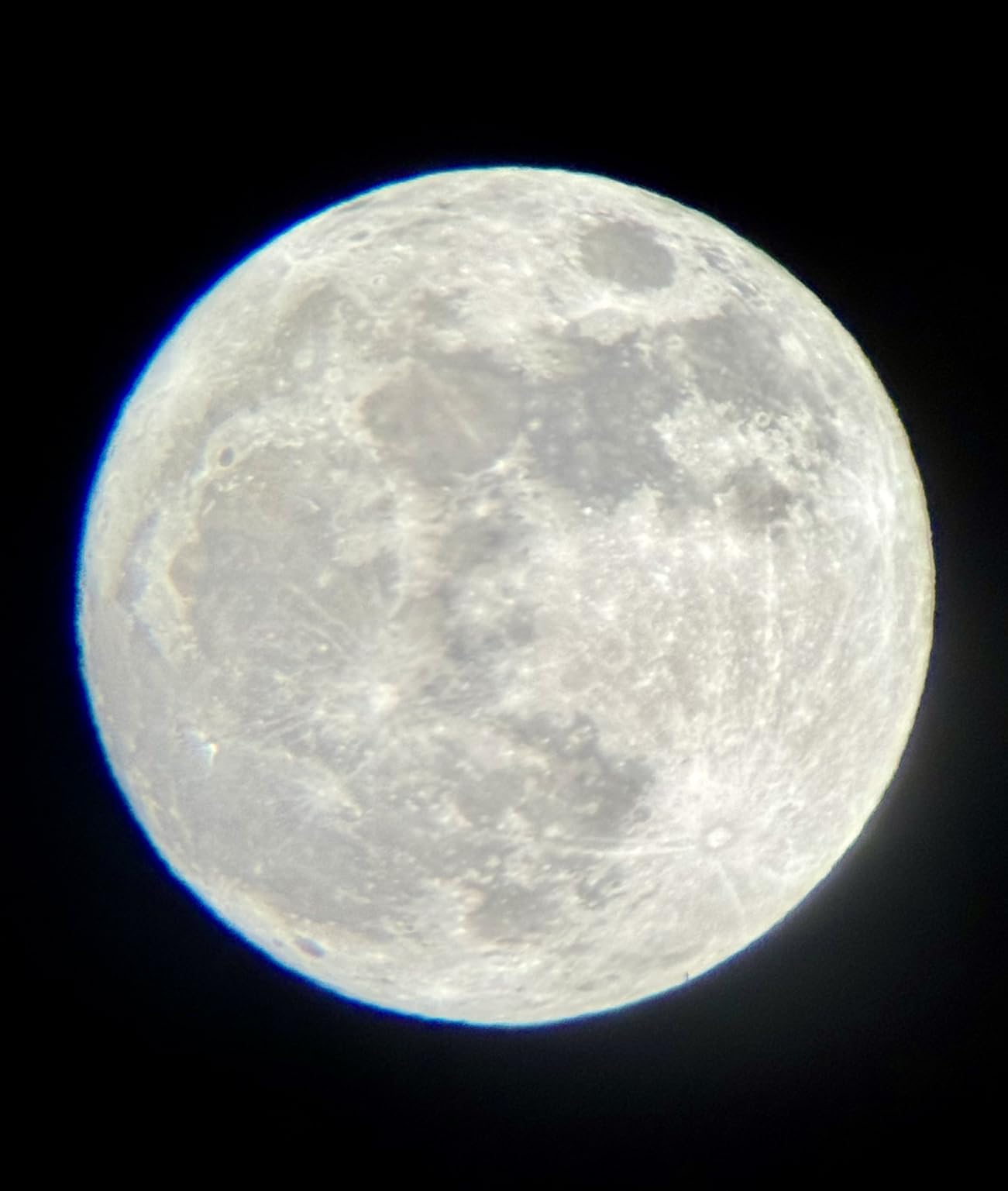
At 800mm the 25mm and 10mm eyepieces plus the 3x Barlow span roughly 32x to 240x, which gives plenty of range for planets, the Moon and brighter clusters.
Why 90mm matters at this level
Aperture is the dominant spec, and 90mm is twenty millimetres more than the 70mm crowd. Owners notice the difference in brightness on lunar detail and in the visibility of small clusters and double stars that simply are not there through a smaller lens.
The stainless steel tripod is the quiet upgrade here. Tripod rigidity is the most common cause of amateur photographs, and a stiffer tripod means steadier views at high power.
What to watch out for
Size is the main compromise. An 800mm tube needs more space to swing through position, and it is heavier and more awkward to carry than a 400mm starter scope, so it is less suited to spontaneity.
At high magnification on bright targets, owners report some colour fringing from the achromatic lens, and the straight-through finder is awkward for beginners. Budget for a red-dot finder and expect to swap it in.
8. ZWO Seestar S30 Pro Review – Best Smart Telescope for Total Beginners
ZWO Seestar S30 Pro Smart Telescope, App-Controlled Astrophotography
30mm apochromatic optics
160mm focal length
Dual-camera 4K imaging
3.6 lb with battery
Pros
- Owners stack usable deep-sky images in under ten minutes from a city
- Automatic GoTo and tracking remove the biggest beginner barrier
- Apochromatic optics and light pollution filters improve urban contrast
- Compact 3.6 lb body travels easily
Cons
- Firmware and app documentation described as thin or confusing
- Some buyers report account registration glitches
- Narrow field of view needs mosaic stitching for large objects
The Seestar S30 Pro is not really an eyepiece telescope. It is a small optical system, a pair of cameras and an app, and it changes what a first telescope is for. You power it on, connect the app, choose a target and the mount points itself and tracks it while the cameras stack exposures.
Because there is no eyepiece, there is also no magnification to be disappointed by. A 30mm apochromatic objective on a 160mm focal length gives a 4.6 degree field of view across a sensor, which is a wide, photograph-friendly slice of sky rather than a magnified view.
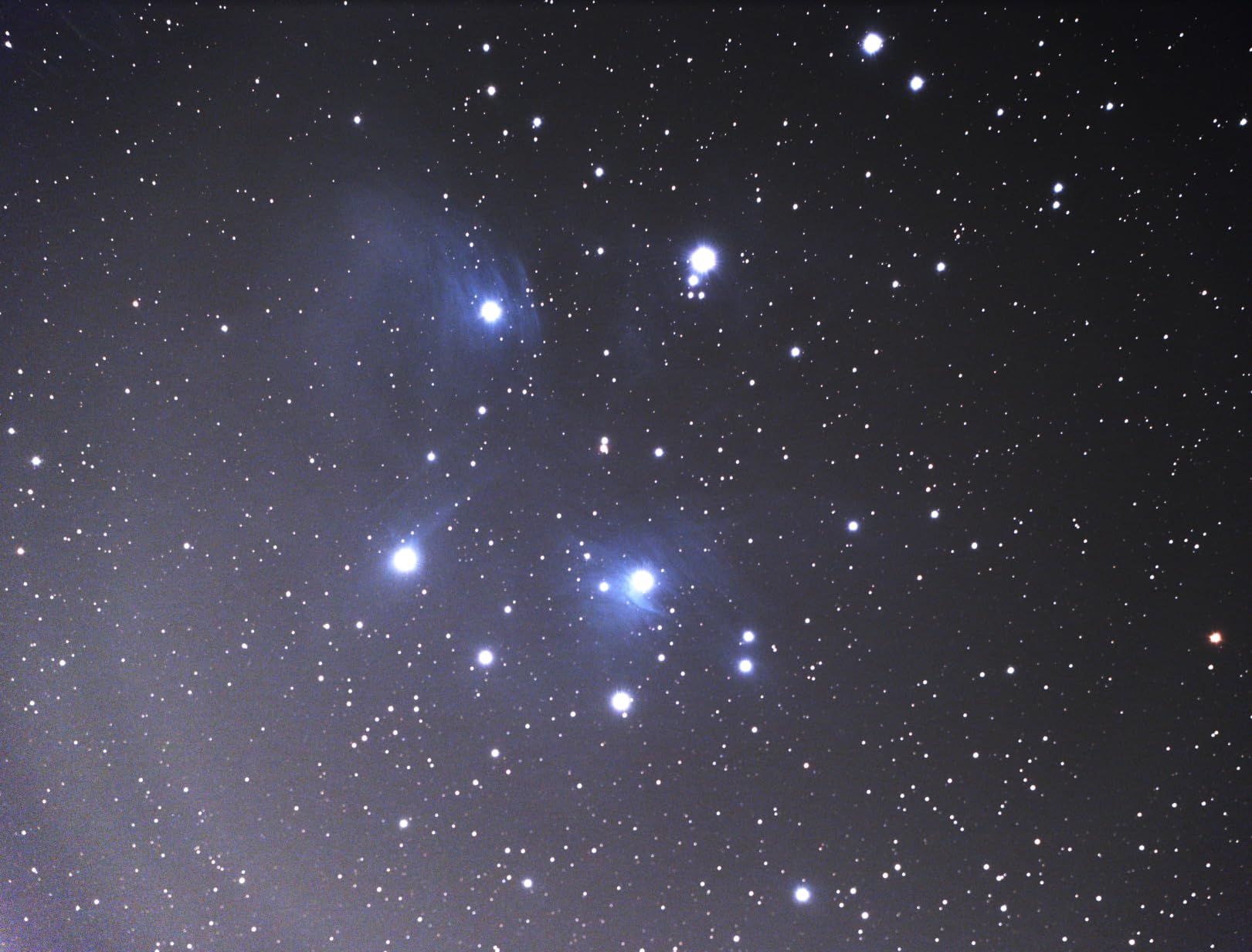
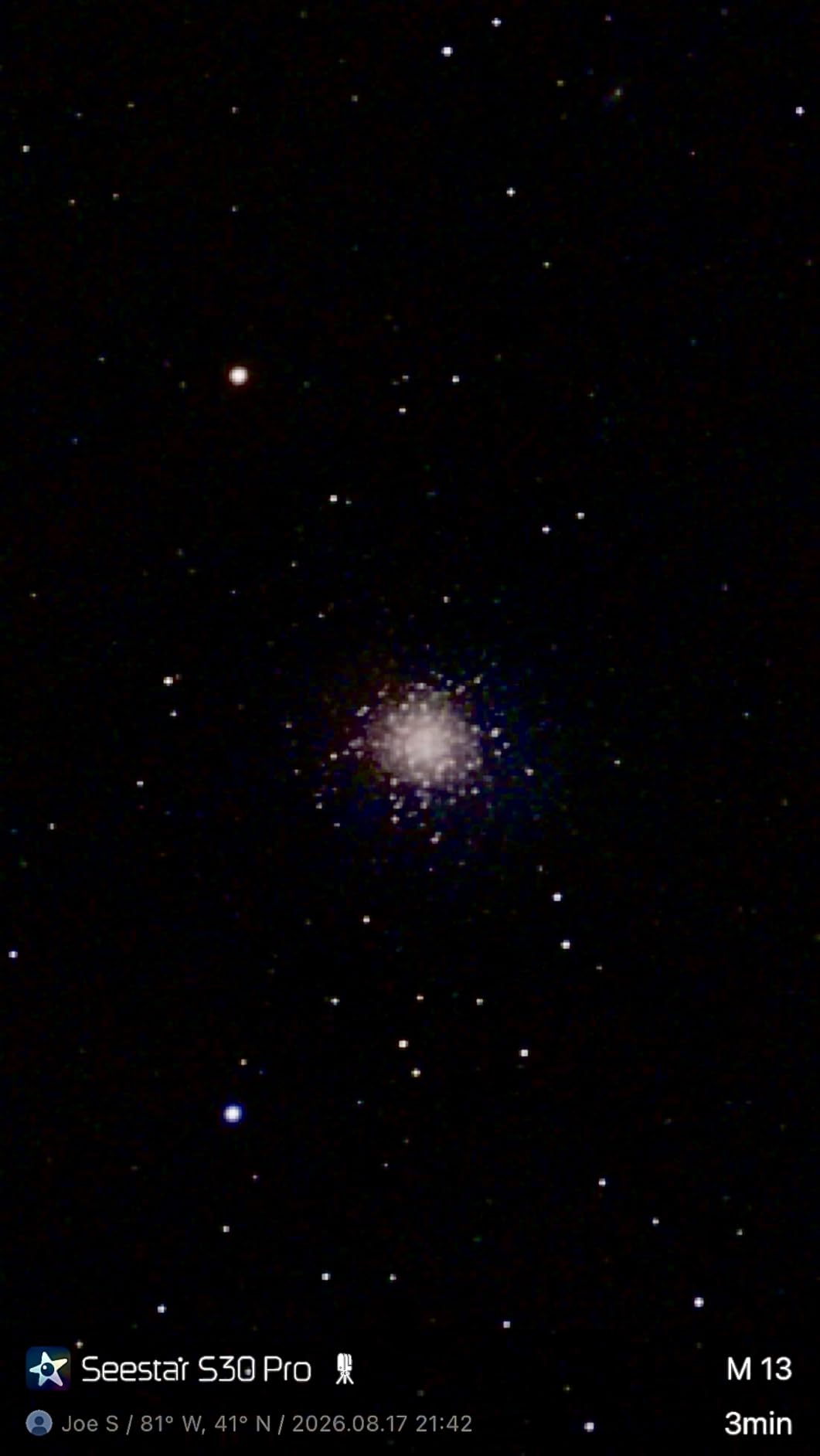
Owners report stacking usable deep-sky images in under ten minutes even from a light-polluted city, which is the most impressive claim in this roundup. The built-in light pollution filter and AI noise reduction exist precisely for that situation.
One-tap modes cover the Milky Way, star trails and panoramas with automatic mosaic stitching, and anti-dew protection plus a built-in battery mean it can run a whole night away from mains power.
Who this is genuinely for
It is for people who came to astronomy to see photographs, not optics. If your motivation is sharing images of nebulae, or if you live under bright skies where an eyepiece view of a faint galaxy would be disappointing, this is the more realistic instrument.
It is also the most forgiving entry here. Nothing needs collimation, nothing needs alignment by hand, and mistakes are made by tapping the wrong option in an app.
What you give up
You give up the eyepiece entirely, and with it the visceral shock of seeing Saturn’s rings with your own eye for the first time. You are looking at a screen, and the image is built from data rather than photons arriving at your retina.
Reviews also flag app friction: thin documentation, account registration problems that stopped the scope working for some buyers, and a narrow field of view that means large objects need stitching.
9. Sky-Watcher Classic 150 Dobsonian Review – The Aperture Step That Lasts
Sky Watcher Sky-Watcher Classic 150 Dobsonian 6-inch Telescope – Solid-Tube – Simple, Traditional Design – Easy to Use, Perfect for Beginners, White (S11600)
6-inch fully multi-coated mirrors
1200mm focal length
Dobsonian base with tension handles
40 lb assembled
Pros
- 6-inch aperture shows the Orion Nebula
- Andromeda and Saturn's rings well
- Dobsonian base gives the smoothest and most stable pointing here
- Tension control handles allow fine aiming without balance
- Simple assembly that families manage together
Cons
- No altitude or azimuth scales for manual finding
- Rack-and-pinion focuser has lateral play at high power
- Included eyepieces are average for the price
- Bulky base is hard to lift and may not fit a small vehicle
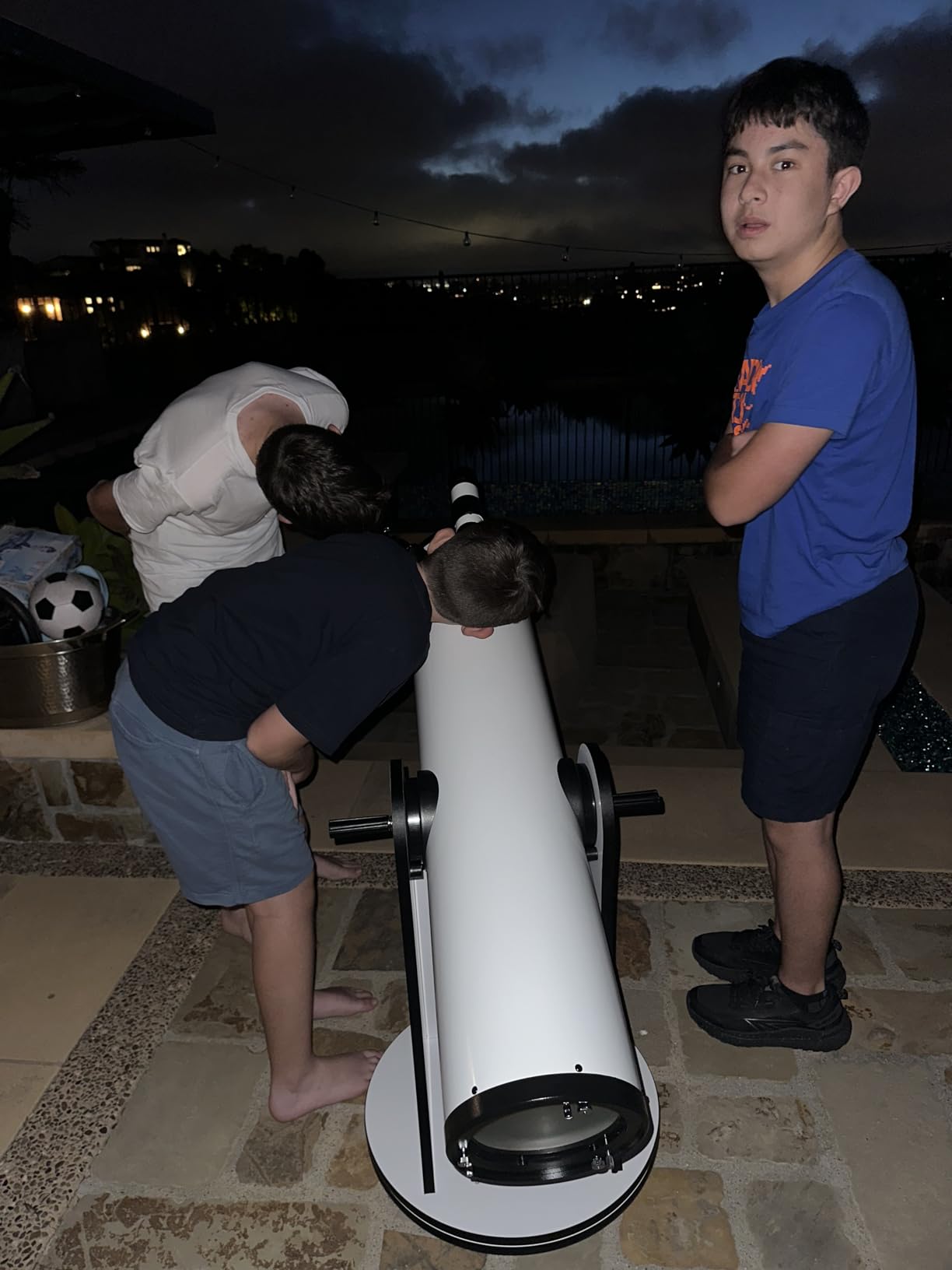
The Classic 150 is a 6-inch Dobsonian, and the Dobsonian is the design that most forum communities point beginners toward for one reason: it puts the money into the mirror instead of the hardware. A 6-inch primary with 94 percent reflective multi-coating, a plain rotating base and no electronics, is the simplest way to get six inches of light-gathering.
The base is the reason pointing feels so good. Instead of slow-motion knobs and counterweights, you turn the tube on friction bearings using two tension control handles, so you can nudge it a fraction of a millimetre at a time without rebalancing anything.
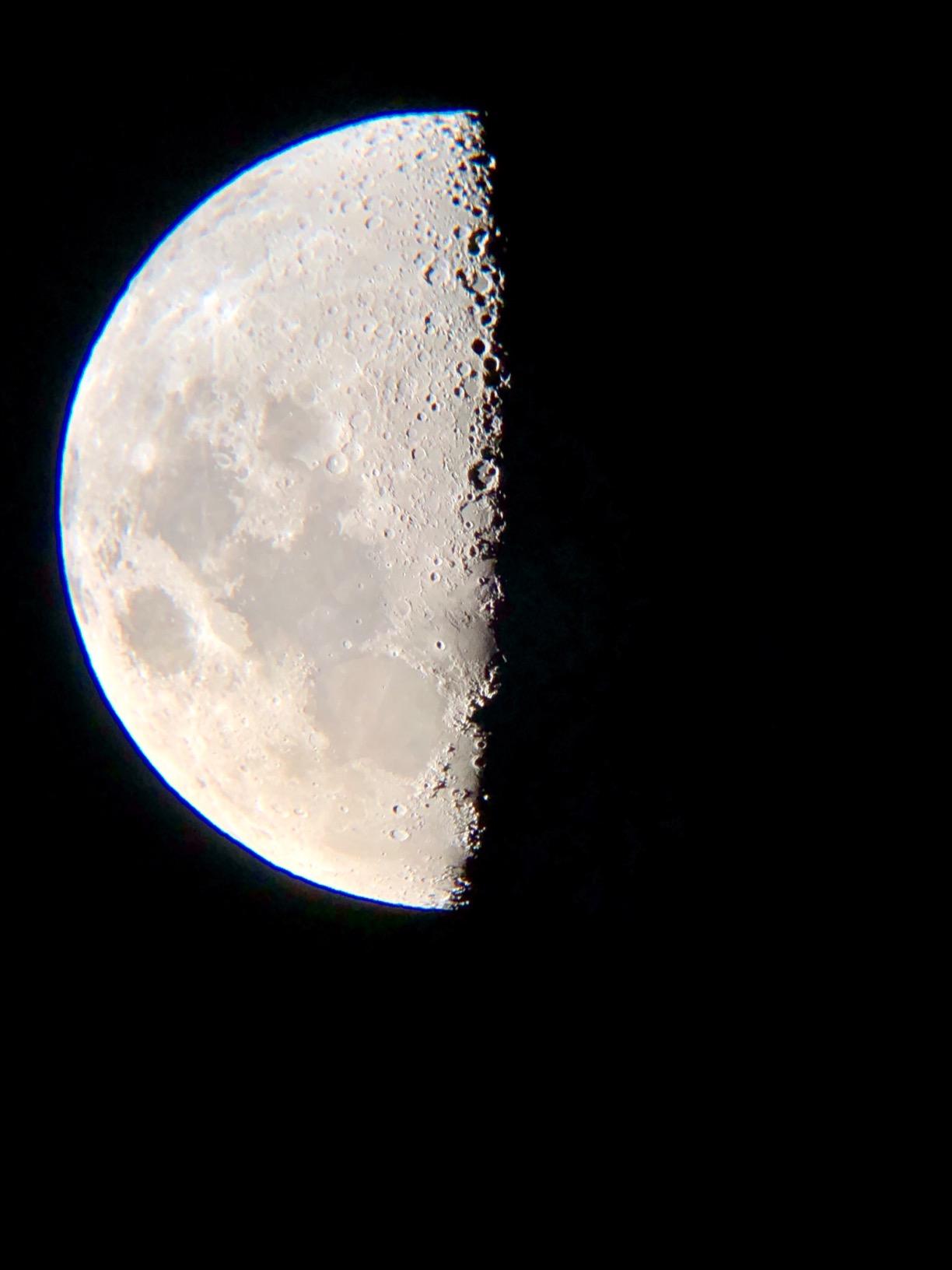
At 1200mm focal length the included 25mm and 10mm super wide-angle eyepieces give around 48x and 120x, and the two-inch rack-and-pinion focuser with a 1.25-inch adapter accepts standard eyepieces later. The 6×30 finder is included, as is a two-year warranty.
Owners report that a 6-inch Dobsonian shows the Orion Nebula, the Andromeda Galaxy and Saturn’s rings well, and that many units arrive close enough to good collimation that a first-time owner can start observing immediately.
Why a Dobsonian base is worth it
It is the smoothest and most stable pointing mechanism in this roundup by a wide margin, and it requires no balance, no counterweights, no polar alignment and no batteries. You grab the handle, move the tube, and the base holds it where you put it.
That stability is why planetary images from a Dobsonian are often sharper than images from a lighter equatorial mount, and it is why forum regulars recommend the design so consistently for beginners.
Why its rating is the lowest here
At 3.9 stars from 239 ratings, this is the lowest-rated telescope in the list, and the complaints are consistent. The rack-and-pinion focuser has lateral play that makes high-power focusing finicky, and the included eyepieces are considered average for a telescope at this level.
There are no altitude or azimuth scales, so finding faint deep-sky objects manually takes real practice, and at about 40 pounds fully assembled the base is genuinely difficult to lift. The collimation screws and secondary mirror knobs can also arrive extremely tight. Budget for a laser collimator and a better 25mm eyepiece before the first clear night.
10. DWARFLAB Dwarf 3 Review – Best for Astrophotography on a Budget
DWARFLAB Dwarf 3 Smart Telescope, App-Controlled Astrophotography Camera
35mm lens with 4K auto-tracking
True equatorial mode
3 lb with built-in battery
Cloud-based processing
Pros
- Owners capture multi-hour exposures of nebulae from bright skies
- True EQ mode supports 60 to 120 second subs without star trails
- 3-pound body is the most portable smart telescope here
- Cloud processing removes the need for a computer
Cons
- App connectivity and WiFi signal issues reported by owners
- A firmware update reportedly changed the app layout
- Telephoto lens cannot resolve very small targets
- Best results need a levelled tripod and polar alignment
The Dwarf 3 is the most interesting object in this roundup for anyone who wants real astrophotography, because it is one of the few affordable smart telescopes with a genuine equatorial mode. That means it can hold a target without trailing during longer exposures, which is the single biggest technical barrier to photographing faint deep-sky objects.
It uses a dual imaging system, with a telephoto lens for deep space and a wide-angle lens for Milky Way panoramas and star trails. Processing happens in the cloud through the app, and the scope stacks images internally, so you are not doing manual stacking on a laptop at two in the morning.
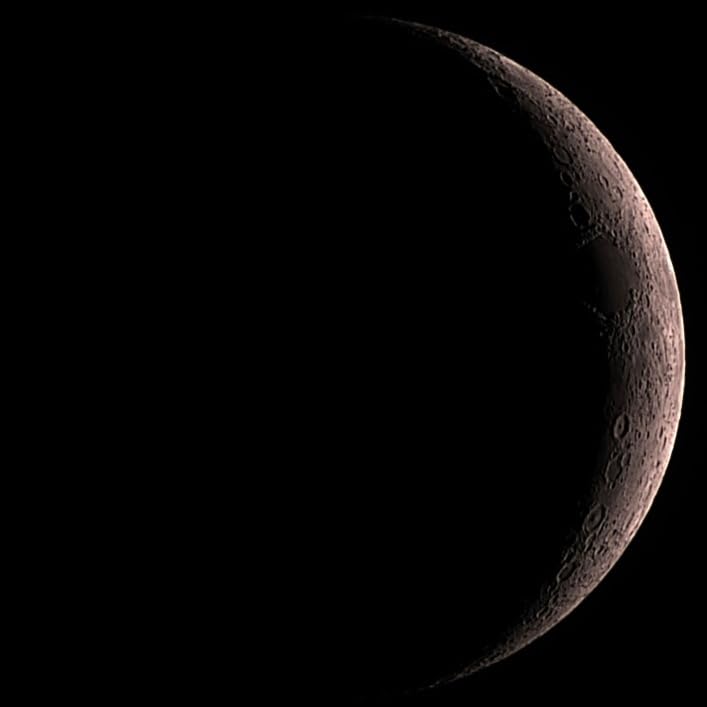
Owners report capturing multi-hour exposures of Markarian’s Chain and the North America and Eagle nebulae from Bortle 5 to 7 skies, which is genuinely impressive given the size of the instrument. At 4.4 stars from 218 ratings, it is one of the highest-rated products here.
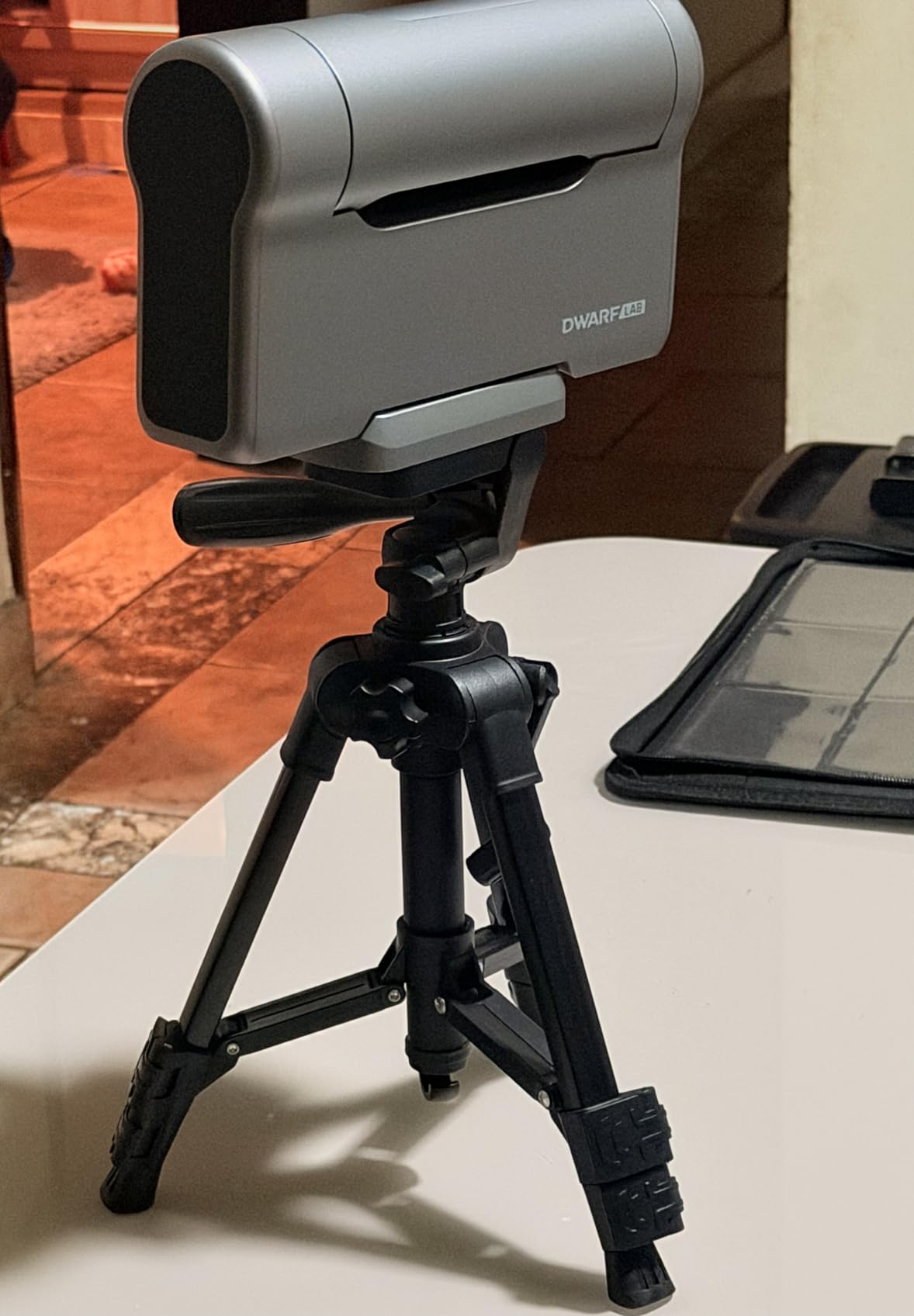
It weighs three pounds, has a built-in rechargeable battery, and ships with astro, dual-band and visible filters plus a magnetic solar filter. The second lens also makes it a usable wildlife and landscape camera in daylight.
What makes it different from a phone and a lens
The tracking motor and the equatorial mode are what separate it from a tracking mount for a camera. Owners use 60 to 120 second exposures and still get usable frames, and the app handles the rest, which compresses weeks of learning into a first session.
It also works in true darkness without a laptop, a cable to a computer or any post-processing beyond tapping one button.
The catch: the app is the telescope
Reviews are consistent about this. Owners report initial connection problems, WiFi signal issues and a firmware update that changed the app layout and reduced stability for some users. If your whole purchase depends on software, you are accepting a dependency that a traditional eyepiece telescope does not have.
There is also a hard optical limit. The telephoto lens cannot pull fine detail on very small targets, and best results need a properly levelled tripod and correct polar alignment, so it rewards ten minutes of setup.
How to Choose a Telescope for Beginners
Aperture, mount type and portability are the three features that decide whether a telescope is right for you. Everything else, including most of the specifications on the box, is secondary. Here is what those three terms actually mean and how they interact.
Aperture: the one spec that matters
Aperture is the diameter of the lens or primary mirror, and it determines how much light the telescope collects, how much detail it can resolve, and how faint an object it can reach. Light-gathering power scales with the square of the diameter, so doubling the aperture collects four times as much light. It is the closest thing this hobby has to a single honest measure of quality.
Magnification, by contrast, is a number a manufacturer chooses. It is focal length divided by eyepiece focal length, and it can be pushed to any figure with a cheap eyepiece that blurs everything. The useful ceiling is roughly twice the aperture in millimetres, so a 70mm refractor is worth about 140x and a 130mm reflector about 260x. Anything advertised far beyond that is padding.
Here is what each aperture class actually delivers, drawn from our own observing and owner reports. A 70mm refractor shows the moon’s craters and terminator, Jupiter’s four bright moons, Saturn’s rings, the Pleiades and a few open clusters. An 80mm refractor adds brighter globular clusters, more double stars and cleaner planetary detail, while a 90mm refractor starts to reach the brighter nebulae. A 130mm reflector or 6-inch Dobsonian shows the Orion Nebula’s shape, the Andromeda Galaxy, the Virgo cluster and lunar terminator detail that smaller scopes cannot resolve.
Mount type: why alt-azimuth beats equatorial for beginners
Mount type is the part that holds the telescope and decides how you move it. An alt-azimuth mount, which includes every Dobsonian, moves left-right and up-down. A German equatorial mount, like the one on the AstroMaster 130EQ, tilts to point at the celestial pole so one axis handles most of the tracking.
For a beginner, alt-azimuth is almost always the better choice. There is no polar alignment, no counterweight to balance, and nothing to set up before the first look. Equatorial mounts earn their keep in long-exposure astrophotography, which is not what most first-time buyers want. The exception is the 130EQ here, where the slow-motion knobs genuinely make following objects easier and the aperture gain is large enough to justify the extra setup.
Mount steadiness also matters more than most buyers expect. A steady base shows sharper images at the same magnification, and that is why the heavy Dobsonian base in this list scores so well on pointing despite its other problems.
Portability: aperture per pound, not total weight
Portability is best measured as aperture per pound rather than total weight. A 4-pound 70mm refractor that fits in a backpack and a 3-pound smart telescope can be taken to genuinely dark skies, while a 40-pound Dobsonian usually stays in a suburban driveway because moving it twice is a chore.
Darkness matters more than almost any other variable in amateur observing. Many people underestimate how much brighter deep-sky objects become under a rural sky, and the single biggest improvement most beginners can make is driving somewhere darker. If your telescope can come with you, that improvement is available to you.
Refractor, reflector or Dobsonian?
Refractors use a lens, reflectors use a mirror, and a Dobsonian is a reflector on a specific simple base. Refractors need no collimation and give the sharpest, cleanest views per unit of money, but aperture costs more per millimetre. Reflectors give the most aperture for the money and need periodic collimation. Dobsonians are the simplest, most stable mounts in the hobby.
Collimation is the process of adjusting a Newtonian’s mirrors so they line up with each other and with the focuser. Forum threads are full of beginners who are terrified of it, and the reassurance is that it is a five-minute job with a collimation cap or a cheap laser collimator, and you only need to check it after the telescope has been bumped or moved between cars.
Every refractor in this list is collimation-free, which is a genuine advantage for households with more than one user.
What to avoid when buying a telescope
These are the red flags that show up repeatedly in buyer reviews and on beginner forums, and they are worth checking before you click buy.
Magnification claims far beyond twice the aperture in millimetres. A 70mm scope advertised at 500x is selling you a blurry image, not a powerful one.
Plano mirrors and single-coated glass. Multi-coated optics cost the manufacturer very little and are the cheapest real quality upgrade available.
Department-store and marketplace scopes with no stated aperture. If the listing does not tell you the objective diameter, assume the optics are the first thing cut.
Tripods with no stated rigidity or with plastic leg locks. Vibration at high power ruins images, and this is the most common quality complaint in budget scopes.
Finders with fixed, non-adjustable plastic brackets. If you cannot align it, you will spend your first hour sweeping instead of observing.
Equatorial mounts sold to complete beginners with no tracking capability. If it cannot track, the extra complexity buys you nothing.
Over-marketed eyepiece bundles. Two or three eyepieces of decent quality beat five cheap ones, and the supplied Barlow is usually the worst item in the box.
Anything sold for solar observing without a certified solar filter. Never point a telescope at the Sun without a filter that is certified for your optical system. An unfiltered Sun can cause permanent eye damage in a single glance.
Your first night out: a five-step routine
Nearly every unused beginner telescope was abandoned during setup, not during observing. This routine gets you to a view in a few minutes and makes the first session a success.
Assemble indoors. Set up the tripod and tube in a lit room, focus on a distant object during the day, and get comfortable with the controls.
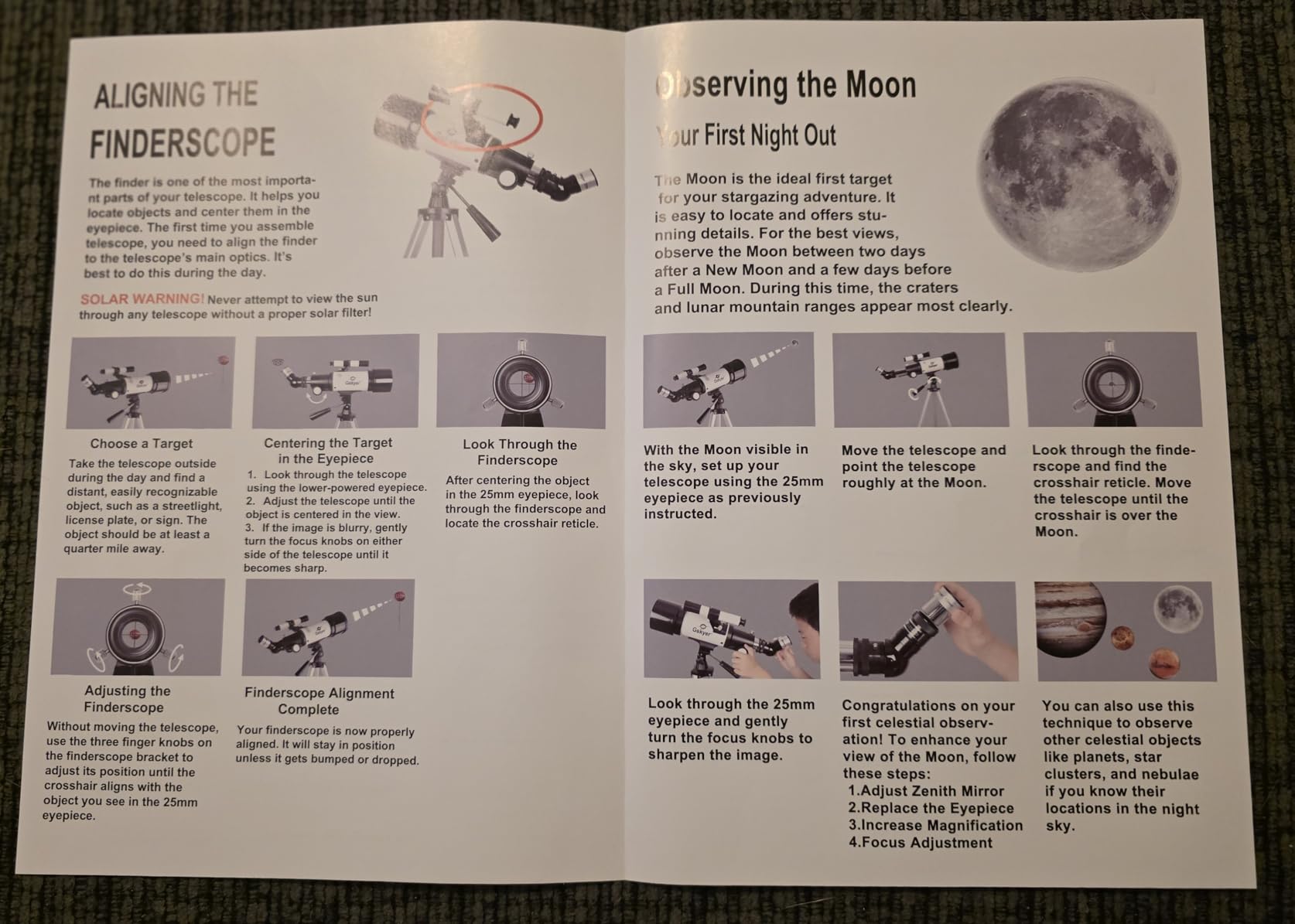
Align the finder first. Daylight is the right time for this. Point the main telescope at a far-off object, centre it, and adjust the finder until the object is centred in both.
Start with the Moon. It is big, bright, forgiving of small aiming errors, and it rewards every level of aperture.
Then aim at Jupiter. Use the finder, centre, switch to the eyepiece, and focus slowly. You should see the four bright moons as points.
Finish with a red flashlight. It preserves the dark adaptation you built up in twenty minutes and is the cheapest useful accessory you can own.
If you want to spend a little more early on, a good 25mm eyepiece, a 2x Barlow and a red flashlight are the three upgrades experienced observers name most often. Everything else can wait until you know what you enjoy.
Frequently Asked Questions
What is a good first telescope for a beginner?
The Celestron Travel Scope 70mm is the most beginner-friendly option in this roundup because it needs no collimation, no batteries and no alignment, and it weighs 4.2 pounds with the tripod. If you want deeper views of nebulae and galaxies, step up to a 130mm reflector on an equatorial mount or a 6-inch Dobsonian, where aperture finally works in your favour.
How much should I spend on a beginner telescope?
Most beginners do well in the entry-level to mid range, and spending less tends to buy plastic rather than optics. Below that level you are choosing a toy with a magnification number on the box. Spending considerably more only pays off if you move to a large aperture or an app-driven smart telescope for photography.
What size telescope is needed to see Saturn’s rings?
A 70mm refractor shows Saturn’s rings, though small and faint. Around 80mm they become clearly defined, and at 130mm or a 6-inch aperture the ring structure and the Cassini Division start to appear. There is also a timing factor: Saturn is only well placed in the sky for a few months each year.
What is the best Dobsonian telescope for a beginner?
Any solid-tube Dobsonian with tension control handles works, and the Sky-Watcher Classic 150 tested here is a straightforward 6-inch example on a smooth bearing base. Forum communities favour Dobsonians because they put the money into the mirror rather than electronics, and the base is the most stable simple mount available. Buy the largest one you can still lift and move.
What are the disadvantages of a Dobsonian?
The main drawbacks are size and convenience. A 6-inch Dobsonian weighs around 40 pounds fully assembled and is awkward to load into a car, so it is difficult to take to darker skies. There are no scales on the base for manual finding, the focuser can develop lateral play, and a Newtonian mirror needs occasional collimation.
Are smart telescopes worth it for beginners?
They are worth it if your goal is photographs rather than observing with an eye. The ZWO Seestar S30 Pro and the DWARFLAB Dwarf 3 both point themselves, track targets and stack images automatically, which removes most of the difficulty for a total beginner. You give up the eyepiece, so you will never see Saturn’s rings with your own eye.
The Best Telescope for Beginners in 2026
If you only buy one, buy the Celestron Travel Scope 70mm. It is the best telescope for beginners in 2026 because nothing about it can go wrong on a first night, it carries in one hand at 4.2 pounds, and after a year you will still be discovering things through it. The Celestron AstroMaster 70AZ is the upgrade for sharper lunar and planetary detail, the AstroMaster 130EQ and the Sky-Watcher Classic 150 are where deep-sky observing begins, and the DWARFLAB Dwarf 3 is the answer if what you really want is photographs.
Whichever you choose, spend your first evening on the moon, find somewhere darker than your garden, and give it three outings before you judge it.