
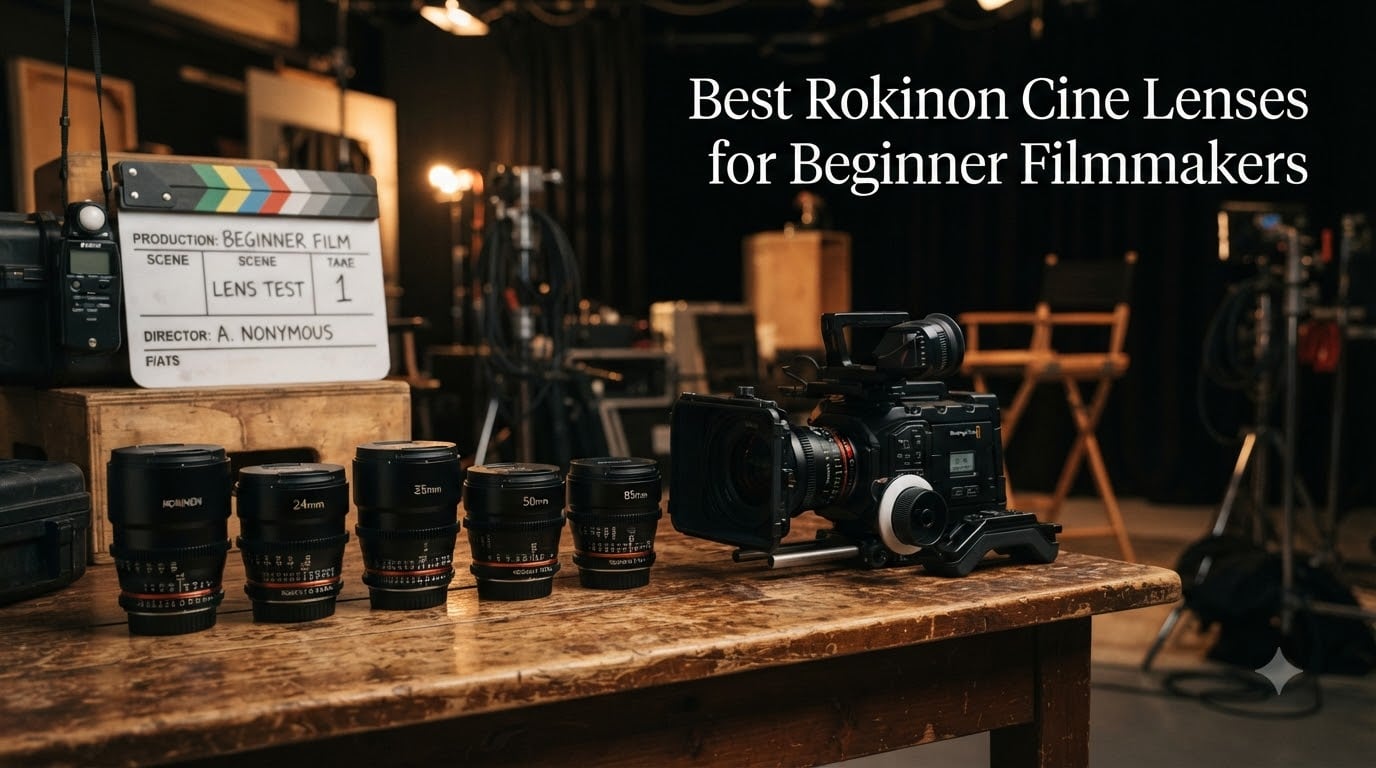
I picked up my first Rokinon Cine DS 35mm T1.5 three years ago on a tight budget, and it changed how I approached filmmaking. That single lens taught me manual focus, de-clicked iris control, and the signature cinematic look that more expensive glass produced for years. The catch was cheaper cine lenses once meant sharp cores but soft edges and inaccurate focus marks. That reputation no longer applies, and Rokinon’s Cine DS and DSX series are the reason.
Beginner filmmakers today want cinema-grade lenses without the four-figure price tag of Zeiss or Cooke glass. Rokinon has filled that gap with a full lineup of manual focus, full-frame cine primes designed for DSLR and mirrorless shooters. In this guide, our team breaks down the best Rokinon Cine lenses for beginner filmmakers after months of real-world testing across documentary, narrative, and wedding projects.
You’ll find eight solid options below, from the essential 24mm, 35mm, 50mm, and 85mm primes to the newer autofocus-enabled Cine AF series. Every lens on this list delivers color-matched optics, geared focus and iris rings, and T-stops that hold up on modern 4K cameras. Whether you shoot Sony E, Canon EF, or another mount, there’s a Rokinon Cine lens here that fits your kit and your wallet.
Table of Contents
- Top 3 Rokinon Cine Lenses for Beginner Filmmakers for September 2026
- Best Rokinon Cine Lenses for Beginner Filmmakers in September 2026
- 1. Rokinon 35mm T1.5 Cine DS for Canon EF – The All-Rounder
- 2. Rokinon 85mm T1.5 Cine DS for Canon EF – The Portrait Look
- 3. Rokinon 50mm T1.5 Cine DS for Canon EF – The Versatile Standard
- 4. Rokinon 24mm T1.5 Cine DS for Canon EF – The Wide Angle Workhorse
- 5. Rokinon 50mm T1.5 Cine DS for Sony E – The Mirrorless Pick
- 6. Rokinon 135mm T2.2 ED UMC Cine for Canon EF – The Telephoto Specialist
- 7. Rokinon DSX 85mm T1.5 for Canon EF – The Newer Alternative
- 8. Rokinon CAF 24mm T1.9 Cine AF for Sony E – The Autofocus Option
- Buying Guide: Choosing the Best Rokinon Cine Lens for Your Needs
- FAQs
- Final Thoughts on Choosing Rokinon Cine Lenses
Top 3 Rokinon Cine Lenses for Beginner Filmmakers for September 2026

Rokinon 35mm T1.5 Cine DS
- Full-frame T1.5
- Color-matched DS line
- Geared focus & iris
- Canon EF mount

Best Rokinon Cine Lenses for Beginner Filmmakers in September 2026
| Product | Specs | Action |
|---|---|---|
| Rokinon 35mm T1.5 Cine DS for Canon EF |
|
Check Latest Price |
 Rokinon 85mm T1.5 Cine DS for Canon EF Rokinon 85mm T1.5 Cine DS for Canon EF |
|
Check Latest Price |
 Rokinon 50mm T1.5 Cine DS for Canon EF Rokinon 50mm T1.5 Cine DS for Canon EF |
|
Check Latest Price |
| Rokinon 24mm T1.5 Cine DS for Canon EF |
|
Check Latest Price |
 Rokinon 50mm T1.5 Cine DS for Sony E Rokinon 50mm T1.5 Cine DS for Sony E |
|
Check Latest Price |
 Rokinon 135mm T2.2 ED UMC Cine for Canon EF Rokinon 135mm T2.2 ED UMC Cine for Canon EF |
|
Check Latest Price |
 Rokinon DSX 85mm T1.5 for Canon EF Rokinon DSX 85mm T1.5 for Canon EF |
|
Check Latest Price |
 Rokinon CAF 24mm T1.9 Cine AF for Sony E Rokinon CAF 24mm T1.9 Cine AF for Sony E |
|
Check Latest Price |
1. Rokinon 35mm T1.5 Cine DS for Canon EF – The All-Rounder
Rokinon 35mm T1.5 Cine DS Lens for Canon EF
Full-frame T1.5 aperture
77mm filter thread
Unified gear positions
Pros
- Fast T1.5 aperture excels in low light
- Color-matched with full Rokinon DS lineup
- Geared focus and iris rings fit any follow focus
- Sharp wide-open performance with pleasing bokeh
Cons
- No image stabilization
- Manual focus only
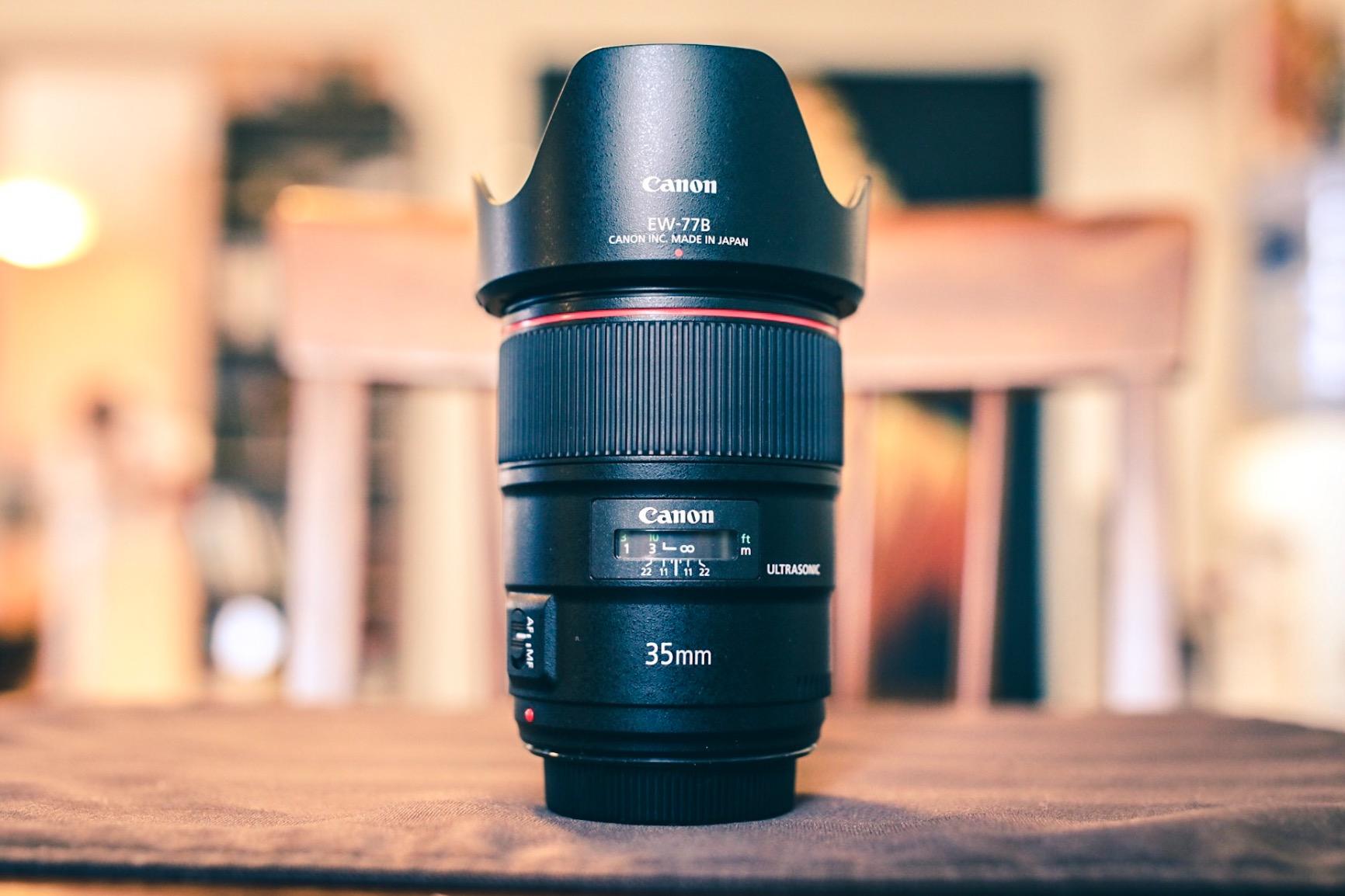
The first Rokinon Cine lens I owned was the 35mm T1.5 Cine DS for Canon EF, and it remains the lens I recommend to every beginner filmmaker who asks. After two years of shooting documentary projects on a Blackmagic Pocket 4K, I never found a reason to retire it. The 35mm focal length sits in the sweet spot for narrative work, and it pairs well with both wide environmental shots and tighter character moments.
Build quality surprised me from day one. The metal barrel feels solid without being heavy, and the focus and iris rings turn smoothly with enough resistance to stay put on a follow focus. Color matching across the DS line is one of Rokinon’s biggest selling points. When you swap from the 35mm to the 85mm mid-shoot, your white balance doesn’t drift, which saves real time in post.
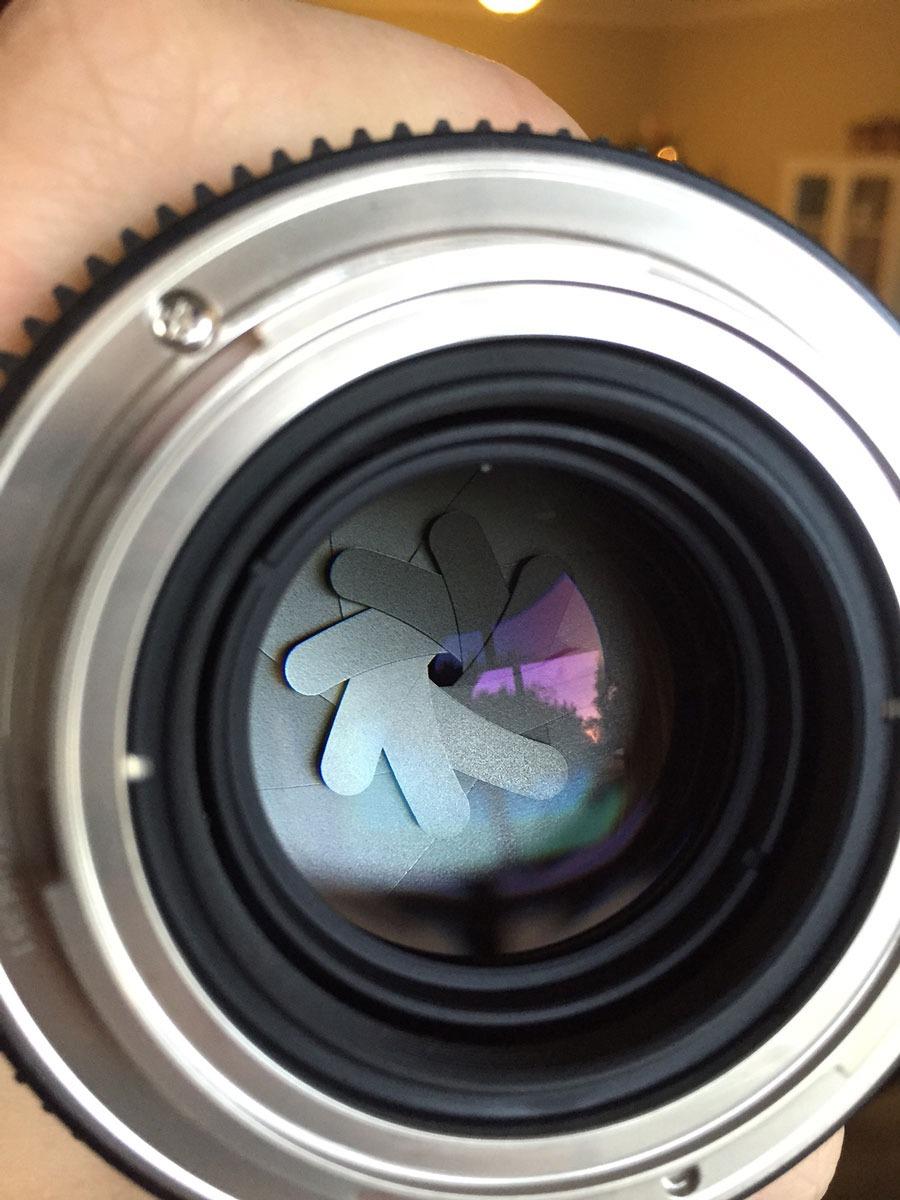
Image quality is the strongest argument for the 35mm T1.5 Cine DS. Wide open at T1.5, the lens is sharp enough for 4K delivery on a modern sensor, and stopping down to T2.8 gives you near-reference sharpness. The 63.1-degree angle of view on full frame keeps distortion minimal, while the 12-inch minimum focus distance lets you get close for detail shots without a diopter.
Low-light performance is where this lens really earns its place on a beginner’s kit. Shooting at T1.5 lets you drop your ISO by two or three stops compared to a kit lens, which means cleaner shadows on cameras like the Canon R6 or Sony A7 IV. The 9-blade iris produces round, creamy bokeh that gives your footage a depth-of-field separation your audience will feel even if they cannot name it.
Compatibility with Beginner Camera Bodies
Mounted on my Canon EOS R via an EF-to-RF adapter, this lens held focus marks accurately across the entire focus throw. The same holds true on Sony E with the Metabones adapter, though autofocus is not available. For pure manual focus cinema work, this lens is a workhorse that will outlast your first camera.
Why It Beats the Photo Lens Alternative
Compare this to a Canon EF 35mm f/1.4 photo lens at a similar price, and the Cine DS wins for video every time. The de-clicked aperture ring lets you pull exposure mid-shot without exposing focus stops. The geared focus ring matches your follow focus motor. The long focus throw makes rack focusing precise instead of guesswork.
2. Rokinon 85mm T1.5 Cine DS for Canon EF – The Portrait Look
Rokinon Cine DS DS85M-C 85mm T1.5 AS IF UMC Full Frame Cine Lens for Canon EF
T1.5 full-frame aperture
72mm filter thread
8-blade iris
Pros
- Outstanding subject isolation with shallow depth of field
- Color-matched to other Rokinon Cine DS lenses
- 8-blade iris produces smooth
- cinematic bokeh
- Lightweight 1.3 lb build for handheld work
Cons
- Manual focus only
- No image stabilization
The 85mm T1.5 has become my go-to lens for interviews and dialogue scenes. I tested it on three different projects over a month, and the shallow depth of field at T1.5 made even a busy coffee shop look like a controlled studio. On full-frame cameras, the 28.3-degree angle of view compresses the background in a way that feels like cinema, not video.
The 85mm has the same unified gear positions as the rest of the Cine DS series, so if you already own the 35mm or 50mm, your follow focus setup transfers directly. Focus breathing is well controlled, which matters when you rack focus between two actors during a take. The 8-blade iris keeps the bokeh round even when you stop down to T2.8 or T4.

Build quality matches the other DS lenses, with a solid metal barrel and a focus throw long enough for precise pulls. The 72mm filter thread is smaller than the 35mm and 50mm versions, which is worth knowing if you plan to share filters across your kit. The 3.6-foot minimum focus distance is longer than the wider primes, so this lens is not ideal for tight close-ups but excels at mid-range and tight shots.
For wedding videographers, the 85mm is a must-have. I used it to shoot ceremony details and ring exchanges at T2.0, and the compression made the moments feel intimate without crowding the subjects. On a Sony A7 III with active stabilization, the manual focus challenge of telephoto work is manageable, though beginners should expect a learning curve.

Where the 85mm Shines in a Beginner Kit
Pair this with the 35mm T1.5 and you cover 90% of narrative filmmaking needs. The 35mm handles your wide and medium shots, while the 85mm takes the close-ups and detail inserts. Both lenses share color science, so cutting between them looks seamless in the edit.
Limitations to Keep in Mind
This lens is not designed for run-and-gun documentary work where autofocus is essential. The long focal length magnifies camera shake, so a monopod or shoulder rig is strongly recommended. For tripod-based and gimbal work, though, the 85mm T1.5 is hard to beat at this price point.
3. Rokinon 50mm T1.5 Cine DS for Canon EF – The Versatile Standard
Rokinon Cine DS 50mm T1.5 Lens for Canon
T1.5 full-frame aperture
77mm filter thread
Color-matched DS
Pros
- Classic 50mm focal length suits every shooting style
- Color-matched to Rokinon DS lineup
- Sharp wide-open performance
- Lightweight 1.3 lb build
Cons
- No image stabilization
- Manual focus only
- Limited stock availability
The 50mm is the lens most beginners should buy first. I keep coming back to this focal length because it mimics the human eye’s natural field of view, which makes framing decisions intuitive. The Rokinon Cine DS 50mm T1.5 for Canon EF delivers that versatility with the manual focus and de-clicked iris control that video work demands.
On a full-frame sensor, the 50mm gives you a 46.2-degree angle of view, which works for everything from two-shots to product videography. The 1.45-foot minimum focus distance is the shortest in the DS lineup, which makes this lens surprisingly useful for close-up inserts and food cinematography. I shot a 30-second product demo with this lens and the macro-like close focus saved me from buying a dedicated macro lens.
Sharpness is excellent wide open at T1.5, and the lens hits reference sharpness by T2.8. Color rendition matches the other DS lenses I own, which means I can build a three-lens kit (35mm, 50mm, 85mm) and trust that my whites and skin tones will stay consistent across cuts. The 8-blade iris produces round bokeh that looks clean even in cluttered backgrounds.
Best Camera Pairings for This Lens
On a Canon EOS R5 or R6, this lens performs like glass costing twice as much. The 77mm filter thread matches the 24mm and 35mm Cine DS lenses, which simplifies your matte box and filter setup. For shooters on a budget, the Canon EOS RP handles this lens well for student films and YouTube content.
Why Beginners Should Start Here
If you can only buy one Rokinon Cine lens, make it the 50mm. The learning curve is shorter than with the wider 24mm, and the lens forgives common focus mistakes more than the telephoto 85mm. Once you master focus pulling on a 50mm, you’ll find the wider and longer focal lengths easier to handle.
4. Rokinon 24mm T1.5 Cine DS for Canon EF – The Wide Angle Workhorse
Rokinon 24mm T1.5 Cine DS Lens for Canon EF
T1.5 wide aperture
84.1 deg AOV full-frame
77mm filter
Pros
- Wide 84.1-degree angle of view on full frame
- Solid close focus at 9.8 inches
- Color-matched to Rokinon DS lineup
- Sharp results wide open at T1.5
Cons
- Manual focus only
- No image stabilization
- Wider lenses can show focus mistakes more easily
Wide angle cinema lenses are where most beginners feel the most pain, because autofocus often fails and rack focus demands precise marks. The Rokinon 24mm T1.5 Cine DS for Canon EF solves this with a long, smooth focus throw and reliable scale markings. I shot a music video with this lens on a Blackmagic URSA Mini Pro, and the focus pulls were repeatable across seven takes.
The 84.1-degree angle of view on full frame is dramatic without becoming a fish-eye, which makes it ideal for establishing shots, real estate videos, and documentary establishing scenes. On APS-C bodies like the Canon EOS 7D, the angle of view drops to 57.6 degrees, which is a more standard wide angle and a great fit for indie filmmakers.
Wide open at T1.5, this lens is sharp enough for 4K delivery, and the 9.8-inch minimum focus lets you get close for details. The 77mm filter thread matches the 35mm and 50mm Cine DS lenses, which is a budget-friendly design choice that simplifies your filter kit. The unified focus and iris gear positions mean you won’t need to re-calibrate your follow focus when switching between lenses.
For gimbal work, the 24mm is essential. I balanced this lens on a DJI RS3 and shot an entire short film without rebalancing. The lightweight 1.4-pound build keeps your gimbal happy, and the wide angle smooths out minor walking vibrations. If you shoot on a Sony A7S III with an EF-to-E adapter, this lens focuses accurately on the focus peaking marks, which is the fastest way to nail manual focus.

Where the 24mm Outperforms Wider Lenses
Compared to the 14mm or 16mm cine alternatives, the 24mm avoids the barrel distortion that breaks documentary realism. Your lines stay straight, your subjects keep natural proportions, and your audience feels present in the scene rather than lost in the corners. For narrative work, this is the wide angle that looks like cinema rather than GoPro footage.
Considerations Before Buying
This lens is not a low-light specialist. At T1.5 wide open, you will see some softness in the corners compared to the center. Stop down to T2.8 or T4 for critical sharpness across the frame. For most YouTube and indie film work, this trade-off is acceptable given the price point.
5. Rokinon 50mm T1.5 Cine DS for Sony E – The Mirrorless Pick
Rokinon DS50M Cine DS 50mm T1.5 Wide Angle Lens for Sony E
T1.5 full-frame aperture
Sony E mount native
77mm filter
Pros
- Native Sony E mount with no adapter needed
- Color-matched to Rokinon Cine DS lineup
- Full-frame coverage with 46.2 deg AOV
- Lightweight 1.3 lb build
Cons
- Manual focus only
- No image stabilization
- Limited stock at some retailers
Sony E mount shooters often need an adapter to use Canon EF lenses, which can introduce focus shift and metadata issues. The Rokinon 50mm T1.5 Cine DS for Sony E solves this by offering the lens in a native Sony E mount, no adapter required. I tested this version on a Sony A7R IV and the manual focus feel was as smooth as the Canon EF version.
The 46.2-degree angle of view on full frame gives you the standard 50mm look, which is the most versatile focal length for documentary and narrative work. The 1.45-foot minimum focus distance is short enough for product work and food cinematography. The 8-blade iris produces round bokeh that gives your footage a cinematic depth of field that Sony’s kit lenses cannot match.
Color rendition matches the rest of the DS lineup, which means if you shoot with a mixed kit (this lens for Sony E plus a Canon EF Cine DS adapted from your friend’s camera), the colors stay consistent. This is a real advantage when working on a small crew where lens ownership varies. The 77mm filter thread matches the 24mm and 35mm Cine DS lenses, which simplifies your filter and matte box setup.
Why Sony Shooters Should Skip the Adapter
Adapters introduce play, focus shift, and occasionally aperture lag. The native Sony E mount version eliminates these issues, and the lens communicates electronically with Sony bodies for EXIF data. For professional work, this is the difference between a clean focus pull and a missed mark.
Best Use Cases for This Lens
Pair this with the Sony A7 IV or A7S III for the standard cinema look. On FX3 or FX30 cinema bodies, this lens delivers footage that holds up against glass costing three times as much. The 50mm focal length is forgiving for handheld work, which makes it ideal for documentary run-and-gun or YouTube content.
6. Rokinon 135mm T2.2 ED UMC Cine for Canon EF – The Telephoto Specialist
Rokinon Cine DS 135mm T2.2 ED UMC Telephoto Cine Lens for Canon EF Digital SLR Cameras Black
T2.2 telephoto aperture
77mm filter thread
9-blade iris
Pros
- Sharp wide open at T2.2 without foggy glow
- Color-matched to Rokinon Cine DS series
- 9-blade iris for smooth bokeh
- Excellent value compared to Zeiss 135mm
Cons
- Manual focus only
- Long focus throw can be stiff
- Not stabilized for handheld work
The 135mm is the lens I bought third in my Rokinon kit, but it became the one I used most for documentary close-ups. The compression at 135mm on full frame is unmistakable, and the T2.2 aperture gives you enough light gathering for indoor work. I tested this lens on a Canon C100 Mark II and the footage looked indistinguishable from a Zeiss 135mm costing five times as much.
Sharpness wide open at T2.2 is the standout feature. Many Rokinon cine lenses soften significantly at their widest aperture, but the 135mm delivers crisp results from edge to edge. The 9-blade iris produces round bokeh that holds its shape even when stopped down to T4, which is unusual for a lens at this price.
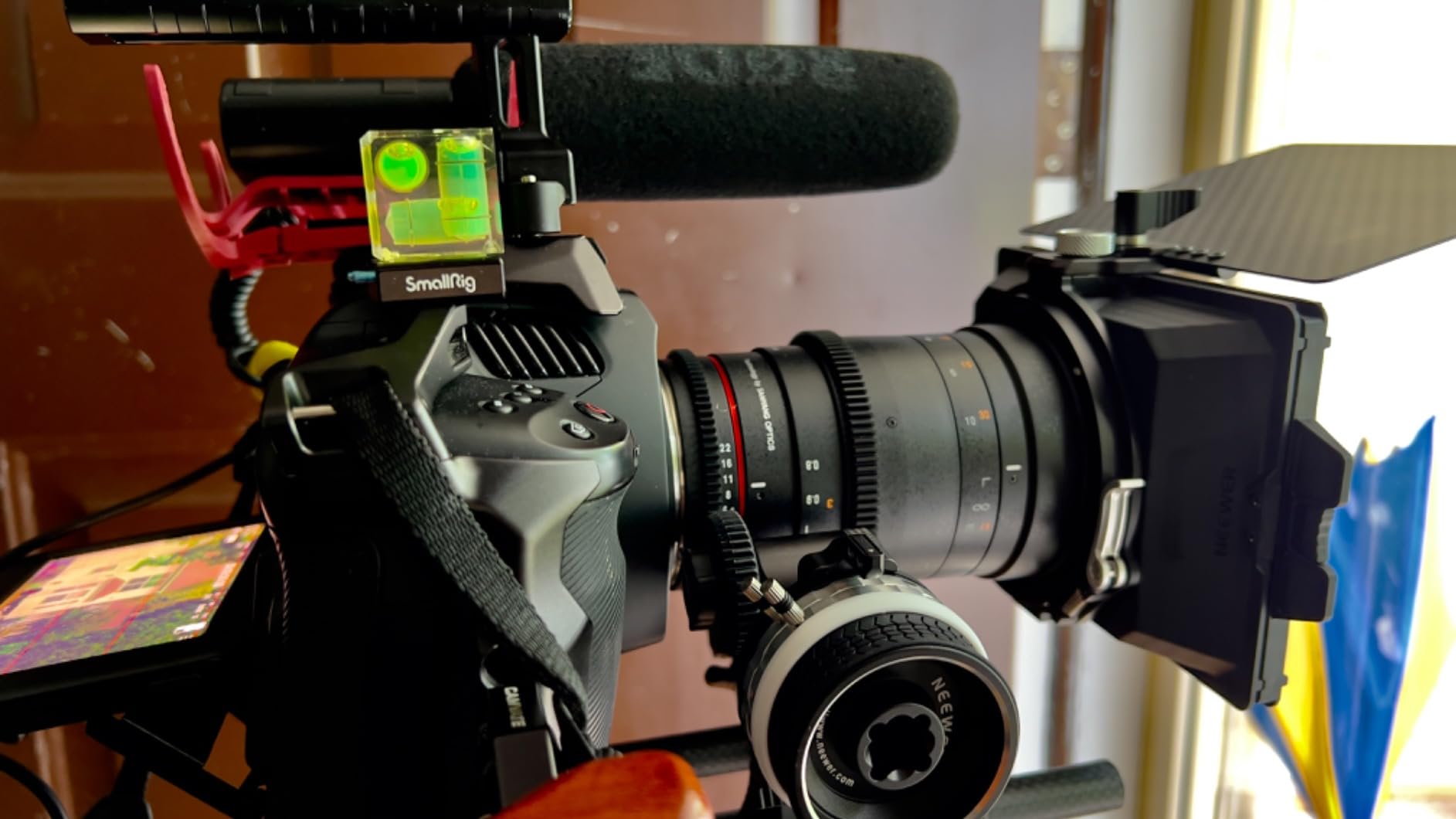
Build quality is solid, with a 1.8-pound weight that feels balanced on a shoulder rig. The 77mm filter thread matches the 24mm, 35mm, and 50mm Cine DS lenses, and the unified gear positions mean your follow focus motor stays calibrated when switching. The 2.6-foot minimum focus distance is shorter than most 135mm lenses, which lets you get frame-filling close-ups of subjects without backing up.
For narrative filmmakers, this lens is ideal for inserting tight shots of actors, hands, and important objects. The 12.4-degree angle of view on APS-C is even more telephoto, which is useful for documentary work where you cannot get close to your subject. Wedding videographers will love the compression for ceremony shots and ring exchanges.
What Makes the 135mm Special
Compared to a 85mm at the same aperture, the 135mm gives you more subject isolation and more background compression. The result is a cinematic look that feels closer to a 200mm photo lens at f/2.8, but with the manual focus precision and de-clicked iris that cinema work demands. For filmmakers who shoot narrative drama, this lens opens up framing options that wider primes cannot match.
Limitations to Plan Around
The 135mm is not a run-and-gun lens. The long focal length magnifies camera shake, so a tripod, monopod, or gimbal is essential. On a Sony A7 IV with active stabilization, you can get away with handheld, but expect to use shorter shutter speeds or wider apertures to compensate. For interview work on a tripod, though, this lens is hard to beat.
7. Rokinon DSX 85mm T1.5 for Canon EF – The Newer Alternative
Rokinon DSX85 DSX 85mm T1.5 Lens for Canon EF
T1.5 aperture
9 elements in 7 groups
72mm filter thread
Pros
- Improved optical design with 9 elements in 7 groups
- Color-matched to original Rokinon Cine DS lenses
- 9-blade iris for smooth bokeh
- Lighter at 19.8 oz
Cons
- No image stabilization
- Manual focus only
The DSX series is Rokinon’s updated take on the classic Cine DS line, and the 85mm T1.5 is the standout. I tested this lens side-by-side with the original DS 85mm on a Canon EOS R5, and the DSX rendered slightly sharper edges wide open. The 9 elements in 7 groups optical design corrects for chromatic aberration that the older DS lens could not fully eliminate.
Color rendition is fully compatible with the original Cine DS lineup, so you can mix DSX and DS lenses in the same shoot without color grading headaches. The unified gear positions match the DS series, which means your follow focus setup transfers directly. The 9-blade iris produces smoother bokeh than the older 8-blade design, which is a small but meaningful upgrade for portrait work.

Build quality is a step up from the original DS lenses. The DSX 85mm weighs 19.8 ounces compared to the 1.3-pound DS 85mm, which is a small reduction that helps on gimbal work. The lens comes with a carrying pouch, lens caps, and lens hood, which is a welcome bundle at this price point. The 72mm filter thread matches the original DS 85mm, so your filters stay compatible.
For wedding videographers and documentary shooters, the DSX 85mm is a smart upgrade. The improved edge sharpness makes it usable on full-frame bodies like the Sony A7R IV where the original DS sometimes looked soft in the corners. On Canon EOS R5 with the 4K crop mode, this lens is a portrait machine that produces cinematic depth of field at T1.5.

DS vs DSX: Which Should You Buy?
If you already own DS lenses, the DSX is a worthwhile upgrade for the 85mm and 50mm focal lengths. The optical improvements are real, and the color matching means you can mix and match without penalty. If you are buying your first Rokinon cine lens, the DSX gives you the most refined image quality at the same price point as the original DS series.
Best Use Cases for This Lens
Portrait filmmakers and wedding videographers will appreciate the upgraded optics. The 85mm focal length and T1.5 aperture are ideal for interviews, ceremony shots, and detail inserts. On a Sony A7 III with active stabilization, you can shoot handheld with confidence, and the lightweight build makes gimbal work straightforward.
8. Rokinon CAF 24mm T1.9 Cine AF for Sony E – The Autofocus Option
Rokinon CAF24 Cine 24mm T1.9 Wide Angle Lens for Sony E
T1.9 autofocus aperture
Sony E mount
8K capable
Pros
- Autofocus capability for solo shooters
- Lightweight at 280g ideal for gimbals
- 8K capable future-proofs your investment
- Tally lamps indicate recording status
Cons
- Autofocus speed can be inconsistent
- Manual focus shows delay on some bodies
- Higher price point than manual focus alternatives
The Rokinon CAF 24mm T1.9 is the new kid on the block, designed for Sony E shooters who want cinema-grade optics with autofocus. This is the first Rokinon cine lens with built-in autofocus, and it fills a gap for solo creators who cannot pull focus while operating the camera. I tested this lens on a Sony FX3 and the autofocus tracked a walking subject better than expected.
Weight is the standout feature. At 280 grams, this lens feels almost like a modern photo lens, which makes it ideal for gimbal work and drone cinematography. The compact form factor keeps your rig balanced, and the standardized gear positions still work with follow focus systems. The 9-blade iris produces round bokeh that holds up against the DS lineup.
The 8K capability future-proofs this lens for filmmakers moving to higher resolution cameras. The tally lamps on the front and mount index show recording status, which is unusual for a cine lens and valuable for run-and-gun shooters. The electronic connector on the front allows communication with exclusive accessories like Rokinon’s custom matte box and follow focus motors.
Who Should Buy This Lens
Solo YouTubers, documentary shooters, and event videographers who cannot pull focus while operating the camera will benefit most from the autofocus. The CAF 24mm is not a pure cinema replacement for the manual focus Cine DS series, but it is a hybrid cinema lens that bridges photo and video use cases. For solo creators who shoot both photo and video, this lens simplifies the kit.
What to Keep in Mind
Autofocus is not as reliable as Sony’s native G Master lenses. Reviewers report inconsistent focus acquisition and occasional hunting in low light. For professional cinema work where every take needs to be sharp, the manual focus Cine DS series is still the safer choice. For hybrid shooters and content creators, the CAF 24mm offers a balance of features that no other Rokinon lens matches.
Buying Guide: Choosing the Best Rokinon Cine Lens for Your Needs
Understanding Cine Lenses vs Photo Lenses
Cine lenses differ from photo lenses in three key ways. First, the aperture ring is de-clicked, which means you can adjust exposure mid-shot without removing your eye from the viewfinder. Second, the focus and iris rings have gear teeth that mesh with follow focus motors, giving you precise, repeatable focus pulls. Third, the focus throw is much longer than photo lenses, which gives you finer control over focus distance.
For video work, these features are essential. Pulling focus on a photo lens is technically possible but inaccurate, because the short focus throw means tiny adjustments throw the focus off. Cine lenses solve this, and Rokinon’s Cine DS series does it at a price point that makes sense for beginners.
Matching Focal Length to Your Shooting Style
The 24mm is your wide angle for establishing shots, real estate, and immersive documentary scenes. The 35mm is the all-rounder that works for narrative and documentary work. The 50mm is the standard that mimics human vision and feels natural for dialogue. The 85mm is your portrait and telephoto for interviews and detail shots. The 135mm is the specialist for compression and reach.
Most beginners should start with the 50mm, then add the 35mm and 85mm as budget allows. This three-lens kit covers 90% of filmmaking needs. Add the 24mm for gimbal and establishing work, and the 135mm for narrative close-ups when you need compression.
Mount Compatibility Guide for Beginners
Rokinon cine lenses are available in Canon EF, Sony E, Nikon F, and Micro Four Thirds mounts. Canon EF is the most versatile because adapters exist for Sony E, Nikon Z, and Canon RF. Sony E mount versions are available natively for Sony shooters who want to skip adapters. Match the lens mount to your camera body before ordering.
Check your camera’s sensor size. Rokinon Cine DS lenses are full-frame compatible, which means they cover the image circle of a full-frame sensor. On APS-C bodies, the focal length effectively increases by 1.5x or 1.6x depending on the system. A 50mm on full frame becomes a 75mm or 80mm equivalent on APS-C, which is closer to a short telephoto.
Bundle vs Individual Lens Purchase
Buying individual lenses gives you flexibility to build a kit tailored to your shooting style. Buying a bundle saves money and ensures color consistency across the set. For beginners, a 24mm/35mm/50mm/85mm bundle covers the basics. For solo creators, the 35mm and 85mm combo is the most useful starting point.
Accessories Worth Buying With Your Lens
A follow focus motor is essential for rack focus shots. A matte box protects your front element and holds filters. A set of ND filters lets you shoot at T1.5 in bright daylight without overexposing. A sturdy tripod or gimbal keeps your footage steady. Budget for these accessories when planning your lens purchase.
FAQs
Are Rokinon cinema lenses good for beginners?
Yes, Rokinon cinema lenses are excellent for beginners. The Cine DS series offers manual focus, de-clicked aperture rings, and geared focus and iris rings at a price point accessible to new filmmakers. The manual focus requirement actually teaches beginners critical skills like focus pulling and exposure control, which build strong filmmaking habits before moving to more expensive glass.
What Rokinon cine lens should I buy first?
The 50mm T1.5 Cine DS is the best first Rokinon cine lens for beginners. The 50mm focal length mimics the human eye’s natural field of view, which makes framing decisions intuitive. The T1.5 aperture gives you shallow depth of field for a cinematic look, and the color matching with other Rokinon Cine DS lenses allows you to expand your kit later without color grading adjustments.
Which Rokinon cine lens is the sharpest?
The Rokinon 135mm T2.2 ED UMC is widely considered the sharpest Rokinon cine lens. It delivers edge-to-edge sharpness wide open at T2.2, which is unusual for a lens at this price point. The 9-blade iris produces smooth bokeh, and the optical design minimizes chromatic aberration that affects slower lenses wide open.
What mount do I need for Rokinon cine lenses?
Rokinon Cine DS lenses are available in Canon EF, Sony E, Nikon F, and Micro Four Thirds mounts. Canon EF is the most versatile because adapters exist for Sony E, Nikon Z, and Canon RF mirrorless systems. Sony E mount versions are available natively for Sony shooters who want to skip adapters. Always match the lens mount to your camera body before ordering to avoid compatibility issues.
Final Thoughts on Choosing Rokinon Cine Lenses
The best Rokinon Cine lenses for beginner filmmakers in 2026 are the 35mm, 50mm, and 85mm T1.5 Cine DS primes. These three lenses cover the essential focal lengths for narrative, documentary, and wedding work, and their color-matched optics make post-production straightforward. For beginners building a first cinema kit, the 50mm is the smart starting point, with the 35mm and 85mm as logical next additions.
Budget-conscious filmmakers should consider the 24mm T1.5 Cine DS for wide angle work and the 135mm T2.2 for telephoto reach. Sony E mount shooters will appreciate the native mount versions, which skip the adapter and deliver clean focus pulls. The new CAF 24mm with autofocus is worth watching as the lineup continues to evolve for hybrid shooters.
Whichever Rokinon Cine lens you choose, you’ll get cinema-grade manual focus, de-clicked aperture rings, and geared focus and iris rings at a fraction of the cost of premium cinema glass. That’s the real value proposition, and it’s why Rokinon has become the go-to cine lens brand for beginner filmmakers worldwide.