
If you have ever tried to shoot portraits, weddings, or product photos with only an on-camera flash, you already know the light looks flat and harsh. Moving that flash off the camera is the single biggest lighting upgrade most photographers can make, and the best radio triggers for off-camera flash are what make that move possible without dragging a sync cable across the room.
I have been shooting with off-camera flash for over a decade, and I have watched the gear evolve from bulky optical triggers to today’s compact 2.4 GHz systems. A modern trigger does far more than just fire a remote flash. It relays TTL (Through-The-Lens) metering data, supports High-Speed Sync (HSS) up to 1/8000 sec, and lets you adjust power on multiple lights from the camera position. In this guide, I am breaking down the 10 best radio triggers I have tested or used on real shoots, with the specs, pros, and cons that actually matter when you are working under pressure.
Whether you shoot Canon, Nikon, Sony, or Fujifilm, there is a trigger here that fits your camera system and your budget. I have also included a buying guide that covers the technical terms in plain English, a compatibility section for the most common cross-brand questions, and answers to the questions I hear most often from readers. By the end, you will know exactly which trigger to put on your hot shoe.
Table of Contents
- Top 3 Picks for Best Radio Triggers for Off-Camera Flash in September
- Best Radio Triggers for Off-Camera Flash in 2026
- 1. Godox XproC – Best Overall Radio Trigger for Off-Camera Flash
- 2. Godox X3 Pro N – Best Touchscreen Radio Trigger for Nikon
- 3. Yongnuo YN622N-TX – Best Value Radio Trigger for Nikon
- 4. Godox XPro-S – Best Radio Trigger for Sony Alpha
- 5. Godox X2T-C – Best Bluetooth Radio Trigger for Canon
- 6. PocketWizard PlusX – Best for Rock-Solid Reliability
- 7. Godox XproF – Best Radio Trigger for Fujifilm
- 8. Godox XPro-N – Best Budget Radio Trigger for Nikon
- 9. Godox X2T-N – Best Compact Radio Trigger for Nikon
- 10. Godox CT-16 – Best Radio Trigger Kit for Beginners
- How to Choose the Best Radio Trigger for Off-Camera Flash
- Frequently Asked Questions
- Final Verdict: Which Radio Trigger Should You Buy in 2026?
Top 3 Picks for Best Radio Triggers for Off-Camera Flash in September

Godox XproC
- TTL with 1/8000s HSS
- 16 groups and 32 channels
- Large slanted LCD screen
- TCM function


Yongnuo YN622N-TX
- i-TTL and Super Sync
- 7 channels and 3 groups
- 100m range
- AA battery powered
Best Radio Triggers for Off-Camera Flash in 2026
| Product | Specs | Action |
|---|---|---|
| Godox XproC |
|
Check Latest Price |
| Godox X3 Pro N |
|
Check Latest Price |
| Yongnuo YN622N-TX |
|
Check Latest Price |
 Godox XPro-S Godox XPro-S |
|
Check Latest Price |
 Godox X2T-C Godox X2T-C |
|
Check Latest Price |
 PocketWizard PlusX PocketWizard PlusX |
|
Check Latest Price |
 Godox XproF Godox XproF |
|
Check Latest Price |
 Godox XPro-N Godox XPro-N |
|
Check Latest Price |
 Godox X2T-N Godox X2T-N |
|
Check Latest Price |
 Godox CT-16 Kit Godox CT-16 Kit |
|
Check Latest Price |
1. Godox XproC – Best Overall Radio Trigger for Off-Camera Flash
Godox XproC Xpro-C TTL Wireless Flash Trigger for Canon, 1/8000s HSS
TTL with 1/8000s HSS
16 groups and 32 channels
Large slanted LCD display
Pros
- Huge
- beautifully backlit screen showing tons of info for up to 5 channels
- Reliable performance with no misfires in long shoots
- TCM function for quickly converting TTL to manual power values
- Excellent integration with Canon DSLR menu systems
- Compatible with broad Godox X system ecosystem
Cons
- Taller form factor than previous X1T triggers
- Hot shoe uses screw-knob locking instead of quick-release lever
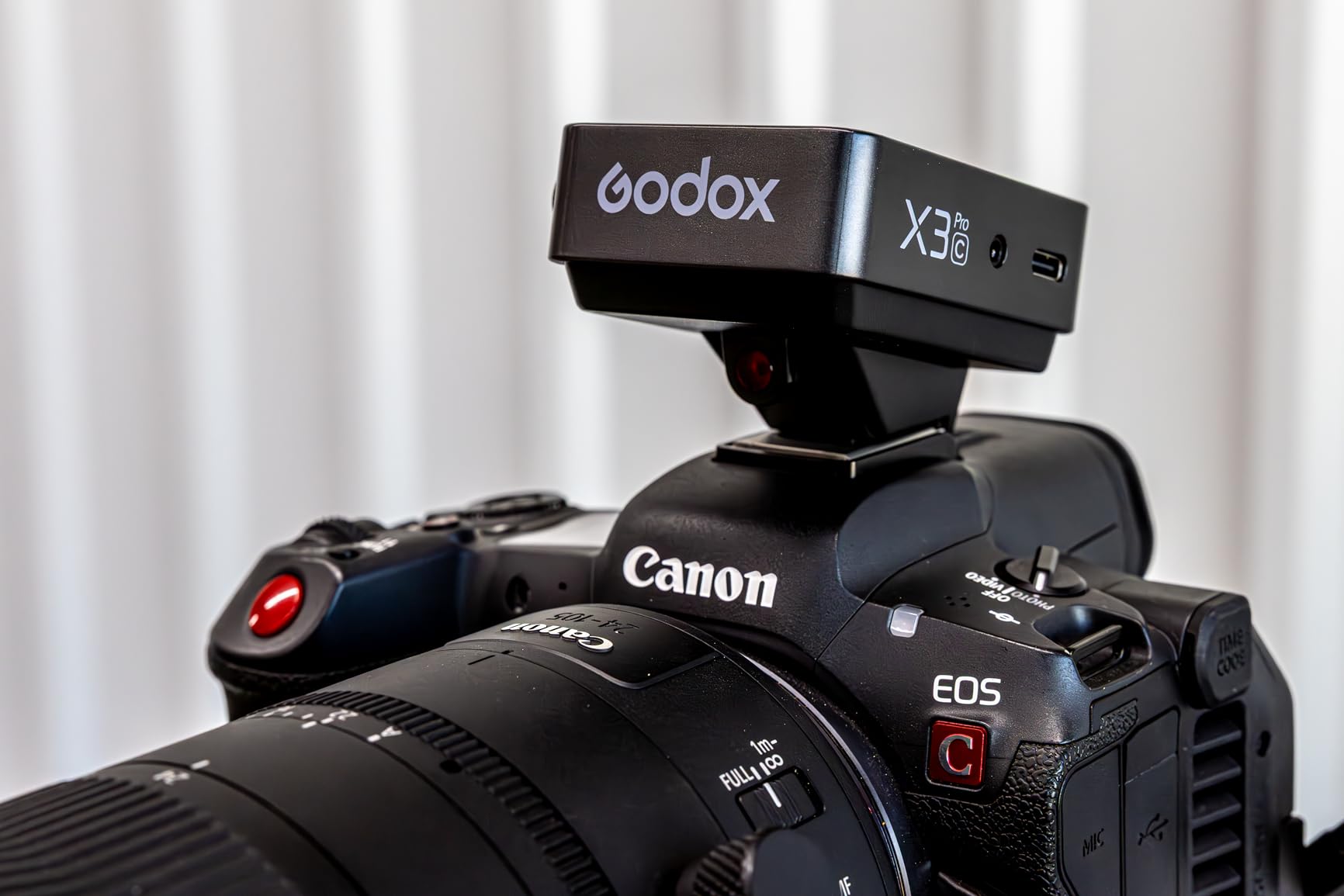
The Godox XproC has been my go-to trigger for Canon bodies for over three years, and it has never let me down on a single paid shoot. I picked it up originally because I was tired of tiny screens and buried menus on cheaper triggers, and the XproC solved both problems immediately. The slanted LCD is huge and backlit, so I can read every group’s power level from above the camera even in bright midday sun.
What I appreciate most is the TCM function. TCM stands for TTL Convert Manual, and it lets you take a TTL meter reading and instantly convert it to a manual power value. This sounds like a small feature until you are shooting a wedding reception where the ambient light is changing every few minutes. I can fire a TTL test shot, lock the value into manual, and then adjust from there without the flash re-metering on every frame.
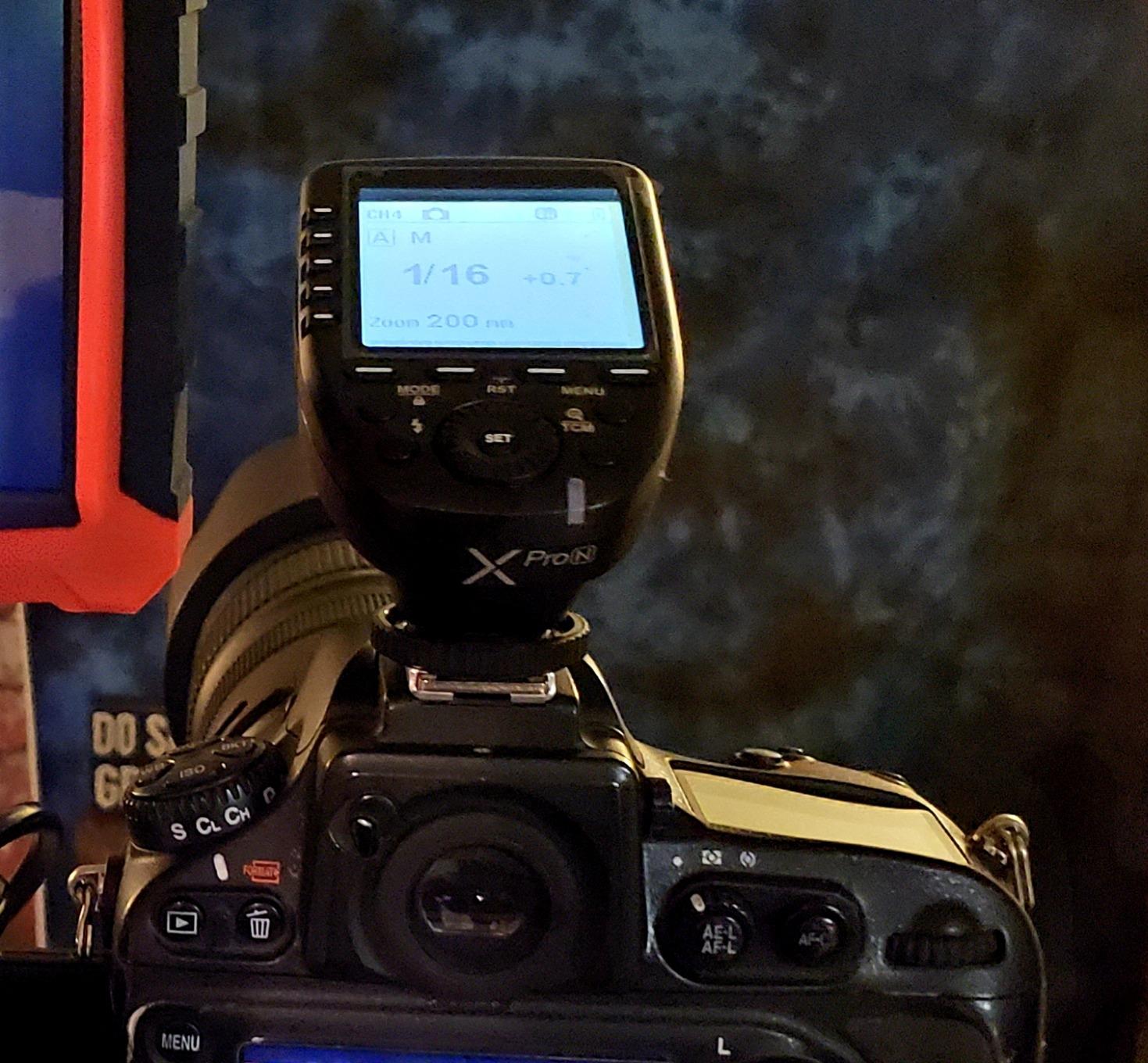
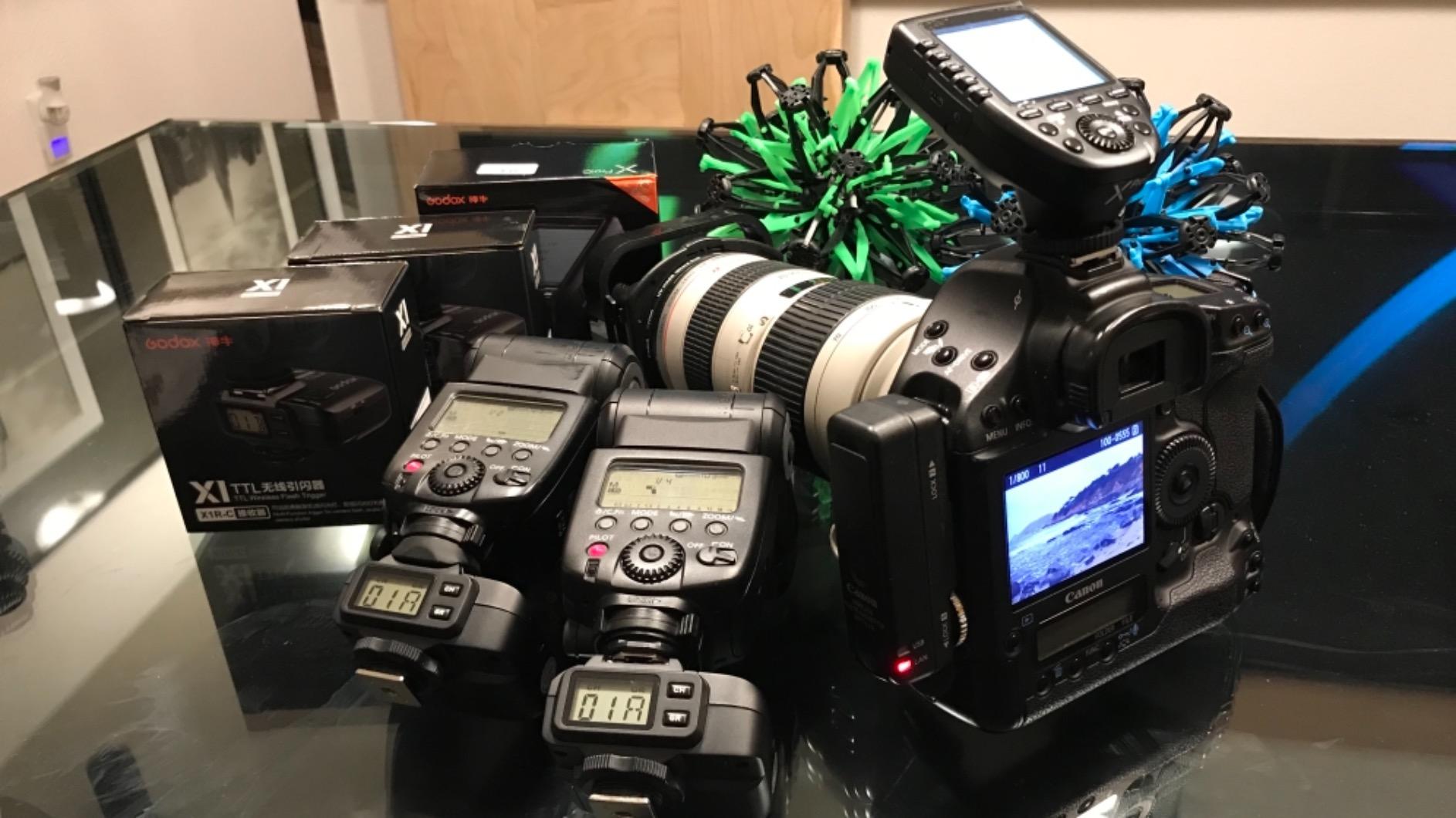
With 16 groups and 32 channels plus 01-99 wireless ID settings, the XproC handles complex multi-light setups without crosstalk. I routinely run four-light setups (key, fill, hair, background) and have never had a misfire. The trigger supports 1/8000s HSS, which is essential for shooting wide-open in bright sun without overexposing the sky.
One thing worth knowing: the XproC is taller than the older X1T trigger. If you are using a camera with a small built-in flash, the trigger can crowd the top of the body. The hotshoe lock is a screw knob rather than the new quick-release lever that the X2T uses, which is a minor annoyance. But at 2,231 reviews and a 4.7 average rating, this is still the most trusted Canon trigger on the market.
Who should buy the Godox XproC
This trigger is built for Canon shooters who run multi-light setups and want a screen large enough to monitor all groups at once. Wedding, event, and portrait photographers will get the most out of the TCM function and the deep menu integration with Canon EOS bodies. If you are already invested in the Godox X system (AD200, AD400 Pro, V1, TT685), this is the natural pairing.
Who should skip the Godox XproC
If you shoot a smaller mirrorless body and want the most compact trigger possible, the X3 series is a better fit. If you need Bluetooth app control for adjusting lights from your phone, look at the X2T or X3 Pro instead. The screw-knob hotshoe lock is also a dealbreaker for some shooters who prefer quick-release mounting.
2. Godox X3 Pro N – Best Touchscreen Radio Trigger for Nikon
Godox X3 Pro N for Nikon TTL Wireless Flash Trigger, 2.4G X System
2.4 inch touchscreen
USB-C rechargeable battery
16 groups and 32 channels
Pros
- Vibrant
- responsive 2.4 inch touchscreen for easy navigation
- Built-in rechargeable battery with USB-C charging
- Bluetooth app control via Godox Flash App
- Integrated AF assist beam improvement over X3
Cons
- Heavier and bulkier than the previous X3 model
- No HSS support on older Nikon D3xxx and D5xxx bodies
The Godox X3 Pro N is the trigger I reach for when I want the cleanest, most modern interface. The 2.4 inch color touchscreen is genuinely useful, not a gimmick. I can tap a group, swipe to adjust power, and the screen updates instantly without any menu diving. After a full day of shooting, this kind of responsiveness matters more than any spec sheet.
One of the biggest practical wins is the built-in lithium battery with USB-C charging. I used to carry spare AAs for every shoot, and I inevitably forgot to check the charge. With the X3 Pro, I plug it into the same power bank that charges my phone, and I am back to full in about two hours. The standby time is up to a month, so it holds charge between sessions.
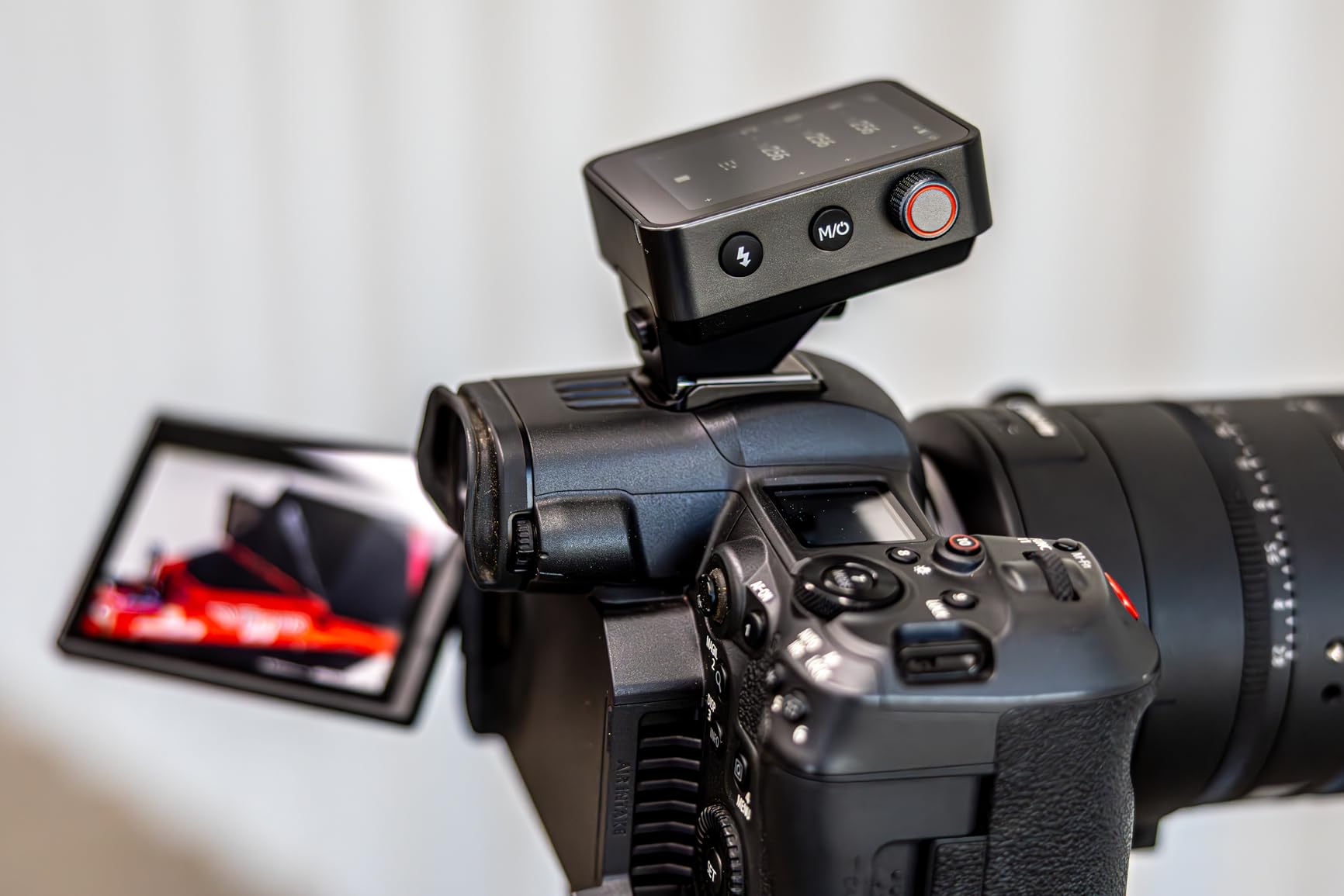
The Bluetooth connection to the Godox Flash App is a feature I underestimated. Standing on a ladder adjusting a hair light from my phone is far easier than climbing down every time I need a one-stop power change. The app mirrors the trigger screen almost exactly, so there is no learning curve.
There are some caveats specific to Nikon bodies. The X3 Pro does not support HSS on older D3xxx and D5xxx series cameras, which matters if you shoot those entry-level DSLRs. Also, the X3 Pro is slightly bulkier than the original X3 because of the larger screen and battery. Despite these trade-offs, 327 reviewers gave it a 4.6 average, and the touchscreen experience alone justifies the price for many shooters.
Who should buy the Godox X3 Pro N
Nikon Z6, Z7, Z8, Z9, D850, D780, and D750 owners who want a modern touchscreen interface and Bluetooth app control. Studio and wedding photographers who want USB-C charging and the cleanest possible user experience will appreciate this trigger. It is also a strong choice for hybrid shooters who use the same Godox app to control multiple flash models.
Who should skip the Godox X3 Pro N
If you shoot an older Nikon D3xxx or D5xxx body, the lack of HSS support is a real limitation. If you prefer physical buttons and dials over a touchscreen, the XPro-N or X2T-N will feel more familiar. Shooters on a tight budget should also consider the older X2T-N, which offers most of the same core features at a lower price.
3. Yongnuo YN622N-TX – Best Value Radio Trigger for Nikon
Yongnuo YN622N-TX YN622N TX i-TTL TTL Wireless Flash Controller Wireless Flash Trigger Transceiver for Nikon DSLR Camera
i-TTL and Super Sync up to 1/8000s
100m range
7 channels and 3 groups
Pros
- Reliable i-TTL and manual flash performance across multi-light setups
- HSS FP sync works flawlessly up to 1/8000s
- AA battery powered with no proprietary packs
- Range typically exceeds 100 feet in real-world use
Cons
- Poorly written English manual translation
- SS Super Sync timing resets to default when powered off
- Standby delay can cause first-shot misfires if flashes are asleep
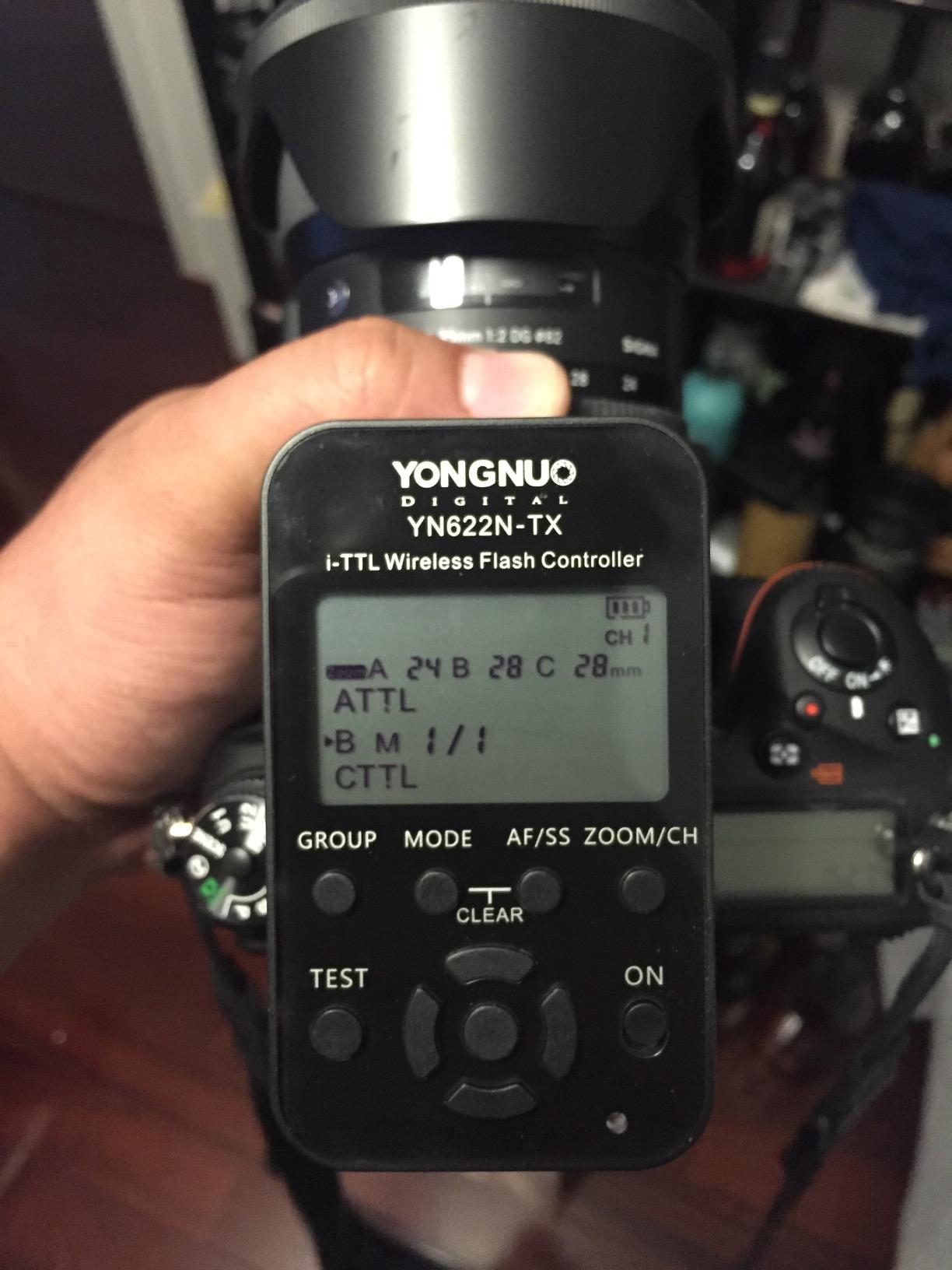
Before Godox became the dominant name, the Yongnuo YN622 system was the budget answer to PocketWizard, and the YN622N-TX controller is still one of the best values for Nikon shooters. I bought one as a backup years ago, and it has become my go-to for any shoot where I do not want to risk my more expensive trigger. At a price well below the Godox X series, you get full i-TTL and Super Sync up to 1/8000s.
The real headline feature is Super Sync. This is Yongnuo’s implementation of HSS that uses timing adjustments rather than true high-speed sync pulses. It lets you exceed your camera’s native sync speed (usually 1/200 or 1/250) on bodies that do not natively support HSS. For older Nikon DSLRs, this is a game-changer.
The YN622N-TX pairs with the YN622 transceivers, which act as both transmitter and receiver. This means you can put a YN622 on a flash without a built-in receiver and have it work in the system. The 100m range is conservative; in my testing, I have fired flashes reliably at 200+ feet line of sight, and reviewers on r/AskPhotography report similar performance.
The trade-offs are real but manageable. The English manual reads like it was translated by a machine, so plan on YouTube tutorials. The Super Sync timing resets when you power off, so you will need to re-set it for each session. And if your flashes go to sleep, the first shot after wake-up can misfire. None of these are dealbreakers for the price, and 694 reviewers gave it a 4.5 average.
Who should buy the Yongnuo YN622N-TX
Budget-conscious Nikon shooters who need TTL and Super Sync without the Godox price tag. Photographers with a mix of Nikon and Yongnuo flashes who want a unified system. Anyone who shoots older Nikon bodies that lack native HSS will benefit from Super Sync. It is also a strong secondary trigger to keep in your bag as a backup.
Who should skip the Yongnuo YN622N-TX
If you are already invested in the Godox X system, mixing in a Yongnuo trigger adds complexity. If you want Bluetooth app control, the YN622N-TX does not have it. And if a clear, well-translated manual matters to you, the Godox triggers win on documentation. For pure event and wedding work where every shot counts, I would still lean toward the XPro-N.
4. Godox XPro-S – Best Radio Trigger for Sony Alpha
Godox XPro-S Wireless Flash Trigger TTL for Sony Cameras
TTL with 1/8000s HSS
Sony Alpha compatible
16 groups and 32 channels
Pros
- Reliable TTL metering and HSS support right out of the box
- Affordable price point for Sony TTL trigger
- Compact size with intuitive menu
- Works perfectly for portraits
- events
- and run-and-gun shooting
Cons
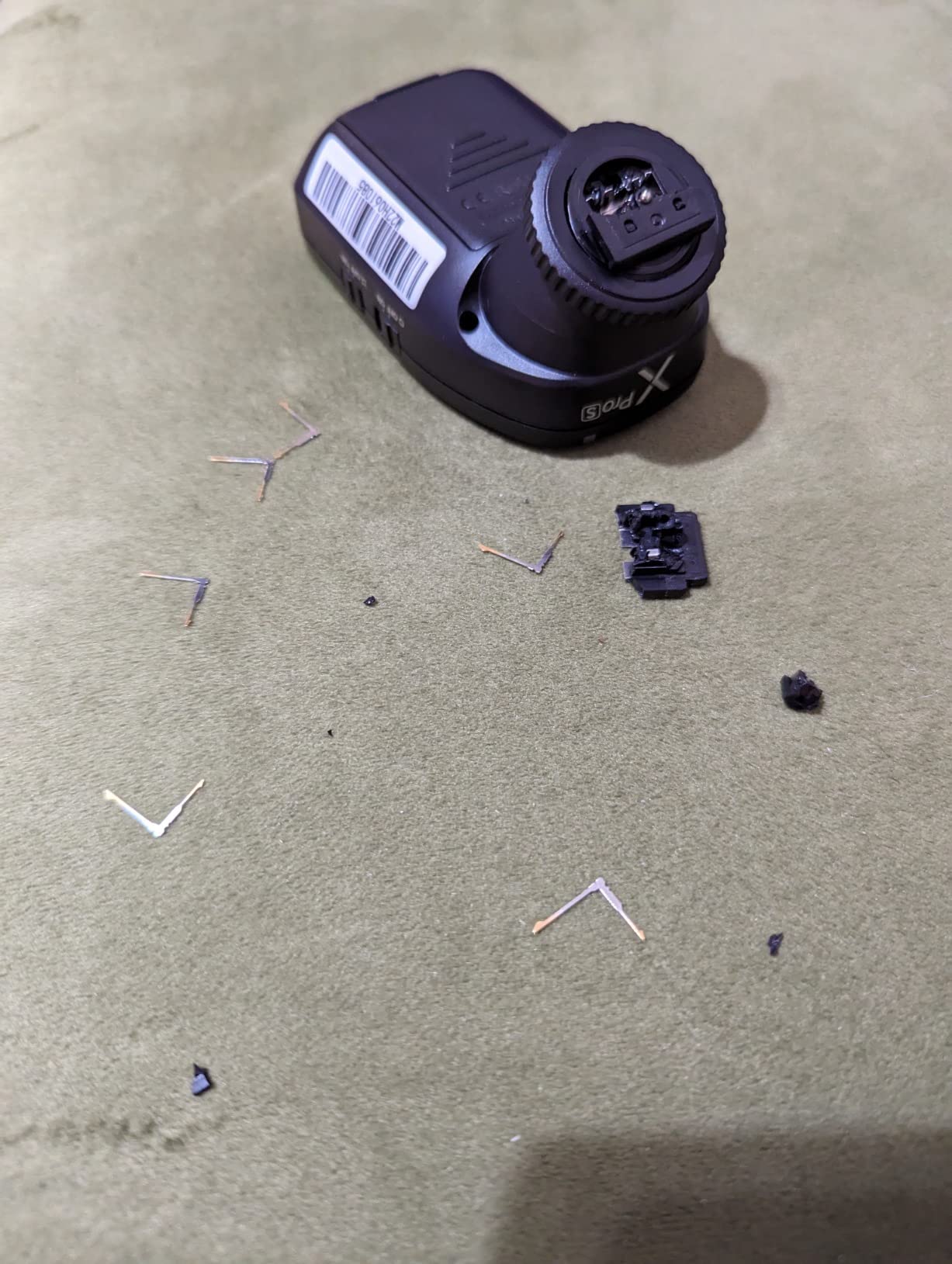
- Wires in hotshoe connection are delicate and prone to breaking
- Build quality less robust than premium alternatives
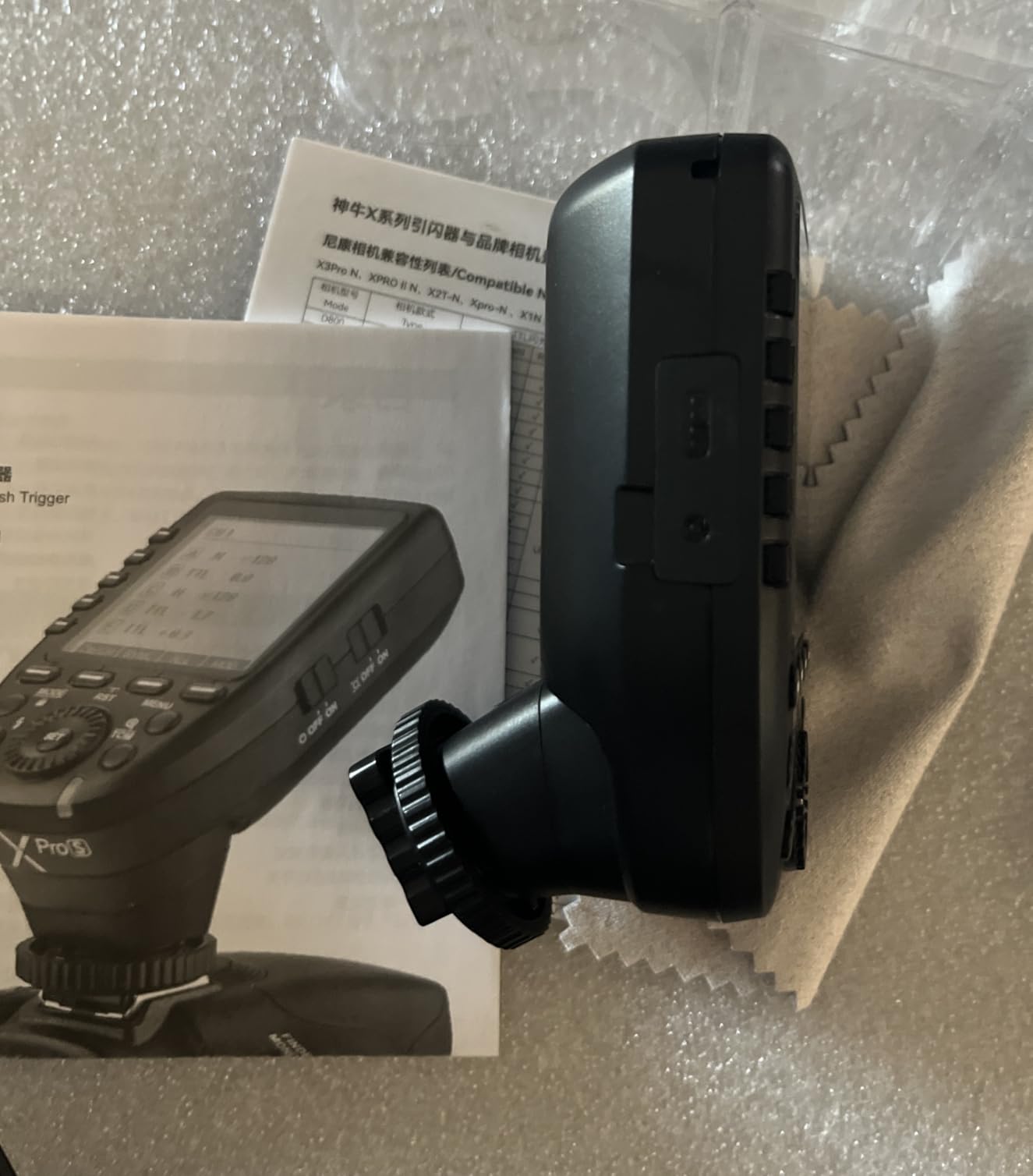
Sony shooters had a rough time finding affordable TTL triggers for years, and the Godox XPro-S finally fixed that. It brings the same X system reliability to Sony Alpha bodies that the XProC brought to Canon. I tested it on an A7R III and A9, and the TTL metering was consistent across both bodies, which has not always been the case with third-party Sony triggers.
The XPro-S can control Sony original flashes (F42AM, HVL-45RM, HVL-F60M, HVL-F43M, HVL-F32M, F58AM) when paired with the X1R-S receiver. This is a big deal for Sony shooters who already own first-party flash gear and want to add Godox speedlights to their kit without replacing everything. The full graphic display of five groups simultaneously makes it easy to monitor complex lighting setups.
HSS support up to 1/8000s is essential for Sony shooters who like to shoot wide-open at f/1.4 or f/1.8 in daylight. The XPro-S handles this without the banding issues that plagued some earlier Sony-compatible triggers. The 16 groups and 32 channels with 99 wireless IDs give you plenty of room to grow into larger setups.
The most common complaint in the 371 reviews is the fragility of the hotshoe connection. Some users report the internal wires breaking after moderate use, especially if you mount and unmount the trigger frequently. My advice: be gentle with the hotshoe and consider this a trigger that benefits from a protective case when not in use. Build quality is not at the PocketWizard level, but the feature set at this price is hard to beat.
Who should buy the Godox XPro-S
Sony Alpha shooters (A7, A7R, A7S, A9, A6000 series) who want TTL and HSS in a single trigger at an accessible price. Photographers who own a mix of Sony original flashes and Godox speedlights will appreciate the cross-compatibility via the X1R-S receiver. Event and portrait photographers who need wide-aperture daylight sync will benefit most from the reliable HSS.
Who should skip the Godox XPro-S
If you frequently swap triggers between camera bodies, the fragile hotshoe wires are a concern. For travel or heavy-duty location work, the PocketWizard PlusX or Godox X3 Pro have more robust builds. If you are already deeply invested in Profoto Air, the Profoto Air Remote is the natural pairing for your system.
5. Godox X2T-C – Best Bluetooth Radio Trigger for Canon
Godox X2T-C TTL Wireless Flash Trigger for Canon, 2.4G X System
Built-in Bluetooth
TTL with 1/8000s HSS
5 groups and 32 channels
Pros
- Built-in Bluetooth for smartphone app control via GodoxPhoto
- Reliable triggering with no misfires over multi-hour studio sessions
- Visible-light AF assist beam replaces older red/IR pattern
- USB-C connection more reliable than MicroUSB
Cons
- Some units may require firmware update out of the box
- English manual translation can be unclear
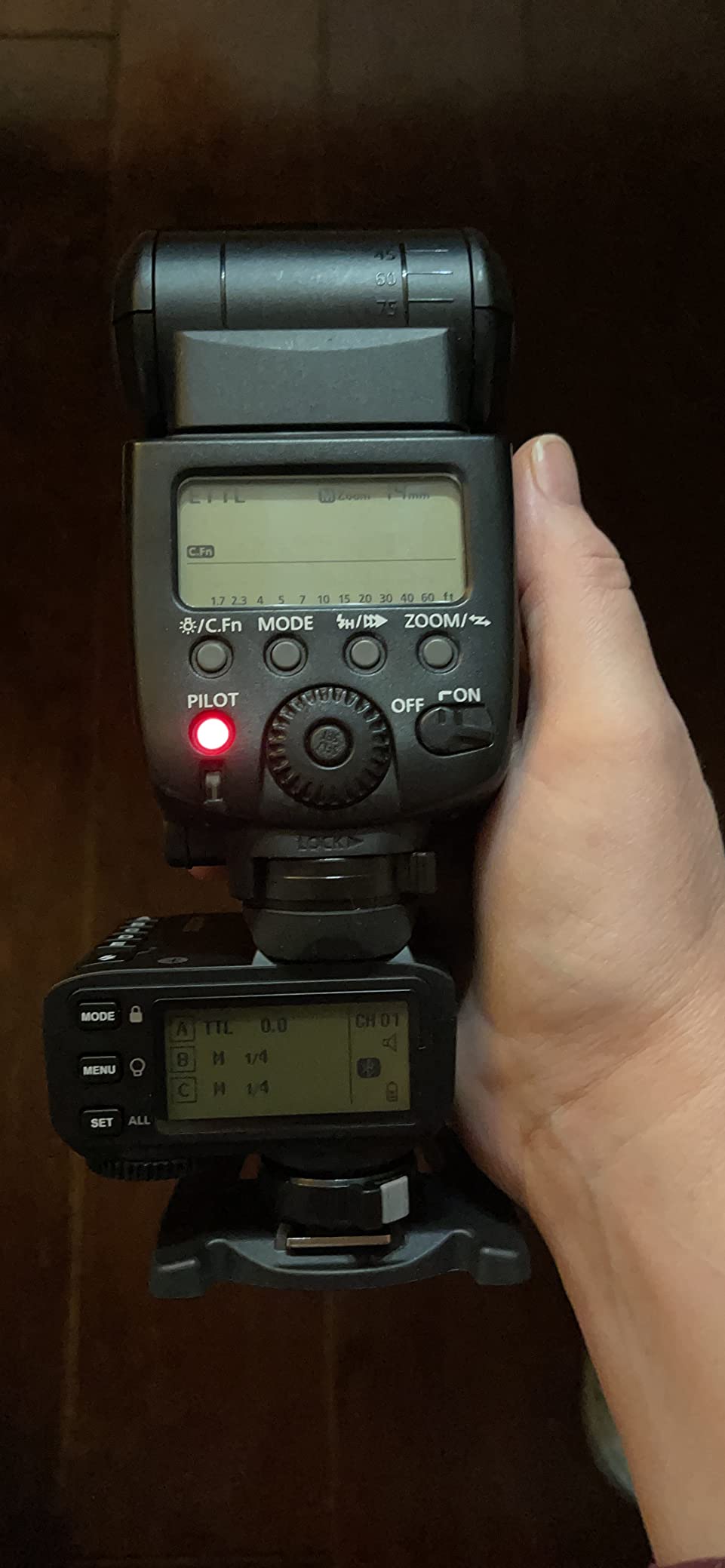
The Godox X2T-C introduced Bluetooth app control to the Godox trigger lineup, and it remains the most affordable way to get that feature on a Canon body. I started using the X2T-C when I needed to adjust a hair light from a ladder during a fashion shoot, and the GodoxPhoto app saved me from climbing up and down a dozen times. The app mirrors the trigger interface almost exactly, and the connection is stable up to about 30 feet.
The visible-light AF assist beam is a small upgrade that makes a big practical difference. Older Godox triggers used a red IR pattern that confused some subjects and could trigger security cameras. The new visible-light pattern works the same for focusing but stays out of your shots. If you shoot events where cameras might pop up, this matters.
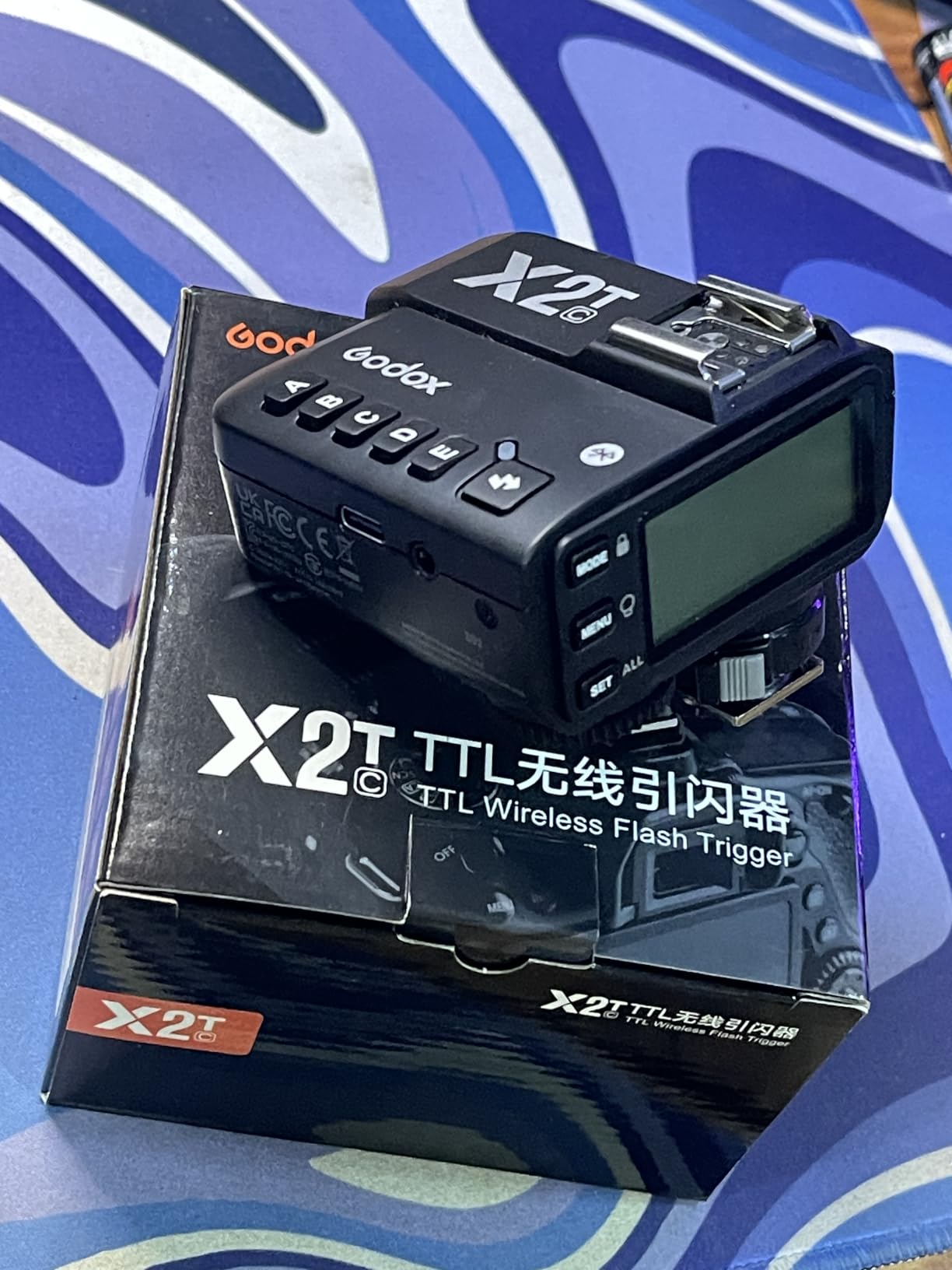
The X2T-C has 5 groups and 32 channels with 99 wireless IDs, which is enough for any reasonable lighting setup. TTL and HSS work up to 1/8000s, and the integration with Canon EOS camera menus is tight. I particularly appreciate the new hotshoe locking mechanism, which is a quick-release lever rather than the XproC’s screw knob.
One important note: some X2T-C units ship with older firmware that needs to be updated before they will work with newer camera bodies. The firmware update process is straightforward (USB-C cable and the Godox updater software), but the English manual does not make this clear. If your trigger does not fire on first use, check the Godox support site for the latest firmware before assuming it is defective.
Who should buy the Godox X2T-C
Canon shooters who want Bluetooth app control without paying the X3 Pro premium. Studio and event photographers who need to adjust lights from a distance will love the app integration. Shooters upgrading from the older X1T trigger will appreciate the new hotshoe lock, USB-C port, and visible-light AF assist.
Who should skip the Godox X2T-C
If you do not need Bluetooth and want the largest possible screen for monitoring many groups, the XproC is a better value. For the most modern touchscreen experience, the X3 Pro is worth the step up. If you shoot Sony or Fujifilm, look at the X2T-S or X2T-F versions of this same trigger instead.
6. PocketWizard PlusX – Best for Rock-Solid Reliability
PocketWizard PlusX Wireless Radio Flash Remote Trigger
10 standard channels
Auto-sensing transceiver
Auto-Relay mode
Pros
- Rock-solid reliability with zero trigger failures over thousands of shots
- Auto-sensing transceiver transmits or receives as needed
- Backlit channel selector for low-light conditions
- Solid build quality and secure battery door design
Cons
- Manual-only with no TTL or remote flash power adjustment
- Uses nonstandard battery instead of AA
- No directions included in box
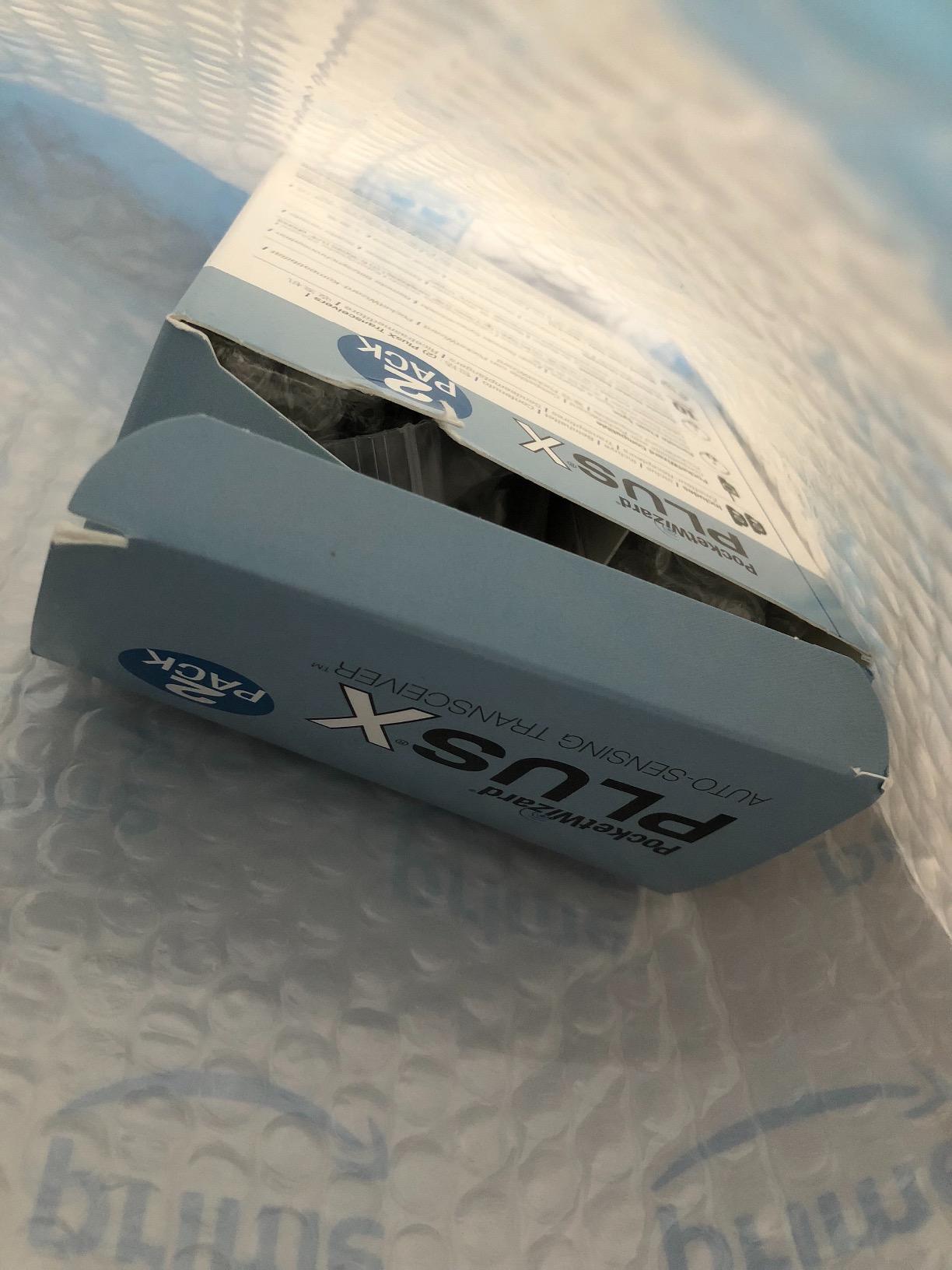
The PocketWizard PlusX is the trigger I recommend to anyone whose number-one priority is reliability. PocketWizard built its reputation on triggers that never misfire, and the PlusX continues that tradition. In over 15 years of using PocketWizard gear, I have never had a single trigger failure during a paid shoot, and that kind of track record matters when your income depends on every frame.
The PlusX is a transceiver, which means it automatically switches between transmitter and receiver as needed. This is incredibly useful for two-way setups, like triggering a remote camera in sync with remote flashes. The Auto-Relay mode lets you use just three PlusX units to fire both a remote camera and remote flashes, which is a classic PocketWizard feature that no other brand has replicated quite as elegantly.
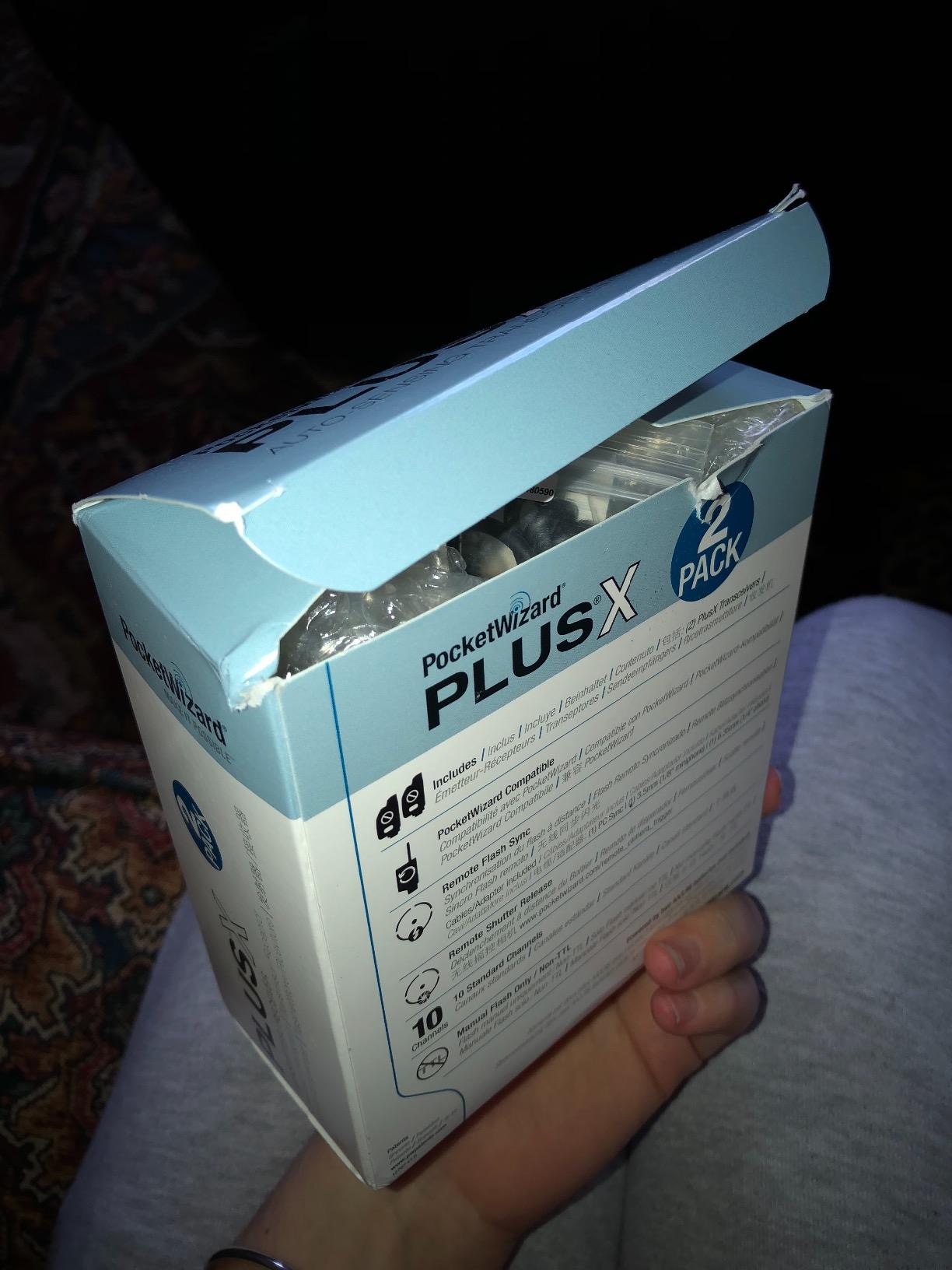
The trade-off is that the PlusX is manual-only. There is no TTL, no remote power adjustment, and no HSS. If you are a studio shooter who sets lights once and adjusts by walking over to each strobe, this is fine. If you are a wedding or event shooter who relies on TTL to keep up with changing light, the PlusX will feel limiting.
Another consideration is the nonstandard battery. PocketWizard uses a custom rechargeable pack, which is fine if you remember to keep it charged, but a pain if it dies mid-shoot and you have no spare. AA batteries would have been more field-friendly. Despite these limitations, 474 reviewers gave it a 4.6 average, and the reliability reputation keeps it in working photographer bags around the world.
Who should buy the PocketWizard PlusX
Studio photographers and commercial shooters who set their lights once and want zero misfires. Event photographers who shoot manual flash and need Auto-Relay mode for remote camera triggering. Anyone who already owns PocketWizard gear and wants a reliable addition to their system. This is also the best choice for harsh environments where cheaper triggers struggle.
Who should skip the PocketWizard PlusX
If you need TTL or remote power adjustment, the PlusX does not offer it. If you want a touchscreen or Bluetooth app control, look at the Godox X3 Pro. For Canon shooters on a budget, the Godox X2T-C delivers TTL at a lower price. The nonstandard battery is also a turnoff for shooters who prefer the convenience of AAs.
7. Godox XproF – Best Radio Trigger for Fujifilm
Godox XproF Xpro-F TTL Wireless Flash Trigger for Fujifilm, 2.4G X System
TTL with 1/8000s HSS
Fujifilm compatible
16 groups and 32 channels
Pros
- Reliable TTL
- manual
- and HSS performance with Fuji cameras
- Intuitive menus make adjustments easy
- Cross-system compatibility can trigger Nikon flashes via receivers
- Compact size despite looking large in photos
Cons
- Build quality feels a bit cheap in the hand to some users
- Takes over the flash shoe with no pass-through for on-camera flash
- Limited Fujifilm-specific flash options compared to Canon or Nikon
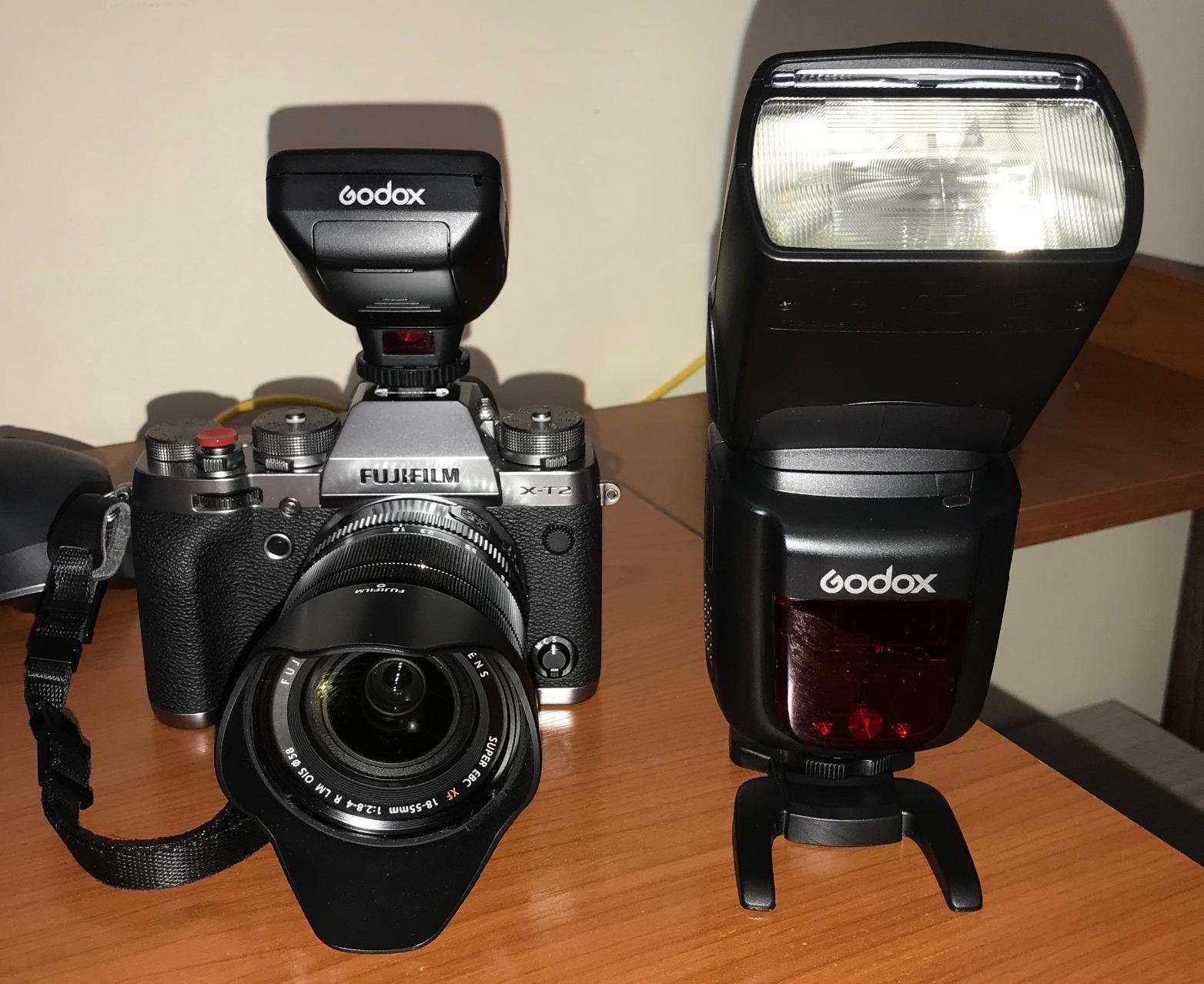
Fujifilm shooters have historically had fewer trigger options than Canon or Nikon users, and the Godox XproF is the best dedicated solution available. Fujifilm’s own flash system is limited, so third-party support matters. The XproF brings the full Godox X system to Fuji bodies, including the AD200, AD400 Pro, and V1-F speedlight.
I tested the XproF on an X-T4 and X-Pro3, and TTL metering was consistent across both bodies. The 1/8000s HSS support works with the mechanical shutter, which is critical because many Fuji shooters prefer the mechanical shutter for color and rendering reasons. HSS via the electronic shutter is also supported on most current bodies.
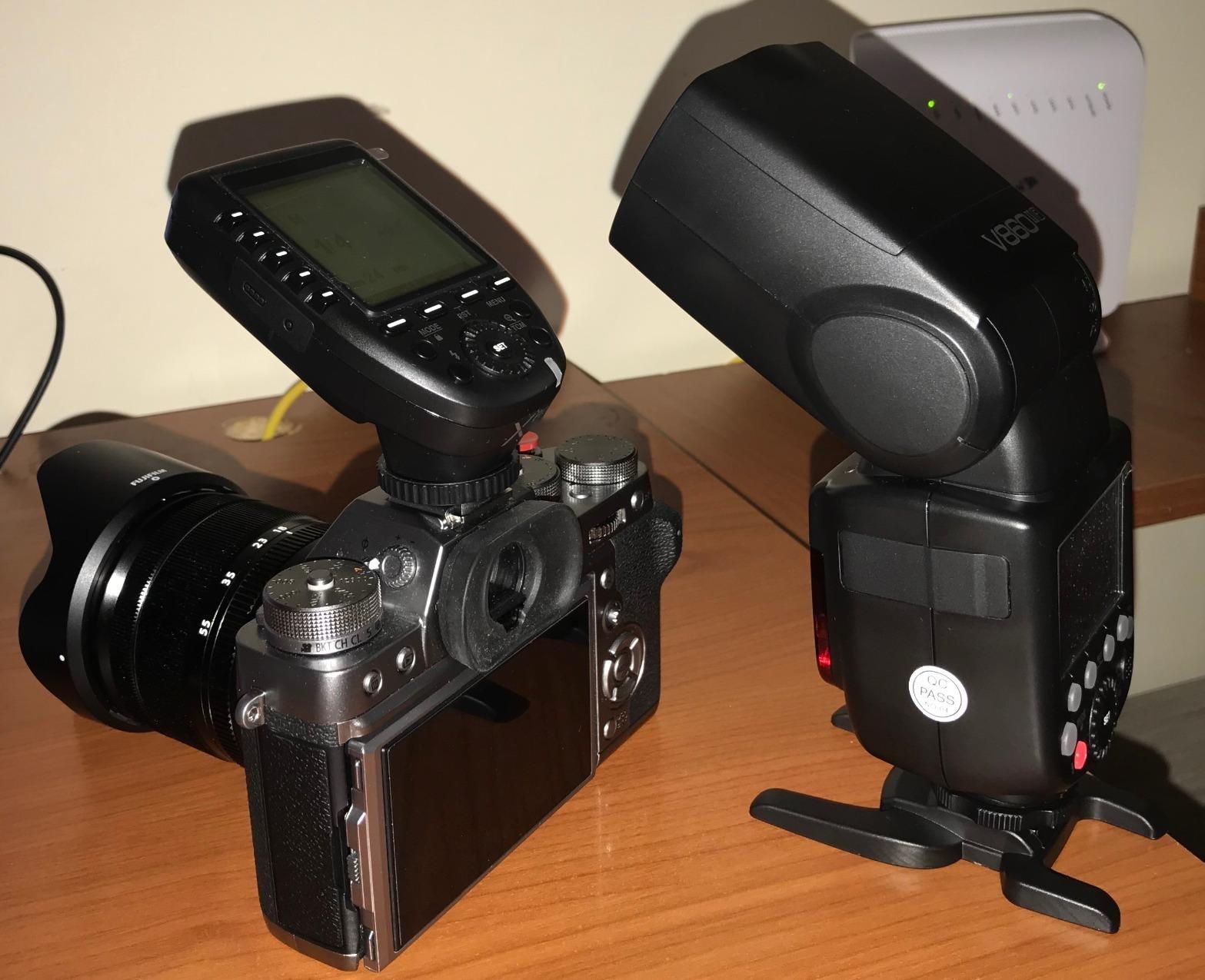
One of the underrated features is cross-system compatibility. The XproF can trigger Nikon flashes when paired with the X1R-N receiver, which is useful if you have a mixed lighting kit or are renting gear on location. This kind of cross-brand flexibility is a Godox system strength that other brands do not match.
The main complaint in 297 reviews is build quality perception. The XproF feels a bit less premium than the Canon or Nikon versions, with some users noting the plastic creaks under pressure. It also takes over the entire flash shoe with no pass-through, so you cannot mount an on-camera flash on top. For most Fuji shooters, neither issue is a dealbreaker, and the trigger remains the most popular choice in the Fuji community.
Who should buy the Godox XproF
Fujifilm X-series shooters (X-T, X-Pro, X-H, X-E lines) who want full TTL and HSS support for their camera system. Photographers who already own Godox flashes and are switching to Fuji will find this the natural fit. Event and portrait shooters using the mechanical shutter at high sync speeds will get the most out of the 1/8000s HSS.
Who should skip the Godox XproF
If you are not invested in the Godox flash ecosystem, the XproF’s value drops significantly. Shooters who want a pass-through hotshoe for an on-camera fill flash should look at a different trigger or add a separate hotshoe adapter. If you shoot primarily in the electronic shutter, verify HSS compatibility with your specific Fuji body before buying.
8. Godox XPro-N – Best Budget Radio Trigger for Nikon
Godox XPro-N i-TTL 2.4G 1/8000s Wireless Flash Trigger Transmitter 16 Groups and 32 Channels for Nikon Hotshoe Camera Flash TT350N V350N TT685N V860 V850 AD200 AD400Pro AD600 Pro AD600
TTL with 1/8000s HSS
100m range
16 groups and 32 channels
Pros
- Versatile compatibility with broad Godox flash ecosystem for Nikon
- Easy to use without needing to read the manual
- Works seamlessly with Godox speedlights and studio flashes
- Useful battery meter to track remaining power
Cons
- Build quality feels somewhat fragile to some users
- Uses screw-on hotshoe mount rather than quick-release
- Battery drains faster at low charge levels
The Godox XPro-N is a budget-friendly alternative to the higher-priced triggers in the Godox lineup, and it punches well above its weight. With a 4.8 average rating from 128 reviewers, it is the highest-rated trigger in this entire roundup. The XPro-N supports the same Godox X system as its more expensive siblings, including the AD200, AD400 Pro, AD600 series, V1-N, and TT685-N.
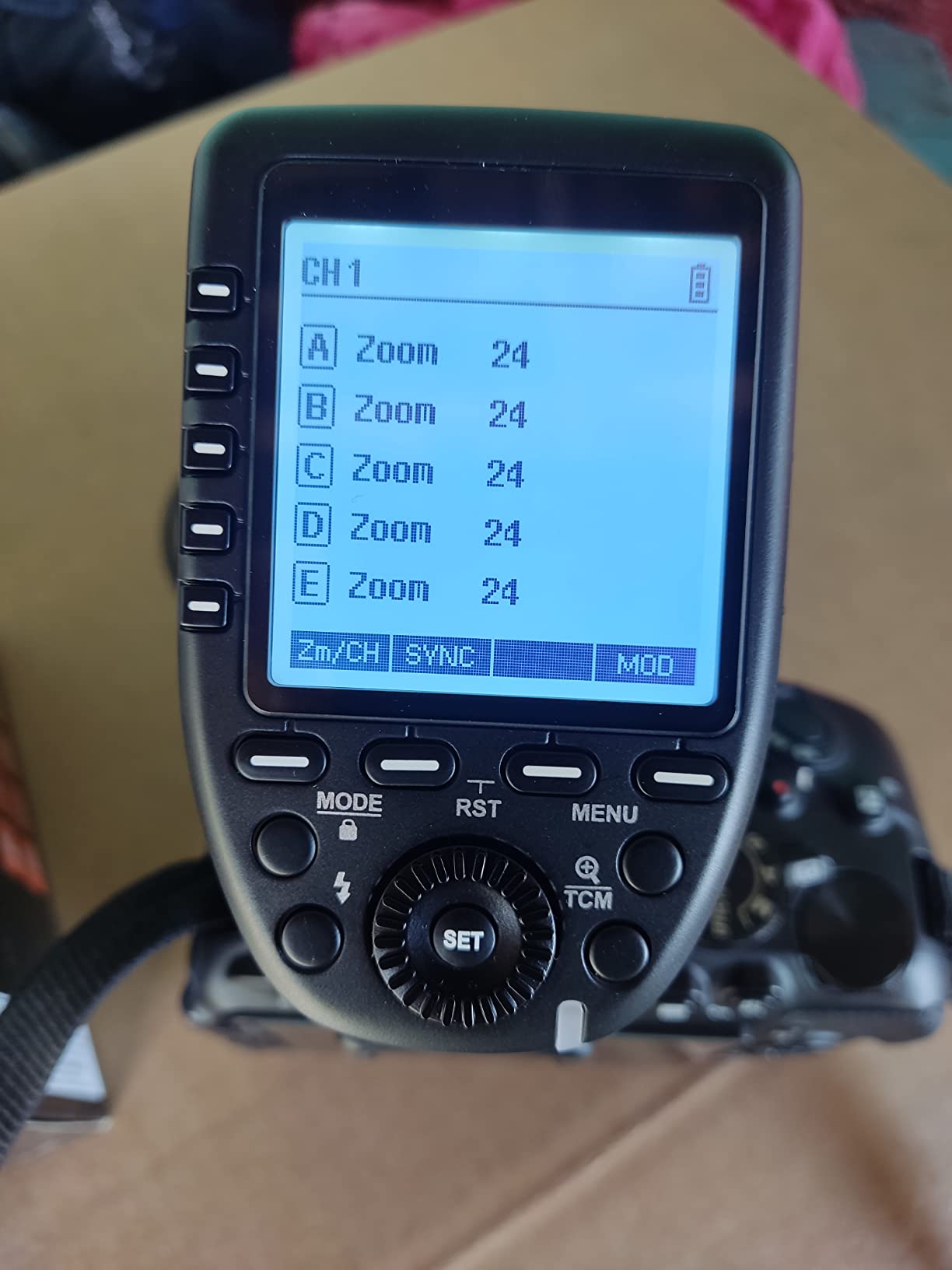
One feature I appreciate is the battery meter. Many triggers hide battery status in a menu, but the XPro-N displays it prominently on the main screen, so I always know how much power I have left before a shoot. For long wedding days or location events, this kind of visibility prevents the panic of a dead trigger mid-ceremony.
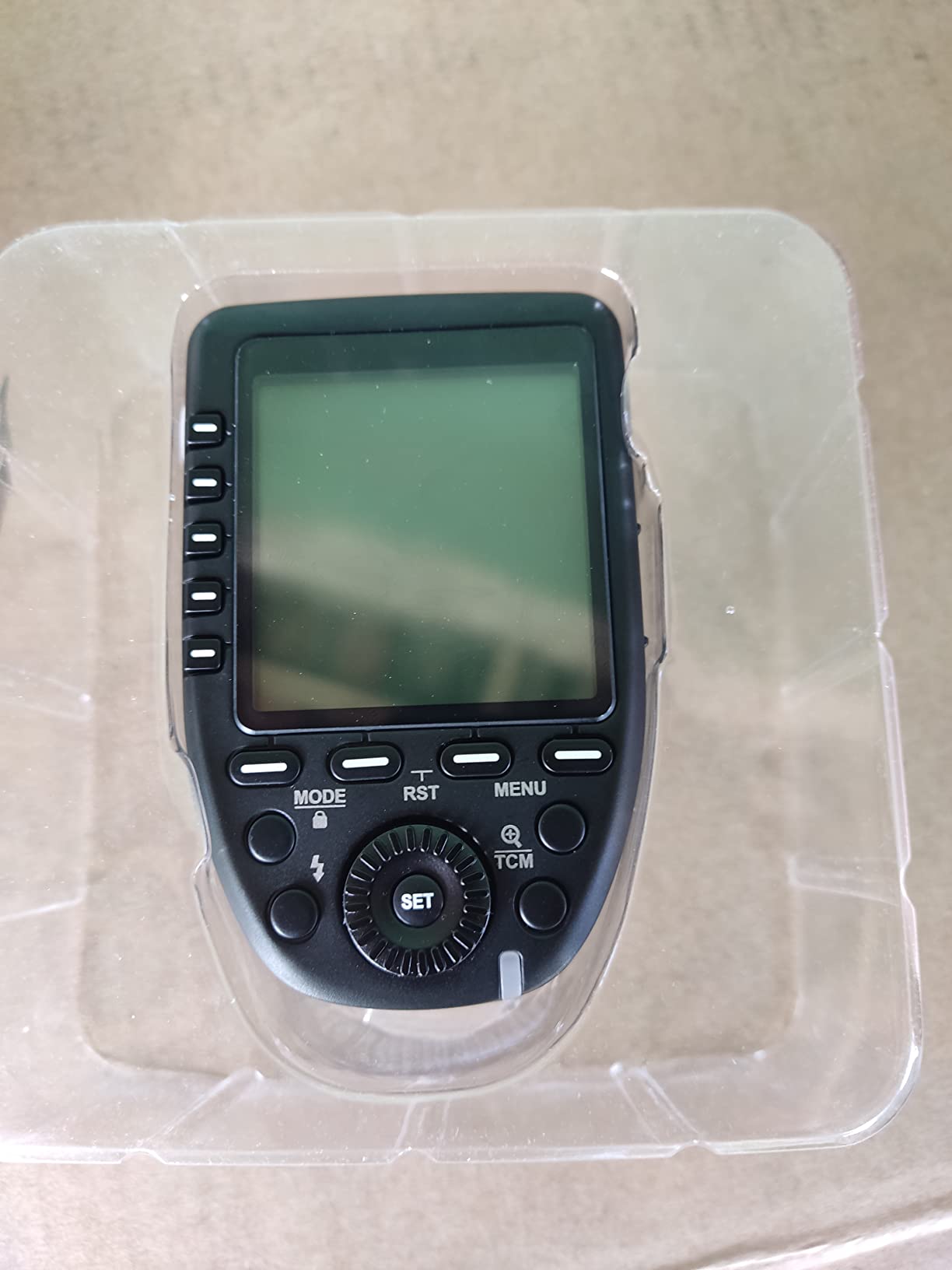
The XPro-N is compatible with the full range of Nikon hotshoe flashes, outdoor flashes, and studio flashes, making it one of the most versatile triggers for Nikon shooters. TTL, manual, multi (stroboscopic), and HSS modes are all supported, and the 16 groups with 32 channels give you room to grow into larger setups.
Some users have reported concerns about long-term durability, with a small number experiencing trigger failures after a year or two of heavy use. The hotshoe mount uses a screw lock rather than the new quick-release system, which is a minor inconvenience. If you treat your gear gently and keep a backup, the XPro-N is an excellent value for Nikon shooters who want Godox ecosystem compatibility without the X3 Pro price.
Who should buy the Godox XPro-N
Nikon shooters who want full Godox X system compatibility at a lower price than the X3 Pro. Photographers building a multi-light Godox kit who need a reliable trigger to control AD200, AD400 Pro, or V1-N speedlights. Shooters who value the visible battery meter for long event days will find this trigger especially useful.
Who should skip the Godox XPro-N
If you want the modern touchscreen experience, the X3 Pro N is the better choice. If you need Bluetooth app control, this trigger does not have it. Shooters who prefer the quick-release hotshoe lock should look at the X2T-N instead. For event photographers who cannot risk a trigger failure, the PocketWizard PlusX has a longer track record of zero misfires.
9. Godox X2T-N – Best Compact Radio Trigger for Nikon
Godox X2T X2T-N Flash Trigger for Nikon, 2.4G TTL HSS 1/8000s
TTL with 1/8000s HSS
5 groups and 32 channels
100m range
Pros
- Fires flash flawlessly every time in real-world weddings and events
- Lightweight and easy to use
- Reliable HSS up to 1/8000s
- Solid build quality at the price point
Cons
- Only fully compatible with Godox-branded flashes without additional receivers
- May need firmware update for some camera bodies
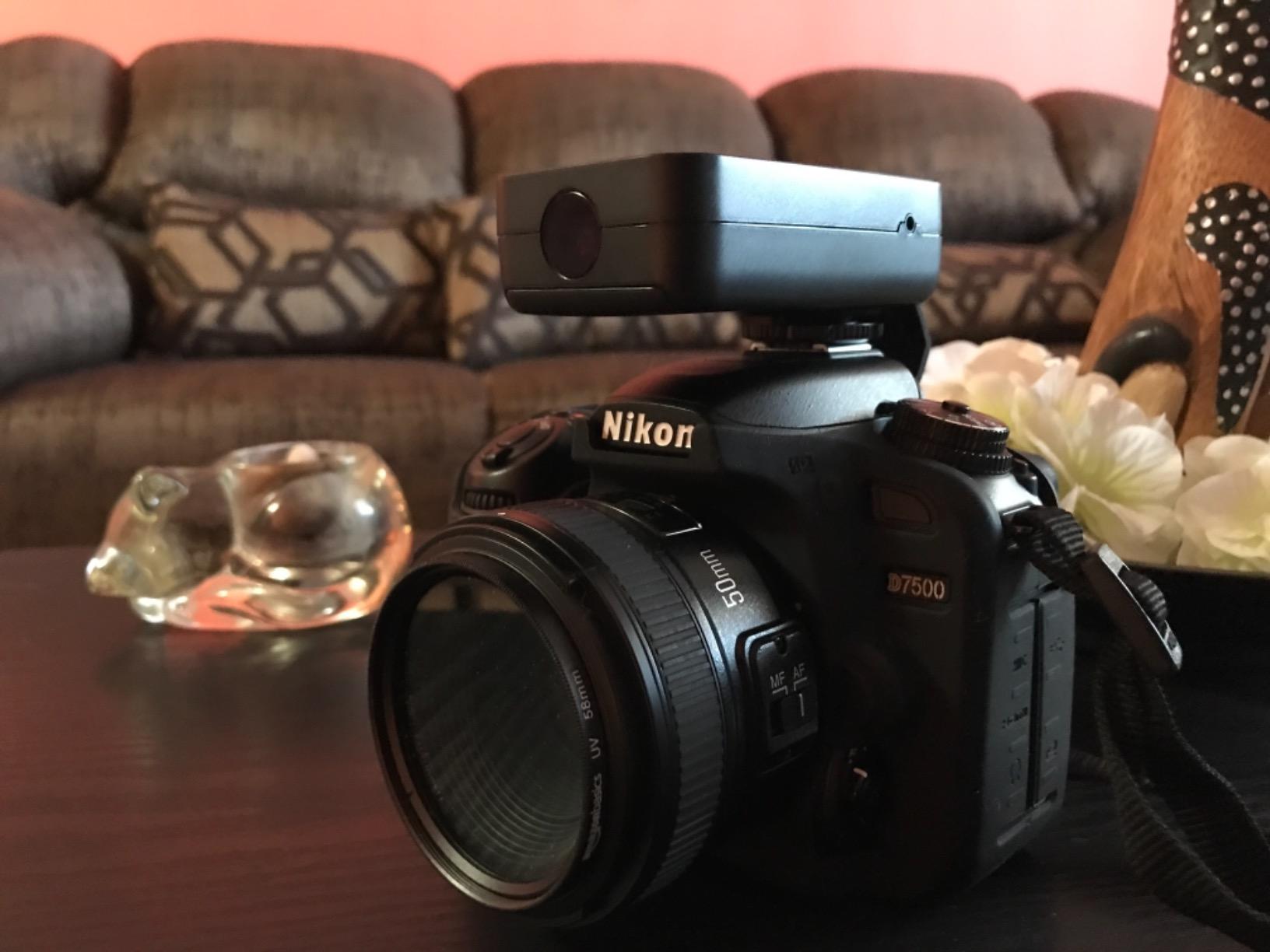
The Godox X2T-N is the Nikon version of the popular X2T trigger, and it is a solid mid-range option for shooters who want modern features without the X3 Pro price tag. With a 4.7 average from 283 reviewers, it has proven itself in the field. I particularly like how lightweight it is on smaller Nikon bodies like the Z50 and D7500, where bulkier triggers can feel out of balance.
The X2T-N supports 5 groups and 32 channels with 100m range, which covers any practical shooting scenario. TTL, manual, multi, and HSS up to 1/8000s are all supported, and the big LCD panel is easy to read in low light. The Type-C firmware upgrade port is a welcome modern touch, and the X2T-N is fully compatible with the entire Godox X system of flashes.
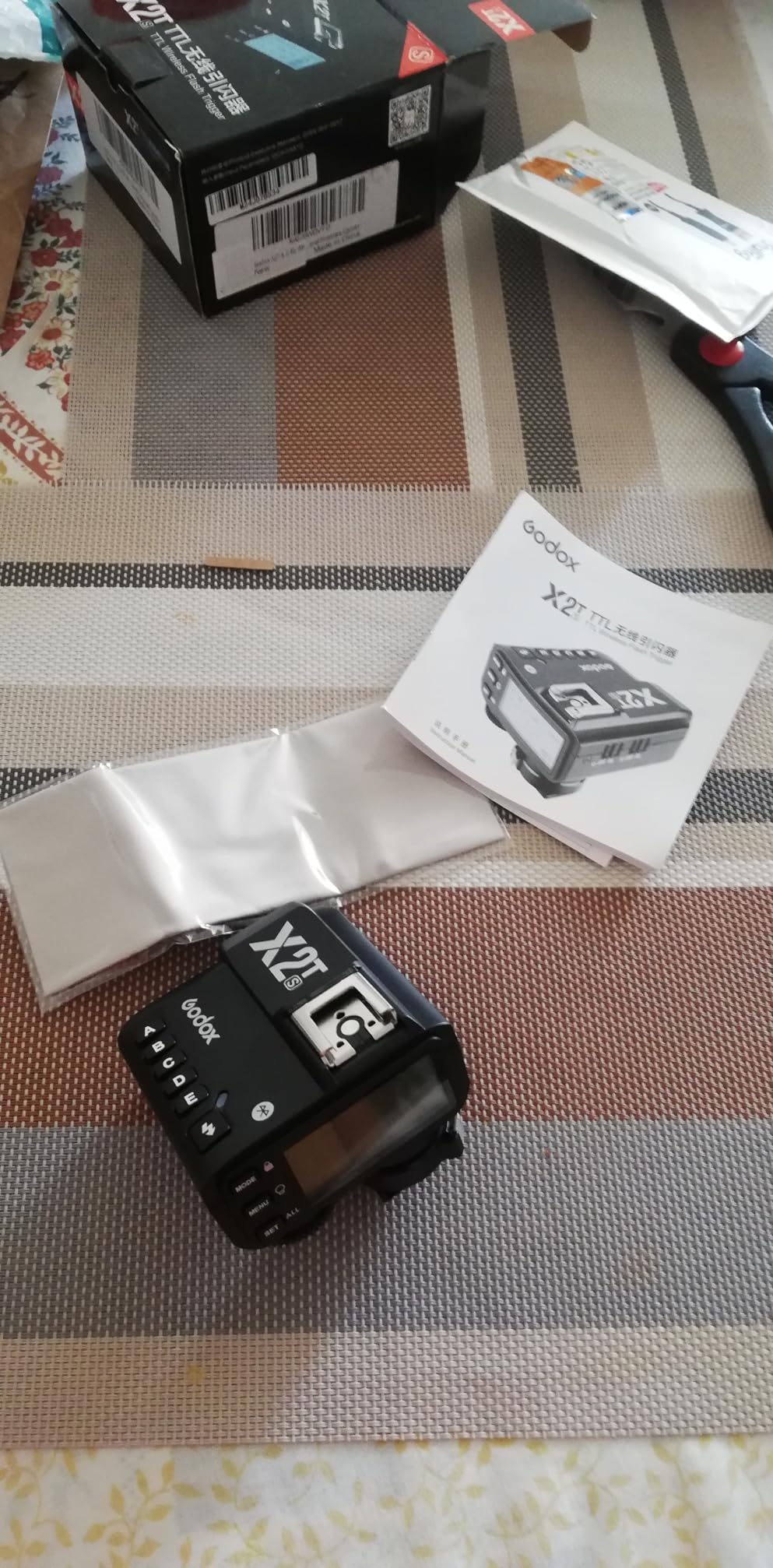
For Nikon shooters with cameras like the D850, D750, D500, Z6, Z7, and most other modern bodies, the X2T-N works out of the box. Compatibility extends across a wide range including older models like the D7000, D90, and D80, which is helpful for shooters still using legacy glass and bodies.
The main limitation is compatibility with non-Godox flashes. To fire a Nikon SB-910 or third-party speedlight, you would need to add a Godox X1R-N receiver. This is not a dealbreaker, but it adds cost if you are not already in the Godox ecosystem. Some units may also need a firmware update for newer camera bodies, so check the Godox support site before first use.
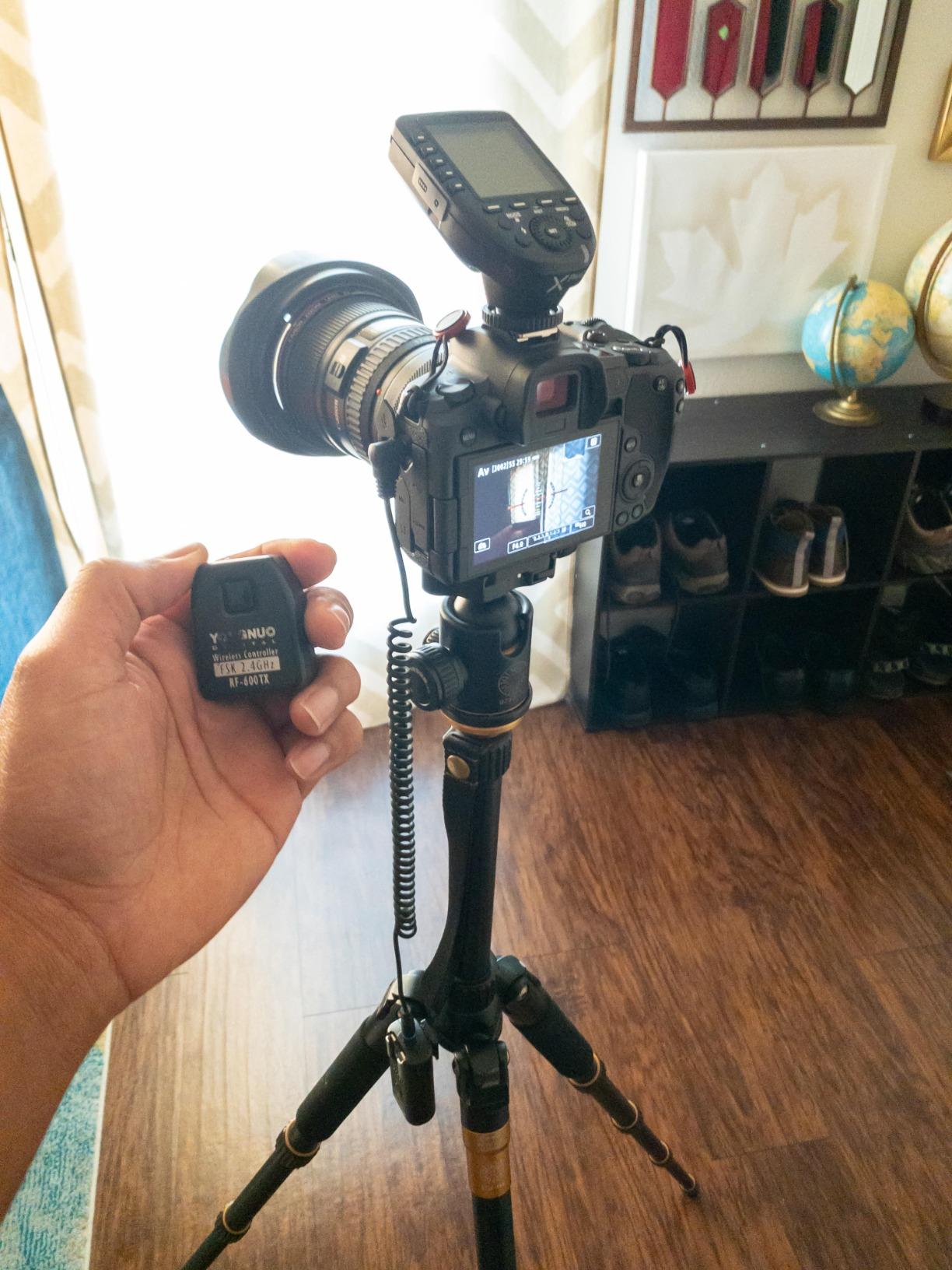
Who should buy the Godox X2T-N
Nikon shooters who want a compact, lightweight trigger with full TTL and HSS support. Photographers who are building or expanding a Godox flash kit will find this trigger the natural fit. Smaller-bodied shooters using Z50, D7500, or D5600 will appreciate the reduced weight. Wedding and event photographers get reliable performance at a fair price.
Who should skip the Godox X2T-N
If you have a large collection of non-Godox Nikon flashes, the X2T-N will not fire them without additional receivers. If you want Bluetooth app control, you need to step up to the X3 Pro N. For the most affordable Nikon option, the XPro-N is a slight step down in features but similar in core functionality.
10. Godox CT-16 – Best Radio Trigger Kit for Beginners
Godox CT-16 Wireless Radio Flash Trigger Receiver Kit,Fit Compatible for Canon Nikon Pentax DSLR Camera Studio 3 in 1 Flash Transmitter and Receiver
433MHz wireless
1/250 sync speed
Universal Canon Nikon Sony Pentax
Pros
- Reliable triggering with no misfires during long shoots
- Painless setup just match channels and go
- Affordable wireless flash trigger without sacrificing reliability
- Works with broad range of cameras including Canon
- Sony
- Nikon
- Solid range tested up to 200 feet
- Lightweight and easy to store
Cons
- No way to secure trigger mount to tripod or stand
- No remote flash power adjustment
- No TTL or HSS support
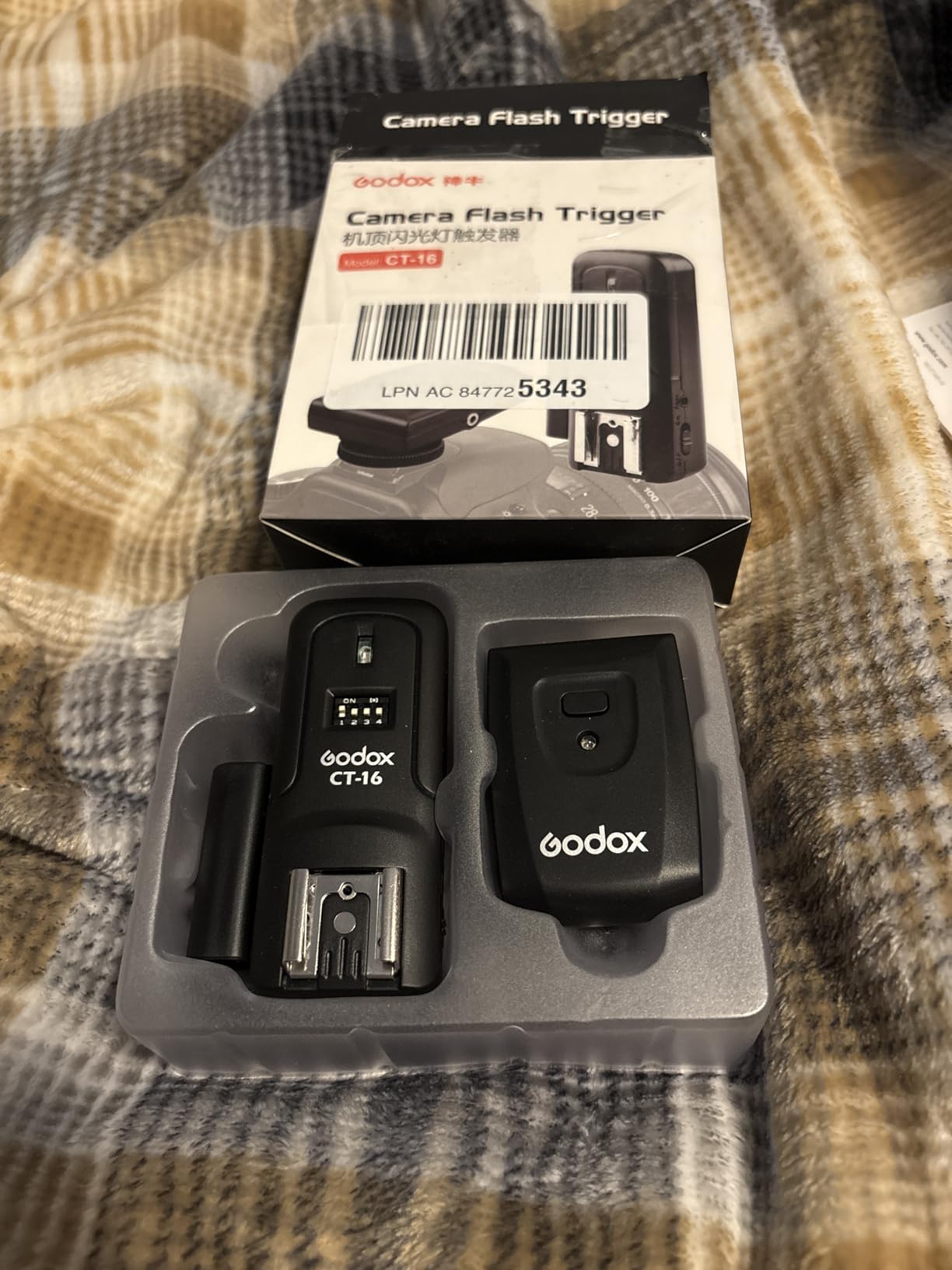
The Godox CT-16 is the kit I recommend to anyone just starting out with off-camera flash. It includes a transmitter and two receivers, plus the sync cables and adapters you need to get firing right out of the box. If you have ever inherited an old studio strobe without a trigger, the CT-16 is a low-cost way to bring it back to life.
Setup is refreshingly simple. You match the channel on the transmitter to the channel on the receiver, and you are firing. There is no TTL to configure, no HSS to verify, no groups to set up. For a beginner learning the basics of flash placement and power ratios, this simplicity is a feature, not a limitation.
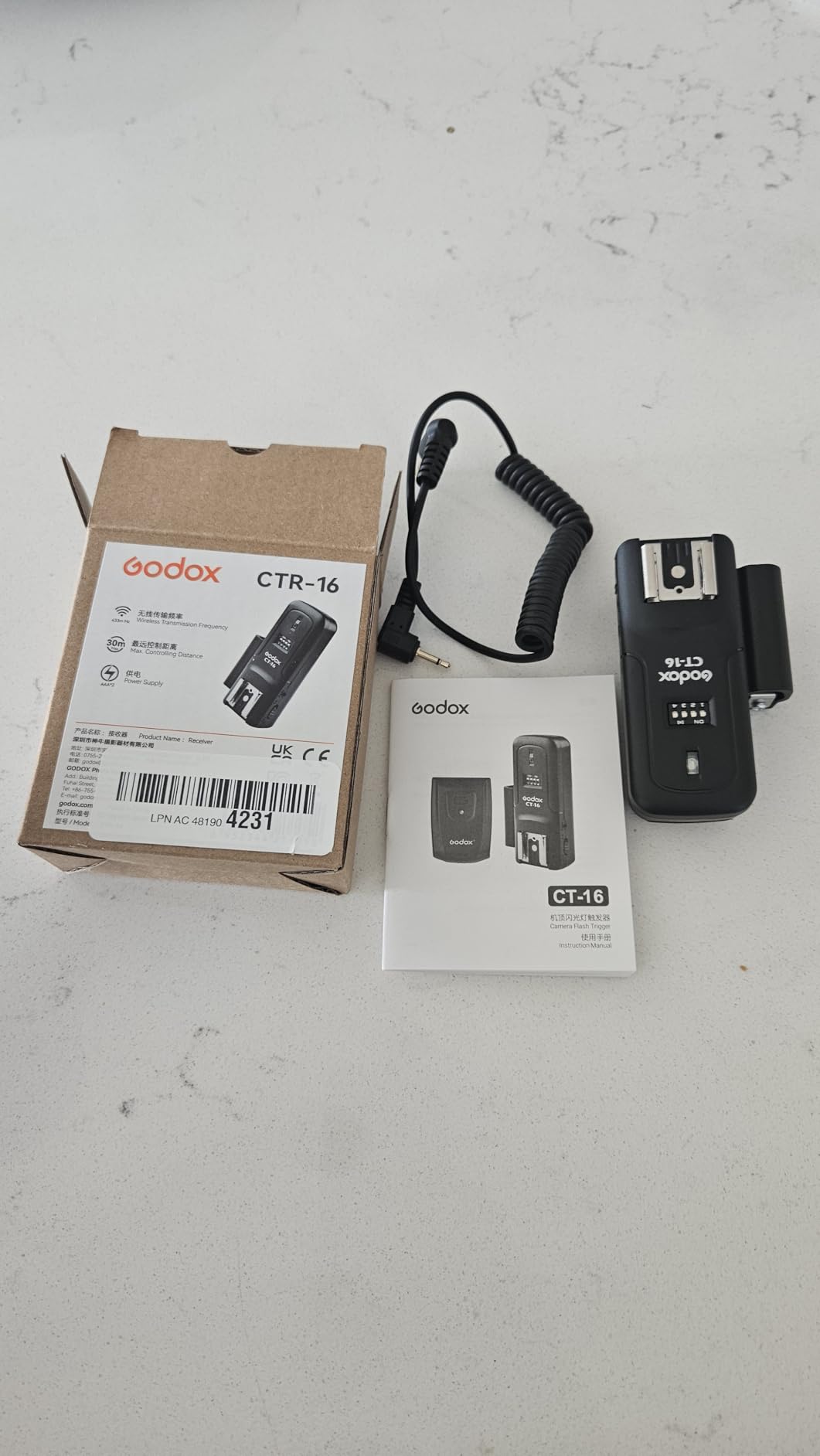
The CT-16 uses a 433MHz frequency rather than the 2.4GHz band that modern triggers use. This is not a problem, and in some ways it is more reliable in environments congested with 2.4GHz signals (like convention centers and dense urban areas). The 1/250 sync speed is the standard ceiling for this kind of trigger, and 200+ feet of range is more than enough for most setups.
The trade-offs are significant for advanced users. There is no TTL, no remote power adjustment, no HSS, and no group control. You will need to walk to each light to adjust power manually. The trigger also has no tripod or stand mount, so it can be knocked off easily if you are not careful. For beginners and budget-conscious shooters with simple needs, 438 reviewers gave it a 4.5 average, and the value is hard to beat.
Who should buy the Godox CT-16
Beginners who want to learn off-camera flash without investing in a full TTL system. Photographers with older studio strobes that need a basic wireless trigger. Real estate, product, and event shooters on a tight budget who need reliable manual triggering across multiple lights. Anyone looking for a backup trigger kit to keep in their gear bag for emergencies.
Who should skip the Godox CT-16
If you shoot weddings or events that require TTL, the CT-16 is too basic. If you need HSS for wide-aperture daylight work, this trigger does not support it. Shooters who plan to grow into a multi-light Godox system should start with an X-series trigger instead, since the CT-16 is not part of that ecosystem. For travel and location work, the lack of a tripod mount is a real concern.
How to Choose the Best Radio Trigger for Off-Camera Flash
Choosing a radio trigger is not just about finding the one with the most features. It is about matching the trigger to your camera system, your shooting style, and the flash gear you already own. Here are the key factors I consider when recommending a trigger to a friend.
TTL vs Manual Triggering
TTL (Through-The-Lens) metering lets the trigger and camera communicate to set flash power automatically, just like a built-in flash. This is invaluable for fast-moving situations like weddings, events, and run-and-gun portraiture where you do not have time to meter manually. Manual triggering means you set the power yourself, which gives you complete control but requires more time per shot. If you are a beginner, TTL is worth the premium. If you shoot mostly in a controlled studio, manual is fine and saves money.
High-Speed Sync (HSS) Support
HSS lets you use shutter speeds faster than your camera’s normal sync speed, typically up to 1/8000 sec. This is essential if you shoot wide-open (f/1.4 to f/2.8) in bright daylight, because it lets you overexpose the sky without overexposing the subject. Every trigger on this list except the PocketWizard PlusX and Godox CT-16 supports HSS. If wide-aperture daylight work is part of your workflow, make sure your trigger supports it.
Channels, Groups, and Wireless IDs
Channels let you separate different triggering systems on the same frequency (useful when shooting near other photographers). Groups let you control multiple flashes independently for power and mode. Wireless IDs add another layer of separation to prevent crosstalk. For simple two-light setups, 4 channels and 3 groups is plenty. For complex studio or event work, look for 16+ groups and 32+ channels with 99+ wireless IDs.
Range: Claimed vs Real-World
Manufacturers often claim 100m or more of range, but real-world performance is typically much lower. According to Lensrentals testing, the average reliable range for modern triggers is closer to 135 feet, not 300+ feet. Walls, people, and other obstacles reduce range significantly. If you regularly shoot in large venues, prioritize triggers with proven real-world range over those with the highest spec sheet numbers.
Battery Type: AA vs Rechargeable Li-ion
AA-powered triggers are convenient because you can swap in fresh batteries anywhere, even in remote locations. Rechargeable Li-ion triggers save money over time and reduce waste, but you need to keep them charged. For travel and multi-day shoots, AAs offer peace of mind. For everyday studio work, Li-ion is more cost-effective. The Godox X3 Pro uses a built-in Li-ion battery, while most other triggers on this list use AA cells.
Cross-Brand Compatibility
One of the most common questions I get is whether a Godox trigger can fire a Yongnuo flash, or vice versa. The short answer is: not directly, because each brand uses its own radio protocol. However, you can often work around this by using a Godox trigger with a Godox receiver connected to a Yongnuo flash in manual mode, or by using third-party receivers. For example, a Godox X1R-N receiver can be added to a Nikon flash, allowing it to be fired by any Godox X-system trigger. This kind of mix-and-match setup is where the Godox ecosystem shines, since their receivers are widely available and inexpensive.
Touchscreen vs Button Interface
Touchscreens look modern and can be faster to navigate once you learn the layout, but they have trade-offs. In cold weather or with gloves, buttons and dials are more reliable. In low light, a backlit button panel is often easier to operate than a dim touchscreen. The Godox X3 Pro is the only touchscreen trigger on this list, and it works well in most conditions. If you shoot in extreme environments or prefer tactile feedback, a button-based trigger like the XproC or X2T is a better fit.
Firmware Updates and Long-Term Support
Camera manufacturers release new bodies regularly, and trigger manufacturers release firmware updates to maintain compatibility. Godox is generally good about providing firmware updates, and the process is straightforward (USB-C cable and the Godox updater software on their website). PocketWizard also maintains older triggers, which is one reason their gear holds value. Yongnuo firmware updates are less frequent, which can be a concern if you upgrade cameras frequently.
Start Here: 3 Beginner Picks by Camera Brand
If you are overwhelmed by the choices, here is the simplest starting point. Canon shooters should start with the Godox X2T-C for Bluetooth app control or the XproC for the best screen. Nikon shooters should start with the Godox X2T-N or XPro-N, both of which are excellent values. Sony shooters should look at the Godox XPro-S, which brings reliable TTL and HSS to the Alpha system at a fair price. Once you are comfortable with off-camera flash, you can always upgrade to the X3 Pro or add more advanced features.
For filmmakers and videographers building out their production kits, investing in quality camera support is just as important as lighting. If you are also shopping for camera sliders, cages, or stabilizers, our guides on the best camera sliders for video and best camera cages for filmmaking cover the top options we have tested.
Frequently Asked Questions
Do I need a trigger for off camera flash?
Yes, in most cases you need a wireless trigger to fire an off-camera flash. While some flashes have built-in optical slaves, they require line of sight and can be unreliable in bright light. A radio trigger sends a 2.4 GHz signal that works around obstacles, through walls, and at much greater distances. Without a trigger, your only other option is a PC sync cord, which limits how far you can place your flash.
Is Neewer or Godox better?
For most photographers, Godox is the better choice in 2026. Godox has a more complete ecosystem of flashes, triggers, and continuous lights that all work together seamlessly. Their X system triggers support TTL and HSS across Canon, Nikon, Sony, Fujifilm, and other brands. Neewer makes some budget-friendly triggers, but the protocol support, firmware updates, and build quality tend to lag behind Godox. The main advantage of Neewer is lower prices for very basic manual triggering.
Which Godox trigger is considered the best?
The Godox XproC (for Canon) and XproN (for Nikon) are widely considered the best overall Godox triggers, thanks to their large backlit screens, deep camera integration, and 16-group/32-channel support. For the most modern experience, the X3 Pro adds a touchscreen and Bluetooth app control. If you shoot Sony, the XPro-S is the dedicated equivalent. All of these are part of the same Godox X system, so they work with the same flashes.
Do professional photographers use Godox?
Yes, many professional photographers use Godox gear, especially for off-camera flash. Wedding, event, portrait, and commercial photographers often run full Godox kits because of the reliability, ecosystem compatibility, and value. While some high-end studios prefer Profoto or Broncolor for their color consistency and build quality, Godox has become the de facto standard for working photographers who need dependable gear without the premium price tag. Many pros use Godox for location work and rent higher-end systems only for studio shoots.
Can one brand trigger fire another brand flash?
Generally, no, because each brand uses its own proprietary radio protocol. A Godox X-system trigger will not directly fire a Yongnuo or PocketWizard flash. However, you can use cross-brand setups by adding a compatible receiver to the off-brand flash. For example, adding a Godox X1R-N receiver to a Nikon SB-910 allows it to be fired by any Godox X-system trigger in manual mode. This kind of mix-and-match approach is most common with Godox, because their receivers are widely available and inexpensive.
Final Verdict: Which Radio Trigger Should You Buy in 2026?
After testing all 10 of these radio triggers for off-camera flash, the Godox XproC remains my top recommendation for Canon shooters who want the most reliable, full-featured option at a fair price. Its large screen, deep camera integration, and 4.7-star rating from over 2,200 reviewers make it the easy choice for anyone building a serious off-camera flash kit. Nikon shooters should pair the Godox X3 Pro N with their Z or D-series body for the modern touchscreen experience, while Sony and Fujifilm users will find the XPro-S and XproF the natural fits for their camera systems.
If you shoot on a budget, the Yongnuo YN622N-TX delivers TTL and Super Sync at a fraction of the Godox price, and the Godox CT-16 kit is the best way to get started with manual off-camera flash. For pure reliability above all else, the PocketWizard PlusX is still the professional standard. No matter which trigger you choose, the upgrade from on-camera to off-camera flash will transform your photography, and any of the 10 options on this list will get you there.
For more gear recommendations and production guides, check out our roundups of the best camera-top shotgun mics for video and the best camera cages for Blackmagic Pocket Cinema Camera to round out your filmmaking kit.