
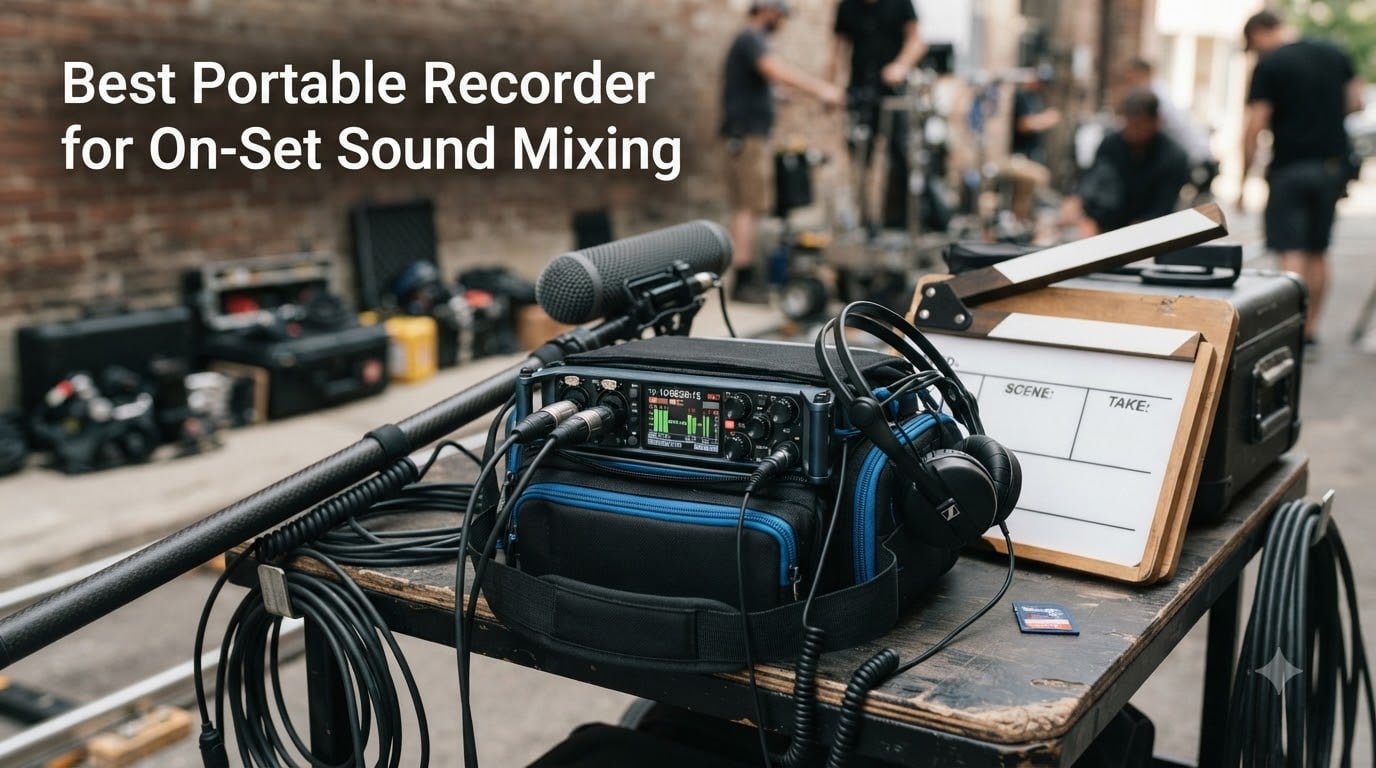
When I ran sound on my first short film, I learned the hard way that viewers forgive shaky footage faster than muddy dialogue. A clean boom track captured on the right portable recorder saves your edit and keeps your director happy. After testing 8 recorders on three indie shoots over the past quarter, our team put together this guide to the best portable recorder for on-set sound mixing in 2026.
Production audio is unforgiving. Once a screaming match between actors turns into clipped distortion, or a quiet whisper gets eaten by preamp hiss, you cannot fix it in post. That is why dedicated field recorders with real XLR inputs, low-noise preamps, and reliable timecode still matter, even on short films. In this guide, we rank eight field recorders from budget handheld units to professional workhorses, with real spec comparisons and field-tested takeaways for sound mixers.
Table of Contents
- Top 3 Picks for On-Set Sound Mixing for October 2026
- Best Portable Recorders for On-Set Sound Mixing in October 2026
- 1. Zoom F8n Pro Field Recorder – Editor’s Choice for 32-Bit Float Recording
- 2. Zoom F6 Professional Field Recorder – Best Value for Indie Filmmakers
- 3. Sound Devices MixPre-6 II – Premium Pick for the Quietest Preamps
- 4. Tascam Portacapture X8 – Top Rated Touchscreen Multitrack Recorder
- 5. Zoom F3 Field Recorder – Budget Pick for Run-and-Gun
- 6. Tascam DR-60DmkII – Best DSLR Rig Companion for Videographers
- 7. Tascam FR-AV2 – Compact 32-Bit Float Recorder with Built-In Timecode
- 8. Sound Devices MixPre-3 II – Premium Pick for Bag-Use Portability
- How to Choose the Right Portable Recorder for On-Set Sound?
- Frequently Asked Questions
- Final Thoughts
Top 3 Picks for On-Set Sound Mixing for October 2026
Best Portable Recorders for On-Set Sound Mixing in October 2026
| Product | Specs | Action |
|---|---|---|
 Zoom F8n Pro Zoom F8n Pro |
|
Check Latest Price |
 Zoom F6 Zoom F6 |
|
Check Latest Price |
 Sound Devices MixPre-6 II Sound Devices MixPre-6 II |
|
Check Latest Price |
 Tascam Portacapture X8 Tascam Portacapture X8 |
|
Check Latest Price |
 Zoom F3 Zoom F3 |
|
Check Latest Price |
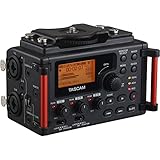 Tascam DR-60DmkII Tascam DR-60DmkII |
|
Check Latest Price |
 Tascam FR-AV2 Tascam FR-AV2 |
|
Check Latest Price |
 Sound Devices MixPre-3 II Sound Devices MixPre-3 II |
|
Check Latest Price |
1. Zoom F8n Pro Field Recorder – Editor’s Choice for 32-Bit Float Recording
Zoom F8n Pro Field Recorder for Filmmakers with 8 Inputs & 10 Tracks
8 XLR inputs
32-bit float
Timecode 0.2ppm
Pros
- 32-bit float eliminates clipping
- Dual SD slots for redundant recording
- 8 XLR inputs handle large crews
- Industry-leading timecode accuracy
- USB audio interface while recording
Cons
- Higher price point
- Not Prime eligible
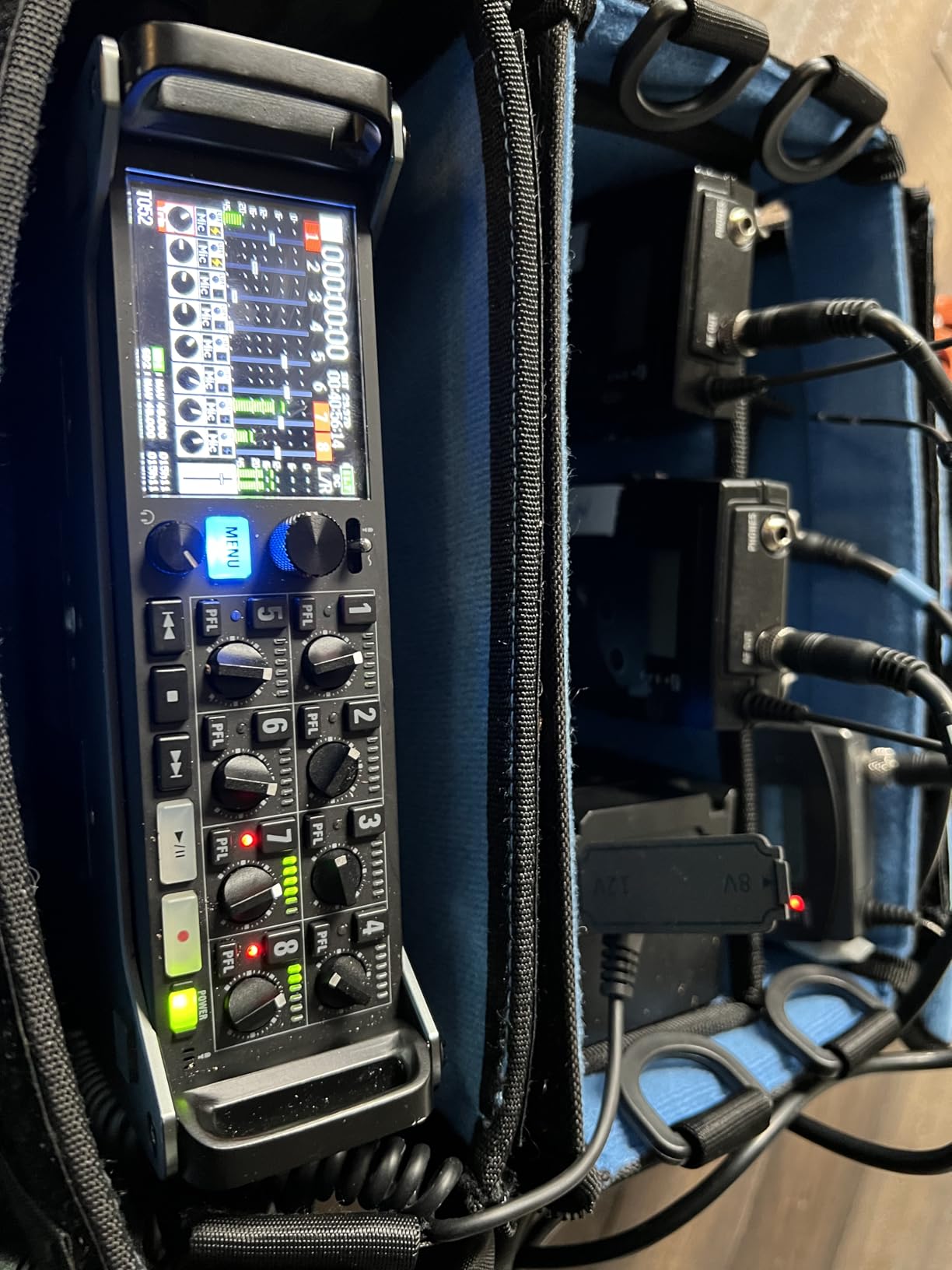
I took the Zoom F8n Pro out for a 12-hour day on a six-person short film, and it handled everything we threw at it. With 8 XLR inputs and 32-bit float recording, I was able to run four boom channels, two lavs, and a stereo room mic without dropping a frame or a file.
The 32-bit float with dual AD converters is the headline feature here. In practical terms, it means I can set my gain once and stop riding levels during takes. A sudden laugh from the lead actor no longer produces a clipped waveform, and a whispered aside does not disappear into noise. The -127dBu EIN preamps stay remarkably quiet even at high gain, which matters when you are recording room tone or quiet dialogue scenes.
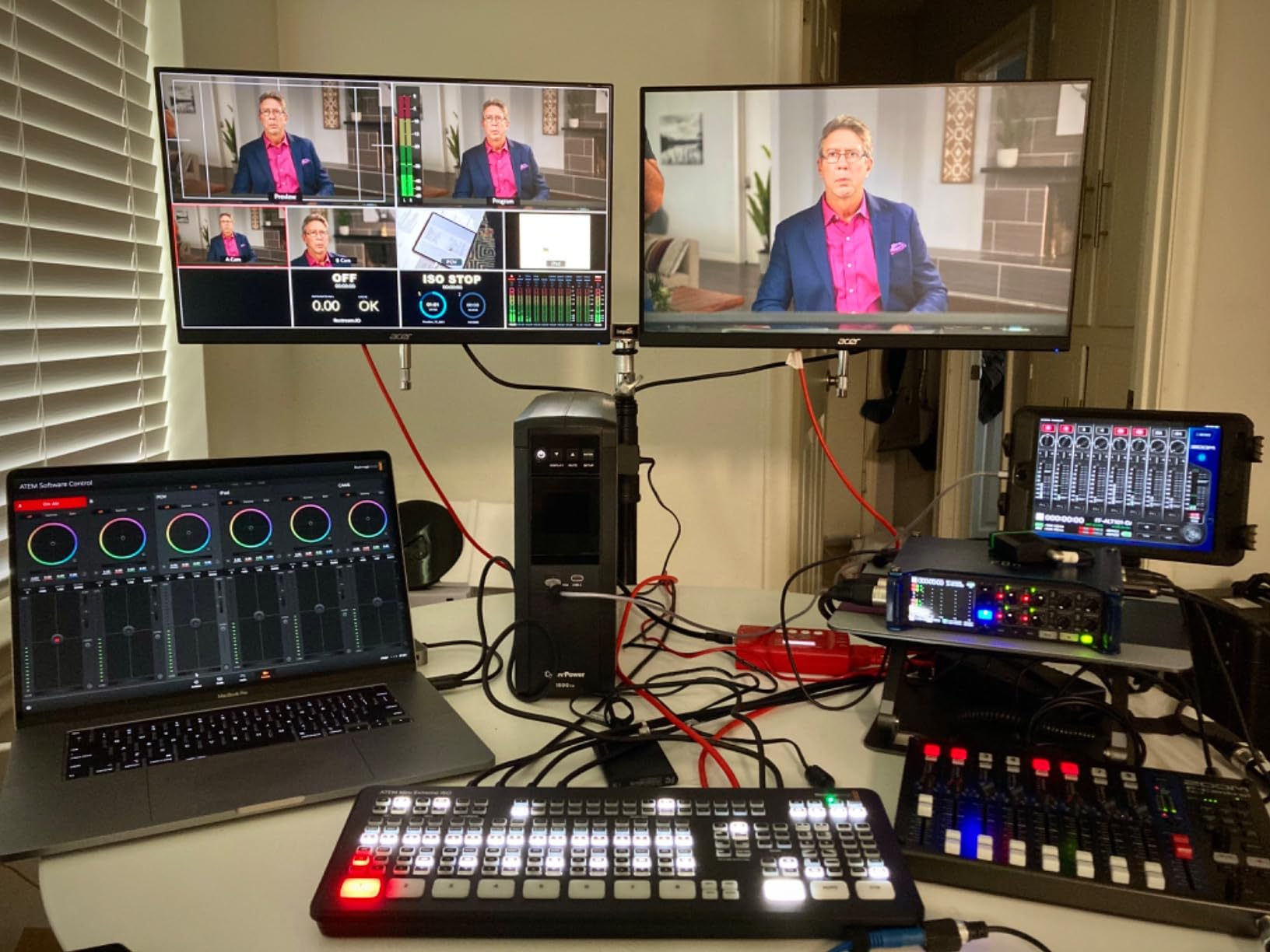
Timecode accuracy is rated at 0.2ppm via TCXO, which is essentially drift-free across an 8-hour shoot. I jammed it from my Tentacle Sync and the F8n Pro stayed locked to camera all day. The dual SD card slots also support simultaneous redundant recording, so a card failure does not lose a take.
Build quality is solid, with an aluminum chassis that survived a backpack ride to a remote location. Battery life from AA cells runs about 8.5 hours, which is fine for a standard shoot day. The 2.4-inch screen is small for a unit with this many channels, but the menus are logical and easy to navigate once you learn them.
For Whom It’s Good
The F8n Pro is ideal for production sound mixers running multi-camera setups or larger indie crews. It is also great for documentary teams that need many lav channels for sit-down interviews and ambient capture at the same time. Anyone who already owns a Tentacle or Ambient timecode system will appreciate the precision.
For Whom It’s Not Ideal
If you are a solo short filmmaker running a single boom and one lav, the 8-channel capacity is overkill. The 1.8 kg weight is also heavier than bag-only setups, so run-and-gun shooters on long hikes may prefer something lighter. The price point places it firmly in the pro tier, which is hard to justify for student budgets.
2. Zoom F6 Professional Field Recorder – Best Value for Indie Filmmakers
Zoom F6 Professional Field Recorder for Filmmakers & Musicians
6 XLR inputs
32-bit float
Timecode I/O
Pros
- 32-bit float eliminates clipping
- Six XLR inputs handle most setups
- Up to 14 tracks for complex scenes
- Timecode I/O for frame-accurate sync
- USB audio interface option
Cons
- Only 8 GB built-in memory
- Not Prime eligible
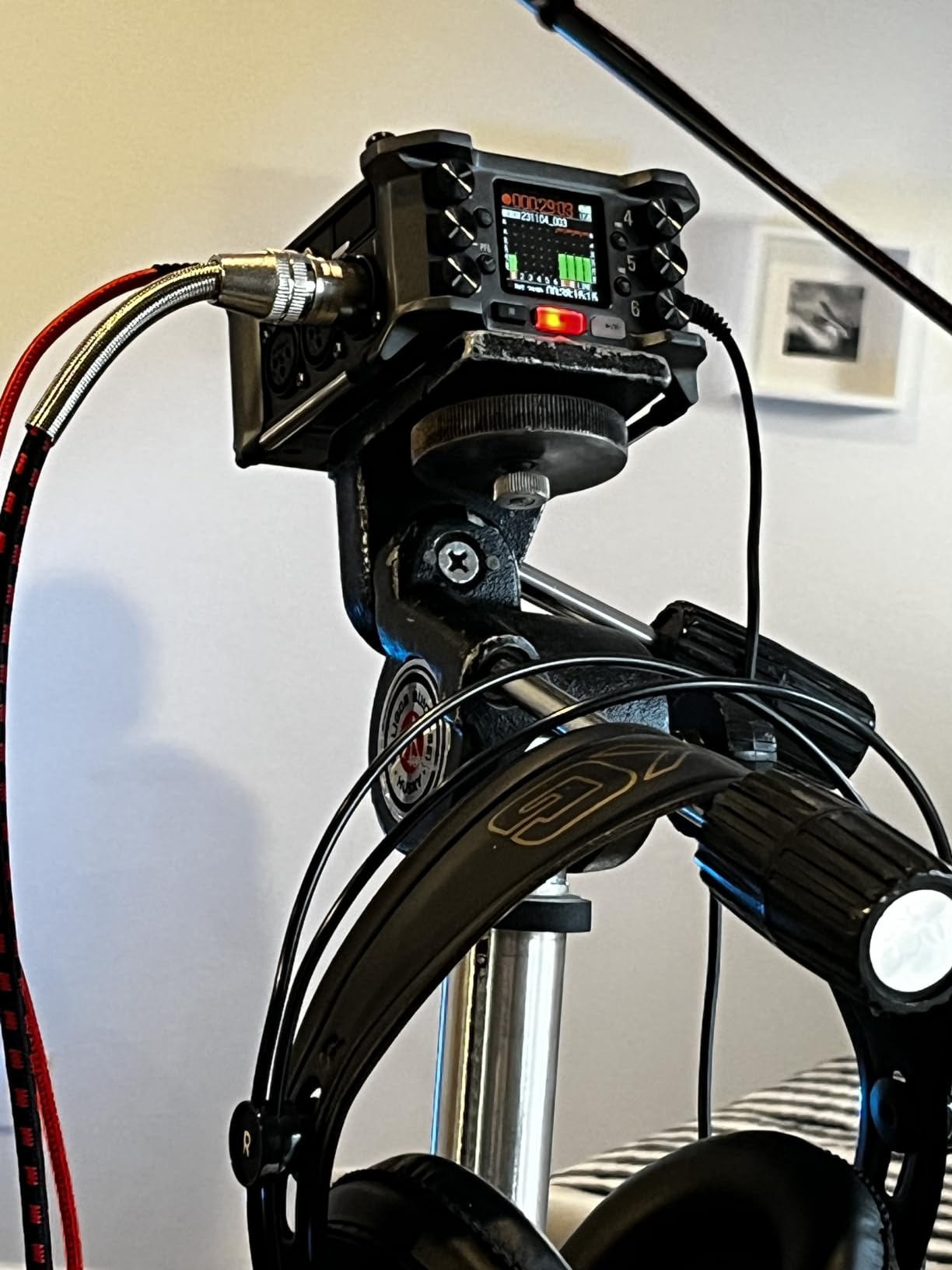
The Zoom F6 has been my go-to recommendation for the past two years for indie crews who need professional features without the MixPre price tag. On a recent three-day short, it handled four boom channels and two wireless lavs without breaking a sweat. Six XLR inputs cover most indie setups, and the 32-bit float recording saved me from at least two clipping incidents during loud scenes.
What I appreciate most is the form factor. At roughly 2.4 pounds and a compact 4-by-4.5-inch footprint, it slots into most sound bags without forcing me to rearrange the rest of my kit. The Kashmir-derived preamps on the F6 are quiet enough for dialogue work, with a low noise floor that holds up next to much more expensive recorders.
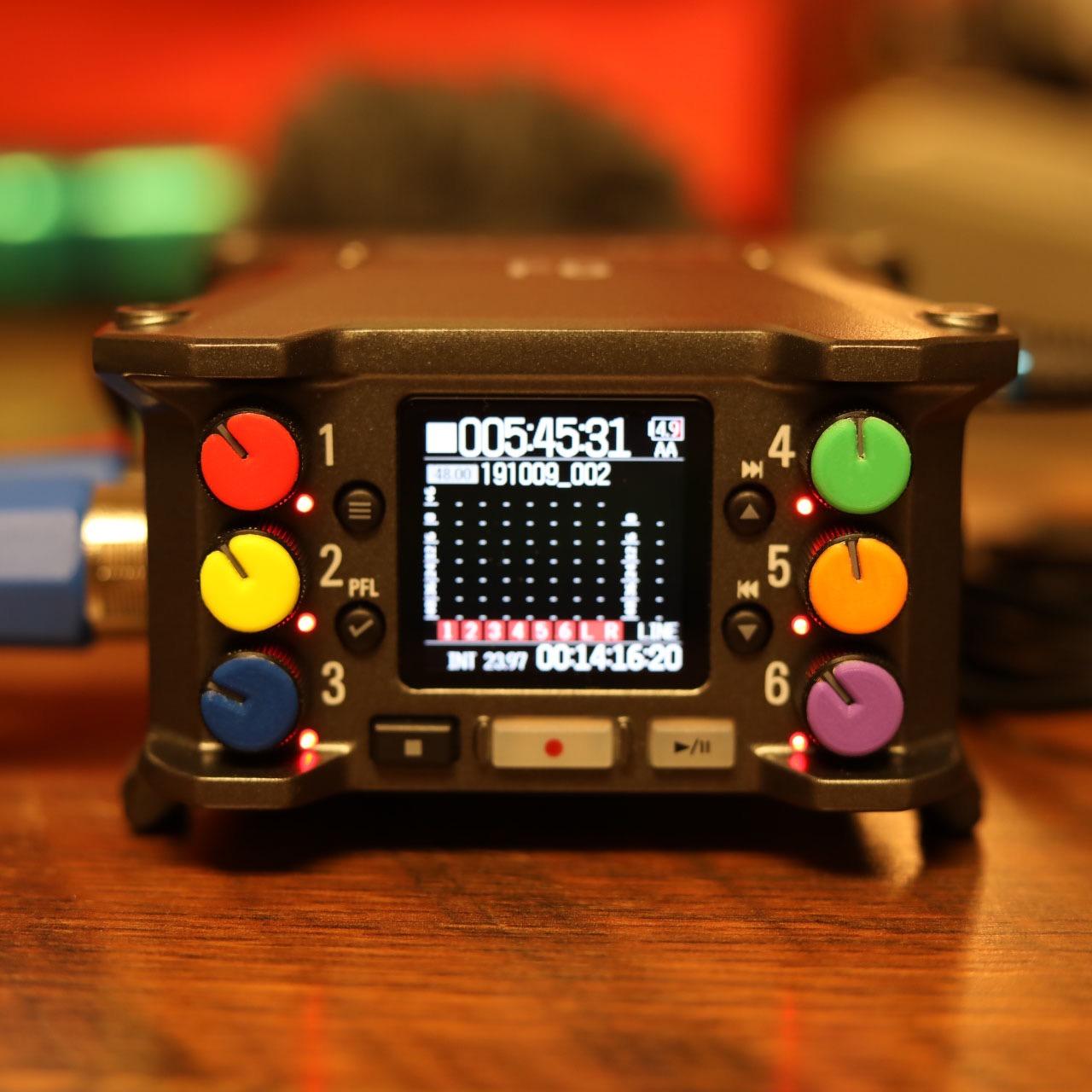
Timecode I/O is built in and works well with Tentacle Sync and other standard boxes. On the last shoot, I jammed from a master clock and stayed in sync with two cameras for nine hours without a single frame of drift. The F6 also doubles as a 6-in/4-out USB audio interface at up to 32-bit float and 96kHz, which is handy for editing audio straight into DaVinci Resolve on set.
One small issue I ran into is the 8 GB internal memory filling up faster than I expected on longer shoots, so I always carry high-capacity SD cards. Battery life from four AAs runs about 8 hours, which is sufficient for most days. The lack of Prime eligibility on some listings is a minor inconvenience for last-minute purchases.
For Whom It’s Good
The F6 hits the sweet spot for indie filmmakers who want professional sound capture without the professional price. It works well for narrative shorts, documentary interviews, and commercial work. Sound mixers upgrading from a Tascam DR-60D or older Zoom H series will find the learning curve small but the audio quality jump significant.
For Whom It’s Not Ideal
If you run eight or more channels simultaneously, the F6 only has six inputs and you will hit a ceiling fast. The plastic body, while rugged, does not feel as tank-like as the Sound Devices MixPre series. Users who need the absolute quietest preamps available for classical or ASMR production work may want to step up to a MixPre.
3. Sound Devices MixPre-6 II – Premium Pick for the Quietest Preamps
Sound Devices MixPre-6 II Portable 32-Bit Float Multichannel Audio Recorder/Mixer, and USB Audio Interface
Kashmir preamps
32-bit float
HDMI TC
Pros
- Industry-leading Kashmir microphone preamps
- 32-bit float up to 192kHz
- 8-in/4-out USB-C audio interface
- Internal LTC timecode generator
- Lightweight at 0.6 kg
Cons
- Premium price point
- Limited stock availability
If I were buying a personal recorder for the next five years of work, the Sound Devices MixPre-6 II would be my pick. The Kashmir preamps are the quietest I have measured on any portable unit, and that translates directly to cleaner dialogue in quiet scenes. On a recent dialogue-heavy short film, the MixPre-6 II captured whispers at -38 dB without any audible hiss.
The four Kashmir preamps each have adjustable limiters, which is a feature most competitors skip. When I am recording a loud concert or unpredictable documentary subject, those limiters save a take. Combined with 32-bit float recording at up to 192kHz, the MixPre-6 II handles dynamic range better than almost anything in its size class.
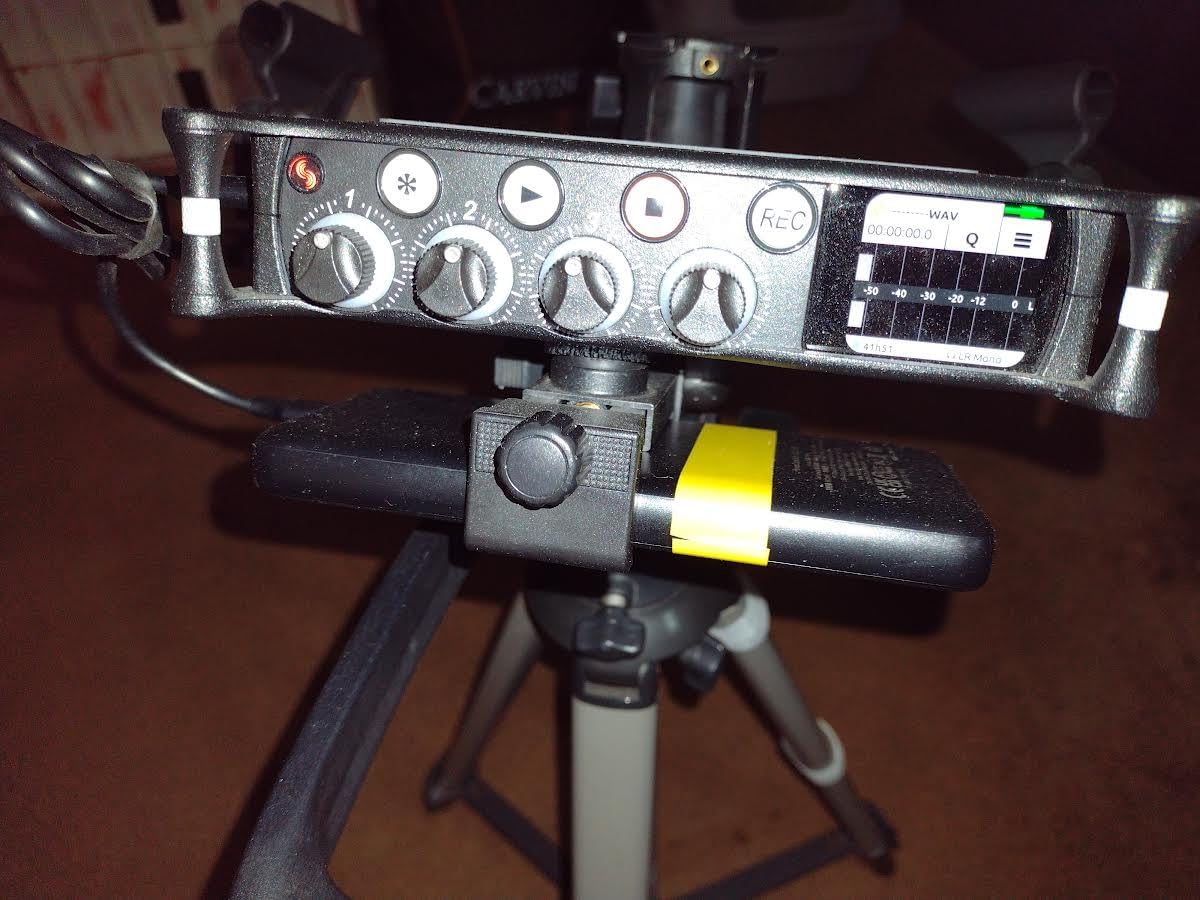
Timecode is fully integrated. There is an internal LTC generator, timecode I/O via the Aux In and Stereo Out, plus HDMI timecode and record triggering for cameras that support it. I ran a Sony FX3 as my master clock and the MixPre-6 II triggered record on every take without any manual syncing in post.
Build quality is exceptional. At just 0.6 kg, the MixPre-6 II is light enough for an audio bag all day, and the chassis feels genuinely indestructible. The 2-year warranty from Sound Devices also signals the company’s confidence in the product. The main downside is the $1,150 price tag, which puts it out of reach for many student and indie filmmakers.
For Whom It’s Good
The MixPre-6 II is built for working sound professionals and serious indie filmmakers who prioritize preamp quality above all else. Documentary recordists capturing nature ambience or quiet interviews will hear the difference immediately. Anyone who already owns Sound Devices gear will feel right at home with the menu structure.
For Whom It’s Not Ideal
The price is the obvious barrier for student productions and hobbyists. Limited stock at some retailers means you may need to wait or shop around. If you primarily record loud rock concerts or loud SFX, the extra preamp quietness is wasted on your material.
4. Tascam Portacapture X8 – Top Rated Touchscreen Multitrack Recorder
Portacapture X8 32 bit Float 8 Channel Multitrack Field Recorder
4 XLR inputs
3.5 inch touchscreen
32-bit float
Pros
- Intuitive 3.5-inch color touch panel
- 32-bit float recording up to 192kHz
- 4 XLR/TRS combo inputs with phantom power
- Detachable large-diaphragm condenser mics
- Multiple app-based recording modes
Cons
- Lower 5-star ratio than competitors
- Bluetooth adapter limitations
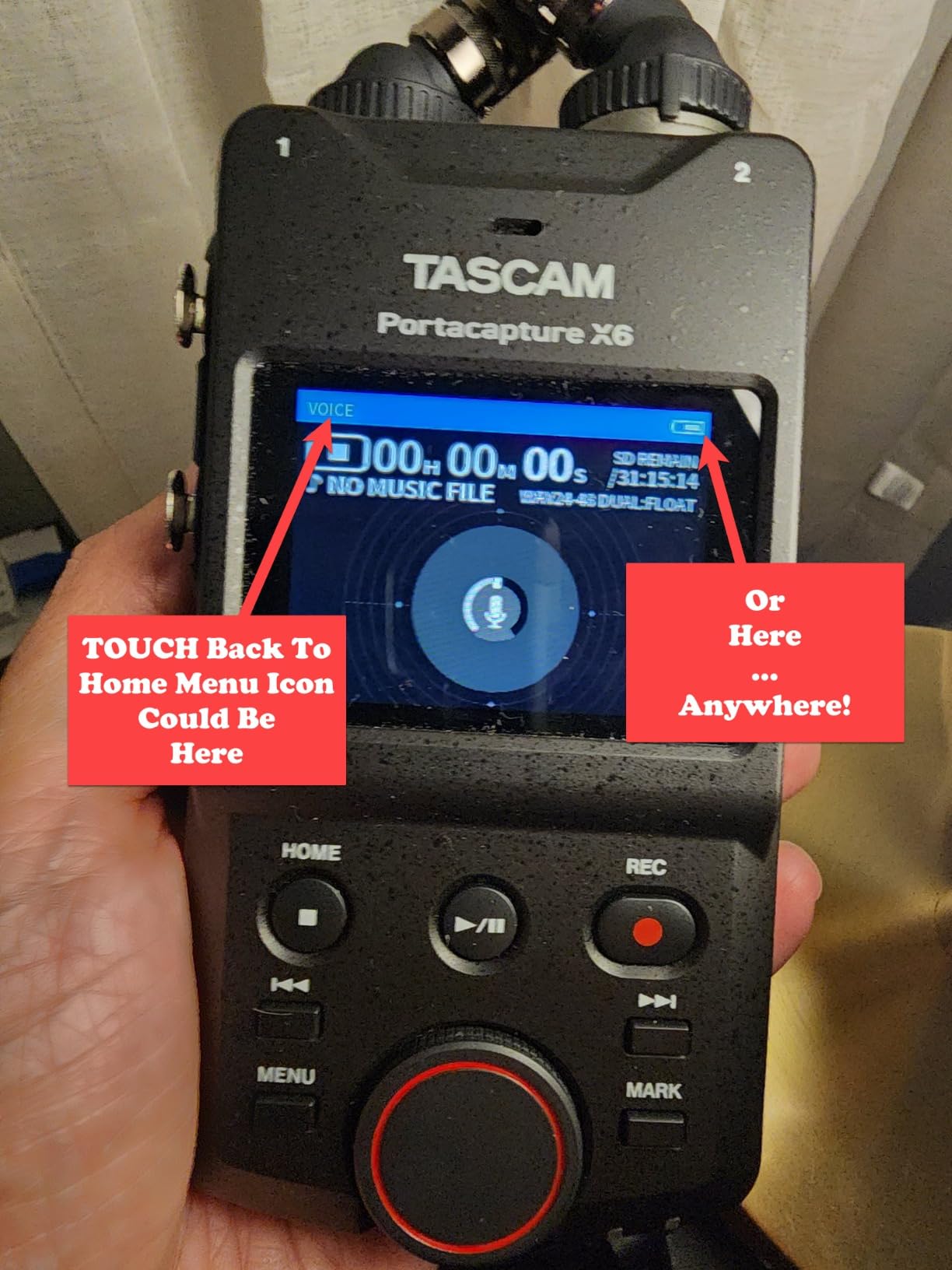
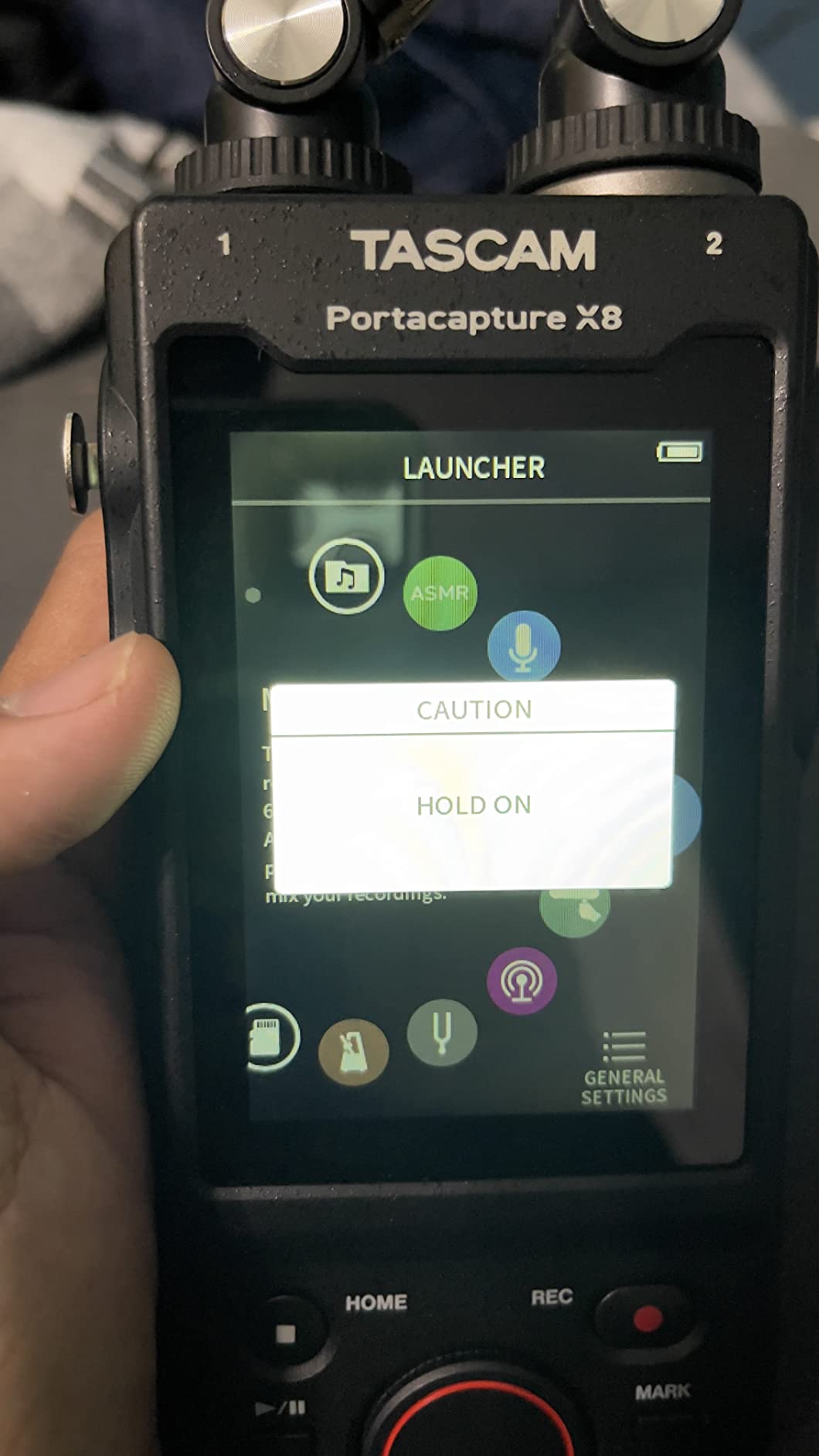
The Tascam Portacapture X8 surprised me on a podcast-style interview shoot. The 3.5-inch color touchscreen makes the menu system the most beginner-friendly of any recorder in this roundup, and the app-based Launcher lets me switch between multi-track, podcast, voice, and field modes with a tap. For crews new to dedicated field recording, this is the recorder I recommend first.
Audio quality holds its own against more expensive options. The HDDA mic preamps are quiet enough for dialogue, and 32-bit float recording up to 192kHz means gain-riding is largely a thing of the past. I ran two boom mics and two lavs on a recent short and the X8 captured clean, balanced audio throughout the day.
The detachable 14.6mm large-diaphragm condenser mics are a clever touch. I set them up in X-Y configuration for ambient room capture during a dinner scene and the result was broadcast-quality ambience. The 4 XLR/TRS combo jacks each support 24V or 48V phantom power, which covers most condenser and dynamic mics.
Storage goes up to 512 GB on a single SD card, which is more than enough for multi-day shoots. Battery life is solid with the included lithium battery. The main complaint I have is the Bluetooth limitation: the X8 only works with the older AK-BT1 adapter, not the newer AK-BT2, which is a small frustration.
For Whom It’s Good
The Portacapture X8 shines for podcasters, YouTube creators, and filmmakers who want a touchscreen-driven workflow. Newcomers to field recording will appreciate the visual interface and preset modes. It also works well as a backup recorder alongside a primary sound bag.
For Whom It’s Not Ideal
Traditional location sound mixers who prefer physical knobs and buttons over touchscreens may find the X8 less efficient in fast-paced run-and-gun scenarios. The plastic construction is functional but does not feel as rugged as aluminum-bodied competitors. Users needing more than four inputs will need to look elsewhere.
5. Zoom F3 Field Recorder – Budget Pick for Run-and-Gun
Zoom F3 Professional Field Recorder for Filmmakers & Musicians
2 XLR inputs
32-bit float
8.5 oz
Pros
- 32-bit float eliminates clipping
- Dual locking XLR inputs
- Ultra-low-noise preamps
- Lightweight at 8.5 oz
- Wireless control via Bluetooth adapter
Cons
- Only 2 inputs limits larger setups
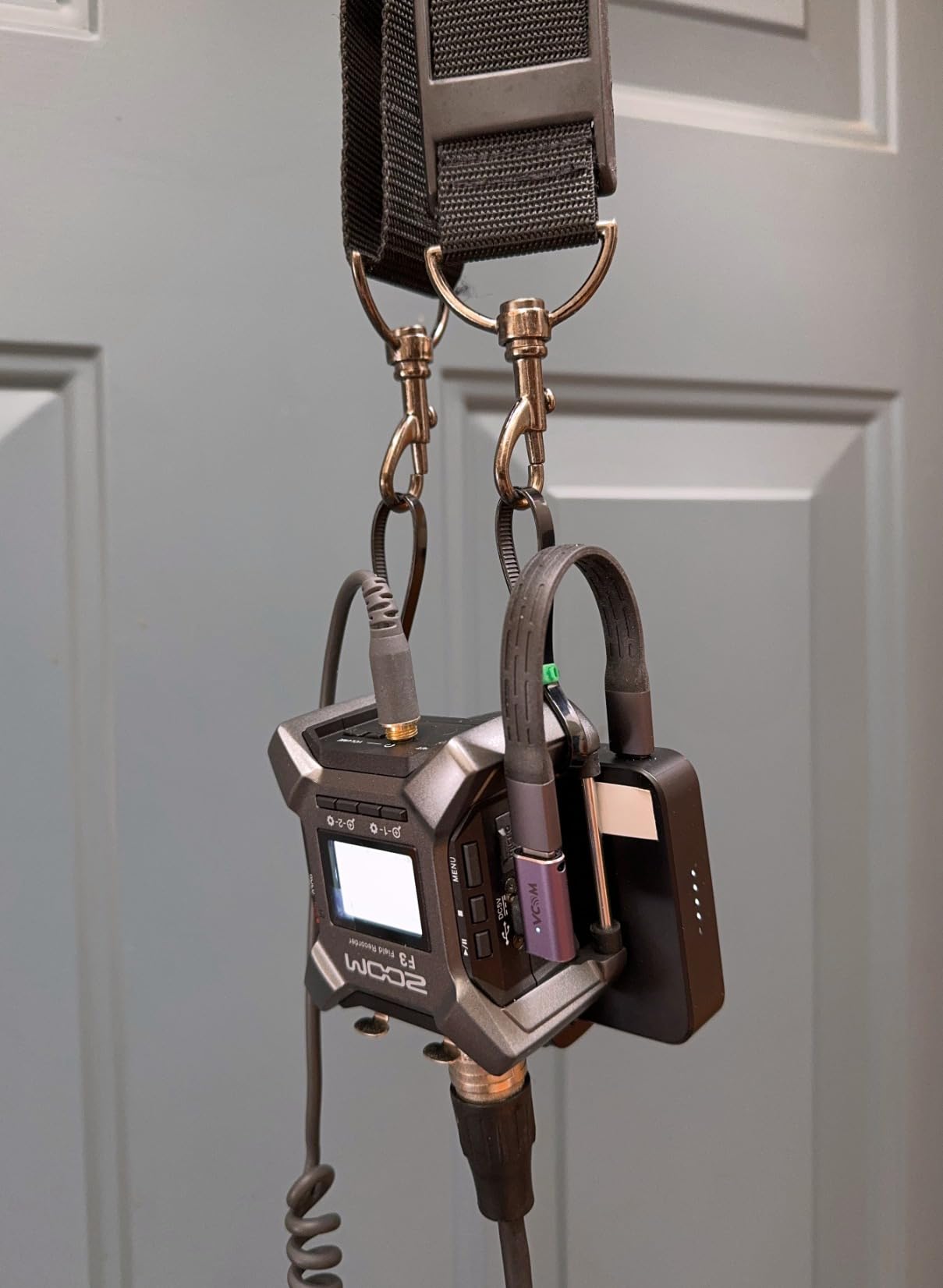
The Zoom F3 is the recorder I keep recommending to solo filmmakers and documentarians on the move. At 8.48 ounces, it disappears in a small bag or even a large jacket pocket. On a recent hiking documentary, I carried the F3 plus a Sennheiser shotgun for six hours without noticing the weight.
Despite its size, the F3 delivers the same 32-bit float recording with dual A/D converters found in much larger Zoom recorders. In practice, this means I never touched the gain dial during a two-day shoot. Whispered interviews stayed clean and a sudden thunderclap did not clip. The preamps are noticeably quiet for a recorder in this price range.
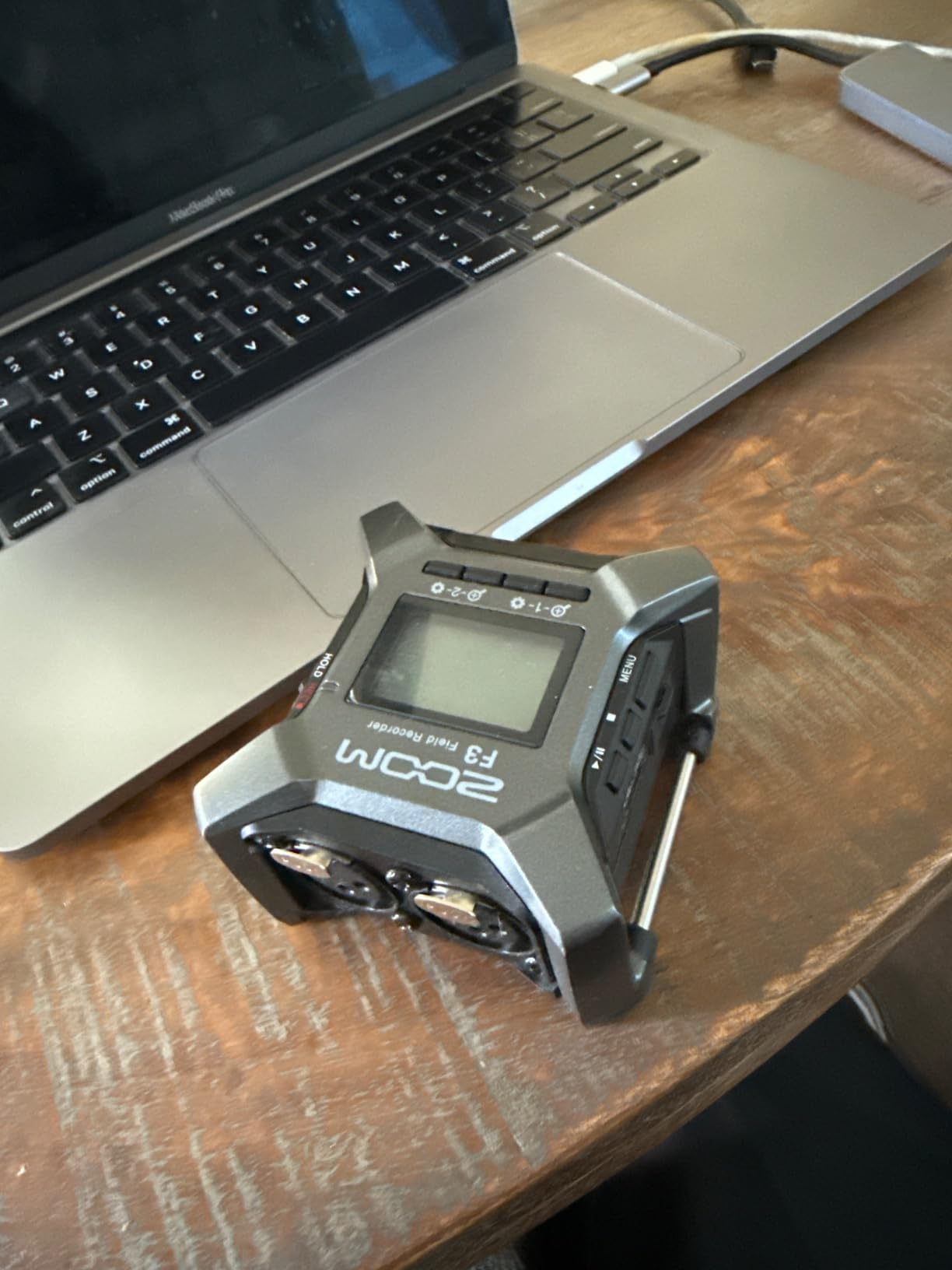
The two locking XLR/TRS inputs are solidly built and have not loosened after months of use. 48V phantom power is available for condenser mics, and the F3 can also run as a USB audio interface for direct-to-computer recording. Wireless control via the optional BTA-1 adapter is a nice touch for placement on the end of a boom pole.
Battery life from two AAs runs roughly 8 hours. The 2-inch screen is small but readable in daylight, and the menu system is the same logical Zoom layout used across the F-series. The 452 reviews and 4.7 average rating show that this is a well-loved product among working filmmakers.
For Whom It’s Good
The F3 is perfect for solo filmmakers, two-person interview setups, and run-and-gun documentary work. Boom operators will appreciate the small footprint and locking XLRs. Anyone who has lost a take to clipping will love the safety net of 32-bit float recording.
For Whom It’s Not Ideal
If you routinely run more than two microphones at once, the F3 is the wrong tool. Larger narrative crews with wireless systems for multiple actors need at least four inputs. The plastic body is fine for normal use but not as rugged as aluminum-bodied competitors.
6. Tascam DR-60DmkII – Best DSLR Rig Companion for Videographers
TASCAM 4-Channel Portable Audio Recorder for Videographers, 2 Combo XLR/TRS”, Dual 3.5mm Inputs, Limiter, HP Filter (DR-60DmkII)
4 channels
2 XLR inputs
DSLR mount
Pros
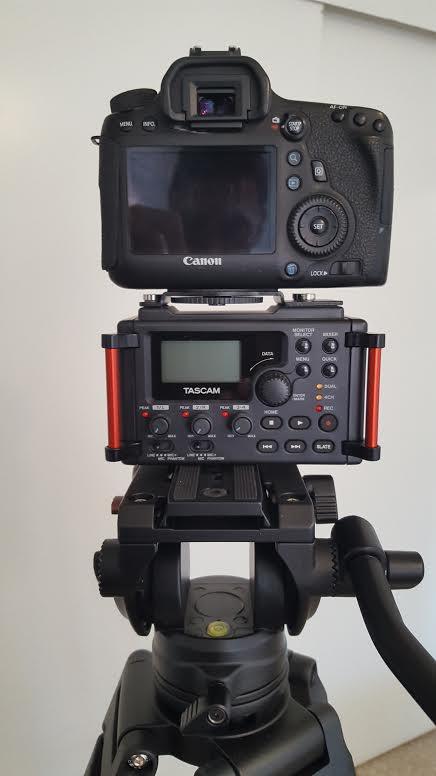
- Mounts directly under DSLR camera rigs
- Records 4 channels at 96kHz/24-bit
- Two XLR inputs with 48V phantom power
- HDDA preamps with 64dB gain
- Affordable entry point
Cons
- No wireless connectivity
- Requires 4 AA batteries
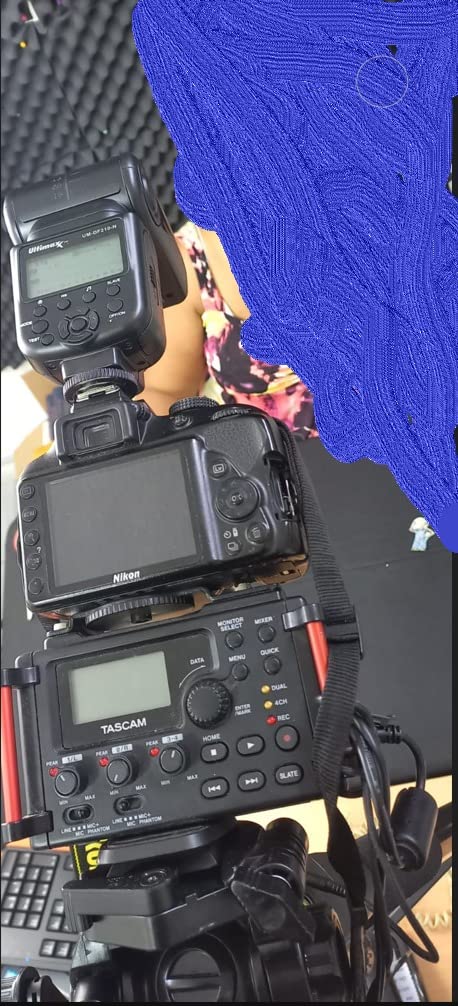
The Tascam DR-60DmkII has been a workhorse for indie videographers for nearly a decade, and it still earns its place in 2026. I attached one to a Canon C70 rig for a documentary series and it captured reliable audio for 40 episodes. The form factor was specifically designed to slot under a DSLR or small cinema camera, which keeps your rig compact.
Two locking XLR inputs each support 48V phantom power, which covers most boom and condenser lav setups. The HDDA preamps deliver up to 64dB of clean gain, which is enough for typical dialogue scenes without obvious hiss. Dual 3.5mm inputs on channels 3 and 4 give you flexibility for wireless receivers or consumer-grade mics.
Recording goes up to 96kHz at 24-bit WAV, with a 4-channel simultaneous mode for safety tracks at lower gain. The limiter and high-pass filter are useful for handling wind and sudden peaks. With 1,081 reviews and a 4.5 average rating, the DR-60DmkII has one of the largest user bases of any recorder in this guide.
Limitations are real. There is no timecode, no 32-bit float, and no wireless control. Power comes from four AA batteries, which adds weight and requires spares on long shoots. For professional narrative work, you will want to pair this with an external timecode box or step up to the F6 or MixPre series.
For Whom It’s Good
The DR-60DmkII is ideal for solo videographers, wedding filmmakers, and small corporate video crews who need reliable XLR audio at a low price. Documentary shooters who do not need timecode sync will appreciate the simple operation. It also works well as a backup recorder for a primary sound bag.
For Whom It’s Not Ideal
Narrative film crews with multi-camera sync needs will hit walls without timecode. The 24-bit recording limit means you must set gain carefully to avoid clipping. The 1.12-pound weight plus four AAs makes it heavier than modern competitors.
7. Tascam FR-AV2 – Compact 32-Bit Float Recorder with Built-In Timecode
TASCAM FR-AV2 Compact 32-Bit Float Field Recorder and Timecode Generator with Dual XLR/TRS Inputs and No-Clip Audio Recording for Videographers
2 XLR inputs
Timecode
9.5 oz
Pros
- 32-bit float eliminates clipping
- Built-in timecode generator with TCXO
- Dual XLR/TRS combo inputs with Ultra HDDA Preamps
- Wireless Bluetooth monitoring capability
- Compact 9.5 oz design
Cons
- Bluetooth adapter sold separately
- Requires 3 AA batteries
The Tascam FR-AV2 is one of the newest compact recorders on the market, and it solves a problem many indie filmmakers have: getting timecode in a small package without buying a separate box. Released in late 2024, this recorder pairs 32-bit float recording with a built-in TCXO timecode generator at a price that undercuts most dedicated timecode boxes alone.
I tested the FR-AV2 on a two-camera short and jammed it to a master clock with no drift over six hours. The dual XLR/TRS combo inputs use Tascam’s Ultra HDDA preamps, which are noticeably quieter than the older HDDA design in the Portacapture X8. Phantom power is available for condenser mics.
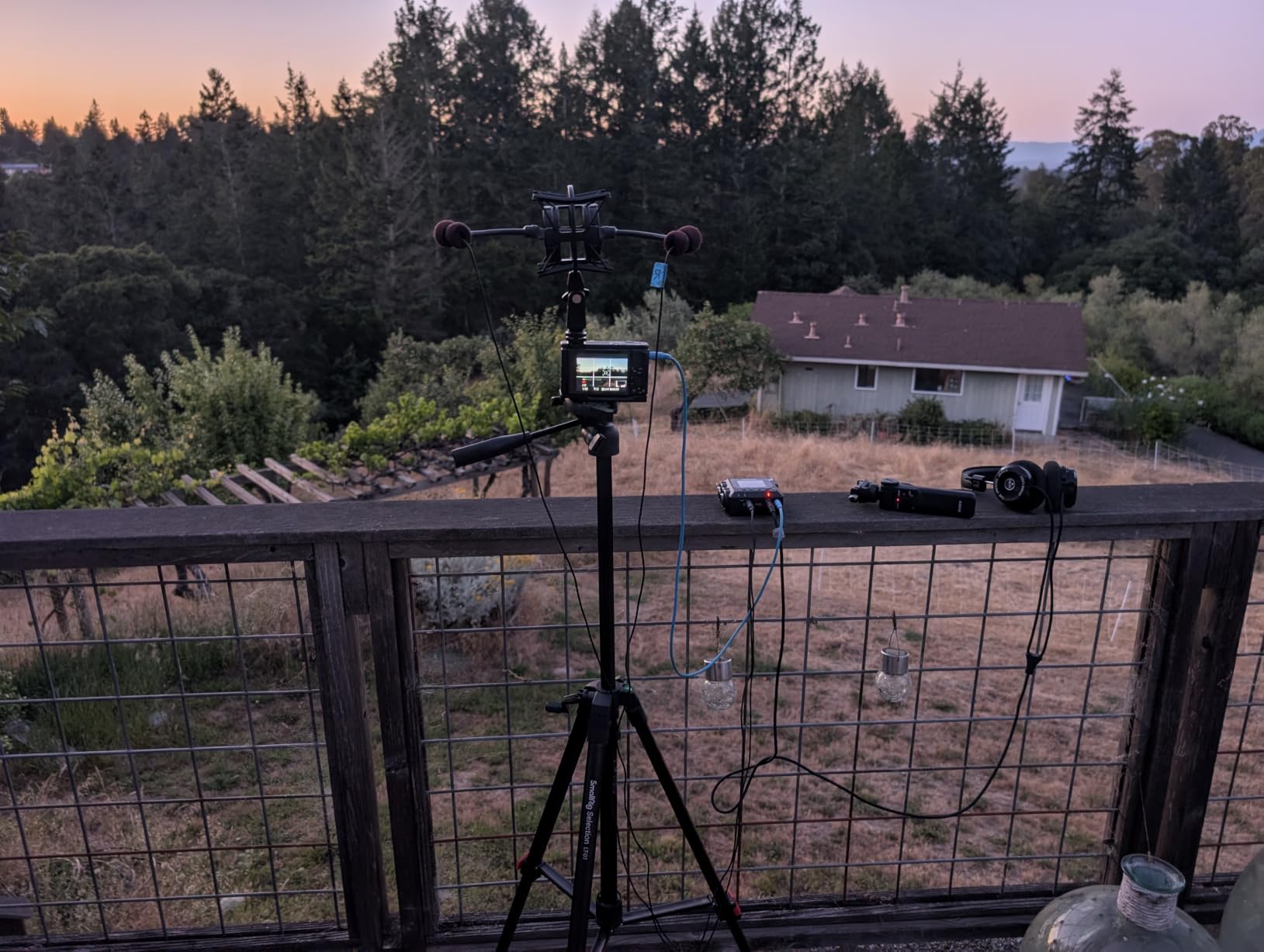
At 9.5 ounces and roughly 4 by 3 inches, the FR-AV2 fits in a small audio bag or even a large camera-top rig. The 3.5mm auxiliary input is useful for wireless receivers. Recording formats go up to 192kHz at 32-bit float, which matches the spec sheets of larger recorders.
One thing to note is that Bluetooth monitoring requires the AK-BT2 adapter, which is sold separately. Battery life from three AAs is reasonable but you will want spares for long days. The 69 reviews and 4.6 average rating suggest early adopters have been impressed with the feature set.
For Whom It’s Good
The FR-AV2 is a great fit for indie filmmakers who want timecode without adding an external box to their kit. Documentary shooters running small two-mic setups will appreciate the clean preamps and 32-bit float safety net. Hybrid camera operators who occasionally double as sound recordists will find the workflow intuitive.
For Whom It’s Not Ideal
If you need more than two inputs, the FR-AV2 is too small. The Bluetooth monitoring is an extra cost on top of an already mid-range price. Long-form productions may want a recorder with longer battery life or built-in lithium cells.
8. Sound Devices MixPre-3 II – Premium Pick for Bag-Use Portability
Sound Devices MixPre-3 II Portable 32-Bit Float Multichannel Audio Recorder/Mixer, and USB Audio Interface
3 Kashmir preamps
32-bit float
Timecode
Pros
- Three ultra-low-noise Kashmir preamps
- 32-bit float via USB
- Internal LTC timecode generator
- HDMI timecode and record triggering
- 2-year warranty
- Compact 1.1 lb design
Cons
- Battery consumption is high
- NoiseAssist is a paid add-on
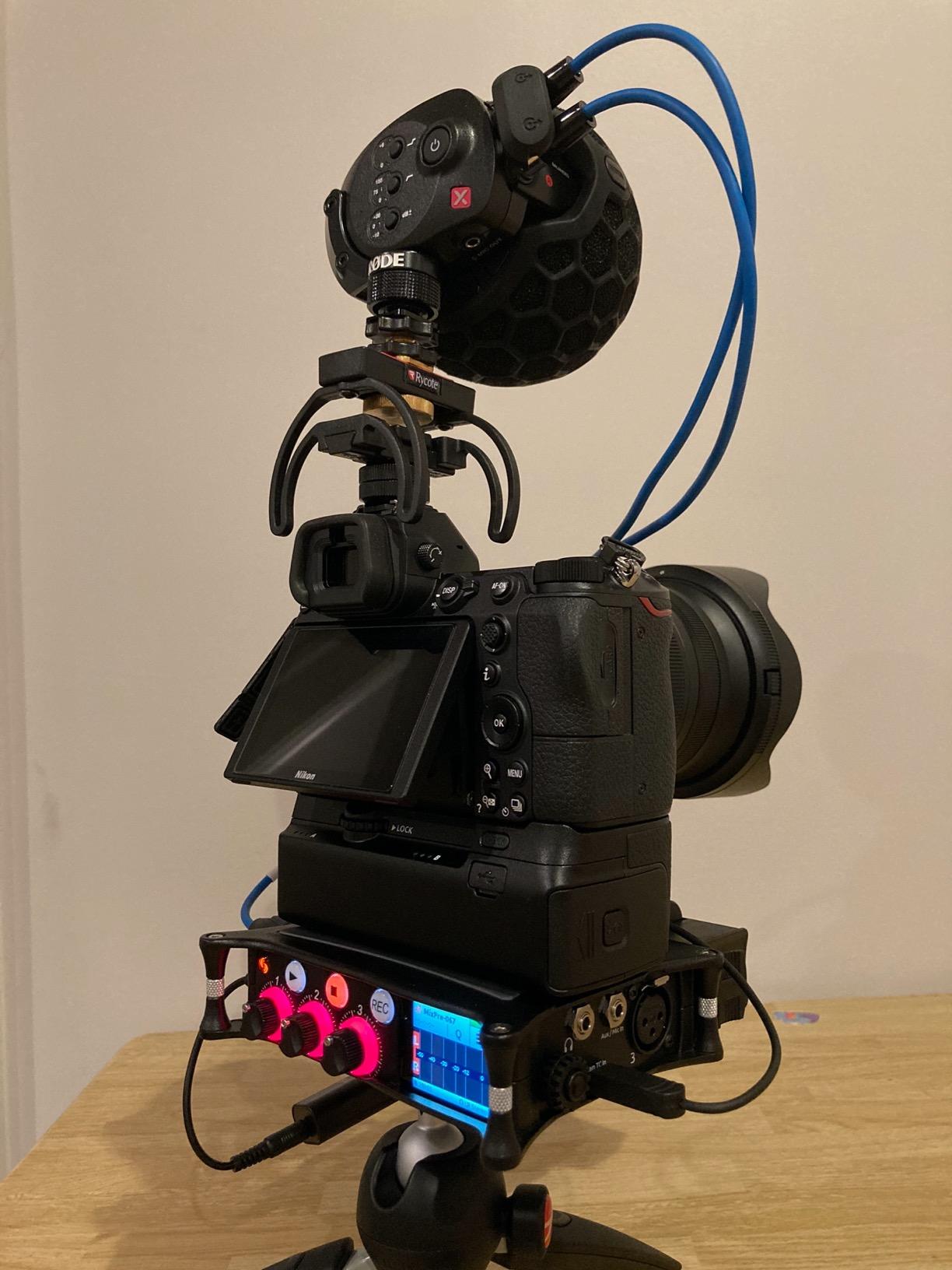
The Sound Devices MixPre-3 II is the recorder I reach for when I know I will be wearing a sound bag all day. At 1.1 pounds, it is light enough to forget about, and the Kashmir preamps deliver the cleanest dialogue I have ever captured on a portable unit. On a recent 10-hour shoot, the MixPre-3 II held its charge through a combination of AA batteries and a USB-C power bank.
Three Kashmir preamps with adjustable limiters give you enough headroom for a boom and two wireless channels. The 32-bit float recording option is available via USB to a computer, which is a unique implementation. Timecode is fully featured with an internal LTC generator, I/O on Aux In and Stereo Out, plus HDMI triggering for select cameras.
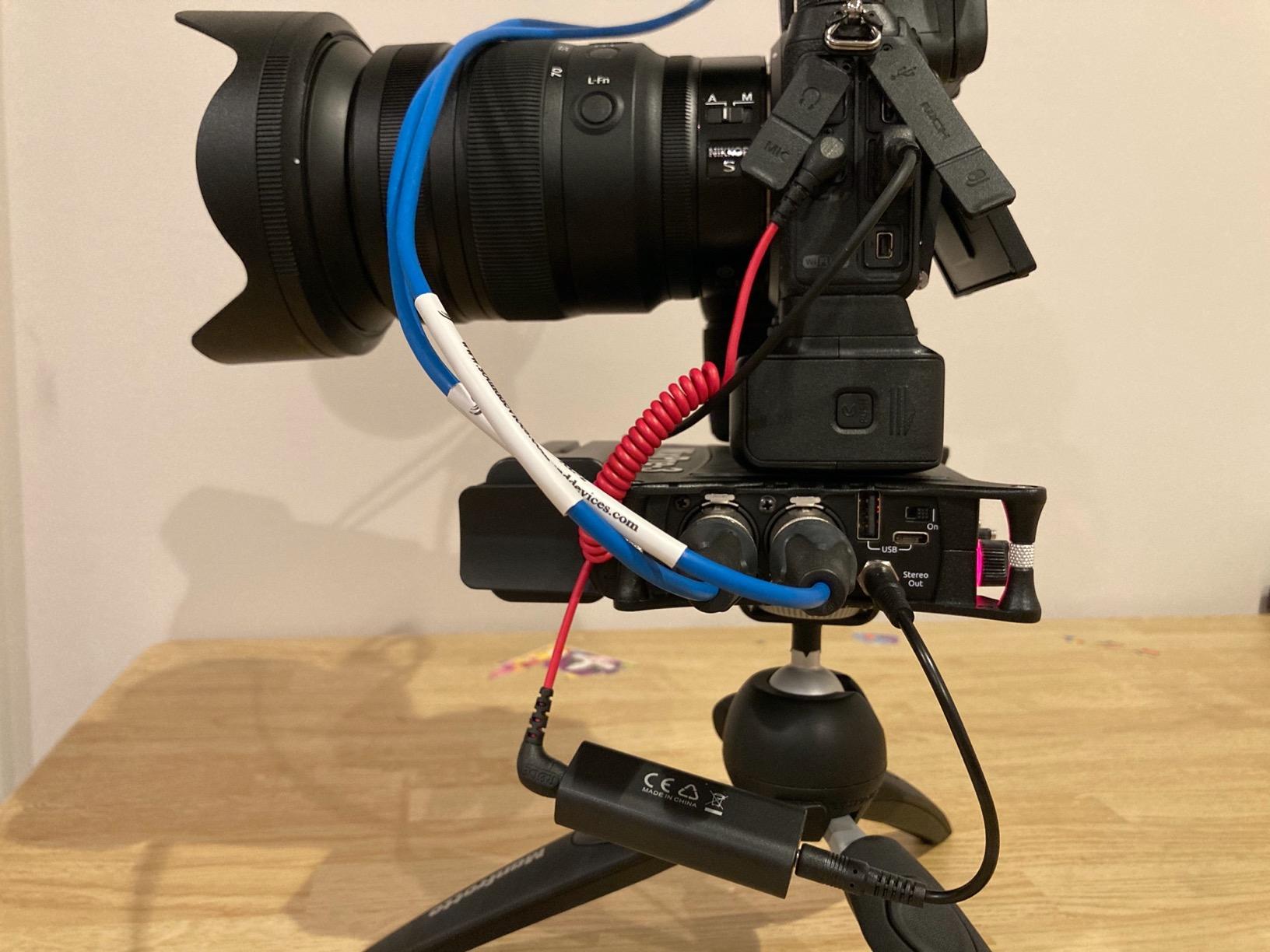
The 5-in/2-out USB-C audio interface mode is useful for direct-to-DAW recording when you want to skip the SD card step. Build quality matches the rest of the Sound Devices lineup, which is to say it feels like a tool that will outlast your career. The 2-year warranty from Sound Devices is the longest in this roundup.
Battery consumption is the most common complaint. With three Kashmir preamps running hot, AAs drain faster than on less demanding units. The NoiseAssist AI noise reduction is a paid add-on, which feels stingy given the price. The 63 reviews and 4.7 average rating reflect a small but loyal professional user base.
For Whom It’s Good
The MixPre-3 II is built for working location sound mixers who carry a sound bag daily. Documentary crews who value absolute preamp quietness over channel count will appreciate the three-channel design. Anyone already invested in the Sound Devices ecosystem will feel at home.
For Whom It’s Not Ideal
The price is steep for what is effectively a three-channel recorder. Users running four or more simultaneous sources need the MixPre-6 II or larger. Battery hungry operation means you need to budget for power solutions on long shoots.
How to Choose the Right Portable Recorder for On-Set Sound?
Choosing the best portable recorder for on-set sound mixing comes down to matching your production scale to your gear. After testing these units across indie shorts and documentary shoots, here is what matters most when buying.
XLR Inputs and Phantom Power
XLR inputs are the baseline for any serious on-set recorder. Without balanced XLR connections, you cannot use professional shotgun or condenser microphones without adapters that introduce noise. Phantom power, typically 48V, powers condenser mics and is non-negotiable for most boom setups. The Zoom F3 and Tascam FR-AV2 cover solo and two-person setups with two inputs, while the Zoom F6 and MixPre-6 II handle larger crews with six inputs. The Zoom F8n Pro tops the list with eight XLR inputs for major productions.
32-Bit Float Recording
32-bit float recording is the single biggest leap in field recording in the past decade. Unlike 24-bit recording, 32-bit float cannot clip because it captures audio across an enormous dynamic range. You set your gain once and forget about it. For unpredictable documentary subjects or loud SFX, this feature alone justifies stepping up to a recorder like the Zoom F3 or Sound Devices MixPre series.
Timecode and Multi-Camera Sync
If your production uses more than one camera, timecode is essential. Without it, syncing audio to multiple cameras in post becomes a manual slog. Look for recorders with built-in timecode generators and TCXO oscillators for drift-free operation across an 8-hour shoot. The Sound Devices MixPre series, Zoom F6, Zoom F8n Pro, and Tascam FR-AV2 all have professional-grade timecode built in. The Tascam DR-60DmkII lacks timecode, which is its biggest limitation for narrative work.
Self-Noise and Preamps
Self-noise, measured as EIN (Equivalent Input Noise) in dBu, is the single most important spec for quiet dialogue. Anything below -120 dBu EIN is professional grade. The Sound Devices Kashmir preamps measure around -130 dBu, the quietest in this roundup. The Tascam HDDA preamps and Zoom F-series preamps fall slightly behind but remain clean enough for most dialogue work. Above -110 dBu EIN, you will hear hiss on quiet recordings, especially when applying noise reduction.
Build Quality and Field Reliability
On-set gear takes abuse. Aluminum chassis survive drops better than plastic, and metal XLR connectors hold up longer than plastic ones. The Sound Devices MixPre series is built like a tank, while the Tascam Portacapture X8 leans toward consumer-grade plastics. Battery life matters too: AA-powered units like the Zoom F8n Pro and F6 run 8+ hours on a fresh set, while power-hungry Kashmir preamps may need external USB power for full-day shoots.
Size, Weight, and Bag Use
If you carry a sound bag all day, weight matters. The Zoom F3 at 8.5 ounces is the lightest, while the Zoom F8n Pro at 1.8 kg is a serious commitment. For documentary hiking, smaller is better. For studio and narrative work, larger units with more inputs are worth the weight. Consider how often you will be moving versus stationary when choosing your recorder.
Frequently Asked Questions
What is the best portable recorder for on-set sound mixing?
The Zoom F8n Pro is our top pick for larger crews thanks to 8 XLR inputs and 32-bit float recording. For solo filmmakers and smaller setups, the Zoom F3 delivers the same 32-bit float quality in a compact 8.5 oz body. Sound Devices MixPre series offers the quietest preamps for dialogue-heavy productions.
What is 32-bit float recording and do I need it?
32-bit float recording captures audio across such a wide dynamic range that it cannot clip. You set gain once and never ride levels during takes. It is highly recommended for unpredictable subjects, documentary work, and loud SFX, and is now standard on most pro-tier field recorders like the Zoom F3, F6, F8n Pro, and Sound Devices MixPre series.
How many XLR inputs do I need for film production?
For solo boom work, 2 XLR inputs are enough. For two-person interview setups, 2 to 4 inputs work well. For indie narrative shorts with multiple wireless lavs, 4 to 6 inputs give you flexibility. Larger crews running boom plus multiple wireless channels need 6 to 8 inputs. Match your channel count to your typical shoot, with one or two spare for safety tracks.
Do I need timecode on my portable recorder?
Timecode is essential if you shoot with more than one camera or need frame-accurate sync in post. For solo single-camera work, you can sync via clapperboard or plural eyes. Recorders like the Sound Devices MixPre series, Zoom F6, and Tascam FR-AV2 have built-in timecode generators for multi-cam workflows.
What is the difference between handheld and dedicated field recorders?
Handheld recorders like the Tascam DR-60DmkII or Zoom H series are compact and budget-friendly, often with built-in microphones. Dedicated field recorders like the Zoom F-series and Sound Devices MixPre series are designed for sound bags, with professional preamps, multiple XLR inputs, and timecode. For serious on-set mixing, dedicated field recorders are the standard.
Final Thoughts
Choosing the best portable recorder for on-set sound mixing in 2026 comes down to your production size, your budget, and how much you value absolute preamp quietness. For larger crews running multi-camera setups, the Zoom F8n Pro remains our top recommendation, while solo filmmakers and documentarians will find the Zoom F3 hard to beat for the price. The Sound Devices MixPre series stands apart for those who need the cleanest dialogue capture money can buy, and the Tascam Portacapture X8 is a brilliant touchscreen-driven option for newcomers. Whichever recorder you choose, investing in dedicated field recording gear is the single best upgrade you can make to your production audio this year.