
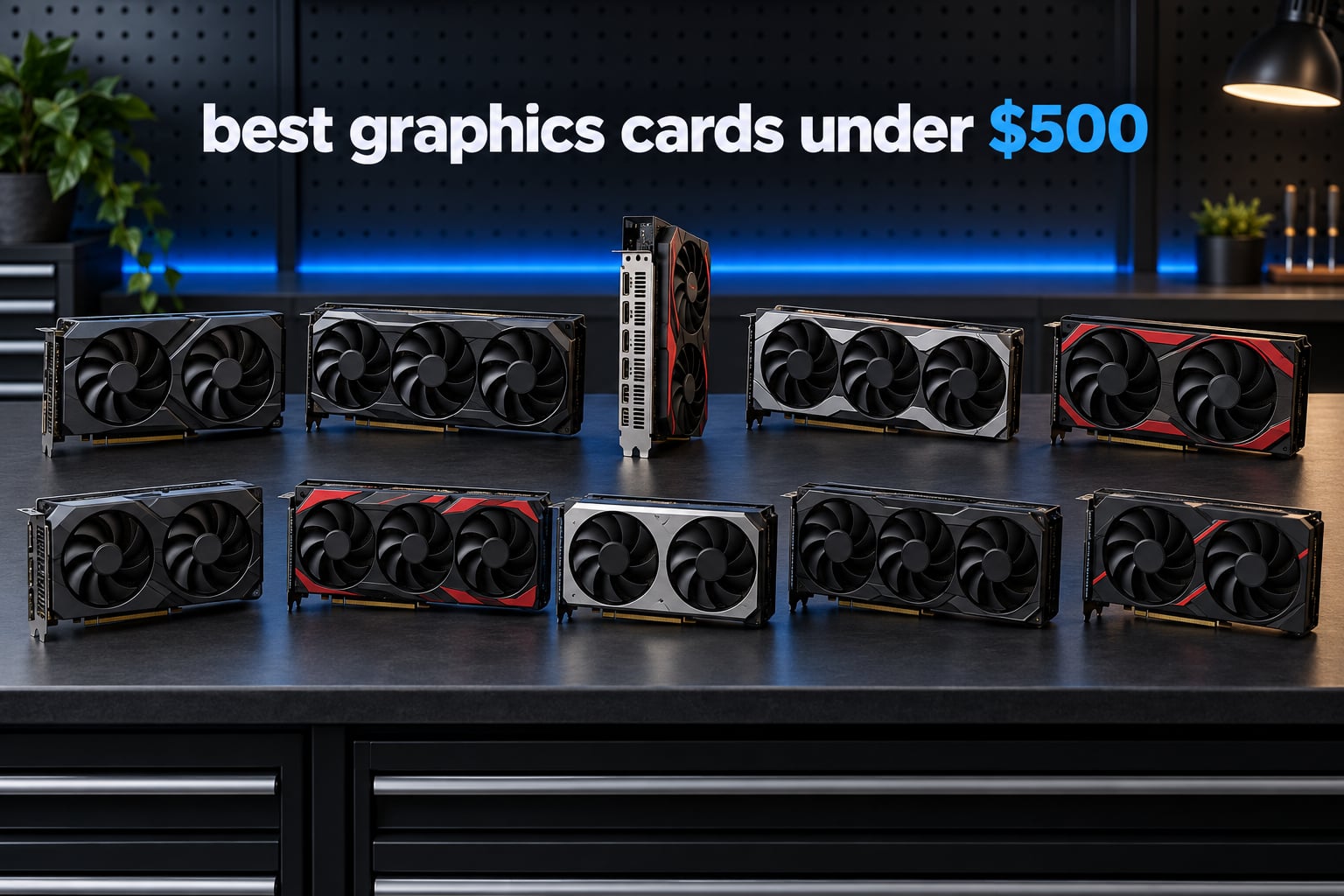
The best graphics cards under 500 dollars right now are the GIGABYTE GeForce RTX 3060 Gaming OC 12G for VRAM headroom, the ASUS Dual GeForce RTX 5060 8GB for current-generation efficiency, and the ASRock Intel Arc B570 10GB for creators. After comparing all ten cards in this bracket on memory capacity, board power, physical size and real owner feedback, those three come out ahead for different reasons.
Here is the thing about this price band. It is no longer a simple fast-versus-slow ranking. Memory prices have reshaped the middle of the market, so a card that wins on paper does not always win on value, and the winner depends heavily on what resolution you play at and how much room you have in your case.
We went through every card in the sub-500 tier that holds up in owner reviews, checked the memory bus width, VRAM allocation, cooling solution and power draw, then sorted them by who they actually suit. The list runs from a 6GB entry card to a 10GB creator card, and there is a genuine reason to pick from any tier if your hardware matches it.
If your day job involves motion graphics or timeline work rather than gaming, the laptops we covered in our best laptops for motion graphics roundup covers the portable side of the same question. For a desktop GPU that also has to handle video export, the AV1 and HEVC engines on the Arc B570 below are worth reading twice.
Table of Contents
- Top 3 Picks for the Best Graphics Cards Under $500 in October
- Best Graphics Cards Under $500 in 2026
- 1. GIGABYTE GeForce RTX 3060 Gaming OC 12G – The Best Graphics Card Under 500 for VRAM Headroom
- 2. ZOTAC GeForce RTX 3060 Ti Twin Edge OC 8GB – Best NVIDIA Card for Compact Builds
- 3. ASUS Dual GeForce RTX 3050 6GB OC – Best for the Tightest Cases
- 4. GIGABYTE Radeon RX 7600 Gaming OC 8G – Best Frame Rate Per Dollar
- 5. XFX Speedster SWFT Radeon RX 7600 8GB – Best RX 7600 for Short Cases
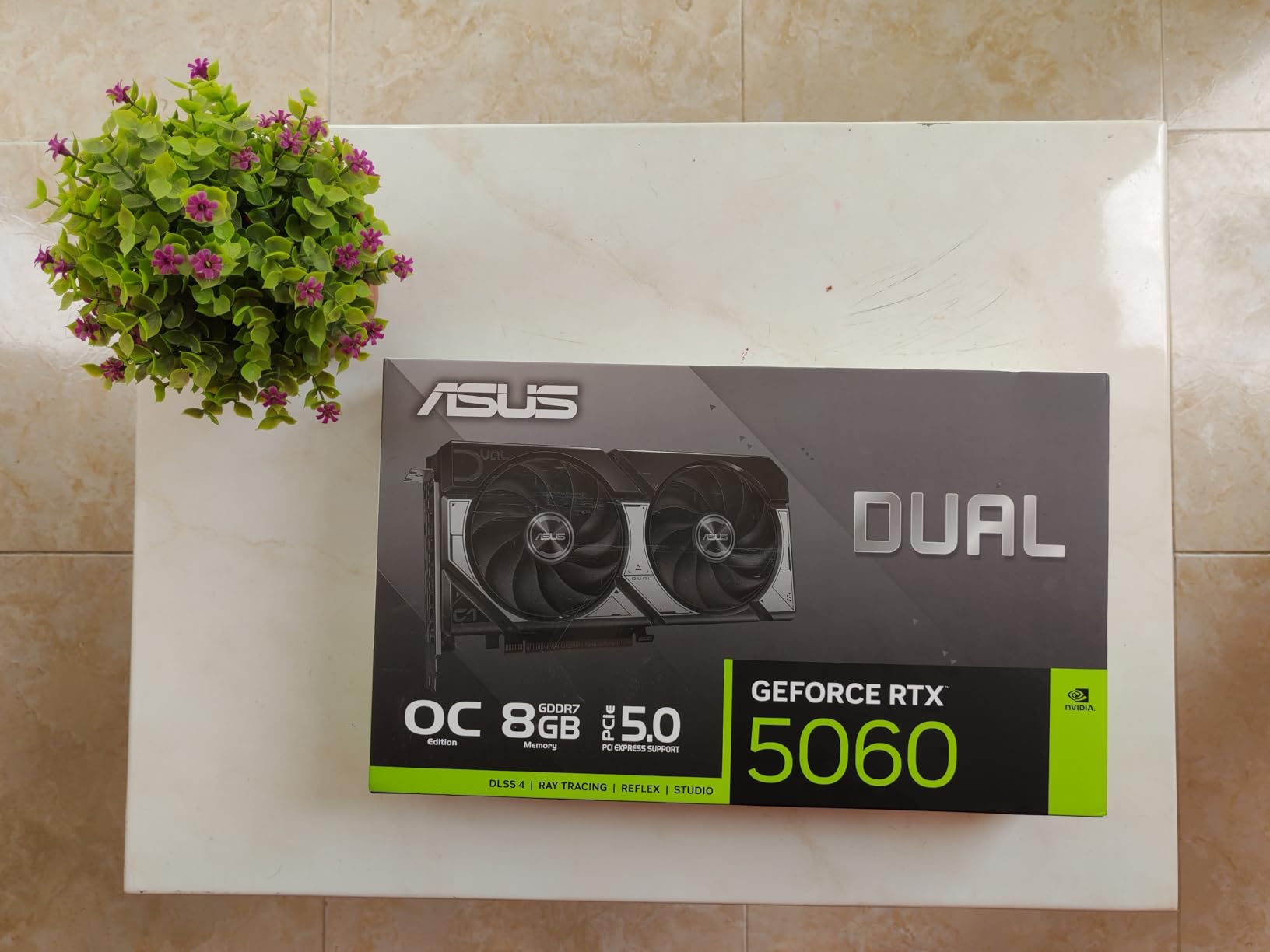
- 6. ASUS Dual GeForce RTX 5060 8GB – Best for 1080p High Refresh and Future Features
- 7. ASRock Radeon RX 7600 Challenger 8GB OC – Best RX 7600 for a Two-Slot Fit
- 8. ASRock Intel Arc B570 Challenger 10GB – Best for Creators and the Most VRAM per Dollar
- 9. GIGABYTE GeForce RTX 3050 WINDFORCE OC V2 6G – The Most Compact NVIDIA Card
- 10. msi GeForce RTX 3050 Ventus 2X 6G OC – Best for Multi-Monitor HDMI Setups
- How to Choose Between These Ten Cards
- Frequently Asked Questions
- Our Verdict on the Best Graphics Cards Under 500 in 2026
Top 3 Picks for the Best Graphics Cards Under $500 in October
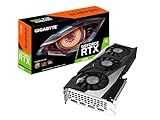
GIGABYTE RTX 3060 Gaming OC 12G
- 12GB GDDR6 on a 192-bit bus
- Triple WINDFORCE fans
- 1837 MHz clock

ASUS Dual GeForce RTX 5060 8GB
- Blackwell architecture
- DLSS 4 Multi Frame Generation
- 8GB GDDR7
- 150W draw

ASRock Intel Arc B570 Challenger 10GB
- 10GB GDDR6 on a 160-bit bus
- 380 GB/s bandwidth
- XeSS 2 upscaling
- AV1 encode and decode
Best Graphics Cards Under $500 in 2026
One thing the table makes obvious: the entire bracket splits into two families. Six NVIDIA cards trade VRAM capacity for wider or newer memory systems, and four AMD and Intel cards trade raw capacity for bandwidth and value.
1. GIGABYTE GeForce RTX 3060 Gaming OC 12G – The Best Graphics Card Under 500 for VRAM Headroom
GIGABYTE GeForce RTX 3060 Gaming OC 12G (REV2.0) Graphics Card, 3X WINDFORCE Fans, 12GB 192-bit GDDR6, GV-N3060 Video Card
12GB GDDR6 on a 192-bit bus
1837 MHz core clock
Triple WINDFORCE fans
3-year warranty
Pros
- Most VRAM in the bracket on a wide 192-bit bus
- Triple-fan cooler holds sustained clocks
- 3162 reviews averaging 4.7 stars
- Ampere RT and Tensor cores give DLSS and ray tracing
Cons
- Ampere sits two architectures behind Blackwell
- 11.1 inch triple-fan body crowds tight cases
- 4K at high settings still needs upscaling
This is the card we keep coming back to. It holds 12GB of GDDR6 on a 192-bit interface, and in a bracket where almost everything else ships 8GB, that single spec changes how long the card stays comfortable.
Owners use it as a straight upgrade path. Someone coming off a 6GB card gains both the memory and the ray tracing cores, and reviewers describe 1080p high refresh and 1440p ultra as the comfortable operating range rather than a stretch goal.
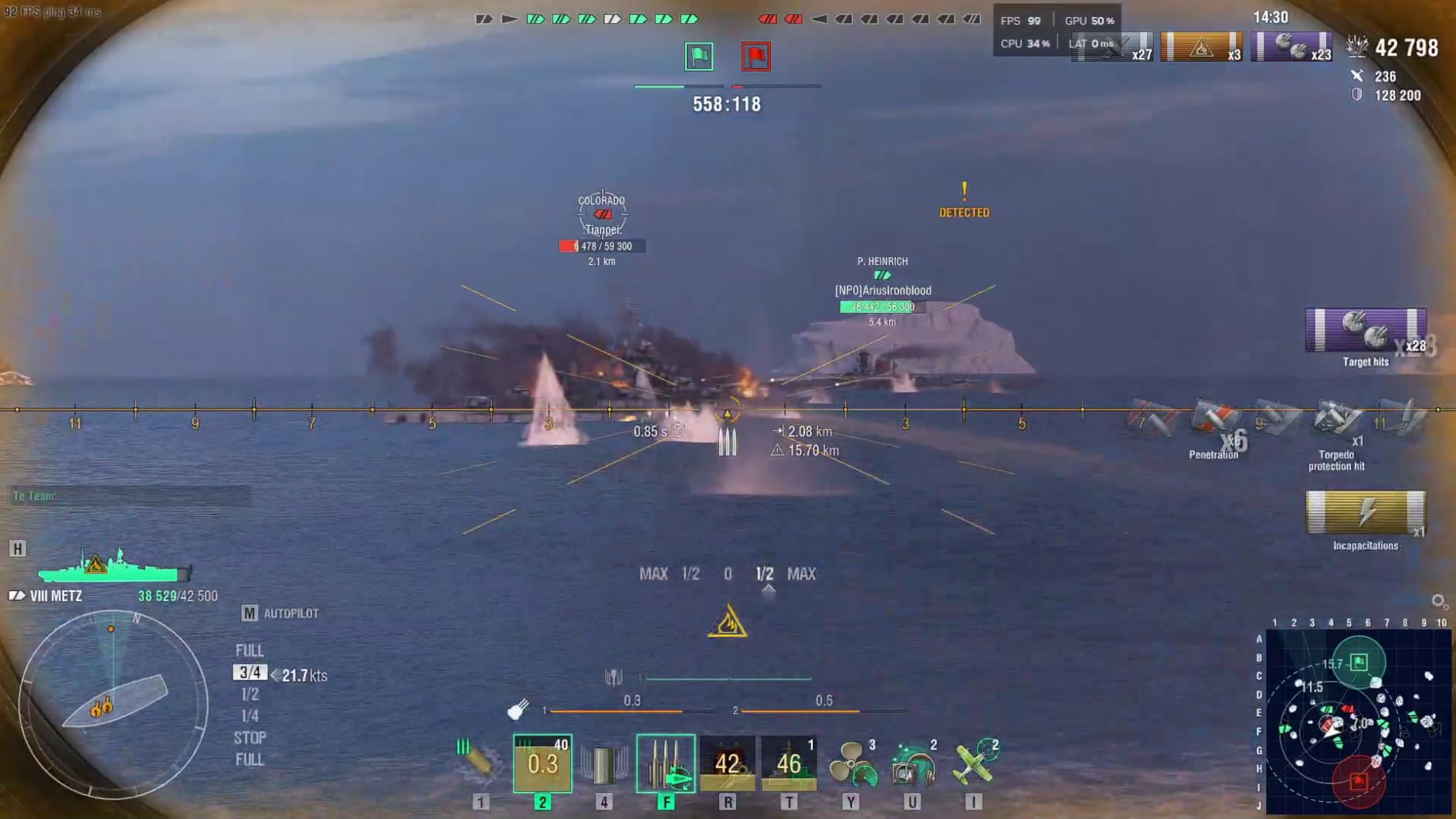
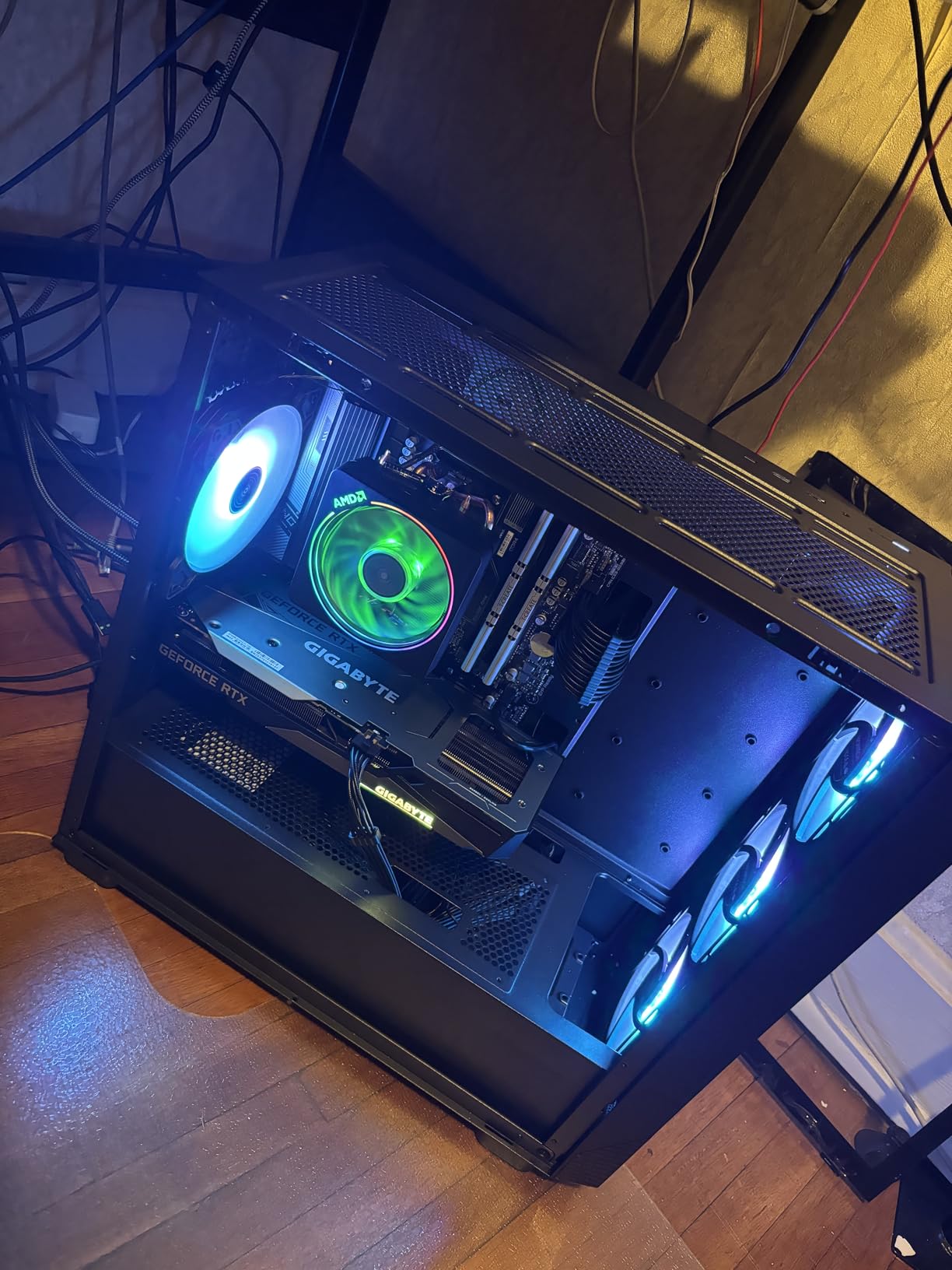
The triple WINDFORCE cooler is doing real work here. Rather than a compact two-fan design that has to work hard, the three fans keep thermals in check during long sessions, which matters more than peak clock numbers when you are holding 60-plus frames per second for hours.
Across more than 3,000 ratings the card sits at 4.7 stars, and the summary of those reviews is unusually consistent: dependable, quiet enough, and the frame buffer simply never runs out during normal play.
Why the 12GB allocation still matters this year
Texture-heavy games load high-resolution assets into VRAM, and when the pool runs dry the result is stutter that no amount of upscaling fixes. Twelve gigabytes gives you room for those textures plus a modern browser or streaming app running in the background.
It also extends the useful life of the card. A 6GB card in this list is already constrained today, and a 12GB card will absorb a larger share of what releases over the next few years.
Where it is the wrong buy
At 11.1 inches long with three fans, this is one of the larger boards here. Measure your case before ordering, because a card that does not clear the front intake is a return trip.
If your priority is the newest upscaling and frame generation features, the RTX 5060 below has them and the 3060 does not. The 3060 buys capacity and proven reliability rather than current features.
2. ZOTAC GeForce RTX 3060 Ti Twin Edge OC 8GB – Best NVIDIA Card for Compact Builds
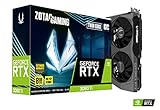
ZOTAC GAMING GeForce RTX™ 3060 Ti Twin Edge OC LHR 8GB GDDR6 256-bit 14 Gbps PCIE 4.0 Gaming Graphics Card, IceStorm 2.0 Advanced Cooling, Active Fan Control, FREEZE Fan Stop ZT-A30610H-10MLHR
8GB GDDR6 on a 256-bit bus
1695 MHz boost
200W board power
Dual-slot IceStorm 2.0
Pros
- RTX 3060 Ti is a real step up in 1440p titles
- 256-bit bus is wider than most 8GB rivals
- Dual-slot 8.74 inch body
- Freeze Fan Stop for silent idle
Cons
- Only 8GB of VRAM
- 200W board power is high for the bracket
- Two-year warranty is shorter than rivals
The RTX 3060 Ti is the performance pick inside the NVIDIA half of this list. Owners report noticeably higher frame rates than the base 3060 in 1440p games, which is where the extra silicon actually shows up.
What makes this particular board worth a look is the physical design. At 8.74 inches and dual-slot, it is one of the shorter options here, and the IceStorm 2.0 cooler with Freeze Fan Stop means the fans stop entirely when you are not gaming.
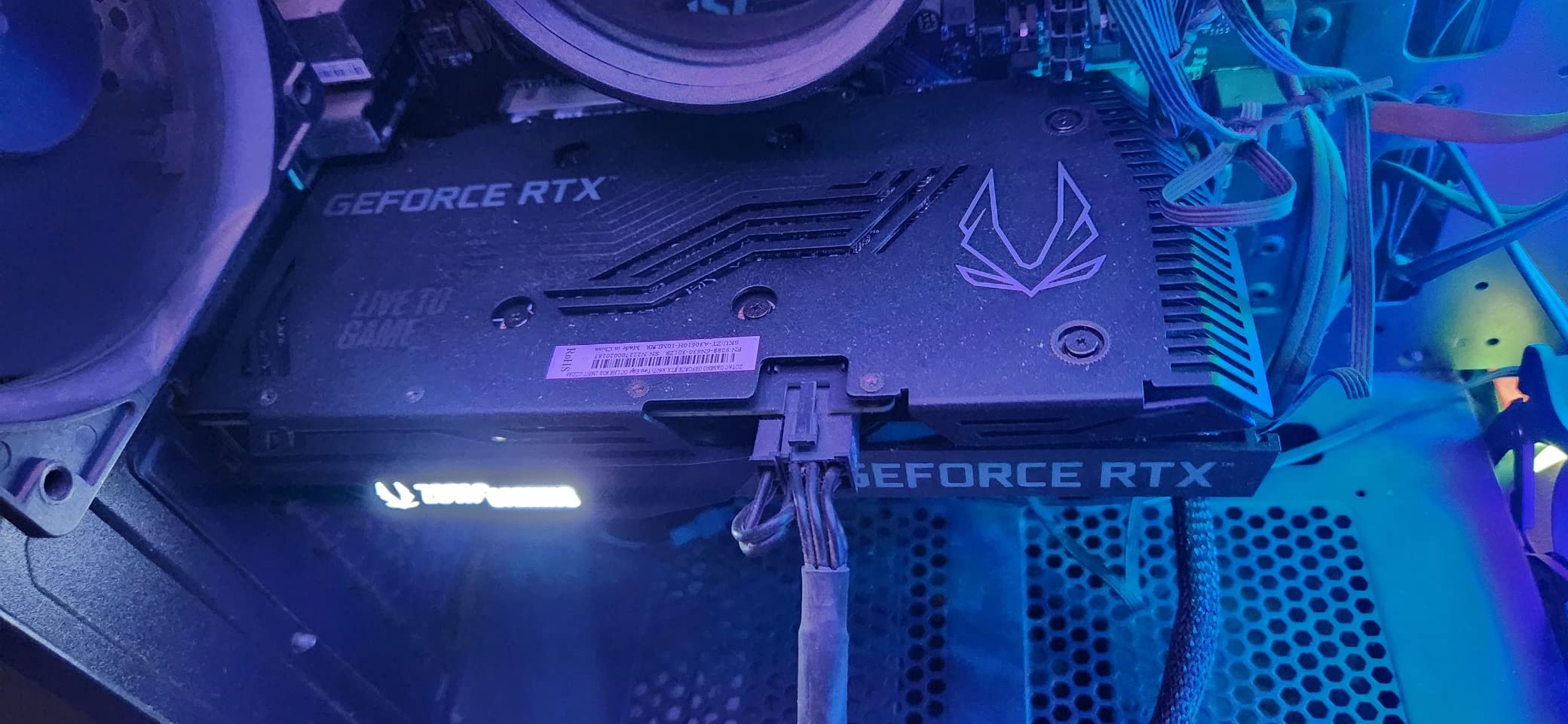
The 256-bit memory bus is the widest in this roundup apart from nothing else, which matters because bandwidth is what feeds the higher clocks. The tradeoff is VRAM capacity at 8GB, and that is the constraint owners mention most often in newer titles.
Output is generous for a multi-monitor desk: three DisplayPort 1.4a connectors plus HDMI 2.1, with the card rated for four displays. The metal backplate and white LED logo are small touches that make it look more finished than the price suggests.
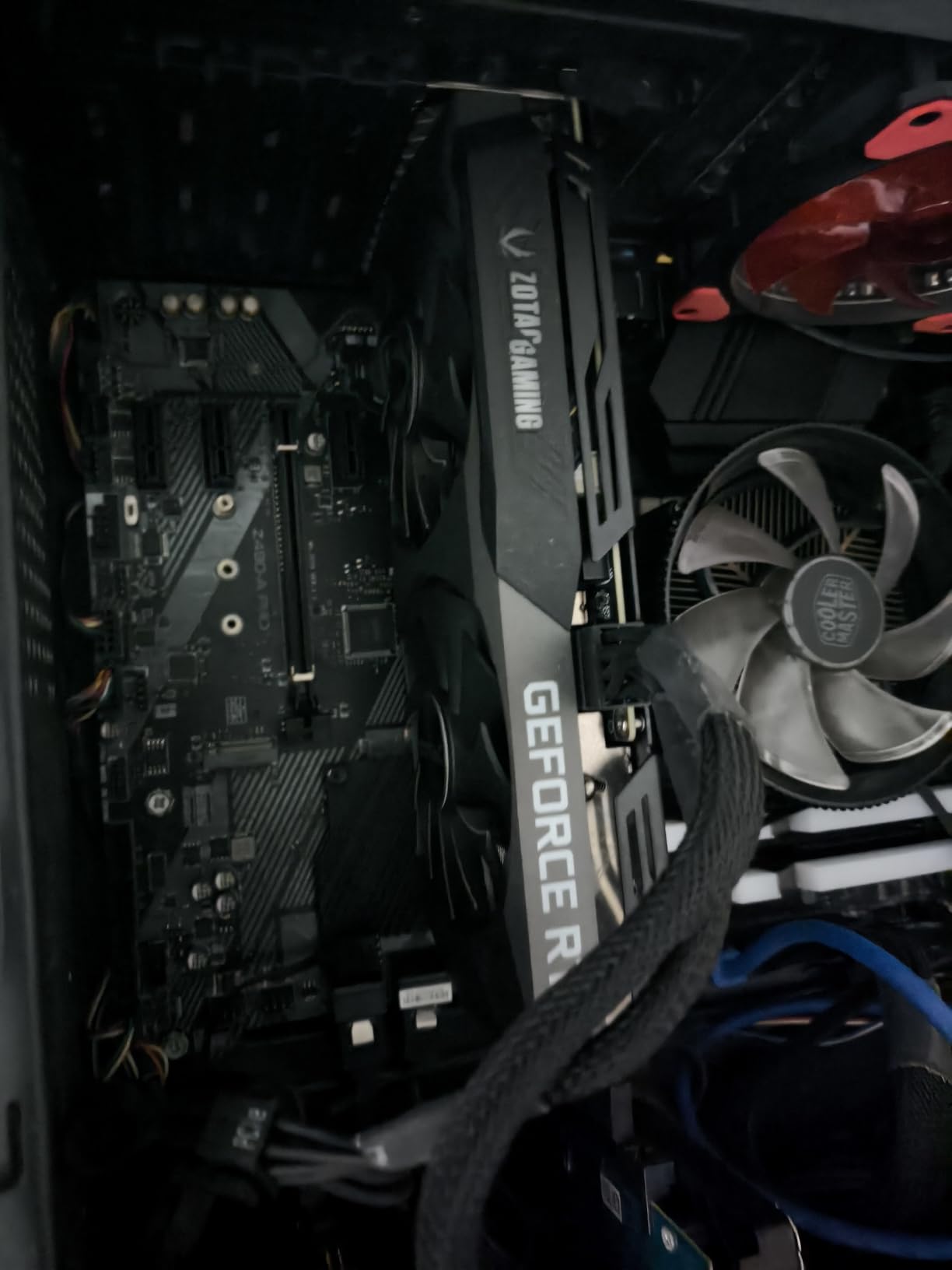
Is the 200W draw a problem for your build
Two hundred watts is at the top of this bracket and asks more of your power supply than most alternatives. A quality 500W unit handles it, but if your PSU is an older unit or a shared one from a prebuilt, check the wattage and the connector before committing.
For a compact case, note the card is dual-slot, which is the friendly configuration. Long triple-fan cards in this list can block the slots next to them and interfere with cable routing.
Who should skip it
If your plan involves texture-heavy releases in the next few years, 8GB is the number that will hurt first. The 12GB RTX 3060 above gives you more room for less frame rate at 1440p.
It is also an LHR variant, which reduces its appeal as a resale item. Buyers shopping for a card to hold for years may prefer the other option.
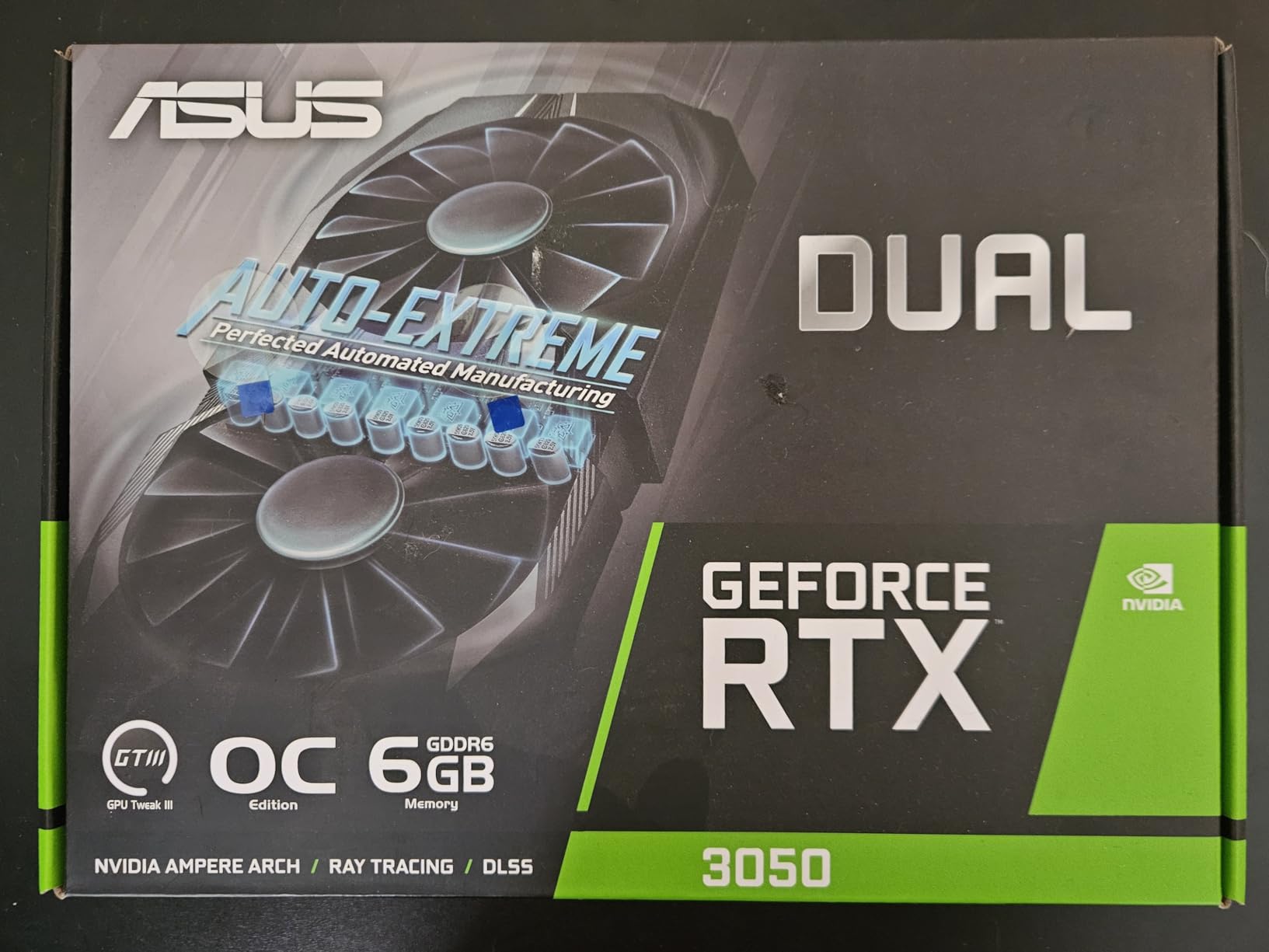
3. ASUS Dual GeForce RTX 3050 6GB OC – Best for the Tightest Cases

ASUS Dual GeForce RTX 3050 6GB GDDR6 OC Edition Gaming Graphics Card
6GB GDDR6
Two-slot 7.9 inch design
1500 MHz OC mode
DLSS 3 support
Pros
- Two-slot 7.9 inch body fits compact builds
- Axial-tech fans with barrier ring move air well at this size
- Stainless steel bracket and IP5X dust resistance
- DLSS 3 helps 1080p esports titles
Cons
- 6GB is the smallest allocation here
- Max listed output resolution is 3840 x 2160
- Entry-level tier with little headroom above 1080p
Not every sub-500 build needs a 500-dollar card. If you are putting a system into a small case, or adding a second GPU to a machine that already has one, the ASUS Dual RTX 3050 does the job without taking up space you do not have.
The 7.9-inch two-slot layout is the headline. It fits cases where the 11.1-inch triple-fan boards in this list simply will not, and the two axial-tech fans with the barrier ring handle airflow well for the power level involved.
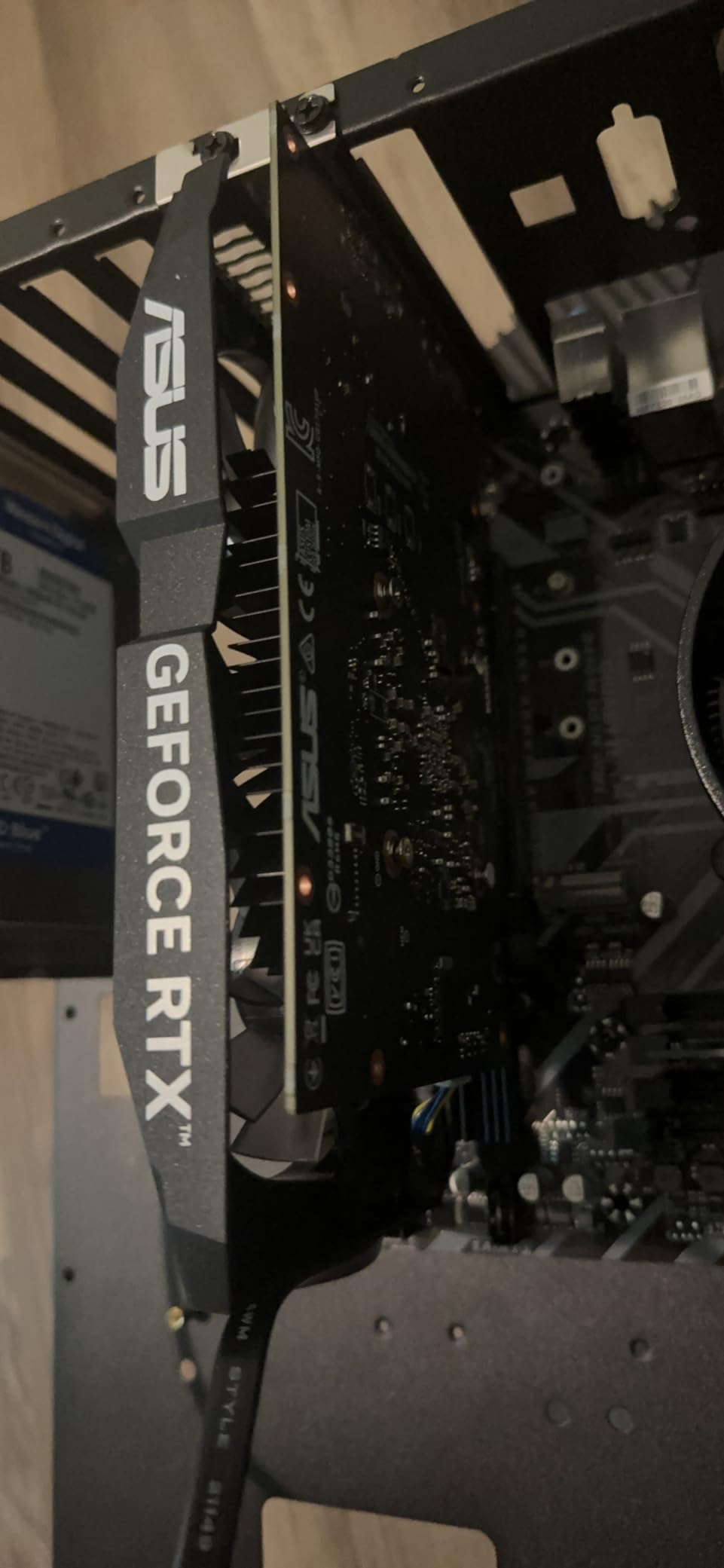
DLSS 3 support is more useful than it sounds at this tier. Paired with a supported title, the card holds high refresh rates in competitive 1080p games where the raw raster performance would otherwise fall short.
Build quality is a quiet strength. A stainless steel bracket and IP5X dust resistance are not headline features, but they matter more in a card that will sit in a cramped, warmer case than a spec sheet suggests.
What 6GB means in practice
Six gigabytes is the smallest pool in this roundup, and it is the reason this card cannot compete with the 12GB model on longevity. Modern titles at high texture quality are the first place it will show, and the fix is texture settings rather than resolution.
The listed maximum output resolution of 3840 x 2160 also makes this a 4K-capable but 4K-unfriendly card. If you plan to run a high refresh 4K panel, look at one of the DisplayPort 2.1 options further down.
Is your existing card already good enough
If your current GPU is anything from the last several generations, an upgrade to this tier may not feel like a leap. The gains are most visible when moving up from an older entry card or from integrated graphics, and much less so when you are already on a mid-range part.
Our general rule: if your current card handles the games you actually play at the settings you actually use, the money is often better spent elsewhere in the system.
4. GIGABYTE Radeon RX 7600 Gaming OC 8G – Best Frame Rate Per Dollar
Gigabyte GV-R76GAMING OC-8GD Radeon RX 7600 Gaming OC 8G Graphics Card, 3X WINDFORCE Fans 8GB 128-bit GDDR6, Video Card
RDNA 3 Radeon RX 7600
8GB GDDR6 at 18 Gbps on a 128-bit bus
Triple WINDFORCE fans
DisplayPort 2.1 x2
Pros
- Owners call it the best frames-per-dollar option here
- WINDFORCE cooler stays under about 60C at full load
- Undervolting moves 165W board power toward 140W
- AMD Fluid Motion Frames lifts frame rate in DX11 and DX12
Cons
- Very large 11.1 inch cooler
- Fans can be loud at full speed under sustained load
- Ray tracing trails comparable NVIDIA cards
The RX 7600 is the frame-rate-per-dollar answer in this list, and owner reviews say so directly. The typical upgrade story is a 1660 Ti or a GTX 1070 Ti jumping from roughly 60 frames per second to 90-plus at 1080p, with acceptable 1440p results outside the heaviest ray-traced titles.
RDNA 3 brings hardware ray tracing and AMD Fluid Motion Frames, which owners use to roughly double frame rate in DX11 and DX12 titles at a small cost in latency and sharpness. If you play older or engine-based games, that feature does more for you than most spec comparisons would suggest.
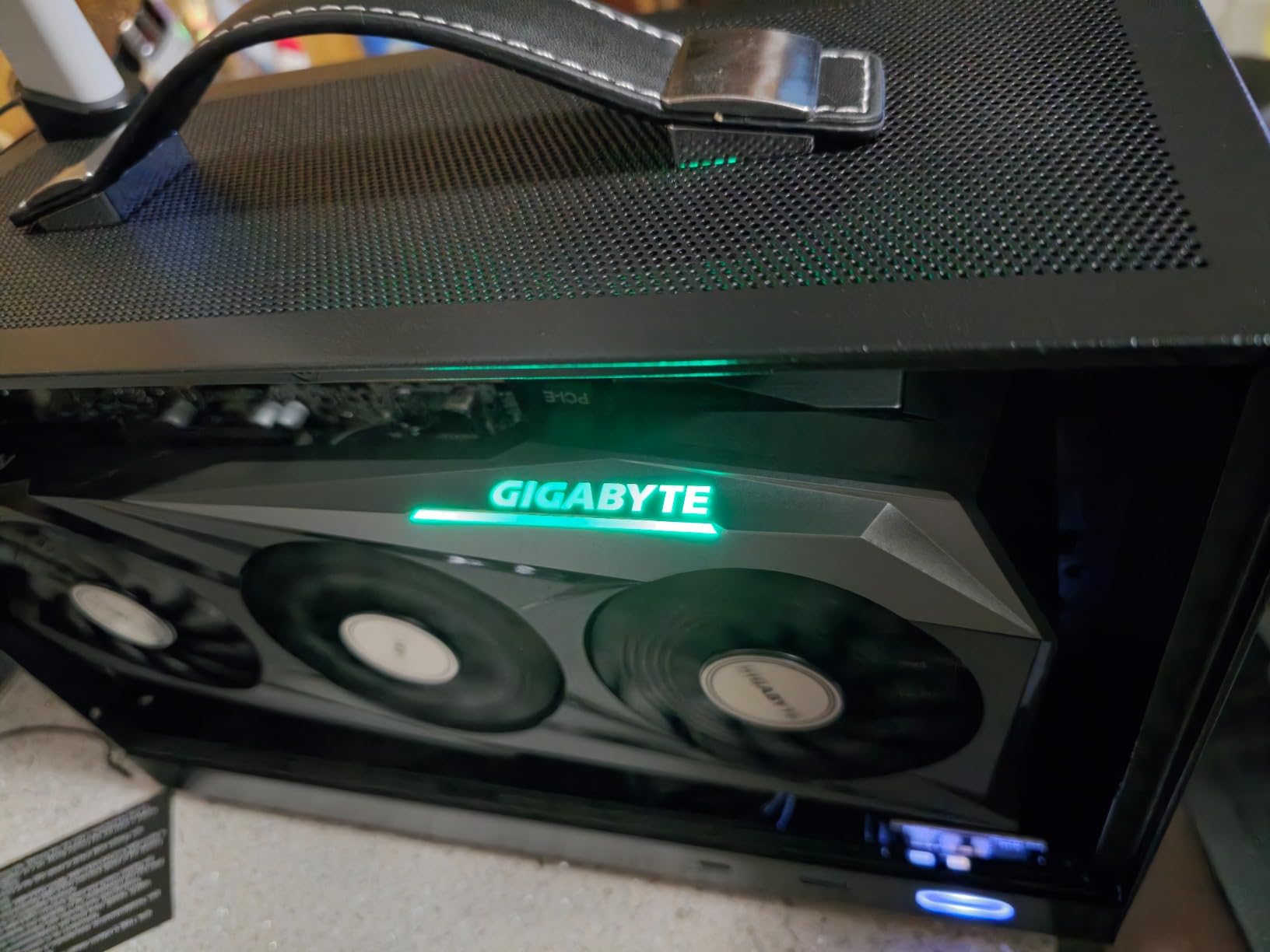
Thermals are the quiet strength. Several owners report the triple-fan WINDFORCE cooler holding around 60C under full load, and the card undervolts cleanly in Adrenalin, pulling 165W of board power down toward 140W. That is useful for anyone building a power-conscious or small-form-factor system.
Output is modern for the money: two DisplayPort 2.1 ports and HDMI 2.1, with RGB Fusion lighting and a protective metal backplate. Driver cadence is frequent, which matters if you like being current with new game releases.
Why the 128-bit bus is not a dealbreaker
This is the most common question in this bracket, so it is worth answering plainly. A 128-bit bus limits peak bandwidth, and at 18 Gbps the RX 7600 is not short on it for raster work at these resolutions.
What the narrow bus does change is headroom. In heavily compressed texture streaming or at 4K with high settings, more bandwidth would help. At 1080p and 1440p, the 8GB allocation and the raw shading throughput are the factors that decide how it feels.
What to watch out for
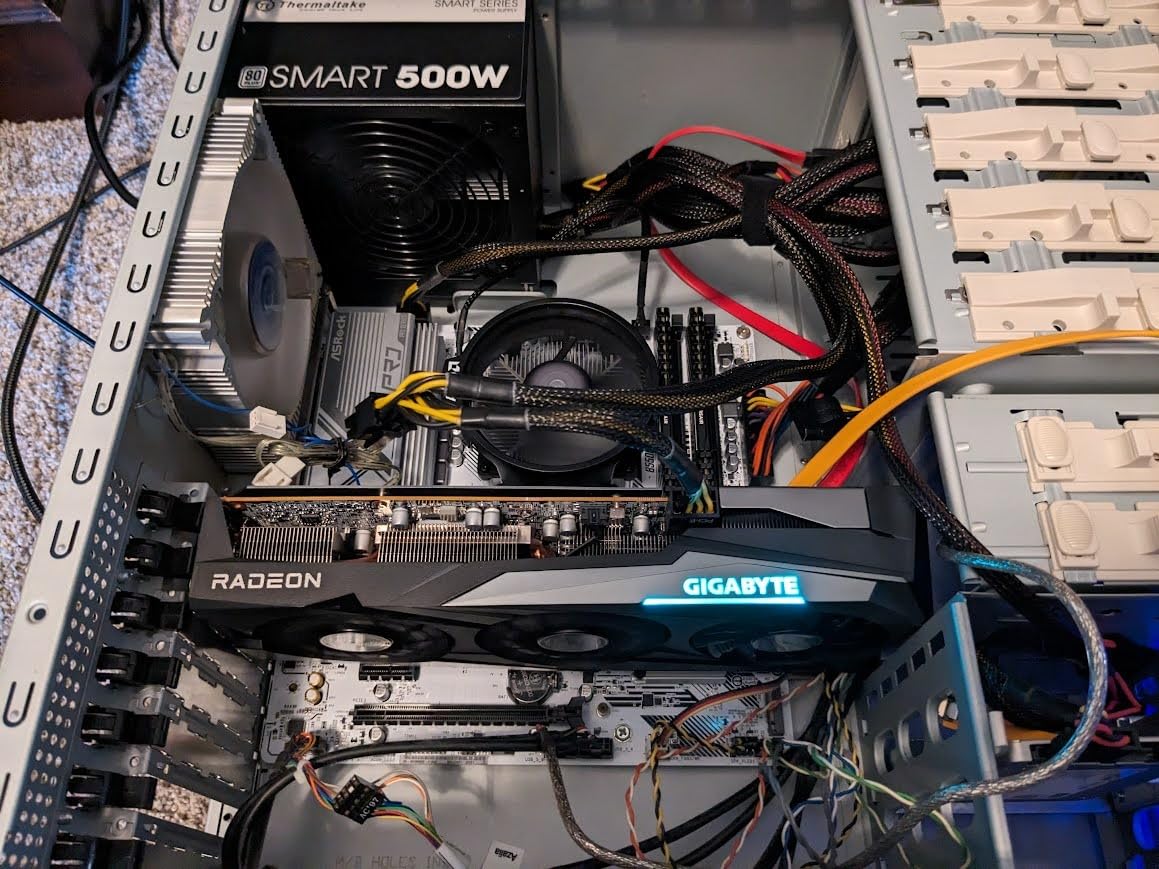
Size. At 11.1 inches, some owners report the cooler barely clearing their case, and the bracket end is angled to leave room for the DisplayPort connectors. Measure twice.
Full-speed fan noise is the other recurring complaint, and a custom fan curve in Adrenalin solves most of it. A few reviews also raise GIGABYTE customer service, so keep your purchase records.
5. XFX Speedster SWFT Radeon RX 7600 8GB – Best RX 7600 for Short Cases
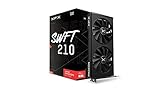
XFX Speedster SWFT210 Radeon RX 7600 Graphics Card with 8GB GDDR6 HDMI 3xDP, AMD RDNA 3 RX-76PSWFTFY
8GB GDDR6
Boost up to 2655 MHz
9.49 inch dual fan
HDMI plus 3x DisplayPort
Pros
- Short 9.49 inch body is far easier to fit than triple-fan boards
- Boost clock up to 2655 MHz
- Four outputs with three DisplayPort suits multi-monitor desks
- Three-year manufacturer warranty
Cons
- 4.4 stars is the lowest average in this group
- Two-fan cooler has less thermal headroom than triple-fan rivals
- Same 8GB on a 128-bit bus as every other RX 7600
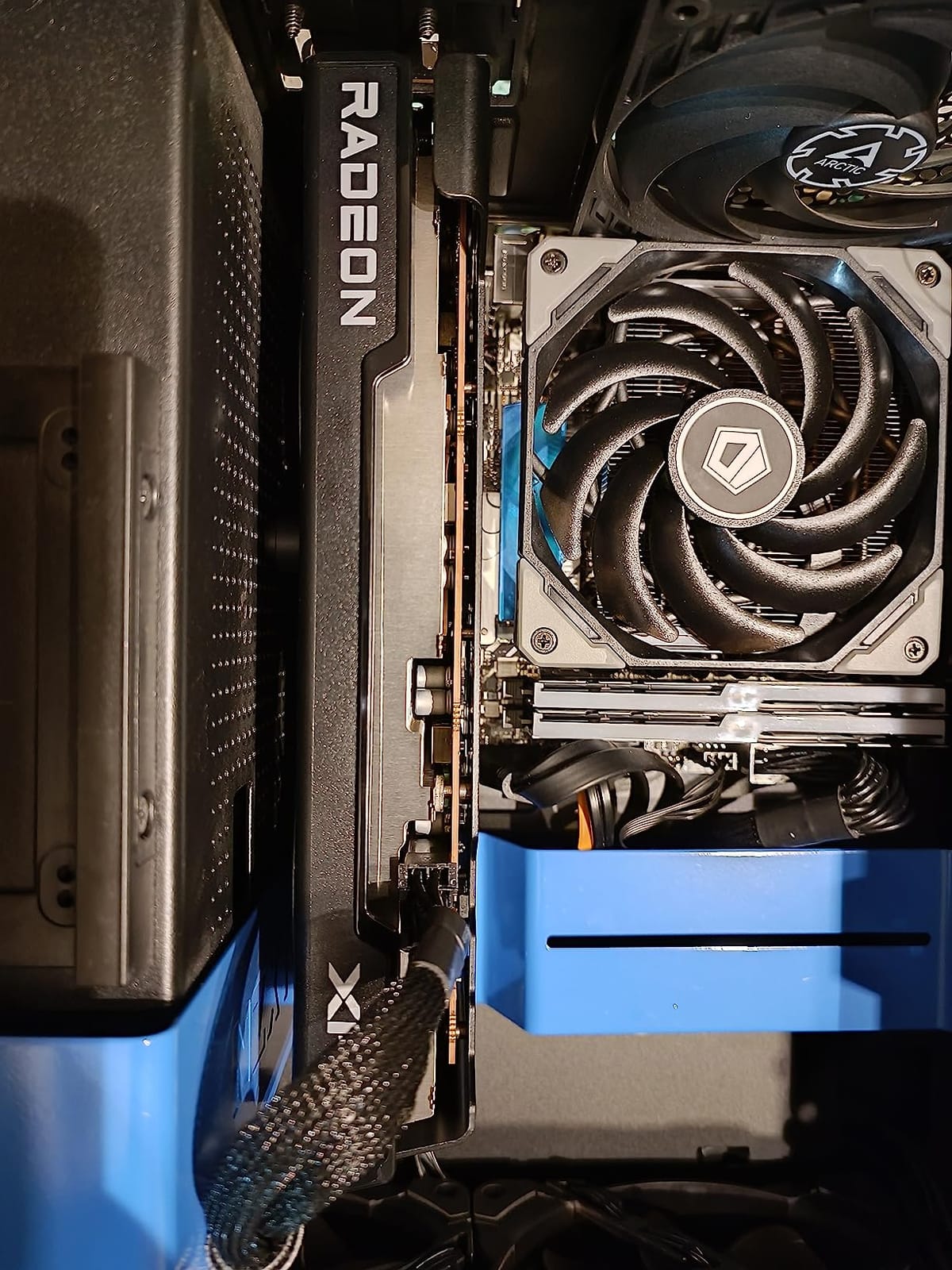
This card makes a simple argument. If you want an RX 7600 but your case cannot swallow the 11.1-inch triple-fan versions, this is the same GPU in a 9.49-inch dual-fan body, and it costs noticeably less to live with.
Underneath the cooler it is the familiar configuration: RDNA 3, 8GB of GDDR6 on a 128-bit bus, PCIe 4.0. The XFX version boosts to 2655 MHz, which puts it in the same factory-clock range as the other RX 7600 boards here.
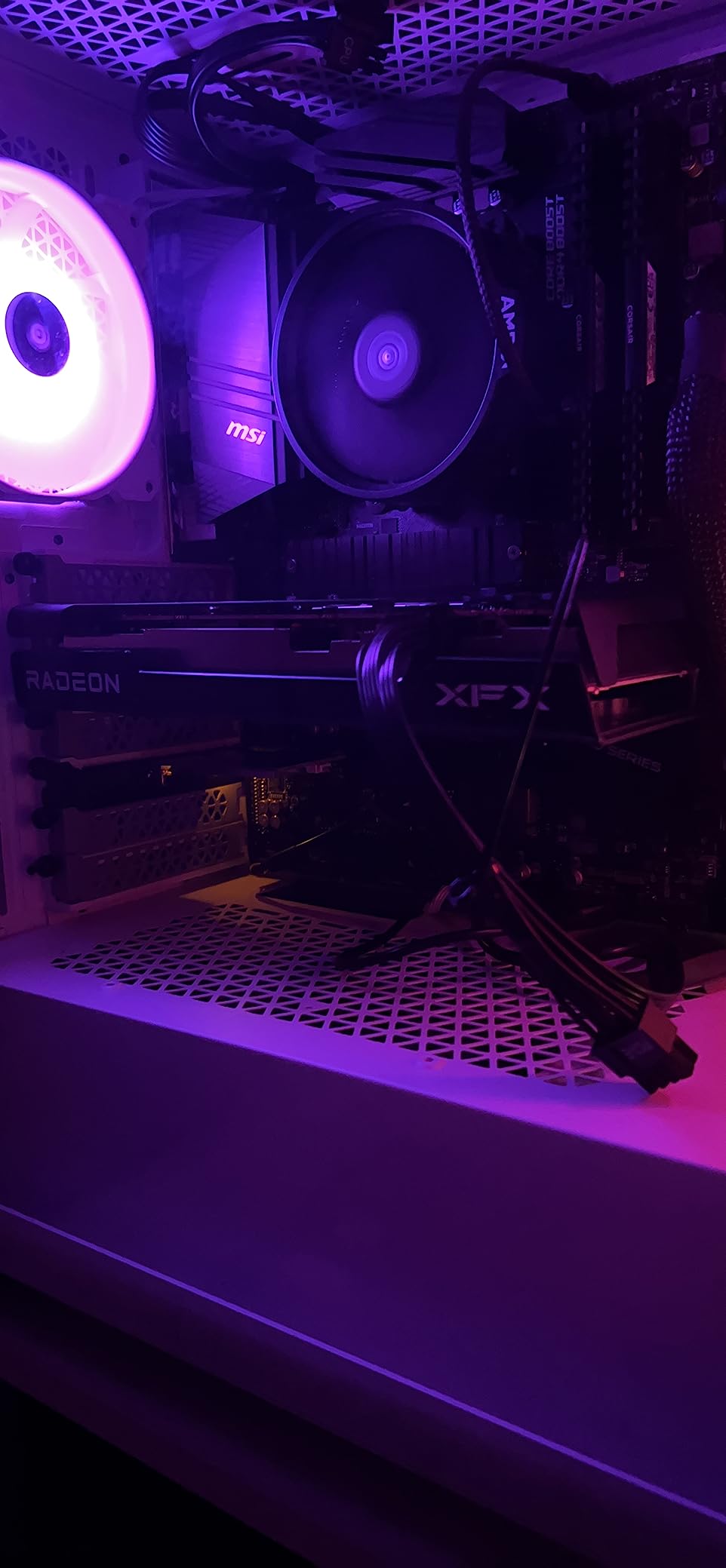
Four outputs including three DisplayPort connectors make it easy to set up a multi-monitor desk, and the three-year warranty is a full term rather than the shortened cover some cards in this bracket carry.
What you give up is cooler headroom. Two fans instead of three means sustained heavy loads run warmer and louder, and the reward for the smaller size is a quieter-looking build rather than a quieter-running one under pressure.
Reading the 4.4 star average correctly
This card has the lowest average rating in the group, and the distribution explains why: 72 percent five-star responses against 82 to 88 percent for the others. That tells you a minority of buyers were unhappy, not that the card is faulty.
Read the complaints and they cluster on cooling expectations and price rather than crashes or artifacts. If your priority is frame rate, the identical GPU in a larger cooler delivers it more quietly.
When this is the right pick
Pick it when case clearance is the deciding factor, or when you are adding a card to a build that already has a full-length cooler installed. A 9.49-inch dual-slot board is a problem solver, not a performance upgrade.
For ray tracing specifically, AMD implementations still trail NVIDIA equivalents in this bracket. If ray traced play is your main activity, an NVIDIA card is the safer commitment.
6. ASUS Dual GeForce RTX 5060 8GB – Best for 1080p High Refresh and Future Features
ASUS Dual NVIDIA GeForce RTX 5060 8GB GDDR7 OC Edition (PCIe 5.0, 8GB GDDR7, DLSS 4, HDMI 2.1b, DisplayPort 2.1b, 2.5-Slot Design, Axial-tech Fan Design, 0dB Technology), 3 Year Warranty
Blackwell architecture
8GB GDDR7 and PCIe 5.0
DLSS 4 Multi Frame Generation
2.5-slot 9 inch design
Pros
- Only current-generation card in the bracket
- GDDR7 lifts it clear of the memory-bound RTX 4060
- 150W rating and typical draws just over 100W
- Fans stop entirely at idle
- 2.5-slot cooler clears adjacent cards
Cons
- 8GB is the dominant complaint
- Texture-heavy ray traced titles need settings lowered
- One review reports audio crackle above 44.1kHz sampling
This is the only Blackwell card in the bracket, and that single fact carries most of the argument. It uses GDDR7 on a PCIe 5.0 interface, and the faster memory lifts it well clear of the older cards that share its 8GB capacity and 128-bit bus.
DLSS 4 with Multi Frame Generation is the headline feature. Owners describe the upscaling as unmatched for image clarity, and they single out the smoothing of 1 percent and 0.1 percent low frames, which is exactly what competitive shooters are judged on.
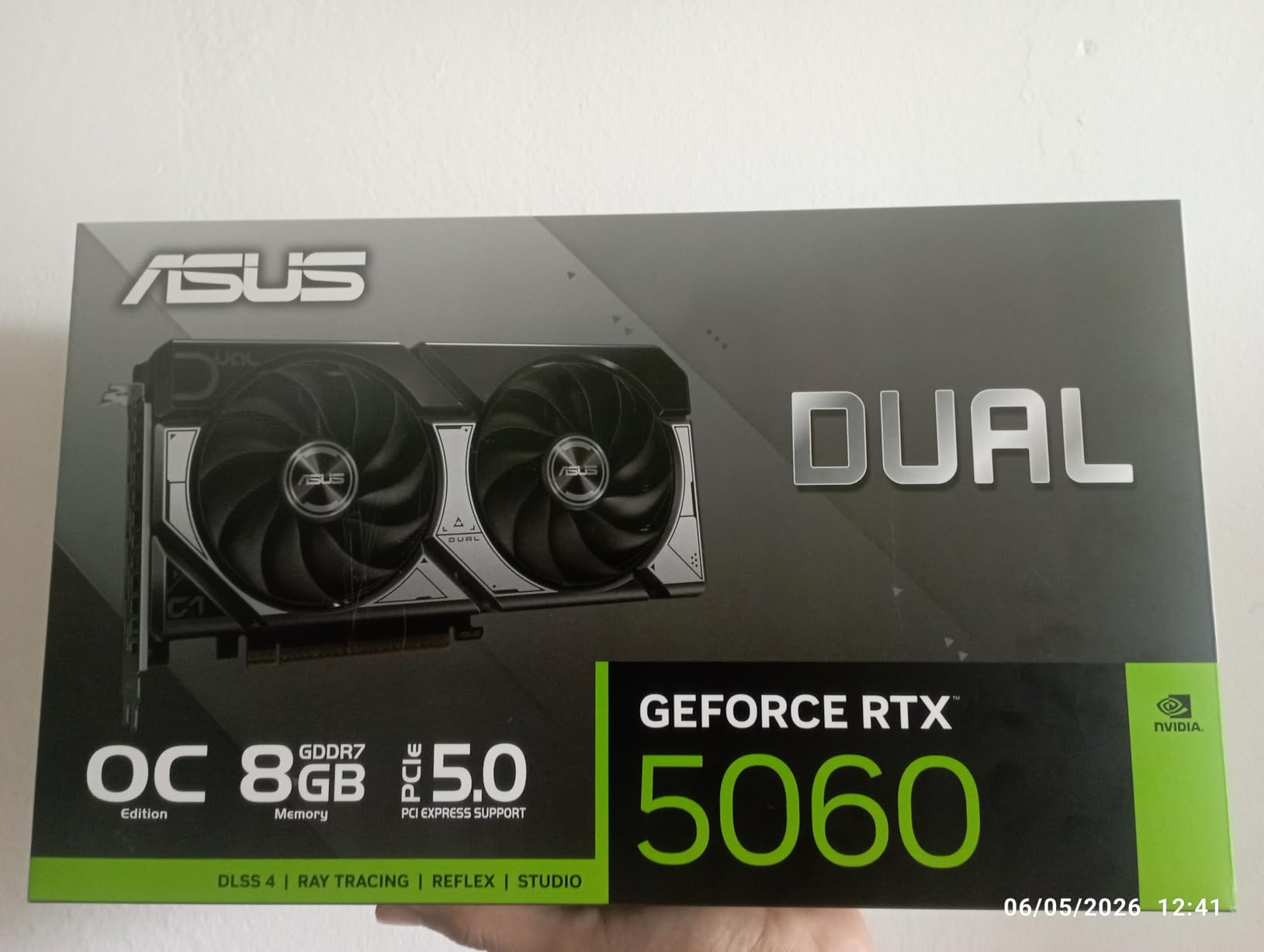
Efficiency may be the real reason to pick it. The 150W rating with typical draws just over 100W means a 550W power supply is plenty, and the axial-tech fans stop entirely at idle. Multiple owners report the card never spinning up during lighter work at all.
Physically it is well behaved too. The 2.5-slot design is 9 inches long and clears adjacent cards and cable runs, which makes it a good fit for mid-towers and cable-crowded builds. It also holds a top ten sales rank in Computer Graphics Cards, the strongest of any card here.
Is 8GB enough for a Blackwell card
Honestly, it is the weak point. Owners argue 10GB or 12GB should be the minimum for newer titles, and at high texture quality or high refresh ray tracing you will need to lower settings to stay inside the frame buffer.
For 1080p and much of 1440p, the GDDR7 bandwidth and the frame generation features compensate. For sustained heavy 1440p ray tracing, you are buying capability the card does not fully have.
What the audio crackle report means
One review reports persistent crackle at 44.1kHz or higher sampling rates. That is a single report in a pool of 561, so treat it as something to test rather than a pattern, but it is worth checking if you record or stream audio through the same machine.
Dual-fan coolers are not the quietest choice under sustained full-load gaming, so pair it with a case that has decent airflow if noise matters to you.
7. ASRock Radeon RX 7600 Challenger 8GB OC – Best RX 7600 for a Two-Slot Fit

ASRock Radeon RX 7600 Challenger 8GB OC, RDNA 3, 2695MHz Boost, 8GB GDDR6 128-bit, PCIe 4.0, Dual Fans, 0dB Silent, HDMI 2.1, DisplayPort 1.4
RDNA 3 with 32 CUs and 2048 stream processors
Factory OC to 2695 MHz
Two-slot 40.3mm design
Single 8-pin, 550W PSU
Pros
- Highest factory boost clock of the RX 7600 cards here
- Two-slot 40.3mm design is the easiest of these boards to fit
- 0dB Silent mode stops both fans under low load
- Metal backplate guards against GPU sag
Cons
- PCIe 4.0 x8 rather than x16
- 8GB on a 128-bit bus like every other RX 7600
- Ray tracing and upscaling still trail NVIDIA equivalents
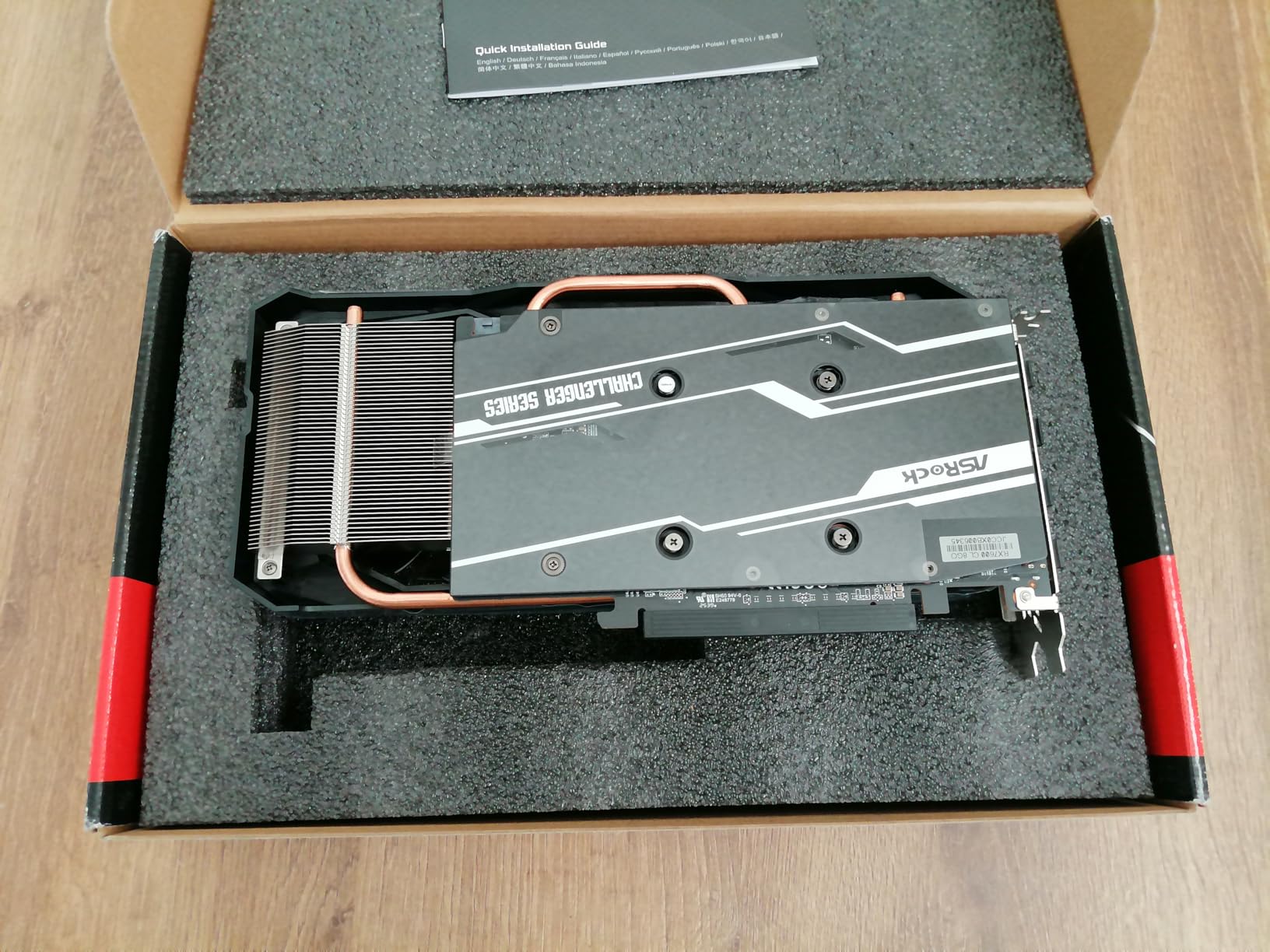
The Challenger solves a different fit problem than the XFX card. Where that one is short, this one is thin, at 40.3mm across two slots, which is the profile that avoids blocking neighbouring slots or the PCIe power cables behind the board.
It also carries the highest factory boost clock of the RX 7600 boards here at 2695 MHz, with a 2280 MHz game clock. Underneath, it is the same RDNA 3 configuration of 32 compute units and 2048 stream processors with 8GB of GDDR6 at 18 Gbps on a 128-bit bus.
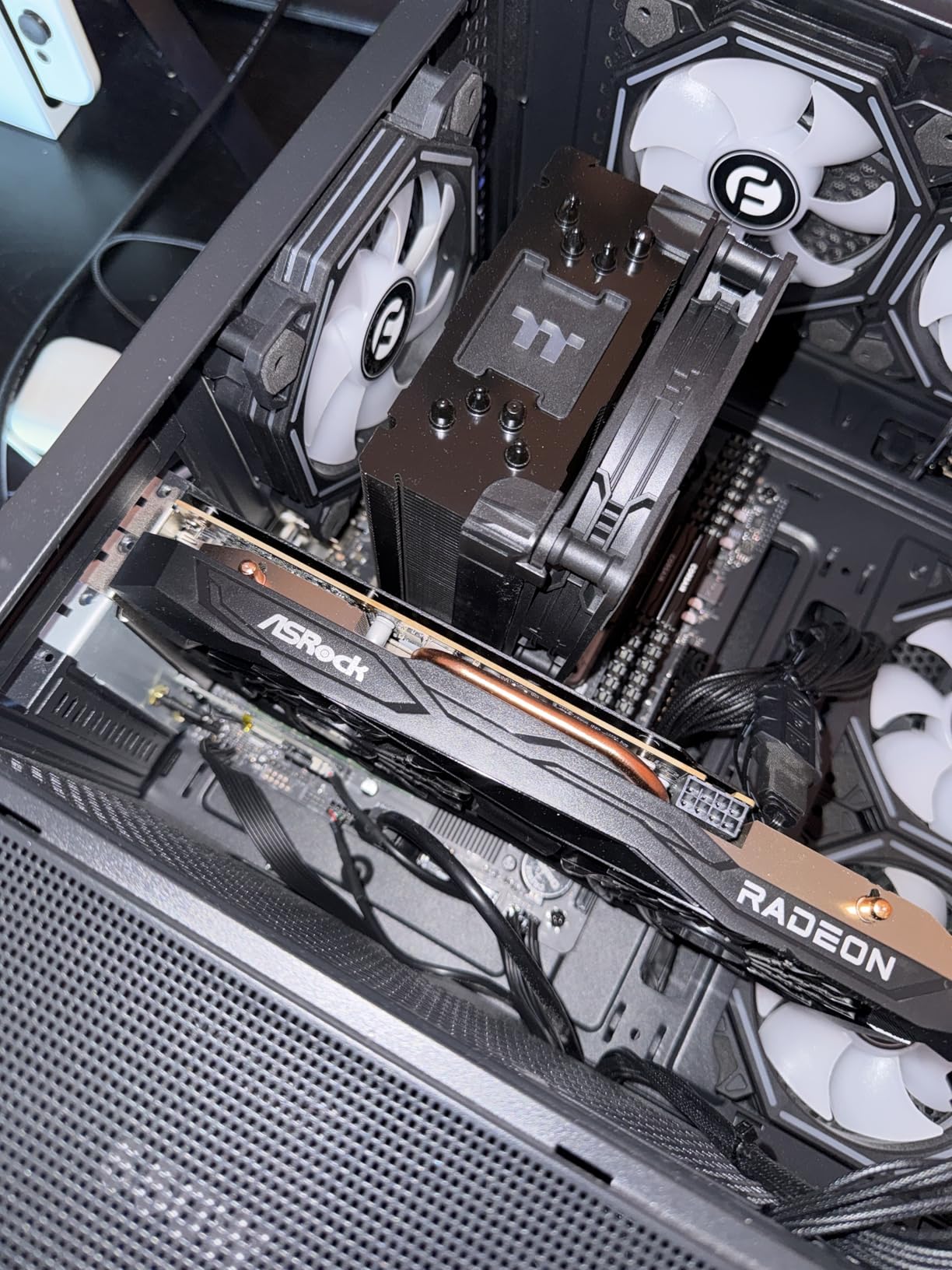
Power is simple. A single 8-pin connector is all it needs, with a 550W supply recommended, and the dual striped axial fans with 0dB Silent mode stop completely under light load. ASRock Super Alloy construction and a metal backplate add rigidity and protect against GPU sag on a card this light.
Display output is strong, with three DisplayPort 1.4a connectors carrying DSC plus HDMI 2.1 with VRR, rated for four displays at up to 8K. DirectX 12 Ultimate and OpenGL 4.6 are supported.
What the PCIe x8 interface actually costs
This card runs PCIe 4.0 x8 rather than x16. In gaming the difference is small, because the working set fits in the frame buffer and the interface is not the bottleneck.
It shows up more in transfers to system memory, such as loading large asset libraries or streaming from a fast NVMe drive. If you do heavy content work rather than gaming, that is the scenario to think about.
A specification inconsistency worth knowing
The listing spec table lists one fan while the marketing description and product photography show a dual-fan cooler. Owners and photographs support the dual-fan version, so treat the cooler as dual-fan and disregard the single-fan line.
At 270 ratings the evidence base here is thinner than the cards above, though 82 percent of responses are five stars. If you want more history behind a purchase, the boards with thousands of reviews give you a better read on long-term reliability.
8. ASRock Intel Arc B570 Challenger 10GB – Best for Creators and the Most VRAM per Dollar
ASRock Intel Arc B570 Challenger 10GB OC GDDR6 Graphics Card, 2600 MHz GPU, 19 Gbps Memory, Dual Fan, Metal Backplate, HDMI 2.1a, DisplayPort 2.1, 0dB Cooling
10GB GDDR6 on a 160-bit bus
380 GB/s bandwidth
18 Xe-cores and 2240 shaders
XeSS 2 upscaling and AV1 encode
Pros
- Most VRAM in the bracket on a 160-bit bus
- 380 GB/s bandwidth beats the RTX 4060 and RX 7600
- No one-star ratings in 123 reviews
- Strong 1440p results with XeSS 2 Quality
- Dual media engines handle AV1 and HEVC encode
Cons
- Requires Resizable BAR and 4G decoding in BIOS
- Owner-reported driver issues with Discord streaming and a blue screen
- Intel software maturity still trails NVIDIA and AMD
The B570 is the outlier in this bracket, and the reason is arithmetic. It ships 10GB of GDDR6 on a 160-bit bus, which works out to 380 GB/s of bandwidth, more than both the RTX 4060 and the RX 7600 that normally occupy this price range.
Gaming results back that up. Owners report 75 to 100 fps in titles like Cyberpunk, Apex and Forza at 1440p on high settings with XeSS 2 in Quality mode, and they describe ray tracing as finally usable at this price. Several are tuning the card by hand, one holding 45 to 56C at zero-RPM idle and about 68C in Helldivers 2 at roughly 100 fps and a 3.15GHz clock.
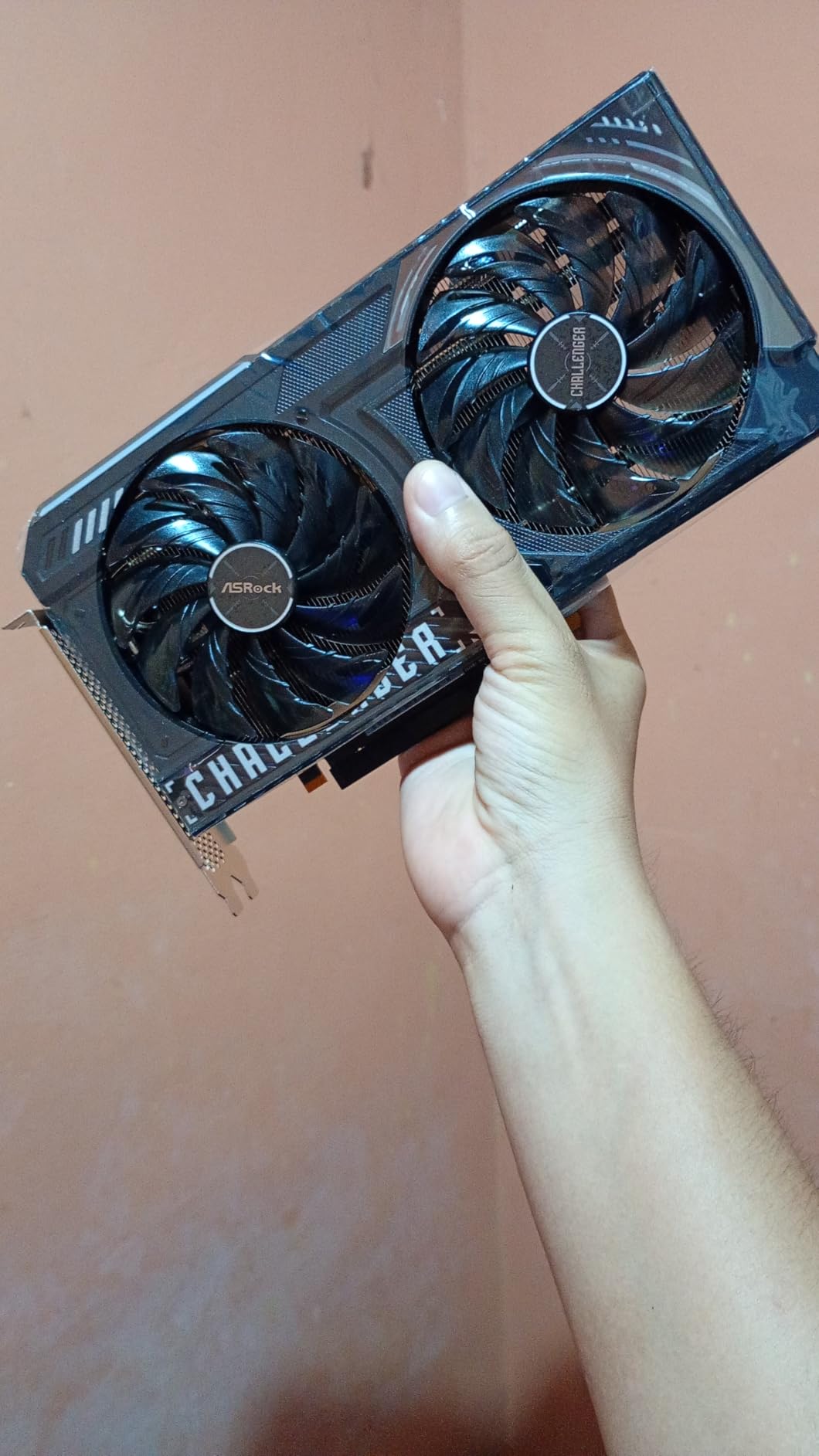
For content work it is the most interesting card here. Dual media engines handle AV1 and HEVC encode and decode, the DisplayPort UHBR13.5 support drives a 4K 144Hz monitor, and the 144 XMX engines give it AI acceleration for lighter inference tasks.
Upgraders moving off 4GB cards report immediately unlocking games like Assassin’s Creed and God of War. Build quality reads above the segment, with a metal backplate, an LED indicator and fans that stop at idle.
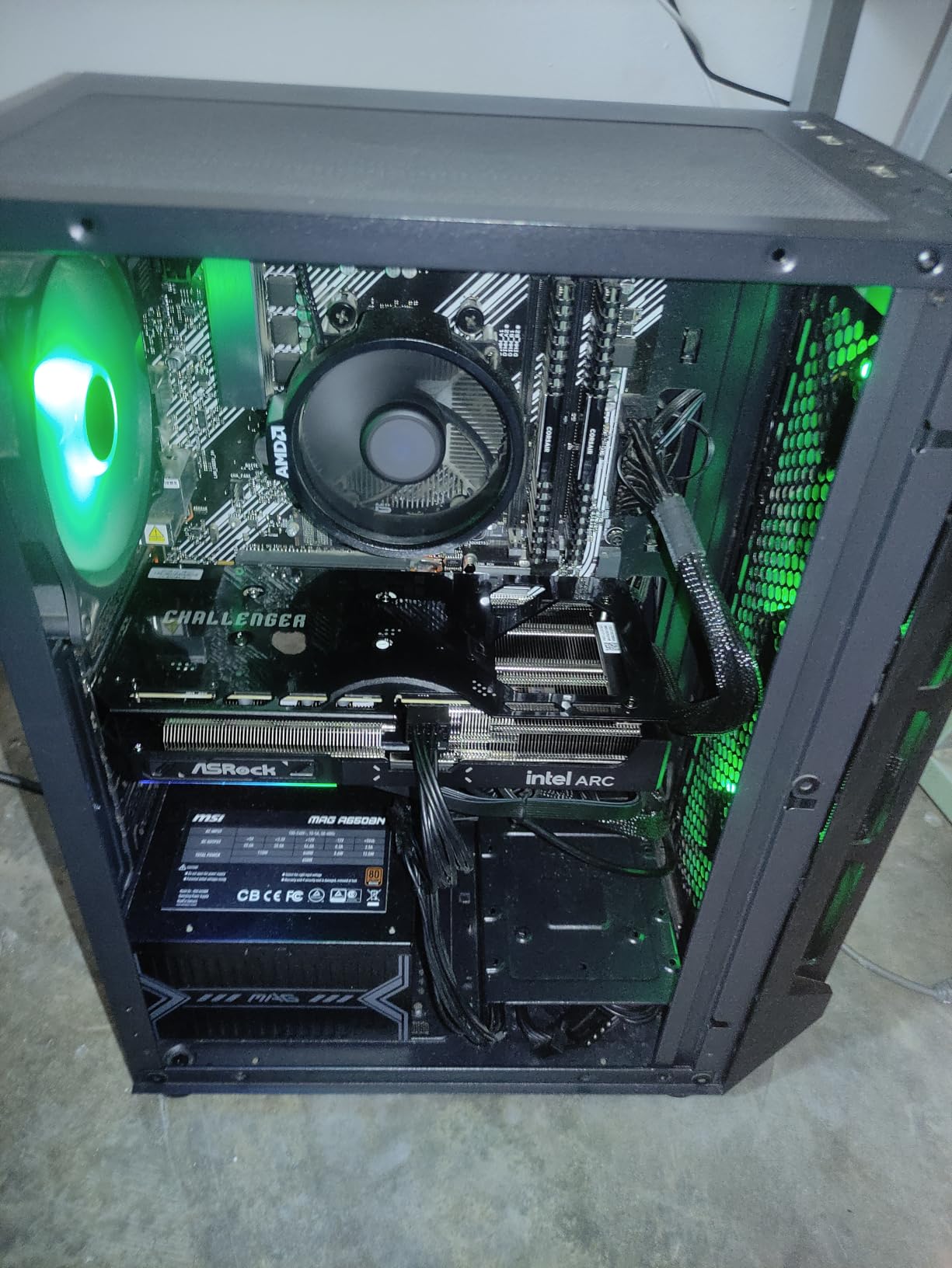
The setup requirements you cannot skip
This card needs Resizable BAR and 4G decoding enabled in the BIOS before it performs as expected. Get that wrong and you will lose a large slice of the performance the owners are describing.
CPU pairing matters too. A review describes the card as a poor match for a slow processor and suggests a Ryzen 5 5500 as the practical floor. A modern mid-range CPU is the sensible pairing.
How much driver risk are you taking on
Intel Arc software is still maturing, and owners do report friction. One mentions Discord hardware-accelerated streaming issues and a recurring Driver_IRQL blue screen that clearing CMOS and re-enabling ReBAR resolved.
The review base is also the smallest in this roundup at 123 ratings, though the distribution is the cleanest, with 84 percent five stars and no one-star responses at all. You are buying capability that the numbers support and that the ecosystem is still catching up to.
9. GIGABYTE GeForce RTX 3050 WINDFORCE OC V2 6G – The Most Compact NVIDIA Card

GIGABYTE GeForce RTX 3050 WINDFORCE OC V2 6G Graphics Card, 2X WINDFORCE Fans, 6GB GDDR6 96-bit GDDR6, GV-N3050WF2OCV2-6GD Graphics Card
6GB GDDR6 on a 96-bit bus
1477 MHz boost
7.5 inch dual-fan body
Just over 14 ounces
Pros
- Short 7.5 inch dual-fan body fits small cases
- Very light at just over 14 ounces so minimal slot stress
- Dual WINDFORCE fans are adequate for the power level
- DLSS and ray tracing on the cheapest RTX option here
Cons
- 6GB on a 96-bit bus is the weakest memory setup in the group
- 1477 MHz boost is below the ASUS Dual RTX 3050
- Entry-level performance limited to 1080p
When physical size is the deciding factor, this is the one. At 7.5 inches and just over 14 ounces it is the smallest and lightest card in the roundup, which also means almost no sag stress on the PCIe slot in an older case.
It still has the full RTX feature set at the entry level. Ampere streaming multiprocessors, second-generation RT cores and third-generation tensor cores mean DLSS and hardware ray tracing are available, which no competing card in this price range below it can match on features.
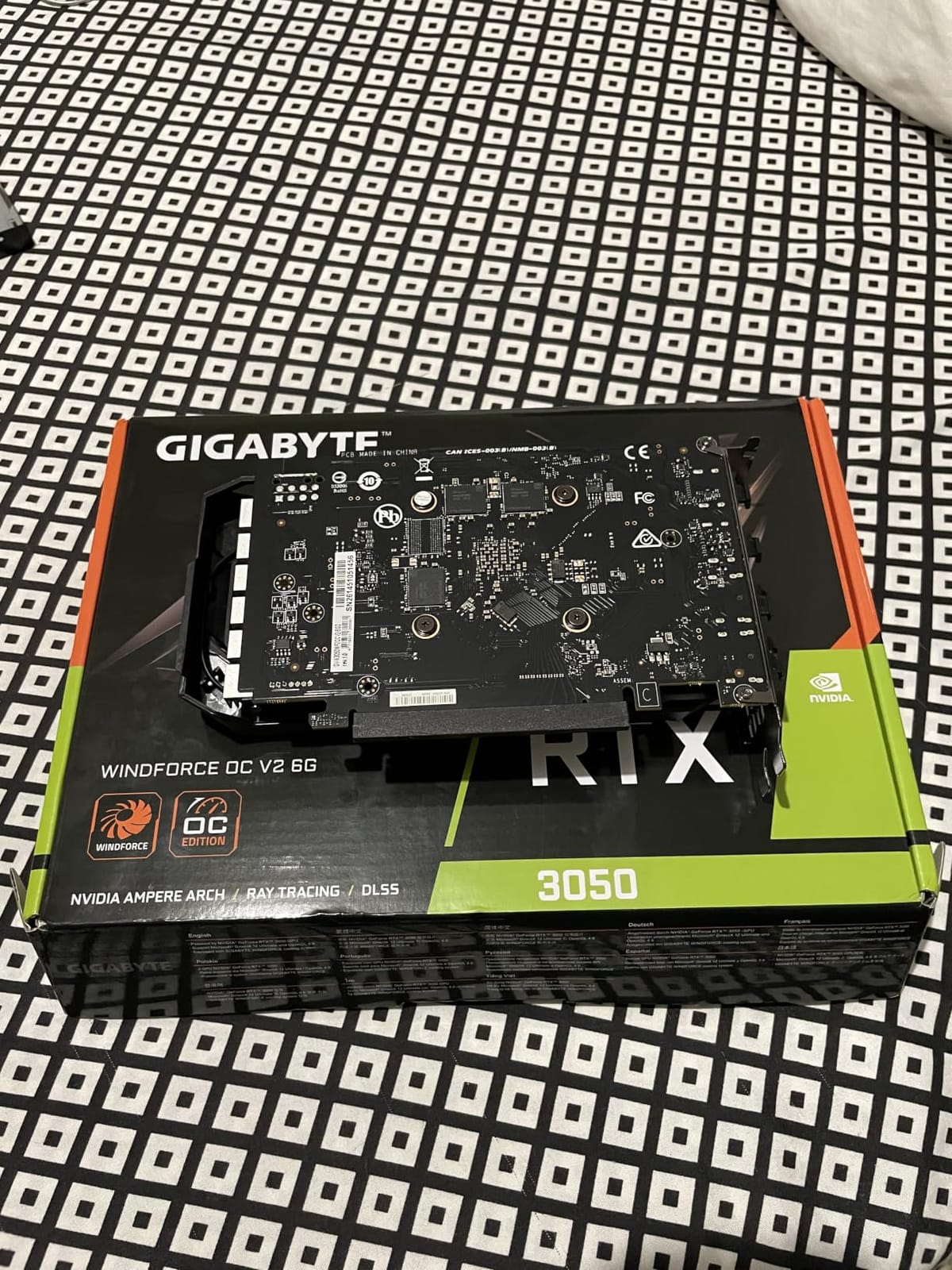
Output covers 7680 x 4320 maximum resolution through DisplayPort and HDMI, and the three-year manufacturer warranty is a full term. Sales rank in Computer Graphics Cards shows steady demand for this tier rather than a card being cleared out.
Two WINDFORCE fans are enough at this power level, and the shorter cooler means less airflow demand overall than the triple-fan boards further up the list.
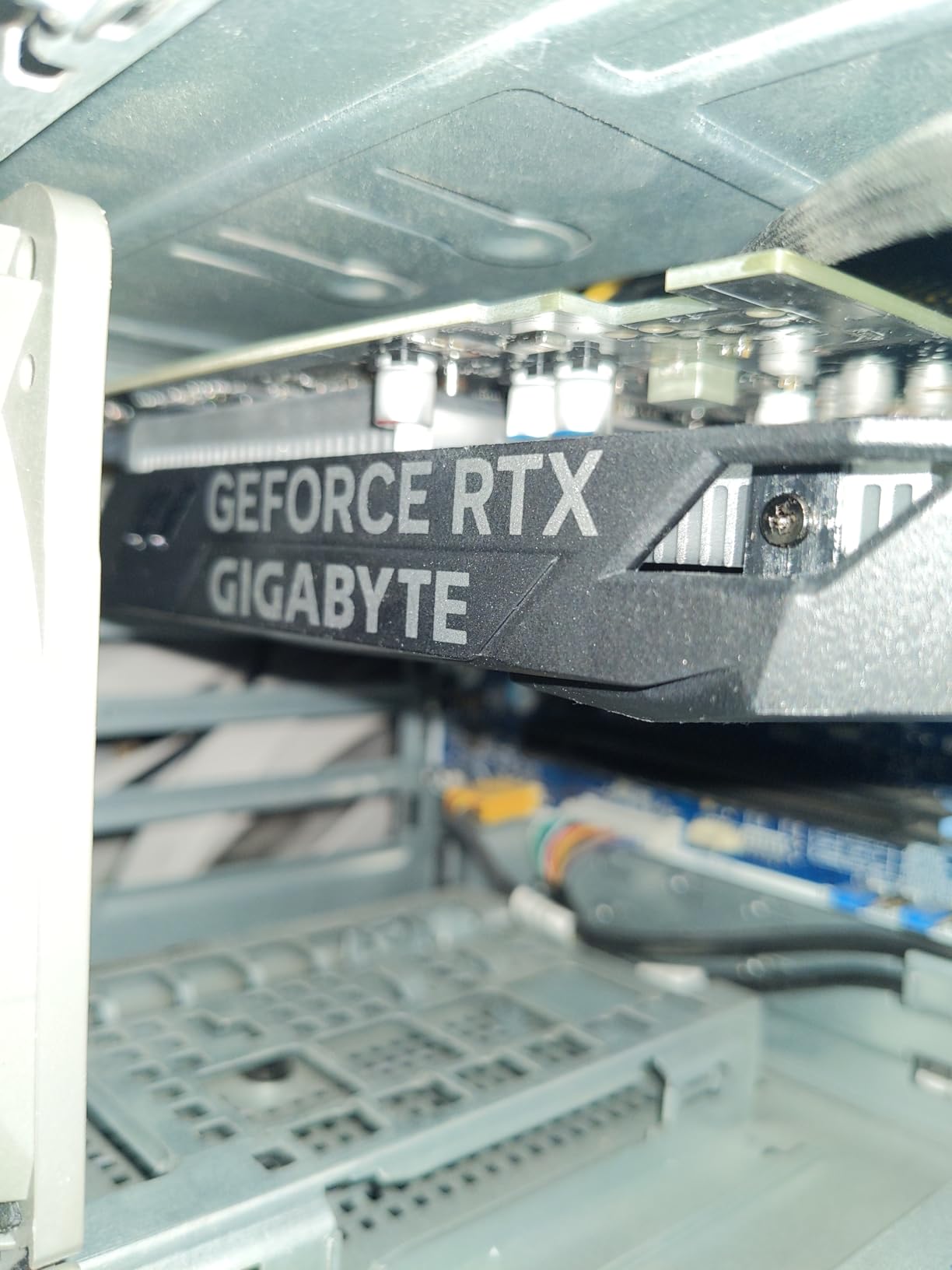
Is 96-bit too narrow to recommend
It is the narrowest bus here and the least future-proof memory configuration, with 6GB of GDDR6 on 96 bits. Texture-heavy games at high settings are where you will feel it first.
At 1080p on low to medium settings, which is the intended use, the limitation rarely surfaces. Just treat this as a small-form-factor and secondary-GPU purchase rather than a main gaming card for the next few years.
How it compares to the msi Ventus 2X
The two are close substitutes, sharing a 306-review pool and an identical 4.6 rating, and the choice comes down to ports and length. The msi card is shorter at 7.4 inches and adds a second HDMI port, while this one boosts to 1477 MHz against the Ventus 2X at 1492 MHz.
Neither card escapes the 6GB on 96-bit ceiling, so pick on fit and outputs rather than performance.
10. msi GeForce RTX 3050 Ventus 2X 6G OC – Best for Multi-Monitor HDMI Setups

msi Gaming RTX 3050 Ventus 2X 6G OC Graphics Card (NVIDIA RTX 3050, 96-Bit, Boost Clock: 1492 MHz, 6GB GDDR6 14 Gbps, HDMI/DP, Ampere Architecture)
6GB GDDR6 on a 96-bit bus
1492 MHz boost at 14 Gbps
7.4 inch dual-fan body
1x DisplayPort and 2x HDMI 2.1a
Pros
- Shortest card in the roundup at 7.4 inches
- Two HDMI 2.1a outputs for dual and triple monitor HDMI desks
- Ventus 2X cooler is a proven MSI design
- Three-year warranty
- Strong sales rank for this tier
Cons
- Only one DisplayPort output
- 6GB on a 96-bit bus matches the GIGABYTE card
- No Blackwell features such as DLSS 4 or GDDR7
The Ventus 2X wins on output flexibility. Two HDMI 2.1a ports plus a single DisplayPort 1.4a is unusual at this tier, and for a desk built around HDMI cables it removes the need for adapters entirely.
It is also the shortest card in the roundup at 7.4 inches, and using only one DisplayPort keeps three rear slots free on a compact board. The Ventus 2X dual-fan cooler is a design msi has shipped for years, which is worth something for a card you may keep for a long time.
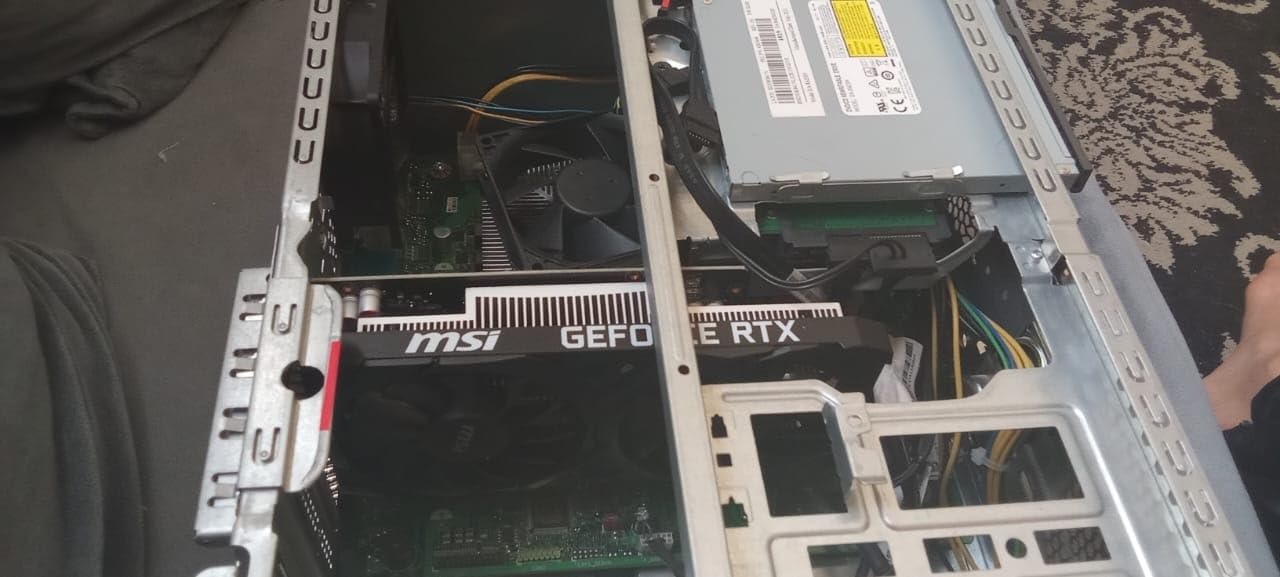
Under the cooler it is the familiar entry configuration: 6GB of GDDR6 at 14 Gbps on a 96-bit interface, boosting to 1492 MHz, with maximum output resolution of 7680 x 4320 and a three-year warranty.
Sales rank sits at number 49 in Computer Graphics Cards, a stronger position than most cards at this tier, which suggests the model has been a steady seller rather than a short run.
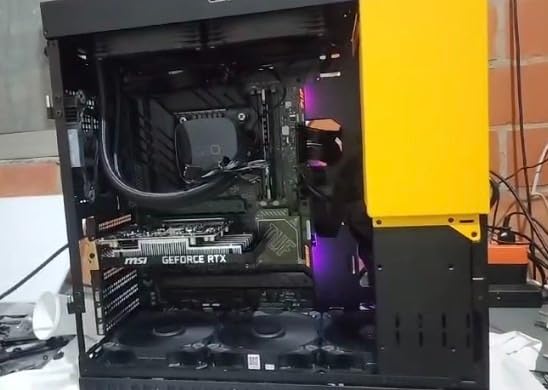
Where this card fits in a real build
It makes most sense as a second GPU for a multi-monitor desk, a dedicated card for a specific older game that lacks DX11 support, or a compact build where a 6GB card is the right size and nothing more is needed.
As a primary gaming card it works at 1080p on low to medium settings, and DLSS helps in supported titles. The 6GB pool on a 96-bit bus is the same ceiling the GIGABYTE card has, so this is not a step up in capability.
Should you stretch your budget instead
If you are not constrained by case size or port layout, an extra hundred dollars moves you to a card with twice the VRAM and a wider bus, and that difference is felt for years rather than months. Buy this one for fit reasons, not for value reasons.
How to Choose Between These Ten Cards
Start with resolution and work outward from there, because that single answer eliminates most of this list. At 1080p high refresh, the RTX 5060 and the entry RTX 3050 boards are more than enough. At 1440p, you are choosing between the 12GB RTX 3060, the RTX 3060 Ti and the Arc B570 on capability, and the rest of the field falls away.
Second decision is VRAM, and this is where most buyers at this budget get it wrong. If you keep a browser with many tabs open, stream while gaming, or play games with high texture packs, 8GB is the practical floor in 2026 and 10GB or 12GB is where you want to be. Two of the cards here ship 6GB and they are built for a specific job, not for a general gaming PC.
Is a 128-bit bus bad when the card has 16GB or more
The honest answer is that a narrow bus is a bandwidth ceiling, not a defect. Several cards in this roundup run 8GB on a 128-bit interface, and at 1080p and 1440p the memory capacity matters far more than the bus width. The bus becomes the limiting factor in heavy texture streaming, at 4K with high settings, or in bandwidth-heavy tasks like ray tracing and video work.
So read the two numbers separately. Capacity decides whether the game fits at all. Bus width decides how smoothly the card feeds itself once the game does fit. In this bracket, capacity is almost always the more important of the two.
Power draw and power supply sizing
Board power across this list runs from about 100W in practice on the RTX 5060 up to 200W on the RTX 3060 Ti, with the RX 7600 boards sitting near 165W before undervolting. A 550W supply covers every card here if it is a reputable unit, and the entry cards will run happily on less.
Connector requirements are simple across the board. Every card here uses a single 8-pin or no external power at all, so you do not need a modular cable hunt or an adapter. The one thing to check is whether your existing unit has a spare 8-pin and enough headroom at the 12V rail.
Cooling, size and case clearance
Card length in this roundup runs from 7.4 inches to 11.1 inches, which is a large spread in a category where fit problems are the most common purchase regret. The two 11.1-inch GIGABYTE boards are the ones that generate fit complaints, and both report angled brackets that some cases will not accept.
Fan count follows size closely. Triple-fan boards run cooler and quieter under sustained load, while the dual-fan cards trade heat for clearance. If your case has a restricted intake, accept a small noise penalty or add a case fan rather than a bigger card.
DLSS 4 versus FSR 4 versus XeSS 2
Each vendor’s upscaling has matured to the point where raw image quality differences are smaller than the support lists suggest. DLSS 4 on the RTX 5060 adds Multi Frame Generation and 623 AI TOPS, and owners specifically praise its handling of 1 percent low frames, which is what competitive shooters are measured on.
AMD Fluid Motion Frames on the RX 7600 boards roughly double frame rate in DX11 and DX12 titles with a small latency and sharpness cost, and the undervolting support in Adrenalin makes those cards efficient to run. Intel XeSS 2 on the B570 is what turns ray tracing from a slideshow into something playable at 1440p. Check your main titles for support before choosing on this basis.
New mid-range or used last-generation flagship
This is the biggest decision in the bracket and the one most guides skip. Forum consensus across build communities has long leaned toward the idea that a used last-generation flagship beats a new mid-range card when new mid-range pricing inflates, and that argument is stronger right now than at any point in the last few years because memory costs are pushing new cards above their intended tiers.
The practical framework is warranty and risk. Check that the used card’s warranty transfers to you, ask for proof of purchase, look for signs of mining work or a replaced cooler, and test it under load in person if you can. Our own view is that the used route suits someone comfortable with that checklist, while anyone who wants a clean warranty and a known return path should take one of the cards in this list.
Regional pricing swings hard as well, and the same GPU can be a completely different value proposition in different markets. If you are outside the largest markets, check local pricing on the specific board rather than assuming the ranking here transfers.
Should you check whether your current card is good enough
Yes, before anything else. An upgrade only pays off if the current card is limiting your experience, and a large share of buyers in this bracket are replacing a card that is still perfectly adequate for the games they play.
If your games are GPU-bound at the settings you use, an upgrade will show up immediately. If you are playing competitive titles where you are already CPU-bound, or you are not using high texture settings, the difference between a 6GB and a 12GB card may be invisible to you. Our motion graphics software roundup covers the software side of that same problem for readers balancing both budgets.
Frequently Asked Questions
What is the best graphics card under 500 dollars?
The GIGABYTE GeForce RTX 3060 Gaming OC 12G is our pick, because 12GB of GDDR6 on a 192-bit bus is the most memory headroom available at this budget and it holds 4.7 stars across more than 3,000 reviews. The ASUS Dual GeForce RTX 5060 8GB is the current-generation alternative for 1080p high refresh, and the ASRock Intel Arc B570 10GB leads on bandwidth for creators.
What is the cheapest but best graphics card?
The XFX Speedster SWFT Radeon RX 7600 8GB and the ASRock Radeon RX 7600 Challenger 8GB OC both sit at the lower end of this bracket while delivering the RX 7600’s 90-plus fps results at 1080p. If you need to go cheaper still, the ASUS Dual GeForce RTX 3050 6GB OC is a two-slot 7.9-inch card built for compact cases and lighter 1080p play.
Is a 500 dollar PC good for gaming?
A graphics card in this range handles 1080p at high refresh rates and entry-level 1440p gaming well, and with DLSS 4, Fluid Motion Frames or XeSS 2 the effective frame rate goes higher still. Your processor, memory and storage still matter, so pair the card with a modern mid-range CPU and at least 16GB of system RAM to avoid a bottleneck.
Should I buy a card with 16GB on a 128-bit memory bus?
At 1080p and 1440p the 8GB allocation is what decides whether a game runs smoothly, and a narrow bus is a bandwidth ceiling rather than a defect. Bus width becomes the limiting factor with heavy texture streaming, 4K at high settings, or bandwidth-heavy ray tracing and video work. In this bracket, capacity matters more, so prioritise VRAM first.
Should I buy a used last-generation GPU or a new mid-range card?
Used last-generation flagships often deliver more performance per dollar when new mid-range pricing inflates, which is the case in this bracket right now. Buying used means checking that the warranty transfers, asking for proof of purchase, looking for signs of mining work, and testing the card under load. A new card from this list gives you a clean warranty and a known return path.
What is the best value graphics card under $500?
The GIGABYTE Radeon RX 7600 Gaming OC 8G is the value answer, with owners calling it the best frames-per-dollar option in this tier. It holds thermals under about 60C at full load, undervolts from 165W toward 140W, and supports AMD Fluid Motion Frames. Its one drawback is the oversized 11.1-inch cooler, so measure your case first.
Our Verdict on the Best Graphics Cards Under 500 in 2026
For most people reading this, the GIGABYTE GeForce RTX 3060 Gaming OC 12G is the buy. Twelve gigabytes of VRAM on a 192-bit bus is the single most useful thing you can have in this bracket, and more than 3,000 reviews at 4.7 stars make it the least risky choice on the list.
Play mostly at 1080p and want the newest features and the lowest power draw, and the ASUS Dual GeForce RTX 5060 8GB is the pick. It is the only Blackwell card here, it draws barely over 100W in practice, and DLSS 4 handles low frames better than anything else at this price.
Editing video or streaming goes to the ASRock Intel Arc B570 10GB, with AV1 and HEVC engines and 380 GB/s of bandwidth. If frame rate per dollar is the goal rather than features, the GIGABYTE RX 7600 Gaming OC 8G wins that, provided your case fits an 11.1-inch cooler.
Use the two 6GB RTX 3050 boards and the XFX and ASRock RX 7600 cards for what they are genuinely good at, which is compact builds, secondary GPUs, multi-monitor desks and short cases. Measure your chassis, check your PSU, and buy the card that fits your system rather than the one with the longest spec list.