
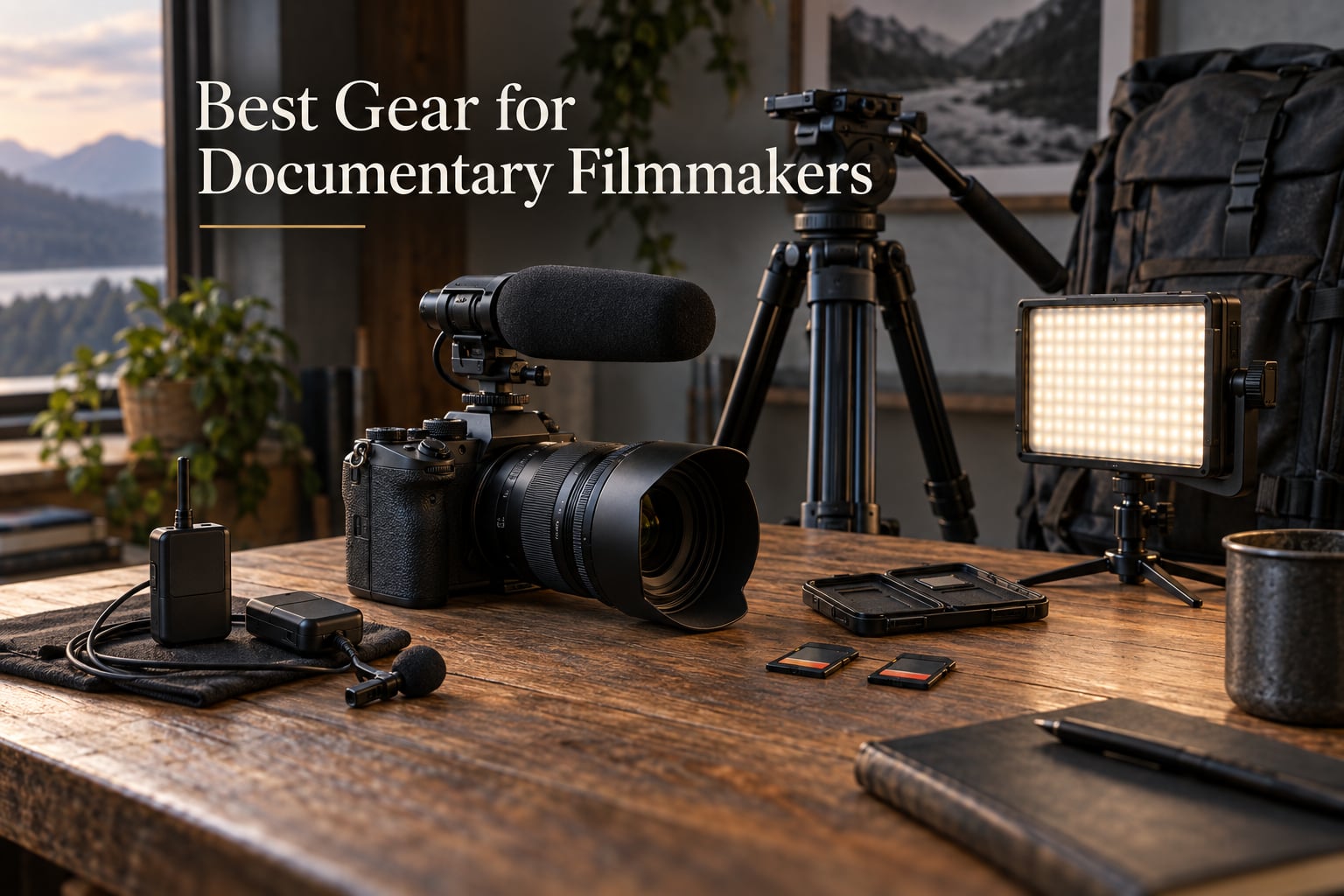
Our team has spent the last few months shooting, packing, and re-packing gear bags across three documentary projects to find the best gear for documentary filmmakers that actually performs in the field. We tested 12 pieces of equipment through sit-down interviews, run-and-gun street coverage, and a week-long observational shoot in unpredictable weather.
Documentary filmmaking is unforgiving. You cannot light a scene, you rarely get a second take, and your audio chain either saves the interview or ruins it. We came away convinced that the right kit is less about flashy specs and more about reliability, portability, and clean sound. If you are starting from scratch or upgrading a tired bag, this guide will help you build a kit that holds up when the story starts unfolding.
Below is our full 2026 roundup covering cameras, microphones, stabilization, lighting, monitoring, storage, and the often-forgotten accessories that keep everything running.
Table of Contents
- Top 3 Picks for Documentary Filmmakers in September
- Best Documentary Filmmaking Gear in 2026
- 1. Sony Alpha 7 IV – Hybrid Powerhouse for Solo Shooters
- 2. Sony FX30 – Compact Cinema Camera for Independent Filmmakers
- 3. RØDE Wireless PRO – Pro Wireless Audio with Timecode
- 4. Sennheiser MKE 600 – Trusted Shotgun for Interview Audio
- 5. RØDE VideoMicro II – Pocket-Sized Run-and-Gun Mic
- 6. DJI RS 3 Mini – Smooth Gimbal Stabilization on the Move
- 7. Cayer BV30L Tripod – Tall, Stable, and Interview-Ready
- 8. NEEWER LED Panel Kit – Bi-Color Lighting for Interviews
- 9. VILTROX DC-550 Field Monitor – Daylight-Viewable Confidence
- 10. MOSISO Camera Backpack – Carry Your Whole Kit Safely
- 11. DJI Mic Mini – Ultralight Wireless for Mobile Shooters
- 12. SanDisk Extreme PRO 256GB – Storage You Can Trust
- Buying Guide: How to Choose Gear for Documentary Filmmakers
- Frequently Asked Questions
- Final Verdict: Building Your Documentary Kit
Top 3 Picks for Documentary Filmmakers in September


RØDE Wireless PRO
- 32-bit float on-board recording
- Built-in timecode
- 2 lavalier mics included
Best Documentary Filmmaking Gear in 2026
| Product | Specs | Action |
|---|---|---|
| Sony Alpha 7 IV |
|
Check Latest Price |
 Sony FX30 Sony FX30 |
|
Check Latest Price |
| RØDE Wireless PRO |
|
Check Latest Price |
 Sennheiser MKE 600 Sennheiser MKE 600 |
|
Check Latest Price |
 RØDE VideoMicro II RØDE VideoMicro II |
|
Check Latest Price |
 DJI RS 3 Mini DJI RS 3 Mini |
|
Check Latest Price |
 Cayer BV30L Tripod Cayer BV30L Tripod |
|
Check Latest Price |
 NEEWER LED Panel Kit NEEWER LED Panel Kit |
|
Check Latest Price |
 VILTROX DC-550 Monitor VILTROX DC-550 Monitor |
|
Check Latest Price |
 MOSISO Camera Backpack MOSISO Camera Backpack |
|
Check Latest Price |
 DJI Mic Mini DJI Mic Mini |
|
Check Latest Price |
 SanDisk Extreme PRO 256GB SanDisk Extreme PRO 256GB |
|
Check Latest Price |
1. Sony Alpha 7 IV – Hybrid Powerhouse for Solo Shooters
Sony Alpha 7 IV Full-frame Mirrorless Interchangeable Lens Camera
33MP full-frame sensor
4K 60p 10-bit 4:2:2
5-axis IBIS
Pros
- Excellent 33MP full-frame image quality
- Strong 4K 60p with 10-bit color
- 693-point AI-driven autofocus
- 5-axis in-body stabilization
- Dual card slots
- Long battery life
Cons
- Higher price than competitors
- Single HDMI output
- Large file sizes need fast storage
I shot a four-day observational documentary with the Sony Alpha 7 IV last spring and came away impressed by how little it got in my way. The 33-megapixel full-frame sensor delivered clean shadow detail in low-light living rooms, and the 4K 60p 10-bit 4:2:2 recording gave my colorist enough latitude to push the grade without banding.
Autofocus matters more in documentary work than most people admit. The 759-point hybrid AF tracked walking subjects through doorways and locked onto eyes during sit-down interviews without hunting. The 5-axis in-body stabilization saved a handful of handheld walking shots that would have been unusable on my older camera. Two card slots (one CFexpress Type A, one SD UHS-II) gave me a real backup workflow on location.
For documentary filmmakers who shoot both stills and video, this is the most versatile body in our test. Reviewers report that the ergonomics are noticeably improved over the Mark III, and the deeper grip made long interview days more comfortable. Battery life comfortably covered a 6-hour shoot with mixed stills and video clips.
The Alpha 7 IV is not perfect. It costs more than most APS-C alternatives, and the single HDMI port means no clean external record output while tethering to a monitor. File sizes are also substantial – I burned through a 256GB card in a single 4K shoot day. Despite those trade-offs, it remains our top pick because it handles the widest range of documentary scenarios without compromise.
Who should buy it
Solo documentary filmmakers who need one camera that handles low-light interviews, handheld run-and-gun, and the occasional still photo. If you are building a kit around a single hybrid body, the Alpha 7 IV is hard to beat.
Who should skip it
Filmmakers on tight budgets who do not need full-frame low-light performance. APS-C alternatives like the FX30 below deliver excellent documentary footage for less money, and dedicated cinema cameras offer better audio integration for sit-down work.
2. Sony FX30 – Compact Cinema Camera for Independent Filmmakers
SONY Cinema Line FX30 Super 35 Camera, Gray
20.1MP Super 35 sensor
4K 120p recording
S-Cinetone color
Pros
- Excellent cinematic image with S-Cinetone
- 4K 120p recording
- Dual base ISO and 14+ stops DR
- Compact and lightweight body
- Strong video autofocus
- Timecode and professional audio controls
Cons
- APS-C sensor smaller than full-frame
- Limited still photography features
- Higher price for entry-level cinema
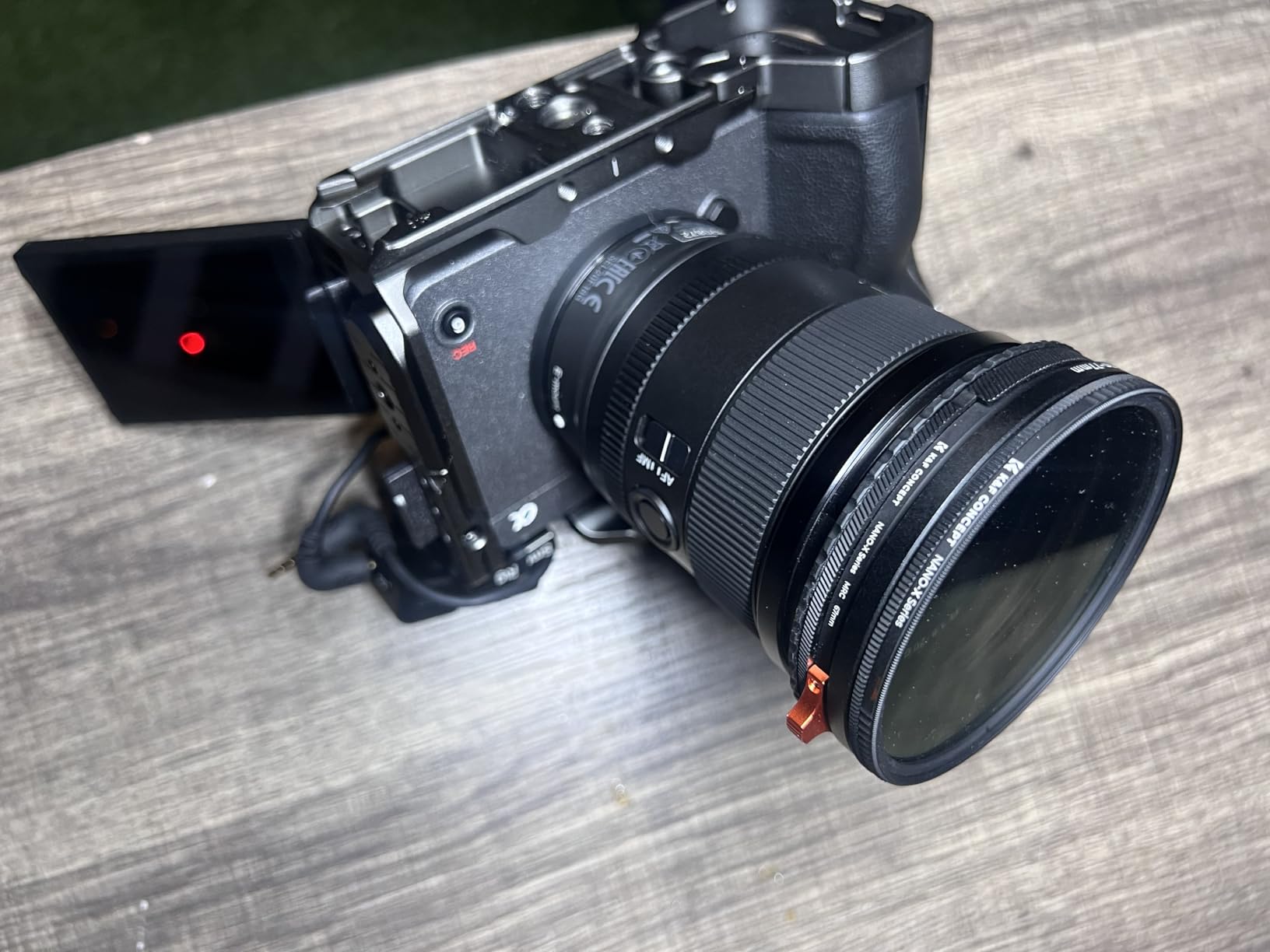
The Sony FX30 surprised me. I expected a stripped-down version of the FX3, but in documentary use it feels like a complete cinema camera in a smaller package. The 20.1-megapixel Super 35 sensor paired with S-Cinetone produces footage that needs almost no grading, which is exactly what independent documentarians need when deadlines are tight.
I shot a short observational piece on a community garden using only the FX30 and a single RØDE shotgun. The dual base ISO and 14+ stops of dynamic range let me ride exposure from bright sun to shaded greenhouses without worrying about noise. Active cooling meant I could record continuous 4K without thermal cutoffs, which is critical when you are waiting for a 20-minute conversation to play out.
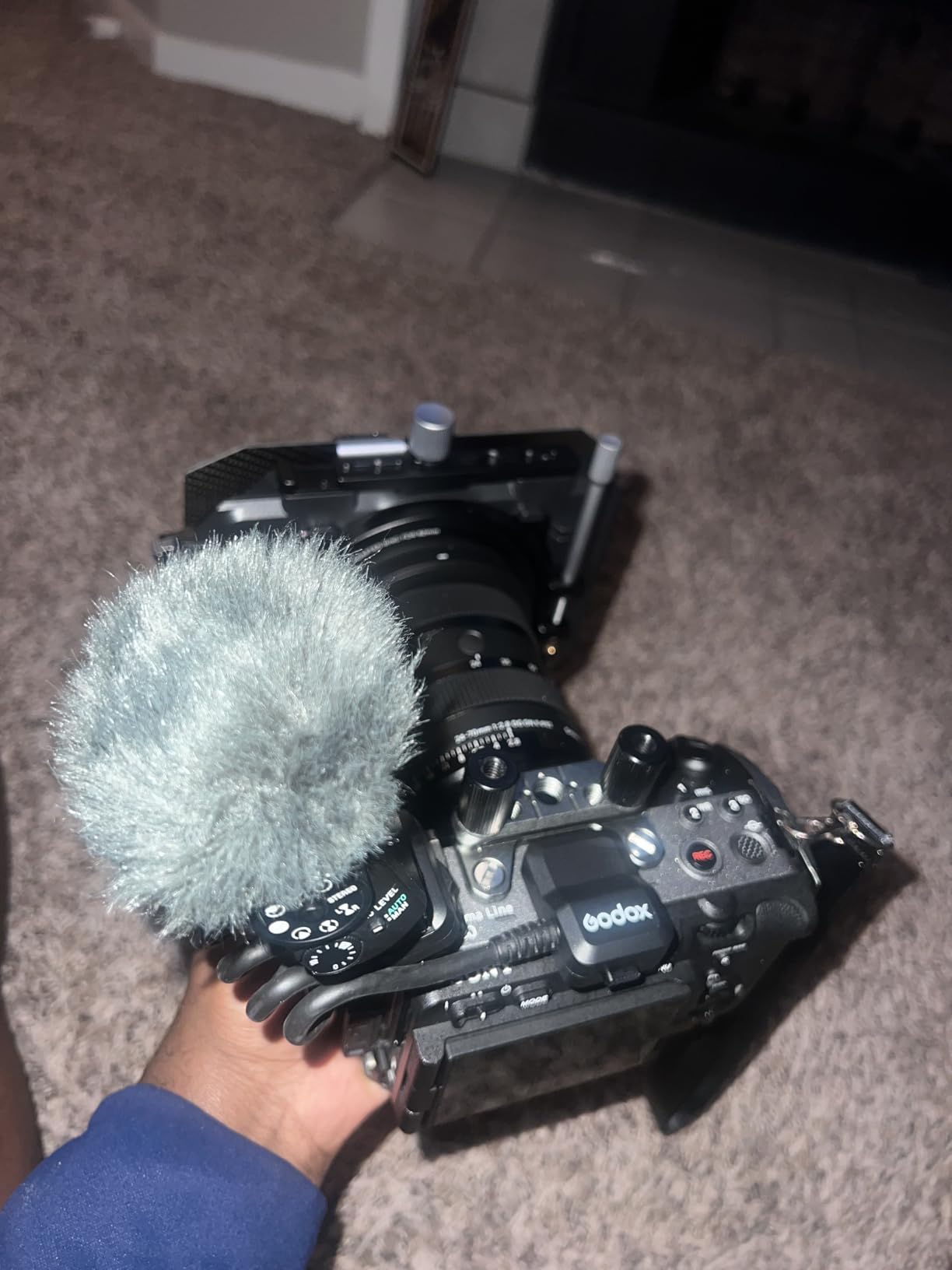
Reviewers consistently highlight the professional feature set – timecode input, user LUTs, dual base ISO, and proper XLR top handle compatibility. For documentary filmmakers who are stepping up from a hybrid body, the FX30 offers a much more film-friendly workflow without the bulk of a traditional cinema rig.
The trade-offs are real. The APS-C sensor is smaller than full-frame, which means slightly noisier low-light footage and a crop on full-frame lenses. Still photography is limited compared to hybrid cameras. But for video-first documentary work, this is the best balance of features and portability in our roundup.
Who should buy it
Independent documentary filmmakers who want cinema-grade image quality without the bulk of a full cinema rig. It is also a strong upgrade for hybrid shooters who primarily shoot video and want professional workflow features like timecode and dual base ISO.
Who should skip it
Filmmakers who need full-frame low-light performance or significant stills capability. Photographers who split their time evenly between documentary stills and video will get more value from a hybrid body like the Alpha 7 IV.
3. RØDE Wireless PRO – Pro Wireless Audio with Timecode
RØDE Wireless PRO (2 TX + 1 RX + Charging Case), 32-Bit Float, Timecode
32-bit float on-board recording
Built-in timecode
Series IV 2.4 GHz
Pros
- 32-bit float eliminates clipping
- Built-in timecode for multi-cam sync
- 128-bit encrypted transmission
- Universal camera and phone compatibility
- Includes 2 lavalier mics and smart case
- Low 5ms latency
Cons
- Higher price than consumer wireless
- Transmitters bulkier than competitors
- Lavalier mics feel slightly fragile
I had been avoiding wireless lav systems for documentary work because the audio quality rarely matched a hardwired boom. The RØDE Wireless PRO changed that. I used it on a three-interview day and the resulting audio needed almost no post work. The 32-bit float on-board recording saved one take where my subject laughed louder than expected – I had clipped the input on the camera, but the backup recording recovered it perfectly.
Timecode is the sleeper feature. I was running two cameras and an audio recorder, and the built-in timecode meant I did not have to slate a single shot. In Resolve, the clips synced automatically within a frame. For documentary filmmakers doing multi-camera interviews or B-roll coverage, this feature alone justifies the price.
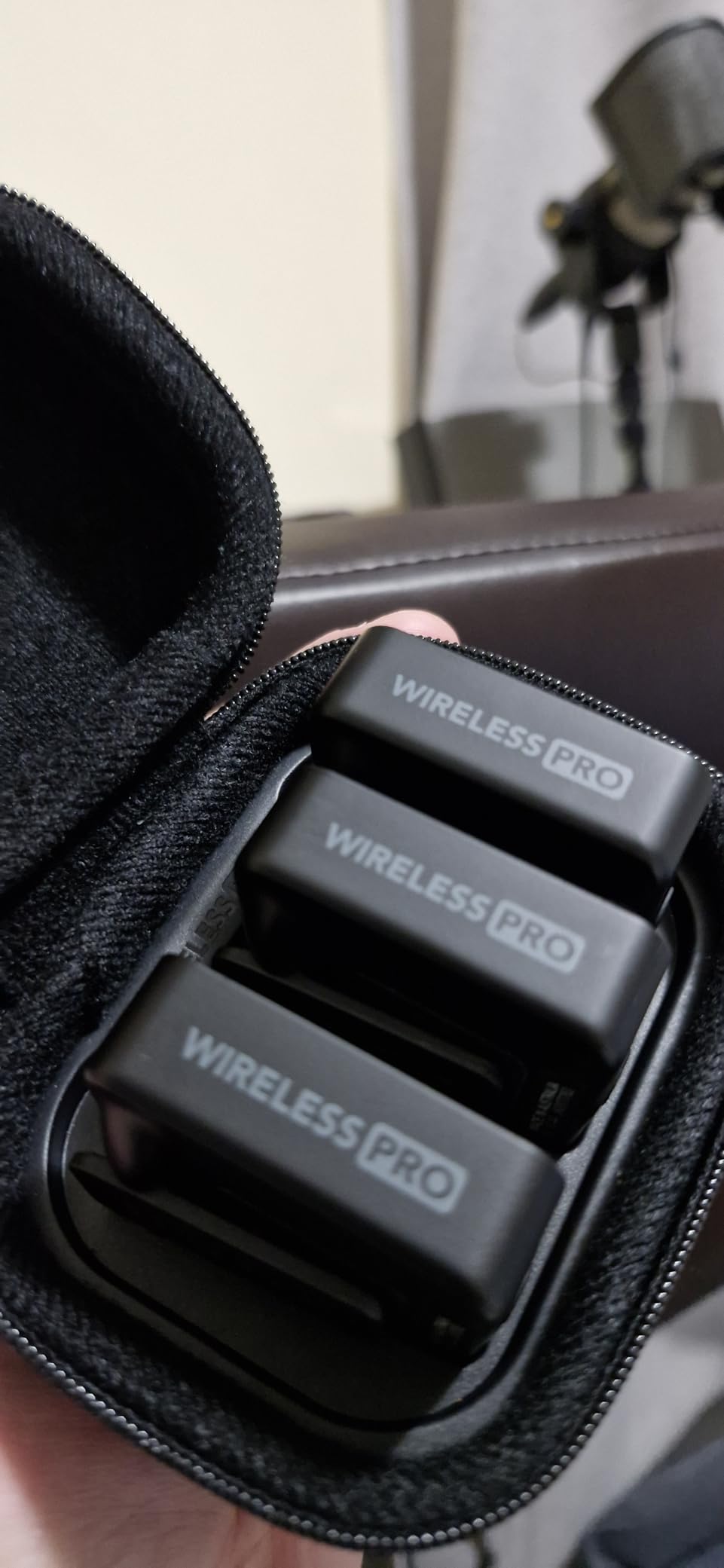
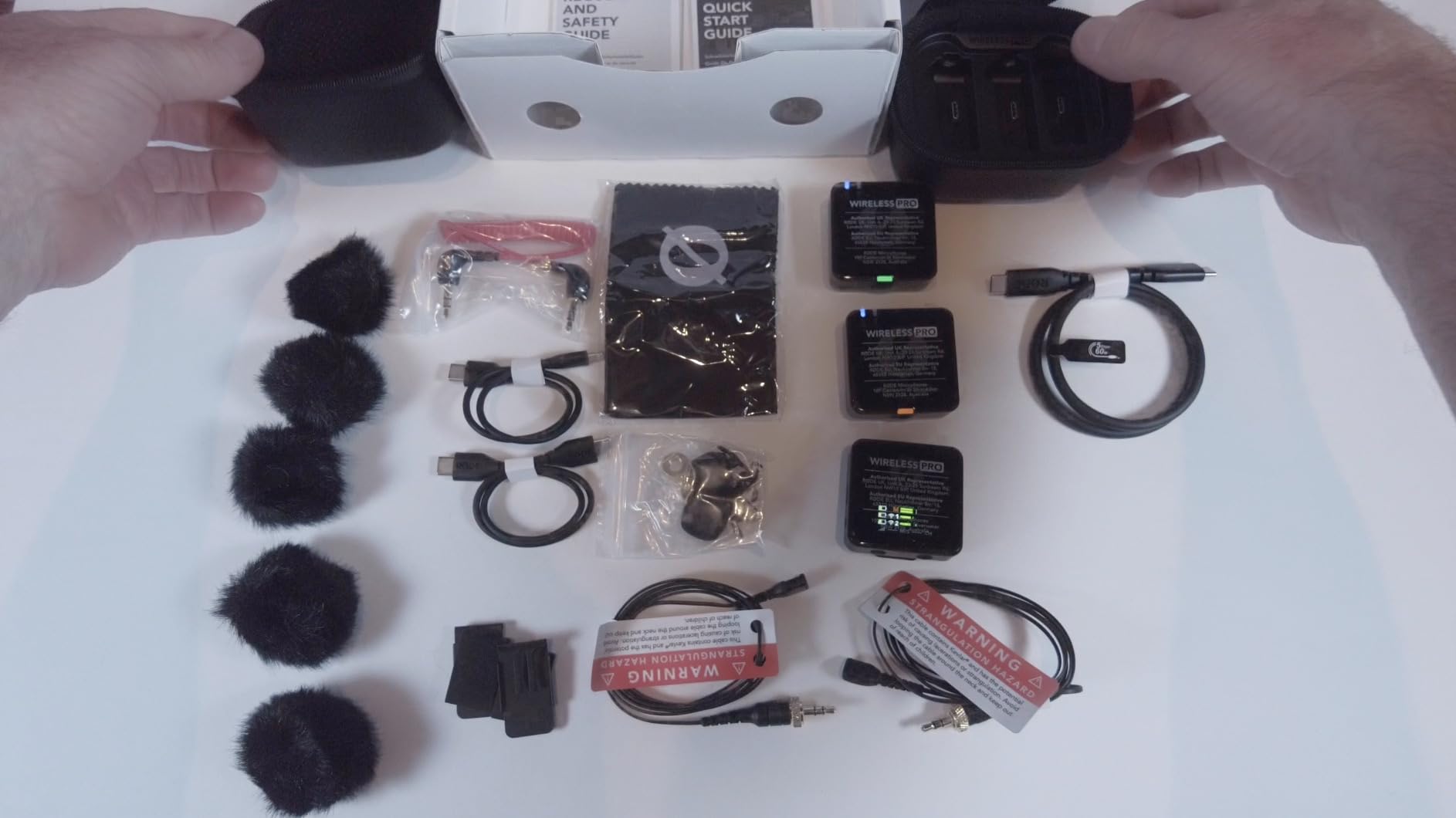
Reviewers consistently praise the comprehensive accessory kit. The smart charging case, two Lavalier II mics, MagClip GO magnetic mounts, and cables for every common camera and phone are all included. The 128-bit encrypted Series IV transmission stayed solid at distances over 60 meters in open air.
The Wireless PRO is not cheap, and the transmitters are noticeably bulkier than the DJI Mic Mini below. For documentary work, however, the audio quality, timecode integration, and 32-bit float safety net make this the most capable wireless system in our test. It is a genuine insurance policy against lost interviews.
Who should buy it
Documentary filmmakers who run multi-camera shoots or who cannot reshoot interviews. The 32-bit float and timecode features are built for the realities of unscripted production, and the included lavs are good enough for broadcast work.
Who should skip it
Solo vloggers or run-and-gun shooters who do not need timecode or 32-bit float. The DJI Mic Mini below delivers excellent wireless audio at a much lower cost for simpler single-camera workflows.
4. Sennheiser MKE 600 – Trusted Shotgun for Interview Audio
Sennheiser Pro Audio Sennheiser Pro Audio Wireless Microphone System, Black (MKE600)
Super cardioid shotgun
40 Hz - 20 kHz
Phantom or AA power
Pros
- Highly directional super cardioid pattern
- Excellent audio quality for video
- Robust aluminum construction
- Switchable low-cut filter for wind
- Flexible phantom or AA powering
- Includes shock mount and windshield
Cons
- Wired connection limits mobility
- Larger size than compact shotguns
- Premium price point
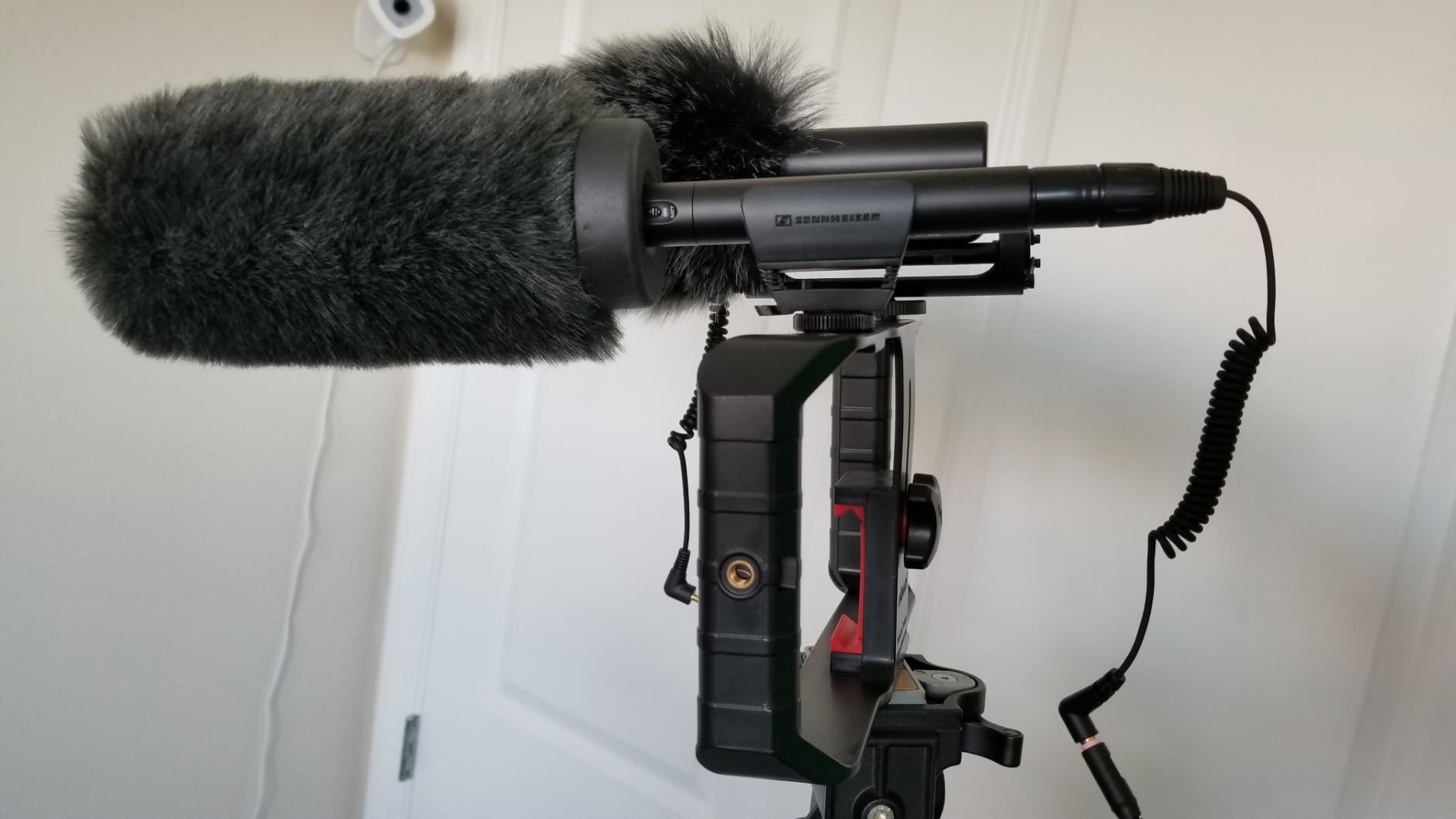
The Sennheiser MKE 600 has been my go-to interview microphone for years. I keep it on a short boom arm just out of frame during sit-down conversations, and the highly directional super cardioid pattern consistently rejects the air conditioning, refrigerators, and street noise that would otherwise ruin the recording.
What makes the MKE 600 stand out for documentary work is its dual-power design. On a boom setup I run it on phantom power from the camera or recorder. On a quick handheld interview with no XLR input available, I drop an AA battery in and it just works. That flexibility has saved me more than once on location.
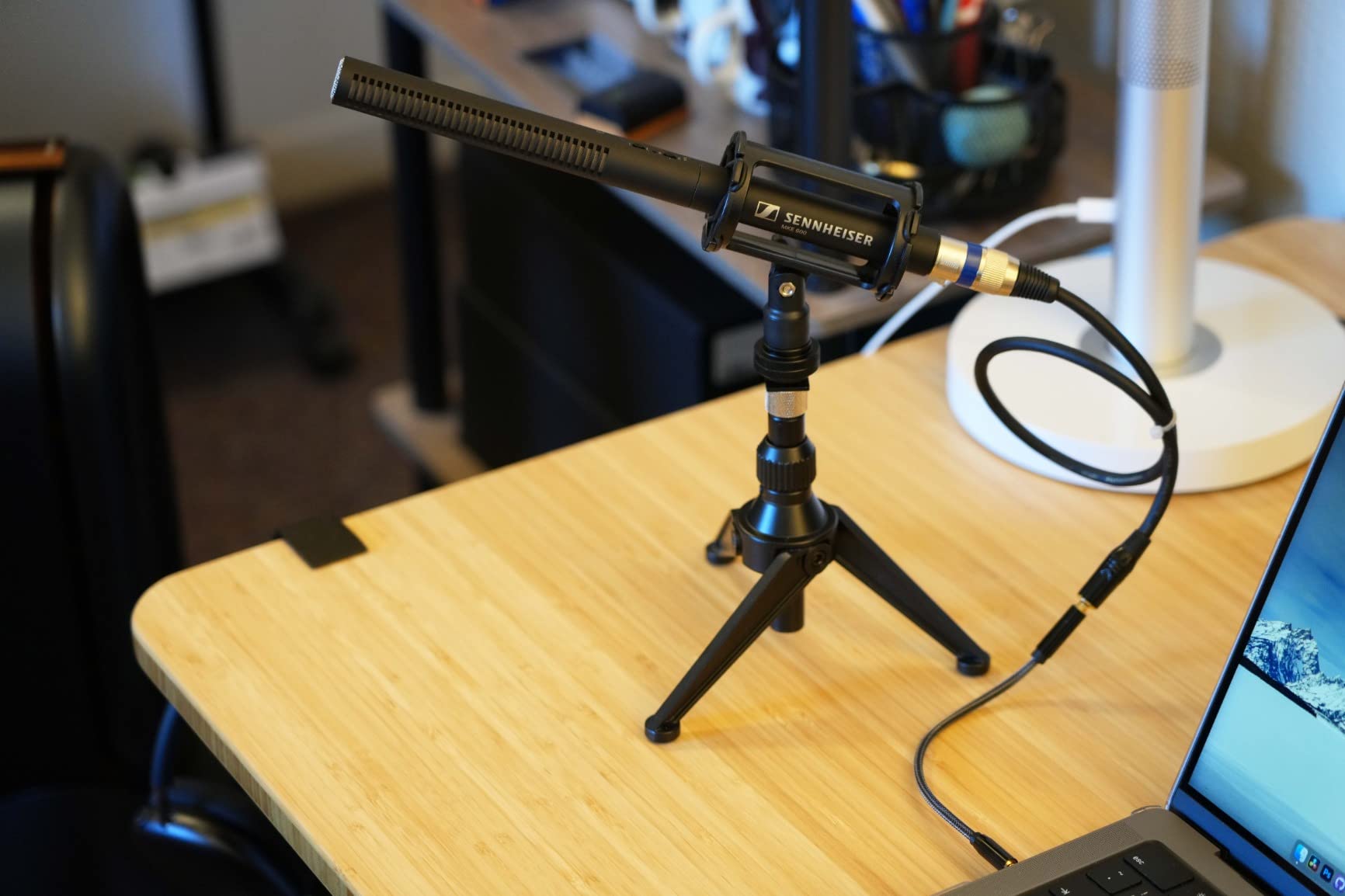
Reviewers describe the MKE 600 as a workhorse with natural tonal balance and excellent off-axis rejection. The aluminum body holds up to years of field abuse, and the included shock mount plus foam windshield handle most situations without extra purchases. The switchable low-cut filter is genuinely useful for cutting wind rumble during outdoor segments.
The downsides are clear. It is a wired microphone, which means cable management on run-and-gun shoots and no quick repositioning once your subject starts moving. It is also larger than compact on-camera shotguns like the VideoMicro II below. But for the specific job of capturing clean interview audio, the MKE 600 remains one of the best values in professional shotgun microphones.
Who should buy it
Documentary filmmakers who shoot frequent sit-down interviews and want a reliable, directional shotgun that delivers broadcast-quality audio. It pairs especially well with a boom pole and any recorder with XLR inputs.
Who should skip it
Shooters who primarily need wireless or ultra-portable audio. For run-and-gun work or mobile journalism, the RØDE Wireless PRO or DJI Mic Mini are better fits.
5. RØDE VideoMicro II – Pocket-Sized Run-and-Gun Mic
RØDE VideoMicro II Ultra-Compact On-Camera Shotgun Microphone for
39g ultracompact
No battery required
3.5mm TRS/TRRS
Pros
- Ultra-compact at only 39g
- No batteries required
- Helix isolation mount reduces handling noise
- All-metal construction
- Includes TRS and TRRS cables
- Comes with foam and furry windshields
Cons
- Limited range vs larger shotguns
- Wind noise can be challenging outdoors
- Some mixed sound quality reports
For documentary filmmakers who want better audio than the camera microphone without hauling a boom pole, the RØDE VideoMicro II is the obvious choice. I clipped it onto a Sony A7C for a street photography project, and the difference between built-in audio and the VideoMicro II was night and day. The super cardioid pickup pattern picked up my subjects clearly while cutting most of the surrounding noise.
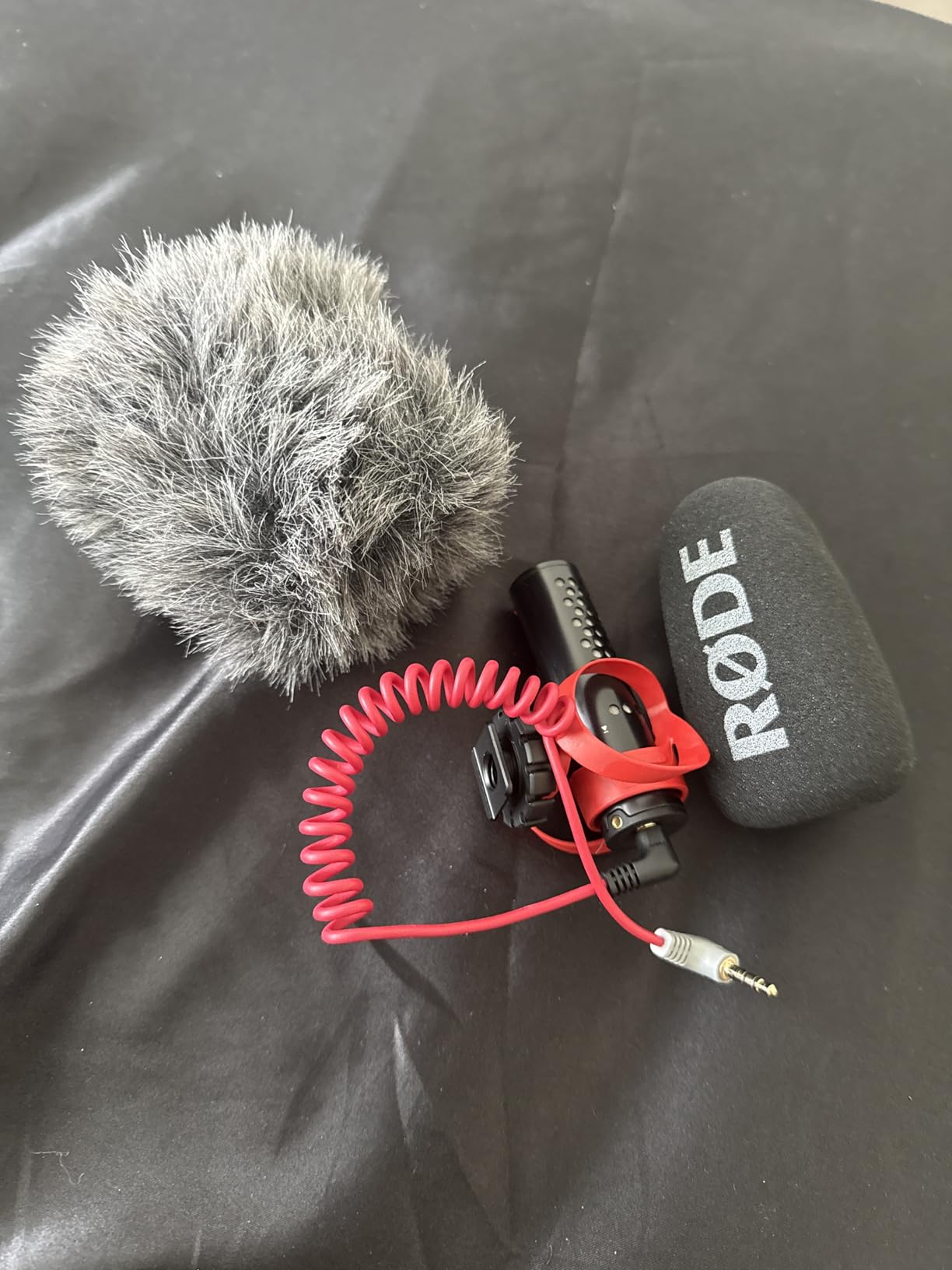
The 39-gram weight is genuinely noticeable. The mic barely adds anything to the rig, and at 80mm long it does not block the viewfinder or attract attention – a real plus for observational documentary work where you want the camera to feel low-profile. The Helix isolation mount is a clever design that decouples the microphone from camera handling noise.
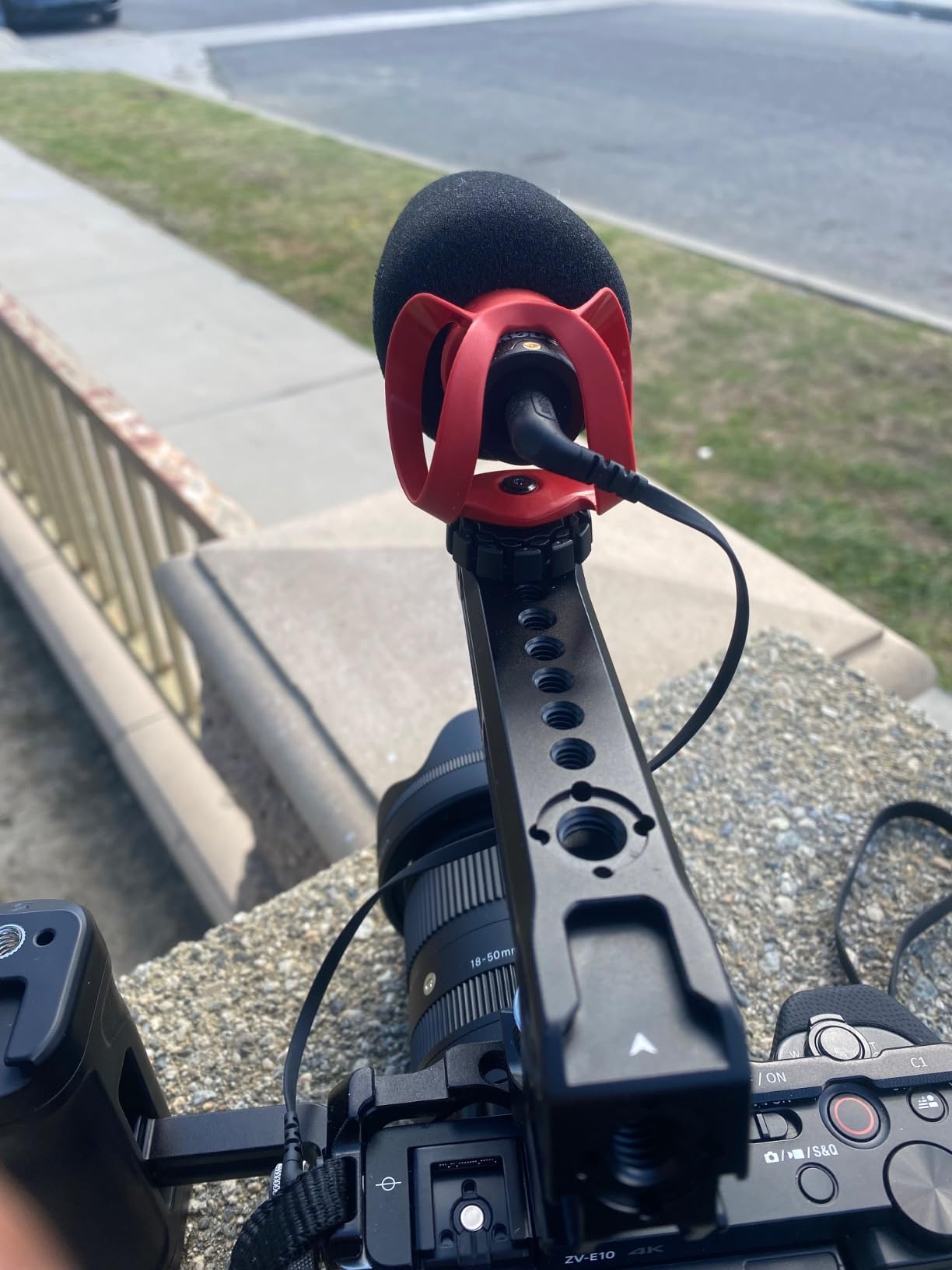
Reviewers consistently mention the plug-and-play simplicity. There is no battery to forget, no switch to set, and both TRS and TRRS cables are in the box for cameras and smartphones. The included foam and furry windshields handle most outdoor situations, though reviewers note that strong wind still requires care with positioning.
The VideoMicro II is not a substitute for a proper shotgun in challenging environments. Its shorter length means a narrower pickup pattern, and the 3.5mm output lacks the gain headroom of an XLR setup. For what it is – a tiny, reliable upgrade over built-in camera audio – it is excellent value and earns a permanent spot in many documentary kits.
Who should buy it
Solo documentary filmmakers and travel videographers who want a low-profile, lightweight mic that improves audio quality without complicating their setup. It is also a great choice for vlog-style documentary work.
Who should skip it
Filmmakers doing professional sit-down interviews or multi-camera shoots. The Sennheiser MKE 600 or RØDE Wireless PRO are purpose-built for those scenarios.
6. DJI RS 3 Mini – Smooth Gimbal Stabilization on the Move
DJI RS 3 Mini, Camera Gimbal Stabilizer, Canon/Sony/Nikon/Fujifilm
795g lightweight gimbal
2 kg payload
12-hour battery
Pros
- Lightweight at 795g
- Smooth 3-axis stabilization
- Native vertical shooting
- Bluetooth shutter control
- 1.4-inch touchscreen
- 2 kg payload capacity
Cons
- Manual axis locks
- Limited payload for heavier cinema rigs
- Initial balancing can be tricky
I have been skeptical of small gimbals, but the DJI RS 3 Mini changed my mind. I mounted a Sony A7C with a 24-70mm lens and walked through a busy market. The footage looked like it was shot on a slider. The 795-gram weight is light enough to hold one-handed for an entire interview walkthrough, and the 3rd-gen RS stabilization algorithm handles the kind of small jitters that ruin handheld documentary footage.
The native vertical shooting surprised me. I was not planning to use vertical footage, but a single subject asked if she could film a short piece for Instagram the same day. Flipping the camera vertical on the quick-release plate took about ten seconds, and the footage came out level and smooth. For documentary filmmakers publishing on multiple platforms, that versatility is genuinely useful.
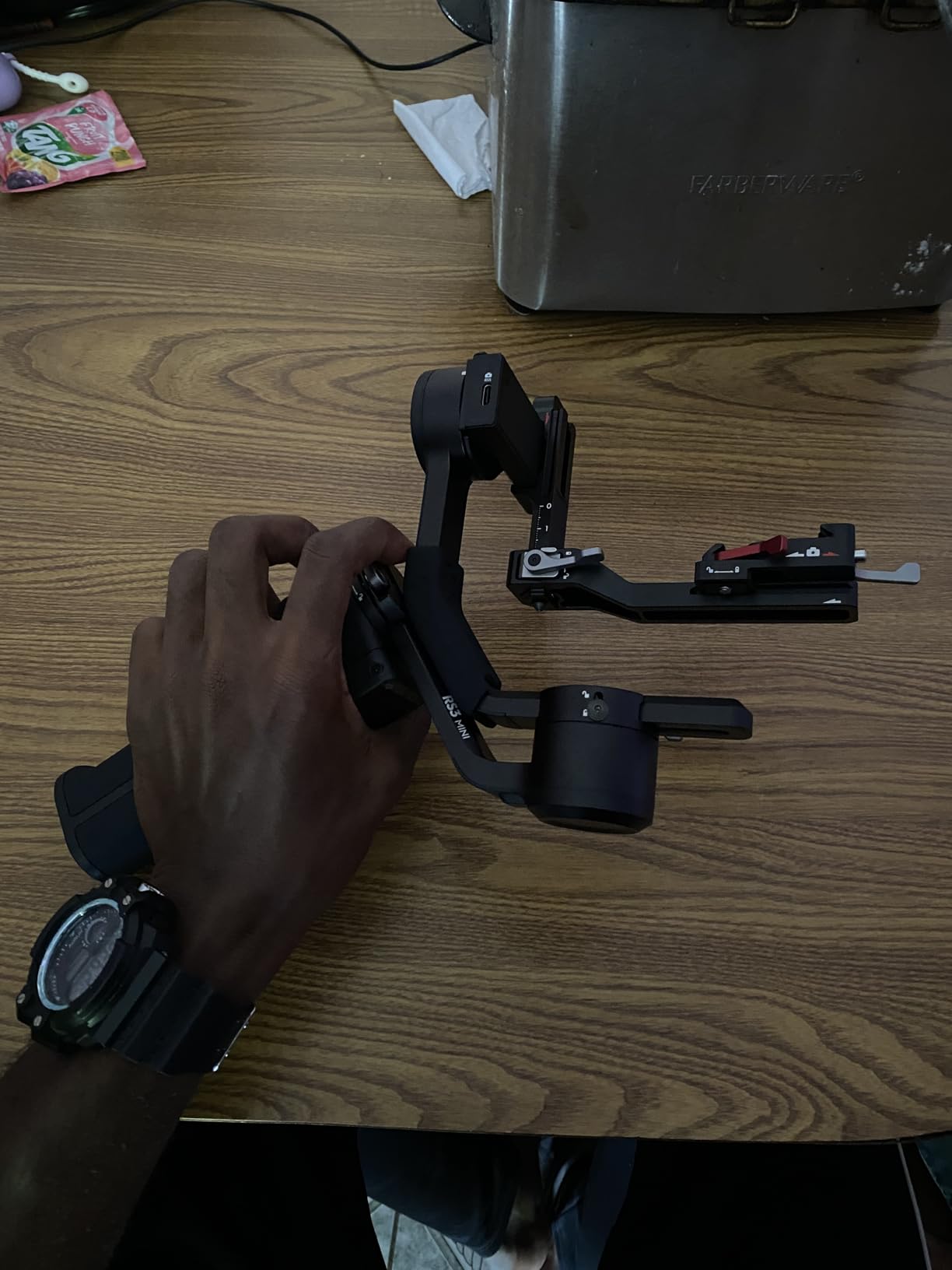
Reviewers highlight the Bluetooth shutter control as a major convenience. Once paired, the gimbal handles start and stop recording without touching the camera. The 1.4-inch touchscreen is small but responsive, and the menu system is intuitive. Battery life comfortably exceeded 10 hours in mixed use.
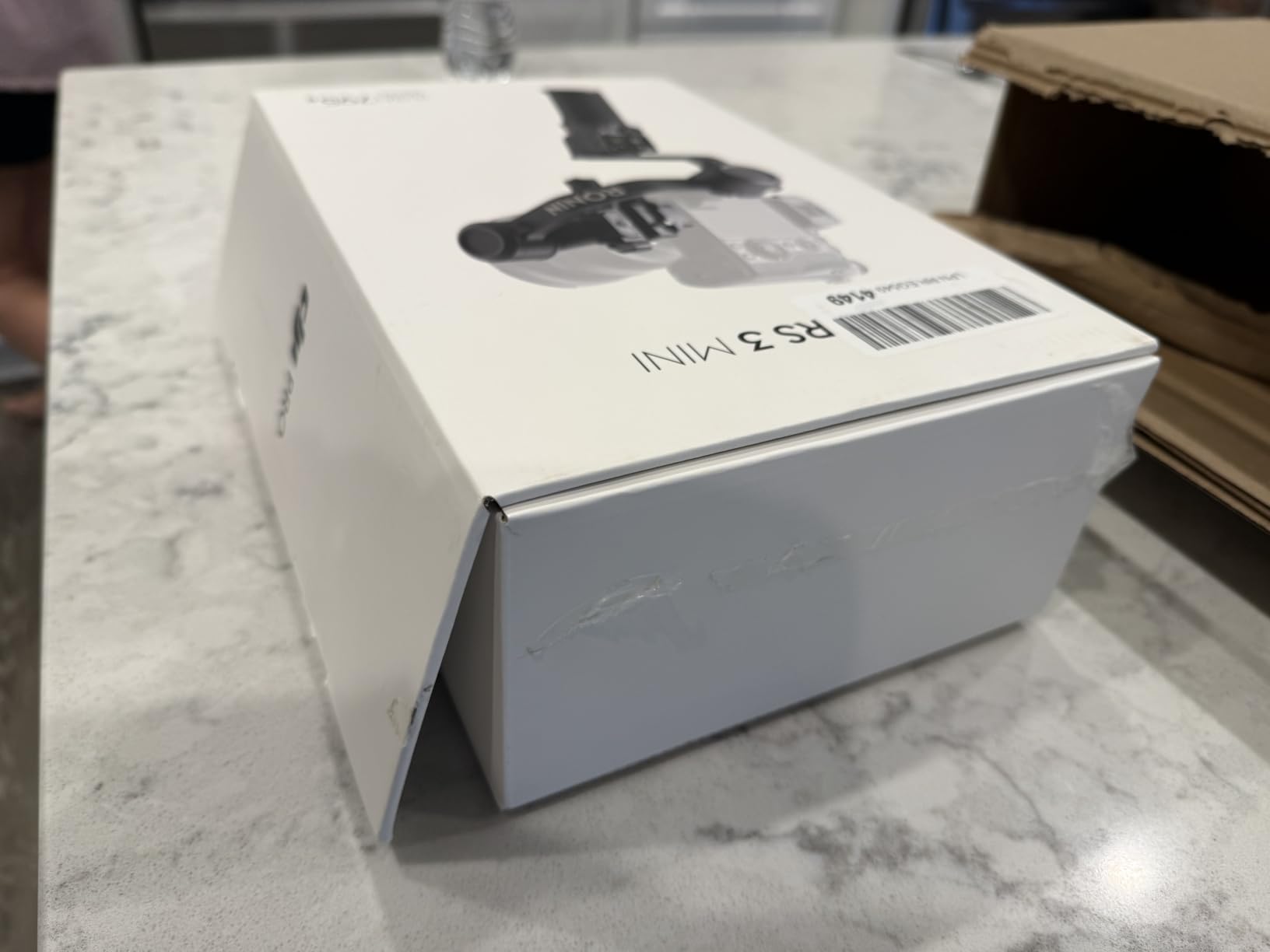
The RS 3 Mini is not for every rig. The 2-kilogram payload limit rules out heavier cinema cameras like the FX30 with a full cage and follow focus. Manual axis locks mean you need to balance carefully each time you swap a camera. For mirrorless documentary setups, however, it is the best balance of weight, stabilization quality, and price in our test. For a deeper look at gimbal options for solo filmmakers, see our guide to the best gimbal for solo documentary filmmakers.
Who should buy it
Solo documentary filmmakers using mirrorless cameras who want professional stabilization without the weight of a full-sized gimbal. It is especially strong for travel, events, and observational work where mobility matters.
Who should skip it
Filmmakers using heavier cinema camera builds who need more payload capacity. Larger gimbals in the DJI RS series handle those setups better.
7. Cayer BV30L Tripod – Tall, Stable, and Interview-Ready
Cayer BV30L Video Tripod with Fluid Head, 72″ Heavy Duty Twin Tube for DSLR
72-inch max height
K3 fluid head
13.2 lb payload
Pros
- 72-inch max height for elevated shots
- Smooth K3 fluid head
- 13.2 lb load capacity
- Includes 2 quick release plates
- Integrated leveling bowl
- Great value vs premium tripods
Cons
- Heavier than compact travel tripods
- Panning not as smooth as premium heads
- Plastic knobs may wear
A tripod is the most underrated piece of documentary gear. I dragged the Cayer BV30L through three weeks of interviews and event coverage, and it delivered reliable, repeatable framing every time. The 72-inch max height let me shoot over crowds at a community event, and the K3 fluid head panned smoothly enough for slow interview moves.
The 13.2-pound load capacity handled every mirrorless and DSLR rig I mounted, including a Sony A7 IV with a 24-70mm zoom and an external monitor. The integrated leveling bowl saved real time on uneven indoor floors – I did not have to fiddle with leg adjustments to get a level horizon.
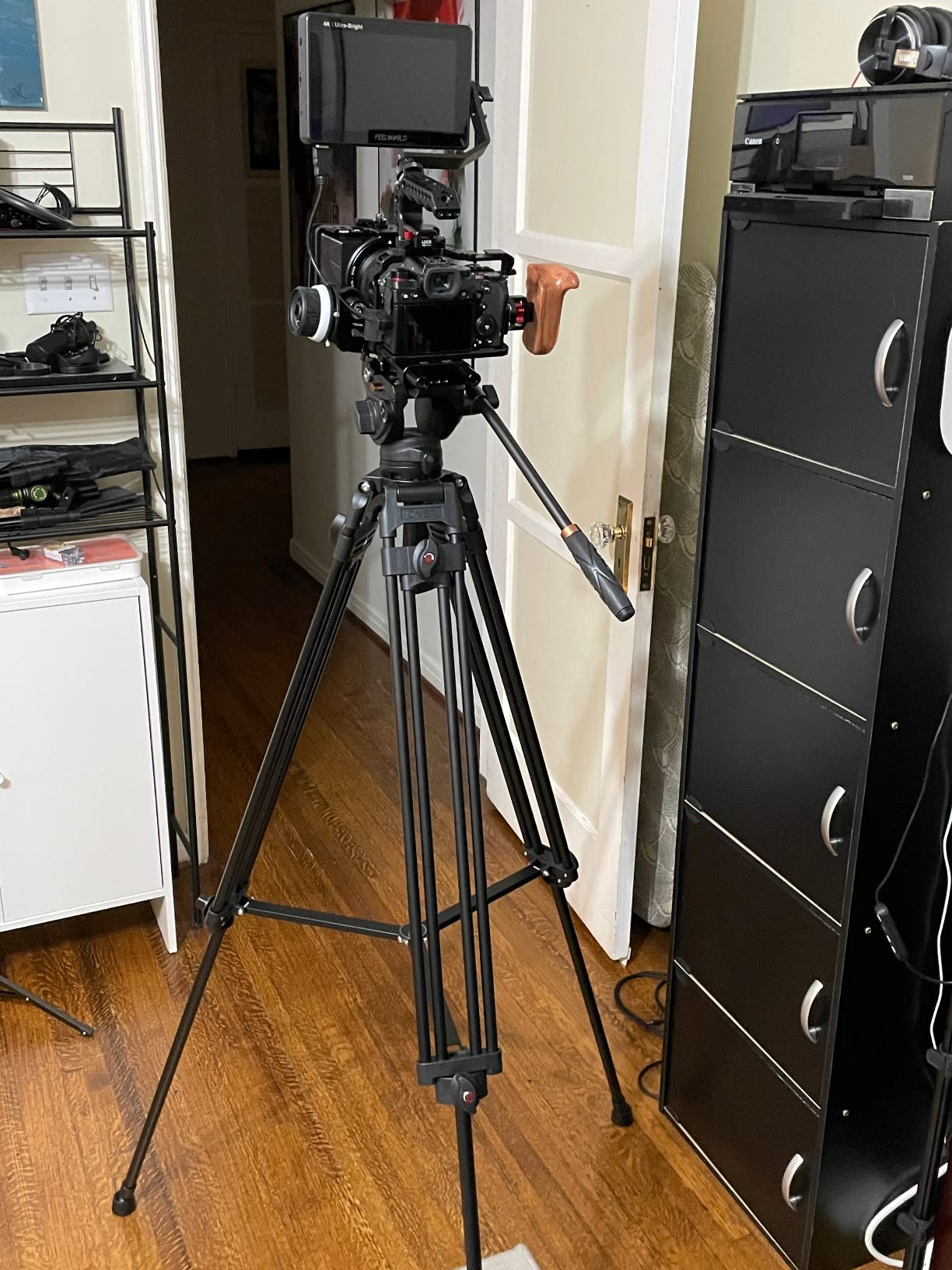
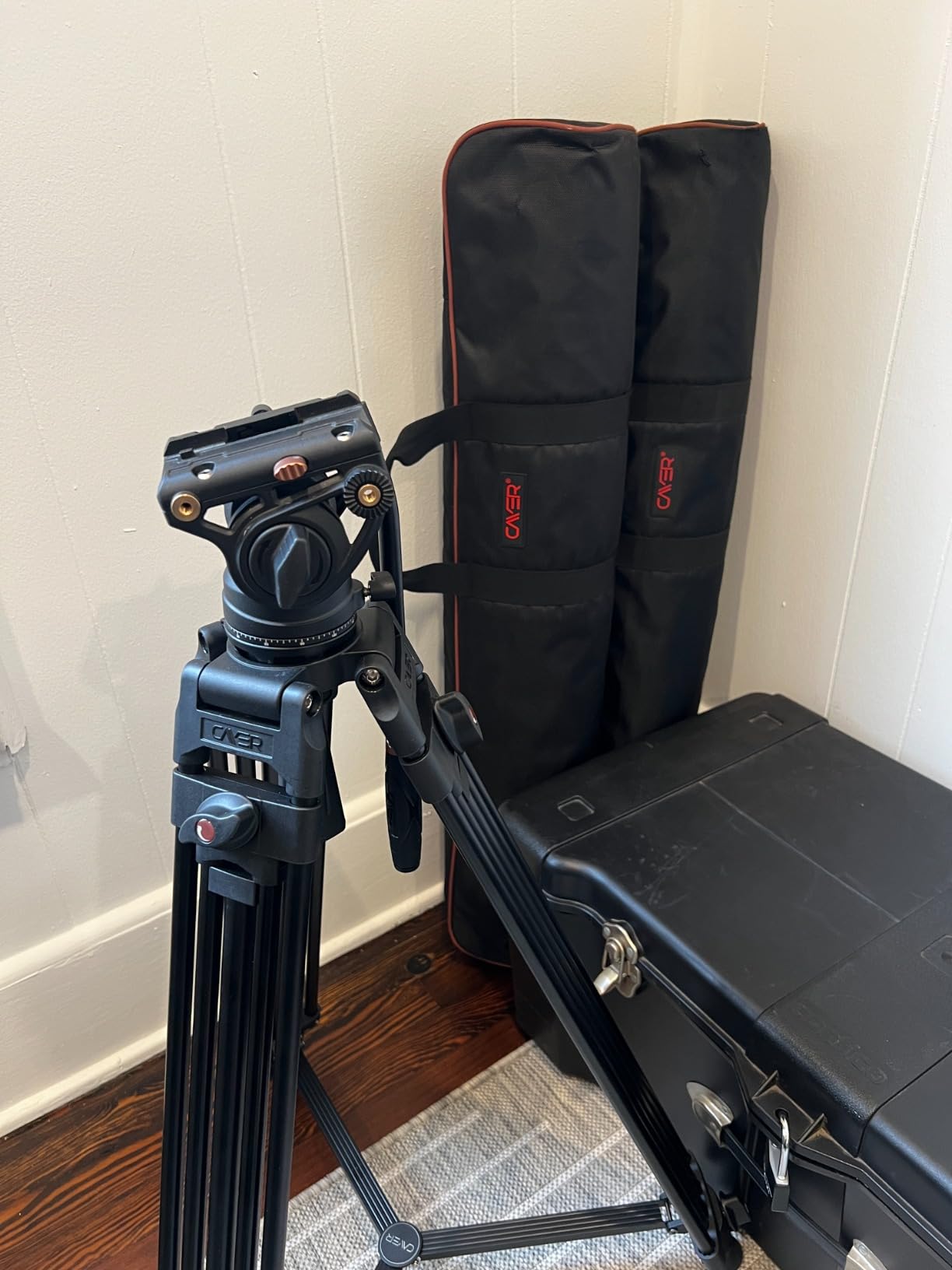
Reviewers praise the value-for-money positioning. Two quick release plates are included (one with both 1/4-inch and 3/8-inch screws), and the carrying case is sturdy enough for airline travel. For documentary filmmakers who shoot interviews, events, or anything tripod-mounted, this is the best budget-friendly option in our test.
The BV30L is not the lightest travel tripod. At 8.8 pounds, it adds weight to a bag that is already carrying camera, audio, and lighting gear. The fluid head is good but not in the same league as premium Sachtler or Miller heads. For documentary work where smooth pans and tilts matter but absolute refinement does not, however, the BV30L is a smart buy.
Who should buy it
Documentary filmmakers who shoot sit-down interviews, event coverage, or any work that demands a sturdy tripod with a fluid head. It is also a strong choice for new filmmakers building their first interview kit.
Who should skip it
Travel documentarians who need the lightest possible tripod. Carbon fiber travel tripods cut weight dramatically, though at higher prices.
8. NEEWER LED Panel Kit – Bi-Color Lighting for Interviews
NEEWER 13″ LED Video Light Panel Kit with Tripod Stand, 2 Pack, NL-192AI
Bi-color 3200K-5600K
CRI 97+
4000mAh battery
Pros
- Bi-color adjustable 3200K-5600K
- High CRI 97+ color rendering
- 4000mAh built-in battery
- Ultra-thin panel design
- Two-pack with stands and case
- Wide compatibility
Cons
- 90-minute battery life at full power
- Not powerful enough for direct sunlight
- Lightweight included stands
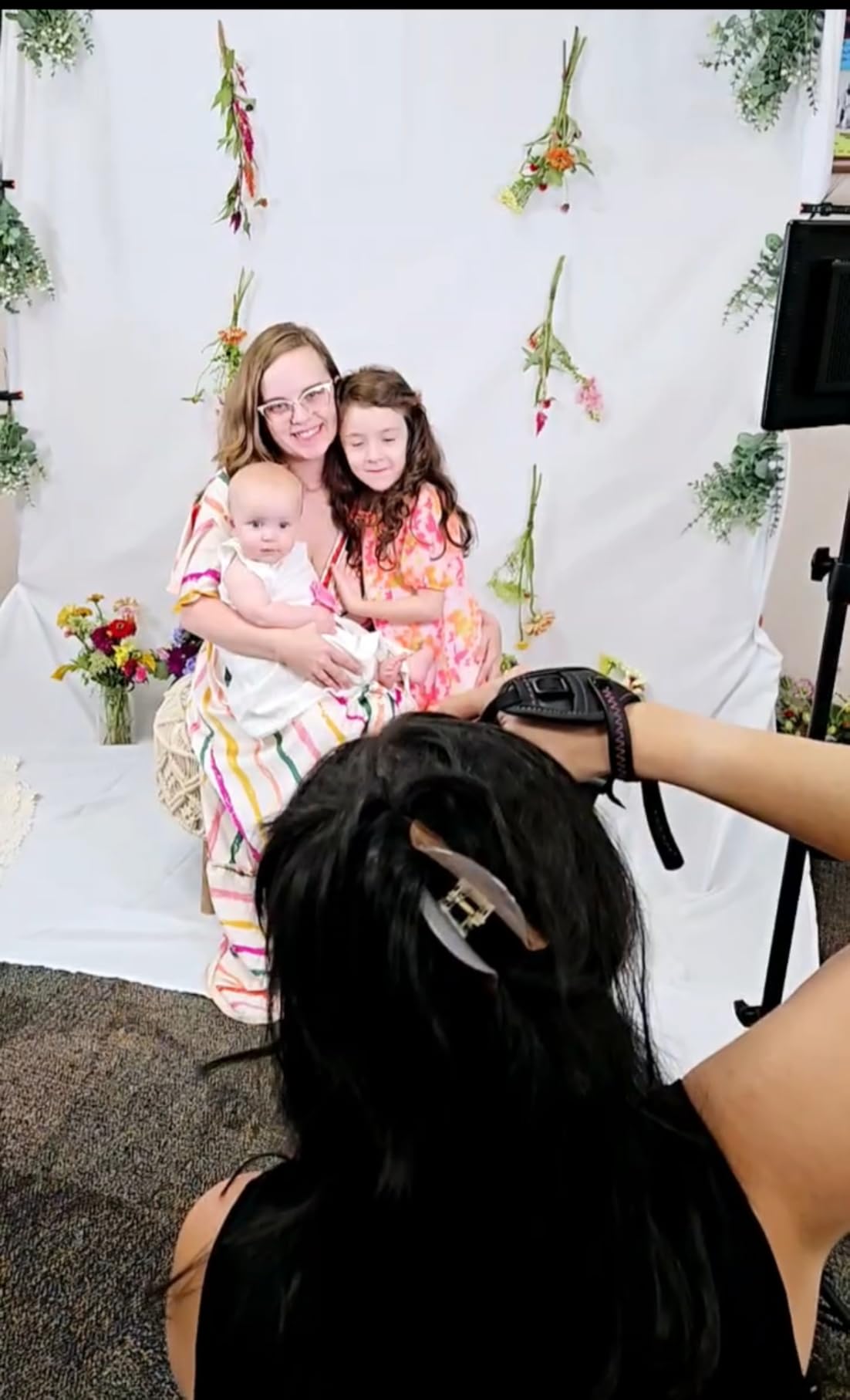
Most documentary lighting is about supplementing what is already there, not creating a studio. I used the NEEWER LED Panel Kit on a series of indoor sit-down interviews in subjects’ homes where I could not bring larger lights. The bi-color adjustability let me match the existing room lights – tungsten or daylight – without gels, and the CRI 97+ rating meant skin tones looked natural on camera.
The built-in 4000mAh battery is the real convenience. I did not have to run power cables across a living room floor or compete with a subject’s household outlets. The two-pack configuration covered both a key and fill light for a basic three-point lighting setup, and the included 70-inch stands positioned the panels at interview height.
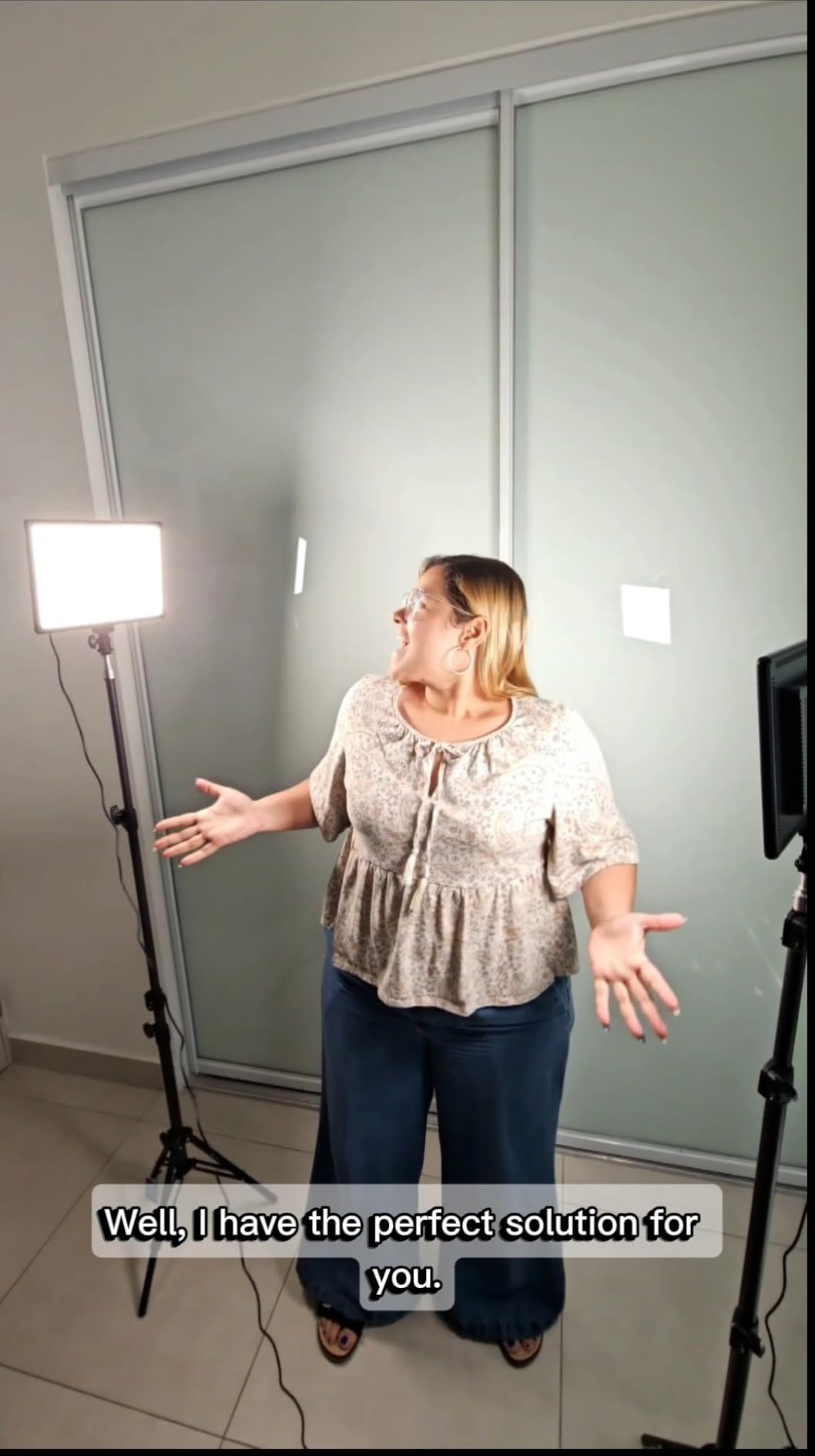
Reviewers consistently mention the value for money. The two-pack kit with stands, carrying case, batteries, and chargers costs less than many single premium LED panels. The ultra-thin panel design (just 0.4 inches thick) makes them easy to pack in a kit bag alongside cameras and audio gear.
The trade-offs are predictable. At 90 minutes of full-power battery life, longer interview shoots require planning around charging cycles. The 2400 Lux output is plenty for indoor use but struggles in direct sunlight. For documentary filmmakers who primarily shoot indoors or in shaded outdoor locations, this kit delivers professional results at a budget-friendly price. For a deeper look at the wider category, our best travel kit for documentary filmmakers guide covers complementary options.
Who should buy it
Documentary filmmakers who shoot interviews in homes, offices, or other uncontrolled indoor environments. The portability and bi-color flexibility make this kit genuinely useful in the field.
Who should skip it
Filmmakers who need powerful daylight lighting or who shoot long event coverage on a single charge. Higher-output panels and longer battery runtimes come at significantly higher prices.
9. VILTROX DC-550 Field Monitor – Daylight-Viewable Confidence
VILTROX DC-550 Touch Screen DSLR Camera Field Monitor 1200 Nits High-Bright 5.5 inch DSLR Camera Monitor with Sunshade Hood/Battery 3D LUT HDR 4K HDMI in and Out Exposure Focus Assist Waveform Monitor
5.5-inch IPS touchscreen
1200 nits brightness
4K HDMI I/O
Pros
- 1200 nits brightness for daylight
- 5.5-inch IPS touchscreen
- 4K HDMI pass-through
- Professional monitoring tools
- Custom 3D LUT support
- Triple power supply options
Cons
- Touchscreen responsiveness inconsistent
- Higher price than non-touch monitors
- Battery life depends on NP-F choice
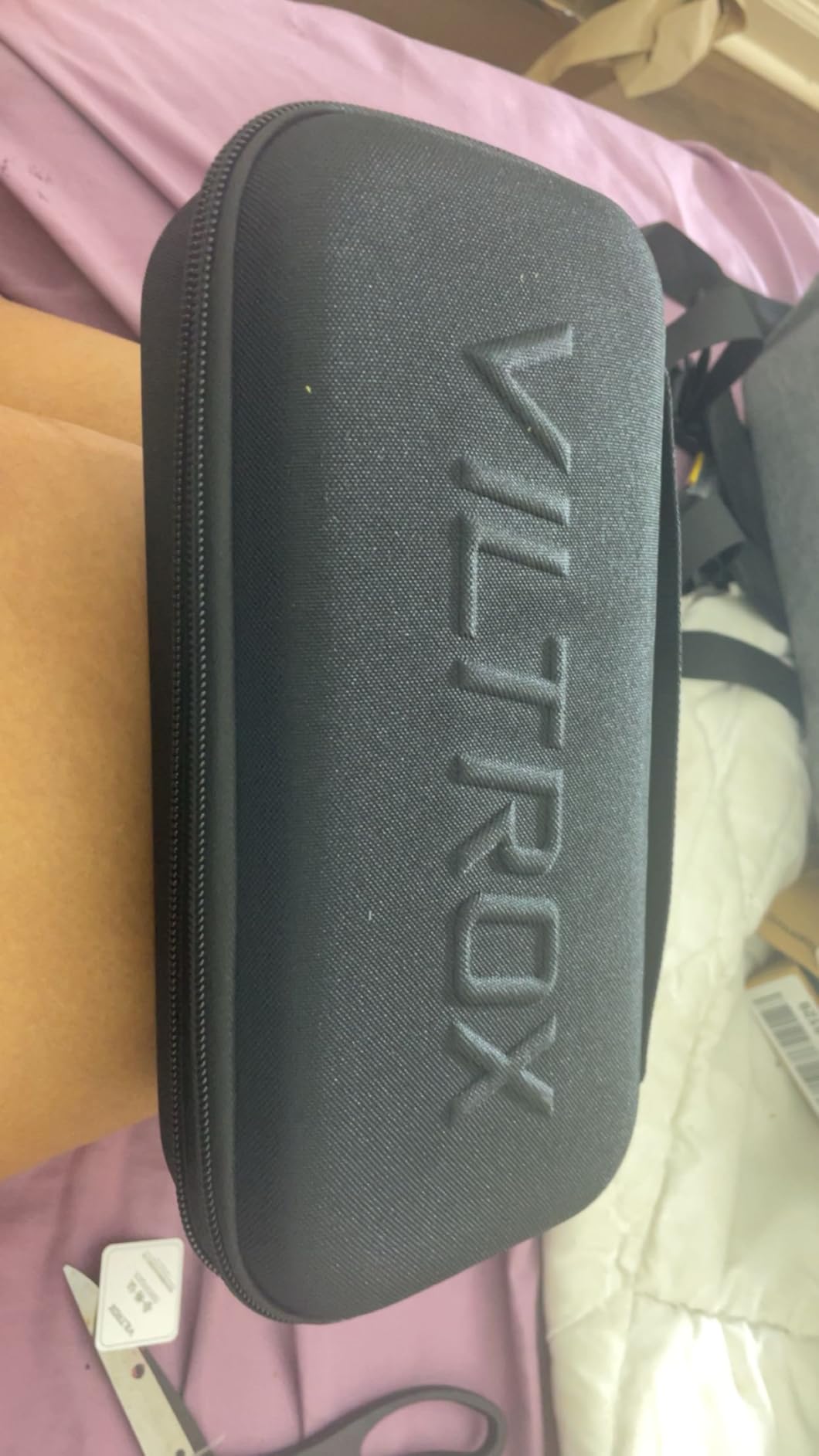
A field monitor changed how I shoot documentary interviews. The VILTROX DC-550 has a 1200-nit display, which is bright enough to evaluate exposure and focus outdoors in direct sun. I used it on a beach documentary where the built-in camera screen was unreadable, and the DC-550 let me nail focus on a moving subject in bright conditions.
The professional monitoring features are the real value. Waveform, vectorscope, false color, peaking focus, and custom 3D LUTs cover the toolkit that serious documentary color work requires. The 4K HDMI pass-through means I can send the signal to an external recorder while still monitoring on the DC-550, which is critical for backup recording on long interviews.
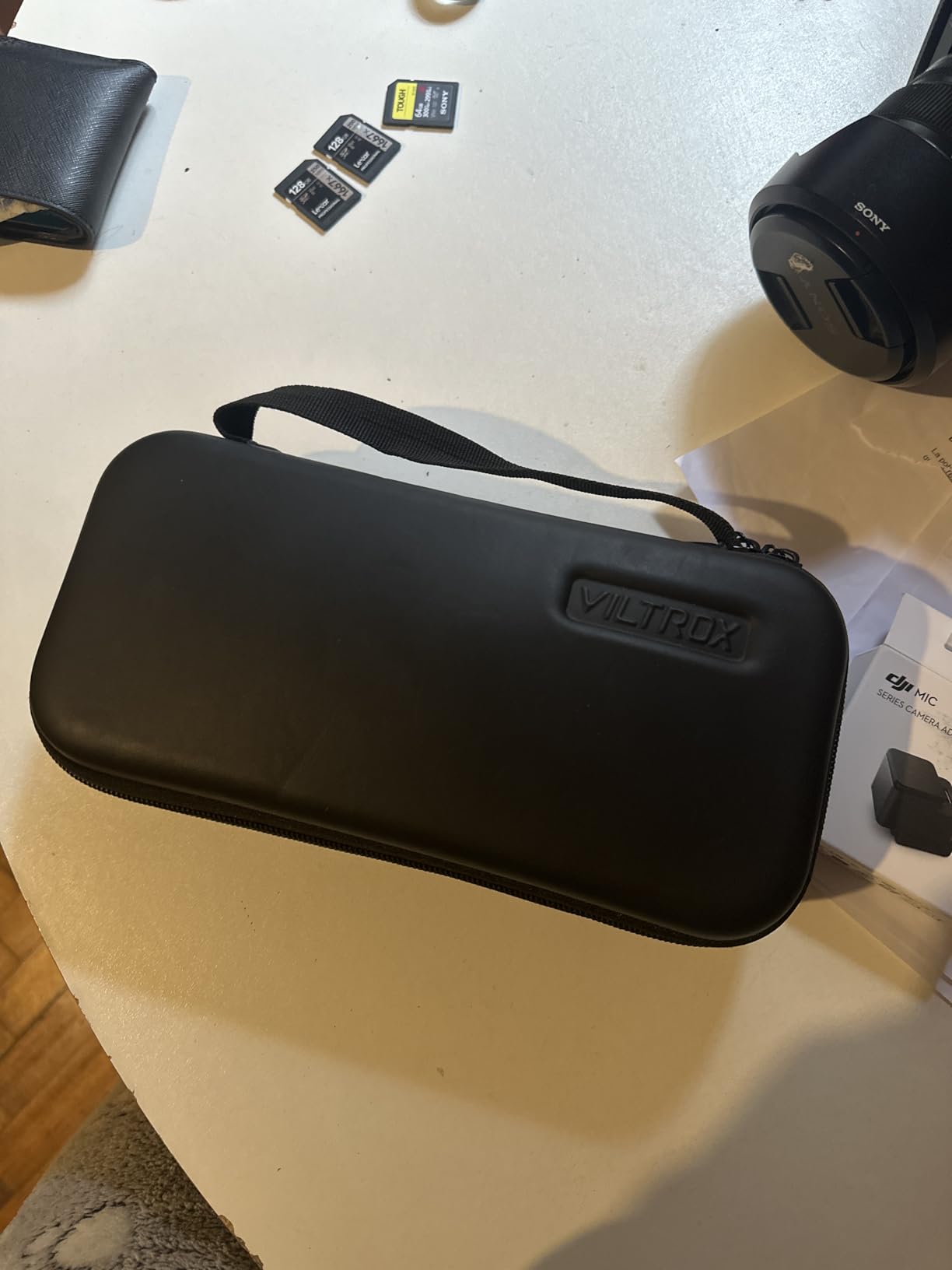
Reviewers highlight the triple power supply (NP-F battery, DC, USB-C) as a genuine convenience for documentary work where power sources vary. The included sunshade hood, NP-F550 battery, and cold shoe adapter mean the monitor is ready to use straight out of the box.
The DC-550 is not perfect. Some reviewers report inconsistent touchscreen responsiveness, especially with gloves or wet fingers. It is also more expensive than non-touch alternatives. For documentary filmmakers who need reliable daylight monitoring and professional tools, however, the DC-550 is the best value in our test. If you want to learn more about how observational documentaries use monitoring, see our guide on what is observational documentary.
Who should buy it
Documentary filmmakers who shoot outdoors in bright conditions, who need accurate focus and exposure monitoring, or who want professional tools like waveforms and LUTs on location.
Who should skip it
Filmmakers who primarily shoot in controlled indoor environments and rely on their camera’s built-in screen. The DC-550 is overkill for studio-style interviews.
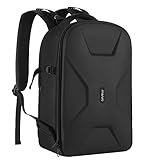
10. MOSISO Camera Backpack – Carry Your Whole Kit Safely
MOSISO Camera Backpack, DSLR/SLR/Mirrorless Photography Camera Bag
35L capacity
16-inch laptop sleeve
PU leather hardshell
Pros
- Hard PU leather front shell protection
- Customizable padded dividers
- Fits 16-inch laptop
- Multiple accessory pockets
- External tripod strap
- Anti-theft back pocket
- Comfortable shoulder straps
Cons
- Tripod holder can unbalance the bag
- Inner dividers could use more velcro
- Outer shell may scratch with heavy use
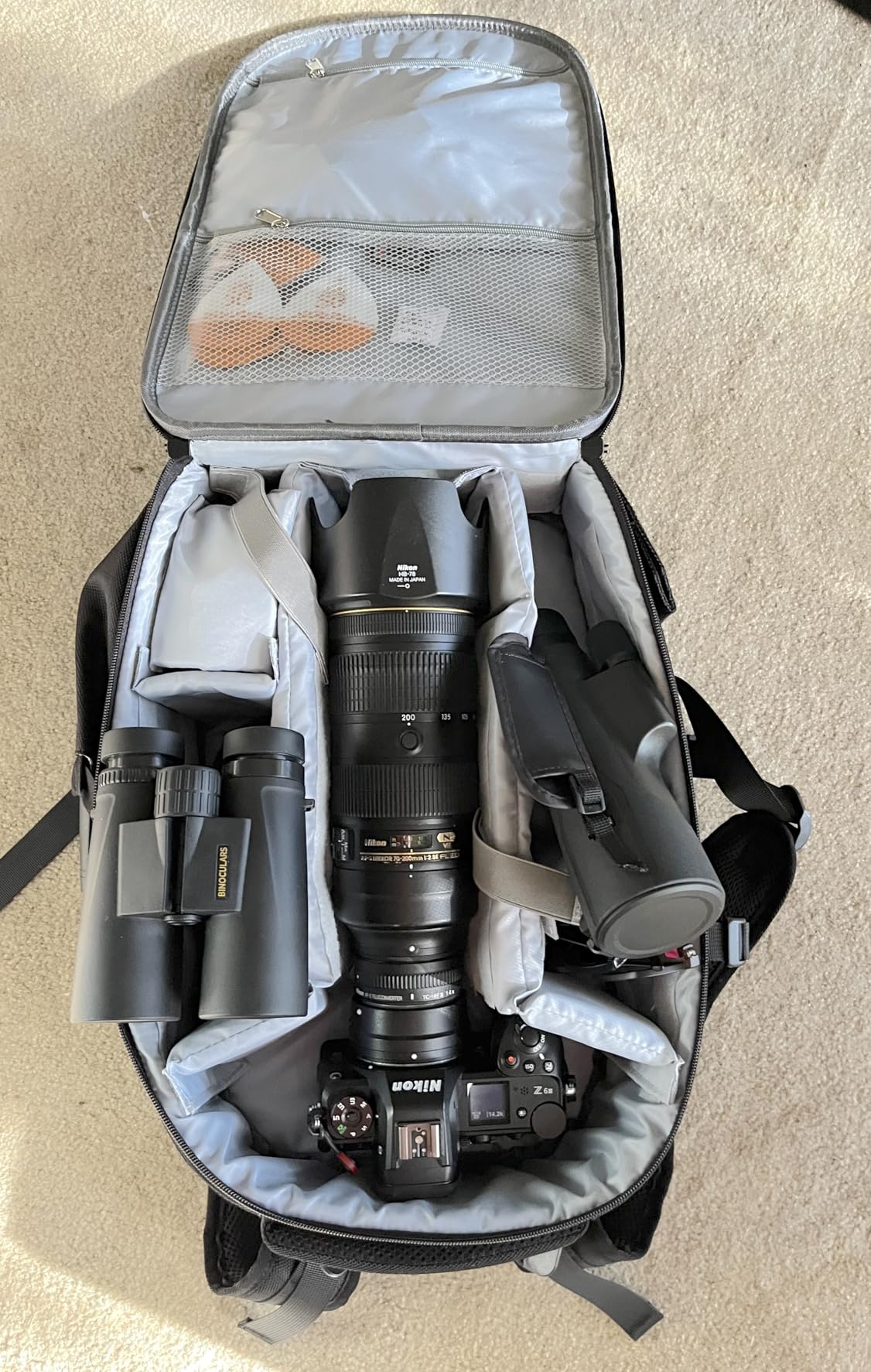
I have gone through more camera bags than cameras. The MOSISO backpack is the first one that has survived three years of travel, airline check-in, and daily location work. The hard PU leather front shell protected a Sony A7 IV and three lenses from a corner-of-the-bag drop on a sidewalk, which would have destroyed a soft-sided bag. The customizable padded dividers let me reconfigure the main compartment for different kit sizes between documentary projects.
The 16-inch laptop sleeve was the unexpected win. Editing in the field on a travel job became much easier when I had a dedicated padded slot for the laptop, separate from the camera gear. The bag fits under most airline seats, and the trolley belt lets me slide it onto rolling luggage for airport walks.
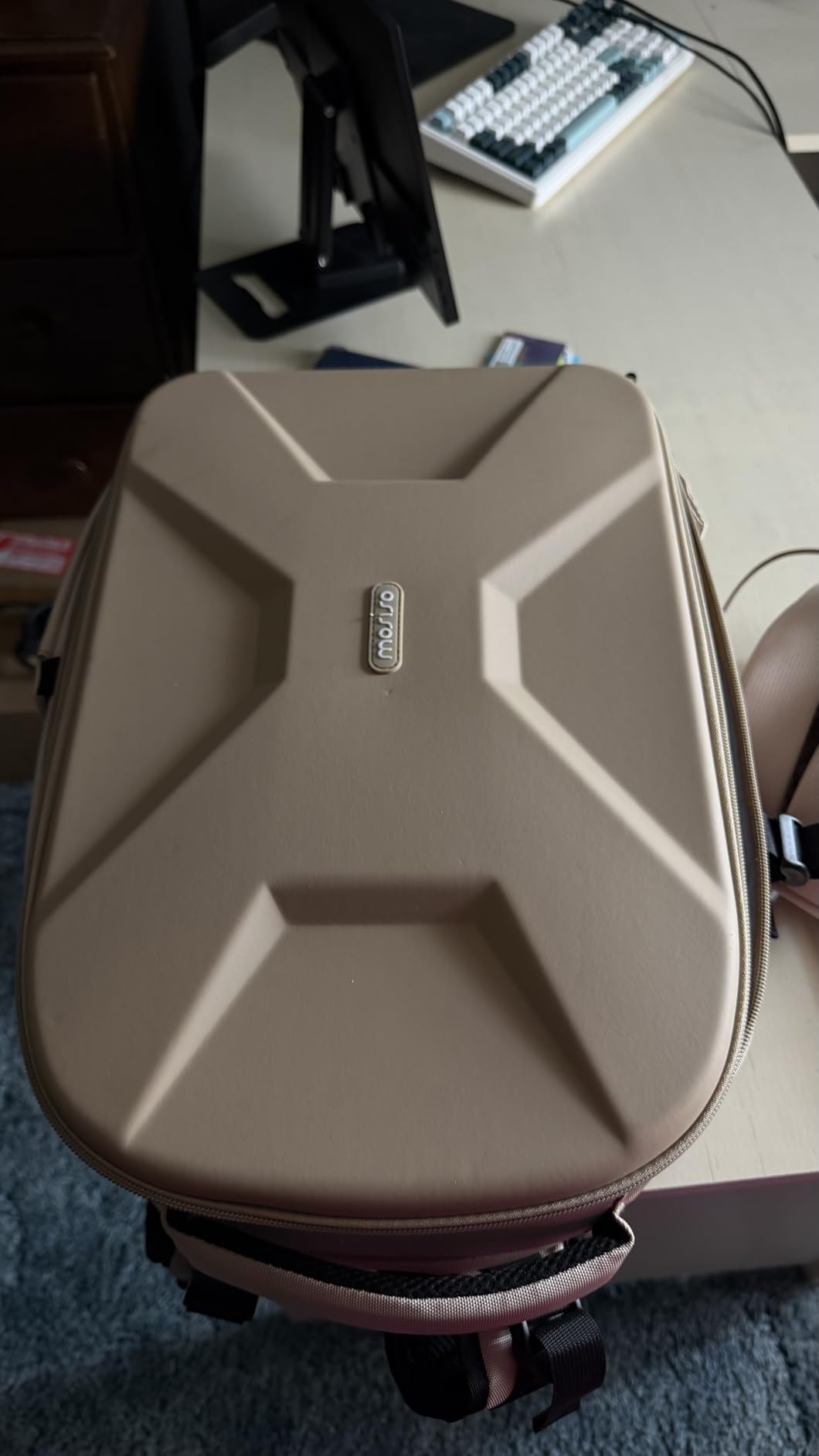
Reviewers consistently mention the value for money and the company’s customer service. Nine pockets organize cables, batteries, memory cards, and accessories that would otherwise float loose. The external tripod strap carries a Cayer BV30L or a DJI RS 3 Mini without complaint.
The trade-offs are minor. The tripod strap design makes the bag uneven when set down, and the inner dividers could use more velcro for ultra-secure lens positioning. The hard shell can scratch with heavy use. None of these are deal-breakers for documentary work. For more options, our best camera bag for documentary filmmakers guide covers alternatives.
Who should buy it
Documentary filmmakers who travel with their kit, who need laptop storage alongside camera gear, and who want hard-shell protection at a budget-friendly price.
Who should skip it
Filmmakers who prefer sling bags or roller cases. The MOSISO is a backpack design, and shooters with back or shoulder issues may want a different carrying system.
11. DJI Mic Mini – Ultralight Wireless for Mobile Shooters
DJI Mic Mini (2 TX + 1 RX + Charging Case), Ultralight, Detail-Rich Audio
10g transmitters
48-hour total battery
400m transmission range
Pros
- Ultra-compact 10g transmitters
- 48-hour total battery life
- Clean 48kHz audio
- Two noise cancellation levels
- DJI OsmoAudio direct connection
- 400m transmission range
- Magnetic mounting clips
Cons
- No on-mic mute button
- Charging case bulkier than alternatives
- Some features need Mimo app
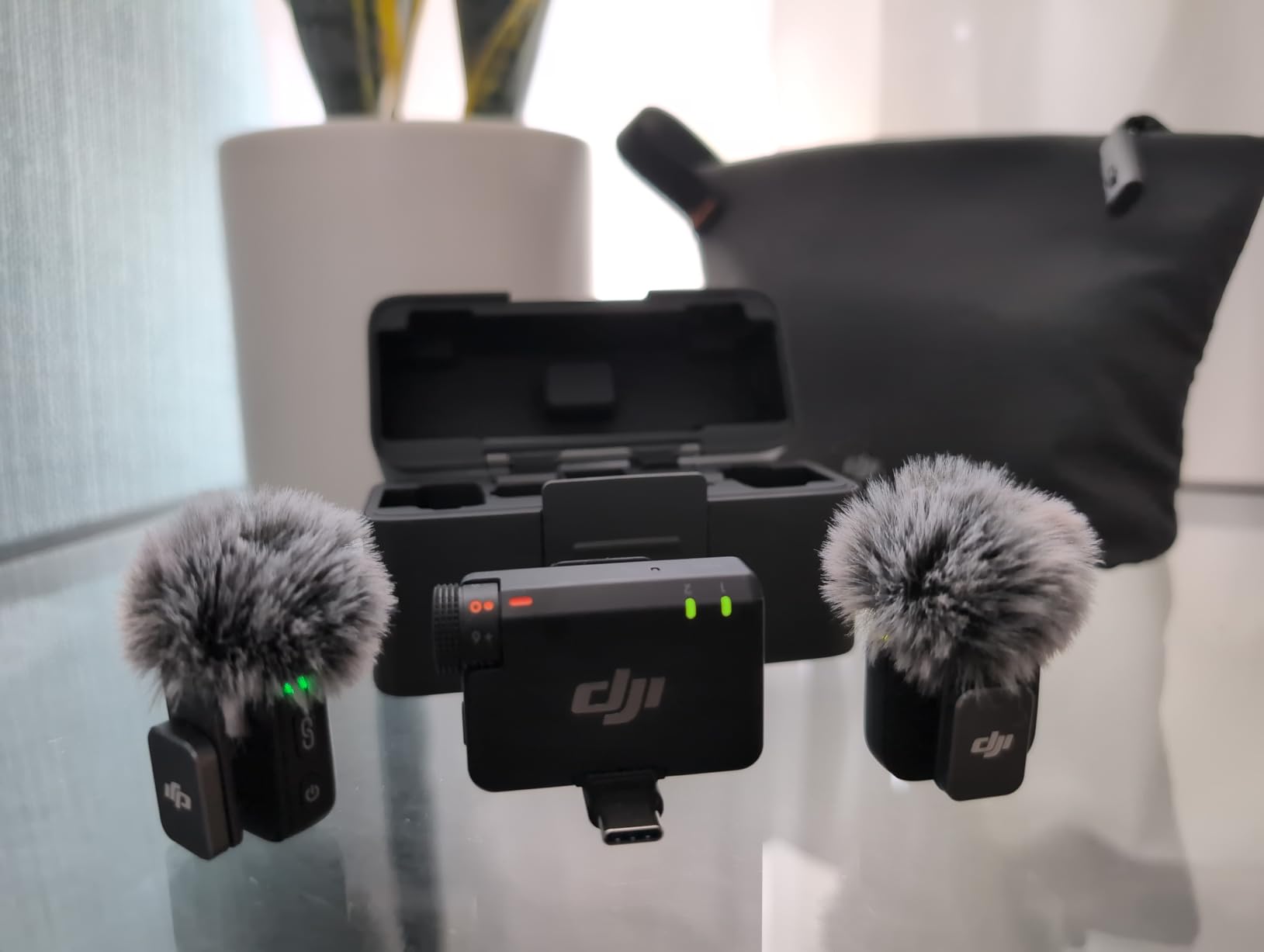
The DJI Mic Mini solves a problem I have struggled with for years: getting clean wireless audio onto a small camera without bulky transmitters hanging off the subject. I clipped the 10-gram transmitters onto interviewees during a documentary portrait series, and they barely noticed they were wearing them. The magnetic mounts made repositioning fast, which matters when subjects are moving between locations.
Battery life is the standout spec. The charging case delivers 48 hours of total runtime, which meant I charged the kit once at the start of a four-day shoot and never thought about power again. Audio quality at 48kHz sampling is clean and consistent, and the two noise cancellation levels (Basic and Strong) handled everything from quiet libraries to busy cafes.
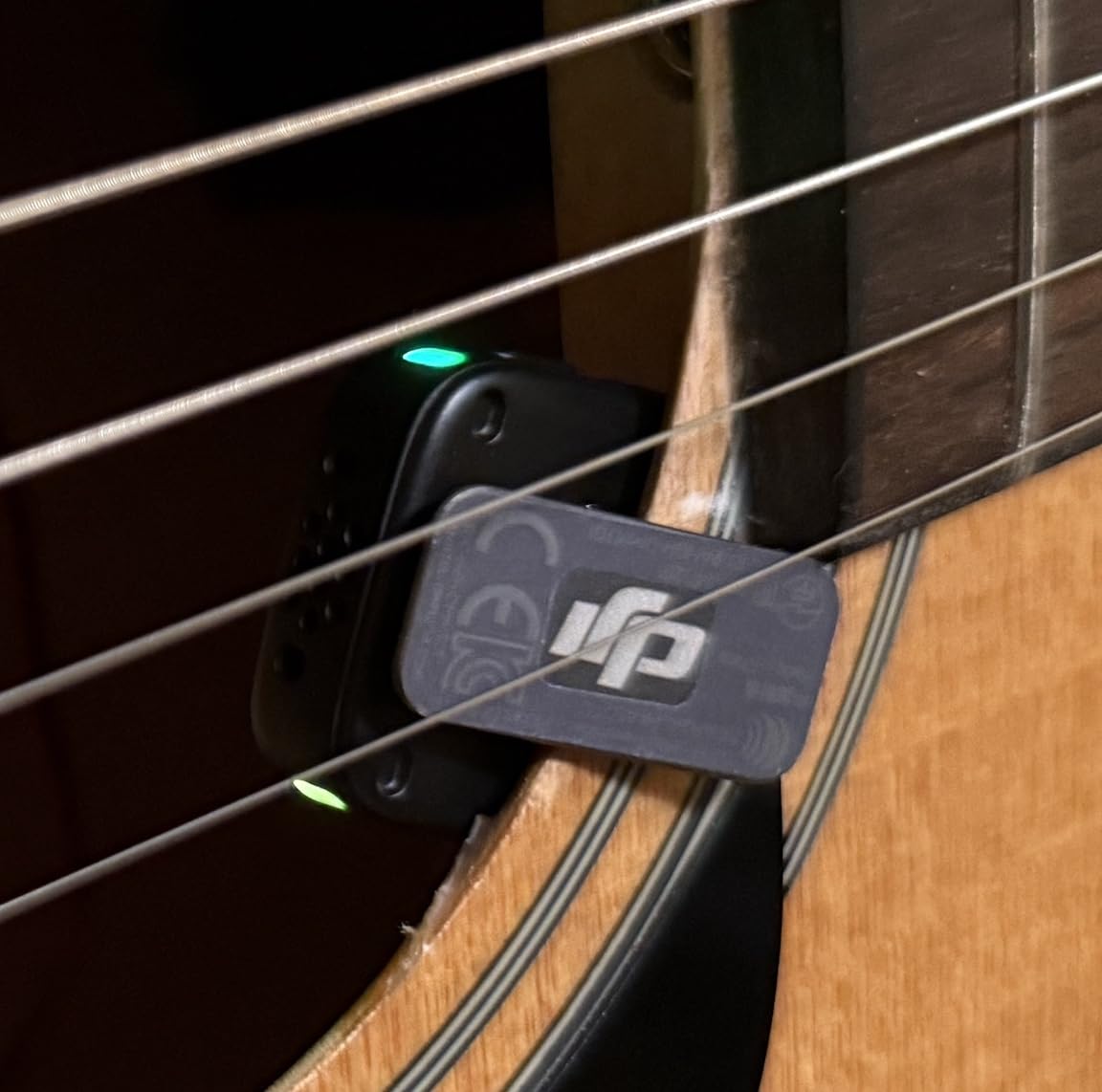
Reviewers highlight the DJI OsmoAudio direct connection for users of compatible DJI cameras, which eliminates the receiver entirely. The 400-meter transmission range is generous, and reviewers consistently report stable signal at practical distances. The included windshields handle most outdoor conditions.
The Mic Mini is not the right choice for every documentary workflow. It lacks 32-bit float on-board recording (so you still need to set levels carefully), and there is no dedicated mute button on the transmitters. For solo filmmakers doing interviews or run-and-gun work, however, it is one of the best value wireless systems on the market.
Who should buy it
Solo documentary filmmakers who need wireless audio without the bulk or expense of pro cinema systems. It is especially strong for travel documentary work and mobile journalism.
Who should skip it
Filmmakers who need 32-bit float safety or timecode integration. The RØDE Wireless PRO above delivers both for shoots where audio is mission-critical.
12. SanDisk Extreme PRO 256GB – Storage You Can Trust
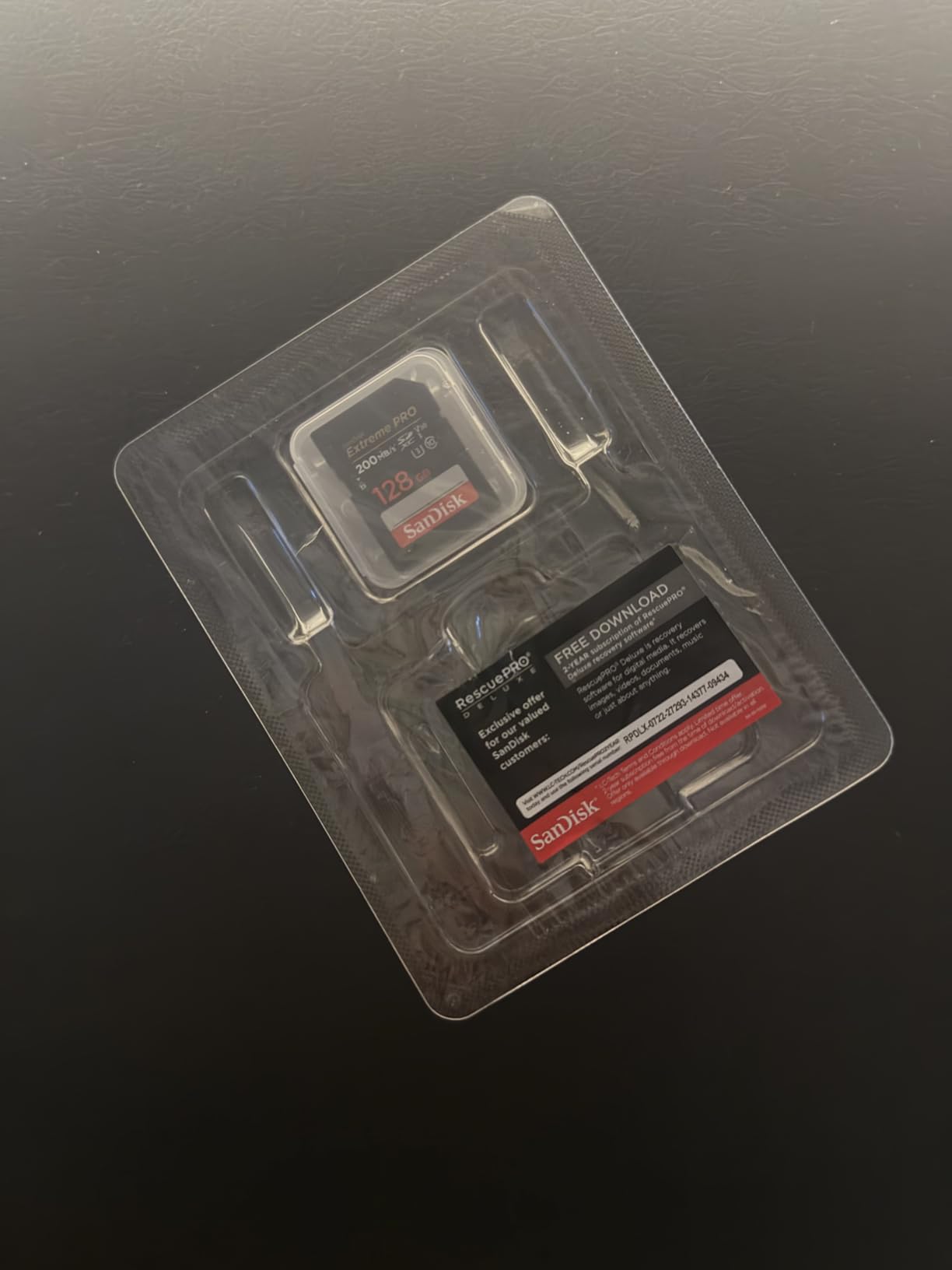
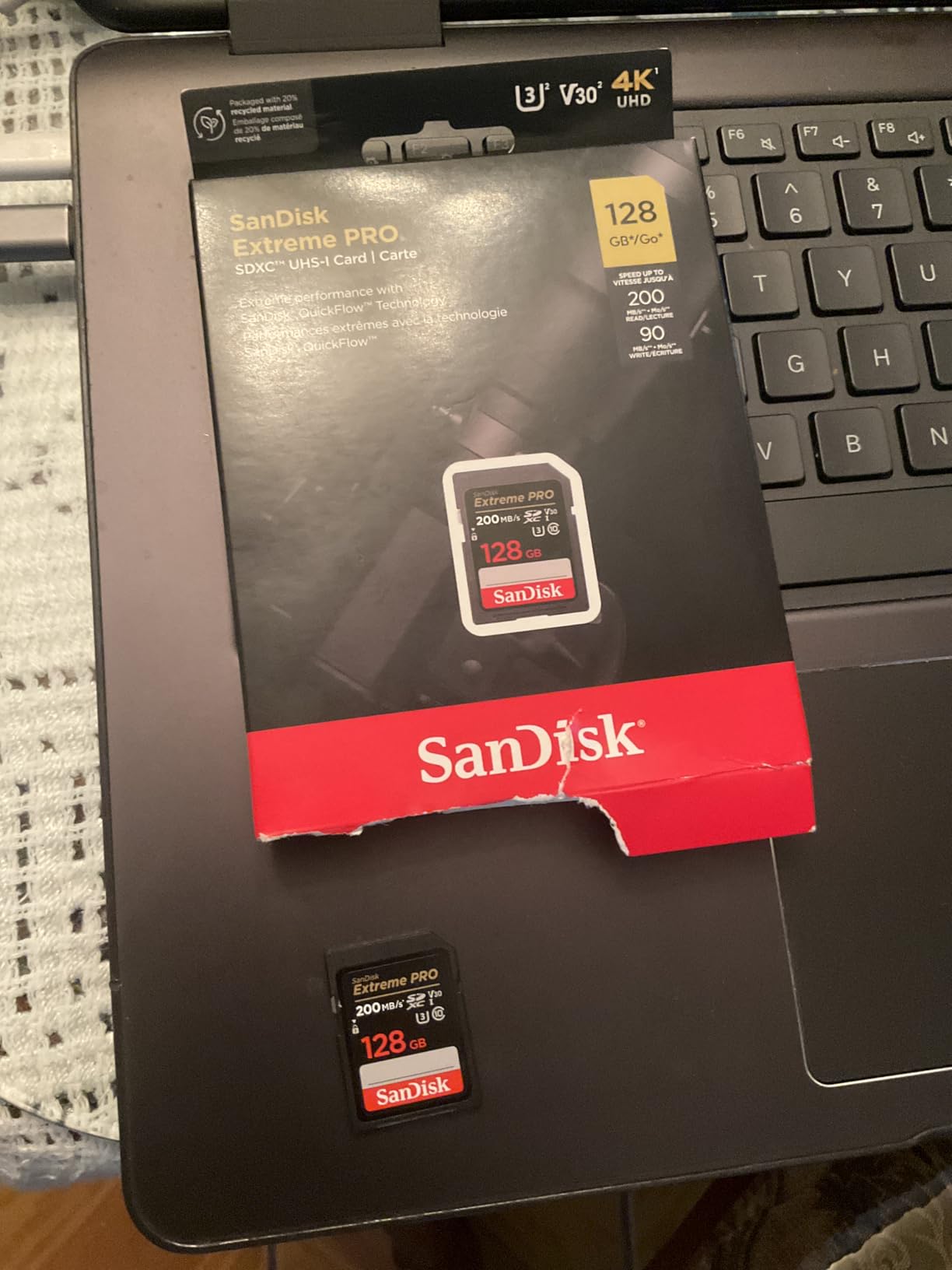
SANDISK 256GB Extreme PRO SD Memory Card, Up to 200MB/s Read Speeds, UHS-I
256GB capacity
200 MB/s read
V30 and U3 rated
Pros
- 200 MB/s read speeds
- 140 MB/s write for 4K video
- V30 and U3 ratings
- Waterproof and shockproof
- 256GB capacity for long shoots
- Lifetime limited warranty
- Universal compatibility
Cons
- SD card prices have risen recently
- Not as fast as UHS-II cards
- Counterfeit products exist
Storage is the unglamorous essential. The SanDisk Extreme PRO 256GB is the card I trust with documentary footage I cannot reshoot. The 140 MB/s write speed comfortably handles 4K 60p recording on every camera in our roundup, and the V30 and U3 ratings mean consistent performance without dropped frames during long takes.
The rugged construction has saved me twice. One card went through a wash cycle in a jacket pocket and still worked after drying out for 48 hours. Another survived a fall onto pavement from a tripod bag with no data loss. For documentary filmmakers working in unpredictable environments, that durability is not a marketing line – it is a real safety net.
Reviewers consistently report reliable long-term performance. The 256GB capacity is enough for a full shooting day on most documentary projects, and the read speeds make offloading to a backup drive fast. The lifetime limited warranty adds peace of mind for working professionals. For comprehensive storage strategies, our guide to the best portable storage for documentary filmmakers covers matching drives and workflows.
The downsides are market-level rather than product-level. SD card prices have risen significantly in recent years, and counterfeit products circulate from unreliable sellers. Buying from authorized retailers matters. For most documentary work, however, the Extreme PRO remains the gold standard for SDXC storage.
Who should buy it
Documentary filmmakers who shoot 4K video and need reliable, rugged storage they can trust on location. The 256GB capacity suits most single-camera documentary work.
Who should skip it
Filmmakers using cameras that require CFexpress Type A or other non-SD formats. The Extreme PRO line also includes CFexpress variants for those workflows.
Buying Guide: How to Choose Gear for Documentary Filmmakers
Building a documentary kit is about matching gear to the kind of stories you tell. A solo observational filmmaker shooting in living rooms and on the street has very different needs than a two-camera interview crew working in controlled environments. Before you buy anything, define your primary shooting scenarios.
Start with audio. Documentary filmmakers consistently say that audio quality makes or breaks a project, and the gear above reflects that priority. A Sennheiser MKE 600 shotgun covers sit-down interviews. The RØDE Wireless PRO handles mobile interviews with timecode sync. The RØDE VideoMicro II or DJI Mic Mini cover run-and-gun situations where speed matters more than polish.
Choose a camera that fits your lighting conditions. If you primarily shoot indoors or in low light, the full-frame Sony Alpha 7 IV is our top recommendation. If you want a true cinema camera workflow with S-Cinetone and dual base ISO at a lower cost, the Sony FX30 delivers. Avoid over-investing in resolution – 4K 30p with good color science is plenty for most documentary distribution.
Stabilization depends on mobility. A solid tripod like the Cayer BV30L is non-negotiable for interviews. The DJI RS 3 Mini adds professional stabilization for handheld segments without breaking your back on long shooting days.
Lighting is the easiest category to overspend on. The NEEWER LED Panel Kit covers most documentary interview scenarios at a budget price. Only invest in larger, brighter panels if you regularly shoot outdoors in direct sun.
Storage and monitoring round out the kit. The SanDisk Extreme PRO 256GB is reliable and fast enough for 4K work. The VILTROX DC-550 field monitor gives you accurate framing and focus in bright conditions. For a complete kit-bag recommendation, see our guide to the best travel kit for documentary filmmakers.
Finally, plan for the unexpected. Extra batteries, a backup audio recorder, multiple memory cards, and a quality camera bag like the MOSISO backpack protect you from the most common production disasters.
Frequently Asked Questions
What equipment does every filmmaker need?
Every filmmaker needs a camera that delivers clean video in varied lighting, a microphone that captures clear dialogue, a sturdy tripod for stable framing, reliable storage for footage, and a bag to carry everything safely. For documentary work specifically, prioritize audio gear – a shotgun microphone or wireless lavalier system – because poor audio ruins otherwise usable footage. Lighting becomes important for sit-down interviews, while a gimbal helps for handheld run-and-gun segments.
What is the best camera for documentary filmmaking?
The Sony Alpha 7 IV is the best hybrid camera for documentary filmmaking because its 33MP full-frame sensor handles low light, its 4K 60p video is broadcast-quality, and its autofocus tracks subjects reliably in unpredictable situations. For filmmakers who prioritize video features over stills, the Sony FX30 offers cinema-grade features like S-Cinetone color, dual base ISO, and timecode at a lower price point in a more compact body.
What microphone should I use for documentary interviews?
For sit-down interviews, a directional shotgun microphone like the Sennheiser MKE 600 on a boom delivers broadcast-quality dialogue with excellent off-axis rejection. For mobile interviews or run-and-gun work, a wireless lavalier system like the RØDE Wireless PRO or DJI Mic Mini gives subjects freedom to move while capturing clean audio. Many documentary filmmakers carry both – a shotgun for stationary interviews and a wireless kit for everything else.
What gear do solo documentary filmmakers use?
Solo documentary filmmakers typically carry a compact mirrorless or cinema camera, a small on-camera or wireless microphone system, a lightweight gimbal for stabilization, a sturdy tripod for interviews, LED panels for indoor lighting, multiple high-capacity memory cards, and a versatile backpack to carry everything. The DJI RS 3 Mini, DJI Mic Mini, and MOSISO backpack combination is a particularly strong setup for one-person crews working in unpredictable environments.
Do I need a tripod for documentary filmmaking?
Yes. A sturdy fluid-head tripod like the Cayer BV30L is essential for sit-down interviews, event coverage, and any situation where stable framing matters. Handheld footage has its place in observational documentary work, but interview audio and video quality both improve dramatically when the camera is locked off on a tripod. A good tripod also reduces fatigue during long shooting days compared to handheld shooting.
Final Verdict: Building Your Documentary Kit
After months of testing, our top pick for the best gear for documentary filmmakers in 2026 is the Sony Alpha 7 IV as the core camera, paired with the Sennheiser MKE 600 for sit-down interviews and the DJI Mic Mini for mobile work. Add the Cayer BV30L tripod for interviews, the DJI RS 3 Mini for handheld segments, the NEEWER LED kit for indoor lighting, and the SanDisk Extreme PRO 256GB cards for storage, and you have a complete documentary kit.
If you are on a tighter budget, the Sony FX30 is the best value camera in our test, and the RØDE VideoMicro II delivers solid run-and-gun audio for a fraction of the cost of a wireless system. The MOSISO backpack and Cayer tripod round out an affordable but capable starter kit.
Whatever combination you choose, prioritize audio quality and reliability over flashy specs. Documentary filmmaking is about capturing real moments, and the gear that disappears into your workflow – letting you focus on the story – is the gear worth buying.