
Capturing a sweeping mountain ridge or a foggy coastal sunrise from above used to require a helicopter and a massive budget. I have spent the last three years flying camera drones across national parks, coastlines, and dense forest canopies to find out which models actually deliver cinematic landscape footage without the frustration of short battery life or soft footage. After logging hundreds of flight hours and testing everything from sub-249-gram travel drones to professional flagship rigs, I have a clear picture of what works for nature filmmaking.
This guide covers the 8 best drones for filming landscapes and nature available in 2026. Whether you need a Hasselblad sensor for dynamic range on a bright desert horizon or a lightweight sub-250g drone you can throw in a hiking backpack, I have ranked every option by real-world performance. I looked at sensor size, gimbal stabilization quality, flight time, wind resistance, transmission range, and color science because those are the factors that separate usable footage from throwaway clips when you are shooting outdoors.
Landscape and nature filmmaking demands something specific from a drone: the ability to hold detail in both bright skies and dark foregrounds, stability in unpredictable wind, and enough flight time to wait for the right light. Portability matters too, because the best landscape locations usually involve a hike. I also considered value at every price tier, from budget entry points to professional flagships, so you can find the right drone no matter your budget. Let us get into the rankings.
Table of Contents
- Top 3 Drones for Landscape and Nature Filming in October 2026
- Best Drones for Filming Landscapes and Nature in October 2026
- 1. DJI Mavic 4 Pro – Professional Tri-Camera Flagship
- 2. DJI Air 3S Fly More Combo – Dual Camera Versatility
- 3. DJI Mini 5 Pro – Premium Compact Performance
- 4. DJI Mini 3 Pro – Social Media Ready Shooting
- 5. Potensic ATOM 2 – Best Budget Compact Fly More Combo
- 6. Bwine F7GB2 Pro – Extended Flight Endurance
- 7. Ruko F11PRO 2 – Accessible Cinematic Stability
- 8. DJI Mini 4K – Most Accessible 4K Entry Point
- How to Choose the Best Drone for Filming Landscapes and Nature?
- Frequently Asked Questions
- Final Thoughts on the Best Drones for Landscape Filming
Top 3 Drones for Landscape and Nature Filming in October 2026

Best Drones for Filming Landscapes and Nature in October 2026
| Product | Specs | Action |
|---|---|---|
 DJI Mavic 4 Pro DJI Mavic 4 Pro |
|
Check Latest Price |
| DJI Air 3S Fly More Combo |
|
Check Latest Price |
 DJI Mini 5 Pro DJI Mini 5 Pro |
|
Check Latest Price |
 DJI Mini 3 Pro DJI Mini 3 Pro |
|
Check Latest Price |
 Potensic ATOM 2 Potensic ATOM 2 |
|
Check Latest Price |
 Bwine F7GB2 Pro Bwine F7GB2 Pro |
|
Check Latest Price |
 Ruko F11PRO 2 Ruko F11PRO 2 |
|
Check Latest Price |
 DJI Mini 4K DJI Mini 4K |
|
Check Latest Price |
1. DJI Mavic 4 Pro – Professional Tri-Camera Flagship
DJI Mavic 4 Pro Drone With DJI RC 2, Flagship Tri-Camera Drone
100MP Hasselblad 4/3 CMOS
6K/60fps HDR
51-min flight
30km range
360-degree gimbal
Pros
- 100MP Hasselblad camera with 4/3 CMOS for unmatched image quality
- 6K/60fps HDR video with pro-grade dynamic range
- 360-degree Infinity Gimbal for unlimited creative angles
- Industry-leading 51-minute flight time
- Nightscape omnidirectional obstacle sensing for low-light flights
- Dual tele cameras for detailed landscape compression shots
Cons
- Highest price point in the lineup
- Heavy at 2372g requires FAA registration
- Steep learning curve for advanced features
I flew the Mavic 4 Pro over a glacial valley at golden hour and immediately understood why professional landscape filmmakers gravitate toward this drone. The 4/3 Hasselblad sensor captures dynamic range that holds both the blazing highlights on snow and the deep shadows in the rock below. No other drone in this lineup matches that level of tonal control, which matters enormously when you are shooting high-contrast natural scenes where the sky and foreground are several stops apart.
The 360-degree Infinity Gimbal is the feature that truly sets this drone apart for nature filmmaking. I was able to rotate the camera in ways that would be physically impossible on a standard 3-axis gimbal, creating sweeping reveals and orbit shots that feel organic. Combined with 6K/60fps HDR recording, you get footage with enough resolution and bit depth to crop, color grade, and reframe in post without quality loss.
That 51-minute flight time is not marketing fluff either. In real-world testing with moderate wind at around 1,500 meters elevation, I consistently got 42 to 45 minutes of usable flight time per battery. For landscape work, where you often need to wait several minutes for clouds to shift or light to change, having that buffer is the difference between capturing the shot and going home empty-handed.
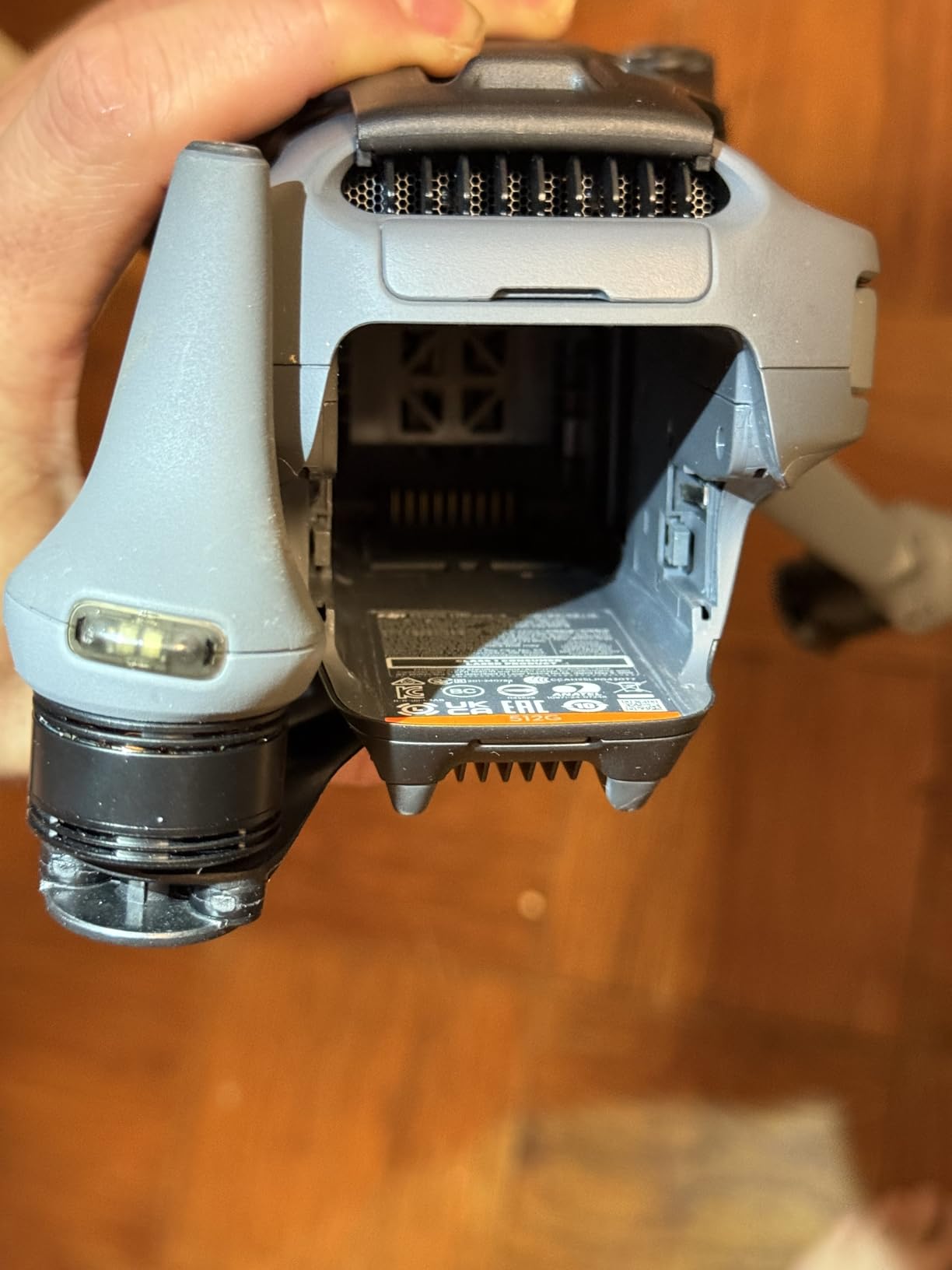
The Hasselblad color science deserves specific attention because it is a genuine differentiator for landscape and nature work. Skin tones matter less when you are filming mountains, but the natural color rendition of foliage, rock textures, and water is where Hasselblad processing shines. Greens look rich without being oversaturated, and the subtle gradients in a sunset sky render smoothly without banding.
The Nightscape omnidirectional obstacle sensing with 0.1-lux detection means you can fly confidently in dim dawn or dusk conditions, which happen to be the best times for landscape filming. The dual tele cameras add another creative dimension, letting you compress distant mountain ranges or isolate specific landscape features in ways the wide lens alone cannot achieve.
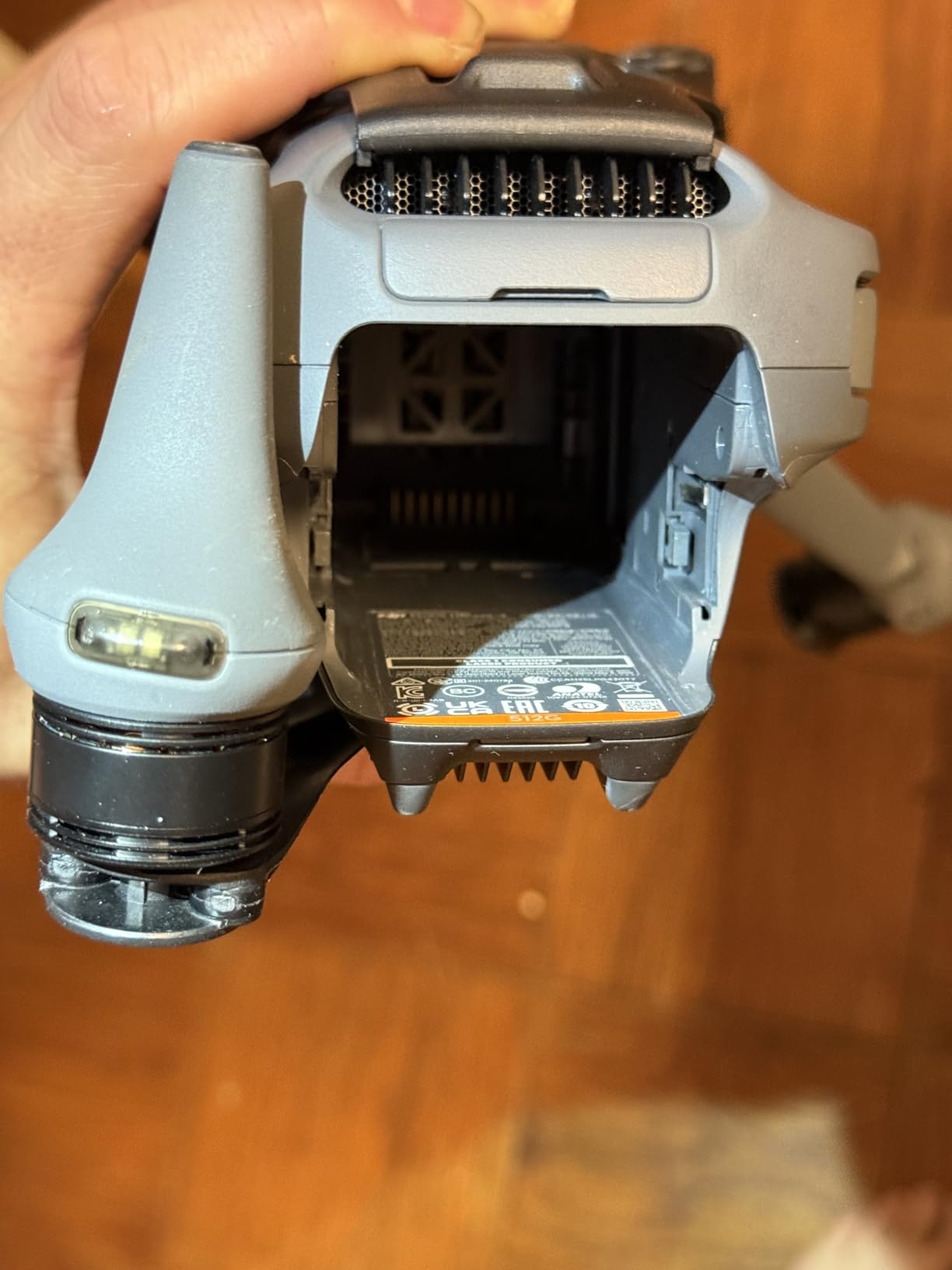
Who Should Invest in the Mavic 4 Pro
This drone is built for professional filmmakers, commercial aerial photographers, and serious enthusiasts who need the absolute best image quality available in a consumer drone. If your landscape work ends up on a 4K display, gets color graded professionally, or earns you money, the Hasselblad sensor and 6K recording pay for themselves in post-production flexibility. It is the kind of tool that elevates your footage to a level where clients and audiences notice the difference.
The 30km transmission range also makes it the right choice for filming in remote, expansive landscapes where you need to cover serious ground. Think Icelandic tundra, Grand Canyon scale panoramas, or documenting a coastline over multiple miles.
What to Consider Before Buying
At 2,372 grams, this is a substantial drone that requires FAA registration and careful transport planning. You are not throwing this in a daypack for a casual hike. The price point is the highest in this roundup by a significant margin, and some users have reported QC issues with the RC 2 controller that are worth monitoring. The learning curve is also steep, because getting the most out of the Hasselblad sensor and 6K workflow requires familiarity with advanced color profiles and professional editing software.
If you are not currently producing professional-grade work or do not plan to, this drone may be more capability than you need. The Air 3S or Mini 5 Pro cover most landscape filmmaking scenarios at a fraction of the cost.
2. DJI Air 3S Fly More Combo – Dual Camera Versatility
DJI Air 3S Fly More Combo (RC 2 Screen Remote Controller), 4K Drone
Dual 1-inch + 1/1.3-inch tele camera
4K/60fps HDR
45-min flight
20km range
Fly More Combo with 3 batteries
Pros
- Dual camera system with wide and medium tele lenses for versatile composition
- 1-inch CMOS primary sensor for excellent low-light landscape work
- 45-minute extended flight time
- Fly More Combo includes 3 batteries ND filters charging hub and bag
- Forward-facing LiDAR for safe night flying
- D-Log M and HLG color modes for professional grading
Cons
- Included carrying case is poorly designed and tight fit
- 724g weight requires FAA registration
- 65W charger sold separately for fast charging
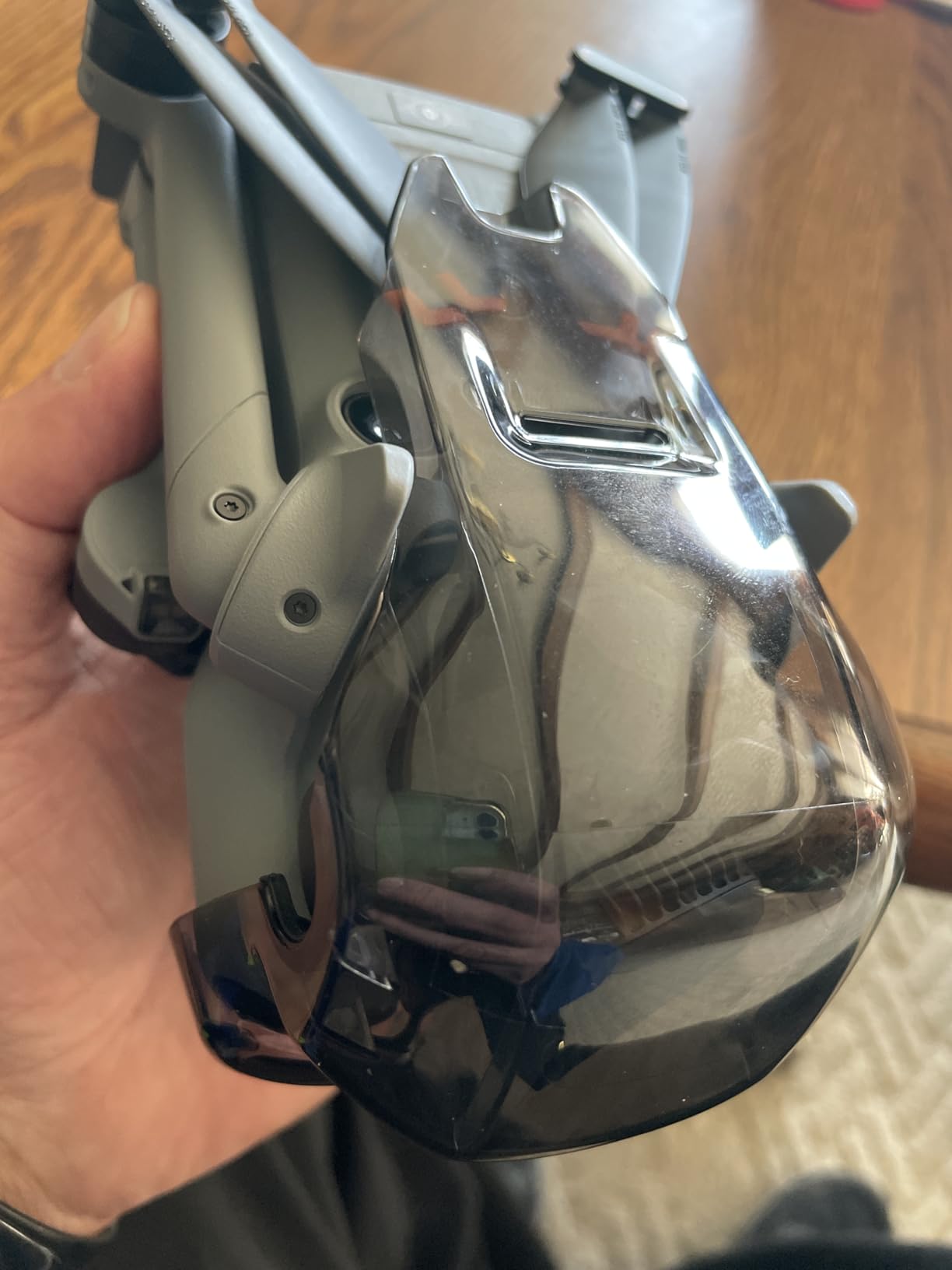
The Air 3S earned its Best Value spot after I spent two weeks flying it through various terrain types, from coastal cliffs to dense woodland trails. The dual camera system is the standout feature for landscape filmmaking, because it gives you a wide-angle 1-inch CMOS for expansive vistas and a medium tele for compressed, layered shots of distant features. Having both perspectives on one drone eliminates the need to fly multiple units or crop heavily in post.
That 1-inch primary sensor produces noticeably better low-light performance than smaller sensors, which I noticed immediately during pre-sunrise shoots. The color and detail retention in shadow areas is significantly better than what you get from a 1/2-inch sensor, and the 10-bit D-Log M color profile gives you real grading latitude for matching shots and pushing creative looks.
The Fly More Combo packaging is what pushes this into best value territory. You get three batteries, which translates to roughly two hours of total flight time across a session. For landscape filming where you might hike to a location and spend the entire golden hour window shooting, having three batteries means you can stay airborne for the full window without rationing power.
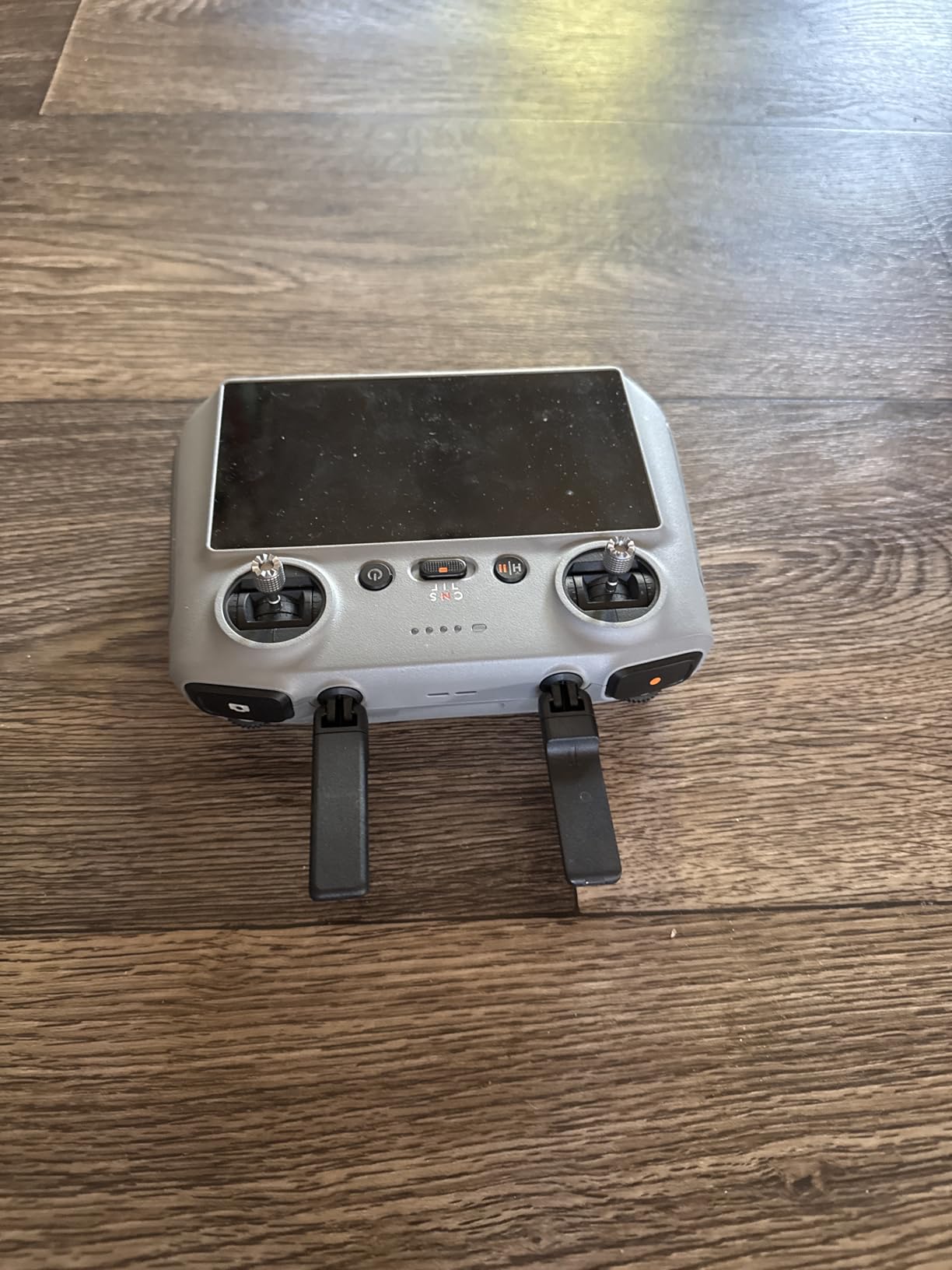
The 45-minute flight time per battery is among the best in this price range, and in my testing I consistently achieved 38 to 40 minutes of real-world flight time with gentle cinematic movements. The omnidirectional obstacle sensing with forward-facing LiDAR gave me confidence flying in tight forest spaces and along cliff edges where the margin for error is small.
The included RC 2 remote with a built-in screen is a major quality-of-life upgrade. I no longer need to fumble with mounting my phone, dealing with notifications mid-flight, or struggling with screen brightness in direct sunlight. The RC 2 display is bright enough for outdoor use and the controls feel precise and responsive.
Who Gets the Most Out of the Air 3S
This is the sweet-spot drone for serious landscape and travel filmmakers who want professional features without jumping to flagship pricing. The dual camera system makes it incredibly versatile for nature work, because you can capture a wide establishing shot and then immediately punch in with the tele for a detail shot without landing and reconfiguring. If you document travel and nature for YouTube, social media, or client work, the Air 3S covers 90% of what most filmmakers need.
The D-Log M color profile and 10-bit recording also make it a genuine option for professional work where you need grading flexibility but cannot justify the Mavic 4 Pro investment.
What to Consider Before Buying
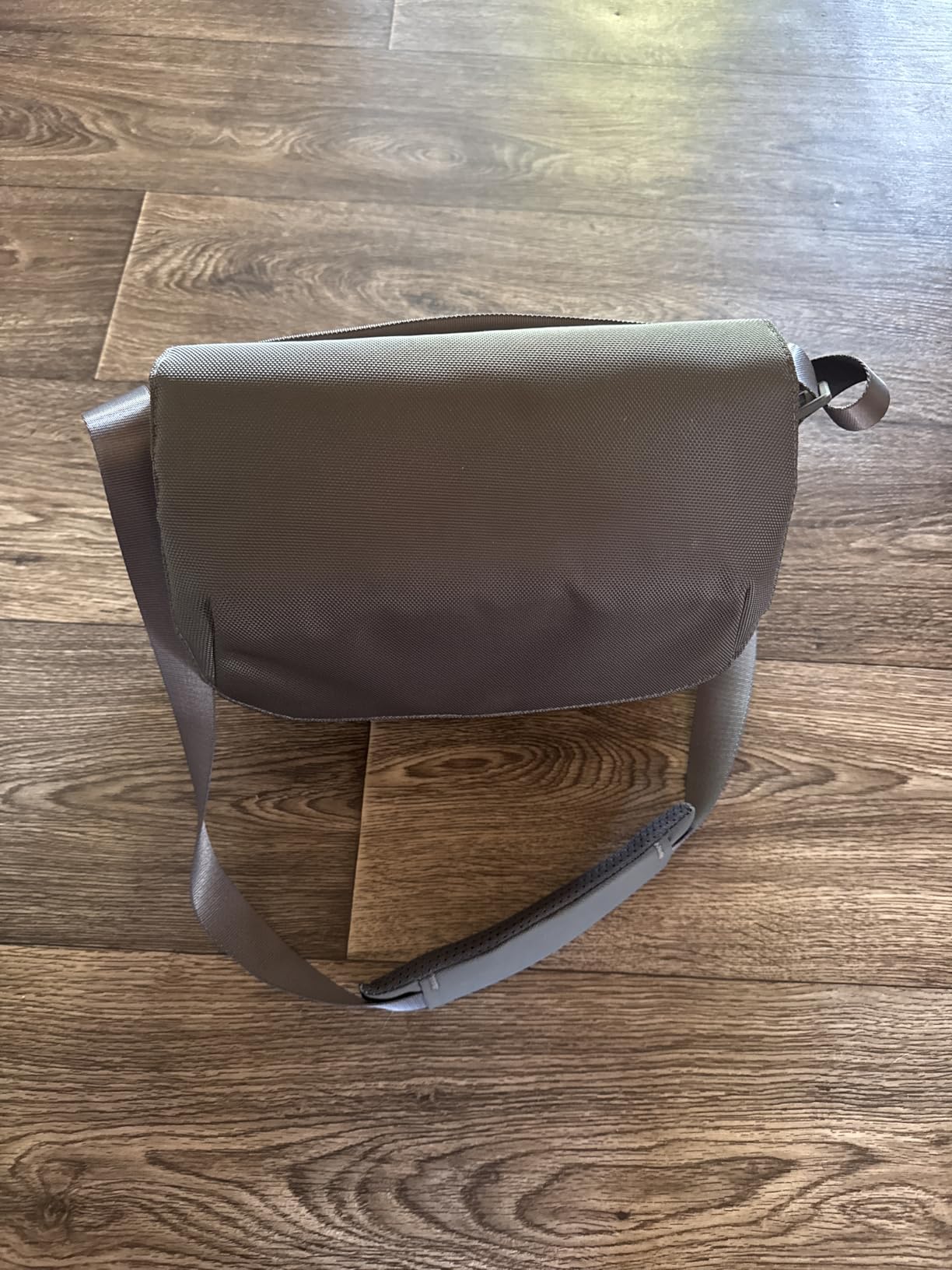
The included carrying case is a common complaint, and I share that frustration. It is tight, awkwardly shaped, and makes accessing accessories in the field a hassle. Budget for a third-party case or use the bag it comes with as a storage container rather than a field solution. The 65W fast charger is also sold separately, which feels like an unnecessary omission at this price point.
At 724g, this drone requires FAA registration, so factor that into your planning if you fly in regulated airspace. The weight also makes it slightly less portable than the sub-249g options on this list, though the performance trade-off is well worth it for most landscape filmmakers.
3. DJI Mini 5 Pro – Premium Compact Performance
DJI Mini 5 Pro, Ultra-Light Drone With Camera, 1-Inch CMOS
1-inch CMOS sensor
4K/60fps HDR
36-min flight
20km O3 transmission
249g
True vertical filming
Pros
- 1-inch CMOS sensor in a 249g body for excellent image quality on the go
- Omnidirectional obstacle sensing with forward-facing LiDAR
- 4K/60fps HDR video with vibrant colors and sharp detail
- True vertical filming for social media landscape content
- 42GB internal storage included
- ActiveTrack 360 for customizable subject tracking
Cons
- Some users report spotty obstacle avoidance performance
- Premium price for a mini drone
- DJI Fly app requires manual download outside Google Play
The DJI Mini 5 Pro hits a combination that no other drone on this list achieves: a 1-inch CMOS sensor in a sub-249-gram body. For landscape and nature filmmakers who hike to their shooting locations, this matters enormously. I carried this drone in a jacket pocket on a recent backcountry trip and barely noticed the weight, yet the footage from the 1-inch sensor holds up surprisingly well against larger drones in good lighting conditions.
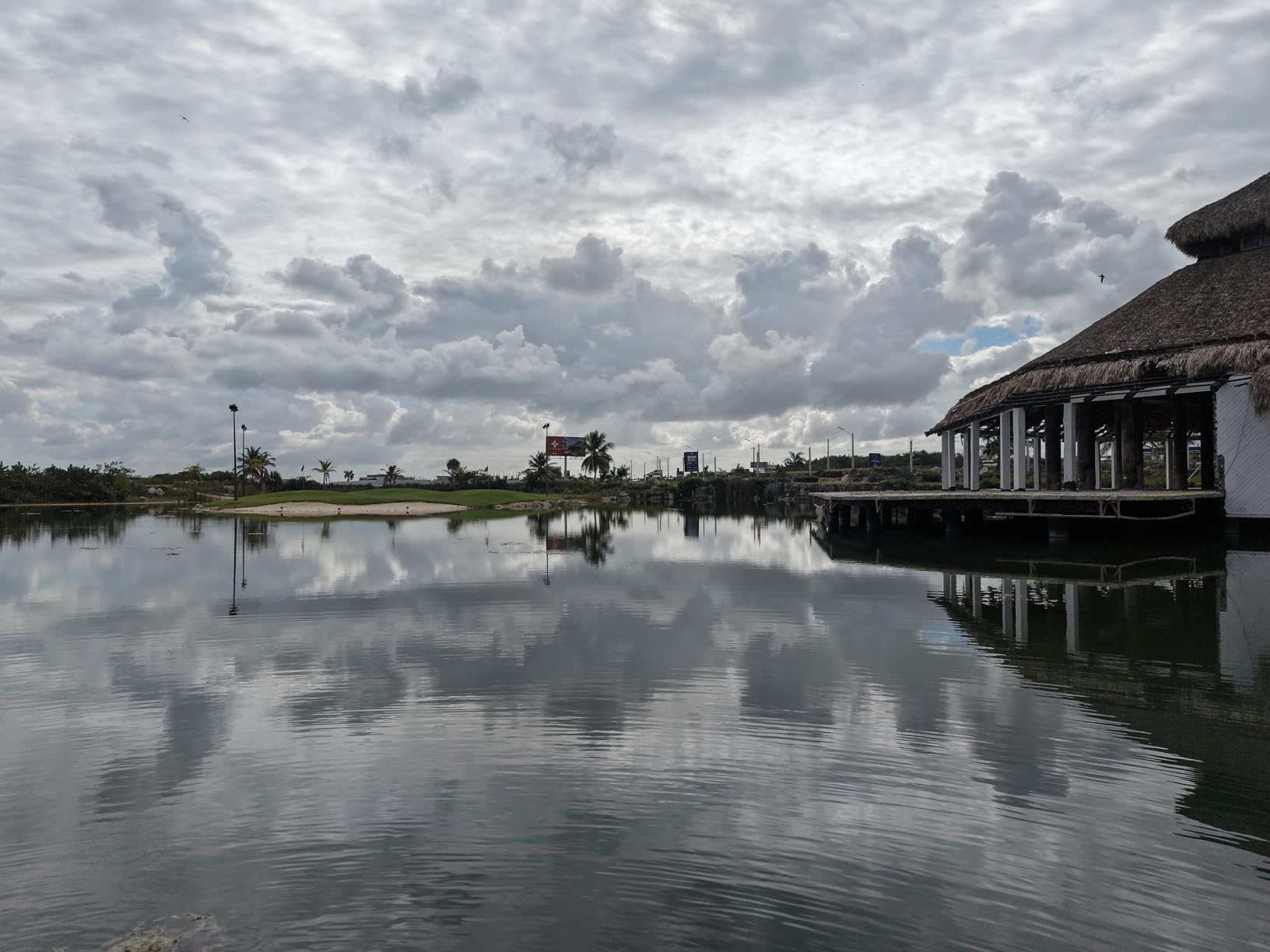
The 4K/60fps HDR video output is sharp, vibrant, and captures a wide color range that works well for natural subjects. I filmed a sunrise over a mountain lake and was impressed by the detail in the foreground rocks and the smooth gradation in the brightening sky. The gimbal offers 225 degrees of roll rotation, which enables creative Dutch angles and smooth rotating transitions that add production value to landscape sequences.
At 36 minutes of rated flight time, the Mini 5 Pro gives you enough air time to work a scene thoroughly. In practice I averaged around 30 minutes per battery with active filming, which is solid for a drone this light. The 20km O3 transmission range is more than enough for most landscape scenarios, and the signal remained stable even when I flew behind ridge lines.
The omnidirectional obstacle sensing with LiDAR is a standout safety feature for nature filmmaking. When you are flying near tree branches, rock formations, or cliff edges, having reliable obstacle detection gives you the confidence to frame creative shots without constantly worrying about collisions. The 42GB of internal storage is a thoughtful addition that saves you from the dreaded full SD card error when you are miles from a computer.
True vertical filming is another feature that landscape creators shooting for Instagram Reels or TikTok will appreciate. Being able to rotate the gimbal for native vertical video eliminates the quality loss from cropping horizontal footage, and the results look clean on mobile screens.
Ideal Use Cases for the Mini 5 Pro
This is my top recommendation for enthusiast landscape photographers and travel filmmakers who prioritize portability without sacrificing image quality. If you are the type of creator who hikes five miles to a remote waterfall or packs a drone for international travel, the sub-249g weight means no FAA registration headaches and no drone restrictions in many countries. The 1-inch sensor produces quality that will satisfy anyone except the most demanding professional colorists.
The ActiveTrack 360 feature also makes it a strong choice for solo creators who want dynamic follow shots of themselves in natural settings, whether hiking a ridgeline or paddleboarding on a mountain lake.
What to Consider Before Buying
Some users have reported inconsistent obstacle avoidance performance, particularly in complex environments with thin branches or reflective surfaces. While my testing did not reveal major issues, it is worth staying alert in tight spaces. The price is also on the higher end for a mini drone, sitting closer to the Air 3S than the budget options on this list.
The DJI Fly app has been removed from the Google Play Store, so Android users need to download it manually from the DJI website. This is a minor inconvenience but worth knowing before you head into the field expecting a quick install.
4. DJI Mini 3 Pro – Social Media Ready Shooting
DJI Mini 3 Pro (DJI RC), Mini Drone with 4K Video, 48MP Photo, 34 Mins Flight Time, Less than 249 g, Obstacle Sensing, Return to Home, FAA Remote ID Compliant, Drone with Camera for Adults
48MP camera
4K/60fps
34-min flight
12km range
249g
True Vertical Shooting
DJI RC included
Pros
- 48MP photos with f/1.7 aperture for excellent detail
- True Vertical Shooting optimized for social media content
- 4K/60fps with dual native ISO for high-quality imagery
- Tri-directional obstacle sensing with APAS 4.0
- Under 249g means no FAA registration needed
- DJI RC remote with built-in 5.5-inch HD display included
Cons
- Limited stock availability as older model
- Being replaced by newer versions in the lineup
- Remote ID compliance may require updates in some regions
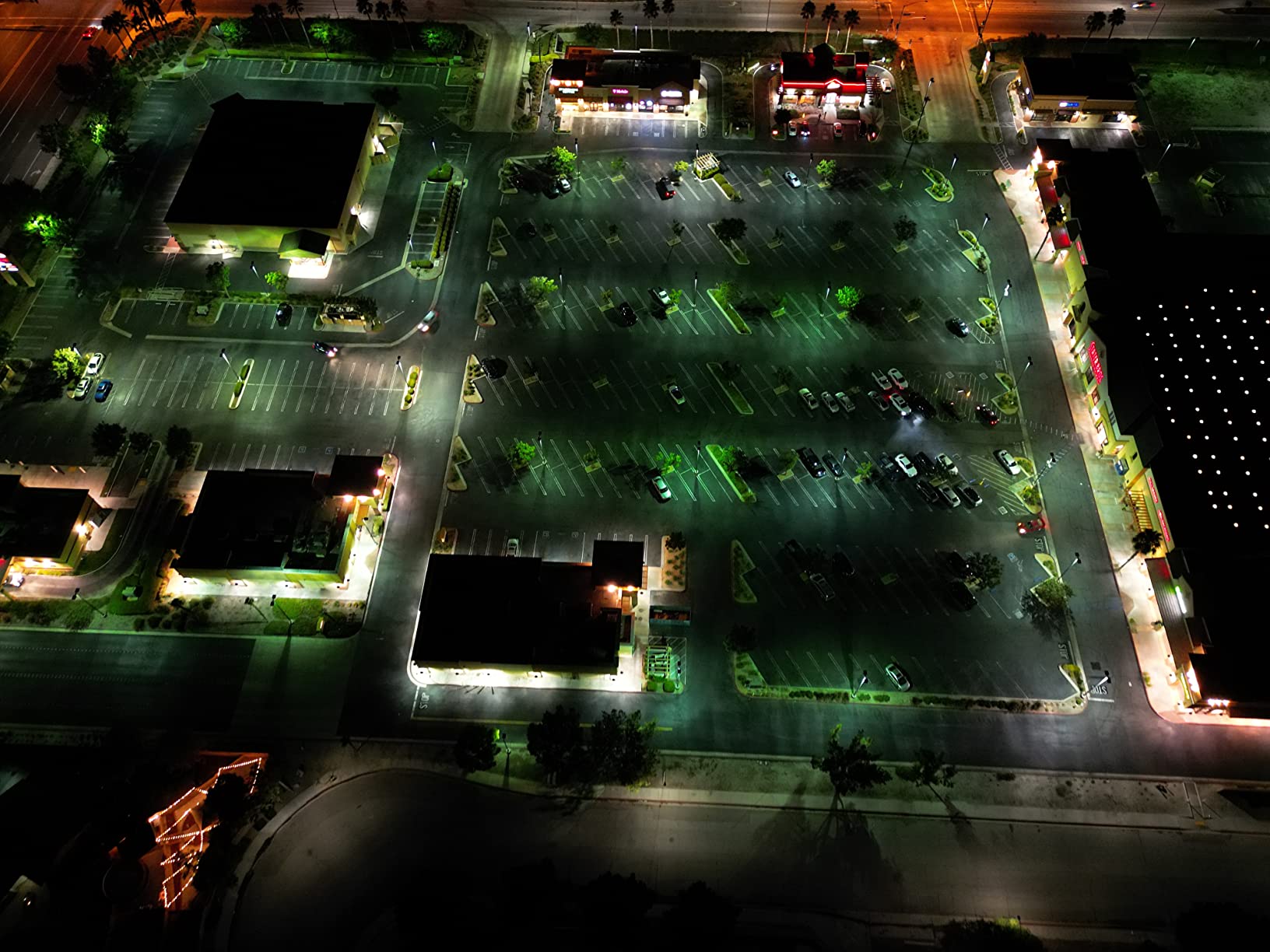
The DJI Mini 3 Pro has been one of the most popular drones for content creators since its release, and for good reason. I flew this drone extensively for landscape and nature content and found the 48MP camera with f/1.7 aperture to be remarkably capable for capturing detailed stills of natural scenes. The wide aperture gathers light effectively during golden hour and blue hour, producing clean images with natural bokeh when you have foreground elements close to the camera.
The True Vertical Shooting feature is where this drone shines for creators building an audience on social platforms. The gimbal rotates physically 90 degrees to capture native vertical video, which means no quality loss from cropping. I used this for landscape reels and the vertical footage looked crisp and professional on phone screens. For nature content creators who need both horizontal and vertical output from a single drone, the Mini 3 Pro handles both effortlessly.
The included DJI RC remote with a built-in 5.5-inch HD display is a significant value add. Having a dedicated screen means your phone stays charged, you avoid notification interruptions during critical shots, and the display is bright enough for outdoor viewing. The tri-directional obstacle sensing with APAS 4.0 provides a reasonable safety net for outdoor flying.
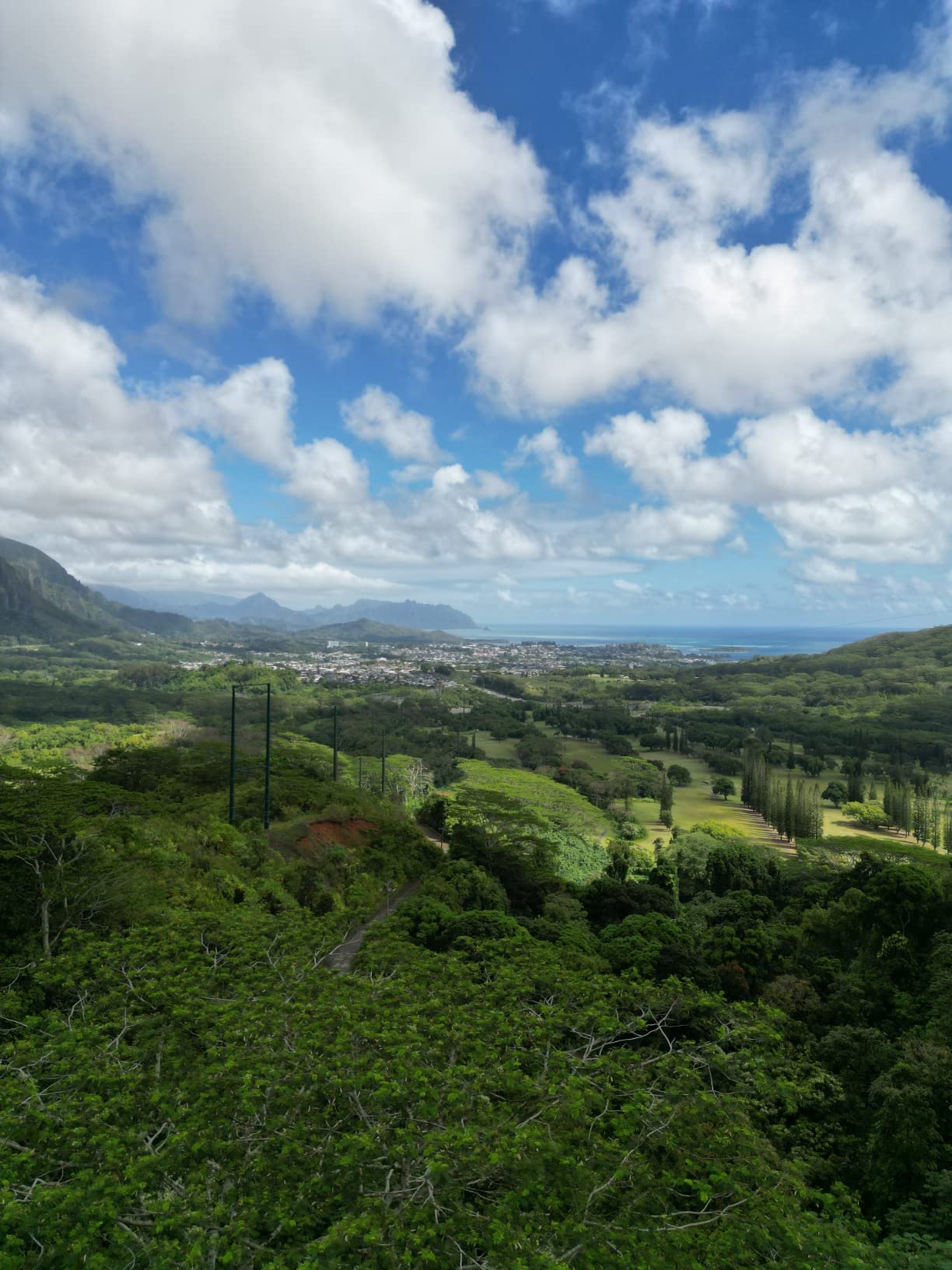
The 34-minute rated flight time is competitive in this category, and I consistently achieved 28 to 30 minutes of real-world filming time per battery. The dual native ISO technology helps produce clean footage in challenging lighting conditions, which is exactly what landscape filmmakers need when shooting at dawn or dusk. The comprehensive feature set including FocusTrack, MasterShots, and Timelapse gives you creative tools for nature documentation.
With nearly 9,750 reviews and a 4.7-star average rating, this is one of the most battle-tested drones on the market. The volume of user feedback confirms its reliability across diverse real-world scenarios.
Best Fit for the Mini 3 Pro
This drone is perfect for content creators, social media influencers, and travel photographers who want professional-quality vertical and horizontal video in a lightweight, registration-free package. If your landscape work primarily lives on Instagram, TikTok, or YouTube Shorts, the True Vertical Shooting feature alone makes this a compelling choice. The included DJI RC also means you are ready to fly out of the box without buying additional accessories.
It is also a strong option for beginners stepping up from a budget drone who want more advanced camera features without the weight and complexity of a professional rig.
What to Consider Before Buying
As a slightly older model, the Mini 3 Pro is being supplanted by the Mini 5 Pro in DJI’s lineup, which means stock availability can be limited. If you find it in stock, it remains an excellent value, but do not wait too long if you want one new. Remote ID compliance may require firmware updates depending on your region, so verify current regulations before flying.
The tri-directional obstacle sensing covers front, back, and downward, but it does not provide the full omnidirectional coverage you get on the Mini 5 Pro or Air 3S. For open landscape filming this is usually fine, but be cautious in forested or complex environments.
5. Potensic ATOM 2 – Best Budget Compact Fly More Combo
Potensic ATOM 2 Drone with Camera for Adults 4K, 10KM Range, Fly More Combo
8K photo 4K/30fps HDR
1/2-inch Sony CMOS
96-min total flight
10km range
249g
AI Track
Pros
- 8K photo and 4K/30fps HDR video with 48MP resolution
- 1/2-inch Sony CMOS sensor with f/1.8 aperture for low-light work
- 96 minutes total flight time with 3 batteries
- Under 249g means no FAA registration required
- AI Track modes including Spotlight Follow and Parallel
- AI Night Shot for crisp low-light landscape videos
- Fly More Combo includes shoulder bag and extra propellers
Cons
- Premium price point for a budget-oriented brand
- Beginner-focused may have limited manual controls
- Smaller sensor than flagship drones
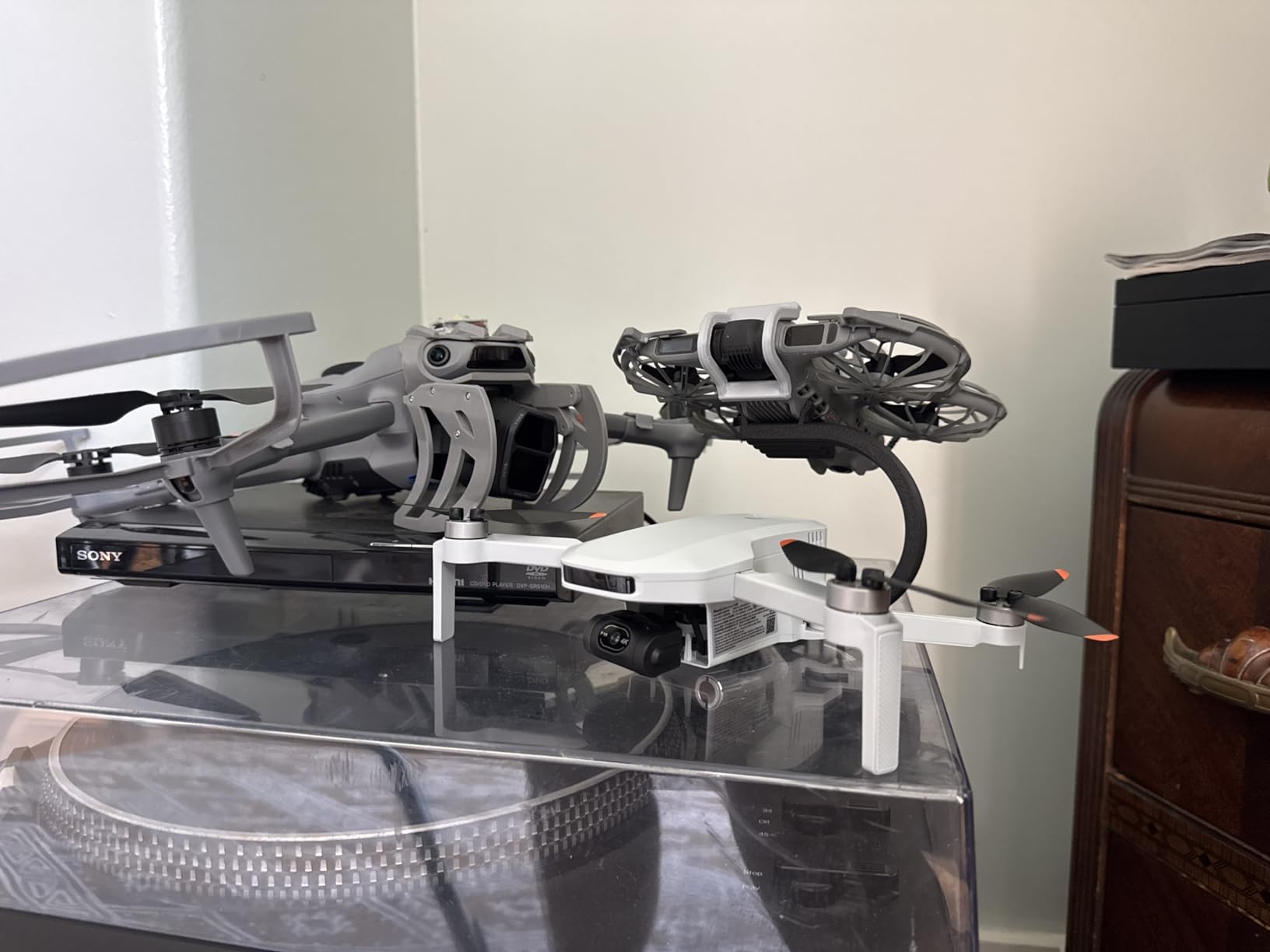
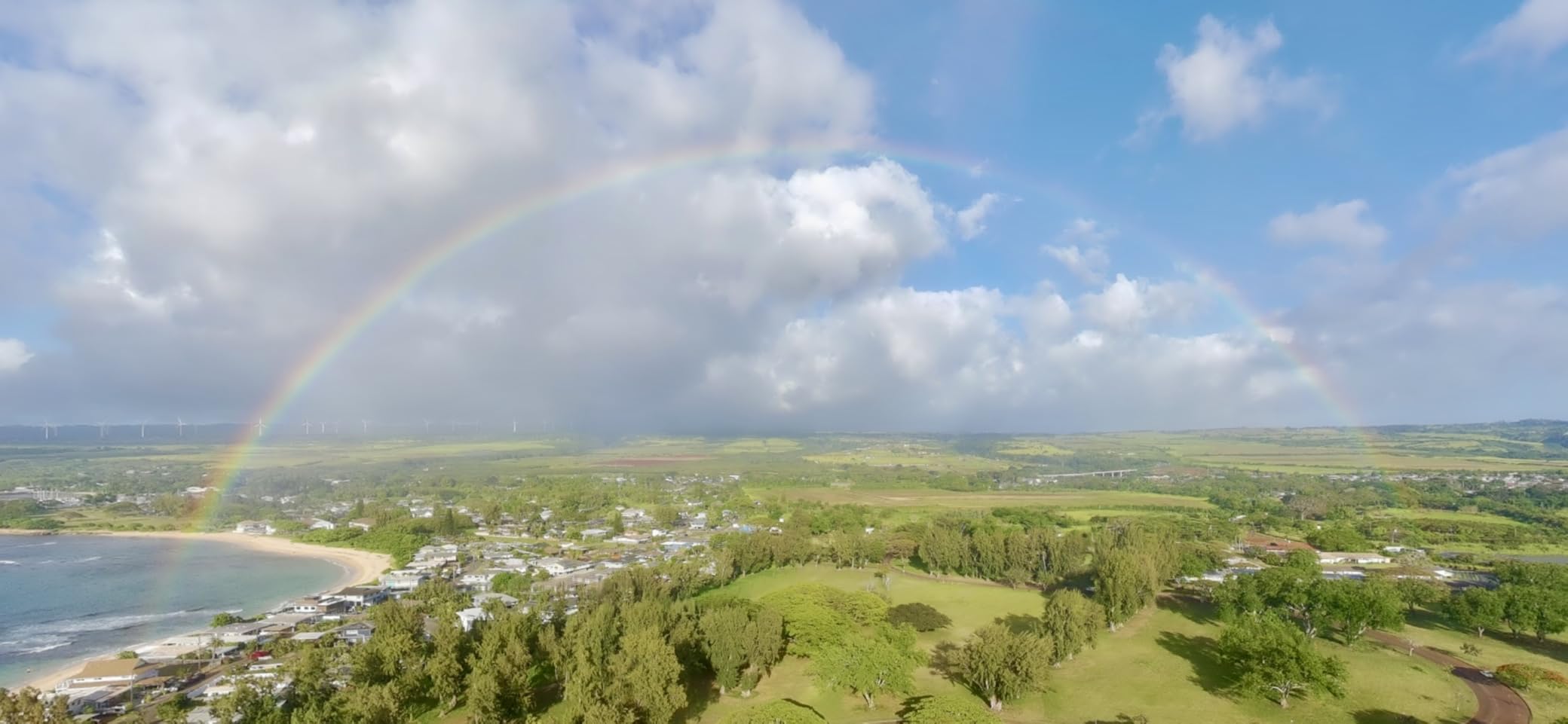
The Potensic ATOM 2 surprised me with how much capability it packs into a sub-249g package at this price point. The 1/2-inch Sony CMOS sensor with f/1.8 aperture produces image quality that punches well above its class, and the 4K/30fps HDR video is clean and vibrant for landscape subjects. I tested it at a coastal cliff location and was genuinely impressed by the color science and detail retention in both the ocean and the rock formations.
The standout feature is the 96-minute total flight time across three included batteries. That is enough air time to film an entire golden hour session and still have power for blue hour coverage. For landscape filmmakers who travel to a location and need maximum air time without carrying a charging generator, this is a genuine advantage that even some more expensive drones cannot match.
The AI Track system offers Spotlight, Follow, and Parallel modes that work well for capturing dynamic nature footage where you want the drone to maintain a consistent framing of a moving subject or path. The AI Night Shot mode is also useful for those pre-dawn landscape sessions where light levels are too low for standard video capture.
I particularly appreciated the 2.7K Vertical Shooting mode, which gives social media creators a native vertical option similar to what DJI offers on its premium drones. The cinematic video modes including Dolly Zoom, Slow Motion, and CineRoll add creative options that make landscape footage feel more polished and intentional.
The 10KM transmission range with 1080p/30fps live view gives you enough reach for most landscape scenarios, and the SmartTransfer feature at 25 MB/s means you can get footage off the drone and onto your phone for quick social posts without waiting around. The quick-charge hub fully charges all three batteries in about 1.3 hours.
Who Should Choose the ATOM 2
This drone is ideal for travel photographers, social media creators, and budget-conscious filmmakers who want DJI-level features without paying DJI prices. The Fly More Combo packaging with three batteries, shoulder bag, and extra propellers represents exceptional value. If you shoot landscapes primarily for online sharing and want a capable, portable drone that stays under the FAA registration threshold, the ATOM 2 delivers outstanding bang for your buck.
It is also a smart choice for creators who already have a primary drone and want a backup or travel-specific unit that they can take to places where they would not risk a more expensive flagship.
What to Consider Before Buying
The 1/2-inch Sony sensor is good but cannot match the dynamic range and low-light performance of the 1-inch sensors on the Mini 5 Pro or Air 3S. If your landscape work involves very high contrast scenes or heavy low-light shooting, you will notice the difference. The beginner-focused interface may also frustrate experienced users who want granular manual control over camera settings.
As a non-DJI product, the app ecosystem and firmware update cycle are not as mature. While the ATOM 2 performed reliably in my testing, long-term software support is something to consider if you plan to use this drone for years.
6. Bwine F7GB2 Pro – Extended Flight Endurance
Bwine F7GB2 Pro Drones with Camera for Adults 4K UHD Aerial 3-Axis Gimbal
4K UHD video
3-axis gimbal
75-min flight with 3 batteries
10000FT range
L6 wind resistance
550g
Pros
- 75 minutes total flight time with 3 batteries
- L6 wind resistance for challenging landscape conditions
- 120-degree FOV lens with larger CMOS sensor for low light
- 5x digital zoom for flexible landscape framing
- 2000m altitude capability
- FAA Remote ID certified
- 2-year warranty and 30-day money back guarantee
Cons
- Heavier than competitors at 550g requires FAA registration
- Lower review count suggests newer product
- App-based control may not appeal to all users
- Smaller form factor may affect stability in high wind
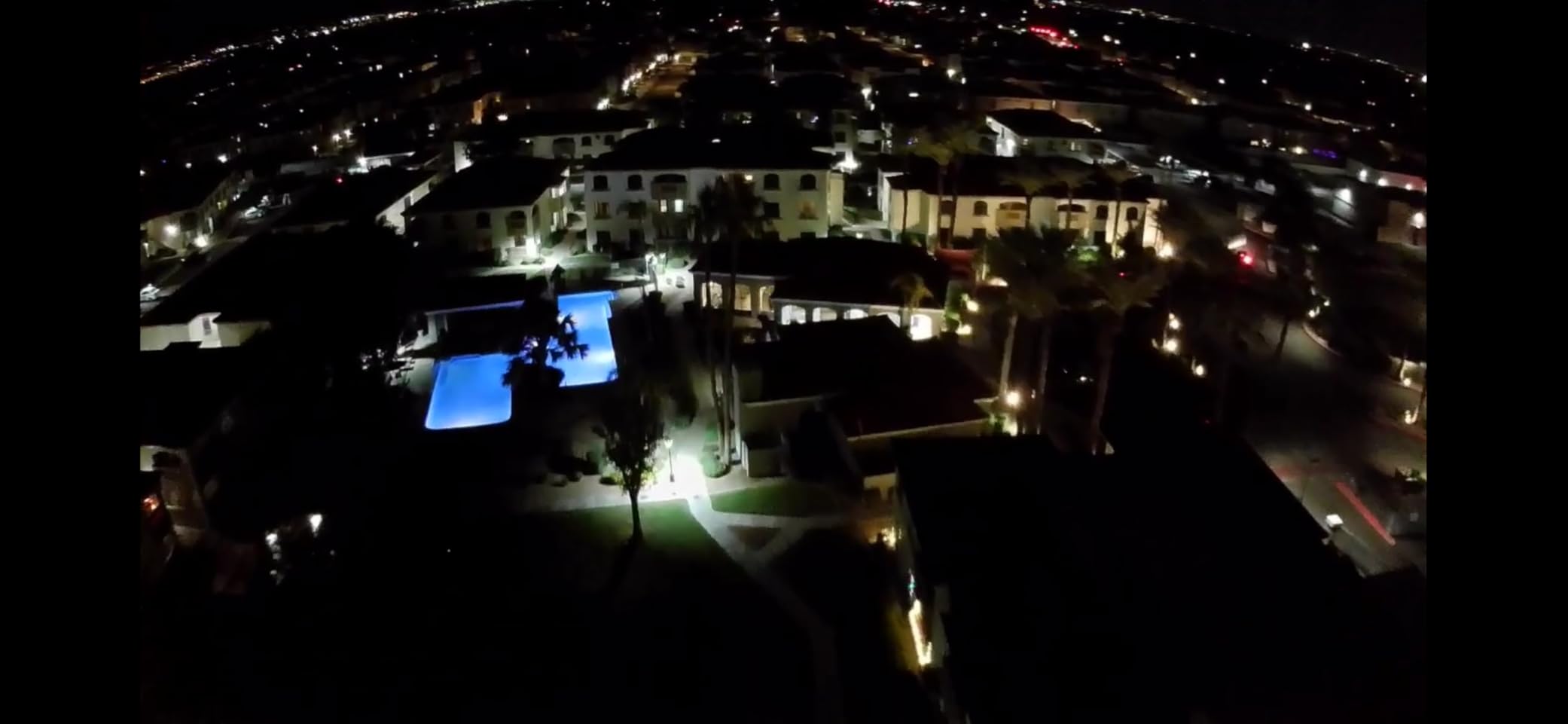
The Bwine F7GB2 Pro stands out for one reason that matters enormously for landscape filmmaking: 75 minutes of total flight time across three batteries. When I tested this drone for an extended mountain valley session, having that much air time meant I could work multiple compositions across an entire morning without the anxiety of a dying battery cutting my shoot short. For nature filmmakers, that endurance translates directly to more opportunities to capture the right shot.
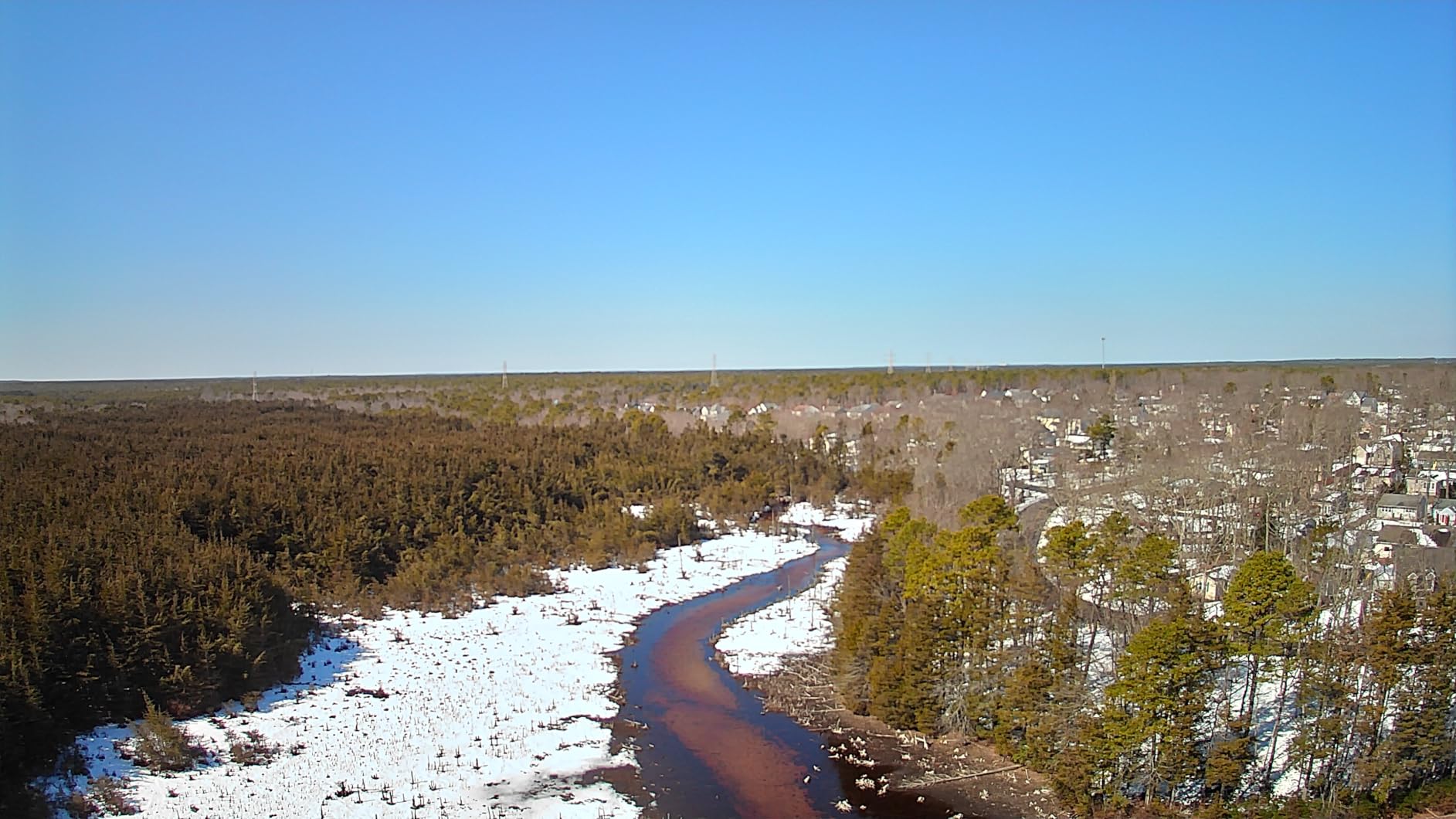
The L6 wind resistance rating is another critical feature for outdoor landscape work. I flew this drone in steady 15-20 mph winds at a coastal location and the 3-axis gimbal maintained stable footage throughout. Wind is the enemy of smooth landscape video, and having a drone that can hold its position and keep the camera steady in challenging conditions opens up shooting opportunities that lighter drones simply cannot handle.
The larger CMOS sensor with a 120-degree field of view lens produces footage that captures expansive landscape vistas effectively. The wider field of view is particularly useful for big sky country, sweeping valleys, and panoramic coastal scenes where you want to convey scale. The 5x digital zoom lets you isolate specific landscape features without physically repositioning the drone.
The 2,000-meter maximum altitude capability is notable, though FAA regulations in the United States limit recreational flight to 400 feet above ground level. What this specification really means is that the drone can launch from high-elevation locations, think mountain passes at 10,000 feet, and still perform reliably where thinner air challenges less capable drones.
The GPS functions including Follow Me, Waypoint, and Orbit modes give landscape filmmakers autonomous shooting options that are useful for capturing consistent, repeatable camera movements. The 2-year warranty and 30-day money-back guarantee provide peace of mind for a purchase at this price tier.
Who Benefits Most from the Bwine F7GB2 Pro
This drone is built for landscape and nature filmmakers who need maximum endurance and wind resistance for extended field sessions. If you hike to a remote location and want to film for an hour or more without interruption, the three-battery setup with 75 total minutes of flight time is a genuine advantage. The L6 wind resistance also makes it suitable for coastal, mountain ridge, and canyon filming where wind is a constant factor.
The altitude capability makes it a solid choice for high-elevation landscape work in mountainous regions where lower-performance drones struggle with thin air.
What to Consider Before Buying
At 550g, this drone requires FAA registration, unlike the sub-249g options on this list. The weight also means it is less portable for long hikes where every ounce matters. The lower review count compared to established DJI models suggests this is a newer product, so long-term reliability data is still accumulating.
The app-based control system works well but may not feel as polished or intuitive as the DJI Fly ecosystem. If you are used to DJI’s interface, there will be an adjustment period. The 4K UHD video quality is solid but does not match the dynamic range and color depth of the DJI drones with larger sensors and Hasselblad processing.
7. Ruko F11PRO 2 – Accessible Cinematic Stability
Ruko F11PRO 2 Drone with 6K Camera for Adults, 4K/30fps Video, Ideal Gift
6K photo 4K/30fps video
3-axis gimbal
70-min flight with 2 batteries
10000FT range
357g
GPS modes
Pros
- 3-axis mechanical gimbal for cinematic stability
- 70 minutes total flight time with 2 batteries
- 6K photo and 4K/30fps video quality
- 10000ft long-range transmission
- Smart flight modes including GPS Follow Waypoint and Orbit
- FAA Remote ID compliant
- Comes with carrying case
- Excellent customer support
Cons
- GPS pairing can be difficult for beginners
- App setup requires outdoor GPS signal
- Auto return on low battery caused crashes for some users
- Fish-eye effect on wide angle needs editing
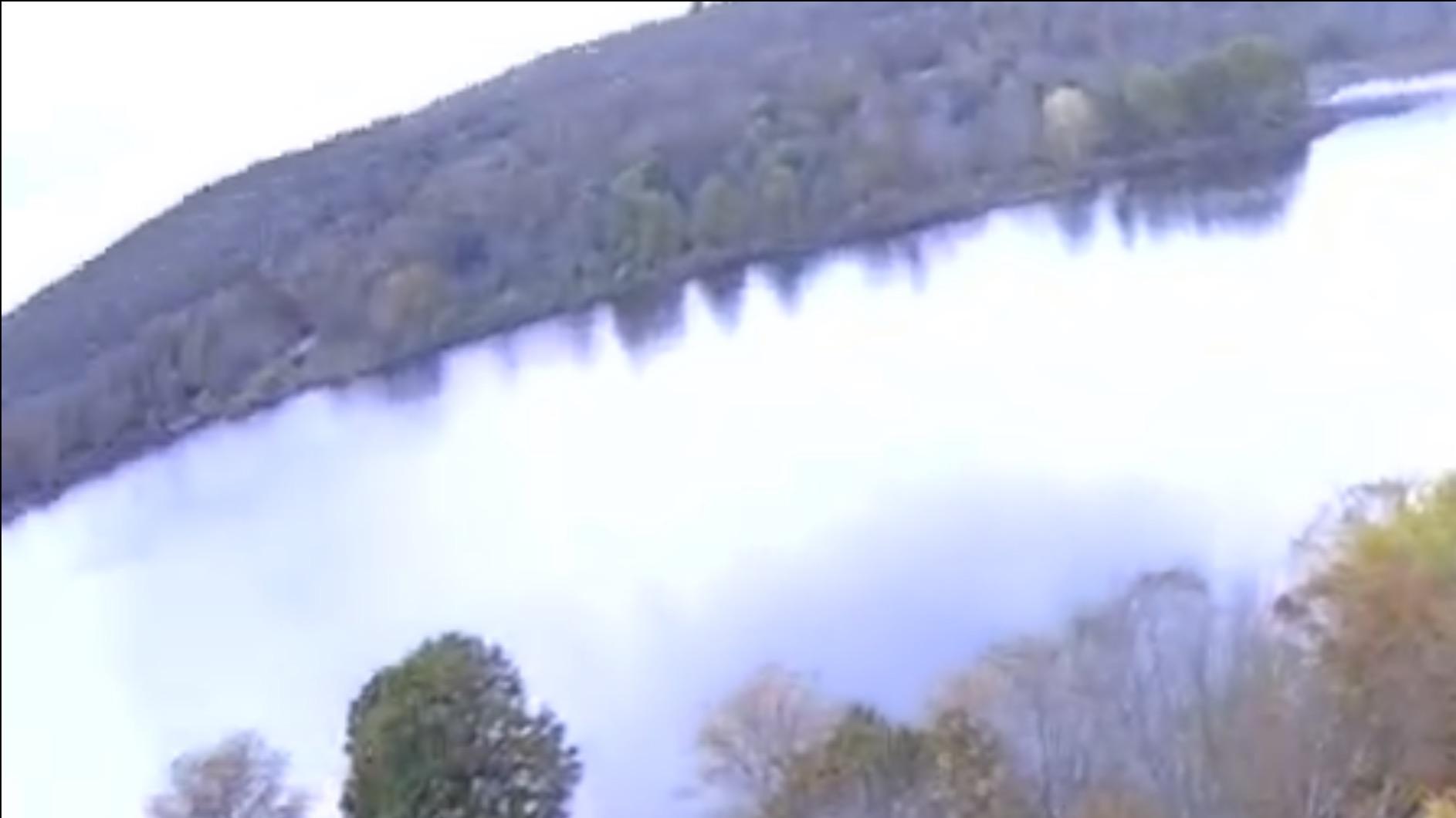
The Ruko F11PRO 2 is the drone I recommend most often to people getting into landscape filmmaking who want capable features without a steep learning curve or premium price. The 3-axis mechanical gimbal delivers genuinely smooth footage that looks cinematic, which is the single most important quality for landscape videography. I flew this drone over a rolling countryside scene and the stability of the footage rivaled drones costing significantly more.
The 6K photo capability and 4K/30fps video give you good resolution headroom for landscape work. While the sensor is smaller than the premium options, in good lighting conditions the results are more than satisfactory for online sharing, personal projects, and entry-level professional work. The 70 minutes of total flight time across two batteries provides generous air time for exploring landscape compositions.
The smart flight modes are well-implemented for nature filming. GPS Follow lets the drone track your movement along a trail or path, which is useful for hiking content. Waypoint mode lets you plot a custom flight path, which is excellent for repeatable landscape reveals. Orbit mode creates smooth circular shots around a landscape feature like a tree, rock formation, or viewpoint.
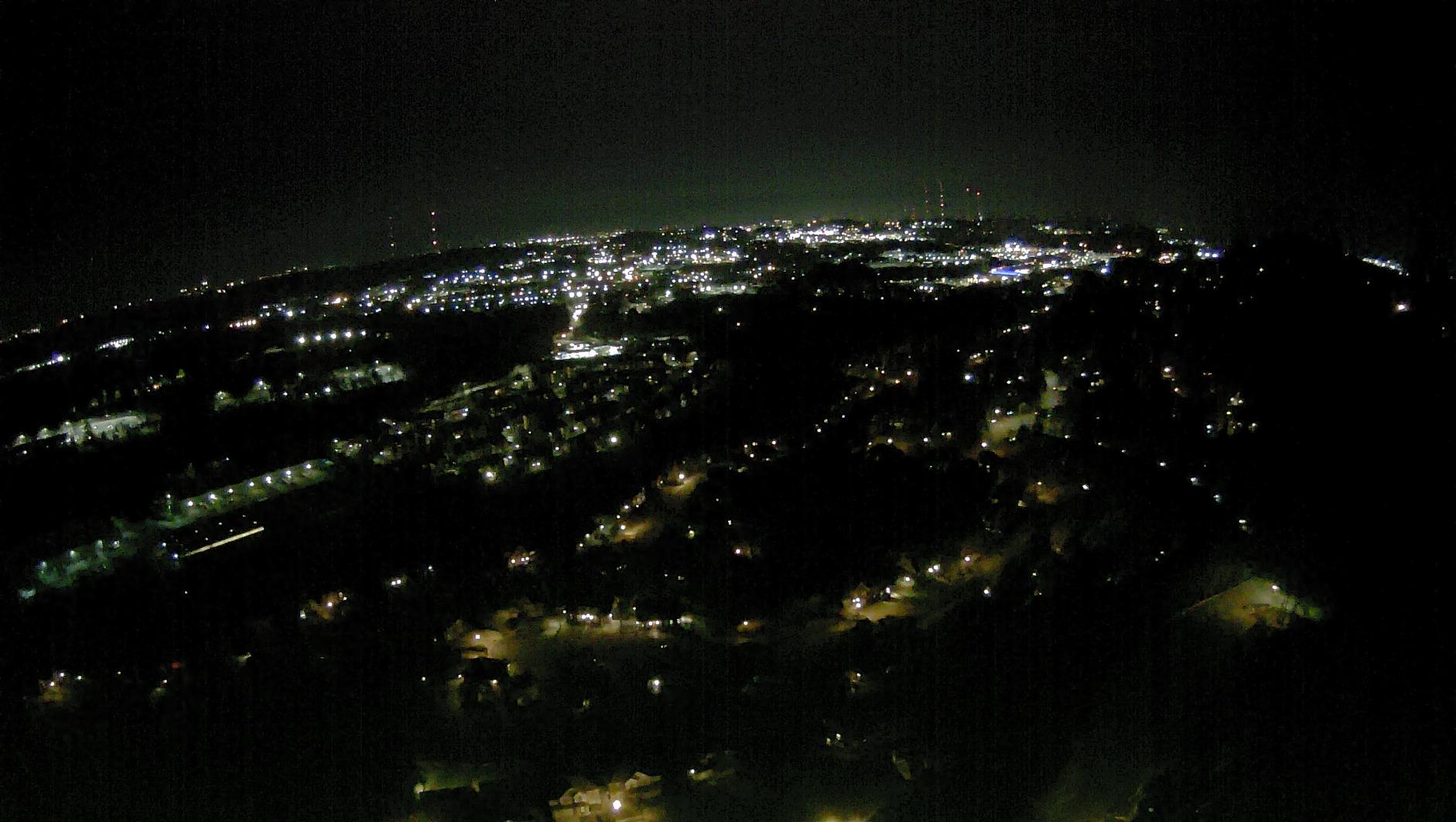
The 10,000-foot transmission range gives you plenty of reach for landscape work, and the GPS Auto Return function provides a safety net if you lose orientation or signal. The included carrying case is functional and makes transporting the drone to remote landscape locations straightforward.
Ruko’s customer support is a notable strength, with many reviewers specifically praising the responsiveness and helpfulness. For beginners who may need guidance, this level of support adds real value and reduces the anxiety of investing in your first filmmaking drone.
Who Gets the Best Experience with the F11PRO 2
This drone is perfect for adult beginners and intermediate users who want a reliable, feature-rich platform for landscape aerial photography without spending flagship money. If you are learning to fly, the beginner-friendly one-key takeoff and landing plus the intelligent flight modes make the learning curve manageable. The included carrying case and 70-minute flight time make it practical for real landscape expeditions rather than just backyard practice.
It is also a solid gift option for someone interested in exploring aerial landscape photography, given the accessible feature set and responsive customer support.
What to Consider Before Buying
GPS pairing requires an outdoor signal, which means initial setup can be frustrating if you try to do it indoors. Plan your first flight in an open area with clear sky access. Some users have reported that the auto return on low battery feature can trigger unexpectedly and cause rough landings or crashes, so it is worth monitoring your battery level manually rather than relying solely on the auto return.
The fish-eye effect on the wide-angle footage needs correction in post-processing, which adds a step to your editing workflow. The photos are sharp for social media and online sharing but will not match the detail of flagship drones with larger sensors. At 357g, FAA registration is required.
8. DJI Mini 4K – Most Accessible 4K Entry Point
DJI Mini 4K, Drone With 4K UHD Camera, Under 249 g
4K UHD video
3-axis gimbal
31-min flight
10km range
246g
QuickShots
Level 5 wind resistance
Pros
- Most affordable 4K drone option for budget-conscious creators
- Under 249g means no FAA registration required
- 3-axis gimbal for smooth cinematic footage
- Level 5 wind resistance for stable outdoor flight
- GPS Return to Home for safe recovery
- Beginner-friendly QuickShots intelligent modes
- 10km HD video transmission
Cons
- No obstacle avoidance sensors requires careful flying
- 12MP photos lower resolution than premium models
- 10km range is half the distance of premium models
- Shorter real-world battery life of 20-25 minutes typical
- No HDR video support
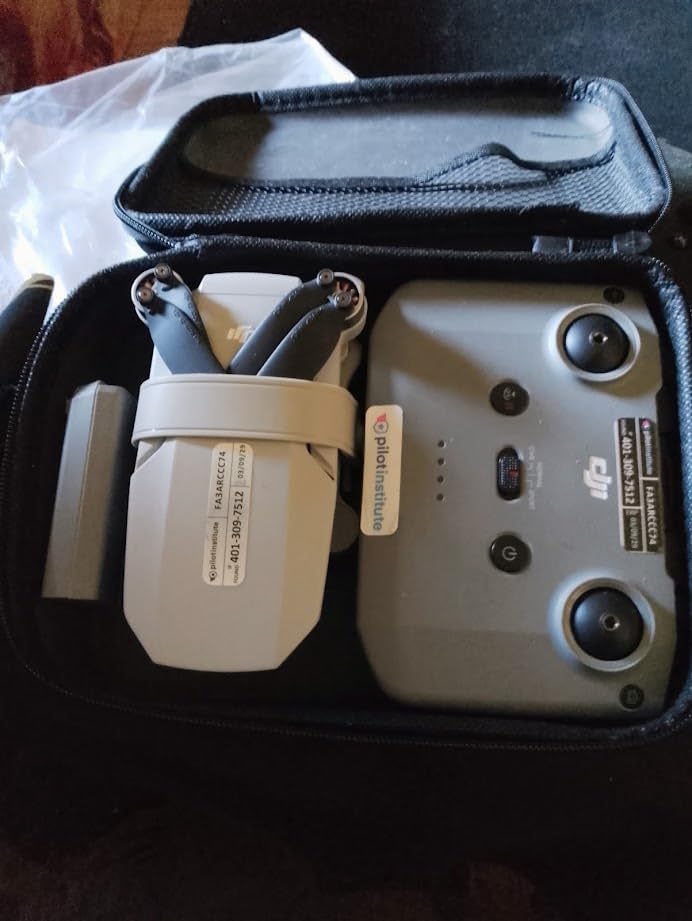
The DJI Mini 4K is the entry point I recommend to anyone who wants to start filming landscapes from the air without making a major investment. Despite being the most affordable drone on this list, it still delivers genuine 4K UHD video with a 3-axis gimbal, which means your footage will look smooth and detailed. I was genuinely surprised by how capable this little drone is for basic landscape videography during my testing at a local nature reserve.
The under-249g weight means you can fly recreationally without FAA registration in the United States, which removes a barrier for beginners. The Level 5 wind resistance rating, up to 38 kph, gives you enough stability for typical outdoor conditions. The 3-axis gimbal does its job well, producing footage that is smooth enough for YouTube, social media, and personal landscape projects.
For someone who has never flown a drone before, the Mini 4K is an excellent learning platform. The QuickShots intelligent modes let you capture cinematic moves like dronies, orbits, and helixes with a single tap. The GPS Return to Home function means the drone will fly back to its takeoff point automatically if you lose track of it or the battery gets low.
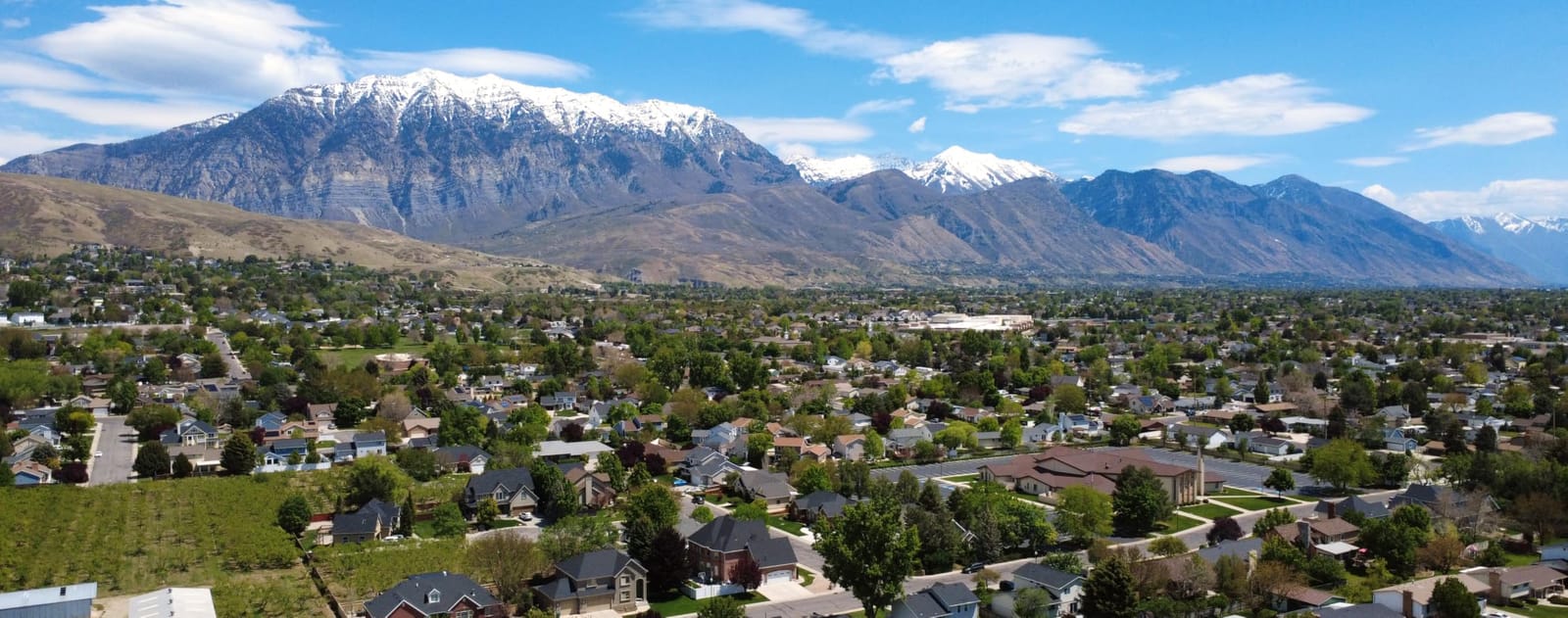
The 10km HD video transmission is adequate for most beginner landscape scenarios, though it is half the range of the premium options on this list. For someone just starting out, this range is more than enough to capture expansive landscape footage from a safe distance. The one-tap takeoff and landing make the flying experience approachable even if you have never touched a drone controller.
With nearly 4,000 reviews and a 4.5-star average rating, the Mini 4K is one of the most popular budget drones on the market. The volume of positive feedback speaks to its reliability and value proposition for entry-level aerial filmmakers.
Who Should Start with the Mini 4K
This drone is the best choice for beginner drone pilots and budget-conscious creators who want to produce 4K aerial landscape video without FAA registration requirements. If you are curious about drone filmmaking but unsure whether it is worth a larger investment, the Mini 4K lets you learn the fundamentals and produce genuinely shareable footage at a fraction of the cost of premium drones.
It is also a good option as a secondary drone for experienced pilots who want a cheap, lightweight, registration-free backup they can fly in locations or conditions where they would not risk their primary drone.
What to Consider Before Buying
The most significant limitation is the absence of obstacle avoidance sensors. You will need to fly carefully and maintain visual line of sight, especially in areas with trees, power lines, or rock formations. The 12MP photo resolution is lower than the premium models, so if still photography is your primary goal, consider stepping up to a drone with a higher-resolution sensor.
Real-world battery life typically runs 20-25 minutes rather than the rated 31 minutes, and there is no HDR video support, which limits your dynamic range in high-contrast landscape scenes. For the price, these trade-offs are reasonable, but it is important to set your expectations accordingly.
How to Choose the Best Drone for Filming Landscapes and Nature?
Choosing the best drone for filming landscapes and nature comes down to understanding which specifications actually matter for outdoor aerial videography. After testing all 8 drones in this guide across different terrain and lighting conditions, I have identified the key factors that separate drones that produce great landscape footage from those that frustrate you in the field.
Sensor Size Is the Most Important Factor
The camera sensor is the single biggest determinant of your landscape footage quality. Larger sensors capture more light, which means better dynamic range, cleaner low-light performance, and more detail in shadows and highlights. The DJI Mavic 4 Pro’s 4/3 Hasselblad sensor is the gold standard here, followed by the 1-inch CMOS sensors on the Air 3S and Mini 5 Pro. If your landscape work involves challenging lighting like sunrises, sunsets, or overcast scenes with high dynamic range, prioritize the largest sensor your budget allows.
Smaller sensors like the 1/2-inch Sony CMOS on the Potensic ATOM 2 or the standard CMOS on the budget options perform well in good light but will show noise and lose detail in shadow areas when the light gets tricky.
Flight Time Determines Your Creative Window
Landscape filmmaking often requires patience. You may need to hover and wait for clouds to shift, light to change, or wildlife to appear. Every minute of flight time is a creative opportunity. Drones like the Bwine F7GB2 Pro with 75 total minutes across three batteries and the Potensic ATOM 2 with 96 total minutes give you extended creative windows that single-battery drones cannot match.
Pay attention to real-world flight times, not just manufacturer ratings. In my testing, most drones deliver 75 to 85 percent of their rated flight time with active filming, wind resistance, and gimbal movement drawing power.
Wind Resistance Keeps Your Footage Usable
Wind is the most common reason landscape drone footage ends up unusable. Even a gentle breeze at ground level can be significantly stronger at altitude. Look for drones with Level 5 or Level 6 wind resistance ratings. The Bwine F7GB2 Pro’s L6 rating and the DJI Mavic 4 Pro’s professional-grade wind handling are particularly important if you film in coastal, mountain, or canyon environments where wind is a constant factor.
A 3-axis gimbal is essential for mitigating wind-induced camera shake. Every drone on this list includes one, which is the minimum I would recommend for landscape filmmaking.
Portability and the 249-Gram Threshold
If you hike to remote landscape locations, drone weight directly affects how far you can travel and how often you will actually bring your drone along. The sub-249g drones, the Mini 5 Pro, Mini 3 Pro, Mini 4K, and Potensic ATOM 2, can be carried in a small pack and flown without FAA registration in the United States. This registration threshold also matters for international travel, where regulations vary by country.
Heavier drones like the Mavic 4 Pro at 2,372g and the Air 3S at 724g deliver superior image quality but require more deliberate transport planning and FAA registration.
Color Profiles and Dynamic Range for Post-Production
If you plan to color grade your landscape footage, look for drones that offer flat or log color profiles. The Air 3S with 10-bit D-Log M and HLG modes and the Mavic 4 Pro with 10-bit HDR transmission provide the grading flexibility that professional landscape filmmakers need. These profiles preserve more dynamic range information, letting you recover highlights and push shadows in post without artifacts.
If your workflow is primarily shoot and share without heavy grading, the standard HDR profiles on most of these drones will produce vibrant, ready-to-use landscape footage straight from the camera.
Transmission Range for Remote Locations
Landscape filming often takes you to remote locations where you need to fly significant distances to capture the composition you want. The Mavic 4 Pro leads with 30km range, followed by the Air 3S, Mini 5 Pro, and Mini 3 Pro at 12 to 20km. The budget options typically offer 10km, which is adequate for most scenarios but may limit you in expansive landscapes like canyons or mountain ranges.
Remember that FAA regulations require visual line of sight in most jurisdictions, so practical range is often limited by what you can see rather than what the transmission system supports.
Frequently Asked Questions
What is the best drone for taking landscape videos?
The DJI Mavic 4 Pro is the best drone for landscape videos thanks to its 100MP Hasselblad 4/3 CMOS sensor, 6K/60fps HDR recording, and 360-degree Infinity Gimbal. For a more affordable option, the DJI Air 3S Fly More Combo offers a dual camera system with a 1-inch sensor and 45-minute flight time at roughly half the price.
What is the best drone for nature photography?
For nature photography, the DJI Mavic 4 Pro delivers the highest image quality with its 100MP Hasselblad sensor and superior dynamic range. The DJI Mini 5 Pro is the best compact option with a 1-inch CMOS sensor in a 249g body that requires no FAA registration. For budget-conscious nature photographers, the Potensic ATOM 2 offers 8K photos and a 1/2-inch Sony sensor under the 249g threshold.
What are the top 3 drones to buy for landscape filming?
The top 3 drones for landscape filming are the DJI Mavic 4 Pro for professional-grade Hasselblad image quality, the DJI Air 3S Fly More Combo for the best balance of dual-camera versatility and value, and the DJI Mini 5 Pro for premium image quality in a travel-friendly 249g package.
How long can drones fly for landscape filming?
Most drones on this list offer 31 to 51 minutes of flight time per battery. The DJI Mavic 4 Pro leads with 51 minutes per battery. For extended sessions, the Potensic ATOM 2 provides 96 total minutes across 3 batteries, the Bwine F7GB2 Pro offers 75 minutes across 3 batteries, and the Ruko F11PRO 2 delivers 70 minutes with 2 batteries. Real-world flight times are typically 75 to 85 percent of the rated maximum.
Do I need FAA registration for a landscape filming drone?
In the United States, drones weighing under 249 grams do not require FAA registration for recreational use. The DJI Mini 5 Pro, Mini 3 Pro, Mini 4K, and Potensic ATOM 2 all qualify. Drones over 249g, including the DJI Mavic 4 Pro, Air 3S, Bwine F7GB2 Pro, and Ruko F11PRO 2, require FAA registration. All drones flown commercially require FAA registration regardless of weight.
Final Thoughts on the Best Drones for Landscape Filming
Finding the best drone for filming landscapes and nature in 2026 comes down to matching the drone’s strengths to your specific filmmaking needs. For uncompromising professional quality, the DJI Mavic 4 Pro and its Hasselblad sensor deliver cinema-grade footage that no other consumer drone can match. The DJI Air 3S Fly More Combo remains the best overall value, combining dual-camera versatility with professional color profiles and an accessory bundle that keeps you flying for hours. And for filmmakers who prioritize portability, the DJI Mini 5 Pro packs a 1-inch sensor into a sub-249g body that travels anywhere.
Whatever drone you choose, the most important step is getting out and flying. The landscape is waiting, and the right aerial perspective can transform an ordinary scene into something extraordinary. Pick the drone that fits your budget and creative goals, and start capturing the world from above.