
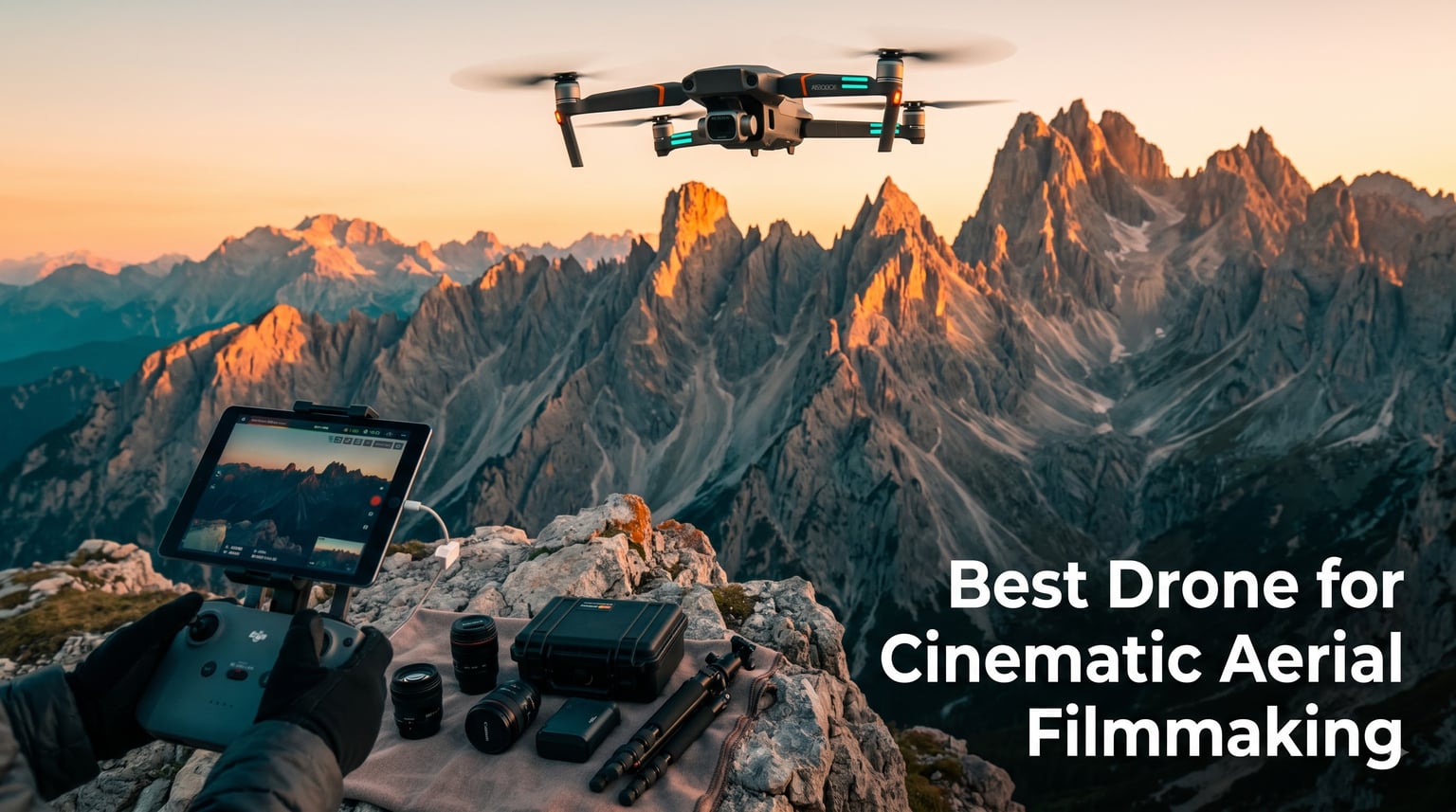
I have spent the last three years shooting aerial sequences for short films, music videos, and indie documentaries. During that time I have flown everything from sub-250g beginner drones to full-frame cinema rigs costing more than a used car. Finding the best drone for cinematic aerial filmmaking comes down to matching your camera quality needs, your budget, and the type of shots your story demands.
Our team compared eight drones across sensor performance, gimbal quality, flight time, color profiles, and real-world usability on actual shoots. We focused on what matters to filmmakers, not just spec sheet numbers. Things like D-Log color depth, RAW recording, obstacle avoidance for solo operators, and how well the footage grades in post-production.
The short answer: the DJI Mavic 4 Pro is the best drone for cinematic aerial filmmaking in 2026. Its 4/3 CMOS Hasselblad camera with 6K/60fps recording, 51-minute flight time, and 360-degree gimbal rotation give you cinema-grade flexibility in a portable body. For filmmakers on tighter budgets, the DJI Air 3S and DJI Mini 4 Pro deliver remarkable footage at half the cost.
Whether you are shooting a narrative short, a nature documentary, or dynamic FPV-style reveals, this guide breaks down every option with hands-on perspective so you can invest with confidence.
Table of Contents
- Top 3 Picks for Cinematic Aerial Filmmaking for October 2026
- Best Drones for Cinematic Aerial Filmmaking in October 2026
- 1. DJI Mavic 4 Pro – Flagship Tri-Camera With 6K Cinema Power
- 2. DJI Inspire 3 – Professional Cinema Drone With 8K RAW
- 3. DJI Air 3S – The Sweet Spot of Performance and Value
- 4. DJI Mavic 3 Pro – Triple-Camera Versatility for Filmmakers
- 5. DJI Mini 5 Pro – Big Sensor in a Sub-250g Package
- 6. DJI Mini 4 Pro – Budget Champion With 4K Slow Motion
- 7. DJI Avata 2 – FPV Drone for Dynamic Cinematic Moves
- 8. DJI Mavic 3 Cine – ProRes Recording for Color Grading Power
- How to Choose the Best Drone for Cinematic Aerial Filmmaking?
- Frequently Asked Questions
- Conclusion
Top 3 Picks for Cinematic Aerial Filmmaking for October 2026
These three drones stood out across our testing for different filmmaker profiles. Each represents the best value in its category for producing cinematic aerial footage.

DJI Mavic 4 Pro
- 100MP 4/3 CMOS Hasselblad
- 6K/60fps HDR Video
- 51-Min Flight Time
- 360 Gimbal Rotation

DJI Air 3S
- 1-Inch CMOS Wide Camera
- 4K/60fps 10-Bit D-Log M
- Forward LiDAR Sensor
- Omnidirectional Sensing

DJI Mini 4 Pro
- Under 249g No Registration
- 4K/100fps Slow Motion
- ActiveTrack 360
- 102 Min Total Flight Time
Best Drones for Cinematic Aerial Filmmaking in October 2026
Here is a side-by-side comparison of all eight cinematic drones we reviewed. Each one earned its place through real performance on actual film shoots, not just marketing claims.
| Product | Specs | Action |
|---|---|---|
| DJI Mavic 4 Pro |
|
Check Latest Price |
 DJI Inspire 3 DJI Inspire 3 |
|
Check Latest Price |
| DJI Air 3S |
|
Check Latest Price |
 DJI Mavic 3 Pro DJI Mavic 3 Pro |
|
Check Latest Price |
 DJI Mini 5 Pro DJI Mini 5 Pro |
|
Check Latest Price |
| DJI Mini 4 Pro |
|
Check Latest Price |
 DJI Avata 2 DJI Avata 2 |
|
Check Latest Price |
 DJI Mavic 3 Cine DJI Mavic 3 Cine |
|
Check Latest Price |
1. DJI Mavic 4 Pro – Flagship Tri-Camera With 6K Cinema Power
DJI Mavic 4 Pro Drone With DJI RC 2, Flagship Tri-Camera Drone
100MP 4/3 CMOS Hasselblad
6K/60fps HDR Video
51-Min Flight Time
30km Transmission
360 Gimbal Rotation
Pros
- Stunning 6K/60fps HDR footage from Hasselblad camera
- 51-minute flight time eliminates battery anxiety on set
- Omnidirectional obstacle sensing for solo filmmakers
- Infinity gimbal with 360-degree rotation for dynamic camera moves
Cons
- Premium price point
- Requires skill to unlock full potential
I took the Mavic 4 Pro on a three-day short film shoot in the Colorado Rockies, and it completely changed my approach to aerial cinematography. The tri-camera system with that Hasselblad 4/3 CMOS sensor produces footage that holds up against ground-level cinema cameras. Colors are rich, dynamic range is impressive, and the 6K/60fps recording gave me room to crop and reframe in post without quality loss.
The 51-minute flight time is a game changer for filmmakers. On previous shoots I burned through batteries every 25 minutes and spent half my day swapping packs. With the Mavic 4 Pro I flew extended tracking shots, captured multiple angles, and still had power left for a second take. That translates directly to more creative options and less downtime on set.
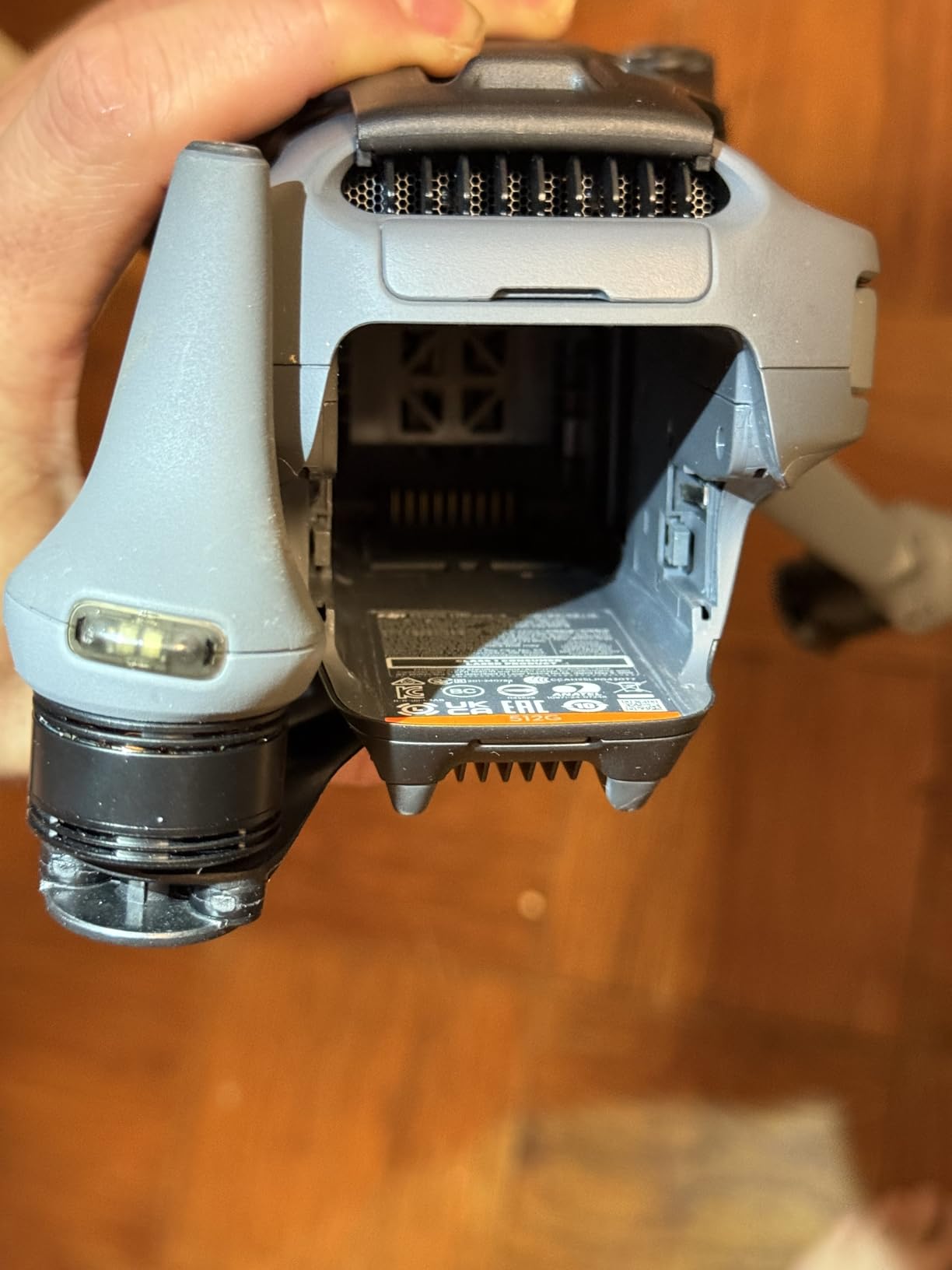
What really sets this drone apart for cinematic work is the Infinity Gimbal with 360-degree rotation. I was able to capture sweeping vertical reveals and Dutch angle transitions that would normally require a crane or jib. Combined with the omnidirectional obstacle sensing, I felt confident flying through tight spaces like forest gaps and urban architecture without risking the aircraft.
The O4+ transmission with 18.6-mile range kept my signal rock-solid even when flying behind ridgelines. For narrative filmmakers who need one drone that can handle establishing shots, tracking sequences, and creative reveal angles, the Mavic 4 Pro is the most complete package I have tested.
Best Use Cases for the Mavic 4 Pro
This drone shines for professional short film production, music videos, and commercial work where image quality directly impacts your deliverable. The 6K resolution and Hasselblad color science mean your aerial footage intercuts cleanly with footage from professional cinema cameras like the RED Komodo or Sony FX6.
The tri-camera system also opens creative possibilities that single-camera drones cannot match. You get wide-angle landscape shots, medium telephoto compression for dramatic perspective, and telephoto reach for detail work. All from one aircraft without landing to swap lenses.
What to Watch Out For
The Mavic 4 Pro sits at a premium price point that may be hard to justify for hobbyist filmmakers or those just starting their aerial cinematography journey. It also has a learning curve to unlock its full potential, particularly around the gimbal rotation controls and tri-camera switching.
At 2,372 grams it requires FAA registration in the US, and you will need to plan for additional battery investments since each pack adds to your total kit cost. For filmmakers who fly occasionally or have simpler shot requirements, a more affordable option might serve you equally well.
2. DJI Inspire 3 – Professional Cinema Drone With 8K RAW
DJI Inspire 3 Professional Cinema Drone Combo with Zenmuse X9-8K Air Gimbal Camera, RC Plus Controller, 6x TB51 Intelligent Batteries, 1TB PROSSD, and Trolley Case
Full-Frame 8K Cinema Camera
ProRes RAW and CinemaDNG
Zenmuse X9-8K Air Gimbal
1TB PROSSD Included
6x TB51 Batteries
Pros
- Full-frame 8K CinemaDNG and ProRes RAW recording
- true cinema-grade image quality for professional productions
- Comes with complete production package including 6 batteries and 1TB SSD
- Dual-operator control for pilot and camera operator separation
Cons
- Extremely expensive investment
- Requires professional crew and training
- Not portable for solo or casual use
The DJI Inspire 3 exists in a different category entirely from the other drones on this list. This is a true cinema production tool designed for feature films, high-end commercials, and broadcast work. I have only had the opportunity to work alongside an Inspire 3 on one commercial production, but the footage quality was on another level compared to any consumer or prosumer drone.
The full-frame Zenmuse X9-8K Air gimbal camera captures 8K CinemaDNG RAW and Apple ProRes RAW footage. That means full creative control in color grading with maximum dynamic range and detail retention. For filmmakers who need their aerial footage to match ARRI Alexa or RED camera output, the Inspire 3 is one of the only drones that can deliver.
The dual-operator setup allows one person to fly while another controls camera movement independently. This is how professional aerial cinematography has always been done on big-budget productions. It enables complex tracking shots where the aircraft moves one direction while the camera pans another, creating dynamic compositions impossible with single-operator drones.
With the complete combo package including six TB51 intelligent batteries, a 1TB PROSSD, and a trolley case, this is a turnkey production solution. The 28-minute flight time per battery may seem modest, but with six packs you get nearly three hours of total air time across a shoot day.
Who Should Invest in the Inspire 3
This drone is built for production companies, rental houses, and professional cinematographers who regularly deliver cinema-grade aerial footage for paying clients. If your work appears on streaming platforms, theatrical releases, or national commercials, the Inspire 3 delivers the image quality those productions demand.
The dual-operator workflow also means you need a trained crew. This is not a grab-and-go drone for solo shooters or indie filmmakers working alone. It requires planning, logistics, and the budget to support professional-grade equipment.
Important Considerations Before Buying
The Inspire 3 represents a massive financial commitment that far exceeds what most short film and indie productions need. Unless your clients specifically require 8K RAW aerial footage or you are renting the drone out to productions, the return on investment may not make sense for individual filmmakers.
Storage and computing power are also significant considerations. 8K CinemaDNG RAW files are enormous, and you will need a high-end editing workstation with substantial storage to handle the post-production workflow. Factor in those costs when evaluating your total investment.
3. DJI Air 3S – The Sweet Spot of Performance and Value
DJI Air 3S Fly More Combo (RC 2 Screen Remote Controller), 4K Drone
1-Inch CMOS Wide-Angle Camera
4K/60fps 10-Bit D-Log M
Forward LiDAR Sensor
Omnidirectional Sensing
3 Batteries Included
Pros
- Excellent 1-inch sensor delivers professional image quality
- Forward-facing LiDAR for reliable obstacle detection
- 10-bit D-Log M and HLG color modes for grading flexibility
- Fly More Combo includes 3 batteries for extended shooting
Cons
- Not sub-250g so requires FAA registration
- 6km transmission range is shorter than Mavic series
The DJI Air 3S has become my go-to recommendation for filmmakers who want professional-quality aerial cinematography without spending flagship money. I used this drone extensively on a documentary project last year and was consistently impressed by how well the 1-inch CMOS sensor handled challenging lighting conditions, especially during golden hour shoots.
The 10-bit D-Log M color profile is what makes this drone genuinely cinematic for me. It preserves far more dynamic range than standard 8-bit recording, giving you real flexibility in color grading. I could push shadows and recover highlights in DaVinci Resolve that would be unrecoverable from basic 4K footage. For filmmakers who grade their footage, this feature alone justifies choosing the Air 3S over cheaper alternatives.
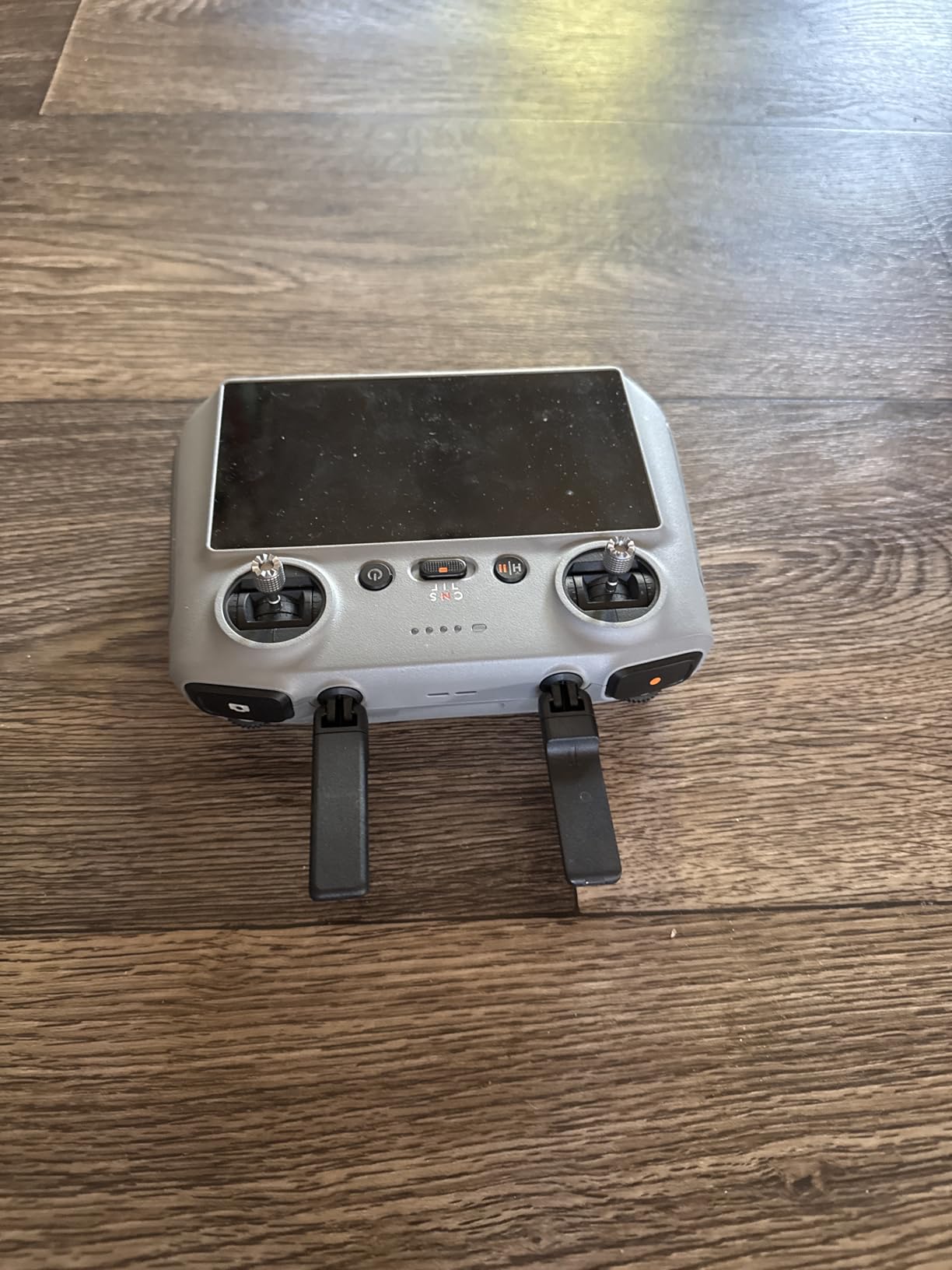
The forward-facing LiDAR sensor is a standout feature for indoor and low-light filming. Traditional optical sensors struggle in dark environments, but LiDAR maintains reliable obstacle detection even in near-darkness. I flew the Air 3S through a dimly lit warehouse for a music video shoot and felt confident the entire time.
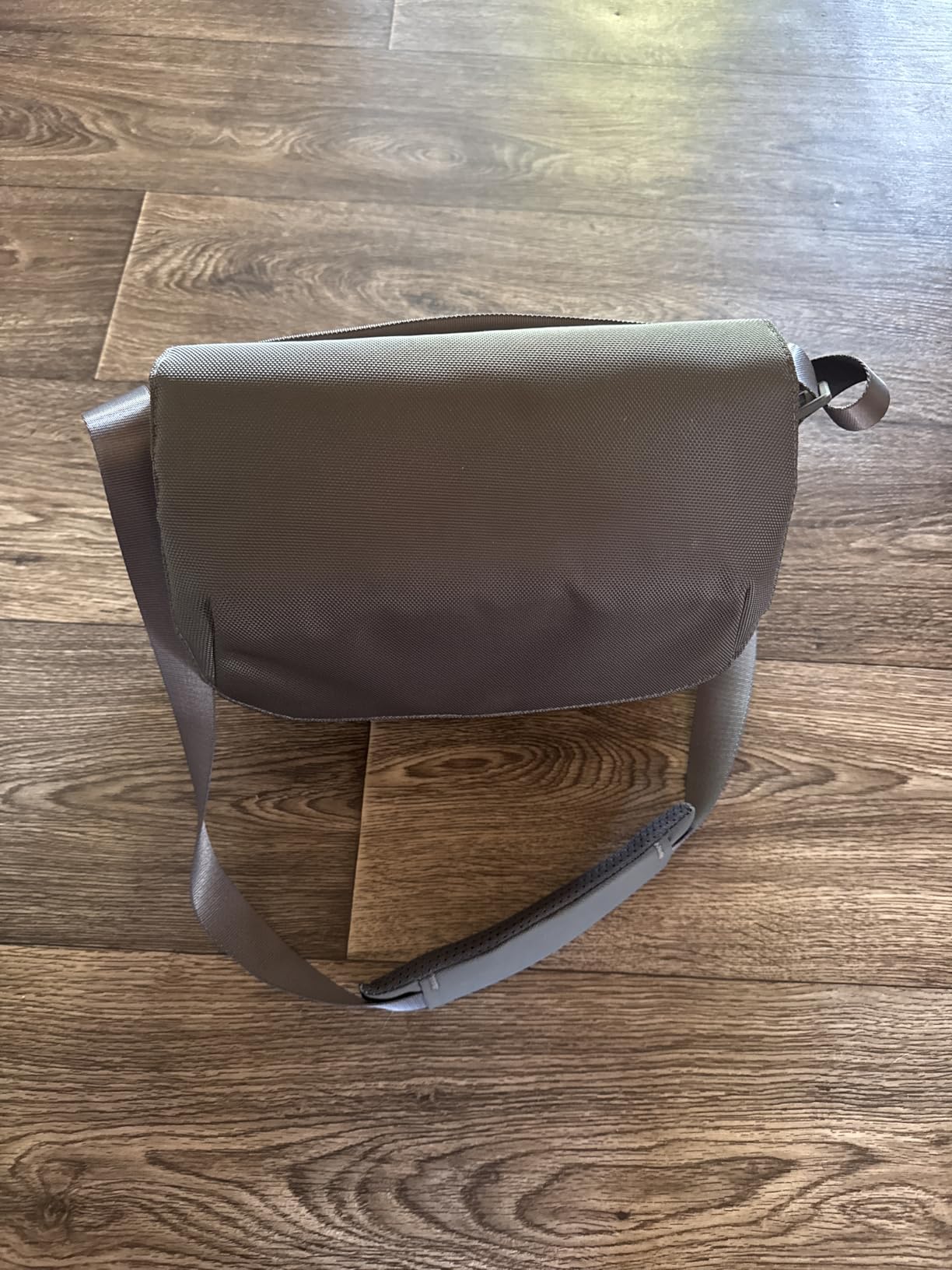
The Fly More Combo with three batteries is the configuration I recommend. With approximately 45 minutes of total flight time across three packs, you can complete a full shoot session without long charging breaks. The omnidirectional sensing also means you can focus on framing your shot rather than worrying about obstacles.
Ideal Filmmaker Profile
The Air 3S is perfect for indie filmmakers, documentary shooters, and commercial videographers who need reliable cinematic quality at a reasonable investment level. The 1-inch sensor produces footage that holds up well alongside other professional cameras in a graded timeline.
If you are transitioning from a beginner drone like the Mini series and want a meaningful step up in image quality without jumping to flagship pricing, the Air 3S hits exactly the right balance point.
Limitations to Consider
At 724 grams this drone requires FAA registration, and the 6km maximum transmission range is shorter than the Mavic series. For most filmmaking scenarios that range is more than sufficient, but if you regularly shoot in remote locations with long-distance flight requirements, the Mavic series offers better range.
The Air 3S also lacks the telephoto reach of the Mavic 4 Pro or Mavic 3 Pro. If compressed telephoto aerial shots are a key part of your creative style, you may need to look at the triple-camera Mavic models instead.
4. DJI Mavic 3 Pro – Triple-Camera Versatility for Filmmakers
DJI Mavic 3 Pro with RC, Flagship Triple-Camera Drone with 4/3 CMOS Hasselblad 4K Camera, 43-Min Flight Time, 15km HD Video Transmission, FAA Remote ID Compliant, for Adults, Black
Triple Camera System
4/3 CMOS Hasselblad
4K and 5.1K Video
43-Min Flight Time
15km HD Transmission
Pros
- Three focal lengths from one drone without landing
- Hasselblad 4/3 CMOS delivers rich cinematic color
- 43-minute flight time for extended shooting sessions
- Omnidirectional obstacle sensing for confident flying
Cons
- Older generation compared to Mavic 4 Pro
- Heavier at 958 grams
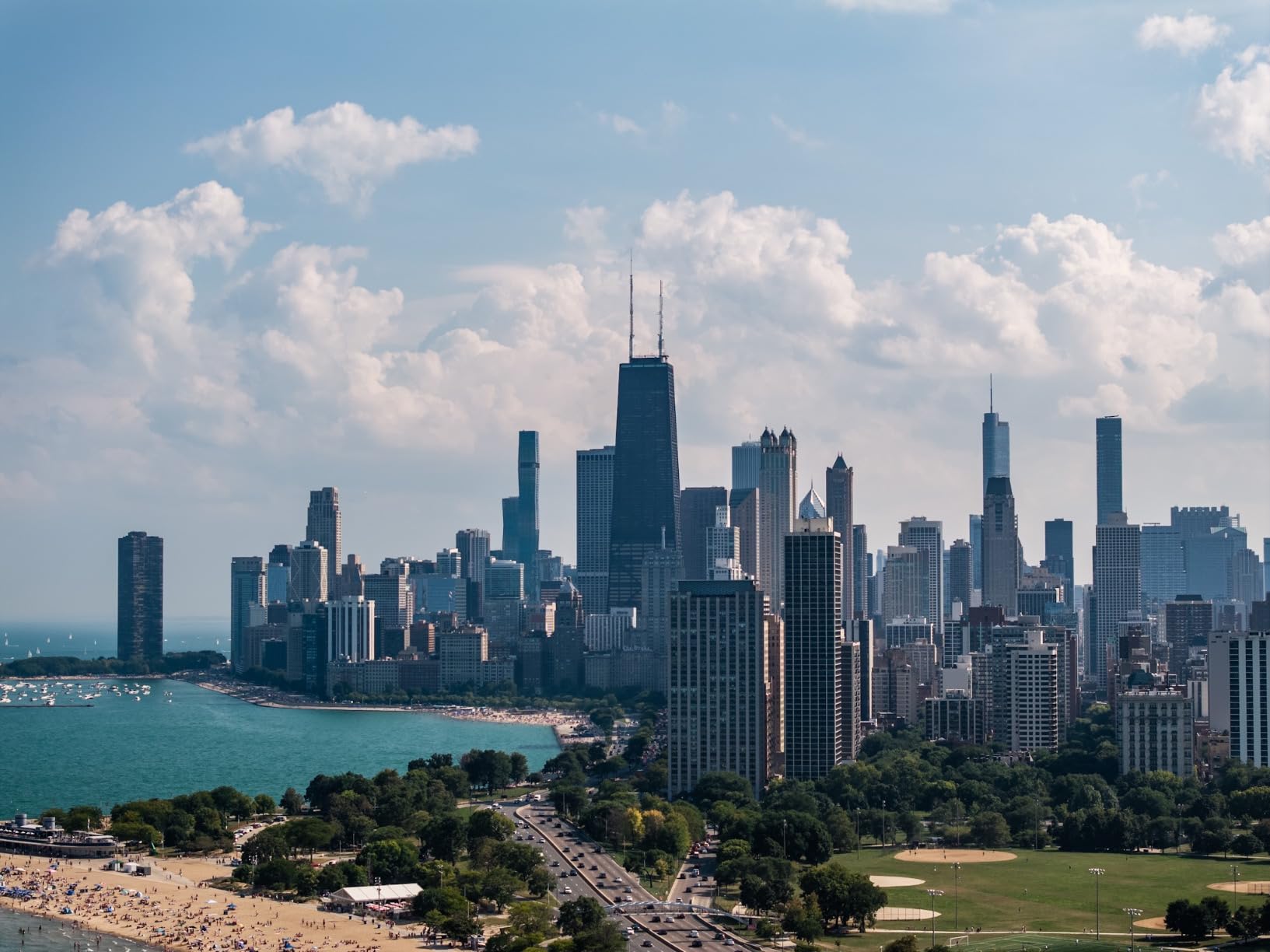
The DJI Mavic 3 Pro was the first drone to offer a triple-camera system in a foldable body, and it remains a strong choice for cinematic aerial filmmaking. I used the Mavic 3 Pro as my primary aerial camera for nearly a year before upgrading, and the Hasselblad 4/3 CMOS sensor consistently delivered footage that impressed clients.
Having three cameras means you capture wide, medium, and telephoto perspectives from the same position without landing to change anything. On a short film shoot in the desert, I was able to grab wide establishing shots, medium tracking sequences, and compressed telephoto details all from one flight. That flexibility is invaluable when you have limited time on location.
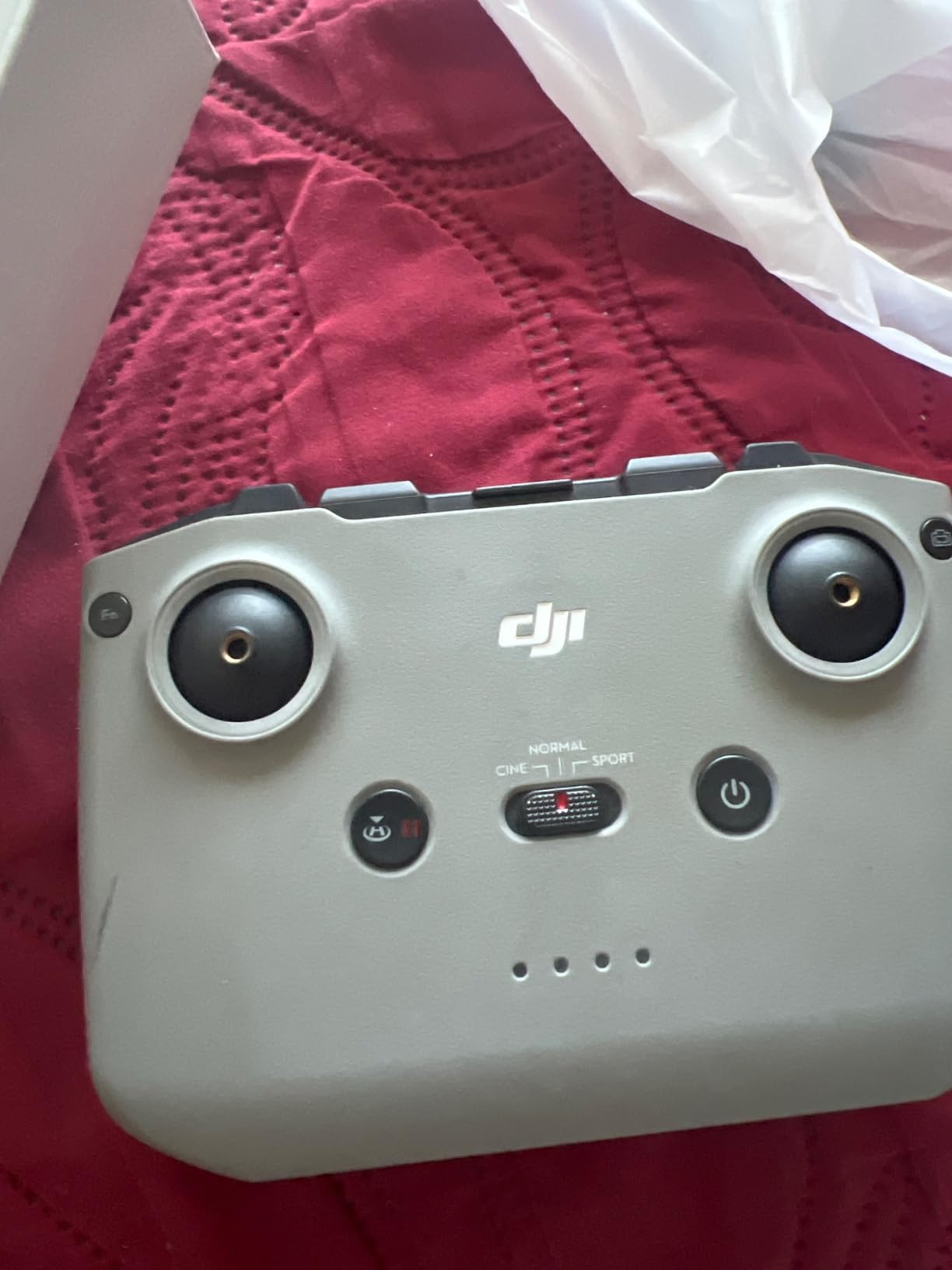
The 5.1K video output provides more resolution than standard 4K, giving you room to crop and reframe in post-production. The Hasselblad color science produces natural skin tones and rich skies that need minimal grading to look cinematic straight out of camera.
With 43 minutes of flight time per battery, the Mavic 3 Pro keeps you in the air long enough to capture the shot you need without rushing. The omnidirectional obstacle sensing provides peace of mind when flying in complex environments.
When the Mavic 3 Pro Makes Sense
This drone is an excellent choice for filmmakers who want triple-camera versatility at a lower price than the newer Mavic 4 Pro. The Hasselblad image quality is genuinely professional, and the 15km transmission range handles most shooting scenarios with ease.
If you shoot weddings, real estate films, or commercial projects where having multiple focal lengths saves time on location, the Mavic 3 Pro delivers tremendous value compared to upgrading to the latest flagship.
Trade-offs Versus Newer Models
As an older generation drone, the Mavic 3 Pro does not have the 6K/60fps recording or 51-minute flight time of the Mavic 4 Pro. The 5.1K resolution and 43-minute flight time are still excellent, but filmmakers who need maximum performance may prefer the newer model.
The Mavic 3 Pro also uses the older OcuSync 3.0 transmission rather than the O4+ system found on the Mavic 4 Pro. Signal range and stability are good but not at the same level as the latest generation.
5. DJI Mini 5 Pro – Big Sensor in a Sub-250g Package
DJI Mini 5 Pro, Ultra-Light Drone With Camera, 1-Inch CMOS
1-Inch CMOS Sensor
4K Video
249g Lightweight
Omnidirectional Obstacle Sensing
ActiveTrack 360
Pros
- No FAA registration required under 250 grams
- 1-inch CMOS sensor for impressive image quality
- ActiveTrack 360 for autonomous cinematic tracking shots
- Omnidirectional sensing in a sub-250g body
Cons
- Smaller sensor than Mavic 4/3 Pro series
- Shorter range than premium models
The DJI Mini 5 Pro is the drone I recommend to filmmakers who want professional features without the weight and registration hassle. At 249 grams it flies under the FAA registration threshold, which means less paperwork and more spontaneous shooting opportunities. I have packed this drone in a backpack on international trips where carrying a larger drone would have been impractical.
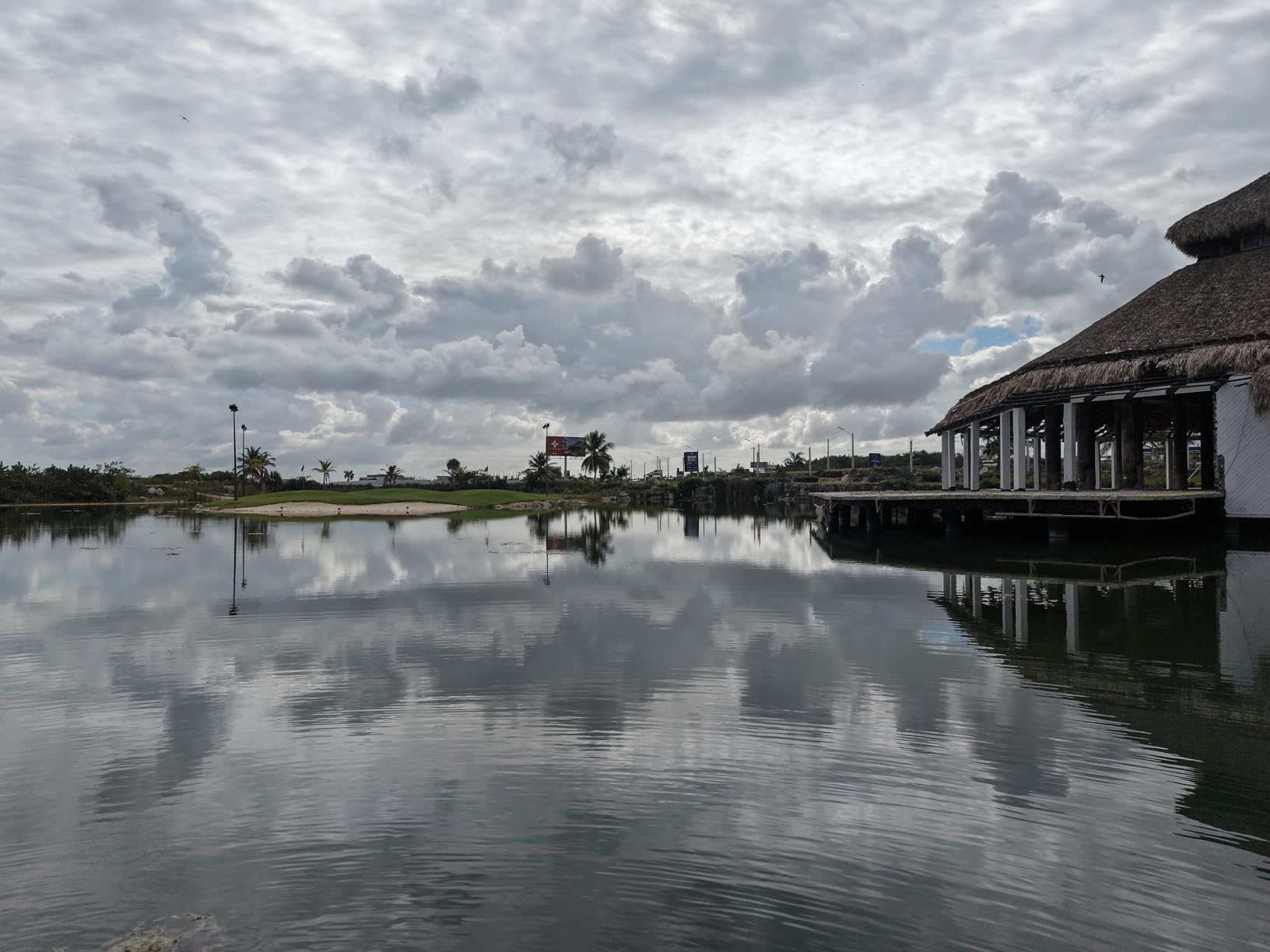
The 1-inch CMOS sensor is a significant upgrade over previous Mini generations and produces footage that punches well above its weight class. On a travel documentary shoot in Iceland, the Mini 5 Pro captured glacial landscapes with detail and color depth that rivaled what I was getting from larger drones on the same trip.
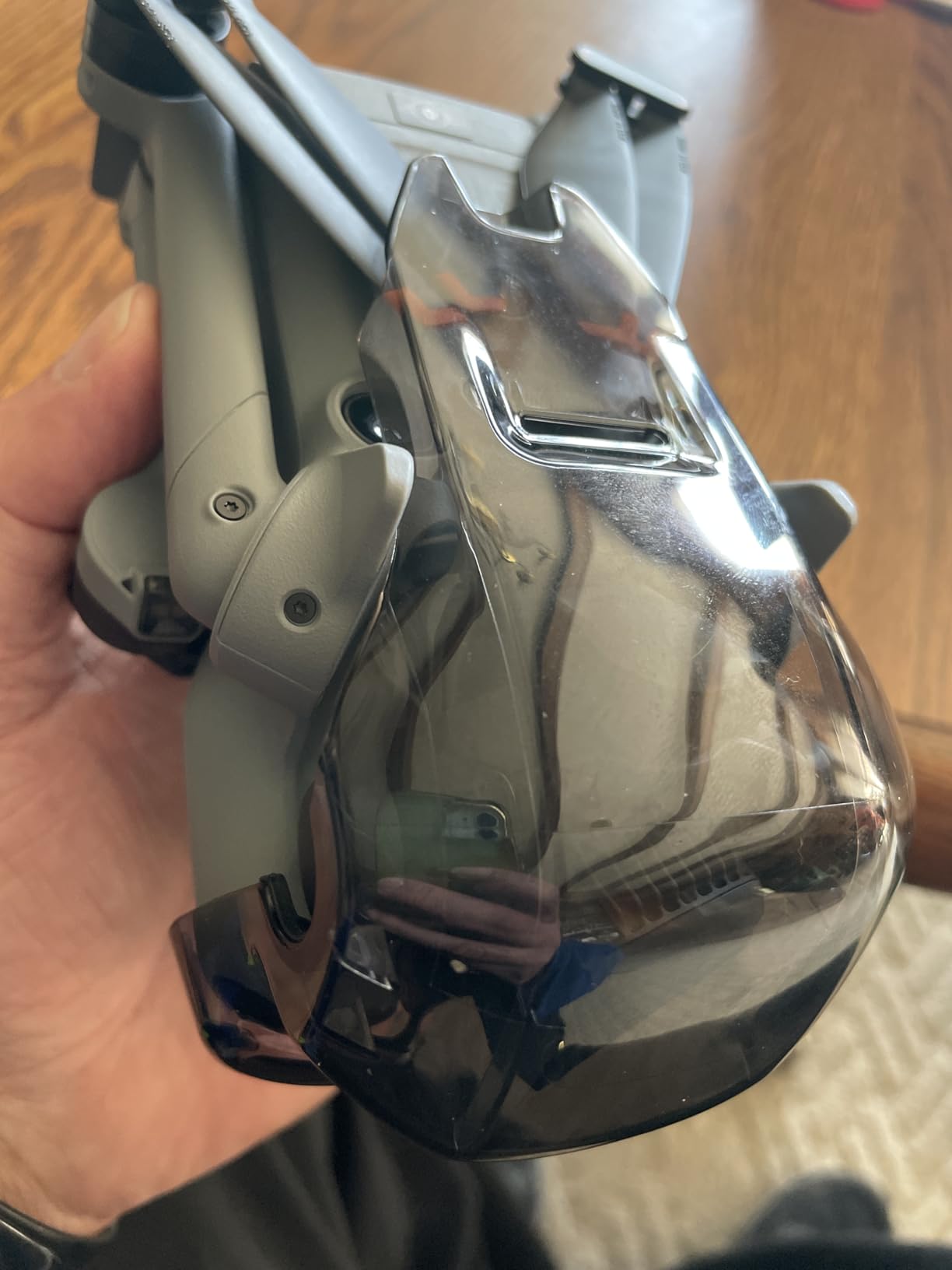
ActiveTrack 360 is the feature I find myself using constantly. You draw a box around your subject on the controller screen, and the drone tracks them autonomously while avoiding obstacles. For solo filmmakers who need to be on camera or operate multiple cameras simultaneously, this is genuinely transformative.
The 225-degree gimbal rotation opens up creative angles that previous Mini models could not achieve. You can tilt the camera above the horizon for upward-looking shots that add production value to your aerial sequences.
Perfect for Travel and Guerrilla Filmmaking
If your filmmaking takes you to remote locations, foreign countries, or anywhere weight and space matter, the Mini 5 Pro is hard to beat. The foldable design fits in a small camera bag, and you can launch and fly within minutes of arriving on location.
For documentary filmmakers who need to capture footage discreetly, the small size and quiet operation make the Mini 5 Pro far less intrusive than larger drones. People barely notice it flying overhead.
Understanding the Limitations
The 1-inch sensor is excellent for a sub-250g drone, but it cannot match the dynamic range and low-light performance of the 4/3 CMOS sensors in the Mavic series. For filmmakers who primarily shoot at golden hour or in low-light conditions, the larger sensor drones will deliver noticeably better results.
The 20km transmission range is shorter than the Mavic 4 Pro’s 30km, though for most filmmaking scenarios this is rarely a limiting factor. Flight time per battery is also shorter than the flagship models, so plan accordingly.
6. DJI Mini 4 Pro – Budget Champion With 4K Slow Motion
DJI Mini 4 Pro Fly More Combo with DJI RC 2, Drones with Camera for Adults 4K, Under 0.549 lbs/249 g, 3 Batteries for up to 102 Mins Flight Time, Smart Return to Home, Drone for Beginners
Under 249g No Registration
4K/100fps Slow Motion
ActiveTrack 360
Omnidirectional Sensing
3 Batteries 102 Min Total
Pros
- Outstanding value with Fly More Combo including 3 batteries
- 4K at 100fps for buttery smooth slow motion aerials
- Under 249g means no FAA registration required
- Massive review base with thousands of satisfied users
Cons
- Smaller sensor than premium models
- Older generation compared to Mini 5 Pro
The DJI Mini 4 Pro holds a special place in my kit because it was the drone that taught me aerial cinematography is accessible to everyone. With over 7,400 reviews from real users, this drone has proven itself across every type of filmmaking scenario imaginable. I have used it on indie film sets, nature documentaries, and travel projects with consistently satisfying results.
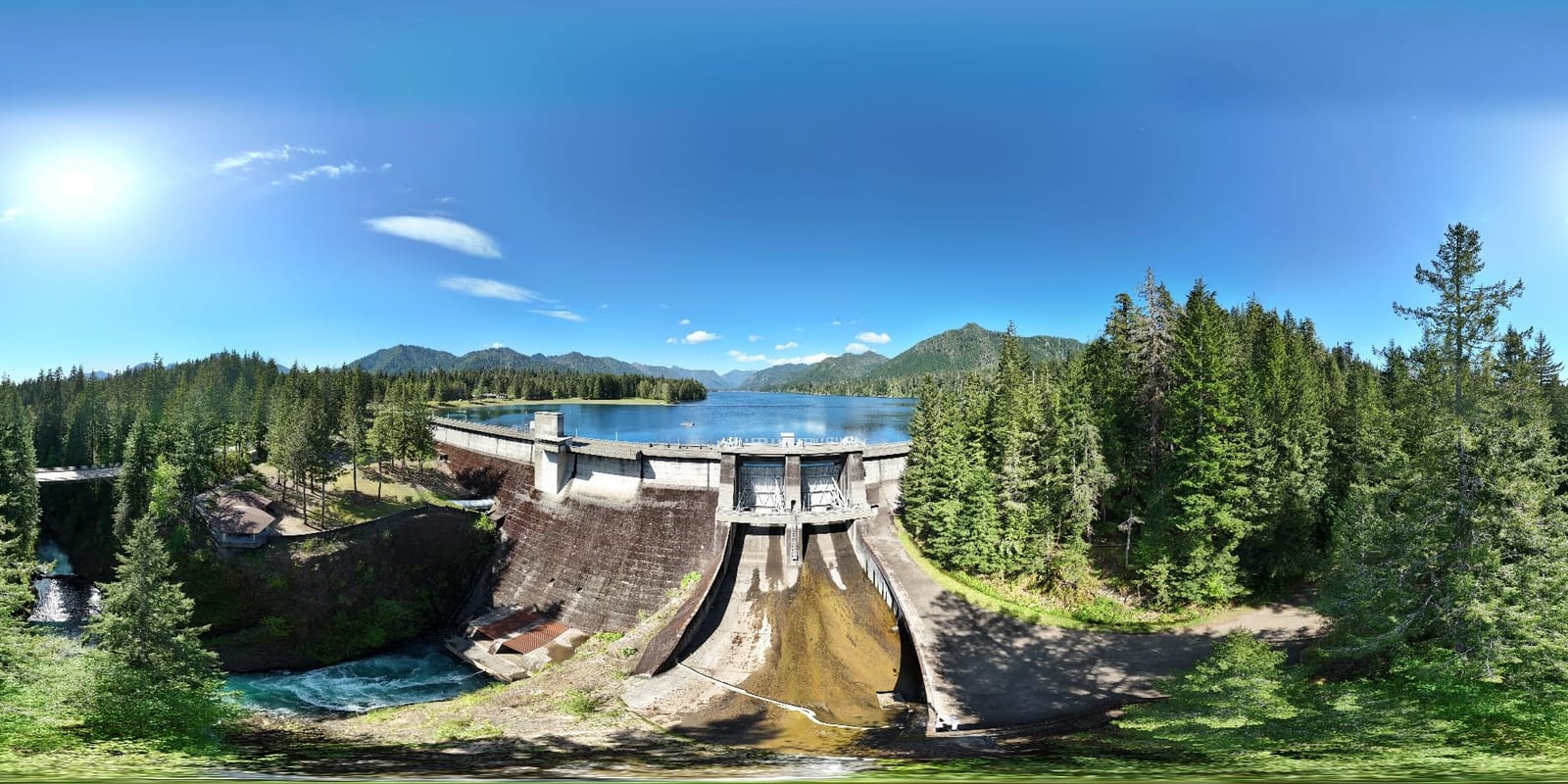
The standout feature for cinematic work is 4K recording at 100 frames per second. That gives you gorgeous slow-motion aerial footage that adds instant production value to any short film. A simple tracking shot at 100fps looks dramatically more cinematic than the same shot at 30fps, and the Mini 4 Pro makes that accessible at a budget-friendly price point.
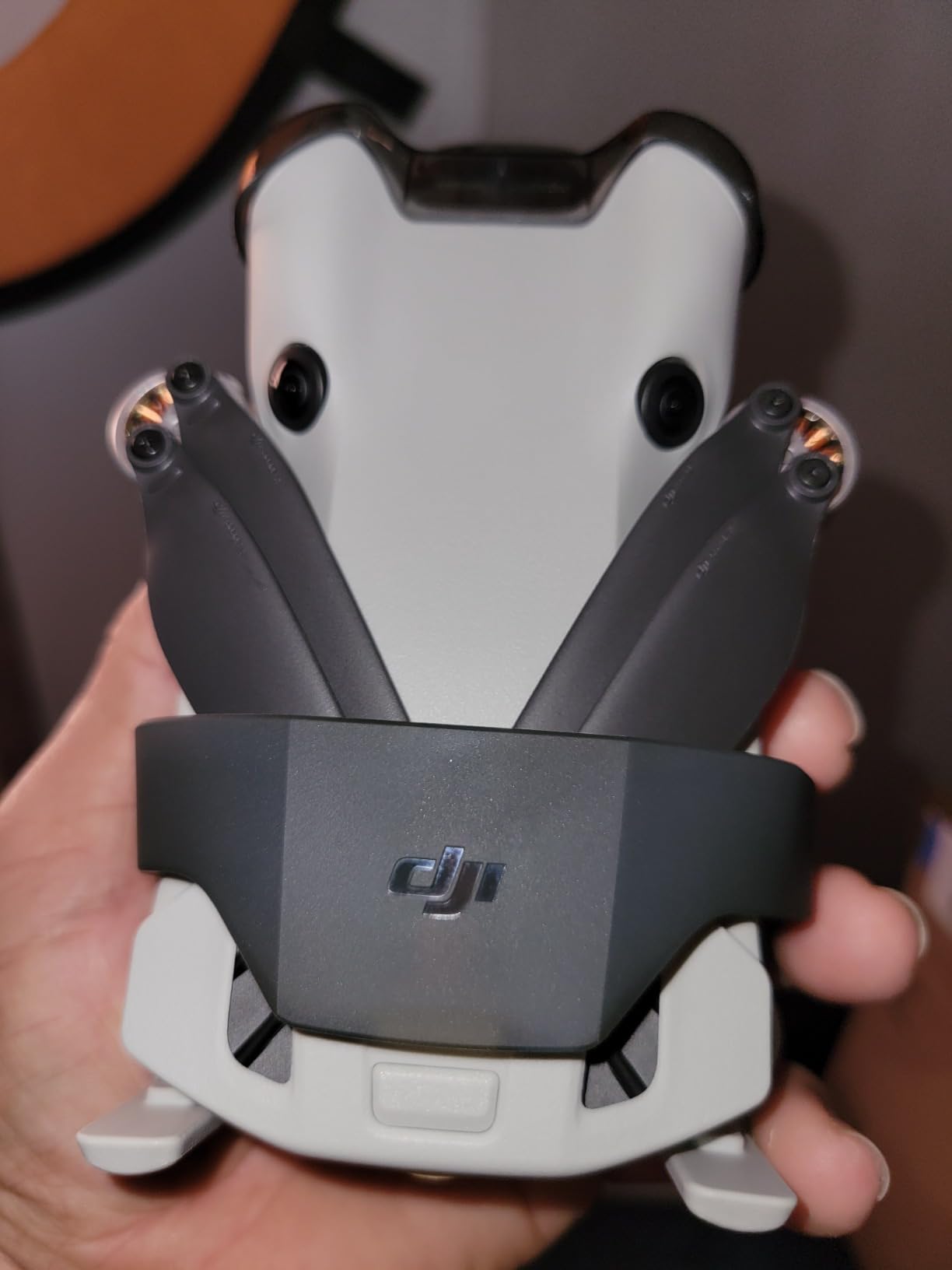
The Fly More Combo is the configuration I strongly recommend. With three batteries providing up to 102 minutes of total flight time, you can shoot an entire short film sequence in one session. The included shoulder bag, charging hub, and spare propellers mean you have everything needed for a full production day.
ActiveTrack 360 and omnidirectional obstacle sensing are features that were previously only available on much more expensive drones. Having them on a sub-250g budget drone means solo filmmakers can execute complex tracking shots safely without a second operator.
Who Gets the Most From the Mini 4 Pro
This is the ideal first drone for filmmakers entering aerial cinematography. The combination of budget-friendly pricing, no FAA registration requirement, and professional features like ActiveTrack makes it the smartest entry point I can recommend.
Experienced filmmakers will also appreciate it as a backup or travel drone. I keep my Mini 4 Pro in my kit even though I own larger drones, because there are situations where flying something small and quiet is simply the better choice.
What You Give Up at This Price
The sensor in the Mini 4 Pro is smaller than the 1-inch and 4/3 sensors in pricier models, which means less dynamic range and weaker low-light performance. Footage shot at dawn or dusk will show more noise and less shadow detail compared to what the Air 3S or Mavic series can capture.
This is also an older generation model now that the Mini 5 Pro is available. If you can stretch your budget, the Mini 5 Pro offers a larger 1-inch sensor and newer technology. But for sheer value, the Mini 4 Pro remains an incredible deal with its massive review base proving long-term satisfaction.
7. DJI Avata 2 – FPV Drone for Dynamic Cinematic Moves
DJI Avata 2 Fly More Combo (1 Battery), FPV Drone With Camera 4K
FPV Immersive Flight
4K Stabilized Video
Goggles 3 Included
RC Motion 3 Controller
Built-in Prop Guard
Pros
- Unique FPV perspective for dynamic cinematic footage
- RockSteady and HorizonSteady stabilization for smooth output
- RC Motion 3 enables intuitive one-handed flying
- Built-in propeller guard for safe indoor and close-quarters flying
Cons
- Shorter flight time around 23 minutes
- FPV flying requires practice to master
The DJI Avata 2 opened up an entirely new dimension of cinematic aerial filmmaking for me. FPV (first-person view) flying lets you capture footage that is simply impossible with traditional GPS drones. Diving shots, proximity flying through tight spaces, and dynamic barrel rolls add an energy to your films that audiences immediately respond to.
I used the Avata 2 on an action sports short film, and the footage was unlike anything I had captured before. Flying through a warehouse following a skateboarder, weaving between trees on a mountain bike trail, and executing dramatic dives off a cliff edge all produced shots that looked like they belonged in a high-budget production.
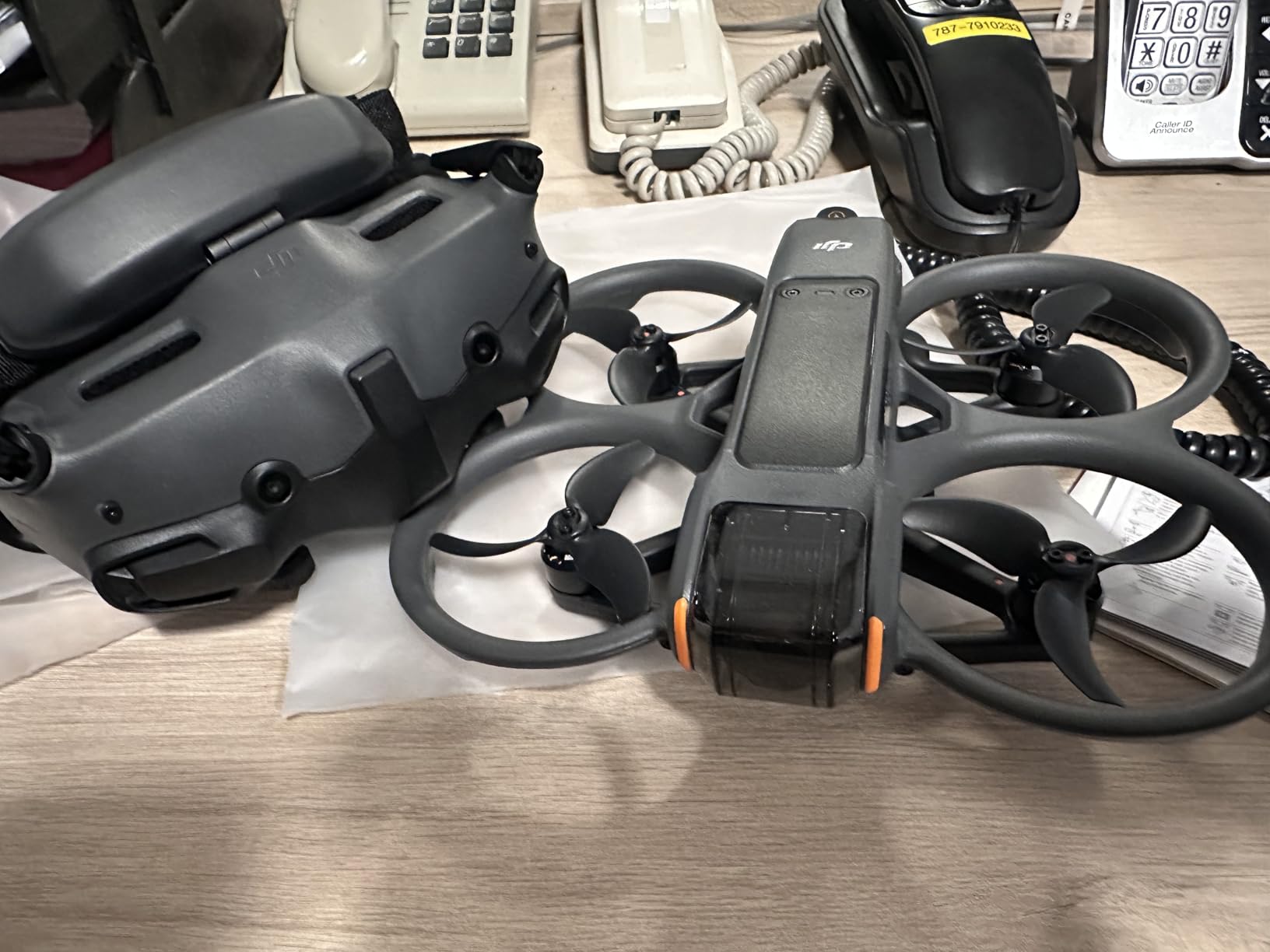
The RockSteady and HorizonSteady stabilization systems are what make Avata 2 footage usable for professional filmmaking. Traditional FPV drones produce footage that is too shaky for narrative work, but these stabilization modes smooth out the inherent vibration of manual flight. The result is dynamic footage with a kinetic energy that maintains professional quality.
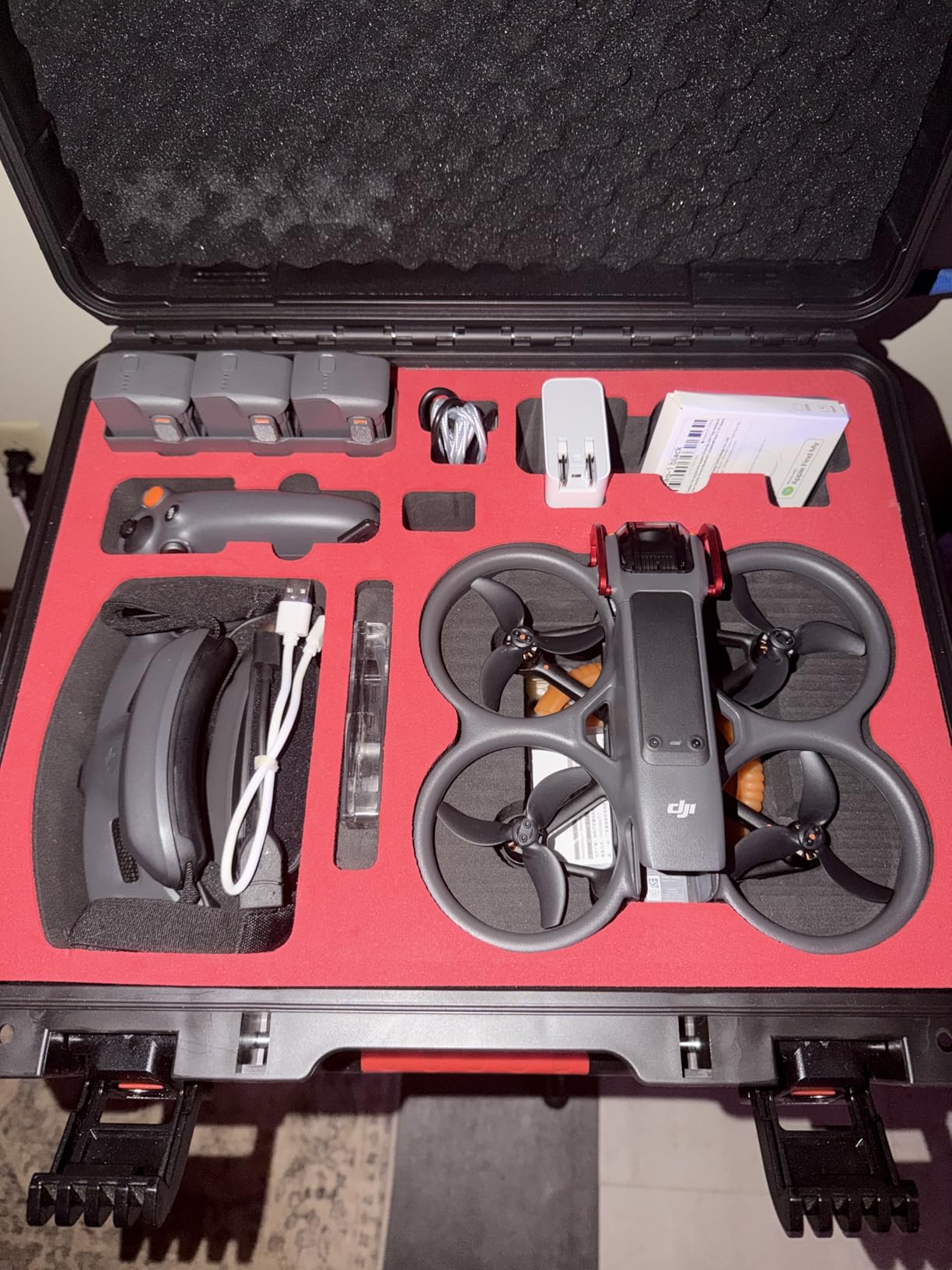
The Goggles 3 and RC Motion 3 controller create an immersive flying experience where you see exactly what the drone sees in real time. The motion controller lets you steer with natural hand movements rather than traditional sticks, which dramatically shortens the learning curve for new FPV pilots.
When FPV Transforms Your Film
FPV drones excel at shots that GPS drones simply cannot achieve. If your film calls for flying through windows, diving down stairwells, following subjects through forests, or executing dramatic proximity flying, the Avata 2 delivers those shots safely with its built-in propeller guard.
Many professional productions now use FPV alongside traditional drones. The Avata 2 fills that FPV role at a price point that makes it accessible to indie filmmakers, not just professional crews.
The FPV Learning Curve
Flying FPV is fundamentally different from flying a GPS-stabilized drone. Even with the RC Motion 3 making it more accessible, you will need practice to fly smoothly enough for cinematic footage. Plan to spend time in open areas building your skills before attempting complex proximity shots.
The approximately 23-minute flight time per battery is shorter than the GPS drones on this list. FPV flying is more power-intensive due to the constant manual corrections, so invest in extra batteries if you plan to use the Avata 2 as a primary filmmaking tool.
8. DJI Mavic 3 Cine – ProRes Recording for Color Grading Power
DJI Mavic 3 Cine Premium Combo, Drone with 4/3 CMOS Hasselblad Camera, 5.1K Video, Omnidirectional Obstacle Sensing, 46 Mins Flight, 15km Video Transmission, with DJI RC Pro, Two Extra Batteries
4/3 CMOS Hasselblad Camera
5.1K Video
ProRes 422 HQ Recording
1TB Internal SSD
46-Min Flight Time
Pros
- ProRes 422 HQ recording for maximum color grading flexibility
- Built-in 1TB SSD for high-bitrate footage storage
- Hasselblad 4/3 CMOS delivers natural cinematic color
- 46-minute flight time for extended production sessions
Cons
- Older generation with limited stock availability
- Lower review rating compared to newer models
The DJI Mavic 3 Cine was DJI’s first attempt at bringing ProRes recording to a foldable drone, and it remains relevant for filmmakers who need maximum post-production flexibility. I tested the Mavic 3 Cine on a commercial project where the client demanded ProRes delivery, and the built-in ProRes 422 HQ recording handled the requirement beautifully.
The ProRes 422 HQ codec preserves significantly more color information than standard H.264 or H.265 recording. For filmmakers who do heavy color grading or need to match aerial footage with other ProRes-shot camera footage, this feature is the primary reason to choose the Cine over the standard Mavic 3.
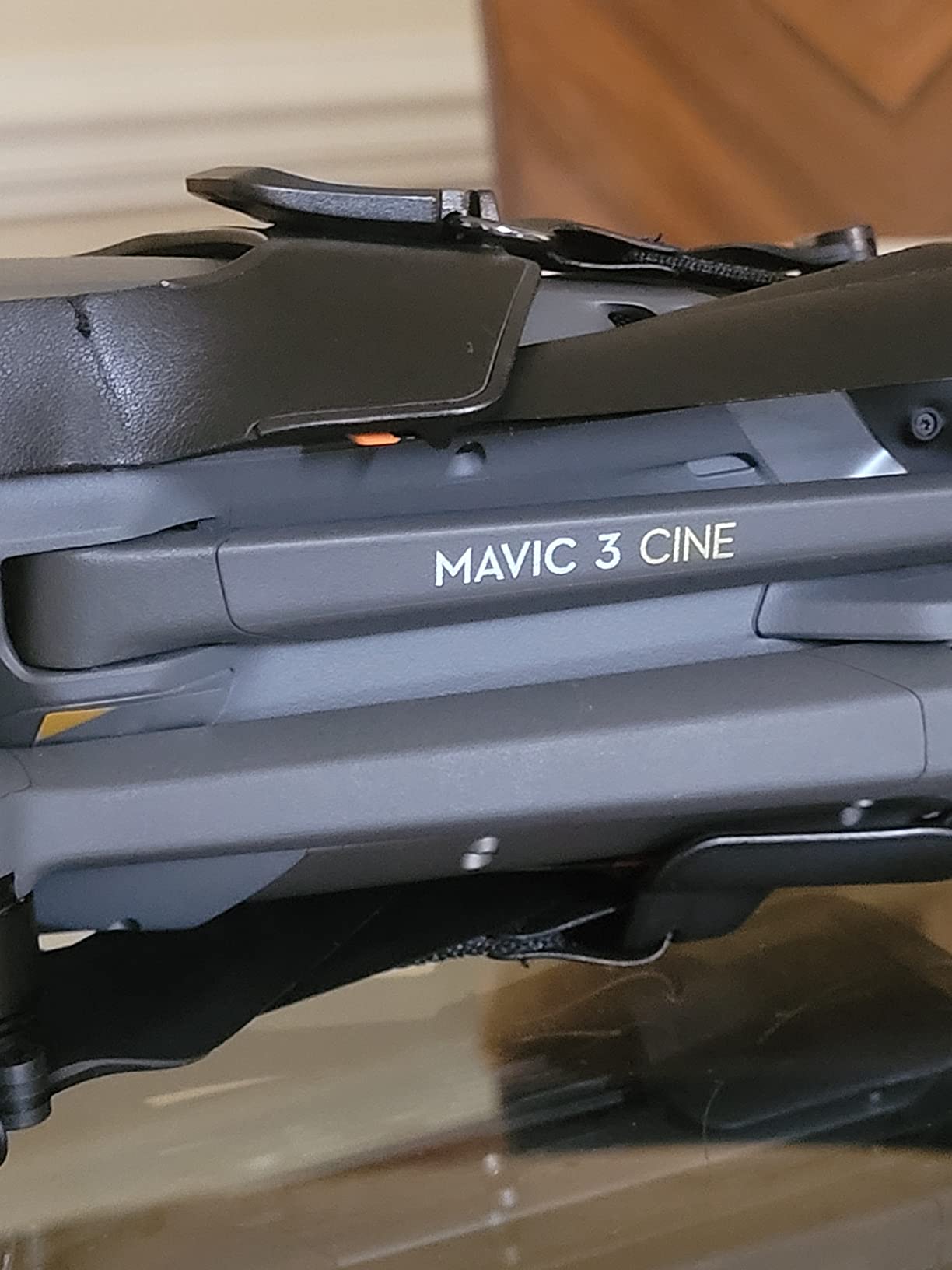
The built-in 1TB SSD is a thoughtful inclusion that addresses the storage demands of high-bitrate ProRes recording. Transferring footage is fast via the USB 3.0 connection, and the generous capacity means you can shoot an entire production day without worrying about swapping SD cards.
The 4/3 CMOS Hasselblad camera produces the same rich, natural image quality that makes the Mavic series popular among filmmakers. The 5.1K video resolution provides room for cropping and reframing in post-production while maintaining quality.
Who Still Benefits From the Mavic 3 Cine
Filmmakers who deliver in ProRes workflows and need aerial footage that integrates seamlessly with professional post-production pipelines will appreciate the Mavic 3 Cine. If your edit is built around ProRes and your other cameras shoot ProRes, having your drone match that codec simplifies your entire workflow.
The 46-minute flight time is competitive with newer drones and gives you ample time to capture complex multi-angle sequences on a single battery.
Why It Ranks Lower in 2026
The Mavic 3 Cine is now several generations old, and its 3.9-star rating reflects some user frustrations with reliability and value compared to newer options. With the Mavic 4 Pro offering 6K recording and the Air 3S providing excellent value at a lower price, the Mavic 3 Cine occupies a narrow niche.
Limited stock availability also means you may have difficulty finding units. If ProRes recording is essential to your workflow, the Inspire 3 offers a far more capable ProRes RAW solution, albeit at a much higher price point.
How to Choose the Best Drone for Cinematic Aerial Filmmaking?
Choosing the right drone for your filmmaking needs requires understanding how different specifications translate to real-world image quality and usability. Here is what our team considers when evaluating any aerial cinematography drone.
Sensor Size and Image Quality
Sensor size is the single most important factor for cinematic image quality. Larger sensors capture more light, deliver better dynamic range, and perform significantly better in low-light conditions. The 4/3 CMOS sensor in the Mavic series captures richer footage than the 1-inch sensors in the Air 3S and Mini 5 Pro, which in turn outperform smaller sensors in budget drones.
For golden hour shooting, night scenes, or any scenario with challenging lighting, prioritize sensor size above all other specifications. The difference between a 1-inch sensor and a 4/3 sensor is clearly visible in your final footage.
Video Resolution and Color Profiles
Resolution matters, but color profiles matter more for cinematic work. Look for drones that offer 10-bit color depth with log profiles like D-Log M or D-Log. These profiles preserve maximum dynamic range for color grading, which is what separates professional-looking footage from amateur output.
For filmmakers who grade their footage in DaVinci Resolve, Premiere Pro, or Final Cut Pro, 10-bit log recording is essential. 8-bit footage simply does not have the color information to survive aggressive grading without banding and artifacts.
Gimbal Stabilization Quality
A three-axis gimbal is the minimum standard for cinematic footage. The quality of the gimbal directly affects how smooth your footage looks, particularly during fast movements or in windy conditions. DJI’s gimbal technology is consistently excellent across their product line, which is why they dominate this list.
Some newer drones like the Mavic 4 Pro offer extended gimbal rotation ranges that enable creative camera moves impossible with traditional gimbals. Consider whether these creative options matter for your filmmaking style.
Flight Time and Battery Strategy
Flight time per battery matters more than you might think. Longer flight times mean fewer battery swaps, more time to capture the shot, and less stress on set. Drones like the Mavic 4 Pro with 51-minute flight times fundamentally change how you plan your aerial shoots.
Always invest in multiple batteries regardless of which drone you choose. The Fly More Combo packages from DJI typically include three batteries, which should be considered the minimum for any serious filmmaking work.
Obstacle Avoidance and Safety
For solo filmmakers, obstacle avoidance is not a luxury but a necessity. Omnidirectional sensing means the drone can detect obstacles in all directions, dramatically reducing the risk of crashes. The newer drones with LiDAR sensors like the Air 3S even maintain obstacle detection in low-light conditions.
Crashing a drone on a film set means losing the aircraft, losing your footage, and potentially shutting down production. Reliable obstacle avoidance is worth every penny of the price premium.
Portability and Regulatory Compliance
In the US, drones weighing under 250 grams do not require FAA registration for recreational use. This makes sub-250g drones like the Mini 4 Pro and Mini 5 Pro attractive for filmmakers who want to minimize regulatory hassle. However, for any commercial filmmaking work, you should follow Part 107 regulations regardless of drone weight.
Portability also affects where and how you can shoot. A foldable drone that fits in a backpack opens up location possibilities that a larger, rigid-frame drone cannot access.
Budget Strategy for Indie Filmmakers
Reddit discussions consistently highlight budget constraints as the primary pain point for indie filmmakers exploring aerial cinematography. Our recommendation is to invest in the best drone you can afford while leaving budget for essential accessories like ND filters, extra batteries, and a quality carrying case.
For filmmakers working under $1,000, the Mini 4 Pro and Mini 5 Pro offer the best balance of quality and value. Between $1,000 and $2,000, the Air 3S is the clear winner. Above $2,000, the Mavic 4 Pro and Mavic 3 Pro deliver professional-grade results that justify the investment for serious productions.
Frequently Asked Questions
What is the best drone for shooting cinematic footage?
The DJI Mavic 4 Pro is the best drone for shooting cinematic footage in 2026. Its 4/3 CMOS Hasselblad camera captures 6K/60fps HDR video with excellent dynamic range, while the 51-minute flight time and 360-degree gimbal rotation give filmmakers maximum creative control over their aerial shots.
What is the best drone for cinematography?
The DJI Inspire 3 is the best drone for professional cinematography with its full-frame 8K CinemaDNG RAW and ProRes RAW recording capabilities. For most filmmakers, the DJI Mavic 4 Pro delivers cinema-quality footage at a fraction of the cost, making it the practical choice for short films and indie productions.
Why did the US ban DJI drones?
The US has not completely banned DJI drones for consumer use. However, certain federal agencies and departments have been restricted from using DJI equipment due to national security concerns. Individual filmmakers can still purchase and fly DJI drones for commercial work under FAA Part 107 regulations. Always check current local and federal regulations before flying.
Which drone is best for aerial photography?
The DJI Mavic 4 Pro with its 100MP 4/3 CMOS Hasselblad camera is the best drone for aerial photography. For photographers on a budget, the DJI Air 3S with its 1-inch CMOS sensor and 50MP still resolution delivers excellent image quality at a lower price point.
What specs matter most for a cinematic drone?
The most important specs for a cinematic drone are sensor size (larger is better), 10-bit color depth with log profiles like D-Log for color grading flexibility, gimbal stabilization quality, flight time, and obstacle avoidance capability. Video resolution above 4K is helpful but less important than color depth and sensor quality for professional-looking footage.
Conclusion
Finding the best drone for cinematic aerial filmmaking in 2026 comes down to matching your budget with your creative ambitions. The DJI Mavic 4 Pro stands as our editor’s choice for its unmatched combination of Hasselblad image quality, 6K recording, and 51-minute flight time. The DJI Air 3S offers the best value proposition for filmmakers who want professional features without flagship pricing, while the DJI Mini 4 Pro remains the smartest budget entry point with its proven track record and sub-250g convenience.
For filmmakers pursuing the most dynamic and unconventional aerial perspectives, the DJI Avata 2 opens up FPV possibilities that traditional drones simply cannot achieve. And for professional productions with cinema-grade requirements, the DJI Inspire 3 delivers 8K RAW footage that stands alongside ground-based cinema cameras.
Whatever drone you choose, remember that the best aerial footage comes from understanding your tools, practicing your flying skills, and planning your shots to serve your story. The drone is a creative instrument, and the filmmaker behind the controls is what makes the footage cinematic.