
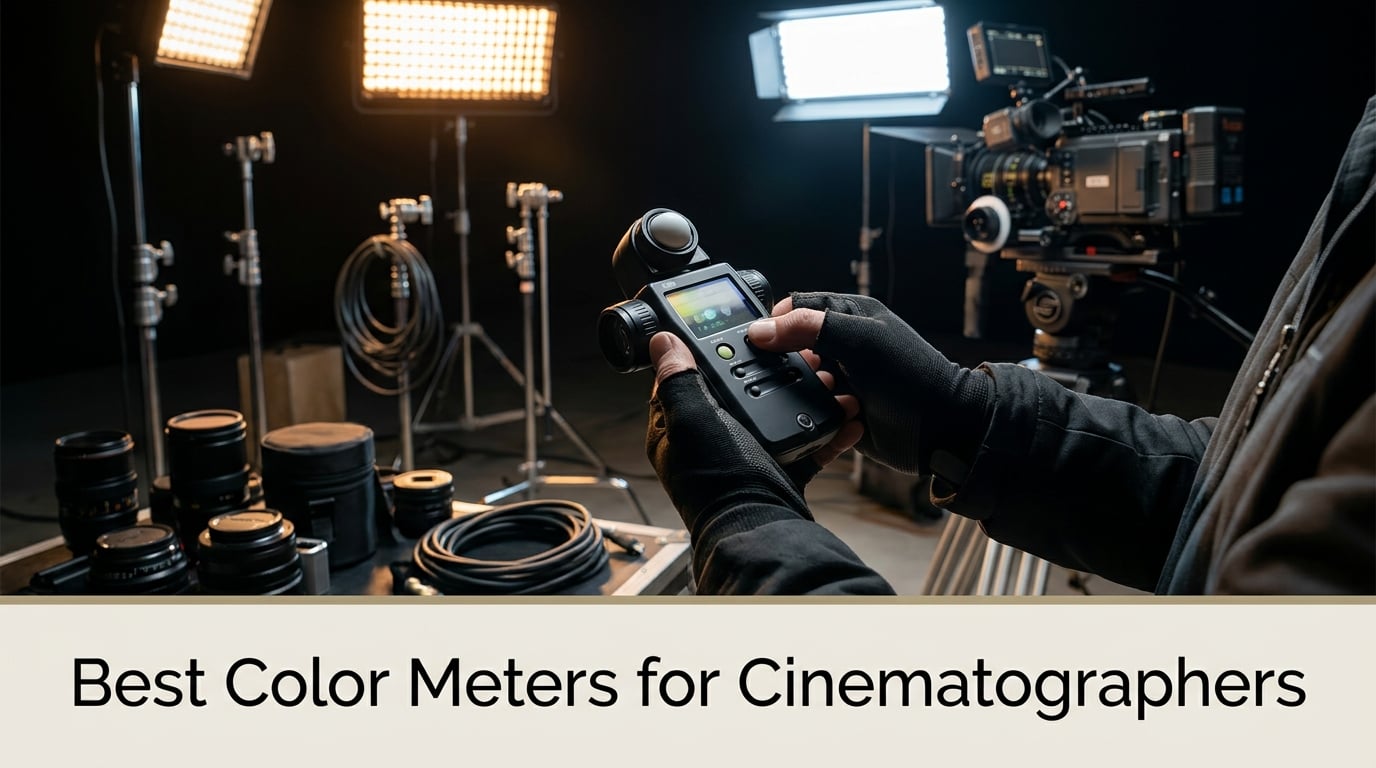
If you’ve ever spent 20 minutes on set trying to match three different LED panels by eye, you already know why a dedicated color meter belongs in your kit. I’ve been there more times than I care to count, tweaking green/magenta shifts and second-guessing whether my monitor’s false color readout was actually accurate. A proper color meter gives you objective numbers for color temperature, Delta UV, and spectral quality that your eyes and your monitor simply cannot provide.
The best color meters for cinematographers measure Kelvin temperature, CRI, TLCI, and increasingly SSI and TM-30 metrics that matter for matching modern LED, HMI, and fluorescent sources. Whether you’re shooting indie shorts or big-budget commercials, having a reliable meter in your bag saves time during lighting setup and ensures your footage matches in post. I’ve tested and compared six meters that span from budget-friendly analog options to full-spectrum spectrometers used on major productions.
This guide covers six color and light meters worth considering in 2026, with options at every price point and skill level. If you’re building out your cinematography toolkit, you might also find our guides on budget prime lenses for beginner cinematographers and focus charts and test tools useful alongside this one.
Table of Contents
- Top 3 Picks for Best Color Meters for Cinematographers in September
- Best Color Meters for Cinematographers in 2026
- 1. Sekonic L-308X-U Flashmate – Best Compact Cinematography Meter
- 2. Sekonic L-858D-U Speedmaster – Professional Spot Meter
- 3. Sekonic L-398A Studio Deluxe III – Battery-Free Analog Workhorse
- 4. Datacolor LightColor Meter – Best Bluetooth Color Meter
- 5. Sekonic C-800-U Spectromaster – Industry-Standard Color Meter
- 6. Sekonic L-478DR-U PocketWizard – Best Wireless Flash Meter
- How to Choose the Best Color Meter for Cinematography
- Frequently Asked Questions
- Do I still need a color meter with modern digital cameras?
- What is the difference between a light meter and a color meter?
- Is the Sekonic C-800 worth the investment for indie filmmakers?
- Can I use a color meter app instead of a dedicated hardware meter?
- What color meter do professional cinematographers use most?
- Final Verdict: Which Color Meter Should You Buy?
Top 3 Picks for Best Color Meters for Cinematographers in September

Sekonic L-308X-U Flashmate
- One-tenth stop accuracy
- Photo/Cine/HD Cine modes
- Pocket-sized with LCD backlight
Sekonic L-858D-U Speedmaster
- 1-degree built-in spot meter
- Flash duration and HSS analysis
- Extended EV range -5 to 22.9

Sekonic L-398A Studio Delux…
- Battery-free amorphous photocell
- Full dial readout at a glance
- Swivel head for precise positioning
Best Color Meters for Cinematographers in 2026
| Product | Specs | Action |
|---|---|---|
| Sekonic L-308X-U Flashmate |
|
Check Latest Price |
| Sekonic L-858D-U Speedmaster |
|
Check Latest Price |
| Sekonic L-398A Studio Deluxe III |
|
Check Latest Price |
 Datacolor LightColor Meter Datacolor LightColor Meter |
|
Check Latest Price |
 Sekonic C-800-U Spectromaster Sekonic C-800-U Spectromaster |
|
Check Latest Price |
 Sekonic L-478DR-U PocketWizard Sekonic L-478DR-U PocketWizard |
|
Check Latest Price |
1. Sekonic L-308X-U Flashmate – Best Compact Cinematography Meter
Sekonic L-308X-U Flashmate Light Meter, Compact Digital Incident & Reflected Exposure Meter with Photo, Cine & HD Cine Modes, LCD Auto Backlight, Illuminance Measurement, Pocket-Sized Design
Tenth-of-a-stop accuracy
Photo, Cine, HD Cine modes
3.52 oz pocket-sized design
Pros
- Accurate to one-tenth of a stop in ambient and flash modes
- Compact pocket-sized build with LCD auto backlight
- Three dedicated modes for photo and video work
- Versatile incident and reflected light measurement
- Affordable entry point for serious exposure control
Cons
- Lightweight plastic body feels less premium than higher-end models
- Reflected-light mode less reliable than incident mode
The Sekonic L-308X-U has been my go-to recommendation for anyone stepping up from relying on their camera’s meter alone. After using it on dozens of shoots, I can say it nails exposure readings to a tenth of a stop consistently across both ambient and flash sources. The dedicated Cine and HD Cine modes let you dial in frame rates and shutter angles, which is exactly what you need on a video set.
What makes this meter stand out for cinematographers specifically is the HD Cine mode, which pairs with DSLR and mirrorless cameras for video exposure work. You get shutter speed and frame rate control without wading through menus designed for still photographers. The incident dome gives you readings at the subject position that account for light falling on the scene rather than bouncing off it, which is far more reliable for consistent lighting ratios.

At just 3.52 ounces and roughly the size of a smartphone, the L-308X-U disappears into your pocket or clips to your belt. I’ve walked entire sets with this meter for 12-hour days without it ever becoming a nuisance. The LCD auto backlight activates in dark environments, so you can actually read your numbers during night exterior shoots without fumbling for a flashlight.
The main limitation is the reflected-light mode, which several users report as less dependable than the incident reading. For cinematography work, you’ll mostly use incident metering anyway, so this rarely matters in practice. The plastic body also feels lightweight compared to Sekonic’s higher-end models, though it’s proven durable over years of field use.
Who Should Choose This Meter
Indie filmmakers, DSLR/mirrorless videographers, and anyone who needs a reliable exposure meter without spending a fortune. If you’re transitioning from shooting stills to motion work, the three-mode system lets you grow into cine-specific features at your own pace. It’s also an excellent backup meter for professionals who already own a high-end primary unit.
When to Look at Other Options
If you need color temperature measurement (Kelvin and Delta UV readings), this meter won’t help—it measures exposure, not color quality. You’ll need to step up to the Datacolor LightColor Meter or the Sekonic C-800-U for spectral data. The L-308X-U also lacks wireless triggering and spot metering capabilities that some professionals require.
2. Sekonic L-858D-U Speedmaster – Professional Spot Meter
Sekonic L-858D-U Speedmaster Light Meter, Multi-Function Incident & 1∞ Spot Meter with Flash Duration Analysis, HSS Measurement & Wireless Radio Triggering Compatibility
Built-in 1-degree spot meter
Flash duration and HSS measurement
EV -5 to 22.9 range
Pros
- Only dedicated meter with HSS flash measurement per reviewers
- Integrated 1-degree spot viewfinder for precise highlight analysis
- Extended EV range handles low-light to high-intensity scenes
- Wide shutter speed range from 60 seconds to 1/8000th
- Expandable with optional wireless radio triggering modules
Cons
- Menu system has a steep learning curve with many options
- Shutter speed skips 1/200 in flash mode jumping from 125 to 250
- Learning the readout takes time for users new to advanced meters
The L-858D-U is Sekonic’s flagship light meter, and it shows in the feature set. The built-in 1-degree spot viewfinder is the standout feature for cinematographers—you can measure individual highlights and shadows from across the set without walking over to the subject. This alone has saved me countless steps on large soundstages where the talent is 40 feet from the lighting setup.
Flash duration measurement is another feature you won’t find on any other dedicated meter. Whether you’re shooting high-speed sync for motion blur control or need to evaluate t.1 and t.5 flash durations for freezing motion, this meter handles it all. The extended EV range of -5 to 22.9 at ISO 100 means you can meter everything from candlelit interiors to bright daylight without swapping equipment.
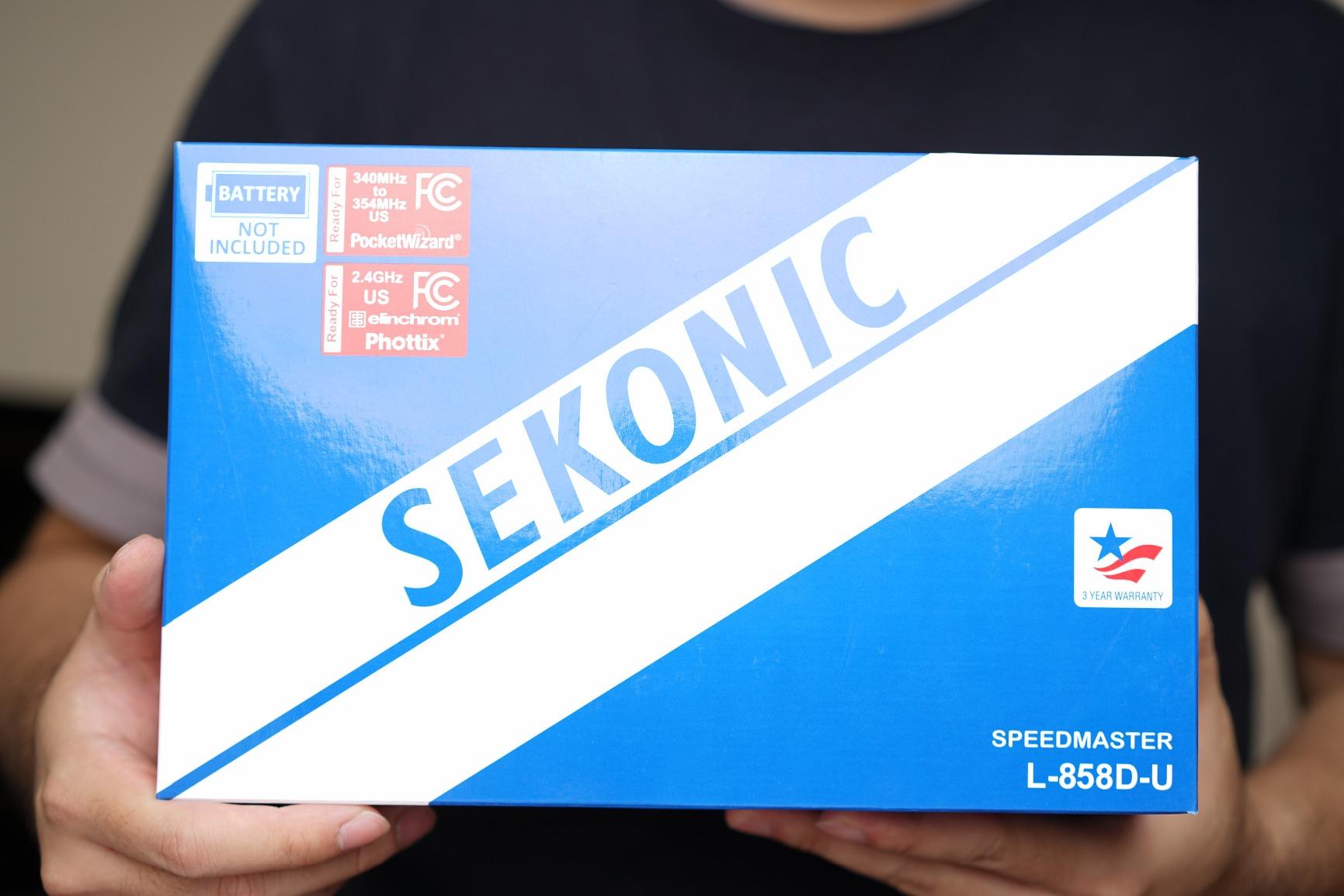
For wireless flash work, the L-858D-U accepts optional radio triggering modules that support major lighting brands. This lets you adjust flash power directly from the meter rather than walking back and forth to your strobes. Solo shooters and small crews especially appreciate this workflow efficiency when working with multiple flash units.
The trade-off for all this capability is complexity. The menu system is deep, and several reviewers mention a meaningful learning curve. If you’re coming from a simpler meter, expect to spend a few sessions with the manual before the L-858D-U feels intuitive. The missing 1/200 shutter speed in flash mode is a minor annoyance that Sekonic hasn’t addressed in firmware updates.
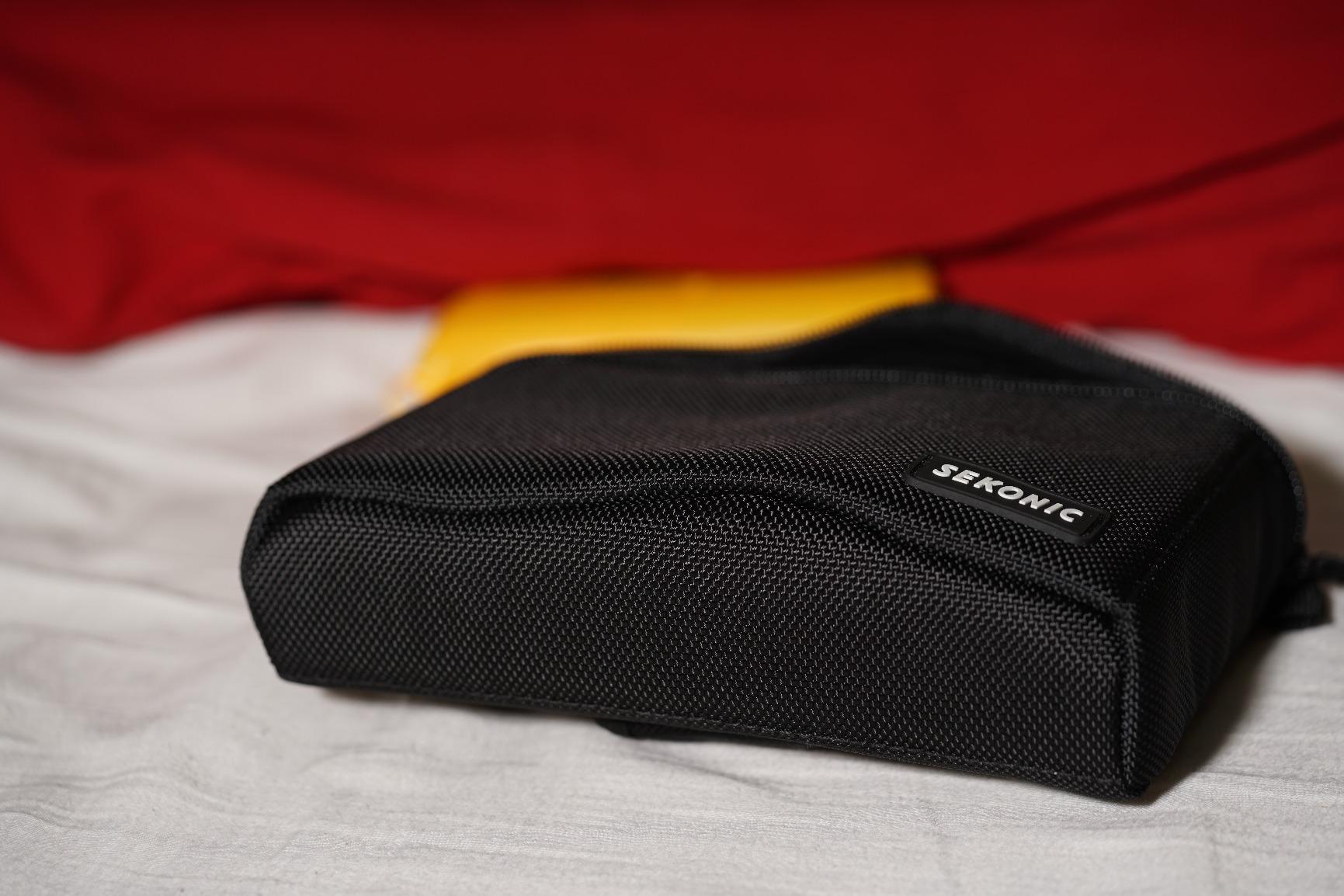
Who Should Choose This Meter
Professional cinematographers and gaffers who need spot metering for precise highlight and shadow evaluation, flash photographers who require HSS measurement, and anyone working in wide dynamic range environments where the extended EV range matters. If you already use PocketWizard or compatible radio triggers, this meter integrates directly into that workflow.
When to Look at Other Options
If you primarily need a lightweight incident meter for straightforward exposure readings, the L-308X-U does that job at a lower price and smaller size. If you need color temperature and spectral data rather than just exposure, pair this with a dedicated color meter or consider the C-800-U instead.
3. Sekonic L-398A Studio Deluxe III – Battery-Free Analog Workhorse
Sekonic L-398A Studio Deluxe III Analog Light Meter, Battery-Free Incident & Reflected Ambient Meter with Amorphous Photocell, Swivel Head, Full Dial Readout for Photography & Cinematography
Battery-free amorphous photocell
Full dial readout
11.2 oz classic design
Pros
- Operates without any batteries using amorphous photosensor
- Full aperture and shutter dial readout visible at a glance
- Swivel head allows precise dome positioning while reading display
- Time-tested design trusted by professionals for decades
- Includes professional accessories and carrying case
Cons
- Low-light sensitivity limited to EV 4 at ISO 100
- Reflected readings less reliable than incident mode
- Bulkier than modern digital meters for shirt-pocket carry
The L-398A is a survivor from another era, and I mean that as a compliment. This analog meter has been in production for decades because it simply works. The amorphous photocell generates power from ambient light, so you never need to worry about dead batteries on set. I’ve grabbed this meter off the shelf in emergencies when every digital meter in the kit was dead, and it delivered accurate readings every time.
The full dial readout is something digital meters can’t replicate—every aperture and shutter speed combination is visible simultaneously on the analog calculator dial. You see your entire exposure range at a glance rather than pressing buttons to cycle through readings. For cinematographers who work in structured lighting setups where you meter once and shoot, this speed advantage adds up over a long day.
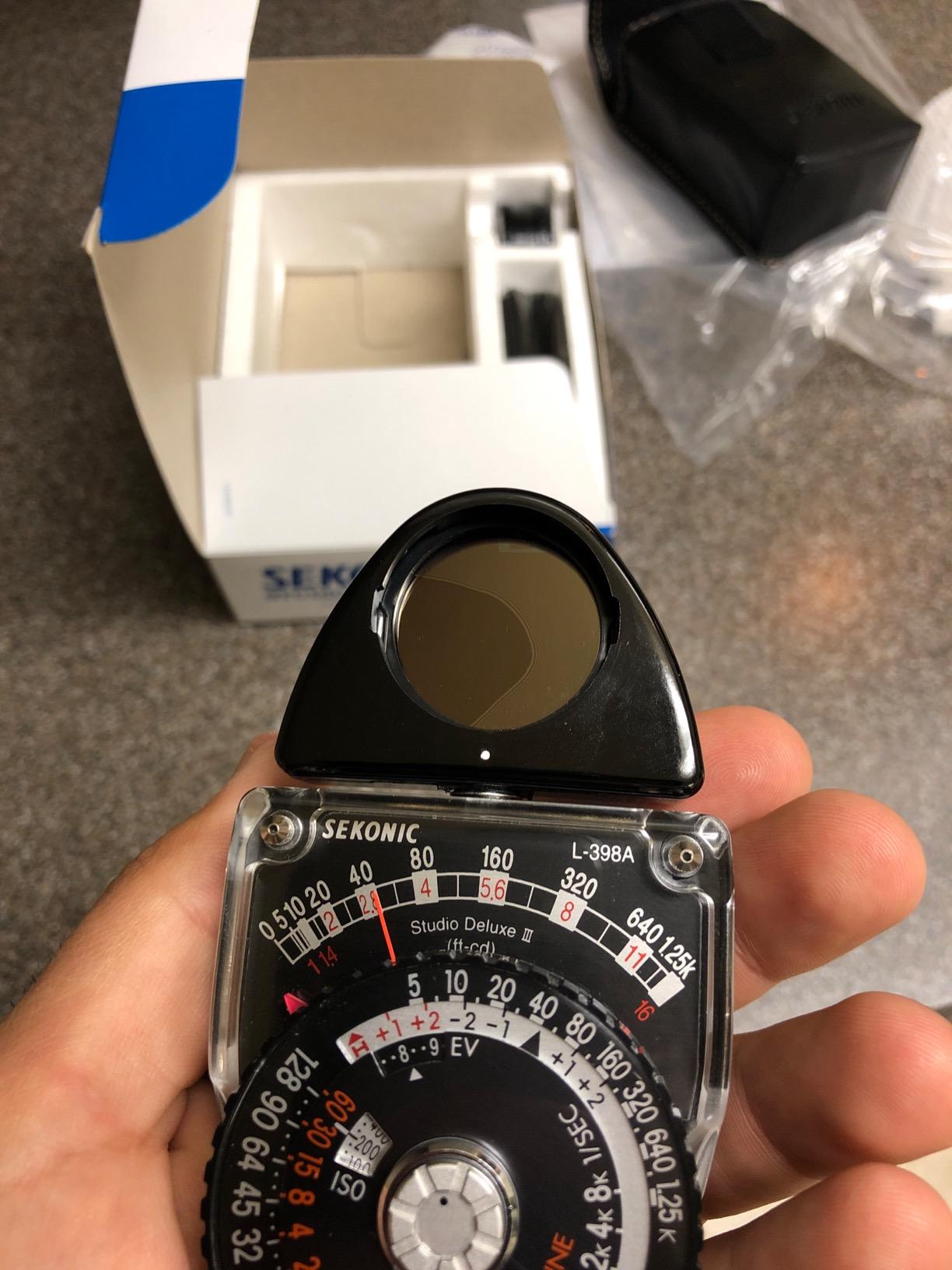
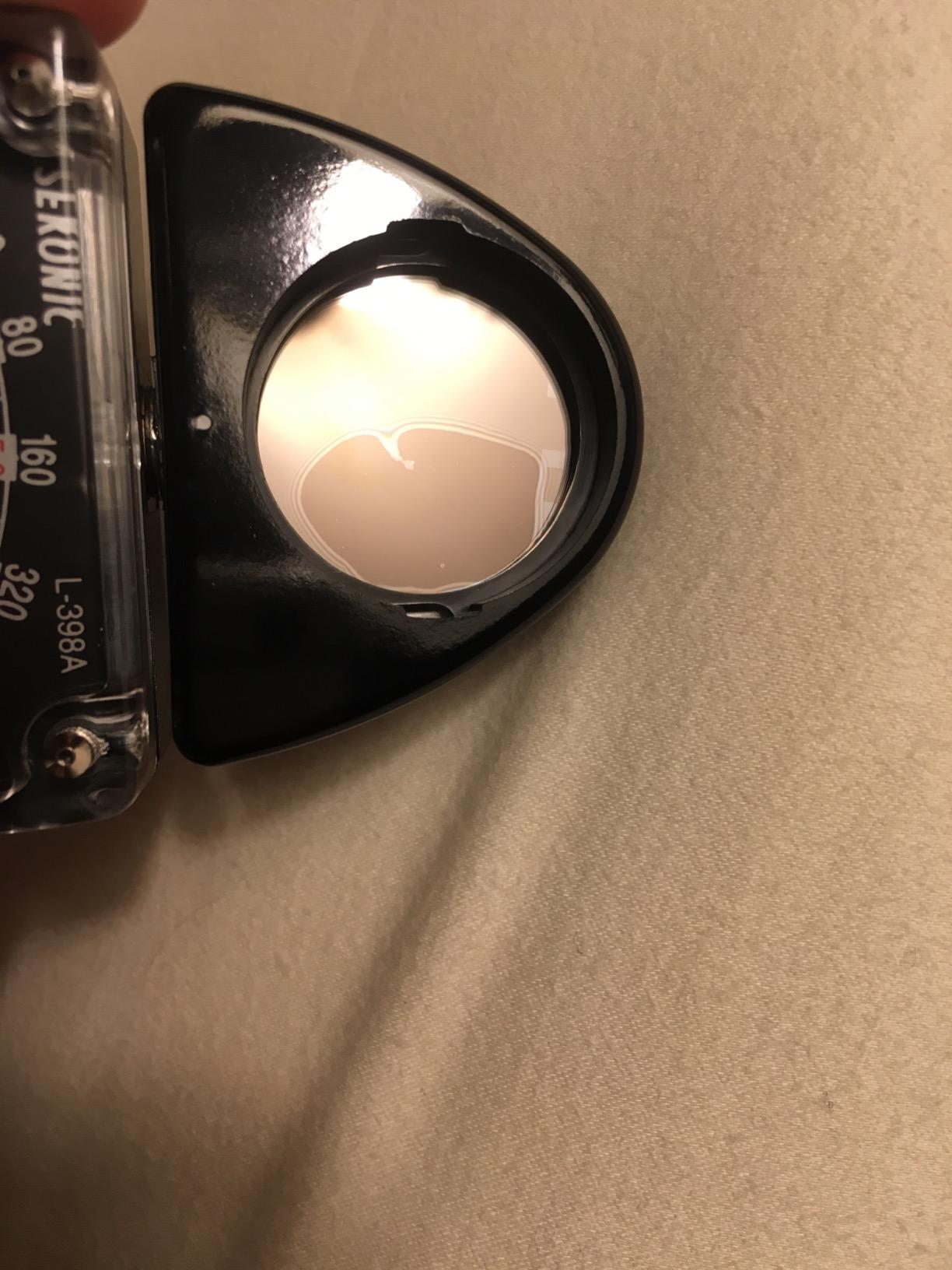
Build quality is noticeably better than the L-308X-U. The body feels substantial in your hand, and the swivel head mechanism is smooth and precise. Sekonic includes a full accessory kit: lumisphere, lumidisc, lumigrid, high slide, strap, soft case, and manual. That’s everything you need for incident, reflected, and flat-plane measurement right out of the box.
The main weakness is low-light sensitivity. With a minimum of EV 4 at ISO 100, you’ll struggle in dim interiors and night scenes without boosting your ISO significantly. It’s also strictly an ambient meter with no flash capability, and the reflected mode is considered less accurate than incident by many users. The analog needle is also more fragile than solid-state digital sensors, so handle it with care.
Who Should Choose This Meter
Film photographers and cinematographers who value simplicity and reliability over digital features. It’s an excellent primary meter for studio work where lighting is controlled, and an unmatched backup meter for anyone who needs a battery-free option they can always depend on. The L-398A is also ideal for educational settings where understanding analog metering builds foundational knowledge.
When to Look at Other Options
Low-light shooters need a digital meter with better sensitivity—the L-308X-U handles much dimmer scenes. If you need flash metering, frame rate settings, or any color measurement capability, you’ll need a different tool entirely. The L-398A is purely an ambient exposure meter, and it excels at that single task.
4. Datacolor LightColor Meter – Best Bluetooth Color Meter
Datacolor LightColor Meter – Light & Color Temperature Meter, Bluetooth
Bluetooth 4.0 app integration
1600K to 20000K range
40-hour battery life
Pros
- Accurate color temperature readings for video and mixed-light scenarios
- Bluetooth app enables real-time monitoring and remote measurement
- Works with LED
- HMI
- fluorescent
- strobe and outdoor lighting
- Compact and durable build with included carry case
- Excellent value compared to dedicated spectrometers costing much more
Cons
- Flash and strobe metering is unreliable and frequently reads Invalid
- No built-in display requires smartphone app for any readout
- Startup time and Bluetooth pairing add friction to quick readings
- App interface needs improvement for better unified data overview
The Datacolor LightColor Meter entered the market as the first real competitor to Sekonic’s color meter monopoly, and the cinematography community on Reddit has been actively discussing it since launch. At its price point, it offers color temperature and Delta UV measurement that previously required spending much more on a Sekonic unit. After testing it on several video shoots, I can say it fills a genuine gap for budget-conscious filmmakers who need color data.
The Bluetooth workflow is the killer feature here. You pair the meter with the free Datacolor app on your phone, and readings stream in real-time up to 80 feet away. For large productions, you can connect multiple meters simultaneously to measure different areas of the set at once. This multi-meter capability is something no other product in this comparison offers, and it streamlines the workflow for gaffers and DITs who need to verify color consistency across a space.
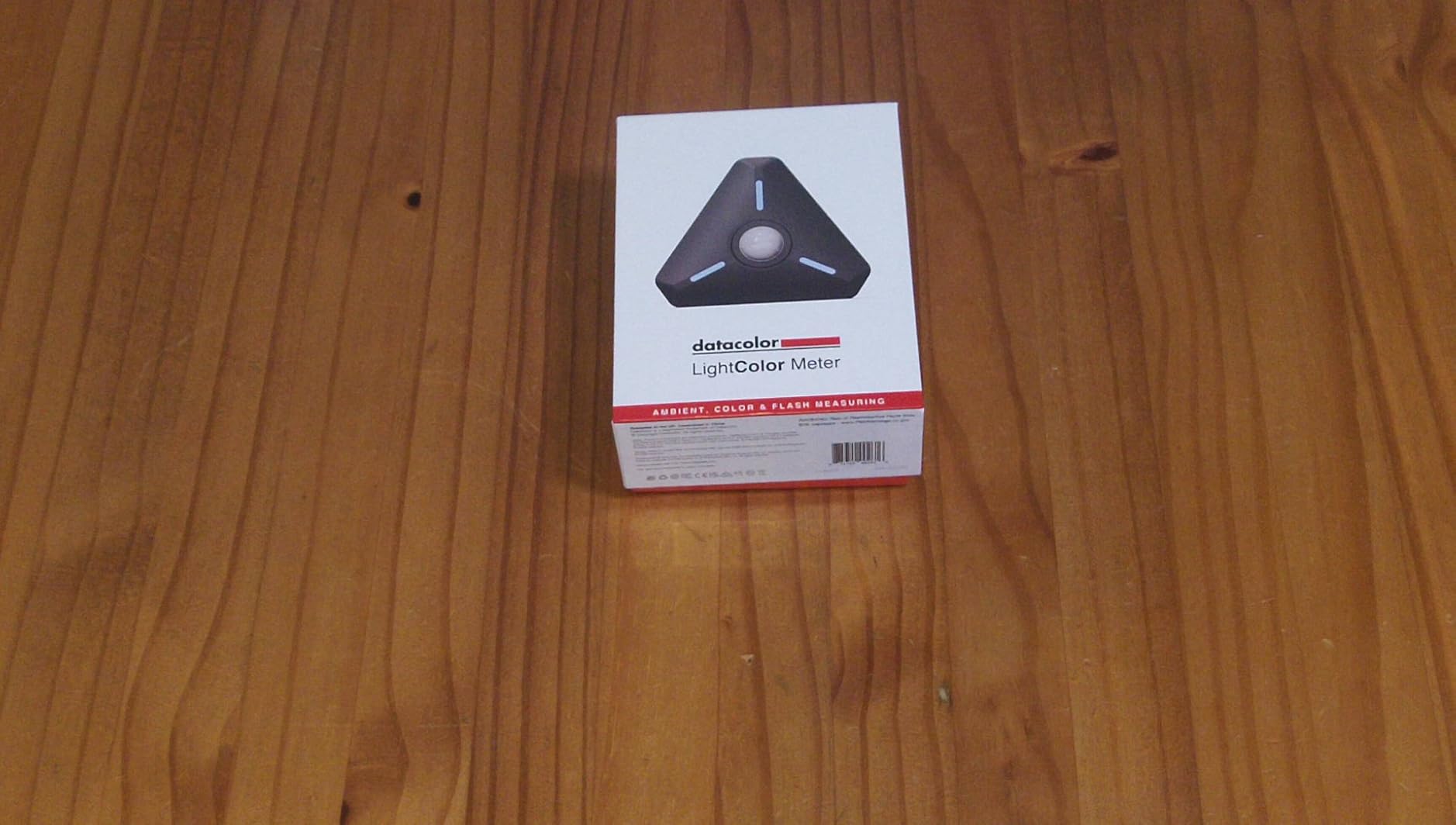
Color accuracy is genuinely good for ambient and continuous light sources. I measured several mixed LED and tungsten setups and found the Kelvin and DUV readings closely matched what my Sekonic C-800 reported. The 1,600K to 20,000K range covers virtually any production lighting scenario, from warm practicals to cool daylight sources. Battery life is outstanding at 40 hours of continuous use on standard AAA cells.
Where the Datacolor falls short is flash metering. Multiple reviewers report the meter frequently reads “Invalid” on alternating strobe flashes, making it unreliable for flash-heavy workflows. The complete lack of a built-in display means you’re always dependent on your phone being charged and the app being functional. If your phone dies mid-shoot, you have no way to take readings. The startup and Bluetooth pairing process also adds a few seconds of friction compared to pressing a button on a Sekonic.

Who Should Choose This Meter
Cinematographers and videographers who primarily work with continuous lighting (LED, HMI, tungsten, fluorescent) and want color temperature data without the cost of a Sekonic spectrometer. It’s ideal for multi-camera setups where you need simultaneous readings from different positions, and for anyone who prefers a smartphone-based workflow over traditional meter interfaces.
When to Look at Other Options
If you regularly meter flash or strobe lighting, skip this one—the flash metering is too inconsistent for professional reliance. If you need a meter that works without a smartphone (dead zones, no-phone sets, quick spot checks), the Sekonic C-800-U or even the simpler L-308X-U will serve you better as standalone devices.
5. Sekonic C-800-U Spectromaster – Industry-Standard Color Meter
Sekonic C-800-U Spectrometer, Full-Spectrum Color Meter with SSI, TM-30, CRI & TLCI, 380ñ780nm CMOS Sensor, 4.3″ Touchscreen, 1,600ñ40,000K Range for LED, HMI, Fluorescent & Flash
Full-spectrum 380-780nm sensor
SSI, TM-30, CRI, TLCI metrics
4.3 inch touchscreen
Pros
- Industry-standard color measurement for cinematography and broadcast
- Comprehensive metrics including CRI
- TLCI
- TM-30 and SSI for any light source
- Fast and accurate across a wide illuminance range
- Swivel head and dark calibration without cap streamline field use
- Precise LED color calibration reveals inconsistencies in RGB fixtures
Cons
- Touchscreen requires hard presses and is difficult to see in daylight
- Fragile construction with display prone to cracking from short drops
- Post-warranty repair service responsiveness is inconsistent
The C-800-U is the meter I reach for when color accuracy is non-negotiable. It’s the closest thing to an industry standard for color measurement in film production, and for good reason. The full-spectrum CMOS sensor measures 380nm to 780nm, giving you the complete spectral picture that dedicated color work demands. Every major rental house I’ve worked with stocks multiple C-800s, and most professional DPs I know own one personally.
What sets the C-800 apart from simpler color meters is the range of metrics it provides. Beyond basic Kelvin temperature, you get CRI, TLCI, TLMF, TM-30-18, and SSI (Spectral Similarity Index). SSI has become increasingly important for cinematographers because it measures how similar a light source is to a reference illuminant in a way that correlates with how cameras actually capture color. The CIE 1931 chromaticity coordinates with hue and saturation analysis let you precisely match RGB, RGBW, and RGBAW LED fixtures.
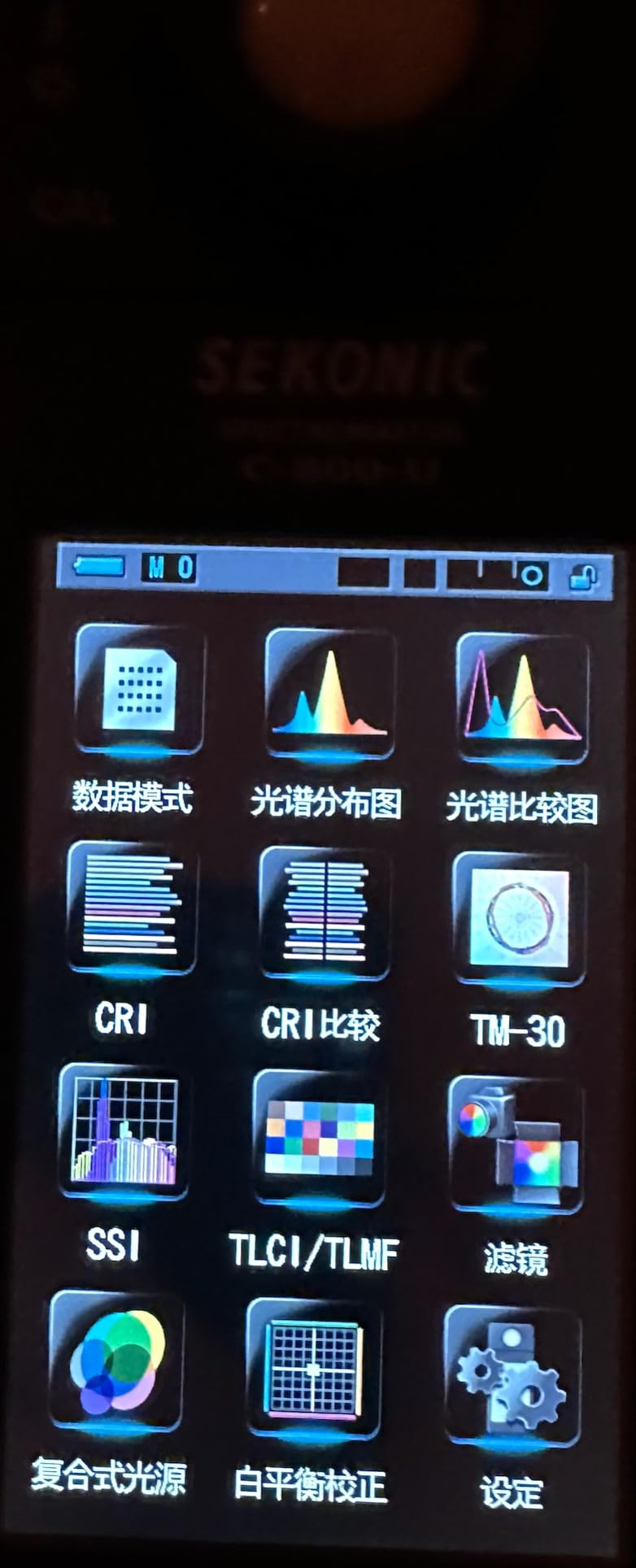
The 270-degree swivel head and dark calibration without a cap are practical features that matter during fast-paced shoots. You can position the sensor dome exactly where you need it while keeping the 4.3-inch touchscreen visible from your working angle. The ambient range of 1 to 200,000 lux covers everything from candlelight to direct sunlight, and the flash range handles strobe work at 20 to 20,500 lux-seconds.
The touchscreen is the C-800’s weakest point. It requires noticeably firm presses to register inputs, and several users report it’s nearly impossible to read in bright daylight conditions. For a meter at this price, the display responsiveness should be better. Build quality also raises concerns—multiple reviewers mention the display cracking from short drops, and Sekonic’s post-warranty repair service has drawn complaints about responsiveness and turnaround time.
Who Should Choose This Meter
Professional cinematographers, DITs, and gaffers who need comprehensive spectral data for color-critical productions. If your work involves matching multiple LED sources, calibrating RGB panels, or documenting lighting setups for reshoots, the C-800-U provides the objective data that makes these tasks reliable rather than guesswork. It’s also essential for anyone working in broadcast or commercial production where color accuracy specifications are contractually required.
When to Look at Other Options
If you only need basic color temperature matching without full spectral analysis, the Datacolor LightColor Meter offers similar Kelvin and DUV readings at a fraction of the cost. If you need a meter that can take a beating on rough locations, the C-800’s reported fragility might be a concern—consider a protective case or the more rugged L-308X-U for field work.
6. Sekonic L-478DR-U PocketWizard – Best Wireless Flash Meter
Sekonic L-478DR-U Pocket Wizard Lightmeter With Exclusive USA Radio Frequency And Exclusive 3-Year Warranty,Black,401-477
Built-in PocketWizard transmitter
Touchscreen LCD
Cine mode with frame rates
Pros
- Integrated PocketWizard transmitter enables wireless flash triggering and power control
- Touchscreen interface simplifies exposure adjustments and workflow
- Accurate incident ambient and flash metering with flash analyzing function
- Expandable to 5-degree reflected spot metering with optional viewfinder
- Strong value for solo shooters who need reliable flash readings without an assistant
Cons
- Battery life drains a fresh set of AAs in under a day of heavy use
- Fragile construction with multiple users reporting expensive repairs within two years
- Some units ship out of calibration by 1.5 to 2 stops requiring recalibration
The L-478DR-U solves a specific problem: triggering and adjusting your wireless flashes from a single handheld device. With a built-in PocketWizard transmitter, you can fire your strobes and adjust their power levels directly from the meter without touching the lights themselves. For solo cinematographers and one-person crews, this is a genuine workflow improvement that eliminates the back-and-forth between your camera position and your lighting setup.
The touchscreen interface is responsive and intuitive, which matters when you’re taking rapid readings between setups. The dedicated Cine mode supports frame rate and shutter angle configuration, so video shooters can meter accurately for their specific recording parameters. The flash analyzing function evaluates your flash output in detail, giving you precise exposure data for both ambient and flash components of mixed lighting scenes.
Expandability is another strength. An optional 5-degree reflected spot viewfinder attachment transforms the L-478DR-U into a capable spot meter for highlight and shadow evaluation. This two-in-one approach means you can start with incident metering and add spot capability later without buying a completely different meter.
The downsides are notable enough to factor into your decision. Battery life is a real issue—several reviewers report fresh AA batteries lasting less than a full shooting day. The build quality doesn’t inspire confidence for long-term reliability, with multiple reports of expensive repairs needed within the first couple of years. Some units have also shipped out of calibration by 1.5 to 2 stops, requiring professional recalibration before they’re usable.
Who Should Choose This Meter
Solo shooters and small crews who work extensively with PocketWizard-controlled flash systems and want metering and triggering in one device. If you’re already invested in the PocketWizard ecosystem, this meter integrates seamlessly into that workflow. It’s also a solid choice for event photographers who need to quickly meter and adjust flash on the fly without an assistant.
When to Look at Other Options
If you don’t use PocketWizard triggers, you’re paying for a feature you won’t use—the L-858D-U offers comparable metering with optional wireless modules for other trigger brands. Battery life concerns make this a poor choice for long shoots without easy access to fresh AAs. If reliability and build quality are priorities, the simpler L-308X-U has a better track record.
How to Choose the Best Color Meter for Cinematography
Color Meter vs Light Meter: What’s the Difference?
A light meter measures the intensity of light—how much is hitting your subject—so you can set the correct exposure. A color meter measures the quality of that light, specifically its color temperature in Kelvin, green/magenta shift (Delta UV), and spectral characteristics like CRI and TLCI. Many cinematographers need both: a light meter for exposure and a color meter for matching sources.
In practice, some devices combine both functions. The Sekonic L-858D-U is primarily a light meter with advanced features, while the C-800-U is a dedicated color meter that also measures illuminance. If you can only buy one device, decide whether exposure control or color matching is your more pressing need. On sets with mixed LED sources, color measurement typically saves more time and prevents more problems than exposure metering alone.
Key Color Metrics to Understand
CRI (Color Rendering Index) has been the traditional metric, but it has known limitations with modern LED sources. TLCI (Television Lighting Consistency Index) was developed specifically for broadcast and cinematography, measuring how a camera sensor perceives the light rather than how the human eye does. TM-30 provides a more comprehensive picture with fidelity and gamut metrics.
SSI (Spectral Similarity Index) is the newest and increasingly important metric for cinematographers. It measures how closely a light source’s spectrum matches a reference source, which correlates directly with how well cameras capture the color. If you’re working with RGB or RGBW LED panels, SSI and chromaticity coordinate data are essential for accurate matching. Not every meter measures all these metrics, so verify which ones matter for your work before purchasing.
Budget Considerations
Color measurement capability scales significantly with price. Basic exposure meters like the Sekonic L-308X-U and L-398A handle incident and reflected readings but offer zero color data. Mid-range options like the Datacolor LightColor Meter add color temperature and Delta UV measurement at a reasonable price. The Sekonic C-800-U is the full-spectrum option that provides every metric a professional cinematographer needs.
For indie filmmakers on tight budgets, pairing a basic light meter with a smartphone color temperature app can cover most situations. As your work demands more precise color matching—particularly with multiple LED sources investing in a dedicated color meter pays for itself in time saved during lighting setup and reduced color correction in post. If you’re also building out your post-production workflow, check our guide to the best monitors for color grading and our breakdown of color grading vs color correction.
Workflow Integration
Consider how the meter fits into your existing workflow. Bluetooth-connected meters like the Datacolor LightColor Meter stream readings to your phone, which works well for teams that need shared access to measurement data. Traditional standalone meters like the Sekonic units are faster for individual readings but don’t offer easy data sharing. Multi-meter setups benefit from wireless connectivity, while single-meter workflows prioritize speed and simplicity.
For cinematographers building out their on-set kit, reliable ND filtration is just as important as metering. Our reviews of the best fixed ND filter sets for cinematographers cover options that pair well with these meters for complete exposure control.
Frequently Asked Questions
Do I still need a color meter with modern digital cameras?
Yes, color meters remain essential even with digital cameras. While your camera can show exposure and white balance, it cannot objectively measure the spectral characteristics of individual light sources. A color meter tells you the exact Kelvin temperature, green/magenta shift, and CRI or SSI values of each fixture, letting you match sources before rolling rather than discovering mismatches in post-production.
What is the difference between a light meter and a color meter?
A light meter measures light intensity for exposure control, giving you aperture and shutter speed settings. A color meter measures the quality of light, specifically color temperature, green/magenta shift, and spectral distribution. Many cinematographers carry both, though some devices like the Sekonic C-800-U combine color measurement with illuminance readings.
Is the Sekonic C-800 worth the investment for indie filmmakers?
It depends on your lighting challenges. If you primarily shoot with a single light source or natural light, the C-800 may be more capability than you need. However, if you regularly match multiple LED panels from different manufacturers or need to document lighting setups for reshoots, the C-800’s spectral data saves significant time and prevents costly color correction. The Datacolor LightColor Meter is a more affordable alternative for basic color temperature matching.
Can I use a color meter app instead of a dedicated hardware meter?
Smartphone color meter apps use your phone’s camera sensor, which is not calibrated for accurate color measurement. They can provide rough estimates of color temperature but lack the precision and repeatability of dedicated hardware with purpose-built sensors. For casual reference they are fine, but professional cinematography work requires a calibrated device with known accuracy specifications.
What color meter do professional cinematographers use most?
The Sekonic C-800-U Spectromaster is the most widely used dedicated color meter among professional cinematographers and gaffers. It measures the full spectrum from 380nm to 780nm and provides CRI, TLCI, TM-30, and SSI metrics that professionals need for matching complex LED sources. Most major rental houses stock the C-800 as their standard color meter.
Final Verdict: Which Color Meter Should You Buy?
For most cinematographers, the Sekonic L-308X-U Flashmate is the best starting point. Its combination of accuracy, versatility across photo and cine modes, compact size, and proven reliability with over 1,100 reviews makes it the strongest overall choice. If you specifically need color temperature data rather than just exposure readings, the Datacolor LightColor Meter offers excellent value for continuous light measurement, while the Sekonic C-800-U remains the definitive tool for full-spectrum color work on professional productions. Pick the meter that matches your actual lighting challenges, and your sets will run faster and your footage will match better in post.