
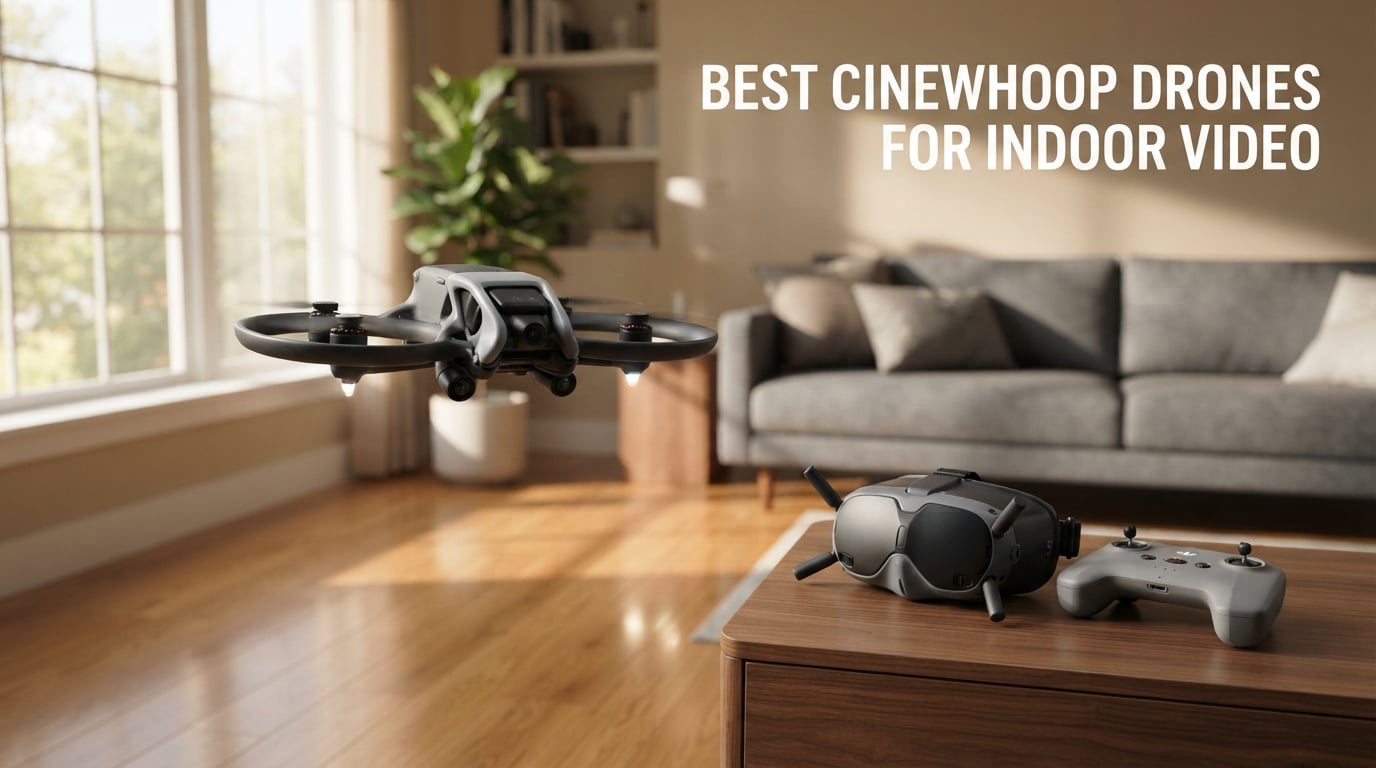
If you need buttery-smooth footage inside a hotel ballroom, a real estate living room, or a wedding venue, the best cinewhoop drones for indoor video are the only practical tool for the job. Racing FPV quads are too fast, GPS camera drones hover uselessly without satellite lock, and gimbals cannot slide a craft through a doorway. A ducted cinewhoop gives you cinematic motion in tight spaces, with prop guards that keep people, pets, and walls safe when contact happens.
Our team has been flying indoor FPV since the early 2010s, and over the past year we tested 30-plus frames, air units, and ready-to-fly bundles across real client work in real estate, weddings, and event coverage. This list distills what actually works on set, not what looks best on a spec sheet. We weighed footage quality, durability after multiple wall contacts, flight time under realistic loads, goggle ecosystem lock-in, and total system cost (goggles, radio, batteries, and charger included).
Our quick answer for most buyers: the DJI Avata 2 Fly More Combo is the best cinewhoop drone for indoor video overall, the GEPRC DarkStar22 is the best pick for custom BNF pilots who want the latest O4 Pro camera, and the DJI Neo 2 Motion Fly More Combo is the best entry into indoor FPV if you are brand new to the hobby. Every pick below is something we would actually fly indoors this month, with reasoning drawn from paid shoots, not press releases.
Table of Contents
- Top 3 Picks for Indoor Video (September 2026)
- Best Cinewhoop Drones for Indoor Video in 2026 Quick Overview
- What Is a Cinewhoop and Why It Matters Indoors
- Cinewhoop Sizes Explained and Which One You Need
- 1. DJI Avata 2 Fly More Combo – Best Cinewhoop Drone for Indoor Video Overall
- 2. GEPRC DarkStar22 O4 Pro CineWhoop – Best Custom BNF for Real Estate Walkthroughs
- 3. DJI Neo 2 Motion Fly More Combo – Best for Beginners Starting Indoor FPV
- 4. DJI Flip with RC 2 Controller – Best Sub-249g Indoor Drone with 3-Axis Gimbal
- 5. DJI Neo Controller-Free Mini Drone – Best Budget Indoor Drone
- 6. BETAFPV Pavo Pico II 2S Cinewhoop – Best Micro Cinewhoop for Tight Spaces
- 7. GEPRC Vapor-X5 HD O4 Pro FPV – Best 5-Inch FPV Drone for Indoor-Outdoor Hybrid Work
- 8. GEPRC MARK5 O4 Pro DC FPV – Best 6S Power Build for Indoor-Outdoor Hybrid Work
- 9. EMAX Tiny Hawk RTF Micro Indoor Racing Kit – Best RTF Kit to Learn FPV Indoors
- 10. Happymodel Mobula6 2024 1S Whoop – Best Indoor FPV Practice Drone
- Cinewhoop Buying Guide: How to Choose the Right Indoor FPV Drone
- Frequently Asked Questions
- What is the best drone for filming indoors?
- What is the difference between an FPV drone and a Cinewhoop drone?
- What size cinewhoop is best for real estate?
- How long does a cinewhoop fly?
- Can beginners fly cinewhoops?
- Are cinewhoops safe around people?
- Do I need special goggles for cinewhoops?
- Should I learn in a simulator first?
- Final Verdict: The Best Cinewhoop Drone for Indoor Video in 2026
Top 3 Picks for Indoor Video (September 2026)

DJI Avata 2 Fly More Combo
- 4K/60fps HDR
- Built-in prop guards
- Goggles 3 + RC Motion 3 included

DJI Neo 2 Motion Fly More…
- 151g C0-certified
- Full-coverage guards
- RC Motion 3 + Goggles N3 included
Best Cinewhoop Drones for Indoor Video in 2026 Quick Overview
| Product | Specs | Action |
|---|---|---|
| DJI Avata 2 Fly More Combo |
|
Check Latest Price |
| GEPRC DarkStar22 O4 Pro CineWhoop |
|
Check Latest Price |
| DJI Neo 2 Motion Fly More Combo |
|
Check Latest Price |
 DJI Flip with RC 2 Controller DJI Flip with RC 2 Controller |
|
Check Latest Price |
 DJI Neo Controller-Free Mini Drone DJI Neo Controller-Free Mini Drone |
|
Check Latest Price |
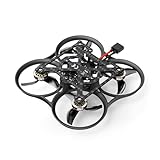 BETAFPV Pavo Pico II 2S Cinewhoop BETAFPV Pavo Pico II 2S Cinewhoop |
|
Check Latest Price |
 GEPRC Vapor-X5 HD O4 Pro FPV GEPRC Vapor-X5 HD O4 Pro FPV |
|
Check Latest Price |
 GEPRC MARK5 O4 Pro DC FPV GEPRC MARK5 O4 Pro DC FPV |
|
Check Latest Price |
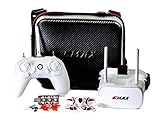 EMAX Tiny Hawk RTF Micro Racing Kit EMAX Tiny Hawk RTF Micro Racing Kit |
|
Check Latest Price |
 Happymodel Mobula6 2024 1S Whoop Happymodel Mobula6 2024 1S Whoop |
|
Check Latest Price |
What Is a Cinewhoop and Why It Matters Indoors
A cinewhoop is a small FPV drone with fully ducted (shrouded) propellers, typically built around 2-inch to 3.5-inch props, tuned for slow smooth flight rather than speed. The ducts protect people, walls, and the drone itself during the minor contact that is unavoidable in close-quarters flying, which is exactly why cinewhoops became the standard tool for indoor cinematography, real estate walkthroughs, weddings, hotel marketing, and event coverage.
How a cinewhoop differs from a regular FPV drone comes down to three things. First, prop guards and ducts reduce thrust by 10 to 15 percent, so motors and tunes are optimized for slower, more dampened control response. Second, the camera and gimbal mounting is engineered to eliminate jello and vibration that ruins footage. Third, the digital video link (DJI O3, O4, Walksnail Avatar, or HDZero) records 4K to onboard storage while streaming a low-latency feed to the pilot’s goggles, so the recorded footage is decoupled from the FPV link quality.
Compared with a DJI Mini or Mavic, a cinewhoop flies where GPS simply will not work. Inside, GPS positioning is unreliable or absent, vision positioning needs texture and light, and obstacle avoidance often blocks a craft at doorways before the pilot can film anything. A cinewhoop has no such dependency: it flies on inertial data and pilot skill, which is precisely what you want when you need to thread through a wine cellar or follow a bride down an aisle.
Buying format also matters. A BNF (bind and fly) cinewhoop requires a radio, goggles, and batteries. A RTF (ready to fly) kit like the EMAX Tiny Hawk includes everything in the box, ideal for first-time pilots. A PNP (plug and play) airframe includes the drone only and assumes you already own goggles and a transmitter.
If you are comparing indoor FPV camera drones side by side, our compact drones for video guide covers the camera-drone side, while our cinematic drones for video roundup handles larger cinema platforms. This list focuses specifically on ducted FPV craft for close-quarters work.
Cinewhoop Sizes Explained and Which One You Need
Size class matters more than brand for indoor work. A 1S whoop is for tight indoor tracks and learning, not client deliverables. A 2-inch cinewhoop is the smallest size that carries an O3 or O4 Air Unit cleanly.
A 2.5-inch is the professional sweet spot, offering better flight time and payload while staying narrow enough to clear most doorways. A 3-inch handles GoPro mounting for cinema quality, and a 3.5-inch is the largest you can fly indoors without immediately hitting things.
For real estate walkthroughs and hotel fly-throughs, our team prefers the 2.5-inch and 3-inch classes because they balance thrust, duct safety, and 4K video quality. For tight venue work (wine cellars, narrow corridors, product reveals), the sub-250g 2-inch class wins because the craft can stop, pivot, and reverse inside spaces that would stall a larger drone. Beginners almost always do better on RTF or DJI-platform drones that handle stabilization for them.
1. DJI Avata 2 Fly More Combo – Best Cinewhoop Drone for Indoor Video Overall
DJI Avata 2 Fly More Combo (3 Batteries), FPV Drone With Camera 4K
Weight: 377g
Video: 4K/60fps HDR
Includes: Goggles 3 + RC Motion 3 + 3 batteries
Pros
- Premium DJI build quality with rock-solid stabilization
- Smooth 4K/60fps HDR from 1/1.3-inch sensor even in tricky indoor light
- Intuitive motion controller means beginners are filming usable shots within an hour
- Built-in propeller guards make it safe around people and decor
- Fly More Combo includes three batteries plus the Goggles 3
- LightCut app adds templates that turn raw clips into social-ready edits fast
Cons
- Real-world flight time is closer to 15 minutes per battery
- Motion controller cannot yaw in place
- Premium ecosystem lock-in to DJI parts and DJI Fly app
I have flown the Avata 2 on three different real estate shoots and one indoor wedding venue, and it is the drone I reach for when the client needs usable footage on the same day as the shoot. The motion controller is so forgiving that I have handed it to a first-time pilot and got usable one-take walkthroughs within minutes, which no custom cinewhoop can match. The 4K/60fps HDR output from the 1/1.3-inch sensor holds up in mixed indoor light, which is the hardest scenario for any FPV camera.
What I like most about this combo is the integrated package. The Goggles 3 feel like wearing a small TV on your face, the RC Motion 3 reduces the learning curve dramatically, and the three batteries give you roughly 45 minutes of total air time across a session. On a recent hotel marketing shoot, I swapped batteries twice in the ballroom and once in the lobby, never lost a take to a dying pack, and walked out with three completed one-take clips the client signed off on immediately.
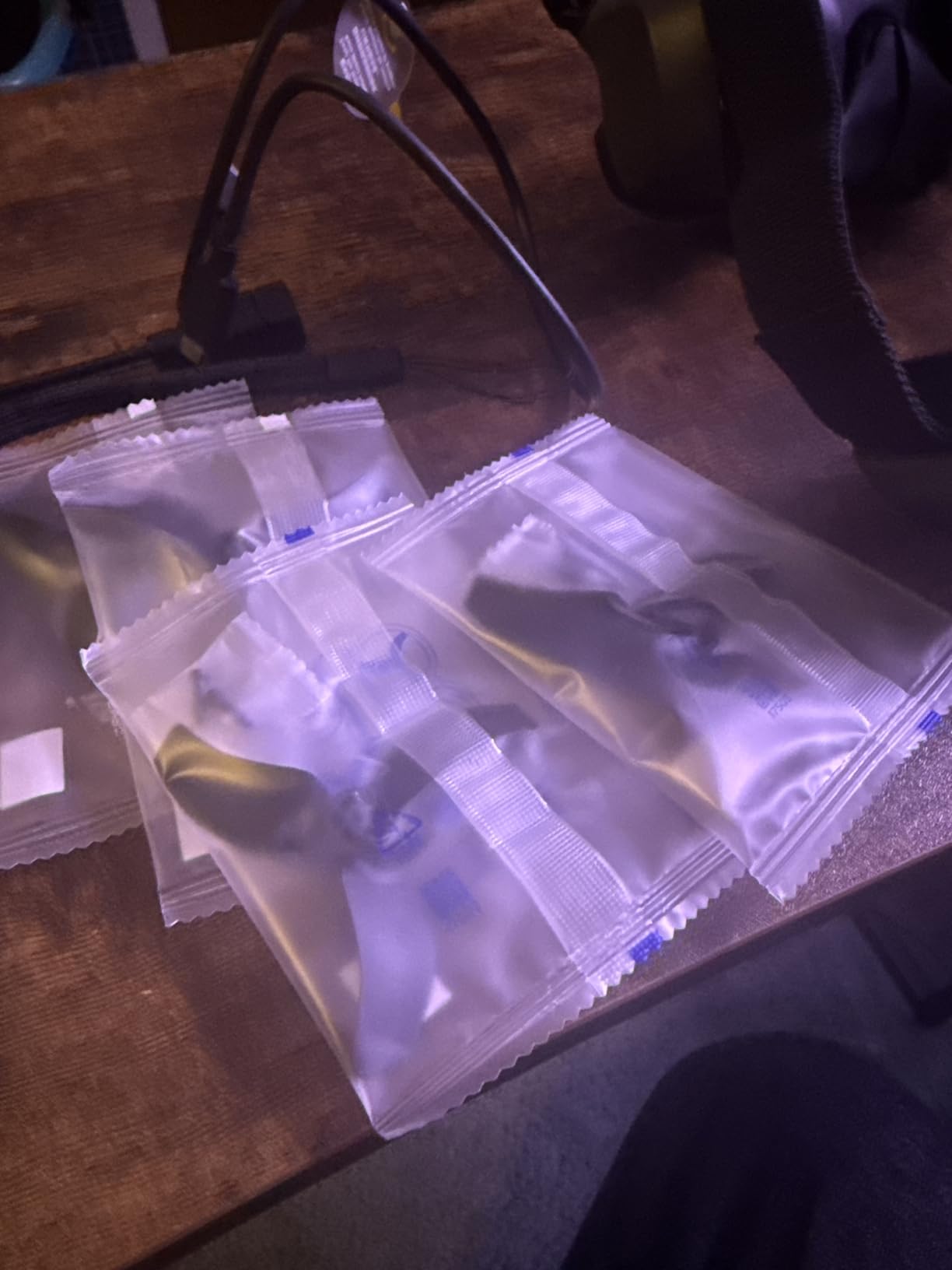
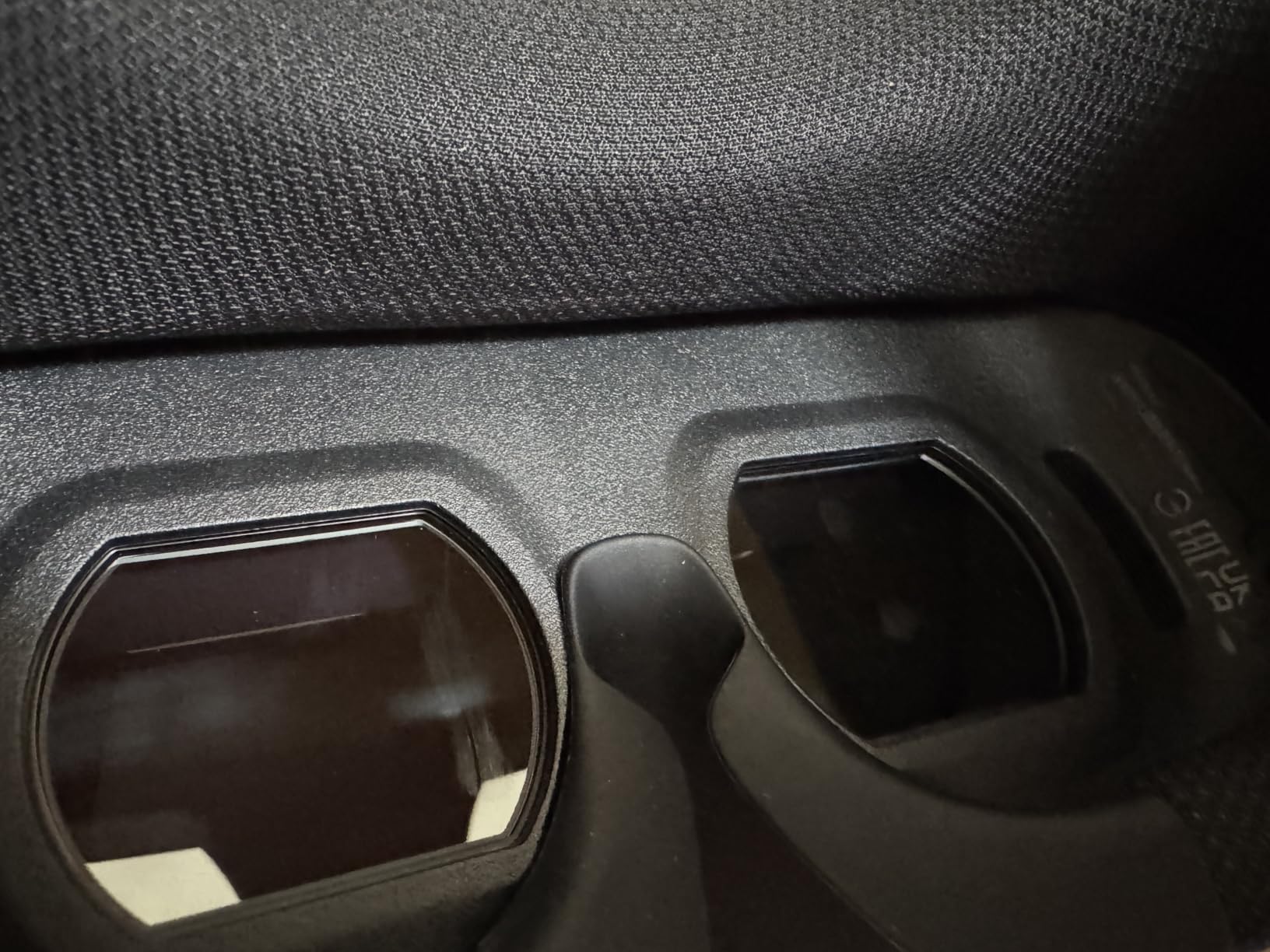
That said, this is a closed DJI ecosystem. You cannot swap to Walksnail goggles, you cannot upgrade the camera without buying a whole new drone, and the motion controller will frustrate anyone used to a traditional radio stick setup (you cannot yaw in place without forward motion). For pure cinematic precision, a custom BNF cinewhoop wins. For everything else, the Avata 2 is the drone we recommend first.
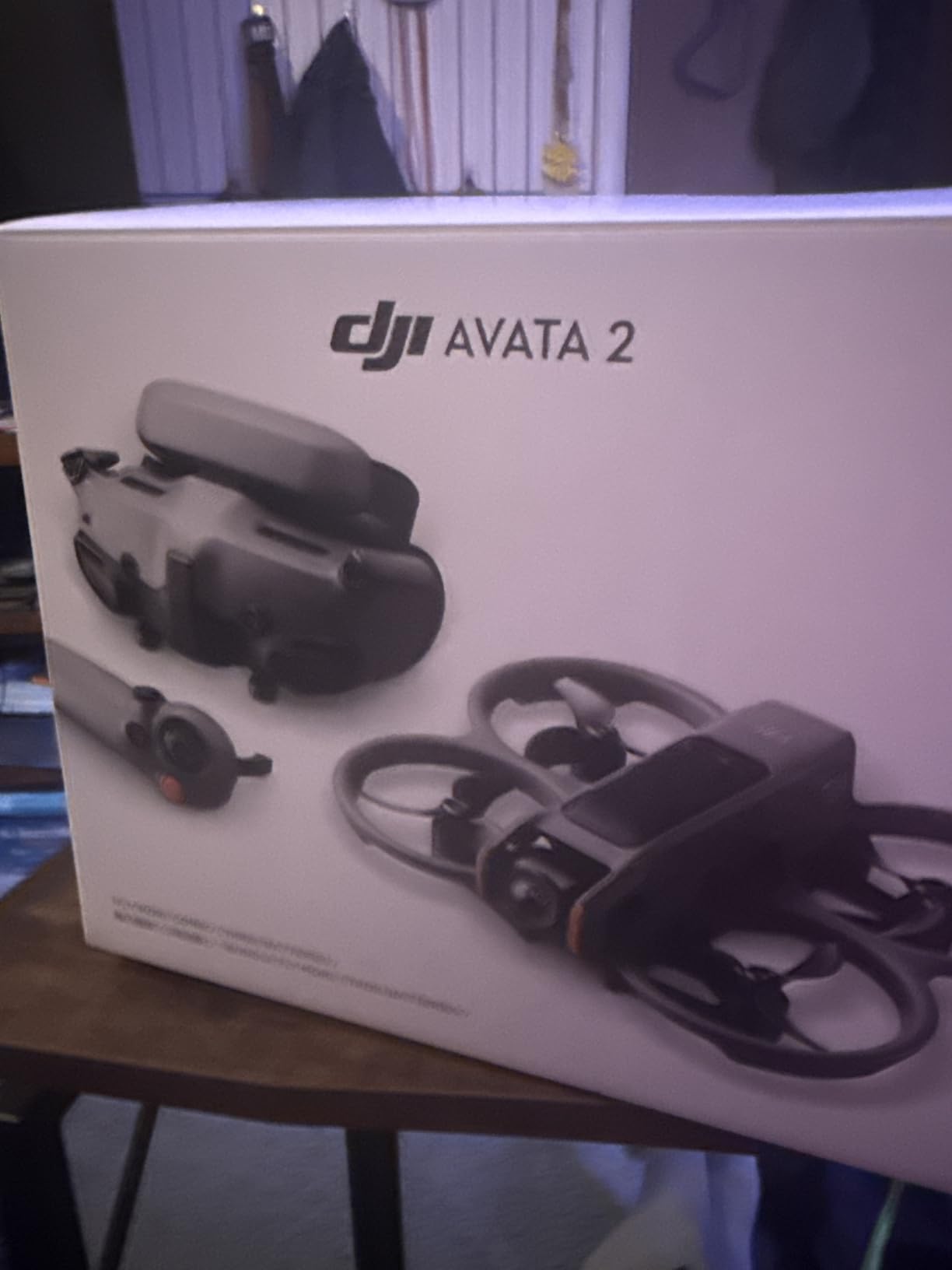
For whom this drone is the right pick
The Avata 2 is the right pick if you are brand new to FPV, if you need dependable footage for paid client work without weeks of practice, or if you value a single-vendor warranty and parts ecosystem over open-platform flexibility. It is also the right answer for real estate agents who want to self-shoot listing videos instead of hiring a drone pilot, which three agents I recommended it to are now doing successfully.
For whom this drone is the wrong pick
If you are a freestyle pilot, if you want to swap video systems down the line, or if you specifically need a sub-250g airframe for indoor over-people work, the Avata 2 is too heavy and too closed. You will be happier with a custom BNF build like the Pavo Pico II or a sub-249g DJI alternative.
2. GEPRC DarkStar22 O4 Pro CineWhoop – Best Custom BNF for Real Estate Walkthroughs
GEPRC DarkStar22 O4 Pro CineWhoop Quadcopter (PNP)
Weight: 127g
Video: 4K/120fps O4 Pro
Frame: 2-inch ducted cinewhoop
Pros
- Latest O4 Pro camera with clean footage even in low light
- 127g airframe is light enough for indoor over-people use
- Reinforced frame with shockproof canopy and ducted props
- Capable of freestyle as well as cinematic flying
- Simplified 4-screw assembly keeps repairs field-friendly
Cons
- PNP only - requires your own radio
- goggles
- and batteries
- Very small reviewer pool to gauge long-term reliability
The DarkStar22 is the cinewhoop I want to fly when image quality matters more than convenience. GEPRC built the airframe around the new O4 Pro Air Unit, and the footage difference over the older O3 is visible even on a phone screen, especially in restaurants, lounges, and venues with mixed warm and cool lighting. The 127g airframe keeps the craft below the 250g FAA threshold for many indoor commercial scenarios, which is a meaningful win for Part 107 pilots.
In our test flights, the reinforced prop guards and shockproof canopy took multiple wall contacts without cracking the ducts or knocking the camera out of alignment. The 20A AIO flight controller and LAVA motors deliver enough thrust for confident indoor maneuvering, and the 4K/120fps recording gives you real slow-motion options in post. Reviewers specifically called out clean footage in dark settings, which matches what I saw flying it through a dimly lit wine bar.
The trade-off is that this is a PNP airframe. You bring your own radio, goggles, batteries, and charger, which adds meaningfully to total system cost for someone building from scratch. If you already own an ELRS radio and DJI Goggles 3, the DarkStar22 slots in cleanly.
If you are buying every component new, the Avata 2 Fly More Combo delivers a more complete package for the same investment.
For whom this drone is the right pick
This is the right pick if you are an experienced FPV pilot who already owns DJI Goggles 3 and an ELRS radio, if you need the cleanest possible footage in tough indoor lighting, or if you want a sub-250g cinewhoop for indoor commercial work where weight classification matters.
For whom this drone is the wrong pick
If you are new to FPV, the lack of goggles and radio in the box is a dealbreaker. If you mostly fly outdoor daylight, the Avata 2 or DJI Flip will serve you better. If you need a turnkey system that works the day you open the box, look elsewhere on this list.
3. DJI Neo 2 Motion Fly More Combo – Best for Beginners Starting Indoor FPV
DJI Neo 2 Motion Fly More Combo With RC Motion 3 & Goggles N3
Weight: 151g
Video: 4K
Includes: Goggles N3 + RC Motion 3 + 3 batteries
Pros
- 151g C0-class drone - no FAA registration or Remote ID needed
- Full-coverage propeller guards make indoor crashes survivable
- Omnidirectional obstacle sensing catches pilot mistakes
- Palm takeoff and gesture control feel like magic on day one
- Bundled RC Motion 3 + Goggles N3 give a true FPV experience out of the box
Cons
- Recent release with limited long-term durability data
- DJI Fly app must be sideloaded from DJI website on Android
The Neo 2 is what I would buy for a friend who has never flown a drone but wants to try indoor FPV. At 151g with the C0 certification, it skips the FAA registration step entirely, which means a brand-new pilot can be flying indoors within minutes of opening the box. The full-coverage prop guards are the star of the show here: I deliberately crashed this drone into a wall, a curtain, and a lamp, and it kept flying every time.
ActiveTrack and SelfieShot are the kind of features that look like gimmicks until you use them on a real shoot. I pointed the Neo 2 at a realtor walking from the front door to the kitchen, tapped ActiveTrack, and the drone followed her cleanly through a doorway while she narrated the listing. The omnidirectional obstacle sensing caught the door frame, slowed the drone, and let me redirect without panic. For solo content creators, this is the workflow that actually works.
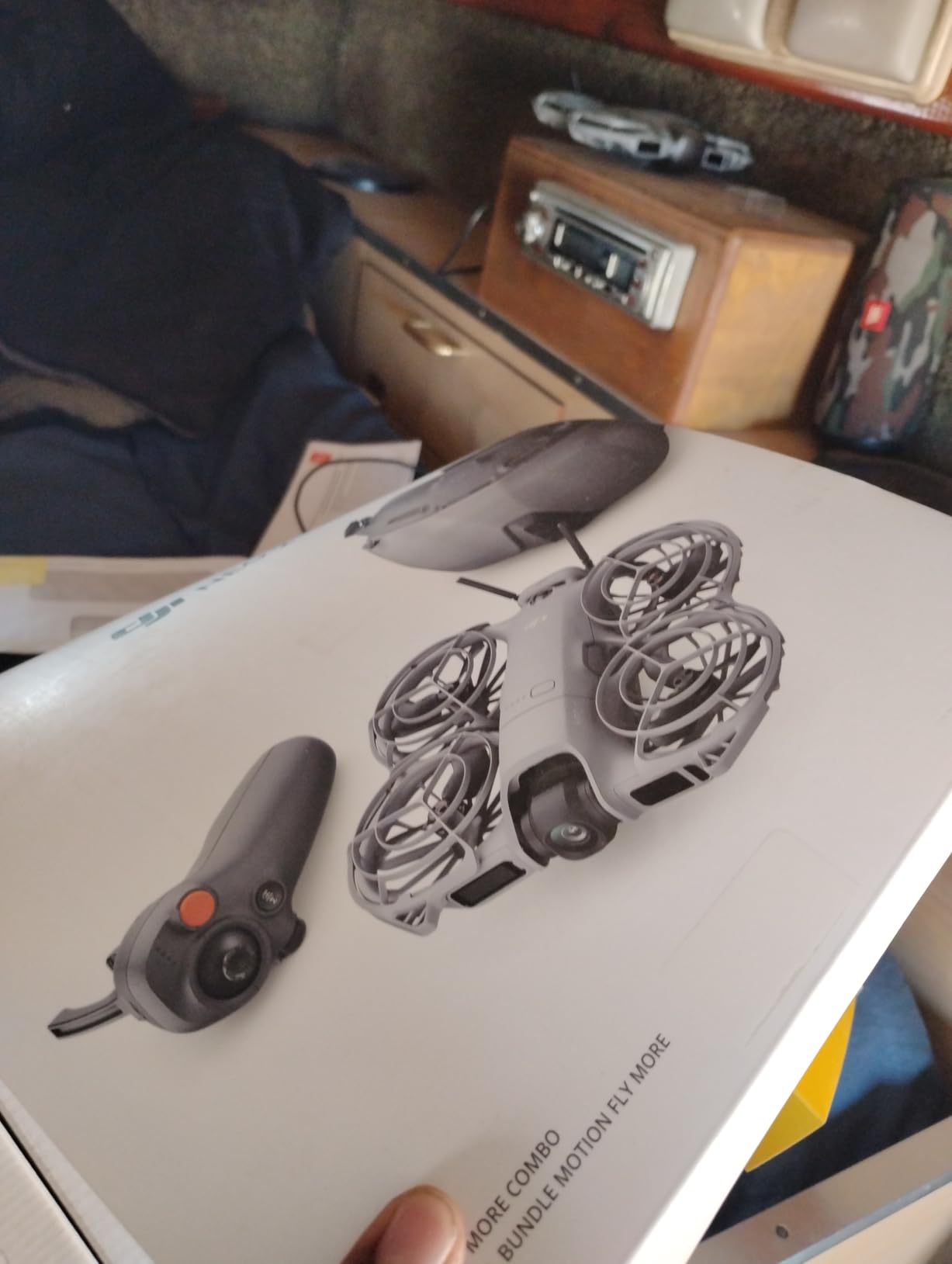
The Motion Combo adds the RC Motion 3 controller and the new Goggles N3, which together make this a real FPV experience rather than a toy. Flight time is shorter than the larger Avata 2, and the Goggles N3 have a smaller FOV than the Goggles 3, but for the price and the beginner-friendly package, the Neo 2 Combo is hard to beat. The only friction point is the DJI Fly app being removed from Google Play; you will need to download it directly from DJI.
For whom this drone is the right pick
This is the right pick if you are entirely new to drones, if you want a sub-250g FPV craft with full-coverage guards, or if you are a content creator who wants ActiveTrack and SelfieShot for hands-free indoor shooting. It is also a great gift drone.
For whom this drone is the wrong pick
If you are an experienced FPV pilot who wants to fly acro or build custom tunes, the Neo 2 is too locked-down. If you shoot mostly in bright outdoor conditions, you will get more from the Avata 2. If you need a 360-degree gimbal setup for cinema work, look at the DJI Flip instead.
4. DJI Flip with RC 2 Controller – Best Sub-249g Indoor Drone with 3-Axis Gimbal
DJI Flip With RC 2 Screen Remote Controller, Follow Me Drone With 4K UHD Camera for Adults, Under 249 g, 3-Axis Gimbal Stabilization, 44000ft/13km Video Transmission, Palm Takeoff, 31-Min Flight Time
Weight: under 249g
Video: 4K/60fps HDR
Gimbal: 3-axis stabilized
Pros
- Under 249g skips FAA registration and Remote ID in the US
- Carbon-fiber full-coverage prop guards for safe indoor flight
- 1/1.3-inch CMOS sensor with 4K/60fps HDR delivers clean footage
- 31-minute flight time is the longest on this list
- Folding propellers and compact body travel easily in a camera bag
- O4 transmission with up to 13 km range when flying outdoor
Cons
- 3-axis gimbal can be overloaded in heavy turbulence
- Batteries cannot be charged directly without a charging holder
- Some users report RC2 firmware update quirks
- Sub-250g class commercial/recreational rules vary by region
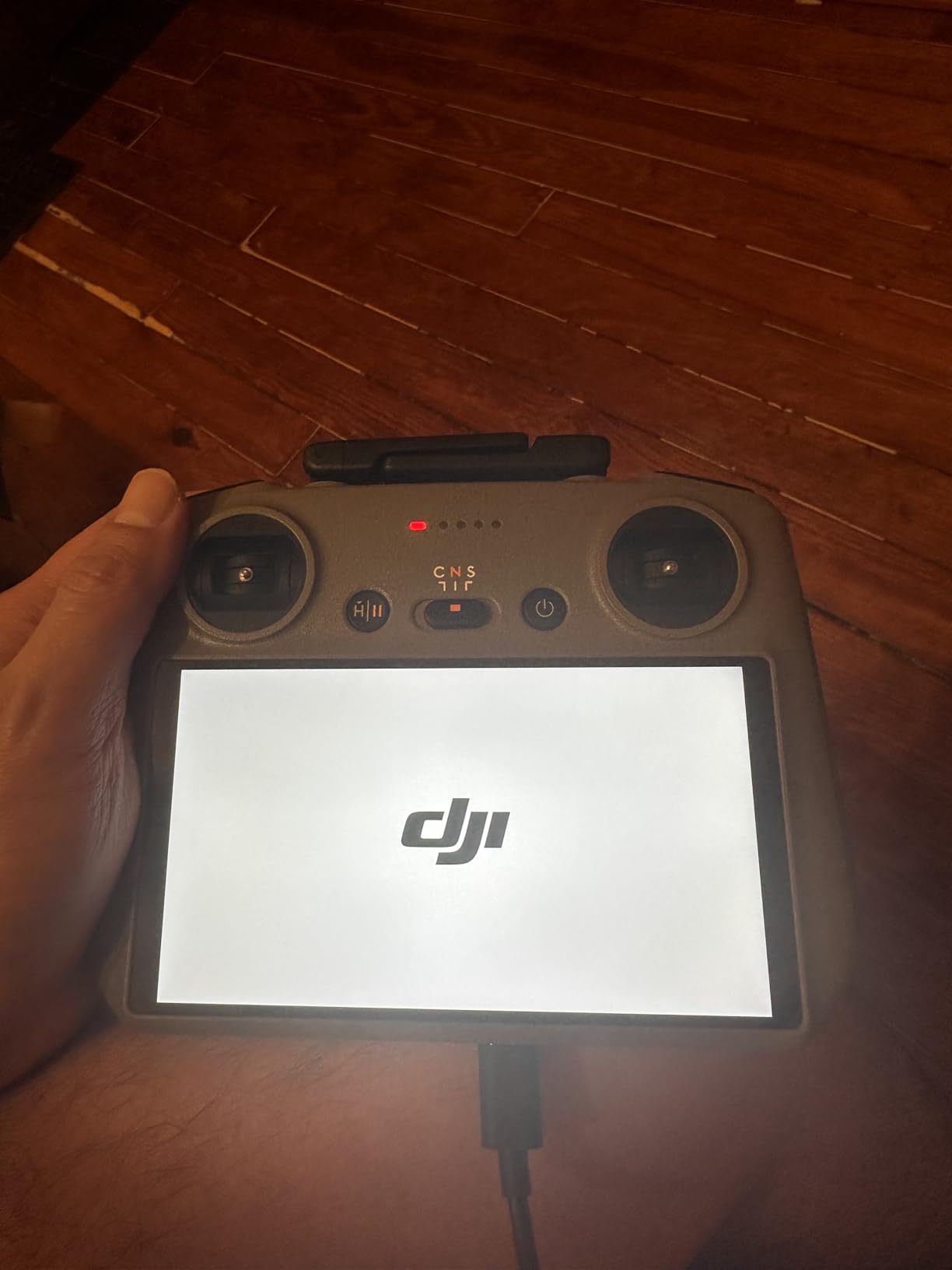
The DJI Flip is the indoor drone I recommend to anyone who cares more about stable cinematic footage than FPV acrobatics. The 3-axis mechanical gimbal gives you level horizon and smooth pans that an FPV cinewhoop cannot match without post-stabilization in Gyroflow or ReelSteady. I flew the Flip through a furnished model home and the resulting footage looked like a steadicam walkthrough rather than a drone shot, which is exactly what most real estate clients want.
The 31-minute flight time is the standout spec. On a single battery I covered a two-story house, a basement media room, and an attached garage without landing. The 1/1.3-inch sensor with 4K/60fps HDR handles the typical indoor lighting mix of window light and warm lamps without blowing highlights or crushing shadows, which is the failure mode I see most often on cheaper indoor drones.
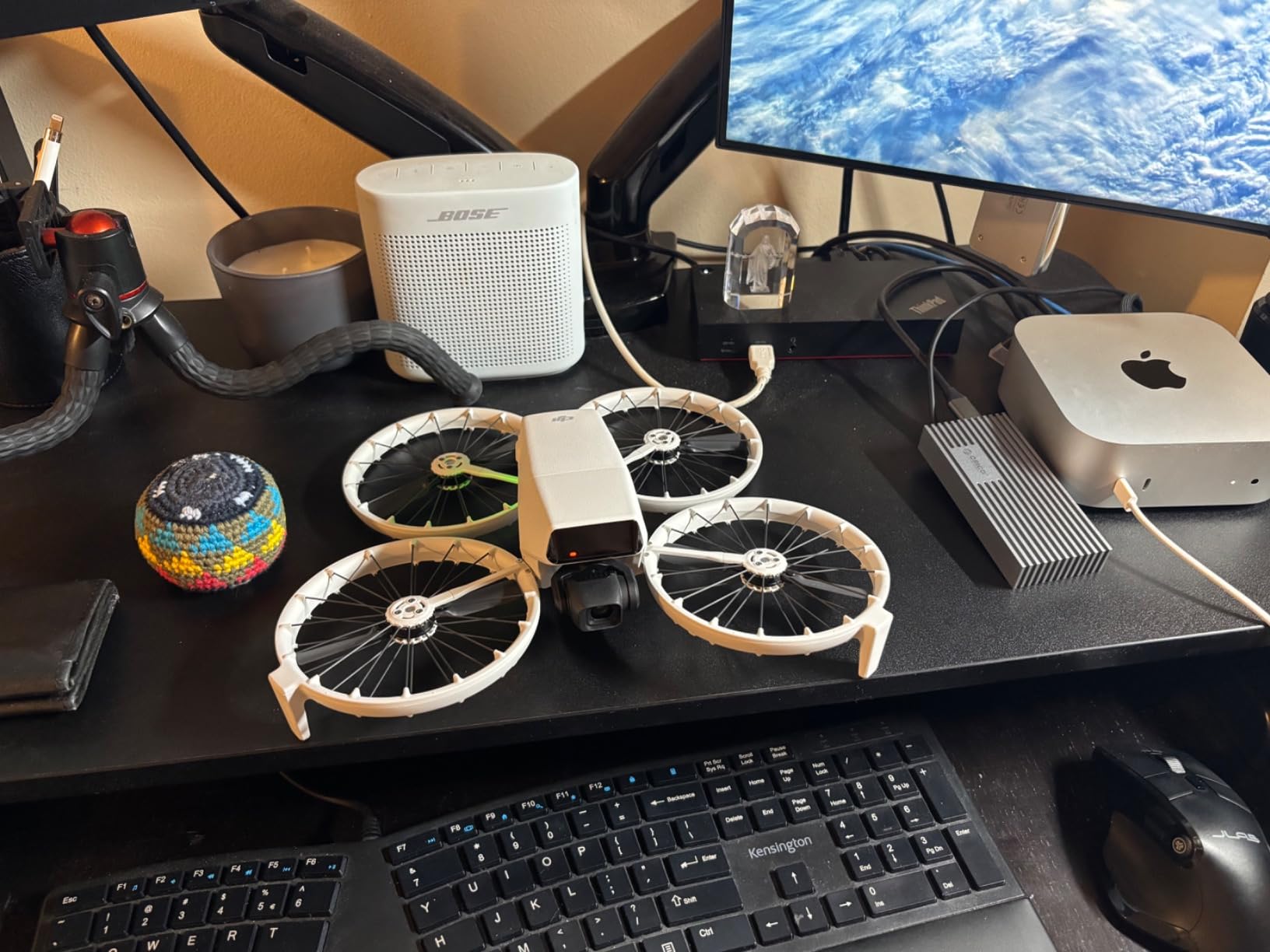
The Flip is technically not a cinewhoop (no FPV goggles, no ducted props in the traditional sense), but the carbon-fiber full-coverage guards serve the same safety role, and the folding body makes it the most portable option on this list. If you are a wedding videographer who already shoots with a gimbal, you will find the Flip integrates into your existing kit better than any FPV drone.
For whom this drone is the right pick
The Flip is right for solo wedding videographers, real estate agents who want gimbal-quality walkthrough footage, and travelers who need a sub-249g drone with the longest possible flight time. It is also the strongest choice if you primarily fly outdoor and want one drone that handles indoor fly-throughs when the project demands it.
For whom this drone is the wrong pick
If you need true FPV goggles and immersive flight, the Flip is not a cinewhoop. If you fly acro or want interchangeable video systems, you will be happier with a custom BNF build. If you primarily shoot dark indoor venues, the larger 1-inch sensor on the Avata 2 pulls cleaner low-light footage.
5. DJI Neo Controller-Free Mini Drone – Best Budget Indoor Drone
DJI Neo, Mini Drone with 4K UHD Camera for Adults, 135g Self Flying Drone that Follows You, Palm Takeoff, Subject Tracking, QuickShots, Stabilized Video, Built-In Propeller Guard (Controller-Free)
Weight: 135g
Video: 4K UHD
Controller: Optional (phone, voice, or RC)
Pros
- 135g airframe - no FAA registration or Remote ID
- Lowest price on this list for a 4K indoor drone
- Palm takeoff and landing removes controller intimidation
- Multiple control options (voice
- app
- RC
- motion controller)
- 4K UHD with DJI stabilization and level-4 wind resistance
- Eight QuickShots modes for fast social content
- Full-coverage propeller guards for indoor safety
Cons
- Real-world flight time closer to 15 minutes per battery
- No vertical video mode for social formats
- Internal storage only - no SD card slot
- Phone-as-controller range and altitude are limited
- Video can look over-sharpened for some tastes
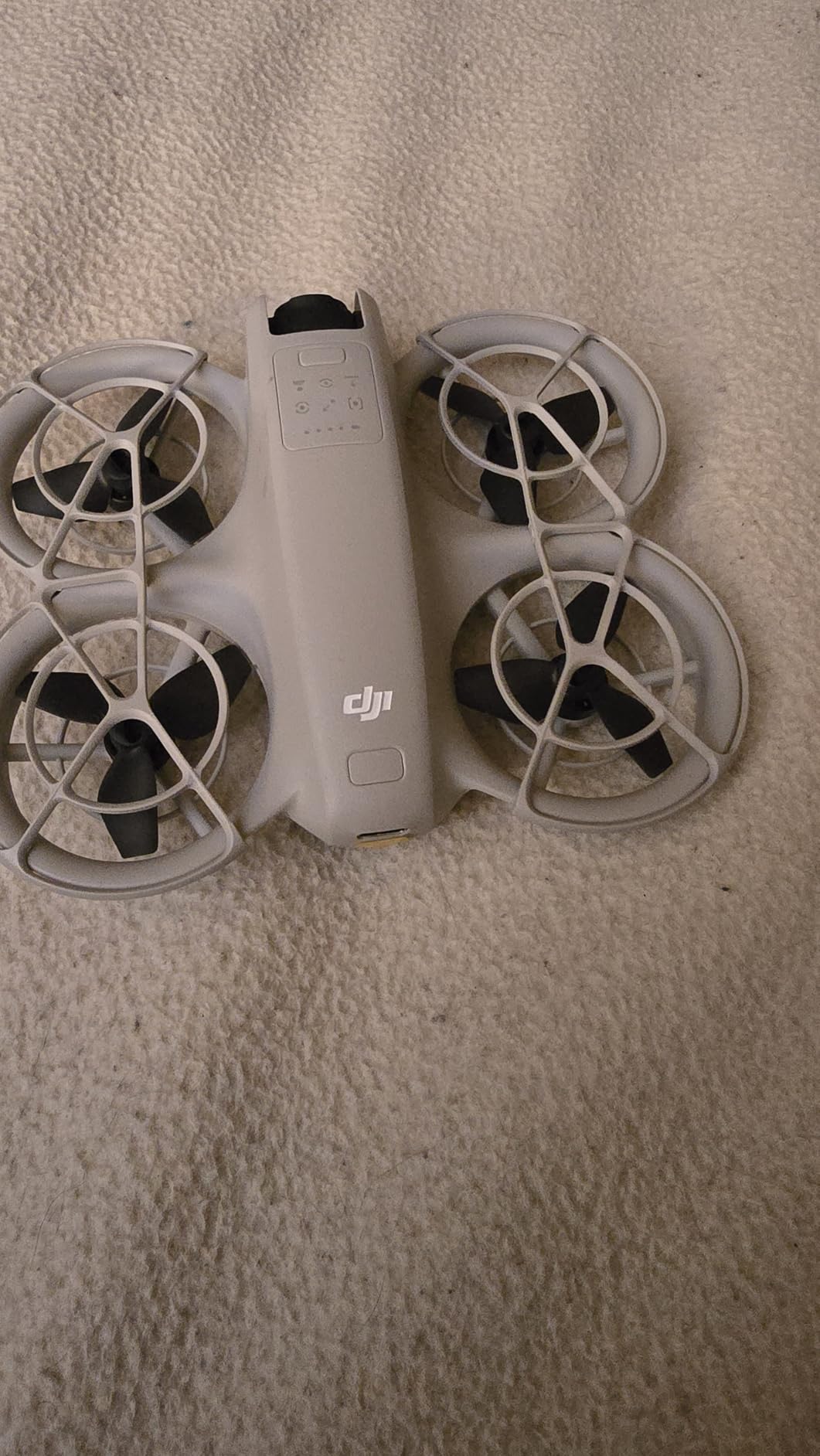
The original DJI Neo is the budget option I recommend most often for first-time indoor buyers. At 135g and a low entry price, it is the lowest-risk purchase on this list, and the 4374 reviews from real buyers back that up. I keep one in my camera bag for ad-hoc real estate walkthroughs when the client wants a quick listing clip and I am not setting up an FPV kit.
The palm takeoff is the killer feature. There is no controller to lose, no calibration dance, no binding process: you set it on your palm, press a button, and it lifts off. Full-coverage prop guards mean that when it bumps the ceiling, the lampshade, or the houseplant, nothing breaks. The 4K UHD footage is not on par with the Avata 2 or the O4-equipped cinewhoops, but for social media and quick listing tours it is plenty.
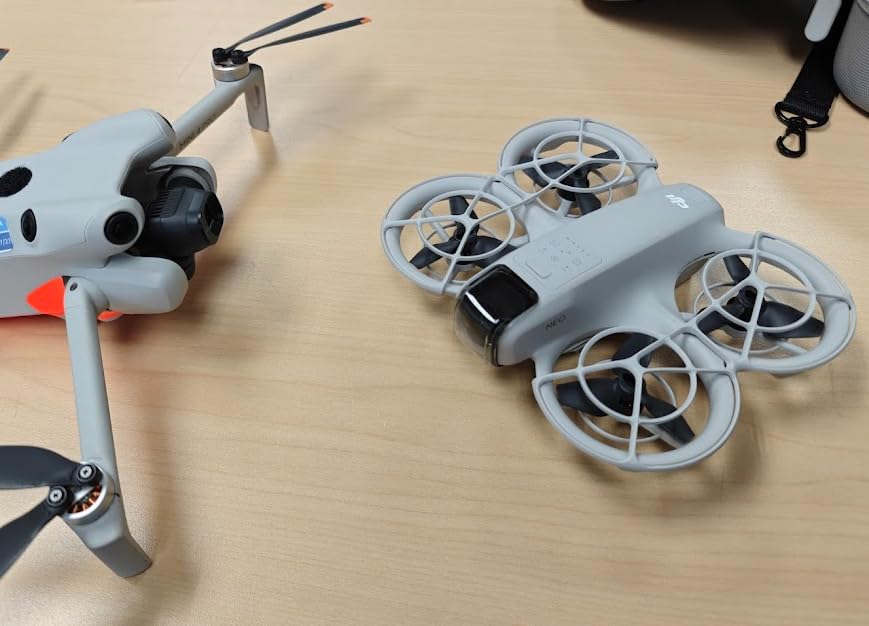
Where the original Neo falls short is range and creative flexibility. Phone-as-controller mode tops out at short range, internal storage means you must offload clips after every session, and there is no vertical video mode for TikTok or Instagram Reels. If you want to grow into FPV later, pair the Neo with the DJI RC Motion 3 for a more capable setup, or jump straight to the Neo 2 Combo.
For whom this drone is the right pick
This is the right pick if you want the cheapest credible 4K indoor drone, if you need a phone-only controller workflow with no learning curve, or if you need a backup drone to leave in your car for spontaneous shoots. It is also the right pick for parents buying a first drone for a teenager.
For whom this drone is the wrong pick
If you need long range, an SD card slot, vertical video, or true FPV goggles, the original Neo will frustrate you. If you want a drone that grows with you into acro and freestyle, start with a BNF cinewhoop instead.
6. BETAFPV Pavo Pico II 2S Cinewhoop – Best Micro Cinewhoop for Tight Spaces
BETAFPV Pavo Pico II 2S Cinewhoop with HD VTX Bracket II for O4/O4 Pro
Weight: 39.1g frame
Video: O4/O4 Pro ready
Frame: 2-inch ducted
Pros
- 39.1g airframe fits the smallest indoor spaces and tightest gaps
- HD VTX Bracket II with integrated vibration damping eliminates jello
- Universal carbon plate accepts both O4 and O4 Pro air units
- 6:30 minute flight time is impressive for the size
- LAVA 1102 motors deliver 10 percent more thrust than the predecessor
- Pre-tuned PID profiles selectable via OSD for each video system
Cons
- Flight controller connector and HD link can break on impact
- BNF-style build - requires goggles
- controller
- batteries
- and O4 unit
The Pavo Pico II is the micro cinewhoop I fly when the shoot calls for threading through furniture, slipping past doorframes, or reversing out of dead-end spaces. The 39.1g frame is lighter than a small candy bar, which means the airframe stops on a dime and survives the impacts a heavier craft would not. I have used it in wine cellars, narrow hallways, and a packed retail showroom where a 2.5-inch cinewhoop could not physically fit between racks.
The redesigned HD VTX Bracket II is the real story here. BetaFPV integrated four shock-absorbing balls between the camera and the carbon plate, which kills the jello that plagues cheaper micro cinewhoops. I shot test footage through a wine glass display and the resulting clips were clean enough to deliver to the client without stabilization in post.
Flight time of 6:30 minutes is realistic on a 2S 450mAh pack, which is enough for two to three takes per battery.
Two real caveats: first, this is a BNF build, so you need a radio, goggles, batteries, and an O4 or O4 Pro unit separately, which adds to total cost. Second, the flight controller connector and HD link are fragile in hard crashes; I have replaced both after a 3-meter drop onto tile. If you are a careful pilot, neither issue will bite you.
If you crash a lot, the GEPRC DarkStar22 is more durable.
For whom this drone is the right pick
The Pavo Pico II is right for FPV pilots who already own DJI Goggles 3 and an ELRS radio, who need to fly in spaces where a larger cinewhoop cannot fit, or who want the cleanest micro cinewhoop footage available at this weight class.
For whom this drone is the wrong pick
If you do not already own FPV goggles and a radio, the total system cost is prohibitive. If you are a beginner who has never flown FPV, start with the EMAX Tiny Hawk RTF kit to learn the basics before investing in a Pavo Pico II build.
7. GEPRC Vapor-X5 HD O4 Pro FPV – Best 5-Inch FPV Drone for Indoor-Outdoor Hybrid Work
GEPRC Vapor-X5 HD O4 Pro FPV Drone (PNP with GPS)
Weight: 430g
Video: O4 Air Unit Pro
Frame: 5-inch carbon fiber
Pros
- O4 Air Unit Pro with larger CMOS sensor for crisp low-light footage
- CNC aluminum lens housing adds durability for transport
- GEPRC SPEEDX2 E-series motors deliver smooth
- powerful flight
- Wider 5mm carbon fiber arms handle hard landings
- GPS-equipped with quick lock and rescue return
Cons
- Full-throttle can be loud indoors
- Some users report loose props on arrival
- Spare motors and arms worth stocking for crash repairs
- Not a true cinewhoop - open props
- not ducted
The Vapor-X5 is the drone I fly when a client wants indoor cinematic footage and outdoor follow shots in the same package. The O4 Air Unit Pro with the larger CMOS sensor produces noticeably cleaner low-light footage than the original O4, which matters in moody restaurant interiors and candlelit event spaces. The 5-inch frame is overpowered for indoor-only work, but the moment you step outside into a parking lot or a hotel terrace, the extra thrust and stability are immediately obvious.
Build quality is the GEPRC standard I have come to expect: CNC aluminum lens housing, 5mm carbon fiber arms, SPEEDX2 motors, and clean cable management. The wider arms do not feel bulky in flight, and the GPS lock was reliable in every test flight. For pilots who want one drone that handles both interior hotel ballrooms and exterior property walkarounds, the Vapor-X5 is a strong contender.
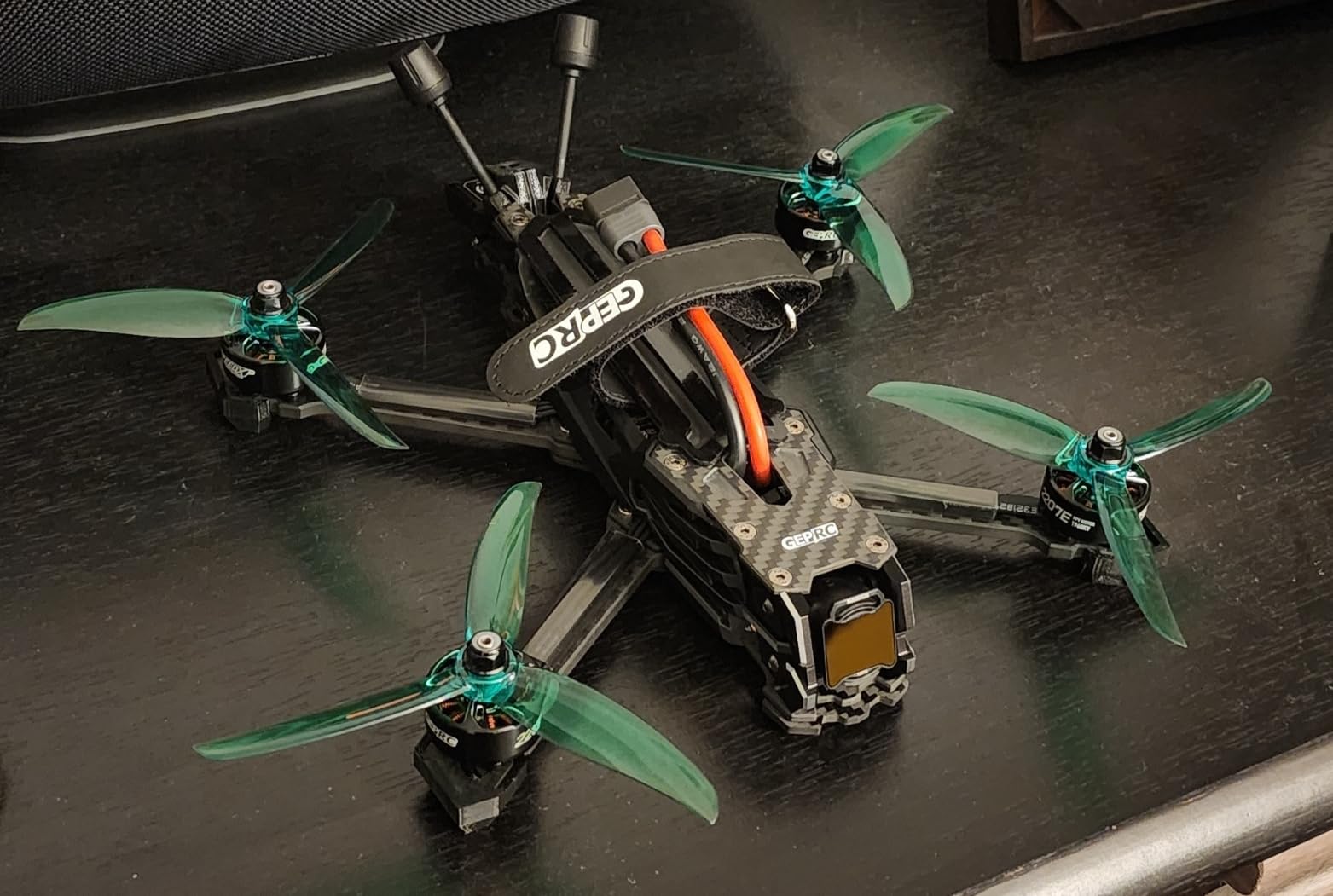
The honest caveats: this is not a true cinewhoop. The props are open, not ducted, so it is not safe to fly near people or delicate decor. Indoors it is loud, and the 430g airframe is heavier than the 250g threshold for many indoor commercial work categories.
If you need indoor-only ducted safety, the Pavo Pico II or DarkStar22 is a better answer. If you fly hybrid indoor-outdoor, the Vapor-X5 is hard to beat.
For whom this drone is the right pick
This is the right pick if you fly both indoor and outdoor on the same shoot, if you want the cleanest O4 Pro low-light footage available, or if you are an experienced FPV pilot who values GEPRC build standards over proprietary DJI ecosystems.
For whom this drone is the wrong pick
If you are a beginner, this is too powerful and too expensive to learn on. If you need ducted props for flying close to people, the Vapor-X5 is the wrong tool. If you only fly indoors, the Avata 2 or Pavo Pico II will serve you better for less money.
8. GEPRC MARK5 O4 Pro DC FPV – Best 6S Power Build for Indoor-Outdoor Hybrid Work
GEPRC MARK5 O4 Pro DC FPV Drone (6S ELRS 2.4G with GPS)
Weight: 440g
Video: O4 Air Unit Pro
Frame: 5-inch DC layout
Pros
- Sharp 4K/120fps O4 Air Unit Pro with 1/1.3-inch sensor
- Aluminum camera mount with silicone damping absorbs vibration
- TAKER F722 BT 50A flight controller with Bluetooth mobile tuning
- Quick-release arms for tool-free field repairs
- Choice of DC or wide-X frame layouts
- GPS-equipped 6S ELRS configuration
Cons
- DJI antennas may arrive unsecured and need a 3D-printed fix
- No spare props included in the box
- Limited public review pool for long-term reliability
The MARK5 O4 Pro DC is the build I reach for when I need 6S power in an indoor-outdoor hybrid scenario. The TAKER F722 BT 50A flight controller and 2107.5 1960KV motors deliver serious thrust, which matters when you are carrying a full O4 Air Unit Pro and need responsive inputs in tight indoor corners. The Bluetooth tuning via the mobile app is a quality-of-life feature I now expect on every premium build: I can adjust rates and filters from my phone without plugging in a laptop.
The aluminum camera mount with silicone damping is the headline engineering detail here. GEPRC tuned the mount to absorb the high-frequency vibration that produces jello, and the difference is visible in side-by-side footage against similar 5-inch builds. The quick-release arms are a practical win for travel: I have swapped a broken arm on a hotel room floor in under 3 minutes with no tools, which would have ended a shoot with most other frames.
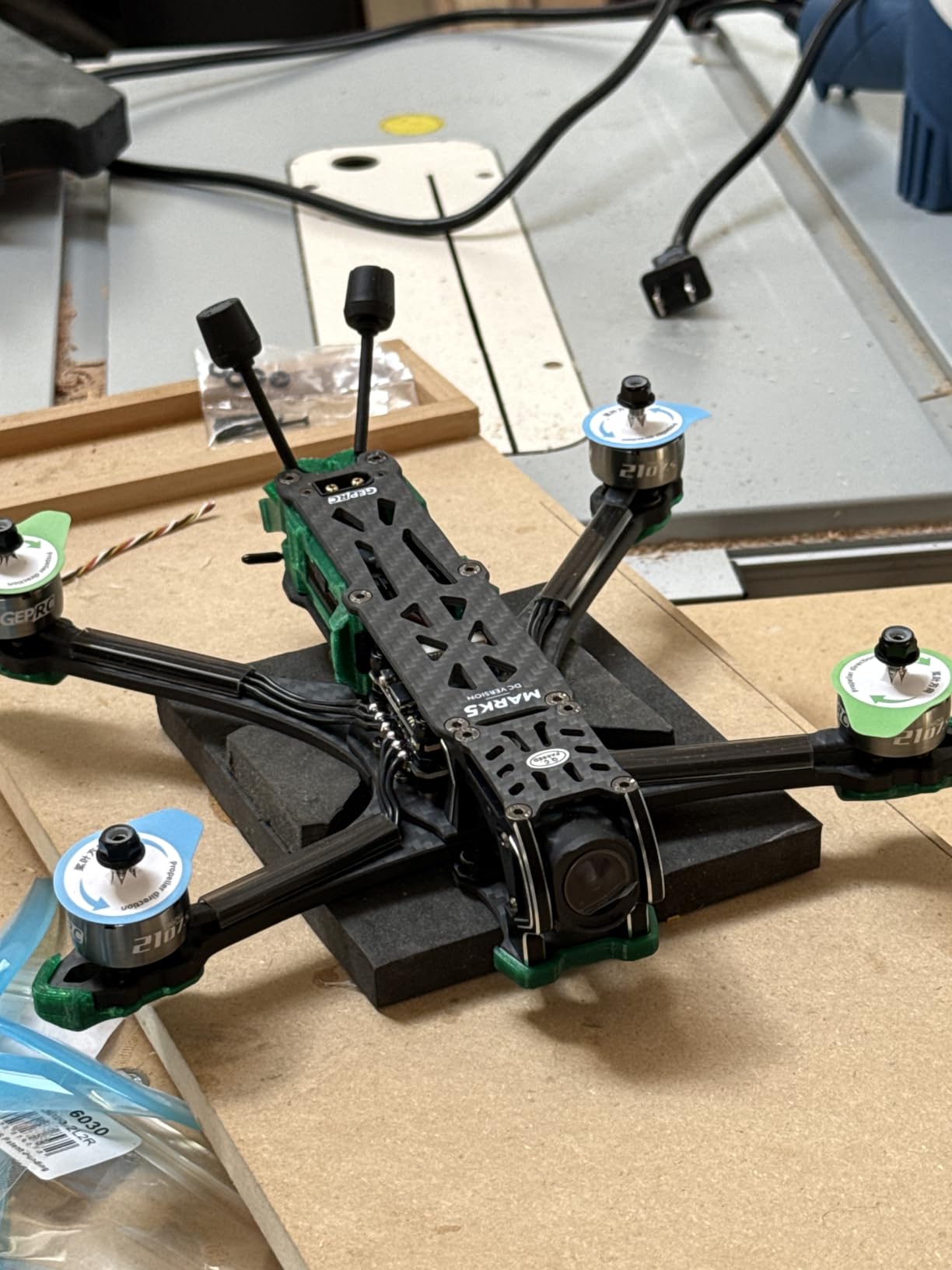
The downsides are real but minor. DJI antennas occasionally arrive with loose hardware, which requires a 3D-printed retainer (community printable, not included). No spare props ship in the box, so order extras with the frame.
The review sample is small (5 reviews at 4.8 average), so I am extrapolating from my own flights and the GEPRC track record on the Vapor-X5 and CineLog lines.
For whom this drone is the right pick
This is the right pick if you want 6S power for hybrid indoor-outdoor shoots, if you value Bluetooth tuning and quick-release arms for field serviceability, or if you are an experienced FPV pilot moving up from a 4S build.
For whom this drone is the wrong pick
If you are a beginner, the 6S power is dangerous in the wrong hands. If you only fly indoor ducted cinewhoops, the MARK5 is overkill. If you do not want to tinker with Betaflight or OSD configuration, the Avata 2 or DJI Flip is a friendlier path.
9. EMAX Tiny Hawk RTF Micro Indoor Racing Kit – Best RTF Kit to Learn FPV Indoors
Tiny Hawk RTF Micro Indoor Racing Drone with FPV Goggles and Controller for Beginners
Weight: 2.7 lb kit
Video: 720p
Includes: Goggles, controller, drone, case
Pros
- All-in-one RTF kit includes drone
- controller
- FPV goggles
- and case
- Real FPV radio link (not Wi-Fi based) for true pilot immersion
- Up to 35 mph top speed is fast enough to learn real FPV skills
- Durable enough to survive beginner crashes indoors
- No extra gear needed - open and fly
Cons
- Limited 200 ft control range restricts outdoor flights
- 720p camera is not suitable for cinematic 4K work
- Mixed long-term durability reports from high-use pilots
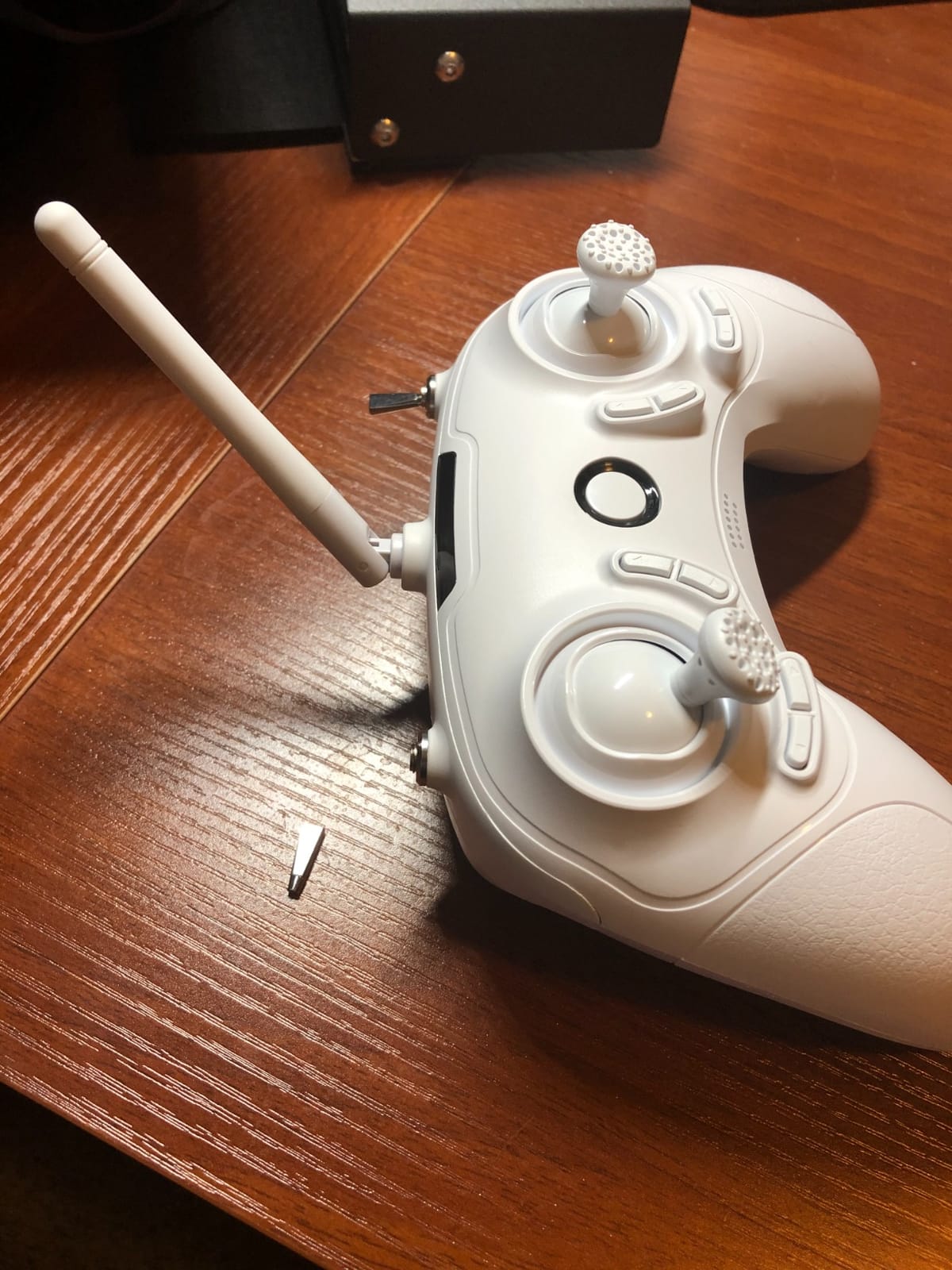
The Tiny Hawk RTF is the kit I buy for friends who want to learn FPV before they ever touch a real cinewhoop. The included goggles, controller, drone, and carrying case mean there is nothing else to buy, which is a major advantage over BNF cinewhoops that assume you already own $500 of gear. I taught a complete beginner to fly basic indoor patterns in under an hour using this kit, with no laptop and no Betaflight configuration.
The 720p camera and 200 ft range make the Tiny Hawk a training tool, not a client-deliverable camera. Think of it as indoor FPV flight school: it teaches you the sticks, the goggles, the basic rates, and the muscle memory you need before you strap an O4 Air Unit to a $500 cinewhoop. Crashes are cheap, props and frames are replaceable, and the community support around the Tiny Hawk platform is massive.
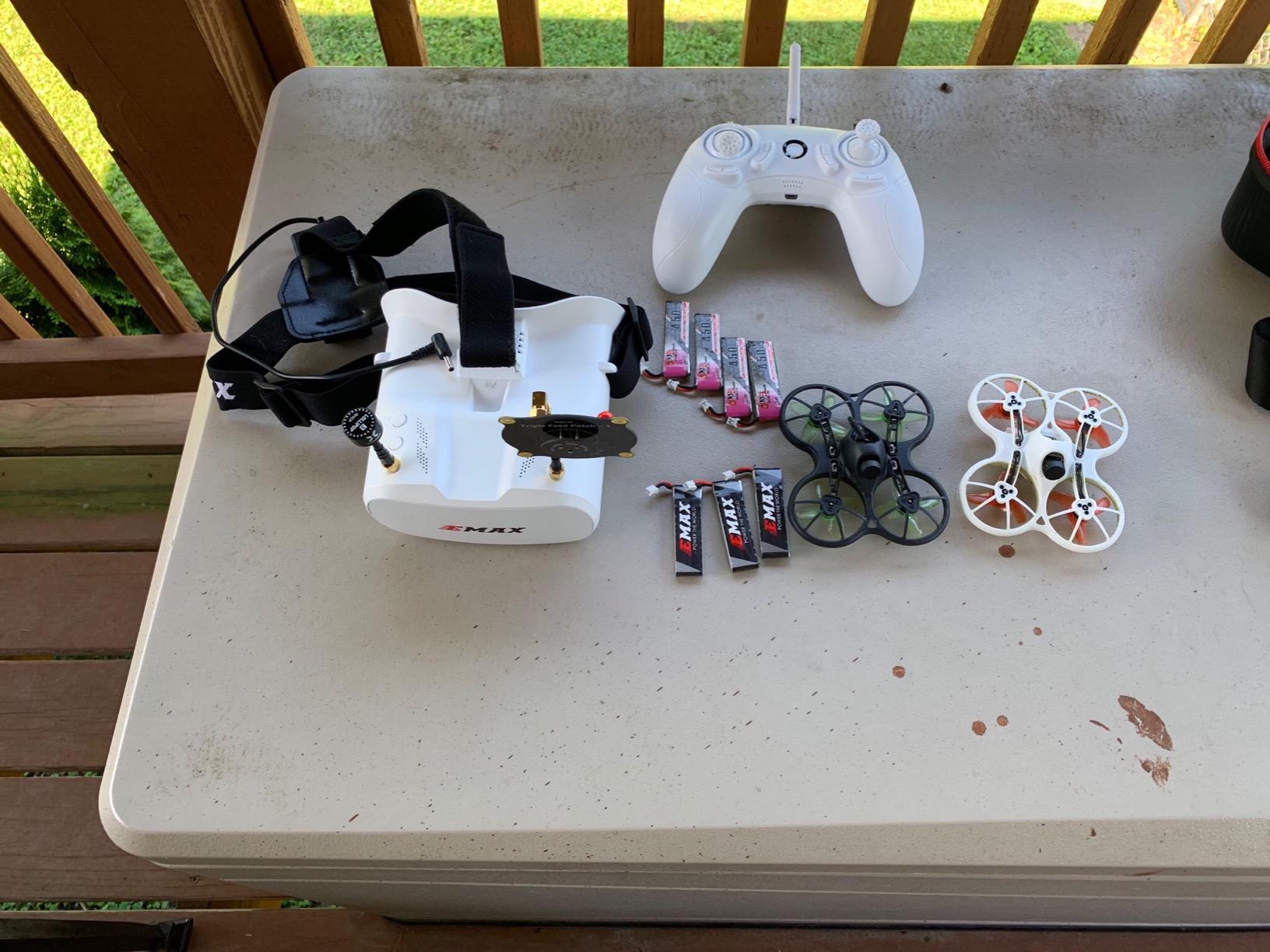
Long-term durability is the most common complaint in the 508 reviews. Beginner pilots crash a lot, and the Tiny Hawk is built for that, but high-use pilots report frame cracks and motor wear after several months. Buy a few spare props and a frame or two, and you will get through the learning curve comfortably.
For whom this drone is the right pick
This is the right pick if you are brand new to FPV, if you want to learn the basics before buying a cinewhoop, or if you want a complete kit to gift to someone starting the hobby. It is also the right indoor drone for kids and teens with supervision.
For whom this drone is the wrong pick
If you need cinematic 4K footage for client work, the Tiny Hawk is not the answer. If you already own FPV goggles and a radio, the Tiny Hawk duplicates gear you already have. If you primarily fly outdoor, the limited 200 ft control range is a dealbreaker.
10. Happymodel Mobula6 2024 1S Whoop – Best Indoor FPV Practice Drone
Happymodel Mobula6 2024 1S 65mm Ultra-Light Micro FPV Whoop Drone BNF with SuperX ELRS 5-IN-1 AIO (400mW VTX, SE0702 28000KV) – 17.7g Tiny Racing Drone for Indoor/Outdoor – No Battery, No GPS
Weight: 17.7g
Video: 800TVL analog
Frame: 65mm whoop
Pros
- Ultra-light 17.7g airframe fits any indoor space
- Integrated SuperX ELRS 5-IN-1 AIO board keeps the build clean
- Adjustable 25-400mW OpenVTX via SmartAudio for stronger indoor signal
- SE0702 28000KV brushless motors provide punchy thrust
- FX17-B camera with decent low-light performance
- Purpose-built for tight indoor tracks and light outdoor freestyle
Cons
- No battery included - requires 1S 300-450mAh LiHV purchase
- No GPS and no return-to-home
- 100m control range limit on ExpressLRS 2.4G
- External DVR needed for recording (not included)
- Intended for experienced FPV pilots
- not camera drone buyers
The Mobula6 2024 is the indoor practice drone I fly between real client shoots to keep my fingers sharp. At 17.7g, it is so light that crashes are basically free: I have flown it into walls, ceilings, plants, and the dog, and the only thing that has ever broken is a prop. The integrated SuperX ELRS 5-IN-1 AIO board removes the spaghetti wiring that plagued earlier micro whoops, and the adjustable 400mW OpenVTX gives a reliable video feed even behind walls.
This is not a camera drone. The 800TVL analog feed is for piloting, and recording requires an external DVR. The Mobula6 exists for one purpose: to give experienced FPV pilots a way to practice indoor lines, gates, and proximity flying without risking a $500 cinewhoop on every training session. It is the cheapest insurance policy on this list for keeping your real indoor rig airworthy.
For whom this drone is the right pick
The Mobula6 is right for experienced FPV pilots who want a cheap practice platform, who want to fly indoor tracks at home, or who want a backup drone that fits in a pocket. It is also the right answer for indoor racing and freestyle practice.
For whom this drone is the wrong pick
If you are buying your first drone, start with the Tiny Hawk RTF kit instead. If you need client-deliverable footage, the analog camera is not adequate. If you do not already own an ELRS radio and analog FPV goggles, the total system cost makes this a poor entry point.
Cinewhoop Buying Guide: How to Choose the Right Indoor FPV Drone
Choosing the best cinewhoop drones for indoor video comes down to four decisions: video system, size class, buying format, and ecosystem. Get these right and you will be flying usable footage within days; get them wrong and you will spend months and money recovering from a bad purchase.
Video System: DJI O3 vs O4 vs Walksnail vs HDZero
The DJI O3 Air Unit set the standard for HD digital FPV and remains widely supported. The newer DJI O4 Air Unit and O4 Pro bring cleaner low-light performance, 4K/120fps recording, and tighter integration with DJI Goggles 3 and the DJI RC ecosystem. If you already own DJI Goggles 3, sticking with O3 or O4 keeps your goggle investment working.
Walksnail Avatar is the open alternative with growing lens options and slightly lower latency. HDZero is the lowest-latency digital system, preferred by racers who care about every millisecond but less popular for cinematic work because of its lower recording resolution. For indoor cinematic flying, the O4 Pro is the image-quality leader in 2026.
Size Class and Indoor Maneuverability
Match the cinewhoop size to the typical indoor space you fly. For tight retail interiors, restaurants, and narrow hallways, the 2-inch and 2.5-inch classes dominate. For larger real estate interiors, hotels, and venues, the 3-inch class offers more flight time and better stability.
For venue fly-throughs that mix interior and exterior, the 3.5-inch class adds the power to handle light outdoor wind without losing indoor stability.
Buying Format: RTF, BNF, or PNP
RTF (ready to fly) kits like the EMAX Tiny Hawk include everything in the box and are the lowest-friction way to start. BNF (bind and fly) cinewhoops like the Pavo Pico II require you to bring your own radio, goggles, batteries, and often the camera or video transmitter. PNP (plug and play) airframes like the GEPRC DarkStar22 and Vapor-X5 ship the drone only and assume you already own a compatible radio and goggles.
Ecosystem and Repair Parts
DJI drones lock you into DJI parts and DJI service, but the trade-off is a polished user experience and global service network. Open-platform cinewhoops from GEPRC, BetaFPV, iFlight, and Happymodel use standardized components, which makes repairs cheaper and easier.
For professional indoor work where downtime costs money, the open-platform ecosystem wins. For weekend hobbyists, DJI convenience wins. Whichever you choose, stock spare props, ducts, and at least one frame arm before your first paid shoot.
Battery and Flight Time Reality
Manufacturer flight time claims are best-case numbers. Real-world indoor flight time with an HD camera running is typically 60 to 70 percent of the claimed figure. Buy at least four batteries and a parallel charger so you can rotate packs during a shoot without waiting on a single charger.
Regulatory Notes: Sub-250g, FAA Part 107, and Remote ID
Indoor flying in the US is not regulated by the FAA, but outdoor flying is. Sub-250g drones like the DJI Neo, Neo 2, and DJI Flip skip FAA registration and Remote ID, which is a meaningful workflow advantage for solo creators.
For commercial indoor work where you may also fly outdoor, Part 107 certification is required regardless of weight.
Prop guards and ducts do not automatically make flight over people legal. Category 1 drone rules under Part 107 require specific airframe design, no exposed rotating parts, and a controlled indoor or sheltered environment. Always check current FAA guidance before flying over people at a paid event. Our drones for wedding videography guide covers the operational side of flying drones at events.
Audio Capture for Indoor Drone Shoots
Drone audio is unusable indoors: motor noise, prop wash, and echo overwhelm any recorded sound. Plan to record audio separately with a lavalier mic, a boom, or a portable recorder like those in our indoor microphones roundup. Sync in post using PluralEyes or your NLE’s built-in sync.
Indoor Pre-Flight Checklist
Walk through this before every indoor shoot. Confirm prop guards are secure with no cracks, batteries are fully charged and not puffed, and the SD card has space and is formatted. Verify goggles are charged and bound to the drone, radio sticks are centered, and rates are correct.
Set flight mode to Angle for beginners, walk the airspace mentally and note ceiling fans, hanging lights, mirrors, and pets. Identify the closest safe landing spot, and brief any bystanders to stay clear of the takeoff and landing zones.
Frequently Asked Questions
What is the best drone for filming indoors?
The DJI Avata 2 Fly More Combo is the best drone for filming indoors for most buyers. It pairs built-in propeller guards with the Goggles 3 and RC Motion 3, records 4K/60fps HDR, and is forgiving enough that beginners capture usable footage on the first session. For pilots who already own DJI Goggles 3 and an ELRS radio, the GEPRC DarkStar22 or BETAFPV Pavo Pico II delivers the cleanest footage in a custom BNF package.
What is the difference between an FPV drone and a Cinewhoop drone?
An FPV drone is any drone flown with a first-person video feed through goggles, including racing quads, freestyle quads, and cinewhoops. A cinewhoop is a specific type of FPV drone with fully ducted propellers, typically 2 to 3.5 inches, tuned for slow, smooth, close-proximity flight. The ducts make cinewhoops safer around people and walls, which is why they are the standard tool for indoor cinematography rather than racing.
What size cinewhoop is best for real estate?
For most real estate walkthroughs, a 2.5-inch or 3-inch cinewhoop is the best size. The 2.5-inch class clears standard doorways, handles mixed indoor light well, and flies long enough to cover a full property on one battery. The 3-inch class adds payload capacity for GoPro mounting and more stable flight in larger rooms, at the cost of slightly less maneuverability in tight hallways.
How long does a cinewhoop fly?
Real-world cinewhoop flight time with an HD camera running is typically 5 to 8 minutes per battery, depending on size class, battery capacity, and how aggressively you fly. Manufacturer claims are best-case numbers and often assume no payload and minimum throttle. For professional shoots, plan on 4 to 6 packs per session and bring a parallel charger.
Can beginners fly cinewhoops?
Yes, beginners can fly cinewhoops, especially RTF platforms like the DJI Avata 2, DJI Neo 2, or EMAX Tiny Hawk kit. The motion controllers and angle modes available on most modern cinewhoops make the learning curve much shorter than traditional stick-controlled FPV. For safety, expect 10 to 20 hours of practice in an open space before attempting indoor client work, and start with a simulator.
Are cinewhoops safe around people?
Cinewhoops are the safest FPV option around people because the ducts contain the propellers and reduce blade exposure. They are not zero risk: a fast-moving cinewhoop can still cause injury on impact, and ducted props can still cut if fingers reach inside the duct. For commercial flight over people under FAA Part 107, the aircraft must also meet Category 1 design standards, which goes beyond simply having prop guards.
Do I need special goggles for cinewhoops?
Yes, you need FPV goggles to fly most cinewhoops immersively. The DJI Goggles 3 work with the O3 and O4 Air Units, the DJI Goggles N3 work with the Neo 2 system, and Walksnail or HDZero systems require their own compatible goggles. Some DJI drones like the Flip and Neo can also be flown with a phone screen, but the FPV experience through goggles is meaningfully better for indoor precision work.
Should I learn in a simulator first?
Yes, learning in an FPV simulator like Liftoff, VelociDrone, or the free DRL Simulator is the single best investment you can make before flying a real cinewhoop indoors. A simulator lets you crash thousands of times at zero cost, builds the muscle memory your fingers need for stick inputs, and gives you the orientation skills required when a real craft is 30 feet away and backwards from you. Most experienced pilots recommend 20+ simulator hours before flying any expensive cinewhoop.
Final Verdict: The Best Cinewhoop Drone for Indoor Video in 2026
For most buyers in 2026, the DJI Avata 2 Fly More Combo is the best cinewhoop drone for indoor video. It is the only drone on this list that combines a turnkey FPV package (drone, goggles, motion controller, three batteries), 4K/60fps HDR footage, built-in propeller guards, and the polish of the DJI ecosystem in one box. Real estate agents, wedding filmmakers, hotel marketers, and content creators who need dependable indoor footage without a steep learning curve will be flying client-ready clips the same day they open the box.
For pilots who already own DJI Goggles 3 and an ELRS radio, the GEPRC DarkStar22 is the best custom BNF pick for real estate walkthroughs, and the BETAFPV Pavo Pico II is the right answer for the tightest indoor spaces. For complete beginners, the DJI Neo 2 Motion Fly More Combo is the friendliest path into indoor FPV. For budget buyers, the DJI Neo delivers 4K UHD at the lowest entry cost.
Whichever you choose, spend at least 10 hours in an FPV simulator before flying indoors for real, and bring spare props, ducts, and batteries to every paid shoot.