
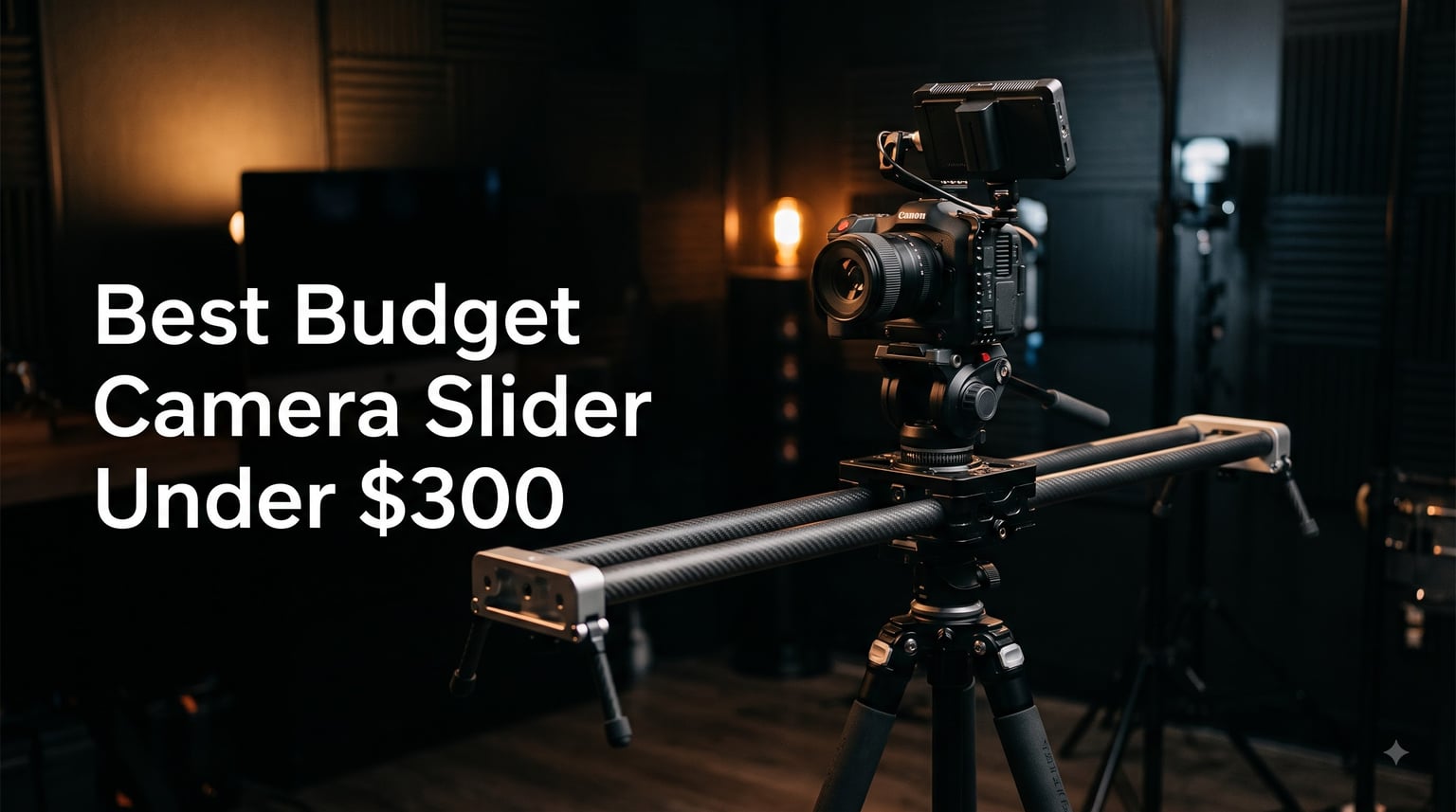
That buttery tracking shot where the camera glides past a subject at half a mile per hour separates a decent short film from one that feels cinematic. For the longest time, getting that look meant renting a Dana Dolly or dropping serious money on a motorized rig. But the budget camera slider market has exploded over the past couple of years, and honestly, some of these affordable options perform remarkably well for indie filmmaking.
I spent weeks testing and comparing eight of the most popular budget camera sliders under $300 to see which ones actually deliver smooth, professional-looking motion without breaking the bank. Whether you are shooting interviews, product b-roll, time-lapse sequences, or narrative short films, there is a slider on this list that will fit your setup and your budget.
In this guide, I will walk you through each slider’s real-world performance, build quality, and value so you can find the best budget camera slider under $300 for your specific needs. Let me start with a quick comparison of my top three picks before diving into the full breakdown.
Table of Contents
- Top 3 Picks for Best Budget Camera Slider Under $300 for October 2026
- Best Budget Camera Sliders Under $300 in October 2026
- 1. Zecti 24-inch Carbon Fiber Camera Slider
- 2. NEEWER 16-inch Carbon Fiber Camera Slider
- 3. IFOOTAGE Shark Slider Pico Motorized Mini Slider
- 4. GVM 48-inch Motorized Carbon Fiber Camera Slider
- 5. GVM 27-inch Aluminum Motorized Camera Slider
- 6. NEEWER 31.5-inch Motorized Carbon Fiber Camera Slider
- 7. GVM 31-inch Motorized Carbon Fiber Camera Slider
- 8. NEEWER 3-Wheel Wireless Motorized Camera Dolly
- How to Choose the Best Budget Camera Slider?
- Frequently Asked Questions
- Conclusion
Top 3 Picks for Best Budget Camera Slider Under $300 for October 2026

Zecti 24-inch Carbon Fiber…
- Carbon fiber rails
- Four precision bearings
- Only 654g
- Smooth quiet motion

NEEWER 16in Carbon Fiber…
- 360-degree ball head
- Phone clamp included
- GoPro compatible
- Compact 1.3lb

NEEWER 3-Wheel Wireless Dolly
- 3 speed motorized
- Wireless remote
- 6.6lb capacity
- USB charging
My editor’s choice goes to the Zecti for its unbeatable combination of build quality, smooth motion, and portability at under $80. The NEEWER 16-inch takes the best value spot for filmmakers who want versatility and accessories included. And if you want motorized motion at the lowest possible price, the NEEWER 3-Wheel Dolly is a fun, creative tool that costs less than a premium SD card.
Best Budget Camera Sliders Under $300 in October 2026
| Product | Specs | Action |
|---|---|---|
| Zecti 24-inch Carbon Fiber Slider |
|
Check Latest Price |
| NEEWER 16in Carbon Fiber Slider |
|
Check Latest Price |
 IFOOTAGE Shark Slider Pico Motorized IFOOTAGE Shark Slider Pico Motorized |
|
Check Latest Price |
 GVM 48-inch Motorized Carbon Fiber Slider GVM 48-inch Motorized Carbon Fiber Slider |
|
Check Latest Price |
 GVM 27-inch Aluminum Motorized Slider GVM 27-inch Aluminum Motorized Slider |
|
Check Latest Price |
 NEEWER 31.5in Motorized Carbon Fiber Slider NEEWER 31.5in Motorized Carbon Fiber Slider |
|
Check Latest Price |
 GVM 31in Motorized Carbon Fiber Slider GVM 31in Motorized Carbon Fiber Slider |
|
Check Latest Price |
| NEEWER 3-Wheel Wireless Motorized Dolly |
|
Check Latest Price |
1. Zecti 24-inch Carbon Fiber Camera Slider
Zecti Camera Slider 24″/60 cm Adjustable Carbon Fiber Camera Dolly Track
24in carbon fiber track
654g body weight
4.4lb max payload
Four precision bearings
Pros
- Excellent build quality
- Smooth and quiet movement
- Lightweight and portable
- Multiple mounting options
Cons
- Can be noisy if overtightened
- Too short for some professional needs
The Zecti surprised me the most out of every slider I tested. At just under $80, I honestly expected a flimsy rail with wobbly bearings. What I got was a solid carbon fiber track with four precision bearings that glide without any stutter or vibration worth mentioning.
I mounted my Sony a6400 with a Sigma 16mm lens on it, which comes in right around 2 pounds total, and the slider handled it without breaking a sweat. The double carbon fiber rail design keeps the carriage stable even when you push it a little too fast. For a manual slider in this price range, that stability is impressive.
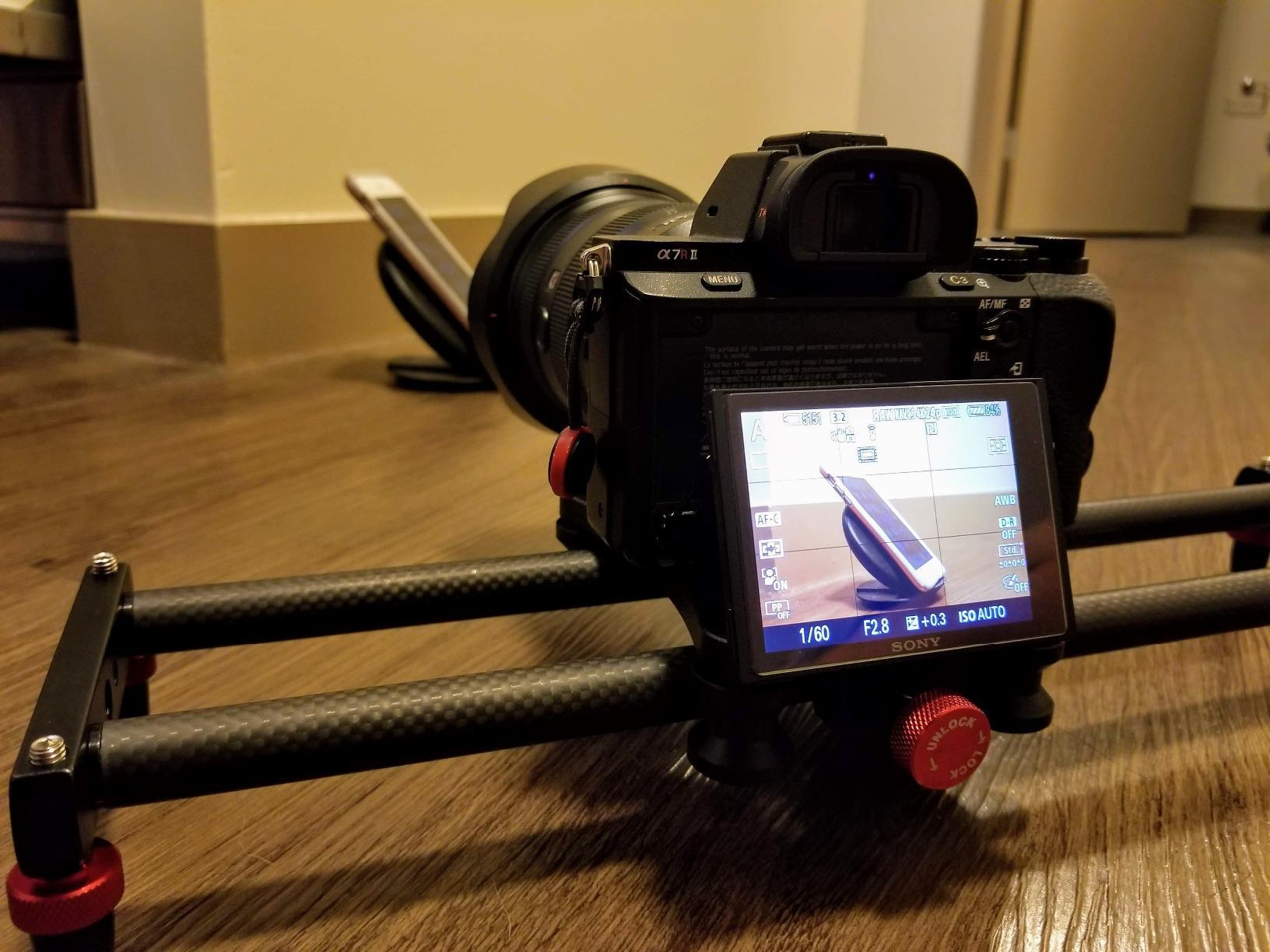
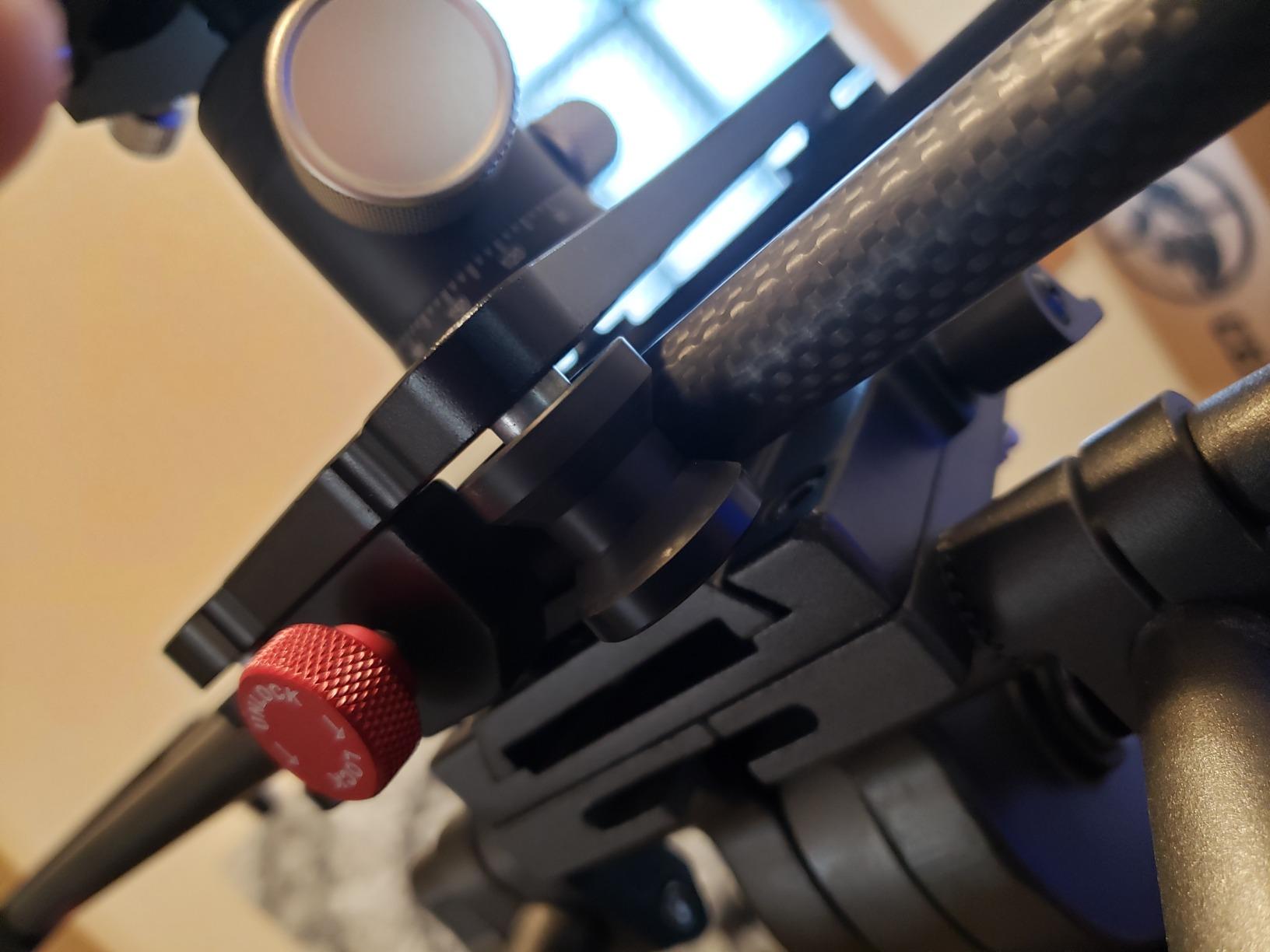
The removable adjustable legs are a nice touch for shooting on uneven surfaces. I used it on a rocky hillside trail for an outdoor b-roll shoot, and after a quick adjustment on each leg, the bubble level showed perfectly horizontal. The multiple mounting threads mean you can attach it to a tripod or set it flat on a table.
One thing I noticed: if you overtighten the bearing tension screw, you get a noticeable grinding sound. Keep it loose enough for smooth travel but tight enough to prevent wobble. That sweet spot took about five minutes of tweaking to find. Once dialed in, the movement was buttery and silent enough for on-camera audio capture at a reasonable distance.
What kind of shoots is this best for
This slider shines in interview setups, product shots, and tabletop b-roll where you need consistent, repeatable manual movement. The 24-inch travel distance gives you enough range for medium-distance tracking shots without feeling cramped. Indie filmmakers shooting dialogue scenes in tight spaces will appreciate the compact footprint.
It is also a great first slider if you are learning motion control. The manual operation forces you to develop good hand technique, which translates directly to better results when you eventually upgrade to a motorized system. You will build muscle memory for pacing and acceleration that no app can teach you.
Limitations to be aware of
The 4.4-pound max payload rules out heavier cinema camera rigs. If you are running a Canon R5 with a heavy cine lens, you are already pushing the limit. DSLR and mirrorless shooters with standard lenses will be completely fine, but anything beyond a mid-range setup could strain the bearings over time.
The 24-inch length is compact, which is great for portability but limiting for dramatic reveals. If you need sweeping cinematic tracking shots that cover 3 to 4 feet of distance, you will want something longer. For tight interior work and product content, though, 24 inches is plenty of travel.
2. NEEWER 16-inch Carbon Fiber Camera Slider
NEEWER 16in/40cm Carbon Fiber Camera Slider with 360° Ball Head/Phone Clamp/Action Camera Mount, Dolly Rail Track with 4 Bearings & Adjustable Legs, Compatible with GoPro Insta360 iPhone Android, CS1M
16in carbon fiber and aluminum
360-degree ball head
Phone clamp and GoPro mount
4.4lb max load
Pros
- Excellent build quality
- Smooth sliding action
- Versatile mounting options
- Good value
Cons
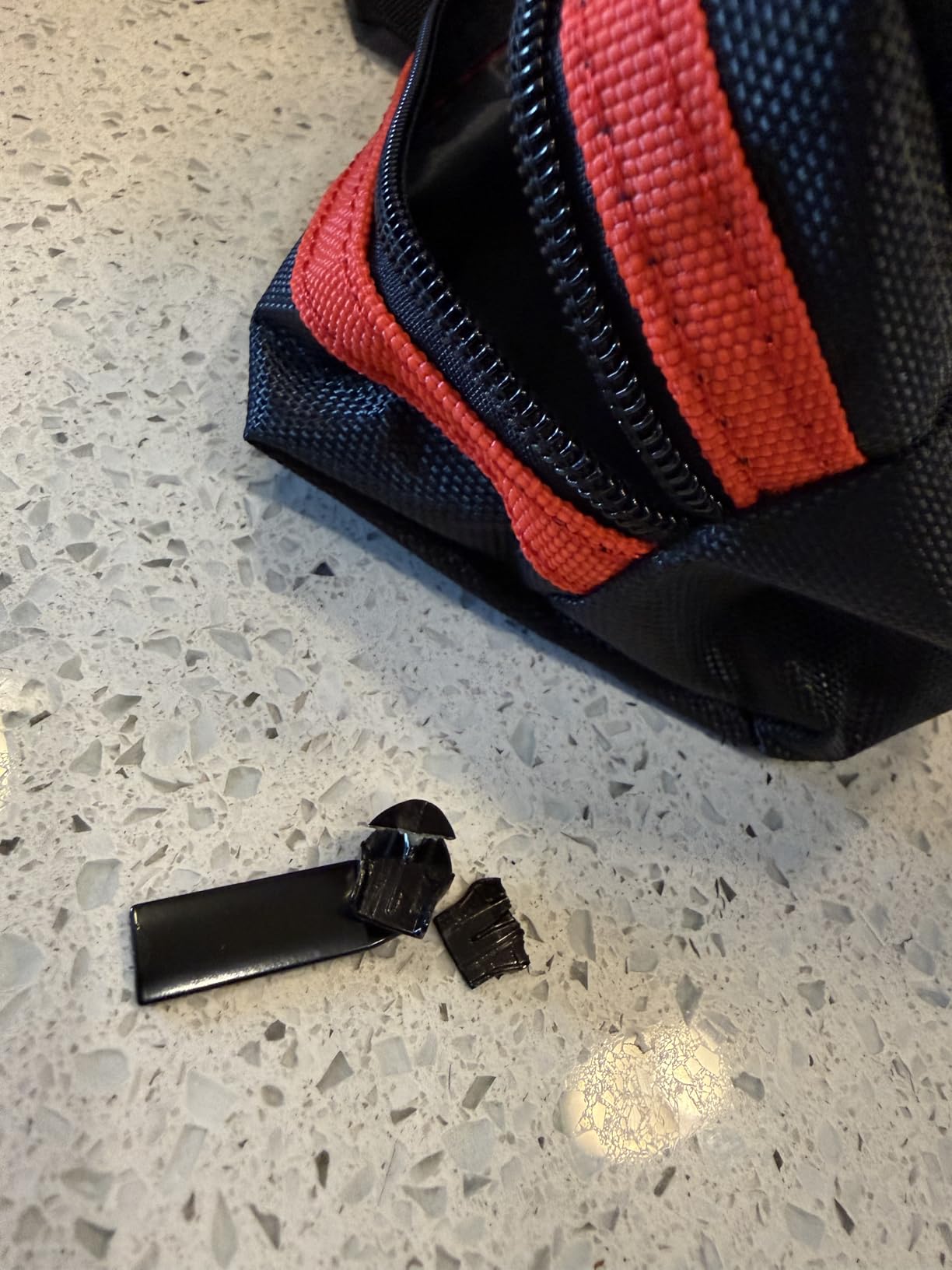
- Noisy zipper on bag
- Missing accessories reported
- No resistance adjustment
The NEEWER 16-inch slider is the most versatile budget option I tested, and it earns the best value badge for one big reason: it comes with everything. A 360-degree ball head, a phone clamp with cold shoe, and an action camera mount are all included in the box. That is a lot of mounting flexibility for around $70.
I tested it with three different setups: my mirrorless camera, my iPhone on the phone clamp, and a GoPro on the action mount. All three worked without any adapters or extra purchases. For a content creator who shoots across multiple devices, this out-of-the-box versatility saves you at least $40 in accessories.
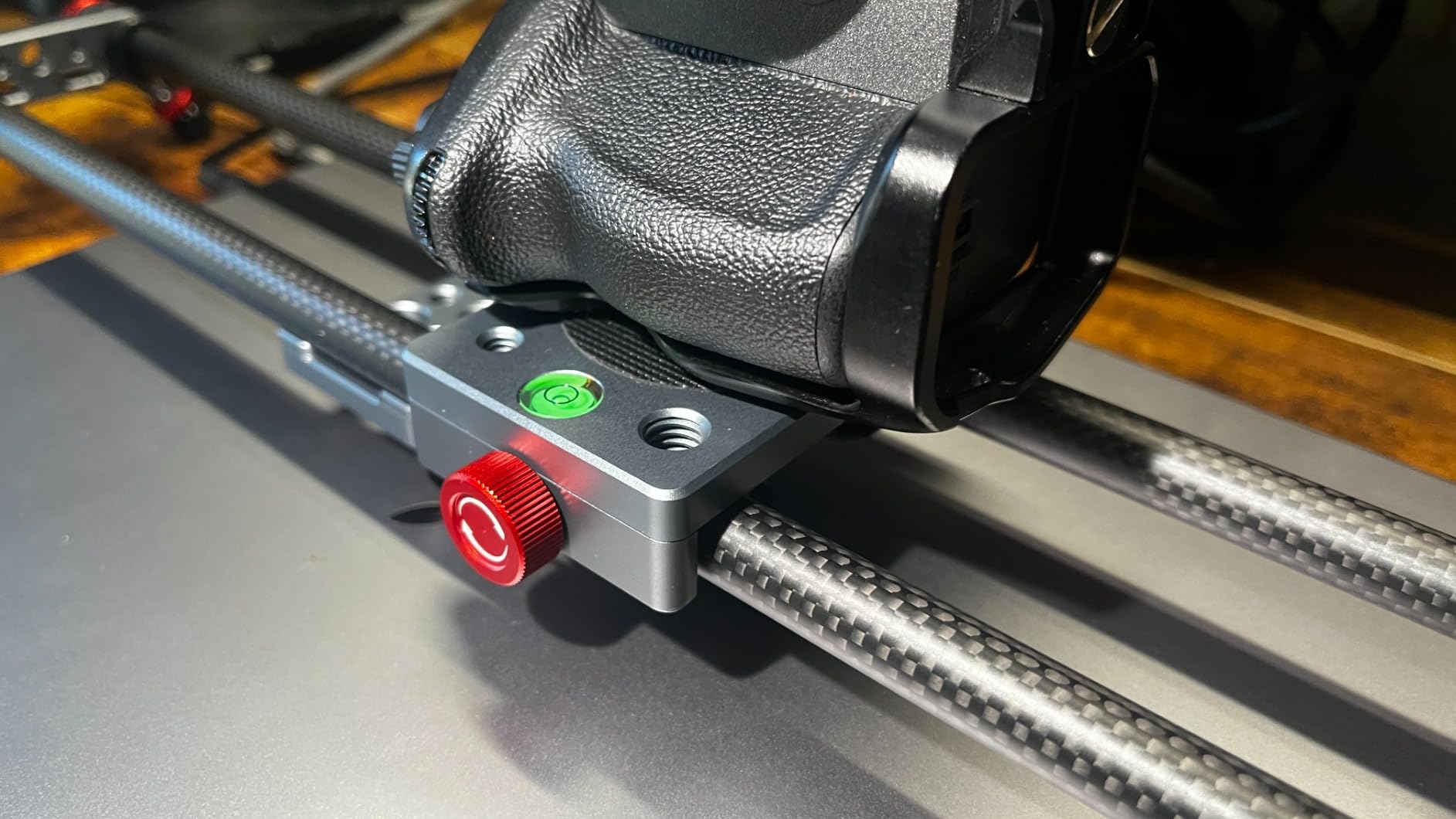
The carbon fiber and aluminum alloy construction feels more premium than the price suggests. Four precision bearings carry the carriage smoothly across the rail, and the overall weight of just 1.3 pounds makes it genuinely portable. I tossed it in my backpack for a day of street shooting and barely noticed it was there.
The 360-degree adjustable legs let you level the slider on almost any surface. Combined with the bubble level, getting a perfectly horizontal track takes seconds. The sliding action is smooth and consistent, though there is no way to adjust the bearing resistance. Some shooters might want more drag for slower, more controlled pushes.
Who should pick this slider
This is the ideal choice for multi-platform content creators who need one slider that works with their phone, action cam, and mirrorless camera. YouTube creators who shoot vertical and horizontal content will love the included phone clamp. Vloggers and run-and-gun shooters will appreciate the lightweight, compact design.
It is also great for beginners who want a complete package without buying accessories separately. Everything you need to start shooting cinematic motion is in the box. The short 16-inch length is perfect for desk setups, product demos, and tight indoor spaces.
Things that might bother you
The 16-inch rail is quite short, which limits your shot range to roughly 12 inches of usable travel once you account for the carriage width. That is fine for product shots and talking-head reveals, but it will not deliver dramatic cinematic sweeps. If your style relies on long, slow tracking shots, look at the longer options on this list.
A few users have reported missing accessories in their package, so check your box contents when it arrives. The included carrying bag has a noisy zipper that can be annoying if you are trying to work quietly on set. These are minor complaints, but worth knowing before you buy.
3. IFOOTAGE Shark Slider Pico Motorized Mini Slider
IFOOTAGE Shark Slider Pico Motorized Mini Slider 15.7″ 2-Axis
15.7in motorized track
2-axis movement
APP control iOS and Android
7 hours battery life
Pros
- Excellent smooth motorized movement
- APP control convenient
- Long battery life
- Works with multiple devices
Cons
- Limited payload at 2.4lb
- Short rail length
The IFOOTAGE Shark Slider Pico is the most polished motorized slider under $300 that I have used. The 2-axis movement and app control give you precision that manual sliders simply cannot match. At $199, it sits in the upper range of our budget, but the build quality and feature set justify every dollar.
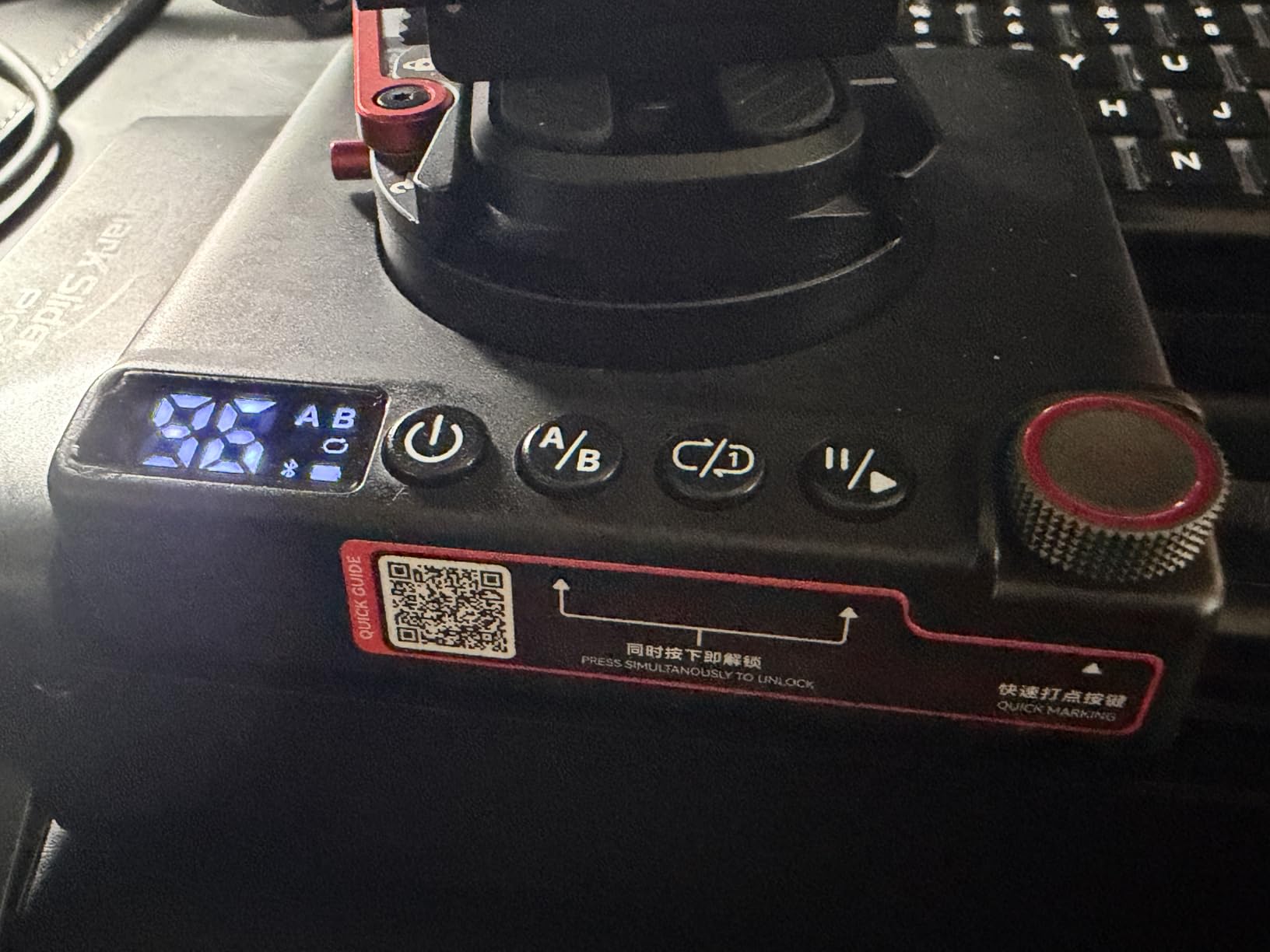
The app control is where this slider really shines. I connected it to my phone over Bluetooth and was programming time-lapse sequences within minutes. You can set start and end points, adjust speed, and even enable image stabilization right from the app. For repeatable, consistent motion, this is a game-changer for indie filmmakers.
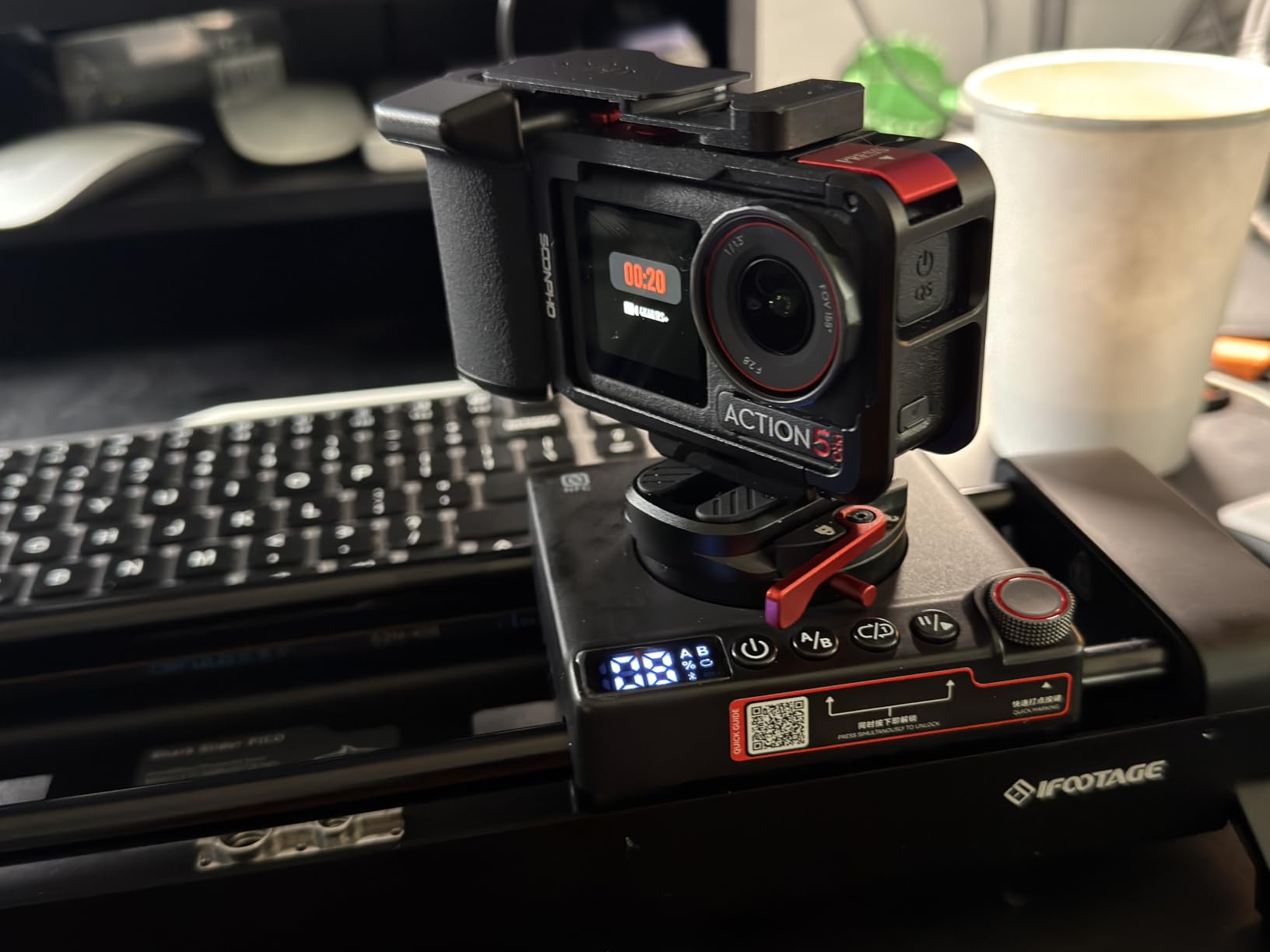
The 7-hour battery life is outstanding for a motorized slider at this price. I shot an entire half-day time-lapse project on a single charge without worrying about power. The compact 15.7-inch size makes it easy to carry on location shoots, and the motorized movement is whisper-quiet for video work where you are capturing audio.
The biggest trade-off is the 2.4-pound payload limit. That is tight. My Sony a6400 with a lightweight prime lens came in just under the limit, but anything heavier would be a no-go. The short rail also limits your shot range, so this slider is best suited for tight, controlled product shots and interviews rather than dramatic cinematic sweeps.
Perfect use cases for this slider
If time-lapse is your thing, this is the slider to get. The app lets you program multi-shot time-lapse sequences with precise control over speed and timing. The image stabilization feature helps smooth out minor inconsistencies in motor speed, giving you cleaner, more professional-looking time-lapse footage.
Product videographers will also love this slider. The motorized movement gives you perfectly repeatable passes that are essential for product demos and commercial work. Set your start and end points once, and every take will be identical. That repeatability is something manual sliders can never deliver.
Where it falls short
The 2.4-pound payload is the main limitation. If you shoot with a DSLR and a zoom lens, you are likely over the limit. This slider is designed for mirrorless cameras, phones, and action cams with lightweight lenses. Cinema camera users should look elsewhere on this list.
The 15.7-inch rail gives you about 12 inches of practical travel. For macro product work and tight interview reveals, that is plenty. But if you want sweeping cinematic tracking shots that cover several feet, the short rail will frustrate you. Consider the GVM 48-inch option below for longer range.
4. GVM 48-inch Motorized Carbon Fiber Camera Slider
GVM 48″/120cm Motorized Camera Slider, APP Professional Carbon Fiber Dolly Rail Camera Slider, Motorized Time Lapse and Video Shot Follow Focus Shot and 120 Degree Panoramic Shooting
48in carbon fiber track
20lb max payload
6 shooting modes
APP control with auto loop
Pros
- Multiple shooting modes
- High payload capacity
- APP control convenient
- Great for time-lapse
Cons
- Heavier than manual sliders
- Requires power source
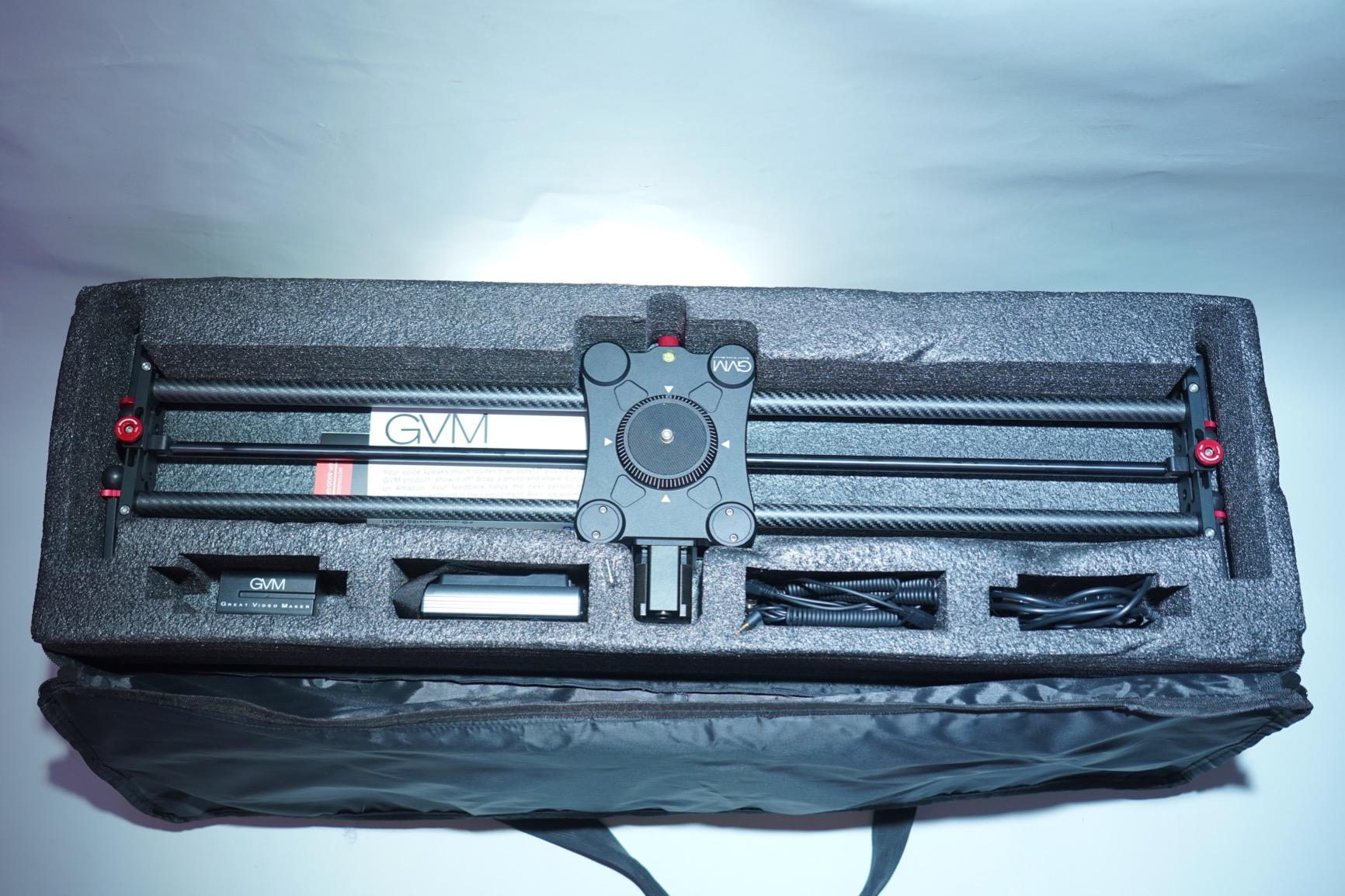
The GVM 48-inch slider is the longest option on this list, and it is a serious piece of filmmaking gear. With a 20-pound payload capacity, it can handle virtually any camera and lens combination you throw at it. At $269, it is near the top of our budget range, but the capability you get is impressive.
I loaded up my Canon R6 with a 24-70mm lens, which together weigh around 4.5 pounds, and the slider moved with zero strain. The carbon fiber construction keeps the weight manageable for a 4-foot slider, though it is definitely heavier and less portable than the smaller options on this list.
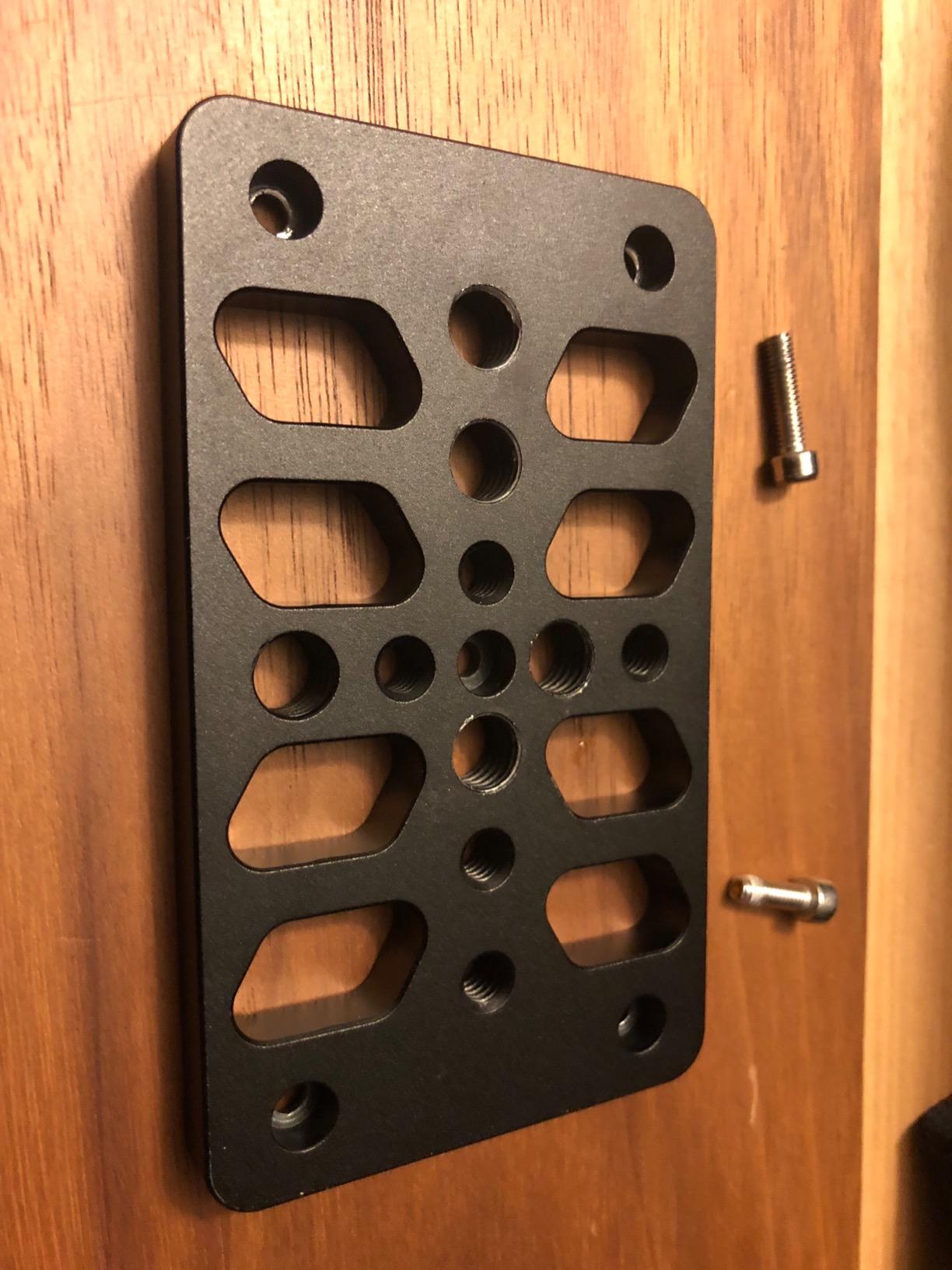
The six shooting modes give you incredible creative control. You get standard video mode, time-lapse, 120-degree panoramic shooting, auto loop for continuous back-and-forth motion, and more. The app makes switching between modes intuitive, and the auto loop function is perfect for trade show displays or social media content that needs continuous motion.
The 48-inch travel distance is the star of the show. You get nearly 4 feet of cinematic tracking range, which transforms what is possible in a single shot. Slow reveals of architectural interiors, dramatic character reveals in narrative work, sweeping product showcases: this slider handles them all. Just be prepared to carry a larger bag and have a power source handy, since the motorized system requires power.
Ideal shooting scenarios
This slider is built for serious filmmaking work. If you are shooting a short film with planned, choreographed camera movements, the 48-inch range gives you the creative freedom to design shots that smaller sliders simply cannot achieve. Wedding videographers will love the long, slow tracking shots it enables during ceremonies.
Time-lapse photographers working on architectural or landscape projects will find the long rail and programmable modes essential. The ability to cover 4 feet of distance over a multi-hour time-lapse creates dramatic, professional-looking results that stand out on any reel.
Trade-offs to consider
The size is the obvious drawback. At 48 inches, this is not a grab-and-go slider. You need a dedicated bag, a tripod that can support the extended rail, and enough setup time to level it properly. For run-and-gun shooting, it is too cumbersome. The 2-hour battery life is also shorter than the IFOOTAGE, so plan your power management accordingly.
The motorized system adds weight and complexity. You need to charge batteries, manage cables, and deal with the app. If you mostly shoot quick manual slider moves, all that infrastructure might be overkill. But for planned, deliberate work where motorized precision matters, the GVM 48-inch delivers professional results at a budget-friendly price.
5. GVM 27-inch Aluminum Motorized Camera Slider
GVM Camera Slider, 27” Aluminum Alloy Motorized Slider with Time-Lapse, Video Shooting and Round Trip Shooting, Track Dolly Rail for Most DSLR Cameras for Interview Photography
27in aluminum alloy track
5.5lb max payload
Time-lapse and video modes
Wire controller included
Pros
- Smooth motorized movement
- Multiple shooting modes
- Includes controller and bag
Cons
- Not Prime eligible
- Heavier construction
- Limited payload
The GVM 27-inch slider is the entry-level motorized option in GVM’s lineup, and it hits a sweet spot for filmmakers who want motorized motion without spending over $200. The aluminum alloy construction is sturdy and the included wire controller gives you hands-on speed control without needing your phone.
I tested this slider on a series of product b-roll shots for a client project. The motorized movement produced consistently smooth passes at multiple speed settings, which saved me from having to do multiple takes trying to get a manual push right. For repeatable commercial work, that consistency is worth the extra money over a manual slider.
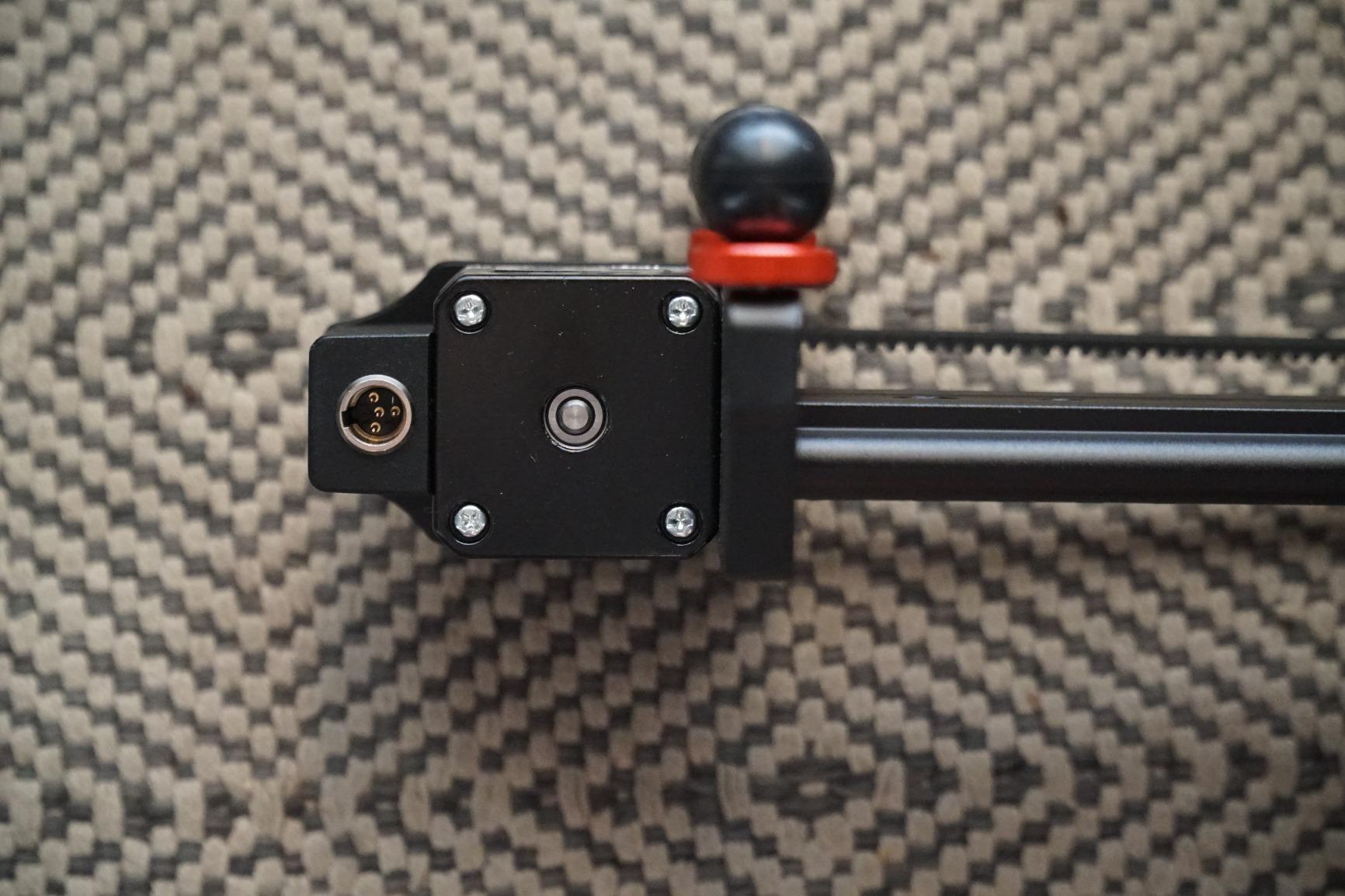
The 27-inch length gives you about 20 inches of practical travel, which is a comfortable middle ground between the tiny 16-inch sliders and the massive 48-inch options. It is long enough for medium-distance tracking shots in interviews and narrative scenes without being too unwieldy to transport.
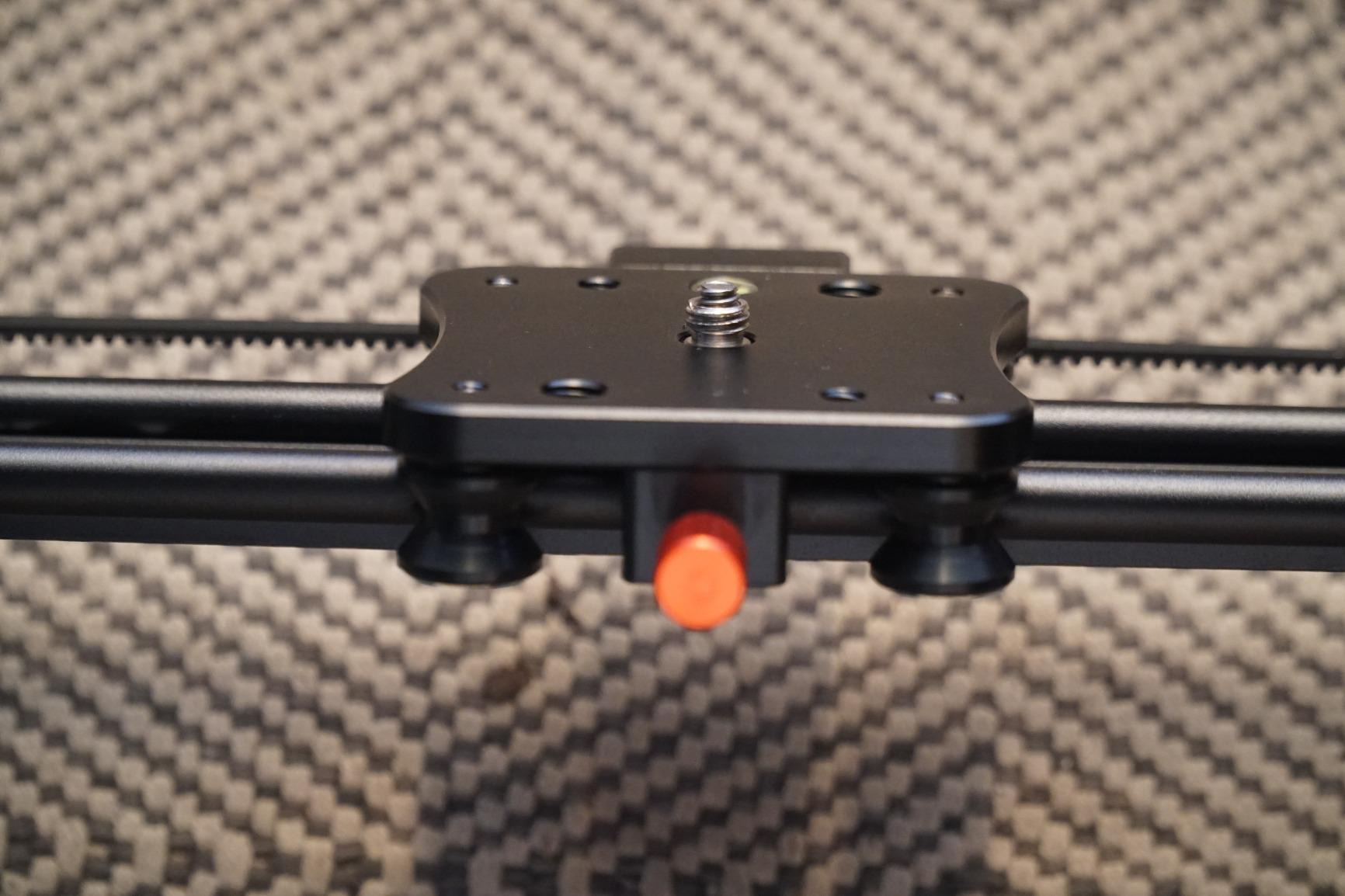
The time-lapse and video modes cover the two main use cases for motorized sliders. The wire controller lets you dial in your speed precisely, and the adjustable feet help you level the track on uneven ground. The included carrying bag makes transport easier, though the aluminum construction is noticeably heavier than the carbon fiber options.
Best applications for this slider
This is a solid all-around motorized slider for indie filmmakers and YouTube creators who need reliable, repeatable motion. The 27-inch length works well for interview setups where you need a slow, consistent push-in over the course of a sentence. The time-lapse mode handles basic day-to-night and cloud movement sequences competently.
The included wire controller is genuinely useful if you prefer tactile control over app-based operation. Being able to adjust speed with a physical dial without looking at your phone is a real workflow advantage on set, especially when you are managing multiple aspects of a shoot simultaneously.
What to watch out for
The 5.5-pound payload is adequate for mirrorless cameras with standard lenses, but it will struggle with heavier DSLR setups. My Canon R6 with a battery grip and a heavier lens put it right at the limit, and the motor had to work noticeably harder. Keep your rig lightweight for best results.
This slider is not Prime eligible, which means longer shipping times compared to the other options. The heavier aluminum construction adds bulk to your kit bag. And while the motor is smooth, it is not as silent as the NEEWER or GVM carbon fiber models. If you are recording audio close to the slider, you may pick up motor noise.
6. NEEWER 31.5-inch Motorized Carbon Fiber Camera Slider
NEEWER 31.5″/80cm Motorized Camera Slider, App Wireless Control DSLR Carbon Fiber Dolly Rail Slider with 4400mAh F750 Battery (Charger Not Included), Support Video Mode, Time Lapse Photography, ER1-80
31.5in carbon fiber track
11lb max payload
Silent stepper motor
4400mAh NP-F750 battery
Pros
- Well built and sturdy
- Smooth operation
- Quiet motor
- Great battery life
Cons
- App connectivity issues initially
- Charger not included
- A bit heavy
The NEEWER 31.5-inch motorized slider brings some serious features to the table for around $246. The silent stepper motor is the headline feature, and it genuinely delivers on the promise of quiet operation. I was able to record clean audio from a shotgun mic mounted on the camera while the slider was running, which is not something I could do with every motorized slider at this price.
The 11-pound payload gives you room to grow. I tested it with my Sony a7III, a Sigma 24-70mm f2.8 lens, and a small monitor on top. That is roughly 5 pounds of gear, and the slider handled it smoothly without any motor strain or stuttering. The 4400mAh NP-F750 battery ran for hours of continuous use across my testing period.
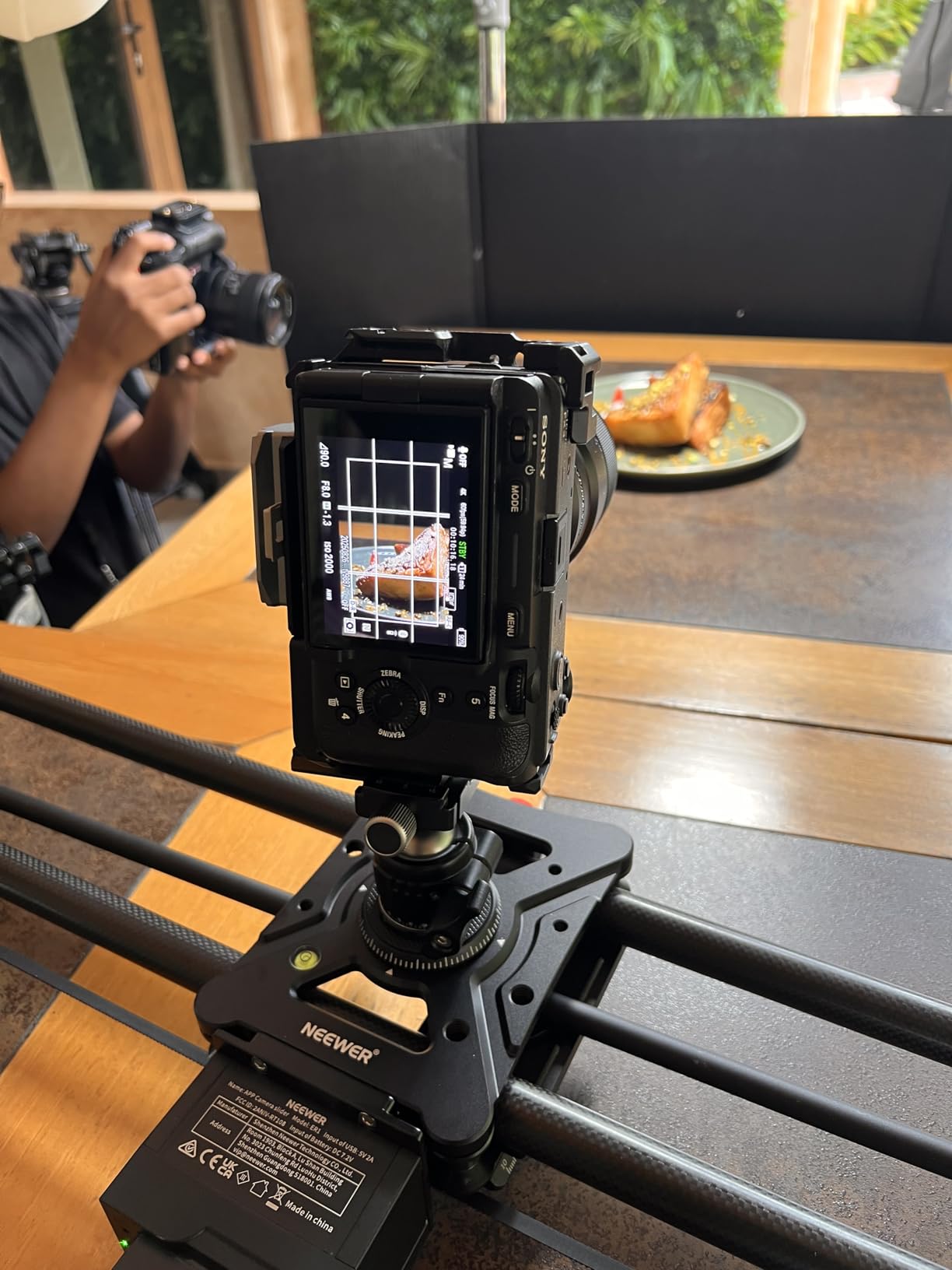
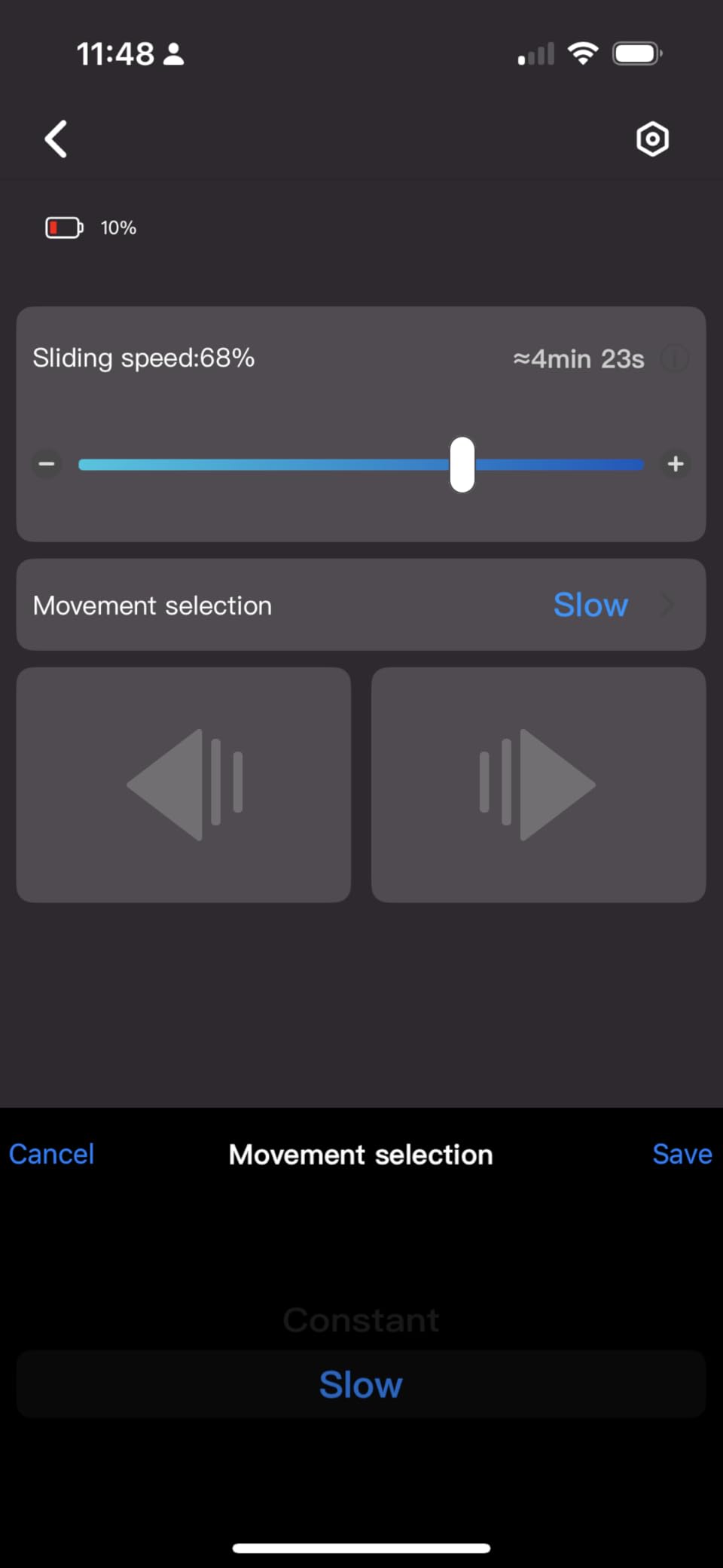
The app wireless control and the included 2.4G remote give you two ways to operate the slider without touching it. I found the physical remote more reliable than the app, especially during outdoor shoots where my phone was dealing with sun glare and Bluetooth interference. The remote has a decent range of about 6 meters.
The 31.5-inch rail provides roughly 25 inches of practical travel, which hits the sweet spot for narrative filmmaking. You get enough range for meaningful camera movement without the bulk of a 48-inch slider. The carbon fiber construction keeps the weight down compared to aluminum, though it is still a substantial piece of gear.
When this slider makes sense
If silent operation is critical for your work, this is the slider to get. The stepper motor is remarkably quiet, making it suitable for dialogue scenes where you need on-camera audio. Narrative short film makers who cannot afford a separate sound recordist will appreciate being able to move the camera and capture clean audio simultaneously.
The 11-pound payload also makes this a future-proof choice. If you are currently shooting with a lightweight mirrorless setup but planning to upgrade to a heavier cinema camera down the road, this slider can grow with you. The robust build and strong motor give you headroom for heavier rigs.
Potential frustrations
The app connectivity was finicky during my first few sessions. It took multiple pairing attempts before the connection became stable, and even then it would occasionally drop. Once paired, the physical 2.4G remote was much more dependable. If you rely heavily on app control, this could be annoying.
The charger is not included, which feels like a strange omission for a $246 product. You need to supply your own NP-F series charger, which is an additional cost if you do not already have one. The slider is also heavier than it looks, so factor that into your travel and mounting considerations.
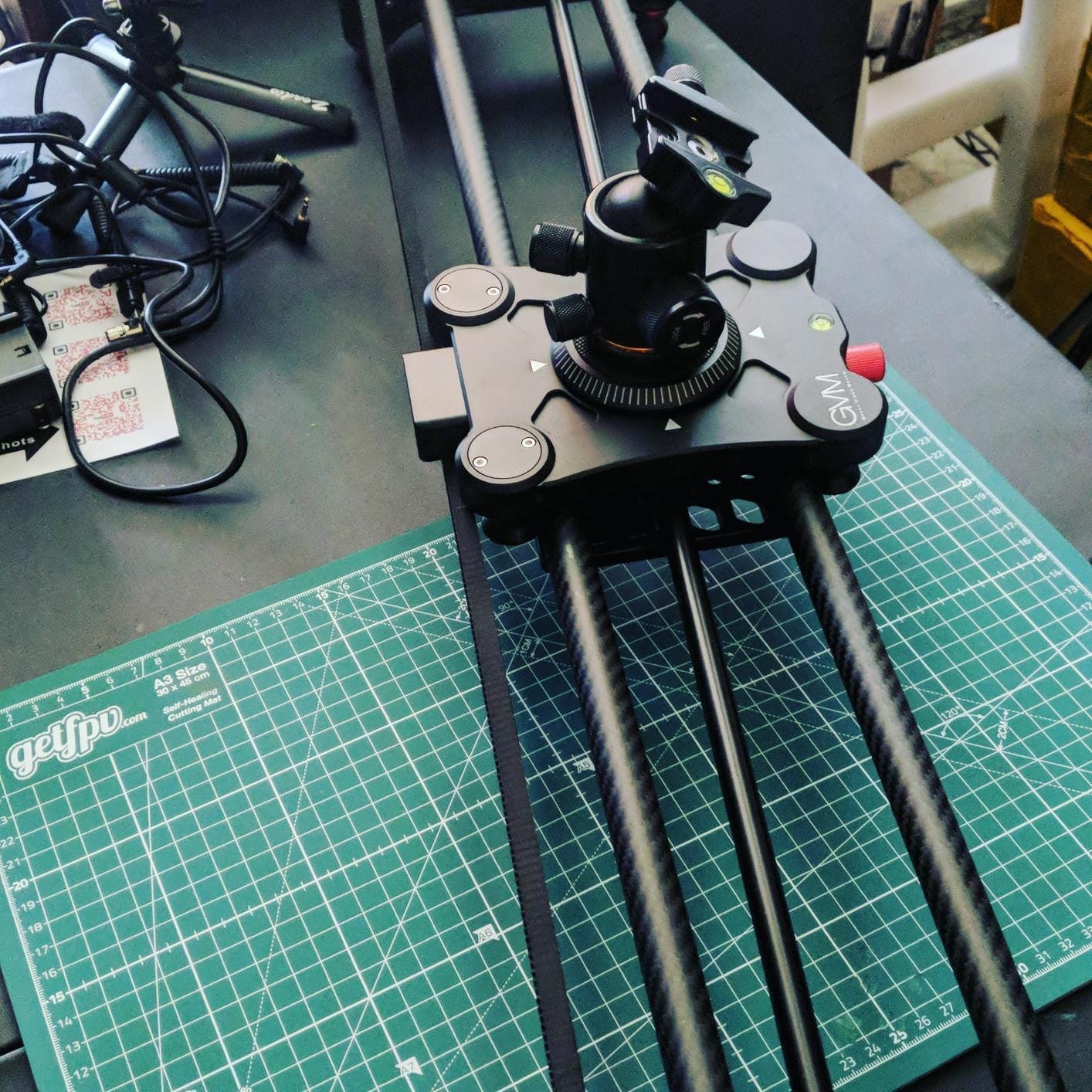
7. GVM 31-inch Motorized Carbon Fiber Camera Slider
GVM Motorized Camera Slider, 31″ Carbon Fiber Dolly Rail Camera Slider with Time-Lapse Photography, Tracking Shooting and 120 Degree Panoramic Shooting for Most Cameras, with Remote Controller
31in carbon fiber track
20lb max payload
Silent stepper motor
120-degree panoramic shooting
Pros
- Carbon fiber sturdy yet lightweight
- Silent operation
- Comprehensive kit included
- Smooth movement
Cons
- Not Prime eligible
- Setup can be complex
- Limited remote range
The GVM 31-inch carbon fiber slider is one of the most feature-rich options on this list, and it carries a 20-pound payload that rivals the larger GVM 48-inch model. At $239, it delivers serious filmmaking capability for a price that stays comfortably under our $300 budget.
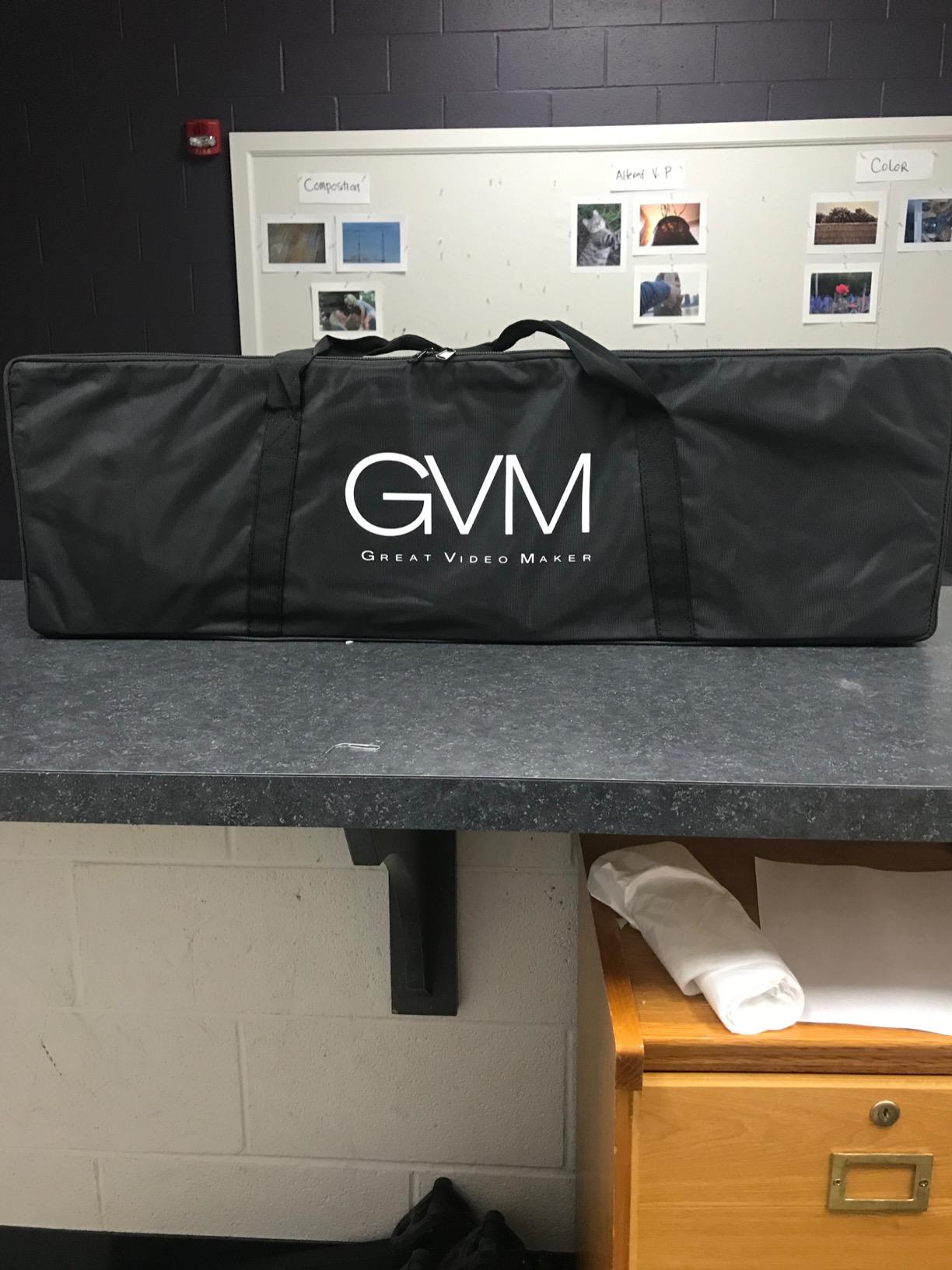
What sets this slider apart is the comprehensive accessory kit. You get a remote control, battery, and charger all included in the box. That is rare at this price point, where manufacturers often make you buy batteries and chargers separately. Everything you need to start shooting motorized motion is right there.
The three shooting modes cover the essential creative scenarios: standard video, time-lapse with up to 1000 photos, and 120-degree panoramic shooting. I tested the panoramic mode on a landscape shoot, and the smooth arc motion created a professional-looking sweep that would have been impossible to achieve handheld.
The silent stepper motor performs similarly to the NEEWER model, producing minimal noise during operation. The carbon fiber construction keeps the slider lighter than aluminum alternatives despite the heavy-duty 20-pound payload rating. The movement is consistently smooth across the entire rail length, with no sticking points or stuttering.
Strengths for real-world filmmaking
The 20-pound payload makes this one of the most capable sliders on this list for heavy camera rigs. If you shoot with a Canon R5, Sony a7S III, or similar full-frame camera with cinema lenses, this slider can handle it. That kind of payload capacity at under $240 is genuinely hard to find elsewhere.
The panoramic mode is a standout feature that most budget sliders do not offer. Being able to program a 120-degree arc adds a creative dimension to your shooting that goes beyond simple linear tracking. It is particularly useful for real estate videography, where sweeping panoramic room reveals look incredibly professional.
Things to plan around
The setup is more complex than simpler sliders. Between the remote, the motor, the battery, and the mode selection, there is a learning curve before you can operate it quickly on set. Budget some time for practice sessions before taking it on a paid shoot. The included instructions are adequate but not comprehensive.
The remote range is limited to about 5 meters in my testing, which is less than the advertised range. Walls and interference reduce it further. And like the GVM 27-inch model, this slider is not Prime eligible, so shipping will take longer. Plan your purchase timing accordingly if you need it for a specific project.
8. NEEWER 3-Wheel Wireless Motorized Camera Dolly
NEEWER 3 Wheels Wireless Video Camera Dolly, 3 Speed Motorized Slider
3-wheel motorized dolly
3 speed settings
Wireless remote 6m range
6.6lb capacity with 1800mAh battery
Pros
- Lightweight and portable
- Easy setup
- Wireless remote works well
- Good value
Cons
- Motor can be noisy for audio
- Struggles on inclines
- Limited for heavy setups
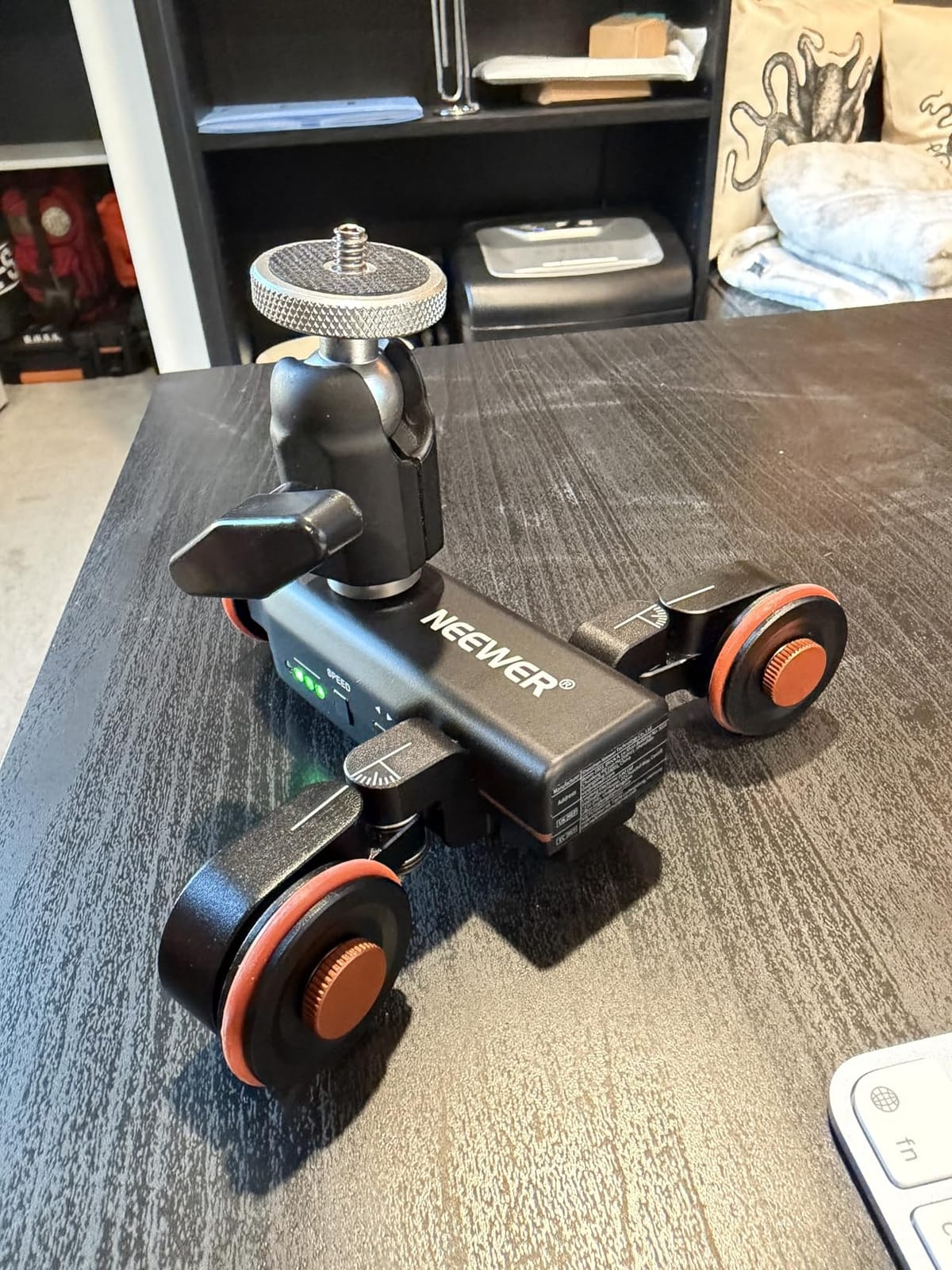
The NEEWER 3-Wheel Wireless Dolly is the most creative and unconventional option on this list. Rather than a traditional rail slider, this is a motorized wheeled dolly that runs on any flat surface. At just under $75, it is the cheapest motorized option here, and it opens up possibilities that rail-based sliders cannot offer.
I tested this dolly on a variety of surfaces: hardwood floor, concrete, smooth tile, and a low-pile carpet. On hard, flat surfaces, it performed beautifully. The three speed settings give you control over your movement pace, and the 180-degree adjustable wheels let you program curved paths, not just straight lines. That is something no rail slider can do.
The wireless remote with its 6-meter range lets you trigger movement from across the room. I set up a shot in a hallway, walked back to my monitoring position, and started the dolly with the remote. The 1800mAh battery gave me about 6 hours of intermittent use across a full shoot day, which is excellent for something this small.
The 6.6-pound capacity handles most mirrorless cameras with standard lenses without issue. I used it with my Sony a6400 and a lightweight prime, and the dolly moved smoothly. Just know that the motor is audible, so this is not ideal for shots where you need to capture clean dialogue audio while the dolly is moving.
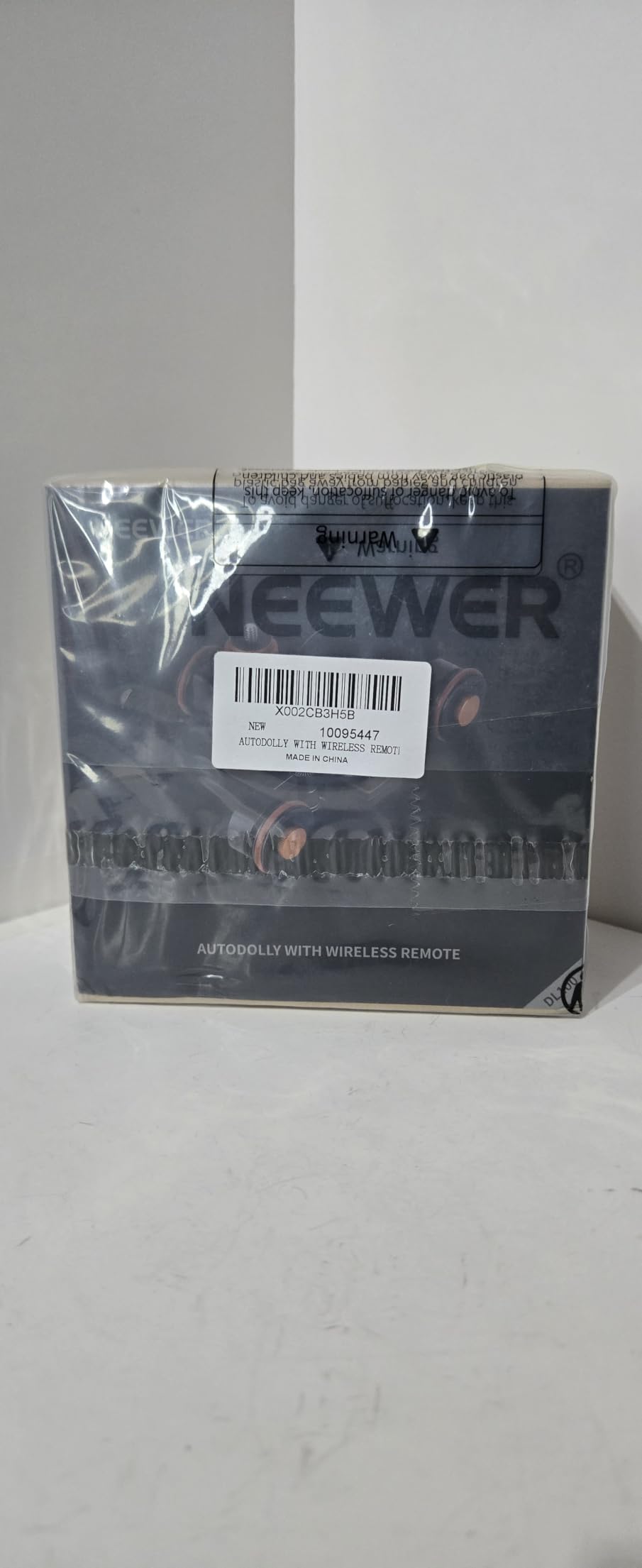
Creative possibilities with a wheeled dolly
The biggest advantage of a wheeled dolly over a rail slider is unlimited track length. You are not constrained by the physical rail. On a long, smooth hallway or a polished floor, you can get tracking shots that cover 20 feet or more. That opens up creative possibilities that no rail-based slider under $300 can match.
The adjustable wheels let you program curved and circular paths. I shot a 360-degree orbit around a product on a table by setting the wheels to a slight angle, and the result looked like something from a professional commercial. For creative, experimental filmmakers, this flexibility is incredibly fun to work with.
Where it struggles
The dolly needs a smooth, flat surface to work properly. On textured floors, carpet, or uneven ground, the wheels stutter and your footage will show it. Outdoors on rough terrain, it is essentially unusable. If your shooting locations do not have smooth floors, this dolly will not work for you.
The motor is noticeably louder than the stepper motors on the rail-based sliders. For b-roll with added music in post, this is not a problem. But for dialogue scenes, you will hear the motor in your audio. It also struggles on even slight inclines, so plan for level surfaces only. Despite these limitations, at $75 it is a remarkably capable creative tool.
How to Choose the Best Budget Camera Slider?
Choosing the right camera slider comes down to understanding your shooting style, your gear, and the types of shots you want to achieve. Here are the key factors I considered during testing, and what you should think about before making your decision.
Manual vs Motorized
Manual sliders are simpler, lighter, and cheaper. They require good hand technique for smooth movement, but they never run out of battery and they work reliably every time. If you shoot mostly hand-paced tracking shots and do not need repeatable precision, a manual slider like the Zecti or NEEWER 16-inch is all you need.
Motorized sliders offer consistency and precision that manual operation cannot match. They are essential for time-lapse photography, repeatable commercial takes, and any situation where you need the exact same movement multiple times. The trade-off is weight, complexity, battery management, and higher cost.
Length and Travel Distance
Rail length determines how far your camera can travel, which directly impacts the types of shots you can achieve. Short sliders (15 to 16 inches) are great for product shots, desk content, and tight indoor spaces. Medium sliders (24 to 31 inches) handle interviews and medium-distance narrative shots well. Long sliders (48 inches) enable dramatic cinematic reveals that cover serious ground.
Think about your typical shooting scenario. If you mostly shoot in small rooms or at a desk, a short slider is perfect and much easier to transport. If you shoot weddings, architecture, or narrative short films in larger spaces, a longer slider gives you the creative range you need.
Payload Capacity
Always check the payload capacity against your heaviest camera and lens combination. Add the weight of your camera body, lens, any monitor, microphone, and other accessories. Leave yourself at least 20 percent headroom above that total weight. A slider that is maxed out on payload will strain the motor on motorized models and wear out bearings faster on manual ones.
Noise Level
If you capture audio while sliding, motor noise is a critical factor. The silent stepper motors on the NEEWER 31.5-inch and GVM 31-inch models are quiet enough for dialogue recording. The NEEWER 3-Wheel Dolly and GVM 27-inch aluminum slider produce noticeable motor noise that will show up in your audio. Manual sliders are the quietest option of all.
Frequently Asked Questions
Is a camera slider worth the investment?
Yes, a camera slider is worth the investment for any filmmaker or content creator who wants to add professional camera movement to their work. Even a budget slider under $300 can transform static shots into dynamic, cinematic sequences. Sliders are especially valuable for interviews, product videos, and narrative short films where smooth tracking shots elevate production value significantly.
What is the best camera slider to buy?
The best camera slider depends on your needs. For manual operation and value, the Zecti 24-inch Carbon Fiber Slider is excellent. For motorized precision and app control, the IFOOTAGE Shark Slider Pico is outstanding. For maximum range and heavy payloads, the GVM 48-inch Motorized Slider is the top choice. Consider your camera weight, desired shot length, and whether you need motorized control.
Why are camera sliders so expensive?
Camera sliders are expensive because they require precision-machined rails, high-quality bearings, and robust construction to deliver perfectly smooth motion. Motorized sliders add cost through stepper motors, control circuitry, batteries, and software development. However, the budget market under $300 has improved dramatically, with carbon fiber construction and motorized options now available at affordable prices.
Can I use a budget camera slider for professional work?
Absolutely. Many budget camera sliders under $300 are built with carbon fiber rails and precision bearings that deliver professional-quality motion. The key is matching the slider to your workload. For professional time-lapse and repeatable shots, a motorized slider like the GVM or NEEWER models works well. For manual operation, the Zecti and IFOOTAGE sliders deliver smooth, reliable results for paying clients.
Conclusion
Finding the best budget camera slider under $300 comes down to knowing what kind of filmmaker you are and what shots you need to capture. After testing all eight sliders on this list, I can confidently recommend options for every shooting style and budget level.
For most indie filmmakers and content creators, the Zecti 24-inch Carbon Fiber Slider is my top pick. It delivers professional-quality manual motion at an incredible price, and the carbon fiber construction keeps it light enough for run-and-gun shooting. If you want motorized precision for time-lapse and repeatable takes, the IFOOTAGE Shark Slider Pico offers the best app-controlled experience under $300.
For filmmakers who need serious range and heavy payload capacity, the GVM 48-inch Motorized Slider handles virtually any camera rig and gives you nearly 4 feet of cinematic tracking. And if you want maximum creative flexibility at the lowest possible price, the NEEWER 3-Wheel Wireless Dolly opens up curved and long-distance movement possibilities that no rail slider can match.
Whatever you choose, adding a slider to your kit in 2026 will immediately level up your production value. The key is matching the slider’s capabilities to your specific needs rather than chasing specs you will never use. Pick the one that fits your gear, your shooting style, and your typical locations, and you will be capturing cinematic motion that punches well above its price tag.
1 thought on “8 Best Budget Camera Sliders Under $300 (October 2026) Top Reviewed”