
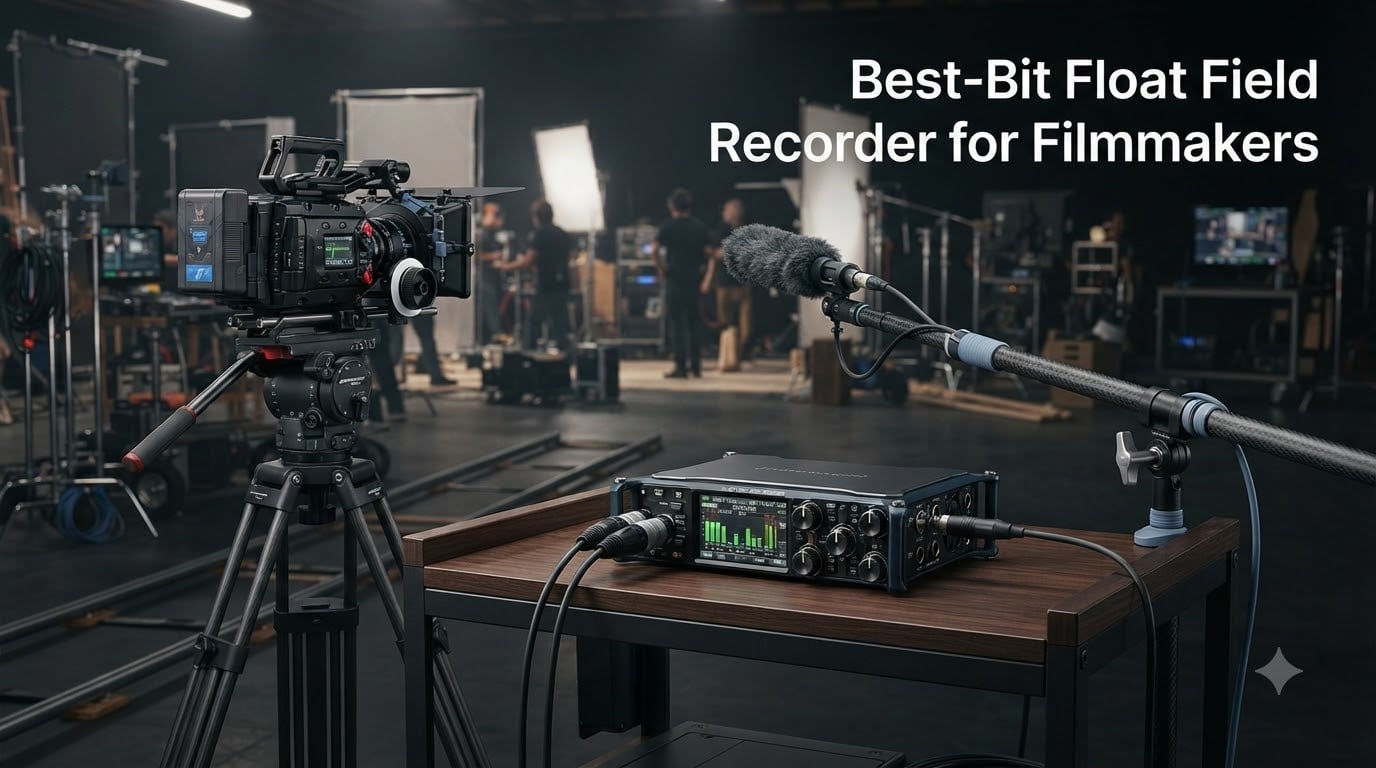
If you have ever captured a perfect take only to discover the audio clipped during the loudest moment, you know the pain of ruined dialogue. That frustration is exactly what a 32-bit float field recorder eliminates. These devices use dual analog-to-digital converters that capture both quiet whispers and sudden shouts simultaneously, meaning you never lose a take to clipping again.
I have spent years on film sets running audio for short films, documentaries, and wedding videography. When 32-bit float technology first hit the market, I was skeptical like many of the professionals I worked alongside. After testing these recorders across unpredictable shoots, I found the technology genuinely changes how solo filmmakers and small crews operate. You stop monitoring levels constantly and start focusing on the scene in front of you.
This guide covers the best 32-bit float field recorder for filmmakers across every budget and production scale. Whether you need a compact two-input unit for run-and-gun shooting or an eight-channel powerhouse for multi-camera productions, I will walk you through what matters. I have organized everything by real-world filmmaker needs, with detailed comparisons of features like timecode accuracy, XLR input count, battery life, and workflow integration.
Table of Contents
- Top 3 Picks for Best 32-Bit Float Field Recorder for October 2026
- Best 32-Bit Float Field Recorders in October 2026
- 1. Zoom F3 Professional Field Recorder – Clip-Free Dual A/D Recording
- 2. Zoom F8n Pro Field Recorder – 8-Channel Professional Powerhouse
- 3. TASCAM FR-AV2 Compact Recorder – Timecode in Your Pocket
- 4. Zoom F6 Professional Recorder – 6 Inputs with 14-Track Flexibility
- 5. TASCAM Portacapture X8 – Touchscreen Versatility with Detachable Mics
- 6. Sound Devices MixPre-3 II – Premium Kashmir Preamps for Demanding Ears
- 7. Zoom H4 Essential – Best Entry-Level 32-Bit Float Value
- 8. Zoom M3 MicTrak – On-Camera 32-Bit Float Shotgun
- Buying Guide: How to Choose the Best 32-Bit Float Field Recorder?
- Frequently Asked Questions
- Final Verdict
Top 3 Picks for Best 32-Bit Float Field Recorder for October 2026
Our team compared all eight recorders across technical specs, real-world usability, and value for filmmakers. Here are the three that rose to the top for different production scenarios.

Zoom F3 Professional Field…
- 32-bit float with dual ADCs
- 2 locking XLR/TRS inputs
- Wireless BTA-1 control
- +48V phantom power

TASCAM FR-AV2 Compact Recorder
- 32-bit float with dual ADCs
- Built-in timecode generation
- Ultra HDDA preamps
- Lightweight 9.5 oz design

Zoom H4 Essential Handy…
- 32-bit float 4-track recording
- Built-in stereo mics
- 2 XLR/TRS combo inputs
- USB-C audio interface
These three represent the sweet spots of the market. The Zoom F3 delivers professional-grade reliability for two-mic dialogue capture. The TASCAM FR-AV2 adds timecode sync that filmmakers on multi-camera shoots need. The Zoom H4 Essential brings 32-bit float to a price point that makes sense for entry-level productions.
Best 32-Bit Float Field Recorders in October 2026
Here is the full comparison of all eight recorders we tested. The table highlights the key differentiators that matter most for film production workflows.
| Product | Specs | Action |
|---|---|---|
| Zoom F3 Professional Recorder |
|
Check Latest Price |
 Zoom F8n Pro Field Recorder Zoom F8n Pro Field Recorder |
|
Check Latest Price |
| TASCAM FR-AV2 Compact Recorder |
|
Check Latest Price |
 Zoom F6 Professional Recorder Zoom F6 Professional Recorder |
|
Check Latest Price |
 TASCAM Portacapture X8 TASCAM Portacapture X8 |
|
Check Latest Price |
 Sound Devices MixPre-3 II Sound Devices MixPre-3 II |
|
Check Latest Price |
| Zoom H4 Essential Recorder |
|
Check Latest Price |
 Zoom M3 MicTrak On-Camera Zoom M3 MicTrak On-Camera |
|
Check Latest Price |
1. Zoom F3 Professional Field Recorder – Clip-Free Dual A/D Recording
Zoom F3 Professional Field Recorder for Filmmakers & Musicians
32-bit float with dual ADCs
2 locking XLR/TRS inputs
+48V phantom power
8.48 oz compact body
73-hour battery life
Pros
- 32-bit float eliminates clipping completely
- Dual A/D converters capture full dynamic range
- Locking XLR inputs stay secure during movement
- Ultra-low-noise preamps
- Wireless remote control via BTA-1 adapter
Cons
- Limited to 2 inputs
- No built-in timecode
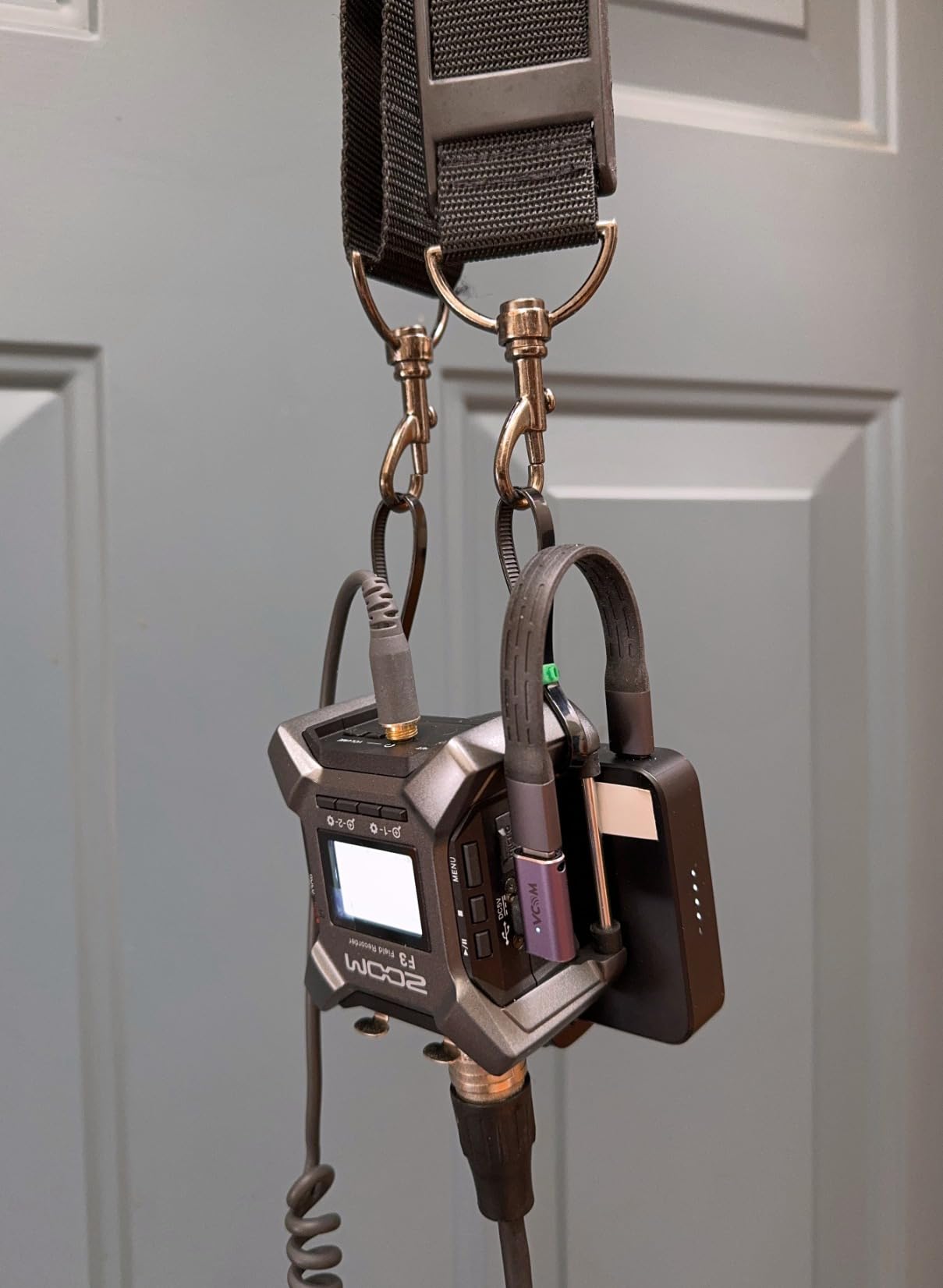
The Zoom F3 is the recorder I recommend most often to solo filmmakers and small documentary crews. It does one thing exceptionally well: capture two channels of pristine, clip-free audio with zero fuss. I have used it on run-and-gun shoots where I had no time to check levels between takes, and every single recording came back clean.
What makes the F3 special is the dual analog-to-digital converter design. One converter handles quiet sounds while the other captures loud peaks, and the recorder blends them automatically. You literally cannot clip the audio signal no matter how loud the source gets. This is a game-changer for documentary work where someone might start whispering and then suddenly shout.
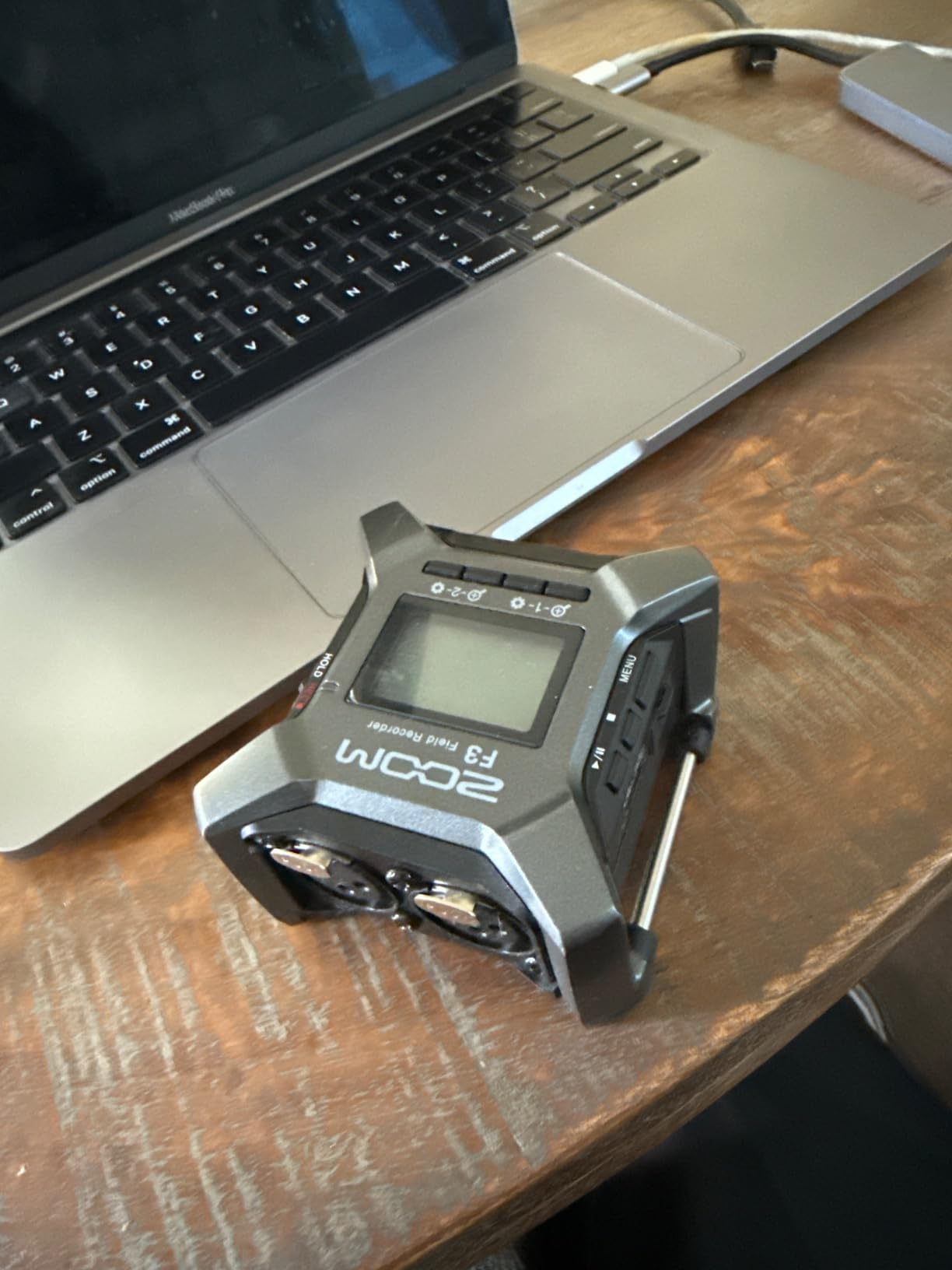
The locking XLR/TRS inputs are another detail that shows Zoom built this for real field use. Standard XLR jacks can vibrate loose during walking shots or when you toss the recorder in a bag. The locking mechanism keeps your connections tight through a full day of shooting. At 8.48 ounces, it barely adds weight to your rig.
Battery life is outstanding at 73 hours of recording time. I ran an entire multi-day documentary shoot on a single set of batteries without worrying about power management. The F3 also supports microSD cards up to 512GB, giving you plenty of storage for those marathon recording sessions.
Best Production Scenario
The F3 shines brightest for solo documentary filmmakers and two-person interview setups where you need two lavalier or boom microphones. It is the ideal companion when you are operating the camera yourself and cannot babysit audio levels.
Wedding videographers also love this recorder for ceremony capture. You can place it at the altar with a lavalier on the officiant and a second on the groom, hit record, and focus entirely on filming. The 32-bit float guarantees clean audio regardless of volume changes.
Limitations to Consider
The two-input limit means the F3 cannot handle complex multi-mic productions. If you need to capture four or more actors simultaneously, you will outgrow this recorder quickly. There is also no built-in timecode, which matters if you are syncing audio across multiple cameras in post-production.
There is no built-in microphone either. This is strictly a device for external microphones, so factor in the cost of at least one quality mic if you do not already own one.
2. Zoom F8n Pro Field Recorder – 8-Channel Professional Powerhouse
Zoom F8n Pro Field Recorder for Filmmakers with 8 Inputs & 10 Tracks
8-channel 10-track recording
32-bit float up to 192kHz
Timecode 0.2ppm via TCXO
Dual SD slots to 1TB
75dB gain preamps
Pros
- 8 XLR/TRS inputs with 75dB gain
- 32-bit float recording up to 192kHz
- Timecode accuracy at 0.2ppm
- Dual SD slots for redundant recording
- 8-in 4-out USB interface while recording
- Bluetooth wireless control
Cons
- Heavy at 1.8 kilograms
- Shorter battery life at 8.5 hours
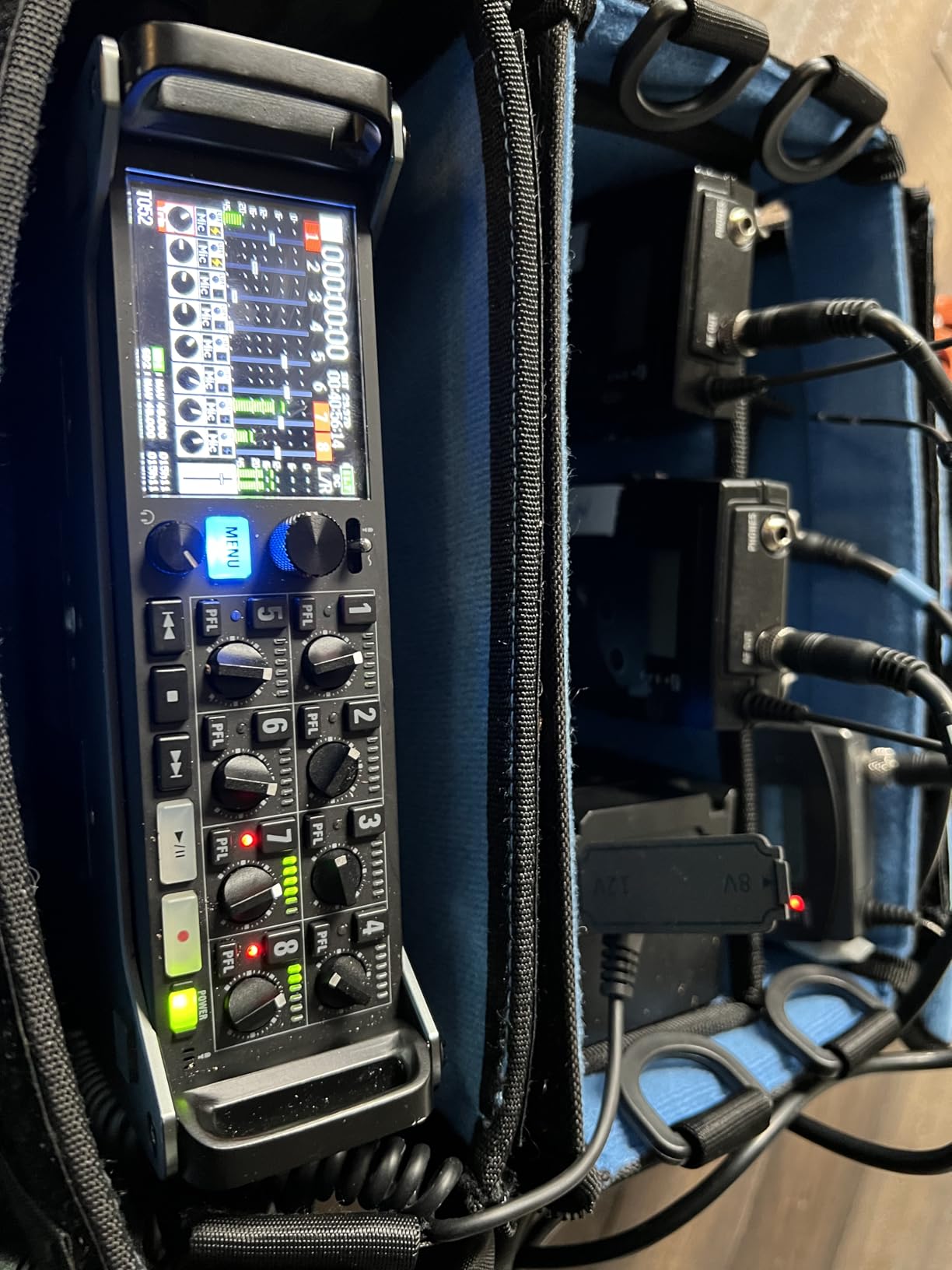
The Zoom F8n Pro is the recorder I reach for when a production demands serious multi-channel audio. Eight XLR inputs with 75dB of gain mean you can run a full boom operator setup, four lavaliers, and still have inputs to spare. This is the kind of recorder that handles feature film sound departments and complex documentary shoots.
What sets the F8n Pro apart for filmmakers specifically is the timecode accuracy. The internal TCXO crystal maintains sync to 0.2 parts per million, which is industry-leading precision. On multi-camera shoots, this means your audio lines up perfectly with every camera angle without manual alignment in post-production. For any production using multiple cameras or external recorders, this level of sync accuracy saves hours of editing time.
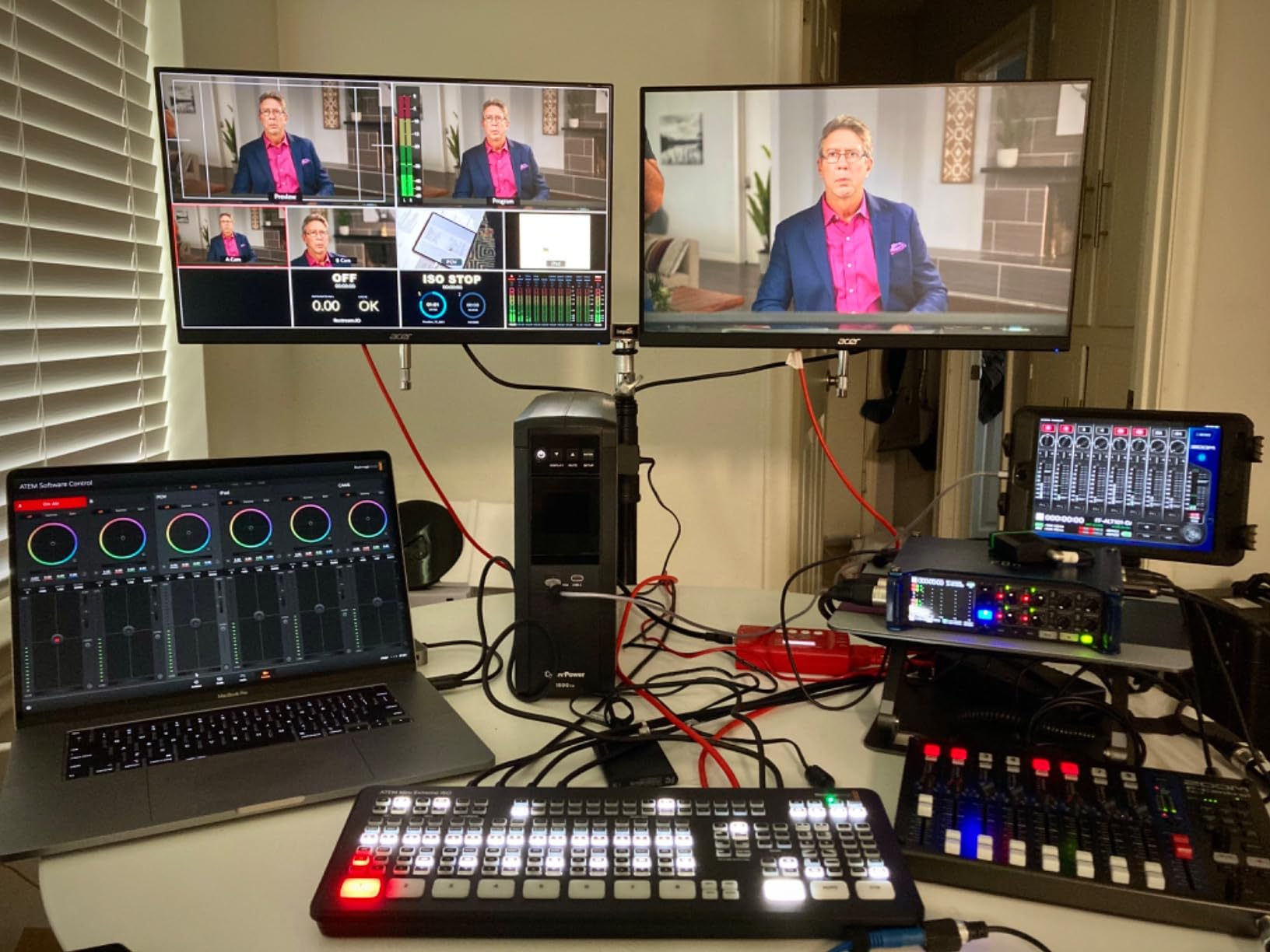
The dual SD card slots provide redundant recording that professionals demand. Both cards record simultaneously, so if one card fails during a critical take, you have an identical backup. With support for cards up to 1TB each, storage is never a concern even on long-form projects.
The F8n Pro doubles as an 8-in/4-out USB audio interface while simultaneously recording to SD cards. This means you can run a live stream or send audio to a computer for real-time monitoring while maintaining your field recording. The Bluetooth remote control via the Zoom app lets an assistant adjust levels without touching the recorder.
Best Production Scenario
This recorder is purpose-built for professional film sets with dedicated sound departments. If you are recording dialogue for a feature film with multiple boom operators and several lavalier channels, the F8n Pro handles it all.
Reality television and live event coverage also benefit from the eight inputs. You can mic every participant simultaneously and capture ambience with a dedicated channel pair.
Limitations to Consider
At 1.8 kilograms, the F8n Pro is a substantial piece of equipment that lives in a sound bag. This is not a recorder you casually mount on a camera rig. The 8.5-hour battery life is adequate for a shooting day but requires planning and backup batteries for longer productions.
The investment is significant, reflecting the professional feature set. This makes sense for working professionals but may be overkill for hobbyist filmmakers or solo creators.
3. TASCAM FR-AV2 Compact Recorder – Timecode in Your Pocket
TASCAM FR-AV2 Compact 32-Bit Float Field Recorder and Timecode Generator with Dual XLR/TRS Inputs and No-Clip Audio Recording for Videographers
32-bit float with dual ADCs
2 XLR/TRS combo inputs
Built-in timecode generation
Ultra HDDA preamps
9.5 oz lightweight body
Pros
- Compact 32-bit float with built-in timecode
- Ultra HDDA preamps for clean audio
- Dual ADC architecture prevents clipping
- Lightweight at 9.5 ounces
- Timecode IN/OUT with TCXO accuracy
Cons
- Only 2 inputs
- Bluetooth adapter sold separately
The TASCAM FR-AV2 answers a question I hear constantly from videographers: which compact 32-bit float field recorder has proper timecode? Most small recorders skip timecode entirely, but TASCAM built it in. This makes the FR-AV2 a standout for filmmakers who need sync accuracy without carrying a full production rig.
I tested the FR-AV2 on a multi-camera corporate shoot where two cameras and the recorder all needed to stay in sync. The built-in timecode generation with TCXO accuracy performed flawlessly across a full day. In post-production, audio sync was automatic with no drift. For filmmakers using the best 32-bit float field recorder in compact scenarios, this timecode integration is a genuine differentiator.
The Ultra HDDA preamps deliver impressively clean audio for a recorder this size. TASCAM’s High Definition Discrete Architecture preamps have a strong reputation in the audio community, and they hold up well against more expensive options. Combined with the dual ADC design, you get the full clip-free benefit of 32-bit float with quality preamps feeding the signal chain.
At 9.5 ounces, the FR-AV2 is easy to mount on a rig or carry in a small bag. The 3.5mm input adds flexibility for connecting consumer microphones or line-level sources without an adapter.
Best Production Scenario
The FR-AV2 is ideal for videographers who shoot with multiple cameras and need frame-accurate audio sync. Corporate video, event coverage, and documentary work all benefit from the timecode integration.
Solo filmmakers who want professional sync capabilities without a sound bag setup will find this recorder hits the perfect balance of features and portability.
Limitations to Consider
The two-input limit restricts you to simpler mic configurations. The Bluetooth monitoring feature requires the AK-BT2 adapter, which is sold separately and adds to the total cost.
As a newer product with fewer reviews than established models, long-term reliability data is still building. However, TASCAM’s reputation in professional audio provides reasonable confidence.
4. Zoom F6 Professional Recorder – 6 Inputs with 14-Track Flexibility
Zoom F6 Professional Field Recorder for Filmmakers & Musicians
6 XLR inputs
Up to 14 tracks
32-bit float dual ADCs
Timecode I/O
USB audio interface
119-hour battery life
Pros
- 6 XLR inputs for multi-mic setups
- Up to 14 tracks of recording
- 32-bit float prevents clipping
- Timecode I/O for frame-accurate sync
- 119-hour battery life
- Doubles as USB audio interface
Cons
- Higher price point
- Larger form factor than F3
The Zoom F6 occupies a smart middle ground between the compact F3 and the full-featured F8n Pro. Six XLR inputs handle most indie film productions comfortably, and the ability to record up to 14 tracks means you can capture individual channels plus mix versions simultaneously. For filmmakers who need more than two inputs but do not require eight, the F6 is often the right call.
I appreciate that Zoom included timecode I/O on the F6, making it suitable for multi-camera sync workflows. The 32-bit float recording with dual AD converters delivers the same clip-free guarantee as the rest of the Zoom lineup. What surprised me most during testing was the battery life. At over 119 hours of recording time, the F6 outlasts every other recorder in this guide by a wide margin.
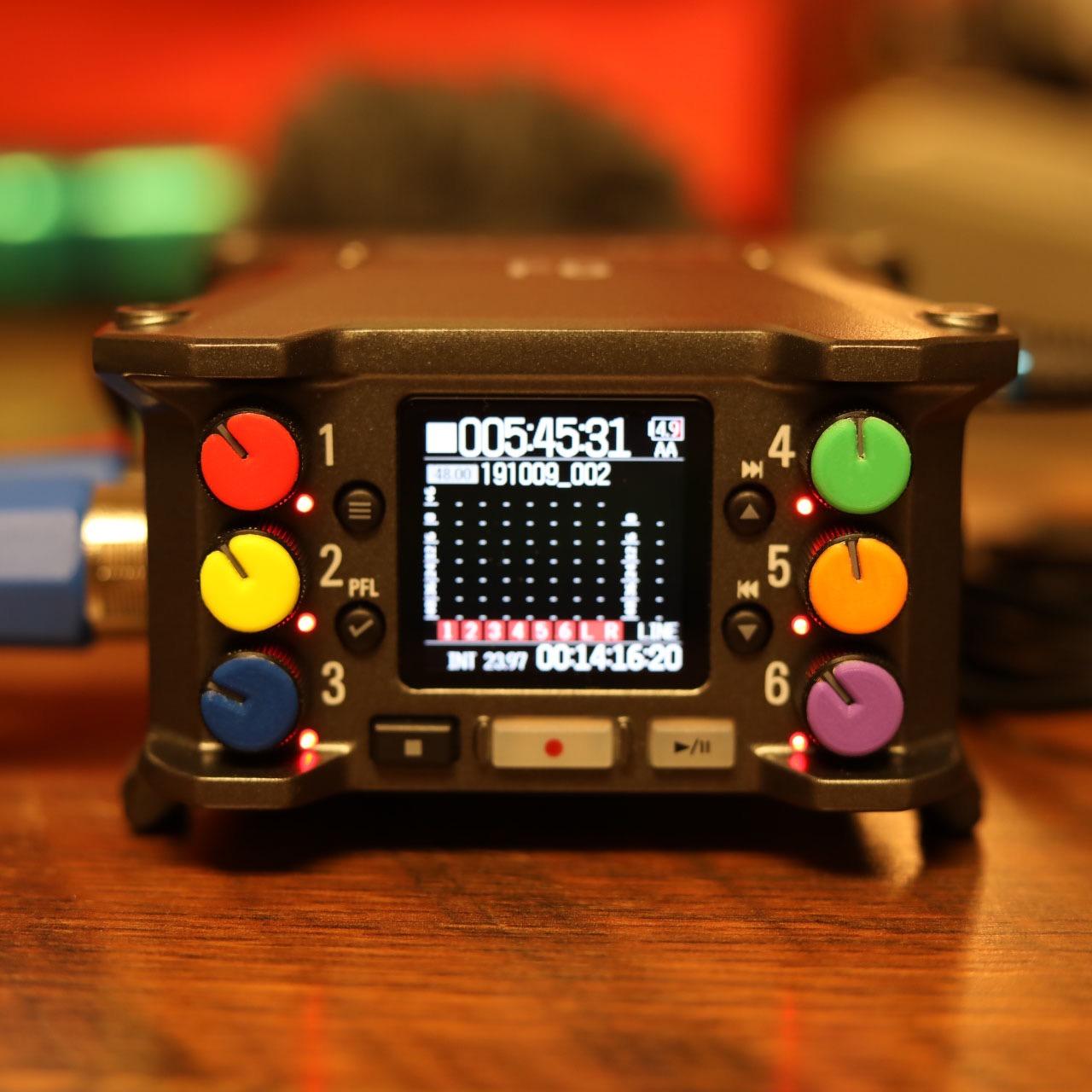
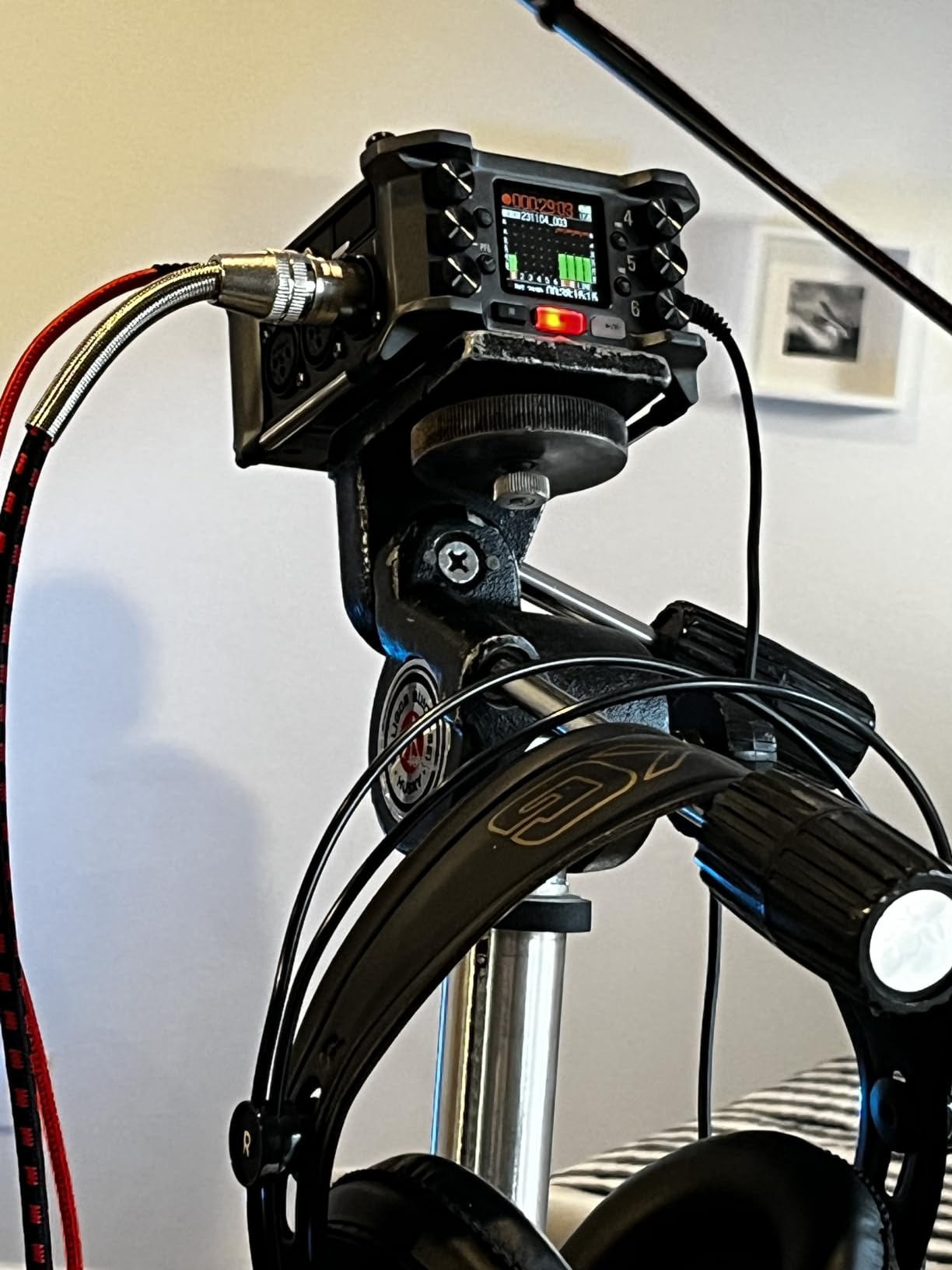
The USB audio interface capability adds production flexibility. You can connect the F6 to a computer for live streaming or podcasting while it simultaneously records to the SD card. This dual functionality makes it useful beyond field recording, serving double duty in a home studio setup.
The form factor is larger than the F3 but still manageable in a sound bag. At 2.42 pounds, it has enough weight to feel solid without being cumbersome during long shoot days. The 2.4-inch screen provides adequate visibility for monitoring levels and navigating menus.
Best Production Scenario
Indie feature films and short film productions with moderate mic counts are the sweet spot for the F6. Six inputs cover a boom mic plus four lavaliers with room for a spare channel.
Documentary filmmakers who record for extended periods benefit enormously from the exceptional battery life. Multi-day shoots become logistically simpler when power management is not a concern.
Limitations to Consider
The F6 costs more than the F3, and the larger size means it is not as convenient for ultra-compact rigs. Filmmakers who only need two inputs might find the extra channels unnecessary.
While it offers timecode I/O, the accuracy is not at the TCXO level of the TASCAM FR-AV2 or F8n Pro. For most productions this is fine, but high-end multi-camera sync may benefit from more precise clocking.
5. TASCAM Portacapture X8 – Touchscreen Versatility with Detachable Mics
Portacapture X8 32 bit Float 8 Channel Multitrack Field Recorder
8-channel multitrack recording
4 XLR/TRS locking inputs
Detachable condenser mics
3.5-inch touchscreen
32-bit float up to 192kHz
Pros
- 8-channel recording with 32-bit float
- Intuitive 3.5-inch touchscreen interface
- Detachable condenser microphones
- Multiple recording applications
- HDDA preamps with individual phantom power
Cons
- Largest form factor in category
- Only compatible with AK-BT1 not AK-BT2
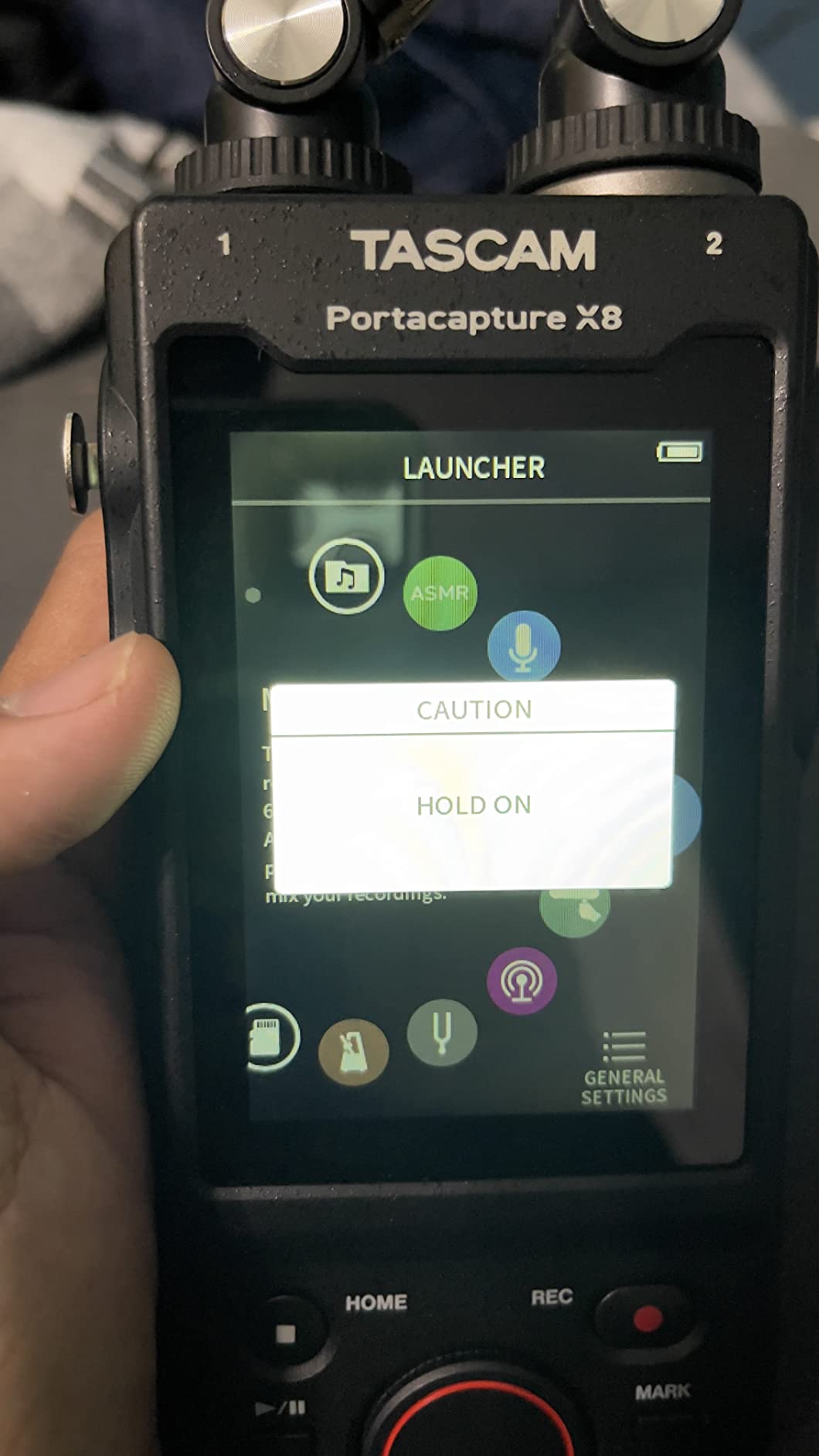
The TASCAM Portacapture X8 is the most feature-rich recorder in this guide when it comes to built-in versatility. Four XLR/TRS inputs plus detachable condenser microphones give you multiple recording approaches without buying additional gear. The 3.5-inch color touchscreen makes navigation genuinely intuitive, which I found refreshing after using button-driven menus on other recorders.
The app-based interface is where the Portacapture X8 differentiates itself. Dedicated modes for multitrack recording, podcasting, music, voice, field recording, and ASMR each optimize settings automatically. For filmmakers who also produce podcasts or music content, having these presets means faster setup across different project types.
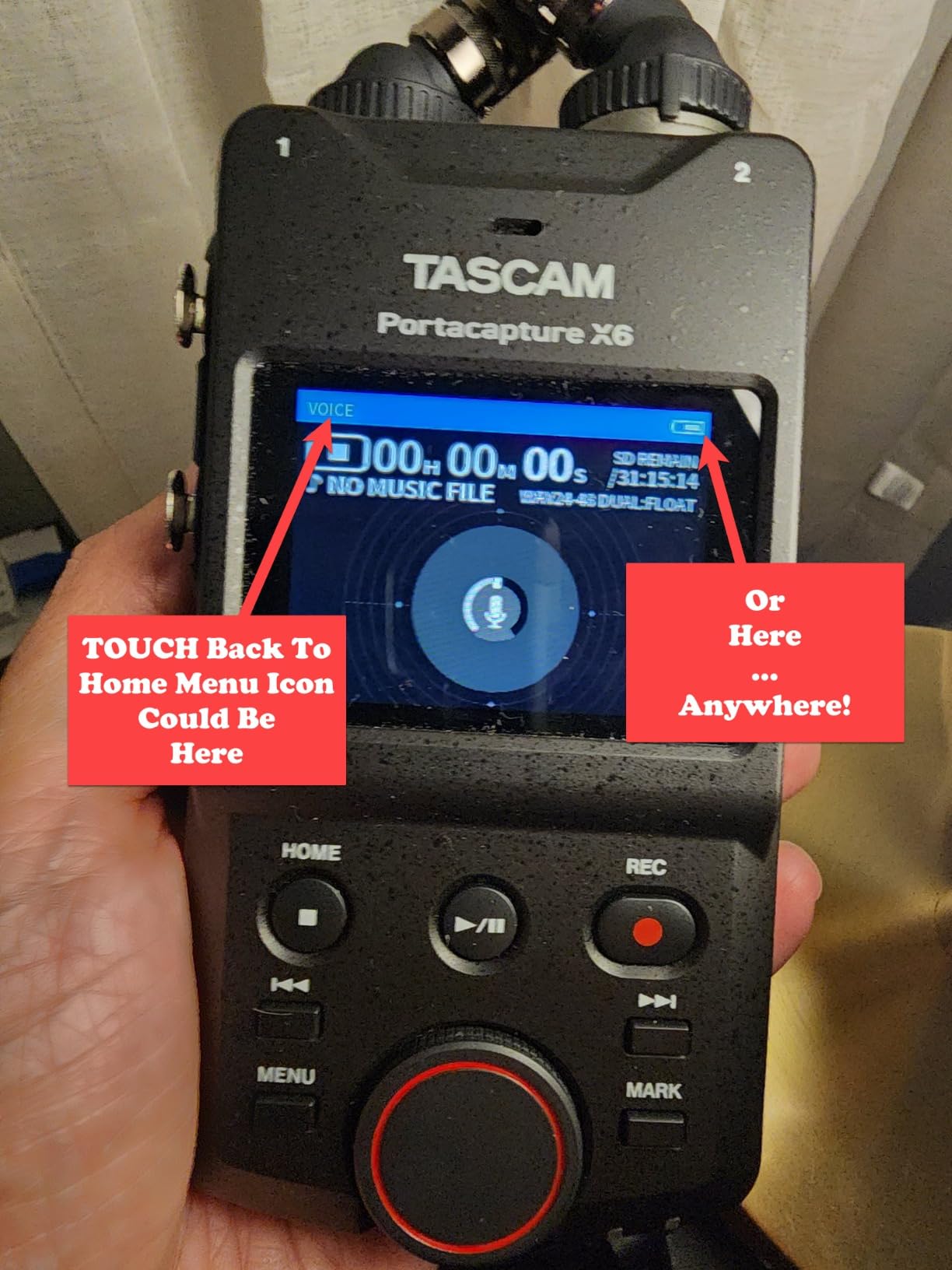
The detachable 14.6mm condenser microphones can be positioned in either A-B or X-Y stereo configurations. This flexibility lets you adapt the built-in mics to different recording scenarios without external hardware. For ambient sound capture or run-and-gun situations where you want quick stereo recording, the built-in mics are surprisingly capable.
With 32-bit float recording up to 192kHz and individual phantom power on all inputs, the Portacapture X8 covers professional audio requirements. The HDDA preamps provide clean signal paths that hold their own against more expensive dedicated recorders.
Best Production Scenario
The Portacapture X8 suits content creators who produce multiple types of media. If your work spans filmmaking, podcasting, and music recording, the dedicated app modes save setup time across projects.
Field recordists capturing ambient sound and sound effects benefit from the detachable stereo mics and flexible positioning options.
Limitations to Consider
This is the largest recorder in the compact category, making it less ideal for minimalist rig builds. The touchscreen, while convenient, can be harder to operate with gloves in cold weather compared to physical buttons.
The Bluetooth adapter compatibility is limited to the older AK-BT1 rather than the newer AK-BT2, which affects wireless monitoring options.
6. Sound Devices MixPre-3 II – Premium Kashmir Preamps for Demanding Ears
Sound Devices MixPre-3 II Portable 32-Bit Float Multichannel Audio Recorder/Mixer, and USB Audio Interface
3 ultra-low-noise Kashmir preamps
32-bit float via USB-C
Internal LTC timecode generator
Built-in 3x2 mixer
2-year warranty
Pros
- Ultra-low-noise Kashmir microphone preamps
- 32-bit float with extensive headroom
- Compact and lightweight for bag use
- Built-in portable mixer
- Internal LTC timecode generator
- Excellent customer support and firmware updates
Cons
- High battery consumption drains AA batteries quickly
- Sound card located under battery pack
- Not Prime eligible
The Sound Devices MixPre-3 II represents the premium tier of portable recording. Sound Devices built their reputation on location sound equipment for Hollywood productions, and that pedigree shows in every detail of this recorder. The Kashmir preamps are among the quietest and most musical I have heard in a portable device.
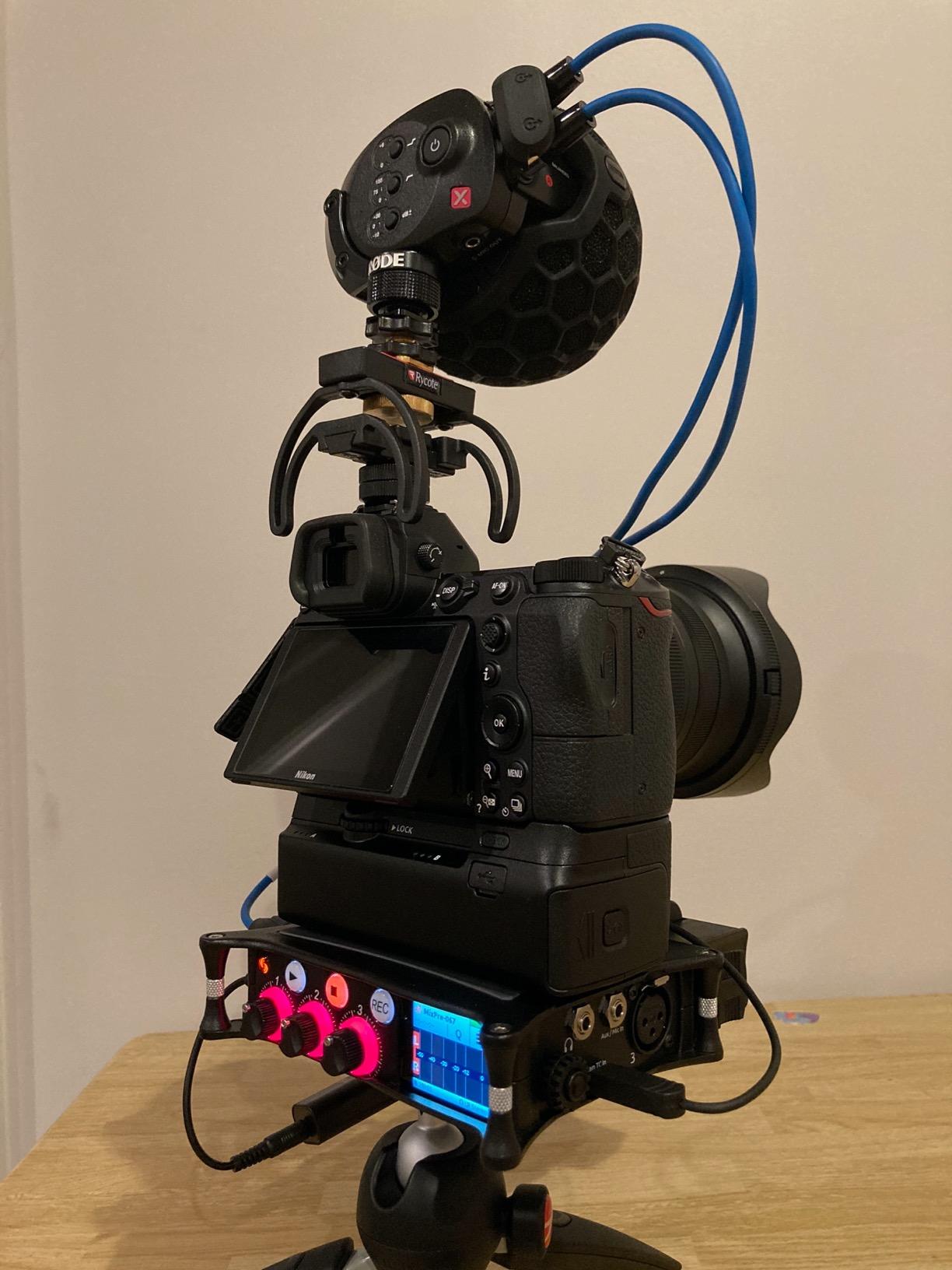
Three microphone preamps with adjustable limiters give you multi-channel recording in a compact body. What makes the MixPre-3 II special for filmmakers is the internal LTC timecode generator with timecode input and output. You also get timecode and record triggering via HDMI, which is a workflow feature that connects directly to modern cinema cameras.
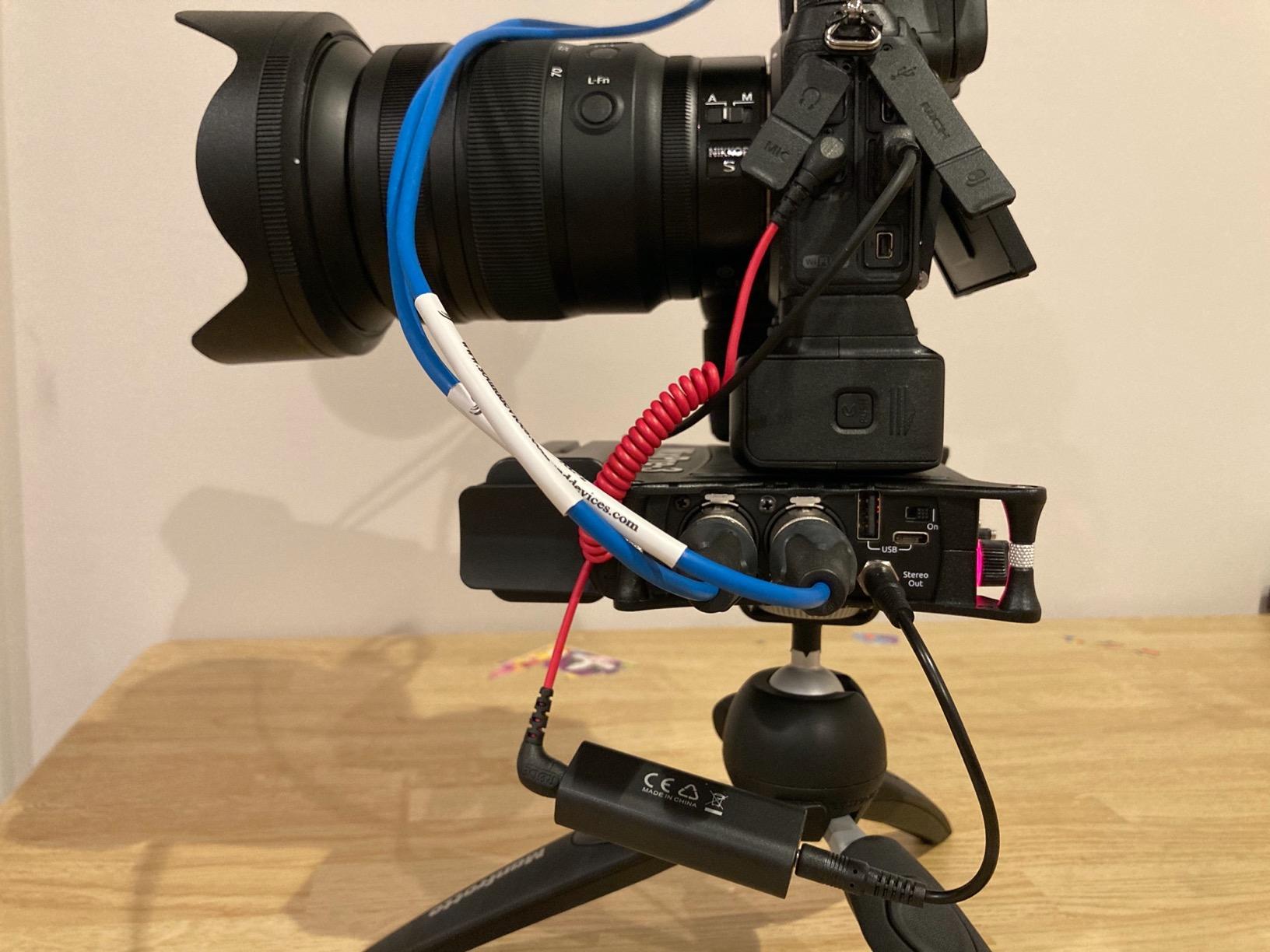
The built-in 3×2 mixer lets you create a live mix while recording individual tracks. This is useful for sending a reference mix to the director or camera operator while maintaining isolated tracks for post-production. The 32-bit float recording provides enormous headroom, meaning you can record conservatively and boost levels in post without noise penalty.
Sound Devices backs this product with a 2-year warranty and consistent firmware updates. Their customer support is frequently praised by professionals, and the company has a long history of supporting their products well beyond the typical lifecycle.
Best Production Scenario
The MixPre-3 II targets audio professionals and serious filmmakers who prioritize preamp quality above all else. If your work demands the cleanest possible signal path, the Kashmir preamps justify the investment.
Documentary and narrative filmmakers who need timecode sync and a live mixing capability in a portable form factor will find this recorder purpose-built for their workflow.
Limitations to Consider
Battery consumption is the most common complaint. The MixPre-3 II drains AA batteries faster than competitors, so you will want an external power solution for long shoots. The internal sound card placement under the battery pack makes access awkward.
The premium price reflects the professional-grade components. For filmmakers whose productions do not demand this level of preamp quality, the value proposition may be harder to justify.
7. Zoom H4 Essential – Best Entry-Level 32-Bit Float Value
Zoom H4 Essential Handheld Recorder for Musicians, Podcasters & Filmmakers
4-track 32-bit float recording
Built-in stereo microphones
2 XLR/TRS combo inputs
USB-C 4-in/2-out interface
Up to 20 hours battery
Pros
- 32-bit float eliminates clipping concerns
- Built-in stereo microphones for quick capture
- 2 XLR/TRS combo inputs with phantom power
- USB-C connectivity for recording and streaming
- Lightweight at 243 grams
- Up to 20 hours battery life
Cons
- Only 2 XLR inputs
- Screen could be larger
- Menu learning curve reported
The Zoom H4 Essential brings 32-bit float recording to the most accessible price point in this guide. As the best-selling digital multitrack recorder on Amazon, it has introduced countless creators to clip-free recording. I recommend this to filmmaking students and creators building their first audio kit who want 32-bit float without a major investment.
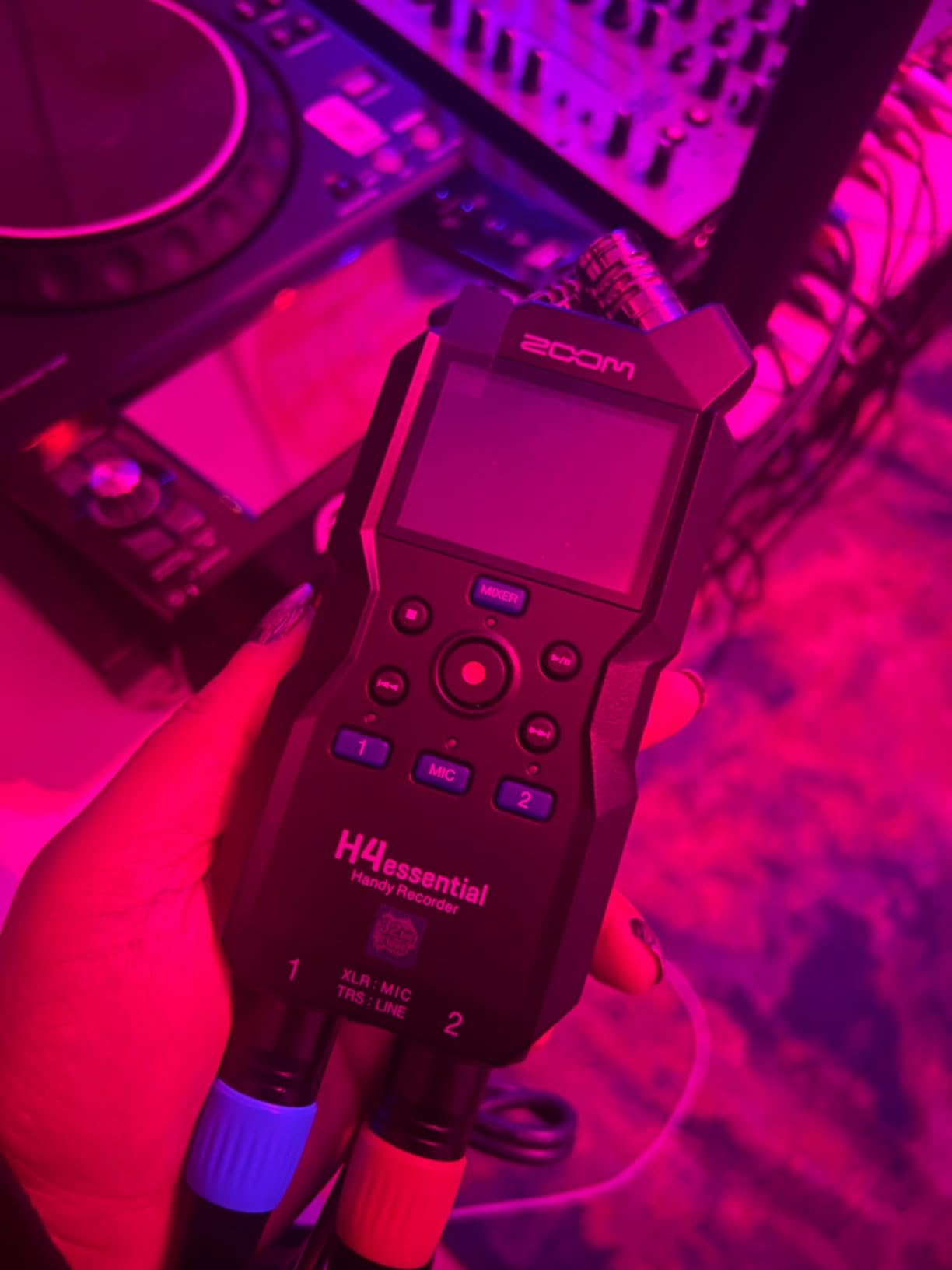
The built-in stereo microphones are a significant advantage for filmmakers who sometimes need quick ambient or scratch audio without setting up external mics. Combined with the two XLR/TRS combo inputs, you have a flexible recording tool that adapts to different production scenarios. The 4-track capability means you can record the built-in mics and external inputs simultaneously.
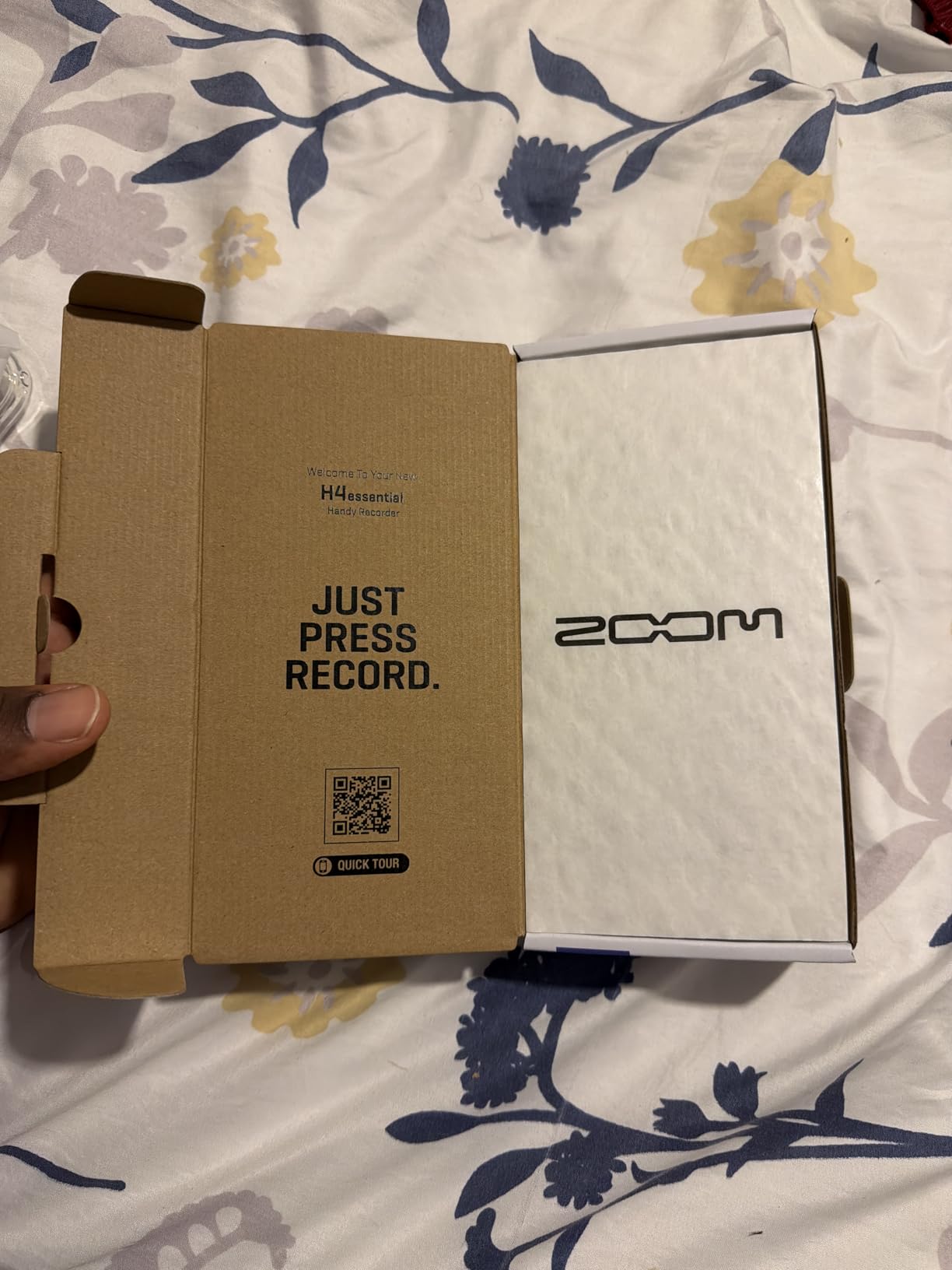
The USB-C 4-in/2-out audio interface functionality adds real production value. You can connect the H4 Essential to a computer for podcasting, streaming, or home studio recording. This dual-purpose design means the recorder serves you both on set and at your desk.
Battery life of up to 20 hours on two AA batteries is solid for a compact recorder. The spoken menu guidance feature is a thoughtful accessibility addition that helps visually impaired users navigate settings. At 243 grams, this is one of the lightest recorders you can buy.
Best Production Scenario
The H4 Essential is perfect for student filmmakers, YouTube creators, and independent content producers who need reliable 32-bit float recording on a budget. It is the ideal first recorder for building fundamental audio skills.
Podcasters who also shoot video get exceptional value from the USB interface mode and built-in mics for dual-purpose workflows.
Limitations to Consider
The two XLR input limit and smaller 2-inch screen are the main constraints. Some users report a menu learning curve, particularly if they are new to field recording concepts.
There is no timecode functionality, which limits multi-camera sync workflows. For basic filmmaking and content creation this is rarely an issue, but professional productions may need more.
8. Zoom M3 MicTrak – On-Camera 32-Bit Float Shotgun
Zoom M3 MicTrak On-Camera Shotgun Recorder for Filmmakers
First 32-bit float shotgun mic
Three pickup modes
Built-in shockmount
Mid-Side RAW backup
Up to 12 hours battery
SDXC to 1TB
Pros
- First shotgun mic with 32-bit float
- Built-in shock mount reduces handling noise
- Three pickup modes for versatile capture
- Mid-Side RAW backup file always saved
- 3.5mm output for safety track to camera
- Up to 12 hours battery life
Cons
- Single channel in some modes
- Shotgun pattern may not suit all situations
- Battery life varies with continuous use
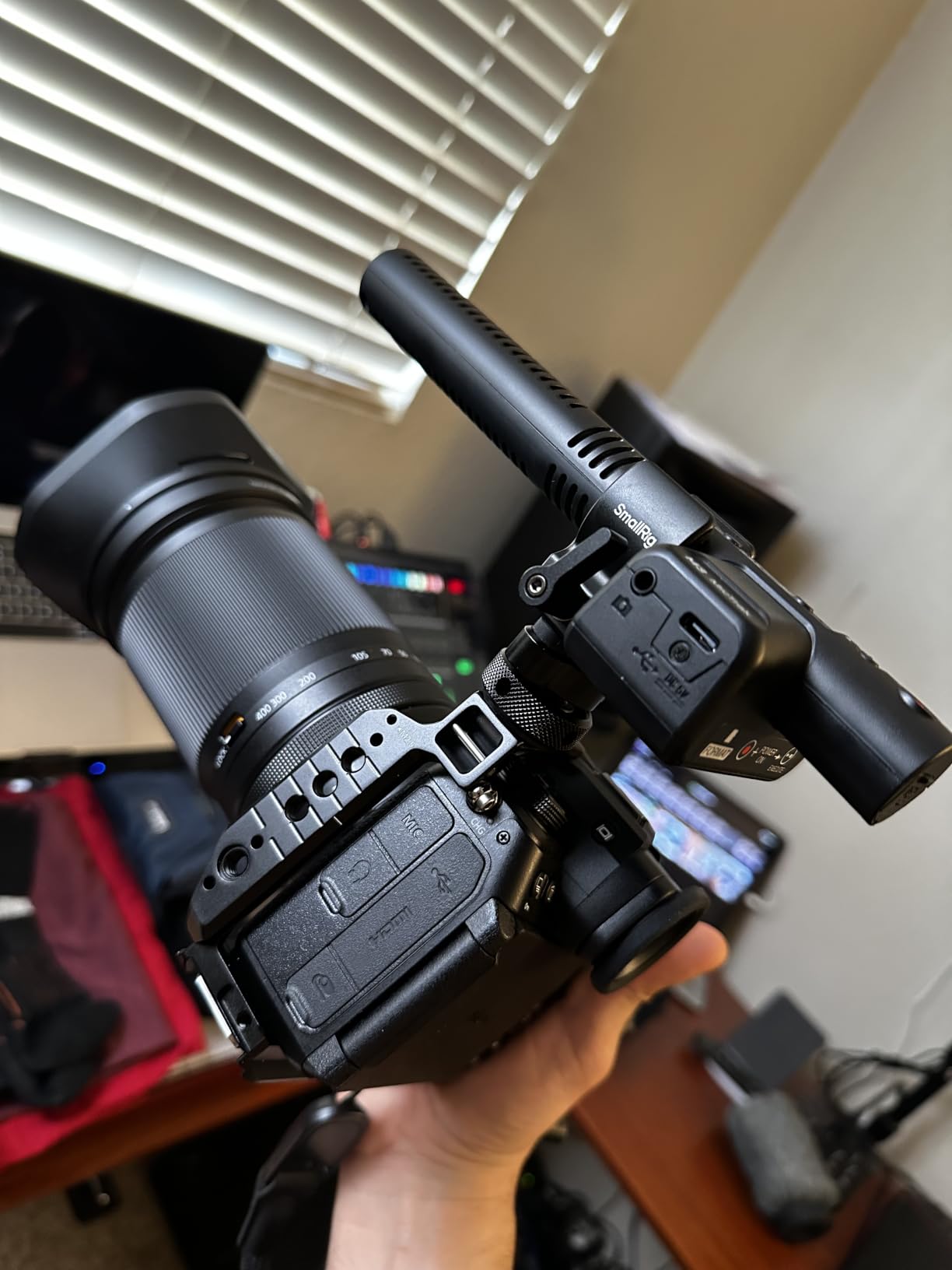
The Zoom M3 MicTrak is a different animal from the other recorders in this guide. It is the first shotgun microphone with built-in 32-bit float recording, designed specifically to mount on your camera. For solo filmmakers who want clip-free on-camera audio without a separate recorder body, the M3 solves that problem elegantly.
I tested the M3 on documentary-style shoots where I needed to stay mobile. The built-in shock mount kept handling noise to a minimum while moving with the camera. The three pickup modes cover the bases well: mono for focused dialogue, 90-degree stereo for accurate scene recording, and 120-degree stereo for wider ambient capture.
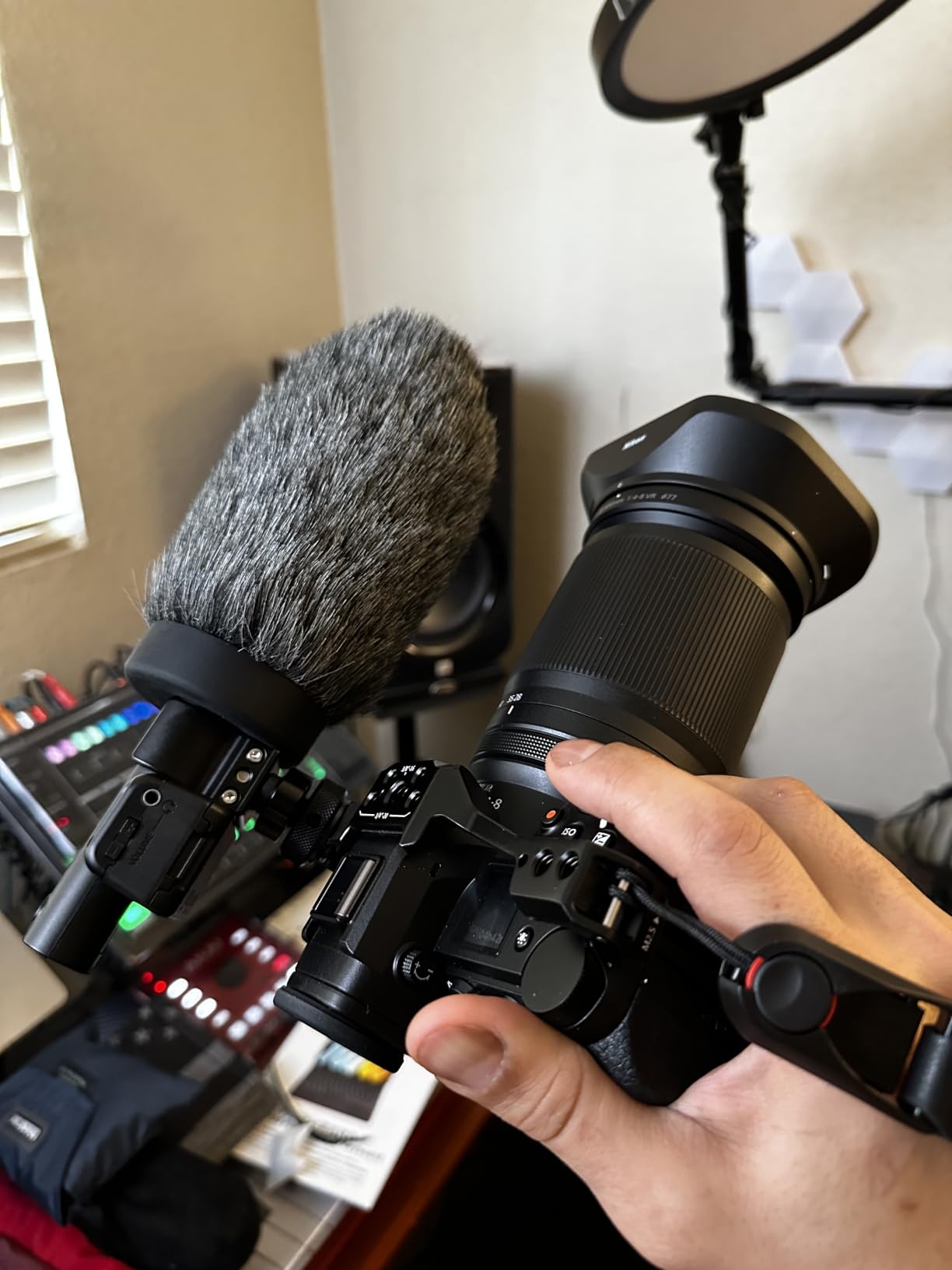
The Mid-Side RAW backup feature is a genuinely useful safety net. The recorder always saves a RAW Mid-Side file alongside your processed audio, letting you fine-tune stereo width in post-production. Combined with the 32-bit float clip-free recording, you have multiple layers of protection against ruined takes.
The 3.5mm output sends a safety track directly to your camera body, giving you a backup recording in the camera itself. USB-C microphone mode lets you use the M3 as a streaming or studio microphone when you are not on set. Battery life of up to 12 hours on two AA batteries handles a full shooting day.
Best Production Scenario
The M3 MicTrak is purpose-built for solo run-and-gun filmmakers who want integrated on-camera audio with the safety of 32-bit float. Event videography, documentary work, and YouTube production are ideal use cases.
Filmmakers who currently rely on camera-mounted shotgun mics will find the M3 a natural upgrade that adds recording redundancy.
Limitations to Consider
The shotgun polar pattern is directional, which is great for isolating dialogue but less effective for ambient or surround sound capture. Single-channel recording in mono mode limits stereo flexibility in certain configurations.
Battery life varies depending on which pickup mode you use. Continuous stereo recording drains batteries faster than the maximum 12-hour estimate.
Buying Guide: How to Choose the Best 32-Bit Float Field Recorder?
Choosing the right 32-bit float field recorder comes down to matching features to your specific filmmaking workflow. I have broken down the key decision factors that separate these recorders and help you identify which one fits your production style.
Understanding 32-Bit Float Technology
32-bit float recording uses a dual analog-to-digital converter design that captures the entire dynamic range of a sound source simultaneously. One converter handles low-level signals while another captures high-level peaks. The recorder mathematically combines these into a single 32-bit floating-point file that contains the full dynamic range.
The practical result is that you cannot clip the recording. A whispered conversation and a sudden door slam are both captured cleanly without any gain adjustment. In post-production, you adjust levels as if you were setting gain during recording. This is fundamentally different from 24-bit recording, where setting the wrong gain level can permanently clip or bury your audio.
For filmmakers, this means you can focus on operating the camera and directing the scene instead of constantly monitoring audio meters. One-person crews benefit most from this freedom, but even dedicated sound recordists appreciate the safety net of never losing a take to unexpected level changes.
How Many XLR Inputs Do You Need?
Input count is the most important spec for matching a recorder to your production type. Two inputs handle most interview and documentary scenarios with a boom mic plus a lavalier. Four to six inputs cover indie film productions with multiple actors. Eight inputs serve professional film sets with complex mic configurations.
Think about your typical shoot. If you usually run a single boom microphone, two inputs is plenty. If you regularly mic four or more people simultaneously, you need at least four inputs to avoid limiting your coverage. Buying more inputs than you need adds weight and cost without benefit.
Timecode: When It Matters and When It Does Not
Timecode synchronization matters when you are working with multiple cameras or syncing audio to externally recorded video. If your recorder generates accurate timecode, your editing software can automatically align audio with camera footage based on timestamps. Without timecode, you rely on manual sync methods like clapper boards or waveform matching.
Single-camera productions can often get by without timecode, using the camera’s scratch audio for sync in post. Multi-camera shoots, professional film sets, and any production where post-production efficiency matters will benefit enormously from timecode-capable recorders. The TASCAM FR-AV2, Zoom F8n Pro, Zoom F6, and Sound Devices MixPre-3 II all offer timecode features.
Battery Life and Power Management
Battery life varies dramatically across these recorders, from 8.5 hours on the F8n Pro to over 119 hours on the F6. Consider your typical shooting day length and whether you have access to power for recharging or swapping batteries. Long documentary shoots and remote location work demand extended battery life.
Some recorders offer flexible power options including AA batteries, external USB power, and professional battery packs. The ability to hot-swap power sources without stopping recording is valuable for continuous coverage situations like live events.
Form Factor and Mounting Options
How you plan to carry the recorder affects your choice significantly. On-camera mounting requires a compact, lightweight unit like the Zoom M3 MicTrak. Sound bag operation accommodates larger recorders like the F8n Pro or MixPre-3 II. Handheld use favors designs like the Portacapture X8 or H4 Essential.
Consider your existing rig and how the recorder integrates with your camera, support systems, and audio accessories. A recorder that fits your workflow gets used consistently. One that fights your setup ends up staying in the bag.
When NOT to Use 32-Bit Float
32-bit float is not always the right choice. The files are approximately 33% larger than 24-bit recordings, which matters for long shoots with limited storage. Some older post-production workflows and DAWs have compatibility issues with 32-bit float files, requiring conversion before editing.
If you are recording in a controlled environment where levels are predictable, like a studio narration booth, 24-bit recording works perfectly well. The clip-free advantage of 32-bit float provides the most value in unpredictable, run-and-gun, or one-person-crew situations where you cannot monitor levels constantly.
Post-Production Workflow Considerations
Most modern editing software including Premiere Pro, DaVinci Resolve, and Final Cut Pro handles 32-bit float files natively. You adjust levels in post-production the same way you would set gain during recording. The key difference is that you can push levels significantly without introducing noise or distortion.
For DAW-based audio post-production in Pro Tools, Reaper, or Logic Pro, 32-bit float files import directly and behave like any other audio file. The main workflow adjustment is developing the habit of setting conservative levels during recording, knowing you can boost in post.
Frequently Asked Questions
Which 32-bit float field recorder is the best?
The Zoom F3 is our top overall pick for filmmakers thanks to its dual A/D converters, locking XLR inputs, and exceptional 73-hour battery life. For professional multi-camera productions, the Zoom F8n Pro offers 8 channels with industry-leading 0.2ppm timecode accuracy.
Is 32-bit float recording better?
32-bit float recording is better for unpredictable audio situations because it uses dual A/D converters to capture the full dynamic range simultaneously, making clipping impossible. It is especially valuable for run-and-gun filmmaking and one-person crews. In controlled studio environments with predictable levels, 24-bit recording performs comparably.
What is the best audio recorder for filmmaking?
The best audio recorder for filmmaking depends on your production scale. The Zoom F3 handles two-mic dialogue capture, the TASCAM FR-AV2 adds timecode for multi-camera sync, and the Zoom F8n Pro manages eight channels for professional film sets. Consider how many microphones you typically use and whether you need timecode synchronization.
When not to use 32-bit float?
Avoid 32-bit float when storage space is limited since files are 33% larger than 24-bit, when using older post-production software with compatibility issues, or in controlled recording environments where levels are predictable and clipping is not a risk. Studio narration booths and controlled music recording sessions do not benefit from 32-bit float.
Does 32-bit float sound better?
32-bit float does not inherently sound better than 24-bit recording when both are properly gain-staged. The advantage is practical rather than sonic: 32-bit float prevents clipping and allows level adjustment in post-production without quality loss. The audio quality depends on preamps and microphones, not the bit depth format.
Is 32-bit audio overkill?
32-bit audio is not overkill for location sound recording, documentary work, wedding videography, or any production where audio levels are unpredictable. It provides insurance against ruined takes. However, it can be overkill for controlled studio environments where you can set precise levels and monitor consistently.
Final Verdict
Finding the best 32-bit float field recorder for filmmakers in 2026 means matching the recorder to your production reality. The Zoom F3 remains my top recommendation for most filmmakers because it nails the fundamentals: clip-free recording, locking inputs, and battery life that outlasts any shoot day.
For multi-camera productions demanding timecode sync, the TASCAM FR-AV2 and Zoom F8n Pro deliver professional-grade synchronization. The Zoom H4 Essential makes 32-bit float accessible to filmmakers building their first audio kit. Whatever your production scale, the clip-free guarantee of 32-bit float recording means you will never lose a take to unexpected audio peaks again.
1 thought on “8 Best 32-Bit Float Field Recorders (October 2026) Filmmaker Picks”