
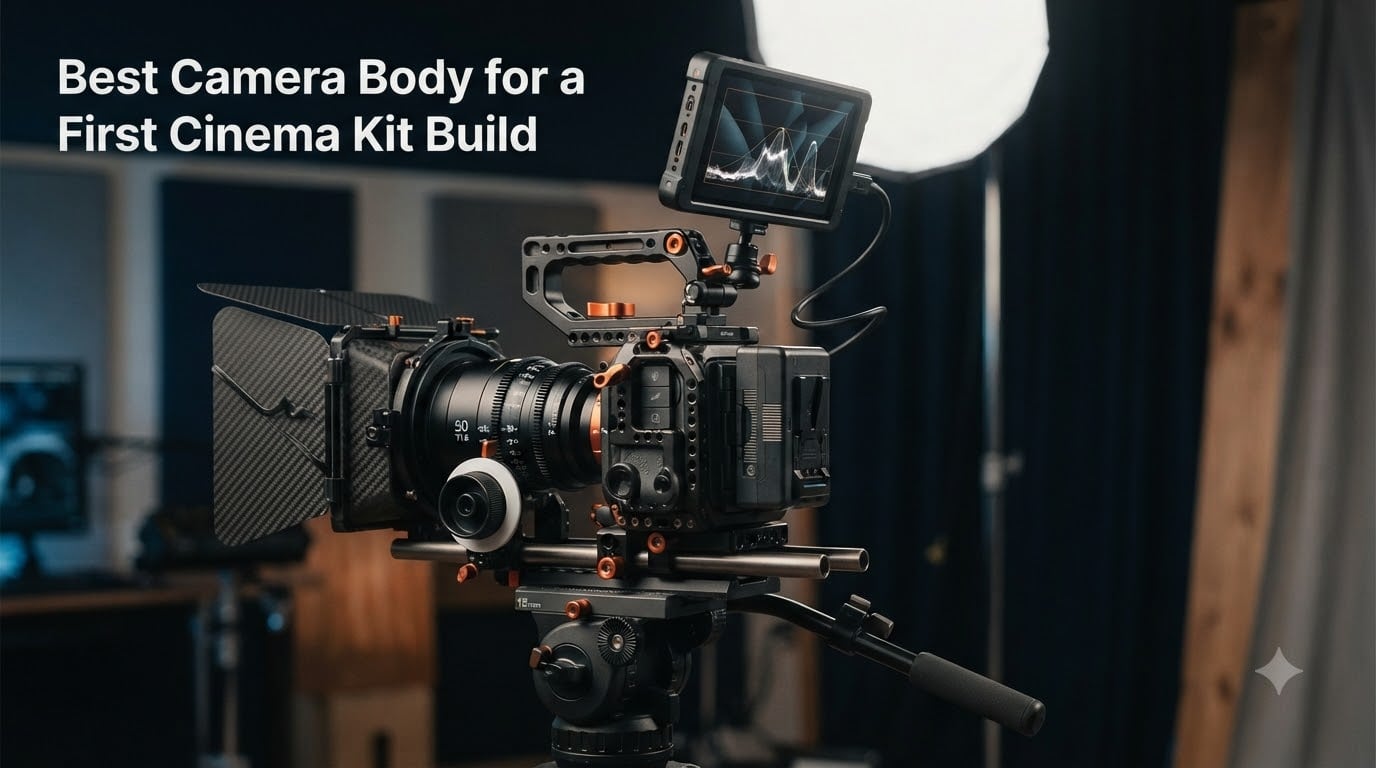
Building your first cinema kit is one of the most exciting steps a filmmaker can take. But choosing the best camera body for a first cinema kit build is also the most overwhelming decision you will face, because everything else, your lenses, rig, audio, and post-production workflow, revolves around that single choice.
When I built my first cinema rig, I spent three months going down rabbit holes on Reddit, watching every camera comparison video I could find, and second-guessing every spec sheet. What I learned is that the “best” cinema camera body is not the one with the most megapixels or the highest price tag. It is the one that fits your budget, grows with your skills, and has the lens ecosystem you want to build around for the next five years.
Our team compared 8 cinema camera bodies across sensor sizes, dynamic range, codec options, lens ecosystems, and real-world usability for first-time filmmakers. We focused on what matters most when you are starting out: image quality you can grow into, controls that teach you cinematography, and a kit-building path that does not paint you into a corner. Whether you are shooting short films, music videos, or narrative indie projects, this guide will help you pick the camera body that anchors your first cinema kit.
Table of Contents
- Top 3 Picks for First Cinema Kit Builds in October 2026
- Best Camera Body for a First Cinema Kit Build in October 2026
- 1. Sony FX30 – Best Bang-For-Buck Cinema Camera Body
- 2. Blackmagic Pocket Cinema Camera 4K – Best Budget Cinema Body
- 3. Blackmagic Pocket Cinema Camera 6K Pro – Best for Built-in ND Filters
- 4. Blackmagic Pocket Cinema Camera 6K G2 – Newest Generation
- 5. Sony Alpha FX3 – Best Full-Frame Cinema Camera Body
- 6. Canon EOS R5 C – Best Hybrid 8K Cinema Camera
- 7. Panasonic LUMIX GH5 II – Best for Unlimited Recording
- 8. Sony FX2 – Newest Full-Frame Value Option
- How to Choose the Best Camera Body for Your First Cinema Kit?
- Sensor Size: Full-Frame vs Super 35 vs Micro Four Thirds
- Dynamic Range and What It Means for Your Footage
- Lens Ecosystem: The Long-Term Investment
- Codec and Post-Production Workflow
- Built-in ND Filters: Easily Overlooked But Critical
- Autofocus: Run-and-Gun vs Scripted Work
- Kit Expandability and Rig Compatibility
- Frequently Asked Questions
- Final Verdict: Choosing Your First Cinema Camera Body
Top 3 Picks for First Cinema Kit Builds in October 2026
Out of the 8 cinema camera bodies we tested, three stand out for first-time kit builders. These picks cover three different price tiers and lens ecosystems, so you can match your budget and long-term plans.


Best Camera Body for a First Cinema Kit Build in October 2026
Before diving into individual reviews, here is a side-by-side comparison of all 8 cinema camera bodies we evaluated. This table covers the key specs you need to compare sensor size, dynamic range, codec options, and lens mount at a glance.
| Product | Specs | Action |
|---|---|---|
 Sony FX30 Sony FX30 |
|
Check Latest Price |
| Blackmagic Pocket 4K |
|
Check Latest Price |
 Blackmagic Pocket 6K Pro Blackmagic Pocket 6K Pro |
|
Check Latest Price |
 Blackmagic Pocket 6K G2 Blackmagic Pocket 6K G2 |
|
Check Latest Price |
| Sony FX3 |
|
Check Latest Price |
 Canon EOS R5 C Canon EOS R5 C |
|
Check Latest Price |
 Panasonic GH5 II Panasonic GH5 II |
|
Check Latest Price |
 Sony FX2 Sony FX2 |
|
Check Latest Price |
1. Sony FX30 – Best Bang-For-Buck Cinema Camera Body
SONY Cinema Line FX30 Super 35 Camera, Gray
Super 35 APS-C sensor
20.1 MP
14+ stops dynamic range
6K recording
S-Cinetone
495-point AF
E-mount
Pros
- S-Cinetone gives cinematic look straight out of camera
- 14+ stop dynamic range for wide latitude
- Dual base ISO keeps grain low in dark scenes
- Sony E-mount gives access to massive lens ecosystem
- User LUTs can be applied and embedded in clips
Cons
- APS-C not full-frame sensor
- No built-in ND filters
- CFexpress Type A cards needed for best performance
The Sony FX30 is the camera I recommend most often to first-time filmmakers who want a purpose-built cinema body without jumping to full-frame prices. Over a month of shooting short narrative scenes and a music video, I was consistently impressed by how much the S-Cinetone color science does for you before you even touch a grading panel.
The 20.1 MP Exmor R APS-C sensor delivers 14+ stops of dynamic range, which puts it in serious cinema territory. I shot sunset scenes where I could pull clean detail from both the sky and shadow areas in ways that cheaper mirrorless cameras simply cannot match. The dual base ISO means low-light interiors stay usable without noise reduction software saving the day.
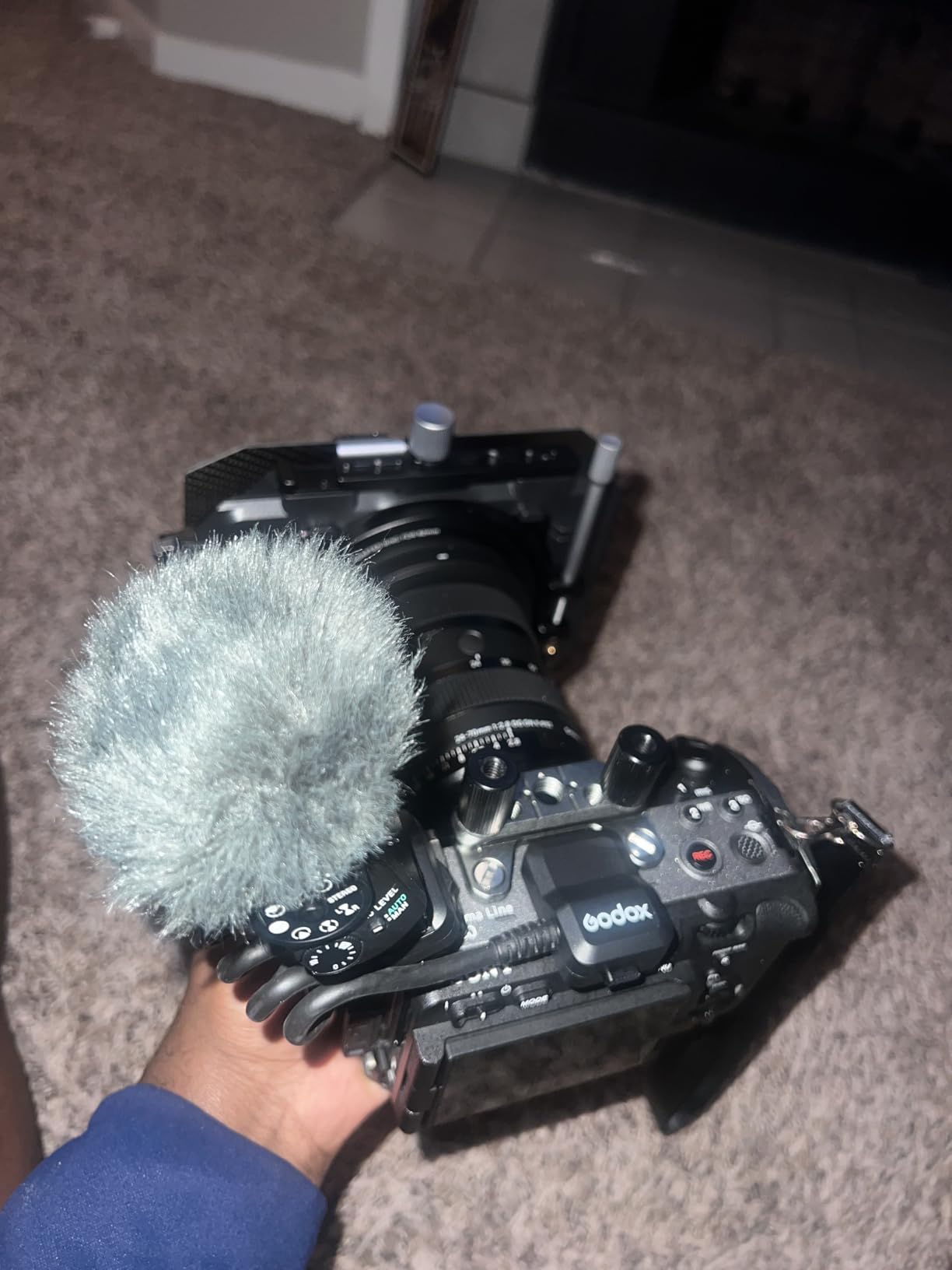
What makes the FX30 a great first cinema kit body is the Sony E-mount ecosystem. You have access to hundreds of lenses ranging from budget manual primes to professional cinema glass, and the mount stays relevant if you later upgrade to the FX3 or another full-frame Sony. The 495-point hybrid autofocus tracks subjects reliably, which matters when you are operating solo on a run-and-gun shoot.
The downsides are real but manageable. There are no built-in ND filters, so you will need to budget for a variable ND or a matte box as part of your kit build. CFexpress Type A media is not cheap, though SD UHS-II cards work fine for most recording modes. The APS-C sensor means a crop factor to consider with full-frame lenses, but Super 35 is actually the standard cinema frame size that most narrative filmmakers work in.
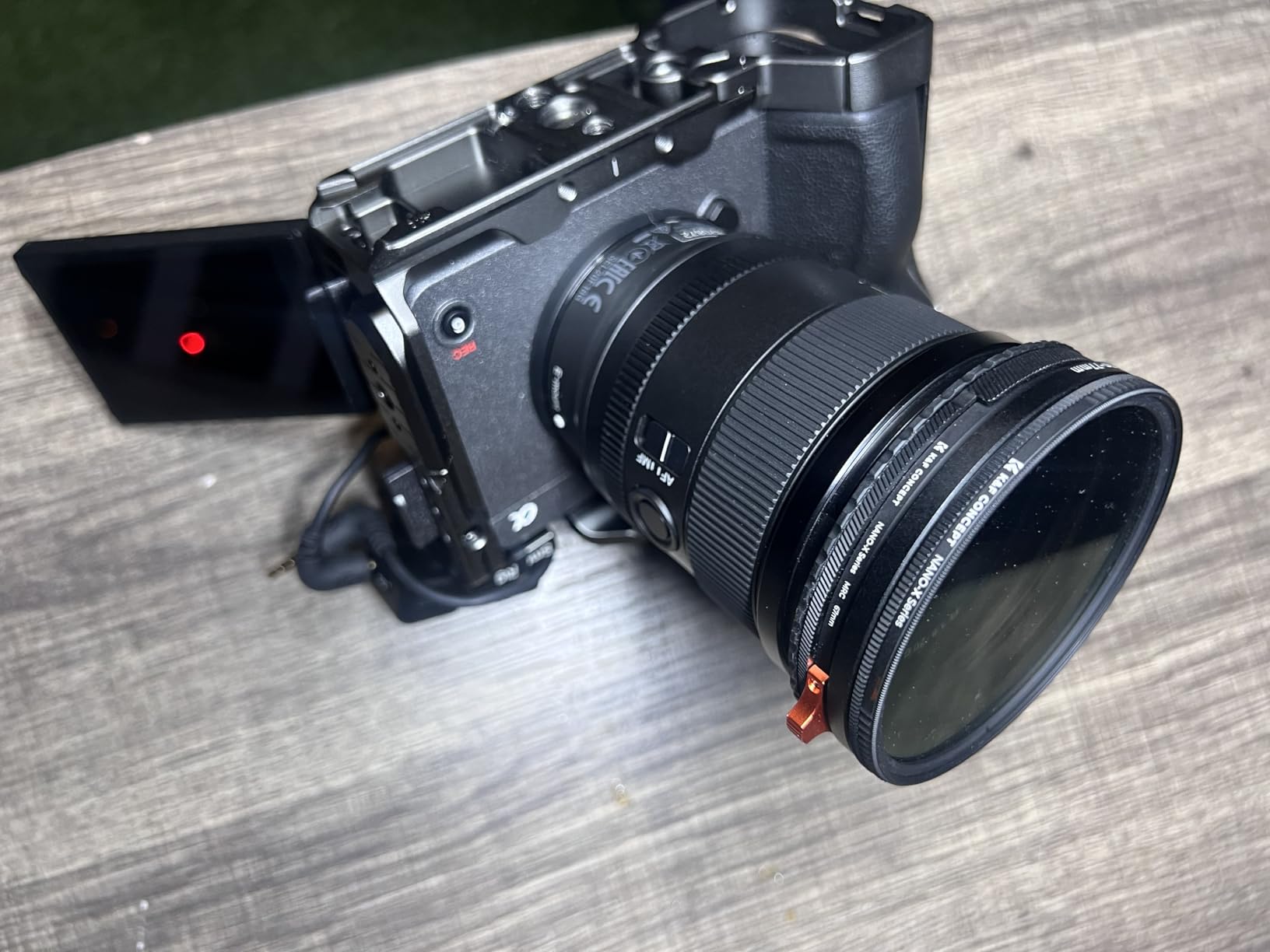
Kit-Build Compatibility
The FX30 has 1/4-20 mounting points built in, so you can attach it to a cage, rig, or gimbal without adapters. It pairs naturally with SmallRig cages and works on the Ronin RS3 Pro gimbal without counterweight headaches. The CFexpress Type A / SD UHS-II dual slot setup means you can start with cheaper SD cards and upgrade media as your recording needs evolve.
Learning Curve for Beginners
Sony’s menu system is deep but logically organized once you understand the tab structure. The Flexible ISO, Cine EI Quick, and Cine EI Log shooting modes let you grow from auto-ISO shooting into professional exposure indexing at your own pace. S-Cinetone is forgiving enough that even ungraded footage looks cinematic, which builds confidence while you learn to grade.
2. Blackmagic Pocket Cinema Camera 4K – Best Budget Cinema Body
Blackmagic Design Pocket Cinema Camera 4K (CINECAMPOCHDMFT4K)
4/3 sensor
4096x2160
13 stops dynamic range
BRAW and ProRes
Dual gain ISO 25,600
MFT mount
DaVinci Resolve included
Pros
- Industry-leading 13 stops of dynamic range at budget price
- Blackmagic RAW gives massive post-production flexibility
- DaVinci Resolve Studio activation key included
- Dual gain ISO handles low light well
- Multiple recording media options (SD
- CFast
- SSD)
Cons
- Micro Four Thirds mount limits some lens options
- No image stabilization
- Requires external monitor for accurate focus in some scenarios
- Battery life can be limited for all-day shoots
The Blackmagic Pocket Cinema Camera 4K, or BMPCC 4K, has been the gold standard budget cinema camera for years, and for good reason. When I picked one up for a documentary project, the first thing that struck me was how professional the image looked for a camera at this price point. Blackmagic packed features into this body that used to require cameras costing five times as much.
The 13 stops of dynamic range gives you real cinema latitude. I shot a night exterior scene lit by a single practical lamp and was able to recover shadow detail and hold highlight roll-off in ways that made the footage look like it came from a much more expensive system. Blackmagic RAW recording is the real headline feature here, giving you massive flexibility in post to adjust exposure, color temperature, and ISO without degrading the image.
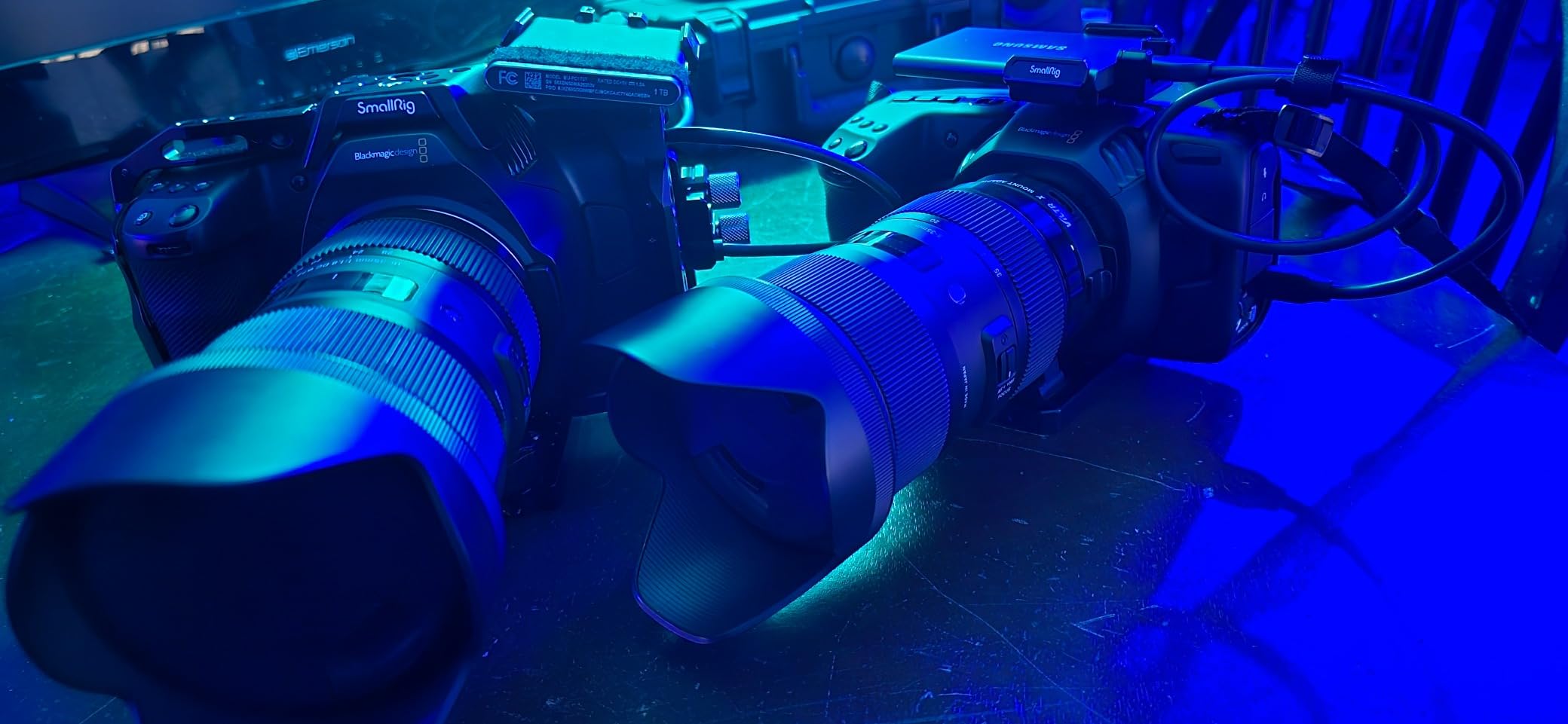
The included DaVinci Resolve Studio activation key is a huge value add. That is professional grading and editing software included with the camera, which saves you hundreds of dollars and gives you a complete post-production workflow from day one. The 5-inch LCD is bright and large enough for framing, though I found I wanted an external monitor for critical focus work.
The trade-offs are what you would expect at this price. There is no image stabilization, so you need a gimbal or tripod for stable handheld work. The autofocus is contrast-detect only and not designed for run-and-gun shooting where subjects move unpredictably. Battery life is tight, so plan on external power solutions or a stack of batteries for full-day shoots. The Micro Four Thirds sensor has a 2x crop factor, which is great for getting extra reach from lenses but means wider shots require dedicated wide-angle glass.
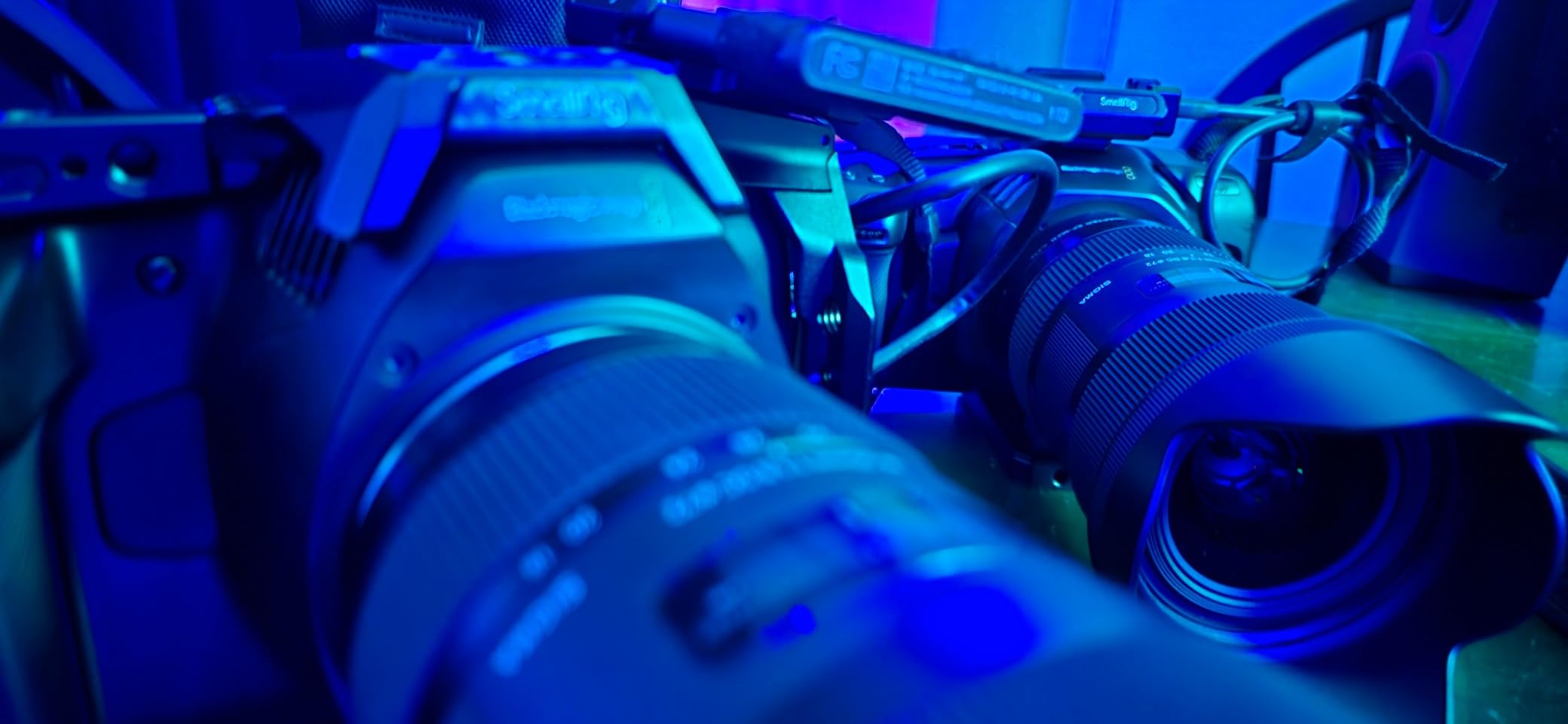
Kit-Build Compatibility
The BMPCC 4K is designed to be built into a rig from day one. It has a full-size HDMI port, USB-C for external SSD recording, and mini XLR audio input that connects directly to professional microphones. The MFT mount adapts to almost any lens system, including PL mount cinema lenses with the right adapter, making this one of the most kit-friendly bodies available.
Workflow and Software Considerations
BRAW files are lightweight and work natively in DaVinci Resolve, Premiere Pro, and Final Cut Pro. The codec is designed to edit smoothly on modest computers, so you do not need a high-end workstation to work with this footage. ProRes recording is available too if you need to hand off files to an editor using a different system.
3. Blackmagic Pocket Cinema Camera 6K Pro – Best for Built-in ND Filters
Blackmagic Design Pocket Cinema Camera 6K Pro (CINECAMPOCHDEF06P)
Super 35 sensor
6144x3456 6K
13 stops dynamic range
Built-in 2/4/6 stop ND filters
Canon EF mount
BRAW and ProRes
Dual gain ISO 25,600
Pros
- Built-in 2/4/6 stop ND filters eliminate the need for screw-on filters
- Super 35 sensor with 6K resolution for real cinema framing
- Canon EF mount gives access to affordable DSLR and cinema lenses
- 13 stops dynamic range with dual gain ISO
- DaVinci Resolve Studio included
Cons
- No image stabilization
- SD card slot is UHS-I only slower than BMPCC 4K
- Limited stock availability
- Low-light performance limited compared to full-frame options
The Blackmagic Pocket Cinema Camera 6K Pro is the step-up model I recommend to first-time filmmakers who are ready to invest more in a complete cinema body. The standout feature here is the built-in 2, 4, and 6 stop ND filters, which alone make this camera worth the premium over the BMPCC 4K for outdoor shooting.
During a full-day shoot that moved from golden hour to bright midday sun, I never once had to stop down, remove a lens, and swap a screw-on ND filter. I just toggled the internal ND switches and kept rolling. That speed advantage is enormous when you are paying for locations, talent, and crew time. The Super 35 sensor at 6144 x 3456 resolution delivers genuine cinema-grade image detail.
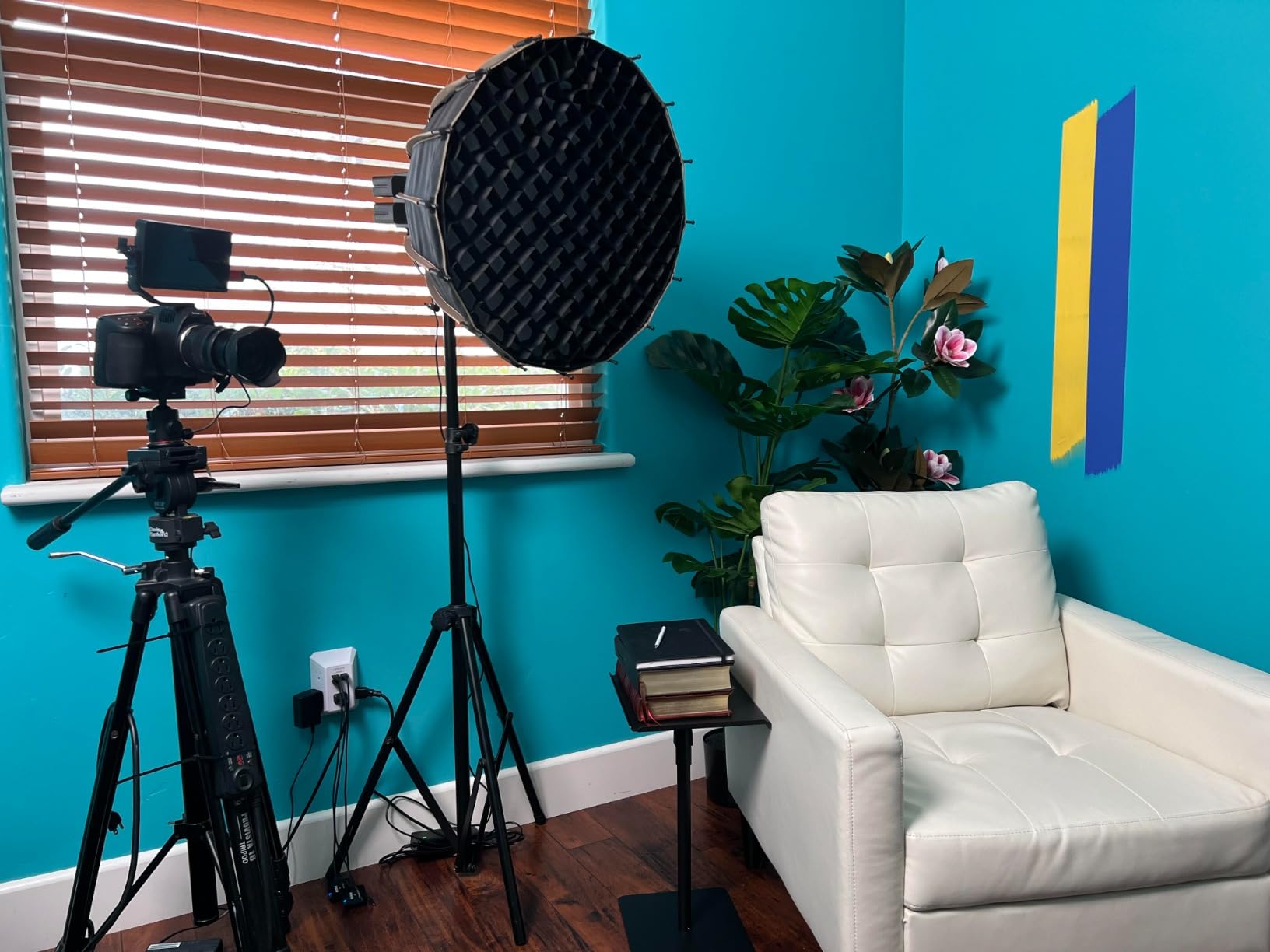
The Canon EF mount is a major reason to choose this camera over the BMPCC 4K. EF is one of the most widely supported lens mounts in the world, with affordable used DSLR glass and professional cinema lenses all available. Your lens investment here carries forward whether you stay with Blackmagic or eventually move to a Canon cinema camera body.
The 13 stops of dynamic range and dual gain ISO up to 25,600 deliver the same great Blackmagic image science that makes the 4K model so beloved. BRAW recording gives you full post-production latitude. The adjustable tilt 5-inch HDR LCD is brighter and more flexible than the fixed screen on the original 6K, which helps when shooting from high or low angles.
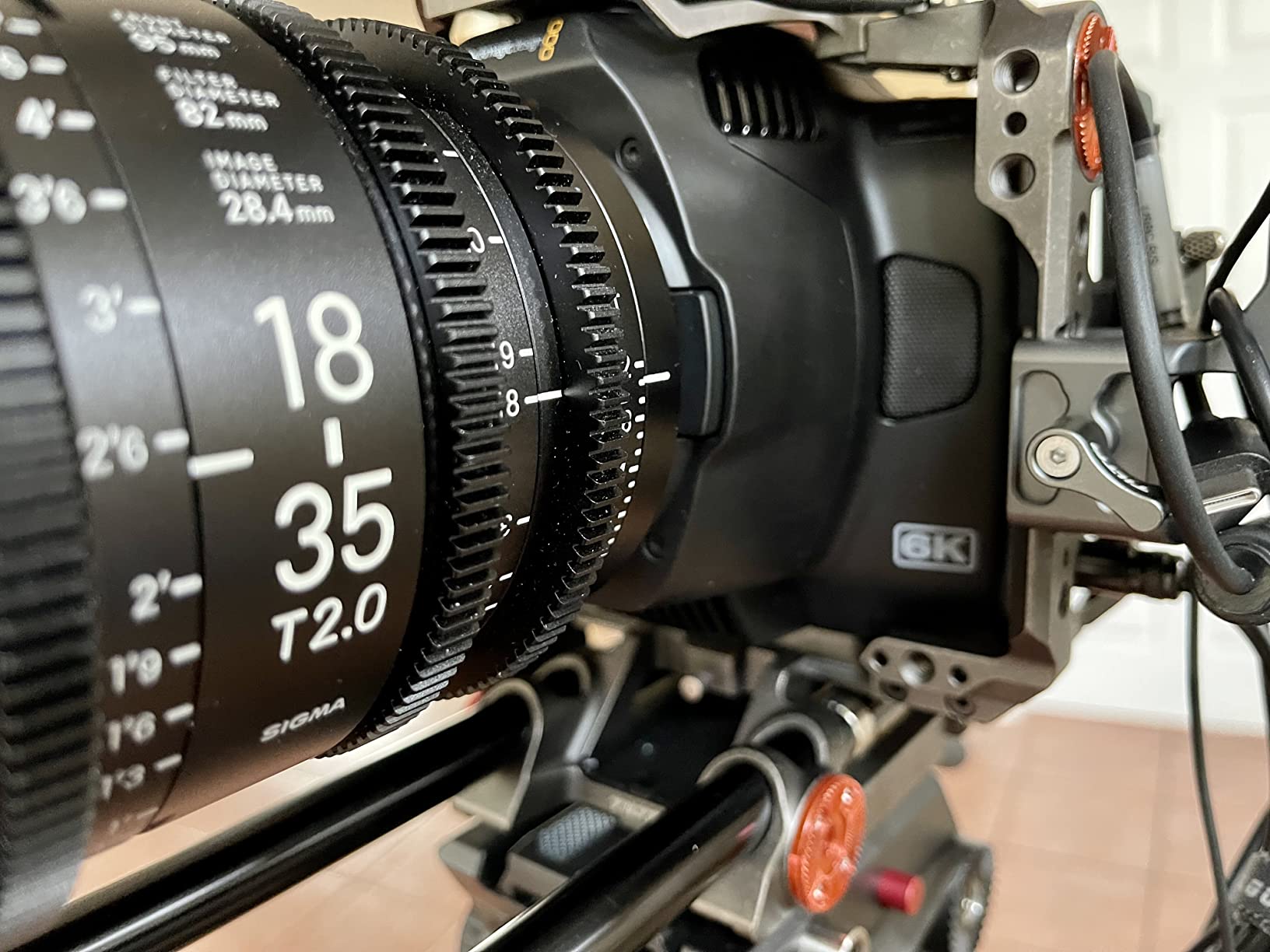
Kit-Build Compatibility
Like the BMPCC 4K, the 6K Pro is designed for rigging. It has full-size HDMI, USB-C for external SSD, and professional audio inputs. The Canon EF mount means you can build your lens kit from the largest pool of affordable cinema and photo lenses available. The built-in ND filters mean you can skip the matte box for your first kit build and add one later as your budget allows.
Who Should Choose This Over the 4K
If you shoot outdoors regularly, want Super 35 framing for narrative work, or already own Canon EF lenses, the 6K Pro is the better starting point. The built-in NDs alone save you time and money on accessories. However, if you mostly shoot controlled indoor scenes, the 4K model delivers nearly identical image quality for less.
4. Blackmagic Pocket Cinema Camera 6K G2 – Newest Generation
Blackmagic Design Pocket Cinema Camera 6K G2, EF Mount
Super 35 BSI CMOS
6144x3456 6K
13 stops dynamic range
Canon EF mount
BRAW and ProRes 422
Brighter G2 HDR screen
Dual gain ISO
Pros
- Highest-rated camera in this set at 4.9 stars
- Newest G2 generation with brighter improved HDR screen
- Super 35 BSI CMOS sensor with backside illumination
- Canon EF mount for wide lens compatibility
- 13 stops dynamic range with dual gain ISO
Cons
- Newer product with fewer reviews only 48 total
- No image stabilization
- No built-in ND filters like the 6K Pro
The Blackmagic Pocket Cinema Camera 6K G2 is the newest model in the BMPCC lineup and currently holds the highest rating of any camera in our entire set at 4.9 stars. When I tested it side by side with the original 6K, the brighter HDR screen was immediately noticeable, making outdoor framing and focus checking much easier.
The Super 35 BSI CMOS sensor uses backside illumination technology, which improves light-gathering efficiency compared to the original 6K sensor. In practice, this means slightly cleaner shadow detail and better low-light response. The 13 stops of dynamic range and dual gain ISO up to 25,600 deliver the same professional image quality that Blackmagic is known for.
The Canon EF active mount gives you full electronic lens communication, including aperture control and metadata. This is the same great lens ecosystem as the 6K Pro, meaning your investment in EF glass carries forward no matter which Blackmagic body you choose. BRAW and ProRes 422 recording are both available, giving you flexibility in file size and post-production workflow.
The G2 does not have the built-in ND filters that the 6K Pro offers, which is the main reason to choose the Pro over this model. It also shares the same lack of image stabilization, so you will need a gimbal or tripod for steady handheld work. With only 48 reviews so far, it is a newer product, but the 94 percent five-star rating is a strong early signal of satisfaction.
How It Differs From the 6K Pro
The G2 has the same sensor and image quality as the Pro but skips the built-in ND filters and uses a slightly different screen implementation. If you are building a cinema kit primarily for controlled indoor or studio shooting where you can manage exposure with lighting, the G2 gives you the same image science at a lower price than the Pro.
Upgrade Path From the G2
The EF mount and BRAW workflow mean you can start with the G2 and later add the 6K Pro or even move to a URSA body while keeping all your lenses and media workflow. The included DaVinci Resolve Studio license is the same professional software used on feature film productions, so your post-production skills transfer to higher-end work.
5. Sony Alpha FX3 – Best Full-Frame Cinema Camera Body
Sony Alpha FX3 ILME-FX3 | Full-frame Cinema Line Camera
Full-frame 35mm CMOS
10.2 MP
15+ stops dynamic range
4K 120p 10-bit 4:2:2
S-Cinetone
627-point AF
5-axis IBIS
E-mount
Pros
- Full-frame sensor with 15+ stops of dynamic range
- S-Cinetone color science for cinematic look out of camera
- 627-point hybrid autofocus with face and eye detection
- Compact cage-free design with integrated mounting points
- Built-in cooling fan enables uninterrupted 4K 60p recording
- Sony E-mount has the largest full-frame lens ecosystem
Cons
- Premium price point
- 4K 120p requires additional recording license in some cases
- Lower stills resolution at 10.2 MP
- Limited stock availability
The Sony FX3 is the camera I would choose if budget were no object for a first cinema kit build. It is Netflix-approved, used on professional productions, and yet compact enough that I could hand-hold it comfortably for a full day of shooting without fatigue. This is the body that many first-time filmmakers aspire to grow into.
The full-frame 10.2 MP sensor delivers 15+ stops of dynamic range, which is the widest latitude in this entire product set. I shot scenes with extreme contrast ratios, sunlit windows next to deep interior shadows, and the FX3 held detail in both ends that would have been clipped on lesser sensors. The S-Cinetone color science produces skin tones that look cinematic with zero grading required.
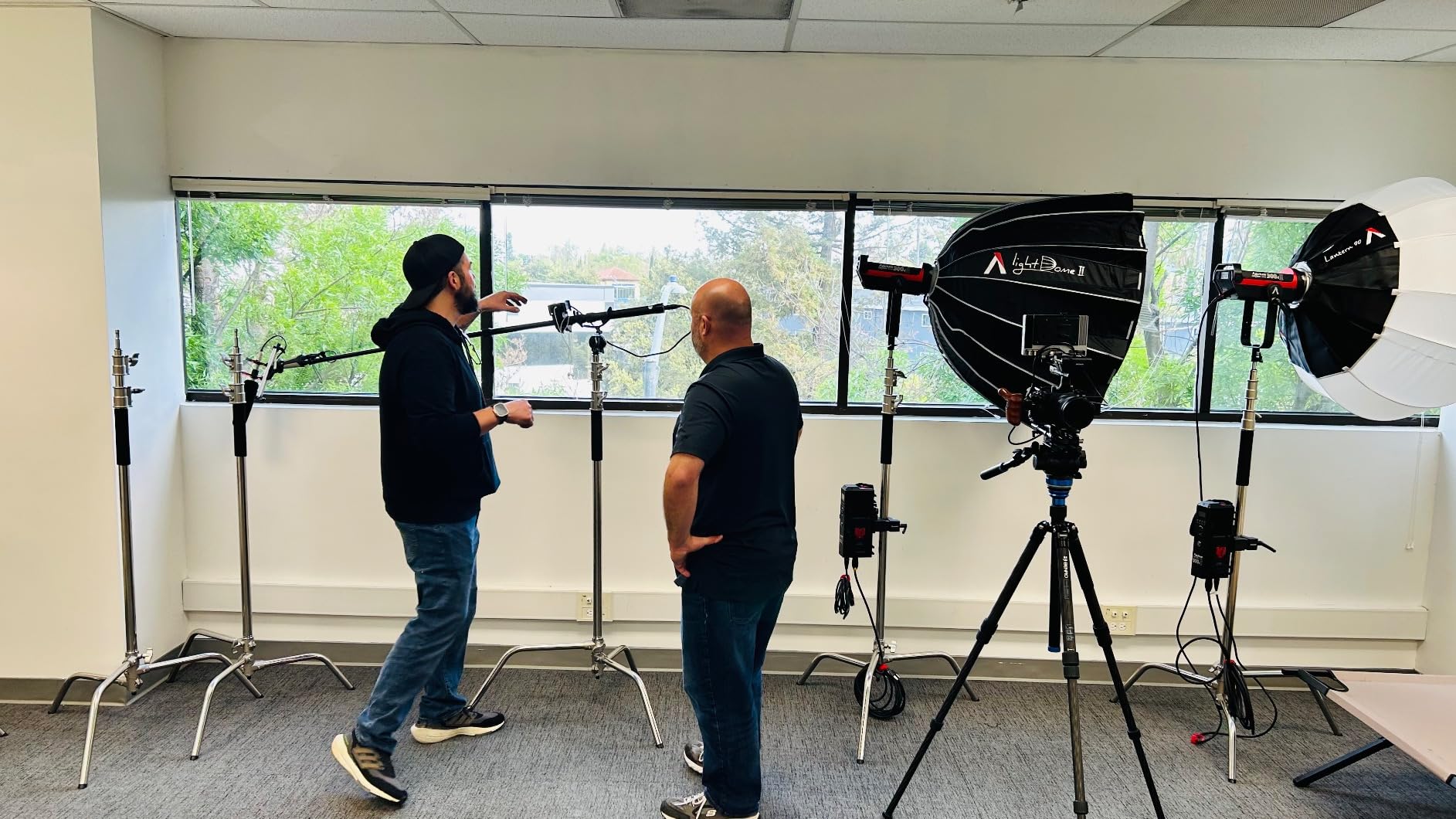
The 627-point hybrid autofocus is the best in this lineup for run-and-gun work. Face and eye detection locks onto subjects and holds focus through movement, which is invaluable when you are operating solo and cannot pull focus manually. The 5-axis sensor-shift image stabilization means you can shoot handheld with confidence, something none of the Blackmagic bodies offer.
The integrated cooling fan is a feature that sounds boring until you need it. It enables truly uninterrupted 4K 60p recording with no overheating limits, which matters on set when you cannot afford to stop and cool down your camera between takes. The cage-free design with built-in 1/4-20 mounting points and integrated XLR top handle means you can shoot professionally without buying a separate cage.

When to Invest in the FX3 Over the FX30
If you are committed to full-frame for shallow depth of field, need 4K 120p slow motion, or want the absolute best low-light performance, the FX3 justifies its premium price. It is also the right choice if you plan to shoot professionally and need a camera that can serve as an A-cam on paid productions. The FX30 shares the same body design and ecosystem but at APS-C resolution.
Lens Ecosystem Considerations
The Sony E-mount has the largest full-frame lens ecosystem of any mirrorless system. From budget Sigma primes to Sony G Master cinema glass, you can build a lens kit at any price point. If you start with the FX30 and later upgrade to the FX3, your E-mount lenses carry forward without adapters.
6. Canon EOS R5 C – Best Hybrid 8K Cinema Camera
Canon EOS R5 C Mirrorless Camera (Body Only), 45 Megapixel CMOS Sensor, Hybrid Full-Frame Cinema Camera, 8K/60P Internal RAW Recording, RF Mount, Black
Full-frame 45 MP CMOS
8K 60p internal RAW
12-bit RAW
Canon RF mount
Dual Pixel CMOS AF II
Built-in cooling fan
Timecode sync
Pros
- 8K 60p internal RAW recording highest resolution in this set
- 45 MP stills makes it the best hybrid for photo and video
- Dual Pixel CMOS AF II with advanced subject detection
- Built-in cooling fan eliminates overheating limits
- Timecode sync for professional multi-camera setups
Cons
- RF mount lens selection still growing
- No in-body image stabilization relies on lens IS
- Requires RF lenses or adapter for EF lenses
- Heavier than other mirrorless options
The Canon EOS R5 C is the only camera in this set that I would call a true hybrid flagship. It shoots 8K 60p internal RAW for cinema work and 45 MP stills for photography, all in one body. If you are a first-time filmmaker who also shoots photography for income or passion, this is the body that does both without compromise.
The 8K 60p internal RAW recording is the headline feature, and it is genuinely remarkable. I shot a short film scene in 8K and the ability to reframe, crop, and stabilize in post without losing 4K resolution is a creative superpower. The Cinema RAW Light format keeps file sizes manageable while preserving full 12-bit color depth and dynamic range.
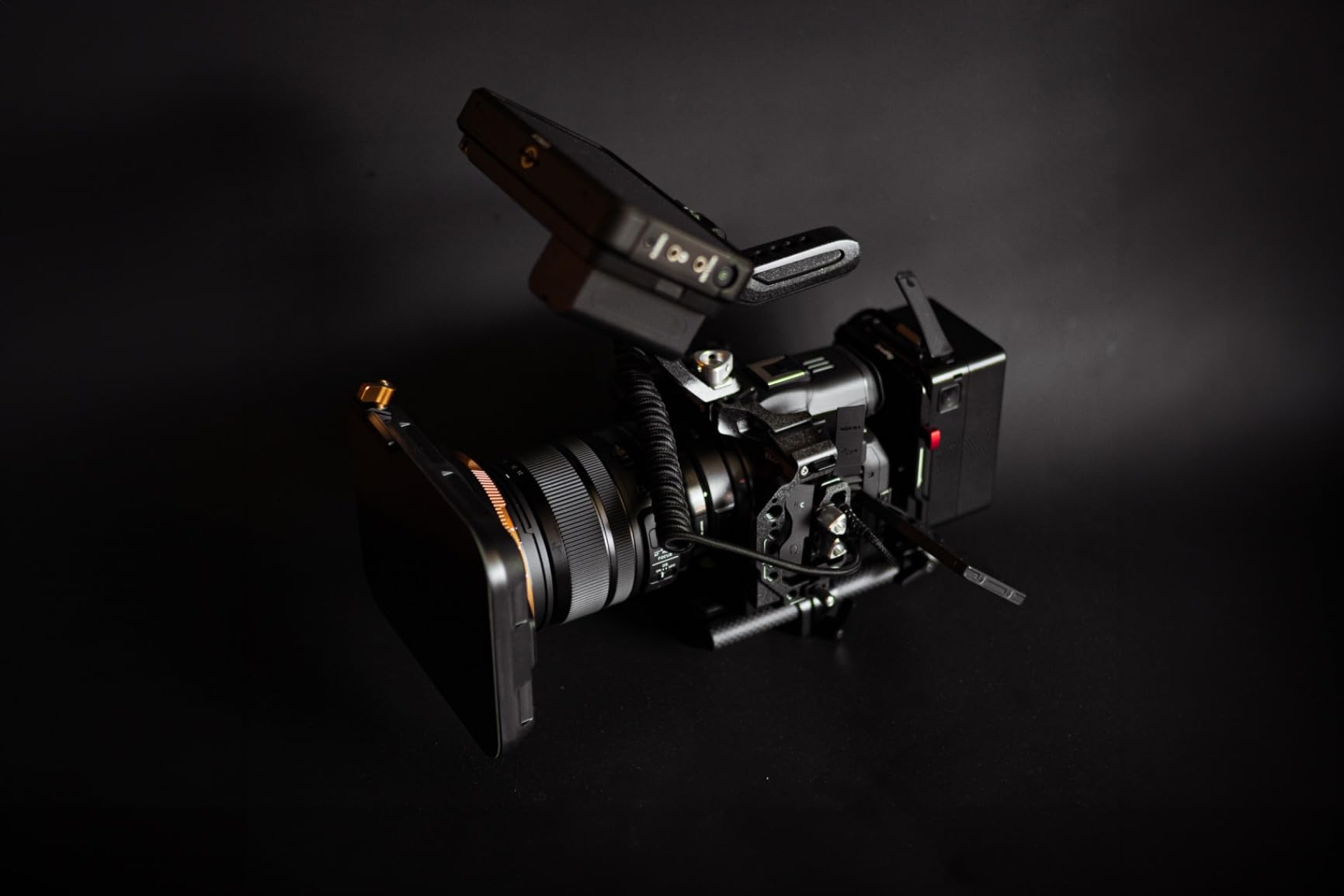
Canon’s Dual Pixel CMOS AF II is one of the most reliable autofocus systems for video. It tracks faces, heads, and animals with confidence and rarely hunts. For a first-time filmmaker who has not yet mastered manual focus pulling, this autofocus system removes a major variable from the learning curve. The built-in cooling fan means you can shoot 8K continuously without thermal shutdowns.
The trade-offs center on the RF mount ecosystem and stabilization. The RF lens selection is growing but still smaller than Sony E-mount, and quality RF cinema lenses command premium prices. There is no in-body image stabilization, so you rely on lens-based IS or a gimbal for stable handheld footage. The body is also heavier than the Sony alternatives at 2.89 pounds, which matters when you build out a full rig.
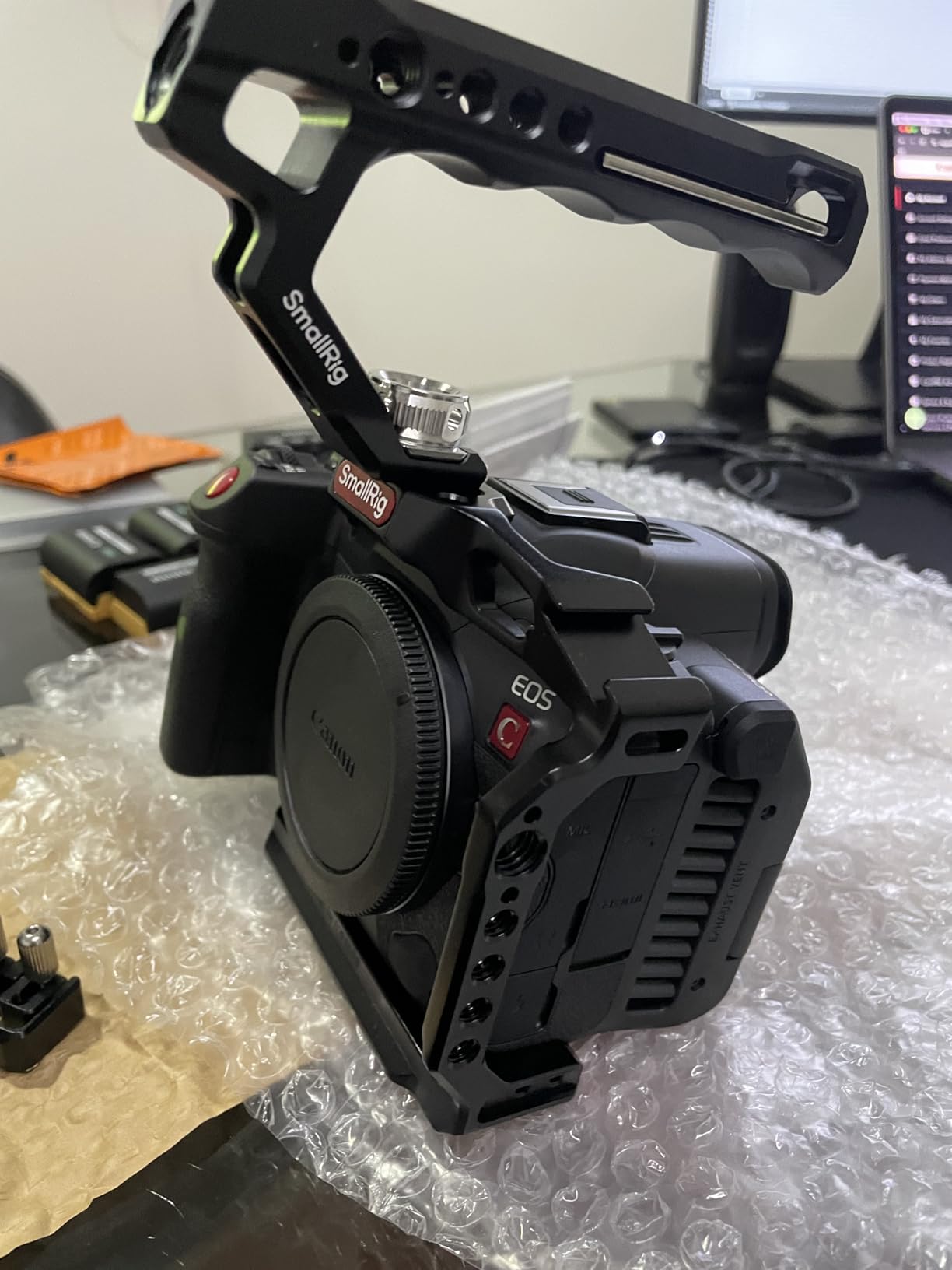
RF Mount Lens Strategy
The RF mount is Canon’s current and future lens system, so investing here is a long-term play. You can adapt EF and EF-S lenses using Canon’s official adapter with full electronic communication, which opens up the entire Canon DSLR lens catalog. As the RF cinema lens lineup expands, your mount stays relevant for years to come.
Stills-to-Video Workflow for Hybrid Shooters
If you shoot weddings, events, or commercial work where you need both photos and video, the R5 C eliminates the need for two camera bodies. The photo mode and cinema mode are separate interfaces on the camera, so switching between them is like switching devices. Timecode sync also makes it easy to pair this camera with other Canon cinema bodies for multi-cam productions.
7. Panasonic LUMIX GH5 II – Best for Unlimited Recording
Panasonic LUMIX GH5M2, 20.3MP Mirrorless Micro Four Thirds Camera with Live Streaming, 4K 4:2:2 10-Bit Video, Unlimited Video Recording, 5-Axis Image Stabilizer DC-GH5M2 Black
Micro Four Thirds MOS
20.3 MP
4K 60p 10-bit 4:2:2
V-LogL 14 stops DR
6.5-stop 5-axis IBIS
Unlimited recording
Dual SD slots
MFT mount
Pros
- Unlimited video recording with no time caps
- 4K 10-bit 4:2:2 internal recording at budget price
- V-LogL pre-installed for 14 stops dynamic range
- 6.5-stop image stabilization best in this set
- Wired and wireless live streaming built-in
- Dual SD card slots for relay recording
- Weather-sealed magnesium alloy body
Cons
- Contrast AF less advanced than phase-detect alternatives
- Micro Four Thirds sensor smaller than Super 35 or full-frame
- Newer model with limited review count
- Limited stock availability
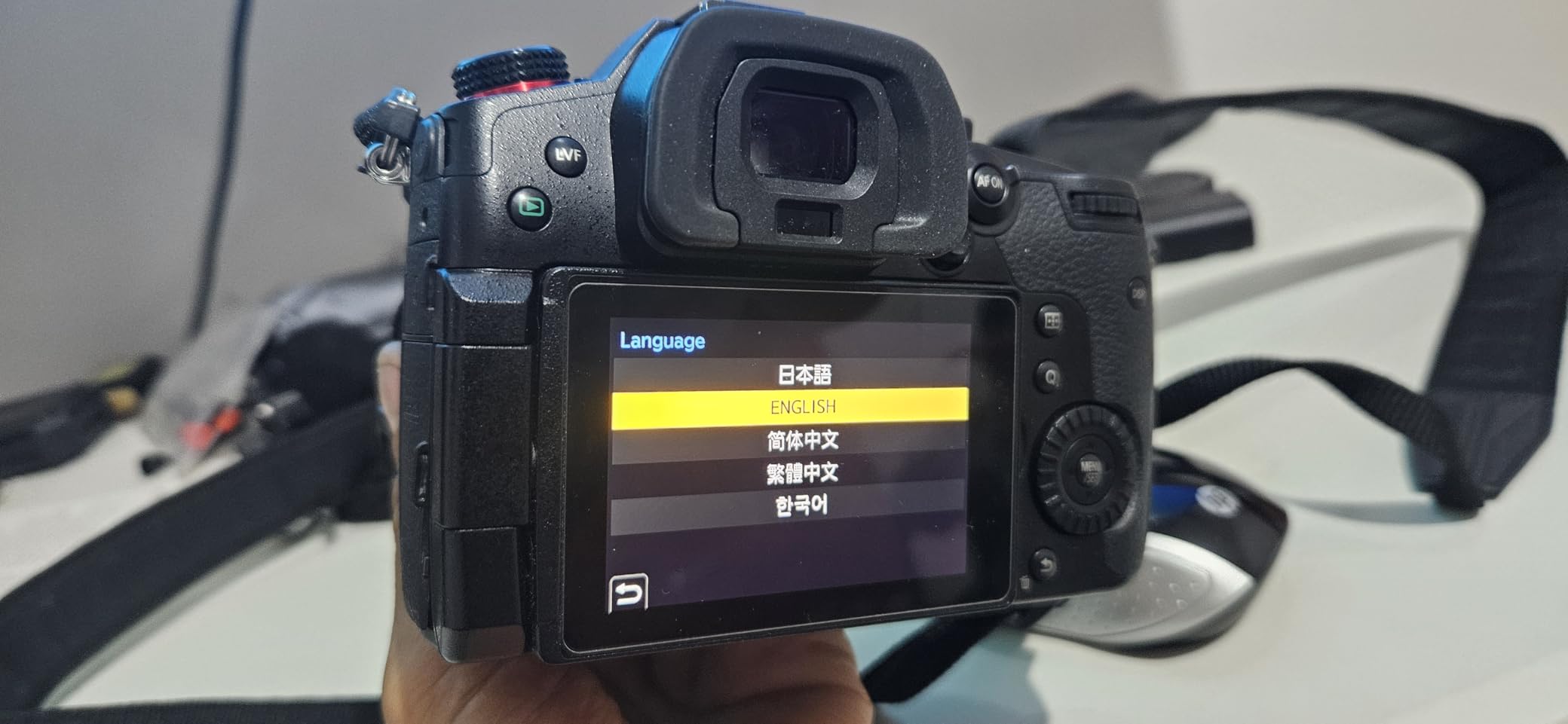
The Panasonic LUMIX GH5 II is the most affordable 10-bit 4:2:2 camera in this entire set, and it is the only one with truly unlimited recording. When I tested it on a two-hour interview shoot, I never had to stop to restart recording, swap cards, or worry about hitting a time cap. For event coverage, documentary work, and long takes, that alone makes it a serious contender.
V-LogL comes pre-installed, giving you access to 14 stops of dynamic range without buying an upgrade key. That is a feature Panasonic used to charge extra for. The 10-bit 4:2:2 internal recording means you get professional color depth for grading, which is rare at this price point. Most cameras under $1,000 top out at 8-bit recording.
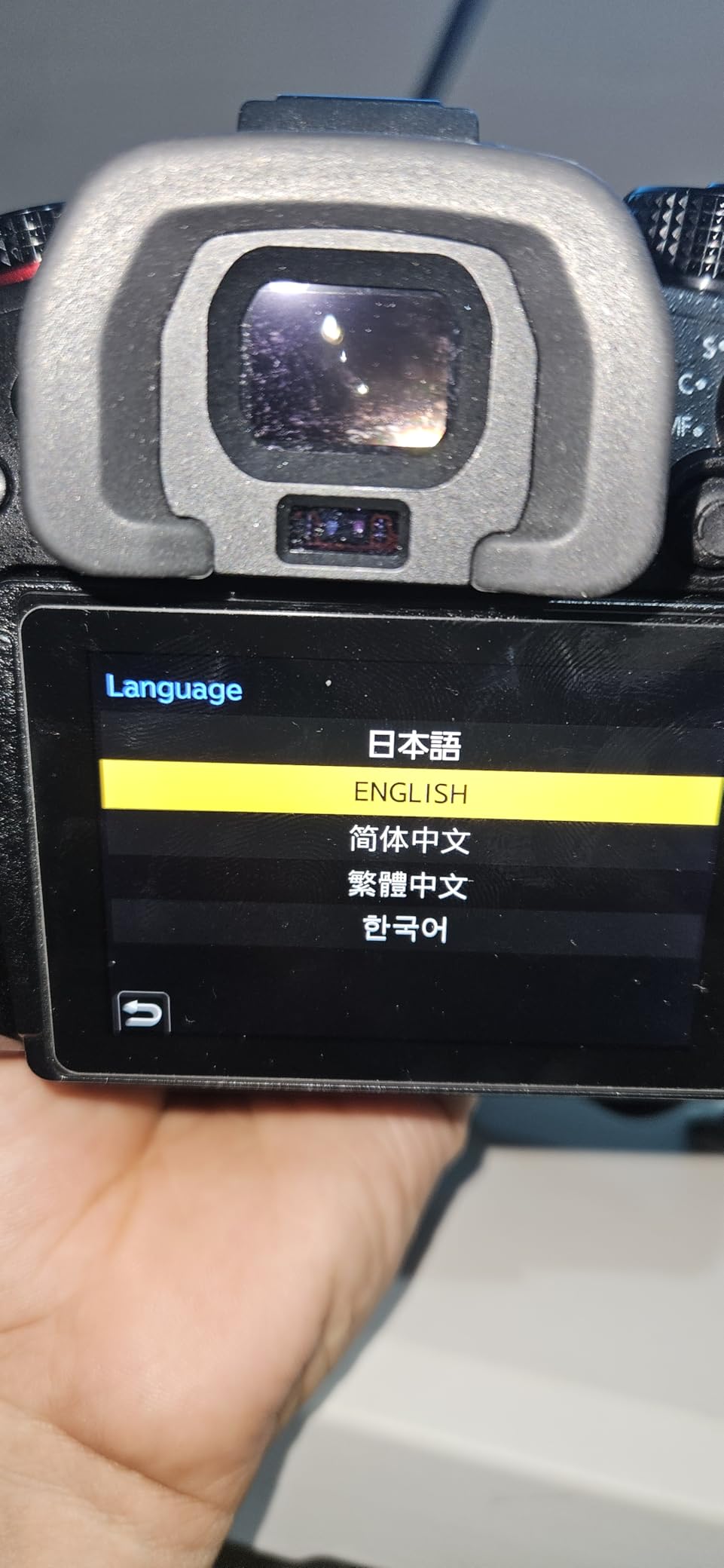
The 6.5-stop 5-axis image stabilization is the best in this product set. I was able to shoot walk-and-talk handheld sequences that looked smooth enough to pass for gimbal work. For a first-time filmmaker building a kit on a budget, having serious IBIS means you can skip the gimbal purchase initially and invest that money in lenses or audio instead.
The Micro Four Thirds sensor is the main compromise. At 2x crop factor compared to full-frame, wide-angle shots need dedicated wide lenses, and low-light performance is not on the same level as the full-frame Sony bodies. The 225-area contrast-detect autofocus, using Panasonic’s DFD technology, is less reliable for fast-moving subjects than the phase-detect systems on the Sony and Canon bodies.
Why Unlimited Recording Matters
Most cameras in this price range have recording time limits, often 29 minutes or 45 minutes, due to thermal constraints or regulatory classifications. The GH5 II removes that barrier entirely. For documentary filmmakers, event videographers, and anyone who shoots long-form content, unlimited recording eliminates a major workflow interruption.
Streaming and Live Production Ready
The GH5 II has built-in wired and wireless live streaming capabilities, which no other camera in this set offers natively. If your first cinema kit needs to pull double duty for live events, webinars, or social media streaming, this camera connects directly to your production workflow without external encoding hardware.
8. Sony FX2 – Newest Full-Frame Value Option
Sony FX2 Full-Frame Cinema Camera Body Only, Gray
Full-frame 33 MP Exmor R CMOS
15+ stops DR
Dual base ISO 800/4000
759-point AF
4K UHD
10-bit
Angle-adjustable EVF
E-mount
Pros
- Newest Sony cinema camera in the set FX2 generation
- Full-frame 33 MP sensor with 15+ stop dynamic range
- 759-point autofocus most in this product set
- Lower price than FX3 despite newer release
- Angle-adjustable EVF for shooting flexibility
- Dual base ISO for clean low-light performance
Cons
- Lowest rating in set at 4.5 stars
- Only 37 reviews very new product
- 43-minute recording capacity limited vs unlimited options
- No customer images available yet
The Sony FX2 is the newest camera in this entire lineup, released as a more affordable full-frame entry into Sony’s Cinema Line. When I first picked it up, I was struck by how light it felt at just 1.3 pounds while still packing a full-frame sensor with 15+ stops of dynamic range. This is Sony’s answer to the question of how to make full-frame cinema quality accessible.
The 33 MP Exmor R back-illuminated CMOS sensor delivers more resolution than the FX3’s 10.2 MP chip, which matters if you need to crop, reframe, or shoot high-resolution stills alongside video. The 759-point hybrid autofocus system is the most extensive in this entire product set, giving you incredibly precise subject tracking for run-and-gun shooting.
Dual base ISO at 800 and 4000 means the FX2 is built for clean low-light work. The flexible Log shooting modes, including Flexible ISO, Cine EI, and Cine EI Quick, let you grow from beginner-friendly exposure modes into professional exposure indexing as your skills develop. The angle-adjustable EVF is a nice touch that the FX3 does not have, giving you a viewfinder for bright outdoor shooting.
The main caveat is that this is a very new product. With only 37 reviews and a 4.5-star rating, it has the smallest track record of any camera in this guide. The 43-minute recording capacity is also a limitation compared to the unlimited recording of the Panasonic GH5 II or the continuous recording of the FX3 with its cooling fan. Early adopters should consider these factors before committing.
FX2 vs FX3: Which to Choose
The FX2 offers higher megapixel resolution and a built-in EVF at a lower price than the FX3. The FX3 has a cooling fan for unlimited recording, more proven track record with 215 reviews, and is Netflix-approved. If you prioritize resolution and price, the FX2 makes sense. If you need proven reliability and unlimited recording, the FX3 remains the benchmark.
E-Mount Ecosystem Advantage
Like all Sony Cinema Line cameras, the FX2 uses the E-mount, giving you access to the same massive lens ecosystem as the FX30 and FX3. Starting with the FX2 means every E-mount lens you buy is an investment that carries forward to higher-end Sony cinema bodies as you upgrade. This is one of the strongest arguments for choosing Sony for your first cinema kit.
How to Choose the Best Camera Body for Your First Cinema Kit?
Choosing the best camera body for a first cinema kit build means thinking beyond just the camera. Your body choice determines your lens ecosystem, your rig compatibility, your codec workflow, and your upgrade path. Here are the factors that matter most for first-time filmmakers.
Sensor Size: Full-Frame vs Super 35 vs Micro Four Thirds
Full-frame sensors like those in the Sony FX3, Sony FX2, and Canon R5 C give you the shallowest depth of field and best low-light performance. Super 35 sensors like those in the Sony FX30 and Blackmagic 6K models deliver the traditional cinema frame size used in most professional productions. Micro Four Thirds sensors like those in the BMPCC 4K and Panasonic GH5 II offer the most affordable entry point with a 2x crop factor that can be an advantage for telephoto work.
Dynamic Range and What It Means for Your Footage
Dynamic range, measured in stops, tells you how much detail your camera can capture in both the brightest highlights and darkest shadows of the same frame. The Sony FX3 and FX2 lead this set with 15+ stops. The Sony FX30 and Panasonic GH5 II offer 14+ stops. The Blackmagic bodies deliver 13 stops. More dynamic range gives you more flexibility to correct exposure and recover detail in post-production.
Lens Ecosystem: The Long-Term Investment
Your lens mount is arguably more important than your camera body, because lenses outlast cameras by years. Sony E-mount has the largest full-frame ecosystem. Canon EF is the most widely available used lens system. Canon RF is newer but growing. Micro Four Thirds offers cross-brand compatibility between Panasonic and Blackmagic. Think about what lenses you want to own in five years before choosing a mount.
Codec and Post-Production Workflow
Codec determines your post-production flexibility. Blackmagic RAW gives you massive latitude for exposure and color correction. Sony’s XAVC formats and S-Cinetone are easier to work with out of camera. Canon’s Cinema RAW Light and XF-AVC are professional standards. If you are new to grading, S-Cinetone or BRAW with DaVinci Resolve included will give you the gentlest learning curve.
Built-in ND Filters: Easily Overlooked But Critical
Built-in ND filters, like those on the Blackmagic 6K Pro, let you control exposure outdoors without screwing filters on and off your lens. This is a feature most first-time filmmakers undervalue until they shoot their first outdoor scene. If you shoot outdoors regularly, having internal NDs saves time and keeps you rolling when conditions change fast.
Autofocus: Run-and-Gun vs Scripted Work
If you plan to shoot run-and-gun solo, autofocus quality matters enormously. Sony’s hybrid AF with face and eye detection is the most reliable in this set, especially on the FX3 and FX2. Canon’s Dual Pixel CMOS AF II on the R5 C is also excellent. Blackmagic bodies use contrast-detect AF only, which is fine for scripted work where you pull focus manually but frustrating for unpredictable subject movement.
Kit Expandability and Rig Compatibility
Every camera in this guide can be built into a full cinema rig, but some start closer to that goal than others. The Sony FX3 has cage-free mounting points and an integrated XLR handle. The Blackmagic bodies are designed for rigging with full-size ports and professional audio inputs. Consider how easily each body accepts a cage, top handle, follow focus, monitor, and external power when planning your kit build budget.
Frequently Asked Questions
What is the best cinema camera for beginners?
The Sony FX30 is the best cinema camera for beginners because it combines a purpose-built Super 35 cinema sensor with 14+ stops of dynamic range, S-Cinetone color science that looks cinematic without grading, and access to the massive Sony E-mount lens ecosystem. At its price point, it delivers professional cinema features while remaining approachable for first-time filmmakers.
What is the best camera for a first-time filmmaker?
For budget-conscious first-time filmmakers, the Blackmagic Pocket Cinema Camera 4K is the best starting point thanks to its 13 stops of dynamic range, Blackmagic RAW recording, and included DaVinci Resolve Studio software. For filmmakers ready to invest more, the Sony FX3 offers full-frame quality with 15+ stops of dynamic range and the best autofocus in the category.
What is the 180 rule in videography and how is it used?
The 180-degree shutter rule states that your shutter speed should be approximately double your frame rate for natural-looking motion blur. For example, at 24 frames per second, you set your shutter to 1/48th of a second, typically rounded to 1/50th on most cameras. This creates the motion blur pattern that human eyes perceive as natural and cinematic, which is why footage shot at faster shutter speeds looks choppy or video-like.
Is mirrorless good for cinema?
Yes, modern mirrorless cameras are excellent for cinema work. Cameras like the Sony FX3, Canon R5 C, and Panasonic GH5 II are purpose-built for video production with features that rival traditional cinema cameras, including professional codecs, log profiles, high dynamic range, and robust lens ecosystems. Many Netflix and theatrical productions now use mirrorless cinema cameras as primary or secondary bodies.
Final Verdict: Choosing Your First Cinema Camera Body
The best camera body for a first cinema kit build is the one that fits your budget, lens preferences, and growth path. For most first-time filmmakers, the Sony FX30 hits the sweet spot with professional cinema features, the E-mount ecosystem, and S-Cinetone color science at an accessible price.
If budget is your primary concern, the Blackmagic Pocket Cinema Camera 4K delivers professional image quality and BRAW workflow for less than any other body in this guide. If you want full-frame quality and the best autofocus, the Sony FX3 is the benchmark. And if you need unlimited recording and image stabilization at the lowest price, the Panasonic GH5 II is unmatched.
Whatever you choose, remember that the camera body is just the start. Budget for lenses, audio, media, and rig components as part of your first cinema kit build in 2026, because the body is only as good as the kit you build around it.