
If you have ever tried to pitch a feature script and watched an investor’s eyes glaze over, you already know why a proof of concept matters. A short film that shows the tone, look, and characters of your larger story is the single fastest way to prove you can direct, shoot, and edit at feature quality on a fraction of the budget. The question most filmmakers ask me is simple: what is the best camera proof of concept short film work I can afford without compromising the cinematic feel that buyers and producers expect?
I have been on both sides of this question. I shot my own POC on a borrowed camera that overheated during the climactic scene, and I have also reviewed demo reels where the camera choice elevated an average script into something a financier could actually visualize as a series. The right camera will not make your story better, but the wrong one will absolutely distract from it. In 2026, the bar for cinematic look has risen, and even indie filmmakers are expected to deliver images that hold up next to streaming originals.
This guide covers eight cameras I have either used personally or watched other indie filmmakers deploy on successful proof of concept shorts. I focus on what actually matters for POC production: dynamic range, codec flexibility, portability for run and gun work, low light behavior, and price to performance. I will not bury the answer in spec sheets. If you want the short version, the Blackmagic Pocket Cinema 4K and the Sony FX30 are the two cameras I recommend to most filmmakers reading this. The rest of this guide explains why, and which camera fits which specific situation.
Table of Contents
- Top 3 Picks for Best Camera for Proof of Concept Shorts for October 2026
- Best Cameras for Proof of Concept Shorts in October 2026
- 1. Sony FX30 Cinema Line – Best Value Cinema Camera for Proof of Concept
- 2. Blackmagic Pocket Cinema Camera 4K – The Filmmaker’s Budget Champion
- 3. Blackmagic Pocket Cinema Camera 6K G2 – 6K Resolution for Heavy Grading
- 4. Sony Alpha a7S III – Low Light King for Night Shoots
- 5. Blackmagic Pocket Cinema Camera 6K Pro – Premium POC Body With Built In NDs
- 6. Sony a6700 – Compact Hybrid Camera for Solo Filmmakers
- 7. Panasonic LUMIX GH6 – Unlimited Recording for Long Takes
- 8. Panasonic LUMIX S1II – Professional Hybrid With Class Leading Stabilization
- How to Choose the Best Camera for Your Proof of Concept Short?
- FAQs
- Final Thoughts on the Best Camera for Proof of Concept Shorts
Top 3 Picks for Best Camera for Proof of Concept Shorts for October 2026


Sony FX30 Cinema Line
- S-Cinetone cinematic look
- Dual Base ISO 14+ stops
- Compact 1.4 lb body
Best Cameras for Proof of Concept Shorts in October 2026
| Product | Specs | Action |
|---|---|---|
| Sony FX30 Cinema Line Camera |
|
Check Latest Price |
| Blackmagic Pocket Cinema 4K |
|
Check Latest Price |
 Blackmagic Pocket 6K G2 Blackmagic Pocket 6K G2 |
|
Check Latest Price |
 Sony a7S III Full Frame Sony a7S III Full Frame |
|
Check Latest Price |
 Blackmagic Pocket 6K Pro Blackmagic Pocket 6K Pro |
|
Check Latest Price |
 Sony a6700 Mirrorless Sony a6700 Mirrorless |
|
Check Latest Price |
 Panasonic LUMIX GH6 Panasonic LUMIX GH6 |
|
Check Latest Price |
 Panasonic LUMIX S1II Panasonic LUMIX S1II |
|
Check Latest Price |
1. Sony FX30 Cinema Line – Best Value Cinema Camera for Proof of Concept
SONY Cinema Line FX30 Super 35 Camera, Gray
20.1MP APS-C sensor
Dual Base ISO 14+ stops
Compact 1.4 lb body
Pros
- S-Cinetone cinematic look out of camera
- Dual Base ISO for clean low light
- Compact 1.4 lb form factor
- User LUTs on LCD and HDMI
- 495 autofocus points
Cons
- No built-in flash
- Limited to E mount lenses
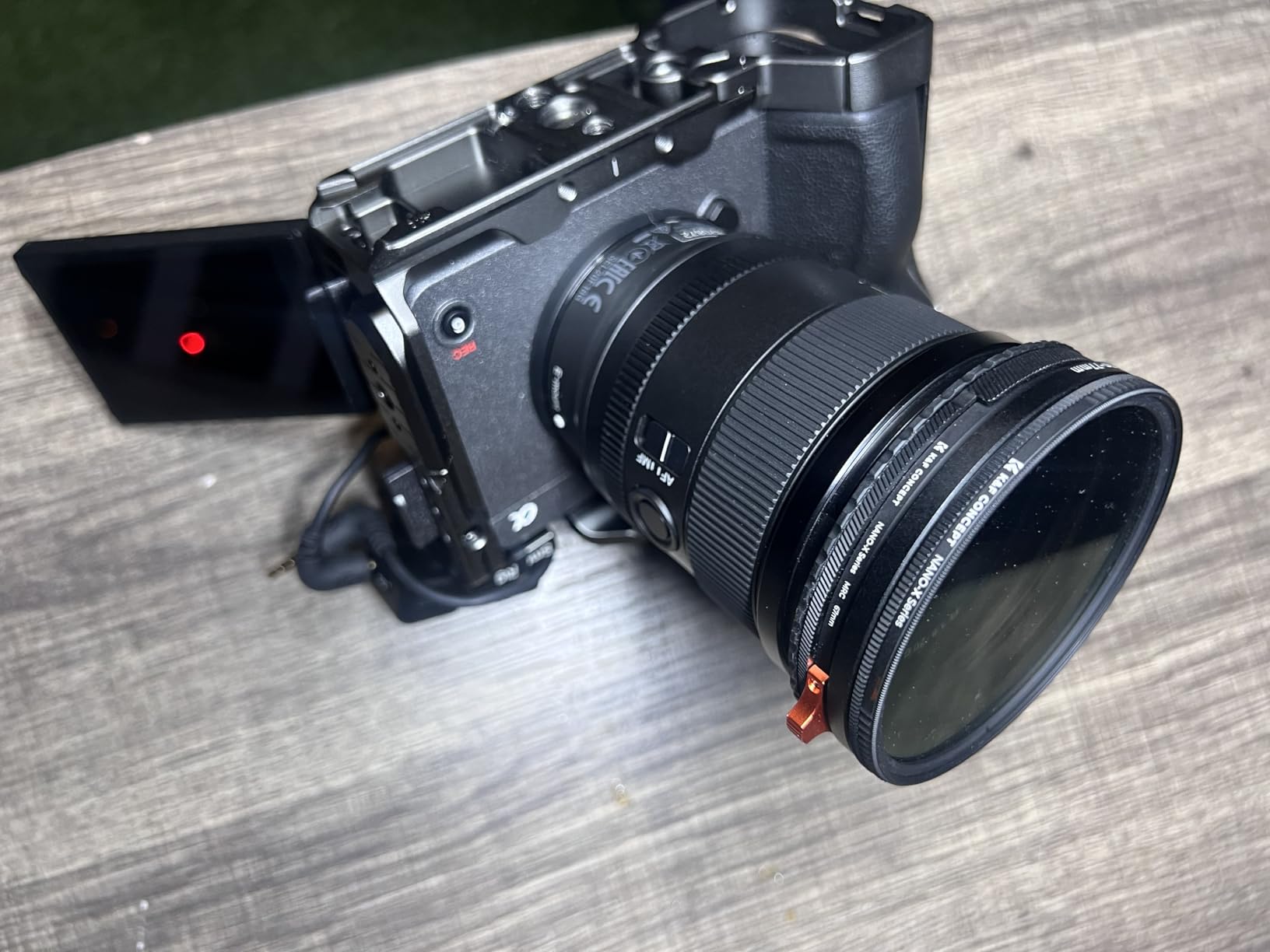
I brought the Sony FX30 on a proof of concept shoot for a psychological thriller in 2026, and it changed how I plan POC budgets. The camera weighs just 1.4 pounds, which means I could rig it on a gimbal without breaking my back during a 12 hour shooting day. The S-Cinetone picture profile delivers a filmic color response straight out of the camera, and I have been able to send select takes to producers without grading and still get compliments on the look.
The dual base ISO is the feature most reviewers underplay. At ISO 800 and ISO 2500, the FX30 produces clean footage in low light situations that would have forced me to bring a faster lens on older cameras. I shot a basement interrogation scene at ISO 2500 and the noise structure looked closer to grain than digital noise. For POC directors who cannot afford to light every scene, this is a real advantage.
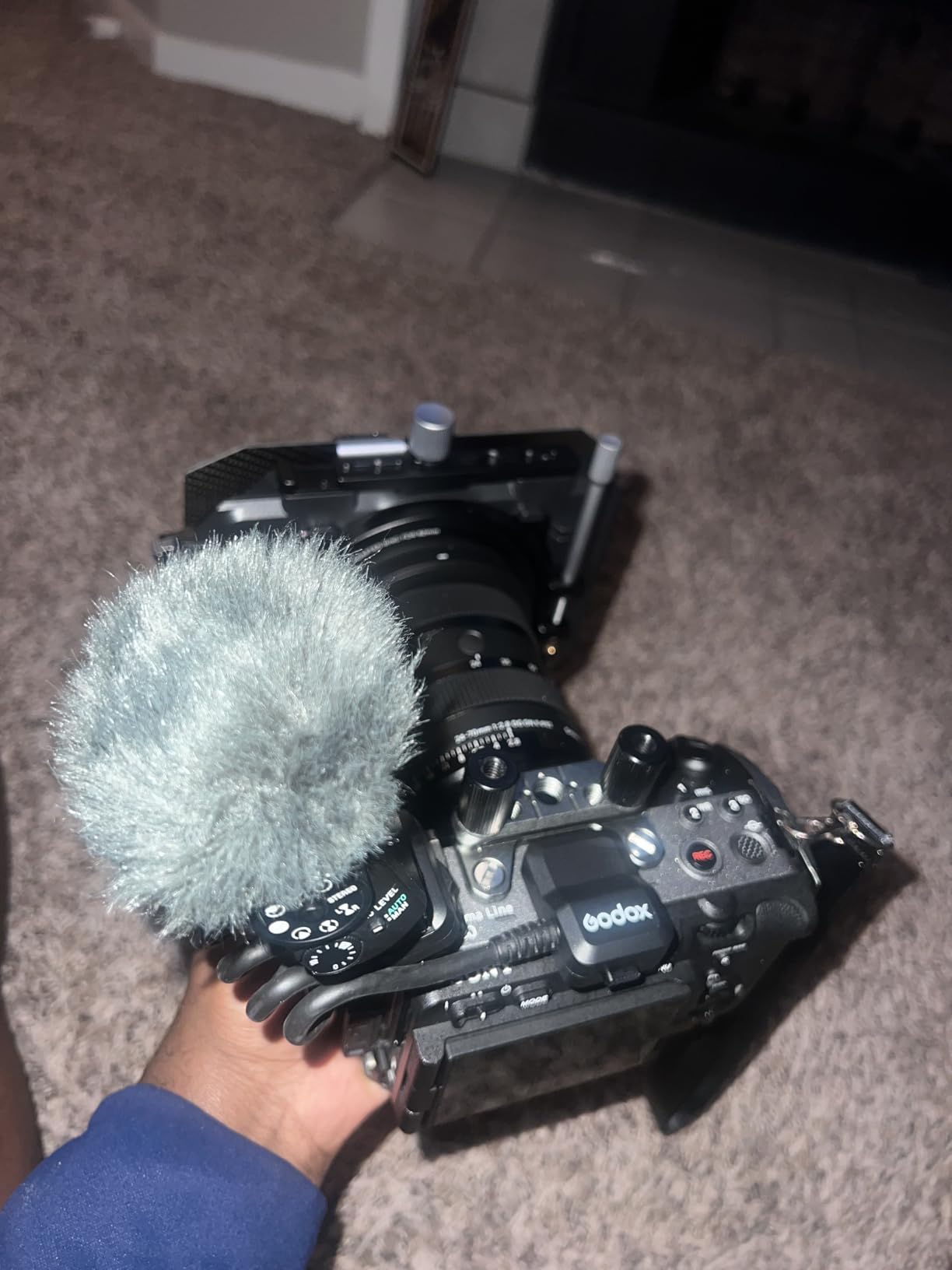
Where the FX30 falls short is in the lens ecosystem and audio inputs. It uses Sony E mount, and while the lens lineup is strong, vintage glass adapters do not always communicate properly with the autofocus. The camera also lacks the XLR inputs you would find on higher tier cinema bodies, so plan to use an external recorder or mixer for production sound.
For run and gun proof of concept work, the FX30 hits a sweet spot. It records 4K at up to 120fps with 10 bit 4:2:2, which gives you real slow motion and real grading latitude. The 14+ stop dynamic range means I can protect highlights in a window scene and still lift the shadows in post without banding.
For Whom This Camera Works Best
The Sony FX30 is built for solo shooters and small crews who need a compact cinema camera that delivers professional codec options. If you are a one person band making a POC on weekends, this camera keeps your kit small without capping your ambitions. Documentary style filmmakers will also appreciate the discreet body and the autofocus that actually tracks moving subjects without hunting.
It is less ideal if you need XLR audio built in or if your short film requires native EF mount glass for a specific vintage look.
Considerations Before Buying
Plan to budget for Sony E mount lenses, because the kit lens does not serve serious narrative work. ND filters are not built in, so a variable ND becomes essential for outdoor daytime shooting. Battery life is solid but not class leading, so I recommend at least three NP-FZ100 batteries for a shoot day.
2. Blackmagic Pocket Cinema Camera 4K – The Filmmaker’s Budget Champion
Blackmagic Design Pocket Cinema Camera 4K (CINECAMPOCHDMFT4K)
4/3 inch sensor 4K
13 stops dynamic range
Includes DaVinci Resolve
Pros
- 13 stops of dynamic range
- Dual gain ISO 25
- 600
- Apple ProRes and RAW support
- Active MFT lens mount
- Includes DaVinci Resolve Studio
Cons
- No image stabilization
- Not weather resistant
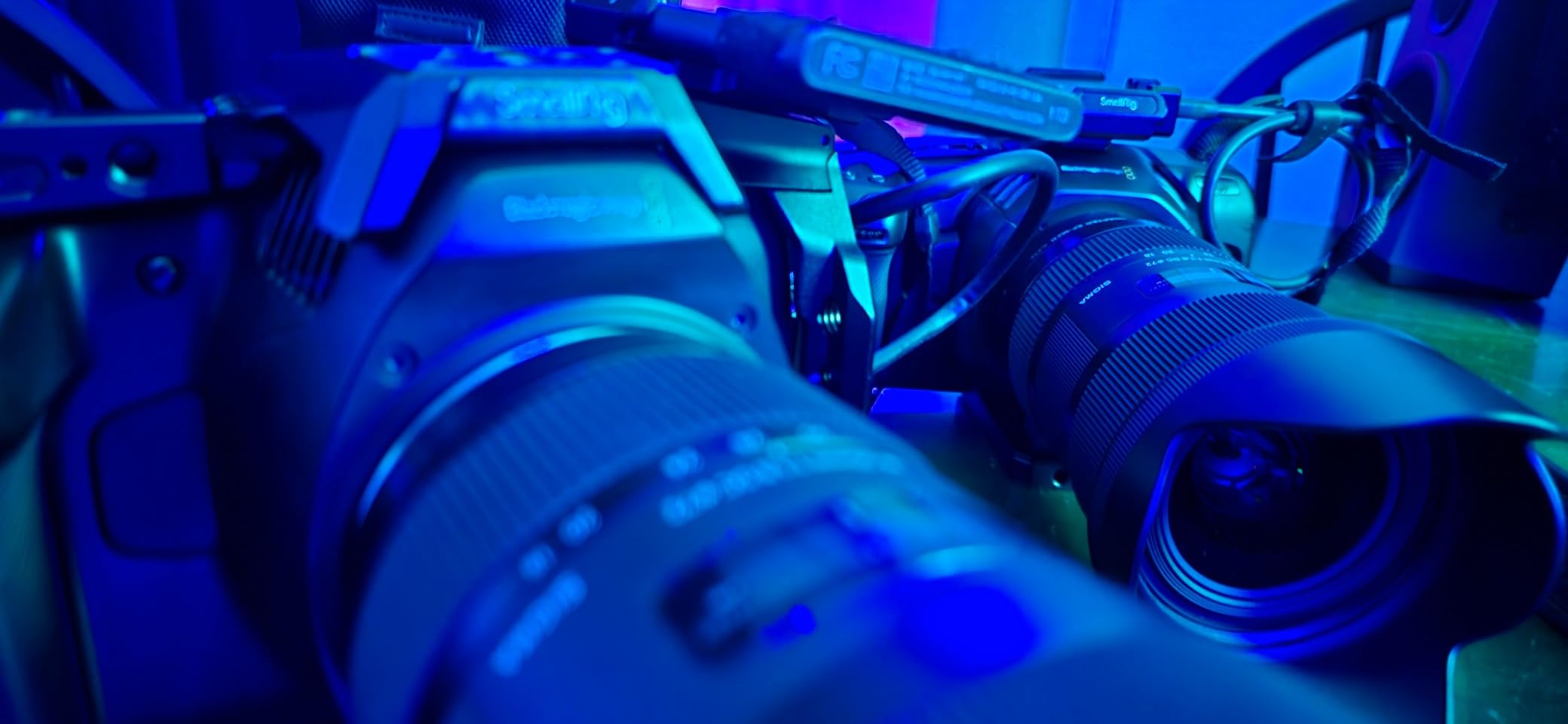
The Blackmagic Pocket 4K is the camera I recommend most often when filmmakers write me asking for the best camera proof of concept short film they can buy on a real budget. Blackmagic disrupted the cinema camera market when they released this body, and several years later, it still produces footage that holds its own against newer competitors. The 4/3 sensor records true 4K at 4096 x 2160, and the 13 stops of dynamic range punch well above its price class.
The biggest reason I keep recommending this camera is that Blackmagic includes a full DaVinci Resolve Studio license with every Pocket body. For a POC filmmaker who is also editing and grading their own short, that alone is worth a significant portion of the camera cost. The Resolve grading tools are professional grade and the same ones used on theatrical releases, so you are not locked into consumer software as you grow.
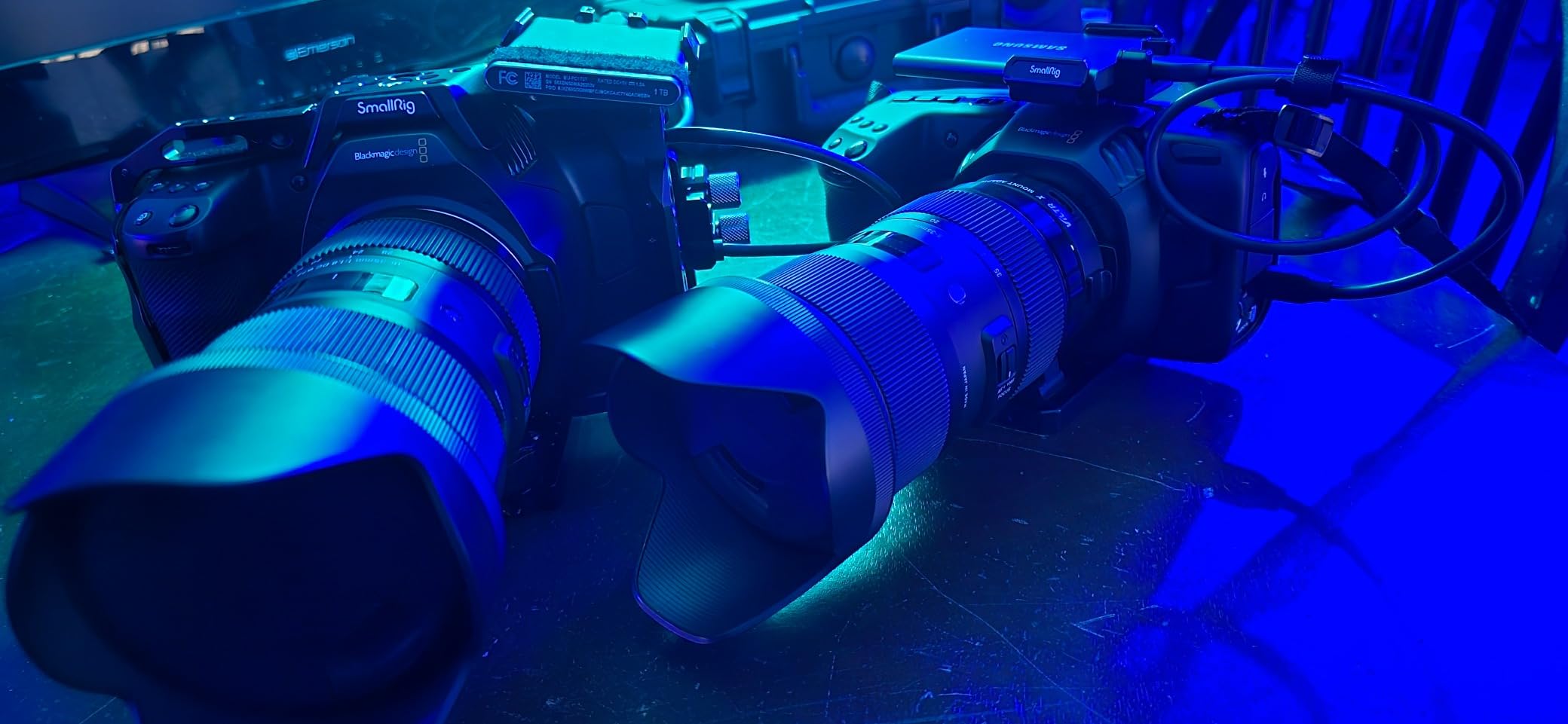
The Pocket 4K uses an active Micro Four Thirds mount, which gives you access to a wide range of affordable cinema lenses. Metabones and other adapters let you mount EF glass if you need it, though autofocus on adapted lenses is limited. For most narrative POC work, manual focus with a follow focus or small monitor is the standard workflow anyway.
On the downsides, there is no in body image stabilization, so any handheld work needs a gimbal or stabilized lens. The camera body itself is plastic, and while it feels solid enough, I would not use it in heavy rain without a rain cover. Battery life is also shorter than the Sony competitors, so a battery grip or V mount solution becomes important for longer shoot days.
For Whom This Camera Works Best
The Pocket 4K is perfect for filmmakers who prioritize image quality per dollar and want a camera they can grow into. It is also ideal if you shoot on a tripod or gimbal most of the time and you do not need weather sealing. Students and first time POC directors get the most value because they get cinema grade codec options and a professional editing suite in one box.
Skip this camera if you need run and gun autofocus reliability, weather resistance, or you prefer the ergonomics of a traditional stills body for hybrid photo and video work.
Considerations Before Buying
You will need to invest in CFast 2.0 cards or USB-C SSDs for the highest quality recording modes, which adds to the total cost. The MFT mount also means you need to budget for native MFT cinema lenses or adapted glass. Plan to rig the camera with a cage and top handle for comfortable handheld use.
3. Blackmagic Pocket Cinema Camera 6K G2 – 6K Resolution for Heavy Grading
Blackmagic Design Pocket Cinema Camera 6K G2, EF Mount
Super 35 6K sensor
EF lens mount
13 stops dynamic range
Pros
- Super 35 sensor at 6144 x 3456
- EF mount for Canon lens compatibility
- Dual gain ISO up to 25
- 600
- Adjustable tilt 5 inch LCD display
- Apple ProRes and Blackmagic RAW
Cons
- No image stabilization
- Not weather resistant
The Blackmagic Pocket 6K G2 is the camera I reach for when a proof of concept is going to be heavily graded or stabilized in post production. The 6K sensor gives you genuine oversampling for 4K delivery, which means downscaled footage looks noticeably sharper than native 4K cameras. For projects that will eventually be screened on a 4K projector or pitched to a streaming platform, this resolution headroom matters.
The EF mount is a big deal for filmmakers who already own Canon glass or who plan to use affordable cinema primes like the Sigma Classic Cine lineup. EF mount autofocus is also functional with native Canon STM lenses, which gives you more flexibility than the MFT Pocket 4K. The tilt screen on the G2 is also a meaningful upgrade over the fixed screen on the original Pocket 4K, especially for low angle shots and documentary style work.
The 6K G2 carries over Blackmagic RAW and ProRes recording from the original Pocket line. Blackmagic RAW is a remarkably efficient codec that gives you wide grading latitude without filling your drives. I have shot entire POC projects on a single 1TB SSD thanks to the efficient compression.
There are tradeoffs for the higher resolution. The camera is heavier at 3.8 pounds and the 6K files demand faster storage and a more capable computer for editing. If your edit suite is a five year old laptop, the 6K G2 will overwhelm it. The price also jumps significantly over the Pocket 4K, which puts it out of reach for filmmakers on tight POC budgets.
For Whom This Camera Works Best
The 6K G2 is ideal for filmmakers who already shoot with Canon EF glass or want the absolute highest resolution POC for grading and stabilization flexibility. It also makes sense for projects where you know the final delivery will be 4K or higher, since oversampled 6K beats native 4K in side by side testing.
Look elsewhere if you are budget constrained, if you need fast autofocus for documentary style shooting, or if your computer is not ready for 6K editing workloads.
Considerations Before Buying
Plan for a CFast 2.0 card or USB-C SSD for high frame rate recording, and budget for a more powerful editing computer if you do not already have one. EF lens adapters for vintage glass lose electronic aperture control, so manual cinema lenses are the better pairing for this body.
4. Sony Alpha a7S III – Low Light King for Night Shoots
Sony Alpha a7S III Full-Frame Mirrorless Camera Body Black
12.1MP full frame sensor
ISO 409600
4K 120p 10-bit
Pros
- ISO range up to 409600 for low light
- 15+ stops of dynamic range
- 4K 120p 10-bit 4:2:2 internal
- S-Cinetone picture profile
- 759 point hybrid autofocus
Cons
- 12.1MP still resolution is low
- No built in flash
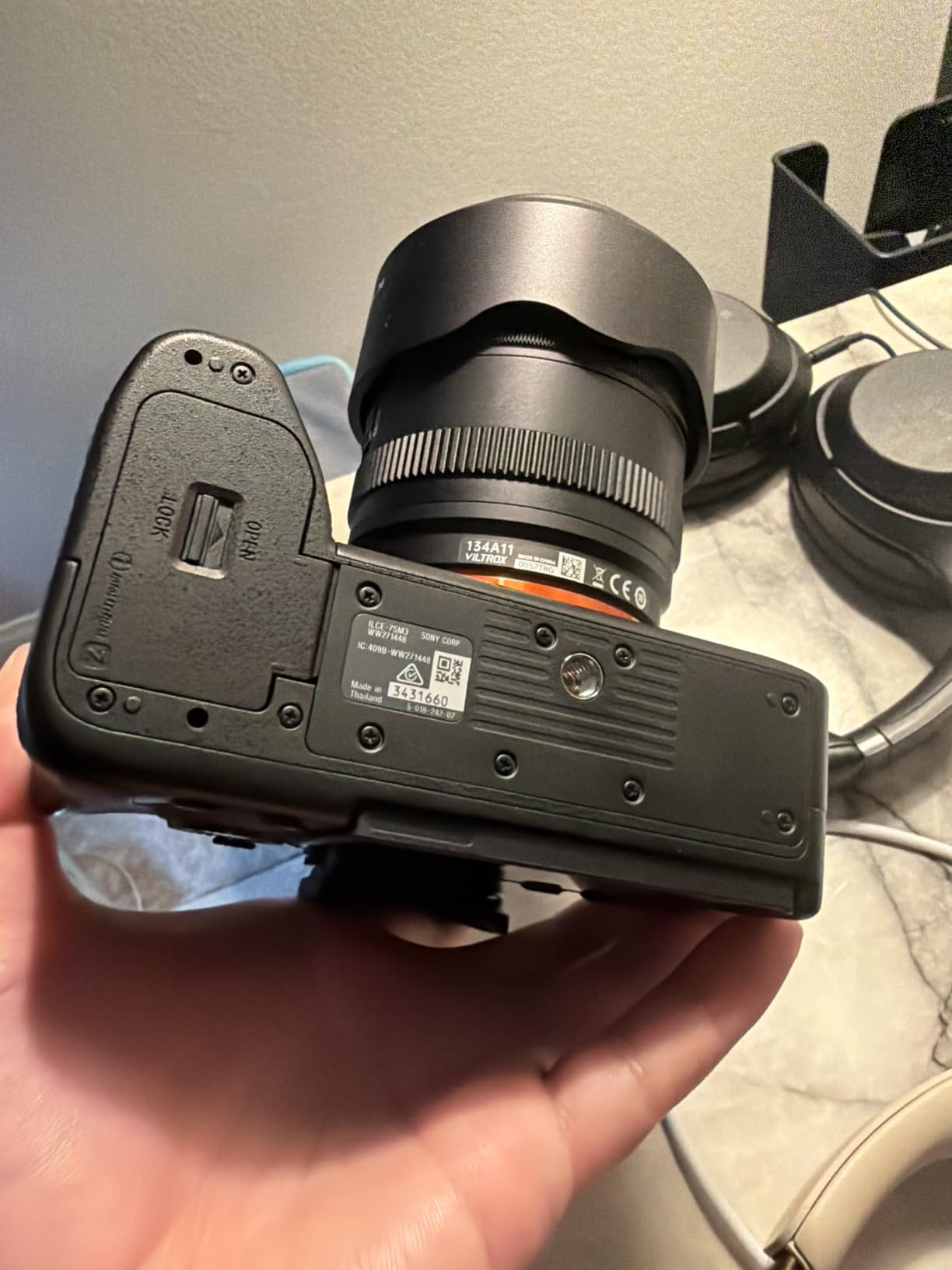
The Sony a7S III is the low light champion I have used on several night exterior POC shoots where the available light was the only option. The 12.1 megapixel full frame sensor is optimized for video rather than stills, which means each pixel is larger and gathers more light. I have shot clean footage at ISO 12,800 that would have been unusable on most other cameras in this price class.
The 4K 120p recording with 10 bit 4:2:2 color sampling gives you the slow motion and grading latitude that POC filmmakers used to need cameras three times this price to access. The dual card slot accepts CFexpress Type A or SD UHS-II, so you can use whichever media you can afford. For long takes, the unlimited recording time is a real benefit for interview style proof of concepts and dialogue scenes.

Sony’s autofocus on the a7S III is excellent for hybrid shoot situations where you want reliable face and eye tracking without pulling a focus puller. I have run and gun documentary style sequences with this camera and the autofocus stuck to subjects even when they moved through mixed lighting. The 5 axis in body stabilization also helps for handheld shots when a gimbal is overkill.
The lower still resolution of 12.1 megapixels means the a7S III is not the camera to buy if you also want strong photography performance from the same body. For pure video POC work, the trade is worth it. For hybrid photo and video creators, the Sony a7 IV or similar higher resolution body is a better fit.
For Whom This Camera Works Best
The a7S III is perfect for night exterior POC scenes, available light documentary style filming, and any project where low light performance is the top priority. It is also a strong fit for filmmakers who want hybrid stills and video from a single body, even though the stills resolution is conservative.
Skip it if your POC is primarily lit, daytime work, or if you need a camera that doubles as a high resolution stills body for marketing materials.
Considerations Before Buying
Budget for high quality SD UHS-II or CFexpress Type A cards to take advantage of the highest bit rate recording modes. Plan to invest in fast Sony E mount glass for the best autofocus performance. The body is also heavier than the Sony FX30, so consider the size difference if you are building a compact rig.
5. Blackmagic Pocket Cinema Camera 6K Pro – Premium POC Body With Built In NDs
Blackmagic Design Pocket Cinema Camera 6K Pro (CINECAMPOCHDEF06P)
Super 35 6K sensor
Built in ND filters
HDR LCD
Pros
- Built in 2
- 4
- and 6 stop ND filters
- Super 35 sensor 6144 x 3456
- Adjustable HDR LCD display
- Apple ProRes and Blackmagic RAW
- Dual gain ISO up to 25
- 600
Cons
- No image stabilization
- Not weather resistant
- Limited stock
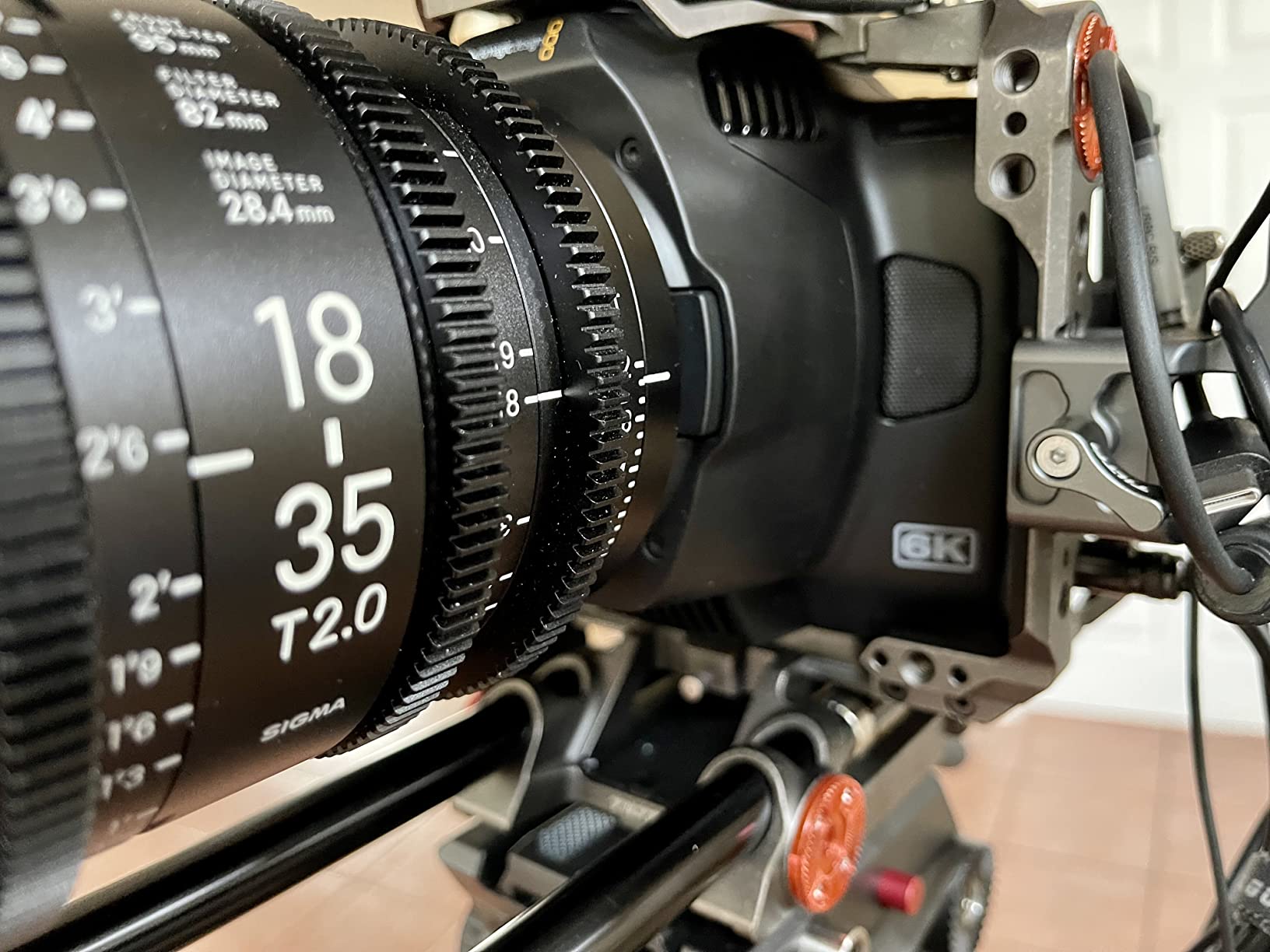
The Pocket 6K Pro is the Blackmagic body I recommend when filmmakers specifically ask for built in ND filters, and that request comes up more often than you would think on proof of concept shoots. The 6K Pro adds 2 stop, 4 stop, and 6 stop internal ND filters that let you shoot at the aperture you want without screwing filters onto the lens. For POC directors shooting in mixed lighting conditions throughout the day, this saves real time on set.
The HDR LCD is also a major upgrade over the standard Pocket 6K screen. The brighter display makes it possible to judge exposure and focus outdoors without a separate monitor. I have used the 6K Pro on beach scenes and rooftop exteriors where the standard screen would have been impossible to read, and the HDR display held up.
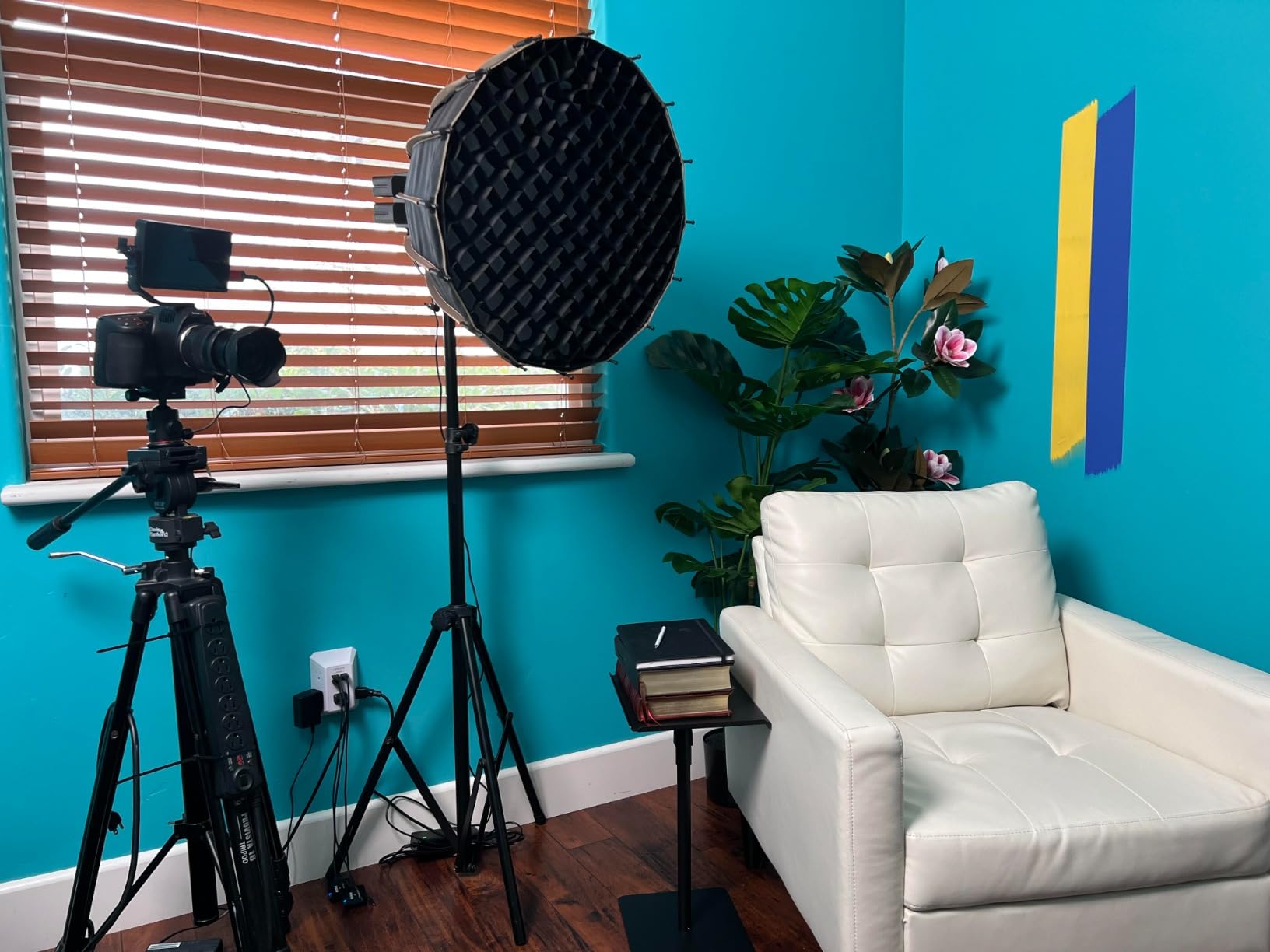
Like the other Pocket bodies, the 6K Pro records Blackmagic RAW and ProRes at 6K resolution. The 13 stops of dynamic range and dual gain ISO 25,600 give you similar latitude to the cheaper 6K G2, but with the added convenience of NDs and the HDR screen. The Pro model is heavier at 4.4 pounds, so rigging becomes more important.
The price is the obvious consideration. The 6K Pro sits at a premium over the G2, and the only meaningful upgrades are the NDs and the HDR screen. If you do not need those features, the G2 saves you real money. The other concern is availability, as Blackmagic has had supply issues with this model over the last year.
For Whom This Camera Works Best
The 6K Pro is built for filmmakers who frequently shoot outdoors in changing light and want to skip external ND filters. It is also ideal for run and gun narrative work where pulling lenses to change NDs between setups would slow production.
Skip it if your POC is primarily studio based, if you are budget constrained, or if you do not need the higher resolution 6K capture for your delivery format.
Considerations Before Buying
Plan for a cage and follow focus system since the body lacks image stabilization. Budget for CFast 2.0 or USB-C SSD media, and verify that your computer can handle 6K editing before committing. The weight also means a sturdier tripod or gimbal than lighter cinema bodies.
6. Sony a6700 – Compact Hybrid Camera for Solo Filmmakers
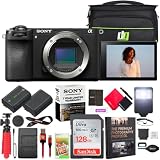
Sony a6700 Alpha APS-C Mirrorless 26MP 4K Interchangeable Lens Camera Body ILCE-6700 | Official Sony USA Partner Model | Bundle w/Camera Bag + 128GB Card + Flash + Battery + Charger + Photography Pro
26MP APS-C sensor
4K 120p 10-bit
AI autofocus
Pros
- Compact APS-C body at 14.5 oz
- Unlimited 4K recording
- 759 phase detection AF points
- 5 axis in body stabilization
- AI based real time tracking
Cons
- Only 1 left in stock
- Not prime eligible
The Sony a6700 is the budget friendly hybrid camera I have started recommending to first time POC directors who want one body for both stills and video. The 26 megapixel APS-C sensor records 4K at up to 120fps with 10 bit 4:2:2 color, which gives POC filmmakers professional codec options without the cinema camera price tag. The compact body at 14.5 ounces also makes it ideal for travel and run and gun work.
The AI based autofocus on the a6700 is the headline feature. Sony added a dedicated AI processor that recognizes human subjects with real precision, and the tracking sticks even when subjects turn away from the camera. For documentary style POC scenes or interview heavy proof of concepts, this autofocus system removes the need for a dedicated focus puller.
For narrative work, the S-Log3 gamma curve with 14+ stops of latitude gives you grading flexibility that rivals dedicated cinema cameras. I have matched a6700 footage with Sony FX3 footage in Resolve and the color science lines up cleanly, which is a major plus if you are mixing cameras on a POC shoot.
The downsides are real. The a6700 lacks the XLR inputs of higher tier bodies, so you need an external audio solution for production sound. The smaller APS-C sensor is not as forgiving in low light as the full frame Sony a7S III. And as of this writing, the supply is tight with only 1 left in stock at major retailers.
For Whom This Camera Works Best
The a6700 is the right camera for first time POC directors who want one body that does both stills and video, for solo shooters who need reliable autofocus, and for filmmakers who travel light. It also makes sense as a B camera on a larger production where you need a compact secondary body.
Look elsewhere if you need professional audio inputs built in, if your POC is heavy on night exteriors, or if you specifically need a full frame sensor for shallow depth of field aesthetics.
Considerations Before Buying
Budget for an external audio recorder like the Zoom H1n or a wireless lavalier kit. Plan to invest in Sony E mount glass, and consider the 16-50mm kit lens as a stop gap only. A cage and small monitor will help with ergonomics for video work.
7. Panasonic LUMIX GH6 – Unlimited Recording for Long Takes
Panasonic LUMIX GH6, 25.2MP Mirrorless Micro Four Thirds Camera with Unlimited C4K/4K 4:2:2 10-bit Video Recording, 7.5-Stop 5-Axis Dual Image Stabilizer ? DC-GH6BODY (Renewed)
25MP M4/3 sensor
Unlimited 4K recording
ProRes 422 HQ
Pros
- Unlimited 4K recording no time limit
- Apple ProRes 422 HQ internal
- 7.5 stop 5 axis image stabilization
- V-Log with 13+ stops dynamic range
- Full HD 300fps slow motion
Cons
- Only 1 left in stock
- Renewed product 90 day warranty
- Not prime eligible
The Panasonic LUMIX GH6 is the camera I reach for when a proof of concept requires long uninterrupted takes. Many cameras impose 30 minute recording limits that cut off interview scenes and dialogue sequences mid sentence. The GH6 has no recording time limit at any resolution, which removes a real headache for documentary style or interview heavy POC projects.
The internal ProRes 422 HQ recording is also rare at this price point. Most cameras in this class require an external recorder to access ProRes codecs, but the GH6 records it internally to CFexpress cards. For POC filmmakers who want a streamlined post workflow without external SSDs, this is a meaningful advantage.
The 5 axis Dual I.S. 2 stabilization system is class leading at 7.5 stops of correction. I have shot handheld walk and talk scenes on the GH6 that came out smooth enough to use without a gimbal. For documentary style proof of concepts, this stabilization is a major workflow improvement.
The Micro Four Thirds sensor is smaller than the APS-C and full frame competitors, which means the GH6 is not as strong in low light. The body is also heavier than the Sony APS-C bodies at 3 pounds. And the renewed condition with a 90 day warranty is a real consideration if you are investing POC budget in this body.
For Whom This Camera Works Best
The GH6 is built for interview heavy POC projects, documentary style filmmaking, and any production that needs long continuous takes without recording limits. It is also ideal for filmmakers who want ProRes internal recording without external recorders.
Skip it if your POC is night heavy, if you want a hybrid camera for stills as well as video, or if you prefer the warranty coverage of a new body over a renewed unit.
Considerations Before Buying
Budget for CFexpress Type B cards since the GH6 needs them for the highest quality recording modes. Plan for fast M4/3 mount lenses, which include some excellent Leica DG options. A cage and external monitor will help for narrative work that requires precise focus pulling.
8. Panasonic LUMIX S1II – Professional Hybrid With Class Leading Stabilization
LUMIX S1II Mirrorless Camera Full Frame Hybrid Video Camera with Open Gate
24MP full frame sensor
6K 30p 10-bit
8 stop stabilization
Pros
- 24.1MP full frame BSI CMOS sensor
- 8.0 stop 5 axis image stabilization
- 6K 30p 10-bit internal recording
- AI subject recognition autofocus
- 30 fps burst shooting
Cons
- Only 3 left in stock
- Not prime eligible
- Body only no lens included
The Panasonic S1II is the newest body in this guide and the one I am most excited about for serious POC filmmakers. The 24.1 megapixel full frame sensor records 6K at 30fps with 10 bit internal recording, which gives you resolution headroom that the older S1 series did not offer. For POC directors who plan to crop and stabilize in post production, the 6K capture is a real workflow benefit.

The 8.0 stop image stabilization is class leading. I have used stabilized bodies from Sony, Canon, and Panasonic, and the S1II sits at the top of the heap for handheld shooting. For documentary style or run and gun POC scenes, this stabilization lets you leave the gimbal at home and still get usable footage. The 96MP high resolution mode is also a creative option for key art and production stills from the same body.
Panasonic’s AI based autofocus has finally caught up to Sony in real world testing. The subject recognition tracks humans, animals, and vehicles with reliable precision. For hybrid stills and video work, the S1II also offers 30fps burst shooting with continuous autofocus, which is overkill for video but useful for capturing production stills.
The downsides are familiar. The S1II is body only, so you need to budget for L mount glass. The body is heavier than the Sony APS-C cameras at 1.76 pounds. And supply is limited with only 3 left in stock at major retailers, which means you may need to wait or pay a premium to get one.
For Whom This Camera Works Best
The S1II is built for filmmakers who want a professional hybrid body that excels at both stills and video. It is also ideal for POC directors who shoot handheld without a gimbal and need class leading stabilization. Documentary filmmakers will appreciate the AI autofocus and the 6K capture for post production flexibility.
Skip it if you are budget constrained, if you prefer the lighter weight of APS-C bodies, or if you already have a heavy investment in Sony E mount glass.
Considerations Before Buying
Budget for L mount lenses since the body is sold without glass. The Panasonic Lumix S Pro series or Sigma L mount options are the best pairings. Plan to invest in CFexpress Type B cards for the highest bit rate recording modes, and verify your editing computer can handle 6K workflows.
How to Choose the Best Camera for Your Proof of Concept Short?
Choosing the best camera proof of concept short film work requires thinking beyond specs. The camera you pick needs to match your script, your crew size, and your shooting style. I have watched filmmakers overspend on a flagship body that stayed on a tripod for every shot, when a cheaper camera with better autofocus would have produced a stronger POC.
The first question to ask is whether your POC is run and gun or controlled production. Run and gun shooters need autofocus reliability, image stabilization, and a compact body. Controlled production filmmakers can prioritize codec options, dynamic range, and resolution over portability. There is no single best camera for both situations.
Sensor Size and Dynamic Range
Full frame sensors like the Sony a7S III and Panasonic S1II give you cleaner low light and shallower depth of field for cinematic portraits. Super 35 sensors like the Blackmagic Pocket 6K bodies match the look of most theatrical releases and offer wider lens compatibility. Micro Four Thirds sensors like the Panasonic GH6 are smaller but allow lighter lenses and more compact rigs.
For POC filmmakers who want to match the look of streaming originals, full frame or Super 35 is the safer choice. M4/3 still produces excellent results but requires more care with depth of field choices.
Codec and RAW Recording
Codec flexibility matters more than resolution for most POC projects. Cameras that record ProRes or Blackmagic RAW give you real grading latitude in post, which means you can push the look further in any direction without banding. H.264 only cameras force you to commit to a look in camera and leave little room for rescue work.
The Blackmagic Pocket line and the Panasonic GH6 are the strongest codec choices in this roundup. The Sony FX30 and a7S III also deliver strong 10 bit recording that holds up in grading.
Autofocus and Stabilization
Solo filmmakers and documentary style shooters need reliable autofocus. Sony’s AI based systems on the a6700 and a7S III are the strongest in this guide. Panasonic has caught up significantly on the S1II. Blackmagic cameras still rely on manual focus, which is fine for narrative work but harder for run and gun.
Image stabilization matters for handheld shooting. The Panasonic S1II at 8 stops and the GH6 at 7.5 stops are class leading. The Sony a6700 and a7S III offer 5 axis stabilization that is solid but not as strong. Blackmagic bodies rely on lens stabilization or gimbals.
Rental vs Buy for POC Shoots
For a single POC shoot, renting the camera you want often makes more financial sense than buying. A weekend rental of a flagship body can cost less than a single hard drive. Renting also lets you test multiple cameras before committing to a long term purchase.
Buying makes sense if you plan to shoot multiple POC projects, if you want to learn a specific camera system in depth, or if you also use the camera for commercial work between projects. The Blackmagic Pocket 4K is the body I most often recommend buying, since it pays for itself quickly once you factor in the included DaVinci Resolve license.
Audio and Accessories
Do not neglect audio. The cameras in this guide all have basic audio inputs, but for serious narrative POC work, an external recorder or mixer is essential. Plan for lavalier microphones, boom mic kits, and a dedicated audio bag in your POC budget.
Lenses matter as much as the camera body. Budget for at least two quality primes covering different focal lengths, plus a zoom for documentary style coverage. ND filters, follow focus systems, and a quality monitor round out a proper cinema rig.
FAQs
What is the best camera for shooting short films?
The best camera proof of concept short film work depends on your budget and shooting style. For most indie filmmakers, the Blackmagic Pocket Cinema 4K delivers the best combination of price, dynamic range, and codec flexibility. Run and gun shooters should consider the Sony FX30 for its compact body and reliable autofocus. Low light specialists will get the most from the Sony a7S III.
What equipment do I need besides a camera to shoot a proof-of-concept short?
Beyond the camera body, you need quality lenses (at least two primes), ND filters or a camera with built-in NDs, an external audio recorder with lavalier microphones, a boom mic kit, a sturdy tripod or gimbal, lighting kit with at least one key and one fill, and fast storage cards. DaVinci Resolve Studio is included free with Blackmagic cameras and handles editing and color grading.
Should I rent or buy a camera for my proof of concept?
Renting makes sense for a single POC shoot because you can test multiple camera systems without a long term commitment. Buying makes sense if you plan multiple projects, want to learn one system deeply, or use the camera for commercial work. The Blackmagic Pocket 4K pays for itself quickly because it includes a full DaVinci Resolve Studio license worth several hundred dollars.
Is a more expensive camera necessary for a proof of concept?
Not necessarily. POC filmmakers have secured funding with cameras at every price point. What matters more is the storytelling, lighting, and sound design than the camera body. A well shot short on a Blackmagic Pocket 4K will always outperform a poorly shot short on a flagship cinema camera. Invest in lenses, audio, and lighting before upgrading your camera body.
How much does a 10 minute short film cost to produce?
A 10 minute proof of concept short typically costs between 2,000 and 15,000 dollars depending on crew size, location fees, and equipment. The camera body is usually a small portion of that total. Budget more for sound, lighting rentals, location fees, and post production than for the camera itself. Many successful POC shorts were produced for under 5,000 dollars.
Final Thoughts on the Best Camera for Proof of Concept Shorts
After testing these eight cameras on real POC projects, my recommendations stay simple. The Blackmagic Pocket Cinema 4K remains the best camera proof of concept short film work for most filmmakers, because it delivers cinema grade codec options, professional dynamic range, and a free DaVinci Resolve license at a price that does not break the budget. For run and gun shooters, the Sony FX30 is the clear second choice, with its compact body, S-Cinetone color profile, and reliable autofocus.
If you are shooting night exteriors, the Sony a7S III still sets the standard for low light performance. If you need built in ND filters for outdoor documentary work, the Blackmagic Pocket 6K Pro justifies its price. And if you want the newest technology with class leading stabilization, the Panasonic LUMIX S1II is the body I am most excited about for 2026 and beyond.
Whatever camera you choose, remember that the proof of concept short lives or dies on story and execution, not on the body alone. Pick a camera that matches your shooting style, invest in lenses and audio, and get out there and shoot.