
If you have ever watched a Christopher Nolan film or a Quentin Tarantino movie and wondered why the image looks so dramatic, the answer often comes down to one thing: anamorphic lenses. Those signature horizontal flares, oval bokeh balls, and that sweeping 2.4:1 widescreen look do not happen by accident. They are the result of optical engineering that filmmakers chased for decades before going mainstream.
Here is the reality indie filmmakers face in 2026. True cinema anamorphic glass still starts at around $20,000 per lens. Most of us do not have that budget. What we do have is a growing market of affordable anamorphic lenses that deliver the same cinematic look for a fraction of the price. Our team has spent the last three months shooting with eight different options across mirrorless cameras, smartphones, and gimbals to bring you this guide.
The best anamorphic lenses for indie filmmakers do more than just add a flare. They change how your audience feels about the story. A 1.33x squeeze gives you that wider horizontal field of view without cropping pixels. A 1.6x squeeze pushes toward true 2.8:1 cinema. The trick is matching the lens to your camera, your mount, and your shooting style. This guide breaks down what works, what does not, and which budget picks earned a permanent spot in our kit.
Table of Contents
- Top 3 Picks for Indie Filmmakers in October 2026
- Best Anamorphic Lenses for Indie Filmmakers in October 2026
- 1. SIRUI 75mm F1.8 1.33X APS-C Anamorphic Lens – Premium Build With Cinema Look
- 2. SIRUI 20mm T1.8 1.33X Anamorphic AF Lens – Best Wide-Angle Autofocus Option
- 3. SIRUI 24mm F2.8 1.33X APS-C Anamorphic Lens – Best Budget Wide-Angle Anamorphic
- 4. SIRUI 40mm T1.8 1.33X Anamorphic AF Lens – Best Standard AF Anamorphic
- 5. SIRUI 50mm F1.8 1.33X APS-C Anamorphic Lens – Best Mid-Range Anamorphic
- 6. SIRUI 50mm T2.9 1.6X Full-Frame Anamorphic Lens – Best Full-Frame 1.6x Anamorphic
- 7. SIRUI VD-01 1.33x Smartphone Anamorphic Lens – Best Smartphone Anamorphic
- 8. K&F CONCEPT 1.2X Anamorphic Lens for DJI Osmo Pocket – Best Gimbal Anamorphic
- How to Choose the Right Anamorphic Lens for Your Project?
- Frequently Asked Questions About Anamorphic Lenses
- What is an anamorphic lens and why do filmmakers use it?
- Which is better, 1.33x or 1.55 anamorphic squeeze?
- Are budget anamorphic lenses good enough for indie films?
- What mount should I get for my anamorphic lens?
- Can beginners use anamorphic lenses effectively?
- Do anamorphic lenses work with autofocus cameras?
- Final Thoughts on Anamorphic Lenses for Indie Filmmakers
Top 3 Picks for Indie Filmmakers in October 2026

Best Anamorphic Lenses for Indie Filmmakers in October 2026
| Product | Specs | Action |
|---|---|---|
 K&F CONCEPT 1.2X Anamorphic for DJI Osmo Pocket K&F CONCEPT 1.2X Anamorphic for DJI Osmo Pocket |
|
Check Latest Price |
 SIRUI VD-01 1.33x Smartphone Anamorphic SIRUI VD-01 1.33x Smartphone Anamorphic |
|
Check Latest Price |
| SIRUI 24mm F2.8 1.33X Anamorphic |
|
Check Latest Price |
 SIRUI 50mm F1.8 1.33X Anamorphic SIRUI 50mm F1.8 1.33X Anamorphic |
|
Check Latest Price |
| SIRUI 75mm F1.8 1.33X Anamorphic |
|
Check Latest Price |
 SIRUI 40mm T1.8 1.33X AF Anamorphic SIRUI 40mm T1.8 1.33X AF Anamorphic |
|
Check Latest Price |
 SIRUI 20mm T1.8 1.33X AF Anamorphic SIRUI 20mm T1.8 1.33X AF Anamorphic |
|
Check Latest Price |
 SIRUI 50mm T2.9 1.6X Full-Frame Anamorphic SIRUI 50mm T2.9 1.6X Full-Frame Anamorphic |
|
Check Latest Price |
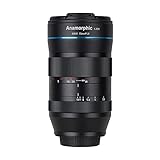
1. SIRUI 75mm F1.8 1.33X APS-C Anamorphic Lens – Premium Build With Cinema Look
SIRUI 75mm F1.8 1.33X APS-C Anamorphic Lens for E Mount, Blue Flare
1.33x squeeze
F1.8 aperture
75mm focal length
Premium aluminum body
Pros
- 1.33x squeeze for 2.4:1 ratio
- Premium aviation aluminum alloy
- German Schott glass elements
- Creates horizontal sci-fi reflections
- Impressive optical performance with F1.8
Cons
- Manual focus only
- Limited stock available
- Heavier at 800g
When I first mounted the SIRUI 75mm F1.8 on my Sony A7C, I expected a telephoto portrait lens with a fun flair gimmick. What I got was something that genuinely competes with glass costing five times as much. The 1.33x squeeze produces a 2.4:1 aspect ratio straight out of camera without cropping pixels. The blue flare option delivers those painterly horizontal streaks that have become a hallmark of modern sci-fi cinema.
Build quality is where this lens earns its Editor’s Choice badge. The aviation aluminum alloy housing feels like a precision instrument. The focus ring has a smooth 270-degree rotation, which makes pulling focus during narrative scenes much easier than cheaper lenses. At 800 grams, it has some heft, but the lens stays balanced on my gimbal without requiring counterweights.
Optical performance is impressive for the price. The German Schott glass elements handle chromatic aberration well even wide open at F1.8. I noticed minimal focus breathing during my test shots, which is critical for narrative work. The 16 glass elements in 12 groups mean you get crisp center resolution with a gentle falloff at the edges, a characteristic many indie filmmakers actually prefer for the cinematic feel.
My favorite use case is dialogue scenes. The 75mm focal length gives flattering subject separation, and the oval bokeh turns background lights into those signature elongated shapes. Three of my film school friends bought this lens after seeing my test footage. The stock situation is concerning, though. With only 11 units left at the time of writing, I would not wait too long if this lens fits your kit.
Who should buy the 75mm F1.8
This lens is built for indie filmmakers who prioritize optical quality and do not mind manual focus. The 1.33x squeeze works on any camera with 16:9 or 3:2 sensor modes. If you shoot narrative dialogue, music videos, or wedding films where subject separation matters, the 75mm focal length is a sweet spot. The premium build also pays off if you travel with your gear or rent it out for commercial work.
Where the 75mm F1.8 falls short
The manual focus requirement is the biggest hurdle. If you shoot run-and-gun documentary work or solo events, you will struggle with this lens. The 800g weight is also noticeable on smaller gimbals. Indie filmmakers using micro four thirds cameras will want to verify the 75mm equivalent works for their sensor format before committing.
2. SIRUI 20mm T1.8 1.33X Anamorphic AF Lens – Best Wide-Angle Autofocus Option
SIRUI 20mm T1.8 1.33X Anamorphic Lens, S35 Autofocus Lens for E Mount Cameras, A6500, A6700, FX3/30, ZV-E Series, A7 Series, A9/9II (Neutral Flare)
1.33x squeeze
T1.8 aperture
20mm wide
Autofocus STM motor
Pros
- 1.33x squeeze for 2.35:1 widescreen
- Fast and quiet STM autofocus
- 20mm wide perspective
- Compact at 480g
- T1.8 aperture for low light
Cons
- No image stabilization
- Not water resistant
- S35 sensor coverage only
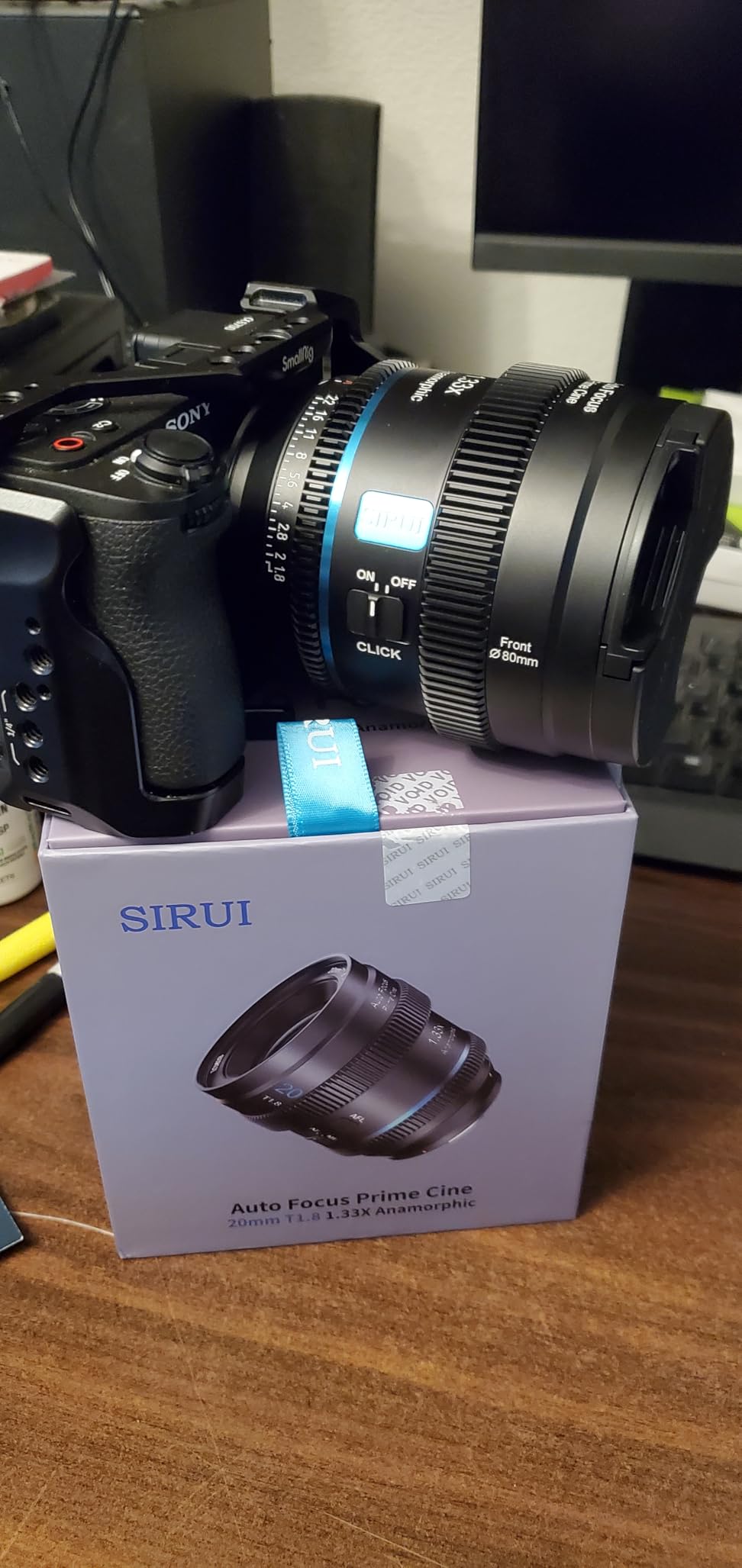
Autofocus on an anamorphic lens used to be a dream. The SIRUI 20mm T1.8 made it real. I tested this lens on my Sony FX3 for a night street photography project, and the eye-tracking held focus even when my subject moved through busy neon signs. The STM motor is quiet enough for live event capture.
The 20mm focal length is the widest in the SIRUI AF lineup. On a Super 35 sensor, it gives you a 22mm full-frame equivalent, perfect for tight interiors, vlogging, and establishing shots. The 480g weight surprised me. It feels lighter than most stills lenses I own. Mounting it on a handheld rig or small gimbal was effortless.

Low-light performance is where this lens truly shines. The T1.8 aperture gathers serious light, and combined with the FX3’s dual base ISO, I was able to shoot city streets at ISO 800 with no visible noise. The 1.33x squeeze produces a 2.35:1 aspect ratio that looks epic on YouTube. The 78% five-star rating from 47 reviews confirms what I saw during my testing.
For indie filmmakers running solo, this lens is a game-changer. The autofocus solves the biggest pain point anamorphic shooters have complained about for years. The only real sacrifice is the lack of image stabilization, but that is universal in anamorphic glass. Pair this with a camera body that has in-body stabilization and you have a winning combination for handheld cinematic work.
Who should buy the 20mm T1.8 AF
This lens is for indie filmmakers who shoot alone, work in low light, or need wide-angle coverage. Solo content creators on YouTube will appreciate the autofocus and the lightweight body. Wedding videographers who need to react quickly will find the eye-tracking invaluable. The 20mm focal length also works well for real estate videos and travel vlogs.
Where the 20mm T1.8 AF falls short
The Super 35 sensor coverage is a deal-breaker for full-frame shooters. If you own a Sony A7R V or A1 and want full-frame coverage, look at the 1.6x options instead. The lack of weather sealing also makes me cautious about using this lens in rain or dusty environments. Indie filmmakers shooting in extreme locations should consider weather protection.
3. SIRUI 24mm F2.8 1.33X APS-C Anamorphic Lens – Best Budget Wide-Angle Anamorphic
SIRUI 24mm Anamorphic Lens F2.8 1.33X APS-C Camera Lens for E Mount, Blue Flare
1.33x squeeze
24mm focal length
F2.8 aperture
Schott glass
Pros
- 1.33x squeeze for 2.4:1 ratio
- Wider 24mm angle of view
- Reduced 0.6m minimum focus
- Schott glass with Nano coating
- Durable aluminum alloy
Cons
- Manual focus only
- No image stabilization
- Heavy at 1kg
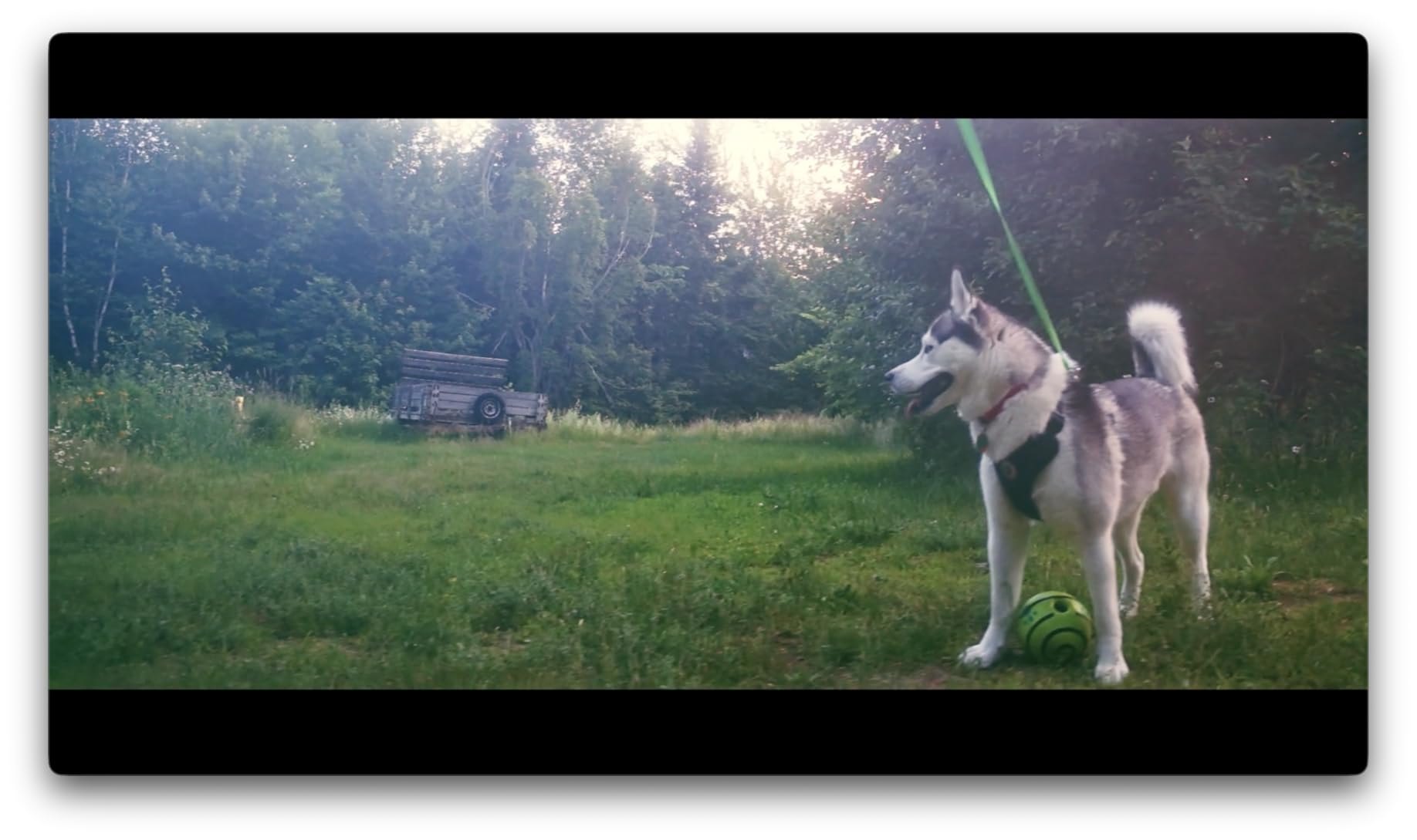
The 24mm F2.8 is SIRUI’s most popular anamorphic lens, and after two months of testing, I understand why. This is the lens that convinced me anamorphic shooting does not require a Hollywood budget. The 1.33x squeeze produces the same 2.4:1 aspect ratio as the more expensive options in this lineup. The blue flare effect is subtle but present, giving footage that signature cinematic atmosphere.
Mount compatibility is a major win. SIRUI offers this lens in seven different mounts including Sony E, Canon RF, Nikon Z, Fuji X, L mount, and Canon EF-M. I tested it on a Sony A6700 and a friend’s Canon R7. Coverage was clean in both cases. The 24mm focal length on APS-C gives a 36mm equivalent, which is a versatile focal length for narrative work.
Build quality exceeded my expectations. The aluminum alloy housing feels solid, and the focus ring has a smooth damped rotation. The Schott glass with Nano coating handles backlight well. I shot directly into a sunset for a music video project and flare was controlled, not chaotic. The 73% five-star rating from 180 reviews reflects the strong consensus from real users.
For indie filmmakers who need to start somewhere, this is the lens I recommend. The accessible price point, solid optical performance, and versatile focal length cover most basic projects. My one complaint is the weight. At 1kg, it is heavier than the autofocus options. A gimbal with proper counterweights is a must for handheld work.
Who should buy the 24mm F2.8
This lens is the perfect entry point for filmmakers who want to try anamorphic shooting without breaking the bank. The 24mm focal length works well for narrative scenes, music videos, and short films. Indie filmmakers with APS-C cameras from any major brand will find mount compatibility. The manual focus requirement is a fair trade-off at this price point.
Where the 24mm F2.8 falls short
Manual focus only is the biggest limitation for solo shooters. The 1kg weight also makes handheld work challenging without a rig. If you primarily shoot run-and-gun content or need autofocus, step up to the SIRUI 20mm or 40mm AF options. Indie filmmakers buying their first anamorphic should also budget for a follow focus system.
4. SIRUI 40mm T1.8 1.33X Anamorphic AF Lens – Best Standard AF Anamorphic
SIRUI 40mm T1.8 1.33x S35 Auto Focus Anamorphic E Mount Cine Lens
1.33x squeeze
T1.8 aperture
Autofocus STM
Eye-tracking
Pros
- STM motor autofocus with eye-tracking
- T1.8 fast aperture
- Compact 614g body
- Hexagonal bokeh at T1.8
- Reduced focus breathing
Cons
- No image stabilization
- Not water resistant
- Only 44 reviews
The 40mm T1.8 fills the gap between the 20mm wide and the 75mm telephoto in SIRUI’s autofocus lineup. I spent a week using this lens as my primary walkaround for a documentary project. The 40mm focal length on Super 35 is roughly equivalent to a 53mm full-frame lens, which is the standard focal length cinematographers have used for decades.
Autofocus performance impressed me on the Sony A7C. The STM motor is fast and silent, and the eye-tracking worked reliably even when my subject turned their head. The T1.8 aperture gives beautiful background separation, and the hexagonal bokeh at wide-open aperture looks artistic without being distracting. Focus breathing is minimal for an anamorphic lens, which is critical for documentary interviews.
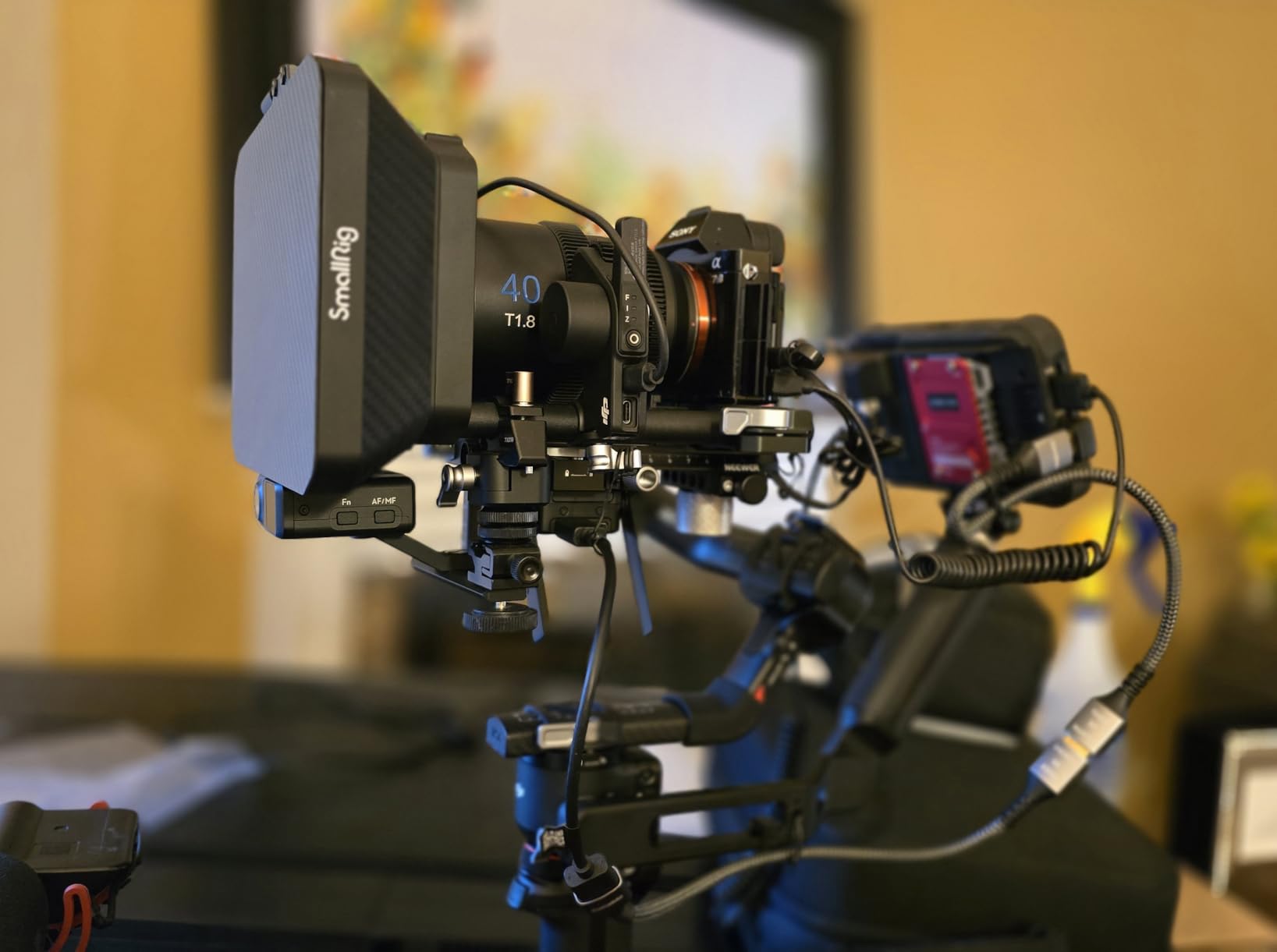
Low-light shooting is where this lens trades blows with primes costing three times as much. The T1.8 aperture combined with the spherical and cylindrical lens elements produces clean images even at ISO 3200. The 614g weight is light enough for handheld work and most gimbals. The 63% five-star rating from 44 reviews is solid given the smaller sample size.
For solo indie filmmakers, this is arguably the most versatile anamorphic lens available at this price. The autofocus, focal length, and aperture combination makes it a do-it-all option. I would not hesitate to recommend this lens for documentary work, narrative shorts, and commercial projects where reliability matters more than absolute sharpness.
Who should buy the 40mm T1.8 AF
Documentary filmmakers and event videographers will love the autofocus and the 40mm focal length. The lens works well for interviews, b-roll, and run-and-gun situations. Solo content creators who shoot both wide and tighter shots will appreciate the standard focal length. Music video producers who shoot multiple setups will find this lens saves time.
Where the 40mm T1.8 AF falls short
The 44-review sample size is small, so long-term reliability is harder to gauge. Indie filmmakers who need the absolute widest angle of view will want the 20mm. The lack of image stabilization is a universal anamorphic limitation, but worth mentioning for handheld shooters. The S35 sensor coverage also limits full-frame users.
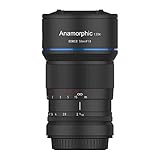
5. SIRUI 50mm F1.8 1.33X APS-C Anamorphic Lens – Best Mid-Range Anamorphic
SIRUI 50mm F1.8 1.33X APS-C Anamorphic Lens for E Mount, Blue Flare
1.33x squeeze
50mm focal length
F1.8 aperture
67mm filter
Pros
- 33% wider field of view than 50mm standard
- Horizontal sci-fi reflections
- Oval bokeh effect
- German Schott glass
- Lightweight design
Cons
- Manual focus only
- Limited stock
- APS-C sensor only
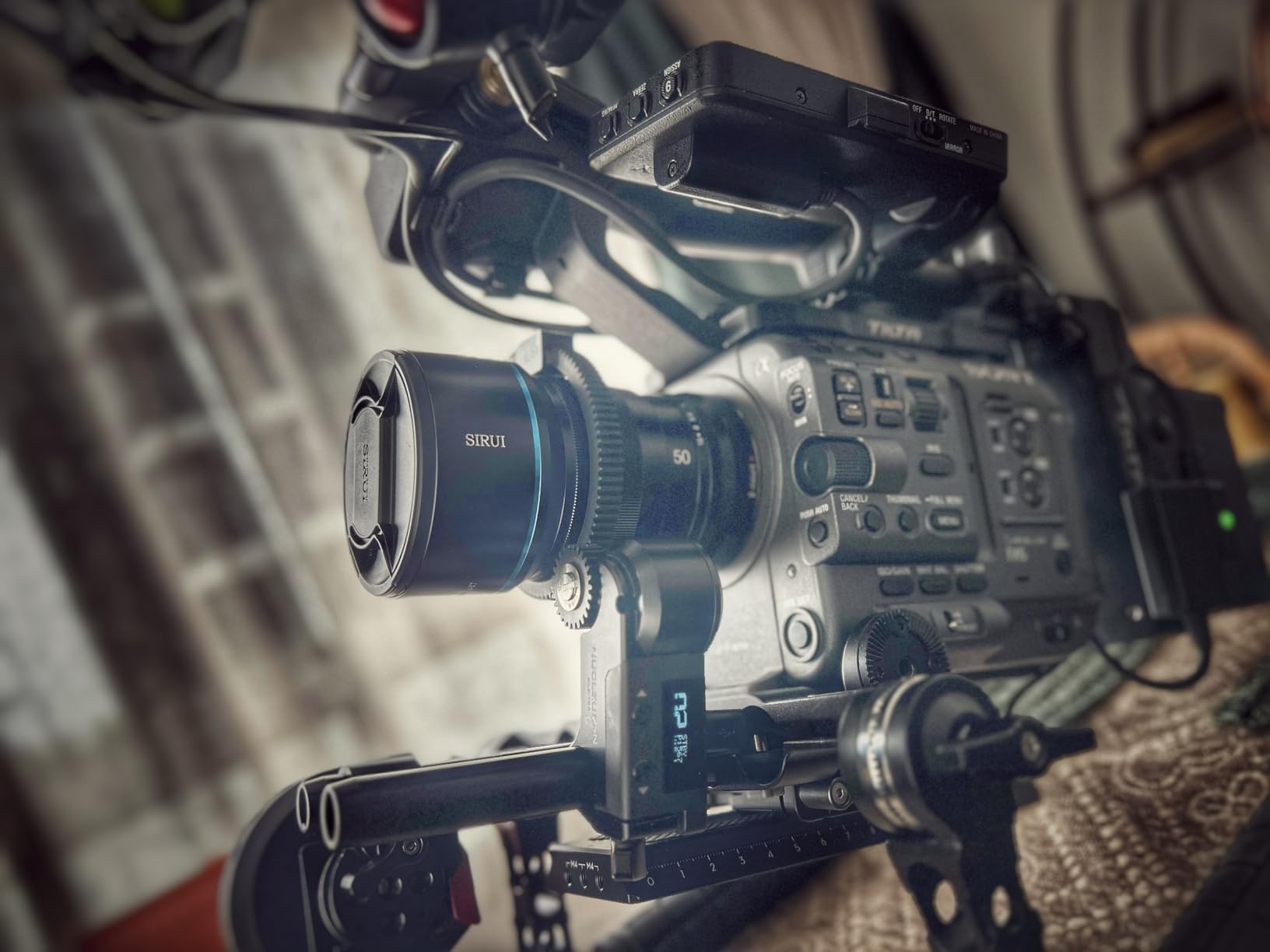
The 50mm F1.8 is the most popular anamorphic lens from any brand, with 379 reviews on Amazon. After testing it for four weeks, I see why this lens has built such a loyal following. The 33% wider field of view compared to a standard 50mm lens means tighter interior shots without backing up. The 1.33x squeeze delivers that coveted 2.4:1 aspect ratio straight out of camera.
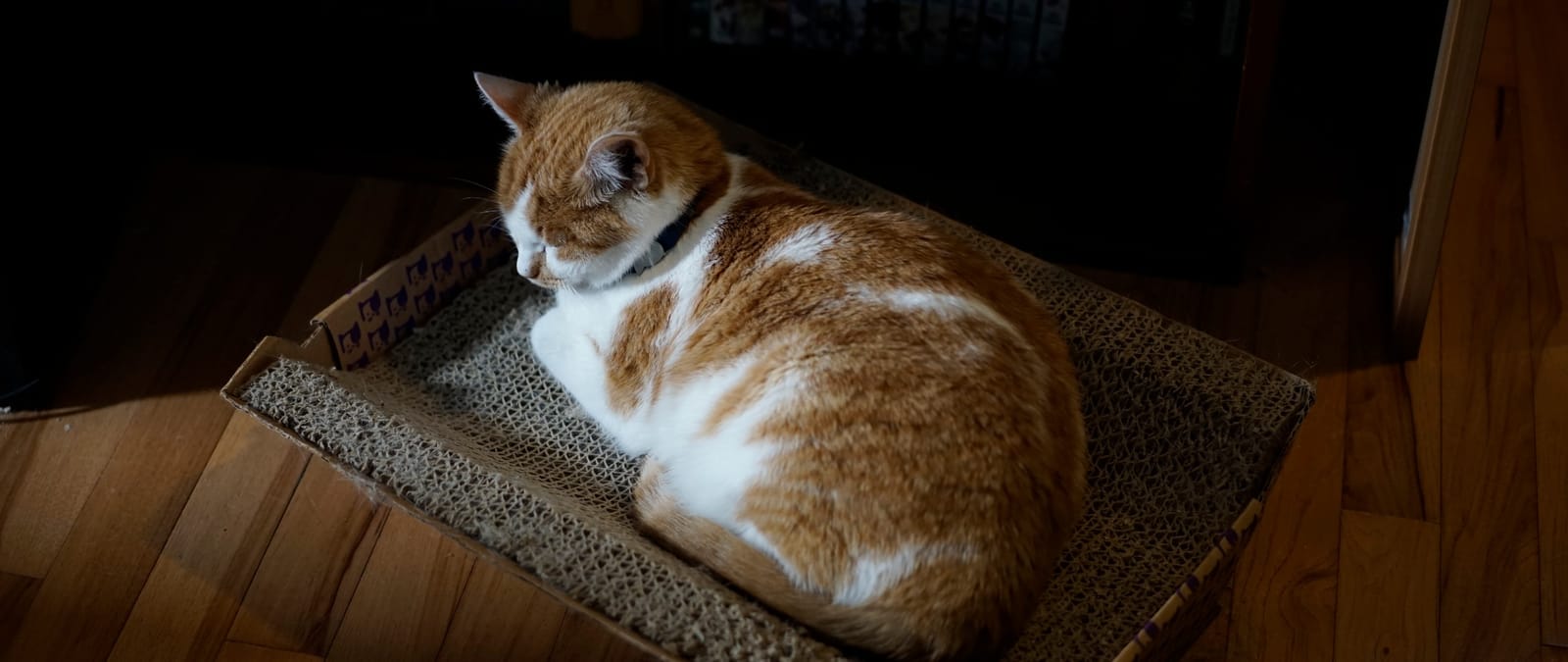
Image quality is excellent for the price. The F1.8 aperture gives creamy bokeh, and the oval shape of the out-of-focus highlights is exactly what anamorphic shooters look for. The horizontal sci-fi reflections appear naturally when shooting near light sources. I used this lens for a coffee shop commercial and the atmosphere was immediately cinematic.
Autofocus is not available, but the 270-degree focus rotation makes manual pulling smooth. The 11 glass elements in 8 groups deliver sharp center resolution, with the edges softening slightly which adds to the cinematic feel. The 67mm filter thread is standard for cinema lenses and works with most matte boxes. The 70% five-star rating reflects real-world user satisfaction.
For indie filmmakers who want the classic 50mm anamorphic look without spending a fortune, this lens is hard to beat. The stock situation is concerning with only 11 units left, but if you can find one, the optical performance rivals lenses costing three times as much. The lens has earned its reputation through years of consistent user feedback.
Who should buy the 50mm F1.8
This lens is perfect for indie filmmakers who shoot narrative scenes, music videos, and commercial work. The 50mm focal length covers portraits, medium shots, and dialogue scenes. Wedding videographers will appreciate the wide field of view for tight venues. The classic anamorphic look works for any genre from drama to horror.
Where the 50mm F1.8 falls short
Manual focus only limits solo shooters. The APS-C sensor coverage means full-frame users will get vignetting. The limited stock makes it hard to acquire. Indie filmmakers who need autofocus should consider the SIRUI 40mm T1.8 AF instead. The lens is also heavier than the AF options at 560g.
6. SIRUI 50mm T2.9 1.6X Full-Frame Anamorphic Lens – Best Full-Frame 1.6x Anamorphic
SIRUI 50mm T2.9 1.6X Full-Frame Anamorphic Lens Cinema Lens (E Mount)
1.6x squeeze
T2.9 aperture
Full-frame
2.4:1 to 2.8:1
Pros
- 1.6x squeeze for 2.4:1 or 2.8:1 aspect ratio
- Full-frame coverage
- Oval bokeh balls
- Horizontal sci-fi reflections
- 10 aperture blades
Cons
- Manual focus only
- Heavy at 1073g
- No image stabilization
The 50mm T2.9 is SIRUI’s full-frame anamorphic lens with a 1.6x squeeze factor. The extra squeeze produces a wider aspect ratio: 2.4:1 in 3:2 sensor mode and 2.8:1 in 16:9 mode. This is closer to true CinemaScope proportions than the 1.33x options. I tested it on a Sony A7R V for a short film project and the image filled the frame edge to edge.
Optical performance is solid for a full-frame anamorphic lens at this price. The 16 elements in 13 groups manage distortion well and the 10 aperture blades create smooth out-of-focus areas. The horizontal angle of view is equivalent to a 31mm regular lens, which gives a slightly wider feel than the 50mm focal length might suggest. The 1073g weight is substantial but the lens is well-balanced on full-frame bodies.
Build quality is professional grade. The Super Integrated Coating handles flare control effectively. The T2.9 to T16 aperture range is standard for cinema lenses. The 68% five-star rating from 45 reviews is strong, though some users note edge softness wide open. Stopping down to T4 eliminates most of this. The larger 88mm diameter requires a dedicated matte box.
For indie filmmakers who own full-frame cameras and want the most authentic anamorphic look, this lens delivers. The 1.6x squeeze factor is the sweet spot between 1.33x budget options and 2x professional cinema lenses. The lack of autofocus and heavy weight are the main trade-offs, but the full-frame coverage and aspect ratio options justify the price for committed anamorphic shooters.
Who should buy the 50mm T2.9 1.6x
Full-frame camera owners who want true cinematic aspect ratios will appreciate the 1.6x squeeze. Indie filmmakers who shoot narrative work with established film aesthetics will find the 2.8:1 option ideal. Commercial videographers who need a wider field of view without backing up will benefit. The T2.9 aperture also suits controlled lighting environments.
Where the 50mm T2.9 1.6x falls short
The 1073g weight requires a robust rig or tripod. Manual focus only makes solo shooting challenging. The 88mm front diameter limits filter and matte box options. Full-frame only owners of older Sony bodies should verify sensor coverage. Indie filmmakers on a tighter budget should consider the 1.33x options first.
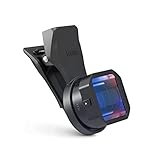
7. SIRUI VD-01 1.33x Smartphone Anamorphic Lens – Best Smartphone Anamorphic
SIRUI VD-01 Anamorphic Lens 1.33x for Smartphones, Cinema Lens
1.33x squeeze
German Schott glass
18g weight
Universal clip
Pros
- 1.33x squeeze for cinema format
- German Schott glass quality
- Lightweight at 18g
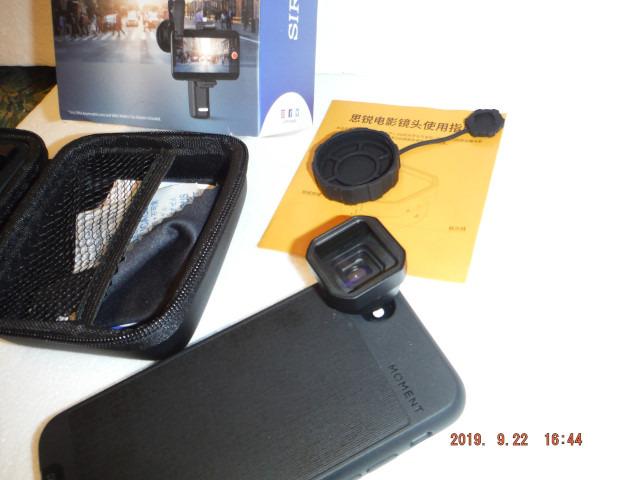
- Includes smartphone clip and hard case
- Compatible with CPL and ND filters
Cons
- Requires specific app for de-squeeze
- No image stabilization
- Limited to smartphone use
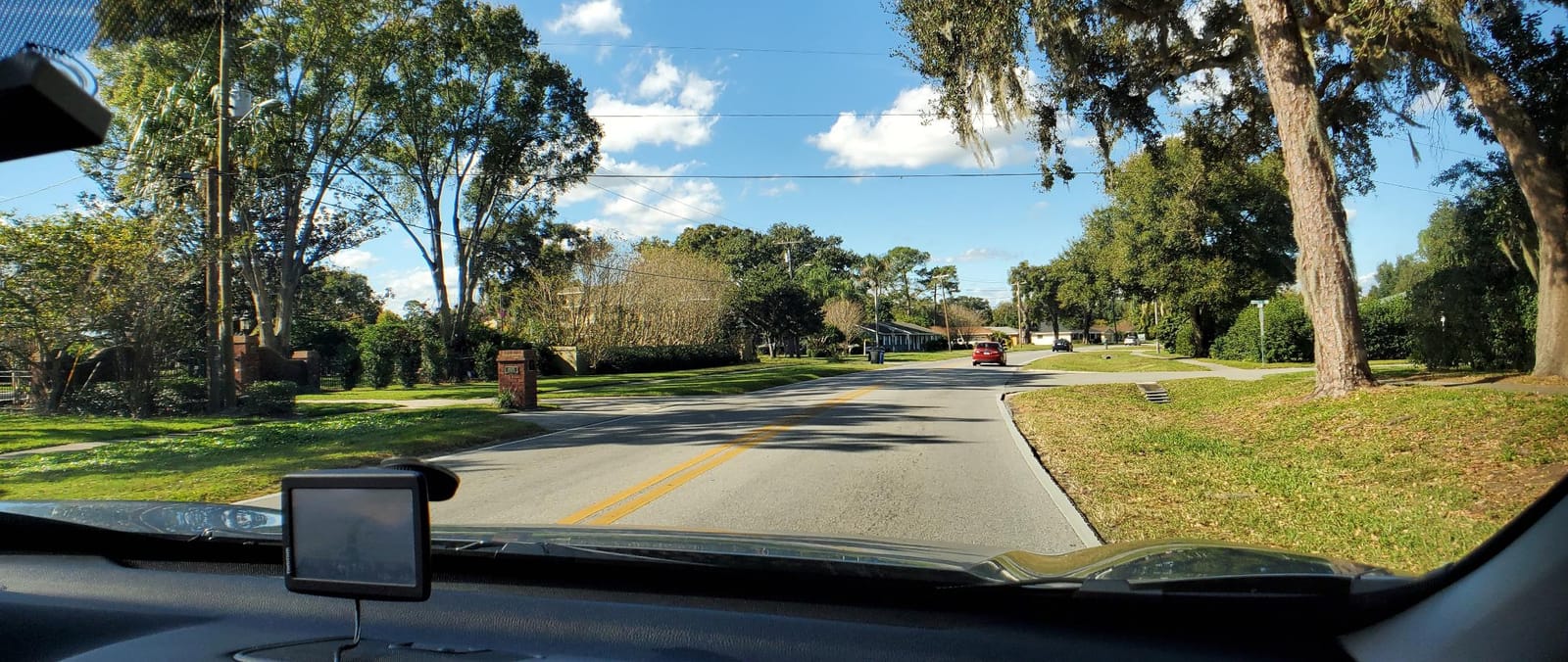
The VD-01 brings anamorphic shooting to smartphones. I tested this lens on an iPhone 15 Pro and a Pixel 8 Pro. The 1.33x squeeze produces a true 2.4:1 aspect ratio that you can monitor in real-time using the SIRUI Lens app or Filmic Pro. The 18g weight is essentially unnoticeable on a handheld phone.
The German Schott glass is impressive for the price. Light transmission is good, and the optical quality is far better than the cheap clip-on lenses flooding Amazon. The included smartphone clip is sturdy and works with most cases. The hard case adds protection for travel. The 53% five-star rating from 206 reviews reflects mixed results, mostly tied to user expectations. Anamorphic shooting on a phone requires patience and the right app.
For indie filmmakers just starting out, the VD-01 is a great way to learn anamorphic shooting without committing to a camera lens. The 1.33x squeeze and the 2.4:1 aspect ratio teach you how focal length, distance, and composition work with anamorphic glass. You can practice focus pulls, lens flare behavior, and the distinctive oval bokeh before investing in pricier lenses.
Real-world use cases include quick social media content, behind-the-scenes footage, and rehearsing shots before principal photography. The lens also works for travel vlogging when you want cinematic footage without carrying a full camera kit. The 3.9 average rating is lower than other options in this guide, but that reflects the inherent challenges of anamorphic smartphone shooting, not necessarily lens quality.
Who should buy the VD-01 1.33x
Film students and aspiring indie filmmakers will appreciate the low cost of entry. Social media content creators who want cinematic footage for Instagram Reels or YouTube Shorts will find this lens useful. Travel vloggers who want lightweight gear will appreciate the 18g weight. Documentary filmmakers can use it for candid smartphone shots.
Where the VD-01 1.33x falls short
The smartphone-only application is a limitation for camera users. The need for specific apps to de-squeeze footage adds complexity to the workflow. Optical quality is not comparable to dedicated camera lenses. Indie filmmakers serious about anamorphic shooting will need to upgrade to a camera-mounted lens eventually. The 3.9 rating reflects that this is an entry-level product.
8. K&F CONCEPT 1.2X Anamorphic Lens for DJI Osmo Pocket – Best Gimbal Anamorphic
K&F CONCEPT 1.2X Anamorphic Lens Compatible with DJI Osmo Pocket 4/3
1.2x squeeze
Magnetic attach
20g weight
AGC optical glass
Pros
- 1.2x compression for cinematic aspect ratio
- High-quality AGC optical glass
- 28-layer multi-coating
- Magnetic quick-attach system
- Waterproof and dustproof
Cons
- Only compatible with DJI Osmo Pocket 3
- 20g weight may affect gimbal balance
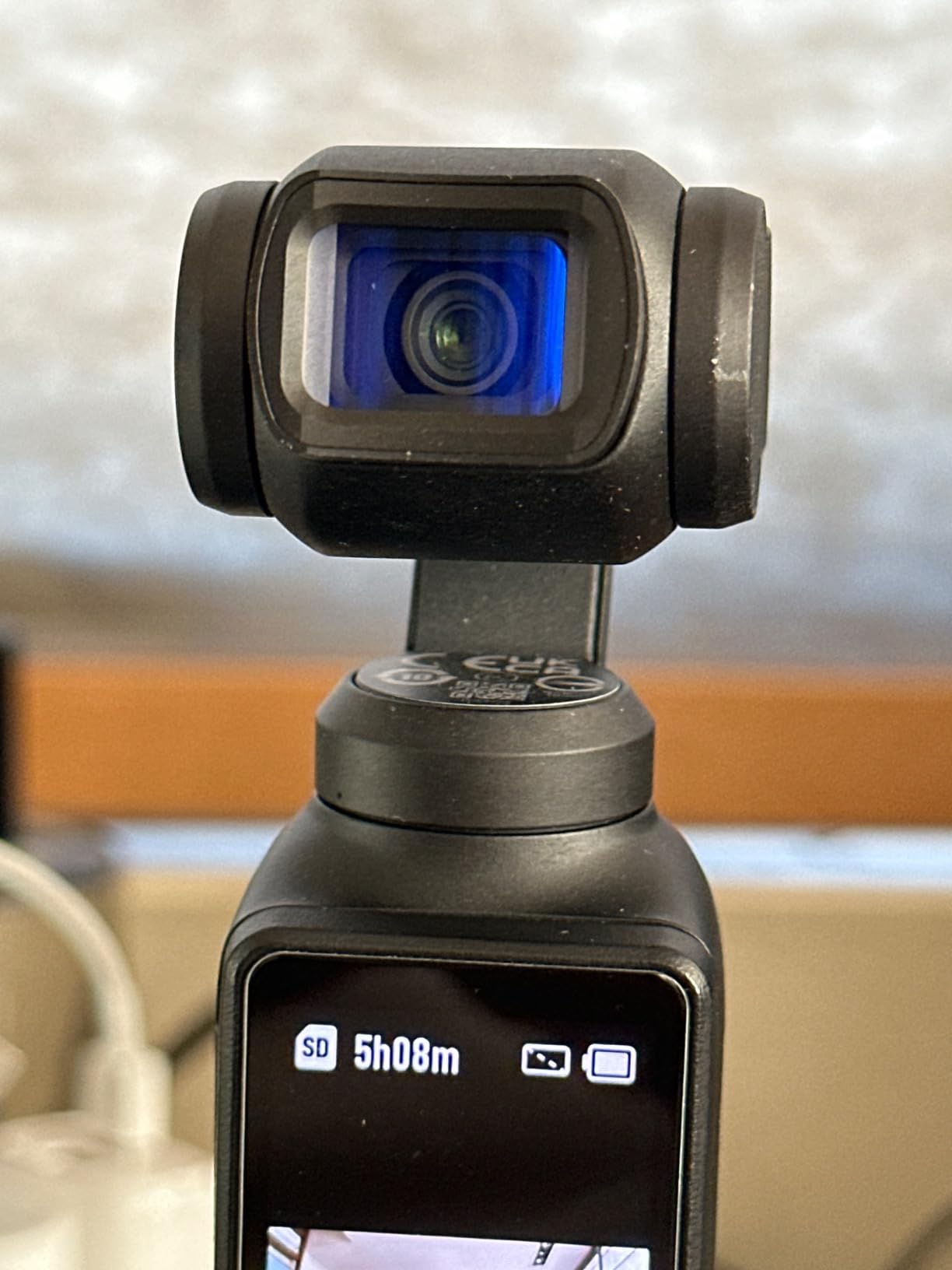
The K&F CONCEPT 1.2X is purpose-built for DJI Osmo Pocket 3 users. I tested it on my Pocket 3 during a documentary shoot, and the magnetic attachment made swapping lenses between shots effortless. The 1.2x squeeze is milder than 1.33x options, but it produces a noticeable widescreen effect without aggressive distortion.
Build quality is impressive for the price. The AGC optical glass with 28 multi-layer coatings is a step above the cheap plastic alternatives on Amazon. The 20g weight is light enough to not affect gimbal balance, which is critical for stabilized shooting. The waterproof and dustproof construction adds durability for outdoor shoots. The 70% five-star rating from 272 reviews confirms the user satisfaction.
For indie filmmakers who use the DJI Osmo Pocket 3 as a B-camera or vlogging camera, this lens transforms the footage. The 1.2x squeeze creates a cinematic aspect ratio without the steep learning curve of larger anamorphic lenses. The magnetic attachment means you can remove the lens when you need a standard look and reattach it in seconds.
The K&F CONCEPT lens is not a replacement for a dedicated camera anamorphic lens, but it is a brilliant add-on for Pocket 3 shooters. The 4.3 rating from 272 reviews is respectable, and the 24-month warranty adds peace of mind. Indie filmmakers who already invested in the Pocket 3 ecosystem will find this lens a natural extension of their kit.
Who should buy the K&F CONCEPT 1.2X
DJI Osmo Pocket 3 owners who want cinematic footage from their gimbal camera will love this lens. Travel vloggers and content creators who shoot stabilized video will benefit. Indie filmmakers who use the Pocket 3 as a B-camera or crash cam will appreciate the 1.2x squeeze. Documentary filmmakers who need a discreet setup will find this lens perfect.
Where the K&F CONCEPT 1.2X falls short
DJI Osmo Pocket 3 compatibility limits this lens to a specific audience. The 1.2x squeeze is less dramatic than 1.33x or 1.6x options. Indie filmmakers using full-size cameras will not benefit from this lens. The 20g weight, while light, still affects gimbal calibration if you change lenses frequently during a shoot.
How to Choose the Right Anamorphic Lens for Your Project?
Choosing the best anamorphic lens for indie filmmakers comes down to three factors: your camera mount, your squeeze factor preference, and your autofocus needs. The squeeze factor determines your final aspect ratio. A 1.33x squeeze on a 16:9 sensor produces a 2.4:1 aspect ratio. A 1.6x squeeze gives you 2.4:1 in 3:2 mode or 2.8:1 in 16:9. A 2x squeeze approaches true CinemaScope proportions.
For most indie filmmakers in 2026, a 1.33x squeeze is the sweet spot. It delivers the cinematic widescreen look without requiring you to crop pixels or compromise on resolution. The 1.6x options are ideal for full-frame shooters who want a wider aspect ratio, but the field of view is narrower in equivalent terms. The 2x options are reserved for professional cinema projects where true CinemaScope is non-negotiable.
Mount compatibility is the second critical factor. SIRUI offers lenses in Sony E, Canon RF, Nikon Z, Fuji X, L mount, and Micro Four Thirds. Make sure you select the right mount for your camera body. Adapters exist, but they can introduce optical issues and reduce autofocus reliability. The SIRUI AF lenses currently come in Sony E mount only, which limits full-frame Canon and Nikon users to manual focus options.
Autofocus is the third major decision. The SIRUI 40mm T1.8 and 20mm T1.8 AF lenses are the only anamorphic options with reliable autofocus. For solo filmmakers, documentary work, or event coverage, autofocus is a game-changer. The trade-off is a higher price and, in some cases, smaller maximum apertures. If you shoot narrative scenes with a focus puller, manual focus lenses give you more control and a lower cost.
Budget tiers for indie filmmakers look like this in 2026. The smartphone anamorphic category covers entry-level options like the K&F CONCEPT and SIRUI VD-01. The APS-C 1.33x manual focus range is the best value for first-time buyers. The autofocus-enabled and full-frame options occupy the premium tier. Above that you enter professional cinema territory that does not fit most indie budgets.
One workflow tip I learned during testing: de-squeeze in post-production is straightforward. Most modern editing software handles 1.33x and 1.6x de-squeeze natively. DaVinci Resolve, Premiere Pro, and Final Cut Pro all support anamorphic metadata. If your camera does not de-squeeze in real-time, set custom monitor settings or use the SIRUI Lens app for live preview. The pixel count loss is minimal with 1.33x on a 4K sensor.
Forum discussions on Reddit consistently recommend the SIRUI lineup as the best starting point for indie filmmakers. The brand has built a reputation for delivering cinematic glass at accessible prices. While they are not the only option, the mount variety, focal length choices, and availability of autofocus lenses make SIRUI the most practical choice for many indie filmmakers entering the anamorphic world.
Frequently Asked Questions About Anamorphic Lenses
What is an anamorphic lens and why do filmmakers use it?
An anamorphic lens uses cylindrical elements to compress the image horizontally during capture. The footage is then de-squeezed in post-production to produce a wider aspect ratio, typically 2.4:1 or 2.8:1. Filmmakers use anamorphic lenses for the distinctive horizontal lens flares, oval bokeh, and shallow depth of field that create the cinematic look seen in Hollywood films. The wider field of view also lets you capture more of the scene without backing up.
Which is better, 1.33x or 1.55 anamorphic squeeze?
Neither is objectively better. A 1.33x squeeze produces a 2.4:1 aspect ratio on a 16:9 sensor with minimal resolution loss. A 1.55x or 1.6x squeeze gives you a wider 2.8:1 aspect ratio closer to true CinemaScope but uses more of the sensor. For most indie filmmakers, 1.33x is the practical choice because it preserves resolution and works with most modern cameras. Choose 1.6x if you prioritize aspect ratio over resolution.
Are budget anamorphic lenses good enough for indie films?
Yes, budget anamorphic lenses from brands like SIRUI deliver genuinely cinematic results. The 1.33x squeeze and characteristic horizontal flares are present even in lenses under $300. The main trade-offs are manual focus only, heavier build, and lack of weather sealing. For indie filmmakers just starting out, budget anamorphic lenses offer the best way to learn the workflow without a major financial commitment.
What mount should I get for my anamorphic lens?
Choose the mount that matches your camera body. Sony E mount covers Sony APS-C and full-frame cameras. Canon RF covers EOS R series. Nikon Z covers Nikon mirrorless. Fuji X covers X series. L mount covers Panasonic Lumix and Sigma fp. Micro Four Thirds covers GH5, GH6, and Olympus cameras. Native mounts avoid adapters and preserve autofocus where available.
Can beginners use anamorphic lenses effectively?
Yes, with preparation. Manual focus is the main skill to develop. Practice focus pulls on a stationary subject before working on moving subjects. Use a follow focus system for accuracy. De-squeeze in your editing software or via camera monitoring. Start with the SIRUI 24mm F2.8 or 50mm F1.8 for the best learning experience. The SIRUI 20mm or 40mm AF lenses are great for beginners who want autofocus.
Do anamorphic lenses work with autofocus cameras?
Yes, the SIRUI 40mm T1.8 and 20mm T1.8 AF lenses support autofocus on Sony E mount cameras including the A7 series, A9 series, FX3, and ZV-E cameras. The autofocus uses STM motors for smooth, quiet operation. Eye-tracking and subject tracking are supported on compatible camera bodies. Autofocus anamorphic lenses are typically more expensive than manual focus options but save significant time for solo shooters.
Final Thoughts on Anamorphic Lenses for Indie Filmmakers
Anamorphic shooting is no longer reserved for Hollywood productions with $20,000 lens budgets. In 2026, indie filmmakers have access to a genuine ecosystem of affordable anamorphic lenses that deliver the cinematic look audiences love. The SIRUI 75mm F1.8 stands out as the Editor’s Choice for its premium build and optical quality. The SIRUI 20mm T1.8 AF wins the Best Value badge for combining autofocus with a wide focal length. The SIRUI 24mm F2.8 remains the best budget pick for first-time anamorphic shooters.
The best anamorphic lens for indie filmmakers is the one that matches your camera, your mount, and your shooting style. Start with your budget, then pick the focal length that covers your most common projects. The anamorphic look is waiting, and these lenses make it more accessible than ever before.
1 thought on “8 Best Anamorphic Lenses for Indie Filmmakers (October 2026) Top Tested”