
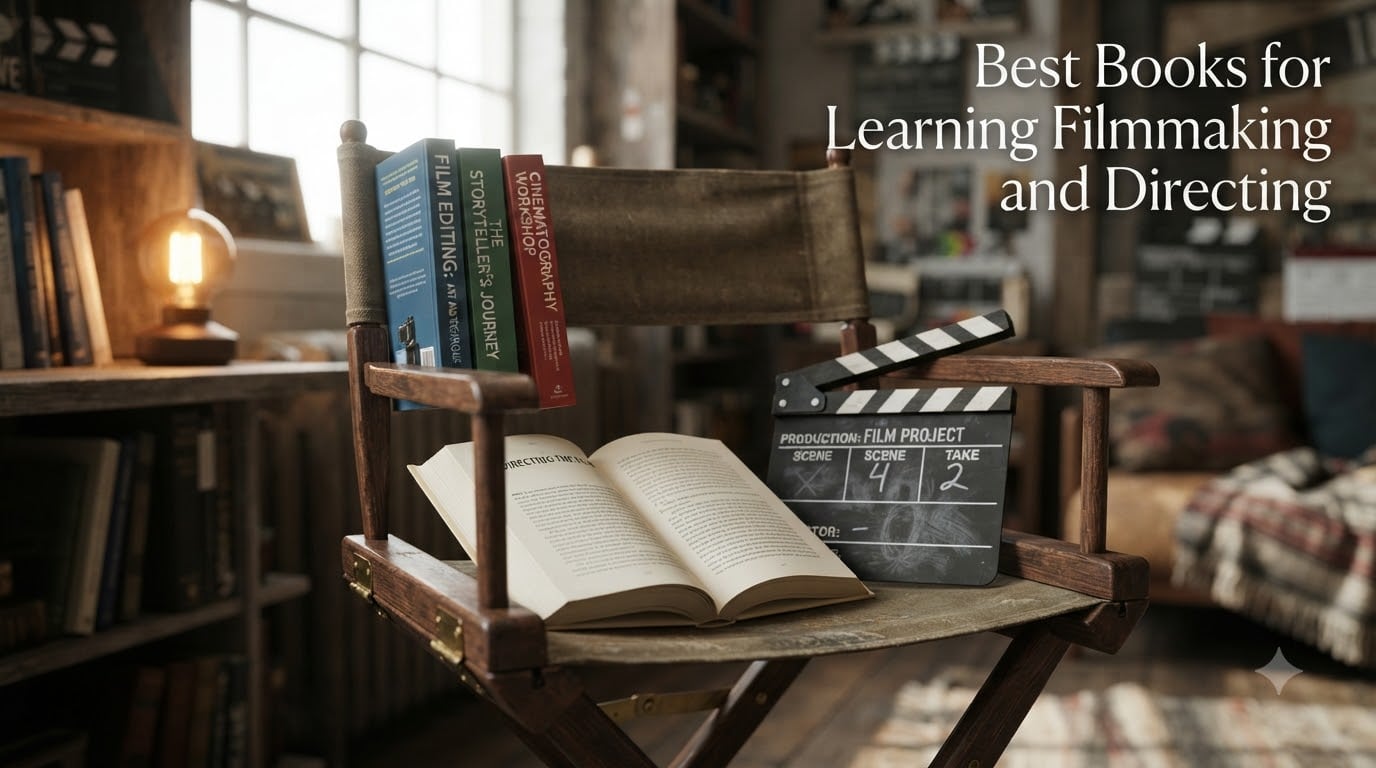
When I started cutting my own short films, I owned two books. Today, my shelf at Short Film Central holds more than forty, and I keep coming back to the same twelve. The best books for learning filmmaking and directing cover what no YouTube tutorial can: the hard-won judgment of directors who shipped decades of work. I read these in chronological order as I made more films, and each one changed something small in how I approached a scene.
Reading these books saved me years of trial and error. A good directing book teaches you the questions to ask before a shot, not just the buttons on a camera. The list below combines screenwriting classics, deep cinematography guides, editing philosophy, and practical directing wisdom. I’ve grouped them by what they actually teach, so you can pick the right one for the gap in your own knowledge.
Here is the short answer for skimmers: Sidney Lumet’s Making Movies is my overall editor’s choice for working directors, Blake Snyder’s Save the Cat! is the best entry point for under fifteen dollars, and Judith Weston’s Directing Actors is the gold standard for anyone who works with performers. After that, the order depends on which part of the craft you want to learn next.
Table of Contents
- Top 3 Picks for the Best Books for Learning Filmmaking and Directing for October 2026
- Best Books for Learning Filmmaking and Directing in October 2026
- 1. Making Movies by Sidney Lumet – End-to-End Wisdom from a Working Director
- 2. The Filmmaker’s Handbook by Steven Ascher & Edward Pincus – The 896-Page Reference
- 3. Directing Actors by Judith Weston – The 25th Anniversary Edition
- 4. Save The Cat! by Blake Snyder – The Last Book on Screenwriting You’ll Ever Need
- 5. Story by Robert McKee – The Deepest Dive Into Story Principles
- 6. In the Blink of an Eye by Walter Murch – The Editor’s Philosophy
- 7. On Directing Film by David Mamet – A Short Masterclass
- 8. Five C’s of Cinematography by Joseph V. Mascelli – The Cinematography Classic
- 9. Directing: Film Techniques and Aesthetics by Rabiger & Hurbis-Cherrier – The Comprehensive Textbook
- 10. The Filmmaker’s Eye by Gustavo Mercado – Composition Rules and How to Break Them
- 11. Directing: Film Techniques and Aesthetics 5th Edition – The Classroom Companion
- 12. Hitchcock (Revised Edition) by Francois Truffaut – The Definitive Filmmaker Interview
- How to Choose the Right Filmmaking Book?
- Frequently Asked Questions
- Final Verdict
Top 3 Picks for the Best Books for Learning Filmmaking and Directing for October 2026

Making Movies by Sidney Lumet
- End-to-end production wisdom
- Nuts-and-bolts directing
- Humble veteran perspective
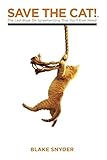
Save The Cat! by Blake Snyder
- 15-beat story structure
- Beginner friendly
- Industry-standard method

Directing Actors by Judith…
- Actor-director relationship
- Practical on-set techniques
- 25th anniversary edition
Best Books for Learning Filmmaking and Directing in October 2026
1. Making Movies by Sidney Lumet – End-to-End Wisdom from a Working Director
Pros
- Legendary director's perspective
- Humble crew-first approach
- Covers script to final cut
- Engaging conversational style
Cons
- Technology references dated
- Uses mostly Lumet's own films as examples
Sidney Lumet directed twelve actors to Oscar nominations in one film (Dog Day Afternoon), and he unpacks how in just over two hundred pages. When I read this book between my first and second short film, it reshaped how I worked with actors on a tight schedule. Lumet talks about the reality of the set: time pressure, budget constraints, and the director’s responsibility to every single crew member.
What makes this the editor’s choice is its scope. Most directing books pick one corner of the craft. Lumet walks through pre-production, shooting, editing, and even scoring. He uses specific examples from films like 12 Angry Men and Network. You feel like you are sitting in a screening room with a master who is also happy to explain the catering.
The most useful chapter for me was on the rehearsal process. Lumet is specific about what to do in the room with actors, and what to absolutely avoid. He also covers the director’s role in the edit suite, which most books ignore. If you only read one book on filmmaking this year, this is the one I would hand you.
Who this book suits
Anyone making their second or third film and realizing they need a steadier directing voice. It also works as a graduate-level text for film school students who want to read about real production, not theory. If you have already read screenwriting books and want to understand the director’s seat, start here.
Who should skip it
Readers looking for the latest digital cinematography techniques will find fewer takeaways here. Lumet’s work spans classic Hollywood, and the writing style is sometimes old-fashioned. If you want a screenwriting-focused book, look at Save the Cat! or Story instead.
2. The Filmmaker’s Handbook by Steven Ascher & Edward Pincus – The 896-Page Reference

The Filmmaker’s Handbook: A Comprehensive Guide for the Digital Age: Fifth Edition
896 pages
Plume 5th Edition
Digital age guide
Pros
- Truly comprehensive coverage
- Analog and digital techniques
- Progressive concept building
- Rich illustrations
Cons
- Overwhelming for total beginners
- Some tech references dated
- Reference rather than how-to
If Making Movies is the directing voice, The Filmmaker’s Handbook is the technical encyclopedia. I keep it on my desk next to my camera and pull it out whenever I forget the math for a focal length or the difference between a Foley and an ADR session. The fifth edition is the most current version, and it covers both analog and digital workflows.
Where this book wins is breadth. Cameras, lenses, lighting, sound, editing, distribution, even film festival strategy. The chapters build on each other, so beginners can read it cover to cover while professionals treat it as a reference. I have read it three times now, and each pass revealed something I missed.
The honest downside is the size. At 896 pages, you will not finish this on a long flight. Treat it as a project you read over a year, not a weekend. Pair it with shorter, more opinionated books like Making Movies for a balanced reading list.
Who this book suits
Self-taught filmmakers who want a single source for everything from pre-production paperwork to color grading. It also works well as a film school companion text, especially for production courses. Buy the fifth edition specifically for the digital workflow coverage.
Who should skip it
Readers who learn better through storytelling or personal essays will bounce off this. It reads more like a textbook than a memoir. If you want a director’s personal voice, skip ahead to Making Movies or Hitchcock.
3. Directing Actors by Judith Weston – The 25th Anniversary Edition
Directing Actors – 25th Anniversary Edition: Creating Memorable Performances for Film and Television
380 pages
MWP 2021
Actor-director craft
Pros
- Definitive guide for working with actors
- Actionable techniques
- Includes useful appendices
- Understands actor's mindset
Cons
- Less useful if you never direct actors
- Some techniques feature-specific
Directing is mostly about working with other people, and yet most filmmaking books treat actors as an afterthought. Judith Weston fixes that. The 25th anniversary edition of Directing Actors remains the highest-rated book on our list at 4.8 stars, and working directors consistently call it the most useful book in their library.
The first time I read this book, I rewrote every scene in my next short film with the actor’s perspective in mind. Weston teaches you how to use language of verbs and questions, how to give notes that don’t damage performance, and how to build a rehearsal room where actors feel safe. The appendices alone are worth the price, with sample scripts and forms.
What I love about this edition is the small updates. Weston has revised her advice based on twenty-five years of teaching and questions from readers. The book now reflects modern audition processes and on-set dynamics. If you direct any film with a single human being in front of the camera, you need this.
Who this book suits
Directors at any level who feel their actor work is the weakest part of their craft. Film students will find practical exercises they can take into their thesis films. Even experienced directors return to specific chapters before difficult scenes.
Who should skip it
If you only direct documentaries with non-actors, or if you shoot mostly b-roll and product work, the techniques will be less directly applicable. Documentary filmmakers should look for interview-focused guides instead.
4. Save The Cat! by Blake Snyder – The Last Book on Screenwriting You’ll Ever Need
Save The Cat! The Last Book on Screenwriting You’ll Ever Need
195 pages
MWP 2005
Beat Sheet method
Pros
- Blake Snyder Beat Sheet structure
- Beginner-friendly voice
- Character depth guidance
- B story pacing
Cons
- Can feel formulaic for some writers
- Author criticizes non-conforming films
- Mainstream Hollywood focus
With over 8,400 reviews and a 4.7 average, Save the Cat! is the most popular screenwriting book ever written. I bought my copy for thirteen dollars and dog-eared so many pages that the cover fell off. Blake Snyder’s Beat Sheet gives you fifteen beats to hit in any screenplay, and the structure works for shorts as well as features.
The reason this book belongs on a filmmaker and directing list is that every director reads scripts. Snyder teaches you to see structure visually, which is a directing skill. The casual, conversational tone makes it the rare screenwriting book that beginners can actually finish.
Critics call it formulaic, and they have a point. If you want to write experimental cinema, skip it. But for anyone cutting their first three short films, the Beat Sheet is a reliable scaffold. I still use it on every project before I shoot a single frame.
Who this book suits
First-time screenwriters and self-taught filmmakers who want a concrete structure. It also works in the screenwriting component of any film school class. Anyone who has struggled to finish a script will find the Beat Sheet genuinely useful.
Who should skip it
Writers who already have a process that works, or filmmakers who want pure directing theory. The book is screenwriting-focused, so it will not teach you how to block a scene or work a camera.
5. Story by Robert McKee – The Deepest Dive Into Story Principles

Story: Substance, Structure, Style and the Principles of Screenwriting
480 pages
ReganBooks 1997
Principle-based story
Pros
- Deep story principle analysis
- Cross-discipline writing value
- Well-organized content
- Rich film examples
Cons
- Dense and demanding read
- Long theoretical opening
- Mainly Hollywood-centric
Robert McKee’s Story is the book filmmakers either love or never finish. I read it twice in one summer and felt like I watched a thousand films differently afterward. McKee teaches principles, not formulas, so the lessons apply to novels, plays, and limited series as well as features.
The book is best read alongside actual films. I would watch a movie, then read the relevant chapter, then watch the film again. That is how McKee designed the book to be used. The diagrams and visual aids are clearer than any screenwriting podcast.
Where this beats Save the Cat! is depth. Snyder gives you a map. McKee teaches you why the map exists. The downside is density. New writers often stall in the first fifty pages. Push through and the second half is transformative.
Who this book suits
Intermediate filmmakers who have read at least one screenwriting book and want to push deeper. It also works for novelists and playwrights who want to understand film structure. Read it with a notebook.
Who should skip it
Anyone looking for a quick weekend read. If you want a faster start, begin with Save the Cat! and graduate to McKee once you have finished a first draft.
6. In the Blink of an Eye by Walter Murch – The Editor’s Philosophy
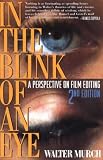
In the Blink of an Eye: A Perspective on Film Editing, 2nd Edition
146 pages
Silman-James 2nd Edition
Rule of Six
Pros
- Concise editing principles
- Rule of Six framework
- Analog-to-digital coverage
- Oscar-winning editor insights
Cons
- Some tech sections dated
- Very short at 146 pages
- Older film references
Walter Murch edited The Godfather, Apocalypse Now, and The English Patient. He wrote In the Blink of an Eye in under one hundred and fifty pages, and it remains the most quoted editing book on the planet. The famous Rule of Six – emotion, story, rhythm, eye-trace, two-dimensional plane of screen, three-dimensional plane of screen – gives you a framework for every cut decision.
For filmmakers, this matters because directors often supervise the edit. I reread the Rule of Six before every rough cut. The book also explores why eye blinks are linked to audience engagement, which changed how I approach performance in front of the camera.
The book is small, the price is small, and the impact is huge. If you have never read an editing book, start here. It is also a great gift for any director who wants to think more deeply about the cut.
Who this book suits
Editors, directors who cut their own films, and editors-in-training who want a foundational text. It also works for documentary filmmakers who shape stories in post. Anyone interested in film psychology will find the blink research fascinating.
Who should skip it
Readers who want software or technical editing tutorials. This is a philosophy book, not a software manual. Pair it with a separate book on Premiere Pro or DaVinci Resolve if you need the technical side.
7. On Directing Film by David Mamet – A Short Masterclass

Pros
- Brilliant staging and action focus
- Workshop format with practical demos
- Simplifies directing core
- Valuable for writers too
Cons
- Some readers find it arrogant
- Limited scope for the title's promise
- Dated film school examples
David Mamet wrote On Directing Film in 128 pages, which might be the highest-impact-per-page book on this list. It reads like a transcript of a smart, opinionated workshop. Mamet argues that the director’s job is staging, action, and juxtaposition, not camera angles. The book changed how I block scenes.
Mamet is polarizing. Half the readers find him brilliant and the other half find him pompous. I land in the brilliant camp because the underlying thesis is timeless. Cut away the fluff and communicate the story in shots. He teaches you to see the frame as a stage, which is a foundational directing concept.
The book is also valuable for screenwriters. Reading On Directing Film alongside a script you wrote will reveal staging problems you never noticed. I keep my copy in my pre-production bag.
Who this book suits
Directors who want to sharpen their staging instinct and screenwriters who want to think like directors. Film school students will find it pairs well with longer textbooks. The short length makes it perfect for a single weekend of focused reading.
Who should skip it
Readers who prefer warm, encouraging writing voices. Mamet is famously blunt. Beginners with no prior film school reading might find the workshop format opaque. Start with Making Movies if you want a kinder entry point.
8. Five C’s of Cinematography by Joseph V. Mascelli – The Cinematography Classic

Five C’s of Cinematography: Motion Picture Filming Techniques
251 pages
Silman-James 2005
Timeless camera techniques
Pros
- Breaks down complex cinematography
- Five C's framework easy to remember
- Timeless wisdom
- Excellent visual examples
Cons
- Originally from 1965 - some style feels dated
- Philosophy over technical specs
- Encyclopedic rather than how-to
Originally published in 1965, Five C’s of Cinematography remains the most quoted cinematography book in film schools. The five C’s – camera angles, continuity, cutting, close-ups, and composition – give you a vocabulary for every shot decision. At 251 pages, it is dense but visually rewarding.
I bought this book before I owned a real camera, and it taught me how to think about framing before I had any gear. The line drawings and stills are clearer than most modern cinematography books. The principles work whether you shoot on a phone or an ARRI.
The downside is the writing style, which is more academic than conversational. Treat it as a reference text, not a read-on-the-beach book. Read a chapter, then go shoot something and apply the concept.
Who this book suits
Anyone who wants a foundational understanding of camera work. Cinematographers, gaffers, and directors who light their own projects will benefit. It also works as a film school textbook for introductory cinematography courses.
Who should skip it
Readers who want modern digital camera tutorials or color grading guidance. This book teaches principles, not equipment. Pair it with YouTube tutorials for current technical workflows.
9. Directing: Film Techniques and Aesthetics by Rabiger & Hurbis-Cherrier – The Comprehensive Textbook

Directing: Film Techniques and Aesthetics
604 pages
Routledge 6th Edition 2020
Classroom ready
Pros
- Comprehensive directing coverage
- Excellent for self-study
- Inspiring exercises included
- 6th edition with current content
Cons
- Print quality issues at premium price
- Some damaged copies reported
The sixth edition of Directing: Film Techniques and Aesthetics is the textbook many film schools have adopted. At 604 pages, it covers directing from script analysis through final color. I read it cover to cover during a fellowship and the practical exercises made me a better director within a month.
Where this book shines is the exercise structure. Every chapter ends with concrete drills you can do alone or with a small crew. The authors are both educators, and the book is designed for self-study as well as classroom use. The 4.8-star rating from 136 reviews reflects how useful students find it.
Be aware of the print quality complaints. Some readers report damaged copies on delivery. Order from a seller with a good return policy. The content itself is worth the trouble.
Who this book suits
Film students and serious self-taught filmmakers who want a structured reading program. It also works as a semester-long self-study curriculum. Teachers will find ready-made exercises for their production courses.
Who should skip it
Readers who want a quick read or a director’s personal voice. This is a textbook, not a memoir. If you want a more personal read, pick Making Movies first and use this as a follow-up.
10. The Filmmaker’s Eye by Gustavo Mercado – Composition Rules and How to Break Them
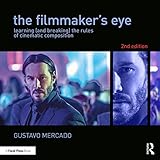
The Filmmaker’s Eye: Learning (and Breaking) the Rules of Cinematic Composition
244 pages
Focal Press 2nd Edition 2022
Frame analysis
Pros
- Teaches rules then breaks them
- Excellent frame analysis visuals
- Beautiful high-quality photos
- Clear explanations
Cons
- Some reports of physical damage
- Heavy movie-example density
- Not Prime eligible
Gustavo Mercado’s The Filmmaker’s Eye teaches composition by showing you the rules, then showing you how great directors break them on purpose. The second edition from 2022 includes updated film examples and refreshed frame analysis. The book is genuinely beautiful to look at, which is rare for a craft reference.
I used this book to prep for a project with very specific visual goals. The frame analysis chapter showed me how to read a shot like a paragraph. By the time I got on set, I had a clear visual plan. The book is also great for directors who want to communicate shot intent to a cinematographer.
The drawback is shipping. Some readers report damage on delivery, and it is not Prime eligible. Order carefully and consider a backup copy in case the first arrives damaged.
Who this book suits
Directors and cinematographers who want a deeper visual vocabulary. Photography enthusiasts moving into film will recognize many of the concepts. Anyone building a shot list for a visually ambitious project should read this first.
Who should skip it
Readers who want a software tutorial or a screenwriting guide. This is purely about composition. Beginners with no prior cinematography reading may benefit from Five C’s first.
11. Directing: Film Techniques and Aesthetics 5th Edition – The Classroom Companion

Directing: Film Techniques and Aesthetics
560 pages
Routledge 5th Edition
Companion website
Pros
- Clear comprehensive writing
- Covers all production stages
- Practical exercises with forms
- Companion website resources
Cons
- Depth of information can feel overwhelming
Before the sixth edition came out, the fifth edition of Rabiger’s Directing was the standard film school textbook for years. It is now deeply discounted and remains an excellent resource. At 560 pages, it covers every production stage with a clear writing style that beats most academic texts.
The companion website is the hidden gem. It includes downloadable forms, shot lists, and production logs you can use on real projects. I printed the pre-production forms and used them on my last short film. The book pays for itself the first time you skip a reshoot because you filled out the right paperwork.
Some readers find the depth overwhelming, which is why I recommend treating it as a reference rather than a cover-to-cover read. Pick the chapter that matches your current project and read it that week.
Who this book suits
Film students on a budget who want the older textbook edition. Self-taught filmmakers who want downloadable production templates will find the companion website invaluable. Anyone prepping for a thesis film should buy it before the semester starts.
Who should skip it
Readers who want the latest edition and the freshest examples. If you prefer the most current content, pick the sixth edition instead. Both editions are excellent, but the sixth has more recent film examples.
12. Hitchcock (Revised Edition) by Francois Truffaut – The Definitive Filmmaker Interview

Pros
- Incredible interview between two masters
- Detailed Hitchcock technique insights
- Includes historical photos
- Candid view of his life and work
Cons
- Earlier editions had print issues (now corrected)
Francois Truffaut spent weeks interviewing Alfred Hitchcock and the result is the most discussed filmmaking book ever published. The revised edition covers Hitchcock’s complete career. At 955 reviews and a 4.8 average, this book is the closest thing to a film school masterclass you can hold in your hands.
What I love about this book is the specificity. Truffaut asks Hitchcock about individual scenes, and Hitchcock explains the choices behind every cut. Reading it before a Hitchcock retrospective changed how I watched his films. I have returned to this book five times and noticed something new each pass.
The book is also a historical document. You see how two master filmmakers think about the same problem from different angles. If you love film history, this is essential reading.
Who this book suits
Cinephiles and film school students who want to understand the craft from a genius. Hitchcock fans obviously need this book. Directors who want to study suspense, blocking, and visual storytelling will find gold in every chapter.
Who should skip it
Readers who want actionable modern directing techniques. This is an interview, not a how-to book. Pair it with Making Movies or Directing Actors if you want practical guidance alongside the history.
How to Choose the Right Filmmaking Book?
The biggest mistake I see new filmmakers make is buying every book on a list at once. Pick the gap in your craft first, then buy one book that targets it. Here are the four filters I use when recommending books to filmmakers at our Short Film Central workshops.
Start with your skill level. If you have never made a film, begin with a beginner-friendly book like Save the Cat! or Making Movies. Both have accessible voices and concrete takeaways. If you have already finished two or three projects, move to deeper texts like Story or Directing.
Match the book to the craft you want to learn. Screenwriting calls for different books than cinematography or editing. For directing actors, only one book truly dominates, and it is Judith Weston. For editing philosophy, Walter Murch remains unmatched. For shot composition, the Five C’s and Mercado’s Filmmaker’s Eye are the clear pair.
Check the edition and publication date. Filmmaking books from the 1990s are often still relevant for craft principles, but technology references age fast. The fifth edition of The Filmmaker’s Handbook and the second edition of Mercado’s Filmmaker’s Eye are the most current versions of those titles. Older editions of Lumet or Murch are still excellent because the principles are timeless.
Balance practical and theoretical reading. Practical books like Weston’s teach you what to do on set. Theoretical books like Mamet’s or Murch’s teach you how to think about cinema. Every year, read at least one practical and one theoretical book. That balance is what separates working directors from hobbyists.
What skill level are you?
Beginners should start with Save the Cat! for screenwriting and Making Movies for directing. Intermediate filmmakers should add Story, Directing Actors, and Five C’s. Advanced filmmakers and film school students will benefit from the Rabiger textbook and Truffaut’s Hitchcock interview.
Which craft do you want to learn?
Screenwriting points you to Save the Cat! and Story. Directing actors points to Weston’s book. Cinematography points to Mascelli and Mercado. Editing points to Murch. End-to-end production points to The Filmmaker’s Handbook. Pick one area per quarter and read deeply before moving on.
Frequently Asked Questions
What are the best books to learn about directing film?
The best books to learn about directing film are Sidney Lumet’s Making Movies for end-to-end wisdom, Judith Weston’s Directing Actors for working with performers, and David Mamet’s On Directing Film for staging and storytelling fundamentals. Pair any of these with Michael Rabiger’s Directing: Film Techniques and Aesthetics for a complete education.
What is the best book for learning about filmmaking?
The Filmmaker’s Handbook by Steven Ascher and Edward Pincus is widely considered the best single book for learning about filmmaking because it covers cameras, lighting, sound, editing, and distribution in 896 pages. For a more narrative-driven read, Sidney Lumet’s Making Movies is the most respected choice among working directors.
What is the 60-30-10 rule in filmmaking?
The 60-30-10 rule is a lighting and color grading guideline that suggests 60% of the frame should be one dominant color, 30% a secondary color, and 10% an accent color. It creates visual harmony and helps direct the audience’s eye. You will see it referenced in cinematography books like The Filmmaker’s Eye and in color grading tutorials online.
What should I study to become a film director?
To become a film director, study directing fundamentals through books like Making Movies and On Directing Film, learn to work with actors using Directing Actors by Judith Weston, and understand cinematography through Five C’s of Cinematography. Complement reading with hands-on practice: shoot short films, edit them yourself, and watch classic films with commentary tracks to develop your visual ear.
Are older filmmaking books still worth reading?
Yes, older filmmaking books are still worth reading because the craft principles of staging, storytelling, and editing rarely change. Books like Hitchcock by Truffaut, In the Blink of an Eye by Walter Murch, and Making Movies by Sidney Lumet remain highly relevant. For technology-specific topics, pair older classics with newer editions like the fifth edition of The Filmmaker’s Handbook.
Final Verdict
These twelve books for learning filmmaking and directing have shaped how I work on every project I have made since film school. My personal stack would start with Lumet’s Making Movies for the directing voice, Weston’s Directing Actors for the actor work, and Murch’s In the Blink of an Eye for the edit. Add Blake Snyder’s Save the Cat! for screenplay structure and you have a balanced starter library that costs less than a single festival submission fee.
Pick one book from this list that targets your current gap, read it with a notebook, and apply one idea on your next shoot. That is how books become actual directing skill. The best books for learning filmmaking and directing are not the ones you collect, but the ones you carry to set.
If you have a favorite book we missed, drop us a note at Short Film Central. We update our reading list every year, and your recommendations shape what we test next.