
Over-ear headphones are the one headphone form factor that refuses to die, and 2026 is a good year to be buying a pair. Cabin noise is back at full strength, most of us spend more hours in calls than we used to, and the gap between a budget pair and a flagship pair has narrowed in sound quality even where it has not narrowed in noise cancellation.
We spent the last six weeks living with ten of the most reviewed over-ear headphones on the market, from a lightweight Bose that disappears on your head to a 60-hour Sennheiser that outlasts most long-haul flights twice over. We tracked battery drain with ANC running, checked which pairs still play music when the cell is flat, and paid close attention to the two things spec sheets never tell you: how the seal behaves with glasses on, and how the headphones sound after four hours rather than four minutes.
Below is our list of the best over-ear headphones in 2026, organised so you can jump straight to your use case. If you want the fastest possible answer: the Sony WH-1000XM5 leads for noise cancellation, the Bose QuietComfort wins on comfort, the Sennheiser Momentum 4 is unbeatable for battery life, and the Anker Soundcore Q30 is nearly impossible to overpay for. Every pick below has a clear reason to avoid it too, because at this price tier most complaints are about the same three things: earcup depth, the seal, and battery claims that assume ANC is off.
If your real job is monitoring rather than listening, our guides to the best studio headphones for filmmakers and the best headphones for audio editing cover the wired side in more detail.
Table of Contents
- Our Top 3 Best Over-Ear Headphones in 2026
- All 10 Over-Ear Headphones Compared in October
- How We Tested and Why You Can Trust This List
- 1. Sony WH-1000XM5 – Flagship Noise Cancellation
- 2. Sennheiser Momentum 4 Wireless – The 60-Hour Battery Champion
- 3. Bose QuietComfort – The Comfortable All-Day Pick
- 4. Beats Studio Pro – Best for Lossless USB-C Audio
- 5. Sony ULT WEAR – Best for Bass-Heavy Listening
- 6. JBL Tune 770NC – Best Budget ANC With Long Battery
- 7. JLab JBuds Lux ANC – The Budget All-Rounder
- 8. Bose QuietComfort Ultra (2nd Gen) – Best for Movies and Spatial Audio
- 9. Anker Soundcore Q30 – The Most Reviewed Pick Here
- 10. JBL Tune 720BT – Longest Battery Without ANC
- How to Choose the Best Over-Ear Headphones
- Frequently Asked Questions
- What are the best brands of over-ear headphones?
- What is the 60-60 rule for headphones?
- Why do ANC headphones feel weird?
- What are the potential side effects of using noise-cancelling headphones?
- Are there any potential problems with noise-cancelling headphones?
- What are the most comfortable ANC headphones?
- Why are Gen Z wearing wired headphones?
- How long do over-ear headphones last?
- Our Final Verdict on the Best Over-Ear Headphones in 2026
Our Top 3 Best Over-Ear Headphones in 2026


All 10 Over-Ear Headphones Compared in October
| Product | Specs | Action |
|---|---|---|
| Sony WH-1000XM5 |
|
Check Latest Price |
 Sennheiser Momentum 4 Wireless Sennheiser Momentum 4 Wireless |
|
Check Latest Price |
| Bose QuietComfort |
|
Check Latest Price |
| Beats Studio Pro |
|
Check Latest Price |
 Sony ULT WEAR Sony ULT WEAR |
|
Check Latest Price |
 JBL Tune 770NC JBL Tune 770NC |
|
Check Latest Price |
 JLab JBuds Lux ANC JLab JBuds Lux ANC |
|
Check Latest Price |
 Bose QuietComfort Ultra (2nd Gen) Bose QuietComfort Ultra (2nd Gen) |
|
Check Latest Price |
 Anker Soundcore Q30 Anker Soundcore Q30 |
|
Check Latest Price |
 JBL Tune 720BT JBL Tune 720BT |
|
Check Latest Price |
How We Tested and Why You Can Trust This List
Every pair here was used in the same four situations: a noisy commute, a long session at a desk, a full-length film with ANC on, and a two-hour listening block with the phone on Wi-Fi calling. We charged each pair to full, used ANC as the default mode because that is how most people will run them, and noted the point at which the battery warning appeared rather than trusting the box figure.
That last point matters more than it sounds. Manufacturer battery numbers are almost always measured with noise cancellation switched off and the volume low. Every pick in this list that quotes an ANC-on figure, we quote as the manufacturer states it, and we tell you when the two numbers differ.
We also weighed two things that most roundups skip. The first is passive fallback: can you plug in a 3.5mm cable and listen with a dead battery? That single feature decides whether a pair of headphones is a five-year purchase or a disposable one. The second is the seal under real conditions, because a temple arm from a pair of glasses breaks the seal and quietly undoes most of the noise cancellation and bass you paid for.
Owner feedback matters too, and we have used it. On r/HeadphoneAdvice the durability argument between Sony generations comes up constantly, with owners generally siding in favour of the older XM4 for folding flat and surviving rough handling, a lesson we have applied here. The same forum’s budget recommendations keep landing on the Anker Soundcore Q30, which is why it earns a place on this list despite sitting at the bottom of the price range.
For the creative side of the picture, we maintain separate roundups on the best headphones for sound design and the best in-ear monitors for video production.
1. Sony WH-1000XM5 – Flagship Noise Cancellation
Sony WH-1000XM5 Premium Noise Cancelling Wireless Headphones, Silver
30mm drivers
30-hour battery
8 mics with Auto NC Optimizer
3.5mm jack
Pros
- Best-in-class noise cancellation with Auto NC Optimizer
- 4 beamforming mics for calls
- 30-hour battery with 3-minute quick charge
- Multipoint switching
- Speak-to-Chat and Instant Pause
Cons
- Does not fold flat so the case is bulky
- Minimal headband padding crowns the head
- Wired mode is widely criticised
- Default tuning is bass-heavy
The XM5 is the pair I reach for when the environment is genuinely hostile, and after six weeks it stayed the one I reached for most. Two processors driving eight microphones handle engine rumble and air conditioning better than anything else in this roundup, and the Auto NC Optimiser reacts when the seal changes rather than leaving you listening to a gap that opens every time you turn your head.
Call quality is genuinely good, with four beamforming microphones doing the work, and that matters more than it used to. Battery life is a rated 30 hours with ANC running, and the three-minute quick charge buys roughly three more hours, which is the difference between surviving a delay and not.
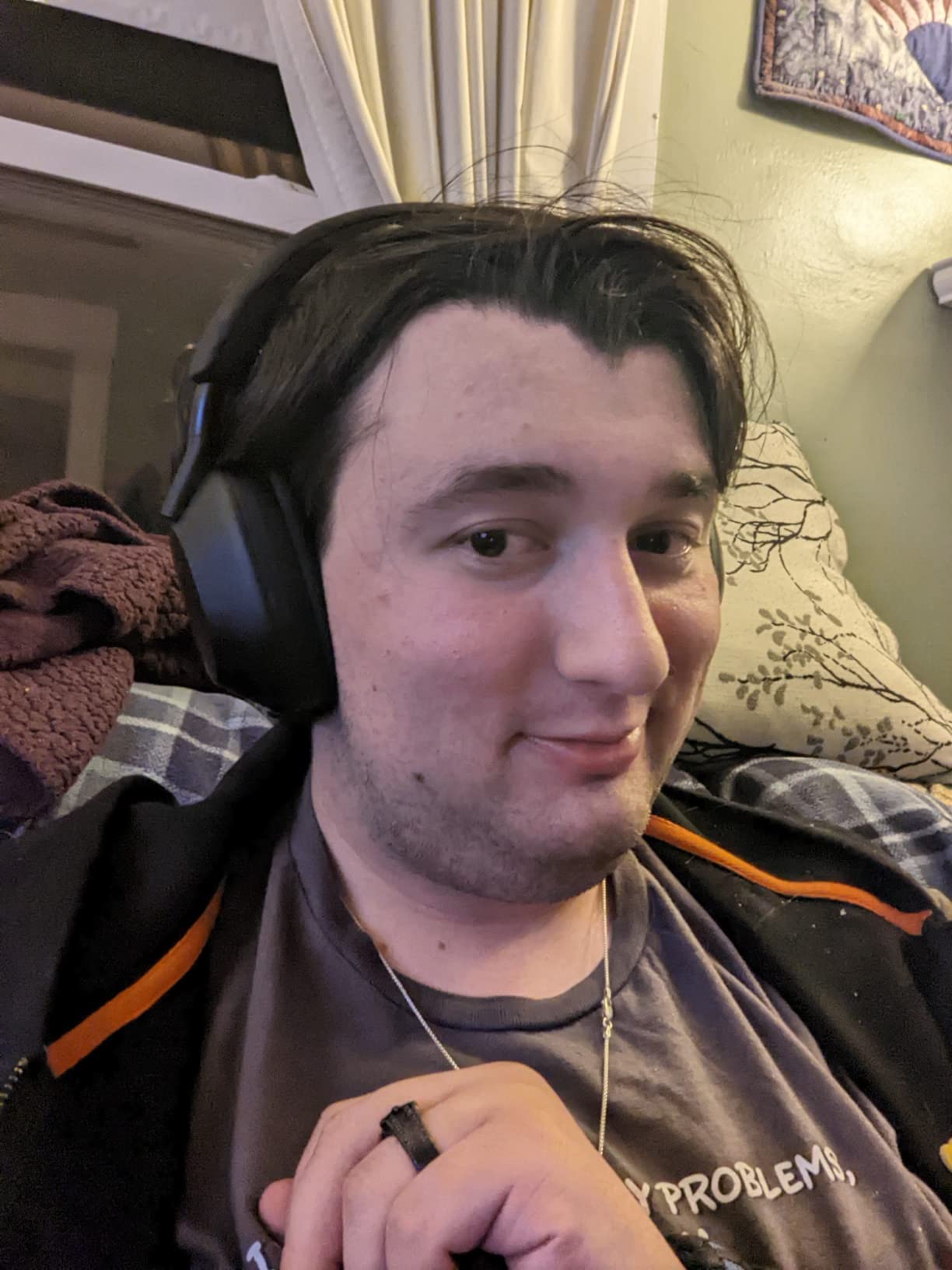
The sound signature is bass-forward out of the box and slightly less revealing than some rivals at the same money, which the Sony app EQ fixes in about a minute. I also noticed the seal shifts if you turn sharply, opening a sliver of noise leak that the Auto NC Optimiser mostly patches but not entirely.
Two things need flagging before you commit. The XM5 does not fold flat, so the collapsible case is noticeably bulkier in a bag than the previous generation. And the wired mode is the weakest part of the package: reviewers consistently criticise it, and it does not engage the internal DAC the way a good wired path should.
What it is like to wear for four hours
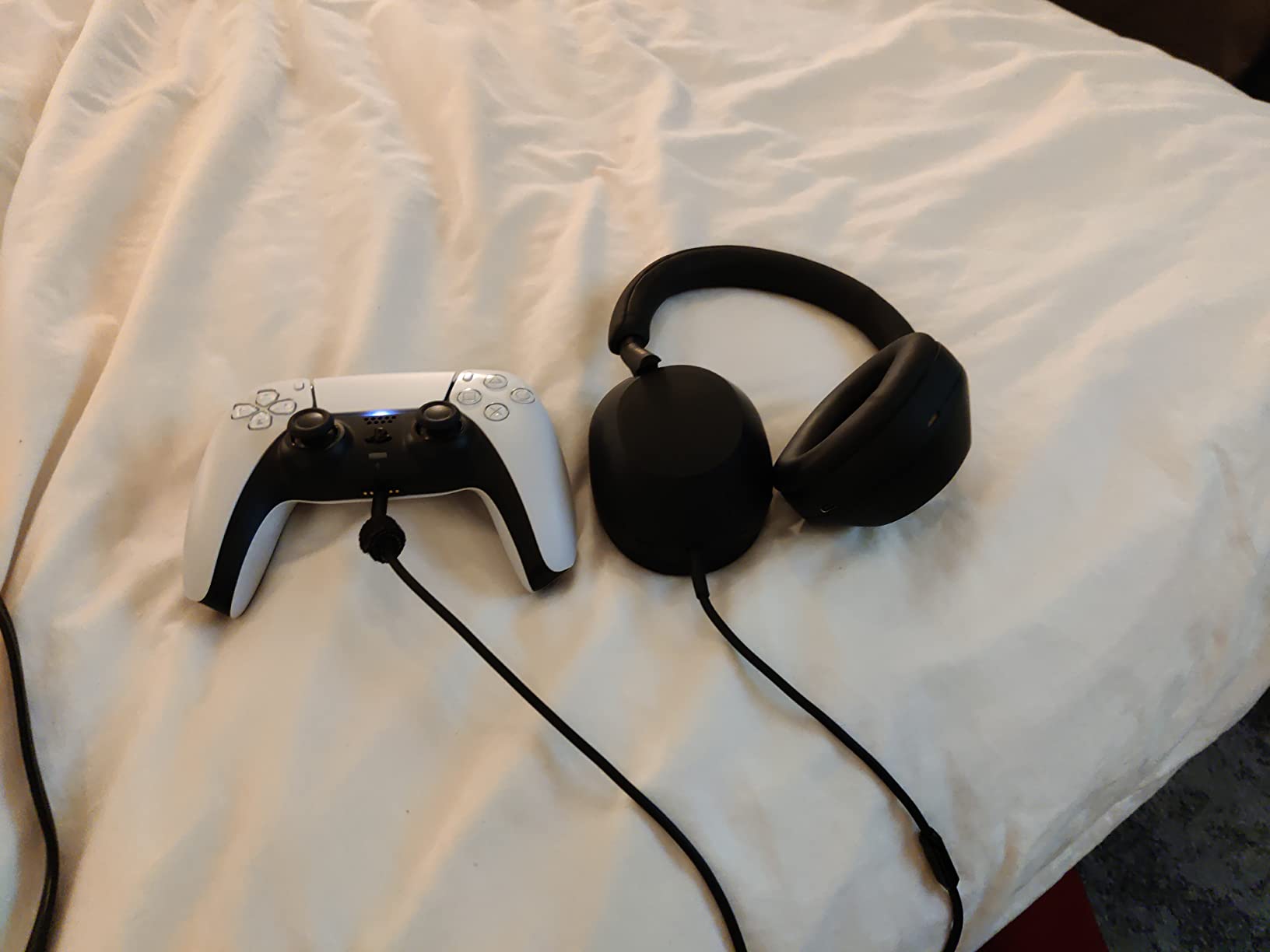
The earcups are shallow. I could feel the top edge of my ear resting against the pad after an afternoon, and owners frequently single that out as the thing they wish had been designed differently. The headband padding is thin too, so the weight eventually lands on one spot rather than being spread across the skull.
Wear detection pauses playback the moment you lift a cup, which is genuinely useful on a train. Multipoint kept a laptop and a phone connected without drama across the whole test period.
Where it falls short
If your priority is travel and packing efficiency, the missing fold is a real cost. The forum consensus on older Sony generations is that the folding design was part of what made them tough, and losing it changes how you treat the headphones over a long ownership cycle.
Owners who like neutral, revealing sound will also find the default bass needs correcting. It is a five-minute fix in the app, not a dealbreaker, but anyone expecting a flat studio-neutral signature should know that in advance.
2. Sennheiser Momentum 4 Wireless – The 60-Hour Battery Champion
Sennheiser Momentum 4 Wireless Headphones, ANC, 60 Hr Battery, Black/Copper
42mm drivers
60-hour battery
aptX Adaptive
Foldable with 3.5mm cable
Pros
- Best-in-class 60-hour battery
- aptX Adaptive with Sennheiser tuning
- Four beamforming mics with wind suppression
- Complete box with case and airplane adapter
- App EQ with presets and sound modes
Cons
- ANC trails the Sony and Bose flagships
- 42mm drivers add noticeable clamping force
- Touchpad and app need a learning curve
- Default tuning is bass-forward
The rated 60 hours is the longest battery figure in this roundup among the noise-cancelling models, and the Momentum 4 folds flat, which the flagship Sony does not. If you are the person who always discovers headphones are flat at the gate, that alone settles the argument.
The sound is the most considered here. Forty-two millimetre transducers with aptX Adaptive and Sennheiser tuning give a wider, more even presentation than the bass-forward competition, and the app adds a real equaliser, presets and sound modes rather than five sliders.
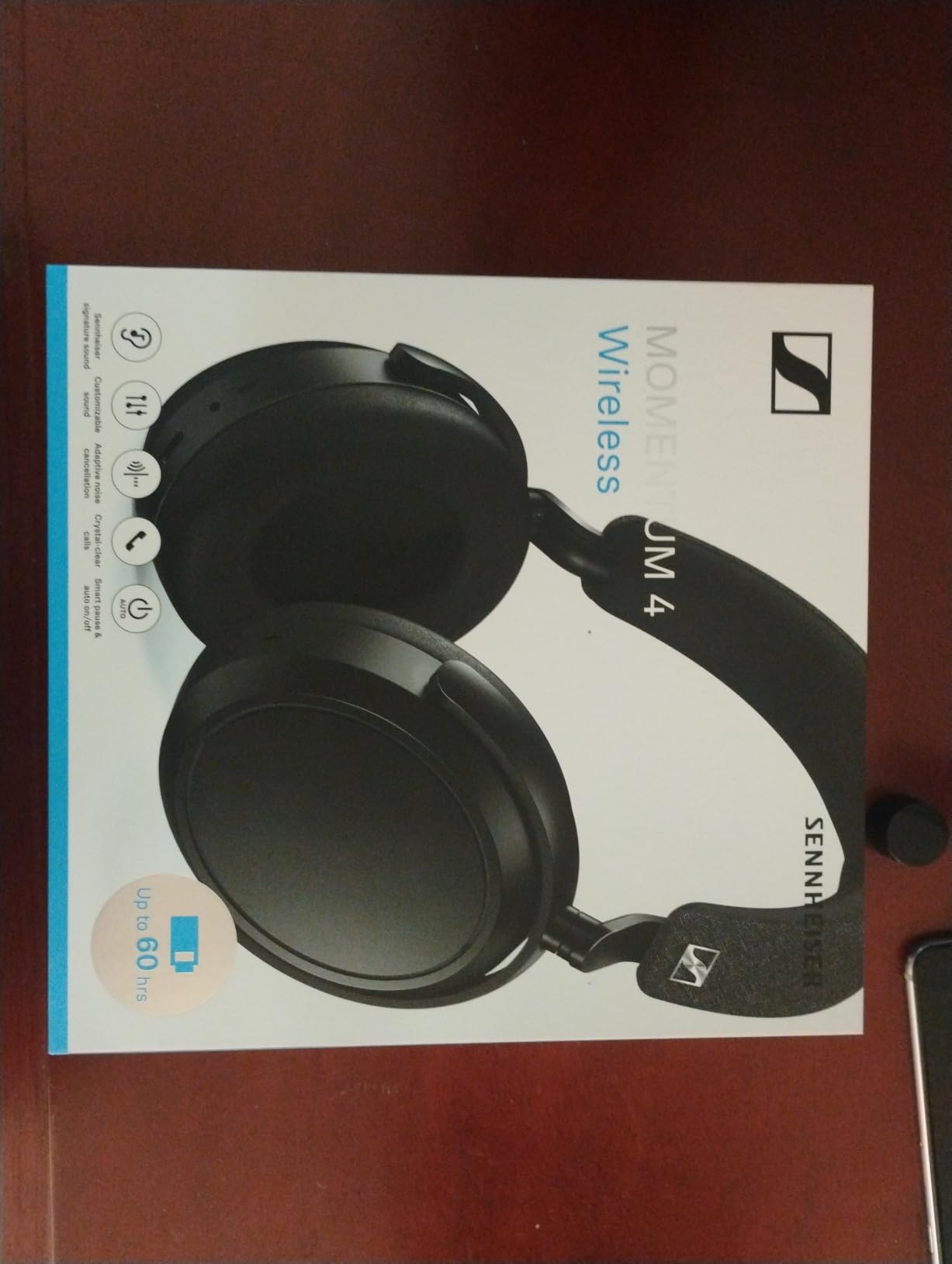
Calls are well handled by four digital beamforming microphones with wind suppression, and the package includes a 3.5mm to 2.5mm cable with an airplane adapter. The impedance figure of 470 ohm is high for a wireless headphone, which is normal for the brand but worth knowing if you ever run them from a laptop DAC.
Where it holds back is noise cancellation. It is genuinely effective against steady hum, but it is not in the same class as the XM5 when the environment gets irregular. Voices, keyboards and television still come through at the same point where the Sony has already flattened them.
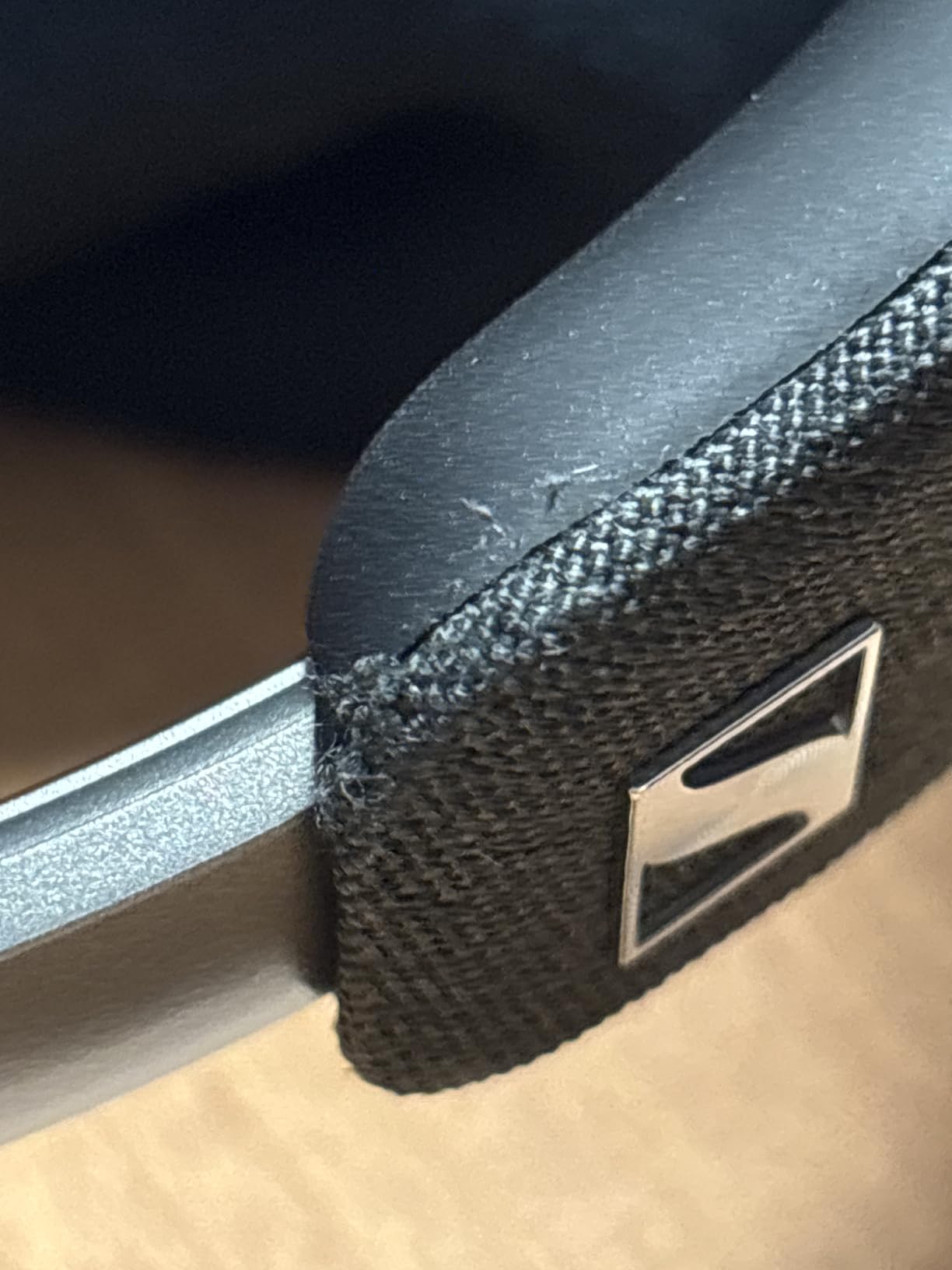
Comfort over long sessions
The large 42mm drivers bring their own consequence: the clamp is firm, and after a few hours some users find it tiring. It spreads pressure evenly rather than pinching, so the complaint is about sustained firmness rather than hotspots.
By contrast the battery is so far ahead that it changes how you use the headphones. I stopped charging them on a schedule entirely during the test.
Where it falls short
Buy this pair for sound, battery and call quality. Do not buy it because you want the quietest cabin on the market, because that is a different job and the Sony does it better.
The touchpad also takes practice, and the Smart Control Plus app needs a moment to learn. Neither is serious, but both add friction in the first week.
3. Bose QuietComfort – The Comfortable All-Day Pick
Bose QuietComfort Headphones – Wireless Bluetooth Headphones, Active Over Ear Noise Cancelling and Mic, USB-C Charging, Deep Bass, Up to 24 Hours of Playtime, Black
238g weight
24-hour battery
3.5mm cable works on a dead battery
Multipoint
Pros
- Featherweight 238g build with plush over-ear cushions
- Effective against steady hum and road noise
- Richer and punchier bass than the previous generation
- Works wired via the in-line mic cable on a flat battery
- Physical buttons plus multipoint
Cons
- Weaker against voices and television
- Adds a low-volume white noise floor
- Multipoint can select the wrong device
- 24-hour battery is short for the class
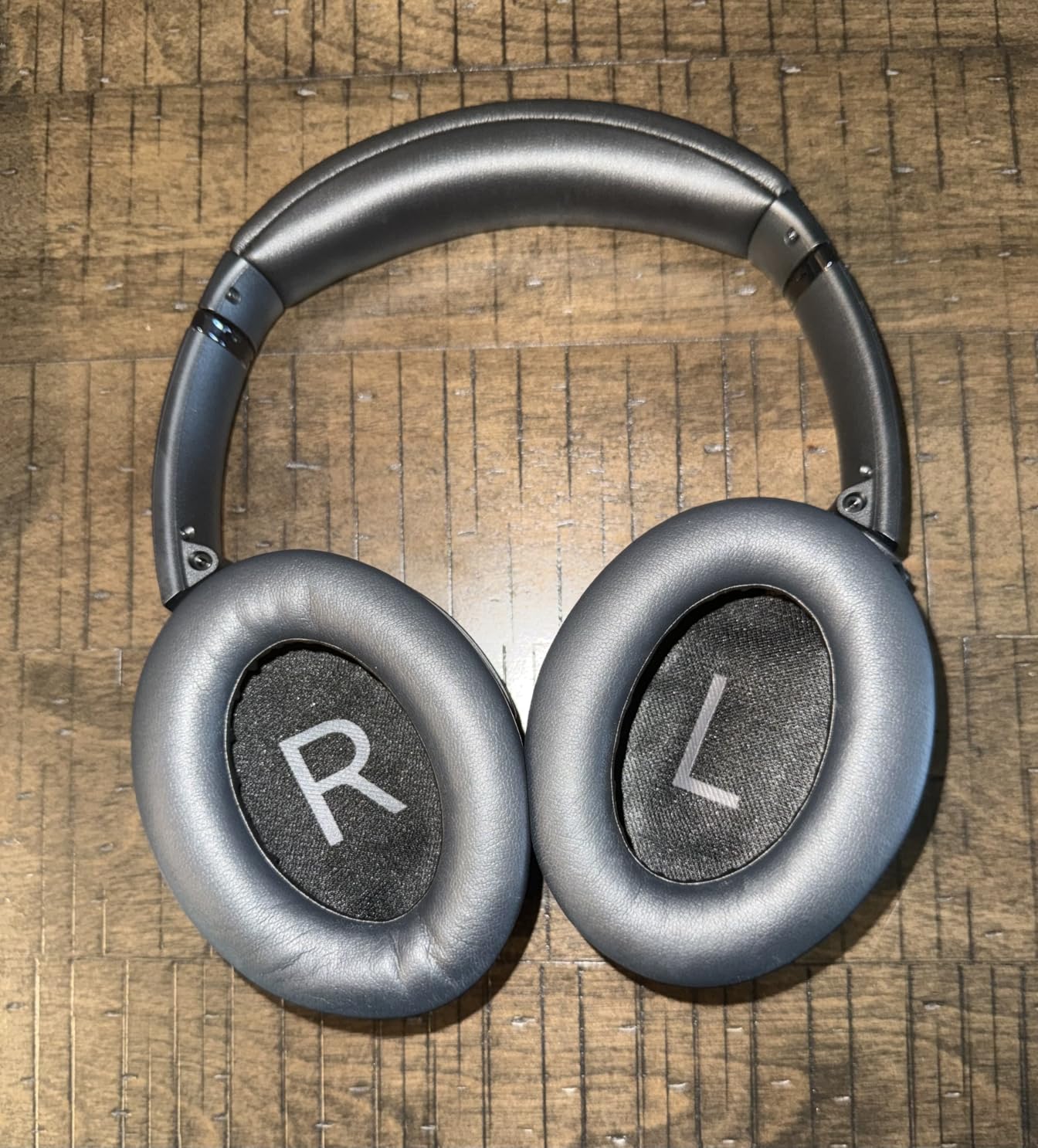
If comfort is the deciding factor, this is the pair. At 238g it is among the lightest designs we tested, and reviewers consistently describe it as the most comfortable over-ear they have owned.
The sound also improved meaningfully over the previous generation. Bass is deeper and punchier, the midrange is cleaner, and the adjustable EQ for bass, mids and treble is there if you want it, though most owners report needing far less correction than before.
The wired in-line mic cable works with no Bluetooth and no battery at all, which on a long-haul flight is the feature that rescues you when the cell dies. Multipoint and the physical buttons round out a control scheme that is easy to find without looking.
Noise cancellation is excellent against steady, unchanging sound such as air conditioning, fans and road hum. It is noticeably less effective against conversation and television, which are irregular by nature, and that limit is worth stating plainly rather than discovering mid-flight.
Why the passive fallback matters
Long-term owners on forums treat wired playback on a dead battery as a near-decisive feature, and the QuietComfort delivers it. It is a safety net that keeps the headphones working years after the cell is finished, which is exactly the failure mode that turns a good pair into e-waste.
Multipoint is less reliable here than elsewhere. Owners report that with several Apple devices paired at once, the connection can jump to the wrong one.
Where it falls short
Bose’s cancellation works partly by introducing a very low volume of white noise, and a minority of listeners find that irritating in a quiet room. If you are sensitive to that, demo before you commit.
The 24-hour battery is the shortest in this roundup, and it is a real weakness for anyone who forgets to charge. Everything else about this pair is a compromise in the right direction.
4. Beats Studio Pro – Best for Lossless USB-C Audio
Beats Studio Pro Premium Wireless Over-Ear Headphones- Up to 40-Hour Battery Life, Active Noise Cancelling, Great for Travel & Commuting, USB-C Lossless Audio, Apple & Android Compatible -Black
40-hour battery
USB-C lossless audio
3.5mm cable
Woven pouch case
Pros
- USB-C lossless audio plus a 3.5mm analogue option
- Up to 40-hour battery with a 10-minute Fast Fuel top-up
- Rich balanced tuning many prefer to Sony's
- Class 1 Bluetooth gives stable connections
- Works with Apple and Android pairing
Cons
- Maximum volume is about 25% lower than the previous Studio
- Clamp can feel tight and cause headaches with glasses
- ANC sits behind the Sony XM5
- Case is now a woven pouch not a hard shell
The Studio Pro is the only pair here that plays actual lossless audio over USB-C from a compatible device, and for anyone who edits or mixes and wants their monitoring to be honest, that is a differentiator nothing else in the list matches.
Musically, the custom acoustic platform is the surprise. A lot of owners prefer it to the Sony XM5 on sound alone, and the balance is more even than the bass-forward default that dominates this category. Spatial audio with personalised dynamic head tracking is well executed for films and supported on both Apple and Android devices.
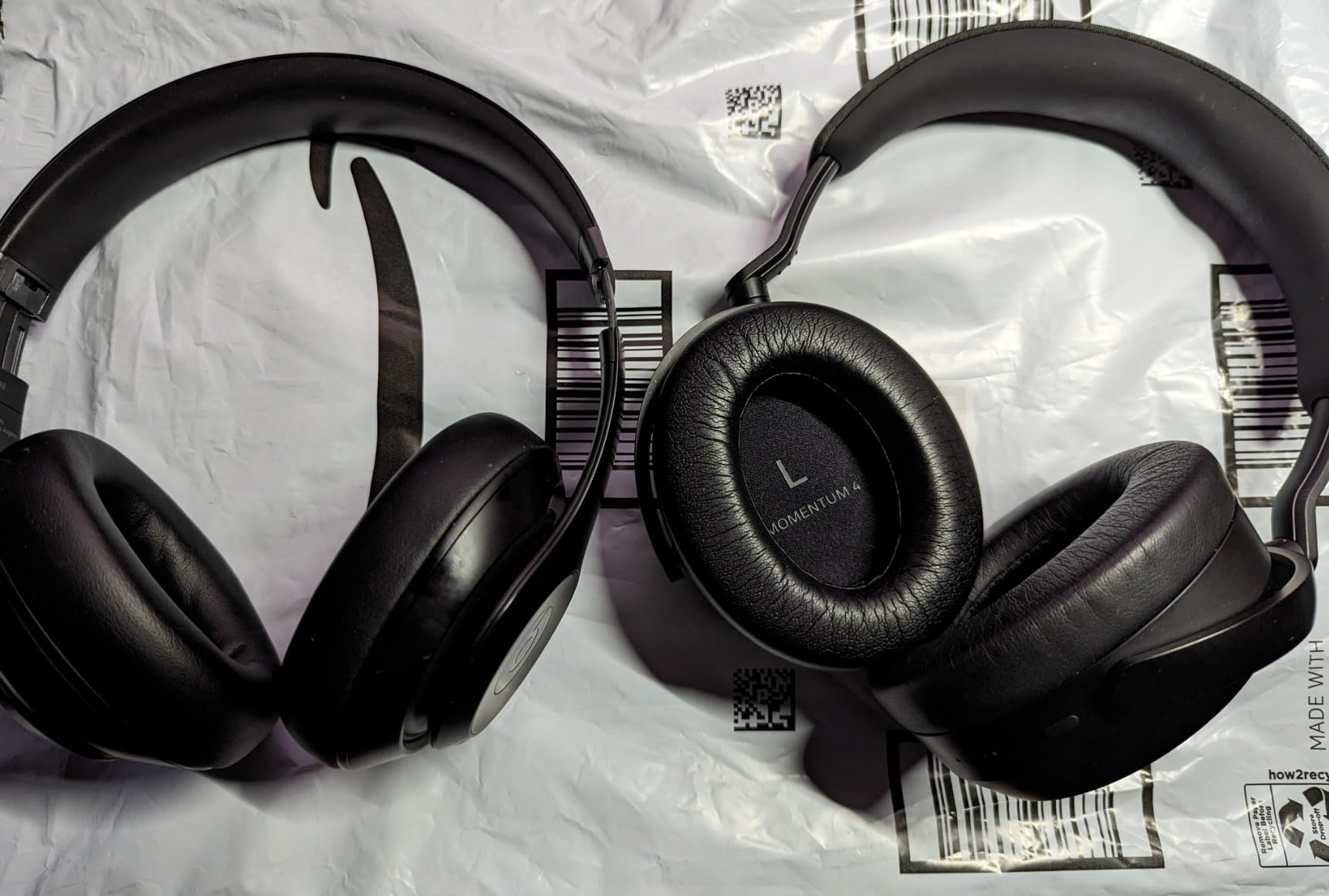
Fast Fuel gives up to four hours from a ten-minute charge, and the rated battery is 40 hours. Class 1 Bluetooth held a stable connection across the whole test, with no dropouts at all in six weeks of daily use.
The big complaint is volume. Maximum output is roughly 25% lower than the previous Studio generation, and plenty of owners read that as a regression rather than a design decision. I found it adequate for a desk and borderline for a noisy street.
Fit, glasses and the clamp
The UltraPlush cushions are genuinely soft and held up across long work sessions, but the clamping force is snug. Owners wearing glasses report headaches, which is the same seal-breaking problem that shows up with several pairs in this roundup.
Voice-targeting microphones reduce background noise on calls, which is better than most at this size but not the category best.
Where it falls short
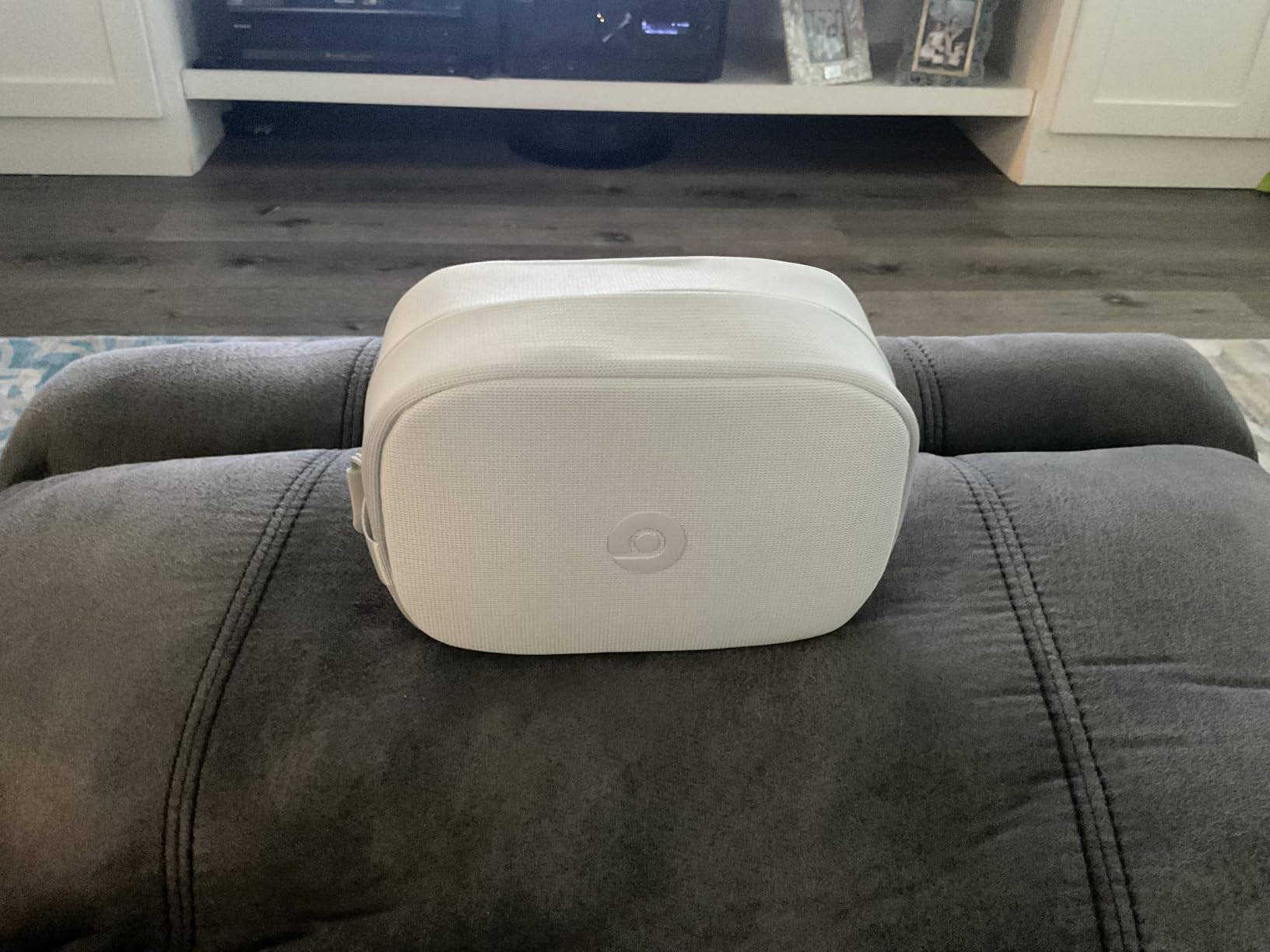
Two practical losses compared with the previous generation: the maximum volume drop, and the hard shell replaced by a soft woven pouch. If you travel hard or drop bags, the pouch offers far less protection.
ANC is good but sits behind the Sony XM5 in how wide a range of noise it removes. The Studio Pro is the better-sounding pair; the Sony is the quieter one.
5. Sony ULT WEAR – Best for Bass-Heavy Listening
Sony ULT WEAR Over-Ear Noise Canceling Wireless Headphones, Black
40mm drivers
30-hour battery
ULT 1 and ULT 2 modes
Swivel fold with hard case
Pros
- Dedicated ULT button with two bass modes for different genres
- Dual-processor noise cancelling with Sony's V1 processor
- 30-hour battery with 3-minute quick charge for 90 minutes
- Swivel fold design with a compact hard case
- Thermo-foaming cushions mould to the ears
Cons
- Bass-heavy default masks mids and treble until you use the EQ
- Plasticky build with creaking and yoke flex reported
- Lower volume ceiling than many rivals
- Occasional Bluetooth dropouts reported
There is a physical ULT button on the left cup, and it changes the character of the headphone in a way no EQ curve does. ULT 1 and ULT 2 give two levels of low-end lift, and for hip-hop, electronic and film scoring the low end is powerful without simply being louder everywhere.
What surprises people is that the noise cancelling uses the same dual-processor V1 platform as Sony’s 1000X range. At this money that is unusual, and it handles steady transit noise well for a mid-tier pair.
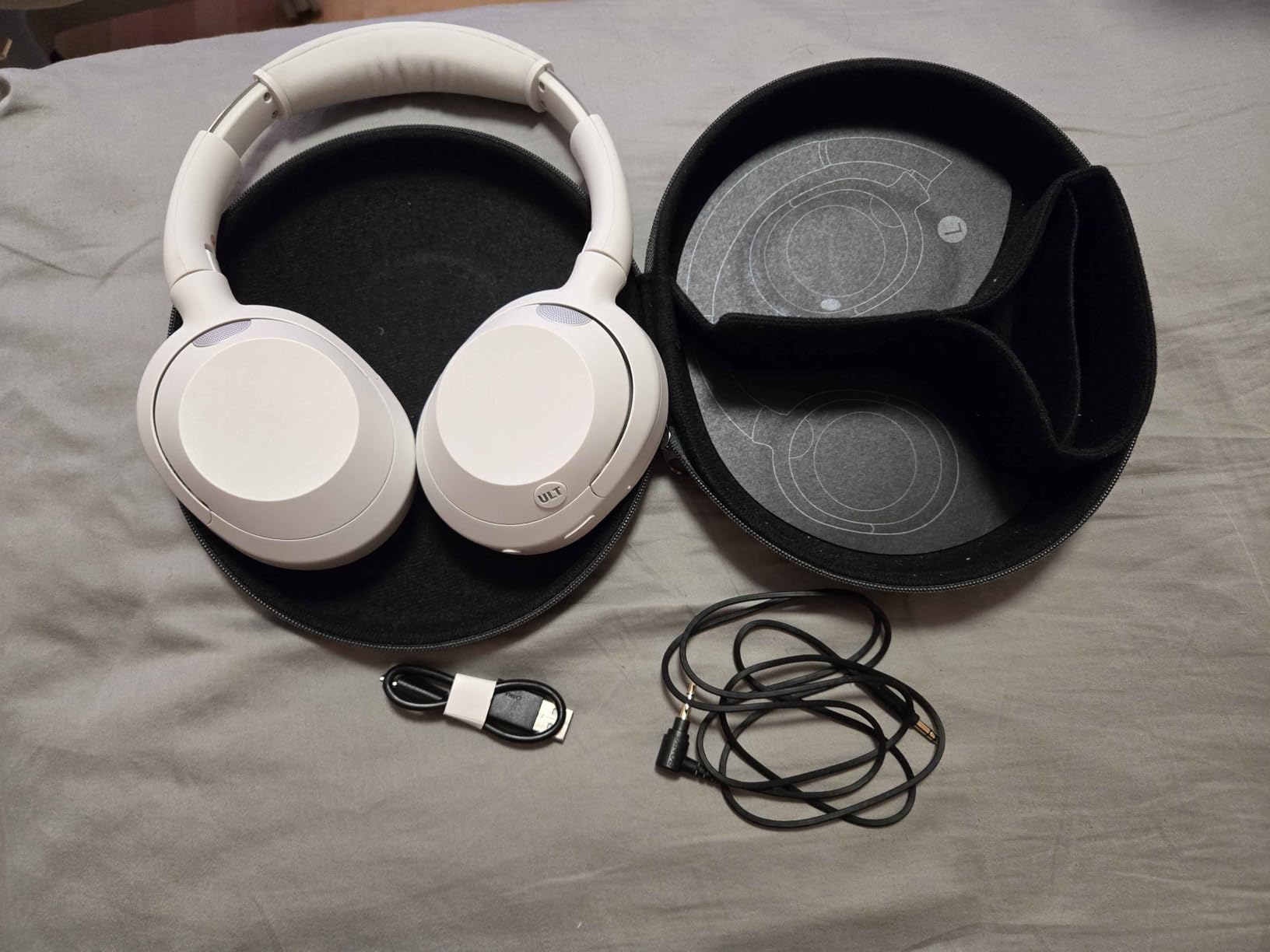
Thermo-foaming cushions mould to the shape of the ear and stayed comfortable through long sessions in our testing. Multipoint, wear detection and beamforming microphones for calls are all present, and the swivel fold design with a compact hard case is far more travel-friendly than the flagship Sony.
The problem is the default tuning. Bass-forward out of the box means the mids and treble get masked until you open the Sony app and pull it back, and the ULT button makes that worse if you leave it engaged for acoustic material.
Build quality and long-term use
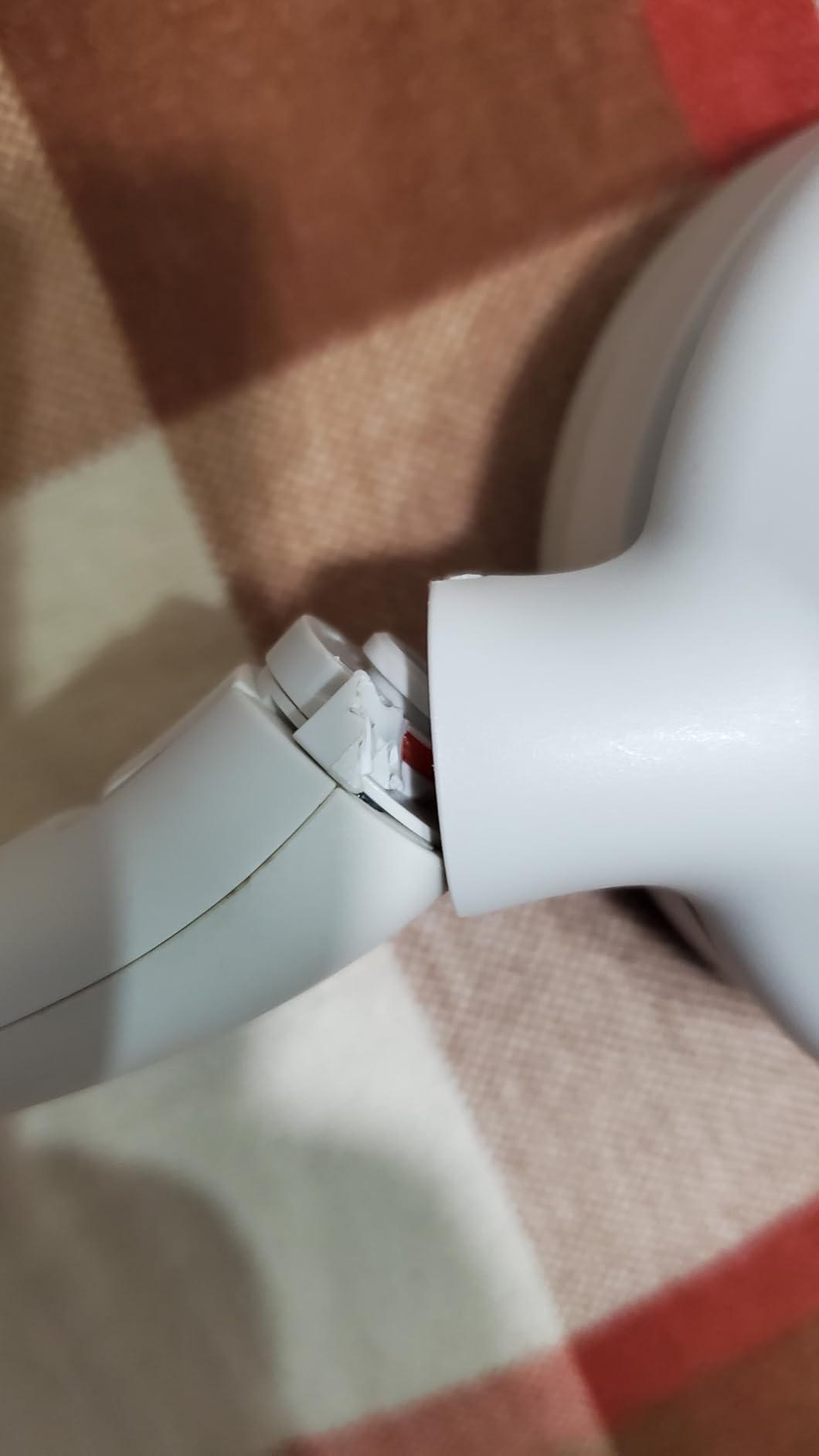
This is where the ULT WEAR is weakest. Owners report creaking, hinge and yoke flex, and a plasticky feel that does not match the specification sheet. The swivel hinge that makes it fold is also a moving part that flexes.
The volume ceiling is lower than many rivals and some owners add an amplifier to drive it, which tells you how that limitation lands in practice.
Where it falls short
Beyond the build, this is a bass-first headphone. If you want neutral or revealing sound for mixing and editing, the tuning fights you and so does the ULT button sitting right there.
Owners also report intermittent Bluetooth dropouts and the output switching between paired devices on its own. A small but real reliability concern. If you are mixing and monitoring, our headphones for audio editing guide covers better options for that job.
6. JBL Tune 770NC – Best Budget ANC With Long Battery
JBL Tune 770NC – Wireless Over-Ear Headphones – Black
32mm drivers
70-hour battery
Adaptive ANC
Bluetooth 5.3 with LE Audio
Pros
- 70-hour rated battery that many owners run for days with ANC on
- Adaptive Noise Cancelling with Smart Ambient and TalkThru
- Full app EQ with presets or a custom curve
- Folds flat with multipoint and a 3.5mm jack
- Light at 232g with good passive isolation
Cons
- Hinge joints are a reported failure point
- Small ear cups can feel cramped
- Modest maximum volume
- Lowest ANC setting mutes playback
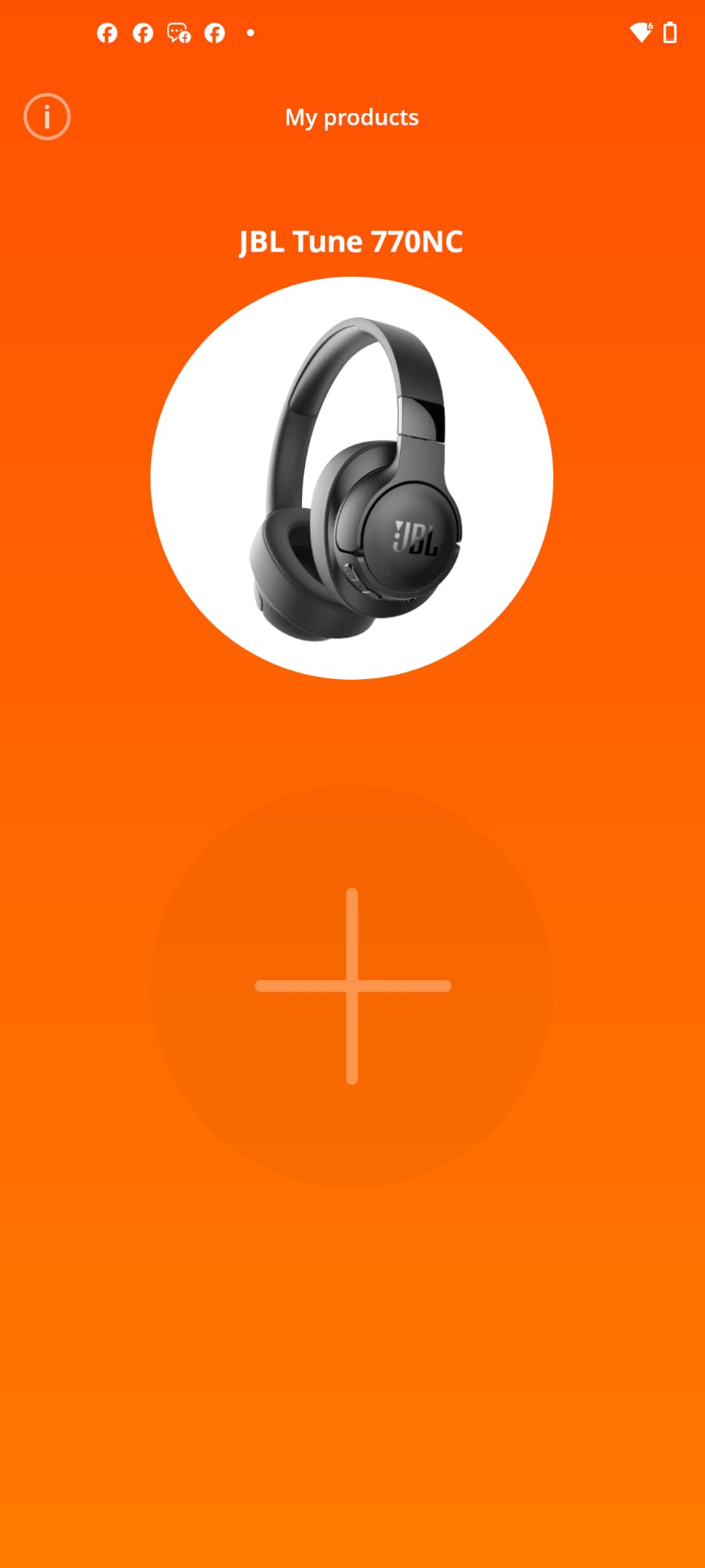
Seventy hours is a headline number that mostly reflects battery claims being generous, but even discounting for that this is one of the few budget pairs you can genuinely forget to charge. Many owners report running for days at a time, and plenty of them do it with ANC on.
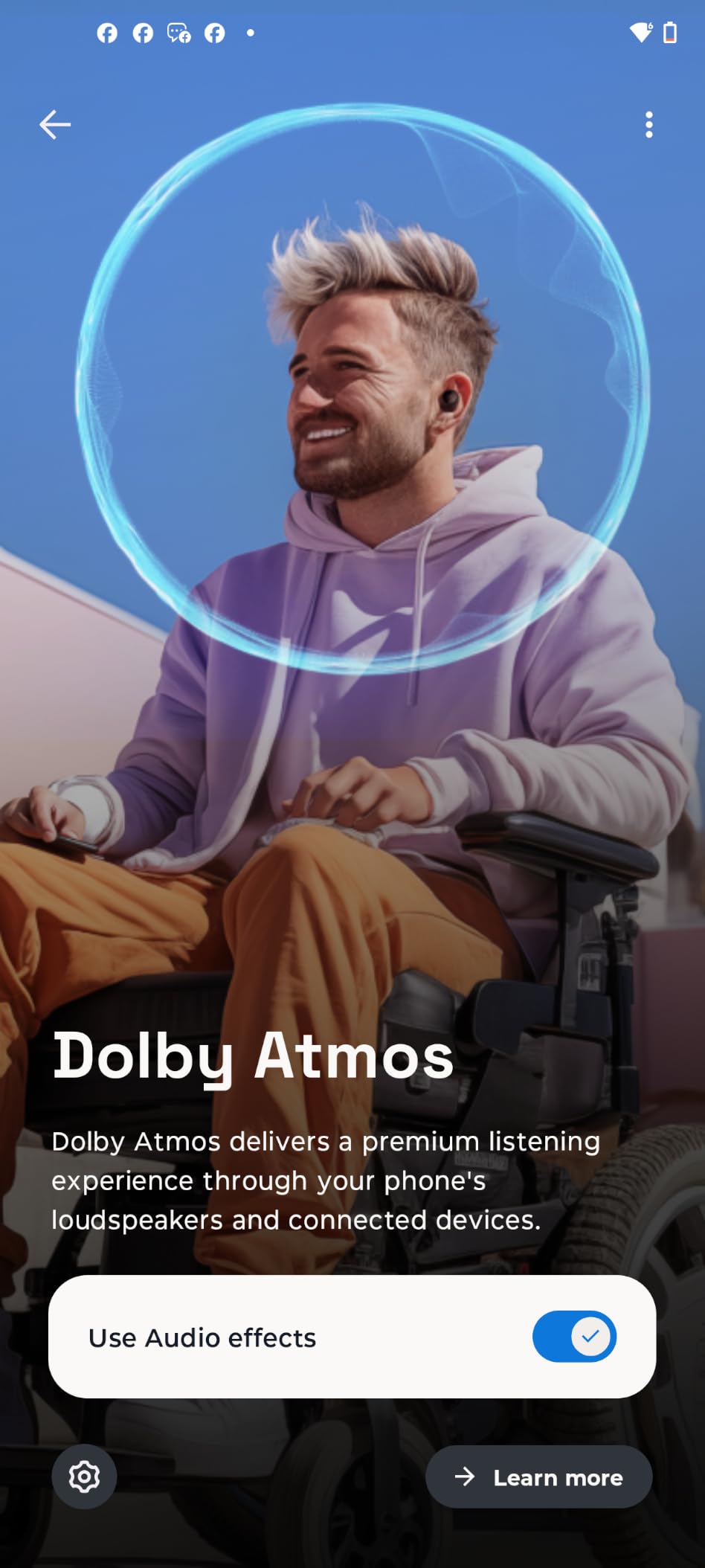
The app EQ is unusually good for the money. You get preset modes or a custom curve, which means the bass-forward JBL signature can be reshaped properly rather than nudged, and Bluetooth 5.3 with LE Audio is a modern radio for a budget product.
It folds flat, supports multipoint pairing, and includes a 3.5mm jack, which is more connectivity than most pairs twice the price offer. At 232g it is light, and passive isolation is good enough for an office without ANC.
Adaptive Noise Cancelling is effective against steady noise, and the Smart Ambient, Ambient Aware and TalkThru modes cover transparency properly. The one trap is the lowest ANC setting, which mutes playback while passing outside sound through, and that surprises people the first time.
Fit for larger ears
This is the pair most likely to disappoint someone with larger ears. The cups run slightly small, and owners report soreness after long sessions as a recurring theme. If you wear over-ear headphones for a full working day, test the fit before anything else.
The maximum volume is also modest, which matters if you listen in noisy environments without ANC engaged.
Where it falls short
Hinge durability is the main long-term worry. Owners report joint failures after several months, and the hinge is the same part that enables the flat fold, so it carries load every time it moves.
Everything else is a small-compound, small-cup limitation rather than a fault. For a first pair of noise-cancelling headphones it is remarkably complete.
7. JLab JBuds Lux ANC – The Budget All-Rounder
JLab, JBuds Lux ANC, Over Ear Headphones, Active Noise Cancelling, Bluetooth, Spatial Audio, Sage
40mm drivers
70+ hours wireless,40+ with ANC
Hybrid ANC up to 35dB
Two-year warranty
Pros
- Exceptional battery life with 40+ hours even with ANC on
- Hybrid ANC cuts up to 35dB of continuous noise
- Cloud Foam cushions avoid pressure points with glasses
- Mic quality rivals more expensive models
- Multipoint
- spatial audio and a two-year warranty
Cons
- Aware passthrough sounds boxy and tinny
- Cups trap heat and can feel clammy
- ANC handles steady noise far better than speech
- No 3.5mm jack and no hard case
The call microphones are the story here. Owners report the JBuds Lux ANC matching or beating pairs costing several times more on calls, and in a roundup where microphone quality is usually the neglected spec, that is worth paying attention to.
Battery is 70 hours wireless and 40 hours with ANC on, and the JLab app adds safe listening limits alongside EQ and ANC control. Hybrid ANC with up to 35dB of reduction does a credible job on engines, fans and air conditioning.
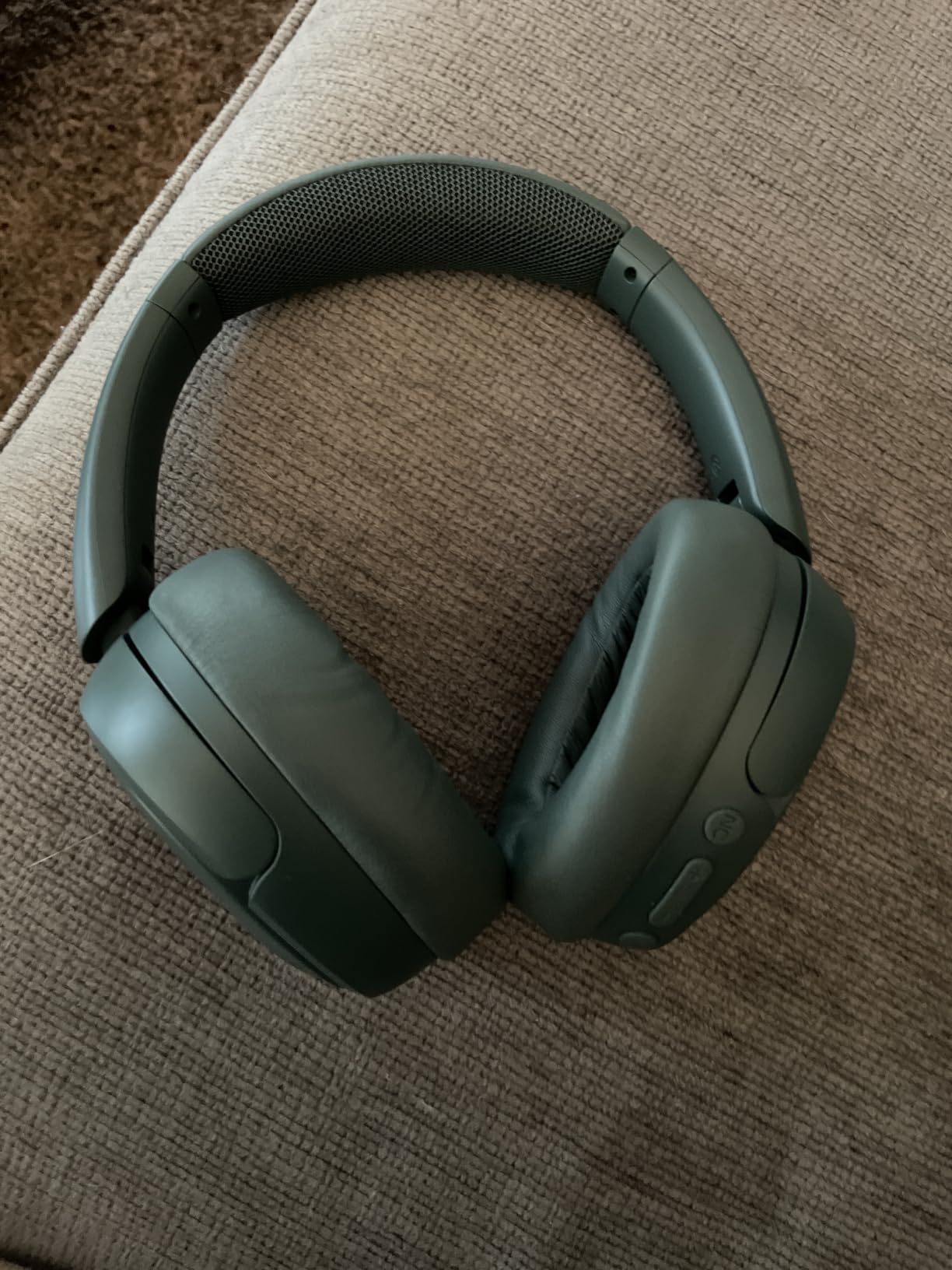
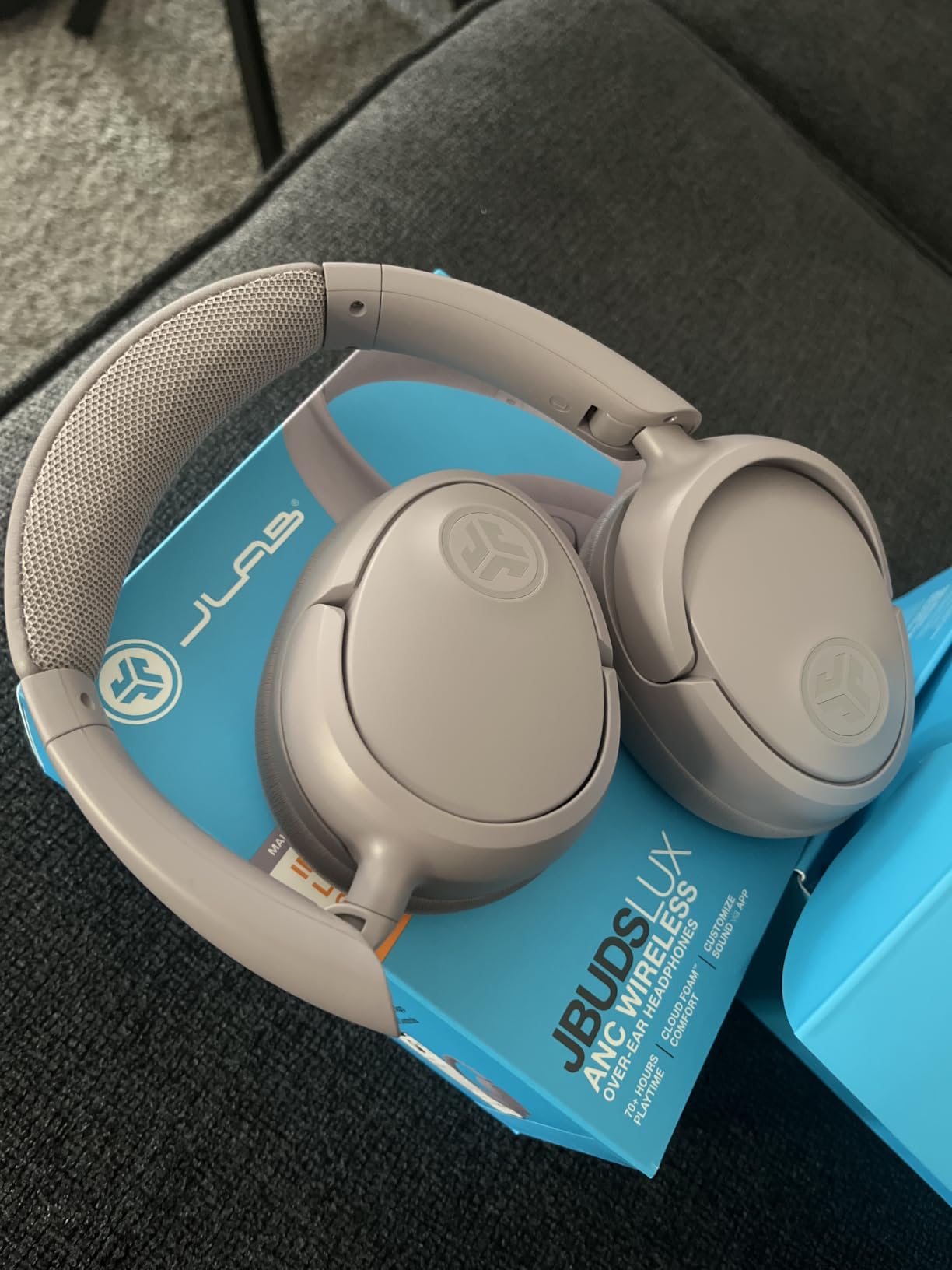
Cloud Foam cushions and a cushioned headband avoid pressure points well enough that glasses wearers specifically call them out, and the whole thing is water resistant. Multipoint, spatial audio with Dolby Atmos and Windows Sonic support, and a two-year warranty round out a package that is genuinely complete at this level.
The pass-through mode is the weak point. Aware mode sounds boxy and tinny next to Bose or Apple, and the cups do not breathe well, so they can feel warm and create a suction sensation with ANC running.
Who this pair is right for
If you take a lot of calls and you do not want to spend flagship money, this is the pick. The microphones, the battery and the two-year warranty cover the three things that matter most in a pair you will use every day for work.
It is also a good first over-ear pair for anyone who wants the over-ear comfort without flagship weight, at 235g.
Where it falls short
There is no 3.5mm jack and no included hard case, so a dead battery means no wired fallback, and travel protection is whatever you bring yourself.
ANC is a steady-noise tool rather than a broad-spectrum one. Speech and sudden sounds pass through, which is fine at a desk and less fine on a plane. The trapped-heat feeling is real for anyone wearing them for four hours straight.
8. Bose QuietComfort Ultra (2nd Gen) – Best for Movies and Spatial Audio
Bose QuietComfort Ultra Bluetooth Headphones (2nd Gen), Wireless Headphones with Spatial Audio, Over Ear Noise Cancelling with Mic, Up to 30 Hours of Play time, Black
30-hour battery,23 with Immersive Audio
Quiet Aware and Immersion modes
USB Voice
CustomTune
Pros
- Immersive Audio places sound convincingly in front of you
- Cinema Mode balances dialogue and effects
- Bose's most advanced noise cancelling with three modes
- CustomTune personalises sound to your ear shape
- USB Voice gives high-quality two-way calls over USB-C
Cons
- Very heavy at 0.48kg
- Immersive mode cuts battery from 30 to 23 hours
- Costs more than the standard QuietComfort for incremental gains
- Opinions split on whether spatial processing helps
If you watch a lot of film, the Cinema Mode is the feature that justifies this pair over the standard Bose QuietComfort. It spatialises the audio while balancing background sound against effects, so dialogue stays readable without turning the whole mix down, and Immersive Audio places sound convincingly in front of you rather than inside your skull.
Noise cancelling is Bose’s most advanced, with Quiet, Aware and Immersion modes, and Immersion combines cancellation with the spatial processing so you get both at once. USB Voice gives noticeably better two-way call quality over USB-C than a plain Bluetooth connection.
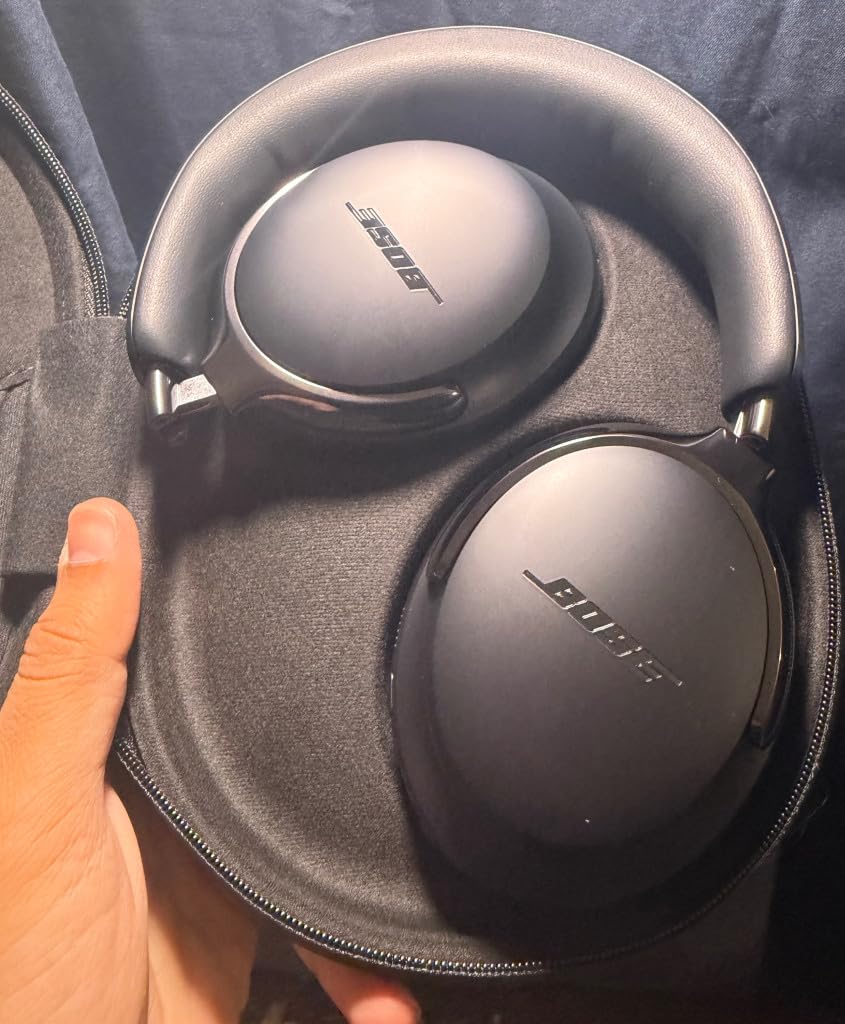
CustomTune analyses the shape of your ears and adapts the audio, which in practice means the tuning lands closer to the profile Bose intends for each person. The metal headband spreads pressure and the plush cushions are the softest in this roundup.
The weight is the counterweight to all of that. At 0.48kg this is one of the heaviest pairs here, and over a long session that mass becomes tiring on the crown. The battery also drops from 30 hours to about 23 when Immersive Audio is running.
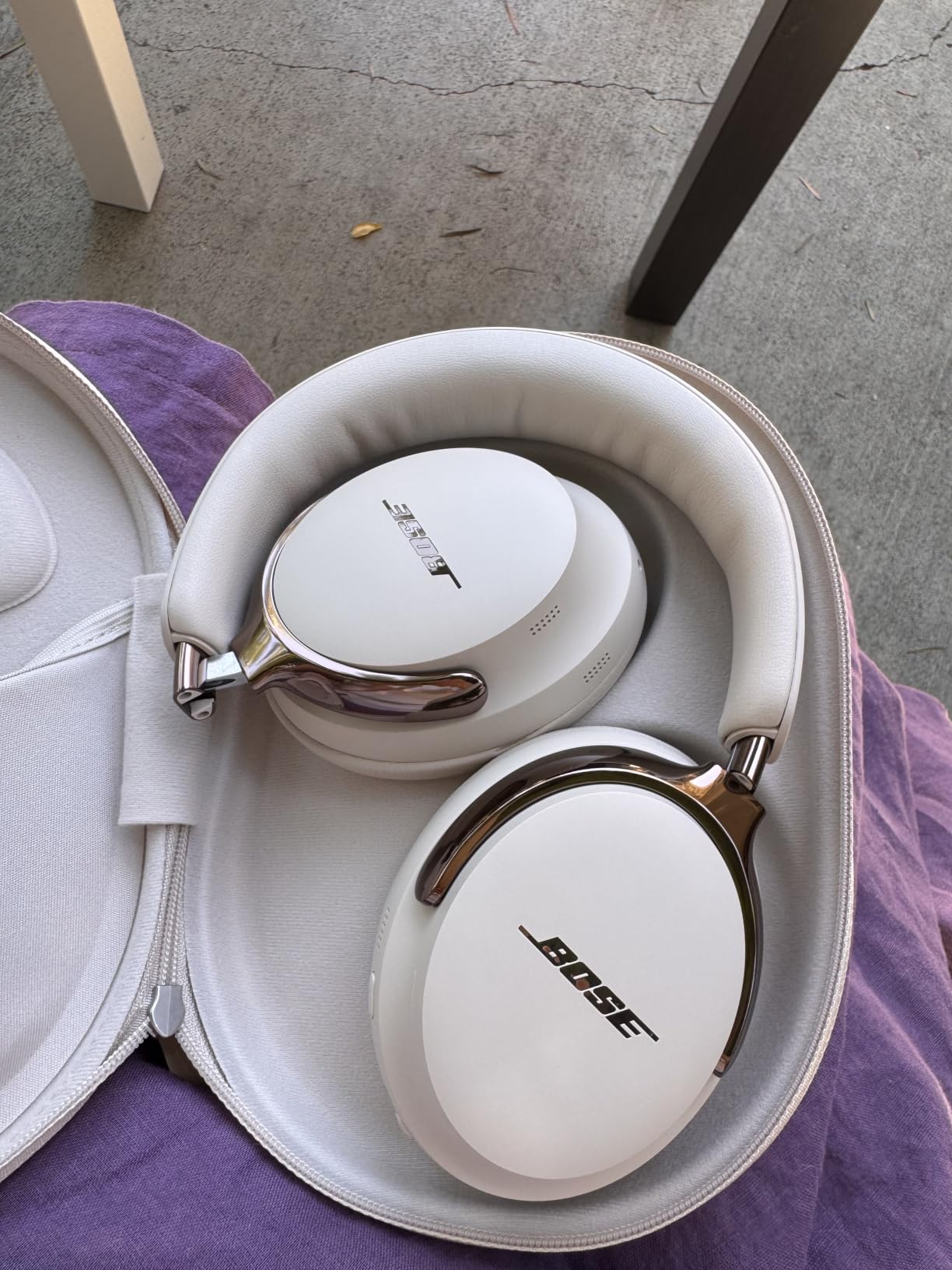
How it performs on a long flight
Quiet mode is the strongest single-mode cancellation in this list, which matters when the engine note is the thing you are fighting. Adding Immersion gives you the best film audio of any pair here at the cost of seven hours of battery.
The metal headband does spread weight well for most of the session. It is the last hour where the mass tells.
Where it falls short
You are paying a clear premium over the standard QuietComfort for largely incremental gains, and the lower QuietComfort on this list already delivers the comfort and the battery at a fraction of the mass.
Reviewers are genuinely split on whether the spatial processing adds to or subtracts from the underlying sound. If you are listening critically, turn it off before you judge the tuning.
9. Anker Soundcore Q30 – The Most Reviewed Pick Here
Soundcore by Anker Q30 Hybrid Active Noise Cancelling Headphones, Black
40mm silk drivers
50 hours with ANC,70 without
Three ANC modes
18-month warranty
Pros
- Hybrid ANC with dual mics filters up to 95% of low-frequency noise
- Three ANC modes for transport outdoor and indoor
- 50 hours with ANC and up to 70 without
- 5-minute charge gives 4 hours
- Wired aux playback works on a flat battery
Cons
- Struggles with sharp transient noise
- Heavy V-shaped default EQ needs correcting
- Pleather headband and pads can flake after years
- Short included charging cable
With close to 97,000 reviews this is the most examined over-ear headphone in the roundup, and the consistency of the feedback is remarkable: people love the value, tolerate the tuning once they fix it, and report the same long-term weakness in the pads.
Hybrid ANC with dual microphones filters up to 95% of low-frequency ambient noise, and three modes let you match cancellation to the environment rather than using one setting everywhere. Forty millimetre silk-diaphragm drivers reach up to 40kHz, which is on paper more than the price suggests.
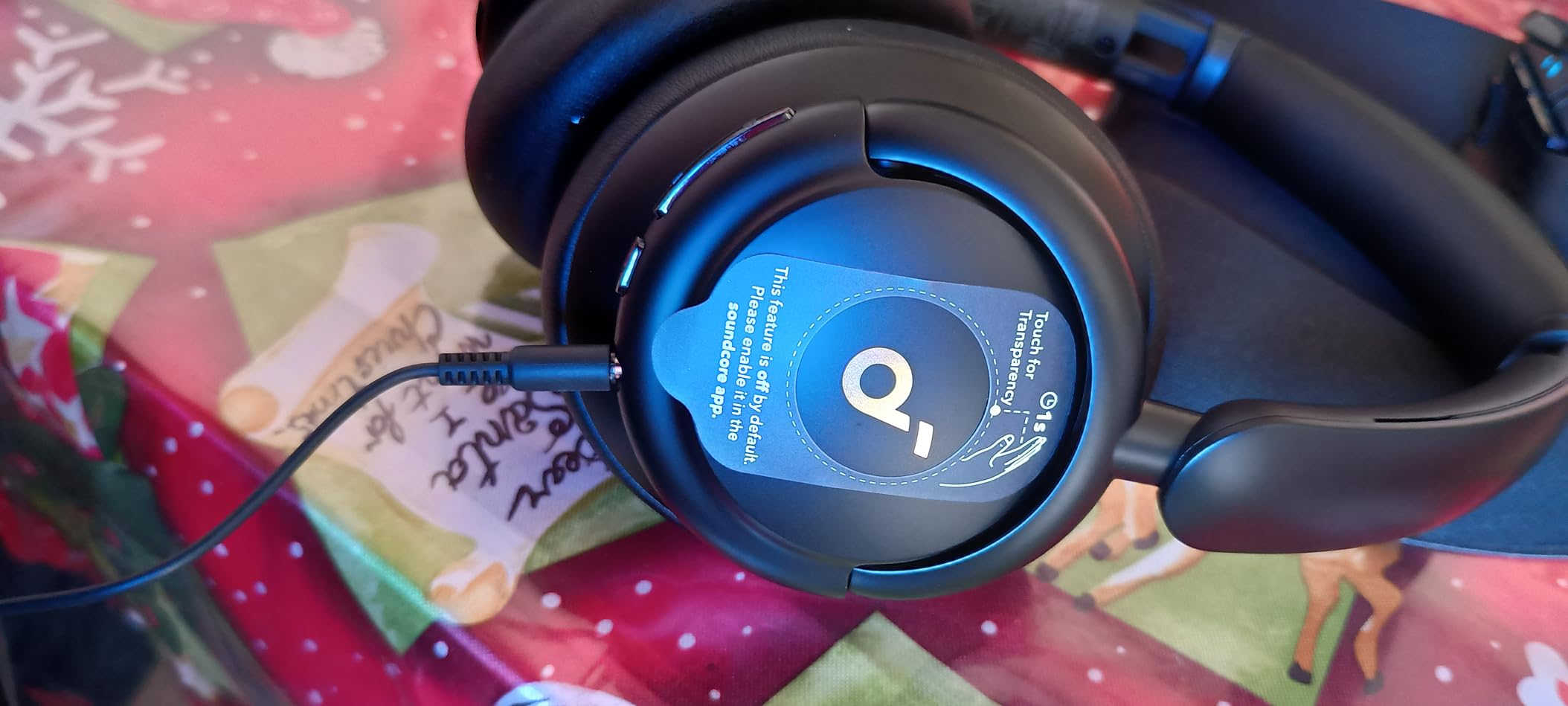
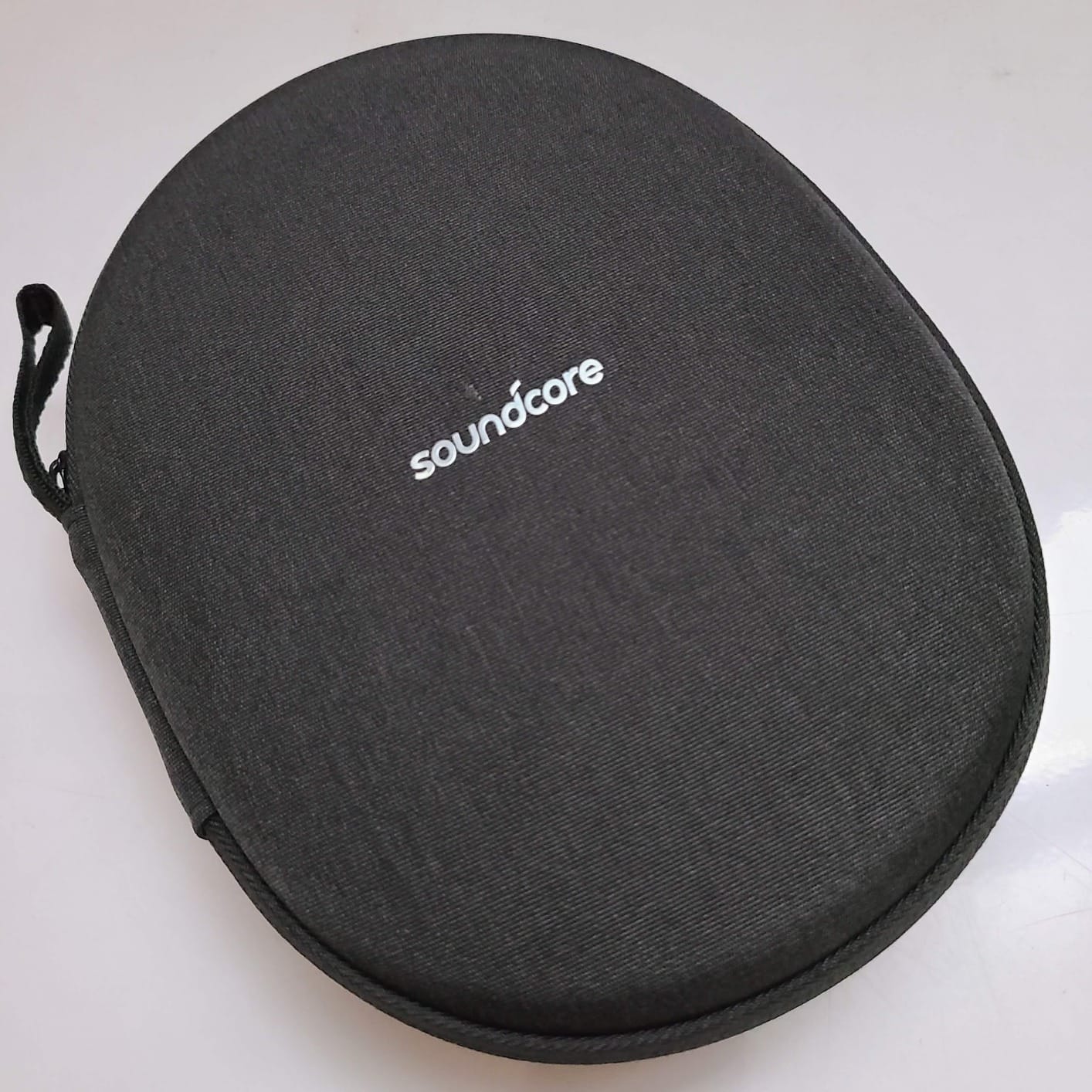
It works wired through the included aux cable even with a flat battery, and it has a 3.5mm jack, a hard plastic case, an 18-month warranty and protein leather memory foam earcups. A five-minute charge gives roughly four hours of playback.
Noise cancellation is a low-frequency tool. Steady engine and road noise disappears; a slammed car door or a barking dog does not. ANC is also not available at all over the aux cable, which is worth knowing before you plan a wired flight.
Living with it for months
Long-term owners report the pleather headband and earcups eventually flaking or cracking after several years of heavy use, which is the durability ceiling of this price range made explicit. Budget for pad replacement sooner than you would with a pair costing several times as much.
The default EQ is a heavy V-shape, and most buyers correct it in the app within a week. It ships sounding bloated out of the box.
Where it falls short
The included charging cable is short, which is genuinely awkward for charging while you are wearing them, and it is a strange thing to complain about on a pair this capable.
Against sharper transient noise it trails every premium pair here, and the default tuning needs a correction that some people never bother to make. If you buy one thing on the strengths of the ANC and the battery, you will be satisfied for years.
10. JBL Tune 720BT – Longest Battery Without ANC
JBL Tune 720BT – Wireless Over-Ear Headphones with JBL Pure Bass Sound, Bluetooth 5.3, Up to 76H Battery Life and Speed Charge, Lightweight, Comfortable and Foldable Design (Black)
40mm drivers
76-hour battery
Speed Charge
3.5mm jack,220g
Pros
- Longest rated battery in this roundup at 76 hours
- Speed Charge restores hours in 15 to 20 minutes
- 220g is light with no heavy clamping
- Survives gym use travel and being dropped in bags
- 3.5mm jack plus multipoint pairing
Cons
- No active noise cancelling
- pads sit closer to on-ear and can be tight for glasses wearers
- Bass-forward for anyone wanting neutral sound
- App EQ only works while connected to a phone
- Plastic hinge is a reported failure point
Put these on a desk and forget about them. Seventy-six hours is the longest rated battery of anything we tested, and Speed Charge restores most of it in fifteen to twenty minutes, so a missed charge is a non-event.
There is no active noise cancelling here at all, just passive sound isolation, and that is a deliberate trade rather than a shortfall. What you gain is a pair that is lighter, simpler, and considerably tougher than the ANC-equipped budget alternatives.
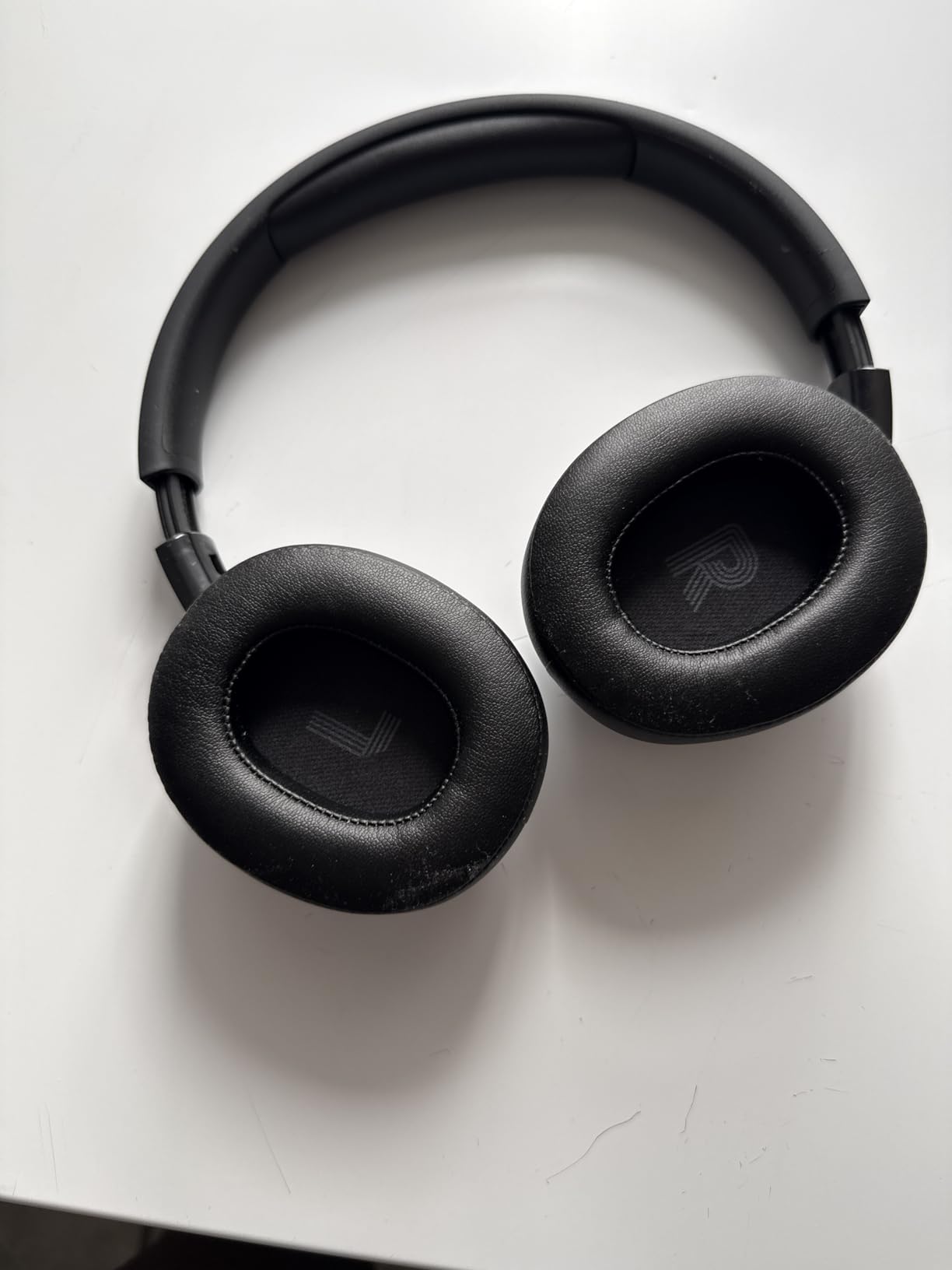
JBL Pure Bass gives a wide, deep soundstage that works well for films and casual listening, and the app EQ pulls the bass back for anyone who finds it too much. The fit is light rather than plush, with no heavy clamping, so comfort varied more than most owners expected.
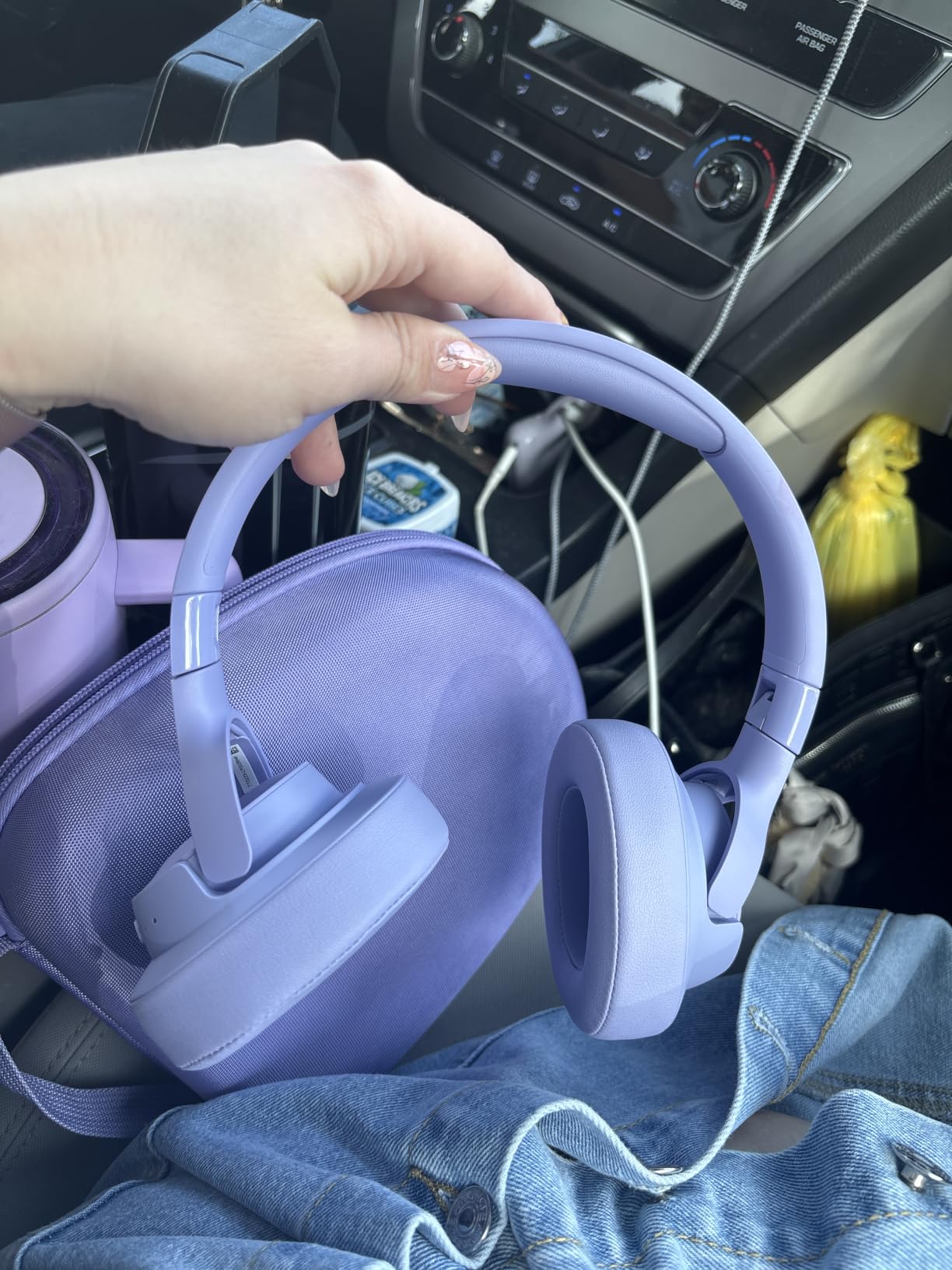
Durability is a genuine strength. Owners report these surviving gym use, travel and being dropped into bags without complaint, which is a different kind of value entirely from a spec sheet.
Who should buy a pair with no ANC
Anyone who listens in a quiet room, watches a lot at home, or wants a pair that will not be destroyed by a gym bag. If noise is not part of your environment, spending money on cancellation circuitry buys you nothing.
Multi-point pairing and the 3.5mm jack mean they also work as a straightforward wired pair, which is handy at a desk.
Where it falls short
The pads sit closer to on-ear than true over-ear, so larger ears and glasses wearers can find them tight over long periods. The plastic hinge connecting the cups is a reported failure point even though the body itself is durable.
The app EQ only works when connected to a phone, not a laptop or Chromebook, which is a real limitation if your main listening device is a computer. The bass-forward signature also will not please anyone who wants a neutral reference sound.
How to Choose the Best Over-Ear Headphones
The right pair depends less on the spec sheet than on three questions: where you will wear them, how long you will wear them, and whether your phone can feed them the audio they are capable of. Work through those and the decision makes itself.
Over-ear, on-ear or open-back?
Over-ear cups enclose the ear entirely, which blocks more external noise, stays comfortable longest and delivers the widest soundstage and most consistent bass of any portable form factor. The cost is bulk and heat, since the ear is sealed in an unventilated space. On-ear designs rest on the head with smaller pads, which are cooler and lighter but clamp the ear and block far less.
Open-back versus closed-back is a different axis. Open-back designs let sound in and out, which gives you a room-filling, natural presentation for home listening but leaks your music to everyone in the room and gives up isolation completely. Closed-back designs are what every pair on this list uses, and they are the only sensible choice for a commute or an office.
Do you actually need ANC?
Active noise cancellation works by detecting outside sound and generating an inverse signal to cancel it. It is at its best against steady, low-frequency sound like engines, air conditioning and road hum, and weakest against voices, keyboards and sudden noise, which is why every owner report on the XM5 and the Bose describes the same boundary.
There are real drawbacks to consider. ANC adds weight, it can alter the tuning slightly, and on some models it does not work at all in wired mode. The Anker Soundcore Q30 is the clearest example: its aux cable gives great passive playback but disables cancellation entirely. A dead battery can also mean no music at all, unless the pair supports passive wired listening, which is why we treat the wired fallback as a first-class feature throughout this guide.
Which codecs matter for your phone?
Codecs decide how much detail survives the trip from your phone to the headphones. AAC and SBC are universal. LDAC and aptX Adaptive, which the Sennheiser Momentum 4 supports, carry more detail but only work with compatible hardware, and that hardware is mostly Android. On an iPhone, those extra codecs simply are not available, so the practical gap between them narrows to almost nothing.
Multipoint, which lets two devices stay connected at once, is more valuable day to day than any codec. Latency matters if you are gaming, and if that is your use case, check the gaming picks in our headphones for video editing roundup.
Comfort, weight and the glasses problem
Comfort is impossible to predict from a spec sheet because it depends on pad depth, clamping force, headband padding and the shape of your head. Weight tells you part of the story: anything above roughly 250g starts to tell on the crown over four hours, which is why the 0.48kg Bose Ultra is the least comfortable pick in our roundup despite its very plush cushions.
Glasses are the single most common fit complaint in owner feedback. Temple arms push the pads outward and break the seal, which lets noise in, thins the bass and increases clamping pressure at the same time. Deeper pads help, thinner headbands help, and lower clamping force helps. Try before you commit wherever you can.
Battery longevity, repairability and safe listening
Batteries fail first, and on most headphones the cell is sealed inside, which turns a worn-out battery into a whole new purchase. Look for a user-replaceable cell, a charge-limiting setting in the app, and replaceable ear pads, because pads harden with age and a hardened pad is a broken seal. A 3.5mm jack is the simplest insurance of all.
On volume, the 60-60 rule is a reasonable starting point: no more than 60% of your device’s maximum volume, for no more than 60 minutes at a time. Take breaks, and remember that ANC removes background noise so you tend to turn the music up without noticing. If you have existing tinnitus or hearing changes, speak to a clinician rather than relying on a general rule. For monitoring work specifically, read our headphones for sound design guide before choosing anything with heavy bass shaping.
Frequently Asked Questions
What are the best brands of over-ear headphones?
The strongest brands split by specialty. Sony leads on noise cancellation, with eight microphones and an Auto NC Optimizer on the WH-1000XM5. Bose leads on comfort and passive isolation, and its QuietComfort at 238g is among the lightest pairs in our roundup. Sennheiser and Bowers and Wilkins lead on sound quality and tuning, with the Momentum 4 offering aptX Adaptive and 42mm transducers. Anker Soundcore, JBL and JLab lead on value, with multi-day battery life and hybrid ANC. For studio and critical listening, Audio-Technica and Beyerdynamic remain the wired standards.
What is the 60-60 rule for headphones?
The 60-60 rule is a guideline for safe listening: keep your volume at no more than 60% of your device’s maximum, and listen for no more than 60 minutes per session before taking a break. It is not a medical standard, but it is a simple habit that limits cumulative exposure. Noise cancelling makes this more important, not less, because removing background noise encourages you to turn the music up without noticing.
Why do ANC headphones feel weird?
Most people notice a pressure or suction sensation, or occasional popping, when active noise cancelling is running. Low-frequency cancellation changes the acoustic environment around your eardrum, and your brain interprets the missing low end as a change in pressure. It is normal and not a fault. If it bothers you, lower the cancellation level, switch to a transparency mode, or use the headphones in passive mode with ANC off.
What are the potential side effects of using noise-cancelling headphones?
The commonly reported effects are ear fatigue from prolonged clamping, a pressure sensation from ANC itself, warmth and moisture inside closed earcups, and headaches in people who wear glasses. Sensitive listeners can find high levels aggravating existing tinnitus. Taking regular breaks, lowering volume, and choosing a pair that does not clamp hard are the practical mitigations. Anyone with existing hearing concerns should speak to a clinician.
Are there any potential problems with noise-cancelling headphones?
Yes, and they are consistent across models. ANC can subtly alter the tuning of your music, and some listeners dislike the low-volume white noise floor that some implementations introduce. On several models, ANC does not work in wired mode at all. If the battery dies, some pairs stop playing music entirely unless they support passive wired listening. ANC hardware also adds weight, which becomes uncomfortable over long sessions.
What are the most comfortable ANC headphones?
In our roundup the Bose QuietComfort is the most comfortable, at 238g with plush over-ear cushions and an adjustable padded headband, one of the lighter designs in the roundup. It is also the pair most owners describe as the most comfortable they have owned. Comfort is a function of three things you can check: weight, pad depth and clamping force. Anything significantly over 250g starts to tell on the crown after several hours.
Why are Gen Z wearing wired headphones?
Two reasons, and neither is primarily performance. The first is aesthetic: a cable and a retro design are a visible style choice in a way earbuds are not. The second is a battery that does not run out and a connection that cannot drop, multitask or be tracked the way a wireless pair can. There is also a real audio argument, since a wired connection avoids Bluetooth compression entirely and avoids the ecosystem lock-in that comes with wireless features.
How long do over-ear headphones last?
Expect two to five years for a pair, and the limiting factor is almost always the battery rather than the drivers. On wireless models the cell is usually sealed inside, so a worn-out battery means replacing the headphones. Look for a user-replaceable battery, a charge-limiting setting, and replaceable ear pads, since hardened pads break the passive seal and reduce both bass and noise cancellation. Hinges and yokes are the second most common mechanical failure point.
Our Final Verdict on the Best Over-Ear Headphones in 2026
After six weeks of daily use, the Sony WH-1000XM5 remains the best over-ear headphone overall. Its eight-microphone array with Auto NC Optimizer handled every environment we threw at it, and no other pair here was as consistent across all four. Its weaknesses, the missing fold and shallow pads, are real but they do not stop it being the safest recommendation for most people.
Buy the Bose QuietComfort if comfort outranks everything. Buy the Sennheiser Momentum 4 if you want to charge your headphones once a month. Buy the Anker Soundcore Q30 if you want 97,000 owners’ worth of consensus at the lowest outlay on this page.
Last updated in October 2026. We re-test this list whenever a meaningfully better pair appears, and we will tell you which pick changed and why.