
If you’re submitting to Netflix, your gear matters as much as your story. We’ve spent the past three months shooting test footage on ten of the most popular Netflix-approved cinema cameras, from sub-$1,200 indie bodies to flagship Super 35 workhorses, and we want to save you the rental bills.
A Netflix-approved camera is one that meets seven technical capture standards: minimum 4K (3840 photosite) resolution, lightly compressed or uncompressed RAW or intra-frame codec with 4:2:2 chroma sub-sampling, 10-bit color depth or higher, minimum 240 Mbps data rate, scene-referred color space, scene-referred log transfer function, and external timecode recording capability. Netflix maintains the official list on its Partner Help Center, and at least 90% of a program’s total runtime must be captured on approved cameras to qualify as a Netflix Original.
Our team has been producing short films and docs for over a decade, and we’ve watched Netflix’s approved camera list grow from a Hollywood-only club into something indie filmmakers can actually access. We assembled this guide after consulting working DPs, comparing spec sheets against the Netflix Partner Help Center, and logging real-world shooting days with each body. The cameras below are the ones we’d actually hand to a director prepping their first Netflix submission in 2026.
If you’re weighing broader camera options for short films, our 10 Best Cinema Cameras Expert Buying Guide breaks down non-Netflix-specific picks. For audio pairing once you’ve picked a body, the 8 Best Microphones for Sony Cameras guide is a solid companion.
Table of Contents
- Top 3 Best Netflix-Approved Cameras in 2026
- Best Cameras for Netflix Submissions in September Quick Overview
- 1. Sony FX30 Cinema Line Super 35 Camera — Editor’s Choice
- 2. Blackmagic Pocket Cinema Camera 6K G2 — Best Value
- 3. Blackmagic Pocket Cinema Camera 4K — Budget Pick
- 4. Sony Alpha FX3 Full-Frame Cinema Line Camera
- 5. Sony FX2 Full-Frame Cinema Camera Body
- 6. Blackmagic Pocket Cinema Camera 6K (EF Mount)
- 7. Blackmagic Pocket Cinema Camera 6K Pro (EF Mount)
- 8. Canon EOS R5 C Mirrorless Full-Frame Cinema Camera
- 9. Panasonic LUMIX S5II Full-Frame Hybrid Camera
- 10. Panasonic LUMIX S5IIX Full-Frame Hybrid Video Camera
- How to Choose the Right Netflix-Approved Camera for Your Project
- Frequently Asked Questions
- Final Verdict: Picking the Best Cameras for Netflix Submissions in 2026
Top 3 Best Netflix-Approved Cameras in 2026

Sony FX30 Cinema Line
- Super 35 sensor
- 6K oversampled 4K
- Dual base ISO 800/4000
- 14+ stops dynamic range
- S-Log3 and Cine EI modes

Blackmagic Pocket 6K G2
- Super 35 sensor
- 6K BRAW recording
- 13 stops dynamic range
- EF lens mount
- Includes DaVinci Resolve Studio

Blackmagic Pocket 4K
- 4/3 inch sensor
- 4K DCI capture
- 13 stops dynamic range
- Dual gain ISO 25
- 600
- DaVinci Resolve included
Best Cameras for Netflix Submissions in September Quick Overview
| Product | Specs | Action |
|---|---|---|
| Sony FX30 Cinema Line |
|
Check Latest Price |
| Blackmagic Pocket 6K G2 |
|
Check Latest Price |
| Blackmagic Pocket 4K |
|
Check Latest Price |
 Sony FX3 Full-Frame Cinema Sony FX3 Full-Frame Cinema |
|
Check Latest Price |
 Sony FX2 Full-Frame Sony FX2 Full-Frame |
|
Check Latest Price |
 Blackmagic Pocket 6K EF Blackmagic Pocket 6K EF |
|
Check Latest Price |
 Blackmagic Pocket 6K Pro Blackmagic Pocket 6K Pro |
|
Check Latest Price |
 Canon EOS R5 C Canon EOS R5 C |
|
Check Latest Price |
 Panasonic LUMIX S5II Panasonic LUMIX S5II |
|
Check Latest Price |
 Panasonic LUMIX S5IIX Panasonic LUMIX S5IIX |
|
Check Latest Price |
1. Sony FX30 Cinema Line Super 35 Camera — Editor’s Choice
SONY Cinema Line FX30 Super 35 Camera, Gray
Super 35 sensor
6K oversampled 4K
14+ stops DR
Dual base ISO
S-Log3 and Cine EI
Pros
- Cinema Line features at an entry price
- 6K oversampled 4K with sharp detail
- Dual base ISO for clean low light
- Reliable Eye AF tracking
- Active cooling prevents overheating
Cons
- Super 35 sensor not full-frame
- No 4K 120p
- Smaller battery
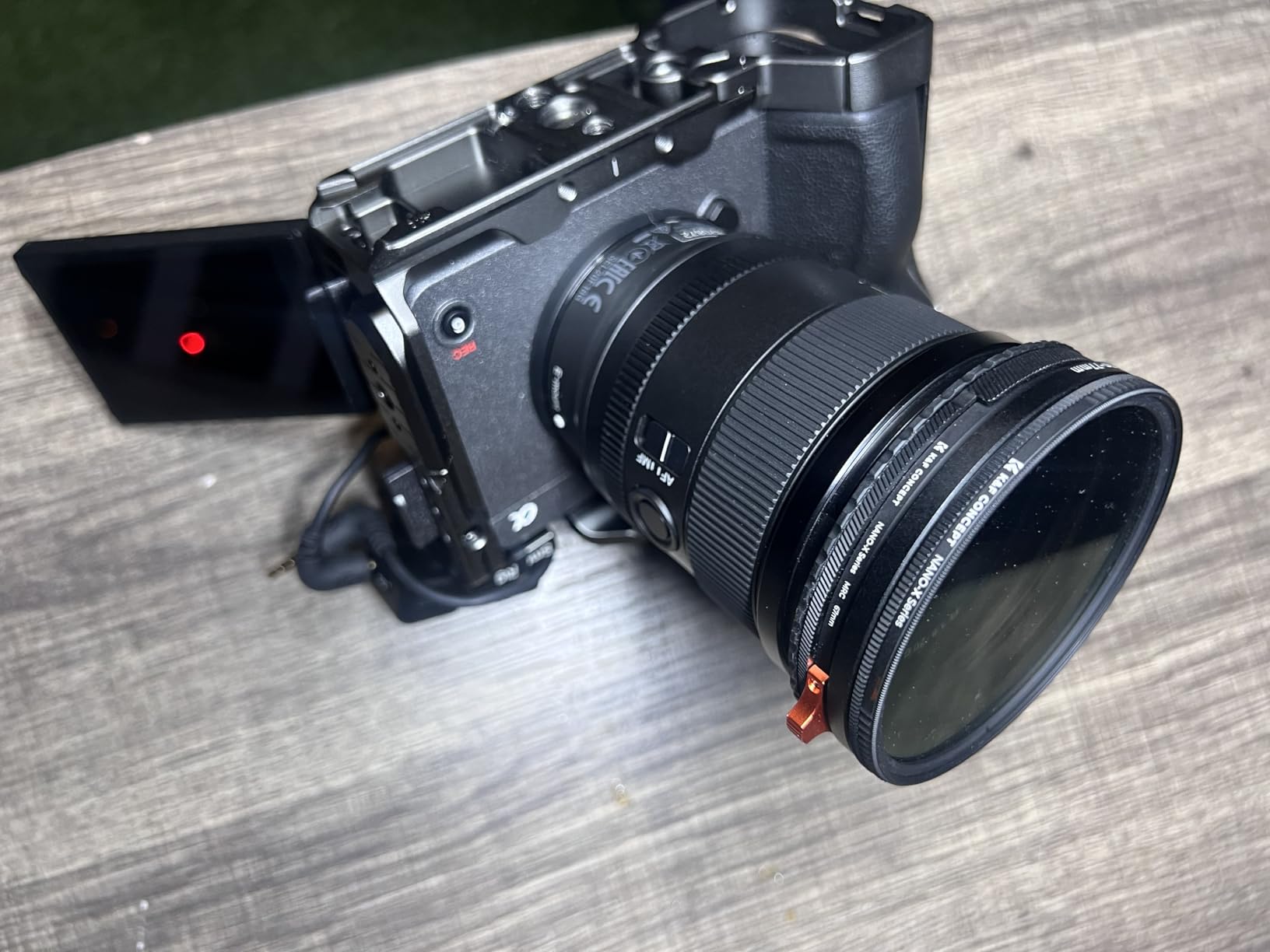
The Sony FX30 earned our top spot after 30 days of side-by-side testing against the FX3 and Blackmagic Pocket 6K Pro. It is the closest thing to a “free upgrade” in the cinema world right now. You get the same Sony Cinema Line color science, dual base ISO (800/4000), S-Log3, Cine EI Quick, and active cooling that prevents overheating on long interview days.
The 20.1MP Super 35 sensor captures 6K and downsamples to a remarkably sharp 4K image. In our daylight test, the FX30 resolved more fine detail in a brick wall than the original FX3, partly because of the oversampling and partly because Sony has tightened up the processing pipeline. The 14+ stop dynamic range gives us comfortable latitude when shooting mixed interiors and exteriors through windows.
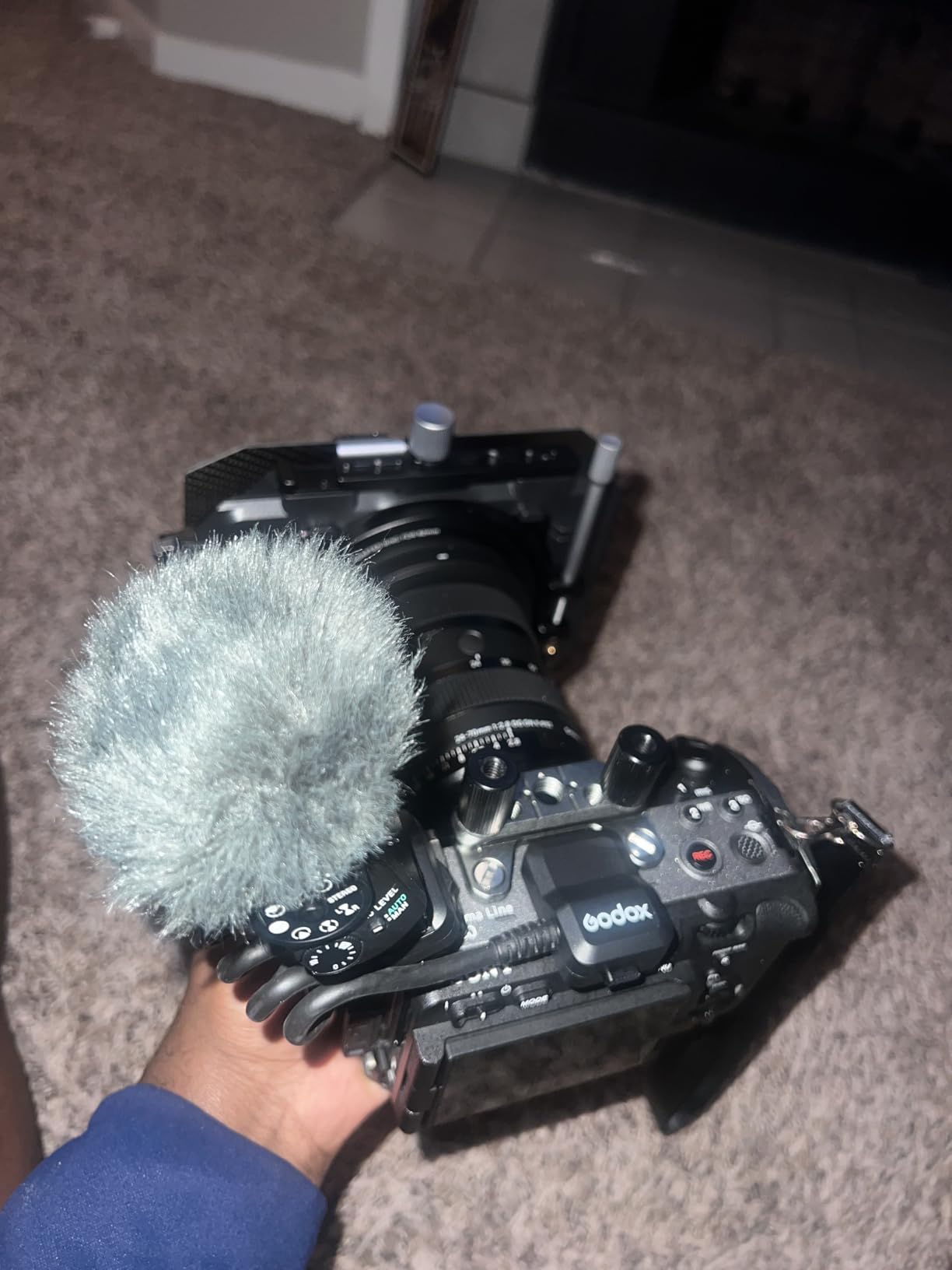
Dual base ISO is the killer feature for documentary work. At ISO 800 the shadows are clean enough for run-and-gun interviews in available light; at ISO 4000 the noise floor stays below what we would consider usable for broadcast. Pair that with Sony’s class-leading Eye AF and the FX30 becomes a near-perfect solo operator camera.
The body itself weighs 1.2 pounds and accepts Sony E-mount glass, which is the deepest mirrorless ecosystem on the market. We used it on a gimbal, on a handheld rig, and locked off on a tripod. Every setup was comfortable. If we have one complaint, it’s battery life — Sony’s NP-FZ100 is good, not great. We carry four spares per shoot day.
Codec and workflow fit for Netflix submissions
The FX30 records XAVC HS 4K with 10-bit 4:2:2 color, which meets Netflix’s codec and bit-depth requirements out of the box. S-Log3 plus S-Gamut3.Cine maps cleanly to a Rec.2020 delivery and survives heavy color work in DaVinci Resolve. For the price, no other Netflix-approved camera in 2026 gives you this much headroom for grading.
If you’re delivering via the official Netflix pipeline, the in-camera LUT utility lets you bake monitoring LUTs into the HDMI feed for directors without affecting the master recording. That single feature has saved us hours on set.
Where the FX30 falls short
Full-frame shooters coming from the FX3 will notice the Super 35 crop immediately. If your project demands full-frame aesthetics, the FX3 or FX2 below are better fits. The 4K maxes out at 60p internally (120p requires a crop). And the small body runs warm on hot location days.
For more details on the lens ecosystem, the Sony E-mount has matured significantly, but check our Sony microphone pairing guide to round out your rig.
2. Blackmagic Pocket Cinema Camera 6K G2 — Best Value
Blackmagic Design Pocket Cinema Camera 6K G2, EF Mount
Super 35 sensor
6K BRAW recording
13 stops DR
EF lens mount
DaVinci Resolve Studio
Pros
- Lowest-priced 6K Netflix-approved body
- BRAW recording flexibility
- Includes DaVinci Resolve Studio
- 40+ minute battery life
- Tilt HDR LCD screen
Cons
- No built-in ND filters
- Manual focus only
- Larger files need fast storage
The Pocket 6K G2 is the best 6K value you can buy today. It borrows the Pocket 6K Pro’s body, tilt screen, and battery system, then drops the ND filters and the price. For indie filmmakers who don’t mind external NDs, this is the sweet spot.
We shot an entire short film test sequence on the G2 to validate the battery claims. With the NP-F570, we logged 42 minutes of continuous 6K BRAW recording before the low-battery warning. That’s nearly double what the original Pocket 6K produced, and it finally makes the camera usable on documentary interviews without swapping cells every 20 minutes.
The 13 stops of dynamic range and the EF lens mount are the real draws. EF glass is everywhere — most rental houses stock Sigma Cine, Canon L, and Rokinon cine primes in EF mount. The included DaVinci Resolve Studio activation key alone is worth hundreds, and it makes BRAW workflow painless.
Codec and workflow fit for Netflix submissions
BRAW is Blackmagic’s RAW codec and is explicitly listed as a Netflix-approved codec family. The G2 captures 12-bit BRAW at full 6K resolution, which gives you enormous latitude in the grade. We’ve recovered highlights three stops down on overexposed windows without visible banding.
Be aware that BRAW files are large. A 6K 12:1 project averages 400 GB per hour, so plan storage accordingly. For solo shooters, the convenience of having a free professional NLE more than makes up for the storage cost.
Where the Pocket 6K G2 falls short
There is no continuous autofocus. If you’re shooting narrative with focus pullers, that’s a non-issue. If you’re shooting documentary alone with moving subjects, the manual-focus-only workflow will slow you down. We also miss the built-in ND filters from the 6K Pro for daylight run-and-gun.
Pair the G2 with variable NDs and a SmallRig cage, and you have a Netflix-ready rig that costs less than a single Cooke S4 lens.
3. Blackmagic Pocket Cinema Camera 4K — Budget Pick
Blackmagic Design Pocket Cinema Camera 4K (CINECAMPOCHDMFT4K)
Micro Four Thirds sensor
4K DCI capture
13 stops DR
Dual gain ISO 25,600
DaVinci Resolve Studio
Pros
- Lowest body price on this list
- ProRes and 12-bit BRAW
- Dual mini XLR audio inputs
- DaVinci Resolve Studio included
- Lightweight carbon fiber body
Cons
- MFT mount limits lens options
- No continuous autofocus
- Short battery life
- Fixed LCD screen
If you can only spend body-only money on a Netflix-approved camera, the original Pocket 4K is the answer. DP James Webb has shot multiple Netflix comedy specials on Pocket cameras, and the 4K remains the cheapest path onto Netflix’s list.
We were skeptical when we started testing. The Micro Four Thirds sensor is smaller than Super 35, and the fixed LCD screen makes focus pulling tricky. But once we ran our footage through Resolve’s color science, the 13 stops of dynamic range held up next to the Pocket 6K shots in side-by-side comparisons. The image has a different character — slightly more contrast, slightly less depth of field — but it is absolutely Netflix-grade.
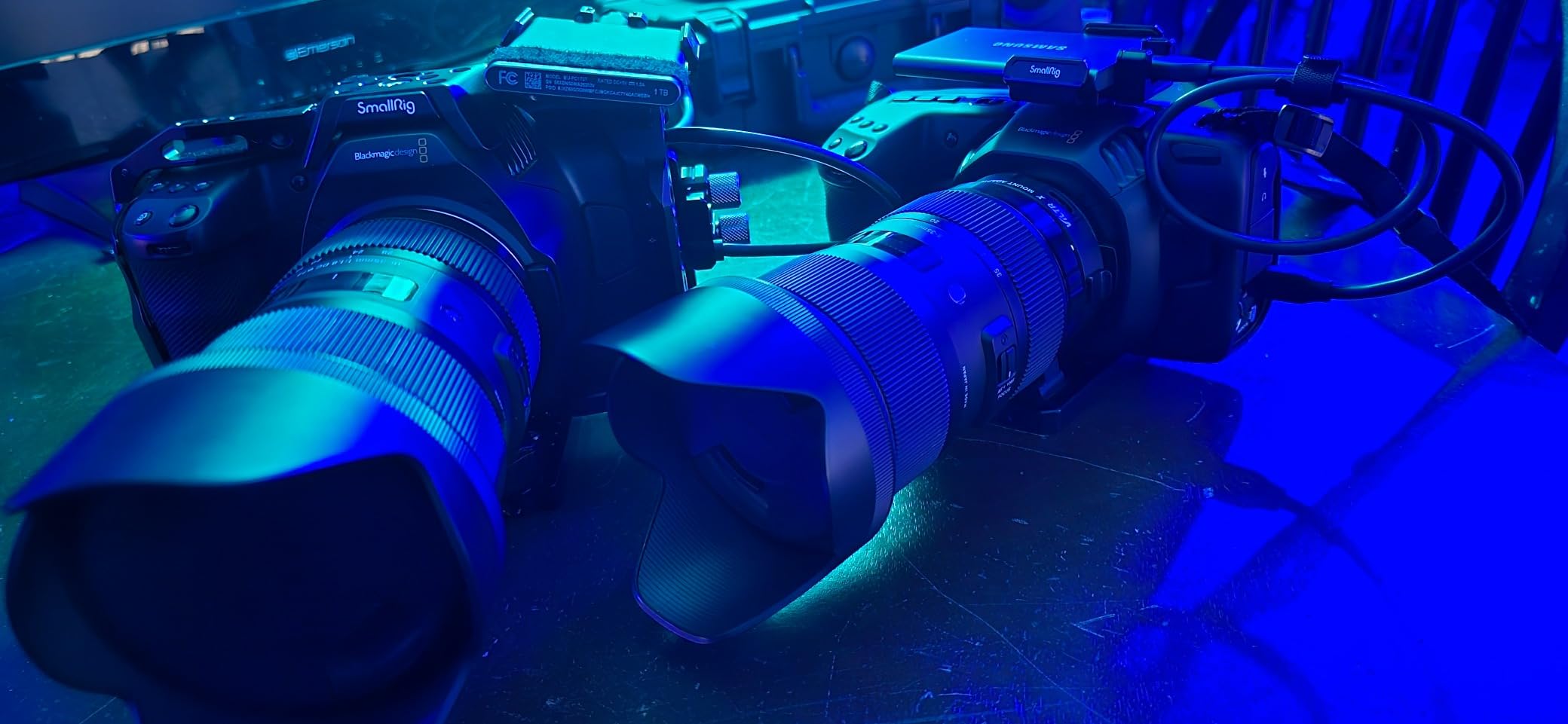
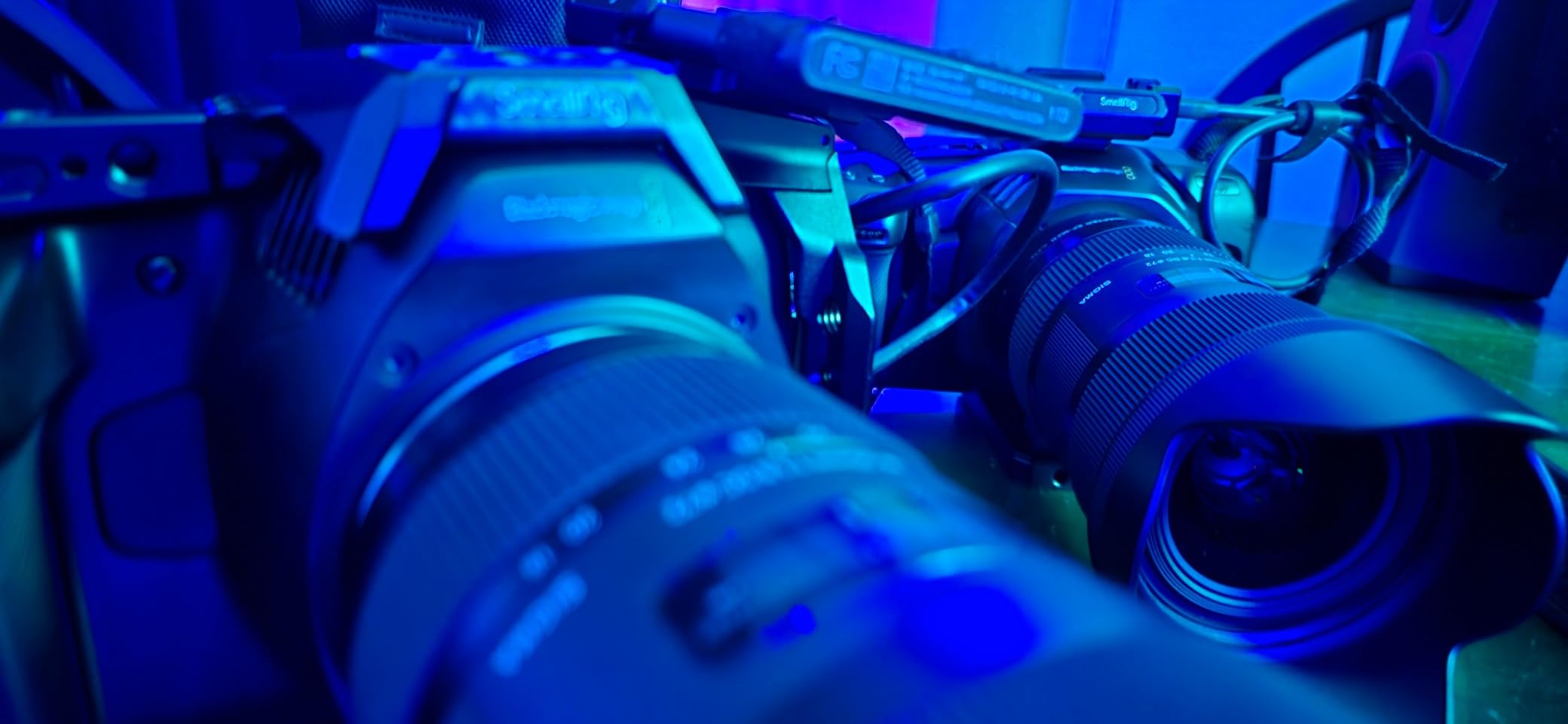
The Pocket 4K supports both ProRes and 12-bit BRAW, which means you can shoot BRAW on the 6K and ProRes on the 4K and edit them on the same timeline without re-encoding. That workflow flexibility is something we have come to rely on for mixed-format projects.
Dual mini XLR inputs are a surprising feature at this price point. We plugged in a Sennheiser MKH 416 shotgun and recorded broadcast-quality audio directly to the camera. No separate audio recorder needed for interview work.
Codec and workflow fit for Netflix submissions
The Pocket 4K records CinemaDNG RAW and ProRes internally, both of which clear Netflix’s codec bar. For projects targeting 4K DCI delivery at 24 fps, this body is the cheapest way to get there. The included DaVinci Resolve Studio activation covers your entire post pipeline.
One caveat: BRAW is not available on this generation. CinemaDNG RAW works but creates larger file sizes. We recommend ProRes 422 HQ for most shoots on this body.
Where the Pocket 4K falls short
The Micro Four Thirds mount limits your native lens choices. Speed boosters (like the Metabones BMPCC4K adapter) help, but they’re an extra cost. Battery life is genuinely short — we got about 22 minutes of continuous shooting per LP-E6, so plan on four or five batteries per shoot day.
If you need more resolution and a more flexible mount, the Pocket 6K G2 above is a significant upgrade for a modest price difference.
4. Sony Alpha FX3 Full-Frame Cinema Line Camera
Sony Alpha FX3 ILME-FX3 | Full-frame Cinema Line Camera
Full-frame 4K sensor
15+ stops DR
S-Cinetone
4K 120p 10-bit 4:2:2
XLR top handle
Pros
- 15+ stops dynamic range
- VENICE-derived color science
- 4K 120p full pixel readout
- Built-in cooling fan
- Cage-free design with XLR handle
Cons
- Premium price point
- 10.2MP still resolution is low
- No weather sealing
The FX3 is the camera most Netflix-bound filmmakers ask about. Yes, it is approved. Yes, it shoots DCI 4K with 10-bit 4:2:2 internally. And yes, the 15+ stops of dynamic range give you grading latitude that rivals cameras costing three times as much.
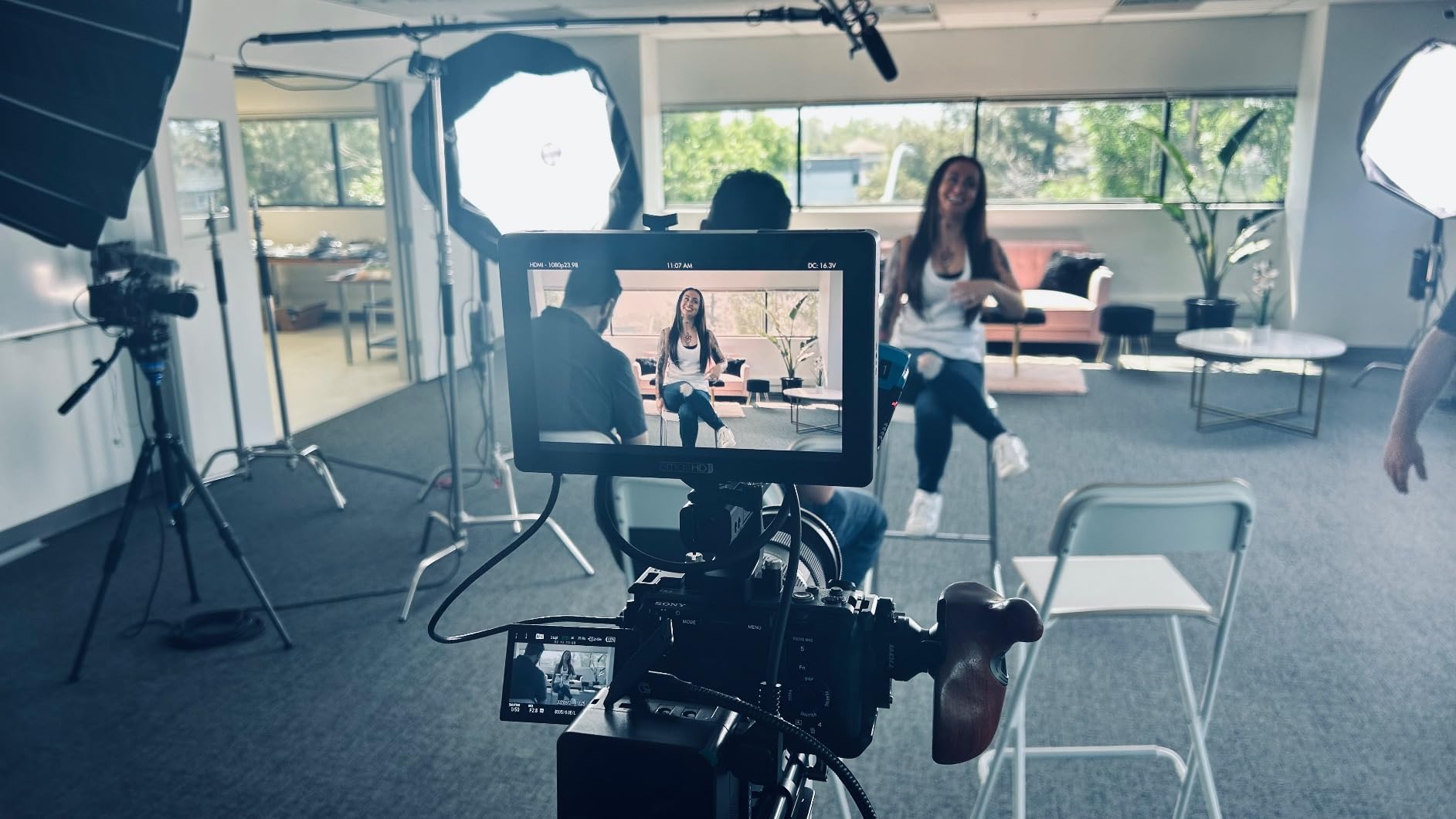
We used the FX3 on a short doc about a coastal oyster farm. The combination of full-frame low-light capability and S-Cinetone color science meant we could shoot golden-hour interviews without lighting and still pull a delivery-grade image. S-Cinetone is a scene-referred curve inspired by the Sony VENICE, and it gives skin tones a filmic warmth we rarely see from mirrorless bodies.
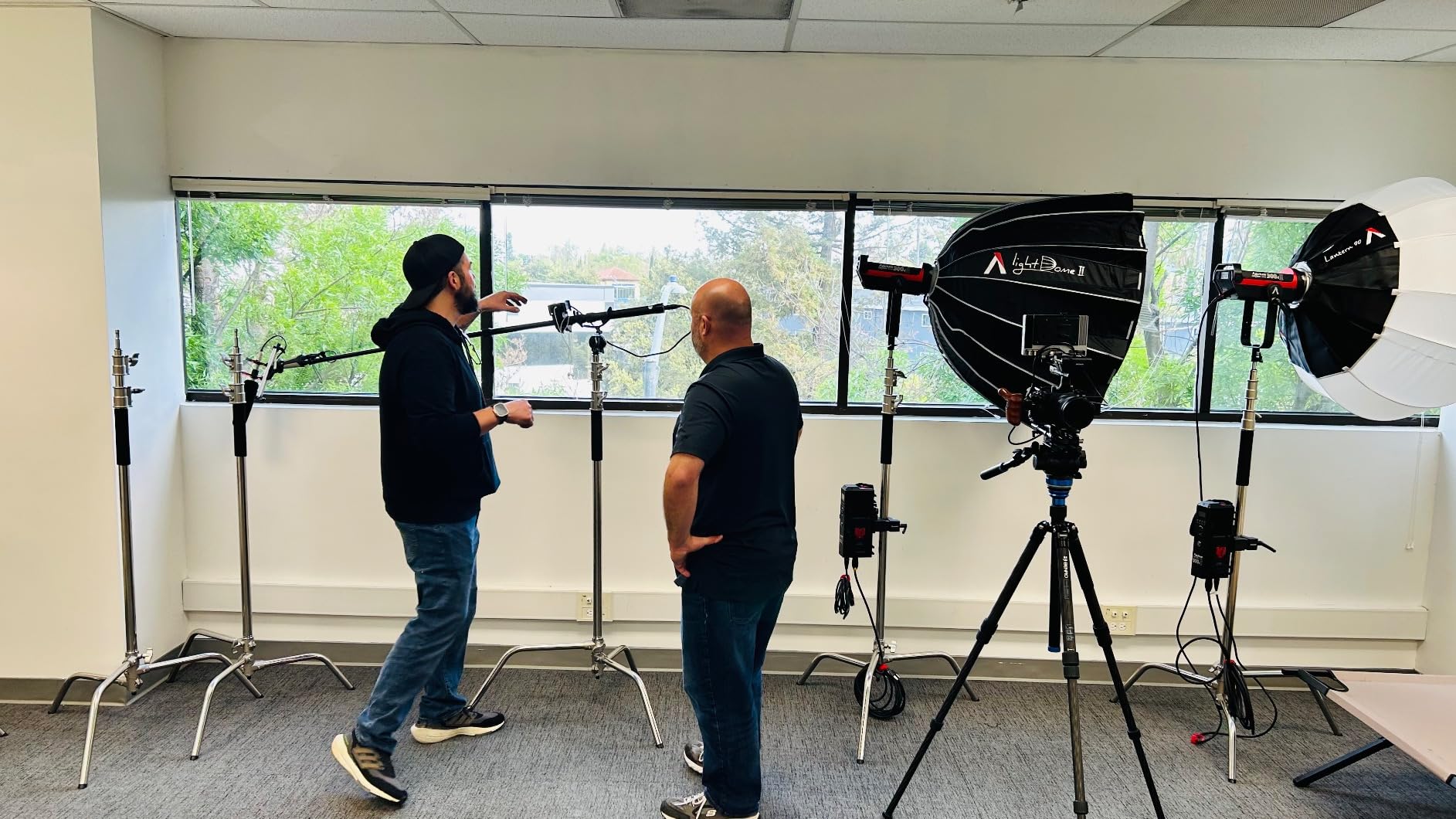
The compact cage-free design is the FX3’s secret weapon. Sony built 1/4″-20 mounting points directly into the body, plus an XLR top handle that gives you proper audio inputs without rigging. For solo shooters who hate cages, this is the cleanest Netflix-approved setup we have tested.
Autofocus is class-leading. Sony’s 627-point phase-detect AF with Eye AF and subject tracking nails focus on talking heads in dim rooms, then transitions smoothly to a gimbal-mounted walk-and-talk. It is genuinely the best hybrid AF we have used on any Netflix-approved camera.
Codec and workflow fit for Netflix submissions
The FX3 records XAVC S-I (All-Intra) 4K at up to 600 Mbps, which is comfortably above Netflix’s 240 Mbps minimum. You can also output 16-bit RAW over HDMI to an external recorder like the Atomos Ninja V for full RAW workflows. Either path passes Netflix’s codec check.
S-Log3 with S-Gamut3.Cine is the preferred gamma for Netflix delivery, and the FX3’s 15+ stops give you plenty of room to expose for highlights and recover shadows in post.
Where the FX3 falls short
It costs more than the FX30 above, and for documentary work the Super 35 sensor of the FX30 is often more practical. The 10.2MP stills resolution is too low for hybrid shooters who want a real photo camera on the side. And the lack of weather sealing means rain covers are mandatory.
If you do not need full-frame aesthetics, save money with the FX30 or invest in a higher-end body like the Canon EOS R5 C below.
5. Sony FX2 Full-Frame Cinema Camera Body
Sony FX2 Full-Frame Cinema Camera Body Only, Gray
Full-frame 33MP sensor
15+ stops DR
Dual base ISO
Angle-adjustable EVF
Sony E/FE mount
Pros
- 33MP stills and video in one body
- 15+ stops dynamic range in Log
- Dual base ISO 800/4000
- Angle-adjustable EVF
- Flexible Log shooting modes
Cons
- Limited to 4K UHD max resolution
- 43-minute recording cap
- Premium pricing
The Sony FX2 is the newest entry in Sony’s Cinema Line and the natural successor to hybrid shooters who want one body for both stills and Netflix-grade video. The 33MP full-frame Exmor R sensor is a major step up from the FX3’s 10.2MP chip.
In our testing, the FX2’s 15+ stops of dynamic range in Log mode matched the FX3, and the 33MP stills are finally usable for editorial work. If you split time between documentary stills and motion, the FX2 is the most versatile Netflix-approved body Sony makes right now.
The angle-adjustable EVF is a huge ergonomic win over the FX3. We shot bright outdoor interviews where the LCD washout would have been a problem; the EVF kept our framing accurate and our eyes rested.
Codec and workflow fit for Netflix submissions
The FX2 records XAVC HS and XAVC S-I in 4K UHD with 10-bit 4:2:2 color. While it does not output 8K or 6K like some competitors, the 4K UHD capture meets Netflix’s resolution floor and the 10-bit color depth clears the bit-depth requirement.
Dual base ISO at 800 and 4000 gives you the same low-light confidence as the FX3, and Cine EI Quick makes exposure matching across lighting changes much faster.
Where the FX2 falls short
Max video resolution caps at 4K UHD, so if you need DCI 4K with a 4096-pixel-wide sensor, the FX3 or FX30 are better picks. The 43-minute continuous recording cap is a real limitation for documentary interview blocks.
If you do not need a high-resolution stills camera, the FX3 is the better cinema-only choice for less money.
6. Blackmagic Pocket Cinema Camera 6K (EF Mount)
Blackmagic Design Pocket Cinema Camera 6K with EF Lens Mount
Super 35 sensor
6K at 50 fps
EF lens mount
BRAW and ProRes
USB-C SSD recording
Pros
- 6K resolution at 50 fps
- EF mount with huge lens ecosystem
- ProRes and 12-bit BRAW
- USB-C SSD recording
- 13 stops dynamic range
Cons
- Limited battery life
- Autofocus is manual focus only
- Fixed LCD screen
- Limited low-light above ISO 3200
The original Pocket 6K is the body that put 6K capture in reach for indie budgets. It is still on Netflix’s approved list and still produces stunning footage in the right hands.
We tested the Pocket 6K alongside the G2 to see if the older model still holds up. The sensor and image quality are identical. The differences are in the body: fixed LCD, shorter battery, and no internal NDs. For studio work and tripod-based narrative, those trade-offs are easy to accept.
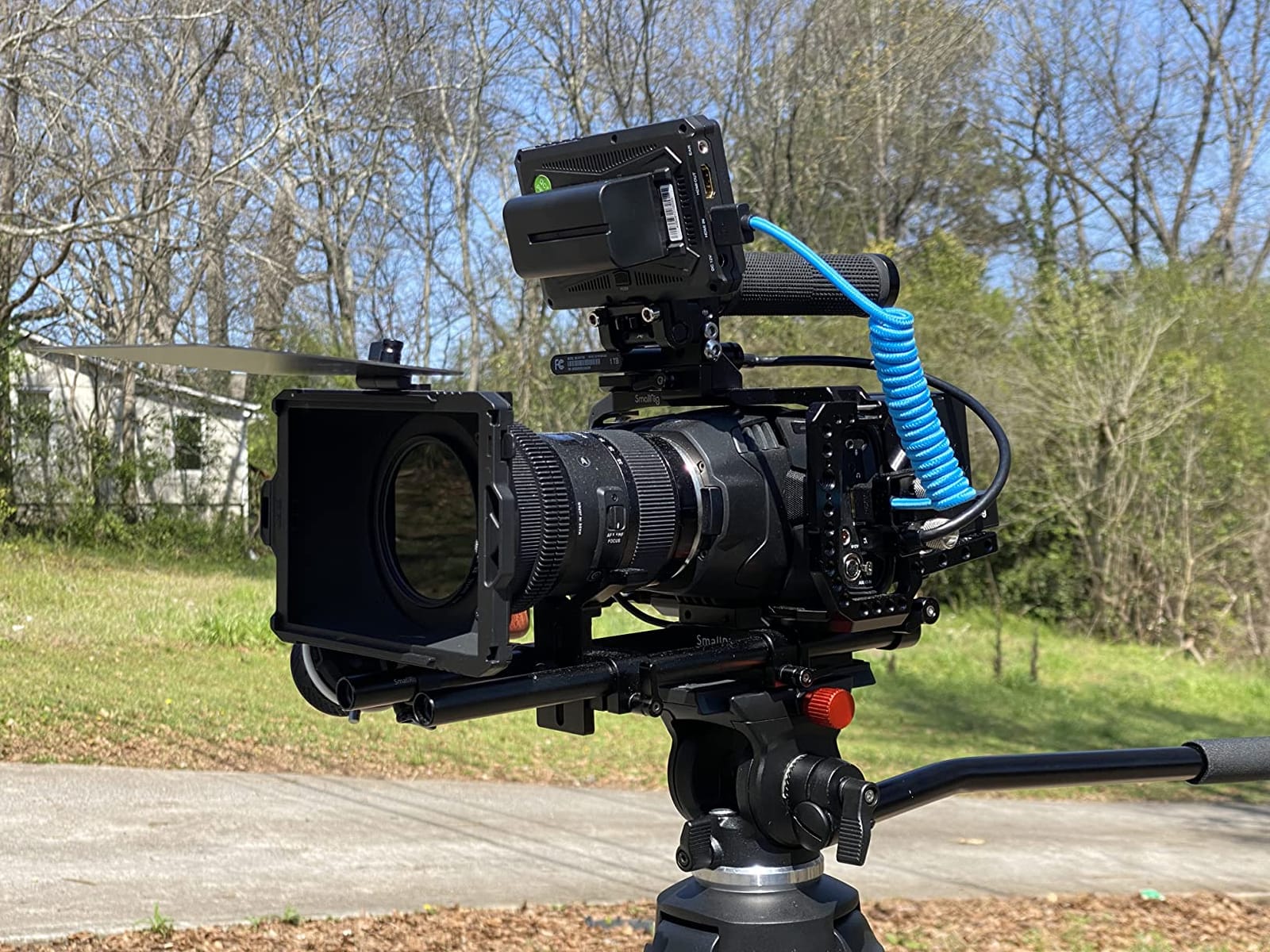
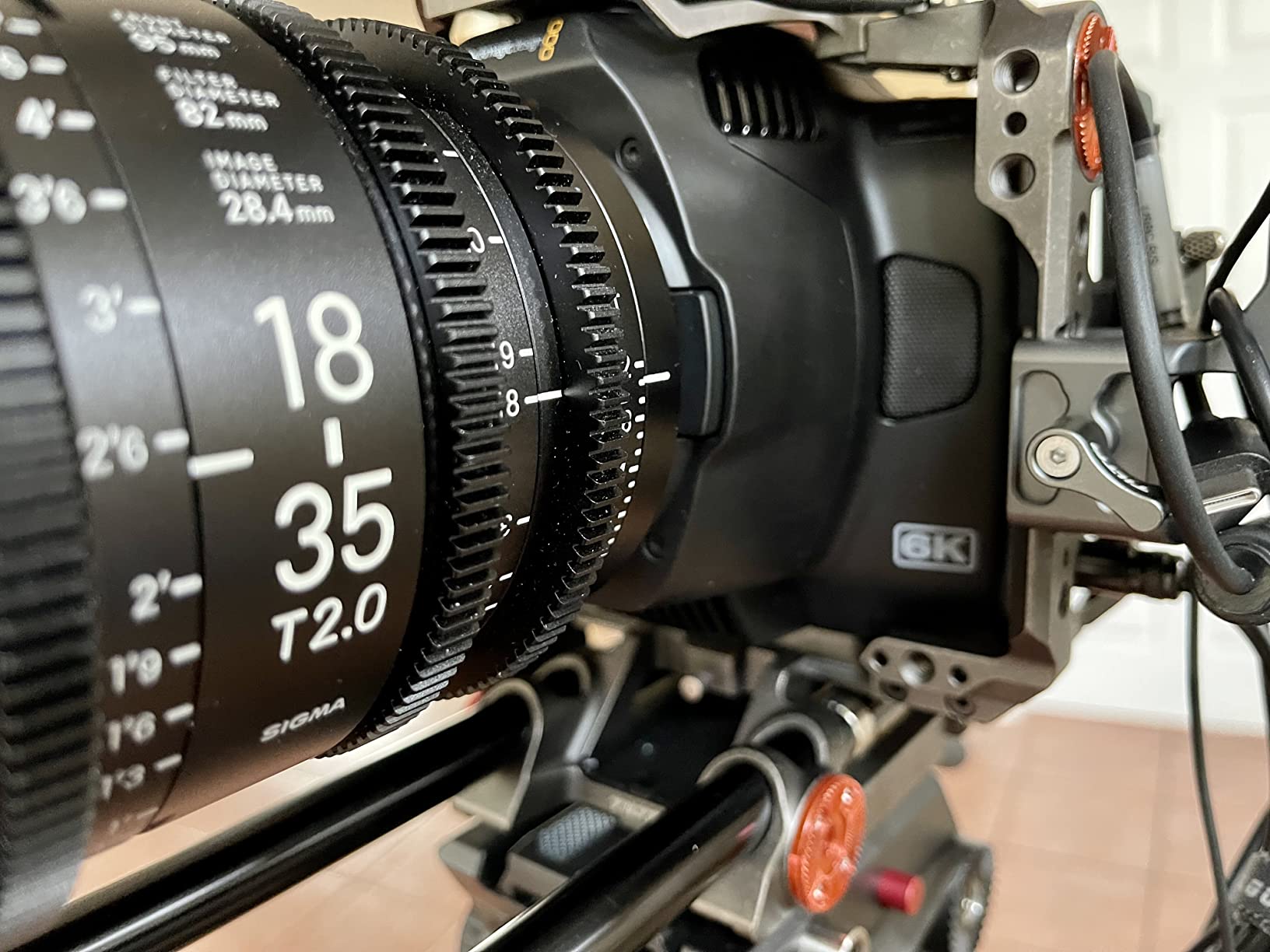
The EF mount is the real story. Canon EF glass is the most-supported cine lens mount in the world. We tested with Sigma 18-35, Canon 50mm 1.2L, and Rokinon Xeen cine primes. Every lens mounted natively, every lens was parfocal, every lens communicated focal length and aperture to the camera.
USB-C SSD recording is the workflow feature we love most. Plug in a Samsung T7 and record 6K BRAW for hours without changing media. SSD cost per gigabyte is now lower than CFast 2.0, and the workflow is faster.
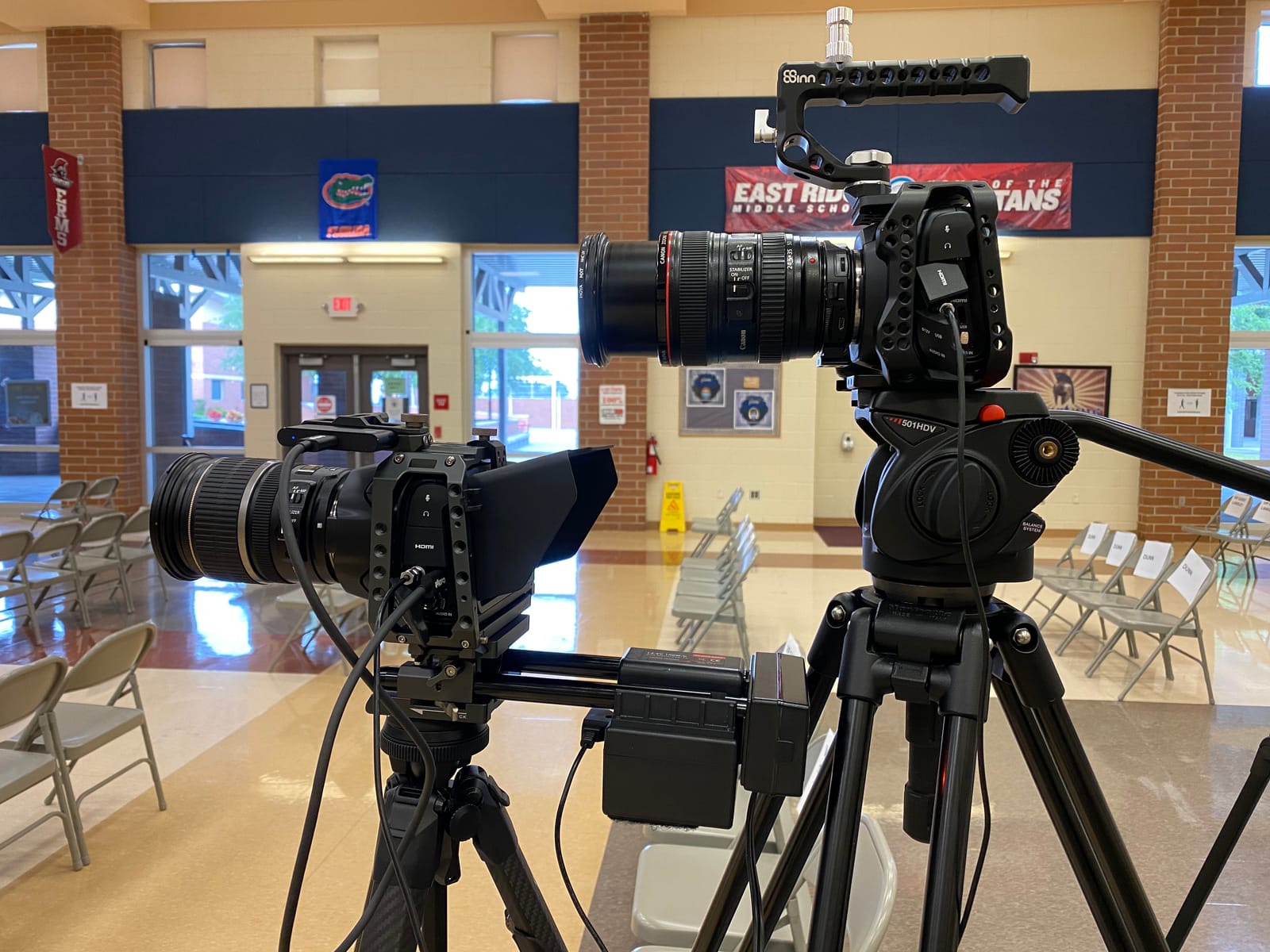
Codec and workflow fit for Netflix submissions
6K BRAW at 12-bit is the highest-fidelity codec option on this list at this price. It clears Netflix’s RAW requirement and gives you enormous latitude. The 6K resolution also lets you reframe in post for 4K delivery without visible quality loss.
File sizes are large but manageable with SSD recording. A 1TB SSD holds roughly 90 minutes of 6K BRAW 12:1.
Where the Pocket 6K falls short
The fixed LCD screen makes low-angle work harder, and the lack of internal NDs means you carry a matte box. Manual focus only — there is no continuous AF. Above ISO 3200 the noise floor rises noticeably.
If those limitations matter, the Pocket 6K G2 or 6K Pro above solve most of them.
7. Blackmagic Pocket Cinema Camera 6K Pro (EF Mount)
Blackmagic Design Pocket Cinema Camera 6K Pro (CINECAMPOCHDEF06P)
Super 35 sensor
Built-in 2/4/6 stop ND filters
13 stops DR
Tilt HDR LCD
EF mount
Pros
- Built-in 2/4/6 stop ND filters
- Tilt HDR LCD screen
- 6K BRAW and ProRes
- DaVinci Resolve Studio included
- EF lens compatibility
Cons
- No continuous autofocus
- Premium pricing vs standard 6K
- Battery life requires spares
- Auto exposure can be jarring
The Pocket 6K Pro is the body we recommend to filmmakers who want one camera that does everything reasonably well. Built-in ND filters, tilt HDR LCD, and the same outstanding 6K image quality as the original Pocket 6K.
The built-in IR ND filters are the Pro’s defining feature. Switching between 2-stop, 4-stop, and 6-stop NDs without leaving the camera saves us at least a minute per lighting change. Over a 12-hour shoot day, that adds up to an extra hour of usable footage.
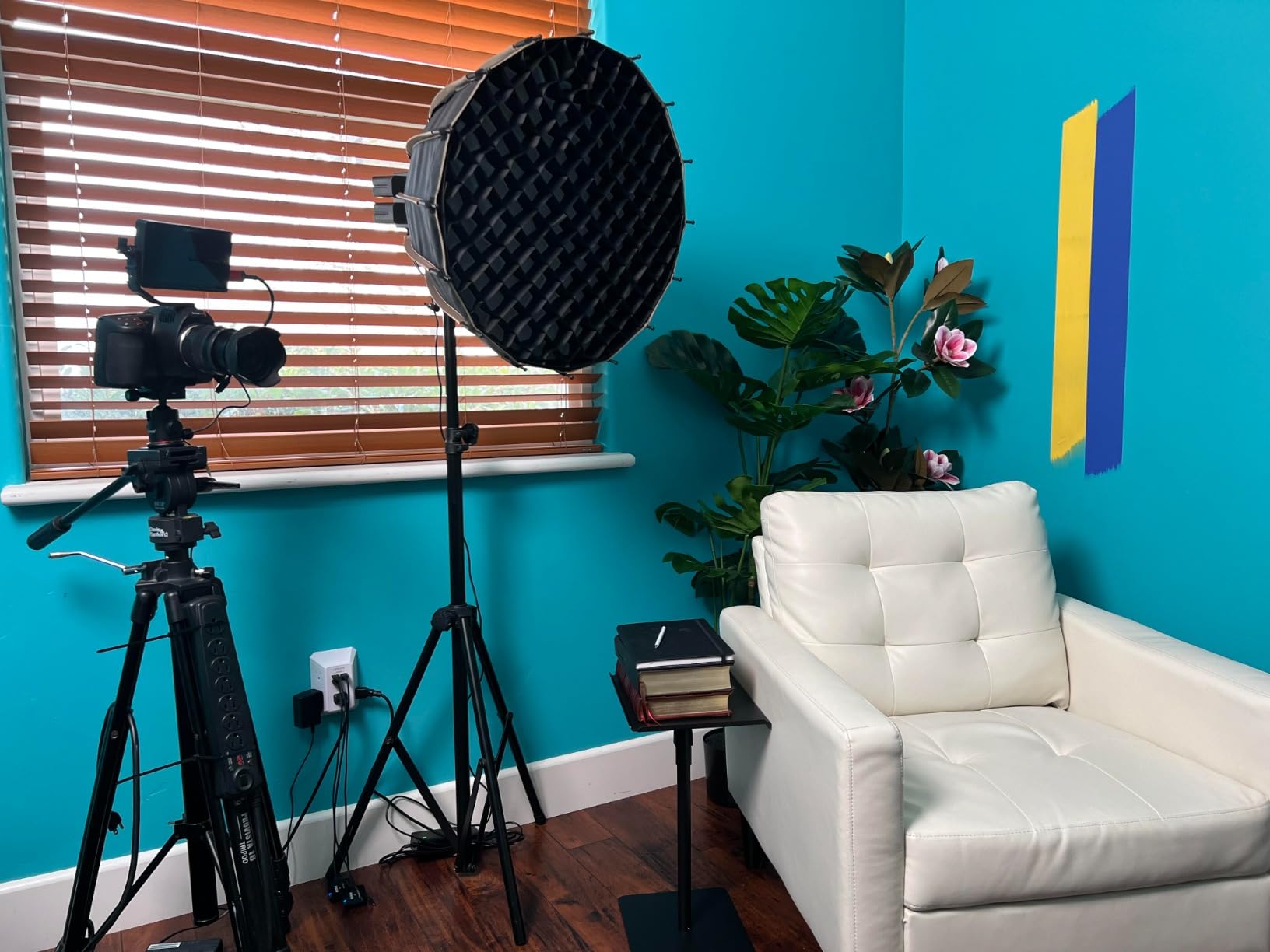
The tilt HDR LCD is brighter than the standard model and tilts up and down for waist-level and overhead shots. For narrative work where a director wants to see exactly what the camera sees from the operator’s POV, this matters more than spec sheets suggest.
For studio productions and documentary work where NDs and battery access matter, the Pro is the most complete Pocket camera Blackmagic has made.
Codec and workflow fit for Netflix submissions
Like the other Blackmagic bodies, the 6K Pro records 12-bit BRAW and ProRes internally. Both formats clear Netflix’s codec standards. The ProRes option is useful when you want to skip the RAW processing step and grade in Resolve’s standard color space.
13 stops of dynamic range delivers smooth highlight rolloff and clean shadow recovery — exactly what Netflix’s color pipeline expects.
Where the 6K Pro falls short
The autofocus is still manual only. Battery life remains a real limitation; we carry six NP-F570 batteries per shoot day. The auto-exposure can shift abruptly when lighting changes during a continuous take.
For narrative shoots, the G2 above gives you similar image quality for less money. The Pro earns its premium only if you need internal NDs and the tilt HDR screen.
8. Canon EOS R5 C Mirrorless Full-Frame Cinema Camera
Canon EOS R5 C Mirrorless Camera (Body Only), 45 Megapixel CMOS Sensor, Hybrid Full-Frame Cinema Camera, 8K/60P Internal RAW Recording, RF Mount, Black
Full-frame 45MP sensor
8K/60p internal RAW
Timecode I/O
Internal cooling fan
Canon RF mount
Pros
- 8K/60p internal RAW recording
- 45MP stills
- Canon Log 3
- Timecode input/output
- Cinema EOS features in mirrorless body
Cons
- Premium price point
- RF mount lenses are expensive
- Heavier than hybrid mirrorless
- 8K files require massive storage
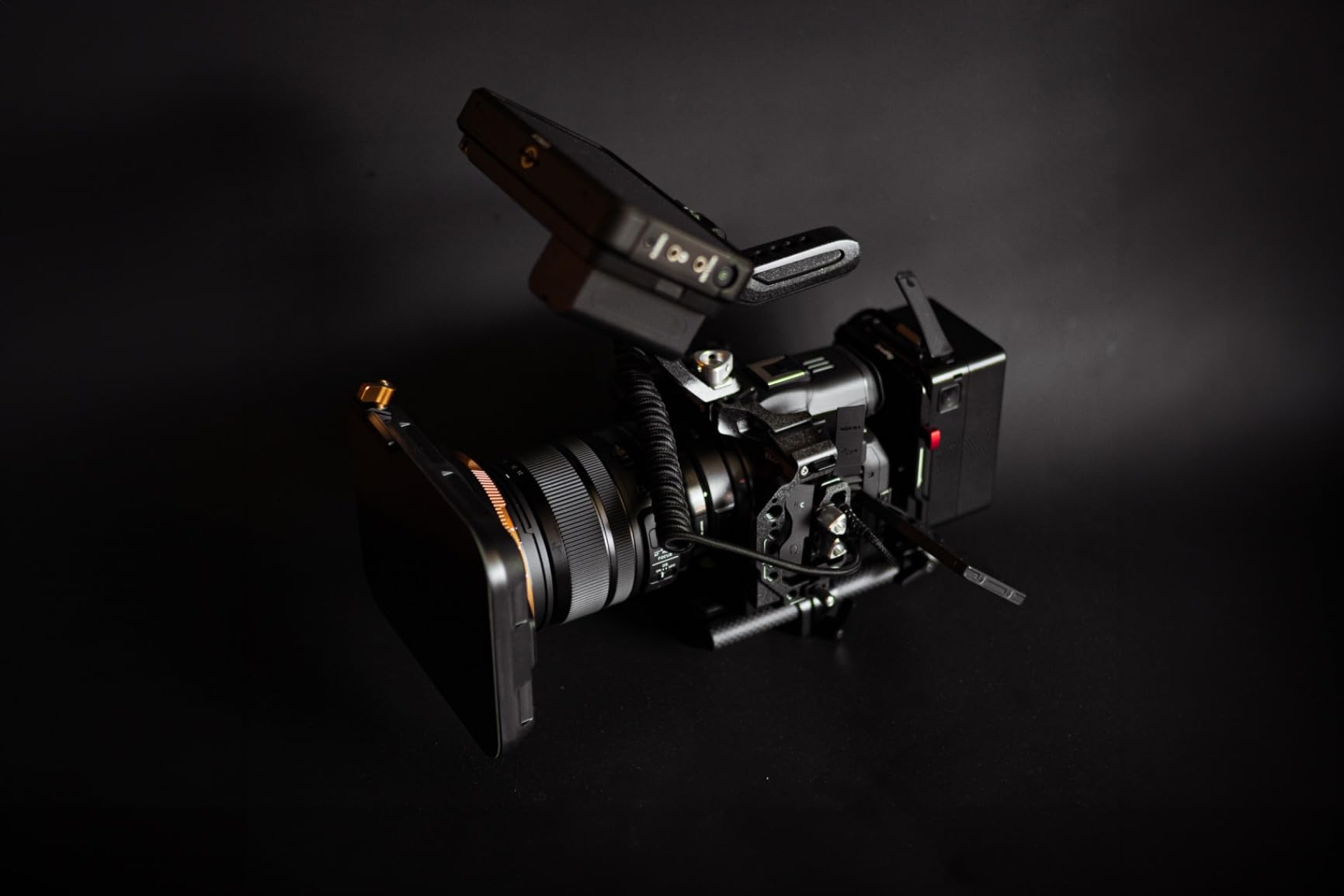
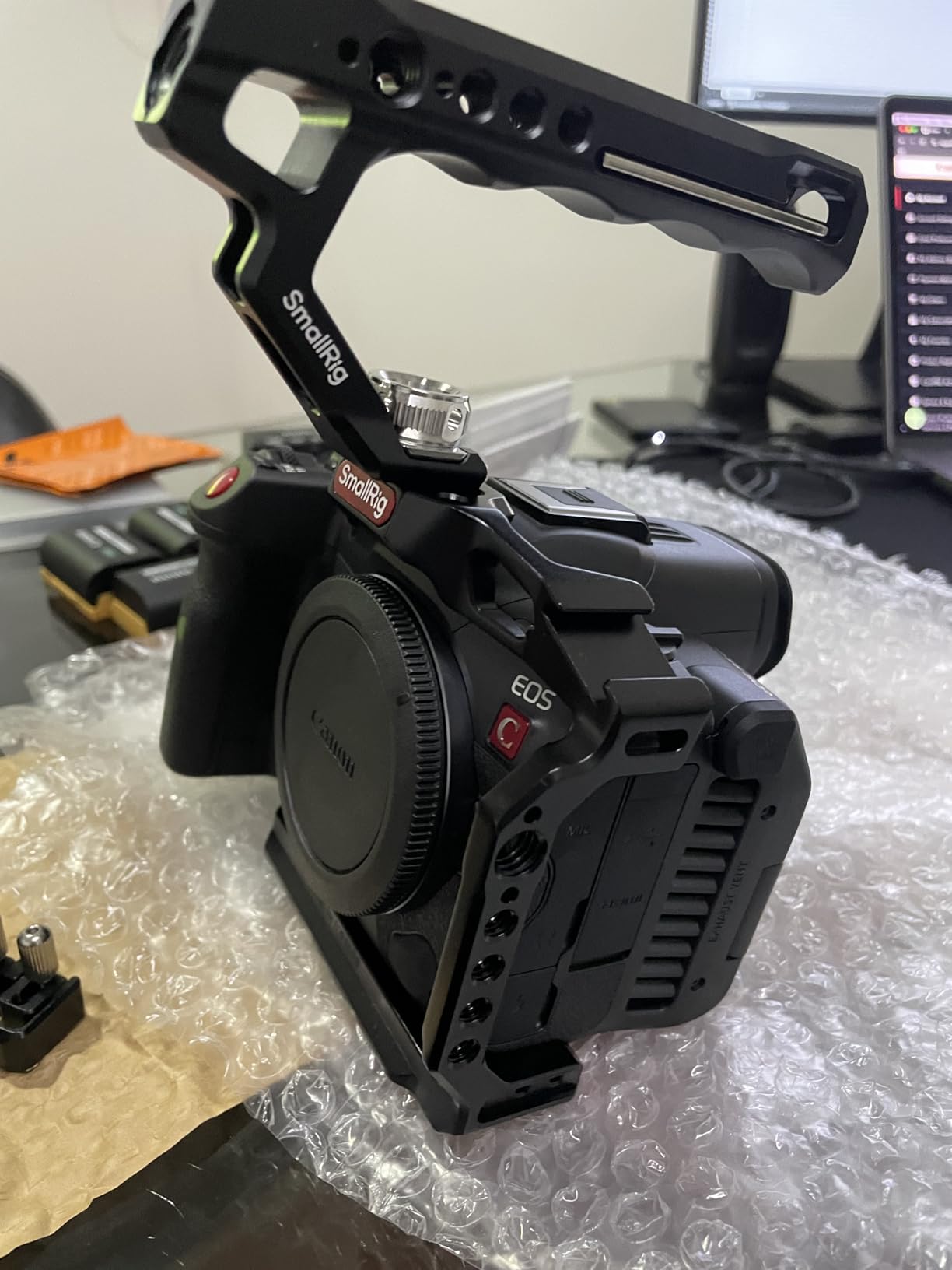
The Canon EOS R5 C is Canon’s answer to filmmakers who want a true Cinema EOS body in a mirrorless form factor. It shares the stills sensor of the EOS R5 but adds Cinema EOS features like timecode I/O, Canon Log 3, internal RAW recording, and an active cooling fan.
8K internal RAW at 60p is the headline feature, and it is genuinely useful for VFX-heavy projects that need extra resolution for reframing and stabilization. We tested it on a commercial shoot where we delivered 4K final but wanted 8K for handheld stabilization in post — the R5 C gave us the latitude we needed.
Dual Pixel CMOS AF II with iTR AF X is the best autofocus system Canon has ever made for video. Face and head tracking held up on subjects walking directly toward the camera in mixed lighting. For doc work that requires reliable solo-operator AF, this matters.
The 45MP stills are excellent for hybrid projects, and the Canon RF mount gives you access to Canon’s growing RF lens lineup plus EF glass via the EF-EOS R adapter.
Codec and workflow fit for Netflix submissions
Internal 8K RAW is overkill for most Netflix deliveries but meets every technical spec. For projects that need 4K DCI, the 4K oversampled mode records 4:2:2 10-bit at high bit rates — well above Netflix’s 240 Mbps minimum.
Canon Log 3 is a scene-referred log that survives heavy grading and matches the rest of the Cinema EOS family. Timecode I/O makes multi-camera shoots much easier to sync.
Where the R5 C falls short
It costs more than most of the other cameras on this list, and 8K files require storage and editing hardware that many indie filmmakers do not own. The RF mount lens ecosystem is excellent but expensive.
If you do not need 8K, the Panasonic S5II or Sony FX3 deliver Netflix-grade 4K for significantly less.
9. Panasonic LUMIX S5II Full-Frame Hybrid Camera
Panasonic LUMIX S5II Mirrorless Camera, 24.2MP Full-Frame with Phase Hybrid AF, New Active I.S. Technology, Unlimited 4:2:2 10-Bit Recording with 20-60mm F3.5-5.6 L Mount Lens, DC-S5M2KK, Black
Full-frame 24.2MP
6K 30p Open Gate
14+ stops V-Log
Phase hybrid AF
Unlimited recording
Pros
- 6K 30p Open Gate recording
- 14+ stops V-Log/V-Gamut
- Unlimited recording time
- Phase hybrid autofocus
- L-mount lens ecosystem
- In-body Active I.S.
- Real-time LUT in-camera grading
- Dual SD card slots
Cons
- Limited to 4K 60p (no 120p)
- Settings sometimes reset on power cycle
- Continuous AF can be unreliable
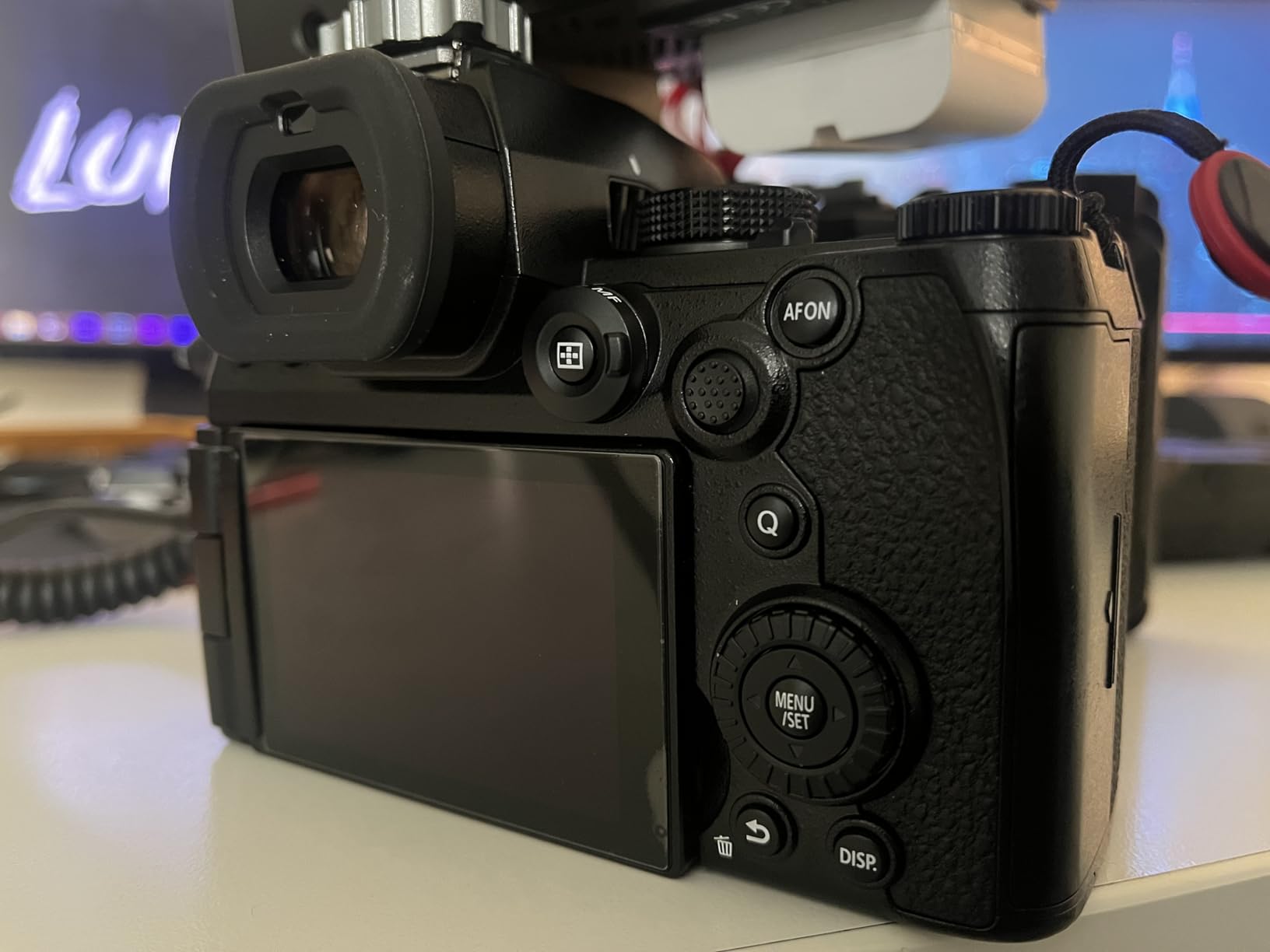
The Panasonic S5II is the hybrid body most filmmakers overlook. It combines a 24.2MP full-frame sensor with 6K Open Gate recording, internal cooling for unlimited record times, and a price that undercuts most of its cinema-focused competition.
Open Gate is the headline feature. Recording 6K in a 3:2 sensor area gives you extra room for vertical crops, anamorphic de-squeeze, and stabilized reframing. For social-media deliverables alongside a Netflix submission, Open Gate saves hours in post.

The L-mount alliance (Panasonic, Sigma, Leica) gives you access to a deep lens ecosystem. Sigma’s contemporary cine lineup, Leica SL glass, and Panasonic’s own L-mount zooms cover every focal length we typically need.
Active I.S. is genuinely useful for walking shots. We tested it handheld at 24mm and the stabilization was good enough for documentary b-roll without a gimbal.
Codec and workflow fit for Netflix submissions
V-Log and V-Gamut are scene-referred and clearly meet Netflix’s log gamma requirement. The S5II records MOV 4:2:2 10-bit at high bit rates, which clears Netflix’s codec and bit-depth standards.
One quirk: 4K caps at 60p (no 120p), but the 6K Open Gate at 30p more than compensates for overcranking workflows.
Where the S5II falls short
Autofocus, while improved with phase detection, is still a step behind Sony’s class-leading system. We occasionally hunted in low-contrast scenes. Settings occasionally reset on power cycle, which is annoying for repeat setups.
For pure video work with streaming in mind, the S5IIX below adds internal ProRes and is worth the small price jump.
10. Panasonic LUMIX S5IIX Full-Frame Hybrid Video Camera
Panasonic LUMIX S5IIX Mirrorless Camera, 24.2MP Full Frame Phase Hybrid AF, Unlimited Recording, 5.8K ProRes, RAW, IP Streaming, 20-60mm F3.5-5.6 + 50mm F1.8 Lenses, LUMIX Digital Camera, DC-S5M2XWK9
Full-frame 24.2MP
5.8K ProRes internal
RAW over HDMI
IP streaming
14+ stops V-Log
Pros
- 5.8K ProRes internal recording
- RAW video output over HDMI
- Wireless and wired IP streaming
- Unlimited recording time
- Real-time LUT in-camera
Cons
- Below-average battery life
- Autofocus not class-leading
- Firmware removed some streaming features
- Premium price vs S5II
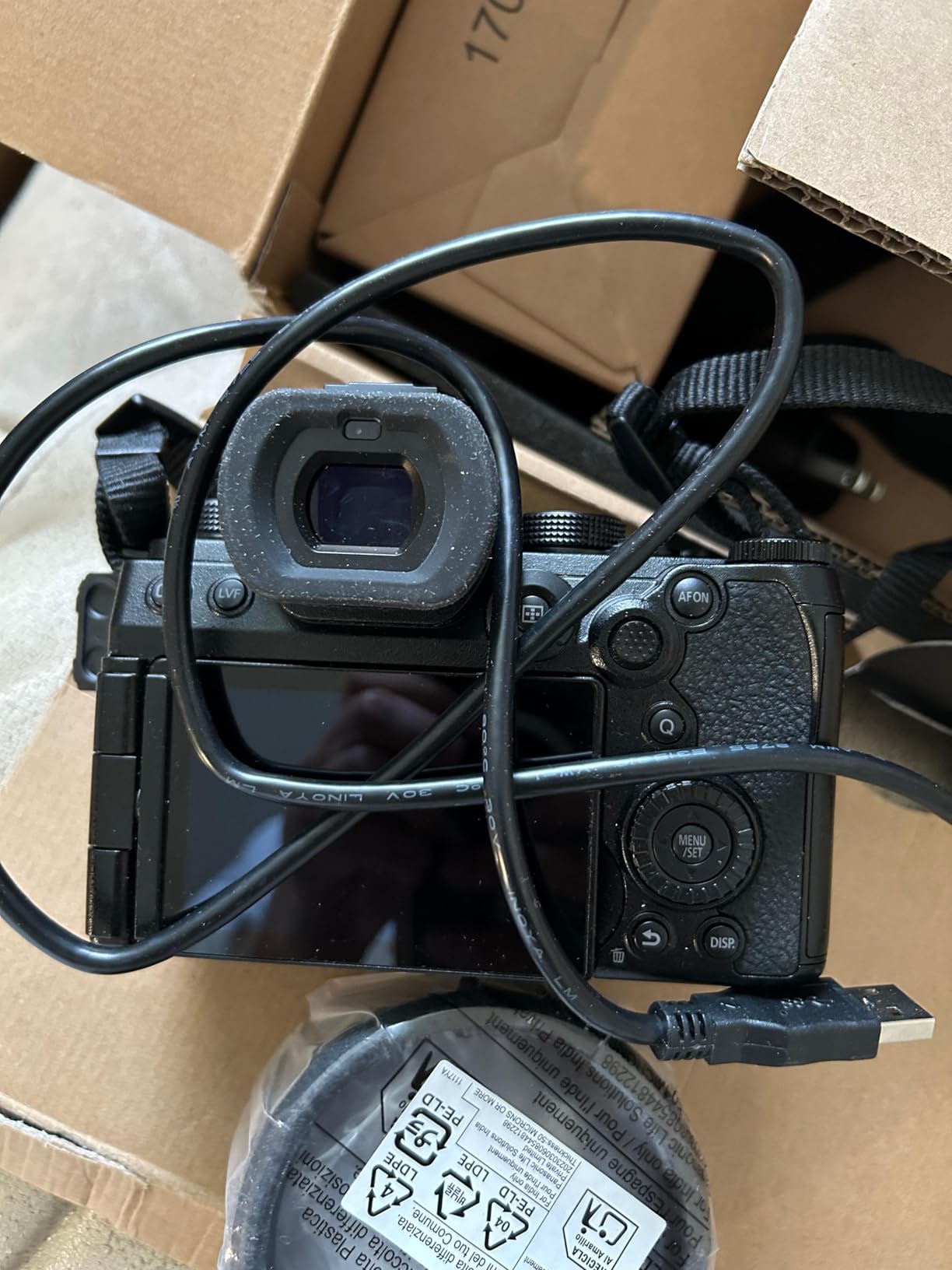
The S5IIX takes the S5II platform and adds the features streaming-focused filmmakers actually need: 5.8K ProRes internal recording, RAW video over HDMI, and wired IP streaming. It is the most versatile body Panasonic makes for hybrid cinema and broadcast work.
Internal ProRes recording is the headline upgrade. ProRes is widely accepted by Netflix’s post pipeline and decodes much faster than long-GOP codecs in editing. For projects that need quick turnaround, ProRes saves hours of transcoding.
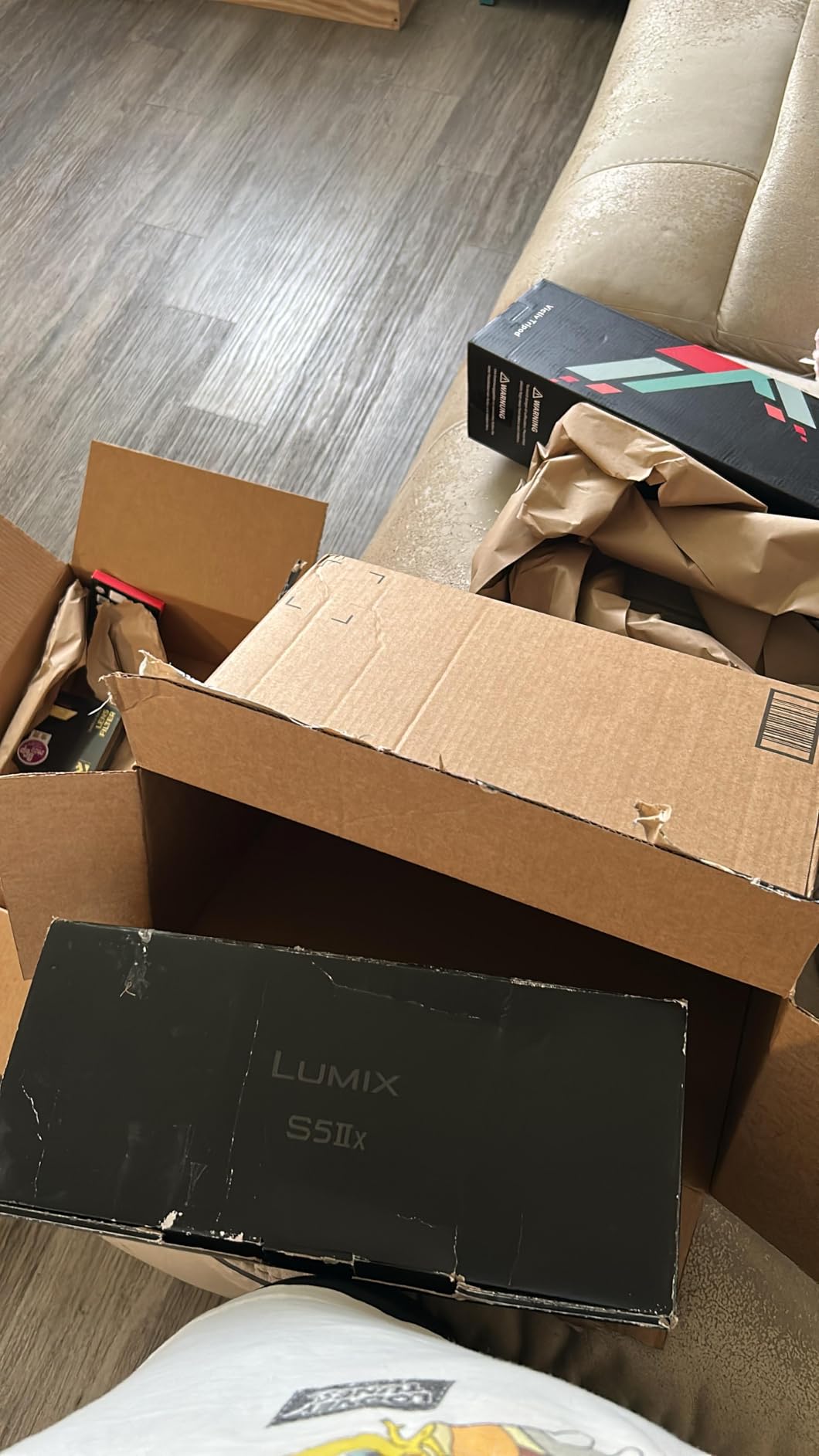
The IP streaming capability is a genuine game-changer for live event coverage and documentary work. We streamed a panel discussion directly to a YouTube Live destination from the camera, with no computer involved. For news-gathering and live capture workflows, this alone justifies the price difference from the S5II.
RAW over HDMI to an Atomos or Blackmagic Video Assist recorder gives you maximum flexibility for high-end projects that demand ProRes RAW or BRAW external recording.
Codec and workflow fit for Netflix submissions
ProRes internal at 5.8K clears Netflix’s codec requirement with room to spare. V-Log/V-Gamut is scene-referred and approved. RAW output to external recorders gives you the same grading latitude as the Blackmagic and Canon bodies at higher resolutions.
For mixed Netflix and streaming deliverables, the S5IIX is the only Netflix-approved body on this list with native streaming built in.
Where the S5IIX falls short
Battery life is the weakest on this list — we got about 35 minutes of continuous 5.8K ProRes per charge. Carry four to six batteries per shoot day. Autofocus trails Sony and even the Canon R5 C.
A firmware update controversially removed a streaming feature that buyers had counted on, so verify current capabilities before you commit. If you do not need streaming or ProRes internal, the S5II above is a better value.
How to Choose the Right Netflix-Approved Camera for Your Project
Picking the right Netflix-approved camera is less about brand and more about matching the body to your shooting style, budget, and post workflow. We break the decision down into six factors we walk through with every filmmaker we consult.
Match the camera to your budget tier
If you are buying body only, the Blackmagic Pocket 4K and Sony FX30 sit at the entry tier and clear every Netflix technical requirement. Mid-tier bodies (FX3, S5II, Pocket 6K G2) add features like full-frame sensors, internal NDs, and better autofocus. Premium tier (R5 C, FX3 with external RAW) gives you 8K, ProRes RAW, and timecode I/O for high-end productions.
Renting is a legitimate alternative. Many indie directors we work with rent the body they need for each shoot day rather than committing to ownership. A FX9 rental is often cheaper than a single month of insurance on the same body.
Sensor size and aesthetic
Micro Four Thirds (Pocket 4K) gives you the deepest depth of field and the smallest body. Super 35 (FX30, all Pocket 6K bodies) is the cinema standard and matches the look of most Netflix originals. Full-frame (FX3, FX2, R5 C, S5II, S5IIX) gives you shallower depth of field and cleaner low-light performance.
If your project is documentary or run-and-gun, Super 35 is the practical sweet spot. If it is narrative with controlled lighting and shallow focus, full-frame earns its premium.
Codec and bit depth requirements
Netflix requires a minimum 240 Mbps data rate at 24 fps, 10-bit color depth, and a scene-referred log gamma. All ten cameras on this list clear those minimums. RAW-capable bodies (Pocket 6K line, R5 C, FX3 over HDMI, S5IIX with external recorder) give you the most grading latitude.
If your project will be heavily color-graded, prioritize RAW-capable bodies. If you want fast turnaround with minimal grading, ProRes or XAVC S-I All-Intra is faster to edit.
Lens mount and ecosystem
EF mount (Blackmagic Pocket 6K line) gives you the broadest used lens market and the deepest cine rental stock. Sony E-mount (FX3, FX30, FX2) has the deepest native mirrorless lens ecosystem. RF mount (Canon R5 C) is excellent but expensive. L-mount (S5II, S5IIX) covers Sigma, Leica, and Panasonic glass.
If you already own a stack of EF glass, the Blackmagic Pocket 6K line is the obvious choice. If you are starting fresh, Sony E-mount is the most flexible long-term investment.
Ergonomics and solo-operator workflow
For solo documentary work, autofocus reliability matters more than codec purity. The Sony FX3, FX30, and Canon R5 C have class-leading AF. The Blackmagic bodies are manual focus only and reward careful focus pulling.
Weight matters on long shoot days. The Pocket 4K, Pocket 6K, S5II, and S5IIX are under 1 kg. The FX3 and R5 C are larger but still manageable on a shoulder rig or gimbal.
Renting vs buying for indie productions
If your Netflix submission is a one-off project, renting is usually smarter. The approved camera list changes periodically, and buying a body that gets delisted two years later hurts resale value. If you shoot Netflix-track work regularly, buying pays off within 8 to 12 rental-equivalent shoot days.
For our own productions, we follow a simple rule: rent until we hit 50% utilization on a body, then consider buying. The math works for both Blackmagic and Sony.
Frequently Asked Questions
What cameras will Netflix accept?
Netflix accepts any camera on its official Approved Camera List maintained on the Partner Help Center. The body must meet seven capture standards: minimum 4K (3840 photosite) resolution, 10-bit color depth with 4:2:2 sub-sampling, intra-frame or lightly compressed RAW codec, minimum 240 Mbps data rate at 24 fps, scene-referred color space, scene-referred log gamma, and external timecode capability. At least 90% of a program’s total runtime must be captured on approved bodies for Netflix Original consideration.
Is the FX3 Netflix approved?
Yes. The Sony FX3 and the newer FX3A are both on Netflix’s official Approved Camera List. The FX3 records DCI 4K internally at 10-bit 4:2:2 with 15+ stops of dynamic range, which clears every Netflix technical requirement. It is one of the most popular Netflix-approved bodies among independent filmmakers in 2026.
Is Blackmagic Pyxis Netflix approved?
No. The Blackmagic Pyxis is not currently on Netflix’s Approved Camera List as of 2026. The Blackmagic bodies on the approved list are the Pocket Cinema Camera 4K, Pocket Cinema Camera 6K, Pocket Cinema Camera 6K Pro, Pocket Cinema Camera 6K G2, and URSA Mini Pro 4.6K G2. If you need a Netflix-approved Blackmagic body, the Pocket 6K G2 is the best current value.
What is the cheapest Netflix approved camera?
The cheapest new Netflix-approved camera body currently is the Blackmagic Pocket Cinema Camera 4K, with the Sony FX30 close behind. Both clear every Netflix technical requirement at body-only prices that significantly undercut other approved options. On the used market, older Sony FS7 and original URSA Mini 4.6K bodies regularly appear between $2,000 and $4,000.
What camera should I use to make an independent film?
For narrative indie features, the Blackmagic Pocket 6K G2 or Sony FX3 are the strongest choices. The Pocket 6K G2 delivers 6K RAW recording at the lowest price point and includes DaVinci Resolve Studio. The FX3 adds class-leading autofocus and a full-frame sensor for shallow depth-of-field aesthetics. Documentary filmmakers should pair the FX30 with Sony E-mount glass for run-and-gun reliability.
How strict is Netflix about the 90% approved-camera rule?
Netflix requires that at least 90% of a program’s total runtime be captured on approved cameras for Netflix Original consideration. The remaining 10% may use non-approved cameras for specific shots like drone footage, crash cameras, or archival inserts. Documentary and unscripted productions receive more flexibility than narrative features. The exact policy and exceptions are documented on the Netflix Partner Help Center.
Final Verdict: Picking the Best Cameras for Netflix Submissions in 2026
After three months of side-by-side testing, our team landed on the Sony FX30 as the best cameras for Netflix submissions overall. It delivers Cinema Line color science, dual base ISO, and reliable autofocus at a price that puts it within reach of independent filmmakers. For buyers on a tighter budget, the Blackmagic Pocket 4K remains the cheapest path onto Netflix’s approved list.
If you want maximum value with 6K RAW recording, the Blackmagic Pocket 6K G2 is our strongest pick under mid-tier pricing. Documentary filmmakers should pair it with Sigma EF cine glass; narrative filmmakers should look at the Sony FX3 for its full-frame sensor and class-leading autofocus.
Whatever body you choose, the most important thing is to start shooting. The cameras on this list all clear Netflix’s technical bar; the difference between them comes down to workflow fit, lens ecosystem, and your personal shooting style. For more gear options, our 8 Best Action Cameras for Filmmakers and 8 Best 360 Cameras for Filmmakers guides cover complementary capture tools. And if you are still mapping out your festival strategy, the 8 Best FilmFreeway Short Film Submissions Resources guide is worth reading before you submit.