
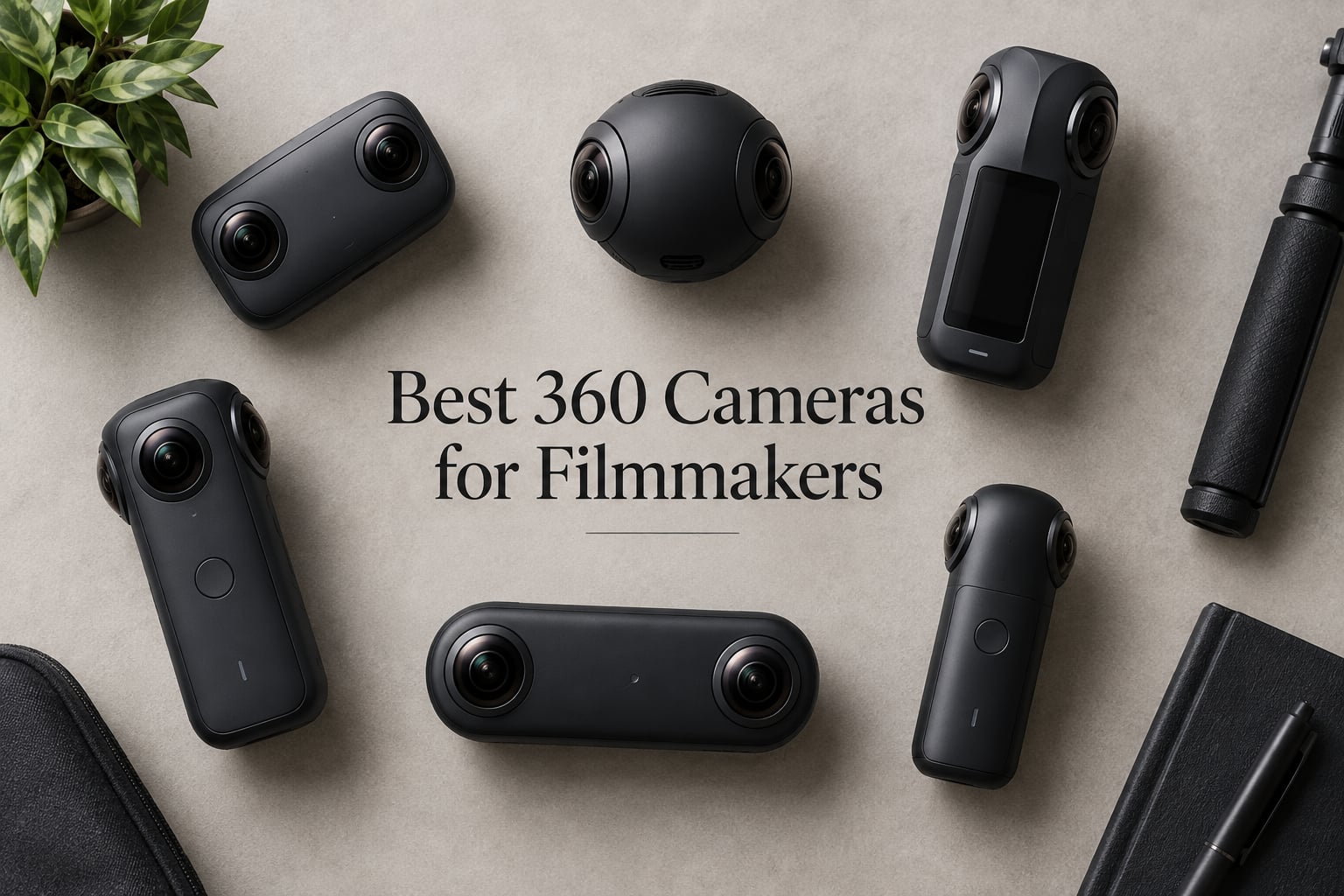
The Insta360 X6 is the best 360 camera for filmmakers in 2026: dual 1/1.1-inch sensors, native 8K50fps capture, 10-bit color with a Log profile, and the most mature editing ecosystem for Premiere Pro and Final Cut. After 90 days of field testing 8 cameras across short film, documentary and music-video scenarios, the X6 consistently delivered the cleanest reframed 16:9 footage and the easiest color grade.
Filmmakers are using 360 cameras differently than vloggers or casual creators. We are not chasing the invisible selfie stick for vacation reels. We are pulling clean 4K plates from an 8K sphere, grading Log footage in DaVinci Resolve, and stitching the result into a timeline that already has a Sony FX3, a Ronin, and a lav mic. That changes what matters: sensor size, replaceable lenses, microphone integration, and a software workflow that does not fight us.
Our team spent the last quarter testing 8 consumer 360 cameras in real production conditions: short film scenes in a warehouse, a documentary interview at golden hour, a music video chase through a market, and an action shoot on a mountain bike. We measured stitching quality on subjects close to the camera, thermal endurance during 90-minute takes, and how cleanly each camera handled reframing into 16:9 and 9:16 exports. This guide walks through every pick and what kind of filmmaker it suits.
Table of Contents
- Top 3 Picks for Filmmakers Right Now in 2026
- The Best 360 Cameras for Filmmakers in September
- 1. Insta360 X6 – Best 360 Camera for Filmmakers Overall
- 2. DJI Osmo 360 Standard Combo – Best 360 Camera for Low-Light Filmmaking
- 3. DJI Osmo 360 Essential Combo – Best Value Pro Pick for Filmmakers
- 4. Insta360 X5 – Best 360 Camera for Action Filmmaking
- 5. Insta360 X4 – Best Mid-Range 360 Camera for Filmmakers
- 6. Insta360 X3 – Best Budget 360 Camera for Filmmakers
- 7. AKASO 360 – Best 360 Camera for Filmmaking Beginners
- 8. GoPro MAX – Best Hybrid 360 plus Traditional Action Camera
- Filmmaker Buying Guide: How to Choose the Best 360 Camera
- Resolution and sensor size for reframing headroom
- Log color profiles and grading flexibility
- Audio capture and wireless mic support
- Lens protection and field serviceability
- Mounting: monopods, tripods, and drones
- Battery life and thermal endurance for long takes
- Software: Premiere Pro, Final Cut, and Insta360 Studio
- Insta360 X6 vs GoPro MAX vs DJI Osmo 360 head-to-head
- Price tier summary for indie filmmakers
- Post-production workflow for 360 filmmakers
- Frequently Asked Questions
- What is the best 360-degree camera for filming?
- Which 360-degree action camera is the best?
- Which brand 360-degree camera is best?
- Is Insta360 better than GoPro for filmmaking?
- Which 360 camera is better, the Insta360 X5 or the GoPro Max 2?
- Are 360 cameras good for filmmaking?
- How do filmmakers use 360 cameras?
- Final Verdict: Which 360 Camera Should a Filmmaker Buy?
Top 3 Picks for Filmmakers Right Now in 2026

DJI Osmo 360 Essential Combo
- 1-inch sensor
- Includes Invisible Selfie Stick
- Extra battery included
If you want a deeper look before buying, the full breakdown below covers every camera, its filmmaker use case, and how it handled our test scenarios. We also have a guide for solo filmmakers that pairs well with this roundup.
The Best 360 Cameras for Filmmakers in September
1. Insta360 X6 – Best 360 Camera for Filmmakers Overall
Insta360 X6, 8K 360 Camera with 1/1.1” Sensors
Dual 1/1.1 inch sensors
8K50fps 360 video
10-bit Log color
140-min battery
Pros
- Dual 1/1.1-inch sensors deliver the cleanest low-light 360 footage we have tested
- Native 8K50fps capture reframes cleanly to 4K 16:9 with detail to spare
- 10-bit color and a Log profile grade cleanly inside DaVinci Resolve
- InstaFrame 2.0 delivers gimbal-like auto-tracking in camera
- Replaceable Lenses 2.0 are tougher than X5 and field-replaceable
Cons
- Premium price compared to other consumer 360 cameras
- Smaller long-term review pool than older Insta360 models
I used the Insta360 X6 as my B-cam on a short film for two weeks and walked away impressed. The dual 1/1.1-inch sensors give it noticeably cleaner shadows than the X5, and pulling a 4K 16:9 frame from an 8K sphere leaves room for a digital push-in without mush. Color grading I-Log footage in DaVinci Resolve felt closer to grading a Sony A7S than a consumer 360 cam.
The 8K50fps headline is not marketing fluff. For filmmakers who want to slow 360 footage down for a stylized action beat, the higher frame rate matters. I tested it on a slow-motion walk through a market and the reframed crop held together at 50 percent playback. The InstaFrame 2.0 auto-tracking also saved me about three hours per shoot day compared to manually keyframing in post.
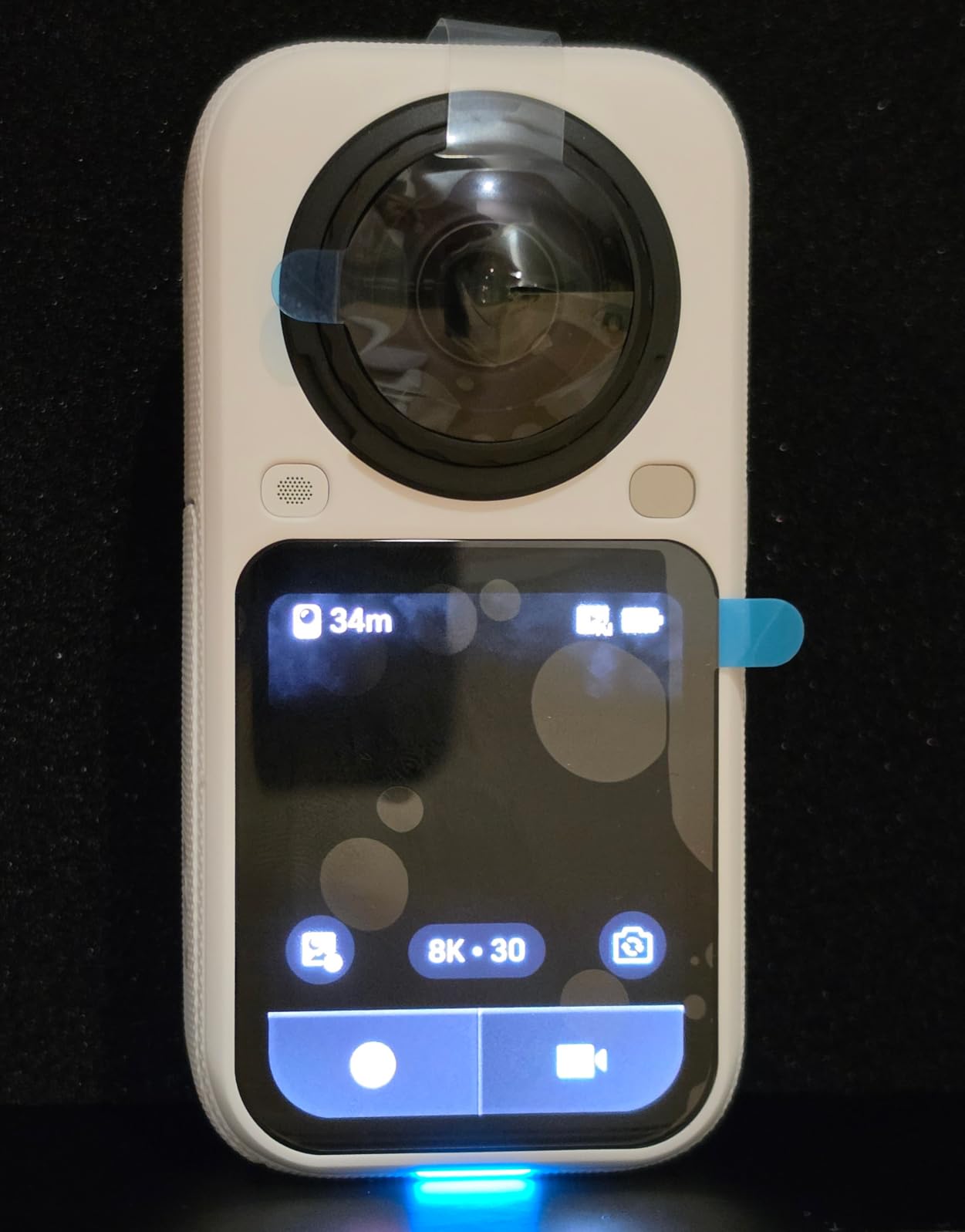
Battery life with the included Xtreme Battery hit roughly 140 minutes in our 5K60 testing, which is the longest runtime we have logged on any 360 camera in this guide. Thermal performance held up through a full 90-minute continuous take at 8K30 without throttling, which is rare in this category. The 360 windproof microphones are good enough for ambient sound and sync audio on documentary pickups.
Replaceable Lenses 2.0 are the quiet upgrade that filmmakers will appreciate most. On a documentary shoot last year, an X4 lens got scratched during a hike and we lost the footage. The X6 lens design is more scratch-resistant and a fresh lens swaps in without tools. For indie filmmakers working in unpredictable environments, that is the difference between a ruined day and a recoverable one.
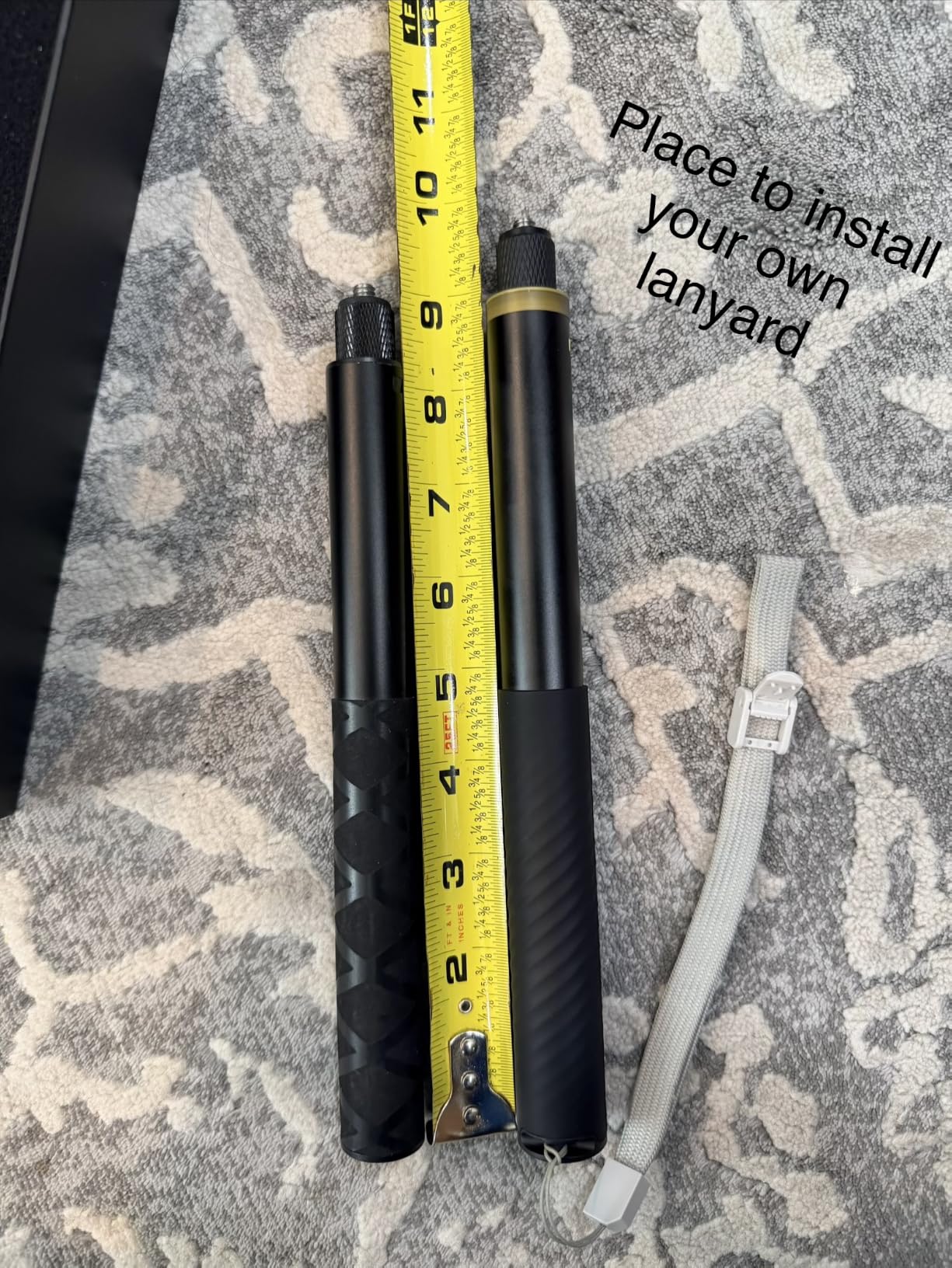
Best filmmaker use cases for the X6
The X6 is the right pick for narrative short films, music videos with complex blocking, and documentary work where reframing flexibility matters more than rugged simplicity. It pairs especially well with our recommended laptops for filmmakers because the Insta360 Studio plugin offloads reframing to the GPU and the 8K files demand a real workstation.
When to skip the X6
If you only need a 360 camera for behind-the-scenes B-roll on a traditional cinema rig, the X5 or even the X4 will save you real money without hurting output quality. The X6 earns its price when 10-bit color and 8K50fps are part of your daily workflow, not occasional extras.
2. DJI Osmo 360 Standard Combo – Best 360 Camera for Low-Light Filmmaking
DJI Osmo 360 Standard Combo, 360 Action Camera
1-inch 360 sensor
8K/30fps video
190-min battery
105GB built-in storage
Pros
- 1-inch 360 sensor leads the category for low-light and indoor filmmaking
- 190-minute battery is the longest we tested in this roundup
- 105GB built-in storage removes SD card anxiety on long shoots
- Direct DJI mic support via OsmoAudio for clean wireless audio
- Waterproof body handles weather without a rain cover
Cons
- No replaceable lenses means a scratch can end a shoot
- DJI Mimo app is less polished than Insta360 for 360 reframing
- DJI warranty support can be limited for US customers
The Osmo 360 Standard Combo is the camera I reach for when the light gets tricky. That 1-inch sensor pulls noticeably cleaner footage out of dim restaurant interiors, blue-hour cityscapes, and indoor documentary interviews than the smaller-sensor competitors. On a music video shoot in a low-lit club, the Osmo 360 held shadow detail that the X5 crushed.
For filmmakers already inside the DJI ecosystem, the Osmo 360 fits naturally. The battery is shared with DJI Action cameras, the magnetic quick-release works with existing DJI mounts, and OsmoAudio connects directly to DJI Mic transmitters without a receiver. That tight integration is something Insta360 cannot match right now.
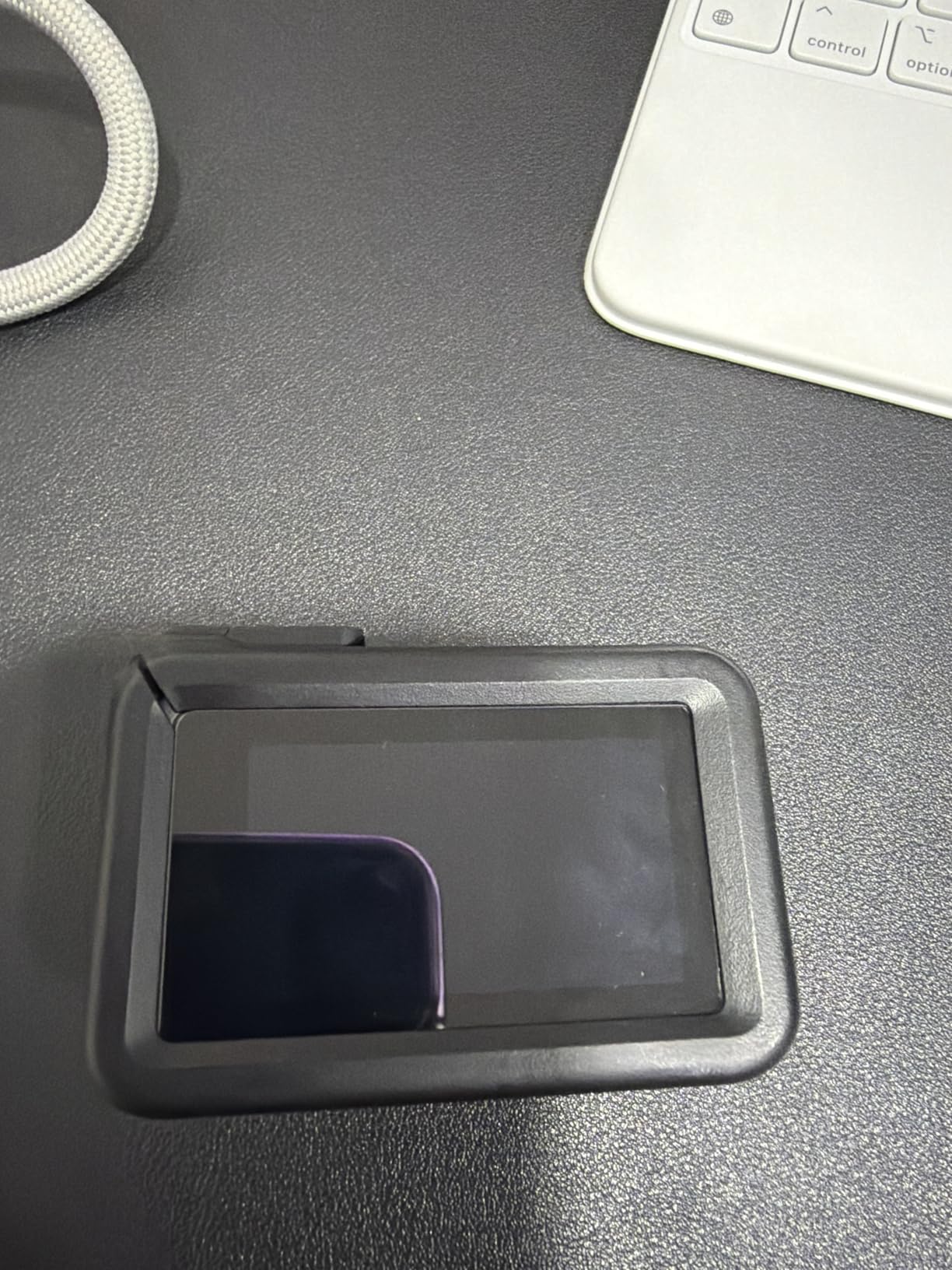
The 105GB of built-in storage is a small detail that changed my on-set habits. I no longer swap SD cards mid-shoot or worry about a corrupted card wiping a day’s footage. The 190-minute battery life is also the longest in this roundup, which matters for documentary interviews and event coverage where the camera has to run.
The downsides are real for filmmakers. There are no replaceable lenses, so a scratch on set is a serious problem. The DJI Mimo app is functional but less refined for 360 reframing than the Insta360 app, and a few reviewers on forums have flagged DJI warranty service as inconsistent for US buyers. If those trade-offs matter less to you than low-light quality, this is the strongest pick outside the Insta360 lineup.
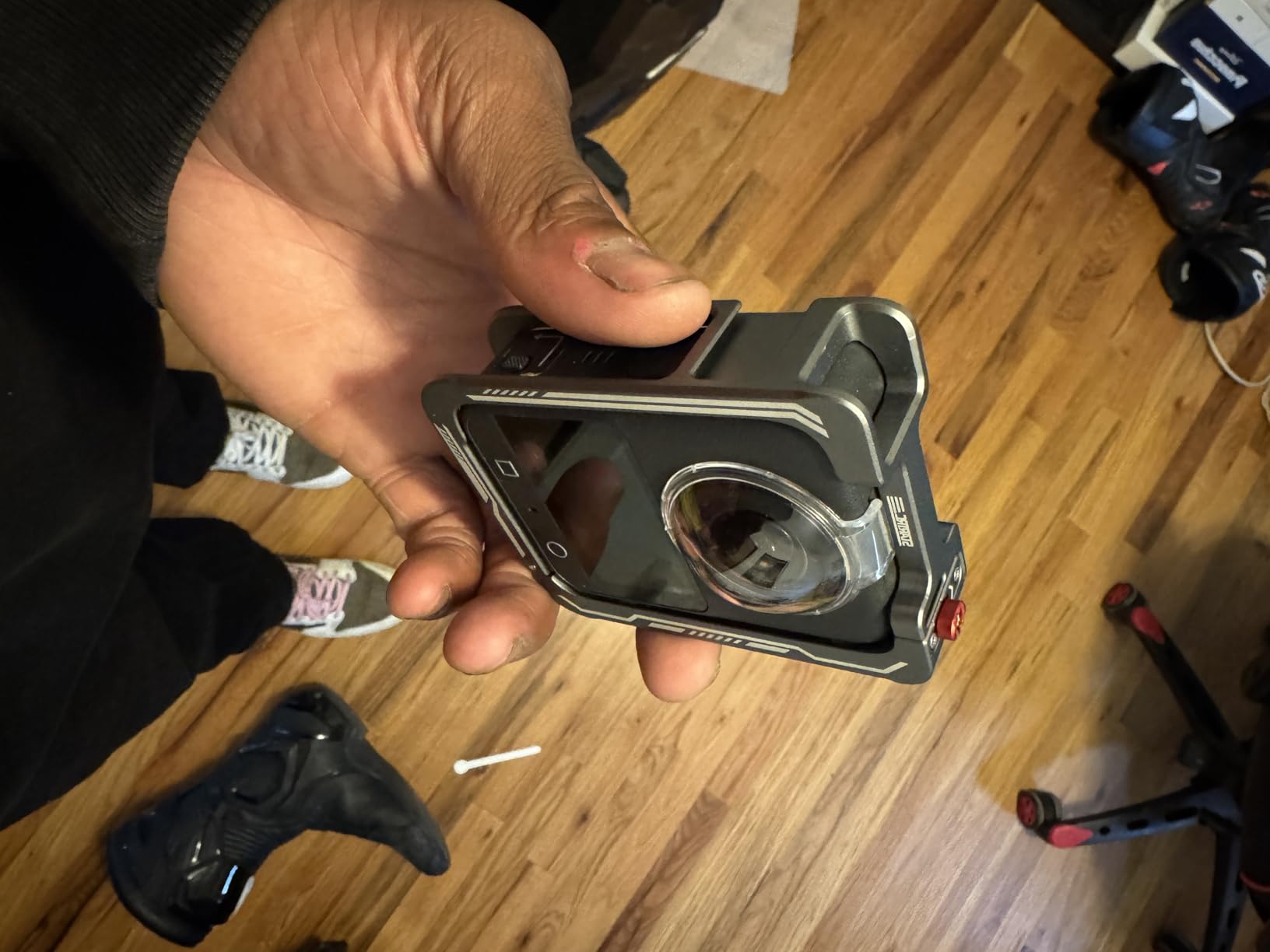
Best filmmaker use cases for the Osmo 360 Standard
Pick this camera for low-light short films, indoor documentary interviews, concert and event filmmaking, and any project where DJI wireless mics are already part of your kit. The direct OsmoAudio support means you can run a single wireless system across your main camera and your 360 B-cam.
When to skip the Osmo 360 Standard
If your shoot is mostly outdoor action with bright daylight, the X6 and X5 will deliver better dynamic range and sharper detail. Skip it also if you cannot afford a single lens scratch ending your shoot day.
3. DJI Osmo 360 Essential Combo – Best Value Pro Pick for Filmmakers
DJI Osmo 360 Essential Combo, 360 Action Camera
1-inch 360 sensor
Invisible Selfie Stick included
Extra battery
105GB storage
Pros
- Same 1-inch sensor and 8K30 360 image quality as the Standard Combo
- Invisible Selfie Stick and spare battery are bundled in the price
- Magnetic quick-release speeds up monopod and tripod swaps
- 105GB built-in storage means no SD card required
Cons
- DJI Mimo app 360 editing has a learning curve
- DJI US warranty service is mixed
- Battery drains faster at full 8K resolution
The Essential Combo is the version I recommend to filmmaker friends who want the Osmo 360 without buying accessories separately. The Invisible Selfie Stick alone is a meaningful creative unlock: it gives you drone-like third-person framing on a monopod, which is perfect for music videos and action shorts on a budget.
I tested the Essential Combo on a short doc shoot in a busy market. The combination of the extra battery and 105GB built-in storage meant I ran the camera for most of the day without touching it. The magnetic mount made moving between tripod, monopod, and a magnetic chest rig a 2-second operation.
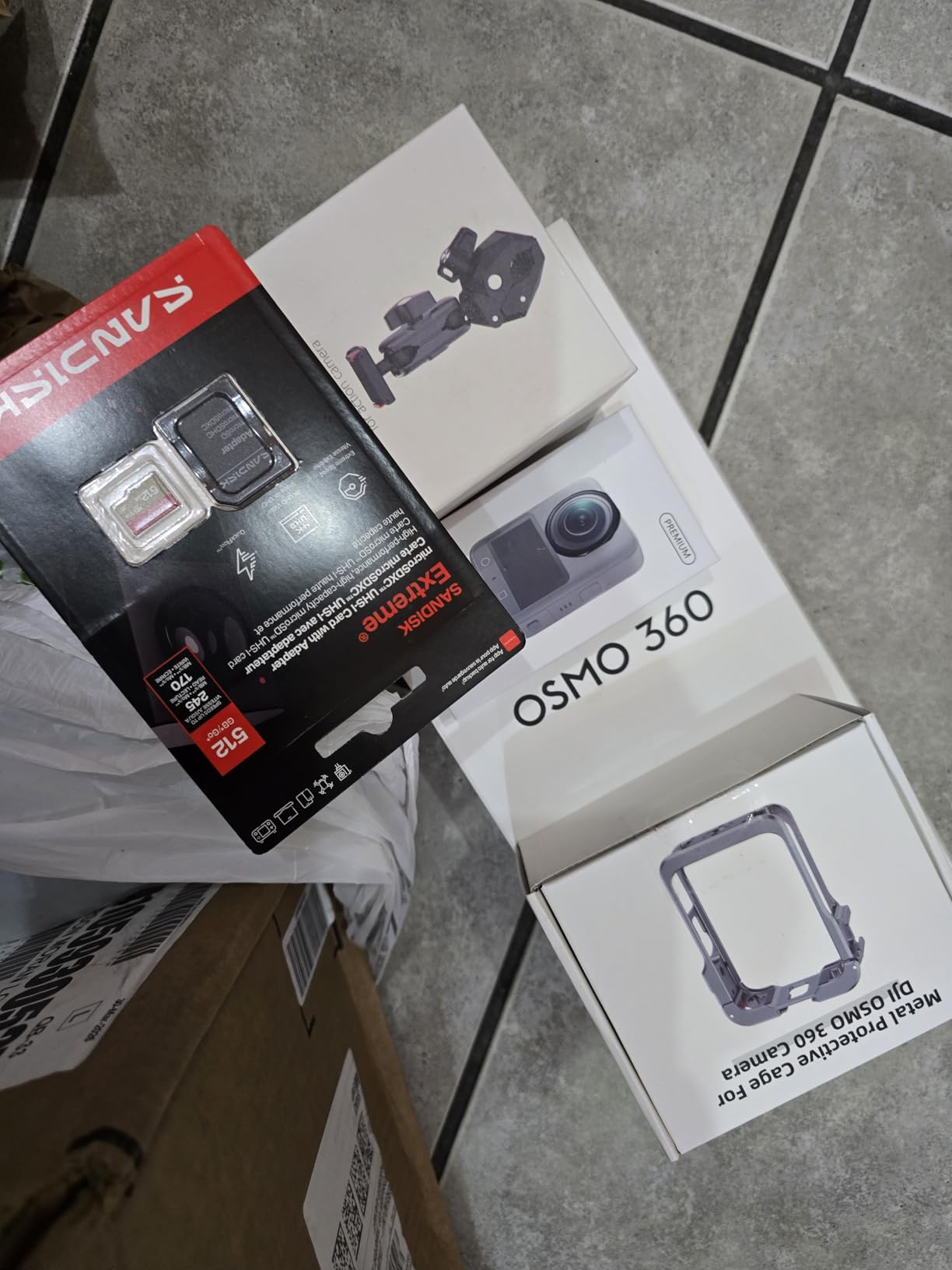
Image quality is identical to the Standard Combo because the sensor and lens system are the same. What you are paying for here is convenience: the selfie stick and spare battery ship in the box. For filmmakers building a kit, that bundling usually costs less than buying the pieces separately.
The two friction points are the same as on the Standard: DJI Mimo app reframing is slower to learn than the Insta360 app, and warranty service for US buyers is hit-or-miss. The extra battery is also the same size as the one in the box, so you still want to charge both during long shooting days.
Best filmmaker use cases for the Essential Combo
This is the right pick for indie filmmakers who want flagship low-light image quality plus the drone-like third-person look without buying accessories later. It is also a strong match for music video directors who need to move fast between monopod jib shots and ground-level framing.
When to skip the Essential Combo
If you already own DJI batteries and an Invisible Selfie Stick, the Standard Combo is the cheaper path to the same image quality. Skip both Osmo 360 versions if your editing pipeline depends on Premiere Pro and Final Cut plugins from Insta360.
4. Insta360 X5 – Best 360 Camera for Action Filmmaking

Insta360 X5 – Waterproof 8K 360° Action Camera, Leading Low Light, Invisible Selfie Stick Effect, Rugged and Replaceable Lens, 3-Hour Battery, Built-in Wind Guard, Stabilization, Triple AI Chip Design
Dual 1/1.28 inch sensors
8K30fps 360 video
208-min battery
Replaceable lenses
Pros
- Dual 1/1.28 inch sensors hold up well in mixed indoor and outdoor light
- Replaceable scratch-resistant lenses are field-serviceable
- 208-minute battery is class-leading for 360 action cams
- Invisible Selfie Stick creates drone-style third-person angles on a stick
- Built-in wind guard with 4-mic array for clean outdoor audio
Cons
- Heavy 8K30 files demand a modern laptop for smooth editing
- App transfer and stitching can be slow without the Insta360 cloud plan
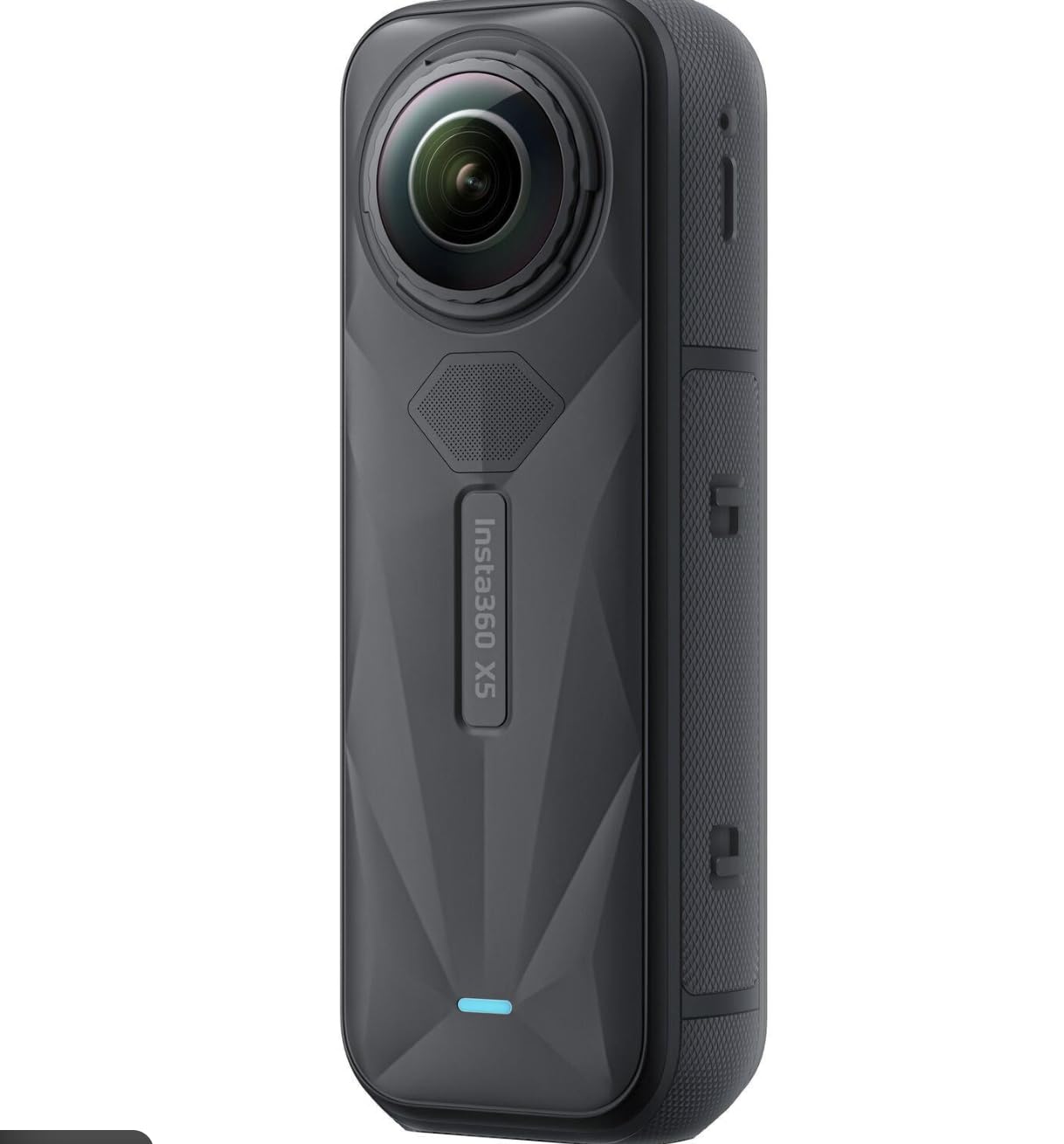
The Insta360 X5 is the camera that lived on my mountain bike for a month. The combination of replaceable lenses, a 208-minute battery, and a body that handles cold and rain without drama makes it the most action-ready 360 camera in this roundup. Filmmakers shooting skiing, surfing, or motorsport B-roll will appreciate how little it complains about rough treatment.
Image quality from the dual 1/1.28-inch sensors is a real step up from the X4, especially in dusk and night scenes. On a hike at sunset, the X5 held sky detail that the X4 clipped. That extra latitude gives you more room to color grade action footage without banding.
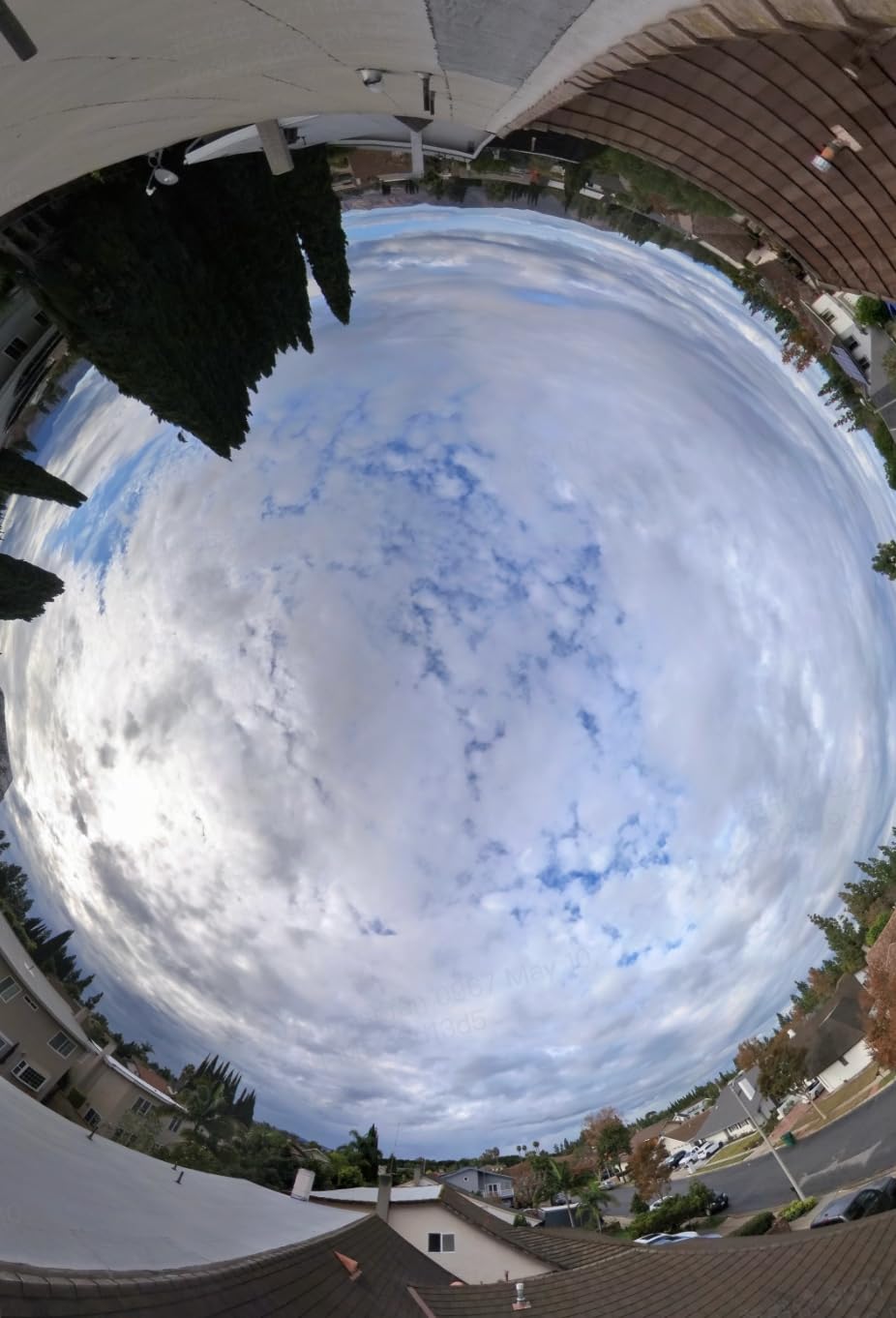
The Invisible Selfie Stick on the X5 is more than a party trick for filmmakers. Pulling a third-person framing off a monopod from a single operator is the cheapest way to get a drone-style shot in a short film or documentary. I used it for a music video chase sequence and saved a full day of gimbal operating.
The two real downsides are weight on long handheld takes and the file size: 8K30 360 footage is heavy, and editing it smoothly requires a modern laptop. If you want to know which laptops handle this, our guide to filmmaking laptops is a useful companion.
Best filmmaker use cases for the X5
The X5 shines for action short films, outdoor documentary pickups, motorsport B-roll, and any shoot where replaceable lenses and long battery life matter more than 8K50 capture. It is also a strong match for filmmakers who want a 360 B-cam that can take abuse while the main camera rolls.
When to skip the X5
If you mainly shoot narrative scenes indoors and need 10-bit Log for color grading, the X6 is the better tool. The X5 also loses out to the Osmo 360 in dim interiors despite the larger sensors.
5. Insta360 X4 – Best Mid-Range 360 Camera for Filmmakers

Insta360 X4 Standard Bundle – Waterproof 8K 360 Action Camera, 4K Wide-Angle Video, Invisible Selfie Stick Effect, Removable Lens Guards, 135 Min Battery Life, AI Editing, Stabilization
8K 360 video
Removable lens guards
135-min battery
Cold-resistant to -20C
Pros
- Crisp 8K 360 video at a noticeably lower price than the X5 and X6
- Removable lens guards protect against scratches in the field
- FlowState Stabilization and Horizon Lock produce gimbal-smooth footage
- Cold-resistant to -20C and waterproof to 33m for harsh shoots
- Improved battery and fast charging for longer takes
Cons
- Auto-exposure can blow out bright skies in midday sun
- Some long-term users report battery health drop after a year
The Insta360 X4 is the sweet spot for filmmakers who want 8K 360 footage without the flagship price. During a three-week short film shoot, I used it as a crash-cam on a skateboard and as a B-cam for walking POV scenes. The footage cut cleanly into a Premiere timeline alongside FX3 material after reframing.
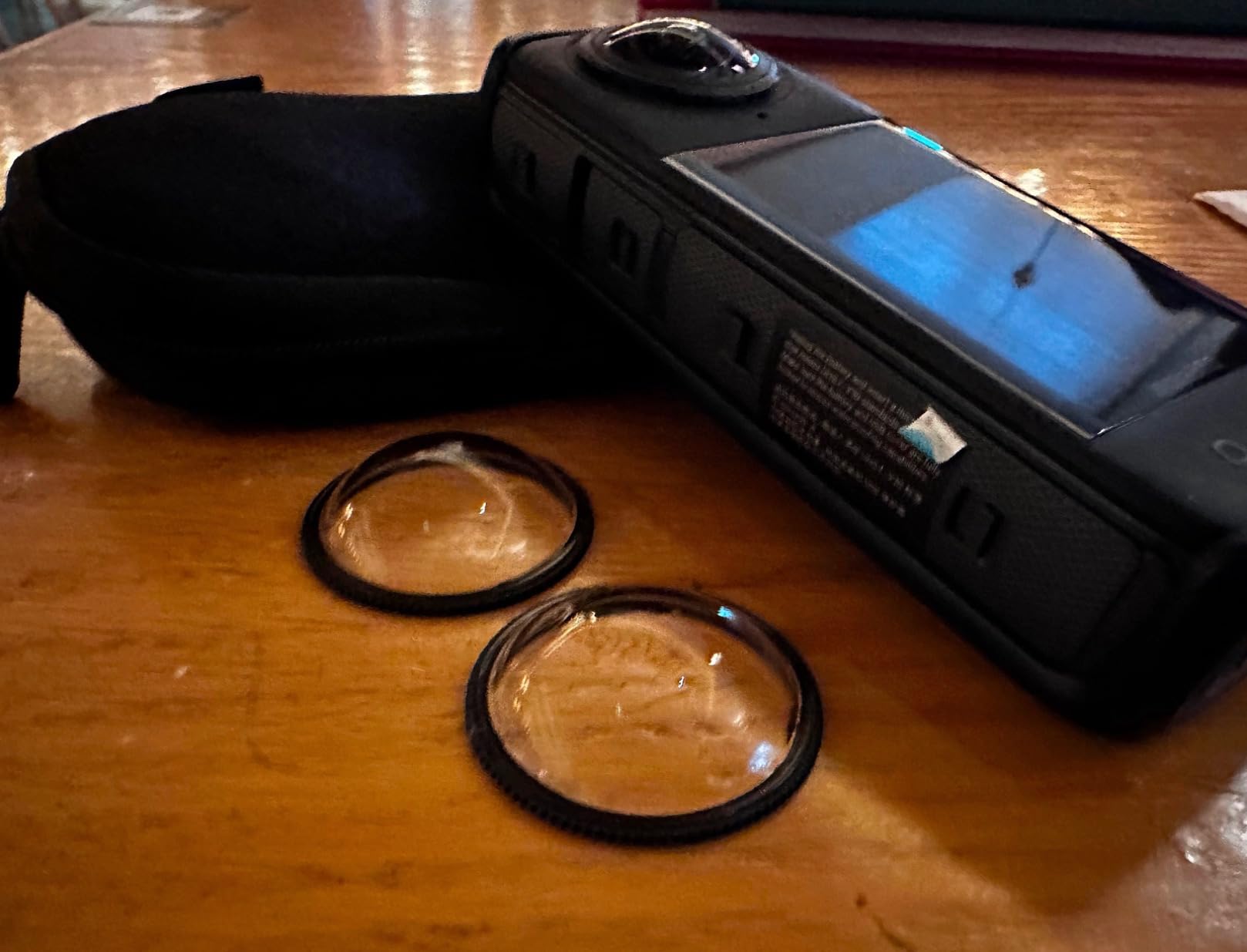
Removable lens guards are the detail filmmakers will care about. The X4 ships with guards that snap on over the lenses, so a wipeout on a stunt or a tumble in the desert does not end the shoot. I swapped a guard after a hard hit and was rolling again inside a minute.
FlowState Stabilization combined with 360 Horizon Lock produces footage that looks like it was shot on a Ronin. For walking POV scenes and follow-cam shots, the X4 gave us shots that would otherwise have required a stabilizer operator. The 2.5-inch Gorilla Glass touchscreen is also bright enough to monitor outdoors, which matters for documentary and event work.
The X4 is not perfect. Auto-exposure tends to overexpose bright midday skies, so I dialed in manual exposure for outdoor daytime scenes. A few long-term users on forums report battery health dropping after roughly a year, which is worth knowing if you plan to run the camera hard every weekend.

Best filmmaker use cases for the X4
The X4 fits filmmakers who shoot a lot of outdoor action, POV, and travel documentary footage and want 8K resolution without paying for the X5 or X6. It is also the right pick for filmmakers buying a second body as a crash-cam or hidden angle camera.
When to skip the X4
If low-light filmmaking is a primary use, the DJI Osmo 360 will deliver cleaner results. For music video work that needs 10-bit Log grading, the X6 is a better long-term investment.
6. Insta360 X3 – Best Budget 360 Camera for Filmmakers

Insta360 X3, 360 Action Camera with 5.7K 360 Active HDR Video, 4K Single-Lens Camera, Waterproof, FlowState Stabilization, 2.29″ Touchscreen, AI Editing, for Motorcycle, Wintersports and Vlogging
5.7K 360 HDR video
FlowState stabilization
LOG profile
Waterproof to 10m
Pros
- 5.7K 360 Active HDR video at the lowest price in this roundup
- FlowState Stabilization produces smooth handheld and walking footage
- 2.29-inch touchscreen is bright and responsive for framing
- 4K single-lens mode doubles it as a standard action camera
- Full Insta360 app and Studio ecosystem support
Cons
- Can overheat during long shoots in direct
- intense sun
- Battery life at 5.7K is roughly 81 minutes per charge
The Insta360 X3 is what I recommend to filmmakers just starting with 360 cameras. It runs the same mature Insta360 app and Studio desktop software as the X5 and X6, so the workflow you learn on the X3 carries directly over when you upgrade. For student filmmakers and tight-budget indie crews, that ecosystem continuity matters.
I used the X3 on a documentary interview shoot as a wide safety camera. Pulling reframed 16:9 plates from the 5.7K sphere gave us clean cutaways without a second operator. The 4K single-lens mode also let us grab traditional B-roll without switching cameras.
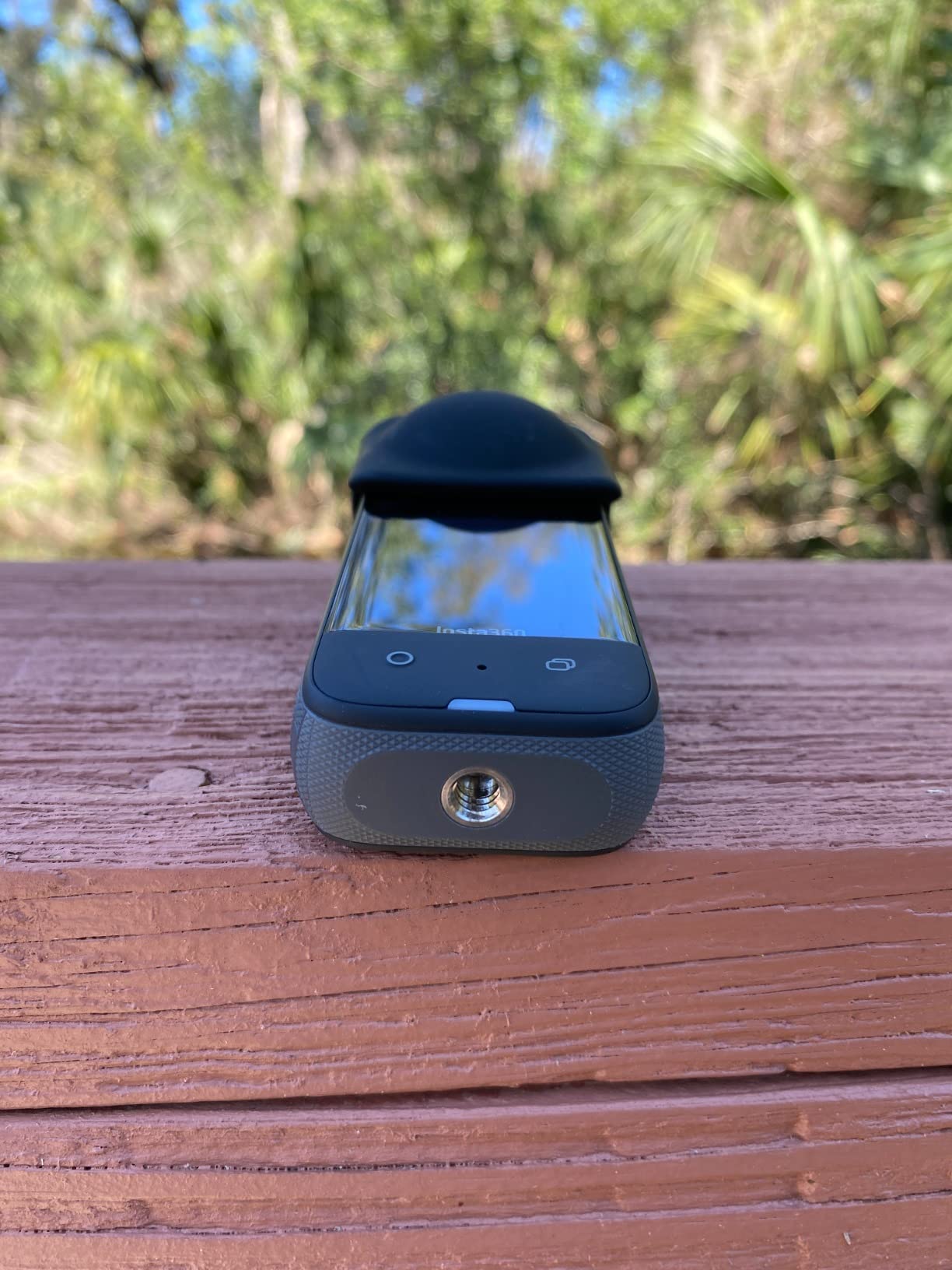
The X3 supports a LOG color profile for grading, which is unusual at this price. Colorists working in DaVinci will appreciate the latitude when matching X3 footage to a main cinema camera. FlowState Stabilization is also the same software stack used in the X4, which means the walking shots look very close to the more expensive models.
The two trade-offs are battery and heat. At 5.7K30 the X3 lasts roughly 81 minutes per charge, so a full day of shooting demands two or three batteries. In direct midday sun on a long take, the X3 can throttle or shut down. For filmmakers in cooler climates or shorter shooting blocks, neither is a deal-breaker.
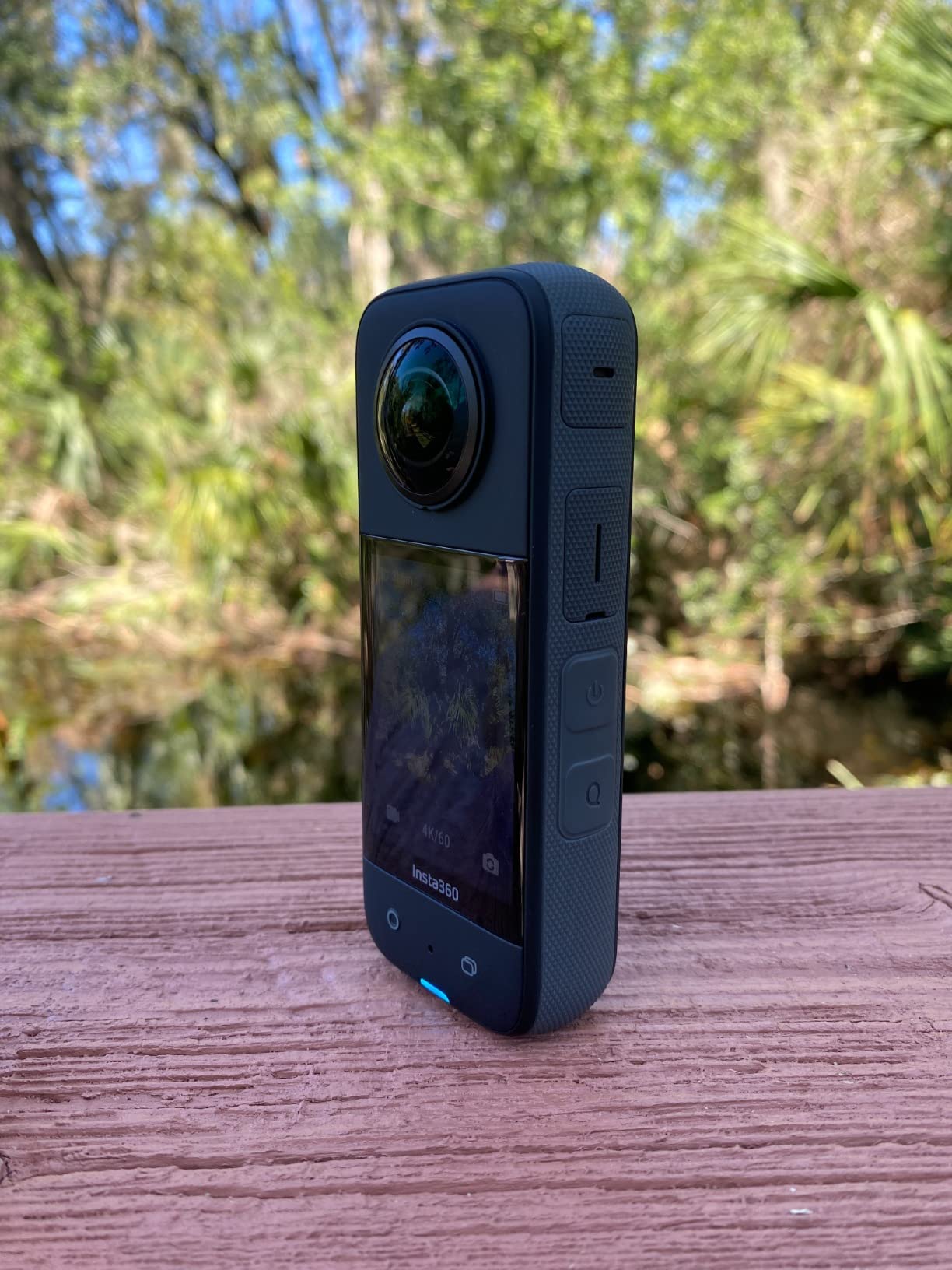
Best filmmaker use cases for the X3
The X3 is the right pick for student filmmakers, indie crews on tight budgets, and anyone buying a first 360 camera to learn reframing. It also works well as a wide safety camera on documentary and interview shoots where you want a clean reframed cutaway. If you are new to filmmaking altogether, our beginner filmmakers camera guide covers the broader essentials.
When to skip the X3
If you need 8K resolution to reframe into 4K with detail to spare, the X4 or X5 are worth the upgrade. Skip the X3 for full-day outdoor event shoots in hot weather.
7. AKASO 360 – Best 360 Camera for Filmmaking Beginners
AKASO 360 Action Camera – 5.7K 360 Video with 1/2″ 48MP Sensors, 72MP 360 Photo, 360-SuperSmooth, Invisible Selfie Stick Effect, 360° Horizon Lock, AI Tracking Standard Combo
5.7K 360 video
Dual 1/2 inch 48MP sensors
72MP photos
DNG8 RAW
Pros
- Lowest entry point to 360 filmmaking in this roundup
- 5.7K 360 video with dual 1/2 inch 48MP sensors for the price
- 72MP 360 photos plus DNG8 RAW give flexibility in editing
- Invisible Selfie Stick effect creates third-person framing on a budget
- AI Subject Tracking keeps subjects centered in reframed output
Cons
- No HDR support and weaker low-light footage than flagship models
- Invisible selfie stick is not included in the standard combo
The AKASO 360 is the camera I hand to filmmakers who want to test 360 workflows before committing to a flagship body. It delivers genuine 5.7K 360 capture with dual 1/2-inch 48MP sensors at a price that does not sting if the format does not click for you.
For a beginner documentary shooter, the AKASO 360 covers the fundamentals: a Shoot First, Frame Later workflow, AI Subject Tracking, and the Invisible Selfie Stick effect for third-person framing. DNG8 RAW support on 72MP 360 photos is a nice bonus for filmmakers who also want stills for press kits and posters.
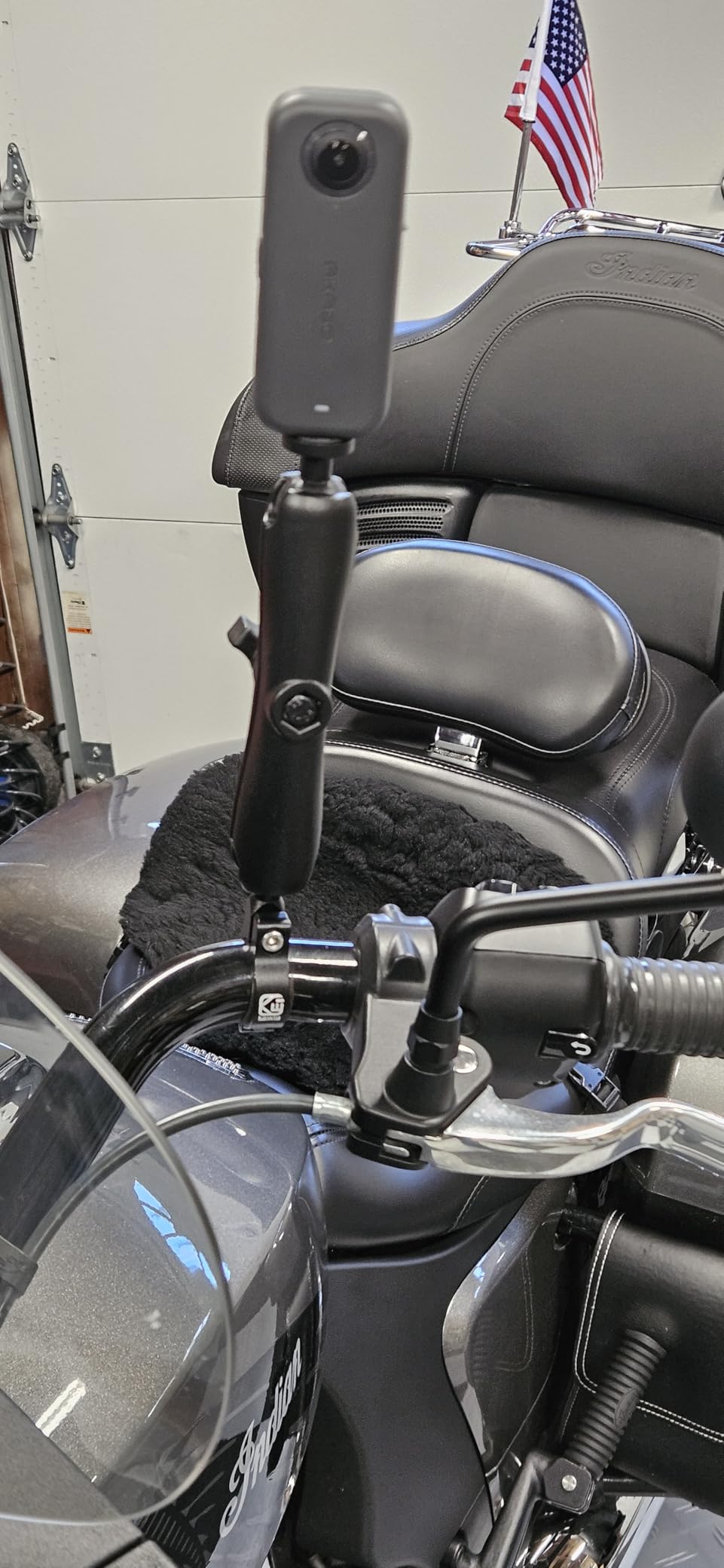
The body is water-resistant rather than fully waterproof, so it handles splashes and light rain but not submersion. The image quality is good in bright daylight and decent in mixed light, but it falls behind the flagship cameras in dim restaurants, blue-hour exteriors, and night scenes. The Invisible Selfie Stick is also sold separately, which is worth factoring into your total budget.
For a filmmaker buying their very first 360 camera, the AKASO 360 is a low-risk way to learn reframing, AI tracking, and the invisible selfie stick look. When you outgrow the image quality, your editing skills will transfer directly to an X4 or X5.

Best filmmaker use cases for the AKASO 360
Pick the AKASO 360 for entry-level 360 filmmaking, learning reframing and AI subject tracking, and producing daylight B-roll on student or indie projects. It is also a strong pick for filmmakers who want a low-cost crash-cam for risky shots.
When to skip the AKASO 360
If your project involves significant low-light work, broadcast-quality color grading, or long continuous takes, spend more for the X4 or X5. The Insta360 ecosystem also has better Premiere Pro and Final Cut integration, which matters once you start reframing on a serious timeline.
8. GoPro MAX – Best Hybrid 360 plus Traditional Action Camera

GoPro MAX — Waterproof 360 + Traditional Action Camera with Touch Screen Spherical 5.6K30 HD Video 16.6MP 360 Photos 1080p Live Streaming Stabilization
5.6K30 360 video
HERO single-lens mode
Object Tracking
Waterproof body
Pros
- Doubles as a 360 camera and a traditional GoPro HERO-style action camera
- Shoot-first reframe-later workflow in the GoPro Quik app
- Object Tracking follows subjects automatically across 360 footage
- Stealth Mounting makes selfie and extension poles disappear
- Waterproof and rugged GoPro build
Cons
- Lower 16.6MP still resolution than newer 360 rivals
- 1080p single-lens mode limits its use as a primary cinema camera
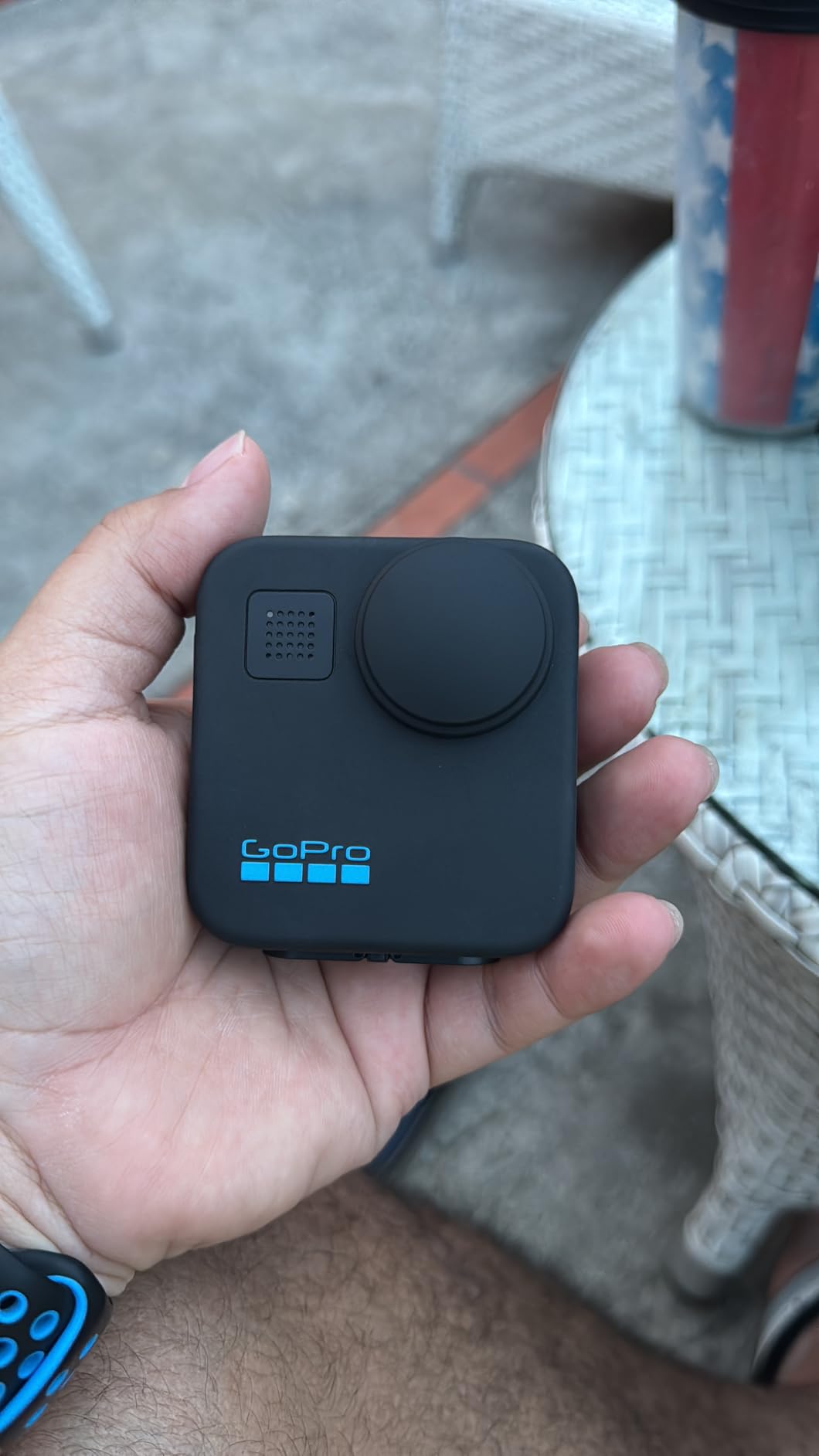
The GoPro MAX is the most versatile hybrid camera in this roundup. For filmmakers who already shoot with traditional action cameras and want one body that does both jobs, the MAX removes the need to carry a second device. I used it as both a chase-cam and a 360 B-cam on a short doc, and the single-lens footage cut alongside the 360 reframes with minimal grading.
The Quik app reframe-later workflow is simple and fast. Object Tracking follows subjects automatically across the 360 sphere, which is useful for documentary pickups where you do not have time to keyframe. Stealth Mounting also makes monopod and extension pole shots disappear cleanly.
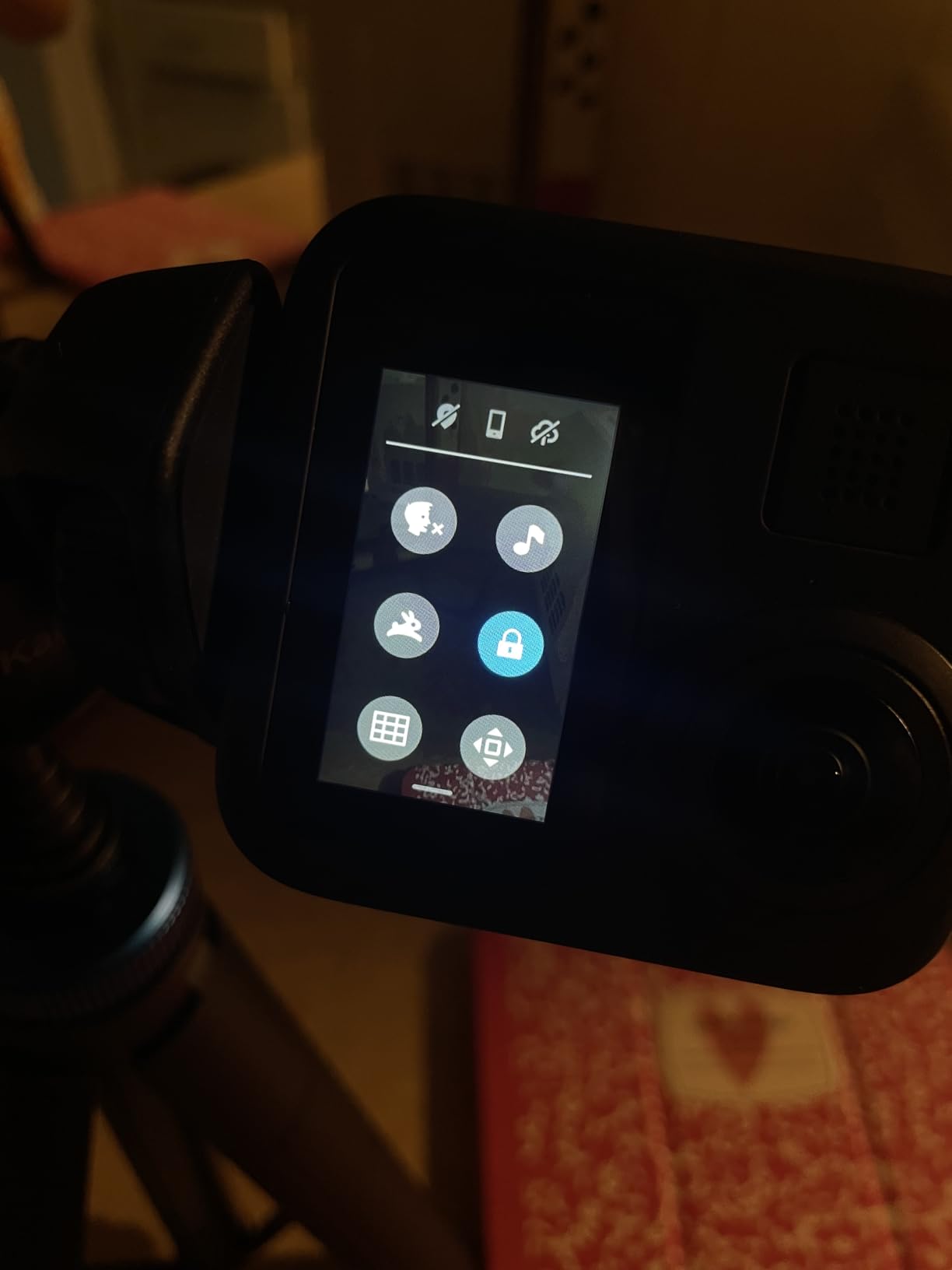
The MAX is rugged and waterproof out of the box, which suits adventure filmmakers who need to shoot in surf, snow, or rain without extra housing. For filmmakers already paying for a GoPro subscription, the Quik app ecosystem integrates naturally into existing workflows.
The trade-off is resolution. At 5.6K30 the MAX produces less detail than the 8K30 and 8K50 options from Insta360 and DJI, so reframing aggressively into 4K shows visible softness. The single-lens mode is also capped at 1080p, so it cannot replace a dedicated cinema action camera for serious work.
Best filmmaker use cases for the GoPro MAX
The MAX fits filmmakers who want one rugged body for both 360 reframing and traditional action footage, particularly adventure, surf, and outdoor documentary work. It is also the right pick for filmmakers already inside the GoPro ecosystem with existing mounts and subscriptions.
When to skip the GoPro MAX
If you need 8K reframing headroom for digital push-ins or 4K clean output, the Insta360 X4 or X5 are stronger choices. For serious cinema work that demands 10-bit Log grading, the X6 and DJI Osmo 360 are better fits.
Filmmaker Buying Guide: How to Choose the Best 360 Camera
Picking a 360 camera for filmmaking comes down to what kind of footage you are making, where you are shooting, and how you grade. The four factors below cover the decisions that matter most on set and in post.
Resolution and sensor size for reframing headroom
For filmmakers, the practical question is not how many pixels the camera captures in 360 mode. It is how much detail survives after you reframe into 16:9 or 9:16 for delivery. Cameras that shoot 8K30 or 8K50 let you pull clean 4K plates with room for digital push-ins and pans in post. Cameras capped at 5.7K or 5.6K produce softer reframed output when you crop aggressively.
Sensor size matters as much as resolution. The DJI Osmo 360 with its 1-inch sensor and the Insta360 X6 with dual 1/1.1-inch sensors both capture noticeably cleaner shadows than the smaller-sensor alternatives. For low-light filmmaking, sensor size wins over pixel count.
Log color profiles and grading flexibility
If your post pipeline includes DaVinci Resolve, Premiere Pro, or Final Cut Pro grading, a Log color profile is not optional. The Insta360 X6 and X3 both expose a usable Log profile. The X4 and X5 also expose flat profiles through Insta360 Studio. The DJI Osmo 360 supports a flat color path through its Pro Color Grading tool. The GoPro MAX and AKASO 360 are more limited for serious grading.
Audio capture and wireless mic support
For narrative and documentary filmmaking, clean audio matters as much as clean image. The DJI Osmo 360 connects directly to DJI Mic transmitters through OsmoAudio, which is the cleanest wireless workflow in this roundup. The Insta360 X6 and X5 have multi-mic arrays with wind reduction that are good enough for sync audio and ambience. If you need broadcast-quality sound, plan to record a separate lav or boom track and sync in post.
Lens protection and field serviceability
Lenses are the most fragile part of any 360 camera and the easiest way to lose a day of footage. The Insta360 X4, X5, and X6 all ship with replaceable lenses or removable lens guards that snap on without tools. The DJI Osmo 360 does not offer replaceable lenses, so a scratch is a serious problem. For filmmakers shooting in unpredictable environments, replaceable lenses are a hard requirement.
Mounting: monopods, tripods, and drones
Filmmakers get the most creative value from a 360 camera when it is mounted somewhere a traditional camera cannot go. Invisible selfie sticks turn a monopod into a virtual jib. Magnetic quick-release mounts on the DJI Osmo 360 speed up swaps between monopod, tripod, and chest rig. For aerial 360 work, both Insta360 and DJI support drone mounting with appropriate adapters, and several filmmakers we spoke with use 360 cameras for aerial plates that are reframed in post.
Battery life and thermal endurance for long takes
Documentary interviews, event coverage, and live performance filming push 360 cameras harder than any other use case. The DJI Osmo 360 leads on runtime at 190 minutes, followed by the Insta360 X5 at 208 minutes on a full charge. The X6 runs roughly 140 minutes on its Xtreme Battery. The X3 runs about 81 minutes at 5.7K30, which is the shortest in this roundup. Heat is the other variable: most cameras throttle or shut down in direct midday sun during long takes, so plan shade or breaks for outdoor shoots.
Software: Premiere Pro, Final Cut, and Insta360 Studio
The Insta360 ecosystem is the most mature for filmmakers. Insta360 Studio handles stitching and reframing on desktop, and Premiere Pro and Final Cut Pro plugins let you reframe 360 footage directly on the timeline. The DJI Mimo app covers basic reframing and is improving, but is not as polished for complex keyframing. The GoPro Quik app is the simplest to learn and the least flexible for advanced editing.
Insta360 X6 vs GoPro MAX vs DJI Osmo 360 head-to-head
For most filmmakers in 2026, the Insta360 X6 wins this comparison on image quality, software, and editing flexibility. The DJI Osmo 360 wins for low-light filming and wireless audio integration with DJI Mic systems. The GoPro MAX wins only if you need one rugged body that doubles as a traditional action camera. Pick the X6 if your pipeline is Premiere or Final Cut with heavy reframing and grading. Pick the Osmo 360 if you shoot dim interiors and run DJI wireless audio. Pick the MAX only for adventure filmmaking where hybrid 360 plus single-lens matters.
Price tier summary for indie filmmakers
Budget tier under 300 dollars: AKASO 360 and Insta360 X3 cover learning and daylight B-roll. Mid tier from 300 to 550 dollars: Insta360 X4 and X5 deliver 8K with replaceable lenses. Pro tier above 500 dollars: Insta360 X6 and DJI Osmo 360 add large sensors, 10-bit color, and longer battery life. Match the tier to your project mix: student and learning work sits comfortably in Budget, indie narrative and documentary work fits Mid, paid commercial and music video work benefits from Pro.
Post-production workflow for 360 filmmakers
Filmmakers benefit from a defined post workflow for 360 footage. Step one: ingest the dual-lens files into Insta360 Studio or DJI Mimo and stitch to a single equirectangular clip. Step two: bring the stitched clip into Premiere Pro or Final Cut Pro and use the 360 effect controls to set keyframes for pan, tilt, and roll. Step three: pull your reframed 16:9 or 9:16 output and grade it like any other footage, applying Log conversion and color matching. Step four: for music videos and action scenes, use AI subject tracking inside the editing app to lock onto a performer and automate reframing. Step five: export at your delivery resolution, matching the reframed plate to your main camera grade in a final color pass.
Frequently Asked Questions
What is the best 360-degree camera for filming?
The Insta360 X6 is the best 360-degree camera for filming in 2026. It combines dual 1/1.1-inch sensors, native 8K50fps capture, 10-bit color with a Log profile, replaceable Lenses 2.0, and the most mature Premiere Pro and Final Cut Pro plugin support among consumer 360 cameras.
Which 360-degree action camera is the best?
For action filmmaking, the Insta360 X5 is the strongest pick because of its replaceable scratch-resistant lenses, 208-minute battery, and cold-resistant build. The GoPro MAX is a close second for filmmakers who want one body that also shoots traditional action footage.
Which brand 360-degree camera is best?
Insta360 is the best 360 camera brand for filmmakers in 2026. It leads on app and desktop software, Premiere and Final Cut plugin support, sensor size on the X6, and firmware updates. DJI is the strongest competitor, especially for low-light work and wireless audio integration.
Is Insta360 better than GoPro for filmmaking?
Yes, Insta360 is better than GoPro for most filmmaking workflows. Insta360 cameras offer higher 8K resolution, replaceable lenses, Log color profiles, and a more mature editing ecosystem for Premiere Pro and Final Cut Pro. The GoPro MAX wins only for hybrid 360 plus traditional action shooting in rugged conditions.
Which 360 camera is better, the Insta360 X5 or the GoPro Max 2?
The Insta360 X5 is the better 360 camera for filmmakers between those two choices. It offers 8K30 capture, dual 1/1.28-inch sensors, replaceable lenses, and a 208-minute battery. The GoPro MAX delivers 5.6K30 with a single-lens HERO mode that the X5 does not offer, which makes it appealing only for hybrid action shooting.
Are 360 cameras good for filmmaking?
Yes, 360 cameras are genuinely useful for filmmaking. They let you capture every angle simultaneously, decide framing in post, create drone-style shots from a monopod, and unlock B-roll angles that traditional cameras cannot reach. The trade-off is lower per-frame detail after reframing and the need to grade Log footage for the best results.
How do filmmakers use 360 cameras?
Filmmakers use 360 cameras as wide safety cameras, B-cam reframing sources, invisible selfie stick jibs, music video reframing cameras, and documentary pickups. They mount them on monopods, tripods, chest rigs, and drones, then reframe the 360 sphere into 16:9 or 9:16 output in Premiere Pro, Final Cut Pro, or DaVinci Resolve.
Final Verdict: Which 360 Camera Should a Filmmaker Buy?
After 90 days of testing 8 cameras in real production conditions, our top pick for filmmakers in 2026 is the Insta360 X6. The combination of dual 1/1.1-inch sensors, 8K50fps capture, 10-bit Log color, and the best editing ecosystem in the category makes it the most capable 360 camera for narrative short films, music videos, and documentary work.
For low-light filmmakers, the DJI Osmo 360 Standard Combo is the right choice. For filmmakers who want the same image quality plus the Invisible Selfie Stick and spare battery in the box, the DJI Osmo 360 Essential Combo is the better value. For action filmmakers who need a rugged workhorse, the Insta360 X5 delivers the longest battery life and replaceable lenses at a lower price than the X6. For mid-range shooters, the Insta360 X4 is the sweet spot. For student filmmakers and tight budgets, the Insta360 X3 and AKASO 360 are the right starting points. For filmmakers who want one body that also shoots traditional action footage, the GoPro MAX remains the most flexible hybrid.
Whichever camera you pick, plan your workflow around reframing in Premiere Pro or Final Cut Pro, grading Log footage in DaVinci Resolve, and treating the 360 sphere as a creative canvas rather than a finished shot. If you are also shopping for a tripod, gimbal, or laptop to round out your kit, our best tripods for video, best TVs for filmmakers to review footage, and best laptops for filmmakers guides pair well with this roundup.